










Welcome to the November issue of The Farmlander magazine.
We have had a busy few weeks, with the release of our Annual Report and preparing for this month’s AGM. The disappointing result was one we had been preparing for, which is why we sent every shareholder a letter in early April to advise we would not be posting a Bonus Rebate.
As a shareholder, you have our assurance that we’re driving hard to restore Farmlands to profitability and we are on the road to recovery. We’re already measuring improved performance in the new financial year based on steps we have taken to improve our results.
While these changes take place in the background, it is business as usual in terms of your service with us at the front end. We’re still here to keep your costs down, provide you with expert advice and support you through relationships that in many cases stretch back generations.
I thank you for your loyalty and support of our co-operative. This year, so far, is looking encouraging. We are all driven to produce the results a co-operative of our size and scale deserves. I look forward to reporting our progress to you in the months to come.
Kind regards,

Peter Reidie Chief Executive Officer

Q: What is your current role at Farmlands?
A: Northern Sales Manager.
Q: What do you like to do most in your spare time?
A: Spend time with my family and friends, fishing, diving and playing squash (badly)!
Q: What is the strangest thing you have ever eaten?
A: Guinea pig while staying with a family at Lake Titicaca on the border of Peru and Bolivia.
Q: What is your signature karaoke song?
A: It would have to be Eye of the Tiger… there may have been times when I have been out running that I thought I was Rocky Balboa!
Q: Past or present, who would you like to meet? What would you ask them?
A: Peter Brock. Can I come for a ride?

1-1.2kg pork belly, skin scored
Ground black pepper
1 teaspoon salt
2-3 sage leaves
2-2½ cups milk
1. Preheat oven to 240°C. Pat the skin of the meat dry and season the flesh side with pepper and half the salt. Sprinkle the sage leaves on the bottom of a metal baking dish (do not use a glass or ceramic baking dish) and put the pork on top, skin side up. Season the top with remaining salt.
2. Roast for 20-30 minutes at 240°C until the skin is starting to blister and crackle. Watch closely for burning.
3. Pour the milk around the meat to come about half to two thirds of the way up the sides of the pork.
4. Reduce the heat to 160°C and roast for a further 1½ hours, or until the meat is tender. Check the level of liquid during cooking and if it has evaporated, add a little more to the pan.
5. Remove pork from the oven, lift it out of the dish and allow it to cool. Discard the liquids. Place the meat flesh side up on a chopping board and use a heavy, sharp knife to cut it into slices about 3-4cm thick. Serve warm or at room temperature.
Tap into the huge amount of knowledge and experience at your local Farmlands store. Drop in, call 0800 200 600 or visit www.farmlands.co.nz
Farmlands store.
Horticultural Advisory Service available.

Check out our Facebook page to see what’s happening at Farmlands www.fb.com/farmlandsnz































We talk to shareholders who have taken their own path to finding financial stability.

‘You don’t talk about your finances with other people’. For many, this was an early childhood lesson passed down from parents who themselves had been taught that talking finance was folly.
Like a lot of subjects that were once considered taboo, discussing finances and budgeting has grown in prominence as the years have gone on. Maybe the feeling that those who do not learn from history are doomed to repeat it is behind the discussion. Or maybe it is simply not a sacred subject anymore.
For this month’s issue on budgeting, The Farmlander caught up with two groups of shareholders that have learned to think outside the box to reach their respective goals.
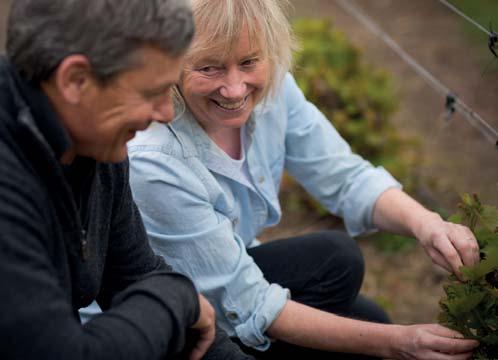
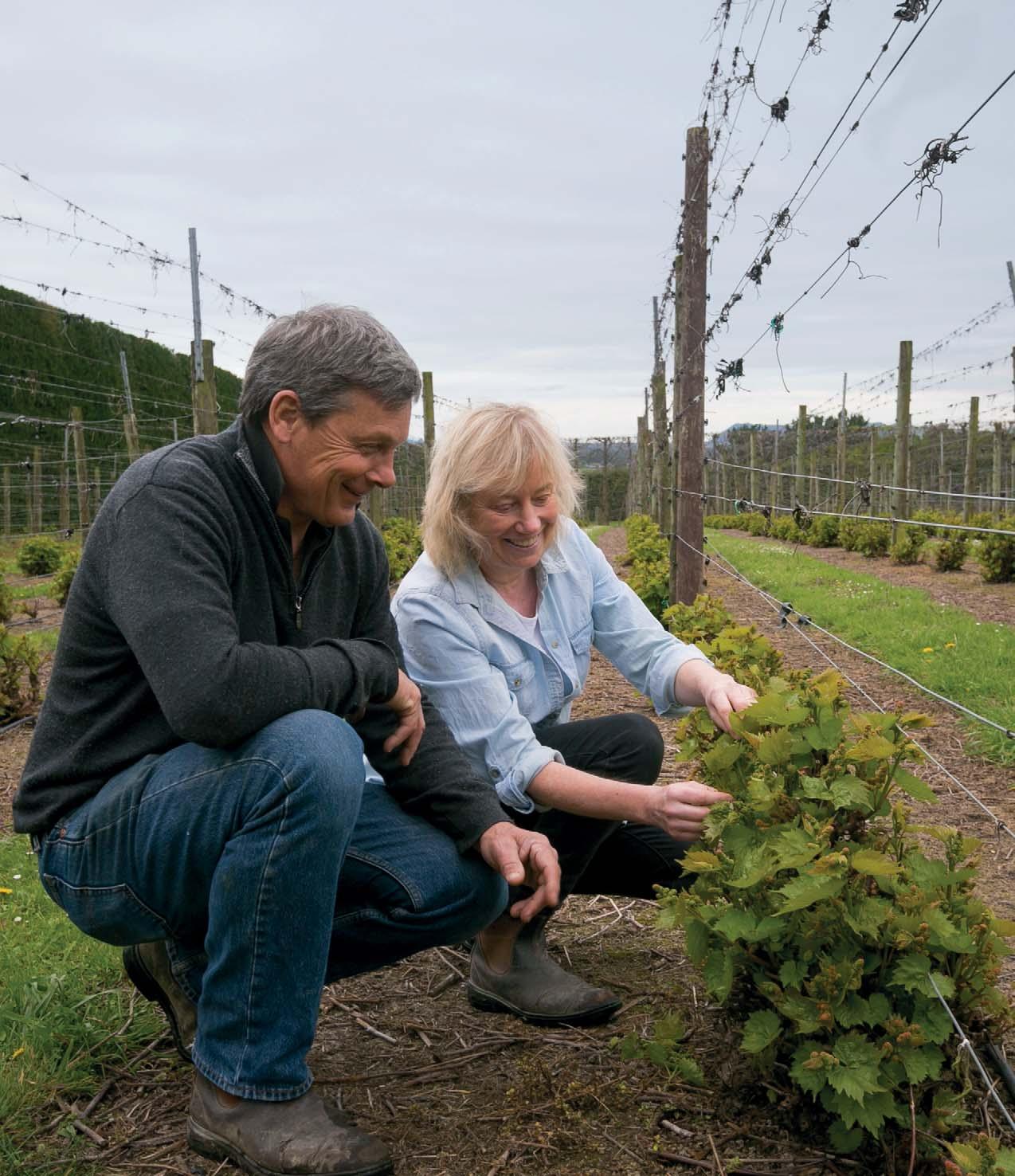
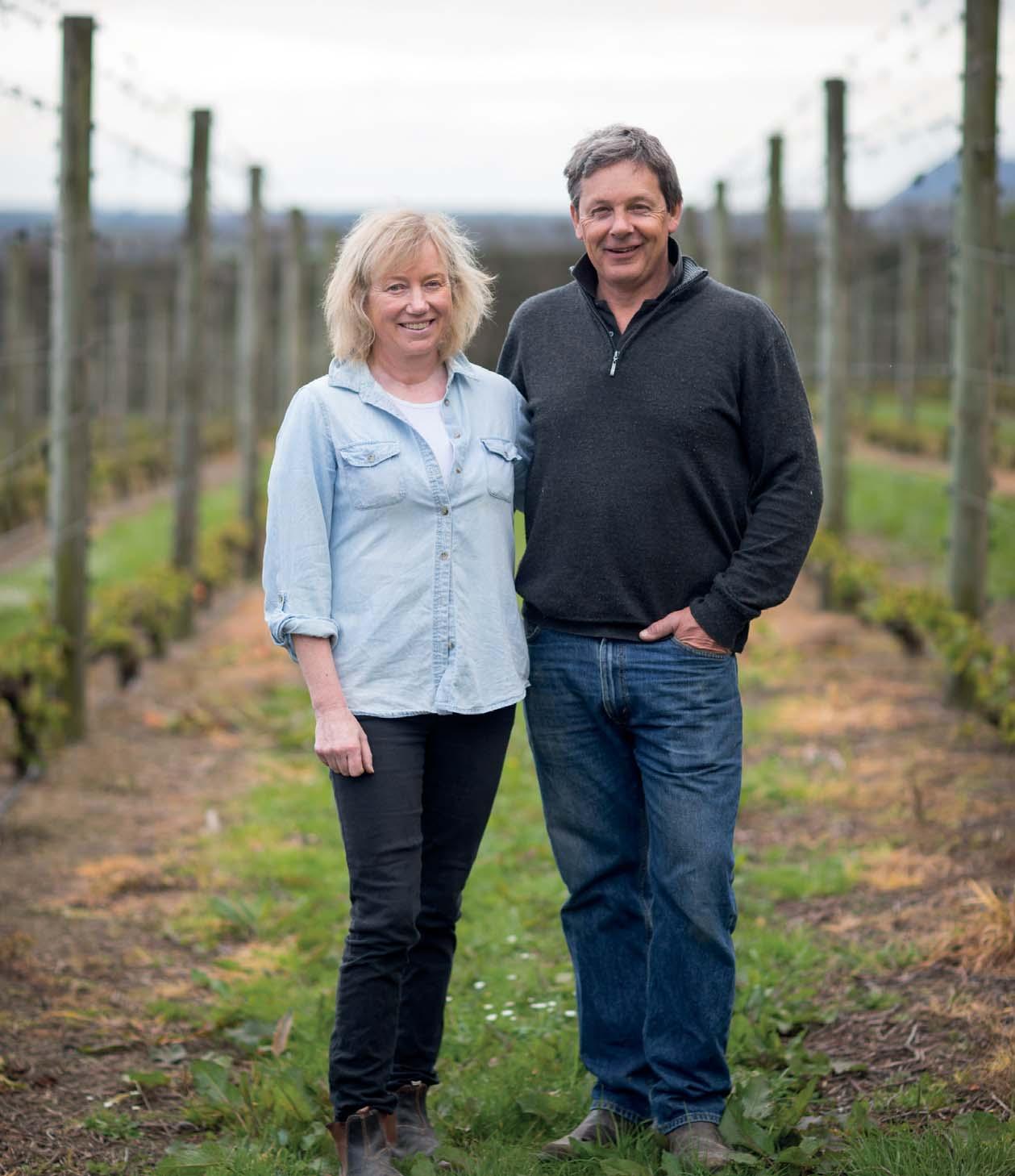
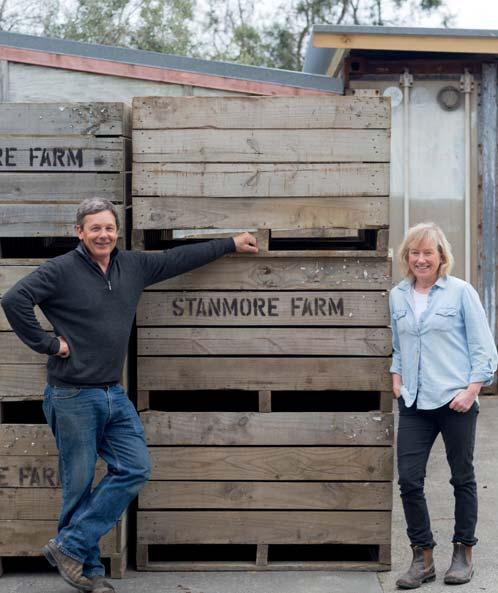
Kate and Tim Gibbs from Stanmore Farm Nursery in Te Horo, on the Kapiti Coast, featured in a previous incarnation of Farmlands’ magazine 15 years ago. It’s an easy date for Kate to remember, as she has her youngest son as a reminder.
“The reason I remember the length of time was I had a 3 week old baby when we had a photo taken (for the article). The 3 week old is now sitting beside me as a 15 year old.”
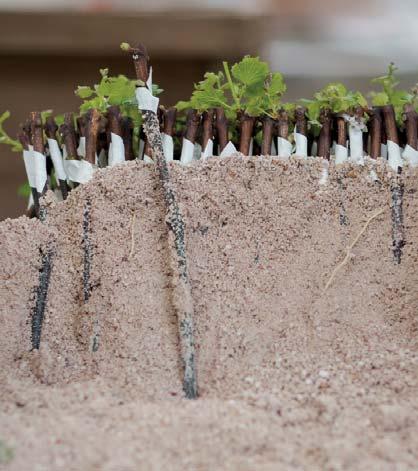
When the original article was written, Kate and Tim were working for her father at his nursery. They now own the business themselves, specialising in growing grapevines for the wine industry. The journey to get there has been a story of flexibility and compromise.
“Stanmore Farm is an orchard and nursery, started by my father in the 1980s as just an orchard,” Kate explains. “We probably talked (at the time of the original article) about being in the vineyard planting boom. But then the GFC (Global Financial Crisis) hit and everything came to a grinding halt. Now everything is going gangbusters again, especially in Marlborough.”
Since their initial days of ownership in 2007, Kate and Tim have narrowed the scope of the business considerably. During the days of the downturn, however, Stanmore Farm was finding increasingly diverse ways to stay financially viable.
“Sometimes it’s an interesting angle to talk about (diversification) in economic situations. It was quite useful over the GFC, when the grape grafting fell away. We were not grafting many vines but we still had the orchard that was producing pears and blackberries. We also had a commercial kitchen and were producing our own Te Horo brand of jam,” Kate says.
“During the GFC we also developed a 40ha vineyard for clients and managed it – we did that to keep our staff, some we’ve had for more than 15 years. The big financial crisis hit but we were very determined to keep our staff, so we found other things to do.”
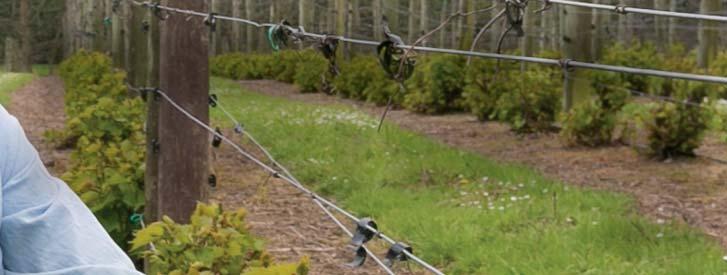
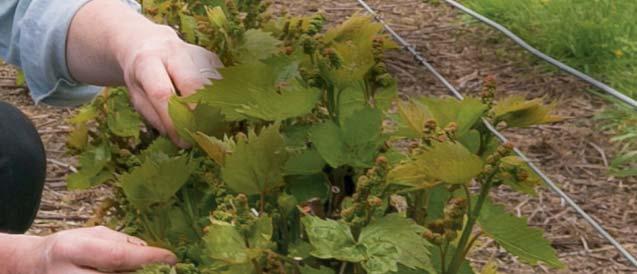
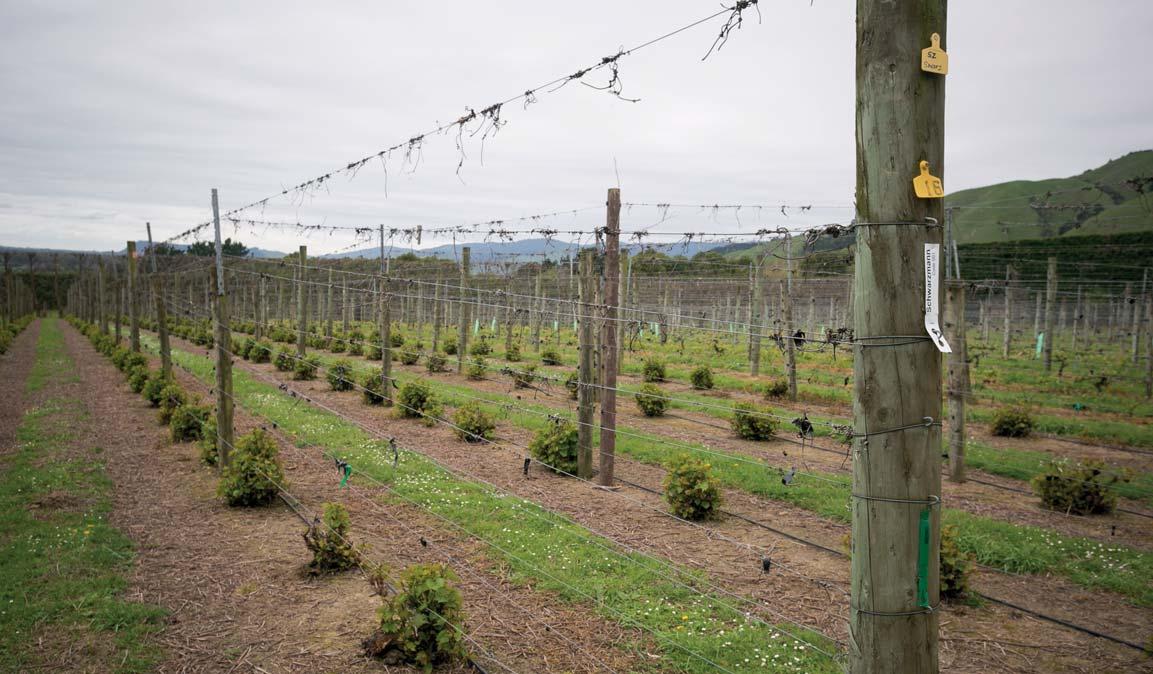
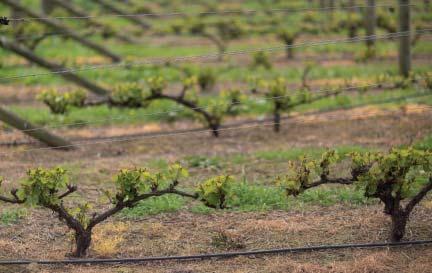
Viticulture receives top billing on Stanmore Farms these days. The pear trees have all gone from the 100 acre property, as are a lot of fruit production blocks. Kate and Tim took the opportunity to re-plant the rootstock blocks with high-health material that has been DNA and virus tested. The landscape is now dominated by the grapevine nursery, aside from a few blackberries.
“You never know how long the low economic situation is going to last for. There was a time when we were thinking, is it ever going to come right again? But we’re flat out grafting now and we’ve still got all of our wonderful trained staff and their experience,” Kate says.
“We will only use half of the land available for the production side of things. In the off-season we fallow the land and grow green crops – mustard, lupins – which are useful in the grape side of things because they are naturally pathogenic. That’s really important to protect against trunk diseases in vines.”
The grapevine nursery is booming, with vines sent to clients throughout New Zealand who are starting new vineyards, as well as existing vineyards being replanted. Kate believes they are “the start of the journey” for people wishing to start their own vineyard and certification in the industry helps ensure consistent quality of product.
“New Zealand Wine Growers have a grafted grapevine standard,” she explains. “We all agreed to be audited and certified to this New Zealand standard, which has raised the bar.”
The standard ensures traceability, accountability and virus testing to ensure clean material is going out to the New
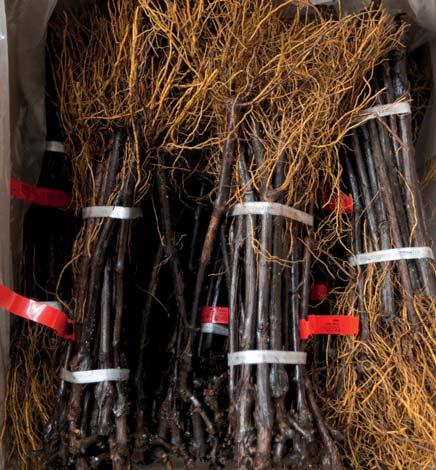
Zealand wine industry. It adds another layer to what has been a volatile industry in the past 10 years.
“Pre-2007 there were 22 grapevine nurseries and by the end of 2012 there were five,” Kate says. “A lot of the industry fell away but during that time the rest of us worked together to bring a standard to the marketplace.”
Stanmore Farm has a focus on quality, which ties into Kate’s ideas on “premium production”. The Kapiti Coast doesn’t roll off the tongue as well as Marlborough does to
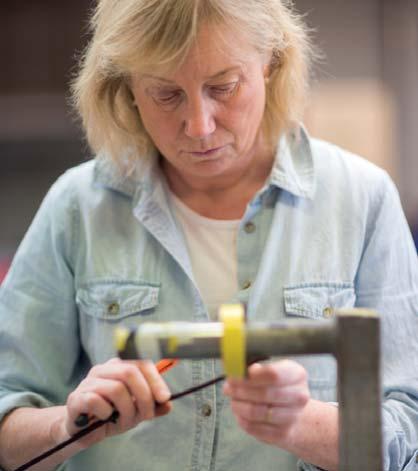
With the pay-out being what it is, we needed a plan B to try and survive…


the winery industry, so Stanmore’s comparative isolation provides a “clean environment” to some of the other issues facing viticulture.
“The fact we don’t have phylloxera (aphid) shows we are isolated from those grape growing regions,” Kate says. “But we also have a very temperate climate with high rainfall. It’s a north west facing property, frost free but with rich, deep, fertile soil. Our area was originally known as the production bowl for Wellington – it’s market garden country.
“When we grow grape vines as young nursery plants we get big, chunky vines and send them out to our clients who are all around the country. Vines are often stressed in stony vineyards – ours are healthy and they get a good start.”
While the majority of clients come from Marlborough, Central Otago is also a prominent destination. Both regions appear to be fond of the new rootstocks Stanmore exclusively grows, which are drought resistant and sodium soil tolerant.
“A lot of the booms going on in the wine districts, a lot of the premium land with water access, has been snapped up,” Kate says. “As the boom goes on, new vineyards are being established in slightly less suitable areas. Plus, we don’t know what’s going to happen with the whole climate change scenario. We’re very excited about these new rootstocks that are going to provide an alternative option.”
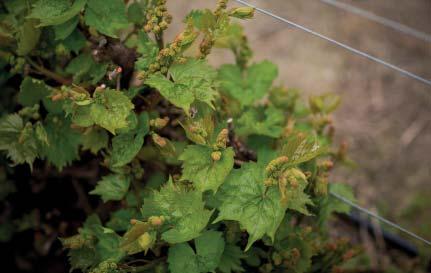
Years of perseverance and budgeting on everything but imagination has helped Stanmore Farm transition effectively to one of New Zealand’s premier nurseries. Kate adds a “second string” to the budget – maintaining service levels with clients they hold strong relationships with. If there’s one thing that always boosts the balance sheet, it’s loyalty.
“I’m a trained viticulturist, so I can talk the language with them and provide advice and consultancy as people need the help. I’ve been around a long time – put it that way.”
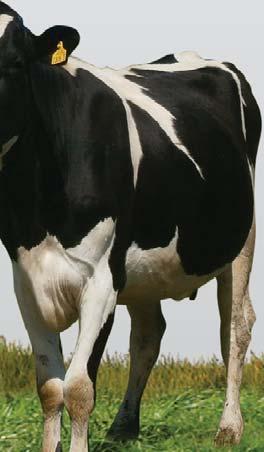
Being able to speak the lingo has helped Sam Kingston out as well. Based on 230ha at Hinds, 15 minutes south of Ashburton, Sam is a 50/50 sharemilker milking 900 mainly Friesian cows on a 54 bail rotary platform. Sam has been a dairy farmer for 14 years but the dairy downturn created a few problems with making ends meet. With the support of his staff, Sam used his experience in the industry to create a side business as a livestock agent.
“The downturn was the main driving objective to finding some off-farm work,” he says. “I’ve been doing it on and off for a few years but then someone encouraged me to join a business
– from there it was more a matter of being associated with someone and getting a uniform.”
Key to Sam’s successful balance of livestock agent and dairy farmer is having two good teams. Hannah, Sam’s wife, holds the fort at the farm whenever Sam needs to put his agent’s hat on.
“We’ve got a good team on the farm and the agent job is more phone work than anything else,” he says. “My wife covers me when I’m off-farm but I don’t drive up people’s driveways cold calling unless I’m on the hunt for something specific.”
By doing the majority of his work via phone, Sam is able to (for the most part) keep his schedule on the farm consistent. He’s milking at 4.00am and in the afternoon has “about 90 percent of my attention on-farm, with a bit of hunting when people are looking for stuff – the joys of mobile phones”.
“Starting the conversation, people think I get up at 9.00am and go to work but when you mention the cold mornings, they can relate to you a bit better.
Sam says a crucial part of his livestock work is being able to relate to customers, comparing their situation to his own herd or parts of his business. “Especially with the new clients. Starting the conversation, people think I get up at 9.00am and go to work but when you mention the cold mornings, they can relate to you a bit better.”
The dairy downturn and work as an agent has helped Sam appreciate the need for “even more budgeting”, while working on keeping costs down. He used to have a high inputs system
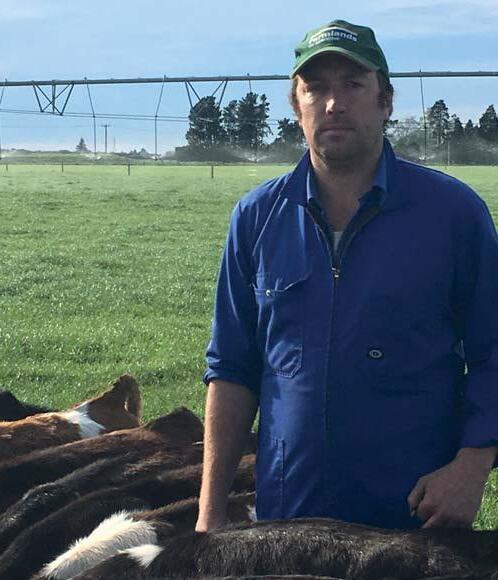
| Sam Kingston.
and says they needed to change. Working to his new budget has made a huge difference, not only to the financial side but also time management.
Budgeting is one thing – as Sam can testify to, it’s all about the cattle.
“You need to make sure you’ve got a good team around you and if there’s a problem, you work in together. Having a good team on-farm at home definitely helps – I’ve just got to make sure the ball is not getting dropped on the livestock side!”














Applications close 31st December 2016
New Zealand farming families who have owned and worked their land for 100 years or more are encouraged to apply for a Century Farm and Station Award or a Sesquicentennial Farm and Station Award.



Visit www.centuryfarms.co.nz or email info@centuryfarms.co.nz for more information.





















































A recently launched app is helping farmers to make instant and accurate decisions around feed management while they are in the paddock – free of charge.
The FeedSmart app brings together a raft of variables to give farmers instant information on nutritional requirements of different classes of livestock, feed values and feed allocation.
Developed by the Red Meat Profit Partnership in conjunction with Beef + Lamb New Zealand, the app will help farmers estimate the feed requirements for sheep and cattle at any time of the year and for different levels of production.

Beef + Lamb New Zealand Senior Extension Manager, Aaron Meikle, says the app has simple tools for day-today feed allocation information. This includes how long a paddock of feed will last, the size of the break needed to meet nutritional requirements and stocking rates.
While it is set to standard levels of feed quality, topography, supplement quality and animal size, farmers can customise the settings to suit their operations. Aaron says the app was developed in response to demand for feed management information from farmers. He says the most searched for items on the Beef + Lamb New Zealand

website are feed demand, feed values and feed nutrition calculations. This complements the organisation’s most popular publications: “A guide to feed planning for sheep farmers” and “Energy requirements of cattle”. Farmlands shareholders can use the feed tables found in these publications but Aaron says tables require some interpretation and often have to be combined to generate the required data for different classes of livestock at different times of the year.
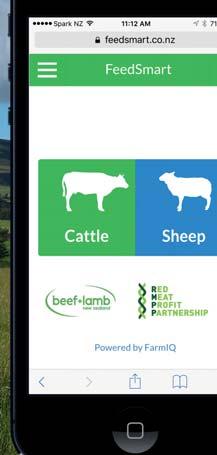
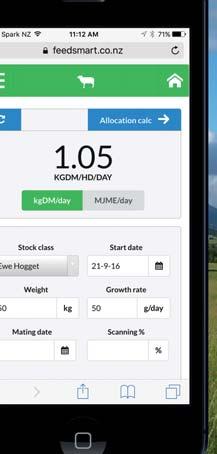


Back in 2012, Beef + Lamb New Zealand started tossing the idea around about an app or software that would make the process of feed management simple and effective. With the advent of Red Meat Profit Partnership and with requests from other partners in the programme, the idea was picked up and delivered.
The app is available free of charge (www.feedsmart.co.nz) and once downloaded, it works offline anywhere, anytime a device is turned on. The app is compatible with any tablet or smart phone.
For more information on the app, including user guides, see www.beeflambnz.com or www.youtube.com/beeflambnz.
Farmers planning health and safety budgets should think hard before making any decisions about paying for outside expert advice, WorkSafe’s Agriculture Programme Manager, Al McCone says.
“Inevitably, there are some costs involved in good health and safety,” Al says. “But they are ones that are simply about good farming practice. Expenses like keeping your PPE updated, ensuring vehicles and equipment are in good repair, having the right guards for machinery and keeping infrastructure, like tracks, fences, gates and flooring, in good shape.
“No one knows your farm and your risks better than you and your workers. When it comes to the fundamentals of good health and safety – identifying your risks and getting everyone thinking about them and managing them – then the only cost is going to be a little bit of your time.”
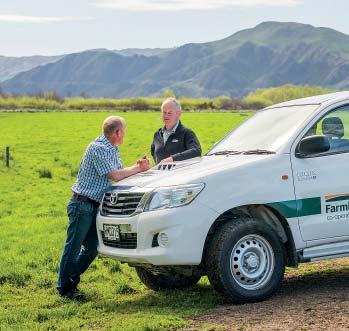
Al says all the information and materials farmers need to set up and maintain an effective risk management system, including fact sheets and templates, can be found in the Keep Safe Keep Farming toolkit, which can be downloaded from the Safer Farms website. “You can use an online register to identify and manage risks and use online templates to set up hazard registers, incident reporting and emergency plans,” he says.
Make sure you’re not simply shelling out for a folder or piles of forms someone else has done for you. “
“Sometimes you may want to check if your thinking is right, just like you might use your farm consultant to test your thinking about farming practices. In that case, where you use a farm health and safety consultant, it pays to shop around first.
“Make sure you’re not simply shelling out for a folder or piles of forms someone else has done for you. That won’t make your farm any healthier or safer. What you actually need is a way of building a health and safety culture into farm activities and constructing a really effective culture of involving everyone.”
Al says that while there are good health and safety consultants, they are not all of the same quality and effectiveness. “Farmers need to make sure they are working with a competent and qualified
professional safety advisor – that may not be the first health and safety advisor that comes up the driveway or who advertises in the local paper.”
To help farmers buy the right kind of support, the Health and Safety Association of New Zealand, the national umbrella organisation representing all workplace health and safety professions, has developed a simple checklist.
Ask consultants these five quick questions before making a decision:
• Which professional association do you belong to – can you confirm this?
• What qualifications and/or certifications do you have?
• What relevant skills and experience do you have for this job?
• Can you give me examples of similar work you have done recently?
• Are you happy for us to contact your clients about your work for them?
You can download the Keep Safe Keep Farming toolkit from www.saferfarms.org.nz.
Article supplied by WorkSafe.
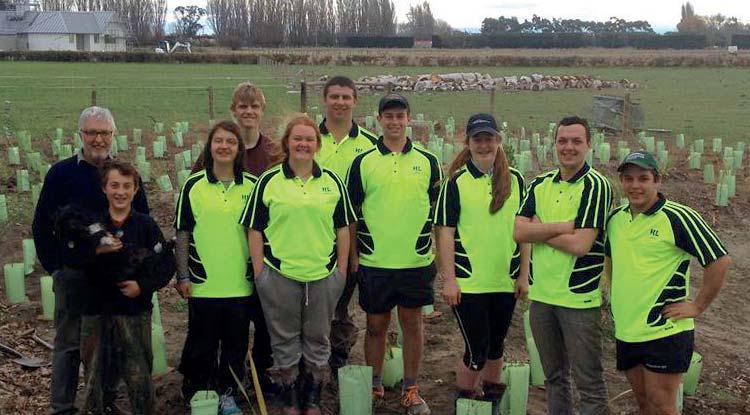
The Handy Landys have been out in full force over the past few months lending a hand to local Canterbury farmers. The organisation was formed to assist rural people struggling with the difficulties that come with farming and the Handy Landy volunteers regularly complete multiple farm visits in a single weekend. So far they have collectively completed 19 jobs, totaling an impressive 656 hours of work.
The jobs have varied in nature, from assisting with tree plantings to helping run the bar at the inaugural North Canterbury ‘Farmbreak’ event. Farmer feedback has been really positive, with many enjoying the chance to have some fresh faces on-farm in what we all know can be an isolated industry.
The Handy Landy team have thoroughly enjoyed getting out amongst the rural community and having the opportunity to connect with farmers throughout the region. It’s been a great opportunity for many of the Lincoln University students
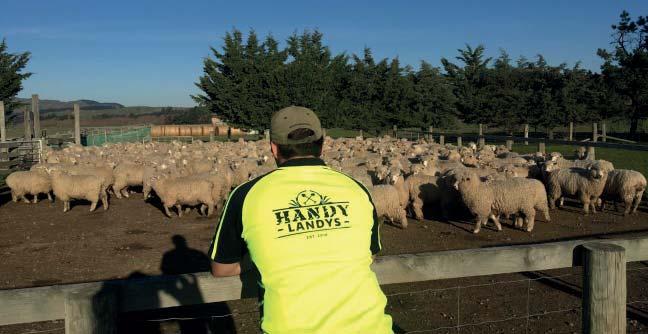
to learn new skills and have some much needed respite from the darkened lecture theatres.
Foreman visits (a pre-job inspection of the farm) have been invaluable in ensuring that the visits run smoothly and allow the group to cover off health and safety requirements prior to all farm visits. The group have also held their inaugural AGM to appoint
a committee to guide the group through its second year in 2017 – an effective way of ensuring succession of the organisation.
The North Canterbury Rural Support Trust provides ongoing support to the group and assists them with many networking opportunities to ensure they are connecting with famers requiring a little extra assistance.
Farmlands is proud to mentor these young leaders, who will be the next generation driving our agricultural industry.
For more information or to register to have the Handy Landys come out to you for the day, visit www.handylandys.co.nz.
How does our ability to innovate in New Zealand compare to other agricultural countries around the world?
While there is no doubt we have some incredibly talented people in New Zealand and they have come up with some globally significant innovations, you often get the impression these successes have been down to a ‘number eight wire’ mentality and a love of the eureka moment rather than an effective innovation system.
The science system surrounding the primary sector relies on government spending (this accounts for more than half of the total spend) rather than companies and entrepreneurs. The consequence of this is that science has been focused on incremental rather than revolutionary innovation. This has worked well for us over the years but in a world where the transformational potential of fusing digital, physical and biological technologies is accelerating the agricultural sector towards a new agrarian revolution, there is a real risk we will get left behind unless we place more focus on finding game-changer technologies.
The acceleration of the agritechnology sector is best illustrated by investment into agri-technology companies. In 2005 around US$100 million was invested into these early stage companies, last year this number had grown to US$4.2 billion. Our innovation system needs to become more about sourcing the most relevant technologies being
developed globally at an early stage, rather than believing we can come up with all the answers ourselves.
Are we too focused on product and not enough on the end market?
I personally believe that farmers across the world are naturally resilient people — if they are faced by a problem, they seek out ways to address it. When New Zealand farmers were faced with the challenges of an open market, they recognised the only option available to them was to produce more to remain economically viable and sought out technologies to boost productivity. This trend continues, we have focused much of our innovation on production. Adoption of a technology has been rapid when the economic benefit it generates has been clear. We are however, a very small food producer in a large and fast moving global agri-food market and as a consequence we need to be very careful to ensure that the products we are producing are closely aligned to the needs of the customer if we are to generate a premium return. I believe we have under-invested over the years in building close relationships with the ultimate consumer of our products, often choosing to sell via an intermediary than directly to the consumer and this is impacting the amount of the value we capture from the products we grow. We have no choice but to build deeper relationships with the consumers of our products.
Who is the leading nation with regard to farm management systems?
It is hard to identify any single country

that stands out. Each country has developed systems that reflect their individual regulatory and environmental conditions. I really like what the Irish food industry is doing with their Origin Green programme and I would hold this up as world class. They have spent a lot of time understanding what attributes are important to a consumer in selecting a supplier of food and designed a verification system at both the farm and processor level to assure the consumer that the food is produced to the standards they expect. These standards cover not only the environment and carbon footprint of a farm but its water use, animal welfare practices and staff management standards. They are focusing on doing what is right because it is the right thing to do and positioning themselves as a supplier of choice rather than seeking to secure a short-term price premium. We are some years behind Ireland in thinking in this space but there is much we can learn from their collaborative, customer focused thinking.


The Farmlander caught up with two of New Zealand’s financial leaders – PricewaterhouseCoopers partner and agri team leader Brent Goldsack and MyFarm Investments Director Andrew Watters – to pick their brains on budgeting, finance and the outlook of our markets.
You recently participated in the Agri One Summit at Hamilton. What were the outcomes of this summit?
Brent Goldsack: The past year has been a mixed bag, depending on what industry you are in. From the highs of horticulture to the lows of dairy, has there been any common themes across all the primary sector industries? People are key. People are the difference between average businesses and great businesses. Great people bring a difference to the tone and quality of conversations. Surround yourself with the best people you can – vet, bank manager, accountant, farm advisor and discussion groups. And the future for all primary sectors is positive and strong. Medium to long-term primary is the sector to be in. We make a difference and are relevant to NZ, we produce products that are demanded and valued around the world. And the career progression and wealth creation opportunities are excellent.
Andrew Watters: The Summit was effective in highlighting the issues for farmers.
A globalised world where farmers are well informed and who have the ‘shackles off’ in terms of production quotas. They are able to quickly respond to increased prices. Cash flow is going to be poor for the next few years and increasing levels of debt are problematic. It is all going to take good and concerted management to get through – including discipline when prices do recover.
Have you noticed a more optimistic viewpoint based on the past few months?
BG: Yes… but. Great to see dairy commodities have risen strongly. Hort is on fire. Beef is strong but for how long and we are still struggling to get what some would like for lamb. The most common reaction at the moment is a nervousness around the uncertainty of the future. Prices are so volatile and therefore we need to give strategic thought as to how to manage that.
AW: Dairy optimism will depend where you are – in Southland dairy farmers are positive due to a great start to the year. It will be tough to be optimistic in the Waikato at present with the very wet start to the year.
What are the major lessons that can be taken from those that have endured the downturn and adverse conditions?
BG: Stay positive. Deal with what you can control and don’t spend any time
or emotional capital on the stuff you can’t. Surround yourself with positive people. Remember what is important in life and hug your partner and kids every night. Spend time off farm or out of your business. Exercise regularly (that does not mean you have to train for a marathon or to climb Mt. Cook).
AW: Keep enduring! Focus on the factors that are in your control and develop long-term plans as well as those to get the business through the tough times.
What are the priorities for the next 12 months?
BG: In relation to dairy, focus on cash and getting that break even milk price (total costs less livestock sales and dividend) as low as you possibly can. Long-term break even milk price must be below $5.00kgMS and strive for $4.50kgMS. Please don’t chase production if we continue to see the forecast milk price increase. Lock in the profits (or the reduction in losses). New Zealand has a competitive advantage in a low cost pasture systems. We have to make the most of that.
AW: Cash flow management, sustainable cost reduction and identifying (perhaps small) investments that are affordable but which will ‘help make the boat go faster’.












Six fantastic businesses across three categories will compete for the supreme prize in this year’s Enterprising Rural Women Awards.
Rural Women New Zealand’s annual awards showcase rural women who run their own successful businesses. For the entrants, it is an opportunity to promote their innovative rural enterprise and gain recognition for their contribution to their community.
Each category winner receives $1,000 in prize money and a trophy, with a further $1,000 being awarded to the supreme winner.
2016 ERWA categories:
• Emerging Enterprising Rural Woman Award (Inspiring business or community leader)
• Innovative Enterprising Rural Woman Award (Use of new technology and adapting to rural location)
• Entrepreneurial Enterprising Rural Woman Award (Business success in horticulture, agricultural, dairy, tourism or rural sector)
“This year we have seen some very dynamic businesses emerging in the regions,” Wendy McGowan, RWNZ National President and judge for the awards, says.
2016 ERWA entrants:
Barbara Faulls: Smiths Farm Holiday Camp, Picton.
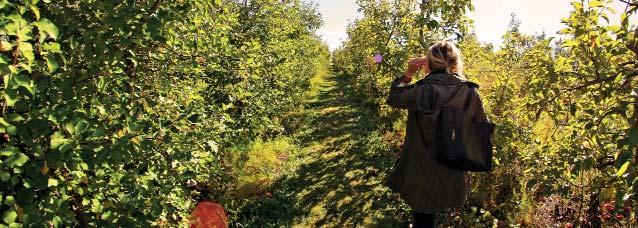
Smiths Farm is proud to offer a quality holiday with space, peace and the clean country air and has been rated as 4+Star and Enviro Silver by Qualmark. Situated on a working beef farm, the park is a base from which to relax and explore the Marlborough Sounds.
Bernadette Jackson: LaValla Estate, Tuakau.
Function and event centre with accommodation and a theatre. The venue recently hosted the Fieldays Bachelor Breakfast with Rural Women New Zealand. The key deliverables for the venue are rest, feast, play and focus.
Marian Hirst: Bay Blueberries, Hastings.
Passionate about producing quality apples and blueberries in an environmentally friendly and sustainable manner. Recipient of the 2016 Ballance Farm Environmental Supreme Award for the East Coast Region.
Monique and Lyn Neeson: Shear Warmth, Taumarunui.
Produce top quality wool blankets, made in New Zealand and can be
traced back to wool grown on the family farm. The sheep and beef farm Awarima recently featured on Country Calendar.
Helen Slattery: Slattery Contracting Limited, Matamata.
The Slattery Family has been involved in agricultural contracting since the mid 1950s, starting off with hay making and cultivating land. The business has grown from harvesting conventional hay bales, ploughing and undersowing to a wide range of services.
Amy Dibley: Physio Direct, Rotorua. Amy Dibley started Physio Direct when she realised that many small rural areas do not have adequate physiotherapy services. Amy grew up on a dairy farm in Ngongotaha on the outskirts of Rotorua and she understands the physical demands of a rural life and believes everyone should have the right to health services, which is why she offers physiotherapy to small communities.
The winners will be announced at the Enterprising Rural Women Awards ceremony on Saturday 12th November in Wellington.
Over the last 18 months, Farmlands has been working hard on providing a new, improved and high quality range of safety products to shareholders. This process began in 2015 when it was announced that reforms of the health and safety regulations were underway and could be passed through parliament by the end of the year.
In February 2015, it was decided to completely review the safety category. As part of this review, it was recognised that Farmlands needed to improve not only the quality of products but also improve the support it was able to offer to Farmlands employees by providing training and resources to them, so they were able to offer advice to shareholders on fit for purpose safety products and scenarios.
After much planning, the new range was launched to the network in August 2016. This was rolled out first into the new Farmlands Darfield store and was followed by stores nationwide. Then in mid-August, the first ever Farmlands Safety Training Roadshow kicked off in Whangarei. Staff from Kaitaia, Waipapa, Dargaville, Kamo and Whangarei came to take part in a one day safety product training session. Farmlands’ safety product suppliers came in and discussed their products that are part of the range in every store nationwide. They took Farmlands staff through what their products do, how they protect the wearer and under what circumstances they are appropriate. They also went through the new health and safety regulations pertaining to their products and areas of expertise.
The suppliers – Dalton International, Bollé, Apex Safety, Amtech Medical, PSL, Armour, 3M and Segno Signs – provided training at all 12 Safety Training Roadshow sessions from Whangarei to Invercargill. 146 Farmlands staff attended and 14 people were selected to form a Safety Council to take Farmlands’ safety category to the next level.
Head in to your local Farmlands store today to check out the new range of safety products and talk to the friendly, knowledgeable team about your safety needs.
†For

































































































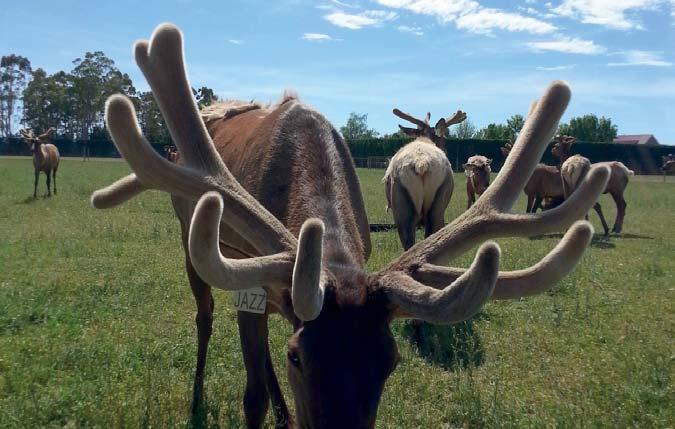
In nature, a stag’s antlers exist for specific functions including for defence, maintaining social order and attracting hinds.
When cut at the velvet stage however, deer velvet does have some applications outside of its natural use and is thought to have extraordinary medicinal properties and is in high demand for use in products such as supplements that promote human health and vitality. Deer velvet is an impressive product and therefore requires special attention to the nutritional intake of stags, particularly before and during the velvet growth period.
Research has shown that body growth takes precedence over antler growth. This means that a stag that comes out of the winter in poor condition will put more of the energy and protein from the consumed diet into repairing body tissues rather than antler growth, which
is likely to mean that genetic antler growth potential is lost. This highlights the importance of maintaining condition in stags over winter, so that they are in the best position to grow as much antler as genetically possible.
Nutrition during the velveting period is also very important and the balance of the diet needs to be correct in order to support velvet growth. A diet too low in energy, protein or vitamins and minerals can have an impact on velvet yield and quality. This isn’t surprising, as deer velvet itself is high in nutrients at about 34 percent protein and 34 percent ash1,2
It is therefore worth minimising the risk of a limiting factor in a system causing a reduction in velvet yield by feeding a diet to stags that is balanced and using supplements can help. Whether strategically using a forage replacer such as palm kernel or silage to manage pasture supply,
or using a deer nut such as Reliance Deer Elite to supplement stags with vitamins, minerals and high quality protein, Farmlands has a wide range of solutions available.
Farmlands Nutrition is proud to support the deer industry in New Zealand and is proud to be a Gold sponsor of the Top of the South Velvet and Hard Antler competition, run by the New Zealand Deer Farmers Association.
The 2016 Top of the South Velvet and Hard Antler competition will be held at the Darfield RFC on Tuesday 6th December. There will be informative velvet processing and nutrition seminars from 4.00pm and competition velvet viewing from 5.30pm, followed by the awards presentation and dinner. Winners from all velvet classes in the Top of the South competition will win the right to free entry into the National Velvet Competition, which will be held on Tuesday 13th December. The competition calendar, including dates, times and entry forms is available at www.deernz.org.
For further information, contact your Farmlands Technical Field Officer or the friendly team at your local Farmlands store.
Article supplied by Stacey Cosnett, Assistant Nutritionist, Farmlands Nutrition.
1. Batchelder, H. J. (2003). Velvet Antler: A literature review.
2. Laboratory determined ash level is a reflection of the mineralisation of the product.

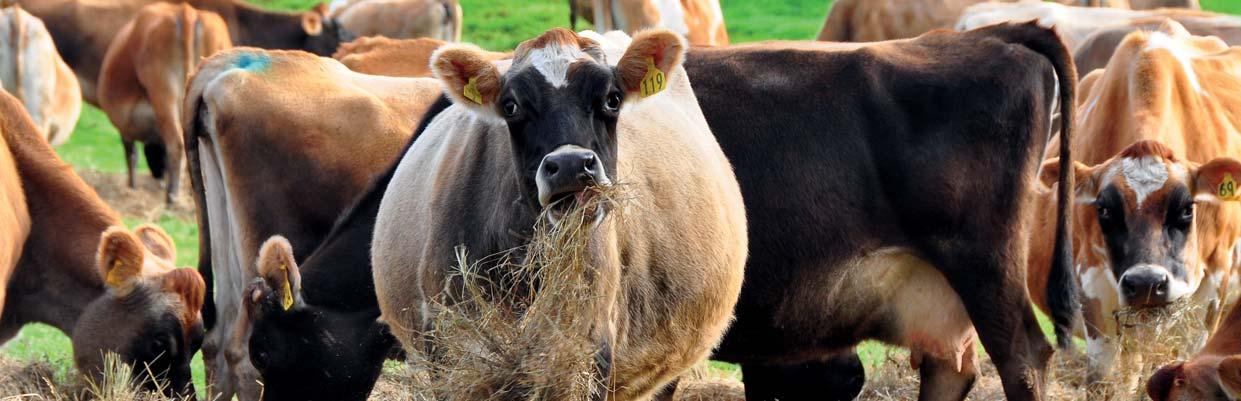

Carbohydrates are the main source of energy for rumen microorganisms and consequently are also indirectly the main source of energy for the host ruminant animal.
Rumen microorganisms utilise carbohydrates as an energy source for themselves and produce volatile fatty acids as a by-product, which are then absorbed by the ruminant animal as a form of energy. Fibre is one of the three types of carbohydrates –along with sugar and starch. Fibre is classed as a ‘structural’ carbohydrate and is fermented in the rumen by microorganisms more slowly than sugar or starch. Fibre is found in abundance in forages in the form of hemicellulose and cellulose as a component of plant cell walls – and exists to give plants rigidity and structure. Not all fibre is created equal and some fibre fractions are more slowly fermentable in the rumen than others, with hemicellulose being the more rapidly fermentable fibre fraction compared to cellulose. Lignin is often referred to as a fibre fraction of plant matter but technically it is not a carbohydrate and it is indigestible even to ruminant animals. Lignin content increases significantly as plants mature, which is why more mature forage has a lower energy value. Crude fibre is one way to measure the fibre content of a feed,
however there is a much better way to measure it – by looking at the different fractions of the fibre – i.e. the ‘Neutral Detergent Fibre’ and the ‘Acid Detergent Fibre’, which can give you a much better idea of how a feed will behave in the rumen when consumed. Feeding adequate amounts of fibre in a ruminant diet is important for meeting nutritional requirements as well as maintaining overall rumen health. Adequate ‘physically effective’ fibre in the diet is important for stimulating the act of rumination (chewing the cud). Rumination promotes the flow of saliva, which contains bicarbonate. Bicarbonate helps to buffer the rumen and lift the pH. When there is not enough physically effective fibre in the diet, the need to chew the feed to break down the particle size decreases as does the amount of saliva flowing into the rumen. This reduces the buffering capacity of the rumen and can cause a drop in pH and subclinical/clinical acidosis.
Some feeds may be high in total fibre but low in physically effective fibre due to the processing of the feed. Palm kernel expeller is a good example of this – it is high in fibre but has been ground up to a fine particle size, so it does not stimulate rumination. As a rough rule of thumb, fibre can be deemed physically effective if the chop length
is longer than approximately 2-4cm for cattle. One quick way to check fibre levels in the diet is by assessing the number of cows actively ruminating in a herd. If less than 50 percent of cows are chewing their cud at any time (if not drinking, sleeping or grazing) then there could be insufficient physically effective fibre in the ration.
Fibre is an essential dietary component for ruminants, however balance is important. Too much fibre can be a problem for high producing animals as fibre is lower in energy than the other carbohydrates (starch and sugar), particularly if the lignin content is high. This highlights the need for good pasture management to ensure that pasture is not too mature when consumed, as if it is, every bite of pasture a cow takes will be lower in energy. Mature forages when consumed in large quantities can limit dry matter intake due to the increased rumen retention time associated with its digestion, as it takes longer for the rumen microorganisms to process it.
For further information, contact your Farmlands Technical Field Officer or the friendly team at your local Farmlands store.
Article supplied by Stacey Cosnett, Assistant Nutritionist, Farmlands Nutrition.








Nutrition is the foundation of optimal health and wellbeing in dogs. The optimised nutrition in PRO PLAN uses the latest nutritional knowledge and technology to deliver proven health benefits. Scientifically proven for every need at every lifestage.







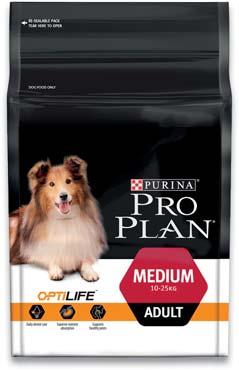




Look for the information at shelf/in-store to see which new PRO PLAN product to transition to.
When

For more information visit www.proplan.co.nz or your local Farmlands store.



I believe the target should be to do it so well that it becomes an art. Most people put a strong mantra on low cost calf rearing systems. They then follow a 10 week weaning mark and automatically cut the calf off milk and onto grass, because this is what targets inform us or what we choose to hear. This is backwards thinking when the outcome should be ensuring that calves get the best start in life.
Increasing your weaners’ growth through better and longer nutrition is what we need to be achieving, as cheap rearing is not the best solution by any standards. Well grown heifers/ beefies are more profitable than poorly grown heifers, so why cut costs now? The next 4-9 months of this calf’s life is still so important.
Treating the calf as an individual is what I can’t emphasise more. We all get caught up in targets that have been set but set to a New Zealand average, instead of looking at each individual’s “genetic mature weight”. All genetics in
the calf will determine what that target should be. Spending time in yards weighing, monitoring and weaning from the 4 month mark should be taking in the frame/breed size (genetics) – then look at the standard of rearing that has happened and don’t assume that all calves reached the same weaning weights at the same time. Be prepared to pay extra on feeding those not at weight. It actually doesn’t matter what breed of calf it is, they aren’t all the same by any means, so why wean because we are told the average guide? Because of this wide variation we choose to wean our heifers as an individual, not by age, averages or cost. The better the growth rates in say, replacement heifers, achieves puberty earlier and increases the in-calf rate then increases the return in-calf rate in the right time frames. When low cost rules the decisions of targets and growth then this in turn bites you in the butt with other issues like health and returning in-calf rates for the next 2-3 years.
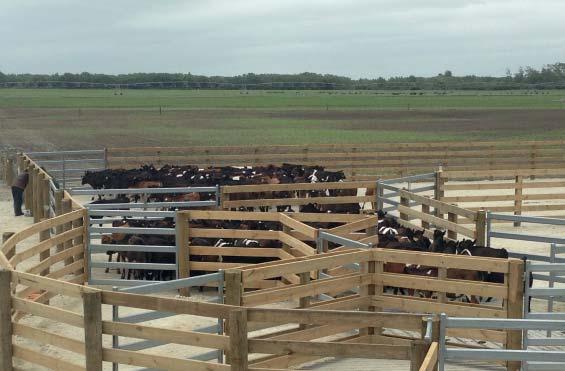
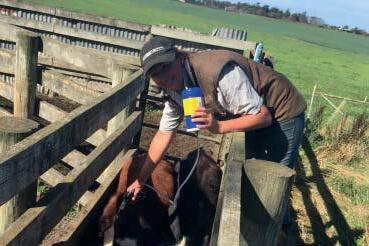
Well-fed and cared for animals have less health issues and less veterinary input will be needed. When animals aren’t fed properly then outbreaks for disease becomes common, I like to call illnesses in weaned animals the “empty gut disease”.
The more frequently heifers go through the weighing platform the quicker problems will be detected, thus proactive action can take place to pull them back onto target quickly. Implement a health plan with your vet’s help, so that each weigh coincides with your health plan of monthly drenching, minerals needed and vaccines that help to keep your heifers or beefies humming over the months ahead. Missing a drench or weigh on time can have your costly young stock slip backwards and make reaching targets for some animals detrimental.
This future herd are heading towards being grown out enough to calve and re-breed successfully and will keep the bank manager smiling too.
For further information, contact your Farmlands Technical Field Officer or the friendly team at your local Farmlands store.
The significant nutritional requirements of a hard working horse mean that designing a balanced diet that provides these in the correct amounts is vital. From the all-important energy required to perform, to essential amino acids, trace minerals and key vitamins, simple changes to the diet can mean the difference between a winning and a mediocre performance.
Energy for performance and weight maintenance during increasing work is arguably one of the most important factors of the diet and the energy sources selected can influence exercise type and recovery. Most working horse diets will require a blend of structural and non-structural carbohydrates for energy as well as some amount of fat, however the levels of each of these provided should depend on the work type being asked of the horse.
While structural carbohydrates such as forages should be the largest part of all equine diets, horses performing
fast paced work – racing, polo, eventing and show jumping, for example – will most likely require some amount of grain in their diet. The starch contained in grain is released rapidly into the bloodstream as glucose and fuels anaerobic work and fast paced muscle contractions. Horses performing slower paced work that is aerobic in nature –for example, endurance and dressage – require higher levels of structural carbohydrates such as forage and slow release forms of energy such as fat and less energy from grains.
While protein is not as crucial to the mature performance horse as it is for breeding and growth, providing the correct level and ratio of amino acids is highly important for muscle development and maintenance. A performance horse receiving a diet that is deficient in protein or uses poor quality sources will over time begin to show signs of muscle wastage and lack of top-line.
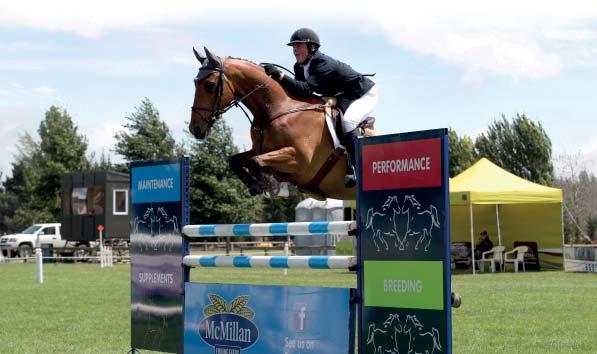
Each trace mineral and vitamin plays a different role in the horse’s body and contributes to overall health and performance in various ways. Achieving optimum health by meeting all nutrient requirements improves overall vitality, therefore increasing the chance of improved performance while also reducing time needed for recovery. Key nutrients for performance horses include chromium, antioxidants selenium and vitamin E, as well as electrolytes sodium, chloride and potassium.
Hard working horses are often candidates for digestive problems such as gastric ulcers and hindgut acidosis, which can occur for various reasons including management practices and stress and can cause significant discomfort and therefore impact on performance. Ensuring at least 1.5 percent of the horse’s body weight in high quality forage is consumed daily at a consistent rate, keeping grain meals to less than 2.5kg and only feeding digestible energy sources such as steam flaked grains and high quality fat sources, are essential management practices to avoid these conditions and ensure the equine athlete is able to perform to the best of their ability.
For assistance with feeding plans to enhance overall health and performance, consult with an experienced equine nutrition advisor.
For further information, contact your Farmlands Technical Field Officer or the friendly team at your local Farmlands store.


This year’s Equidays at Mystery Creek Events Centre in Hamilton was a celebration of the new partnership between Equidays and top New Zealand equine feed brands, NRM and McMillan.
The 3 year partnership was announced in the lead up to Equidays in October. Established in 2010, Equidays has become New Zealand’s premier equine event and is now in its sixth year.
Equidays CEO, Peter Nation, says that the 3 year partnership is good news for New Zealand equine enthusiasts.
“Equidays is honoured to join forces with NRM and McMillan, two such credible and dependable brands. Their support will enhance Equidays and it is an exciting and positive step for the event’s future.”
NRM and McMillan are iconic, New Zealand owned equine brands, with feed products manufactured solely in New Zealand.
Phillip Bracefield from NRM and McMillan says both brands are proud to associate with Equidays over its next 3 years of development, innovation and change.

“For NRM and McMillan, forging a relationship with Equidays was a fantastic opportunity. Equidays is not only an event, it is a showcase that gives horse and pony enthusiasts access to innovation and education from around the world.”
Equidays Event Manager, Ammie Hardie, says that they have listened to feedback from exhibitors and visitors to shape Equidays into the world-class equine event it is today.
“Our partnership with NRM and McMillan reinforces that we have
taken the right steps and gives us confidence to further build on the solid foundations of the event going forward. This partnership means that we can continue to invest in exciting developments in the near future, so watch this space.”
Equidays ambassadors, the Wilson Sisters and NRM ambassador, Vanessa Way, are proudly supporting the new partnership. The Wilson Sisters are well known internationally for their work with wild horses, including New Zealand kaimanawas. Vanessa Way is well known as a top New Zealand dressage rider and trainer.
Since its inception, Equidays has grown into a world-class event – there were 211 exhibitors this year, up from 109 in the first year and more than 22,000 visitors attended this year’s event. For further information about Equidays, visit www.equidays.co.nz.





































GROCHEM PRODUCTS
Ambitious 1L, 5L
BAPSol 100 1L, 5L
Bee-Scent 9.46L
BioBit 1kg
Boost-it 10kg
Boost-it Plus 10kg, 25kg
Bud-Wiser 10kg
Campbells Trace-it Boron 5L, 20L, 200L
Campbells Trace-it Magnesium 5L, 20L, 200L, 1,000L
Campbells Trace-it Manganese 5L, 20L, 200L
Campbells Trace-it Manganese N 5L, 20L
Campbells Trace-it Molybdenum 5L
Campbells Trace-it Zinc C 5L, 20L
Campbells Trace-it Zinc S 5L, 20L
Comic WP 860g

Feed-it 10kg
Finish-it 10kg, 25kg
Gib 47 1L, 5L
Growth 1L, 5L, 20L
Gro-Mag Super 20kg
Kiwi Combo 10kg
MegaStar 900g
MoBStar 20L
Nordox 75WG 5kg, 10kg
Organic Mag Super 20kg
ParaMite 5L
Spray Aid 5L, 20L
Sunny 5L

Super Boron 10kg
Umbrella 10L
Velocity 50SC 240ml, 1L
NUFARM PRODUCTS
Barrack Betterstick 720 10L
Captan 600 Flo 10L
ChampION++ 10kg
Contact Xcel 1L, 5L, 20L
Crop Care Captan 900WG 10kg
CyLex Plus 10L
DiPel DF 500g, 5kg
Downright 5L
Dragon 700WG 1.08kg, 2.5kg
Emblem Flo 5L
Hornet 430SC 1L, 20L
Kaiso 50WG 500g, 2.5kg
Nando 5L
Nuprid 350SL 5L
Nu-Trazine 900DF 10kg












Payback 1L
Penncozeb DF 10kg
Pulse Penetrant 1L, 5L, 20L
Ramrod 10L
Sheriff 1L, 5L
Sumisclex 500SC 1L, 10L
Tazer 5L
Thiram 40F 10L, 20L













Controlling codling moth in apples for export can be tricky – with some markets requiring residue-free fruit, some have zero tolerance for live codling moth, while some Asian markets require both.
Last season was particularly challenging for codling moth control, with poor control outcomes on a number of orchards for reasons that have yet to be confirmed.
Carl Fairey runs the family-owned Waimea Orchard in Napier, growing 70 hectares of apples including Envy, Jazz, Fuji Supreme, Galaxy, Pink Lady and the Pacific series, plus a small area of pears and plums.
Carl says he had no issues with codling moth last season, thanks partly to the use of the combination insecticide Voliam Targo in his programme.
“I like to apply Voliam Targo at the
codling moth Biofix date, which is usually at the end of October or start of November. This is used in combination with mating disruption pheromone ties,” Carl explains.
“
To earn top dollar for our fruit we need the flexibility to access all market destinations with pest free fruit.
“We do have some codling moth hotspots in the orchard, so having a very high level of control is important for us to achieve market access. To earn top dollar for our fruit we need the flexibility to access all market destinations with pest free fruit and Voliam Targo has certainly helped us to achieve this.”
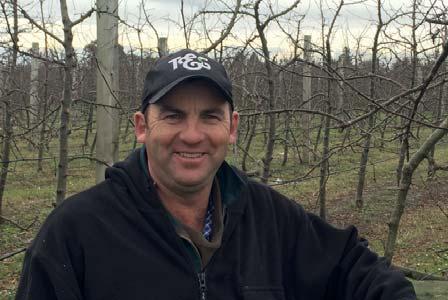
| Carl Fairey.
Carl says they haven’t seen any codling moth damage since using Voliam Targo and will probably use a second application this year.
“I like that the product has built-in antiresistance with two active ingredients and I know I can apply two
applications of Voliam Targo before the end of December without any residue issues at harvest. And that’s very important. We have had no issues with fruit finish, even on russet sensitive Pacific Rose series and it mixes very well with other sprays in the tank.”
Voliam Targo contains a mixture of abamectin and chlorantraniliprole in an easy-to-use suspension concentrate liquid formulation. Additional adjuvants are not required when using the product, as the formulation already has built-in surfactants.
It can be applied twice per season and has a more favourable residue profile than some other options used for codling moth control, allowing later spray timing for certain export markets (refer to New Zealand pipfruit website for PHI/MRL data).
Voliam Targo offers an alternative mode of action to moult accelerating compound (MAC) insecticides for resistance management and is also compatible with IPM programmes. For further information, contact your Farmlands Technical Advisor or the friendly team at your local Farmlands store.
Article supplied by Syngenta.
If not managed and adequately controlled, botrytis and powdery mildew can have devastating effects on grape crops and severely impact grower profitability.
Under favourable conditions, botrytis develops in grape bunches causing rots that dramatically effect quality and yields. Apart from being unsightly, powdery mildew can cause significant economic losses. Bunch infections reduce yields through retarding berry growth, delaying maturity and causing splitting. Winemakers detest powdery mildew infected grapes, as they cause off-flavours in wine. Bunches with even minor infections (less than 5 percent) may be rejected or result in a severe financial penalty.
Cultural techniques including canopy management, leaf plucking and flag shoot removal are useful practices to assist in controlling botrytis and powdery mildew. However, the use of fungicides in seasonal programmes is required to economically control these diseases. The key botrytis control timings are from late flowering through to bunch closure and then if weather conditions are favourable for disease
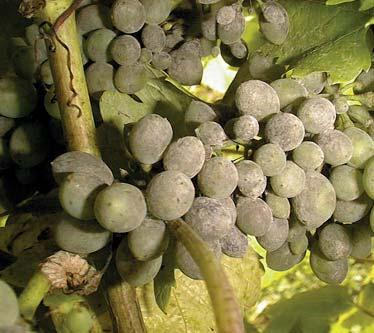
development, from veraison through to harvest. For powdery mildew control, it is critical to maintain early season control and continue this through to pre-bunch closure.
The late flowering or 80 percent capfall growth stage is a critical period to control both botrytis and powdery mildew. The capfall scars are an ideal site for botrytis infection and any botrytis infections that occur at this stage will then remain dormant in the developing berries. Once these berries start maturing from veraison onwards, these infections develop from within the bunch, making them very difficult to control. 80 percent capfall is equally critical for powdery mildew control as the young developing berries are very susceptible to infection for the first 3 weeks after flowering. For the best control of these two diseases it is important that robust and effective fungicides are used at the 80 percent capfall period.
Two fungicides from Bayer Crop Science, Teldor ® and Luna® Sensation, are excellent control options for botrytis and powdery mildew. They can be tank mixed together at the 80 percent capfall timing to provide premium protection against these diseases at this crucial control timing. When used at 80 percent capfall, Teldor and Luna Sensation are suitable for use in nildetectable residue programmes. Teldor is a specialist botrytis fungicide that provides long lasting protective activity. Once applied, Teldor binds onto the waxy surfaces on plant surfaces and is rainfast
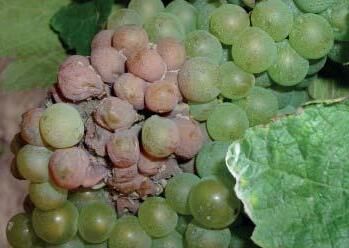
after 1 hour. It forms a stable layer, providing long lasting protection of the capfall scars and preventing botrytis infections. Teldor is also an ideal fit in industry botrytis resistance management strategies as it has a different mode of action to other commonly used botryticides.
Luna Sensation has properties that make it the perfect candidate for using at 80 percent capfall in powdery mildew spray programmes. These include systemic, translaminar, vapour and protectant activities that give Luna Sensation long lasting and very effective control. Do not apply Luna Sensation after 80 percent capfall. Although the label allows two Luna Sensation applications per season, Bayer’s recommendation for best industry resistance practice is to only use Luna Sensation once per season. For further information, contact your Farmlands Technical Advisor or the friendly team at your local Farmlands store.



Insect pest damage can reduce forage brassica yields by more than 3,000kg per hectare of dry matter, costing growers more than $500.00 per hectare in lost feed.
Pest pressure can vary significantly from year to year, either because of cultural and environmental factors in the preceding season, or weather patterns in the current season. To maximise yields, it is important to monitor forage crops weekly and apply insecticides early before significant crop damage occurs.
Nysius, leaf miner, cutworm and springtails are usually more of a problem in the spring, causing damage to young seedlings and impacting crop establishment. Aphids and the caterpillars of diamondback moth and white butterfly tend to occur later in the season as temperatures rise.
Until recently, organophosphate insecticides were the main tool in the arsenal for controlling insect pests in forage brassicas. But now growers have access to more modern insecticides that are more pleasant to apply and kinder to the environment, such as Ampligo from Syngenta.
David Kean, owner of spray contracting business Farmers Dipping in central Southland, runs nine spray units and a recently purchased self-propelled sprayer. David started using Ampligo about 3 years ago and has had great results with the product.
“We started to use Ampligo for a number of reasons but the main reasons were the safety of the product and the low use rate, making it easy to
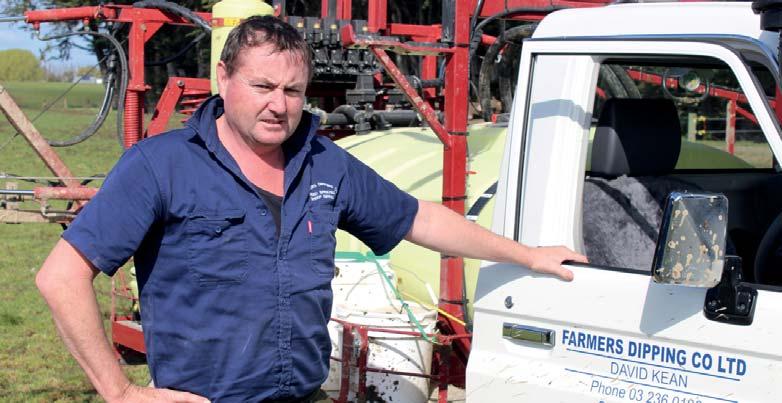
| David Kean.
handle. It was also recommended to us by a number of people and we have seen the use of it grow threefold each season,” David explains.
“What we like most about Ampligo is the low use rate, its low odour and the ability to mix it with the herbicides we use. It also controls a wide range of insect pests with good crop safety and it has a 14 day withholding period for grazing, which is handy.
“We have found it to be very good on a wide range of pests, especially diamondback moth, cutworm and nysius. I have never had any reports of it doing a poor job. It’s an easy product to use and my staff are happy to apply it. It’s a big step forward compared to old organophosphate insecticides.”
Ampligo is a combination insecticide containing lambda-cyhalothrin plus chlorantraniliprole, in an easy to use liquid formulation. It has a low use rate of just 100ml/ha and is approved for
use in forage brassicas for the control of white butterfly, diamondback moth, soybean looper, aphids, leaf miner, nysius and cutworm.
For resistance management, a maximum of three applications of Ampligo can be made per season. It should be applied when insects or damage first appear, then at 2 to 3 week intervals or as indicated by pest activity. Ampligo comes in 1L and 5L containers, enough to treat 10 and 50 hectares respectively.
Receive a free pair of Merino socks when you purchase Ampligo from Farmlands this season. While socks last.
For further information, contact your Farmlands Technical Field Officer or the friendly team at your local Farmlands store.
Article supplied by Syngenta.


Nozzle technology used to spray cereal crops has moved on from standard flat fan nozzles, with the development of nozzles specifically designed to improve spray coverage at lower water rates and reduce spray drift.
With modern sprayers now travelling at speeds over 10kpm, vertical flat fan nozzles are no longer suitable, because they tend to cover only one side of the spray target due to the forward momentum. Standard flat fan nozzles also tend to be drifty, because they produce a range of spray droplet


sizes which, depending on pressure, can include fine droplets.
Syngenta has developed two nozzles for use in cereals at different growth stages, designed to improve coverage and reduce spray drift. The Defy 3D nozzle is designed for pre-emergence and early post-emergence, while the Amistar AI nozzle is recommended from stem extension onwards.
The Defy 3D nozzle is angled at 38 degrees and fitted to the spray boom with the spray angle alternating forwards and backwards. This can double the coverage on small grass
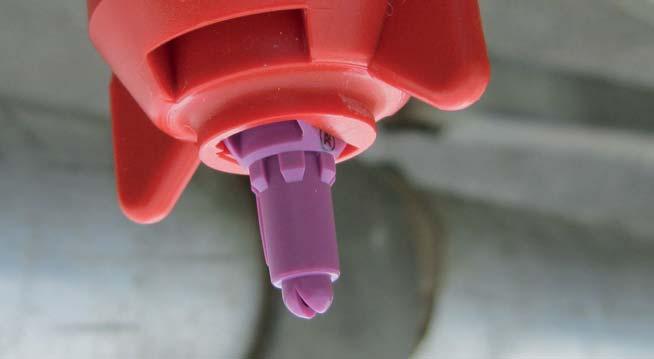
weeds and help cover both the front and back sides of soil clods. The Amistar Air Induction (AI) nozzle is angled at 10 degrees and fitted to the spray boom facing backwards to compensate for the forward speed of the sprayer.
Both nozzles can reduce spray drift by up to 75 percent compared to a standard flat fan nozzle. And because they improve spray coverage, water rates can be reduced in most cases from 200 to 100 litres of water per hectare, without compromising product efficacy.
Growers can purchase Defy 3D and Amistar AI nozzles from Farmlands. They can also claim free nozzles by purchasing Syngenta products such as Twinax, Seguris Flexi and Amistar.
For further information on how to claim free nozzles, visit www.syngenta.co.nz or contact your Farmlands Technical Field Officer or the friendly team at your local Farmlands store.
Article supplied by Syngenta.
At this time of year, your cereal crops have started capturing the sunlight they will turn into yield and it is critical they are fully protected from disease infection.
Applying a robust fungicide now pays dividends. It doesn’t matter whether the crop is winter wheat, winter barley (the flag leaf on newer winter barleys is now much larger) or spring barley (the open canopy means the lower leaves and stem are very important for yield production) your crops are now entering their main yield producing phase and need to be kept free of disease. And this was the case again in 2015, even though in many paddocks disease levels were low.
Working in conjunction with Bayer Crop Science, Phil Johnston and Farmlands Grain and Seed Agronomist Dave Schrader instigated a paddock scale demonstration designed to evaluate the benefits of Bayer’s innovative new fungicides Aviator ®
Xpro and Prosaro® in comparison to a fungicide programme incorporating Opus® and Amistar ®. In total nine wheat cultivars were tested, chosen for their varying natural resistance to the key wheat diseases septoria leaf blotch, stripe rust and leaf rust.
“Averaged across all varieties we saw a yield increase of 1.54 tonnes/hectare, worth an additional $266.00/hectare*, even when the increased cost of the Bayer programme was accounted for,” Phil says. “All cultivars, with the exception of Oakley, showed a positive increase to the Bayer programme.”
Dave says that what was also very interesting was that throughout the spring, disease levels were very low for many cultivars. “This is something we often see in South Canterbury and while we know it pays to use robust fungicides, it would be great to understand why.”
Bayer has also been trying to understand what is happening and they believe part of the answer lies in the “greenness” of the crop.
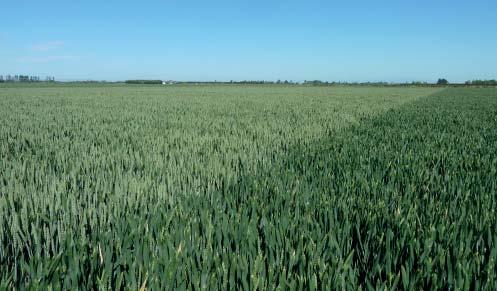
Bayer Product Development Manager, Roy Stieller, says they have been measuring the “greenness” of their trials for a number of years. “And we are seeing how effective our new fungicides are at keeping the crop greener, for
longer. In our 2015 Canterbury trials, disease levels were low in both wheat and barley and yet using a robust Bayer fungicide programme returned a profit of between $40.00-$200.00/hectare.”
So how should crops be treated as we move into this critical time?
Bayer Regional Sales Manager, David Parker, says that Bayer and Farmlands trials and demonstrations have clearly established that Aviator Xpro should always be applied at flag leaf emergence. “This promotes and maintains greening and in barley it ensures ramularia leaf spot is controlled. For wheat crops a second application should be made at GS60, either a second Aviator Xpro application or an application of Prosaro plus a strobilurin fungicide. For spring barley crops, Delaro® applied at GS 31-32 is an ideal solution providing excellent scald and net blotch control.”
Until 30th November 2016, purchase Bayer arable fungicides and you qualify for triple Choices Rewards Points**.
For further information, contact your Farmlands Technical Field Officer or the friendly team at your local Farmlands store.
Article supplied by Bayer.
*Calculated using a wheat price of $250.00/tonne.
**Standard Choices Rewards Programme Terms and Conditions apply, visit www.farmlands.co.nz/choices to find out more. Triple Choices Rewards Points equates to 30 Choices Rewards Points for every $150 (incl. GST) you spend on Aviator Xpro, Delaro, Proline and Prosaro. Valid 1st September – 30th November 2016.

Growing crops is not just a case of sowing seed, it requires a full understanding of the many factors involved in what is a very complex process – the most important of these factors is nutrition. Even a small deficiency, especially of a micronutrient, can lead to serious metabolic disorders and consequently reductions in yield and/or quality. It is therefore vital that the balance between all nutrients is maintained.
There are many reasons why foliar fertilisers are an effective solution for crop nutrition. These include – slow mineralisation of elements applied as solid fertiliser, mineral imbalances, soil type, soil pH, soil compaction, plant stress, leaching and excess crop load.
It is best to apply foliar fertilisers using a preventative approach, prior to a deficiency occurring. If a nutrient deficiency is visible in a crop, you have already suffered a yield penalty and production has been compromised. In saying this, correction for an existing deficiency is still a good idea. Applications are best made in the early morning of a fine day, while there is moisture in the plant.
Applying nutrients via the leaf can alleviate the problem of element antagonism in the soil, e.g. boron uptake from the soil is antagonised by high soil calcium levels.
UK based company, Headland, has been developing and formulating foliar nutrient products for more than 30 years. Headland products have been available and used by commercial
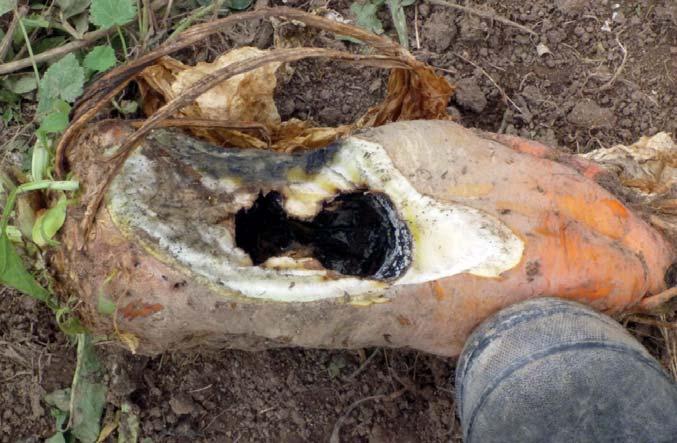
growers in New Zealand for more than 25 years, the past 5 of those via New Zealand based crop protection company, Zelam. Headland’s parent company is the global agribusiness company FMC. As FMC and Zelam are involved in both crop protection products and foliar nutrition, the Headland range has been designed with compatibility and maximum plant benefit in mind. Whether it is a single element product or a combination foliar fertiliser that is required for your fodder beet, forage brassica, cereal or pasture, Headland has an effective foliar solution to match your requirements.
Quality is very important in the production of Headland foliar fertilisers. High quality, soluble, raw materials are formulated together with an adjuvant package into an easy to use liquid product. This allows for better measuring and handling and
also optimises plant uptake, tank mix compatibility and crop safety. Zelam is pleased to be partnering with Headland as the New Zealand importer and distributor for this range, so that they can deliver customers the benefit of Headland’s technical expertise and in-field experience to support these products in the market.
For further information, contact your Farmlands Technical Field Officer or the friendly team at your local Farmlands store.

Bumper dry matter yields are the secret to financial success with any crop and if you want to grow the most dry matter of fodder beet, forage brassica or maize for the least cost per kg this season, you need to start thinking about pest control.
Greasy cutworm, aphids, springtails, caterpillars of diamondback moth and white butterfly, leaf miner, nysius and Argentine stem weevil can cause irreparable yield damage to crops in a very short time, so vigilance is your first line of defence.
Check young crop seedlings carefully for signs of insect pests every 1 or 2 days in the first few weeks after emergence. It doesn’t take long and it could save you a nasty surprise later on.
This spring, there’s an important new option available to stop insects eating a hole in your crop returns. For the first time, farmers and growers will
be able to use a synthetic pyrethroid insecticide on their fodder beet crops with confidence.
That’s thanks to a new label claim for control of greasy cutworm in fodder beet for Kaiso® 50WG. No other synthetic pyrethroid insecticide is currently registered for use in fodder beet, making this a significant addition to the pest control arsenal.
Cutworm is a known problem in beet and can be very damaging early in the life of the crop because beet has fewer plants/ha and takes so much longer to establish than other fodder species like brassicas.
The risk posed by cutworm is not limited to fodder beet however – it can also completely defoliate forage brassica seedlings and can wipe out large areas of brassica crops if populations are large. Kaiso 50WG is also registered for cutworm control in forage brassicas.


Complementing Kaiso 50WG in the Nufarm pest control range for fodder beet and brassicas crops this season is Attack®. In fodder beet, this leading insecticide is registered for use against springtails, leaf miner, nysius, aphids and Argentine stem weevil. In forage brassicas, Attack is registered for all of the above, plus white butterfly and diamondback moth caterpillars.
For those seeking to control insect pests in newly established maize crops, Sherriff ® 100 acts not only against greasy cutworm but also armyworm and corn earworm. This pyrethroid insecticide combines rapid pest knockdown with good residual activity on maize foliage and in the soil.
For further information, contact your Farmlands Technical Field Officer or the friendly team at your local Farmlands store.
Article supplied by Nufarm. ®Kaiso and Sheriff are registered trademarks of Nufarm Limited. Attack is a registered trademark of Nufarm Technologies USA Limited.
Key to being the best rural service provider is having staff that are fully informed and can help our shareholders to make the right decisions. At Farmlands, we know that a successful fodder beet crop is grown by following best practice and not cutting any corners.
To ensure our staff in the field are up to date with the latest technical advancements, Farmlands Agronomists ran a series of accreditation courses across the country.
The workshops were a collaborative effort between the Farmlands Learning and Development, Grain and Seed, Sales and Retail teams, to ensure all staff that come into contact with a shareholder’s fodder beet crop have a thorough knowledge regarding best practice.
One of those that hosted the fodder beet accreditation workshops was Farmlands Agronomist, Sam Lucas. Sam says that “growing fodder beet is an increasingly popular forage crop with very high yield potential when
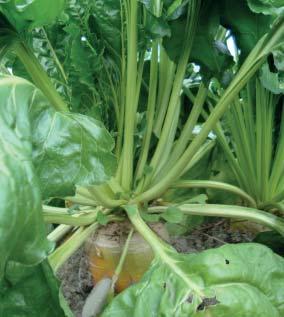
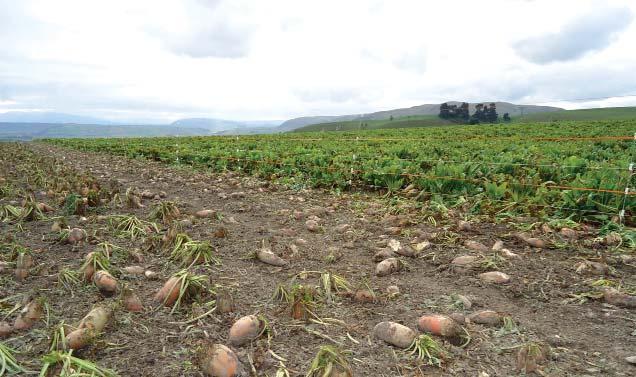
managed appropriately, compared to traditional forage options”.
To ensure success when growing fodder beet, a comprehensive understanding of all of the facets involved is required. These range from the soil conditions and paddock fertility at sowing, through to the timing of chemical applications relative to weed size in the crop.
The workshops were developed to create a forum to inform and remind relevant staff of best practice for successful fodder beet crops prior to the spring sowing season.
The nationwide forum that allowed Technical Field Officers to discuss and recap on their experiences with the Agronomists has been invaluable and a timely reminder of the wealth of technical knowledge, agronomic expertise and resources available internally within Farmlands.
Feedback from Technical Field Officers has been very positive and they appreciated being able to collaborate in a team environment on all the different aspects of establishing and managing this crop.
To achieve consistency in approach across the country, the course finished with an exam that they were required to pass to a high standard, to ensure that they all have a sound knowledge to utilise when growing this important fodder crop.
Shareholders can be assured that Farmlands is actively striving to be recognised as the leading industry supplier of forage and arable agronomic expertise and technical information and support, through providing an ongoing, comprehensive training and learning environment for its field staff.
While controlling woody weeds is difficult, it is not impossible. Their persistant nature means that total control is not often achievable with a single herbicide application. With a well considered weed control programme producers can ensure long-term and cost effective woody weed control.
Combining the use of herbicide and other weed control options such as slashing, cultivation, burning and improving pasture, a well considered plan can help producers gain long-term control over their woody weed problems while obtaining the maximum benefit from the money invested in herbicide.
Herbicides applied at the right time, using the right rate and technique, are often the most economical, effective and practical method for long-term woody weed control. Before treating ensure that woody weeds are actively growing and not showing any signs of stress. As with most pests, prevention is better than cure. Treat the edges
of large areas to prevent weeds from spreading. Clean up small scattered areas first and improve your fencing so that your livestock can graze on treated areas.
Woody weeds are vigorous and hardy. Their persistent nature means it is essential to use a programmed approach over three or more seasons to control them. The Dow AgroSciences 3 Cycle plan allows you to attack woody weeds in three cycles: Treat, Follow-up and Check.
Cycle 1 – Treat. The aim is to reduce the weed infestation to more manageable levels. It is critical that you allow funds for a follow-up treatment in the next cycle or you may find regrowth will return and if not treated your initial work could be wasted. Make sure spraying conditions are right for treatment.
Cycle 2 – This is vital. The aim is to follow-up what was treated in the previous cycle. After your initial knockdown of large infestations, areas that you could not reach need follow-up.
Cycle 3 – Continue to check over time to ensure no seedlings get away. Ensure that pasture forms an effective competitor for regrowth or seedlings.
Marlborough Contractor Ben Minehan knows just how hard it can be to control the myriad of different woody weeds that dominate the region.
“The problem weeds we have on our hill country are
broom, gorse, blackberry, hawthorn and common barberry. These brushweeds take over marginal hill country and if left uncontrolled, they form dense thickets which become impenetrable to grazing stock. Until now, common barberry could only be controlled using a glyphosate herbicide. Unfortunately, glyphosate is not selective to grass pastures and provides no residual control of emerging weed seedlings resulting in a flush of barberry seedlings and thistles, which colonise the bare ground.”
Ben along with several other local spraying contractors have been trialling a new herbicide called Apache™ with outstanding results. “Apache has proved to be an excellent choice for brushweed control as it provides a wide weed control spectrum, doesn’t damage native pasture and provides good residual control, killing weed seedlings as they emerge,” Ben says. “Now all of our major pastoral brushweeds can be controlled using the one selective, residual product.”
Dow AgroSciences is pleased to be able to bring a powerful new option to the New Zealand market. Apache is an effective, highly efficient tool to help farmers maintain and enhance the productivity of their land. Apache contains the powerful active ingredient ‘Aminopyralid’ and sets a new standard for brushweed control.
For further information, contact your Farmlands Technical Field Officer or the friendly team at your local Farmlands store.
Article supplied by Dow AgroSciences.






Make weed control easier this spring – simply spot treat your weeds when you see them with a product containing both picloram and aminopyralid, two powerful active ingredients that can provide superior weed control.
Tordon™ 2G Gold is a new and improved product that kills weeds faster and is a reliable and robust herbicide for intensive pastoral farmers.
Tordon 2G Gold offers convenience and ease of use – by keeping it close
and handy, weeds can be taken care of quickly and easily with no fuss. A small handful of Tordon 2G Gold granules (1 teaspoon) is all that is needed in most cases to control problem weeds. After application the granules dissolve, releasing the chemical into the soil where it is readily absorbed by the roots, killing hard to kill perennial weeds such as dock and Californian thistle from the ground up.
Save time and money by treating weeds when you see them and forget about
spot spraying. Tordon 2G Gold is grass friendly, allowing your pasture back into full production sooner.
For further information, contact your Farmlands Technical Field Officer or the friendly team at your local Farmlands store.
Article supplied by Dow AgroSciences.












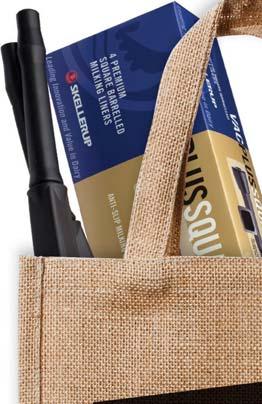




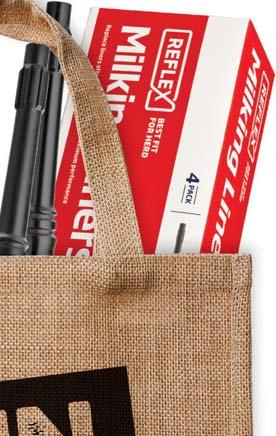















Reducing costs and improving milk income this season could be as easy as making a simple change to your dairy plant. Even better, you’ll also end up milking more efficiently.
One change in particular has so many benefits it sounds too good to be true, from shortening milk-out time and reducing cup slip to lowering somatic cell counts and increasing milksolids yield.
But those who have tried it are well and truly convinced. They say changing milking liners after 2,500 milkings helps save power, labour and animal health costs and can increase yield while minimising the risk of costly grades. Another key benefit of replacing liners at their use-by date is minimising teat end damage as well as better SCC results.
At a time when farmers have to capture every possible efficiency in their business, Skellerup National Manager, Perry Davis, says getting rid of worn out liners on schedule is a good investment in farm productivity.
“Liners are hidden inside the cups, so you can’t see what happens to them when they wear out. The first thing you might see instead is a cow kicking the cluster off, damaged teat ends or a surprisingly high BSCC on the milk docket.”
That’s because a worn, badly fitting liner can leave milk in the udder, slipoff the teat and/or leave noticeable rings at the top of the teat. Permanent teat damage is not only possible, but common. On top of that, any cracks in the rubber are likely to harbour bacteria. A good liner, well-fitted, is just the opposite, Perry says. It will completely milk a cow out quickly and efficiently. It doesn’t slip and it leaves the teats looking very similar in size and colour to how they looked before milking. On some large herd operations, liners reach 2,500 milkings and are changed as often as every 2 months as part of standard farm protocols to protect milk quality.
That may sound excessive but when you look at the statistics, those
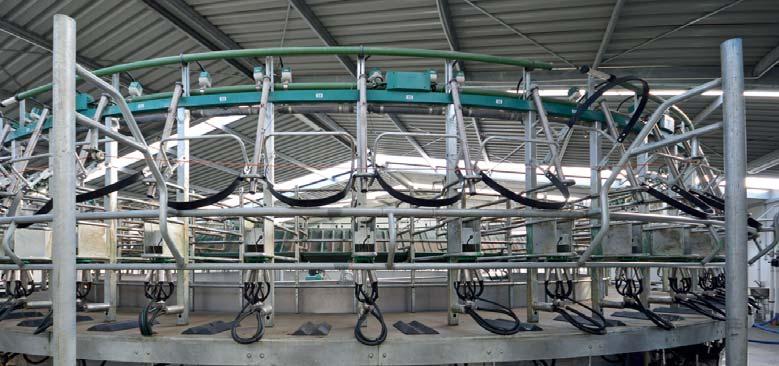
properties are simply following best practice based on average liner changes. New Zealand dairy farmers expect their liners to last for about 4,900 milkings, or nearly twice their effective lifetime.
Here’s an example of how to work out how many days until milking liners should be changed for maximum benefit:
1. Multiply the number of cows being milked by the number of milkings per day.
2. Divide this number by the number of milking clusters in the milking plant.
3. Divide 2,500 by the number in Step 2. This is the number of days between optimum liner changes.
For example – for 750 cows, milked twice a day in a 60 bail rotary plant, each cluster is milking 25 cows per day. Divide 2,500 by 25 and the answer is 100 days. This farm should change liners every 100 days (see www.2500change.co.nz for the calculator).
For further information, contact your Farmlands Technical Field Officer or the friendly team at your local Farmlands store.
Article supplied by Skellerup.
Internal parasite resistance is thought to cost New Zealand sheep, cattle, deer and goat farmers at least $20 million in lost production every year. There are two main contributors to the development of drench resistance on New Zealand farms. The first is due to ineffective drenching and livestock management policies for animals bred on the property.
The second contributor is animals that have been brought in from another property. This is especially common on properties where large numbers of stock, particularly lambs and calves, are brought in (often from multiple sources) and the drench history, worm genetics and resistance status of these animals is relatively unknown.
Quarantine drenching, as the name suggests, is the practice of drenching brought in animals upon their entrance to the property with a product (e.g. Evolve® Sheep HiMin) that is likely to remove a high proportion of resistant parasites that might be residing in the gastrointestinal tract. Once the animals are drenched, they are held in a ‘quarantine’ area (e.g. yards) to allow the expulsion of these parasites before being moved on to ‘clean’ pasture. The primary reason for this quarantine period after drenching is to allow the adult worms and immature larvae to be killed and pass out in the faeces, which are subsequently deposited in an area where they can’t develop or be consumed by other animals.
Having dealt with the adult and immature resistant worms, there will potentially still be the eggs of some resistant worms that will not be killed and will take longer to pass out of the animals’ digestive tract. Therefore, it is
recommended that recently introduced animals are not grazed on the ‘cleanest’ paddocks of the property immediately. Ideally, they should instead be grazed on the most contaminated or ‘dirty’ paddocks of the farm after the initial 24 hour quarantine period. This will lower the proportion of (dilute) worms surviving treatment with worms already present on the property.
Ideally, this quarantine paddock should then be grazed with animals with a higher immunity (e.g. adult ewes), a different species (e.g. cattle), closed up and conserved for supplementary feed (hay or baleage) or considered as part of the pasture renewal programme for the property.
A word of caution – lambs that have either been trucked long distances or held in yards without ready access to water for some time may be dehydrated and therefore more susceptible to levamisole toxicity. Therefore, water must be made available to all stock in the quarantine area and consideration should also be given to providing some feed as well.
The choice of drench should be based upon the drench resistance status of the animals being brought in. Of
course, the whole quarantine drenching process is predicated on the fact that this is unlikely to be known.
In most instances a triple-acting drench such as Evolve Sheep HiMin or Evolve Tape, which contains members of the macrocyclic lactone, benzimidazole and levamisole families will be appropriate. The advantage of using a triple-acting product is that parasites which have a resistance to one or two of the actives will still be susceptible to at least one of the other actives, thus minimising the amount of worms surviving treatment. Therefore, for finishing, grazing or growing lambs, Evolve Sheep HiMin and Evolve Tape can be relied on to reduce the worm burden on your property without compromising your drench resistance status. Where the drench resistance status is known, a double-acting drench like Saturn® can also be used.
For further information, contact your Farmlands Technical Field Officer or the friendly team at your local Farmlands store.
Article supplied by Donaghys Animal Health.
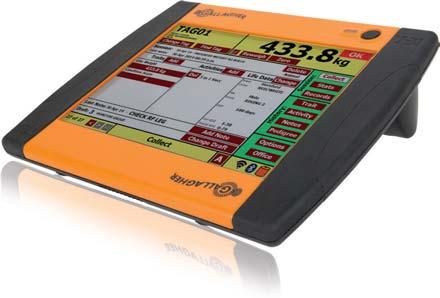

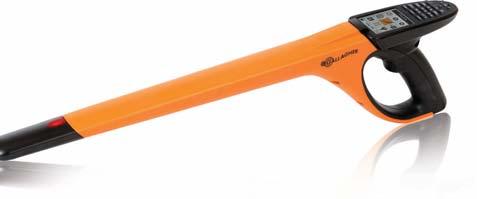
For Omarama Station stock manager, John Mathias and farm owner, Richard Subtil, EID tagging their cattle before it became mandatory and then voluntarily investing in EID tags for their 18,000 Merino sheep made financial and future proofing sense.
EID allows them to capture the weight (and other data) of individual animals to accurately identify their most productive animals. “EID gives you the opportunity to look at individual animals quickly and to analyse hard data,” John says.
For the cattle – 300 plus 200-400 yearlings annually – a key Japanese supplier saw value in the traceability of individual animals. “We really put EID tags in to keep them happy and received a premium for our troubles, which we still get now it’s mandatory. We also saw value in using EID to track individual growth and fattening stock rates.”
With the cattle, they use a Tru-Test XRP Panel Reader and XR3000 Weigh Scale to read the tags and capture the weights. The combination allows them to quickly and safely capture the tag
and weight data without slowing down to the cattle through the race.
“For our sheep, we saw enormous added value to our breeding programme. Managing 7,500 breeding ewes annually, we also felt like we were weighing a lot but not getting the maximum value from it,” John says.
We know all the key data for each animal, we’re handling them less – good for us and them. “
They had a three-way Prattley Drafter and a Tru-Test ID3000 Weigh Scale for the sheep. Their Tru-Test Rep recommended a five-way Prattley Drafter to better manage weight groups to move their high and low ends off to the works quicker. Even though EID capable, they upgraded to the XR5000 Weigh Scale model as its increased storage meant they didn’t have the headache of taking records on and off the weigh scale.
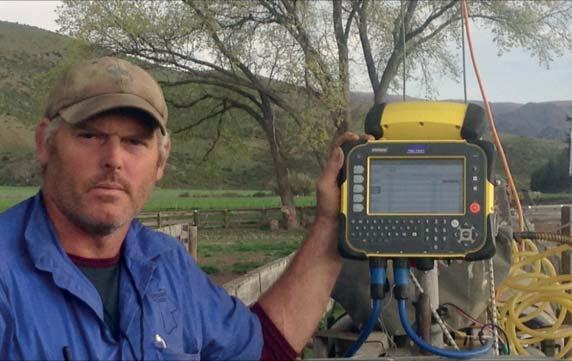
“Some people ask why invest in EID tags for sheep when it’s not compulsory –but for us that extra cost for an EID tag levels out, as instead of up to three tags, we only need one,” John says.
“But the real clincher –weighing and tracking the sheep through EID will see us add around
$100k annually to our bottom line once we hit our target flock ratio. That’s great bang for buck on a $20k investment.”
Their target is to have a flock comprising 90 percent of a Merino breed they call Royals. The Royal is a dual purpose meat and wool sheep that offers a more productive ewe for the conditions. Putting in EID tags has enabled them to class each animal and group them for selective breeding and lambing. They now have two thirds more Royal first lambing two-tooths as a result and are aiming for a herd comprising 90 percent Royals.
“It’s just a really good management tool,” John says. “We know all the key data for each animal, we’re handling them less – good for us and them – and it takes no more time, in fact, I think it’s taking a bit less. Having the data to preferentially feed at key times such as lambing, is also important in our drought prone area.”
Neither John nor Richard consider themselves to be tech savvy, so the system choice needed to be simple. John advises other farmers not to be afraid of the technology. “I wish I’d discovered this sooner. But choose a system that’s gives you what you need, is simple to use and is well supported. You need to know you can pick up the phone and there will be understanding and a fast response at the end of it. TruTest does this for us,” John says.
For further information, contact your Farmlands Technical Field Officer or the friendly team at your local Farmlands store.
Article supplied by Tru-Test.






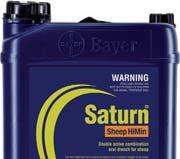

















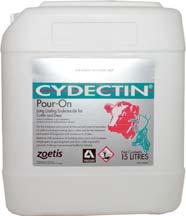







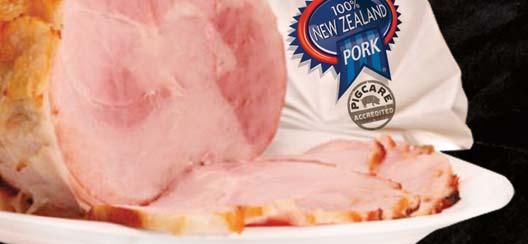





Pulpy kidney and tetanus are the two most important clostridial diseases of lambs. The period from birth until weaning encompasses the biggest risk period for both of these diseases.
Pulpy kidney most often occurs in well-grown lambs 3-10 weeks old but can be seen at any age. The causal bacterium of pulpy kidney (Clostridium perfringens Type D) is considered a normal gut inhabitant. Disease occurs after explosive multiplication of bacteria in response to a dietary factor. Sudden diet changes or high intakes of nutrientrich feed (such as excess milk intake by lambs, feeding crops, grain or lush, high energy pasture) are common triggers. Brain damage and death occur rapidly, so that ‘symptoms’ or clinical signs are rarely seen – it is much more common to find dead animals and it’s often the best lambs.
In New Zealand farming situations, periods of high risk for pulpy kidney occur whenever lambs are on good feed from before weaning. Although clostridial diseases are not contagious – so do not spread from sheep to sheep – it is common to have more than one animal die at the same time. This is
because animals in a mob share the same risk factors.
Tetanus in sheep is most often associated with docking or tailing. The causal bacteria (Clostridium tetani) is found in soil and contaminates wounds – docking/tailing wounds put lambs at high risk, particularly if rubber rings are used. Deaths due to tetanus are generally seen within 6 weeks of docking.
The clostridial diseases are notoriously deadly. Young stock are at most risk, as the immune system is ‘naive’ or developing. Vaccination is the only viable method of controlling clostridial diseases. Most farmers use pre-lamb vaccination of the ewe to provide protection for lambs from birth until around the time of weaning. The level and length of lamb protection is variable and depends on many factors including timing of pre-lamb vaccination, health of the ewe, amount of colostrum suckled and the vaccine used, so death from clostridial diseases prior to weaning can and does occur.
Recent New Zealand trial work has demonstrated that vaccination of lambs with Multine ® can start at docking/ tailing time to provide protection
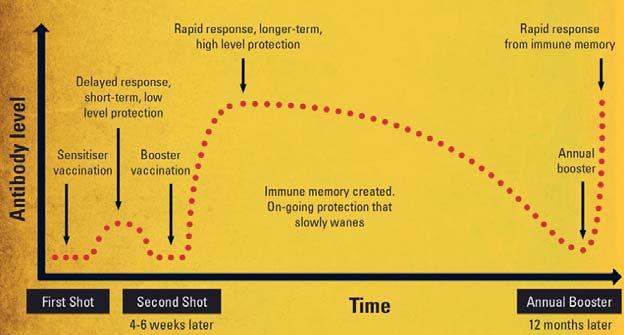
earlier if necessary. In this trial Multine vaccinated lambs demonstrated a superior immune response, resulting in more lambs protected compared with another well-known clostridial vaccine.
It is important that plain Multine is used at docking/tailing, as the selenised version contains too much selenium for a young lamb.
The first sensitiser shot must be followed with a second ‘booster’ shot. These two vaccinations work together to stimulate a response from the lamb’s immune system that is protective and long-lasting as demonstrated in the diagram.
The two-shot primary vaccination programme primes the immune system to respond properly to future pre-lamb vaccinations. Hoggets that will be joining the breeding flock must receive the two-shot programme. Ideally, the two vaccinations are given 4-6 weeks apart.
The two-shot primary vaccination course from docking or weaning is an important investment – it ensures full, robust protection, stimulates the lamb’s immune system for long-lasting protection and primes the lamb’s immune system to respond to future pre-lamb vaccinations.
And don’t forget your calves – they are at risk from clostridial disease also.
Talk to your veterinarian to ensure your clostridial vaccination programme protects the health of your rapidly growing young stock.
For further information, contact your Farmlands Technical Field Officer or the friendly team at your local Farmlands store. Article supplied by Coopers. ACVM No: A0934, A0935. ® Schering-Plough Animal Health Ltd.
RAZORWELD TIG200PRZ
XA-TIG200PRZ-SP
200AMP TIG-MMA DC WELDER
DC TIG WITH HF & PULSE
• DC TIG HF Arc Ignition
• Complete Pulse Function
• 2T/4T Trigger, Spot Time
• Start & Final Current Control
• Pre & Post Gas Flow Control
• Up & Down Slope Control
• MMA Arc Ignition Control
• MMA Arc Force Control
• Compliant to AS/NZ 60974-1
Power Supply 230v - 1Ph
Duty Cycle @ 40°C 25% @ 200A
Duty Cycle @ 25°C 55% @ 200A
Current Range TIG 05 - 200A
Current Range MMA 10 - 160A
Rated Power 7.0 KVA
Dimensions (mm) 365x135x277
Weight 9kg
AWESOME PACKAGE DEAL
TIG200PRZ Machine, XA26FXx8m Torch + Spares Arc Lead Set x 4m, Flowmeter Regulator, Carry Bag
$1,64900
17OAMP MMA-TIG DC WELDER INDUSTRIAL PERFORMANCE RELIABILITY PROVEN
• 170 Amp - 230V
• Electrode Hot Start
• Arc Force
• DC TIG - Lift Arc
• Generator Compatible - 7.7KVA
• Compliant to AS/NZ 60974-1 Power Supply 230v - 1Ph
Duty Cycle @ 40°C 35% @ 170A
Duty Cycle @ 25°C 60% @ 170A
Current Range 10 -170A
OCV 80V
Dimensions (mm) 320x120x210
Tig Torch is Optional & Extra






RazorCut45 INCREDIBLE CUTTING CAPACITY
RAZORWELD CUT45 PLASMA
XA-CUT45RZ-SP

45AMP PLASMA CUTTER CLEAN CUT 15MM (STEEL) SEVER CUT 20MM (STEEL)
• 45 Amp @ 35% Duty Cycle - 230V
• PFC - Power Factor Correction
• Pilot Arc Low Frequency Start
• Air requirement - 6.7cfm @ 75psi
• 4T Function for Automatic use
• Pre-set Air with Auto Drain
• Weighs only 5.2Kg
C/w SC80 Plasma Torch, Earth Lead, Spares

• Approved AS/NZ 60974-1 Standard BONUSGOGGLES
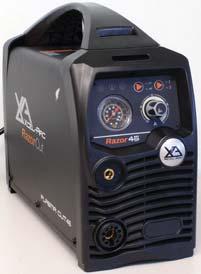
The production benefits of reticulated stock water systems on hill country properties are tacitly understood by farmers, the outcome of greater reliability and easier access to better quality water, compared to natural or dam water. Another benefit is a one off capital investment in a low maintenance reticulated system, versus the outlay on establishment and ongoing upkeep of dam water sources. Unfortunately in cases where the water needs to be pumped and there isn’t ready access to grid electricity, the cost of powering a remotely located pump can be prohibitive, changing the cost benefit equation.
Such was the case with Michael and Catherine Anderson, who have farmed a hill country block on the outskirts of Taihape, in the Rangitikei, since 1989. The property carries 3,500 LSUs in winter, growing to 5,500 LSUs over summer – a mixture of steers, ewes and lambs.
Michael says that given environmental considerations and stock not responding as they should on the dam based water system, they decided to consider reticulation. “The property has a high quality spring, delivering 65m3 a day, however the spring wasn’t at sufficient height to supply stock water to the desired 350 hectares. The spring would need to be tapped and a submersible pump used to pump water up to strategically placed reservoirs.”
Various means of powering the pump were considered, from grid electricity, water rams, solar panels, windmills and water wheels, to diesel or petrol
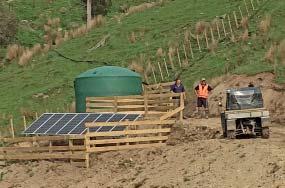
powered generators. All the pros and cons were considered, ranging from high pole charges, transformer and connection costs with grid power, to the required physical topography to site a water ram and the initial setup costs and running/maintenance requirements of a diesel generator in a remote location. A direct solar powered pump, with no battery storage, that can still operate in moderately overcast conditions won out on the day, providing the best return on investment.
David Spicer from Rangitikei Tech Ltd, who has been designing and installing solar powered water pumps for the last 16 years, specified and installed the pump. “Solar water pumps have the advantage over mains or generator powered pumps, where the water source is remote,” David says. “Generators require a greater number of trips to the site to fuel them and require more maintenance and repairs. Over the last 20 years, the technological advancements have made solar powered pumps more reliable and effective. They require very little maintenance.”
Farmlands Taihape Business Manager, Mike Collings, involved Leonard Waldron from Iplex Pipelines
to survey the proposed pipeline route using GPS technology.
Leonard says that spot heights for the spring, tanks and troughs and distances between these points were required to determine the pressure classes of pipe, with the daily and peak stock water requirements used to specify diameter of pipe, water storage needed and pump duty. “A pumped gravity system was the outcome, with an 800m, 50mm Redline delivery line supplying a new 30,000 litre tank located at a strategic high point on the property, from where a further 800m of 40mm Redline feeds down to 1,800m of 32mm Greenline, for lateral connections to the troughs. Another built-in design consideration is to use the spring to supply the neighbour’s property, a project due to happen next year.”
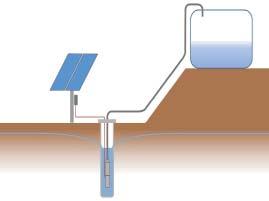
Michael says he couldn’t be happier with the new system. “Thanks to the guys at Farmlands, Rangitikei Tech and Iplex for making it all come together.”
For further information, contact your Farmlands Technical Field Officer or the friendly team at your local Farmlands store.
Article supplied by Iplex Pipelines.

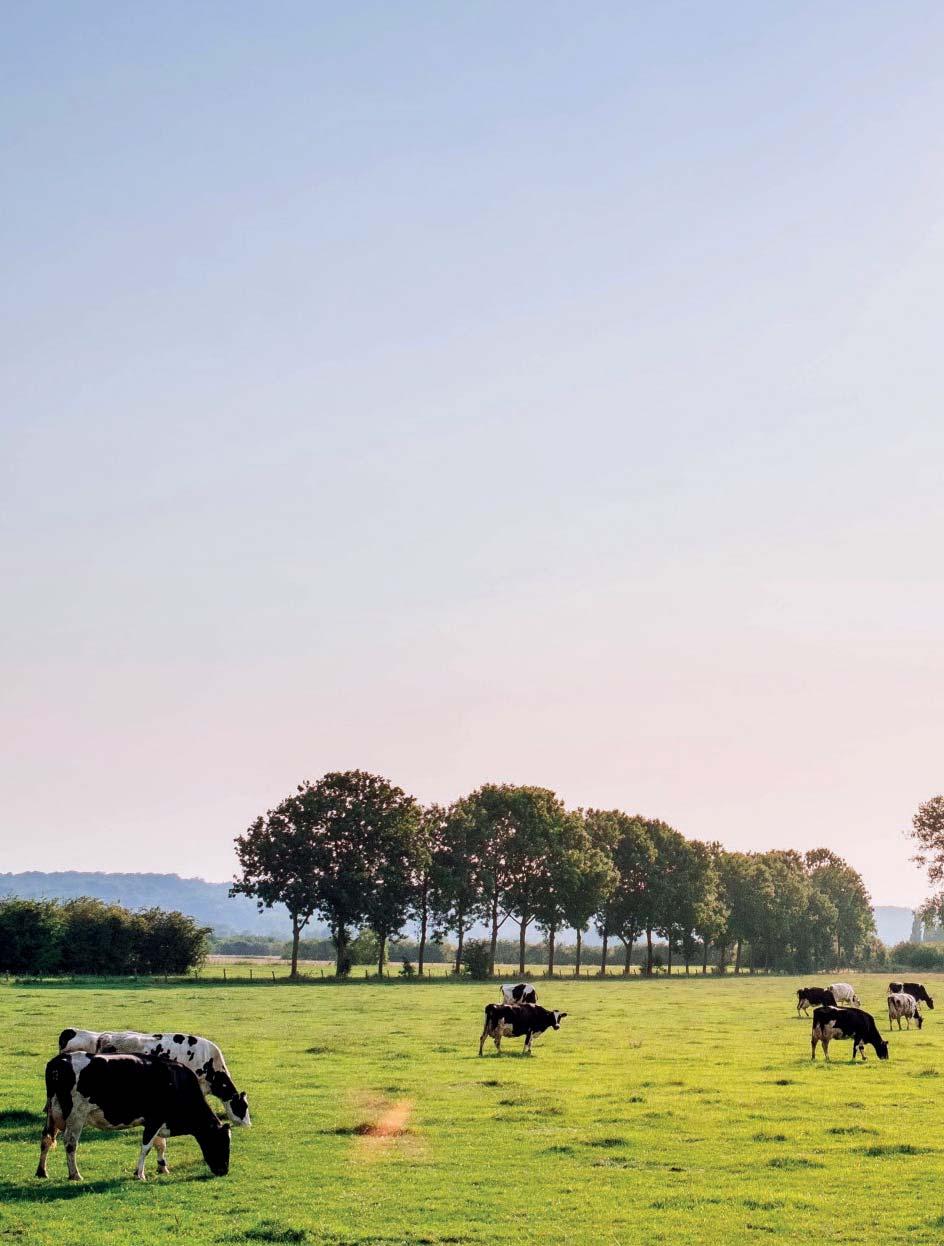
By grouping large numbers of cows regionally, your independent co-operative will negotiate a better deal for your animals – putting more money in your pocket.

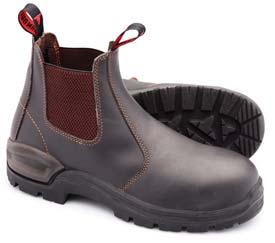
John Bull Raptor 2.0
Safety Boot
• High quality claret bullhide leather.
• Broad fitting 200J steel toe cap.
• Certified to AS/NZS standards.
• Revolutionary CushionCore comfort technology absorbs and disperses energy at the heel while generating rebound in the forepart.
• Soft Comf2bull PU airflow footbed for extra comfort.
• TPU outsole with aggressive tread pattern for superior grip and abrasion resistance.
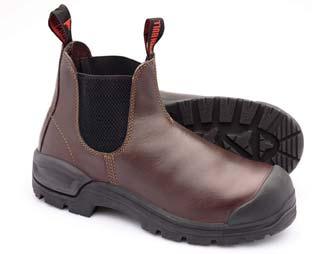
John Bull Cougar 2.0
Safety Boot
• Premium full grain leather slip on boot.
• Revolutionary CushionCore comfort technology absorbs and disperses energy at the heel while generating rebound in the forepart.
• Soft Comf2bull PU airflow footbed for extra comfort.
• Oil, acid and organic fat resistant.
• Broad fitting 200J impact resistant type 1 steel toe cap.

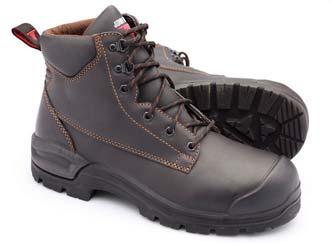
JB Himalaya 2.0
Safety Boot
• Premium full grain leather lace up boot.
• Revolutionary CushionCore comfort technology absorbs and disperses energy at the heel while generating rebound in the forepart.
• Oil, acid and organic fat resistant.
• Ergonomically engineered toe spring for reduced wearer fatigue.
• Broad fitting 200J impact resistant Type 1 Steel toe cap.









Choices Rewards brings you the best from Farmlands Card Partners –with more than 1,500 rewards there is everything you need for Christmas gifts, summer adventures and beyond!
Order before 30th November 2016 to guarantee delivery in time for Christmas.

Points








Choices Points Redeem your Choices Rewards Points between 1st October – 31st December 2016 and be in to win one of three prizes of 2,000 Choices Rewards Points! Terms and Conditions apply.

Contaminates found in diesel can cause equipment downtime and costly repairs. One of the most common sources for contaminant is the diesel storage tank. Many storage tanks are aging and have poor or obsolete filtration. Modern diesel engines are being built to increasingly stringent specifications with finer operating tolerances. They require clean, dry fuel for optimum combustion, maximum power and the lowest emission levels.
Other bugs in fuel are microscopic fungi bacteria and yeasts. They can live in your tank using the diesel as a source of fuel. As they grow, the contaminants form sludges and slimes that can bring your engine to a halt. As bugs grow, their by-products hold water up in the fuel. This makes the fuel corrosive and increases the risk of breakdown.
To ensure your diesel is free from contamination (diesel bug) when dispensing from your tank, implement the following steps.
1. Ensure you have the correct filtration system installed that will manage water and dirt contamination to a minimum 10 micron.
2. Ensure hoses and nozzles are hung up out of the dirt, with the nozzle covered to ensure rain water cannot flow into it.
Signs your fuel may be contaminated:
• Having to change filters more regularly
• Black slime on filters
• Sudden loss of power in your engine
• Damage to injectors
• Water in the bottom of your tank
• Fuel has turned a hazy colour
• An engine stops for no reason
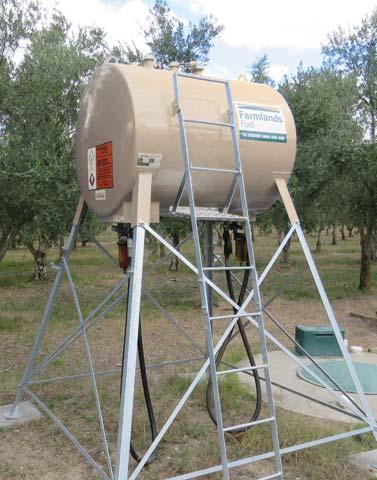
3. Check your tank for contamination (water finding paste).
4. Use additives to break down any build-up of diesel bug.
5. Change the filter when flow reduces, as this indicates filters are clogged.
6. Make sure you refuel your equipment, so as to reduce condensation build-up if left partially filled for long periods of time.
Repairs can become expensive, however the real killer is down-time. Farmlands Fuel can supply fuel filters and treatments to control biological and organic growth in diesel fuel.
For further information, please contact the Farmlands Fuel team on 0800 66 66 26.
$2,900.00





With warmer weather, phones are really ringing for our residential, lifestyle and rural teams.
Nationally across all market sectors, the number of available listings to buy has reduced. Therefore we are seeing increased competition and prices are continuing to rise, especially in the residential and lifestyle markets.
The number of farm sales within the sheep, beef, grazing and finishing sectors continues to be steady. We have an increasing enquiry level for properties in excess of 8,000 – 10,000 stock units and have a lot of activity in the 3,000 – 5,000 stock unit range. Our team have secured a number of excellent farm and station listings, some of which are highlighted in the following pages.
Over the winter the dairy market has been subdued, with mainly corporate buyers being active. We do have a number of dairy units with scale, 1,000 cows plus, under conditional contract or written negotiations underway. Since the forecast lift in pay-out was announced there has been a very noticeable
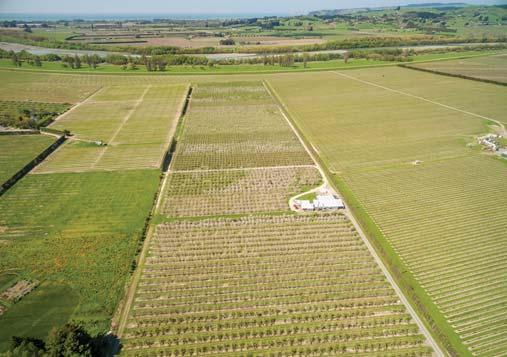
Make the most of this rare opportunity in a premium location just 5km from Havelock North. 8.09 hectares of developed orchard with a full range of apple varieties. Some of the best soils in the Hawke’s Bay, located beside the Tukituki river and surrounded by superior orchard and lifestyle properties. This block boasts generous water consents, excellent sheds and is currently leased to a strong operator with a desire to continue leasing after the current term ends June 2017. Auction 2pm, Thursday 1 December 2016 at Farmlands Real Estate Hastings.
increase in purchaser enquiry for ‘family’ businesses, especially in the 400 – 600 cow range. Our initial experience is a good number of farm inspections are being undertaken, however buyer urgency is still apathetic. In essence these buyers, in this part of the market, are sitting on their hands.
The horticultural market has been extremely buoyant. Farmlands is offering, by way of Public Auction on Thursday 1 December 2016 in Hastings, an apple orchard in a premium location. Working alongside Farmlands Horticulture’s extensive business network, we expect enquiry to be strong.
Visit www.farmlandsrealestate.co.nz to see our full range of listings. I am always available if you require advice or have questions surrounding the above or any real estate matter.

Calvin Leen
General Manager Real Estate 027 453 0950 calvin.leen@farmlands.co.nz
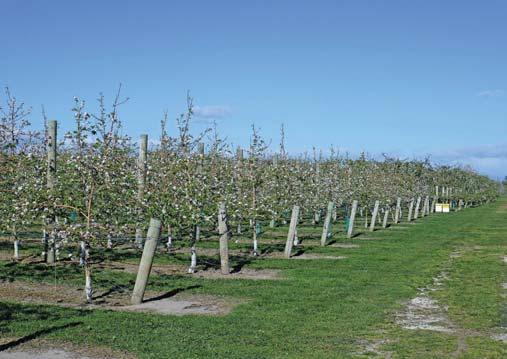


Paul Evans Lifestyle/Rural 027 533 3314 paul.evans@farmlands.co.nz
Mark Johnson
Lifestyle/Rural 027 487 5105 mark.johnson@farmlands.co.nz
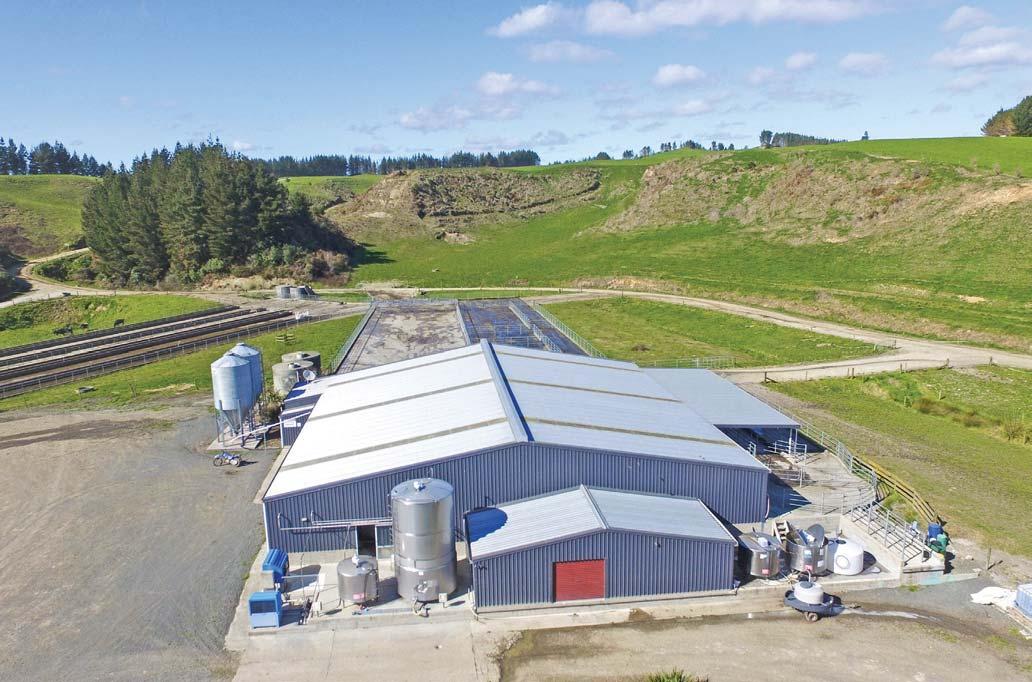
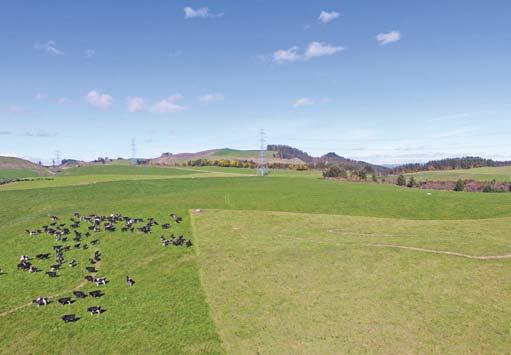
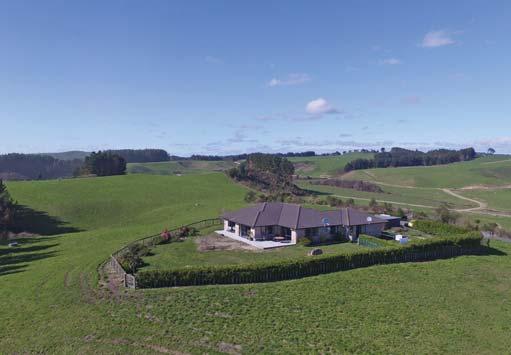
A dairy unit with scale – 411 hectares with approximately 285 hectares being the effective milking platform area. The farm is located midway between Putaruru and Tokoroa, an area regarded for its reliable seasons. A range of superior improvements include three modern brick homes, 80 bail rotary dairy shed, 16 aside hospital unit, 800 cow feed pad and a range of calf/implement sheds. The farm is consistently growing more grass, which is seeing inputs steadily reduced in accordance with the overall farming objective. Price by negotiation.

Ian Morgan Lifestyle/Rural 027 492 5878 ian.morgan@farmlands.co.nz
A historic property, 15 minutes east of Masterton in the Tauweru district. Comprising 830 hectares, this sheep and beef breeding property has good contour, medium hill, with the odd steeper face and is well watered from dams and creeks. Te Kanuka offers a modern three bedroom home, a three bedroom cottage, 4-stand woolshed and yards, workshop/ implement shed, excellent cattle yards. Approximately 200 hectares are planted in a Pinus Radiata, with good silverculture evident and one share available for purchase. Offers invited.


Property ID: MA1164 www.farmlandsrealestate.co.nz
Rod Cranswick Lifestyle/Rural 027 436 5738 rod.cranswick@farmlands.co.nz
Tim Falloon Lifestyle/Rural 027 449 2105 tim.falloon@farmlands.co.nz
Comprising Kelvin Grove, Brookdale and the Sugar Loaf with a total area of 2,631.7 hectares. Conservatively stocked with Romney sheep, mainly Angus cattle and until recently red deer, this land holding provides scale and scope in handy location to Dunedin and Mosgiel. Complemented with a good main homestead, married couple’s home and two cottages. Two woolsheds, covered yards and plenty of support buildings across the properties. Several purchase options available. Tender closing 12pm, 25 November 2016 (unless sold by private treaty).

Craig Bates Lifestyle/Rural 027 489 4361 craig.bates@farmlands.co.nz
Located 12km east of Eketahuna, this 776 hectare sheep and beef property is in a top summer safe area. With 70 hectares of flats, currently wintering around 6,700 stock units. Well fenced in to 40 main paddocks with good tracks and great access. Complemented by a large covered yard and shearing shed complex with cover for more than 2,000 ewes, a four bedroom homestead plus an older three bedroom cottage. Excellent water scheme and good recent fertiliser history. Offers invited by 4pm, Wednesday 7 December 2016 (unless sold prior).
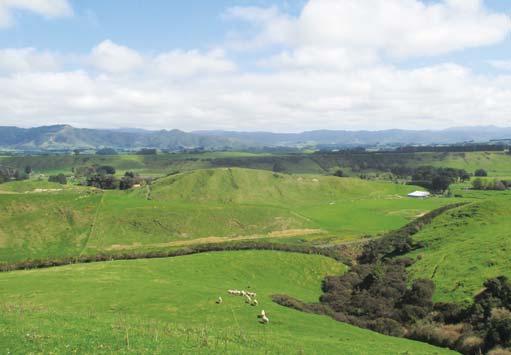
Located just over 25 minutes North of Masterton and five minutes South of Eketahuna lies this very well balanced sheep and beef property. The 289 hectare farm has an excellent mix of country with more than 60 hectares of terrace flats and the balance easy to medium hill. The three bedroom home and double garage were built in the 1980s, as was the 4-stand raised board woolshed with covered yards and a 1,000 sheep night pen. RV $1,730,000. Offers invited by 4pm, Thursday 17 November 2016 (unless sold prior).
Tim Falloon Lifestyle/Rural 027 449 2105 tim.falloon@farmlands.co.nz
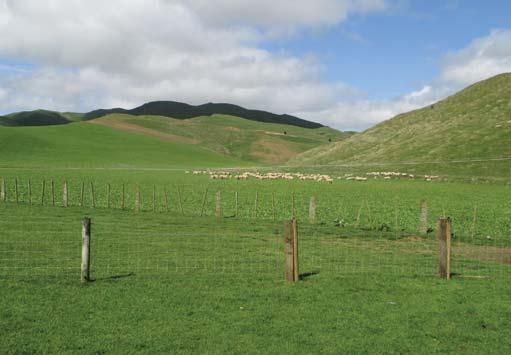
Tim Falloon Lifestyle/Rural 027 449 2105 tim.falloon@farmlands.co.nz
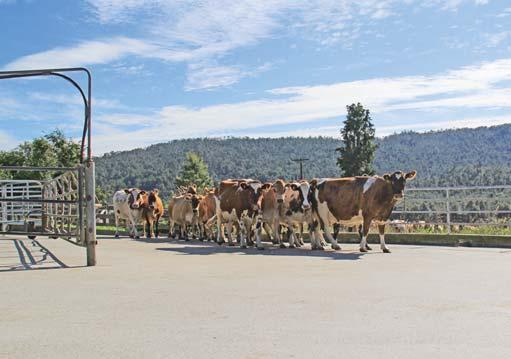
This 501 hectare dairy unit located 45 minutes north of Westport at Corbyvale has to go. Milking and running all young stock on approximately 170 hectares. 11 sheds plus renovated 24 aside herringbone with a 250 cow yard. Modernised, three bedroom home with sleep-out and a two bedroom cottage. Consistently milking 210-215 cows, producing a 5 year average of 79,898kgMS. Come and make us an offer. Stock to be sold with farm and plant available if desired.
$2,850,000 plus GST on land, buildings and shares.
This well appointed, 230 cow dairy unit is neat, tidy and well located only minutes from Reefton township. The property has a 22 aside herringbone shed with meal feeding system and a 260 cow yard on approximately a 95 hectare effective milking platform. The three bedroom home, with two room sleep-out and double garage, has undergone significant renovation. Multiple barns to accommodate all your needs. Winter and summer crops grown each season. A great first farm option.
$2,800,000 plus GST on land, buildings and shares.
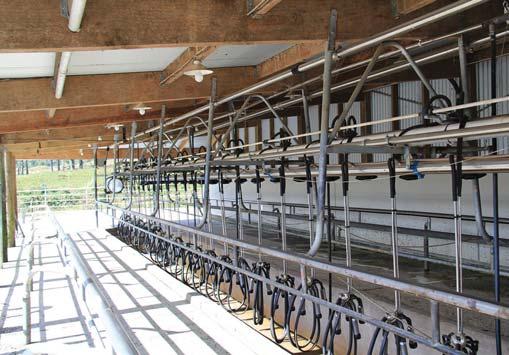

Shari McLaughlin
Rural/Lifestyle - West Coast 027 266 6850
shari.mclaughlin@farmlands.co.nz
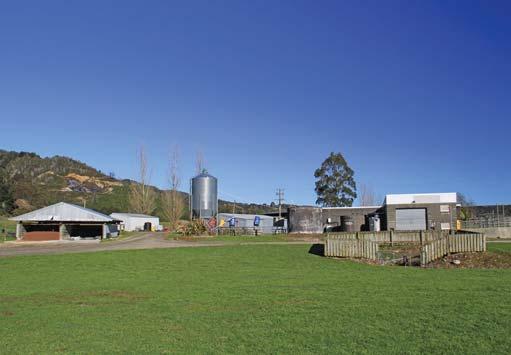
Shari McLaughlin
Rural/Lifestyle - West Coast 027 266 6850
shari.mclaughlin@farmlands.co.nz