


























Biosecurity
6 Farmlands 5 minutes with Chris Morley
10 Special Feature – Battling Bovis
Co-operative News
5 Farmlands staff profile
5 From the CEO
8 Great fencing deals
18 Celebrating success at the annual Farmlands Awards
21 To The Core – Leadership and Governance Development Programme
22 Farmlands brings Super Rugby to King Country
25 Choices Rewards
27 New technology reduces farm inputs
29 Work on cutting-edge food research facility underway
31 Record temperatures mean challenges on-farm
41 Buying Power Promise
53 Farmlands Fuel 58 Farmlands Real Estate
Feeding for the changing seasons
Plan365 Forage and Arable
45 Ryegrass rises to challenge 47 Ryegrass cultivar passes with honours 49 The S effect
Plan365 Animal Management
51 Maximising beef weaner growth rates in autumn 55 Conditions perfect for a parasite explosion



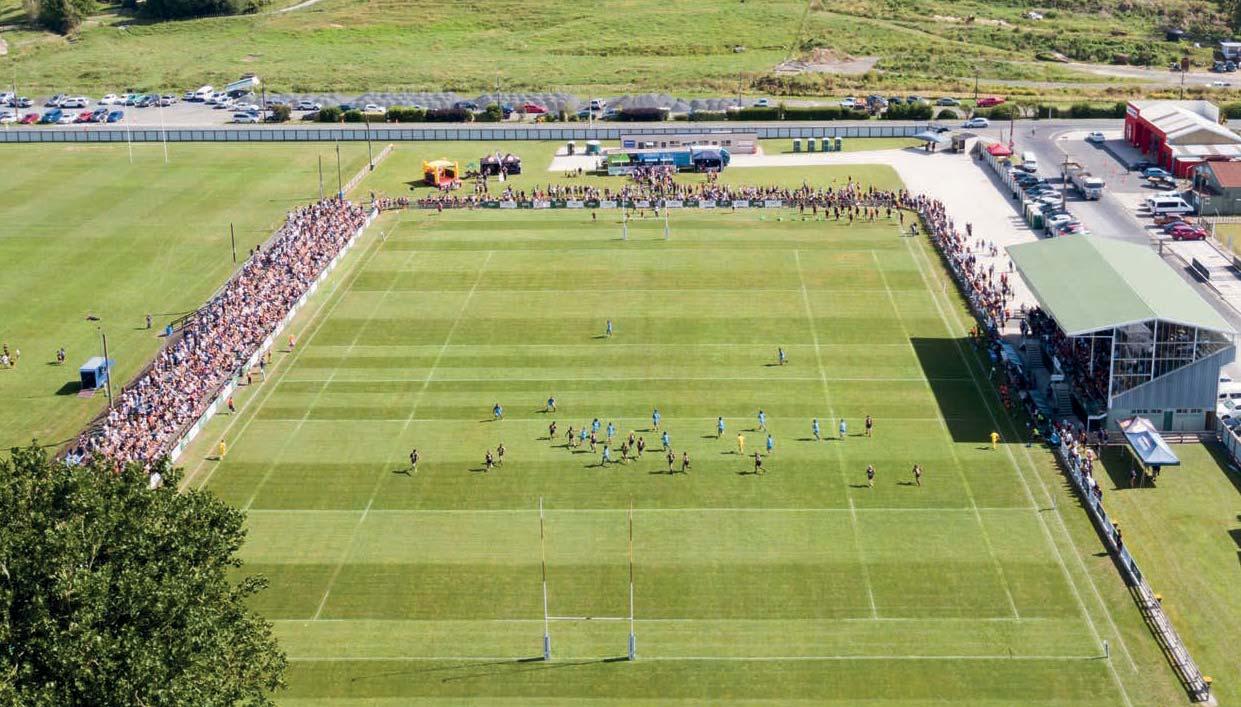
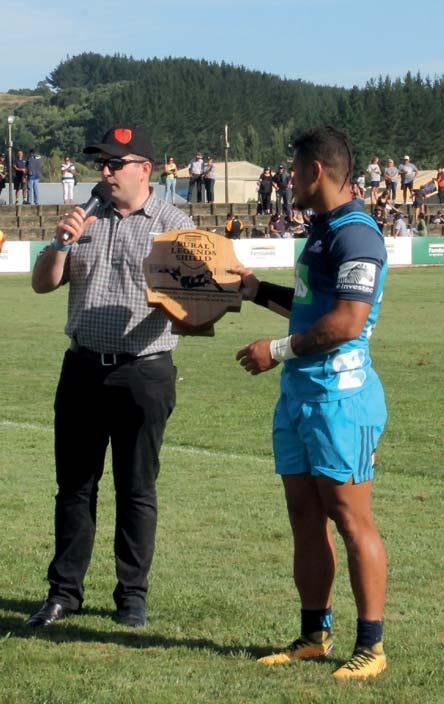
The Gallagher Chiefs and the Blues contested the Farmlands Rural Legends Shield in Te Kuiti on Friday 2nd February. Check out some more action from the game on page 22.
Q: What is your current role at Farmlands?
A: Technical Field Officer based in Darfield.
Q: What do you enjoy about your job?
A: Being out and about on-farm, providing solutions for farmers to help run their farms more efficiently.
Q: Tell us a bit about your family.

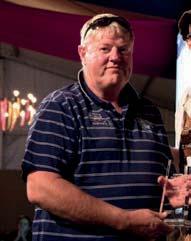
A: Lynley is a teacher at the local primary school, Danielle has just got her full licence, left school and plans to travel. Matt is Year 11 and loves anything that needs petrol.
Q: What do you like to do in your spare time?
A: Try to keep our wee farm in order, build things out in the shed and dine out as often as possible.
Q: What is the most interesting trip you have ever taken?
A: Sailed in a 4 day sailing regatta out from Nelson, not bad for a normally land based person.
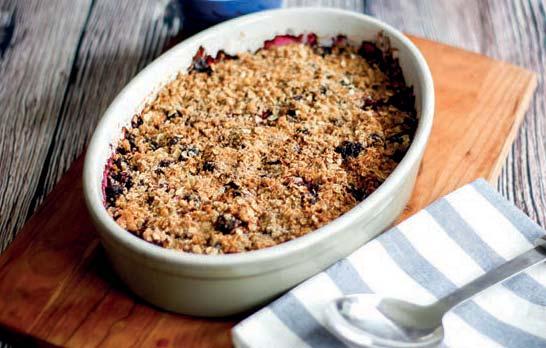

• 5-6 apples, peeled and cut into chunks
• 1 cup blueberries (if desired)
• 50g caster sugar
• Juice of ½ a lemon
1. Preheat oven to 190°C.
• 1 tablespoon water
• 80g flour
• 80g cold butter, cubed
• 80g brown sugar
• 70g oats
2. Place the apples, sugar, lemon juice and water in a heavy-based saucepan. Cook over a low heat for 5 minutes to slightly soften, remove from heat and spoon into a shallow 20cm ovenproof dish. Mix in blueberries if desired.
3. To make the crumble, place the flour in a large bowl and rub in the butter until the mixture resembles fine breadcrumbs. Stir in the brown sugar and oats.
4. Sprinkle the crumble mixture over the apples and bake for 25-30 minutes until the crumble is golden.
5. Serve with ice cream.


Welcome to the March issue of The Farmlander.
February kicked off with our National Conference, held at Lincoln. The conference was an opportunity to bring many of our leaders and influencers together to listen, learn and share ideas on how we can work more effectively for our members.
The theme this year was Together We Can. Together as a team, we can re-invent the co-operative spirit to ensure shareholders' success is at the centre of everything we do. Together we can take our co-operative from “Good to Great” by ensuring we have the people, skills, capabilities, systems and organisation that can help you meet the challenges and/or opportunities that a rapidly changing world is presenting us.
I have been taking this message to staff through a series of Regional Conferences. It is always great to travel around the country, visiting our staff and shareholders. Despite the challenge mother nature is presenting us our team is in good heart and is continuing to strive to look after our members.
One of the big question marks facing our primary sector is Mycoplasma bovis. It has been more than half a year since it first appeared in testing in New Zealand and it has since gradually spread from Southland to Hawke’s Bay. While the cases are isolated, it is important we are all aware of what this could mean for our production and reputation. We have asked MPI and DairyNZ to write about Mycoplasma bovis in this issue of The Farmlander, to help all shareholders understand what it is and what it means. The more of us that are informed, the better prepared we will be – Together.
I hope you all have a safe and productive month.
Kind regards,

Peter Reidie Chief Executive Officer Farmlands Co-operative Society Limited
How has DairyNZ responded to the confirmation of Mycoplasma bovis in New Zealand?
Since Mycoplasma bovis was positively identified in New Zealand last year, DairyNZ has been working closely with MPI and all other organisations involved to get regular information to our farmers and understand if we can eradicate this disease from New Zealand. We are not only involved at the technical and governance level, with some of the leading biosecurity experts in New Zealand working for DairyNZ and on hand offering advice and support, we are also on the ground providing support to farmers. You’ve probably seen some of the team online, through webinars or at one of the many farmer meetings being held across the country.
We have also been ensuring farmers are kept up-to-date as the outbreak has developed, and have developed a range of biosecurity advice and information that can be found on our website – or in one of the packs sent to all dairy farmers included in Inside Dairy early February.
MPI is the lead agency, and our role has been to represent our farmers to get the best outcome for them. With a complex investigation, involving thousands of tests carried out by MPI, including recent bulk milk testing, we feel that we are getting closer to understanding if eradication of Mycoplasma bovis could happen.
What are some of the misconceptions around this bacterial infection?
Mycoplasma bovis is wide-spread across the world already and we were one of the last countries free of it – until last year. Because it’s well known, and we know it’s a bacterial disease that doesn’t infect humans and presents no food safety risk, there aren’t many misconceptions. One of great things about New
Mycoplasma bovis is widespread across the world already and we were one of the last countries free of it – until last year. “
Zealand, that by being a relatively isolated island, we can put in place biosecurity measures to help keep pests and diseases out of our country. We still feel that these border controls work and that farmers play an important role in supporting these measures. Even though the pathway for Mycoplasma bovis hasn’t been discovered yet, everything we can all do to protect our country from incursions remains a priority.
DairyNZ has recently gone to our farmers asking for feedback on DairyNZ’s proposal to join other primary sector groups in signing the Government Industry Agreement for Biosecurity Readiness and Response Deed (the GIA).
This would give dairy farmers more influence and certainty about the government’s funding decisions for biosecurity investment on readiness and response. We will be submitting our application to the Minister soon and hope to hear about his decision in the coming months.
While efforts continue to contain Mycoplasma bovis, what are some steps dairy farmers can take to minimise the risk to their property?
There are some simple steps you can take on-farm to protect your animals from contracting Mycoplasma bovis. These are a few of the easy steps that farmers should be taking right now:
• Check your boundary fences are secure.
• Put in double fencing at least 2 metres apart to stop nose to nose
contact between you and your neighbour’s stock. Permanent is best but in the short-term it can be simply putting a reel up if your neighbour’s stock are going to be in the adjacent paddock.
• Download and complete the biosecurity check list and biosecurity WOF, available at www.dairynz.co.nz/mbovis – these actions will go a long way to protecting your farm.
• Always complete your NAIT records and make sure if you have had movement over the last month they are correctly recorded. Knowing where your cows have been is crucial to understanding and preventing the spread of disease. Are the risks to New Zealand’s dairy industry reputational, financial, or both?
The disease is commonly found in cattle all over the world and is in many dairy-producing nations, including in Australia. The disease does not infect humans and presents no food safety risk and there is no concern about eating meat, milk and milk products. However, it does lead to serious conditions in cattle and therefore is an animal welfare and productivity issue. Although we don’t expect there to be a reputational issue, because so many other countries have the disease, we do think it would have a financial impact on the dairy industry if the outbreak is not contained. We continue to work closely with MPI on how we can eradicate this disease from New Zealand. So far (as of the date of going to print) all the positive results can be traced back to a single incursion. This means that the disease has not “spread” uncontrollably, and we believe this gives us a positive signal that eradication is still possible.

What support is in place for the farmers caught up in the Mycoplasma bovis outbreak?
It has been, and still is a very stressful time for farmers caught up in the outbreak. For these farmers, having support from their friends, communities and organisations, such as DairyNZ and Federated Farmers is crucial, and we encourage them to reach out. And there is not only support for the farmers with Mycoplasma bovis discovered in their herd.
Many farmers have told us that this feels like yet another thing, on top
of flood, drought, storms, regulation and many other factors. We’ve been out in farming communities, helping farmers with advice and tools on how to put in place good biosecurity measures and support with wellness and wellbeing tools. We encourage farmers to reach out and get in touch with their local DairyNZ team for assistance, and Rural Support Trust are there to help.
You can find out more about Mycoplasma bovis and protecting your farm at www.dairynz.co.nz/mbovis







































































































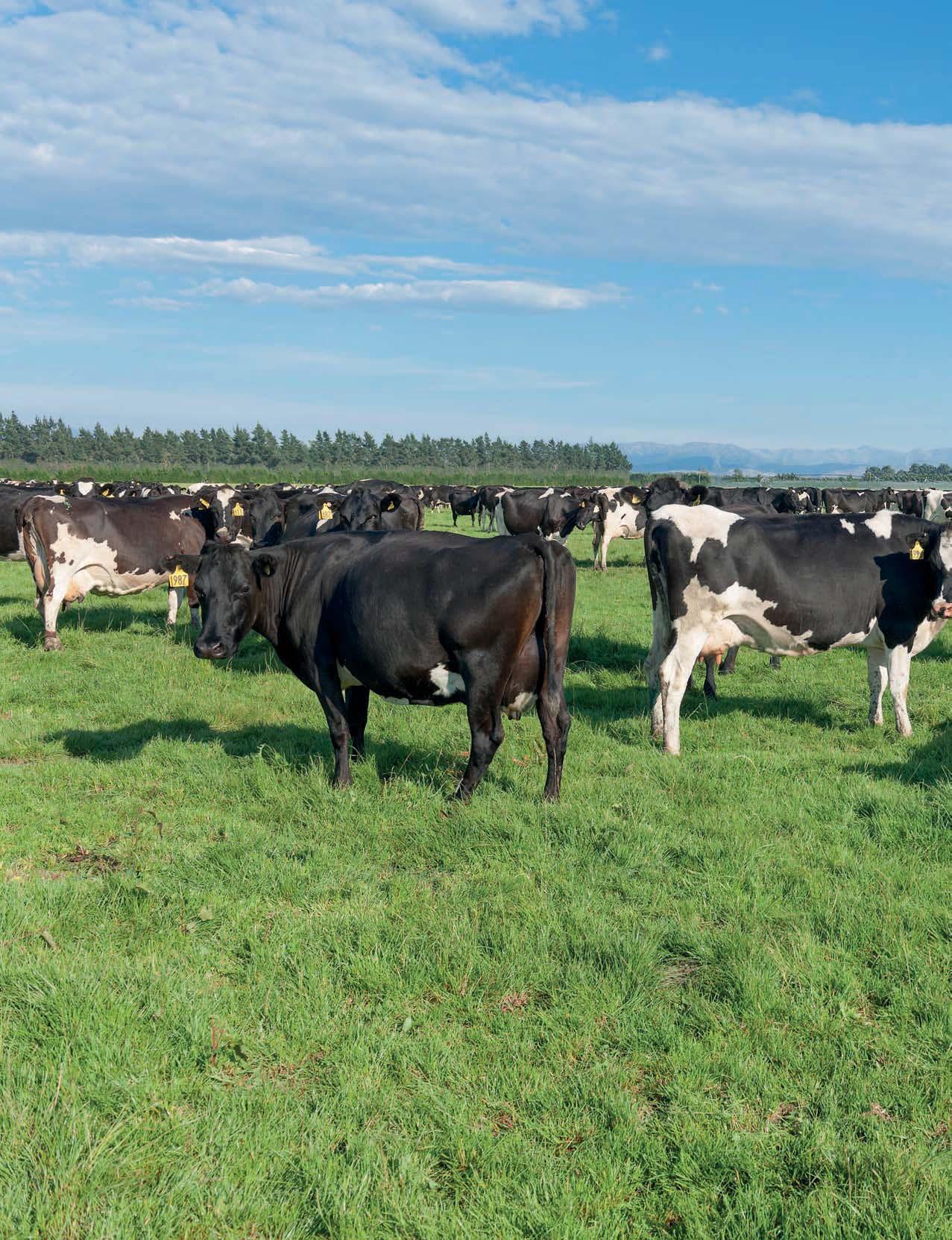


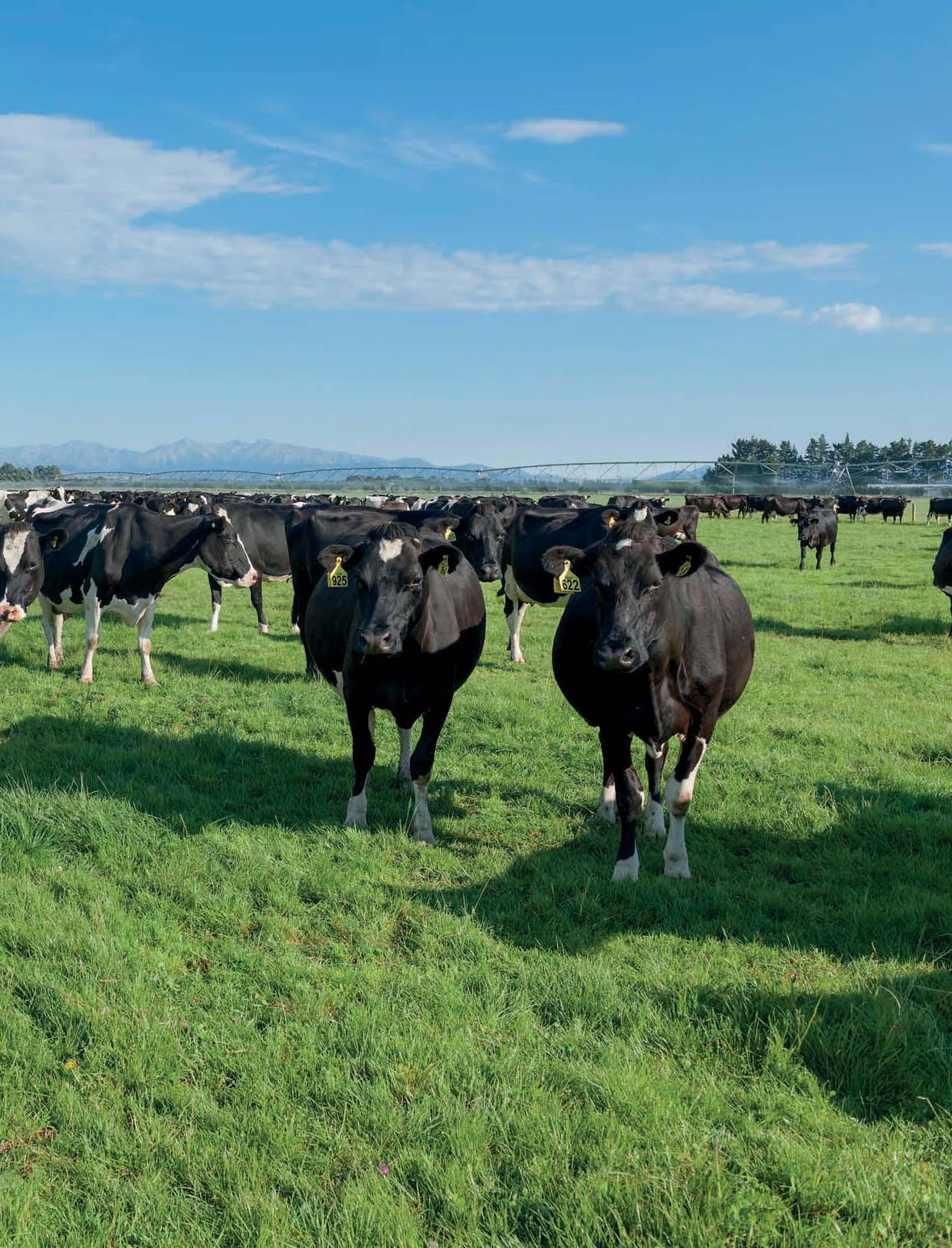

In July 2017, the bacterial infection Mycoplasma bovis was found in cattle near Oamaru. Since then, tests have detected Mycoplasma bovis in Southland and as far north as Hawke’s Bay.
All infected properties are under quarantine controls set out in Restricted Place Notices under the Biosecurity Act. This restricts the movement of stock and equipment on and off those farms to contain the disease. It essentially places these properties in quarantine lock down. With assistance from the Ministry of Primary Industries (MPI), The Farmlander explains what Mycoplasma bovis is and what this means for the primary sector.
Mycoplasma bovis at a glance
Mycoplasma bovis is a bacteria that can cause a range of quite serious conditions in cattle (including mastitis) that don’t respond to treatment – pneumonia, arthritis and late-term abortions.
The disease may lie dormant in an animal causing no disease at all but may, in times of stress, (for example, calving, drying-off, transporting, or being exposed to extreme weather) shed the bacteria in milk and nasal secretions. As a result, other animals may be infected and these may become ill or become carriers themselves. It does not infect humans and presents no food safety risk. It is an animal welfare and productivity issue and this is the first time it has been found in New Zealand. The bacteria is an Unwanted Organism under the Biosecurity Act 1993.
Mycoplasma bovis is spread from animal to animal through close, prolonged and repeated contact and bodily fluids, e.g. mucus and milking equipment. Calves can be infected through drinking milk from infected cows. Urine and faeces are not regarded as significant transmitters of the disease, but the bacterium does survive for longer in a moist environment such as in piles of moist faeces or wet bedding material. Further afield, the disease is mostly spread through movement of cattle from farm to farm. Movement
restrictions on infected properties are therefore the most appropriate measures to contain this disease. Farm equipment may play a role in the spread of the disease, especially equipment that comes into direct contact with infected animals such as AI instruments.
Vehicles pose a negligible biosecurity risk. It is absolutely safe for properly cleaned trucks to move from infected farms to other properties. All infected farms are under strict legal controls under the Biosecurity Act, which require comprehensive cleaning and disinfection.
While Mycoplasma bovis is new to New Zealand, the disease is common internationally. Most other countries in the world, including developed countries in Europe, and the US, UK, Canada and Australia have Mycoplasma bovis in their normal cattle supply. In these nations, infected animals that aren’t showing symptoms are processed for human consumption (as is happening here where animals are culled from affected farms). Other countries successfully manage the disease through robust biosecurity practices on their farms, careful selection of replacement stock and breeding bulls and keeping their herds in a good state of health at all times. Mycoplasma bovis is not listed with the OIE (the world animal health organisation) and does not present a trade risk for New Zealand animal products.
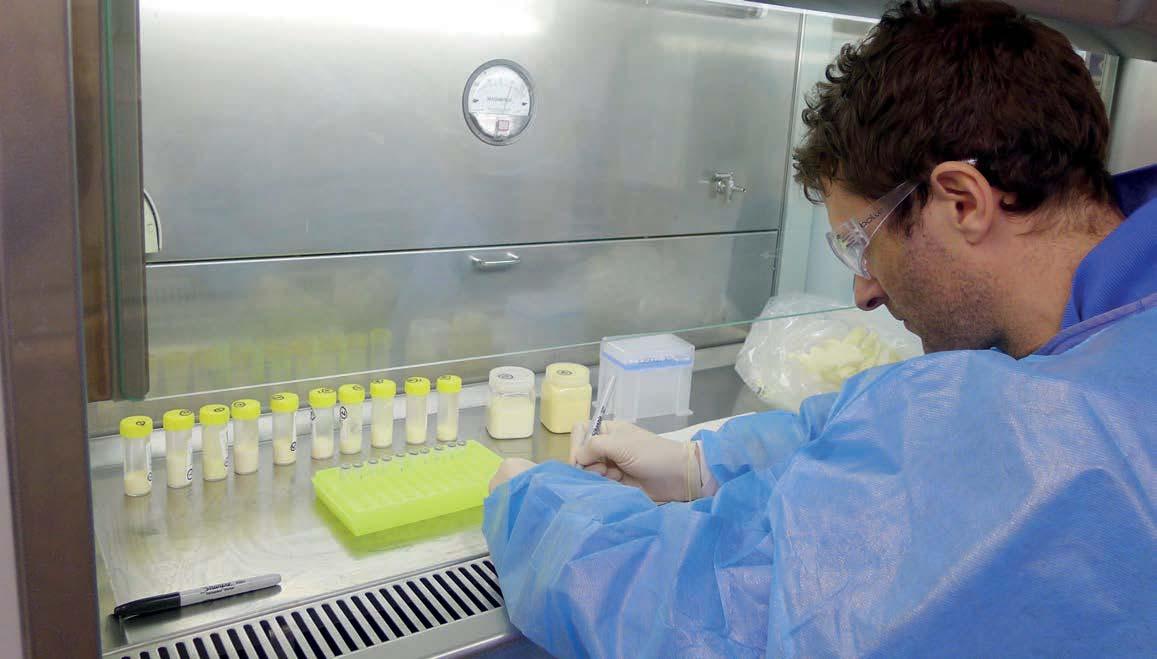
| As of 13th February, MPI have completed 84,482 tests for Mycoplasma bovis.
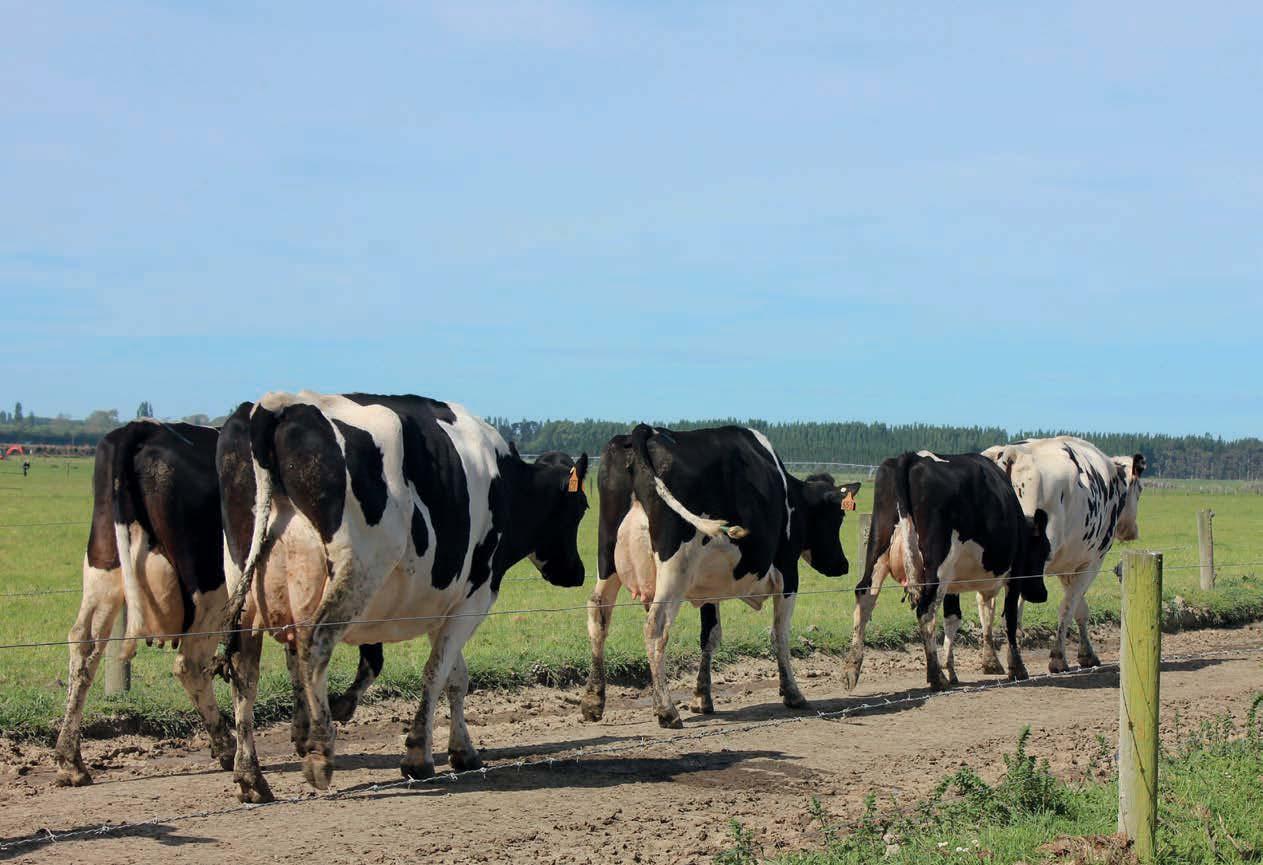
Merlyn Hay, a Senior Veterinarian for Oamaru-based Vetlife, has had first-hand experience dealing with Mycoplasma bovis.
Merlyn has been impressed with how the communities affected by Mycoplasma bovis have banded together to look after their neighbours.
“Especially for those that have had their farms depopulated or have returned a positive test, there has been a lot of support,” she says. “There is a fear around returning a positive test but people have been proactive. There is a lot more awareness about biosecurity.”
MPI have conducted tens of thousands of tests since Mycoplasma bovis was first suspected.
Merlyn says the need to process results quickly is balanced by the importance to be thorough.
“The testing for Mycoplasma bovis is very difficult. It is very important they (MPI) were accurate and making sure they were giving farmers the right information. There is a huge volume of tests involved.”
“
There is a fear around returning a positive test but people have been proactive. There is a lot more awareness about biosecurity.
Merlyn says while it is “still a bit of an unknown” in New Zealand, the main thing to remember about Mycoplasma bovis is it’s a contact or touch disease, which underscores the importance of MPI’s work to track down all the traces.
“Everyone needs to look at their biosecurity, their boundary fences and where their stock is coming from. We can control this disease through good biosecurity,” Merlyn says.
Mycoplasma bovis is a common ailment overseas, however it does impact production. Merlyn says while it is something New Zealand could live with and manage to a degree, there will be a cost and wastage.
“It’s not a disease that won’t be a problem. It will certainly have a significant cost to our industry and one of our concerns is it is arriving into a naïve herd.
“The clinical signs to look out for are non-responsive mastitis and arthritis. We’ve also seen some signs in calves – meningitis – that have been born to infected mums.
“Overseas it causes pneumonia but we haven’t seen that here.”
22 July 2017
Mycoplasma bovis initially identified at a farm in the Waimate/Waitaki area. The farm is one of 16 Group farms. All 16 Group farms are placed under movement control via Restricted Place Notices.
August 2017
An Oamaru area non-group farm is confirmed positive for Mycoplasma bovis. The farm had received animals from an infected farm before 21 July. Movement tracing from the farm showed that before the response, animals had moved to 14 farms.
2 October 2017
A fifth farm in the Group confirmed as positive.
4 November 2017
Two additional properties in the Oamaru area placed under Restricted Place Notice following suspicious test results. One tests positive for Mycoplasma bovis on 15 November.
29 August 2017
Another trace farm that had received a small number of calves confirmed as positive. All calves involved are euthanised.
12 October 2017
MPI announce cattle on infected properties will be culled. Approach supported by industry groups.
12 December 2017
Four properties were confirmed positive for Mycoplasma bovis – one in the Hastings District and three (part of a farming enterprise) near Winton. Early indications are all properties are linked via cattle movements.
13 February 2018
As of this date there are 23 infected properties.
The MPI response
As at 13th February, Mycoplasma bovis infection has been confirmed in animals on 23 properties. These properties are located in Hawke’s Bay (1), Canterbury (1), Mid Canterbury (2), South Canterbury/ North Otago (11), Otago (1) and Southland (7).
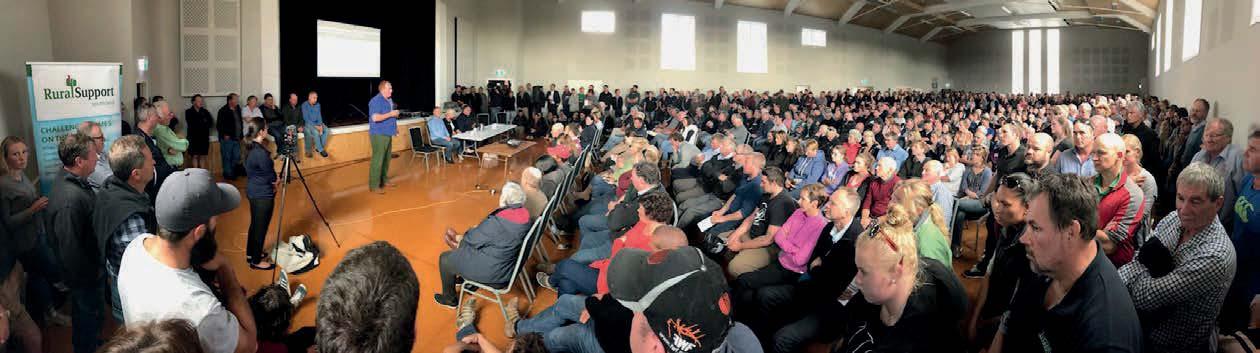
MPI has held a number of community meetings in affected areas, to inform local farmers on developments. Farmers can also sign up for MPI’s “Stakeholder Update”, a regular email that provides updates to interested parties. To sign up to the “Stakeholder Update”, email mbovis2017_liaison@mpi.govt.nz
The programme involves testing three milk samples from every dairy farm. One sample will be taken from bulk milk as part of the regular sampling process at milk collection. “
Testing and surveillance
MPI continues to carry out an extensive surveillance and tracing programme under which some 85,000 samples from at-risk herds have so far been tested and more than 1,500 farms have been traced from known infected farms and tested.
In January, MPI and its dairy industry partners decided to extend the current Mycoplasma bovis milk testing in Canterbury, Otago and Southland into a national surveillance programme. This testing is not an indication that there are any concerns about New Zealand milk – it is purely to help MPI build their picture of the disease and to find out if there are any pockets of disease they don’t know about.
The programme involves testing three milk samples from every dairy farm. One sample will be taken from bulk milk as part of the regular sampling process at milk collection. Farmers will also be required to provide two samples from “discard milk” (milk unsuitable for collection, for example, from cows with mastitis). Mycoplasma bovis is more easily identified in milk taken from otherwise sick animals, which makes testing of the discard milk a valuable surveillance tool.
The case for culling
In October 2017 and after tests numbering in the tens of thousands, MPI made the decision to remove and cull animals from affected properties in the Oamaru area to prevent further spread of the disease.
From October until December, close to 5,000 cattle were culled with most of the cattle sent for slaughter, following standard practice. Mycoplasma bovis presents no food safety risk.
A programme is now in place to decontaminate the affected farms and repopulate them. This process includes an initial clean-up and 2 rounds of disinfection with 14 days between rounds. Following this work, there is a 60 day period where no cattle will be allowed on the farms (stand-down period). At the end of this 60 days, the aim is to get cattle back on the farms as quickly as possible. Surveillance, monitoring, and testing continue as a protection measure.
Following the discovery of another cluster of properties in the Southland area, MPI is currently deferring a decision on the need for further whole herd culling until a more thorough picture of the disease’s distribution in New Zealand is built. The nationwide dairy surveillance programme will help inform these decisions in future. Individual animals or small groups are still being culled for sampling purposes or animal welfare reasons.
MPI has a range of information on Mycoplasma bovis and concerned shareholders can sign up to receive the stakeholder letter. More information can be found on the websites of MPI, Beef + Lamb, DairyNZ and Federated Farmers.





Registeran with ™
Register an Airpoints™ Account with Choices Rewards during February or March and go in the draw to win 500 Airpoints Dollars!
You can choose to earn Airpoints Dollars on eligible purchases including Grain & Seed, Nutrition, Fertiliser and Retail purchases, plus the commission paid on Real Estate sales.



To sign up or register your account to earn Airpoints Dollars visit www.farmlands.co.nz/airpoints






Farmlands staff, suppliers and Card Partners from around the country came together recently for the annual Farmlands Awards. Held at Lincoln University, it was a great opportunity to reflect on the successful year that has been and celebrate achievements within Farmlands.
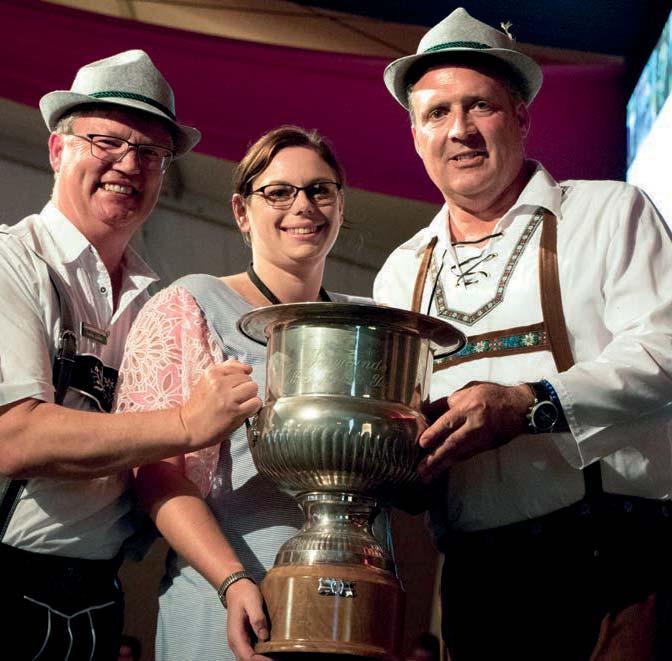
The team at Farmlands Hokitika, led by Business Manager Lisa Cargill, took home the coveted Branch of the Year Award.
Lisa says the team was surprised and very proud to win Branch of the Year.
“We were excited to receive the runner up in the Animal Health and Dairy Management category and
Branch Awards
Animal Health and Dairy
Management: 1st Taumarunui, 2nd Hokitika, 3rd Invercargill
General Farm Merchandise: 1st Hawera, 2nd Ashburton, 3rd Blenheim
Infrastructure: 1st Richmond, 2nd Blenheim, 3rd Ngatea
Pasture and Horticulture: 1st Darfield, 2nd Putaruru, 3rd Wanganui
Retail Nutrition: 1st Kurow, 2nd Mossburn, 3rd Dannevirke
Bulk Nutrition: 1st Winton, 2nd Opunake, 3rd Kaitaia
Seed: 1st Feilding, 2nd Opunake, 3rd Morrinsville
Branch of the Year: 1st Hokitika, 2nd Invercargill, 3rd Ngatea
Health and Safety Excellence
Award: 1st Dunedin Seed Store, 2nd Equal Pukekohe, Rolleston
Seed Store and Winton Feed Mill
we were looking forward to letting the team know what we had worked hard to achieve,” Lisa says.
“To then be called up again for the Branch of the Year was a real surprise and an honour. It has been a year of focusing on customers and getting the business to reach targets we had never achieved before – both at the customer face and behind the scenes.
I have a great team behind and beside me working for the same goals and to be given this accolade supports that what we are doing has been recognised. The trophy is sitting in pride of place on the front counter.”
Te Puna based Gary Geurts took home the Technical Advisor of the
Year award and Darfield’s Paul Cooper received the Technical Field Officer of the Year title. Our up and coming Technical Advisors and Technical Field Officers were also celebrated, with Shane Mullany given the nod for the Developing TA/TFO of the Year.
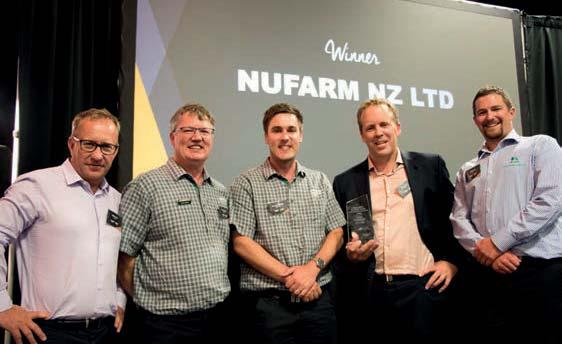
Shareholders had their say and Noel Leeming was crowned Shareholders’ Choice Card Partner of the Year, with Toyota receiving the Card Partner of the Year Award. A new award for Emerging Card Partner of the Year was also presented, won by New Holland. Nufarm pipped Gallagher at the post to take away the Supplier of the Year award. Congratulations to all our winners!
Card Account Manager of the Year: Sophie Loe
Top Performing Salesperson – Gulf Oil: Carey Ellison
Business Growth – Fuel and Lubricants: Daniel Reeve
Territory Manager of the Year – Farmlands Fuel: Andrew Gowers
Top Salesperson of the Year – Real Estate: Team Waimate
Top Branch of the Year – Real Estate: Oamaru
TA of the Year – Whole of Business: 1st Gary Geurts, 2nd Alena Griffith, 3rd John McGinlay
TFO of the Year – Whole of Business: 1st Paul Cooper, 2nd Brian McMillan, 3rd Peter Smart
Developing TA/TFO of the Year – Whole of Business: 1st Shane Mullany, 2nd Ellen Condon, 3rd Gavin Clements
Contact Centre Employee of the Year: Christie McDonald
Support Person of the Year: Lynda Speirs
Farmlander of the Year: Sue Smaill
CEO Leader of the Year: Dolly Halley

Supplier and Card Partner Awards
Animal and Dairy Management: 1st
FIL (GEA), 2nd Allflex, 3rd Zoetis
General Farm Merchandise: 1st Betacraft, 2nd Agpac, 3rd Stoney Creek
Infrastructure: 1st Gallagher, 2nd Euro Corp, 3rd Iplex
Pasture and Horticulture Management: 1st Nufarm, 2nd Gro-Chem, 3rd DOW Agrosciences
Retail Nutrition: 1st Nestlé NZ, 2nd Milligan’s Feeds, 3rd Fond Foods



Bulk Nutrition: 1st Glencore Agriculture
Seed Supplier of the Year: 1st Agriseeds, 2nd Agricom, 3rd equal PGGW Seeds and Pioneer
Rural Supplies Supplier of the Year: 1st Nufarm, 2nd Gallagher, 3rd Nestlé NZ
Emerging Card Partner of the Year: 1st New Holland, 2nd Z Energy
Card Partner of the Year: 1st Toyota, 2nd Meridian
Shareholders’ Choice Card Partner of the Year: 1st Noel Leeming, 2nd Smiths City, 3rd Z Energy






At FMG, we look after more rural New Zealanders than any other insurer. In fact, it’s something we’ve been doing for over 110 years now. So when it comes to offering specialist advice, like managing fire hazards on the farm, we like to think we know what we’re talking about. Ask around about us. Or better still call us directly on 0800 366 466.
We’re here for the good of the country.



Silver Fern Farms Co-operative and Farmlands Co-operative have teamed up to design a special course for shareholders wishing to build their knowledge of how their co-operatives operate, and to whet their appetite to develop their rural leadership and governance skills.
Where: Farmlands Co-operative Support Office, 535 Wairakei Road, Burnside, Christchurch 8053

When: Wednesday 16th – Friday 18th May 2018
A line-up of top speakers will cover:
• A perspective on agribusiness co-operatives
• The importance of sound strategy
• Developing a strong and capable Board table
• Finance and Risk skill session
• Director skill development
A course fee of $495 covers accommodation and all meals during the course. Shareholders of both co-operatives are invited to apply for positions – numbers are limited.



To apply, go to www.farmlands.co.nz/NewsAndEvents/Events/To-The-Core



While the Blues took home the trophy, it was the community of Te Kuiti that went home winners early last month.
A great day was had by everyone at the inaugural Farmlands Rural Legends Shield match, with the Blues pulling ahead in the second half to beat hometown favourites the Gallagher Chiefs 45-19.
The match was the brainchild of Farmlands and the Gallagher Chiefs, who both wanted to bring rugby back to its grassroots. Te Kuiti was chosen as the perfect site for the game, as a way to pay tribute to the rural legends of the game – including arguably the greatest All Black of them all, Sir Colin Meads. Close to 3,000 supporters, many of them Farmlands shareholders, made

the most of the opportunity to see their heroes in the flesh. Shareholders from Pukekohe, Morrinsville and Ngatea made the trek to Te Kuiti on chartered buses, hosted by local Farmlands staff. The buses parked at Farmlands Te Kuiti and after the game shareholders returned to find a complimentary BBQ before the drive home. While not all of the Super Rugby players made the field, there were plenty of big names – among them Damian McKenzie, Brodie Retallick and Sonny Bill Williams – on the sidelines signing autographs and posing for pictures. After being tied up 14-14 at half time, it was the Blues that ended up winning an entertaining game. It was a good tune up for the Brisbane 10s the week after, again won by the Blues.
After the match, the Blues were presented with the Farmlands Rural Legends Shield by Farmlands Director of Strategy and Communication Colm Hamrogue and Farmlands Director Warren Parker. With the support of Lady Verna Meads and the Meads family, a donation of $5,000 was also made to IHC, a charity supported by the Meads family for many years.
After the formalities were done, the Gallagher Chiefs were quickly swamped by their adoring local fans. It was a great community event –one that provided a chance for the next generation of rural legends to see Super Rugby up close.

Fuel up at Z in March and pay with your Farmlands Card. You could be in to win the same amount of Choices Rewards Points as the total litres of fuel you fuelled up with in March. There are 10 chances to win, so get filling now!
Terms and conditions apply, see www.farmlands.co.nz for details.
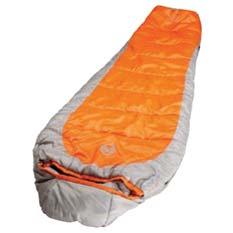
With over 1,500 of the best rewards from Farmlands Card Partners, Choices has all you need for the upcoming hunting season!

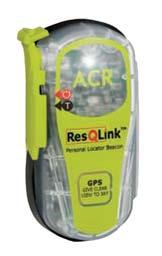



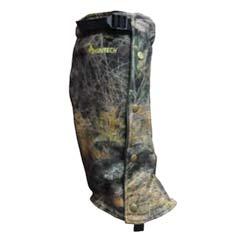

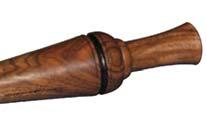

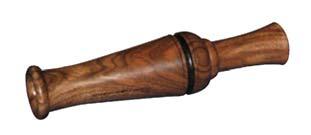





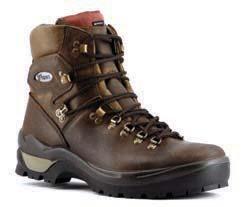
Products provided by Farmlands and Hunting and Fishing.

































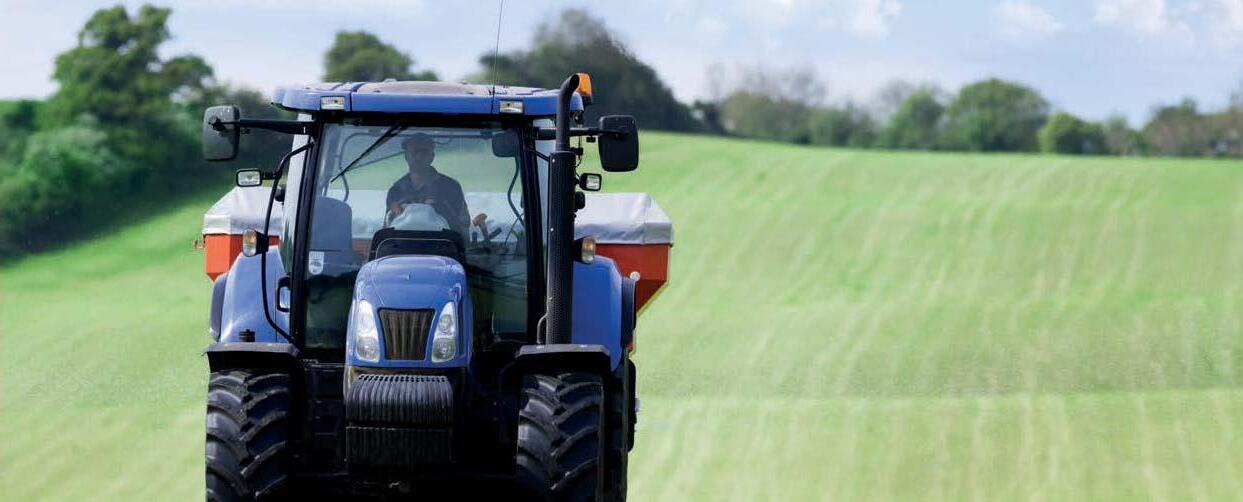

Farmers face constant pressure to maximise returns, ensure profitability, save on inputs such as fertiliser and record what’s been done for traceability.
Sixty-5 Technologies recognised this pressure and responded with an easyto-use tractor GPS guidance and data solution, designed for the busy farmer who does not need the complication of farm technology but requires an easy to use tool to help them be more efficient in the paddock by reducing fertiliser over-application and waste.
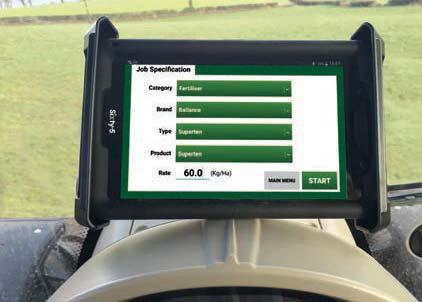
Officially launched at Southern Field Days in Waimumu, Grass-Guide 2 is a GPS guidance and data product that helps farmers drive more efficiently in the paddock when sowing fertiliser, spraying or doing other ground-based operations. It also provides the ability to accurately record all the treatment data is happening on the paddock.
“One of the big drivers in the market today is proof of placement and keeping accurate records,” Sixty-5 Technologies CEO, John Arrell says. “So what this product does is it gives them the ability to go into the paddock and whatever they are doing – applying fertiliser, spraying, rolling – they can put the information in a very simple Android-based app, and it not only helps them drive in the paddock but it records all that information. Then that information is stored locally in the tablet and when the tablet gets to a Wi-Fi area, it syncs to a secure cloud portal where all the data is stored.” Farmers can then review the data at any time.
“It provides accurate and simple data collection, recorded at the time, when
it’s done. So farmers don’t have to write it down in a note pad,” John says. With the tractor GPS coverage mapping feature, Grass-Guide 2 allows farmers to see where they have been and where they need to drive with the virtual paddock markers – when one paddock is finished simply move onto the next paddock by a simple press of a button. When the paddock operation is complete, farmers can view the details on the free to view Grass-Guide 2 online farm management portal. Grass-Guide 2 is exclusive to Farmlands shareholders and features Ballance fertiliser products pre-loaded into the app.
“Fertiliser is one of a farm’s biggest costs, so if we can reduce overlap by even 10 percent of annual spend on a farm today then that adds up to a lot of money,” John says.
To find out how much you can save with Grass-Guide 2, visit www.sixty-5.com/ home/payback-calculator/
For more information, visit www. sixty-5.com/grass-guide/ or contact your Technical Field Officer.















A new food research facility supporting the future of New Zealand’s exports has reached an important milestone, with a contractor appointed and the construction process now underway.
The $45m AgResearch and Massey University Food Science Facility, on the university’s Manawatu campus, will accommodate about 140 staff and students from the two organisations as well as from the Government-funded centre of research excellence, the Riddet Institute.
It will feature laboratories and shared spaces focused around education and research into meat and dairy in a three-storey, 5,000 square metre building that will be New Zealand’s largest agri-food innovation centre.
The facility will also be a key component of FoodHQ – a partnership to grow New Zealand’s reputation in food and beverage innovation that includes AgResearch and Massey University among its network of science and innovation partners.


| An architect's impression of the exterior of the new facility.
AgResearch Chief Executive, Dr. Tom Richardson says local firm McMillan and Lockwood has been confirmed as the lead contractor to build the facility.
“At this stage, the plan is to have the building completed by October 2019.
The occupants will include AgResearch staff already based in Palmerston North and others working in the food sciences who will be relocating to the city,” Dr. Richardson says.
“This new joint facility concept – similar to what AgResearch is doing with Lincoln University near Christchurch – is going to accelerate innovation by having world-class talent working together under one roof. In the case of food research, it means the opportunity for new generation products that offer exciting new textures and flavours and
improve peoples’ health and nutrition.”
Massey Vice-Chancellor, Professor Jan Thomas says the facility is another exciting development for the university and its Manawatu campus, and integral to Massey’s collaborations with research institutions and other organisations and businesses involved in growing New Zealand’s food exports and reputation for quality and innovation.
“Part of Massey’s strategy is that all our campuses will be innovation ecosystems, magnets for smart enterprises and operated in partnerships founded in respect, trust and mutual benefit,” Jan says.
“The creation of this facility epitomises those goals we have set for ourselves and our partners.”










With New Zealand having experienced record-breaking heatwaves over summer, AgResearch scientists say farmed animals can be susceptible and the pressure is on farmers to manage it.
The increased heat and humidity raises issues of not only the welfare of livestock but also production from those animals. Fortunately extensive research over the last 15 years at AgResearch into dairy cows and how they cope with the heat has provided important insights for animal management, senior scientist Dr. Karin Schütz says.
“Like many mammals, dairy cows are more sensitive to heat than they are to cold,” Dr. Schütz says.
“A large animal like a lactating cow generates a lot of metabolic heat and while it will increase its respiratory rate and sweat like a human being, it can struggle in especially warm conditions to lose the heat. When you see the animal starting to drool and open-mouth panting, it’s a sign it is in distress from the heat.”
Dr. Schütz says the cows will change their behaviour to cope in the warm conditions, including drinking more, eating less, seeking out “micro-climates” in the shade or close to water and orienting themselves differently from the sun.
“They also don’t lie down as much, which may be to increase the airflow around their bodies.”
Research showed that when the air temperature reached 21°C and humidity more than 75 percent, it could affect the cow’s behaviour and milk production could decline, Dr Schütz says.
“If you want to keep up production, you need to keep your animals cool. That can mean providing shelter (such as trees), increasing access to drinking water, reducing walking distances and preventing stress. If it is really hot, a lot of farmers will use sprinklers at their milking sheds to cool the cows as they wait to be milked.”
“Given a choice however, we have found the cows will seek shade over the sprinklers and from our research we know the cows can tell the difference
between different degrees of shade, and will choose shade that protects them more from solar radiation.”
DairyNZ animal husbandry team leader Helen Thoday says proactive prevention of heat stress is more cost-effective than trying to manage the consequences once cows become heat stressed.
“All activity will increase the risk of heat stress, including walking to the water trough, to and from the dairy shed and even grazing as normal,” Helen says.
“When hot conditions are forecast, some short-term solutions to reduce heat stress are to graze cows close to the dairy shed to reduce walking distance for milking, and to milk later in the afternoon/early evening when the temperature has dropped.”
Farmers can also provide supplementary feed at night, so extra heat generated by digestion occurs at the coolest time.
DairyNZ has a Temperature Humidity Index calculator to help manage heat stress in cows, visit www.dairynz.co.nz/heatstress








• Advanced group monitoring
• Choice of neck or ear tags





• Unmatched heat detection accuracy
• Actionable insight for proactive, individualised health management
• Flexible application plans – Starter, Advanced and Premium
• One-box installation
• Third-party management connectivity SenseTime™

• Multiple user device options – mobile, tablet, PC and SenseTime Panel

Articles in the Plan 365 section allow Farmlands suppliers to share best practice and the latest advances in rural technology, to help shareholders with their farming needs all year round.
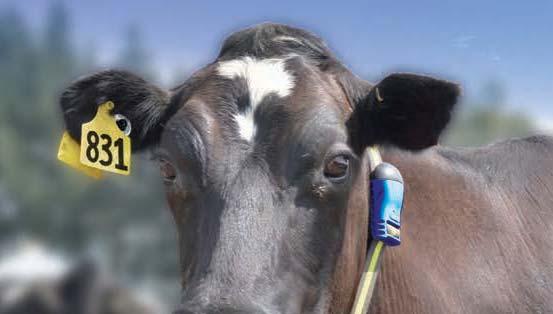
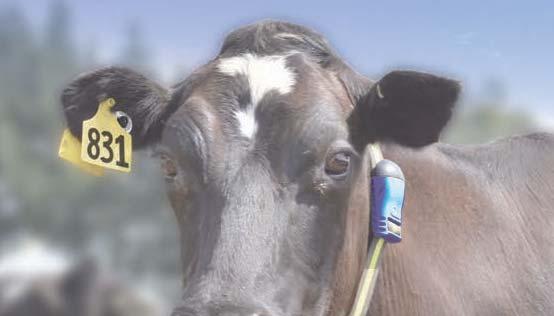
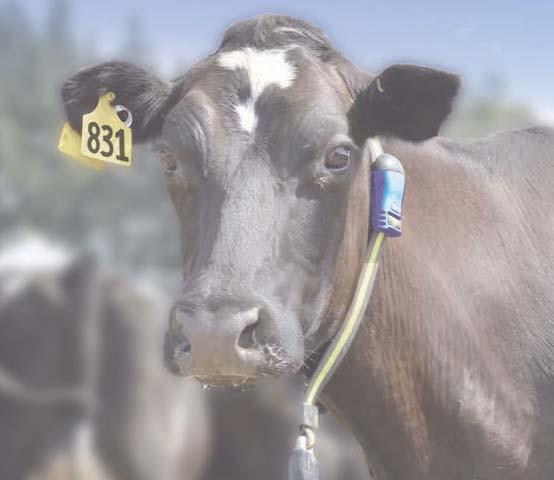
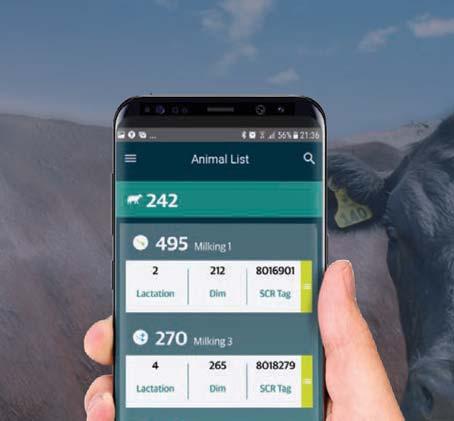
In pursuit of one of Farmlands’ key objectives – to ensure shareholder success by fostering innovation – the co-operative has recently become a national supplier of Allflex Animal Monitoring systems.
Individual cow monitoring via collars and pedometers has been around for some time but the latest generation of sensors are now so small they can be housed in an ear tag. Predominantly purchased to identify when cows are cycling or to generate an alert in the event of ill-health, Farmlands is supporting their use because they offer nutritional benefits via their ability to measure rumination activity for individual cows or group of cows, which provides new ways to measure how the diet is affecting cows in real-time.
A major challenge for rationing pasturebased cows is that it is very difficult to know what they are actually eating on any particular day. Ruminants
ruminate – for any given diet, an accurate measurement of how many minutes per day cows are ruminating can reveal how well each cow is doing compared to her peers. One might imagine that rumination activity is a rather blunt measurement with a long lag, but rumination times respond very quickly to changes in the diet. More is not always better – simply adding straw to increase rumination times may not improve animal performance or health – but for any particular diet there is an optimum level of rumination, which if not reached or exceeded by some cows could indicate a problem. Rumination time can be especially useful to know when the diet is changed – especially during transition periods and post-calving. By-andlarge, the same diet eaten by a group of cows should generate the same result in terms of rumination times, barring differences in dry matter intake related
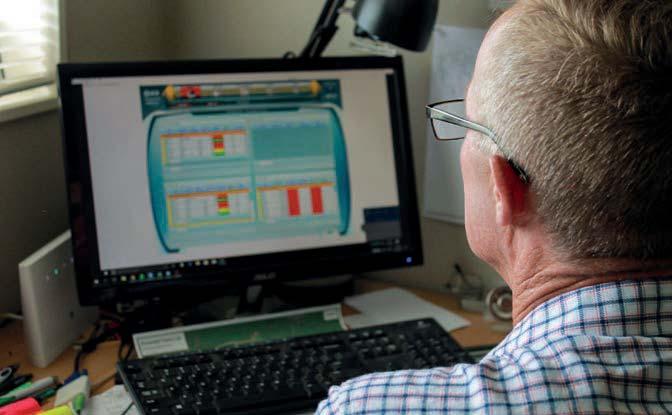
to the size of the animal. In practice, New Zealand farmers have found that rumination times can be restricted when cows are forced to graze to low residual levels and milk production per hectare can be increased by changing grazing management. Whilst there is no optimum rumination target, if rumination times can be lifted and production rises at the same time it would seem reasonable to conclude that intakes had been limiting production. If some cows are struggling to increase intake whilst in the colostrum mob, rumination times will give a clear indication when appetite has increased sufficiently for them to enter the main herd. If transition onto crops is not going well, clinical symptoms will eventually alert people to the problem but rumination activity will react much more quickly and indicate where diet or management changes are required. I have been fortunate recently to be able to spend some time studying the Allflex Animal Monitoring system and what I really like is the concept of management by exception. Very detailed data can be collected every 20 minutes from a huge herd of cows but the information it creates is filtered and presented in such a way that farmers can focus on the exceptions rather than the norm. They present a very practical way in which innovation can be used to improve success. For more information, contact your Farmlands Technical Field Officer or the friendly team at your local Farmlands store.





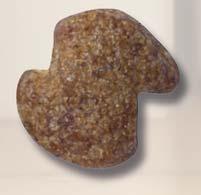



Eggs are the perfect food. They are naturally nutritious and have even been called nature’s multivitamin, as they provide a range of essential vitamins and trace minerals. In their book, Commercial Poultry Nutrition, Professors Leeson and Summers from the University of Guelph estimated that two eggs provide as much as 25 percent of the daily requirements of vitamin A and 30 percent of the daily requirement for riboflavin, an important B vitamin, for an adult human.
But levels of these essential nutrients present in eggs can and do vary, with the amount of the different nutrients often depending on the amount of these essential nutrients present in the feed that the hens are consuming. Recognising the importance of these essential trace elements and vitamins to the health of both the hen and her egg-consuming owner, NRM Peck ‘n Lay ration contains a comprehensive vitamin and trace mineral pre-mix designed to provide optimum levels of these essential nutrients.
While vitamins may be present in some of the feeds consumed by free-ranging poultry, there is considerable variation in the amount available to the bird due to inherent variation in levels in plants, as well as destruction of vitamins over time by physical and chemical agents. Feeding a quality balanced feed like NRM Peck ‘n Lay helps to ensure that birds obtain all the necessary vitamins to help support health and wellbeing, as well as egg production. Eggs also contain large amounts of lutein and zeaxanthin, two antioxidants which play a role in limiting the degenerative processes that cause our eyesight to deteriorate as we age. The use of natural pigments extracted from marigolds and paprika in NRM Peck ‘n Lay provide a rich
source of both lutein and zeaxanthin, ensuring that hens produce eggs with rich, golden yolks high in both of these essential antioxidants.
Regardless of the quality and quantity of nutrients provided in the feed, the amount of those nutrients that a hen can absorb will be limited if she has poor gut health. Some of the first indications that a hen is suffering from poor gut health may include diarrhoea or sticky dropping, or even a reduction in the colour of the yolk produced by an otherwise healthy hen. Many factors can affect gut health in poultry, from the presence of pathogens such as worms, to antinutritional factors such as complex carbohydrates that are difficult for poultry to digest and which are found in feeds such as wheat and barley. Manufactured from high quality ingredients, NRM Peck ‘n Lay contains specially selected enzymes that help to increase the digestibility of the feed, and added organic acids and essential oils to help support gut health. View easy recipes and tips on how to prepare perfect eggs at www.eggs.org.nz
For more information, pick up a copy of the NRM Chook Book or talk to the friendly team at your local Farmlands store.
Article supplied by Natalie Chrystal, Nutritionist, NRM.
PLUS EXCLUSIVE FARMLANDS PRICING ON AGRICULTURAL TYRES.†


*Selected tyres only.

80 20 80


For full terms and conditions and offer dates please refer to www.bridgestonetyres.co.nz or see in-store.
*Buy one get one half price promotion applies to selected Bridgestone branded car and 4x4/SUV tyres only. See www.bridgestonetyres.co.nz for a full list of tyres on promotion as well as exclusions. Normal fitting and balancing charges apply. Savings are off current in-store regular point of-sale price. In all instances the lowest value tyre will be given free of charge. All tyres must be fitted in-store at the time of purchase. Offer is available strictly while stocks last. Offer cannot be used in conjunction with any other discount or offer. Please see in-store or our website for details www.bridgestonetyres.co.nz.
†For agricultural tyre pricing, please ask in store for details.
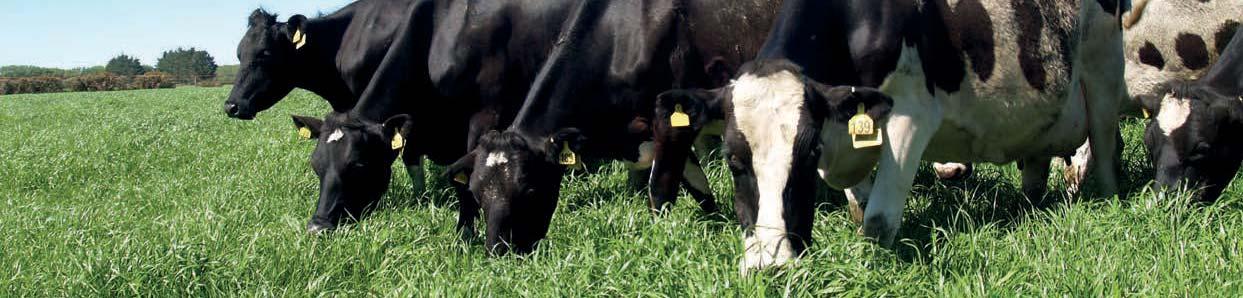

With autumn upon us, most dairy farmers will be starting to make decisions about when to start drying off, with body condition at front of mind. Thanks to considerable research both within New Zealand and internationally, it is clear that body condition score at calving plays a significant role in ensuring a productive lactation, including influencing the incidence of metabolic disease, milk production and reproductive success.
Yet while our focus over the next few months is on managing cow body weight and condition, we tend to forget that the mineral status of the cow from drying off through to calving will also play an important role in determining the success of the subsequent lactation, as well as the health and wellbeing of the next generation of cows.
In a similar manner to cows drawing on body condition in early lactation to provide much needed energy for milk production, American researchers (Ellenberger et al., 1931) estimated that cows in early lactation lose as much as 800 to 1,300g of calcium from their bones to support milk production in a process known as lactational osteoperosis. If the cow is to be able to repeat this in subsequent lactations, then bone calcium reserves need to be replenished during the last 20 to 30 weeks of lactation and over the dry
period – with cows estimated to require as much as an additional 8g per day of absorbed calcium during this period over and above her requirements for maintenance and milk production. Because calcium and phosphorus are both required in precise amounts to form bone, ensuring adequate phosphorus intakes over this period is equally important, as a phosphorus deficiency may prevent normal bone mineralisation. Unfortunately, feeding too much phosphorus can also present problems and phosphorus intakes over the transition period in particular should be carefully managed.
Many of the feeds that have been introduced into the New Zealand dairy production system over the last few years have wildly different macro (calcium, phosphorus, magnesium, sodium and potassium) and trace mineral composition when compared to pasture. Some feeds, such as maize silage, are particularly low in minerals. Other feeds such as palm kernel and maize DDGS are low in calcium but relatively high in phosphorus, and feeds such as fodder beet are well known for being low in phosphorus content. The introduction of these new feeds, combined with changes in pasture species and production, environmental factors and the increased MS production that we now require from our cows, it is more important than ever to ensure that
the mineral requirements of cows are being met throughout lactation.
Trace minerals including cobalt, copper, iodine, selenium and zinc are required in very small amounts but play an important role in many physiological functions, such as enzyme reactions, modulation of the hormonal and nervous systems and in supporting health and immune function. While it might be tempting to reduce trace mineral supplementation for cows over the next few months because the stress of early lactation and mating is behind us, the last third of lactation provides an opportunity to replenish trace mineral reserves before drying off and before foetal demand increases in the last 60 days of gestation.
Taking some time now to review your mineral supplementation programme and ensure that cows are receiving an adequate and balanced amount of essential macro and trace minerals will help to reduce the risk of animal health issues at calving and in early lactation next season.
Talk to your local Nutrition Specialist to design an effective mineral supplementation programme for your herd.
Ellenberger, H., Newlander, J., and Jones, C. H. 1931. Calcium and phosphorus requirements of dairy cows: Weekly balances through lactation and gestation periods. Vermont Agricultural Experiment Station Bulletin 10:245-260.
Article supplied by Natalie Chrystal, Nutritionist, NRM.











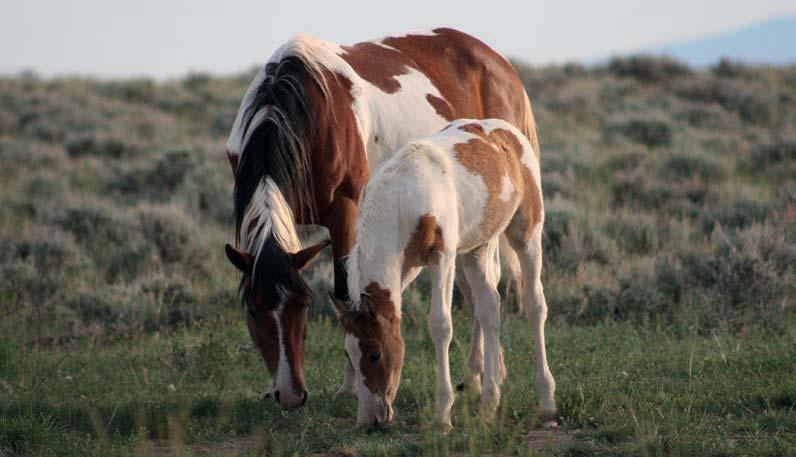
Keeping parasite levels in horses under control is highly important for maintaining overall health, and an effective parasite management programme is required to be an integral part of equine husbandry and care.
Infestations of parasites usually aren’t fatal to horses, however can cause damage to the gastrointestinal tract, which in turn can cause diarrhoea or colic. Further symptoms include a pot-bellied appearance and a rough coat, and certain parasites can adversely affect the growth of young horses. Nutritional factors are usually the first consideration made when a horse is having problems maintaining or gaining condition and often it is thought this can be solved through dietary changes. However in the case of a parasite burden, deworming the horse as needed will improve condition without changes being made in feed type or amount. Some common intestinal worms that affect horses are the large and small strongyles (redworms), roundworms, and pinworms. Stomach bots, which are the larvae of a type of fly, are also a common type of parasite in New Zealand but these do not cause a major problem to most horses. Other parasites such as threadworms and lungworms also rarely cause problems. The common signs of worm infestation are tail rubbing, pale gums, ill-thrift, colic, and poor coats. Severe infestation can also cause diarrhoea or sudden death in rare cases.
Controlling parasites in horses is a several-step programme. Performing faecal egg counts and administering
oral de-worming preparations are important, but these tasks assume that the horses are already hosting internal parasites. To make parasite control more effective, owners must also take steps to minimise parasite populations on the property and avoid re-infestation after horses have been de-wormed. Pasture management is the key to these parasite control measures.
Pasture management should be aimed at killing parasite eggs/larvae and preventing their ingestion by horses. Methods that are effective in achieving these goals are mowing fields closely before winter, rotating horses off a pasture and then cutting hay off that field before horses graze it again, rotating horses and other species (sheep or cattle) in a pasture, and harrowing to break up manure piles in hot weather and then keeping horses out of the pasture for several weeks.
Other helpful pasture management steps to minimise re-infestation with parasites are frequently rotating horses from one pasture or grazing area to another, avoiding overstocking or overgrazing pastures, and removing manure from pastures once or twice a week. Removing manure also removes parasite eggs, and composting the manure kills the eggs within a few days through the heat that is naturally produced as the manure decomposes. Parasite control measures will vary at each equine property depending on stocking rates, other animals present and amount of land available for grazing.
For assistance with parasite management and feeding plans to enhance overall health and performance, consult with an experienced equine nutrition advisor.
























































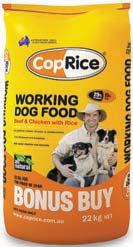
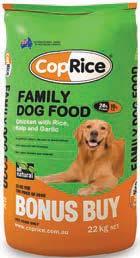












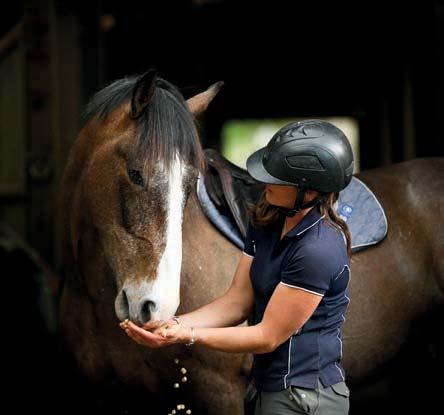
As we move out of summer and into the colder months, it is important to think about what our horses require to support their overall condition. Keeping good condition all year round contributes to overall health, optimum performance and having a happier horse. Keeping condition should also be a much easier task than having to build condition back up each year.
Your feed choices over winter play a vital role in maintaining condition. One way to support the condition of your horse is to ensure your horse is receiving the right balance of energy, quality proteins, fat, fibre, vitamins and minerals by providing good quality roughage and a nutrient dense hard feed.
When looking at some of the key nutrients that horses require over winter, oils play an important role. Oils are energy dense and provide no carbohydrates (starch or sugars). They are an excellent way to boost the energy intake of your horse without adding having to add extra kilograms of grain based feeds. Once conditioned, horses have an excellent ability to digest and absorb oil, ensuring they receive the extra calories they need to keep warm and maintain condition over winter. Oils vary in composition and canola or rice bran oils are more favourable due to their better omega 3 profile compared to corn or soy oil. Also “vegetable oil” is usually a blend of different oils, which can vary in composition. Oils are available in a number of forms such as straight
canola oil or supplied through a high oil supplement pellet such as rice bran. Rice bran is derived from polishing the outside layer off brown rice. It also provides a unique blend of natural antioxidants such as vitamin E and gamma oryzanol, along with B vitamins for a healthy metabolism. They naturally contain good levels of trace minerals such zinc and manganese, which are important for hoof and cartilage strength, along with biotin for hoof integrity. Aiding hoof and cartilage strength during wetter, muddier winter months can assist in avoiding injuries. With a minimum of 17 percent oil containing a blend of omega 3, 6 and 9 fatty acids, your horse’s coat will also stay in tip top condition. Rice bran pellets are an easy and convenient way to provide a safe energy boost over the winter months and are especially helpful when wanting to build topline and maintain condition. It is also important your horse has quality hay and water available during winter. Good quality hay will ensure your horse’s digestive system continues to function efficiently and aids in maintaining their body temperature. Being aware of how your pasture quality and availability changes during the winter months will help to ensure you are providing enough feed for the gut to support efficient digestion and overall health. A high fibrous feed (hay/chaff) also helps generate heat through digestion and fermentation in the hind gut. This heat generated during digestion and fermentation supports your horse to maintain their
body temperature, and can go a long way with ensuring their overall health during winter. Aim to feed at least 1.5 percent of your horse’s body weight as roughage during winter (e.g. 7.5kg for a 500kg horse).
A family of riders aware of how quality feed contributes to conditioning success are Vicki, Kelly and Amanda Wilson. Passionate about horse welfare and with jumping success at the highest level, Vicki, Kelly and Amanda say the results of using CopRice feeds rich in rice bran speak for themselves. “CopRice has been fundamental in our horses’ preparation for over a decade. People often comment on how healthy our show jumpers and wild horses look and how well they perform. We love the results we are getting.”
For more information, contact your local Nutrition Specialist.
Article supplied by CopRice.




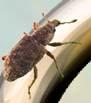
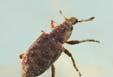

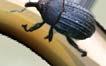


















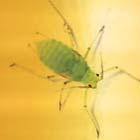
































































The complexities and challenges surrounding farming in central Waikato often exceed what is considered normal. The seasons are changing, technology is changing and farmers are having to change as a result. From a forage perspective, Asset AR37 Italian ryegrass is making this much easier. Its diploid nature, mid-heading genetics and farmer friendliness in regard to pasture management and dry matter production over an 18 month period in the Waikato are second to none.
Spring sown Asset into waterlogged, anaerobic soil conditions has been a winner for Simon and Melissa Juby on their clay and sandy loam based soils in Central Waikato. The Jubys milk 1,300 dairy goats year round with an intensive cut and carry system with help from the team at Farmlands Morrinsville.
“Early spring performance of Asset AR37 allows us to capture more feed earlier than many of our other pastures sources on farm,” Simon says.
“The density of Asset AR37 is everything to us. It reduces our risk
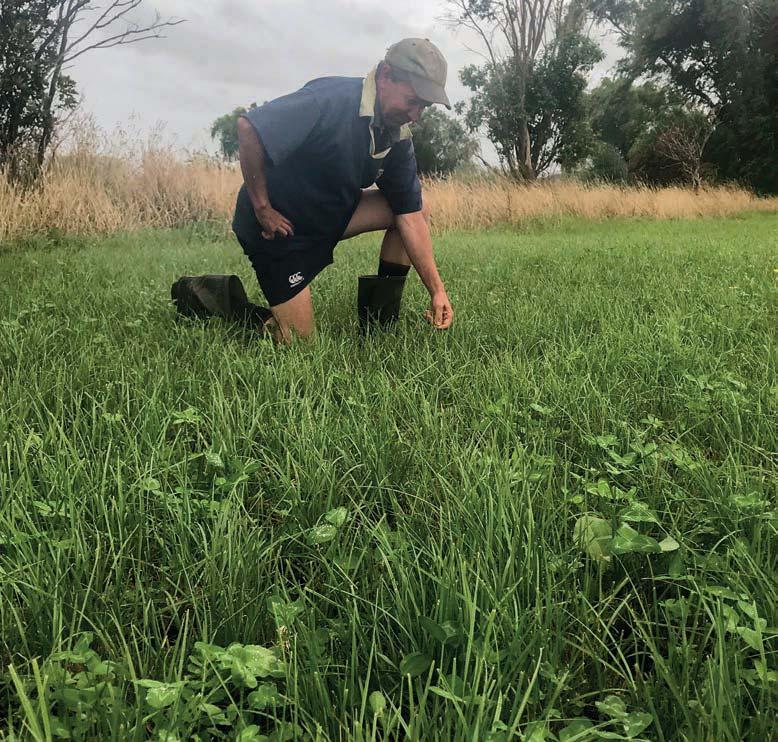
to extreme climatic conditions due to the number of plants one kilogram of seed produces. This allows Asset AR37 to do what it is supposed to do, produce invaluable spring feed, under short rounds, for maximum dry matter production.” The Jubys sow asset at 22kg/ha as a pure sward or at 15kg/ ha as an undersowing option. Over the past 2 years the undersowing option has been particularly useful, as pastures have opened up with tough climatic conditions.
The team at Farmlands Morrinsville recommended Asset AR37 to the Jubys as an economic option, which is invaluable to this property, as it has dry matter intake requirements 365 days of the year. In many cases, any home-grown feed captured during the winter period is considered a bonus and for the Jubys, Asset AR37 continues to impress in this area.
The Jubys have been quick to comment how resilient Asset AR37 is during the summer months. The AR37 endophyte provides superior ryegrass protection against the majority of pasture pests, not only in the Northern North Island but across the country. This allows Asset AR37 to maximise energy reserves for summer dry matter production. Interestingly, Simon states that “when it does go dry for extended periods of time, Asset AR37 is the very first thing to bounce back”. This ensures high quality harvestable grass yields on-farm and reduced fluctuations of the annual milk curve. For more information, contact your Farmlands Technical Field Officer or the friendly team at your local Farmlands store.
Article supplied by Agricom.























Amongst the many ryegrass cultivars available, one has passed with flying colours –both the evaluation of unbiased research, and the real-world testing of inquisitive farmers.
Cathy and John van der Goes have been using 24Seven Edge perennial ryegrass on their system two dairy farm near Walton in the Waikato region, with three paddocks spread across heavy and lighter soil types and both rolling hills and flats. “Persistence of pastures has been our main problem,” John says. “All seed companies say their ryegrass is the best, but we have to figure out what suits our system best. Farmlands Technical Field Officer Brian Cornish advised us that he had monitored the performance of 24Seven for several years and that it was a good grass, so we planted three paddocks. Despite the first winter being very wet, followed by a dry summer, it has established well and bounced back from pugging, and the cows enjoy eating it.”
24Seven Edge is a diploid cultivar bred in New Zealand by DLF Seeds and chosen for high density and ground cover. This helps pastures tolerate periods of close grazing that commonly occur during dry summers, and recovery from grazing when soils are wet. Another feature that benefits persistence is the Edge endophyte contained in the seed of 24Seven. Edge does not affect animal health or performance, but has been proved by scientists independent of DLF to
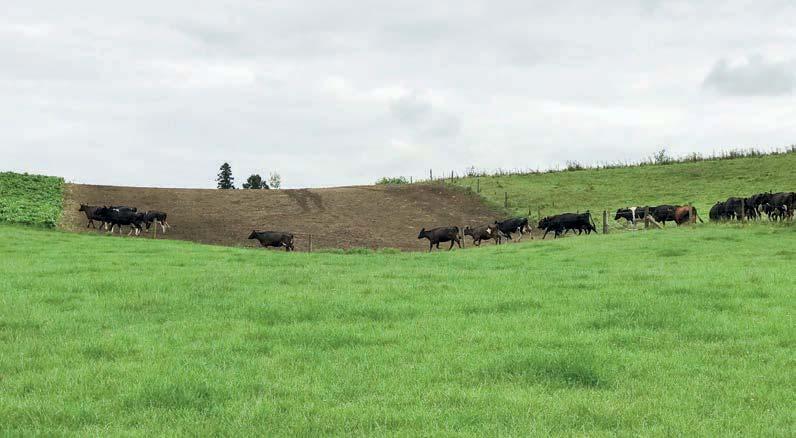
provide tolerance to insects, including black beetle, Argentine stem weevil and root aphid. This is one of the reasons 24Seven Edge is perfectly suited to the Waikato, as well as other regions throughout New Zealand. The total production and seasonal growth of ryegrass cultivars is also important to farmers. The Dairy NZ Forage Value Index (FVI) is an independent profit-based index that creates an economic value for ryegrass cultivars, by allowing for the different value of the feed grown in different parts of the year. 24Seven Edge has achieved the maximum five-star rating for the upper North Island and upper South Island regions. This gives farmers confidence that 24Seven Edge is a good as it gets for the value of feed it generates for their animals. Another benefit of 24Seven Edge for many farmers is its very late heading
date. It will not start producing any stem until very late spring, 24 days later than mid-heading cultivars. This extends the duration that pasture quality is high in spring, and also reduces stem content over summer.
Despite this late heading date, its spring production is still very good, with FVI ratings as good or better than many mid-heading date cultivars. This gives 24Seven the ideal combination of extended quality without sacrificing seasonal growth.
“24Seven Edge is one of the best grasses I have used for some time,” John says. “And I’d recommend it to anyone.”
For more information, contact your Farmlands Technical Field Officer or the friendly team at your local Farmlands store.
Article supplied by DLF.



















































































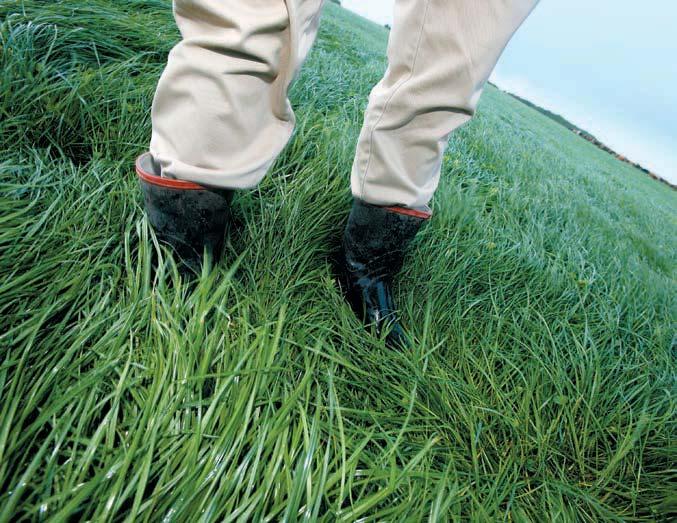
Don’t let a lack of sulphur limit the performance of your pasture or your nitrogen fertiliser.
In last month’s edition of The Farmlander, we looked at best practice pasture establishment. The final tip was to nurture your new grass with light dressings of nitrogen (around 25-35kg N/ha) after each grazing to promote growth during the first 12 to 18 months while clovers re-establish.
A SustaiN based product is recommended for this purpose as it allows you more flexibility in application timing, particularly during autumn. Autumn can be fickle on the rain front and urea requires that vital 5-10mm of rain (or irrigation) within 8 hours of application to avoid significant losses from ammonia volatilisation. SustaiN can reduce these losses by 50 percent on average.
The power of SustaiN has been built into a number of other fertiliser products, delivering added benefits to growing pasture and crops. Typically, it is combined with some form of sulphur. “Nitrogen is critical for stem and leaf development but it needs to combine with sulphur to form the proteins that influence pasture quality,” Ballance Science Extension Officer, Josh Verhoek explains. “Sulphur is also a component of chlorophyll, which is obviously essential for plant growth. Plants like to take up nitrogen and sulphur in a 12:1 ratio. If sulphur is lacking you will not be using available nitrogen efficiently, whether from the soil or the bag.”
SustaiN S Boost, SustaiN Ammo and the PhaSedN range all contain nitrogen as SustaiN in combination with sulphur in various forms and ratios to effectively deliver both nutrients
in your post-grazing dressings. “If lack of sulphur is an immediate problem, you need to supply it in a readily available form – sulphate sulphur,” Josh says. “SustaiN Ammo is a good option in this situation. If immediate supply is adequate but you want to set your new pasture up well for spring, then PhaSedN or SustaiN S Boost may be a better choice.” These products combine SustaiN with fine elemental sulphur. Unlike sulphate sulphur, elemental sulphur is not water-soluble, so it does not leach in wet winter conditions. Soil microbes gradually convert elemental sulphur to sulphate sulphur. Microbial activity increases as soil temperatures rise, so the sulphate becomes available as conditions for growth improve and plant demand increases. To deliver 25-35kg N/ha, you would need to apply:
• 55-75kg SustaiN/ha; or
• 80-120kg SustaiN Ammo 30N/ ha (also supplying 11-16kg sulphate sulphur/ha); or
• 60-90kg SustaiN S Boost/ ha (also supplying 5-8kg elemental sulphur/ha); or
• 100-140kg PhaSedN/ha (also supplying 28-40kg elemental sulphur/ha).
Similar principles apply to boosting autumn growth on established pasture. As always, use soil testing to determine exactly what your pasture needs.
For more information, contact your Farmlands Technical Field Officer or the friendly team at your local Farmlands store.
Article supplied by Ballance Agri-Nutrients.




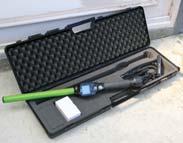
Cattle tags white only
Please tick one, defaults to Cattle unless
Cattle Deer
Please tick one. Defaults
Cattle tags white only. For animals that lose their birth tag.
Note: NAIT Deer Tags – female is orange and male has a colour choice other than white.
Please tick one, defaults to Cattle unless otherwise specified
Cattle Deer
Qty required
HDX – high performance FDX – low cost
Indicate colour:


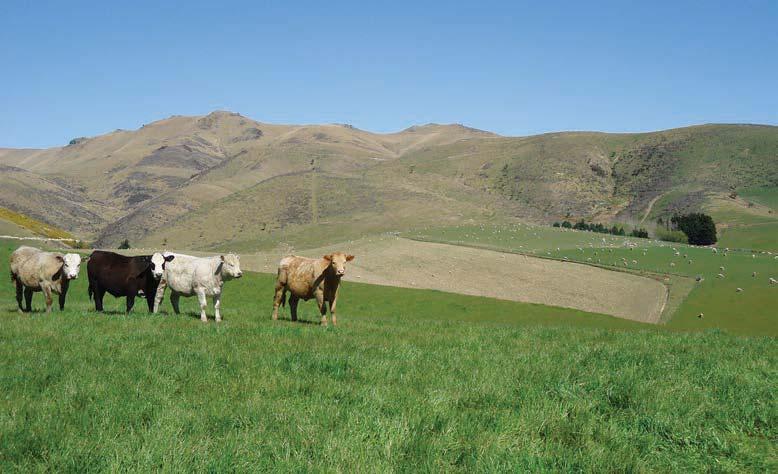
With warm weather and late summer rains, the autumn provides great opportunities for growth in your newly weaned beef weaners. These favourable conditions can also cause animal health challenges suppressing this growth and causing deaths of your valuable young stock, but with good management these losses can be prevented.
Good pasture growth conditions in autumn equal ideal conditions for the survival of gastrointestinal parasites on pasture, creating a considerable buildup of infective larvae challenging your beef weaners and depressing growth. These losses are often underrated and by the time you see the clinical signs, such as scouring, a parasite burden may have already caused considerable reductions in growth rates.
There are two main parasite species
to be concerned about in young cattle in New Zealand. Cooperia sp. particularly in young stock, with significant burdens on pasture building up in the autumn depressing appetite and growth. Cooperia sp. resistant to the ML or “mectin” family of drenches are wide-spread, with levamisole the only active that has retained good efficacy against this species. Don’t forget about Ostertagia sp., which are the most harmful worms in cattle of all ages. The ML drenches are best for the control of Ostertagia – particularly the potent active abamectin.
Converge® is an ideal choice for beef weaners, as it contains both levamisole and abamectin. For extra protection from resistance there is Alliance®, a triple combination that contains oxfendazole on top of levamisole and abamectin. Both of these drenches can
also be used on your sheep, keeping things simple and reducing waste. Although pour-on drenches are seen as being more convenient, studies have shown that their efficacy can be variable, with many factors limiting the absorption of the drench. Oral drenches are the most cost effective way to drench your stock, combatting resistance and insuring excellent growth rates in your beef weaners. A good preventative drenching programme using effective, combination oral drenches every 4 weeks through the autumn prevents the build-up of infective larvae on your pasture, reducing parasite challenge and the associated losses in beef cattle. Protection against clostridial disease is also an important consideration for your beef weaners this autumn. Clostridial diseases in cattle include malignant oedema, tetanus, pulpy kidney, black disease and blood poisoning. These diseases are caused by bacteria found everywhere in the environment and often the first you will see of these diseases is the sudden death of often the biggest calves. Prevention by vaccination is your only option and Multine® 5-in-1, developed and manufactured in New Zealand, is an excellent choice. Full protection with Multine requires an initial sensitiser and then a booster 4-6 weeks later. For more information, contact your Farmlands Technical Field Officer or the friendly team at your local Farmlands store.
ACVM No: A10119, A10249, A000934 ®Registered trademark. Schering-Plough Animal Health Ltd. Article supplied by MSD/Coopers.



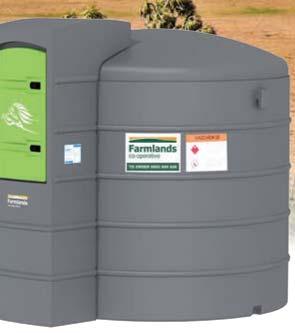
Farmlands has partnered with Kingspan, the global market leader in diesel storage solutions, to bring shareholders an EXCLUSIVE equipment offer.


20,000L to 35,000L of fuel per annum delivered to site.
35,000L to 50,000L of fuel per annum delivered to site.
Regular scheduled deliveries of competitively priced fuel direct to site.
Regular scheduled deliveries of competitively priced fuel direct to site.
Sign a 5 year equipment loan and supply agreement.
Sign a 5 year equipment loan and supply agreement.


Receive a loaned 2,500L Kingspan tank.
For more information, contact your Farmlands Technical Field Officer, head in to your local Farmlands store or call Farmlands Fuel on 0800 666 626.
Receive a loaned 4,800L Kingspan tank.









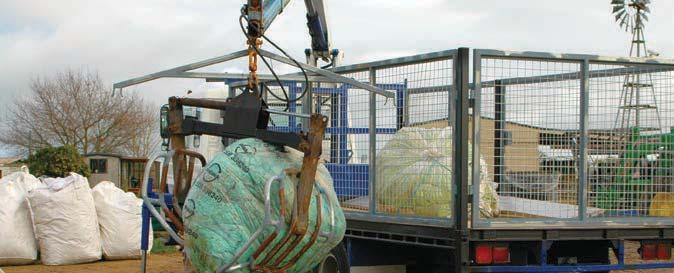
Warm, muggy weather, with the odd tropical downpour. These conditions are perfect for grass growth, facial eczema, fungi and blowflies. But the one disease you may not see affecting your cows, that still hits your bottom line, is parasitism due to the explosion of parasite larvae. The larvae of gastrointestinal parasites, including production-limiting Ostertagia ostertagi and lungworm flourish in warm, moist or wet conditions, which are optimal for their development and survival. As autumn progresses with even more damp but still warm days, the larval numbers on pasture tend to peak. Adult cattle in good condition generally have good immunity to parasites but when they ingest large numbers as they are likely to this autumn, this comes at a cost. Protein is diverted from milk production or weight gain to the immune system to fight the larvae. A fit and healthy cow is unlikely to show clinical signs of parasitism such as scours like a calf will, but her appetite is still affected adversely1 and milk production2 and weight gain can drop. If she is in less than ideal condition, her immune system will be further compromised. Treating for parasites at dry off or calving will not help cows now that are infected now and that continue to pick up larger numbers of worm larvae than they normally would. If your cows are in this situation, don’t wait until dry off. Many products have a nil milk withholding period, which means they can be treated while in-milk with no penalty. But not many
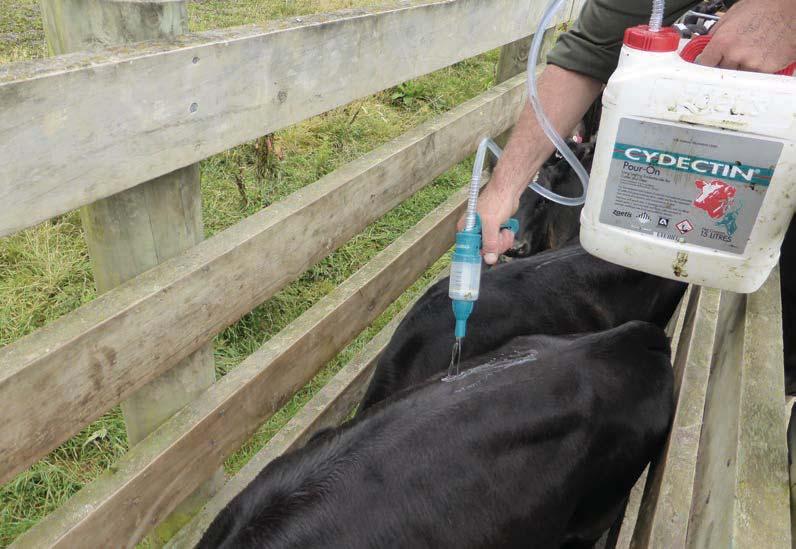
also have persistent action against incoming larvae, protecting them for up to 42 days. Cydectin® Pour-On offers both of these advantages and more. It is the ideal drench to treat cows in autumn, protecting them against parasites in the lead up to dry off and killing the ones on board at the same time. And if you decide to cull a cow following treatment, it has no meat withholding period, allowing better management flexibility.
Cydectin Pour-On is one of only two pour-on anthelmintic products that has undergone local milk production trials to demonstrate that they do actually make a difference to production when worms are present. Cydectin
Pour-On was trialled in cows in late lactation (February) and dry off. In both studies, there was a positive response to treatment of around 4kg milk solids more than their herd mates. If cows are parasitised now, get rid of the parasites and don’t carry them through the winter. For more information, contact your Farmlands Technical Field Officer or the friendly team at your local Farmlands store.
1Forbes A. et al. Impact of eprinomectin on grazing behaviour and performance in dairy cattle with subclinical gastrointestinal nematode infections under continuous stocking management, Vet Parasitol 2004. 2Murphy, A. The effect of treatment with moxidectin, a long-acting endectocide, on milk production in lactating dairy cows, World Buiatrics Congress Sydney 1998. Cydectin is a registered trademark of Zoetis. ACVM No. A6203.
Article supplied by Zoetis.

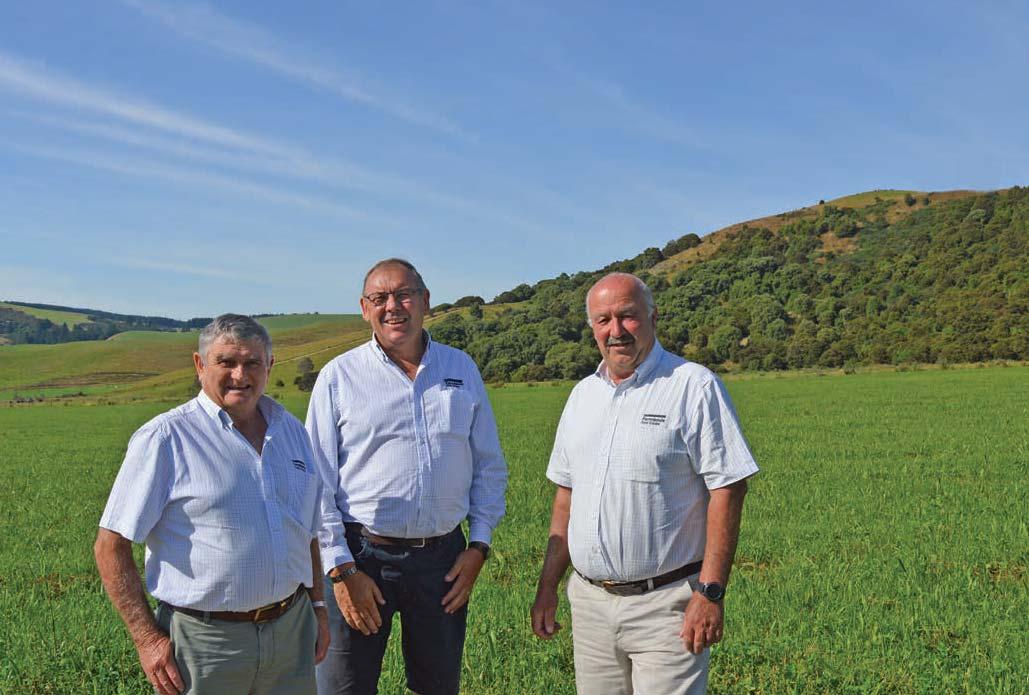
Awards time of year is a highlight and recently we celebrated our success.
Our ability to achieve sales consistently year upon year, across residential, lifestyle and rural market sectors, is due to an exceptional level of hard work by our professional salespeople. Congratulations to all our winners.



Top Ten Salespeople 2016/2017
1 – Neill Dick, Ian Moore and Tim Meehan, Waimate
2 – Ian Morgan, Matamata
3 – Bill Milham and Yvonne Forlong, Feilding/Palmerston North
4 – Simon Richards, Timaru
5 – Trevor Norman, Wanaka
6 – Merv Dalziel, Oamaru
7 – Kevin Duggan, Dunedin
8 – Matt Collier, Darfield
Winner – Top Residential
Salesperson 2016/2017
Ondy Herrick
Masterton
Winners – Top Lifestyle
Salesperson 2016/2017
Bill Milham and Yvonne Forlong Feilding/Palmerston North
9 – Ondy Herrick, Masterton
10 – Tim Falloon, Masterton
Business Innovation Award 2016/2017
Chelly Aitchison, Morrinsville
Top Office Award 2016/2017
Winner – Oamaru
First Runner-up – Feilding/Palmerston North
Second Runner-up – Dunedin

Winners - Top Salesperson 2016/2017
Winners - Rural Salesperson of the Year 2016/2017
Neill
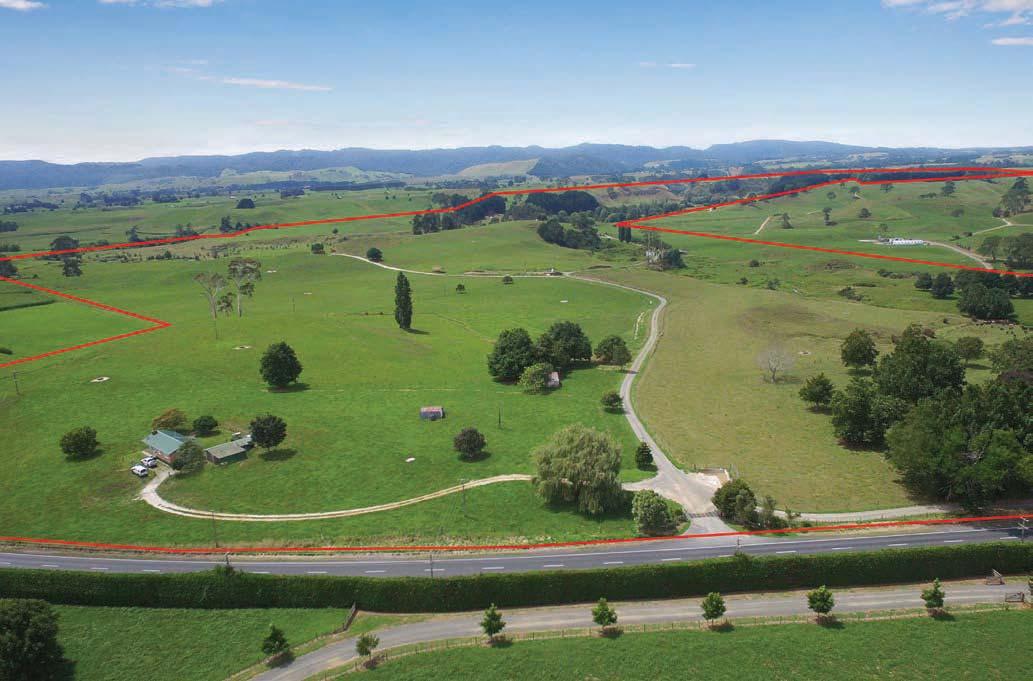

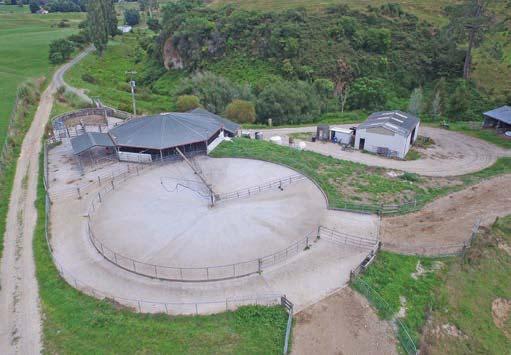
A 190 hectare dairy unit and 65 hectare lease located at Tirau. Milking around 450 cows with all young stock, has produced up to 170,000kgMS. The property is very aesthetically appealing with the Waiomou stream meandering through the farm, as are the two very unique spring filled lakes, which have dynamic water qualities that may provide a commercial opportunity in the future. There are three dwellings, a 44 bail internal rotary cow shed and a great range of support buildings. Tender closing 2pm, Tuesday 27 March 2018 (unless sold by private treaty).


Ian Morgan Lifestyle / Rural – Waikato 027 492 5878 ian.morgan@farmlands.co.nz
Glen Murray Lifestyle / Rural – Waikato 027 488 6138 glen.murray@farmlands.co.nz
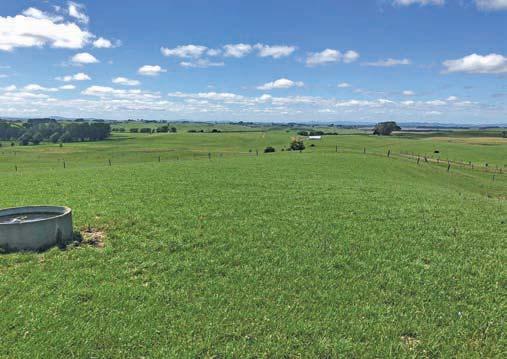
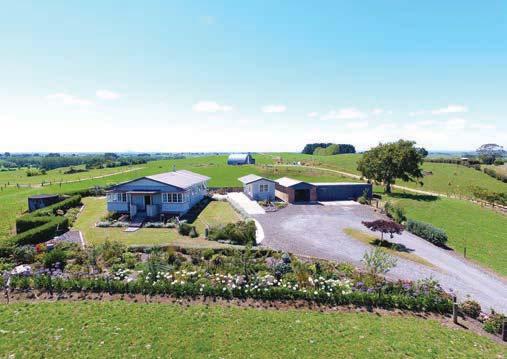
This Huntly dairy farm is being operated by a husband and wife team, milking 230 cows on an all grass system and on track for 75,000kgMS this season. Subdivided into 60 paddocks with a 22 aside herringbone cow shed, 300 cow concrete feed pad, 6-bay calf shed, two half round hay barns plus a concrete floor workshop. There is a lovely four bedroom bungalow and a one bedroom sleep-out with new en suite. This farm is a very tidy dairy unit and located in an affordable dairy farming district. $3,400,000 plus GST.

This wonderful five bedroom heritage home located in Oxford has been tastefully refurbished and maintained. The three car garage has an office, games room as well as a bedroom and bathroom and wine cellar. Landscaping has been well planned and there is a grass tennis court and an above ground pool. Beyond the gardens there are two fully enclosed sheds totalling approximately 370m2 and well over 100m2 of open fronted sheds. 4 hectares (subject to survey and title). Offers on or before 4pm, Monday 15 March 2018.

Chelly Aitchison
Lifestyle / Rural – Waikato 022 697 8779 chelly.aitchison@farmlands.co.nz



Emily Newell
Residential / Lifestyle / Rural – Canterbury 027 472 0409 emily.newell@farmlands.co.nz
Maurice Newell
Residential / Lifestyle / Rural – Canterbury 027 240 1718 maurice.newell@farmlands.co.nz
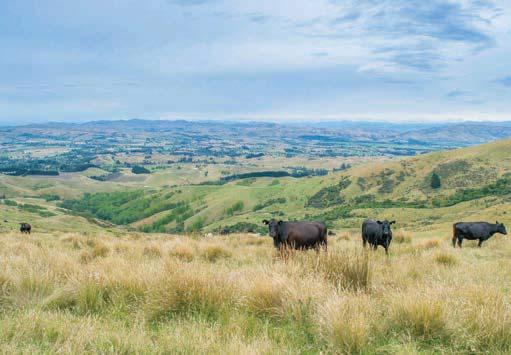
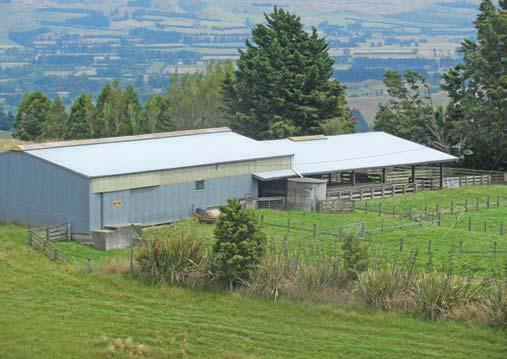
Arguably one of the better sheep and beef units in North Canterbury, faithfully farmed in the same family since 1920. 748.6 hectares with good fertiliser records, running 4,000 to 4,400 stock units – angus cows and 26 micron ewes. A 3-stand woolshed with covered yards is placed in the middle of the farm. The four bedroom home is in attractive grounds with tennis court and in-ground swimming pool. To be sold as a 748 hectares or 704 hectares (excluding house). Deadline sale closing 4pm, Thursday 15 March 2018 (unless sold prior).
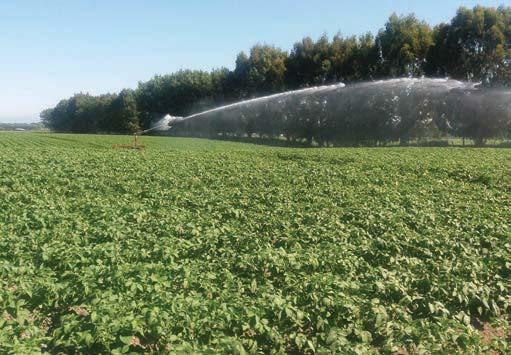
A productive 79.7 hectare property located in a diverse farming district only 15km from Timaru. Deer fenced with a central laneway, excellent silt loam soils and irrigation. Currently the property is growing a rotation of cereal crops, peas, maize, small seeds, potatoes and pasture. Infrastructure includes steel cattle yards, sheep and deer facilities, a good range of implement and storage sheds plus grain storage. A large five bedroom plus office home is in an attractive garden setting. Deadline sale closing 1pm, Thursday 15 March 2018.

Barry Keys
Lifestyle / Rural – Canterbury 027 434 7689 barry.keys@farmlands.co.nz
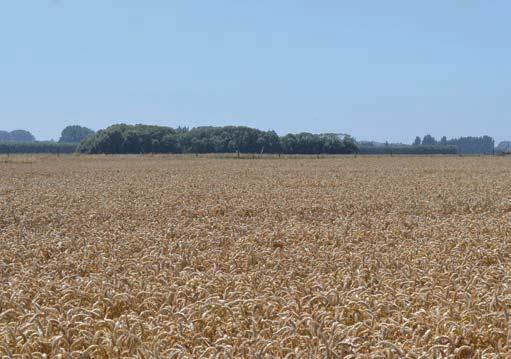

Simon Richards
Lifestyle / Rural – South Canterbury 027 457 0990 simon.richards@farmlands.co.nz






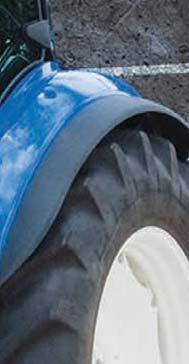





TD5.100 CAB
TD5.100 ROPS

$58,978+GST $52,657+GST $55,756+GST $48,978+GST from $8,000 SAVINGS UP TO $9,000

TD5.90 CAB
TD5.90 ROPS Add a Loader


These super prices are available on orders places before 31st March 2018. You can also secure 2% credit for parts and service with every TD5 purchased. All Farmlands shareholders will receive a 5% discount on parts and services at any New Holland dealership.






The benefits to you as a Farmlands shareholder:
As our Real Estate business is owned by you via your shareholding – it’s beneficial to take advantage of what we have to offer and list with us.
• A reduction in standard commission rates and no administration fees for listing and selling through Farmlands Real Estate
• Your choice of AirpointsTM or Choices Rewards Points
• Shareholders may be eligible for a Bonus Rebate* in addition to the above benefits
* The Farmlands Co-operative Society Limited Bonus Rebate is distributed at the discretion of the Board of Directors.
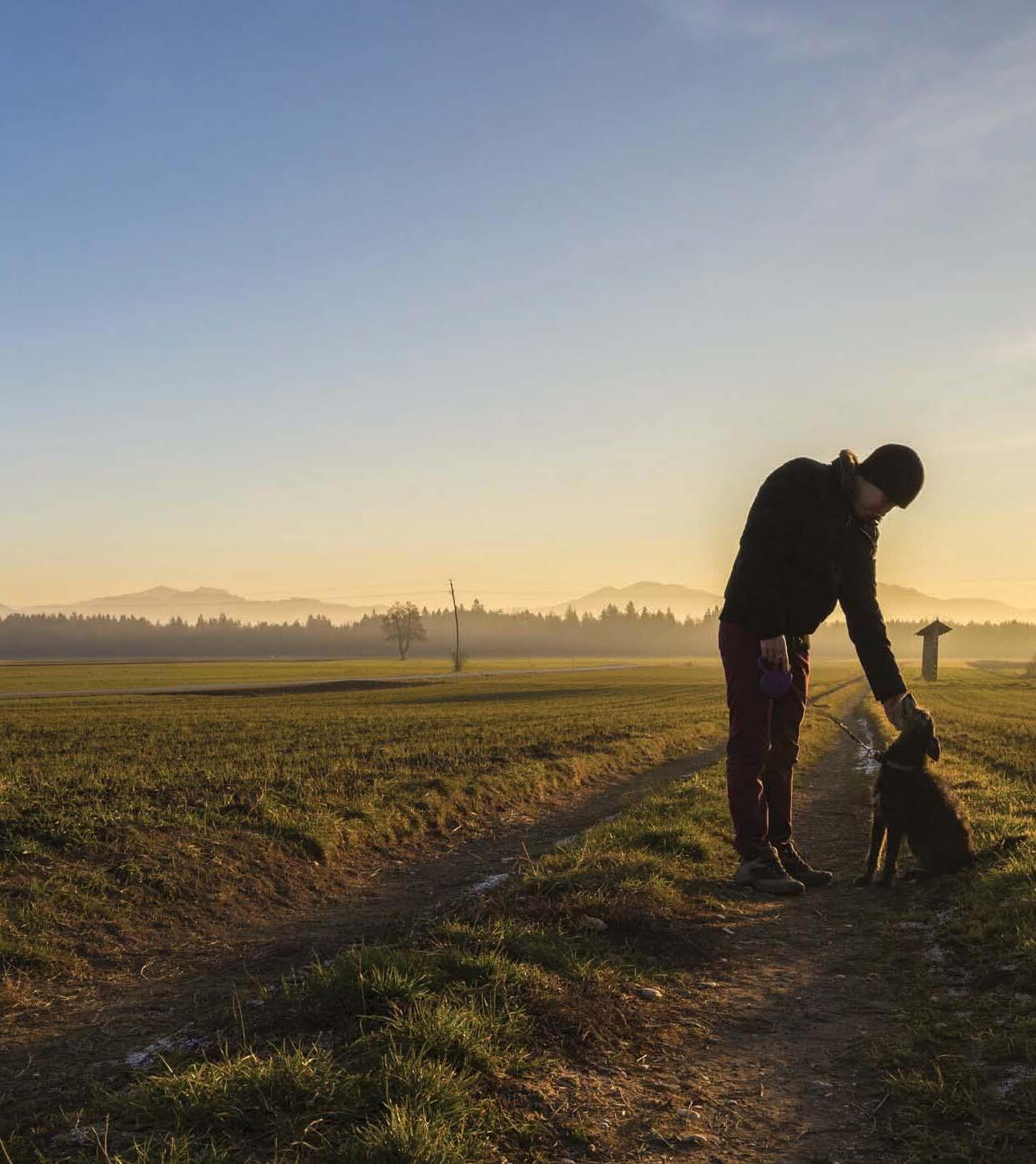
Farmlands Real Estate has a team of dedicated salespeople throughout New Zealand. For a professional service and exclusive shareholder benefits, list your property with our team.