

















Qu Quiid d elleeccuus a as s eoos s reepptatatta a noon n niihhiicciaiam m r reem m vo vololorrees s n noobibis s d dooluluppt tat ate e a apperero c coonsnseerro d diio o i ippiis s diissttiium um reeiicciiaasssu t nt n , q quuam am veel l in no nonnssenent t u ut t lacacccuus, cupuptutur? r? Qui ui teem m reerereroor
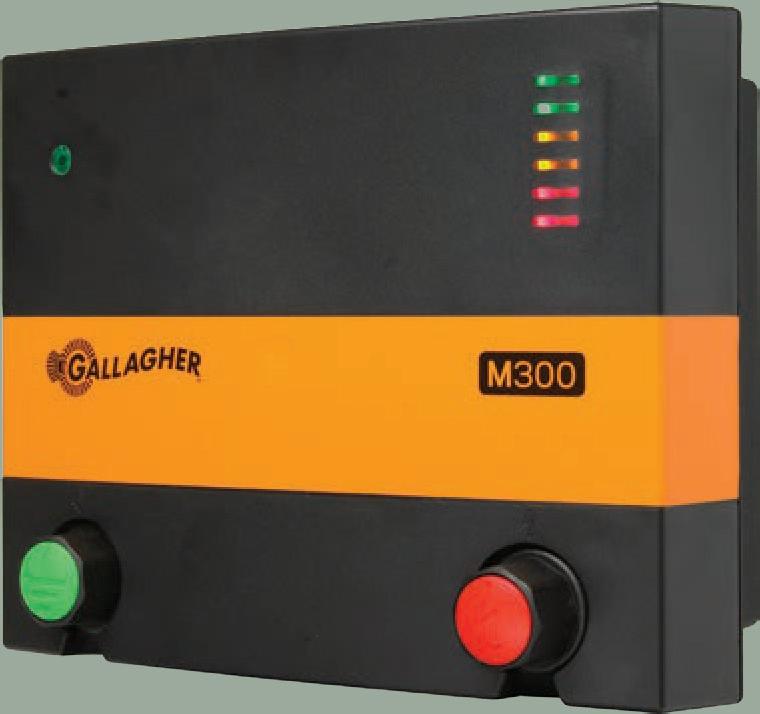
Gallagher M300 Fence Energizer 12ha A reliable electric fence energizer with 3 joules of stored energy, it is suitable for fencing all types of animals on smaller farms and comes with a 3-year warranty. ONLY $ 449.95
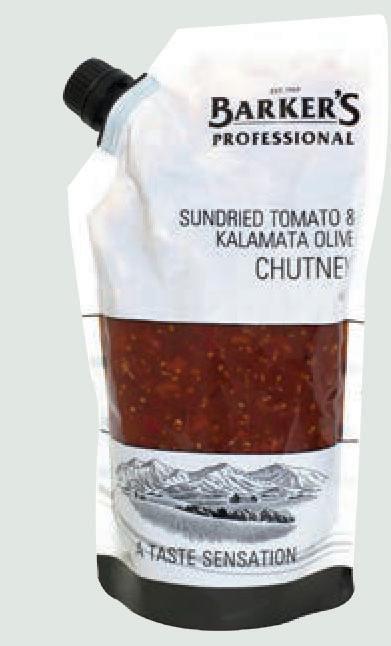

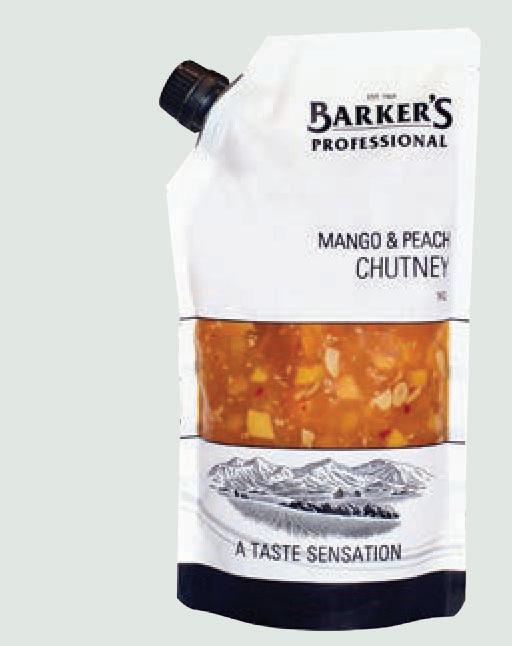
Barker’s Sundried Tomato and Olive Chutney 1kg/ Barker’s Caramelised Onion Relish 1kg/ Barker’s Mango and Peach Chutney 1kg Bring a touch of flair to any foodie event with this range of gluten-free and vegan friendly chutneys. ONLY $12 .95
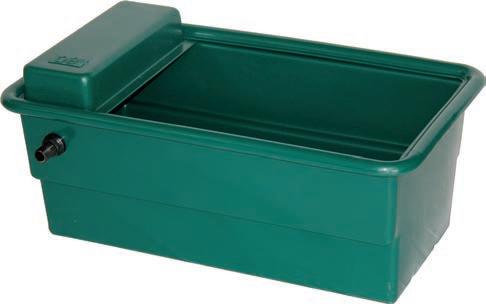
Stallion Rectangular Trough 80L Made of high-quality plastic and featuring a rolled edge, this is one tough trough for large animals – it comes with a quality ballcock, valve and removable cover. ONLY $175.95
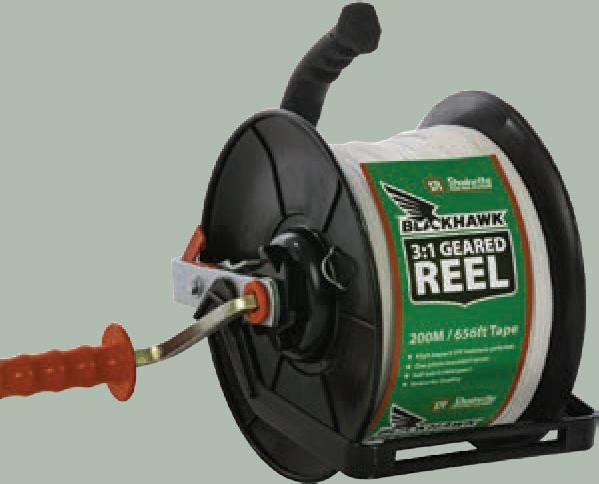
Black Hawk Geared Reel 200m Polytape Durability in tough conditions is optimised via a high-impact plastic and UV resistance, with the reel’s usability enhanced by its smooth contoured grip and selflubrication features. ONLY $104.95
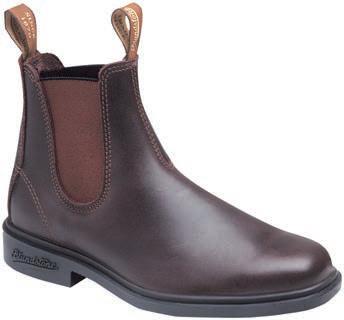
Blundstone
Thoroughbred Boot
A dress boot that will take you from city to country in comfort and style – it features full grain leather, XRD® Technology for shock absorption and comes with a 30-day comfort guarantee. ONLY $165.59
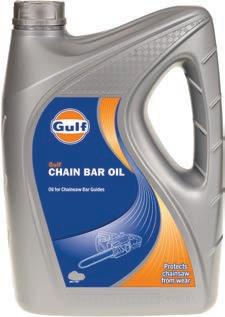
Gulf Chainsaw Oil 150
5L High-quality cutter bar oil with a special formula that adheres to the chain, thus avoiding oil loss. ONLY $ 34.95
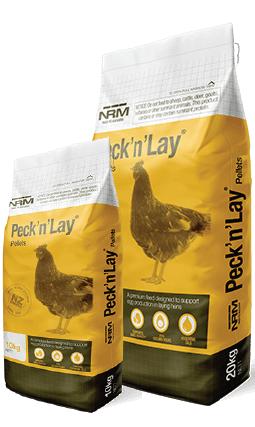
NRM Peck ‘n’ Lay®
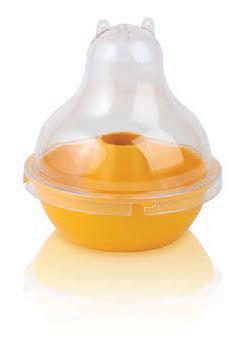
NoPests® Wasp Dome
Trap This easy-to-use wasp trapping system can capture hundreds of wasps and is reusable too.
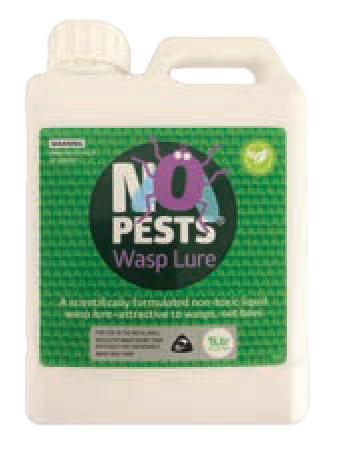
NoPests® Wasp Lure
Refill 1L Attract and drown wasps (not bees) in a cost-savvy fashion with this scientifically formulated and non-toxic liquid.
$49.95 FOR BOTH
Pellets Formulated to provide a balanced level of calcium and phosphorus, as well as vitamins and trace minerals to ensure that hens have the essential nutrients required for strong egg shells and rich, golden yolks. ONLY a range ofdesigns these ch, yolks. NLY . 99
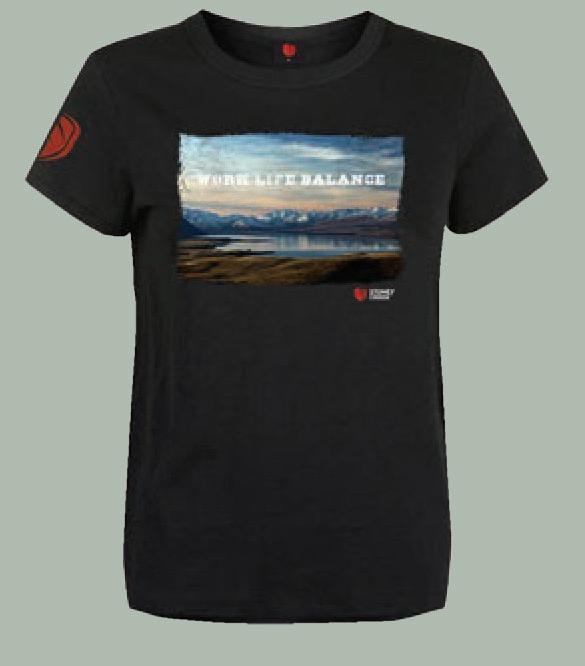
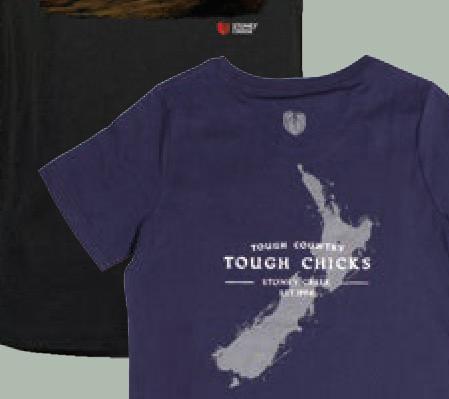
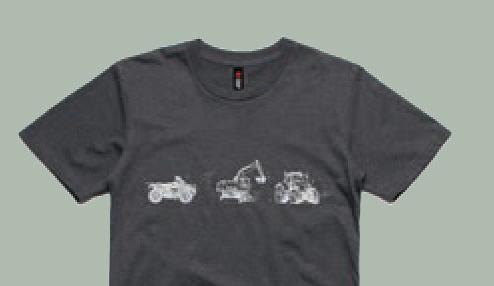



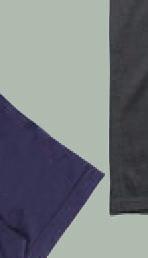
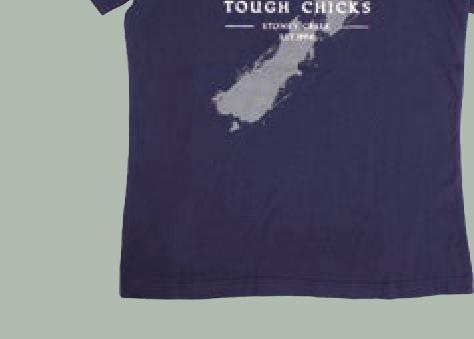
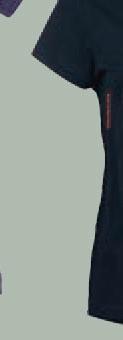

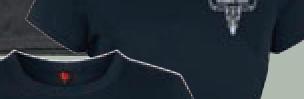
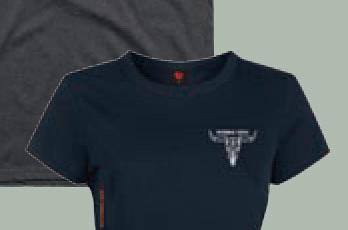
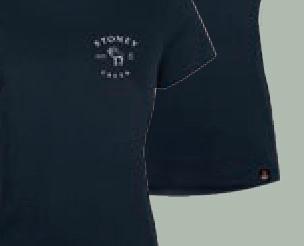

Stoney Creek Tees Available in a range of designs, these 100% cotton t-shirts are lightweight and breathable –perfect for summer outings.

5 Farmlands staff profile
5 From the CEO
6 5 minutes with Karin Kos
8 Special Feature – The Valais way
14 HeART of the Community roars into the deer capital
17 John Journee joins Farmlands Board of Directors
18 Perseverance pays off for new Farmlands Director
19 Baldwin brings dairy perspective
23 Should I be in KiwiSaver if I am self-employed?
24 Hurricanes in Dannevirke
25 Get to Game Day: Hurricanes vs Brumbies
34 Choices Rewards
40 Buying Power Promise
56 Grain and Seed update
58 To The Core – Leadership and Governance Development Programme
59 Safety around harvesting
60 Farmlands Fuel
61 Century Farms – Celebrating more than 100 years at Hononga
63 Farmlands Real Estate
Plan365 Nutrition
27 Vitamin E in the equine diet
28 More choices for the good shepherd
Plan365 Forage and Arable
31 Protecting valuable new pasture from hungry mouths
33 Plan for cereal success
35 Reliable, productive and persistent ryegrassing
39 Producing quality home-grown feed
41 Persistent, easy care pasture suits Turangi red meat system
43 New red clover makes its mark in Manawatu
45 Annual ryegrass delivers profit
Plan365 Animal Management
47 Planning for facial eczema this season
49 Are you holding more lambs on your farm than usual?
Plan365 Horticulture
51 A few vintages under his belt
Plan365 Dairy Management
52 Maximising production through animal health insights
Plan365 Rural Infrastructure
55 Project aims to make capital a pest-free kiwi sanctuary
1
FEBRUARY
Levy Vote Honey and bee industry commodity levy voting opens. Until 1st March. See pages 6-7 for full story.
28
FEBRUARY
Northland Field Days
Catch up with the Farmlands team for a bite to eat and hot deals. Until 2nd March. See page 20 for more details.






ON THE COVER
28
FEBRUARY
Hurricanes in Dannevirke


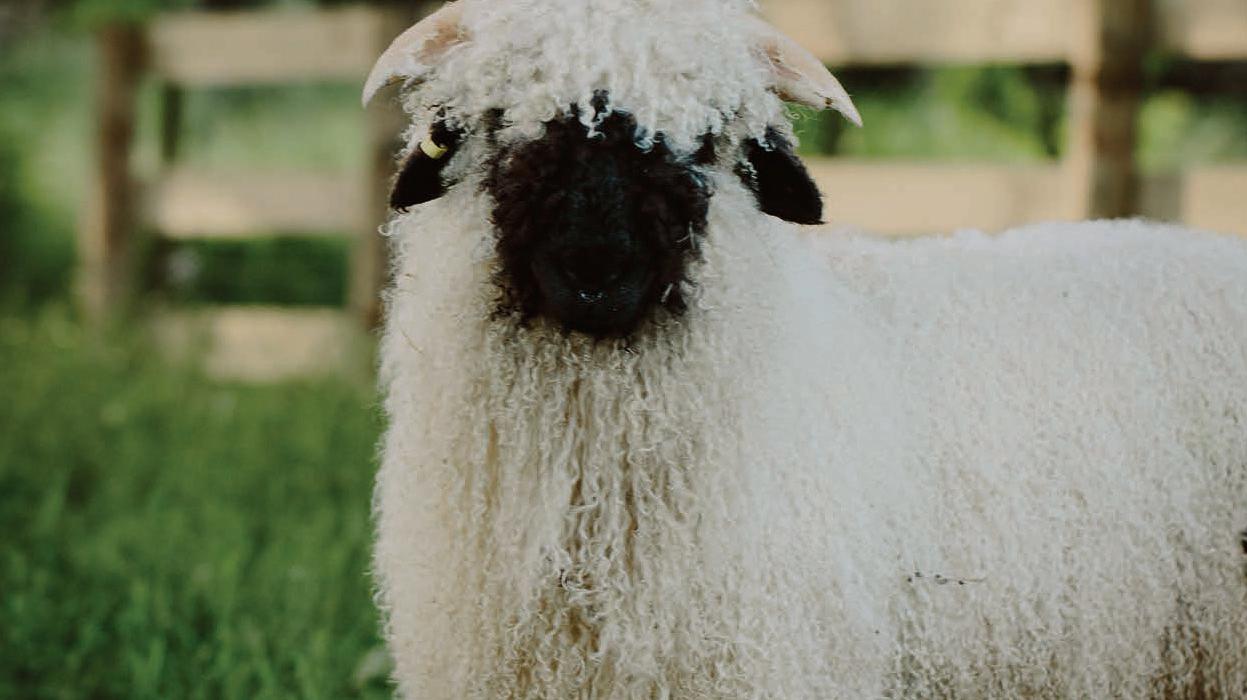
The Peake family of Cambridge are among a handful of pioneers who have introduced the Valais Blacknose to New Zealand. Read about their plans to gain from the “cutest sheep in the world” on page 8.
Meet your heroes at Farmlands Dannevirke. Turn to page 24 to learn more.
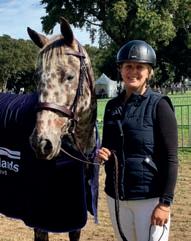
Q: What is your current role at Farmlands?
A: Business Manager at the Farmlands FeedBarn based in Yaldhurst, Christchurch.
Q: What do you enjoy about your job?
A: I enjoy the interaction with our shareholders, listening to their needs and helping them to achieve their goals.

Q: What type of work were you doing before you started at Farmlands?
A: I was a Television Director for the racing channel Trackside. I travelled to race meetings around the country and directed what went live on air.
Q: What do you like to do most in your spare time?
A: When I’m riding my horses on the hills or doing farm work I am in my happy place. I compete in equestrian (dressage, showing and western).
Q: What is the most interesting trip you have ever taken?
A: Being completely immersed in the culture while I was travelling in India was an experience I won’t forget.
Q: Past or present, who would you like to meet?
A: My Grandad who passed away before I was born. I have heard he was a great horseman in England so I would love to pick his brains.

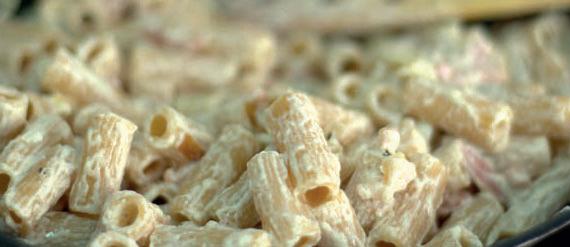
• ½ packet pasta
• ½ an onion

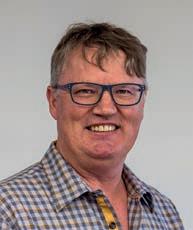
Welcome to the first edition of The Farmlander for 2019. I hope you have had a productive and successful start to the new year.
The second half of 2018 contained equal doses of anticipation and frustration for many of our shareholders. The start of the new cropping season was hindered by unseasonal weather which has positioned the first few months of 2019 as a chance to catch up and regain some of the production losses. Not everyone will be able to achieve this.
As your co-operative, we appreciate every year is different and brings its own unique challenges. That is why we are focused on moving Farmlands from being very good at doing what you needed 5 years ago, to being even better at providing what you will need 5 years from now. Advice and solutions that help you build a stronger, better, more resilient business are a part of this.
To do this, we need a better understanding of the external factors that impact your success, your behaviours on the land and the inputs you put into your businesses. I think we can all agree that Farmlands is very well placed to understand all this, given the number of transactions conducted directly within our store network, from our farm input business units and through our partnership model with leading suppliers and the Farmlands Card.
Our aim is to harness this knowledge to bring you a stronger contribution to a complete solution. The more we can provide you from right across our range of products and services, the better outcomes we can get for you.
Farmlands this year remains firm in our commitment to doing things better and we hope to achieve the same goals for you, with you. We are very receptive to feedback and shareholders can share their views at any time through our ‘always on’ shareholder feedback survey.
• 6 rashers of bacon
• 1 egg
• 1–2 cups of grated cheese
• 1 small pottle sour cream
1. Cook pasta accordingly. Dice onion and brown in a fry pan. Chop bacon into small pieces and add to pan.
2. Grate cheese (have as little or as much cheese as you like – I tend to be heavy handed) and set aside.
3. Once pasta is cooked, drain and leave in the pot. Add the bacon and onion to the pot of pasta.
4. Crack the egg into a mug or small bowl and beat with a fork to combine the white and yolk and add to the pasta mix. Stir.
5. Add desired amount of cheese and sour cream and stir through (you may like to reserve some cheese for garnishing).
6. Add cracked pepper to serve.
All the best for the year ahead.
Kind regards,

Peter Reidie Chief Executive Officer Farmlands Co-operative Society Limited
What is the history of Apiculture New Zealand?
Apiculture New Zealand (ApiNZ) was established in 2016 after the restructure of the National Beekeepers Association to better meet the needs of its members and the wider industry. This restructuring included a rebranding to reflect a broader membership; bringing together New Zealand beekeepers (both commercial and non-commercial), honey packers and exporters, and related supply companies. ApiNZ’s mission is to create value and opportunity for our members
and we do this by supporting policy and programmes to protect the health of New Zealand's bees, by taking a leadership position on issues that affect our industry, and driving best-practice beekeeping through educational tools and resources. This new structure also better supports an industry that has experienced phenomenal growth over the last few years, with a seven-fold increase in the value of honey exports over the last ten years from $50 million in 2008 to $350 million as at June 2018.
Just how important is a healthy bee population and thriving beekeeping sector?
These two aspects are critical in supporting New Zealand’s biodiversity, pastoral, forest and horticulture
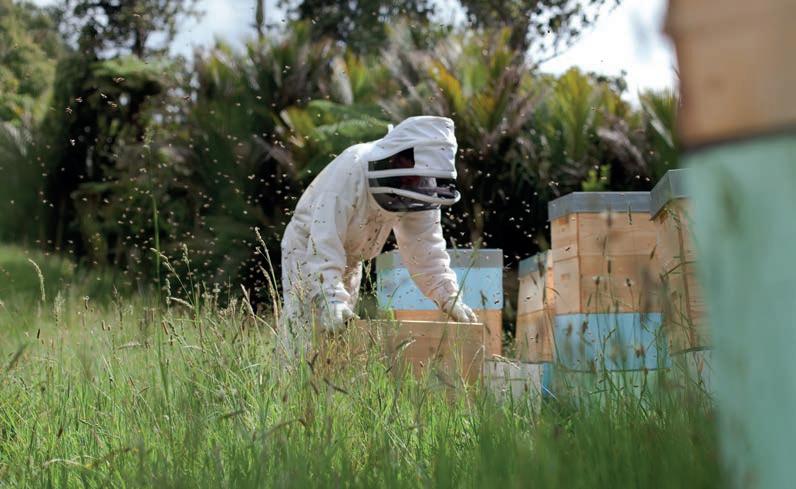
industries. The Food and Agriculture Organisation (FAO) of the United Nations estimates that of 100 crops that produce 90 percent of the world's food, 71 of those are bee-pollinated.
The honey bee also plays a vital role in pollinating agricultural crops, like clover, which is crucial for nitrogen generation and feeding livestock.
The New Zealand apiculture industry makes a significant and growing contribution to the agriculture and horticulture sectors through pollination services. In New Zealand alone, the combined roles of pollination and the production of honey and honey bee products is estimated to be worth over $5 billion to the nation’s economy.
The honey and bee industry is joining other primary sector industries in implementing a commodity levy this year. What is involved in this?
Over 30 New Zealand primary sector organisations have a commodity levy in place and the honey and bee industry is looking to join those ranks this year. Voting opens this month with ballot papers going out to all beekeepers with 26 hives or more, asking for their say on a commodity levy proposal aimed at raising $2 million per year. The road to gaining a commodity levy involves a number of steps which are set out in the Commodity Levies Act. The first step requires that a commodity levy can only be established with the consent of potential levy payers. ApiNZ has consulted and communicated widely with industry on the proposal
via a series of meetings around the country, regular updates through our communications channels, including the monthly New Zealand Beekeeper Journal, as well as a dedicated online presence for the commodity levy. Following the consultation process, Apiculture New Zealand made a number of amendments to its original proposal and this proposal goes to vote on 1st February. If the vote is successful a levy order is recommended to the Ministry for Primary Industries. The Minister of Agriculture will then consider the levy order. Depending on timing, a levy order would be expected to be in place by 1st October 2019 but payment by levy payers would only come into effect after the 2019/20 honey season.
What will money from the commodity levy be used for?
Given the critical role of honey bees to our primary sector and wider society, a commodity levy is a common-sense approach to how the industry maintains a sustainable and healthy bee population and mitigates biosecurity risks that could dramatically reduce our bee population. It paves the way for a considered approach to how the apiculture industry protects, grows and creates value for beekeepers, which in turn supports New Zealand’s wider primary sector. Specific areas of investment include:
• Science and research focused on bee health, for example new treatment methods for varroa and investigation into bio-controls
• The ability to leverage third-party funding through opportunities with government, for example the Sustainable Farming Fund
• Biosecurity to control and manage incursions of new pests and diseases
• Education and skills to ensure both
new and experienced beekeepers have the tools to apply bestpractice beekeeping with a focus on sustainability over the long term
• Ensuring we continue to meet overseas market access requirements
• How we can grow the value of all our New Zealand native mono floral honeys and bee products.
Are there any exceptions to the commodity levy?
The levy does not apply to those who produce less than 750 kgs a year. That means the commodity levy proposal does not include
hobbyists who represent just over three percent of all hives. This is similar to how many other primary sector commodity levies operate. The levy is designed around honey production at a flat rate of $0.10c per kg, including honey comb honey. Beekeepers are eligible to vote on the commodity levy proposal if they have 26 hives or more.
The levy vote opens on 1st February and closes on 1st March. More information about the levy can be found at Apiculture New Zealand’s website www.apinz.org.nz/levy
In New Zealand alone, the combined roles of pollination and the production of honey and honey bee products is estimated to be worth over $5 billion to the nation’s economy. “
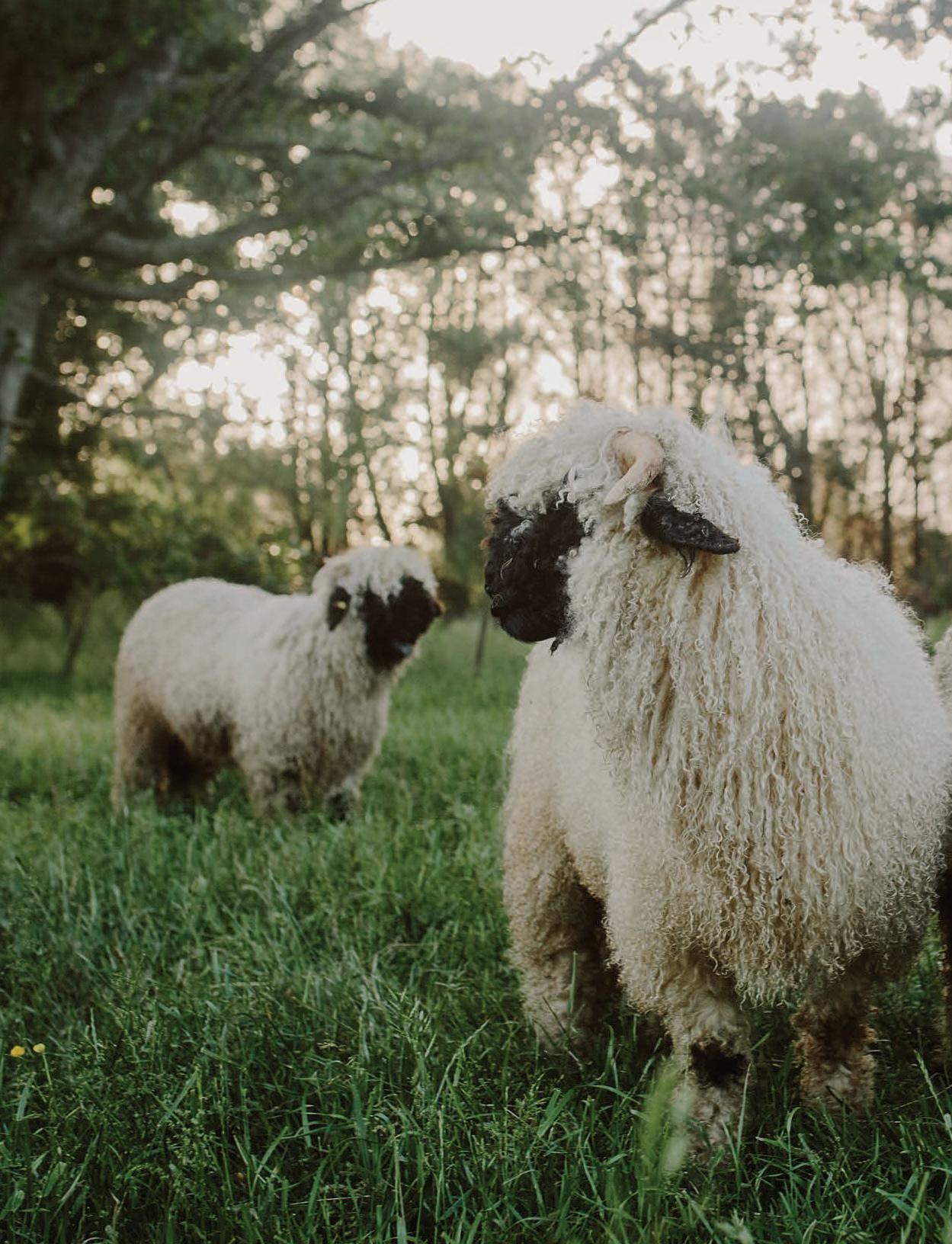

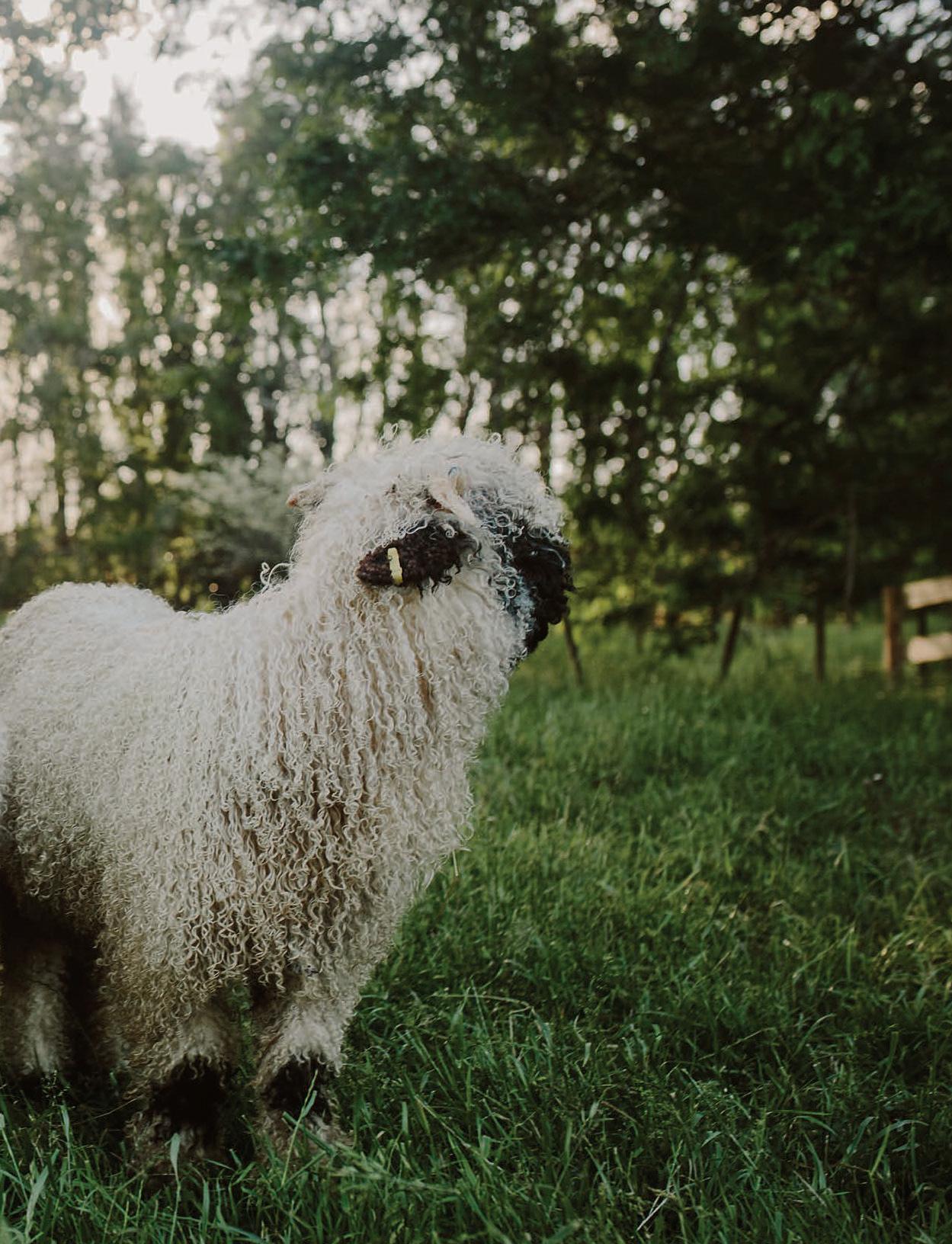

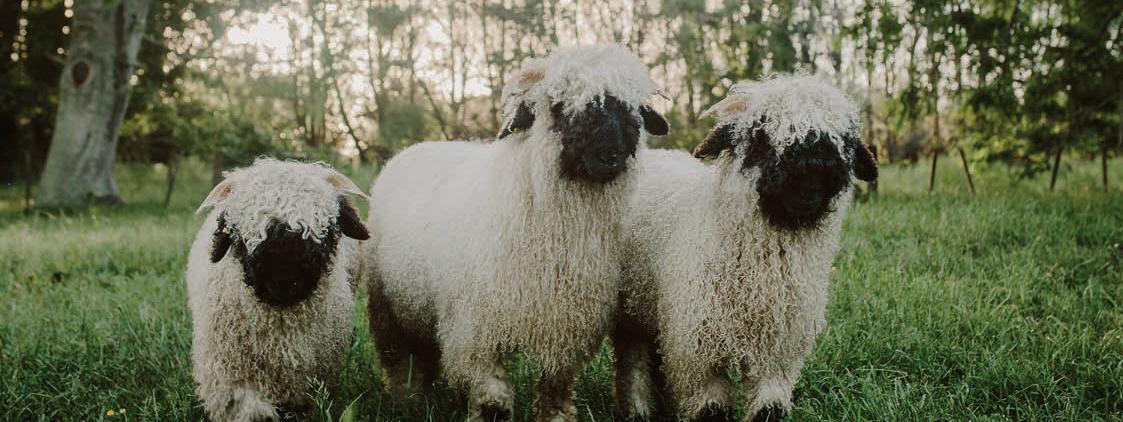
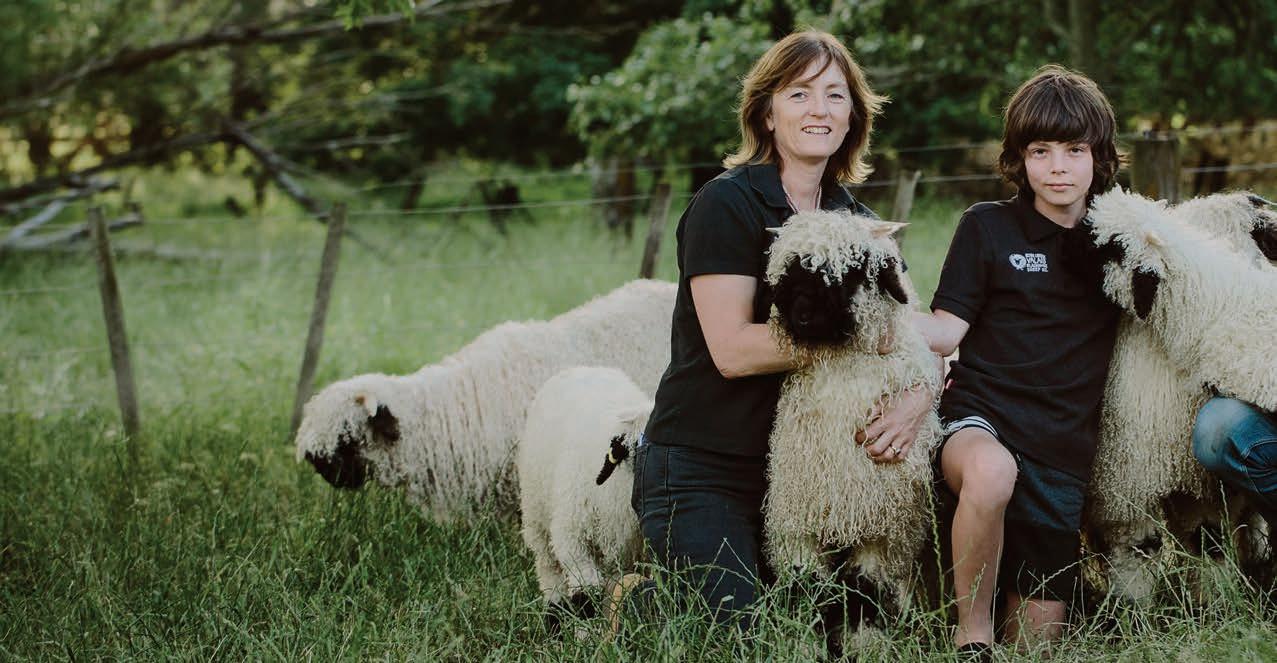
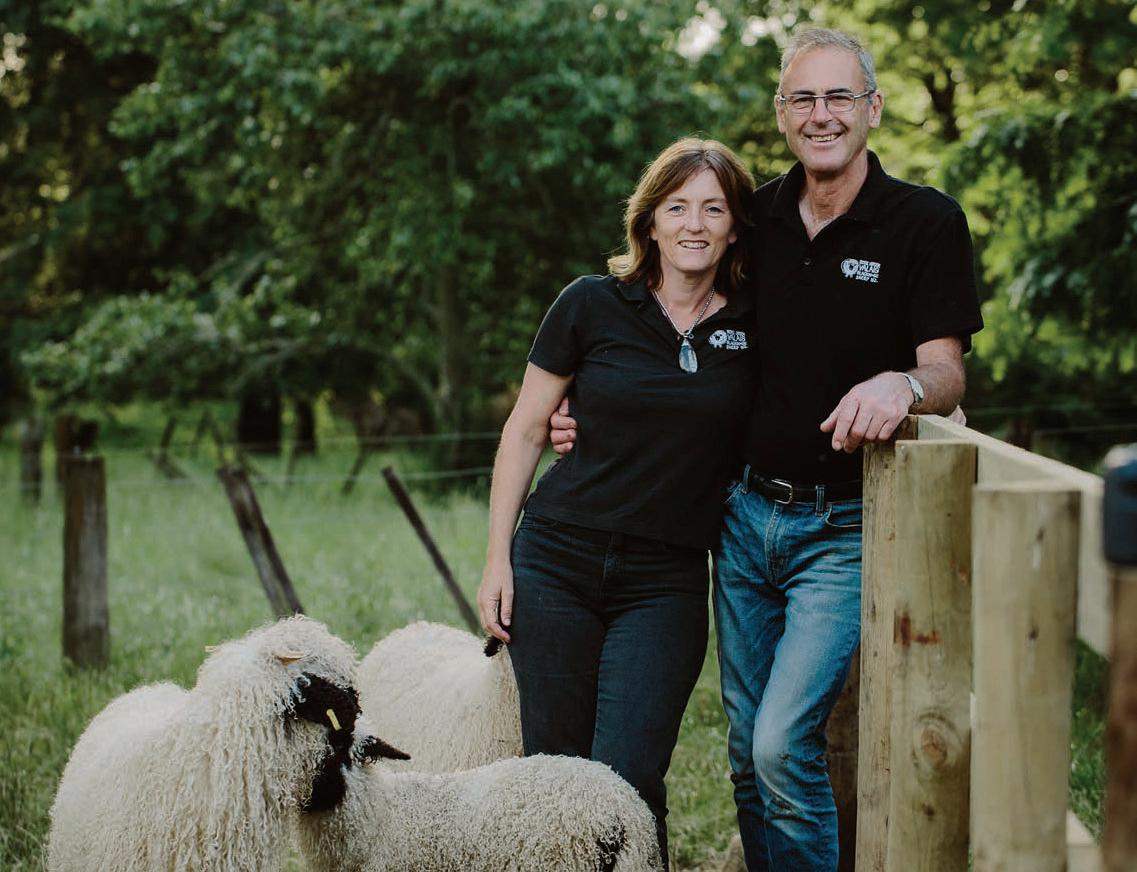
The “cutest sheep in the world” are winning hearts in Cambridge thanks to a journey of love by Farmlands shareholders Leigh-Anne and Andrew Peake.
The couple discovered the Swiss-bred Valais Blacknose sheep around 4 years ago and began a mission to introduce the breed to New Zealand – establishing their business, Rose Creek Valais Blacknose Sheep.
That dream has now been realised with the Peake family among a handful of pioneers who have brought Valais Blacknose embryos from the United Kingdom to New Zealand.
They have now completed two lambing cycles and their 5 acre block is full of the “paddock puppies”, with interest in the designer sheep rapidly rising.
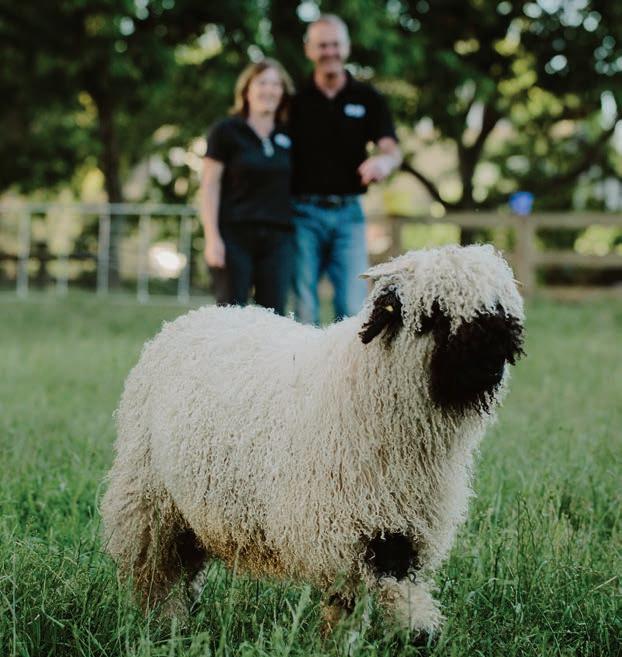
Valais Blacknose sheep are unmistakable with their shaggy coats, long spiral horns and black faces and ears. They have become the darlings of the sheep world due to their appearance and their charming personalities and nature.
Leigh-Anne and Andrew say it was on a whim that they decided to purchase the breed, which has been dubbed the cutest sheep in the world.
“We began by simply falling in love with the breed but we are very interested to see where our investment takes us from a commercial aspect,” Andrew says. “At Rose Creek, we aim to develop a boutique stud, focusing on the best quality. Upbreeding and part-breeding are not a focus for us.”
When Leigh-Anne and Andrew first learned of the breed, it was not possible to import live sheep from Europe into New Zealand due to historic border protection for various sheep diseases that New Zealand is free from. A Ministry of Primary Industries review of the New Zealand biosecurity rules saw the testing regime modernised, making LeighAnne and Andrew’s dream achievable. Waikato-based Animal Breeding Services was brought on-board with donor ewes and rams sourced from the United Kingdom. The process still took a while until finally the family got the call they had been waiting for – telling them the embryos had passed the rigorous testing and were on their way to New Zealand. The couple organised
recipient ewes, which were placed on a programme of hormonal treatment, to take the embryos.
“We paid for the embryos, not the live lambs, so there was always a reasonable amount of risk,” Andrew says.
The first embryos were inserted under anaesthetic on 12th March 2018, with Leigh-Anne and Andrew setting up a lab at their home and Animal Breeding Services carrying out the embryo transfer. The couple had many sleepless nights as they continually checked the ewes around birthing time. Their first lambs were born between 31st July and 5th August 2018 and were all birthed quickly and up and feeding within minutes.
“They are just super friendly and born with bright white wool and just as cute as could be,” Andrew says. “We bottle-fed selected pets for the school ag day and they all took to the bottles quickly and easily. Their growth was phenomenal, resulting in weaning at 8 weeks and onto NRM Starter Mix and Lamb Performance Pellets.”
Leigh-Anne and Andrew have now had two successful breeding programmes, increasing the lambing percentage from the original 65 percent to 93 percent for lambs born in the last week of September. A mature Valais Blacknose ewe is capable of having 1.6 lambs per year and can reproduce any time of the year.
They have sold lambs to the Agrodome in Rotorua and have also sold some as pets. All the sheep that are sold have a birth certificate complete with the Rose Creek Valais Blacknose seal. Leigh-Anne and Andrew have now decided to start their own pure Valais Blacknose natural breeding programme.
“
We began by simply falling in love with the breed but we are very interested to see where our investment takes us from a commercial aspect.
“We have excellent genetic diversity in our flock and have purchased breeding software to manage inbreeding and to selectively breed for desired traits,” Andrew says.
The Peakes have sold wethered pets but need more sheep on the ground to meet the strong demand for breeding stock ewes and rams. The intense demand for the sheep ensures the price remains high and will assist in paying back their investment.
“There is more demand than supply of the designer sheep and at the moment it is about competition.”
There is also a strong demand for the Valais breed from other countries.
“The necessary protocols are not yet in place for us to be able to export the embryos everywhere but once countries like Australia and the United States start accepting them, we can develop the embryo side of the business,” Andrew says.
“If we get into that market, we will need our property to be deemed disease-free, so rather than bringing in ewes from other properties we will probably sell semen straws from our rams. That way there is no threat of disease and we won’t potentially compromise our ability to export.”
Andrew says there are future opportunities but for their family, it remains first and foremost about the sheep.
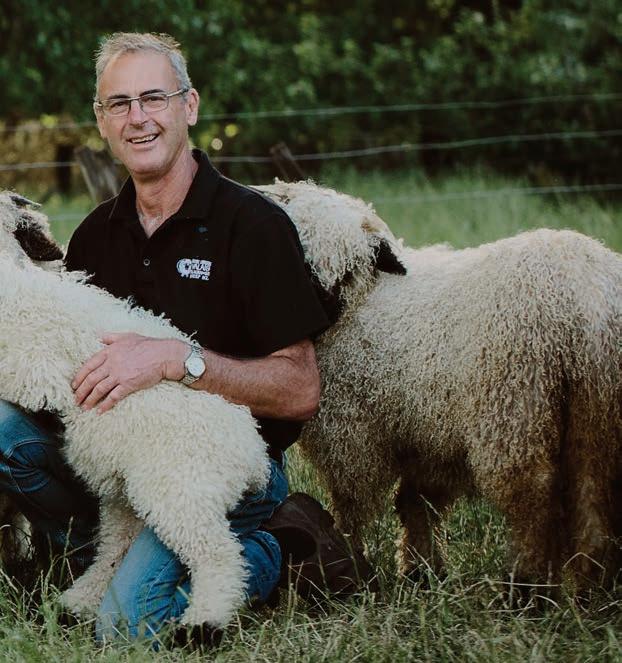
“They are like our pets, our paddock puppies,” he says. “We go and sit in the paddock, they love being petted and will walk all over us, nibble at our clothes and are just lovely to have around. They are so friendly, it’s so satisfying looking out at them in the paddock. That’s what has made it worthwhile.”
Designer sheep have not always been the breed of choice for the Peake family. Leigh-Anne and Andrew bought their lifestyle block in 2012 and started with a motley crew of Dorpers. Andrew says their flock was quite unruly and even treating their feet was like a wrestling match. They had other breeds come and go until they were able to secure the Valais Blacknose sheep.
Leigh-Anne and Andrew both spent their childhood in a rural setting. Andrew grew up on a farm in the Cambridge area and Leigh-Anne in Central Hawke’s Bay. They jointly run their lifestyle block, assisted by their 11-year-old son Nathan, who has inherited his parents’ love of the land and animals.
Leigh-Anne also runs her own industrial consultancy business and Andrew works part-time at the local Farmlands store. They are also currently restoring an old two-storey house that they bought from Merivale in Christchurch. The house
They are like our pets, our paddock puppies… They are so friendly, it’s so satisfying looking out at them in the paddock. That’s what has made it worthwhile. “
was cut into seven pieces and relocated onto their property.
The couple both hunt and, in keeping with their cute animal preference, have two Gypsy Vanner horses – a domestic breed from the United Kingdom, which was historically used by gypsies to pull their wagons. Also known as the Gypsy or Irish Cob, the horses have big hairy feet with lots of feathers, long manes and tails and, like the Valais Blacknose sheep, have a lovely nature. Andrew says they are very capable for both hunting and dressage and even though they are a heavy horse they jump well.
Leigh-Anne and Andrew also have a 45 acre property in Central Otago where they grow pinot noir grapes for Matua. While they have no set timeframe of moving south, they say their flock of Valais Blacknose sheep would be more at home in the rugged terrain of their Central Otago block.
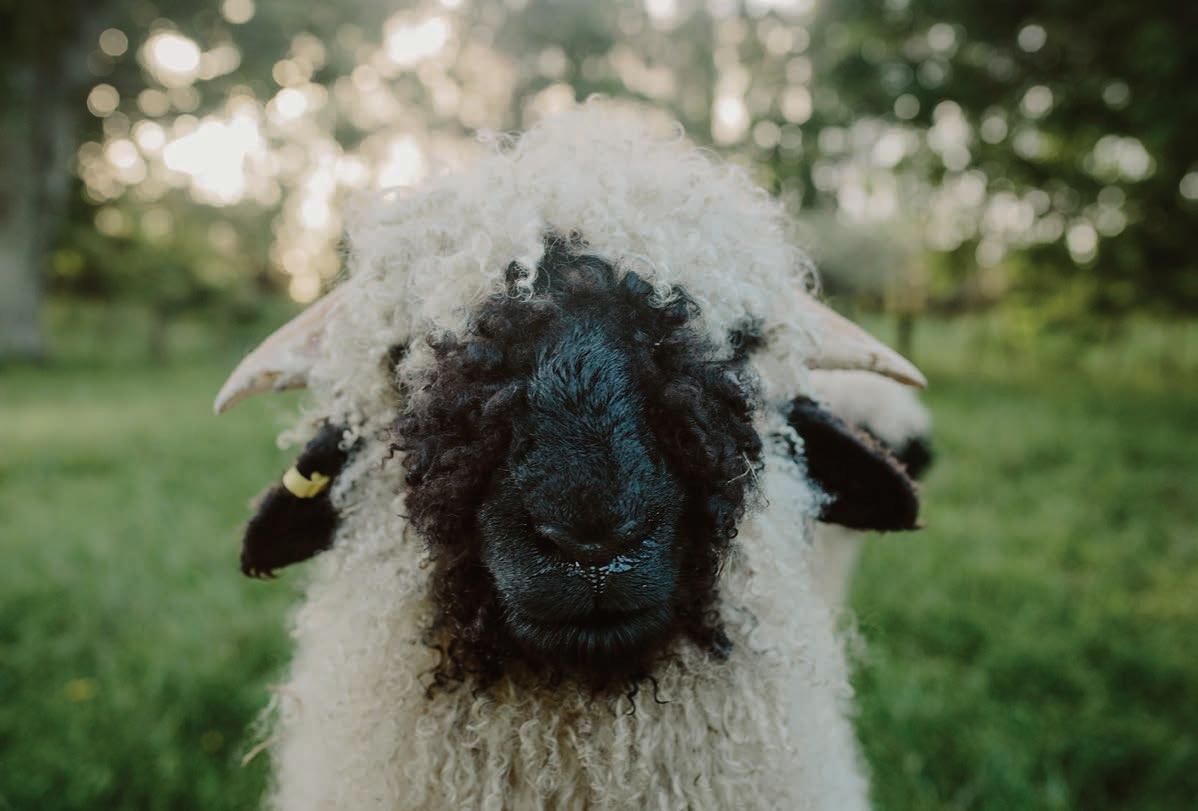
The super-friendly domestic sheep originates from the Valais region of Switzerland and is a dual-purpose breed raised for both its meat and wool. The Valais Blacknose are a hardy mountain breed, grazing the steepest stoniest slopes of the Alps. Andrew says they are accustomed to the harsh mountain environment and are probably quite spoilt grazing on the Peake family’s Waikato flats.
First mentions of the breed can be traced back to the fifteenth century. However, it is possible the current Valais Blacknose sheep are descendants of a breed introduced to Valais in pre-Roman times.
The Valais became endangered on more than one occasion and finally, in 1962, they were officially recognised as a breed. In 1964, they were admitted into the Swiss Sheep Breeding Association.
In February 2014, the first Valais Blacknose sheep arrived in Great Britain and, in April of that year, the first lambs were born. While the numbers of Valais Blacknose sheep in Britain are still small (around 400), breeders are beginning to gain some notoriety by creating events dedicated specifically to the breed – and sales of individual animals are reaching record amounts.
Both sexes have spiral-shaped twisted horns and adding to their striking appearance is the fact that they command a presence in their size. At around 2 years of age, rams can range from 80-130kg with a height of 75-83cm and ewes range from 70-90kg and 72-78cm in height.
They are known for lambing easily and producing rapidgrowing lambs year-round. They produce coarse carpet-grade wool, with fibres having an average micron of 38 in mature sheep and 28-30 for lambs. The wool is great for felting and has a long staple, growing around 30cm annually, making it ideal for spinning. Each sheep produces around 4 kilos of wool a year, with the wool comparatively low in lanolin.
Andrew says after 3 months, his lambs had grown about 8cm of their distinctive twisting wool.
“We are looking to establish a niche market for the wool and maybe even develop some souvenirs as part of our business.”
The Valais Blacknose sheep meat has a low fat content and while the Peake family haven’t yet tasted the meat, they say it will happen – although they acknowledge it could be an expensive roast.
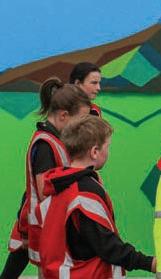
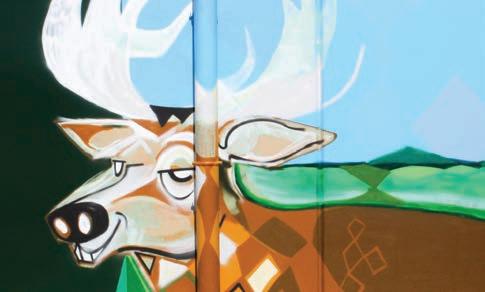
Mossburn’s deer farming and picturesque scenery has been captured in a new mural on the town’s Farmlands store as part of our HeART of the Community project.
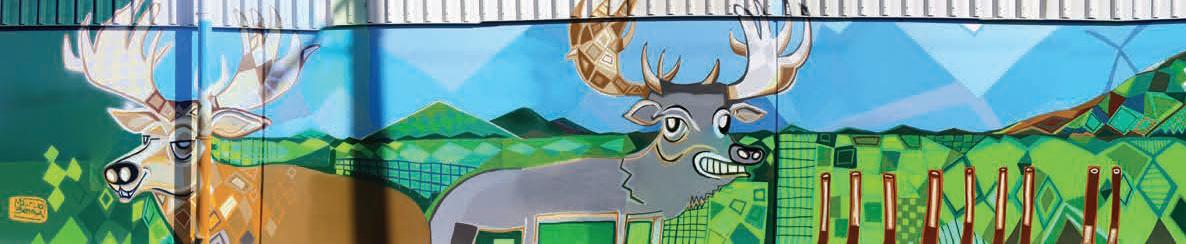
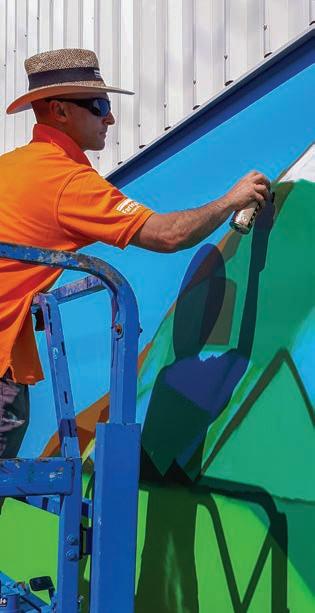
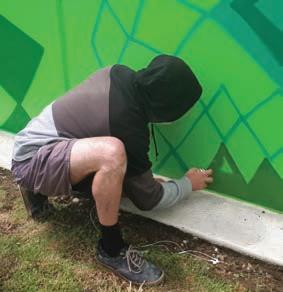
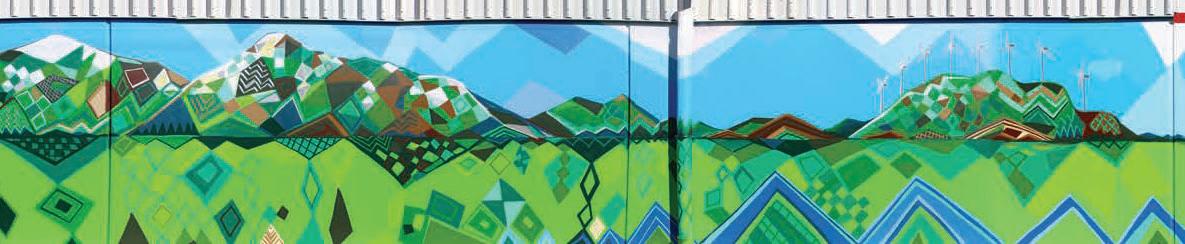
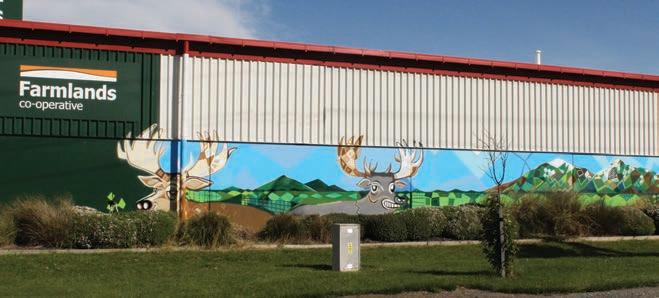
Award-winning artist Mauricio Benega finished painting the bright mural in December featuring deer, snow-capped mountains and green farmland showing off what the area is known for.
The Southland town was the ninth to benefit from HeART of the Community, outlining Farmlands’ commitment to rural communities.
The mural’s design was co-created by Mauricio and the Farmlands Mossburn team – and there was plenty of inspiration to choose from through the area’s rich history. Mossburn is proudly known as the deer capital of New Zealand, having been the first place in the country to start capturing deer and farming them.
The two deer on the mural, along with the deer fencing and posts are a nod to this part of the area’s history and what it is still recognised for today.
Also known as the gateway to Fiordland, Mossburn’s nearby rivers and snow-capped mountains feature in the mural, along with Meridian Energy’s White Hill Wind Farm.
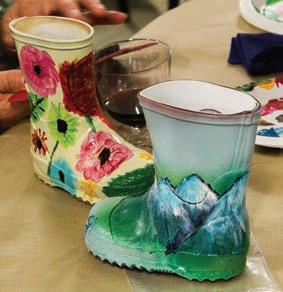
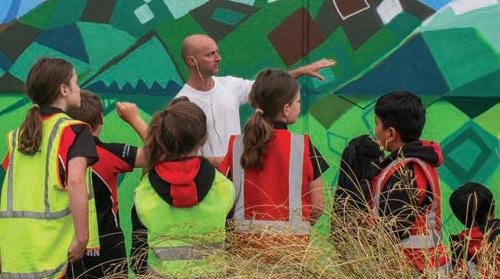
A paint and sip art class was hosted by Mauricio to celebrate the completion of the mural in December with the funds raised going to the local school to buy art supplies. Mauricio moved to New Zealand from Brazil in 2004 and has competed in art and comic contests around the world.
“It’s been amazing working with Farmlands and the community to tell Mossburn’s story through this artwork. Everyone was so friendly and I hope the locals enjoy the mural in years to come as much as I’ve enjoyed working with them to create it,” the Hastings-based artist said.
Farmlands Mossburn Business Manager Megan Shirley says it was great working with an experienced artist like Mauricio on this project for the community.
“The mural tells our story in such a fun and colourful way and we’ve had great feedback about it from locals. We loved hosting Mauricio and the paint and sip art class was a great way to top it all off.”
To follow the HeART of the Community journey, check out the Farmlands Facebook page, Instagram or www.heartofthecommunity.co.nz
“Everyone was so friendly and I hope the locals enjoy the mural in years to come as much as I’ve enjoyed working with them to create it.
Mauricio Benega, Hastings-based artist.









At FMG, we’re well known as rural insurers. Which is why so many people insure their horses with us. However, because accidents happen more often than you think, we also offer great contents insurance for items like phones. That’s in addition to excellent cover for your home, your vehicles, and yourself. Ask around about us. Or better still, call us on 0800 366 466 or visit fmg.co.nz
We’re here for the good of the country.



John Journee has joined the Farmlands Co-operative Board as an Independent Director.
John brings extensive experience in both retail operations and governance to Farmlands. He has had a 15-year association with The Warehouse Group in both governance and operational roles, including a current role as non-executive Director.

| John Journee.
John is also a past CEO of Noel Leeming and Southern Hospitality, past Chairman of Powershop, Flux Federation and Max Fashions, and is a past Director of Ezibuy.
Following the announcement, John said he was looking forward to working alongside the Farmlands Board. The co-operative last year announced a net profit before tax and rebate of $12.2m (more than double its 2017 result), with $6.1m of that being distributed back to shareholders through a Bonus Rebate.
“I am impressed by Farmlands’ clear strategic vision and in particular their focus on outstanding customer service, as evidenced by them winning the KPMG Customer Experience Excellence Award last year,” John says.
“I look forward to working with the Board to take this strategic vision even further. The Farmlands Board of Directors is ambitious about what they want to achieve and I’m delighted to be joining them.”
Farmlands Chairman, Lachie Johnstone said John’s considerable experience across multiple sectors made him an outstanding candidate to support the co-operative through its next phase of progress.
“
I
“We always seek to find Independent Directors that bring unique skill-sets that complement those already at the Board table,” Lachie says. “John’s proven history of excellence in the retail sector is an ideal fit for our network of 82 Farmlands stores nationwide.
“We are pleased he has chosen to join us and following a comprehensive selection process, we look forward to having his knowledge and experience at our Board table.”
John joined the Farmlands Board of Directors in December, replacing the retiring Peter Wilson as an Independent Director. Lachie paid tribute to Peter’s service to Farmlands.
“Peter spent 10 years on the Board and was a guiding hand in the merger between CRT and Farmlands,” Lachie says. “His extensive business and pan-industry experience has proved invaluable to the co-operative.”
John is a Chartered Member of the NZ Institute of Directors and a member of the Australian Institute of Company Directors.
To find out more about John visit www.farmlands.co.nz
am impressed by Farmlands’ clear strategic vision and in particular their focus on outstanding customer service, as evidenced by them winning the KPMG Customer Experience Excellence Award earlier this year.
A connection to farmers, farming and the co-operative model compelled Central Otago’s Dawn Sangster to run for election for the Farmlands Board of Directors.
Although unsuccessful in the 2017 Director Elections, she had strong support which encouraged her to put her name forward for the vacancy created by Joe Ferraby’s retirement in 2018. “It really was a case of hard work and perseverance paying dividends,” Dawn says.
A Director and farmer of a 12,000su, 2,870ha Maniototo sheep and beef family farming business, Dawn is an experienced Director and strong advocate for the cooperative model. She has been an
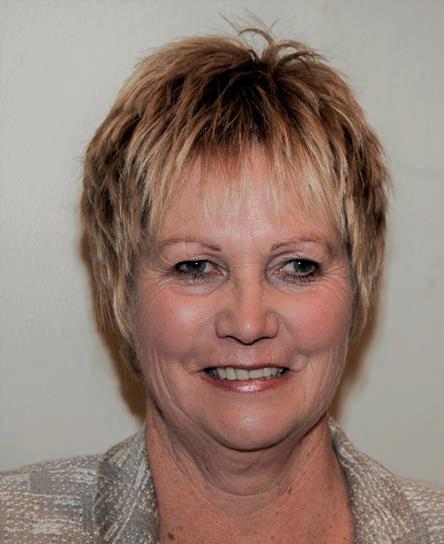
| Dawn Sangster.
elected Director of Alliance Group Ltd since 2012 and is a shareholder in other leading co-operatives.
A Chartered Member of the New Zealand Institute of Directors, Dawn is also Chair of the Community Trust of Maniototo and is a former Beef + Lamb NZ Farmer Councillor and John McGlashan College Board member. She is the winner of the 2012 Institute of Directors Otago-Southland Aspiring Director Award and has a B.Ag Com (Farm Management) from Lincoln University.
Dawn says Farmlands’ co-operative business model and its importance to their farming business drove her desire to join the Board.
Dawn believes that Farmlands “should be a very important part of every farm business”.
The opportunity to provide cheaper inputs and make farming businesses more successful and sustainable was a testament to the co-operative model.
“The local Farmlands store always goes the extra mile and I enjoy the relationship with the staff. I’ve visited a lot of stores – particularly in the last 2 years – and I am heartened that they care about the shareholders. It’s a great culture to have,” she says.
“It is now close to 6 years since the merger between CRT Co-operative and Farmlands. There is a commitment to business transformation and culture changes so there will be plenty of challenges and opportunities.”
Dawn says it is an interesting time to be a Director for the co-operative and she is looking forward to it.
“Farmlands is a big business in the scheme of New Zealand companies,” she says. “After a robust election process, I feel very privileged that the shareholders voted for me and would like to thank them for their support.”
Dawn believes her connection with farmers and knowledge of what shareholders want and expect will add value to the Board. “Being a Director of Alliance for the past 7 years has expanded my governance skills, particularly with regard to large co-operatives and trading in a competitive environment.”
Dawn encourages shareholders to contact her if they want to have their say on the co-operative’s performance. “Feedback is a gift and if people want to talk to me, I’ll always listen to how Farmlands could be better.”
The local Farmlands store always goes the extra mile and I enjoy the relationship with the staff. I’ve visited a lot of stores – particularly in the last 2 years – and I am heartened that they care about the shareholders. It’s a great culture to have.
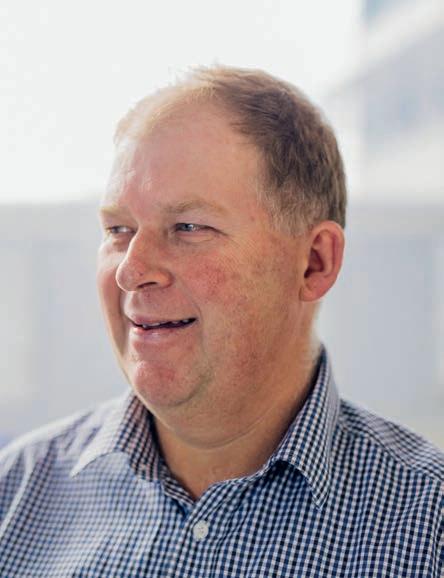
South Waikato farmer, Gray Baldwin prides himself on being unconventional – and feels being a dairy farmer makes him a unique asset to the Farmlands Board of Directors.
The successful North Island candidate in last year’s Director Elections, Gray farms a Lichfield dairy operation with wife Marilyn that winter milks 850 cows for supply to Miraka. The operation has been once-a-day milking for the past 5 years. “This saves on cost and provides better animal welfare outcomes. Our per cow production at 410kg MS/cows is higher than the national average.”
“
I think a dairy farmer’s perspective on the Board is a useful asset and Farmlands has a great opportunity to do a lot more in that space.
“We’re farming 713ha at Lichfield and we have a boundary with the largest cheese factory in the world (the Lichfield Fonterra site). With 100 percent autumn calving, we’re starting to calve this month,” Gray explains. “We also grow a significant amount of maize and that is at the heart of my relationship with Farmlands. With 162ha of maize this year, we keep about a third of it for ourselves and we sell two thirds of it to our neighbours, most of whom are Farmlands shareholders.
“The cash from the maize is used to buy lucerne for our 650-cow feed pad – with winter milking we need green feed as well as starchy maize.”
Gray’s executive career started as Marketing Manager for BNZ Agri in the late 1990s. Roles that followed included various roles with Ballance and time as CEO of Summit Quinphos, before becoming GM – Dairy Operations for Carter Holt Harvey.
“We developed 26 dairy farm conversions for Carter Holt Harvey. It took 5 years to sell them all and my workload got less as we sold them.”
The lighter schedule gave Gray an opportunity to enter governance, starting with becoming a Director of Ballance in 2009. Governance roles with Trinity Lands, LIC and South Waikato District Council followed.
Now joining the Board of Farmlands, Gray describes the co-operative as “a big company that needs good focus”.
“When I look at the three major players in rural supplies, Farmlands has the most stable shareholder base and is the most likely to succeed, given the various shareholder issues emerging with the other two,” he says.
“Taking a co-operative forward does take a little bit longer – we have got to get everyone on-side and you’ve got to support shareholders. Farmlands shareholders so comprehensively supporting the change in governance (at November’s AGM) is pretty good evidence to me that our shareholders are prepared to move with the times.
“It bodes well for the challenges in the future for the company.”
When in board meetings, Gray says he likes to think outside the box and challenge the status quo with a view to doing it better. “No company should be sitting on its haunches saying ‘we’ve always done it this way’,” he says.
“I think with my experience in other co-operatives, I know a bit about their nature. I went to the Summer Institute of Co-operative Leadership at University of Missouri in 2015 and looked at cooperatives from around the world.
“I think a dairy farmer’s perspective on the Board is a useful asset and Farmlands has a great opportunity to do a lot more in that space.”









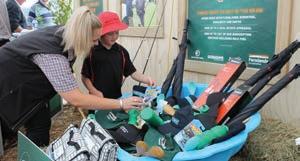
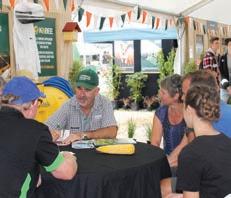
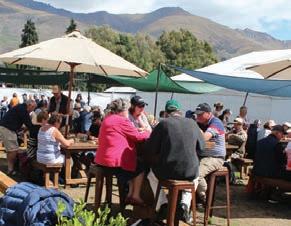
Save these dates and catch up with your local Farmlands team at these events this summer!














28 th February – 2 nd March Dargaville | www.northlandfielddays.co.nz



14th – 16 th March

Manfeild Park | www.cdfielddays.co.nz

“ S ign up to SafeFarm with help fr om our staf f on-site.”


0800 200 600 www.farmlands.co.nz




“Catch up with us for a bite t i to eat and for the HOT TEST deals this summer.”


















































































KiwiSaver has been around for over a decade now but for many it is still a bit of a mystery. Many people initially receive information about KiwiSaver and join via their employer. For employees investing, it can be fairly simple – KiwiSaver contributions can come straight out of regular pay.
One of the most popular and effective benefits for employees saving with KiwiSaver is receiving regular contributions from their employer. However KiwiSaver is also a flexible retirement savings option if you are self-employed, like many people working in rural New Zealand.
Firstly, KiwiSaver is a relatively low-cost way to invest. The fees are generally lower than other professionally managed investment funds, so more of your money stays invested.
In addition, KiwiSaver schemes can give you access to professionally managed funds with a range of investment choices. Options for investing range from low risk conservative funds, which generally provide a fairly steady level of returns, through to higher risk growth funds, which generally have a higher exposure to share markets and the associated volatility and potential for higher returns. Most KiwiSaver providers will have people and online tools to help you find out what types of investments are right for you and what choices you can make to ensure you are maximising KiwiSaver as much as possible.
Self-employed KiwiSaver members are also eligible for some of the KiwiSaver benefits that employed members enjoy.
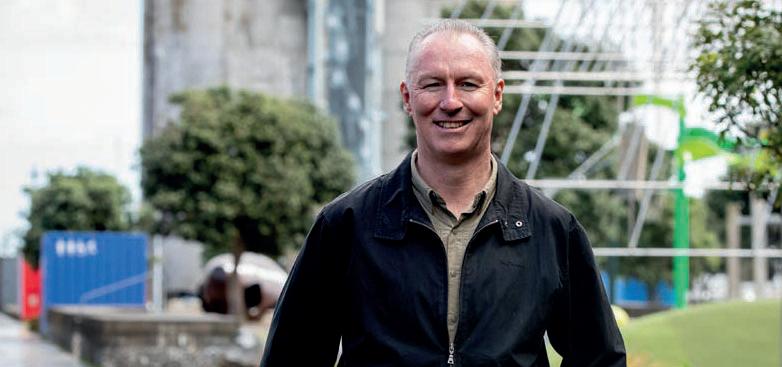

| Chris Tennant-Brown, Senior
These include the annual Government contribution (currently called a member tax credit) and the KiwiSaver first home withdrawal, which can help you get into your first home sooner.
The full annual Government contribution is currently $521.43.
To receive the full contribution, you need to contribute at least $1,042.86 between 1st July and 30th June each year and meet the eligibility criteria. You can receive the annual Government contribution from the age of 18 up until you are eligible to make a KiwiSaver retirement withdrawal, as long as you live mainly in New Zealand. You can maximise your eligibility and receive the $521.43 from the Government by contributing around $21 each week. However, your contributions don’t need to be regular. You could even make one lump sum payment, which might suit you if your self-employed income can vary throughout the year.
If you pay yourself a PAYE salary, you can make KiwiSaver contributions of 3 percent, 4 percent or 8 percent of your before-tax pay like a regular employee. If you go down this route, you would also need to make employer contributions to your KiwiSaver account.
If you have any questions about KiwiSaver, get in touch with the ASB KiwiSaver Scheme team on 0800 272 738 or alternatively, you can find more information on Sorted’s website at www.sorted.org.nz/guides/kiwisaver.
This article does not have regard to the financial situation or needs of any reader. As individual circumstances differ, you should seek appropriate professional advice. Interests in the ASB KiwiSaver Scheme (Scheme) are issued by ASB Group Investments Limited, a wholly owned subsidiary of ASB Bank Limited (ASB). ASB provides Scheme administration and distribution services. No person guarantees interests in the Scheme. Interests in the Scheme are not deposits or other liabilities of ASB. They are subject to investment risk, including possible loss of income and principal invested. For more information, see the ASB KiwiSaver Scheme Product Disclosure Statement available from ASB’s website and the register of offers of financial products at www.business.govt.nz/disclose (search for ASB KiwiSaver Scheme).




THURSDAY 28TH FEBRUARY





8.00AM BREAKFAST AT FARMLANDS
10.00AM KIDS ACTIVITY ZONE
12.00PM HURRICANES
BUS TRIP

Join us on a bus to see the full Hurricanes squad! For more information and to enter to WIN seats for you and your family or friends get to Farmlands Dannevirke!





































































Articles in the Plan365 section allow Farmlands suppliers to share best practice and the latest advances in rural technology, to help shareholders with their farming needs all year round.
Vitamin E is an essential and highly powerful antioxidant that plays an important role in muscle, immune and neurological support in horses.
It is mainly supplied in the equine diet through green pasture. Horses are not very efficient at storing this fat-soluble vitamin and when access to green pasture is limited through management such as stabling, or due to environmental reasons such as hot and dry summers, the risk of vitamin E deficiency increases and supplementation is important to consider.
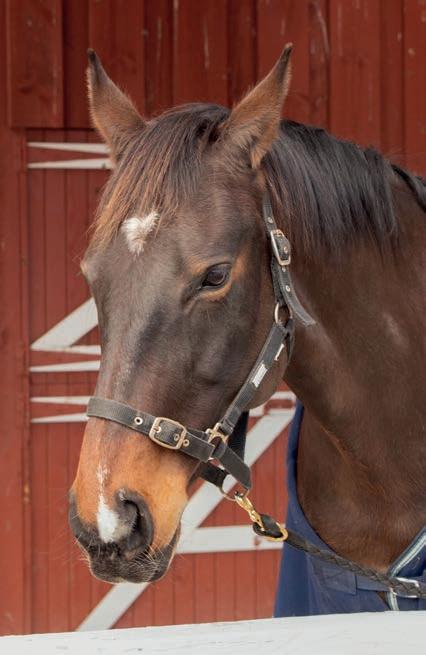
A deficiency of vitamin E may cause a variety of different symptoms and pathological changes, which may include poor immunity to diseases (recurrent cold and cough) and muscle stiffness, soreness or damage. If vitamin E levels in muscle tissue are inadequate in working horses, the risk of exercise induced muscle damage is increased.
Research in horses has mainly revolved around the role of vitamin E in maintaining normal function of the immune and reproductive systems, in optimising athletic performance and in studying diseases associated with vitamin E deficiencies.
One of the many highly qualified veterinarians and equine nutritionists that presented at the Kentucky Equine Research 30th anniversary conference in October 2018, was Stephanie Valberg, D.V.M., Ph.D., a professor at Michigan State University and director of its Neuromuscular Diagnostic Laboratory.
Dr Valberg provided information about the value of vitamin E as adjunct therapy for several neurological diseases, including equine neuroaxonal dystrophy/degenerative myeloencephalopathy (eNAD/EDM), equine motor neuron disease (EMND) and vitamin E deficient myopathy.
The goal of supplementation in horses susceptible to these diseases, according to Dr Valberg, is to increase the concentration of vitamin E in the central nervous system and muscle tissue.
“The impact of vitamin E deficiencies causing subtle but significant muscle atrophy and a decline in performance are under-recognised by many performance horse veterinarians,” Dr Valberg says. “It should be on everyone’s radar because it’s easy to diagnose with blood samples for vitamin E and can be readily treated with liquid vitamin E supplements.”
Vitamin E supplementation will vary according to the individual case and the amount of green pasture available to the horse, however Dr Valberg suggests a powdered, natural vitamin E supplement to maintain status in healthy horses. Horses suffering from EMND or vitamin E deficient myopathy should be supplemented with a natural liquid form at 5,000 IU/day until all clinical signs are gone, before transitioning to powder over a series of weeks once the horse returns to normal. Expect it to take several months for the horse’s signs to disappear.
Because horses’ responses to vitamin E supplementation vary, Dr Valberg urges veterinarians and/or nutritionists to measure vitamin E levels before and 4 weeks after supplementation and to adjust the dose accordingly.
NRM equine products all contain natural vitamin E formulated at the correct levels to meet requirements for horses in New Zealand, if fed according to directions.
For further assistance and advice on vitamin E supplementation, consult a qualified equine nutritionist.
Article supplied by Luisa Wood, Equine Nutritionist.
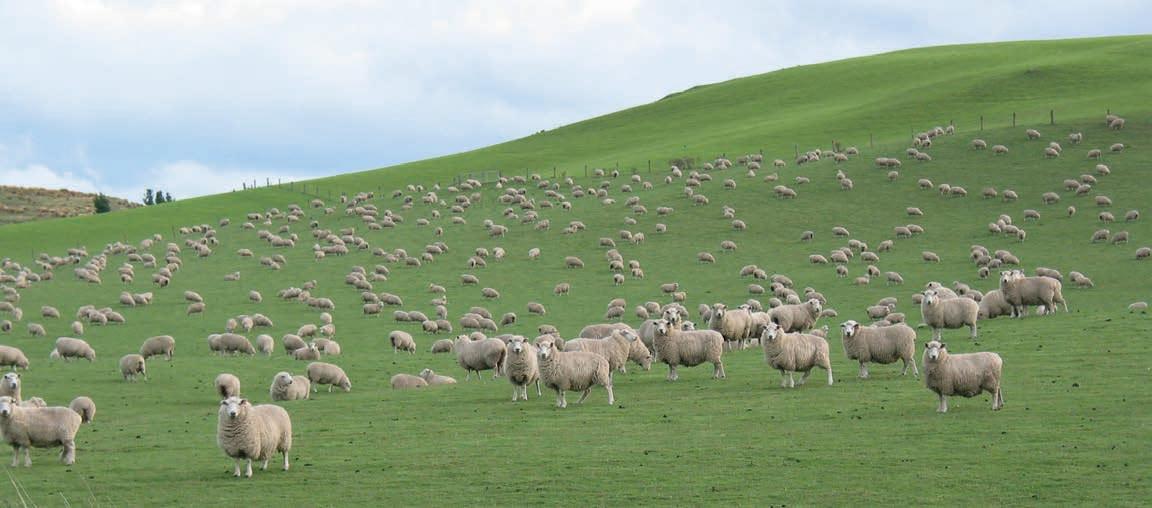
Until recently, sheep farmers may have felt their supplementary choices were limited by comparison to the vast ranges of Equine feeds. Supplementary feeds are available to suit the different classes of horses according to their stage of life, level of work and even physiological wellbeing and taste preferences.
Fortunately, the NRM sheep range has evolved and has been extended to reflect the different needs of sheep according to their stage of life, pasture supply and level of production. Whilst the NRM Multifeed and Multifeed plus Zinc are great, versatile goto products, the nutritional spread offered by the NRM sheep range will hopefully appeal to those lifestyle and commercial farmers looking
for more targeted solutions for this currently profitable livestock sector. Feed supply and animal requirements vary through the year, so mammals have evolved to lay down some fat reserves when they can, which they can mobilise when required. Extremes of body condition – either poor condition or excess obesity – are inefficient and potentially dangerous, so having a feel for the body condition score of stock and being able to manage body condition is an important husbandry skill. Don’t rely on the nutritional wisdom of stock – they will become morbidly obese given the chance and can’t hop the fence in search of greener pastures when feed gets tight. A fleece can hide a bony back or well covered rump, so it pays to handle stock and
feel the degree of fat cover. Even when flock numbers increase, it is possible to manage by exception – put the overweight ram on some tight keep and give the thin ewes with triplets and weaned lambs the best grazing available. By and large, sheep are good convertors of New Zealand pasture but supplementary feed offers a buffer against unpredictable weather and another level of nutrition, which can be targeted at those that need it the most. During the summer, a lack of water and high ambient temperatures limit pasture growth as survival becomes the plant’s primary objective. If body condition is slipping or if some weight gain is required, NRM Sheep Nuts are a useful, high grain based feed, which are typically fed at up to 150g/head/
NRM sheep range specifications day. If a drought really takes hold, NRM Summer Dry Nuts can be fed at higher rates and deliver more protein to help balance more mature conserved forages, which may have to be fed alongside limited grazing. As a 10mm nut, they are well suited to being fed on the ground with minimal waste.
If you have the advantage of sheltered paddocks or even sheds, earlier lambing can have some benefits, provided the risk of perinatal losses associated with an extreme weather event can be mitigated.
In many regions, the demand for pet lambs for rearing is so strong that maximising the size of the live lamb crop makes economic sense even if some lambs need to be sold or are kept and raised on the bottle.
Flushing ewes – raising their level of nutrition before and through mating – has long been recognised as a way of stimulating fertility, both in terms of the number of eggs released and conception rates. NRM Sheep PreTup Nuts are – as the name suggests – designed for feeding to ewes and rams 4 to 6 weeks before and during tupping (mating). If the weather or irrigation obliges by providing good quality pasture before mating, they may not be necessary but if pasture quality or supply is sub-optimal, or if ewes need an extra lift after a hard period, they are well worth considering. As catalysts that speed up reactions, trace minerals are involved in many bodily processes and hormones.
NRM Sheep Pre-Tup Nuts contain elevated trace mineral and vitamin
Sheep Nuts 12.212.2
Summer Dry Nuts 11.515
Pre-Tup Nuts 12.215.5
Triplet Nuts 12.825
Lamb Start Mix 1319
Lamb Performance Pellets 12.819
levels to help minimise the risk of deficiencies that might impact on health and fertility at this important time.
NRM Sheep Nuts are a useful supplement as lambing draws closer. Energy demand from the developing fetuses increases just as their size restricts rumen volume and dry matter intake at a time of year that pasture quality could be falling.
NRM Sheep Triplet Nuts take nutrition to the next level with elevated levels of both energy and protein. They are best directed at triplet bearing ewes, so are great for flocks that have been scanned. Improved nutrition can help the survivability of lambs by improving fat stores, lessening the risk of sleepy sickness (ketosis/acetonaemia) and improving the quality of the colostrum and the milkiness of ewes.
In 2018, NRM Lamb Start Mix and Lamb Performance Pellets were
Whenever quality or quantity of forages available is insufficient for the class of sheep being fed.
Primarily to fill a feed pinch during a dry or hot spell.
To supplement the flock prior to and through mating.
High energy and protein supplement for ewes that are carrying or feeding triplets.
Muesli style starter feed for newborn lambs.
Pellets for bottle-reared lambs from day one or after Lamb Start Mix, or for lambs on ewes that need a creep feed.
Article supplied by Dr. Rob Derrick, Lead Nutritionist. Product
launched and proved popular throughout New Zealand. With the coccidiostat Deccox, they are a good option for the commercial lamb rearing operation where this parasite can accumulate over the years but also the occasional lamb rearer who wants the added reassurance of this aid in the prevention of a potentially deadly protozoa. The 10kg NRM Lamb Start Mix option proved an attractive proposition for people with just a single lamb or as starter option for people with more lambs that wished to progress to Performance Pellets as lambs got older. Designed for bottle reared lambs, NRM Lamb Performance Pellets make a good creep feed for lambs on ewes that need some help – especially through weaning.
For further information, contact your local Nutrition Specialist.












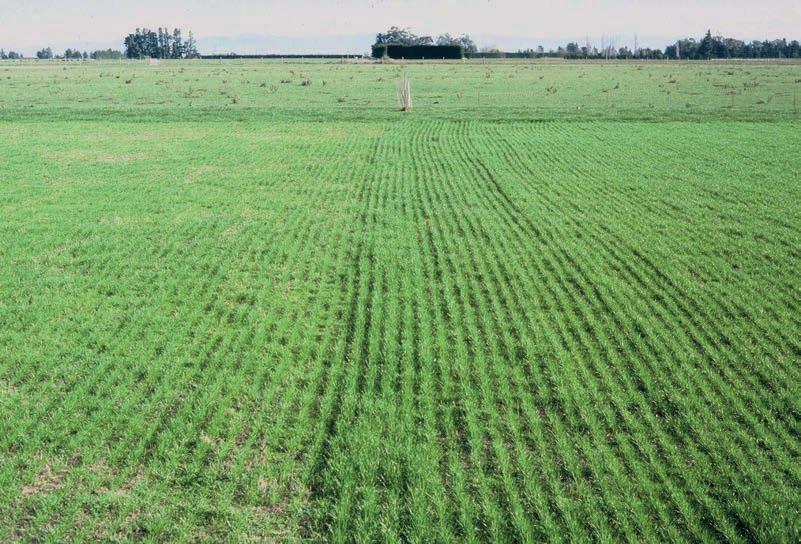
Grass grub larvae may be small but they often cause a big problem. Even at relatively low numbers, they can make a meal of your new grass paddocks in the weeks ahead, leading to major losses if not controlled.
These larvae are C-shaped and creamy white in colour with a brown head. They start at about 6mm long and finish up about 20mm long when mature. Typically, they are found in the top few centimetres of the soil, where they attack the roots of ryegrass and clover, causing yellow patches, loss of clover, stunted growth and plant death. Damaged areas can spread outwards year by year, leaving plenty of room for weeds to take hold.
The economic threshold for control of grass grub in newly sown pasture is as little as three larvae per spade square, or 75 per square metre.
Few novel endophytes provide grass grub protection and those that do are vulnerable until seedlings are well established.
Seed treatment will protect newlygerminated seedlings over the establishment period. However, for effective population control beyond a few weeks, there is another, wellproven option – controlled release suSCon Green® granules.
Farmlands Grain and Seed Agronomist Rachael Robinson, who is based in Canterbury, says a key feature of this product is its formulation.
“The beauty of suSCon Green is that it is so easy to use. There’s no smell, there’s no dust, and it’s
very good to handle,” she says.
First launched more than 20 years ago, the tiny green polymer granule remains the only grass grub control product of its type in the New Zealand market.
Drilled down the spout with new pasture seed at a recommended rate of 15kg/ha, it will protect pastures from grass grub for up to 3 years and also provides up to 2 years’ protection from manuka beetle.
The suSCon Green granules are each impregnated with chlorpyrifos insecticide. Soil moisture progressively releases the chlorpyrifos and special additives that determine the release rate are dispersed throughout the granule.
Cynthia Christie, Technical Specialist
for Nufarm, says grass grub may be one of New Zealand’s most common and costly pasture pests but that does not make them easy to control.
“You’re dealing with a pest that lives underground and is far from predictable in terms of timing,” she says.
“We’ve had seasons in Canterbury, for example, when there were no larvae present in autumn, the time we normally expect them but by June, populations had exploded and they were everywhere.”
For more information, contact your Farmlands Technical Field Officer or the friendly team at your local Farmlands store.
Article supplied by Nufarm.






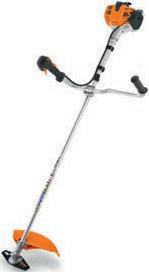


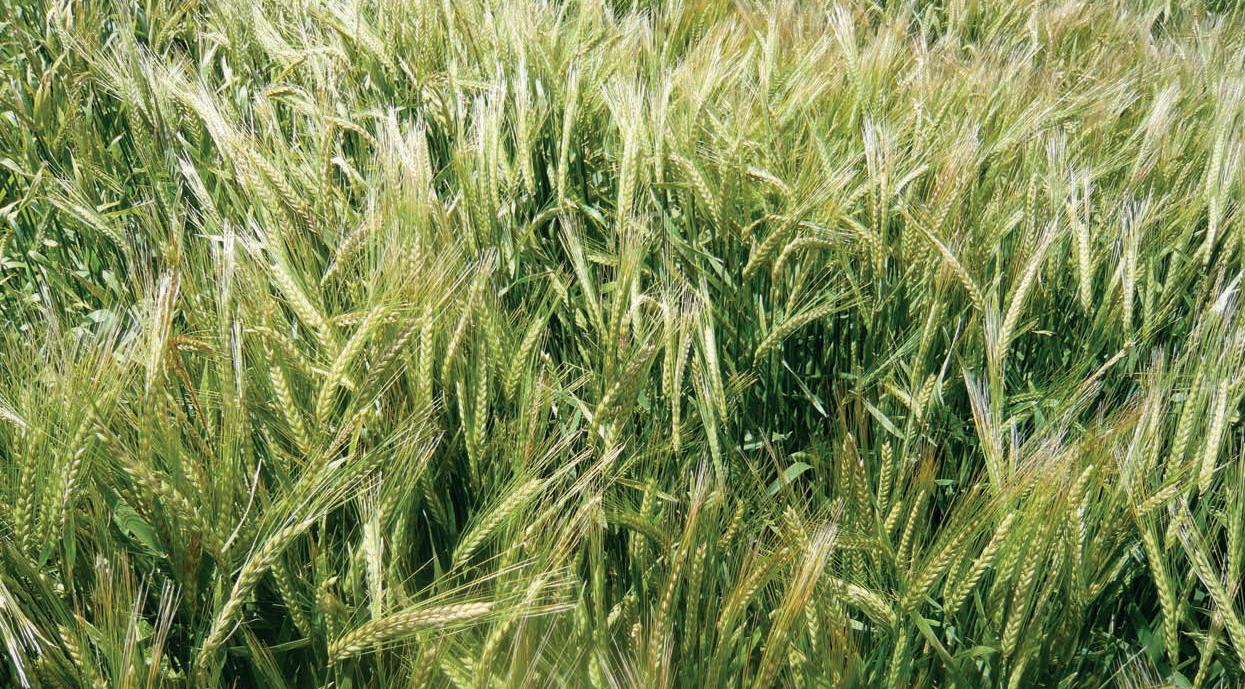
Autumn-sown cereal crops provide significant benefits and planning ahead means you will get the best from your crop.
Autumn-sown cereal crops deliver significantly higher yields and require less irrigation than their spring-sown equivalents. But to get the crop off to a good start and keep your soil in good shape, it is best to keep soil nutrient levels within optimum ranges. Get ready, get set “If you plan well ahead, you’ll have time to sort out any issues. A soil test well before the crop goes in will reveal if nutrients are below optimum levels and if the pH is okay,” Ballance Agri-Nutrients Science Extension Officer, Aimee Dawson says. Soil pH should be between 5.8 and 6.2 – wheat can handle a slightly lower pH but barley is more sensitive. Early testing of soil is important to allow time to increase soil nutrient levels and especially pH, as lime can take 6 to 12 months to break down. A range of factors need to be taken into account when determining which nutrients to apply.
“One important factor to consider is your yield potential. The higher the yield potential, the more nutrients required. For example, you need 3kg of phosphorus per tonne of grain produced, so for a 12 tonne grain crop, 36kg of phosphorus per hectare will be required. You should also consider the previous crop residue, as removing straw rather than incorporating it into the soil means you need to replace more potassium,” Aimee explains.
Sowing with phosphorus, using products such as Superten, will ensure good establishment of autumn-sown crops. Serpentine Super 7K is useful if you need both magnesium and potassium as well as phosphorus – and if you have low soil nitrogen, DAP can also be used. If you require nitrogen, phosphorus, potassium and sulphur, YaraMila Actyva S is a compound fertiliser giving an even distribution of these nutrients, as they are all contained in one granule.
It is also important to think ahead for winter conditions. In wet, cold soils when plant uptake is low, sulphur can leach. Sulphur is best remedied
in spring, once the leaching period is over. Products such as SustaiN Ammo or Nrich SOA contain both nitrogen and plant-available sulphur. Nitrogen applications in spring are important during stem elongation to promote canopy development and maintain green leaf. A rule of thumb is 25kg of nitrogen per tonne of grain. Mineral N or Deep N testing will allow you to establish how much nitrogen is in the soil, so you can determine how much you require from nitrogen fertiliser.
“Maintaining high soil fertility may not be economical or practical for some farmers. But you can stop current levels of soil fertility from declining by applying fertiliser to replace what the crops remove. Soil testing early and understanding potential yield can ensure that you get the best from your cereal crop,” Aimee says.
For more information, contact your Farmlands Technical Field Officer or the friendly team at your local Farmlands store.
Article supplied by Ballance Agri-Nutrients.









When it comes to regrassing, several options need to be considered to achieve persistence, production and animal performance.
Every region and every farm has different requirements therefore to match expectations the correct endophyte must first be chosen, considering which endophyte provides the best protection to insects which are likely to be an issue in a particular region or farm. Once the endophyte has been selected attributes such as flowering date, ploidy and palatability can be considered.
There are now several novel endophytes available and each can provide different levels of insect protection and effects on grazing animals. The differences between endophytes are mostly due to their feeding of more than one insect at any given time, particularly over summer and autumn months.
All endophytes have different effectiveness at controlling insect impacts on the perennial ryegrass. For example, Argentine stem weevil (larvae), root aphid and black beetle (adult) feeding can be found in a pasture at the same time and their combined effect can be significantly more damaging than the impact of drought on ryegrass plants alone.
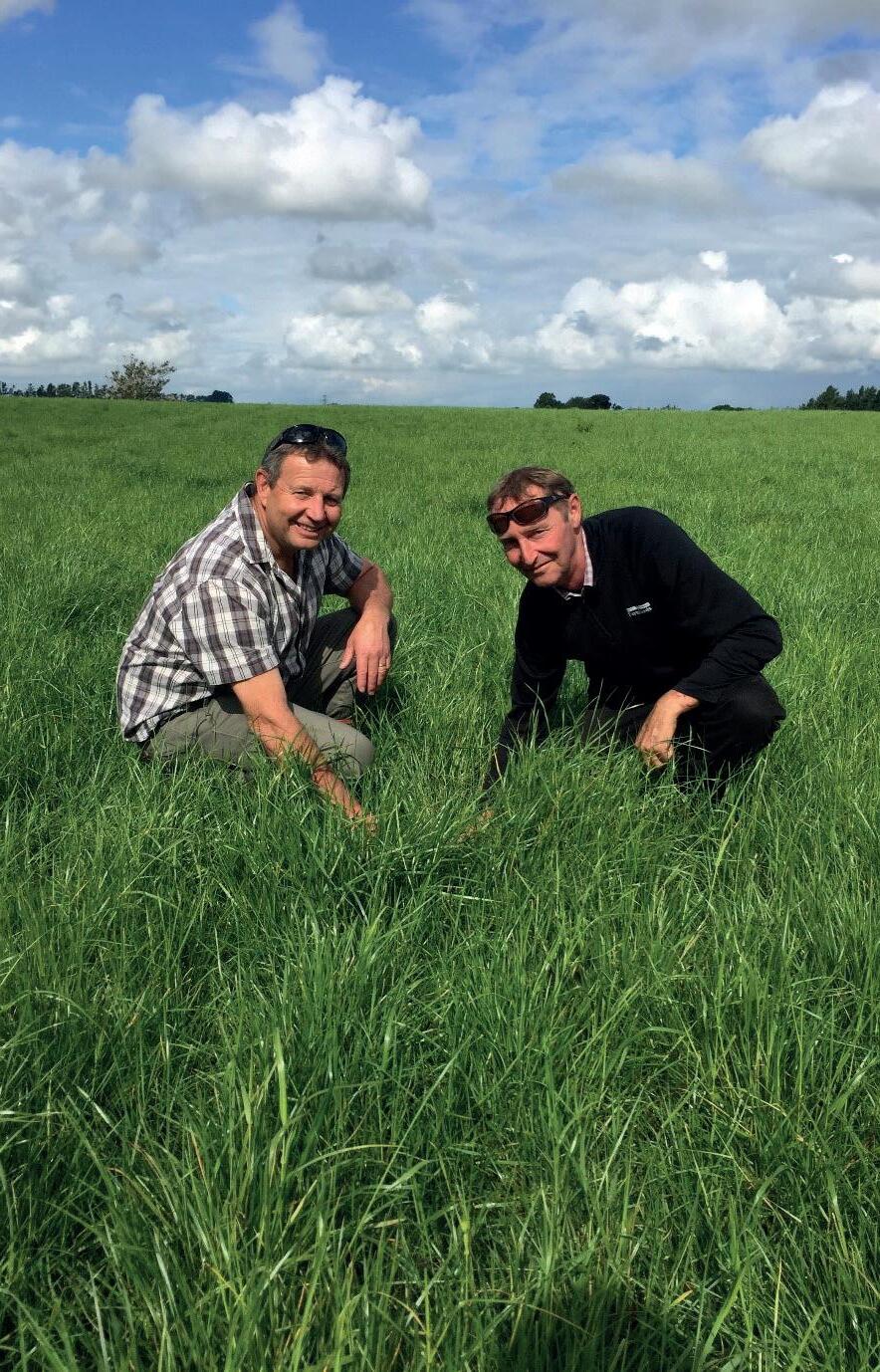
Te Awamutu dairy farmer, Noldy Rust has been utilising the advantages of ONE50 perennial ryegrass with AR37 endophyte on his dairy farm for its production and persistence.
Noldy is the owner and overseer of his 51ha effective dairy farming
property, which is currently milking 200 cows under a high-input system five operation. “We are running a high stocking rate but also trying to grow and utilise as much pasture on farm as possible,” Noldy says. Noldy and the farm manager realise that pasture production and utilisation is key, as it is the cheapest form of feed.
Noldy’s farm is vulnerable to attacks from pasture pests such as black beetle and Argentine stem weevil, therefore choosing an endophyte that will provide market-leading insect protection is the reason he prefers to use products with AR37 endophyte. “It is clear to see that the paddocks of ONE50 AR37 perennial ryegrass are yielding really well and have strong disease and pest resistance,” he says. Noldy says he has confidence in ONE50 AR37, with it being classed as a 5-star product on the DairyNZ Forage Value Index for the Upper North Island and following advice from his local Farmlands Technical Field Officer, Steve Picard. Noldy is aware the 5-star rating is a good indicator but the product still needs to prove itself in this harsh environment and show its value in a farming system –and ONE50 AR37 perennial ryegrass has been proving this to New Zealand farmers since its release in 2009.
ONE50 perennial ryegrass with AR37 endophyte has become the “goto” perennial ryegrass cultivar for both production and persistence for New Zealand farmers. The confidence shown from farmers towards production has been
backed up with the DairyNZ Forage Value Index and Agricom’s national trialling programme. ONE50 perennial ryegrass is a high yielding, persistent cultivar with great palatability and when matched with AR37 endophyte provides market-leading insect protection for perennial ryegrass. For further information, contact your Farmlands Technical Field Officer or the friendly team at your local Farmlands store.
Article supplied by Agricom.




























With three clear drivers: water use efficiency during summer, increasing nitrogen efficiency, and boosting feed quality, Ben Allomes (Equity Owner) and Nick Bailey (Manager) of Hopelands Dairies in the Tararua region are focused on improving their already high performing property.
Ben, Nicky and their four children are focused on improvement and sustainability of their farm system, their people and the environment. They also enjoy helping others around them do the same through their involvement as a monitor farm in the SFF Tararua plantain rollout project.
Day to day operation and management of the 300ha dairy property is the responsibility of Nick Bailey who is focused on producing quality home grown feed to keep the system as closed as possible. Based in the Tararua region, Hopelands Dairies is currently milking 700 cows over the peak of the season.
To increase nitrogen use efficiency Ben makes strategic nutrient applications and uses pastoral species, such as Ecotain® environmental plantain, to drive up feed quality. Ecotain is also proven to significantly reduce nitrogen leaching, with a Lincoln University Lysimeter Study showing a reduction in nitrogen leaching by as much as 89 percent from the urine patch.* Finding Ecotain a flexible forage option, Ben uses it both as a special purpose crop during the summer dry, or in a pasture mix on the dairy platform. A special purpose crop of Ecotain, like
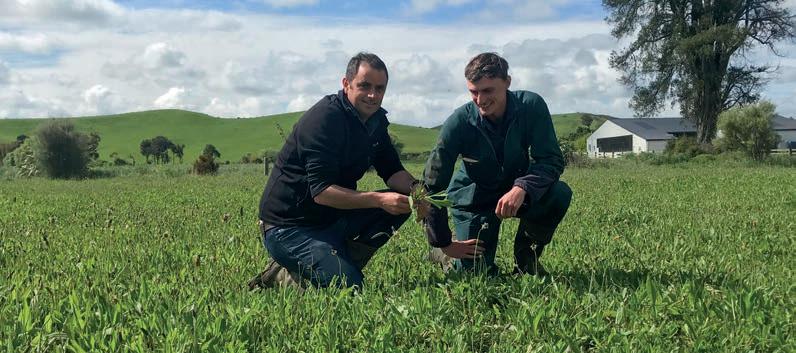
Ben implements, provides high and consistent levels of Ecotain content and fits very well as a short rotation pasture or as a break crop in a pasture renovation programme (similar in use to Italian or hybrid pastures). Ben includes 2kg of Mainstay and 2kg of Tribute white clovers in with 8kg Ecotain when using it as a crop.
“The herb can be used to maintain feed quality, as perennial pastures start to turn reproductive in late spring” Ben explains. This ensures milk production does not dip when pasture quality starts to decline. In addition, because Ecotain continues to grow into summer due to its larger root system, it also means less supplementary feed is used during the early summer period.
Ben has eliminated the herbicide challenges some farmers can face with plantain by following a specific cropping rotation. He identifies his Ecotain paddocks 2 years in advance, and those paddocks go through a fodder beet and winter oat rotation
prior to going into Ecotain crops in the spring. He finds this rotation, and the Ecotain in particular, effective at breaking the brown top grass cycle on-farm. In addition, he has also had very good results with direct drilling Ecotain on Hopelands Dairies.
Regular pasture assessments over the past few years have seen Ecotain produce 1.3 t/ha/year more than the next closest ryegrass.
“It’s ability to capitalise on summer production combined with the winter activity make it a standout for this dairy platform,” Ben says.
“Ecotain fits well on the farm and it’s now clear we are getting the environmental benefits too which is extremely important for the longevity of this farming system,” explains Ben. For further information, contact your Farmlands Technical Field Officer or the friendly team at your local Farmlands store.
*Lincoln University Lysimeter Study (Woods. 2017) Article supplied by Agricom.
Maximising sustainable red meat production per hectare on the pumice soils of the Central Plateau, with a short growing season, can be a balancing act.
However, Turangi farmer John Haywood uses several different pastures and forages to successfully breed and finish well-grown lambs and cattle within the Lake Taupo catchment nitrogen limitations.
John has leased the 525ha (effective) property from local iwi for many years. Altitude ranges from 400-600 metres above sea level, backing onto Mt Pihanga. Rolling to steeper hill country predominates, with limited flats.
Currently John runs 5,500 stock units, comprising Romney ewes and
Angus cows, plus replacements. All surplus lambs are finished, most drafted at 20+kg carcase weight in summer and early autumn.
Pure Angus steers and heifers are grown out to strict specification for a premium local trade contract, averaging 320kg (steers) and 275kg (heifers) as 2-year-olds. Up to 80 R2 cattle are bought in for finishing.
“The grass stops growing here from about May and doesn’t really get away again until the end of September or start of October,” John says. Swedes, kale, greenfeed oats, hay and baleage are used for winter feed – chicory and plantain help maintain liveweight gain in summer. Otherwise all animals are grass fed.
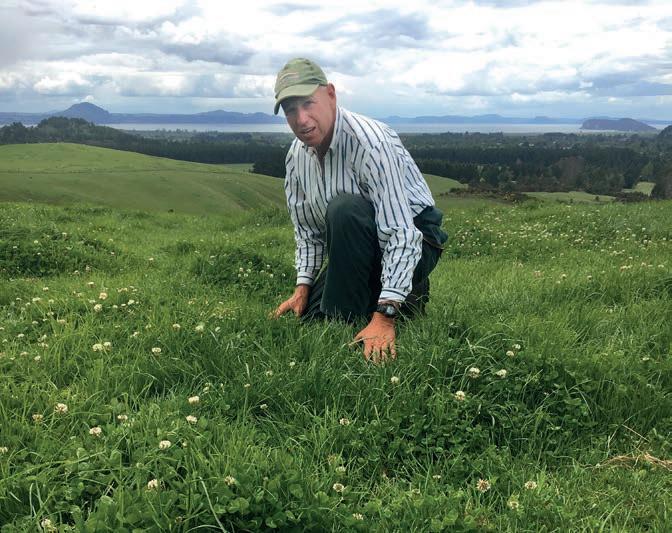
But not just any grass. Farmlands
Technical Field Officer Brian Richards and John have picked different cultivars for different parts of the farm.
“The aim is to feed more sheep on the flats through summer, so the hills can grow more for cattle in autumn and winter,” Brian explains. “We want to increase productivity overall by matching the pasture to the different classes of stock and classes of land, as well as the climate.”
That’s where Rohan spreading perennial ryegrass with NEA2 endophyte comes in. Bred for persistent, easy care pasture, it was sown 2 years ago, with Safin cocksfoot. As with all ryegrass, a minimum of 5kg/ha white clover seed was added to improve nitrogen fixation. Rohan was chosen in this case because the paddock was close to the yards, so new pasture needed to be both robust and high quality. The farm can dry out very fast because of the pumice soils, so the new pasture also needed to be able to cope with this.
John has since used the Rohan for both ewes and lambs, as well as cows and calves – and is impressed at both its yield and quality, as well as its ability to spread out and cover the ground, which helps it persist. Other cultivars used on the farm include Shogun hybrid ryegrass and Tyson perennial ryegrass.
For further information, contact your Farmlands Technical Field Officer or the friendly team at your local Farmlands store.
Article supplied by Barenbrug Agriseeds.















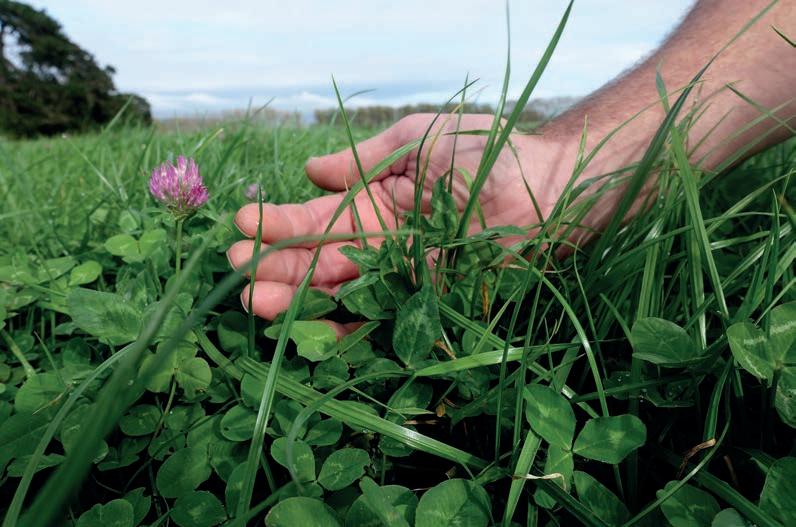
Red clover has several benefits in today’s farm systems. Valued for its nutrition, this tap rooted legume supports high stocking rates, gives excellent liveweight gain, improves nitrogen fixation and is usually more tolerant of clover root weevil than white clover.
Historically, its biggest limitation has been lack of persistence under grazing. Red clovers generally tend to last better under less intensive stocking rates, or long grazing rotations over summer, which for many farmers is impractical.
Now a new, multi-stemmed cultivar is available, which is better adapted to grazing and produces high yields, particularly in spring and summer.
Morrow comes from Barenbrug Agriseeds and was bred from parent plants that survived drought and years of intensive rotational grazing on light, summer dry North Island soils.
“Over time, those plants had adapted themselves to local conditions. Then we selected them again for the specific attributes we wanted,” Barenbrug Agriseeds Area Manager for Taranaki and Manawatu, Bruce Paterson says.
“Improved grazing tolerance has always been one of our main breeding goals for red clover, especially as we look towards farm systems of the future, which will probably depend more on keeping legumes in their pastures.”
One farmer who has already seen what Morrow can do is Manawatu Farmlands shareholder Ross Linklater, who works closely with the team at Farmlands Feilding. He sowed the new cultivar as a trial with Shogun
hybrid ryegrass in autumn 2015.
The mix went into a 60ha block near Palmerston North where he grows crop, finishes lambs and grows out Wagyu cattle.
Ross has grown red clover in his pastures for years, so he is no stranger to its benefits. Morrow has performed very well under his normal management regime, providing multiple grazings for both lambs and young beef cattle.
The Wagyu are bought in as weaned calves through First Light, then grass fed through to sale as prime 2-year-olds.
“We’re always aware of the possibility of bloat but we’ve seldom had any problems,” Ross says. “We’re careful to transition them to a
certain degree – they always go onto it with full bellies and if we are concerned that the risk is very high, we put bloat oil in their troughs.”
This particular paddock has now been sprayed out for squash but Morrow’s performance and productivity over 3-and-a-half years has impressed Ross and he will sow it again for finishing pasture on the same block.
Morrow can be mixed with other cultivars, including Shogun hybrid ryegrass and Captain cool season plantain. It can also be planted as a straight sward.
For further information, contact your Farmlands Technical Field Officer or the friendly team at your local Farmlands store.
Article supplied by Barenbrug Agriseeds.


GUTTERING & DOWNPIPE
TIMBERFENCING
TRANSLUCENT ROOFING ROLLER DOOR
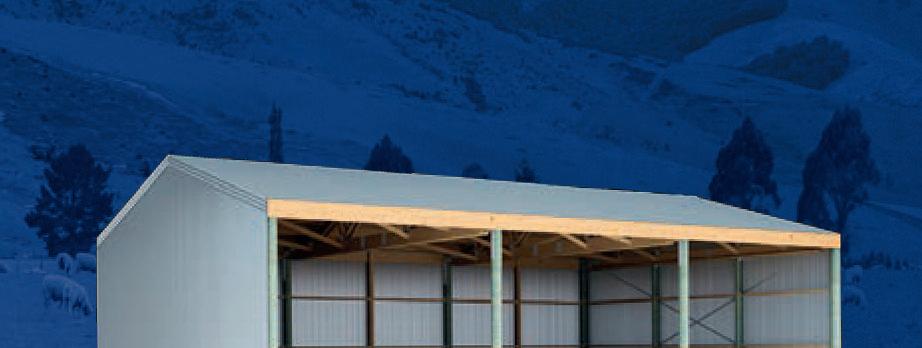
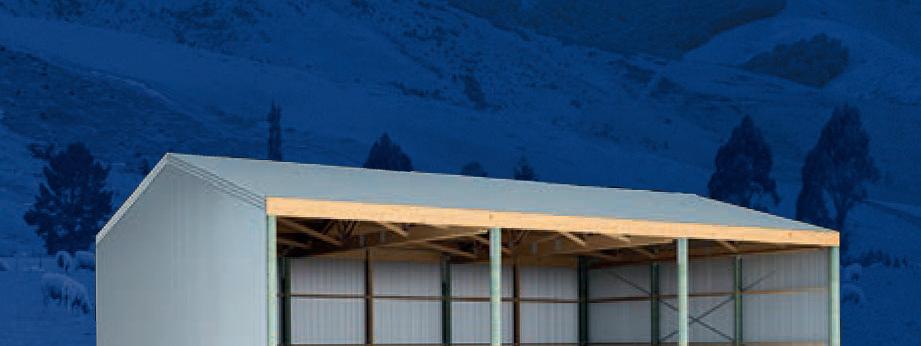






DRAINAGE COIL E L

INTERNAL WALL AL CONCRETE SLAB A

TALK TO OUR TEAM FOR PROFESSIONAL ADVICE ON THE RIGHT SHED FOR YOU. WE CAN SUPPLY KIT SETS OR HELP YOU DESIGN AND BUILD TO YOUR REQUIREMENTS.

HAVE YOU THOUGHT ABOUT...


WINTERING SHEDS • HAY BARNS • STORAGE SHEDS • STABLES • SECURE LOCK-UPS • WORKSHOPS • CAR PORTS





COLORSTEEL ® DRIDEX® & DRIDEX+ ®
· CodeMark™ approved and suitable for all types of buildings, COLORSTEEL® DRIDEX® features a unique layer of fleece. That fleece absorbs, stores and then releases moisture, eliminating the need for underlay and netting

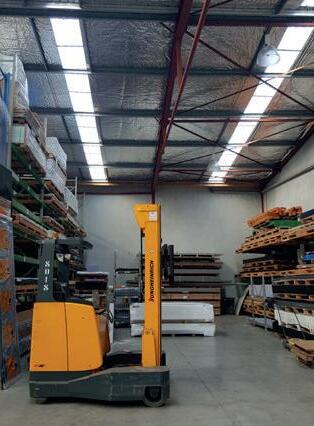

SUNTUF ® DIFFUSED POLYCARBONATE SKYLIGHTING

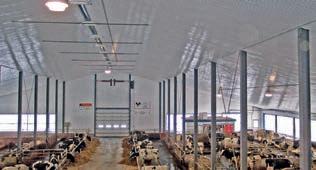




· 180° spread of light without glare
· 25 year loss of light and 20 year hail and breakage warranty
· Reduced electricity/lighting costs due to the large increase in natural lighting
· Profile matching available (MOQs apply) BEFOREAFTER
INTRODUCTORY OFFER
AG-TUF ® PVC LINER
· Excellent chemical, weather & UV resistance
· Will not rust or corrode
· 10 year warranty
· Ideal for dairy/livestock sheds and storage areas



Annual ryegrass is a profitable crop for many farms and large areas will be planted this autumn.
This grass species is very productive, with fast establishment and much higher pasture production than from perennial pastures over winter and spring.
In many cases, farmers will be sowing annual ryegrass into paddocks that have been in crop over summer (e.g. maize or chicory). In other situations, farmers will spray out old pastures and drill annual ryegrass to both generate extra feed and also prepare the paddock for crops in spring.
Annual ryegrass provides extra grazing over winter and is also used to generate high yields of silage in spring. With costs as low as $200 per hectare and feed production worth over $2,000, it is obvious why this is such a popular way to make money on farms. It is simple to use – just use high seeding rates (e.g. 30 kilograms per hectare, as the seed size is large and yield will be reduced at low rates), some nitrogen fertiliser in winter and early spring, then graze and/or harvest as silage.
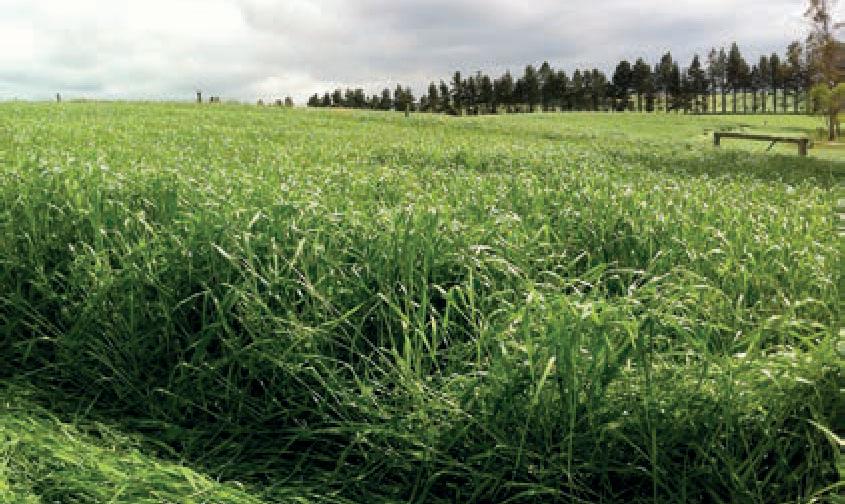
Jivet is one of the most popular annual ryegrasses, as it has rapid winter growth, combined with extended production in spring and very high feed value for silage.
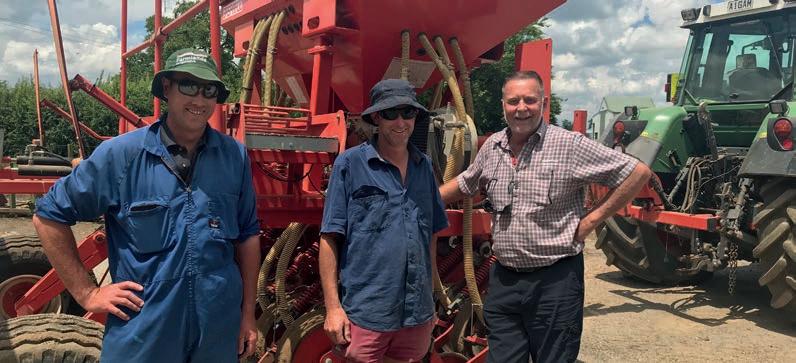
As well as the abundance of winter grazing, another feature that impresses farmers is the superior quality of silage from Jivet. It has late heading date, meaning more leaf and less stem at harvest and therefore more energy. This also allows for more flexibility when harvesting silage in spring. If harvest is delayed due to rainy weather, Jivet will continue to hold quality even at high crop yields. Farmers are impressed that even when the crop might be a metre tall, there is an abundance of leaf down to ground level and stems remain green and soft. This ensures reliable results every year, both in terms of grazing and silage yield but also feed quality of silage. Richard Beaver, the Cropping Manager for a farm owned by Emaline Trust, has
been very pleased with results from Jivet after having it recommended by his Farmlands Technical Field Officer, Brett Turner. “When we tested our Jivet silage, it was the best feed quality we have ever seen for late harvest of annual ryegrass,” Richard says. “High quality grass silage is so important to us, we really rely on it in the summer months while we are milking.”
The high quality of feed that Jivet produces has been proven to result in improved animal performance.
A trial conducted at the Penfield Research Station near Adelaide found that cattle grew quickly, with daily weight gain of 1.6 kilograms per head, 15 percent faster than some other cultivars compared in the trial. For further information, contact your Farmlands Technical Field Officer or the friendly team at your local Farmlands store.
Article supplied by DLF Seeds.











Planning ahead and having a robust facial eczema preventative plan in place is key to protecting livestock from the insidious disease that is facial eczema (FE).
The most favourable conditions for the growth of spores that cause facial eczema are moisture (rain) and night temperatures above 13°C for at least 3 nights in a row. Dead pasture material at the base of the sward is where the Pithomyces fungus grows, producing millions of spores.
Facial eczema presents as a sudden drop in milk production, skin irritation of the white areas, swelling of the ears and muzzle and seeking shade or restlessness. This is caused by the liver being unable to detoxify chlorophyll, leading to levels in the blood rising dangerously high and causing a “secondary” photosensitisation.
This damage occurs quite soon after the spores are ingested, though it may take a few weeks to see the clinical signs. Waiting for animals to be affected before taking action will cost you a lot of lost production.
Spore counts can rise earlier in the season than traditionally expected, dependant on weather conditions. If the spring is warmer than usual then you need to be alert prior to Christmas.
The facial eczema challenge can be monitored using pasture and faecal spore counts. Regional pasture spore counts are monitored over the summer and these are a guide to what may be happening on your farm. It is important that you know the location of your regional monitoring sites, so
you can relate this to your farm.
Once these regional counts are trending towards 20,000, begin monitoring at least four paddocks on your own farm. When the counts on your farm are trending towards 30,000, prepare for zinc supplementation of your livestock.
The Time Capsule® was developed by AgResearch as a convenient manner of administering a consistent dose of zinc for long periods. The bolus is coated in beeswax, which leaves no residue in the rumen and provides effective protection within days of administration. Once administered orally, the bolus sits in the rumen and the zinc is dissolved, providing sufficient zinc to protect cattle for 4 weeks and sheep for 6 weeks. After this period, a further bolus can be administered. To ensure the correct dose is
delivered, the Time Capsule comes in convenient sizes to match the bodyweight of your sheep and cattle. The Time Capsule is an effective and proven method for preventing facial eczema and has been reliably protecting sheep and cattle in New Zealand from the effects of facial eczema for more than 20 years. Prevention is not just better than a cure, it is the cure. Once facial eczema has affected livestock, nothing can be done to repair all the damage to the liver. Don’t leave it to chance this season, prevent facial eczema before it impacts your farm. For further information, contact your Farmlands Technical Field Officer or the friendly team at your local Farmlands store.
Article supplied by Agritrade.
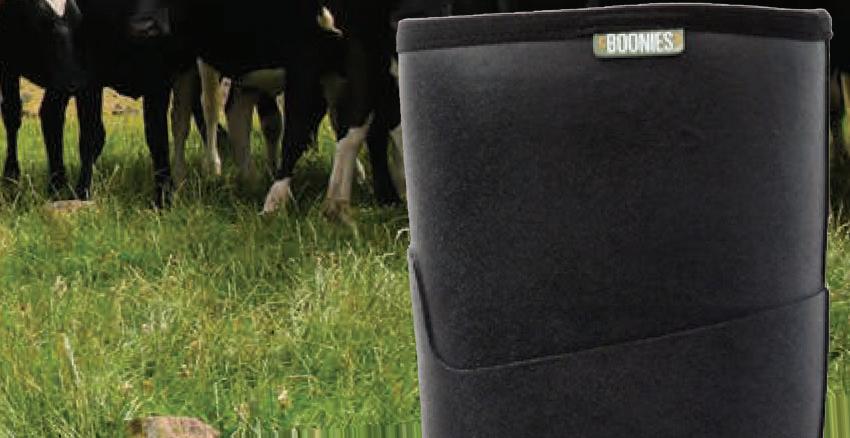
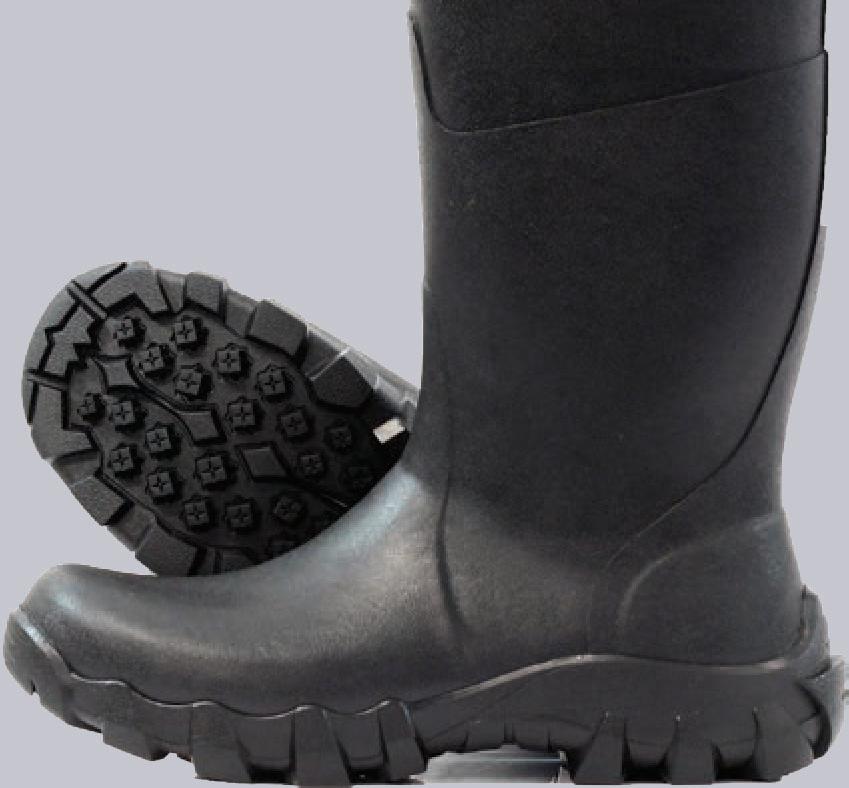
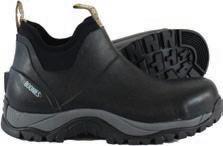
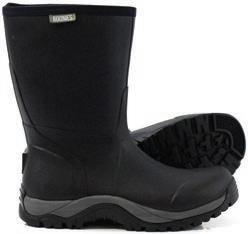
Grunty boot
Added rubber up sides and over the toe for maximum durability
Best grip yet with mud dispersion cleats
New breathable lining

New spade guard for added strength
Solid rubber heel for grip
3mm neoprene lining for added warmth
100% waterproof




33.99
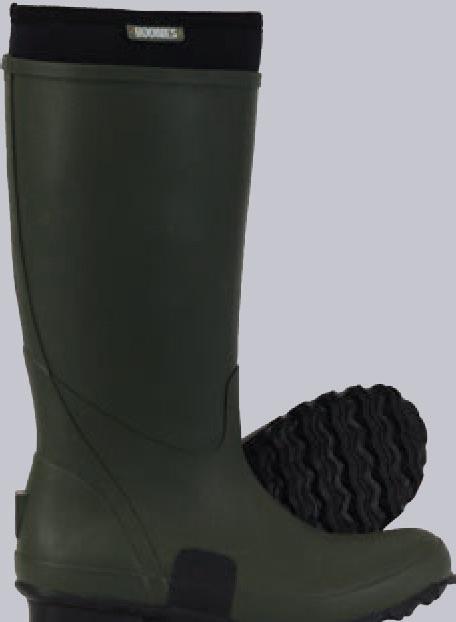
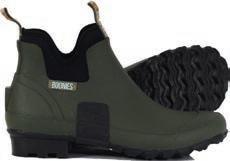
Now in smaller sizes for women and youth, sizes 5-13UK
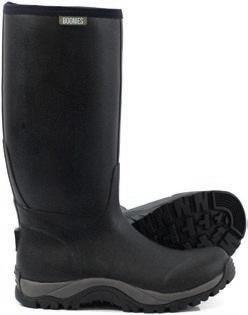
Lightweight and super comfortable


Non-marking sole 5mm neoprene lining for added warmth





Last November and December the country had a good soaking of rain, which was a blessing for additional pasture production, especially in the traditionally dry East Coast region. As a result, you may have held on to more lambs than usual since weaning. It is good to have such options but how does this decision impact your farm from a parasite perspective?
After weaning, ewe immunity will improve as they put condition back on, with a subsequent reduction in faecal egg count. The lambs however, are a different story. Lambs are like worm factories as, unlike the ewes, they have an immature immune system and worms are able to breed freely within them. Consequently, there may be millions of infective L3 larvae on pastures. Pastures with high larval burdens can cause big problems for young stock, especially in autumn. The more lambs you carry on your property, the greater the number of worm larvae there will be. The worm to watch out for in summer and autumn is the Barber’s pole worm (Haemonchus contortus), which is slightly different to other worms. This parasite sucks blood from the host rather than feeding on the gut lining. The female is a prolific breeder, producing up to 10,000 eggs per day. The infective stage can develop rapidly on pasture in as little as 7 days under the right conditions (i.e. humid and moist).
What might you notice if this worm is causing problems? When shifting
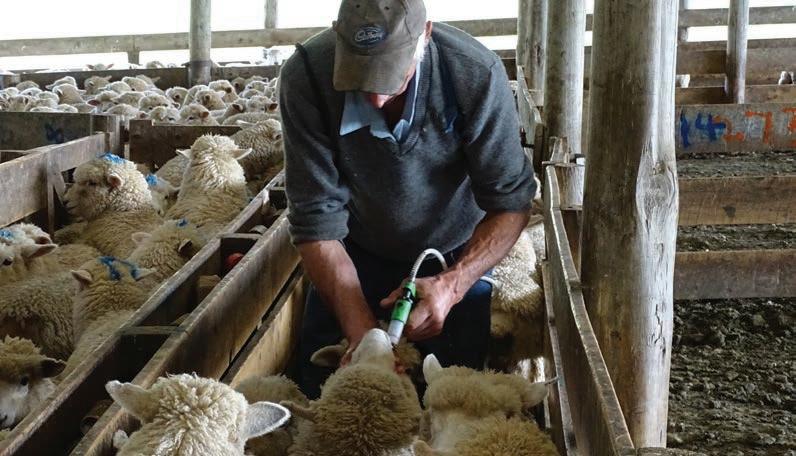
a mob they may be slow, lethargic and reluctant to move very far. They may also have very pale gums and conjunctiva (tissue around the eyeball). Less severe infections may cause loss of appetite, reduced weight gain or weight loss. Preventing the buildup of Barber’s pole on pasture is key to its control. Cydectin® Oral Drench for Sheep is an ideal choice, as it continues to kill incoming Barber’s pole larvae for 35 days after a single dose. It also kills Teladorsagia (Ostertagia) circumcincta larvae for at least 21 days. This persistent activity prevents a larval build up on pasture and allows animals to grow faster. Trial work has shown Cydectin treated animals grew 60-87 grams a day faster than those that received a short acting drench1 –a big weight difference over a month. Fortunately, there have been no
reported cases of Barber’s pole worm being resistant to moxidectin, the active ingredient in Cydectin2. To reduce the risk of drench resistance when using Cydectin, ensure your last autumn lamb drench is short acting, contains actives different to the “mectin” family and is fully effective. If you are not aware of your drench resistance status, your “exit” drench should ideally be a triple, or one containing a new active ingredient. For further information, contact your Farmlands Technical Field Officer or the friendly team at your local Farmlands store.
1. Murphy, A. W. and McDonald, R. (1994). A comparison of production responses in lambs drenched with moxidectin or ivermectin. New Zealand Journal of Agricultural Research, 38, 221-224.
2. McKenna, P. (2018). Update on anthelmintic resistance 2016-2017. Vetscript, June.
Cydectin® is a registered trade mark of Zoetis. ACVM No A6204.
Article supplied by Zoetis.






As Farmlands has grown its presence in the New Zealand viticulture sector, we have also been broadening our shareholder offering of winery-specific products.
While our product offering commenced over three years ago, our ability to offer significant experience and advice was greatly enhanced when Chris Young, a vastly experienced winemaker, joined our Blenheimbased team as a Technical Advisor (Winery) prior to vintage 2018. Chris is passionate about the art of winemaking and with 28 years of experience in viticulture and wine production under his belt, he has the knowledge and understanding required to service the wine industry to a high level. Starting initially with two vintages in Martinborough, Chris found the art of winemaking to be his passion. After graduating with a Bachelor’s degree in Viticulture and Oenology from the University of Adelaide
(Roseworthy Campus) in Australia, Chris then moved to Marlborough where for 24 years he worked as a consultant winemaker and wine educator.
Although reluctant to raise this himself, a little homework reveals he has had some recognition at national and international wine shows over the years. During this time, Chris was also involved in Oenology and Viticulture education, both at NMIT and as a lecturer for Lincoln University (based in Marlborough). Chris believes a good winemaker must have an intimate knowledge of viticulture, and as such he has spent much time in vineyards over the years. He believes the winemaker’s challenge is to attempt to capture the full potential of the grape through to the bottle. “Less is often more where winemaking is concerned.”
Chris has an adage “you can’t make great wine from poor grapes, but you can certainly make poor wine
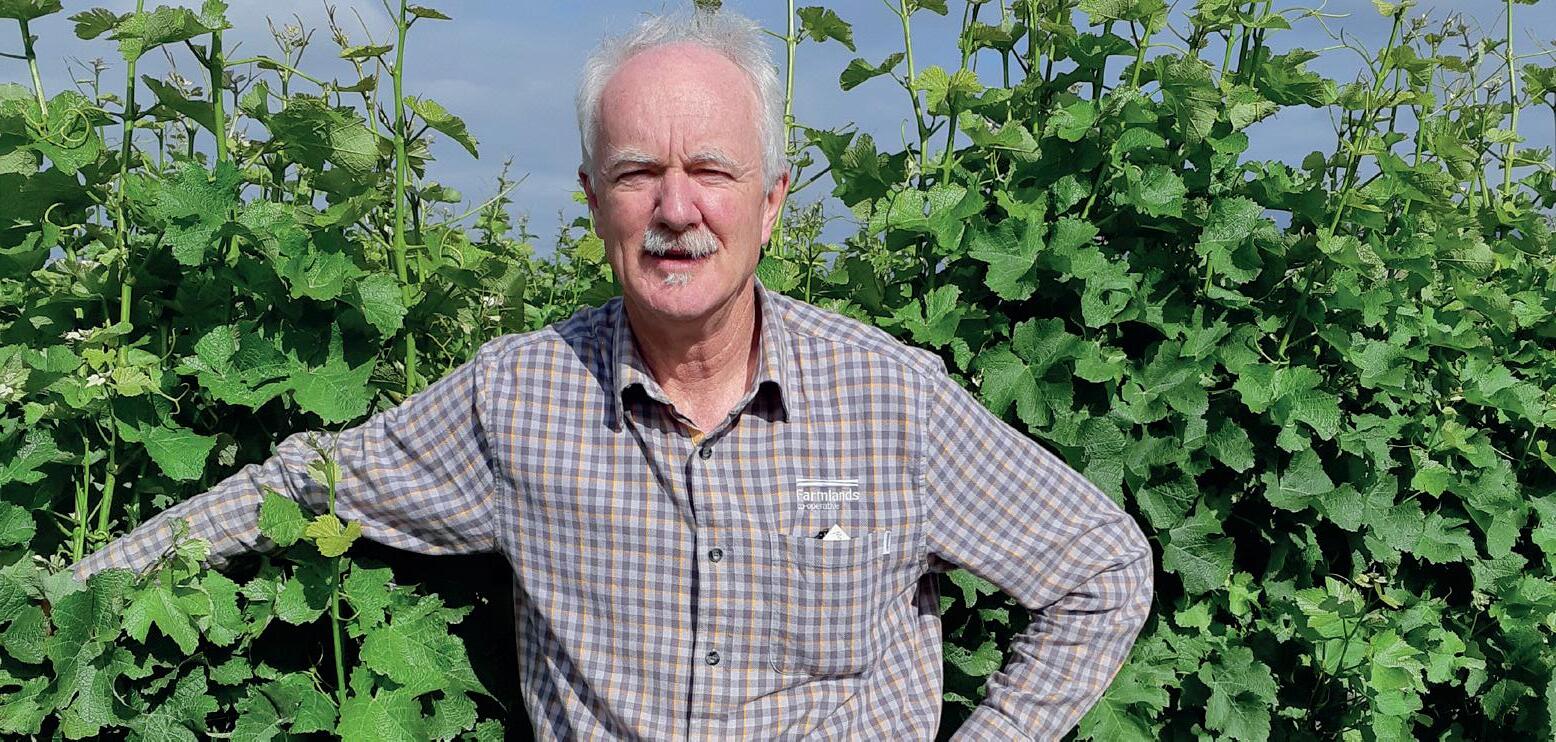
from good grapes”. An important component of a great vintage is an intimate knowledge of the crop through the growing season, before setting to work with the raw material to get the best result. This coupled with strong wine technical knowledge and experience provide the key to a great finished product. While Chris is based at the Farmlands Blenheim branch, he has a national oversight for Farmlands winery products. Chris is therefore available to discuss requirements for other grape-growing regions. He is working closely with Farmlands Technical Advisors in other key grape-growing regions to provide appropriate technical support, ensuring a high level of service is provided.
Supporting Chris in his Blenheim base is Technical Advisor, John McGinlay. While John’s prime focus is on viticulture in Marlborough, his experience in winemaking provides excellent back up support (both local and nationally). John has excellent winery product knowledge.
In addition to the standard array of winery products, Chris will be very happy to discuss some of the innovative cleaning products Farmlands has brought to the New Zealand market, which are manufactured by EasyClean Chemicals (Melbourne) and gaining a strong following nationally. For more information, contact your Farmlands Technical Advisor or the friendly team at your local Farmlands store.
It can be hard for farmers to focus on production gains in amongst the day-to-day running of the farm. Taking into account time pressures, there is a constant need to bring farmers technological solutions that maximise time, boost productivity and leads to more enjoyable, simpler farming.
Farmlands and Allflex have teamed up to offer shareholders an innovative Animal Monitoring solution. It offers farmers actionable information on the health, reproductive, nutritional and wellbeing status of individual cows and groups.
Both Farmlands and Allflex know that for many farmers, new technology can seem quite daunting. Many assume the set up and learning curve will take too much of their time. However, technology is the forefront of innovation and to grow and maximise production in less time,
farmers need to embrace technology.
Shareholders James and Rosie Pelham of Acer Properties have done just that. Milking 600 Friesian X cows as part of a Putaruru-based equity partnership, they started using the Allflex Animal Monitoring system in August 2018.
The Pelhams say the main reason for purchase was mating, with a goal to limit the time commitment by using the reliability and constant monitoring of the collars to identify cows that are on.
“We chose Allflex over competitors because it was proven technology and we preferred the software,” James says. “It also needed to work with Protrack drafting gates and we knew this system was working well with the gates on other farms.”
This year, the Pelhams decided to use short-gestation semen and make the move to full artificial breeding. The system allowed them to sell their bulls
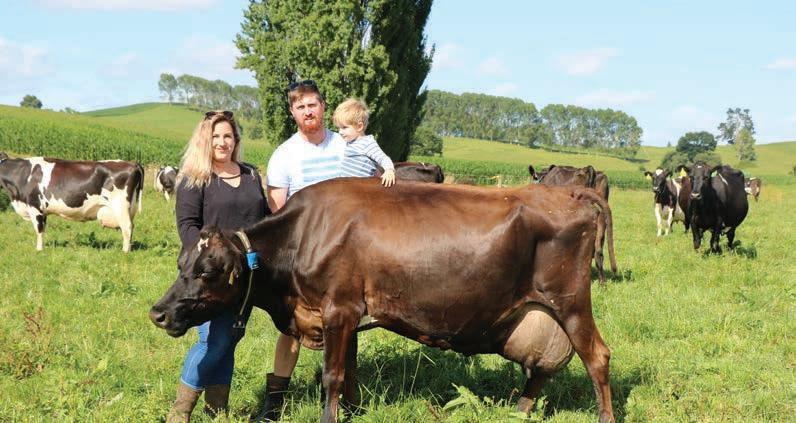
(now not required), with the proceeds helping to pay off a part of the system.
“Our submission rates are on par and the system works with the automatic gates to draft out the cows that are on heat each morning for us. Before the collars we simply used tail paint,” James says.
“We check it in the morning before milking to see how many cows are on and then check on mobile phone throughout the day and keep an eye on health alerts and rumination patterns.”
The Pelhams were proactive in teaching themselves about interpreting the data and the support available with the system. While they are still learning, the system has detected health issues before they become visible and has been a great back up for fresh cows.
“We use the data to check if some cows should stay in the colostrum herd longer,” James says. “We can see when the grass changes and there are visible changes on the rumination graph. This enables us to make adjustments with the ration to help with that.”
They recommend the Allflex system to anyone looking at improving their production and are looking to upgrade to the group monitoring plan, to get even more information. “The system does everything it says it can do and with the savings around mating by using short-gestation semen and selling bulls, it will easily pay for itself.”
For further information, contact your Farmlands Technical Field Officer or the friendly team at your local Farmlands store.
Article supplied by Allflex.
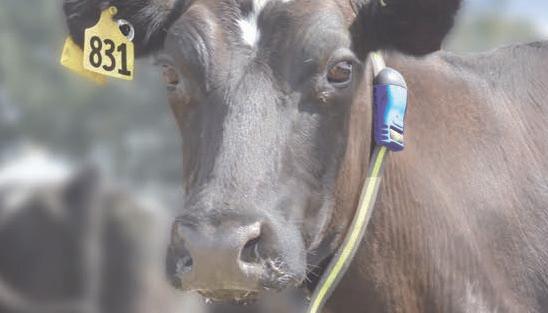
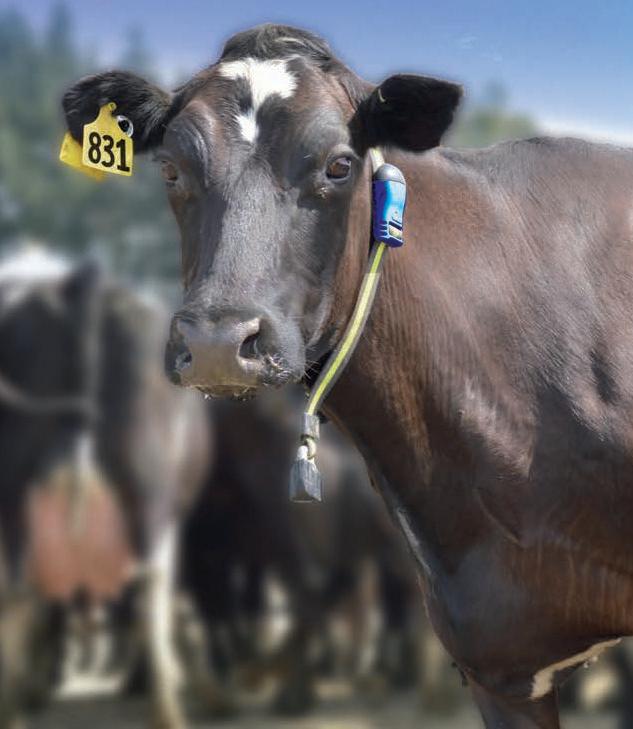














A new solution from the world leaders in livestock monitoring and identification.
• Unmatched heat detection accuracy
• Actionable insight for proactive, individualised health management
• Advanced group monitoring
• Choice of neck or ear tags
• Flexible application plans – Starter, Advanced and Premium*
• Multiple user device options – mobile, tablet, PC and SenseHub Panel
• One-box installation
www.allflex.co.nz
*Application plan level availability may vary between regions.
For further information, contact your Farmlands Technical Field Officer or the friendly team at your local Farmlands store.



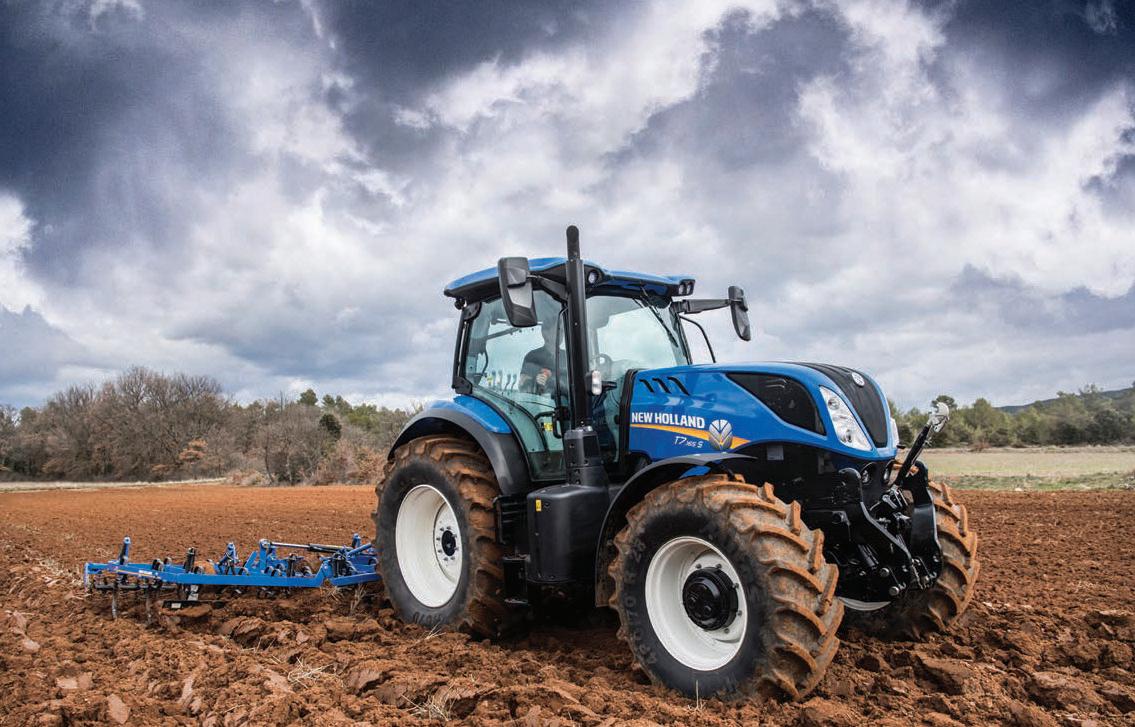
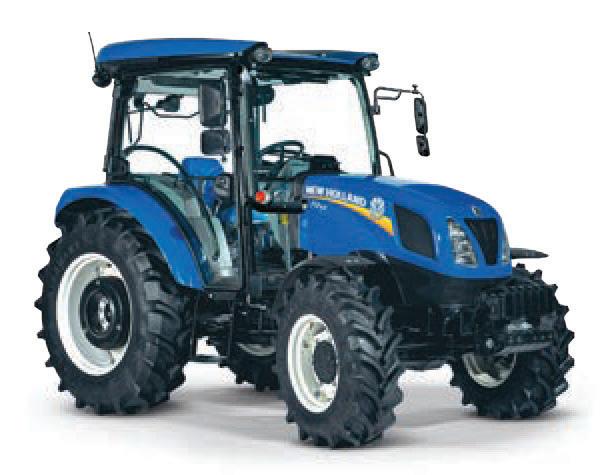



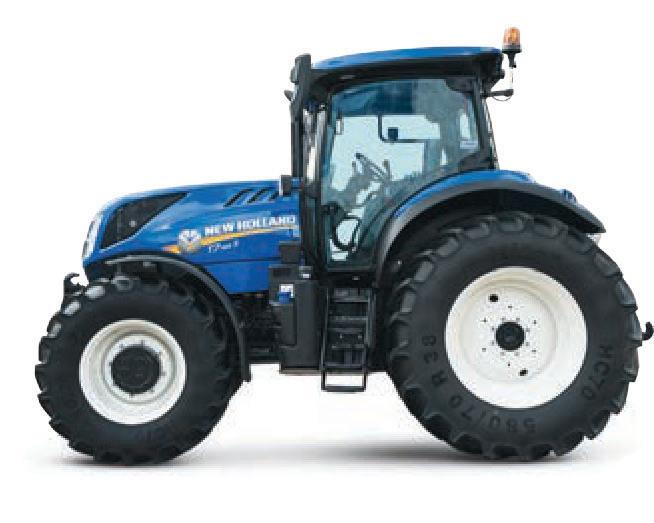
An ambitious project aiming to introduce wild kiwi into the backyard of Wellington is taking communityled conservation to the next level.
The Capital Kiwi project has a clear vision – create a landscape in the backyard of our capital city where kiwi can be re-introduced. This will primarily be achieved by removing the kiwi’s mustelid predators (stoats, ferrets and weasels) from 23,000ha of the lower North Island, spanning farmland, forestry and the Meridian wind farms. It is a bold initiative that is being driven and managed by dedicated community conservationists. The large-scale conservation project will use 4,400 pest traps in its defence line to catch predators. One third of these traps are the DOC-250s, a larger trap that targets ferrets, while the remaining two thirds of traps are Goodnature A24s, which will target stoats. Kiwi weighing more than one kilogram (typically more than six months of age) can fend off predators such as stoats and possums, but not dogs and ferrets. In unprotected areas only four or five kiwi chicks out of every 100 make it to that fighting weight, with stoats the main culprit. Constant predator control is crucial to the future of endangered native species.
Capital Kiwi project founder Paul Ward says “Capital Kiwi is a bold initiative for Wellington and New Zealand as a whole. The vast majority of our project area is private land – the project can’t exist without landowner support. It’s about farmers, iwi and locals doing their bit to be kaitiaki of their backyard.”
Stage one is well underway – 850 traps have been set across 6,000ha of private land including Terawhiti Station, Kinnoull Station and the Makara Farm in Wellington’s southwest. Traps are already having an effect, having snared dozens of stoats – among other pests – in the first month of active trapping. The stoat traps are humane and aside from setup, require minimal labour. They work by:
• Self-resetting up to 24 times before they need to be reloaded (a world-first)
• Killing pests humanely (both stoats and rats)
• Providing constant control
• Killing more targets than traditional traps
• Reducing trap checking
• Logging all trap kills and sending an alert via smartphone technology.
“The traps are a tool to enable landowners to get onboard with this project,” says Mr Ward.
Capital Kiwi is a charitable trust and works in close partnership with Predator Free Wellington, a collaboration between the NEXT Foundation, Greater Wellington Regional Council and Wellington City Council. With the conservation tech company Goodnature based in Wellington also, this is truly a community-led project.
Goodnature Co-founder and Design Director Robbie van Dam says, “We’re excited and honoured that our A24s are being used in Capital Kiwi’s mission to bring our national icon back to Wellington, by helping
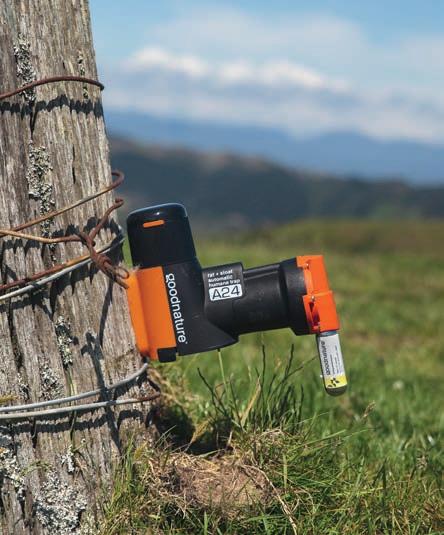
to remove the pests that predate them and specifically to eradicate the area’s stoat population.”
Capital Kiwi is just one of a range of regional projects helping to make New Zealand Predator Free so native species can flourish – it is one of five landscape-scale projects partially funded by Predator Free 2050 Limited. From farms to cities to untouched bush reserves, anywhere can be transformed into a sanctuary for native species with the right mix of tools, traps and community spirit. For further information, contact your Farmlands Technical Field Officer or the friendly team at your local Farmlands store.
Article supplied by Goodnature.
Mark Elliotte, Farmlands’ General Manager – Grain and Seed, reflects on the successes of the season.
Following the volatile weather across the country prior to Christmas, the arable harvest and autumn sowing season is now upon us. The Farmlands Grain and Seed team is ready to assist you with your autumn agronomy needs – whether it is buying or selling grain or seed, assistance with selecting your autumn arable or forage seed variety, chemical product, fertiliser requirements or managing your spring sown crops.
Farmlands publishes a Seed Buyers’ Guide every 2 years and this year, in addition to the printed guide, I am excited to introduce our Farmlands Seed Buyers’ Guide app. The app is
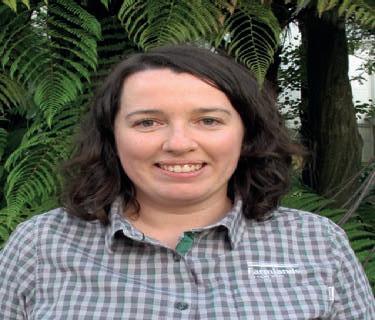
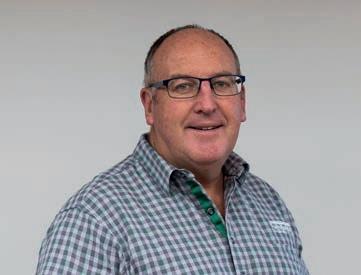
the first of its kind and is a revolutionary new tool that provides seed variety information at your fingertips, quickly and easily. The information contained in the app comes from a central seed variety cloud database. This allows the app to be automatically updated with the latest information, such as new seed varieties. Our Seed Buyers’ Guide app also works without internet coverage, which is essential to enable on-farm use. As well as comprehensive information on more than 200 seed varieties, the app features a section on weed and pest identification and a sowing mix rate calculator. Users can also add seed varieties to an
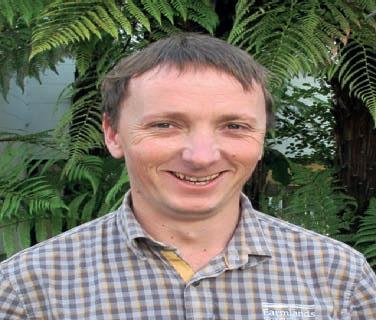
enquiry form that is sent directly to the Farmlands Grain and Seed team. The Farmlands Seed Buyers’ Guide app is available to download now from the Apple App Store and Google Play. Another success for the Farmlands Grain and Seed team in 2018 was attaining nationwide coverage with our Agronomists. We have an experienced team of agronomy experts available to assist you with all of your agronomy and farm system needs. Following the retirements last year of two of our Grain Traders, Gary Mitchell and Clayton Howard, we welcomed Michael Bennet (based in Invercargill) and Carmel Burgess (based in Ashburton) to the Grain Trading team – joining Sarah Watson (based in Ashburton) and I. Michael and Carmel both have considerable arable industry experience and trading expertise from previous roles as Senior Arable Technical Field Officers at Farmlands, as well as previous roles with other grain and seed merchants.
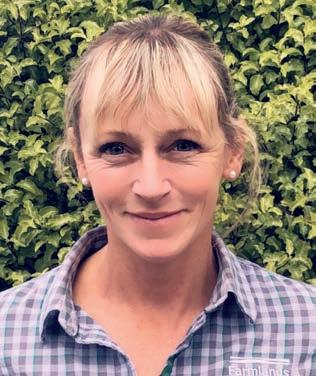
Products to focus on sowing this autumn:
• All ryegrass varieties included in the FVI 5 Star category
• AR37 ryegrasses
• Morrow or Relish red clover
• Cereal seed
Elton Mayo (based lower North Island) has been appointed as the North Island Lead Agronomist and will manage the North Island Agronomists. Rachael Robinson (based Canterbury) has been appointed to the South Island Lead Agronomist role to lead the South Island team. They both have vast forage and arable agronomy knowledge and industry experience and are well respected in the agricultural sector.
A number of Agronomists joined us during 2018 – Brian Cornish (central North Island), Guy Mason (northern North Island), Huw Murray (Otago) and Matt Smith (North Canterbury). They join Sam Lucas (northern South Island), Phil Johnston (Canterbury), Tim White (Canterbury/Southland) and Dave Schrader (South Canterbury/Otago/ Southland). Our Agronomists all have a wide range of agronomy experience and expertise and are available in their respective regions to assist with your seed, chemical and fertiliser needs in variety or product selection, crop establishment, management and use. The Farmlands Grain and Seed team can help you with all of your agronomy needs. Contact your Farmlands Technical Field Officer or the team at your local Farmlands store today for further information about our agronomy services.
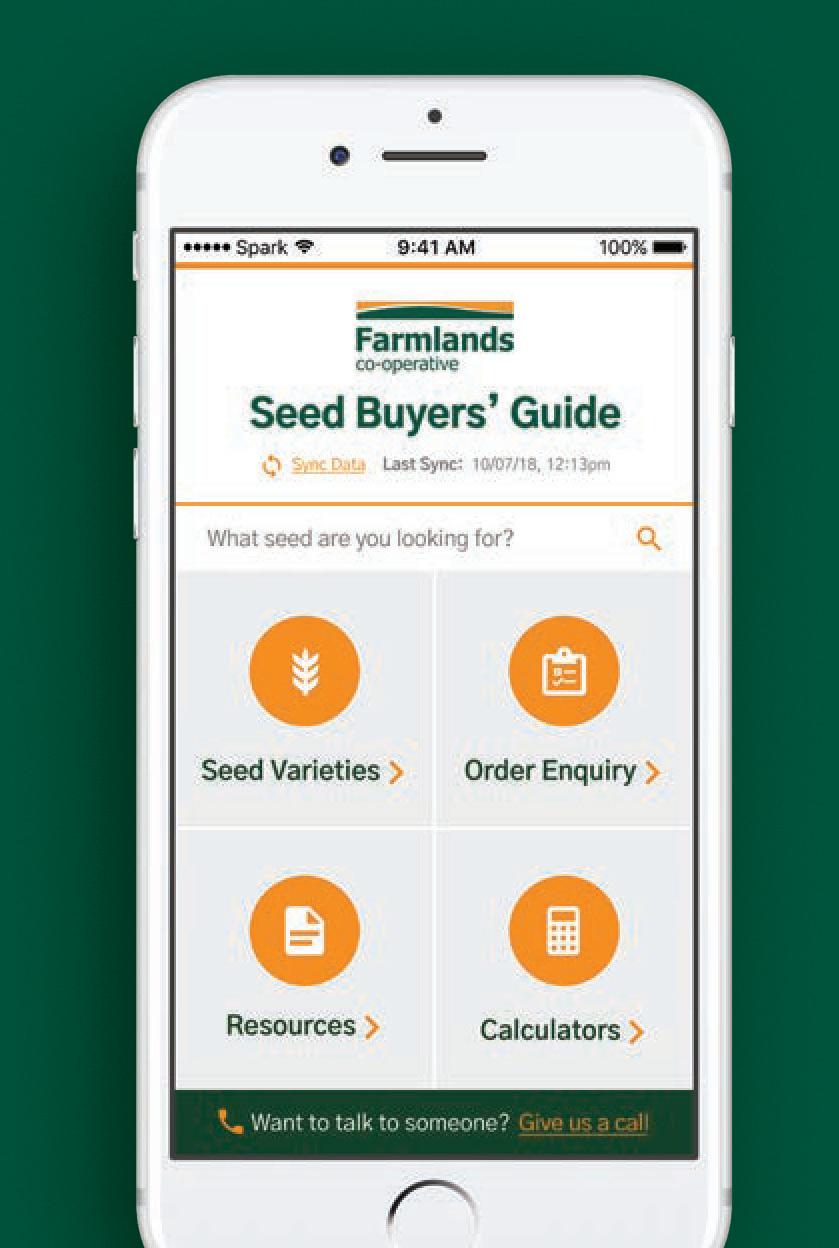



Farmlands Co-operative and Silver Fern Farms Co-operative are pleased to welcome applications for our award-winning rural governance and leadership programme – To The Core.
This unique programme has been designed for Farmlands and Silver Fern Farms shareholders and gives participants an opportunity to learn more about governance in our co-operatives, as well as develop the skills needed to operate at board level.
Where: Farmlands Co-operative Support Office, 535 Wairakei Road, Burnside, Christchurch 8053
When: Wednesday 19th June – Friday 21st June 2019 Programme fee: $495 plus GST. Accommodation and all meals during the course.

The programme features an outstanding line up of top speakers, as well as opportunities to discuss issues impacting boards. Topics include:
• A perspective on agribusiness co-operative boards: strategy and structure
• How to navigate boards through risk and market disruption
• The future of farming and impacts for boards
• Lessons learnt from being a new board Director
Shareholders of both co-operatives are invited to apply for positions – numbers are limited.



If you have any questions about To The Core, please contact Clark Taylor (Shareholder Relations Manager, Silver Fern Farms) on clark.taylor@silverfernfarms.com or 029 914 5060
Applications close 22 February 2019

The holidays are over, the relatives have gone home and the kids have gone back to school – and now it’s time to turn attention to late summer harvest.
Agricultural Sector Lead for WorkSafe, Al McCone says that usually means bringing the heavy machinery out of the shed – or contractors bringing heavy machinery onto the farm.
“With large machinery come large risks, which need to be managed well. February in New Zealand sees high rates of workplace accidents in agriculture, including people being injured by hitting stationary objects or being hit by moving objects,” Al says.
The month also has the highest rate of incidents of people being injured through being trapped in moving machinery or equipment.
“Farmers are towing heavy loads and moving large plant around farms where there are people and obstacles such as power lines to irrigators. These might be jobs you have done every year for decades but research shows there is an increased likelihood of accidents and injuries.”
It is important you choose the right vehicle for the job. Quads and sideby-sides are not designed to pull heavy loads. It is also important to take advantage of vehicle safety features. Always wear a seatbelt – most of the recent side-by-side and tractor fatalities in New Zealand could have been prevented by the driver wearing a seatbelt.
“Forewarned is forearmed,” Al says. “Consider walking the route heavy
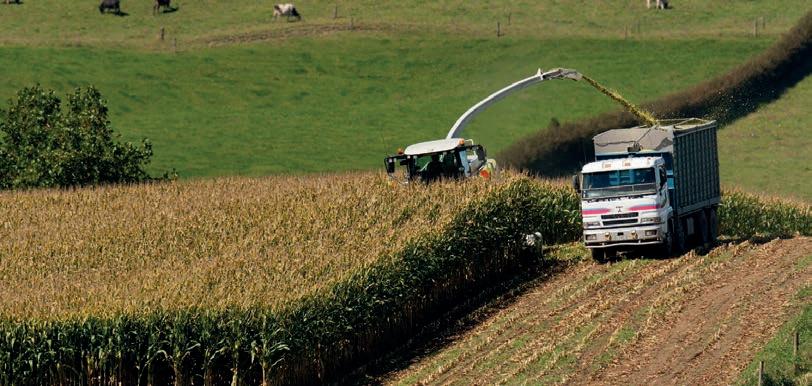
machinery is going to take, to look out for any potential risks – narrow areas where it might be difficult to manoeuvre or low hanging branches or dried up ruts in the ground.”
Al explains that anyone operating heavy machinery needs to be trained and experienced enough to do the job.
“No matter how busy you are and keen to get the crops out of the ground before it rains, don’t be tempted to let someone new take charge of machinery before you’ve ascertained for yourself that they are fully competent – even if they say they are.”
Drive shafts should always be well maintained, fitted correctly and have the proper guards, which are kept in good condition and are used according to the manufacturer’s instructions. PTOs can rotate at speeds up to 1,000rmp and have been the cause of a number of fatal accidents. It is important never to wear loose clothes when operating machines powered by PTOs.
There are overlapping duties between farmers and contractors to manage health and safety risks.
Farmers’ responsibilities include making sure that any risks from farm work (or previous work) are reasonably managed to protect the health and safety of the farm and that farm buildings and areas where work is being carried out (apart from the farmhouse) are safe for everyone.
Contractors must make sure any risks from their work that could affect the farmer, farm workers or other contractors on-farm are reasonably managed.
“Achieving that should not be complicated,” Al says. “It’s as simple as having a face-to-face or over the phone meeting before work starts to reach a common understanding and establish clear roles, responsibilities and actions. It will also prevent any gaps in managing health and safety risks.”
Article supplied by WorkSafe.





Operating out of 11 ports, Farmlands Fuel is New Zealand’s leading independent rural fuel supplier offering nationwide coverage, technical advice, loaned fuel tanks and everything in between to keep you moving.



For more information, please call the team on 0800 666 626 fuelaccountmanagement@farmlands.co.nz
f 11 ports, Farmlands Fuel ’s rural ering nationwide e, loaned fuel tanks and etween mation, call 00 or email anagement@farmlands.co.nz


Your complete fuel solution on and off the farm. Your fuel to keep you moving.
The New Zealand Century Farm and Station Awards aim to capture and preserve the history of our country’s farming families. Each month we will share stories from Farmlands shareholders who have worked their land for 100 years or more.
Hutton Richardson Peacock was born in 1875 in New Zealand, the youngest of five children. His father, Gavin emigrated from Scotland aged 15, married Ellen Bee from Waimarama and farmed a property called Brooklands Station when Hutton was born.
Educated at Wanganui Collegiate, Hutt went on to manage Okawa Station near Hastings. Here he married Hawke’s Bay girl, Annie McLernon in 1907.
In 1908, Hutt and his brother, Irv bought two large blocks of land at the auction by Spencer Gollan of part of Mangatarata Station. A couple of years later, Hutt bought two more of the front blocks and this became the farm called Hononga, which means the joining of the Tangatupra and the Hatuma outlet streams that join on the property. The farm was approximately 4,000 acres in total. Irv helped Hutt break in the property, clearing scrub and fencing. He lived with Hutt until he died of typhoid fever, aged 46.
Hutt and his wife, Annie (Tottie) built the homestead in 1912, designed by Chapman Taylor and built by a local builder. This is the homestead still standing today and occupied by Marcus and Georgie Peacock and their three children.
Hutt and Tottie’s surviving three sons
were named Sam, Barney and Patrick. A fourth son, Michael was born in 1927 after Hutt remarried following the tragic death of his first wife from cancer.
In the early 1950s, Hutt retired and Hononga was split into four blocks between the brothers. Sam and Barney drew the back blocks and Patrick and Michael the front blocks.
Terry bought Michael’s block and this was farmed by Terry as Hononga. Today Hononga is farmed by Terry’s son, Marcus and his wife, Georgie. Barney’s block has now been sold out of the family and Sam’s block (called Two Peaks) is farmed by fourth generation Peacocks, Richard and Meg.
Information from: The Silken Thread, A History of the Peacocks of Perth (Scotland) by Eleanor Eyles.
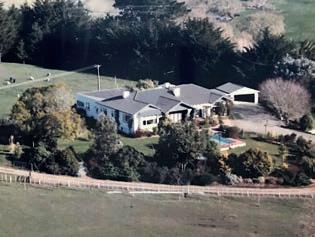
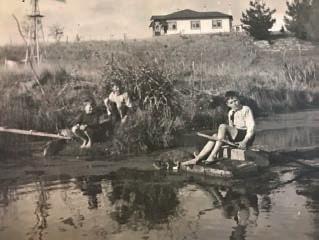
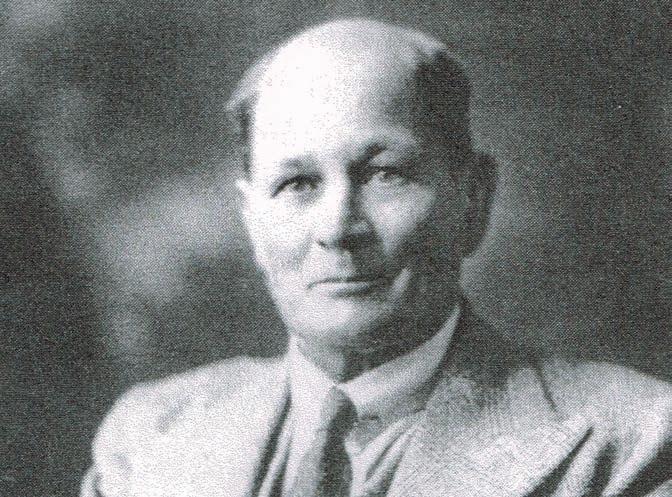
| Hutton Richardson Peacock.
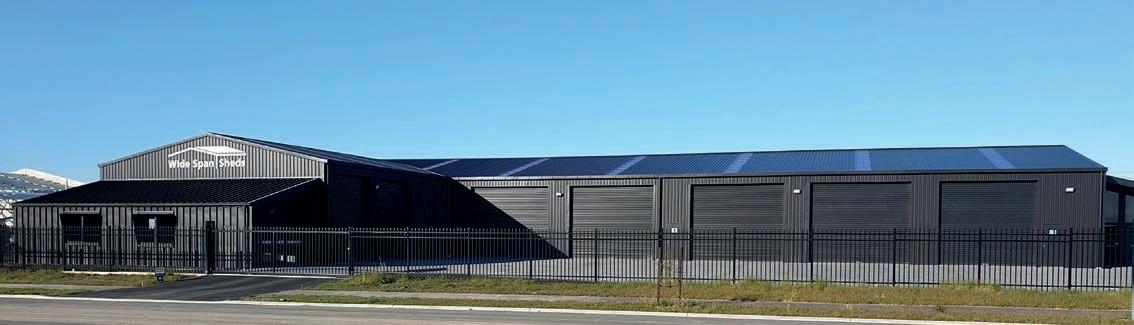
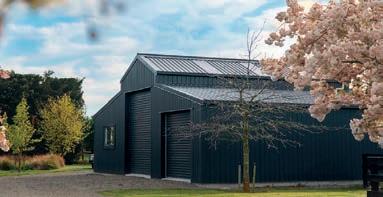
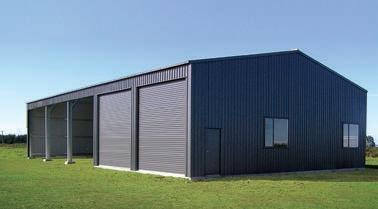
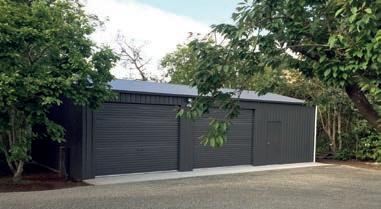
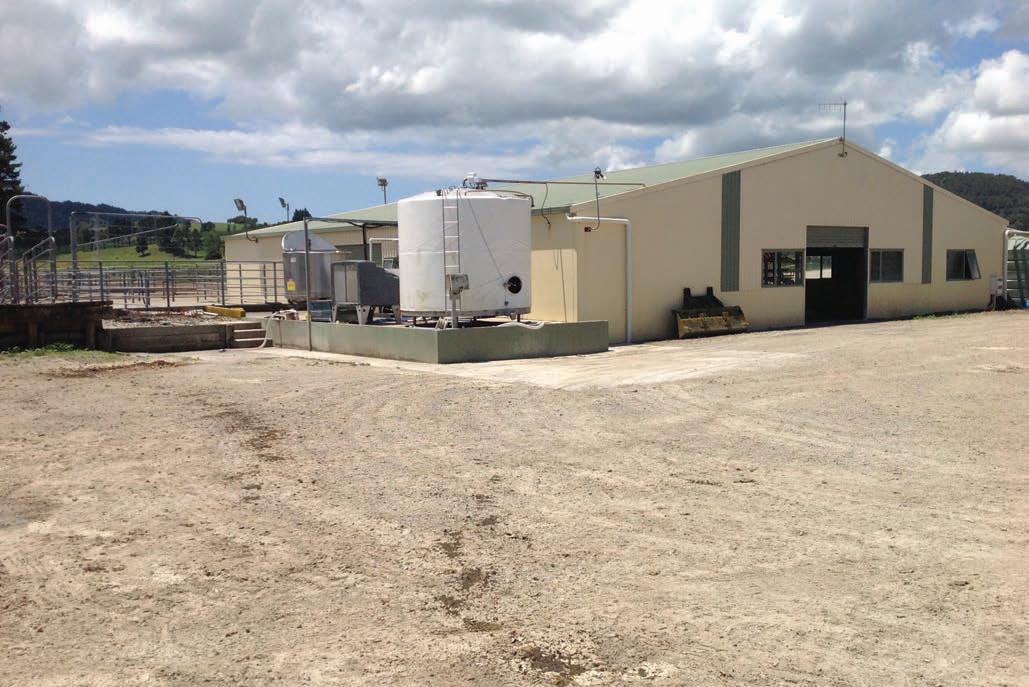
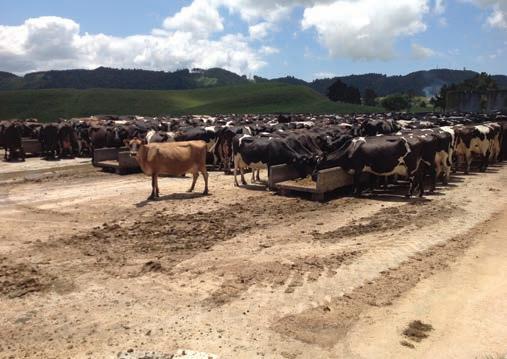
Maungaturoto | Simply the best
Mayflower Farms exceptional dairy farm. 200 hectares in three titles. High fertility levels. 50 bail rotary cow shed with cup removers. Feed pad, PK bunker, Fertiliser bin. Subdivided into some 71 paddocks. Three limestone quarries. Two homes. Come and inspect, you won’t be disappointed. Tender closing 3pm, Monday 4 February 2019 (unless sold by private treaty)
www.farmlandsrealestate.co.nz


Tom Hackett
Lifestyle / Rural – Whangarei 027 498 2908 tom.hackett@farmlands.co.nz
Tim Holdgate
Lifestyle / Rural – Wellsford 021 475 465 tim.holdgate@farmlands.co.nz
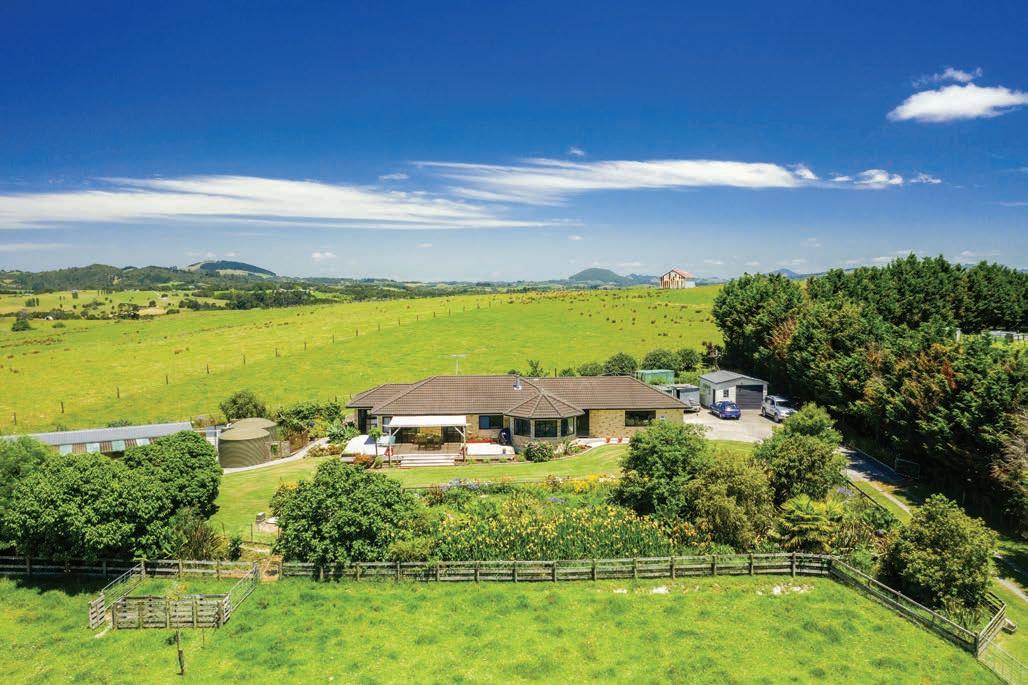
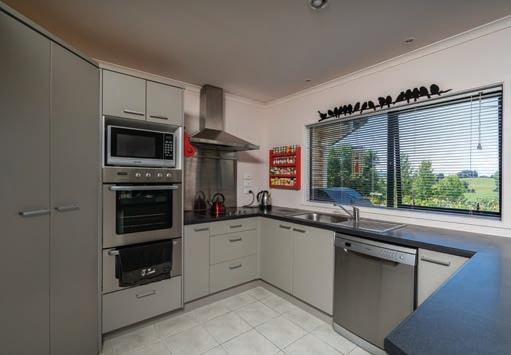
The home has four bedrooms and two lounges. Includes a double garage with internal access and extra storage. There is a separate single garage presently being used as a man cave workshop, another separate building being used as a bird raising unit which could be altered to suit a further workshop, puppy breeding or even a cattery. A well planted orchard with 41 different varieties of fruit trees and vines, the landscaping is immaculate. Four paddocks with a small set of yards with a fenced area for the ducks and chooks. Tender closing 4pm, Thursday 14 February 2019 (unless sold by private treaty).

Kim Gyton Lifestyle / Rural – Whangarei
021 728 408 kim.gyton@farmlands.co.nz
Fully managed vineyard surrounding this state of the art
420m2 architecturally designed home (built in 2010) with the sunny multiple terraces, heated swimming pool, four large bedrooms (two with en suites), two studies and three living rooms. The home would make a top rating bed and breakfast with the two bedroom guest wing self-contained with its own bathroom, kitchen and private terrace. Huge storage is provided by three car garaging and upstairs attic space. Just four minutes drive to the beautiful Martinborough wine village and an easy commute to Wellington. Price by negotiation.
Tim Falloon Lifestyle / Rural – Masterton
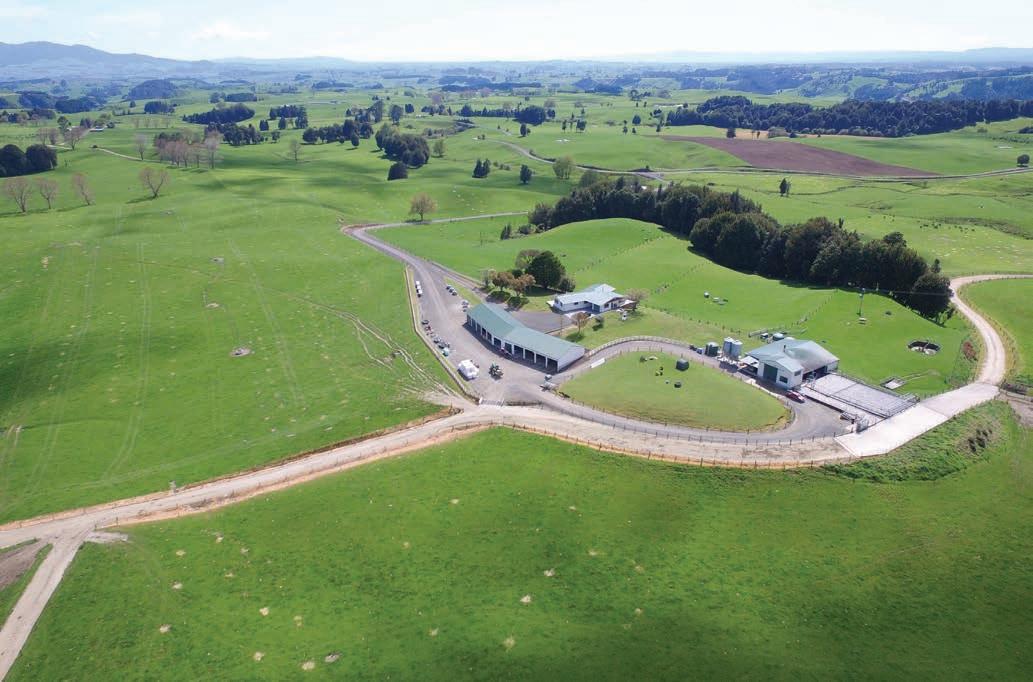
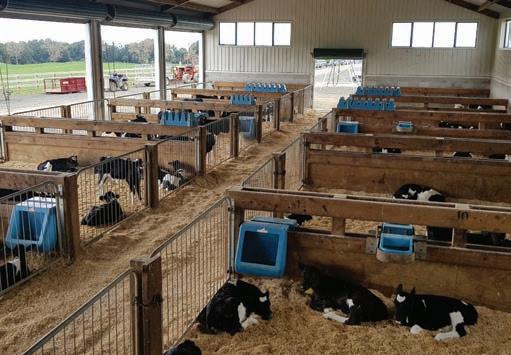
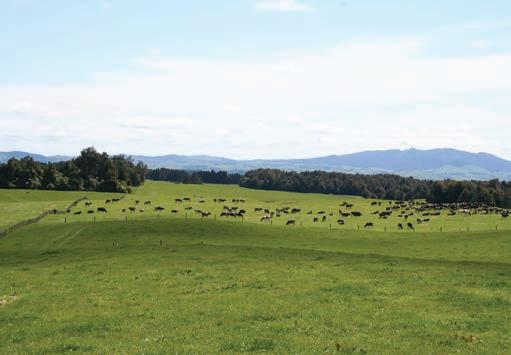
www.farmlandsrealestate.co.nz
This 217 hectare dairy unit is located in the reliable Arohena district. Consistent milk production around 250,000kgMS from 530 cows. The property has a substantial main dwelling and two very good staff homes along with a 50 bail rotary dairy with a stainless steel platform, Waikato milk harvesting plant with cup removers, in shed feed system with two 16 tonne silos and staff room. The state of the art colour steel implement shed is 23.5m x 12m. The nearly all level contour is subdivided into 58 paddocks and serviced by a very good network of internal lanes. Offers over $9,000,000.


Ian Morgan
Lifestyle / Rural – Matamata 027 492 5878 ian.morgan@farmlands.co.nz
Glen Murray
Lifestyle / Rural – Matamata 027 488 6138 glen.murray@farmlands.co.nz
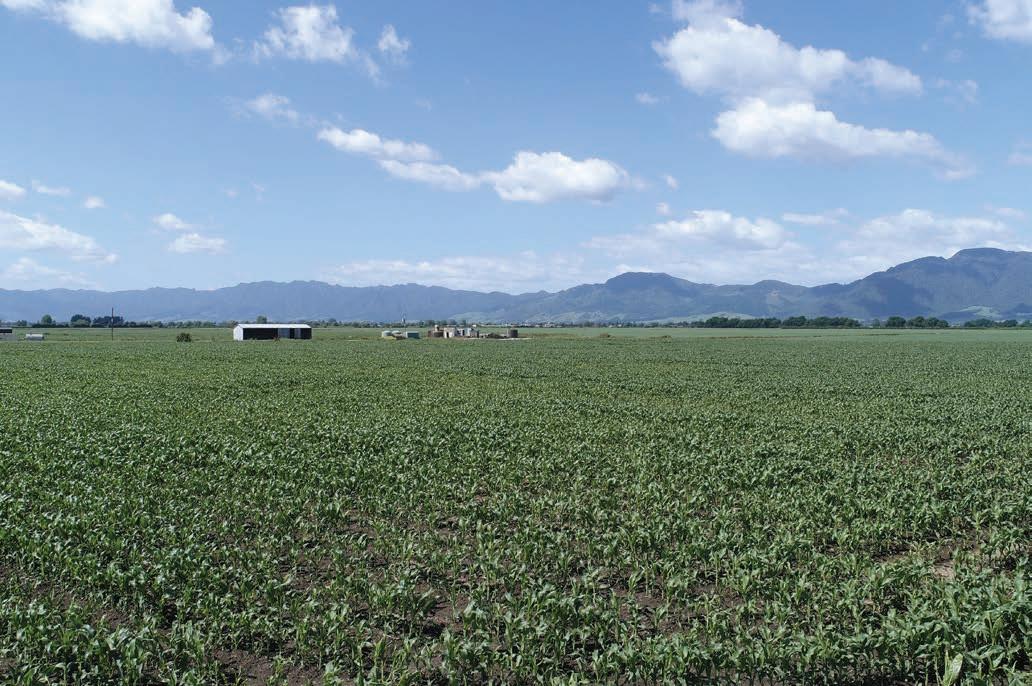
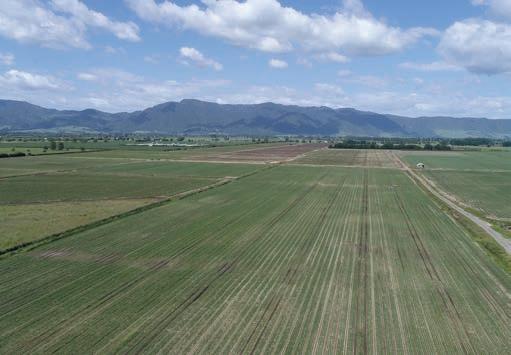
Wardville | Supporting all options
Four titles. Irrigation resource consent for 366,000m3 of water intake.Two dwellings. All flat vegetable production block. Waitoaf sandy loam soil and Puningaf deep loam soil. The Vendors will enter into an attractive 20 year lease back term with Purchaser. The property provides a great opportunity to secure an irrigation consented production block for a range of commercial farming systems from crop, vegetables or any cut and carry feed based operation such as goat or sheep milk units. The main home is a split stone clad three bedroom dwelling with attached internal access double garage. Price by negotiation.
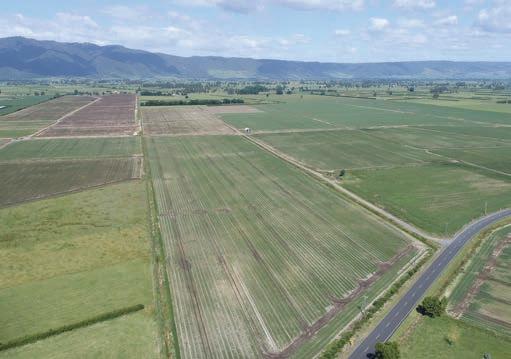
www.farmlandsrealestate.co.nz
Ian Morgan
Lifestyle / Rural – Matamata 027 492 5878 ian.morgan@farmlands.co.nz
Glen Murray Lifestyle / Rural – Matamata 027 488 6138 glen.murray@farmlands.co.nz
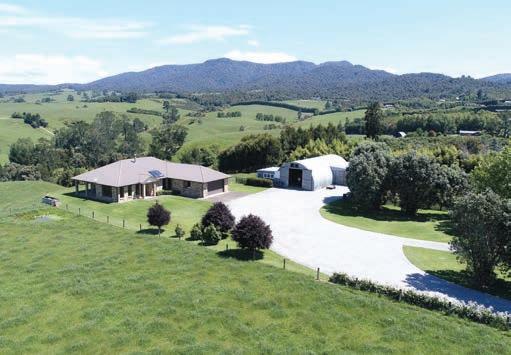
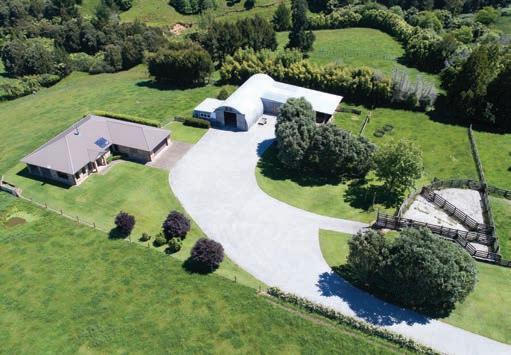
79 hectares (more or less) of fantastic flat to easy rolling contoured grazing land nestled in the foot hills of the Kaimai ranges. The property is subdivided into approximately 32 paddocks. Property structures are outstanding with a modern three bedroom home with a double internal access garage and a 6-bay half round tractor/Implement shed with a workshop attached. The stock yards are extensive and are designed to handle all classes of stock. Deadline sale closing 2pm, Tuesday 12 February 2019.
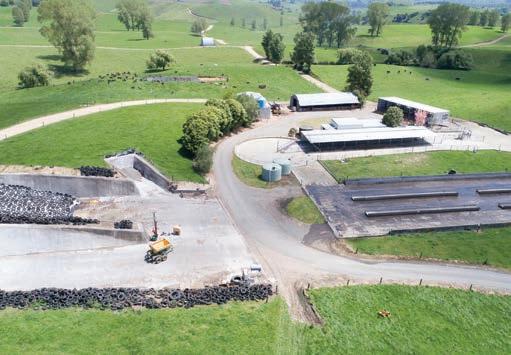
177 hectare dairy farm with a superior range of farm infrastructure including a modern 40 aside dairy, 400 cow feed pad and two 300,000kg concrete storage bunkers. There is a Protrack Management System, 5-bay calf shed, 5-bay implement shed, 4-bay and 2-bay 1/2 round sheds. There are two comfortable, three bedroom homes. 430 cows produce up to 172,000kgMS with 1,000kg of inputs being split with palm kernel extract and maize silage. The contour of the property is outstanding with over 100 hectares being flat to gentle rolling. $6,500,000
Ian Morgan
Lifestyle / Rural – Matamata 027 492 5878 ian.morgan@farmlands.co.nz
Glen Murray
Lifestyle / Rural – Matamata 027 488 6138 glen.murray@farmlands.co.nz
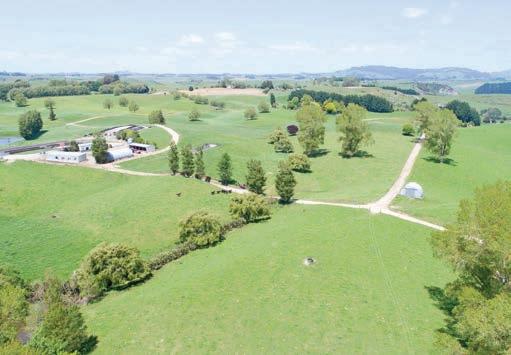
Ian Morgan
Lifestyle / Rural – Matamata 027 492 5878 ian.morgan@farmlands.co.nz
Glen Murray
Lifestyle / Rural – Matamata 027 488 6138 glen.murray@farmlands.co.nz
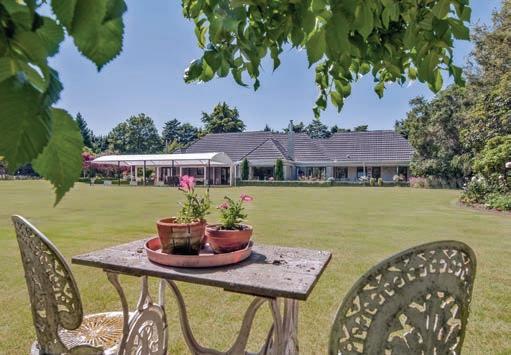
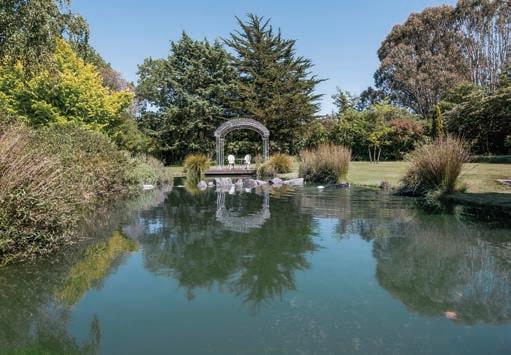
Substantial four bedroom home featuring three bathrooms, three living areas, covered outdoor living area and attached self-contained flat with kitchenette and en suite. The sweeping lawns are enhanced by attractive gardens and resplendent mature trees. Excellent utility buildings including double height loft and eight car garaging. Converted woolshed gives superb storage or workroom. Three bay shed and cattle yards. Deadline sale closing 2pm, Thursday 28 February 2019.
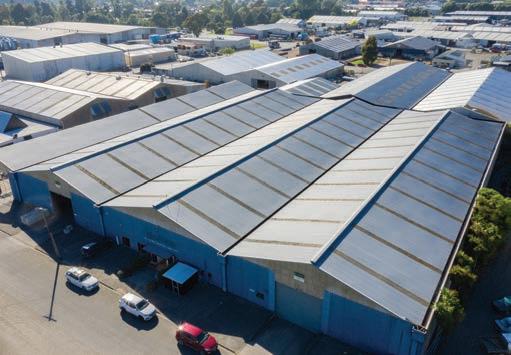
5,500m2 of available, tidy warehouse and office space. Holding income to January 2020 of $277,451 per annum net. At present used for grain and seed. Ideal investment or suitable for any business operation that requires a large floor area in the future. A very tidy building close to the main town centre. Deadline sale closing 2pm, Thursday 28th February 2019.

John Davison
Lifestyle / Rural – Lincoln 027 436 4464 john.davison@farmlands.co.nz
Ron Ferguson
Lifestyle / Rural – Lincoln 027 498 6256 ron.ferguson@farmlands.co.nz
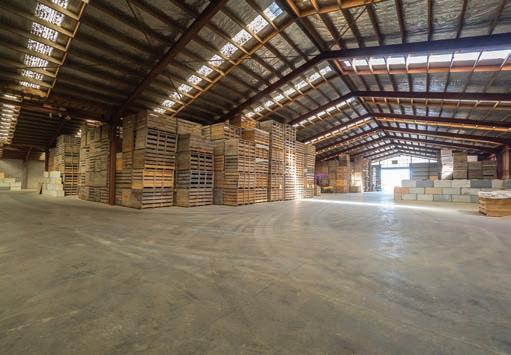

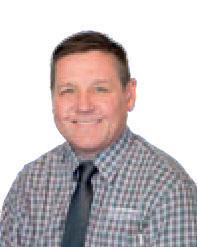
Malcolm McNaughton
Lifestyle / Rural – Christchurch 027 297 4297 malcolm.mcnaughton@farmlands.co.nz
Rob Harnett
Lifestyle / Rural – Ashburton 027 432 3562 rob.harnett@farmlands.co.nz



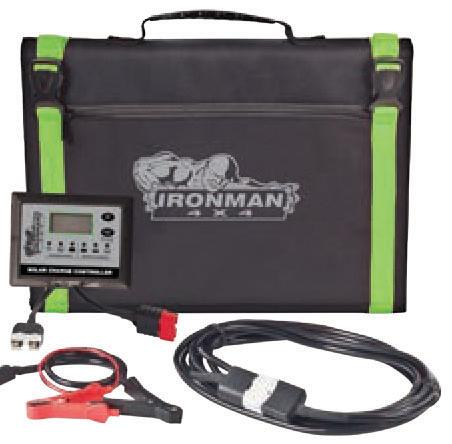



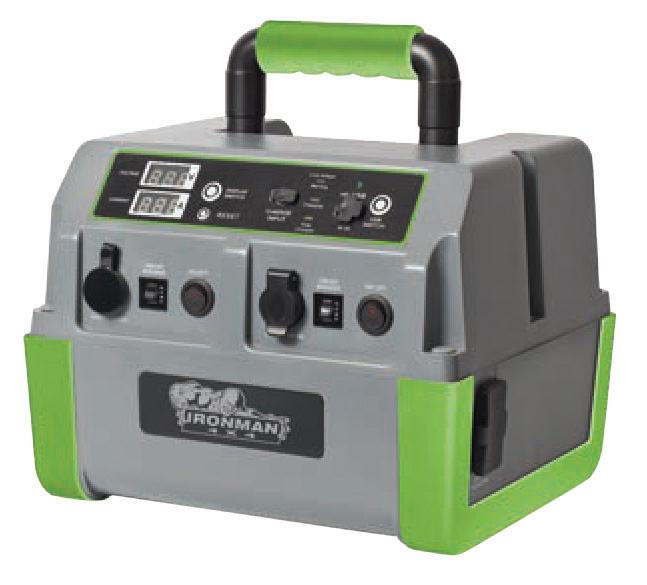
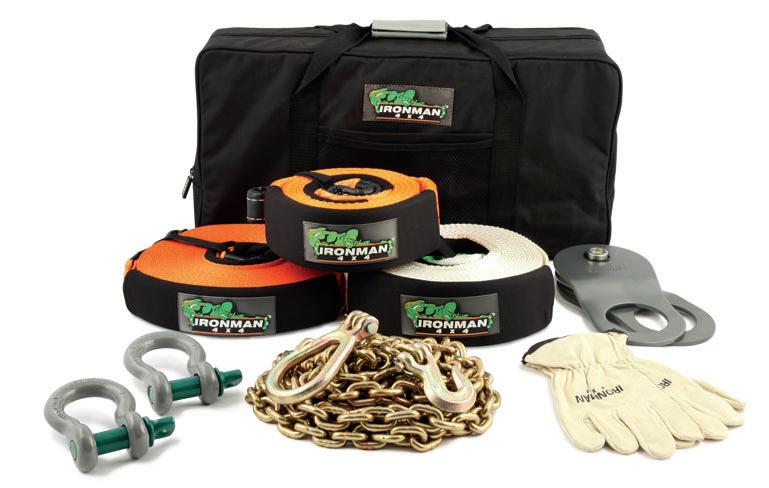
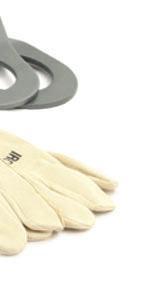









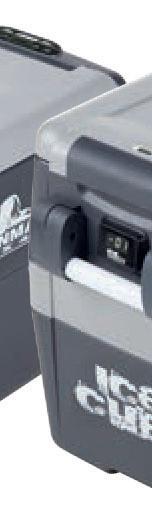






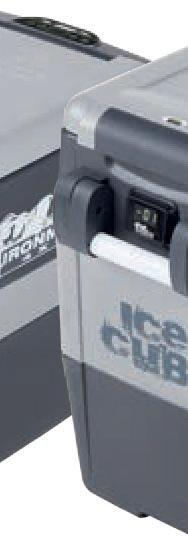










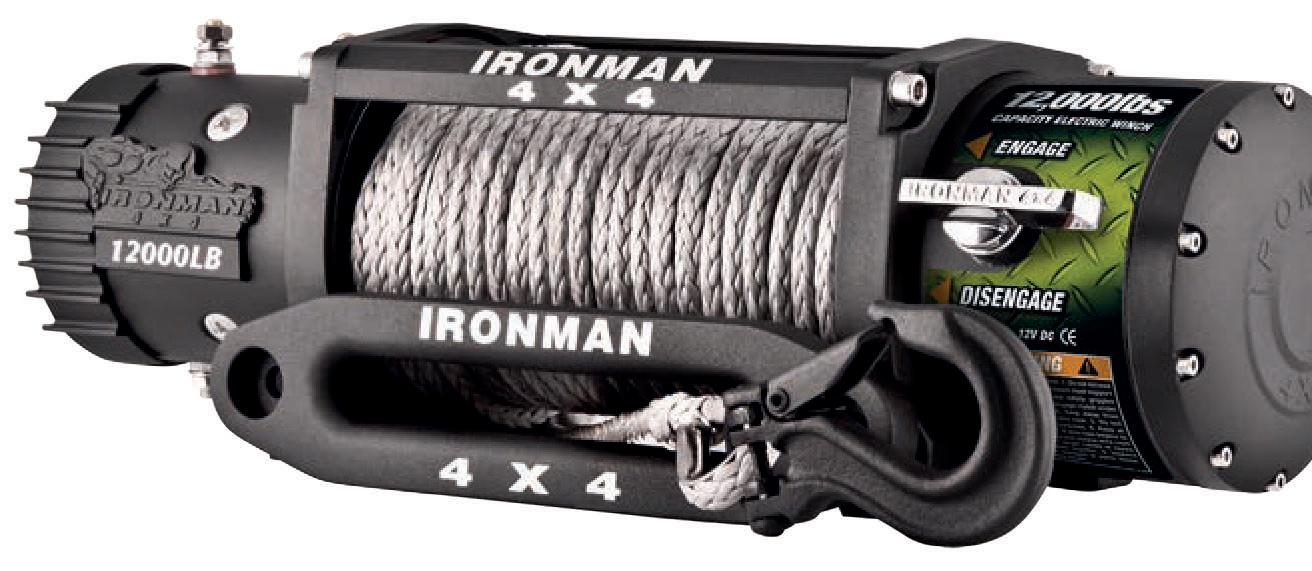


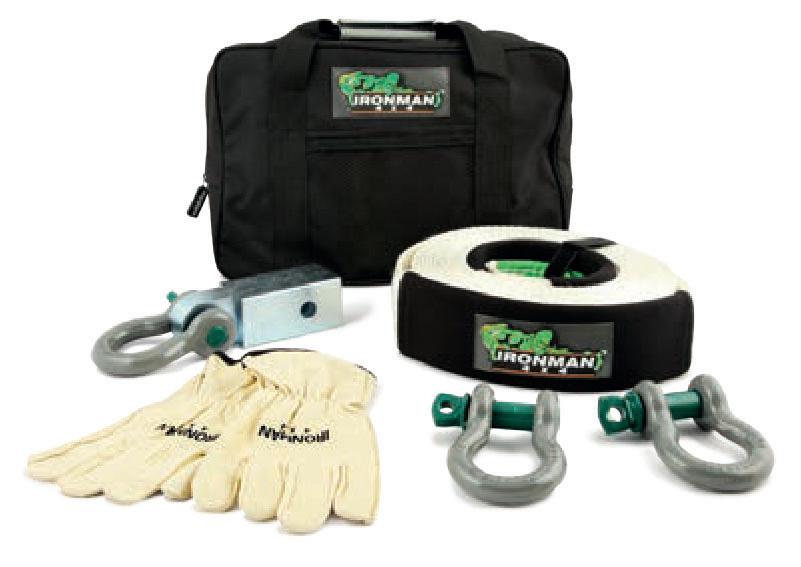



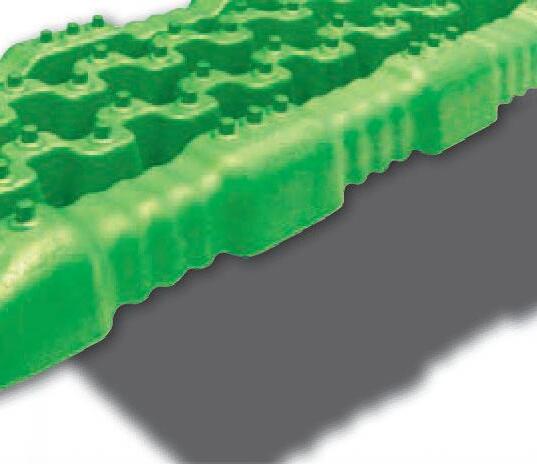
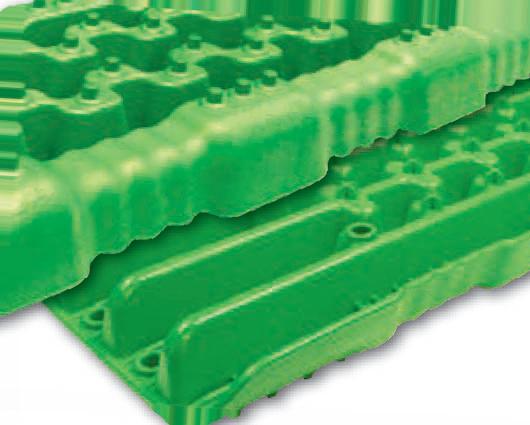
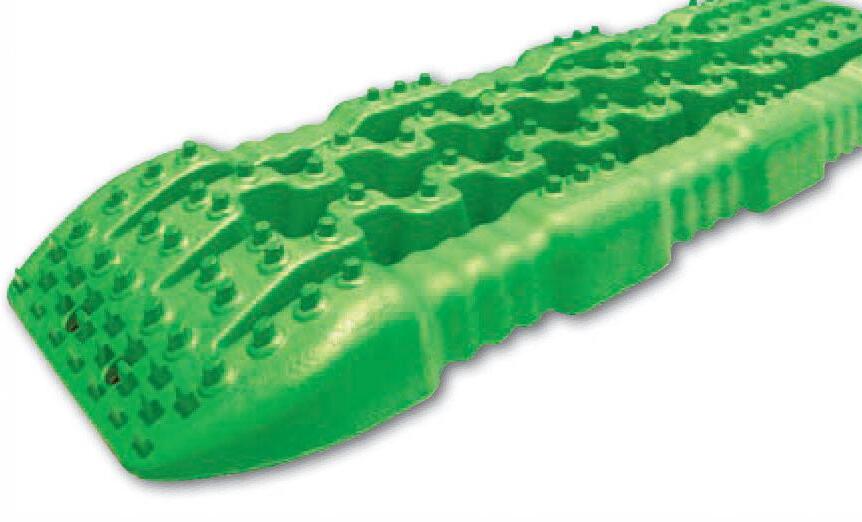











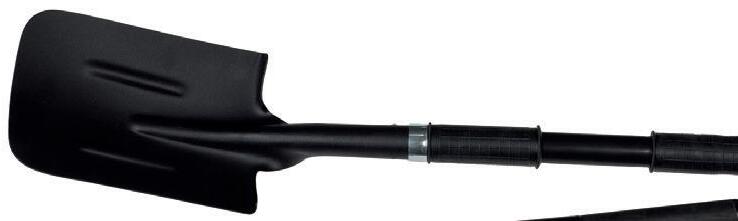











































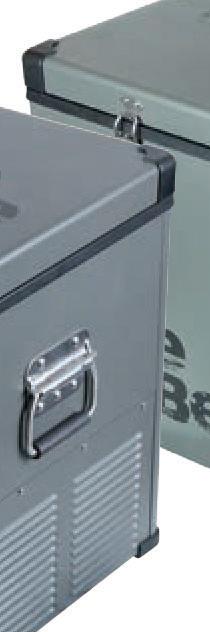

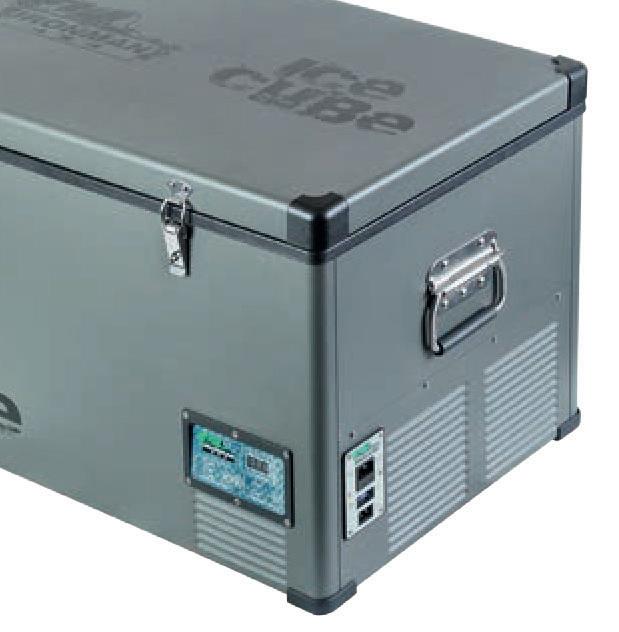




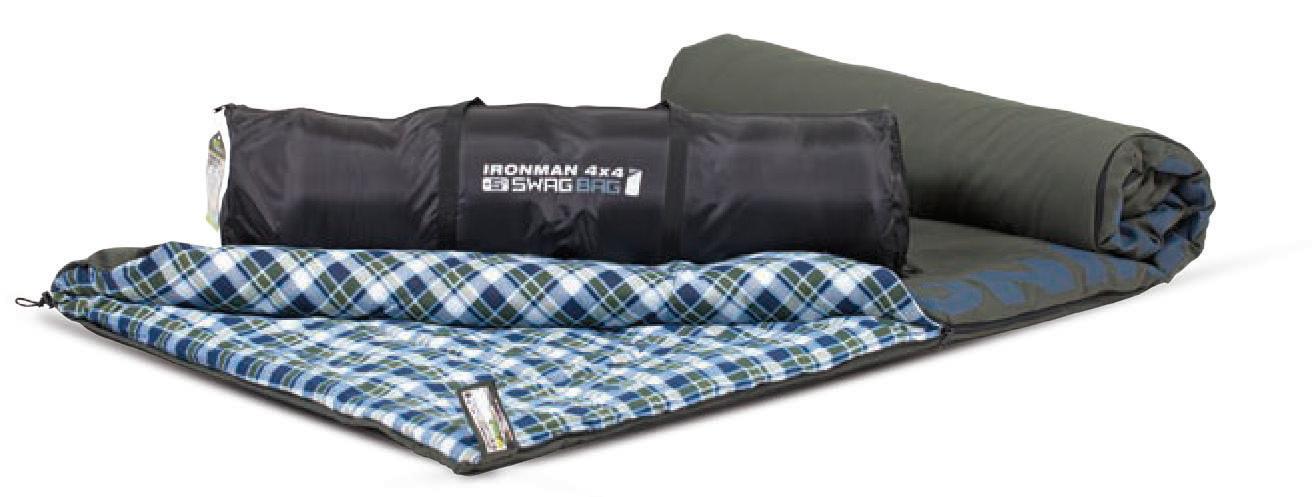



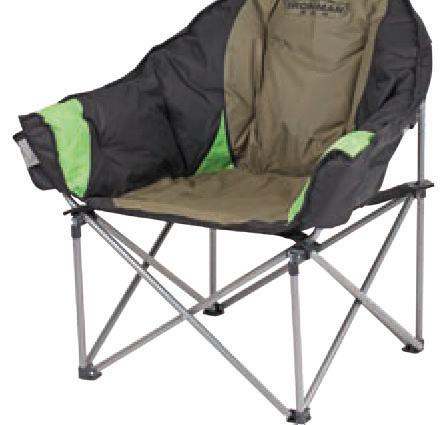



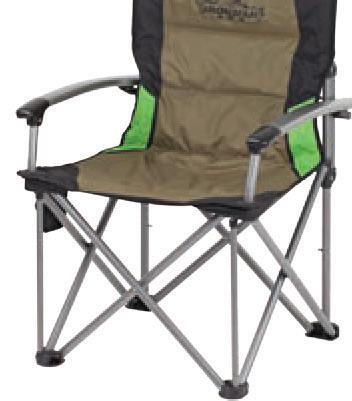



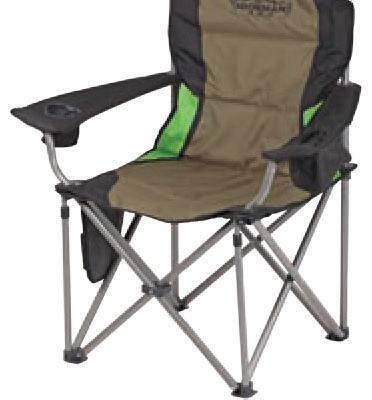


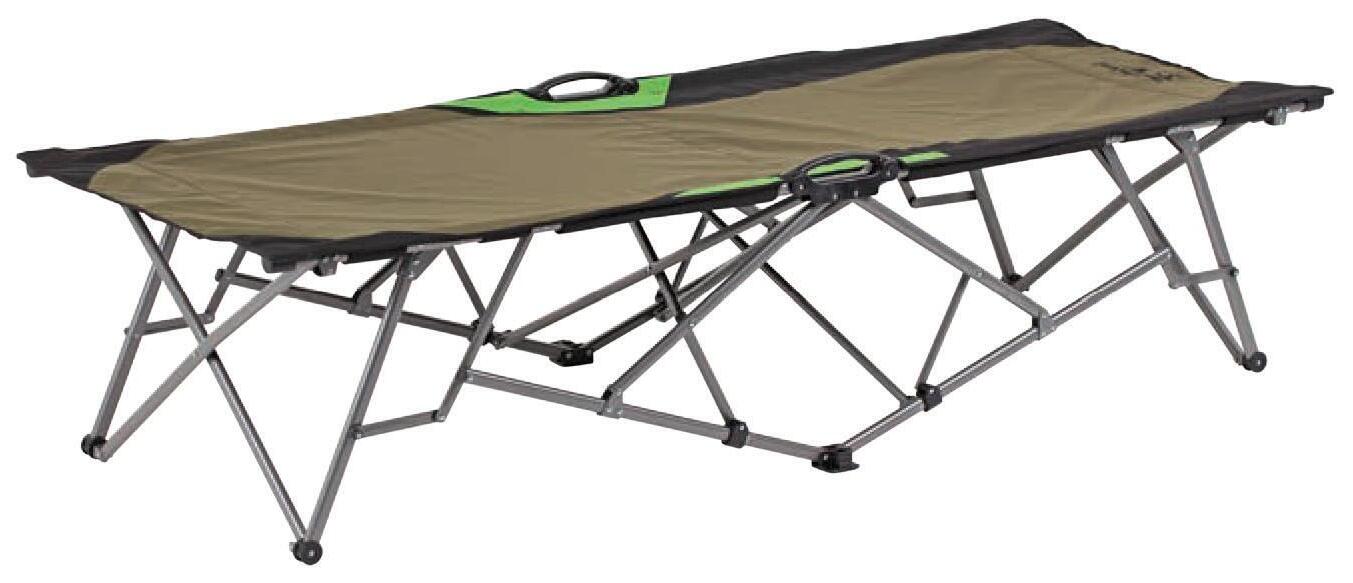












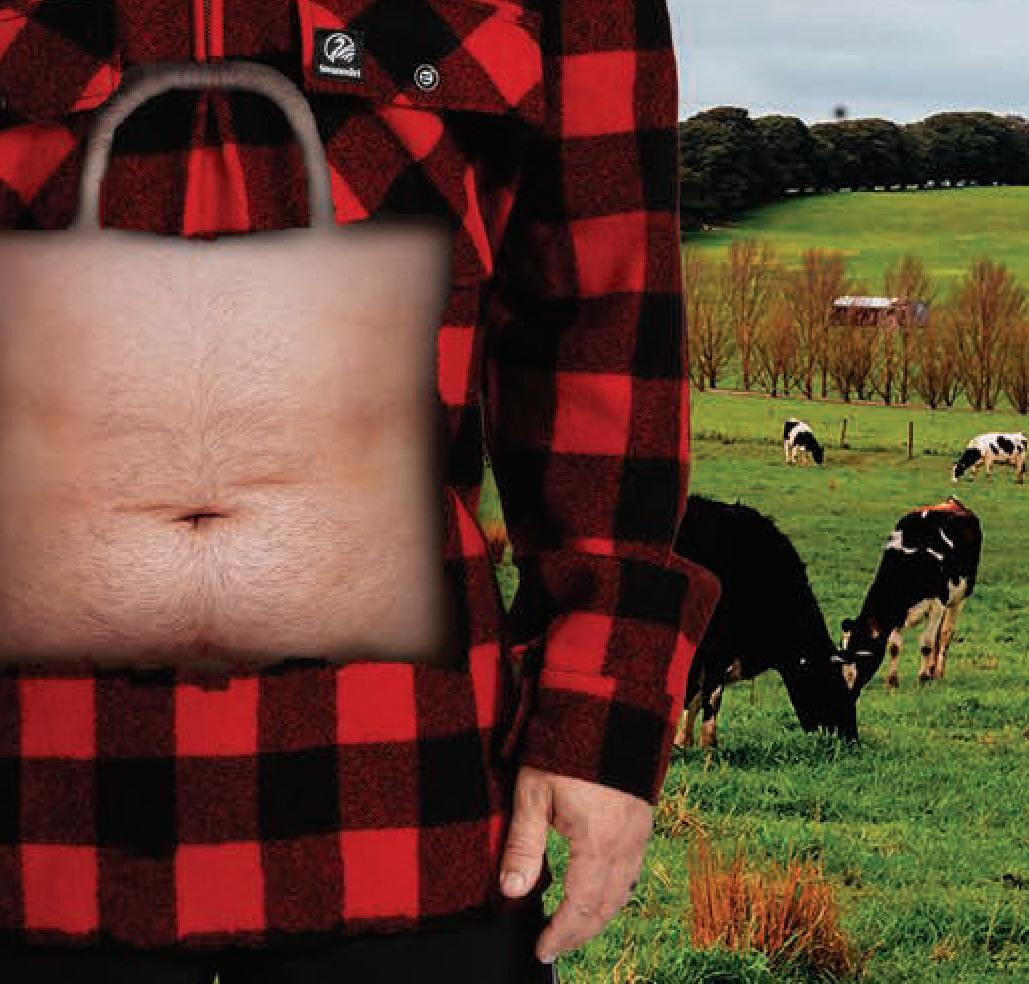
In recognition of the environmental impact of single-use plastic bags, we are phasing them out in all our stores.
We realise that this may be inconvenient, so for a limited time from 18 February 2019, we will be giving you a stylish Farmlands reusable bag when you spend over $250 in a single transaction.
Thanks for your understanding and for doing your bit for sustainability.
Terms and Conditions apply. While stocks last.