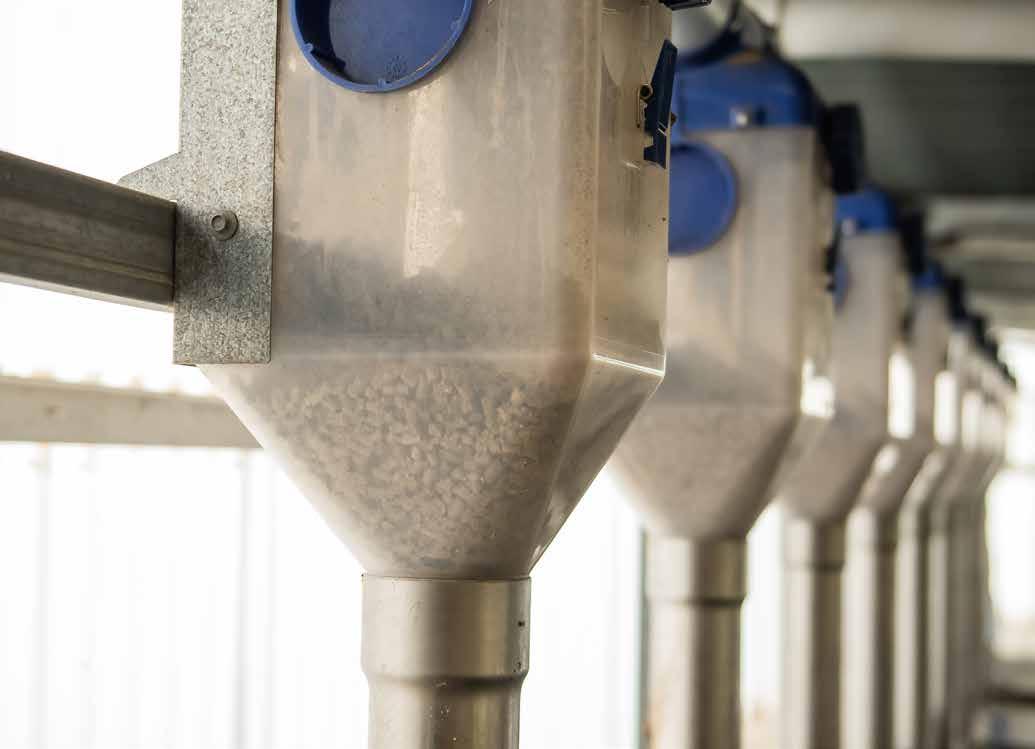
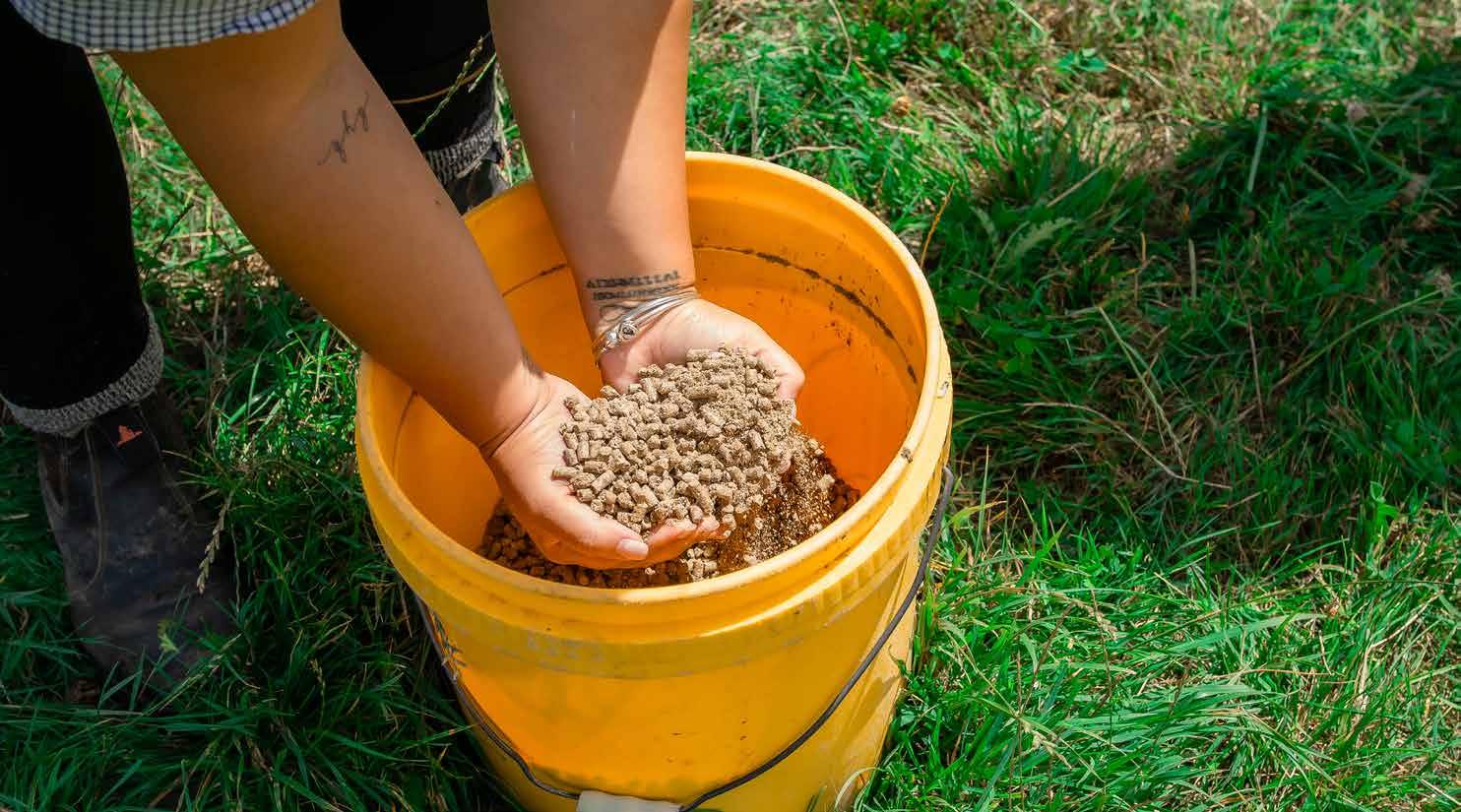
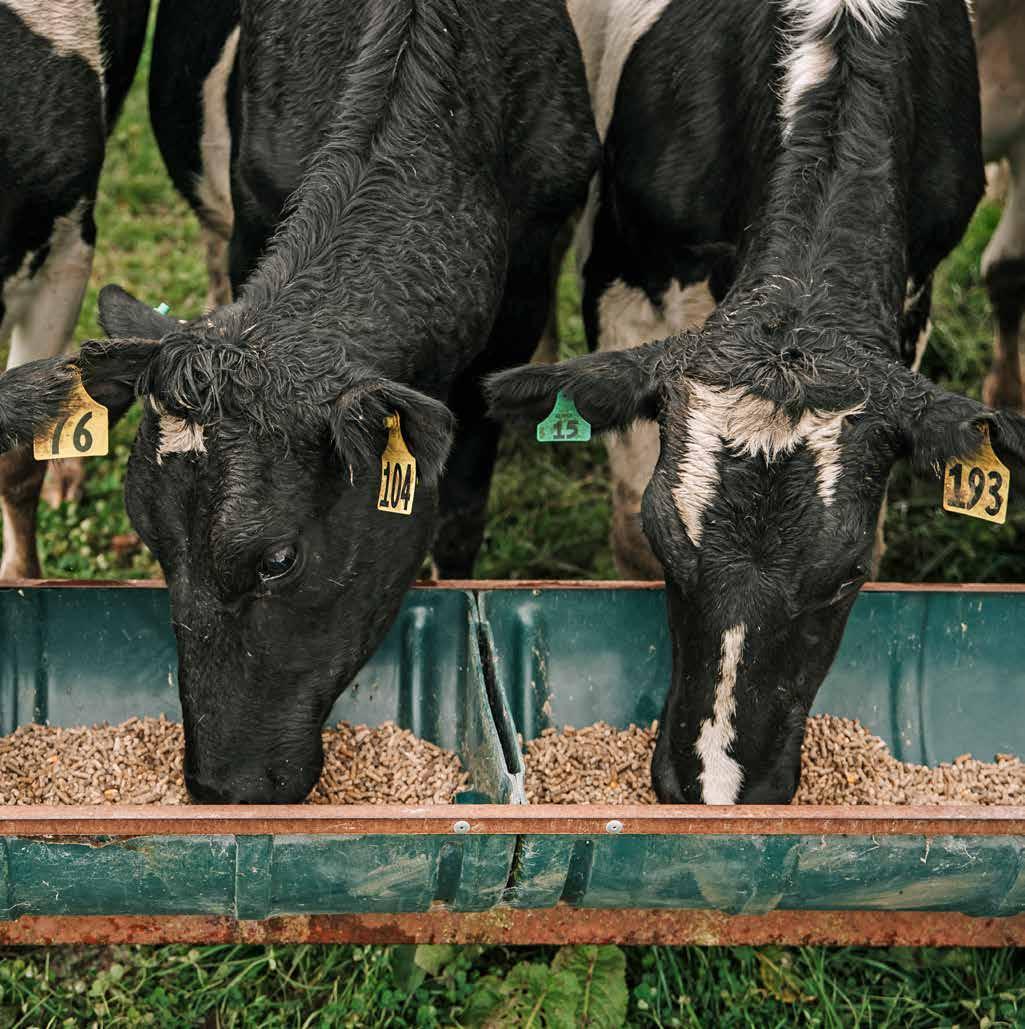
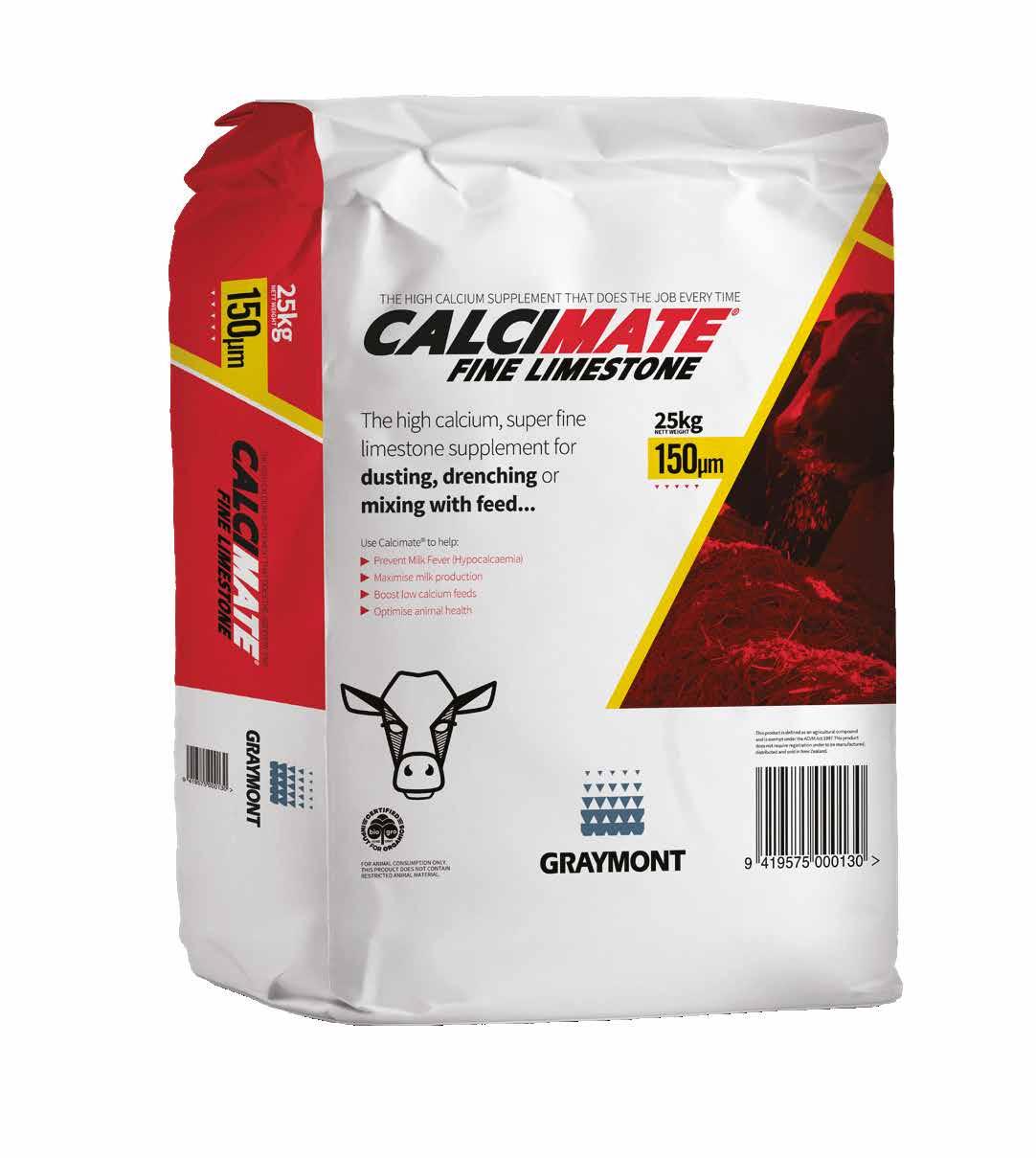
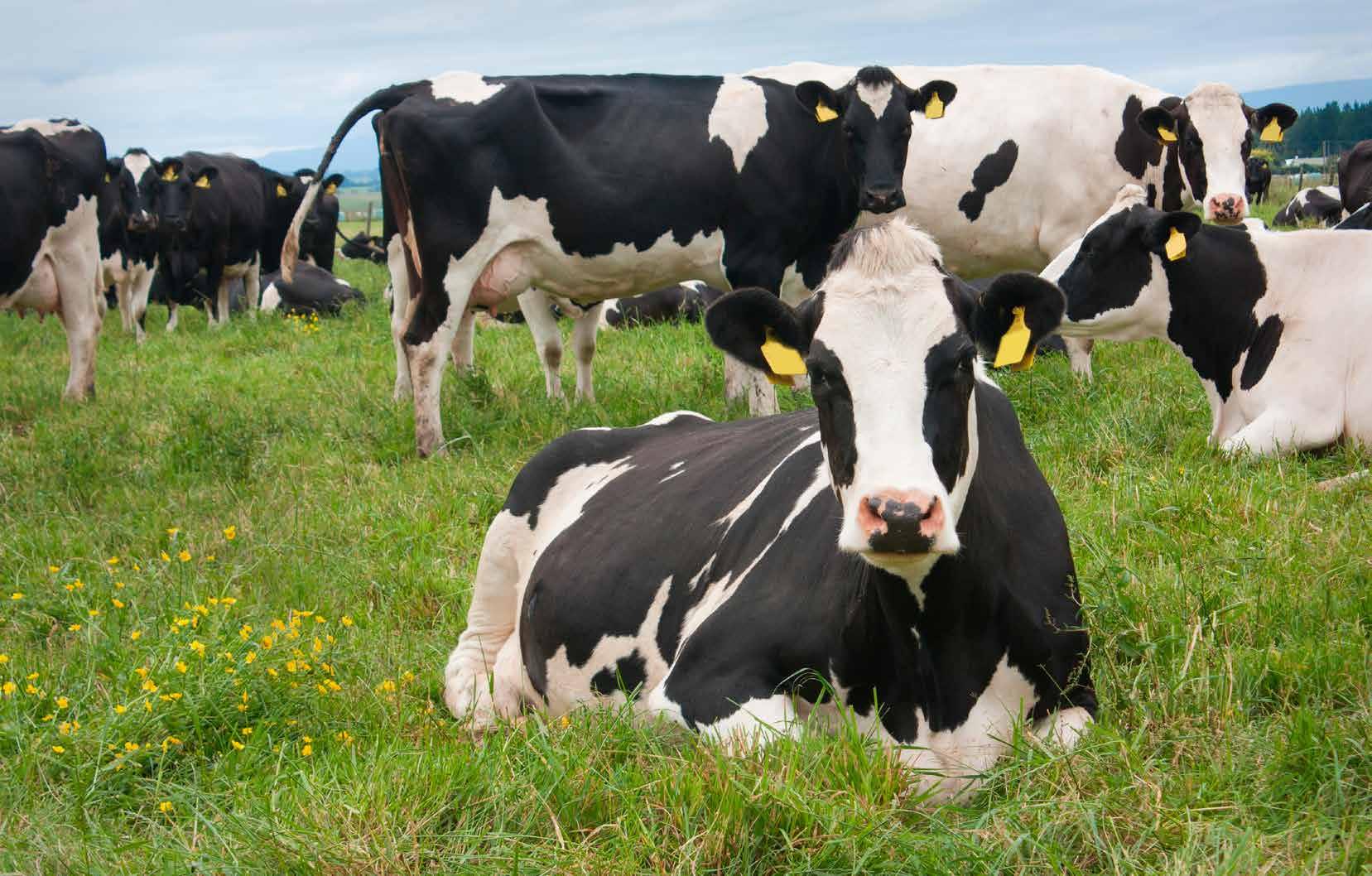
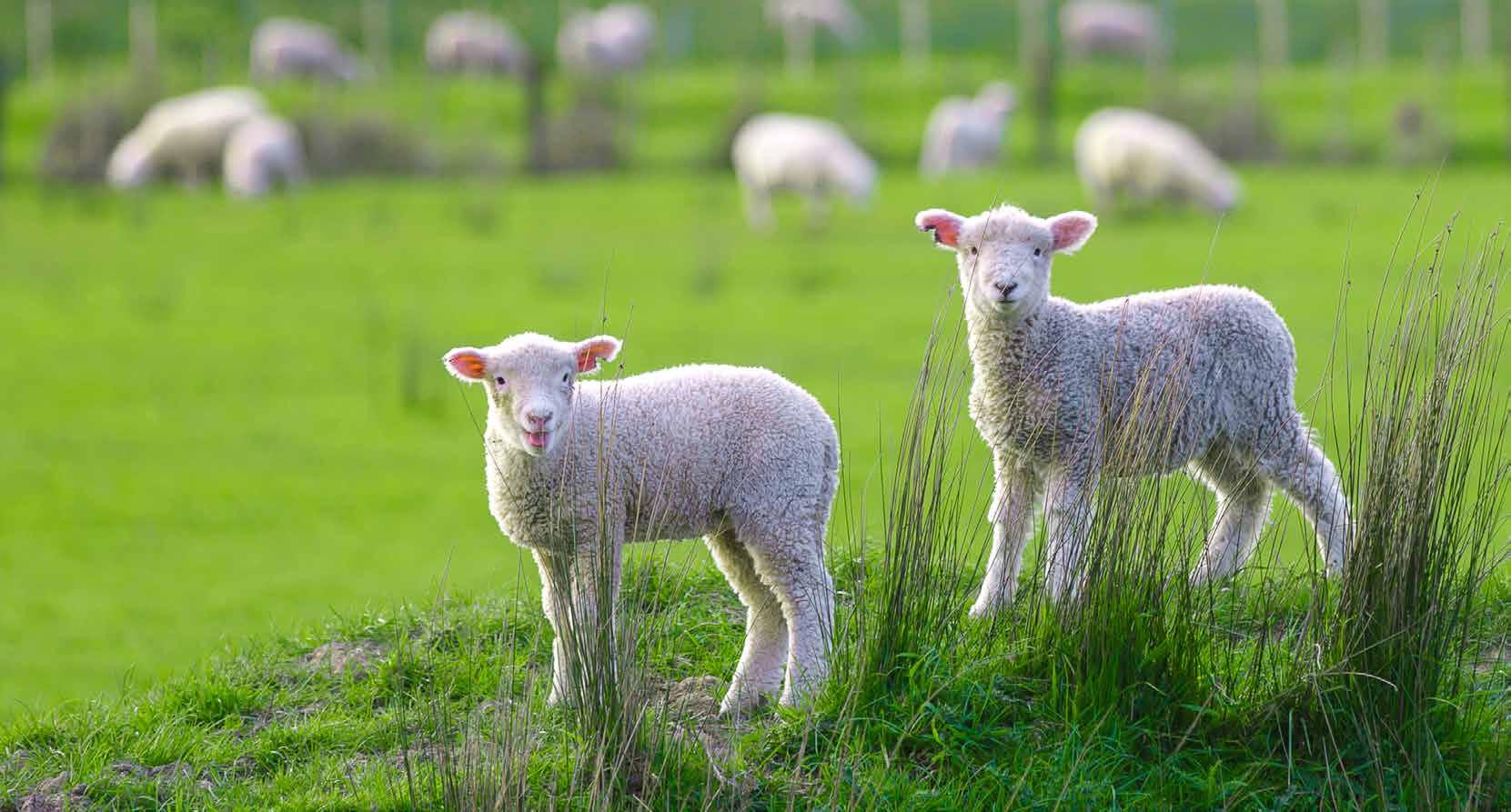
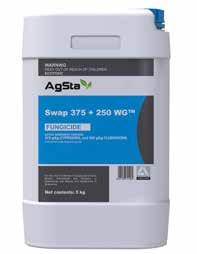
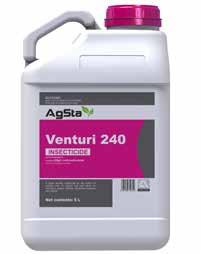
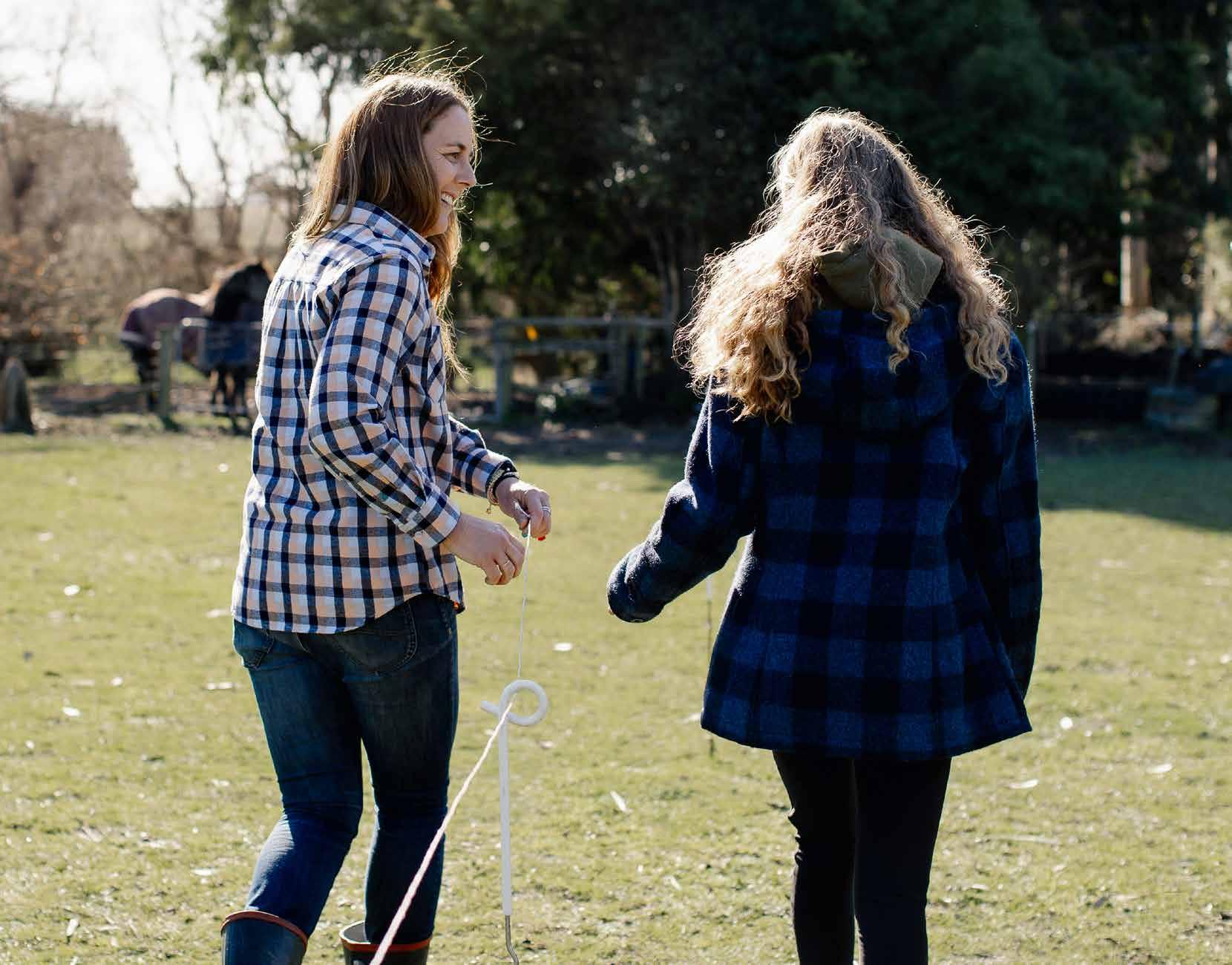
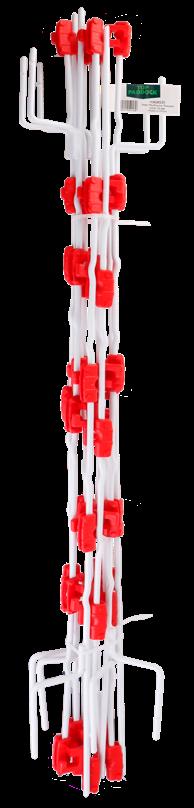
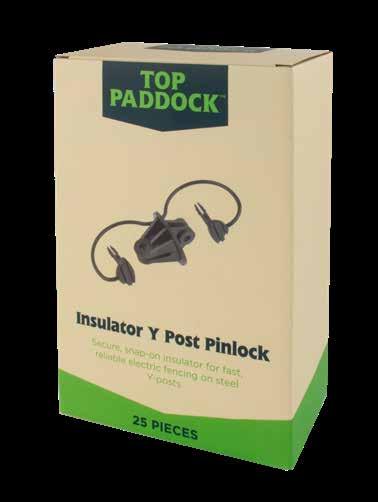
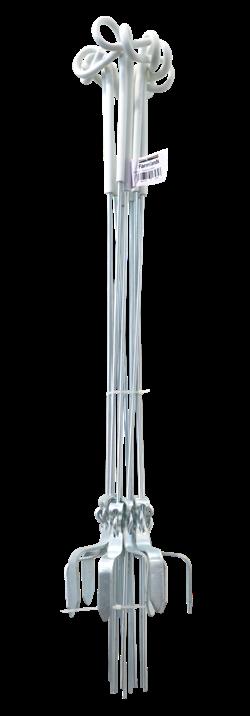
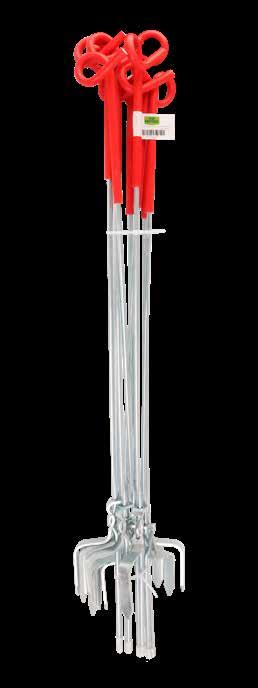
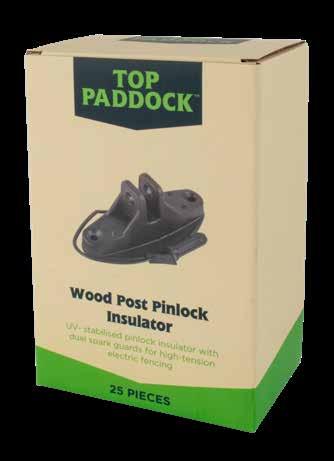
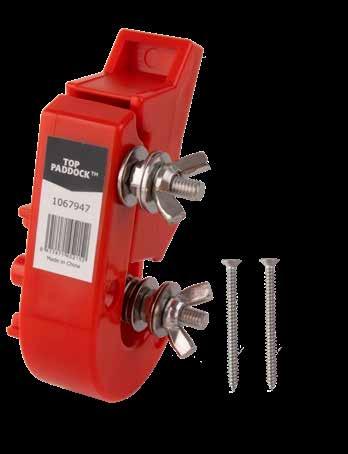
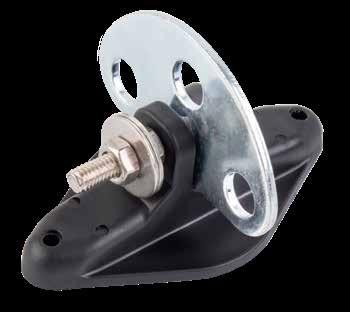
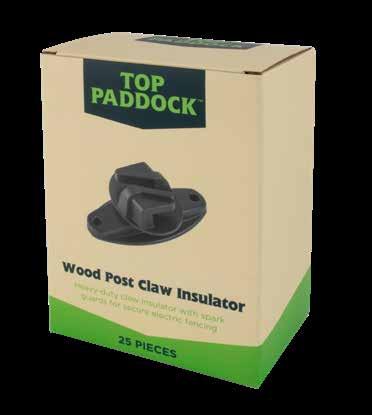
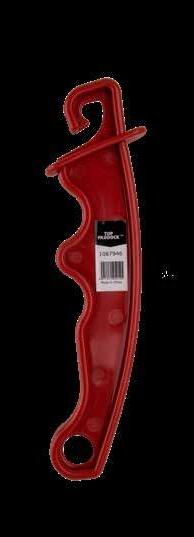
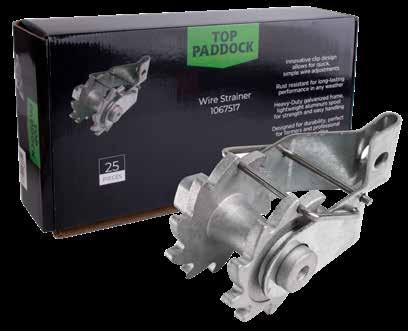
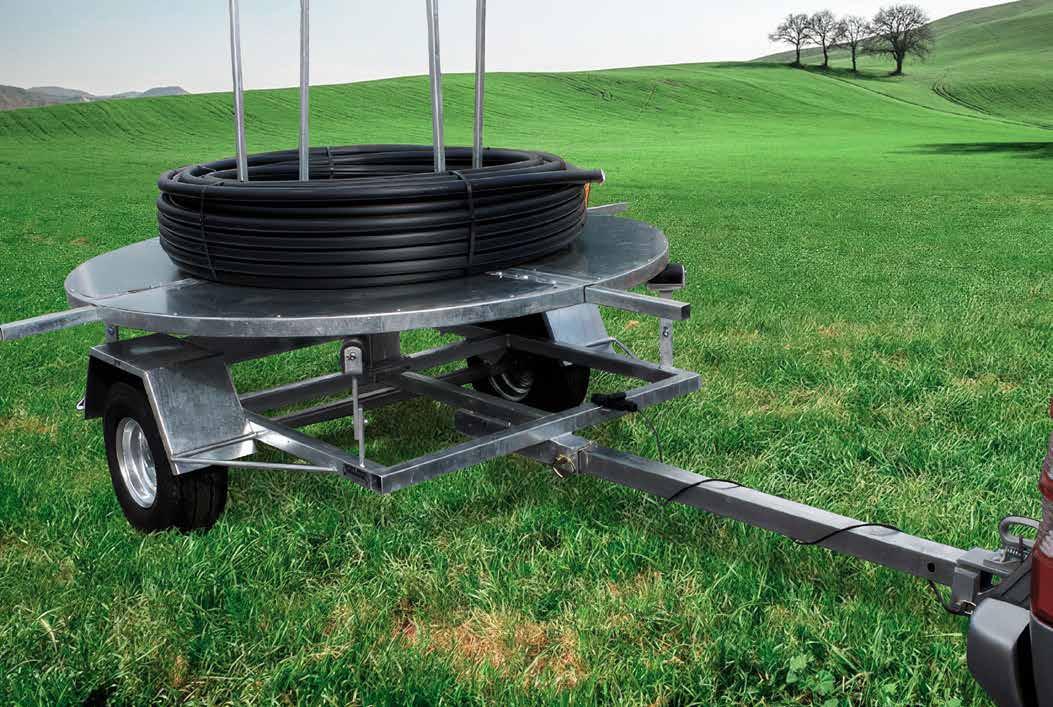
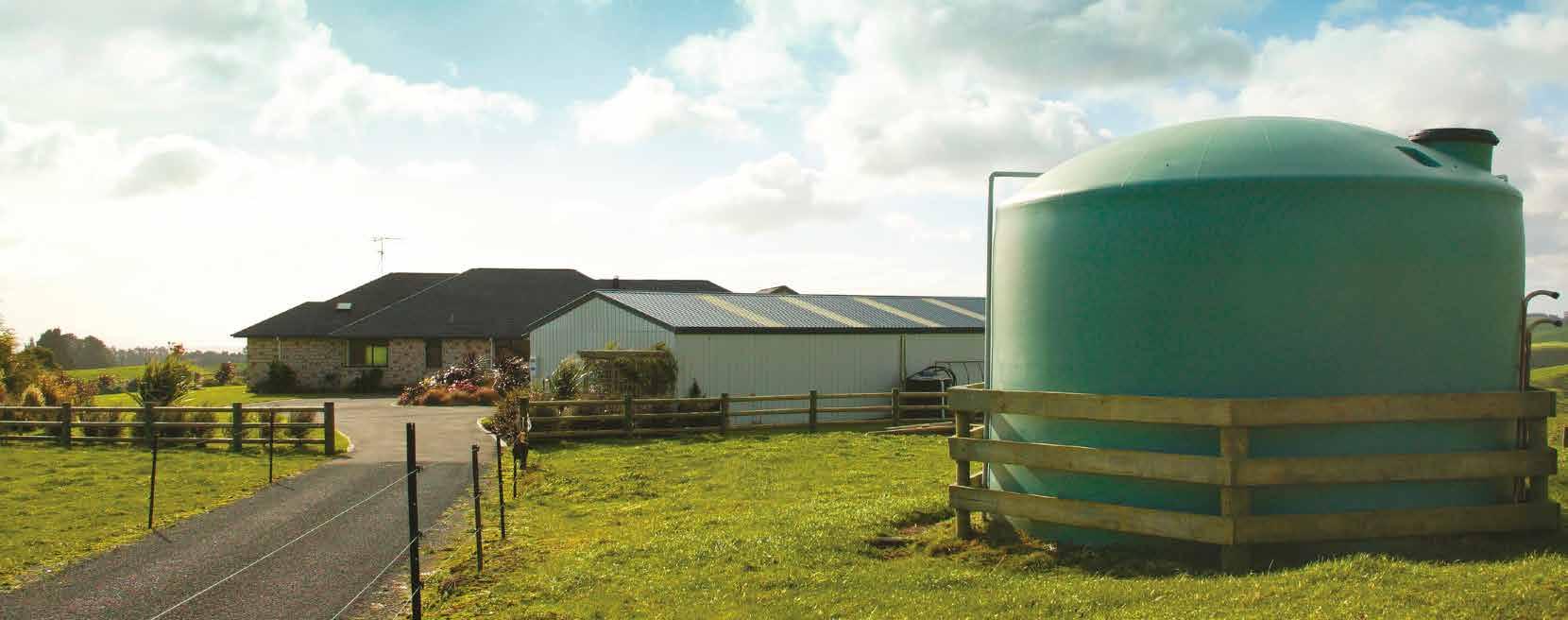
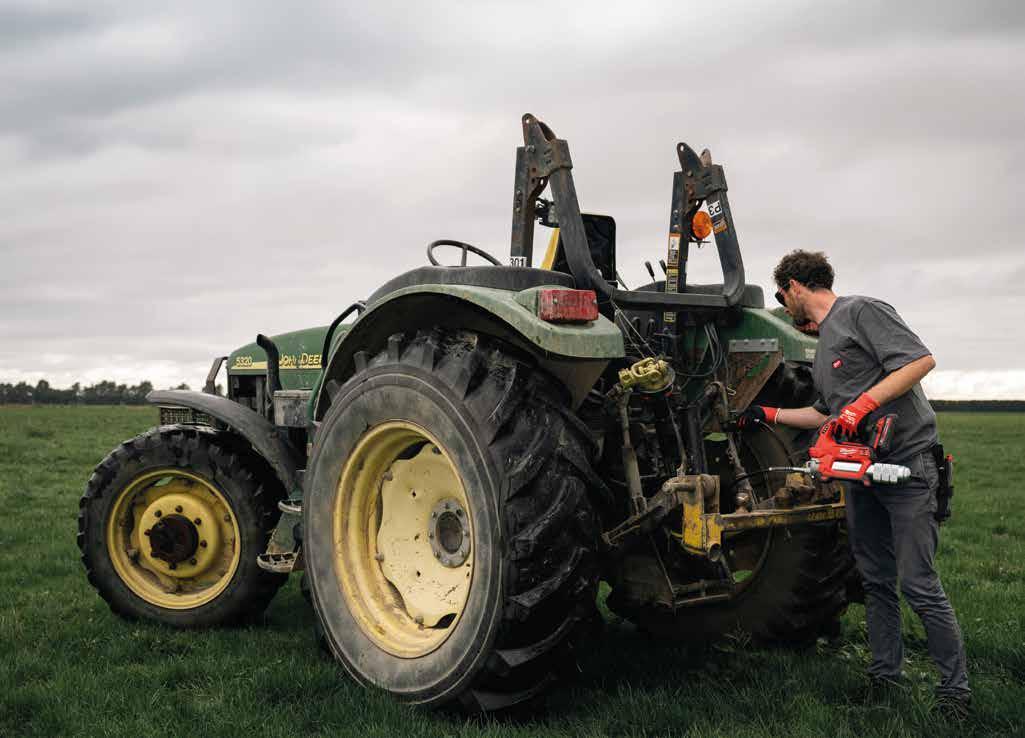
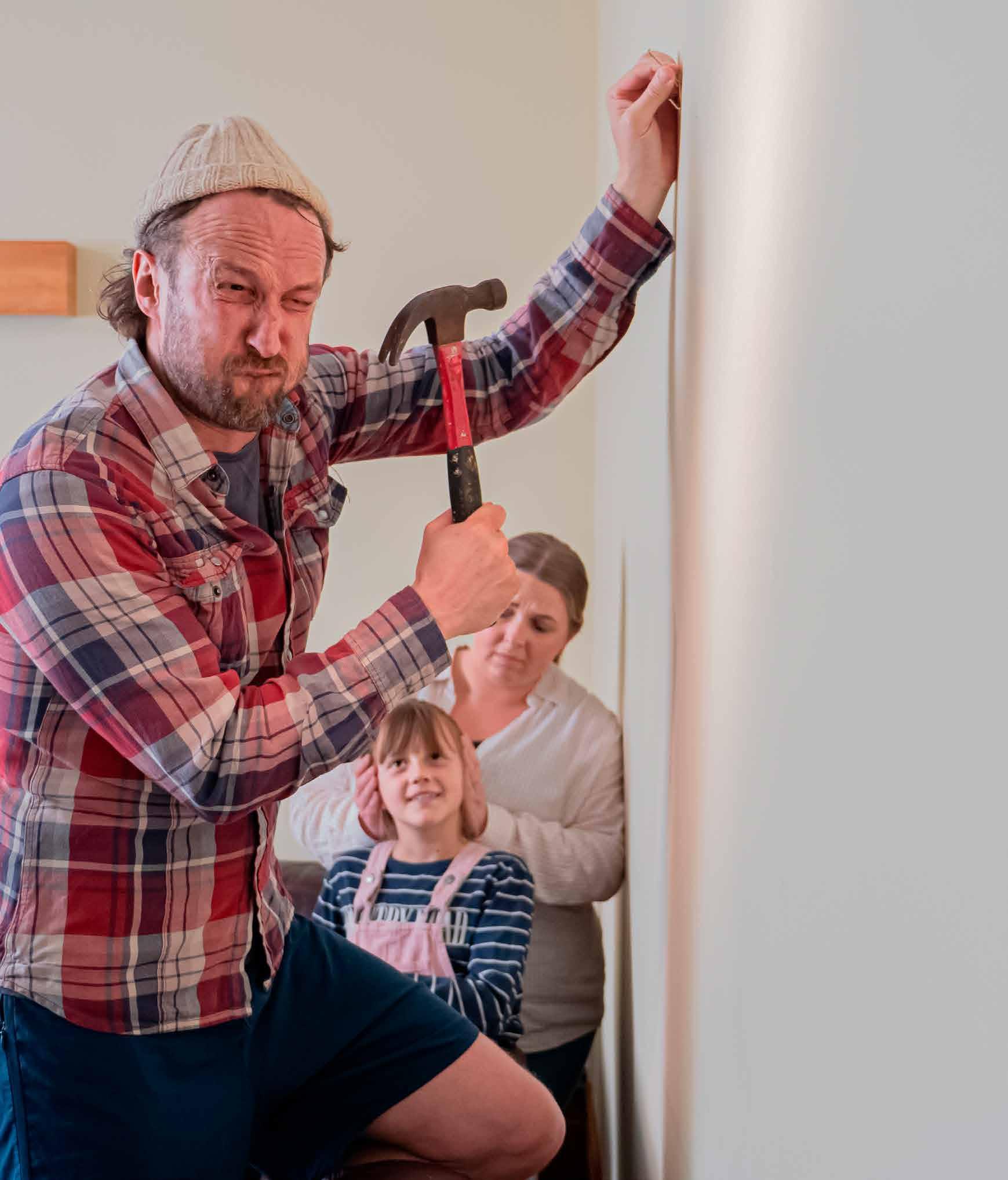
Top Paddock is an ever-expanding range of practical, no-nonsense products at sharp prices.
Fencing, gates, hardware, animal management, irrigation and more, Top Paddock is your reliable go-to. Look for Top Paddock products, exclusive to Farmlands, in-store or online.
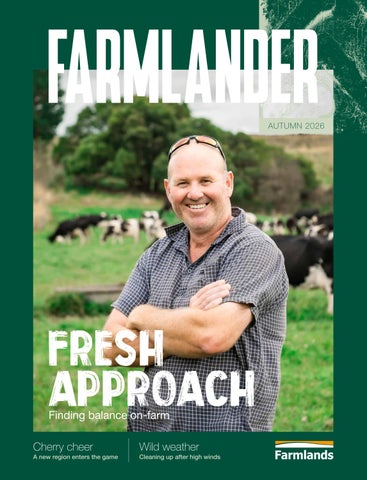
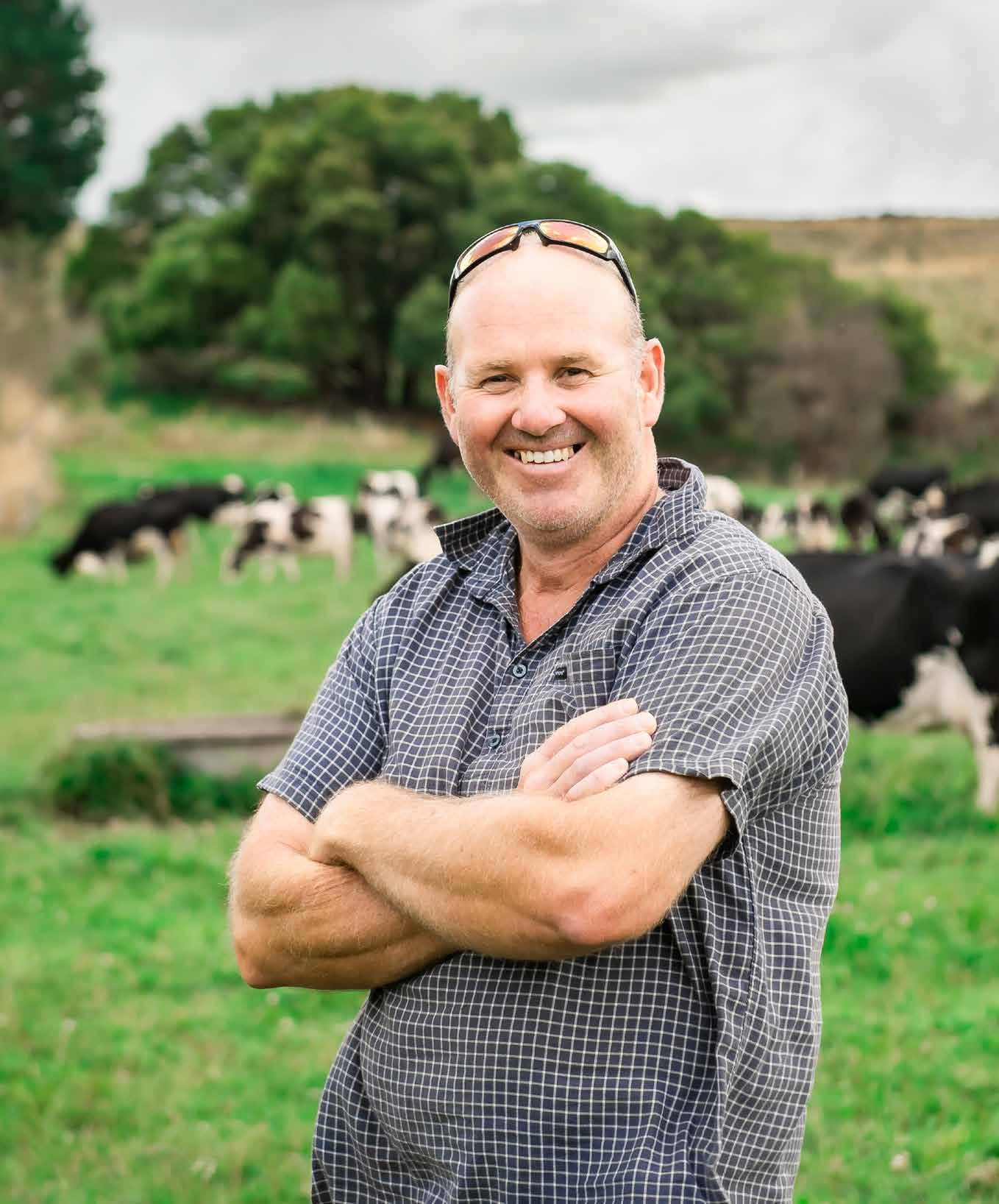
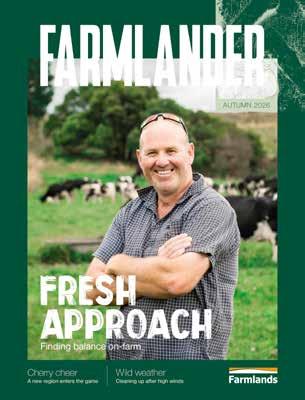
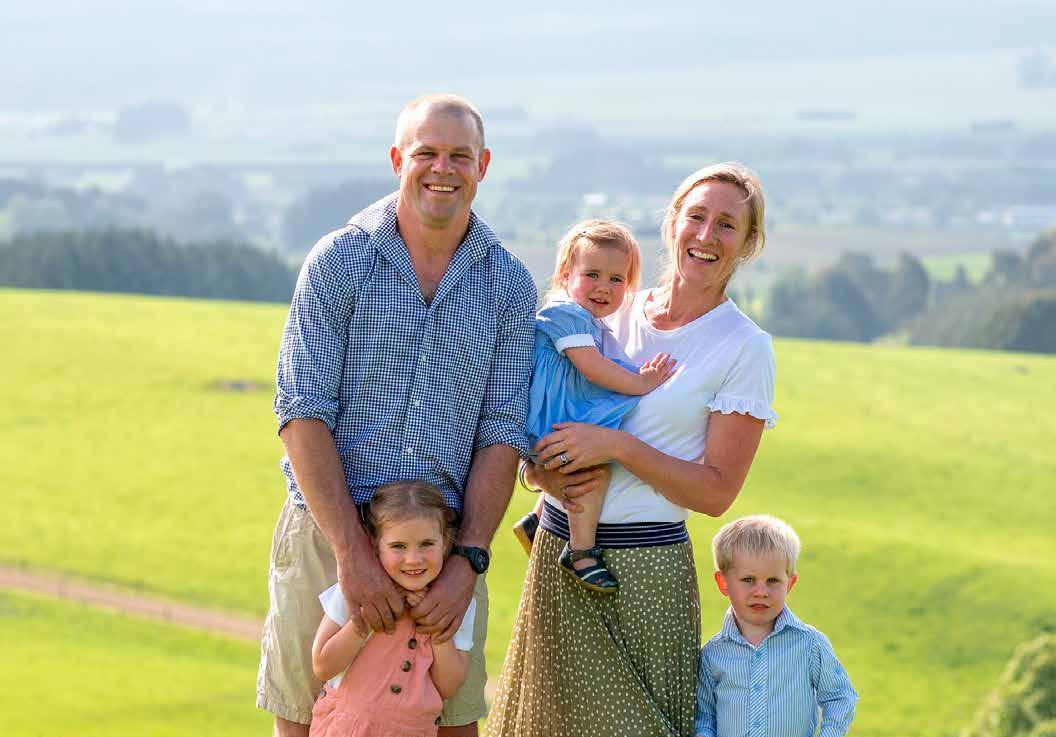
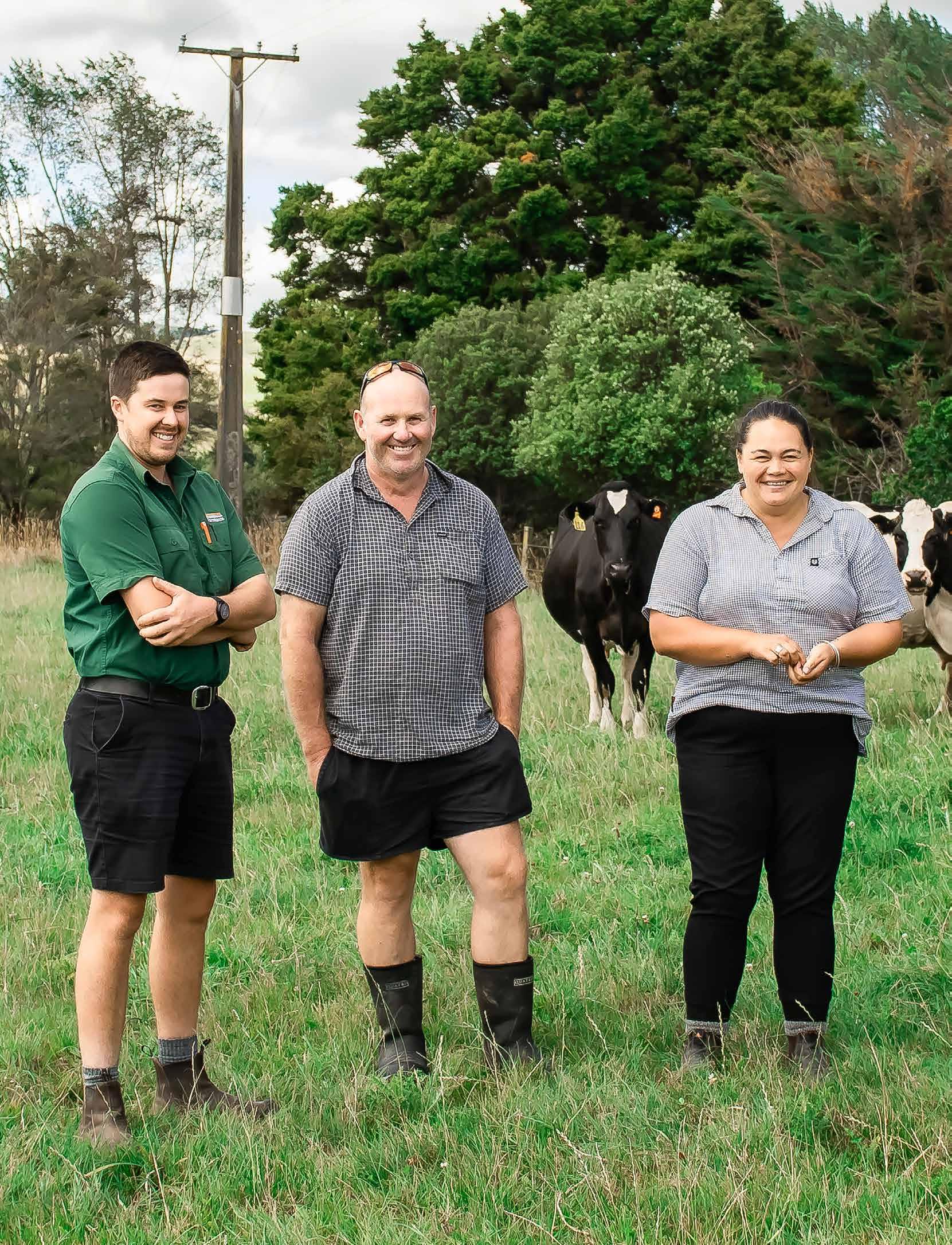
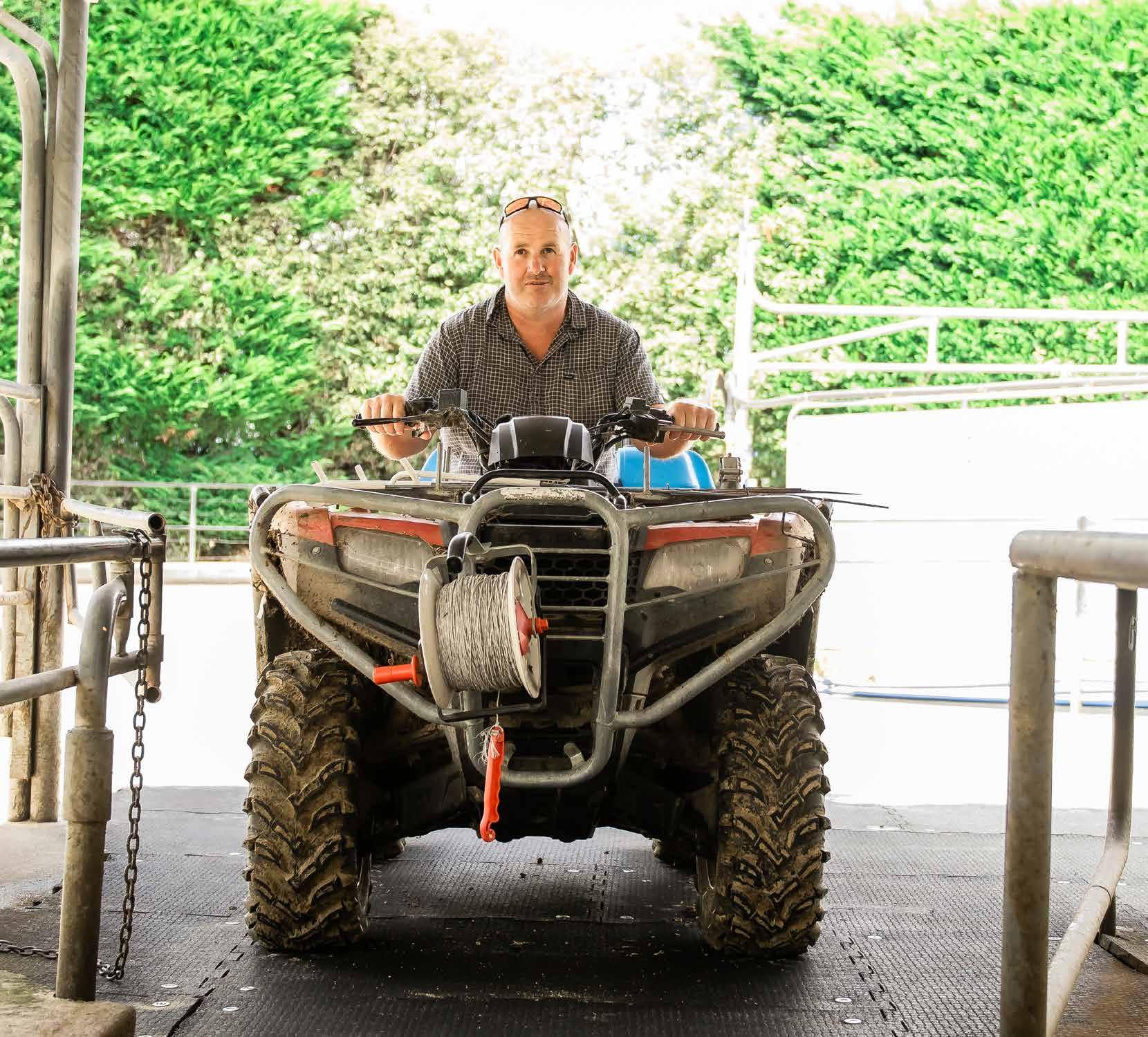
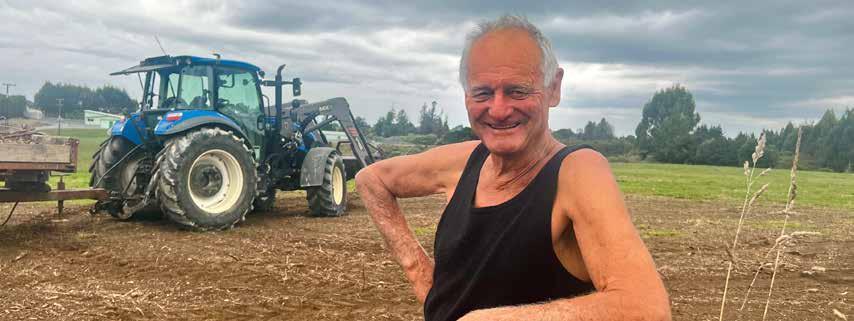
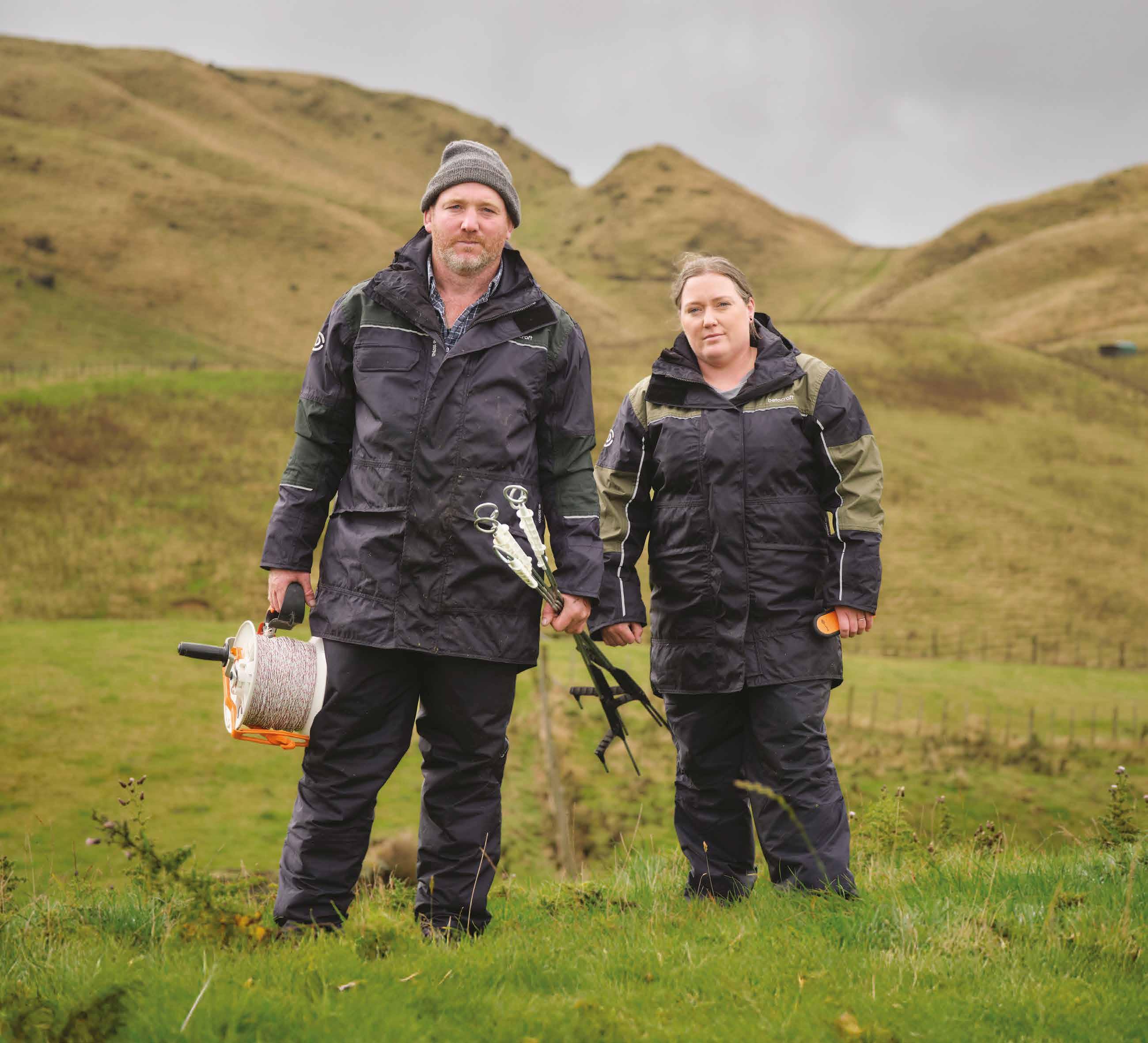
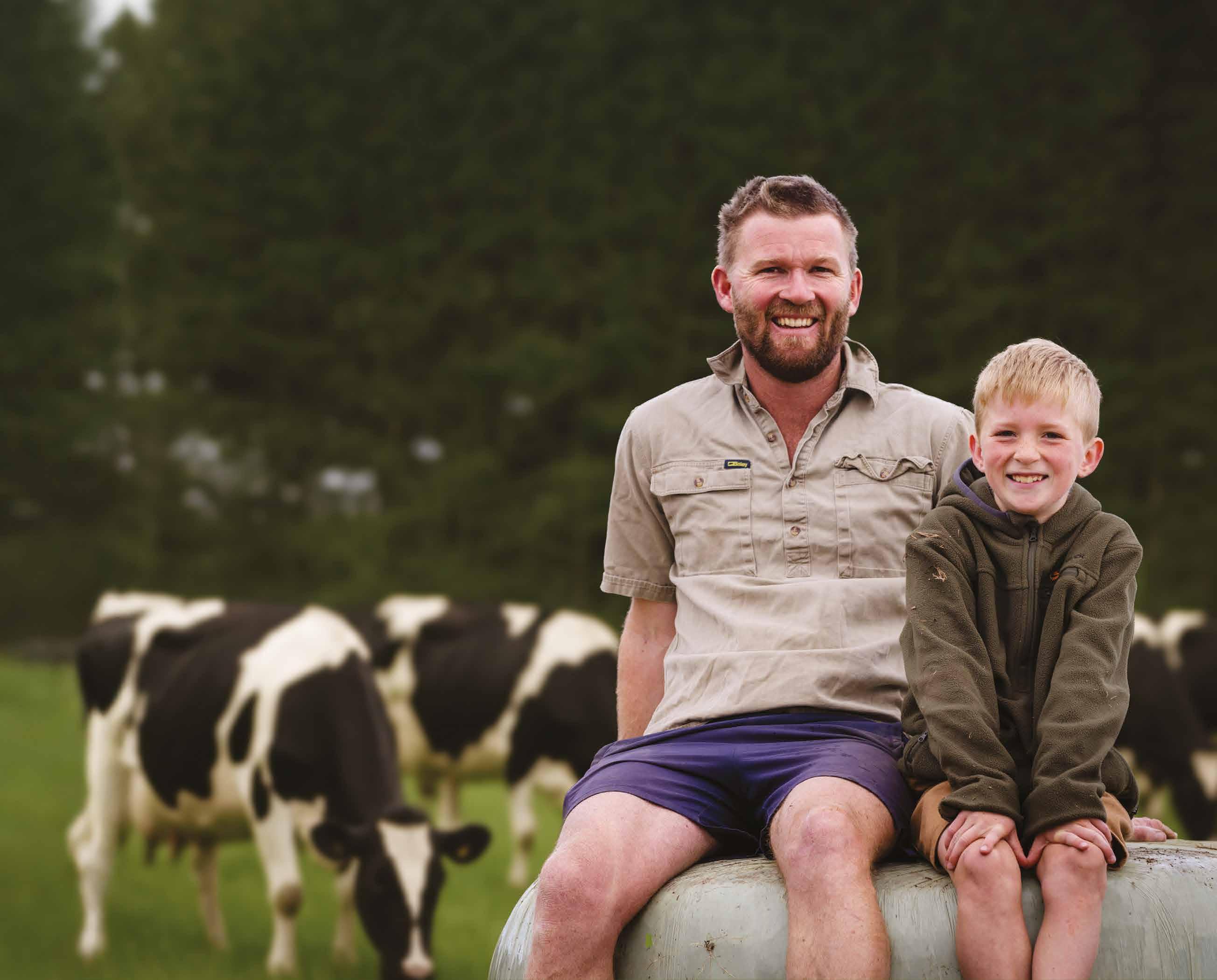
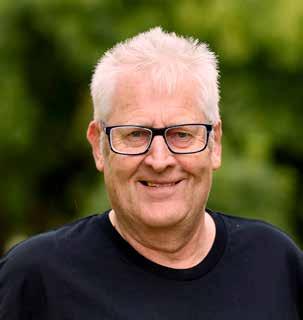
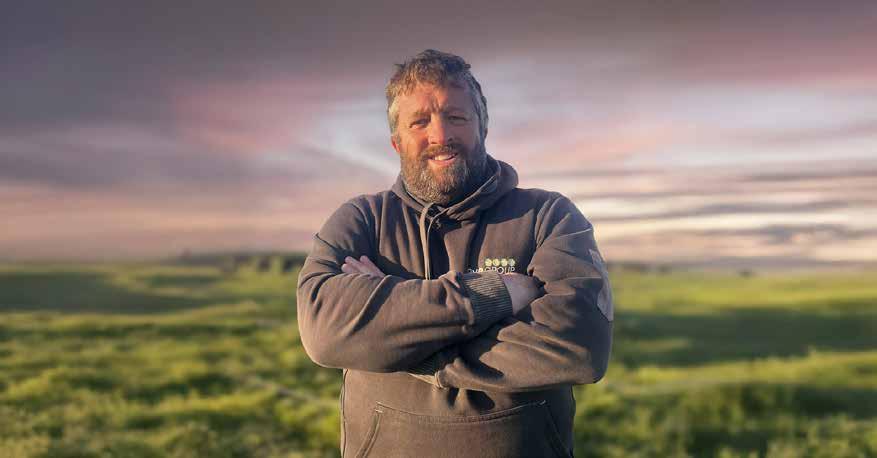
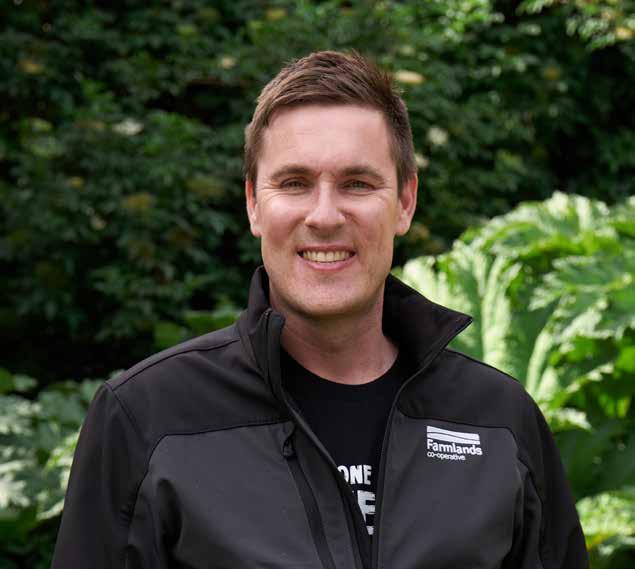
Farmlands shareholder Matt Jones on his dairy farm in Ashhurst.
Photo by Renee Holmes.
Design by Julian Pettitt
This publication is printed on paper made from pulp that is environmentally certified, and from renewable and sustainably sources. It is Elemental Chlorine Free (ECF) and manufactured under strict ISO 14001 Environmental Management Systems (EMS). The plastic wrap is 100% recyclable in the New Zealand soft plastic recycling scheme.
This publication has been printed by Webstar, a Toitū enviromark diamond certified company and a winner of a Green Ribbon Award “Minimising our Waste”.
The information contained in this publication is given in good faith and has been derived from sources perceived to be reliable and accurate. Whilst every effort is made to ensure the accuracy and correctness of the information, Farmlands gives no warranties, express or implied, regarding the information nor does it accept any liability for any opinion or information (including the accuracy or completeness thereof) or for any consequences flowing from its use. The information and views expressed in this publication are not necessarily the views or opinion of Farmlands, its editorial contributors, freelancers, associates or information providers. Independent advice is recommended before acting on information or suggestions contained herein. Readers who rely on this information do so at their own risk. Reference to any specific commercial product, process, or service whether by trade name, trademark, manufacture, or otherwise does not constitute an endorsement or recommendation by Farmlands. No part of this publication may be reproduced in any form without the prior written permission of the publisher. Prices and offers apply only in the time-period stated on the front cover of this publication and while stocks last. Not all products are available at all Farmlands stores. All prices include GST unless otherwise stated.
Sharing knowledge
We’re stoked to bring you the Autumn 2026 edition of Farmlander! We’re incredibly proud of our Farmlands team across the motu and the mahi that goes into creating a magazine. It's full of knowledge and advice, drawing on their skills and experience to help make your business more productive and profitable.
Throughout the magazine you’ll find fantastic stories including shareholder success, industry firsts and an insight into all things Farmlands. There’s also the Autumn Checklist, where we lean into our team’s technical and practical experience to offer you insight, advice and product options to help you get ahead this season.
We also want to know what you want to know! If you think there’s a story we should be telling, a topic you’d love to learn more about or if you have any feedback on anything we have talked about, please email farmlander@farmlands.co.nz
To stay up to date with Farmlands and everything happening across the sectors, be sure to follow us on Facebook Farmlands Co-operative, Instagram @FarmlandsNZ and LinkedIn Farmlands Co-operative Society Limited
Have a great season.
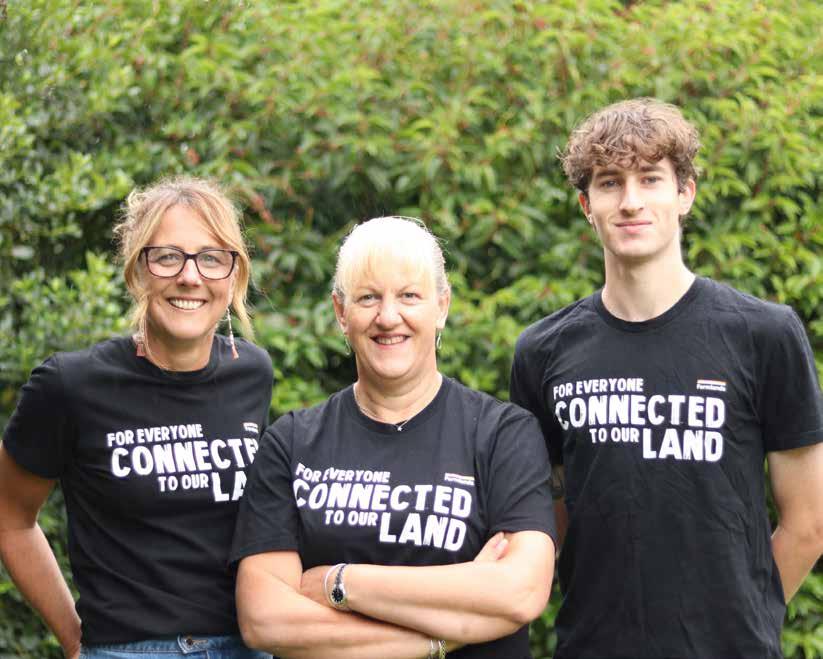
Sally-Ann, Deborah & Ben
Got something to share with the team at Farmlander ?
Email farmlander@farmlands.co.nz
Keep up-to-date with the latest news from across the co-operative via our website and social media. @farmlandsnz @farmlandsnz
Farmlands Co-operative Society Limited
AUTUMN Inside
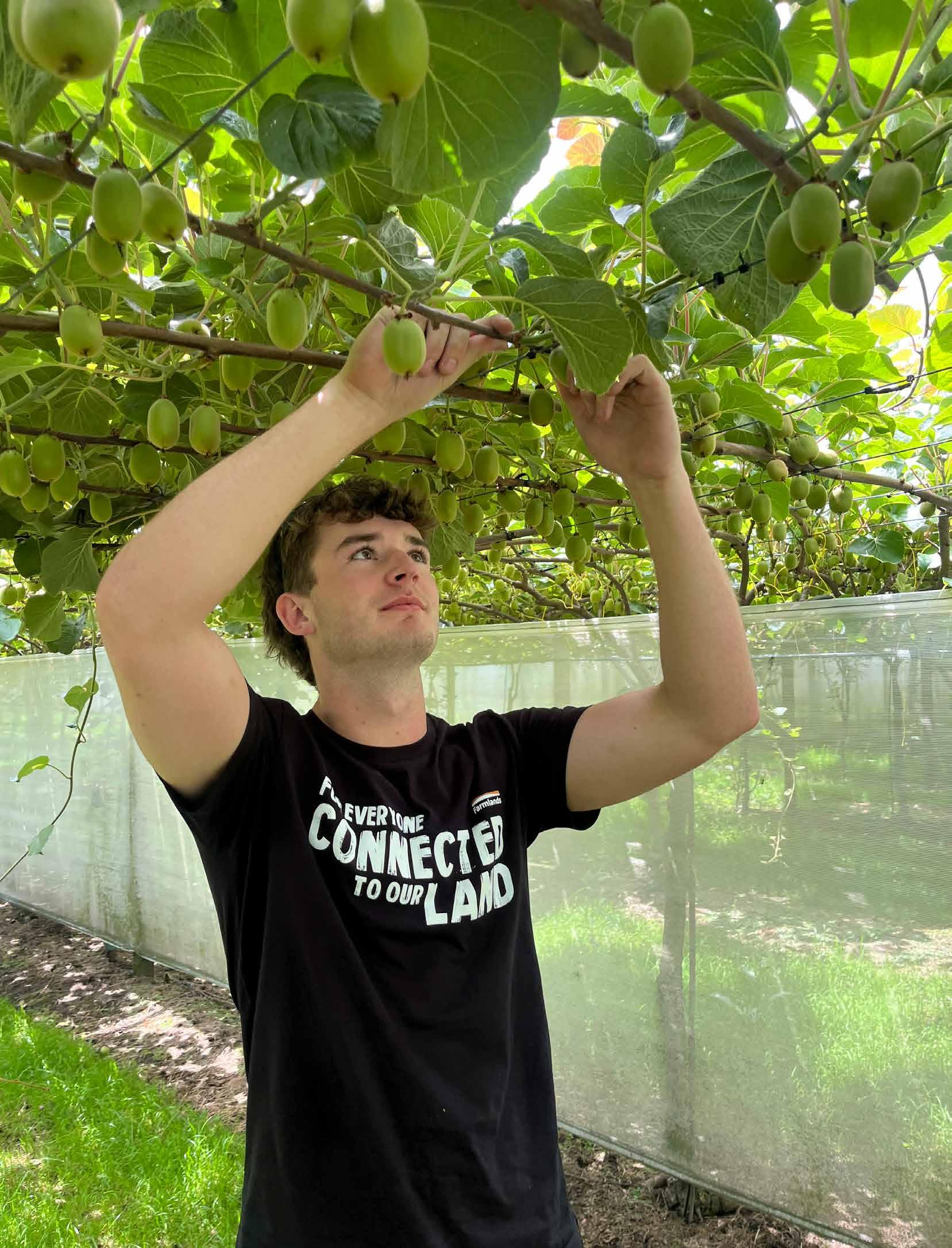
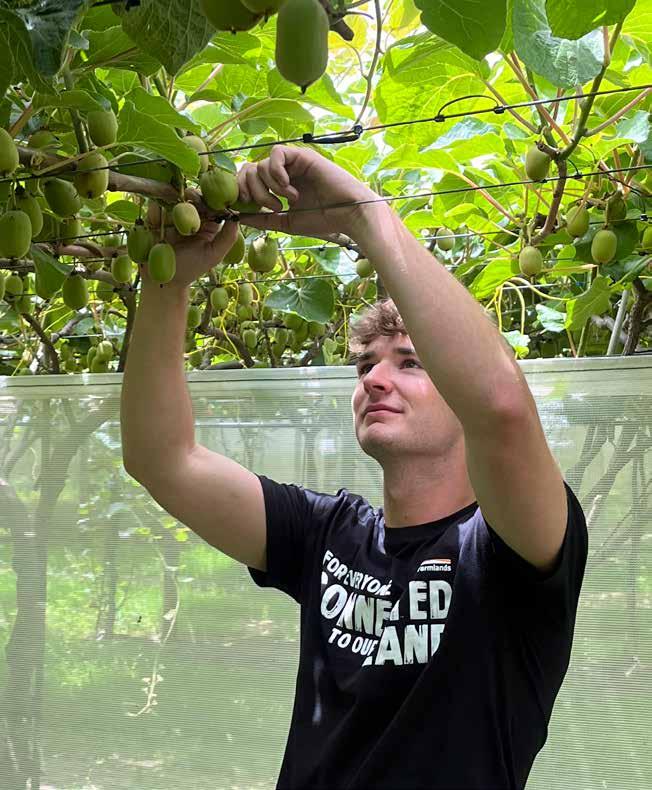
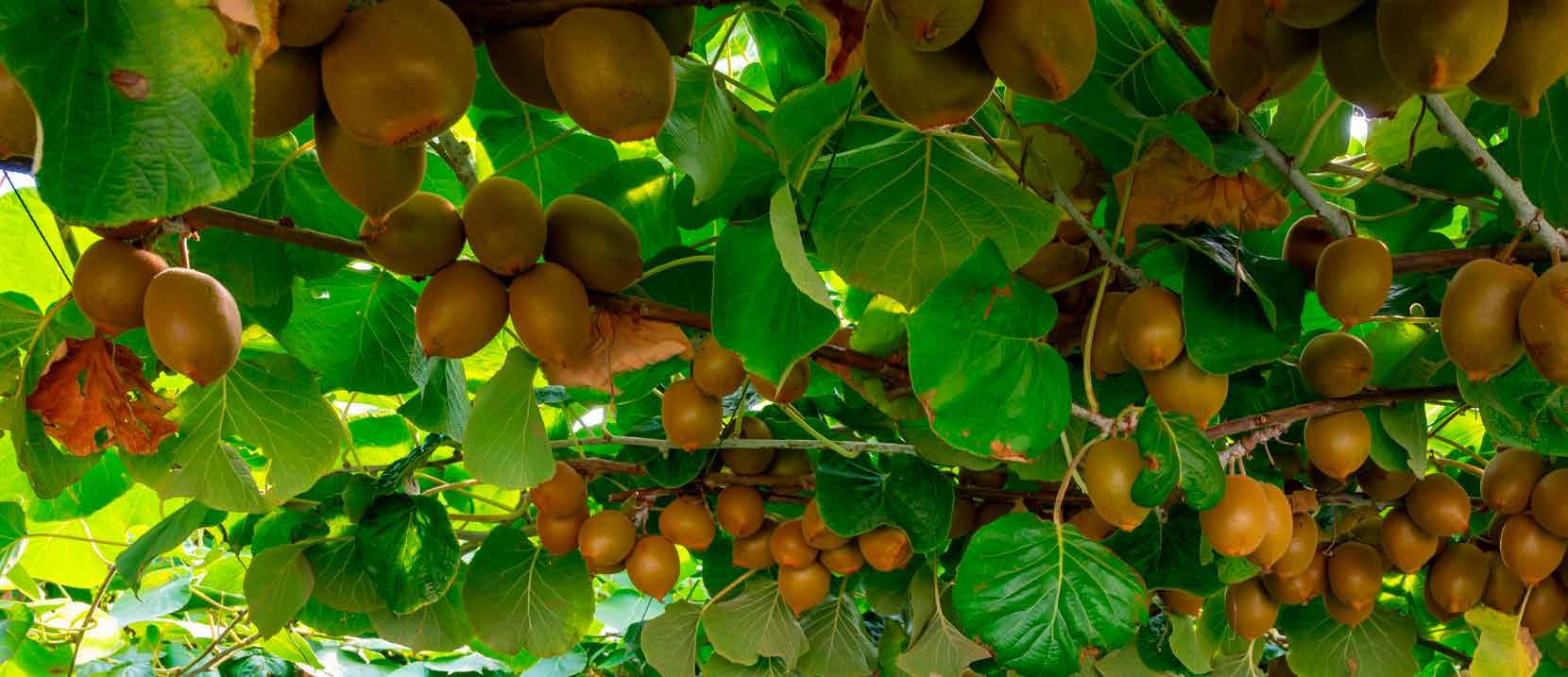
Farmlands Horticulture summer intern Henry Crawford inspects a kiwifruit crop.
CLIPPINGS
STAY CONNECTED
Join the conversation
Stay up to date with what our team is doing throughout the country and what’s happening across the sectors. From life on farm to giveaways and brand news, there’s something for everyone! It's the best way to stay in the loop and join the conversation.
Follow us on Facebook Farmlands Co-operative, Instagram @FarmlandsNZ and LinkedIn Farmlands Co-operative Society Limited to stay connected.
News from Farmlands and beyond
RECYCLING NEWS
Farmlands backs rural recycling
The Government recently announced a new nationwide rural recycling scheme – a big win for our sector and something Farmlands is excited to see rolled out. It’s also a natural fit with the mahi the co-operative has already been doing to make recycling easier and more accessible for farmers and growers. We’ve been building momentum over the past few years, and the government backing of this scheme is going to help take that work even further.
WHAT'S HOT
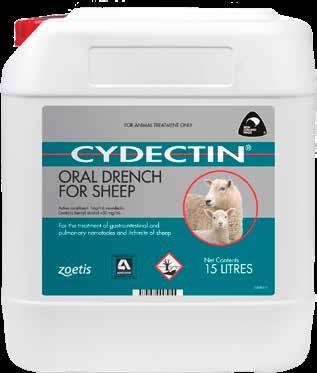
Cydectin® Oral Drench for Sheep
• Protect from harmful parasites for longer with persistent activity that works for up to 35 days against Barber’s pole and 21 days against Teladorsagia (Ostertagia) circumcincta in sheep.
• Lambs treated with Cydectin Oral Drench for Sheep can potentially grow up to 60% faster than lambs treated with short acting drench1 When NZ average growth rates from weaning to slaughter are only 150 g/ day 2, an extra 60 g is a big deal!
• This longer period of activity does not mean a longer meat withholding period; Cydectin Oral only has a 10 day meat withholding period. And if sheep are being milked for human
Here’s what we’re proud to already have in place:
• Partnering with Agrecovery since 2019, making many stores container drop-off points.
• Voluntarily supporting the small bags recycling scheme across NRM, McMillan, Reliance Feeds, and SealesWinslow.
• Investing in in-store bins, cages, and team training to help customers recycle more.
• Leading international packaging recycling at our Rolleston Feed Mill, with more to come.
This scheme gives us even more momentum as we work to support rural communities in reducing waste on and off farm.
consumption, the milk withhold is only 7 milkings (84 hours).
• Proudly made in New Zealand.
1 Murphy, A. The effect of treatment with moxidectin, a long acting endectocide, on milk production in lactating dairy cows World Buiatrics Congress, 1998.
2 400 Plus: A Guide to Improved Lamb Growth for Farmers and Advisors. Beef and Lamb 2000
Zoetis New Zealand Limited. Tel 0800963 847 www.zoetis.co.nz
Purchase Cydectin® Oral Drench for Sheep in-store, on FarmlandsPRO or through your TFS.
PROMOTION
Free haircuts at Farmlands Rangiora
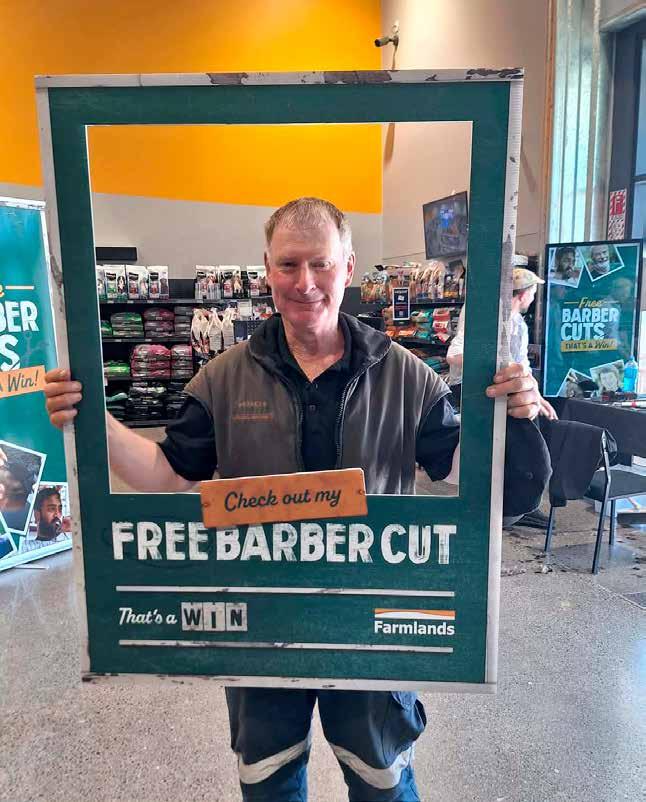
Farmlands isn’t the first place you think of when you need a haircut, but a special promotion at the Rangiora store offered customers an authentic barber experience. The promotion saw customers get summer-ready with a free barber haircut at Farmlands Rangiora on 13th December, with the chance to win a $500 House of Travel voucher. Customers could also grab a feed with a free BBQ on-site, provided by the team at Hirepool, and enjoy a coffee thanks to FMG.
WHAT'S HOT
Te Pari Powered Dosing Guns
Te Pari’s range of battery-powered dosing guns make dosing easier. No more struggling with awkward dosage selection or suffering from hand strain. Available in either EasyDose Powered Gun or the Revolution Auto-Calibrating Gun that can connect to your scale system to dose animals accurately according to their exact weights.
Key features:
• Battery Life: 2,000+ doses of 50ml pour on or 1000+ doses of 15ml oral drench.
• Dosage used and number of treatments on statistics screen.
• Durable design that is proven in high use feedlot applications.
• Barrel options: 70ml barrel for pour-on, or 14ml barrel suitable for oral and injectable treatments.
EasyDose Gun from $1159 incl GST and Revolution Gun starting from $1899 incl GST Available in selected Farmlands stores or shop now on FarmlandsPRO
The haircuts were from Wass's Barbers.
OPENING WEEKEND
Farmlands New Plymouth opens in style
Farmlands New Plymouth drew big crowds to the grand opening of its brand new purpose-built store, which includes a drive-through and even a pet wash station.
The three-day opening weekend celebrations from 31st October to 2nd November had dogs galore, sheep shearing with Matt from 100 to 1 Mobile Farming and alpacas courtesy of the Gopperth family.
Etta – Coffee & Cake were on hand thanks to FMG, while the team from Bunnings Warehouse were on the BBQ for the sausage sizzle.
The event also featured expert advice and top-notch knowledge from NRM, Summit Steel & Wire, Nufarm, and the wider Farmlands team, BYD and Can-Am showing off their wheels, and the biggest Red Band in the Southern Hemisphere.
Regional Retail Manager Mereana Kitto says opening their doors to the public at the new site was a significant achievement.
“The store has really come together and looks amazing, and the team were excited to show customers around and talk to the space in both drive-thru and retail. There was been a steady flow since 8am and lots of positive feedback from customers and vendors in store.
Mereana also gives a huge thank you to everyone who contributed to the store fitout.
“All of this would not be possible without the time, hours and hard work put in from all the team,” she says.
“A special shout-out goes to not only the New Plymouth on-site team for their tremendous effort, but also the many helpers from Inglewood, Stratford, Hawera, Wanganui, Taupo and Taumaranui.”
CELEBRATION
Year of the Horse
February 17 marked Chinese New Year and the beginning of the Year of the Horse. To celebrate the occasion, here are some popular feed options for the horses in your life:
MCMILLAN GRAIN FREE
McMillan Grain Free is a low GI, fully formulated and balanced super fibre feed designed for all horses requiring low starch diets, including those with conditions such as laminitis, cushings, equine metabolic syndrome, colic, hindgut acidosis, developmental orthopaedic disease and tying up.
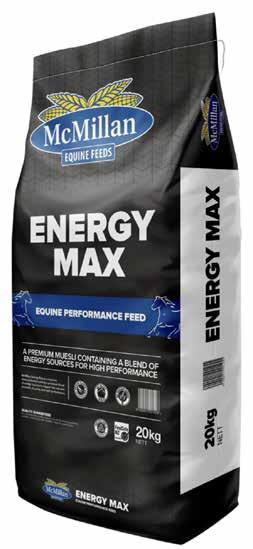
MCMILLAN ENERGY MAX
Digestible oats, steam flaked barley and maize is combined with super fibres and high quality oil sources to provide the optimum blend of energy.
• The inclusion of organic yeast culture helps to maximise digestibility and ensure a healthy digestive system.
• Contains balanced levels of organic Zinpro Performance Minerals® and natural vitamin E for enhanced antioxidant protection.
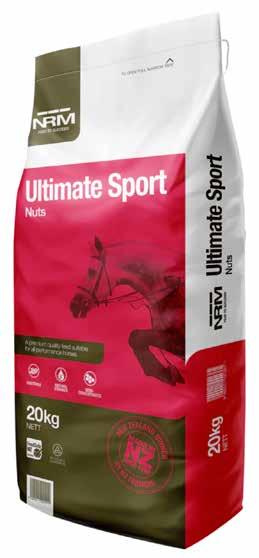
NRM ULTIMATE SPORT
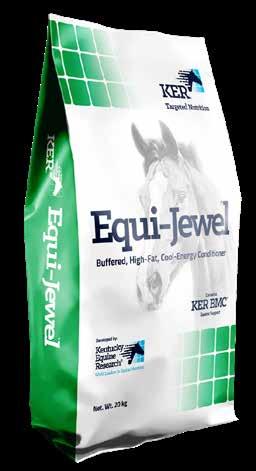
Ultimate Sport is a semiconcentrated premium feed designed to meet the needs of performance horses in moderate to heavy work. It contains highly digestible super fibres including beet pulp for slow release “cool” energy, along with Equi-Jewel® to assist in muscle conditioning and topline development essential for the hard working performance horse.
Ultimate Sport includes a blend of vitamins and minerals formulated by KER to meet the nutritional demands of the performance horse during times of intense work, enabling them to perform at their best.
EVENTS
Upcoming events
The rural events calendar is filling up as we head into Autumn, with everything from regional Field Days and A&P shows to conferences and awards dinners. Farmlands will be out and about at many of these rural events, sharing the latest updates on:
• FarmlandsPRO
• Farmlands FLEX
• Agronomy
• Nutrition (SealesWinslow, NRM and McMillan)
• Horticulture
• Fern Energy
Here are some of the upcoming events around the country you may want to check out:
Northland Field Days
• Dargaville, 26th-28th February
Golden Shears
• Masterton, 4th-7th March
Wanaka A&P Show
• Wanaka, 13th-14th March
Central Districts Field Days
• Feilding, 19th-21st March
Hawke’s Bay Primary Sector Awards
• Hastings, 2nd April
Dairy Women's Network Conference
• Christchurch, 5th - 6th May
Century Farm Awards, Lawrence
• 15th-17th May
Beef + Lamb NZ Out the Gate conference
• Christchurch, 20th-21st May
Hawkes Bay Young Fruitgrowers of the Year Awards
• Hastings, 3rd June Fieldays
• Hamilton, 10th-13th June
WinePro Conference
• Blenheim, 23rd - 25th June
NZ Apples & Pears Conference
• Queenstown, 22nd -23rd July
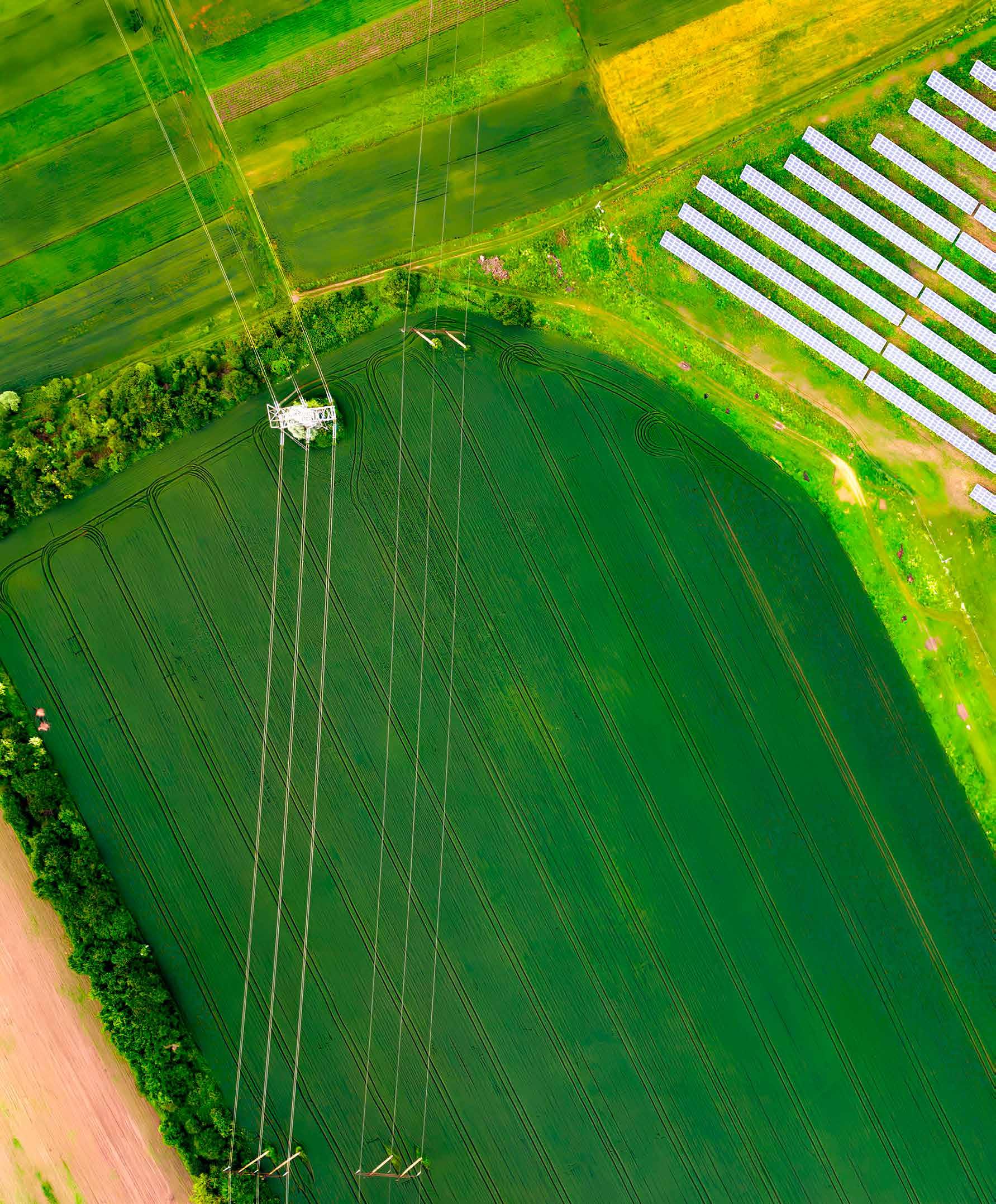
Cut your power bill by up to 40%
Electricity costs aren’t going away, in fact, they’re going up. Take control with Farmlands FLEX — it’s more than solar.
Ready to see what your farm could save... and earn?
Scan
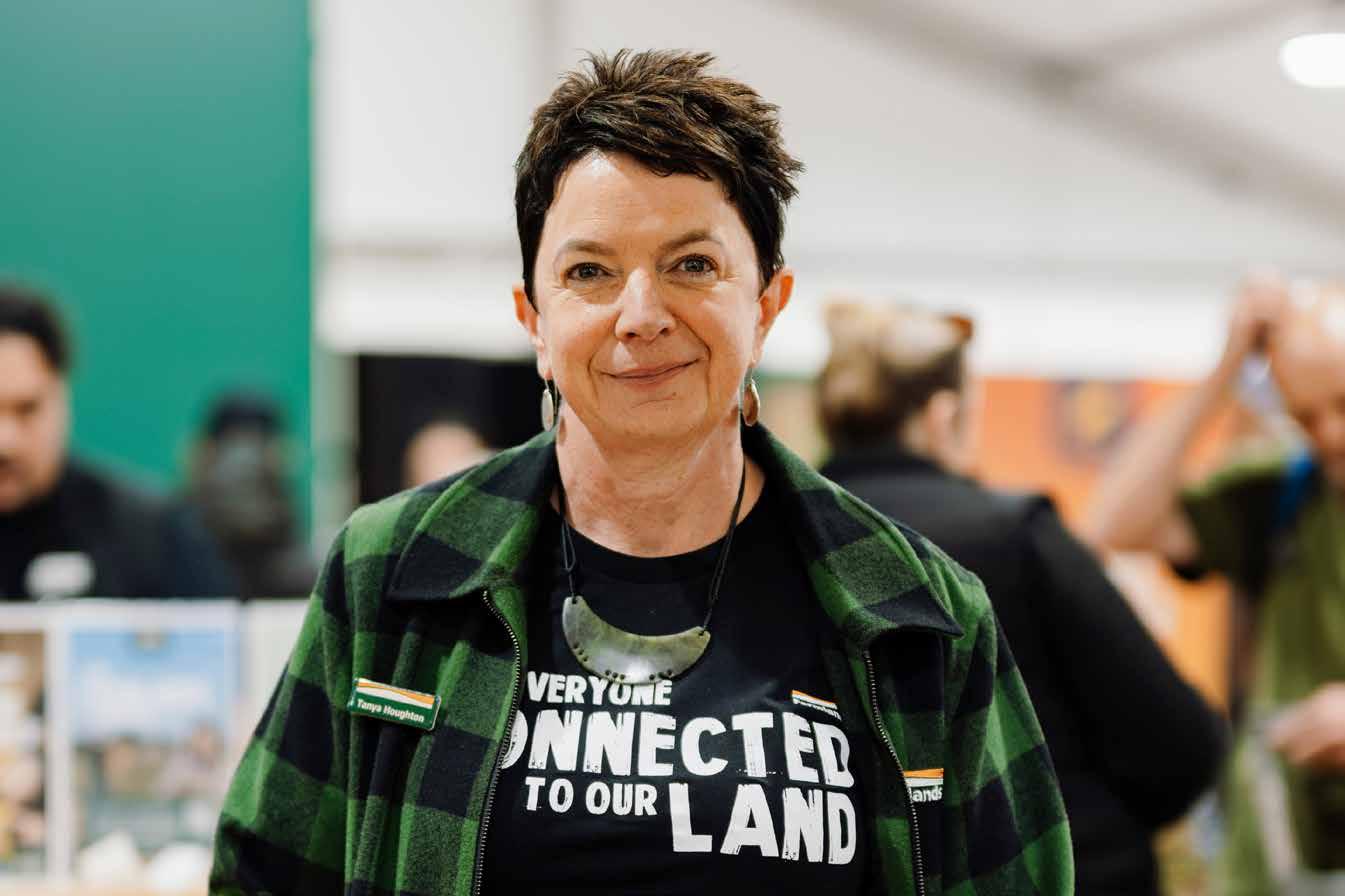
FROM TANYA
As the weather starts to cool, our focus at Farmlands is simple: staying relevant by backing our shareholders and customers, with what they need, when they need it. Being a co-operative isn’t just how we’re structured, it’s about showing up every day with sharp pricing, reliable supply, and expertise to help you get through the season.
We know this time of year can bring specific pressures. Whether you’re locking in inputs or getting the dairy shed ready, our priority is having products on the shelf ready for you at the right time. You’ll have noticed more of our Top Paddock range in store — part of our strategy to offer highquality, good-value alternatives that help keep input costs under control without compromising performance.
Our 2026 Strategy is delivering and we’re reinvesting the scale of the co-op back into the people, systems, and assets that support your day-to-day operation.
A good example of this is SealesWinslow. Since the acquisition, we’ve been focused on more than just selling feed. We’re shifting toward fully optimised nutrition, backed by science and led by our Technical Field Specialists. That means a nationwide feed solution supported by expertise you can trust, not just product on a truck. We’re evolving
the brand carefully, so it continues to meet the needs of a changing industry.
By running a disciplined and financially strong business, we’re better placed to support you through the ups and downs of the market. For us, delivering value isn’t something we talk about once a year — it shows up every day in pricing, product availability, and the advice our teams bring to your farm.
I look forward to catching up with those of you that are attending upcoming regional Field Days and NZ National Fieldays later in the year. Our team will be there to listen and talk through how we can continue to better support your business.
Farmlands CEO
Got a question for Tanya? Reach out via asktanya@farmlands.co.nz
Photo: Radlab
The Big Picture
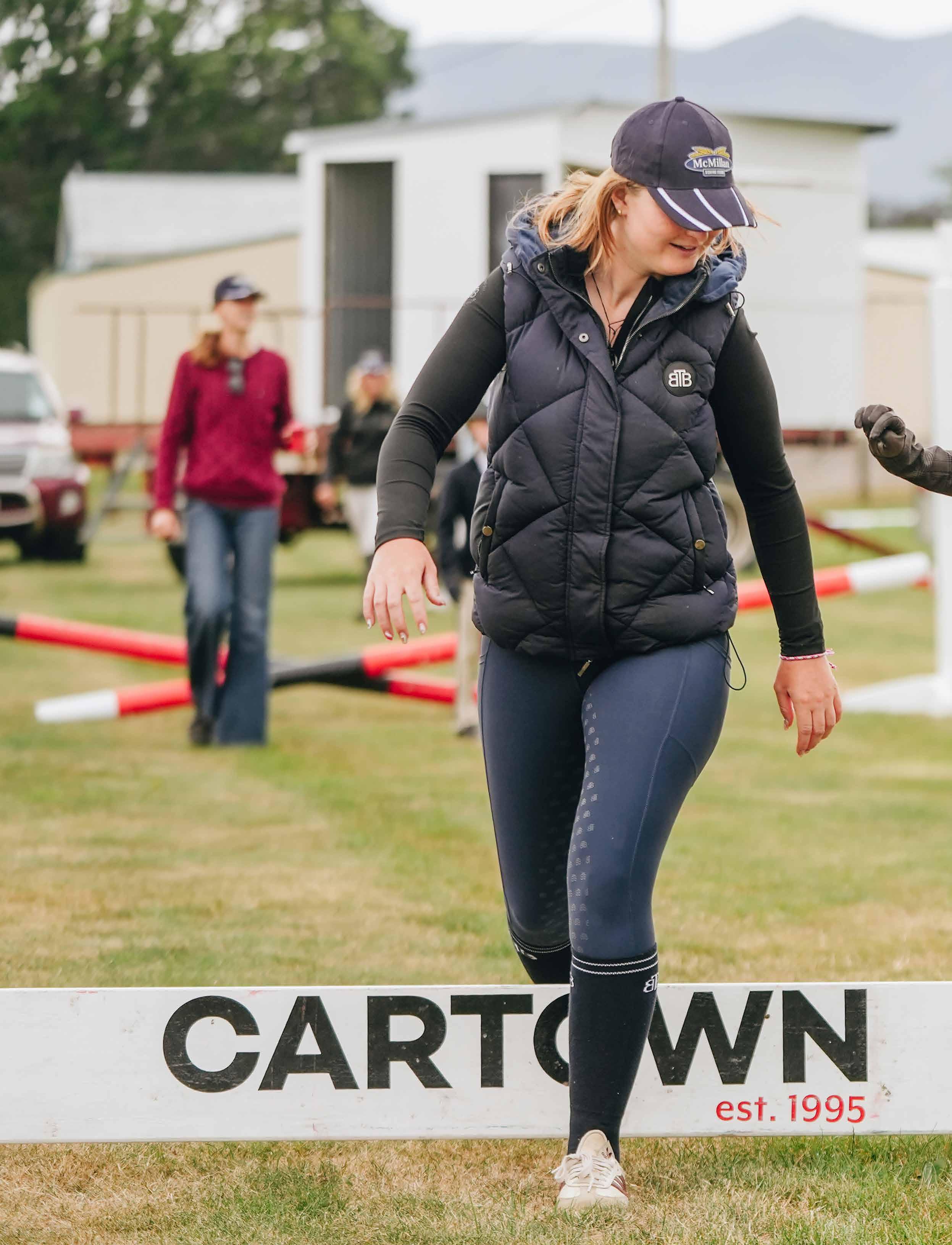
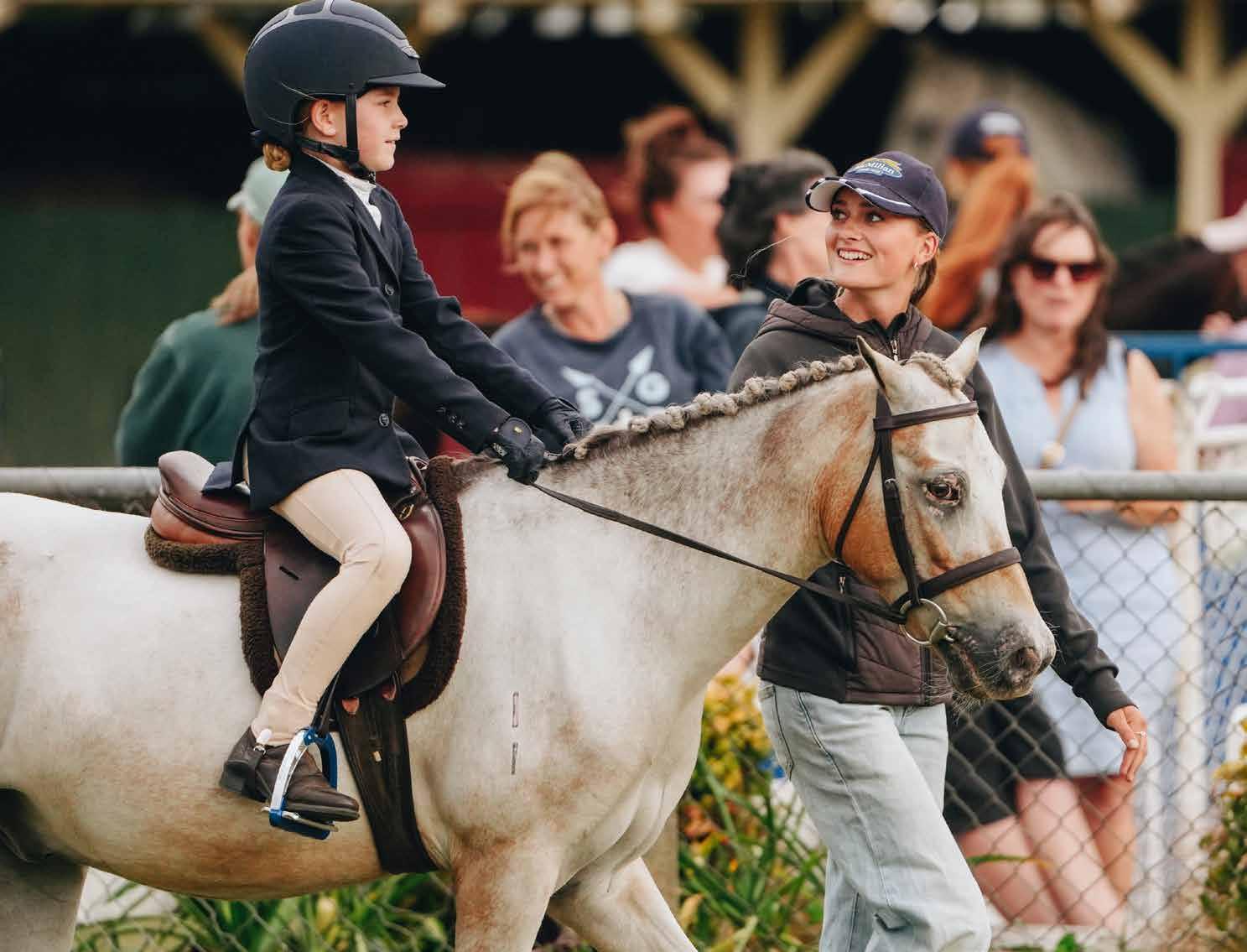
Answer Back Cup rider Emily Haswell with her mentor Fran Corich, during the Central and Southern Hawke’s Bay Jumping Show in Dannevirke.
In this section
Kiwi farmers and growers are not afraid to give it a go, whether it’s growing a new crop, trying a new export market or even creating a new event for their community. We look at what’s new in our rural sector, through the eyes of Farmlands shareholders.
Photo: Michelle Clarke
14 Why export-quality Hawke’s Bay cherries could be game-changing.
24 Meet the farmers who host an equine event with a difference.
30 How the Farmlands team supported storm-struck shareholders.
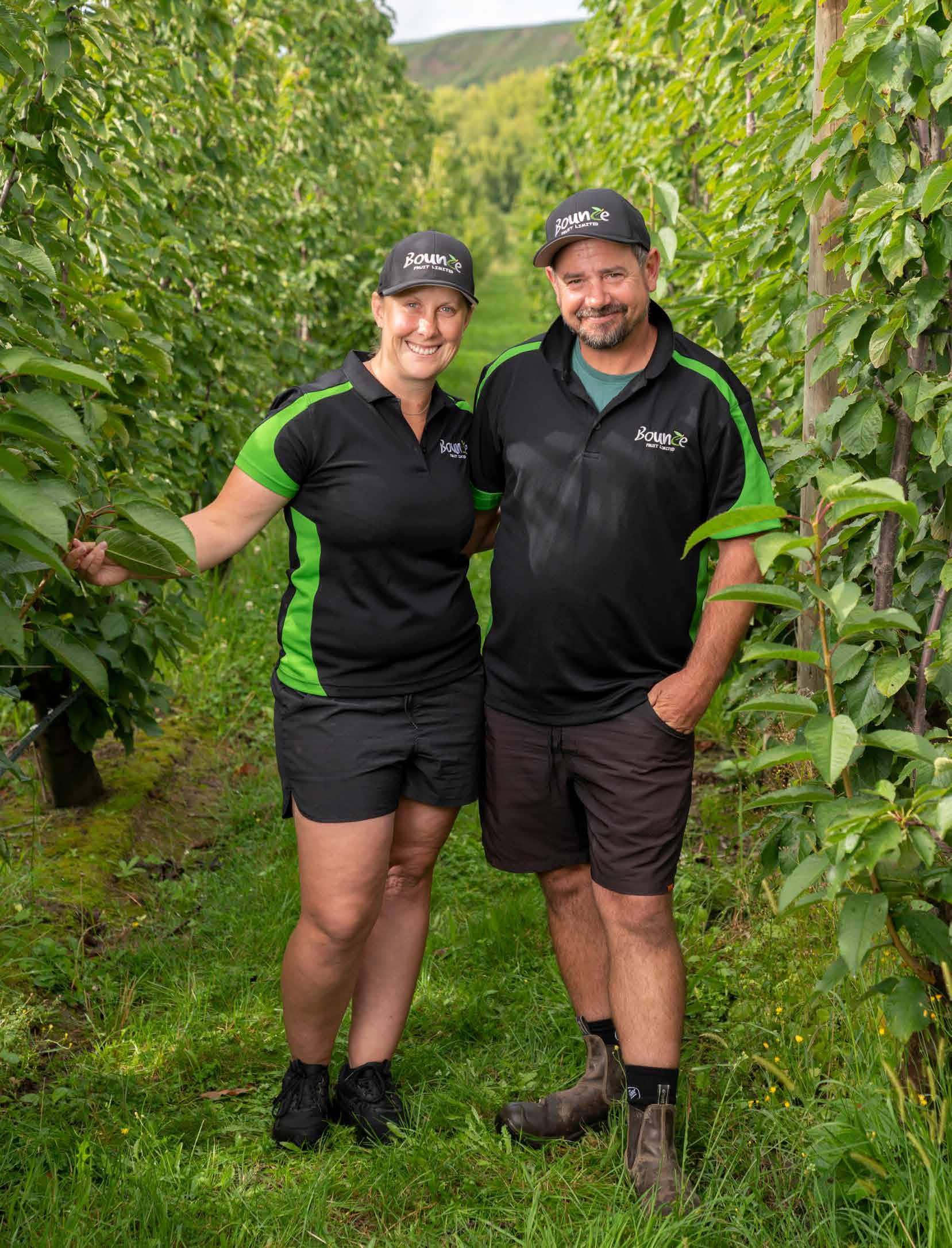
Bounce Fruit Managing Director Graeme Hodges and Business Manager Simoné Bruwer operate several cherry orchards in Hawke's Bay.
Finding the secret to CHERRY success
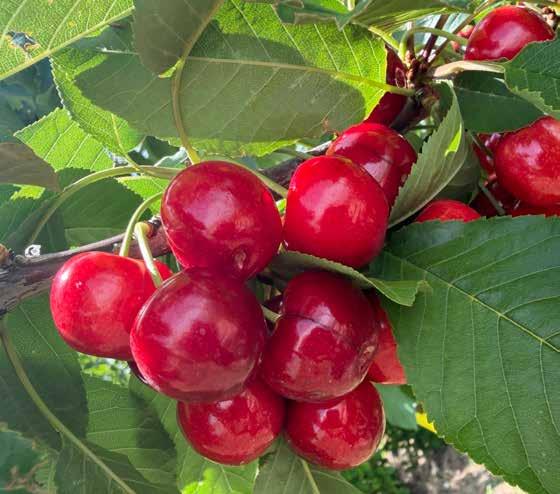
Growing cherries in the Hawke’s Bay isn’t easy, but one Farmlands shareholder is aiming to be the first grower in the region to export cherries to Asia.
WORDS BY NIKO KLOETEN RICHARD BRIMER & SUPPLIED BY BOUNCE FRUIT
Hawke’s Bay is one of the biggest horticulture locations in the country, but its climate isn’t always ideal for cherries, and those grown in the region have traditionally been sold only to the New Zealand domestic market.
Graeme Hodges, Managing Director of cherry and apricot growers Bounce Fruit, is on a mission to change that, and he came agonisingly close to achieving that milestone last year.
“We made a call in Auckland when they were about to be flown to Taiwan that the market was looking a bit poor and we didn't want to roll the dice. We’ll try again this year,” he says.
“The exciting thing is that thanks to our variety mix and our growing methods, probably 50 percent of our crop last year was of export standard.”
Working with Iwi
Bounce Fruit operates about 55ha of cherry orchards in Hawke’s Bay, of which they lease and own 15ha with the remaining 40ha managed on behalf of local iwi group the Hineuru Iwi Trust.
A career horticulturalist, Graeme has significant experience in cherry growing in Hawke’s Bay and Central Otago, New Zealand’s unofficial cherry-growing capital.
“It has been interesting to be able to grow fruit across both regions, especially with the geographical differences,” he says.
Bounce Fruit’s opportunity to work with Hineuru Iwi Trust came as the previous lease holder and management company encountered difficulties.
“We put a proposal in front of Hineuru for us to run their blocks,”
Graeme says. “They chose us and we managed to keep all of the original staff, who were probably going to be made redundant inside the next week. We’ve even added a couple more since.”
“We now have some of our own properties as well, but the bulk of it is built off the back of trying to get things moving for Hineuru.
“We need to look after the land and ensure that they get a good return for the people that have invested in it, including their nearly 3,000 iwi members.”
Hard slog
Although the performance of Hineuru’s orchards has improved since Bounce Fruit took over, Graeme doesn’t sugar coat how difficult growing cherries is, especially in the North Island.
“It’s incredibly hard. Everything can be going well and the market can turn sour, or you can't get enough pickers or it rains and you get splitting of the fruit. It's very dynamic, but that’s what makes it incredibly enjoyable.”
One of the biggest challenges is Hawke’s Bay’s mild climate, which is ideal for many crops but lacks the cold winter temperatures that help cherries thrive in places like Central Otago.
“Inadequate winter chill is a big concern for us. Not only are we in Hawke’s Bay, but quite a lot of our growing hectares are actually very coastal,” Graeme says.
“We've got one block where we can catch a Kahawai off the headland, and it's got a tidal stream running through. That's how close we are to the beach, which when you think about winter chill is probably not ideal.
“So one of the key challenges is understanding the tree, and the leaf fall type, and then using a few of the plant’s own stress indicators to effectively force dormancy and give yourself extended winter chill.”
“One of the key challenges is understanding the tree, and the leaf fall type, and then using a few of the plant’s own stress indicators to effectively force dormancy and give yourself extended winter chill.”
horticulture game or Simoné with seven years, it really comes down to never stopping learning.
“We are incredibly fortunate to have a great team of staff who are not only skilled at what they do, but passionate, diligent and hungry to learn. The hard work from our team will be the cornerstone of our success.”
Training and nurturing their team has been another big component of Bounce Fruit’s success, Graeme says.
By getting their timing right, using active dormancy breakers and ensuring that their soil is in good condition, Bounce Fruit have boosted their average winter chill units from around 700 to between 950-1,000, according Graeme.
“Whilst a lot of that is climatic, a fair bit of that is through smart manipulation. I'm not going to tell you how I did it, otherwise everybody will be planting cherries in the Hawke’s Bay!”
Constant learning
Graeme says growing cherries successfully anywhere requires technical expertise, along with a willingness to constantly learn and improve your processes.
His experience in orchard management is complemented by the skillset of Bounce Fruit’s Business Manager Simoné Bruwer, who has a background in administration and fruit growing within the horticulture sector.
“Simoné is really data driven and really into her analytics. Whether it be me with 20-odd years in the
“It's empowering our staff to be smart, to be modern, to use technology where it's available, and back themselves. When they’re out there on the ground, they need to learn the ‘why’, as odd or botanical as the answer may be,” he says.
“We need them to understand everything from the tree and the fruit physiology to the cool chain, and how hard we have to work to make sure that fruit's pristine in its market.”
Their quest for knowledge sees them travel regularly to learn from the best growers and other experts within the cherry sector.
They spent time over in Washington State midway through last year learning from some of the top US growers, and when Farmlander spoke to Graeme they were driving to Cromwell to visit some pack houses and learn more about their operations.
Local knowledge of climate conditions and soil types in Hawke’s Bay is just as important, Graeme says.
“The stuff that you can learn off the sheep and beef farmer that lives a kilometre down the road from you in the same area is absolutely magic because he knows what the soil does, and remembers how it reacted after Cyclone Bola. It helps us tailor our approach accordingly.”
Trusted advice
Graeme also credits the support of Farmlands Horticulture’s technical team, including local Technical Advisor Greg Herries.
“He's an awesome dude and the support we get from Farmlands is immense,” he says.
“Sometimes you need advice, sometimes you need chemicals dropped off and sometimes it's, ‘Greg, we’re seven picking bags short, mate, would be able to get some out of the store?’
“If I've got any questions, I can even pick up the phone and bug their Otago team. It's just great to be able to work in with a really good bunch of people.”
Greg says working alongside the Bounce Fruit team, that Graeme and Simoné have built, has been a genuine inspiration.
“They are committed to pushing the boundaries of producing premium-
quality cherries for both export and local markets out of Hawke’s Bay,” he says.
“They are achieving this by embracing modern growing systems and strong on-orchard practices, consistently balancing innovation
with a deep respect for the land. The team is also open to the adoption of technology, using it strategically to support continuous improvement and their long-term goals.”
Short and sweet
Hawke’s Bay’s climate may present some headaches for cherry growers, but there is a major upside: the fruit come off the tree much earlier than their Central Otago counterparts, with harvest season typically completed before the end of the year.
Bounce Fruit’s first variety is Santina, which kicks off their harvest around November 11, followed on November 22 by Lapins, which according to Graeme has shown “very good performance” on their orchards.
Shortly after that, around November 25, they pick their first Rainier cherries, then in early
Greg Herries.
Empowering the team has been a key ingredient in Bounce Fruit's success.
December they start harvesting their Sweetheart, Sandra Rose, Kordia, Staccato and Regina cherries.
“Some of those varieties, Staccato for example, are generally picked in early February in Otago. They come very, very early for us, but it's good because it means we’re not competing with them,” Grame says.
“Especially from an export standpoint, it actually gives New Zealand the ability to push a bit of fruit in the end of the year with Otago coming and getting the glory for Chinese New Year's. I think it could be quite symbiotic for cherry exports from this country.
“Because we are so early, the local market is a viable option for us, even for really good top quality fruit.”
The short harvest window means they have little room for anything to go wrong, and Graeme admits his nerves are “always a wee bit on edge” during that time of the year.
“It boils down to having faith in your team and business partners, but if anything, just having some confidence in yourself and your staff. We’re very
lucky to have some very good people that work with us,” he says.
“And conversely, it's awesome having Hineuru who are learning about cherries, but also trust what we do and help us achieve good things so that we can help them achieve for their people. We’ve just good partners all around –Farmlands is a good example.”
Family history
Graeme’s desire to break new ground appears to be genetic. His family has a history of business innovation, including within the horticulture industry.
“My grandfather opened up a small fruit store in Clive that I believe was the first off license seller of wine, and back then it came in a keg. Those were back in the wild '60s.”
After a stint of 20 years in the army, Graeme’s father Greg came back to Hawke’s Bay and he and his family built a large hydroponic tomato house in 1990.
“That was one of the first of its kind, until Aussie tomatoes came into the market and more people started doing it,” Graeme says.
“When I was a young fella, Christmas Day looked like this: you get up at 5am, go out and do the first pick of tomatoes, quickly grade them, run back inside, open some presents, have a bit of a Christmas feed and then you're back out for the afternoon pick.
“And then the Christmas family trip was heading over to the Turners and Growers sales yard in Napier and selling tomatoes.”
Thanks to last year’s early cherry harvest, Graeme’s Christmas Day was not as hectic as what he had experienced during his childhood.
“We had Christmas Day off this year, which felt kind of strange, but it was awesome to be able to give the team the time for Christmas with their families. I don't know if that'll be an every year thing, but it’s really nice to be able to do it this year,” he says.
“Ultimately, us being out of the market by Christmas is very, very good for Otago as well, so it has some national benefits for the stone fruit crop. We can stick to our knitting, get our early stuff done and then let them get in and do what they do.”
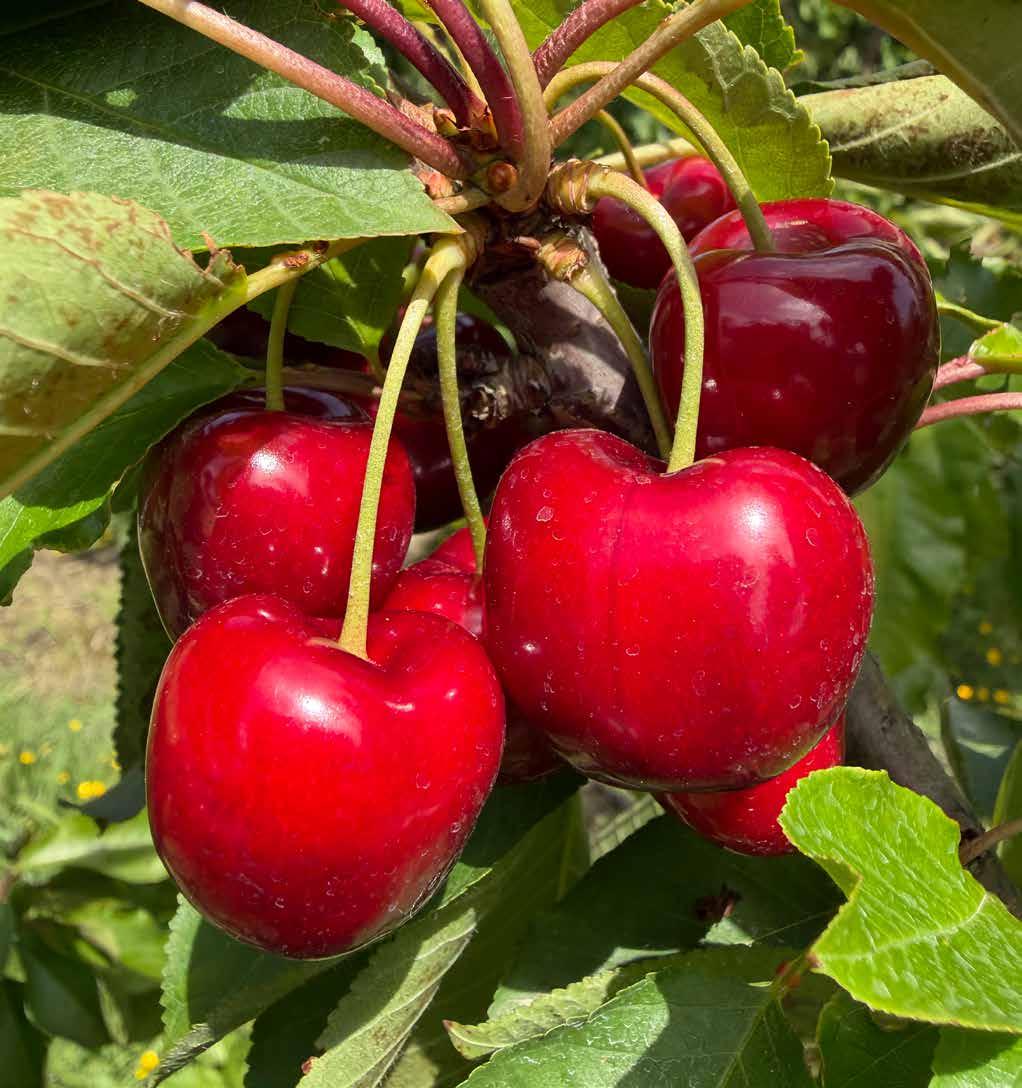
Hawke's Bay cherries are harvested much earlier than those in Central Otago.
A
Living the dream, endlessly.
Now available in Farmlands
For some, tak ing the road is more than just tak ing the wheel. For riding enthusiasts, tak ing the road is about living a passion. For them, mechanics is a way of life. So that ’s why ELF developed the per fec t produc t to never worr y about needing a break . Suitable for all journeys and all driving styles.
DIFFERENT PATHS TO A HORTICULTURE CAREER
There aren’t many orchards in central Auckland, but that hasn’t stopped Farmlands Horticulture summer intern Henry Crawford developing a passion for plants.
WORDS BY NIKO KLOETEN
The Lincoln University student was one of three interns to do the 12-week programme in horticulturefocused Farmlands stores around the country.
Henry is in the final year of his Bachelor of Commerce (Agriculture) degree. He admits he took an unorthodox route to the world of horticulture, having grown up in the innercity suburb of Greenlane.
“There wasn’t too much horticulture or agriculture going on near me, but I spent a lot of my time through school on my cousin's beef block out in Te Ākau in west Waikato, so I had a bit of exposure to the farming lifestyle and work from a younger age,” he says.
“From there I decided living in the city wasn’t for me, and I was more about the rural lifestyle, so I moved from Auckland Grammar to St. Paul's Collegiate in Hamilton to study, especially their agribusiness and ag/hort science papers. That opened the pathway to go study at Lincoln and pursue a career in that industry.”
Based in the Te Puke store in the heart of Bay of Plenty kiwifruit country, Henry learned from some of Farmlands’ most experienced Technical Advisors (TAs) during his 12-week internship.
He also worked closely with Molly Donald, who did the same internship last year before becoming the youngest TA in the country.
“Molly’s been awesome,” he says. “It's been great having someone of similar age who has gone through a similar experience, not long before me. So she's been a great role model in leading me through.”
Putting her hand up
Molly also played a role in fellow Lincoln student Ana Pearce’s decision to apply for the internship, after speaking to her at a careers day at the University.
Ana took a more conventional path to her Farmlands Horticulture summer internship, growing up in Whanganui and taking a summer job on a kiwifruit orchard in Waitotara.
Ana is working towards a Bachelor of Agribusiness and Food Marketing, with a second major in Supply Chain Management, perhaps inspired by her father who owns a trucking company.
“Working on the kiwifruit orchard sparked my interest in the industry, and I wanted to see more of it, so doing this internship has been a great introduction,” she says.
“I’ve been based in the Farmlands Horticulture Hub in Hastings, so there’s been a lot of variety as well. There are so many different varieties of fruits and vegetables that are grown here, but I personally still like kiwifruit.”
Henry Crawford checks out a kiwifruit crop in the Bay of Plenty.
Ana says being in the Hort Hub meant she not only got to learn from several different TAs, but also had the chance to spend time working in the warehouse itself.
As for what she does after her degree, Ana says she is still exploring her options but is quite keen to stay in horticulture.
“I think it's a big industry that's got lots of room for growth.”
Hitching a ride
Lucinda Turnbull, also a Lincoln student, did her internship at the Blenheim store. She spent a lot of time on the road, even calling into her Farmlander interview while in the passenger seat with local TA Dominic Missen.
“I’ve worked a lot with Dom, and with Garrie (Armstrong) and Simon (Bowers) as well. It’s been good having the three of them as I usually spent a day with each or just jump in the car with whoever was busy,” she says.
Working towards a Bachelor of Agricultural Science, Lucinda grew up south of Blenheim on a sheep and beef farm that also has a vineyard.
“I've been surrounded by grapes my whole life, so I guess I just wanted to learn a bit more about them and see what was out there in the industry,” she says.
Lucinda visited plenty of vineyards, but she also had the chance to visit local grape plant specialists Ormond Nurseries.
“It was really interesting to see the start of the whole grape process and where the plants come from. Simon also does a lot of work with wineries, so I've been to a few wineries and that's been cool to see what happens there.”
Garrie says the Farmlands Horticulture Summer Internship is a great programme to be a part of.
“I think it's really good what Farmlands is doing, giving these young guys and girls exposure to various parts of the horticulture sector. They're really keen and ask lots of questions, and are genuinely interested in the answers.
“It’s good for them to see the different parts of the sector and what we do for our customers.”
Fresh talent needed
Nurturing young talent is important because there’s an aging population in the horticulture industry and across the primary sector in general, according to Graeme Lee, Farmlands Regional Manager - Horticulture.
“There's probably quite a few misconceptions out there about what it's all about. In our area, they think it's just picking kiwifruit, pruning kiwifruit, or working in a packhouse, but there's a lot more that goes on in the industry.”
While the internship is a huge learning opportunity for the three interns, Graeme says the TAs have also benefited from it.
“It can be quite a repetitive industry; ‘This is what we do at this time of year’. But then you start getting these questions from people about the ‘why’: ‘Why do we do that? Have we tried other things?’ It gets you thinking about what you’re doing.”
Farmlands Head of Technical Training, Learning and Development, Nova Knight, says the internships have a lot more variety and flexibility than you might find in other organisations.
“We're actually looking at what's being serviced in each of those areas. The conversation you'll have with Ana will be different to Lucinda or Henry because they're looking at different things,” she says.
“I think that reflects the roles that we have within Farmlands because we are in rural servicing, and it is different every day.”
Blenheim-based intern Lucinda Turnbull puts in the hard yards.
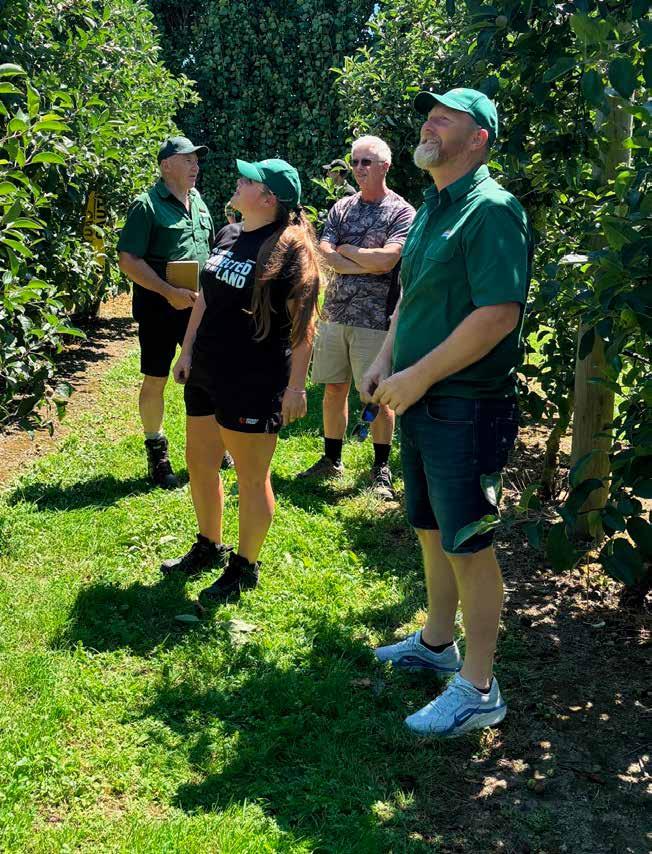
Ana Pearce visits an orchard near Hastings with her colleagues.
FINDING THE WINNING FORMULA
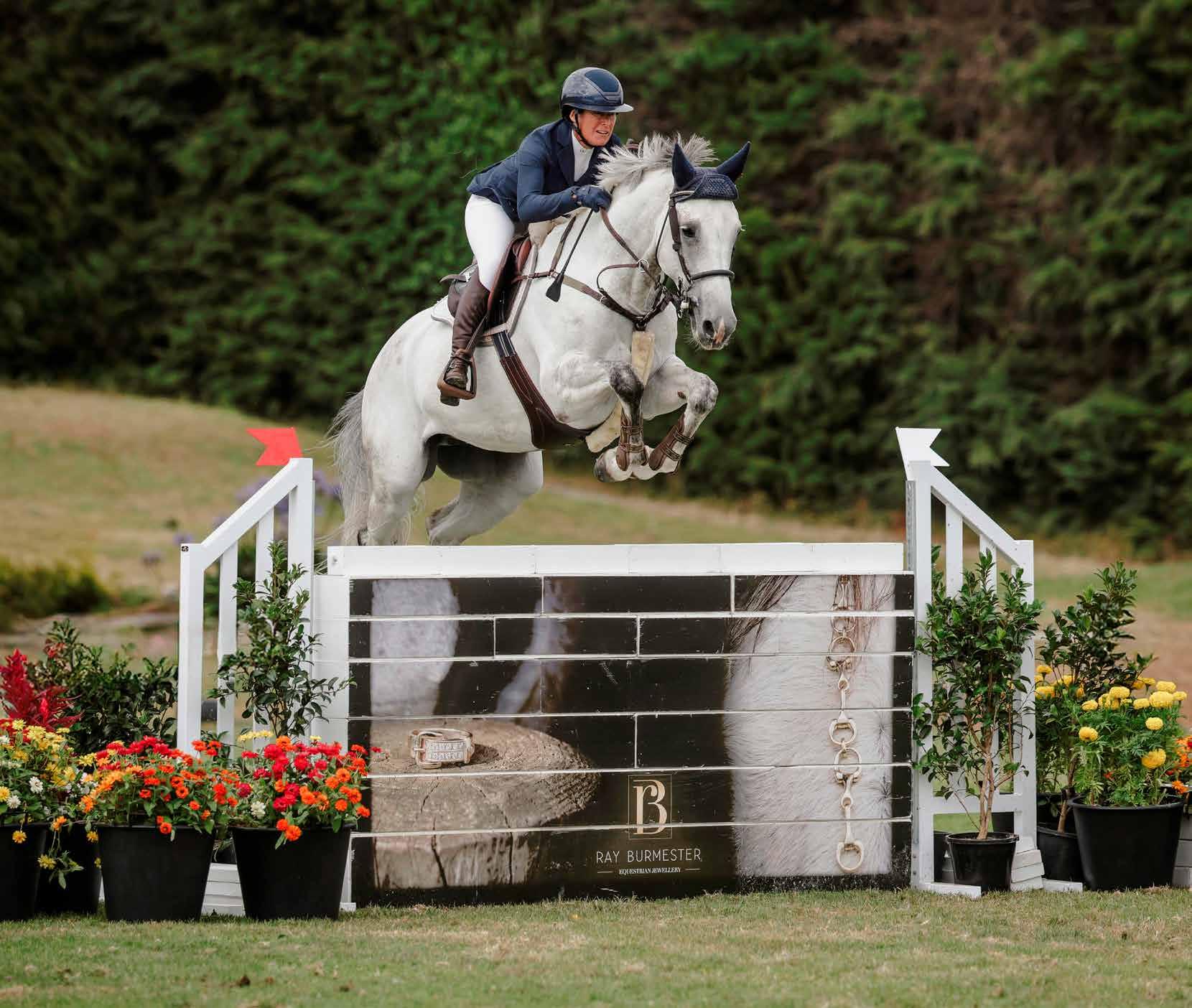
Feeding champion horses can be as tricky as riding them, so high profile showjumper Kylee McCambridge feels lucky to have discovered NRM.
WORDS
BY NIKO KLOETEN
NRM recently took Kylee onboard as a sponsored rider, but even before then she was talking about NRM products with an almost fanatical zeal, after achieving great results with her team of horses.
This includes a stellar display last December at the Bayleys Hawke’s Bay Young Horse Championships in Hawke’s Bay, where Kylee won the Tony Webb Memorial 1.40m class and the 1.30m class on Waitangi TikTok.
She also took home third – and the style prize – in the seven-year-old category with Waitangi Starlink.
Now living with her partner Dan and their daughter Lyla on a lifestyle block near Hamilton, Kylee says her
Kylee McCambridge has a lifelong love of horse riding.
Photo: Cornege Photography
passion for horse riding can be traced back to her childhood in the South Island high country.
“I grew up riding ponies and going to pony club, and after going to university, wanted to continue riding. I was an event rider until I had my daughter eight years ago, and that's when I started riding full time.
“I didn’t want to put her into fulltime care. We'd bought a property and it gave me the freedom to train horses around her.”
Kylee started riding for a breeder, Joss Bayly of Waitangi Sport Horses, and also transitioned from eventing to show jumping, a decision she made mostly for time and convenience.
“I've always loved show jumping, but time-wise, it's much easier to have a team of show jumpers than eventers,” Kylee says.
In the process of riding and now owning horses, Kylee has tried many different feed options, with mixed results until she switched to NRM.
The decision came after listening to a speech at an equine event by NRM Equine Nutritionist Luisa Wood, who Kylee had first met years earlier through a mutual friend.
“I was so impressed; the depth of Lu’s knowledge and understanding they have within their job is huge,” Kylee says. “We reconnected and I decided to give NRM a go, and the results have been superb.”
Kylee says her biggest staple feed is NRM Low GI Sport, and she also
FEATURED PRODUCTS
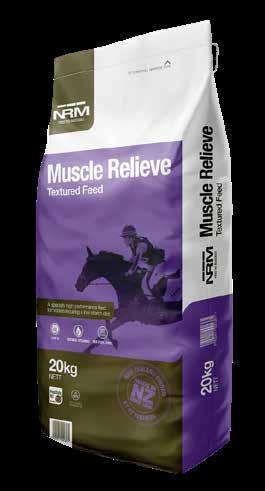
NRM Muscle Relieve
NRM Muscle
Relieve is a complete, low starch textured feed formulated for horses at risk of tying up and those with conditions that require low starch diets.
uses Equi-Jewel supplement a lot, depending on if the horses need to put more weight on.
“And then for the ones that aren't so hot or are a bit fussy, I add in NRM Muscle Relieve, so it’s mostly those three products depending on what the horse needs at the time.”
NRM Low GI Sport has had a huge effect on Kylee’s top horse, a nine-yearold Grand Prix mare named Waitangi TikTok she has been working with since she arrived as a four-year-old.
“She was a very hot mare, and she has probably been the horse that's taught me the most in my whole career, because she hasn't always been easy,” she says.
“We've always known she was talented, but it was all about channeling her energy. I obviously have a really good team around me with trainers, farriers and vets, but I can honestly say the biggest change for her was getting her on the right feed.
“I really couldn't find anything that worked with her to keep the condition on and keep her rideable. Then through talking to Lu, and trying NRM, we really found that secret ingredient for her success, and I changed all my team onto it.”
Kylee says each horse has its own individual nutrition needs, which can affect not only their performance but their behaviour, including for some “stressy’ horses who get nervous at big events.
“When people ask me, I can say, ‘This is what worked for me, this Is
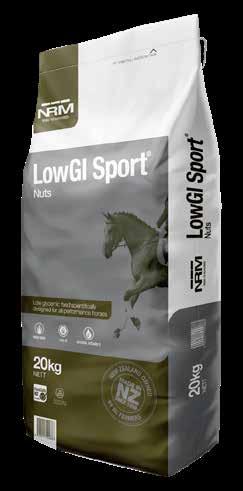
NRM Low GI Sport®
NRM Low GI Sport® is scientifically formulated in conjunction with the experts in equine nutrition, Kentucky Equine Research, as a low glycemic feed that provides a slow release of cool energy to the horse.
what I noticed, the change in them’. And luckily my horses all look in amazing condition.
“They've got beautiful coat shine, so people notice that and then ask, ‘Oh, what are you feeding?’ And especially TikTok being a hotter horse, people can relate to that. ‘What do you feed her? Because I've got one like that’.”
Luisa says Kylee is a great fit with NRM, both in terms of the products she uses and its values as a brand.
“NRM is New Zealand’s premium equine nutrition brand with evidencebacked products formulated by Kentucky Equine Research, and it’s always a pleasure to see the results out in the field with people like Kylee.
“She’s an excellent rider, but what has really impressed me is how deeply she cares about all the horses she works with. That was what drove her to try a different approach to nutrition and use NRM, and we are proud to be part of her journey.”
Kylee says she regularly calls on Luisa for advice, including in the leadup to and even during events.
“I love having her there for support because her nutrition knowledge is just amazing. I can feel and see that it’s working, but I don't have that real technical expertise that she does. So she adds that extra dimension.”
As for what she does outside of riding, Kylee admits she doesn’t have a lot of other hobbies.
“Riding is my job, but it’s also my passion and I love it every day.”
NRM Equi-Jewel
A pelleted highfat, low-starch rice bran performance and conditioning supplement, designed to increase the energy density (calories) of a ration. Suitable for all horses from six months of age that need a highly digestible source of fat.
Equine events with a difference
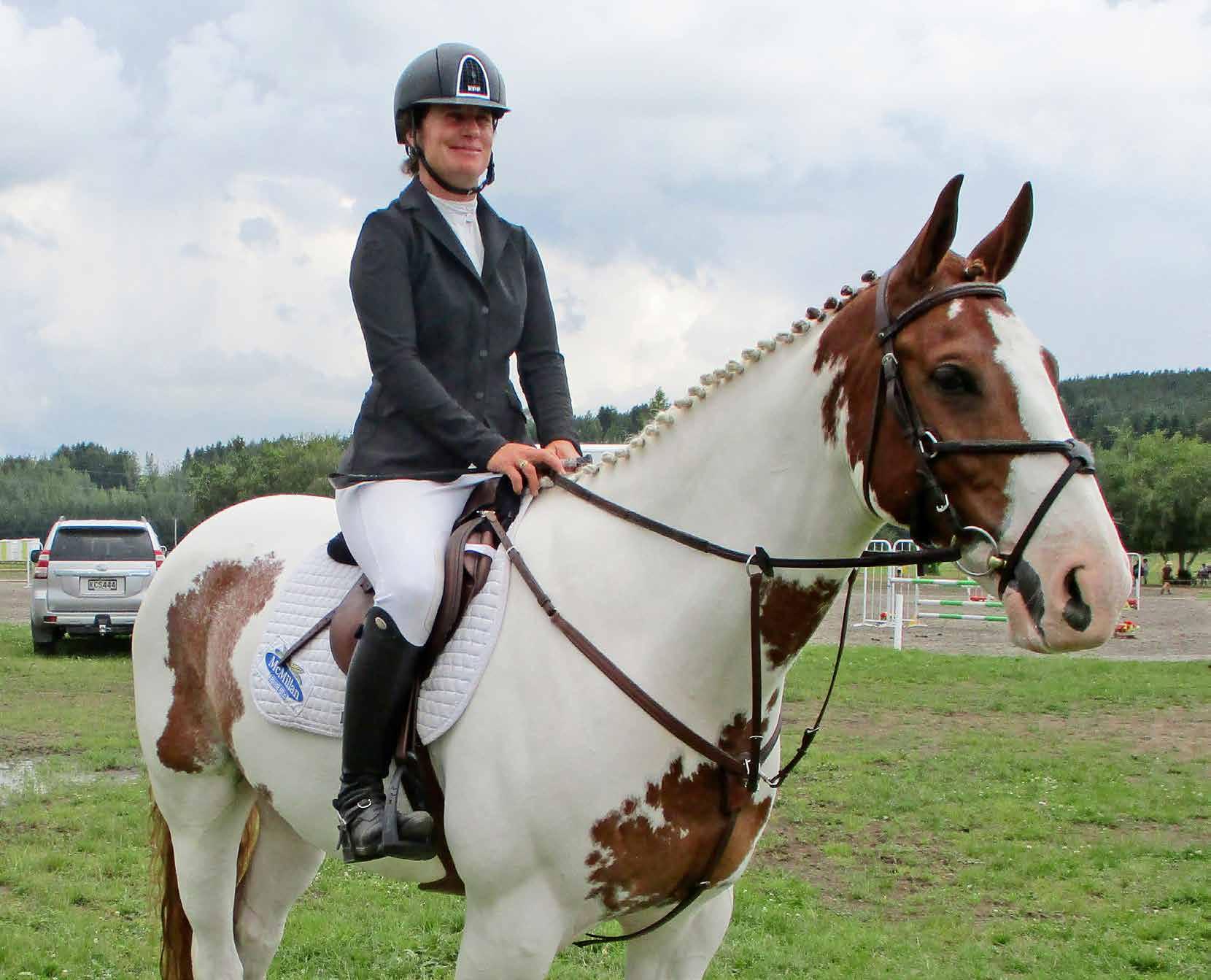
McMillan sponsored rider Claire Wilson’s ideas have a habit of snowballing into big events, and her community is grateful for her passion.
WORDS BY NIKO KLOETEN
The former champion showjumper Is the driving force behind two of the most popular fixtures on the riding calendar in southern Hawke’s Bay: the Answer Back Cup in January and the Winter Olympics in April.
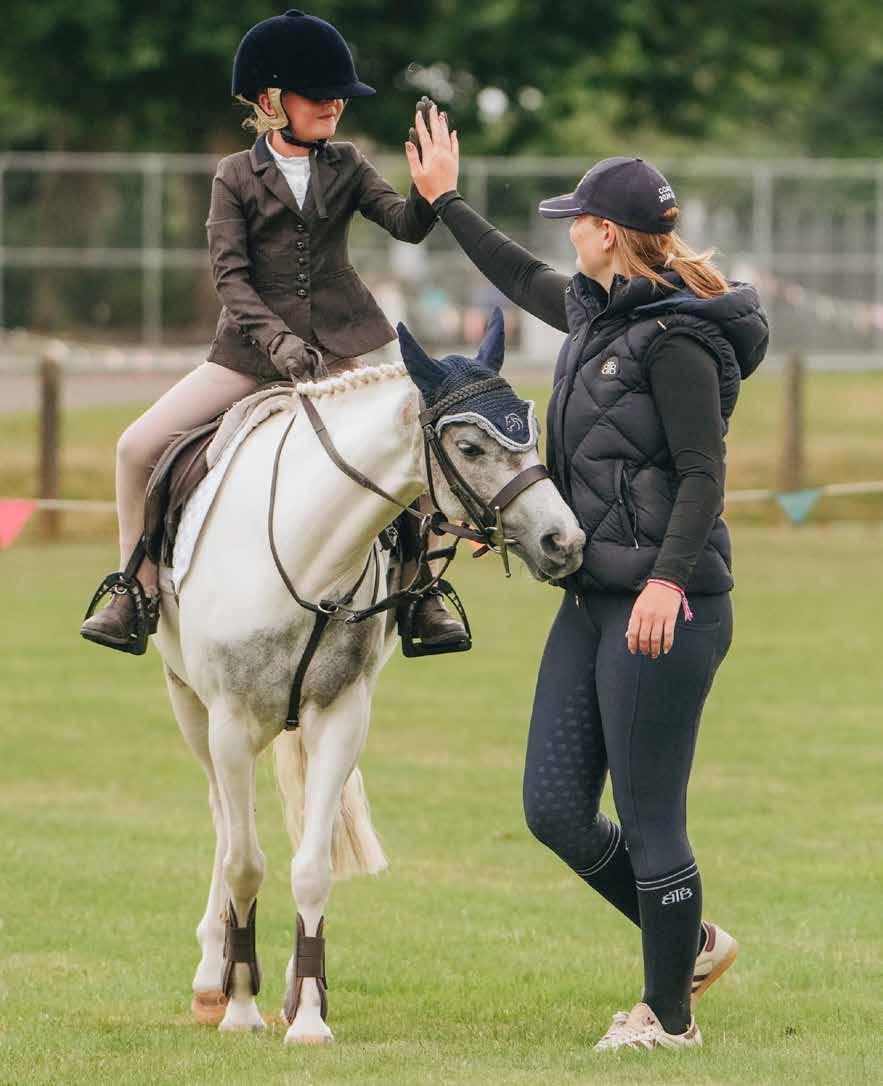
The Answer Back Cup, named after Claire’s former World Cup horse Answer Back, is a special event for under-10s that takes place during the Central and Southern Hawke’s Bay Jumping Show in Dannevirke.
Claire, who is involved in organising the show, says it's a top-level event with some of the best riders from all over the country, including a World Cup class.
“It's very much the best of the best, and I thought it would be good
Claire Wilson is a long-time McMillan sponsored rider.
Photo: Supplied
to showcase it to some of our young families and new riders who haven't been to a show before, and give them a taste of an amazing event.”
Claire says the Answer Back Cup, which is in its 12th year, has also become a novelty attraction for spectators at the show.
“One minute they're watching the best in the country and next minute they're watching the absolute grassroots,” she says.
“I pair the kids up with a mentor, so each kid gets an up-and-coming showjumping rider to walk the course with them and show them around and help them with their little competition.”
McMillan sponsors the Answer Back Cup, and McMillan Nutrition
Specialist Sonia McKay says it’s a pleasure to be involved in the event.
“It’s super cute, and I really enjoyed getting to judge this year. There are only 10 to 12 in the class and they all get a bag of feed and a little goody bag. It's just a really amazing experience for those kids that aren't doing all the big stuff.
“It’s become so popular that some shows in other areas have started adding similar events, which shows what a great idea it is.”
Big fundraiser
The Answer Back Cup brings the warm fuzzies, but Claire’s other event the Winter Olympics also raises a significant amount of money to
support local community groups in the Hawke’s Bay.
The event is held at Mt Herbert Farm, Claire and her husband Simon’s 1,400ha sheep and beef farm in Waipukurau, and can attract up to 200 competitors along with hundreds more supporters.
“That's a lot of vehicles and horses and spectators. It is rather crazy, but I think in a funny sort of way, the people that come are forgiving of the facilities because they know it's our backyard,” she says.
“We've discussed taking the event to somewhere more professional, but I think people like coming and seeing our place and it's very authentic and very relaxed.”
Answer Back Cup 2026 winner Georgia McAree with her mentor, Adison Hall.
Photo: Michelle Clarke
From humble beginnings in 2010, the Winter Olympics has grown into a juggernaut that last year raised $80,000, with the majority going to the Hawke’s Bay Rescue Helicopter and the rest split between four community clubs.
Claire says it started out as a fundraiser for Flemington School, which their now adult children were attending at the time.
“I was useless at baking and I wasn't big on selling raffle tickets or anything like that. So I said, ‘Why don't I do a little horse practice day and people can come along and have a jump around?’
“That’s how it started, and then the next year there were prizes and then it just got out of control big time, and now it's a full-blown show. It's pretty funny to think it all began with me trying to get out of selling raffle tickets and baking cakes.”
Branching out
The Winter Olympics has also added a variety of new categories over the years, after starting out as mainly a jumping event.
“As the years have gone on, we've gathered helpers with expertise in the cowboy western kind of obstacle courses, and we've got hunting people that are helping with hunting jumps, which is different again,” Claire says.
“And in recent years now we've got hobby horses, so that's kids on broomsticks jumping around, doing competitions on their pretend horse.”
Claire is quick to credit the team around her for their role in making the
Rider Emily Haswell with her mentor Fran Corich, celebrating at the Answer Back Cup.
Winter Olympics happen, including volunteers and sponsors like McMillan.
Sonia says McMillan is proud to support the Winter Olympics, describing Claire as a “huge driving force” for everything she is involved in.
“Once she sets her mind to something, it's full bore. Last year she was on crutches, and the year before that she had COVID and she had to just stand in her garden and watch everything going on, but she is dedicated.
“She was one of our very first sponsored riders, and she’s a wonderful ambassador for McMillan as well as just being a great human.”
A shared hobby
Despite the long hours she puts into her events, Claire describes horses as a “sideline hobby” that she and Simon enjoy, funded by the 13,000 sheep and beef stock units they run on their farm. They are long-time Farmlands shareholders.
“Simon runs the sheep and beef side of it, which is pretty big and busy. He trains racehorses and I play around with jumpers and so the horses just fit in around the rest of the farm,” Claire says.
“I'm pretty lucky because Simon's probably as guilty as I am with our horse interests, so if he gets another horse, then I can get another one too!”
FEATURED PRODUCT
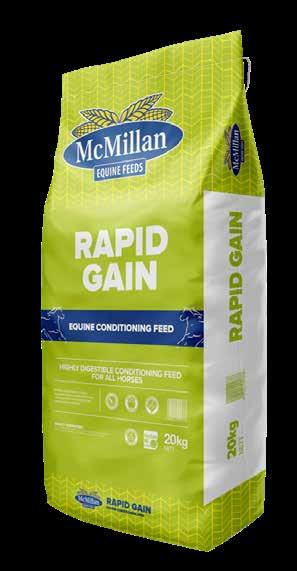
McMillan Rapid Gain
McMillan Rapid Gain is a highly digestible feed formulated for horses requiring muscle development and improved body condition. It contains steam flaked grains for optimum digestibility and high quality protein sources that contain the ideal ratio of essential amino acids. The inclusion of organic yeast culture helps maximise digestibility and ensures a healthy digestive system.
Photo: Michelle Clarke
Come see the team 50% owned by you at any of the upcoming shows.
We’re gearing up for show season! Stop by our site to chat with New Zealand’s leading fuel supplier to the primary sector. Discover how we can support you with bulk fuel, tanks, oil and lubricants, H&S, compliance and fuel cards.
Northland Field Days | 26, 27 & 28th February 2026 | Site F4
Wanaka A&P Show | 13th & 14th March 2026 | Site S7 (inside the Farmlands tent)
Central Districts Field Days | 19th - 21st March 2026 | Site N30
Farmlands shareholders who have been on the same family farm for 100 years have the chance to preserve their history through Century Farms.
WORDS BY NIKO KLOETEN
Farmlands is the Foundation Sponsor of The New Zealand Century Farm and Station Awards programme, which is celebrating its 20th year this May and has featured over 650 families including centenarians and sesquicentenarians (150 years on the same land).
Successful applicants receive their awards at the annual ceremony in May in Lawrence, Otago the following year.
Century Farms Chairman Eddie Fitzgerald says it’s an amazing experience for families to be a part of, and it’s also an important resource for preserving rural history across New Zealand.
“All that information is filed, recorded and sent off to the Alexander Turnbull Library, Wellington, so then they have a record of our earlier forebears and it's available for future generations,” he says.
“I think this is very important for New Zealanders, and for the recognition of past development of farming of our country, to have these records available for research.”
The application process involves researching the family history on the land, which can be convoluted, but Eddie says it’s usually not as daunting as people may fear.
“Our webpage has a FAQ sheet of how to access information from the various sources, such as Land Information New Zealand, which is where they hold titles. In some cases, their local councils and papers past can be of help,” he says.
“Their solicitors may be able to do some research, and they could well be with solicitors who have past documentation on their file of transactions and inheritances.”
Eddie says some families taking part in Century Farms have elderly relatives who grew up on the land, and they are keen to tap into their memories and knowledge of their family history.
“If they've got older grandparents in their 90s, for example, they can remember their granddad or greatgranddad who actually settled the land.”
While each Century Farms family’s story is unique, Eddie says there are some interesting themes including the various challenges faced over time such as natural disasters.
There have also been significant changes in land use, including shifts towards dairy farming and – in some parts of the country – horticulture, as
well as changes in technology and a trend towards bigger farms.
“If the earliest settlers were able to see where farming is today, they would be totally spellbound at the progress made.”
Eddie would like to see more families involved in Century Farms, and the main obstacle is that farmers are “very busy people”, he says.
“As time's gone by they're all having to focus more and more on their farms. They’re very time constrained, and focused on ensuring that their farming business is sustainable.
“While Century Farms offers recognition of their forebears that have farmed on that tenure of land, it also celebrates the present generation and their commitment to agriculture.”
Applications for 2026 are now open, and families are eligible if they have farmed their land from 1926 or earlier.
To download a Century Farms application form, go to centuryfarms.nz/apply
Eddie Fitzgerald.
NEW ZEALAND COCKBURN MATAURA, SOUTHLAND 1874
property moving towards being a sheep and beef breeding and finishing unit.
The original cowshed and barn were converted to become a three-stand woolshed and covered yards.
Alexander Cockburn immigrated from Montrose, Scotland to New Zealand during the 1860s.
He purchased the initial landholding, Kanadale in 1874 which then consisted of 240 acres located in the rolling hills above Mataura in eastern Southland. The property operated primarily as a dairy operation milking 76 cows while grazing a small number of sheep. Significant infrastructure was constructed including a 12-bedroom homestead, cowshed and cow barn
which could house 56 cows along with other supporting buildings, many of which still stand today.
Water power was harnessed by diverting the Waikana stream to run through a waterwheel, which generated power to run milking machines, a separator, butter churn, oat crusher, pumps and lighting.
As the wool boom began to arrive, dairying was phased out with the
The farm was run as a sheep and beef breeding unit up until 2013, when the decision was made to convert Kanadale back to dairying to help with succession planning. At the beginning of 2014, the property began the conversion process to start milking in spring 2014. Conversion involved significant development including lanes, a water system and a fully automated 54 bale cowshed.
In 2018 the farm was the winner of the Ballance Farm Environment awards for the Southland region.
Since conversion back to dairying, Kanadale is now owned and run by fifth generation Ryan and Abby along with their three children - Hattie, Jack and Annabel. The property now covers 1,150 acres and is run as a self-contained dairy unit milking just shy of 800 cows, along with all youngstock.
The New Zealand Century Farm and Station Awards aims to capture and preserve the history of our country’s farming families. We share stories from Farmlands shareholders who have worked their land for 100 years or more.
Top: L to R – Ryan with Hattie, Abby holding Annabel and Jack. Above left: Original cowshed and barn with waterwheel generating power. Above centre: Pre conversion – original homestead, workshop and woolshed (ex-cowshed/barn). Above right: Kanadale today.
Supporting storm-struck shareholders
When high winds battered New Zealand late last year, Farmlands teams were quick to offer their support to local shareholders.
WORDS BY NIKO KLOETEN
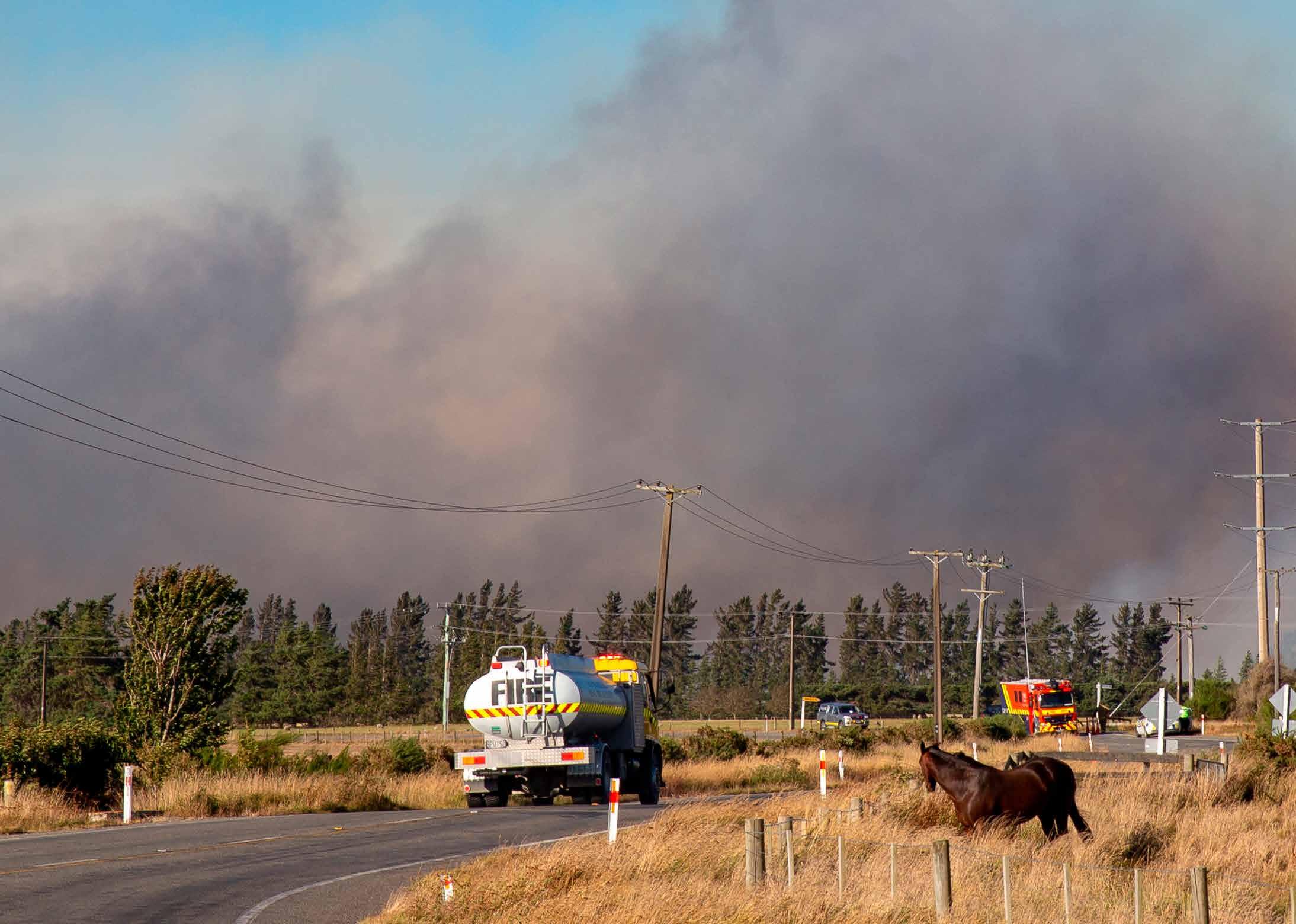
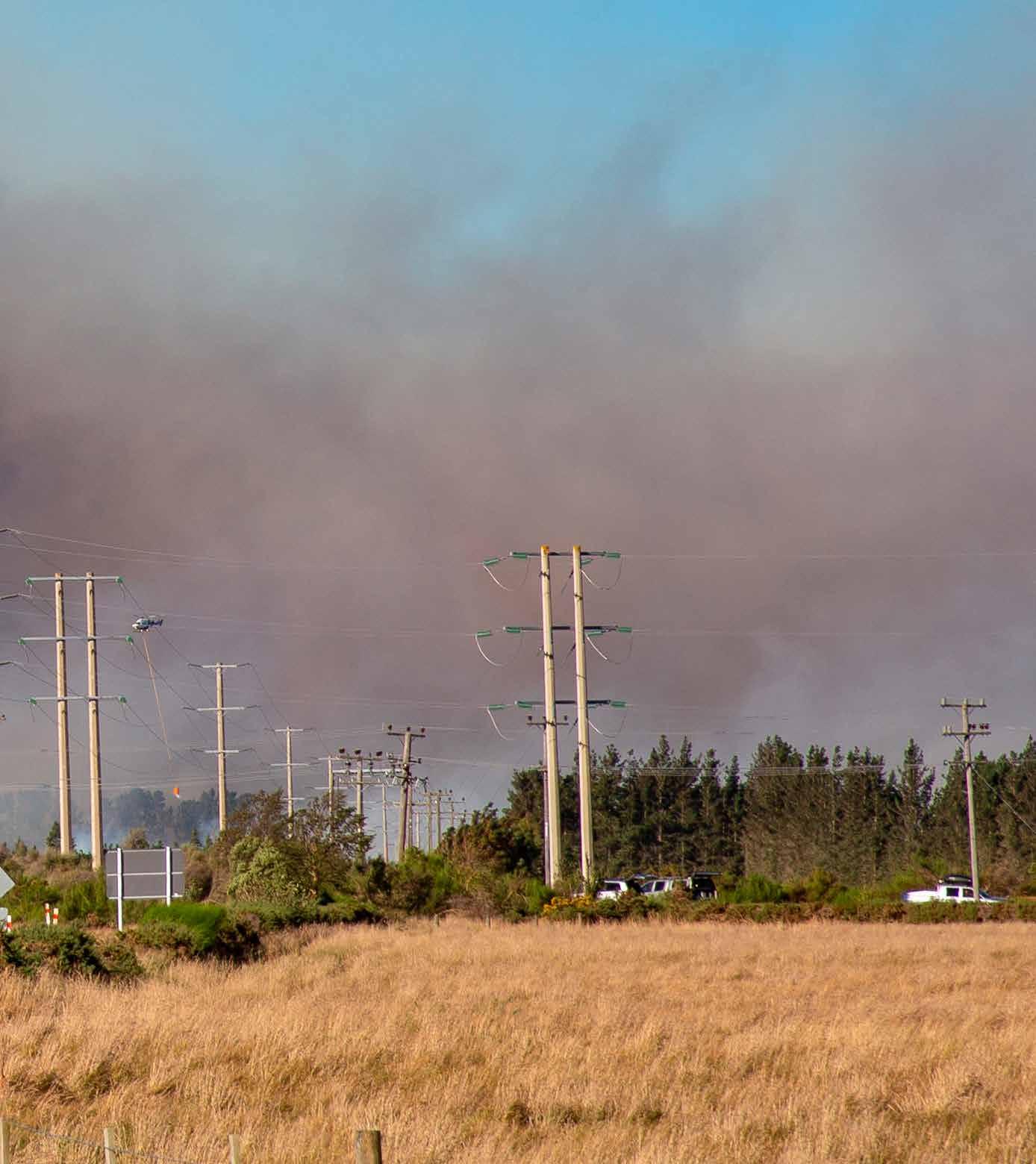
The powerful gusts hit the lower North Island and large parts of the South Island just before Labour Weekend, ripping down trees, damaging buildings and in some places even fanning forest fires.
One of the areas worst affected was the Clutha District, which suffered widespread damage that left many residents without power, water and cell phone coverage in the aftermath of the winds.
Century Farms Chairman Eddie Fitzgerald, who lives in Lawrence, says the weather was unlike anything he has ever seen in his 40-year involvement in community Civil Defence in the area.
“The winds were absolutely frightening. There's a huge amount of damage that has been done, and it impacted farmers’ everyday stock management because many fences were taken out by trees.
“For many farmers, the priority has been to get the trees moved out of the way or cut up so that they can get the fences back up.”
Eddie says for many families in the South Otago area, the rebuild will be ongoing for the next two to three years, and it will be at a considerable cost.
“It seems to be a bit unfair that in a year where we saw good prices across the board, that unfortunately that extra money that they've got is going to have to be put into repairing the damage.”
Culverden hit hard
Another area that suffered heavy damage during the winds was the Culverden basin in the Hurunui District, which has many dairy farms that use irrigation.
“The wind caused quite a significant amount of damage to pivot irrigation systems,” says John Ladley, Farmlands Regional Retail ManagerTasman-West Coast.
“Trees were taking out fencing, buildings were losing roofs, and I even saw a photo where there was a row of power poles that were snapped off
Farmlands Culverden hosted a shareholder barbecue shortly before Christmas.
“Trees were taking out fencing, buildings were losing roofs, and I even saw a photo where there was a row of power poles that were snapped off anywhere from ground level to halfway up, so loss of power was massive through that region.”
anywhere from ground level to halfway up, so loss of power was massive through that region.”
John says the Farmlands store in Culverden has a mix of customers, with dairy farmers near the middle of the basin and sheep and beef farmers at the edges and in the surrounding hill country.
“The disruptions to power were particularly bad for the dairy farmers. The sheep and beef guys could probably survive without power for a few days, but the dairy guys need power to operate irrigators and to run a dairy platform. Those necessities of life were pretty important.”
Double whammy
This was the second major weather event to hit the upper South Island in only a few months, and John was heavily involved in Farmlands’ response to the Tasman floods earlier in the year.
He says the number one priority when the winds struck Culverden was trying to protect the local Farmlands team during a dangerous situation.
“Keeping ourselves safe was important. We had to close the store at times because we had no power and it was too dangerous to have the team working in the store because of the strength of the wind that was blowing in.
“So you're using the store Facebook page to communicate. You're putting a note on the door going, "Hey, look, we're shut, but if you need someone, this is the local TFS.”
With the team safe, the focus was on how best to support shareholders. John says they made sure they were open and available over Labour Weekend, and the reps on the ground were available to respond.
“We just tried to make sure that we could support our shareholders the best we could with the products they needed, whether it be fencing
materials, water reticulation, or anything else that could help them with the recovery.”
John says supporting shareholders immediately after a disaster can be a delicate balancing act, and he advises against stepping in too quickly or ‘over responding’.
“You've got an event that's caused a Civil Defence emergency, and so you've got to still work within the constraints of that,” he says.
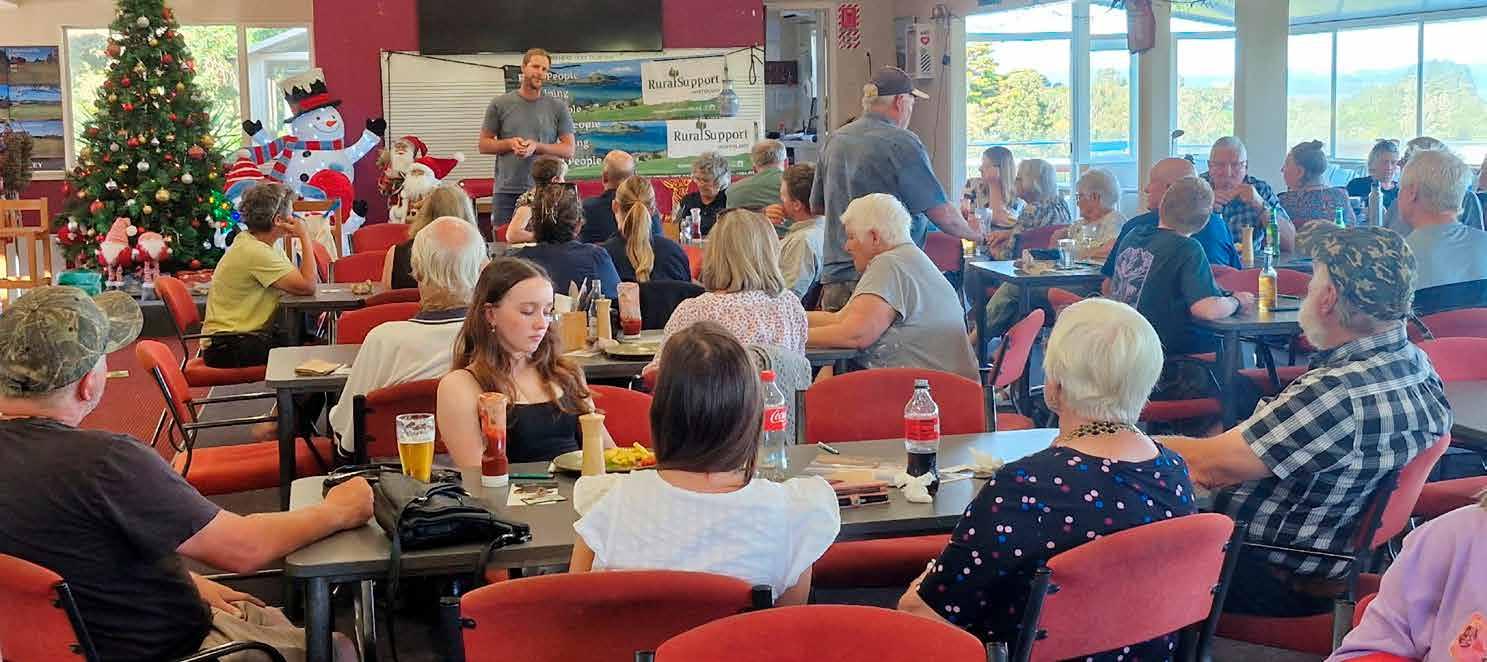
“Then you've got organisations like Rural Support Trust in that immediate response, so we need to make sure we don't overlap and overstimulate the response to farmers.
“You’ve got to empathise with them and just say, "Hey, look, just checking in, we're here for you, let us know what we can do to help you when you need it’.”
Shareholder BBQ
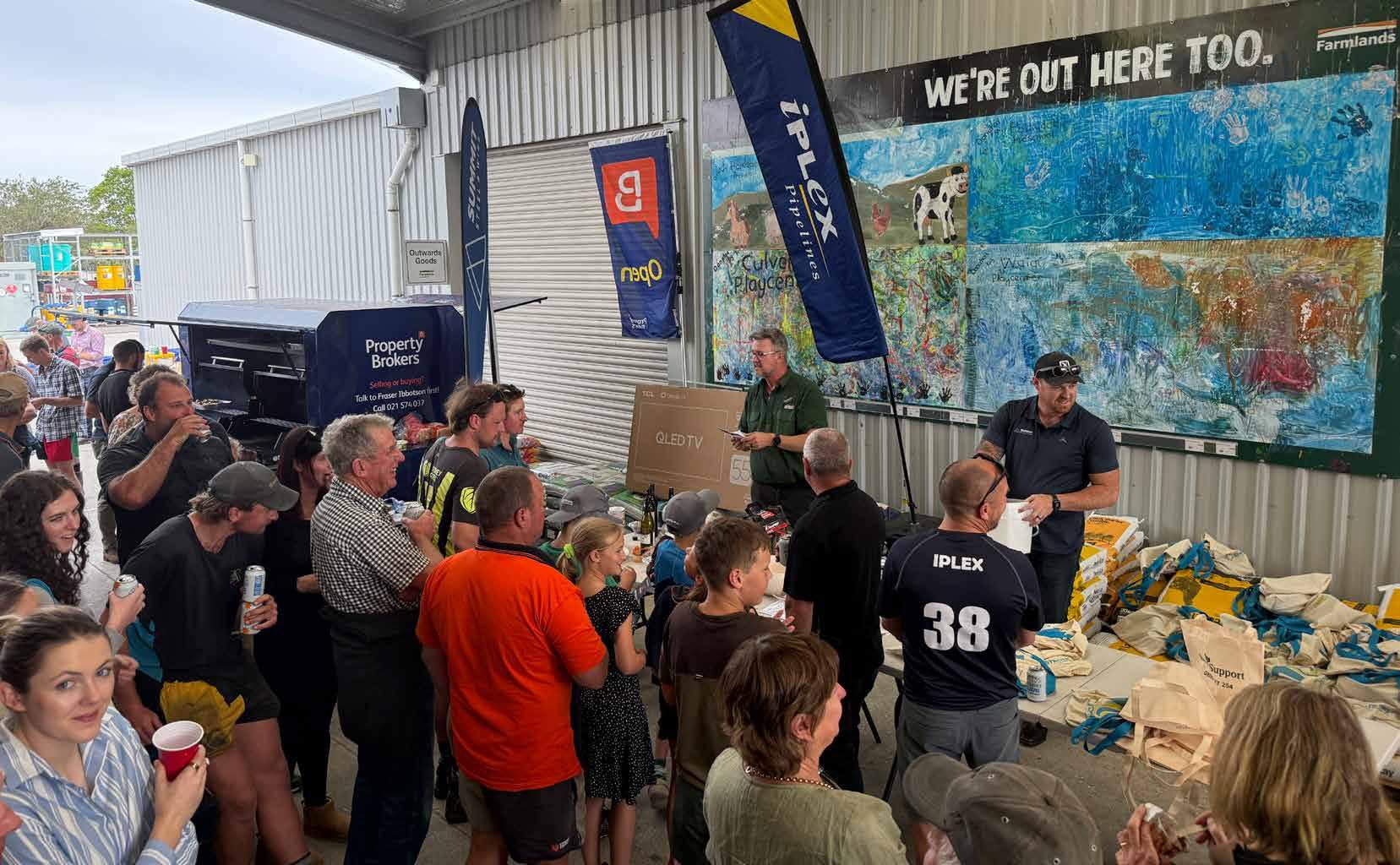
Farmlands Culverden teamed up with suppliers to show its support for the local community with a shareholder barbecue event shortly before Christmas.
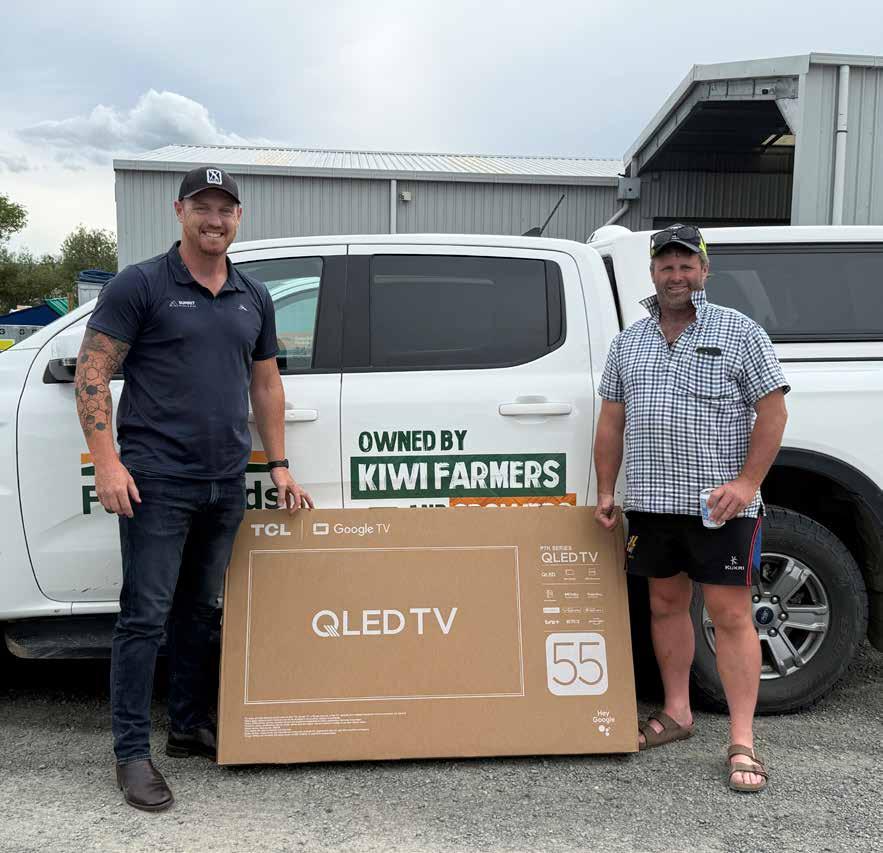
Farmstrong provided a range of their wellbeing resources on mental health and resilience, while one lucky shareholder won a 55-inch TV courtesy of Summit Steel & Wire.
John says they decided to hold the event a few weeks later, rather than right after the storm, to give shareholders a bit of breathing room.
“It was trying to find that balance between putting it on for the community but also being empathetic,” he says.
“We left it until that point to recognise that the spring hadn't been an easy spring. It had been cold and wet early on, then we had the windstorm and then it had gone dry, and then we had Christmas around the corner.
“So we used this as an opportunity to celebrate the fact that we'd made it, survived that period of time, and just wanted to acknowledge and thank the shareholders for their support.”
Steve Gee from Summit Steel & Wire hands over a 55-inch TV to competition winner Simon Clisby.
Lay of the land
In this section
Autumn is a busy time of year for farmers and growers, and 2026 offers fresh challenges and opportunities. In this section you will find handy information and how-to guides on a range of topics, including feeding your cows, protecting New Zealand horticulture from invading insects and finding support when you feel yourself struggling.
Photo: Renee Holmes
34 Why dairy farmers are embracing the benefits of using pelletised feed.
42 How Rural Support is applying a health lens to its work with farmers.
44 The pesky pest that could devastate New Zealand horticulture.
Dairy farmers are making the jump to SealesWinslow, benefiting from the increased logistics network, expertise and nutrition solutions now on offer.
WORDS BY NIKO KLOETEN RENEE HOLMES
Dairy farmer Matt Jones (middle) with Farmlands TFS Devon Bond (left) and SealesWinslow Nutrition Specialist Peta Hamilton (right).
Manawatu-based Farmlands shareholder Matt Jones is one of the recent converts to SealesWinslow, using pelletised feed for the first time after previously using blends. He is also using SealesWinslow mineral blocks.
“One of the biggest benefits of pellets is not having all the dust flying around, which was less than ideal,” he says. “It’s also easier to manage their weight and see how much they’ve eaten. They get 2kg, twice a day, and there’s usually very little left over out of that 2kg.”
One surprising positive from pellets has been the behaviour of the cows while they’re in the shed, Matt says.
“I thought they might push a bit more because it's being pelleted and being loose material, but they haven't really. That's been quite a benefit as well.”
Changing tack
Matt’s approach to nutrition has evolved over the years, along with his overall approach to managing his 140ha farm, which is in Ashhurst near Palmerston North.
The second-generation farm was originally purchased by his parents Lawrie and Fay, who moved there from the Waikato on the Hauraki plains in 1997 when Matt was still a teenager.
“I was halfway through sixth form and they wanted me to come and work for them, so I did that and then went into a managerial role, then I started off lower order sharemilking for them,” he says.
After getting married, Matt continued sharemilking until his parents retired seven years ago, when they entered into an equity partnership before he eventually bought the farm outright.
Matt has taken a different approach on the farm since his parents retired.
Matt says when his parents retired, he and his parents rethought the whole structure of the farm and decided to take a downsized approach across the board.
“We lowered the herd numbers from 320 cows to about 200 cows, so I could manage on my own with one full-time employee. Previously there were the two of us full time and my parents were around as well.
“We also downsized our milking shed from 36-a-side herringbone to 24-a-side, and then we put cup removers in as well. What that means is that only one person needs to be in the shed to milk.”
Matt also re-examined his approach to nutrition, eventually “biting the bullet” and installing an in-shed feeding system five years ago to complement his herd’s mostly pasture-based diet.
“I did a couple of years doing ad lib feeding during calving and then I decided, ‘nah I might give it to them all year round’. Downsizing has been great. It's freed up time and the cows are fed whatever they can eat,” he says.
“No season's the same, so it's hard to predict what's around the corner. Pasture management can sometimes be a bit of a struggle, but if I have a surplus I can just cut it for bailage and store it.”
Consistency is key
Taking a standardised approach with 4kg/day via in-shed feeding has helped Matt’s herd to achieve consistent production (between 560580kg/milk solids per cow since it was installed), despite the inconsistent weather and growing conditions.
Having irrigation across 80ha or just under 60 percent of his farm helps, in an area where average rainfall is only about 1,200mm per year.
The remainder of the farm is vulnerable to dry summers, but Matt’s new approach to nutrition has meant there’s less risk of feed shortages throughout most of the year.
“During calving there can be a bit of a pinch, like last year when the grass wasn't really growing that much,
and I think that was just because it was a colder winter than normal.”
Using pellets has also made it easier for Matt to change between feeds, depending on his herd’s nutritional requirements at the time.
His cows started off on SealesWinslow Hi-Starch Extra at the start of the season and moved through to Milk Gainer, which supports milk production.
“What they need can change based on the time of year,” he says. “In the summer months they need more protein, but in the winter they need more starch for energy.”
Matt milks twice a day for most of the season until February or March, and typically dries his cows off in mid to late May.
“I see people talking about going down to once a day after Christmas and I couldn’t imagine doing that, but our system makes milking twice a day a lot easier as it only requires one of us,” he says.
Calving starts from mid July, and he says he has worked to reduce the length of the calving season down from 12 weeks to nine.
“I started using CowManager, which is a wearable technology that helps to monitor and manage animal health, so I decided to use that to help cut the calving spread back, and the empty rate hadn't really changed much.”
Family time
Outside of farming, Matt spends most of his time with his wife Leanne and two children, Lucas aged 17 and 11-year-old Rosie.
Lucas appears to be following in his farming footsteps, having just departed for a second three-month stint on a farm in Western Australia. “He's just like me; he likes tractors,” Matt says.
Leanne is an early childhood educator, and is also on the Board of Trustees at Ashhurst School, which Rosie attends. Matt says the role certainly keeps his wife busy.
“One of the biggest benefits of pellets is not having all the dust flying around, which was less than ideal. It’s also easier to manage their weight and see how much they’ve eaten.”
Installing an in-shed feeding system has proven to be a good investment.
“She gets a lot of phone calls from the principal because she does the personnel portfolio, so a lot of staffing changes and that sort of thing.”
One thing Matt doesn’t do any more is play rugby, having made the call to retire after years packing the scrum as a prop for his local club side.
“I used to play rugby years ago and had to make a decision, do I still carry on or do I just stick to the farm? In the end I decided to stick to the farm.”
Team effort
According to SealesWinslow Nutrition Sales Specialist - Lower North Island, Peta Hamilton, convincing Matt to switch to the brand for dairy nutrition wasn’t just the work of one person.
“I work really well with Farmlands TFS Devon Bond, who is based in Parmerston North. I told him to let me know if he had any customers that wanted to talk nutrition,” she says.
“He’d already had one client move over to us, and Matt was obviously interested in having a conversation. We also took Simon Butler, who is one of our technical guys (Nutrition Extension Specialist), and we just talked him through it.
“I enjoy working with Matt because he’s just a really chill guy. With some
of my other customers you've got to be a bit more hands-on, but he is a true Kiwi farmer – he’s relaxed and just goes with the flow.”
Peta says they explained some of the benefits of going from a blend, which is loose, to everything being in a pellet.
“All of your additives that you're going to have are going to be in that pellet, so we know that your cow is going to be getting X amount of that additive,” she explains.
They also discussed how to use nutrition to tackle health issues in a herd, including milk fever early in the season.
“When you ask farmers, it can often be a surprise how many of their cows are going down with milk fever, so we just mentioned that you can add different additives into the pellet and this is how we can help mitigate that risk,” Peta says.
Deal opens doors
For Peta, who joined SealesWinslow about a year before it was acquired by Farmlands, having access to a broader range of product solutions has been game-changing.
“Prior to this, we couldn't offer blends or straights and commodities. Farmers like to have a range of
“All of your additives that you're going to have are going to be in that pellet, so we know that your cow is going to be getting X amount of that additive.”
options available, especially when there are low payouts and budgets may be limited. Now that I can do blends, it opens up a lot of doors. You can go up the drive now and you've got a whole arsenal of products at someone's budget or to fit what their goals are.
“The compound feeds sit at the top of the nutrition pyramid. The key is being able to build a solution that fits each farm’s budget and production goals, being able to add value to their farm, even if it is just PKE.”
Peta has even been picking up clients in the sheep and beef space, including bull studs, which she says are very different to her dairy customers.
“With the backing of Farmlands and the SealesWinslow acquisition, we’ve built a nationwide network that offers a total nutrition solution for dairy farms, from System 1 through to System 5,” she says.
Matt recently made the switch to pelletised feed for his cows.
EU70iS INVERTER GENERATOR
Honda is the Trusted Name on Kiwi Farms
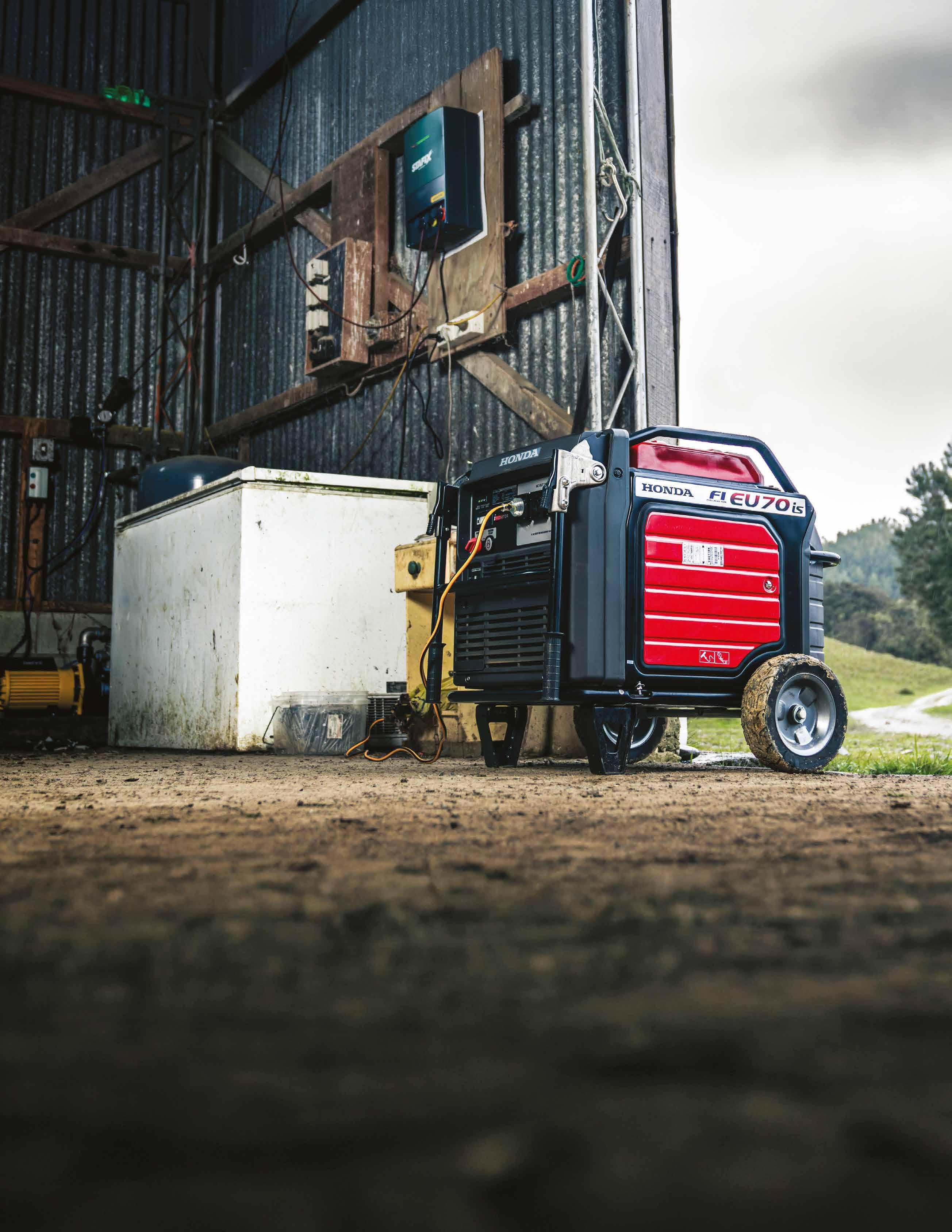
Having Honda on farm means having the right gear on hand when the power stops and the work can’t wait. Honda generators give you trusted back-up power to keep sheds, pumps and fences going, with quiet inverter models perfect for sensitive gear around the home. And it doesn’t stop there. Honda offers a range of power products from pumps to brush cutters, a post hole borer, chainsaw, a range of mowers and more - all built with the same premium quality and engineering you already trust in your Honda farm bike. Wherever you’re working, Honda is right there with you. And if you’re a Farmlands shareholder, use your Card instore to purchase Honda power equipment.
MANAGING WILDFIRE RISK ON YOUR FARM
Wildfires are one of the most devastating events a rural property can face – and in New Zealand, 97 percent of them are started by people or the activities they’re doing. That means most fires can be prevented. For farmers and growers, the key is awareness, preparation, and taking a few practical steps to reduce the chance of starting a fire – and to protect your property if one does occur.
Don’t be the spark
Across rural New Zealand, burn piles that haven’t been properly extinguished are one of the most common causes of wildfire. Even when they look cold, fires can smoulder underground for days or weeks, flaring up again when conditions turn hot, dry or windy. Before you light a fire, check the weather and your local fire season status at checkitsalright.nz. Once it’s lit, monitor it closely and make sure it’s fully out – not just cool on top.
Other common causes include hot works such as welding or grinding near dry grass, and machinery fires, where exhaust systems or sparks from metal striking rock can ignite nearby vegetation. Always consider the conditions you’re working in – if the grass is dry and the wind is up, take extra care or delay the job until it’s safer. Keep firefighting equipment and a water source nearby, and make sure anyone on farm knows how to use it.
Be prepared and plan ahead
Preparedness is about more than just prevention – it’s about being ready if a fire does start. FMG and Fire and Emergency New Zealand have worked together to create a resource around on-farm firefighting water supply, including advice on access for fire appliances. Fire trucks need at least 4 metres of width and 4 metres of clearance to enter a property safely. Think about your driveway: are there
low branches, narrow gates or unrated bridges that could slow a response?
Having a Plan B access route, clear property signage, and visible RAPID numbers can make a big difference in an emergency. So too can creating defendable space around key assets – ideally 10 metres immediately around buildings, and up to 30 metres where possible. Keep grass low, clear gutters and rubbish, and remove anything that could act as fuel, including low tree branches and flammable plants close to structures.
Think about people, livestock and neighbours
Every property should have a farm wildfire plan that includes people, livestock and evacuation routes. Make sure everyone knows the plan and the property address so they can direct emergency services if needed. If you live in a remote area, talk with your neighbours – agreeing on a shared
meeting point, like a local hall, can make coordination easier if you need to evacuate.
Reduce fuel and plan for the future
Water tanks with firefighting couplings and choose building materials that reduce fire risk. A little foresight now can prevent a lot of heartache later. By managing the risks and staying alert to conditions, farmers and growers can play a vital role in protecting not only their own properties – but their wider communities too.
Practical ways to reduce wildfire risk on farm
Before lighting fires
• Check the fire season status and conditions at checkitsalright.nz before lighting any fire or carrying out hot works.
• Avoid lighting burn piles in dry, hot, or windy weather.
• Supervise burn piles while they are active, and fully extinguish them – dig in to ensure there are no smouldering embers below the surface.
• Keep firefighting equipment and a water source close by when burning or doing hot works.
When using machinery or doing hot work
• Avoid welding, grinding, or cutting in or near dry vegetation.
• Clear grass and debris from around work areas.
• Maintain machinery to reduce the risk of exhaust or engine fires.
• Watch for sparks when metal strikes rock or when using steel tracks or blades in dry paddocks.
Property access and water supply
• Ensure your driveway and gates have at least 4m width and 4m height clearance for fire appliances.
• Create a hardstand near water sources so a tanker can refill safely.
• Install firefighting couplings on water tanks and consider upsizing tanks when upgrading infrastructure.
• Make sure RAPID numbers and farm names are clearly visible from the road.
Preparedness and defendable space
• Maintain 10 m of clear space immediately around homes and buildings, and ideally up to 30 m.
• Keep grass short and remove dry vegetation, debris, and rubbish.
• Clean gutters and remove leaves, branches, and other potential fuel.
• Thin trees, prune low branches (ladder fuels), and create fire breaks or gaps between shelterbelts.
• Choose low-flammability plant species near buildings.
Planning for people and animals
• Develop and communicate a farm wildfire plan – everyone on farm should know what to do and where to go.
• Make sure all workers and family members know the property’s address and how to contact emergency services.
• Plan evacuation routes for people and livestock, and identify safe holding areas for stock.
• Talk with neighbours about shared evacuation plans or local gathering points (e.g. a community hall).
Long-term prevention
• Regularly review and reduce fuel loads across the property.
• Check that bridges, culverts, and driveways can handle the weight of a fire appliance.
• Consider fire-resistant materials when building or upgrading structures.
• Review insurance cover and understand your risks before the summer season.
FINANCIAL WORRIES linger for farmers
Prices have improved for many agricultural products but financial issues remain a major concern for farmers and growers, according to the Rural Support Trust.
WORDS BY NIKO KLOETEN
Last year Farmlands made a Christmas donation to Rural Support, a first that reflected the important work the trust does supporting wellbeing in rural communities.
And although economists have been talking up the rural sector’s recovery, money worries are still among the most common reasons for people reaching out to Rural Support, the organisation’s National Chairperson Michelle Ruddell says.
“The three top things are still financial pressures, employment pressures – the breakdown of relationships between employer and employee – and the mental health stress load,” she says.
Rural Support NZ General Manager Maria Shanks says there are a number of reasons why farmers and growers are still having financial problems, including the ebbs and flows of the individual sectors they operate in.
“There may be one sector doing well while another is struggling a bit. Bear in mind that we are looking after everyone from sheep and beef and dairy to hops and apple growers. Not everyone's always up at the same time, so there'll always be an aspect of that.”
Many farmers have also had to deal with the added stress of recent natural disasters, such as the Tasman
floods last winter and the high winds that battered the lower North Island and much of the South Island just before Labour Weekend.
Michelle says the effects of these events can linger long after they have dropped out of the headlines.
“An event happens and it stops raining and it goes away, but it doesn't go away and the ongoing cost and stress and pressure don’t just go away either.”
Three-pronged approach
Michelle says Rural Support helps rural communities through three main work streams, including one-on-one support, with each of its 14 regions having their own ag facilitators who support farmers and growers through their tough time.
“That support branches out to connect them to professional services when and as needed, but that ag facilitator is that support mechanism that walks alongside them as they navigate their way through.”
Sitting alongside that is a work stream around community connection, and Michelle says that's where Rural Support’s wellbeing events play a really strong role.
“It's through those community wellbeing events that people understand our work better, and
then they ring for that one-on-one support. They understand, they can put a face to the organisation, they're comfortable ringing.”
The third stream of work Rural Support is involved in is leadership and support through adverse event preparedness, response and recovery.
“We're able to perform that really well because of our community connections. We build and maintain those relationships within the community, and that means our
Michelle Ruddell.
farmers and growers know who we are and what we do,” Michelle says.
“So when adversity strikes such as weather events or biosecurity, we are well set up to support them and implement whatever's needed in the community.”
Health focus
Health will be a big area of focus for Rural Support in 2026, as it moves into a new Health New Zealand contract the organisation signed last year, which Michelle says will put a “health lens” through everything they do.
“The work we do is to around the mental health of our farmers and growers. And now with that partnership with Health NZ, it's going to strengthen our ability to deliver on those outcomes.”
Michelle says a big part of its approach will be building relationships between Rural Support and the health services that already exist in communities.
“It’s really highlighting that connection rather than working in silos. We’re bringing communities together with the health services that already exist and utilising those as much as we can, but also strengthening our organisation through a more professional mechanism.”
Supporting volunteers
Volunteers are the lifeblood of Rural Support NZ, including around 250 ag facilitators across the 14 regions who act as one-to-one support people.
Maria says they are hand-picked for each case by their local regional trust, based on their suitability.
“When we allocate a case, we'll go through a process of: ‘What's their location, what type of farm it is, what type of issues they might be having, who might be a good option for them, who will get on well with them, who will they relate well to?’
“You could get a case that goes for two years or you could get one where within a couple of months, they're actually feeling a bit more empowered
and back in control of their own destiny, and it might ease off again.”
The workload involved also differs between individual ag facilitators and even between different times of the year, as many of the volunteers are operating their own farms or rural businesses, Maria says. “Some of them may have the capacity to take on one case, some of them might have the capacity to take on five cases.
“There is no one size fits all or set hours, it is about what the client needs and ensuring a sustainable workload for our team members.’”
Maria says the most important thing is the type of person that makes a good facilitator: “We’re not looking for someone who wants to solve all your problems,” she says.
“You want to empower people, you want to help build them back up, build back their confidence, and trust in themselves to make decisions. It's about how you can actually walk alongside them to do that rather than doing it for them.”
To contact Rural Support, call the nationwide helpline 0800 787 254 (0800 RURAL HELP) or go to rural-support.org.nz to find your local trust.
Maria Shanks.
Rural Support's community events help to raise awareness about its services.
Hornet sting could cripple rural NZ
Efforts to eradicate the yellow-legged hornet continue, but farmers and growers need to remain vigilant about the pest that could devastate our rural industries.
WORDS BY NIKO KLOETEN
The hornet (Vespa velutina) was discovered on Auckland’s North Shore late last year, and Biosecurity New Zealand is using advanced radio tracking technology to track it.
At the time of writing, it was still contained in Auckland, but Farmlands Horticulture summer intern Henry Crawford warns that rural people still need to keep an eye out.
Henry researched the hornet as part of his internship, after a discussion with Bay of Plenty beekeeper and a Farmlands
shareholder about the potential damage it could cause.
“Not only is it a predatory pest that preys on honeybees, but if they're present near a bee colony, then it can actually stop them from foraging and pollinating because they just hide in the hive,” Henry says.
“This can be disastrous for industries that depend on bee pollination. It also kills moths and beneficial insects.”
Although kiwifruit growers have other methods of pollination available to them, Henry says they aren’t viable for a lot of other growers.
“New Zealand produces 60% of the world's radish seed and 50% of the world's white clover seed in the Canterbury Plains, so the introduction of the pest into the South Island could be disastrous on a global scale.”
“It even affects pastoral based systems. Reduced honeybee activity could lower clover pollination and persistence over time, which may then reduce biological nitrogen fixation in pastures and increase reliance on synthetic nitrogen inputs.”
Henry says the most important things for rural dwellers to be aware of regarding the yellow-legged hornet are what it looks like and where it likes to hang out. People can make their own homemade traps to catch them (see below).
“They’re huge – 2-3cm – over twice the size, if not three times the size of a normal honeybee and they've got different features. They look like they're wearing socks,” he says. “They like to nest in trees and in places like boat covers, so it’s a good idea to check your boat for them if you’re taking it away for a fishing weekend.”
How to build a homemade hornet trap
1. Cut the top third off a plastic soft drink bottle.
2. Turn the top cut part upside down and put it neck downwards into the bottom part of the bottle to create a funnel.
3. Punch holes through the side so you can hang it up with string.
4. Mix together 400g of sugar, 10g of yeast, and 1 litre of water (you can also add 100 ml of beer). You’ll have enough to fill several traps.
5. Add the bait to the bottle, making sure to leave about 5cm above the liquid for hornets to enter the bottle and be trapped.
6. Hang your trap from trees or other garden structures well away from your house, under shelter to prevent rain entering.
Farm flavour in Nadia Lim's new book
One of New Zealand’s most popular celebrity chefs is back with a cookbook inspired by farm life.
Nadia’s Farm Kitchen is a warm, inspiring, and deeply personal cookbook celebrating the rhythms of the seasons and the simple joys of life on the land.
Featuring over 80 wholesome, seasonal recipes and eight short stories about life on the farm, this book offers a unique glimpse into the life of beloved cook and TV
Win a copy of Nadia’s Farm Kitchen
We have a copy of Nadia Lim’s new book Nadia’s Farm Kitchen to give away to a lucky reader of Farmlander magazine. To enter, please email your name and shareholder number with the subject line “Nadia” to farmlander@farmlands.co.nz Entries close 30 April 2026.
personality Nadia Lim as she raises her family and grows food on a working farm in rural New Zealand.
Organised by season, each chapter reflects the abundance and mood of that time of year—whether it’s hearty winter soups made from root vegetables pulled straight from the ground, vibrant summer salads bursting with fresh-picked produce, or comforting baking shared with the sheep shearers. Each recipe is infused with Nadia’s trademark warmth, approachability, and commitment to real, nourishing food.
More than a cookbook, Nadia’s Farm Kitchen is a celebration of community, sustainability, and slowing down to appreciate the simple pleasures of food, family, and nature. Accompanied by stunning photography and behind-the-scenes insights from the popular TV series of the same name, this is a book that customers will treasure and return to throughout the year.
RECIPE
Charred meatballs with peanut chilli crack
These Vietnamese-inspired meatballs are packed with flavour. Ideally cooked on the BBQ for that smoky char, they’re lifted to new heights by the addictive Peanut Chilli Crack — a spicy, salty, crunchy topping that brings heat and texture to every bite. Serve with noodles and lettuce cups, or straight from the pan with a cold beer. A true crowd-pleaser.
SERVES 4–6
Prep time: 45 minutes
Cook time: 15 minutes
PEANUT CHILLI CRACK
½ cup roasted peanuts
1 clove garlic, thinly sliced
1 teaspoon finely grated ginger
1 Tablespoon chilli flakes
1 Tablespoon soy sauce
1 teaspoon brown sugar
MEATBALLS
2 shallots, finely diced
1 stalk lemongrass, finely chopped (optional)
3 cloves garlic, minced
1 Tablespoon finely grated ginger
800g lamb, pork, or chicken mince (or a combination)
1 Tablespoon soy sauce
½ Tablespoon fish sauce
1½ teaspoons brown sugar
NOODLES
250g vermicelli noodles
1 teaspoon sesame oil
CHILLI LIME DRESSING
1 red chilli, finely chopped juice of 2 limes
2 Tablespoons sweet chilli sauce
2 Tablespoons fish sauce
2 Tablespoons water
APPLE CARROT SLAW
1 apple, cut into fine matchsticks
2 carrots, coarsely grated
100g mung bean sprouts
1 bunch fresh mint, chopped
TO SERVE (optional)
leaves of 1 large cos lettuce
lime wedges
fresh coriander
crispy fried shallots
• Finely chop or pulse the peanuts in a food processor until coarsely crushed. Heat a generous drizzle of oil in a small pan over low heat. Add the garlic and ginger, and sizzle gently for 1 minute. Stir in the crushed peanuts and chilli flakes and cook for another 30 seconds. Add soy sauce and sugar, mix well, and remove from heat. Set aside to cool and crisp up.
• Finely dice the shallots and lemongrass (if using), and add the garlic and ginger. Alternatively, blitz everything in a food processor to form a rough paste.
• In a large bowl, combine shallot mixture with the mince, soy sauce, fish sauce, and brown sugar. Mix well. Use a tablespoon measure to portion and roll into balls, then flatten slightly. Cook on a hot BBQ, or in a large cast-iron or non-stick frypan over medium-high heat until nicely charred and cooked through, about 2–3 minutes per side.
• Place vermicelli in a heatproof bowl or pot. Pour over boiling water to cover and let sit for 5 minutes, stirring occasionally, until soft. Drain noodles, rinse under cold water, and snip in a few places with kitchen scissors to shorten the strands. Toss with sesame oil to prevent sticking.
• To make the dressing, in a small bowl, mix together chilli, lime juice, sweet chilli sauce, fish sauce and water.
• Toss apple, carrot, bean sprouts and mint together in a bowl. Drizzle with half the Chilli Lime Dressing and toss to combine.
• Serve the meatballs alongside bowls/plates of vermicelli noodles, lettuce leaves, Apple Carrot Slaw, remaining dressing, and the Peanut Chilli Crack. Serve with lime wedges, fresh coriander and a sprinkle of crispy fried shallots if desired. Let everyone serve themselves.
RECIPE
Rhubarb, raspberry & ginger strudel braid
A beautifully braided pastry, bursting with tart rhubarb, juicy raspberries and warming ginger, all wrapped in golden puff pastry with a sweet almond crunch. It’s an eye-catching dessert or morning-tea treat that’s easier to make than it looks. Serve it slightly warm with a scoop of ice cream, a dollop of crème fraîche, or thick yoghurt for a real treat.
SERVES 6–8
Prep time: 20 minutes
Cook time: 35 minutes
400g rhubarb, trimmed and cut into 2.5cm pieces
150g fresh raspberries (or frozen)
4–5 Tablespoons sugar, to taste zest of 1⁄2 lemon
1 teaspoon finely grated fresh ginger
1 teaspoon cornflour (to soak up juices)
1⁄2 teaspoon ground cinnamon
1 large sheet puff pastry (about 25–30cm wide x 35–40cm long), kept cold
(Note: if you use the Paneton brand, it conveniently comes in this size)
1 free-range egg
1 Tablespoon milk, for brushing
1–2 Tablespoons raw sugar, for sprinkling small handful sliced or slivered almonds, for topping
TO SERVE
Ice cream, crème fraîche or yoghurt
• Preheat oven to 200°C. In a large bowl, gently toss together the rhubarb, raspberries, sugar, lemon zest, grated ginger, cornflour, cinnamon and a pinch of salt.
• Lay the cold sheet of puff pastry on a baking tray lined with baking paper. Spoon the fruit mixture lengthwise down the centre of the pastry, leaving a 6–8cm gap at the top and bottom.
• To braid the pastry, use a sharp knife to cut diagonal slits about 2.5cm apart
on each side of the pastry, leaving a 1–2cm gap on either side of the filling. Starting at the top, fold the pastry strips over the filling, alternating sides to create a braid pattern. Gently stretch the strips as you braid and tuck the ends underneath to snuggly encase the filling.
• Whisk together the egg and milk, then brush the braid with the egg wash. Sprinkle over raw sugar and sliced almonds.
• Bake for 35 minutes, or until the pastry is golden brown and crisp, and the filling is bubbling slightly at the seams. Allow to cool for at least 10–15 minutes before slicing.
• Serve warm or at room temperature with ice cream, crème fraîche or yoghurt.
Images and text extracted from Nadia’s Farm Kitchen by Nadia Lim, published by Nude Food Inc, RRP $55.00.
Take advantage of our kitchen consultation service
Access your free in-home kaboodle kitchen consultation today
What’s included:
On-farm consultation at your property (contact us for coverage areas)
Samples for viewing
Full measuring of your space
Kitchen, laundry, storage, and wardrobe solutions
Online Kitchen consultations (available NZ Wide)
Design ideas tailored to your space, lifestyle, and budget
Realistic 3D plans and product list to bring your kitchen to life
Kitchen Installation quotations (contact us for coverage areas)
Resene is a proud Farmlands Card Partner.
Restoring a rural classic
While the phrase “Go Big or Go Home” might have emerged last century through American sports, it’s no less apt for Ruth Andrews’ approach to the renovation of Glen House, the historic 1850s Balclutha villa she purchased in 2015.
Situated on the Catlins Coast Highway, and close to Kaka Point beach, Glen house boasts five bedrooms, an attic, open-plan living and dining, and a modern farm-style kitchen with walk-in pantry. While sold as “redecorated and modernised”, Ruth had plenty to do to bring the interior up to 2020s spec. Not to mention the huge amount of work the exterior would require. And, all of this with no prior renovation experience.
To set the scene, Ruth grew up on a sheep and beef farm in the region, which later became a dairy conversion.
She studied at Massey University to become a large-animal veterinarian, primarily focused on bovine-care.
Just out of her 20s, the opportunity to purchase Glen House came about. As a self-described “jack of all trades” in the equestrian arena and with a desire to own a small number of stock, it was an attractive offer from the get-go, with roughly 7.5ha of grazable land on the 11ha property.
The exterior of the property was the first part of the puzzle. Half-buried in gardens, a huge amount of vegetation had to be removed before tackling the weatherboards and roof.
Resene Black White
Resene Barely There
Due to local conditions and a lack of ongoing maintenance, practically every single piece of cladding would need to be replaced. It was at this point Clem Munro and the team from Construct South were brought in to support the project.
As with many renovation projects, previous work – some good, some bad – would need to be undone or redone, leading to a number of regular catch-ups with the Construct South team to ask, “What is it this time?”. As the costs mounted, the stress of the endeavour on Ruth began to mount. “It was really hard some days, with monthly costs reaching into the tens of thousands”, she says.
Covid certainly didn’t help the process, with what felt like three to four years of delays. But once the exterior work was completed, the painting could begin.
Ruth chose Resene Barely There for the exterior and after many hours of pouring over the Resene website and taking home practically every Resene paint colour card from her local Resene store, she settled on the sumptuous and solid Resene Half Grey Friars for the fascia, windows and doors.
Due to the delays imposed by Covid, a fair amount of painting had to be done in winter. The painting team who are used to conditions in the deep-south were able to add Resene Wintergrade Additive to the paint to overcome the cold.
With the exterior finally complete, attention turned inside. Roughly half the interior has now been refreshed, using a restrained palette in varying strengths of Resene Black White to lift the once-heavy spaces. A living area, two bedrooms, a bathroom and ceilings have been completed so far, with Resene Barely There also used in an upstairs bedroom to subtly connect inside and out.
Colour selection was a learning curve. Early ideas were bolder, but a succession of testpots quickly ruled them out. After many trips to the Resene store and time spent on the Resene website, Ruth landed on a combination that felt solid and timeless. “It just looks brighter and fresher,” she says.
Glen House now supports around 70 sheep and lambs alongside four horses. While there’s still some painting to finish, Ruth has no plans to move anytime soon. The once-overgrown villa now stands confidently in its rural setting, restored with patience, practicality and a clear-eyed approach to colour.
Builder: Clem Munro, Construct South
top tip
Resene Wintergrade Additive is a crucial product for painting in cold-weather conditions because it allows you to use selected waterborne Resene paints in temperatures down to 3°C, preventing common cold-weather issues like cracking, powdery finishes and poor film formation, ensuring proper adhesion and durability where standard paints would fail due to slow drying and lack of coalescence.
Resene and Farmlands are on the hunt for the country’s best rural Resene projects. Send in your photos and the stories behind your kitchen, shed, barn or bedroom – anything inside or outside that's painted, stained or wallpapered with Resene products!
a $1,000 Resene ColorShop voucher, and a $250 Farmlands Gift Card.
The winning projects will not only win a $1,000 Resene ColorShop voucher and a $250 Farmlands Gift Card, but will also feature in an upcoming issue of Farmlander magazine. Visit www.farmlands.co.nz/resene to enter your project!
Resene Half Grey Friars
Goodbye 3G
Technology never stands still – and neither do we.
That’s why our 3G network will shut down on 31 March 2026. It’s all about investing in 4G and 5G – to bring you a faster, better future. This isn’t just a Spark change - all mobile network providers in New Zealand are shutting down their 3G networks.
How
might this affect your farm or business?
• Devices relying on 3G for data or calling (including IoT tools like water monitors, asset tracking devices, or livestock monitoring systems) won’t work after the shutdown. To stay connected, you’ll need to upgrade to a phone or device that’s fully 4G capable.
• Our 4G and 5G networks already reach over 99% of New Zealanders, and we’re continuing to invest in these networks. Once 3G shuts down, you’ll need to be in a 4G area to stay connected. For the latest coverage information and to check your area, visit spark.co.nz/coverage.
Make sure you are 4G ready
Check your device now. FREE TEXT ‘3G’ to 550
• We’ll reply to let you know if you’re affected and what steps to take. For devices that can’t send texts but can connect to the mobile network e.g. smartwatches, tablets or livestock trackers, use our online device checker at spark.co.nz/3g-shutdown#checker
• Unable to use the IMEI checker for your IoT device? Check the user manual or the manufacturer’s website to see if it supports 4G or 5G, or contact them directly if you have any questions.
Need more info or help?
Scan the QR code for FAQs,4G coverage checks or go to spark.co.nz/3g-shutdown. Message us at spark.co.nz/message-us, or call us on 0800 3G EXIT (0800 343 948).
Can’t tell a John Deere from a Massey Ferguson?
JOIN THE ANNUAL GREAT BIG HEARING CHECK
It doesn’t get much more awkward than mistaking the sound of a John Deere from a Massey Ferguson, let alone not hearing your farm dogs barking or animals needing attention. That’s why as a farmer, it’s essential to have your hearing checked.
This March is New Zealand Hearing Awareness Month, and it’s just the nudge you might need to join the Great Big Hearing Check at greatbighearingcheck.co.nz . Most farmers would undoubtedly agree the importance of looking after livestock and paddocks, and New Zealand Hearing Awareness Month this March is a reminder that looking after your hearing is just as important.
Nearly one million Kiwis experience hearing loss, and for those working in agriculture with noisy environments, tractors and chainsaws, life can be tough on your ears.
How you, and your mates, can get involved:
• Visit any Triton Hearing Clinic nationwide: Head into town during March and visit your local Triton Hearing team and check your hearing in just 15 minutes - it’s quick, easy and free. Simply call 0800 45 45 49 to book.
• Visit selected Farmlands stores: Next time you’re in Farmlands to pick up some more animal feed, spare an extra few minutes to check your hearing at the same time on a Triton Hearing Kiosk at selected Farmlands stores.
• Online hearing check: If the animals are calling and you haven’t got the time to stop in at Farmlands, you can complete a free, easy-to-use hearing check at greatbighearingcheck.co.nz in just minutes.
If you’ve ever blamed the wind, the dog, or a dodgy radio for not hearing someone properly, it might be time for a quick 15 minute hearing check at your local Triton Hearing Clinic, selected Farmlands stores, Unichem and Life Pharmacies or online at greatbighearingcheck.co.nz
A Farmlands shareholder from Taumaranui shared “My wife who always complained about my hearing made me take the test and sure enough it showed problems. I got a phone call referring me over to the Triton Hearing clinic in Taupo and pretty much got it all sorted. And now just waiting on ACC for my hearing aid. I certainly think my wife will be super happy.”
Triton Hearing and Farmlands are encouraging everyone to get involved in the Great Big Hearing Check 2026, a nationwide initiative making hearing checks free, quick and accessible for all New Zealanders. Since 2019 more than 40,000 New Zealanders have taken part. Get on board and you could win prizes, valued at over $10k. Visit greatbighearingcheck.co.nz
Autumn checklist
MAKING THE MOST OF AUTUMN
Photo: Richard Brimer
It’s all go for Farmlands customers in Autumn, whether they are harvesting their crops, making a late push for more milk production or preparing their paddocks to thrive next season. The Farmlands team of technical experts have put together guides that will help you get the best out of the season, including:
• Autumn calving tips
• Managing drench resistance
• Vitamins for dairy cows
• Equine nutrition
• Pasture management
• Post-harvest nutrition and leaf fall And more!
AUTUMN CHECKLIST
AUTUMN CALVING and pre-partum
nutrition
Whether you are autumn or spring calving, it is important to get all your ducks in a row to achieve better outcomes for people and stock.
Chasing those winter milk premiums provides a more stable year-round income stream, but autumn calving requires successfully navigating challenges like the extra feed costs associated with autumn herds. Profitability depends on good feed management, cow and calf health, and, as calving progresses into the colder, wetter months, having suitable infrastructure.
A significant success factor is setting cows up well before dry-off, equally coupled with the transition period, which spans three weeks before calving and three weeks after calving. Doing transition well is going to reap benefits overall with good body condition scores, milk production, colostrum quality and quantity, calf growth, and better reproductive outcomes later. This also helps to keep the workload and family-life balance better too.
Nutrition challenges for autumn calvers
Autumn calvers face challenges in feed supply and quality versus demand. Supplementary feed is often required for both cows and any growing young stock currently on farm to meet production and performance demands. Traditionally autumn calvers have high
FollowTheCalf
Experts onFacebook
STACEY COSNETT
NDF (fibre) and low protein issues when feeding late summer pastures and being supplemented with maize silage or palm kernel expeller.
This means milk production can be disappointing; on top of that, cows are often already under heat stress and struggling to eat enough. So, their diet needs to be balanced with a more energy and protein dense supplement for better nutritional balance and higher milk production.
Ensuring that the body condition score at calving is 5 for mix-aged cows and 5.5 for first and second time calvers is crucial – rather than losing condition
caused by decreasing dry matter intakes and late pregnancy demands. The cow also needs extra energy for not only body condition but milk production, managing heat stress, for the growing calf as the calf takes up increasing abdominal space late pregnancy. As winter milking progresses, signs of an unbalanced diet can be low milk production, low milk urea and we can often see winter milkers that are in good condition, but are not producing well which is a classic sign of not enough protein in the diet, caused by the low protein supplements we may be feeding.
Vaccination and health
Vaccinating the herd for things like Clostridia, Rotavirus and Salmonella should be administered a few weeks prior to calving to boost antibody levels in the colostrum – (discuss vaccinations with your vet).
Think of it like taking out an insurance policy, and as long as timing is right, it ensures higher levels of antibodies are present in colostrum for an improved passive immunity transfer to calves. The calf must however still consume enough colostrum within the first few hours of life to get the full benefit.
Calves are born with little to no immunity to disease as unlike humans and other mammals, the cow placenta prevents the transfer of antibody molecules. Cows also need key minerals, trace minerals, and essential vitamins to boost requirements and strengthen the immune system and reduce the risk of metabolic issues such as milk fever, ketosis, and retained foetal membranes post calving.
Talk to your local Farmlands
Technical Field Sales rep and SealesWinslow Nutrition Sales Specialist to help with specific precalving options to balance the diet including minerals and trace elements for your herds specific needs.
Autumn calf rearing: what to watch
We often think autumn-reared calves will be healthier and the job easier thanks to warm autumn days, and often we can get calves outside earlier to enjoy the sunshine. But for those that are split-calving or rearing all year round, sheds often lack enough ventilation on those warm autumn days. Pen setups may not have the right depth, preventing calves from moving to cooler, shaded areas. Water is the first necessary nutrient that supports feed intake, growth and absorption of all necessary vitamins, and essential minerals. Check all water troughs are working, reachable, palatable, and clean for optimum outcomes.
The times when we can empty bedding from the previous seasons sheds soon slip away, and we can often be tempted to reuse bedding from spring rearing as it ‘looks’ dry – however, this is not ideal. Compacted bedding combined with heat and moisture can trigger outbreaks of parasites and protozoa like Cryptosporidium and Coccidia. Poor airflow also allows bacteria and viruses to thrive.
Colostrum, stored transition milk, pre-made calf milk replacers and improperly cleaned feeders and equipment are most at risk for bad bacteria over-growth during the warmer autumn days causing a higher chance for calf scours to begin.
Thermoneutral zone and heat stress
Heat exposure above 25°C combined with 80 percent humidity poses a huge risk of heat stress to calves. Humid, moist calf sheds with poor airflow create perfect conditions for bacterial growth, increasing sickness and disease risk.
Keeping sheds dry in the early weeks and getting calves outside
so as long as we provide shade, ventilation and clean water, autumn calves generally grow quicker than spring calves because they don’t need extra energy for warmth.
However, as they approach weaning and the weather shifts to being colder, studies show calves need to increase energy requirements by 27 percent just to stay warm.
into fresh air sooner significantly improves health. Healthy calves spend less energy fighting bugs and more energy growing. The normal core body temperature of a young calf is 38.5–39.5°C.
Calves tolerate higher ambient temperatures better than adult cows due to their larger body surface-toliveweight ratio. The thermoneutral zone for a newborn calf is 10–25°C,
The Calf Experts rearing must haves
• Digital small animal thermometer
• New calf teats to avoid any hidden nasties
• Reliance Blue Boost Electrolyte for faster recovery, rehydration and stimulating appetite
• 2 x Calf tubers (one for feeding newborns and one specifically for the sick pen)
Autumn calvers face challenges in feed supply and quality versus demand.
Colostrum management
Use AHD tincture eight percent iodine for navels. Using the more concentrated iodine helps dry out and protect the calf navel. One spray at the time of pick up and one at drop off. Make sure that the navel is sprayed at the base of the navel.
• First feed first milking colostrum 2-4 litres or 10-15 percent of body weight within the first 6-12 hours of being born. This will depend on the quality of the colostrum to the volume that is needed.
• Rule of thumb: let them drink as much as they will drink at first two feeds.
• Twice a day pick up for optimising calf health.
• A good colostrum keeper for transition milk (2nd-8th day milking) storage to help keep bad bacteria at bay is Nutricare Colostrum Keeper additive that acidifies the milk. 2kg will do 2000L. Do not stir too much. Add to fresh colostrum daily before adding to bulk storage supply.
The 5 Q's of colostrum management
Quality Check IgG (Immunoglobin) rating. If using a refractometer, a minimum reading of 22 brix is good quality. Colostrum quality is better when calves are picked up twice a day. You can bump up quality by adding colostrum powder. 22 brix = 50g IgG per litre and calves need a minimum of 100g IgG on day one of life.
Quantity 10 percent of birth weight. A higher volume needed if colostrum is of a poorer quality (up to 15 percent) –this can be fed over a 12 hour period. Freeze in 2 litre amounts any great quality colostrum to keep for the days when quality is not ideal for calves later in the season.
Quickly Goal within the first 1-2 hours of birth ideally, or within the first 6-12 hours. After 24 hours a passive transfer cannot happen, however the gut lining is still being protected by colostrum and is still helpful, so feed for as long as there is "free" supply of colostrum available.
sQueaky clean Avoid bacterial contamination. Keep all colostrum buckets clean and covered. Use freshly harvested colostrum for day 1 calves and chill unused colostrum ASAP. Don't leave in heat as this increases bad bacteria. Bad bacteria can be passed through into the bloodstream of calves.
Quietly A harassed or stressed calf will not divert IgG across the gut wall as effectively and will expose calf to a weakened immune defence. Always handle calves quietly and gently, even at pick up. Get the whole farm team on board. Rough handling and stressed calves = reduced passive transfer.
Monitor passive transfer. Test IgG blood between day 4-7 to check day 1 process. Calves with failure of passive transfer are forced to divert nutrients from growth to building an immune response and are more likely to get sick in the first 2 weeks.
• Pain relief/anti-inflammatory (organise with your vet BEFORE season starts)
• Cleaning detergent and scrubbing brush to clean feeders
• Disinfectants like VirkonS and Detonate
• AHD 8% tincture Iodine navel spray for newborn calves
• Flystrike prevention/treatment (particularly important for autumn calving herds, R1’s and calf sheds!)
• Gloves for human health
• Absorbent bedding powders like MS DryCare Des and StalosanF to help keep calf bedding dryer and healthier
• Stallion Scour Test kits and pottles for collecting scour faeces to help make the right treatment choices
• FECPAK Test Kits – test faeces for fecal egg counts BEFORE administering any parasite drenches to young calves
Post-weaning nutrition
A potential downside to autumn calf rearing is feed quality and availability post-weaning as winter kicks in. As calves are slowly weaned off milk and become more dependent on hard feed and grass, they still need to develop their rumens and physically grow. Therefore, their diet must remain energy-dense and highly digestible. By the time weaning starts, there is often still lush autumn pasture and hopefully a steady amount of winter sunshine, but this is not necessarily always the case. Every day needs to be a growing day for young stock. To maintain growth rates and hit liveweight targets post-weaning, protein and energy intake is critical. Feeding a goodquality, high-protein-high starch calf meal from day two and well beyond weaning provides essential protein for growth, starch for continued rumen development, and all the trace, mineral and vitamins required to support lean muscle and skeletal growth, well into the colder winter months ahead. We recommend the premium ranges of the Reliance, NRM and SealesWinslow calf feeds as we trust the science behind the recipes.
Proven for generations.
Why do farmers keep coming back for Calcimate® year after
It’s because for over 24 years Calcimate® has been more than a quality calcium supplement for cows. Proven brand, proven supply, proven quality, quarried from a proven and reliable source and backed by a proven global group says it all really! When the health of a farmer’s herd is at stake, why wouldn’t they come back for Calcimate®?
AUTUMN CHECKLIST
COCCIDIOSTATS in calf feed explained
Coccidiostats are an important part of a well-balanced calf feed to aid in the prevention of coccidiosis, a common parasitic disease which can have a huge impact on the health of our calves.
WORDS BY STACEY COSNETT
The end stage of coccidiosis causes a bloody scour, but before this stage the parasite has already impacted the gut of the animal, causing poor weight gain and ill-thrift. The parasite lives in the environment so it is hard to avoid. Calves pick it up as they are grazing and then it makes its home in their gut, laying eggs and establishing an infestation.
Using coccidiostats in our calf rearing system is an important way to break the life cycle of the parasite and prevent the disease developing. Most milk powder and hard feed will contain a coccidiostat, which is great, but it’s good to understand how to use these products for the best outcome on farm as they can be toxic to non-target species such as our canine companions.
The three main coccidiostats used in New Zealand in calf milk replacers and hard feed are Decoquinate (known as Deccox® or Coccistop ®), lasalocid sodium (known as Bovatec ®) or monensin sodium (known as Rumensin® or Rumenox®).
Lasalocid sodium and monensin sodium are both toxic to non-target species including dogs, horses and alpaca and they can cause death in these animals if enough is consumed.
Monensin sodium is more toxic than lasalocid sodium, so it causes more harm at lower levels when consumed by non-target animals.
Bags of calf feed are required by law to have clear labelling on the front to warn users of non-target animals at risk of consuming the product.
Dogs are often at the foot of calf rearers as they go about their busy days, so it’s important we keep our canine friends in mind. Decoquinate is a safer coccidiostat to use around dogs and horses, and we are seeing this in calf milk replacers more often to offer piece of mind to calf rearers.
The Reliance range of calf feeds available at Farmlands have historically contained the coccidiostat Bovatec, which has served the range well for
a long time, but with changing times we have decided to move to using decoquinate in the milk powder and hard calf feed of the Reliance range from spring 2026, to offer more choice to calf rearers that want to avoid the other coccidiostats.
Decoquinate also offers a great option for calf rearers looking to meet the requirements of some niche beef export markets that specify only decoquinate can be used as a coccidiostat.
ACVM labelling of coccidiostats had a recent review by MPI which saw the addition of a statement to labels, which is then required to be put on any products that contain them. The statement is ‘must not be used for the purpose of promoting growth or increased yield’
This statement is important to understand, but is often misinterpreted by those keen calf rearers reading that fine print on the back of a bag. It could be assumed that this statement means the feed cannot be fed to calves since we are feeding them to grow them.
However, when rearing calves we are using the coccidiostat to aid in the prevention of coccidiosis for health and development of our calves rather than for growth promotion, so it is therefore very much acceptable by MPI to use the coccidiostat in this way, despite the prohibition against production enhancement.
AUTUMN CHECKLIST
VITAMINS for dairy cows
Vitamins are essential organic nutrients (rather than inorganic trace minerals) that are required in tiny amounts for normal growth, production and health.
For ruminants, water-soluble B vitamins and vitamin C are synthesised by rumen microbes so normally for dairy cows we focus on the fat-soluble vitamins – A, D, and E.
As indicated in the table, these three vitamins play a crucial role in many critical biological functions.
The vast majority of dairy cows in New Zealand are probably not given supplementary vitamins outside of an injection for sick individuals, but
DR ROB DERRICK
with higher rates of supplementary feeding and housing they may deserve greater consideration.
I am a cautious man by nature. I like fully comprehensive car insurance, and I prefer driving a car with a fullsize spare wheel rather than a can of pressurised gunk.
When I first formulated a dairy feed for Winslow Feeds (now SealesWinslow) twenty years ago it was instinctive for me to add vitamins; I had come
from the north-west of England where autumn calving cows spent long winters inside on grass silage dominated diets, sometimes in converted stone barns that can be dark, dank places.
Compound feed is a convenient and effective way to deliver extra vitamins so adding A, D and E persisted. Things have changed as we aim to deliver supplements with more precision according to need and minimise carbon footprints.
The evolution of the combined NRM and SealesWinslow dairy feed range will provide an opportunity to change our offering.
From spring 2026 a vitamin A, D and E pack can be requested as an optional extra rather than an unavoidable part of the premix used in dairy feed, and users can opt for the additional assurance according to the perceived need of their cows and their inclination.
Some key facts about the big 3 vitamins for cattle
Vitamin Function
A Natural antioxidant, helps prevent night blindness and is essential for growth, bone development, reproductions and immune response.
β -carotene is a yellow pigment considered abundant in green plants which is converted to vitamin A in the intestinal wall and liver.
2021)
For cows giving up to 35L milk, adequate intake of supplemental vitamin A = 110iu/kg body weight = 55,000 IU per 500kg cow
Less stable than many other vitamins. Most grain and grain byproducts contain very little β -carotene, levels in forages decline after harvest.
Reduced appetite, rough coat, retained placenta, swelling of joints, low conception rate, abortions, stillbirths, reduced oestrous, blind calves, night blindness, low heat tolerance, increased mastitis and respiratory diseases.
With choice comes the opportunity to explore another tier of nutrition.
Having been a NZ ruminant nutritionist for over 20 years now, I feel that the supplementary vitamin A, D and E delivered in our compound dairy feeds to date has helped a lot of cows through a range of challenges.
Time will tell how many people share my aversion to risk and deliberately supplement these essential nutrients when given the option.
66,000 IU/kg diet DM –cost will keep supplementation well in the safe zone
D3
‘Sunshine’ vitamin or ‘antirickets’ vitamin essential in calcium and phosphorus metabolism related to bone formation and strength.
A range of pro-vitamins present in most feeds are converted to vitamin D3 after irradiation by sunlight.
E Biological antioxidant that helps protect cells from damage, working closely with selenium. Stimulates antibody production and immune response.
Fresh grass and clover are rich sources, conserved green forages and cereals are poor sources.
Cattle that are grazing need less vitamin D3 because of sunlight exposure. Lactating cows in Norway producing 20kg/day required about 10IU vitamin D3 per kg body weight/day
Adequate intake for lactating cows and growing heifers = 0.8 per kg body weight – 400 IU/day for a 500kg cow. Fresh forage reduces the requirement for supplemental vitamin E by 50IU/kg DM fresh pasture consumed.
No appreciable stores in land animals. Springers, winter milking cows on high silage diets and cows that are housed for extended periods are most likely to benefit from supplementary D3.
Low selenium status requires additional vitamin E. Stress, exercise, infection and tissue trauma increase requirements.
Decreased growth rate and appetite. Rickets or stiff gait. Decreased milk production, inhibited oestrous, milk fever.
4000 IU/kg complete feed. Maximum tolerable level over 60 days is 2,200 IU/kg feed or about 40,000 IU for pasture-based cows eating 18kg DM/day.
White muscle disease in calves is a classic sign of deficiency. Increased days to first oestrous, days to first mating and conception, returned services, increased mastitis.
Relatively nontoxic - safe upper dietary level suggested as 75 IU/kg body weight /day.
The primary benefit seen by supplementing vitamin A to cows that are not deficient are primarily health and reproductive rather than increased milk production. The transition period is associated with increased demand due to stress and transfer to the colostrum. Blood tests for when cows are stressed or in poor condition for retinol or β -carotene can help determine if supplementation might be beneficial.
A special form of D3 called 25-Hydroxyvitamin-D3 is considered more available and effective than standard vitamin D3 and is being used by some dairy farmers at high levels throughout lactation to support milk production and bone quality. Use during the transition period, for winter cows on high silage diets and during period of extended periods in housed systems may be easier to justify.
The vitamin E requirement of cows within 3 weeks of calving is considered higher, at 3 x bodyweight at a time when fresh pasture intake is often limited by the limited rumen capacity or to help reduce milk fever risk associated with the high potassium level in pasture.
AUTUMN CHECKLIST
MITIGATING DRENCH RESISTANCE with nutrition
A key focus of sustainable livestock farming is managing to farm with drench resistance rather than without.
With drench resistance increasing and no sight of new drench actives, attention is turning to taking a more holistic approach to parasite management. Tools include strategic grazing practices, cropping alternatives, good nutrition, varying classes of livestock and/or interspecies for grazing paddocks and breeding more genetically parasiteresistant animals. Dung testing
helps evidence-based decisions that support optimal animal health performance while upholding appropriate levels of animal welfare. Understanding alternatives is incredibly valuable. Nutrition is a crucially important long-term solution to mitigating drench resistance, which is rapidly reducing the effectiveness of our current arsenal of drenches against intestinal worms.
Key benefits of nutrition
Bolstered immune function
Livestock with worms need more protein to repair parasite-damaged gut tissues and increase the immune system’s production of defensive resources to combat the effects of parasites. Inadequate levels of feed protein when animals are under stress, such as during pregnancy or in growing youngstock, results in diversion of vital nutrients away from growth and wool production to fight the parasites. Overall, insufficient protein, vitamins, minerals, trace minerals, and even water, weaken the immune system, making it harder for animals to fight worm infestations and disease infections.
Improved resilience and recovery
Adequate nutrition also supports livestock being able to better utilise their feed efficiently. We all know that energy makes us gain weight but for young animals’ protein drives growth, which helps reach sale target weights earlier, while undergirding their immune response and repairing damages caused by worms.
Reduced contamination
A robust immune system can lead to shedding less worm eggs in faeces
and therefore, significantly decreasing pasture contamination subsequently for future grazing.
Fewer unnecessary expenses
Healthier, better fed youngstock normally need fewer drench treatments, meaning reduced time and labour resources being tied up in mustering and yarding, with lesser risk of animals incurring handling injuries, exposure to dust or infections. Having a few cost-effective strategies in your toolkit is important. With increasing drench resistance among New Zealand livestock, there is no room for complacency. Productivity and profitability are cornerstones of any successful business, often hinging on surprisingly simple practices that are not cost prohibitive.
Drench resistance is not going on holiday
A multidiscipline approach is required now more than ever before. You can access tools and knowledge through your local Farmlands store and Technical Sales Officer, Agronomist or Nutrition Sales Specialist to support optimal parasite management practices linked to pasture growth, cropping and nutrition suited to your property and livestock.
Nutritional strategies in a parasite management toolbox
Parasites are one of the main causes of poor growth rates and reduced youngstock performance. Commonly between 85-90% of the total gastrointestinal worm population exists on pasture, but where worm numbers are only multiplied during the animal phase in more susceptible individuals. Some fortifying keys in a worm management strategy toolbox:
• Grow youngstock quickly – with better nutrition to combat the effects of worms and because finishing stock reduces stocking density.
• Delay grazing recently cut hay or baleage paddocks to allow worm eggs and larvae resident in the pasture base to be exposed to the sun’s ultra violet rays.
• Autumn pastures characteristically carry the highest infective worm loads for the year, posing the greatest challenge levels to particularly youngstock as their
FEATURED PRODUCT FECPAK
FECPAK can test livestock faecal matter, from ruminant animals like cattle and sheep, to horses, alpacas, and goats.
The kit includes everything required to collect the sample, test options (parasites in faecal egg counts or exposure to facial eczema spores), courier pack to send the sample off to the lab and the price includes one lab test. The results are emailed with an interpretation guide explaining the result.
FECPAK test kits are available in-store and on FarmlandsPRO.
immunity is still developing. Utilising the benefits of higher protein forage crops. Even in autumn the stable door is still open for evaluating the growing winter forage crops, let alone planning for next summer crops for growing on weaned lambs.
• Be sure to implement a thorough quarantine drench practice for any incoming livestock on to your property so that you do not import unwanted drench resistance.
Techion's FECPAK kits can be used in conjunction with improved nutrition and used to test livestock dung for either gut worms or facial eczema spores. Kits can be used for testing pasture spore levels too. FECPAK test kits are quick and easy to use to collect and send samples to the laboratory.
Monitor the performance of your stock and the drenches you use
Regular monitoring of multiple mobs for worms is important, particularly in growing youngsters lacking developed immunity to parasites,
or alternatively when planning the allotment of spring grazing areas for ewes pregnant with multiple lambs. Ideally test with FECPAK prior to giving any drench treatment to determine if required, and then 7-14 days after a drench treatment is given to check how well it worked, and then again regularly to assess whether a future drench is indicated. Over time, collecting your property’s own test data helps gather vital information for you and helps you optimally steward the effective drench actives suitable for use in your situation. Understanding these simple yet profoundly important keys can help you unlock and harvest nutrition’s golden benefits, while improving your bottom line and productivity.
Facial eczema
Facial eczema (FE) is a disease of pasture grazing livestock (apart from horses) which damages the liver, caused by the fungal mycotoxin sporidesmin, and whose unwelcome presence is chiefly felt during warm humid summer and autumn weather.
Affected animals may exhibit a range of skin photosensitivity symptoms, poorer productive performance, or they may die. The disease can be considerably painful, resulting in a significant adverse animal welfare impact.
As facial eczema has no treatment, prevention is crucial. Regular and ongoing monitoring of facial eczema spore counts trending on your property is key, identified through testing pasture or dung samples. Pasture spore counts show a potential consumption while faecal spore counts confirm the actual spore numbers ingested one to two days prior to sampling.
Faecal spore counts are especially useful for detecting earlier than expected rising spore counts from November onwards, and also at the tail end of the season to help inform when zinc treatments for facial eczema can be stopped.
Knowing when to stop zinc supplementation can be as important as knowing when to start. Fonterra offers dairy suppliers a bulk milk facial eczema test (ZincCheck), which assesses if herd zinc supplementation is adequate for protection, complementing blood tests and pasture spore counts to managing the disease.
Always consult your animal health professional for specific advice relevant to your livestock and property grazing situation. You should also refer to industry information and guidelines for other recommended actions available, to safeguard your livestock against facial eczema.
Because FE has no cure, dosing livestock with zinc when spore counts are at toxic levels helps to mitigate the disease. Farmlands offers a range of zinc products, including zinc sulphate for water dosing, zinc oxide for oral drenching and in feed, or intraruminal zinc boluses.
FE risk and zinc treatment levels vary from farm to farm and season to season, so make sure you discuss your FE treatment programme with your local animal health professional.
Making light work of the big jobs.
• Designed for New Zealand conditions
• Ankle locking and footbed support
• All-day grip, even on concrete
• Available in insulated and non insulated
Scan to view the full range.
Available from Farmlands stores nationwide and on FarmlandsPRO.
“When we looked at how we could better support rural New Zealand, partnering with Farmlands just made sense,” says Vetpost Business Development Manager Greg Walker.
“We’re Farmlands shareholders ourselves, and we understand how important working dogs and animals are to farm life. This partnership is about making animal care simpler, more affordable and easier to access for those customers.”
Online
veterinary pharmacy
Vetpost has teamed up with Farmlands to offer farmers better deals on medication for their working dogs and other pets.
For farmers and rural pet owners, access to affordable animal health products can make a real difference.
Through its partnership with Farmlands, online veterinary pharmacy Vetpost is helping remove both cost
and complexity from caring for working dogs and pets across the country.
For more than a decade, Vetpost has helped New Zealanders save on the cost of pet care, with supporting rural communities always a core part of the vision.
Founded by veterinarian Dr Rebecca Walker, Vetpost was created to solve a problem she saw every day in clinical practice: pet owners having to choose between cost and care.
After years working as a vet in New Zealand and overseas, Rebecca wanted to make essential treatments more affordable and accessible, without compromising professional oversight or animal welfare.
“Our veterinary foundation still shapes everything we do,” says Rebecca. “For farmers and rural pet owners, that means trusted advice,
Vetpost founder Dr Rebecca Walker (middle, in blue) with members of the Vetpost team.
significant savings on medications, and reliable delivery straight to their door. It’s about taking pressure off, especially for people caring for multiple animals, and making sure cost never becomes a barrier to good animal health.”
As a Farmlands supplier and Card Partner, Vetpost offers a range of products off the shelf at selected Farmlands stores nationwide, including over-the-counter flea, tick and worm treatments.
Vetpost has also launched the Addiction Working Dog range – a high-performance, New Zealand made dog food developed with Te Puke-based manufacturer Addiction –designed to support the demands of working farm dogs.
While veterinary regulations mean most of Vetpost’s 2,000 products must be purchased directly online at vetpost.co.nz, Farmlands Cardholders can access regular monthly discounts on selected items and conveniently pay using their Farmlands Card.
“To celebrate our 10th birthday in November, we gave away $5,000 in Vetpost credit to Farmlands customers who had purchased flea, tick and worm treatments,” Greg says.
“Those kinds of offers sit on top of the already significant savings customers can make by using Vetpost.
”As a fully licensed online veterinary pharmacy, Vetpost works alongside local vets to dispense prescription medications efficiently and at scale. Prescriptions are written by the customer’s vet, then fulfilled through Vetpost’s pharmacy and delivered directly to the farm — often at a significantly lower cost.
“We dispense pet medications at up to 50% less than standard vet clinic pricing,” Greg explains.
“Farmers still rely on their vet for diagnosis and care, but by separating prescribing from dispensing, we can save them thousands of dollars over time.”
Every order is supported by a team of experienced veterinary nurses and qualified animal health professionals who are available to answer questions, follow up on
Owners of working farm dogs can access big savings through Vetpost.
prescriptions, and provide guidance when customers need it.
Whether it’s a quick check, ongoing support for a chronic condition, or reassurance about the right product, customers have access to real people with clinical expertise — not just an online checkout.
Another major benefit for Farmlands shareholders is Vetpost’s delivery service, which sees orders delivered directly to the farm, often overnight.
“We deliver hundreds of thousands of parcels a year on an overnight service, to almost anywhere in the country,” Greg says.
“For people in remote areas, that reliability really matters.”
Since becoming a Farmlands Card Partner, Vetpost has seen particularly strong uptake in regions such as Northland, Hawke’s Bay, Otago and Southland.
“In more remote areas, customers can’t just pop down the road to a pet store,” Greg says.
“Seeing Vetpost products in their local Farmlands store gives them confidence, and from there they’re jumping online and accessing our wider range.”
While flea, tick and worm treatments and pet food remain best
sellers, Vetpost also supports animals with chronic conditions such as skin allergies and joint issues.
“These are often lifelong conditions,” Greg says. “For some medications, we can save an owner thousands of dollars over the years. If you’ve got multiple dogs or animals, that relief really adds up.”
Vetpost continues to expand its community impact via the Vet Post Charitable Trust. The business is currently developing Mr. Snippy, a mobile surgical trailer with a desexing programme planned to pilot in the Bay of Plenty.
“Our partnership with Farmlands offers convenience, straight-to-farm delivery and access to a wide, trusted range of products — all backed by veterinary expertise,” Greg says.
“If customers have questions, they can talk to real people who understand animal health. That trust is everything.”
For the full range of Vetpost products and the latest Farmlands Cardholder specials, visit vetpost.co.nz
Managing thousands of young animals across multiple sites is no small feat - and for Kris Murray, handling and sharing the sheer volume of data was becoming a major challenge. Thankfully, his Gallagher weighing system integrates with MINDA, automatically syncing data between accounts to keep everything accurate and accessible.
As Pye Group's young stock and dry stock manager, Kris’ role is to ensure replacements meet strict weight and growth targets, which means weighing around 3,000 animals monthly.
"It's all about performance growth," Kris explains. "We weigh to monitor how animals are tracking against targets for mating and calving. If they're behind, we need to know early enough to do something about it."
Before the integration, the process was laborious. "We used
to bring the animals through, record their weights, then I'd spend half a day reformatting CSV files to upload into MINDA," Kris says.
That changed with Gallagher's integration with MINDA, LIC's herd management software. Now, weights captured in the yards sync directly into MINDA.
"It's literally half a minute at the yards and then the click of a few buttons, instead of half a day at the computer," Kris says. "I can go home at night and spend time with the kids instead of staring at spreadsheets."
Ease of set-up and portability are also real advantages. "The EID reader uses Bluetooth to send to the TWR-5, so everything just goes with us to whichever yard we're weighing in."
The efficiency gains are significant across Pye's multiple farms. Contract milkers and managers can access
real-time data without waiting for manual uploads. "Everyone can see what's happening straight away. If an animal's under target, we can draft it out there and then."
The system's simplicity is another plus. "It's foolproof. Once you're logged in, it's just a couple of clicks and it's done. You don't need to be a tech expert, and the phone app is a massive game-changer," Kris says.
With more accurate, timely data, Kris can make better-informed decisions. "Instead of eyeballing mobs, we've got the data to back up decisions. It's informed drafting, with informed data to do it."
This was particularly valuable during a tight winter feed season. By using weight data to manage stock placement, Kris freed up hectares of crop for other animals. "It meant we didn't have to buy in extra feed. And, in fact, we had surplus we could onsell. That's a direct saving."
The integration also supports collaboration. With all weight data instantly available in MINDA, conversations with farm managers and graziers are based on the same numbers.
Kris says the Gallagher-MINDA link is a clear win. "For any farmer with scale, it's a no-brainer. It saves huge amounts of time, it's accurate, and it helps you make better calls for your stock and your business. Plus, it gives you back some family time - and you can't put a price on that."
NRM can help increase the health, vitality and productivity of your chickens, as they come back into lay. Purchase NRM’s chicken feed range from your local Farmlands store now. Get even more value from your flock by downloading the NRM Chook Book or visit nrm.co.nz/products/lifestyle
AUTUMN CHECKLIST
NRM joins equine nutrition alliance
NRM has joined a new global group dedicated to improving standards for equine nutrition, giving New Zealand consumers extra confidence in its products.
WORDS BY NIKO KLOETEN
The Global Equine Health and Nutrition Association (GEHNA) is an industry-led nonprofit organisation built to guide the future direction of equine nutrition research efforts around the world.
Co-founded by Kentucky Equine Research (KER) and American equine care brand Cavalor, GEHNA aims to standardise the industry knowledge base and translate research findings into best practices and recommendations.
NRM is a founding member of GEHNA due to its long-standing relationship with KER, as the only KER Balance Partner in New Zealand.
This means KER works exclusively with NRM to formulate feeds, provide consultancy services and deliver credible information across the spectrum of equine breeding and performance.
GEHNA’s inaugural meeting will be held in Florida in March, in conjunction with Kentucky Equine Research’s 28th Equine Health and Nutrition Conference.
NRM Equine Nutritionist Luisa Wood, who will be attending the conference with the support of Pure Oil NZ, says being part of GEHNA is the next step in NRM’s work with KER.
“It's taking that whole concept to the next level, and really cementing NRM as a highly credible feed company. This further supports NRM as New Zealand’s premium equine nutrition brand.”
Luisa says GEHNA has been created to tackle a global issue: ensuring quality research around equine health and nutrition reaches horse owners.
“One of the biggest issues we face as equine nutritionists is the amount of information available to horse owners that isn’t backed by science,” she says.
“Collaborating with leading experts in equine nutrition from around the world gives a significant opportunity to guide the direction of future research and the way we ensure it is delivered to our customers.”
Luisa says a big area of focus in equine research recently has been looking at different energy sources for different types of working horses.
“It's like a human athlete, you're going to feed a sprinter differently to a marathon runner, so it's getting the right balance of energy sources that match the work that they're doing to get optimal performance.
“KER are doing a lot of work in the nutrition and heat stress area, focusing on the most effective cooling methods when working horses in hot climates. This is a great example of how we can provide this information to our customers to improve management of their equine athletes.
“We’ll find out more about GEHNA and the research that will be presented at the KER conference, but it’s great to have the opportunity to attend and be part of a group that is committed to improving standards in equine nutrition.”
FEATURED PRODUCT
NRM Evolve®
NRM Evolve® is a low glycaemic nut, perfectly balanced to provide all the protein, vitamins and minerals required during pregnancy, lactation and growth.
NRM Evolve provides slow release energy from a combination of fats, cooked grains and digestible fibre, for sound skeletal development in young, growing horses. Also contains Buffered Mineral Complex (BMC), Vitamin C and organic trace minerals from Kentucky Equine Research.
NRM Equine Nutritionist Luisa Wood with her friend’s horse Barbie.
The plastic coated, high conductive wire is thicker and more visible than traditional high tensile wire, so is less likely to coil and wrap around legs if a horse hits it. Combined with Gallagher outriggers, which keep horses from leaning over fences or kicking them, it creates a safer boundary.
For horsewoman, author and trainer Kelly Wilson, fencing has never just been about tidy paddocks. It is about keeping some of her most valuable and vulnerable animals safe, even during wild weather.
Kelly is based on 120 acres, north of Taupō, which is subdivided up between Kelly, her mother and sister Amanda. Kelly’s block primarily focuses on wild horses coming straight out of the muster. Each year, dozens of Kaimanawa horses arrive at Kelly’s yards to begin their transition to domestic life.
“Their first introduction to fences happens here,” Kelly explains. The horses move from full height stockyards into pens where Gallagher Equine Fence Wire is used alongside traditional rails, so they learn about electric pulses in a controlled
environment. Once they consistently respect the wire, they are moved into equine fenced paddocks.
The family also cares for 20 client horses at any one time, at their Wilson Sisters Retirement and Nursery Sanctuary, with horses at varying stages of life. “They’re trusting us with their pride and joy,” Kelly says, “so knowing we have safe equine fencing in place gives everyone peace of mind.”
Kelly says the difference since switching to equine specific fencing has been huge.
“Before 2016 we thought fencing injuries, vet bills and even the occasional loss of life were just part of having horses. Over the years, we’d seen everything, from wire cuts to gate accidents,” she says. “Since moving to Gallagher Equine Wire, the injuries have dropped right away.”
That design was put to the test during a recent storm. A sudden burst of thunder and lightning rolled over the property for several hours overnight. By morning, Kelly found 11 fences down and 16 horses in the wrong paddocks. Most had gone through equine wire fences without so much as a scratch.
Only one young mare was injured, after she kept running and crashed through a traditional wire boundary fence on a neighbouring property. Luckily, the mare has recovered well. Kelly credits this to how the equine wire absorbed the initial impact, instead of causing severe damage.
For Kelly, the lesson is clear.
“Good fencing is not a luxury, it’s prevention. For people with horses as their livelihood or as part of the family, investing in proper equine fencing saves money, heartache and really cuts down the risk of serious injury.”
Storm aftermath: Kelly Wilson’s equine fence line after horses ran through without injury.
POST-HARVEST care crucial for next season
Harvest time can be exhausting, but the work doesn’t end there – what growers do post-harvest can make or break their orchard’s results next year.
WORDS BY NIKO KLOETEN
As we head into peak harvest season for key crops like apples and kiwifruit, the Farmlands Horticulture team have a clear message: don’t get complacent once the fruit is picked.
There are two main components to the post-harvest programme growers need to get right.
The first is around looking after plants during leaf fall, when they are at heightened risk of bacterial infections such as PSA in kiwifruit and fungal infections such as European Canker in apples.
“Every time a leaf falls off, you have an open wound, like when we get a cut that can get infected,” explains Andy Davis, Farmlands Technical Manager – Horticulture.
“Different plants are susceptible to different bacteria and fungi, but the fundamentals of all control methods at this time are the same: you're covering leaf scars with a suitable fungicide to protect them against infection.”
Bacterial infections in plants can range from nuisance value to being fatal for plants, says Graeme Lee, Farmlands Regional Manager – Horticulture.
“For apples, pears and summer fruit, especially cherries, they have either fire blight or blast, which can significantly impact tree health. PSA in kiwifruit will kill vines. That's the extreme end of it,” Graeme says.
“PSA can severely reduce yield, vine health, and orchard longevity. It causes
leaf function to go right out the window. You've got leaves that are breaking down and canes that will die. It's not good in any way, shape or form.”
The right nutrients
The second, often neglected, aspect of post-harvest care is around plant nutrition, and making sure plants have the right nutrients before they go dormant over winter.
“It’s setting yourself up for the following year,” Graeme says. “With kiwifruit, we're putting some nutrients into the vine before the plant does shut down, so that we have the right reserves to support flowering, pollination, and fruit set.”
Despite the importance of the postharvest programme, it is not always easy to get the job done. Andy says pressure on labour and harvesting
fruit make it a difficult time for growers to priotise post-harvest spraying.
“Usually they are worn out and over it by the end of harvest, so it doesn’t always get done. It also requires a resource, and you've got to plan for it,” he says.
“It requires somebody on a tractor, and it is a struggle sometimes to make this happen, but it is crucial to make sure there is the resource available to get this important job done.”
The value of post-harvest nutrition has often been debated, Andy says.
“However, there has been a lot of research showing its benefits around bud strength and things like flower initiation,” he says.
“Trees and vines operate on stored reserves during the early growth, and when plants fire up in the spring, key nutrients like nitrogen help sustain the plant as it gets back up and running.”
AUTUMN CHECKLIST
KIWIFRUIT LEAF fall PSA control
As harvest finishes and autumn progresses, kiwifruit disease management shifts away from fruit protection and refocuses on preserving vine health.
WORDS BY ANDY DAVIS
During this transition period, Pseudomonas syringae pv. actinidiae (Psa) becomes the dominant disease threat, with leaf fall representing one of the most critical infection windows of the season.
Leaf fall results in thousands of fresh leaf scars on each vine. These wounds act as direct entry points for Psa into cane tissue, allowing infections to establish and remain latent over winter before developing into cankers in spring. Copper, either applied alone or in combination with elicitors such as Actigard during leaf senescence, is used with a clear objective: to protect exposed leaf scars and restrict bacterial entry.
Psa susceptibility is lowest at the onset of leaf fall in late summer or early autumn and increases progressively as leaf drop continues and environmental conditions deteriorate. Cooler temperatures, higher rainfall, elevated humidity, and longer canopy wetness periods all favour bacterial survival and infection. Consequently, maintaining protection becomes increasingly important as leaf fall advances.
Preventative Psa programmes should begin as soon as practicable
after harvest, with follow-up applications commencing once leaf fall starts. Application frequency and timing should be guided by the length of the leaf fall period and prevailing weather conditions. Where possible, copper applications should be timed ahead of forecast rainfall events or cold southerly weather patterns, as these conditions significantly elevate infection risk.
Recommended leaf fall programme
• Early leaf fall (20–30% senescence): Apply Nordox 75WG @ 55–70 g/100 L or ChampION @ 90 g/100 L, in combination with Actigard @ 200 g/ha.
• Mid leaf fall (50–60% senescence): As infection pressure increases sharply with ongoing leaf drop, reapply Nordox 75WG @ 55–70 g/100 L or ChampION @ 90 g/100 L.
• Late leaf fall (70–80% senescence): Infection risk is highest at this stage as winter conditions establish and the majority of leaf scars are exposed. Apply Nordox 75WG @ 70 g/100 L or ChampION @ 90 g/100 L.
Multiple applications are required throughout leaf fall because copper only protects existing leaf scars. Each newly shed leaf creates a fresh, unprotected wound, and leaf fall typically extends over several weeks. Repeated applications are therefore essential to maintain continuous protection. Once leaf fall is complete, one to two copper applications during winter dormancy are recommended ahead of extended cold and wet periods. Nordox 75WG offers strong persistence, making it particularly well suited to winter Psa management programmes. Copper should never be applied below label rates for Psa control, and achieving excellent spray coverage is critical. While copper will not eliminate Psa entirely, well-timed leaf fall applications significantly reduce bacterial canker development and inoculum pressure heading into spring. Growers must also remain mindful of Zespri’s annual limit of 8 kg of active copper per hectare, requiring careful planning of total seasonal copper use.
AUTUMN CHECKLIST
NUTRITION for next season
Immediately post harvest is the first and arguably most important opportunity to begin next season’s nutrition programme in both apples and kiwifruit.
WORDS BY ANDY DAVIS
Once fruit is removed, the plant undergoes a critical physiological shift from crop filling to reserve building.
During this window, leaves remain active, roots often undergo a late season flush, and nutrients are actively translocated into buds, permanent wood, and roots prior to leaf senescence.
In a high performing apple or kiwifruit orchard, post-harvest nutrition is not about pushing growth, but about replenishing reserves that will drive budburst, flowering, and early canopy development in the following spring.
Similar principles also apply in other perennial crops such as grapes and summerfruit, where early season growth is heavily dependent on stored nutrients.
Two micronutirents that respond well to post harvest applications are zinc (Zn) and boron (B). Both are essential
for bud development, flower fertility and pollination, fruit set, and early growth.
Research shows that when Zn and B are applied while leaves are still healthy, both nutrients are remobilised into buds during senescence. This makes post harvest one of the most reliable timings to lift bud nutrient status.
An effective option for applying post-harvest B and Zn is Biolchim NutraGemma @ 2-3L/Ha. NutraGemma will supply B and Zn in a highly available form.
By loading buds in autumn, reliance on spring uptake, which is often limited by cool springs, is significantly reduced.
Post harvest nitrogen (N) is often underutilised due to concerns about excessive vigour or soft fruit, yet research consistently shows that post-harvest applied N is stored, not expressed as growth.
N is stored as amino acids and proteins in the plant and plays a key role in floral bud strength, early shoot growth, and consistent fruit set.
In the early spring, although the demand for N is high, soil temperatures are low and root uptake is slow and inconsistent.
Due to these conditions, applying post-harvest foliar N is often more efficient than applying it on the soil as there is no leaching, uptake through leaf is quick, and there is rapid translocation into storage tissues. This means that N is readily available at bud break and for early canopy development.
For post-harvest applications, timing does matter. Leaf and tissue results collected during the season should guide post-harvest programmes.
Seasonal conditions, hot, dry years versus cool, wet seasons, strongly influence nutrient drawdown and replacement needs. Applying the same programme every year risks under or over supplying nutrients.
Crucially, foliar nutrition must be applied immediately post harvest while leaves are green and functional. Once yellowing and leaf drop begin, uptake efficiency falls sharply.
Yield and quality potential for the coming season is often determined in the weeks after harvest. Strategic post-harvest nutrition in apples and kiwifruit sits at the top of the list for building strong reserves, improving spring performance, and delivering consistent results year on year.
AUTUMN CHECKLIST
PASTURE Late summer strategies
Late summer represents a critical transitional period in pasture-based farming operations, where strategic planning and proactive management decisions can significantly influence productivity for the upcoming seasons.
This guide addresses the fundamental principles for effectively managing pasture resources during this challenging period, paying particular attention to maintaining livestock body condition, optimising feed allocation, and preparing paddocks for renewal.
Paddock assessment and selection for re-grassing
One of the most important strategic decisions during late summer is identifying paddocks that may require renewal in the coming season. Proper paddock assessment is fundamental to developing a successful re-grassing programme that will deliver long-term improvements in farm productivity.
The most effective approach involves measuring pasture performance through rising plate meters, visual yield estimates from regular farm walks, and analysis of grazing records to calculate
ELENA DUTER FARMLANDS HEAD OF AGRONOMY
– TECHNICAL FIELD GROWTH
individual paddock growth rates and performance. Identifying and managing weeds is critical for the paddock's future productivity. Removing weed contaminants is an important factor; consider plant backs and possible residuals.
For operations without comprehensive measurement systems, visual assessment tools provide an alternative methodology, with rankings from one to five based on visual scores, helping establish
management plans for each paddock.
Once underperforming paddocks are identified, it is essential to investigate the underlying causes of poor performance before committing to a renewal programme.
Critical factors include soil fertility status, drainage adequacy, pest pressure, and soil compaction. Soil testing should identify deficiencies, with particular attention to pH levels and nutrient availability.
Lime should be applied well in advance to counteract acidity. Drainage issues must be addressed, as poor drainage limits production and contributes to soil pugging damage during wet periods. Soil compaction can be detected through spade testing, and where identified, subsoil cultivation may be required.
Body condition score management
Maintaining appropriate body condition in breeding stock
throughout late summer and into autumn is fundamental to achieving production targets. As mid-season pasture quality declines, body condition gain typically slows considerably, with animals potentially losing condition during January and February in warmer regions.
Assessment of livestock body condition during mid-February through mid-March provides critical information for autumn management decisions. A range of complementary strategies can achieve body condition targets, including drafting animals into separate groups based on current condition, age, and production stage.
Adjustments to feeding frequency and the operation of multiple separate mobs with different feeding protocols may also be appropriate. Supplementary feeding programmes during critical periods can make substantial differences to animals reaching target condition scores.
Managing pasture resources and grazing
Effective late summer pasture management balances immediate feeding requirements against maintaining pasture health for autumn. Good grazing management maximises pasture growth and utilisation while ensuring adequate recovery following dry periods.
Where dry conditions persist, avoid over-grazing—frequent intensive grazing before plants reach the threeleaf stage significantly reduces tiller recovery and regrowth time.
Continue monitoring feed demand and review requirements following pregnancy testing. Evaluate remaining summer crop yields and consider autumn pasture renewal or feed crop establishment where appropriate.
Post-drought recovery and nitrogen management
Following extended dry periods, rainfall of fifty millimetres or more typically returns soil moisture deficits to within 15 percent of field capacity, representing a meaningful drought break.
Apply nitrogen after 20-25mm of rain, though following severe drought, delay applications for two weeks as the soil contains good mineralised nitrogen reserves and pastures need recovery time.
Available pasture can halve after rain as dead material rapidly decays –up to 50 percent of pre-rain pasture is lost. Have supplementary feed ready, as the amount required may double in the first seven to ten days.
Maintain a slow rotation during initial recovery to increase pasture cover, resisting the temptation to speed up rotation and fully feed from pasture alone.
Sowing timing for pasture renewal
Ensure any pasture renewal is a quality job, target autumn pests where possible and graze pastures at the right time (2.5-3 leaves).
Grazing ryegrass pastures too early reduces autumn growth and too late reduces quality.
Sowing date profoundly affects establishment success, yield, and persistence. Early sowing after 25th February allows plants to develop over 20 tillers before the following summer, crucial for density and resilience.
Early sowing in dry conditions with treated seed provides faster establishment, higher yields, and superior long-term persistence compared to later sowing dates.
Focus on leaving consistent post-grazing residuals
Complete an autumn feed budget to identify feed shortages. To plan autumn rotation targets, assess whether winter feed demand will exceed or fall short of pasture growth.
Use this information, along with growth rates and leaf stages in autumn, to set suitable rotation lengths. Monitor the leaf stage in your pastures, as leaf appearance is largely affected by temperature and water availability, taking longer in colder or drier conditions.
Autumn nitrogen
If your average pasture cover is below target, additional N-fertiliser may help autumn pasture growth rates. Allow enough time between fertiliser application and grazing, and ensure weather or other factors won't limit N-responses.
Applying liquid fertiliser (UAN) to boost your pastures can be strategically optimised by considering temperatures and grazing times, as the response occurs after a week to ten days after application.
AgStar expands product range
After a successful first year on Farmlands shelves, AgStar has had some important additions to its range of affordable agchem products.
AgStar is Farmlands' private label range, one of several exclusive brands developed by the co-operative to offer farmers and growers better access to quality products at competitive prices.
Initially focused on herbicides and insecticides for the pastoral market, the brand has quickly become a popular choice for Farmlands shareholders.
The range has recently expanded to include several key new products in the horticulture and home and garden space including lawn care products. Here are some products to look out for:
AgStar SWAP 375+250 WG
Cyprodinil 375g/kg and Fludioxonil 250g/kg
AgStar SWAP is a fungicide used for the control of botrytis in grapes, onions, strawberries and blueberries, anthracnose in strawberries and blueberries and rhizopus in strawberries.
AgStar Venturi 240
Methoxyfenozide 240g/litre
A target specific insecticide for the control of codling moth on pipfruit and leaf rollers on avocados, grapes, kiwifruit, nectarines, peaches and pipfruit.
MossAway
Benzalkonium Chloride 100g/litre
Part of AgStar’s new home and garden range, MossAway is ideal for removing moss, mould, algae and lichen from your deck or driveway.
AgStar Thump 200SL
Glufosinate-ammonium 200g/litre
Previously known as AgStar Liberty, AgStar Thump is a non-selective contact herbicide for the control of a wide ranges of broadleaf and grass weeds in orchards, vineyards and non-cropland areas.
Farmlands Head of Merchandise Darryl Stretton says the expanded product range builds on what he describes as a “really good” first year as a brand.
“AgStar has had a great uptake, and it only took a few months for it to become a household name among our shareholders,” he says.
“We have been identifying other areas where we may be able to support farmers and growers, whether it’s out in the paddock, orchard or back home looking after their lawn or garden. We are also planning to further expand in the plant nutrition space, including trace elements.”
Darryl says AgStar’s formula for success is the same as the other Farmlands exclusive brands: quality at an affordable price, boosting profitability for farmers and growers.
“AgStar products are supported by a comprehensive warranty, designed to give customers confidence in the quality and reliability of our range.”
To check out the AgStar range, visit your local Farmlands store or shop on FarmlandsPRO.
Darryl Stretton.
Unlock PASTURE POTENTIAL with pH
Using agricultural lime to achieve optimal soil pH can enhance the effects of fertiliser and increase pasture growth.
Soils naturally acidify over time (due to processes such as leaching, organic matter decomposition and erosion, and plant uptake of essential nutrients), potentially impacting pasture production.
The optimal soil pH for pasture production is 5.8-6.0, and if soil is acidic (< pH 5.5), lifting pH with lime stimulates biological activity and improves organic matter cycling. This releases more plant available nitrogen (N), with an additional 20-25 kg N/ ha potentially becoming available by increasing soil pH to 6.0.
As soil pH decreases below 5.5, plant available aluminium increases, which even in small amounts can be toxic to plant roots, especially legumes. Lime can neutralise elevated aluminium levels, improving root growth and plants’ ability to uptake moisture and nutrients and form N-fixing nodules.
However, liming to reach the optimal soil pH for pasture production isn’t economic if the costs of liming (purchase, transport and spreading costs) exceed the economic benefits. The profitability of the farm (or areas within a farm), measured using gross margin/ha (gross revenue minus direct costs), is the most important determinant of the economics of lime1
For typical hill country sheep and beef operations with over 1,000 mm rainfall a year (e.g. Central North Island hill country) and a gross margin of around $500/ha, the economic optimal pH is about 5.5-5.6. For less intensive operations (e.g. drier hill country and South Island high country) it’s only economic to apply capital lime up to around pH 5.0 (except on speciality pastures or crops, silage, hay and finishing pastures)1.
Lime, fertiliser or both?
In short, the answer depends on which provides the most financial gain. Some example scenarios and recommended actions are1:
• For pH ≤5.0 on very acid, highly weathered soils, apply lime and fertiliser.
• If pH is 5.0-5.8 and: – you want to maximise production, apply lime and fertiliser – finances are limited, prioritise nutrients (phosphorus and sulphur) as lime responses (010%) are generally lower than nutrient responses (50-100%) – it’s a sheep and beef farm with optimal fertility, contact your Ballance Nutrient Specialist to determine economic optimal soil pH and how much lime to apply.
If stocking rates are below 5 SU/ ha due to climate and soil, soil pH is generally under 5.2, but lime application is not economic due to the lower levels of animal production, the need for aerial application and the high costs of transporting lime. Instead:
• Lime could be targeted to south aspects and easier slopes with more legume.
• If soils are acid and rainfall low, other legume species (e.g. Lotus) may perform better than white clover or lucerne.
• On acid soils with high aluminium levels and average annual rainfall above 1,000 mm, pastures may be able to establish and be reasonably productive with low rates of lime (0.5-1 t/ha). The high soil moisture counters some of the impact of the restricted root growth caused by the aluminium.
To find out more, talk to your Farmlands TFS today.
Boost performance with white clover
Strong, resilient pastures that can be easily utilised are the backbone of any productive farm. Choosing the right white clover can make a real difference when it comes to growth, persistence and overall farm profitability. Agricom’s Brace and Attribute white clovers are designed to deliver consistent performance within modern productive grass pastures.
Brace is a standout when it comes to sheer productivity. A recently completed trial in Canterbury showed it delivered an additional 3,575 kg DM/ha per year compared to the commodity white clover Huia, with the standout being its strong growth across all seasons, including autumn and winter. Its robust stolon development helps it compete effectively for space in the pasture. As nitrogen fixation in white clover is highly correlated with dry matter produced, Brace’s strong productivity relates to the amount of nitrogenfixing, which supports surrounding
grasses, improving overall sward health and utilisation.
Attribute offers a slightly different but equally compelling package. Ideal for intensive grazing systems, Attribute produces an extra 2,413 kg DM/ha per year over Huia, maintaining persistence and productivity even under frequent grazing. Its resilience under all grazing management ensures a consistent white clover content for livestock performance, while also contributing valuable nitrogen to the pasture. This makes it particularly suitable for dairy, sheep, or beef farms that need reliable, yearround pasture performance.
Both Brace and Attribute have proven themselves in extensive trials across diverse regions, consistently outperforming older white clover genetics in terms of dry matter production, persistence and resilience under grazing and climatic stress. By incorporating modern white clover cultivars like Brace and Attribute into
pasture mixes, we can offer farmers genuine genetic gain. These cultivars contribute to improved pasture quality, better pasture management and valuable nitrogen cycling, all of which support greater productivity on farm. Both Brace and Attribute are the latest NZ-bred clover varieties, commercialised from the world renowned AgResearch clover breeding programme. When considering where to invest in genetic gain in a farming system, a plant that fixes free nitrogen based on how competitive and productive it is, is a good bet.
To see how Brace and Attribute white clovers can work for your farm, talk to your local Farmlands TFS or visit agricom.co.nz/trials
Addiction Working Dog Performance Formula
Crafted in New Zealand with 95% locally sourced ingredients and designed for real working conditions. With 30% protein and 20% fat, this formula supports steady energy and helps maintain muscle condition. Glucosamine supports healthy joints and mobility, while omega-3 fatty acids help maintain skin, coat, and overall wellbeing Nutrition you can trust for New Zealand’s hardest workers.
Driving animal production in the Manawatū RGT HUSTLE RGT18
When the Hasting Group set out to do some regrassing on their Manawatū dry stock farm last autumn, they needed a perennial ryegrass that could handle heavy clay soils and deliver reliable feed through the wetter months.
A few months on, their new RGT Hustle RGT18 paddocks are ticking every box, with strong establishment, impressive winter and early spring growth, and quick recovery after grazing.
The new pasture was sown following chicory crops as part of the farm’s regrassing programme. The goal was simple: find a high-performing perennial ryegrass that would persist, perform, and keep stock well fed through winter to spring.
Farmlands TFS Lyle Cumming worked with RAGT Field Solutions Specialist Shane Brownlie to select the right fit for the farm’s conditions.
“RGT Hustle RGT18 was chosen for its yield, persistence, and pest protection,” says Lyle. “It stacks up really well in the National Forage Variety Trials as well as the endophyte insect and animal safety tables, making the benefits not only impressive, but proven.”
RGT Hustle’s RGT18 endophyte provides strong protection against key pests such as black beetle, Argentine
stem weevil, and root aphid, helping maintain plant health and persistence while staying safe and palatable for stock.
For the Hasting Group, the combination of RAGT genetics and Farmlands agronomic support has delivered a winning result. Their pasture performs when it matters most, helping drive animal production through the critical winter-to-spring period, with confidence it will continue through summer and into autumn.
RGT Hustle RGT18 is now available in a convenient premix. Talk to your local Farmlands TFS to find out more.
We innovate so animals can thrive.
Infused with a vanilla scent, Thriver attracts calves for faster, stress-free feeding. Its soft yet durable, teat-like design ensures a natural feel, making it suitable for calves of all ages. Available in Screw-In and Pull-Through, get yours from your local Farmlands store today.
Available from Farmlands stores nationwide.
HOT AND BOTHERED Where’s your seed been stored?
If you’ve ever experienced heat stress, you know how unpleasant it can be.
Humans aren’t the only ones who suffer; animals do too, and so does ryegrass seed containing endophyte.
Why does this matter? Jake Gardner, national sales manager for Barenbrug, explains.
“Farmers need to sow seed with high levels of endophyte to get the best out of pasture renewal. Our advice is to source pasture from a supplier that cares about keeping endophyte alive in the seed.”
A new study1 has revealed stark data about the fragility of endophyte in ryegrass seed when stored outside cool store.
Endophyte doesn’t just get heat stressed; it dies.
And unless the seed is checked near the time you sow it, you won’t know the endophyte is gone until your new pasture is attacked by insect pests and fails to thrive.
Jake Gardner says the new research proves even moderate heat and humidity is enough to kill endophyte surprisingly quickly.
In fact, a recent study found endophyte in seed stored at ambient temperature – 15 - 25°C, with 65% relative humidity – started dying after just three months.
“In many areas of the North Island, those conditions would not
be unusual in the lead up to autumn sowing, which is also a time where we see others storing seed at ambient temperatures,” he says.
Compounding this risk is the fact that most ryegrass seed sold for autumn renewal is at least 12 months old, because the window between harvest and sowing is too brief to process it all.
That’s why Barenbrug has invested in a 400 tonne Waikato cool store, purpose-built to keep endophytic ryegrass seed safe until as close to sowing as possible.
After all the work that goes into growing, harvesting and processing high quality seed, Jake says, the company was not prepared to compromise on stewardship for this final step.
The new site complements Barenbrug’s existing cool storage in the South Island, where most seed is grown.
“We believe our infrastructure is second to none when it comes to ensuring our seed arrives in perfect condition for sowing,” Jake says.
– Thant, Hampton, Rolston and Lawrie (2025).
IT’S CRUCIAL YOU USE THE RIGHT GLYPHOSATE THIS AUTUMN
Glyphosate is glyphosate, right? Not quite, says Joe Heng, Nufarm’s Business Development Manager for the upper North Island. While many formulations may boast a high active ingredient load, the real difference lies in the type and number of salts used – and how recently the formulation was developed.
With autumn spray-out approaching, Joe says it’s a timely reminder that understanding these differences can make a big impact. He compares using an old, single-salt glyphosate to relying on a single-active drench for parasite control: “Most farmers wouldn’t hesitate to use a triple-active drench when needed, so why not apply the same logic to glyphosate salts?”
Enter CRUCIAL®, our (Group 9) glyphosate developed in 2016. It’s the only triple-salt formulation on
the market, combining potassium, monomethylamine, and ammonium salts with a novel surfactant package. This advanced chemistry delivers superior performance compared to older technologies, including faster activity, improved compatibility, enhanced rainfastness (just 15 minutes when used with Pulse ® Penetrant, which carries a commercial performance guarantee) and better control of hard-to-kill weeds.
The benefits extend beyond weed control. CRUCIAL offers better pourability, lower viscosity, and easier mixing – making it more user-friendly in the tank. Historically, glyphosate development began with isopropylamine salt in 1976. Potassium salt formulations didn’t arrive locally until 2003, followed by dual-salt options in 2013. CRUCIAL broke new ground in 2016 as the first triple-salt formulation globally.
While older single-salt products may appear cheaper, Joe says that the cost of re-spraying due to poor performance can quickly outweigh any savings. “It’s false economy. Saving $2 per hectare on herbicide might end up costing much more if crop or pasture establishment suffers.”
With farmgate returns looking positive, Joe encourages farmers to invest in reliable spray-out results to support high-quality feed production. “A fast, reliable kill at the outset makes the rest of the process more efficient and sets up a better outcome.”
This is especially important for minimum tillage or direct drilling systems, where soil disturbance is limited. In these cases, using a highperformance glyphosate like CRUCIAL is essential. Plus, paddocks treated with it can be grazed, cultivated, or drilled just one day after spraying for annual weeds, and three days for perennials – up to four days sooner than some alternatives.
That means quicker crop establishment, less downtime, and more flexibility if plans change. “Time is money,” Joe says. “CRUCIAL helps farmers farm smarter, not harder.”
For more information, talk to your local Farmlands TFS or visit your nearest Farmlands store.
TOP PADDOCK GROWS FENCING RANGE
Farmlands exclusive brand Top Paddock is expanding into a wider range of fencing accessories, just in time for break feeding.
The new products – available from March – include insulators, gate anchors, cutout switches, tread-in posts and more. Ben Anderson, Farmlands Head of Merchandise - Infrastructure and Retail, says customers will now have access to a full range of quality fencing products at an affordable price.
“Top Paddock pigtails and wire strainers have been some of our biggest sellers since they arrived, and there has been strong demand from shareholders for a wider product range,” he says.
“I’d like to make a special call out to the Top Paddock steel multiwire treadin, which lands soon and are excellent quality at a very competitive price. I’d recommend shareholders come in-store and check them out for themselves.”
“On top of the affordable pricing, shareholders can get even better deals through everyday bulk deals on our home brand products. To see the discounts available for each Top Paddock fencing product through bulk buying, check out FarmlandsPRO, www.shop.farmlands.co.nz or ask your local Farmlands team in-store.”
In the heart of rural New Zealand, where sturdy posts hold up more than just fences—they support livelihoods, orchards, and generations of hard work—Mitchpine is marking a milestone worth celebrating: 50 years of supplying quality wood products to the backbone of our country.
Founded in 1975 by Keith Mitchell, Mitchpine began as a humble family venture, sparked by a father’s desire to keep his three teenage sons busy. What started as a small operation has since grown into a nationally respected name in outdoor timber solutions. Today, the third generation of Mitchells leads the business with the same rural values, commitment to innovation, and longterm partnerships that have defined Mitchpine from the beginning.
Supporting rural New Zealand, one post at a time Mitchpine has long been a proud partner to Farmlands and its customers, delivering products that are built to last and tailored to the needs of rural life. Their range includes:
• Precision-cut posts and poles for fencing and infrastructure
• No. 2 and premium-grade timber farm rails
• Horticultural solutions for apples, grapes, kiwifruit, and wind shelters
• Woodmark-certified treatment for trusted durability in all conditions
In 2025, Mitchpine unveiled New Zealand’s most efficient roundwood mill—a six-year project designed and built in-house. This state-of-the-art facility uses advanced 3-D scanning technology to ensure every post is of
consistent size and shape, reflecting the company’s dedication to quality, and safer working environments for its team.
Built on trust, grown through partnership
Mitchpine’s success is deeply rooted in the support of the rural community. Feedback from Farmlands customers continues to inspire and guide the team:
“The post quality is outstanding – the best posts I’ve ever seen.”
“We choose Mitchpine over closer competitors for price, quality, and service.”
“Phil, Garry and Amanda are helpful, and the pricing is competitive.”
These voices echo what Mitchpine has always believed: that strong relationships and consistent quality are the foundation of enduring success.
Looking ahead
As Mitchpine celebrates 50 years, the focus remains firmly on the future—on delivering value, reliability, and innovation to rural New Zealand. With deep roots and a clear vision, Mitchpine is ready for the next 50.
Thank you for being part of our journey. To
Stockwater systems only as good as groundwork
If there's one thing the Iplex stock water designers have learned from designing many stockwater systems, it's the importance of good installation to longevity and performance.
lplex Pipelines' Rural Designers say coiled polyethylene (PE) pipe has revolutionised rural water systems in the 1980s, offering fast, flexible, costeffective installation in 200m lengths, rather than metal or PVC "stick" pipe with a joint every 6m. The type of PE material has changed over the years, with high performance polyethylene (HPPE) pipe now the industry standard, due to its abrasion resistance, flexibility and superior flow performance.
Whatever type of coiled PE pipe used, there are some installation do's and don'ts:
Always bury the pipe, wherever practical. PE pipe is a relatively soft material and needs protection from damage, whether from farm machinery
or stock. Direct exposure to UV light also causes embrittlement, eventually leading to pipe failure. Carbon black gives rural pipes their colour and is a natural inhibitor of this UV degradation; however the black colour causes the pipe to heat up in direct sunlight on hot days. This can lead to the classic over-pressurisation "parrot-beak" pipe burst. When it's impractical to bury pipe, run it along fencelines and let the pasture grow over.
Check coils prior to installation. Some negligible scuffing, scratching or slight kinking as an outcome of storage and transport is not uncommon due to the soft nature of PE and in no way lessens the pipe's service life. The factor of safety is 10 percent - if scratches are more than 10 percent of the wall section or the kink is showing signs of yielding (slight whitening), this section should be cut out and the pipe rejoined with a coupler.
A dispensing trailer, available on loan from most Farmlands stores, is the safe way to handle a 120kg coil of PE pipe.
Use a pipe dispensing trailer to uncoil pipe. This is fast and efficient and causes less pipe damage than rolling the coil over ground to uncoil. There are also health and safety issues in handling coils of PE pipe, with a 63mm x 200m coil of Greenline standing 2.5m high and weighing 120kg. The good news is pipe dispensing trailers are available on loan from most Farmlands stores. Trenching versus mole-ploughing.
In general, open-cut installation is less harsh on PE pipe. The pipe is not subjected to stretching stresses and the nature of the ground into which the pipe is being laid can be observed, so large or jagged stones can be removed. The downside is that trenching can be slower and more expensive than the alternatives.
In the right soil conditions, moleploughing is an excellent installation method, being both fast and cost effective. Your local rural contractor is the best person to seek advice from as to which installation method to use. Our last piece of advice, is to never deviate from the designer's installation plan without consultation. A reticulation design is an outcome of a very precise survey followed by thorough flow and pressure calculations. Changing pipeline routes, pipe diameters or pressure classes can lead to suboptimal performance or even pipe failure. Article supplied by lplex.
For more information on pipe installation, contact your Farmlands TFS or the friendly team at your local Farmlands store.
Do You Have Tank Problems?
HIGH PERFORMANCE TANK / RESERVOIR VALVE
Protect Your Pump
✔ Adjustable Minimum & Maximum on/off control
✔ Lengthen your pumps life with less on/off cycles
✔ Delivers high volumes of water (1275 lpm @ 12 bar)
Valve Closes at Maximum Level
Valve Opens at Minimum Level
HEAVY DUTY TANK LEVEL INDICATOR
Monitor Water Levels
✔ See at a glance your tank water level
✔ Protect your system from water loss damage
✔ Suitable for any type or size tank
✔ 50% STRONGER - 16mm stainless steel tubes offer 50% more strength than 12mm tubes
Proudly part of the NZ landscape
If you drive around the New Zealand countryside, there’s a fair chance you will spot a distinctive Devan Tank during your journey.
ANew Zealand original, Devan has been shaping water storage in rural New Zealand for over 30 years.
Its tanks have helped farms get through droughts, grow herds, sustain orchards, irrigate fields, build homes, and manage wastewater reliably for generations.
Born in the 1980s out of innovation, grown by Kiwi ingenuity, and embedded in the fabric of rural life, Devan is a company that doesn’t just make tanks; it enables farms, communities, and landowners to set themselves up for resilience, sustainability, and self-sufficiency.
Devan isn’t just a manufacturer, it is a partner in rural life, a company that has become part of the everyday infrastructure that keeps New Zealand productive.
With innovation, sustainability, and local expertise at its core, Devan continues to evolve to meet the needs of modern farming, environmental pressures, and changing water demands across the country.
Known for rotational moulding quality and robust design, Devan has
pioneered features like their unique space frame which provides maximum strength in the dome of your tank which means it won’t pop in when you are installing or servicing your tank nor will snow loading have an effect.
It’s technology like this which reflects Devan’s unwavering focus on manufacturing tanks with the necessary durability, performance, and longevity to withstand whatever harsh New Zealand conditions are thrown at them. They’re also passionately committed to ongoing investment in smarter, more sustainable water solutions.
“Our commitment to sustainability extends from the initial stages of manufacturing to the ultimate fate of our products. We have a comprehensive end-of-life programme that allows customers to return our product free of charge at the end of its use,” says Devan Business Manager, Alistair Bell.
30-year partnership
Devan has been working alongside Farmlands since 1995, and Farmlands stores remain a key touchpoint for customers discovering or purchasing Devan’s range.
Devan and Farmlands celebrate shared values: supporting rural communities, building resilience, and ensuring practical solutions for customers.
Another aspect that sets Devan apart is their level of local expertise and customer support. Their teams, around New Zealand, are equipped with deep knowledge of land, climate conditions, and practical rural requirements. And that all translates into a very handson, personal approach to supporting farmers with water planning.
“I firmly believe our local expertise and customer support sets us apart in the industry. We see ourselves as part of the community. Nothing beats driving past a farm and seeing our tanks.” Alistair says.
Devan Tanks are designed by and for New Zealanders. To find out more, visit your local Farmlands store.
TOOLS THAT WORK WHERE YOU DO
To get the job done, Kiwi farmers rely on equipment that’s built tough, reliable and ready for the harshest conditions. That’s why more farmers and growers are choosing Milwaukee Tool.
Milwaukee’s M18™ and M12™ cordless platforms give farmers the power, runtime and durability they need to work without the limitations of cords or fuel. With these platforms powering over 450 solutions, farmers can tackle a full range of tasks, anywhere, with fewer interruptions and maximum efficiency.
Long-time Milwaukee user, Jodan Townshend (pictured) of Townshend Agricultural Contracting Ltd has experienced the difference across his time dairy farming and now running his own silage and effluent contracting business.
“Milwaukee has a tool for every job” Jodan says. “My team use the M18 Fuel™ High Speed Chain Snake for clearing silage blockages and the M18 Fuel™ Blower for clearing out our bailers from farm to farm to avoid any cross-contamination of seeds” He adds that the blower being battery powered is a major advantage, eliminating the risk of fire around straw. Additionally, switching from manual tools has delivered unmatched efficiency and productivity for Jodan.
“When we moved to the M18™ Cordless 2-Speed Grease Guns,
FEATURED PRODUCT
M18™ HOTSHOT Jump Starter 2,000 A M18JS2000-0
Prepared to jump start dead batteries in under 70 seconds with 2,000 peak amps.
I estimate we were completing the job up to five times faster.”
Jodan recently purchased the M18™ HOTSHOT Jump Starter 2,000 A, quickly putting it to work using it three times in the first day, saving them the need for a callout and additional downtime. He is now considering equipping his entire team with their own units.
Milwaukee Tool New Zealand General Manager Geoff Polkinghorne says the company’s unwavering focus on the user is what drives agricultural innovation. “The focus is on the end user. Milwaukee Tool does not engineer tools for the sake of it. We’re always asking, how can we use emerging technologies, rigorous design and extensive field testing to aid our users to complete jobs faster and to a higher standard.”
With over 250 new products released each year, Milwaukee continues to deliver solutions designed to withstand real world demands on the farm.
Milwaukee's range is stocked in Farmlands stores and online, ensuring easy access for farmers, growers and rural customers across New Zealand.
If you’re searching for an on farm solution or you’re keen to see what Milwaukee’s latest products can do for you, reach out to our Job Site Solutions team.
www.milwaukeetool.co.nz/ jobsite-solutions
THE LAST WORD
NZ Inc’s export balancing act
Rural New Zealand’s export future lies in niche and premium products, but it also needs to achieve scale, writes newly appointed Farmlands Director Andrew Priest.
From farming and forestry to agri-tech manufacturing, I’ve spent most of my career – and my 11 years in CEO roles – trying to sell New Zealand to the world.
I put my hand up to be a Farmlands Director because I believe the cooperative has a key part to play in facilitating and being a catalyst for New Zealand's competitiveness globally.
Through director appointments, the Farmlands board can add skills and experience that will benefit the co-operative and its shareholders. It was a rigorous process, including a presentation and interview with the nine Farmlands directors. You can’t wing it!
What do I bring to the table? I’ve worked for businesses that exported to a total of 30 countries, an important perspective when so many Farmlands shareholders earn their living in overseas markets.
Whether I was selling laminated veneer lumber into the USA or curry sauce into Japan or frost fans into Poland, there were several common themes that differentiated how they saw New Zealand.
We’re known for our friendly people, our integrity and honesty, our beautiful country and clean and green image, but most importantly we are trusted, and our products – especially
in the food space – are perceived as being high quality.
This perception gives us a head start in positioning New Zealand to be at that premium end of global consumption of food products, but we need better collaboration across the industry to achieve that.
We should be able to leverage our size in order to get more of a
consistent approach globally, but if we're too fragmented, we will miss out on the benefits of scale.
Because most of our food production is exported, New Zealand farmers and growers are in a unique position where they are competing against the world more than against each other.
We're only 5 million people in a world of 8 billion, so we should be able to do something more collectively to take advantage of the opportunities from the growing global demand for food.
A trend New Zealand exporters can tap into is that consumers want to know more about the provenance or story of their food, particularly at the high end of the market.
The big challenges for New Zealand primary sector producers include maintaining a competitive cost structure, while having a consistent and credible approach to sustainability and finding the right balance between scale and chasing niche markets.
However we achieve it, we need a prosperous and productive primary sector to earn our place in the world. If Farmlands is doing well, the primary sector in New Zealand is most likely doing well, which means New Zealand is doing well.
Andrew Priest is a board appointed Director of Farmlands, who began his role in January. He brings extensive experience in agribusiness, forestry, and industrial manufacturing, most recently as CEO of FrostBoss® (New Zealand Frost Fans). Previously he was CEO of Ngāi Tahu Farming and Forestry, and he has held senior leadership roles at Heinz Watties, General Cable, and Carter Holt Harvey.
Andrew Priest.
To The Core
Rural Leadership and Governance Development Programme 2026
Strong co-operatives rely on strong leadership, on -farm, in the boardroom and everywhere in between.
To The Core is a rural leadership and governance development programme delivered by Farmlands together with Silver Fern Farms Co-operative and LIC. It’s designed to support next generational leaders with a growth mindset, who are curious to know more about governance and leadership within co-operative agribusiness.
You’ll hear from experienced leaders across the cooperative sector, develop and learn key leadership skills, gain an understanding of core governance principles, and build connections with directors and industry leaders that will last well beyond the programme.
15–17 June 2026
Christchurch, New Zealand
Programme fee: $995 + GST
(includes accommodation and all meals during the course)
Places are limited to just 24 participants.
FUELLING NEW ZEALAND.
Wherever work takes you, from backroads to highways, paddocks to ports, Farmlands keeps New Zealand moving - and fuel keeps you and your business moving.
With your Farmlands Card, you get access to one of the most extensive fuel networks in the country. That includes valued partners like Z, Caltex and Challenge.
That means more places to refuel, more ways to save, and one simple card that does it all.
Farmlands Card – it’s the card for out here. EVERY LITRE. EVERY DAY.