Farmlands is the heartbeat of rural New Zealand. We exist for our shareholders – the same farmers, growers and rural New Zealanders who choose us to help improve their businesses, both in terms of profitability and technical advice. We have been a part of rural New Zealand for more than 50 years and in that time we have grown to be a major supplier of rural services and inputs.
This Beekeeping Product Guide profiles the range of beekeeping products that Farmlands stores either have in stock or can order for you. If you are new to beekeeping, our tips inside will help you get off to a great start.
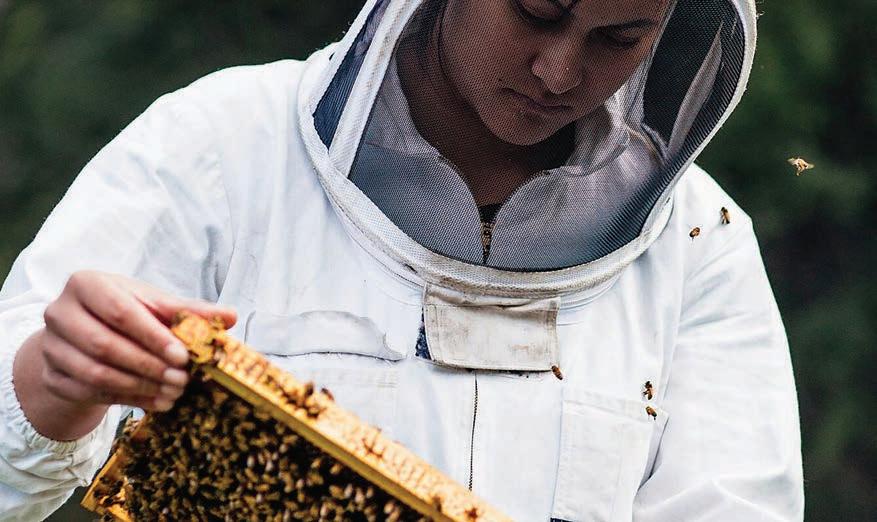
Beekeeping is a great way to help improve pollination in your garden and neighbourhood and it brings many rewards. There is lots to learn and you need to be committed to following beekeeping best practice.
By putting in place good practices, you can maximise your bees’ health. It means you will be able to recognise diseases which, if not treated, will not only affect your bees but may adversely affect all bees in New Zealand.
Beekeeping comes with responsibilities Use the checklist to make sure you’ve covered your bases as a beekeeper in New Zealand.
Seasonal Management
August
• Prepare for a new season ahead.
• Get queen-raising equipment if you are going to rear your own queens.
• Assemble feeding equipment and supplies of sugar
• Check grass spraying or cutting gear
• Assemble frames for new season and have wax or plastic foundation on hand.
September
• Apply a varroa treatment if mite levels are too high.
• Check all brood frames for American foulbrood.
• Feed if necessary
• Spray or cut vegetation around the hives.
• Stimulate queen rearing hives or any hives you want to split.
• Hives can be split late in the month, or when ambient air temperatures are above 17 degrees.
• Unite any weak or queenless hives with stronger queenright hives, especially if you prefer not to increase hive numbers.
• Prepare for queen raising programme.
October
• Apply varroa treatment if hives are showing mite damage, or there are more than 40 mites per 300 bees after a sugar shake test.
• Remove entrance reducers.
• Feed if necessary
• Check pollen stores and feed supplements if required.
• Check all brood frames for American foulbrood (remove all bees from the frames first).
• Conduct swarm check.
• Re-queen hives with mated queens or queen cells.
• Split hives.
November
• Remove any varroa strip treatment products applied in early September.
• Check that treatments have worked, especially if using organic treatments.
• Feed.
• Check pollen levels.
• Conduct disease checks.
• Carry out queen rearing.
• Conduct swarm checks.
• Super up hives.
• Re-queen hives if required.
December
• Make up nucleus hives.
• Conduct swarm checks.
• Super up.
• Prepare honey house equipment.
• Harvest and extract early crops, especially if in the city.
January
• Super up.
• Extract honey
February
• Harvest honey and treat for varroa (remember to alternate treatment types).
• Carry out disease inspections once honey is removed.
• Extract honey.
• Late summer queen rearing.
• Check for wasps.
March
• Test for varroa mite levels and treat if necessary.
• Extract honey.
• Re-queen hives.
• Check for wasp damage.
• Sell or store honey crop.
• Store honey supers.
April
• Remove any varroa treatment products applied in February.
• Apply varroa treatments if necessary.
• Prepare hives for wintering down:
» Feed check
» Disease check
» Scrape surplus wax and propolis from hive parts
» Check bottom boards and fit entrance reducers
» Replace rotten hive parts or tape up any holes to minimise robbing by bees or wasps
» Control weed growth and check hives are protected from stock
» Apply mouse bait if necessary
May
• Test for varroa mite levels and treat if necessary.
• Remove any varroa treatment products applied in March.
• Feed sugar syrup if needed.
• W inter hives down.
• Bring in any empty supers still on hives.
• Sort combs before storage.
• Freeze combs for wax moth control.
June
• Render down wax.
• Make up new equipment for coming season.
July
• Remove any varroa treatment products applied in May.
• Make up new equipment for replacement or increase of hives.
New Beekeeper Checklist
Register yourself as a beekeeper.
All beekeepers in New Zealand have a legal obligation under the Biosecurity Act 1993 to register as a beekeeper and part of the registration process involves registering your apiaries as well. You can register on www.afb.org.nz
Only buy hives of bees from a registered beekeeper who can verify AFB disease status. Start small with 1-5 hives whilst you are still learning.
Display your registration number on your hive/s and at your apiary/s.
Learn safety requirements around beekeeping.
From safe handling of bees, hives and equipment to smoker and fire safety.
Understand health allergic reactions and risks.
Seek advice on the legal requirements.
Go to www.foodsafety.govt.nz for more information on safe food handling and the risk of tutin honey.
Check your local council bylaw requirements for beekeeping.
Learn about the honey bee.
Understand the life cycle, learn the terms used in the bee world and get to know the legal requirements needed within New Zealand. See Resources and Links for recommended sources.
Learn the style of beekeeping.
Read information specific to New Zealand beekeeping with hive options to house your bees here. For example, bees can be housed in different structures but legal requirements need to be met.
Find out more about seasons, pests and diseases that affect the honey bee in New Zealand and how these are managed.
Decide what protective clothing you will wear while beekeeping.
Obtain tools to support your beekeeping management.
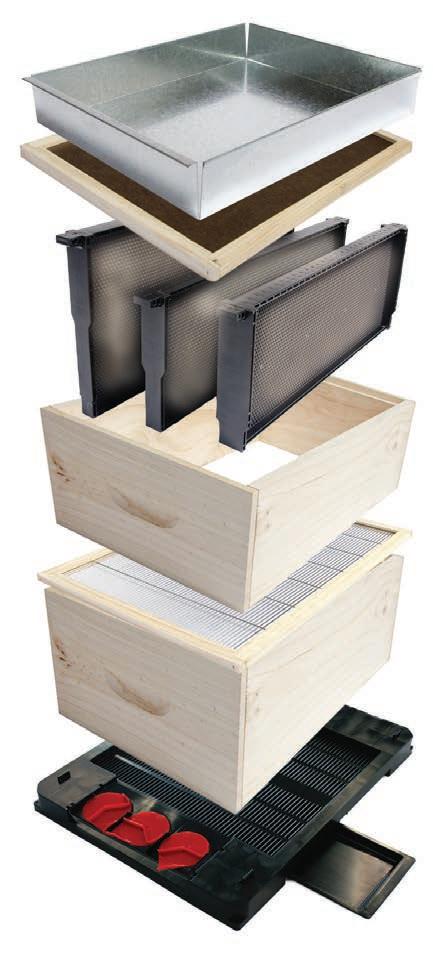
Typical Hive Setup
Hive Strap
Locks hive together, protects from tipping with livestock potentially rubbing against hive.
Tin Roof
Protects your hive from the elements.
Hive Mat
Insulates the hive and helps to prevent your roof being stuck down to the top of your hive by propolis.
Pre-Waxed Plastic Frames
Allows your bees to store their brood, nectar, pollen and honey.
Top Super
Either a stores box or honey super.
Queen Excluder
Excludes your queen bee from your honey supers.
Brood Box
Brood box for your queen to lay eggs, bees to raise brood and store food.
Hive Doctor Bottom Board
Keeps the hive up off the ground and ventilated. Includes built-in, entrance-reducing options to assist in hive protection and transport.
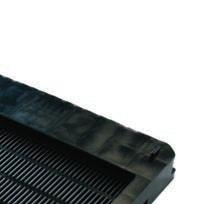
Hive Doctor Smart Board
1. Stable and sturdy, UV resistant, low profile bottom board.
2. Universal entrance space to allow future functionality e.g. pollen traps, varroa control and other wasp control.
3. Screw holes for securing to pallets.
4. Locating lugs to secure hive box and rigid design to prevent bowing.
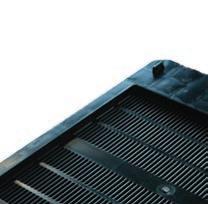
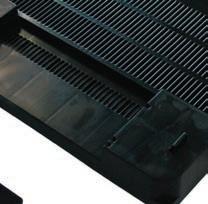
5. Deep floor with great venting (21% ventilation), with the ability for venting to be closed off with pest trays.
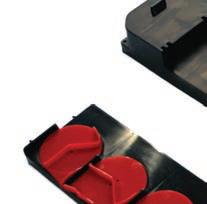
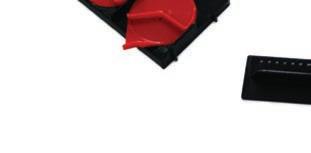
6. Bar entrance reducer slots securely in front of the box. It can be flipped to either close or reduce the entrance and stored in the front holding slot.
7. Straight sides and ends for easy palletising and strapping of multiple hives.
8. Stronger through centre of base and locating slots for Emlock hive straps.
9. Additional entrance reducer with flexible settings to allow for easy close off, full opening or effective wasp control.
Beekeeping Nutrition
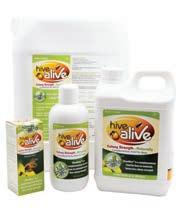
Hive Alive
• Scientifically validated feed supplement, specifically developed for honey bee health.
• Supports a reduction in overwintering mortality and an increase in colony population and brood.
• All-natural, GM-free supplement, improves intestinal wellbeing and immune function.
• Key ingredients: seaweed, thymol and lemongrass.
• Prevents sugar syrup from fermenting.
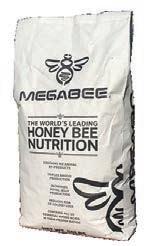
MegaBee Powder
• High-protein, supplemental pollen substitute, perfectly balanced to get the best out of your bees.
• Most researched and tested nutritional supplement.
• Increases the production of royal jelly, the resulting excess is fed to all bees, to extend their life and performance.
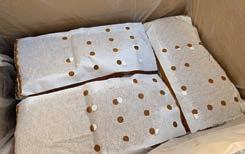
MegaBee Patties and MegaBee + Hive Alive Patties
• MegaBee powder can be purchased as convenient, no mess – no fuss, ready made patties that will keep for weeks.
• Adding Hive Alive into the protein patties provides a nutritional boost for the colony.
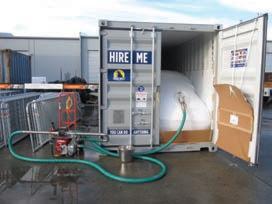
Liquid Sugar
• A mix of 67% raw sugar and water
• High-quality, pure cane sugar.
• Ready to use, dilute or add other bee nutrition supplements.
• Provides hives with supplies over winter or emergency support year round if natural nectar supplies are low.
• Fill your own container (minimum purchase 20L), purchase prepackaged units or have it delivered by tanker to your site.
• Available at selected stores.
20kg: 223378
MegaBee Patties 20kg: 223379
MegaBee Patties 5kg: 223380
MegaBee + Hive Alive Patties 20kg: 223381
MegaBee + Hive Alive Patties 5kg: 223383
Hill Laboratories Testing
Hill Laboratories offers an extensive range of testing on honey and bee products. The following tests are likely to be of most interest to beekeepers who may wish to on-sell or market their honey:
• 3-in-1 Manuka Honey
• Non-Peroxide Activity (NPA)
• Tutin
• C4 Sugar AOAC Test
• C4 Sugar Screen Test
• UMF® Certificate
• Leptosperin in Manuka Honey
• 4-in-1 Manuka Honey Suite (3-in-1 and Leptosperin)
• Manuka 5 Test
• Honey Forecast Modelling
• Pesticide Residues
• Blending model
How to get your free honey sampling kit
STEP 1
Contact your local Farmlands Technical Advisor or call your local Farmlands branch on 0800 200 600. Alternatively, contact a Client Services Manager at Hill Laboratories on 0508 HILL LAB (44 555 22) to discuss
STEP 4
When your sample arrives at the lab, Hill Laboratories will book in the job and return your results via email within the turnaround time advised on their website.
When your kit arrives, use the pottle to collect your sample, fill out the form and return both to the laboratory using the courier bag provided.
Head into your local Farmlands store or head to the Hill Laboratories website to order your free honey sampling kit.
Beekeeping Hygiene
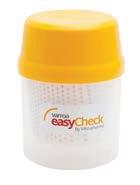
Varroa Easy Check
• Unique, effective and reliable monitoring tool.
• Assess and plan your treatment strategy throughout the year.
• Robust and re-usable, leak-free design.
• Quick and easy
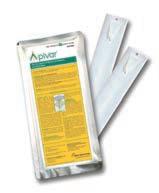
Apivar
• Kills up to 99% of varroa mites in one application.
• Unique controlled-release technology over the full 6 to 10 week treatment period.
• Use two strips per brood box.
• No negative effect on brood or queens.
• Trusted by NZ beekeepers for over 15 years.
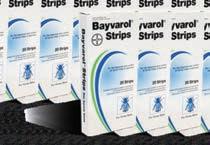
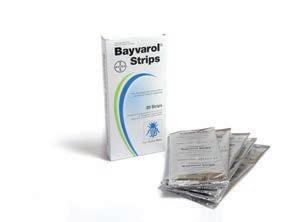
Bayvarol
BAYVAROL
now Distributed by:
• For the diagnosis and control of varroa mites on honey bees.
• Highly effective (up to 99% efficacy).
• Easy to use, rigid strips – no curling.
• Safe to use.
ROTATION MANAGES RESISTANCE
• Use four strips per brood box.
• Very kind to beeswax, propolis and comb honey.
B RAVIPA
Ÿ Do not under dose — use 4 strips per brood box to ensure effective knock down*
Ÿ Place strips in the correct position in the brood box i.e. next to brood frames
10 strips: 159950
20 strips: 159951
800 strips: 219851
Rotation manages resistance
• Do not under dose – use recommended number of strips to ensure effective knock down.
• Place strips in the correct position in the brood box i.e. next to brood frames.
• Do not leave in for too long – adhere to the treatment periods as advised on the pack.
• Remove immediately after the treatment period – delaying removal helps varroa mites develop resistance through exposure to sub-lethal doses.
Beekeeping Products
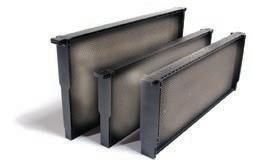
Full Depth Feeder
• Rotationally moulded black plastic.
• Full Depth Feeder 5 litre/2 frame.
• Full Depth Feeder 3 litre/1 frame.
• Hangs in the hive in place of frames, to feed dry sugar or sugar syrup in winter months.
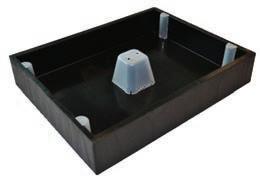
Hive Doctor One Piece Top Feeder 12L
• Feeding stations (bee savers) lock into place to prevent bee drownings.
• Full Depth 33mm – assembled and wired, 4 wires with eyelets and 10mm grooved bottom bar.
• 3/4 Depth 33mm – assembled and wired, 3 wires with eyelets and 10mm grooved bottom bar.
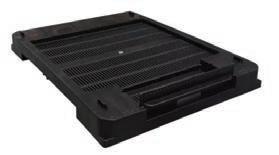
Hive Doctor Smart Bottom Board
• Adaptable and functional UV resistant bottom board with a low profile for stability and sturdiness. Multiple entrance options.
• Locating lugs to secure your hive box and rigid design to prevent bowing.
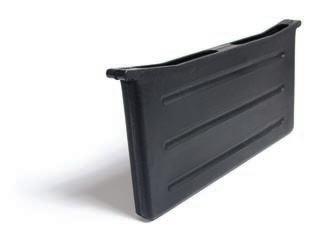
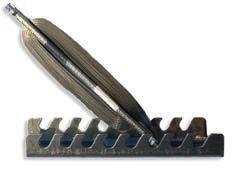
• Bar entrance reducer slots in front of the box. Can be flipped to either close or reduce the entrance and stored in the front holding slot.
• Deep floor with great venting (21% ventilation), with the ability for venting to be closed off with pest trays.
• Triple disk entrance for a choice of entrance options, available separately.
Beekeeping Products
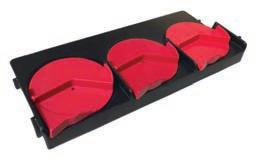
Hive Doctor Triple Disc Entrance
• UV resistant bottom board.
• Multiple entrance options.
• Low profile for stability and sturdiness.
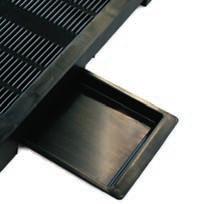
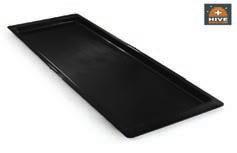
Hive Doctor Pest Checking Tray – Black
• For use with Hive Doctor Smart Bottom Boards.
• Monitor varroa levels by using the quick reference grid on the base of the varroa tray.
• Use a black pest tray to create a darkened trap cavity for the SHB to be trapped.
• Pest checking trays close the hive completely and can be used in a closed-hive varroa treatment.
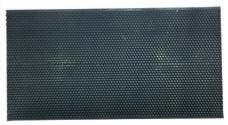
Waxed Plastic Foundation Sheet
• Highest quality plastic foundation, made of 100% pure virgin food grade resin.
• The black colour shows the white eggs and larvae more easily.
• Pre-waxed for your convenience with a consistent and good 30g coating of 100% New Zealand beeswax.
• Only available in full depth short size (designed to fit into grooved top and bottom bar frames) or full depth long size (designed to fit into grooved end bars as well).
Plastic Frame – Pre-Waxed 30g
• Highest quality plastic frames, made of 100% pure virgin food grade resin.
• Used by the majority of New Zealand’s commercial beekeepers.
• Lugs have been redesigned to give maximum strength.
• The frames are robust and long lasting.
• The black frame colour shows the white eggs and larvae more easily, however other colours are available for large orders.
• Pre-waxed for your convenience with a consistent and good 30g coating of 100% New Zealand beeswax.
Beekeeping Products
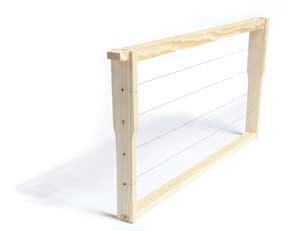
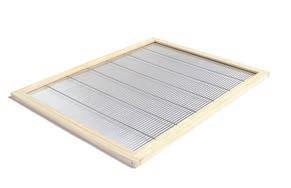
Wooden Queen Excluder
• Welded wire construction.
• Solid wooden frame.
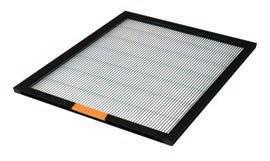
Hive Doctor Queen Excluder with Plastic Rim (USA)
• Used to keep the queen from laying eggs in the honey supers.
• Only used during the honey season (spring/summer).
• Gated option available.
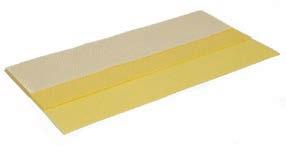
Medium Brood Comb Foundation Sheet
• Pure beeswax sourced from beekeepers throughout New Zealand. Heated and micro-filtered to remove all dross and moisture.
• If stored in its original packaging in clean, dry conditions is indefinite.
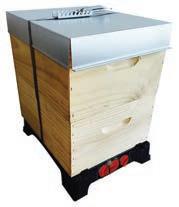
Ready To Go Hive – Complete Hive
• 1 x Hive Doctor Smart Bottom Board.
• 2 x premium grade rebated (commercial) Full Depth supers, assembled and paraffined.
• 20 x Full Depth Beetek plastic frames, coated with 30 grams of pure beeswax.
• 1 x hive mat – fully assembled with 4.75mm smooth ‘tempered’ hardboard and 21.5mm x 21.5mm wooden frame.
• 1 x galvanised 0.75mm sprung end lid.
• 1 x galvanised hive strap with 4.5m galvanised strapping attached.
Beekeeping Products
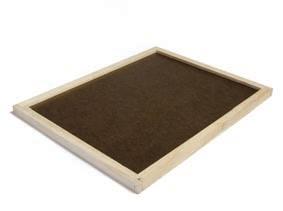
Hive Mat
• Fully assembled.
• 4.75mm smooth ‘tempered’ hardboard, with 21.5mm wooden frame.
• Acts as an insulator and stops bees from propolising onto hive.
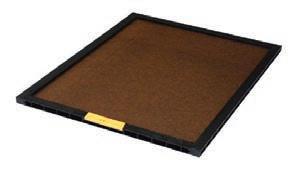
Hive Doctor Hive Mat with Plastic Rim
• Known as inner cover, crown board, or ceiling to stop your bees from propolising the roof down on your hives.
• Acts as an insulator.
• Gated option available.
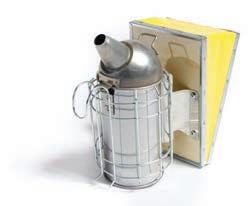
Stainless Steel Smoker – Lega
• Smoker diameter 80mm/3 inch or 100mm/4 inch.
• Strong bellows.
• W ith wire heat shield.
Hive Strap
• Complete hive strap with 4.5m galvanised strapping (4.5m x 17mm x 0.55mm).
Beekeeping Products
Hive Roof
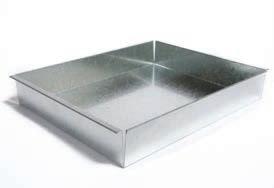
• Galvanised sprung end roof.
• 0.75mm tin.
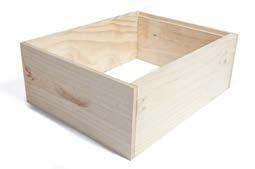
Beehive Box
• Flatpacked, ready for assembly.
• Also known as honey super
• Pre-made options and parafin dipping available.
• Enquire in-store for volume quantity pricing.
• Available in premium and standard grade.
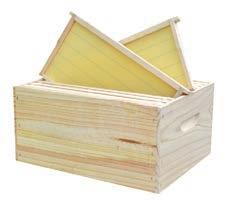
Ready to Go Full Depth Super
• Premium grade wooden super.
• Includes 10 x Full Depth wooden “AA” frames 33mm embedded with Manuka special foundation.
• Assembled and ready to place straight onto your hive.
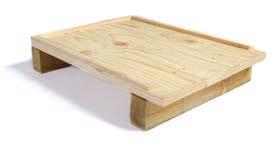
Bottom Board - Timber Kitset
• Commercial grade wooden bottom board with tanalised bearers.
3/4 Depth Standard: 159958 Full Depth Standard: 159961
3/4 Depth Premium: 208121 Full Depth Premium: 159960
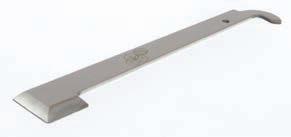
Maxant Type Hive Tool 10 Inch Stainless Steel
• Metal hive tool, 10” with hook – stainless steel.
• Used to prise components of the hive apart.
160004
159957
Beekeeping Products
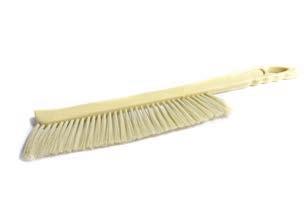
Mixed Bristle Bee Brush
• Nylon/natural mix of bristles with a plastic handle.
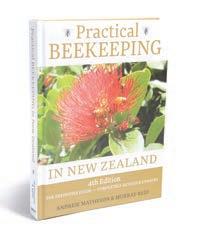
Practical Beekeeping in New Zealand 4th Edition
• Essential reading for any aspiring beekeeper.
• The latest edition.
• Release date: June 2011.
• Authors: Andrew Matheson and Murray Reid.
• Format: hardback, 285 pages.
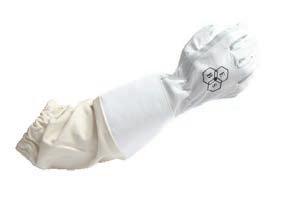
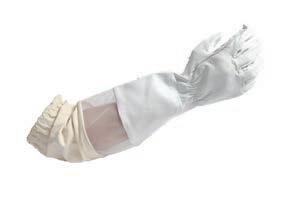
Leather Gloves
• Premium leather vented and non-vented gloves.
• Gauntlet below elbow
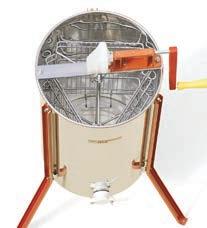
Honey Extractor
• Three or four frame stainless steel manual extractor – with two clear half lids (not shown).
• Tangential manual honey extractor, fitted with nylon conical gear noiseless drive, three removable legs and a 47mm OD nylon honey gate.
• Stainless steel tank.
159964
173870
Vented XXS-XXL: 9262
Non Vented XXXS-XXL: 9263
Children’s Non Vented Size 7: 217055
3 Frame: 159987
4 Frame: 159988
Beekeeping Products – Bee
suits for men, women and children
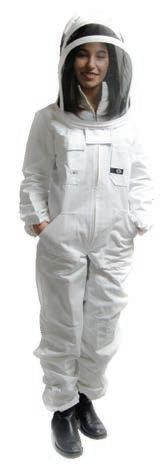
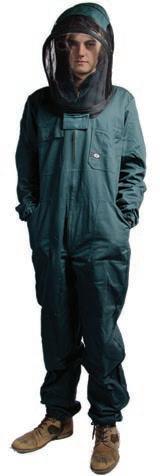
Bee Suits
• One piece suits complete with folding hood.
• Zips at neck enable hood to be altered.
• New Zealand made, 310gsm, 100% cotton overall that includes additional length and elastic in arms and legs.
• Extended brass zip and double fabric on knees.
• Available in men’s, women’s and children’s sizes.
Men’s Beesuit
White size 3-16: 8527
Spruce size 6-14: 1896
Women’s Beesuit
White size 10-20: 8528
Pink size 10-20: 9270
Children’s Beesuit
White size 4-14: 9763
Leafcutter Bees
General facts about Leafcutter bees
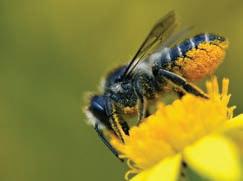
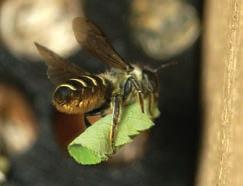
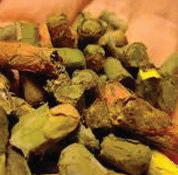
Leafcutter bees belong to the family Megachilidae and are members of the genus Megachile. They are non-aggressive and non-colonising solitary bees. They are generalists, meaning they do not stick to certain blossoms, they pollinate whatever they find and like e.g. most blossoming garden fruit, vegetables and various flowers. They are fuzzy with thin yellow/grey stripes down the abdomen. They are a little smaller than a honey bee. They will also work in unison with any and all types of bees. A single female Leafcutter bee visits 10,000+ blossoms per day compared to a honey bee, which visits just 50 – 1,000. They don’t travel more than a few hundred metres unless there is a shortage of flowers to forage on, so pollination stays in your garden!
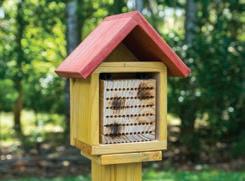
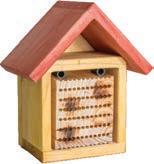
Leafcutter Bee House
• Leafcutter bee house.
• 72 hole inter-locking nesting tray system.
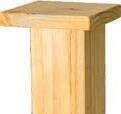
Post Mounting Sleeve
• Allows you to position your Leafcutter bee house whereever you like.
• Can be mounted onto any standard waratah / steel ‘Y’ post.
• They are shipped between July and January, while stocks last.
205580 205581
205582
Useful Resources
Join Apiculture New Zealand!
Join by going to: www.apinz.org.nz
Apiculture New Zealand is the national industry body representing the apiculture industry. Membership is voluntary, with membership fees helping to fund industry science and research, nationwide advocacy on issues affecting beekeepers, a widely respected monthly journal The New Zealand Beekeeper and a variety of services for beekeepers.
Apiculture New Zealand has a voluntary code
Apiculture New Zealand has a voluntary Code of Conduct, which you can download from www.apinz.org.nz.
The code’s objectives are to maintain good relations amongst all beekeepers and stakeholders, to be considerate of public safety and through good beekeeping practice, ensure the sustainability of bees and their environment.
Important links and resources
American Foulbrood Pest Management Plan (to register as a new beekeeper)afb.org.nz/new-to-beekeeping-apiary-registration-form
Practical Beekeeping in New Zealand – Andrew Matheson and Murray Reid.
Starting with Bees – order from: apinz.org.nz
Beekeeping Clubs
North Island
Kaitaia – Far North Beekeepers Club 021 0821 5217
Keri Keri Beekeeping Club bees@outdoorkiwi.co.nz
Whangarei Bee Club bees@outdoorkiwi.co.nz
Waipu Beekeepers Club 021 216 6152
Warkworth Beekeepers Society Inc beekeepers.soc@gmail.com
Helensville – Rodney Beekeepers Club ContactRodneyBeekeepers@gmail.com, www.rodneybeekeepersclub.co.nz/
Auckland Beekeepers Club admin@aucklandbeekeepersclub.org.nz
Franklin Beekeeping Club president@franklinbees.co.nz
Bay of Plenty Bee Interest Group bopbeekeepers@gmail.com or bopbee.weebly.com/
Waikato Domestic Beekeeping Club president@waikatobeekeepers.org.nz
Rotorua Honey Bee Club rotoruahoneybeeclub@gmail.com
Taupo Beekeeping Club taupobeeclub@gmail.com
Owhango Beekeepers Club www.owhangobeekeepersclub.co.nz
Taranaki Beekeeping Club taranakibeekeepers@gmail.com or bopbee.weebly.com/
Ruapehu Beekeepers Club taranakibeekeepers@gmail.com or www.facebook.com/TaranakiBeekeepersClub
Wanganui Beekeepers Club nfarrer@xtra.co.nz
Manawatu Beekeeping Club chair@manawatubeeclub.org.nz
The Buzz Club Otaki thebuzzclubotaki@gmail.com
Wairarapa Hobby Beekeepers Club b.watt@xtra.co.nz
Wellington Beekeeping Association lindsays.apiaries@clearnet.nz
South Island
Marlborough Beekeeping Association silketpowell@gmail.com
Nelson Beekeepers Club tasmanbees@gmail.com
West Coast Hobby Beekeeping Club sue@pinkpossum.co.nz
North Canterbury Beekeeping Club president@ncbeeclub.org.nz or www.ncbeeclub.org.nz
Christchurch Hobbyist Beekeepers Club chch.beekeepers@gmail.com
Dunedin Beekeepers Club President@DunedinBeekeepersClub.org or www.dunedinbeekeepersclub.org
Southland Bee Society info@southlandbeesociety.nz
National Bodies
Apiculture New Zealand (04) 471 6254 or www.apinz.co.nz
UMF Honey Associations (Inc) enquiry@umf.org.nz or www.umf.org.nz/ (09) 575 3127
Bee Sustainability – How Can You Help?
There are many different ways we can help bees.
• Bee food – Planting bee-friendly gardens in both urban and rural spaces. Bees need food so they can help pollinate our food. Bees will forage on wildflowers and other beefriendly plants for nectar and pollen, which provide carbohydrates and protein for growth and energy. Well-nourished bees are more capable of fending off disease and parasites.
• Safe spraying – Consider whether spraying is necessary. If you choose to proceed, avoid using pesticides that are harmful to bees. If you do need to spray, do so after dusk when pollinators are less active. Try to avoid spraying when plants are flowering.
• Hydration – Provide fresh drinking water for bees. Fill a shallow saucepan of water, put pebbles or twigs in the water for bees to rest on while they drink.