






Don't miss a thing! Tune in to our Farming Monthly Podcast every month for in-depth discussions on all the topics found in this month's magazine, available on all major podcast platforms listed below.


Don't miss a thing! Tune in to our Farming Monthly Podcast every month for in-depth discussions on all the topics found in this month's magazine, available on all major podcast platforms listed below.
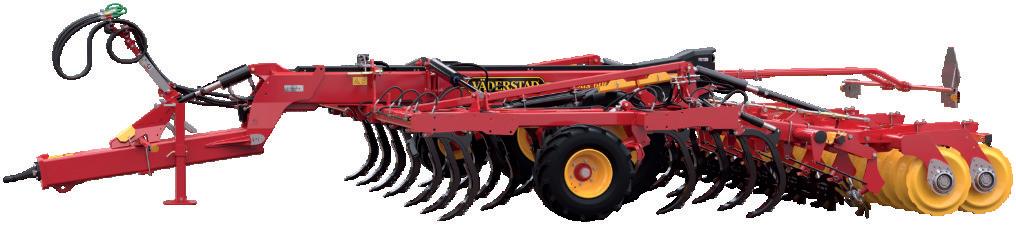
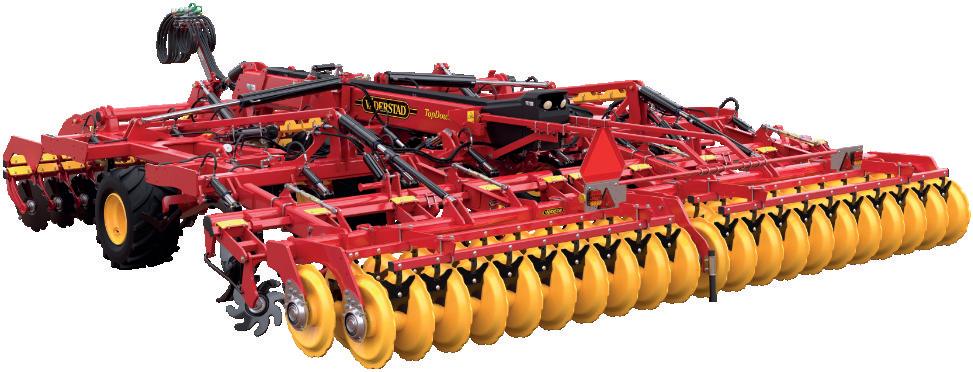
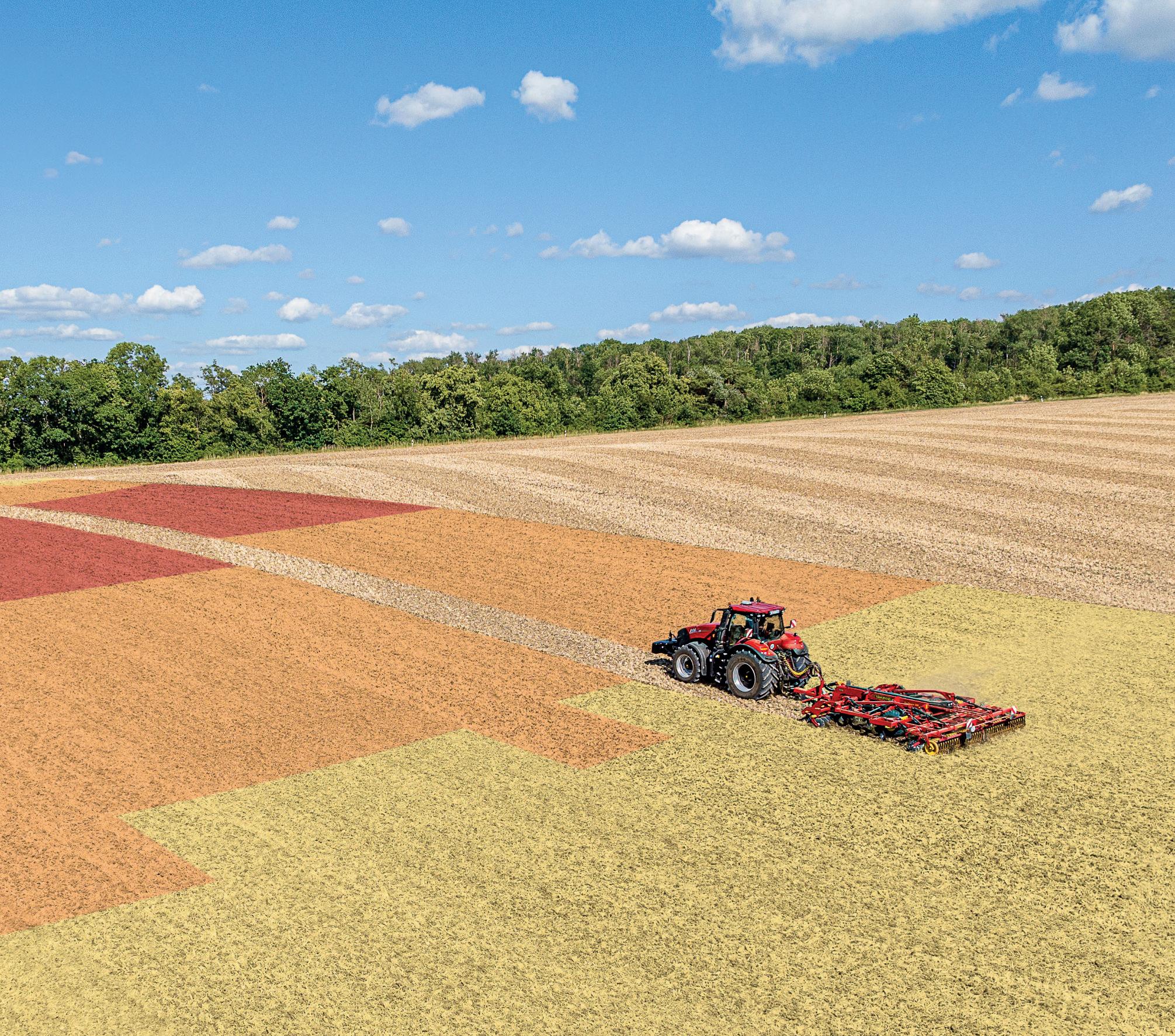
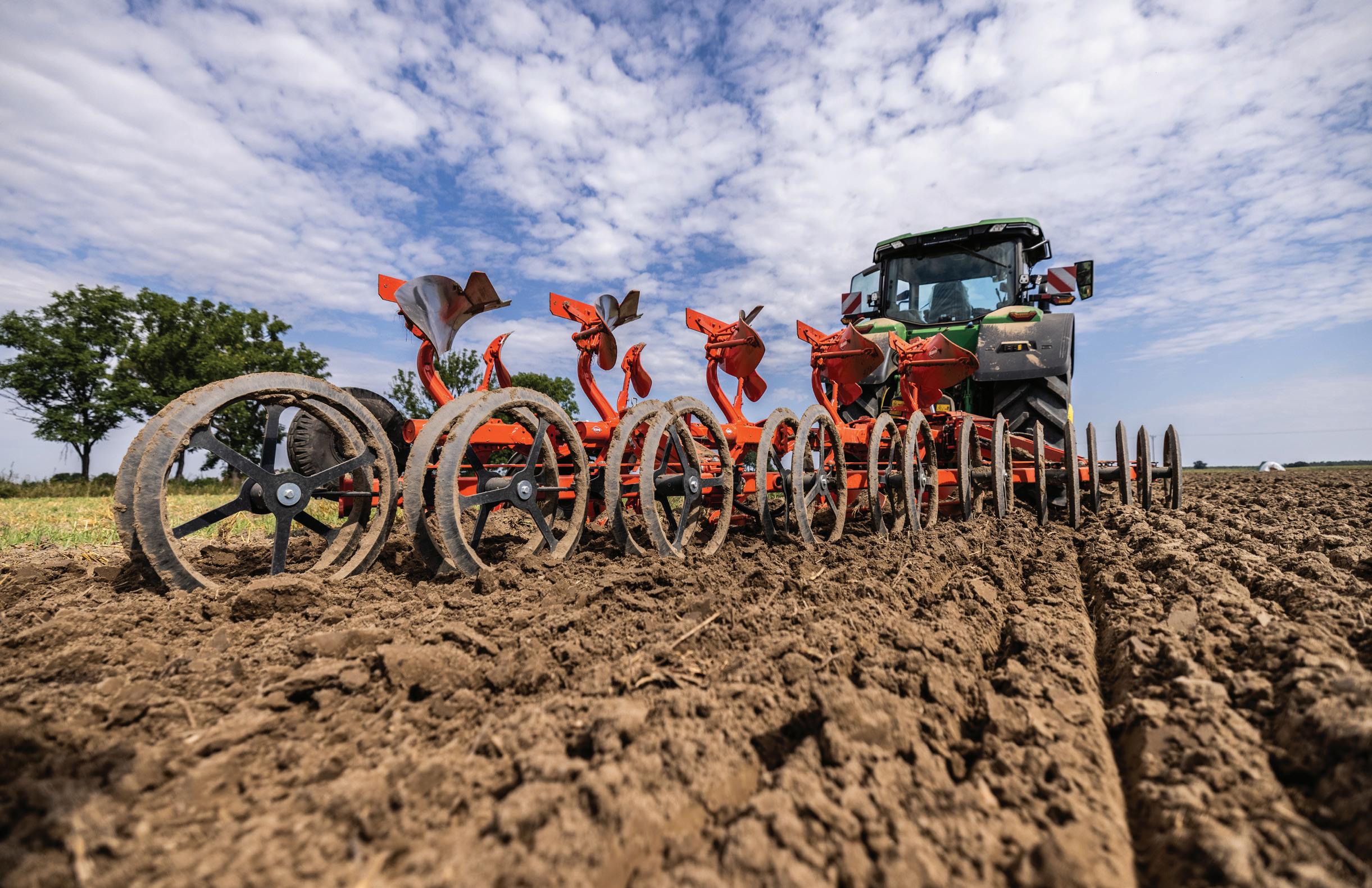
Experience precision farming like never before with the introduction of E-Services for TopDown and Opus.
Now these machines can seamlessly utilise prescription maps for automatic, in field machine adjustments.
Alternatively, with a touch of a button the driver can dynamically adjust the working depth or intensity of the discs, tines, levellers or packer while in operation.














National

EDITOR
editor@farmingmonthly.com
EDITORIAL ENQUIRIES
editorial@farmingmonthly.com
ADVERTISING ENQUIRIES
Tel: +44 (0) 2476 353537
ADVERTISING DIRECTOR
Shona Beedham
shona@farmingmonthly.com
ACCOUNT EXECUTIVE
Jennifer Mills
jennifer.mills@farmingmonthly.com
ACCOUNT EXECUTIVE
Vicky Smith
vicky.smith@farmingmonthly.com
SUBSCRIPTIONS subscriptions@farmingmonthly.com
PRODUCTION production@farmingmonthly.com
Front cover credit: NETTEX



For editorial, general enquiries or to advertise please call +44 (0) 2476 353537 or email sales@farmingmonthly.com
Farming Monthly National is published monthly in the UK by Farming Monthly Ltd, Tel: +44 (0) 2476 353537 UK based Digital Farming Magazine.
No part of this magazine may be reproduced without permission from the publisher.
Whilst every attempt is made to ensure accuracy, the opinions expressed in the magazine are not necessarily those of the Editor or publication. The Editor also reserves the right to alter or edit material as required and no responsibility is accepted for inaccuracies.
Full copyright applies. All rights reserved. ISSN 2044-0190 (print) ISSN 2044-0200 (digital)


The Accelerating Development of Practices and Technologies (ADOPT) Fundoffers grants to farmers and farm businesses to trial new technology and practices on farm.
It aims to speed up the development and adoption of new ideas, so more farmers can put them into practice sooner.
peat-free growing medium that could be used more widely on arable farms:
“We are looking at whether we can produce a willow-based compost or mulch for sale into the commercial horticulture sector. It’s about using a methodology that is reproducible on a farm with normal farm equipment, with no special kit.”
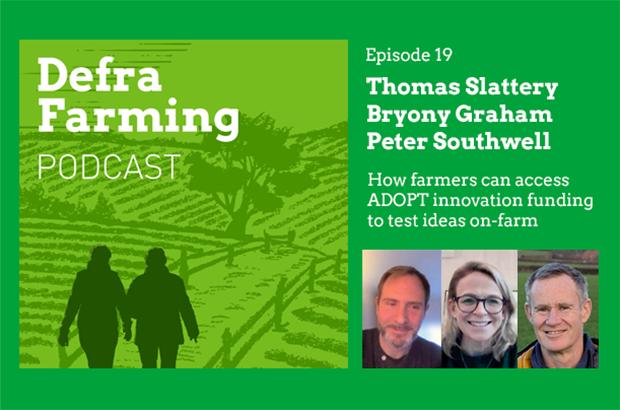
AsRound 6 of the full ADOPT grant opens today, we hear from two farmers who have received ADOPT funding. Thomas Slattery from the Support Hub, which helps applicants prepare, speaks to Bryony Graham in Essex and Peter Southwell in East Yorkshire.
They share why they applied, what they’re testing, and how the funding is helping them.
Tom explains that problem-solving is already part of everyday farming:
“Farmers are already innovators. Any given week, most farmers are problem-solving across multiple domains. You’re constantly adapting systems, tweaking processes and making judgement calls based on, frankly, incomplete information. So, for a lot of farmers, this isn’t called innovation. It’s just farming.”
Bryony describes how she is trialling willow as a high-carbon crop and testing compost mixes as a
Peter shares how ADOPT has supported the Yorkshire Nutrition Club to bring farmers together to share data, compare crop nutrition strategies and test new approaches side by side:
“ADOPT came along, and we thought maybe we can get a group of farmers together who can compare new technologies and also compare their own systems to each other. So, we thought with the combination of the benchmarking and the testing, it would be a good project to try.”
Up to £5 million is available in Round 6.
types of grants are available:
Full ADOPT grantfor on-farm trial and demonstration projects to improve adoption of new ideas or solutions in the agricultural sector. Projects must have total costs of between £50,000 and £100,000
Opens:Thursday 5 February 2026
Closes:Wednesday 8 April 2026 11:00am
ADOPT Facilitator Support Grantof £2,500 for a farmer, grower or forester based in England to engage an external Project Facilitator to support submissions to the Full ADOPT Grant competition
Opened:Thursday 15 January 2026
Closes:Wednesday 25 February 2026 11:00am
Leading property consultancy Fisher German says it is vital that the government begins thinking longerterm and takes a bigger picture approach when it comes to the farming sector following the publication of DEFRA’s Farm Profitability Review.

David Kinnersley, Head of Agribusiness at the firm, adds that farmers should look to understand the report and be ready to engage if any of the key recommendations from the review come to fruition.
DEFRA’s Farm Profitability Review, led by Baroness Minette Batters, is a sensible and coherent paper which aims to foster resilience and growth in the sector.
It covers many of the key themes that have been debated over the decades, which Baroness Batters herself recognises, so there was little surprise in its content.
The government’s formal response will follow later this year with the publication of its 25-year roadmap for farming. My prediction, however, is that with significant pressures on public finances, limited political bandwidth and competing priorities across departments, there is a risk that some of the longer-term recommendations may struggle to gain traction.
A key message within the review is the need to stop viewing farming in isolation. While agriculture is often described as contributing just 1 per cent of GDP, this is narrow and misleading. It is absolutely correct to highlight this as farming underpins a far
larger ecosystem through the food and drink industry, rural employment, supply chains and exports. Its influence stretches well beyond the farm gate.
The report’s focus on healthy food is particularly welcome, drawing a clear connection between domestic food production and the health of the population. This aligns closely with the conclusions of the Dimbleby food strategy published several years ago, reinforcing the argument that better use and promotion of British food could play a significant role in tackling diet-related illness.
It is certainly something which the government should take note of in its roadmap for farming. In a world where there is a lot of constraints on government spending and a runaway NHS budget, alongside concerns that obesity-related conditions continue to rise, the opportunity to reduce longterm healthcare costs through healthier diets should not be overlooked. The government needs to think about the bigger picture, despite the possibility of future changes in administration, if impactful changes are to be made.
Another important strand of the review is its emphasis on soil health, natural capital and environmental outcomes. Initiatives such as the Soil Shot and the Nature Taskforce point towards the development of new green finance mechanisms, with the potential for robust metrics around insetting and offsetting, supported by highintegrity standards through the British Standards Institution.
There is a clear appetite within the farming industry to adopt more sustainable practices, yet funding remains a significant barrier. This is again something which the government should take note of. As existing schemes such as the SFI are expected to be simplified, there is concern that support may not fully bridge the gap between aspiration and affordability. The development of credible nature markets could provide an alternative route, enabling private farming businesses to benefit from private funding through well-structured schemes with clear provenance.
Overall, the Farm Profitability Review is well worth engaging with. Farmers and landowners should take the time to understand its recommendations and consider how it might fit within their own businesses. Active involvement with agri-growth hubs, industry boards and local partnerships will be increasingly important as these discussions evolve. While government direction will matter, the future of the sector will also be shaped by those willing to engage.
K farm assurance is embracing technology to reduce burden, improve efficiency, and enhance confidence across the supply chain, industry leaders confirmed during a session at this month’s Oxford Farming Conference, organised and sponsored by Map of Ag.
The session, ‘Building Smarter Farm Assurance: From Review to Reality’, comes 12 months after the UK Farm Assurance Review, commissioned by AHDB and the NFU, highlighted the need for a transformational step forward in technology, data management, and collaboration.
outlined the complexity of operating across multiple assurance and customer schemes, while stressing their importance to UK food credibility.
“These schemes are hugely important. They’re not universally popular sometimes with farmers, but we’ve got really good food credibility in the UK, and we need something standing behind that to justify the standards and justify the claims.”
Map of Ag’s Rob Burgess, said: “The aim of the Farm Assurance Review was to look at the whole farm assurance process, see how it delivers value to the different stakeholders such as farmers and supply chain consumers, and effectively make recommendations for how it could be improved going forwards.”
Philippa Wiltshire, Director of Standards and Operations at Red Tractor, explained how Red Tractor, which covers over 40,000 British farms, is already turning the Review’s recommendations into action by developing technology-enabled solutions to reduce duplication and audit burdens.
Red Tractor has upgraded its online filing cabinet into an efficiency tool that farmers can use yearround, not just before inspections, and is in the process of introducing innovations such as photobased records and guidance on prioritising highimpact documents.
“We’re upgrading the Red Tractor Members Portal to make it an easier and more efficient way to stay on top of paperwork”, Mrs Wiltshire explained.
“Using the portal means assessors will be able to spend less time during a farm visit looking at paperwork, reducing the length of their visit.”
She also shared details of collaboration in the dairy sector with the Tesco Sustainable Dairy Group to reduce the audit burden.
“Before, these farmers were having additional audits and separate inspectors. By working in partnership with Tesco, we were able to offer farmers the ability to be able to use our portal, to be able to upload records that they needed to for that customer, all very secure.”
Mrs Wiltshire did emphasise the need for farmers to retain full control of their data. “The data is the farmer’s data, and the farmer needs control over that data all the time. Red Tractor doesn’t see and has no access to anything the farmer puts on the portal; it’s purely the assessor.”
Providing an on-farm view, tenant dairy and beef farmer David Christensen who farms in Oxfordshire
Mr Christensen was clear that the issue is not assurance itself, but how it is delivered.
“The most exhausting part of farming today is not the farming, it’s the paperwork.”
He highlighted duplication across schemes as a major source of frustration, praising recent progress where inspections have been combined.
“Hats off to Tesco and Red Tractor for getting that together, because so much of it was overlapping, it was bonkers.”
Looking ahead, Mr Christensen suggested that the next step must be automation rather than repeated manual data entry.
“We’ve talked about only entering data once, but better for me is automatic data collection. There’s a mass of data already there in systems like BCMS, herd management software, robots and milk recording that could be picked up automatically.”
He also called for better alignment across schemes. “It drives me mad when I’m having to assess animals with a different scale for different organisations. Wherever possible, can we not align measures?”
Mr Christensen suggested that assurance could deliver greater value by combining compliance with practical support and benchmarking.
“There’s a real opportunity for looking at the data to do some benchmarking and comparing how I’m getting on.”
Phil Pearson, Development Director at APS Group, the UK’s largest tomato grower for high street stores, explained how robotics, precision breeding, and automated data collection are already being used to streamline audits and support compliance across multiple standards in that sector.
However, all speakers stressed that technology alone is not enough. Success requires collaboration across farmers, certification bodies, retailers, and policy makers, while ensuring systems remain affordable and sector appropriate.
Mrs Wiltshire added: “We’ve got to think outside the box as an industry. Don’t just think about what we could change in the next 18 months. What do we want it to look like in five years’ time, or 10 years’ time? This is about continuous change.”
Latest figures from the UK's leading rural insurer, NFU Mutual, estimate that farm animals worth £1.95 million were severely injured or killed in dog attacks in 2025, a rise of 10% compared to the previous year.
This data coincides with findings from a new NFU Mutual survey of 1,407 dog owners released today (Tuesday 17th February), which reveal 57% let their dogs off leads in the countryside. But alarmingly, one in 10 admitted their dog has no recall while 44% said their dogs came back only 'some' or 'most of the time'.
One in 20 dog owners confessed their dogs had chased livestock, and more than three-fifths felt that other dog owners in their area did not treat livestock worrying as a serious issue.
Despite this, 72% highlighted they were not actively taking steps to prevent their dogs from chasing and almost two-thirds said they do not believe their dogs are capable of harming or killing animals.
This comes as the Dogs (Protection of Livestock) (Amendment) Act was passed earlier this year, following prolonged industry campaigning, granting police enhanced powers to address dog attacks on farm animals in England and Wales.
In Wales, 87% of dog ownerssurveyedthought thenew legislation will help reduce livestock worrying, compared to 74% in England.
NFU Mutual Rural Affairs Specialist, Hannah Binns, said:"As the lambing season gets underway, a time whenpregnant ewes and newborn lambs are vulnerable, it is deeply concerning to see the estimated cost of livestock worrying rise to nearly £2 million in 2025.
"As a sheep farmer's daughter, I know first-hand the hard work, long hours and emotional investment that goes into the lambing season. For farmers and their families, witnessing these horrific incidents or finding injured or dead livestock after an attack can be utterly heartbreaking.
"Farmers across the UK are living with the constant fear of repeat incidents, which cause immense suffering to livestock and can traumatise all involved in dealing with the aftermath. Anecdotally, we continue to hear reports of dogs injuring or killing sheep while owners are either unable to control their pets or are nowhere to be found.
"Ignoring the risks is never an option; regardless of breed, size, or temperament, all dogs can chase, injure or kill livestock. Even without physical contact, the stress of being chased can lead to exhaustion and stress, and in some cases separate young lambs from their mothers, which can lead to them being orphaned.
"It is crucial dog owners act responsibly by keeping their pets on leads wherever livestock may be nearby to prevent these needless attacks. If there is an incident, we urge those involved to do the right thing by informing a local farmer and reporting it to the police, so that any injured animals are not left suffering in pain."
Rob Taylor, the UK Police NPCC lead for livestock attacks, said:"It is alarming to see a rise in the estimated cost of livestock worrying, and the dreadful impact it has on our farming communities. We have worked tirelessly to improve education as this is about responsible dog ownership, and the problem lays firmly with those owners.
"We look forward to a new law coming into effect in March, after over 10 years of work and we believe it will make a real difference in how cases are investigated and dealt with by our courts. Additionally, we are now working with the Blue Cross to help educate dog owners about the dangers of allowing a dog to roam in the countryside and what it means to be responsible."
In England, the Midlands was the worst-hit region by cost, with dog attacks on livestock costing an estimated £438,000, followed by the South East costing an estimated £330,000.
With many dog owners planning to visit the countryside at a time when sheep and lambs are at their most vulnerable,NFU Mutualis calling for them to:
• Keep dogs on a lead when walking in rural areas where livestock are kept but let go of the lead if chased by cattle
• Be aware that all dogs, regardless of size, breed, and temperament, can cause the distress, injury and death of farm animals
• Report attacks by dogs to the police or local farmers
• Never let dogs loose unsupervised in gardens near livestock fields – many attacks are caused by dogs which escape and attack sheep grazing nearby
he NFU has reiterated how critical it is to avoid a cliff edge and ensure there is a sensible, phased transitional approach to alignment with the EU as part of the future Sanitary and Phytosanitary (SPS) agreement. This will ensure British farm businesses can effectively produce the nation's food without crippling costs and loss of income.
It comes as analysis by The Andersons Centre,commissioned by CropLife UK, outlines how immediate and complete alignment with the EU on plant protection products available could cost the arable, horticulture and sugar sectors between £500 million and £810 million in the first year alone.
Since January 2021, and following rigorous sustainability and safety testing, four new plant protection productshave been approved in Great Britain (GB) that are not yet available in the EU. Immediate alignment with EU rules in June 2027 could lead to the sudden loss of access to these and other key plant protection products.
This would reduce British growers' ability to control disease, weeds and pests in combinable crops, fruit, vegetables and root crops, hammering productivity and their ability to operate profitably.
For many months, the NFU has held meetings with the Defra Secretary of State, senior officials in Defra and the Cabinet Office, and with UK and EU negotiators, raising concerns about the impact
a poorly implemented agreement could have. In those meetings, the NFU has been making the case for British farmers to continue to have access to GB-approved actives until the EU rules are next reviewed, when the UK can input into the EU regulatory process.
NFU President Tom Bradshaw said:"This report confirms what we've already been outlining at the highest level within government – that there are significant risks tofarm businesses and British food productionwhich need to be very carefully managed within SPS negotiations.An SPS deal is about removing friction and unlocking trade with our largest trading partner, but we have to get it right. We are grateful for the open dialogue we've had with government so far.
"Implementing appropriate transition periods is absolutely vital to enable farm businesses to adapt. For plant protection products, thebest option would be for British farmers to retain access to GB-approved plant protection products until the EU rules are next reviewed, rather than being pushed towards a cliff-edge because of an arbitrary deadline.
"I hope the government will use this opportunity to reassure growers that, in resetting the UK's relationship with the EU, it will be negotiating hard to prevent the kinds of outcomes laid out in this report."
NFU Crops Board Chair Jamie Burrows said:"The arable sector is already under serious pressure. After one of the worst harvests in a generation and years of cereal prices being way below the cost of production, business confidence is at an all-time low. The prospect of losing access to such key crop protection tools, and hundreds of millions of pounds with them through loss of yield, would be catastrophic.

"Growing food takes long-term planning. Many growers will be making planting decisions now which will be impacted if complete alignment is implemented in June 2027 – there simply isn't enough time to mitigate impacts or change practices.
"The UK government needs to prioritise the future of the thousands of arable and horticulture businesses that use these critical products to produce the nation's food – we cannot afford to lose them overnight."
The UK temperature is rising and that brings the risk of new pests becoming established in the UK, posing threats to agriculture and forestry warns the Met Office.
Reaching 10.09°C, 2025 was the warmest year on record in the UK in a series since 1884. It was also the second year where the annual average temperature exceeded 10.0°C.
Dr Debbie Hemming is a Met Office scientist leading a team examining the interactions between climate and nature, including the climate responses of potential new plant pests to the UK.
She said: “With the warmer climate and recent extreme events, many species are shifting their ranges into locations previously too cold. This includes pests that were previously unable to survive in the UK. Many of these pose significant risks to UK agriculture and forestry as well as the wider environment.”
“As our climate changes, we can expect further new arrivals.”
TheUK Climate-Pest Risk web tool, developed by the Met Office scientists in collaboration with Defra’s plant health risk and horizon scanning team, helps pest risk experts to assess which species are likely to threaten the UK and develop effective management actions. The tool covers nine specific insect pests for forestry and agriculture, including: Asian longhorn beetle, Bronze birch borer, Brown marmorated stink bug, Citrus longhorn beetle, Colorado potato beetle, Potato flea beetle, Japanese beetle, Oak processionary moth, and Peach potato aphid.
One recent pest management success has been the targetederadication of the Colorado beetle, a serious pest of potato crops, from the UK.
Debbie Hemming added: “Modelling and mapping the climate sensitivities of high-risk pest species, such as Colorado beetle, helps to inform the effective management actions that are already building resilience in our
agriculture and forestry sectors to emerging pests.”
Threats to agriculture, forestry and the wider environment from pests are just one of the topics covered byIPBES, the Intergovernmental Science-Policy Platform on Biodiversity and Ecosystem Services,an independent international body that connects scientific expertise with policymaking relating to biodiversity and ecosystem services. This week IPBES-12, the twelfth annual session of IPBES, is taking place in Manchester, supported by Defra, UKRI and FCDO. The Met Office believes understanding the synergies between the nature and climate crises is vital to tackling both issues. Met Office scientists are attending IPBES-12 to build understanding and encourage wider links with biodiversity and ecosystem service experts.

The NFU has submitted its response to the government consultation on fairness in the combinable crops supply chain, outlining the changes needed to ensure fairer terms and a stronger voice for arable farmers.
NFU Combinable Crops Board Chair Jamie Burrows said:"The review is a once in a generation opportunity to enact positive change for a sector in which the scales have
been tipped against growers for far too long.
"This is about the very survival of our farms and why we campaigned extensively for government to launch a review of how the crops sector operates, with the goal of bringing it in line with other reformed sectors like dairy and pigs.
"For many years, arable farmers have shouldered the largest burden of risk while receiving the smallest share of the final value. Whether it is volatile input costs, challenging weather or unpredictable global markets, the arable farmer is almost always the 'shock absorber' for the entire supply chain.

"Our response to the consultation, based on what many of our members have told us, outlines the urgent need to see a marketplace that is operating with integrity and transparency, where data is being shared openly and fairness is promoted.
"Above all, a marketplace where growers' contracts are clear and consistent, provide fair returns to growers and give usthe confidence to make longterm business decisions and invest in the future of the industry.
"A long overdue change of culture will help establish a more resilient, thriving and profitable UK arable sector –one where we can continue to produce high-quality food for 70 million consumers alongside protecting and enhancing our precious landscapes."
Well, from start to finish, the show did not disappoint. It was so perfectly organised that it made for a very smooth visit.
The staff were extremely thoughtful. From the minute we arrived, the team co-ordinating the parking were super helpful, and as soon as we went through, the lovely ladies on the Information Desk were great with all the questions we had.
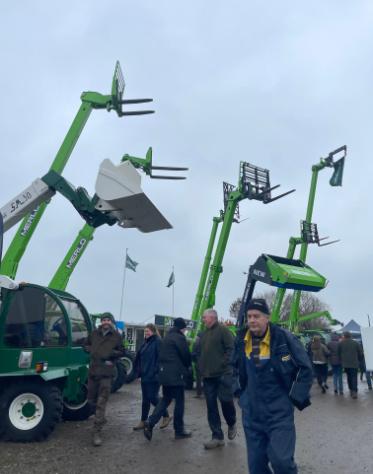
The layout was brilliant, with Parts and Country Store stands, and the Groundcare Zone leading onto Vegetable Machinery. Outside, there was a huge area featuring top machinery brands catering for agriculture, construction and groundcare. There was also a fantastic demonstration area for both agricultural and construction machinery.
One of our standout moments was watching the Kawasaki Mule in action in the demonstration area. Seeing it manoeuvre with ease and showcase its versatility gave visitors a real sense of its capabilities beyond what can be appreciated from a static display. Live demonstrations like this really brought the machinery to life and added an extra dimension to the show.
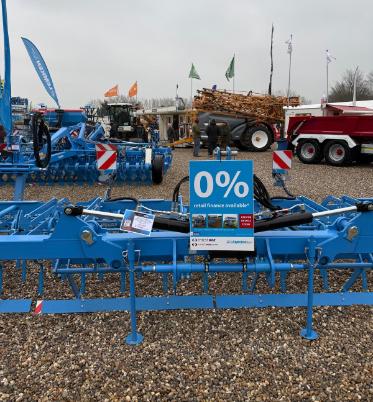
We also noticed the number of Ernest Doe & Sons team members on hand to help with any of the machinery on show. There was also the opportunity to purchase machines with immediate delivery, many of which were available with 0% finance.
The facilities were spot on, with a good choice of food available and indoor seating to enjoy it. We felt the show had a really great atmosphere, as well as showcasing such a vast range of machinery and products.
The show really does bring so many people together within the industry, and we can see why it has continued successfully for so many years.
The 67th Annual Doe Show will be held on 2nd, 3rd and 4th February 2027.
The NFU has worked with the Department for Transport (DfT) and the Carriage of Dangerous Goods Practitioners Forum (CDGPF) to successfully maintain agriculture's exemptions from the Carriage of Dangerous Goods (CDG) regulations.
The CDG regulations outline the steps transporters must take when moving dangerous goods, such as fuel and certain fertilisers. These include the quantities that can be transported and the procedures that should be in place in case of a spillage or other incident.
The NFU has held regular meetings with the DfT and the police to stress the importance of retaining the exemptions for agricultural businesses. The exemptions mean that farmers and growers can continue to carry these essential goods with fewer restrictions.
To support best practice and compliance, the NFU has also partnered with the DfT and CDGPF to produce agriculture-specific guidance1for moving these products. This includes outlining driver and vehicle requirements, load security and specific advice on fuel, bowsers and intermediate bulk containers.
NFU Deputy President David Exwood said:"At a time when the agriculture industry faces immense pressures, I'm really pleased that the DfT has taken our feedback on board and maintained these exemptions. This means farmers and growers can continue the safe, efficient and cost-effective transportation of goods which are vital to the day-to-day business of producing food.
"While the exemptions remove a barrier, they still require careful movement. Nothing is more important than working safely, and this guidance will help farmers and growers work safely and efficiently."
cotland's rural community came together across the East and West to celebrateBurnsSupper, raising an outstanding £100,000 in support of The Big Build.
An impressive £70,000 was raised at the West event hosted by Jim Shanks, and a further £30,000 at the East event hosted byJillian and Martin Kennedy. This brings the total funding for The Big Build to £900,000, with 100% of funds going directly towards the campaign to build a new permanent home for SAYFC at the Royal Highland Showground.
The Big Build will create a dedicated a hub where young people can connect, collaborate and feel part of the wider rural community. The facility will provide a central base for events, training and social opportunities, ensuring Scotland's Young Farmers have a permanent home all year round.
Funds were generated through a combination of ticket sales, generous donations, sponsorship, raffles and an online silent auction. Auction prizes ranged from unforgettable experience to prizes to opportunities strengthen herds with top-quality genetics.
One standout auction prize was generously donated by tomato growerJim Shanks, who offered the unique experience of aone-hour private flight in his aircraft,whichproved hugely popular on the night.

The EastBurnsSupper was attended by First MinisterJohn Swinney, who reinforced the Scottish Government's continued support for young people in agriculture and rural development. The events also welcomed a number of notable names from across the industry, includingCarol McLaren,Cammy Wilson,Joyce FalconerandThe Rt. Hon. Lord Robertson of Port Ellen, demonstrating widespread backing for the campaign.
Penny Montgomerie, Chief Executive of SAYFC said:"TheBurnsSuppers were an incredible success and a real testament to the strength of our young farming community.
Raising £100,000 has taken us comfortably beyond the halfway mark towards our overall target. We remain firmly on track and the momentum behind The Big Build continues to grow stronger.
"It has truly been a collective effort from everyone who got involved in some way or another. From our hosts, sponsor and donors to those who bought tickets and made donations. Every contribution brings us closer to creating a permanent home with will have lasting impact for generations of young farmers to come."
lmost 190 farmers and maize specialists attended the Maize Growers' Association (MGA) Annual Conference in Leicestershire on 4 and 5 February, marking the highest attendance in the event’s recent history as growers seek profitable alternatives to traditional break crops.
The record numbers reflect the increasing area of maize in the UK, with 240,000 hectares grown in 2025. The two-day event covered all aspects of maize production, from crop establishment and nutrition to market opportunities and the latest efficiency-optimising technology.
"The numbers of delegates, trade stands, sponsors, researchers, advisers and most importantly growers here today are the strongest we've seen in recent years," said MGA Chairman Michael Jarmuz. "The Council is genuinely delighted, not just because the event is bigger, but because it reflects a crop, a multimarket sector, and a grower community that is moving forward with confidence.
“The question for many farmers is no longer "Should we consider maize?" but "How do we make it work on our farm?”
Day one took delegates out of the conference hall and onto a working farm. Will Oliver, Vice Chair of the NFU Midlands Crops Board and the MGA, hosted the record crowd at his family's 2,000-acre Fenn Lane Farm near Nuneaton.
Will demonstrated how maize has transformed farm profitability. He explained how integrating on-farm poultry production generating 1,900 tonnes of chicken litter annually has reduced fertiliser costs while qualifying for Sustainable Farming Incentive payments worth £406 per hectare.
"Justify every decision with information: test, test, test," Will told attendees, explaining his data-driven approach centred on regular testing to optimise nitrogen application. His balance sheets revealed that year-onyear maize margins outperformed wheat and oilseed rape, particularly when combined with SFI options.
Will also spoke about the growing membership at the MGA. “It's not just the information available; it's speaking to other people growing maize and sharing that knowledge. The stronger the MGA membership is the more funds we have available for crop trials, the more maize is available, and we can fulfil the supply to more markets - there are opportunities for grain maize with additional markets opening up.”
Attendees also saw innovative integration of sheep grazing on cover crops, with local shepherd Matt Harding's Bentley Suffolks demonstrating how rotational grazing adds £140 worth of nutrients per hectare while improving soil organic matter and creating ideal seedbeds for maize.
Delegate Rob Alexander from South Norfolk who was attending the conference for the first time was
impressed by the depth of conversation: “It’s been very informative, from managing sheep on the cover crops right through to harvesting grain.
“The key reason I’ve attended is we’re looking at the options of growing maize and learning more about the varieties that are available and how profitable the crop is in the real world. This is the first time I’ve visited, I’m really impressed by the number of people, not only growers to share experiences with, but also a lot of people from the trade.”
Day two at Hinckley Hotel featured presentations from leading agronomists and commercial growers.
Ben Abell, Head of Agronomy at Dyson Farming's 14,000-hectare operation, explained their tech-driven approach including Bilberry smart spraying for spot weed treatment on maize, delivering significant cost savings. As well as being passionate about British produce, Ben was positive about the future of maize, crediting the MGA with how progressive breeding and genetics are for the crop, thanks to its trials.
MGA Technical Lead Jon Myhill presented the independently run crop trial results showing that pulling back nitrogen to 125-150kg N/ha maintains optimum yields, with foliar nitrogen increasing nutrient use efficiency by 20-30%. "Nitrogen timing is crucial to avoid hungry periods during reproductive times," Myhill explained. Trial results demonstrated that foliar nitrogen application can deliver £30 per hectare savings without compromising metabolizable energy or starch content.
The conference also featured presentations from ADAS, Germinal, NIAB, AHDB, and Farol John Deere, who demonstrated the Harvestlab 3000 NIR sensor that continuously monitors harvest quantity and quality in real-time.
As traditional break crops struggle - with oilseed rape risky, spring barley suffering in drought and market conditions, and beans and peas following boom-bust cycles - maize is offering growers both agronomic benefits and viable margins across grain, forage, and anaerobic digestion markets.
"Resilience in farming is key, we need diversity of cropping," said the NFU Deputy President David Exwood. "Maize creates diversity, profit, and ability to use it right across the rotation. The NFU Confidence Survey showed low farmer confidence, which means low investment, but maize is offering a solution to allow farming to progress, to increase returns."
The record attendance underscores growing industry confidence that maize offers genuine solutions where traditional options are falling short.
The MGA is open to members from across the UK, with prices to join starting at £156 per year. Benefits include unrestricted and exclusive access to data, insights and research carried out by the MGA, as well as access to the technical team, made up of an agronomist,nutritionistand sustainability consultants. Also included is access to free online webinars, meetings, and discounted tickets to events.

To support its farming customers' transition to a low-carbon future, Virgin Money has invested in the deployment of a carbon measurement tool, which will allow farmers to estimate their emissions footprint and understand potential mitigation measures on their own farms, in less than 30 minutes. Virgin Money's aim is to help and support farmers planning a future with lower carbon and greater biodiversity, whilst continuing to produce food to the very highest standards. Virgin Money will offer selected customers free access to this programme from early 2026.
Designed in partnership with Virgin Money by leading UK agricultural and environmental technology firm Trinity AgTech, thebespoke Rapid environmental assessment programme will help farmers begin their sustainability journey in a science-based, accessible, and practical way.Building on Trinity AgTech's extensive experience in natural capital and carbon accounting the Rapid systemtakes basic farm data, such as crop areas, livestock numbers, fuel use and inputs, and turns it into outputs that show estimated carbon emissions across the whole business.

Brian Richardson, Head of Agriculture at Virgin Money gives further background: "Amongst the many challenges our farmers currently face, the agricultural industry needs to deliver its ambitious commitment to carbon reduction in a way that works alongside the essential job of food production.
"For some time, we have been working with our farming customers to use this as an opportunity to improve their carbon and business performance, recognising that carbon often represents a significant cost to the farm. We have worked closely with the Trinity AgTech team to design a simple tool which takes basic farm data and turns it into meaningful outputs. This is the starting point for introductory benchmarking against their current carbon position, mapping out a plan to reduce emissions and improve on-farm sustainability, and make informed decisions on appropriate actions to include in their future business plans."
Scott McFarlane, Senior Manager responsible for Business Sustainable Finance, emphasises the wider benefits that farmers gain from carbon reduction and broader natural capital management. "Using Rapid will help farmers understand where theycan
potentially reduce emissions across aspects of their businessand make informed management decisions about investment options. Taking this initiative can supportlong-term resilience and natural capital management."
For farmers who wish to explore deeper analysis beyond the carbon-based, free Rapid assessment, Virgin Money's partnership with Trinity AgTech will also provide discounted access to Trinity's awardwinning solution Sandy, afull-service end-to-end natural capital platformthat offers detailed modelling, bespoke action plans, and advanced insights to improve productivity and resilience.Sandy allows users to fully understand the relationships between carbon, biodiversity, water and soils,their farming outputs and profitability; aligned with major global standards.
Giving further backgroundAnna Woodley, Managing Director at Trinity AgTech, said: "Trinity's approach is science-led and built around the reality that every farm enterprise is different, so calculations must be tailored accordingly. Rapid has been developed as a fast, barrier-free way for farmers to bring natural capital into everyday business decision-making, while Sandy is the logical next step for those who want deeper detail, greater functionality and a more comprehensive picture over time. Together, they can support all farming systems, enterprises and scales — organic and conventional, owned and tenanted, arable and livestock, dairy and poultry, viticulture, controlled environment, anaerobic digestion, ornamental horticulture, woodlands and more.
Rapid is underpinned by the same robust modelling as Sandy, drawing directly on what we have learned from delivering full-detail assessments. It focuses on the factors that most strongly influence a farm's footprint, reduces duplication by using single answers in multiple places, and automatically integrates relevant location-based data such as soils and climate. The science remains as rigorous as ever — Rapid simply shifts the administrative burden away from the farmer and into the 'engine room', making it easier than ever to get started and progress with confidence."
Brian Richardson concludes: "This initiative reinforces Virgin Money's commitment to our farming customers and delivering our purpose of 'Banking – but fairer, more rewarding, and for the good of society'. We recognise that the future of agricultural finance will depend on a deep understanding of environmental assets. Soil, biodiversity, carbon and water are not just resources, they are natural and financial assets, and by helping farmers understand and value them, Virgin Money is supporting the farming supply chain and enabling farmers to better understand their environmental opportunities."
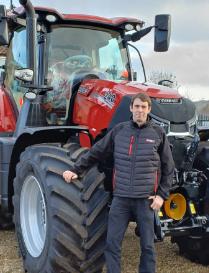
Case IH is strengthening its dealer network across Yorkshire, Lancashire, and Cheshire, reinforcing its commitment to delivering exceptional service, support, and product availability to customers in these key regions of Northern England.
Townson Tractors Ltd to Represent Case IH in North & West Yorkshire, the Yorkshire Dales and East Lancashire
Townson Tractors is a long‑established, family‑run dealership that is expanding its Hellifield depot to become a dual‑branded location, adding Case IH alongside its existing New Holland offering. Known for its strong customer relationships and hands‑on approach across the Yorkshire Dales, West Yorkshire, and East Lancashire, Townson Tractors Ltd will provide comprehensive sales, service, and parts support throughout these territories.
reputation for customer service, technical expertise, and deep agricultural knowledge.
The appointment of Townson Tractors Ltd ensures local expertise tailored to the livestock and agricultural contracting operations in the area, supporting stronger regional coverage for Case IH's growing customer base.
Richard Mattinson, Director of Townson Tractors Ltd, commented: "We are proud to represent Case IH across these iconic farming regions and look forward to supporting customers with industryleading machinery and dependable service."
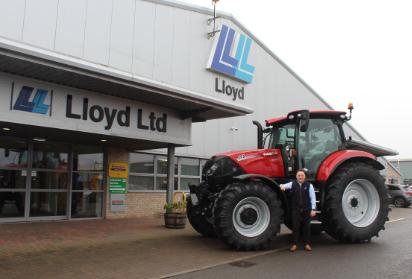
Following the announcement earlier this year covering the Cumbrian region, Lloyd Ltd will now expand its coverage to include its depots at Garstang and Holmes Chapel, covering North, South and West Lancashire, as well as Cheshire. This expansion builds on Lloyd Ltd's strong
George Lloyd, Managing Director of Lloyd Ltd, commented: "For the past few weeks, we have been working closely with our partners at Case IH and have seen first-hand the potential to grow the brand across our areas. Their impressive product range has created real loyalty among its existing customers, and we are excited to have the opportunity to support both current and future customers from our branches in Cheshire and Lancashire. We have experienced teams at both branches who can provide the highest standards of sales and aftersales support."
Strengthening
These appointments reflect Case IH's ongoing investment in its UK dealer network, ensuring customers receive the highest levels of support, product knowledge, and service coverage.
David Rapkins, CNH Business Director UK & ROI, added: "Both Townson Tractors Ltd and Lloyd Ltd bring exceptional capability, commitment, and regional understanding. Their expanded territories will ensure our customers receive the best possible experience, wherever they are."
Townson Tractors Ltd and Lloyd Ltd will operate alongside the existing Case IH dealers until the end of 2026, at which point the territories will transfer in full to Townson and Lloyd. This structured transition is designed to ensure uninterrupted customer support and a seamless handover, allowing Case IH to strengthen its regional coverage while maintaining continuity and stability across all areas.
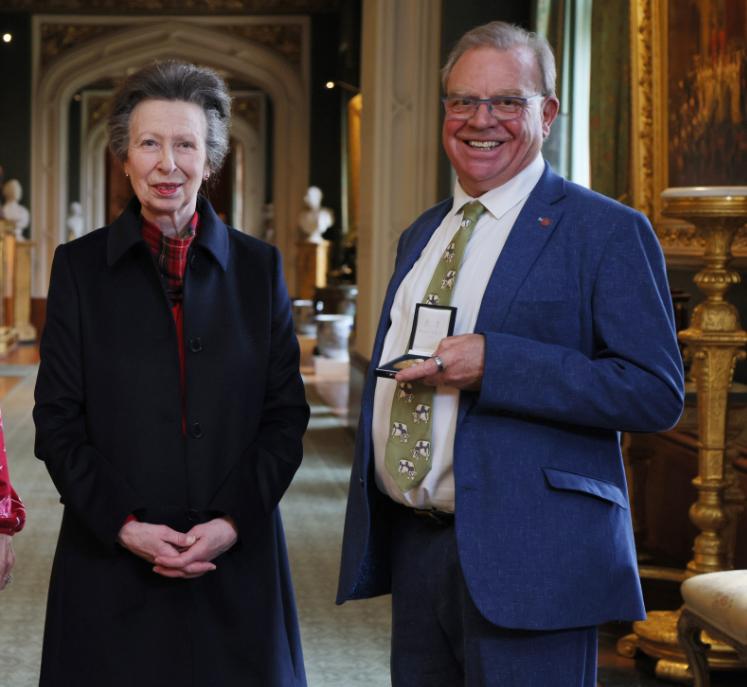
Ahighly respected figure who has played a pivotal role in supporting and driving positive change across the UK dairy sector, John Allen has been awarded the prestigious RABDF Princess Royal Award.
The award was presented to John by Her Royal Highness The Princess Royal today (Wednesday 18 February) at Windsor Castle. Presented annually by the Royal Association of British Dairy Farmers (RABDF), the Princess Royal Award recognises an individual who has made an outstanding lifetime contribution to the dairy industry.
John’s career spans more than five decades and has become synonymous with leadership, strategic insight and unwavering commitment to the dairy supply chain. He began his career on a small family dairy farm with 40 cows in the Peak District before graduating from Nottingham University in 1979 and joining ADAS (the Agricultural Development and Advisory Service) as a farm advisor in South West England.
Following roles in Wales and the South West, John progressed through ADAS to become Head of Dairy and later Head of Agriculture, supporting farmers and dairy businesses through some of the most turbulent and transformative periods the sector has experienced. These included the introduction of EU milk quotas in 1984, the deregulation of the Milk Marketing Board, and the formation of Milk Marque and its successor organisations.
John is perhaps best known as one of the founders and managing partners of Kite Consulting, established in 2000. Under his leadership, Kite grew into a highly respected consultancy working across the entire dairy supply chain, supporting farmers, processors and retailers. The business expanded to more than 50 employees before being acquired by Associated British Foods in 2022, where John continued as Head of Corporate Dairy until his retirement in December 2025.
Throughout his career, John has helped the industry navigate de-regulation, milk price volatility, fluctuating interest rates, rising input costs and major structural change, while also working closely with retailers to develop aligned supply pools that
have helped bring greater market stability. Commenting on the award, Hayley CampbellGibbons, Chief Executive of RABDF, said: “John Allen is one of the most influential and respected figures the UK dairy industry has known. His career has been defined by integrity, leadership and an unwavering commitment to supporting dairy farmers and the wider supply chain.
“The Princess Royal Award recognises individuals who leave a lasting legacy, and

John’s contribution over more than 50 years has helped shape the modern dairy sector. It is entirely fitting that RABDF recognises his outstanding lifetime achievement with this award.”
John was also recognised by the industry in September 2025, when he received the Dairy UK Award for his contribution to the sector. He worked closely with Dairy UK and processors to promote dairy as being the best source of sustainable nutrition, lobbying the Climate Change Committee. He also helped in making the case for bringing inward investment to the UK as witnessed with Arla and Muller’s commitments.
On receiving the RABDF Princess Royal Award, John said: “I am incredibly honoured to receive this award. The dairy industry has been a huge part of my life for more than 50 years, and I’ve been privileged to work alongside so many committed,
innovative and resilient people during that time.
“From my early days on a small family farm to working across the supply chain, my passion has always been about supporting farmers and helping the industry adapt and thrive through change. To be recognised by RABDF and presented with this award by The Princess Royal is truly humbling.”
As he steps away from full-time industry roles, John plans to continue giving his time and expertise to other ventures, including a charity he and his wife Delyth have supported for more than 35 years, as well as a start-up business in which they are investors. Now also embracing life as a grandfather, with a love of travel and family living abroad, John looks forward to the next chapter.
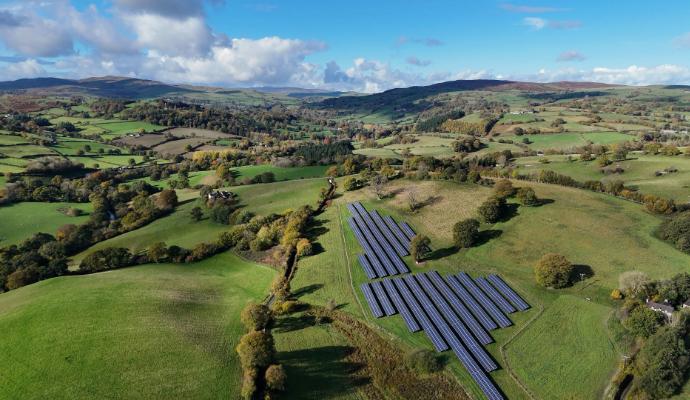
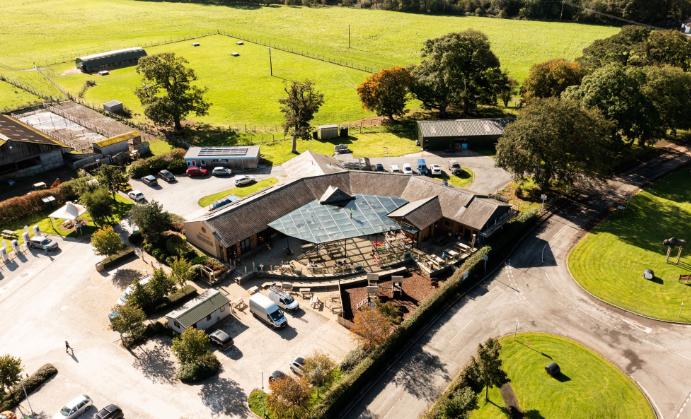
The 12,500-acre Rhug Estate, near Corwen, has made significant progress across carbon measurement, regenerative farming, renewable energy, education and biodiversity – underlining its long-term commitment to net zero and resilient food production.
At the heart of the latest advances is a deeper understanding of carbon impact, and following its Planet Mark Business Certification, the Estate has now worked with Planet Mark and key suppliers to calculate Scope 3 emissions linked to the Farm Shop, covering purchased goods, transport, business travel and employee commuting.
“This is about going beyond the obvious and easy wins,” said Estate and General Manager Rhys Davies.
“Scope 3 emissions are complex, but they matter, and by measuring them we can make smarter decisions and drive meaningful reductions across our supply chain.”
Regenerative farming continues to gather pace, with Rhug collaborating with Regenerate Outcomes and Understanding Ag – regenerative agriculture consulting companies – to develop a five-year whole-farm action plan.
Baseline soil carbon sampling has now been completed across 900 hectares, providing a robust benchmark to track future gains in soil health, carbon sequestration and farm performance.
Rhug Estate Owner Lord Newborough said: “We see regenerative farming as central to the future of agriculture. Improving soil health, increasing biodiversity and producing food responsibly is not a trade-off, it’s how farming must evolve.”
Farm Manager Emyr Owen added: “We’re constantly challenging ourselves to raise the bar, whether that’s through innovation in how we farm, how we measure impact, or how we work with others.
“Collaboration with local partners, suppliers and
specialist organisations is essential. By sharing knowledge and working together, we can accelerate progress and ensure the Estate continues to lead in a way that delivers real benefits for the land, the community and the wider industry.”
The Estate has also celebrated the recertification of Rhug Wild Beauty – a collection created using ingredients foraged onsite – with the globally respected Positive Luxury Butterfly Mark, reinforcing its commitment to transparency and continuous improvement.
Meanwhile, joining the Energy Local Glyndwr initiative with Corwen Electric Cooperative has enabled locally generated renewable energy to be matched with regional demand.
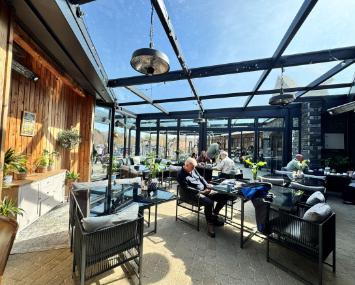
Education and community engagement remain a priority, with more than 330 visitors welcomed to the Estate over the past year, alongside outreach work in local schools.
And new streamside woodland planting along the River Alwen, delivered with the Welsh Dee Trust, is boosting biodiversity, water conservation and carbon capture.
These achievements follow the introduction of a range of major renewable energy projects in 2024, low-carbon technology, sustainable packaging innovations and waste-reduction schemes as the Estate accelerated its journey toward net zero.
“We set a new benchmark every year,” said Lord Newborough.
“What we’re delivering now shows that momentum hasn’t slowed. We take our role as a pioneer seriously, leading by example, sharing knowledge, and proving that sustainability and commercial success go hand in hand.”
Rhys added: “Rhug continues to push forward, not because it’s fashionable, but because it’s essential. This is about long-term resilience – for the land, the business and the wider industry.”
For more news and information, visit www.rhug. co.uk and follow the Estate on social media @rhugestate.
For more information on Rhug Wild Beauty, visit www.rhugwildbeauty.com or follow @rhugwildbeauty.
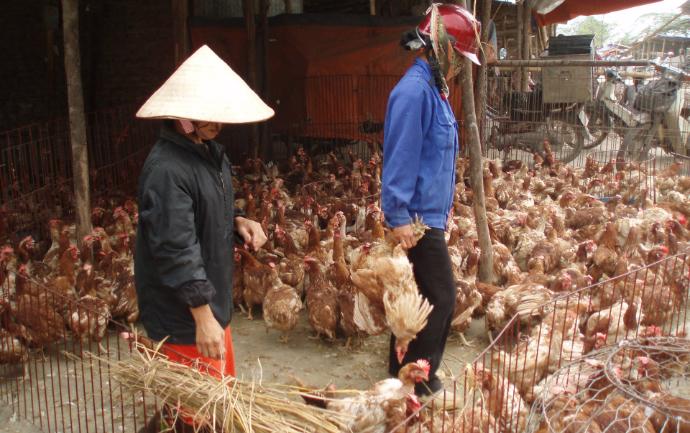
New research from the Royal Veterinary College has uncovered how the way chickens are produced, traded and transported in northern Viet Nam can contribute to the spread of avian influenza viruses. As chickens move through farms, markets and slaughter points, they mix at multiple stages, creating hotspots for viral transmission. These findings highlight that in order to protect both human and animal health, surveillance and control strategies must cover the entire poultry supply chain rather than focusing on individual farms or markets.
With chickens becoming the most widely produced land-based animals globally, avian influenza poses a serious threat to poultry production, public health and food security. Rapid expansion of chicken production in South and Southeast Asia has created increased opportunities for avian influenza viruses to emerge and evolve, including strains that can infect humans.
While live bird markets are well-known hotspots for transmission, much less is understood about the wider production and distribution system. In Viet Nam, practices such as trading live chickens and slaughtering birds at the point of sale further increases the risk of human exposure. However, there is limited data linking farms, distribution
facilities and points of sale which has left gaps in understanding where infection risk is highest –highlighting the need for surveillance across the entire poultry network.
This study was conducted by the RVC and with project partners in Viet Nam, France and Hong Kong to carry out a cross-sectional investigation of chicken production and distribution systems in northern Viet Nam. The researchers collected 1,682 samples across 50 farms and 52 distribution facilities in four provinces, including retail and wholesale markets, small-scale slaughter points and industrial slaughterhouses. To understand how chickens moved through the system, the researchers also interviewed farmers, traders and facility operators. This data was used to trace chicken movements and analyse the poultry supply chain as a connected network, allowing researchers to identify where chickens from different sources were most likely to mix, as well as testing for the presence of avian influenza viruses.
The study revealed clear differences in the presence of avian influenza viruses across the poultry production and distribution system. Two virus types were examined: A(H5N1), which is a highly pathogenic virus associated with severe disease; and A(H9N2), a low pathogenic virus which typically causes less severe disease in chickens. Both virus types can harm poultry and
potentially infect humans directly or can combine with other influenza viruses to form new strains. Only one chicken tested positive for A(H5N1), whereas A(H9N2) was detected in 11% of all sampled chickens, with higher prevalence in distribution facilities than on farms.
Differences were also observed between facility types along the distribution chain. The prevalence of A(H9N2) in distribution facilities was approximately five times higher than on farms, indicating increasing virus detection as chickens moved through the supply chain. Among facility types, the highest prevalence was detected at informal slaughter points, followed by retail markets, with a substantially lower prevalence observed in slaughterhouses and wholesale markets. These latter facilities are prioritised for upgrade through the Vietnam Avian and Human Influenza Preparedness (VAHIP) programme, suggesting that improved infrastructure and biosecurity measures may be effective in reducing virus circulation. In contrast, retail markets and small-scale slaughter points showed high virus prevalence. As the most commonly used outlets for purchasing chickens, the study also highlights the increased risk of virus exposure closer to the point of sale.
These findings indicate that avian influenza surveillance and mitigation strategies in Viet Nam should extend beyond large industrial slaughterhouses and wholesale markets to include smaller, widely used chicken distribution facilities, as well as the farms that supply them.
prevalence of A(H9N2) virus and so be a potential risk of transmission to people. It is therefore important that any surveillance systems and future interventions to mitigate the risks associated with purchasing chickens include the full range of distribution facilities and not just large wholesale markets and industrial slaughter facilities."
Vuong Nghia Bui, Head of Virology at the National Institute of Veterinary Research, said:
"High prevalence of avian influenza virus subtype A(H9N2) at live bird markets highlights the fact that continue monitoring influenza A viruses in poultry population is important to provide useful information of virus circulation and monitoring of those viruses that may cause a new pandemic."
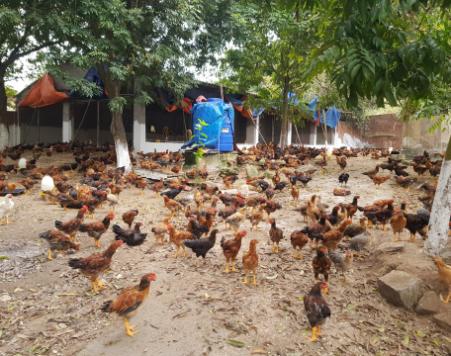
By identifying points along the poultry supply chain where virus circulation is most likely to occur, this study provides an evidence base for more inclusive and targeted control strategies that better reflect how chickens are produced, traded and purchased in Viet Nam. For example, given the continued pandemic potential of avian influenza viruses for both poultry and humans, these findings suggest that effective surveillance be paired with safer food production and distribution practices.
Matthew Hennessey, Post-doctoral Researcher at the RVC, said:
"Our epidemiological analysis into avian influenza virus transmission across chicken production and distribution facilities in Viet Nam shows that commonly used points of sale (retail markets and slaughter points) can have a relatively high
Professor Ashley Banyard, Head of the National Reference Laboratory for Animal Influenzas and Newcastle Disease Virus at the Animal and Plant Health Agency, said:
"Alongside the obvious benefit of the outputs from the manuscript, this study highlights the importance of cross-disciplinary, multi-country engagement to bring expertise together and evaluate complex systems to better define risk to both humans and animals."
This study was funded by the UKRI GCRF One Health Policy Hub; the French National Research Agency; the French Ministry of Higher Education and Research; the UK Department for the Environment, Food and Rural Affairs (Defra); and the devolved Scottish and Welsh governments. It forms part of the One Health Poultry Hub, which works in collaboration with the RVC, the National Institute of Veterinary Research in Viet Nam and the Animal and Plant Health Agency in the UK.
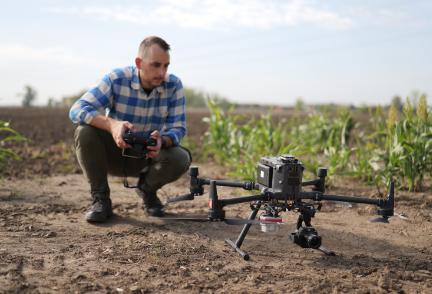
Tallis Amos Group (TAG) has announced a new partnership with CultiWise, bringing advanced AI-powered drone and satellite mapping technology to farmers across the UK to support smarter, more efficient and sustainable crop protection.
The collaboration enables TAG to offer highly accurate AI-generated prescription maps for variable rate applications of fertiliser, fungicides, growth regulators and seed. Using drone imagery, the system provides reliable AI-driven field data even when satellite imagery is restricted by cloud cover, making it ideally suited to UK farming conditions.
High-resolution multispectral imagery is captured using specialist agricultural drones. This data is then uploaded to the CultiWise platform, where artificial intelligence analyses crop health, growth variation and weeds to create precise, field-specific application maps.
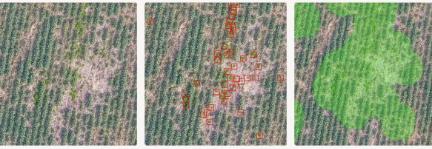
By applying inputs only where they are needed and at the correct rate, farmers can reduce chemical, fertiliser and seed usage by up to 70%1, while also seeing potential yield increases of up to 20%2 when used with variable rate drilling and spraying equipment.
“CultiWise uses artificial intelligence to make efficient decision-making,” said Edward Wardroper, CultiWise Specialist at Tallis Amos Group. “The AI technology transforms raw drone data into actionable insights, helping farmers to cut costs, improve crop performance and reduced the environmental impact.”
The system is compatible with a wide range of sprayers and drills, from section control booms to individual nozzle control systems, and integrates seamlessly with existing tractor and sprayer software. AI-powered weed detection enables both ‘green on brown’ and ‘green on green’ identification, allowing targeted spot spraying and precise calculation of product volumes before application.
In addition to weed mapping, CultiWise AI supports plant counting to aid yield forecasting, providing valuable insights during early crop establishment. The technology is suitable for a wide range of crops including winter wheat, maize, oilseed rape, potatoes and onions.
Flexible image sources, including drones such as the Mavic 3 Multispectral, ensure consistent and detailed data capture, while satellite imagery can also be used to create variable rate maps and longterm productivity zones based on historical field performance.
As an authorised UK dealer of CultiWise, Tallis Amos Group provides full setup, training and ongoing technical support through its TAG TECH Team, to maximise the benefits of this AI-driven precision agriculture.
Packages or pay-as-you-go options are available, try for a limited time 15 Hectares FREE, for further information, contact the TAG TECH Team on 07507 671287 or email: cultiwise@tallisamos.co.uk
An ambitious project aimed at optimising lowenergy processing of cultivated kelp to create a liquid biostimulant and animal feed supplement is closer to commercialisation after exceeding its initial targets in controlled field trials.
The project, called 'Optimising low energy extraction of kelp for soil and livestock nutrition' (or Low Energy Kelp), is funded by Innovate UK, the UK's innovation agency, and builds on previous feasibility studies to optimise the liquid extraction and ensiling of kelp, aiming to develop a novel two-stage extraction process which produces consistent agricultural products.
Algapelago Marine Limited (lead partner), a farming-led seaweed biotech business operating an offshore seaweed farm, collaborated with Rothamsted Research and the UK AgriTech Centre to demonstrate the efficacy of these products under abiotic stress conditions.
Interest is growing in the use of seaweed-derived biostimulants in agriculture due to their potential to enhance crop growth, promote stress tolerance and increase nutrient use efficiency, and because they are derived from a sustainable source with positive environment impacts.
Current agri-seaweed products are dominated by seaweed sourced from wild harvest and the demand for seaweedderived soil and animal supplements is expected to grow exponentially as policy drives a reduction in chemical inputs.
Experiments were conducted at Rothamsted's controlled environment facilities where the partners could establish optimal application methods and rates for Algapelago's prototype biostimulant.
Firstly, Rothamsted investigated the impact of four different rates of foliar applications on wheat and field bean yields under both well-watered and drought-stressed conditions, and secondly, whether foliar application or soil application had the greatest impact on yields of wheat.
Further experiments assessed the timings of applications relative to growth stage, and applications under different drought stress scenarios (only one was tested here), were recommended to further understand and optimise the use of Algapelago's biostimulant products.
Experiments using different rates of fertiliser application were recommended, as the biostimulant potentially could perform better under more nutrient-limited conditions than those that were used in the study.
Evidence found that seaweed-derived biostimulants can—and do—under certain conditions, provide crop yield benefits.
Dr Marieme Drame is the Scientific Technician at Rothamsted Research, North Wyke, and she speaks positively about the results they've found so far.
She said: "Kelp-derived biostimulants offer a systems-based solution that works with plant and soil biology to enhance crop performance.
"At the optimal application rate in our wheat trials, we observed improved growth and yield, along with positive indirect effects on soil microbial activity, demonstrating clear value for productive and resilient farming systems."
Dr Hari Ram Upadhayay, Scientist in Agroecosystem Biogeochemistry at Rothamsted Research, North Wyke, thinks
the way forward is through teamwork.
He said: "Collaboration is a key to driving innovation. Here, kelp-derived biostimulants innovation holds major promise for supporting sustainable intensification as agriculture adapts to a changing climate."
Also from Rothamsted Research is Professor Adie Collins, Science Director, and he believes that collaboration can be crucial to the success of the industry.
He said: "This project provides a good example of how industry and science teams can co-work together to ensure robust evidence is assembled on potential new interventions in support of sustainable and resilient agriculture in a changing and challenging world."
Dr Saravanan Rengaraj, Innovation Associate for Soil Health at the UK Agri-Tech Centre, said: "Algapelago has successfully applied nature based farmed seaweed chemistry through a scalable biostimulant platform designed to enhance crop yield stability and nutrient use efficiency.
"We at the UK Agri-Tech Centre feel proud to have supported with technical validation and project management."
Kerr Jeferies, Market Research & Partnerships Manager at Algapelago, said: "The insights from our direct engagement with growers have been invaluable.
"Hearing directly from leading farm managers and agronomists has sharpened our focus and made us even more confident in the product's potential and market fit.
"We're excited to continue engaging with these partners as we go from prototype to full commercialisation of the UK cultivated kelp biostimulant."
Speaking about the project and the progress it has made in exceeding its targets, Luke Ansell, Head of Operations & Research at Algapelago, said: "The Low Energy Kelp project set out an ambitious goal to unlock the supply of cultivated kelp as a quality agricultural supplement.
"Over the last two years, we've made great progress towards that goal, moving from concept phase to a low-energy processing method stress-tested at a 1-tonne scale.
"The prototype biostimulant product has far exceeded expectations in wheat trials, demonstrating that biostimulants sourced from cultivated seaweed can outperform market incumbents.
"Though the Low Energy Kelp project has ended, we will continue to build the evidence base for product efficacy and move towards commercial production through the sister Innovate UK SKE-NMT project.
"I want to thank all project partners, including Atlantic Mariculture, Rothamsted Research and the UK Agri-Tech Centre, for their contributions.
"It's been a pleasure working with the consortium team and we look forward to providing more updates on our work soon."
To hear the team explore the topic in more depth, visithttps:// youtu.be/DmIFUsM53Yk
Formoreinformationabouttheproject,visitwww. ukagritechcentre.com
ASF Agricultural Solutions and ADAMA Ltd., a leading global crop protection company, signed a strategic co-development and commercialization agreement centered on ADAMA’s proprietary fungicide active ingredient, Gilboa® (flumetylsulforim). This partnership will accelerate the delivery of new, pioneering disease management solutions, helping farmers across Europe combat resistance and maintain healthy yields.
Under the agreement, BASF will develop and commercialize new formulations based on ADAMA’s Gilboa molecule, alongside ADAMA’s own Gilboa-based products. The collaboration combines ADAMA’s innovation expertise with BASF’s strong development capabilities and market access, ensuring that farmers benefit from faster access to next-generation solutions. Each ADAMA and BASF will independently decide on its own concepts, pricing, sales and go to market strategies.
As Europe faces increasing regulatory pressure and the phase-out of existing active ingredients, farmers are urgently seeking new, effective, and reliable tools to protect crop health and productivity. Gilboa offers a novel mode of action for cereals and belongs to the Fungicide Resistance Action Committee (FRAC) Group 32, nucleic acid metabolism, recognized earlier this year. It also represents a versatile platform for the development of broad-spectrum, long-lasting disease control solutions, enabling growers to secure both yield and quality.
Florian Wagner, Executive Vice President Portfolio and Innovation at ADAMA: “Farmers have been clear about their need for reliable, resilient protection against a broad range of diseases. With Gilboa, cereal growers in Europe gain a powerful new tool to better protect their crops. We chose to collaborate with BASF because they share our commitment to innovation, quality, and sustainability. This alignment makes them the ideal partner to ensure we can rapidly deliver this important innovation to growers across Europe.”
Marko Grozdanovic, Senior Vice President Global Strategic Marketing at BASF Agricultural Solutions, said: “Over the last decade, BASF and ADAMA have successfully worked together on multiple projects. Now, we are combining BASF’s broad portfolio of fungicides and market expertise alongside ADAMA’s innovative active ingredient and product expertise. This collaboration brings together the unique strengths of both companies, ensuring that farmers benefit from faster access to cutting-edge solutions.”
Pending product registration, the two companies plan to launch Gilboa-based formulations for wheat in Great Britain in 2027, followed by broader European launches in 2029.
Joel Johnson, Business Director for UK and Ireland at BASF Agricultural Solutions, said: “This is a major development for UK agriculture, Gilboa represents a timely and valuable new tool for managing disease and safeguarding yield. As growers face mounting challenges, this innovation strengthens our ability to maintain the production of quality cereal crops while supporting long‑term resistance management.”

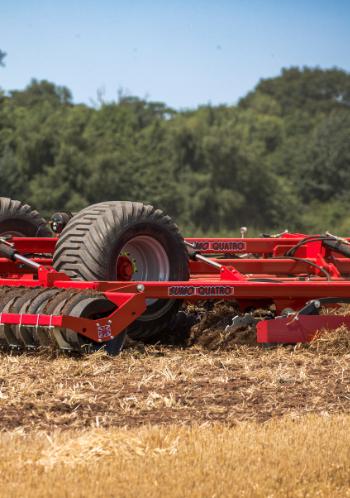
Designed
- Available in 4 to 6 body configurations
- Manual or hydraulic cutting width adjustment
- Suitable for tractors from 150 to 300hp

- On land or in furrow versions
- Duoliner integrated press available on VML in furrow version RVW Pugh Ltd
Tel: 01588 620545 www.rvwpugh.co.uk RVW Pugh Ltd
Tel: 01477 533560 www.rvwpugh.co.uk RVW Pugh Ltd
Tel: 01695 816444 www.rvwpugh.co.uk
Tel: 01952 936900 www.trmachinery.co.uk
Tel: 01926 813 426 www.southamagri.co.uk
Researchers at the International Barley Hub, based The James Hutton Institute, searching for ways to make barley a more sustainable crop, have solved the mystery of a barley mutant called desynaptic8, first discovered in the 1970s.
A recent study, published in theJournal of Experimental Botanyexplains why the chromosomes in these plants do not separate properly during reproduction, causing the plant to produce fewer seeds.
Using modern genetic tools, they discovered thatdesynaptic8 is caused by damage to HvXRCC2, the barley version of a DNA repair gene also found in humans.


The International Barley Hub (IBH) promotes scientific discovery and innovation to future-proof barley, the predominant crop grown in Scotland and is part of a £62m investment through the Tay Cities Region Deal (TCRD) a partnership between local, Scottish and UK governments and the private, academic and voluntary sectors. Climate change and other environmental challenges, coupled with an increasing demand for the crop means that research into genetics and breeding is vitally important to safeguard production and ensure a sustainable future for this most critical of crops.
Dr Isabelle Colas, deputy director of the International Barley Hub (IBH) and lead author of the report explains more: "The barley crop that farmers grow for food, animal feed, and malting, is dependent on plant breeding to develop new varieties that yield more, resist disease, and cope better with changing weather.
"At the heart of the breeding process is a natural event called meiosis, where plants mix their genetic information to create the next generation. During meiosis, chromosomes exchange pieces of DNA in events known as crossovers. These swaps help chromosomes separate properly and create new combinations of traits. Without enough crossovers, plants can become partly sterile and produce fewer seeds.
"You can think of meiosis as nature's way of
shuffling a deck of cards. Each seed in a crossing programme gets a slightly different mix of traits, giving breeders the variation they need to select better plants. Understanding how this shuffling works can help breeders develop improved barley varieties faster and at lower cost."
In barley and other cereal crops, genes do not mix evenly, which makes breeding new varieties slower. Scientists hoped that removing a gene calledXRCC2, which is known to improve gene mixing in the model plantArabidopsis thaliana, might also help barley breeding.
However, in barley the result was very different. WithoutHvXRCC2, cell division during reproduction goes wrong, gene mixing drops by about 40%, and chromosomes do not separate properly, all leading to poor seed production.
Because of this,HvXRCC2 is not a useful target for barley breeding. The study shows that genes can behave very differently across species and highlights why crop-specific research is essential to avoid wasted effort and develop better crops for the future.
The Hutton is a world leading research institute addressing the issue of global food security by finding scientific solutions for the sustainable management of land and natural resources and the demands for improved agricultural productivity and crop resilience.
After the lack of forage in many areas in 2025 due to the drought, this season could see increased interest in growing fodder beet on livestock farms, believes ProCam agronomist, Nick Duggan.
Once fodder beet gets its roots down, it can be quite drought tolerant, says Nick, so it could appeal to farmers looking to diversify forage crops to mitigate risk.
“Although inputs can be quite high, fodder beet does offer a big crop of energy,” explains Nick, who operates in Herefordshire, South Shropshire, Powys and the Cotswolds.
“Compared with stubble turnips yielding about 4-6t of dry matter/ha (DM/ha), fodder beet might yield 20t DM/ha. And, at around 12.5ME, the energy content of its roots is similar to grass.
“There’s also the flexibility to feed fodder beet to sheep, beef or dairy, and to lift or graze it, although it’s important to ‘wean’ livestock onto it gradually, especially cattle, because its high energy content can cause acidosis,” he adds.
To help ensure that farmers grow the right varieties for their situation based on robust data, Nick says ProCam has been evaluating the performance of fodder beet varieties over multiple seasons, with on-farm trials conducted in the North and West of the country as well as other locations country wide.
“We test a range of varieties,” he continues. “These range from low DM beets for grazing, to high energy types for lifting and chopping for livestock, or for use in anaerobic digestion (AD) plants.
“Typically, 20 or so varieties might be tested annually in these replicated trial plots, with 4-5 new varieties included each year. But a lot of the established varieties have been in the trial for maybe six years – so we have long term data and can robustly benchmark new varieties.”
Assessments begin with variety emergence and vigour, and conclude at harvest by measuring yields, says Nick, with beets lifted and tops and roots weighed separately. Yields per hectare are then calculated, corrected for %DM.
“Also at harvest, each variety is assessed for disease resilience, and for the amount of root protruding above the soil. More root protruding is helpful if grazing. If lifting beet, you want more root in the ground for protection from frost.
“Agronomically, we encourage all farmers to keep the tops as healthy as possible with a summer nutrition programme. As well as helping to protect roots from
frost, a healthy canopy helps sustain the crop into winter. This helps if growing for energy for AD plants, but also tops have good feed value, at about 17% crude protein, and can provide 2-2.5t DM/ha.”
In addition to evaluating varieties, ProCam also evaluates the performance of primed seed, says Nick, which is available with certain fodder beet varieties. Primed seed is pre-germinated for faster emergence, and tends to produce more uniform plants at the cotyledon stage, he notes.
“Faster establishment, in turn, helps with weed suppression, and once fodder beet reaches 12 leaves, it becomes more tolerant to virus yellows.
“Plus, primed seed can deliver higher yields. Results can vary, but in five years of trials on the variety Geronimo we saw a yield uplift of approximately 1.5t DM/ha from Active Boost primed seed compared with conventional seed.
“With the unpredictable spring weather we get nowadays, I think primed seed is extremely useful technology for fodder beet growers.”

High rainfall experienced throughout most of the UK this winter, with an additional dumping from Storm Goretti in January, has left ground saturated and crops struggling. But what effect has this had on soil health?

Shane Brewer, from soil testing specialists Eurofins Agro UK, suggests that waterlogged crops or crops trapped under flood water for more than 15 days will almost certainly be lost. However, the longer-term damage to soil health can only be ascertained by testing regularly once the flood waters have subsided.
“Soil testing will identify the levels of bacteria, fungi and protozoa in the soil. Eurofins also offers suggestions for what can be put back into the soil which will improve the efficiency of fertiliser use and also help cultivation decision-making,” says Mr Brewer.
The University of Reading has recorded the longest unbroken spell of rain in the history of its Atmospheric Observatory, with 25 consecutive days of rain. Northern Ireland has experienced the wettest start to a year since records began and many areas of southern England and Wales have seen significant damage caused by storm Goretti and subsequent extreme weather.
The roots of flooded plants stop taking up nutrients
and methane is produced in the soil instead of carbon dioxide. Ethylene also builds up in the plant roots which will subsequently affect the way any new seeds germinate.
“Should a farm choose to abandon a winter crop and sow a spring crop, a soil test will be vital to understanding how that crop will need to be treated,” adds Mr Brewer.
Microbial populations decline when soils are flooded, and aerobic bacteria are replaced with anaerobic bacteria which produce gases like methane and nitrous oxide. The reduction in oxygen in the soil will also cause earthworm numbers to fall as they move on or die.
“Flooding washes away topsoil that farmers have spent time and money improving. Topsoil contains the phosphorus, nitrogen and carbon that will help a new crop grow and, without it, farmers will need to understand what levels of inputs are needed to help soil recover,” says Mr Brewer.
Soil compaction is a growing concern, because, when hit by heavy rain, compacted soil lacks the air space to absorb water. This sees rain run off the land, taking topsoil and nutrients with it.
“Deeper soil can absorb more rain, but in the UK we have large areas that have suffered years of compaction and lack the depth needed to cope with the sort of rain we have experienced this winter. To get the most out of compacted soil, testing will be required to help cultivation decisions such as whether to plough, if minimum tillage options are not deemed suitable," concludes Mr Brewer.
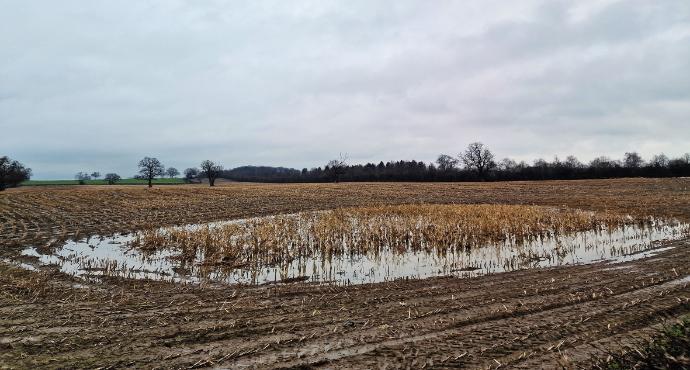
rable growers should resist the temptation to reduce crop nutrients this spring, with trials data suggesting that the application of foliar nutrition can enhance winter wheat yields by more than 0.9t/ha. That is according to ProCam’s crop nutrition portfolio manager, Phil Burrell, who explains that applying the right nutrients at the right place and right time will be vital to ensuring this year’s crops reach their full potential.
“With last year’s sub-par yields making cashflow tight for many arable businesses, and rising input costs and subdued commodity prices putting additional pressure on farm finances, there is a lot of talk about how and when to cut back on crop nutrition and disease control,” Phil explains.
“Experience suggests that foliar applied nutrients are amongst the first inputs to be omitted in lean years, but that is a false economy, especially as this year’s crops have come out of the winter with the potential to produce good yields.
“Instead of cutting back, wheat growers should protect and maintain crop biomass and yield potential, not only by applying an effective programme of fungicides to keep diseases such as septoria, rusts and mildew in check, but also by ensuring sufficient nutrients are available to allow crops to fight off disease and progress unhindered to a plentiful harvest,” Phil adds.
Trials carried out by ProCam have shown that winter wheat treated with fungicides and foliar applied nutrients during the stem extension phase will yield as much as 0.7t/ha more than a crop treated with fungicides alone.
“Similarly, crops which receive no fungicides and no foliar nutrition will yield 0.92t/ha less than a crop which receives no fungicide but does receive foliar nutrition at T1, T2 and T3,” Phil describes. “The proof of the value of foliar nutrients is therefore clearly evidenced, with healthy, well-fed crops producing better yields and higher profits.”
Phil explains that nitrogen, magnesium, potassium and sulphur are all important in terms of a crop’s ability to convert sunlight into yield and improve grain quality, while nutrients including boron, copper and zinc are critical in optimising grain set. He therefore encourages growers to think carefully before excluding any foliar nutrition applications.
“Wheat yield is driven by maximising the number of ears per metre square, and by the number and size of grains each ear produces. It therefore stands to reason that crops need to be fed at the growth stages that have the biggest impact on these factors. For that reason, crops must have access to the necessary macro- and micronutrients they require during stem extension and again

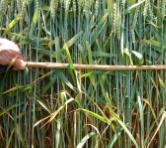
when the crop’s main solar panel – the flag leaf – has fully emerged.”
Up to 60% of a crop’s yield is produced by the flag leaf (40%) and ear (20%), with leaf two contributing another 20% Phil adds. “So, it’s essential to keep both leaves and the ear as clean and disease free as possible. It is therefore understandable why we spend so much time, money and effort on applying fungicides at the correct rate and timing. But applying the right nutrients is arguably just as important.”
Foliar versus soil-applied nutrition
Compared to granular fertilisers, foliar applied products are faster-acting and less affected by climatic factors and soil condition. “Foliar products are absorbed more rapidly because they aren’t reliant on the soil-root interface which can be hampered by cold or dry conditions, and by a high or low soil pH which will result in nutrients being locked up,” Phil describes. “Foliar applications are therefore more reliable and can correct deficiencies, boost crop growth and offset the impact of stresses such as drought or disease more effectively.”
Phil reasons there’s only one reliable method when it comes to understanding which nutrients to apply. “Nutrient deficiencies can easily be missed as their effects often remain symptomless until after the crop has been damaged and its yield has been compromised. So, it’s important to be proactive to stay ahead of any problems.
“Soil sampling has its place, but a basic test will only indicate what’s in the soil, not what the plant needs or what is available to the crop. In contrast, tissue or sap analysis can accurately identify which nutrients the plant has already absorbed and is a reliable way of identifying any deficiencies which can then be remedied via foliar treatment.
“By investing a relatively modest amount in tissue testing and foliar nutrition, growers can ensure their crops remain as healthy as possible so that they go on to produce a harvest which really tests the capacity of their farm’s grain store,” Phil concludes.
For more information about crop nutrition, disease prevention and nutrient testing, visit ProCam.co.uk to find your nearest ProCam depot and agronomist.
In a year when every last crop input will need to be justified, the multi-site fungicide ARIZONA (500g/l folpet) is one crop protection product that arable growers can rely on to pay for itself by boosting yields by 0.3t/ha.
ADAMA’s UK Technical Manager, David Griffiths explains why this tried and tested active ingredient should be on every wheat and barley grower’s radar in 2026.
“After the drought induced challenges of 2025, and with wheat markets showing little sign of improvement after last year’s drop, UK arable growers are looking closely at this year’s crop input expenditure,” David explains.
“We understand this sentiment and encourage growers and agronomists to appraise the return on investment of each and every penny spent on crop protection. It's also important to understand what the potential of the crop is in order to make the right decisions to maximise output. UK growers currently have some fantastic looking crops in the ground, and it would be a shame to let their yield potential fall by the wayside simply because they weren’t adequately protected against diseases such as septoria in wheat and ramularia and rhynchosporium in barley.”
of crop performance and its ability to enhance yield. Seven years of trials data has proven that ARIZONA not only protects newer chemistries, but it also returns an average yield benefit of just over 0.3t/ha.”
David explains that a yield improvement can be expected even in very dry years when latent disease pressure is low: “ARIZONA’s performance is remarkably consistent, irrespective of how the weather unfolds. In high pressure seasons such as the wet years of 2023 and 2024 its inclusion is a no-brainer. Folpet also pays for itself in dry years like 2025 when it still contributed to more resilient crops and higher yields.”


In wheat, ARIZONA can be used from T0 through to T2, but the key timings for its inclusion to protect against septoria are at T1 and T2: “Applying folpet at T1 delivers the biggest yield uplift, with its inclusion at T2 also providing a valuable increase in crop output,” David explains. “A programmed approach of inclusion at T1 and T2 will provide the very best levels of disease protection, with the T0 timing also useful in scenarios where disease pressure is elevated earlier in the season.

Last year’s drought meant cereal disease pressure was exceptionally low, so it’s not surprising growers are questioning their level of fungicide spend, David says. “But, with crops drilled earlier, and this year starting wet and mild, disease pressure could explode, especially as the inoculum for diseases like septoria will already be present in crops, waiting for the opportunity to rise through the canopy as soon as plants start growing in the spring.”
One of the main reasons for including a multi-site fungicide in spring spray programmes has been to protect single site chemistries such as azoles, SDHIs and Qil actives. “That’s an important consideration,” David adds, “but in the current economic climate, that isn’t enough on its own to warrant folpet’s inclusion.
“When selecting suitable products for spring disease control programmes, each input should earn its place, which is why ADAMA has been testing ARIZONA to assess its real value in terms
“A robust fungicide application at the T2 timing will help to keep the crop’s upper canopy greener for longer, contributing to higher yields and enhanced crop quality,” David adds. “T2 treatments should therefore contain a combination of modes of action including curative single-site active ingredients such as an azole and an SDHI or Qil fungicide, plus a multi-site, chiefly folpet.”
In barley, ARIZONA should be applied at T2 to control ramularia, net blotch and rhynchosporium, but it can also be used at T1 to give protection against rhynchosporium and net blotch, and to provide extra protection against ramularia in highrisk situations. It can also be used at T3 to maintain canopy protection in situations where the season is extended.
“From a resistance perspective, ramularia is more aggressive at breaking single site chemistries than septoria, so including a multi-site chemistry is even more valuable in barley,” David concludes. “And, just as it does in wheat, ARIZONA (500g/l folpet) provides a proven uplift in barley yields to ensure grain stores are full at the end of harvest.”

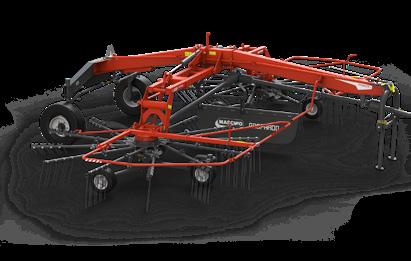
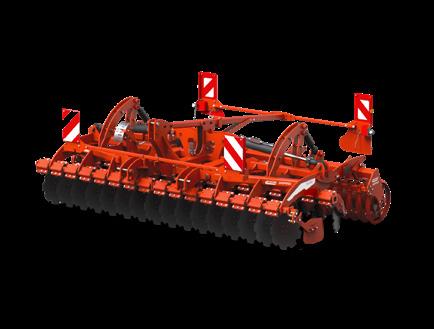


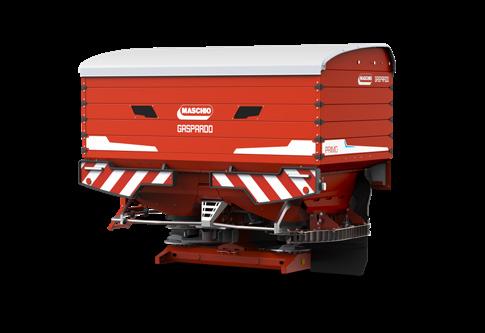
Increased longevity –built for tough environments.
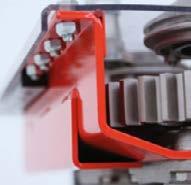
Makes maintenance easier, increases safety.

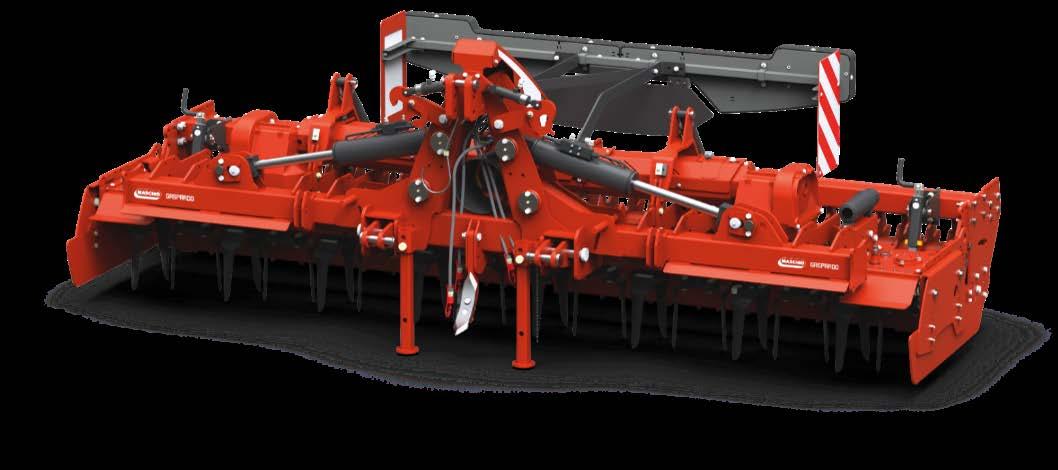
Top and bottom bearings provide high load capacity, top bearing retainers prevent expensive repairs.
Connected to the packer so adjusts with you – aids soil refinement.

Only one tool required, no pins or bolts to lose.


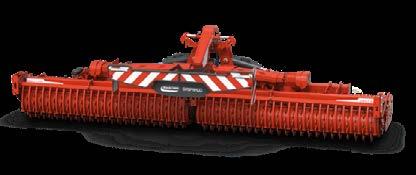


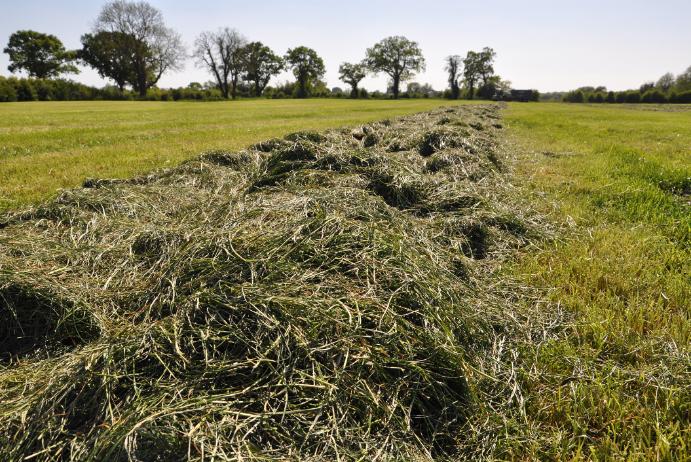
After the difficult season for grass growth in 2025, consider what steps you can take to mitigate against another drought in 2026 causing grass silage shortages again next winter, dairy farmers are being urged. Especially with falling milk prices.
That is the message from silage expert and Volac technical business manager for Ecosyl, Ken Stroud. He says not only did the 2025 drought limit grass yields – leaving farmers in many regions facing tight silage stocks – it often also adversely affected grass quality.
“With lower milk prices increasing the importance of maximising milk produced from forage, there’s a compelling case for protecting 2026 silage production against another drought and rebuilding silage stocks,” says Mr Stroud.
“As much as half of the dry matter (DM) tonnage of grass silage can be lost between mowing and feeding. Many losses are caused by unwanted microbes growing in silage. It’s not possible to eradicate all losses, but there are steps that can
improve silage output and reduce them.”
The starting point for good silage production is quality grass leys, says Mr Stroud, so consider reseeding tired, old swards with more productive grasses.
“Alternatively, multi-species leys seemed to cope better with the dry 2025 season than grass-only leys,” he says, “possibly due to the tap roots of the herb species they contained accessing deeper soil moisture. Therefore don’t rule these out.”
Taking a March or April ‘clearance cut’ of silage fields is increasingly useful after the milder winters we get nowadays, says Mr Stroud. Not only does it remove old grass that has kept growing through winter, it also stimulates regrowth of fresh grass for a main spring cut, and farmers who did this in 2025 often achieved extra tonnage, he adds.
3 - Cutting more often
Although frequent cutting of grass for silage was not feasible during the prolonged 2025 drought, if it is possible, Mr Stroud says it can raise yields.
“Compared with three cuts, Volac trial work showed cutting five times yielded 0.92t/ha more DM over a season. Also, the multi-cut grass was 0.5 MJ/kgDM higher in metabolisable energy (ME) on average and almost 3% higher in crude protein.”
4 - Using best practice mowing and wilting
Although mowing grass close to the ground is tempting if wanting extra tonnage, Mr Stroud says the sward base typically contains higher levels of undesirable bacteria that can compromise the fermentation and cause losses in the clamp.
“As well as mowing high enough to reduce this, mow before grass heads to avoid it becoming stemmy and difficult to consolidate, as this not only also risks fermentation problems but also losses from silage heating,” he says. “Also, wilt rapidly so that grass can be ensiled promptly to minimise in-field DM losses, as these can be 210%. Generally, wilting rapidly to 28-32% DM is optimum for minimising both in-clamp losses from effluent or heating and in-field losses. Ideally, achieve this in 12 hours or less, and avoid mowing in the evening as grass won’t start wilting effectively until the sun is up the following day, leaving sugars vulnerable to declining overnight."
5 - Using best practice harvesting and clamping
Similarly to reduce in-clamp losses, chop grass to the correct length, says Mr Stroud. This varies with %DM, with drier grass potentially needing a shorter chop to aid consolidation, and lusher grass benefiting from a longer chop, so consult a silage advisor, he adds.
“Equally, don’t overlook boosting the fermentation with a proven silage inoculant. Ecosyl, for example, has been found to halve DM losses and deliver silage higher in both ME and protein versus untreated silage. And ensure clamps are airtight and fully weighted to aid fermentation and reduce losses from heating and spoilage.”
Finally, Mr Stroud suggests farmers should consider making 20% more silage than needed for winter to provide a useful level of carryover stock.
“Around 15% extra silage is possible by getting mowing, wilting, chop length, inoculant use, and clamp management right,” he estimates, “and well-conserved silage is like money in the bank. If you don’t use it, there can be opportunities to sell it; I’ve seen grass silage priced as high as £65/t. If short of clamp space, consider baling the extra silage,” he concludes.
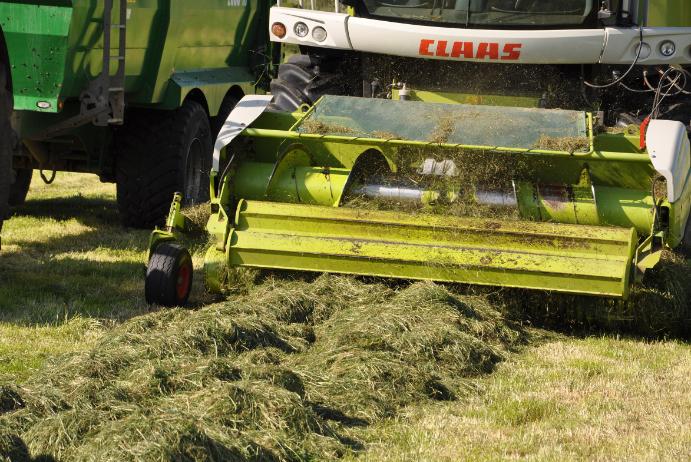
As 2026 crop plans are refined and finalised, organicfertiliser producer SoilWorx has announced it is expanding outside its traditional Irish heartland. It is now set to offer mainland UK farmers new ways to improve soil health whilst maintaining yields.
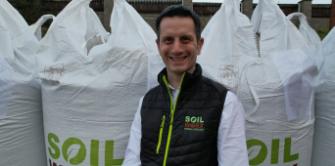
The business promises to combine proven performance, consistency and large-scale, dependable supply with the agility and responsiveness of its family firm. SoilWorx says it will continue to support organic farmers whilst opening up new opportunities for farmers considering regenerative and hybrid approaches that blends organic and chemical inputs.
Whilst SoilWorx has traditionally served organic farmers with fully certified, products, it believes real
benefits also exist for farmers incorporating organic nutrition into their crop plans.
Three new agricultural product ranges are launching, with Organo Mineral Fertilisers (OMFs) at their core – products that blend instant-release mineral nutrients with the phased release of organic amendments.
"It's that best of both worlds," Dr. Paul O'Hora, SoilWorx Sales Director explains. "An instant hit of mineral fertiliser that's readily available to the crop, followed by the phased release of nutrients from theorganic matter. You get that nice balanced approach."
SoilWorx's core product is a 4-2-3 NPK, but listening to farmer feedback – something Paul believes SoilWorx is uniquely positioned to do –has driven development of higher nitrogen options. These include an 8-2-2 formulation which is now available and a range of OMF products such as 121-1 and 10-4-4 in advanced stages of development.
The hybrid approach offers multiple benefits: maintaining yields, building soil health over time and potentially reducing synthetic inputs whilst organic matter improves nutrient availability. Together with SoilWorx's circular manufacturing process, it can also enable access to sustainability schemes and carbon payment programmes and
open up new markets to customers further along the food chain, seeking to reduce their Scope 3 emissions.
"A real problem that farmers have faced in the past is product consistency and the reliability of supply," says Paul. "That's not an issue with SoilWorx. We've invested heavily in our plant and our fully automated production line is capable of producing 500 tonnes of pellets every week, to exactly the same specification. Our process of composting, heating and sterilising delivers consistent product quality whilst eliminating pathogens too."
After milling, the material is pelletised to approximately 5mm diameter before bagging. This means the pellets are designed for practical use –consistently smaller, denser and more compact than many competitors' products that can disintegrate into dust when spread. SoilWorx pellets work in standard spreading equipment and require no investment in new machinery.
With a track record in both The Republic of Ireland and Northern Ireland, SoilWorx's confidence in their products rests on farmer satisfaction levels and has been further boosted by early indicators from independently verified field trials data. SoilWorx is now working with Rothamsted Research on longterm soil health studies and participating in a soil health barometer project examining DNA of soil microorganisms.
Trials with Agrii across the UK in 2026 will explore hybrid approaches and OMF applications across multiple soil types. Early results from other OMF trials have shown the products outperforming mineral and other systems in 2024's wet conditions, with nutrients retained rather than leached out.
"We're not looking for additional yield boost," Paul clarifies. "We're looking to show our products maintain yields whilst building soil health. This provides added bonuses – for example reduced micronutrient inputs, or less synthetic fertiliser required."
The right time for hybrid approaches
SoilWorx believes multiple factors make 2026 the ideal time to consider hybrid approaches. Fertiliser prices are climbing again, environmental pressures continue to mount and climate change impacts are increasingly visible on farm. Policy frameworks are beginning to reward more sustainable farming practices through schemes like SFI and various carbon payment systems.
With SoilWorx's products having a lower carbon footprint compared to traditional fertiliser, there's a straightforward route to reducing Scope 3 emissions. Looking further ahead, the Carbon
Border Adjustment Mechanism (CBAM) coming to the EU in 2026 (and likely to impact the UK in 2027) will add carbon taxes to imported fertilisers, potentially driving synthetic fertiliser prices higher and making hybrid approaches increasingly costcompetitive.
SoilWorx is an independent, family run firm set up by the Gilroy familywhose long-standing involvement in agriculture shapes how the business operates today. Since its foundation in 2020, SoilWorx has grown rapidly. The company's £15 million production is capable of scaling from its current 20,000-tonne annual capacity to 30,000 tonnes, with plans for further expansion to 75,000 tonnes.
"Being independent and family run we're able to listen at the farm gate and respond to market needs rapidly, working in partnerships with farmers. The plant was built with growth in mind," explains Paul. "We're able to grow with the demands that come from our ambitions for 2026.
SoilWorx currently works with key distributors in mainland UK and distributors /co-ops in Ireland, ensuring farmers can access products through their normal merchant relationships.
But the partnership extends beyond distribution –the company is engaging directly with food chain partners, retailers and agronomists to build collaborative nutrition strategies. The company's engineering capability through, parent company, the College Group, enables rapid response to market challenges, with investment continuing in research, future new product ranges and capacity expansion if required.
Being UK-based matters in an uncertain fertiliser market. SoilWorx isn't subject to port delays, currency fluctuations or the risk that European suppliers will divert product to higher-paying markets. The company is building inventory to meet spring demand peaks, with typical delivery lead times of around one week to UK destinations.
"When farmers are looking at crop plans for this season and making purchasing decisions, this is a real alternative that will bring long-term benefits by improving soil health, whilst maintaining crop yields." says Paul. "I'm not here to say everything has to be fully organic," he clarifies. "But it's clear that doing something with organic based products and then using your typical other inputs will probably give you the best of both worlds at the moment. That's why we're delighted to be providing farmers with new tools for their crop nutrition box."
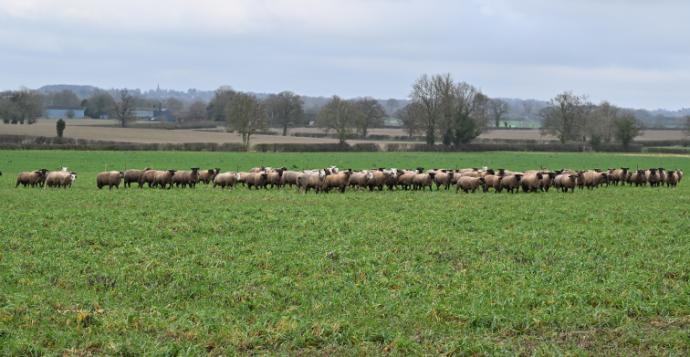
Almost 190 farmers and maize specialists attended the Maize Growers' Association (MGA) Annual Conference in Leicestershire on 4 and 5 February, marking the highest attendance in the event’s recent history as growers seek profitable alternatives to traditional break crops.
The record numbers reflect the increasing area of maize in the UK, with 240,000 hectares grown in 2025. The two-day event covered all aspects of maize production, from crop establishment and nutrition to market opportunities and the latest efficiency-optimising technology.
"The numbers of delegates, trade stands, sponsors, researchers, advisers and most importantly growers here today are the strongest we've seen in recent years," said MGA Chairman Michael Jarmuz. "The Council is genuinely delighted, not just because the event is bigger, but because it reflects a crop, a multi-market sector, and a grower community that is moving forward with confidence.
“The question for many farmers is no longer "Should we consider maize?" but "How do we make it work on our farm?”
Day one took delegates out of the conference hall and onto a working farm. Will Oliver, Vice Chair of the NFU Midlands Crops Board and the MGA, hosted the record crowd at his family's 2,000-acre
Will demonstrated how maize has transformed farm profitability. He explained how integrating on-farm poultry production generating 1,900 tonnes of chicken litter annually has reduced fertiliser costs while qualifying for Sustainable Farming Incentive payments worth £406 per hectare.
"Justify every decision with information: test, test, test," Will told attendees, explaining his data-driven approach centred on regular testing to optimise nitrogen application. His balance sheets revealed that year-on-year maize margins outperformed wheat and oilseed rape, particularly when combined with SFI options.
Will also spoke about the growing membership at the MGA. “It's not just the information available; it's speaking to other people growing maize and sharing that knowledge. The stronger the MGA membership is the more funds we have available for crop trials, the more maize is available, and we can fulfil the supply to more markets - there are opportunities for grain maize with additional markets opening up.”
Attendees also saw innovative integration of sheep grazing on cover crops, with local shepherd Matt Harding's Bentley Suffolks demonstrating how rotational grazing adds £140 worth of nutrients per hectare while improving soil organic matter and creating ideal seedbeds for maize.
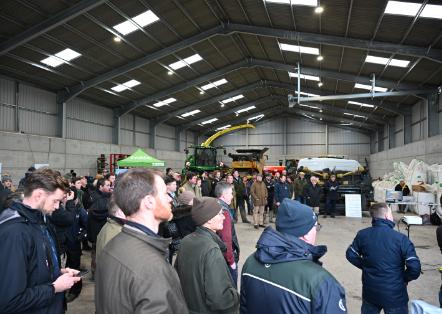

Delegate Rob Alexander from South Norfolk who was attending the conference for the first time was impressed by the depth of conversation: “It’s been very informative, from managing sheep on the cover crops right through to harvesting grain.
“The key reason I’ve attended is we’re looking at the options of growing maize and learning more about the varieties that are available and how profitable the crop is in the real world. This is the first time I’ve visited, I’m really impressed by the number of people, not only growers to share experiences with, but also a lot of people from the trade.”
Day two at Hinckley Hotel featured presentations from leading agronomists and commercial growers.
Ben Abell, Head of Agronomy at Dyson Farming's 14,000-hectare operation, explained their techdriven approach including Bilberry smart spraying for spot weed treatment on maize, delivering significant cost savings. As well as being passionate about British produce, Ben was positive about the future of maize, crediting the MGA with how progressive breeding and genetics are for the crop, thanks to its trials.
The conference also featured presentations from ADAS, Germinal, NIAB, AHDB, and Farol John Deere, who demonstrated the Harvestlab 3000 NIR sensor that continuously monitors harvest quantity and quality in real-time.
As traditional break crops strugglewith oilseed rape risky, spring barley suffering in drought and market conditions, and beans and peas following boom-bust cycles - maize is offering growers both agronomic benefits and viable margins across grain, forage, and anaerobic digestion markets.
"Resilience in farming is key, we need diversity of cropping," said the NFU Deputy President David Exwood. "Maize creates diversity, profit, and ability to use it right across the rotation. The NFU Confidence Survey showed low farmer confidence, which means low investment, but maize is offering a solution to allow farming to progress, to increase returns."
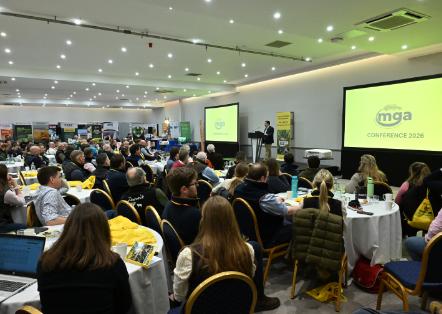
MGA Technical Lead Jon Myhill presented the independently run crop trial results showing that pulling back nitrogen to 125-150kg N/ha maintains optimum yields, with foliar nitrogen increasing nutrient use efficiency by 20-30%. "Nitrogen timing is crucial to avoid hungry periods during reproductive times," Myhill explained. Trial results demonstrated that foliar nitrogen application can deliver £30 per hectare savings without compromising metabolizable energy or starch content.
The record attendance underscores growing industry confidence that maize offers genuine solutions where traditional options are falling short. The MGA is open to members from across the UK, with prices to join starting at £156 per year. Benefits include unrestricted and exclusive access to data, insights and research carried out by the MGA, as well as access to the technical team, made up of an agronomist,nutritionistand sustainability consultants. Also included is access to free online webinars, meetings, and discounted tickets to events.
To find out more on becoming a membergo tohttps://www.maizegrowers.com/
Working with Capstan and Case, BfS has developed a low drift nozzle for use with Pulse Width Modulation (PWM) nozzle bodies.
Since the early days of the introduction of PWM, BfS have been marketing PulZar nozzles throughout north America and Canada and now the PulZar nozzle systems are being offered on machines coming onto the UK market.
PWM controls each nozzle separately, and the flow rate from each nozzle is managed by rapidly switching the nozzle control solenoid on/off. The duration that the nozzle is “on” is called the Duty Cycle and varying this duty cycle provides the
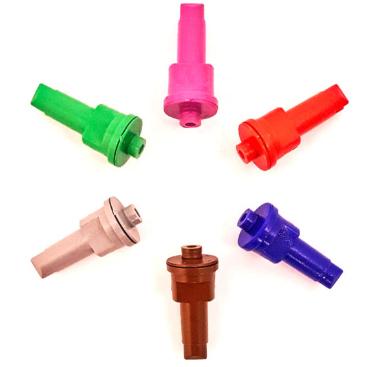
Flowgro Ltd
Barton Tumns Farm Lichfield Road, Burton upon Trent, DE13 8ED TEL: 01283 712172 www.flowgro.co.uk
CW Sprayers Ltd 14 Garden Village Micklefield, Leeds, LS25 4AB TEL: 0113 287 7674 / 07931 582713 www.cwsprayers.com
operator with the ability to control the volume output from each nozzle.
The system pressure, spray quality and fan pattern remain consistent.
The system can cope with a five-fold change in forward speed without affecting output.
PWM bodies will enable the correct application from each nozzle even when going around a corner where the outer edge of the boom is ravelling much faster than the inner edge, so giving a lower rate of application. PWM corrects this by changing the duty cycle at each nozzle to compensate accordingly.
For more information phone 01268 710237 or email stores@bfs.uk.com
Credit: Simon Nichols– BFS www.bfs.uk.com

The Sustainable Use Directive (SUD)* requires all pesticide application equipment to be tested by the relevant dates.
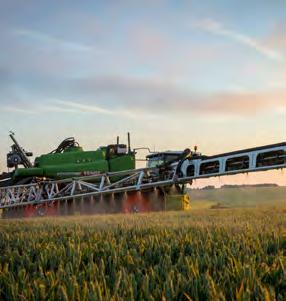
Legal requirements
First test due before the machine is 5 years old
1. Boom sprayers over 3 metres, air blast sprayers, train and aircraft sprayers
Re-test every 3 years
2. Booms 3 metres and under, slug pellet & micro-granular applicators, weed wipers, seed treatment, manually propelled or self-propelled trolley type equipment with 3 or more wheels & a motorised pump, and other specialist equipment
Re-test every 6 years
3. Knapsack, handheld and pedestrian* equipment
a. Must be checked on a regular basis by a competent person
b. Make any repairs necessary
c. Keep a record
* Maximum 2 wheels or with a manually pressurised pump


Crop assurance scheme requirements
a. Annual testing for sprayers over 3 metres and air blast sprayers
b. Annual testing of granular nematicide applicators
c. All other equipment to SUD timescales
* The legal requirements are contained in the Plant Protection Products (Sustainable Use) Regulations 2012

llie Dearlove of AHDB explains how to monitor for resistance to plant protection products in crop pests (insects, weeds and disease pathogens).
All pest populations have natural genetic variation in pesticide sensitivity. With frequent use of the chemistry, particularly those with the same mode of action (MoA), less-sensitive individuals survive and reproduce.
This process can go unnoticed, until field control is compromised.
Today, resistance to insecticides, herbicides and fungicides is seen in many cropping systems, which reduces control, limits options and increasescosts.
Resistance tests can reveal threats early and help you avoid ineffective products (saving time,moneyand inputs) and implement better management.
Consider testing if:
• Control performance declines/survivors remain after treatment*
• The same MoA has been used repeatedly
• Resistance isin your area
• You're considering switching chemistry
Resistance is dynamic and periodic testing aids swift detection.
There’sno set testing interval, as it depends on the pest populationand system risks, which are driven by:
• The crop grown
• Chemistry use (type and intensity)
• Weather
• Cultural practices
Certainly, testingis not a one-off tick box.
Pyrethroid resistance is the most common concern.
As insects can move hundreds of miles in the wind (especially aphids), previous results may not reflect this year’s risk. Additionally, many insect species have multiple generations every year, so resistance can spread fast.
It's important to monitor crops closely and test when control failures are suspected.
As part of aDefra-funded monitoring project, ADAS will screen peach-potato aphid,bird-cherry oat aphid,grain aphid and cabbage stem flea beetle for insecticide resistance (sent in dead or alive).
Many of the most active herbicides pose a very high resistance risk.
In contrast to insecticide and fungicide resistance, herbicide resistance often develops independently in fields, with each having its own weed-resistance profile.
As a foundation for monitoring:
• Keep field records of cropping, cultivations, herbicide use, weed burdensand control levels
• Monitorproblematic patches closely
• Increase monitoring/testing frequencywhere resistance pressure is high or in areas of persistent weeds
Where resistance is not suspected or hasn’t been confirmed, try to test at least once per rotation and at least everythree years for major weeds.
Screens often use seed or leaf samples, but sometimes live plants are needed, such as for the rapid indication of glyphosate resistance risks in Italian rye-grass.
Fungicide resistance monitoring is coordinated across the UK on behalf of farmers.
Fungicide resistance, which can develop gradually or rapidly, impacts commercially important MoAs.
Septoria tritici in wheat is a high-profile example, with rapid control losses for strobilurins (quinone outside inhibitors, Qols) seen in the early 2000s and more recent gradual changes for demethylation inhibitors (DMIs/azoles) and succinatedehydrogenase inhibitors (SDHIs).
Ourfungicide performance programme(for wheat, barley and oilseed rape) tracks product efficacy changes and supports the design of tailored fungicideprogrammes that balance disease control and resistance management, through product/MoA selection and appropriate doses.
Ourlaboratory sensitivity analysesalso quantify resistance shifts long before they are detected in the field and help reveal cross-resistance risks, which is where a pathogen becomes less sensitive to a fungicide that was not applied (with the same MoA).
For example, we’ve seen this with the newer SDHIs, based on tests of pydiflumetofen (adepidyn, Miravis Plus) and isoflucypram (iblon, Vimoy).
Using these SDHIs in the same programme is unlikely to benefit resistance management.
As there's noknownfield resistance to multi-site fungicides, such as folpet, these are a vital resistance management tool.
Resistance testing principles
Take the right samples
Sample survivors of recent treatments or suspect individuals/populations and consider how representative the samples are to wider field populations.
Timing,handlingand sampling techniqueare essentialfor reliable results.
Work with the best testers
Work with trusted companies that test samples under controlled conditions (in laboratories or glasshouses).
Tests may include:
• Dose-responseassaysto measure sensitivity to active ingredients
• Discriminating dose tests toidentifyresistant individuals
• Molecular diagnostics to detect known resistance mutations
Always ask how best to sample and how quickly you can expect results.
Be clear on the results
Ask for guidance to help you make sense of the results.
It may not be as clearcut as ‘resistant’ or ‘susceptible’, with various levels of reduced sensitivity or partial resistance often described.
For example, the results can help show:
• Which chemistry is likely to give reliable control
• The highest risk MoA
• Where more non-chemical controls may be needed
• How urgently strategies need to change
The Resistance Roadshow
If you would like to learn more about the management of pesticide resistance, then sign up to one of our remaining winter Resistance Roadshowevents (funded by Defra) on https://ahdb.org.uk/theresistance-roadshow
Credit: Ellie Dearlove - Knowledge Transfer Manager – Cereals & Oilseeds (AHDB)

ay-26 UK feed wheat futures closed below the 20-day moving average at the end of last week.
Despite coming under pressure during the week, the nearest support level of £167/t is still in place, with the contract testing the £167/t support level, but didn’t close below this level.
The relative strength index (RSI) decreased from 43 on 30 January to 42 on Friday, moving back towards the oversold zone. The RSI currently does not indicate any notable price momentum.
crusts on existing snow continued to pose a threat to crop condition.
However, it was reported last week by Ukrainian state weather that the January weather conditions did not have considerable adverse impact on winter crops, despite the severe frost experienced.
Further to that, Russia’s deputy Prime Minister stated that Russian grain crops were in good condition, with data to suggest this (LSEG).
As of 05 February, 97% of grain crops were in a normal condition vs 87% for the same period in 2025.
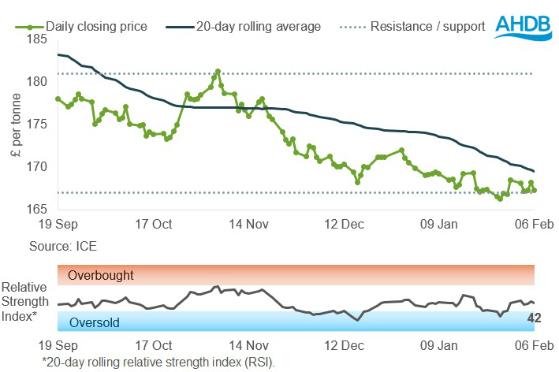
May-26 UK feed wheat futures reversed the marginal gains from the week prior and closed at £167.30/t on Friday, down £1.15/t across the week (30 January to 06 February).
The domestic market shadowed the pressure on both Paris milling and Chicago wheat futures (May-26), which were both down 1.3% across the week.
Grain markets have marginally subsided across the week from the drop in crude oil prices and assessments over the recent cold weather snaps in both the USA and Black Sea.
Global grain markets remained focused on weather risks to winter crops in key producing regions, particularly in the USA and the Black Sea.
In the US Plains and parts of the Midwest, periods of cold weather and variable snow cover have maintained concerns over potential winterkill.
In Ukraine and southern Russia, episodes of low temperatures combined with patchy snow cover and ice
The recent cold snap reported in Germany and Poland is providing some slight underpinning to European prices. However, global export competition among major wheat exporters remains intense, with the weakening of the euro against the US dollar across the week helping Europe’s competitiveness.
Another critical watchpoint for the grain market is that Argentina requires further rains over the next few weeks for their recently planted maize crop, especially in eastern parts of the country, to avoid major yield losses (Buenos Aires Grain Exchange).
The latest USDA World Agricultural Supply and Demand Estimates is scheduled to be released tomorrow at 17:00 GMT.
On a grain front, markets are not anticipating any major changes to 2025/26 global supply and demand, but if figures significantly deviate from expectations, we could see some movement in grain markets.
UK delivered cereal prices
May-26 UK feed wheat futures gained £1.35/t Thursday to Thursday to close at £168.20/t.
There was a marginal rise in delivered North-West bread wheat prices, with Feb-26 quoted at £190.00/t, up £0.50/t across the week (Thurs–Thurs). However, in Northants, bread wheat (Feb-26) was down £0.50/t over the same period, quoted at £179.00/t.
For feed wheat, there was pressure for East Anglia, with Feb-26 delivery quoted at £167.50/t, down £1.00/t across the week. But there were gains in Avonmouth (+£0.50/t) and Yorkshire (+£1.50/t) across the week for Feb-26 delivery, quoted at £176.50/t and £180.00/t, respectively.
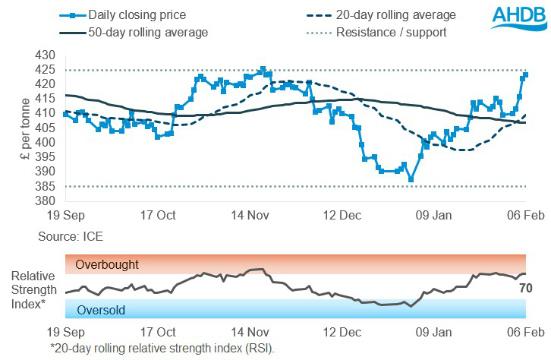
Paris rapeseed futures in £/t (May-26)
May-26 Paris rapeseed futures in £/t gained 3.4% last week, to £423.32/t, a slightly bigger increase than in euros due to sterling decreasing against the euro.
As a result of this movement, prices approached the nearest resistance level of £425.00/t.
The relative strength index (RSI) remained on the edge of being overbought, moving from 69 to 70 Friday–Friday.
Paris rapeseed futures prices ended last week higher, supported by notable gains in soyabean futures.
The May-26 contract ended the week 3.2% higher at €487.75/t, while the Nov-26 contract gained 2.6% to €470.50/t.
Chicago soyabean futures and Winnipeg canola futures (May-26) increased by 4.8% and 1.8%, respectively.
Last week, the Chicago futures price rallied after President Trump implied that China would purchase an additional 8 Mt of US soyabeans in the current season. This is on top of the approximately 12 Mt that have already been booked since the agreement was reached in late October.
There was also some support for the vegetable oil complex from a proposed rule announced by the US Department of the Treasury, which governs how biofuel makers can access a tax credit for low-carbon transport fuels.
On the other hand, StoneX's latest forecast revealed that Brazil's soybean production is projected to reach 181.6 Mt in the 2025/26 season, a 2.3% increase from its figures in January.
Meanwhile, the consultancy firm Patria AgroNegocios reports that Brazilian farmers had harvested 16.6% of the area planted for the 2025/26 season by Friday, surpassing the 9.8% harvested at the same time last
year (LSEG).
According to Safras & Mercado, Brazil's 2025/26 soyabean sales equate to 34.9% of the expected output, compared to 42.4% at the same time last year.
Canadian canola stocks totalled 15.6 Mt on 31 December, up 18.1% from a year earlier, according to StatsCan figures. This could put pressure on Winnipeg canola futures.
The agricultural consultancy APKInform has revised its forecast for Ukraine's 2026 rapeseed harvest downwards to 3.73 Mt, from a previous estimate of 3.88 Mt. The firm has also reduced its outlook for Ukraine's rapeseed exports for the 2026/27 season (July–June) to 2.70 Mt, from 2.96 Mt.
However, it is difficult to estimate the impact of the recent extremely low temperatures in Ukraine on the development of the winter rapeseed crop.
Attention is now turning to the World Agricultural Supply and Demand Estimates report from the USDA due on Tuesday (10 February).
Ahead of the report, the consensus among global analysts is that 2025/26 global soyabean stocks will be increased marginally, but US stocks will be slightly lowered.
Other key areas to watch are soyabean production in Brazil and Argentina.
UK delivered rapeseed prices
Rapeseed to be delivered to Erith in February was reported at £439.00/t in Friday’s survey, up £8.00/t from the previous week.
The price for November delivery (the 2026 crop) gained by £6.00/t to £417.00/t.
A year ago (06/02/25), harvest 2025 delivery into Erith was reported at £433.00/t, with November 2025 at £422.00/t.
On Thursday 5 February, we published UK cereal usage data for December, covering human and industrial consumption, as well as GB animal feed production.
Compared to the previous season, the volume of homegrown and imported wheat milled from July to December (including for bioethanol production) decreased by 3.6% and 26.2%, respectively.
Brewers, maltsters and distillers’ barley usage for the season to date (July–December) was down 18.5% on the same period in 2024/25.
HMRC will publish trade data for December on 12 February.
ore than 45,000 people and over 800 exhibitors descended on the NEC Birmingham, marking the highest attendance in the event’s 44-year history. For the first time, the show joined forces with CropTec and Low Carbon Agriculture Show, creating an expanded hub of information and innovation under one roof.
Alongside a wide range of machinery launches and live demonstrations, several new features debuted in 2026, including a Dairy & Beef Hub, Innovation Trail and the Future in Farming Zone, all designed to support the next generation of farmers.
Focus on the next generation
The role of young people was a central theme throughout the event, highlighted by Kaleb Cooper and Tom Pemberton launching the 2026 Young British Farming Awards. Now in its third year, the awards celebrate emerging talent and recognise how the next generation is positively shaping British farming.
This message continued during the How can we make regenerative farming profitable? panel, where David Exwood, Deputy President of the NFU, said: “If we want profitable, sustainable regenerative farming in this country, we need to get young people involved. They work differently, think differently and approach challenges in new ways. If regenerative farming is to succeed, we must hand the business to the next generation.”
Commenting on labour shortages in the dairy supply chain, Hugh Pocock, Founding Director at Cultura Connect said: “The Clarkson effect has certainly made people look at the industry, but we have to keep promoting that. Most of the next generation are on social media and that is the place we need to start.”
The 2026 LAMMA Innovation Awards recognised outstanding engineering, creativity and forward-thinking solutions designed to solve real-world challenges faced by farmers.
Agro-Vital was announced as the overall winner for their pioneering solution TRIPLEX, chosen from a group of exceptional Gold Award winnersfrom eight categories.
TRIPLEX is an advanced nutrient management system that combines soil and sap analysis with farm-specific data to create fully tailored liquid and foliar fertilisers, providing measurable productivity and sustainability benefits.
On receiving the award, Managing Director and Owner of Agri-Vital said: “It's a huge honour - LAMMA is recognised throughout the industry so to be recognised here in front of all of our peers is a huge achievement.”
Exhibitor Optimism
Despite a challenging 12 months for the agricultural sector, LAMMA 2026 demonstrated
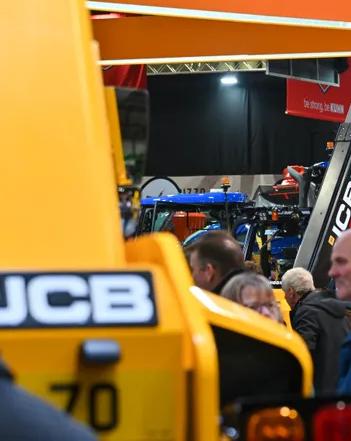
the industry’s continued appetite for innovation, investment and face-to-face engagement. Exhibitors reported strong footfall, high-quality conversations and a clear willingness from farmers and contractors to explore new ideas and machinery solutions.
LKL Services said: “A great show bringing all of agriculture together and the quality of conversations we’ve had with dairy producers was excellent – see you at LAMMA 2027!”
KW, Feedlync and NMR commented: “It is our first time at LAMMA and we have had a fantastic few days! We’ve spoken to existing and new customers and we’ve really enjoyed the show.”
Neil Macer, CNH Marketing Manager - UK & ROI added: “LAMMA has been a successful show for CNH this year. With an almost entirely
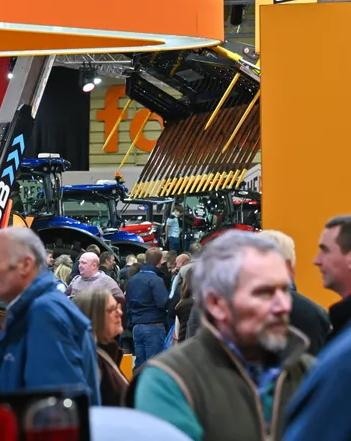
new line-up of machines on display, the stand was busy throughout the day and sparked strong interest in the latest technology. It’s been a valuable opportunity to engage directly with our customers, hear their priorities and challenges, and showcase how our innovations can support efficiency in their businesses.”
A joined-up approach to farming’s future Bringing CropTec and Low Carbon Agriculture Show together with LAMMA proved a major draw, giving farmers and industry professionals a more connected view of the challenges and opportunities facing modern agriculture.
There was a focus on policy, innovation and future energy systems in the Low Carbon Agriculture Theatre, which hosted panel discussions on low carbon farm fuels alongside a Q&A with Lord Bamford, exploring JCB’s engineering journey and investment in hydrogen technology.
In the CropTec theatre, discussions focussed on efficient farming - from managing fixed costs to resilient rotations, rounded off with a keynote address from George Freeman MP, Chair of the All-Party Parliamentary Group for AgriTech.
Victoria Atkins MP, Shadow Secretary of State for Defra, also attended the event in support of the Farmers Guardian Save Britain’s Family Farms Campaign, highlighting the impact of coordinated industry action on policy outcomes: “The result we got with Inheritance Tax is a result of the work you’ve done alongside the NFU and Farmers Guardian… I will continue to fight for you and hold the Government to account.”
Director of Events Philippa Christer said:“What a show! We are delighted that LAMMA 2026 proved such a success and is obviously a firm fixture in so many people’s calendars. Thank you to all the exhibitors and team behind the scenes that put so much work into this event –it is a big show which takes more than a year to plan.We look forward to seeing everyone again at the NEC next year on 20 -21 January 2027.”

new range of fully-mounted shear bolt ploughs was launched by Kverneland at LAMMA. Models benefit from an all-new leg and shear bolt protection system offering greater durability and withstanding higher working forces - typically 5000kg before the bolt shears, compared to 4500kg on previous Kverneland shear bolt ploughs.
Models include the 2300B from 3-5 furrows, the 3300B from 4-6 furrows, plus the 3400B and 3500B available in 5-7 furrow formats. The 3500B is an isobus-equipped i-Plough version. While the 2300B and 3300B are in-furrow only for tractors up to 250hp and 330hp respectively, the larger 3400B and 3500B can be used on-land or in-furrow, with tractors up to 380hp. Variomat hydraulic furrow width
adjustment is part of the specification, along with 85cm and 100cm point-to-point clearances, and an 80cm under-beam clearance.
Kverneland’s new Sharp Shear System uses a solid plough leg design sandwiched between two steel plates. The leg is secured in work with a precision engineered shear bolt, which carries shallow grooves along the shear line. In addition, all B-series ploughs have been equipped with Kverneland’s four-way adjustable 4P skimmer assembly, a widesection hydraulic rear depth wheel with new pivot mechanism and the firm’s proven Trailer Transport System (TTS) that enables the plough to be towed like a trailer when in its transport position.
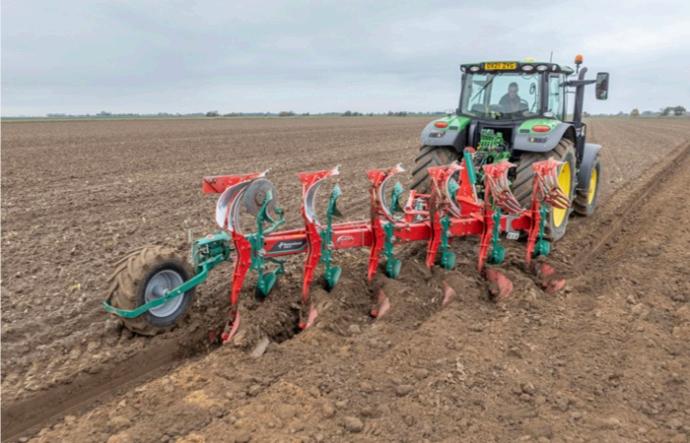
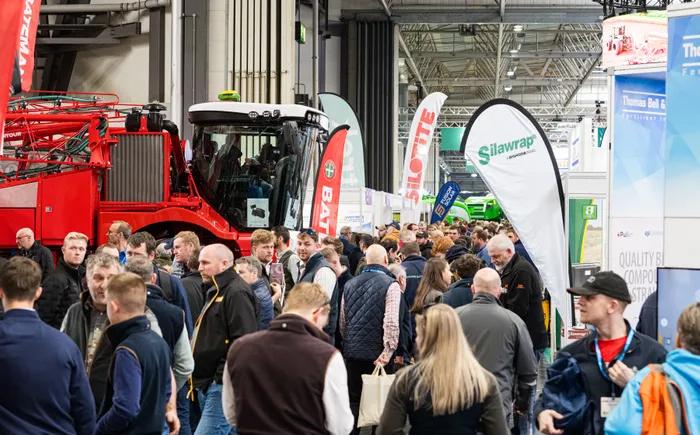
Agriconnect, the leading B2B events and media business serving UK agriculture, has announced that LAMMA – theUK’s leading agricultural trade eventhas been shortlisted for Best Trade Show (over 10,000sqm) at the Exhibition News (EN) Awards 2026.
The shortlist, revealed yesterday by Exhibition News, recognises outstanding achievement across the UK exhibitions industry. LAMMA’s nomination follows a landmark year for the event, which welcomed more than 45,000 visitors and over 800 exhibitors to the NEC Birmingham in 2026, with 48,592sqm of exhibition space, making it the largest LAMMA in the show’s 44-year history.
Under Agriconnect’s leadership, LAMMA has delivered sustained commercial and audience growth, exceeded expectations despite challenging market conditions, and strengthened its role as the UK’s primary platform for agricultural machinery launches, innovation and industry debate.
Philippa Christer, Event Director for LAMMA at Agriconnect, said:
“Being shortlisted for Best Trade Show at the EN
Awards is a fantastic recognition of the scale, ambition and impact of LAMMA. The show has grown into far more than an exhibition, it’s a meeting place for the industry, a launchpad for innovation and a community that reflects the real challenges and opportunities facing farming today.” Sophie Eke, Chief Marketing Officer at Agriconnect, added:
“This shortlist is a testament to our exhibitors, partners and visitors, and to the teams behind LAMMA who make the show happen. From marketing and editorial to production and operations, by combining deep sector insight with data-led marketing and a focus on audience value, LAMMA continues to set the benchmark for largescale trade shows and we’re proud to see that recognised by the industry.”
The EN Awards celebrate excellence across the exhibitions sector, recognising events that demonstrate strong commercial performance, innovation, audience engagement and operational excellence. Agriconnect were also shortlisted in two other categories,Best Event Operations Team –LAMMA and Content Programme of the Year for Farm Business Innovation and the Land, Leisure and Tourism Show.Winners will be announced later in 2026.
new survey by Farmers Guardianhas revealed overwhelming concern within the agricultural sector that the current Government does not recognise farming's contribution to society, with almost 100% of respondents expressing this view.
The post-Budget survey of nearly 500 farmers was conducted as part of Farmers Guardian's Save Britain's Family Farmscampaign and sought to gauge sentiment across the industry following what many describe as one of the most turbulent years in recent memory.
Despite the Government's decision just before Christmas to amend its Inheritance Tax (IHT) proposals by raising the threshold from £1 million to £2.5 million per spouse, confidence remains low. The survey found that only 11% of farmers would consider voting Labour at the next General Election even if the party were to completely reverse the proposed IHT changes.
Investment across the sector has also stalled. More than 85% of respondents said they had either changed or scaled back investment plans following Labour's initial announcement on what farmers
have termed the 'family farm tax'. Over threequarters said they intend to continue opposing the IHT changes, which are due to be introduced in April.
Alarmingly, almost half of those surveyed said they had considered giving up farming, ending a tenancy or selling their business entirely within the last 12 months. Meanwhile, 78% said they remain committed to fighting the proposed IHT rules.
One farmer responding to the survey said: "The damage to farming families' livelihoods, security and mental health has not been considered. The knock-on effect to the rural economy will be huge."
Another warned that the next generation simply cannot afford the tax burden, adding that paying it would force many to sell parts of their farms, rendering thousands of businesses unviable.
Commenting on the findings, a Farmers GuardianEditor Katie Jones said:
"This survey sends a stark message from the farming community. Family farms feel undervalued, unheard and under threat, and the proposed Inheritance Tax changes have intensified those concerns. Save Britain's Family Farms exists to highlight not just what is at stake for farming families, but the vital role farming plays in food security, the rural economy and environmental stewardship."
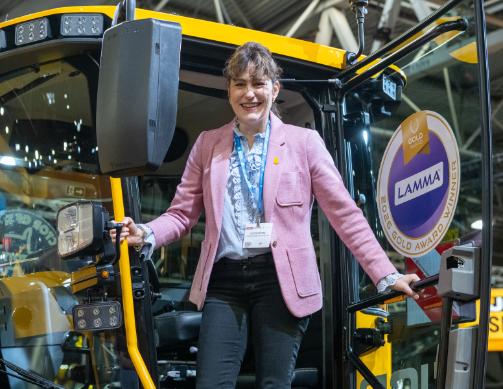
The Save Britain's Family Farmscampaign aims to support farmers through the proposed IHT changes while demonstrating farming's wider value to society. It highlights how agriculture can be part of the solution to major national challenges, from environmental management to economic resilience and food production.
By using UV-C light panels, French start-up technology firm UV Boosting has developed a patented, cutting-edge solution that can stimulate a plant’s natural defences using UV-C light panels.
Having partnered with Kubota, the two companies are jointly promoting this innovation offering sustainable solutions, which is currently targeted on the viticulture industry. It is expected that the UV-C Helios panels could prove equally as effective in a wider range of crops, including orchard applications plus soft fruit such as strawberries.
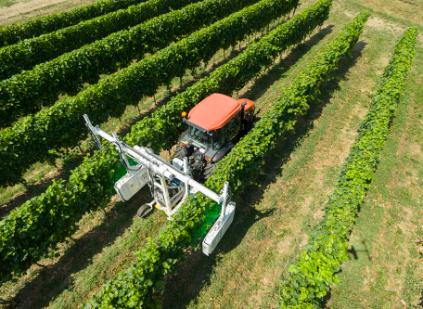
As an alternative to traditional fungicide treatments, UV-C light flashes are said to trigger a defence mechanism in plants, making them more resistant to fungal pathogens, before they appear.
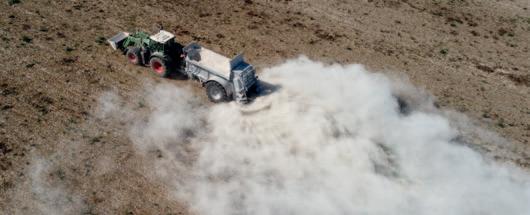

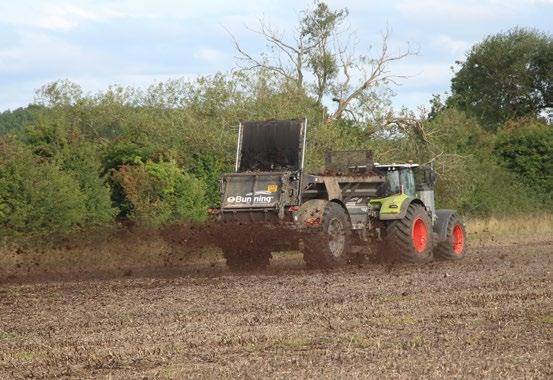

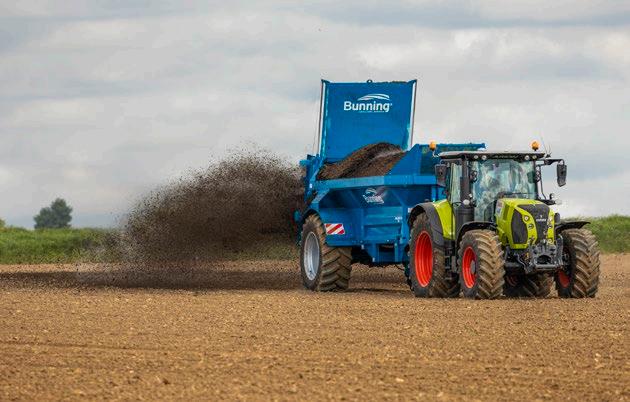




Depending on disease pressures, the intensity and the repeat stimulation through UV-C light flashes can be adjusted to suit specific crop requirements.
Currently applicable to vineyards and orchards, the UV Boosting solution can be mounted on narrow tractors and straddletractors, with treatments carried out at a forward speed of 4kph.
It is a concept could soon be applied to vegetable crops, with the system being scalable using three, horizontally mounted panels that could be used to treat a triple-bed format.


he Cereals Event is the UK’s flagship arable event where industry knowledge, innovation, and expertise come together to help improve the future for arable farmers. Whether you’re focused on seeds, sprayers, crop varieties, fertilisers, or finance, Cereals offers everything you need to be more productive, efficient, and profitable - all in one place.
With live demonstrations and dedicated exhibitor zones covering agronomy, technology and precision farming, machinery, business, regen farming, harvest & post-harvest, land management, livestock and more, this event is designed to help you grow your profits and your crops.
Here’s your guide to everything you need to know about Cereals 2026 at Diddly Squat Farm and how you can make the most of your visit:
• Trade-Only Access: Cereals is a tradeonly event exclusively for farmers, agronomists, and the associated trade. Each registration will be reviewed by the team to ensure the Cereals Event remains farmer-focused.
• Advanced Tickets Only: If you want to join us at Cereals 2026, tickets will only be
available in advance and you will not be able to register on the day. Tickets are limited with day 1 and day 2 limits and may sell out prior to the event.
• Timed Entrance: To enable the team to manage car and foot traffic flow, we are asking every visitor to choose an allocated arrival time. One-day tickets are now also available to allow you to book single day tickets. This will allow us to keep traffic flowing and speedy access through the entrance without overwhelming the road systems in place.
Once you have chosen your arrival time, please try to stick to this as close as possible.
Alternatively, take a look at the locations the Cereals Buses will be departing from and save yourself from driving!
• Discounts & Auto-Approvals: Cereals has joined forces with leading industry associations with exclusive benefits. If you are a member or subscriber to the following organisations you can use your membership or subscription numbers for auto-approval and exclusive benefits:
• National Farmers Union (England and Wales)
• Farmers Weekly
• BASENational Federation of Young Farmers (NFYFC)
Traffic Management
• Traffic: While traffic around Diddly Squat has been a concern, we are carefully managing traffic by ensuring visitors have allocated arrival times and even laying on a fleet of Cereals buses that will travel in from multiple farming communities around the country.
We’re working closely with West Oxfordshire District Council to minimise the impact of any traffic and there will be a number of traffic flow measures in place along with dedicated arrival times and shuttle bus services.
We’re confident that any impact will be minimised to make sure everyone has a great day at Cereals 2026.
• Timed Entrance: To enable the team to manage car and foot traffic flow, we are asking every visitor to choose an allocated arrival time. This will allow us to keep traffic flowing and speedy access through the entrance without overwhelming the road systems in place.
Once you have chosen your arrival time, please try to stick to this as close as possible.
Alternatively, take a look at the locations the Cereals Buses will be departing from and save yourself from driving!
To further ease traffic congestion and make your day even easier, dedicatedCereals Buseswill operate from key farming locations across the UK. Choosing to travel by bus will not only provide a stress-free, direct route into the event, but will also allow you to put your feet up and relax after a busy day at the show!
Buses will operate from:
• Lincolnshire - Roy Ward Farms Ltd
• Nottinghamshire -Strawsons
• Yorkshire - Location to be announced soon
• Cambridge - Law Farming
• Suffolk - Elveden Estate
• Lancashire - Location to be announced soon
• Devon - Location to be announced soon
You can book your bus ticket through the registration here. Already registered? You can log back in and add to your booking through your account link in the booking confirmation email.
Jeremy Clarkson has done a great deal to bring public attention to the challenges that farmers are facing and sees hosting The Cereals Event as a chance to do something positive for the industry.
By bringing together farmers across the country, and with Diddly Squat’s global reach, we’ll be able to demonstrate the power and importance of the UK agricultural sector to the world.
It’s a fantastic opportunity to draw attention to the issues facing the farming industry but the event itself is for farmers and we’re making sure it stays that way.
Bringing together expert advisors, leading arable farmers and over 600 of the most respected suppliers showcasing the latest products and services, Cereals is the marketleading arable event to help you survive and thrive. Returning and new event features include:
• Over 600 Exhibitor products and services on show- discover and explore the latest innovations, products and expert advice from the most respected suppliers, manufacturers and service providers, all focussed on the Arable Industry
• Kaleb's Korner, sponsored byNY Tractor Parts- Join Kaleb through both days of the event to network and connect with the next generation of farmers
• Jeremy's Hops & Harmony Bar,sponsored by V12 Footwear- Join Jeremy Clarkson for a beer, to network, have meetings and listen to some music to unwind from a busy day at Diddly Squat!
• Live Machinery Demos from Agri-Linc, Agriweld, Agxeed, Arcusin,Manitou,Merlo,
Techneat, UK Farm Agri and Novag.
• Land Drainage Hub, sponsored byNAACMaximise your productivity, challenge climate change and get rid of your wet patches with the return of the NAAC Land Drainage Hub at Cereals 2026.
• Niab Soil Hole- Showcasing the science behind regenerative agriculture, take a look below the soil surface at the impact of rotations, cultivations, alternative crops and grazing leys.
• Young Farmers Programme and Networking Reception, sponsored byMichelmores- Take some time to relax with colleagues and friends at the Young Farmers networking reception sponsored by Michelmores. Don't miss this chance to catch up and connect after a productive day.
• Sprays and Sprayers Arena, sponsored bySyngentaandCropLife- A show highlight, the arena promises a powerful showcase of cutting-edge crop protection technology, with live demonstrations from leading sprayer manufacturers and precision ag innovators. Plus the 2026 FOOTSY winner will be crowned at the event!
• Farmers Weekly Britains Fittest FarmerAs farming becomes less active and more mechanised and office-based, it’s more important than ever before to make sure Britain’s farmers are getting the exercise that they need to stay fit and healthy. This fun way of sparking a vital discussion about the physical and mental health of the nation’s farmers will be coming to Cereals 2026 - more details coming soon!
• Livestock Zone, sponsored byNoFenceIntroducing livestock to arable land can bring multiple benefits including enhancing soil health, improving weed management and diversifying income. Find out how you can get started and get expert advice, information and services to help.
• Crop Plots- More than 600 meticulously curated crop plots will showcase the latest in mainstream and alternative varieties. Spanning everything from drought-tolerant cereals to novel protein crops and improved oilseed rape lines, the plots offer a handson look at the future of UK farming.
• Drill Demos- From conventional ploughbased systems to innovative no-till
methods, compare the latest drilling technologies from a number of leading manufacturers, with the opportunity to get your questions answered from the experts. Demo from UK Farm Agri and Novag.
• Seed to Shelf Mainstage, sponsored by KWS- Offering a packed programme featuring everything from Agtech and Innovation, to Diversification and Government legislation, you’ll walk away with insightful and actionable knowledge to help grow your business and crops.
• Earn BASiS and NRoSO pointsThroughout the event and knowledge trails, there’ll be plenty of opportunities to top up your CPD points from BASiS and NRoSO at Cereals on top of gaining practical knowledge.
• Farmers Weekly Stage- This NEW stage at Cereals 2026 will be a highlight of the event and will include the popular Question Time format and more. Located near the pop-up Diddly Squat Farm Shop and The Farmer's Dog, you will not want to miss this entertaining and invaluable new content feature.
• BASE-UK Regenerative Agriculture Stage, Sponsored by Tees Law- a dedicated conference area focusing on regenerative farming. The theme, aligned with BASE-UK’s February Annual Conference, is 'Growing Without Government Support'.
• Ceres Rural Diddly Squat Farm Trial,sponsored by Grain Fumigation Services- giving visitors a glimpse into what is actually being grown at Diddly Squat as well as some new things they are trying out.
• Ceres Rural Crop Challenge, sponsored by Ceres Rural andin partnership with AICC- Providing hands-on, real world experience in crop management, the Ceres Rural Crop Challenge offers agricultural students from leading universities the opportunity to compete in growing and managing a winter wheat crop.
• Diddly Squat Farm Shop, Hawkstone and more- Pick up local produce and Diddly Squat merchandise from the Diddly Squat team in the pop-up shop only live at Cereals 2026!
he Devon County Agricultural Association has been selected to award all threeRASE Burke Perpetual Challenge Trophies at the 2026 Devon County Show.
The Royal Agricultural Society of England (RASE) chooses an agricultural society to host the RASE Burke Trophieseach year. One of the trophies will be awarded to the best two animals of a breed –one male and one female – in the beef cattle section, and another to the best two females of a breed in the dairy and dual-purpose cattle section.
The RASE Burke Innovation Trophy is awarded to the best new implement showcasing agricultural innovation. The competition is open to all UK
businesses involved in and manufacturing of agricultural machinery and implements.
Lisa Moore, Devon County Show Manager, shares that the Show is delighted with the decision.
"We are absolutely thrilled that RASE has selected the Devon County Show to award all three Burke Trophies this year. This is a significant and prestigious honour that we greatly appreciate. The last time we hosted the 'Cattle Burkes' was in 2018 and having them here again reaffirms our status as one of the most important events in the agricultural calendar for cattle breeders across the country.Being selected to present the Burke Innovation Trophy for the best new implement showcasing agricultural innovation further underscores the Show's reputation. We anticipate strong competition for all three trophies'.

The classes for the cattle trophies will be judged by two prestigious judges who have been fully endorsed by the organiser and chair of the Burke trophies. They have been announced as William McLaren,internationally renowned Aberdeen Angus breeder and owner of the Netherton Herd William and Wendy Youngof Churchroyd Dairy Shorthorns in Yorkshire who is ex-President of the Dairy Shorthorn Cattle Society.
The judges for the Burke Innovation Trophy will be announced shortly.
The RASE Burke Trophies were introduced as a new award at the RASE Royal Show in 1951, marking the occasion of Sir Roland Burke's retirement in 1950 after 20 years in office as Honorary Director of RASE.
Today, more than seventy years since the first presentation, the RASE Burke Trophies remain the most prestigious cattle awards within UK farming.

aris Piper has had its day; or has it? That was the provocative title of a GB Potatoes debate at the British Potato Industry Event.
Arguing that the stalwart’s days are numbered was Katy Pook, Head of Brand & Marketing at Greenvale. She touched on Maris Piper’s near 70-year history saying it was bred to be resistant to the most common type of Potato Cyst Nematode.
“It would be fair to say that the food and farming industry looked a little different then, than it does now,” she said.
“The potato sector was dominated by tens of thousands of smaller multi-crop growers mainly supplying local markets and early versions of supermarkets. But that was a far cry from the national distribution networks we have today.”
“When Maris Piper arrived in the market in 1966, the variety Majestic accounted for 60% of the market, but its vulnerabilities to pests and disease and the rise of newer varieties led to its demise –

doesn’t that sound familiar?”
Maris Piper’s resistance to PCN and consistency of yields and reliability made it popular with growers. Its multi-use nature meant that it soon established itself and remains in the public’s conscious now, said Katy. But she argued that it has had its day:
“The sector is more industrialised, there are bigger and more complicated machines, greater pressure from pests and diseases with fewer chemical control options and more volatile weather against a background of greater assurance demands.”

At the start of the 2000s, Maris Piper accounted for almost a quarter of the UK potato area. Since the overall area has dropped by almost a third and Maris Piper only accounts for 10% of that area. Whilst also volume share of Maris Piper in the fresh retail market, has dropped from a 19.5% to 16.5% in the last four years, still incredibly meaningful – but a continuing directional trend.
“Importantly, consumers complain of poor quality, bruising and too much waste at certain times of the year. In the months from March to July Maris


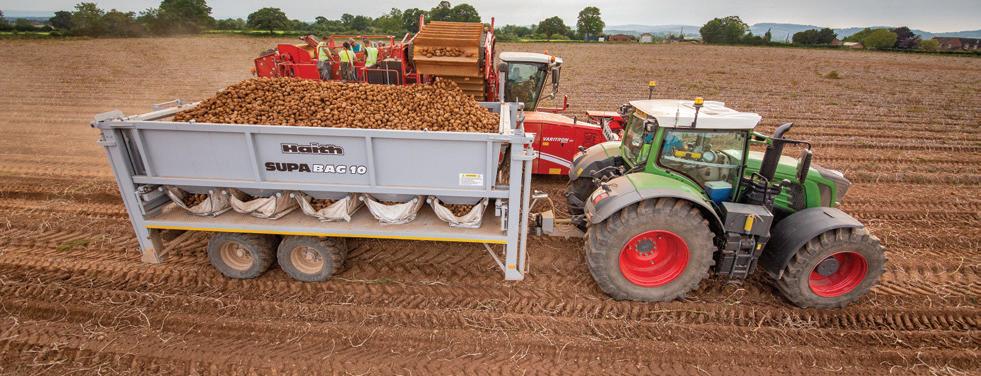
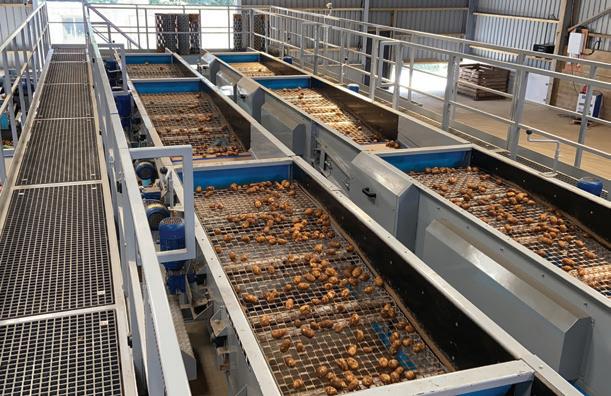
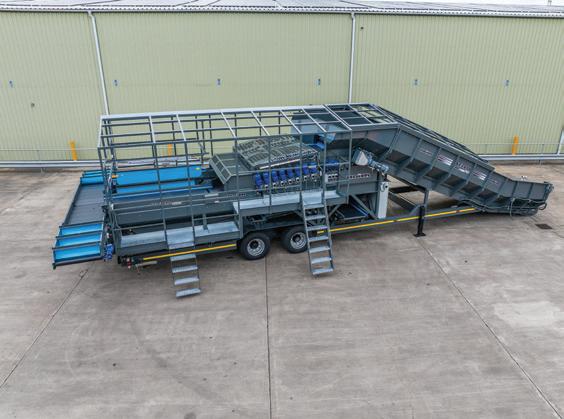


Piper’s complaint share is typically 40% of all complaints received – around double its share of units – but it has been as high as 54%.”
She said that Greenvale research found that despite consumers stating that they are attached to the variety, the reality is that 93% of consumers who buy Maris Piper would simply buy other varieties if it wasn’t available on the shelves.
“And, the fact is it is already changing. Retailers are already speaking to us about using alternative varieties and focusing on using Maris Piper, when it is at its best.”
Standing up for Maris Piper and arguing that it will far outlive him and most people in the room, Gordon Stark, Director at Taygrow said:
“Maris Piper has seen off lots of different varieties. It has navigated its way through the chipping market, the packing market and even grown as a salad at one time. It was bred for PCN resistance, specifically rostochiensis. Now there has been an increase in pallida over the years. With the development of new varieties, pallida will be looked after and you will see an increase in rostochiensis and Piper will be part of the resistance armoury to that strain.”
He said the consistency of Maris Piper means that 500,000 tonnes to 700,000 tonnes is still grown every year, with 60 million tonnes of the variety grown over the last 60 years – almost a tonne for every one of the current UK population.
“You look at Piper, it’s cheap to plant, you can get any market for it, it’s never had a penny of royalties paid on it, seed rates can be low in comparison to very high seed costs for other varieties.”
From a consumer point of view, Maris Piper is suggested for a large range of recipes by a host of famous chefs such as Delia Smith, Jamie Oliver, the Hairy Bikers and Nigella Lawson, according to Gordon.
He acknowledged that a changing climate does make growing Maris Piper more challenging, especially in England, but added that has seen more of the variety being grown in Scotland
“So it's great for us that you guys can't grow it anymore. And don't keep growing if you can't grow it. Don't get ambition and ability mixed up lads and lasses!”
The audience debated blight and Maris Piper, the role of genetically engineering new varieties and the mashing quality of the variety and others.
Announcing the result of the vote, debate and GB Potatoes Chair Alex Godfrey said:
“I believe those who believe Maris Piper has had its day may just have the edge, but it is narrow victory and I don't doubt the debate will rumble on. But congratulations on this occasion to Katy.”
To watch the Maris Piper debate from the British Potato Industry Event see https://britishpotato. co.uk/industry-event/seminars/

he 2025 crop in store seems to have bumped into almost every factor designed to create a difficult storage season. Early planting and emergence, followed by a (mostly) hot dry summer saw crops arriving in store in a state of considerable physiological age. The weather was also less than ideal for the application of MH for much of the key window. Harvest conditions were good (or perfect) for nearly everyone, so stores filled early, quickly and were warm. The weather kept them from cooling as swiftly as desired, and those crops, which had not sprouted in the field (plenty did), were opening their eyes much earlier than would normally be expected. Growers planning for early movement, and who would not normally expect to use a sprout suppressant, were scrambling for advice.
On top of the physical challenges of a sprouting crop was a hangover of material still in store from the 2024 harvest, some of it still finding a way to a market, which was not quite moving enough volume. And then came the French and the Germans. In 2024, it is reported that the French grew their first 9m tonne crop, and then went one better in 2025, with a first 10m tonne crop. The German 2025 crop is reported to be the largest for a quarter of a century. The continent was (is) awash with potatoes – free-buy crops were bid at €15/t during the autumn. There are reports of large areas in Poland being ripped up with a chisel plough, rather than being harvested and adding cost.
• Is a naturally occurring and truly sustainable product, in widespread use in the food industry,
• Is approved for use on organic potato crops,
• Has no harvest interval or MRL beyond the one-day mandatory withholding period after treatment, and is thus ideal for use on crops for which the date of movement is uncertain,
Crops were sprouting and customers delaying movement, not just in the UK but across much of the continent. Significant demand for sprout suppressant put supply chains under pressure, with occasional reports of demand overwhelming product availability.
The relatively flexible timing of application for BioxM places the product in a strong position to deal with most situations and keep crops secure. Early sprouting was addressed, some requiring a full 90ml/t first application to do so. For more fortunate growers, with sprouts coming slightly later in cool and well-cured crops, Biox-M has worked effectively to keep control. Growers, who have been obliged to hold crops in stores destined to receive seed for 2026, also have the reassurance that treatment of the preceding ware crop with Biox-M in the store will not cause a problem.
• Has substantial flexibility of timing of application,
• Results in minimal weight loss in store,
• Does not leave persistent residues in the fabric of stores and boxes used for storage,
• And is therefore suitable for use in stores, which may subsequently be used for the storage of other crops or seed potatoes,
• Is effective at higher storage temperatures, reducing the risk of acrylamide development when crop is processed,
• Sequesters carbon during growth, removing 1t of CO₂ for every 1,000t of potatoes treated,
• And should be a component of the sustainability plan for every farm and every customer; effectively carbon neutral.




The only completely natural product. Stand-alone. Truly sustainable. Excellent efficacy.
Sequesters carbon during growth. Flexibility of timing.
Minimal weight loss in store. Curative and preventative. No MRL.

The

recision placement of granules for potato treatments in the field is now more important than ever to protect crops and maintain plant health.
Challenging spring weather conditions for potato emergence and early growth in recent seasons makes control of soil pest damage and delivering optimum nutrients for growth crucial elements of good establishment, advocates Techneat Engineering application specialist, James English.
News that the sole remaining granular chemical nematicide for potatoes, Nemathorin, has been assured for the foreseeable future has been welcome for growers looking to protect yields and maintain clean land, he reports.
“It’s essential that growers now have existing nematicide application equipment tested and serviced to NSTS approval in time for the season,” advises James. “Accurate application and even incorporation into the soil around tubers is essential for the best results, but also minimising the risk of environmental loss and ensuring the nematicide retains its authorisation.”
Potato crop nutrition
James adds that with the extreme rainfall this year, most of the available residual nutrients in soil will have washed out, making earky crop nutrition
essential for strong emergence. The Placement Pro fertiliser applicators, for granular or liquid fertilisers, assure crop nutrition is put in the soil during sowing just beneath the seed tuber for quick uptake - and slightly to the side to avoid root scorch on emergence.
James highlights that’s particularly valuable for nutrient availability during cool, dry spring conditions that have become the norm in recent seasons - when residual soil fertility or fertiliser applied on the surface may not be readily available for emerging crop root systems.
“With the agronomic focus on reducing overall nutrient use in potatoes, to cut costs and protect against environmental loss, placing nutrients directly in then soil where they will get fully utilised by the emerging crop makes economic and environmental sense,” he adds.
Techneat has become the premier manufacturer of nematicide applicators in the UK and the industry leading range of in-furrow fertiliser placement equipment. “The range of nematicide applicators, along with the Placement Pro granular and liquid fertiliser applicators, meet potato growers increasing demands for precision agriculture technologies that optimise the performance of expensive inputs.
“The machines are governed by GPS trackers and linked to accurate control boxes that give operators
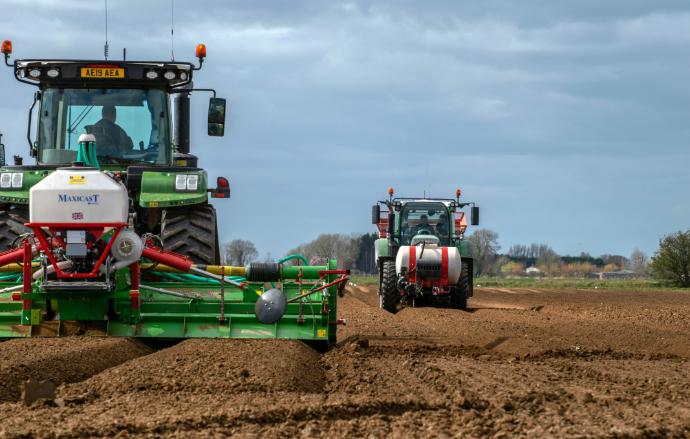
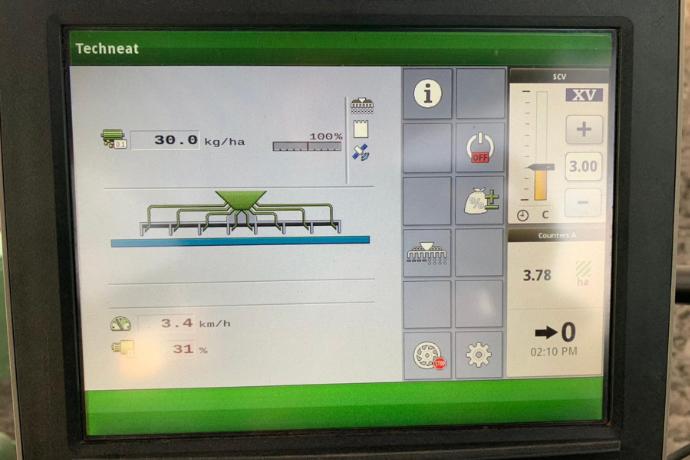
ultimate control over operations. That means growers and agronomists can put exactly the right amount of product, precisely where it’s required by the establishing crop.”
The applicators have been developed to fit a range of equipment used for potato seedbed creation, including bed tillers and cultivators, and with a variable number of outlets to best assure even distribution.
The company’s pioneering work with the Apcal cartridge - as single hard-wearing metering unit to replace multiple parts of traditional rotorsincreased flexibility for growers to select appropriate product choices.
Cartridges are available to fit Horstine Farmery applicators that are no longer in manufacture.
The same innovative metering technology also means the Terracast, along with other Techneat granular applicators, can be easily adapted to sow cover crops, small seeds or environmental mixes, or the application of Avadex Granular herbicide for grassweed control.
“That means one machine can have multiple uses across the farm, aside from potatoes. It makes it highly cost effective and, should the farm ever cease potato growing or nematicide use, for example, it remains a useful
tool and strong resale value.”
Techneat Engineering is an official NSTS testing station for all nematicide applicators. The team can perform tests and issue calibration certificates at its factory site near Cambridge or offer an "on site" service around the country.
James also highlights that growers looking to use Nemathorin in agronomy programmes, or to try out fertiliser placement techniques, can utilise the new Techneat Hire scheme to try a Maxicast, Terracast or Placement Pro unit in their own planting system, without the capital outlay or commitment of buying a machine.
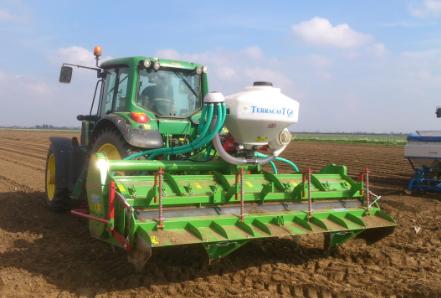

ith around 90,000 participants from across the globe, FRUIT LOGISTICA 2026 once again demonstrated its status as the world's premier business, innovation and knowledge platform for the fresh produce industry.
Fresh produce business leaders from across the globe braved Germany’s coldest winter in 15 years on 4–6 February 2026 to kindle valuable new connections at FRUIT LOGISTICA, the world’s number one fruit and vegetable event. Despite freezing conditions, which saw departing flights grounded, the show’s around 90,000 participants still found their way home after three days of innovation, networking and learning.
LOGISTICA 2026 strengthened its position as the sector’s undisputed centre of business knowledge.
The annual FRUIT LOGISTICA Innovation Awards underlined their role as the industry’s standardbearer for progress and productivity, while zones including the Startup World, New Product Showcases and Smart Agri Area all highlighted essential advances in the business – all of which made it an unbeatable international meeting.
Both exhibitors and trade visitors gave FRUIT LOGISTICA 2026 very good marks. The results of the representative trade visitor survey confirmed a high level of satisfaction with both the business success and the event content. Exhibitor representatives were also very satisfied with FRUIT LOGISTICA 2026. Numerous business deals ensured a positive conclusion to the trade fair.
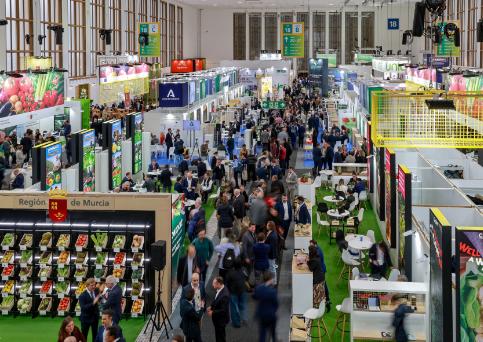
“We were so impressed with the way our trade visitors and exhibitors rose to last week’s challenges, as fresh produce people so often do,” said David Ruetz, Senior Vice President of Messe Berlin. “This is a resilient industry, one that knows how to handle challenging conditions and logistical hurdles. So it was no surprise that, despite the snow, everyone on the show floor remained focused, energetic and productive.”
There was plenty on offer to excite and inspire those who attended – four in five of whom visited from outside Germany. From cutting-edge developments in production, marketing, packaging and technology throughout its exhibition halls, to relevant, insightful talks and discussions on a range of vital topics across its conference stages, FRUIT
According to initial trends from the exhibitor survey, nine out of ten exhibitors were satisfied with their business results. Just as many were already planning to return to the trade fair in 2027. The most important goals of ‘company presentation’, ‘new customer acquisition’ and ‘existing customer care’ were all achieved to a high degree.
The preliminary results of the representative trade visitor survey also showed a high level of satisfaction: well over 90% of participants expressed a positive overall impression of FRUIT LOGISTICA 2026 and said they would recommend the event to their colleagues or business partners. Nine out of ten respondents were already planning to visit the event again the following year.
FRUIT LOGISTICA 2026 impressed both in terms of business and content: more than 95% of the trade visitors surveyed confirmed their satisfaction with the commercial success of their visit to the trade fair. Nine out of ten praised the wide range of products and services on offer, and just as many said they had achieved their most important goals of making new contacts and learning about new products.
Statements from exhibitors on FRUIT LOGISTICA 2026
Gabriel Glerum, Sales Developer, Agurotech, Netherlands
FRUIT LOGISTICA was very well organized, even with these tough weather conditions. Personally, I never had ten minutes of free time, because there were so many meetings. On top of that, I discovered fruits that I didn’t even know existed.
Ahmed Magdy, Regional Sales Manager, Agroland, Egypt
For sure FRUIT LOGISTICA was the biggest fruit fair in the whole world. It was the best place to meet our partners and find new partners in our field.
Sehreena Maqbool, Assistant Manager Agricultural and Processed Food Products Export Development Authority, Ministry of Commerce & Industry, India
APEDA was at FRUIT LOGISTICA for the first time since 2019 and I have to say it was the right decision to come here. It was the perfect platform to display the rich diversity of fruits and vegetables from India. Meeting so many of our business partners was really valuable for us.
Piedad Coscolla, Vice-President of Brand and Cooperative Product Brand, Anecoop, Spain
We have been part of FRUIT LOGISTICA since the time it was part of Grüne Woche – so we have been coming here for many years. It was a really important meeting point for us, because a lot of partners from Eastern Europe came here.
Daniel Soares, International Director, Interfel, France
FRUIT LOGISTICA 2026 was a good surprise for us, because we had a lot of good meetings and leads. So it was very important for us to be there. The atmosphere was also very nice.
Natalina Pedro, Comercial, Aurora World, Portugal
This was my fifth FRUIT LOGISTICA and, as every year, I was very happy to be there. The most impressive thing to me was the variety of fruits you could experience there.
Patricia Sagarminaga, Global Director Marketing & Communication, AMFRESH Group, Spain
FRUIT LOGISTICA was the place to meet, to connect, to share and to move the future of fresh. My personal highlight over the years was winning the FLIA in 2025 for our blood orange Onyx. This year we were nominated again.
Matthias Ment, Managing Director, Kirchdorfer Spargel und Beerenfrüchte, BVEO, Germany
I have been coming here every year for at least 15 years and I have always been impressed by the innovations. As a producer organisation, FRUIT LOGISTICA was very important to us as a gateway to the market.
Sergio Torres, Senior VP Commercial, Camposol, Peru
All our customers, suppliers and business stakeholders came to FRUIT LOGISTICA to meet each other. So we had very productive meetings. As a special highlight, we launched our new company Camposol Origin during this year’s FRUIT LOGISTICA.
Gustavo Colombo, Trade Promotions, Agencia Argentina de Inversiones, Argentina FRUIT LOGISTICA was a key show for Argentine fruit companies. This year we had approximately 27 Argentine companies taking part. They were very happy for the opportunity to meet their partners from all over the world.
Steve Alaerts, Director, Foodcareplus, Belgium
FRUIT LOGISTICA was still the largest platform in the world in our business, and a lot of visitors took a lot of time for their conversations. People came for learning and experiencing. For me, FRUIT LOGISTICA was the show that really appreciated the value of other stakeholders involved.
Armin Rehberg, CEO, SanLucar, Germany
FRUIT LOGISTICA was always like coming home for us. It was one of the most important marketplaces for fruit and vegetables. There, we had incredibly interesting and constructive discussions with producers, farmers and customers.
Alfonso Dozzi, Marketing & Communications Manager, Aweta, Netherlands
It was my first FRUIT LOGISTICA and I have to say it was a fantastic event. What the various suppliers showed there was very impressive. The portfolio of the producers was absolutely mind-blowing. Seeing the whole world of fruit coming together was really amazing.
Christophe Nivet, Communications Operations Manager, MAF RODA AGROBOTICS, France
We made contact with quality partners. We were able to meet our customers and find new customers. It was one of our major events to find new contacts.
Diego Vezzani, Sales & Technician, Europrogress, Italy
FRUIT LOGISTICA was a great joy for us. We had fantastic meetings with our partners. It was a pleasure to be part of it.
Ard Flier, Owner, Flier Systems, Netherlands
FRUIT LOGISTICA was an excellent show. I met people from all over the world. The organization was very good, too.
Tomas Alvarado, Regional Sales Manager, Hectre, Spain
I had a wonderful time at FRUIT LOGISTICA. We had many good talks and generated a lot of leads and new contracts.
he most prestigious international award in the fruit trade industry, FLIA, went to the allergy-friendly apple brand POMPUR and to the lidarbased agricultural spraying L50 Drone from ABZ Innovation in 2026.
The winners of the 2026 FRUIT LOGISTICA Innovation Award were announced. Visitors to the leading trade show for the global fruit trade in Berlin voted for POMPUR, an apple brand developed for a specific target group, and the highly effective L50 Drone agricultural drone.
The award was presented on the final day of FRUIT LOGISTICA in Berlin in the categories Fresh Produce and Technology. A total of five particularly innovative products were nominated in each category. Trade visitors to FRUIT LOGISTICA had two days to vote for their favourite product.
FRUIT LOGISTICA Innovation Award for POMPUR
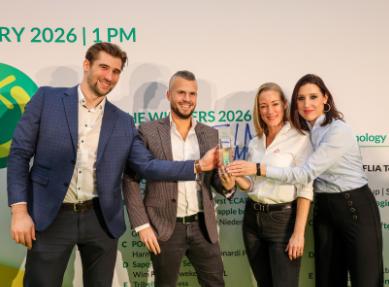

and 4 million people with this allergy,’ said ZIN Managing Director Maik Stölken. ‘Our apple hasn't come this far just because it's allergen-free. It also simply tastes good. Today, we are celebrating the result of 20 years of development work.’
The Niederelbe breeding initiative won the FRUIT LOGISTICA Innovation Award in the Fresh Produce category by a large margin. The Lower Saxonybased company had developed the world's first apple brand certified by the European Centre for Allergy Research Foundation (ECARF) with POMPUR. The name was composed of the word stems 'POM' (meaning apple) and 'PUR' (meaning pure), and the apple impressed with its crisp, red colour and taste. Thanks to its low allergenicity, POMPUR could be consumed by allergy sufferers.
‘We have created a product that gives many people access to apples that they previously couldn't enjoy. In Germany alone, there are between 3.5
L50 Drone won FRUIT LOGISTICA Award in the Technology category
The award for the most innovative technology in 2026 went to Hungary. The L50 Drone from ABZ Innovation impressed with its precision and performance. Thanks to its high-performance battery and smart control system, it could remain airborne for significantly longer than comparable aircraft, covering up to 24 hectares. Thanks to its large 50-litre tank, the L50 Drone was particularly well-suited to supporting agricultural businesses with large areas, helping them to apply pesticides and fertilisers efficiently.
‘The award was a great recognition of our work and meant a lot to us,’ said Gyula Törok, Chief Commercial Officer of ABZ Innovation. ‘We were the first drone manufacturer in Europe to develop this type of drone. Winning the FRUIT LOGISTICA Innovation Award showed us that we were on the right track.’
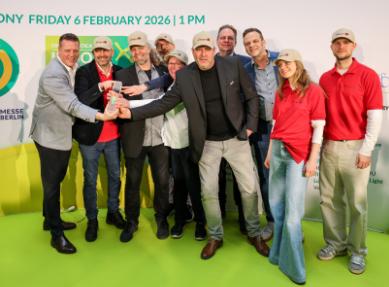
The FRUIT LOGISTICA Innovation Award was presented for the 20th time and was one of the most prestigious awards in the industry. Two independent expert juries nominated ten outstanding innovations from numerous submissions. The final decision was made by visitors to the FRUIT LOGISTICA trade show, which took place in Berlin from 4 to 6 February 2026.
here collaborations were born: 18 startups from 11 countries met decision-makers in Startup World. Highlights included 15 pitch sessions on the Farming Forward Stage.
Freshness needed progress. It was precisely in areas where innovation was gaining momentum most rapidly that FRUIT LOGISTICA 2026 sent a clear signal. In Startup World (Hall 3.1), 18 international start-ups from 11 countries presented their technologies and ideas for the fresh produce business of tomorrow. These ideas were bold and practical, and the aim was not only to analyse challenges, but also to solve them.
These included AI-supported quality control and disease tracking, crop prediction, precise sensor technology, and sustainable packaging innovations. Startup World demonstrated how digitalisation, automation and new materials could strengthen the entire value chain, from cultivation to marketing.
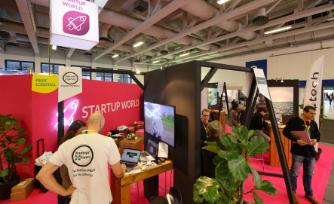
The future was not sometime in the distant future – it was right there in Hall 3.1.
From climate change and resource scarcity to volatile markets and increasing demands for transparency, the sector was under pressure to change – and startups provided the decisive impetus for this change. They developed sustainable solutions that boosted productivity, conserved resources, improved quality control, and optimised supply chain management.
Startup World was not just an exhibition space; it was also a source of inspiration, a marketplace and a networking hub. It was a place where founders, investors, producers, retailers and logistics partners could come together to turn innovation into real projects.
At Startup World, young companies demonstrated how innovation was advancing the fresh produce business. (Copyright: Messe Berlin)
These startups showed what was possible
Highlights of that year's Startup World included:
• Bioscout (Australia): automated, air-based disease tracking – identifying risks early instead of reacting late
• Bonsai Robotics (USA): automation for agricultural machinery – rethinking efficiency in the field and effectively addressing labor shortages
• noriware (Switzerland): plastic-free packaging film made from seaweed grown in the ocean –packaging with a real impact
• Orbem (Germany): AI quality control for fruit and nuts using MRI technology – insights that were previously invisible
Clear the stage: 15 pitches on the Farming Forward Stage
Innovation needed to be shown and explained quickly, clearly and convincingly. That was why Startup World also featured a stage program. On the Farming Forward Stage, startups presented their solutions in 15 compact pitch sessions over two days of the trade show:
• Wednesday, February 4 | 1:00–1:50 p.m.
• Thursday, February 5 | 1:00–1:50 p.m.
Those who wanted to find out which technologies were really driving market change found it the perfect place to gain an overview and find direct points of contact for partnerships, pilot projects and investments.
This was the future you could touch: live pitches from startups on the Farming Forward Stage (Copyright: Messe Berlin)
Startup World once again made FRUIT LOGISTICA 2026 the place to be for anyone looking to shape the future. Today's ideas became tomorrow's standards, and in Hall 3.1, visitors witnessed the rapid transformation of visions into concrete solutions.

RUIT LOGISTICA launched a new innovation format: Eleven new products from the Fresh Produce, Machinery & Technology, and Logistics segments provided strong impetus.
FRUIT LOGISTICA 2026 sent a clear signal for innovation: the New Product Showcases were a new format that put selected new products in the spotlight. In a central, curated special area, the leading trade show for the global fresh produce business presented eleven groundbreaking innovations from the Fresh Produce, Machinery & Technology, and Logistics segments.
“The industry was developing rapidly, and that’s precisely what we showcased with the New Product Showcases,” said David Ruetz, Senior Vice President at Messe Berlin. “This new format brought innovations to the heart of the trade show, where they had the greatest impact on international decision-makers.”
Eleven innovations. One stage. Maximum attention.
The New Product Showcases brought together a range of new products from across the entire valueadded chain, including new varieties, intelligent technologies, sustainable packaging, and logistics solutions. These were the New Product Showcases for 2026:
• BEAUTY™ Strawberry – This was a 100% day-neutral strawberry variety with no chilling requirement. It was suitable for both cold and warm climates, produced early yields, and had a long season. The fruit was aromatic, shiny, and firm, and possessed an excellent shelf life.
• Crunshella – This innovative, spoon-shaped salad product impressed with its fresh taste and versatile uses. It was ideal for salads, toppings, tapas, and wraps, and was versatile, modern, and ready to use.

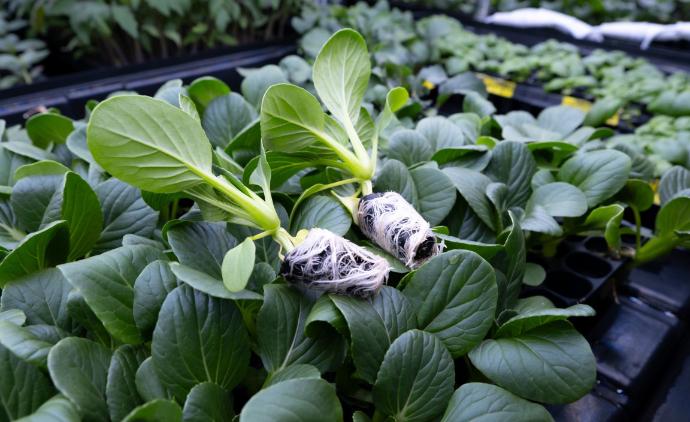
• Tribelli® Seedless – The next evolutionary stage of mini pointed peppers arrived: they were seedless, sweet, crunchy, and extremely convenient to eat. They were developed to the highest standards for optimum enjoyment and were renowned for their sensory quality.
• Saiko Star F1 – This was a red baby plum tomato with a sweet taste, firm texture, and uniform color. Its high resistance to ToBRFV and Cladosporium ensured reliability throughout the entire supply chain.
• Red Power – A red pointed cabbage with a distinctive color, a fresh and slightly sweet taste, and a stable texture when eaten raw or cooked. It was available all year round and could be seamlessly integrated into existing cultivation systems.
• Air Fryer Potatoes – These were specially selected potatoes for the air fryer. Their uniform size ensured even cooking, optimal texture, and a golden color, making them perfect for modern cooking habits.
• net pak® – This was a fully compostable net packaging system for fruit and vegetables, which replaced plastic nets with certified organic materials.
• HORTISCAN – This was a fully automated drone and AI system for greenhouses. The drones flew autonomously, capturing highresolution image data and detecting stress factors at an early stage. This supported targeted measures for higher yields and better quality.
• Jiffy Gel – A biodegradable, gel-based substrate for controlled cultivation. It was sterile, peat-free, and flexible in use, making it ideal for efficient, safe, and sustainable propagation systems.
• SharpTek Punnet – This innovative, fully recyclable mono-material packaging was ideal for delicate berries. It protected the fruit without the need for additional padding and reduced packaging weight by 17%.
• Ravipack Snap & Go – A smart rPET packaging with detachable mini punnets. It was designed for impulse purchases and optimal portioning to reduce food waste, making it perfect for mobile consumers.
FRUIT LOGISTICA 2026 strengthened its position as the global innovation platform for the industry with its New Product Showcases, bringing new products to life for around 67,000 international trade visitors from over 150 countries.

n the lead-up to the trade show, the FRUIT LOGISTICA Briefing 2026 showcased the transformative power of AI in the fruit and vegetable industry. According to industry experts, significant opportunities existed to improve efficiency, quality and sustainability.
Prior to the commencement of FRUIT LOGISTICA 2026, a 60-minute session was held in which leading experts discussed the impact of artificial intelligence (AI) and automation on the entire value chain. The FRUIT LOGISTICA briefing, which took place on 20 January, was available to watch on demand.
Clockwise: Chris White (moderator), Chairman of the FRUIT LOGISTICA Advisory Board; Wouter Kuiper, Chief Executive Officer of Kubo Greenhouse Projects; Bradford Warner, Global Head of Digital and Data at AgroFresh; and Elad Mardix, Chief Executive Officer and Co-Founder of Clarifresh.
‘AI is a game changer that will significantly impact production, quality control, logistics and even retail,’ said David Ruetz, Messe Berlin's Senior Vice President. ‘The industry was at a crucial turning point.’ This was precisely why FRUIT LOGISTICA, an international platform for innovation, knowledge exchange and practical solutions, was more important than ever that year.
AI had long since become part of everyday life in the industry
Mike Knowles, the managing director of Fruitnet Europe and author of the 2026 FRUIT LOGISTICA Trend Report, emphasised the dynamic nature of this development: 'AI is permeating the entire business and reshaping it.' It was no longer a matter of visions of the future or theory, but of technologies that were used every day. The labour shortage and pressure to be more sustainable and cost-efficient accelerated this change significantly.
“Currently, AI is having the greatest impact on smart production and quality control,” said Knowles, summarising the findings of the trend report. He highlighted the particular potential of demand forecasting in the retail sector, explaining that accurate planning reduced losses, optimised the flow of goods and increased profitability and sustainability. The crucial question for the future was whether entire value chains would be able to operate fully automatically.
The discussion, moderated by Chris White, Chairman of the FRUIT LOGISTICA Advisory
Board, also highlighted the challenges, particularly with regard to data quality, scaling up, and acceptance.
Bradford Warner, Global Head of Digital & Data at AgroFresh, believed that the key to a successful AI foundation lay in the database. In predictive harvest models in particular, it was crucial that the data was clean, consistent and compatible across borders. “AI only creates real added value when it delivers reliable, accurate results in terms of quality, profitability and sustainability,” he said. It was only then that acceptance among customers and decision-makers would increase.
Elad Mardix, the Chief Executive Officer and cofounder of Clarifresh, had observed a significant increase in expectations. 'The tolerance for error was very low, partly because many technologies had not been successful on a large scale in the past.' Decision-makers could only be convinced if the benefits were clearly measurable. Clarifresh used AI for more precise quality control, which was significantly more accurate, objective and consistent than human judgement. The result was around a quarter fewer complaints in retail. The long-term goal was to remove humans from the control process entirely.
Conversely, Wouter Kuiper, Chief Executive Officer at Kubo Greenhouse Projects, relied on a combination of experience and technology. For him, the key lay in the interplay between human intuition and AI. He explained, “Artificial intelligence can use large data sets to identify the most subtle details, calculate scenarios in advance and highlight risks at a very early stage.” He said that the decisive factor was actively embracing change: those who continued to develop would benefit, regardless of their company's size. AI was therefore not just a topic for large corporations, but a genuine opportunity for smaller producers too.
Trend Report 2026 highlighted competitive advantages through AI and automation
The 2026 FRUIT LOGISTICA Trend Report illustrated how artificial intelligence and automation were transforming the global supply chain for fruit and vegetables. These technologies offered the industry greater efficiency in production, more precise quality control, improved forecasting, optimised logistics, and reduced waste and resource consumption. The report highlighted practical applications such as smart greenhouses, predictive harvest models, AI-supported quality assessment and logistics optimisation. The report also demonstrated the potential of autonomous systems, non-destructive quality analysis and modern cold chain management.
rom 4 to 6 February 2026, the international fruit and vegetable industry gathered in Berlin for the 33rd time. FRUIT LOGISTICA connected markets, innovations and people, driving the transformation of the industry.
In just a few days, Berlin once again became the centre of the global fresh produce business. From 4 to 6 February 2026, FRUIT LOGISTICA brought together the international fresh produce trade at a time when markets, supply chains and business models were undergoing significant change. Around 2,600 exhibitors from approximately 90 countries were expected, alongside trade visitors from more than 150 nations.
“FRUIT LOGISTICA is the place where the global fresh produce trade aligns and evolves,” said David Ruetz, Senior Vice President of Messe Berlin. “No other event combined international reach, innovation and market expertise across the entire value chain at this level.”
FRUIT LOGISTICA was the leading trade fair for the global fresh produce business. It covered the entire value chain of the fruit and vegetable industry, from grower to consumer, creating a platform where exchange, market orientation and practical solutions came together.
With the New Product Showcases, the exhibition also introduced a new format. Selected product innovations from across the FRUIT LOGISTICA segments were presented in a central special area. New variety concepts, AI-supported greenhouse solutions, sustainable substrates and recyclable packaging demonstrated how innovation was driving progress across the entire value chain.
Start-ups driving new momentum
Fresh perspectives were also provided by Startup World. Young companies from various countries presented practical solutions to real-world challenges, ranging from automated quality control and disease tracking to robotics and new packaging materials. In pitch sessions, innovative ideas met decision-makers from retail, production and logistics directly.

AI and automation as key drivers
Artificial intelligence and automation shaped FRUIT LOGISTICA 2026 more strongly than ever. The FRUIT LOGISTICA Briefing took place ahead of the trade fair and was available as video on demand. The discussions clearly demonstrated how AI was already transforming production, quality control, logistics and trade, and why it was rapidly moving from a future topic to a central competitive factor.
Strong international presence at FRUIT LOGISTICA: Spain – pictured here the Murcia region – was among the top three fresh produce trading nations and was represented at the trade fair with a particularly high number of exhibitors. (Copyright: Messe Berlin)
International markets in transition
The high level of international participation once again shaped the exhibition in 2026. Companies from established export countries as well as emerging markets used FRUIT LOGISTICA to showcase their presence, build new partnerships and position themselves strategically. Climate change, rising production costs, volatile markets and shifting consumer behaviour made face-to-face exchange more important than ever.
“Especially in challenging times, the industry needs places where it can look ahead together,” emphasised David Ruetz. “FRUIT LOGISTICA provided exactly that framework.”
Innovations that made the difference
At FRUIT LOGISTICA 2026, innovation was not an abstract concept but something tangible. With the 20th presentation of the FRUIT LOGISTICA Innovation Awards (FLIA), the industry celebrated two decades of outstanding innovation. The awards recognised products and technologies that measurably improved efficiency, sustainability and competitiveness, from new varieties and smart machinery to digital services.
The scale of this transformation was also highlighted in the FRUIT LOGISTICA Trend Report 2026. Under the title “Ctrl + Alt + Refresh”, the publication showed how AI and automation were reconfiguring global supply chains, making them faster, more connected and more resilient. Practical examples from production, logistics and trade illustrated that technological innovation was already part of everyday operations and was increasingly influencing strategic decisions.
At the Logistics Hub of FRUIT LOGISTICA, market strategies, digital supply chains and sustainable future concepts took centre stage. (Copyright: Messe Berlin)
A key element of FRUIT LOGISTICA 2026 was its extensive conference and stage programme. Across six stages, around 200 speakers from business, science and practice shared their expertise. Global market analyses, consumer trends, sustainable production, smart technologies and efficient logistics were covered, alongside concrete best practice examples.
FRUIT LOGISTICA was more than a trade fair. It was the central marketplace for the global fresh produce trade. This was where tomorrow’s business was created, where supply and demand met on equal footing. For anyone looking for growth, market orientation and real business opportunities, FRUIT LOGISTICA 2026 was the place to be.

e’re pleased to share thatthe Evenlode Landscape Recovery Projectis ready to move from planning to delivery.
This project is the first to be led by a farmer cluster.
Managed byThe North East Cotswold Farmer Cluster CIC (NECFC),the projectcomprisesover 50 land managers and farmers, including tenant farmers.
Together, they will start work on the ground across the 3,000-hectare project area.
The widercatchment includes some ofcounty’s finest landscapes. It spans parts of the Cotswolds National Landscape, the remnants of the ancient Royal Hunting Forest of Wychwood, and the Blenheim Palace World Heritage Site.It includes16 river water bodies, including the River Evenlode and its major tributaries, the Glyme and the Dorn.
Like so manyparts of the country,thelandscapeis under increasing pressure from flooding, water quality decline, biodiversitylossand the challenge of sustaining long-term, productive food systems.
For example,around 19% of the area lieswithin aflood zone and floods frequently during heavy rainfall dueto thecatchment’s rapid (“flashy”) response. This puts multiple communities, farmland, rail and local roads at risk.
Oneof the farmers taking part in the projectreported one field flooding nine times inthewinterof2023–24.
The catchment supports a mosaic of habitats,including oak and ash woodland, limestone grasslands, lowland meadows and fen, creating conditions for a wide range of wildlife.
The priority speciesidentified for targeted conservation action because they are rare, declining or threatened,include remnant populations of the endangered native crayfish and water voles, alongside rare plants such as fen violet and downy woundwort.
The fen violet (pictured above) is a pale member of the violet family, sometimes known as “milk violet”. It has a delicate, understated appearance. Sadly, numbers have reduced as wetlands have been drained and lost.
(Credit:Natural England)
Once common along rivers and streams, water voles have declined sharply in recent decades due to habitat
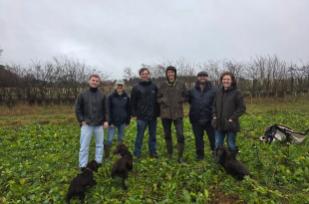
loss and the predatory AmericanMink.Theyare found along rivers, streams and ditches and can be mistaken for brown rats. Water voles are legally protected in the UK under the Wildlife and Countryside Act 1981, are a Priority Species under the UK Post-2010
BiodiversityFramework andare listed asendangered on both the Great Britain and England Red Lists for mammals.(Credit: Peter Trimming)
Action grounded in careful planning
NECFCdrew on expertise from the Evenlode Catchment Partnership and built new relationships.
Rothamsted Researchand theUniversity of Oxfordprovided scientific input, whileOxbury BankandGreat Yellowoffered financial advice. Together, thishashelped shape how the project will track progress and how it will bring different funding sources together.
Now, theEvenlodeLandscape Recoveryprojectwill start workto create a resilient, productive landscape that supports biodiversity, food production and local communities.
Natural Englandwill administer the delivery of the project, with the support of theEnvironment Agency,Forestry CommissionandHistoric England. Below, we’ll share some examples of where work will begin.
Workingwith water: floodplains, wetlands and wildlife
Allowing the river to reconnect with its floodplain works with natural processes to reduce flooding and improve habitats for wildlife.
The Evenlode Landscape Recovery Project will enhance how land and rivers work together across the Evenlode, Dorn and Glyme catchments, improving existing habitats and creating new woodland, wetland and riverside habitat.
Each participating farm is committing around 10-15% of its less productive land to the project, land that many farmers report they are losing to flooding. The project will bring this land back into use to restore and improve riverside habitats.
This will help keep land workable for longer (less waterlogging and/or compaction), reduces erosion, and improves yield reliability by keeping water where cropsand grasslandcan use it.

Anotherobjectiveis cutting pollution getting into rivers by keeping soil, nutrientsand inputs on the farm instead of being lost to runoff, which protects productivity and can reduce costs. It also lowers the risk of pollution incidents, enforcementactionand remedial work. For the
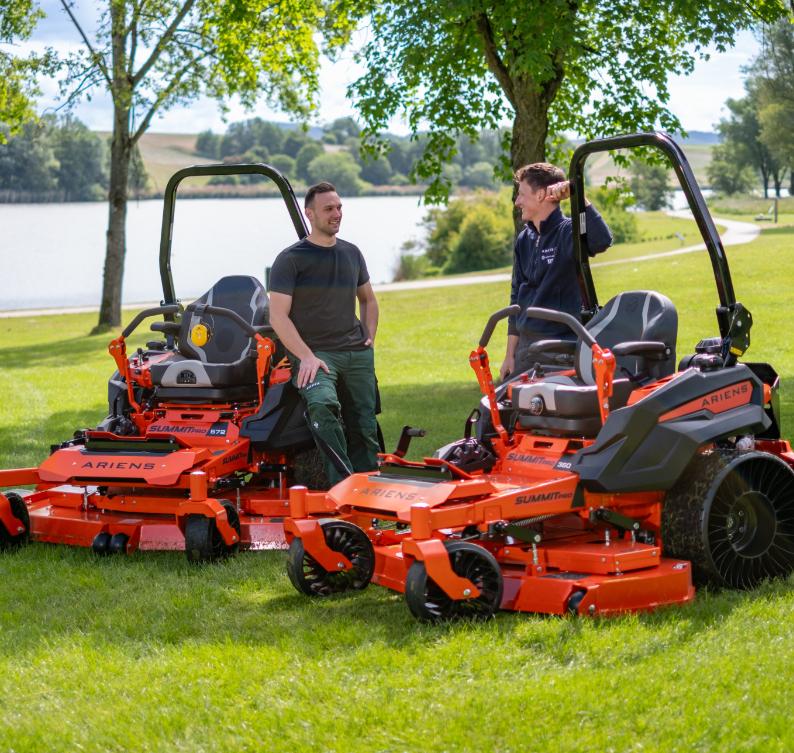

environment, cleaner water supports wildlife, reduces algalbloomsand improves river health for communities downstream.
Work will also focus on reducing pollution through measures including offline wetlands (these are wetlands that treat water using natural processes, away from the main river channel).
At Ridleys (pictured above), a field in the middle of the project, a range of interventions are planned. A poorly performing arable field is transitioning to a mosaic of scrub to connect existing woody habitats, floodplain grazing marsh, lowland hay meadow and natural processes driving river restoration.
This will create storage and take energy out of floodwater, allow fine sedimentsto settle and improve water quality, capture more carbon and allow wildlife to flourish.
By improving existing habitats and creating new ones, the project will build a connected habitat network that helps protected species such as water voles to recover and thrive.
These species are indicators of healthy rivers, wetlands and grasslands.If they’re doing well, it usually means cleaner water, better habitat condition and a more resilient catchment.
Focusing restoration on flood-prone landhelps nature do what it is good at:slowing water, improving waterqualityand supporting wildlife. Delivered across more than 50 farms, this approach will reconnect habitats and restore more natural river processes at a landscape scale, bringing lasting benefits for nature and flood resilience.
The project seeks tostore morecarbon in the long termand capture more carbon in the short term. For farmers, practices that increase soil organic matter can improve soil structure, water-holding capacity and nutrient cycling, which can help stabilise yields and reduce losses in wet or dry years.
For the environment, it helps cut net greenhouse gas emissions and supportswider naturerecovery. In some cases, it can also open accessto carbon-related payments or finance, where schemes and verification requirements are met.
The project is piloting some of the more complex funding approaches within LandscapeRecovery. It is exploring how payments for ecosystem services could operate in
practice, and how these could be combined with public funding to support long-term delivery. This includes assessing potential income from utility companies,Biodiversity Net Gain, and carbon markets.
Alongside public payments linked to results, these options could give participating farmers and land managers a more reliable mix of income, while helping deliver environmental improvements in a cost-effective way.
The project has alreadysecured its firstnatural flood management off-take agreementwithOxfordshire County Council.In natural flood management, an offtake agreement is a contract where an organisation agrees to pay a farmer or land manager for actions that reduce flood risk. It provides a reliable income to put nature-based measures in place, such as leaky dams, ponds or wetlands, which slow down, store or hold back floodwater.
It iscurrently negotiating several more of these new finance arrangements with several infrastructure operators in the catchment.
By 2045, the project aims to show how public and private funding can work together to supporta viablefarm economy, deliver benefits for local communities, and restore the environment.
Working together for people, nature, and resilience
Greenwood, Tim Coates, Tim Field, Lewis Fagence and Rachel Murphy. Sitting, Pickle, Otto and Bramble.
The project has a shared governance setup and advisory boards to make sure landowners and tenant farmers are both included in decisions.
Over the development phase, the project used the funding to turn early ideas into a plan that is ready to deliver. The team checked what would work in practice, agreed actions and costs, and explored options for private investment.
It also built strong partnerships with the Evenlode Catchment Partnership, theLeverhulme Centre for Nature Recovery at the University of Oxford, Oxfordshire County Council, environmental NGOs, the local farmer cluster and the wider community, involving them in both the design and preparation for delivery, as well as working with infrastructure owners such as Network Rail and Thames Water.
As the project moves forward, it will work alongside local community groups, strengthening the important work they already do tolearn about and take part in local activities.
The project is working with stakeholders and educationin a range of ways.For example, hundreds of miles of footpaths threaded through the project area willfeatureQR codes, linking to stories, educational resources,pictures, and opportunities to engage further in the project.
Over time, the project will bring in more people and organisations, including local communities, farmers outside the project area, local councils and parishes, and local groups, as partners and volunteers in nature recovery and education.
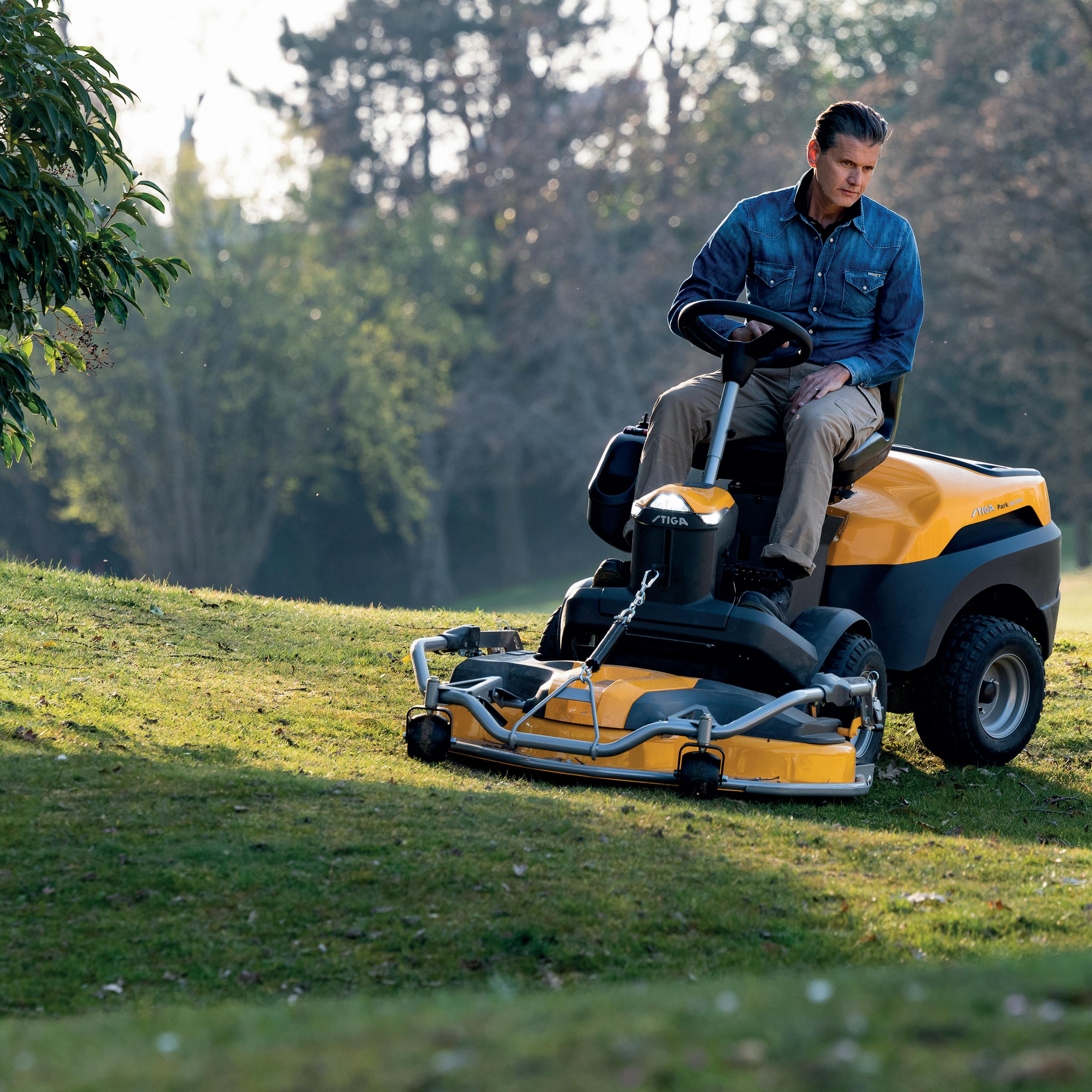
Farmore Mills, Craven Arms, Shropshire
SY7 9QG
• Jim Price Machinery Ltd
01588 673746
www.jimpricemachinery.com
Southam Agricultural Services Station Road, Southam, CV47 2DH 01926 813426 www.southamagri.co.uk
Readman Mowers
The Shed, Sand Lane,Wilberfoss, YO41 5PB 01759 380 231 or 07860 684 597 www.readmanmowers.co.uk
Veryard Machinery Sales
Blackworthy Road Castle Cary, Somerset 01963 351089 / 07860 479700 richardveryardmachinery.co.uk
The ultimate combination of raw power, versatility and precision.
Easy to manoeuvre, delivering best-in-class cutting performance, STIGA Park can handle large multi-level grass areas with ease. The position of the deck ensures control and visibility around every corner






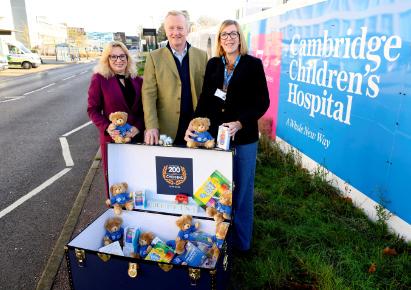


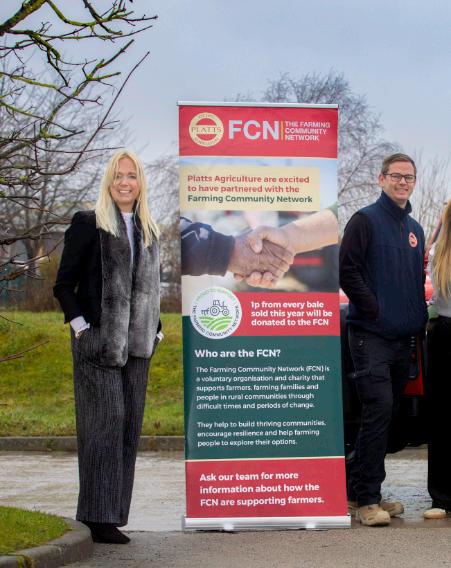
By


n the misty valleys and rolling hills of Wales, the land whispers stories. Stories of toil, care, and craft passed down through generations. Today, those stories are lived and nurtured by Abi Reader, the newly elected President of NFU Cymru, whose leadership embodies the quiet heroism, skill, and reverence that have long been woven into Welsh agriculture.
“I feel a strong connection to the land and its history,” Abi reflects. “We farm in sheds as new as a year old and as old as the 1800s. My favourite is our 1800s stone barn — it's just stunning. Completely unsuitable for a modern cow or machine, yet it still serves as storage and emergency housing. It’s a reliable ally.”
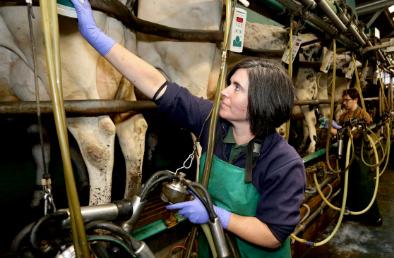
From vintage tractors to weigh scales, spanners, bars, and chains, Abi is surrounded by echoes of her parents’ and grandparents’ labour, tangible
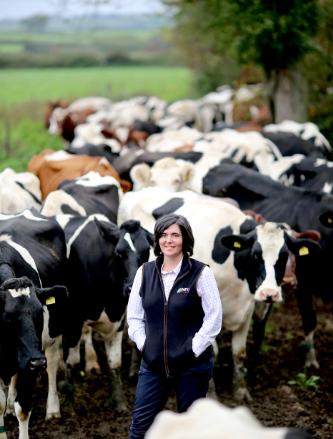
reminders of resilience, adaptability, and skill. “Farming can be perceived as traditional,” she says, “but under the surface, there’s an incredible story of adaptation and resilience.”
While leadership often receives recognition, it is the people working behind the scenes who form the backbone of farming communities. For Abi, that heroine is her mother:
“She was never brought into the business as a partner, never took a wage. She ran errands, cooked meals, raised us, cared for the youngstock, and kept us all sane. When breakdowns happened or animals fell ill, she went for parts or medicine. She ensured we looked after ourselves, and she handled the difficult envelopes. She was never included in discussions about farmers, not because people didn’t notice, but because her role didn’t fit the stereotypical image. These people are gold dust. They are the backbone of rural communities.”
Abi credits her mother’s resilience, determination, humility, and decency for shaping her own approach to leadership and stewardship.
Heritage and continuity run through every aspect of Abi’s farm. A cornerstone of their home farm is the dairy shorthorn herd, descended from both sides of her family.
“All my dairy cows have generational history. My

father bought my maternal grandmother's last two cows when her side retired from farming. She used that money for new knees at 78 — it revolutionised her life. While not all my cows are pure shorthorns today, we maintain a nucleus of pure beds. They are rare and dying out, but they fed many families during the two world wars. Their productivity may be lower, and their carbon footprint higher, but I will always honour their heritage, biodiversity, pride, and beauty.”
Through this herd, Abi keeps living connections to family history and wider Welsh agricultural heritage alive. These cows are more than livestock; they are custodians of memory, resilience, and the craft of farming passed through generations.
Abi Reader’s work exemplifies leadership rooted in care, craft, and community. Her farm is both a workplace and a living archive, a place where heritage, innovation, and sustainability coexist. Initiatives like Cows on Tour invite children, communities, and visitors to experience the rhythms, skills, and beauty of Welsh farming, ensuring knowledge and tradition are passed to the next generation.
“Farming is about more than production — it’s about continuity, culture, and connection,” Abi explains.
Through her stewardship, she embodies the lineage of unsung heroines and women leaders, preserving heritage while guiding Welsh agriculture into the future.
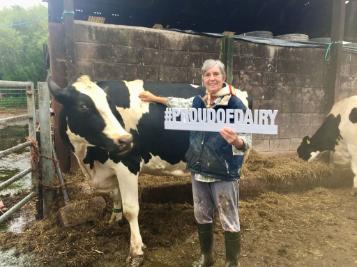
Every fold of wool, every shearing, every planting and milking is a gesture of artistry, care, and continuity. Abi’s farm demonstrates that agriculture is both practical and poetic, a daily act of preservation and creation, echoing the generations who came before.
In 2026, as the UN celebrates the Year of Women in Agriculture, Abi Reader represents a living link between past and present: a custodian of land, heritage, and community, ensuring that the stories of women — known and unsung — remain woven into the fabric of Welsh life.

new Separator made by Borger has helped provide a pig farmer with a more consistent feed for his biogas plant, as well as creating extra storage space, and a much easier to spread liquid.
When the pig manure enters the Borger Bioselect RC40 separator, it has a dry solids (DS) content of approximately 5%.
The farmer separates with a DS content of 22%, so that the stackable solid phase (which has a very high concentration of nutrients) is transferred to the biogas plant in large liquid quantities. The separated liquid phase spreads with ease, quickly penetrating the soil.
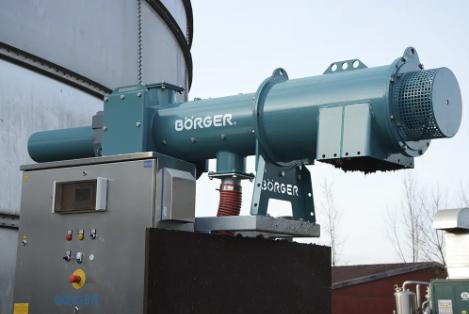
The Bioselect RC40 Separator (up to 40 m3/h) also ensures that there is far less contamination of sward.
Also available as a 25 m3/h, 75m3/h, 150 m3/h and now 250 m3/h this small footprint Borger Separator can be utilised as either a stationary unit, or for mobile use.

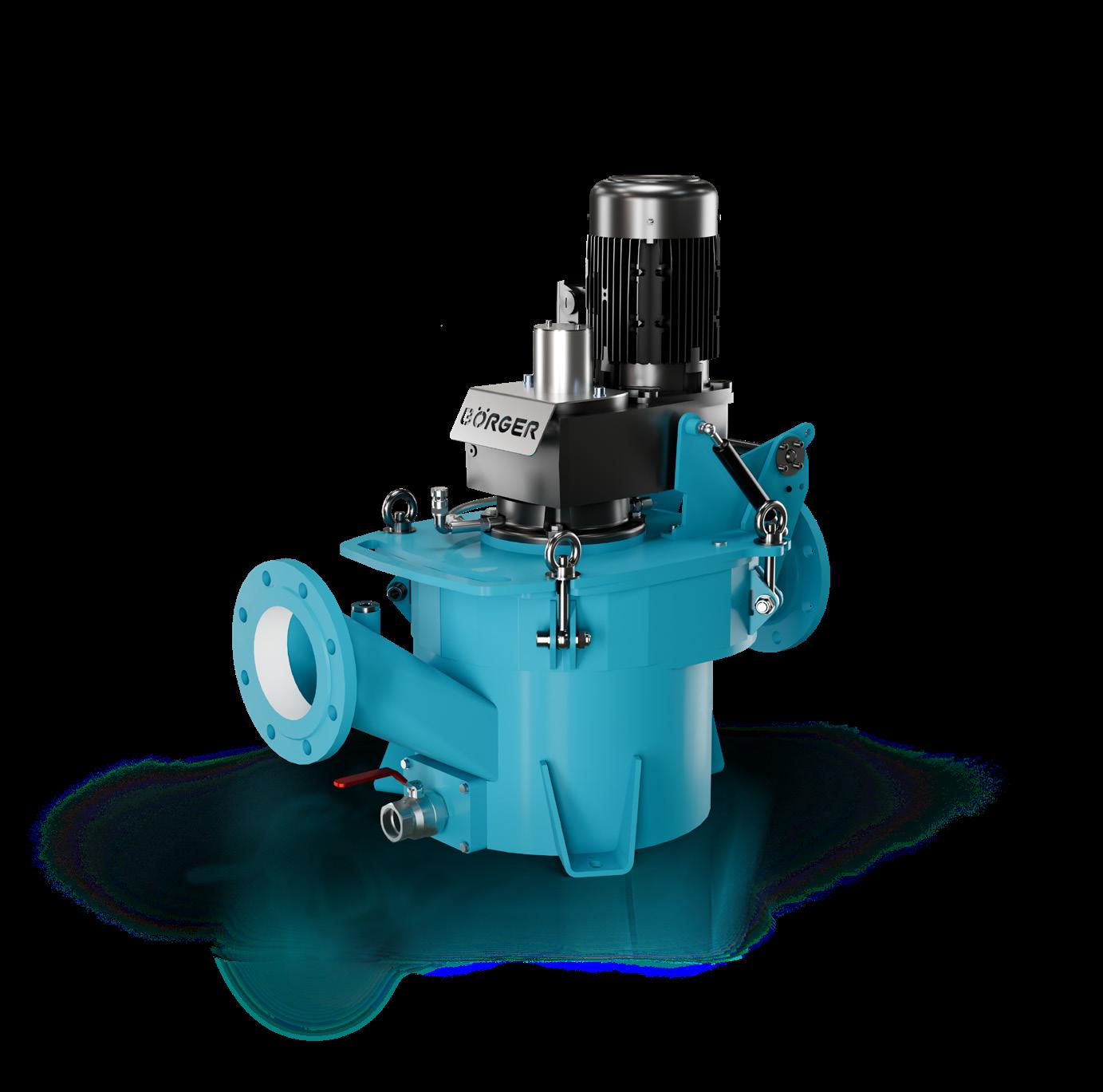

erliner Stadtreinigungsbetriebe (BSR) is relying on technology from the Rhineland and is delighted to be taking a decisive step towards environmental protection and climate neutrality with the biomethane plant from ETW Energietechnik GmbH in Moers. The full-service provider of biomethane plants and combined heat and power (CHP) plants has been awarded the contract for a plant that will process up to 700 Nm³/h of landfill gas into biomethane in the future.
The plant concept was developed and planned by BSR in close cooperation with the planning office Rytec GmbH. Rytec brings extensive expertise in biogas production, biological and thermal waste treatment, energy technology and waste and landfill technology tot he project.
ETW process converts landfill gas into biomethane
„With the ETW treatment process specially developed for landfill gas with a downstream nitrogen reduction unit (NRU), landfill gas with nitrogen contents of over 22 per cent can be converted into biomethane suitable for feed in. Following the consistently positive operating experience of our first reference plant in Taranto, Italy, which has been running successfully for over a year, this new contract confirms the market‘s confidence in our engineering expertise and plant technology,“ explains
With the ETW treatment process specially developed for landfill gas with a downstream nitrogen reduction unit (NRU), landfill gas with nitrogen contents of over 22 per cent can be converted into biomethane suitable for feed-in.
Alexander Szabo, Sales Manager at ETW Energietechnik.
Fluctuations in gas composition and quantity
Landfill gas is a special gas for processing. On the one hand, it has a very high concentration of trace pollutants (VOCs: volatile organic compounds) and siloxanes. On the other hand, the gas quality is not constant. This results in fluctuations in gas composition and gas volume. The longer a landfill site is in operation, the more methane is replaced by oxygen and nitrogen. In addition, the volume of gas is declining.
High demands on gas processing
This places very high demands on a biomethane plant for gas processing. The methane concentration is between 35 and 60 percent, the nitrogen and oxygen concentration is up to 23 percent, and the operating range i.e. the partial load capacity of the plant is between 40 and 100 percent capacity.
Additional CHP unit covers own electricity requirements
In order to minimise the external electricity requirements of the biomethane plant, ETW is also supplying a CHP unit for its own electricity supply, which is also operated with the off-gas from the processing plant. This increases the methane yield of the entire plant to over 95 percent.
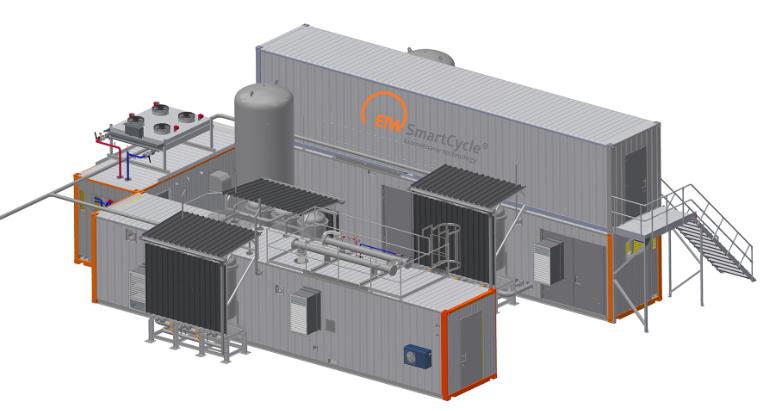
tlas Copco has released a new video demonstrating its latest turnkey containerised oxygen generation system, engineered specifically to support the specific needs of biogas plant operators. The system was recently built to replace an older installation at a customer site, delivering improved efficiency and offering enhanced protection for downstream equipment.
The container houses a complete, self‑contained oxygen generation package, including feed air compression, air treatment, an oxygen generator, automation and control systems, safety components, and full remote connectivity. This integrated design ensures reliable, continuous oxygen production without the footprint or
complexity of a traditional plant‑room installation.
In biogas applications, oxygen plays a crucial role in protecting critical assets. Operators dose oxygen to oxidise hydrogen sulphide (H₂S) before it can corrode compressors, pipelines, engines, and other key equipment. Continuous oxygen dosing provides a cleaner and more sustainable alternative to chemical dosing, reducing costs while avoiding the handling and environmental impacts associated with traditional treatment chemicals.
The newly released video takes viewers inside the container to see how the system operates, showcasing the equipment layout and the benefits of a plug‑and‑play oxygen solution. Atlas Copco also highlights its wider offering for the biogas value chain, which includes compressed air blowers, CO₂ and biomethane compressors, oxygen generation systems, pipework, and service support. The company provides both containerised and skid‑mounted oxygen generation packages capable of delivering a stable, continuous supply with purities of up to 95%.
Atlas Copco aims to support both existing operators and those developing new biogas facilities by helping reduce operational costs, improve environmental performance, and achieve cleaner, safer, more reliable biogas production. The company invites plant operators to get in touch for equipment sizing, technical guidance, or a deeper look at its full capabilities, including its eBook on compressed air and oxygen for biogas production.
Credit: Laura Brookes

he Waga Energy WAGABOX® unit installed at the l’Albié landfill in Monflanquin (Southwestern France) has begun operations and is now injecting Renewable Natural Gas (RNG) into the local grid.
On Thursday, January 29, 2026, the WAGABOX® unit located at the l’Albié landfill in Monflanquin (Southwestern France) began producing and injecting Renewable Natural Gas (RNG) into the distribution network. This project, spearheaded by Biogaz Monflanquin—a joint venture between Valorizon and Avergies— marks a major milestone in the energy transition for local communities across this region of Southwestern France.
Utilizing patented WAGABOX® technology developed by Waga Energy, the biogas emitted by waste buried at the landfill is now recovered as RNG, a renewable substitute for fossil-based natural gas. The RNG is injected directly into the local natural gas distribution network to supply residential and commercial customers across the region.
achieving renewable gas energy independence for the region.
Pascal de Sermet, CEO of SEM Avergies, stated: “The partnership between SEM AVERGIES and the waste management union VALORIZON has enabled the establishment of a renewable energy production unit, in line with our shared goals of reducing greenhouse gas emissions and strengthening the territory’s energy autonomy. I would like to commend the commitment of WAGA ENERGY, whose rigor, technical expertise, and adherence to deadlines

The WAGABOX® unit will produce approximately 41,000 MMBtu (12 GWh) of renewable gas per year, equivalent to the consumption of 2,000 local households. This production will prevent the emission of 3,200 tons of eqCO2 into the atmosphere annually[1] by substituting RNG for fossil natural gas. The Monflanquin landfill, which processes nearly 30,000 tons of waste per year, has become a vital link in the local circular economy, transforming waste into a high-value energy resource.
The Valorizon and AVERGIES teams are fully mobilized to optimize biogas capture at the landfill, ensuring maximum recovery by the WAGABOX® unit. This locally produced green gas can power both homes and vehicles via the Témob station network already present in neighboring urban areas. “BioCNG” (RNG used as Compressed Natural Gas for vehicles) represents a mature and high-performance solution for decarbonizing heavy-duty mobility. This project received financial support from the NouvelleAquitaine Region as part of the Néo Terra roadmap, aimed at accelerating concrete energy transition solutions. This regional backing was instrumental in the operational launch of the biogas recovery unit.
The local energy authority Territoire d’Énergie also supported Valorizon and AVERGIES through its program dedicated to expanding the RNG sector and
demonstrate the strength of a French player that has become a global benchmark in its field.”
Ludovic Biasotto, President of Valorizon, emphasized: “Our slogan—our waste is a resource—takes on its full meaning here. By recovering biogas from landfill waste to produce local renewable energy, we are creating value for the community while consolidating the resources necessary for our public service mission. This project aligns with our local economic development goals and environmental commitments through the production of clean, sustainable energy.”
Mathieu Lefebvre, CEO of Waga Energy, stated: “The startup of this WAGABOX® unit just thirteen months after the contract signing demonstrates the industrial expertise of our teams. We are delighted with this collaboration with Valorizon and Avergies, local players committed to renewable energy, with whom we work to reduce greenhouse gas emissions. Thanks to our partners’ engagement and WAGABOX® technology, the Monflanquin landfill now supplies the region with local, decarbonized energy.”
[1] Estimate based on the methodology defined by the European RED II (“Renewable Energy Directive II”) and using ISCC (International Sustainability and Carbon Certification) certified emission factors for a standard WAGABOX® project in France.

nvestment from US and UK backers fuels ambitious plans to scale carbon removal technologies and tackle biomass waste crisis across the UK, Europe, and the United States
Carbogenics, a specialist bio-carbon designer headquartered in Edinburgh, has successfully closed a $3 million investment and grant funding round, positioning the firm for accelerated growth and international expansion. The funding marks a significant vote of confidence in Carbogenics’ breakthrough carbon removal technology, CreChar®, a biochar designed to transform biomass waste into a sustainable, carbonnegative solution, particularly within the Biogas Industry.
As the urgency of climate action intensifies, Carbogenics is set to deploy CreChar® and other key biocarbon products across targeted opportunities – including enhanced manufacturing capabilities in the United States and expansion of its new centralised UK-based operations, whilst creating new roles within the UK and US. The company’s approach addresses the global biomass waste crisis, turning an environmental liability into a source of climatepositive impact and economic opportunity.
The investment has been secured from UK and US based green investment leaders such as Dangerous Ventures, Green Angel Ventures,
Scottish Enterprise, Old College Capital, the University of Edinburgh’s in-house venture investment fund, and received major funding from 3 grant making bodies, Innovate UK, New Mexico Gas, and New Mexico Government Economic Development Department. This funding was secured during a period of investment uncertainty demonstrating the growing belief in CreChar’s potential to contribute meaningfully to carbon removal goals.
“As a New Mexico-based investor, I see firsthand the challenges and opportunities that come with legacy energy infrastructure and underutilised biomass waste. Carbogenics is tackling these challenges head-on with technology that is scalable and verifiable, and a product innovation platform that has massive commercial potential. After speaking with Ed Craig, it was clear this is a team capable of delivering real climate impact (wildfire mitigation, healthy forests) at a potentially global scale.” – Ward Hendon, Dangerous Ventures
Beyond CreChar®:Advancing the Filachar Project with Scottish Water
Carbogenics’ ambitions extend beyond CreChar®. The company is continuing its collaboration with major water provider Scottish Water on the Filachar project, which focuses on sustainable and green approaches to managing sewage sludge. Building on successful work in 2025, this ongoing partnership seeks to develop innovative carbon removal solutions that reduce environmental impact while supporting sustainability within the water industry.
Spun out of the University of Edinburgh in 2016, Carbogenics maintains a strong working relationship with the University, including being headquartered on campus.
Carbogenics aims to scale its operations across the UK and Europe while simultaneously introducing manufacturing in the US, a critical step in addressing the vast biomass waste streams prevalent in regions such as New Mexico. By converting agricultural and forestry residues into targeted products that address specific environmental challenges such as sealing ‘orphan’ gas wells, creating a biochar that supports direct air capture and ultimately helping with soil enhancement and carbon sequestration.
Carbogenics is turning a significant liability into a source of climate positive impact and opportunity. Their breakthrough product, CreChar, designed for Anaerobic Digestion application is proven to enhance biological stability, reduce requirement for chemical additives, enable feedstock access and enhance biogas production leading to enhanced profitability and sustainability.
The company’s expansion aligns with market momentum around carbon removal solutions, as governments worldwide strengthen commitments to net zero targets. Carbogenics is positioned to play a leading role by delivering verifiable, scalable carbon removal that bridges the gap between innovative science and practical application.
“Carbogenics’ approach to trapping and storing carbon for hundreds of years is exactly the sort of approach which our investors fully support. We’re very glad to be playing a part in this important milestone, to drive the company and its impact to the next stage.” – Cam Ross, Green Angel Ventures CEO.
Carbogenics’ success in attracting substantial backing from US and UK based green investment leaders highlights both the urgency of climate action and the confidence in Carbogenics’ biocarbon and CreChar products. The infusion of capital will enable the firm to engage and partner with client groups across continents to scale its footprint, continue business development and refine production processes.
As the biochar industry continues to evolve, Carbogenics seeks to differentiate itself through robust data-driven methodologies, transparent monitoring and verification systems, and strategic partnerships that underpin market trust and impact.
Ed Craig, CEO of Carbogenics, comments on the milestone: “This has given us the confidence and validification to drive and demonstrate the value of our breakthrough CreChar product, but also to create other viable carbon products in the UK, Europe and the US. This is a period of growth and expansion in Carbogenics and I am grateful for the backing of so many investors at this time. We will continue to innovate and create tailored products for key environmental issues.”

lanning your next build?
BUILT RIGHT. BUILT TO LAST.
When it comes to planning your next build you need to consider your system and how best to provide a healthy environment for the youngstock to thrive. The basic requirements for calf housing include that they are dry with excess moisture continually removed, draught free, clean and cleanable. Graham Heath Construction have been manufacturing and constructing buildings for over two decades. Buildings are designed, manufactured and constructed to customer specification, tailing the design to suit your system on farm.
Designing a building that provides for the calf’s needs, ensures health is optimised, performance is maximised and welfare standards and regulations are complied with. When you start planning your build it is always best to consider the following building options:
• Roofing
• Cladding
• Walling and dividers

Roofing
Let’s talk through the options for the roofing, ridge and lighting
The physical properties of roof cladding materials are relevant to calf health. Metal roof sheets have a low thermal mass and a higher conductivity than fibre cement sheets. Where a Fibre Cement roof will prevent condensation build up from the livestock and conduct less heat lowing heat stress to the young stock during the warmer months.
Fibre Cement profile roof prove to be the most popular for agricultural buildings, allowing natural ventilation and absorbing some condensation.
They also come in a vast array of colours; Natural Grey, Jasper, Anthracite, Juniper Green, Black, Slate Blue, Van Dyke Brown
Roof lights are beneficial for reducing the need for artificial lighting but you would need to limit the amount on south facing roof space.
Most livestock buildings are designed with an open side and cantilever (Overhang). This provides ventilation, an area for the calves to feed and easy access for machines, whilst still be sheltered from the weather.
Fibre cement roofs are compatible with a vast range of ridge options to suit every building type/ use.
• Lightridge – designed to improve ventilation in livestock buildings and improve natural light transmission. Toughened waterproof PVC roof panels and wind guide plates will withstand most weather conditions.
• GHC Raised Ridge System – with this flexible system that can be set at a height determined to suit your cattle, the raised ridge system allows airflow were most buildings will accumulate warm, moist and stale air. The ‘Cap’ protects the inside from the rain whilst efficiently allowing the air to flow.
• Open Protected – With importance of airflow comes the importance of natural light which this ridge system offers. With a polycarbonate strip to minimise the driving rain, allowing natural light and potential to minimize the risk of heat stress on your cattle.

Yorkshire Board Cladding is the perfect design for livestock buildings. Installed with a 25mm-50mm gap allowing airflow and ventilation through the building. Yorkshire Boarding is the most popular
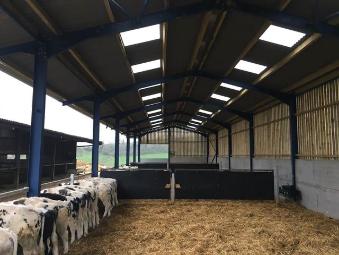
choice for livestock buildings.
Walling and dividers
Concrete Panel walling ensuring a study wall for livestock to be housed and prevents draughts at the height of the animal. Concrete panels are easy to clean and can even be painted.
• 90mm | Ideal for livestock walling
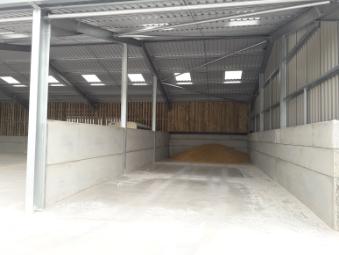
• 140mm | Suitable for retaining wall for grain, silage and earth
• 170mm | Great for excess weight loads for high
Internal concrete walling can be fitted to provide dividers or barriers between pens or to create internal storage areas within the building.
Ready to start planning your next agricultural building?
Graham Heath Construction will guide you through the process of designing a building to suit your system on farm. Call them today for advice and a free quote 01270 781158 Or get a quote online at www.gh-construction.co.uk/quotation/


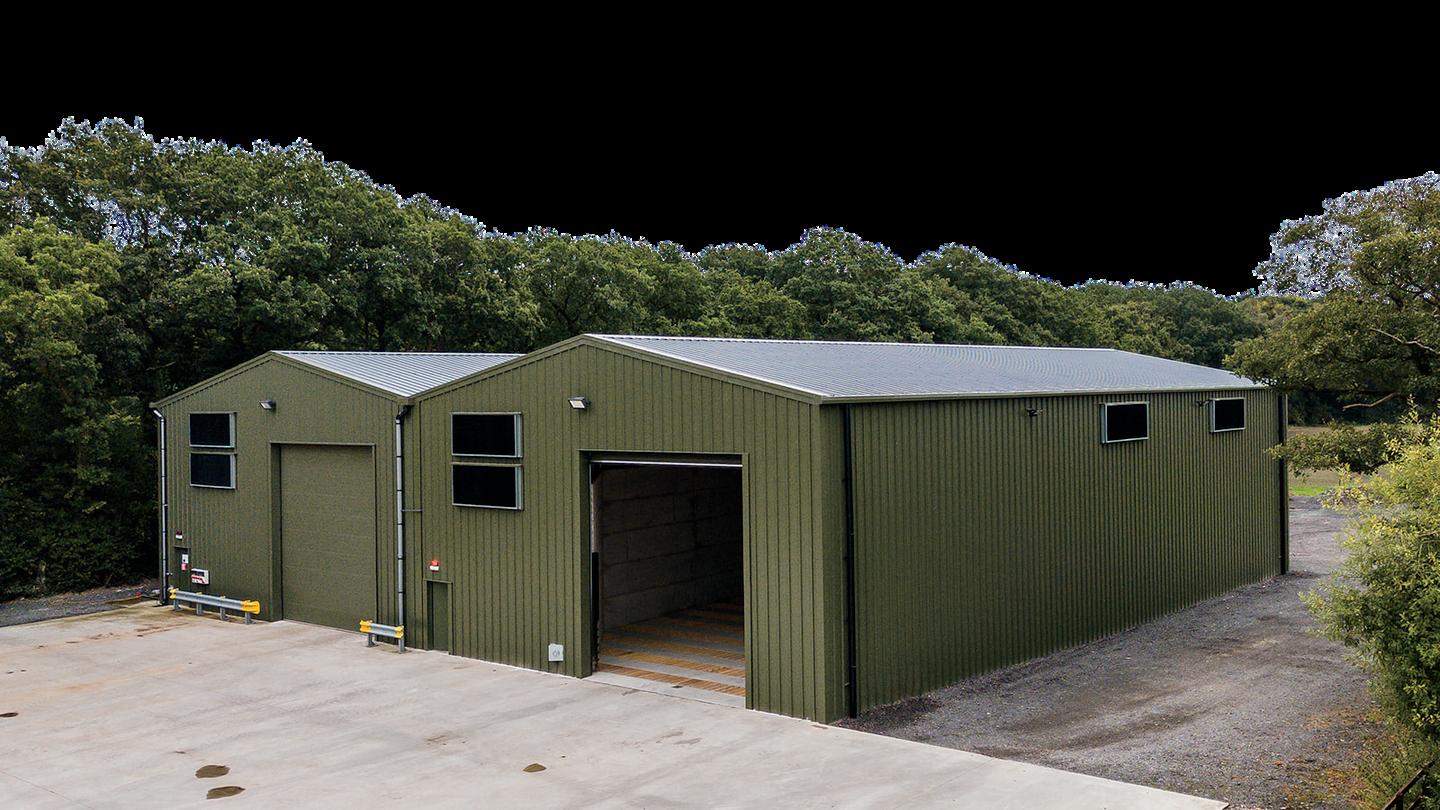

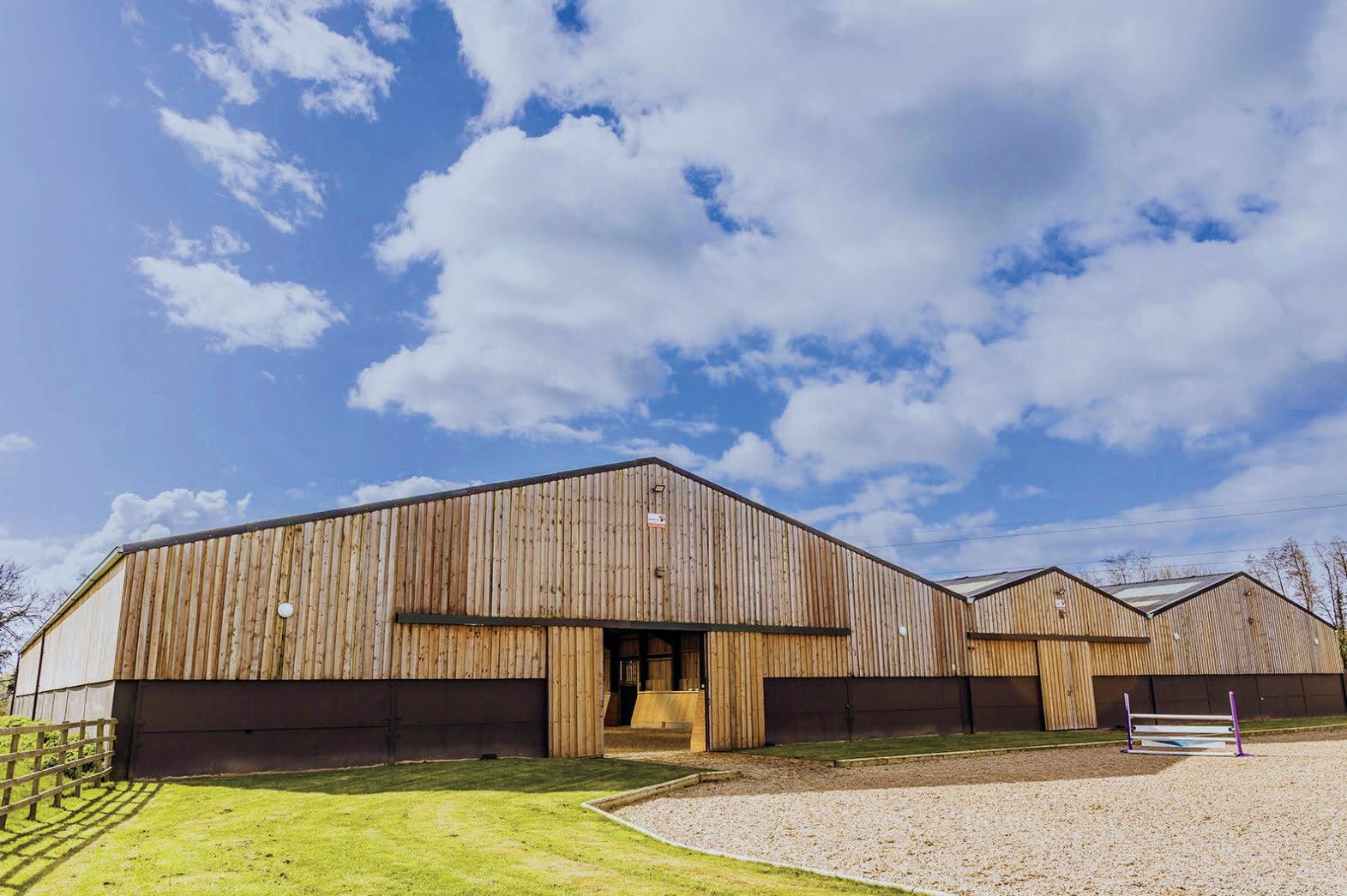



ebecca
Ruck Keene, Partner and Head of Rural Property Management at Fisher
German, says that while this is welcome, the government needs to recognise what is realistic when it comes to rural properties.
The Department for Energy Security and Net Zero has now issued a partial response to its Energy Performance of Buildings consultation, offering welcome but incomplete guidance. The full response is due later this year, yet even this initial update carries significant implications for rural property owners.

Meeting EPC (Energy Performance Certificate) ‘C’ standards by 2030 will be very difficult for many rural landlords, especially those with heritage properties, so it is clear that a realistic and strategic approach will be required.
The past year has brought considerable uncertainty, with the government’s review of Minimum Energy Efficiency Standards (MEES) raising questions about the future viability of rural and heritage lettings.
Rural landlords cannot simply retrofit their way to compliance using solutions suitable for more modern properties, so the government’s growing recognition of the sector’s unique challenges is not only positive, but essential.
The government now acknowledges that rural and older properties face higher upgrade costs and technical constraints. Crucially, the updated guidance confirms that any spend on qualifying energy efficiency improvements from October 1, 2025 will count toward the cost cap, currently set at £10,000 per property.
This confirmation provides much needed certainty for landlords planning staged investment. It allows them to move forward with confidence rather than waiting in limbo.
The government has also signalled exemptions for short‑term lets and heritage assets where standard energy improvements could undermine character or viability. This again is a welcome step, as one
size simply does not fit all, and policy is finally beginning to reflect that reality.
The confirmation that EPCs are not currently required for short‑term lets also brings relief, though this is an area to watch closely as further consultation is expected so could be subject to change.
The launch of the Warm Homes Plan marks a major milestone, offering targeted grants to support insulation upgrades, heating system improvements, and other measures. These financial supports are particularly critical for rural businesses, long hindered by the steep upfront costs of retrofit work.
Yet even with funding, the path is far from simple. Landlords with properties below a ‘C’ rating will need to invest carefully and strategically. Not all energy efficiency measures are created equal, and not all will count under the government’s evolving metrics.
For heritage landlords, the challenge is even more acute. Many properties are off-grid or rely on traditional materials, while others face statutory restrictions. Documenting these constraints will be essential when seeking exemptions or extended compliance timelines.
This partial response provides clarity, but not certainty. The sector still needs answers and will continue pushing for a proportionate, practical approach that protects both rural livelihoods and our built heritage.
As landlords await the full government response later this year, the next steps are clear and should involve assessing portfolios, planning investment strategies, engaging early with professional advisers, and remaining actively involved in the consultation process.
Progress is finally being made, but as a sector we must look to ensure that future policy evolution remains grounded in the practical realities facing rural property owners.


ivestock environment specialist, Galebreaker, has launched VentRidge – a cost-effective ventilation system designed to exhaust warm, contaminated air up to four times more effectively than traditional cranked roof ridge tile designs.
VentRidge has been engineered to maximise the effects of natural ventilation and provide a ‘fit for purpose’ solution for both new build, and particularly, existing UK farm buildings.
Warm, humid air forced upwards by the ‘stack effect’ of a fully stocked cattle building must have an adequate exhaust route to avoid being recirculated down through the building. The build up of humidity and moisture is a direct cause of BRD and Heat stress related illness in older stock.
better ventilation for existing livestock buildings.”
Galebreaker’s UK and Ireland sales manager Will Johnson identifies that many livestock buildings suffer from insufficient air flow, frequently providing only 20% of the natural ventilation required.
“A well-designed ridge should be a key element of any natural ventilation strategy, because if dirty air can’t leave the building efficiently, there are real implications for animal health and productivity,” says Mr Johnson.
“We developed VentRidge as a cost-effective solution that can easily be retrofitted to ensure
VentRidge has been designed with aerodynamic performance in mind to maximise the benefits of crosswinds. As wind passes across the top of the ridge, the baffles encourage the airflow to accelerate and create a low-pressure zone. That low pressure increases draw – effectively boosting the ‘suction’ that draws stale air out of the building.
VentRidge installation can be carried out from inside the building, helping minimise the need for expensive roof safety netting and it comes with a ten-year warranty.

“One of the biggest barriers to upgrading ridges in older buildings is the difficulty (and cost) of working at height on fragile roof surfaces.
VentRidge removes the need for extensive structural work, expensive mechanical ventilation, or rebuilding a shed from scratch,” add Mr Johnson.
“If you’re investing in better housing conditions, the ridge is one of the highest-impact places to start – because it’s the part that lets the building breathe.”

rett Martin’s Marlon CST Heatguard has been installed onto the roof of a milking shed at Wedacre Farm in Lancashire.
Selected by the dairy farmer, the system provided the ideal solution, by allowing high levels of natural daylight to be transmitted into the shed, whilst significantly reducing heat transfer - improving the cows’ wellbeing and productivity.
Located in Gisburn, Lancashire, Wedacre Farm is home to 600 pedigree Danish red dairy cows that are milked twice a day through a 50-point rotary parlour. In order to increase milk yield and productivity, the cows remain housed in the milking shed all year round.
As part of a refurbishment project, the dairy shed’s old tired roof needed replacing. With the cows’ health and comfort top of mind, the owners were keen to find a solution that would allow more light to penetrate the building, without affecting the ambient conditions, including temperature and humidity.
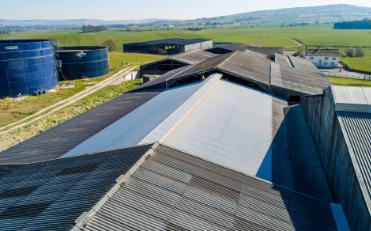
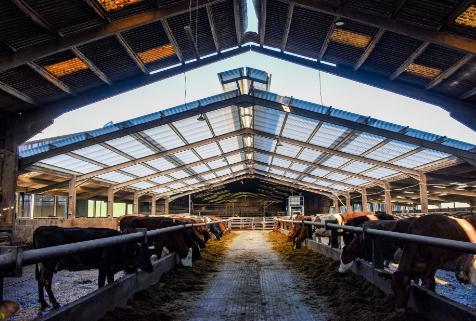
After hearing about Brett Martin’s Marlon CST Heatguard from Agri-therm Roofing Systems owner of Wedacre Farm, Dan White specified the product, as he found it offered the ideal balance of natural light and heat reduction, to achieve a well-lit space, without the risk of excessive heat gain.
Dan commented: “Not only did the product allow extra light to penetrate the building, making our old, dingy shed look brand new, it also eliminated the condensation and dripping issues we previously faced. Following the refurb, the improved environment has resulted in an increase in the cows’ dry matter intake and fertility and conception rates have improved. I would definitely recommend the product.”
Engineered with an advanced heat-reflective pigment, Marlon CST Heatguard reduces solar transmission by up to 68% whilst achieving up to 36% light transmission. It is available in three pigment intensities to suit specification.
Marlon CST Heatguard can be used as a complete roof covering or seamlessly integrated into profiled roofing or cladding. Constructed from corrugated 6mm triple wall polycarbonate, it is eight times lighter than fibre cement sheeting, with the resistance and durability of standard corrugated polycarbonate sheeting. The multiwall structure also adds insulation and rigidity.
Due to its lightweight nature and ease of installation, the Marlon CST Heatguard could be installed by the staff at the farm. Since installing Marlon CST Heatguard to the roof of the dairy shed, the staff at Wedarce Farm have not only seen positive improvements in the appearance of the shed, but also in the behaviour of the cows.
To find out more about Brett Martin’s Marlon CST Heatguard, as well as the other products in the range, visit www.brettmartin.com/agri
Dangerous goods are materials or items with hazardous properties which, if not properly handled, present a potential hazard to: • human health and safety • the environment • infrastructure
Look out for these symbols on any products you are using and check if your activities come within the scope of ADR:









1 2 3 4 Ask yourself:
Are the goods you wish to carry classified as dangerous?
Is the vehicle you are using exempt from the regulations?
Is the journey you are planning exempt from the regulations?
Does the type and quantity of goods you are carrying qualify for partial exemptions?
If you are not sure whether your goods are dangerous, contact the manufacturer.

The NFU has worked with the Department for Transport and the Carriage of Dangerous Goods Practitioners Forum to successfully maintain agriculture’s exemptions from the Carriage of Dangerous Goods regulations.
the importance of retaining the exemptions for agricultural businesses.
The exemptions mean that farmers and growers can continue to carry these essential goods with fewer restrictions.
NFU Deputy President David Exwood said he was “pleased the Department for Transport has taken our feedback on board and maintained these exemptions”.

These regulations outline the steps transporters must take when moving dangerous goods, such as fuel and certain fertilisers. It includes the quantities that can be transported and the procedures that should be in place in case of a spillage or other incident.
The NFU has held regular meetings with the Department for Transport and the police to stress

“This means farmers and growers can continue the safe, efficient and costeffective transportation of goods which are vital to the day-to-day business of producing food”.
To support best practice and compliance, the NFU has also partnered with the Department for Transport and CDGPF (Carriage of Dangerous Goods Practitioners Forum) to produceagriculture-specific guidancefor moving these products.
This includes outlining driver and vehicle requirements, load security and specific advice on fuel, bowsers and intermediate bulk containers.
“While the exemptions remove a barrier, they still require careful movement,” David added. “Nothing is more important than working safely, and this guidance will help farmers and growers work safely and efficiently.”

Farm safety and security were put firmly under the spotlight when the NFU joined up with the emergency services at an industry event which was held in Nottinghamshire.
Around 150 farmers, growers and industry representatives were at the event at Newark Showground on 21 January to look at ways to stay safe on farm and consider rural crime and its prevention.
The event was hosted by the NFU, Newark Showground, Newark & Notts Agricultural Society, Nottinghamshire Police and the county’s Police and Crime Commissioner Gary Godden.
And Pc John Skelton of Nottinghamshire Police Transport Unit, discussed the latest laws and regulations around agricultural machinery to help farmers and their staff stay compliant and safe on the road.
There was also a rural crime panel discussion featuring Mr Godden. Supt Andrew Huddleston of National Rural Crime Unit, and Sam Durham, NFU National Rural Crime Lead.

Delegates took part in interactive demonstrations and heard talks from a range of guest speakers, including Richard Bate, President of IOSH (Institution of Occupational Safety and Health), Nottinghamshire Fire & Rescue Service Chief Fire Officer Damien West and Phillip Smith of Risk Management Services, on ways to help boost safety and security on farm, as well as support employees.
The Lady Eastwood Centre was packed with stands and exhibits all aimed at the event theme, and included a Notts Fire & Rescue Service fire engine with staff showing visitors around the appliance and demonstrating its capabilities.
Gabriella Gregory, NFU Nottinghamshire County Adviser, who organised the event, said: “It was fantastic to see so many farmers and agricultural workers attend this event and demonstrate how seriously they take being safe on-farm.
“We hope delegates got a lot from it as there was lots of practical advice to help them boost farm safety and security."
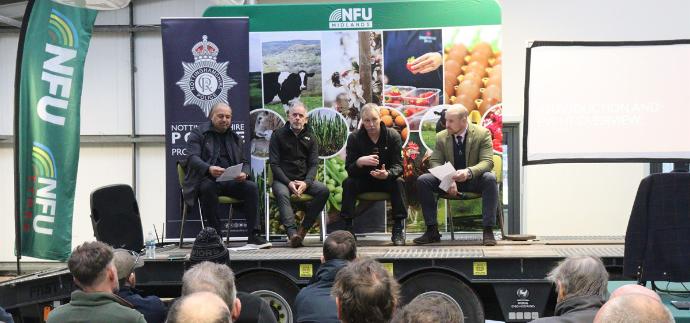
This guidance outlines the essential safety and legal requirements for transporting dangerous goods within the farming and agricultural contracting sectors. It is important to note that these guidelines are specific to agricultural purposes. If you are carrying dangerous goods for other sectors, such as construction, these exemptions do not apply, and you must seek separate guidance.
Dangerous goods are defined as materials with hazardous properties that can threaten human health, safety, the environment, or infrastructure if handled improperly. Because the official "Dangerous Goods List" is complex, you should identify your goods by checking for warning labels, referring to the Safety Data Sheet (SDS), or contacting the manufacturer or a Dangerous Goods Safety Adviser.
Regulatory Framework
The carriage of dangerous goods by road in the UK is governed by two primary sets of regulations:
• CDG: The Carriage of Dangerous Goods and Use of Transportable Pressure Equipment Regulations 2009.
• ADR: The International Carriage of Dangerous Goods by Road.
Vehicle Exemptions
Many agricultural operations are exempt from the main parts of these regulations based on the type of vehicle used. Key exemptions include:
• Speed-Limited Vehicles: Any vehicle with a maximum design speed of 25 km/h or less.
• Tractors: Agricultural or forestry tractors that do not exceed 40 km/h (24.85 mph) while transporting dangerous goods, including any trailers they tow.
• Note on Tractors: While there is no rigid legal definition, factors like "red diesel" use, taxation class, and agricultural fittings (e.g., PTOs) are used to determine if a vehicle is a tractor. 4x4 vehicles like Land Rovers or pickups are generally not considered tractors. Regardless of exemptions, all transport equipment must be roadworthy and leak-free.
Transporting Fuel and Bowsers
The rules for carrying diesel depend heavily on the vehicle and the container type.
1. Behind a Tractor (< 40 km/h)
• Operations are exempt from ADR.
• You may carry up to the bowser's maximum design capability, provided the combined
weight (bowser + fuel) does not exceed 18.29 tonnes.
• While Class 3 placards are not legally required here, they are recommended to assist emergency services.
Behind Other Vehicles (e.g., 4x4s)
• Bowsers with a capacity exceeding 1,000 litres do not qualify for the tractor exemption.
• IBC vs. Tank: To be legal, modern bowsers must be Intermediate Bulk Containers (IBCs) rather than tanks.
• Compliance: An IBC must be 110% bunded (having a secondary shell) and must feature a metal plate with a UN approval mark. Singleskinned bowsers or those without a plate are not compliant for road use.
If your load is below certain thresholds (e.g., 1,000 litres for specific fuels or 333 litres for Methanol), you are exempt from the majority of ADR requirements. However, you must still:
• Carry at least a 2kg fire extinguisher.
• Ensure the driver has received and recorded dangerous goods awareness training.
• Properly stow the goods and label the container with the correct UN Code and Class 3 hazard diamond.
If you exceed 1,000 litres in a non-exempt vehicle, full ADR requirements apply, including 5-year specialized driver training and full safety equipment.
Load Security and Safety
• Security: All loads must be secured using appropriate, undamaged ratchet straps or chains rated for the weight. Security is the legal responsibility of both the driver and the employer.
• Young People: Extra care is required. They must be competent in vehicle handling and trained in emergency procedures, such as using spill kits.
• Fertilisers: Many fertilisers (e.g., ammonium nitrate) are dangerous goods. These are generally exempt if carried in a spreader behind a tractor moving at under 40 km/h.
This guide provides a general overview but is not a substitute for professional legal advice. For complex operations, consult the full ADR 2025 regulations online or contact a Dangerous Goods Safety Adviser.
The Rob Oliver Award 2025 has been presented to the National Construction and Agricultural Theft Team (NCATT) in recognition of its outstanding contribution to combating rural, agricultural, and constructionrelated crime across the UK.
The award is named in honour of Rob Oliver MBE, former Chief Executive of the Construction Equipment Association (CEA). During his tenure, Rob Oliver was instrumental in designing and launching the CESAR Security Marking and Registration Scheme, which has since grown into the world's largest registration scheme of its kind. Today, most of the UK's construction plant and agricultural machinery is protected by CESAR.
Rob Oliver retired as Chief Executive of the CEA in 2021 and was awarded an MBE in King Charles III's 2022 New Year Honours, in recognition of his services to the industry.
The Rob Oliver Award is presented annually to an individual, police team, or organisation that has made an exceptional contribution to tackling rural crime. Previous recipients include rural crime teams from Thames Valley Police, Lancashire Police, Derbyshire Police, and Cheshire Police.
For the first time since the award's inception, the 2025 accolade has been presented to a dedicated national police team. Formed in 2023 as a six-person unit, NCATT has already had a powerful, sustained impact on agricultural and construction crime nationwide. Working in close partnership with police forces across the UK, the team supports local rural crime units in addressing regional issues, while its national remit enables a clearer and more informed understanding of the scale and nature of organised criminal activity affecting the sector.
Andy Huddleston, Head of Unit at NCATT,
said:
"To receive the Rob Oliver Award is a tremendous honour for the entire team. This recognition reflects the commitment and professionalism of our small team and the impact they can have when working with similarly dedicated teams across the country. Rural, agricultural, and construction crime has a significant impact on communities and businesses, and this award reinforces the importance of a coordinated national response to tackling organised criminality."
The award was formally presented at JCB Headquarters in Rocester, Staffordshire. As part of the occasion, the NCATT team were given a tour of one of JCB's production lines, followed by a celebratory lunch hosted by Charles Stephenson, London Office Director at JCB. The award was presented by Roy Kerr, JCB Group Service Director.
Charles Stevenson said:

"JCB is proud to host the presentation of the Rob Oliver Award and to recognise theoutstanding work of the National
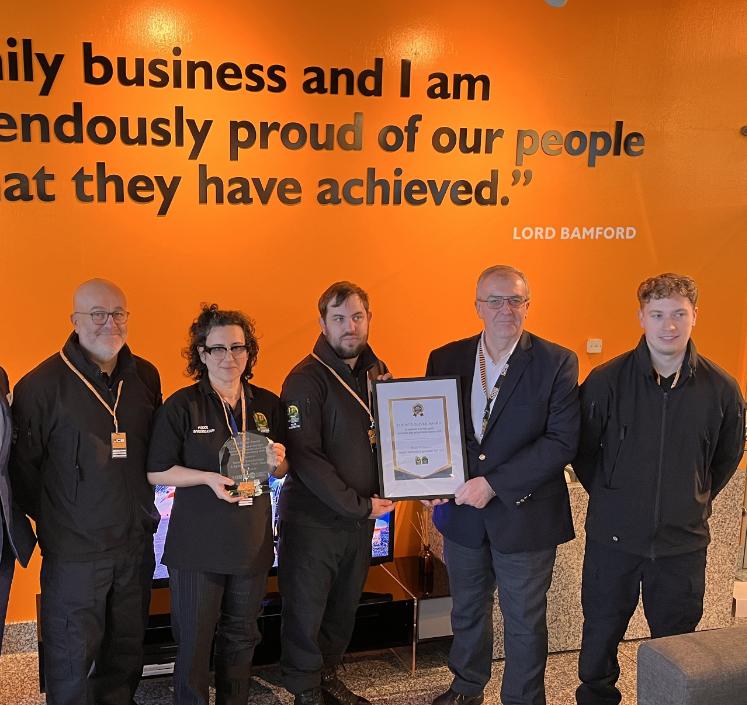
Charles Stephenson, London Office Director at JCB, Chris Piggott, Detective Sergeant, NCATT and his wider NCATT teamaward presented by Roy Kerr, JCB Group Service Director,
Construction and Agricultural Theft Team. NCATT'scommitment to tackling machine theft plays a vital role in protecting ourcustomers,
our industry, and rural communities across the UK. Their impact in such a shortperiod of time is truly impressive."
The GEA IQ's revolutionary fourway technology ensures that you always have maximum milk quality, quantity and udder health. Using it is incomparably easy! Easier attaching, milking and maintenance.

The new milk guide piece has been designed following the natural structure of a cows udder. It is sub-divided into four guide chambers. The milk flows directly and quarter individual to the outlet. Thanks to the incline in the respective cluster chamber this process is faster and much more gentle.
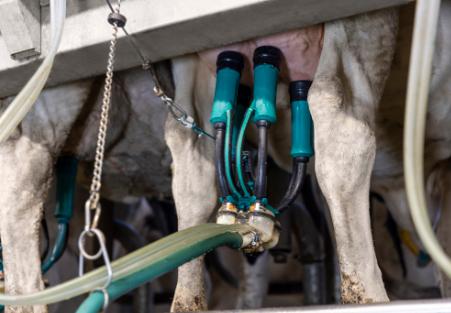

clean your milk filters are with the IQ Milking Unit.
Maximum milk quality - smarter vacuum control significantly reduces milk contamination. Vacuum is greatly reduced when the liner is not attached, which means less manure and other soil/debris is sucked into the milk line. You won't believe how
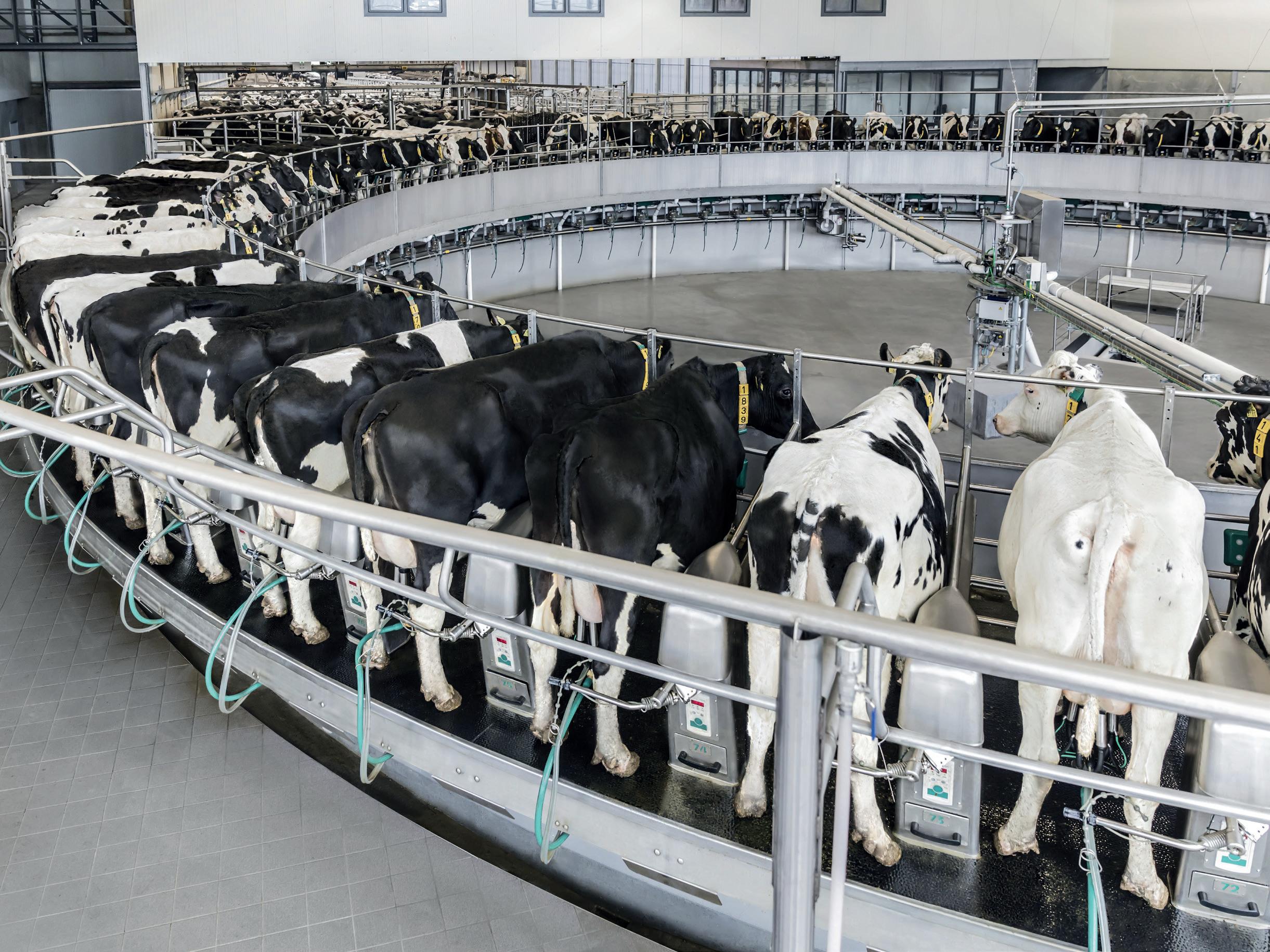
Improved udder health - with four separate guide chambers there is no threat of teat-to-teat cross contamination of mastitis-causing bacteria. Unlike conventional milking units, the new IQ unit is subdivided into four quarters, and milk from each


quarter is kept separate.
Holds on any shaped udderthe short milk tubes are longer which allows proper placement on virtually any udder shape. The unit weight is ideally distributed 80% on the teat and 20% in the claw. Plus, better unit alignment means fewer unit slips and squawks.
Easy maintenance - unique and patented liner connection makes liner changes quick and easy. Shells, liners, and air dividers can be preassembled to allow liner changes in minutes instead of hours.
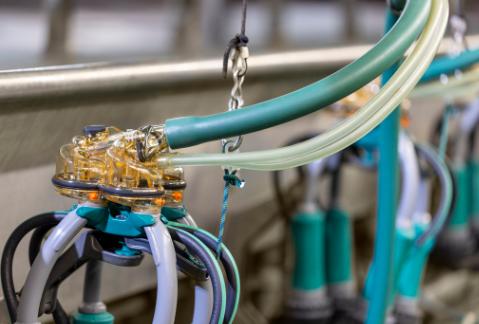

Faster milk-out times - improved vacuum stability
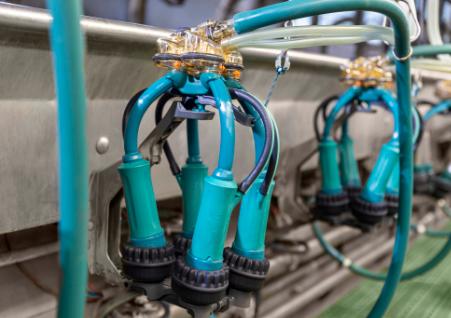

increases flow rates and the sharper angle of the milk chamber speeds flow to the milk line.
Quieter operation - the automatic vacuum shifting system makes for virtually noise-free milking - even during attachment or during a kick-off.
More reliable performancethe slim profile of this unit is harder for cows to kick-off.
For the milkers of today and tomorrow: The GEA IQLiner is
unique in that it is fitted individually onto the IQ cluster! Take advantage of the optimum adhesion and flexibility on the udder! The well thought-out benefits of our IQLiner ensure animal-friendly milking together with the best possible teat conditions and the well proven rubber and silicone material works as reliably as ever.
GEA and local GEA Dealers are offering a special offer on the IQ Milking Cluster this Autumn until 31st October 2025. Benefits from four-way technology to ensure you always have maximum milk quality, quantity and udder health by contacting GEA today for the special offer price. Contact your local GEA Dealer or visit www.gea. com for further information.
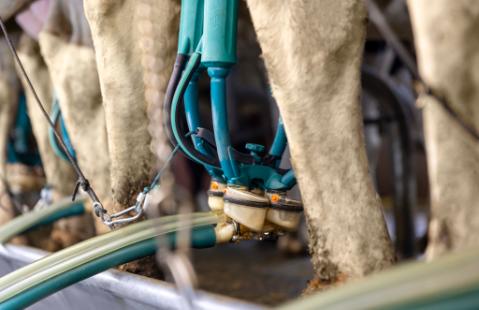

Plummeting dairy commodity pricesmay have found a floor according to the latest analysis from the Agriculture and Horticulture Development Board's (AHDB) Dairy Agri-Market Outlook, released on Tuesday 27 January 2026.

According to the report, early 2026 has seen positive movements in wholesale markets for skimmed milk powder and cheddar, signalling a potential recovery. Fats, however, remain under severe pressure due to too much milk, and farmgate milk prices are expected to remain under pressure until at least mid-2026.
Domestic retail demand is expected to remain steady after total dairy volumes fell by 1% in 2025, driven by less liquid milk consumed. However, household incomes remain tight,and low levels of shopper confidence are also continuing to affect food and grocery consumption. Despite this, demand for block butter remains strong and may strengthen further if prices fall, reflecting consumer preferences for less processed foods.
Susie Stannard, AHDB Lead Analyst for Dairy, said: "The volume of milk in the system means the path back to higher farmgate prices is likely to be a slow rebuild, with fats prices still under pressure. Slowing production is vital to safeguard the future of the sector.

AHDB is forecasting growth for added-value products in retail. Retail cheese volumes are predicted to increase by 3%, supported by consumer interest in premium own-label products and cottage cheese. Yogurt demand is forecast to grow by 7%, driven by a continued focus on health, protein, and affordable indulgence. Whey also continues to expect strong global growth, reflecting rising demand for protein-rich diets, including among consumers using GLP-1 weight loss medicines.
"The Outlook shows GB milk production is forecast to stabilise in 2026, with marginal growth of around 0.3% expected. However, this is from a high level, meaning processing capacity during the spring flush will still be challenged, keeping a lid on farmgate prices which have seen a cut of as much as 15ppl for some.
"More positively, the report does highlight some key growth opportunities for the dairy category through 2026 and beyond, both in GB and abroad, reminding farmers that although times are currently tough, the longer-term prospects for the sector look bright as dairy remains a nutritious, sustainable, delicious and affordable cornerstone of the British diet."
The AHDB Dairy Agri-Market Outlook is a comprehensive analysis of the factors shaping the British dairy industry, providing insights into the balance of supply, demand, and pricing trends for the wider supply chain. The Dairy Outlook is the first to be released. AHDB will be releasing the Agri-Market Outlooks for Beef, Lamb, Pork, Cereals, Oilseeds and Farm inputs (feed, fertiliser and straw) over the coming weeks.
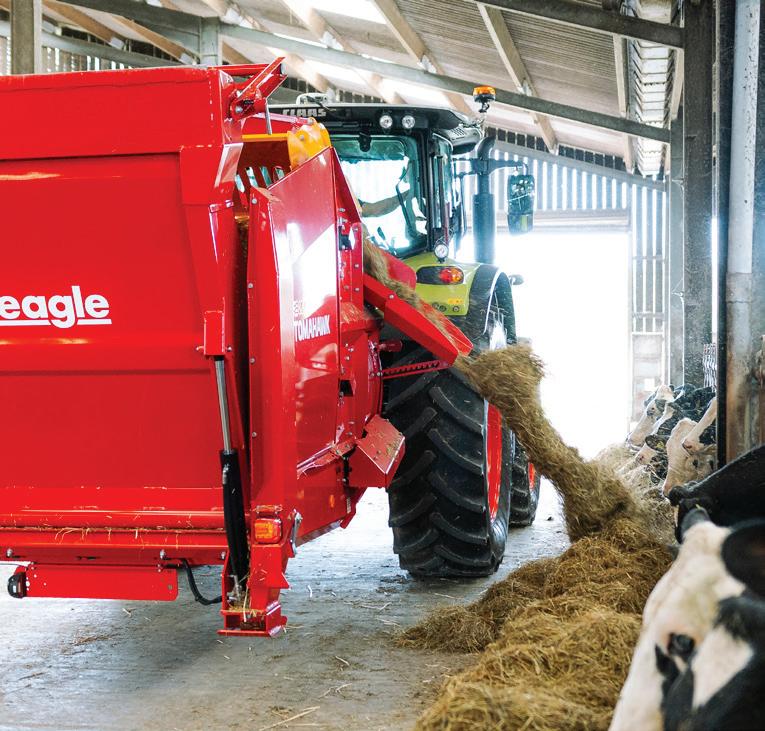
UK’s market leading bale processor range. | INTRODUCING
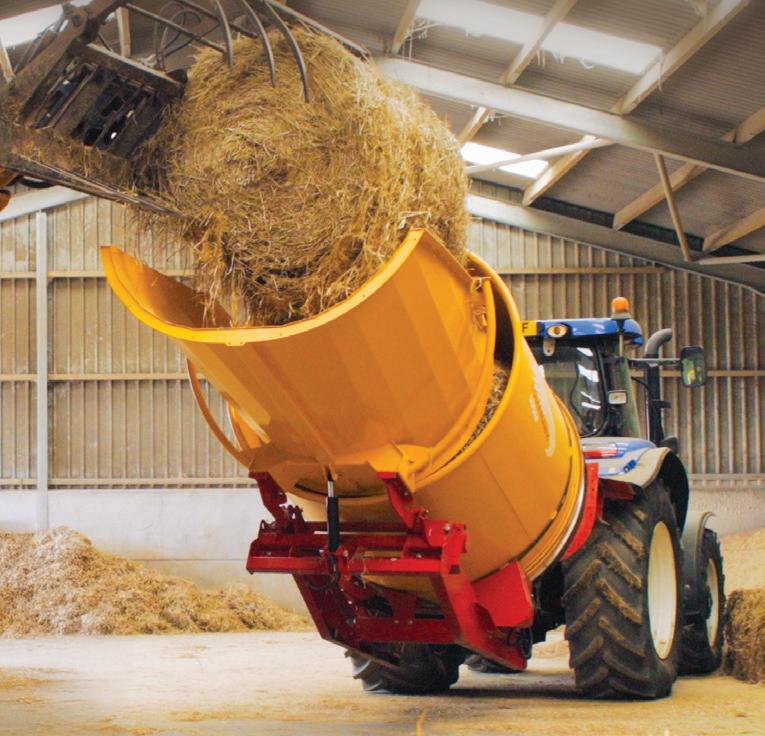
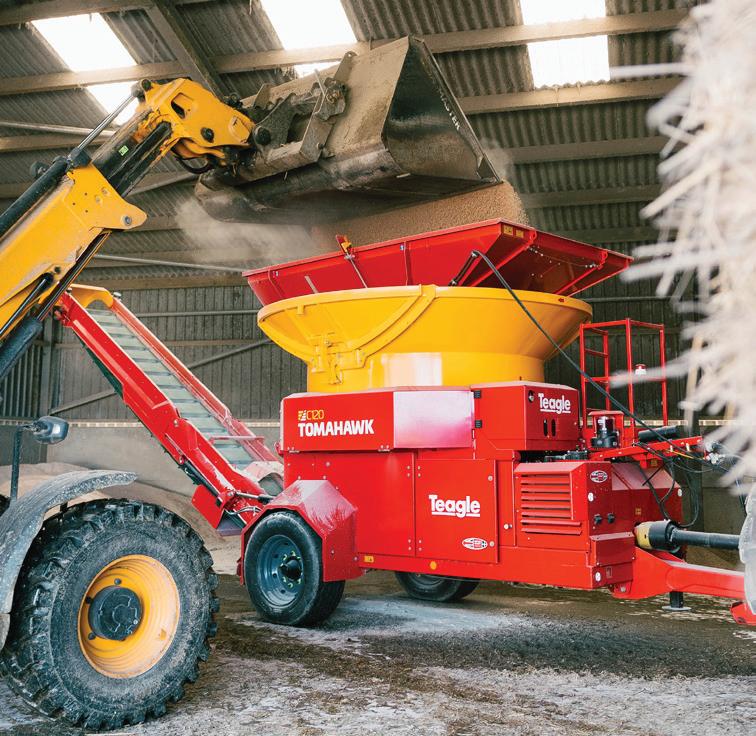
Up to 30% straw saved | As reported by users of our TOMAHAWK bale processors.
Consistently even chop | Proven to reduce waste, improve TMR and boost yield.
Improved cow health and happiness | Uniformly chopped straw in TMR supports rumen activity, fertility, and butterfat production.
Biomass pre-processing | Reliable, efficient performance for biofuel applications.
Value for money | Proven to reduce waste, improve TMR and boost yield.
2 year warranty* | Comes standard with all Teagle manufactured products.
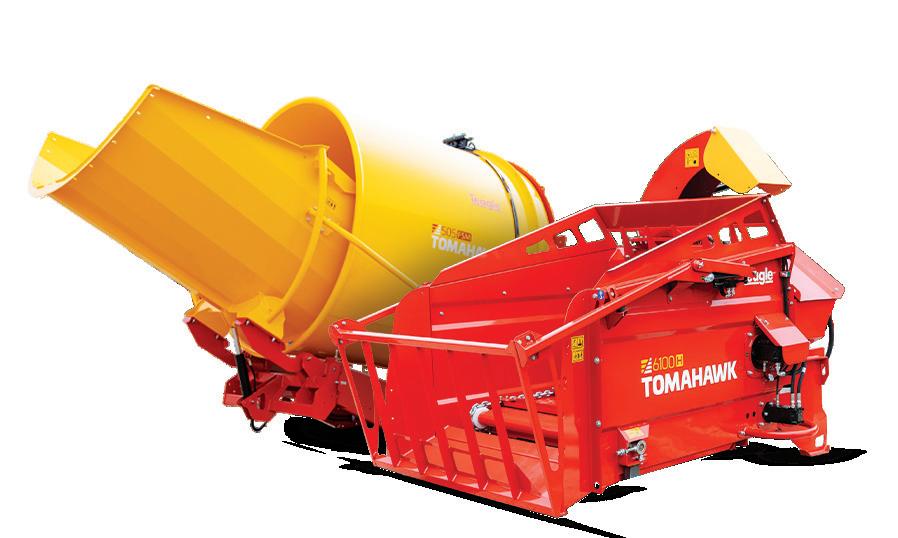
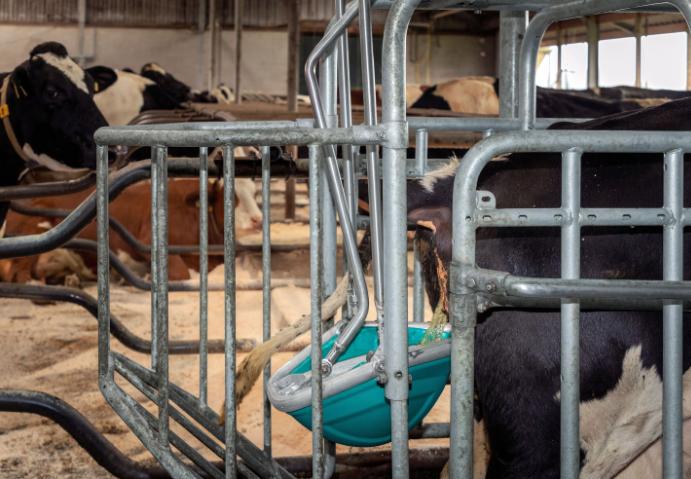
Agroundbreaking new technology, the CowToilet, is set to make its UK debut at Lamma 2026, offering dairy farmers a practical way to reduce ammonia emissions by up to a third, improve nutrient use, and enhance sustainability on-farm.

Developed by Dutch agri-tech company Hanskamp, the CowToilet offers a unique solution for reducing on-farm emissions by separating cow urine and faeces, which, when combined, produce ammonia.
Using the simple fact that cows never urinate and defecate at the same time, the CowToilet collects urine directly from under the cow’s tail before it mixes with solid manure.
The CowToilet integrates seamlessly into a free-access out-of-parlour feeding station which can be installed in most cattle sheds. As a cow enters to eat, the CowToilet gently rubs against the suspensory ligament of the udder, triggering a natural nerve reflex that encourages urination. The urine is then collected in a sealed receptacle, removed by suction, and stored in an airtight tank.
Research by Wageningen Livestock Research shows that keeping urine and manure separate can reduce ammonia emissions by up to 38%, total nitrogen by 33%, and nitrous oxide by 18% compared with conventional housing systems
“Ammonia is one of the biggest
environmental challenges facing the livestock sector,” explains Hanskamp founder Henk Hanskamp. “We wanted to create a system that works with nature, not against it – improving animal welfare and helping farmers meet environmental targets without adding to their workload. The CowToilet achieves this in a simple, natural, and effective way.”
In addition to reducing emissions, the CowToilet transforms waste into a resource. Nitrogen-rich urine can be reused as a natural fertiliser or even sold, while the remaining solid manure retains phosphate and organic matter for soil health. This separation allows farmers to apply nutrients more precisely, improving crop performance and reducing reliance on artificial fertilisers.
Separating cow faeces and urine also keeps housing cleaner and improves air quality, contributing to improved animal health and hygiene.
Developed in close collaboration with Dutch livestock farmers, engineers, and researchers – including Wageningen University’s Paul Galama – the CowToilet is already successfully operating on over 35 dairy farms in the Netherlands, delivering strong results and positive farmer feedback.
Each CowToilet unit is designed to serve 25 cows, and costs approximately £28,000 per unit (excluding installation).
“This technology is about more than compliance,” adds Mr Hanskamp. “It’s about giving farmers tools that make sense – improving the environment, animal health, and profitability. The CowToilet shows that innovation and sustainability can go hand in hand.”
To see the CowToilet in action, visit: https://hanskamp.com/en/solutions/ cowtoilet/
Watch the demo video: https://www. youtube.com/watch?v=c7duvrYtEmk
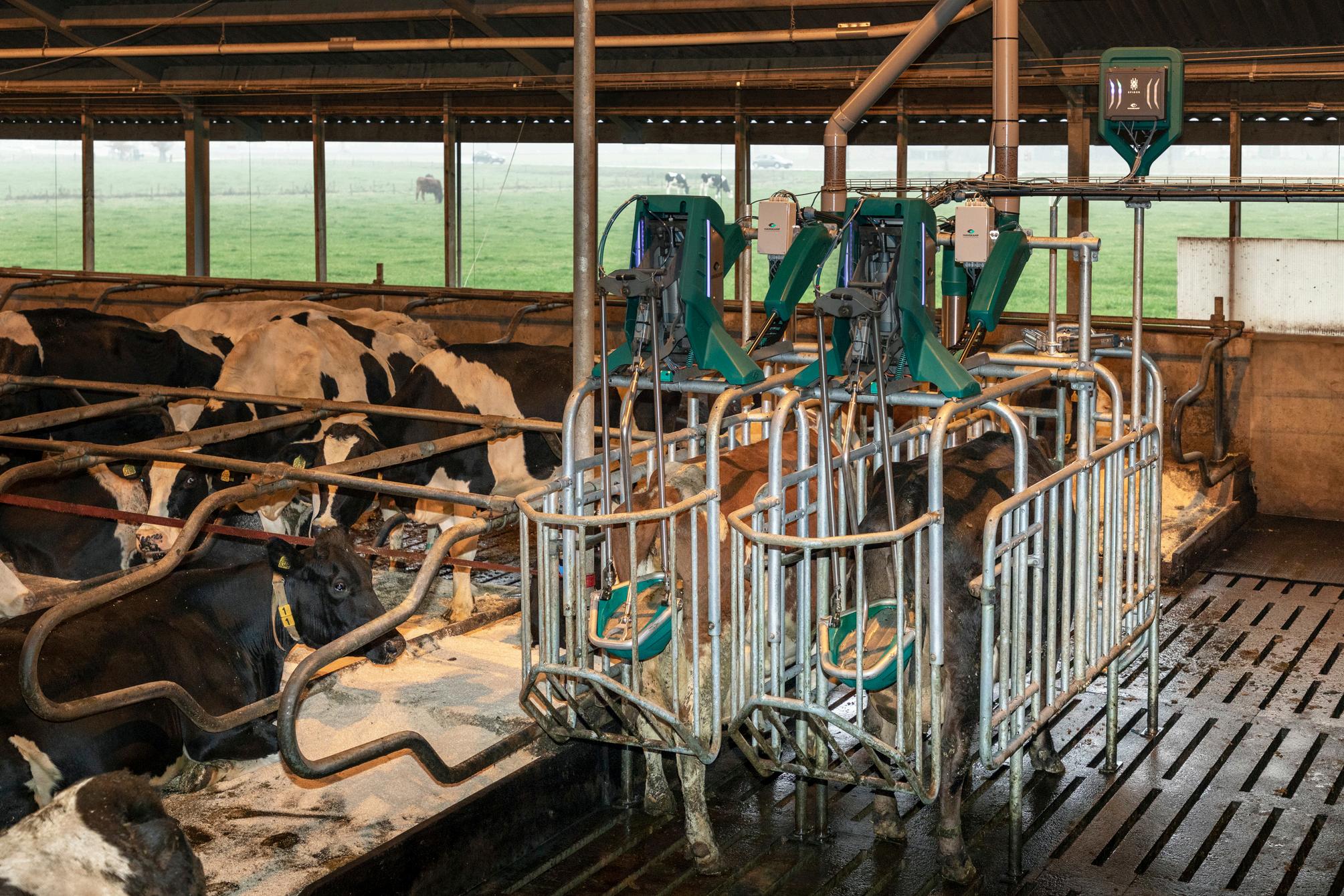
Mid-Ulster Dairy Services
21a Donaghrisk Road, Tullyhogue Cookstown, County Tyrone, BT80 8UU
Tel: 028 8676 5098
www.midulsterdairyservices.co.uk
Mcknight Dairy Services Ltd
Glenmaquin, Letterkenny, Co. Donegal, Ireland, Eir F92 X8C1
Tel: +353 8764 81124
www.mcknightdairyservices.com
Clarkson Dairy Services
East Witton, Leyburn, North Yorkshire, DL8 4SQ
Tel: 01969 623522 / 07703 535043 www.clarksondairyservices.co.uk
Wessex Farm Installations Ltd
The Old Cobblers, Langport, TA10 9DJ
Tel: 07867 507711
www.hanskamp.com
Latest AHDB¹ data highlights a significant opportunity for UK sheep farmers to further strengthen flock health by increasing uptake of vaccines that protect against abortion caused by toxoplasmosis and enzootic abortion. The Animal and Plant Health Agency² (APHA) identifies these two diseases as the most common causes of sheep abortion in Great Britain, underlining the value of effective preventative strategies ahead of lambing.

programme³ last year found that 79% had been exposed to Toxoplasma gondii and 35% to Chlamydia abortus, the bacterium responsible for enzootic abortion. These results provide farmers with valuable insight to make targeted vaccination decisions, helping safeguard flocks and maximise lambing outcomes.
Farmers are being reminded that where abortion rates exceed 2%, or scanning results are lower than expected, the subsidised FlockCheck scheme, available through veterinary practices until 30 June 2026, offers practical support. The scheme provides blood testing for six to eight aborted or unvaccinated ewes, or for barren ewes or those producing weak lambs, helping identify underlying causes and inform the value of a pre-tupping vaccination programme.
While availability issues have previously affected supplies of some abortion vaccines in the past, uptake had already reached around 50%¹ for enzootic vaccines according to AHDB data, demonstrating growing awareness of the benefits of vaccination. Vaccination for toxoplasmosis is lower with only 26% of flocks vaccinated in 2024¹, highlighting considerable opportunity for greater protection in the national flock.
Diagnostic results from 400 flocks tested through MSD Animal Health’s subsidised FlockCheck
“If results highlight an issue with either disease, both can be controlled effectively through a simple vaccination programme,” said MSD Veterinary Advisor Dr Kat BaxterSmith.
“Abortion diseases like enzootic abortion and toxoplasmosis often remain hidden until significant losses occur. Once established, they are extremely difficult and costly to manage, making prevention through vaccination vital.”
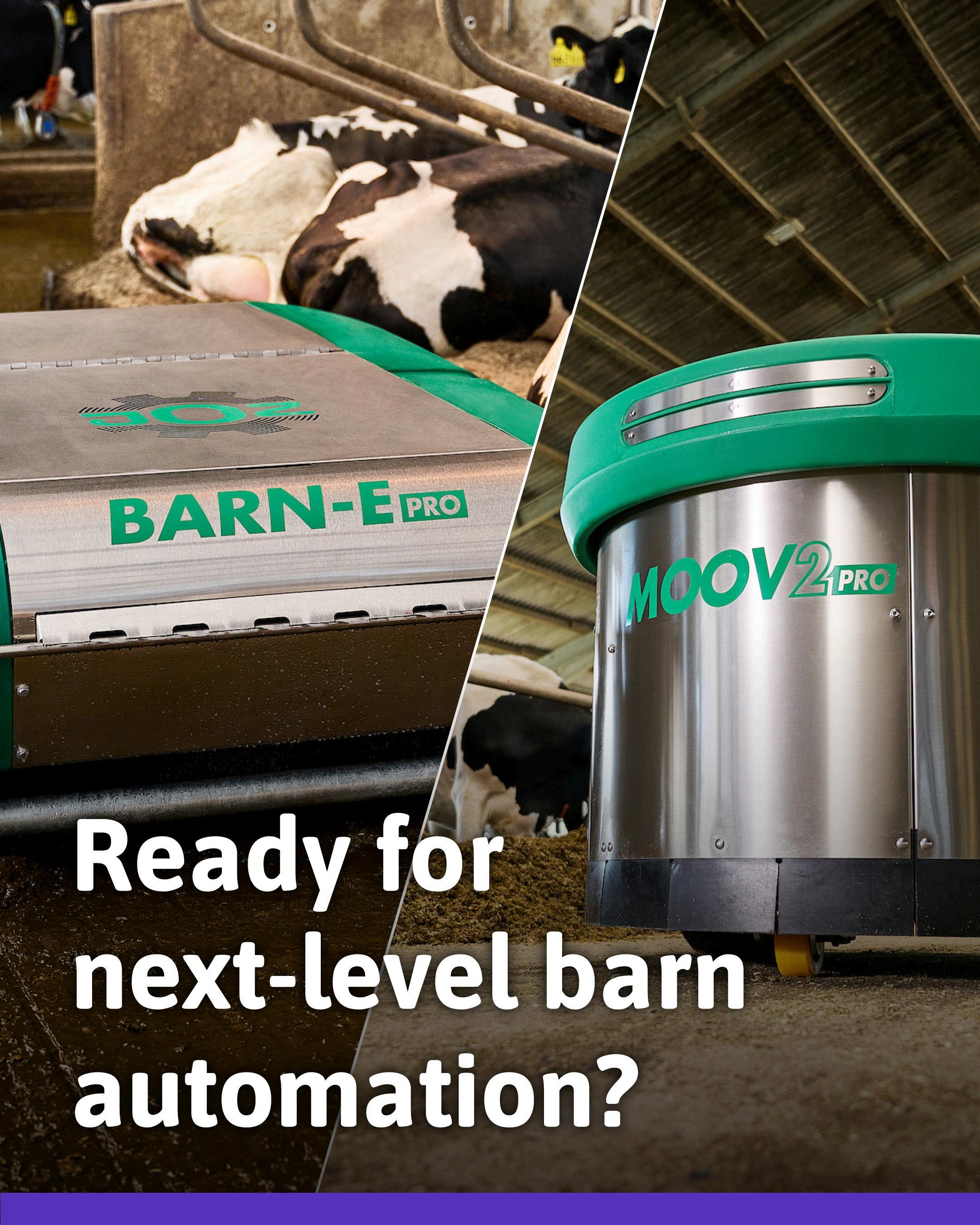

Enzootic abortion is highly contagious, with infected ewes often showing no signs until late pregnancy, leading to abortion or weak lambs. Infected ewes can become lifetime carriers, posing ongoing risk. Toxoplasmosis also causes early embryo loss, barren ewes, and weak lambs. Infection occurs primarily through pasture, feed, or water contaminated by cat faeces, with parasite eggs surviving over a year, making vaccination the most reliable protection.
“Given the high exposure levels, vaccination should be a core part of flock health planning, especially for replacement ewes,” added Dr BaxterSmith. “Both toxoplasmosis and enzootic abortion are classified as NOAH Category 1 diseases, so vaccines such as Enzovax® and Toxovax® should be regarded as standard practice on all sheep farms.”
Farmers are encouraged to discuss testing for abortion and low barren rates, as well as vaccination plans, with their vet to help safeguard their flock.
James Holding Dairy Engineering
Unit 18, The Gardens, Malton Road, York, YO32 9TN
Office Tel: 01904 400449
James: 07807704884 info@jamesholdingengineering.com
Mcknight Dairy Services Ltd
Glenmaquin, Letterkenny, Co. Donegal, Ireland, Eir F92 X8C1
Tel: +353 8764 81124 www.mcknightdairyservices.com

Unit 17, Stainton Grove industrial estate, Barnard Castle, DL12 8UJ
Office Tel: 01833 625361 Mobile: 07828532868 www.gawengineers.com

Figures released by the British Simmental Cattle Society show that the sustained demand for pedigree Simmental bulls and females reached new levels through 2025.
Pedigree Simmentals in the year, sold at official Society Sales, saw a total gross of £2,779,001, up by £611,770, and a remarkable 28%. The increase is the fourth consecutive year the Simmental sales gross has risen, and with the 2025 figure being a new breed record mark.
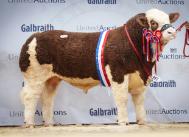

In a series of highlights, and for the second year in a row, all three major sale fixtures at Stirling saw new record average marks set. Leading the averages was the October Sale where 61 bulls sold to £11,070, up by £3,636 on the year. 28 bulls reached 10,000gns or more, and with the sale seeing an 86% clearance of the bulls forward. The sale marked the first time that Simmentals have led the all-breeds averages at a major Stirling sale week.
The 2025 Stirling February Sale had set the year off with the 94 bulls sold—the largest number of any breed across the sale fortnight—achieving an average of £9,832. This represented an increase of £2,334 on the year, and at that time, a new allbreeds record average. The sale also set a new UK and European breed record for a Simmental bull of 56,000 guineas for Hemingford Prince Charming. The May fixture at Stirling saw a total clearance of the bulls forward to level at £8795, up by £2075 on the year.
Highlighting the sustained ‘Simmental bounce’, fourteen of the last sixteen Stirling sales have now recorded new record averages.
Highlighting the growing reach of the breed around the UK, both sales at Carlisle and Worcester saw 20,000gns prices and record averages. Other key Simmental centres saw: Aberdeen achieving a centre-record average; and Dungannon recording a new top price for the breed; the Next Generation V Sale of Females and Weaned Calves at Carlisle in December saw a top of 15,000 guineas x 2; whilst Welshpool saw a terrific demand at the Lambclose Herd Sale achieving a £336,000 gross.
Commenting on this performance at sale, the British Simmental Cattle Society President Chris Martindale said: “These are tremendous sale
figures over some four years, and largely underpinned by the demand from commercial producers. They are seeing the high level performance of Simmental cattle in finishing systems, in addition to the breed’s established maternal qualities.”
“Breeders are bringing forward improving, modern Simmental bulls with good fertility, that work and last, and which are meeting the demands of buyers. Industry figures show the Simmental breed’s leading age at slaughter, and daily carcase gain abilities. When you add that to the efficiency and quality of Simmental females, and the benchmark traits they bring in terms of milk, calving ease, growth, and ability to add value when crossed with other breeds, commercial producers are keying in on the fact that Simmental gives you so much more.”
The released sale figures have been announced as the Society prepares for its first fixtures of the 2026 year which come at Stirling on 16th February, and followed by Aberdeen on 25th February.

Sheep producers looking for advice and guidance on building performance in surplus lambs this season, and how to ensure a smooth transition from colostrum to weaning, can register for a free advisorywebinarbeing held at 12pm on 12th February 2026.

The one-hour interactive online session, organised by Lamlac, will feature three expert speakers along with a video, filmed in January 2026, at an early lambing farm near Padstow in North Cornwall.
DrKatie Denholm, Farm
Animal Senior Academic Clinician at the University of Glasgow, will discuss why colostrum is critical for surplus lamb survival and the effects colostrum management has on later growth and weaning. Following Katie will be Dr Jessica Cooke, R&D Manager
from Lamlac, focussing on how different feeding methods impact lamb growth rates and sharing trial data on cold milk feeding.
Lamlac’s Business Manager for the South of England, Stacey Bruna, will cover practical lambing tips, why and how to abruptly wean, and setting up an effective feeding system. All the speakers will be available for questions.
Interested farmers and shepherds can register for this freewebinarvia the following link:

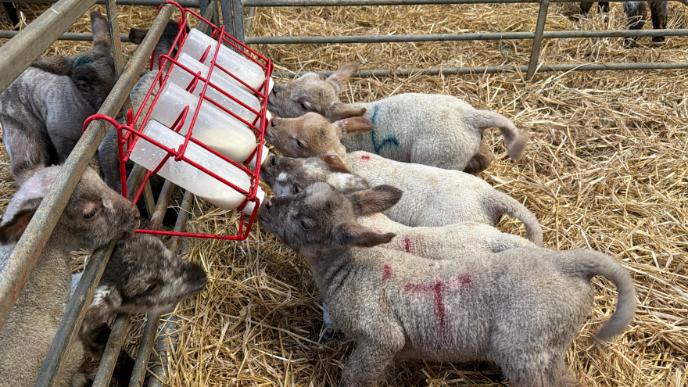
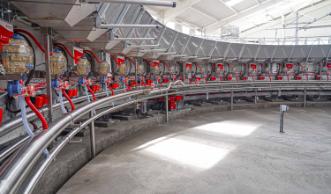
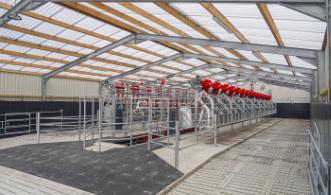
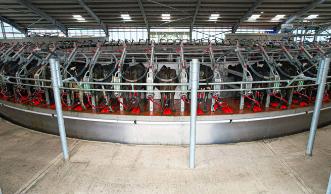
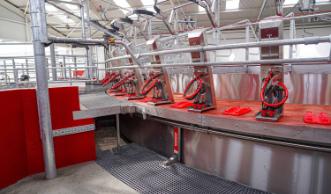
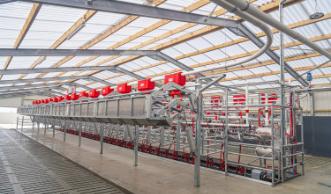
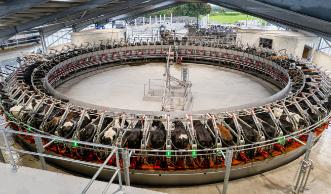
Established in 1948,Pearson Milking Technologyis a third-generation Irish engineering company with over 76 years of experience designing and manufacturingmilking parlours and dairy automation systems. From its headquarters inAthy, Co. Kildare, Pearson suppliesherringbone, double-up, rotary, and rapidexit parloursto dairy farms in over20 countries worldwide.

At the heart of every Pearson system is a commitment toengineering excellence, cow comfort, and milking efficiency. The company combines decades of craftsmanship with the
latestsmart technology and data-driven innovationto help farmers improve herd performance, reduce labour, and enhance overall dairy efficiency.
Through continuous product development and close collaboration with farmers, Pearson ensures that each system is tailored to meet the demands of modern dairy farming — balancing technology with reliability in every design.
Built on heritage, powered by innovation, and trusted by farmers globally, Pearson remainsthe farmer’s partner of choice — and The Smart Dairy Choice.


Cattle farmers are being urged to consider lungworm vaccination before turnout as both cases1 and signs of resistance to commonly used wormers2 continue to rise.
Research from the University of Glasgow2 has added to growing evidence of resistance to macrocyclic lactones (MLs) such as ivermectin and moxidectin, with studies showing these treatments failing to control lungworm infections in cattle.
Against this backdrop, Dr Kat Baxter-Smith, veterinary adviser with MSD Animal Health, says the message on pre-turnout vaccination has never been more important.
“Clinical disease in adult cattle can occur late in the season due to a lack of immunity from natural challenge, immunosuppression from other disease, or very high worm burdens,” she says. “This reinforces the need for protection through vaccination.”
Lungworm infestation occurs when cattle graze pasture contaminated with larvae from the worm Dictyocaulus viviparus. Once ingested, the larvae migrate to the lungs where they mature, reproduce, and release eggs that are coughed up, swallowed, and excreted back onto pasture – rapidly recontaminating the grazing environment.
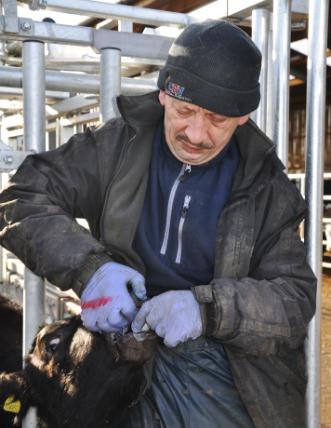

“There’s been a tenfold increase in lungworm infections since the mid-1990s – particularly in Scotland and northern England1,” she says. “Between the 2018 and 2024, cases of parasitic pneumonia diagnosed and reported to the GB Veterinary Investigation Diagnosis Network (VIDA) rose by 100% across the UK3.”
Dr Baxter-Smith explains that anecdotal on-farm reports and government data also suggest lungworm is now being seen in many adult cattle4, not just in first- or second-season grazers as traditionally thought.
Dr Baxter-Smith says vaccination remains the gold standard for sustainable lungworm control, as it enables animals to build immunity before they face infection pressure on pasture.
“Routine use of wormers can encourage resistance as highlighted by recent studies2 and reduce the animal’s ability to develop natural immunity,” she explains. “Vaccination, however, stimulates immunity through controlled exposure to irradiated larvae, offering long-lasting protection without driving resistance.”
She adds that although many farmers continue to vaccinate, long-acting wormers and pour-ons have become more popular. “Now, with evidence of resistance emerging, we need to prioritise sustainable practices like vaccination.”
On farms where lungworm is a risk, two doses of Bovilis® Huskvac should be given four weeks apart before turnout. Calves must be over 8 weeks of age and older at the first vaccination. This helps protect them by building immunity before they are exposed to lungworm on pasture.
The economics of vaccination also make sense, adds Dr Baxter-Smith. “Outbreaks can cost £50–£100 per affected animal, and up to £3 per head per day in lost milk yield in dairy cows5, which is far more costly than vaccinating.”
Dr Baxter-Smith recommends that farmers discuss their individual risk and grazing management with their vet as part of a wider herd health plan.
“Every farm is different. Talk to your vet about your grazing system, the age of animals at risk, and the worming policy you use,” she says. “A vaccination plan tailored to your farm can help safeguard herd health, reduce financial losses, and protect the efficacy of the wormers we still have.”

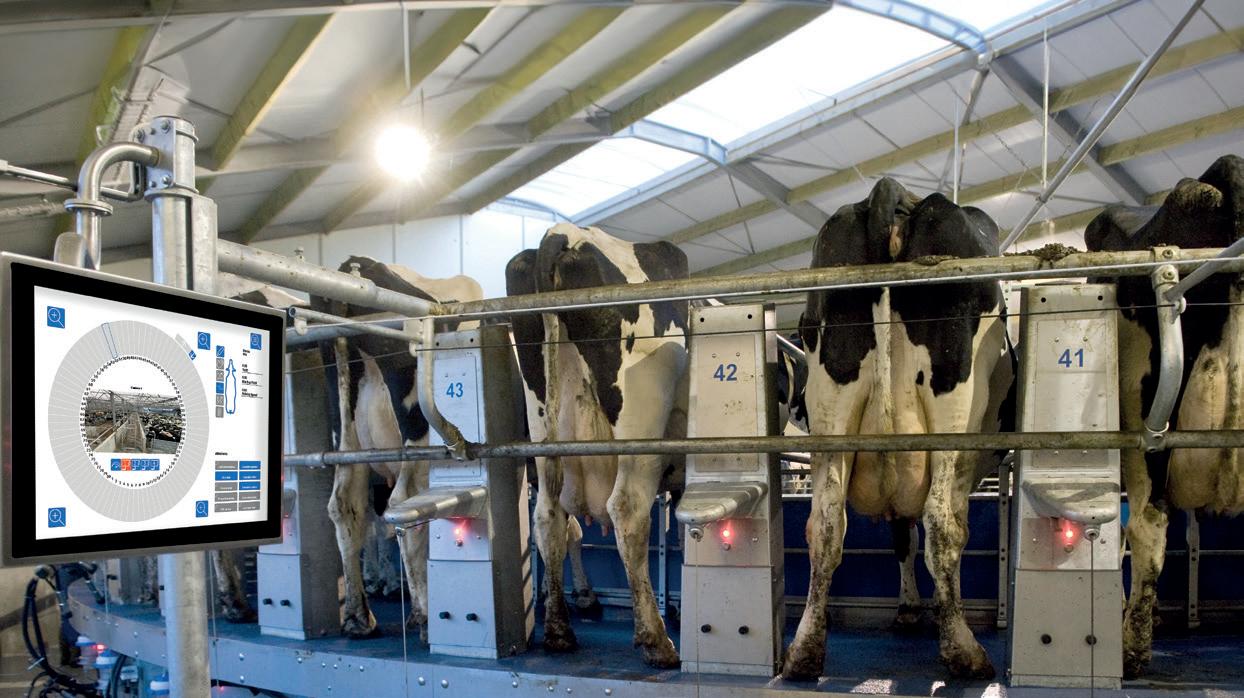

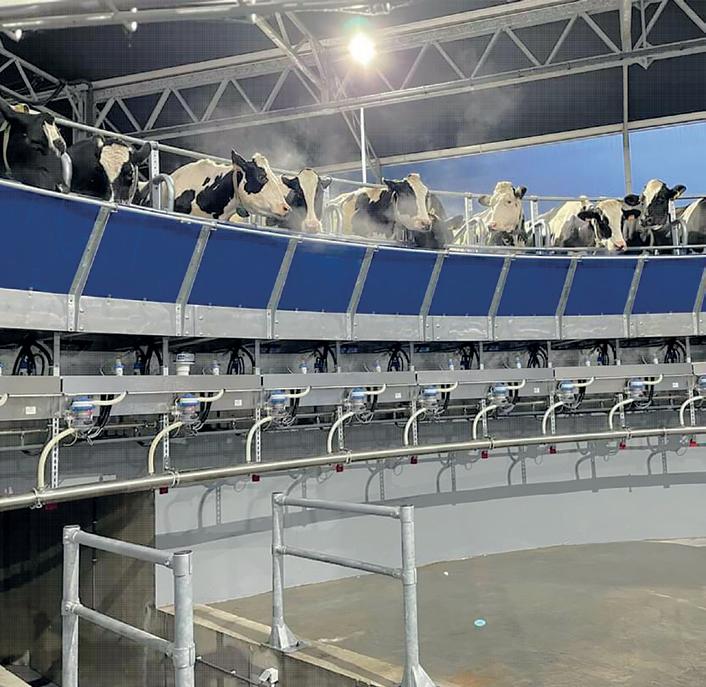

With arable financials under close scrutiny this year, using henpen can be a valuable option to reduce costs, but making the most of it requires analysis, planning and prompt action.
Banff and Buchan Monitor Farm host Bruce Irvine has used henpen in the past but having recently added two laying hen units to his business, he will be making greater use of it this year. "I used to buy-in about 700t a year before, but now we are producing about 1,200t a year from our two flocks."
This spring, he plans to apply it to stubbles before drilling spring barley, to grass and to swede and kale ground. His farm, Sauchentree, is in a Nitrate Vulnerable Zone (NVZ) and on mixed soil types which impacts spreading dates and rates.
Bruce will use a local contractor to apply his henpen at a rate of about 5t/ha using a 24m reardischarge Bunning spreader. With his own henpen to spread now, he has costed out buying a spreader with weigh cells, but it's expensive. "I'd need to spread about 20,500t to pay for it."
Zach adds that working out spreading costs is crucial, including haulage, storage, loading and spreading. "I do a lot of valuations for growers wanting to buy henpen. If you can haul and spread it cheaply, it's a good option – but a lot comes down to the distance it is being hauled."
Getting the best nutrient – and financial - value means applying it to a growing crop. "The secondbest option is applying it to stubbles – it should be incorporated as soon as possible to reduce N losses and crops sown within four to six weeks.

Bruce has already had his henpen analysed, a critical step in making best use of it, says Zach Reilly from Grounded Agronomy. "If you know what you've got, you can put a value on it and reduce artificial fertiliser application."
Analysis also highlights that henpen nutrient values vary widely – it is not a standard product, he warns. This is particularly the case for nitrogen (N) availability, which has a big impact on its value. N availability is affected by factors such where and how long it has been stored for, or even the place the analysis sample was taken from and whether it is representative.
Henpen can also be high in phosphate which, with repeat applications, can quickly build up in soil as it isn't much depleted by crops. "Too much phosphate can lead to induced phosphate deficiency – there is so much that it isn't plant available, particularly when the soil is acidic, which means crops need a small amount of phosphate to get the plants up and away. It's a surprisingly common issue on intensive livestock units applying a lot of henpen."
"From a legislative point of view, you can spread henpen after 1 February, after the end of any closed period, but unless you incorporate it very quickly you will lose N. It's better holding off. It's a brilliant fertiliser with very little cost, but you do need to use the manure."
At Sauchentree, he says applying henpen in March at 5t/ha and ploughing down immediately will capture all the available N (27kg/ha based on analysis of the Sauchentree sample) and supply 36kg/ha phosphate and 54.5kg/ha potash. With spring barley needing 130kgN/ha, Bruce can reduce bagged N to just over 100kg/ha.
Bruce says he finds henpen valuable on grass, particularly clover-rich swards. "Red clover really likes the phosphate and it's not too rich in N compared with ammonium nitrate.
"It's good to have more henpen to use if we want to, and it will save us money. I think people often don't realise what's in muck in terms of nutrients."
Making the most of hen pen
Sample the manure - the standard analysis isn't standard
Be aware of P levels - repeat applications will see P indices rising in a typical rotation
Calculate the spreading costs (haulage, storage, loading, spreading) - particularly important if buying-in
Maximise nutrient utilisation to increase value - N optimisation is key
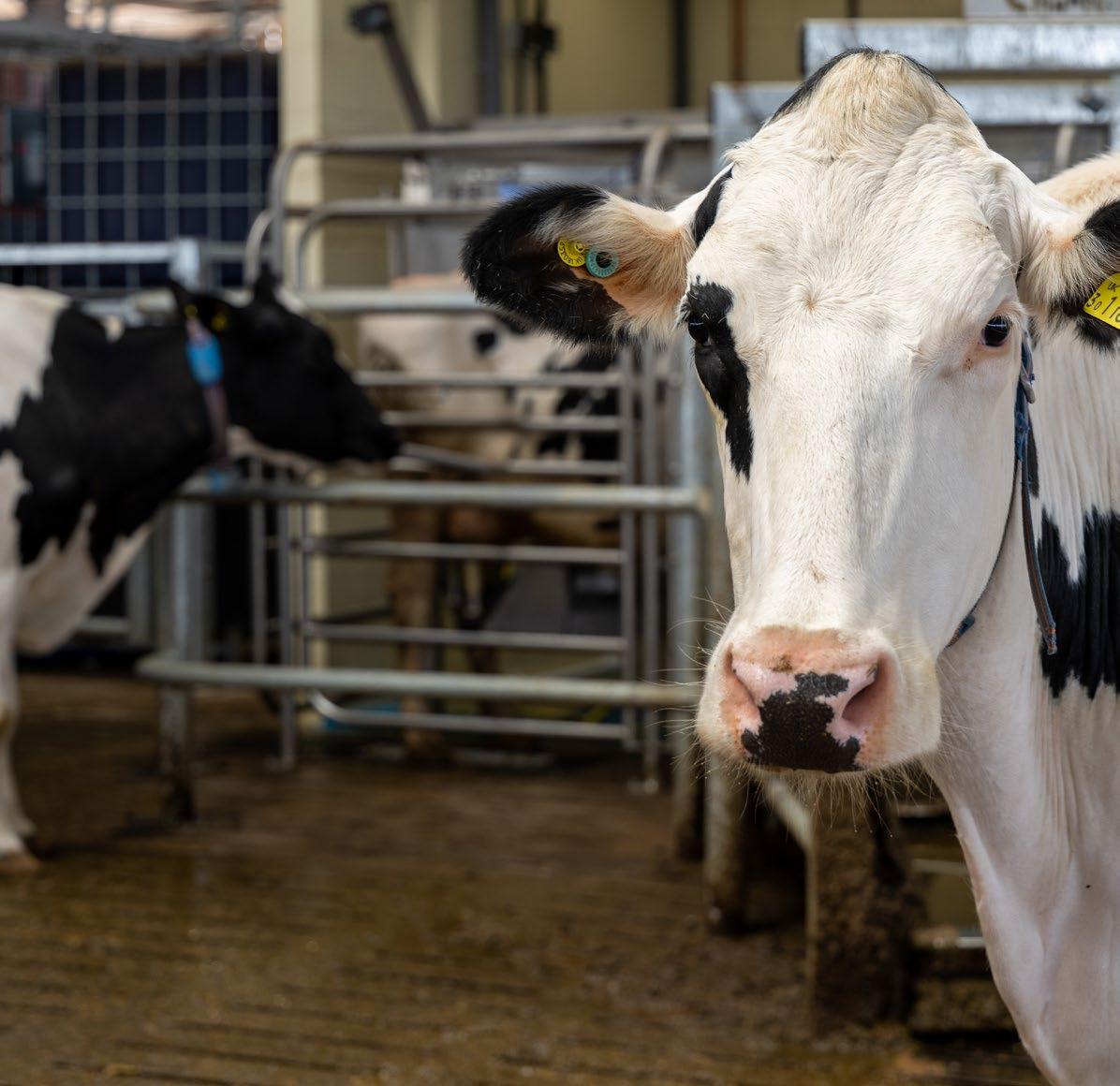
Churchill Dairy & Parlour Services
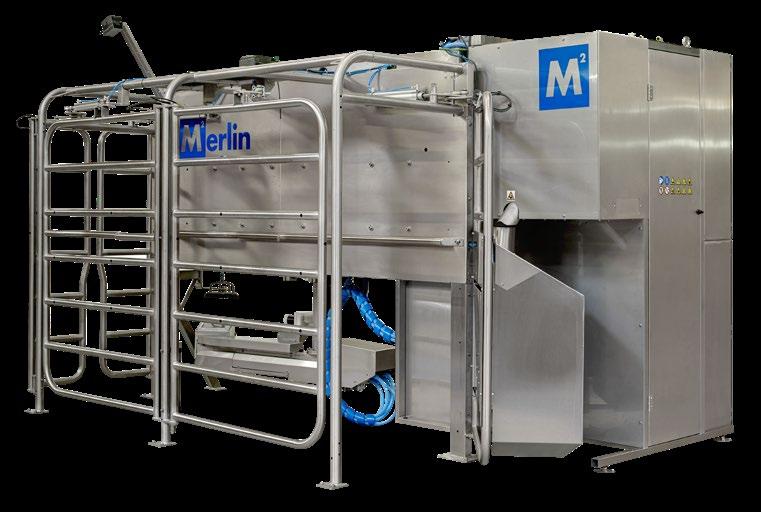
Goddards Farm, Sturminster Newton, DT10 2AZ
Tel: 07885371731
office@churchillsdairyandparlour.co.uk
Holding Dairy Engineering Unit 18, The Gardens, Malton Road, York, YO32 9TN
Office Tel: 01904 400449 James: 07807704884 info@jamesholdingengineering.com Fernshire Ltd
Chapmans Farm
Pristling Lane, Staplehurst, TN12 0HH
Tel: 01580 891199 www.neguschaseltd.co.uk
Wallace Engineers Ltd Unit 17, Stainton Grove industrial estate, Barnard Castle, DL12 8UJ
Office Tel: 01833 625361 Mobile: 07828532868 www.gawengineers.com
CalfExpert is a calf feeder that has been developed to meet the latest standards in calf feeding. State-of-the-art feeding technology ensures that the milk for the calves is always freshly mixed. It does not matter whether milk replacer or pasteurised whole milk is used. CalfExpert prepares the milk automatically and individually for each animal.
You, as farmer, remain completely flexible in your work schedule while calves are fed 24/7. The calf feeder takes your calf rearing management to a whole new level.
Intuitive operation via the graphic display and the link to the CalfGuide mobile app make it easier for you and your team to monitor your animals. All the information
about your calves, status reports and alerts are at your fingertips in the app and directly on the calf feeder at all times.
Different feeding programmes form the basis of successful and performance-oriented calf rearing in automatic calf feeding. Labour savings and complete supervision included.
Individual animal feeding
Feeding a large number of calves with a fresh mix adapted to each individual calf is a major challenge. CalfExpert makes it child's play.
Always freshly mixed
The CalfExpert calf feeder mixes the milk fresh for each calf. Any residual milk is kept warm and flushed out of the system following longer drinking breaks. Other calf
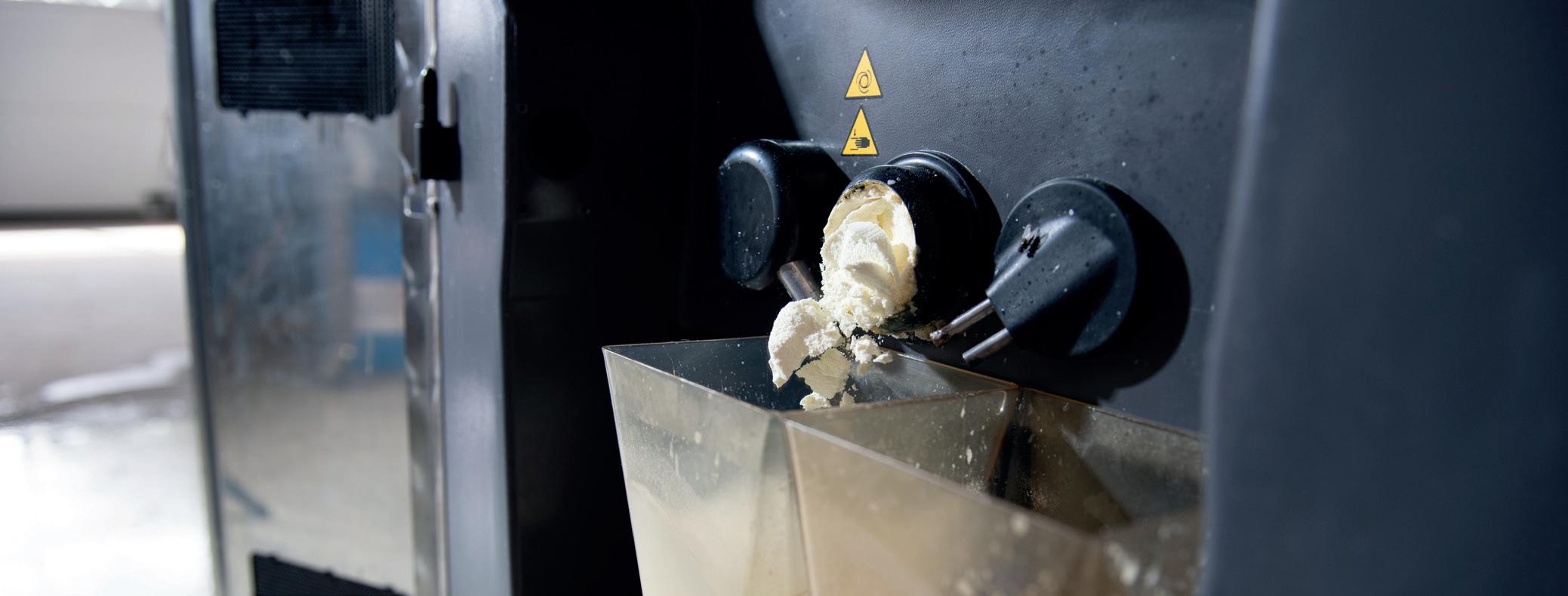
Feed calves automatically. Organise feed changes gently: milk mixed freshly and precisely matched to the calf. For healthy and productive calves.
this way at 40 °C, the bacterial count doubles every 20 minutes. In contrast, the CalfExpert guarantees maximum hygiene and feeding suitable for every individual animal.
A central milk supply has another major disadvantage: modern feeding programmes (e.g. metabolic programming) require a higher CMR concentration (e.g. 160 g/l) at the beginning of rearing to stimulate performance. However, a lower milk replacer powder concentration (130 g/l) is necessary in the weaning phase. This individual animal feeding can only be achieved if the mix is prepared individually for each calf, as is the case with CalfExpert.
We have accelerated the mixing process and the change of calves in the CalfExpert, thereby optimising utilisation of the HygieneStations.
Milk is mixed quickly and can be called up at the feeding station after just 3 seconds. Once the milk meal is finished, a switch is immediately made to the second
feeding station. Here, a second calf can be fed immediately while the first is still satisfying its need to suckle.
In addition, priorities can be specified in the CalfExpert menu so that young or sick calves are given preferential treatment. The tried and tested flexitime programme ensures that meals are distributed very evenly throughout the day without clusters of visits to the stations. The result is reduced waiting times with high animal occupancy and a positive "visiting experience" for the calves.
Since CalfExpert does not restrict feeding to certain times of day, calves can come and feed at any time. Your calves will no longer see you as a nurse and will therefore remain calm when people enter the barn. Younger and weaker calves have all the time they need to consume their full ration.
As the CalfExpert also works with an intelligent credit logic, all calves have a feeding credit at a different time. As a result, fewer animals crowd around the station. The
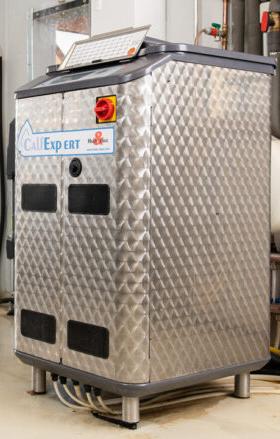
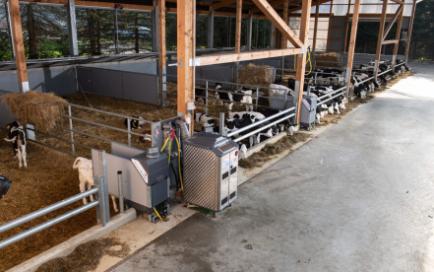
steal milk. The result: extremely uniform, relaxed groups of calves.
QuadroFlex: simultaneous and yet flexible feeding
With the new QuadroFlex system, four calves can feed at the same time at two PowerMixers. The CalfExpert mixes the milk freshly when calves wish to drink. This means no tank supply system is required. The feeding quantity is determined precisely for each calf by maintenance-free sensors. If a calf requires a special mix e.g. including medicine or electrolytes, only the sister stall at the same PowerMixer is switched off. Feeding continues at the second Power Mixer at both stations. This allows 120 calves to be fed at 4 HygieneStations. Thus the capacity of the CalfExpert has been increased by approx. 20 – 30 % compared to its predecessor H&L100.
Flexible feeding programmes
Modern feeding programmes should always adapt to the age and breed, personally set rearing goals and state of health of the calves. CalfExpert allows you to do all this in the optimum way.
Weaning process
CalfExpert prepares your calves in a particularly gentle way for the intake of concentrate and roughage. It reduces the amount of feed at the end of rearing in small steps of 0.1 l per day and thus stimulates the development of the forestomach system.
8 feeding curves
CalfExpert can be used to turn any feeding programme into reality. Feeding curves can be adjusted very flexibly in each of the 8 groups. Up to 16 "turning points" allow you to fine-tune your personal feeding concept down to the last detail. Or you decide in favour of one of the proven and pre-set CalfExpert feeding programmes.
Metabolic programming
Intensive feeding in the first few weeks of a calf's life will usually lead to significantly higher milk production later. However, the correct weaning of calves, for example after an ad libitum phase, poses particular challenges for every calf breeder. With CalfExpert, each calf is slowly weaned off high milk intake, in terms of volume as well as concentration.
Flexible feeding also means that a wide range of CMRs and additives have to be prepared in an optimum and lump-free way. The continuously variable PowerMixer ensures a soft start to avoid splashing and then stirs the milk replacer powder thoroughly. This means the calf receives its freshly mixed milk directly at the teat in just 3 seconds.
The feeding process can sometimes take longer where young or weak calves are involved. We prevent the separation of the milk replacer powder by slow permanent stirring. And if it gets colder, the heater in the mixer always ensures the mix is kept at a constant temperature, for no matter how long the calf needs.
The new option allows the CalfExpert to feed two different types of milk replacer (CMR).
The milk powder compartment is at a 90° angle to the CalfExpert and feeds milk powder into the PowerMixer of the machine via a dosing augur on the side. The volume of 50 kg of CMR can be supplemented by a further 25 kg via the additional powder chamber. This gives the CalfExpert the largest milk powder storage capacity of any automatic feeder on the market, with a maximum powder storage capacity of 150 kg (2 x (50 + 25 kg)). Ideally, this is done in such a way that one type of milk replacer slowly takes the place of the other. This can make sense, for example, if a high-quality skimmed milk replacer is to be used in the first few weeks of life in order to promote the early development of the calves with highly digestible CMR.
Later, cheaper milk replacers can be used, whose ingredients (e.g. certain proportions of high-quality vegetable proteins) are intended to support the transition to ruminant.
Minimal doses of feed additives can be added to the milk diet in order to stabilise the gastrointestinal system. Sick calves can be treated with medicines in the milk. You can use two powder dosing units and two liquid dosing units. As with the milk programme, you can set different feeding curves for these additives as well. This means maximum flexibility for top calf health.
Whole milk is digested perfectly by the calf and results in the best performance. With the CalfExpert whole milk programme you can set whole milk proportions or supplement the whole milk in the feeing programme flexibly. What happens with your feeder when the whole milk supply has been used up? Does it then feed powdered milk? This causes changeover stress with your calves and is likely to cause digestion problems. "EvenMilk", our intelligent whole milk control, knows how much whole milk is available and how much is to be fed. It makes sure that whole milk and CMR are mixed in balanced proportions even when whole milk quantities fluctuate daily.
A calf feeder is designed to make your work easier and perform continually for 24 hours. To achieve this it has to work reliably under the rough conditions of a calf stall, like the CalfExpert does.
All hose systems used to have deposits of contaminated milk because they had not been cleaned often enough or thoroughly enough. The HygieneStation rinses the entire milk hose through to the teat during longer drinking breaks. In addition, the complete milk system is cleaned several times every day. If theDoubleJugmilk tank is used, the supply line to the CalfExpert is also cleaned automatically. This will reduce a calf’s exposure to bacteria, improve the health of the calves and save on manual cleaning.
To optimise cleaning even further, the CalfExpert can use two different cleaning agents: either alternate with each cleaning cycle or combine in one cleaning cycle (alkaline, rinse, acid, rinse). The cleaning agent pumps are fitted on the outside. They can thus draw directly from the tanks. This is safe and convenient. In addition, the CalfExpert generates automatic messages as soon as a canister is empty.
Fly shield as standard
Two large doors protect the critical area where the mixer bowls are located. This keeps flies away from the milk and avoids problems in the milk system. The doors can be locked so children cannot be harmed or injured.
The 7″ graphic display not only allows all calf data to be conveniently viewed. Pressing the key with the book icon opens help texts and information from the operating instructions at every level of the application.
Calves love the outdoor climate, your CalfExpert does too. It comes with a frost protection programme that is activated automatically as soon as there is a risk of frost. Sensors in every HygieneStation and in the CalfExpert mixing chamber measure the ambient temperature and then adapt the mixing temperature and intensity of the frost protection programme accordingly. You can clean the outer surfaces of the automatic feeder with water, since all the sensitive components are water spray-proof.
Regular inspection of the technology is easy: you can test all the important CalfExpert components quickly and easily in the maintenance menu. You can also carry out calibration quickly yourself, because the software always tells you exactly what to do. We recommend that you have your CalfExpert serviced by a qualified technician at least once a year. This provides you with the peace of mind that the automatic feeder will be ready for the next rearing cycle.
The CalfExpert checks the flow rate of milk and water at regular intervals. ensuring a consistent amount of water
for the calves without your needing to actively worry about it. Although this unfortunately does not apply to the amount of powder, the machine will remind you as soon as calibration needs to be performed. However, with its Brix-TS option, CalfExpert compensates for deviations in the mix concentration, so that you are always surethat the calves have been fed correctly.
Smarter work – better performance
Kill two birds with one stone: CalfExpert not only frees you up from tedious and strenuous work. Intelligent software and smart operation also increase feeding quality.
We deliberately avoid the use of touch technology and rely instead on the use of SmartKeys, meaning that a CalfExpert can be operated reliably even in frost, rain, with gloves or even dirty fingers. The illuminated SmartKeys guide you through the programme.
The completely new control software offers maximum clarity and simple CalfExpert operation. All calf data with individual feeding curve, alarm lists, technical parameters etc. can be viewed on the 7" display. The Wi-Fi connection also allows you to retrieve individual items of data on mobile devices and to receive push notifications in the event of error messages.
Higher income thanks to improved performance
Calves supplied with a lot of energy start lactation at an earlier age and produce more milk later on. CalfExpert also provides you with the best prerequisites for optimum animal health. This means a lower death rate and more animals in the herd reared from your herd offspring. This in turn gives you the opportunity to select the offspring in a targeted manner and to sell surplus heifers at a profit. And last but not least: by saving working time, you are freeing up capacities on your farm that can be used profitably.
app
CalfExpert comes with a WiFi interface as standard. The CalfGuide app allows you to access important information directly on your mobile phone. This includes the general calf feeder data and details of the calf lists with the entire calf history. You can easily modify calf information and feeding curves in the app. The CalfExpert also sends messages when the cleaning containers are empty, for example. A particularly practical feature is a health check, which allows you to objectively assess the health of your calves.
Ammonia irritates the mucous membranes of calves, even in small doses. This can lead to bronchitis in the long run, which can soon turn into pneumonia. Ammonia is only perceived as an odour when it is already in the harmful range. AmmoniaDetect is an electrochemical sensor that permanently measures ammonia levels in the barn air. It is installed directly in the lying area, protected from the calves by a pipe. CalfExpert analyses the measured values continuously and documents them in a chart. This enables you to optimise the ventilation of the calf barn and determine the best time for mucking out.

Harper Adams University student has been crowned RABDF Dairy Student of the Year 2026, taking home the prestigious award, sponsored by ForFarmers, at Dairy-Tech today (4 February).
Henry Gibson, a BSc (Hons) Agriculture student from Honiton, Devon, was named the 2026 winner after competing against five other finalists in a closely fought contest.
The rigorous judging process included completing a detailed case study appraisal prepared by Kite, part of the Asterra Group, followed by a presentation to an expert judging panel at the Farmers' Club in London. Finalists were asked to set out their vision for where the dairy industry will be in 10 years' time, identifying key challenges, opportunities and future scale.
by the dairy industry while identifying rising stars and future industry leaders.
This year's judging panel comprised RABDF Chairman Robert Craig, Richard Greasley of ForFarmers, and Kaia Hillsmith from Kite, part of the Asterra Group.
Commenting on the high standard of entries, RABDF Chairman Robert Craig said: "The competition has become highly regarded across the dairy industry due to the calibre of students entering each year. The optimism and enthusiasm shown by applicants is incredibly encouraging for the future of the sector. It was particularly pleasing to see students from a wide range of disciplines, from agriculture to veterinary science."
Richard Greasley, Technical Manager at ForFarmers, said Henry was a very deserving winner: "His passion and presentation were excellent, and his enthusiasm for the dairy industry going forward was infectious."

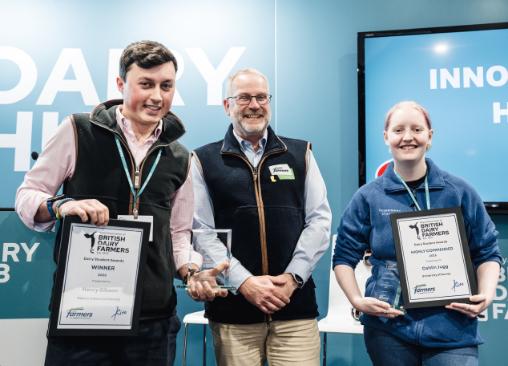
This marks the 11th time in the past 12 years that a Harper Adams University student has secured the award. Henry was presented with a £750 cheque and trophy at the event.
Runner-up, in what judges described as a very close second, was Caitlin Jugg,a fourth-year veterinary student from the University of Surrey.
The competition, run by Dairy-Tech organiser the Royal Association of British Dairy Farmers (RABDF), is designed to highlight challenges faced
He added that Caitlin Jugg had finished a very close second: "Her presentation style and delivery were very interesting and refreshingly novel. There were only a couple of points between them on my scoresheet."
The remaining finalists were Freddie Myatt and Ellie McCutcheon (Harper Adams University), Hannah Davis (fourthyear veterinary student, Bristol Veterinary School), and Aimee Gegg (Duchy College).
Mr Greasley said the calibre of entries this year was outstanding. "It is incredibly encouraging to meet such a talented group of young people who are keen to be part of the UK dairy industry. Their enthusiasm was infectious, and I left feeling very positive about the future of the sector being in such capable hands."
For more news from Dairy-Tech 2026, visitwww. dairy-tech.uk
Supported by the UK Agri-Tech Centre, on-farm trials being run by Aga2Tech across Yorkshire are proving that inwater peracetic acid (PAA) can support gut health, tackle scours, and dramatically cut antibiotic use in pigs.
The UK pig sector has already achieved a 75% reduction in antibiotic use over the past decade, but with the ban on zinc oxide and growing AMR concerns, the industry needs new tools, says Adrian Fellows, CEO of R&D company Aga2Tech.
“After seeing positive results in commercial poultry trials involving 250,000 broilers, we were keen to see how our patented peracetic acid treatment Peranan™ could help pigs too,” he says.
The trials have been conducted in collaboration with the Yorkshire Farmers cooperative, on two bed-and-breakfast pig units in Yorkshire.

The treatment also helped foster cleaner farm environments.
Tested across multiple batches of pigs, the trials involved administering a precise dosage of 2% of the Peranan™ concentrate, giving up to 150ppm PAA via the water system, starting just after weaning and continuing through the early stages of growth.
“The initial results have been very encouraging, with improvements in several key areas,” says Mr Fellows.
“First off, we saw a marked reduction in scours, especially during the weaning phase, which is always a critical time for gut health,” he explains.
“The pigs on PAA had much firmer stools compared to the untreated ones, which is a huge win when it comes to their overall gut health.
“As a result, the trial farms were able to reduce or even eliminate the use of blanket antibiotics during the weaning phase – presenting a real cost-saving for farmers, and a big step forward in helping tackle the problem of antimicrobial resistance (AMR).”
Mr Fellows explains: The pigs on PAA had drier and cleaner bedding, with less build-up of wet litter – not only improving the pigs' living conditions, but making it a nicer work environment for the farmer.”
The pigs also seemed calmer and quieter, he adds.
“We observed fewer stress-related issues like tail biting, which is crucial because a reduction in stress means fewer health problems and less risk of infections that can spread in a stressed environment.”
With the UK pig industry working towards meeting stringent antibiotic reduction targets, PAA represents a scalable and effective solution.
“The results of these trials are just the beginning,” adds Mr Fellows.
“As the industry faces growing pressure to reduce antibiotics, we believe PAA can offer a practical, cost-effective, and sustainable solution that supports both animal welfare and farm productivity.”
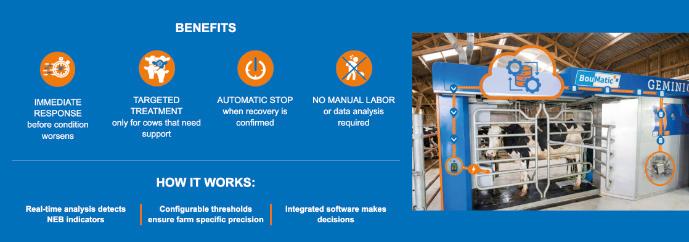
Negative Energy Balance (NEB) is one of the most underestimated health challenges in modern dairy cow management. Occurring primarily in early lactation, NEB can lead to (sub)clinical ketosis, reduced milk yield, and increased risk of secondary disorders such as displaced abomasum and metritis. The economic impact is significant, yet often hidden. Detecting NEB early and reacting promptly is critical not only to safeguard cow health and welfare but also to protect farm profitability. Proactive monitoring and timely intervention can prevent costly complications and keep your herd performing at its best.
Cows suffering from(sub)clinical ketosisdue to negative energy balance can now be treatedwithout human intervention. When MilkGenius detects a risk, it triggers BouMatic’sliquid feed dispenser systemto deliver extra energy supplements directly to the cow’s feeding trough.
Automated NEB response reduces per‑case ketosis costs toward the lower, early‑intervention range saving time and money while improving cow well‑being.
MilkGenius now brings farmers a powerful combination: automated NEB treatment and intelligent mastitis detection. Together, these groundbreaking features form a strong tool to safeguard herd health and improve productivity. Discover how the new mastitis detection function can make a real difference for your farm.
Nearly every dairy cow experiences a Negative Energy Balance (NEB) around calving. It occurs when the energy required for milk production and maintenance exceeds the energy intake from feed. In some cases NEB causes sub-clinical ketosis, which is difficult to detect because your cow doesn’t show obvious clinical signs. But the condition can have several significant impacts:
Decreased milk production in the early lactation. This drop in production and thus not reaching the production peak will also affect the production in the rest of the lactation.
Health problems and decreased immunity: cows are more susceptible to metabolic disorders such as clinical ketosis and fatty liver disease, which can further compromise their health. The weakened immune system increases the risk of other illnesses and infections such as leg problems, mastitis, displaced abomasum, etc.
Costs
Increased veterinary costs for consults and treatments.
Poor fertility: sub-clinical ketosis can lead to reduced reproductive performance, making it harder for cows to conceive and maintain pregnancies.
Scientific research has proven that sub-clinical ketosis can result in a total cost of up to €262 per affected cow*, which can result to an even higher total cost than cost associated with mastitis. Another study** indicated that sub-clinical ketosis ranks as the number one disease globally in terms of annual losses, costing approximately USD 18 billion each year.
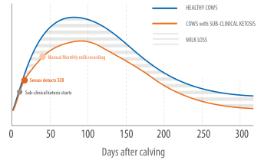
Managing NEB effectively is crucial for maintaining the health, productivity, and profitability of dairy herds. Knowing the ratio of fat-toprotein promotes early detection of sub-clinical ketosis. Ensuring a balanced diet at the right time with adequate energy intake can help mitigate these negative effects.

Ahigh proportion of calves on some farms are failing to achieve adequate passive transfer of immunity – even when colostrum quality appears good – according to a case report published recently.
The report in the Vet Record, based on a seasonalcalving dairy herd in Northern Ireland, found more than three-quarters of calves tested had inadequate passive transfer, despite colostrum testing at the recommended 22 % Brix or above. All calves later developed scours.
Authored by Dr Ryan Davies of Veterinary Technical Consulting Ltd and Dr Katie Denholm of Glasgow University, the study highlights the importance of testing calves for passive transfer using blood samples at 24 hours–7 days old, rather than relying on testing colostrum quality alone.
The findings are particularly relevant for herds investing in dry cow vaccination, such as Bovilis® Rotavec® Corona, which provides antibodies in the colostrum against rotavirus, coronavirus and E. coli F5 (K99) and F41 and Bovilis Cryptium® to reduce clinical signs of diarrhoea caused by C.parvum. This is because even when vaccine-derived antibodies are present in colostrum, calves will not benefit if absorption fails.
Dr Davies says: “It can often be a case of farmers jabbing the dry cows and thinking the job is done, and when they then see diarrhoea in calves, they assume the vaccine isn’t working.
“As the case study in our paper has shown, that wasn’t the case at all. Calves were still getting scours caused by Bovine rotavirus A (BRV-A) genotype G6P11, despite being vaccinated, as a result of inadequate colostrum management protocols.
“We know this because when the colostrum was tested it had sufficient protective antibodies to BRV-A, demonstrating successful vaccine efficacy, but the protocols on-farm were not facilitating optimal transfer of passive immunity in many calves.”
On the case study farm1, 81% of calves tested had serum total protein concentrations below 5.2 g/dL, indicating poor or fair passive transfer. Delayed feeding due to limited colostrum pasteuriser capacity and variation in colostrum quality (20-30 % Brix) between cows were key factors.
The findings support wider research from the Royal Veterinary College, which found failure of passive transfer in more than a quarter of calves across 91 UK herds.
In response, the Northern Irish farm introduced
earlier feeding, so all calves were fed within 30 minutes of birth, colostrum enrichment using whole bovine colostrum powder to standardise quality at 30 % Brix, and extended colostrum feeding using whole bovine colostrum powder for the first 10 days of life.
Dr Denholm says: “While 22 % Brix is the minimum requirement, calves benefit from 300 g of IgG –and more where multiple feeds are given – to meet passive immunity targets.”
She adds that extended colostrum or transition milk feeding offers local gut health benefits even after antibody absorption declines.
However, both vets caution that when feeding colostrum and transition milk hygiene is a critical factor, particularly when storing colostrum.
Dr Davies says: “Bacteria interferes with IgG absorption, so if your hygiene is poor, you won’t see the benefits of colostrum or extended feeding. Unfortunately, there isn’t a current widely available pen-side test for bacterial loads. It’s essential to scrub and clean all equipment with hot water, brushes and detergents.”
Tailored colostrum protocols
Dr Denholm emphasises that while this protocol worked for the Northern Irish farm, every unit must tailor its approach:
Factors to consider include:
Labour availability for harvesting and feeding transition milk
• Colostrum supply
• Storage facilities
• Vaccine protocols
Feeding systems – some automatic feeders can prioritise fresh transition milk for young calves before switching to powder
Dr Denholm adds that passive transfer is a complex process. “It’s not just about quality timing, volume, cleanliness, cow health, speed of collection and storage conditions all play a role- it’s the 5Qs of colostrum quality. A weakness in any part of the chain can undermine the whole system.
“Simple adjustments such as reviewing collection practices, checking feeding speed and volumes, logging timings, or re-evaluating storage methods — could make the difference between successful passive transfer and costly disease outbreaks. It’s important you work with your vet to look at your own farm protocols and find a protocol that works for you.”
Apositive future for the UK sheep sector was evident last weekend as the National Sheep Association (NSA) brought together its 2026 cohort of NSA Next Generation Ambassadors for the first time.
NSA's Next Generation Ambassador programme has gone from strength to strength since its launch in 2014 and is part of NSA's wider Next Generation initiative, a dedicated area of work designed to encourage and support sheep farmers of the future.
Following a careful selection process, 12 enthusiastic young sheep farmers commenced the first of five personal and career development sessions in North Wales on Sunday, gaining useful knowledge from a series of insightful industry visits and talks. As part of a two day visit the group enjoyed a guided tour of the Wool Testing Authority and delved deep in to the future of efficient sheep genetics with a fascinating talk from Dewi Jones of Innovis. The session concluded at Coed Coch Estate by kind permission of the Featherstonhaugh family and Head Shepherd Daffyd Owen with a tour of the impressive farming enterprise. President of the Sheep Veterinary Society, Phillipa Page, then rounded off the first session with a practical talk on how to protect sheep flocks and improve animal welfare.
together which makes for a very exciting year of activity that will see them travel to different locations allowing them to experience a range of sheep farming systems, learning from experienced farmers and industry experts. It's an invaluable experience which we are certain will be of immense benefit to all members of the group."
More information on each of the young farmers selected to join the programme this year can be found below and online atwww.nsanextgeneration.org.ukvia the 'Ambassador Group' tab, where a profile on each individual is listed.
NSA Next Generation is funded by NSA Head Office, regions and ram sales, with the Ambassador programme additionally supported by various delivery partners and sponsors.

NSA Technical Communications Officer Anna Wilson will accompany the group throughout the programme, she comments: "We have had a fantastic first delivery session, finishing on an excellent farm visit. The group have returned home full of motivation, ideas and excitement for the year ahead."
The young sheep farmers selected to take part this year come from all corners of the UK and have taken a variety of different routes into the sheep sector.
Anna continues: "The diverse group are typical of the current UK sheep sector, from first generation farmers, to employed shepherds and those with a long family history of sheep farming, the group is positive evidence that sheep farming can be an accessible career for many, whether from a farming background or not. The programme will enhance the young shepherd's knowledge and personal development and provide plentiful networking opportunities."
As NSA Next Generation Ambassadors, the group will also begin a close working relationship with NSA both regionally and nationally and will help to promote the work of the Association to secure a positive future for the UK sheep industry.
Anna concludes:"The group have already gelled
Introducing the NSA Next Generation Ambassasdors 2026:
Tilly Abbottfrom Suffolk is a first-generation sheep farmer and contract shepherd. Farming a flock of Romneys, Tilly is a strong advocate for British wool and spends much of her summer contract shearing, gaining experience across a wide range of systems. Curious and outward-looking, she sees huge value in learning from others, even when their farms look very different from her own.
Georgie Cooperfrom Devon farms Herdwick and Cheviot ewes. Over the last two years she has steadily built her flock while sharing a tenancy with a beef farmer demonstrating her commitment and resilience. Sustainability and animal welfareare key to her farming system.
Tom Garlickfrom Herefordshire is the current NSA Next Generation Shepherd of the Year and will also be representing England at the European Shepherds competition in Paris later this month. He farms alongside his family managing 1,800 breeding ewes and 2,500 store lambs.
Rowan Gearfrom Mid-Glamorgan actually grew up on a fish farm but is now following his passion for sheep farming having recently taken on a farming contract on a mixed farm in South Wales.
Hamish Grantfrom Buckinghamshire has deep farming roots and has recently returned to farming following a career in professional sport. Hamish has travelled, working on farms across the world and is now focussed on building his own enterprise.
Nerys Lewisfrom Monmouthshire splits her time between the family farm with an 800 ewe flock and part time work undertaking pre-audits and cross-compliance inspections. The combination gives her a strong understanding of regulation and business management.
Harry Madinfrom Derbyshire grew up on an upland farm and is passionate about voicing his concerns on the destocking of sheep from the uplands. He farms his own flock of sheep whilst also working at a farm visitor attraction.
Ross Murrayis from County Down. Farming in Northern Ireland often means small, traditional family farms are supported by off-farm income, something Ross currently undertakes but is keen to change. He is passionate about overcoming the challenges faced by farmers in Northern Ireland.
James Naireyfrom Lancashire breeds pedigree Texels alongside his parents and has strong connections with
his Young Farmers clubs. Despite his pedigree breeding background he has a commercial focus and is keen to develop this further.
Calum Phillipsfrom Aberdeenshire farms with his parents on the family's extensive sheep enterprise. Having travelled during the summer months shearing, he has built a strong understanding of the practice and has now built his own contract shearing round.
Harrison Scottfrom Cornwall farms with his parents finishing more than 5,000 store lambs a year. He is though, keen to explore alternative systems, and enjoys looking at data to help him do so.
Sarah Tobinfrom Gloucestershire works alongside her mum on their family farm and loves working her sheepdogs. Having previously not taken time to get away from the farm she is now enjoying the opportunities to get out and about, learning and taking new ideas back to the farm.

Defra's consultation on castration and tail docking methods should be engaged with by the sheep industry, so policy makers understand the scope and diversity of the sector, says the National Sheep Association (NSA).
NSA believesall farming systems and farm types must be considered in the long-awaited and criticalcastration and tail docking consultation, which aims to move the industry to lower pain methods.
A full, in-depth response to the consultation will be submitted by NSA, but at this early stage, NSA Policy Manager Michael Priestley says that the consultation has already led to productive discussions within the sector.
"NSA encourages all sheep farmers to engage with the consultation as key stakeholders. While NSA accepts castration and tail docking cause a degree of pain, and progress in animal welfare is an aspiration for the sector, we will underline our caution and concern over unintended adverse welfare outcomes and the need for practical and affordable alternatives.
"We feel farmers should be given freedom and space to make decisions about how they farm and improve animal welfare and ask questions about how the lives of their stock can have pain and stress minimised. British sheep farming is hugely diverse, and this issue presents a raft of challenges depending on the farming context and system.
"There is a risk that legislation can, through no fault of anyone's, be a blunt instrument, and NSA will advocate for a methodical and measured approach to fact-finding, research, licensing, and sourcing of products and a full review of industry and the unintended consequences of changing practices, before changes to on farm practices are legally mandated."
The consultation follows several Animal Welfare Committee (AWC) papers on sheep farming, thelatest one publishedin December 2022 which called for Defra to encourage farmers to move away from routine castration and tail docking.
NSA welcomes the notion that farmers should question whether every lamb requires either task, or if the processes can be removed entirely.
Mr Priestley continues:"The big questions sheep farmers can ask is whether either process is necessary, what is needed up to seven days of age, and what will work beyond seven days of age in terms of managing pain and improving welfare."
NSA advocates for:
• A UK-wide approach, as per AWC recommendations.
• Financial and technical support for farmers in adjusting to higher welfare methods, as per AWC recommendations.
• Annual health and welfare vet visits to discuss the need for castration and tail docking.
• NSA to play its own role in discussing best practice and management changes to move away from routine castration and tail docking.
• Encouraging a 'Reduce, replace, refine' mantra, rather than banning rubber rings and mandating pain relief.
• Workable, welfare-friendly solutions that are economically and practically feasible for commercial farmers responding to market forces by managing increasingly large numbers of sheep.
Livestock environment specialist, Galebreaker and Scotland’s Rural College (SRUC) have released insights from their two-year research project, CEVEC (Cost Effective Ventilated Environment for Calves).
Focused on enhancing calf outcomes, the project shows daily live weight gains of up to 150g for youngstock housed in the purpose-built calf rearing shed at High Skeog Farm in Dumfries and Galloway.
As well as improved growth, lung scans have recorded a significant reduction in the severity of lung lesions, indicating fewer pneumonia scars which can impede longterm development and potential milk production.
Galebreaker’s technical director, Andrew Gardner believes the research shows the scale at which an optimised environment can impact health, productivity and labour economics.
With ROI achievable in under five years, the project also showed how the new scalable building design can help lower a farm’s carbon footprint through projected improvements to lowering calf mortality, age at first calving and improved milk yields.
“Estimates show that longer-term milk production emissions could be reduced by up to 5%. Overall, the CEVEC building delivers positively for sustainable farming practices and is an economically viable solution for dairy and beef farmers looking to make sizeable health, welfare and operational gains,” adds Mr Gardner.
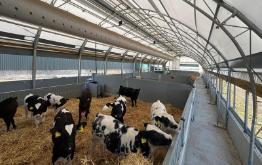

The project has been funded by the Digital Dairy Chain’s Collaborative Research & Development Grant Competition, which is managedand awarded independently by UK Research and Innovation. SRUC’s research team led by Prof. Carol-Anne Duthie says:
“A calf’s early life sets the trajectory for a productive lifetime, yet housing is frequently the missing piece in youngstock health. The CEVEC team are thrilled to have delivered a comprehensive evidence base for improved welfare, as well as better farm efficiencies,” says Mr Gardner.
“Not only does automated-monitoring and environmental controls facilitate better health outcomes, the building’s design also significantly reduces labour. On a four-pen building (65 calves) labour savings amount to £60,136 annually, reducing labour costs by more than 80% compared to the previous individual hutch system.”
The findings are supported by Ross Vance, the owner of High Skeog, he says: “CEVEC hasn’t just saved us time – it’s made our management of our labour much more flexible. By being able to check on the calves remotely, unless there is anything urgent, we can focus on milking first, then come back to the calves later with the same team.”
The research’s economic evaluation indicates the CEVEC system will deliver a payback period of 4-5 years, with the potential for greater financial benefits over time through increased milk yield and reduced calf mortality.
“This funding stream has supported an important collaboration between industry and academia and has enabled R&D to be delivered at scale in a commercial farming environment.
“In leading the research trials at High Skeog, SRUC has provided a comprehensive assessment of this innovation. We have quantified the health, productivity, labour and environmental improvements that can be achieved through the adoption of CEVEC, which is important for a sector where health management is a real challenge. Driving improvements during the early life stages is critical for setting the animal up for success in later life.”
The groundbreaking data will be shared through a webinar hosted by Digital Dairy Chain on 11 February at 10am – 11.30am. Farmers looking to optimise calf rearing while reducing operational costs can register to attend via EventBrite to better understanding how the building can be commercially scaled for herds of varying sizes.
“The project has been an important step forward in the pursuit of more efficient and sustainable farming practices. The findings support the commercial adoption of innovative systems that can lead to more resilient farming operations through optimised livestock environments,” concludes Mr Gardner.
Farmers are being urged to prioritise colostrum quality as lambing gathers pace, with experts warning that failures in the first few hours of life remain one of the biggest drivers of lamb losses.
Speaking at a recent farmer meeting in Darlington, Nettex Technical Manager Nia Williams highlighted that almost half of lambing losses occur within the first 48 hours of life, with starvation, exposure and infection cited as the leading causes.
“Many of these early losses can be linked back to colostrum management,” said Mrs Williams. “Making sure lambs receive enough high-quality colostrum, quickly and in a stress-free environment, is the cheapest insurance you can have on farm.”
Her comments follow research conducted across 147 Welsh farms1, which found that only 76% of colostrum samples tested were of adequate quality. The study also revealed that single-bearing ewes should not be considered low risk, with just 66% meeting the colostrum quality target.
“Singles often receive lower nutritional priority than twins in late pregnancy, but they still need adequate nutrition to produce good-quality colostrum,” Mrs Williams explained.
The importance of colostrum management has become even more critical following the withdrawal of the only licensed antibiotic treatment for watery mouth. Mrs Williams said prevention now relies heavily on getting colostrum management right.
“Alongside optimal hygiene practices, the most practical and effective way to reduce watery mouth is to ensure every lamb receives enough goodquality colostrum as quickly as possible,” she said.
She reminded farmers of the 4Qs of colostrum:
• Quantity – lambs should receive 10–12% of bodyweight in the first 24 hours (around 200ml/kg), with at least 50ml/kg within the first two hours
• Quickly – ideally within six hours of birth
• Quality – greater than 26.5% on a brix refractometer (note this is higher than the 22% threshold for cattle)
• Quietly – in a calm, stress-free environment
“Starvation remains one of the main causes of death in the first two days,” she said. “But
colostrum also delivers antibodies, and the window for IgG absorption is very short. Maximum uptake occurs within the first two hours after birth, and by 24 hours, absorption is almost zero.”
Colostrum quality is influenced by several factors, including disease status, vaccination, breed and, critically, nutrition. Mrs Williams highlighted protein as a common limiting factor.
“Energy alone isn’t enough. It’s the protein that drives colostrum quality,” she said. “Trials have shown that when silage crude protein falls below 12% DM only 68% of ewes produce good colostrum. That figure rises to 85% when protein exceeds 12% DM.”
Feed space was also described as a “silent killer”, with research showing that where concentrate feed space was less than 45cm per ewe, only 68% of colostrum samples were adequate, compared to 84% when space exceeded this level.
Where colostrum quality or volume is insufficient, Ms Williams stressed the importance of acting quickly.
“Good-quality colostrum from another ewe is the gold standard, but where this isn’t possible, supplementation is essential.”
Mrs Williams highlighted Nettex Ultra Concentrate Colostrum as a supplementation solution when maternal colostrum is lacking.
All Nettex colostrum products are made using natural, full-fat colostrum sourced exclusively from TB- and EBL-free UK herds, making them highly complementary to UK sheep systems.
Ultra Concentrate Colostrum contains a blend of concentrated colostrum, hydrolysed wheat protein, egg protein and vitamins and minerals to support lambs in the first critical hours of life, as well as a high-quality yeast culture to help support healthy gut colonisation.
“Ideally, every lamb should receive adequate amounts of high-quality maternal colostrum,” Mrs Williams added. “But where a full feed isn’t possible, supplementing with a high-quality product can make the difference between a lamb surviving or not. Strong lambs don’t happen by accident; they’re set up in that very first feed.”
For more information on Nettex colostrum products and practical lambing support, visit www.net-tex. co.uk or speak to the Nettex technical team.


n January 20 and 21, 2026, the Landivisiau production site welcomed more than 700 industry professionals for the official launch of the new SC PICHON slurry tanker range. This event marked a strategic milestone for the Group, aimed at expanding access to centrifugal technology while strengthening its dual-brand strategy.
A large-scale event at the heart of the Landivisiau industrial site
Organised ahead of the spreading season, the event brought together dealers, agricultural contractors, farmers, partners and specialist journalists from across France. Spread over two days, the event welcomed a broad and highly qualified audience, confirming strong market interest in the Group’s new solutions. The Landivisiau production site was transformed into a true showcase of SAMSON Group’s industrial and technological expertise, with an organisation designed to encourage discussion, technical education and close interaction with the teams.
An industrial immersion highly appreciated by visitors
From their arrival around 10 a.m., guests were guided through a complete tour of the production site. Moving through the workshops, they were able to discover every stage of the manufacturing process, presented directly by employees, each explaining their role and expertise. This immersion left a strong impression. “Many visitors expected to see a more artisanal production facility; instead, they discovered a truly industrial, structured, modern and high-performing organisation, capable of serial production while maintaining a high level of technical standards and quality,” explains Antoine Le Pajolec, Production Director.
A machine parade highlighting the complementarity of the ranges
One of the highlights of the day was the machine parade, featuring 14 tractor-and-implement combinations from PICHON and SAMSON, representative of real field use. All application solutions were presented in working position, offering a concrete and comprehensive demonstration of equipment possibilities: trailing shoe booms, drip hose booms, injectors and incorporators. Commented by Christophe Marzin, Product Manager, and coordinated by technical inspectors, this dynamic demonstration highlighted the complementarity of the ranges, the

available capacities and the various configurations, from the most compact to the highest-capacity models. The diversity of machines on display enabled visitors to fully appreciate the breadth of the Group’s offering and its ability to meet a wide range of user profiles.
A technical innovation in the spotlight: the pump tower
Among the new features presented in Landivisiau, the new telescopic pump tower attracted particular attention. Already unveiled at the AGRITECHNICA trade show last November, it was highlighted during this event. Designed to optimise filling operations, it stands out for its high flow rate, precise positioning and easy access to slurry pits, even in constrained configurations. This solution significantly reduces manoeuvring time, improves operator comfort and ensures optimal efficiency, even when handling thicker slurry.
The SC PICHON range: expanding access to centrifugal technology
With the SC (Slurry Centrifugal) range, PICHON complements its SV slurry tanker range equipped with vacuum technology. This new range introduces a filling and emptying system based on a centrifugal pump combined with a Hydro-Ejector system, adapted to the diversity of agricultural
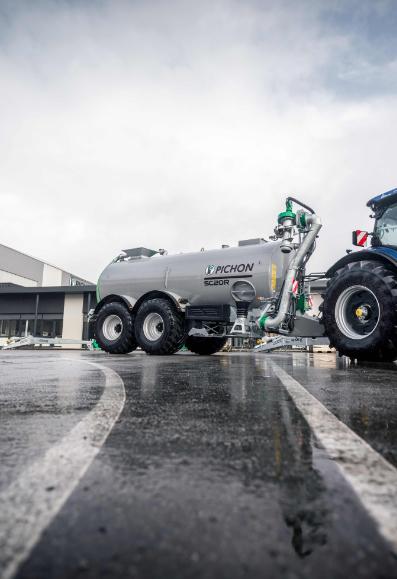
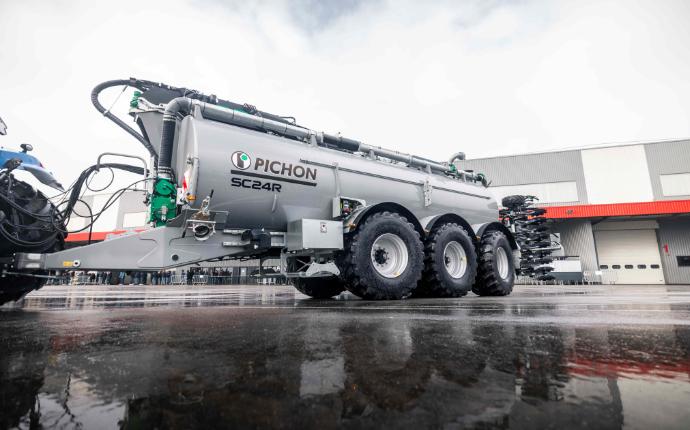
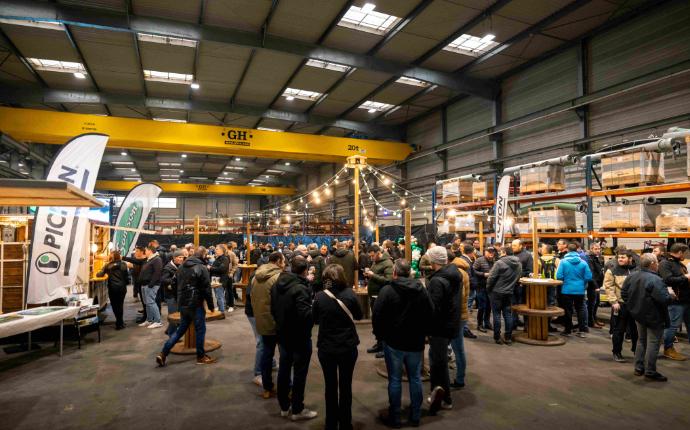
effluents and productivity requirements. Developed on a proven, shared technical architecture, the SC range benefits from industrial foundations common to the TG range. This approach optimises development and industrialisation costs, controls industrial complexity and delivers a high-performance, reliable and costeffective machine. The SC range features a deliberately streamlined offering, a targeted level of options, optimised machine weight when loaded, and a more accessible price positioning.
SC PICHON and TG SAMSON: two ranges, two distinct market positions
Although the SC PICHON and TG SAMSON ranges share common technical foundations, their commercial roles and marketing positions are clearly differentiated. The TG SAMSON range follows a continuous upmarket strategy with a premium
positioning. The SC PICHON range, on the other hand, has been developed to consolidate and increase the Group’s market share by ensuring broader commercial coverage. Thanks to the complementarity of the two brands and their respective networks, the Group can be present on nearly all tenders above 15 m³, in a context of strong competitive pressure. Designed as a complementary offer, the SC range aims to make centrifugal technology more accessible through a rationalised offering. “The SC is not a simplified TG, but a complementary response to different expectations. TG SAMSON will continue to move upmarket, while SC PICHON makes centrifugal technology more accessible without compromising efficiency. This complementarity strengthens our commercial performance and avoids internal competition between the brands,” explains Philippe Barabinot, Group Sales Director.
A dual-brand strategy validated by the market
The success of this event—both in terms of attendance and the quality of discussions—confirms the relevance of SAMSON Group’s dual-brand strategy. By combining a premium, value-generating offer with a more accessible, volume-driven offer, the Group strengthens its ability to cover all market segments while consolidating its market share. Presented as a preview in Landivisiau to 700 professionals, the new SC PICHON range will be progressively rolled out across the dealer network in the coming weeks, sustainably enriching the Group’s slurry tanker offering.

anitou UK is delighted to announce the appointment of George Browns to its growing dealer network.
Effective from January 2026, this partnership authorises George Browns to represent Manitou’s comprehensive agricultural line-up. The range includes telescopic handlers with a 4m to 10m reach, skid steer and track loaders, and industrial fork trucks with 1t to 10t capacities all of which are designed specifically for the UK agricultural market.
Under this new agreement, George Browns will serve a significant territory encompassing Oxfordshire, Buckinghamshire, Berkshire, and Hertfordshire. This partnership ensures local access to world-class machinery and expert aftersales support, coordinated through their established depots in Chesham and Daventry.
A Longstanding Agricultural Business Built on Service
Established in 1830, George Browns is a wellrespected, family-run agricultural machinery
business with a strong reputation across the South and Midlands. The company operates multiple depots and has built its success on a clear commitment to customer service, technical expertise, and long-term relationships with farmers and contractors.
With decades of experience supplying and supporting leading agricultural brands, George Browns places aftersales service at the heart of its operation. Its highly trained service teams, extensive parts availability, and customerfocused approach align closely with Manitou’s values and expectations for dealer excellence.
Steve Brown, Managing Director at George Browns, commented:
“Being appointed as an Agricultural dealer for Manitou UK from January 2026 is a significant and positive step for George Browns. Manitou has a strong reputation for producing reliable, practical loading solutions that are well suited to the demands of UK farming, and its product range sits naturally alongside the brands we already represent. As a family-run business, we

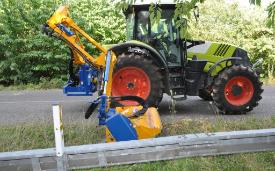
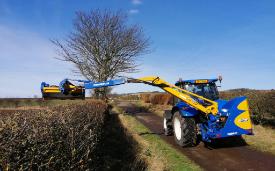
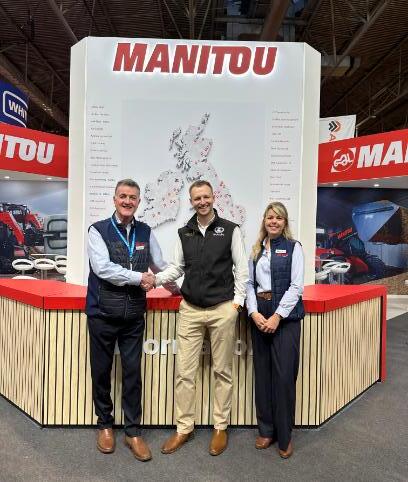
place huge importance on aftersales support, parts availability, and building long-term relationships with our customers. This partnership enables us to offer a broader, more complete solution to farmers and contractors across our territory, supported by our experienced teams and established depot network.”
As an official Agricultural Manitou dealer, George Browns will supply and support Manitou’s extensive agricultural portfolio, including the full Manitou Loader Telescopic and loader range, skid steer and track loaders, industrial fork trucks, all designed to meet the demands of the UK agricultural market.
Peter Smyth, Sales Director at Manitou UK, commented:
“Manitou UK is delighted to welcome George Browns into the Manitou family. They have a long-standing history in agricultural machinery sales, but more importantly, service is at the heart of their operation.
With their culture of dedicated customer support and satisfaction, we look forward to building a lasting partnership. Managing Director, Stephen Brown is a proactive leader who will be
instrumental in driving the brand forward. We are excited to work together to grow our extensive product range—from telescopic handlers and loaders to industrial fork trucks and heavy-duty loading shovels—all of which are tailored specifically for the UK agricultural market”.
“Stephen and his team will work closely with us to ensure customers across the territory benefit from expert advice, reliable machinery, and responsive aftersales support”.
This appointment reflects Manitou UK’s continued commitment to partnering with strong, service-led dealerships that understand the needs of modern agriculture. With George Browns established local presence and Manitou’s innovative product range, customers across the region can expect enhanced support, improved availability, and solutions tailored to their farming operations.
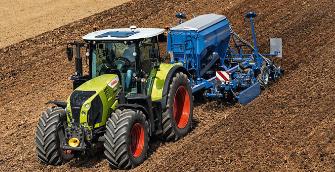
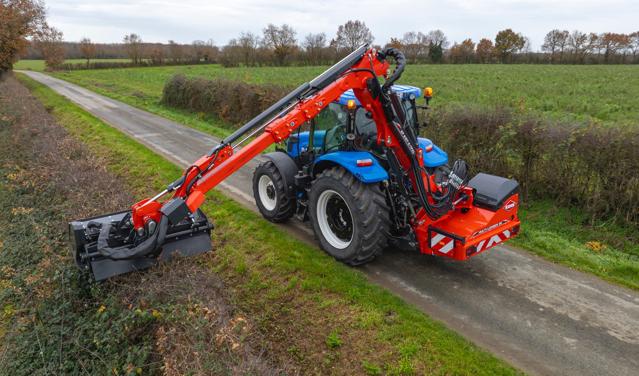
KUHN Farm Machinery has added to its Multi-Longer range of hedge and verge cutters with the introduction of a 6.1m model. The 6157 e-TPAL joins the Multi-Longer 7457 e-TPAL as telescopic, left-handed machines, designed specifically for UK and Irish users.

Rhodri Jenkins, KUHN’s grassland product specialist, says: “The 6157 is likely to be a popular model with UK contractors and farmers, offering the right balance of compact dimensions for road work and excellent reach for field hedges and ditches.”
The Multi-Longer 6157 e-TPAL is fitted as standard with the e-ASSIST system. This maintains a constant cutting head angle on the machine for an
even and consistent finish via an electronic parallelogram, using sensors to control the position. An automatic lift float in all positions for roadside mowing is also part of the feature, while a hydraulically powered debris blower can be mounted on the rear of the Multi-Longer to leave surfaces clear of trimmings.
Rhodri continues: “e-ASSIST allows a consistent cutting head angle and arm height regardless of the working reach. Working on uneven field edges can cause issues whilst trying to maintain a level finish and the e-ASSIST feature aims to make this easier.”
The e-TPAL feature also includes the EP joystick, offering the control of all four proportional movements at the same time. This, combined with KUHN’s VT 61 terminal, provides instant display of key machine data and quick access to settings, such as the control of the parallelogram movement. Rhodri adds that a redesigned joystick will be added soon.
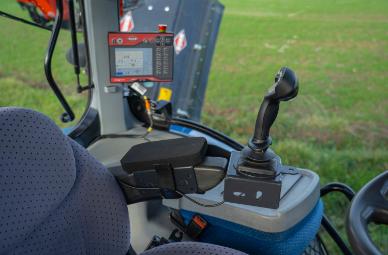
The machine is only available with the STABILINK axle mounted brackets, which can be connected to the tractor in under 15 minutes, for greater assurance at full reach. A heavy-duty A-frame is in development. A standard 1.2m wide head, or optional 1.5m wide unit, (24 or 28 T-flails respectively) allow users to build a machine that is tailored to their circumstances. A tractor weighing 5.5t, and a minimum of 100hp, is required.




JCB has secured a massive deal to supply the United States armed forces with more than 500 machines in a deal worth up to $205 million, the company announced today.
The contract for 535 militarised versions of JCB’s 437HT wheeled loader has been secured with the United States Marine Corps (USMC) and will be supplied over the next decade. The contract is the third to be signed by the USMC, which five months ago placed a $45 million order for a militarised version of JCB’s 4CX backhoe loader. That followed a$39 million deal in2024 for Multi Terrain Loaders, a militarised version of the JCB Teleskid compact tracked loader.
Chris Giorgianni, Vice President of JCB Government & Defense said: “We are delighted to have secured our third contract in a row from the
U.S. Marine Corps as it is testament to the reliability, robustness and suitability of JCB machines in military applications worldwide.”
JCB will supply a number of test machines to the USMC later this year and it is anticpated that full production will begin in 2027. This latest contract with the USMC, which was secured after an extensive evaluation period, is part of JCB’s longstanding support of defence organisations around the world.
JCB’s defence business has grown significantly over the last decade with almost 10,000 machines sold to militaries around the world. JCB has been awarded the latest defence contract as part of theTractor, Rubber Tired, Articulated-Steering Multi-Purpose (TRAM) vehicle programme.
The TF350 Trailed Stock Feeder (Sheep Snacker) features fully galvanised all-steel construction & electronic operation with high visibility digital counter ensure the right amount of feed is dispensed, exactly where you want it.
Timberlake, Week St Mary
Devon. EX22 6XG
Phone: 01288 341326
www.cornishtractors.co.uk
Valley Farm, Thorncliffe Rd, Leek, ST13 8TG
Phone: 01538 224228
www.jbournetractors.co.uk
Yorkshire ATV
Unit 3, Tong Park Ind Est, Baildon, BD17 7QD
Phone: 07701 070156
www.yorkshireatv.com


n a constantly evolving market environment and in order to sustainably support its development in France and internationally, SAMSON GROUP announces the appointment of three Territory Managers for its SAMSON and PICHON brands.
These appointments reflect the Group’s strong commitment to strengthening field proximity, optimizing network management, and supporting business growth.
Julien Brun appointed Export Territory Manager
Having joined SAMSON AGRO in 2012, Julien Brun began his career as Country Manager for France / Benelux / Switzerland, acting as a commercial and marketing link between the field and the Viborg plant (Denmark). Following the acquisition of PICHON by SAMSON GROUP in 2019, he supported the development of the dealer network in North-Eastern France and Switzerland for both brands. With over 20 years of experience in agricultural machinery, Julien Brun now oversees a large Export territory.
According to Philippe Barabinot, Group Sales Director, “these new appointments address today’s market challenges and demonstrate our determination to rely on experienced profiles, close to both teams and partners.”
He will manage a sales team covering the United Kingdom, the Iberian region and South America. He will also retain direct responsibility for sales and dealer network development in the following regions: Belgium, the Netherlands, Luxembourg, Switzerland, Canada, the United States, Overseas Territories and Africa.
As of January 1st, 2026, JeanFrançois Tauziet and David Bowman will report to Julien Brun, with Jean-François Tauziet specifically responsible for Spanish-speaking countries.
Maxime Mas appointed Territory Manager East & South France
Maxime Mas joined PICHON in 2015 as a Sales Representative covering 10 departments in Northern France across the full product range. In 2023, he moved to a wider area of 35 departments in North-Eastern France, where he was responsible for sales and product development, in close collaboration with the Engineering Department, for the PICHON and SAMSON solid spreader ranges.
Today, Maxime Mas is appointed Territory Manager East & South France, managing a team of four Sales Representatives across a territory covering 70 departments.
As of January 1st, 2026, Éric Berti, Clément Poly, Jean-François Tauziet and Patrice Lucot will report to him.
Aaron Keogh appointed Territory Manager North-West France
Aaron Keogh joined SAMSON AGRO in 2016 and has made a strong contribution to the development of the SAMSON brand in Brittany, Normandy and the Pays de la Loire regions. Since 2019, he has focused his network sales activities on this same area for both PICHON and SAMSON brands.
With solid expertise in agricultural machinery, notably gained during six years in Export

positions at Sulky-Burel, Aaron Keogh will retain an active sales territory while taking responsibility for the North-West France sales team for both brands.
As of January 1st, 2026, Jean-Michel Doré, Tom Aguert, Guillaume Besnier and Didier Brochard will report to him.
An organization focused on performance and proximity
Through this new sales organization, SAMSON GROUP reaffirms its commitment to strengthening support for its dealer network, increasing its field presence and supporting the strategic development of its PICHON and SAMSON brands, both in France and internationally.
A detailed overview of the new sales organization is available in the appendix.

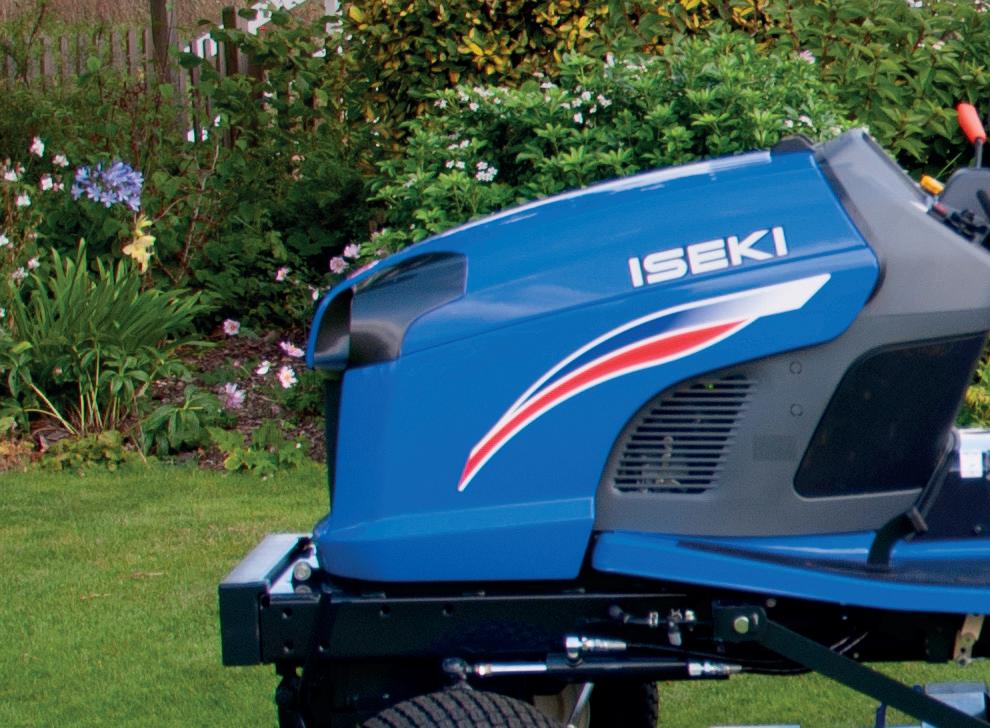

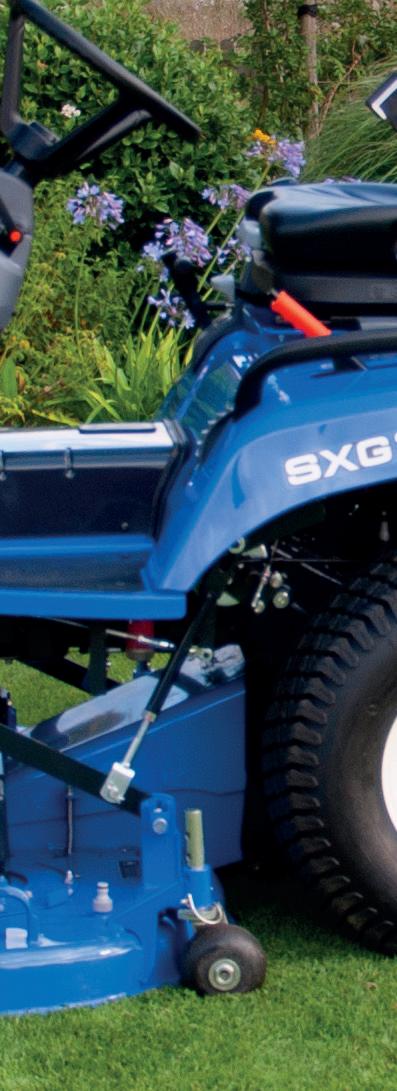

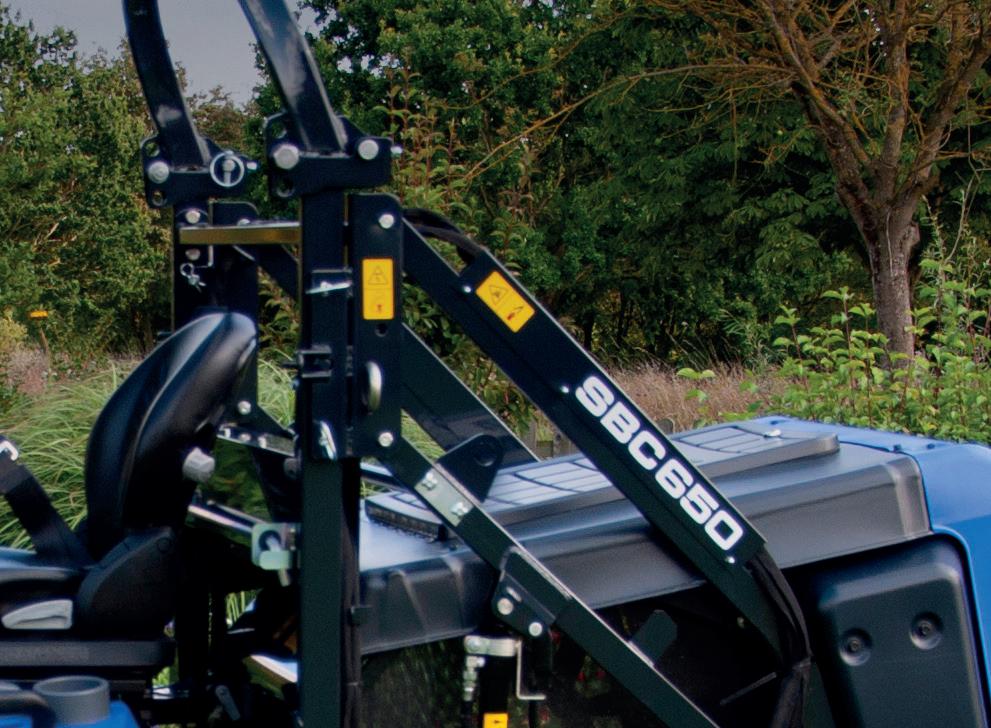
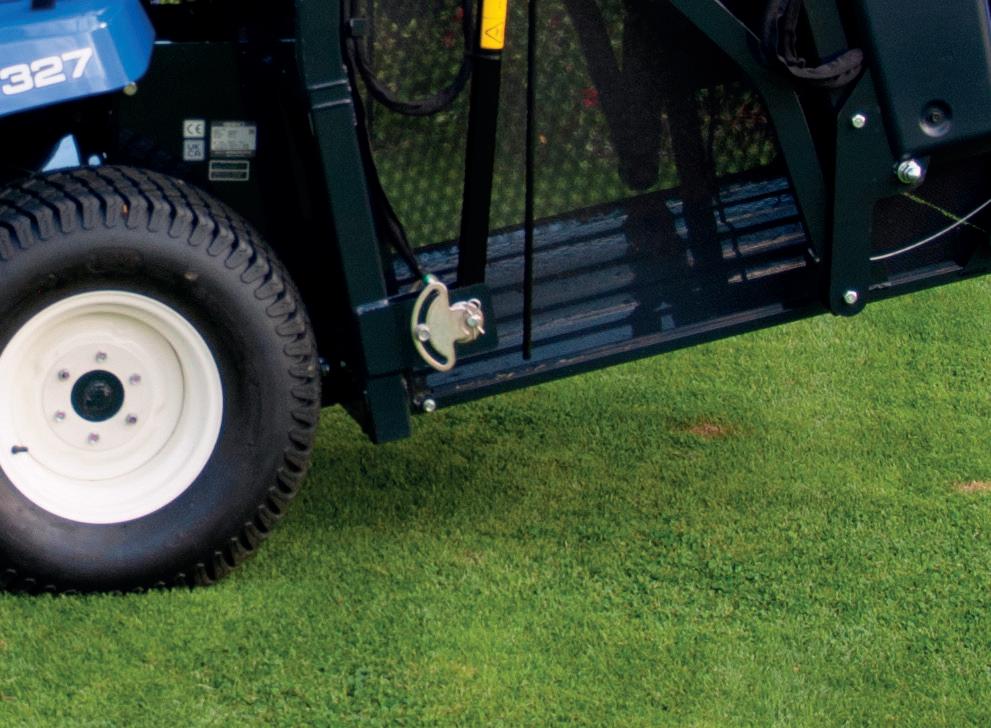

RVW Pugh
Mellington, Churchstoke, Montgomery, Powys, SY15 6TQ
Tel: 01588 620545
Web: www.rvwpugh.co.uk
RVW Pugh
Oakwood Park, Holmes Chapel, Cheshire, CW4 8AX
Tel: 01477 533560
Web: www.rvwpugh.co.uk
RVW Pugh Unit 2, Holland Business Park, Spa Lane, Lathom Lancashire, L40 6LN
Tel: 01695 816444
Web: www.rvwpugh.co.uk

Merlo UK is making it easier than ever for businesses to invest in premium agricultural equipment with its latest Retail Finance Schemes. Designed to help spread the cost while keeping cashflow healthy, the offer includes 0% APR options on selected agricultural telehandlers, so you can fix your finance and plan for growth with confidence.

Under the new terms, customers can choose from flexible payment options such as 1 + 2 annual payments or 4 + 20 monthly payments at 0% APR, available on up to 40% of the recommended retail price (RRP) on eligible models. There’s also an alternative 3 + 33 monthly payment plan at a competitive 1.99% APR for even greater flexibility.
For smaller machines like the CINGO range, the finance deal is equally attractive, with low-deposit plans and 0% interest spread over simple instalments.
Whether you’re expanding your fleet or upgrading to the latest Merlo technology, these retail finance options could make ownership more accessible and affordable than you think. Speak with your local Merlo dealer to explore the best package for your operation and see how you can benefit from this limited-time opportunity.
Finance Terms & Conditions
Retail customers only. Maximum balance
financed is 40% of RRP, subject to DLL terms and conditions. Finance offers exclude fleet deals of three or more machines.
Model eligibility:
• P27.6 and TF27.6 models are eligible only for the 4 + 20 payment plan at 0% APR.
CINGO Retail Finance Schemes (0% interest):
• CINGO M500DM: £500 deposit, 50% payable after 6 months, 50% after 18 months
• CINGO M700TD: £700 deposit, 50% payable after 6 months, 50% after 18 months
Finance for Merlo agricultural models is available through Merlo Finance, a trading style of De Lage Landen Leasing Limited (DLL). All finance is subject to status and approval. Applicants must be UK-registered businesses and aged 18 or over. VAT is excluded unless stated. Fees may apply. Finance cannot be combined with other campaigns.
DLL is authorised and regulated by the Financial Conduct Authority in respect of agreements regulated by the Consumer Credit Act 1974.
Merlo Finance Sales Desk: Agricultural: 01923 810078 Construction: 01923 810946

Stubbings Bros Ltd.
TR Machinery Ltd
Ventnor Isle of Wight PO38 2JN
TRMachinery Ltd
Oak Tree Works, NI Park, Newport, Shropshire
Phone : 01983 551443
TF10 9LH
www.stubbings-bros.co.uk
Phone: 01952 936900 www.trmachinery.co.uk
Turney Agriculture
Burnside Business Park Market Drayton Shropshire
Middleton Stoney Bicester Oxfordshire
TF9 3UX
D.A. Forgie Lisburn
BT27 5QB Phone: 02832 677736 www.forgie.com
OX25 4AB Phone: 01869 343333 www.turneygroup.com
Phone : 01630 653801 www.trmachinery.co.uk
Turney Agriculture Unit 8 Woodway Princes Risborough Buckinghamshire HP27 0NN Phone: 01844 346690 www.turneygroup.com
D.A. Forgie Co Londonderry
BT49 9DW Phone: 02877 722375 www.forgie.com
Turney Agriculture, Groundcare & Country Store Fleet Lane, Brendon Gloucestershire Tewkesbury, GL20 7EF Phone: 01684 772912 www.turneygroup.com
RVW Pugh, Mellington, Churchstoke, Montgomery Powys.
RVW Pugh, Mellington, Churchstoke, Montgomery Powys. SY156TQ
SY15 6TQ
Phone: 01588 620545 www.rvwpugh.co.uk
Phone : 01588 620545
www.rvwpugh.co.uk
RVW Pugh Spa Lane, Lathom, Unit 2, Holland Business Park, Lancashire, L40 6LN
Phone: 01695 816444
www.rvwpugh.co.uk
D.A.Forgie Lisburn,
RVW Pugh, Oakwood Park, Holmes Chapel, Cheshire
CW4 8AX
Phone : 02892677736 BT27 5QB www.forige.com
Phone : 01477 533560 www.rvwpugh.co.uk
RVW Pugh, CW4 8AX Chapel, Cheshire Oakwood Park, Holmes

Phone : 01477533560
www.rvwpugh.co.uk
D.A.Forgie Co Londonderry, BT49 9DW
RVW Pugh, Unit 2, Holland Business Park, Spa Lane, Lathom Lancashire, L40 6LN
Phone : 02877722375 www.forige.com
Phone : 01695 816444 www.rvwpugh.co.uk
Cooks Midlands Ltd Unit 10 Horsepool Grange Elliotts Lane, Markfield, LE67 9TW Phone: 01530 249191 cooksmidlands.co.uk
Cooks Midlands Ltd. Unit 10 Horsepool Grange Elliotts Lane, Markfield LE67 9TW
Brian Robinson Machinery Ltd Birkby Lane East Cowton, Northallerton North Yorkshire
DL7 0DX
Phone: 01325 378552
Phone : 01530 249191
www.brianrobinson.co.uk
www.cooksmidlands.co.uk

Following its successful launch at LAMMA 2026, NRH Engineering will be giving visitors to this year's Yorkshire Agricultural Machinery Show (YAMS) a chance to see the latest addition to its grassland range.
The Yorkshire cultivation machinery manufacturer will have its new ROLLX GSD on stand B9 at York Auction Centre on Wednesday 4th February.
The ROLLX GSD features both a grass roller and a pneumatic applicator and seeder, offering convenience, timesaving and seamless one-pass seeding and rolling.
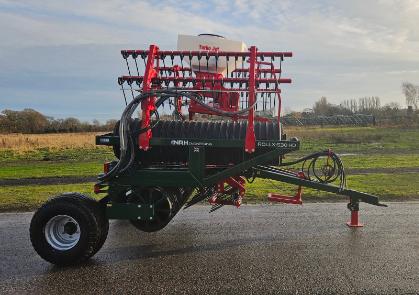

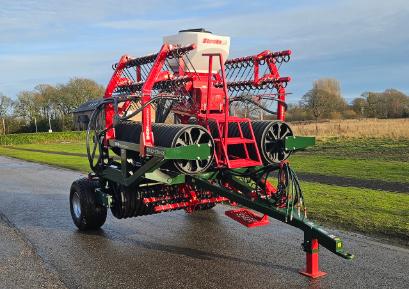

Available in 3, 4, 5, 6, and 8.3 metre-wide configurations, the ROLLX GSD can also be equipped with harrow tines for scarifying and either a Cambridge or a ballast roller.
NRH Engineering has opted to use a Stocks Ag Turbo Jet 10 outlet applicator controlled by the company's i-Con system to sow seed from the 240litre hopper. With a 4.3" colour touch screen, the iCon system can automatically control seed application rates in proportion to the forward speed and apply variable rates according to mapping data using GPS.

The RollX GSD is an evolution of the ROLLX GS, which NRH introduced in June 2024 in response to requests from growers and dealers who were impressed with the build quality and performance of NRH's ROLLX Cambridge roller. As with the ROLLX Cambridge Roller, the ROLLX GS uses a 610 x 13mm barrel mounted onto the same heavy-duty frame.
NRH updated the ROLLX GS earlier this year with several optional features, including stone trays, hydraulic paddle tines, jackpot tines, and harrowing tines, all of which can be operated from the cab for convenience and time savings.
"The ROLLX GSD attracted a lot of interest at LAMMA, and we're confident it will be the same at YAMS," says Neil Hopwood, owner of NRH Engineering. "As a company, we always take on board the feedback we receive and try to develop machines that our customers want. That's why we developed the ROLLX GSD. We received several enquiries about whether it would be possible to incorporate a seed applicator into our popular ROLLX grass roller. So that's what we did!"
To find out more about the ROLLX GSD, which is available from £24,000, visit stand B9 at YAMS orwww.nrh-engineering.co.uk


Duncan Brassington Agricultural Sales & Services Ltd
Banbury Farm House, Bridgnorth, WV16 6QN
Tel: 01746 787983 - 07970 283674
www.brassingtonagri.co.uk Barlows Farm Machinery Unit 2B, Yew Tree Works, Congleton Road (A34), Marton, Macclesfield,Cheshire, SK11 9HN Tel: 01625 422489 www.barlowsfm.co.uk


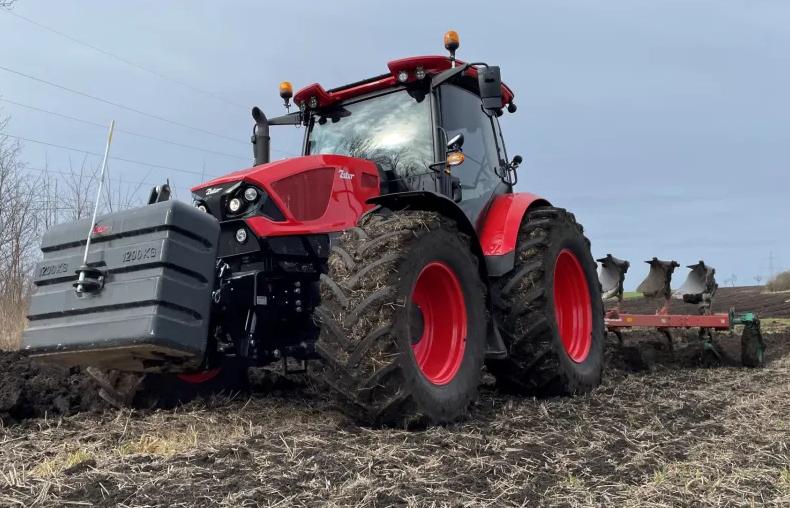
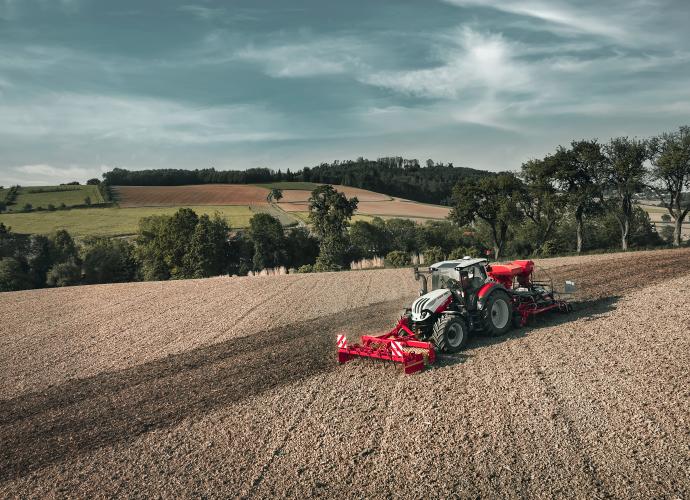
Afuel-efficient additional transmission option and a selection of feature packages mean the STEYR®Expert range of 110-140hp (max) tractors can now be even more closely matched to individual customer requirements.

Well established with the continuously-variable SControlTMCVT transmission, Expert models can now alternatively be specified with the S-Control 8 double clutch transmission, broadening choice to best fit customer needs. Three ranges each with eight powershift steps ensure S-Control 8 provides accurate speed control for everything from low-speed precision tasks through to general field work and high-speed transport. Maximum speed is 40kph, and gear overlap ensures smooth changes under load, with automated shifting possible in each range. S-Tronic maximises engine and transmission efficiency and minimizes fuel use, while the S-Stop II brake-to-clutch feature aids precise and safe loader work and implement hitching. A memory shuttle stores and matches forward and reverse speeds for smooth shuttling, while an auto clutch eliminates the need to use the foot clutch for range changes.

The new specification packs for STEYR Expert SControl 8 tractors simplify specifying and ordering, and improve value. Designed for farms performing loader work and light field tasks where the tractor is used frequently but not continuously, the economical yet functional Element package includes features such as mechanical rear remote valves and up to two electrohydraulic mid-mount valves, plus a basic loader joystick. Cab and front axle suspension are optional. Aimed at owners looking to perform light tillage and transport with larger models, the Evolution package offers enhanced comfort and precision tech-readiness. Cab and front axle suspension are standard, and advanced telematics are an optional upgrade from the standard basic package, as is autoguidance up to RTK level, plus up to three electronic remote valves with advanced joystick.
A dedicated Orange package meets the needs of STEYR municipality and forestry customers. It includes a standard suspended front axle, with the option of cab suspension. Up to three electrohydraulic remote valves can be specified, with advanced joystick.
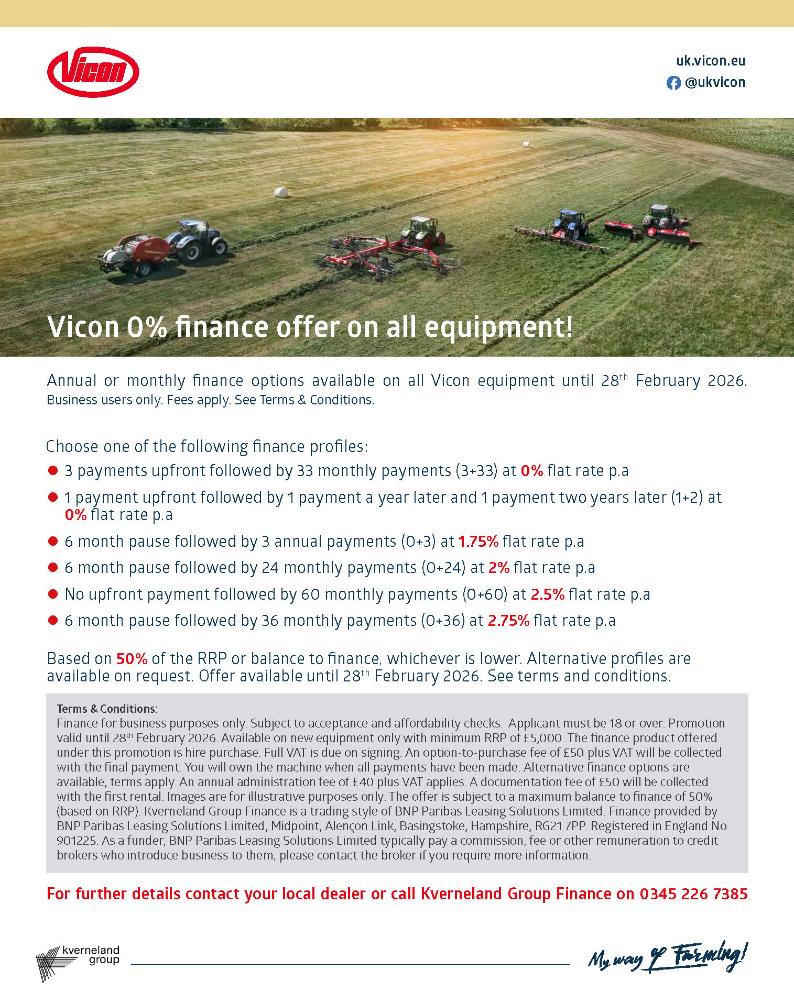


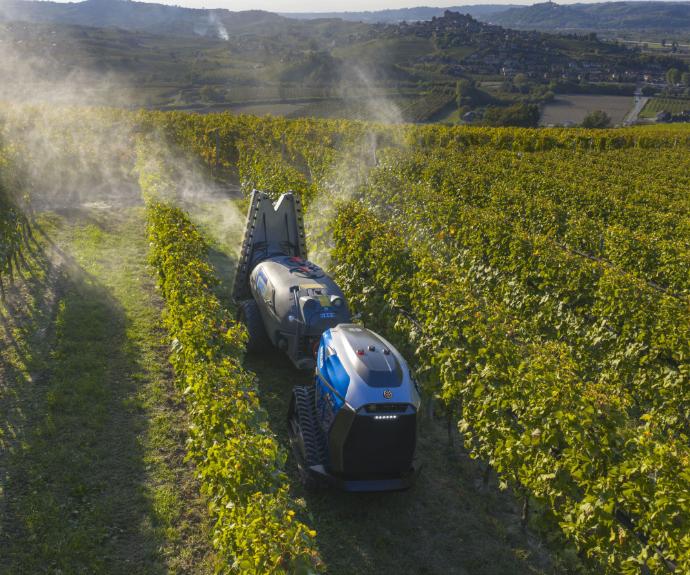
The R4 hybrid power unit unveiled at Agritechnica 2025 is to feature at one of Europe’s leading dedicated agricultural robotics events, GOFAR Field Day France. This participation reinforces New Holland’s commitment to delivering advanced driverless solutions in the specialist crop sectors where the brand is already a recognized and established leader.

To be held on February 5th, GOFAR Field Day France takes place at Auzeville-Tolosane Agrobiopole, in the ToulouseSud-Est technology park. Here, farmers and growers can discover the latest developments in autonomous agricultural equipment.
The R4 robots will be available in two variants –Hybrid and Full Electric - both designed to help vineyard, orchard and specialty crop growers address labour shortages and allow skilled staff to be redeployed from simple, monotonous and easily-automated work, such as mowing and tillage, to focus on more complex tasks and
management where human focus is essential. Managed via an app, R4 robots combine GPS, LIDAR and vision cameras to deliver precise and reliable performance in the field.
Both models use suspended rubber-track drive units for maximum traction and minimum compaction, along with a continuously-variable intelligent electric drivetrain. They can power existing implements, or drive new ones electrically without hydraulic oil, reducing maintenance, weight, emissions, cost.
“Since their debut at Agritechnica, the R4 robots have generated strong interest, confirming the relevance of this approach for the specialty crop sector,” saysThierry Le Briquer, Grape, Olive & Coffee Global Manager at New Holland.
“We are confident that the R4 concept can deliver meaningful benefits for customers, and we look forward to meeting visitors at GOFAR Field Day France to discuss how this solution could support their operations.”
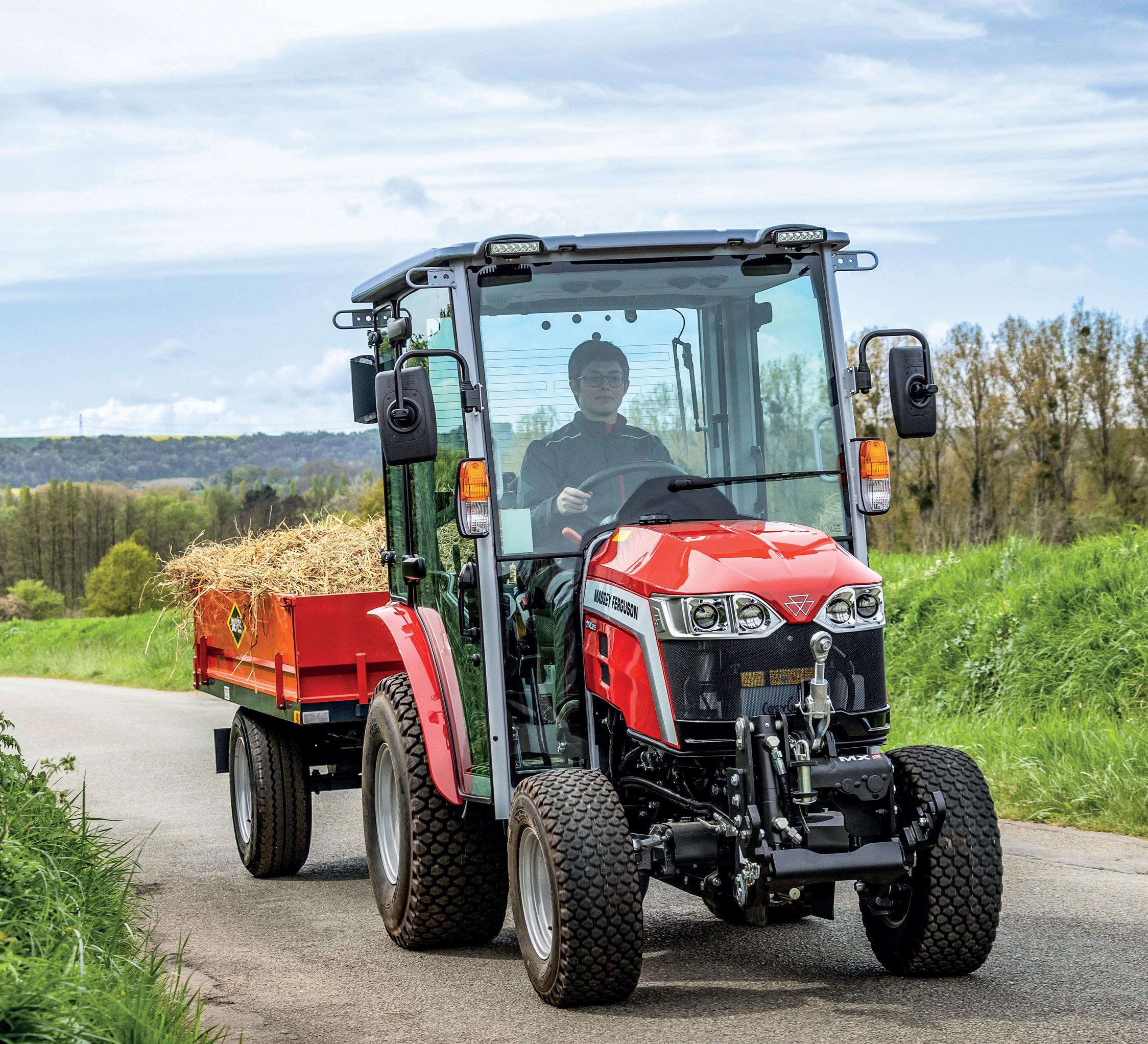
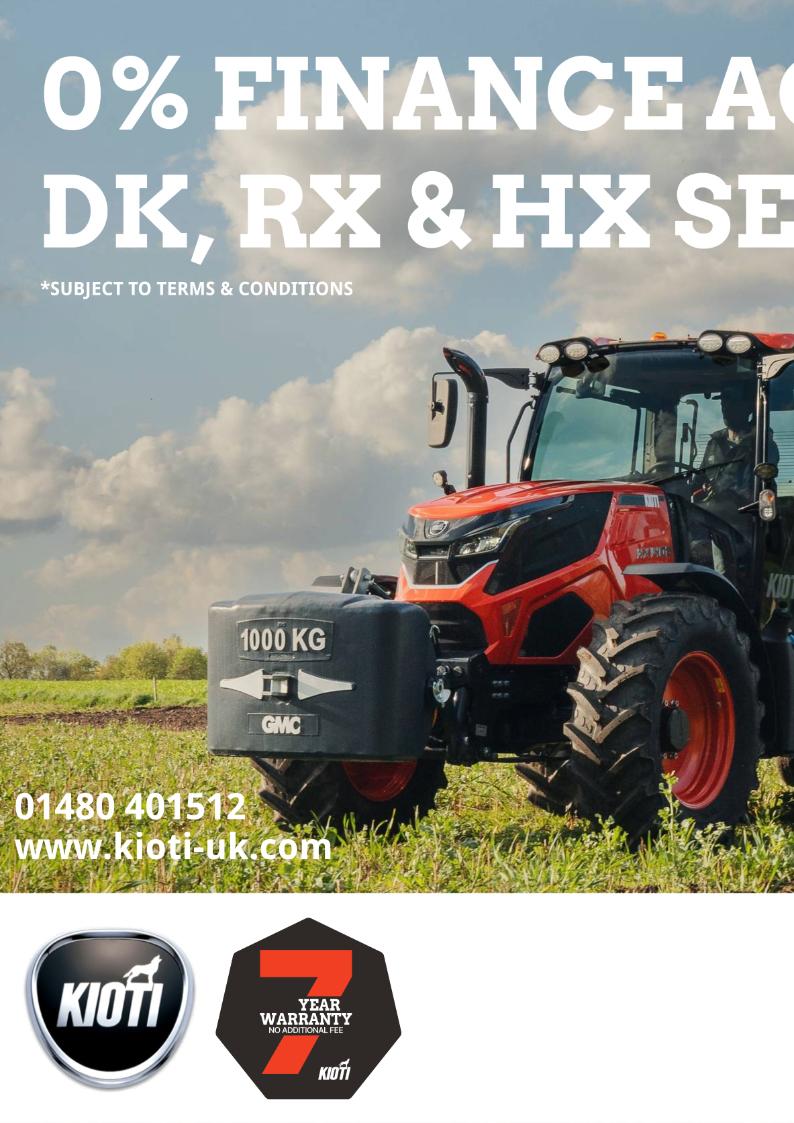


Sitting firmly at the top of Kawasaki’s ATV hierarchy, the Brute Force 750 range embodies everything the brand is known for: performance, real-world capability, and a no-nonsense, can-do attitude. Powered by a 749cc V-twin engine and equipped with electronic power steering, these flagship machines are designed to work hard, go further, and do it all with ease.
With an impressive 37.3 kW (51 PS) on tap and a class-leading 58.1 Nm of torque, the fuelinjected V-twin delivers relentless pulling power and effortless acceleration. Whether towing, climbing, or pushing through challenging terrain, the Brute Force 750 feels unflappable.
For 2026, Kawasaki expands the lineup with the introduction of the Brute Force 750 SE, a model that raises the bar on standard
equipment and everyday practicality. Hand guards come fitted as standard, alongside a robust front brush guard and a chassismounted Warn VRX 25-S winch, providing serious pulling power when conditions turn demanding. It’s a specification that underlines the SE’s all-season, all-terrain credentials.
Both standard and SE models benefit from electronically selectable two- and four-wheel drive, paired with double wishbone suspension at both ends. The result is a machine that


For more information and to find your local Kawasaki dealer, visit
combines automotive-style control with the compact agility only an ATV can offer.
Thoughtful details elevate the experience further. Variable front differential control improves traction in the toughest situations, while a practical handlebar-mounted LED light is a small but telling example of Kawasaki’s attention to real-world usability.
When it comes to allround performance, durability, and sheer capability, the search for the ultimate ATV begins—and ends— with the Brute Force 750.
The Brute Force 750 is available in Grayish Blue, while the Brute Force 750 SE is offered in camouflage colourways.
Kawasaki’s current UK ATV range includes the Brute Force 750/SE, Brute Force 450 T-Cat, and the KFX90 ATV. For more information, visit www.kawasaki.co.uk or contact your local Kawasaki Utility Dealer.




s newly appointed Main Dealers for Yamaha ATVs for North Yorkshire, Tom Taylor ATV can offer you a wealth of choice with their extensive range of New ATVs to suit your individual needs. All pre-owned ATVs are fully serviced in our own workshops to the highest standards, we aim to give you, the customer, that all important “peace of mind”. When your machine requires service or repairs, pick-ups and drop-offs can be pre-arranged. It’s just a phone call away. Specialists servicing Yamaha, Honda and Can-Am ATVs. Come and see us to

view new machine in our showroom, deals always available or call Tom Taylor for a demo on 01904 758105
With over 40 years ATV experience, Tom Taylor knows how provide the best possible service and support to the industry. We have a comprehensive selection of ATV Accessories and Equipment available from • C-DAX ATV Equipment • LOGIC ATV Equipment • TFM TRAILERS • Longdog ATV Equipment • Chapman Machinery • Moose ATV Products • Data Tool Tracker Recovery Systems.
RVW Pugh Ltd
Oakwood Park, Holmes Chapel Cheshire, CW4 8AX
Tel: 01477 533560 www.rvwpugh.co.uk
Stirling's Powersports
East Fulton House, Darluith Road, Paisley, Linwood, PA3 3TP
Tel: 01505 382222 www.stirlingspowersports.com
RVW Pugh Ltd
Mellington, Churchstoke Montgomery, Powys SY15 6TQ
Tel: 01588 620545
Suzuki GB is pleased to continue supporting Ludlow Racecourse, in partnership with Farm & Garden Machinery, by providing a KingQuad for use at the track and by sponsoring a special Behind the Scenes Raceday on the 18th February 2026.

Supplied through local Authorised Suzuki Dealer, Farm & Garden Machinery, the KingQuad will play an important role at the racecourse, with duties including providing safety oversight to both horses and jockeys while they compete in races.
Operated by the groundskeeping team, the KingQuad will also assist with maintenance around the course, allowing the team to transport equipment and cover distance with ease.
Suzuki GB and Farm & Garden Machinery will also sponsor the Behind the Scenes Raceday hosted by Ludlow Racecourse on the 18th February 2026. This event gives everyone, including families and children, a unique insight into the world of horse racing, while enjoying a fun, inclusive day out at a real sporting environment. Visiting students will
also have the opportunity to explore careers, animal welfare, teamwork and sporting operations through a range of hands-on experiences.
Commenting on this announcement, Mark Beeley, Head of ATV & Marine at Suzuki GB, said, “We are very pleased to continue supporting Ludlow Racecourse and to see the grounds team working hard with our KingQuad to keep the track running and competitors safe.”
Andrea Morris, Company Secretary at Farm & Garden Machinery, said, “We are proud to support Ludlow Racecourse with the power and unrivalled reliability of a Suzuki ATV. Tom and his grounds team at Ludlow do a wonderful job, and Suzuki has always been a fantastic company to work with.”
To explore Suzuki’s 2026 range of KingQuads, and to learn about current offers, visit atv.suzuki.co.uk or contact your local Authorised Suzuki Dealer.
Based in Bridgnorth, Farm & Garden Machinery has over 25 years of industry experience and is proud to be Authorised Dealers for Suzuki ATVs. Visit their website at: farm-garden.co.uk

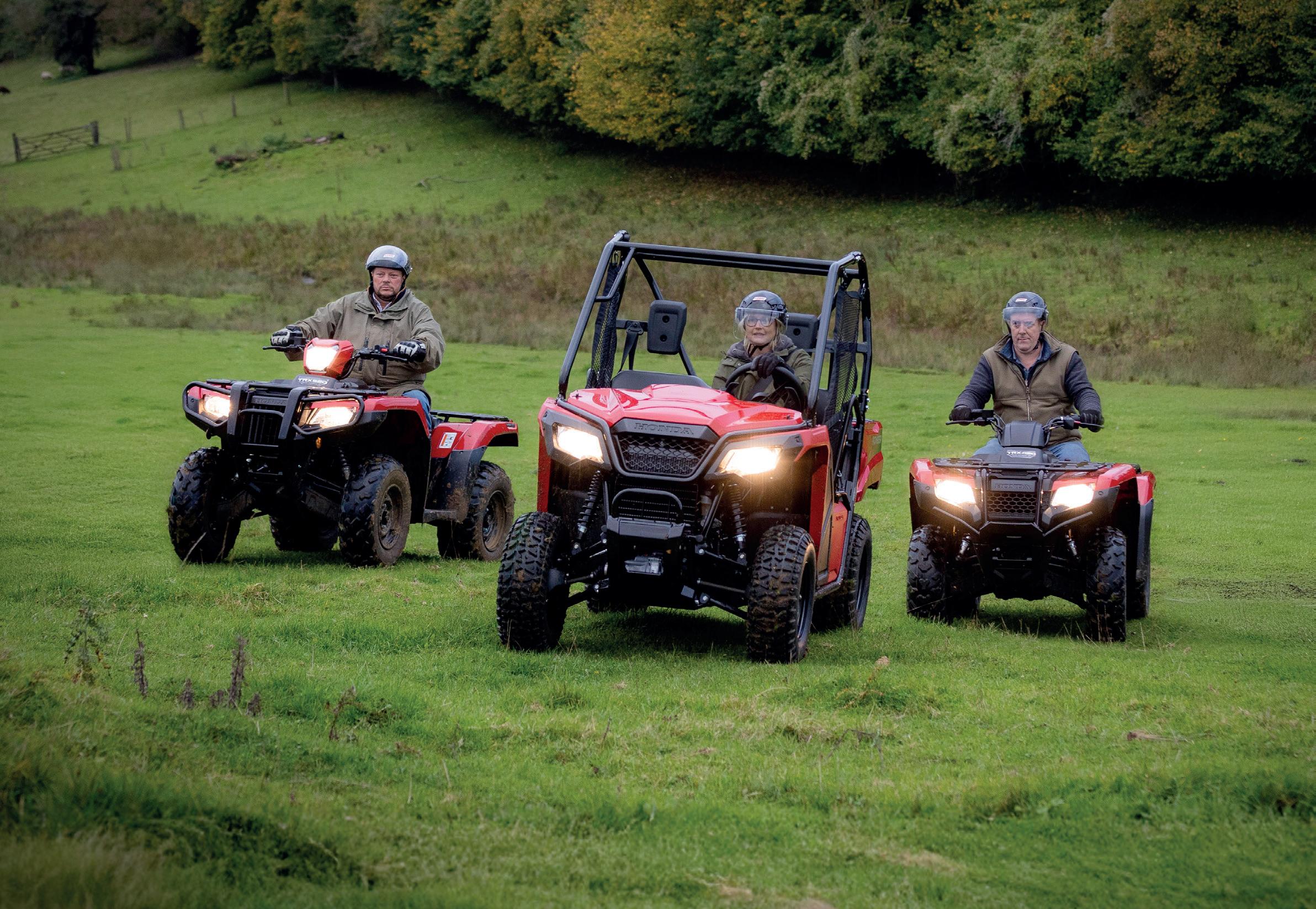
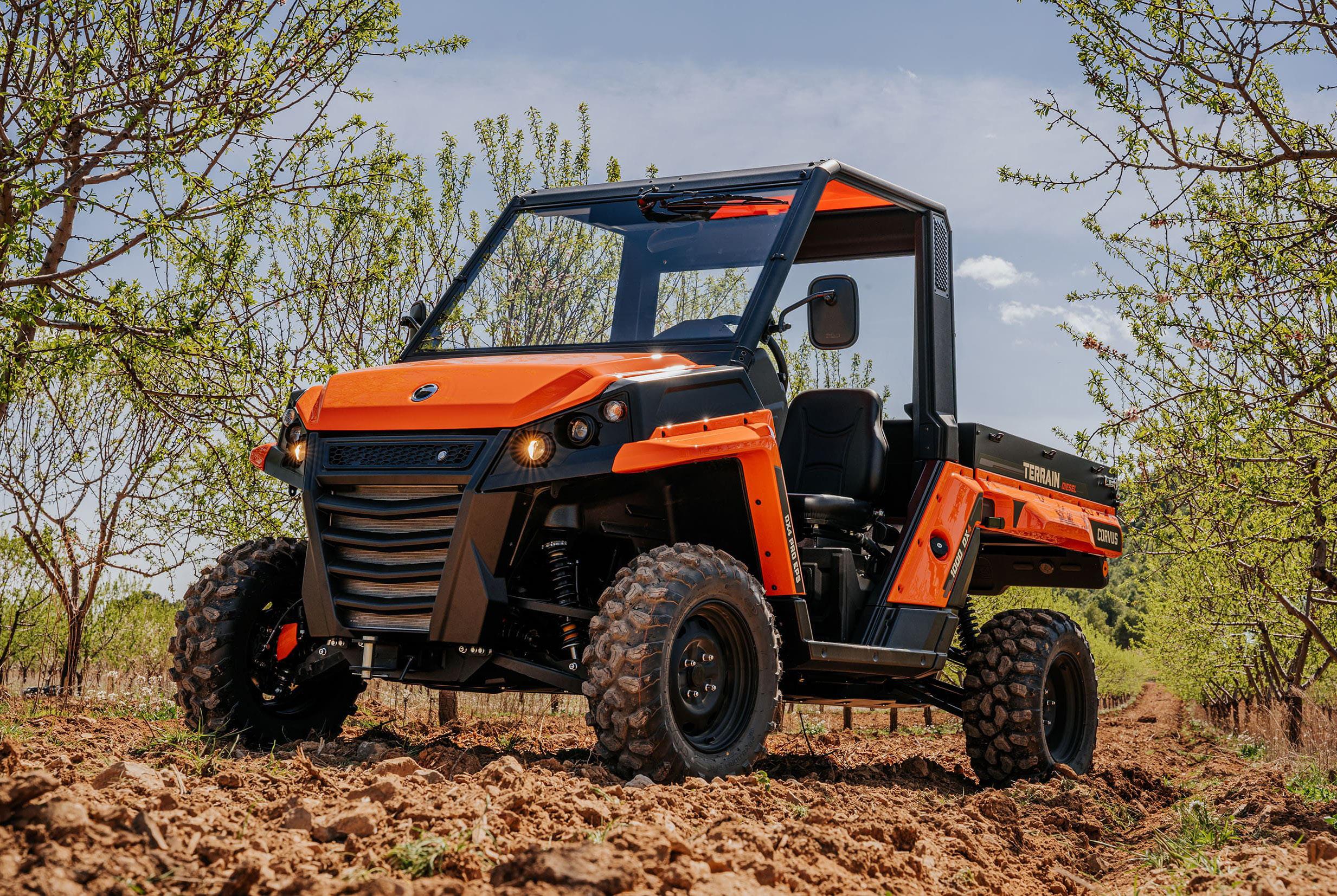
Corvus Terrain DX4 and DX2. The first UTVs made in Europe bring together pioneering sustainability and advanced technology. Constructed for the hardest off-road work in agriculture, livestock, forestry, groundscare and construction.
Highly adaptable, the Terrain features a 3-cylinder 24hp Yanmar Diesel engine for excellent fuel efficiency and range.
• St ag e V emission compliant
• Road legal to T1a/T1b tractor regulation with top speed of 40mph/65kph
• Power steering
• Full cab and heater options, including air conditioning
Supported by a specialised dealer network throughout the UK and Ireland.
To find your local dealer, visit www.bossorv.co.uk
ABREY AGRICULTURAL
Pamphillions Farm, Purton End, Debden CB11 3JT 01799 543208
ACE ATV
Woodgate Road, Stoke Prior, Woodgate, Bromsgrove B60 4HB 01527 578668
DAVID TAYLOR GARAGES
Granada Park Motors, A4077, Llangattock, Crickhowell NP8 1HW 01873 810304
TOM TAYLOR ATV
Unit 16/17 Windmill House Ind Est, Sutton Road, York YO32 2RA 01904 758105

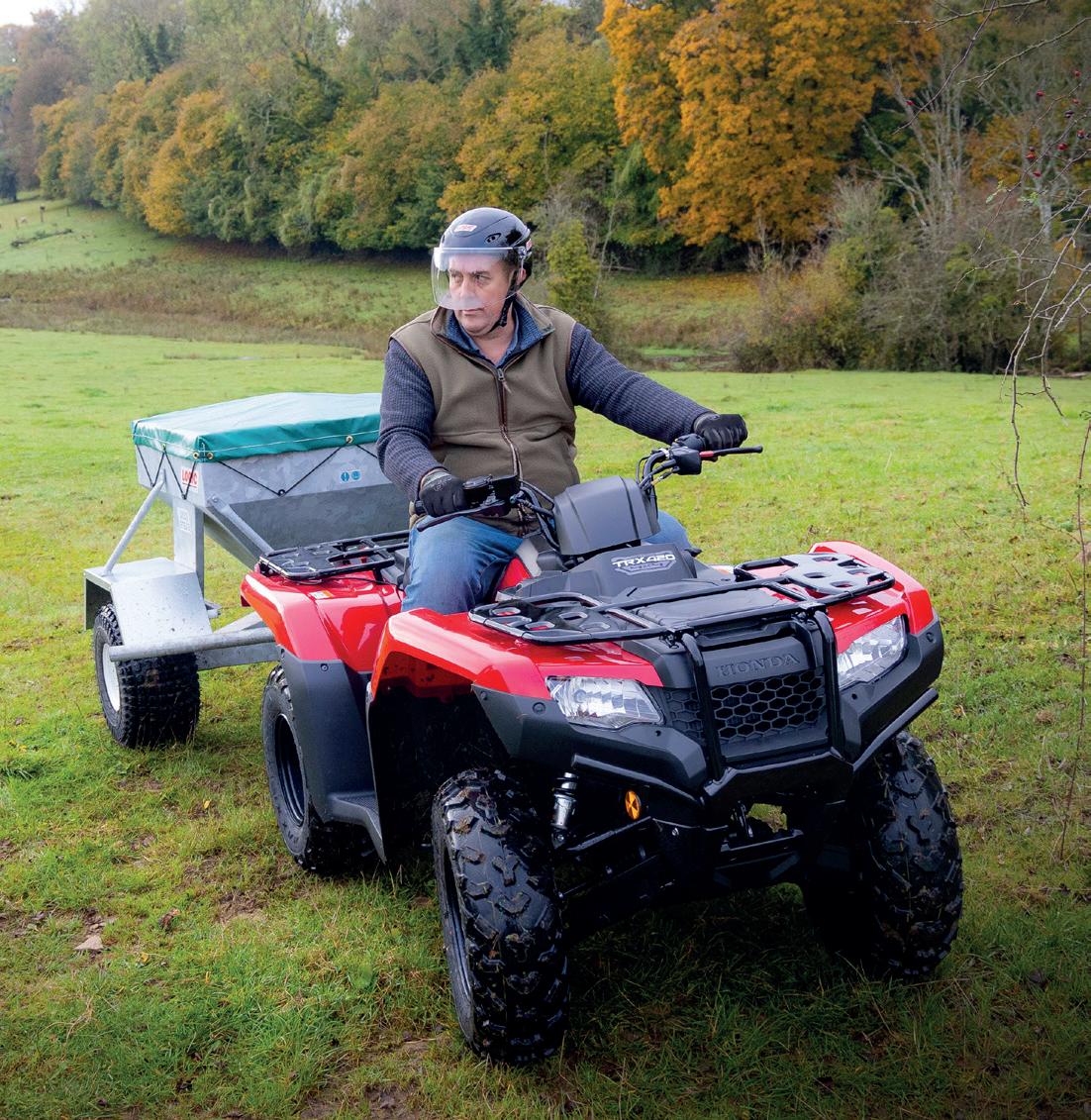

• Fuel-injected 420 cc OHV engine
• Auto clutch with manual shifting
TRX420FM1/FM2: £420 off (excl. VAT)
• Swing-Arm Suspension (Fixed Rear Axle)
• Power Steering (FM2)
• Fuel-injected 420 cc OHV engine
• Sturdy front and rear racks
• Auto clutch with manual shifting
• 1.9L water resistant utility box
• TraxLok® switchable 2WD/4WD
• Swing-Arm Suspension (Fixed Rear Axle)
• Available in Red or Green
• Power Steering (FM2)
• Sturdy front and rear racks
• 1.9L water resistant utility box
• TraxLok® switchable 2WD/4WD
• Available in Red or Green

• Fuel-injected 518 cc OHV engine
• Auto clutch with manual shifting
TRX520FM2/FM6: £520 off (excl. VAT)

• Fuel-injected 518 cc OHV engine
• 204 kg cargo bed capacity
• Swing-Arm or Independent Rear Suspension (IRS)
TRX520FM2/FM6: £520 off (excl. VAT)
• Power Steering
• Fuel-injected 518 cc OHV engine
• Sturdy front and rear racks
• Auto clutch with manual shifting
• 1.9L water resistant utility box
• TraxLok® switchable 2WD/4WD
• Swing-Arm or Independent Rear Suspension (IRS)
• Available in Red or Green
• Power Steering
• Sturdy front and rear racks
• 1.9L water resistant utility box
• TraxLok® switchable 2WD/4WD
• Available in Red or Green
• Independent Rear Suspension (IRS)
SXS520 PIONEER: £520 off (excl. VAT)
• Impressive 454 kg towing capacity
• Five-speed auto transmission with optional manual shifting
• Fuel-injected 518 cc OHV engine
• 204 kg cargo bed capacity
• TraxLok® switchable 2WD/4WD
• Independent Rear Suspension (IRS)
• Side-by-side seating with easy access
• Impressive 454 kg towing capacity
• Five-speed auto transmission with optional manual shifting
ATVs & UTVs—Built to Work as Hard as You Do. Honda ATVs and UTVs deliver the performance and reliability professionals trust every day. From farming and forestry to gamekeeping, equestrian work, and snow clearing, these machines handle any terrain, any weather, and countless tasks with ease. Known for robust build quality and exceptional dependability, your Honda quickly becomes an essential part of your routine. Backed by a 2-year manufacturer’s warranty† as standard, your Honda ATV or UTV is ready whenever you are. The Power of Dreams.
• TraxLok® switchable 2WD/4WD
• Side-by-side seating with easy access
Honda ATVs & UTVs—Built to Work as Hard as You Do. Honda ATVs and UTVs deliver the performance and reliability professionals trust every day. From farming and forestry to gamekeeping, equestrian work, and snow clearing, these machines handle any terrain, any weather, and countless tasks with ease. Known for robust build quality and exceptional dependability, your Honda quickly becomes an essential part of your routine. Backed by a 2-year manufacturer’s warranty† as standard, your Honda ATV or UTV is ready whenever you are. The Power of Dreams.



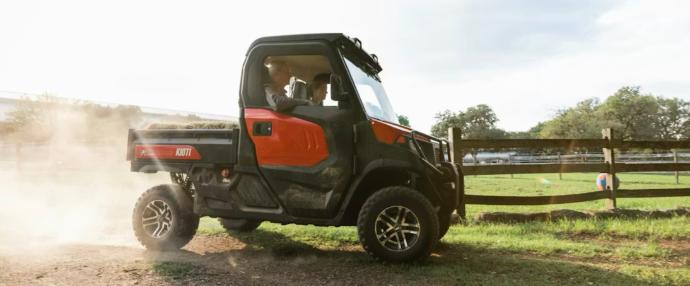


We’re proud to share some exciting news at Clarke 4x4 we have officially been appointed as a

This new partnership allows us to bring an impressive range of Kioti tractors and UTVs, covering 25 - 140HP, to our customers.



*Terms and Conditions apply
CFORCE ATV’s from £4500 + VAT
CFORCE ATV’s from £4500 + VAT
We’re looking forward to supporting our customers with this exciting new range and helping you find the right machinery for the job.


Highland Leisure Sport
Unit 20, Cromarty Firth Business Park
Invergordon, IV18 0LT
Tel: 01349 854620
www.highlandleisuresport.co.uk
Duncan Brassington Agricultural Sales & Service Ltd
Banbury Lane, Burwarton, Bridgnorth, WV16 6QN
Tel: 01746 787983
www.brassingtonagri.co.uk
158 Performance
Unit 1/2, Tallington Services, Main Road, Tallington, Lincolnshire, PE9 4RN
Tel: 01778 341144
www.158performance.co.uk
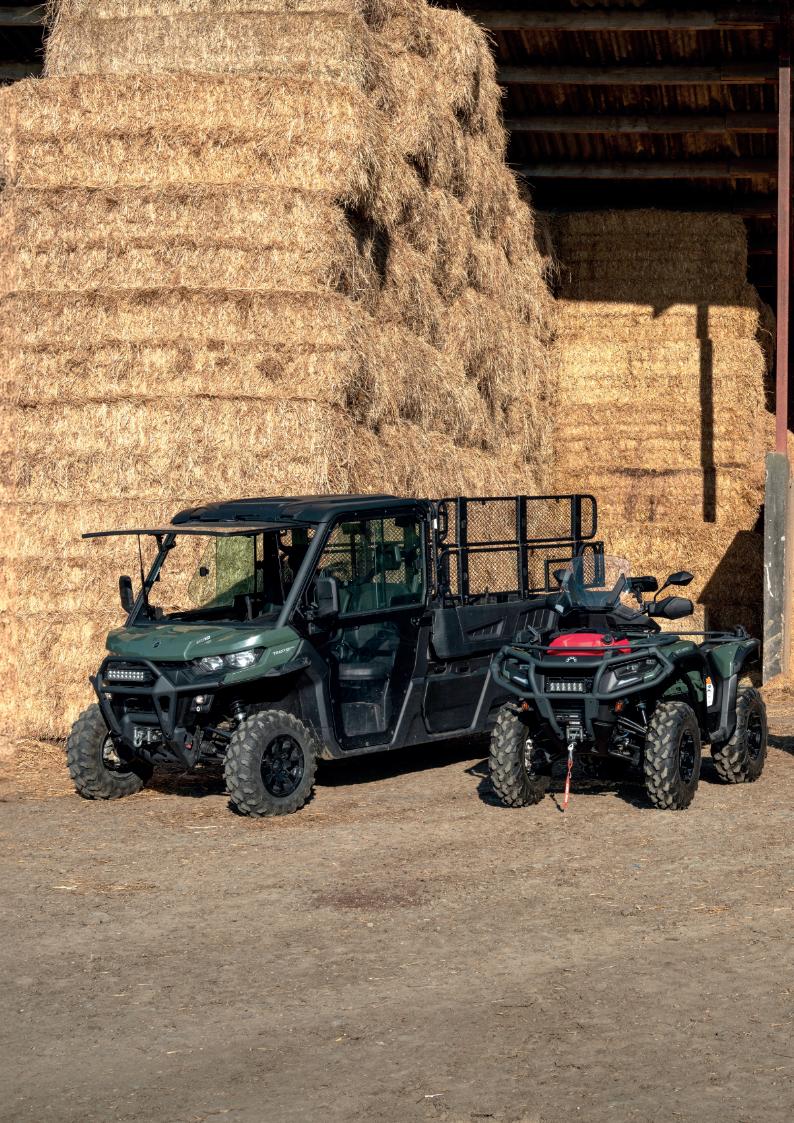
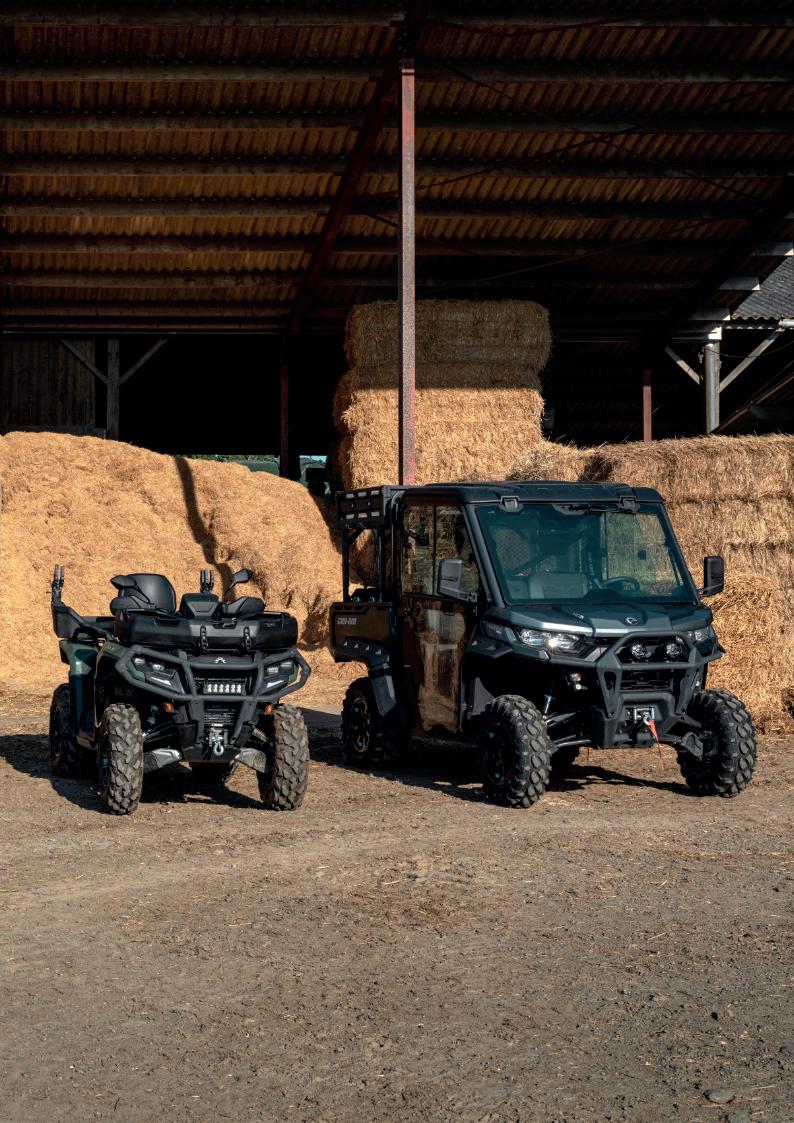


Hayling Island Sailing Club put four Suzuki KingQuads to the test for three months last year – and they didn’t disappoint. With a large, busy site hosting over 150 cars, boats and hordes of visitors, including hundreds of children, the club needed a reliable, flexible

solution to manage logistics safely and efficiently. Suzuki’s ATVs proved to be exactly that.
The versatile vehicles were used for towing boats around the site, as well as transporting fuel quickly and safely. Unlike traditional equipment such as bobcats or tool tracks, which are designed for water access and can be cumbersome on crowded land, the Suzuki ATVs provided fantastic manoeuvrability.
“They’re very fuel-efficient, which helped keep both our operational costs and environmental impact low,” John Message, Rear Commodore Finance at Hayling Island Sailing Club, said.
“The flexibility and visibility they gave us was fantastic, and their small footprint and agility made it easy for us to navigate through crowds, gates and get to the car park quickly and safely. We also used the ATVs to do a beach clean, which helped us to cover more ground quickly and collect more debris.”



Choose the Pathcross ATV 525/650/800/1000cc
Discover the exceptional from a global leading powersports manufacturer. Unleash the power with V-Twin engines. Tackle the most rugged trails and rough terrain. Enhance your ride with advanced suspension and electronic fuel injection. Enjoy the comfort with a cab, heating and air conditioning.
Satisfy all your expectations with the Workcross 525/650/800/1000cc

Glenshesk Road
Co Antrim, BT54 6PY
Tel: 07548 788592 or 07764 250425 www.akoffroad.co.uk


Enter NSA’s 2026 prize giveaway to WIN a Yamaha Kodiak 450 Quad Bike, valued at over £8,600 kindly provided by Yamaha Motor UK.
The prize draw is open to any UK sheep farmer over the age of 16. Both NSA members and non-members can enter, but entries are limited to one per person/email address. One lucky winner will benefit from the prize of a Yamaha Kodiak 450 Quad Bike.
The Kodiak 450 is renowned for its all-day comfort, ease of use and superior capability, making it an essential and reliable tool for farmers working across Britain’s varied terrain. This competition provides an exciting opportunity to upgrade equipment with a rugged, proven off-road machine.
Yamaha Motor has been revving hearts for over 65 years. This is at the heart of their brand, flowing from the company's engineering design and development to the positive emotions and excitement experienced by customers when they enjoy any Yamaha Motor product. At Yamaha Motor, they constantly seek to improve and innovate every aspect of what the brand brings to customers, delivering experiences to ignite every passion.
Dan Palmer, Manager RVGC at Yamaha UK, expressed his enthusiasm for the partnership and the prize.
"TheNational Sheep Association is an important voice and an incredibly key partner within the UK farming community and we are thrilled to be collaborating with them on this competition. The Kodiak 450 is a true workhorse built for reliability and we know it will be an invaluable tool for one lucky winner.”
The Yamaha Kodiak 450 features the legendaryUltramatic® transmission, ensuring seamless power delivery and unmatched engine braking, crucial features for safety and stability when working on steep or challenging ground.
The draw will close midnight on Thursday 31st December 2026.
Fill in the form via this link to enter! https:// nationalsheep.org.uk/draw/yamaha-giveaway2026/



scenso offer a range of tyres suitable for sprayers, including self-propelled sprayers and mounted sprayers.
You may think that there is only a slight difference in the width of the tyres, but the difference in terms of crop yield will be noticeable.
time with the use of tyres more suitable for spraying in wet conditions. The effect of a low-pressure VF tyre working at 0.8 bar will be very different from that of a standard technology tyre which will require inflating to at least 1.6 bar to carry the thousands of litres of liquid transported in the sprayer tank, or more if the sprayer is equipped with wide booms.
Spraying requires numerous trips across your fields and the impact in terms of soil and crop damage will be significant.

Wide tyres are better in certain conditions, but the effect of wide tyres will depend on the tyre technology used.
Wide tyres, particularly low-pressure VF tyres, would be suitable during the first spraying operations at the end of the winter season. In this situation, narrow row crop tyres which require higher inflation pressures and do not have a large contact area with the ground will be less suitable.
For all fertilizer applications before sowing, the use of wide low-pressure VF tyres has many advantages. High load capacity, low-pressure VF tyres have flexible yet robust casings capable of carrying heavy loads, allowing the use of larger sprayer tanks and wider booms.
Working at pressures as low as 0.8 bar, VF tyres help avoid soil compaction and the formation of ruts during soil preparation. VF tyres do not require pressure adjustments during cyclic operations and can operate at the same inflation pressure with a full or empty sprayer tank.
Standard non-VF tyres are not suitable for spraying during the wet season, as compaction to the lower layers of soil will be significant and it will then be necessary to repair the damaged soil.
You can avoid these additional costs and loss of
If you are looking to fit wide VF tyres, the Ascenso VDR 2000 comes in a range of sizes suitable for self-propelled sprayers, trailed sprayers and tractors. Featuring an advanced tread design with a wider and longer footprint, the VDR 2000 reduces soil stress and compaction offering improved yields. With its advance VF technology, it can carry heavy loads at low inflating pressures.
During the spring season if conditions are not too wet, or in the summer, fitting narrow row crop tyres will have less impact on the soil surface during spraying operations.
Unlike wide tyres which crush the crops, narrow tyres have less impact on the soil and allow young seedlings to develop correctly throughout the field. The limited width of the narrow tyres footprint reduces the number of plants damaged as well as the impact on your crop’s root system.
If you are pulling a trailed crop sprayer with your tractor, to reduce the impact on the soil surface and damage to plants, both sprayer and tractor should be fitted with the same width of tyre and the sprayer tyres must follow in the same tracks between the rows as the tractor.
Ascenso’s VDR 900 & VDR 901 VF tyres have been designed to carry 40% more load than a conventional radial tire, or the same load at 40% lower pressure.
The more radially stiffer tyre makes it possible to transition from field to road and vice versa without adjusting the inflation pressure. At the reduced pressure required for field use, the tyre can also run at full speed on the road yet deliver the same fuel efficiencies as a standard tyre at road pressure.
Steel belts offer puncture protection and distributes uniform ground pressure which helps reduce soil compaction and crop damage.
These tyres have been designed with stronger lugs with a large contact patch that gives excellent traction with decreased slippage, delivering lower fuel consumption, and increases overall productivity.



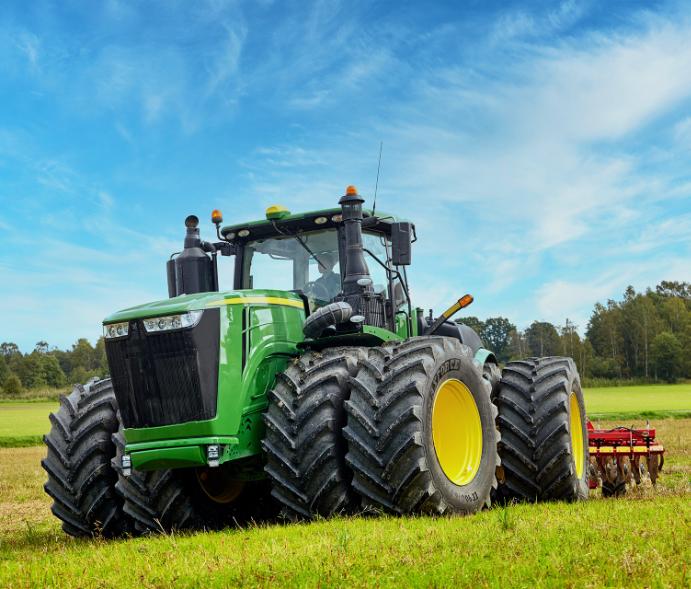
BKT, the leading Off-Highway tire manufacturer, provides solutions that are able to accurately respond to continuous evolution and modernization within the farming industry. Agriculture is, indeed, the backbone on which the company has historically founded its roots, and it is also the segment where both technology and mechanics are expanding at the fastest pace.
With a strong commitment to research and development of cutting-edge solutions, BKT sees the evolution of agricultural equipment as an opportunity to offer ever smarter tires, capable of integrating with AI and precision farming systems. Solutions such as AGRIMAX V-FLECTO, RIDEMAX IT 696, and AGRIMAX FORCE are Balkrishna Industries Ltd.'s technical response to the requirements of modern tractors and are able to support a wide range of agricultural applications ranging from precision farming to variable slope tillage, and from automated field management to remote fleet monitoring.
"In the new agricultural landscape, we are witnessing the emergence of new and increasingly

higher standards. Just think of the integration between sensors, high-precision GPS, and smart software for machinery that can operate almost autonomously. While on one hand, this is paving the way toward full automation, on the other hand, it is contributing to opening new frontiers for tire development and engineering, where casings are designed to ensure directional stability under all conditions and other technical elements contribute to greater technology,"commentedPiero Torassa, Field Engineering Director, BKT Europe.
In line with this trend, BKT has developed a specific tire range designed to be matched with modern tractors.AGRIMAX VFLECTOis the solution developed for tractors featuring advanced weight management and pressure optimization systems; indeed, VF technology allows for 40% more load at the same inflation pressure, or else—considering the same load—significantly reduces pressure according to the onboard software indications. The ability to operate at lower pressures minimizes soil compaction, as well as contributing to a significant improvement in both traction and comfort.
sloping terrain. It is a well-suited solution for road transport and maintenance applications, as well as for any intensive operations where the tire is subjected to continuous stress. Low rolling resistance, meanwhile, reduces fuel consumption, maximizing the efficiency of power management systems and contributing to reduced emissions—all priority elements for today’s operators.
Finally,AGRIMAX FORCEfeaturing IF technology responds to the need for robustness and integration thanks to an advanced compound and specific reinforcements. Endurance under variable load cycles ensures reliability throughout automated operations as well as durability over extended shifts. Stability supports computer vision and AI systems for obstacle detection, while structural reliability is critical during semiautonomous operations.
RIDEMAX IT 696, instead, is the response to the call for maximum stability. The structure minimizes lateral deformation, maintaining a uniform footprint even on
Against this background, tires—which have been the connecting element between machine and ground ever since—become a key junction between technology and terrain. Thus, they support the natural choice of industry leaders like BKT to design solutions that live up to these new requirements, providing complete integration without compromising predictability or efficiency.
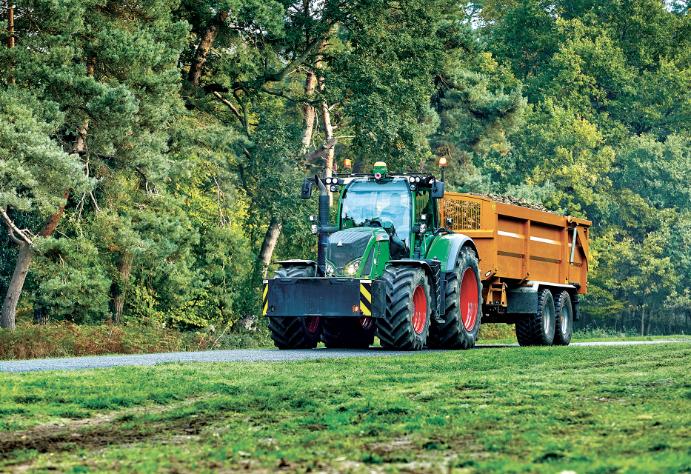
BKT, the leading Off-Highway tire manufacturer, has kicked off a new edition of the BKT Tour: the Euskadi Roadshow. This traveling journey through Spanish football starred the Basque Country region and accompanied fans throughout three football matchdays of the LALIGA championship, of which BKT has been Official Tire Partner since 2019.
In this roadshow, which was followed with great enthusiasm and participation, BKT was not alone, but joined by one of the iconic DEUTZ-FAHR tractors from long-standing partner SDF: a DEUTZFAHR 7250 TTV fitted with agricultural tires from the AGRIMAX range and exceptionally branded to serve as the main theme at each of the three stages.
manufacturers, in this case SDF, enhancing a partnership that can generate value in every aspect" --commentedLucia Salmaso, Managing Director, BKT Europe.
"It was a real pleasure to seize the opportunity offered by BKT, with whom we have a longstanding and established cooperation. This initiative has allowed us to sow and spread our values among the fans who follow the world of football." -- stated Alessandro Maritano, Chief Commercial Officer, SDF. "Participating in the BKT Tour gives us the opportunity to approach a new context, bringing in the excellence of our tractors through the powerful and efficient DEUTZ-FAHR 7250 TTV customized with BKT."
The tour, which began in San Sebastián on the occasion of the Real Sociedad de Fútbol -- FC Barcelona match, later landed in Vitoria-Gasteiz for the encounter between Deportivo Alavés and Real Betis Balompié. The third and final stage was held in Bilbao this past weekend, on the day of the iconic Basque derby between Athletic Club -- Real Sociedad.
BKT and DEUTZ-FAHR tractors thus reached three of the most important cities in the Basque Country to bring the football passion to life for all fans, immersing them in memorable experiences.
"Our relationship with SDF is a well-established collaboration, and their presence by our side with one of their DEUTZ-FAHR tractors is a confirmation of a relationship based on trust, shared vision, and mutual commitment to the agricultural sector. Through the BKT Tour, in addition to celebrating the bond between fans and territory, we wanted to emphasize the synergy that ties us to tractor
In the BKT Fan Zones, the supporters were able to experience the pre-match atmosphere through several activities, starting with the chance of capturing their memories as they raised the LALIGA trophy towards the sky in front of a photo booth customized for each fanbase. While waiting for the kickoff whistle, they had the chance to play the BKT Challenge, a challenge that combines technique and precision where the goal is to try to hit the BKT tires. In addition, they had the unique opportunity to meet a club and city legend who were available for photos and autographs: Xabi Prieto in San Sebastián, Manu García in VitoriaGasteiz, and Iker Muniain in Bilbao.
As a testament to BKT’s strong ties with local communities, the BKT Tour made an additional stop at the Mercado de Abastos, Vitoria-Gasteiz's main city market and a key gathering place for the entire community, which through this event was transformed into a place that was able to unite tradition, sports, and entertainment.
As with every well-regarded BKT event, fans and enthusiasts could take home balls and exclusive company merchandise in addition to the unique experience of these days.
For BKT, the Euskadi Roadshow represents much more than a sporting initiative: it is a way to engage in dialogue with a territory where football is a fundamental lever of the community. Through sport and initiatives like this, BKT chooses to be present and close, and an active part of those who share the same values of cohesion and belonging.

The largest agriculture tyre in the world has received the green light to be used on British and European soil.
Goodyear Farm Tires, part of Titan International, has been granted ECE accreditation for the LSW1400/30R46, the largest commercially available agricultural tyre in the world.
Designed for the largest-scale vehicles in farming, the LSW1400/30R46 is available in the Custom Flo Grip tread pattern and particularly excels when utilised in wet and muddy conditions due to its maximum traction and flotation credentials.
At the heart of the tyre's benefits is Titan's exclusive Low Sidewall (LSW) Technology. Featuring a larger rim diameter and smaller sidewall than a conventional tyre, LSW tyres possess exceptional flotation properties, enabling easier travel on wet soil as well as reduced power hop and greater stability which minimises road lope.
Natalie Dukes, marketing manager for Goodyear Farm Tires Europe, said: "We are delighted to have received accreditation for one of the jewels in the crown of our range.
"The LSWs are a true flagship of the Goodyear Farm Tires offering and to have approval for the European market for the biggest tyre of them all is fantastic news.
"Those farmers who have the machinery to utilise the LSW1400/30R46 will see a long list of unrivalled benefits, with the size and scale of the tyre combining with the exceptional technology of the LSW.
"With our new Low Sidewall Technology Development Centre opening in France two years ago and another string being added to the bow for the European range, distributors and customers now have access to one of the most innovative products on the market."
The LSW assemblies have been a huge success for farmers across the world.
Operating at up to 40 per cent lower inflation pressures than standard tyres, they provide increased crop yield thanks to reduced soil compaction.
Combined with the deep R-2 tread, the Custom Flo Grip tread andLSWdesign provide an ideal balance of flotation and traction by spreading machine weight across a wider footprint to help prevent sinking and soil damage.
Despite their wider footprint and lower operating pressures,LSWtyres offer strong, consistent traction, helping farmers balance soil health with the pulling power required for today's large-scale agricultural operations.
For more information, visitwww. goodyearfarmtires.eu/lsw-technology

suzu UK is proud to announce that the multi-award-winning Isuzu D-Max has been named Best Used Pick-up by Diesel & Eco Car Magazine, part of the Used Top 50 2026 ranking. The prestigious award further cements its reputation as one of the most reliable, durable and capable pick-ups on the road today.
Renowned for its exceptional dependability and long-term durability, Isuzu D-Max continues to stand out in the used vehicle market thanks to its proven record of longevity.
Owners benefit from one of the most comprehensive warranty packages in the sector, including a class-leading 5-year / 125,000-mile warranty, 5-year UK and EU roadside assistance, and 12-year anti-corrosion warranty, offering reassurance well beyond first ownership.
The D-Max has built a loyal following among fleets, tradespeople and private buyers alike, thanks to its reputation as a reliable, safe and highly capable workhorse. Every model in the range delivers over 1-tonne of payload and 3.5-tonne towing capacity, making it equally at home on the worksite, towing heavy loads or supporting demanding lifestyles.
With advanced 4WD capability and Rough Terrain Mode, Isuzu D-Max is engineered to tackle challenging conditions with confidence, while remaining composed and capable on the road. Its lighter overall body weight enables improved fuel efficiency, allowing the D-Max to be the only vehicle in its class to comply with passenger car speed limits, thanks to a kerb weight below 2,040kg, a significant advantage for both fleet operators and private owners.
Crucially, the D-Max’s reliability is embedded from the very earliest stages of its design. Long-life engineering choices such as a reinforced ladderframe chassis and a timing chain instead of a wet
belt are deliberate decisions made to maximise durability, reduce long-term maintenance concerns and ensure the vehicle is built to last.
Ian Robertson, Editor and Publisher at Diesel & Eco Car Magazine, commented: “The D-Max is built to work hard and last long, with a reputation for reliability that few pick-ups can rival. The 1.9litre diesel engine is robust, economical and capable of towing serious weight. Inside, refinement and technology took a substantial leap with this generation, improving comfort for daily use. Strong off-road ability seals the deal. It’s a trustworthy, no-nonsense pick-up that impresses fleet and private buyers alike.”
Simon Smiddy, Used Vehicle and Residual Value Manager at Isuzu UK, added: “We are delighted that the Isuzu D-Max has been recognised as Best Used Pick-up by Diesel & Eco Car Magazine. This award reflects what our customers already know: the D-Max is a proven, dependable pick-up engineered with longevity at its core. Combined with our award-winning dealer network, we make buying and owning an Isuzu D-Max straightforward and reassuring, whether customers are purchasing new or used.”
This latest accolade adds to an impressive and growing list of awards secured by the Isuzu D-Max in 2026, including Pick-up of the Year from Company Car & Van, Pick-up Towcar of the Year from the Caravan and Motorhome Club, Best Work Pick-up from Van Reviewer, and One to Watch from What Van?. Late last year, the D-Max was also named Best Diesel Pick-up by Diesel & Eco Car Magazine, underlining its continued excellence across multiple disciplines.
With a reputation forged through real-world use, intelligent engineering and consistent independent recognition, the Isuzu D-Max remains the dependable pick-up of choice, new or used, for those who demand reliability without compromise.
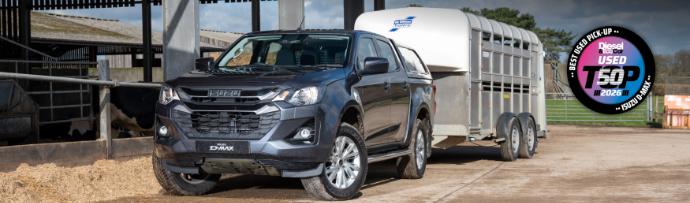


KGM Motors UK, formerly SsangYong, is proud to announce its sponsorship of Hood 2 Farm; the hit YouTube series starring acclaimed South London rapper Fekky, ahead of its much-anticipated second series. The brand will supply a multi-award-winning Musso Saracen pickup for use throughout the upcoming season, which launches early 2026.
Hood 2 Farm follows Fekky as he swaps city life for the countryside, travelling to farms across the UK to learn practical skills and build towards his longterm goal of creating his own working farm, known as “F Manor.” What began from documenting his journey into farming and rural living on social media has grown into a cultural movement, attracting widespread media attention and a crossgenerational audience.
Before trading beats with barns, the Lewishamborn rapper built an impressive career with seven albums, collaborations with UK heavyweights such as Skepta and Dizzee Rascal, and the launch of his own label, F Music. Beyond music, he founded the CC Foundation, a London-based grassroots charity supporting young people and families through initiatives such as turkey drives, laptop libraries, and employment programmes – earning support from household names including Anthony Joshua, Ed Sheeran and Raheem Sterling.
The partnership aligns KGM’s reputation for building durable, versatile vehicles with the show’s themes of growth, legacy, and bridging cultures. The Musso Saracen, recognised as a multi-awardwinning pickup, offers the practicality of a
workhorse with the comfort and refinement of an SUV, making it the perfect fit for the challenges and journeys showcased in Season 2.
Vanessa Cox, Communications Director of KGM Motors UK, said: “Hood 2 Farm is a powerful celebration of ambition, community and the connection between urban and rural life. We’re really excited to be sponsoring the new series and supporting Fekky on the next stage of his journey. The show reflects values that matter to us at KGM, like hard work and building something for the future. The Musso Saracen is the ideal companion for that story, with the strength to handle serious graft on the farm and the comfort to make every mile between locations count.”
Fekky adds “Hood 2 Farm is all about growth, learning and bridging two worlds that don’t usually meet. Partnering with KGM on Season 2 just made sense and the Musso Saracen has been the perfect bridge – it can handle the graft on the farm, it’s smooth enough for the long drives across the country and it cruises through the city like it belongs there.”
Season 2 of Hood 2 Farm will take viewers to specialist and heritage farms across the UK, while also tracking the progress of Fekky’s personal project at F Manor. The series continues to blend humour, education, and culture while sparking conversations around sustainability, land, and ownership.
The new season will be available on YouTube in early 2026 on the FekkyTV channel:https://www. youtube.com/@FekkyTv




BYD is partnering with Electric Vehicles UK (EVUK), an industryto-consumer organisation which aims to accelerate the UK’s move towards a fully electric future.
Founded in 2024, Electric Vehicles UK’s mission is to make electric mobility more trustworthy, accessible, and easy for car buyers to understand. They do this by challenging misinformation and campaigning to lower the barriers that prevent drivers from making the switch.

As the leading New Energy Vehicle (fully electric and plug-in hybrid) manufacturer in the UK, BYD supports Electric Vehicles UK’s efforts to engage consumers, policymakers and the media on the benefits of battery electric vehicles. Through the partnership, BYD is granted access to numerous consumer events, while it enables both EVUK and BYD to strengthen their co-ordination when engaging in public, industry, and press activities.
Commenting on the partnership, Bono Ge, Country Manager of BYD UK, said:
"We're delighted to be joining EVUK to fully support its mission to increase consumer awareness of electric vehicles. Together we aim to explain the
various benefits of owning an electric car - from a smoother, quieter drive, responsive performance and reduced running costs - by providing accurate information to the public. In doing this, we'll move closer to our ultimate goals of achieving global climate targets and improving air quality."
Tanya Sinclair, CEO of Electric Vehicles UK, said:
“I am delighted to welcome BYD as a partner of EVUK. They are innovators in EV technology and are among the global manufacturers moving away from fossil-fuelled vehicles and accelerating the UK’s transition to an all-electric future. BYD’s partnership with EVUK strengthens our ability to provide clear information and insight that helps build confidence and demand for all electric vehicles in the UK.”




Against a backdrop of rising costs and growing competition from both established and emerging brands, Dacia has once again eclipsed its rivals, with nearly its entire range recognised for outstanding value at the What Car? Car of the Year Awards 2026.
Dacia’s successful quartet includes the Dacia Sandero, winning ‘Best Small Car for Value’, the Dacia Jogger being crowned ‘Best MPV for Value’, the Dacia Duster named ‘Best Small SUV for Value’ and Dacia Bigster taking home the ‘Best Family SUV for Value’ title.
These latest accolades reinforce Dacia’s reputation as the go-to brand for buyers who refuse to compromise on quality, practicality or everyday usability.
Steve Huntingford, Editor of What Car?, said: “Dacia has a reputation for giving you a lot of car for your money, and the Sandero, Duster, Bigster and Jogger all live up to that. In each case you’re getting something that’s more spacious and comfortable than many rivals despite being considerably cheaper to buy. And there’s nothing cut-price about the equipment you get in our recommended trims.”
This year marks the 13th win for the Dacia Sandero, further cementing its legacy as the UK’s most awarded small car for value.
Jogger continues to stand out for its unique blend of MPV practicality and estate versatility. It’s the fourth year in a row that it has taken home an award for its outstanding value proposition.
Duster continued its winning streak, retaining its crown thanks to its robust design and everyday usability.
Meanwhile, Bigster made a strong debut, immediately recognised for offering genuine wholefamily space and capability without the premium price tag.
Lina Ribeiro, Dacia Brand Director for the UK, said: “Dacia exists to disrupt the status quo, and these awards once again show that we’re delivering on our promise of genuine value without compromise. Winning four titles, including for Bigster in its debut year, highlights the strength of our range and how well it resonates with real-world car buyers. We’re proud to make quality, practicality and affordability accessible to more people than ever.”

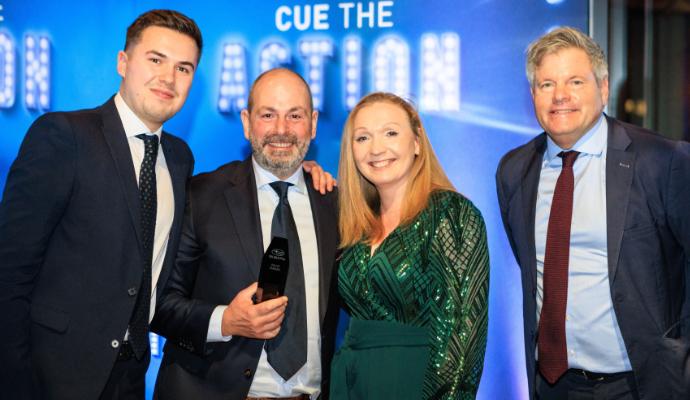

Subaru UK recently celebrated the achievements of its Retailer network at its Annual Conference & Awards, which this year were held in Manchester.
Dales Subaru, an established Subaru dealership based near Blackburn, was named the overall Retailer of the Year for 2025, cementing its reputation as a key pillar of the Subaru dealer network.
Dales’ achievements included surpassing sales targets, setting new standards for parts and accessory sales and growing its market share. All this success was underpinned by a knowledgeable and passionate team defined by an unwavering commitment to serving their customers.
The event also recognised outstanding performance across multiple other categories, with S & S Services securing both the Finance Retailer of the Year Award and the Sales Retailer of the Year title, and K T Green Ltd being acknowledged for Excellence in Customer Service. Russell Jones from Keith Price Garage was celebrated as Salesperson of the Year.

Lorraine Bishton, Managing Director, Subaru UK & Ireland, commented:"It was a privilege to celebrate the exceptional achievements of our retailer network at our Annual Awards. Dales Subaru, our Retailer of the Year, perfectly embodies the spirit of what sets our retail network apart - delivering high-quality, tailored automotive experiences in its local communities.
“Our dealerships are the cornerstone of the Subaru experience. In an increasingly digital world, the personal service, local expertise, and genuine commitment our retailers provide matter more than ever. They don't just sell cars; they support adventures, protect families, and ensure that their customers can drive with total confidence on every journey. The success of Subaru is built on the dedication and excellence of our retail partners.”
Speaking about the award,Ross Butterworth, Owner of Dales Subaru, said, “We are thrilled that Dales Subaru has been named Subaru UK’s Retailer of the Year. This award is a testament to our family and team’s hard work and dedication to delivering exceptional customer experiences.”
He continued,“As the owner of this family business, I’m proud to see our commitment to excellence recognised by Subaru UK. We’ve maintained a fantastic relationship with Subaru for over 10 years, built on trust, mutual respect and passion, values our family business shares with Subaru.”
Retailer of the Year (Overall): Dales Subaru
Retailer of the Year Region 1: Dales Subaru
Retailer of the Year Region 2: Keith Price Garage
Retailer of the Year Region 3: E O Culverwell
(R/Bridge)
Finance Retailer of the Year: S & S Services
Excellence in Customer Service: K T Green Ltd
Salesperson of the Year: Russell Jones (Keith Price Garage)
Sales Retailer of the Year: S & S Services
Retailer Community Award: Jeffries of Bacton
Retailer Marketing Award: Autosales
Service Technician of the Year: Harry Pigott (Crayford & Abbs)
Aftersales Person of the Year: Connor Greenway (Desmond Eastwood Motors Ltd)
Aftersales Retailer of the Year: Roger Simpson Limited T/As Simpsons Swindon
Rising Star Award: Jimmy Milner (Zig Zag Cars Ltd T/As Tees Valley)
Newcomer of the Year: Wool and Bovington Motors Ltd








As we celebrate Clean Energy Day, Nissan unveils a solar‑powered Ariya concept an exploration of how future electric vehicles could harness the world’s most abundant renewable energy source: the sun.
Developed by engineers from Nissan’s Advanced Product Planning team in Dubai and Powertrain Planning team in Barcelona, the concept features 3.8m² of high‑efficiency photovoltaic panels integrated into the hood, roof, and tailgate. These polymer and glass-based solar panels convert sunlight into DC power, managed through an advanced controller designed to optimize energy use and reduce reliance on external charging infrastructure.
Technology that unlocks new EV freedom
Real‑world testing reveals the transformative potential of the system:
In ideal conditions, the system can deliver up to 14.3 miles of additional range per day
In cities with high solar exposure such as Barcelona the vehicle can generate an average of 10.9 miles of daily solar driving range
Year‑round averages show significant gains globally: 6.3 miles/day in London, 11.7 miles/day in New Delhi, and 13.2 km/day in Dubai
Drivers can reduce their charging frequency by up to 65%, depending on usage
A two‑hour, 50 mile journey can produce 0.5 kWh of clean energy, adding up to 1.8 miles of free, zero‑emission range
Such performance has powerful implications for regions with limited charging infrastructure. Drivers could enjoy longer intervals between charges, greater autonomy, and lower cost of ownership


simply by parking or driving in the sun.
A collaboration that turned a bold idea into reality
The project began with a simple but ambitious question: What if EVs could charge themselves?
This sparked a partnership with Dutch solar‑mobility innovator Lightyear, who supplied the next‑generation panel technology brought to life by Nissan’s engineering teams.
“The solar‑powered Ariya concept embodies Nissan’s belief that innovation and sustainability must move forward hand‑in‑hand. By exploring how vehicles can generate their own renewable energy, we are opening the door to new opportunities for customers- greater freedom, reduced charging dependency, and a cleaner future. This concept is not just a technical milestone; it’s a vision of how Nissan intends to lead the next phase of electric mobility.”, said Shunsuke Shigemoto, Vice President ePowertrain & Internal Combustion Engine Powertrain (ICE), Technology Research & Advanced Engineering & Chief Powertrain Engineer, Nissan AMIEO. A step toward Nissan’s 2050 carbon‑neutrality goal
The solar‑powered Ariya concept reflects Nissan’s long‑term commitment to building a cleaner, more connected world. By exploring solar charging as an integrated EV solution, Nissan continues to innovate toward its global ambition of achieving carbon neutrality across the life cycle of its products and operations by 2050.



The first customer deliveries of the CHERY TIGGO 9 CSH have now been completed in the UK, marking a major milestone for the brand and the start of nationwide handovers of its new flagship seven-seat plug-in hybrid SUV.
Launched exclusively in Summit trim – the most luxurious specification level in the TIGGO model line-up – TIGGO 9 CSH is the most comprehensively equipped model in CHERY’s UK range. Now available through the brand’s growing network of more than 50 retailers nationwide, the model is priced from £43,105 OTR*.
Bringing together strong hybrid performance, generous seven-seat space and a thoughtfully refined cabin, the CHERY TIGGO 9 CSH has been designed for families who want a vehicle that fits seamlessly into everyday life, while also elevating longer journeys with comfort and ease.
At the heart of the CHERY TIGGO 9 CSH is an advanced plug-in hybrid system capable of up to 91 miles of pure electric driving, and
a combined total range of over 650 miles (WLTP). With rapid charging capabilities – replenishing 3080% in around 18 minutes – and 6.6 kW of Vehicleto-Load (V2L) support, the CHERY TIGGO 9 CSH is built for both convenience and versatility.
Inside, the focus is on calm, comfort and connectivity. Heated and ventilated seating, a premium 14-speaker SONY audio system, ambient lighting and a 15.6-inch central display help create a cabin that feels modern and inviting, while the



spacious seven-seat layout supports family life without compromise. Every detail has been thoughtfully introduced to make the CHERY TIGGO 9 CSH feel welcoming on every journey.
The arrival of the model follows a significant milestone for the brand: the CHERY TIGGO 8 was recently awarded Carwow’s Car of the Year 2026, signalling strong recognition for CHERY’s approach to design, technology and value among UK drivers. The introduction of the CHERY TIGGO 9 CSH continues that trajectory, marking the next chapter in CHERY’s UK journey with a premium, technology-rich SUV centred on comfort, intelligent hybrid performance and everyday happiness.
Gary Lan, CEO of CHERY UK, said: “Seeing the first CHERY TIGGO 9 CSH reach a UK customer is an important moment for us [CHERY UK]. This model represents the next chapter of CHERY’s journey here – a flagship SUV that speaks to what UK families want today: electric capability, generous space, and a level of comfort and technology that feels effortless to live with.
“The CHERY TIGGO 9 arrives at a time of real momentum for the brand. Following the [CHERY] TIGGO 8’s recognition as Carwow’s Car of the Year 2026, this new model shows just how far CHERY has come in such a short amount of time – and how committed we are to offering drivers more choice, more refinement, and more value across the SUV segment.”
With first deliveries already underway through CHERY’s 58 UK retailers and order books now open, the arrival of the CHERY TIGGO 9 CSH marks a key milestone in the brand’s UK development. Deliveries will continue throughout the year, with more information available at cherycar.co.uk. Prices start at £43,105 OTR*, with finance offers starting from 1.9% APR and monthly payments from £499**. Terms and conditions apply.





The Hyundai IONIQ 9 has been named Large Crossover of the Year at the UK Car of the Year Awards 2026, reinforcing Hyundai’s reputation for innovation, quality, and forward-thinking electric mobility.
Established in 2014, the awards recognise the finest new cars for UK drivers and are decided by a panel of 30 of the country’s most influential journalists, both in print and online, who collectively over the past 12 months have driven every new model launched on to the UK market. By being selected as the very best in its category, the IONIQ 9 now moves forward with the other class winners for consideration as the overall UK Car of the Year 2026, which will be announced at the end of February.
The IONIQ 9 earned its Large Crossover of the Year title thanks to a combination of practicality, commanding presence, and innovative EV technology. Its advanced 110.3 kWh battery delivers up to 385 miles (WLTP) of range, while Hyundai’s E-GMP platform underpins the IONIQ 9’s precise handling and aerodynamically optimised design, achieving a drag coefficient as low as 0.259 when equipped with digital side mirrors.
Inside, IONIQ 9 combines technology and versatility. It offers six- or seven-seat layouts, a flat floor for maximum comfort, and up to 1,323 litres of luggage room, when the seats are folded flat. The cabin is packed with advanced features, including the Hyundai AI Assistant for natural voice control, a panoramic widescreen digital cockpit, Active Noise Control, acoustic glazing, and the full SmartSense suite of safety technologies, creating an interior that is both luxurious and intelligently designed.


John Challen, Managing Director of the UK Car of the Year Awards, said: “Practicality, performance and presence – the IONIQ 9 has it all. A fantastic interior makes for a thoroughly enjoyable driving experience, with the added choice of a six‑ or seven-seat layout.”
Keith Jones, UK Car of the Year Awards Judge, added: “Masses of space, impressive levels of quality, a kit roster so generous Hyundai appears to be philanthropic, and bold styling. When motoring history books are written about the 2020s, I think we'll appreciate even more how cleverly Hyundai's designers managed to create a family of IONIQs which manage to look entirely different yet are clearly related.”
The IONIQ 9’s achievements have already been recognised by industry peers. It was awarded Large Car of the Year at the 2026 Company Car & Van of the Year Awards, Comfortable Cruiser of the Year at the Carwow Car of the Year Awards 2026, Best Seven‑Seater at the 2026 Parkers New Car Awards, and Best Seven‑Seat EV at the TopGear.com Electric Awards, establishing it as one of the most celebrated electric crossovers on the market.
Ashley Andrew, President of Hyundai & Genesis UK, said: “The IONIQ 9 is a statement of Hyundai’s ambition in electric mobility – combining bold design, class-leading space, and pioneering technology to create an SUV that works for families, tech enthusiasts, and EV drivers alike. Winning this award is a fantastic endorsement of the innovation and quality that defines Hyundai today and underlines our commitment to pushing the boundaries of what electric vehicles can offer.”
For more information on the Hyundai range, visit www.hyundai.co.uk
An exciting new future for the groundbreaking MG4 EV starts today. The allnew MG4 EV Urban makes its UK debut and the original, criticallyacclaimed MG4 EV returns with even stronger technology, enhanced cabin quality, driving engagement and range.
The new and extended choice of MG4 EV models means customers can drive everything from the efficient, super-spacious and competitively-priced MG4 EV Urban Comfort right through to the most potent edition of the performance-focussed MG4 EV XPOWER.
“Since its launch in 2022 the MG4 EV has been one of the UK’s most popular and admired electric cars with nearly 50,000 sales and 50 major awards andrecommendations in the UK; it has proven to be a great-to-drive and distinctively styled hatchback that also helped make EV ownership possible for the many rather than the few,” comments David Allison, MG UK’s Director of Product and Planning.
“Now the MG4 EV is driving ahead again. The allnew MG4 EV Urban reconfirms our brand’s ability to make EV ownership ever-more accessible, offering a family sized electric available from just £23,495.
“Meanwhile, the 2026 MG4 EV offers a major technology and quality upgrade to the interior, and a sharp focus on excellent all-electric driving range. And in the case of the Dual Motor XPOWER, some scintillating 320 kW MG performance.”
The spacious, supremely practical MG4 Urban EV
delivers truly affordable electric driving. The Comfort Standard Range starts from just £23,495 whilst the Comfort Long Range is priced at £25,495. The MG4 EV Urban range is completed with the generously equipped Premium Long Range, available from £27,995.
The 2026 MG4 EV gets even stronger with MG firmly focussing on key attributes UK customers admired about the first car, notably value for money and driving quality. The range starts with the Premium Long Range which is available from £29,995 – a £2,750 reduction from the outgoing model. The Premium Extended Range, priced from £32,995 delivers an improved 338 miles of range from a single charge (WLTP combined) making it one of the lowest priced new cars with the longest range available in the UK today.
Completing the picture is the electrifying MG4 EV XPOWERwhich at £33,995 is still pound for pound the fastest accelerating car you can buy in the UK. Guy Pigounakis, Commercial Director at MG UK explains:
“The first MG4 EV put MG back on the motoring map, proving to be a great all-rounder customers have enjoyed. We’ve retained and enhanced all the key driving characteristics and introduced a comprehensive range of new technologies for an even more impressive experience. MG4 EV Urban grows our offering with a great value EV hatchback that maintains MG’s reputation for being a manufacturer that always offers customers more.”
Both the MG4 Urban EV and MG4 EV are supported by a 7-year/80,000 miles warranty and an extensive UK dealer network.



Marking the introduction of OMODA UK’s first full-hybrid model, the OMODA 5 SHS-H represents the next step for one of the UK’s fastestgrowing automotive brands as it continues to broaden its electrified line-up for British customers. Offered in two trim levels – Knight and Noble – prices start from just £25,740 OTR*, with the model available through OMODA&JAECOO UK’s nationwide dealer network from March 2026.
Positioned as a highly accessible full-hybrid SUV, the OMODA 5 SHS-H builds on the success of the existing OMODA 5 and all-electric E5, offering drivers an efficient electrified alternative without the need to plug in. Powered by a 1.5-litre turbo fullhybrid system paired with a dedicated DHT automatic transmission, the OMODA 5 SHS-H delivers a combined power output of up to 150 kW, front-wheel-drive performance, and optimised efficiency across a wide range of driving conditions.
Equipped with a 1.5-litre turbo petrol engine, 1.83 kW battery and 51-litre fuel tank, the OMODA 5 SHS-H delivers a total driving range of over 650 miles and up to 53 mpg (WLTP). Acceleration from
0–62 mph takes just 7.9 seconds, with the hybrid system expertly tuned to balance responsive performance and everyday efficiency across urban, suburban and longer-distance driving – making it ideally suited to daily UK use.
Visually, the OMODA 5 SHS-H retains the bold, distinctive styling that has defined the model since launch. It has an all-new front grille and bumper design and refreshed alloy wheel styling for 2026. UK customers can choose from five different exterior colours: Galena Silver, Garnet Red, Obsidian Black, Selenite White and Tourmaline Grey. Two-tone paint finishes are also available on selected colour options.
The OMODA 5 SHS-H is offered in two trim levels, each designed to meet different customer priorities. Knight provides a strong standard specification, focusing on design, connectivity, and everyday usability, with features including 18-inch alloy wheels, full LED lighting, dual 12.3-inch digital displays, wireless Apple CarPlay® and Android Auto™, intelligent voice control and a comprehensive suite of advanced driver assistance and safety systems. Noble builds on this foundation with a more comfort- and technologyfocused specification, adding features such as a

540-degree surround-view camera, an 8-speaker SONY audio system, ambient interior lighting, heated and ventilated front seats, and additional convenience features, offering customers a more premium driving and ownership experience.
Victor Zhang, UK Country Director, OMODA UK, said: “The introduction of the OMODA 5 SHS-H is a significant milestone for the brand in the UK. It marks our first full-hybrid model and reflects exactly what OMODA is focused on delivering: highly efficient, intelligently engineered vehicles that fit seamlessly into everyday life. The OMODA 5 SHS-H brings together the bold design and technology our customers already value, with the added benefits of a self-charging hybrid system that requires no change in driving habits. It’s a key next step as we continue to broaden our powertrain offering in line with what UK drivers are asking for.”
Since launching in the UK in August 2024, OMODA UK has recorded 23,484 registrations (SMMT data**), with the OMODA 5 and E5 establishing themselves as popular choices among private buyers seeking distinctive design, advanced technology and accessible electrification.
The arrival of the OMODA 5 SHS-H further strengthens the brand’s growing range of powertrain options, spanning petrol, full hybrid, plug-in hybrid and battery-electric models. Together, these vehicles reflect the brand’s focus on delivering choice, efficiency, and modern technology, while maintaining a consistent emphasis on design, quality, and value across the UK line-up.
Offering the benefits of both electric assistance and petrol power – ideal for customers looking to reduce emissions without sacrificing long-distance driving capability – the OMODA 5 SHS-H will be available in the UK from just £25,740 OTR* for the Knight trim and £29,240 OTR* for the Noble. Every model is supported by OMODA UK’s comprehensive 7-year/100,000-mile vehicle warranty, alongside an 8-year/100,000-mile battery warranty, providing long-term reassurance for customers. UK customer deliveries are expected to begin in March 2026 and will be available through OMODA&JAECOO UK’s nationwide dealership network.
* All prices quoted are correct at time of writing ** SMMT, smmt.co.uk/vehicle-data/car-registrations




Since its launch in 2010, Renault Duster has become a symbol, gaining almost two million customers worldwide. Robust, affordable and enjoyable to drive, it has kept pace with the expectations of an increasingly diverse customer base. New Duster is a fully updated newgeneration vehicle, reinvented for India as part of the Renault International Game Plan 2027.
Launched in India in 2012, Renault Duster created the compact SUV (B+) segment. Today, this segment is one of the most buoyant in the local market, accounting for 14% of passenger car sales in 2025. Duster has sold over 200,000 units in this highly competitive sector, establishing itself as a reference for freedom, robustness and versatility.
India is now the world’s third-largest automotive market and a strategic pillar for Renault. This rapid growth has been accompanied by a major shift in consumer habits, with SUVs now accounting for almost 55% of passenger car sales, compared with just 12% in 2012.
New Renault Duster will go on sale in India in spring 2026, with subsequent launches planned for South Africa and the Gulf States.
A strong industrial and commercial footprint in India
Renault has invested €3 billion in its international strategic plan to consolidate its offering and profitability worldwide. Five industrial hubs outside Europe – India, Morocco, Turkey, South Korea and Latin America – support the development of eight new models globally.
New Renault Duster will be assembled at the Chennai plant, one of Renault’s key industrial hubs. Since opening in 2008, the site has assembled over three million vehicles, including 1.2 million for export to more than 100 countries, and has produced 4.6 million engines and gearboxes. The plant currently manufactures Renault Triber and Kiger.
Renault relies on a comprehensive local ecosystem in India, including the Renault Design Center Chennai, inaugurated in 2025, and a major engineering centre jointly operated with Nissan. The brand has more than 350 dealerships and 450 service outlets across the country.
With New Duster, Renault reinvents its iconic multipurpose SUV with a more sophisticated and contemporary design, while remaining faithful to its adventurous DNA. The emphasis on both function and appearance is evident throughout, combining
muscular proportions with visible improvements in perceived quality.
New Duster features strong shoulder lines, a robust stance and generous ground clearance of 21.2 cm, allowing it to tackle a wide range of terrain. The front end is characterised by a trapezoidal grille framed by full LED headlights (depending on version), featuring Renault’s latest light signature. At the rear, LED lights linked by a horizontal light strip visually emphasise the vehicle’s width and stability.
Styled for adventure, New Renault Duster incorporates SUV-specific features such as lower body protection, front and rear skid plates, pronounced wheel arches, roof rails and sculpted bumpers. Aerodynamics and assembly quality have also been carefully optimised.
Measuring 4.34m long, 1.81m wide and 1.66m high, with a 2.66m wheelbase, New Renault Duster combines compact exterior dimensions with generous interior space. Approach and departure angles of 25.7° and 29.2° respectively, along with reinforced chassis stiffness and engine protection, preserve the original Duster’s go-anywhere capability.
Six colours will be available at launch: Jade Mountain Green (new, and inspired by the Himalayan forest), Pearl White, Moonlight Silver, Stealth Black, Sunset Red, and River Blue. A twotone finish with a black roof and rear spoiler (depending on version) will also be available.
A redesigned cabin focused on comfort and technology
The interior of New Renault Duster has been completely redesigned to deliver a modern, comfortable and intuitive driving experience. Built on Renault Group’s new modular platform and upgraded electronic architecture, the cabin features a high level of connectivity.
The horizontal dashboard incorporates the OpenR twin-screen display. A digital instrument cluster measuring up to 10.25” (7” on entry-level versions) presents all essential driving information, while a central 10.1” touchscreen manages multimedia and connected services.
New Renault Duster features Google Automotive Services, providing access to Google Maps and Google Assistant directly via the OpenR link multimedia system. This enables real-time navigation, voice control of vehicle functions and access to a wide range of apps from the Google Play catalogue – unique to this class.
The raised centre console includes e‑Shifter gear control, an electric parking brake, an induction charging pad, two USB‑C ports, cup holders and a
4‑litre cooled storage compartment. Overall interior storage capacity totals 33 litres.
Comfort is enhanced through power‑adjustable ventilated front seats, dual‑zone climate control with PM2.5 particulate filtration and an ioniser, and improved acoustic insulation. Rear passengers benefit from generous legroom, dedicated air vents and a panoramic sunroof.
The boot offers a capacity of 518 litres, extending to 1,789 litres with the 60/40 modular rear seats folded, accessed via a powered tailgate.
The New Renault Duster range is spearheaded by the full hybrid E‑Tech 160 powertrain, a first for a Renault model in India. It combines a 1.8‑litre four‑cylinder Atkinson-cycle petrol engine with two electric motors and an intelligent multimode automatic gearbox with 15 operating modes. Total output is 160 hp, supported by a 1.4 kWh battery. In urban driving, the vehicle can operate in all‑electric mode for up to 80% of the time, reducing fuel consumption by up to 40%. Total driving range is up to approximately 620 miles.
Two additional petrol powertrains are available. The Turbo TCe 100 is a 1.0‑litre three‑cylinder turbocharged engine producing 100 hp and 160 Nm of torque, paired with a six‑speed manual gearbox. The Turbo TCe 160 is a 1.3‑litre four‑cylinder turbocharged engine delivering 160 hp and 280 Nm of torque, available with either a six‑speed manual or six‑speed DCT transmission.
Suspension consists of independent front McPherson struts and a rear torsion beam, tuned to balance comfort and stability across a wide range of road conditions. The chassis set‑up ensures confident motorway stability and a compliant ride on uneven surfaces.
New Renault Duster is equipped with a comprehensive suite of 17 advanced driver assistance systems. Features include adaptive cruise control with Stop & Go, lane keeping assist, lane departure warning, automatic emergency braking with detection of vehicles, pedestrians and cyclists, blind spot warning, traffic sign recognition and driver attention monitoring. Parking and low‑speed manoeuvres are supported by a 360° camera system, front, rear and side parking sensors, and Flank Protection technology. Automatic high beam and weather recognition functions further enhance visibility and safety. All systems can be customised via the central touchscreen or the My Safety Switch, with automatic reactivation at start‑up.

Building on the an already impressive collection of industry accolades the Škoda Elroq has added another major honour to its name by being crowned Best Medium Crossover at the 2026 UK Car of the Year Awards. Judges commended the Elroq for its refined driving dynamics, clever interior packaging and outstanding overall value, noting how convincingly it leads its class.
Unlike awards programmes that divide entries into numerous niche classes, the UK Car of the Year Awards focus on just eight key sectors, with an overall winner chosen from these category champions. The 2026 UK Car of the Year will be revealed in late February after the final judging stage, which involves a team of judges driving all shortlisted cars back-to-back.
good fun to drive and has a quality feeling interior is the icing on the cake.” Praise also came from Paul Barker who said: “Brilliant all-round package, good value and plenty of typically clever Škoda touches.”
It’s motoring excellence was confirmed by Guy Bird who commented: “Quietly does so much right, without fuss and complication while wearing Škoda’s smart new exterior face.” Keith Jones added: “A really sound, pragmatic choice for seasoned electric car owners and first-time EVers alike.”.
While Matt Robinson summed up the overall opinion of the panel by saying: “Does everything its big brother Enyaq does, only in a more compact package and at a more affordable price. What more could you want from a family EV than this?”

This year’s judging panel brings together a broad mix of seasoned professionals from the UK motoring press, including editorial teams from Top Gear and Auto Express, alongside prominent freelance automotive writers. The panel unanimously placed the Elroq at the top of the Medium Crossover category, with John Challen commenting: “A fantastic all-rounder, without any unnecessary fuss – classic Škoda. The Elroq impresses in every department and is the perfect automotive companion for almost every occasion.”
James Batchelor added “Škoda has played a blinder here and successfully downsized everything that makes the larger Enyaq so great but put it into a smaller package. The fact that it's

Introduced to the UK market in April 2025, the Elroq comes with a choice of three battery configurations: 63 kWh (59 kWh net), 82 kWh (77 kWh net) and the vRS-exclusive 84 kWh (79 kWh net). Rearwheel drive is standard across the line-up thanks to a rearmounted motor, while the flagship vRS variant features all-wheel drive. With the largest 82 kWh (77 kWh net) battery in the SEL 85 and Edition 85, the Elroq is capable of a combined WLTP range of up to 355 miles. Depending on specification, power outputs span from 204 PS to 340 PS.
In 2025, the Elroq cemented its position as one of Europe’s most popular electric cars, becoming the continent’s second best‑selling EV thanks to its standout combination of range, practicality and value. In the UK, the Škoda Elroq has rapidly become one of the most decorated new EVs, collecting a string of high-profile awards across the industry. Auto Express recognised the model’s strengths by naming it both Car of the Year and Mid-Size SUV of the Year, while What Car?’s Electric Car Awards 2025 honoured it as the Best Family Electric SUV. Adding to its growing list of achievements, the performance-focused Elroq vRS was selected as Car of the Year by The Sunday Times Driving.
The all-electric smart #51 has been awarded the Euro NCAP2 “Best in Class” Award for Safest Large SUV of 2025. smart’s newest model earned a five-star Euro NCAP safety rating in September with the top overall score among all large SUVs tested in 2025.
In Euro NCAP's busiest-ever year for testing, the smart #5 stood out with its best-in-class safety performance in the large SUV category. To determine its “Best in Class”, Euro NCAP calculates a weighted sum of the scores from its four assessment areas. The smart #5 excelled in this rigorous evaluation, scoring 93% for Child Occupant Protection, 92% for Safety Assist, 84% for Vulnerable Road User Protection, and 88% for Adult Occupant Protection. No model across any vehicle class scored higher in the categories of Child Occupant and Safety Assist.
Comprehensive protection for all the family
smart’s commitment to safety as a core pillar is proven in the #5’s design and manufacturing. The foundation is its robust passive safety structure – a steel-aluminum hybrid body with 82% high-strength material that forms an exceptionally rigid safety cell. This high-strength coverage is extended beyond the A and B pillars to the side doors and rear openings, and is complemented by seven airbags.
The smart #5 embodies the brand’s commitment to “Mindful Technology” – which means innovation designed to reduce risk before incidents occur. Its Autonomous Emergency Braking system, supported by high-resolution cameras and radar, has been extensively validated across diverse traffic and road conditions. Together with Emergency Lane Keep Assist, Driver Monitoring and a 360-degree camera system, the ´advanced active safety features of the smart #5 provide comprehensive protection for vehicle occupants and other road users.

Designed with families in mind, the #5’s cabin accommodates up to three child seats in the rear and an additional ISOFIX anchor on the front passenger seat. Clear markings and broad compatibility with restraints for ages 0–10 make installation safe and easy. The debut of Child Presence Detection (CPD), using millimeter-wave radar to detect minimal movement, alerts drivers or activates countermeasures if a child or pet is left inside the car, protecting against suffocation risks.
1 Energy consumption combined in kWh/100 km (WLTP): 18.4 (Pro+/Premium), 18.5 (Pro), 19.9 (BRABUS/Pulse/Summit Edition); CO2 emissions combined (while the car is in operation) in g/km (WLTP): 0; CO2
2 Details on the “Best in Class Awards” by Euro NCAP at https:// www.euroncap.com/en/ratings-rewards/best-in-class-cars/2025/
3 All smart driver assistance and safety systems are aids and do not release the user from his responsibility as a driver. Observe the
Tilo Schweers, Vice President Research &Development smart Europe: “At smart, we uphold the highest standards in developing vehicles, with safety as our top priority. The smart #5 is precisely adapted for European roads, rigorously tested across diverse climates and conditions and comprehensively assessed according to all relevant European safety standards, including active and passive safety systems. We are proud it has been named Safest Large SUV of 2025 and awarded Euro NCAP ‘Best in Class’.”
To validate its best-in-class safety, the #5 underwent an extensive testing programme involving over 110 crash-test vehicles, 130 dedicated safety experiments, and millions of kilometres of real-world testing under Euro NCAP, C-NCAP, and C-IASI protocols. The smart #5 joins the smart #1 and #3 with a five-star safety rate, meaning every model in smart’s current product lineup meets Euro NCAP’s highest standard.
information in the operating instructions and the system limits described there.
The all-electric Volvo EX60 has been crowned the winner of the Reader Award at the 2026 What Car? Awards, just one day after its global reveal. This award is voted for by the public and What Car? readers and awarded to the most exciting new car for the coming year.
Officially unveiled in Sweden on 21 January, the highly anticipated EX60 is underpinned by the most advanced electric car architecture to date, setting new benchmarks in its segment and for the brand. The fully electric premium mid-size SUV boasts a best-in-class range of up to 500-miles and ultra-fast charging which takes the battery from 10% to 80% in just 19 minutes, alongside a 10-year battery warranty. In addition to intelligent tech and impressive range, the EX60 showcases the best of progressive Scandinavian design for the electric era, combining an aerodynamic exterior with natural materials, a calming space and clever storage.
In addition to the win for the EX60, Volvo Car UK also picked up five other accolades from the What Car? judges:
• EX30 – best interior of any small electric SUV
• XC40 – best family SUV interior
• EX40 – best family electric SUV interior
• XC60 – best premium SUV interior
• XC90 – best plug-in hybrid for big families
Nicole Melillo Shaw, Managing Director at Volvo Car UK, said: “A win for the Volvo EX60 as the
most anticipated new car of the year is an enormous moment for us, and a great way to kickoff 2026. We have been so excited for the launch, but for that to also be shared by UK drivers and readers of What Car? is a real symbol of trust in us as a brand, and belief in our new product.”
“We are also delighted that so many of our other models have also been recognised for their interiors, design, and style - a real indicator of what we stand for as a brand and the strength of our lineup.”
What Car? judges commented: “Before every What Car? Awards, we ask our readers to name the upcoming model that they're most excited about. The 2026 vote was the closest for years, highlighting the strength of the competition. However, ultimately it was the Volvo EX60 that pulled ahead, and it’s easy to see why when you look at its style and specs.”
They added: “Among premium brands, Volvo is undoubtedly setting the standard for interior quality at the moment. Mixing first-rate assembly standards with materials that look and feel expensive, its cars are unmatched in this area, whether you’re looking for a small SUV, a huge seven-seater, or something in between. Plus, its seats are among the most comfortable and supportive at any price.”
As well as winning here in the UK at the 2026 What Car? Awards, the EX60 has been named as one of the most anticipated new vehicles of 2026 in the US and Canada by Newsweek.
For more information on the Volvo range, please visit: https://www.volvocars.com/uk/

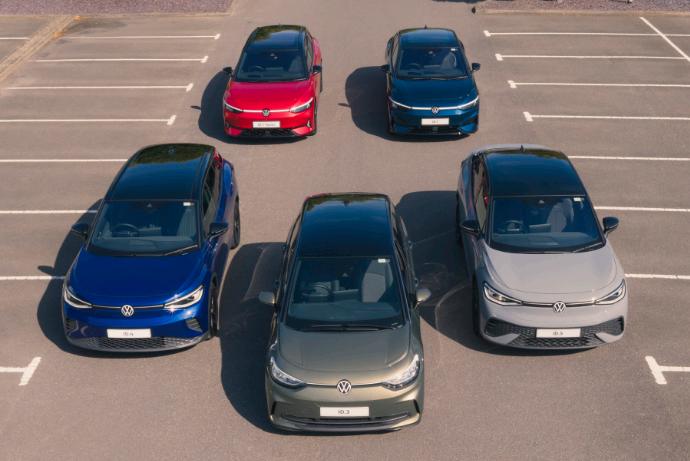

Volkswagen finished last year as the UK’s number-one manufacturer in true fleet. Figures from the Society of Motor Manufacturers and Traders (SMMT) show the brand achieved 64,127 true fleet sales in 2025 – a market share of 11.2 per cent.
The best-selling Volkswagen models in true fleet channels last year were the Tiguan (17,516 including Tiguan Allspace) and the Golf (12,043).
The T-Roc and Polo were also popular among fleet users, with 5,002 and 4,188 sales respectively. The brand’s ID. range of electric cars contributed 29 per cent (18,690) to the overall total, with the ID.4 being the most popular (4,934).
True fleet includes deliveries direct from the manufacturer to end users in large corporations, via leasing companies and as outright purchases, as well as to public‑sector organisations. It also includes sales to small businesses via Volkswagen’s nationwide Retailer network.
True fleet registrations are a good indication of performance in business channels as well as corporate confidence, fleet mobility trends and the
health of the company car market in general.
“We are delighted with our market-leading true fleet performance in 2025,” said Simon Lynch, Head of Fleet Sales at Volkswagen UK. “It speaks volumes about the health of our fleet business overall and the popularity of Volkswagen cars among business drivers.
“We are particularly pleased with the demand for all-electric ID. models. More and more businesses and drivers are beginning to appreciate the tax benefits they offer, not to mention their comfort and long ranges – more than 400 miles in the case of the multi-award-winning ID.7 Tourer.”
Simon added: “We pride ourselves on providing specialist and expert support for businesses of all sizes, from large corporations who deal directly with our experienced in-house team and our 30 fleet business partners across the UK, to smaller enterprises who can tap into our nationwide network of Retailers. Our number-one true fleet position for 2025 underlines how well we understand and can support the needs of all businesses and company car drivers.”


As global energy consumption accelerates, driven particularly by data centers, utilities and other missioncritical infrastructure, the need for reliable, scalable and lower-emission backup power has never been greater. Volvo Penta’s new natural gas engine is designed to deliver dependable performance that scales with the demands of these high-growth sectors.
The G17 natural gas engine, a counterpart to Volvo Penta’s proven D17 genset engine, represents a significant step forward in the company’s transformation journey, delivering fuel flexibility, scalable performance, and a pathway toward a more decarbonized and resilient energy future.
“The energy transition isn’t one-size-fits-all,” says Kristian Vekas, Product Manager for Industrial Power Generation at Volvo Penta. “It requires multiple technologies and fuel pathways working in parallel. The G17 expands our power generation portfolio with a gas option engineered to meet rising global demand for dependable, loweremission solutions that are backed by the strength of the Volvo Group and our global support network. It reflects our commitment to providing customers with fit-for-purpose solutions to support their energy objectives as the landscape continues toevolve.”
Built on the same platform as the powerful D17 engine, the G17, a 17-liter, 6-cylinder, spark-ignited model, operates on both pipeline-quality, conventional natural gas and renewable natural gas, offering a power alternative that can support customers in reducing their carbon footprint today while maintaining the performance, uptime and reliability they dependon.
The G17’s ability to run using both pipeline-quality natural gas and renewable natural gas provides customers with a lower-carbon alternative to diesel in applications where uptime, environmental performance and operational resilience are critical. The flexible design allows operators to connect directly to existing gas infrastructure, simplifying installation and eliminating the need for additional fuel-conditioningsystems.
“The G17 is engineered to deliver lower emissions without trade-offs,” says Kristian. “Its flexible fuel capability helps reduce carbon intensity while maintaining the power density, responsiveness and durability customers expect from Volvo Penta’s heavy-dutyplatform.”
Engineered to deliver approximately 450 kWe at 1800 rpm, the G17 offers high power output from a
compact footprint. With a smaller enclosure, customers have the capability to reduce installation space and housing material costs, while optimized load acceptance and fast power delivery help ensure dependable performance during demand spikes or gridtransitions.
The G17 is designed for reduced emissions, NOₓ and particulate matter. Advanced combustion controls, low-pressure Exhaust Gas Recirculation (EGR), high-efficiency three-way catalyst and compliance with U.S. EPA stationary power application standards make it a relevant option for companies with strong ESG commitments or strict air quality zones.
The engine’s compact, stackable platform is ideally suited for space-contained environments such as data centers. The natural gas engine can also be integrated into broader energy strategies that combine internal combustion engines with renewable fuels and battery systems for energy storage. This modular, scalable architecture enables operators to build flexible power systems that can evolve with changing demand. The potential for lower fuel costs compared with diesel and reduced noise levels further enhance both economic and community compatibility.
Built on Volvo Group’s proven automotive-scale technology, the G17 benefits from platforms trusted
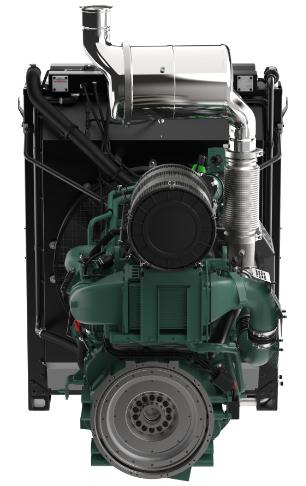
globally in demanding heavy-duty applications. With a footprint and cooling system equivalent to the D16 and D17, the engine simplifies installation and retrofit opportunities and is delivered as a fully integrated OEM solution. A streamlined component layout and fewer cylinders improve serviceability and can contribute to reduced total cost of ownership over the engine’s lifecycle.
As with the entire Volvo Penta power generation range, the G17 natural gas engine is supported by the company’s extensive global dealer network, working to strengthen performance, reliability and uptime throughout the solution’s service life.
“With the G17 gas engine, Volvo Penta is expanding its ability to deliver integrated energy solutions that combine proven technology, emerging fuel pathways and strong service,” concludes Kristian. “This approach gives customers a reliable, scalable foundation to progress with their long-term energy goals.”
Volvo Penta will showcase the G17 natural gas engine at PowerGen in San Antonio on January 20-22 at the Henry B. Gonzalez Convention Center and invites attendees to engage and learn more at Booth 2529.
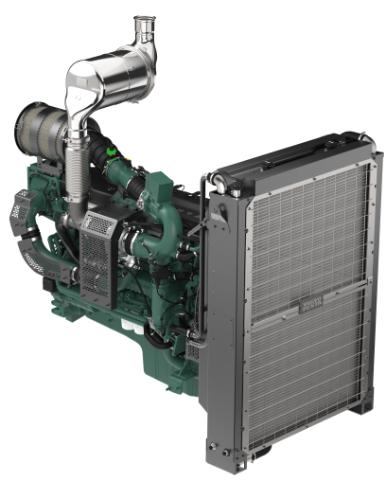

As it enters its third full year of production, INEOS Automotive has significantly enhanced its awardwinning 4X4. For the 2026 model year, the company’s engineers have enhanced the everyday usability and enjoyment of the Grenadier station wagon and Quartermaster pick-up, while maintaining their class-leading capabilities, performance and personality.
The most significant change is to the vehicle’s steering setup that results in a positive evolution of
its on-road dynamic character. A new steering box features a variable ratio for the first time. A lower ratio around the central steering position results in a tighter, firmer feel to deliver more precision and greater responsiveness. This increases confidence in high-speed straight-line driving, lane changing and overtaking, as well as more assured and purposeful dynamic handling on sweeping A- and B-roads. The ratio at each end of the steering gear remains unchanged, ensuring the Grenadier – in both station wagon and Quartermaster pick-up guises - retains its peerless off-road capability and performance.

Further steering improvements have resulted in a reduction in the turning circle by around five percent. Extending the steering stops means the 2026 vehicle is more manoeuvrable on- and off-road, and easier to use in town and on tight off-road trails.
The 2026 Grenadier also benefits from upgraded climate control components to improve the performance and predictability of heating and cooling within the cabin, making it an even more comfortable place to spend time.
Advanced safety systems (ADAS) have been upgraded where required to meet the latest regulations. A new homescreen shortcut enables one-touch deactivation of the audible alert for the compulsory Intelligent Speed Assist, helping drivers to minimise unwanted distractions.
Lynn Calder, CEO of INEOS Automotive, said: “We’ve continuously enhanced and upgraded the Grenadier since its launch, but this is the most significant improvement so far. And it means the 2026 models are the most rounded and most accomplished yet. It’s easier and more fun to enjoy every day and for every journey (and with a faster way to switch off the annoying ADAS alerts we are forced to fit). And with all that, it’s our best Grenadier yet, with enhanced appeal to an even broader range of customers.”
The new Black Edition is a distinctive addition to the Grenadier line-up for 2026, enhancing customers’ choice of pre-configured models and offers high spec at great value.
Based on the well-equipped Fieldmaster trim, the Black Edition is available as both a station wagon and Quartermaster pick-up.
The new member of the family is identifiable by a series of new and exclusive all-black aesthetic body and trim finishes, which complement the sole Inky Black paint option. Gloss black 18-inch alloys, a Dark Exterior Pack (black grille, dark skidplates), privacy glass and lockable spare wheel storage box) complete the look from outside, while and dark interior headlining and carpet flooring set the scene inside.
Prices for the Black Edition start from £71,995 with order books now open. While there is no limit to volume, it will have a limited production window.
For all other 2026 models, pricing is unchanged, starting from £51,930 exVAT for the Grenadier Commercial, £62,495 for the Quartermaster pick-up, £62,495 for the base model Grenadier and £69,995 for the Trialmaster and Fieldmaster editions.
To find out more about the INEOS Grenadier, please visit www.ineosgrenadier.com






XPENG UK today sets out its 2026 product ambitions, building on its rapid market entry and with a clear commitment to delivering advanced, intelligent EVs to British drivers.
Following its successful UK launch in 2025, XPENG is preparing for an exciting year ahead, with an expanded lineup of new-generation smart electric vehicles, designed to combine cuttingedge technology, performance, captivating design and real-world accessibility.
Key highlights for 2026 include:
The new G6 SUV, featuring next-generation technologies, enhanced performance, refined design and over 20,000 changes that further elevate its intelligent driving and charging capabilities
The introduction of the XPENG X9, arriving midyear as a seven-seat flagship luxury product, expanding choice for families and businesses alike, seeking intelligent, all-electric long-range capability in a versatile but dynamic model
Continued growth of XPENG’s high-tech SUV lineup, with further expansion to the UK product portfolio in 2026
“The coming year represents a defining moment in XPENG’s global and European expansion and product strategy,” said Jonny Miller, XPENG UK Sales Director. “We are committed to expanding consumer choice in the UK with vehicles that deliver not only world-class electric performance, but also industry-leading smart functionality, technology, design and real-world usability.”
Since its UK market entry in February 2025, XPENG has focused on delivering products that seamlessly marry intelligent connectivity with strong real-world performance and competitive pricing – underpinned by a growing dealer and service network across the country.
Talking about the retail network strategy, Jonny Miller stated, “We will continue to grow our retailer network in 2026. However, this will be done strategically, focusing on locations convenient for our future customers. Therefore, we are specifically looking to appoint retailers in larger cities such as London, Birmingham,
Manchester, Bristol and Edinburgh.
Launching in the UK during the first quarter of 2026, the new XPENG G6 brings the brand’s next phase of innovation into sharp focus. Representing a significant step forward in engineering, technology and design, the new G6 has over 20,000 incremental developments over its predecessor, with attention to detail and enhancements to further refine the G6 for European roads and driving conditions.
Developments and comprehensive enhancements have been made across the chassis and suspension, steering dynamics, electric powertrain behaviour, battery management and NVH performance, along with the use of premium materials on the interior. The result is a markedly more composed and confidence-inspiring driving experience, delivering exceptional stability, comfort and vibration isolation – key qualities carefully engineered to meet the demands of British roads and everyday driving conditions.
Performance credentials are further strengthened with the introduction of a new G6 Dual-Motor AWD Performance Black Edition. This version, new to the UK in 2026, is equipped with advanced twin electric motors that produce a combined 358kW of power, which equates to 480 bhp, and 660Nm of torque. This enables an acceleration from 0-62mph in just 4.13 seconds.
Despite the overall enhancements to the vehicle
and the next-generation battery technology, the new XPENG G6 will remain priced at the same level as the outgoing model. Prices start from £39,990 on the road for the Rear-Wheel Drive Standard Range model, with the Long-Range variant available from £44,990. The range is now topped by the new Dual-Motor AWD Performance Black Edition, priced from £49,990 on the road.
Looking further ahead in XPENG’s UK product roadmap for 2026, the brand’s flagship luxury seven-seat offering – the XPENG X9 –represents the next step in expanding choice for families and customers seeking high-tech, intelligent and spacious electric mobility. Honed on XPENG’s advanced 800v SEPA2.0 architecture and featuring a futuristic, ‘starshipinspired’ design concept, the X9 couples a smart, flexible cabin aesthetic with a suite of nextgeneration connected technologies and aerodynamic efficiency measures. With a focus on comfort, luxury, space and real-world usability, the upcoming X9 underscores XPENG’s commitment to bringing cutting-edge electric vehicles to diverse segments of the UK market.
Beyond the new G6 and X9, XPENG is also in the advanced stages of development for several new models that will be announced later in 2026. These future products form part of XPENG’s longer-term vision to expand its high-tech EV portfolio across multiple segments in the UK and other European markets.