



















By Robin Trott University of Minnesota Extension
Minnesota gardeners proved once again that they’re both adventurous and resilient during the 2025 Master Gardener Seed Trials.
Each year, volunteers across the state step up to test new varieties for flavor, productivity, germination rates and overall performance. During 2025 testing, 255 University of Minnesota Extension Master Gardener volunteers from 48 counties evaluated eight crops while navigating a growing season marked by dramatic weather swings. May swung between midsummer heat and spring chill. June brought heavy storms, hail and high winds, followed
by warm, wet weather in July and August. September and October turned warm and dry again, producing a season t hat challenged nearly every plant on the list.
The trials were planted in home gardens, 16 community gardens, two school gardens, nine teaching gardens, and one urban farm. To keep results unbiased, each variety was labeled only with a two-letter code.
Curious gardeners can see how each variety placed in 2025 (and view previous winners); a full 2025 report provides comments on each variety in the trials.
Mini bok choy
Mei Qing Choi variety
The Mei Qing Choi variety led the pack with strong germination, high yields and continued harvests well into October. Lowerperforming varieties earned praise for their attractive white stems and green leaves. An overall side benefit of this crop was that the bolting plants attracted pollinators.
By Robin Trott University of Minnesota Extension
After months of low light, dry air, and slow growth, March finally brings the shift your houseplants have been waiting for. This is the perfect moment to give them a little extra attention so they can stretch, grow, and thrive through spring and summer. Think of it as
spring cleaning for your plants.
Low shelf with a line of different green plants on it and a plant with dark green paddleshaped leaves and bright orange trumpet flowers growing from between the leaves.
Before you repot or prune anything, take a slow look around your indoor garden. Check for yellow leaves, leggy stems, or roots poking from drainage holes. Many plants stretched toward any available winter light, so some might look a bit lanky.
A quick assessment will tell you what each plant needs: a
Nasturtium
Cherry Rose
Cherry Rose ranked first, producing nonstop blossoms and a mild peppery bite, though its vigorous vines surprised some gardeners. Testers said: “Most flowers all season long,” “easy to care for, tasted great, with no disease or insect issues” and “healthy plant, loved the color of leaf and flowers.” The Jewel Cherry Rose variety followed closely behind Cherry Rose with vibrant blooms and strong growth.
Orange cauliflower
Clementine
Rich in betacarotene and striking when fully developed, all four varieties faced weatherrelated setbacks, including poor head formation. The Clementine variety performed best, but only 35% of growers said they would plant it again.
Parsley Plain Leaf parsley
Plain Leaf parsley topped its category with sweet flavor and reliable production; 80% of testers said they would grow it again.
trim, a new pot, or just a simple cleanup.
Spring means more sunlight, but plants still need time to adjust. Ease them into brighter spots by moving them a little closer to windows over a week or two.
Jumping straight into strong sun can scorch tender leaves, especially on shade-loving plants like pothos, philodendrons, and ferns. Slow transitions keep them happy.
Winter dust can settle on leaves, blocking light absorption. A gentle wipe with a damp cloth or a quick rinse in the sink for sturdier varieties helps plants breathe easier. They’ll look instantly refreshed and take in more light.

Parsnip Warrior
Warrior won the rootcrop category, with 81% of gardeners willing to grow it again thanks to its excellent cooked flavor.
Tomato Campbell
Campbell 33 topped the slicing tomato trial, though all varieties felt the negative effects of then season’s heat and storms in 2025. Plants tested in this category came from the Dwarf Tomato Project, a cooperative project between breeders Carig LeHoullier in the United States and Patrina Nuske-Small in
Pruning encourages fuller growth. Trim leggy stems just above a leaf node and remove tired or yellowing foliage.
No need for a major chop, a light spring trim redirects energy into healthy new growth. A few thoughtful cuts can revive even the most sluggish plant.
Spring is ideal for repotting, but only if your plant truly needs more space. Look for roots circling inside the pot, pushing through drainage holes, or soil that dries out quickly. Choose a pot one size larger and refresh the soil to give the roots room and nutrients.
As daylight increases, plants shift back into growth mode.
Australia. Started in 2006, the project’s goal is to create delicious, heirloom-quality tomatoes on compact, sturdy plants that are only 3-4 feet high.
Beet Merlin and Red Ace Merlin led with high marks for sweetness and consistency, while Red Ace posted the strongest germination rates.
Rudbeckia Cappuccino Cappuccino impressed with large, colorful blooms and high “grow again” ratings.

Resume fertilizing, but gently. A balanced fertilizer at half strength every 2 to 4 weeks is plenty to get them going again, like easing back into a routine after a long winter break.
By Robin Trott University of Minnesota Extension
With recent warmer temperatures and rain, many gardeners are eager to jumpstart the growing season.
Planning a healing garden is an easy, uplifting way to welcome spring, especially if you’re craving calm, comfort, and sensory richness.
Healing gardens rely on intentional plant choices and a simple, soothing design to support emotional, physical, and mental well-being, helping us unwind and reconnect with nature.
Fragrance sets the tone for a relaxing outdoor space. Aromatic plants can reduce stress, promote calm, and make a garden instantly welcoming.
These scented plants fit the sensorycentered principles of healing garden design:
• Lavender (Lavandula angustifolia): Calming and best grown in containers or with winter protection in Minnesota.
• Thyme (Thymus vulgaris): Fragrant, hardy, and versatile.
• German Chamomile (Matricaria chamomilla): A gentle herb for soothing teas.
• Holy Basil/Tulsi (Ocimum tenuiflorum): An adaptogen that helps the body manage stress.
• Lemon Balm (Melissa officinalis): A citrus-scented perennial known for easing anxiety and improving focus.
Texture encourages you to slow down and engage with your surroundings. Mixing soft, smooth, and feathery foliage creates a comforting, immersive experience. A range of textures strengthens the garden’s grounding, restorative feel.
Lamb’s Ear (Stachys byzantina): Velvety leaves offer soothing tactile feedback.
Sedums (Sedum spp.): Smooth, fleshy foliage contrasts beautifully with soft textures.
Ferns: Airy fronds add light movement and coolness.


The sound of rustling leaves or swaying grasses can be deeply calming. Plants that move naturally in the breeze help create a peaceful, meditative atmosphere and add depth to the garden’s s ensory experience:
Pines (Pinus spp.): Needles produce a soft, whispering sound.
Switchgrass (Panicum virgatum): Tall stems rustle gently.
Little Bluestem (Schizachyrium scoparium): A native grass offering motion and sound.
A soothing color palette helps tie the space together. Soft blues, purples, and pastels work especially well. Repeating colors builds visual calm and cohesion:
Catmint (Nepeta spp.): Lavender-blue blooms in soft drifts.
Coneflower (Echinacea purpurea): Purple and pink tones attract pollinators.
Russian Sage (Perovskia atriplicifolia): Blue-violet plumes with graceful movement.
Pastel Yarrow (Achillea millefolium): Peach, pink, and yellow clusters.
As you sort through seed catalogs, choose varieties that bring scent, sound, texture, and color into your space. A healing garden doesn’t need to be large, just intentional. It may be the grounding


project your mind and spirit need as spring approaches.







By Robin Trott University of Minnesota Extension
As Minnesota gardeners look ahead to the 2026 gardening season, one thing is clear: sustainability isn’t just a buzzword; it’s becoming the backbone of modern gardening. From no-till methods to composting and creating wildlife-friendly landscapes, these trends are reshaping how we care for our yards and the environment.
The no-till approach is gaining traction for good reason. Instead of tilling, gardeners layer compost and organic
HOUSEPLANT CARE
CONTINUED FROM PAGE 3
With brighter days come more
matter on top of existing soil. This preserves soil structure, boosts microbial life, and reduces erosion. It’s a win-win: healthier plants and less back-breaking labor.
In Minnesota, where heavy clay soils can be challenging, no-till beds are proving especially effective for vegetables and perennials.
Bonus: fewer weeds and better moisture retention mean less time spent watering and weeding.
Composting remains a cornerstone of sustainable gardening. Kitchen scraps, yard waste, and shredded leaves can be transformed into nutrient-rich soil amendments.
thrive without synthetic fertilizers.
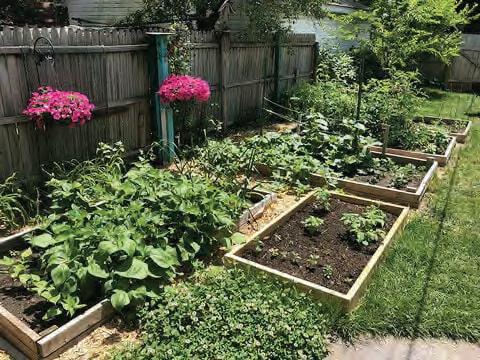
Purple Liatris (Blazing Star) in a pollinator garden.
This pollinator garden features Blazing Star (Liatris); a favorite of bees. Pollinator decline remains a concern, and Minnesota gardeners are stepping up. Native plants like wild bergamot, prairie blazing star, and swamp milkweed are becoming staples in home landscapes. These species not only attract bees and butterflies but also provide food and shelter for birds and beneficial insects.
resilient, thriving landscapes.

Adding features like water sources, brush piles, and layered plantings turns your yard into a vibrant ecosystem. Even small changes, like swapping a patch of turf for native flowers, can make a big difference.
For 2026, expect more gardeners to adopt hot composting systems for faster results and vermicomposting (worm bins) for year-round indoor composting.
The payoff? Reduced landfill waste, healthier soil, and gardens that
growth and more thirst. Check the soil more often and water when it feels dry an inch below the surface. Most houseplants prefer evenly moist, not soggy, soil. Let the
Climate variability and environmental pressures demand smarter gardening practices. By embracing no-till methods, composting, and wildlife-friendly planting, Minnesota gardeners can reduce their footprint while creating
plant (and the soil) guide you.
Spring houseplant care doesn’t
These trends aren’t just good for the planet; they make gardening easier, more rewarding, and full of life.
Winter is the perfect time to plan. Sketch out no-till beds, set up a compost system, and choose native plants for spring. Sustainable gardening is more than a trend; it’s the future of Minnesota landscapes. May your 2026 garden be rich with color, buzzing with pollinators, and filled with joy. Here’s to healthy soil, thriving plants, and the simple pleasures of growing something beautiful. Happy Gardening!
require big changes, just a little attention and a few seasonal tweaks. With these small steps, your indoor jungle will reward you with brighter
leaves, fresh growth, and a welcome sense of spring right inside your home.













ibrant, green lawns can draw attention to any landscape. Many homeowners toil for hours each week to ensure their lawns are pristine, or invest in lawn care services to help maintain a yard if they do not have the time to do so themselves. While many treatments can be applied to lawns to help them thrive, animal waste is not among them. Pet owners who aspire to have beautiful lawns will have to take a few extra steps to ensure lawns can persevere despite the presence of furry companions.
There are many different types of grass, and some are more resilient than others. Tall fescue, Kentucky bluegrass, perennial ryegrass, and Bermuda grass are just some of the grass varieties that can capably handle pet traffic. If replacing the entire lawn is not possible, consider reseeding or addressing the areas that pets frequent.
It may be tempting to cut the lawn short, particularly if dogs or cats like to nibble on longer blades of grass. But that approach could be doing the lawn a disservice. According to The Home Depot, letting the lawn grow to at least three inches will help keep moisture in the soil and prevent evaporation. That moisture will strengthen the roots, creating a healthier lawn for pets and people.
Various materials can be used in these high-traffic areas to minimize the sights and signs of pet traffic. Mulch or crushed stone can establish these pet highways and look like intended features.
Pet urine contains high levels of nitrogen, which can burn grass and turn it brown. It’s not possible to water down urine or pick up solid waste immediately every time a pet goes outdoors, so designate a pet-friendly spot for potty time. Use fencing or a dog run to separate this area and help mitigate “land mines” all over the lawn. Fencing also can keep pets out of vegetable gardens and away from potentially toxic plants.
When pets use the yard and rest on the lawn, you’ll need to eliminate products that can be harmful to them. Choose all-natural fertilizers and weed and pest preventatives.
If maintaining a lawn with pets seems like an uphill battle, consider swapping out your landscape with a variety of materials. Scale back on grass, and incorporate groundcover, hardscape materials like pea gravel, or extend the patio. Artificial turf also is an option, as it won’t brown and wither. Some turf products can even be quickly and thoroughly cleaned with water. It can take some trial and error for pet parents to protect their lawns from the effects of having furry friends playing in the yard.
and recommend whether pruning or removal is needed.
Secure outdoor equipment. Patio furniture, planters and lightweight decorations can become hazardous if winds pick up.
CHECKING SUMP
PUMPS AND DRAINAGE
of water into the pit can help confirm the pump activates and removes water as expected.
Heavy spring rains can quickly overwhelm basements or low-lying areas of property. Test sump pumps before storms arrive to ensure they are working properly. Pouring a small amount
Check exterior drainage. Ensuring soil slopes slightly away from the house helps direct water away from the foundation. French drains, swales or downspout extensions may help improve runoff in areas prone to moisture problems.
BUILDING OR UPDATING AN EMERGENCY KIT
Every household needs a basic
reparing ahead of time can help protect your home from damage and keep your family safe when storms roll through. A few practical steps such as inspecting the roof, clearing gutters, trimming trees and checking emergency equipment can make a big difference.
A secure roof is one of the most important enses against spring storms. Look for loose shingles, cracked flashing or signs of wear that could lead to leaks. Binoculars can help with a ground-level inspection, but if you are unsure about what to look for, hiring a professional roofer is often the safest option. Early repairs prevent small issues from turning into major water damage during heavy rain.
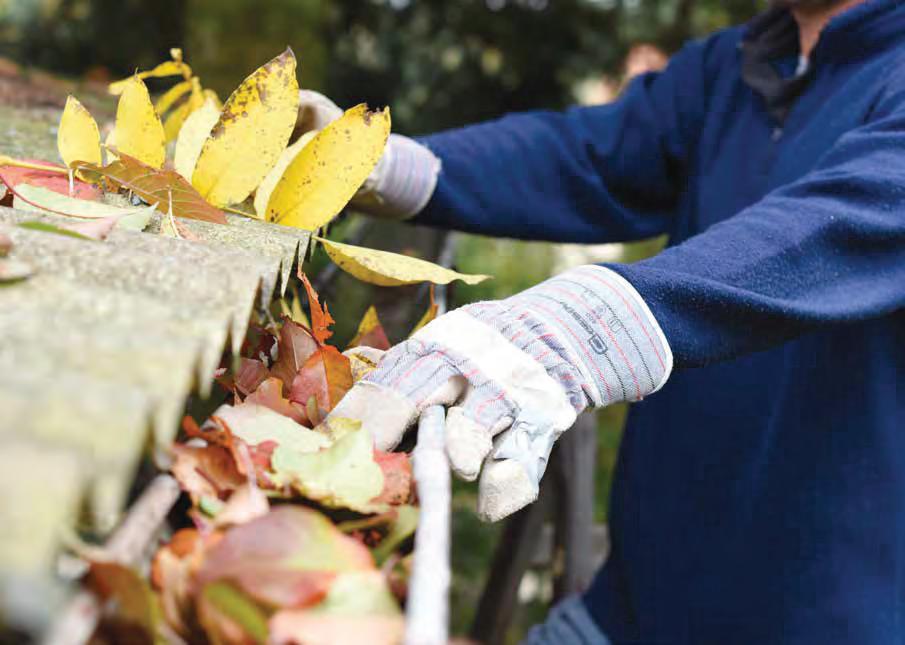
Gutters and downspouts need attention. Leaves, twigs and debris can block the flow of water and cause overflow that damages siding or foundations. Clearing gutters before the rainy season allows stormwater to drain properly away from the home.
emergency kit for storm season. This typically includes flashlights, extra batteries, bottled water, nonperishable food, a first-aid kit and necessary medications. Portable chargers and a battery-powered weather radio can also help families stay informed if power goes out.
It is wise to gather important documents in a waterproof folder and keep them in an easily accessible spot. Families with pets should include food, carriers or leashes in their emergency supplies.
Tree limbs that hang close to a roof, deck or power line can become dangerous during spring storms. Strong winds may break or weaken branches, putting structures at risk. Trimming limbs now helps reduce the chance of falling debris. A certified arborist can evaluate



unhealthy or leaning trees and recommend whether pruning or removal is needed. Secure outdoor equipment. Patio furniture, planters and lightweightdecorations can become hazardous if winds pick up.
Heavy spring rains can quickly overwhelm basements or low-lying areas of a property. Test sump pumps before storms arrive to ensure they are working properly. Pouring a small amount of water into the pit can help confirm the pump activates and removes water as expected.
Check exterior drainage. Ensuring soil slopes slightly away from the house helps direct water away from the foundation. French drains, swales or downspout extensions may help improve runoff in areas prone to moisture problems.
Every household needs a basic emergency kit for storm season. This typically includes flashlights, extra batteries, bottled water, nonperishable food, a first-aid kit and necessary medications. Portable chargers and a battery-powered weather radio can also help families stay informed if power goes out.
It is wise to gather important documents in a waterproof folder and keep them in an easily accessible spot. Families with pets should include food, carriers or leashes in their emergency supplies.




need without wasting resources.
Many of these apps let homeowners control watering from a smartphone. This can be especially useful for people who travel during the spring or have large yards that require attention at different times.
Motion sensors can illuminate walkways or entry points when someone approaches, improving visibility and deterring unwanted activity.
who travel during the spring or have large yards that require attention at different times.
AS SPRING APPROACHES, MANY HOMEOWNERS BEGIN TACKLING OUTDOOR PROJECTS, MAINTENANCE TASKS AND SEASONAL CLEANUP. SMART HOME TECHNOLOGY CAN MAKE THOSE JOBS EASIER. Did
New tools help streamline routines, save energy and improve home safety. With the right mix of apps, sensors and automated devices, homeowners can stay ahead of spring chores while reducing time spent on upkeep.
Outdoor lighting plays an important role in security, usability and curb appeal. Smart lighting systems allow homeowners to set schedules, automate adjustments or turn lights on and off remotely.
Irrigation often becomes one of the first concerns of the season, and smart
controllers can take much of the guesswork out of watering. These devices connect to home Wi-Fi and adjust watering schedules based on weather patterns, soil moisture and sunlight exposure. Some systems also use local forecasts to skip watering before or after rainfall, helping conserve water and avoid overwatering.
Smart bulbs and solar-powered fixtures are now more affordable and easier to install. They can be integrated into existing home systems or controlled independently through mobile apps. Many options offer adjustable brightness and color temperature, giving homeowners the ability to create different moods for gatherings, outdoor dining or quiet evenings outside.
Some lighting systems connect with doorbell cameras or home security systems,
Smart soil sensors can complement irrigation controllers by monitoring moisture levels in real time. They can alert homeowners when the soil is too dry or too saturated, allowing for more precise care. For those growing vegetables, flowers or new lawns, sensors provide valuable information that helps plants get what they need without wasting resources.
Many of these apps let homeowners

making spring nights safer and more convenient. Automated timers also help reduce energy costs, ensuring lights run only when necessary.

systems to catch small leaks before they turn into larger repairs.
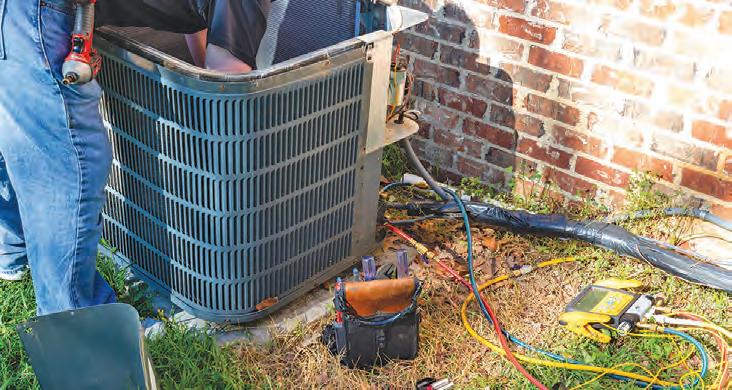
Spring home maintenance involves everything from gutter cleaning to lawn care, and smart devices can simplify many of these tasks. Temperature and humidity sensors can alert homeowners to conditions that may lead to mold or moisture problems. Leak detectors can be placed near air conditioning units, outdoor faucets or irrigation systems to catch small leaks before they turn into larger repairs.
Spring home maintenance involves everything from gutter cleaning to lawn care, and smart devices can simplify many of these tasks. Temperature and humidity sensors can alert homeowners to conditions that may lead to mold or moisture problems. Leak detectors can be placed near air conditioning units, outdoor faucets or irrigation
Smart outlets and plugs let homeowners control outdoor appliances such as fountains, pumps or power tools. They can be scheduled to run only when needed, cutting down on energy use.
Homeowners can benefit from maintenance reminder apps that integrate with smart devices. These apps keep track of filter changes, HVAC checkups and seasonal tasks. Some link directly to smart thermostats, sending alerts when systems are working harder than usual or when temperatures fluctuate unexpectedly.
Smart outlets and plugs let homeowners control outdoor appliances such as fountains, pumps or power tools. They can be scheduled to run only when needed, cutting down on energy use.
Homeowners can benefit from maintenance reminder apps that integrate with smart devices. These apps keep track of filter changes, HVAC checkups and seasonal tasks. Some link directly to smart thermostats, sending alerts when systems are working harder than usual or when temperatures fluctuate unexpectedly.
Light-emitting diode bulbs (LEDs) are energy-efficient and durable options. LEDs convert electricity into light instead of heat, and increasingly are used in a wide range of products, including lighting fixtures. According to Energy Star®, LEDs produce light up to 90 percent more efficiently than incandescent light bulbs. LEDs also do not typically “burn out” or fail, like other types of bulbs. Because of their performance benefits, homeowners may be interested in switching over to LED bulbs to power their existing lighting fixtures. Generally speaking, LED bulbs can work in most nonLED fixtures, provided the base type matches the socket. The LED bulb also should be rated for the same line voltage for the fixture. Also, the fixture should not be enclosed, such as glass-encased ceiling lights or certain outdoor fixtures. The lack of ventilation can cause heat buildup, leading to damage or failure. In such instances, one should purchase LEDs specifically rated for enclosed fixtures.

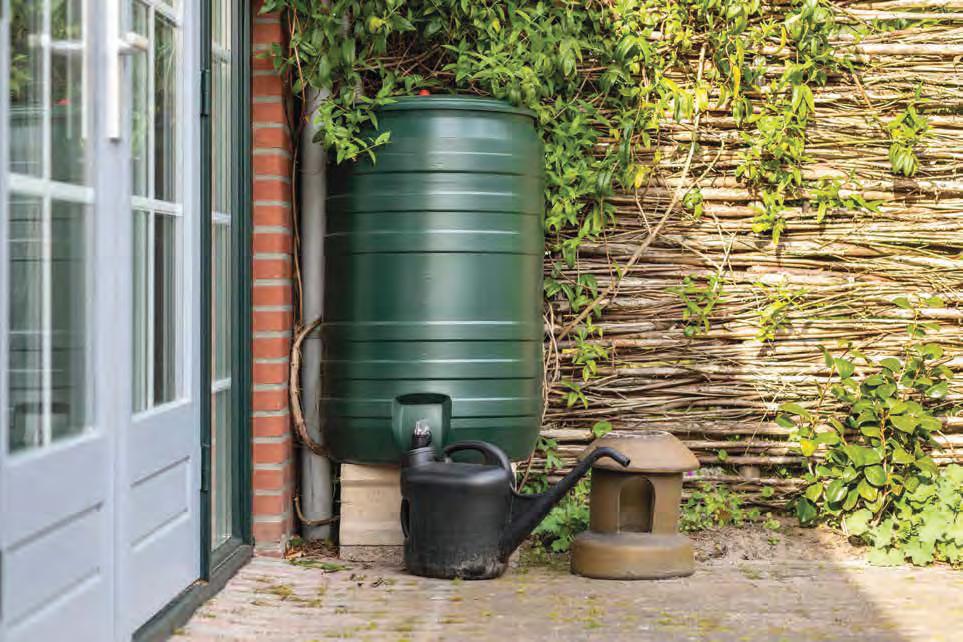
the top debris and HARVESTED WISELY collected in baroutdoor tasks gardens, fillrinsing patios. It can during plants need Hartypically softer
than tap water, which many gardeners find beneficial for flowers, shrubs and vegetables.
ith spring rains on the way,
homeowners can take advantage of natural precipitation by installing a
simple rainwater harvesting system. Rain barrels and collection tanks are easier than ever to set up, and many local governments
Rain barrels come in a wide range of sizes nd materials, from basic plastic models to decorative barrels designed to blend in with garden landscaping. The most popular ones are between 50 and 100 gallons, though smaller or larger options are available depending on yard
Rainwater collected in barrels is ideal for outdoor tasks such as watering gardens, filling watering cans, rinsing tools or cleaning patios. It can be especially helpful during dry spells when plants need consistent moisture. Harvested water is typically softer than tap water, which many gardeners find beneficial for flowers, shrubs and vegetables.
To maximize efficiency, consider pairing a rain barrel with drip irrigation or soaker hoses. These systems deliver water slowly and directly to plant roots, reducing evaporation and waste. Homeowners can use mulch around garden beds to help retain moisture and make harvested water last longer.
To maximize efficiency, consider pairing a rain barrel with drip irrigation or soaker hoses. These systems deliver water slowly and directly to plant roots, reducing evaporation and waste. Homeowners can use mulch around garden beds to help retain moisture and make harvested water last longer.
COLLECTING RAINWATER IS AN EFFECTIVE WAY TO CONSERVE RESOURCES, REDUCE UTILITY COSTS AND SUPPORT A HEALTHIER LANDSCAPE.
Before installing a rainwater harvesting system, check local regulations. Some cities have rules about placement, mosquito prevention or connection to irrigation systems. A few communities require backflow prevention devices to ensure harvested water does not mix with potable water lines. Some regions offer rebates
or incentives to encourage homeowners to install rain barrels, so checking with local utilities or environmental agencies can be worthwhile. These programs sometimes include workshops that teach the basics of maintenance and installation.
stallation typically begins with choosing a downspout that receives steady runoff from the roof. The barrel is placed on a flat, stable surface near the downspout, often on cinder blocks or a platform to elevate it. This height improves water pressure and makes it easier to fill watering cans. A downspout diverter or flexible hose guides rainwater into the barrel. Overflow valves redirect excess water away from the home’s foundation.
A mesh screen at the top can help keep out debris and insects.

Inspect barrels regularly for leaks, clogged screens or algae buildup. Emptying and cleaning the barrel at the end of the growing season can help extend its life.
Before installing a rainwater harvesting system, check local regulations. Some cities have rules about placement, mosquito prevention or connection to irrigation systems. A few communities require backflow prevention devices to ensure harvested water does not mix with potable water lines. Some regions offer rebates or incentives to encourage homeowners to install rain barrels, so checking with local utilities or environmental agencies can be worthwhile. These programs sometimes include workshops that teach the basics of maintenance and installation. Inspect barrels regularly for leaks, clogged screens or algae buildup. Emptying and cleaning the barrel at the end of the growing season can help extend its life.



the day.
For homeowners who prefer blinds, faux wood and real wood blinds can provide good light control. Tilting the slats allows sunlight in while protecting furniture and flooring from direct UV exposure. Vertical blinds may work best for sliding doors or large windows since they can easily adjust to changing light angles.
Window treatment materials play an important role in keeping homes comfortable during spring. Solar shades are designed specifically for UV protection. They block a significant amount of the sun’s rays while still providing outdoor visibility. These shades are useful in south- or
west-facing rooms where afternoon sun is strongest. Linen, cotton and other breathable fabrics are ideal for curtain panels during warmer months. Sheer curtains can soften bright light and add a fresh seasonal look, especially when paired with a secondary shade that handles UV control. Thermal-backed curtains add insulation and
AS SPRING BRINGS LONGER DAYS AND BRIGHTER SUNSHINE, MANY HOMEOWNERS LOOK FOR WAYS TO MANAGE NATURAL LIGHT AND KEEP INDOOR SPACES COMFORTABLE.

help reduce heat gain, making them a practical choice when temperatures rise.
Color also affects performance. Light-colored fabrics reflect more sunlight, helping rooms stay cooler throughout the day. Darker shades absorb heat and may be better suited for spaces that need additional warmth.
pdating window treatments is an easy way to refresh a room while improving energy efficiency. With the
right blinds, shades and fabrics, it is possible to enjoy the season’s sunlight without overheating the home or fading furniture. A few smart installation tips can help get the best results.
Proper installation ensures window treatments work as intended. Measuring windows accurately is essential, especially for inside-mounted shades or blinds. Measure each window individually since sizes can vary even within the same room.
Spring is a good time to choose window treatments that filter or soften intense sunlight. Light-filtering roller shades are popular because they allow gentle daylight to enter while reducing glare. They come in a variety of colors and patterns, making them a simple way to brighten rooms without sacrificing privacy.
Mounting options matter. Inside mounts create a clean, streamlined look, while outside mounts can make windows appear larger and block more light around the edges. For rooms that get strong direct sunlight, outside mounts often provide better coverage.
Cellular or honeycomb shades are another strong option. Their layered design traps air and helps insulate windows, keeping indoor spaces cooler during warm afternoons. Many models offer top-down and bottom-up functions that let homeowners control light flow throughout the day.
Securely anchor hardware, especially for heavier blinds or layered curtains. If drilling into drywall, using the correct anchors helps avoid sagging brackets. For wider windows, adding a center support bracket can prevent bowing or cracking.
For homeowners who prefer blinds, faux wood and real wood blinds can provide good light control. Tilting the slats allows sunlight in while protecting furniture and flooring from direct UV exposure. Vertical blinds may work best for sliding doors or large windows since they can easily adjust to changing light angles.
Homeowners may want to consider cordless options; these are safer for households with children or pets and offer a modern, minimal appearance.
Window treatment materials play an important role in keeping homes
comfortable during spring. Solar shades are designed specifically for UV protection. They block a significant amount of the sun’s rays while still providing outdoor visibility. These shades are useful in south- or westfacing rooms where afternoon sun is strongest.
Linen, cotton and other breathable fabrics are ideal for curtain panels during warmer months. Sheer curtains can soften bright light and add a fresh seasonal look, especially when paired with a secondary shade that handles UV control. Thermalbacked curtains add insulation and help reduce heat gain, making them a practical choice when temperatures rise.
Color also affects performance. Lightcolored fabrics reflect more sunlight, helping rooms stay cooler throughout the day. Darker shades absorb heat and may be better suited for spaces that need additional warmth.
Proper installation ensures window treatments work as intended. Measuring windows accurately is essential, especially for inside-mounted shades or blinds. Measure each window individually since sizes can vary even within the same room. Mounting options matter. Inside mounts create a clean, streamlined look, while outside mounts can make windows appear larger and block more light around the edges. For rooms that get strong direct sunlight, outside mounts often provide better coverage.
Securely anchor hardware, especially for heavier blinds or layered curtains. If drilling into drywall, using the correct anchors helps avoid sagging brackets. For wider windows, adding a center support bracket can prevent bowing or cracking.
Homeowners may want to consider cordless options; these are safer for households with children or pets and offer a modern, minimal appearance.
Memorial Day weekend is a popular time to entertain. For many, the weekend marks the first outdoor entertaining opportunity of the year, which is certainly something to look forward to.
As outdoor entertaining season begins, homeowners can take these steps to prepare their outdoor living spaces for the first big backyard get-together of the year.
· Break out the power washer. Pressure washing is an important component of spring home cleanup. The warmer temperatures of spring allow water from power washing to dry more quickly, which can decrease the chances that mold and mildew will grow on surfaces like siding. A freshly power washed home also makes for a welcoming entertaining space. A power washer also can be used on outdoor entertaining
spaces to remove dirt and debris that built up over the winter. Just make sure to read manufacturer instructions before using a power washer to clean paving stones, decks and outdoor furniture.
· Inspect outdoor furniture. Now is a good time to inspect outdoor furniture if the task was not performed in late fall or early winter before items were moved into the garage or placed in storage. Check to make sure furnishings are still safe to use, addressing any issues before guests come over for a Memorial Day weekend gathering. Wash cushions for outdoor furniture and replace any that might be showing their age.
· Clean the grill. A thorough cleaning of the grill also is in order prior to summer entertaining season. Many homeowners do little or no grilling during winter, so now is the time to give grilling surfaces and the interior of the grill a deep cleaning. Check for leaks if using a gas grill, and scrub the interior of any grease that accumulated
last season. Many grilling experts advise lighting a grill and letting it burn for roughly 20 minutes prior to putting any foods on the grates for the first time. Such a strategy allows residual fluids like soap, vinegar and de-greasing products used when cleaning the grill to burn off before food is placed on the grates.
· Inspect the landscaping, too. It’s not just seating areas like patios and decks that need some investigation prior to outdoor entertaining season. Take a walk around the landscape and make sure there’s no potentially dangerous spots where people could be injured when playing backyard games. Fill in any holes with soil and fresh grass seed, and inspect trees to see if any branches need to be pruned. Summer entertaining season begins each Memorial Day weekend. Homeowners can take various steps to ensure their outdoor entertaining spaces are comfortable and safe.

help define outdoor spaces and make them easier to maintain through the spring and summer.
Patios often serve as the centerpiece of a backyard. They provide space for dining, entertaining or enjoying the outdoors without tracking dirt into the house. Beginners commonly choose concrete pavers because they are affordable, durable and available in many styles. Other patio materials include wood, poured concrete, natural stone and brick, each offering a different look and level of maintenance.
Pathways are another useful hardscape feature. They help guide foot traffic, protect grass and connect different areas of the yard. Gravel, steppingstone paths or paver walkways are popular choices for beginner projects. Gravel paths are easiest to install, while
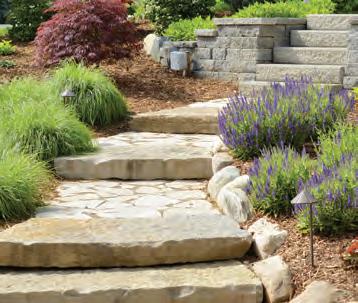
pavers offer a more polished appearance. Edging stones help create clean borders around garden beds, lawns or walkways. They keep mulch in place, prevent grass from spreading into garden areas and give yards a more finished look. Edging comes in stone, brick, metal or composite materials, allowing homeowners to match their landscaping style.
Choosing the right materials is an important early step. Concrete pavers are widely used because they hold up well in most climates and are relatively

simple to install. Natural stone offers a high-end appearance but often costs more and may require more skill to fit and level. Brick provides a classic look and works well for patios or edging, though it can shift over time without proper base preparation.
Gravel is one of the most cost-effective materials and suits informal pathways or seating areas. It requires edging to stay in place and may need periodic replenishing. Composite edging and molded plastic borders provide a budget-friendly option for defining garden beds, though stone and brick tend to last longer.
For any hardscape project, the base material matters as much as the visible surface. A properly compacted base of gravel or crushed stone helps prevent sinking, shifting or cracking. Skipping this step often leads to uneven surfaces and early repairs.

Many homeowners tackle small hardscape projects on their own. Installing edging stones or creating a simple gravel path can be done with basic tools and a free afternoon. DIY patios are also possible, but they require more time, patience and precision, especially when leveling the base.
Larger or more complex projects may be better suited for a contractor. Curved patios, retaining walls or multilevel designs often need professional equipment and expertise. Hiring a contractor can save time and ensure long-lasting results.
Before choosing DIY or professional help, consider the project size, available tools, budget and how comfortable you are with physical labor and detailed measurements.





Heritage Breeds on the Farm
The Rise of Smart Tractors
What is Aquaculture?
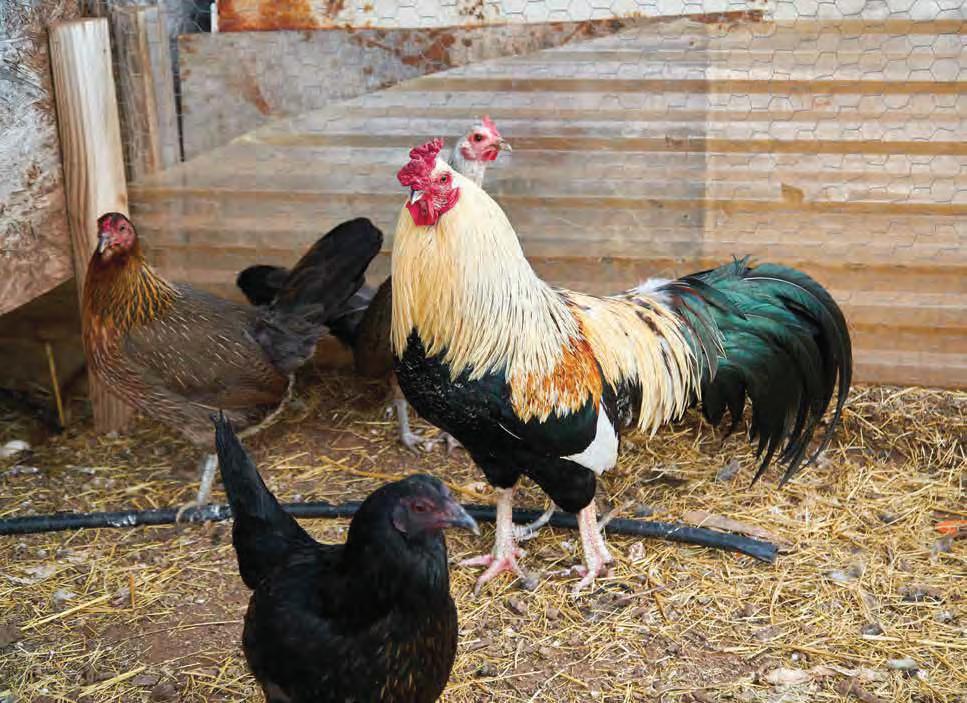
Dominique, Delaware and Jersey Giant.
Domestic cattle rst arrived with the second Spanish voyage in 1493 and have provided milk, meat, leather, tallow, dra power and companionship. Heritage cattle breeds are a true, genetic breed of cattle that, when mated, reproduces the breed type. It must be an endangered breed as de ned by e Livestock Conservancy and have a long history in the U.S. ey must be purebred and registered, or the immediate o spring of registered, purebred animals. Examples: American Yak, Texas Longhorn, Florida Cracker, Pineywoods, Corriente.

Domestic cattle first arrived with the second Spanish voyage in 1493 and have provided milk, meat, leather, tallow, draft power and companionship. Heritage cattle breeds are a true, genetic breed of cattle that, when mated,
Over time, our ancestors chose these breeds for their ability to thrive without much human intervention. Today, these breeds are important for genetic diversity in the farm animal population and for
reproduces the breed type. It must be an endangered breed as defined by The Livestock Conservancy and have a long history in the U.S. They must be purebred and registered, or the immediate offspring of registered, purebred animals. Examples: American Yak, Texas Longhorn, Florida Cracker, Pineywoods, Corriente.
maintaining a living link to agricultural history.
New World colonists first brought pigs over for meat, lard, pest control and land improvement. Heritage breeds of swine must be a true genetic breed of pig, much like cattle, that can reproduce the breed type. They must be categorized as endangered and have a long history in the U.S., and they must be
Chickens rst came to the Americas with Spanish explorers and are raised for meat, eggs, or both, or as pets. A heritage chicken breed must be from parent and grandparent stock of breeds recognized by the American Poultry Association before 1950. ey must

be produced and genetically maintained through natural mating through parent and grandparent stock. ese chickens must have the genetic ability to live a long, vigorous life in pasture-based, outdoor production systems. Breeding hens should be productive for 5 to 7 years and roosters for 3 to 5 years. ey must grow slowly, reaching appropriate market weight in no less than 16 weeks. Examples: Holland, Cubalaya, Buckeye, Chantecler, Dominique, Delaware and Jersey Giant.
purebred. Examples: Choctaw, Ossabaw Island, Guinea Hog, Red Wattle. It’s important to note the heritage label is not recognized by the United States Department of Agriculture, but producers have added the term to labeling and been approved by the USDA by using the published definition.
New World colonists rst brought pigs over for meat, lard, pest control and land improvement. Heritage breeds of swine must be a true genetic breed of pig, much like cattle, that can reproduce the breed type. ey must be categorized as endangered and have a long history in the U.S., and they must be purebred. Examples: Choctaw, Ossabaw Island, Guinea Hog, Red Wattle. It’s important to note the heritage label is not recognized by the United States Department of Agriculture, but producers have added the term to labeling and been approved by the USDA by using the published de nition.









Owners of farms and ranches must implement practices to keep illnesses from spreading through
their herds and flocks. Write out biosecurity concerns as well as any plans for daily safety and safety during outbreaks for farm staff and visitors to consult.
Keep any new animals or animals returning to the farm from other farms in isolation for at least four weeks to ensure they’re not passing any diseases on. Watch quarantined animals closely for signs of illness. Any animals showing symptoms of disease should also be quarantined.
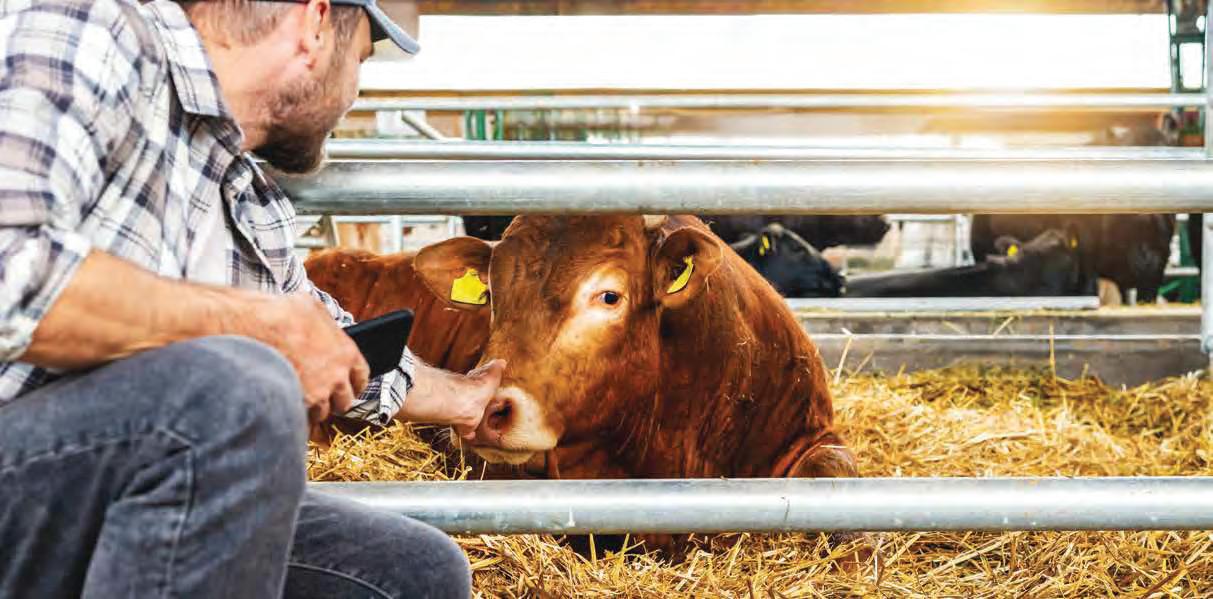
animals just predators visits. must illnesses herds biosecurity condaily outbreaks for consult. animals other
For service people that call on farms, such as veterinarians and farriers, ask them to practice good biosecurity with themselves, such as using boot covers and regularly washing hands, and their tools, including vehicles.
© ADOBE STOCK
FARM ANIMALS SAFE IS MORE THAN JUST WATCHING FOR PREDATORS AND REGULAR VET VISITS.
farms in isolation for at least four weeks to ensure they’re not passing any diseases on. Watch quarantined animals closely for signs of illness. Any animals showing symptoms of disease should also be quarantined.
Some diseases are spread through contact with people. During outbreaks, limit the number of visitors to the farm or restrict visitors to designated areas that are away from livestock. Don’t share staff, vehicles or equipment between farm sites unless they’ve been properly cleaned and disinfected. During some outbreaks, this may mean changing clothes as well or
wearing personal protective equipment that gets changed between farm sites.

For service people that call on farms, such as veterinarians and farriers, ask them to practice good biosecurity with themselves, such as using boot covers and regularly washing hands, and their tools, including vehicles.
CLEANING AND DISINFECTING
Clean and disinfect animal stalls, barns, fields and other habitats regularly. Clean and disinfect tools and equipment that regularly comes into contact with animals. Don’t forget vehicles, too. Provide animals with
Some diseases are spread through contact with people. During outbreaks, limit the number of visitors to the farm or restrict visitors to designated areas that are away from livestock. Don’t share staff, vehicles or equipment between farm sites unless they’ve been properly cleaned and disinfected. During some outbreaks, this may mean changing clothes as well or wearing personal protective equipment that gets changed between farm sites.
clean food and water and ensure food storage areas are clean and free of pests. Dispose of animal waste properly away from the herds and flocks. Keep wild animals at a safe distance. Wild birds and rodents can spread diseases to your livestock and contaminate food and water sources. Talk to your veterinarian about other practices to follow and about any disease outbreaks you should be aware of. Follow any state and local regulations regarding outbreaks to keep the spread to a minimum. Keep your livestock appropriately vaccinated. Keep careful records of when animals were vaccinated, when they were last ill and any medicines taken.
Clean and disinfect animal stalls, barns, fields and other habitats regularly. Clean and disinfect tools and equipment that regularly comes into contact with animals. Don’t forget vehicles, too. Provide animals with clean food and water and ensure food storage areas are clean and free of pests. Dispose of animal waste properly away from the herds and flocks. Keep wild animals at a safe distance. Wild birds and rodents can spread diseases to your livestock and contaminate food and water sources. Talk to your veterinarian about other practices to follow and about any disease outbreaks you should be aware of. Follow any state and local regulations regarding outbreaks to keep the spread to a minimum. Keep your livestock appropriately vaccinated. Keep careful records of when animals were vaccinated, when they were last ill and any medicines taken.










TECHNOLOGY IS EVERYWHERE THESE DAYS AND FARMS ARE NO EXCEPTION.
Aautonomous technology can operate without a human driver and usually are controlled by a mobile app. Farmers can track the machinery and receive notifications, even adjusting tools the fly.
These tractors use precise technology such as GPS,
says its electric vehicles cut down on operational expenses and increase safety on the farm. Solectrac says its electric tractors require less maintenance than traditional diesel models.
Tractors equipped with autonomous technology can operate without a human driver and usually are controlled by a mobile app. Farmers can track the machinery and receive notifications, even adjusting tools on the fly.
These tractors use precise technology such as GPS, onboard cameras and sensors, and AI, meaning they can operate for hours without breaks and optimize the use of things such as fuel and fertilizer. The sophisticated equipment delivers data directly to farmers to help them make better decisions about what’s going on in the field. These machines are safe, offering collision avoidance systems to protect people and crops.
While they make farming more efficient, these tractors are more expensive than traditional diesel models, but, depending on the application, can make sense in the long run.
dvances in tractor manufacture can increase productivity and reduce labor costs while performing even precise jobs such as tilling, spraying and mowing.
onboard cameras and sensors, and AI, meaning they can operate for hours without breaks and optimize the use of things such as fuel and fertilizer. The sophisticated equipment delivers data directly to farmers to help them make better decisions about what’s going on in the
Tractors driven by an electric powertrain are quiet and are well-suited to jobs on a variety of farms and ranches. John Deere says its E-Power tractors offer the same workload and experience as the traditional diesel-powered tractor.
field. These machines are safe, offering collision avoidance systems to protect people and crops.
“The E-Power tractor can do the same
run.
work as a traditional diesel utility tractor,” says Derek Muller, business manager for battery electric vehicle systems. “Our goal with the E-Power tractor is to ensure it performs the same jobs as its diesel counterparts and works with the same implements, while unlocking incremental value.”
While they make farming more efficient, these tractors are more expensive than traditional diesel models, but, depending on the application, can make sense in the long
© ADOBE STOCK
Other brands are concentrating solely on electric tractors. Monarch Tractor
Smart tractor technology is evolving rapidly across the spectrum and becoming more cost effective with each new innovation, and even may be available as an upgrade to some existing equipment. This avoids the capital outlay for a whole new tractor.
Smart tractor technology is evolving rapidly across the spectrum and becoming more cost effective with each new innovation, and even may be available as an upgrade to some existing equipment. This avoids the capital outlay for a whole new tractor.


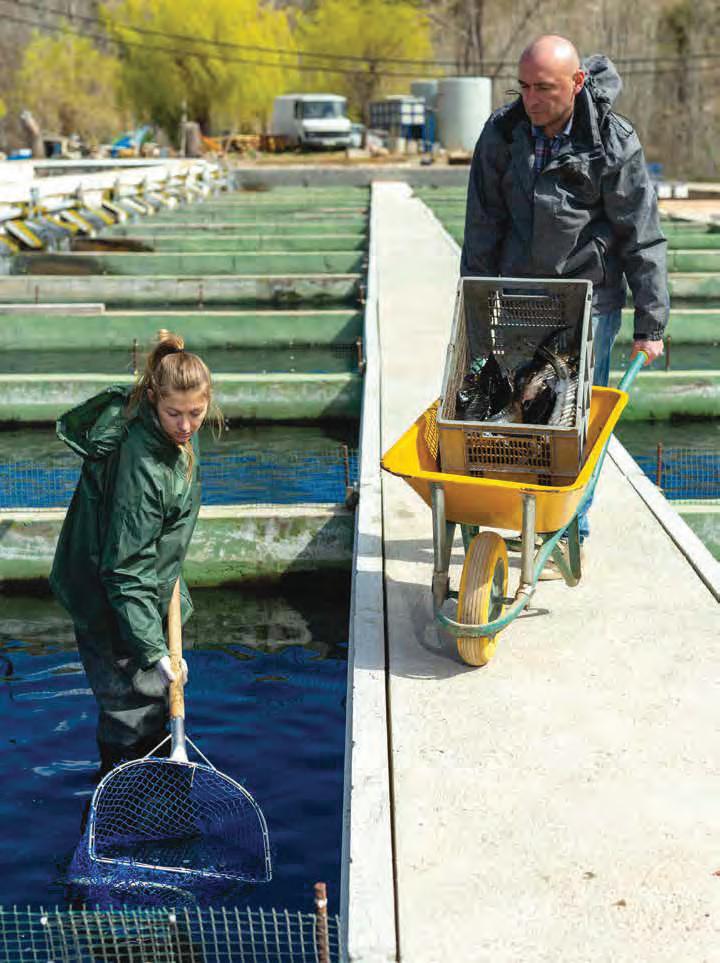
t can take place in natural bodies of water or in ponds specifically made for the purpose, and in both fresh and saltwater. Aquaculture practices are used in growing food, ornamental fish, bait fish, and the cultivation of aquatic plants for food or biofuel.
Some commonly farmed species of fish include salmon, trout, tilapia and catfish. Fish farming originated more than 4,000 years ago in China and has spread all over the world. However, modern commercial farming practices have led to natural habitat destruction and the spread of invasive species. A frequent target of environmentalists’ concerns are intense farming practices such as adding water purification systems and oxygenation and feeding protein-rich foods not found in the fish’s natural environment.
Shrimp farming began in the 1970s and has mushroomed since. The practice is most common in South Asia, with two species, the Pacific white shrimp and the giant tiger prawn accounting for about 80% of farmed shrimp. Both fresh and saltwater species (such as the giant river prawn) can be farmed, as well as crawfish and crabs.
Critics say crustacean farms are overly susceptible to disease that can harm both farmed and native stocks. They point to destruction of the natural environment and the spread of invasive species as problems with the practice.
Oysters, clams and mussels are some of the usual shellfish grown on farms. The estimated value of the farmed shellfish market in the U.S. is $340 million. These farms can often improve the area around them because oysters and mussels filter the water as they feed. However, large farms can damage ecosystems when the land is cleared or because of wastewater or salinization practices.
Aquatic plants and algae can be farmed. These farms grow seaweed, phytoplankton, microphytes or planktonic algae or other aquatic plants. The largest seaweed-producing countries are in Asia — China, Indonesia, South Korea and the Philippines. Seaweed farms absorb carbon dioxide from the water, meaning it could be a powerful tool to fight climate change. The resulting seaweed can be used in human and animal foods, in biofuels and bioplastics, and in medications and cosmetics.





optimize nutrients in the soil.
Strategic planting can increase biodiversity and break pest and disease cycles.
• Managed grazing: This is a regenerative agriculture practice meant to mimic natural herbivore patterns where livestock are moved between smaller paddocks allowing pastureland to rest and recover.
The farmer controls the timing and intensity of grazing to help improve soil health, improve the quality of available forage
and the environment.
Indigenous communities have used practices such as these since the beginning of time, but other producers are bringing these methods back to help achieve harmony with nature and improve relationships between humans and the environment.
Regenerative agriculture
REGENERATIVE AGRICULTURE IS AN APPROACH TO FARMING AND RANCHING THAT PRIORITIZES SOIL HEALTH TO RESTORE ECOSYSTEMS, FIGHT CLIMATE CHANGE AND IMPROVE THE WELLBEING OF PEOPLE AND ANIMALS.
ebuilding depleted soil can increase the amount of carbon drawn from the atmosphere, California State University Chico says, while improving soil fertility and the water cycle.
Effective regenerative agriculture practices end on the type of agriculture practiced, the surrounding community and environmental factors. Some regenerative agriculture methods
ill or minimum tillage techniques: No-till agriculture involves planting directly into the ground without any prior soil disturbance, such as plowing. Minimum till, which may also be called conservation or reduced-till, uses a slight amount of tilling to create a seedbed, often leaving a residue of the previous crops on the soil’s surface to act as mulch. These practices protect the soil from erosion, improve soil structure and can reduce costs associated with fuel and labor.
isn’t just a set of methods, it’s a whole philosophy. Think of the farm as integrating crops, grazing animals and wildlife with the goal of encouraging biological diversity and building back water and soil quality to create a sustainable food system.
It aims for equity in the farming system and in nature, with food sources living in harmony, not conflict, with the natural world and surrounding communities.
• Cover crops: Cover crops are grown to cover the soil rather than to harvest. This improves the soil’s health and the environment. Cover crops such as clover, rye, oats and radishes are planted during fallow periods or between cash crops to suppress weeds and build organic






matter. They can also enhance nutrient cycling.
• Crop rotation: Crop rotation means planting different crops in the same field to improve soil health and optimize nutrients in the soil. Strategic planting can increase biodiversity and break pest and disease cycles.
• Managed grazing: This is a regenerative agriculture practice meant to mimic natural herbivore patterns where livestock are moved between smaller paddocks allowing pastureland to rest and recover. The farmer controls the timing and intensity of grazing to help improve soil health, improve the quality of available forage and the environment.
Indigenous communities have used practices such as these since the beginning of time, but other producers are bringing these methods back to help achieve harmony with nature and improve relationships between humans and the environment.
Regenerative agriculture isn’t just a set of methods, it’s a whole philosophy. Think of the farm as integrating crops, grazing animals and wildlife with the goal of encouraging biological diversity and building back water and soil quality to create a sustainable food system. It aims for equity in the farming system and in nature, with food sources living in harmony, not conflict, with the natural world and surrounding communities.



















Tropical plants







Our mission is to make sure our customers are happy and successful gardeners! Since we grow our own plants, we are able to offer top quality plants at unbeatable prices! We want you to return and we want you to tell others about your great experience at Hillside! You never know what you will see out here!
HUGE variety of Succulents and Fairy Plants, Cactus Specialty Annuals, Grasses, Bedding Plants, Hanging Baskets
Large variety of pretty much any Vegetable Plant you may be looking for Perennials and Shrubs


LONG BEFORE EUROPEAN COLONISTS LANDED IN THE AMERICAS, NATIVE AMERICAN FAMILIES WERE GROWING AND PRODUCING THEIR OWN FOOD PRODUCTS USING METHODS ROOTED IN SUSTAINABILITY AND RESILIENCE.
One of these methods, adapted to work across the continent was the Three Sisters method of farming.
The Three Sisters are corn, beans and squash, grown together to protect and nourish each other. One description of the Iroquois method of planting, provided by the Carnegie Museum of Natural History, says women started by planting corn. As the plants grew, farmers mounded soil around the foot of the plants, creating a hill. Two or three weeks later, the women planted beans in the hill, allowing the bean plants to use the stalks as beanpoles. Between the rows,
they planted low-growing squash plants, whose large leaves provided shade and protection for the other crops.
Tribes adapted the practice depending on the climate where they lived. The Hopi and Tewa tribes in the arid, dry Southwest often added a fourth sister to attract bees for pollination. In the Great Plans, tribes chose varieties suited to growing in the more arid grasslands, including Turtle Mountain White Corn and Hidatsa Red Beans.
Even though these three plants provide support for each other, a Three Sisters garden still needs vigilant pest management. Planting marigolds or nasturtiums nearby can help repel pests. Regular inspection and removal of diseased plants can help prevent its further spread. You can apply organic treatments such as neem oil or garlic sprays. Help the corn support the bean plants by staking it, if necessary, or adding additional mulch around the base of the plant.
Ensure the plants are evenly spaced and effectively pruned and thinned to maximize yield and reduce the risk of fungal diseases. Proper spacing helps with effective pollination. Signs of poor pollination include misshapen and underdeveloped produce. If you see these, consider planting flowering plants nearby to attract more pollinators to your garden. Avoid the use of chemical pesticides to keep them coming back and doing their work.

Ourcompanieswerefoundedmorethan80yearsagotoservetheneedsoffarmersandranchers.
Ourcompanieswerefoundedmorethan80yearsagotoservetheneedsoffarmersandranchers.
Todaywe’rethe#1aginsurer,deliveringSmarterInsuranceforAgriculture.®
CallmetodaytoseehowIcanhelpprotectyouroperation,familyandfuture.
Todaywe’rethe#1aginsurer,deliveringSmarterInsuranceforAgriculture.® CallmetodaytoseehowIcanhelpprotectyouroperation,familyandfuture.
12207thStreetSteA