


IN THIS ISSUE March/April 2024 Familiesonline.co.uk Easter Activities Education GIVEAWAYS GALORE SEE INSIDE FREE

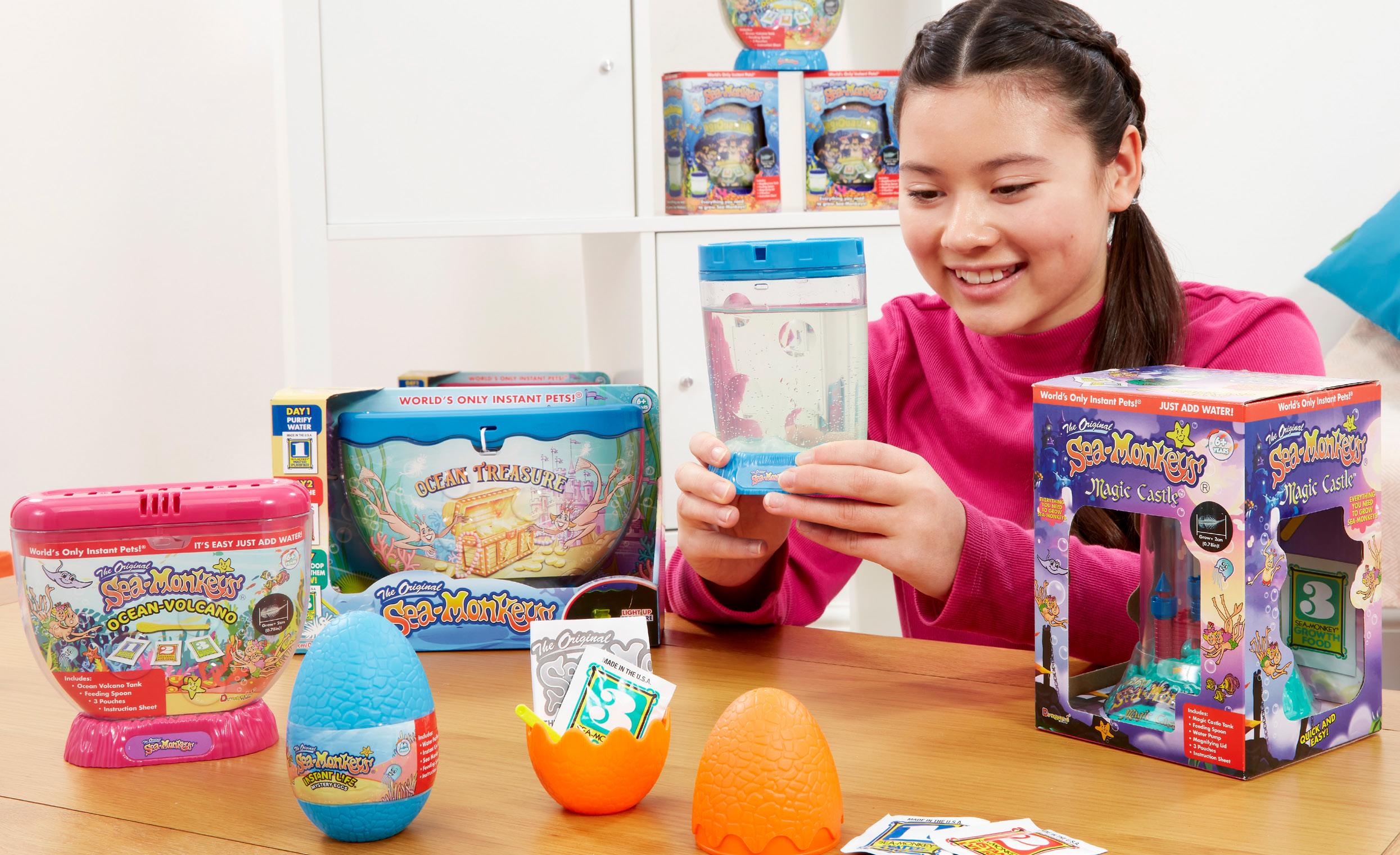
Ages 6+
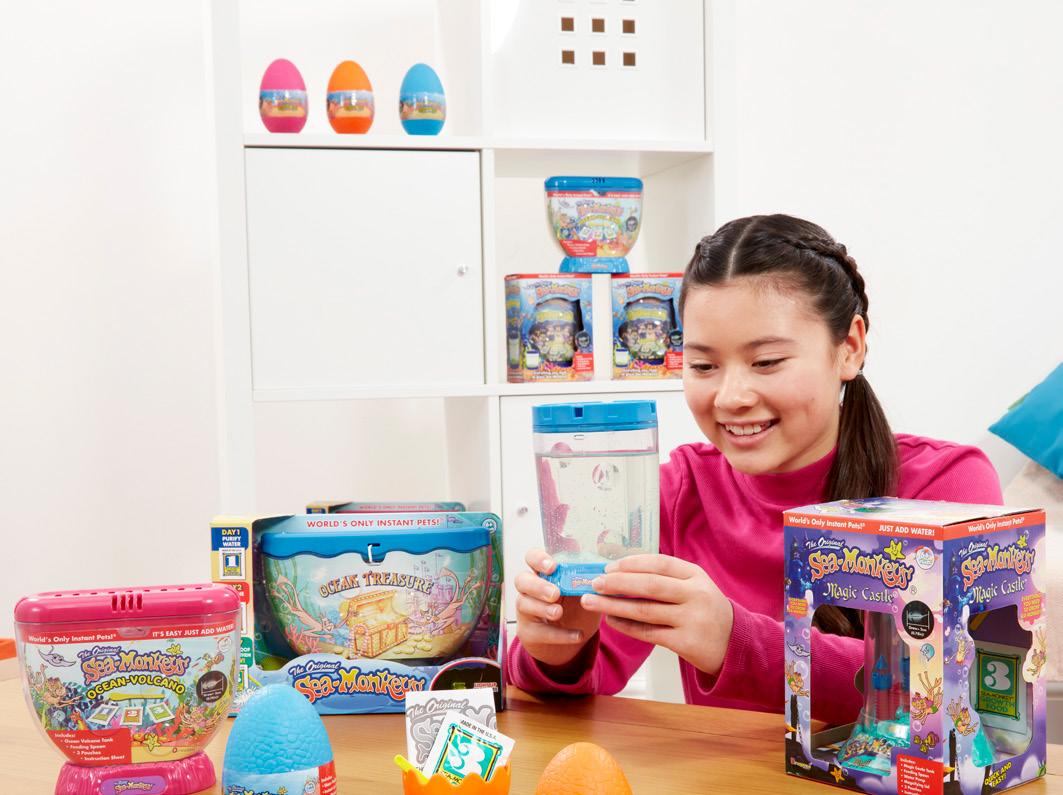
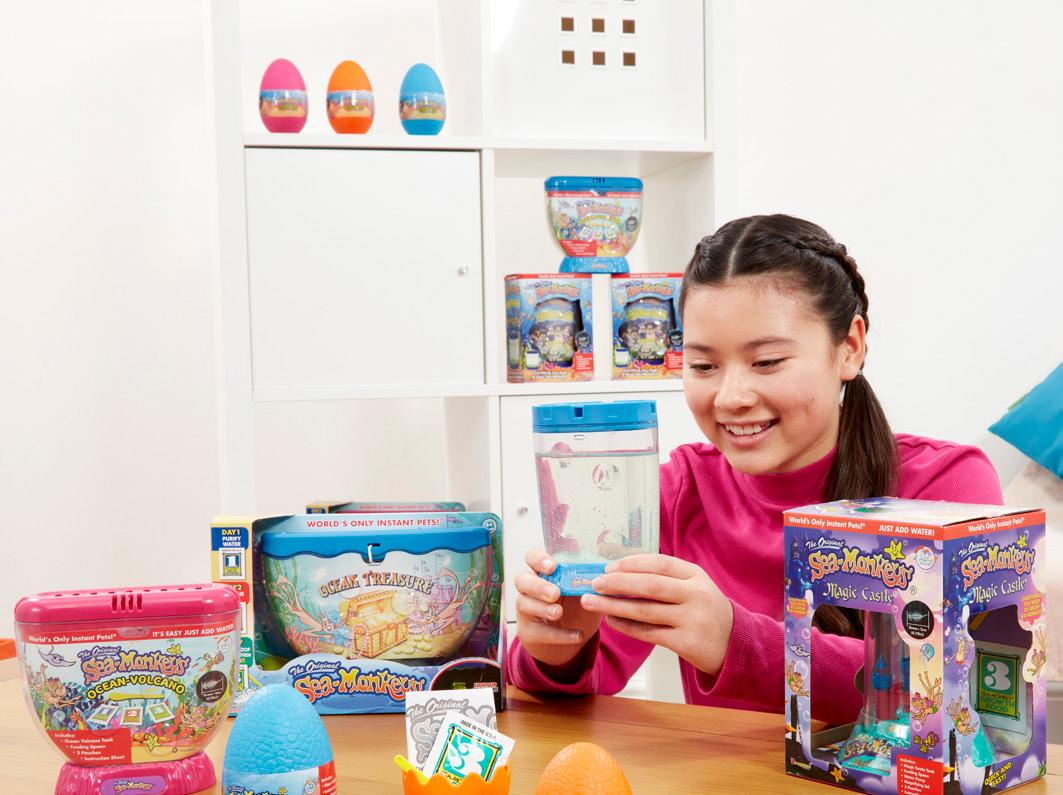
Everything you need to hatch, grow and nurture your own swimming pets!
Bundles include:
Sea Monkeys Ocean Zoo
Sea Monkeys On Mars Tank
Sea Monkeys Magic Castle Tank
Sea Monkeys Instant Life Mystery Egg
Ages 6+
Spring is just around the corner and it’s time to get back outdoors! To entice you, we have some fabulous family walks from our friends at The Outdoor Guide, as well as some interesting outdoor spring activities for the kids to try. You can even find out how to teach them some Forest School skills in this issue.
It’s a packed couple of months with Mother’s Day and Easter just round the corner. Find something fabulous that dad can bake with the kids for Mother’s Day. Then, check our top recommendations for Easter eggs, take a look at our free Easter printables which will keep the kids busy and download our Easter chick craft activity.
Finally, in this issue, we have tonnes of fabulous giveaways on offer. By applying, you can ensure you receive our digital magazine with lots more content and goodies on offer.
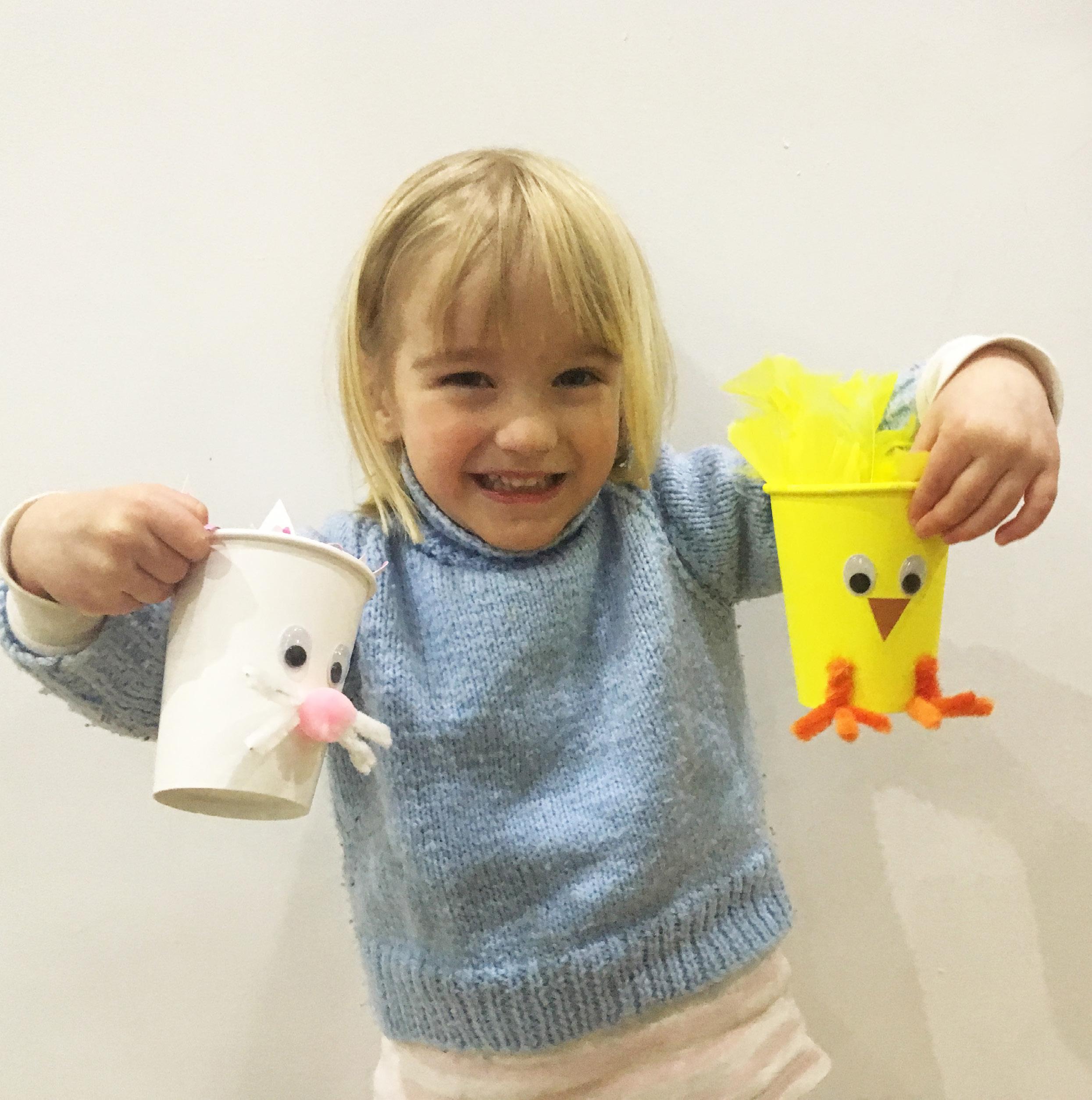
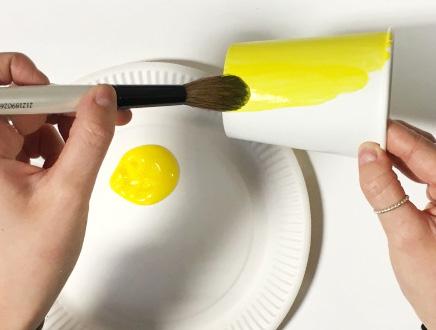
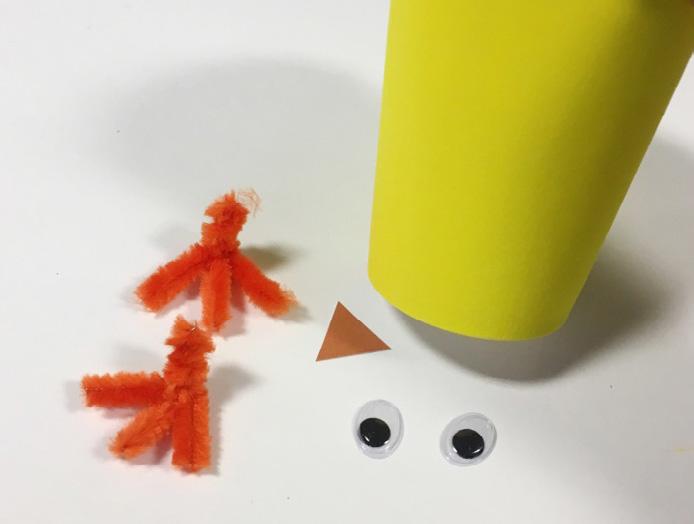
Looking forward to Easter?
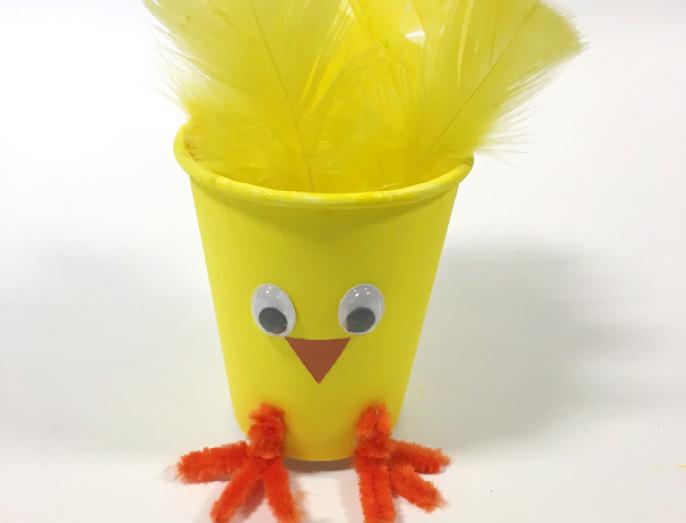
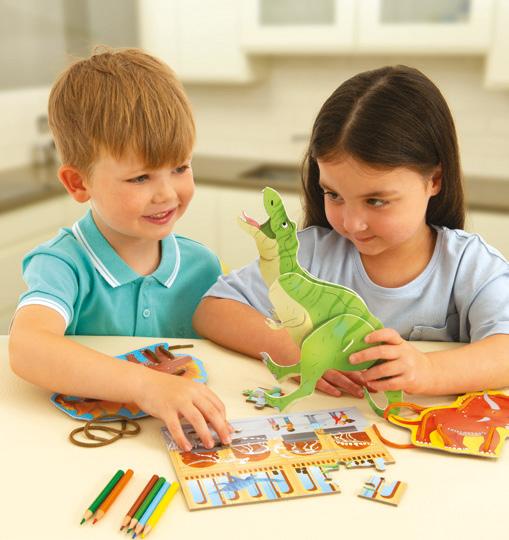
Try this Easter craft from our friends at Orchard Toys to get everyone in the mood
No matter how skilled or knowledgeable a person might be, their attitude may well be the deciding factor in their future success, both personal and professional.
The second a child is born, its brain, with roughly eighty six billion neurons or nerve cells, ‘hits the ground running’ making connections through senses and experience.
Everything a young child does, feels, hears and sees creates pathways between these nerve cells, building a reference bank of experience. In the first three years, the connections the brain makes have risen to one thousand trillion. This is an automatic process. Ninety percent of brain development is complete by the time a child is 5 years old.
Although there is a default setting for the brain to function whether we engage or not, when it comes to learning, children who are actively engaged in the learning process are


going to be far more effective and therefore, higher achieving than their peers who are simply ‘going through the motions’ of learning.
The child who loves practising the guitar is going to progress more quickly than the child who battles with you or resents practising!
The reason for this is that as we grow, the brain takes its lead from what we do repeatedly. Where we make a conscious decision to put effort is where the brain will focus connections.
Children who enjoy what they’re doing, who love learning, who have a positive attitude, actively engage. Active engagement creates the signal for the connections the brain makes to be ‘cemented’ in myelin, a coating of fat and protein which make it ‘automatic.’ This is how learning is assimilated and habits are created.
Continued on page 7
Gaming isn’t all bad – there are lots of options which can benefit your child’s learning and development.
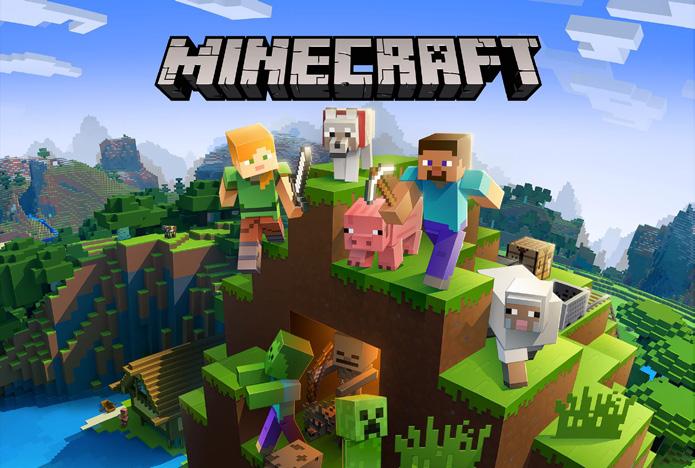
Minecraft
Fosters creativity, problem-solving and collaboration. Ages 7+.

SimCity Simulation game that develops planning, resource management and civic awareness. Ages 7+.

LEGO Worlds
Allows players to build and explore Lego creations. Ages 7+.

Karate Cats
A game that helps KS1 students with spelling and grammar. Ages 3+.
Sesame Street: Once Upon a Monster
Teaches empathy, cooperation and selfconfidence. Ages 3+.
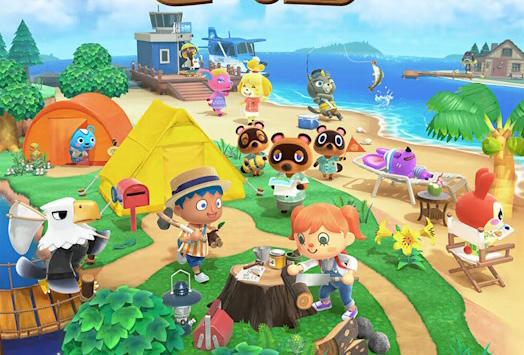
Animal Crossing Simulates social interactions, community and nature. Ages 3+.
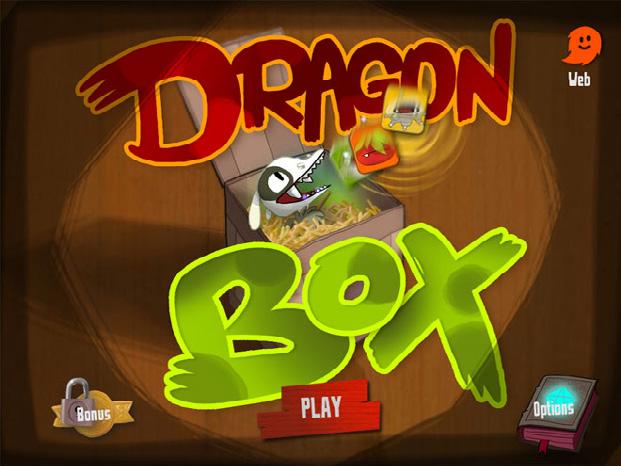
DragonBox
A series of fun games introducing algebra and geometry. Ages 3+.
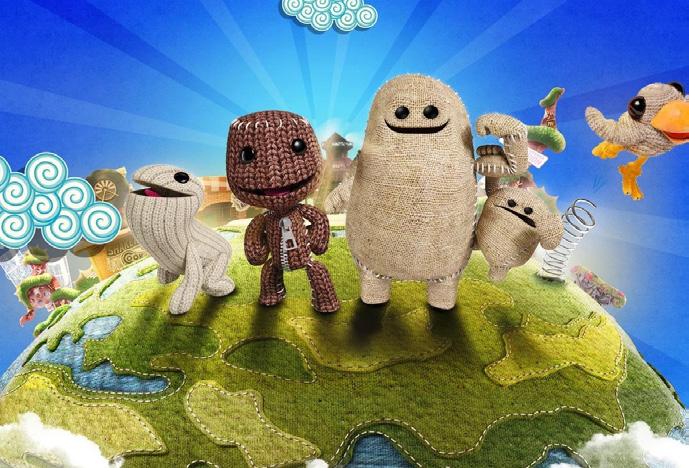
LittleBigPlanet
Promotes creativity, design and teamwork. Ages 7+.

Zoo Tycoon
Teaches animal care, conservation and business skills. Ages 3+.
Continued from page 5
The brain doesn’t know whether what we’re doing is good or not, it just takes its lead from repetitious behaviour and feedback from our surroundings, in this case, parents and teachers.
The more positive our attitude, the more positive the connections and growth we make, which can lead to excellence in performance.
Gail Hugman is a teaching and learning expert at Lessons Alive

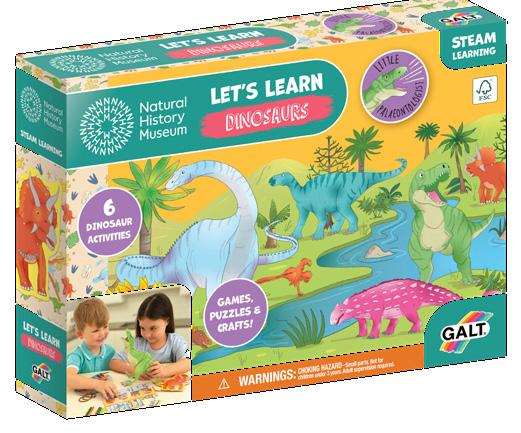
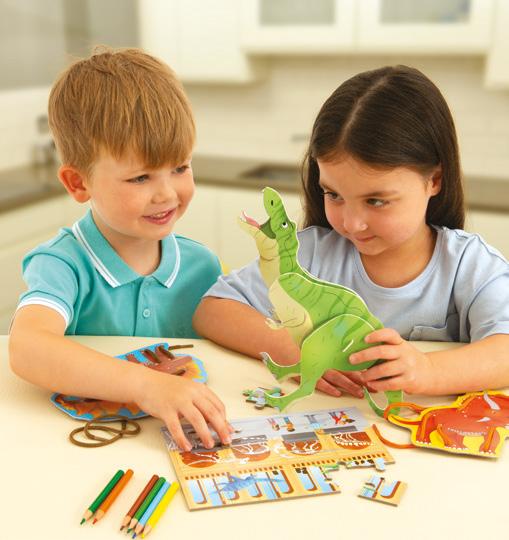
Take a pick from our fabulous recommendations and find something that will really engage your child.

Girl Tales
A long-running podcast that reimagines fairytales through an empowering lens. Ages 4+.

But Why?
Kids ask questions and get answers from experts on various topics. Ages 5+.
The Story Seeds Podcast
Pairs young writers with professional authors. Ages 7+.

The Radio Adventures of Dr. Floyd
A time-travelling adventure series for kids.
Ages 5-8.

The Past and The Curious
A history podcast that makes learning fun for kids of all ages.
The Big Fib
A fast-paced game show that challenges kids to spot the liar. Ages 7+.

Unspookable
A family-friendly take on popular urban legends, scary stories and myths.
Ages 8+.
Brains On!
A science podcast that answers curious questions from kids.
Ages 8+.
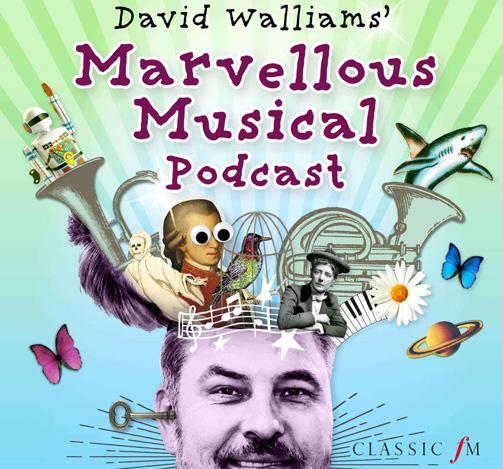
Marvellous Musical Podcast
Fun, engaging intro to classical music and composers. Ages 7+.
Build a den for toys using natural materials. (Ages 2-4)
Erect a temporary shelter making use of woodland materials. (Ages 5-7)
Create a tarpaulin shelter in a woodland. (Ages 8-9)
Make a tipi shelter with camouflage. (Ages 10-11)
Safely use a soft hammer to bash leaves. (Ages 2-4)
Use secateurs and loppers to cut wood safely and make something from natural materials. (Ages 5-7)
Whittle a stick safely or use a bow saw to cut wood into sections. (Ages 8-9) Use a saw independently to make a tree cookie. (Ages 10-11)
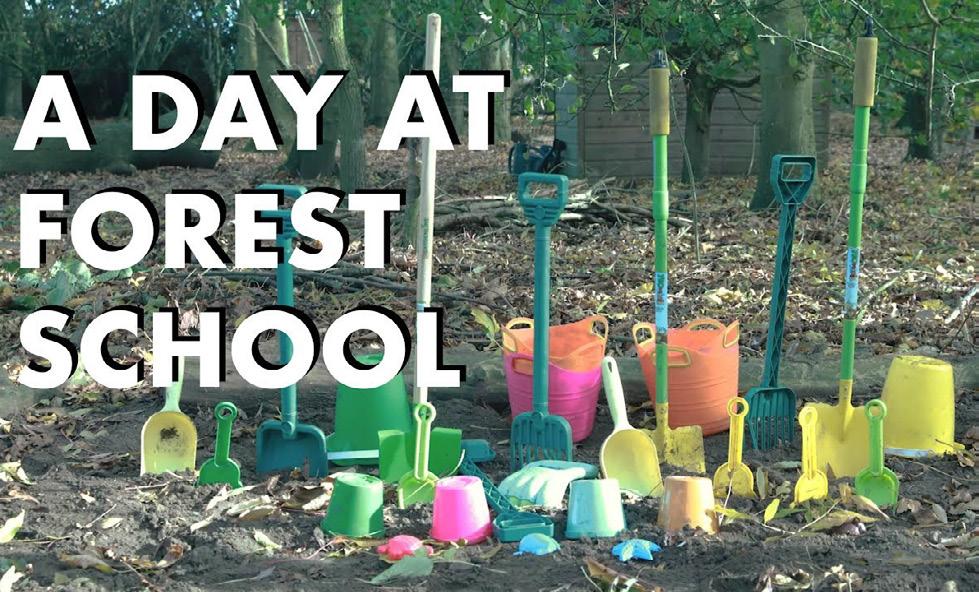
Toast marshmallows - a fun introduction to cooking with fire. (Ages 2-4)
Melt chocolate or make popcorn on an open fire. (Ages 5-7)
Bake damper bread on a stick or fry scotch or Welsh cakes. (Ages 8-9)
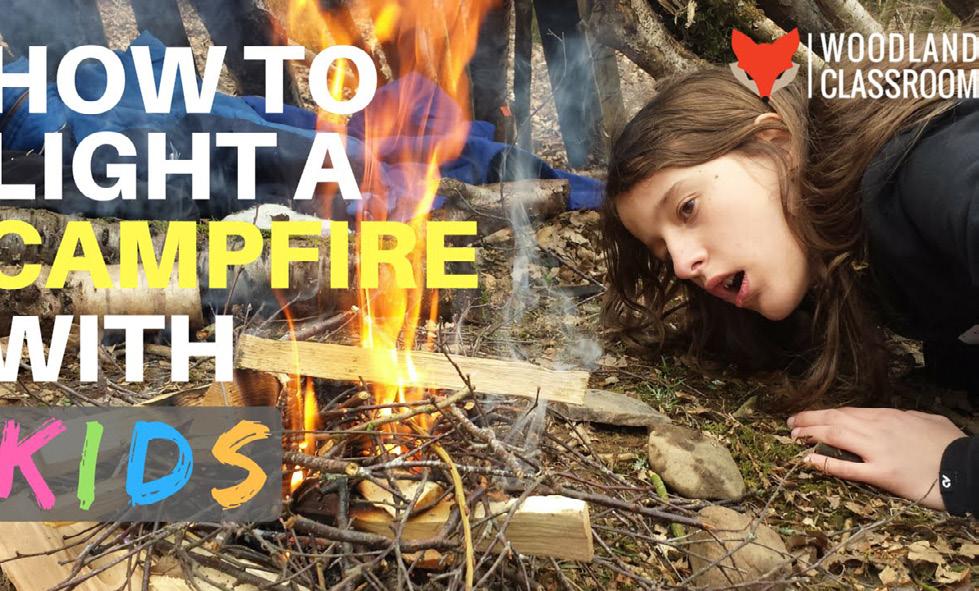
Make and tend a campfire safely and cook roast food. (Ages 10-11)
Navigation
Teach little ones map reading with this Easter Egg treasure hunt map. (Ages 3-7)
Learn basic map symbols with Map Symbol Bingo downloadable. (Ages 5-7) Make a simple orienteering course around your home or garden. (Ages 8-9)
Combine map reading and compass skills with handy guides and videos. (Ages 10-11)
Heading away for an Easter break? Don’t miss these essentials when you pack!
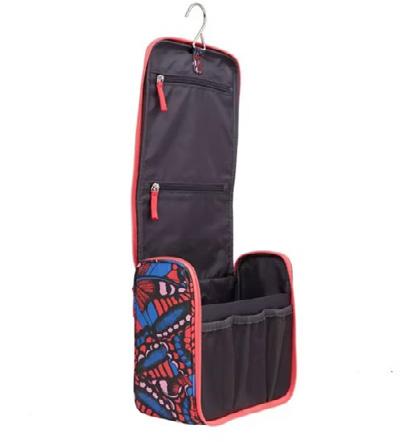
Hanging wash bag
Lightweight. Sits flat in your luggage. Unzip and hang. £36.
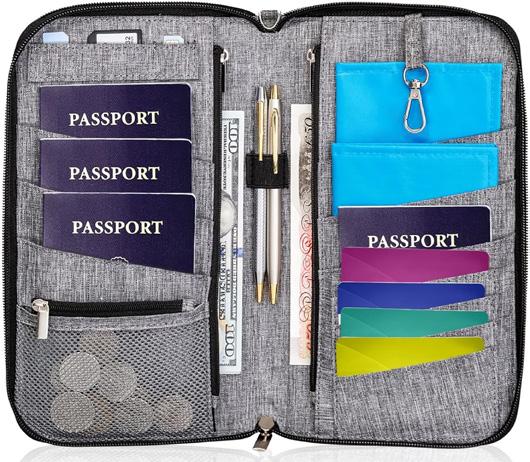
Family document organiser
A must-have to ensure a smooth journey to your destination. £30.
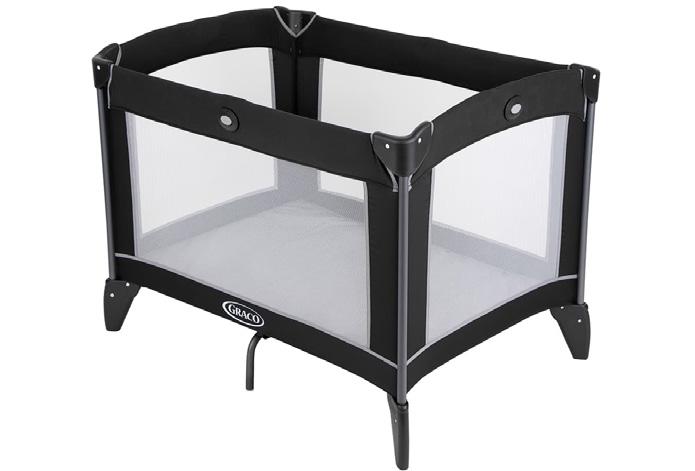
Compact travel cot
Compact and lightweight, this cot can double as a playpen. £45.
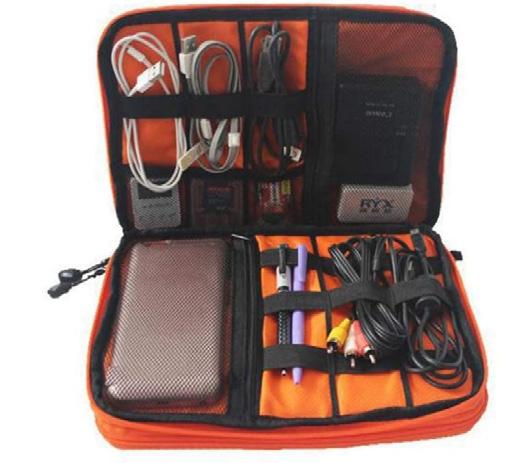
Electronic accessories organiser
Ensure your family’s cables and chargers are not lost. £16.99
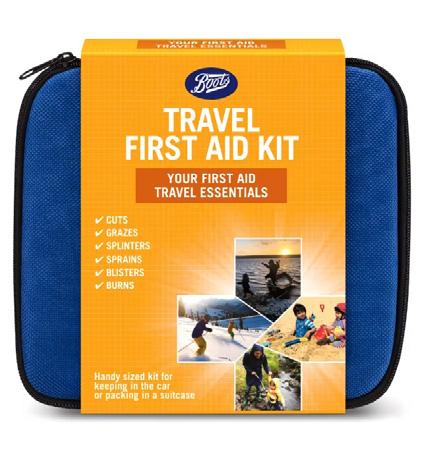
Travel First Aid kit
Essential for scrapes, bumps and burns. £12.
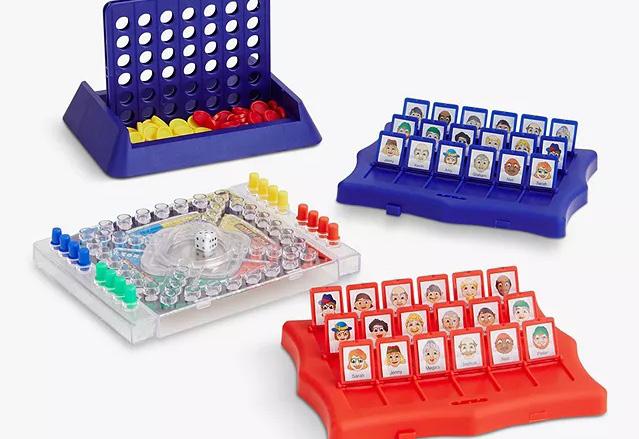
Travel-sized 3-in-1 version of classic games. £16.

Travel towels
Soft microfibre towels. No soggy towel, no odour, no bulk. £42.

For cans, bottled soft drinks, smoothies and milkshakes. £6.95.
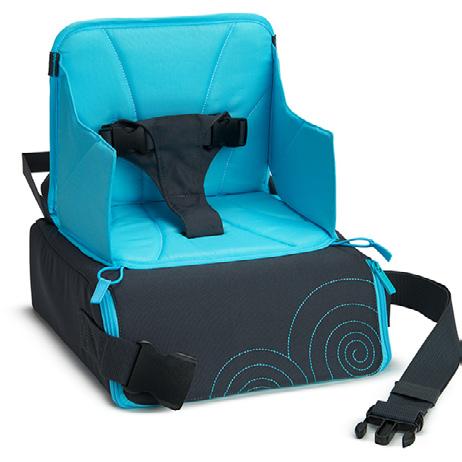
Travel toddler & child booster seat
Transforms into portable carry bag. Store bottles, nappies, snacks and more. £26.
We asked Ashley Lutz from Travel Counsellors for her recommendations for those who have a sense of adventure.

New Zealand
Think volcanoes, thermal springs, beaches, cityscapes and offshore islands

Sri Lanka
Think exotic wildlife, ancient forts, captivating culture, peaceful villages, safaris and beaches.

Pyrenees
Think hiking, cycling, zip-lining, rafting, horseriding and fishing – off the beaten track.

Switzerland
Think action - rope parks, toboggan runs, swimming/boating, mountain hiking and biking.

South Africa
Think ‘big five’ safaris, cosmopolitan Cape Town and even Victoria Falls in Zimbabwe.

Iceland
Think one of the most impressive wonders of the natural world .
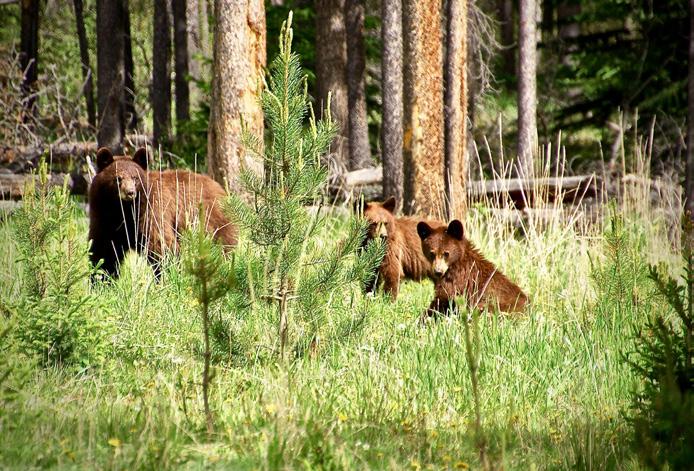
Canada
Think outdoors - Niagara Falls, the Rockies, whale/ bear spotting round Vancouver Island.

Think rainforests, gorges, rice paddies, snorkelling, white water rafting, delicious street food.

Costa Rica
Think national parks, unspoilt landscapes, cloud forests, volcanoes, sandy beaches.
Grab dad and head to the kitchen to bake an extra-special gift for mum.

This tangy rhubarb custard tart includes orange for added zest.

Vanilla cupcakes
Decorate with buttercream and a topping of your choice.

This chocolate cake recipe is super easy and quick to make.

The perfect way for little ones to learn letters while they bake.

No-bake cake - simple to make. Ideal treat for the special day!
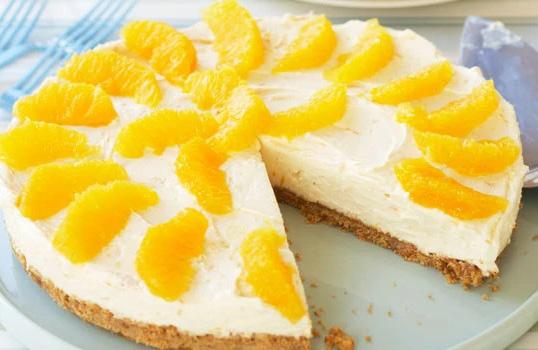
An easy cheesecake for kids to prepare with just a little supervision.
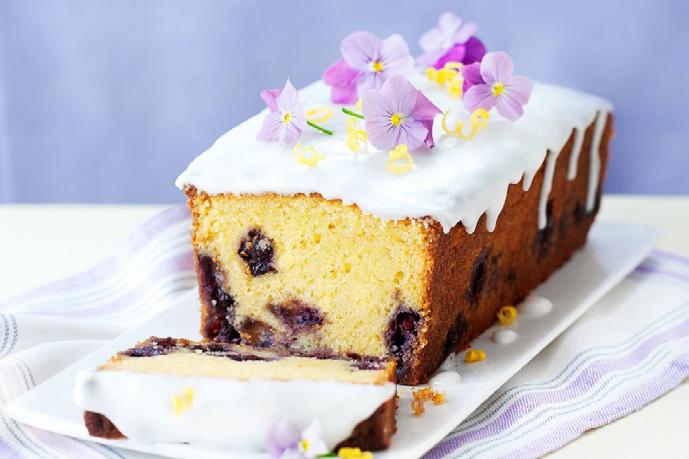
A simple, springtime lemon and blueberry loaf cake.

These classic bakes are great for kids or baking novices.
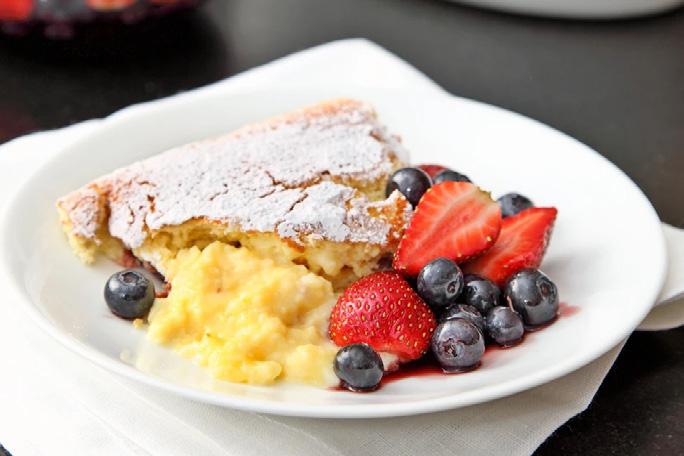
Simple ingredients and easy for kids to help with.




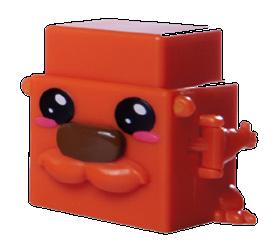
Take a look at our selection and choose something your kids will love!

£11.95 250g
Belgian milk chocolate decorated with chocolate drizzle and candy beans.

Toast & Marmalade Easter Sandwich
£10.95 135g
Two slices of luxurious chocolate with a chocolate egg.
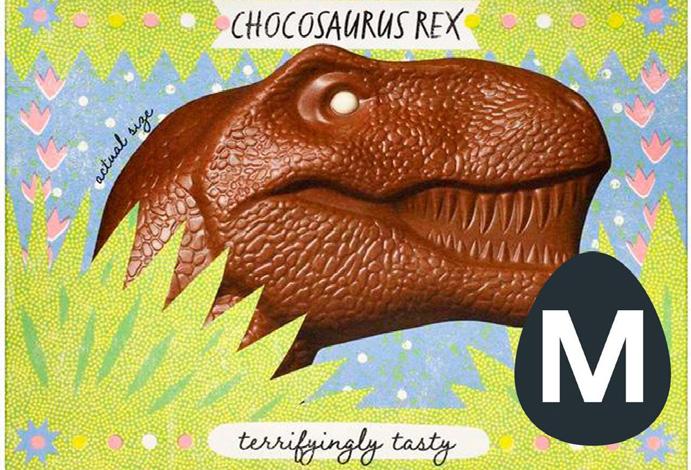
M&S Chocosaurus Rex
£6 135g
T-Rex shaped hollow milk chocolate surprise.

H!P Oat M!lk Salted Caramel Egg
£10 160g
Chocolate oat milk egg with salted caramel and chocolate buttons.

Moo Free Strawberry Sundae Egg
£4.50 85g
White choc alternative. Strawberry flavour & marshmallows.
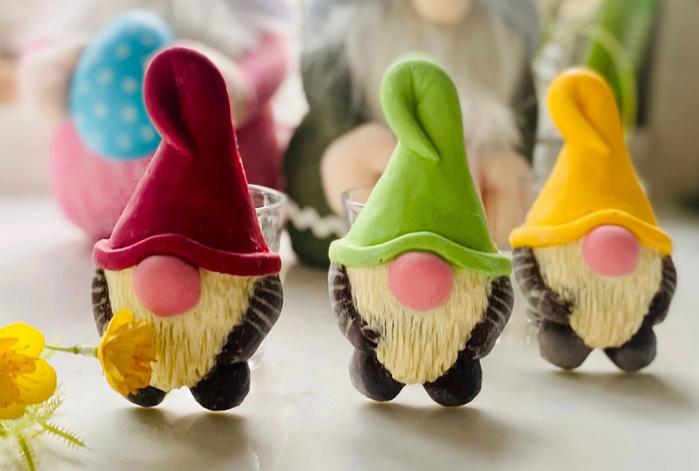
Chocolate Gonks
£15 230g
Colourful characters made of milk, white and dark Belgian chocolate.

£8.99 180g
Fuses together sweet milk chocolate with Welsh legend.
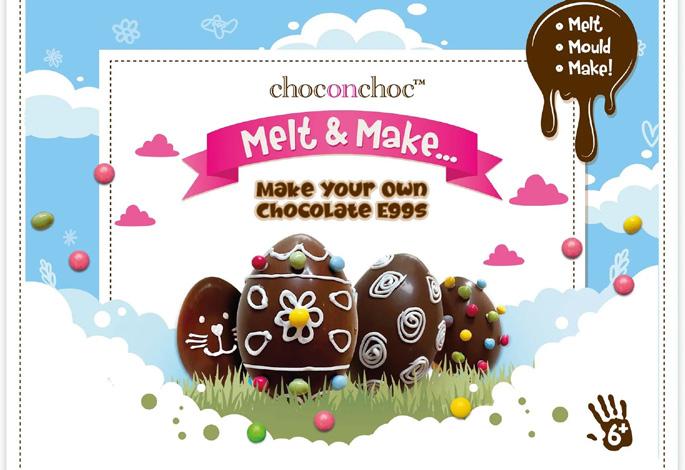
Make Your Own Chocolate Easter Egg
£14 300g
Plastic moulds, chocolate for melting and sweets for decoration.

£4.50 151g
Milk chocolate egg with unicorn decoration.
Perfect for when you’re out and about, when you need a break or when your kids need some downtime.
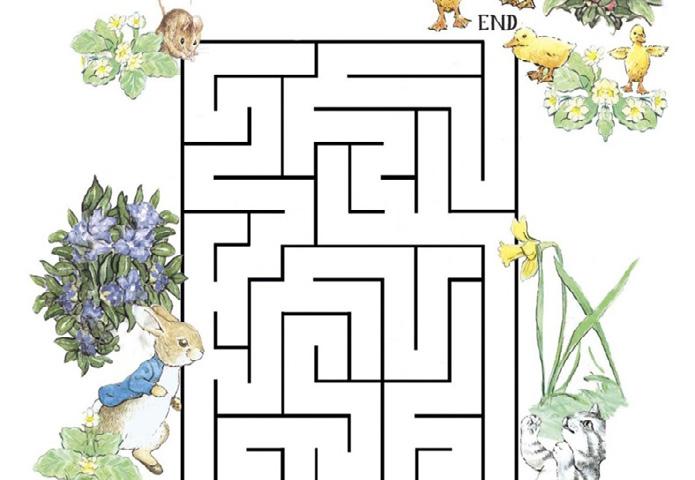
Maze
Help Peter Rabbit find his lost chicks.
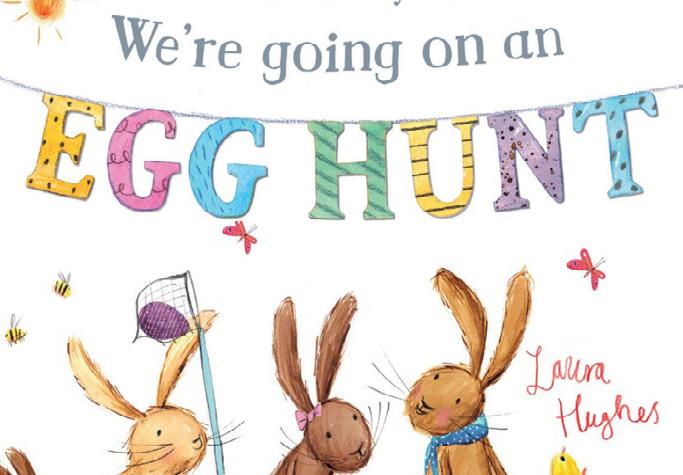
We’re Going on an Egg Hunt Activity Pack
Fun activity pack based on book.

Mr Bunny’s Chocolate Factory
Maze
Can you help Mr Bunny find his chocolate eggs?
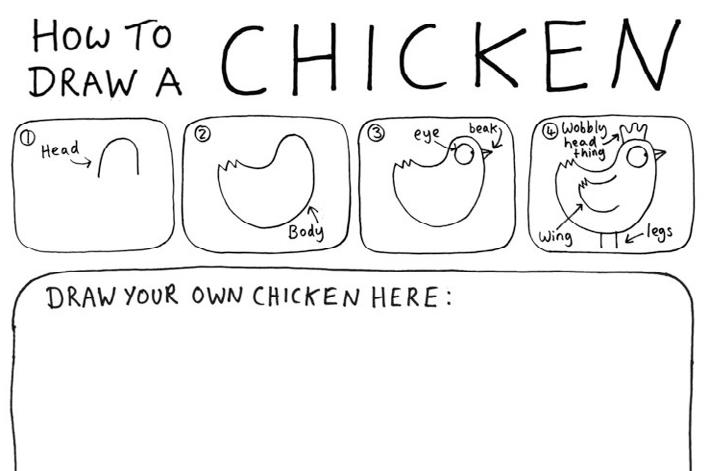
See if you can draw a chicken using this activity sheet.
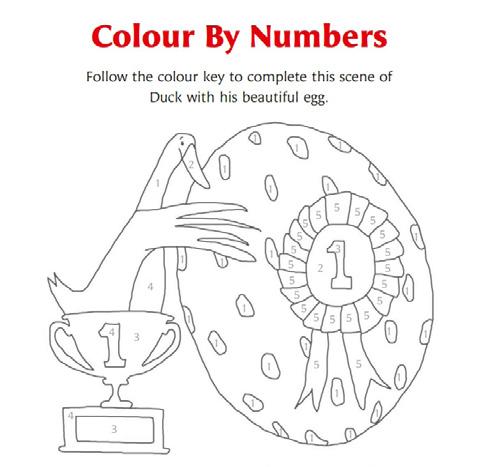
The Odd Egg: Colour by Numbers Follow the colour key to complete this scene.
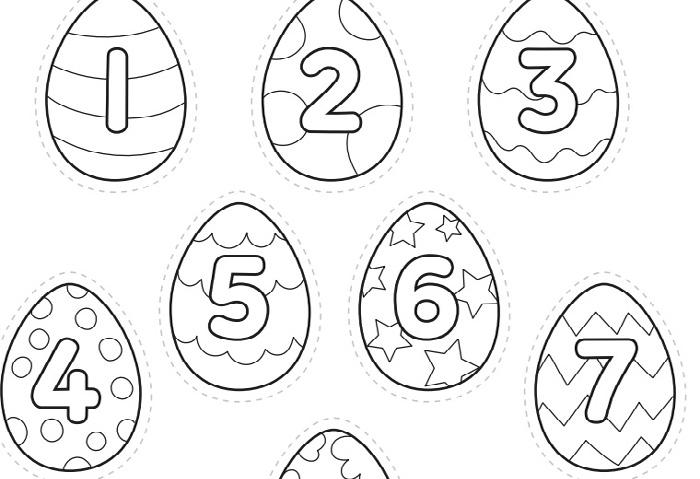
Number Easter Egg Hunt
Colour the eggs, cut them out, then hide them around the house.
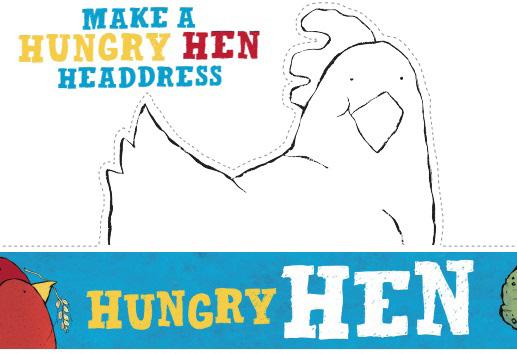
This hen-shaped headdress is a great alternative to bunny ears.
Pip & Henry Easter holidays eco activity pack
Easter crafts, games and activities.
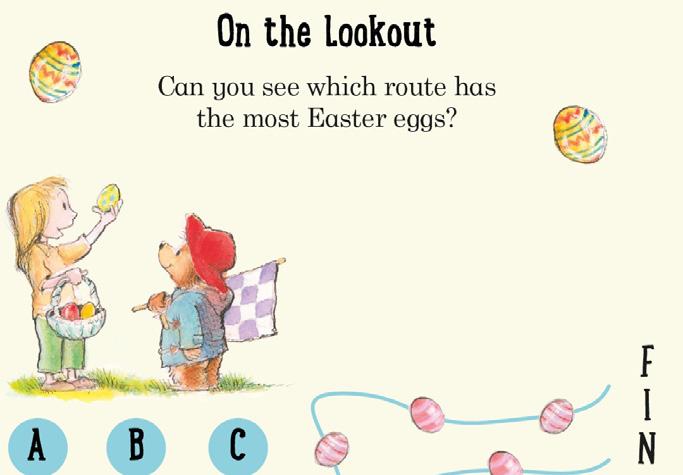
Paddington’s Easter Egg Hunt
Activity Sheets
Fun Easter activities with everyone’s favourite bear.
Our friends at The Outdoor Guide are passionate about making the great outdoors accessible to all. Check out their buggy-friendly walks.

Experience a walk full of nature with some city sights along the banks of the River Ness, taking in Ness Islands. You may be at the gateway to the Highlandsbut you don’t need to go further for a lovely walk.
READ MORE
War Memorial Park, Coventry

This 48.5 hectare park is just a stone’s throw from the centre of Coventry and offers buggy friendly pathways, open space for little ones to run free and a cafe to grab an ice cream. Make sure you take a moment to enjoy the Japanese Peace garden on your walk.
READ MORE

This lovely walk, just a short distance from the centre of Arundel, takes you into the West Sussex countryside. The boating lake at the start gets busy but you’ll soon feel like you’re miles away from anywhere.
READ MORE
Cliveden House, Buckinghamshire

The National Trust managed grounds at Cliveden House are great for a buggy-friendly family walk. The Story Book Den is bound to capture the imagination of your little ones. Plus there’s the all-important cafe at the end of the trail for a well-earned cuppa and snack.
READ MORE
Our friends at The Outdoor Guide are passionate about making the great outdoors accessible to all. Check out their buggy-friendly walks.

Following the old route of the Midland Railway Line, this walk takes you along one segment of the trail, which is all fully accessible - perhaps you’ll want to do more another day?
READ MORE
Fountains Abbey, Yorkshire

The largest monastic ruin in the country and a designated World Heritage site, Fountains Abbey is a truly special place. The accessible paths are great for your buggies and there’s a great play area for little ones after your walk.
READ MORE
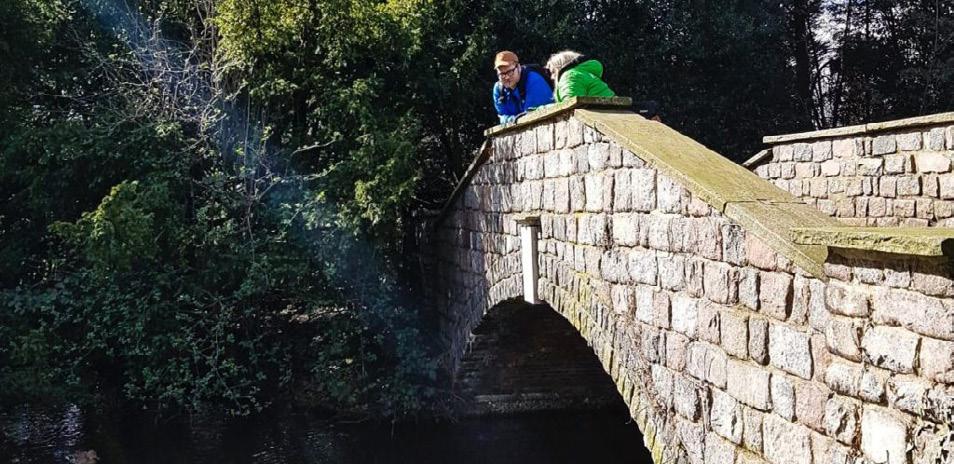
This walk really is a delight for all the senses - the sound of bird song, the smell of the flowers, beautiful woodlands to see - and tasty cake at the end! What more could you possibly want?
READ MORE
SW Coast Path, Mt Edgcumbe, Cornwall
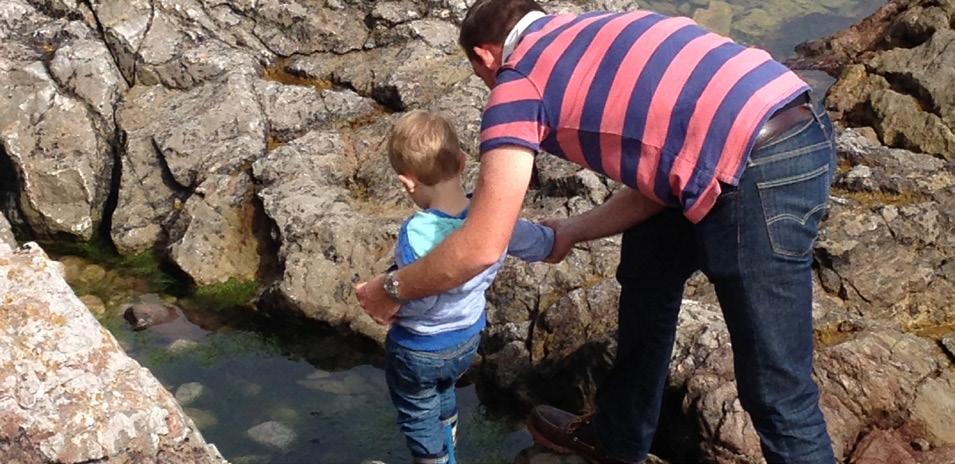
This is a great circular walk that offers views out across The Sound towards Plymouth. There’s also wide open spaces for your littles ones to run around and a beach for some rock pooling fun. During summer months, there’s also a lovely cafe serving delicious refreshments.
READ MORE
Spring is in the air! Time to choose an activity and head outdoors with the kids….
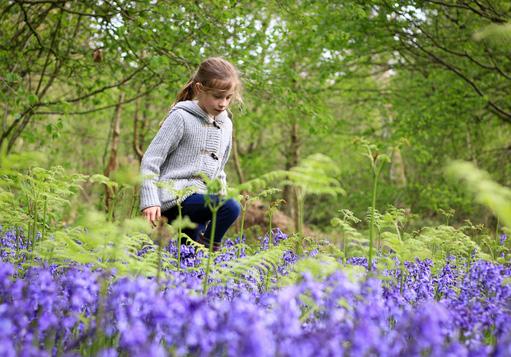
Go on a bluebell walk
Find your closest bluebell wood using this Wildlife Trust list.
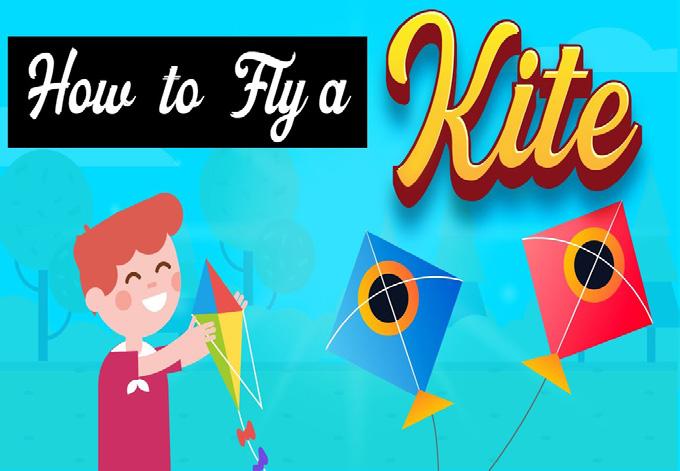
Fly a kite
Learn how to fly a kite in just 3 minutes.

Spring stargazing
Top tips for spring stargazing from the National Trust.
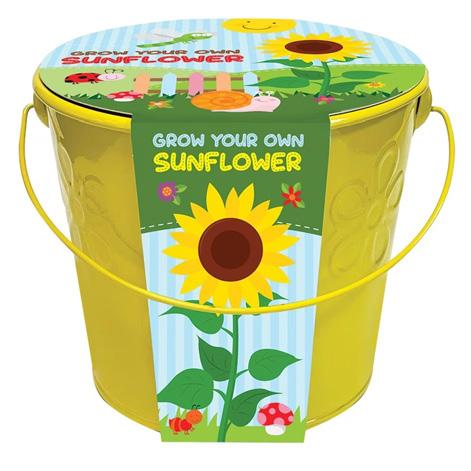
Grow sunflowers
Grow these spectacular flowers easily with this kit. £5.59
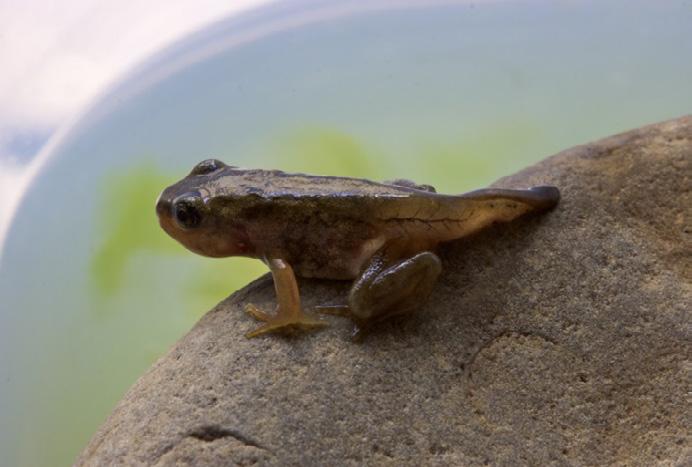
Raise tadpoles at home
Learn how to care for tadpoles and raise them into frogs.

Build a den
Check out this handy guide from the Woodland Trust.
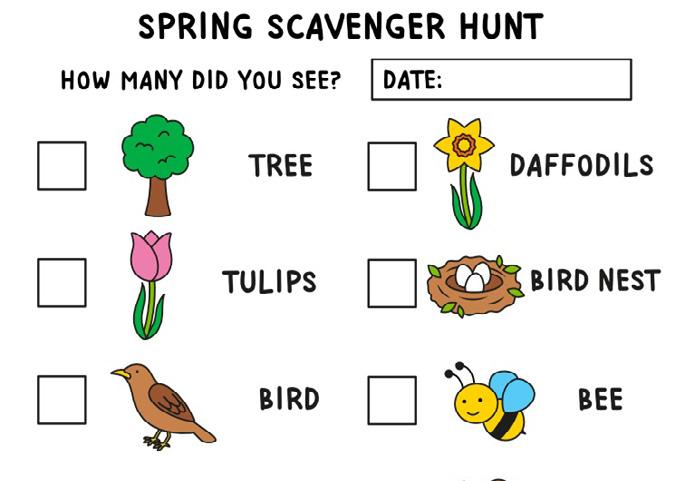
Spring scavenger hunt
The thrill of a treasure hunt combined with learning.
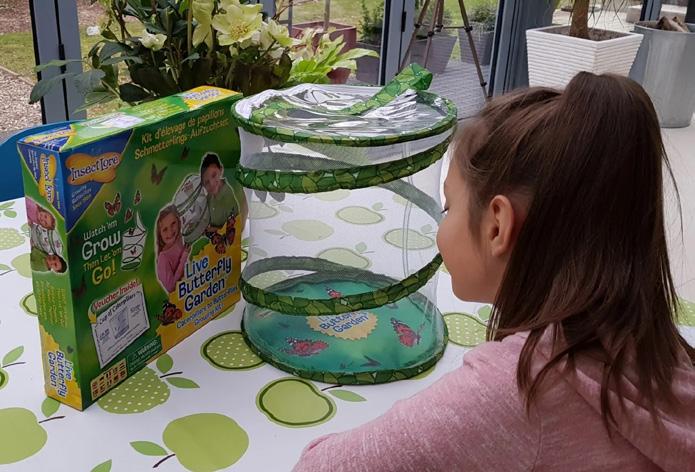
Grow butterflies
Watch the magic of a butterfly’s metamorphosis in your own home. £21.
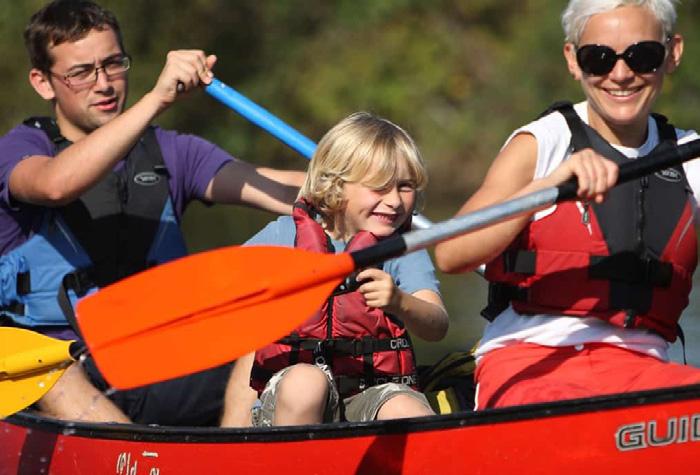
Go paddling
Find a paddle-friendly route on a nearby canal or river.