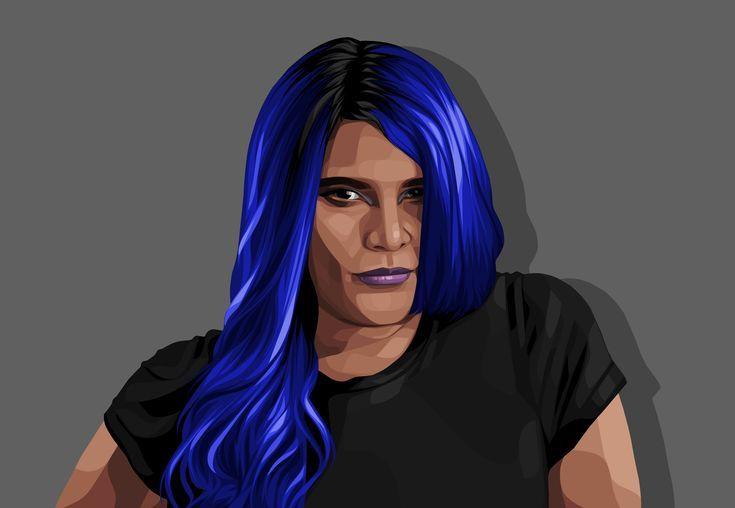
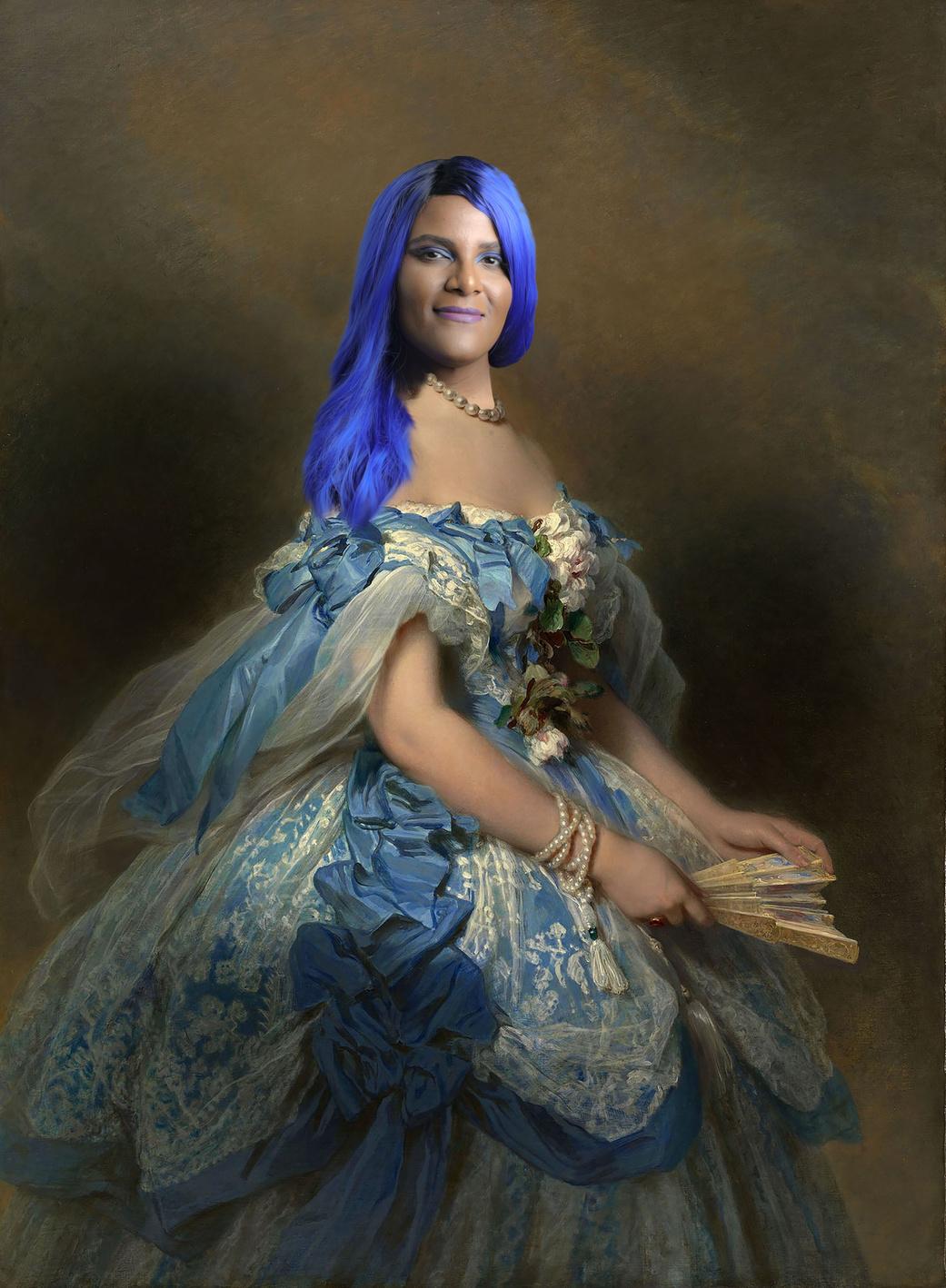
FAITH CHE Workplace D Series
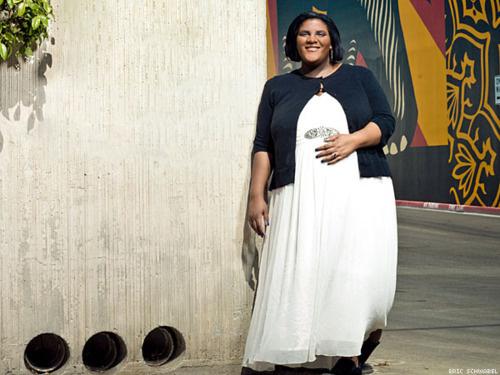

The conventional belief is that if I come out as a bisexual woman, I must be asking for something, such as sexual assault, harassment, or discrimination.
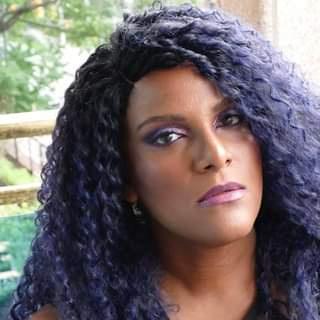
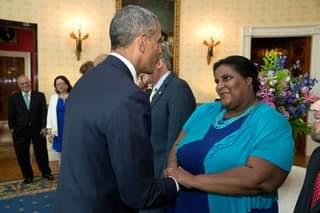
aith Cheltenham describes how she was subjected to sexual harassment t work after coming out to her oworkers as bisexual; even her upervisor accused her of requesting exually suggestive comments from olleagues. She also discusses the nfairness she encountered at work n addition to her experiences as a black bisexual woman, which was made more challenging by the multiplier impact" of prejudice and discrimination based on both race nd sexual orientation.
According to Faith Cheltenham In the workplace or elsewhere, no one should ever feel as though they are "begging" for discrimination, harassment, or sexual assault. Unfortunately, a lot of lesbian, gay, bisexual, and transgender (LGBT) people are led to feel that their sexual orientation and gender identity make them deserving of prejudice.

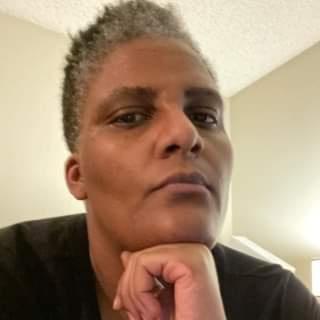
LGBT employees are less productive at work when they are subjected to verbal or physical harassment or discrimination based only on their sexual orientation and gender identity. What's worse is that, in most cases, this persistent harassment may make LGBT employees fear for their safety. When a person is merely trying to contribute to society, they shouldn't have to work in a hostile environment.