PORT FOLIO

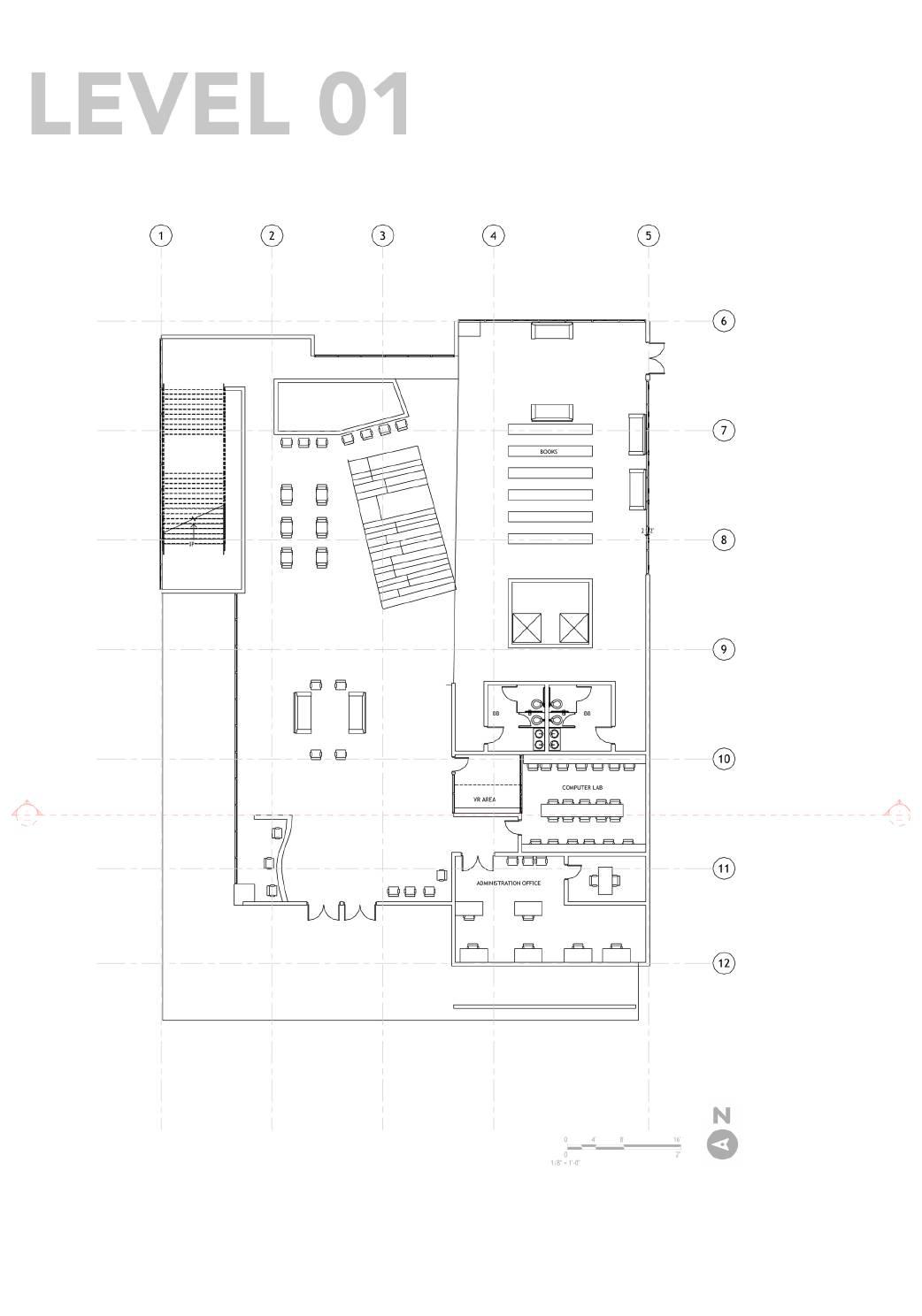
The Oglethorpe Library redefines the traditional library as more than a place for books—it becomes a transformative social hub for the community. Rooted in the library’s core purpose of fostering education, knowledge, and growth, this design introduces diverse programs that cater to all aspects of community life. From reading and quiet reflection to exercise and spiritual spaces, the library breaks free from conventional boundaries, offering a dynamic environment where people of all backgrounds can connect, learn, and thrive together. It’s a space designed not just to house information but to inspire transformation and inclusivity.
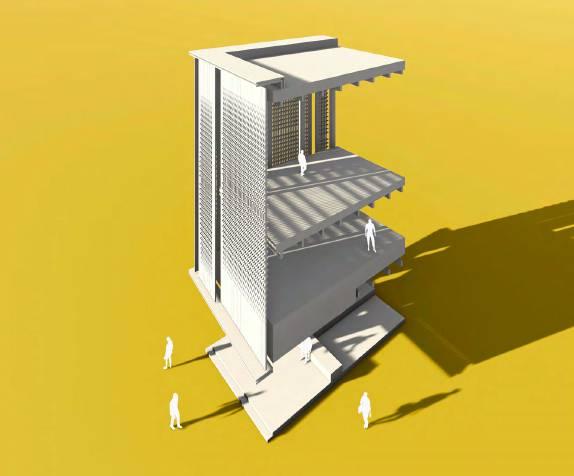
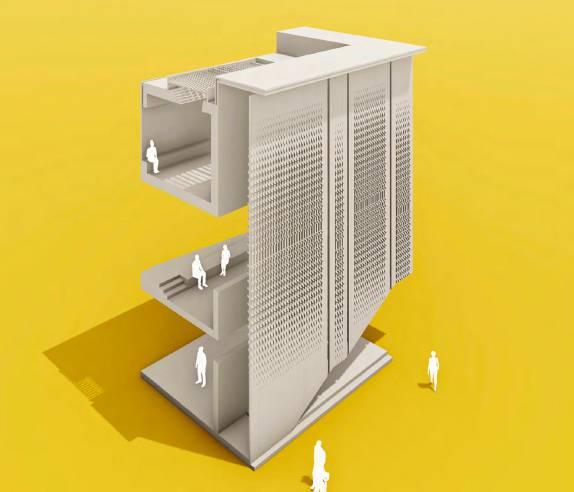

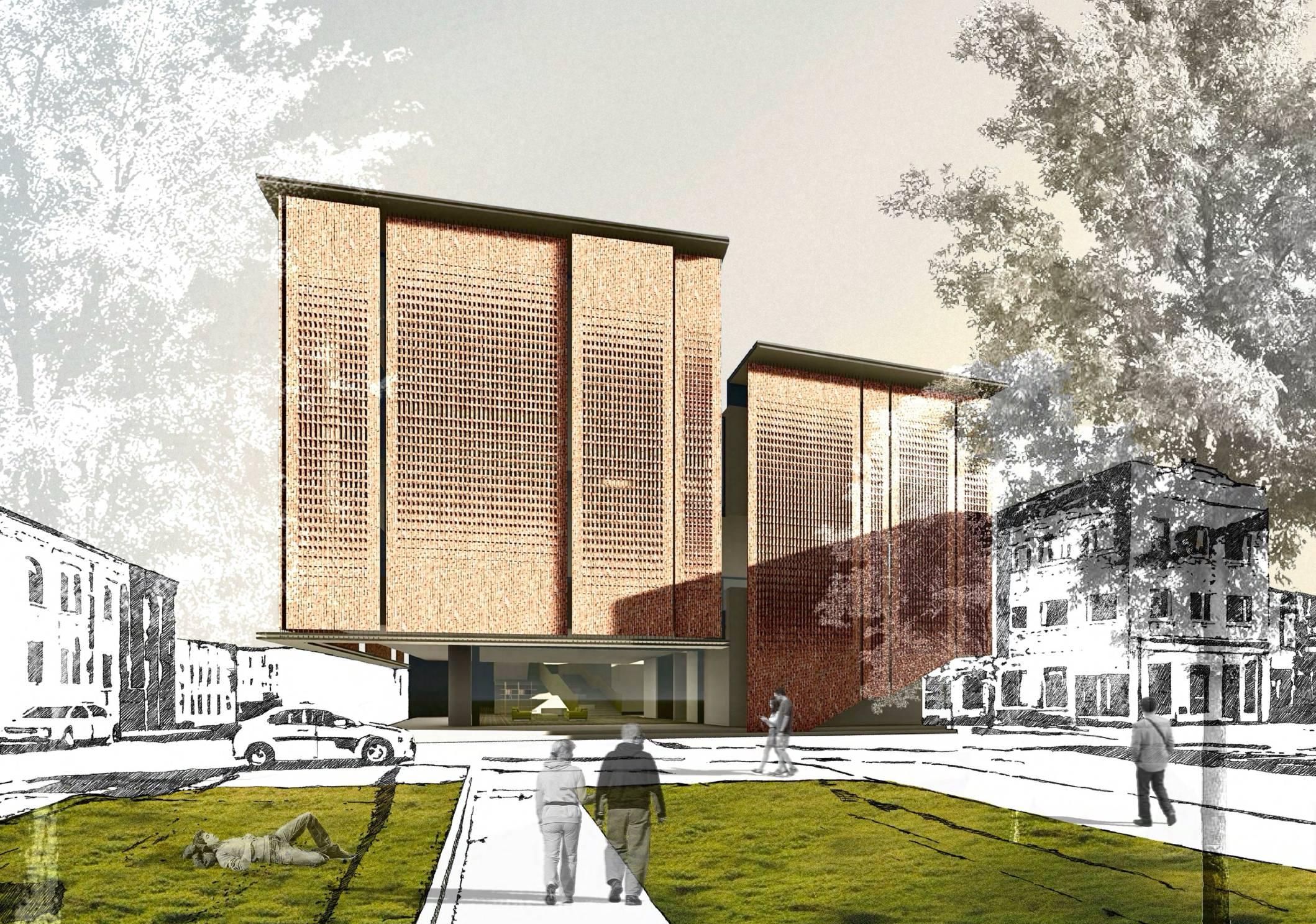
The Oglethorpe Library’s design is characterized by its innovative brick façade, reimagining traditional masonry with a contemporary approach. The bricks are stacked vertically, creating a unique skin that wraps around the building while hovering just in front of the windows. This distinctive design gives the façade a sense of depth and rhythm, making it an integral part of the library’s visual identity.
At the windows, the bricks rotate incrementally, starting at 5 degrees and gradually reaching a full 90 degrees to allow natural light to penetrate the interior. This gradual transition creates a dynamic interaction between light and shadow, symbolizing the library’s transformative essence. Once the rotation reaches its peak, the bricks return to their default alignment, crafting a harmonious blend of function and beauty that reflects the building’s commitment to innovation.
The library’s structure enhances this design by eliminating interior columns, creating open, flexible spaces for community activities. This is achieved through a network of trusses integrated into the interior of the exterior walls and ceiling. These trusses provide the necessary support while maintaining a clean, unobstructed interior layout, allowing the library to serve as a versatile and welcoming space for all.
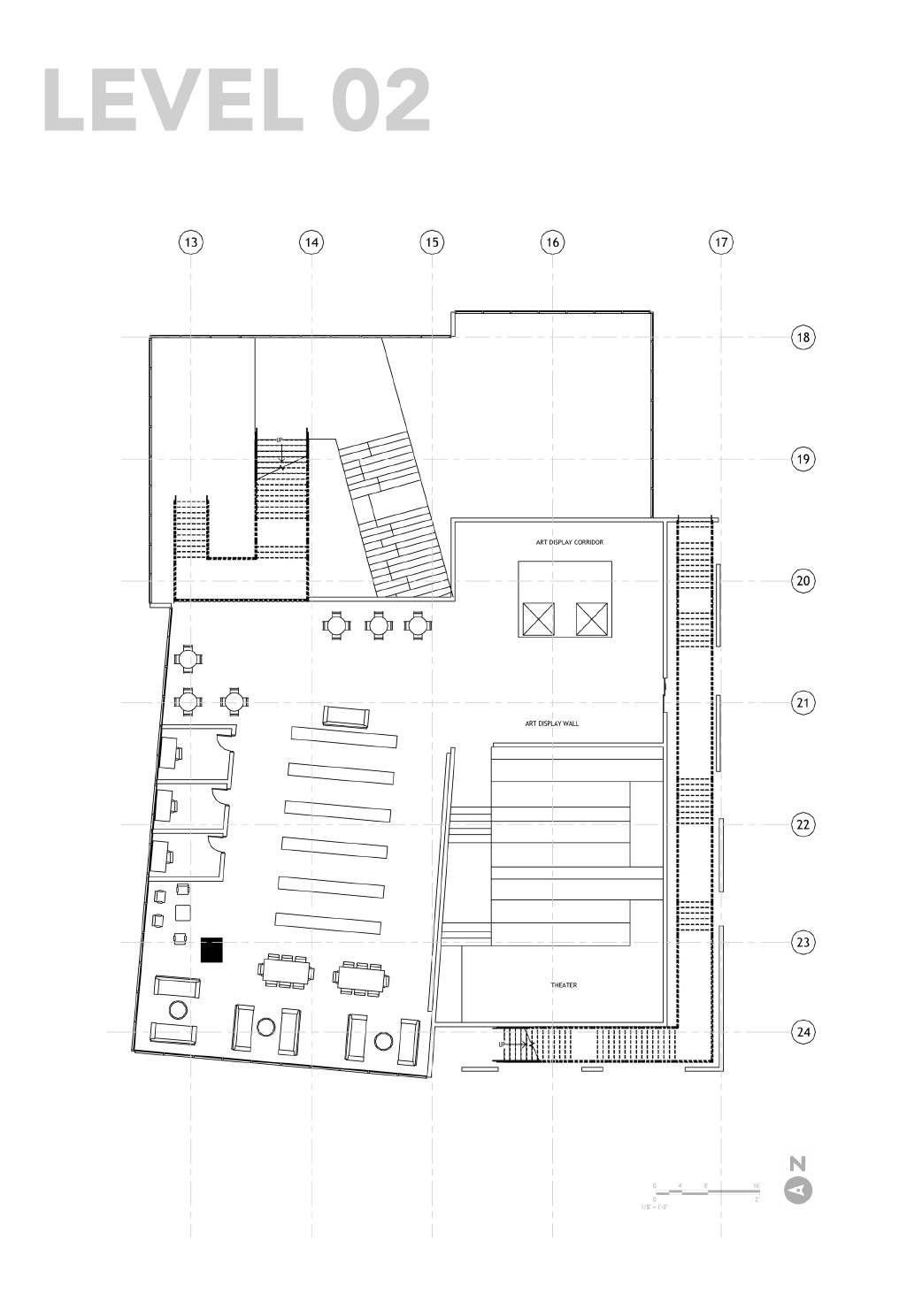
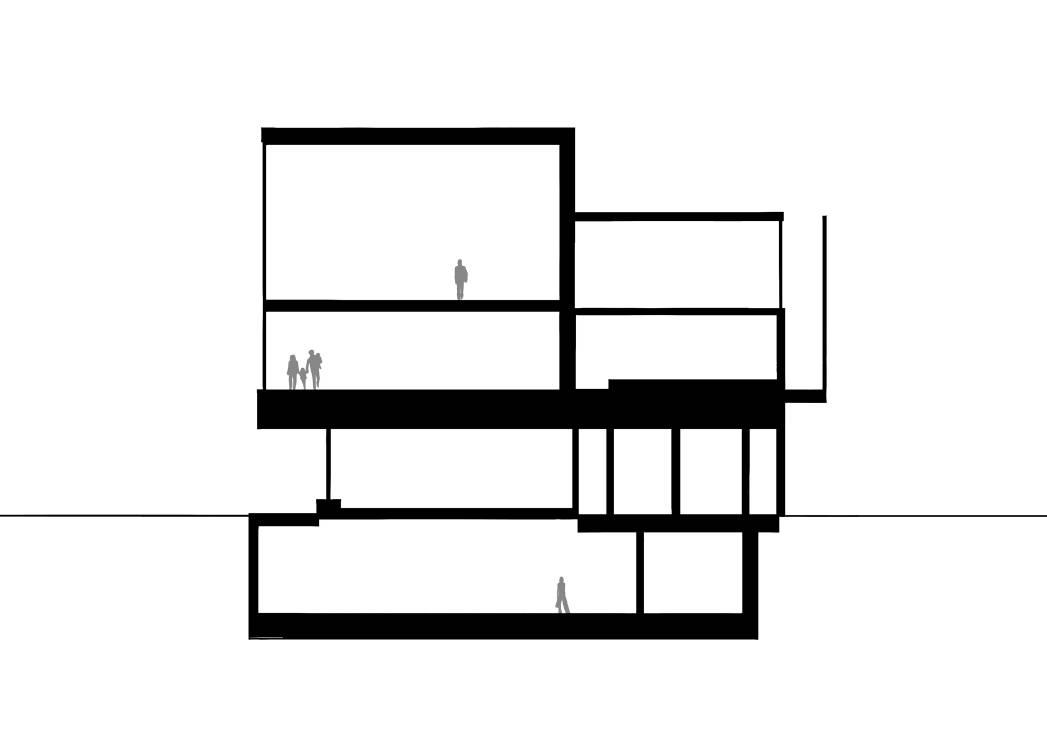
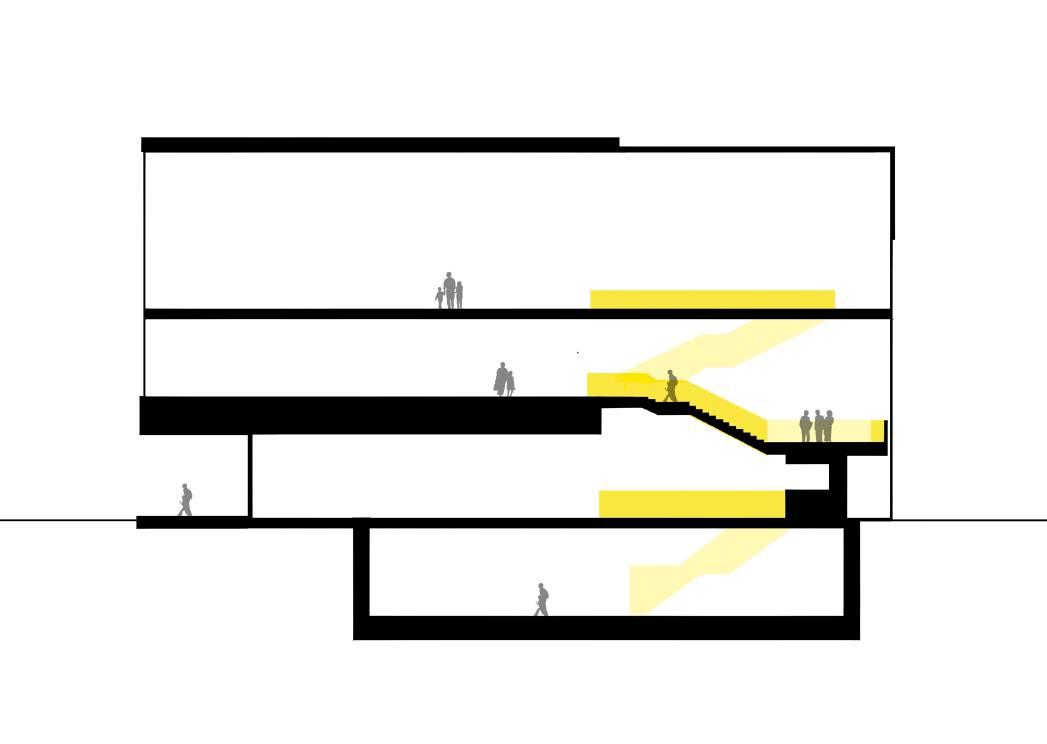
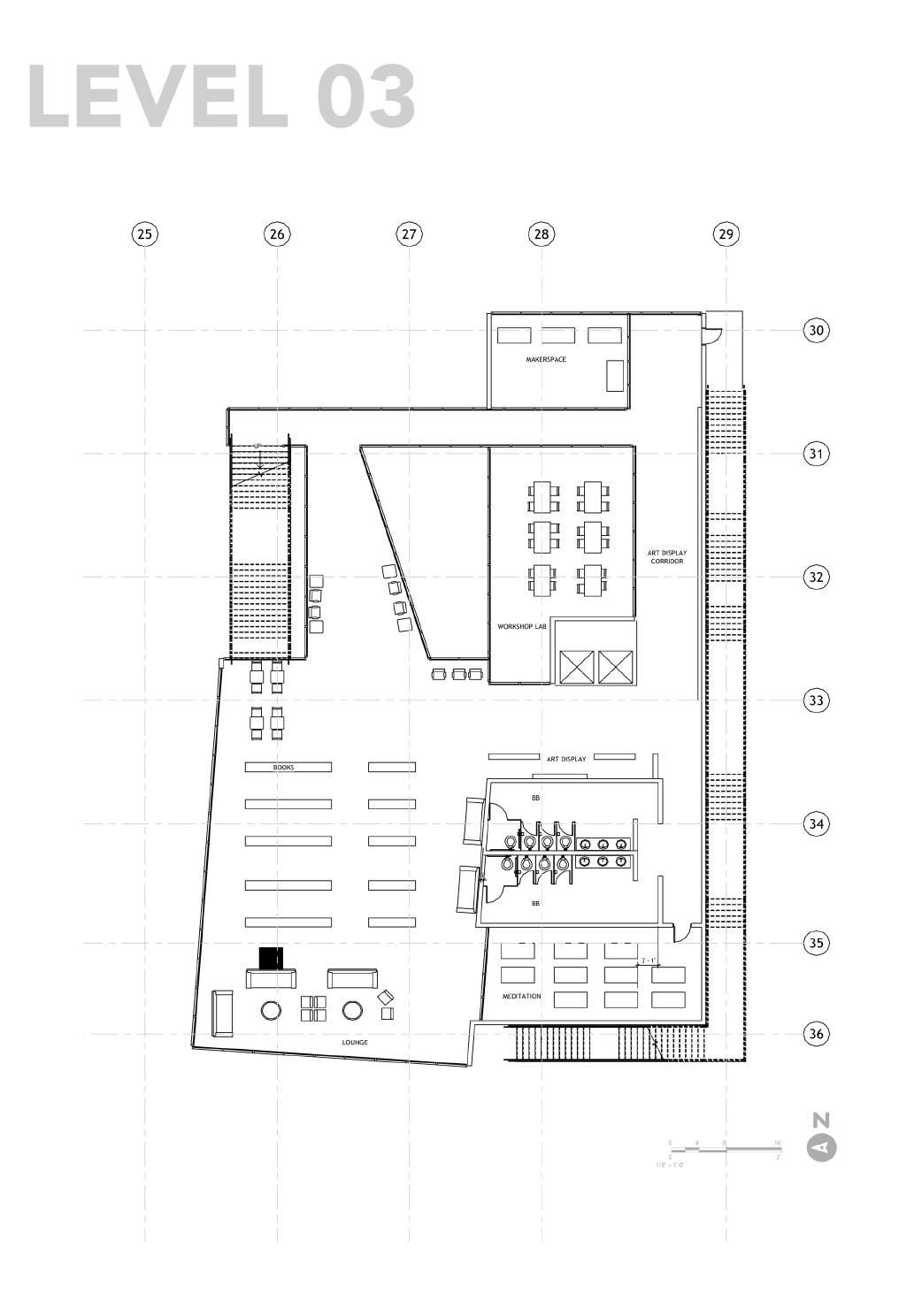
Typology in architecture is deeply tied to the evolving needs of society, and libraries, as a typological form, have historically served as spaces for knowledge, learning, and quiet contemplation. However, as society changes, so too must the functions of a library. Beyond housing books, libraries can become active social hubs that bring together diverse groups of people. This evolution in typology reflects a deeper psychological and social imperative: fostering understanding and reducing prejudice through interaction.
Psychology tells us that the less we interact with unfamiliar groups—whether based on personality, race, gender, or other differences—the more we tend to rely on stereotypes and assumptions. Conversely, regular interaction with diverse groups has been shown to reduce bias and promote empathy. By designing a library that invites and accommodates a wide range of programs—reading spaces, religious areas, exercise zones, and other community-driven activities—the building becomes a catalyst for these interactions. It creates opportunities for people of all walks of life to share a common space, breaking down barriers and fostering a sense of inclusivity.
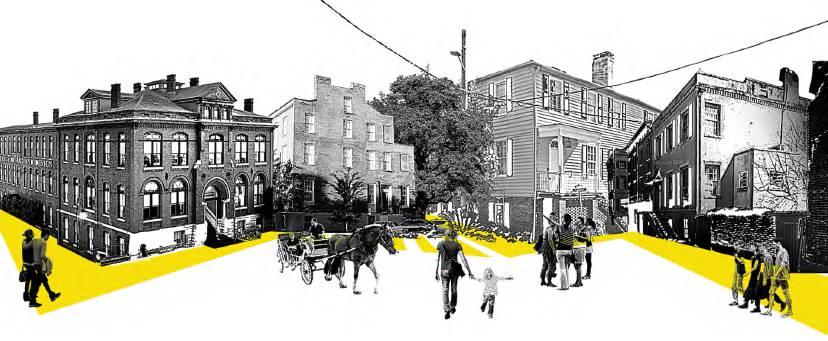
The material and spatial organization further support this goal. Using brick to tie the design to Savannah’s historic context grounds the library in its community, making it feel welcoming and familiar. At the same time, the unconventional treatment of the brick façade, with its dynamic rotations, signals innovation and openness to new ideas. The structural design, free of interior columns, provides open, flexible spaces that encourage movement and interaction between different groups. This openness reflects a core theoretical and psychological principle: architecture can shape behavior and perceptions by creating spaces that bring people together, enabling learning not just from books but from each other.
Ultimately, the library is more than just a building; it is a platform for transformation—of knowledge, of social connections, and of perspectives. By redefining the typology of a library and embracing its role as a social hub, it becomes a tool for fostering understanding and unity within the community, aligning architecture with the deeper human need for connection.
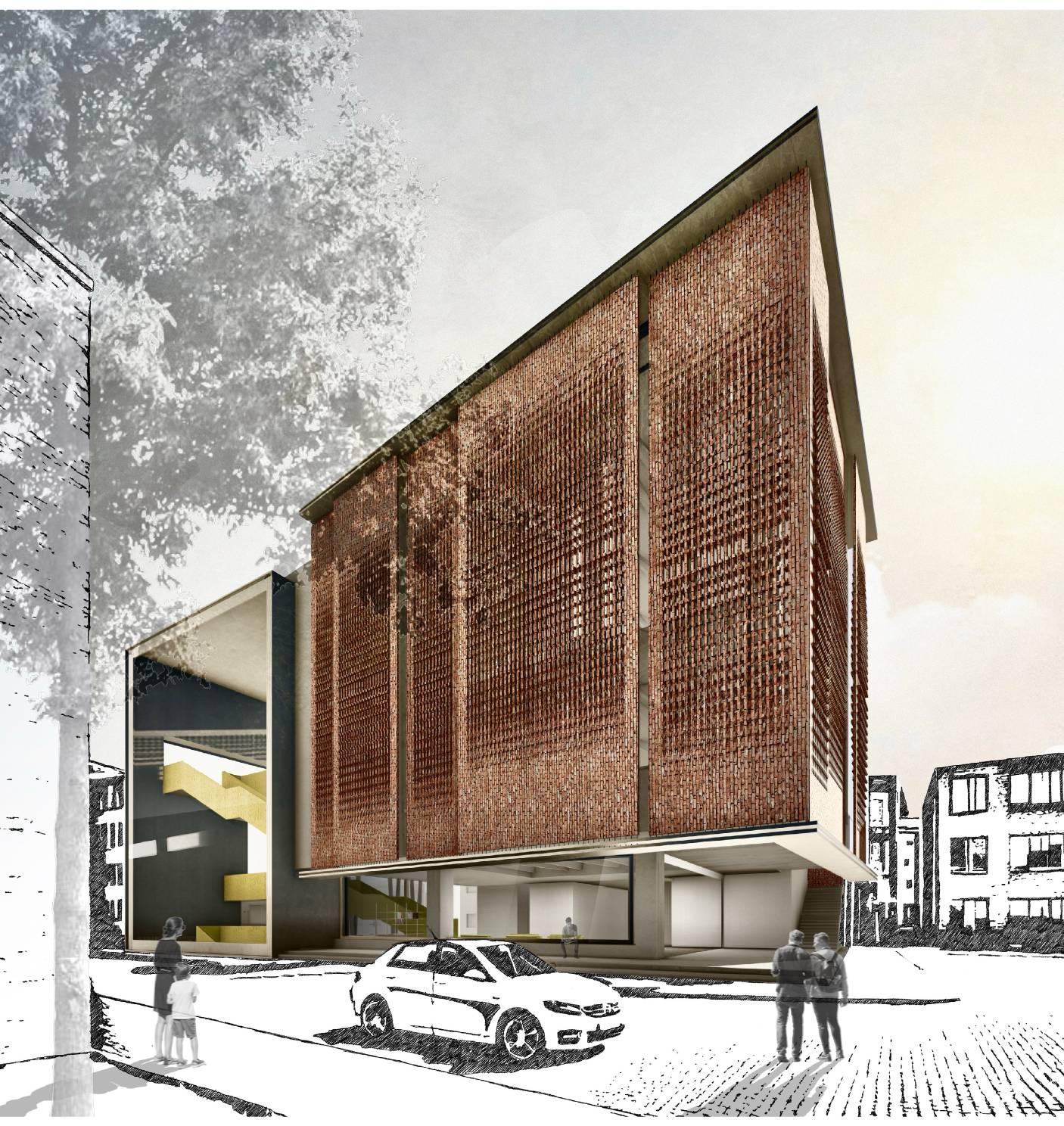
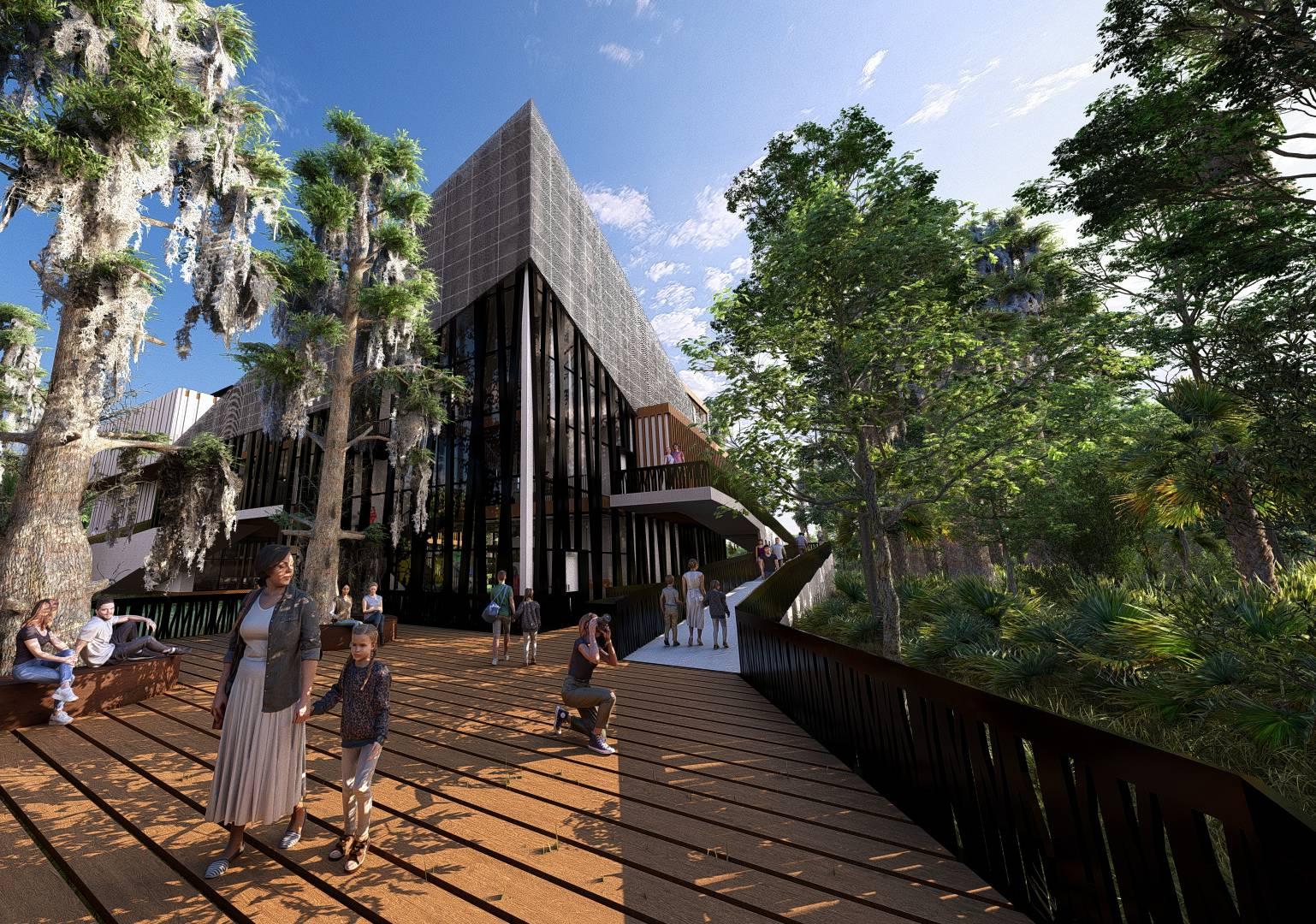
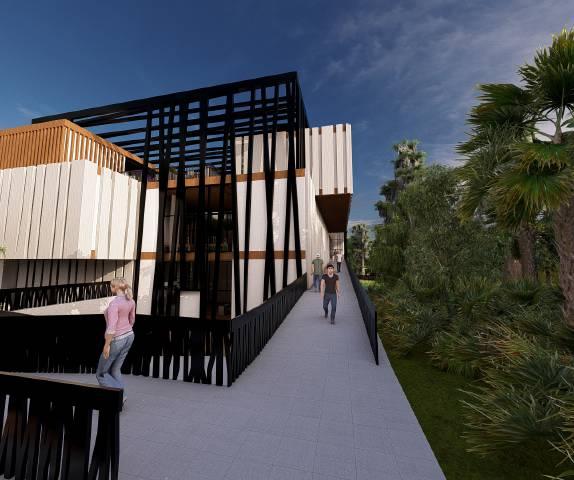
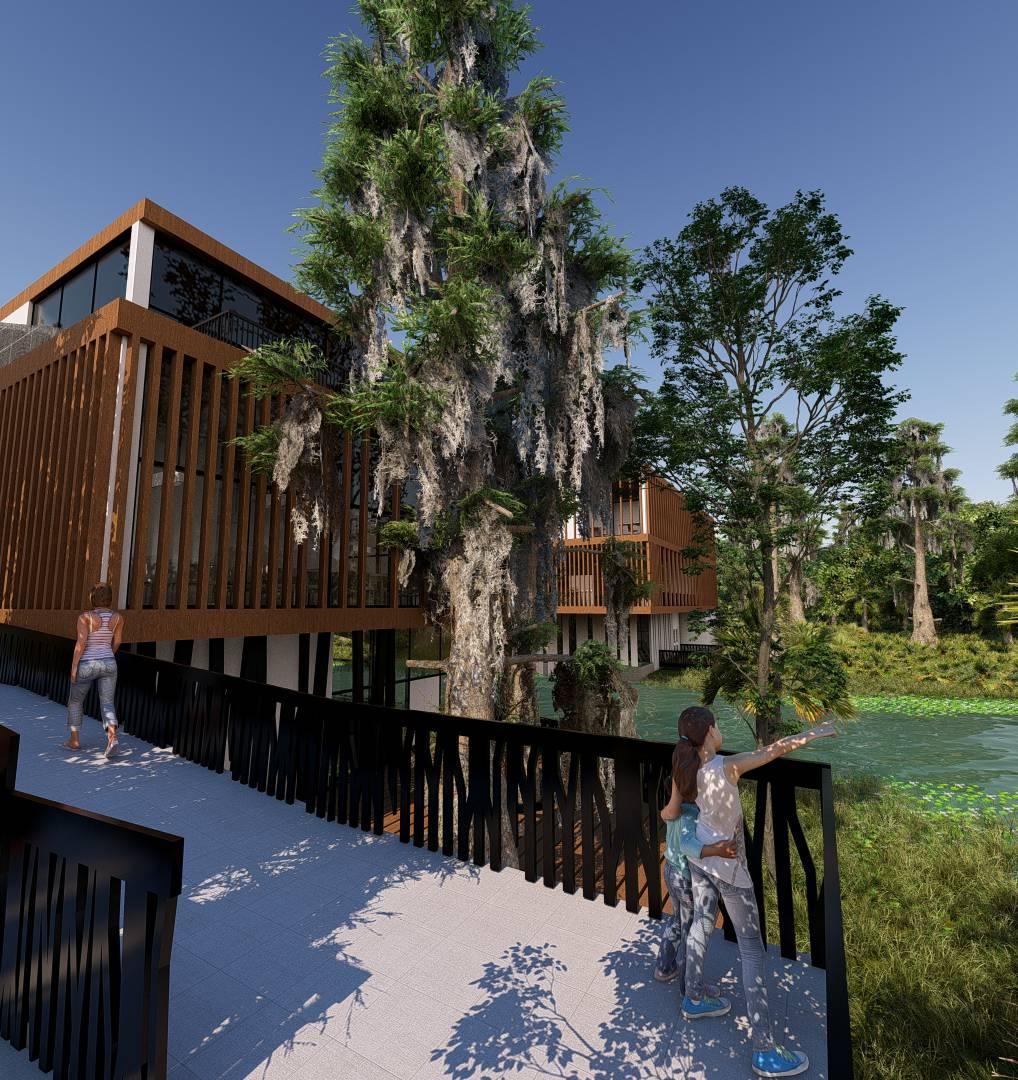
The Wekiwa Springs Recreational Center features a unique and dynamic exterior “skin” that is directly inspired by the surrounding trees and branches, creating a strong visual and tactile connection between the architecture and its natural environment. The skin is composed of materials and forms that mimic the organic patterns found in the site’s vegetation, such as the curving lines of tree branches and the textured surfaces of bark. This design approach ensures that the building not only blends into the landscape but also evokes a sense of belonging within the natural ecosystem.
The exterior skin acts as a protective layer, filtering light and offering shade, while simultaneously serving as a visual extension of the natural growth happening on the site. The patterns of the skin are designed to echo the rhythms of the surrounding trees, fostering a sense of continuity and growth that resonates with visitors. As the light changes throughout the day, the exterior skin adapts, casting shadows and reflections that mimic the movement of the trees and branches, enhancing the sensory experience for those who interact with the building.
This design approach transforms the building from a mere structure into an active participant in the natural environment, inviting the occupants to experience not just the surrounding landscape, but the very essence of nature’s growth, resilience, and healing properties. The interplay between the building’s exterior and the natural world around it encourages a deeper connection with nature, offering a space where individuals can reflect, heal, and grow both physically and emotionally.
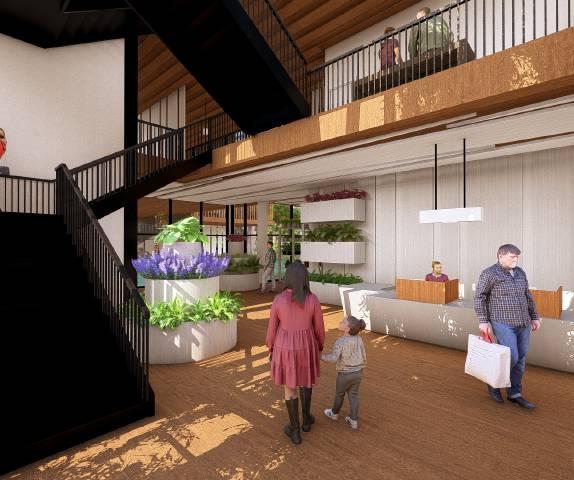
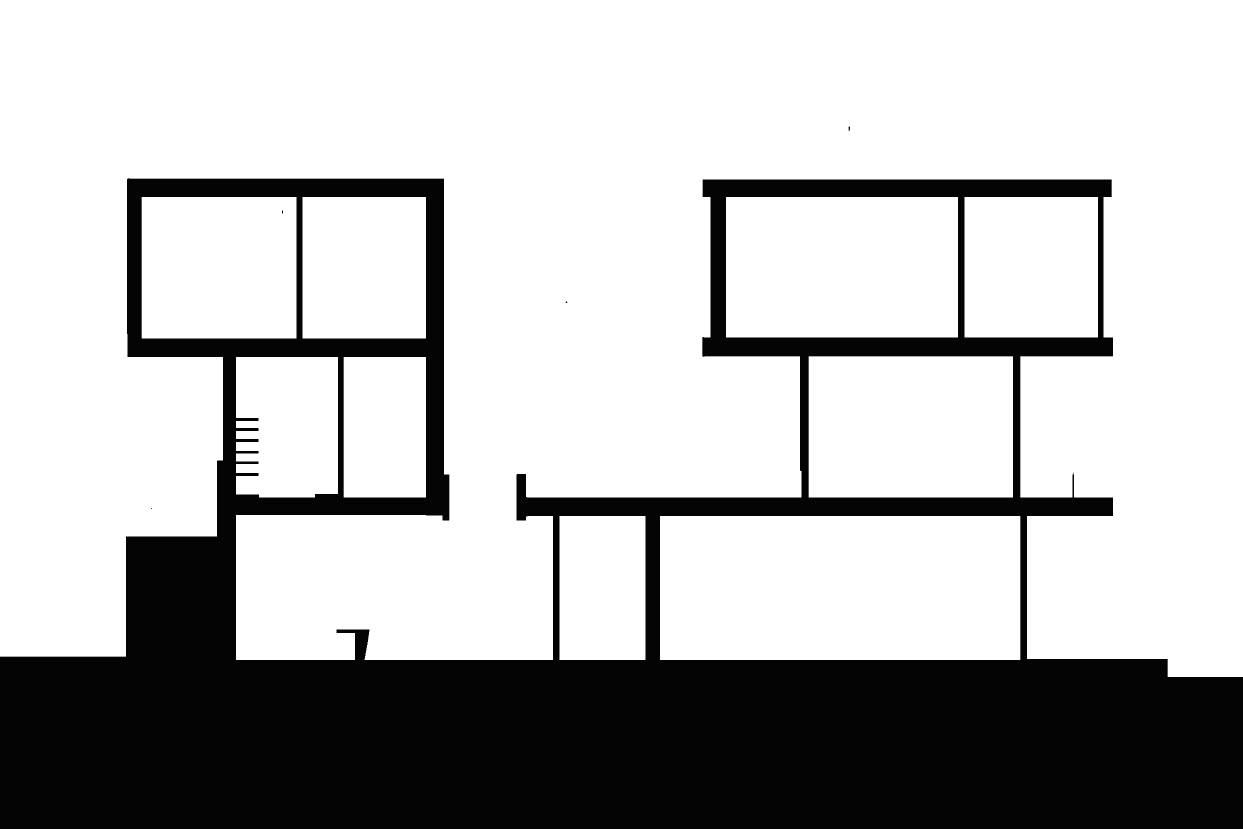
A grand, high-ceilinged atrium that connects the first and second floors via a sculptural staircase. Large exterior glass walls open up the space to the surrounding natural environment, allowing light to pour in and creating a strong visual connection to the outdoors. The building’s exterior skin, inspired by the local trees and branches, adds texture and depth to the entrance, harmonizing with the landscape and enhancing the beauty of the space. This design fosters a sense of openness and invites visitors into an environment that blends seamlessly with nature, setting the tone for a healing and restorative experience within the center.
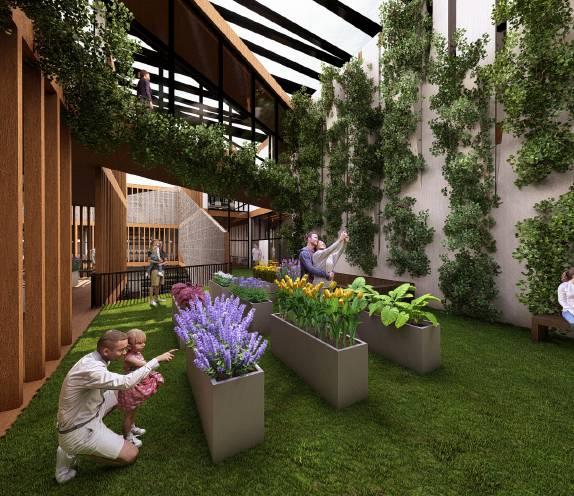
Open-air courtyard, strategically positioned as a central yet private area. While it serves as a key circulation path, allowing visitors to move through the space, it is also set off to the side, offering a sense of privacy and retreat. The green wall, acting as the focal point of the space, adds a natural element that draws visitors into the heart of the building while enhancing the connection to nature. This area provides a peaceful environment for contemplation, offering a moment of seclusion and tranquility amidst the flow of the surrounding spaces.
A secondary entrance that offers direct access to the massage rooms, a more private area within the building. This entrance is intentionally designed to be secondary, ensuring that the massage rooms remain secluded from the main circulation paths and more public areas. The layout emphasizes privacy and tranquility, allowing visitors to transition into a calming, intimate environment that is separate from the more open and communal spaces of the center. This strategic entry enhances the soothing atmosphere of the massage rooms, creating a space where individuals can fully relax and unwind.
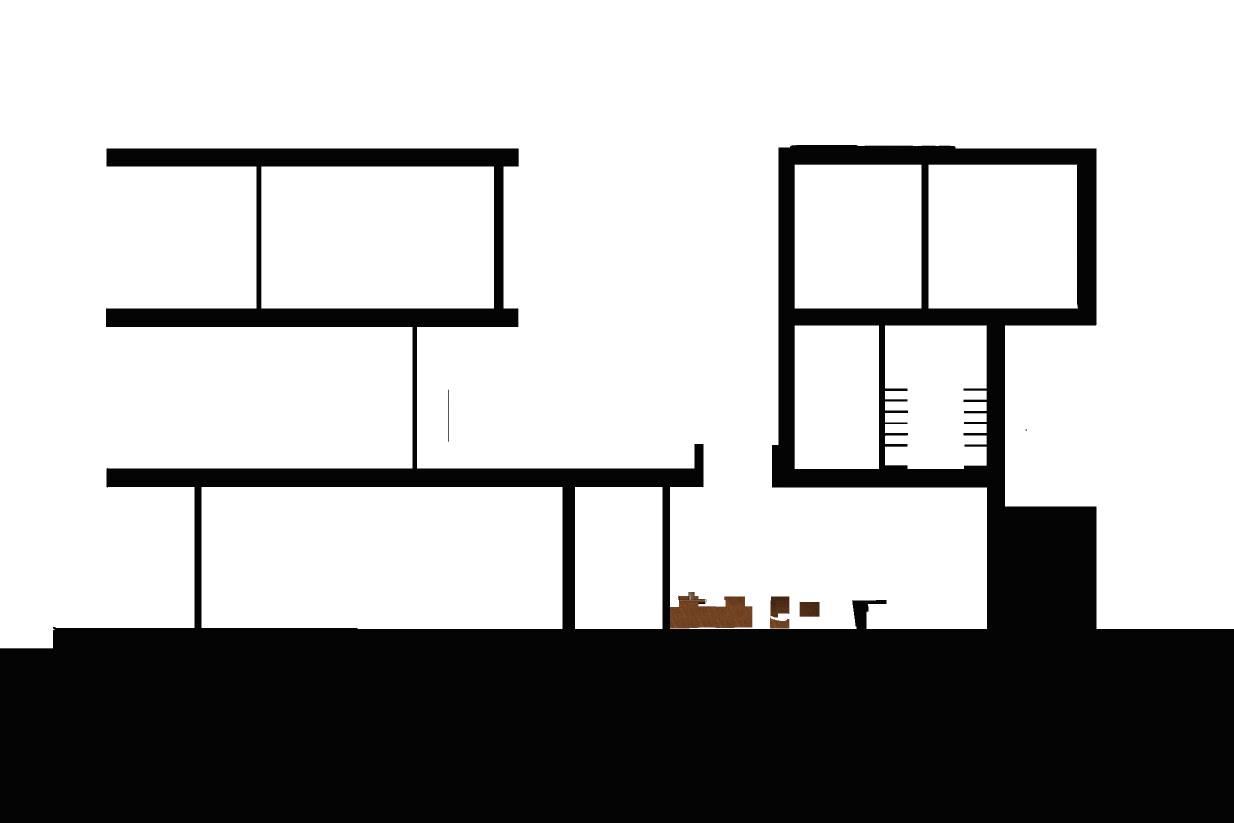
Architecture is a powerful tool that can shape human experience and influence emotional states, particularly when it comes to promoting calmness and healing. By integrating natural elements into the design, architecture can foster a connection to the environment that encourages relaxation and emotional renewal. Spaces that incorporate features like green walls, open-air courtyards, and natural materials help to create an atmosphere that reduces stress and promotes well-being. These design choices engage the senses, offering not just a visual connection to nature but a physical and emotional one as well. As biophilic design suggests, such environments can significantly improve mood and help individuals experience a sense of calmness.
The organization of space plays a crucial role in evoking calmness as well. Thoughtful circulation paths that guide visitors from more public areas into private spaces provide a gradual transition into more tranquil environments. By carefully separating more active areas from quiet, intimate ones, architecture ensures that visitors can experience the building in a way that feels restful and secure. For example, private entrances or secluded areas dedicated to wellness, such as massage rooms, offer a sense of refuge, allowing individuals to escape the distractions of the outside world and find peace within the built environment.
In addition to spatial organization, materiality is another important aspect of creating calming architecture. Using natural materials, such as wood, stone, and glass, helps to blur the boundaries between the built and natural worlds. Materials that resonate with the environment, like textures inspired by trees or branches, enhance the sensory experience and foster a deeper connection to nature. These tactile elements, when combined with natural light and views of the outdoors, create an immersive atmosphere that supports emotional healing and relaxation.
Ultimately, architecture has the potential to do more than just provide shelter; it can actively nurture the human spirit. By integrating natural elements, organizing spaces to promote privacy and tranquility, and engaging the senses through materiality, architects can design environments that foster emotional growth and well-being. Through these thoughtful approaches, architecture can provide not only a physical place for rest but also a space that actively encourages calmness and healing, helping occupants reconnect with themselves and their surroundings.
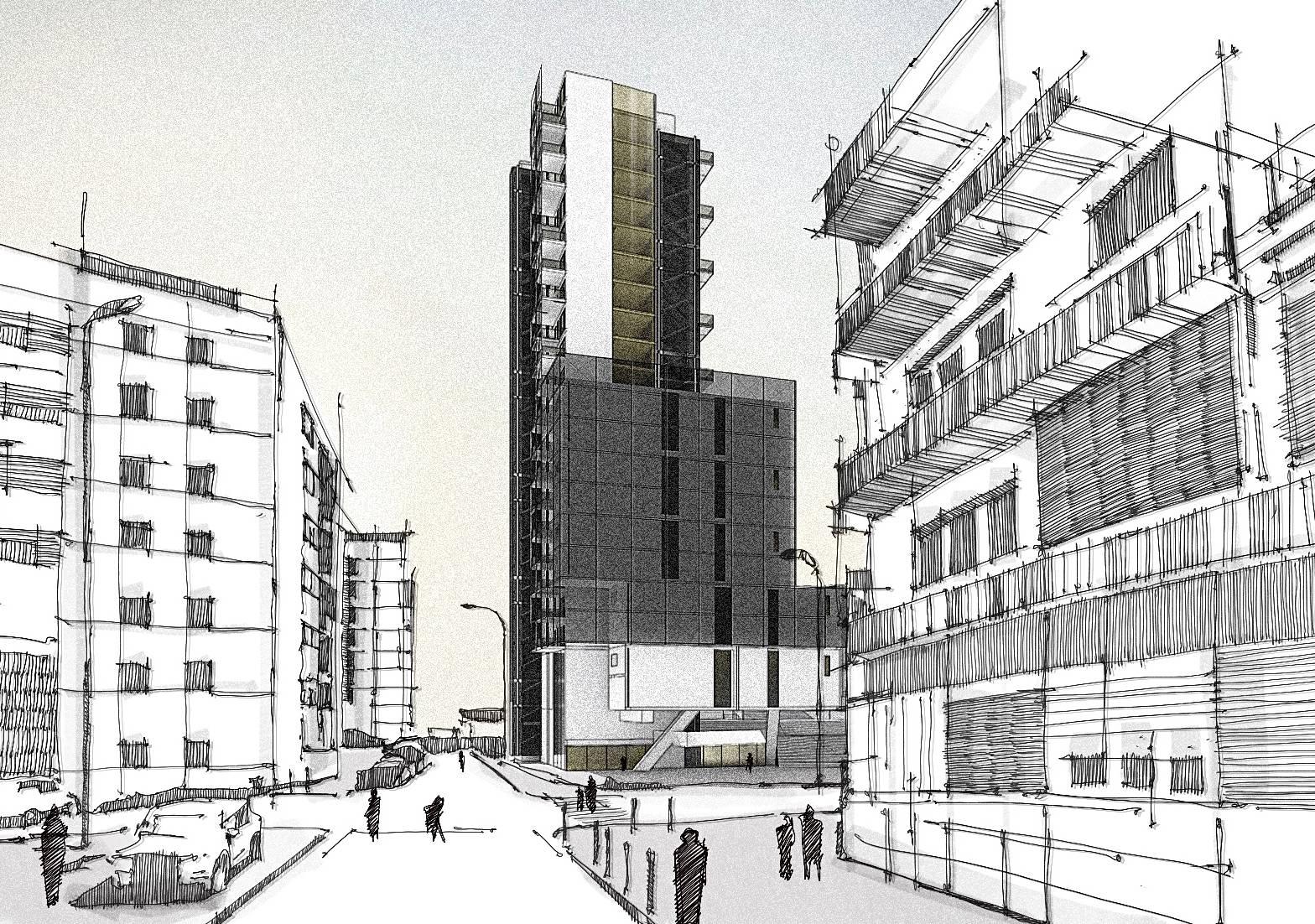
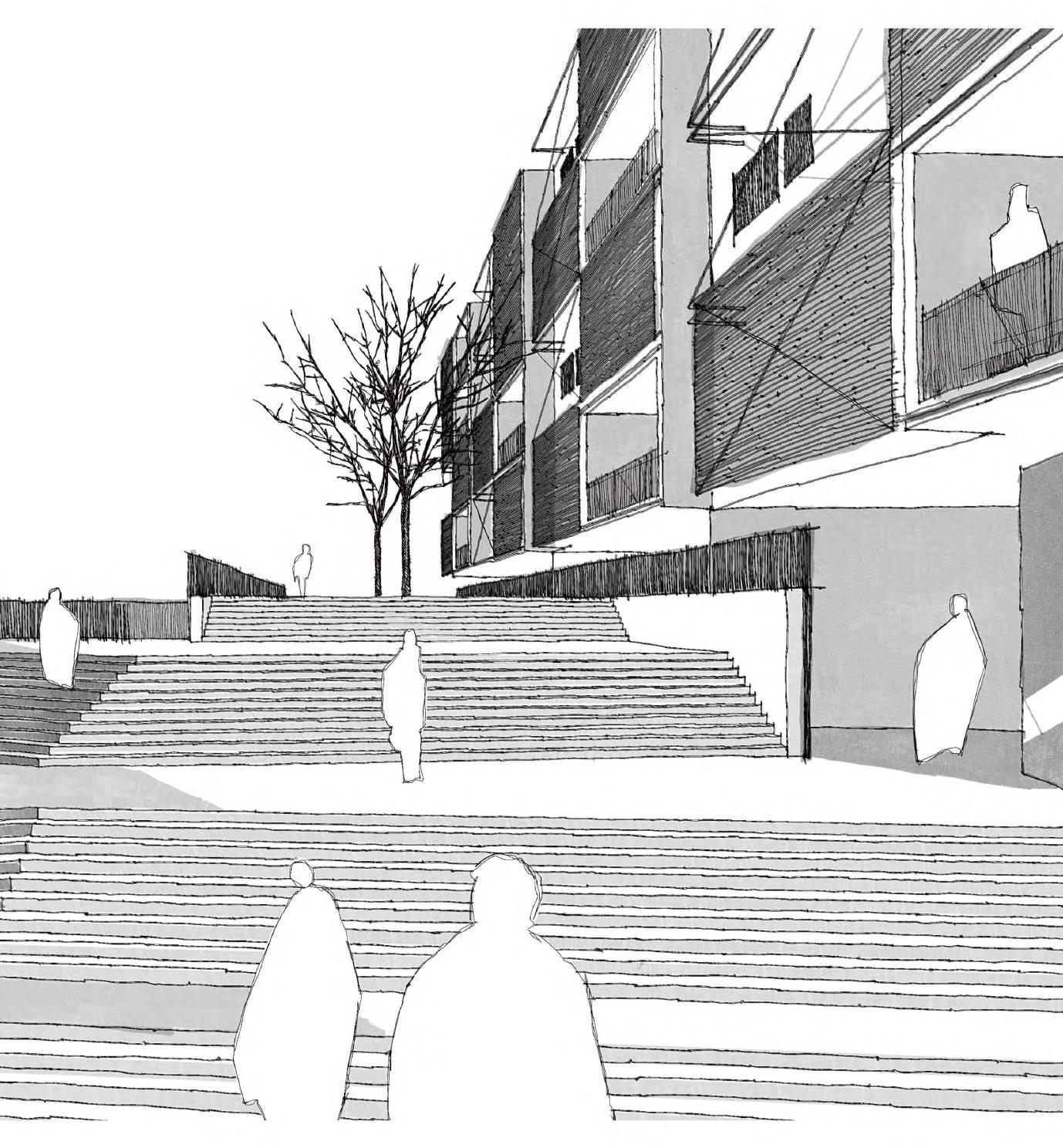
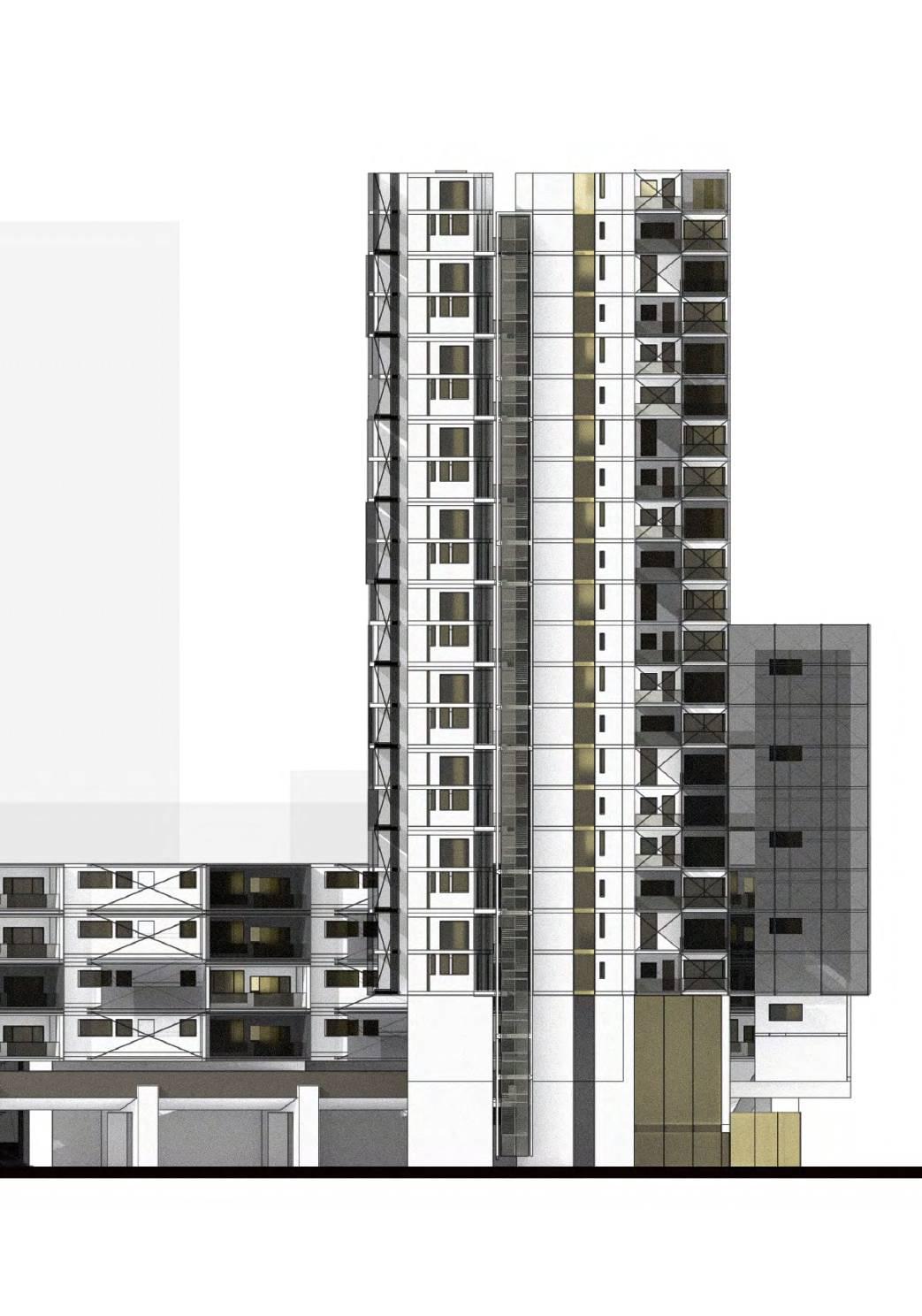
This residential complex, located in Milan, Italy, was designed to house 60–80 apartments while creating a reimagined living experience that challenges traditional notions of privacy and publicity. The project sought to push the boundaries of what defines a home by introducing a dynamic interplay between personal and communal spaces. Apartments were carefully arranged to create a fluid transition between private living quarters and shared public areas, fostering a strong sense of community while maintaining the individuality of each unit. The architecture promotes a lifestyle that embraces interaction, openness, and connectivity, redefining the essence of urban living in a vibrant city like Milan.
A key aspect of the design was blurring the conventional separation of private and public spaces. Rather than isolating apartments with rigid boundaries, the layout incorporated shared courtyards, semi-open terraces, and communal lounges that encouraged organic interaction among residents.
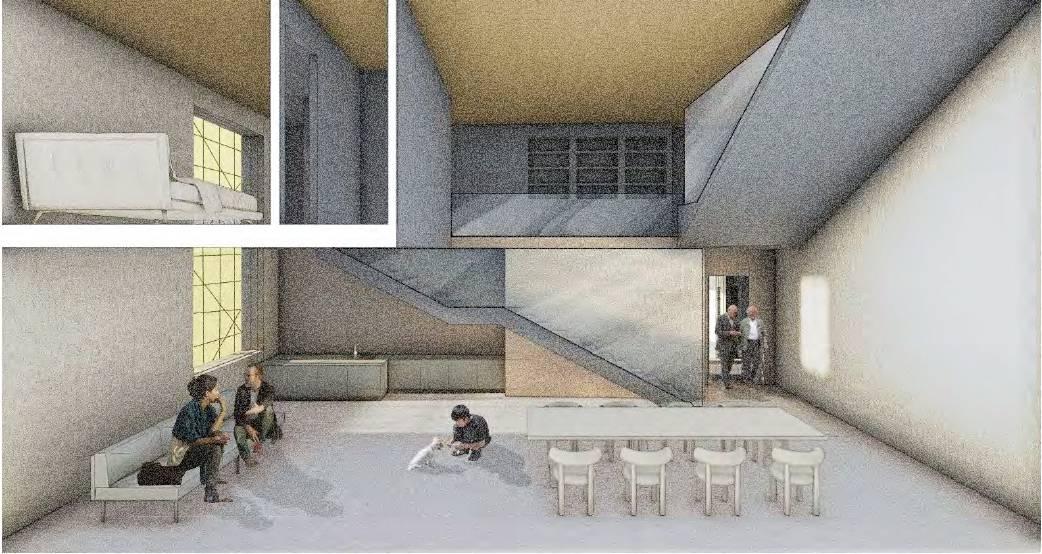
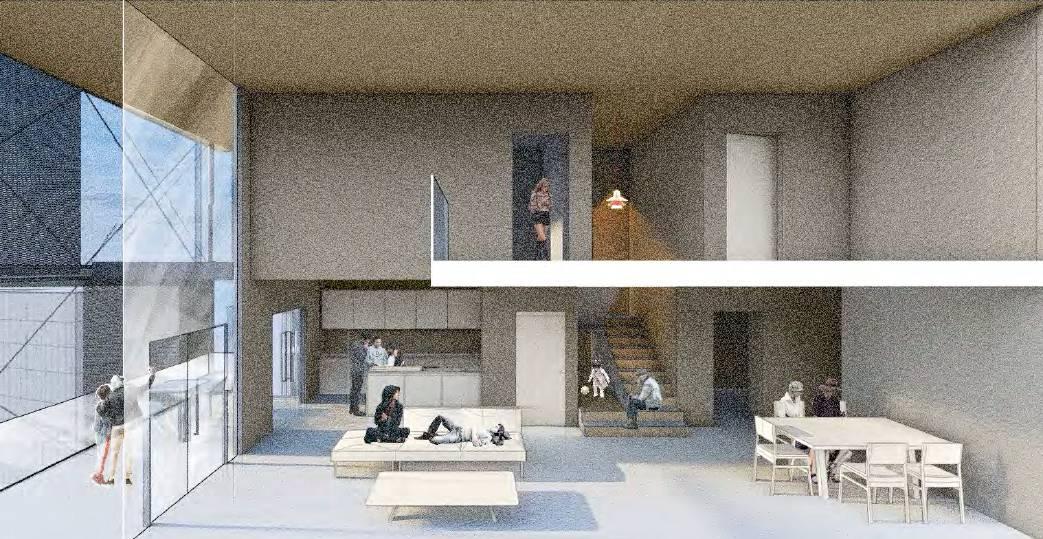
The individual units within the complex were designed with varying scales to accommodate a diverse range of residents and lifestyles. The smallest unit measures 800 square feet, offering a compact yet functional space ideal for individuals or couples. In contrast, the largest unit spans an impressive 2,000 square feet, catering to families or those seeking more expansive living arrangements. A mid-range option, at 1,200 square feet, provides a balance between the two, offering flexibility for a variety of needs. This diversity in unit sizes reinforces the project’s goal of fostering an inclusive community by ensuring that the living spaces are adaptable to different demographics and preferences.
The building’s exterior features an innovative adjustable skin, designed to enhance the relationship between privacy, natural light, and public interaction. This dynamic façade system allows residents to move panels to either open or close their spaces, controlling the degree of privacy and light exposure. When open, the skin invites sunlight and air into the units, encouraging a connection to the outdoors and fostering a sense of openness. Conversely, when closed, it provides shade, privacy, and insulation, creating a more intimate and secluded environment.
How communities experience privacy and public interaction thourgh Architecture? The design of spaces that balance these two aspects is not merely a functional endeavor but a deeply psychological one. Privacy allows individuals and families to retreat, recharge, and maintain a sense of autonomy, while public spaces foster interaction, connection, and a shared sense of belonging. The way architects mediate this dynamic directly influences the emotional and social well-being of the people inhabiting these spaces. A successful design integrates both, enabling individuals to navigate seamlessly between solitude and community engagement.
The boundaries between private and public realms are often fluid and depend on cultural, social, and individual expectations. Architects play a critical role in shaping these boundaries by using spatial arrangements, materials, and transitional elements. For instance, semi-public spaces such as courtyards, verandas, or shared balconies create zones where interaction can occur naturally without invading personal privacy. These transitional spaces help families feel connected to their community while still preserving the sanctity of their personal lives. The ability to control visibility, sound, and access through architectural features such as adjustable screens, movable walls, and strategic landscaping empowers individuals to define their comfort levels, which can reduce stress and enhance their sense of security.
For families, the design of private and public spaces within their homes influences how they interact and function as a unit. Openplan designs can encourage family members to spend more time together, fostering stronger relationships and collaboration. However, these same designs must include quiet, enclosed spaces where individuals can retreat for personal reflection or focused work. Poorly designed spaces that fail to address these needs may create tension, as the lack of privacy can lead to a sense of confinement, while the absence of communal areas can foster isolation. Striking the right balance is essential for promoting harmony within families, as well as their overall mental well-being.
On a larger scale, the relationship between public and private space extends beyond individual homes to entire communities. Neighborhoods that incorporate shared public areas like parks, plazas, or community centers create opportunities for social interaction and collaboration, which can strengthen communal bonds and reduce feelings of alienation. At the same time, offering private retreats within these spaces—such as shaded nooks or quiet seating areas—respects individual needs for solitude.