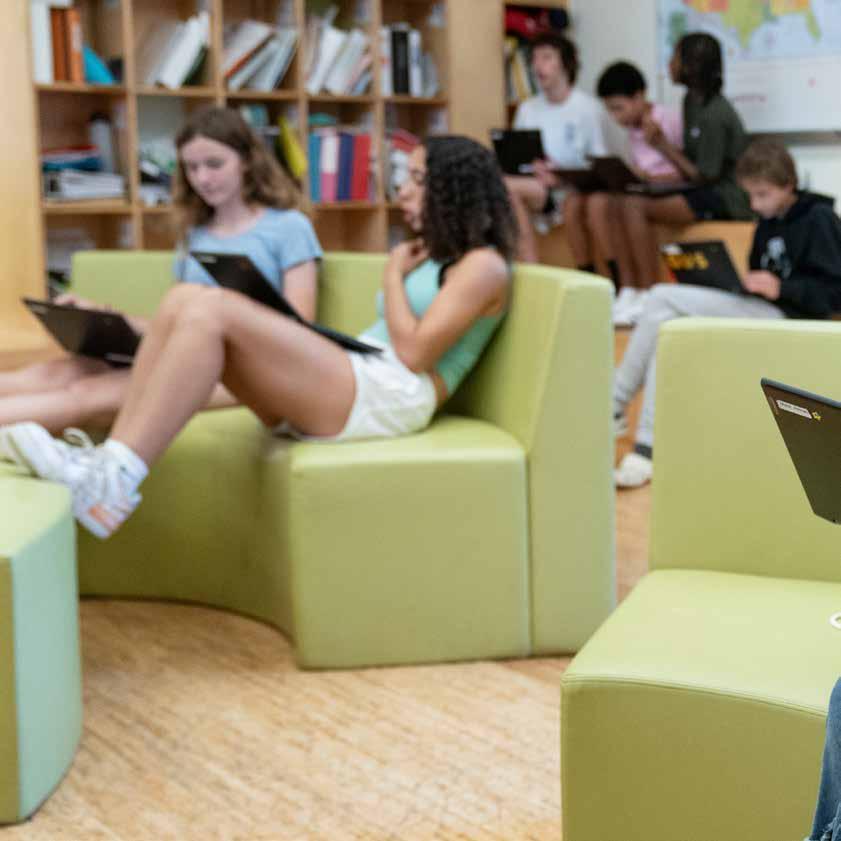
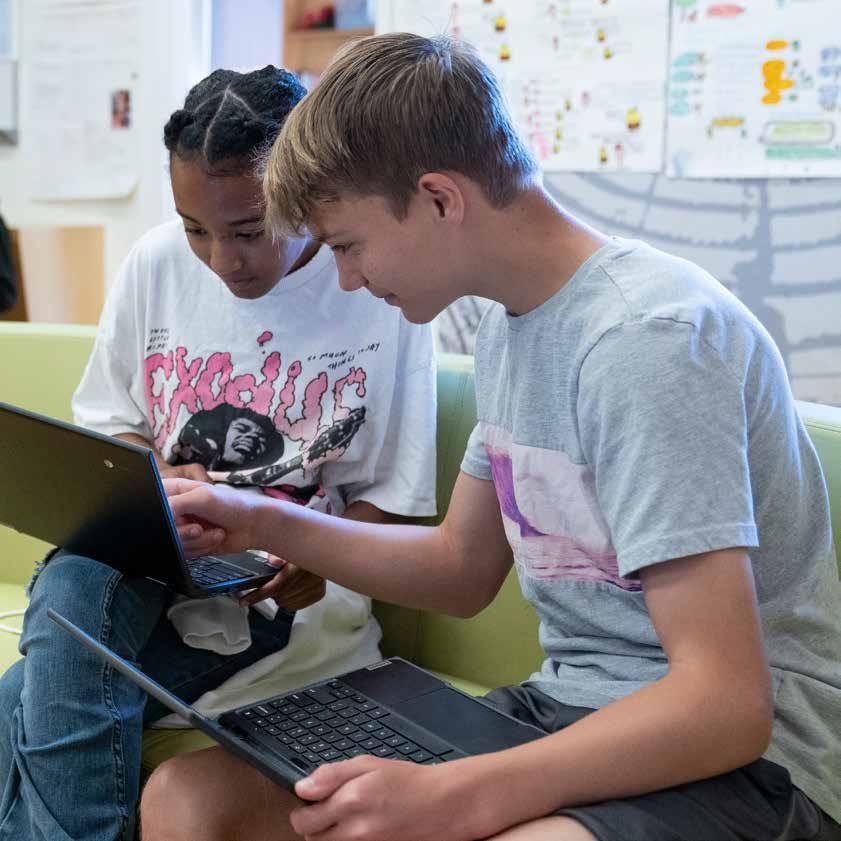
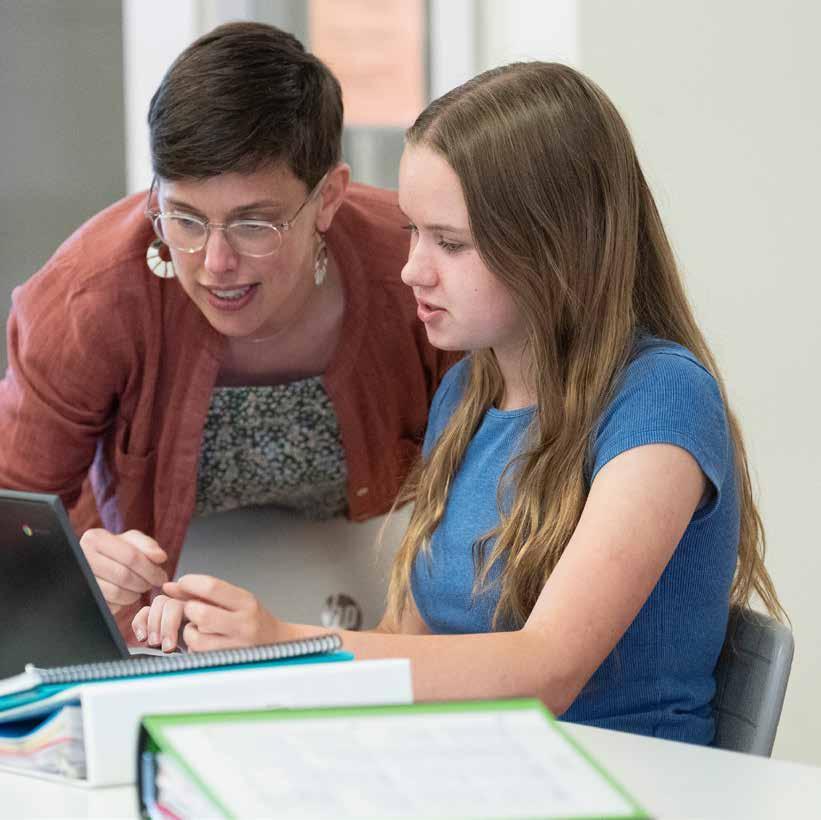
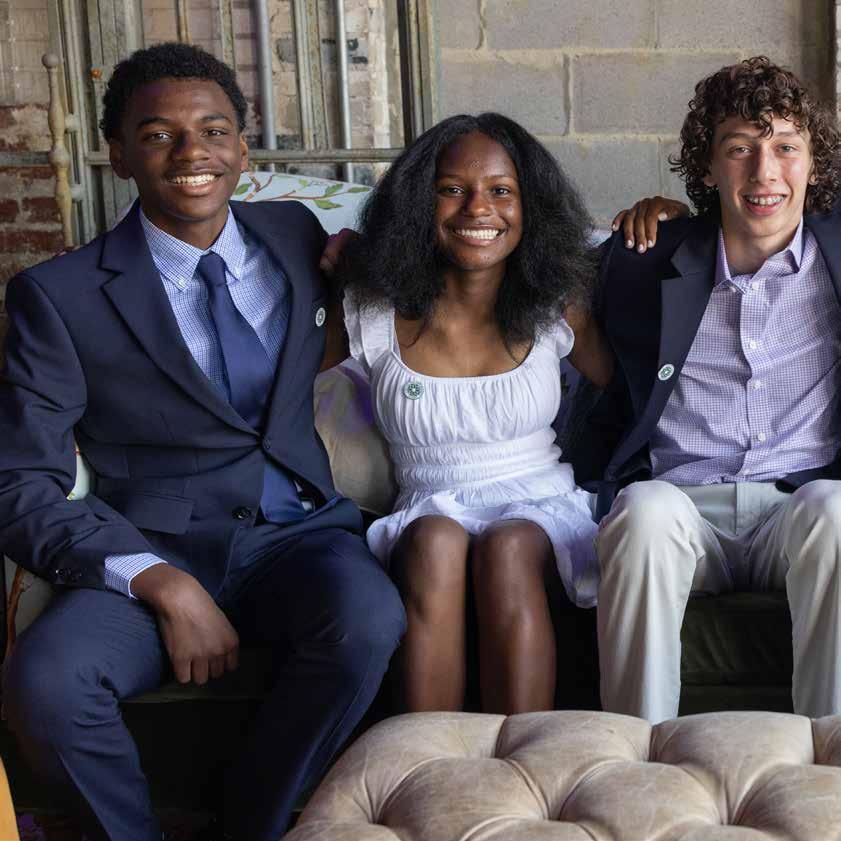
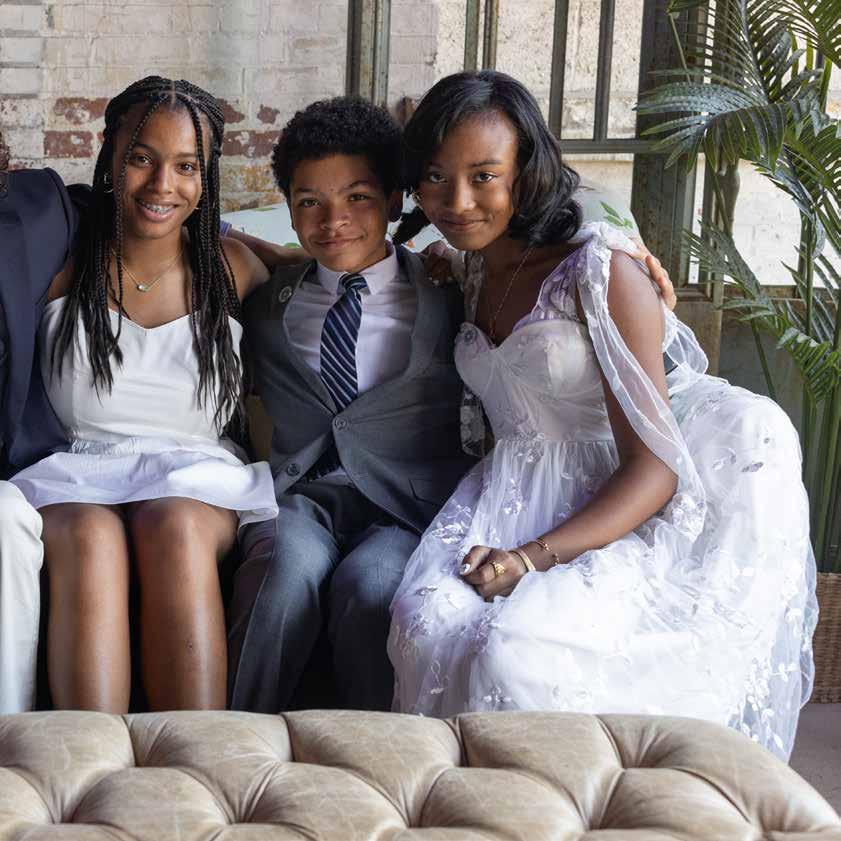
Capitol Hill Day School is a place for deep dives into complex topics, where hard work and joy co-exist because research shows that the best learning is both/and learning—not either/or.
Agency and Accountability
Intentional and Responsive
Questioning and Listening
Independence andCommunity
THE BOTH / AND OF PROGRESSIVE EDUCATION
We offer a curriculum that is both intentional and responsive; a program that fosters independence and community; education defined by play and purpose. It’s a layered learning experience that stimulates the intellect and imagination in lasting and meaningful ways. And that is what a progressive education is all about.
Instructive and Loving
Hearts andMinds
Intellect and Imagination
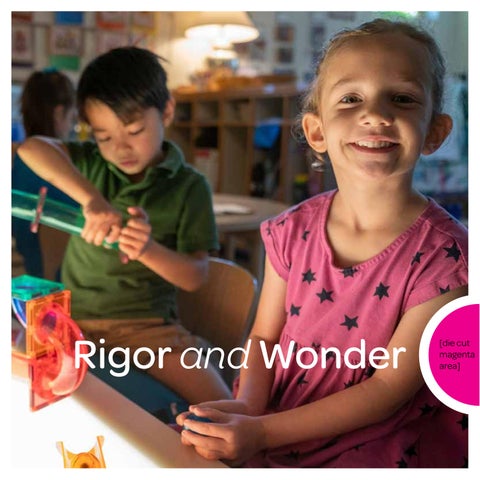
Rigor and Wonder
STUDENT- CENTERED, INQUIRY- BASED
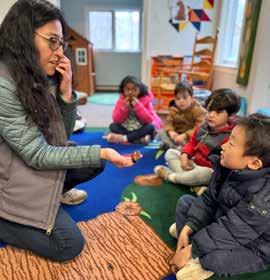
Capitol Hill Day School exemplifies the best of progressive education with innovative teaching and learning attuned to children of all ages—their ideas, intellects, voices, and imaginations. Although much has changed in the 50-plus years since our school was founded, one thing that hasn’t is that children are naturally curious, with great and compelling ideas to share that enrich their learning in and out of the classroom. As an independent school, we’re not rushing through content for the sake of covering it; we’re taking time to explore facets of a topic, pushing students to look closely, think critically, appreciate complexity, and engage with their learning and one another.
A lot of thought and intention goes into what we teach and when we teach it. We connect learning across the subjects and through the grades to create a solid foundation on which to keep building skills over time. The result is a curriculum that’s strong without being rigid, allowing teachers and students to run with ideas, reflect, and revise—and reinforce learning as an active process.
Learn by rote
Learn by doing
Learn by asking
Learn by sharing
Learn by listening
Learn by exploring
Learn by discussing
Learn by engaging
Learn by researching
Learn by experimenting
Rainforest Study: Early Childhood curriculum in action
Within each experience lies a small seed of potential exploration and discovery. As educators it’s our job to notice the seeds and create the best possible conditions for them to grow into something special.
Small beetle, big ideas
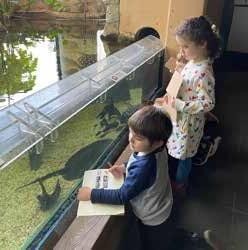
It started with a Bess Beetle on the playground. Over the next few weeks, our PreK and Kindergarteners explored books and videos, asked questions and researched answers, made art, and made change. Students visited beetles at the National Zoo, where they were fascinated by the creatures on display—and equally fascinated by the climate in the exhibit itself: “Why is it so hot and steamy in here?”
Delving into the rainforest
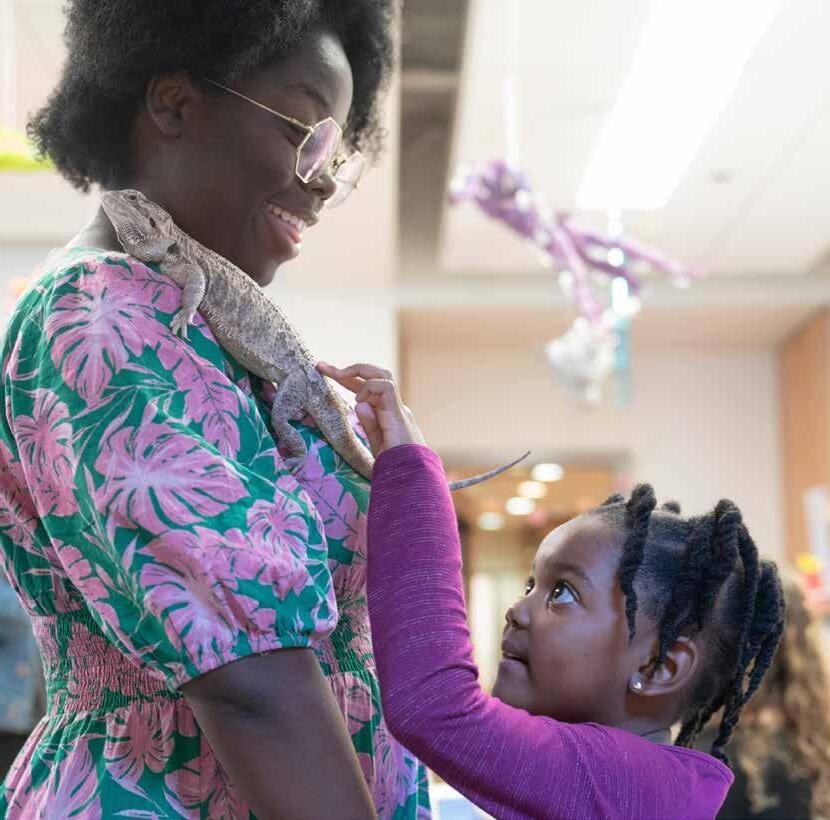
Students soon found themselves deep in rainforest territory: reading stories and writing their own, creating complex illustrations and colorful contraptions out of cardboard. For a close-up look at actual animals from the rainforest, the children took a field education trip to Eco-Adventures, and learned they had rescued the animals—”But rescued from what?”
Human habitats
Investigation revealed that there are thousands of individuals living in rainforests around the globe. The class focused in on a specific community, the Yanomami Tribe in the Amazon, learning about their homes, food, the way they travel, how children play. Students explored similarities and differences to their lives here. “What’s the impact of humans on the rainforest over time?”
Becoming researchers
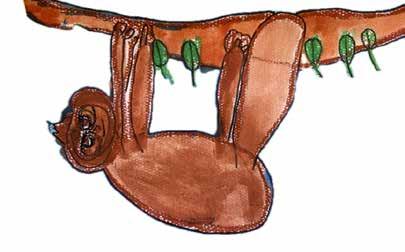
The children learned that rainforest animals might be injured or hunted or traded illegally. They explored a variety of animals as a group, and each student chose a specific one to study independently. They utilized a range of resources; captured visual observations in their journals; created clay sculptures in art class; and wrote their own books about their animals. “Do people live in the rainforest, too?”
Injustice and impact
Students learned about impacts of human consumption and deforestation. They met author and artist Nikkolas Smith, who shared his book The Artivist about art as a force for positive change. And it prompted the students to think: “What’s the most effective way to communicate to the rest of our community about the importance of saving the rainforest?”
Be the change
As the children came to understand environmental impacts, they tied this learning to their own actions. The recycling bin overflowed with scrap paper that was still usable and the class agreed to reduce, reuse, and recycle. Efforts included exploring how to make new paper from old, from soaking to create a pulp, filtering through a screen, and drying it out. “Wow, it worked!”
Activism and art-making
A brainstorming session and lively exchange of ideas led the children to decide on a mural. They re-read the book and looked at real examples of murals that call for the protection of oceans. “How do artists convey a message through their choices of words, colors, and images?”
The mural
Students worked collaboratively to decide what the mural should look like and say. Trees made of hearts conveyed their love of the rainforest and they agreed on a call to action. The message: “Stand for the rainforest and protect the animals.”
Raising money for a cause
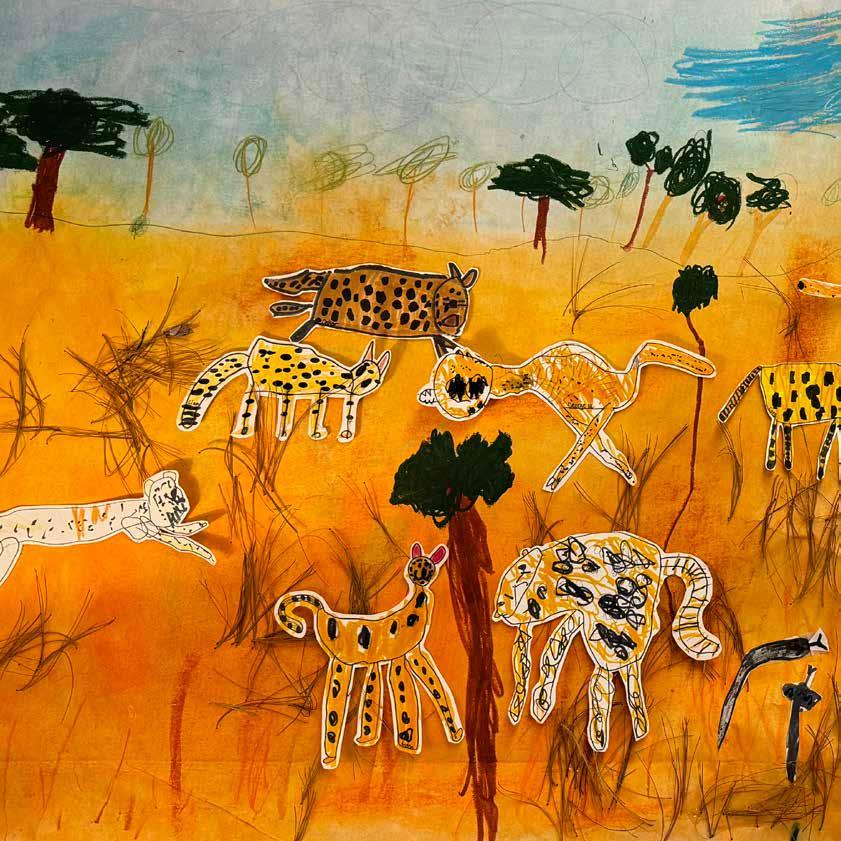
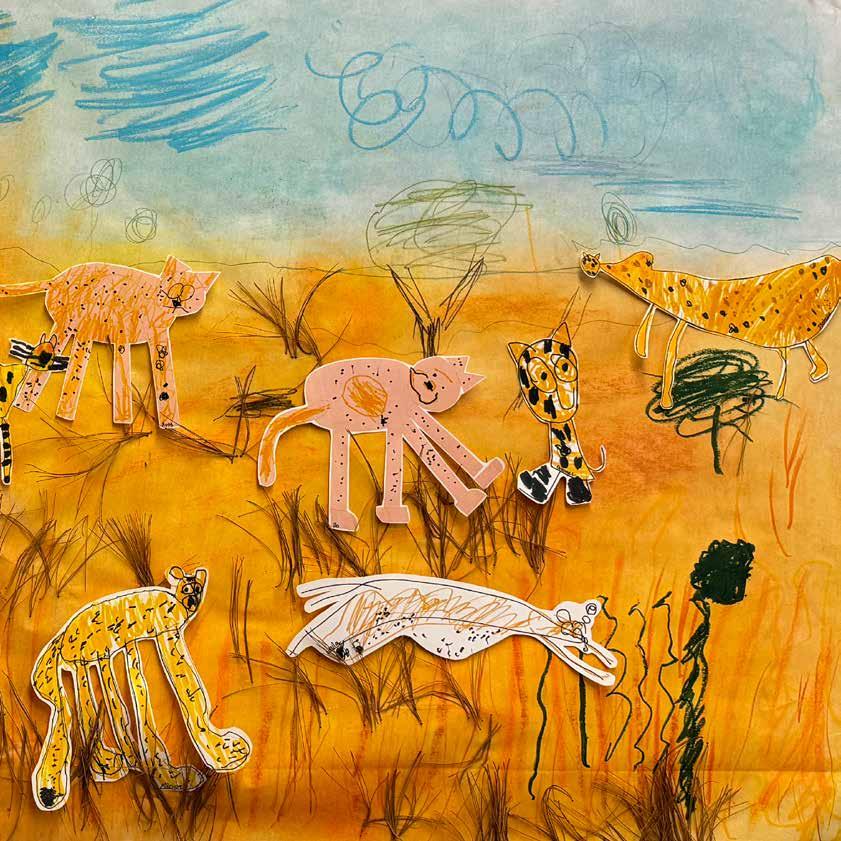
The students read Cheetah Raises Money, a story about finding a way to help neighbors by rebuilding their homes destroyed by a storm. They organized a bake and art sale to raise funds in support of the World Wildlife Fund’s work in the rainforest. “We can sell things to raise money they can use to buy tools to fix the trees.”
Reflection
To enhance the experience, students used a journal with prompts designed to record and reflect on knowledge gained from weeks of research and reading, discussions, art-making and action-taking: “I am learning about” and “this is what it looks like.”
Community and Collaboration
BUILD CONNECTIONS, DEEPEN LEARNING
We believe that to learn best, you need to feel connected: to subjects of study, sense of place, and one another. Intentional connections happen all the time in the classroom, across disciplines and grades, and as the result of teachers’ careful planning. Our educators are experts in their fields and the ages they teach, committed to making topics more relatable, fostering bonds with and among students, and broadening an individual and collective understanding of their place in the world. To see and be seen—that’s what we want for all our students.
Diversity, equity, inclusion, and belonging are more than buzzwords here; they’re part of our school’s DNA. In all that we do and teach, we prioritize a range of perspectives, cultures, and experiences; facilitate conversations that grow understanding and compassion for others; and put children first. We nurture connections in advisories, grades, and cohorts; clubs and affinity groups; and a popular Buddy Program with pairings that last several years. In addition, meaningful school traditions honor students’ individuality and provide opportunities for them to shine, saying “you’ve enriched our community by being exactly who you are” at a time of life when they need to hear it most.
“ When students feel safe to take learning risks and make mistakes, when their cultural identity is affirmed in the classroom, and when they are able to effectively collaborate with others in the learning process, they are better equipped to learn academic content more deeply.”
LEARNING POLICY INSTITUTE, 2021
Count Me In: Sixth Grade Humanities
Middle school gets a bad rap, often thought of as a time to just “get through.” But at Capitol Hill Day School, we see it as a time of extraordinary opportunity and formative growth. We are passionate about our work with this age group—and it’s reflected in the students’ high level of engagement and enthusiasm for learning.
Finding our voice
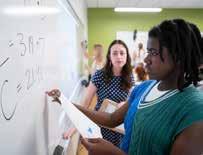
Our middle school humanities curriculum incorporates social science, English, and history to help students simultaneously make sense of the world that came before and articulate the world we want in the future.
In sixth grade, students start by reading and annotating Varsha Baja’s Count Me In, a novel about standing up to injustice and launch point for an historical and contemporary study of immigration legislation and social attitudes toward marginalized groups.
Perspective taking
Working independently and together, students set participation goals, prepare notes, and explore different discussion formats for analyzing the book’s plot development and core themes in advance of their first major writing assignment of the year: rewriting a pivotal scene from a secondary character’s point of view.
Self-examination
Connecting the dots
Students further practice annotating news and research articles and develop skills linking claims to evidence by collaboratively contributing to a concept web connecting unit vocabulary, activities, assignments, resources, and topics.
Students examine issues of belonging in their own lives, preparing for, conducting, and reflecting on StoryCorps-style interviews recorded with family members.
Advocacy and action
A sub-unit seeks to engage students in being change-makers for the school community—understanding a range of needs and advocating to address them. Students meet with different groups, from Early Childhood students to adult staff, presenting to heads of school a change that their community group wants to see. In recent years this unit has inspired changes such as club time, longer lunch and recess, and student affinity groups.
Community values
Students read Lois Lowry’s Newbery Award-winning dystopian novel, The Giver, where the central value of the society is an extreme form of safety that results in “sameness”—a community without hurt, pain, and war, but also void of love and meaningful relationships. Students read and annotate the text with an eye on the main character’s understanding of his society as he comes of age.
Influence and governance
Students learn about key philosophers and other influences on American democratic principles and explore different examples of governments and their practical functions. What are the ramifications for a community when the balance is tipped too far toward governmental and structure ideals?
Questioning the status quo
The class focuses on the question: when is it necessary to question the status quo? And how can we honor more representative and complete histories? Students begin by thinking critically about the intent and impact of memorial design before researching and rethinking an existing memorial or monument. They build on this “History Under Construction” thinking and learning by designing a memorial related to a rights movement of their choosing.
A lay of the land
Working in small circle groups, students read and discuss literature chosen for its thematic and historical connections to our different movements, from civil rights and women’s rights to disability rights and marriage rights. These texts are an entry point to the study of legislation, court decisions, activism, and landmark events.
The more things change…
The class embarks on the challenge of designing on-paper scale models and 3D scaled models of their rights movement memorials, culminating in an event explaining their piece and design process to the school community. Students also write individual essays on the status of their rights movement today.
Experience and Engagement
BRINGING LEARNING TO LIFE, AND LIFE TO LEARNING
At Capitol Hill Day School, we reinvented the field trip. Since our founding in 1968, experiential education has been a core part of our curriculum. Closely linked to one or more academic subjects and areas of study, 300+ field education experiences each year make learning more authentic, exciting, and relevant to students’ lives— going beyond the traditional “look-and-see” to engage students deeply with the places they go and the people they meet there.
Capitol Hill is a diverse and vibrant neighborhood in proximity to unmatched cultural and notable resources, which the School takes full advantage of. Instead of just reading about history, we go see where the history happened. Instead of talking about context, we create it. Our students are participants in their own learning and the result is a rich and enduring educational experience.
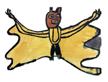
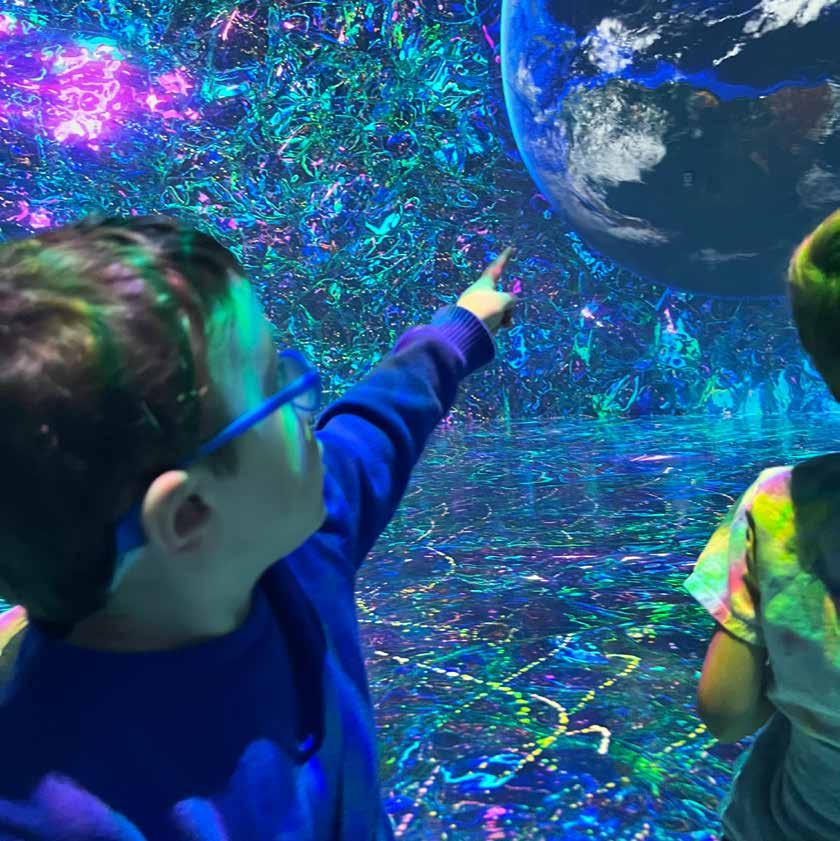
Early Childhood visited Artechouse as part of their study of superheroes.
Community Spaces and Places: Third Grade Field Education
Why is “where” important? Over the course of the school year, third graders explore this essential question through in-class projects and many field education experiences, broadening understanding of self and others while incorporating social studies, social justice, literacy, math, and more.
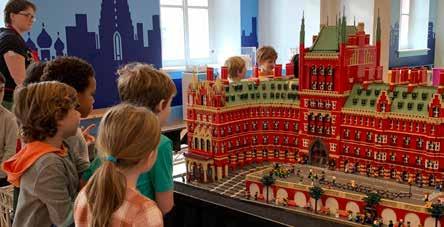
National Building Museum
Students discussed ways to meet the basic needs of a community and learned about different types of housing through the exhibit “House and Home,” including the qualities and objects that distinguish the two.
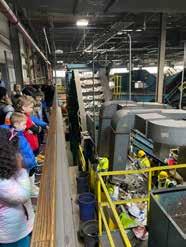
Recycling Plant
Behind-the-scenes tours of the Montgomery County Recycling Center and Fairfax County Griffith Water Treatment Plant gave students insight into the infrastructure communities need to function.
American Society of Landscape Architects
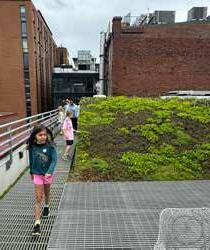
As part of both the community study and their science unit on watersheds, students visited the building’s green roof and learned how landscaping can mitigate flooding and help create healthier and more sustainable environments. Students incorporated these ideas into their culminating project, designing and creating their own community.
Kingstowne, Virginia
What exactly is a “planned community?” The General Manager of Kingstowne taught students about different types of houses in the area, and discussed the role and responsibilities of their Homeowner’s Association.
Navy Yard
Students took a quick trip to this urban environment and compared it to suburban and planned community spaces they have studied: what’s similar? What’s different?
South Mountain Creamery
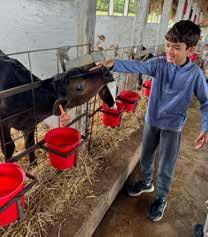
This family-owned dairy farm in Maryland gave students an up-close look at rural life and the agricultural process from cow to container. (The delicious ice cream was a bonus!)
Anacostia
A tour of this neighborhood examined its history and shifting demographics. With a focus on different businesses, the tour provided insight into how a group of small businesses banded together to sell their products cost-effectively.
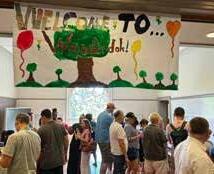
Welcome to Woodendale!
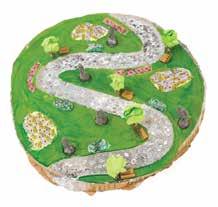
The culminating project of this study was the students’ creation of their very own community, complete with a 3D model of the city, an HOA, school, summer programming, and recreation center. Known as Woodendale, the project gave students the opportunity to synthesize and apply their learning in thoughtful, tangible ways. Students threw a block party for families and teachers to introduce them to the community, crafting welcome packets, a local map, and much more.
“Education is not an affair of the ‘telling’ and being told, but an active and constructive process.”
JOHN DEWEY, Philosopher and Educator
PROGRESSIVE
EDUCATION : OUR PROGRAM AND PRACTICE
By Jason Gray, Head of School
I have always found this quote from one of the pioneers in the field of education particularly compelling. It encapsulates the engaging, joyful, and intellectually stimulating learning environment that is at the heart of Capitol Hill Day School. We are a progressive school— but what does that mean, exactly?
WE CARE FOR THE WHOLE CHILD. This includes their intellectual, emotional, and social development, ensuring a balanced and holistic approach to education.
WE ARE COMMITTED TO JUSTICE AND ACTIVISM . We work to foster a commitment to these values in our students, encouraging them to be conscientious and informed citizens.
LEARNING IS COLLABORATIVE. It is integrated across subject areas with students and teachers co-owning the learning process, fostering a community of shared inquiry and support.
STUDENTS CONSTRUCT UNDERSTANDING THROUGH ACTIVE ENGAGEMENT. Learning happens both in and outside of the classroom, making education a dynamic and interactive process.
WE FOCUS ON DEVELOPING A DEEP UNDERSTANDING OF CONCEPTS. We help students see how ideas connect within and across disciplines, promoting a comprehensive grasp of knowledge.
WE ARE RESPONSIVE TO AND GUIDED BY CHILDREN’S INTERESTS. We seek to tap into their intrinsic motivation, fostering a love for learning that comes from within.
THE PROCESS IS AS IMPORTANT AS THE PRODUCT. We emphasize the journey of learning, encouraging students to value effort, reflection, and growth.
Progressive learning is:
• Thinking for yourself
• Teacher as guide
• Purposeful but flexible
• Mistakes as steppingstones to greater understanding
• Experience-driven Progressive learning isn’t:
• Teaching to the test
• Teacher as all-knowing authority
• Formulaic
• Mistakes as failure
• Textbook-driven
Our educational approach teaches children how to ask questions, solve problems, organize thinking, value collaboration, find patterns, take risks, and see mistakes as essential tools for growth and development. Capitol Hill Day School graduates develop a deep love of learning, a strong sense of self, and a genuine concern for those around them. Our progressive approach not only prepares students academically, but also equips them with the skills and mindset needed to navigate and positively impact the world.
Hearts and Minds
NURTURING GOOD HUMANS
There’s a misconception that a human centered approach to education is less demanding, too “soft.” In reality, the research tells us that children learn more—and better—when they feel safe and seen as people. It enables them to push further, dive deeper, and engage fully with learning.
From the beginning, we create opportunities for our students to step up as leaders, whether in their classroom, cohort, or when it comes to their own education. Our mixed-age early childhood model, student-led conferences in middle school, and Buddy Program provide motivation and opportunities to build insight, empathy, and independence. Research shows that middle school students thrive in a setting that encourages mentorship and, similarly, younger students benefit from having role models to look up to.
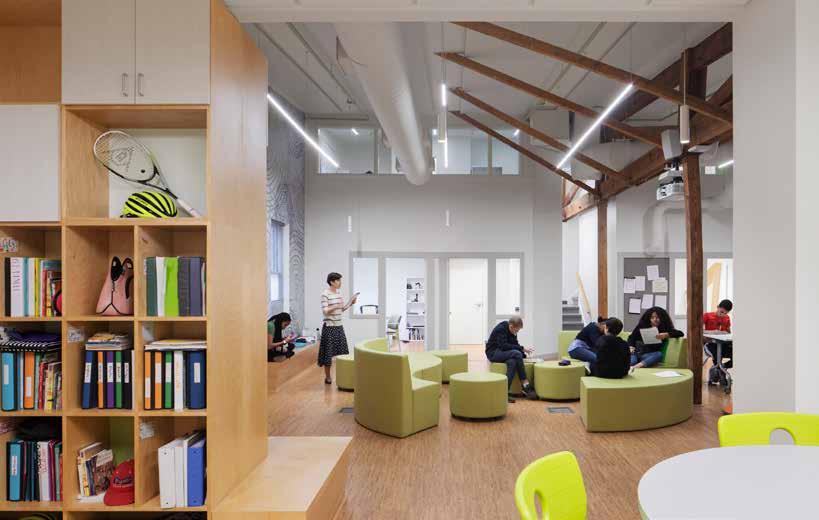
We honor the growth and development of our oldest students by providing them with a space of their own; just two blocks north of our historic Dent Building, Farren’s Stable houses grades 5–8. This state-of-the art environment was designed specifically with middle school learners in mind—it is flexible, comfortable, and a great place to learn.
In the end, students graduate from Capitol Hill Day School ready and able to move through the world with curiosity, kindness, and resilience. Wherever they choose to go, they enrich their next school community with the depth of knowledge, intellectual curiosity, awareness, and acceptance that define a Capitol Hill Day School education—an education that nurtures minds and nurtures hearts.
Because good humans need both.
When you choose Capitol Hill Day School, you choose...
Rigorous Academics
Our academic program is challenging and inspiring and ignites a lifetime love of learning.
Emphasis on the Whole Child
With empathy and expertise, our educators bring out the best in students as learners and people—nurturing their social-emotional and academic growth and development.
Experiential Learning
Our field education program connects the dots and puts classroom learning into context. Engaging with different places and people not only enhances the academic experience but makes it stick.
The Preservation of Childhood
There’s a reason we’re a preK–8 school (in fact there are many reasons!). Middle schoolers in the mix with younger students serves everyone well and keeps tweens and teens more connected with their child selves, relieving pressure to act older than their years.
A Welcoming Community
Together with families, we foster belonging and accountability so that Capitol Hill Day School students develop a strong sense of self and of the world around them.
A Place to Belong
At Capitol Hill Day School, there’s no pressure to “fit in,” but rather freedom and encouragement for students to discover who they are and be celebrated for what they bring to the community.
A Truly Progressive Education
Our progressive pedagogy prepares students to thrive in, and change, the world. You won’t find a more authentic approach to teaching and learning.
...a both/and education.
OUR MISSION
Capitol Hill Day School deeply engages a diverse community of students in connecting the classroom to the larger world, supporting each child in developing the confidence, compassion, and intellectual capacity to live a life of purpose and value.