Moments extraordinary FOR THE WILD AT HEART | ISSUE NO. 1
700 PENNSYLVANIA AVE. SE SUITE 2000 WASHINGTON, DC 20003 UNITED STATES +1 240.419.6558 www.extraordinaryjourneys.com
I’m thrilled to welcome you to the first edition of Extraordinary Moments, our magazine featuring new perspectives on travel. Inside, you’ll find a curated selection of unusual destinations and experiences meant to be explored at a relaxed pace with an open heart. Savor every story, let yourself be transported to these extraordinary places, and share them with your friends and family.
The issue begins with a story on eight special places we encourage you to explore. Each exemplifies the Extraordinary Journeys ideal: slow, intentional travel that creates connection, and nurtures your soul and mind. This year we are digging deeper, taking ever-more-thoughtful journeys. The anti-fast fashion of travel, if you will.
The storytelling delves into the magic of hiking in the Peruvian Andes and the pure joy that comes with family travel when done right. Together we discover destinations critical for conservation, such as Odzala-Kokua National Park in the Republic of Congo, where you’ll find a large concentration of western lowland gorillas and forest elephants being studied in one of Africa’s oldest rainforests. You’ll also learn about the furthest reaches of Namibia’s deserts and the best ways to explore the Amazon’s waterways.
You don’t have to sacrifice comfort to vacation in a way that conserves the natural world and positively impacts the people in the communities where you travel. Sustainably-operated luxury accommodation is available everywhere we explore, from Antarctica to Australia.
We don’t want to perpetuate a world where everything only looks great in photos. We are fighting the commoditization of experiences by choosing places that have a soul. We’re encouraging you to experience the charm of small, family or community-owned properties, each with their own distinctive personality, design, and exceptional beauty. And, to try some activities that push you just outside your comfort zone. We want you to go deep, get in touch with your emotions, to connect, and for your experiences to make you come back a richer person.
I hope that you are as inspired by the stories these places hold as we are in sharing them with you. In the future, you can look forward to thoughtful, informed recommendations, interviews with experts in the field, conservationists and pioneers in travel. You’ll find city guides, Q&A’s, and indepth personal travel stories from our staff and clients. When you’re ready to plan your Extraordinary Journey, our destination specialists are ready to craft your unique journey to Africa, South America, India, Australia, or New Zealand and beyond.
Let’s travel better, together.
Sincerely,
ELIZABETH GORDON | CO-FOUNDER AND CEO
Editor-in-Chief
ALICIA-RAE LIGHT
Assisting Editor
JENNIFER HUBBERT
Art Director
TEGAN WILLE
Project Manager
RITA PIRES
Image Sourcing
TEGAN WILLE
BEATRIZ TAVEIRA
Contributors
ELIZABETH GORDON
ALICIA-RAE LIGHT
JENNIFER HUBBERT
KATHRYN ROMEYN
JONNY BIERMAN
MARK JOHANSON
As a women-led team, it’s in our nature to care about our clients, each other, the environment, communities where we travel, and our partners worldwide. From the initial call and throughout your journey, we’re by your side every step of the way. We have reliable boots on the ground and a 24/7 concierge just a phone call away. Travel can be unpredictable (that’s part of the beauty of it), but we’re here to ensure you’re taken care of no matter what.
Our trips are grounded in profound connections: to the destination, to nature, to yourself, and to your loved ones. We take care of the details to create worry-free trips that allow you to savor every precious moment. We believe in the transformational power of travel and the importance of meaningful relationships. We want travel to uplift and challenge you, and to that end, we will gently push you just outside your comfort zone. Our mission is to create magical memories that will stay with you forever.
We don’t do generic. We love to mix and match. One night you may have dinner at a three-Michelin-star restaurant, and the next, at the fun neighborhood bistro. We always find the most unique experiences and love sharing places that have soul and personality. We get to know you and understand what makes you tick. We listen carefully. Then, we design a journey as unique as your fingerprint. If we’ve done our job of offering a genuine experience, you’ll leave a piece of your heart in each place you’ve been.
We’ve traveled the African continent top to bottom—some of us even call it home; we’ve wound through the mountains along South America’s gravel roads and walked Australia’s many trails. We’re endlessly curious and constantly traveling, so we never stop learning. Your trip will be planned by a specialist who knows your destination inside and out. Count on us for insider secrets, local intel, and the best, most charismatic guides who can also spot the most obscure wildlife. We have not walked every trail or stayed in every lodge, but we have an incredible network and share knowledge and feedback from our travelers, partners, and team members.
Founded by mother-daughter duo Elizabeth and Marcia Gordon, our origin story is maternal, and so is our travel style. We proudly embrace the feminine qualities of care, nurturing, attention to detail, family, and collaboration. We offer life-changing experiences in places that nourish the soul.
Our passion for soul-stirring travel is rivaled only by the impulse to share it with others. By taking care of all the details and setting you up for new adventures, we seek to revitalize a sense of childlike wonder. Meanwhile, we deliver moments of joy, both humble and grandiose. You’ll experience it with each sundowner, hear it in every welcome song, taste it in each meal, and feel it in our team and partners’ radiant warmth and positivity. There is no greater joy than that which we get from our travelers’ experiences—it’s what keeps us motivated.
We value our word. Our communication style is responsive, timely, and transparent. We won’t speak in hyperbole; if an experience or lodging doesn’t meet our values or seem like a fit for you, we’ll let you know. Our job doesn’t end with your boarding pass— our travel concierge is with you every step of the way, troubleshooting and indulging your whims. We have genuine, long-standing relationships with our partners—we treat them like friends, and in return, they treat our clients like friends, too. If any issue arises, we work together to fix it quickly (read: we have them on speed dial!).
Travel is a force for good when planned with care— and we believe that’s our responsibility. Conservation of communities and wildlife is at our core, especially because we send travelers to some of the world’s most remote, fragile, and beautiful places. A portion of every trip supports our partners in their work to conserve the natural environment, wildlife, and biodiversity. Of utmost importance are the local communities—there is no conservation without community. Our partners provide employment, healthcare, education, training, and development. When you book a journey with us, it’s sustainable—full stop. Consider us the slow fashion equivalent of travel: ethical, intentional, and connectionbased.
Dotted with milky lakes, vast grasslands, and deep valleys, Patagonia National Park is one of Chile’s most important eco-restoration projects. Its 640,000 unspoiled acres in the Aysén Region stretch to the Argentinean border. Dubbed the ‘Serengeti of the Southern Cone,’ the park protects wild species like puma, condor, ñandú, and huemul (south Andean deer). Ancient rock art, trails seldom trodden, and herds of fluffy guanaco call to wildlife lovers and adventure-seekers alike. Check into the luxurious Explora Lodge (conveniently located within the park) to enjoy guided hiking, kayaking, and bike riding. For a relaxed alternative, the family-run Mallin Colorado Ecolodge is scenically perched on a hillside overlooking General Carrera Lake.
Looking for a true jungle adventure? If you’re not afraid to get a little wet and dirty, how about journeying into one of Africa’s oldest national parks? We’re talking trekking through baïs, navigating dense jungle, and wading waist-deep in the Congo River in search of endemic wildlife. Odzala-Kokoua National Park is a biological hotspot that harbors critically endangered western lowland gorillas, elusive forest elephants, and more than 440 bird species. Check into Odzala Discovery Camps, which started as a base for primate research in the Ngaga Concession, and has since expanded to three camps, each located within a distinct biome. Rest easy knowing your stay positively impacts gorilla and elephant research and protection, as well as rainforest conservation efforts.
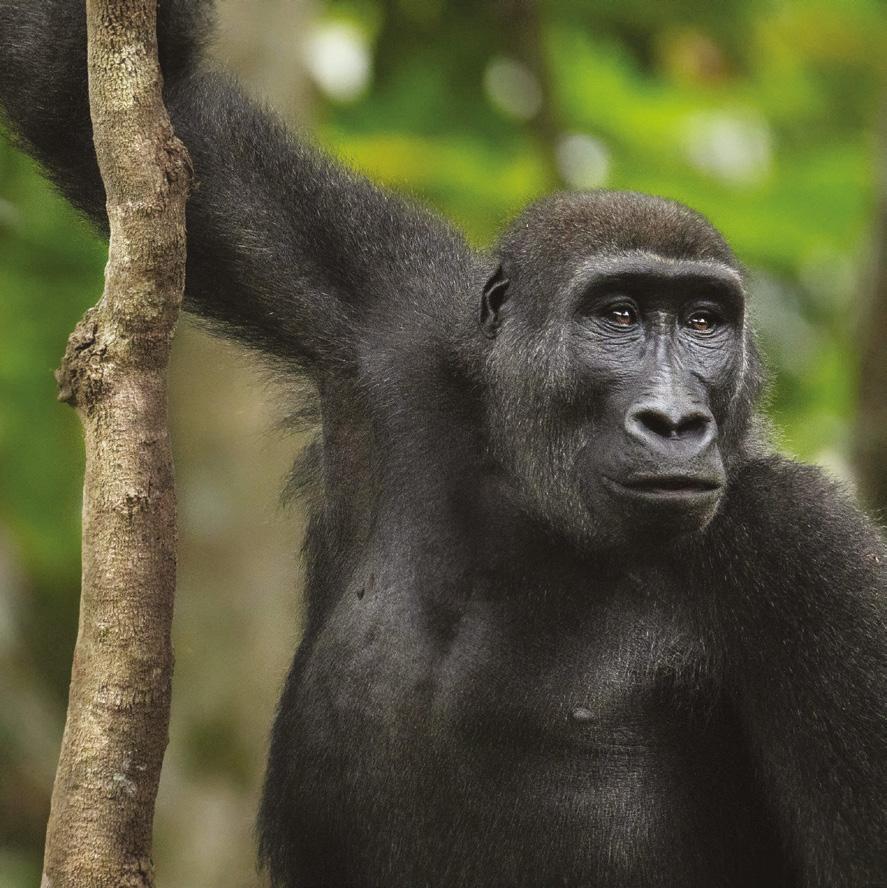
At Extraordinary Journeys, we believe that the best kind of adventure is the one that pushes you—ever-so-slightly—out of your comfort zone. Here are eight places to get deeply connected. — Alicia-Rae Light
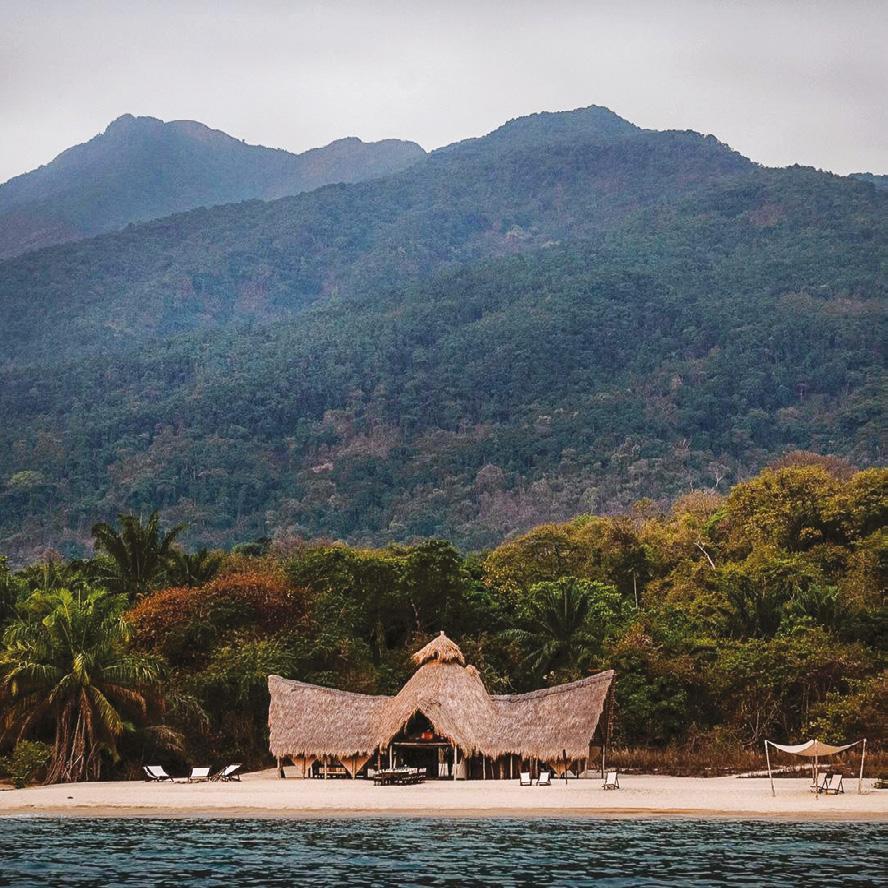
On the shores of southern Tanzania’s Lake Tanganyika rises a mystical jungle where palms carpet rolling, bottle-green mountains. Venture into the forest and you’ll find the world’s largest remaining population of wild chimpanzees swinging through the canopy. This is Mahale Mountains National Park, a remote paradise that’s home to 82 mammal species and 355 bird species. This secluded Tanzanian treasure is tricky to reach—but aren’t all the best places? Fly into Mahale Airstrip and take a dhow boat transfer to arrive at Greystoke Mahale Lodge. Pass your days hiking through the forest on chimp-trekking adventures, swimming in waterfalls and natural mountain pools, sailing on dhows, and visiting a local community.
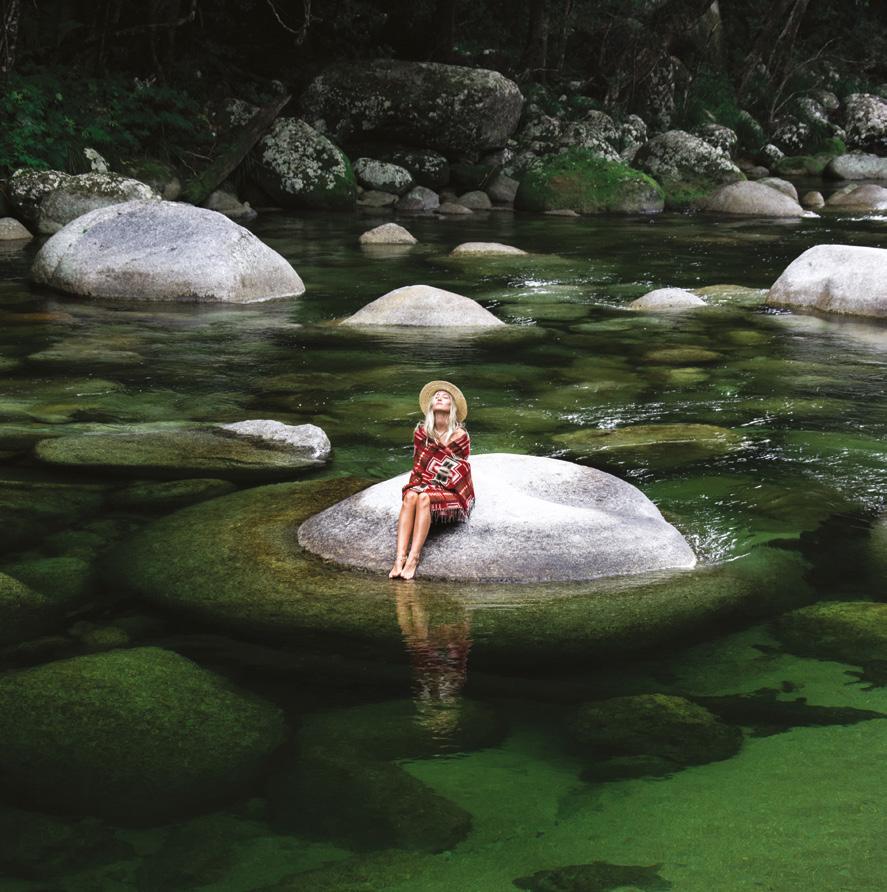
A chorus of cicadas and water rushing through the Mossman River envelops you upon arrival to the Daintree Rainforest. Dating back 180 million years, the energy and wisdom are palpable in this ancient rainforest, and prehistoric creatures like cassowary and crocodile take shelter. There’s an Indigenous belief that the water flowing through Mossman River is a renewing and life-giving force, so don’t miss the chance to submerge yourself in it. To sleep amid the rainforest canopy, check into a treehouse at the upscale Silky Oaks Lodge. A visit to Daintree is only complete once you’ve experienced the wilderness alongside an Indigenous Kuku Yalanji guide who will share plant knowledge and cultural traditions.
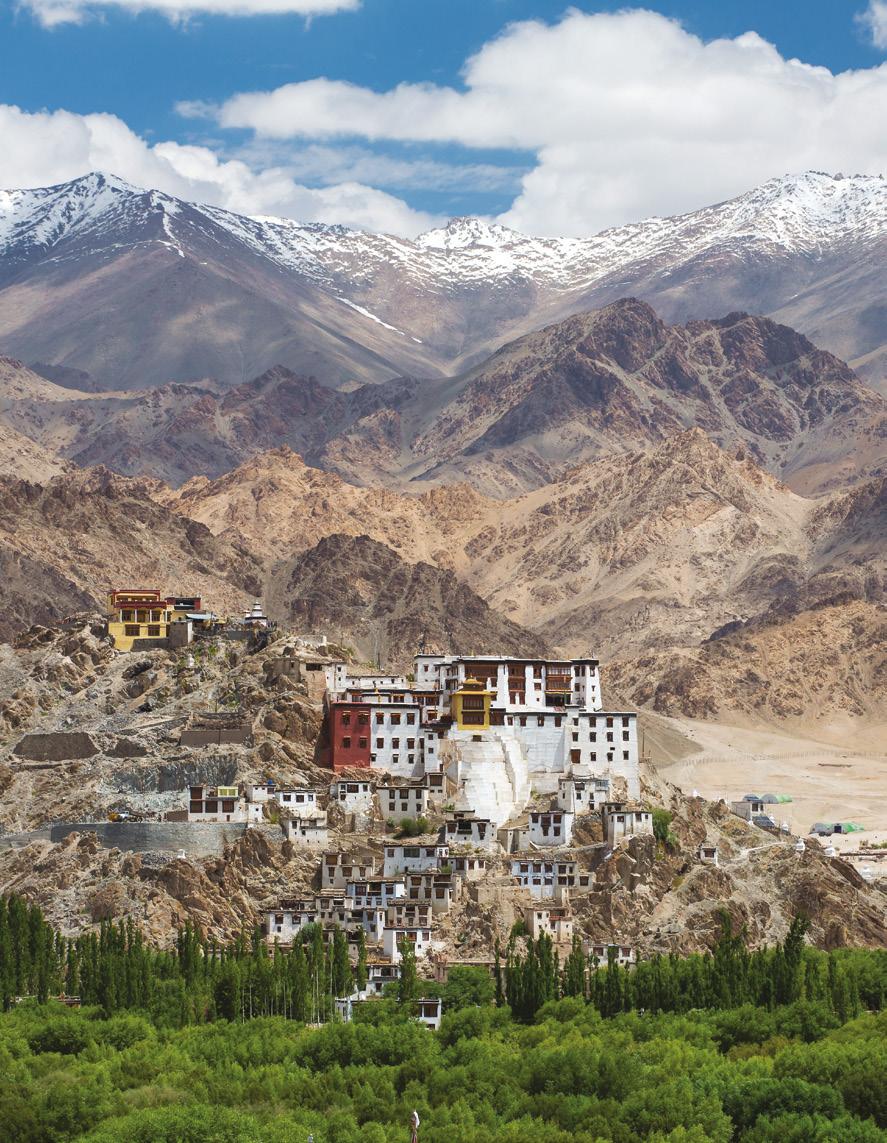
The allure of sighting a ‘grey ghost’ is one of the most compelling reasons intrepid travelers venture to the remote, transHimalayan region of Ladakh, India. With thick camouflaged coats, elusive snow leopards are nearly impossible to see with an untrained eye. And while the big cats have evolved to live in some of the harshest winter conditions inside India’s Hemis National Park, their numbers are scarce—just 4000-6000 remain. For travelers who track them, the entire Himalayan experience feels like a mystical winter journey along the Silk Road. Visit enchanting Tibetan Buddhist monasteries offering intimate cultural encounters, sample Himalayan and Indian cuisine, and relish in the opportunity to bed at a traditional homestay and celebrate local culture at Snow Leopard Lodge, or LUNGMĀR, a remote luxury bush camp.
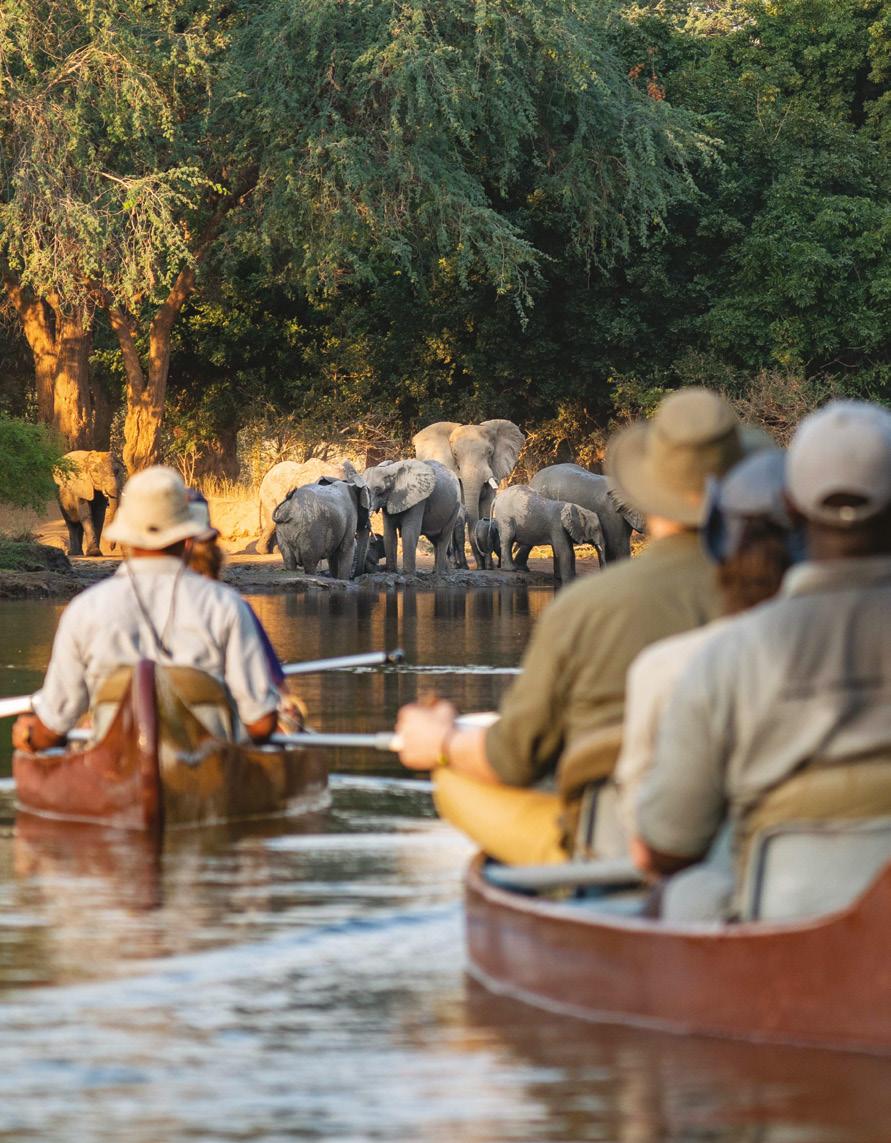
It’s been said that Lower Zambezi is Africa’s greatest wilderness, where animals roam free, unfenced across a land area spanning 1,579 square miles of southeast Zambia. On its southern park border flows The Zambezi River, a lifegiving source for an astonishing array of wildlife that includes elephant, buffalo, hippo, crocodile, various antelope, and solid numbers of leopard, lion, and hyena. Its remoteness provides a true African safari experience. Inside the park, paddle down the river in a canoe, investigating whichever channels, lagoons, sandbanks, and islands call to you. Cast a line to hook a tiger fish, watch up-close as animals drink along the banks, or cool off with a midday swim. Sustainably-minded travelers will appreciate Lower Zambezi National Park’s carbon-neutral status (a world first), a feat achieved in 2016.
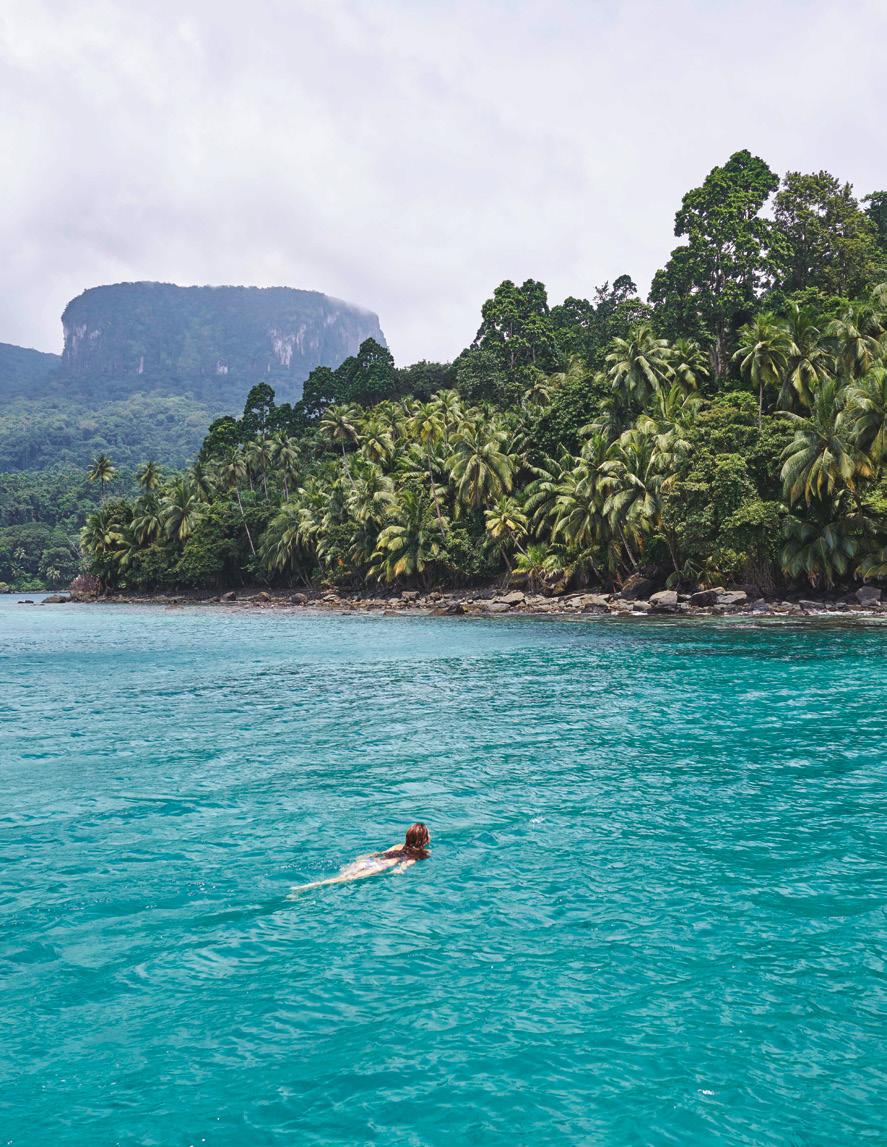
This tiny, two-island nation is the second-smallest country in Africa and sits (quite literally) at the center of the world, 140 miles off the coast of Gabon. Formed by ancient volcanic activity, the duo rise out of the Gulf of Guinea, and their vibrant rainforests are among the most biodiverse on the planet. The islands—a former Portuguese colony—blend natural wonders and endemic terrestrial and marine species with a gripping history. Once the world’s largest cacao producer—São Tomé and Príncipe are known as ‘the chocolate islands’—visitors can tour a cacao plantation to see how the confection is produced. Otherwise, visit stunning waterfalls in the lush forests of Parque Natural Obô do Príncipe, tour historic ruins, swim in enchanting bays, visit nesting sea turtles, and perhaps even snorkel among them.
Where are you going in 2023?

Let’s plan your life-changing trip.
+1.212.226.7331 | info@extraordinaryjourneys.com
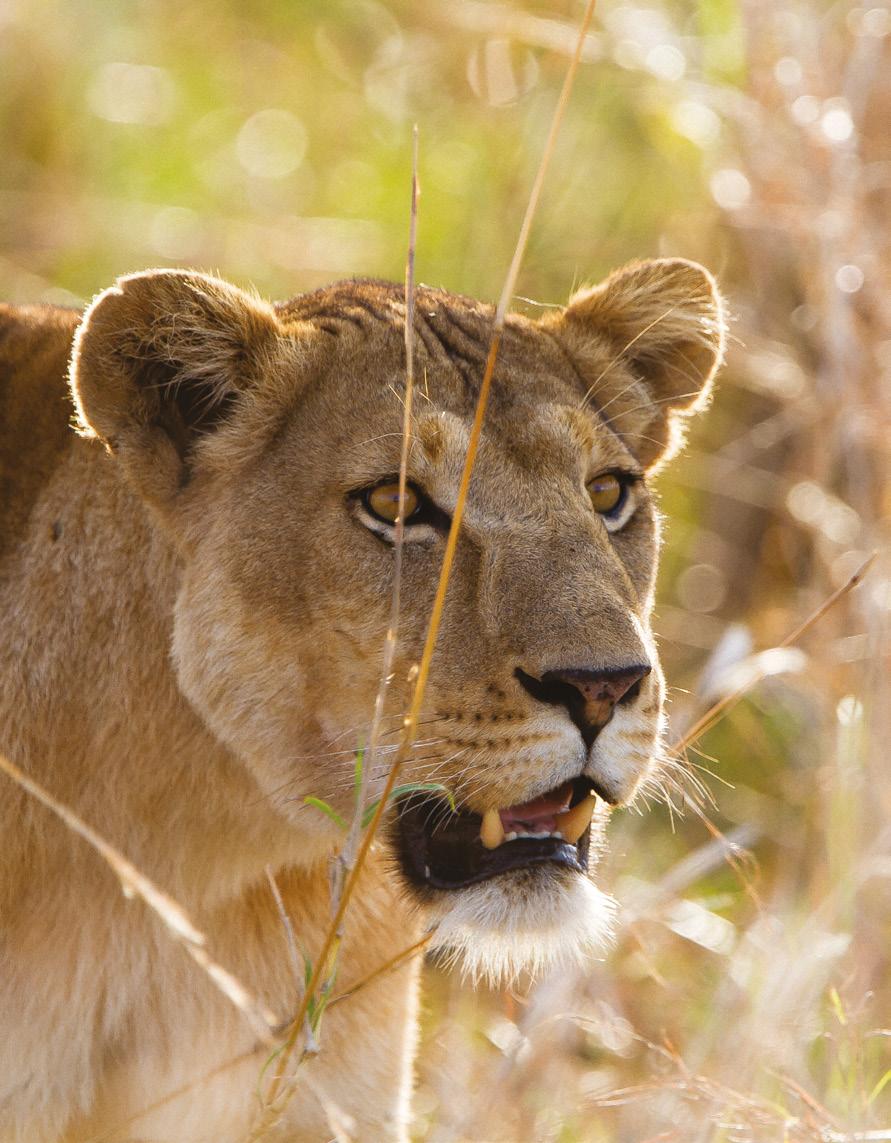
Bordering South Sudan and Kenya, Kidepo Valley is Uganda’s most remote national park. Until the welcome arrival of a new direct flight, it was an arduous trek to reach. Uganda is often overlooked as an exceptional safari destination, but Kidepo reveals another side—wildlife aplenty. Thanks to coordinated conservation efforts, the park’s lion population is steadily increasing; some 132 individuals roam its plains. What’s more, you’re likely to enjoy game drives through this remote wilderness without encountering other vehicles. The mountains are also home to a unique Indigenous tribe—the Ik people. Visiting them will require a strenuous-yet-rewarding, four-hour hike straight up the mountain. Within the park, check into Apoka Safari Lodge where 10 gorgeous cottages are an oasis swathed by arid savannah.
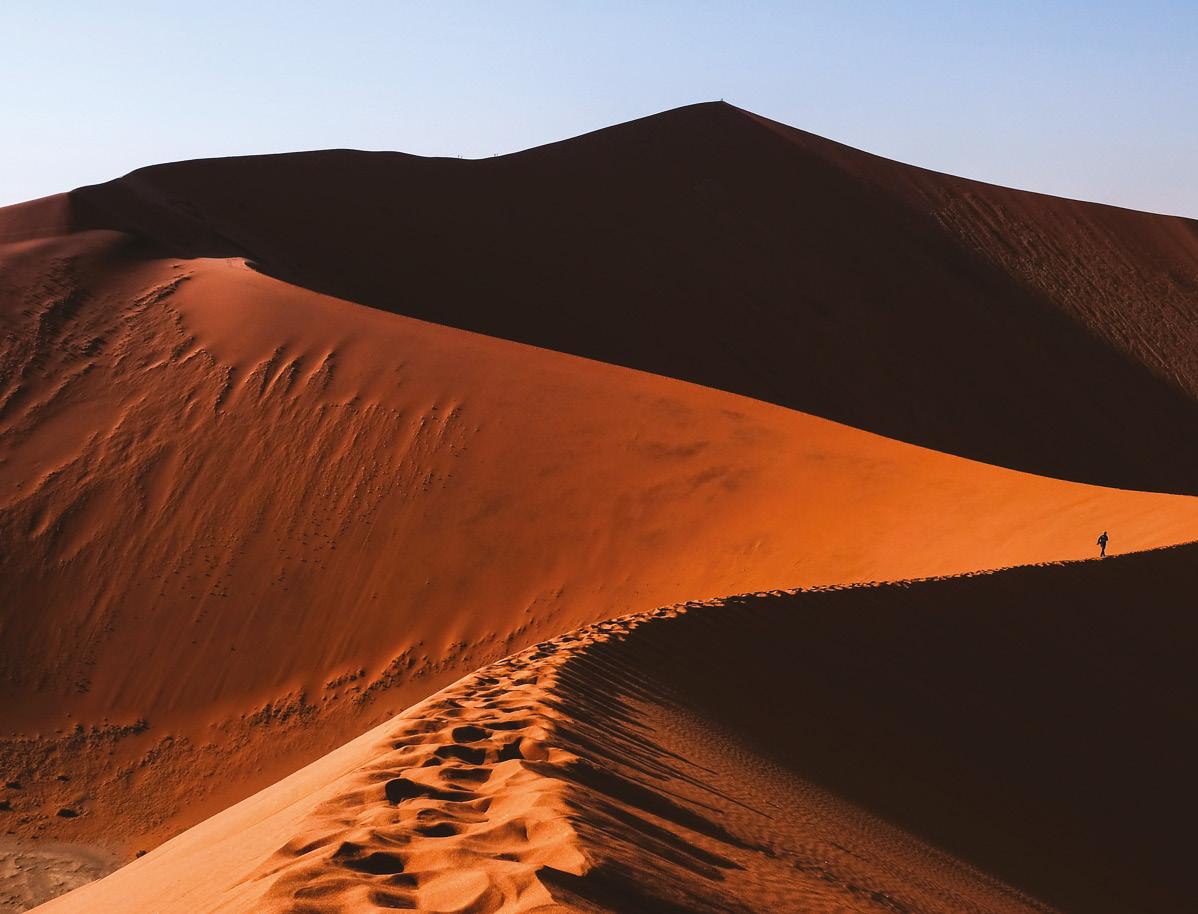
Kathryn Romeyn’s breathless account of climbing Namibia’s most famous sand dune, Big Daddy.
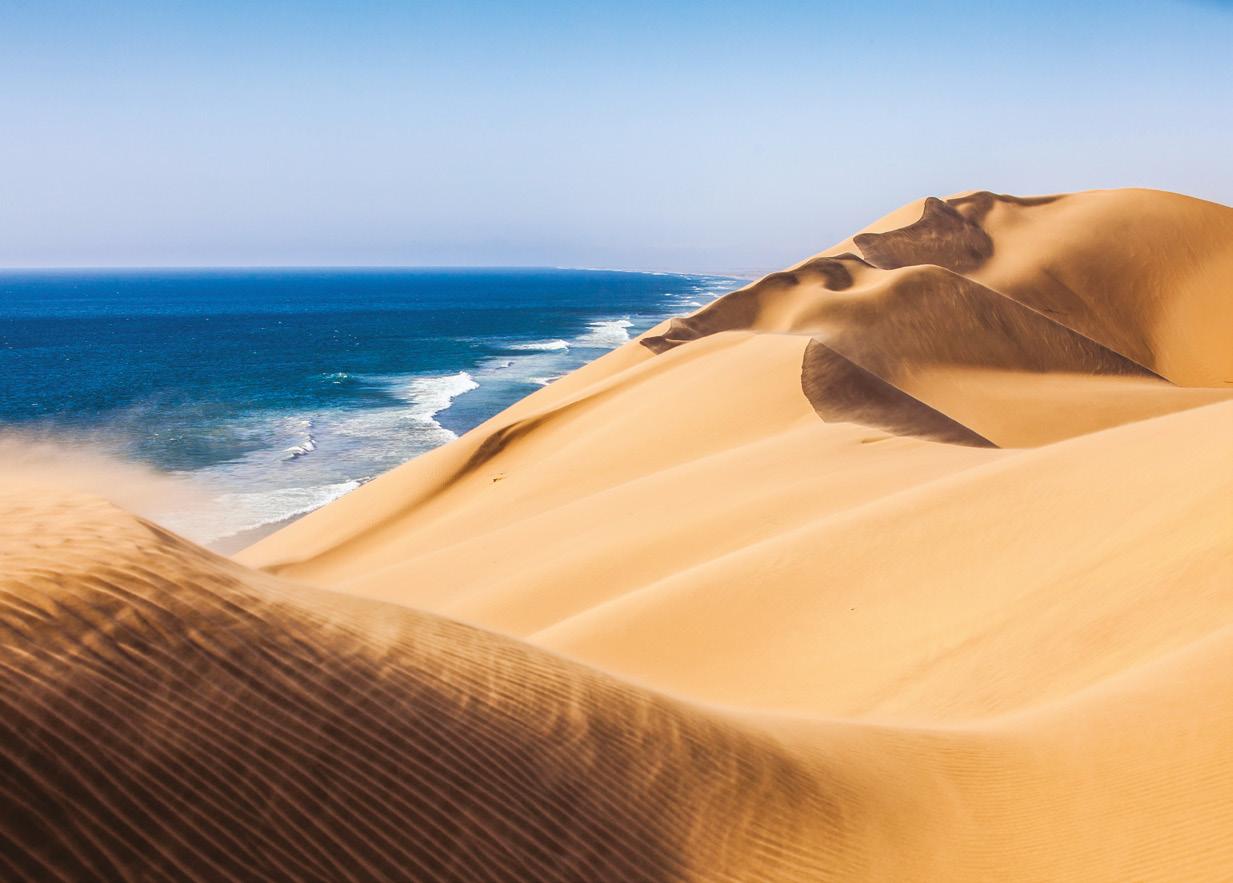
can’t see anything but sand and sky. I’m staring into an abyss of pale blue and khaki tan, but with delicate texture, similar to the fingerprint-like tracks left by an elephant walking slowly across soft earth. If I turn around in my petite Scenic Air prop plane bucket seat, however, I can just make out the sliver of emerald Atlantic Ocean bleeding into the horizon. Gazing downward, out the window, I watch the endless dunes of the Namib Desert slowly saturate with a pinkish hue as we move inland—away from the defunct diamond mines, away from the shipwrecks
that have become homes for jackals, away from flamboyances of flamingos, and colonies of seals at the edge of the scalloped sea.
I catch sight of the Witberg (or White Mountain) and feel it’s as though we’ve entered a fairy tale. “I feel like my eyes are playing tricks on me,” I say through the headset.
“The desert will do that to you,” replies our pilot, Anthony, who’s flying us 2,500 feet above the increasingly pinkish-orange dunes, which feels like being on the verge of heaven. The light creates a white ribbon that curls between crests of sand that give way to fine peaks. The only word I can think of is surreal. But this unique topography that seems so ephemeral has been around for some five million years. This ancient landscape below us is Sossusvlei, one of the most iconic destinations in Namibia, a country with astounding geographic diversity.
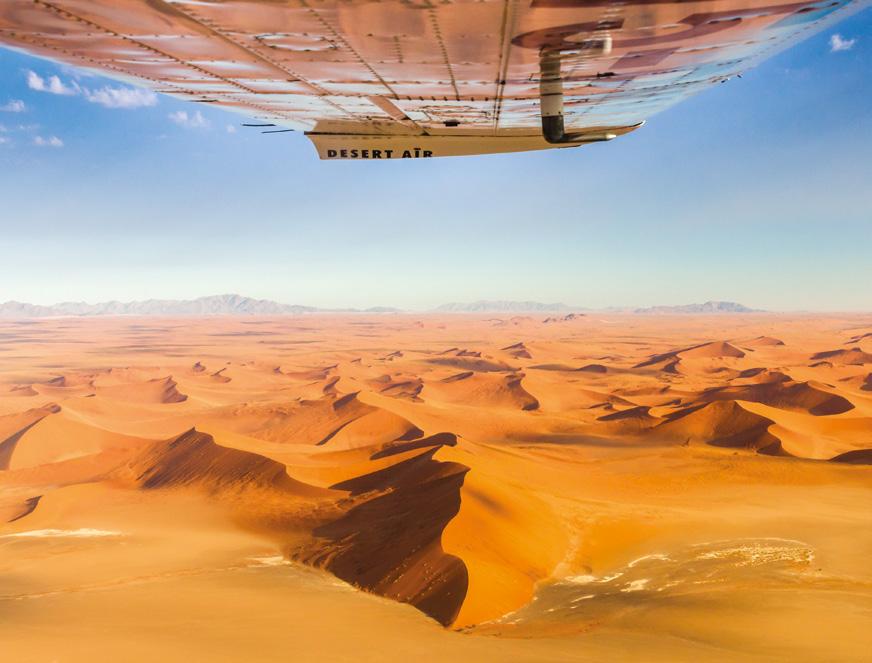
Sossusvlei is all salt, clay, and sand, with remarkable red dunes arching and curling seemingly forever. The popular tourist attraction is in the southern region of the Namib Desert and is part of the Namib Sand Sea UNESCO World Heritage Site. It’s also one of the most breathtaking sites I know of in the world to observe from the air, like we are doing via a thrilling scenic flight from Swakopmund, though we started farther north in Damaraland. But it’s also a site that requires more than just a flyover. The desert is full of surprises, and our arrival coincides with a sandstorm that feels very Mad Max (a movie filmed in Namibia).
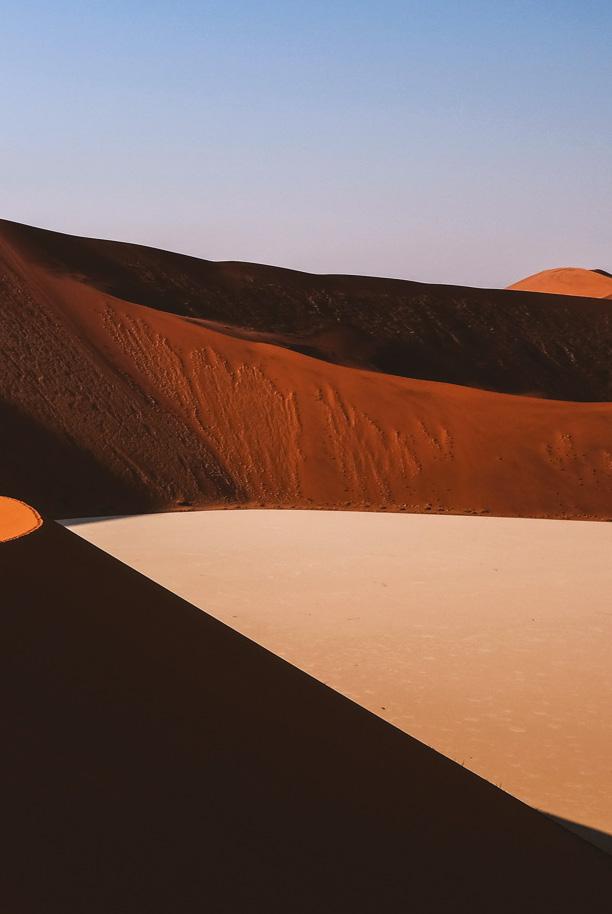
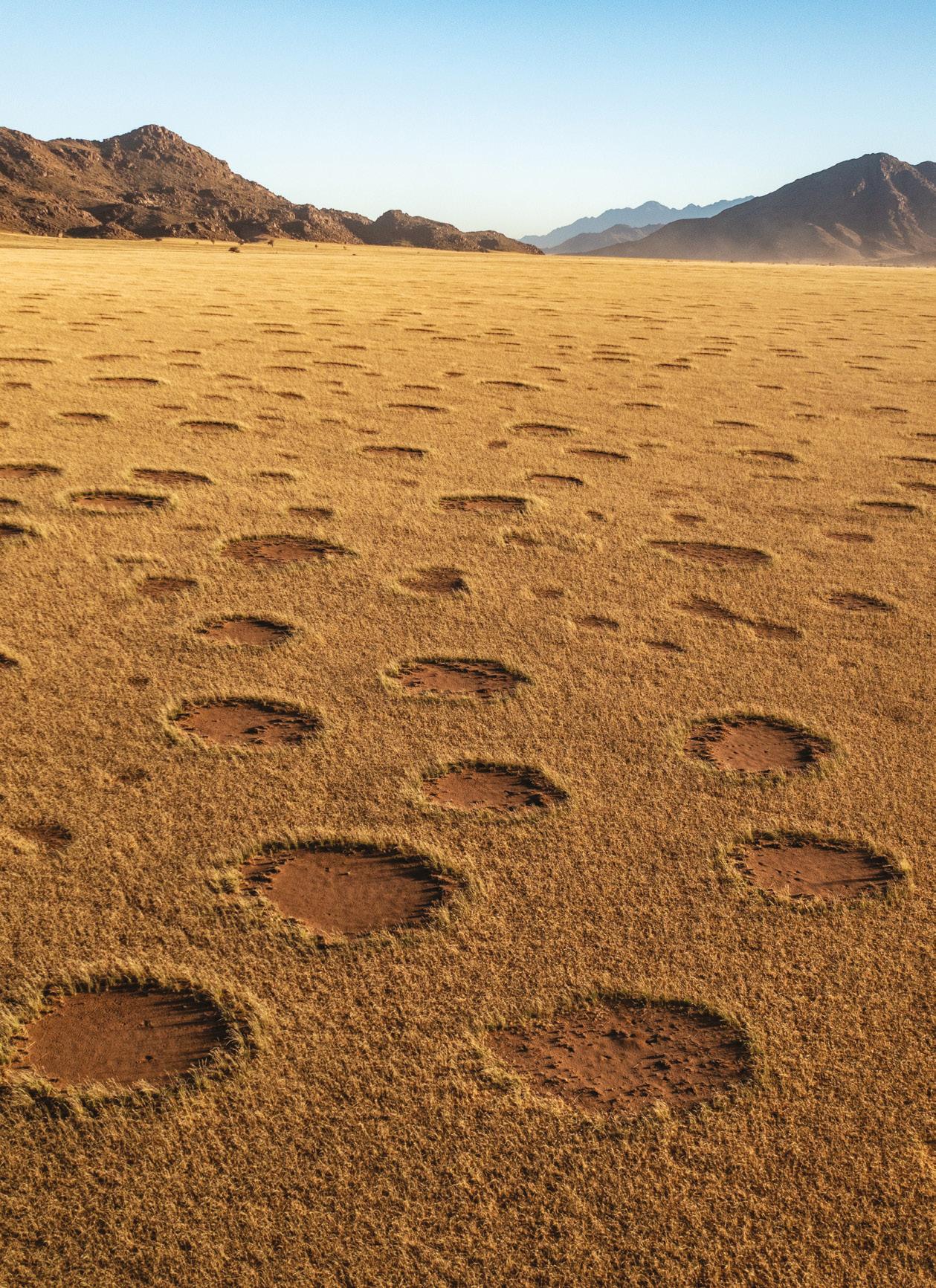
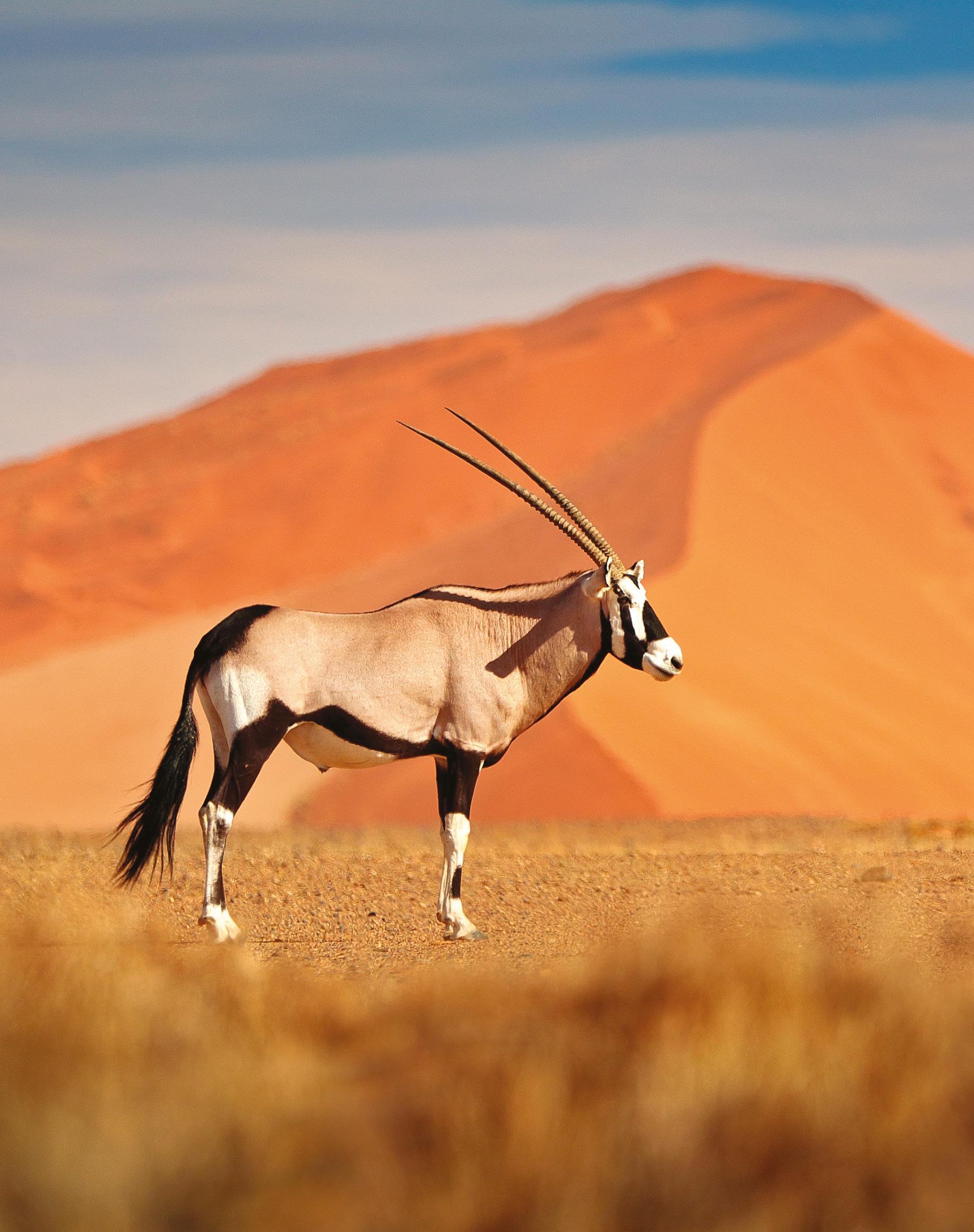
Feet firmly planted on terra firma, we check into Kwessi Dunes and immediately decide we’re going to make the 90-minute journey to Sossusvlei by road two mornings later, after we’ve settled into our canvas-sided, thatched-roof accommodation and taken a couple slowmotion drives around the NamibRand Nature Reserve, in which this new lodge sits dune-side. (Sadly, we never make use of our outdoor bedroom, aka star bed, since it rains each evening of our stay in this Dark Sky Reserve, but the outdoor shower is an enjoyable perk.) Bradley, our binocular-armed guide, has worked in this singular part of Namibia for years and can elaborate on rainfall patterns just as well as he can on vegetation like ostrich grass, Rüppell’s Korhaan birds, and oryx behavior. He explains that iron oxidation is to thank for the rusty red environment surrounding us, one that lights up to
psychedelic neon as the afternoon sun sets, yet appears unbelievably subtle—blush almost—in the soft morning light.
There’s none of that when we depart for Sossusvlei, climbing into the closed safari vehicle before dawn for an incredibly flat yet bumpy trip atop dove-gray earth. As he drives, Bradley tells us how the place earned its name. In the Nama language, sossus means ‘dead end,’ and vlei is Afrikaans for ‘marsh.’ Soon after we enter the gate, unearthly palettes and sublime shapes emerge. We drive deeper into Sossusvlei, passing several ostrich and oryx along the corridor between shapely mountains of sand sculpted by both easterly and westerly winds, surprisingly dynamic, and varied in hue—peaches to deep corals and even rich reds. (Note there is typically a long queue of vehicles waiting each morning, but due to the pandemic, we drive straight through.)
The dunes exceeding 328 feet in height have either names or numbers, and we stop by Dune 1 first, then Dune 45. As the most photographed, it’s arguably the most famous. And 45 is a beautiful specimen, but our sights are on Big Daddy, standing at a whopping 1,066 feet. “On to the adventure,” Bradley says as we reach the end of the paved road. “This is where you will experience the African massage,” he adds with a smile. By the time we crunch our way to the base of Big Daddy, it’s 8:40 a.m.—late by usual standards.
But these aren’t average circumstances; the pandemic has slowed the flow of would-be climbers considerably, and we’re also lucky to have chosen an unseasonably mild morning. We almost have the dune to ourselves. Typically, Bradley says, there are lines of tourists attempting the climb that feels like being on a stair climber dissolving with each step. He advises trying to walk in the last person’s footprints for an easier go. ‘Easy’ is a relative term, I realize, when climbing the vertebra-like ridge of a giant pile of sand. I’m huffing and puffing, sweating and sucking air as I go. Fortunately, I don’t collapse belly down like the two women below.
I can’t see anything but sand and sky. I’m staring into an abyss of pale blue and khaki tan, but with delicate texture, similar to the fingerprint-like tracks left by an elephant walking slowly across soft earth.”
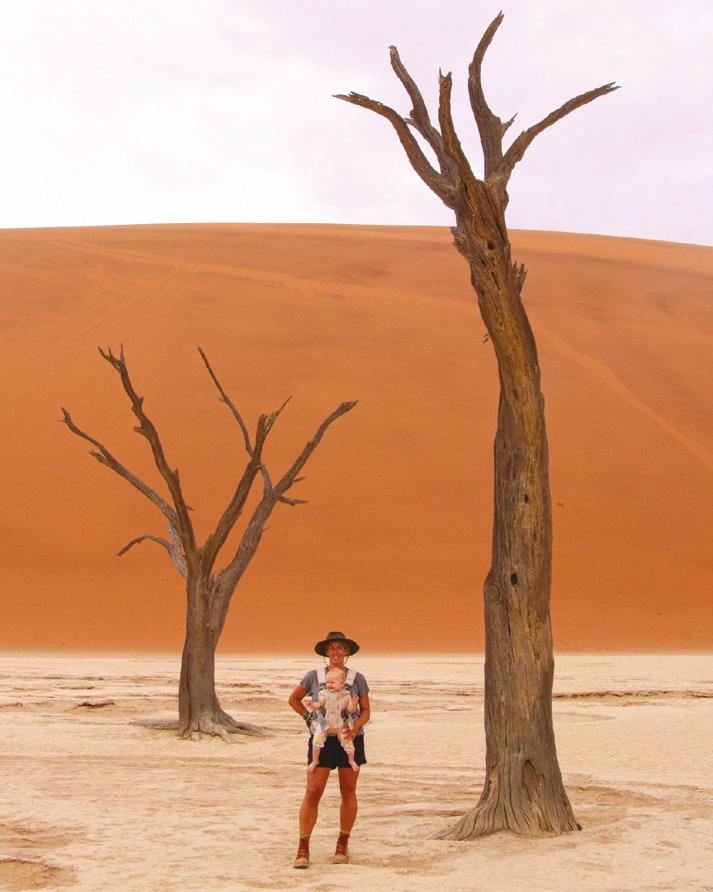
Still, it’s tricky at times to keep my balance on this knife’s edge—especially while savoring the otherworldly panoramas that make this sand sea so legendary. At one point, Bradley points to a tiny lizard a couple of feet away, and tells me to watch for it to dive into the pristine sand. Eventually, it does, disappearing completely. Yet it won’t suffocate, he explains, since this sand is actually minuscule rocks padded with plenty of oxygen. Grueling as the journey is, I won’t either. When we do reach the peak 55 minutes later, I feel an incredible sense of accomplishment and turn around and around, taking in the unbelievable wonders at my feet.
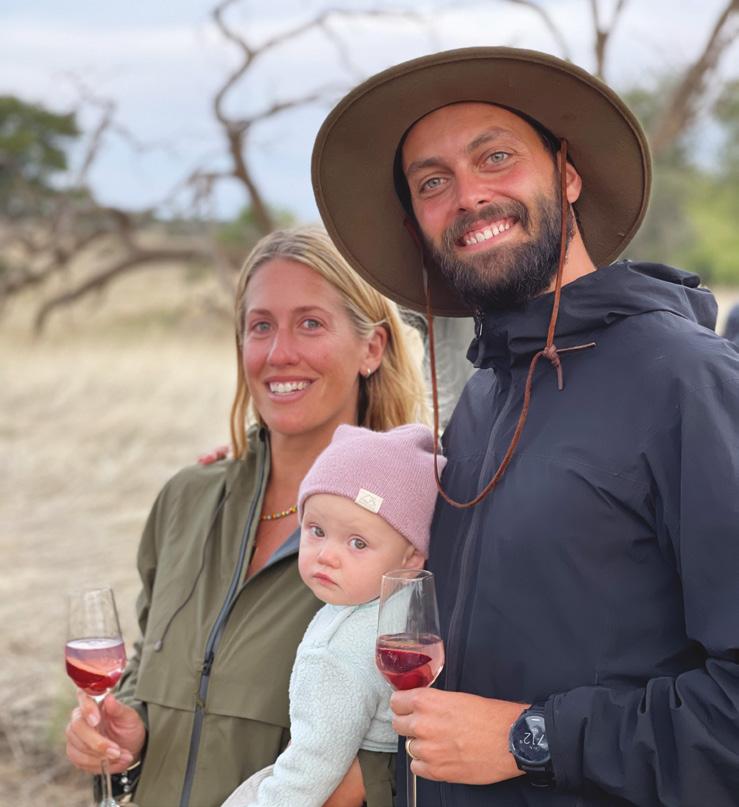
But there are others on their way up, so we should make space. Bradley and my husband, Keith, wearing our 11-month-old daughter, Indah, on his chest, suddenly move to our right, where an absurdly steep slope ends in what looks like an off-white pond. “Wait, what?” I ask, legitimately confused. “We’re going down that?”
My husband laughs. “How else would we get down?!” I’d been warned that I shouldn’t take a phone or camera up Big Daddy unless I planned never to use them again. But Bradley had assured me I could make the trek without a device-killing infusion of sand. Now he explains the technique for our descent: dig heels in and lean back. Way back. They head down at a steady clip while I mentally prepare to not tumble down or face plant. As it turns out, going down is incredibly fun, what I imagine it to feel like walking in space—or maybe on clouds. I bounce, feeling weightless, every footstep squeaking, sand spilling into my socks and creating little dunes molded to the arches of my feet. I don’t want it to end, so I go slow, really slow. Plus, the views are extraordinary.
At the base is another dreamlike scene: Deadvlei, where 900-year-old bare, dead acacia erioloba trees twist out of cracked white clay. By now I am tinted red,
sand everywhere, fingernails to eyelashes. Our little one is covered, too, letting the brick-colored sand slide through her fingers. “Well Indah,” my husband says, “Your sandbox is arguably cooler than most kids’.” We walk across the expanse in quiet amazement—there is no one else around except ant-sized people making their own astronaut-like descents down the monumental wall of red. This, Bradley assures us, is not typical for Sossusvlei. Even more reason to revel in it.
I’m starving and exhausted by the time we reach the truck; Bradley drives us quickly to a picnic table under a gnarled tree, spreads out a cloth, and lays out our picnic brunch—fruit salad, cereal, cheeses, meats, hardboiled eggs, juice, coffee, and hot chocolate. It all tastes better after an achievement of this magnitude—and in this setting, embraced by prehistoric dunes. Of course, they’re not static. Their cores are petrified, but their loose exteriors shape-shift due to the elements, yes, but also tourists like us. During the pandemic, there were so few people tromping around that sand nearly covered a several-foot-tall sign, Bradley tell us.
If we came back in a year, this incredible stretch of sand sculptures would appear different. The climb would be a fresh experience. The zebra dazzle crowding around Kwessi Dunes’ watering hole in the late afternoon might not appear, and the black-backed jackal that drinks solo and then runs below my feet under the large wooden deck may have moved on. I certainly have never seen a purple-tinged sunset take over the sky like it does that night as we sip pink G&Ts with Copper & Coal Distillery Desolate gin featuring Namibian botanicals. It’s terrifyingly beautiful, which feels an apt description of Namibia, somehow: astonishingly gorgeous yet a little bit trying, with a dash of unknown to keep you on your toes. It’s for these reasons I will forever be drawn back into its orbit.
Does your heart yearn for Namibia’s deserts? Let’s get you there.
+1.212.226.7331 | info@extraordinaryjourneys.com

From Colombia’s verdant tropical hills, Ecuador’s ancient ruins, and Patagonia’s giant peaks— Mark Johanson says the opportunities for adventure are endless in the Andes.
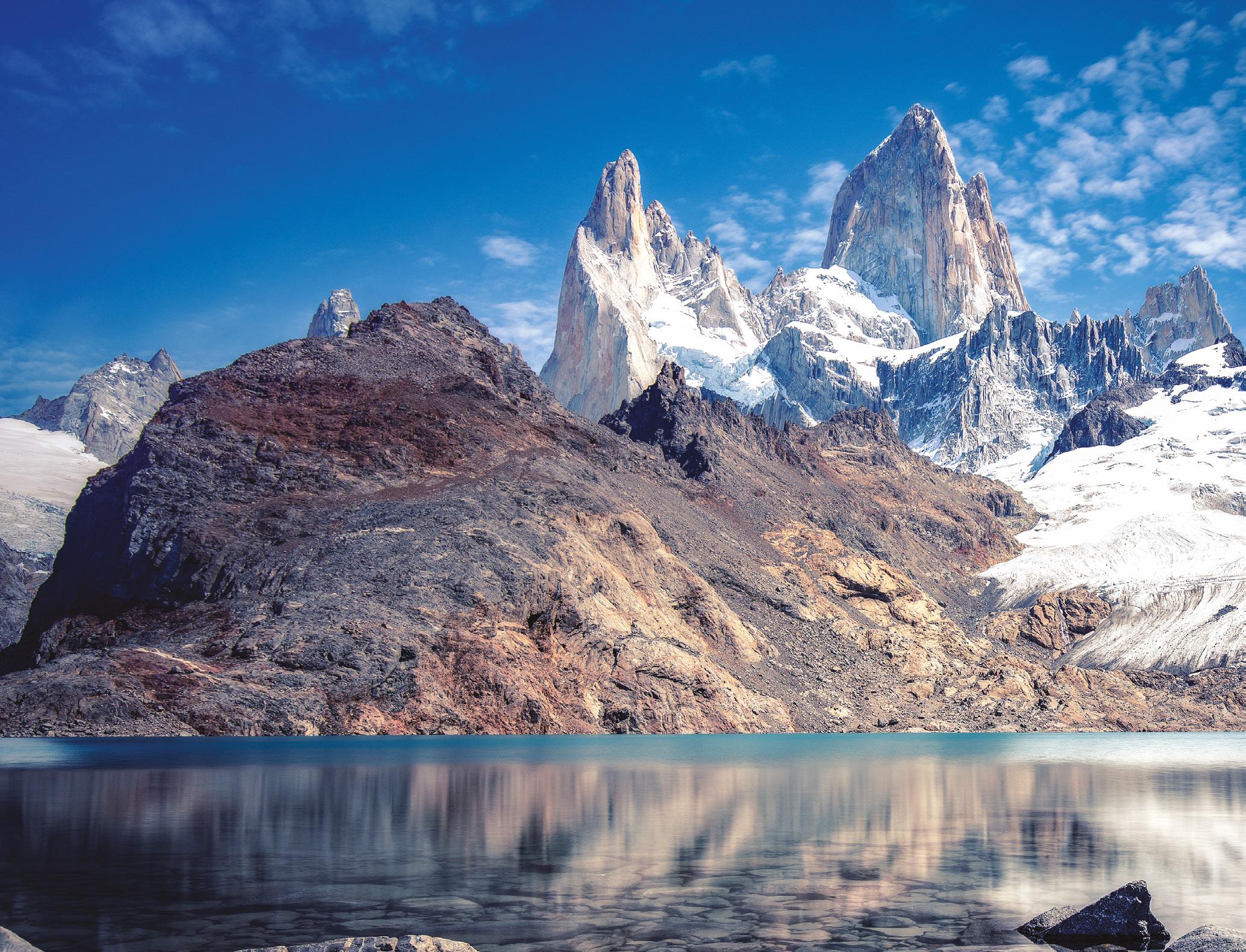
The Andes Mountains don’t always get the fame and glory bestowed upon the Himalayas. Yet, not only do they have the tallest peaks in the Western Hemisphere, they make up the longest mountain range in the world, spanning South America from Colombia all the way down to Chile and Argentina. These massive mountains hold more than 200 active volcanoes, thousands of glaciers, and some of Earth’s largest non-polar ice fields—not to mention the planet’s largest salt flat, highest navigable lake, and most diverse national park. The Andes are, in short,
the ultimate playground for all levels of hikers, home to some of the best trails in South America.
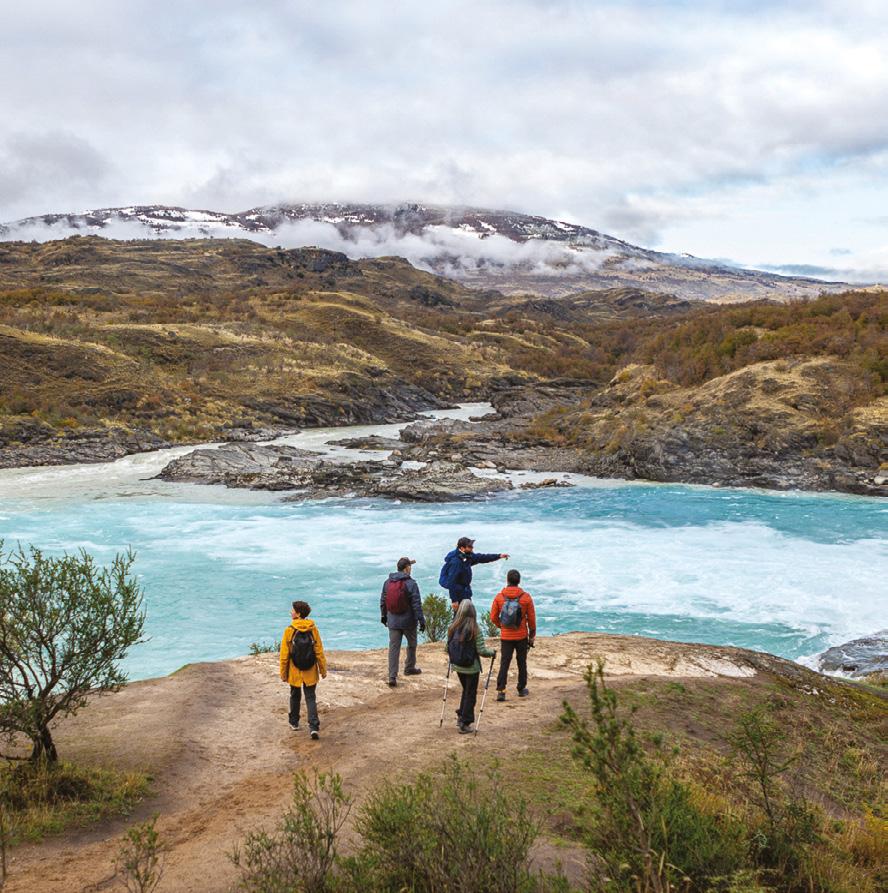
Where you trek depends on the sort of adventure you prefer. The Andes start out lush and tropical in Colombia, morph into grassy highlands filled with ancient ruins in Ecuador and Peru, and soar into giant peaks along the Chile-Argentina border. Down in Patagonia, they hold rainforests and fjords on one side, and glaciers and steppes on the other. The opportunities for adventure are endless, which is why we’ve helped narrow things down. Below are six of the best places to hike in South America.
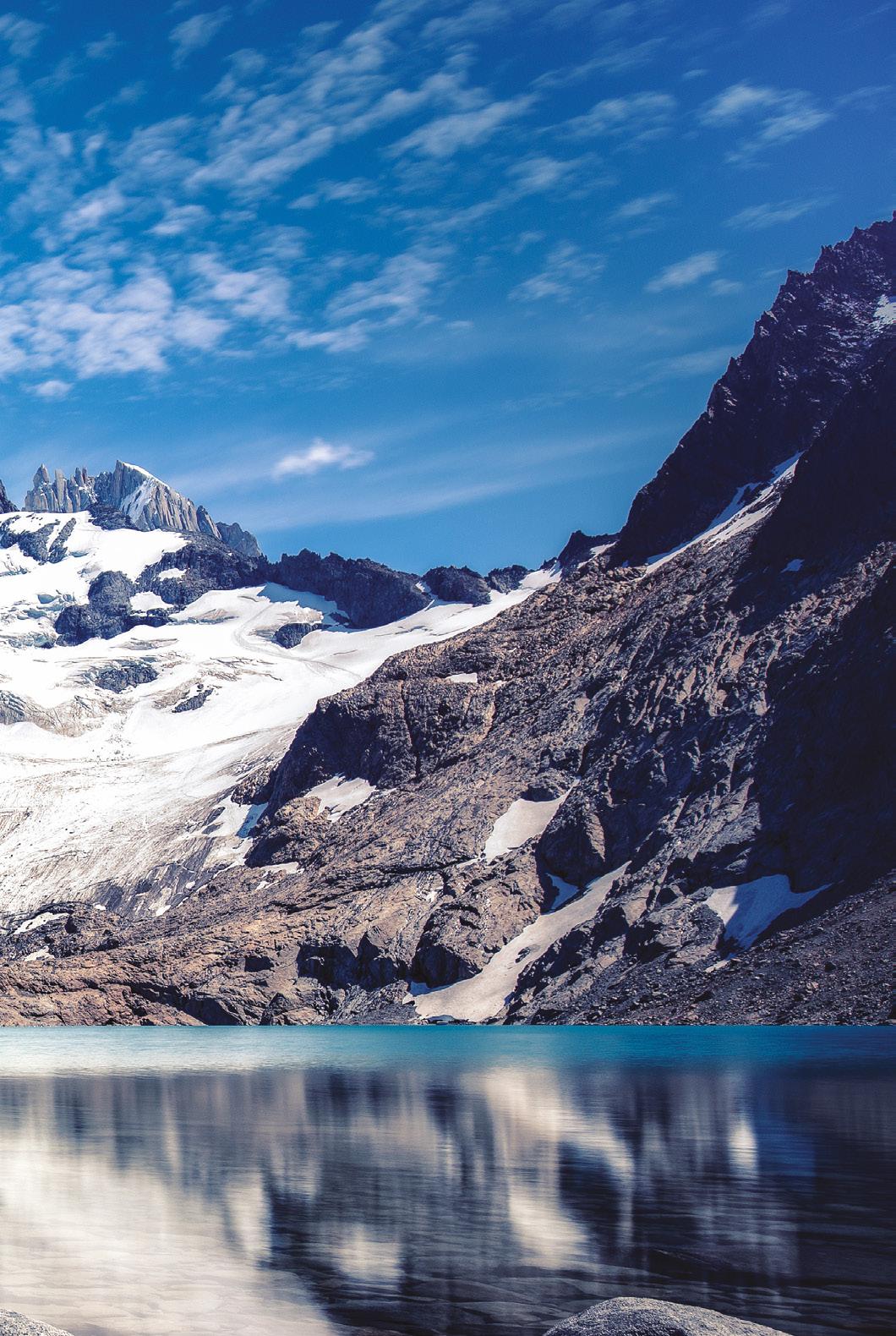
If you’ve ever shopped for gear at outdoor retailer Patagonia, then you’re already familiar with Mount Fitz Roy, the toothy granite peak that inspired its logo. The journey to view Fitz Roy’s milky moraine lakes is one of the most spectacular day hikes in South America. Not only do you get a chance to view this castle-like massif up-close, you also get a highlight reel of Argentina’s famed Los Glaciares National Park. The 15.5-mile outand-back journey begins in the small resort town of El Chaltén, which is such a new village (built in the 1980s) that it didn’t even need a cemetery until 2021. A gentle climb from town leads to an overlook of the braided De Las Vueltas River, which takes you to a large meadow with Fitz Roy looming in the background. The final stretch is a demanding 1,400-foot ascent, zigzagging above the tree line to a rocky perch atop twin lagoons. Plan to stay at the newly opened Explora El Chaltén, which has the region’s best guides and views.
DISTANCE: 15.5 miles out-and-back
ELEVATION GAIN: 3,326 feet
DURATION: est. 8 hours
ACCOMMODATION: Explora El Chaltén
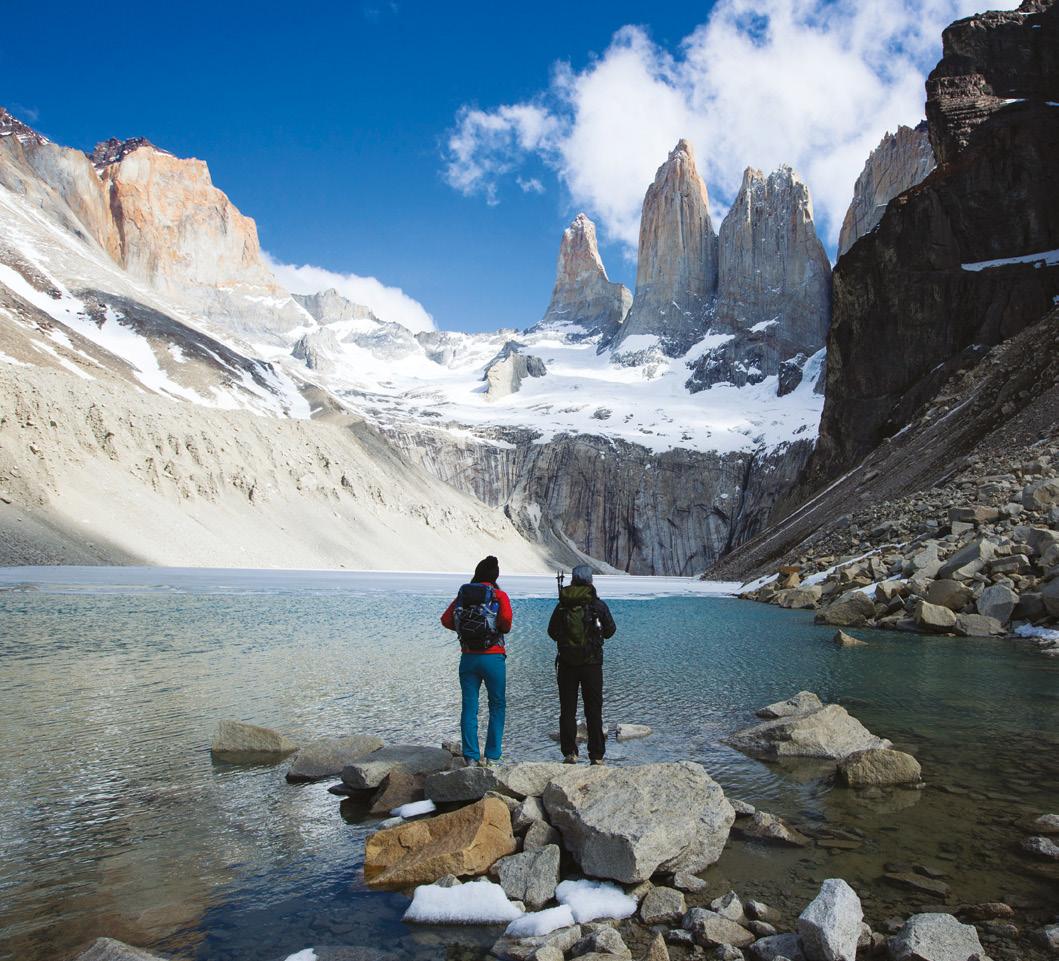
excursions, and loads of Patagonian character. Meanwhile, sustainability-minded EcoCamp Patagonia houses guests in plush geodesic domes connected by raised walkways to minimize the environmental impact. Conveniently, this camp is located adjacent to the trailhead.
LENGTH: 10.8 miles out-and-back
ELEVATION GAIN: 3,248 feet
DURATION: est. 7 - 10 hours
ACCOMMODATIONS: Tierra Patagonia and EcoCamp Patagonia
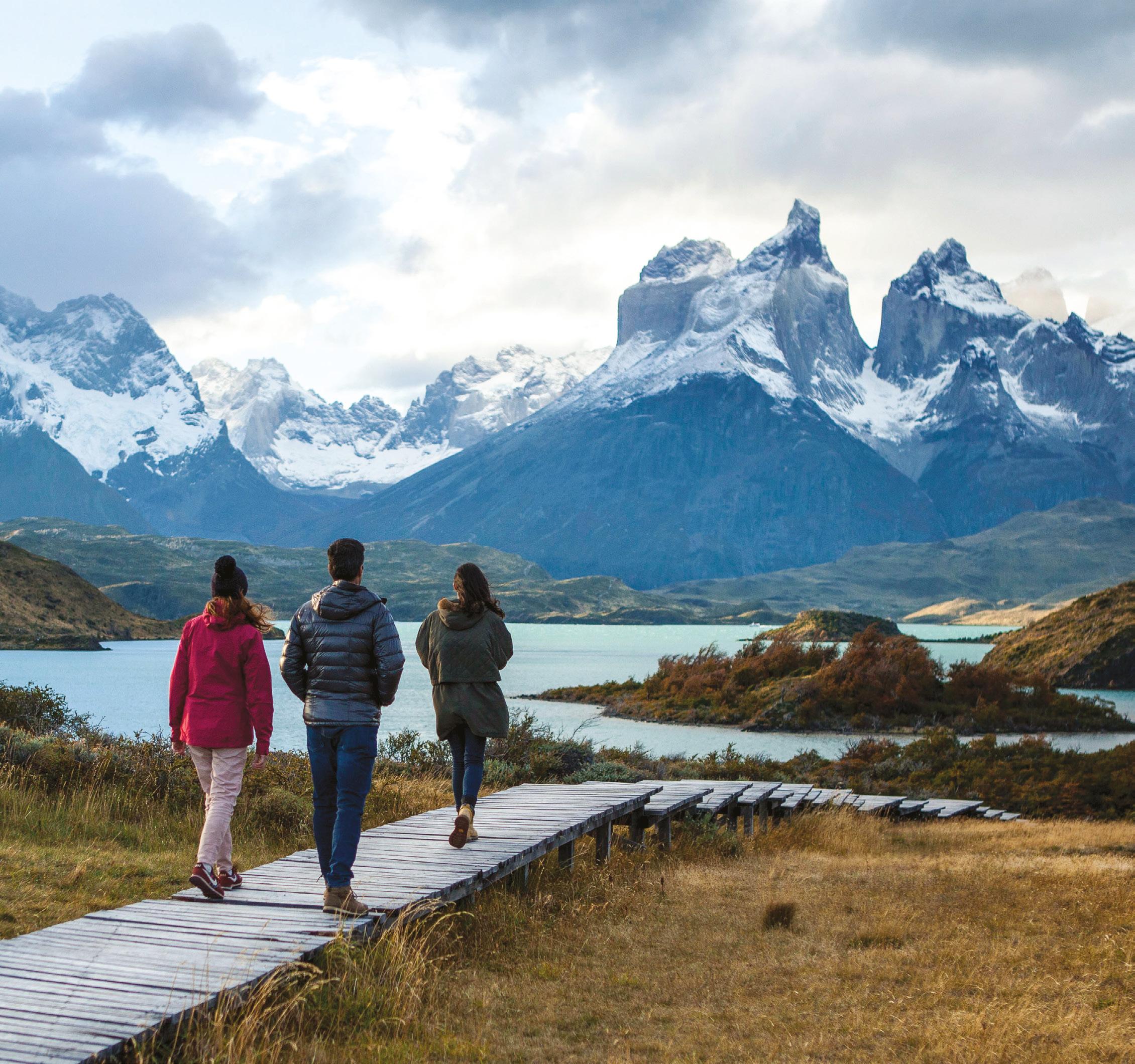
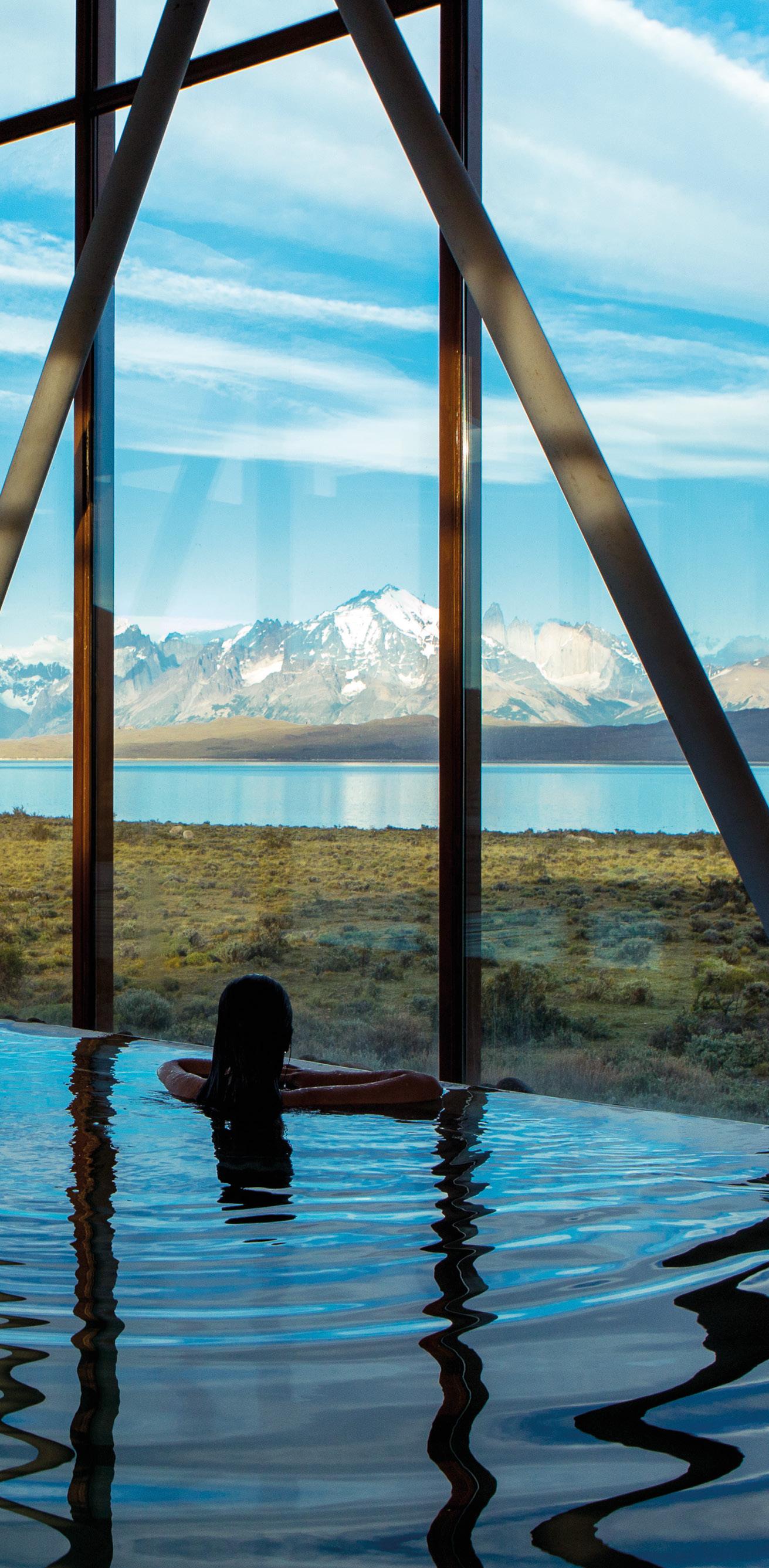
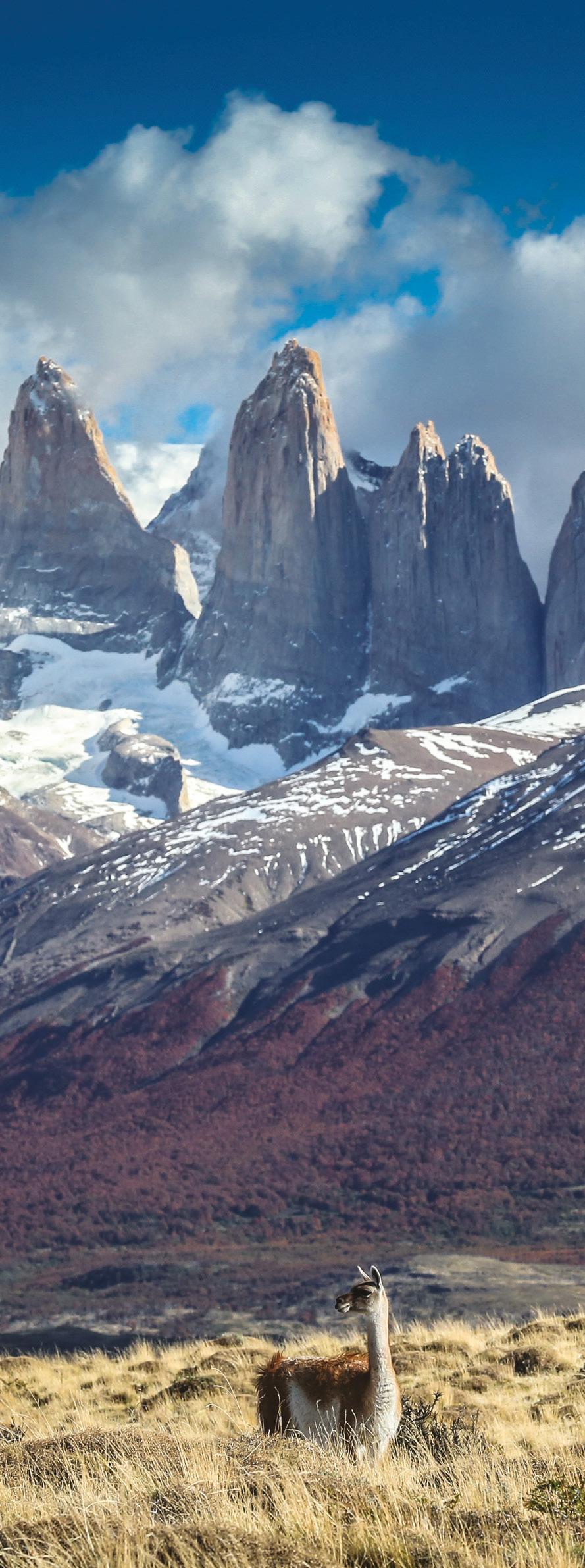
Few national parks in the world are as iconic as Chile’s Torres del Paine. And nowhere will you find a panorama as dramatic as the one at the base of Las Torres, where three granite peaks of the Paine Massif rise 8,200 feet toward the southern skies. The hike to reach this Patagonian lodestone begins near Hotel Las Torres and ascends into the stark wilderness of the Ascencio Valley. The big uphill push starts soon after you pass Refugio Chileno campground, where you’ll have to cross a few streams before climbing up to the foot of Las Torres. The hike is under 11 miles out-and-back, but there’s a substantial elevation gain of over 3,000 feet. Plus, you should expect four seasons of weather along the way—all accompanied by the region’s notorious winds—making dressing in layers essential. Luckily, visitors are spoiled for options when it comes to a comfy base camp for hiking in Torres del Paine. On the higher end, Tierra Patagonia Hotel & Spa is a design hotel that completely blends into the landscape, offering lake views, guided
The Carretera Austral (or Southern Highway) is the only artery snaking through the gurgling volcanoes, vast ice fields, and temperate rainforests of northern Chilean Patagonia. Best of all, it’s blessed with an array of spectacularly remote hikes just a quick detour away.
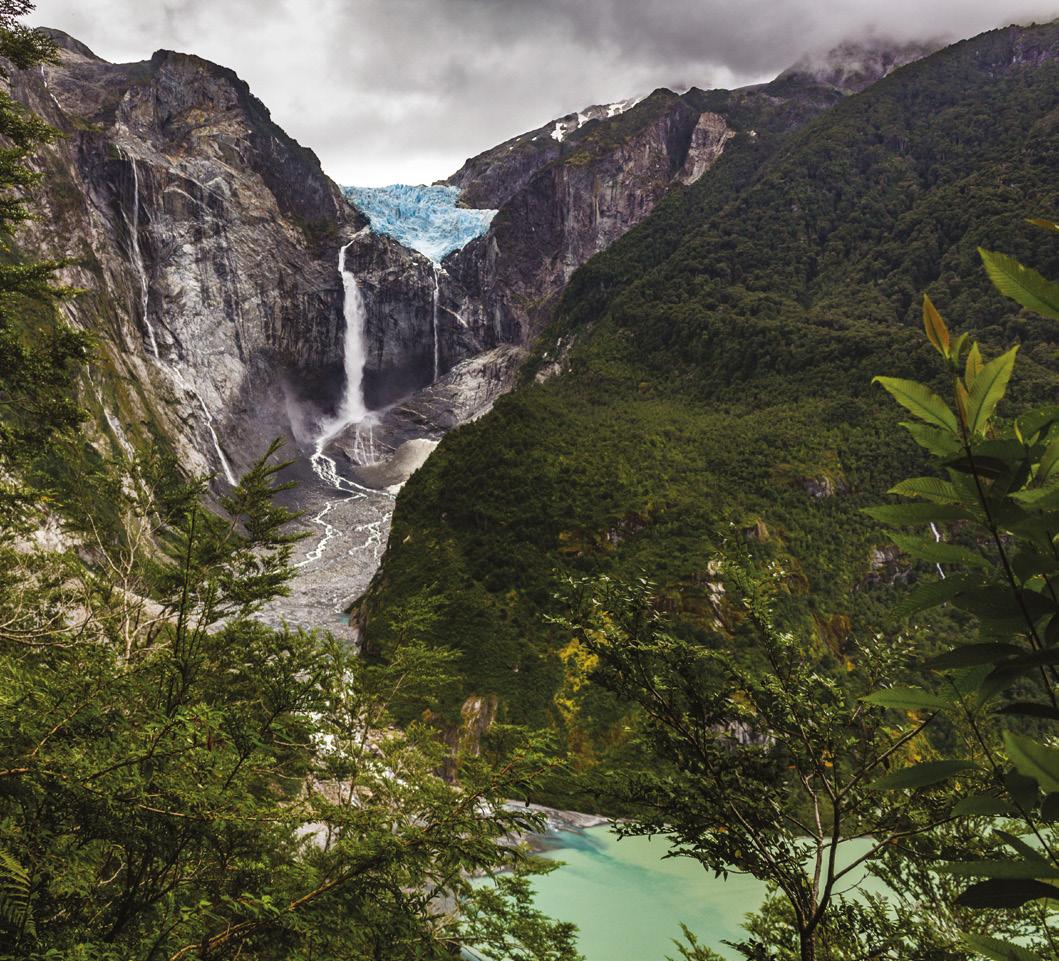
Among the most scenic is the Ventisquero Colgante (“hanging glacier”) of Queulat National Park, which tumbles down the Andes before spilling into its moraine lake in ribbons of cascading water. The relatively easy hike to reach traverses a fern-filled forest out to the powder-blue Laguna Tempanos. After enjoying the glacier from afar, you can continue up the four-mile out-and-back Moraine Trail to get a close-up of the strikingly blue ice. The entire experience shouldn’t take more than a few hours, so after hiking, pop over to Puyuhuapi to soak in a natural hot spring while watching dolphins flitter across an emerald green fjord. The nearby Melimoyu Lodge, built of stone and roughhewn wood, is the area’s most alluring adventure-based retreat. Guests sleep amid local textiles in the rooms, gather for pisco sours by the fire-heated lounge or in the hot tubs next to the rushing river, and peruse the extensive list of Chilean wines at the restaurant—all, of course, when not enjoying onsite activities, such as kayaking, hiking, and fly fishing.
LENGTH: 3.4 miles out-and-back
ELEVATION GAIN: 997 feet
DURATION: est. 2 - 3 hours
ACCOMMODATION: Melimoyu Lodge
villages whose residents proudly maintain Indigenous Quechua traditions. Of course, the benefit of hiking this trail is that you can spend each night in lodges that, while remote, offer sweeping Andean views, snug beds, and first-class Peruvian meals (think: energy-boosting quinoa bowls, colorful potato dishes, and fresh ceviche). There are even Jacuzzis and spas where you can soothe sore muscles and rest weary bones. Hiking doesn’t get more comfortable than this.
Multi-day lodge-to-lodge journeys are not as common in the Andes as they are in the Alps, which is what makes the Salkantay Trek such an appealing proposal. This six-day, 46-mile hike takes you along a historic stretch of Inca trails, passing more than a dozen different ecosystems (from barren mountaintops to dense forests) before ending at the famed 15th-century Inca citadel, Machu Picchu, a UNESCO World Heritage Site and one of the New Seven Wonders of the World. Along the way, learn about local agricultural practices, visit an organic coffee plantation, tour ancient ruins, traverse a 15,000-foot mountain pass, and explore
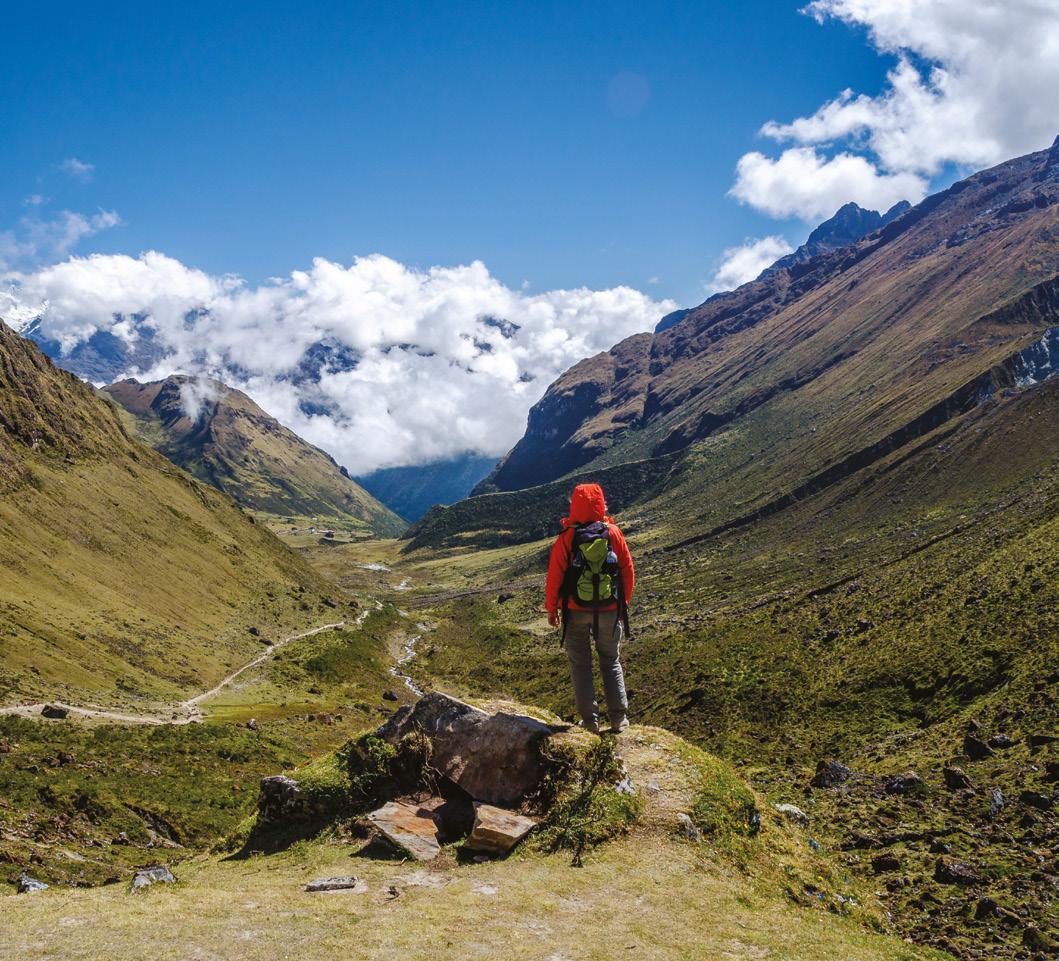
LENGTH: Various sections; 46 miles in entirety, pointto-point
ELEVATION GAIN: 11,663 feet
DURATION: 6 days
ACCOMMODATION: Salkantay Lodge, Wayra Lodge, Colpa Lodge, and Lucma Lodge
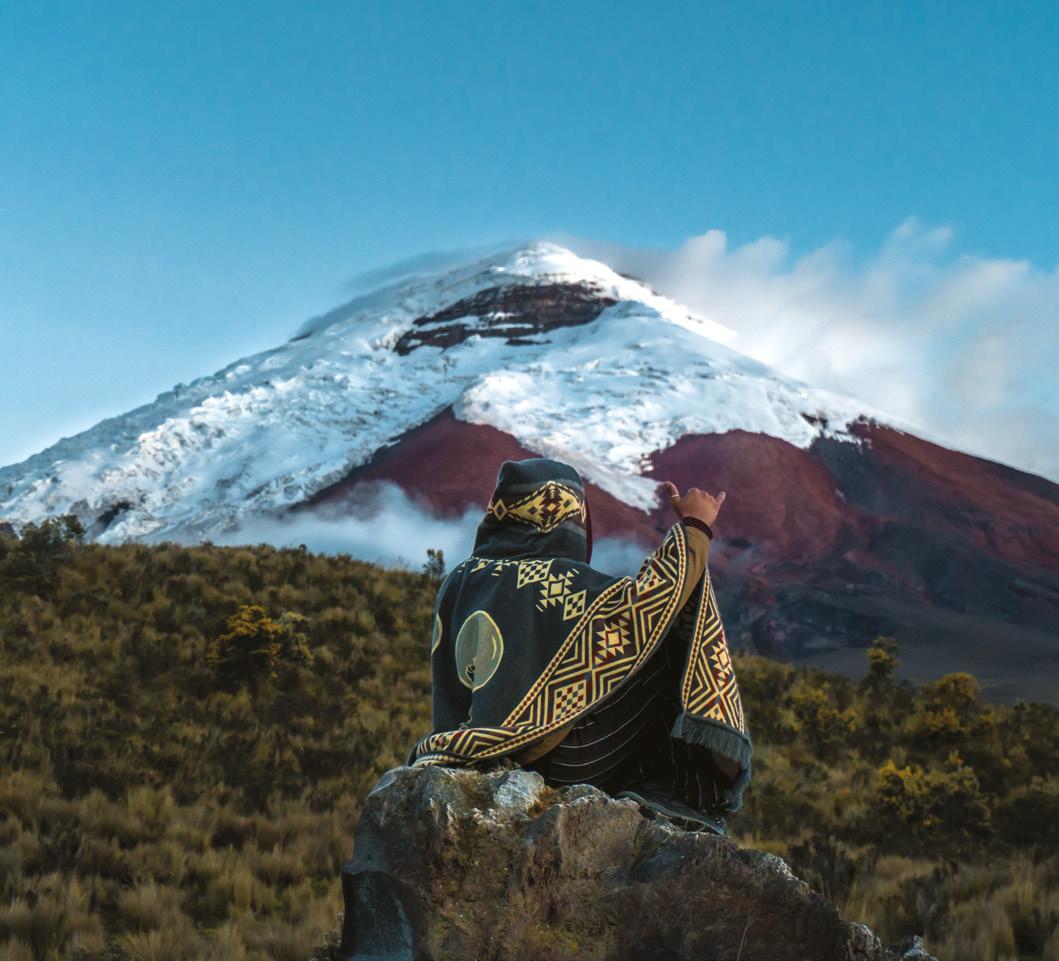
an Inca fortress and an Augustinian monastery, with the character and quiet charm to prove it.
LENGTH: 4.5 miles out-and-back
ELEVATION GAIN: 4,058 feet
DURATION: 2 days
ACCOMMODATIONS: Hacienda San Agustin de Callo
It’s hard to walk down the cobblestone streets of historic Quito and not dream about the distant volcano looming on the horizon. At 19,350 feet, Cotopaxi dominates the skyline and is among the highest active volcanoes in the world. In fact, it has erupted 87 times in recorded history, including most recently in 2016. So, naturally, people keep their distance…right? Wrong! Climbing this nearly symmetrical cone is one of Ecuador’s most extraordinary adventures, as Cotopaxi is home to one of the only equatorial glaciers in the world. That means you’ll need crampons, ice axes, and ropes—all after completing a six-hour scramble up the lower slopes. (The trail begins at around 14,800 feet, eliminating several days of climbing). Most aspiring summiteers begin their journey at midnight to arrive at the top in time for sunrise. The ascent is not highly technical, but it does require proper acclimatization. Hacienda San Agustin de Callo, one hour south of Quito on the Avenue of the Volcanoes, makes an ideal base camp for getting used to thin air. Its buildings have served as both
Colombia is the birthplace of magic realism—and nowhere is the scenery as enchanting as in the Eje Cafetero, epicenter of the nation’s booming coffee industry. When staying at a property like Hacienda Bambusa—a sprawling estate built in a tradtional style of architecture made of bamboo and clay—on a working coffee and cacao farm, all hikes start with a strong caffeine fix. As the inspiration for Casa Madrigal in Disney’s Oscar-winning film Encanto, magic is all but guaranteed.
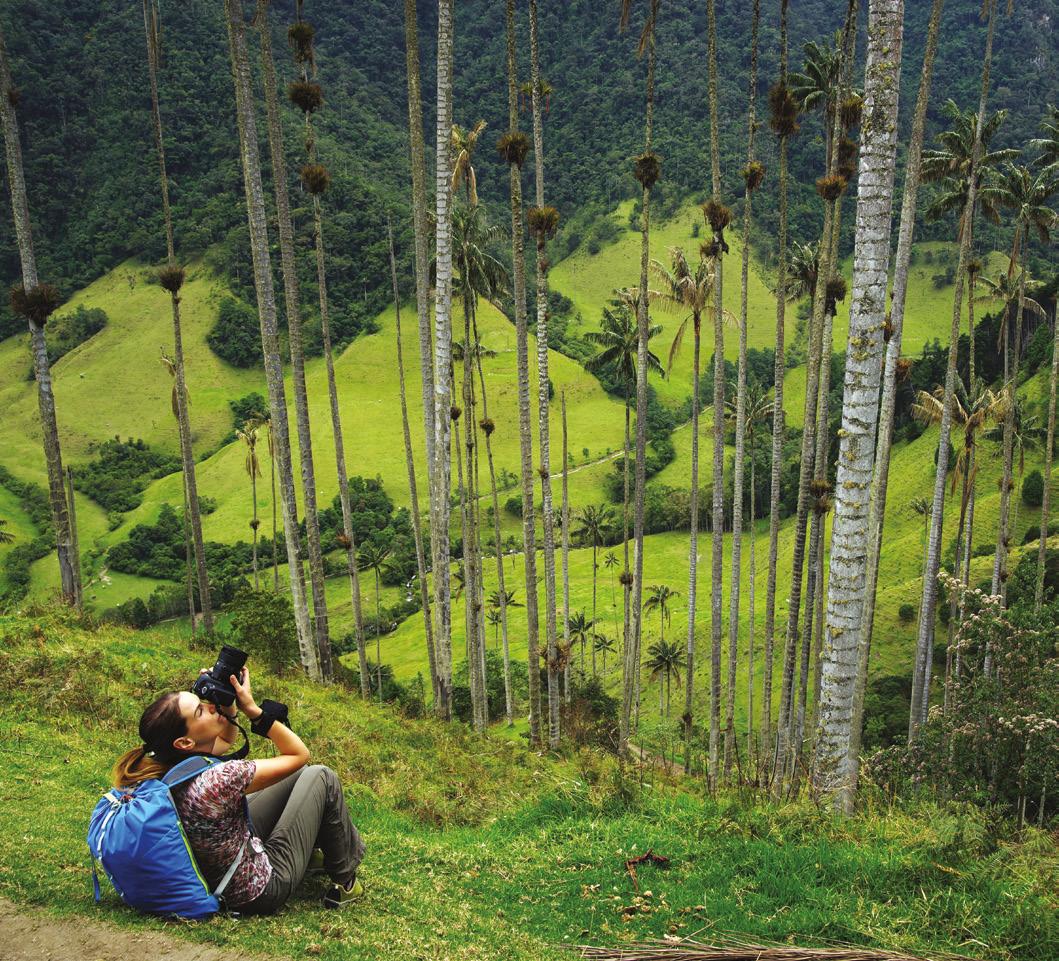
The most dreamlike hike in the Eje Cafetero lies in the Cocora Valley, which is home to the tallest palm tree on Earth: the Quindío wax palm (Colombia’s national tree). This valley has palms rising to 200 feet and lies within Los Nevados National Park, which also boasts misty cloud forests, dense jungle, snow-capped volcanoes, and a patchwork of historic farmlands. You can hike the Cocora Valley a handful of different ways, depending on your mood or fitness. The most common is a 6.4-mile circuit (traveling counter-clockwise) crossing several suspension bridges and entering into thick forests brimming with birdlife. A sanctuary for hummingbirds, you’ll also find everything from Andean condors to yellow-eared parrots. Bring boots; it can get muddy.
LENGTH: 6.4-mile loop
ELEVATION GAIN: 3 3.8 feet
DURATION: est. 4 - 6 hours
ACCOMMODATION: Hacienda Bambusa

Ready to take a walk on the wild side? Pick your trail and we’ll get you there.
+1.212.226.7331 | info@extraordinaryjourneys.com
Our CEO Elizabeth Gordon says family safaris are the best kind of adventure: one that connects you to the natural world and to eachother.
We know what you’re thinking... “How on Earth can I go on an African safari with kids?”
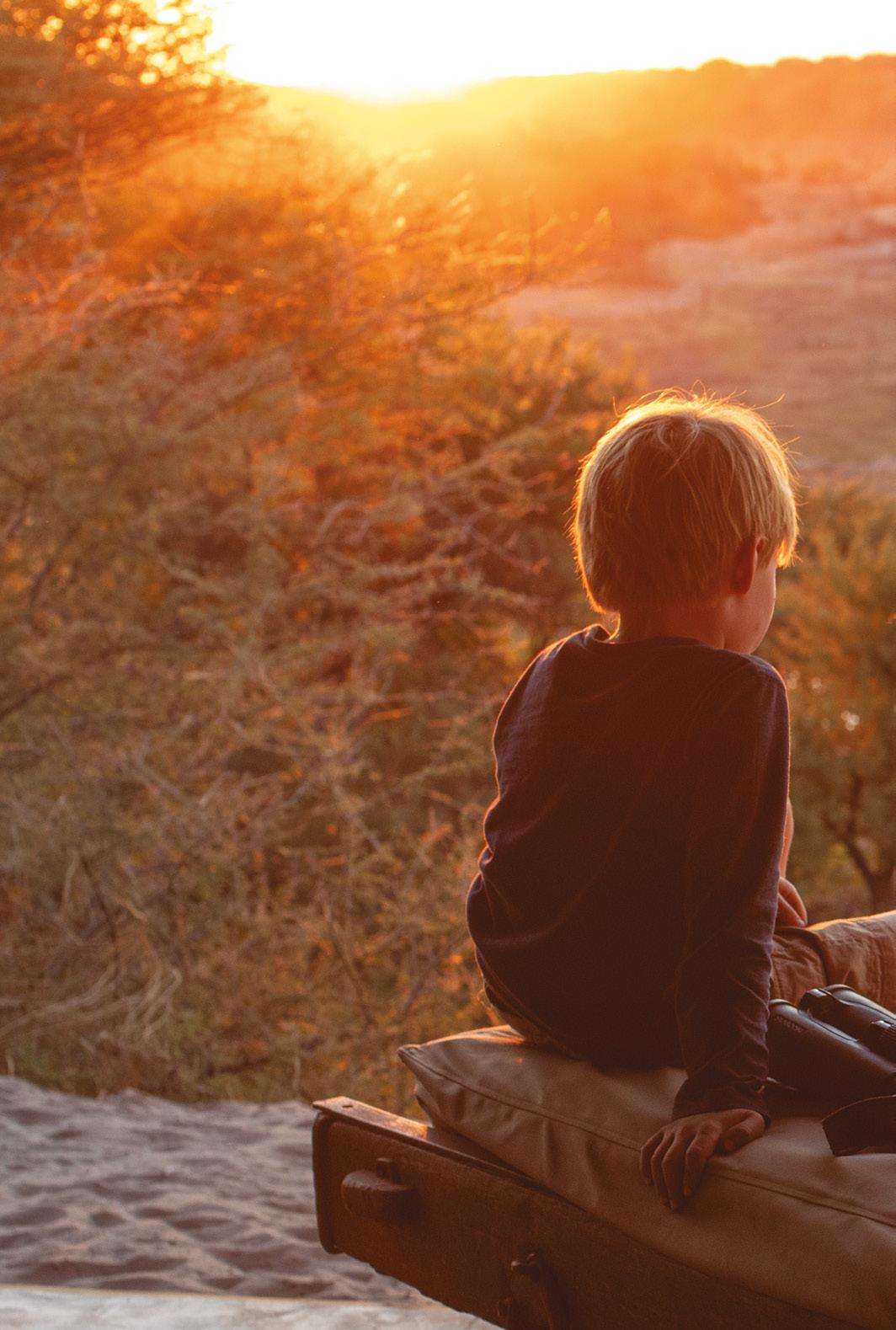
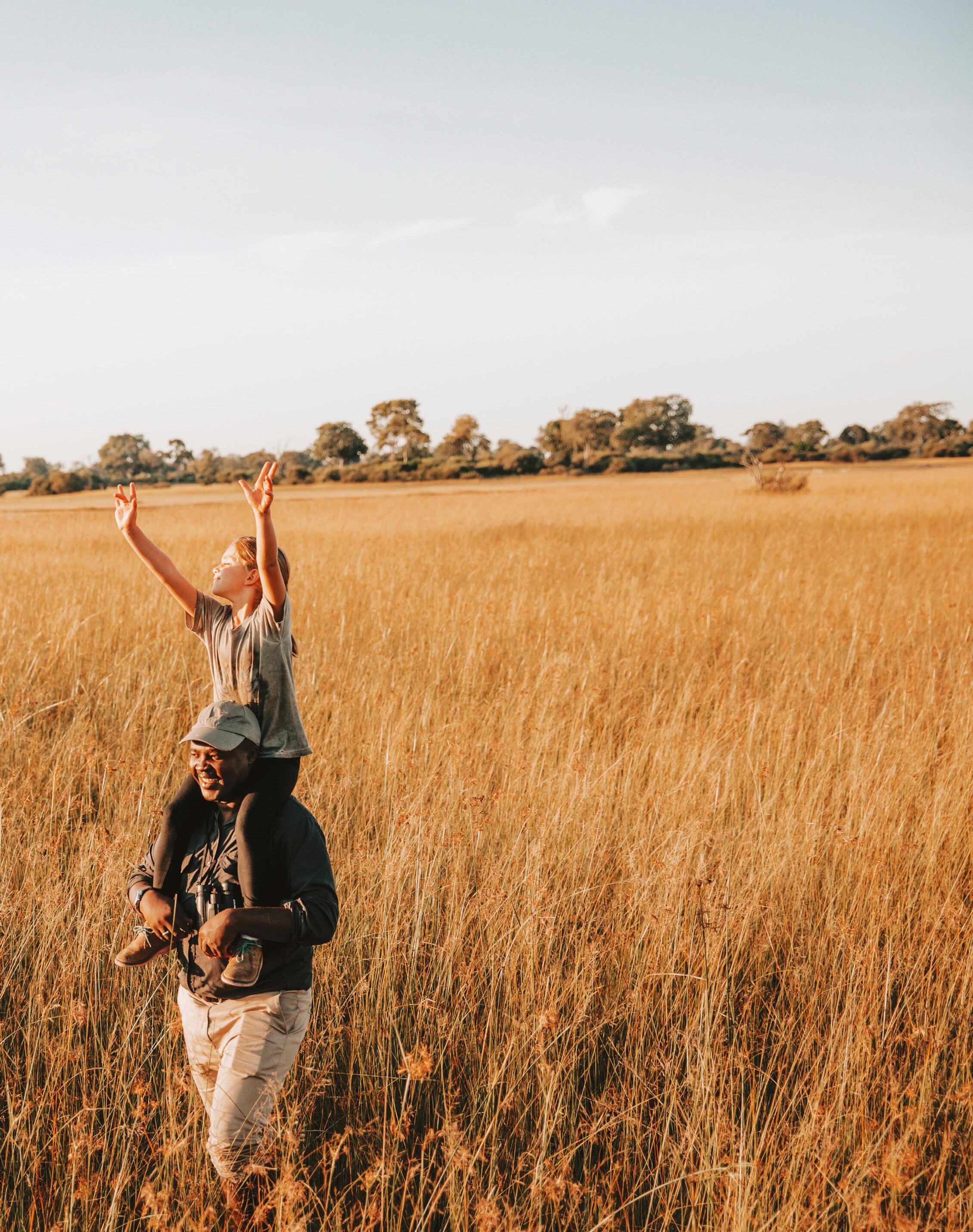
As travel planners, we’re here to assure aspiring and seasoned globetrotting families that you can bring your littles on safari. We’ve heard all the objections: the flights, the time zones, picky eaters, “they won’t remember it.” It may take a moment for the idea to germinate into total enthusiasm, but with our guidance (we’re parents, too!), we promise transformative experiences for curious kiddos—ranging from crawlers to teenagers— in accommodating destinations where children are not merely tolerated but adored and enriched.
THE ‘WHY’
Obviously, your kids will love game drives for the wildlife they know from books and movies, but this experience also serves as an introduction to environmental stewardship and conservation. They’ll meet new faces and cultures while learning how collaboration can lift communities. They’ll view the natural world in real time, learning the significance of biodiversity and how wild
places can be rehabilitated. In our experience, kids go home as global citizens in the making. Their experiences make them more aware of the world (and their impact on it), inspiring them to care for the people and planet.
Safari also offers families quality time beyond the banality of a screen. Children (and parents) can slow their roll (ahem—scroll), relaxing around the dinner table or fire pit to recount the magical moments of the day. It’s a welcome change of pace to reconnect, literally and figuratively, as a family.
There’s a perception that you must be of a certain age to enjoy and remember travel. In our decade-plus of sending families to Africa, we can confidently debunk this myth. Safari is for everyone, infants and elders alike. The key is designing an itinerary to accommodate each stage of life. Extraordinary Journeys family safari experts live in the details, anticipating the necessary comforts from room configurations to baby gear to traveling at an appropriate pace.
When it comes to traveling to Africa with kids, we pay more mind to camps than countries. We know which lodges offers the best services to help with childcare, including babysitting. Some even have a playroom with games and activities, such as scavenger hunts and cooking classes, to occupy kids between game-viewing drives. Kwandwe Ecca Lodge, in South Africa, for instance, puts together treasure hunts across the reserve, which incorporate learning some basic compass navigation.
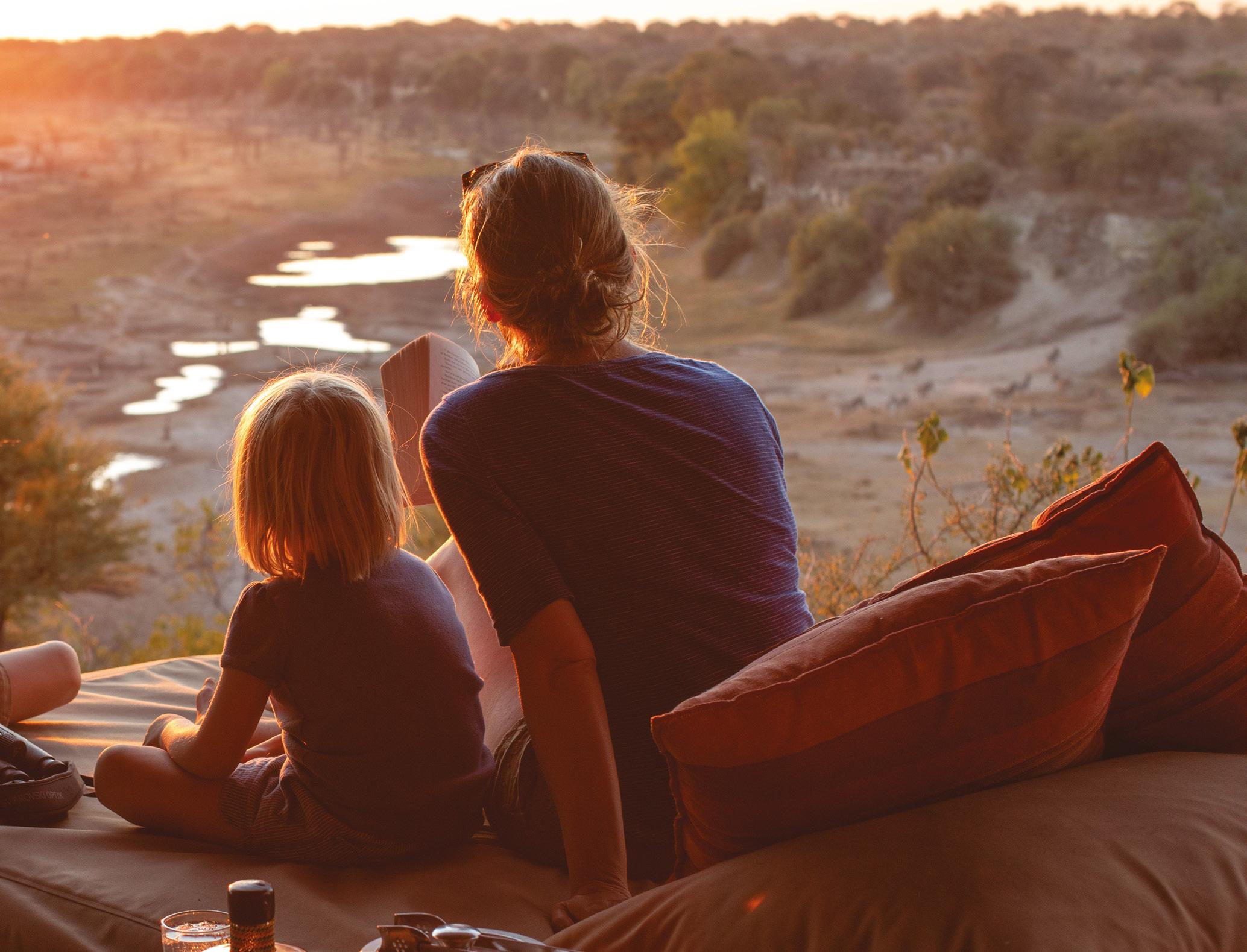
We know that soaking in nature’s serene ambiance at a rustic bush camp won’t suit a rambunctious youngster needling mom or dad for “what’s next?” every 15 minutes. Age-appropriate safaris demand kid-centric amenities and programming. Pools are a fun staple for burning off energy and cooling down midday. Playrooms, games, and guided activities round out the down time between game drives. Visits to nearby communities offer experiences both cultural and social, often resulting in a lively game of soccer. Our travelers are often touched by the warmth that camp staff show to their children— making it easy to trust a sitter with parenting duties so they can enjoy a well-deserved break.
...As in privately guided. Exceptional guides are a musthave because they are essentially traveling teachers. The personable guides in our carefully curated-curated roster can teach your children an array of age-appropriate skills, including how to safely throw spears, make bows and arrows, drive a car, go fishing, collect ancient stone tools, climb a hill or a tree, or stalk a zebra. We often hear that game viewing comes a distant second to these memorable, hands-on experiences. Private guides also breathe flexibility into an itinerary. Parents are relieved of the stress of timing the day around kid-free guests. Morning game drives start a little later, talented guides can intuit when kids’ attention is waning or when a bout of crankiness can be resolved with a snack break.
Who wants a rigidly scheduled safari where you have no say, especially when preferences will vary as widely as your ages? We recommend building wiggle room into an itinerary for a well-paced trip that fulfills everyone’s needs. Hot tip: choosing a private conservancy means customizing just about every aspect of your trip. And also, slow it down. Don’t try to move around every two days. The longer you stay, the more you will feel connected to the place and everyone will feel like family around you. Make it a home away from home especially
if you are staying in private villas such as Segera in Laikipia, Kenya, Mkombe’s House in Lamai, Tanzania, or Phinda Homestead in South Africa. Also, who wants to pack and unpack the whole time?
We’ve sent families of all ages across Africa but as a trend, a handful of countries are perennial favorites.
A classic safari go-to, South Africa is the perfect choice for Africa-first timers—especially if you are looking for a malaria-free destination (most parks here other than Kruger are malaria-free). In terms of wildlife, the Big Five can be spotted on private reserves from the Kalahari Desert in the north to southern tracts that kiss the coast. If convenience, familiarity and English-speaking interactions are what your family craves, South Africa is a sure bet. Some of our favorite properties for families are Marataba Luxury Lodges, Singita Sabi Sands, and Phinda Homestead that focus on families.
A staple in our portfolio, Kenya holds a special place in the hearts of our founders and team. We love Kenya’s private conservancy options, which can personalize the conventional bush experience to your family’s needs. Unlike national parks, conservancies and privatelyrun camps and lodges don’t operate with set itineraries. Some family members can go horseback riding one morning while the rest sleep in, with everyone reuniting at lunch. Or maybe you’d prefer a game drive—but only after grumpy-pants takes their nap. Your schedule, your call. Activities run the gamut, from bush walks and safari drives to local village visits and scenic helicopter flights. We enjoy sending families to Kalepo Camp—a private use, family-friendly, luxury tented camp. We also love Ol Malo Lodge, and Lewa Wilderness, where owners and managers are parents themselves, with their families living on site. Mara Nyika Camp offers two-bedroom family tents in a tree-filled valley raised above a stream.
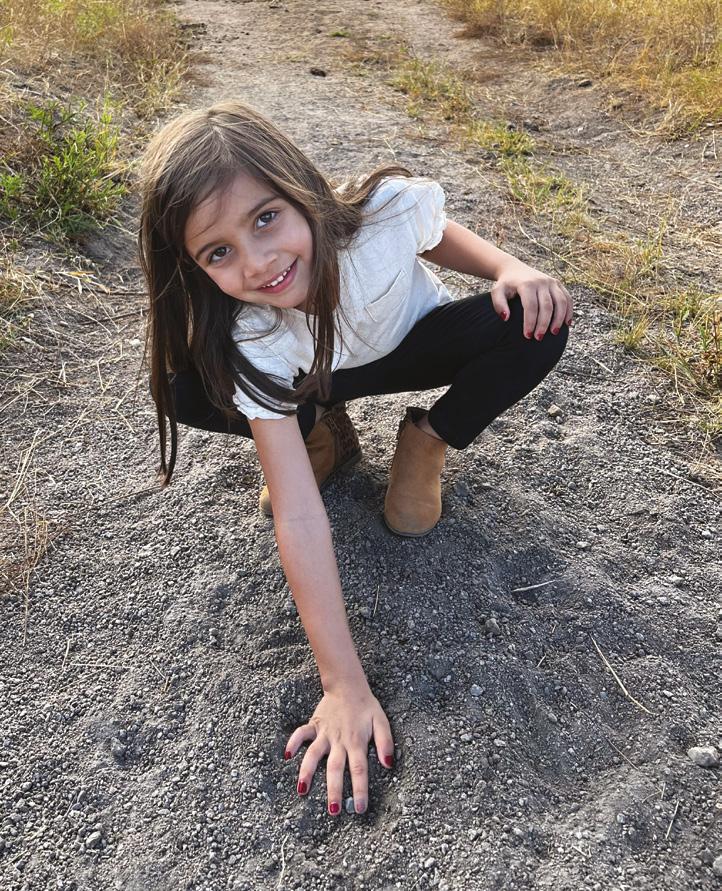
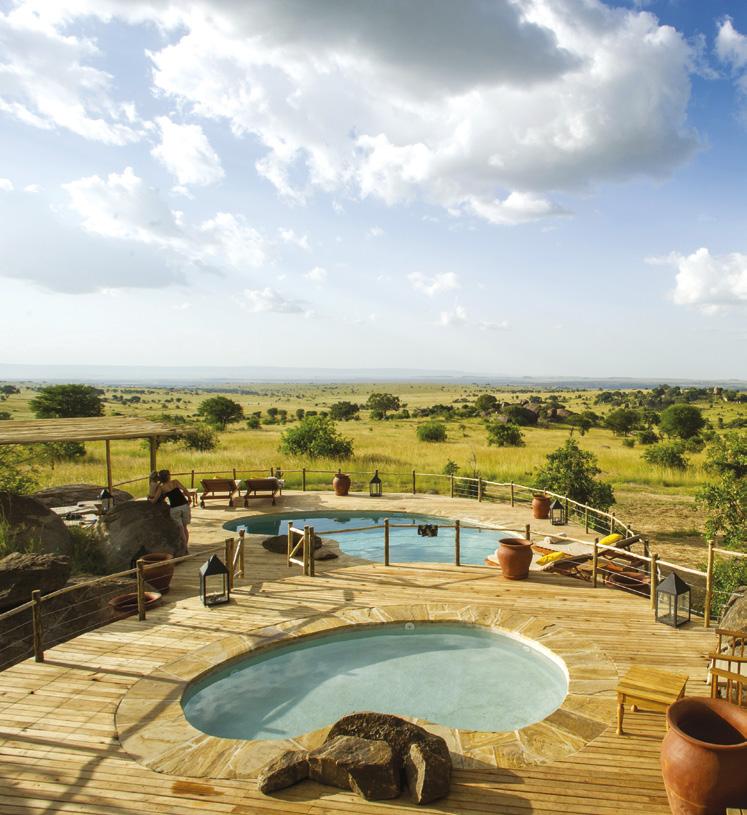
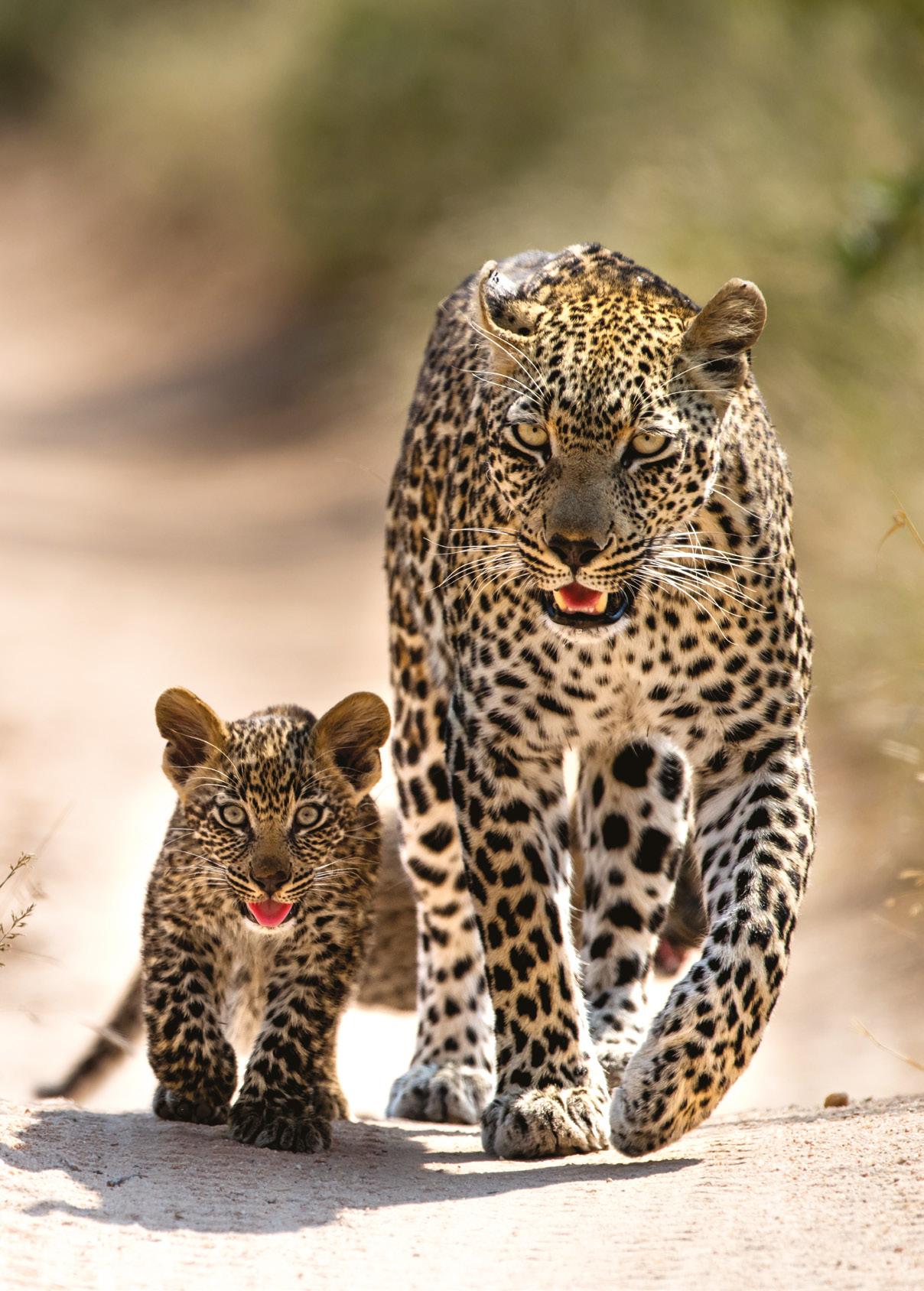
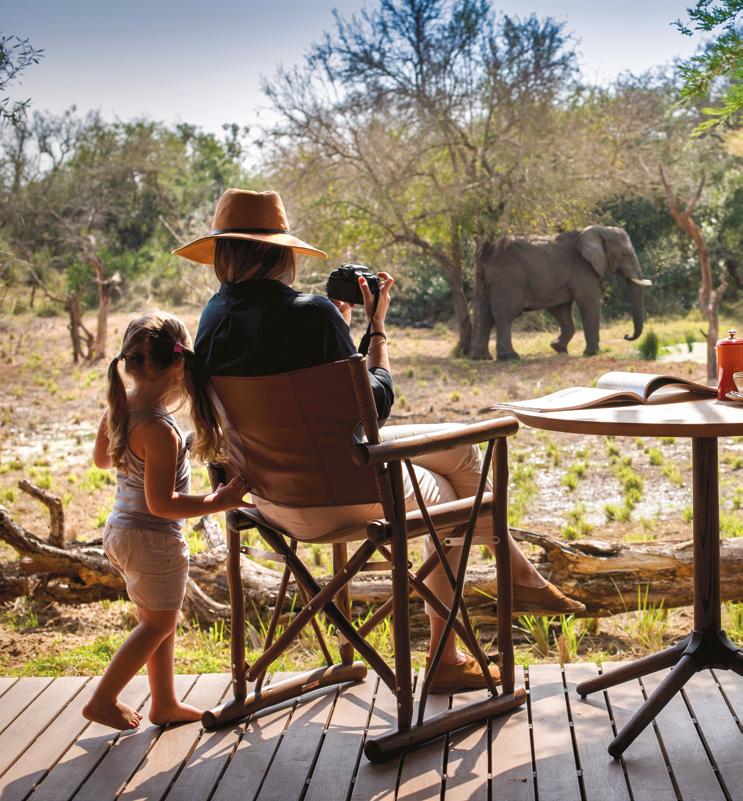
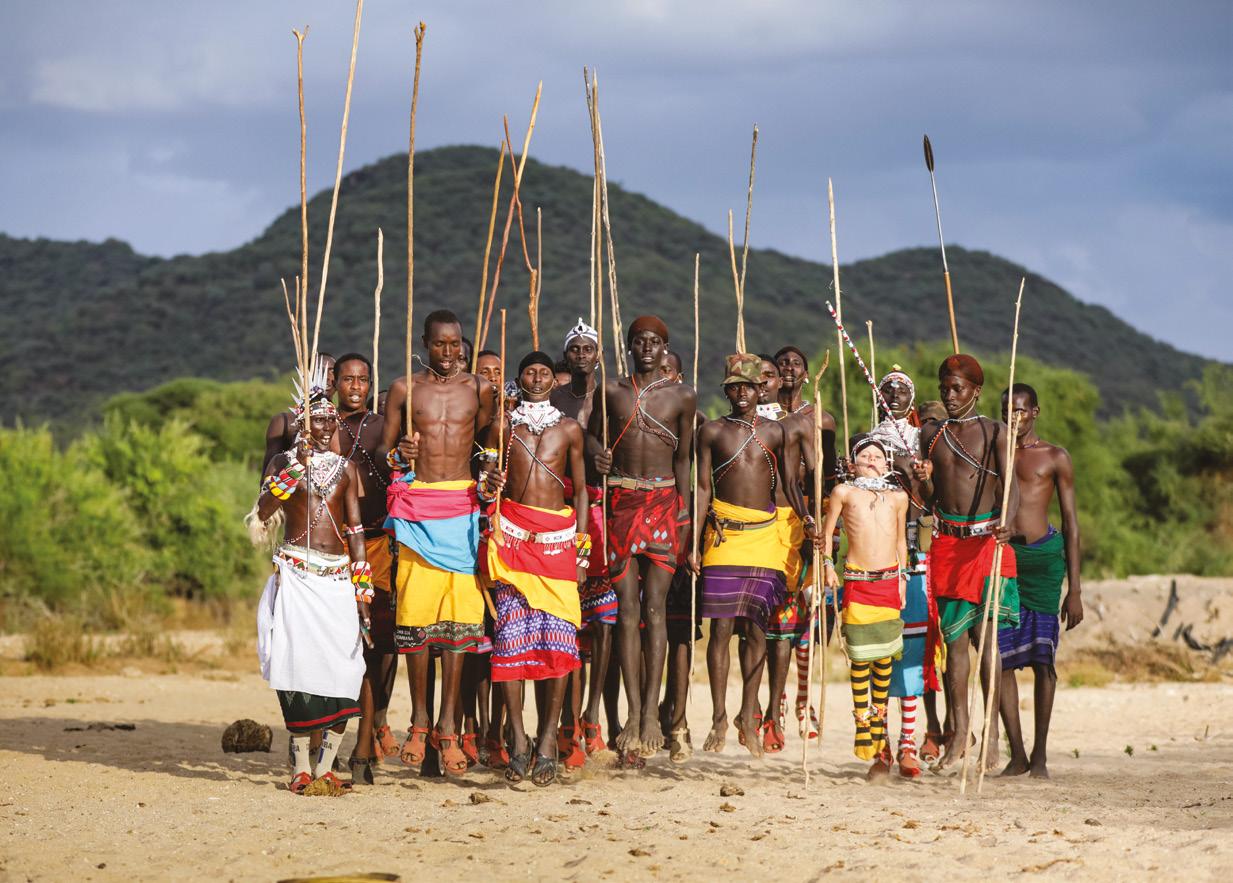
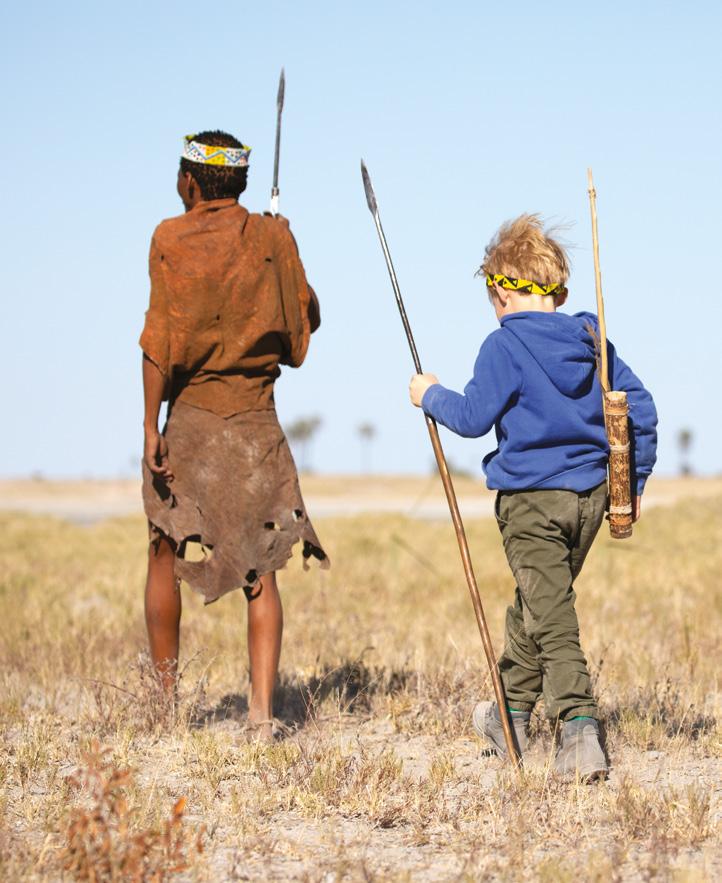
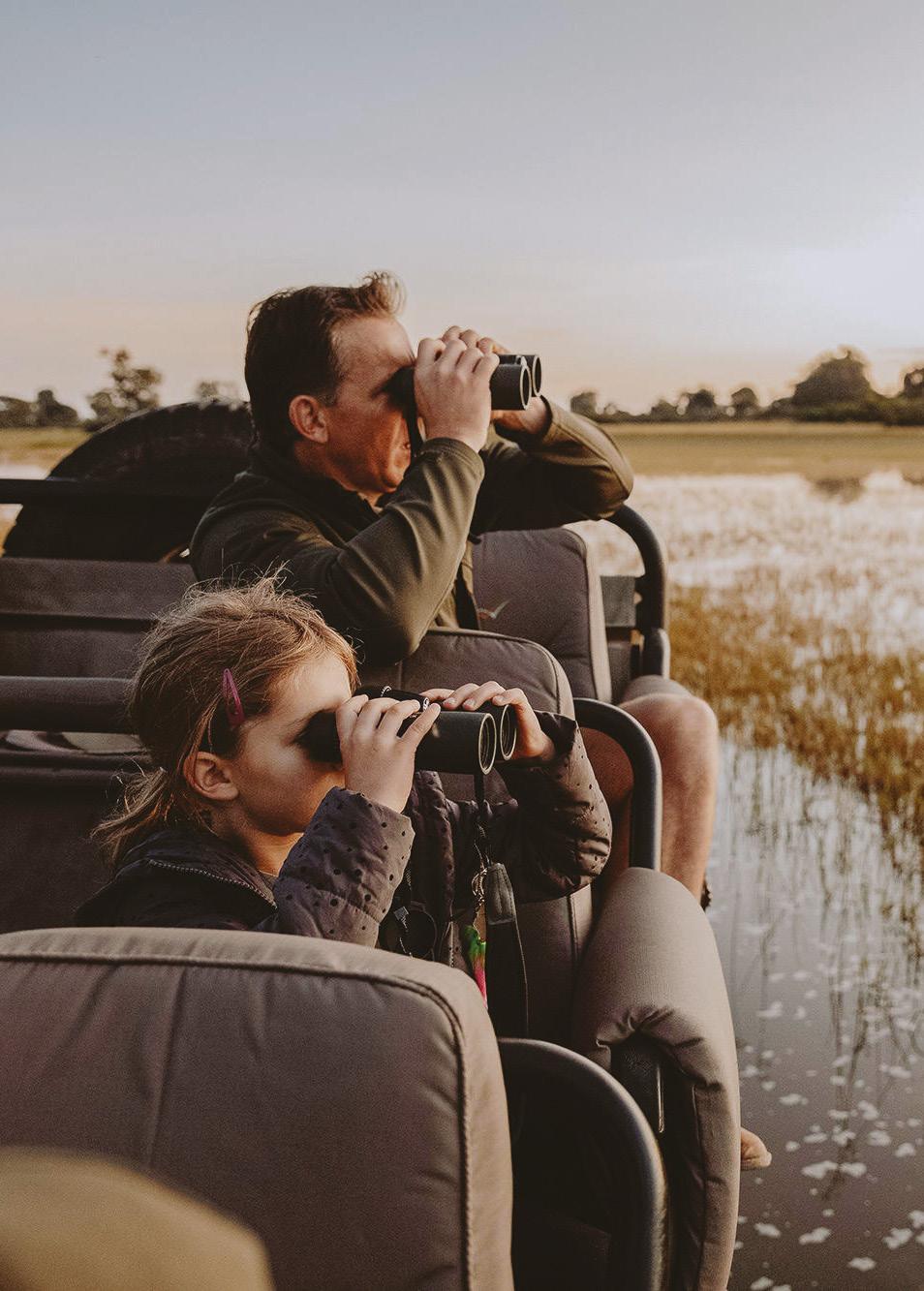

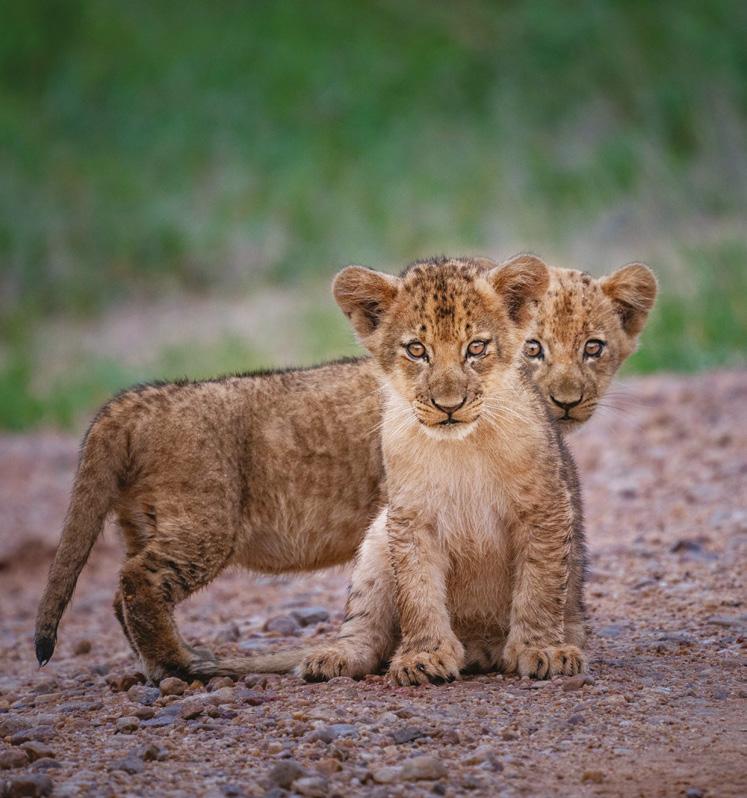
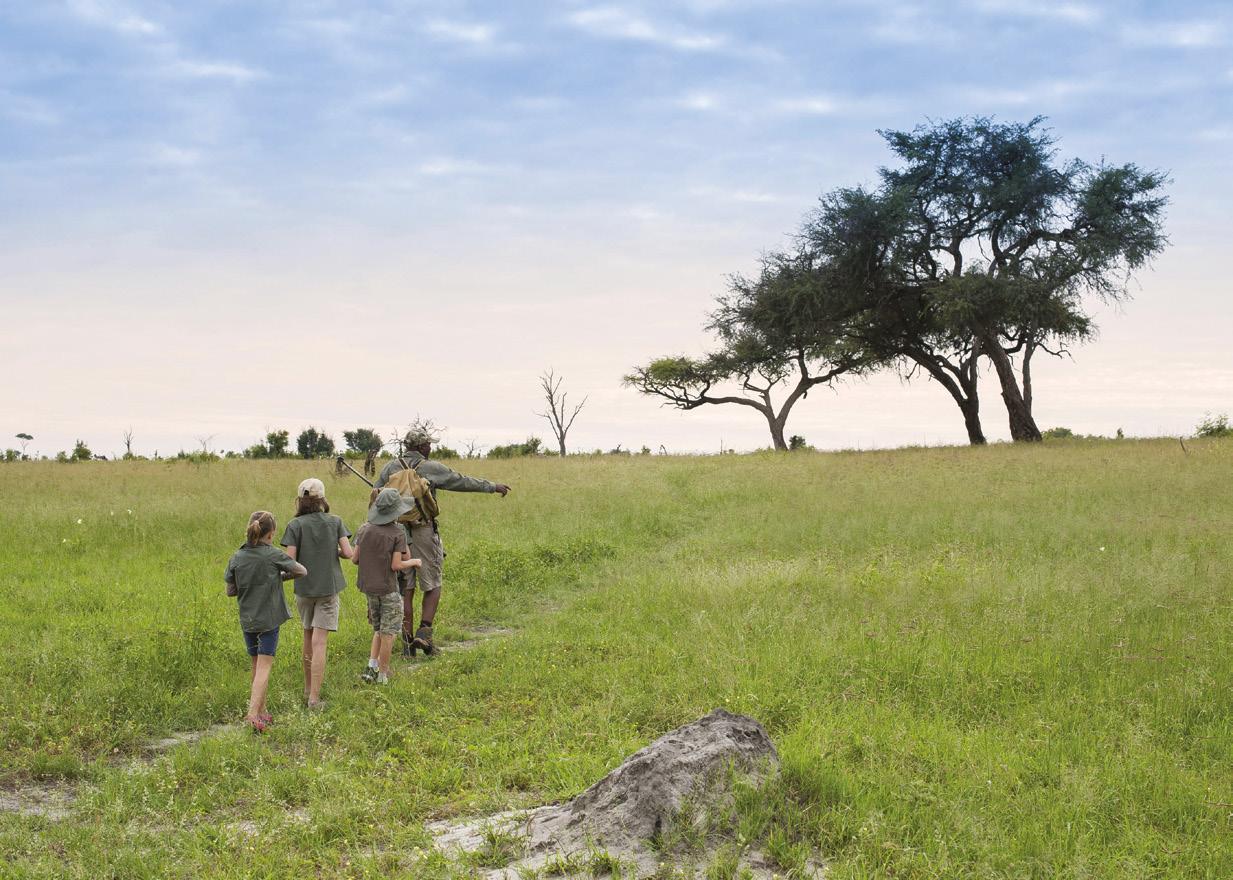

Rife with natural wonders, Zimbabwe is home to five UNESCO World Heritage sites including Mana Pools National Park and the Great Zimbabwe Ruins. Of course, thundering Victoria Falls is the star of any Zim itinerary. For kids and adults alike, the Elephant Express might just be a dream come true. If you have little ones who adore trains, this dual-engine single tram through Hwange National Park is a guaranteed delight. The ability to let your children roam about the train is an added bonus for little legs that need to move. In terms of lodging, all ages are welcome at Somalisa Acacia and tailored nature walks around camp are led by dedicated child specialist guides.
ZAMBIA
Are your kids keen on intrepid adventures? Known as ‘the original walking safari destination,’ Zambia is a great choice for families who are ready to travel further afield—typically geared to kids ages 10 and older. We recommend Chinzombo in South Luangwa. The small camp has just six suites, including a beautiful family room complete with two bedrooms, two bathrooms, and plenty of family programming. The wildlife here is prolific, with plenty of opportunities to spot elephant, giraffe, lion, hippo, and leopard.
From elephant to lion, and meerkat, Botswana is an excellent choice for family safaris, and many lodges have specialized family programming. Kids can learn bush skills with expert guides, basket weaving, animal tracking, and bird identification. Selinda Explorers Camp takes mobile safari to a whole new level. Private yet luxurious, this camp is perfect for families looking for a spellbinding experience in Botswana. Little Vumbura and Vumbura Plains are great home bases. Camp Kalahari by Natural Selection is a wonderful spot in the heart of the great Kalahari, and there’s a dedicated
family suite and a fence around the camp, too. Familyfriendly activities include quad biking, horseback riding, bushman walks, and traditional game drives.
TANZANIA
Tanzania is a fantastic place for a family safari. With older kids, it has a lot to offer from Maasai village visits to the teeming wildlife of the Ngorongoro Crater and Serengeti to the beaches on the coast in Zanzibar and Pemba Island. Singita Grumeti in Tanzania’s Serengeti National Park offers a mini rangers program that teaches kids what it takes to guide in one of the world’s greatest wildlife playgrounds.
+1.212.226.7331 | info@extraordinaryjourneys.com
We still reminisce with our kids about our experiences or talk about certain things and how they apply to the way we live here—or what things we could do better or differently.”
— Molly Krengel, Extraordinary Journeys Client
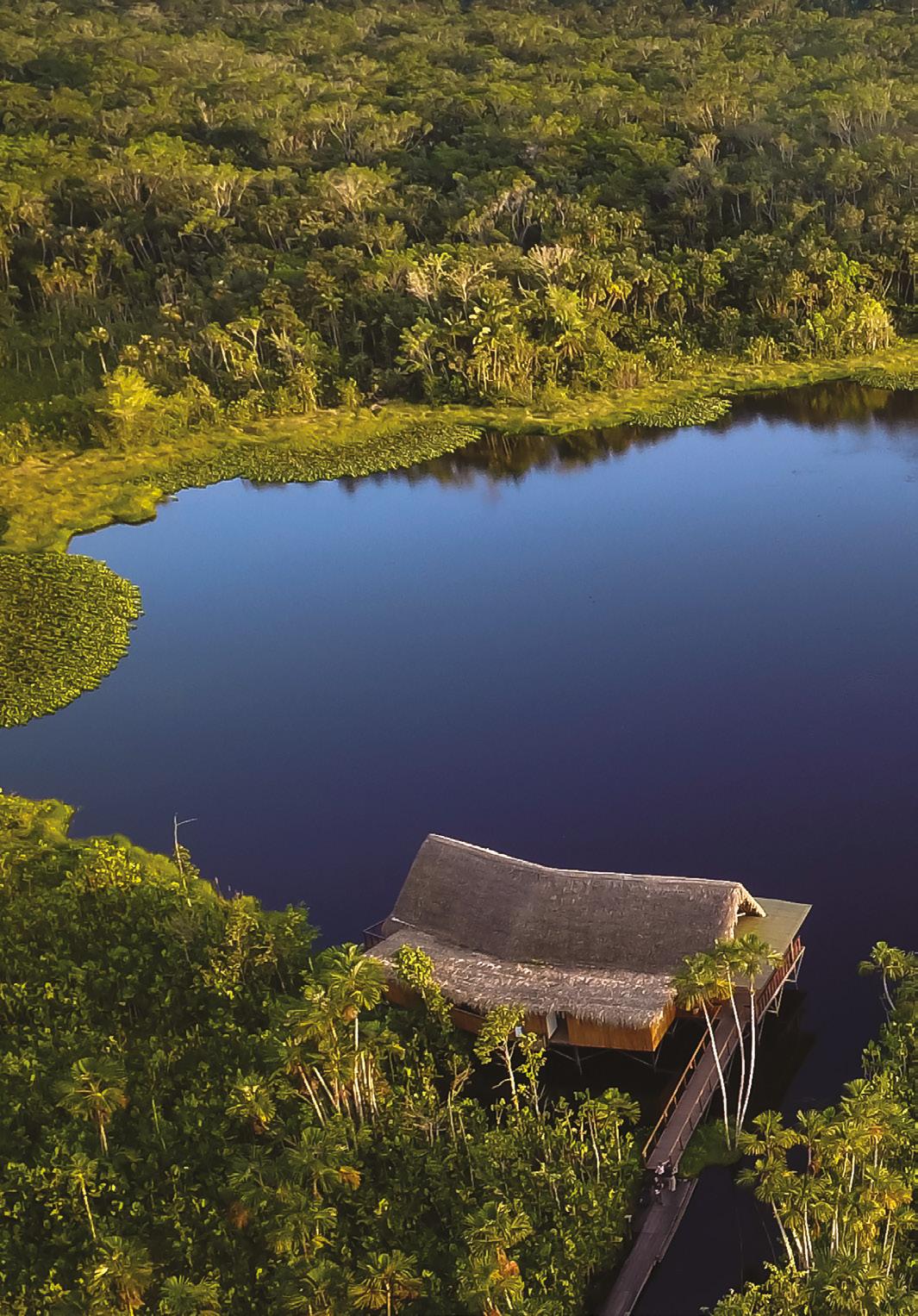
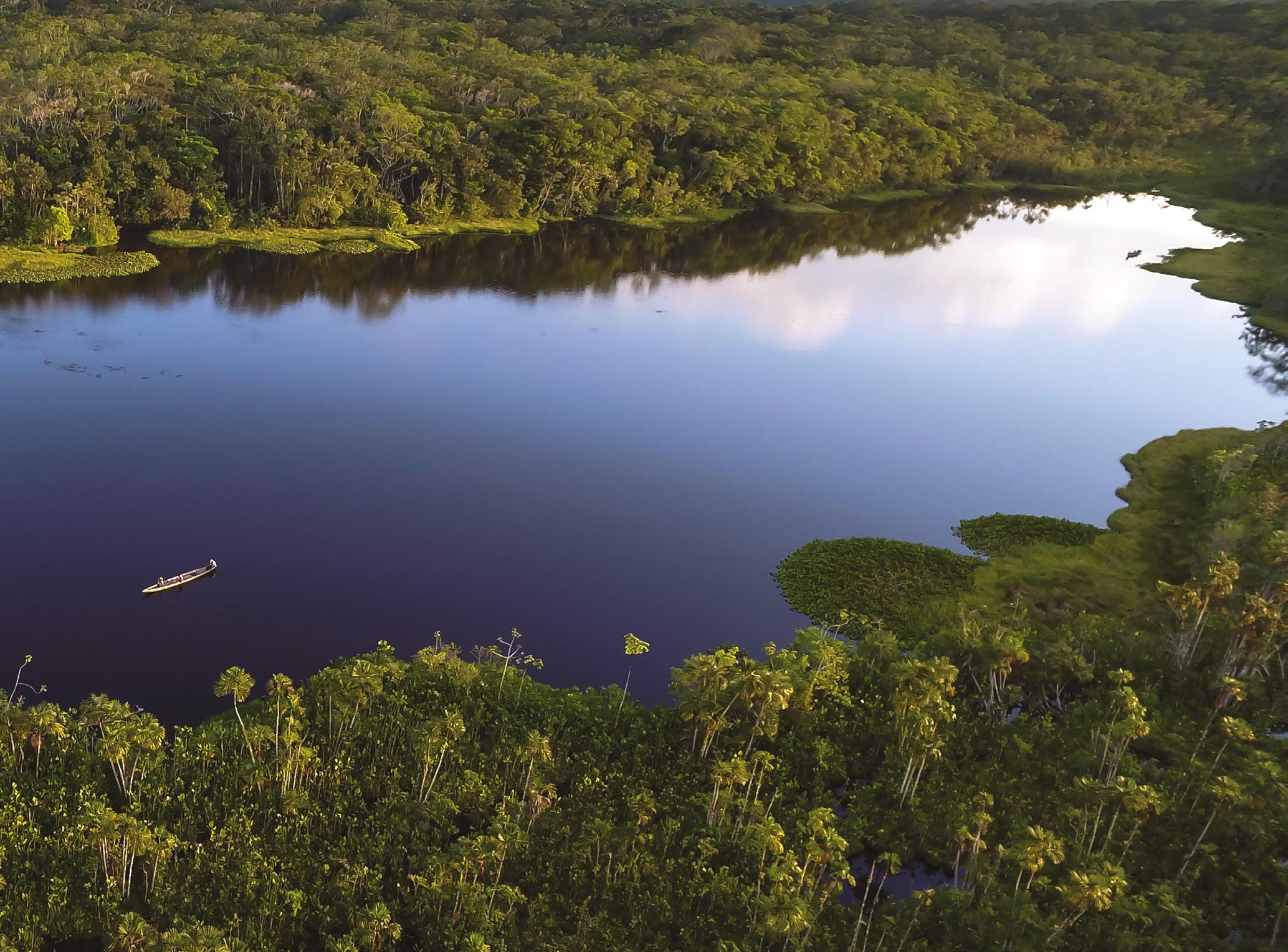
Peru and Ecuador are blessed with incredible tracts of the Amazon rainforest, and both offer travelers standout experiences. Dreaming up a visit is the easy part—it’s deciding between the two that can be a challenging (but wonderful) choice to make.
 — Jennifer Hubbert
Atrip to the Amazon reminds us we’re meant to walk through life using all five senses. In the rainforest, cast your gaze upon a canopy painted in an impossibly vibrant spectrum of green; open your ears to the raucous soundtrack of the jungle; bite into fruits so foreign in shape and texture they almost seem alien; and if you’re lucky, feel the hairs of your neck stand on end when locking eyes with a reclusive jaguar.
Of course, Brazil claims the lion’s share of the Amazon, but countries like Peru and Ecuador are graced with vast tracts, too. The question is, how to choose between the two?
Most travelers make the decision irrespective of each destination’s qualities and offerings. While it would be wrong to describe an excursion into the Amazon as a
travel afterthought, as a trend, most consider it an add-on. Rainforest visits typically span three or four nights—not long enough to build an entire itinerary. Instead, trips are more likely to be anchored to South American crown jewels like the Galápagos Islands, the Ecuadorian cloud forest, Machu Picchu, and the Sacred Valley. As such, proximity to these legendary places often determines whether the Peruvian or Ecuadorian
Amazon is the preferred choice. However, flights between Lima and Quito are short, easy connections to make, and travelers shouldn’t rule out mixing and matching Peru’s attractions with Ecuador’s Amazon, and vice versa. If the decision is still a vexing one, allow us to parse out some differences.
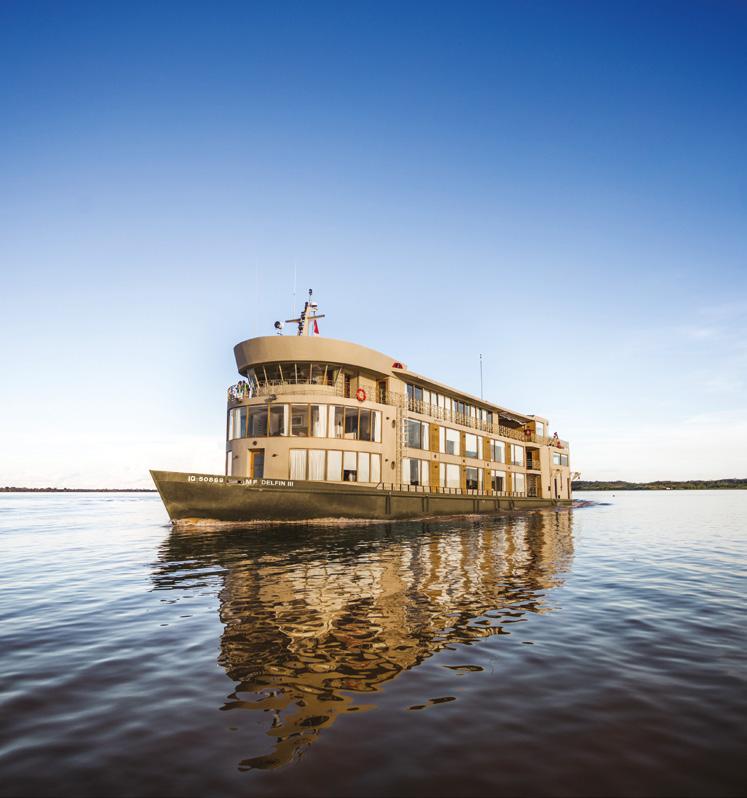
Cruising is the most refined way to experience the Amazon, and Peru does it best. Boats offer guests a level of exclusivity, coupled with the opportunity to travel deeper into untouched pockets of wilderness.
Extraordinary Journeys’ top choice is the Relais & Châteaux-associated, triple-decker Delfin I and Delfin II. Three- and four-night itineraries ply the waters of the Marañón and Ucayali Rivers, letting guests experience the Amazon within Pacaya-Samiria National Reserve. Delfin I features four oversized king suites, while Delfin II counts 14 cabins. Unlike Peru’s land-based eco-lodges, cruise-goers enjoy air-conditioned cabins.
Another premium offering operating on the same waterways is Aqua Nera. She features 20 handsomely decorated suites spanning two decks and a host of amenities, including air conditioning throughout, a cinema room, and fashionable lounge spaces.
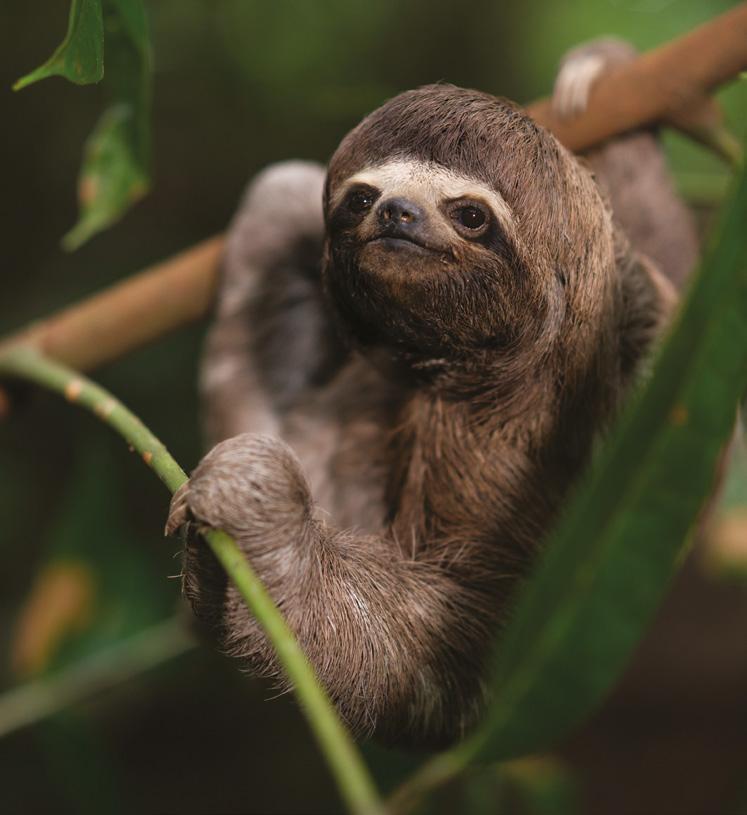
Travelers may wonder which tract of Amazon boasts better opportunities for wildlife viewing. Unlike the grassy plains of Africa, wildlife sightings here are not assured. The animals that stalk the rainforest floor or trapeze through the canopy are elusive, choosing when— and if—they want to be seen. In terms of biodiversity, both Ecuador and Peru punch above their weight, and unless travelers are hoping to train their gaze on a particular species—like pink river dolphins in Peru—the difference in the wildlife viewing opportunities between these neighboring nations is not appreciable.
That said, Ecuador’s Yasuní National Park and Biosphere Reserve boast some of the highest per-squarefoot biodiversity in the world, setting the stage for a broad range of bird, reptile, and mammal encounters in a relatively compact area.
When it comes to traveling with kids, time zones and flights can ease or strain a trip, which is why a visit to South America is so family-friendly. Flying from North America, an easy north-south and oftentimes direct flight into Lima or Quito means the friction of jumping time zones, navigating jet lag, and getting back to the bedtime schedule is minimized.
In terms of the better choice of Peruvian or Ecuadorian Amazon experience for kids, both are wonderful, but we feel Ecuadorian lodges have a slight edge. It’s not to say that Peruvian Amazon lodges aren’t family-friendly, but the programming and activities of Napo Wildlife Center Ecolodge are top-notch. What’s more, pairing a visit to the Ecuadorian Amazon with the wonder and wildlife of the Galápagos Islands creates a standout travel experience that kids won’t soon forget. Ecuador is also the more budget-conscious choice which may be a factor when traveling with many littles in tow.
...open your ears to the raucous soundtrack of the jungle; bite into fruits so foreign in shape and texture they almost seem alien...”
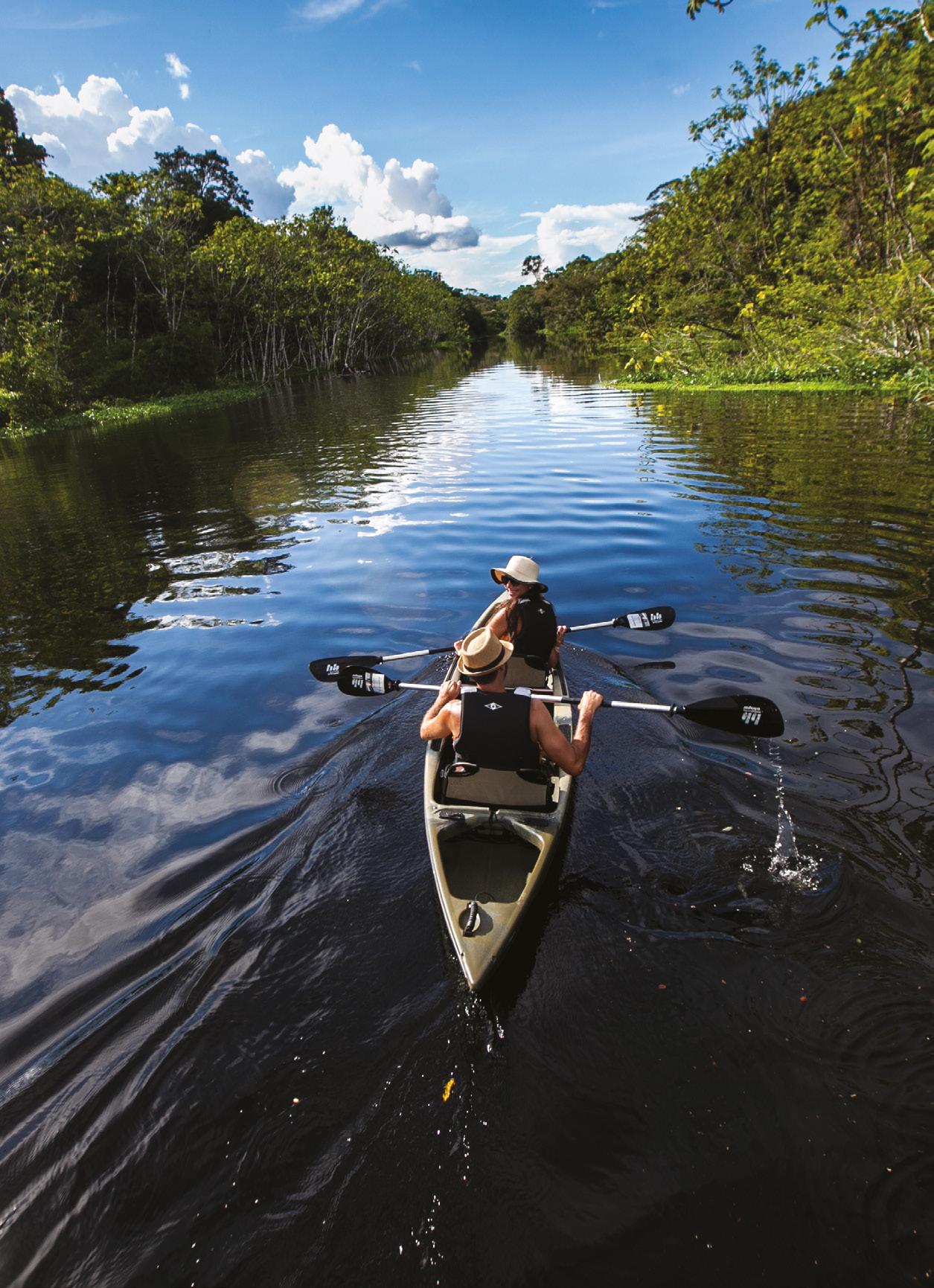
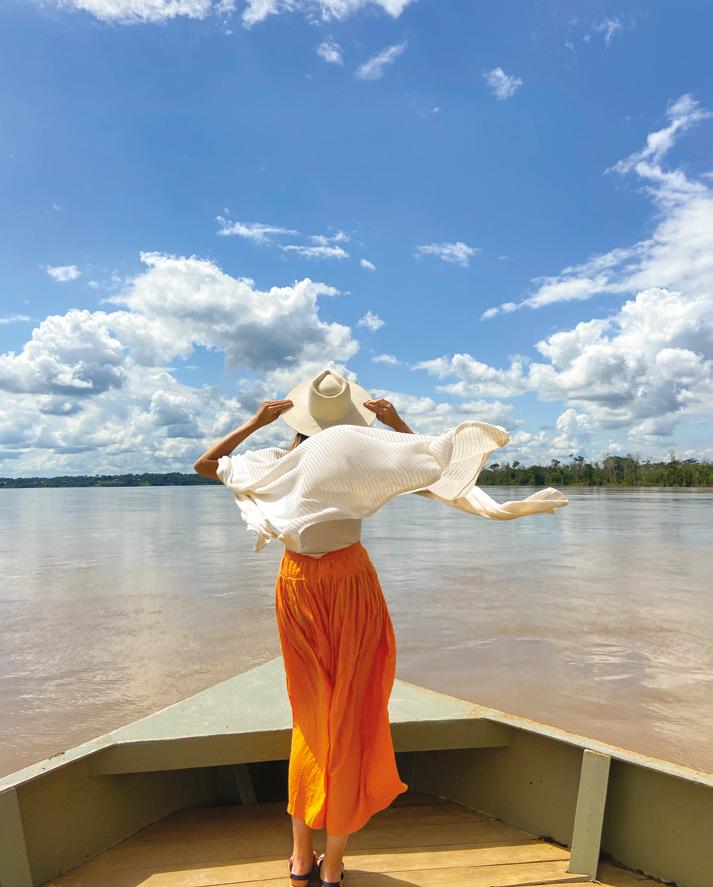
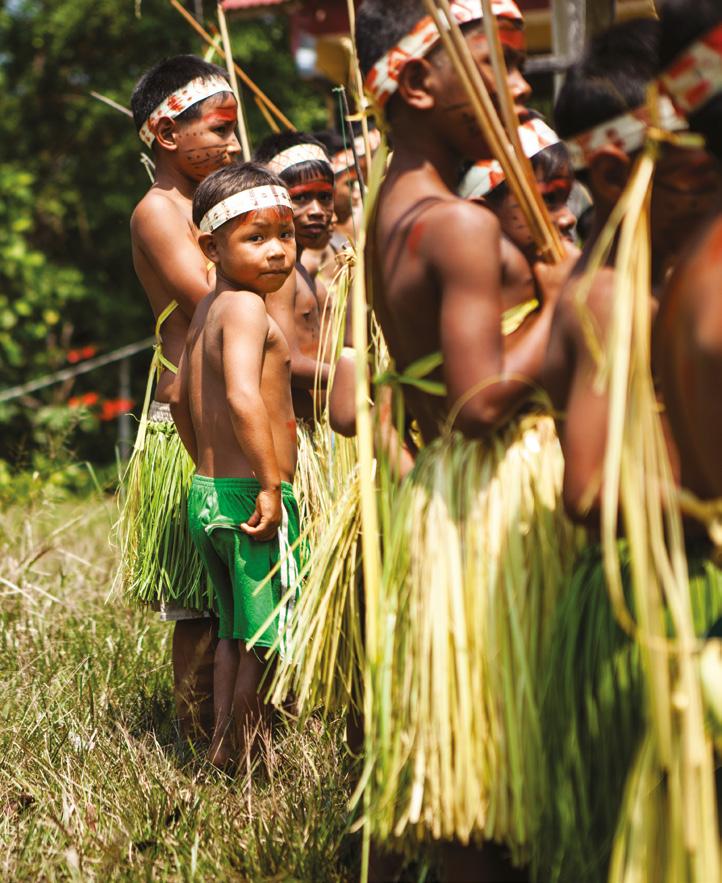
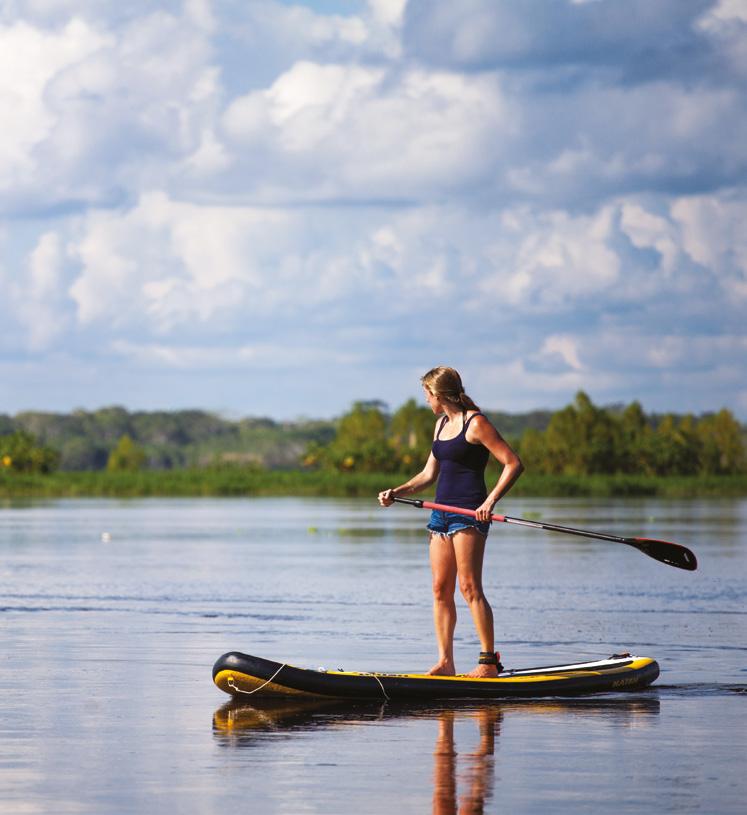
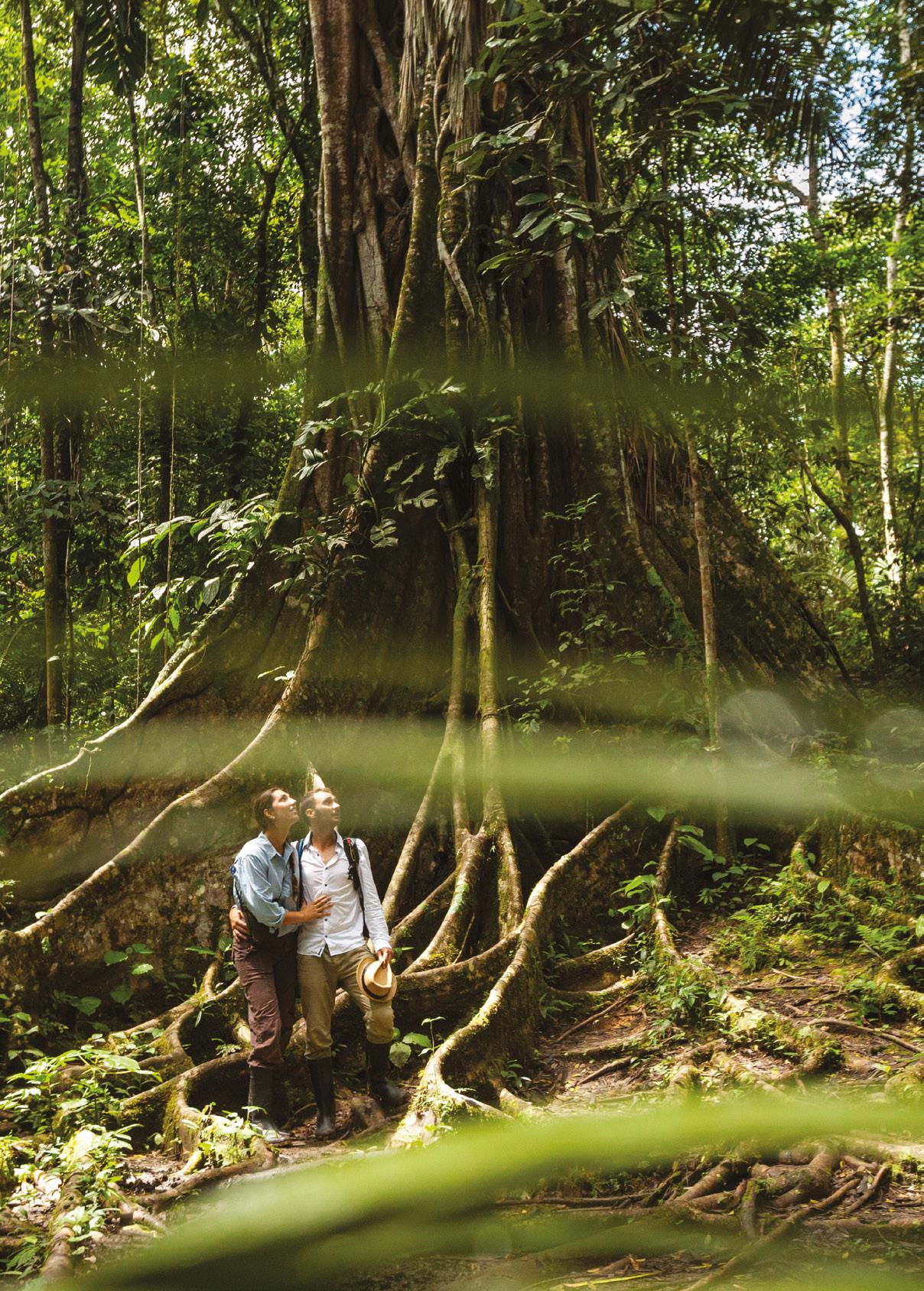
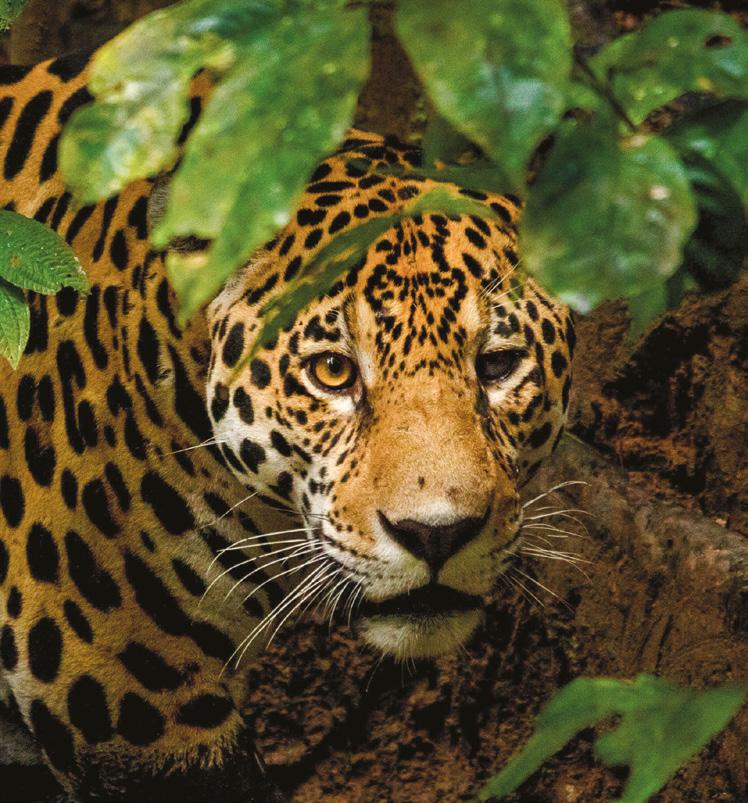
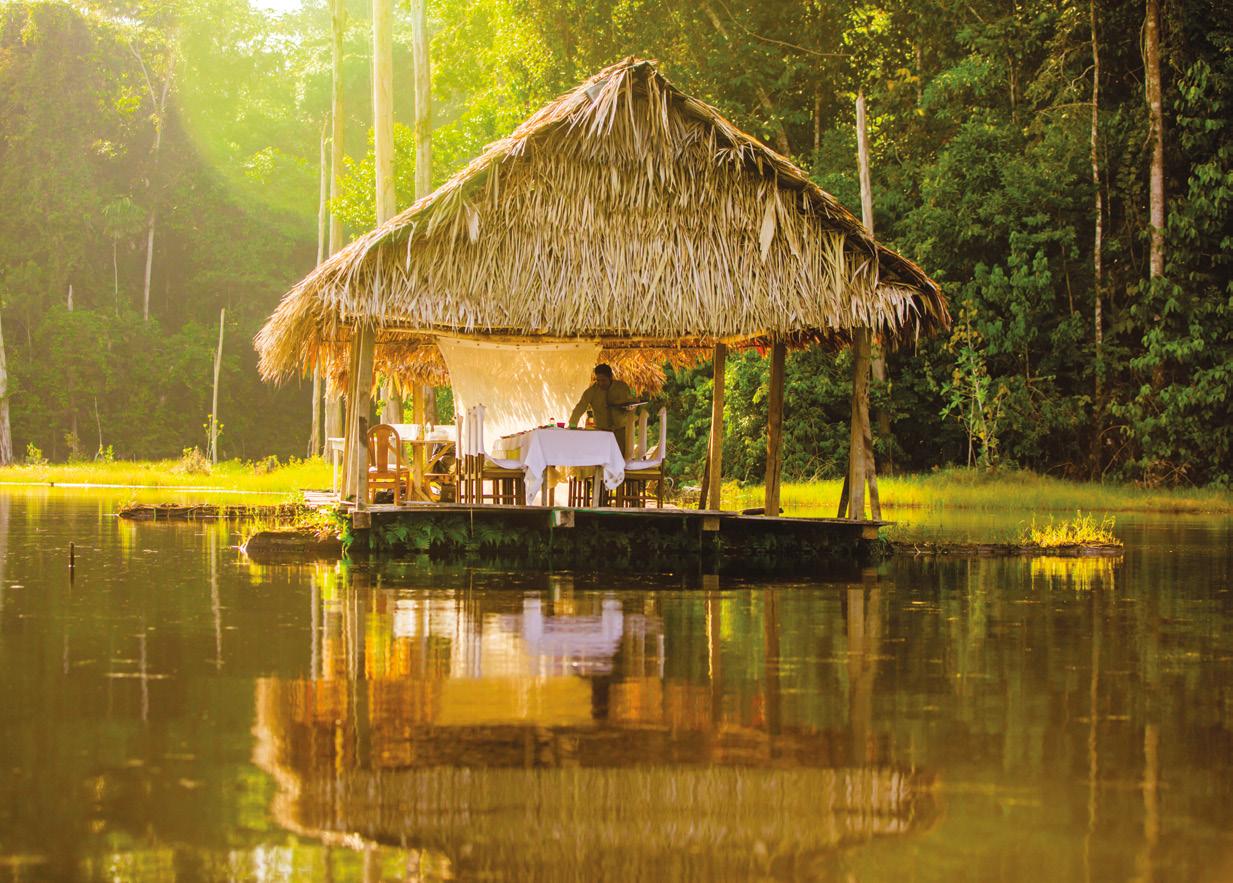
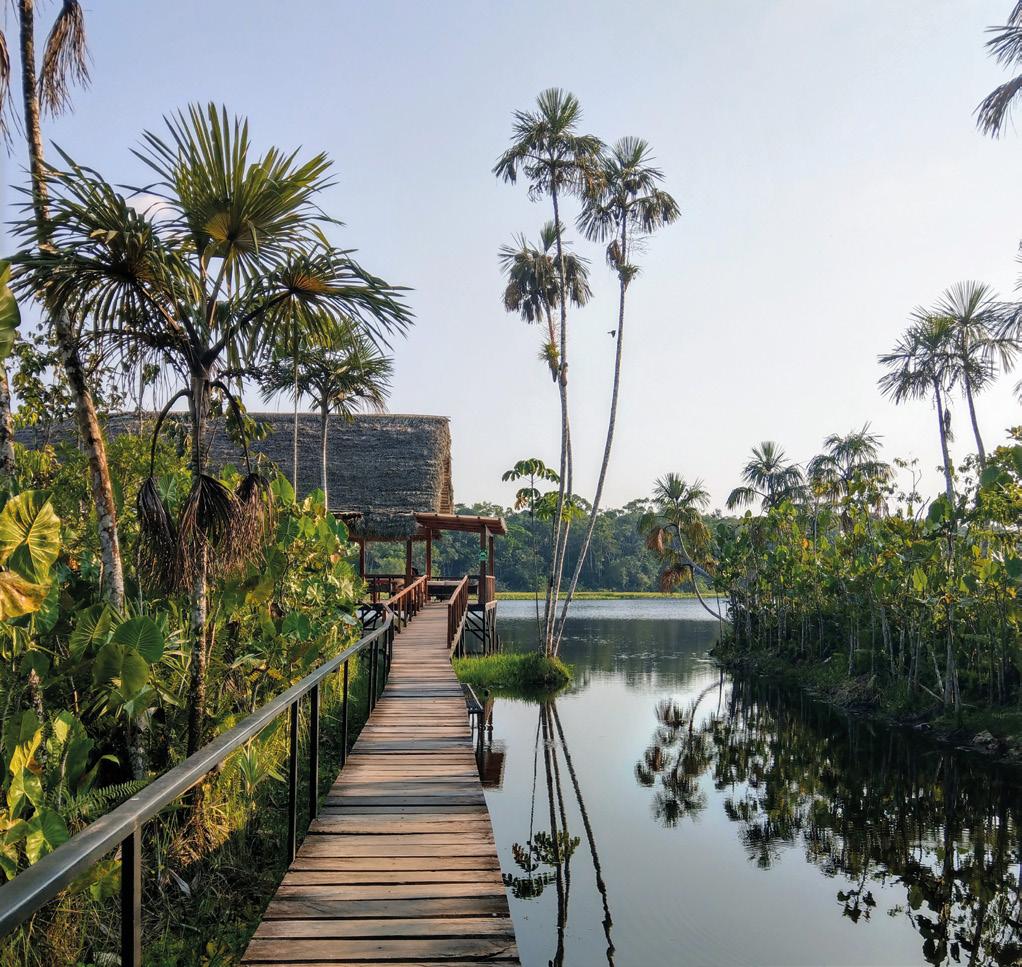
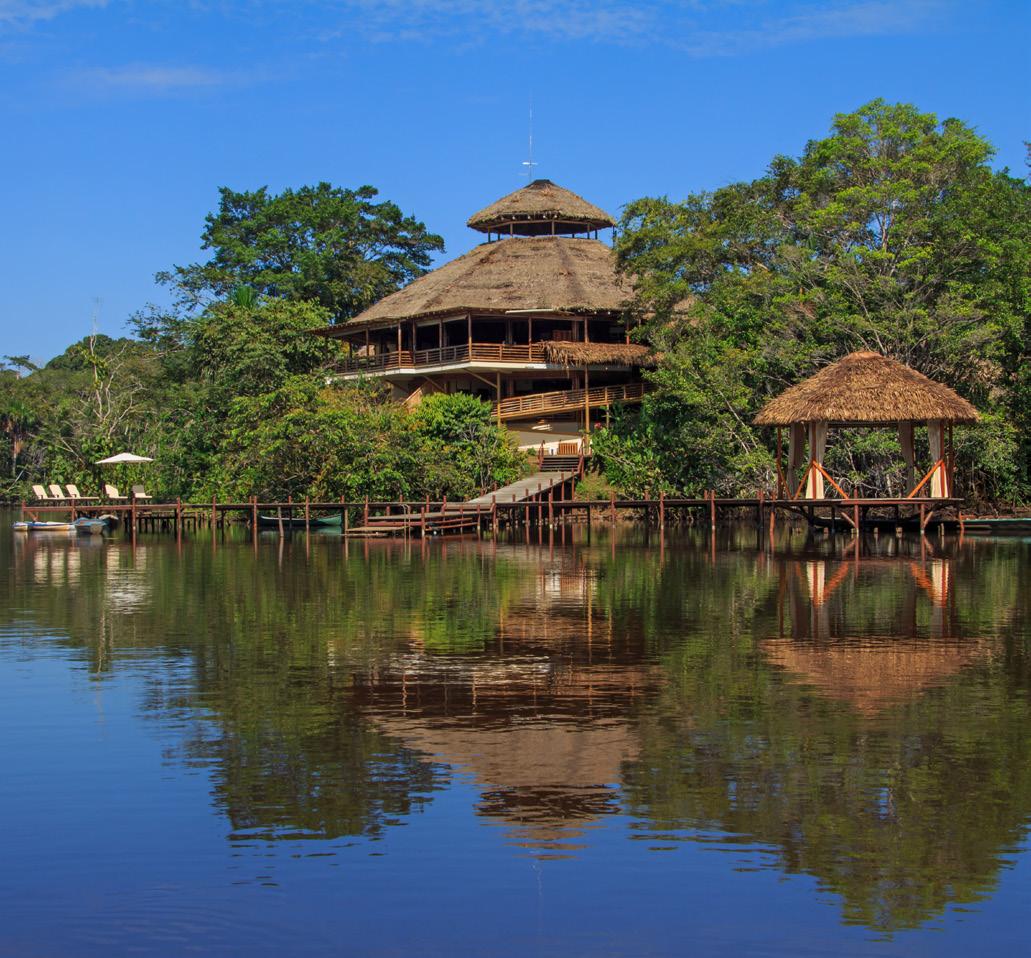
Five-star properties aren’t available in the Ecuadorian Amazon, but that’s not to say these eco-lodges aren’t comfortable, refined, updated, and architecturally stunning. Activities and programming focus on land-based excursions (walkabouts during the day and after dark) or suspended in the rainforest canopy. Our top picks for Amazon lodges in Ecuador are all located within a few miles of one another and are set back from the Napo River on their respective lakes, deep in Yasuní National Park and Biosphere Reserve.
• Napo Wildlife Center Ecolodge
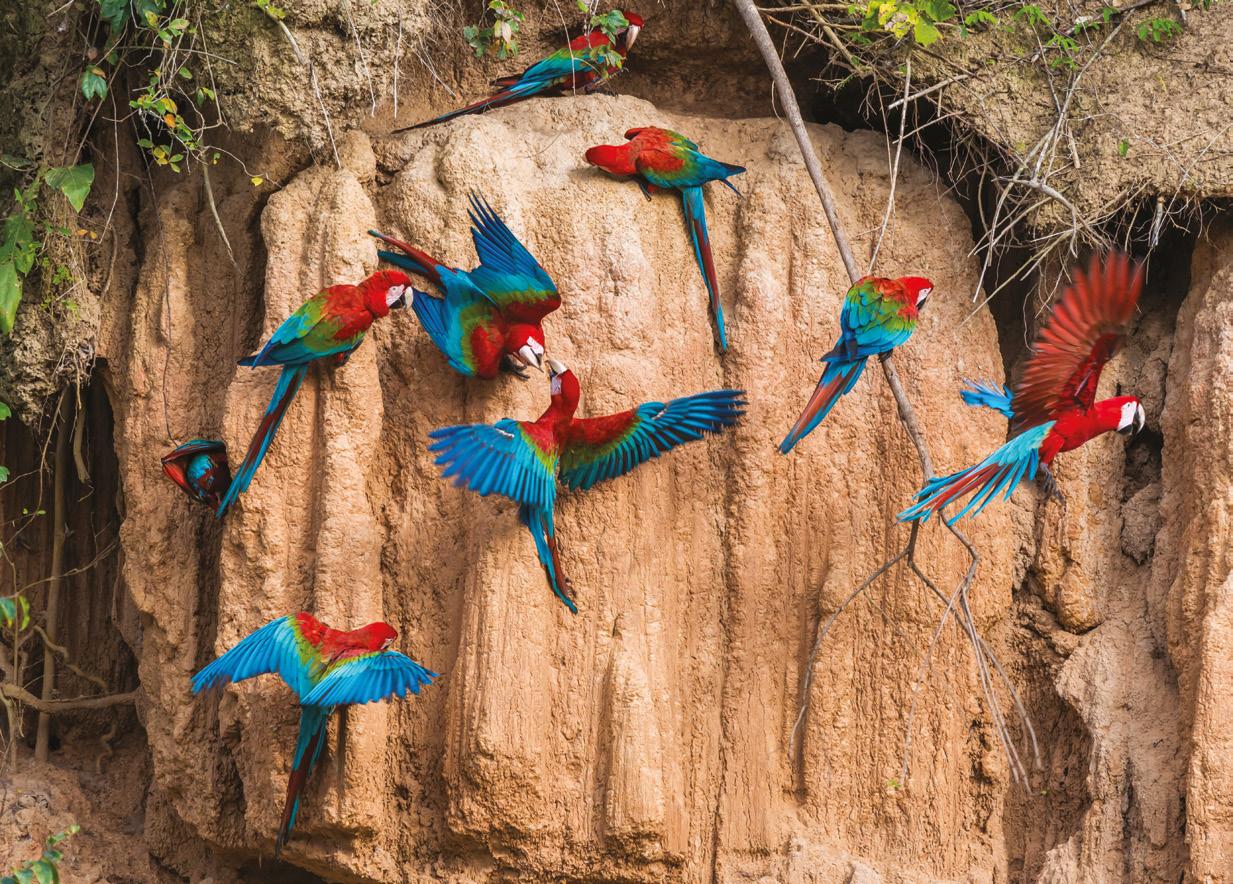
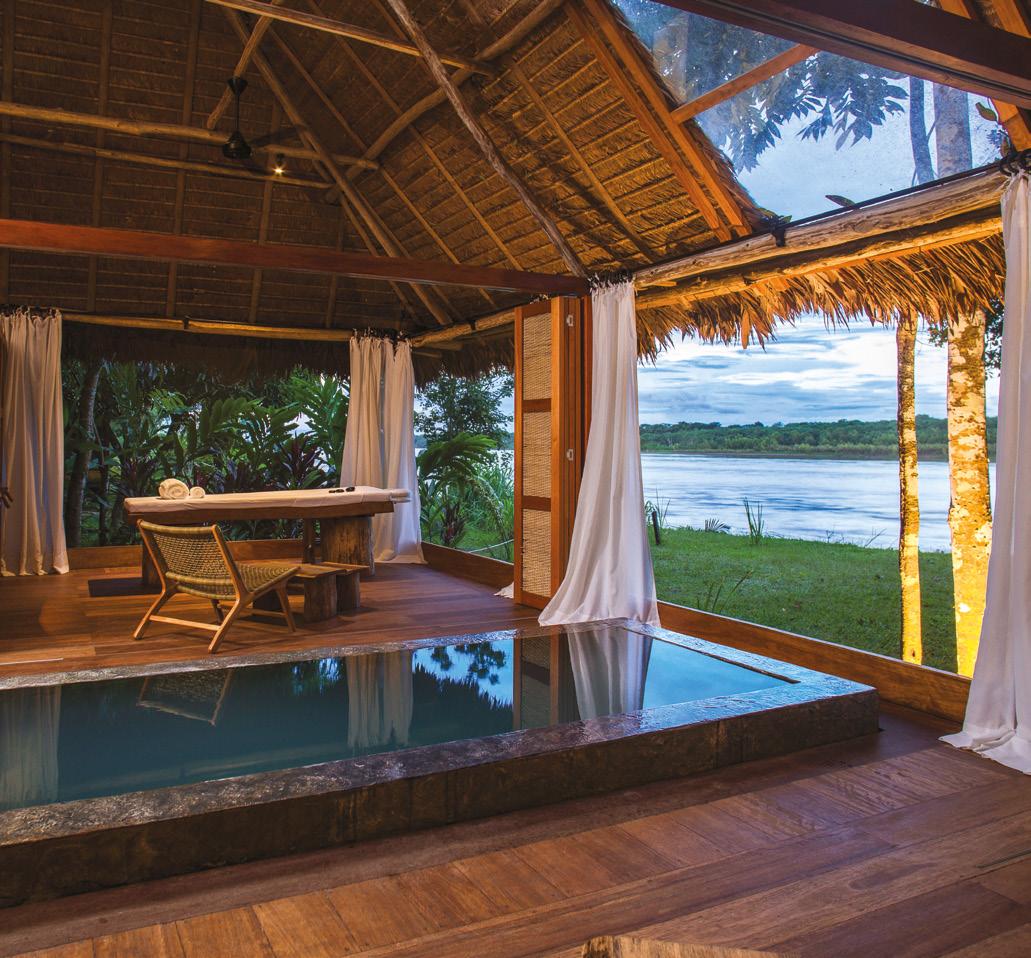
In Peru, Extraordinary Journeys’ top picks for land-based lodges are all located in or near Tambopata National Reserve. Relative to Ecuadorian lodges, the Peruvian Amazon’s offerings are comparable, but the excursions are very involved and immersive. Think: trekking for anacondas, piranha fishing, macaw-spotting at clay licks (a bird-watchers hot spot), or swimming among pink river dolphins. Where Ecuador’s Amazon experiences can be considered generalist, Peruvian activities can be much more niche.
• Tambopata Research Center
• Refugio Amazonas
• Inkaterra Reserva Amazonica

Are leafy rainforest adventures calling you? Let’s plan your Amazon escape.
+1.212.226.7331 | info@extraordinaryjourneys.com
To understand the behavior and human-like nature of these rare and charismatic primates, Alicia-Rae Light journeys to where they roam in the misty rainforests of East and Central Africa to come face-to-face with our not-so-di stant relatives.
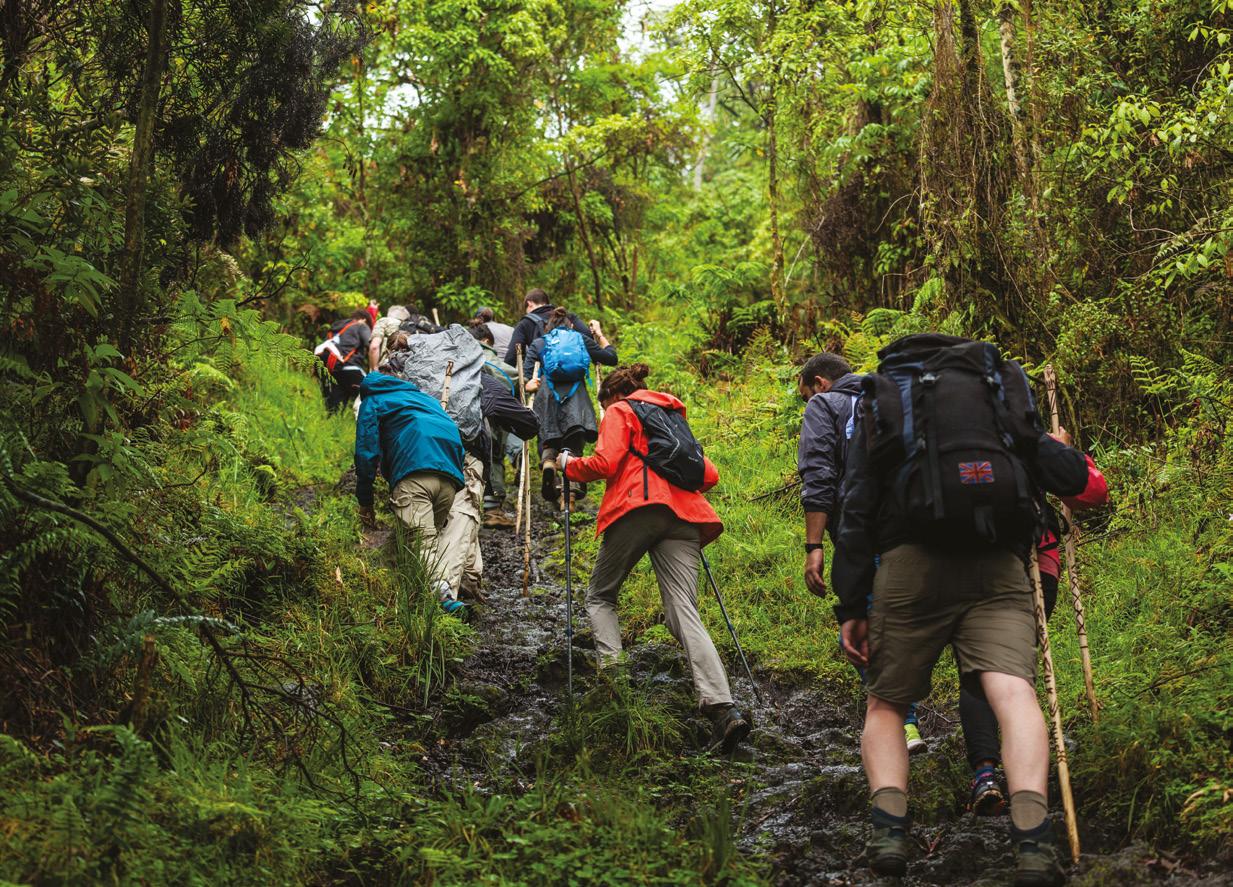
After a trek through the primary and secondary rainforests, down narrow tracks, passing wide open fields, with expert gorilla guides who slash through and climb over the dense vegetation as frogs and cicadas sing—suddenly your guide makes a loud gorilla call. The sweat drips off your forehead, your calves burn, and maybe your legs even sting, everso-slightly, from the nettle—but it’s worth it. Trackers who left early in the morning to trek deep in the forest call back—the gorillas are nearby. As you get closer, your guide stops your tracks, asks you to put your face
mask on and bring only what you need: your camera and an open heart. “The gorillas are here. Lower your voices and let’s go meet them.”
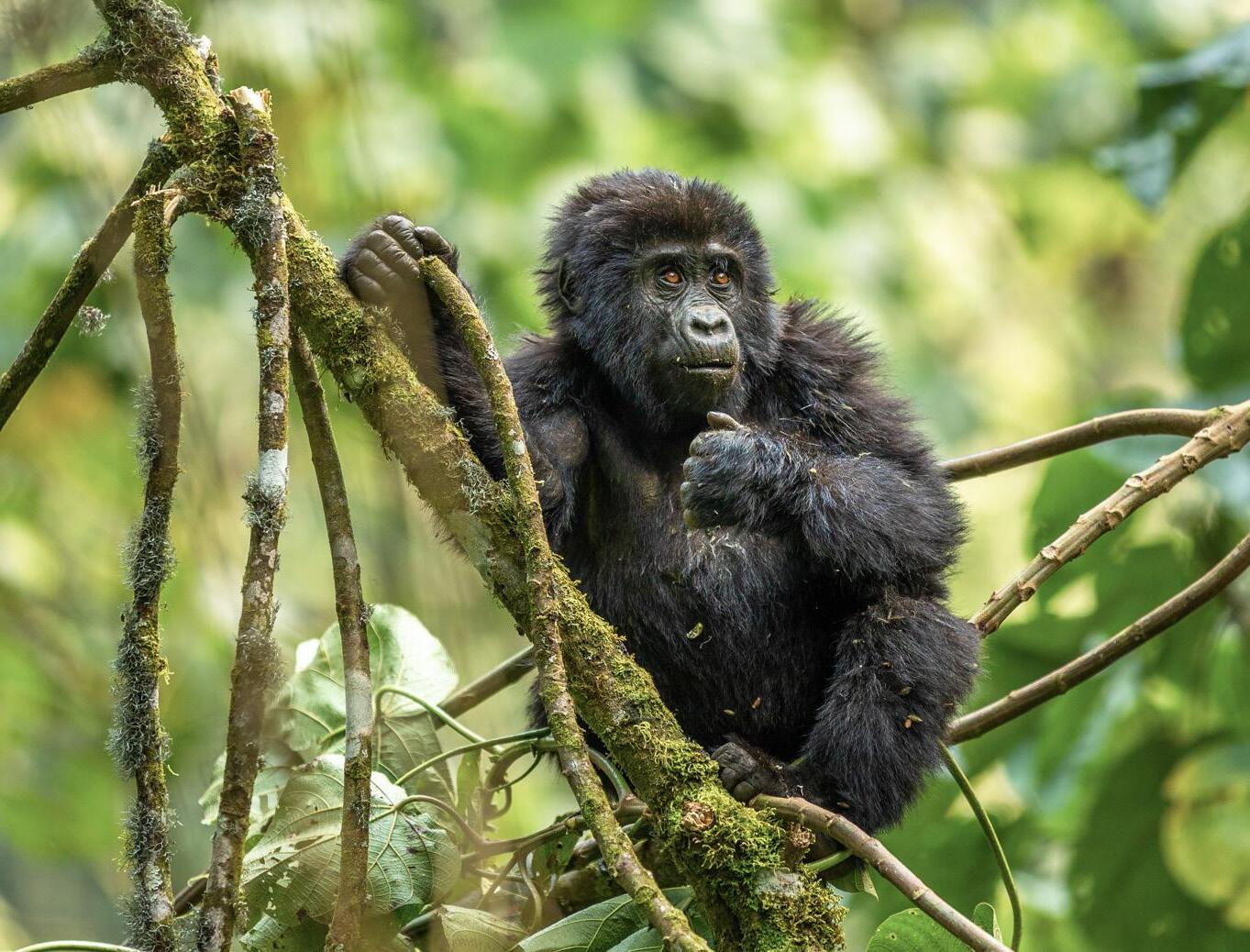
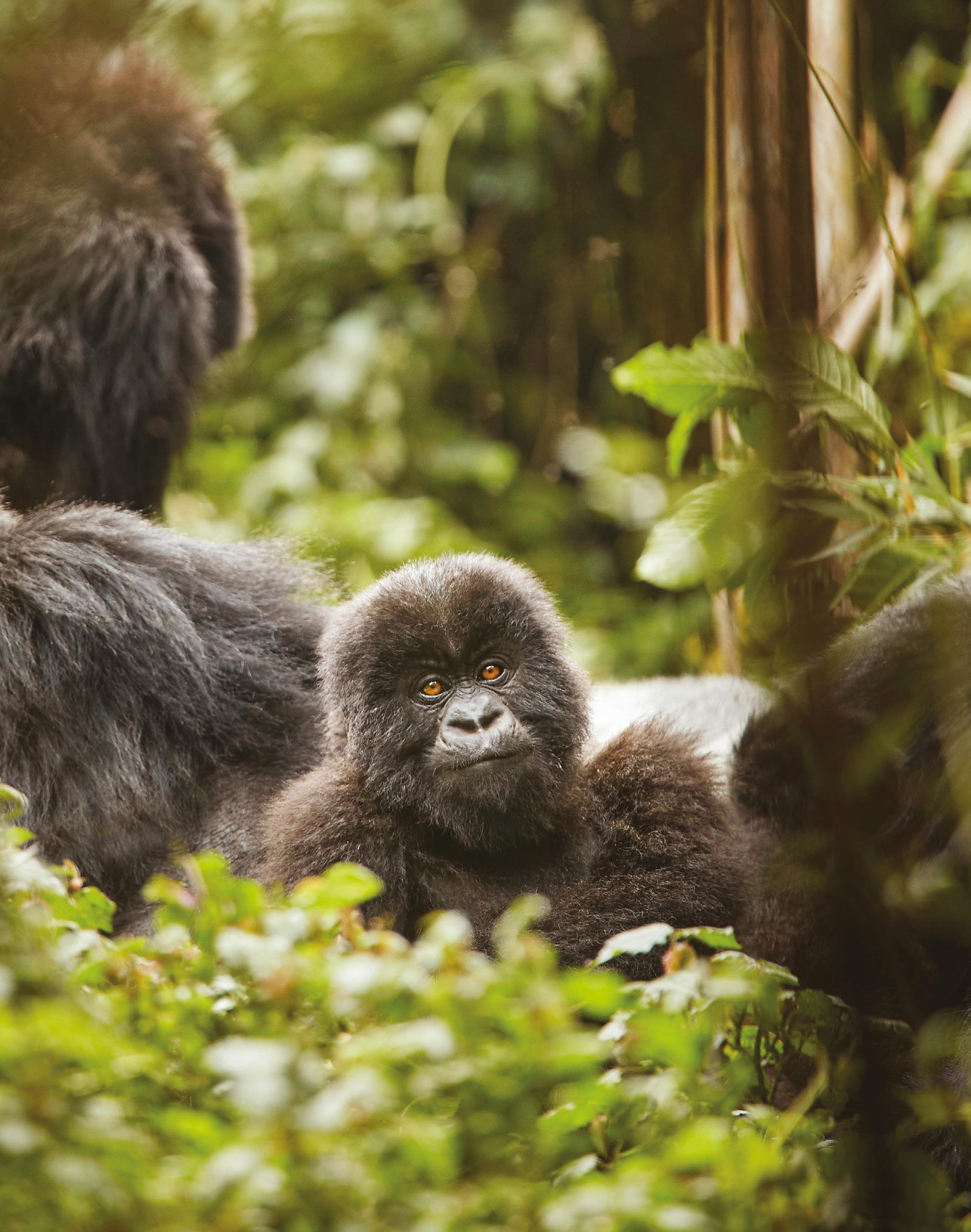
You duck under branches into the verdant forest and catch a glimpse of a large silverback, lounging against a tree, munching a bamboo shoot unapologetically. Suddenly, a fluffy infant rolls out of the bushes and comes towards you curiously, then changes his mind and clambers up a tree, swings across a few branches then tumbles back down clumsily.
To understand and experience the behavior and human-like nature of these rare and precious primates (they share 98 per cent of our DNA), one must journey to where they roam in the misty rainforests of East and Central Africa, where meeting them up close is a soulcentering experience. The hour spent with these charismatic, magical forest creatures is profound as you observe their solo and family behaviors. There’s truly nothing quite like the moment you first lock eyes with a gorilla in their natural habitat.
There are four gorillas subspecies: mountain gorilla, Grauer’s gorilla, western lowland gorilla, and cross river gorilla (only found in Nigeria and Cameroon). Lowland gorillas are confined to the forests of East and Central Africa, and the majority live in the Congo Basin—the second largest tropical rainforest left on Earth. Mountain gorillas are found east of the basin in the Albertine Rift, in Rwanda, Uganda, and The Republic of Congo.
Based on our personal gorilla trekking experiences, Volcanoes National Park in Rwanda, Bwindi Impenetrable National Park and Mgahinga Gorilla National Park in Uganda, Odzala-Kokoua National Park in the Republic of Congo, all support sustainable gorilla observation. As gorillas strive to survive in our modern day, any opportunity to spend time with them is an exceptional experience.
For time immemorial Rwandans have sung and celebrated the spectacular, storied Virunga Mountain range, with five of its dormant volcanoes visible from Volcanoes National Park: Muhabura, Sabiyino, Gahinga, Karisimbi, and Bisoke.
In the northwestern corner of the country you’ll find Volcanoes National Park, one of the oldest national parks in Africa. A three-hour drive from Kigali, the rainforest is home to around half of the world’s remaining mountain gorilla population. With 10 habituated families to visit, Volcanoes has varied lengths and difficulties of treks. Of the three countries, Rwanda offers the most accessible trails—it’s generally much easier to reach the gorillas here than in Uganda.
There’s a reason American primatologist and conservationist Dian Fossey dedicated her life to studying and living amongst Rwanda’s gorillas. History buffs will appreciate following in Fossey’s footsteps who famously studied the Gorillas in the Mist (the title of her book and film) here and brought worldwide attention to the importance of their conservation. Immerse yourself in her life and work at the Ellen DeGeneres Campus of the Dian Fossey Gorilla Fund, a multi-acre, eco-friendly facility adjacent to the national park with an interactive experience—a true gateway to conservation and host to researchers.
Rwanda boasts a dozen other primate species, including groups of chimpanzees, colobus, and golden monkeys, which you can also trek to.
To support conservation efforts, the Rwanda Development Board limits daily permits to 80 per day; each costs $1,500 per person, per trek with a maximum group size of eight. Each trekking group is assigned a gorilla family by a ranger on the day of their trek, according to group size and fitness levels. The permit
grants you an hour-long experience with the gorillas once the ranger and trackers locate them. This price may seem steep, but you’re in one of the cleanest, most safe and progressive model nations on the continent, with the data to back up its success and impact the permits are having on conservation. In fact, gorillas are the only primate species whose numbers are increasing. What’s more, 10 per cent of the park fee benefits surrounding communities. The cost ensures the sustainability of conservation initiatives, funds development projects, and enhances the overall visitors experience.
Volcanoes National Park
VIRUNGA LODGE
Virunga Lodge has the best of both worlds— it overlooks the sparkling twin lakes, Burera and Ruhondo, and has outstanding views of the Virunga Mountains (choose between a lake or mountain view—both are breathtaking, especially at sunrise).
BISATE
Bisate’s six forest villas have a unique design nestled right into the trees. This eco-chic rainforest lodge has both a mesmerizing volcanic landscape and unforgettable vistas overlooking Bisoke, Karisimbi and Mikeno volcanoes. Jungle luxe, if you will.
Surrounded by swaying eucalyptus trees, One&Only Gorilla’s Nest reflects Rwanda’s spirit of adventure. It’s a place that encourages eye-opening encounters with majestic mountain gorillas, while being immersed in the culture and the magic of the rainforest.
We love the elegance of Singita Kwitonda’s eight luxurious suites set right on the edge of the national park. Each has a private heated plunge pool, and in and outdoor fireplaces—the perfect way to warm up after a morning trekking in the mountains to see the gorillas.
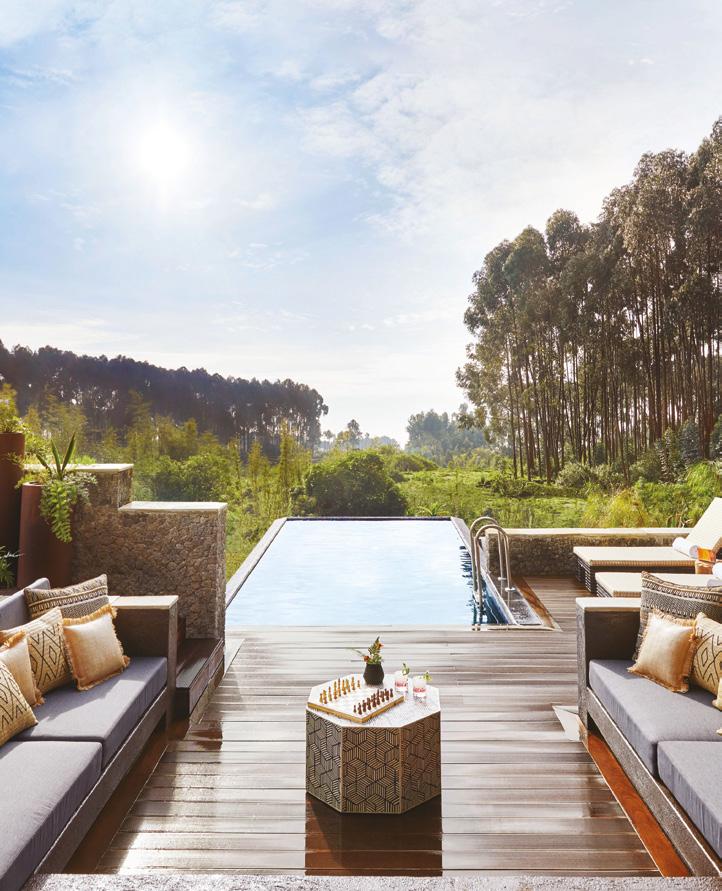
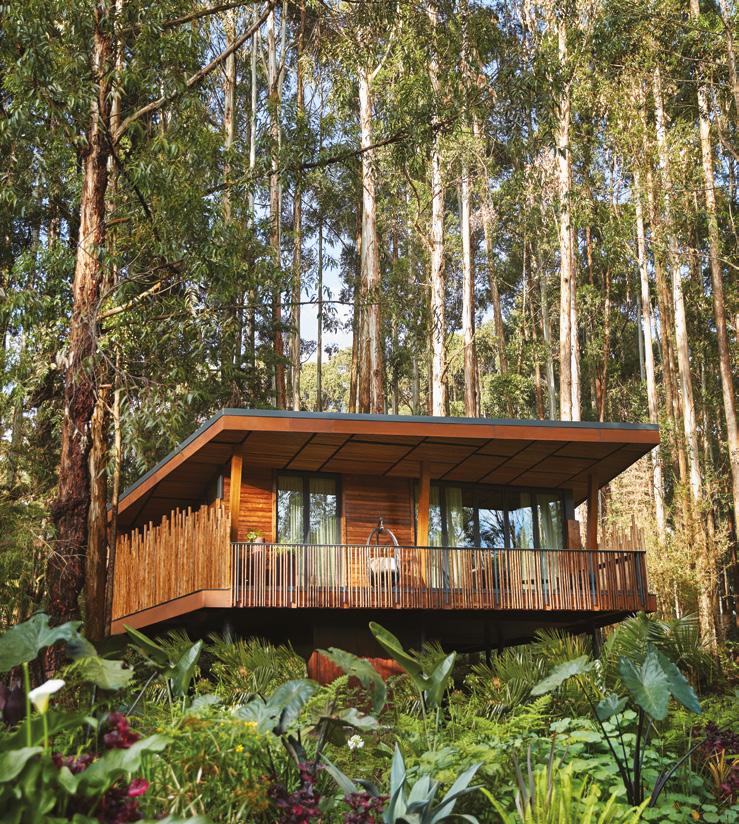
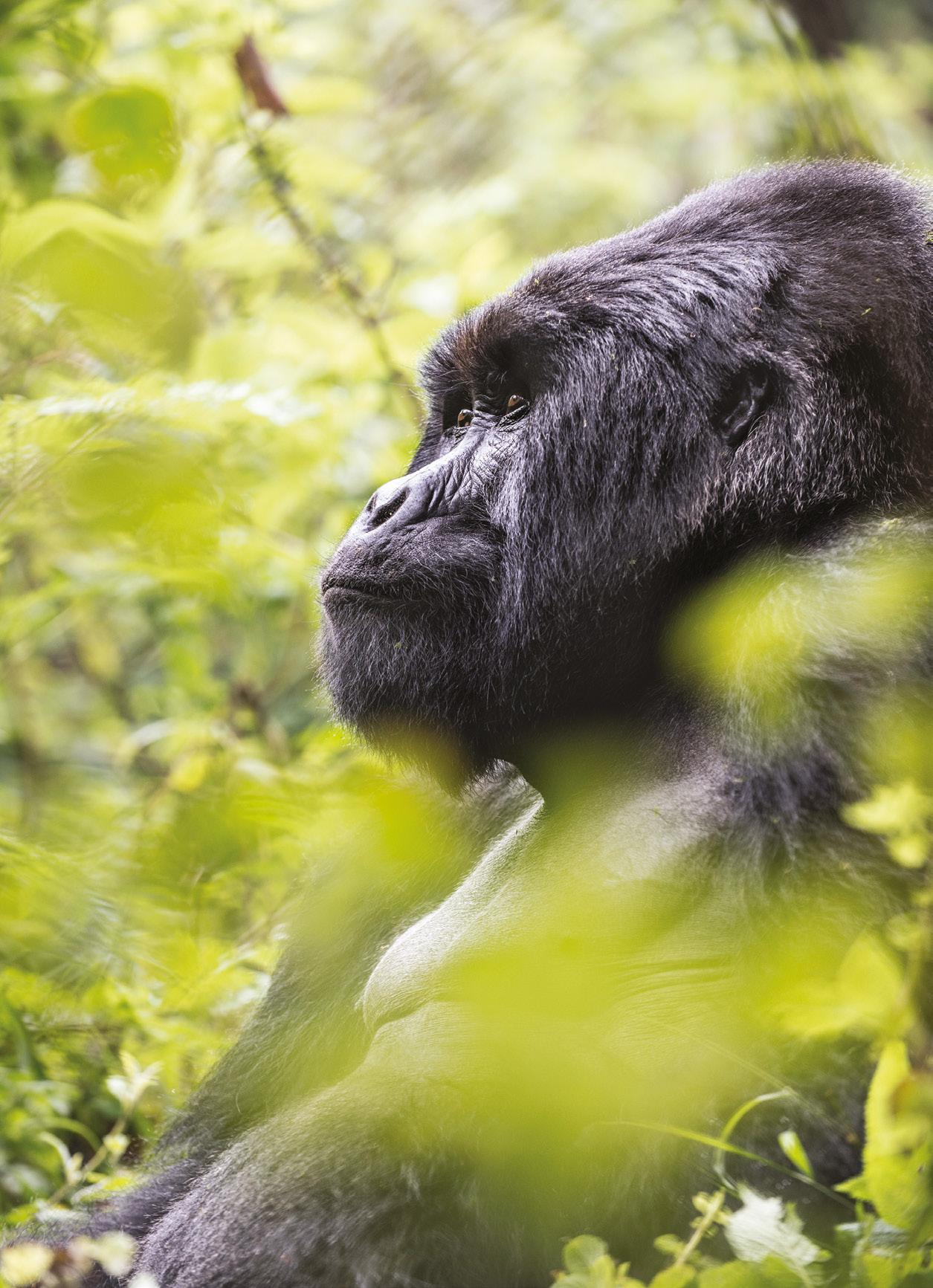
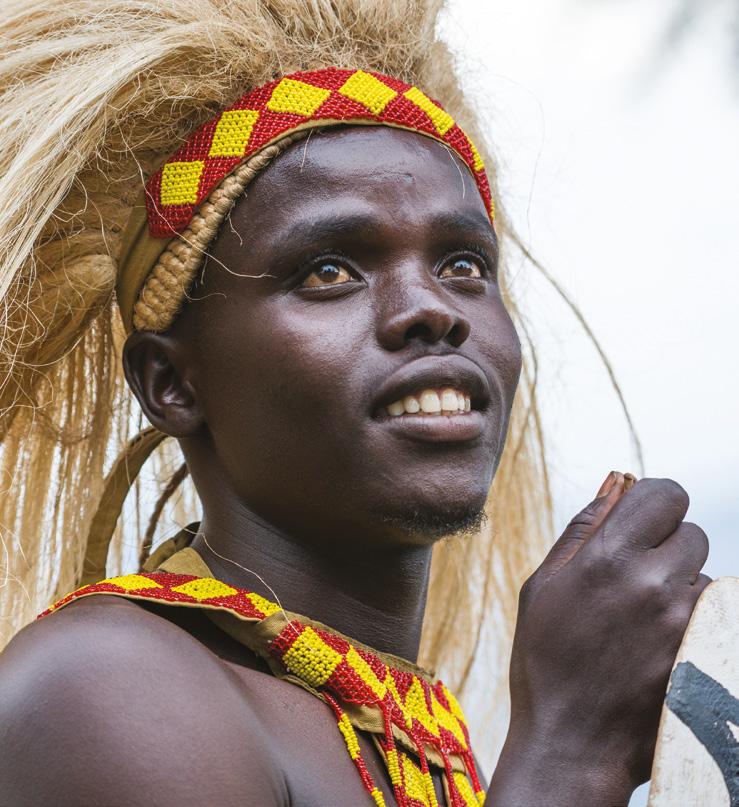
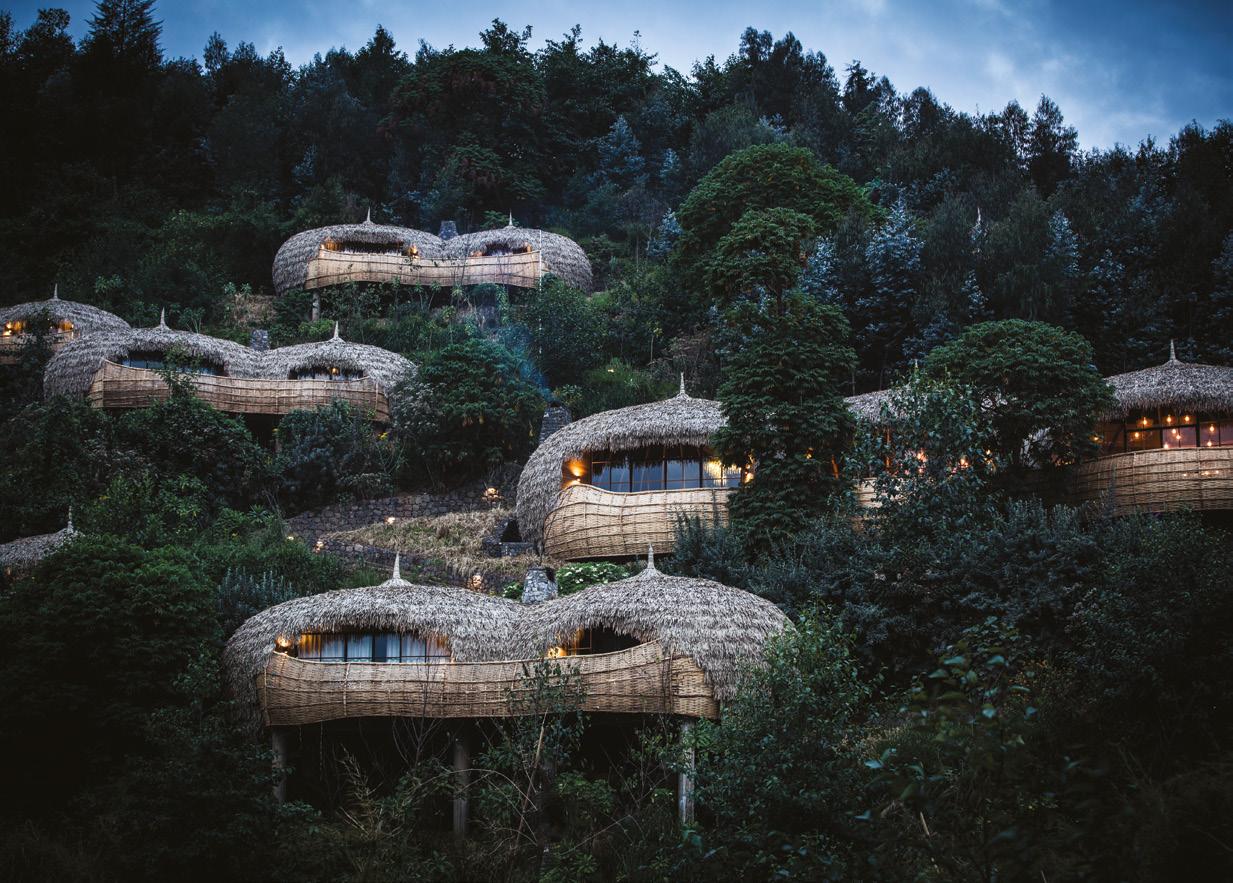
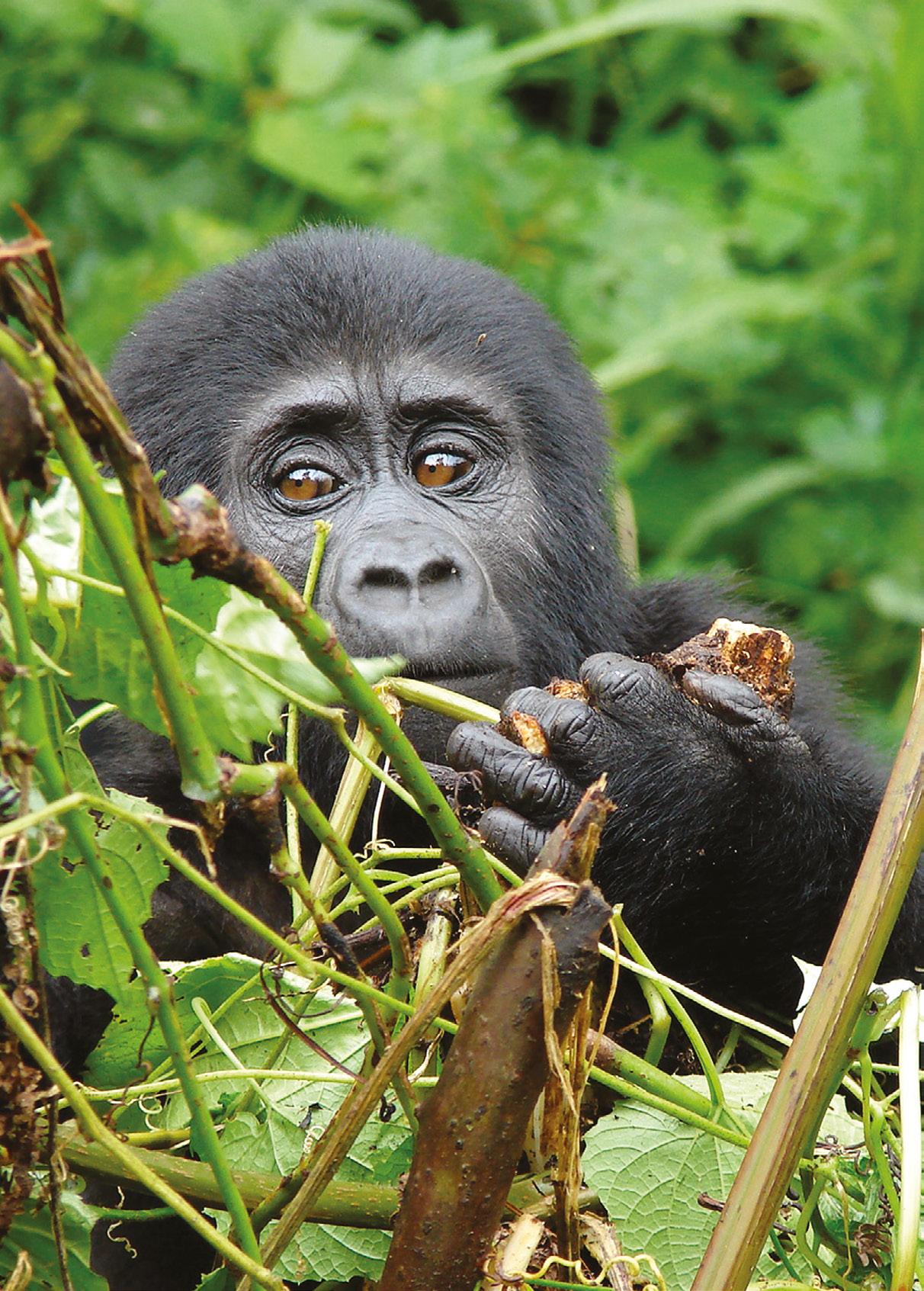
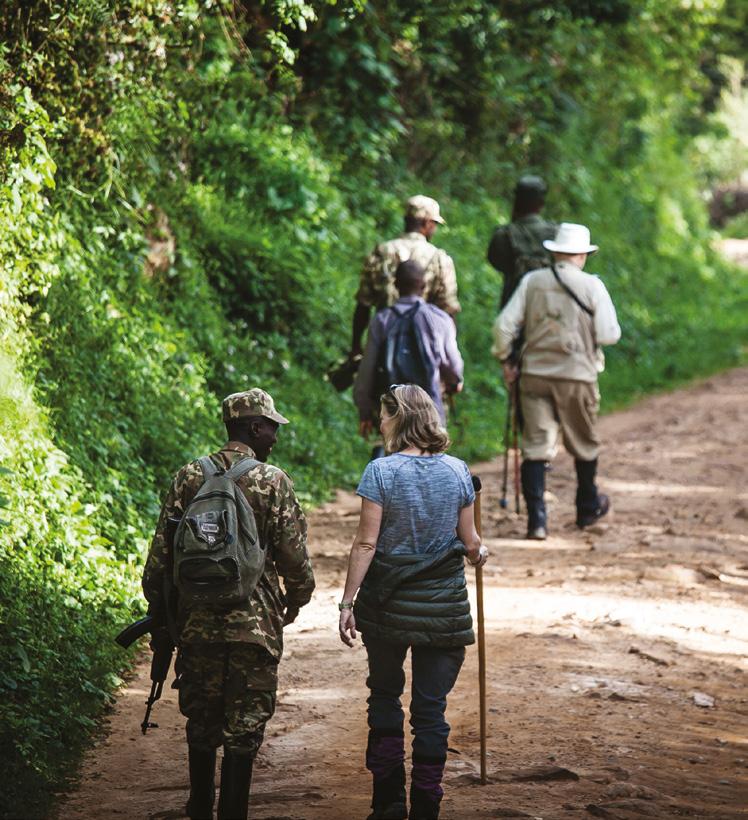
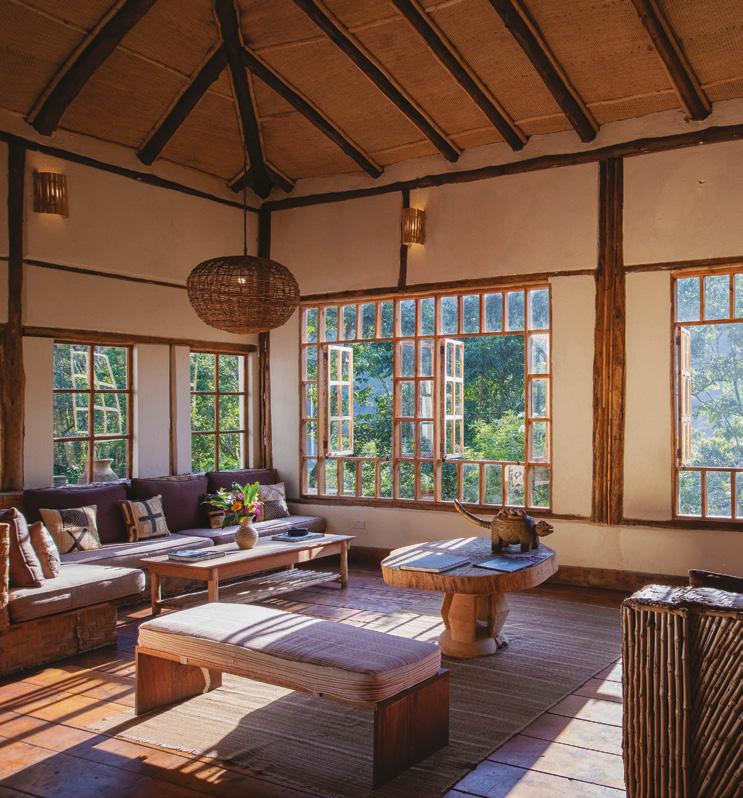
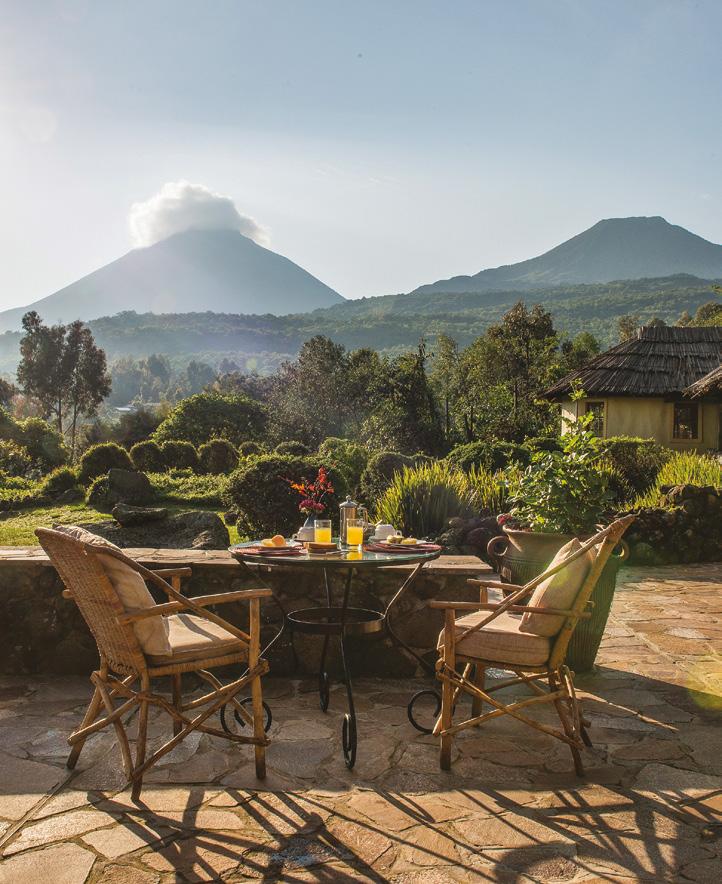
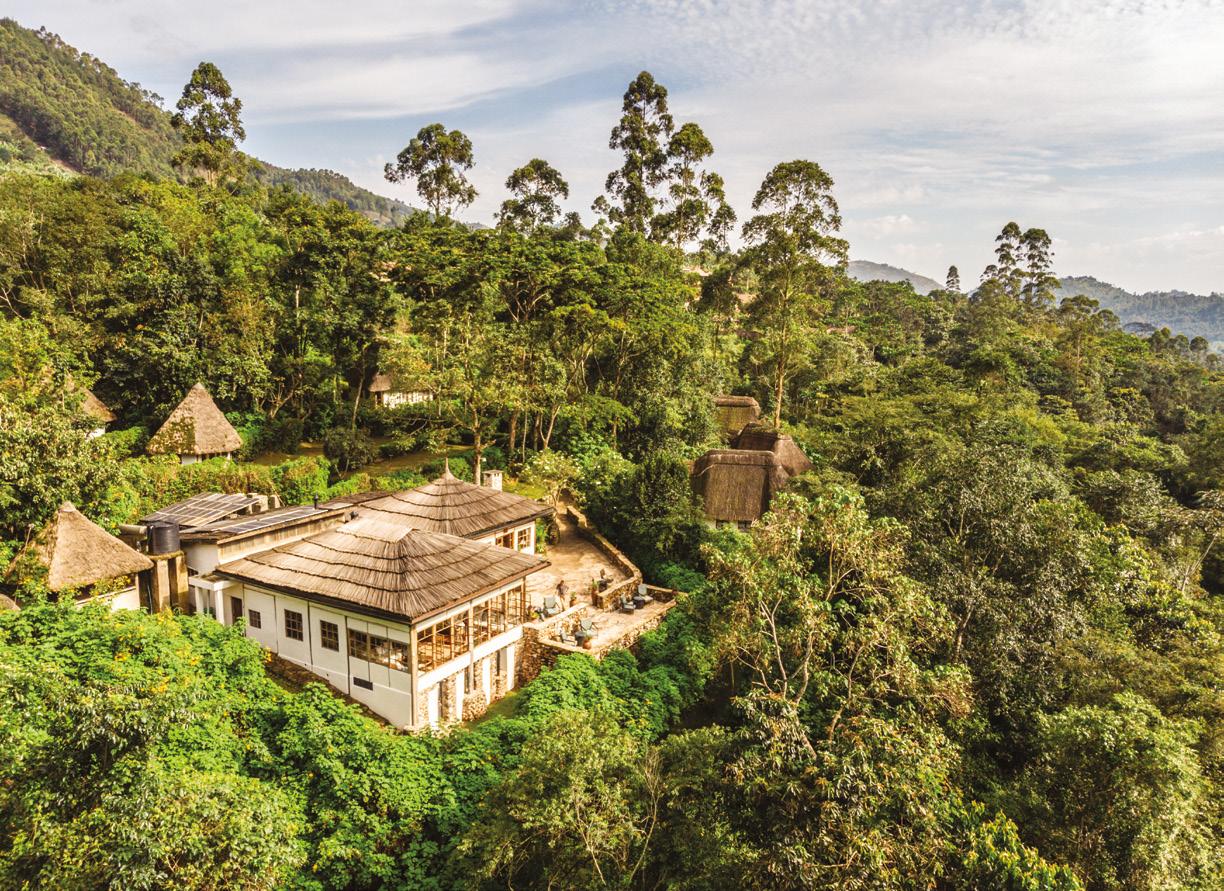
Uganda is an Eden of rainforest and lush vegetation, balanced by vast stretches of grassland, lakes, and rivers. Home to half of the world’s population of mountain gorillas, Uganda is one of the few countries where you can encounter them in their natural environment, as well as chimpanzees and golden monkeys.
Opt for Uganda’s smallest national park, Mgahinga Gorilla National Park. With only one habituated gorilla family, the Nyakagezi group are very accustomed to humans. They’re relaxed and curious when you visit them—sometimes allowing you to become a part of their family, sitting close and observing intimately.
The larger and more popular place to trek is Bwindi Impenetrable Forest National Park, 30 miles north of Mgahinga. It’s a protected, lush-green region that’s home to around 450 mountain gorillas. A guided trek can bring you to one of 14 family groups (you get to choose from) totaling more than 160 members, including adorable, must-see gorilla babies. Serious adventurers may want to add the Gorilla Habituation program to their itinerary for a more exclusive experience. This intimate, four-hour hike in Rushaga (the southern part of Bwindi) offers an incredibly unique and rare encounter, meeting gorillas that are not yet fully habituated means you get to help introduce them to human interactions, aiding in conservation efforts.
A gorilla trekking permit in Uganda costs $700 and 75 per cent of the money raised supports gorilla conservation. The government collects 15 per cent, while 10 per cent is reserved for the local communities around the parks. The permit includes park entrance fees, an hour with the gorillas, and advance tracker and ranger fees. The permit for Gorilla Habituation is $1,500 with a max of four people per group. Warning: trekking in Bwindi is not for the faint-hearted, due to
elevation gains of up to 7,500 feet in humid and muddy conditions. It’s a long drive from the capital (nine to 10 hours) to Bwindi, so we like to combine Uganda trekking into a five-day, or longer, safari to explore other areas of the country. If you can’t swing a few extra days, there are daily flights from Entebbe to Bwindi Impenetrable Forest.
Mgahinga National Park
MOUNT GAHINGA LODGE
Arriving to Mount Gahinga Lodge is like walking into a misty, cool, rainforest dreamscape. You’ve entered gorilla habitat, it’s palpable. Smoke billows out of the chimneys as wood fires burn inside each cottage, and outstanding local cuisine is enjoyed family-style inside the cozy main lodge. A true forest hideaway.
Bwindi Impenetrable Forest National Park
CLOUDS MOUNTAIN GORILLA LODGE
Perched above the Bwindi Forest, Clouds Mountain Gorilla Lodge’s cottages have unobstructed views of the Virungas. Waking up to volcanoes towering around you is a staggering experience—we highly recommend waking up for sunrise or sipping a glass of wine on the dining deck as the sun sinks behind the volcanoes. It’s pure magic, especially when accompanied by drumming and singing from the nearby village.
BWINDI LODGE
With dramatic views of the forest canopy across a serene stream, Bwindi Lodge is one of Uganda’s most unique properties. Gorillas frequently come to eat in the verdant bush around the lodge, overlooking the primeval Bwindi Impenetrable Forest. You can’t miss a gorillini cocktail, Ugandan tapas, and a rolex (rolled eggs in a chapati—a traditional not-to-be-missed Ugandan staple) at Bwindi Bar located in the village nearby—the most stylish and colorful bar in the area set up by Volcanoes Safaris Partnership Trust to train disadvantaged local young people in hospitality.
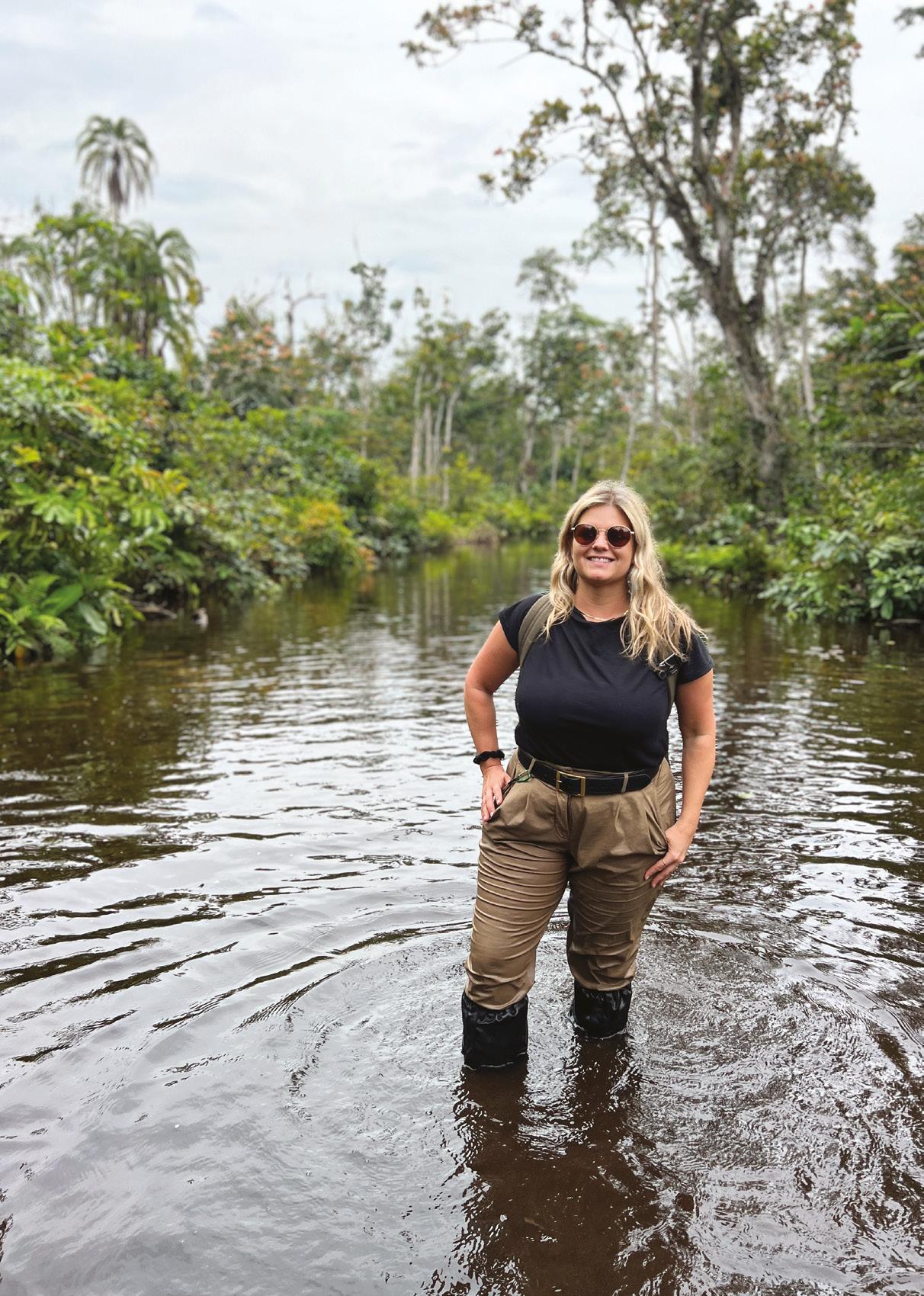
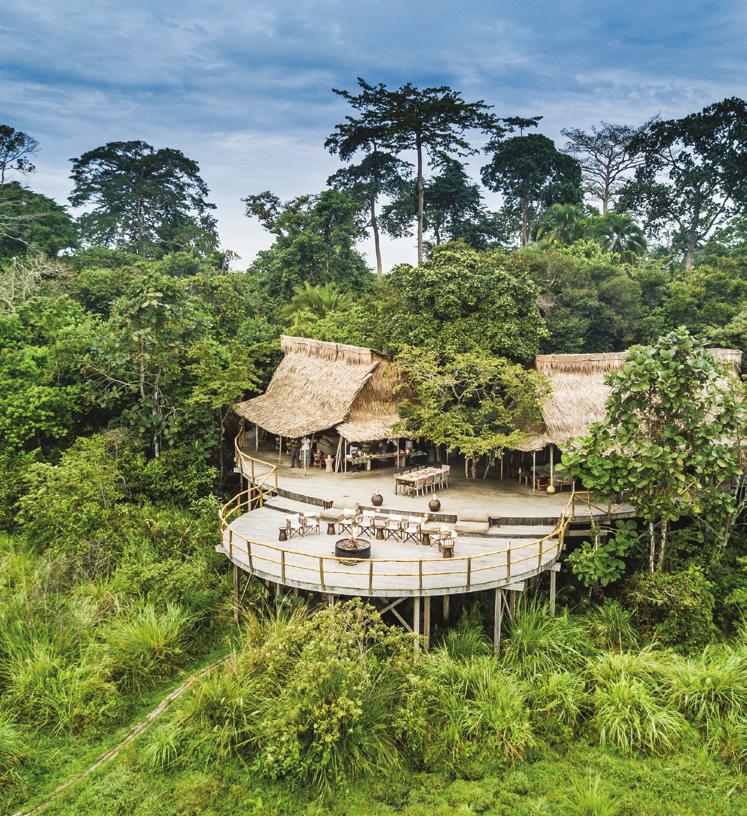
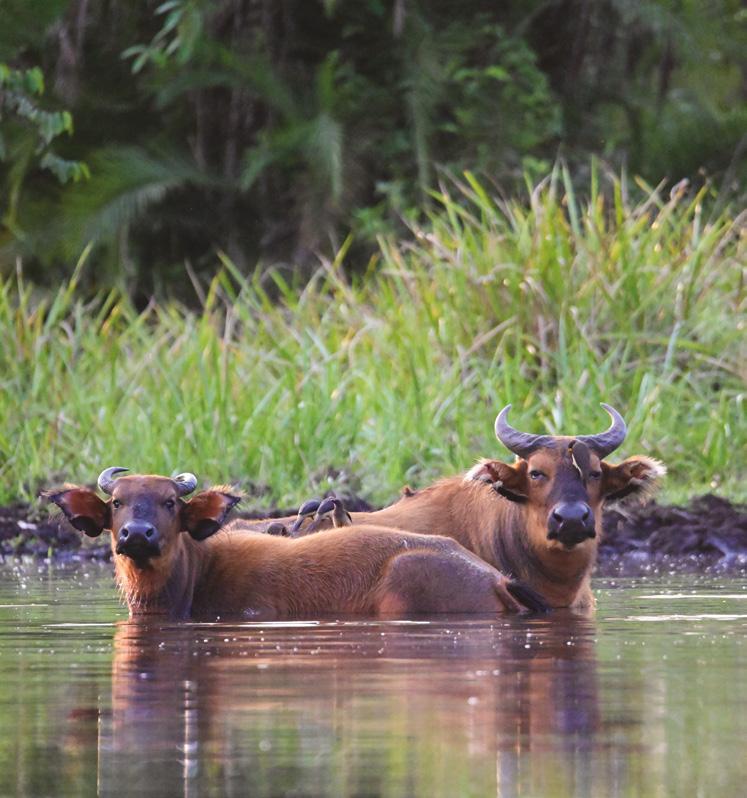
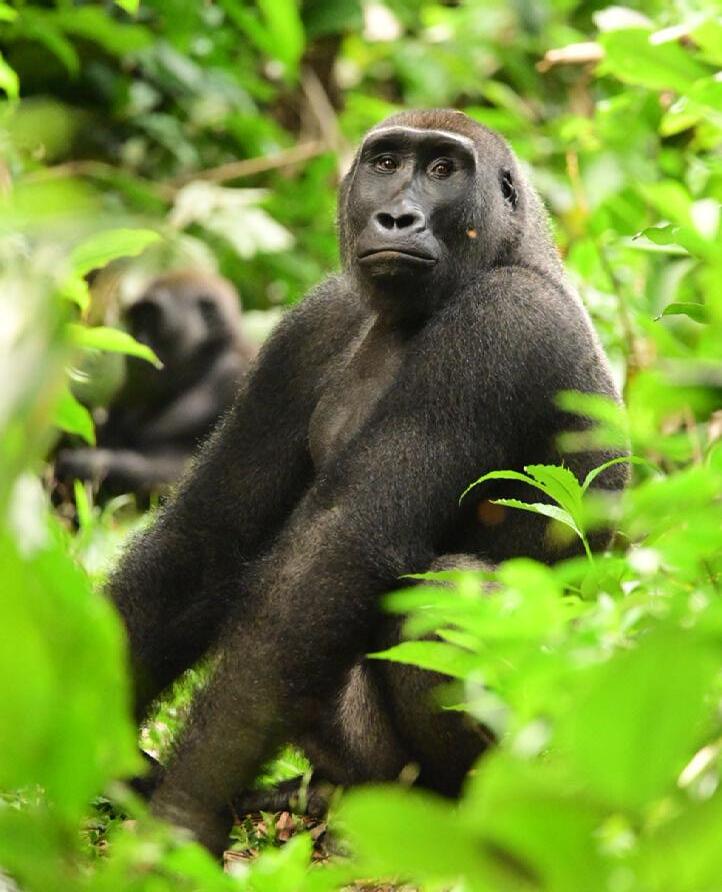
In the Republic of Congo’s remote northwest you’ll find one of Africa’s oldest national parks, OdzalaKokoua National Park, designated in 1935. An integral part of the Congo Basin—dubbed the lungs of Africa— Odzala has habitats ranging from primary forest to savannah, rivers, and baïs. Tremendous trees—ancient giants more than 165 feet tall—emerge into the canopy. The expanse of tree, bush, and marsh shelter shy African forest elephants, 430 species of birds, and over 100 mammals. Most significantly, it’s home to a huge population of Western lowland gorilla and a worldclass primate research facility. Trekking to see lowland gorillas is entirely different than visiting mountain gorillas—you must plough through dense forest, as they nest up in the trees and tend to be more timid. It’s hot, it’s muggy, and there are lots of insects, so you must be willing to tolerate some discomforts—but for the intrepid traveler, it is the opportunity of a lifetime to visit this pristine, untouched place. Also, the guiding is impeccable, the rainforest trails are breathtaking, and you’ll experience game drives across savannahs, boat safaris, kayaking, and wading through rivers, baïs, and swamps.
As part of the overall packaged cost of visiting Odzala on a 7, 10, or 11-night set departure, the gorilla tracking fee is $750 which contributes directly to the Western lowland gorilla research centre at Ngaga camp—where
you’ll be one of the few hundred tourists that visit this region each year. Congo Conservation Company has created this unique way to visit the park through low impact tourism, protecting it from other, potentially damaging, commercial enterprises.
Odzala-Kokoua National Park
NGAGA CAMP
Inside the 7,413 acres of primary rainforest in the Ndzehi Concession is Ngaga camp—a true rainforest experience. The perfect home base for gorilla trekking, it’s also a focal point for primate research. The six treehouses have wraparound walkways facing directly into the forest for prime monkey and bird watching. The three habituated gorilla families in the area tend to stay close by, and have been known to visit camp.
LANGO CAMP
Extending across 148,263 acres, Mboko Concession has diverse types of forest habitats: rainforest, swamp, riparian, and gallery forests. It’s also home to Lango Camp, surrounded by an extensive stretch of savannah and baïs. From here you can trek into the mystical Lango East forest to be immersed into where forest elephants roam and wade in the Lekoli River while watching forest buffalo stroll by. Be prepared to get a little (okay, a lot) wet and muddy. Must have: a sense of adventure.
Mboko Camp is located closest to the airstrip where you land in Odzala. Situated on the Lekoli River, it’s surrounded by lush savannah and towering forests filled with unique creatures. The surrounds are best explored by kayak, foot, and boat. Cabins are double screened—even your verandas—so you can watch the hundreds of butterflies flutter and listen to the river flow (or even take a dip) in total tranquility and peace.
The gorillas are here. Lower your voices and let’s go meet them.”

Don a long sleeve shirt, hat, and pair of abrasion-resistant hiking pants tucked into long socks, then lace up your hiking boots with ankle support with a pair of gaiters over top and you’re set. While trekking in East and Central Africa’s jungles is a wonderful experience, there are some not-so-pleasant flora and fauna like fire ants, and stinging nettle. Tip: Keep a pair of gardening gloves in your pocket for when the jungle gets thick.
Gorilla trekking is a year-round activity, but like any rainforest, it’s easier to trek in the dry seasons: mid-December to early February and June to September. Park rangers track the groups’ movements, so if you don’t mind muddy boots, the opportunities are still there when the rains come down—just bring your waterproof gear and a warm hat. During the wet season, the air is crystal clear, so you’ll enjoy unobstructed views of the volcanoes, and gorillas tend to hang out on the lower slopes (which means an easier trek to find them).
All three destinations are excellent places to see gorillas. Volcanoes National Park in Rwanda is the most easily accessible. In Uganda, there are two options to trek: Bwindi Impenetrable Forest National Park, which has 14 groups and around 450 gorillas, and Mgahinga National Park, with just one habituated group. Bwindi also offers the Gorilla Habituation Experience, where you’re able to spend up to four hours with a semi-habituated group. They’re less predictable and not as relaxed in the company of human onlookers, but it’s a fascinating glimpse into the habituation process. At $1,500, it’s the same price as one hour with Rwanda’s mountain gorillas. Visiting the Republic of Congo is a destination and trip
Let’s get this transformative experience on your calendar.
+1.212.226.7331 | info@extraordinaryjourneys.com
unto itself into a very adventurous, remote, untouched part of Africa. In Odzala, you’re likely to encounter gorillas who may have never even seen a human before. Want a real remote experience? Consider extending your visit to Odzala with an excursion to Sangha Lodge in the Central African Republic. It just depends on the type of experience you’re looking for—why not try them all?
Gorillas are known to be very charismatic and peaceful animals. Each gorilla group has a different dynamic, and every trek is a unique experience, depending on their mood, what’s happened in the family, and whether or not they’ve eaten. Gorillas grieve, and have emotions, just like us. Sometimes you’ll encounter them on a serious day where they look deep into your soul and stay in one place. Other times you’ll find them in a playful mood, with lots of babies, swinging from tree to tree and rolling around. That’s the beauty of a gorilla trek; you could do it 100 times and every single experience will be different. For this reason, we recommend trekking at least twice to two different families, and when time allows, in multiple countries.
More often than not, the gorillas want to approach you. Curious by nature, the juveniles may come right up and even reach for you. Expert guides are there to ensure a safe distance between you and the gorillas. Sometimes they will playfully charge at you or attempt to take a swing at you, in which case the guides will get between you and the gorillas to ensure your safety and theirs. Other times they may brush right by you. Because they are so genetically similar to us, gorillas are susceptible to human diseases, (including COVID-19, Ebola and the flu). As a cautionary protective measure, everyone must wear a mask.
Ausangate is more than just a mountain—it’s a gathering place. Jonny Bierman shares his experience of this lodge-to-lodge trek alongside the local communities.
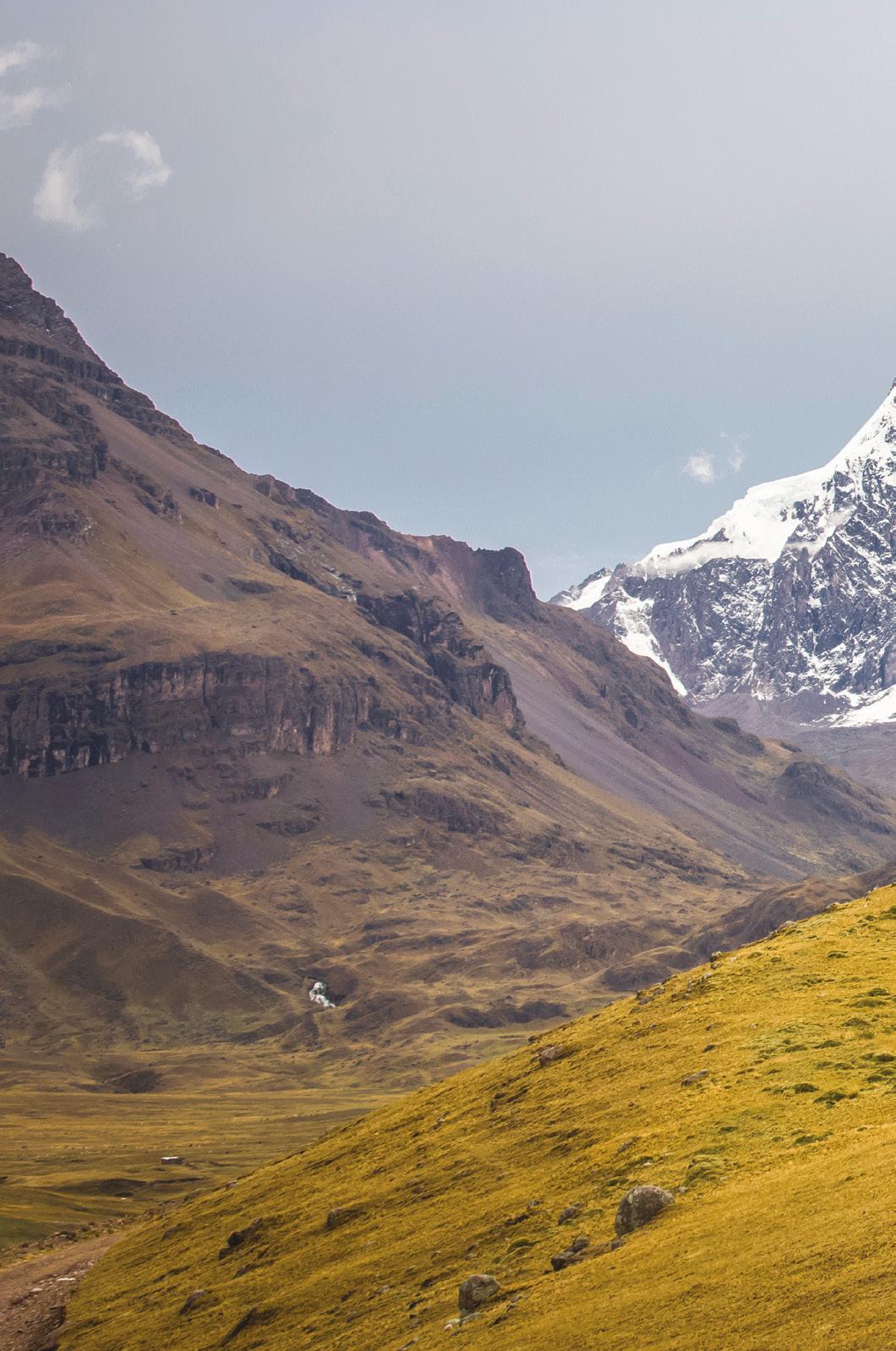
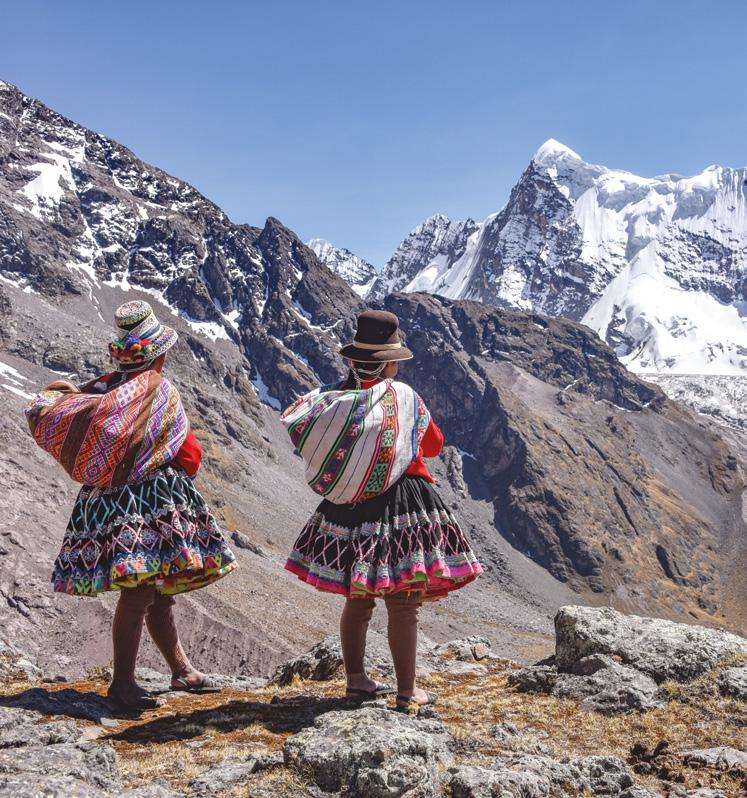
Ausangate is more than just a mountain—it has spiritual meaning. It’s a gathering place for thousands of Quechua people as they celebrate the annual Quyllur Rit’i festival (Quechua for ‘star snow’). It is the fifth-highest mountain in Peru at 20,944 feet above sea level. Seeing Ausangate is a reward that comes to those who answer the call of the Peruvian Andes, and experiencing it with the local people and their communities of Chillca and Osefina is the most sustainable and transformational way to do so.
One of Extraordinary Journeys’ favorite ways of exploring a destination is to immerse clients into the culture. In this region of Peru, visitors can make lodgeto-lodge treks that can be done in two- to six-night trips and are guided in partnership with the local communities. Sustainable, community-based tourism is at work as women, men, and elders show guests the lands they’ve tamed and nurtured for centuries.
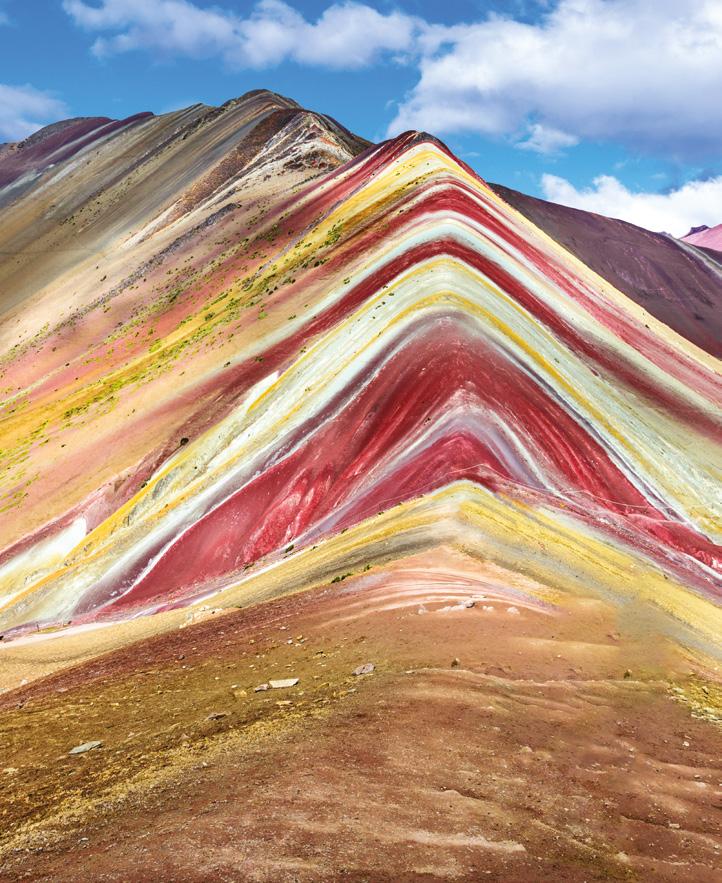
The story of Andean Lodges originates long before the properties were hand-built. You may not know it by name, but you’ve probably seen photos of Rainbow Mountain, the famous, color-banded landmark that millions of travelers flock to each year. It is perhaps the second most known landmark in Peru, after Machu Picchu. Although Rainbow Mountain may be disputed as a casualty of overtourism, its popularity brought awareness to the landmark, supporting a resistance effort when international interests hoped to mine it.
In 2015, a Canadian mining company was slated to extract Rainbow Mountain (known as Vinicunca to the local people). This mountain is more than a pretty geological wonder—it’s a sacred place of immense spiritual importance to the Indigenous people. The communities here worked together through petitions and place establishment to prove its value was worth more for the world to see than to be destroyed for
short-term gain in the mining industry. Fast forward to today, the same communities who had a part in saving Rainbow Mountain are using tourism as a sustainable revenue generator that funds conservation and education programs.
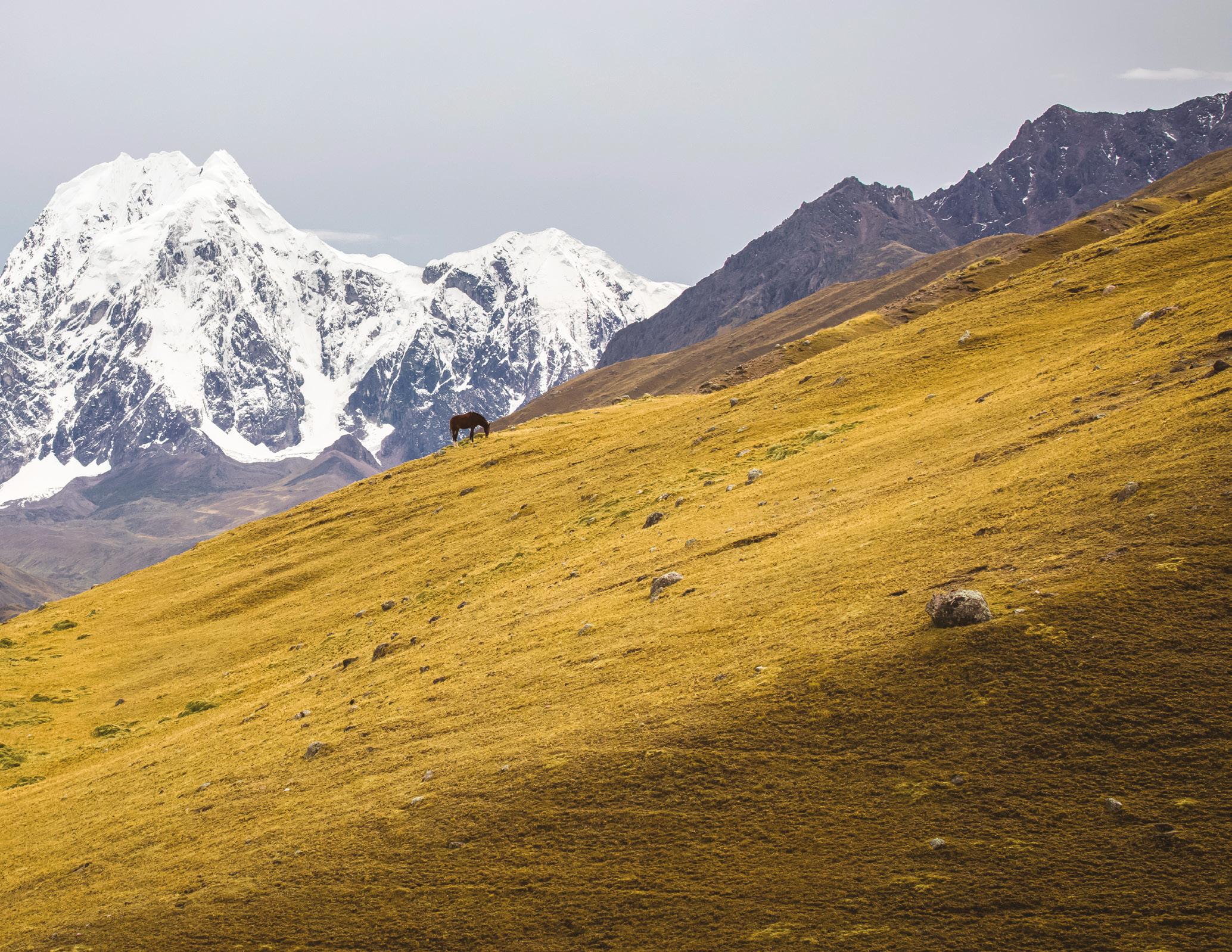
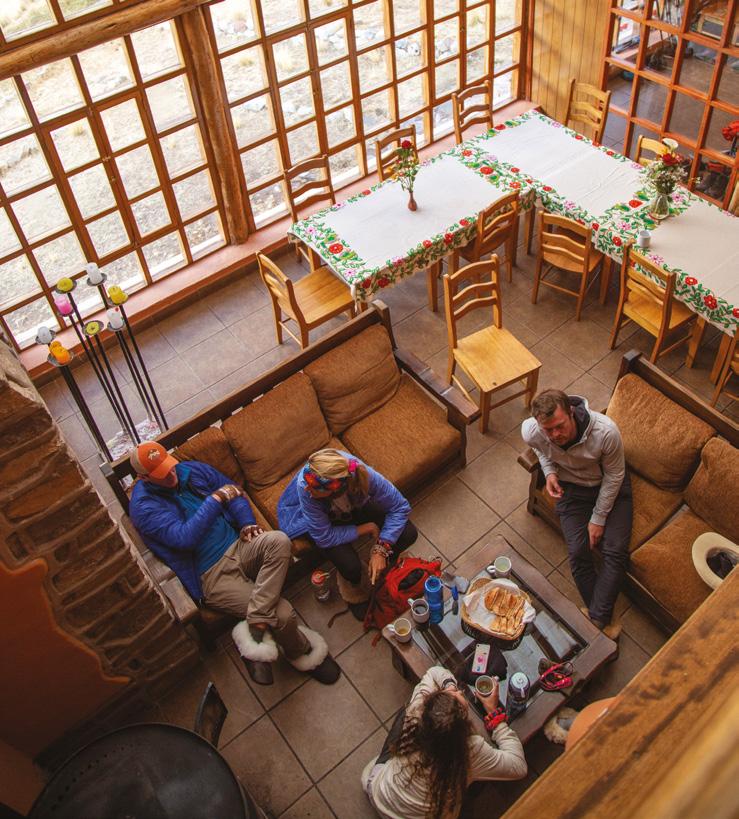
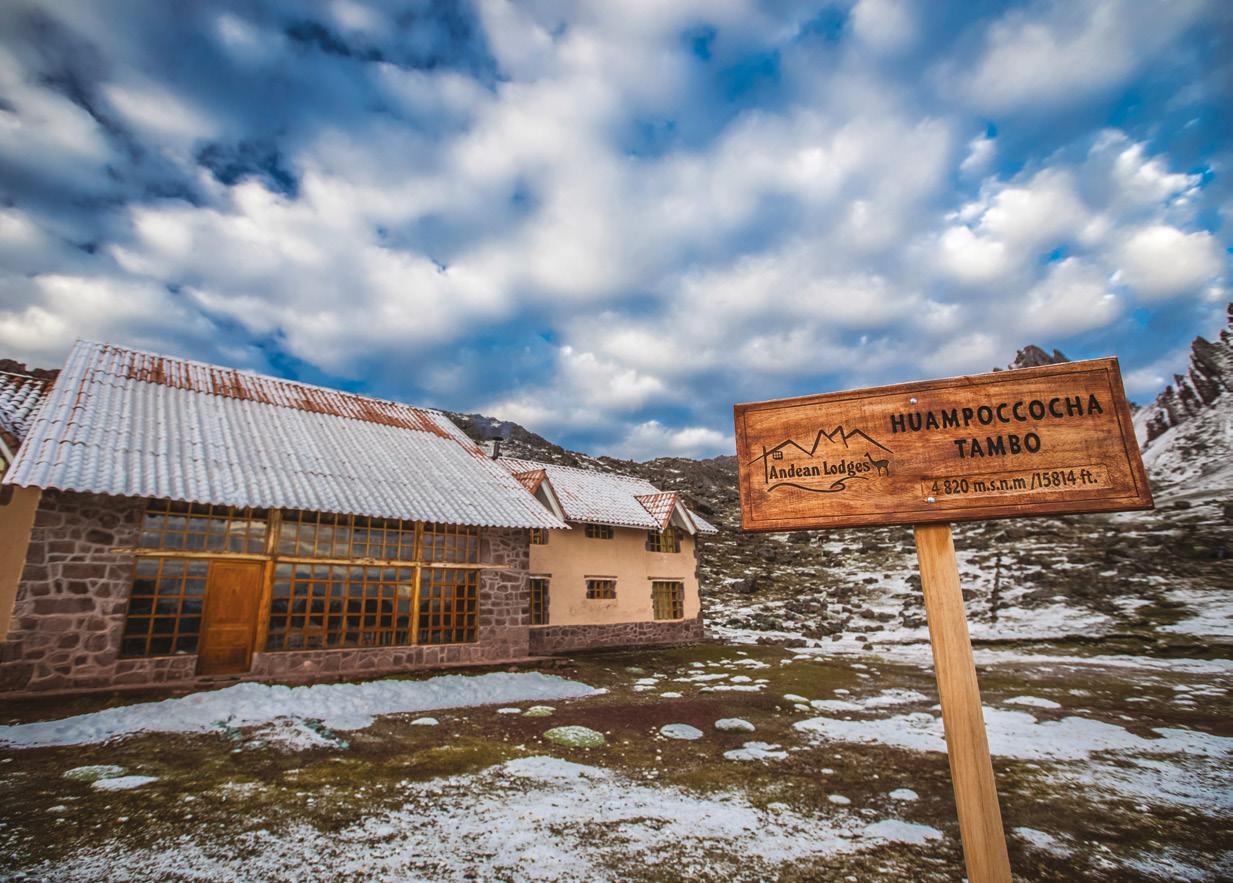
Four lodges connect a multi-day circuit found nowhere else in Peru’s Andes. Unless you’re camping, finding a place to stay out here is not easy. These lodges have brought a level of comfort to the highest of altitudes. Standing at 15,797 feet above sea level, the guides like to claim Machuraccay Lodge is the highest in the world. Truthfully, there may be higher lodges, but this one has hot showers, Peruvian dishes, and toasty warm water bottles tucked gingerly into trekkers’ beds.
A stay goes deeper than providing life-altering experiences at altitudes challenging even the fittest of hikers. Andean Lodges is a community-based social enterprise that uses funds generated from treks and lodges to invest in conservation, education, and empowering women. The profits are used for educational programs and to fund scholarships for youth to study tourism.
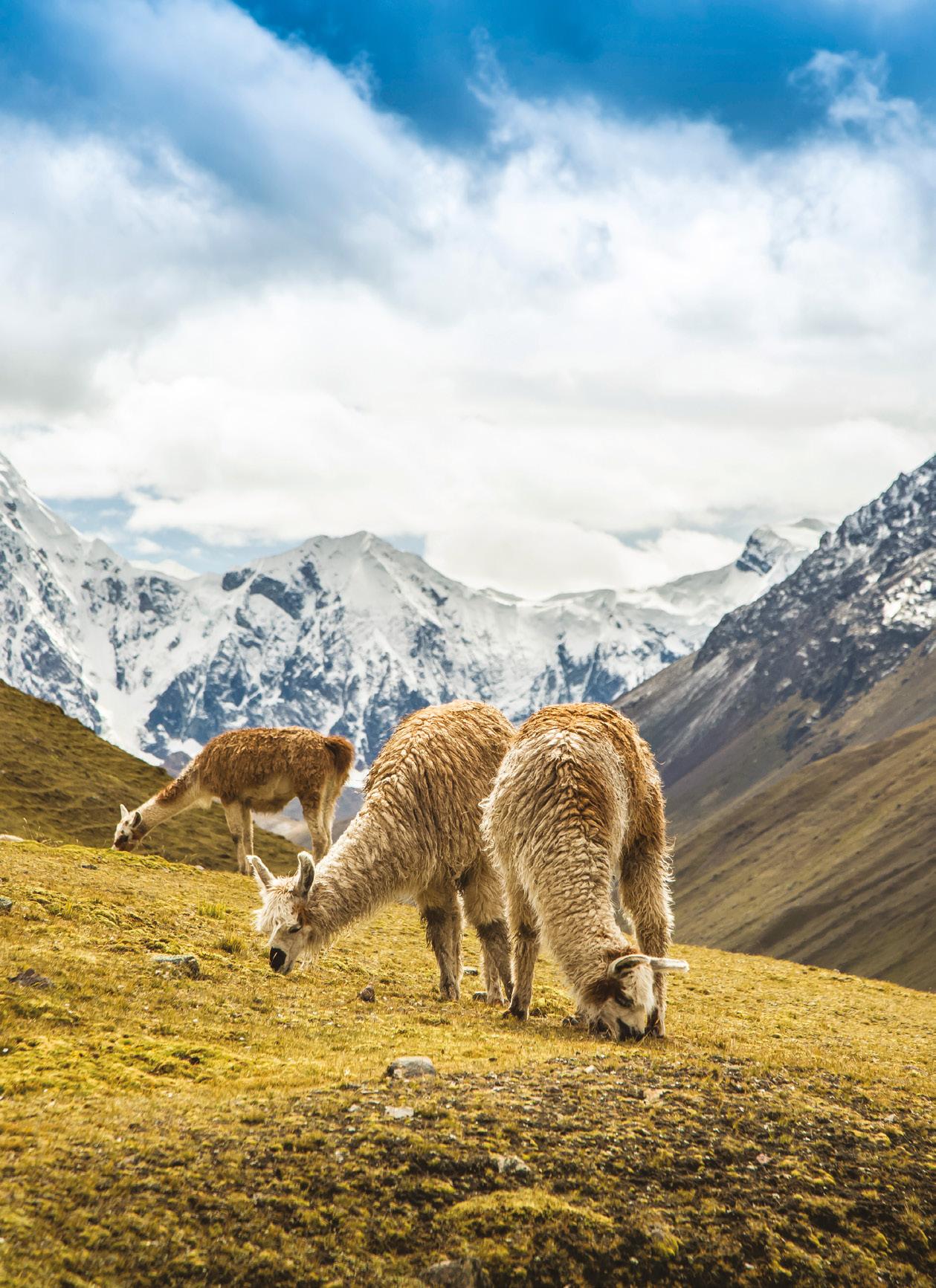
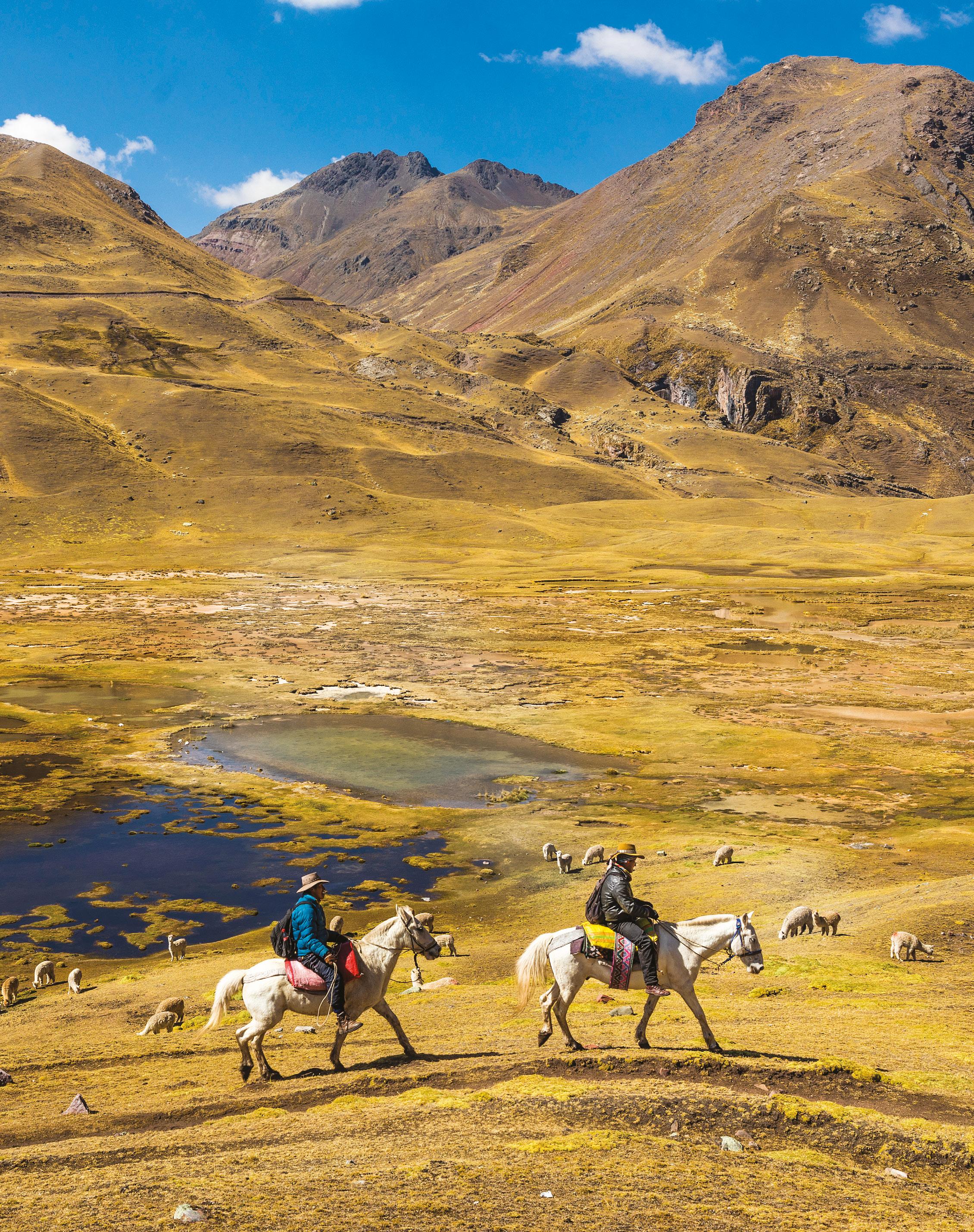
The lodges are culturally rich in every sip, taste, song, and story—and the journey is accompanied by the same hosts from each to the next. Each morning, hiking parties depart for the next lodge, sometimes joined by staff, making for a unique community-binding experience. Among them are alpaca and llama herders. Nobody knows an animal better than the people who take care of them, and the herders are the ones who help transport luggage and supplies. And with hikes at 15,000 to 17,000 feet high in elevation, every step is extra effort—you’ll be thankful the only thing to carry is a small bag.
The food is also a journey through Quechua culture as the guides prepare meals with locally-sourced ingredients in an authentic way, just as they would for celebrations at home. The teas are foraged and can often help if trekkers suffer from altitude sickness. Early morning alarms are made more bearable as Quechua ladies sing their traditional songs throughout the lodge, awakening trekkers for fresh coffee and breakfast before gearing up for the day of hiking ahead. Each lodge is heated with a wood-burning fireplace that is the
centerpiece of conversation and relationship-building with the communities who are hosting you. At the same time, guides serve as interpreters and translators to bring the people and the place they call home closer to your experience.
Peru’s Andes are among the most beautiful mountainscapes on the planet. Their rugged, glaciercapped peaks have cast shadows in the valleys since time immemorial, and the Indigenous peoples have celebrated their importance in annual festivals for centuries. Each lodge is built on a landscape very different from the others and although the altitudes suffocate any chance of arboreal growth, the region thrives with abundant species of birds and vivid colors of flora.
Quechua ladies sing their traditional songs throughout the lodge, awakening trekkers for fresh coffee and breakfast before gearing up for the day of hiking ahead.”
Machuraccay Lodge is located at the foot of the famous Ausangate Mountain. If trekkers have enough energy after the day’s hike in, they can venture to a neighboring glacier and the bizarre pink lake that sits at its toe. Depending on the route, Chillca Lodge may be the first stop and a gentle trek to ease into a strenuous yet rewarding multi-day journey. It is impossible to tell whether you’ll have symptoms of altitude sickness or not, so it’s vital to get acclimatized by spending time in Peru at higher elevation destinations such as the Sacred Valley or Cusco before jumping into a trek of this calibre.

• Before departing for trekking in Peru, it's essential to make sure you're physically fit.
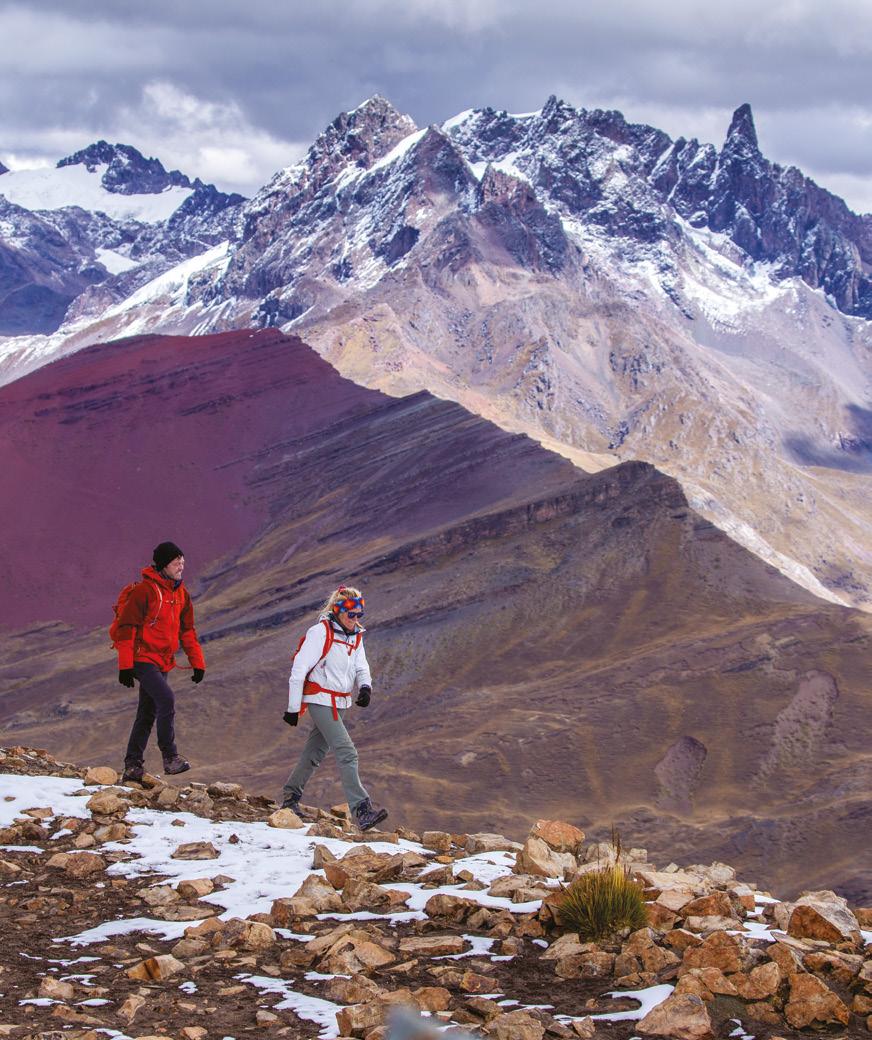
• The altitude up here is real, and trekkers will need to get acclimatized before jumping into the trek. We recommend spending two or three days exploring ruins, culture, art, and history in Cusco to adjust to the altitude.
• This route doesn't visit Machu Picchu, but a visit to the sacred Incan citadel is a fantastic complement to this trekking itinerary.
Open the conversation by completing our online contact form or giving us a call. Be sure to include which country (or countries) you want to visit, who you’ll be traveling with, whether your dates are precise or flexible, an approximate budget, and list any special interests or celebrations we should keep in mind. With this foundation, we will match you with the right Destination Specialist from our team.
We’ll schedule a phone call so we can get to know you, your travel style, and what makes you tick. This step is essential to the process. We don’t have a catalog of trips to leaf through, nor do we copy-and-paste itineraries. Your Extraordinary Journey will be as unique as you. If we are a good fit for one another, we’ll move forward together.
Based on your conversation, your Destination Specialist will distill hundreds of options into a tailor-made, draft itinerary. Together, we’ll refine the details and revise the trip to your heart’s desire.
With your deposit in-hand, we’ll confirm the trip, securing accommodations, flights and permits. We coordinate every detail so that your trip feels seamless. By the time you’re ready to take flight, the operations team will ensure your visas are in-hand, travel insurance has been arranged, and documents are printed. Throughout your journey, our in-destination Client Liason will reach out and check in; support is never more than a quick message away.
call +1 212.226.7331
email info@extraordinaryjourneys.com
instagram @extraordinaryjourneys

We’re committed to crafting life-changing, sustainable journeys, so to be recognized by our clients and peers as leading travel experts is something we celebrate. We are grateful when our passion and hard work are

rewarded with these accolades—it inspires us to work even harder for you. Here’s a sample of some of our proudest moments over the last decade:
Our experience was the perfect blend of curated travel and independent, off-the-beaten-track experiences. The team took time to learn about us, our travel preferences, and what lights us up. They matched the itinerary and places exactly to what we love. It’s like they were inside our hearts and minds! Extraordinary Journeys lives up to its name—our trip was truly extraordinary. For people like us who bristle at the idea of tourist hotspots, group travel, and one-size-fits-all approaches, we found such a welcome difference with Extraordinary Journeys.
—Barbara Pantuso | Extraordinary Journeys Client
Cover: Vumbura Plains, Wilderness Safaris - Teagan
Cunniffe / Acknowledgements: Tierra Patagonia Hotel and Spa / (p. 1-2) Vumbura Plains, Wilderness Safaris - Teagan
Cunniffe / (p. 3) Explora Lodge, Patagonia National Park / Ngaga Camp, Congo Conservation Company / (p. 4) Greystoke Mahale Camp, Nomad Tanzania / Silky Oaks, Daintree Rainforest / (p. 5) Spituk Monastery - Mazur
Travel / Time + Tide Chongwe House / (p. 6) Príncipe
Island, Bay of Needles - HBD Príncipe / (p. 7-8) Big
Daddy - S. Engels / (p. 8) Sacha | Stock Image / (p. 10 collage) Ocean meets Namib Desert, Stock Image top left / Sossusvlei, Kathryn Romeyn and baby Indah top right / Falcon - CA Irene Lorenz middle left / Kathryn Romeyn’s Family bottom left / Kwessi Dunes Lodge, Natural Selection bottom right / (p. 11) Ondrej Prosicky / (p. 13-14) Lagoon of Los Tres, Mount Fitz Roy - Stock Image / (p.15) Torres del Paine, Tierra Patagonia Hotel and Spa / Queulat
Hanging Glacier - Sebastian Aguayo / (p. 16) Salkantay
Trek - Michal Jastrzebski / (p. 17) Cotopaxi Volcano - Stock Image / Cocora valley - Rechitan Sarin / (p. 18) Guanaco and Torres del Paine, Awasi Patagonia / (p. 19) Meno a Kwena, Natural Selection / (p. 22 collage) Samburu Warrior Games, Kalepo Camp top left / Lily Mehrotra, Singita Ebony - Jamie Mehrotra top right / Marataba, More Collection middle left / Phinda Homestead, andBeyond bottom left / Leopards: Singita Sabi Sands - Ross Couper bottom right / (p. 23 collage) Camp Kalahari, Natural Selection top left / Somalisa Acacia, African Bushcamps top right / Vumbura Plains, Wilderness Safaris - Teagan Cunniffe bottom left / Time and Tide Chinzombo middle right / Time and Tide, South Luangwa bottom right / (p. 25-26) Sacha Lodge, Ecuadorian Amazon Hotel / (p. 28 collage) Delfin Amazon Cruises: top left, top right, middle right, bottom left / Macaws, Peruvian Amazon Jungle – Snaptitude / (p. 29 collage)
Delfin Amazon Cruises: top left, R.Rodrich top right, middle right, bottom right / Lucas Bustamante, tropicalherping. com bottom left / (p. 30) Sacha Lodge top / Spa, Inkaterra Reserva Amazonica bottom / (p. 31-32) Mount Gahinga Lodge / (p. 34 collage) Bisate Lodge, Wilderness Safaris top left / Gorillas Nest, One&Only top right, middle left, bottom right / Virunga Lodge bottom left / (p. 35 collage) Clouds
Mountain Gorilla Lodge top left, top right / Bwindi Lodge middle right, bottom right / Mount Gahinga Lodge bottom left / (p. 37 collage) Alicia-Rae Light top left, middle right, bottom left / Lango Camp, Odzala Discovery Camps - Scott Ramsay top right / Stock Image bottom right / (p. 39) Gorillas Nest, One&Only / (p. 41-42) Ausangate Mountain - Stock Image / (p. 43 collage) Vinicunca, Rainbow Mountain - Stock Image top left / Huampococcha lodge, Andean Lodges top right / Stock Image bottom left / Andean Lodges - Julian Manrique WhereNEXT and Green Team Global middle right / Stock Image bottom right / (p. 45) Andean Lodges / (p. 46) Andean Lodges - Julian Manrique WhereNEXT and Green Team Global / (p. 49-50) Singita Sabi Sands - Ross Couper / (Back page) Explora Patagonia
We believe in making positive change by carefully sourcing the material we print on, continually integrating environmentallyconscious practices and supporting the conservation of our planet. We chose Smartpress because they use recycled paper that’s certified by the Forest Stewardship Council (FSC), sourced from forests that are responsibly managed.

700 Pennsylvania Ave SE, Suite 2000

Washington, DC 20003
United States
call +1 212.226.7331

email info@extraordinaryjourneys.com visit www.extraordinaryjourneys.com
instagram @extraordinaryjourneys