The Explorer
Italy’s Walks and Wines
New Trips for 2026 ± Italy’s Walks & Wines
The Rise of The Radical Sabbatical
Italy’s Walks and Wines
New Trips for 2026 ± Italy’s Walks & Wines
The Rise of The Radical Sabbatical
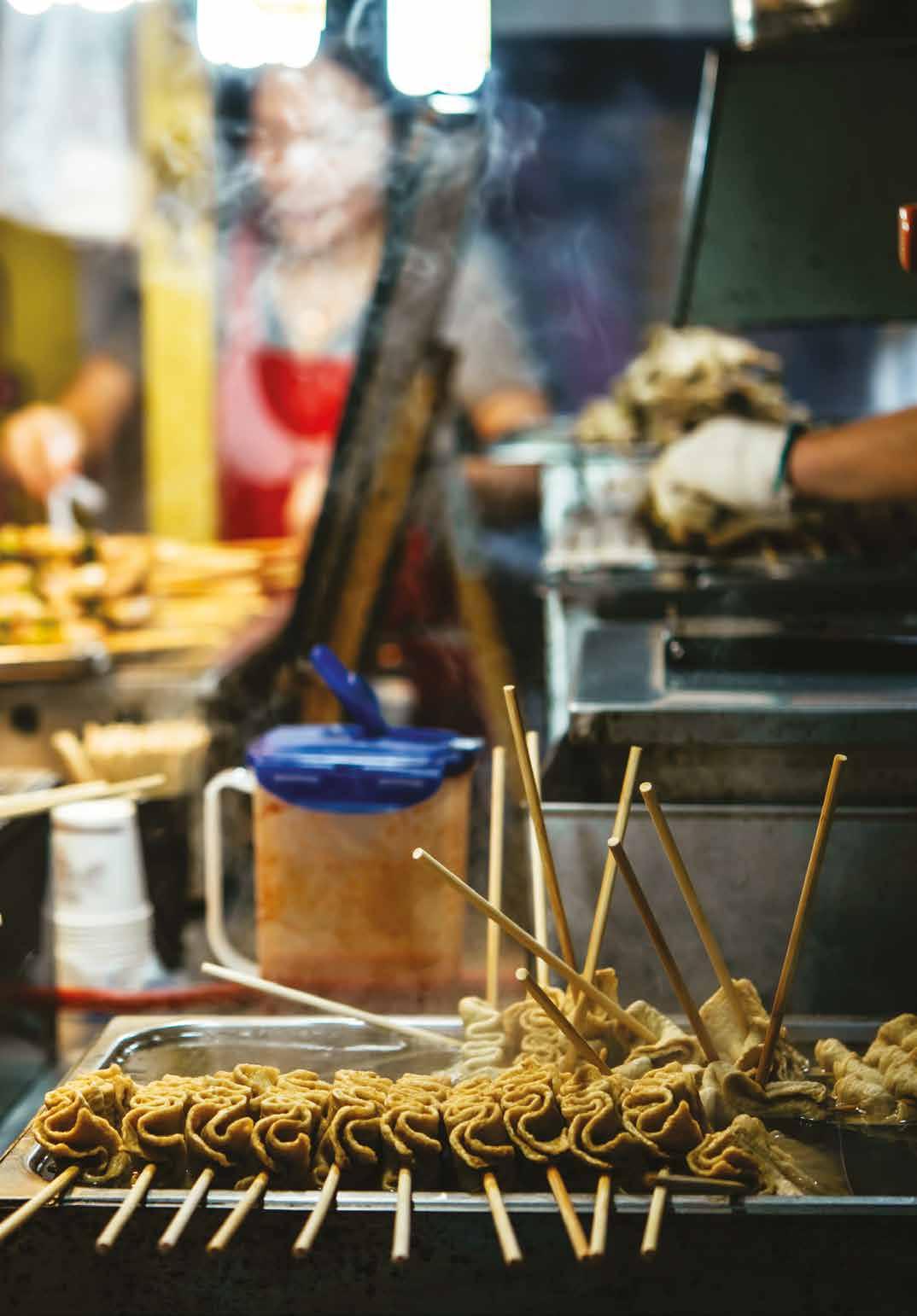
Discover South Korea’s captivating contrasts over 12 days. From Seoul’s vibrant streets to ancient Gyeongju, savor exceptional Korean cuisine, explore Buddhist temples, and experience a nation where tradition meets modernity.
There’s something about a new year that makes you want to start planning the next adventure, isn’t there? Well, this issue is packed with ideas for exactly that. We’re talking non-viral destinations – the places where you can actually breathe, explore, and feel like you’ve found somewhere special that everyone else has missed.
I’m also really excited about our guide to Algeria – one of North Africa’s most interesting spots, and one I’m sure many of you will be adding to your lists. We’ve also got a lovely account from a customer on our Tuscany Walking & Wine tour and a piece on the radical sabbatical. Alongside that, we look at why travel brings people together, and why off-season trips can be some of the best you’ll ever take.
Wherever you’re heading this year, or even if you’re just planning from the sofa for now, I hope these stories give you that spark to start dreaming.
Here’s to 2026!

Katy Rockett Regional Director North America Katy
The real stars of 2026 aren’t the viral hotspots but the quiet, character-rich corners of the world where landscapes still feel untouched and tourism has real power to uplift local communities. From the misty mountains of northern Laos to the wide-open grasslands of Mongolia, these under-the-radar destinations offer room to breathe, meaningful encounters, and a gentler, more responsible way to explore.
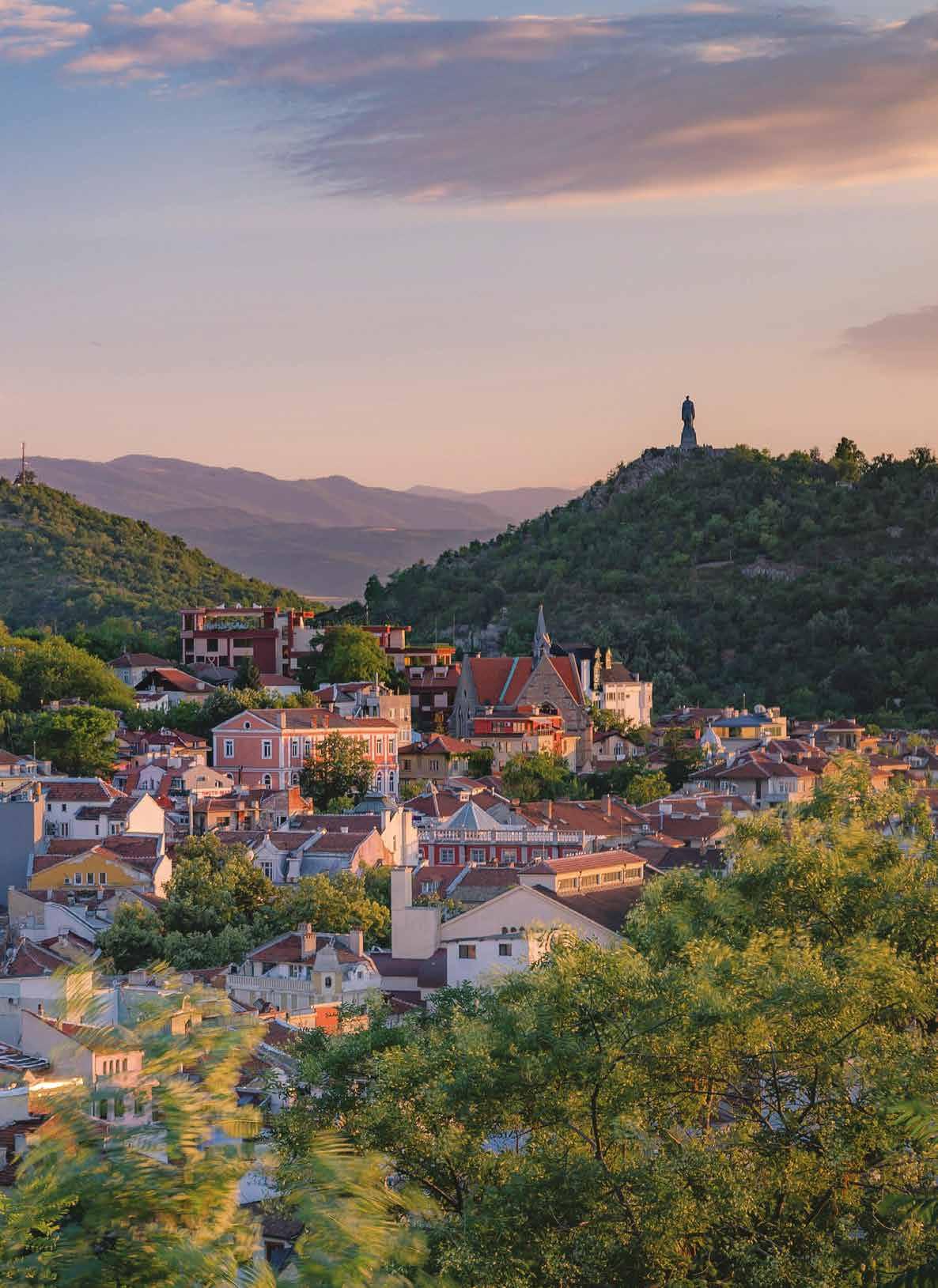
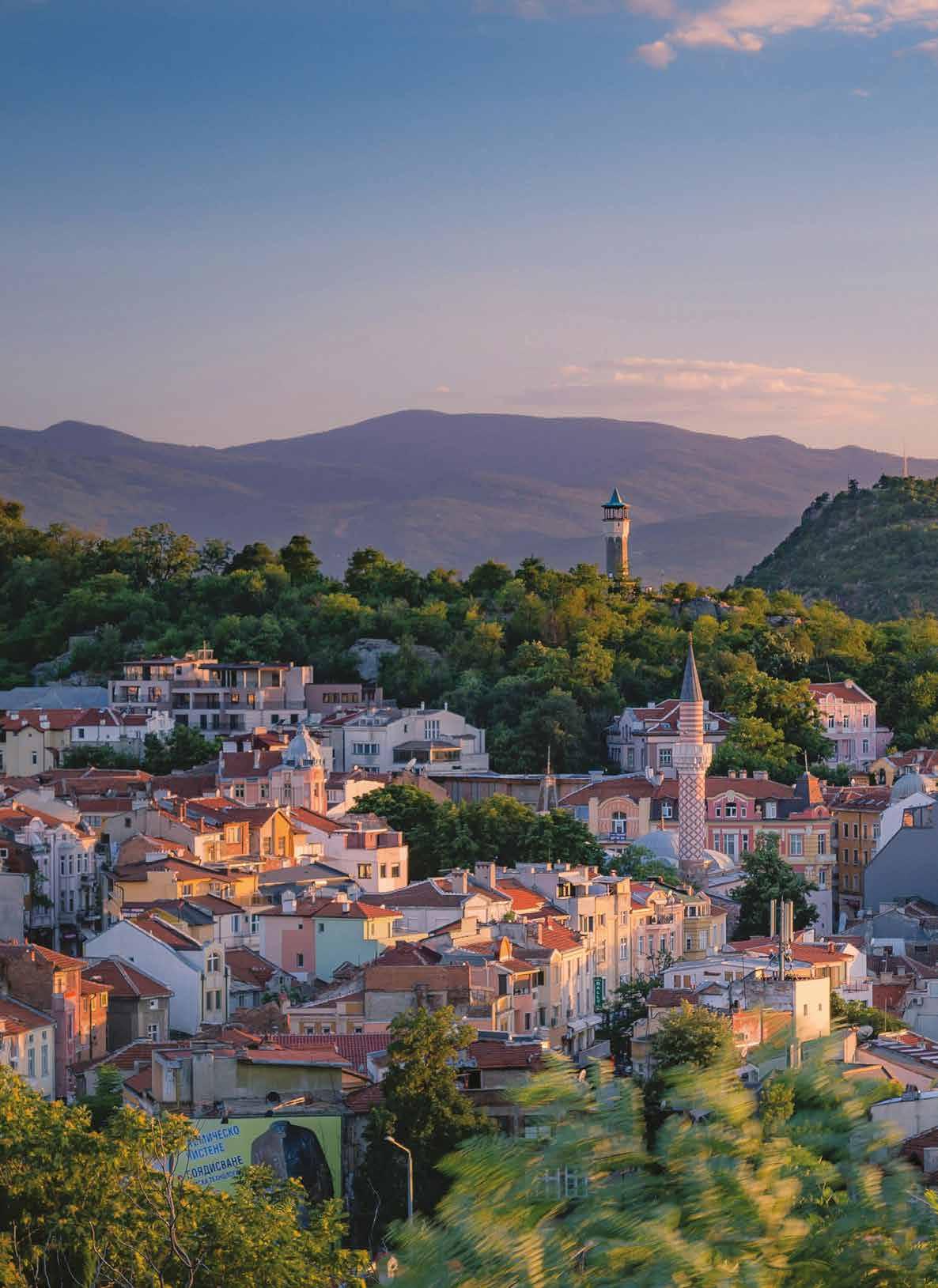
Travelers are drawn to Bulgaria for the mountain scenery that stretches for miles, and the character and history of its Black Sea towns. With a cultural heritage shaped by centuries at the crossroads of Europe and Asia, it’s a destination that rewards slow wandering without the crowds.
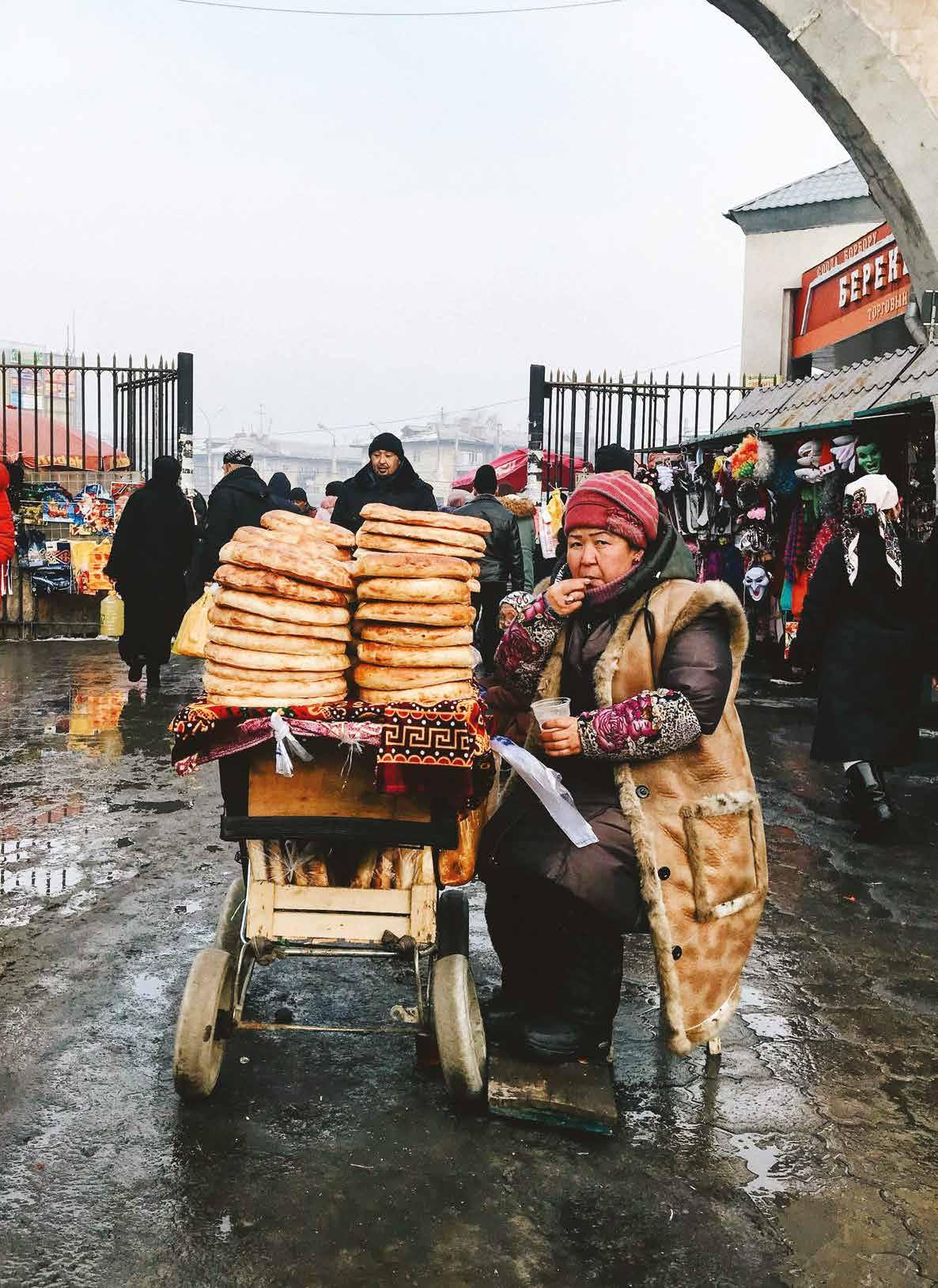
Kyrgyzstan is Central Asia’s under-theradar gem: a land of alpine lakes, yurts, and rolling pastures roamed by shepherds rather than influencers. Its appeal lies in a trekking culture that’s authentic and accessible, plus a nomadic heritage that visitors are welcomed into.
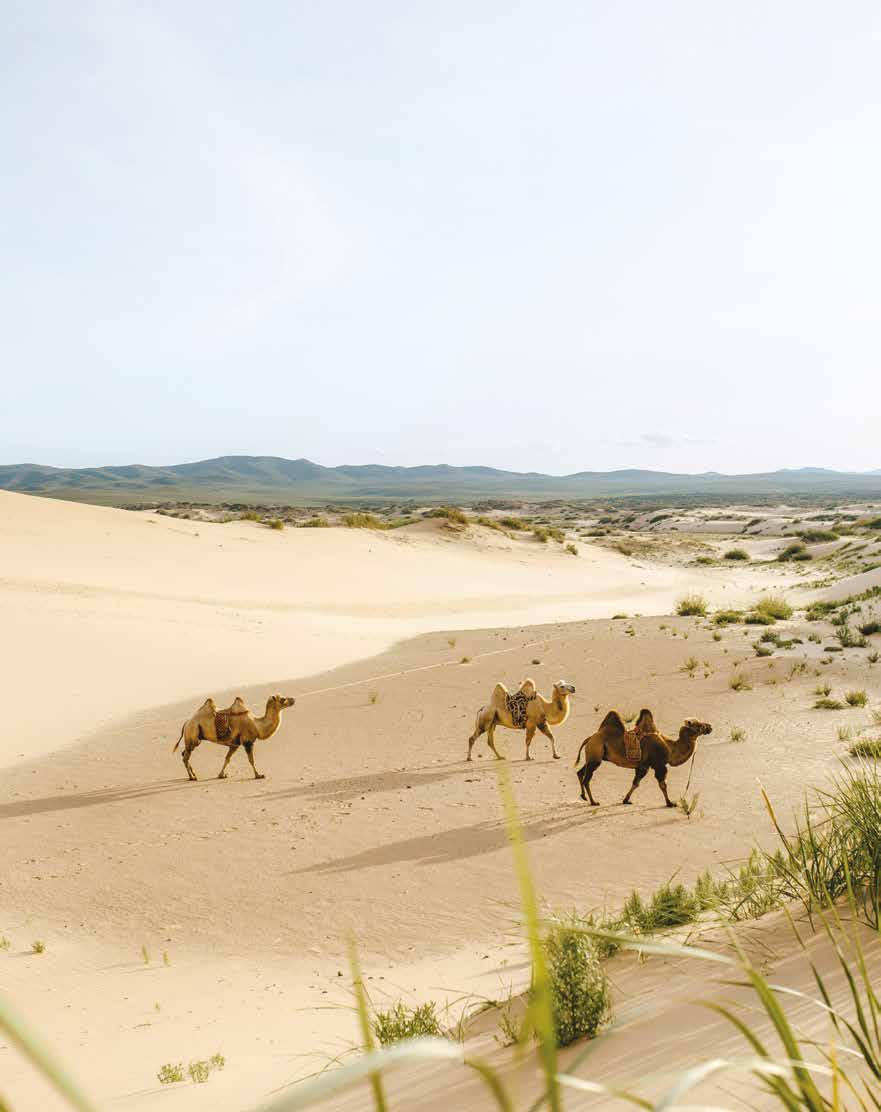
Mongolia is spacious in a way most of us have never experienced, home to vast grasslands and big skies. Travelers craving silence and a reset from modern overstimulation will find their sweet spot here along with nomadic hospitality that feels genuinely meaningful. It’s a non-viral destination simply because it’s too remote and too rugged to be anything else.
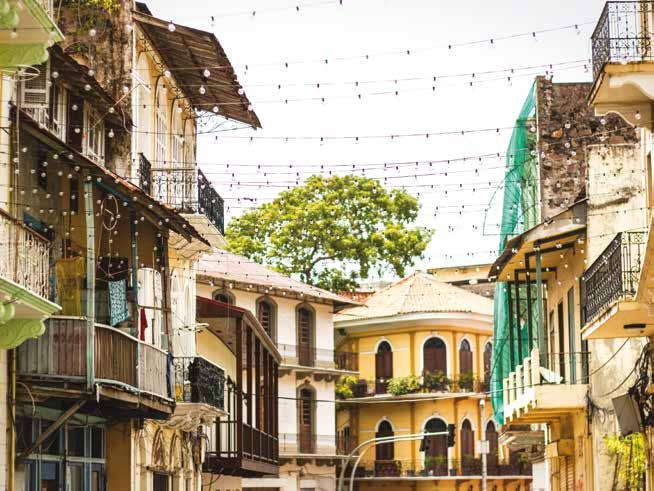
Often overshadowed by its canal, Panama quietly delivers some of Central America’s most beautiful scenery and epic experiences. Think cloud forests without the crowds, Indigenous Guna communities on the San Blas Islands, and a capital city with serious creative energy. Travelers love it for the wildlife and beautiful Caribbean-to-Pacific coastline.
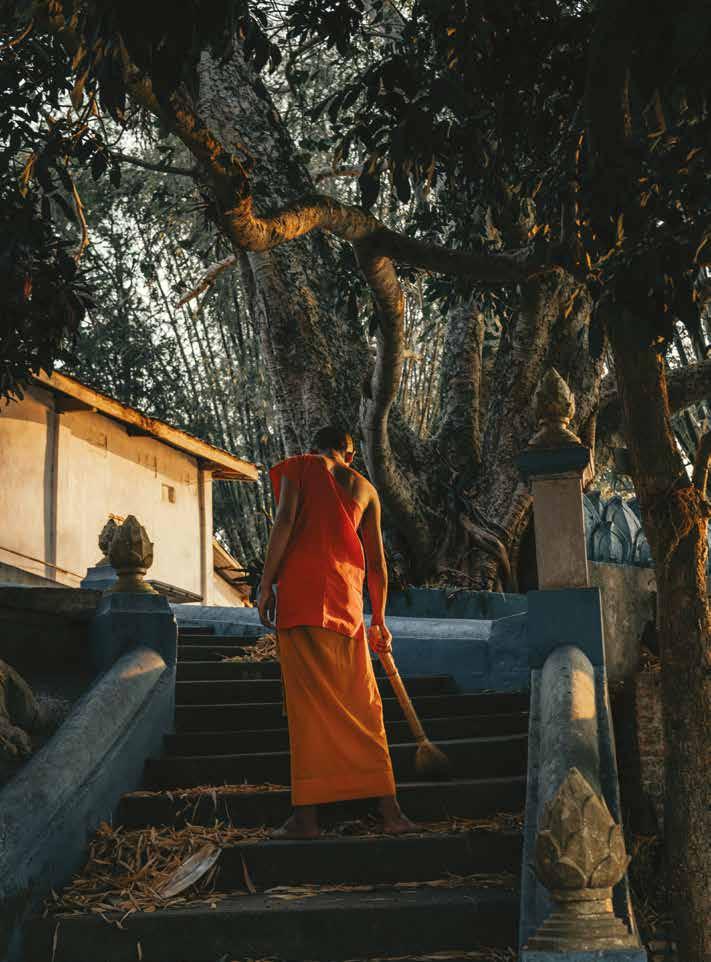
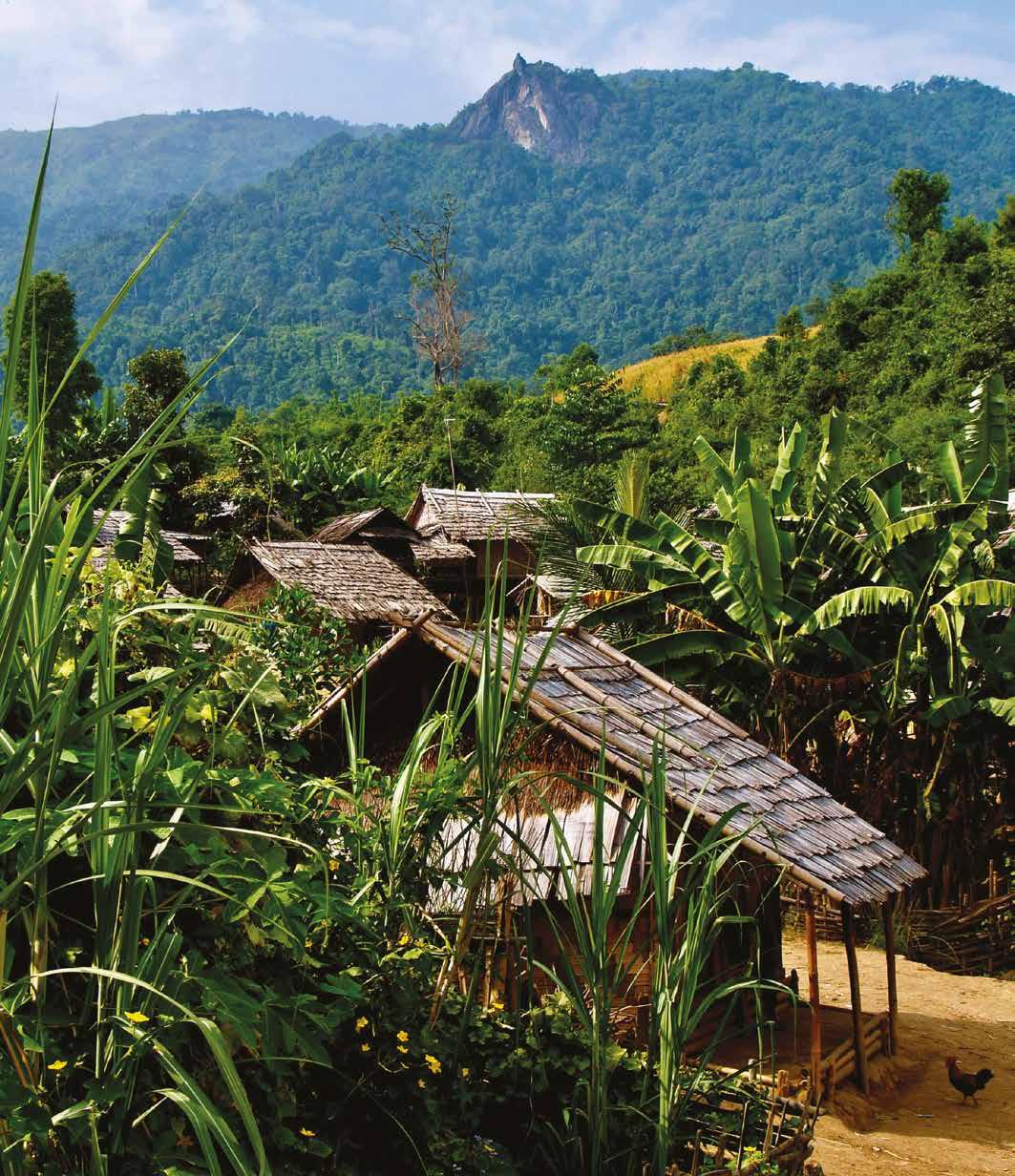
Northern Laos is the antidote to the hyper-curated, algorithm-approved travel experience. Here, jungle-clad mountains, slow rivers, and quiet hill-tribe villages set the tone. You can expect long boat rides, misty mornings and forest paths untouched by the tourist crush.
“You can expect long boat rides, misty mornings and forest paths untouched by the tourist crush.”
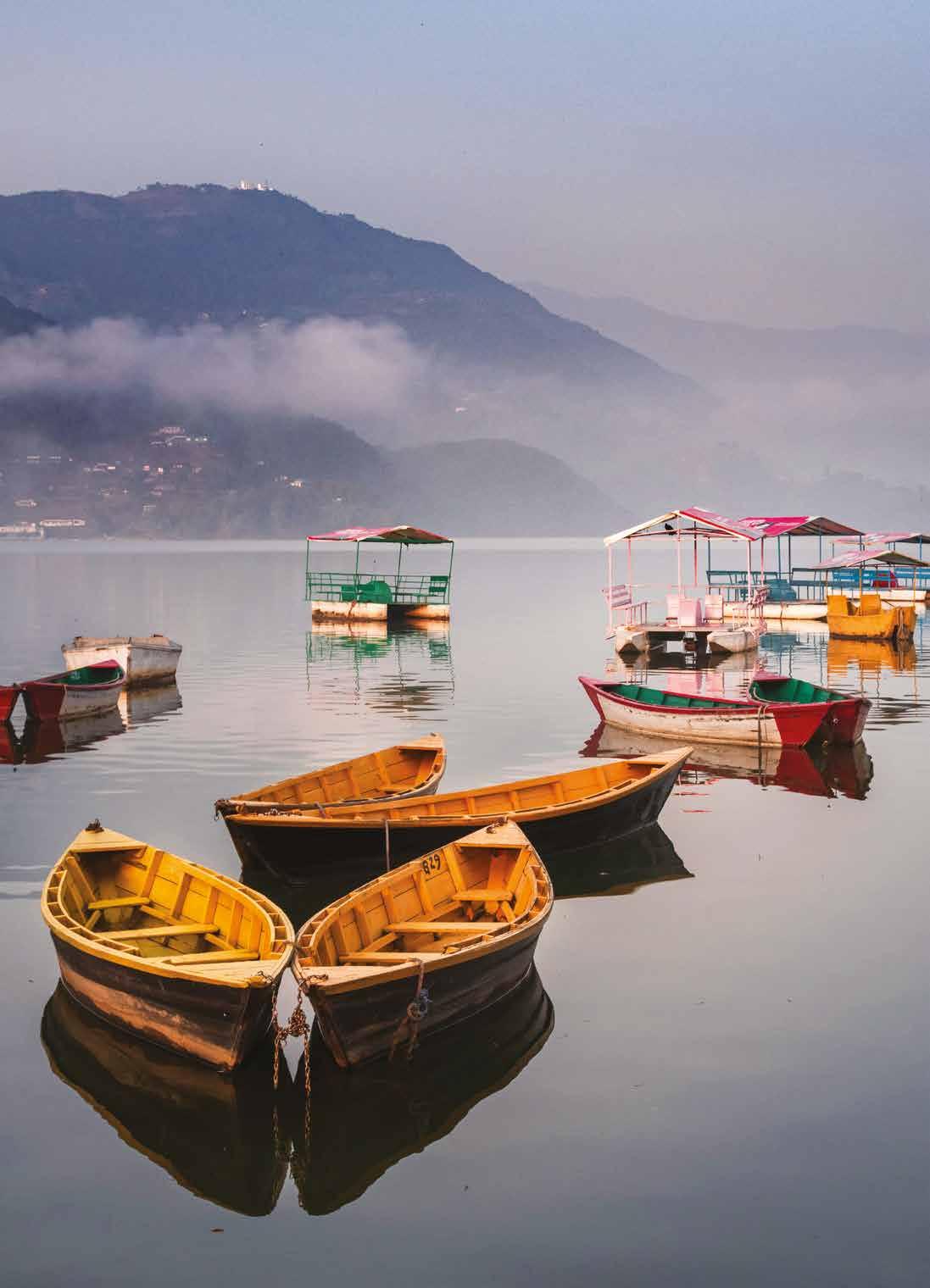
Step away from the big-name treks in Nepal and you’ll find peaceful mid-hill trails, vibrant Newari towns and national parks teeming with rhinos and birdlife. It’s perfect for travelers seeking connection – with nature, culture and a slower pace of life.
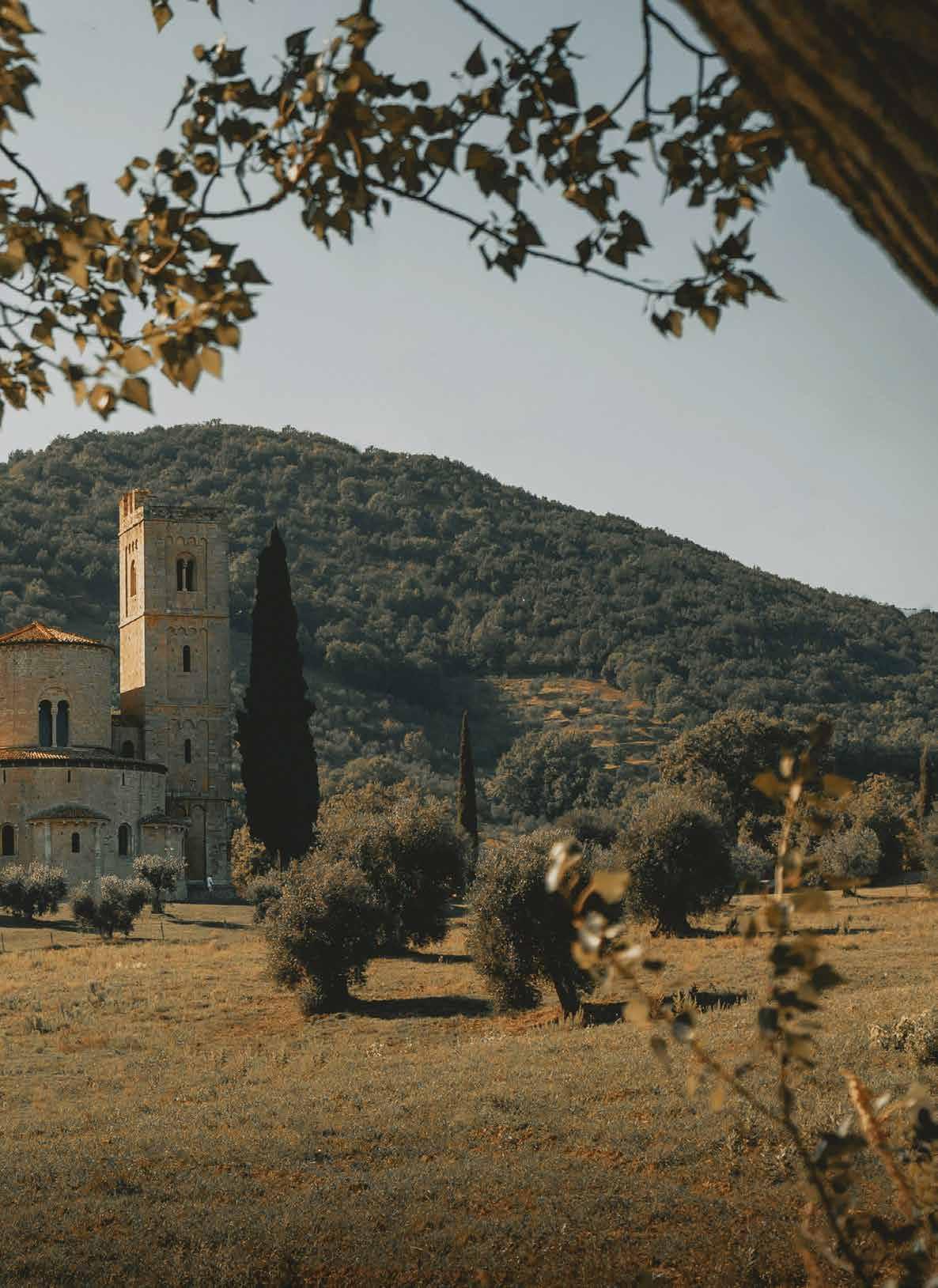
After years of long–haul adventure travel, Jan Osborne discovered a new passion a little closer to home.
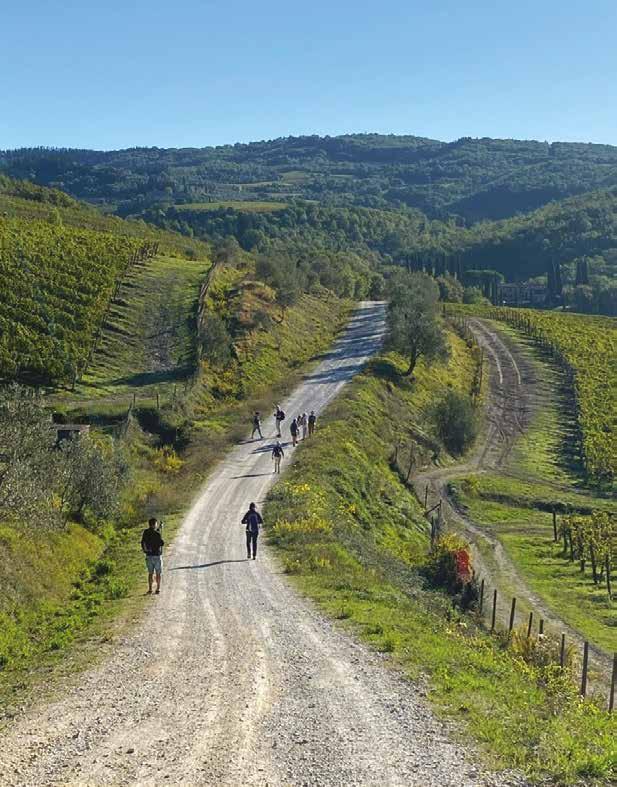
“It turned out the trip was a combination of everything I loved.”
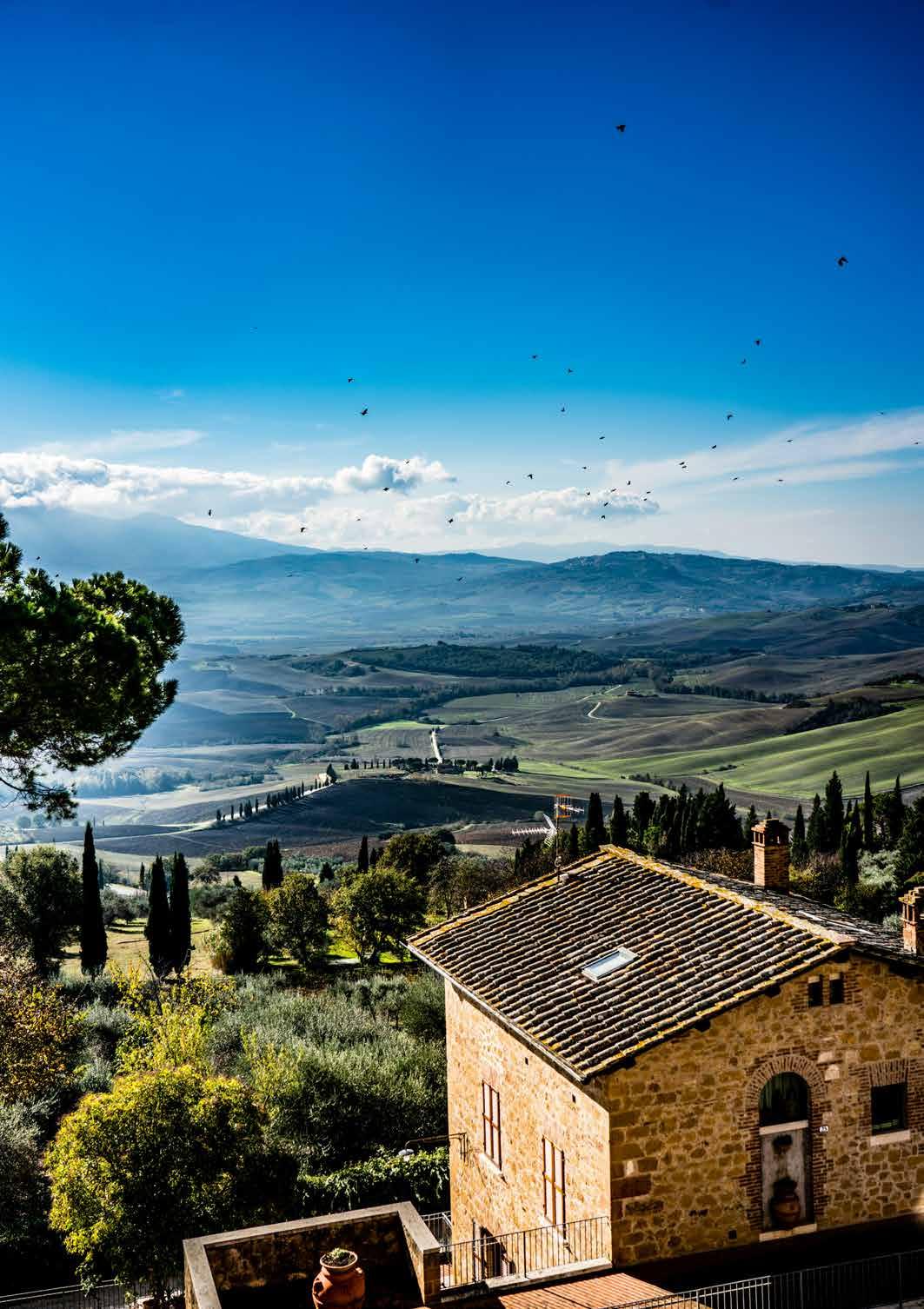
I’ve been on my own for 27 years and have had some wonderful adventures over those years – to Madagascar, China, Myanmar, Chile, Botswana – but always with friends. Last October my companions and I took a trip to Tuscany for a Walking & Wine tour, and two things happened that took me by surprise. Firstly, it was my first walking trip with Explore and I absolutely loved it. Secondly, it gave me the courage to book my next trip as a solo traveler.
If the truth be told, my travel buddies booked the trip for me. We met years back on one of our Explore adventures, and they have involved me ever since which has been brilliant. I’m busy with the grandchildren and my own work, so they do the research, and I trust their choices. I’m a yes person so am always up for a different type of trip.
This one had three brilliant ingredients, the first being the destination. When my friends mentioned Tuscany, I just thought ‘how wonderful’ – I’d taken the kids camping there when they were small – a very different type of vacation of course but it had always been on my mind to return some day. As for the walking, I’m a member of a local group, and the well-designed hikes didn’t faze me – in
fact, thanks to the cloudless skies we were so lucky to have had, it was the walks that turned out to be my idea of heaven. And the wine tasting was the icing on the cake. I enjoy my wine, but my tastes had always been limited to French wines, so I was certainly up for a re-education!
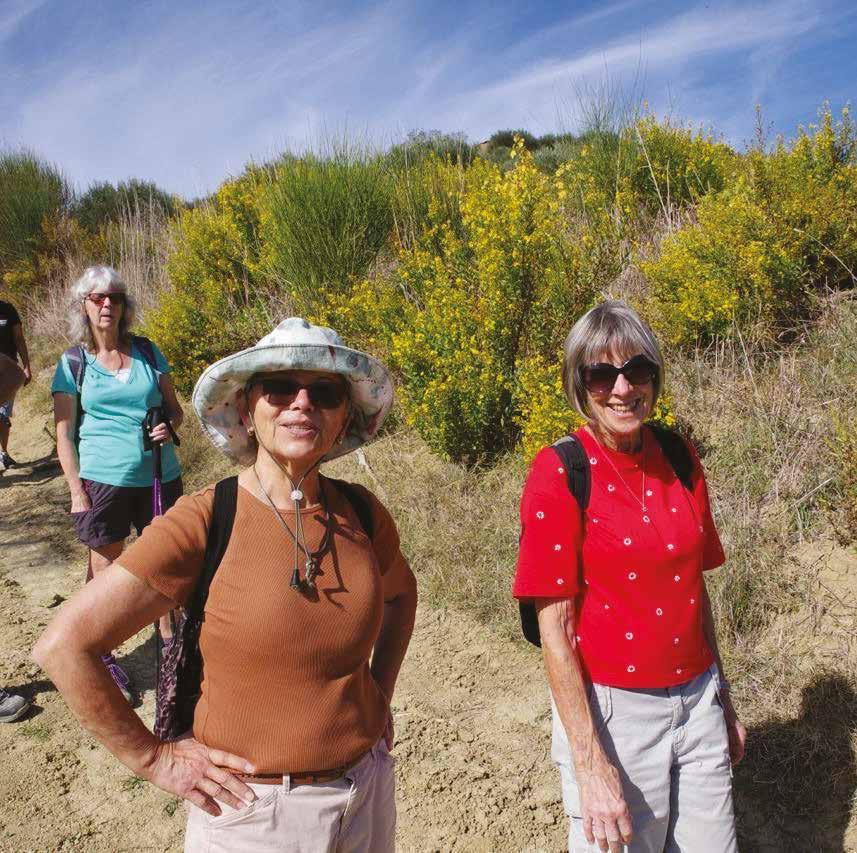
We were introduced to our group of 14 at our first hotel in Pisa. Four of us from the UK, two from Australia, and eight from Canada. I loved the diversity – I am a people person so found them all so interesting to chat to, whether that was at dinner, on the bus or side by side as we walked. It was a mix of couples, two small groups, a mother and son, and a solo traveler. I took note how the solo traveler had done his research and had organized additional sights and activities ahead of time for our ‘reset’ days on the trip.
Laura, our tour leader for the week, was an experienced walker. She was very much in control which was reassuring – we were in good hands! The first day of walking was quite tough because of the unexpected heat. One member of our group had underestimated how long we would walk, so had a slower pace. Laura was adamant that no one was to be left behind and insisted that we worked together as a team.
On reflection, the hikes were not a stroll in the park – we must have walked a decent eight miles each day. But although most were gradual uphill climbs, the pace was leisurely, not breakneck. I never felt pressure to speed up, and the paths were good – we didn’t have to scramble or climb as such. I think the length and the heat occasionally took its toll on some, but the views and the welcome we always got from the hilltop villages more than made up for the effort!
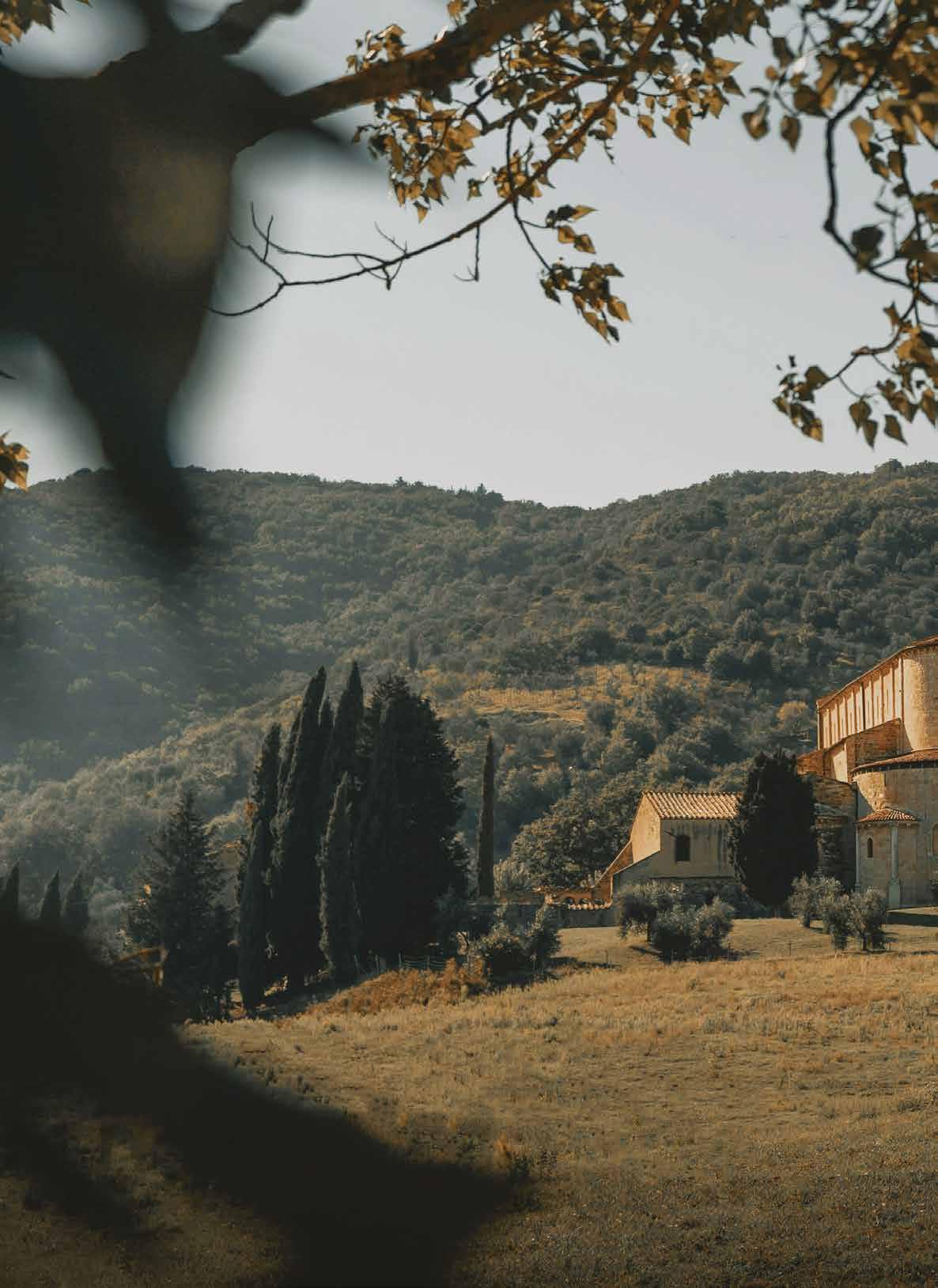
Tuscany was as I expected it: picture postcard perfect, with its rolling hills, cedar trees and panoramic landscapes. We were so blessed with the weather! We started the week hiking along ancient pilgrimage routes, through olive groves, and rural houses. In the second half of the trip, the far-reaching fields changed color as the soil changed to clay, replacing olive trees with grains, wheat and oats.
Our hike on the third day took us through the countryside south of Castellina. It was our hardest walk at almost nine miles, but when I found it a challenge, I would just drop back,
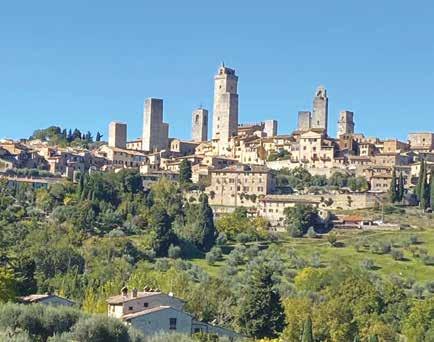
Florence by day, our last destination, was even busier than Siena, but we managed to escape the madding crowds for a sneaky gelato, and a 5pm hike to watch the sunset over the city – which was just breathtaking.
pause a while and start up again at a slower pace – there was no rush. And our destination, the beautiful Castello La Leccia winery, was wonderful. The tour we had was so informative, and the mansion house and gardens were magnificent. And the vista at the top of the hill was phenomenal –100% worth the effort!
In fact, all the wine tastings felt like rewards for our efforts – most were to be found on the top of the hills after a good climb. All with wonderful views and welcome meats and cheeses to sample along with the wines. Thankfully we were never expected to walk far after our tastings!
A ‘free’ day in Siena on the way to Pienza was a well-timed ‘reset’. It was crowded, we expected this, but there was still space to explore the quieter streets. We were weary from our hiking and the chance to wander with no agenda felt like a treat. And the luxury of arriving at our hotel in Pienza and being able to unpack for the three nights ahead was wonderful!
Our base for the next few days was also in a superb location for walking. We took on the ‘Gladiator hike’ the next morning, a panoramic loop that featured in the movie itself. And our final long hike before we headed to Florence was five hours of undulating trails and wide open views of Val D’Orcia. Oh, and a majestic picnic lunch that we just couldn’t finish!
“I saw how easy it would be to go it alone on a walking tour, because in a small group, you’re never alone.”
I can’t not mention the food. How do they do it? Simple, basic, earthy Italian cooking with the best ingredients. Every risotto I tried tasted different, and the lasagna was unlike any I had eaten. Laura was so helpful in recommending places to dine, and although we had the freedom to do our own thing, most evenings we ate together. One evening Laura took us to a butcher’s shop where we each chose a cut of meat. This was taken upstairs and cooked in the restaurant kitchen. The mother and son duo, and two men in the group each chose a huge tomahawk cut, meant to be shared as a dish for two. This was incredible, two inches thick, barely cooked, and both pairs ate every mouthful. Apparently, this is a Tuscan speciality. It was a very interesting evening!
In conclusion, it turned out the trip was a combination of everything I loved. I have a newly discovered palette for Chianti wines. I’ve swapped out my old parmesan for Italian pecorino. And I’ve discovered that a walking trip felt so natural for me being on my own. I saw how easy it would be to go it alone, because in a small group, you’re never alone. In fact, I’m about to book my next one – ‘A Taste of Italy – walking in Emilia Romagna’. And this time, I’m doing it myself!
Jan was on our Tuscany Walking and Wine trip. Find more information on it here exploreworldwide.com/LTY
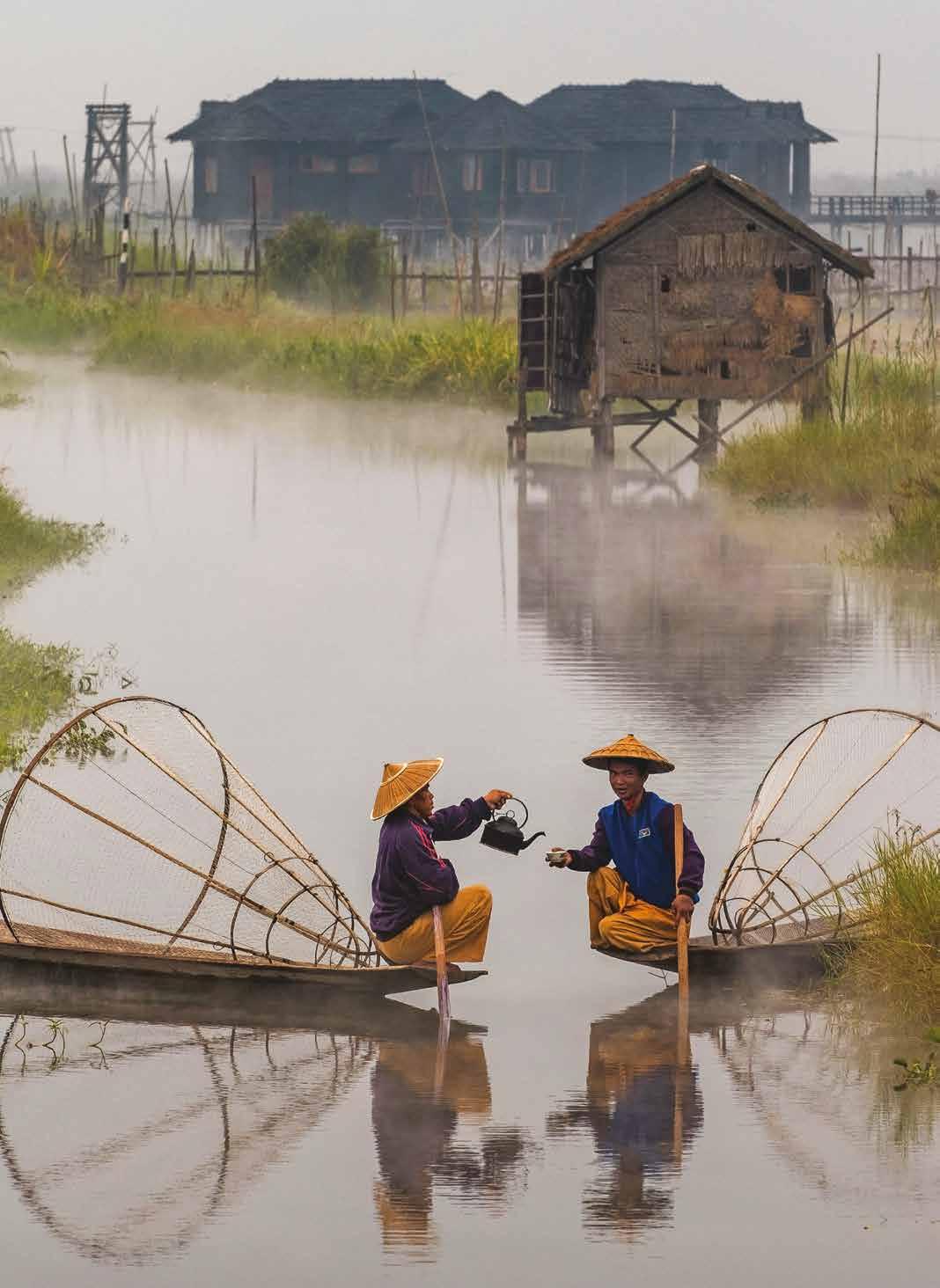
Award-winning journalist, broadcaster and author Ash Bhardwaj has spent years exploring how travel shapes the way we see the world – and each other. Here he examines how small group travel can deepen our sense of connection, something that’s often sorely lacking in today’s digital era.
In a world that feels increasingly divided, small group travel can help stitch us back together. Real-world moments of connection – over a meal, a hike, or a shared challenge – remind us of what it means to belong, and that the analogue world of reality is more compelling than the digital world of our screens.
Modern life makes real connection feel difficult. We spend hours in virtual spaces, surrounded by opinions that mirror our own, yet we feel more isolated from each other than ever. Work happens remotely, conversations take place through apps, and friendship is reduced to social media likes and plans that never materialize.
But travel changes the setting and the rules. When we’re far from home, we’re more open, more curious, and more willing to try things out. That leads to connection.
As a travel journalist, I travel both alone and in groups. Whilst solo travel gives me the freedom to do exactly what I want, group travel encourages me to do things that I would otherwise overlook. It’s led to new angles for stories, new insights into myself, and deep, meaningful friendships.
On a recent journey to Japan, I traveled with a South African photographer, the former editor of a women’s magazine, and an interpreter with two PhDs in eastern religion. I’d gone there to write about a challenging pilgrimage trail, but I also came away with an appreciation of the cultural impact of Shintoism, an insight into solo female travel, and the best travel photos that I’ve ever taken. I still found my story, but I had a much richer experience for traveling in a group. I even did karaoke for the first time and discovered that I love it, although I was less keen on the pachinko slot machines; learning what we don’t like is as important as learning what we love, and new friends are key to both.
That’s the magic of small group travel: it nudges us gently beyond ourselves. And – because it entails new places, shared challenges, and time to talk – it’s fertile ground for enduring friendships.
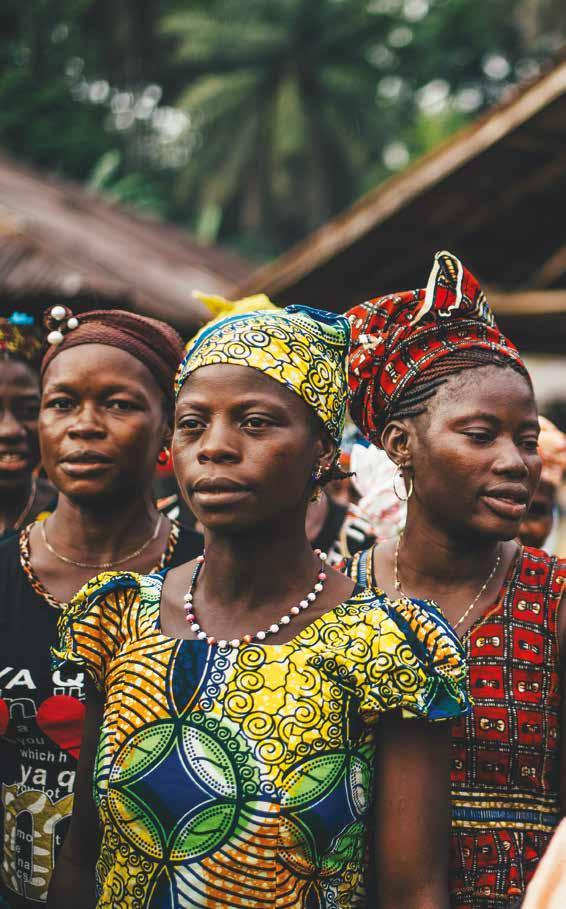
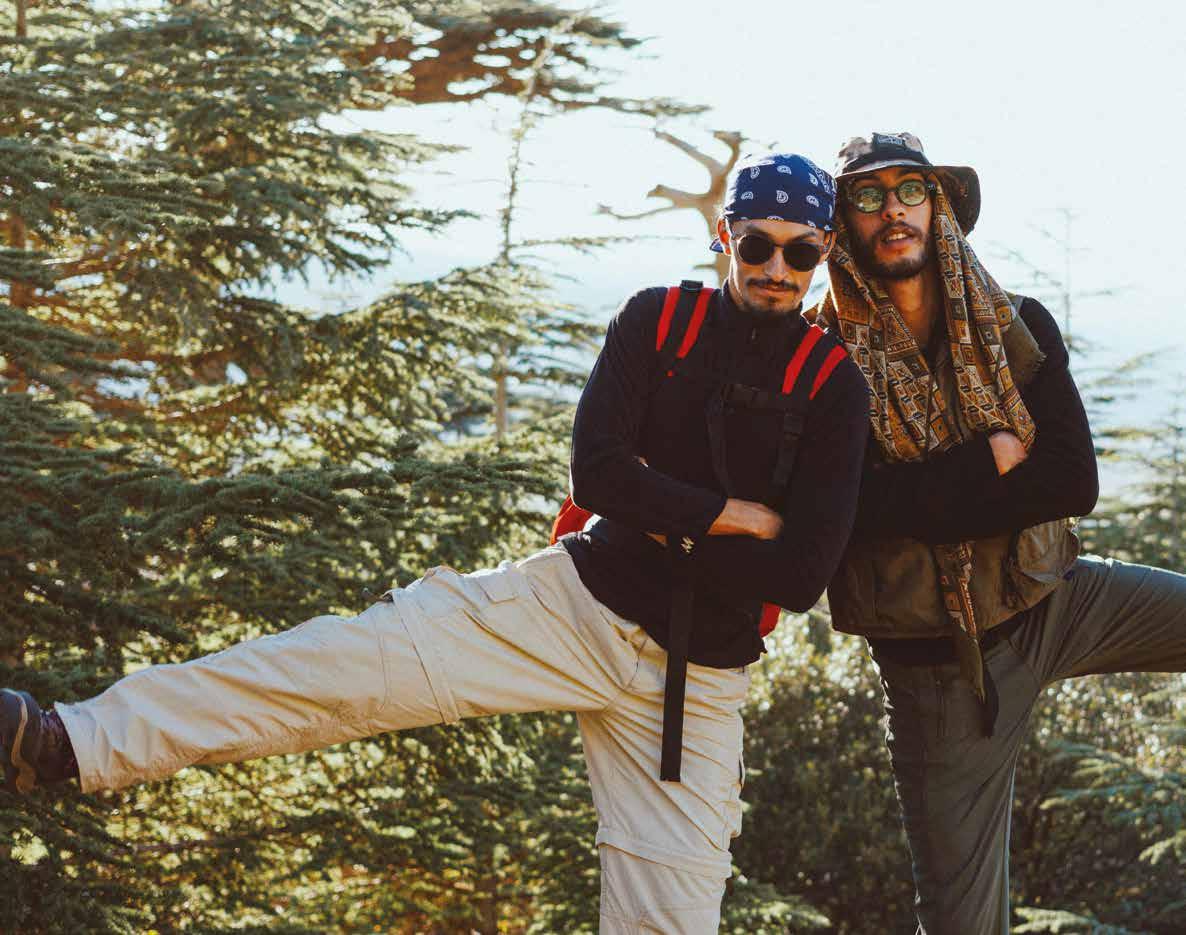
Recent research has confirmed what most of us intuitively feel: connection makes us happier, healthier, and more resilient. Loneliness is now a recognized threat to public health, so ‘a sense of belonging’ has become a medicine.
Two of the key factors in friendship are ‘duration of interactions over time’ and ‘the intensity of shared experience’. Modern life largely denies us of these, but group travel enables both: it creates more intense experiences than almost anything else – from hard hikes and potent festivals to exquisite dinners and beautiful sunsets – and by traveling in groups, we squeeze months of acquaintance into just a few weeks. We share these experiences with people that we would never meet in our daily lives.
And it’s not just other travelers. Local guides, artisans, and even mayors have shared their perspectives with me, and I’m still in touch with many of them.
When I reflect on my travels, I rarely recall the extensively researched dinners or the galleries that I had to queue for. Instead, I remember conversations with strangers that gave me a new perspective, or their recommendations for a hidden bar or museum.
During a 500km walk through Uganda back in 2014, I kept noticing young men wearing the latest 2013–2014 Arsenal football shirts. I’d have expected shirts of the recent champions (Manchester United or Manchester City), but Arsenal hadn’t won anything for a decade. So, I began asking these unlikely Gooners about their devotion. What I discovered was a story of connection that spanned continents: Ugandan fans had fallen in love with Arsenal in the early 2000s, when the Premier League was first broadcast internationally, when Arsenal was England’s best team and when they had more players of African descent than their rivals. Ugandans fell for Arsenal and, a decade later, that loyalty remained.
A chance observation led to conversations that linked northern Uganda with north London. And, once the ice was broken, I was able to talk to them about their lives, from politics to fishing and from music to art. In that shared understanding and mutual interest, I saw how easily connection blooms when we lead with curiosity, rather than assumption.
Mark Twain once wrote that, “Travel is fatal to prejudice, bigotry, and narrow-mindedness.” I’d caveat Twain by saying that only some travel can do that; the travel that forces us to encounter the new and the different. Shared
adventure is a quiet act of optimism: that the people and experiences we encounter will improve our lives; immediately and enduringly.
On the road, we stop scrolling and start seeing. We’re reminded that, wherever we come from, we have more in common with each other than we think. Through group travel, I’ve found my preconceptions about myself and others softening. And in a world of polarization and disconnection, there might be nothing more valuable.

Ash Bhardwaj is an award-winning journalist, podcaster & broadcaster, and the author of Why We Travel, The Independent’s Travel Book of the Year 2024. Ash has presented and reported from over 50 countries for outlets including the BBC, Telegraph, Times, Conde Nast Traveller, Sky, Discovery, and the Guardian. He is the resident travel expert on BBC One’s Morning Live, and contributes to Channel 5 and Sky News
“In that shared understanding and mutual interest, I saw how easily connection blooms when we lead with curiosity, rather than assumption.”
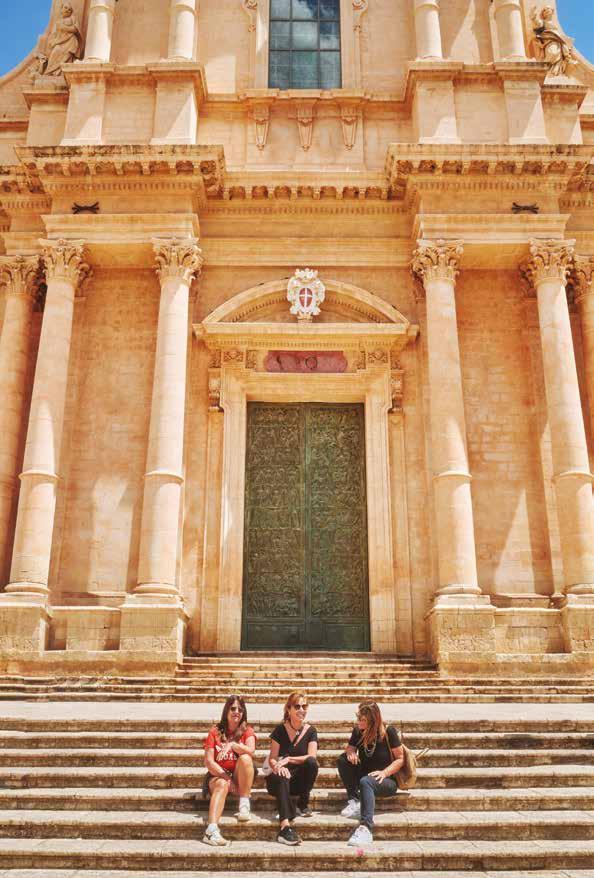
Let us tell you more about what we’ve been up to in recent months.
We’re incredibly proud of what the Explore Foundation has achieved this year, thanks to the generous support of our travelers and team. Here’s what we’ve been able to accomplish together in 2026:
Supporting young people in Laos
Donated almost
£14,000
to fund Lone Buffalo’s DevTog6 programme, giving 100 students access to six months of life skills workshops. This continues our support following DevTog 4 and 5.
Bringing clean water to Nicaragua
Donated
£17,522
to Just a Drop to fund the installation of a piped water system in Cana de Castilla, transforming access to safe drinking water for the entire community.
Hurricane relief in Jamaica
Raised
£7,483
to support those affected by Hurricane Melissa, which Explore matched to reach a total of £15,066 in vital aid.
Empowering female farmers in Tanzania
Fully funded the training and setup of the Wamboma Women’s Farming Co-operative with
£15,000 helping to create sustainable livelihoods.
Protecting elephants and livelihoods in Tanzania
Funded
1KM
of beehive fencing with How Many Elephants, helping to reduce humanwildlife conflict, protect community farms, and create a small business through honey harvesting and sales.

Find out more about our Foundation projects and see how they’re doing theexplore.foundation


We’re thrilled to announce that we’ll be working with Seacourt for all our future print products – and it feels like a partnership that was meant to be.
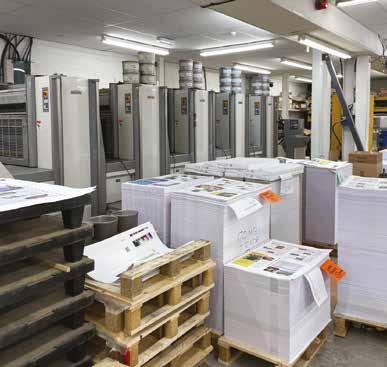
As a certified B Corp, finding suppliers who share our values isn’t just important to us; it’s essential. Seacourt isn’t just any printer –they’re the highest-scoring B Corp printer in the world, with an impressive score of 150.3. They’ve spent decades pioneering sustainable printing practices, developing their innovative waterless LightTouch™ process that eliminates harmful chemicals, and they’ve achieved carbon-neutral operations. Their four Queen’s Awards for Sustainable Development speak volumes about their commitment to doing things differently.
“Working with Seacourt means partnering with people who, like us, believe there’s always room to improve, always more to learn, and always better ways to do things.”
What excites us most is that this partnership represents real progress. Our latest brochures and magazine are the most sustainable we’ve ever produced, printed using low-impact processes and responsibly sourced materials. It’s another step forward in our wider sustainability strategy.
But this isn’t just about ticking boxes. Working with Seacourt means partnering with people who, like us, believe there’s always room to improve, always more to learn, and always better ways to do things. We’re looking forward to raising the bar together – and we couldn’t ask for better company on that journey.
Recipe
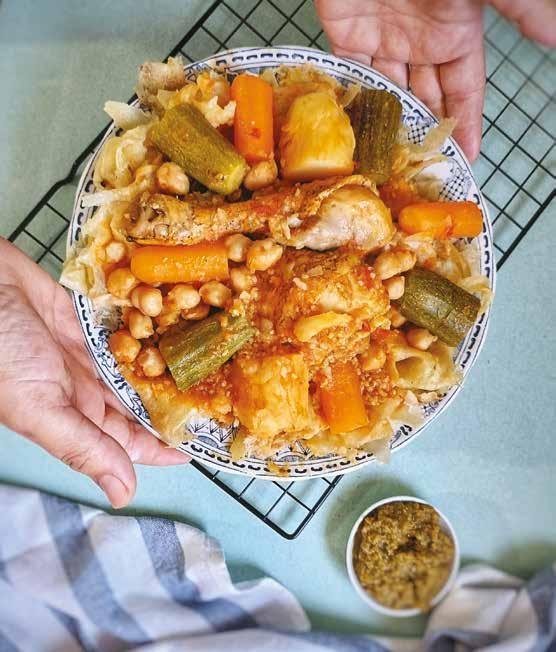
This delicious stew is typical for Algeria and although the name is similar, it doesn’t have anything to do with the ‘Shakshuka’ that we know from Morocco, Tunisia and Israel.
Ingredients (serves 4)
6 chicken legs
2 carrots, sliced
170gr canned chickpeas
750 ml water
2 tablespoons Ras el Hanout spice
2 tablespoons tomato paste
1 red onion, finely chopped
4 cloves garlic, minced
2 tablespoons olive oil
Rougag flatbread – use a few pieces, or to taste. If unavailable, substitute with other soft, thin flatbreads such as pita or khobez.
Instructions:
1. Heat oil in a pan. Once hot, cook the onion until translucent, then add the garlic.
2. Add the chicken drumsticks and stir gently to combine.
3. Stir in the Ras el Hanout and tomato paste.
4. Pour in enough water to cover the chicken and bring to boil.
5. Once boiling, add the carrots, reduce the heat and simmer for 30 minutes.
6. After 20 minutes, add the drained chickpeas and continue simmering.
7. When cooked, remove the chicken and grill for 5 minutes until browned. Set aside with the stew.
8. Sprinkle the flatbread lightly with water, stack the pieces, wrap in foil, and warm in a low oven (150°C) for 5–10 minutes.
9. Tear the rougag flatbread into smaller pieces.
10. Arrange the steamed flatbread on a plate, ladle over the spiced tomato broth, and top with chicken, carrots and chickpeas.
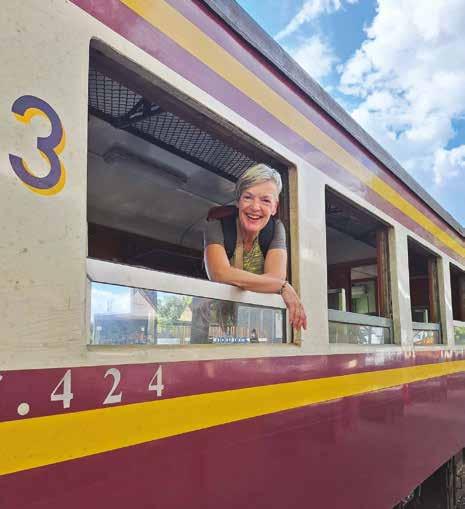
Never ones for standing still, our travel gurus having been working hard to bring you a fresh collection of itineraries this year. From exploring Japan’s lesser-known Kyushu Island to walking the Caminito del Rey, the challenge is deciding where to begin! How about these for starters?
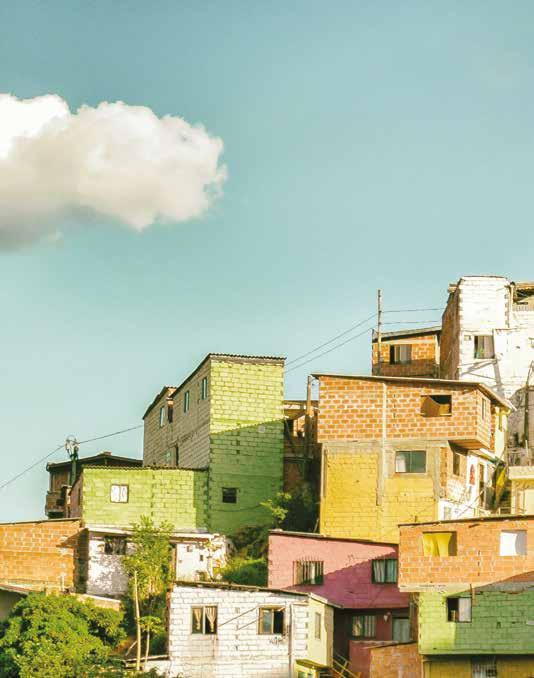
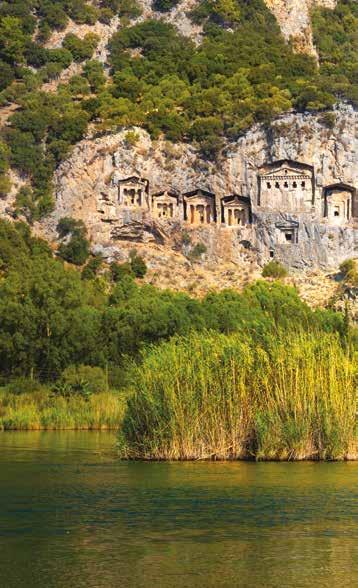
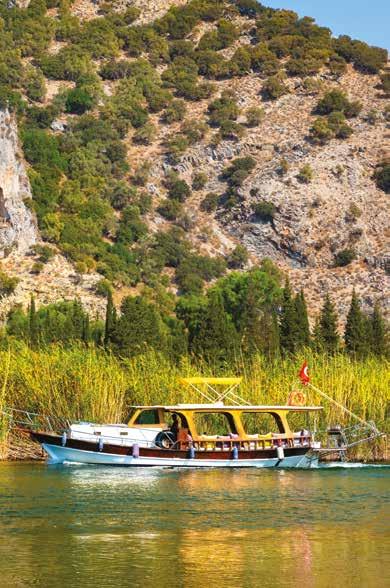
An active tour along the Turkish coast that combines adventure with culture. Ideal for families with teenagers, the itinerary balances outdoor activities with opportunities to explore the region’s rich heritage. exploreworldwide.com/FLC
UPGRADED – HIGHLIGHTS OF COLOMBIA
Colombia continues to grow as a tourist destination, and this itinerary explores it in comfort. Stay in carefully selected local boutique properties as you travel through the country’s diverse landscapes, including the renowned coffee triangle. exploreworldwide.com/FLC
Algeria is entirely new ground for us – both a fresh itinerary and a destination we’ve not explored before. The country brings together Roman ruins, French colonial buildings and Berber heritage, along with excellent North African food and, of course, the vastness of the Sahara Desert. exploreworldwide.com/AYD
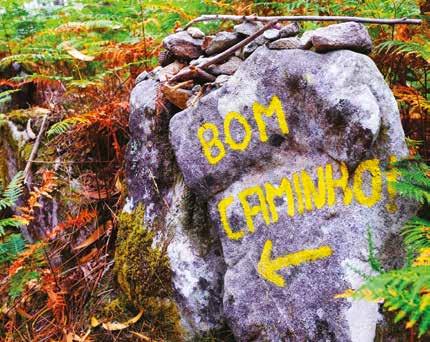
“Cover the 100km required to earn your Pilgrim’s passport in Portugal.”
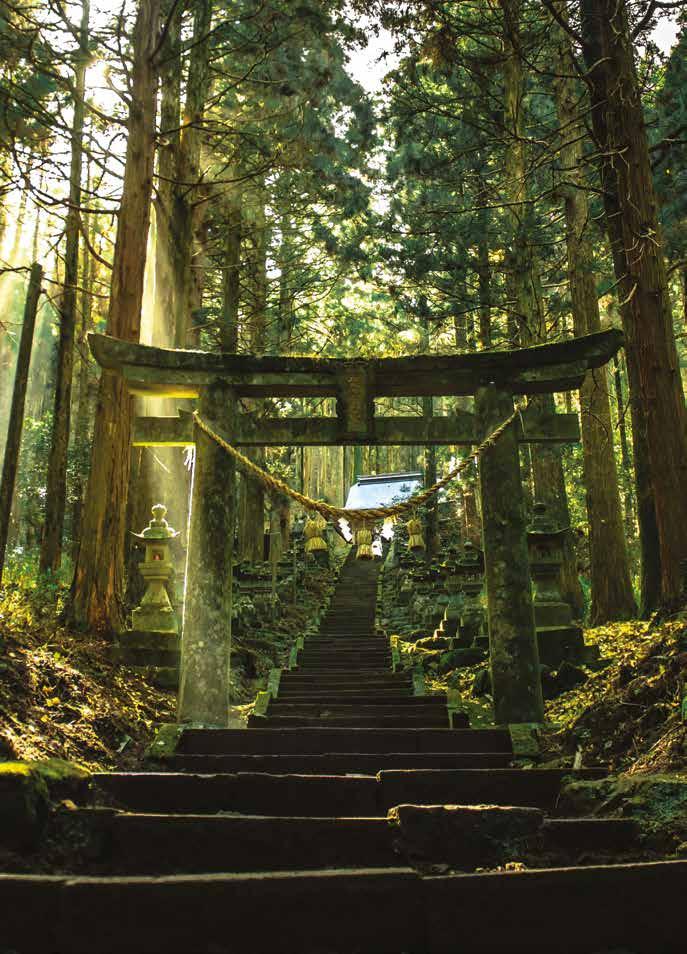
The Camino Portugues offers a distinctive alternative to the more traveled routes. This journey begins along Portugal’s Atlantic coastline before heading inland through Galicia’s green valleys, culminating in Santiago de Compostela. The route passes through coastal villages and across centuries-old bridges, covering the 100km required to earn your Pilgrim’s passport whilst experiencing the culture of northern Portugal and Spain.
exploreworldwide.com/WPC
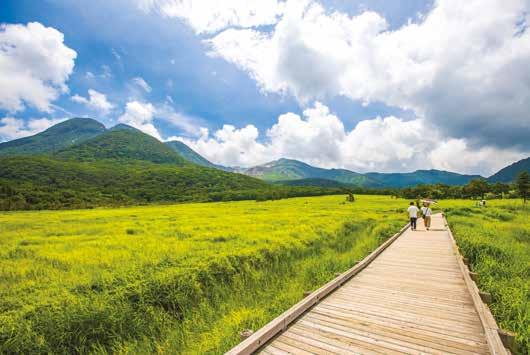
While Japan remains a popular destination, Kyushu Island offers something different. This itinerary takes you beyond the usual routes to places that are difficult to reach independently, revealing a side of Japan that few visitors experience. exploreworldwide.com/JPK
Are you looking for more new trips? We’ve got them all lined up here exploreworldwide.com/new-trips
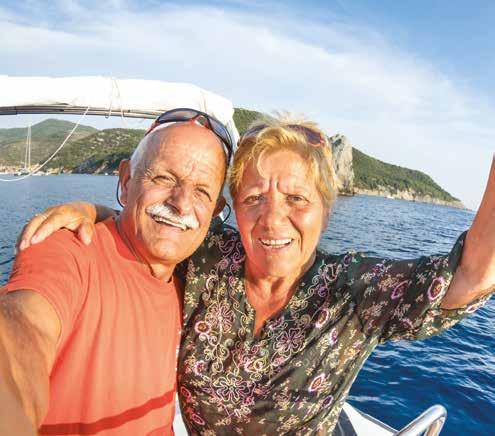

With working lives extending, one in three of us are considering a career break in midlife. Journalist Sally Howard explores the rise of the ‘micro retirement’.

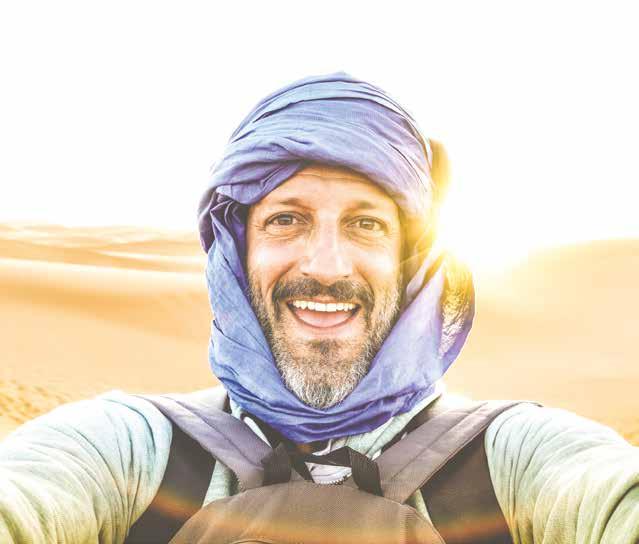




“I felt a rush to do the things I’d wanted to do for so long.”
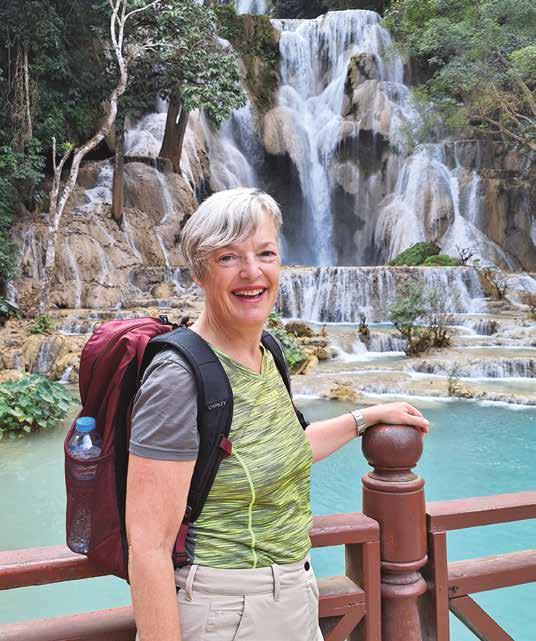
This summer, higher education administrator Anna Newsfiend, 63, traveled alone through Denmark to the Arctic Circle in Norway to see the midnight sun. “It’s so visually magical: this amazing full sun that never dips onto the horizon,” she explained. “It just keeps shining and shining on.”
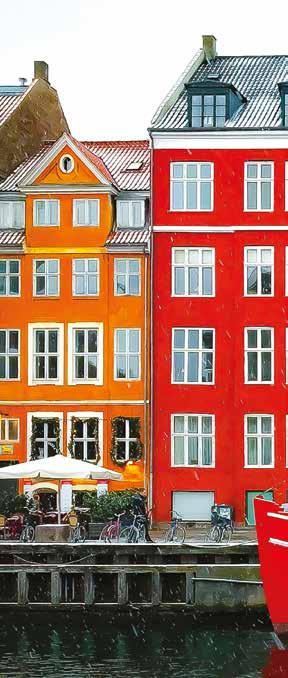
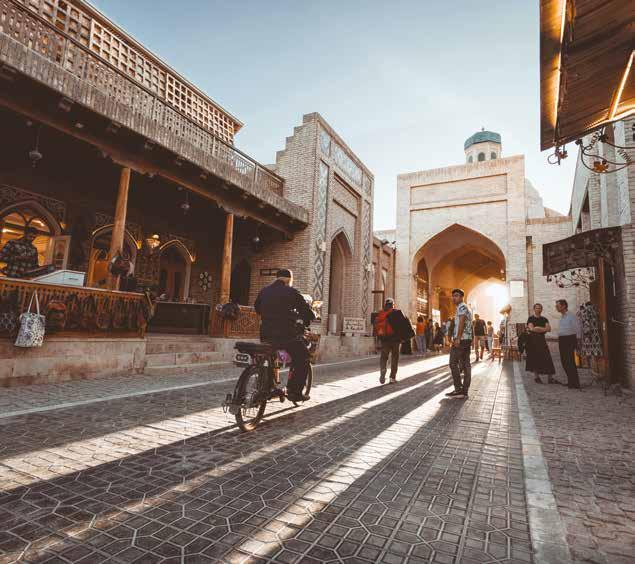
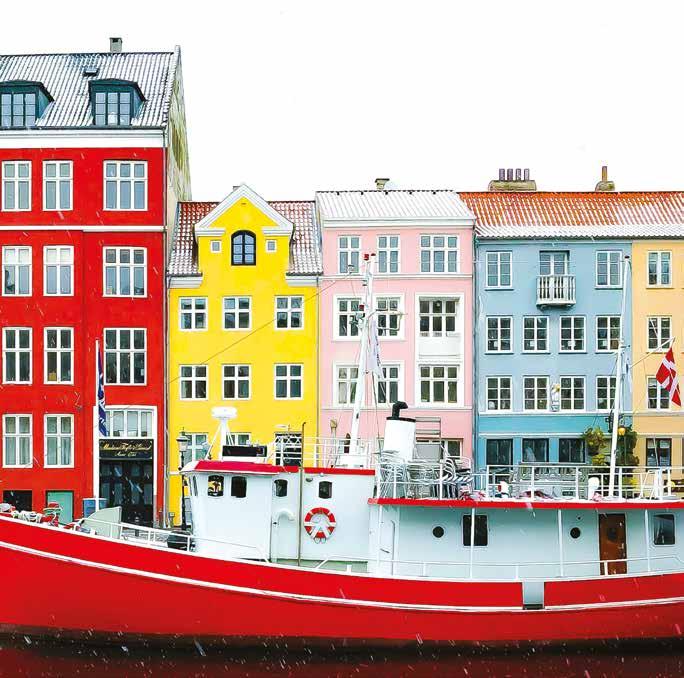
The same could be said of Anna, who recently left her job at The University of London to undertake a series of trips in an adventure she calls a ‘micro retirement’. Her travels so far have taken her to Scandinavia and Uzbekistan and city breaks to Berlin and Copenhagen are next up: “I’m on this house swapping app,” she says, “It’s great fun!” Anna plans to return to the working world later in the year.
As the working lives of 40- to 60-somethings extend well into our seventh decades, and as few of us enjoy careers for life (with the promise of a company sabbatical or final-salary pension), a growing number of people are actively considering taking extended time out from their jobs.
Four out of five Americans are ready for an extended break, with 41% ranking travel as their biggest motivator. Europe tops the list of places people would like to visit (34%), followed by
locales across North America (33%), Australia (16%) and Asia (15%). The majority of respondents wanted a pause lasting one to three months with spending time in nature being the most sought-after type of trip (28%), as well as multi-nation trips, cultural or historical tours, and slow travel by train or boat.
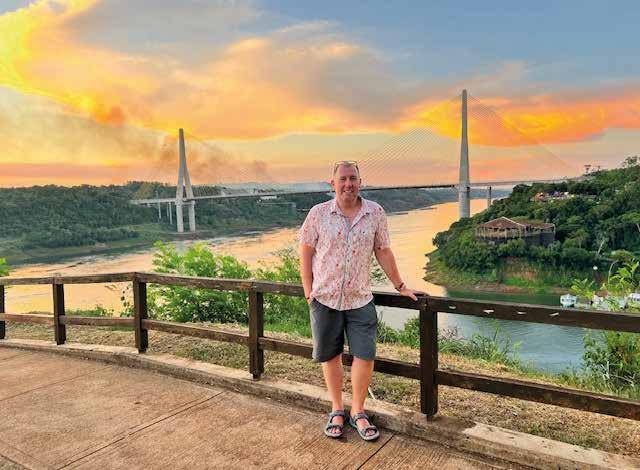
Advertising executive Rob Walker, 49, decided to take a micro retirement in advance of a move back home to his native Durham after 20 years living and working in London. Rob undertook a seven-week ‘grand circular tour’ of Argentina, including trips to the epic glacial systems at Iguazu Falls and the semi-desert plains and steppe of Patagonia, concluding his trip in Brazil for Carnival, meeting up with a cousin and his children on the way.
“Partly I could do it as I don’t have kids myself and I am single,” Rob said of his globe-trotting career break. However, the main motivation was the extending age of state retirement. “If I’m working well into my 60s, taking these little breaks, it sort of washes away the cares of working life,” he says. “You come back home enthusiastic for what’s next.” For former teen backpacker Rob, it’s also a chance to see how he and the wider world have changed in the intervening decades: “When I traveled at 19, I was living on a baguette and a slice of ham a day,” he says. “These days I can afford to go out to dinner, though I’m not going out clubbing every night!” he laughs.
Dr Charlotte Russell, a clinical psychologist and the founder of The Travel Psychologist says that attitudes are changing around what midlife means, from a transition to retirement, or perhaps a ‘crisis point’ to midlife being ‘an opportunity for transformation’. “We may have achieved and let go of career ambitions that were previously a focus,” Dr Russell says. “For people who have children, usually they are now grown up. So, this time of life is an opportunity to ask ourselves: ‘Who am I now?’.”
She adds: “Travel gives us opportunities to answer this question because new situations and cultures teach us about ourselves.
“A growing number of people are actively considering taking extended time out from their jobs.”
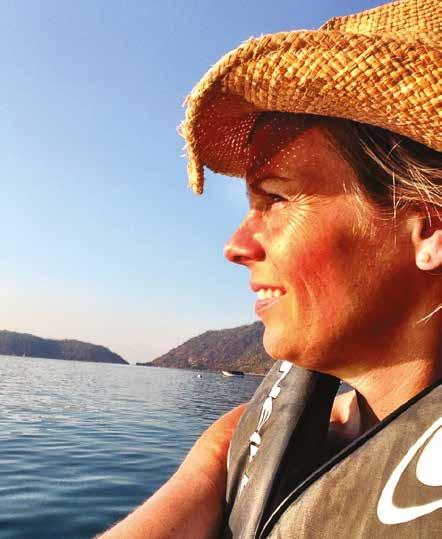
In some cases, micro-retirees must tackle workplace or social expectations not to take time out. This was the case for Marie Louise Grove, a Dutch marketing agency head, who, aged 59: “felt a rush to do the things I’d wanted to do for so long”. Marie Louise studied for her PADI diving certification in the year leading up to her 60th birthday and celebrated her big day diving in Curaçao, the Caribbean Island nation known for its vibrant coral reefs and crystal-clear waters. She then embarked on a three-month solo backpacking trip across Southeast Asia, partly funded by a pension draw-down.
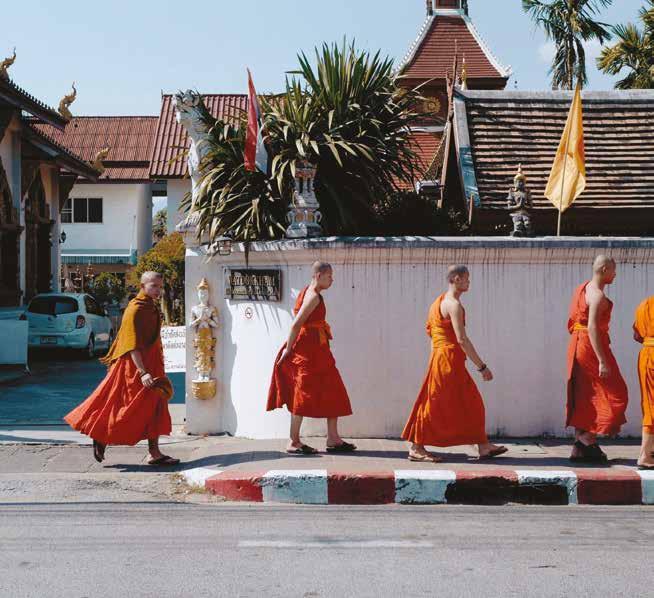
“The trip was amazing,” she recalls, “I spent a few days with monks in Chiang Mai, Thailand, and went on a long hike in the jungle in Cambodia. I pushed myself beyond my comfort zone, even staying in hostels. The way I see it, if you keep doing what you always do, you can’t grow.”
First, however, Marie Louise found she had to justify her need for such a trip to friends and acquaintances. She recalls these nosy enquirers asking, “what did my husband think, and what did my grown-up sons think?”.
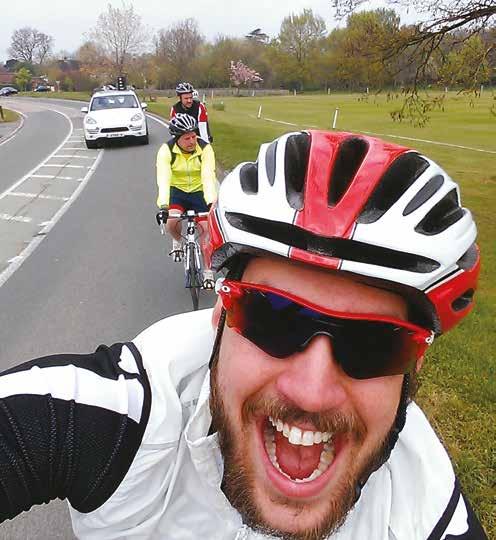
Debra Stottor, 62 and based in London, recently took a ‘micro retirement’ trip across Belgium and the Netherlands to Marseille and Barcelona via cycle and rail, meeting up with her grown-up children on the way.
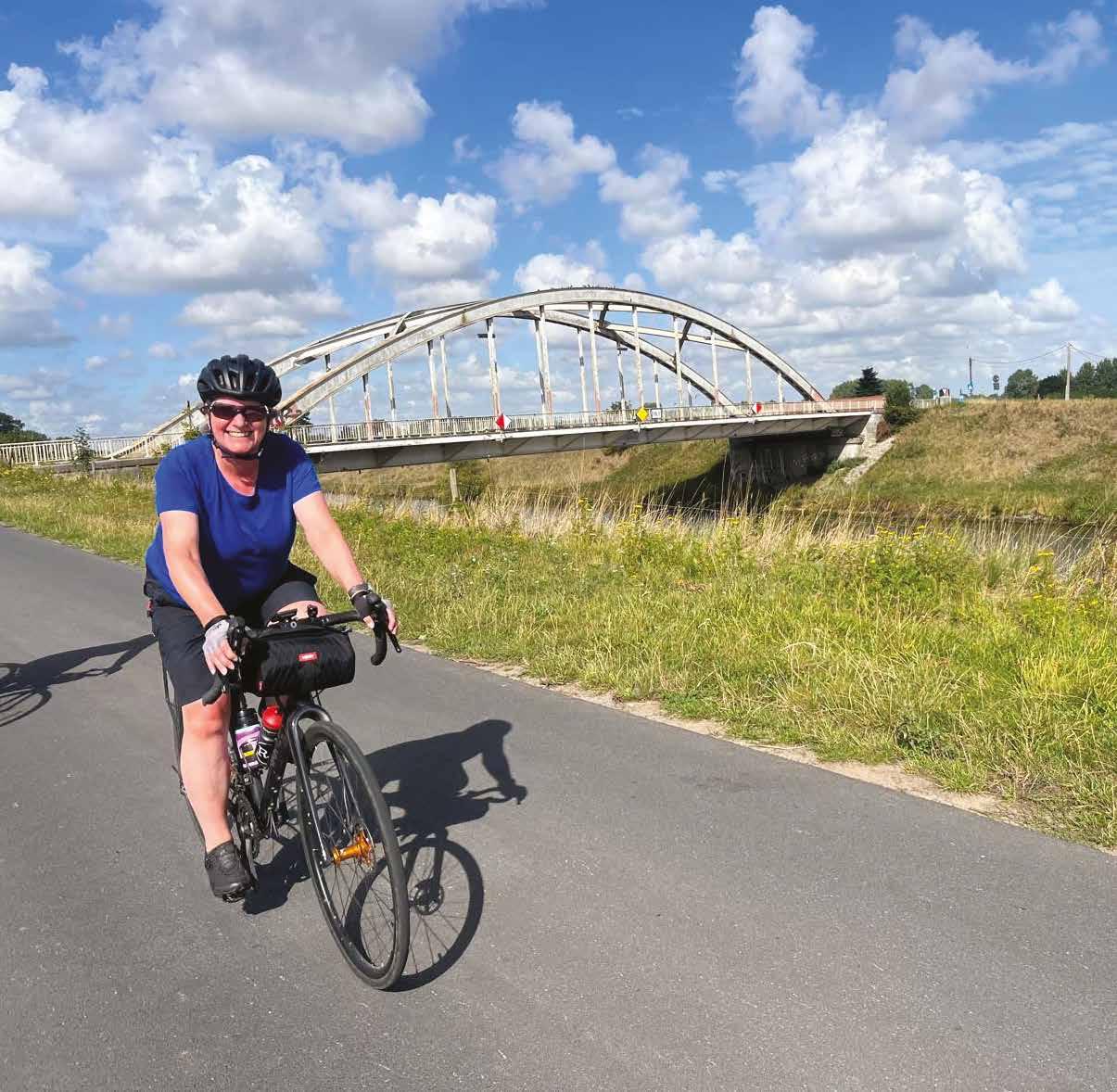
She embarked on the trip after a voluntary redundancy gave her perspective on her life and career and what might come next. Debra cycled alone across swathes of the Lowlands and had to cut short her trip for emergency dental surgery, traveling back to Dorchester via boat in the throes of Storm Amy, but says the trip has given her renewed confidence in herself. “I felt discombobulated at times, and I did feel like Billy no mates eating alone in the evening as a solo traveler, but it is of course good to challenge yourself.”
So, with people working longer, and society approaching the Great Wealth Transfer of Boomers (passing their housing wealth on to children in middle age), living our best lives on micro retirement breaks could be just the ticket. And thankfully, Explore can cater to the growing trend, with plenty of new and extended itineraries to satisfy micro-retirees’ wanderlust.
“Expect to see more 40 to 60 somethings embracing their best life on micro retirement breaks.”
Now settled in Durham, Rob Walker is thinking about his next career move (“something with better work-life balance”, he says), though he has bought himself an ‘all you can fly’ ticket with a budget airline to take spontaneous weekend trips as he eases back into the working world. For her part, Marie Louise Grove hopes to be an inspiration to other women to take life-changing trips in mid-life. “So many women want this but are held back,” she explains. “My motto ever since my
trip has been ‘you only regret the things you don’t try’. If you don’t like it, you can always go back home!” Anna Newsfiend is planning a trip around the Mediterranean to Croatia and then back up through Austria and through the Alps in summer 2026 as well as a trip to northern India in the winter. What would she say to others mulling over plans for a micro retirement? “I’d say, what have you got to lose? If you’re worried about work, there’s a lot to be said for expanding your horizons to improve your career chances. I’d say: just do it!”

Sally Howard
Sally Howard is a travel journalist who specializes in social trends in travel. Her books include India travelogue The Kama Sutra Diaries (Hachette), The Sunday Times’ Great Places (The Sunday Times) and The Home Stretch (Atlantic). She is looking forward to sampling a ‘micro retirement’ itinerary with Explore this December.
Here are some of our favorite long getaways that are perfect if you’re looking to take slightly more time off work.
AMERICAN EXPLORER
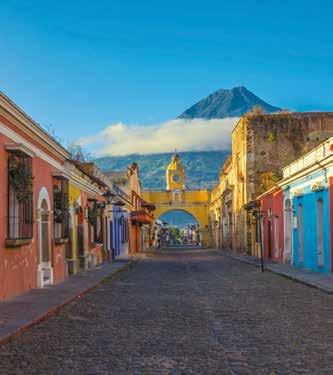
Set out on a 25-day adventure through Central America. From the lush rainforests of Costa Rica to the smouldering volcanoes of Nicaragua and the paradise beaches of Panama, tick off bucket list sights and discover lesser-known gems. exploreworldwide.com/CAE
DARJEELING AND BHUTAN
If we’re talking bucket list, then this is on top of ours. Travel from Kolkata to Kathmandu via vibrant Bhutan (the happiest place on earth). This tour traverses countries, cultures and religions. From mangrove-laden Sundarbans to the foothills of the Himalayas and peaceful Darjeeling –passing by temples and tea plantations along the way this 21-day trip is definitely one to remember. exploreworldwide.com/BH
IN PATAGONIA AND IGUAZU EXTENSION
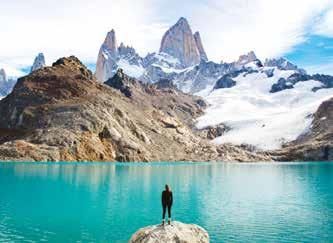
If you’re already there, you might as well make the most of it! Discover the rugged beauty of the most southerly tip of the Americas on a two-week tour of Patagonia before heading up to Buenos Aires and then on to see the majestic Iguazu Falls. exploreworldwide.com/PAI
VIETNAM AND CAMBODIA HIGHLIGHTS
Travel the coast of Vietnam and continue to an in-depth tour of Cambodia on this three-week adventure through these countries’ cities, villages and waterways. Sample fresh and tasty local food, explore UNESCO listed sights and learn about ancient and modern history. exploreworldwide.com/VNC
SOUTH GEORGIA AND ANTARCTICA – EXPEDITION
This epic journey takes you from Ushuaia through the Falkland Islands to South Georgia – where millions of seabirds and huge penguin colonies thrive – then on to Antarctica. You’ll see incredible mountain scenery, visit Shackleton’s grave, check out research stations like Port Lockroy, and spot different penguin species across remote islands. It’s all about amazing landscapes and incredible wildlife encounters in the Southern Ocean’s most stunning spots. exploreworldwide.com/ANS
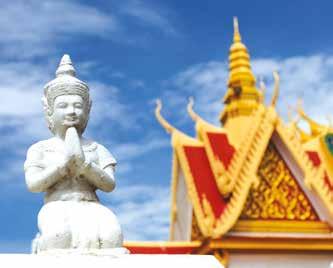
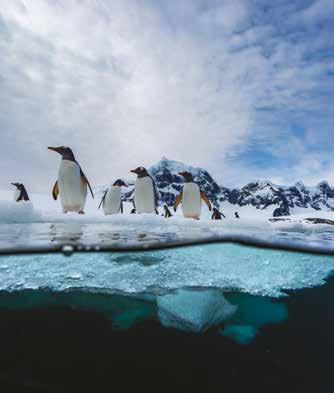
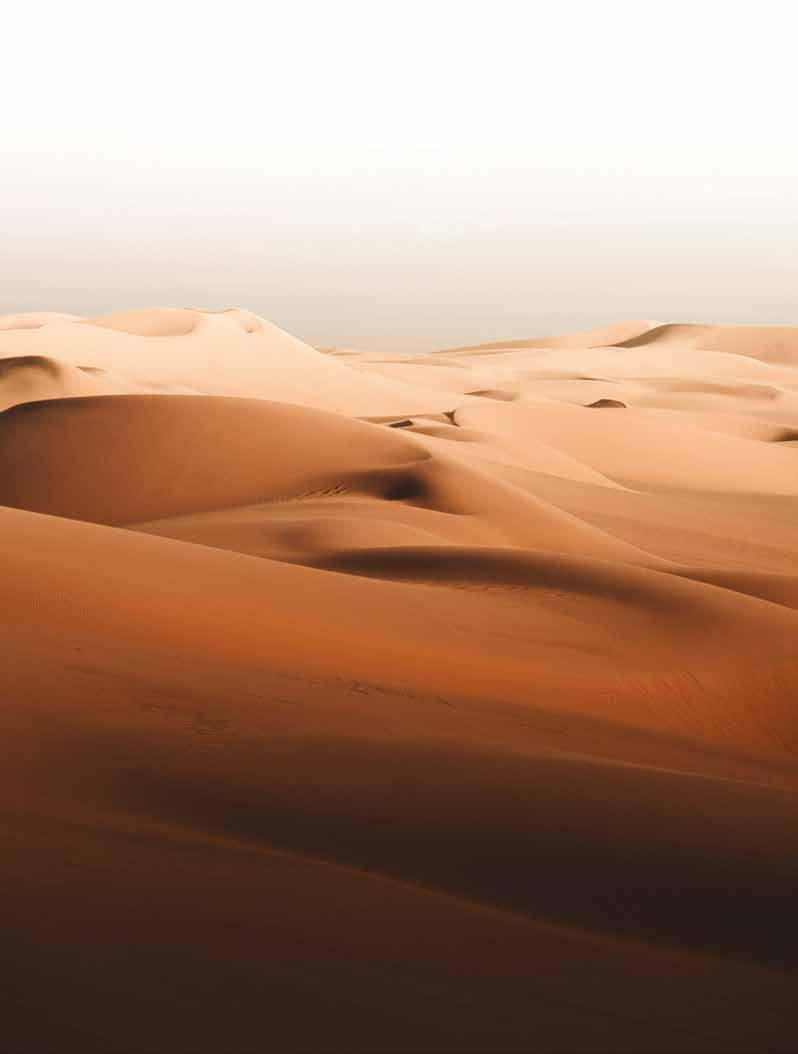
Algeria is Africa's largest country and the Mediterranean's best-kept secret – a land where Roman ruins rise from golden dunes, French colonial architecture meets Berber traditions, and the world's most stunning desert landscapes stretch endlessly toward the horizon. From the bustling souks of Algiers to the otherworldly rock formations of the Sahara, Algeria offers intrepid travelers an authentic North African experience far from the tourist trail.
Algeria dominates North Africa's Mediterranean coast. Bordered by Tunisia, Libya, Niger, Mali, Mauritania, Western Sahara, and Morocco, it's the tenth-largest country in the world – yet over 80% of its vast territory is Sahara Desert and uninhabited.
The country's geography tells two distinct stories: the Tell, which includes the Atlas Mountain range along the Mediterranean coast, and where most Algerians live, and the immense Saharan interior, featuring spectacular sand seas, desert mountain ranges like the Hoggar, and ancient rock art dating back millennia. This dramatic divide has shaped everything from settlement patterns to cultural identity, creating a nation that straddles Mediterranean and Saharan worlds.
Algeria's story begins with the Berbers (or Amazigh, meaning "free people"), North Africa's Indigenous inhabitants who've lived here for thousands of years.
The Phoenicians established trading posts along the coast, followed by the Romans, who built magnificent cities like Timgad and Djémila – now UNESCO World Heritage Sites where you can still walk marble-paved streets and sit in ancient amphitheatres.
The Arab conquest in the 7th century brought Islam and the Arabic language, which blended with Berber culture to create a unique North African identity. For centuries, Algiers became notorious as a base for Barbary pirates, with the Ottoman Empire controlling the coast from the 16th century onwards.
France's brutal colonization began in 1830 and lasted 132 years – one of Africa's longest colonial occupations. The French treated Algeria as an extension of France itself, settling over a million Europeans (known as pieds-noirs) whilst suppressing Indigenous culture and language.
The Algerian War of Independence (1954–1962) was long and devastating, costing over a million Algerian lives, but ultimately resulted in independence on 5 July 1962 – now celebrated as one of Africa's most hard-won liberations.
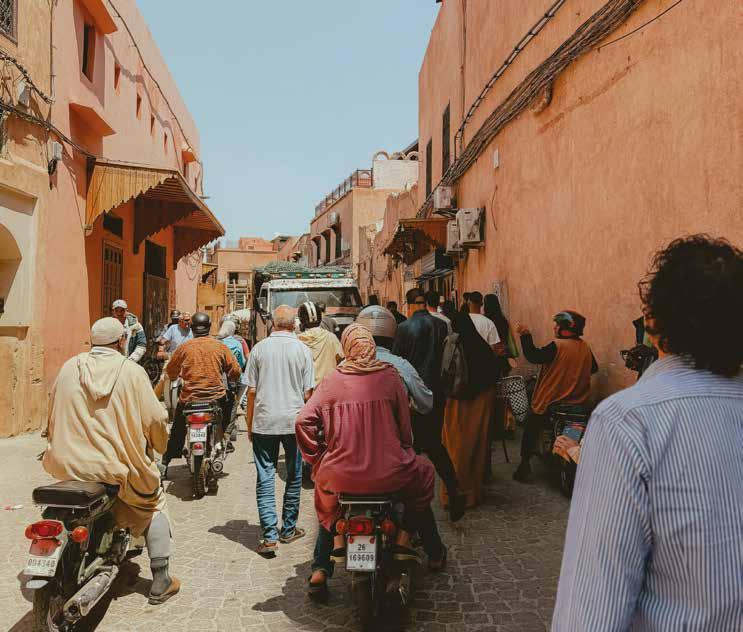
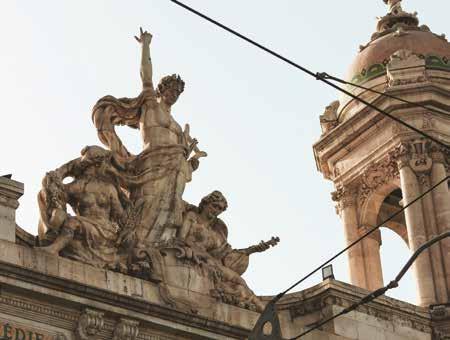
Seven UNESCO World Heritage Sites: Algeria boasts incredible archaeological sites including the remarkably preserved Roman city of Timgad, built in a perfect grid pattern in the Sahara.
The Sahara Experience: The Tassili n’Ajjer plateau contains over 15,000 prehistoric cave paintings and engravings, some dating back 12,000 years, depicting a time when the Sahara was green and lush.
Fennec Fox Nation: The adorable fennec fox, with its enormous ears, is Algeria’s national animal and the nickname of the national football team (Les Fennecs).
The Bread Tradition: Bread is deeply sacred in Algerian culture. If you see a piece on the ground, it’s customary to pick it up and place it somewhere respectful, never to be trampled.
Unique Architecture: The M’zab Valley’s pentapolis features stunning examples of 10th-century Berber architecture, with fortified cities built around principles of social equality and environmental harmony.
No Alcohol Imports: Algeria produces some wine (a legacy of French colonization), but importing alcohol is forbidden, and a drinking culture is far less prominent than in neighbouring Tunisia or Morocco.
Gas is cheaper than water in Algeria. 1 2 3 4 5 6 7
Post-independence, Algeria pursued socialist policies, nationalizing its substantial oil and gas reserves. But 30 years after gaining independence, civil war broke out between the Algerian government and multiple Islamist rebel groups. Fortunately, the conflict ended in 2002 and Algeria has since stabalized and is slowly opening up to international visitors once again.
Algerian identity beautifully weaves together Berber, Arab, and French influences, creating something distinctly its own. The country recognises both Arabic and Tamazight (Berber) as official languages, and although French remains widely spoken, you'll often hear conversations switching seamlessly between all three.
“Algerian identity beautifully weaves together Berber, Arab, and French influences.”
Islam is central to Algerian life, with the call to prayer echoing across cities five times daily. However, Algerians practice a relatively moderate form of Islam, and you'll find a society that balances faith with a relaxed Mediterranean lifestyle, especially evident in the café culture.
The country's architectural heritage reflects this cultural fusion magnificently. The Casbah of Algiers, a UNESCO World Heritage Site, tumbles down hillsides in a maze of whitewashed buildings, hidden courtyards, and narrow alleyways that have remained largely unchanged for centuries. Ottoman palaces with intricate tilework stand alongside grand French colonial buildings, neo-Moorish mosques, and modernist structures from the socialist era.
Berber traditions remain strong, particularly in Kabylia and the Aurès Mountains. The Amazigh flag's colors – blue, green, and yellow with a red Berber letter – are a source of pride, and traditional crafts like carpet weaving and silver jewelry-making continue to thrive. Each region has its own distinct Berber dialect, music, and customs, fiercely preserved through generations.
The capital, Algiers, is a modern, energetic place full of contradictions. Known as Alger la Blanche (Algiers the White) for its distinctive architecture, it's a city where French-style boulevards meet Moorish medinas, and where locals gather in pavement cafés to debate politics over tiny cups of strong coffee and glasses of mint tea.
Algeria has given the world some extraordinary cultural exports. Raï music, which originated in the country, has become internationally famous – artists like Cheb Khaled brought this fusion of Berber, Arabic, and Western sounds to global audiences. More recently, Algerian rap has exploded, with artists addressing social issues through Arabic, French, and Berber lyrics.
Soccer is a national obsession, the streets empty when the national team plays, and local derbies between clubs like USM Alger and MC Alger inspire passionate loyalty. The 1982 World Cup match against West Germany remains legendary, and Algeria's 2019 Africa Cup of Nations victory sparked celebrations across the entire country.
“Visitors are often overwhelmed by the locals generosity.”
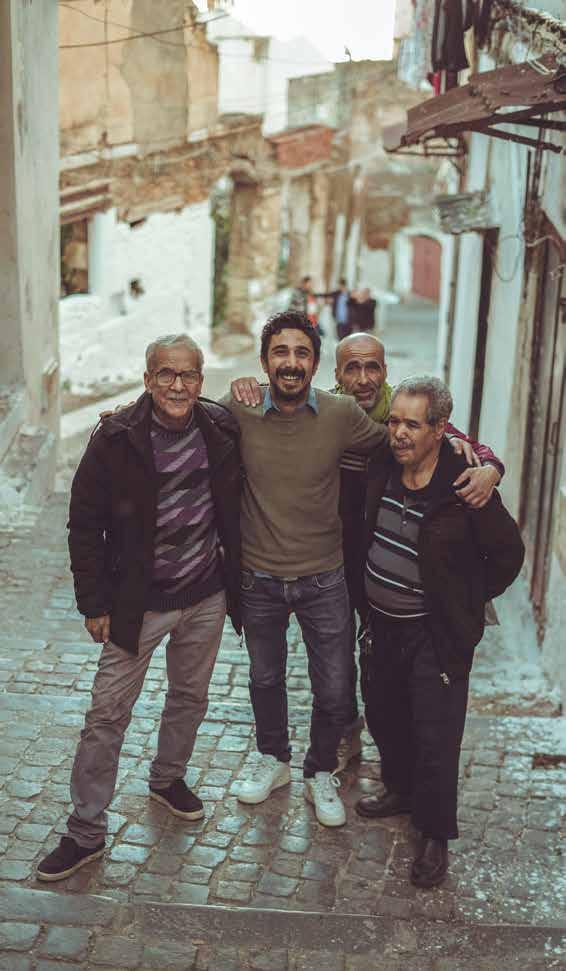
Family remains absolutely central to modern Algerian society. Multigenerational households are common, and showing respect for elders is paramount. Hospitality is deeply ingrained and visitors are often overwhelmed by the locals generosity, with hosts insisting on serving tea to casual acquaintances.
Heavily influenced by the range of cultures that have shaped it and Algeria's unique geography (the country is often called the land of cherries and dates because of its varied north-south climate), Algerian cuisine and its consumption is a social event, often lasting hours, with an emphasis on sharing dishes placed in the centre of the table.
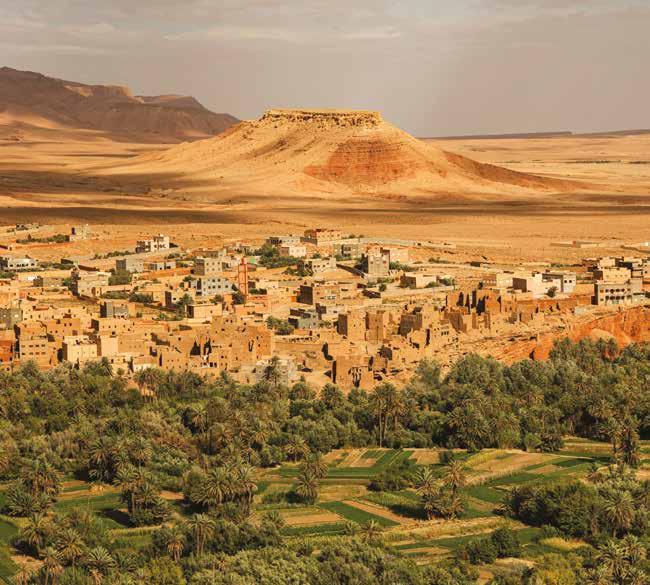
Read: The Meursault Investigation by Kamel Daoud – a brilliant reimagining of Camus’s The Stranger from an Algerian perspective
Watch: The Battle of Algiers (1966) – an unforgettable portrayal of the independence struggle
Listen: Listen to Cheb Khaled’s “Didi” or explore modern Algerian rap artists like Soolking
Couscous is the undisputed king of Algerian cuisine. Traditionally served on Fridays, with countless regional variations, the tiny semolina grains are steamed to fluffy perfection and topped with vegetables, chickpeas, and meat in a flavorful broth.
Here are some essential Algerian dishes worth discovering:
Chakhchoukha: A traditional Berber dish from the Aurès region featuring torn pieces of flatbread soaked in a rich tomato-based sauce with chickpeas and meat. Utterly delicious and deeply comforting.
Rechta: Sometimes called Algerian pasta, these handmade noodles are served in a chicken-based sauce with chickpeas and turnips, particularly popular in Algiers.
Berkoukes: Similar to large couscous, these hand-rolled pasta balls are cooked with vegetables and meat in a warming stew, perfect for cold winter days.
Bourek: Crispy fried pastries filled with spiced meat, cheese, or potato, often shaped into cigars or triangles – perfect street food.
Makroud: Sweet semolina cakes filled with dates, fried until golden, then soaked in honey. These diamond-shaped treats are irresistible with mint tea.
Mint tea (thé à la menthe) is the national drink, served sweet and strong in small glasses throughout the day. Refusing a cup is considered quite rude! Coffee is equally important, with Algerians favouring strong espresso-style preparations.
Can’t wait to discover Algeria yourself?
Check out our three brand new tours covering everything from the Algerian coast to Saharan off-grid escapes. exploreworldwide.com/algeria
One of the joys of traveling abroad is walking through a local market and looking at all the different items produced by the local craftspeople. From pottery to silverware, we’ve listed some of our favorite markets here.
CHORSU BAZAAR IN BUKHARA – UZBEKISTAN
This trading dome was once a bustling Silk Road stop. The bazaar has a grand central dome and four passages where caravans met for centuries. Today, pop in for sweet Uzbek green tea, watch local craftsmen at work, and browse beautiful textiles with intricate embroidery, ikat silk, wood carvings, jewelry, and loads more.
MUTTRAH SOUK IN MUSCAT – OMAN
The shops here sell everything you could want, especially traditional crafts and famous silverware. Prices depend on weight, silver content, and quality, and they fluctuate daily with the silver market. You’ll find beautiful pots, gorgeous jewelry, and plenty of khanjars (traditional silver daggers) for sale. It’s a brilliant place to browse and pick up original pieces.
The Grand Bazaar is one of the world’s oldest and largest covered markets, with over 4,000 shops spread across 61 streets. Wander through the labyrinth of vaulted passages to find stunning Turkish carpets, ceramics, jewelry, leather goods, spices, and lanterns. It’s a vibrant, chaotic shopping experience you won’t forget.
Riga Central Market is one of Europe’s largest markets, housed in five enormous former Zeppelin hangars. Browse fresh produce, local delicacies, and traditional Latvian goods alongside stalls selling beautiful Baltic amber jewelry and crafts. It’s a brilliant spot to soak up the local atmosphere and pick up authentic amber pieces.
“A vibrant, chaotic shopping experience you won’t forget.”
Otavalo Market is one of South America’s most famous craft markets, where indigenous artisans sell stunning handwoven textiles, alpaca scarves, colorful bags, jewelry, and traditional crafts. Visit on Saturday when the market sprawls across the streets from Plaza de los Ponchos. It’s a brilliant place to find genuine Andean handicrafts.
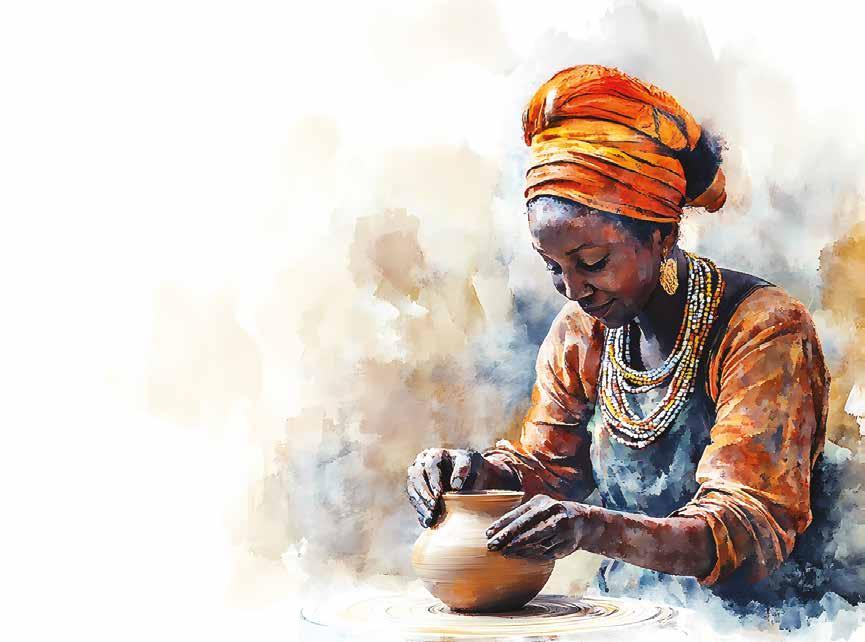
Travelers are increasingly looking beyond traditional travel windows in favor of fewer crowds and richer local experiences. Travel journalist Lucy Dunn has had her fair share of off-peak adventures. ‘Hidden season’ or silly season? She tells all.
Words –– Lucy Dunn
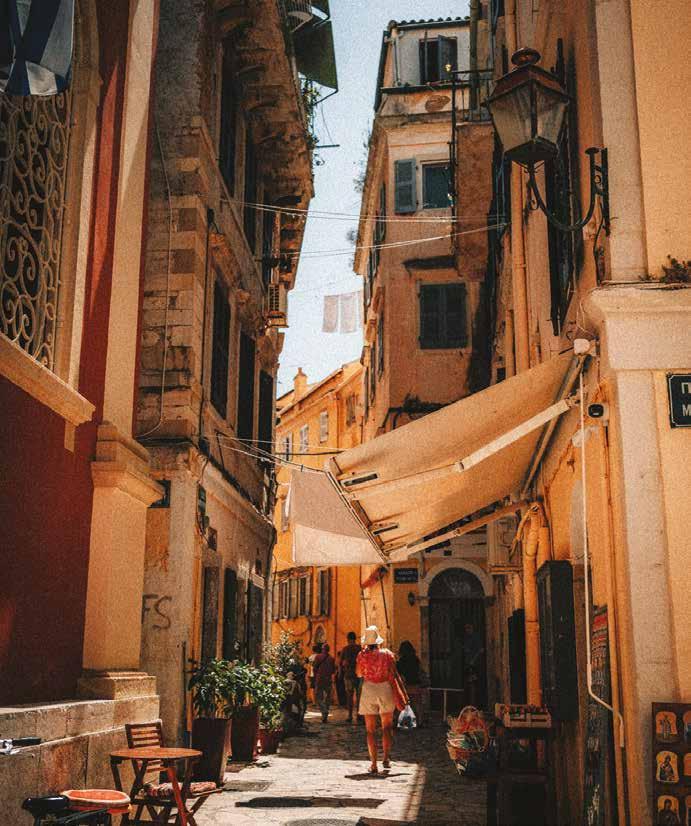
Italy’s charming alleyways without the crowds
Below
Some places will pleasantly surprise you with unexpected flora
Inever get seasick on a boat but there I was, red-faced, on a dream diving trip to the Great Barrier Reef, heaving into a paper bag while a concerned deckhand offered up pills and ginger biscuits, and my dive group looked on. I so wanted to swim with the turtles, but it was storming, a Force 20 (I might be exaggerating a little), and the boat had turned into a nauseating rollercoaster as we sped to the outer reef. At the time the weather felt like a shock, though really, what did I expect? It was early May, and while my head was still switched to UK summertime mode, it was early winter in Australia: so of course, the weather was going to be unpredictable.
The weather can trip up even the most stoic Brits especially when traveling out of season. But it doesn’t have to be the death knell to a holiday, indeed it can often be a blessing in disguise. Cooler days and nights mean you’re not dragging yourself around in sweltering heat, fretting about sunburn or sweating away with the windows closed at night to fend off mosquitoes. You can wander more comfortably, see more and actually enjoy exploring.
Then there are the unexpected bonuses. Avoiding peak periods can bring cheaper flights as well as a chance of being upgraded to a nicer room. And off
season in some places doesn’t have to mean off weather: in places like Dubai, hotels often slash their prices during the summer months to keep guests coming when the temperature soars. So, if sizzling on a sun lounger is your vibe…
When you’re a tourist, the last thing you want to do is rub shoulders with thousands of other tourists. The biggest gripe in Venice is not “dirty canals” or “crazy prices” but the crowds (although walk about five streets from St Mark’s Square and you can wander through the maze of pretty streets all day and not see a soul, even in the height of August). On a recent trip to the clifftop village of Oia in Santorini, with its iconic blue domed buildings and picturesque views, the crowds were so dense that walking the narrow streets felt like being swept along in a river of visitors. Every ledge had a queue of people waiting to take a selfie, every bar had a hovering waiter ready to grab their table back after you’d finished your (extortionately priced) sundowner. It was a miserable afternoon – a world away from the genuine ‘off-the-beaten-track” experiences that most of us hanker after.
When tourists leave for a season, places change their personality. I remember arriving in Corfu two days before the hotels shut for winter and October Corfu felt completely different to the August Corfu I'd visited a year before: all the noisy bars and nightclubs had closed up,
Here are 3 places we think are great to visit during their ‘off-season’.
Turkey in Winter
Are you looking to visit Turkey while the weather on the Mediterranean coast is temperate and there are fewer visitors? Our tours running in late fall and winter will be perfect for you. exploreworldwide.com/WT
Costa Rica during Green Season
Green season in Costa Rica is a brilliant time to go. Turtle nesting starts in June (in the middle of green season) and rainy downpours are short, sharp and tropical – they don’t last all day. The jungle is greener and lusher with more vivid color too.
exploreworldwide.com/CC
The Amalfi Coast during off season
In the off season on the Amalfi Coast, the weather is perfect for walking as it’s cooler and the places are far less busy. During this time, our walking trip stays in a really lovely coastal hotel rather than in the mountains. This means you get the same great walks and amazing food, but also a comfortable stay on the coast. exploreworldwide.com/NAWC
‘Nature can also serve up some spectacular shows when the tourists’ backs are turned’
tables in restaurants were easy to book, people had time to stop and chat and all the tourist souvenirs vanished from the markets. It felt like the whole place was breathing a sigh of relief.
and shorter grass makes wildlife easier to spot – plus you often feel as if you have the park almost to yourself. Along the nearby Zambezi River, receding waters will expose rhinos grazing.
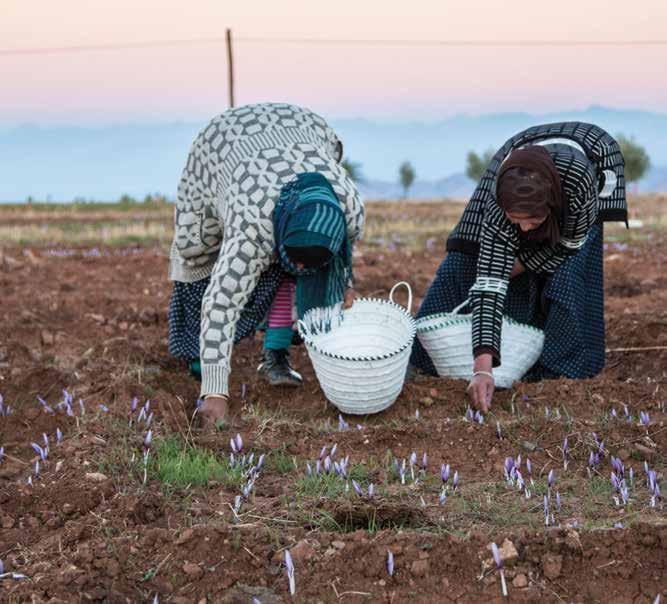
Ladies collecting saffron in Morocco
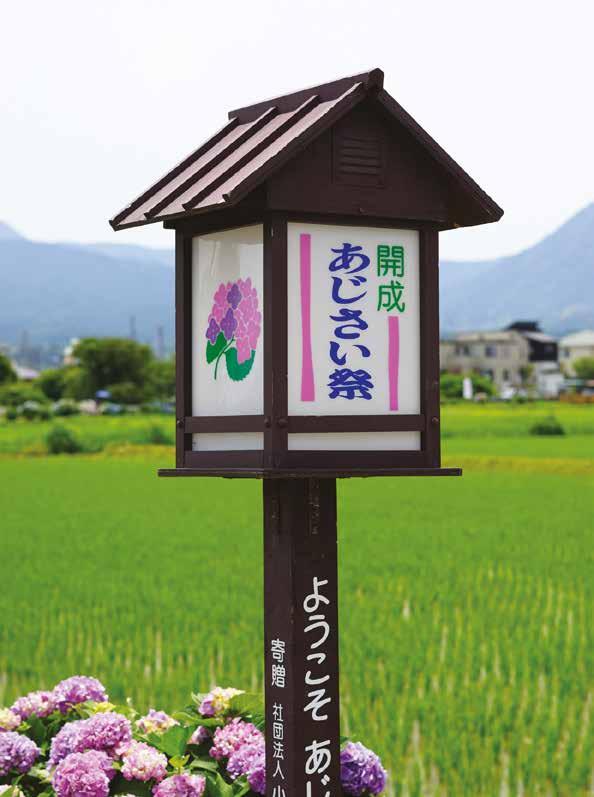
Whether you’re solo traveling or in a small group, traveling in quieter times is a chance to live life like a local. During the rainy season (April–May) in Zanzibar, Tanzania, fishermen time their trips between showers and families gather for long, communal meals to pass the hours. In Kyoto, Japan, the downpours (June–July) are a signal for Shinto shrines and Buddhist temples to host colorful hydrangea-viewing festivals (ajisai matsuri), often overlooked by tourists. Winter in Buenos Aires, Argentina (June–August) means the usually touristy tango clubs fill with locals escaping the cold; while in Montrèal, January to March is when the city retreats underground into the RÉSO, a “subterranean city” where residents shop, socialise and escape the freezing temperatures.
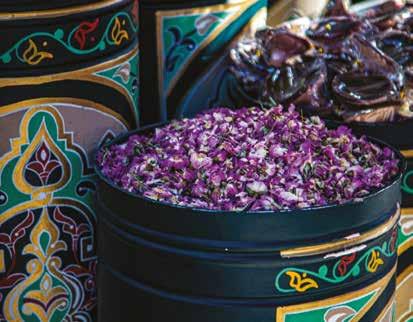
One of the real perks of traveling off peak is the food and you’ll often find regional dishes that simply don’t appear at other times of year. In Italy’s Piedmont and Tuscany regions, fall means white truffles, when even the simplest pasta turns into an indulgent dish. Across the Atlantic, New England’s technicolor fall brings with it steaming bowls of pumpkin soup – hearty, moreish and as much a part of the season as the fiery leaves outside. And I still think back to the seffa medfouna I had in a women’s community café in Marrakech: a hearty sweet-savory dome of couscous, vegetables or meat, finished with raisins, powdered sugar and almonds.
Nature can also serve up some spectacular shows when the tourists’ backs are turned. Take Kenya, for example. While peak safari time (July–October) is prime for witnessing the iconic Great Wildebeest Migration crossing the Mara River, timing your trip for late June means you can still see the migration as it moves north – but before the crowds arrive. In Zimbabwe’s Hwange National Park, visiting just as the dry season is beginning (May–June) means daytime temperatures are a comfortable 20–27°C
There are also a whole host of different activities you can do when it’s quieter. A longtime ambition of mine is to visit the Taliouine region of Morocco to watch the saffron harvest picked at dawn by local Berber women (October–December). Also on my to-do list: Chicago on St. Patrick’s Day, when bars flow with Guinness and the Chicago River is dyed a dazzling shade of emerald. And simpler pursuits are even more enjoyable when it’s quieter: every new city I visit I always book a cycling tour – it’s a brilliant way to get your bearings and to really see what makes a city tick away beyond the tourist trail.
Since Australia I've taken a few more out-of-season trips and I can safely say there's a knack to it. I’d suggest you do your homework and plan your trip around what you truly want to see and do. If climbing Machu Picchu is on your bucket list, avoid January when landslides often close sections of the Inca Trail. Also, take it slow. Often, the most memorable moments happen when you see where the day takes you – whatever time of the year you choose to go.
And finally: pack for every possible weather scenario –take it from me, scrambling to buy extra layers in the Outback is no easy feat. Seasickness pills also now top my essentials list.
Lucy Dunn
Lucy Dunn has been a lifestyle writer for many years, working for magazines and broadsheets including GRAZIA, The Telegraph, The Times and the Guardian. She is currently Content Director for BOAT International.
History isn’t just about the past. From Neolithic stone circles to ancient Roman graffiti, we’re more connected than we think. Explore’s history obsessive Aimee White looks at how present it is around the world today.
’ve always been fascinated by history. For me, I’m not just looking at a bunch of old rocks, or crumbling buildings that could be demolished for new condos. I picture the people who built them. What their lives looked like. How their day-to-day routines shaped a heritage. And how history still lives with us today.
Take Stonehenge. This Neolithic stone circle was constructed around 2500 BC. We don’t have all the answers (Why here? Who used it? How did they use it?) but many believe it was used as a solar calendar or a healing centre, because of the stones’ solstice alignment and supposed ‘curative’ powers. Some of the huge stones came from as far as Wales and Scotland – what significance did this site have for people to travel so far to this part of southwest England?
Stone circles are scattered across Europe, and there are a few further afield including the Gambia. Even Japan has its own Oyu Stone Circles (in northern Akita), although they were built slightly later than Stonehenge. Isn’t it fascinating that these ancient communities shared similar ideas at similar times, despite being thousands of miles away from each other?
Most of these stone circles are still accessible today, bringing us together to stand in awe and appreciate their mighty structures. I like to think this is how they would have been viewed back then, too.
Left
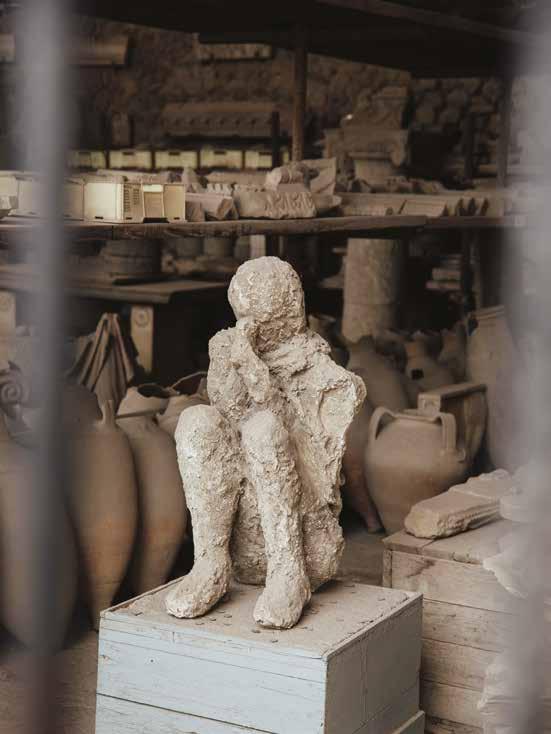
The “frozen” people of Pompeii are not literally frozen but are plaster casts created from the voids left in the volcanic ash after the eruption of Mount Vesuvius in 79 AD
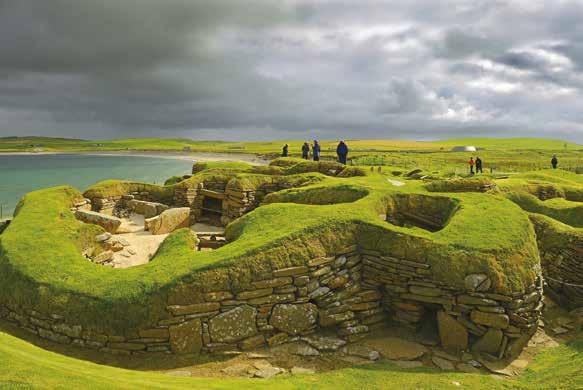
Top right Skara Brae is a 5,000–year-old Neolithic village on the Orkney Islands in Scotland
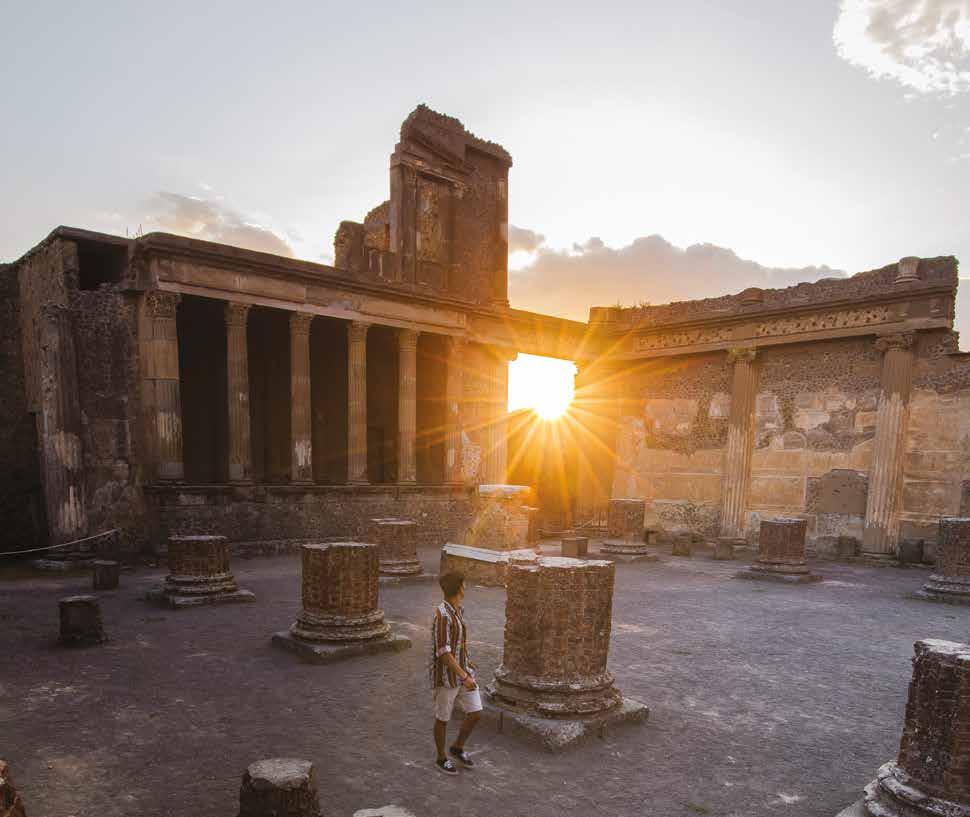
Bottom right Fancy a walk through Pompeii?
“History surrounds us as much as it is a part of us, and we can always learn from it.”
If that hasn’t blown your mind yet, let’s look at Pompeii. This ancient city is a rare example of everyday ancient Roman life: instead of gazing at emperor’s palaces, huge forums and staggering columns, you can see the local bakery, the ‘fast food’ shops and graffiti stating, “Antiochus hung out here with his girlfriend Cithera”. There’s something intimate about how closely we can understand this.
A similar spot lies on the remote Orkney Islands in Scotland. Dubbed the ‘Scottish Pompeii’, Skara Brae is the oldest Neolithic settlement in Europe. It was built around 3180 BC, consisting of nine surviving houses built into the ground. Today, a walkway loops around the outside so you can look down at the houses and into their lives. It feels oddly familiar, as you can see the fitted stone furniture like ‘dressers’ where they kept their belongings and box-beds. It’s different, of course, but it’s not a far cry from our nesting habits today.
Living history isn’t just about physical ruins and remnants; it’s also about communities continuing age-old traditions, from crafts to festivals. With this, there are also chapters that challenge us. Part of Benin’s Voodoo Festival involves visiting the Door of No Return, a memorial arch that commemorates the enslaved Africans who left from the shoreline here. Standing before a monument or walking through the remnants of a difficult past are opportunities to remember, reflect and learn. By acknowledging history (both its triumphs and tragedies), we carry its lessons forward.
Finally, there’s language. There are words, dialects and phrases that we still use today – whether we’re aware of it or not! Thursday derives from the Norse god Thor’s Day. ‘Holy moly!’ might refer to an ancient Greek magical herb.
I don’t think history is about the past: it surrounds us every day, from where we live and visit, to the stories we share and art we consume. History surrounds us as much as it is a part of us, and we can always learn from it. Wherever you are, take a moment to lean in and notice the details. The more we explore, the more we can understand the world we share.
Watch this:
The Detectorists is a comedy series about two metal-detecting friends in search for local Saxon treasure.
Listen to this:
Tony Robinson’s Cunningcast podcast explores history topics from a quirky or unexpected angle.
Read this:
Pompeii: The Life of a Roman Town by Mary Beard shares everything you need to know about this ancient town.
Eat this:
Congee is one of the world’s oldest dishes (and it’s really good for you).
We’ve collected together our favorite page turners for 2026 – and why now is the perfect time to read them.
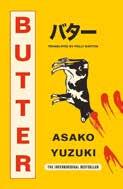
Butter, Asako Yuzuki
“Listening to the audiobook of ‘Butter’ kept Japan alive as I flew home. I immediately felt I was experiencing real Tokyo life... I enjoyed the quirkiness; from mundane home routines to heightened sensual experiences of cooking and eating to existential meanderings on Japanese society.” – Toni
First published in 2017, Butter earned cult status after its translation. The English translation of Yuzuki’s Hooked arrives March 2026.
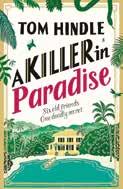
A Killer in Paradise, Tom Hindle
Published January 2026, this page-turning murder mystery follows well-traveled friends on holiday in Costa Rica when an untimely murder at a hotel launch party throws them into disarray. The latest from the author hailed as heir to Agatha Christie, set in the lush, dense Costa Rican jungle.
Despite its tiny size, Costa Rica is among the world’s most biodiverse countries – 800 bird species, 1,200 butterfly types, 12,000 plant species. An incredible place teeming with life, perfectly juxtaposed against death.
Are you looking for some more reading inspiration or have a recommendation of your own? Check out the Four Corners Book Club. Now also with non-fiction suggestions! exploreworldwide.com/bookclub
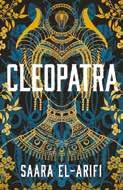

Cleopatra, Saara El-Arifi
Published February 2026, this reimagining of Egypt’s most famous pharaoh claims to tell her story on her own terms – a defiant account of the ancient world’s iconic monarch. Its release coincides with a rush of interest in Egypt ahead of the 2027 total solar eclipse.
Land, Maggie O’Farrell
O’Farrell’s new novel follows a father and son mapping Ireland for the Ordnance Survey in 1865 – a story where parenthood meets colonial nomenclature and the insidious way language shapes how we see the world.
Walking Northern Ireland and Donegal is on the rise and the stunning views, quirky places and stunning storytelling from the locals especially dazzle travelers from North America.
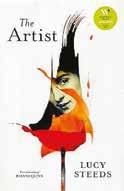
The Artist, Lucy Steeds
Provence in the sizzling summer heat. A reclusive artist, hiding away in the countryside. An eager young journalist, determined to make a name for himself. A young woman with a secret. The Artist is a showstopping debut novel, a powder keg of sweltering heat, egos and tensions between the trio of main characters against the sumptuous backdrop of Provencal summer. This novel is not just a sensory read, it’s a sensory overload – compacted by the isolation of the rural setting, lavishly depicted. An atmospheric summer read, or something to warm you up during the cold early months of the year.
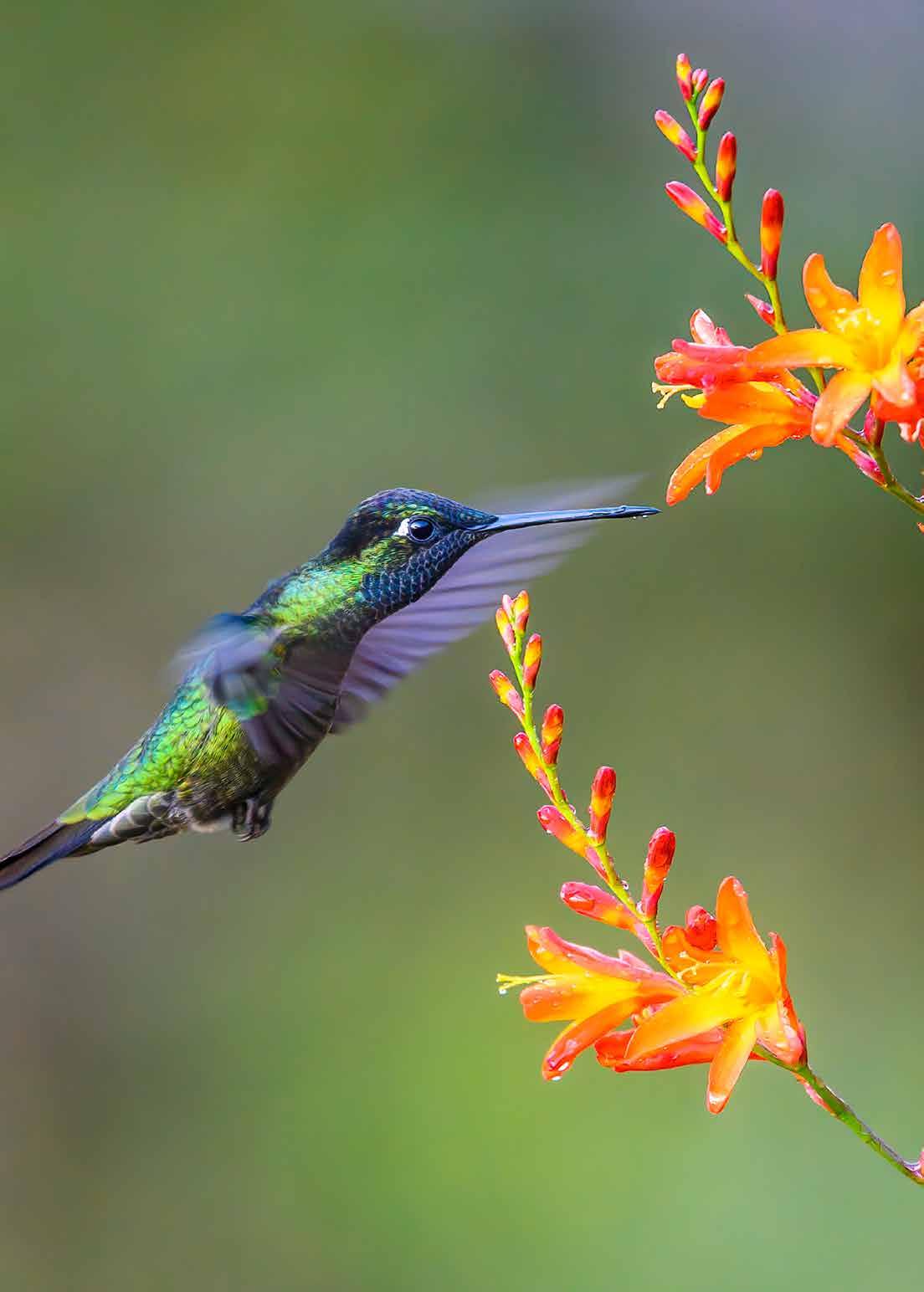
Verdant cloud forests, exotic creatures, and breathtaking coastline - it might be small, but Costa Rica packs a visual punch. Tick off the country’s must-sees, travelling from the bustling capital, San José, to the perfect beaches of Manuel Antonio. From spotting slow-moving sloths to rafting fast-moving rivers, looking into volcanic craters to sampling homegrown chocolate – Pura Vida awaits you!
Check out our Discovery, Family, Cycling and Upgraded tours in Costa Rica now.


Find out more