
The Executive Mat Service story

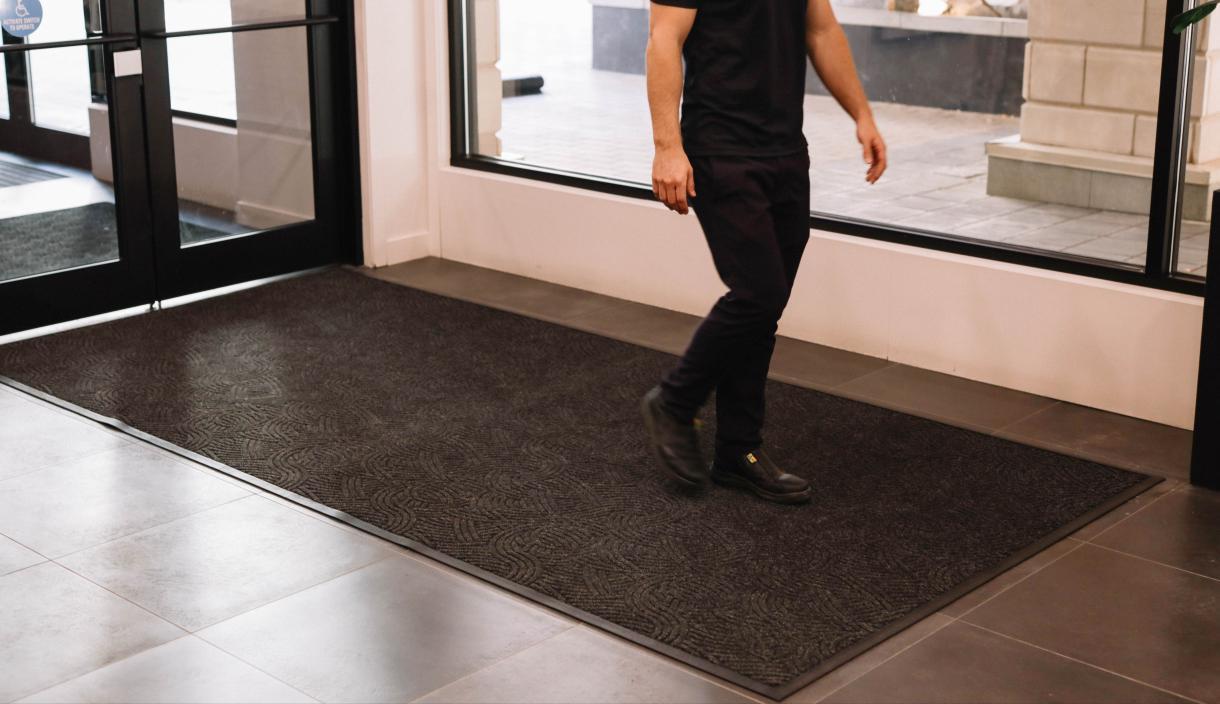
The Need for Entrance Matting
Why Floor Matting Is Essential Inside Businesses
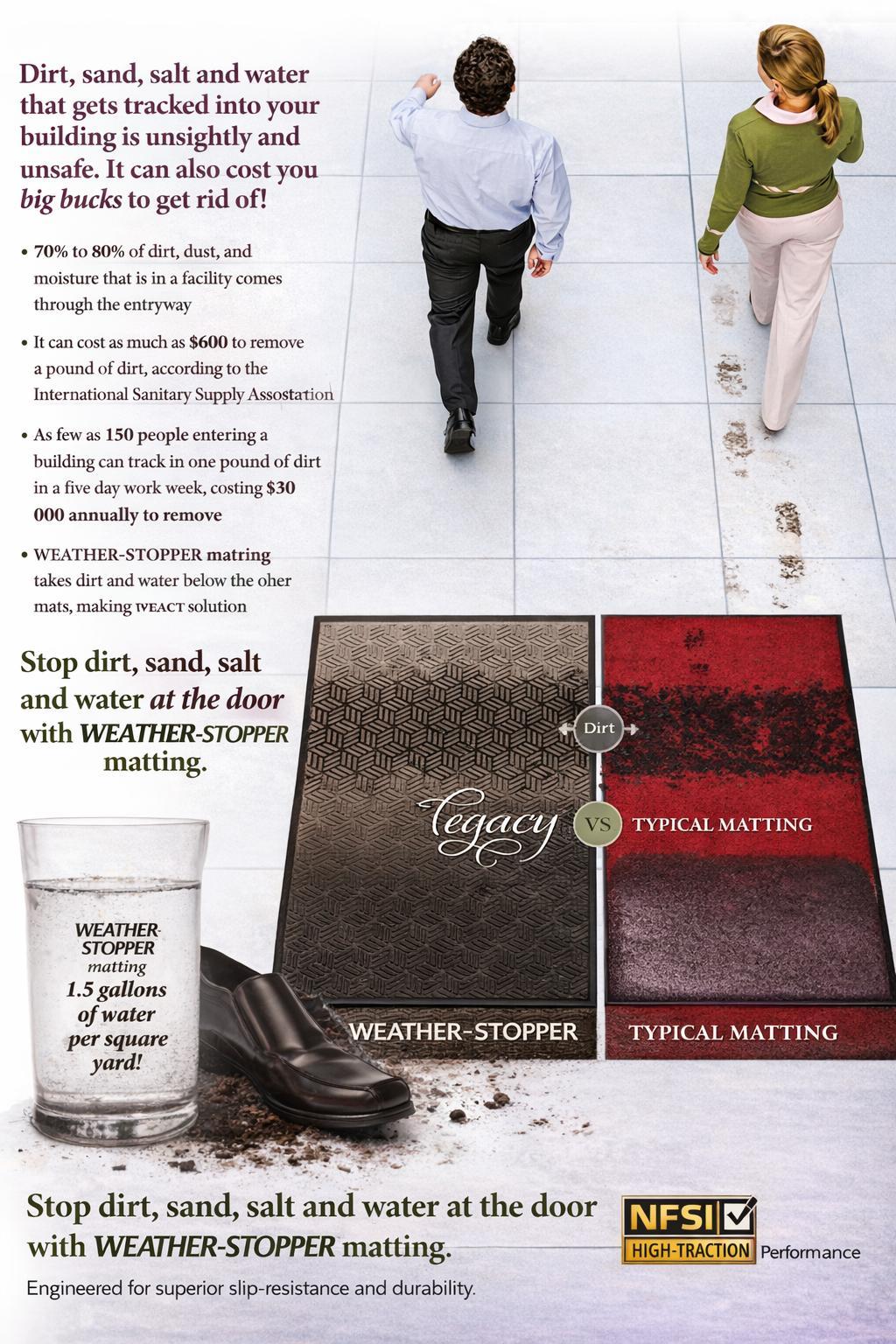
Interiorfloormattingisacriticalfirstlineofdefenseincommercialenvironments.Every day,foottrafficintroducessoil,moisture,de-icingsalts,anddebrisintobuildings.Without propermattingsystemsinplace,thesecontaminantsspreadthroughoutthefacility acceleratingfloorwear,increasingcleaningcosts,andcreatingavoidablesafetyhazards.
High-performanceentranceandinteriormatsservemultipleoperationalfunctions:
• Slip&FallRiskReduction:Matscaptureandretainmoistureatthepointofentry, significantlyreducingwet-floorincidentsandassociatedliabilityexposure.
• SoilContainment:Upto80%ofdirtentersafacilityonfootwear.Effectivemattingtraps andholdsthisdebrisbeforeitmigratesontofinishedflooring.
• FloorAssetProtection:Byminimizingabrasivegritandchemicalexposure,matting extendsthelifeoftile,VCT,hardwood,stone,andcarpetedsurfaces.
• ReducedMaintenanceCosts:Containingsoilattheentrancedecreasesthefrequency andintensityofvacuuming,mopping,andrefinishingcycles.
• ProfessionalAppearance:Clean,well-maintainedmatssupportbrandimageandcreate apositivefirstimpressionforcustomers,tenants,andemployees.
Floormattingisnotmerelyanaccessory—itisanengineeredcomponentofabuilding’srisk managementandfacilitymaintenancestrategy.Whenproperlyspecifiedandserviced, mattingdeliversmeasurableimprovementsinsafety,cleanliness,andlifecyclecostcontrol.
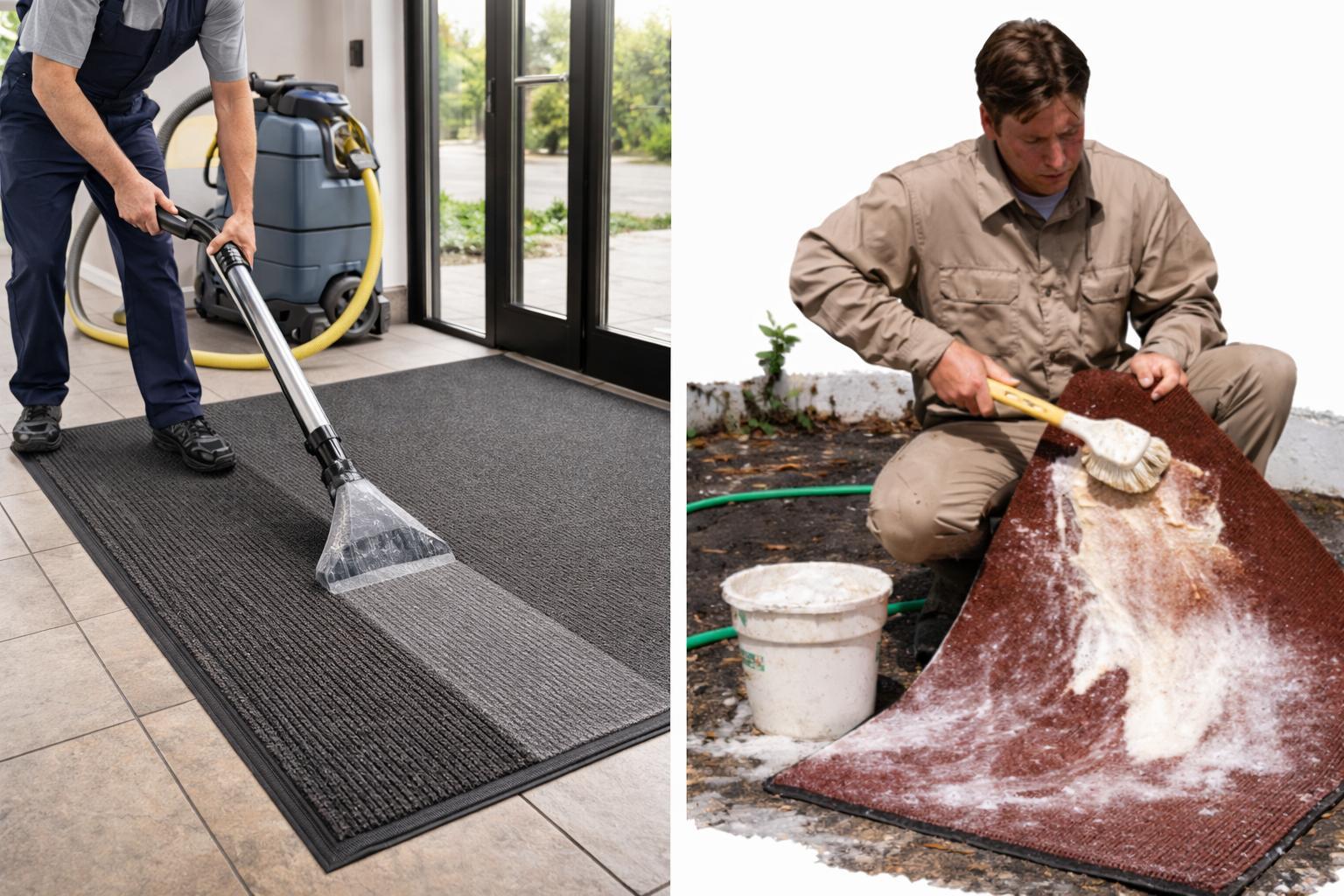
The history of mat cleaning
The Evolution of Floor Mat Service
• Historically,entranceandfloormatswerecleanedin-house usingmanualscrubbing,spotcleaning,orbasiccarpet extraction.
• Thesemethodswerelabor-intensive,inconsistentinquality,and oftenineffectiveatremovingembeddedsoilandmoisture.
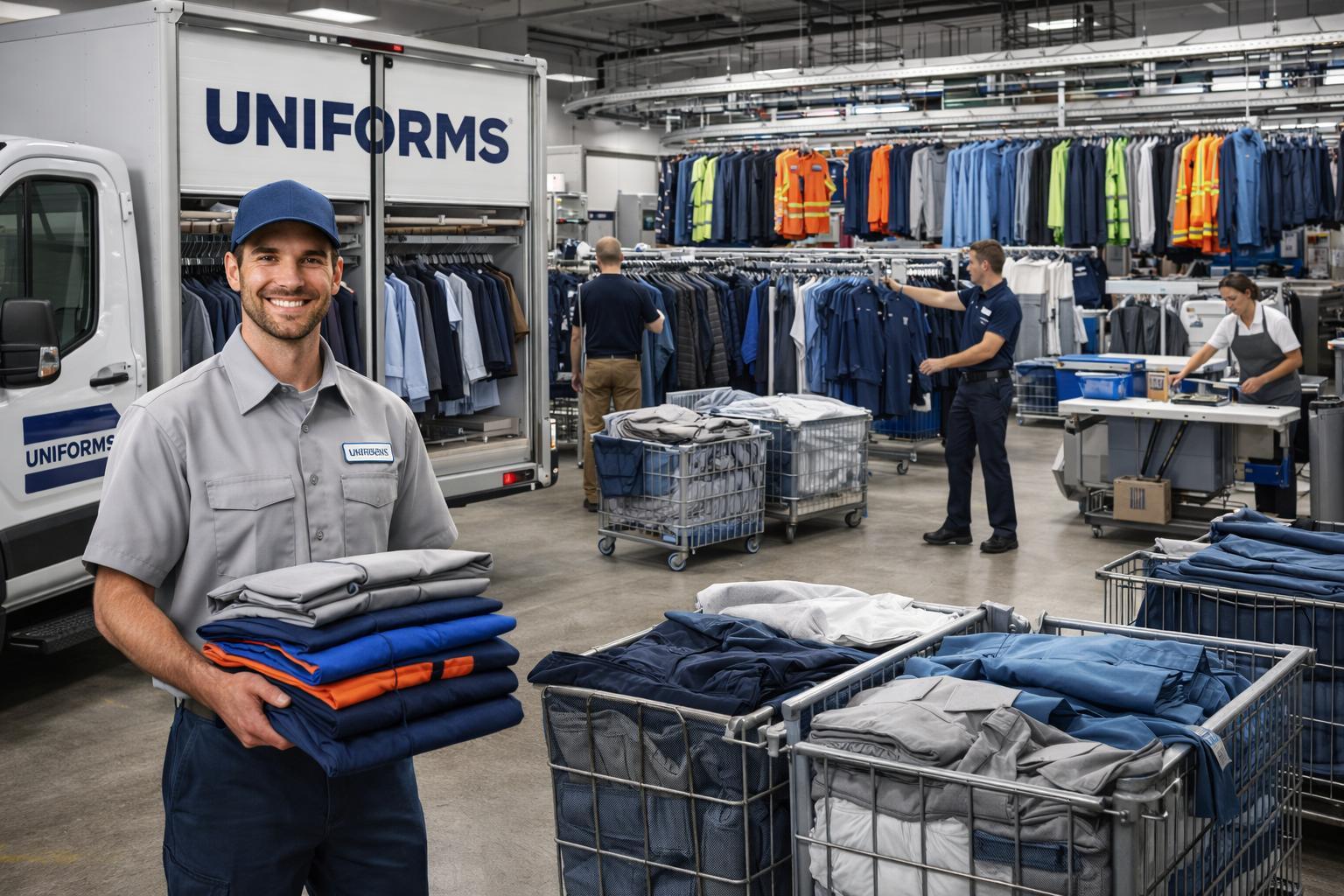
• Textilerentalorganizationsfoundamarketopportunityand beganlaunderingmatsalongsideuniformsusingconventional washer-extractorsandgasdryersasaservice.
• Arentalmodelwasdevelopedbytheuniformlaundryindustry tointegrateintoexistinguniformserviceprograms.
• TheMatServiceindustrywasborn.
The
Uniform Industry (Mat Service market) is mature
Maturing Market Characteristics
Theuniformandfacilityservicessectorreflectsmanycharacteristicsofamaturingmarket environment.
1. Limited Technology Advancement
Inmatureindustries,innovationtendstoslow.Coreprocessesoftenremainunchangedfor decades,withincrementalimprovementsreplacingbreakthroughdevelopment.Capital investmenttypicallyfocusesonmaintainingexistingsystemsratherthanredefining operatingmodels,resultinginplateauedproductivitygainsandlimiteddifferentiation.
2. Growth Through Consolidation
Whenorganicgrowthslows,largerfirmspursueexpansionthroughacquisition.Mass consolidationbecomestheprimarystrategytomaintainrevenuegrowthandshareholder expectations.Regionaloperatorsareabsorbedintonationalplatforms,creatingscale advantagesbutoftenreducingoperationaldiversityandentrepreneurialflexibility.
3. Standardization and Resistance to Change
Establishedoperatingmodelsbecomedeeplyembedded.Standardizedprocesses, centralizedprocurement,anduniformroutestructuresdominatedecision-making.While thisconsistencyimprovescontrolandpredictability,itcanalsocreateinstitutional resistancetochange.Newtechnologies,alternativeservicemodels,orperformance-driven innovationsoftenfaceinternalbarriersduetolegacyinfrastructureandculturalinertia.
Inamaturingmarket,competitiveadvantagedependsnotonlyonsize,butonstrategic differentiation,operationalefficiency,andawillingnesstochallengeconventionalpractices.
Why Uniform Rental Companies Offer Mat Services
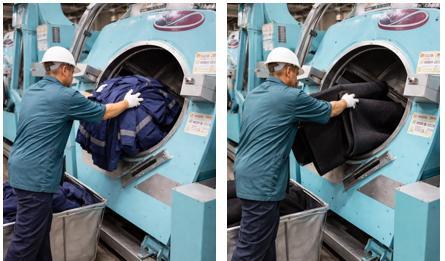
Uniformrentalcompaniesofferfloormatservicesbecausethebusiness modelnaturallyalignswiththeirexistinginfrastructure,routesystem,and plantprocessingcapabilities.Floormatsrepresentalogicalextensionof theweeklyrecurringservicemodel.
Strategic Fit
Floormatscomplementuniformsbecausetheyleveragethesame infrastructure:
• Samecustomerbase
• Sameweeklydeliverycycle
• Samebillingplatform
• Samerouteservicerepresentative
• Sameplantprocessingsystem
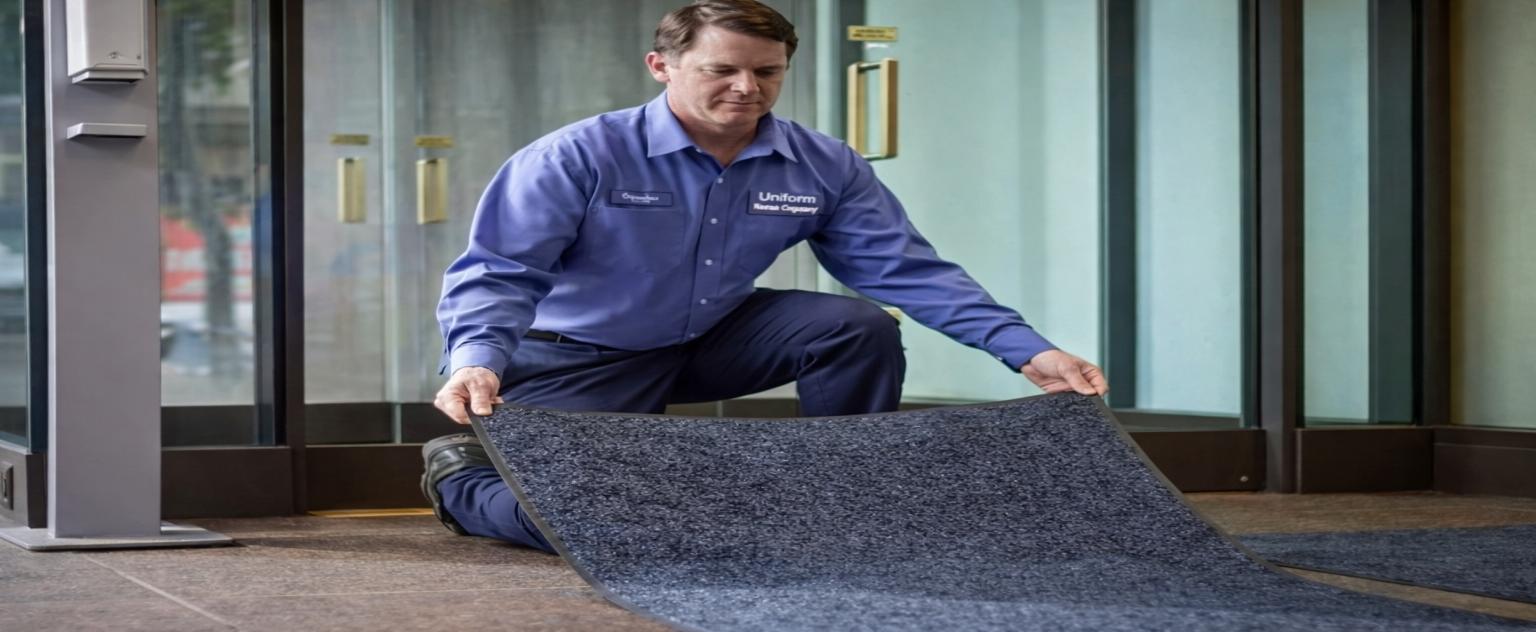
Floor Mat rental is a Secondary Service Offering
Revenue Mix & Strategic Role of Floor Mats in Large Uniform Rental Companies
Largeuniformrentalcompaniesgeneratemostoftheirrevenuefromcoreuniform programs,withfloormatsservingasaprofitableandstrategicallyimportantadd-on category.
Typical Revenue Mix
•UniformRentalPrograms(garments,PPE,hospitality,healthcare):65%–80%oftotal revenue.
•FacilityServicesAdd-Ons(mats,mops,towels,restroomsupplies):20%–35%of revenue.
•Floormatsalonetypicallyrepresent10%–20%oftotalcompanyrevenue.
Uniformprogramsdominatebecausetheygeneraterecurringrevenueperwearer, requiremultiplegarmentsinrotation(often5–11peremployee),operateunder3–5year contracts,andproducehigherbillingperpoundprocessedcomparedtomats.
Strategic Importance of Floor Mats
Althoughasmallershareoftotalrevenue,matsremainstrategicallyvaluablebecause they:
▪ Deliverstrongmarginsrelativetoprocessingcost.
▪ Leverageexistingrouteinfrastructure.
▪ Increaserevenueperstopthroughbundledfacilityservices.
▪ Providesticky,recurringservicerevenue.

U.S.
Uniform Rental Market Growth Forecast (2025–2030)
ThisreportoutlinesprojectedgrowthtrendsfortheU.S.uniformrentalandfacility servicesindustry,includinguniformrentalprograms,floormatrental,linen services,towels,andrelatedtextileservices.
Market Size Baseline (2024 Estimate)
•TotalIndustrySize:Approximately$12–14billionUSD
•UniformRentalSegment:~50–60%oftotalrevenue
•FacilityServices(Mats,Towels,RestroomSupplies):~20–30%oftotalrevenue
Key Growth Drivers (2025–2030)
•Increasingworkplacesafetyandhygienestandards
•Outsourcingoffacilitytextileservices
•Regulatorycomplianceinhealthcareandindustrialsectors
•Expansionofsmallandmedium-sizedbusinessuniformprograms
•Cross-sellingoffloormats,towels,andrestroomsupplyservices
Projected Market Growth (2025–2030)
Five-Year Compound Annual Growth Rate (CAGR)
ProjectedCAGR(2025–2030):Approximately4.0%–5.6%
Segment Outlook
UniformRental:Continueddominancewithstablecontractrenewalsand compliance-drivendemand.
FloorMatRental&FacilityServices:Slightlyhigherrelativegrowthpotentialdriven bysafetyandcleanlinessfocus.
OtherTextileServices:Moderategrowth,oftenbundledintorecurringservice agreements.
.
Canadian Uniform Rental Market Overview
Thisreportprovidesanoverviewoftheestimatedsize,structure,andgrowthoutlookofthe Canadianuniformrentalandtextileservicesmarket,includinguniformrentalprograms, floormatservices,linen,towels,andrelatedfacilityservices.
Estimated Market Size (Annual)
•TotalCanadianTextileRentalMarket:Approximately$2.0–$2.8BillionCAD
•UniformRentalSegment:Approximately$1.2–$1.6BillionCAD
•FacilityServices&Add-Ons(Mats,Towels,RestroomSupplies):Approximately$0.6–$1.2 BillionCAD
•FloorMatRentalSegment:Approximately$200–$350MillionCAD
Market Structure & Characteristics
•Dominatedbynationalandcross-borderoperatorswithCanadiandivisions.
•LimitednumberofCanadian-ownedandoperatedindependentproviders.
•Route-basedrecurringrevenuemodel(weekly/bi-weeklyserviceexchanges).
•Highcustomerretentionduetocontract-basedservicerelationships.
Growth Outlook (2025–2030)
•ProjectedAnnualGrowthRate:Approximately3%–5%CAGR
•GrowthDriversInclude:
-Workplacesafetyandregulatorycompliancerequirements
-Outsourcingoffacilitytextileservices
-Bundledserviceofferings(uniforms+mats+restroomservices)
Investor Takeaway
TheCanadianuniformrentalindustryrepresentsastable,recurring-revenuesector characterizedbypredictablecashflow,moderatelong-termgrowth,andstrongcustomer retention.Themarketbenefitsfromcompliance-drivendemandandbundledfacility services,makingitresilientacrosseconomiccycles.
Dominant Supplier of Floor Mat Services in North America
Sales commissions, marketing, onboarding
RSR wages, fuel, vehicle costs
Plant labor, utilities (water, gas, electricity), detergents
Office staff, billing, HR, IT
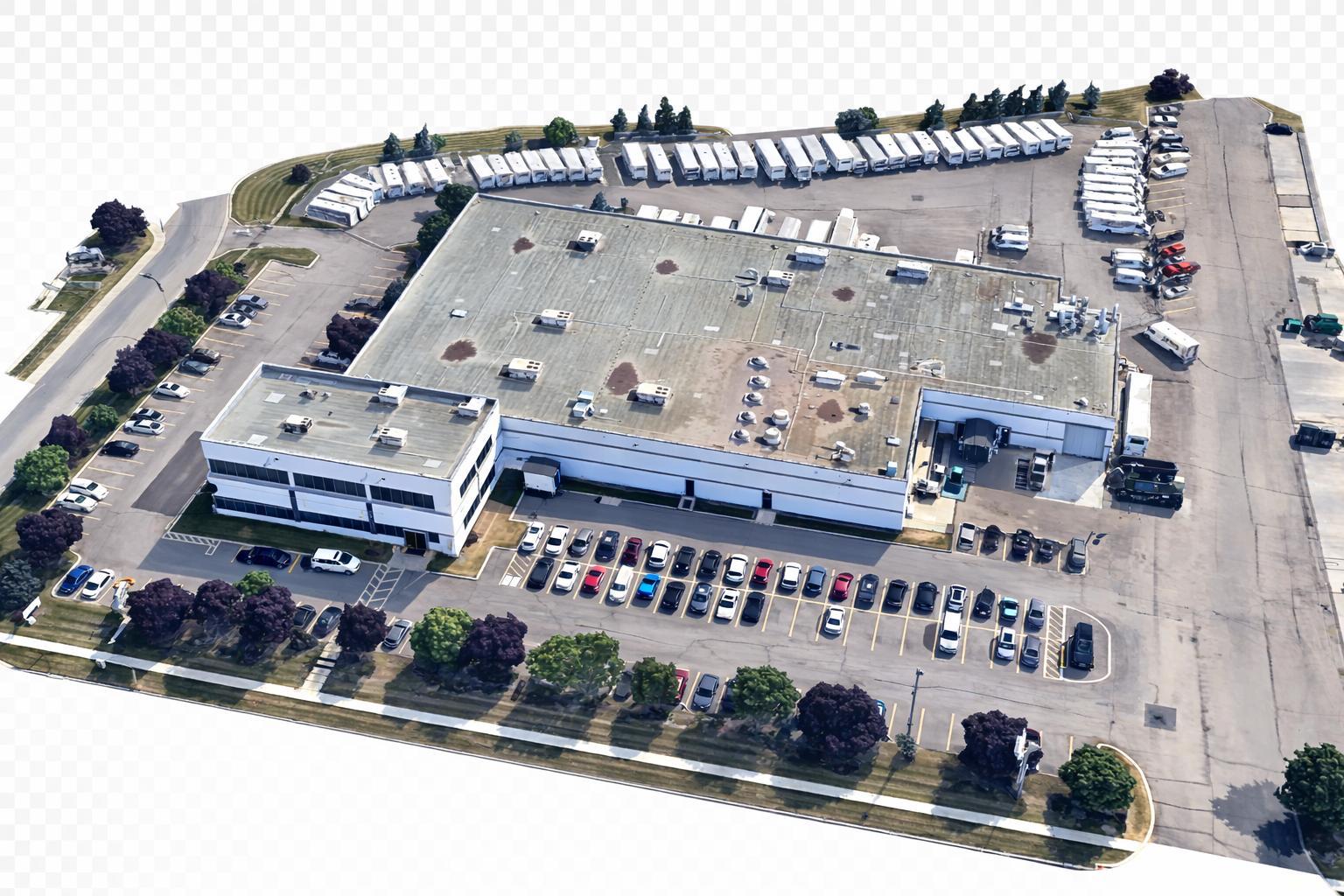
FLOOR MAT SERVICES
Strength
Well capitalized in most major markets
Integrated Delivery Model for Floor Mats in Uniform Rental Operations
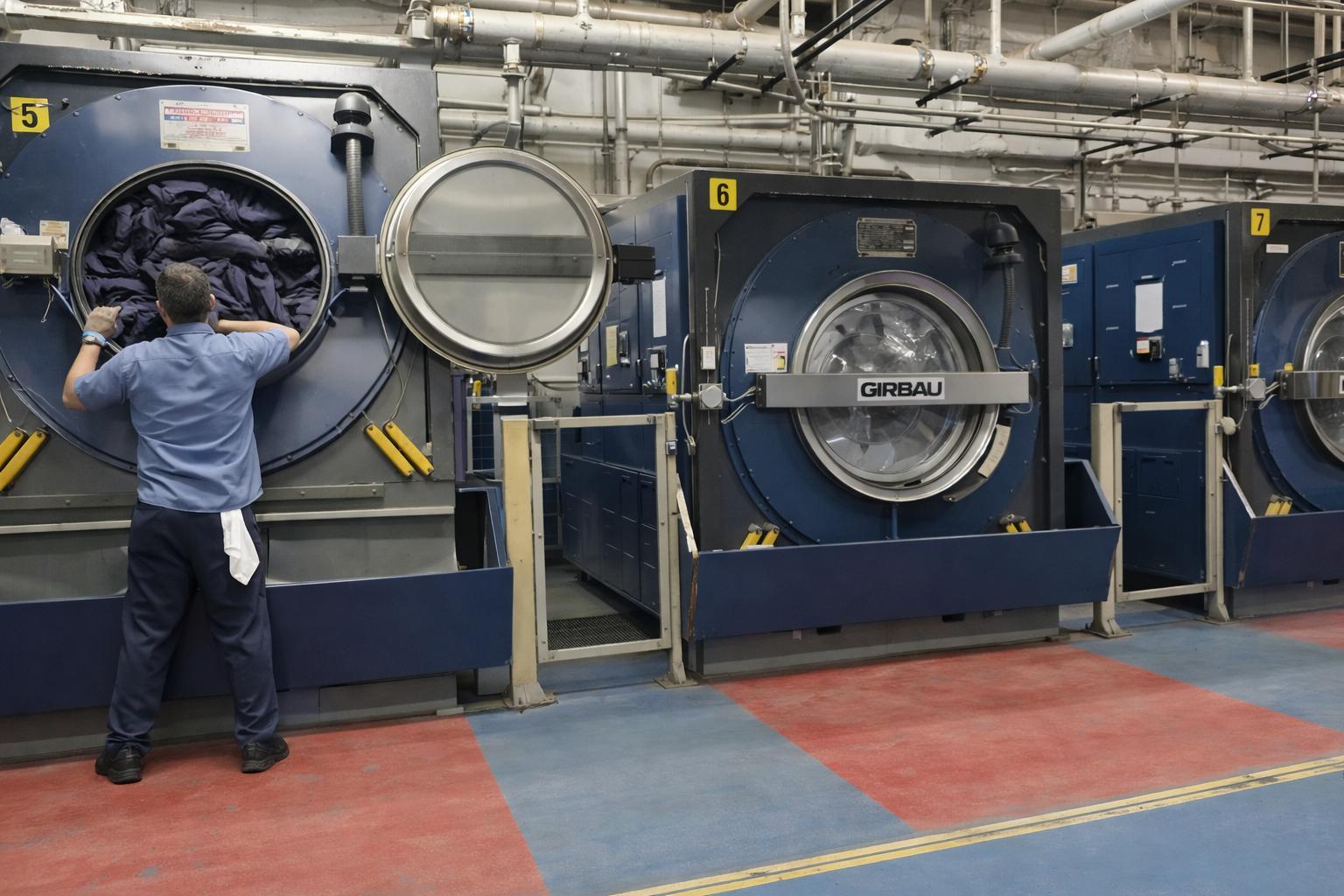
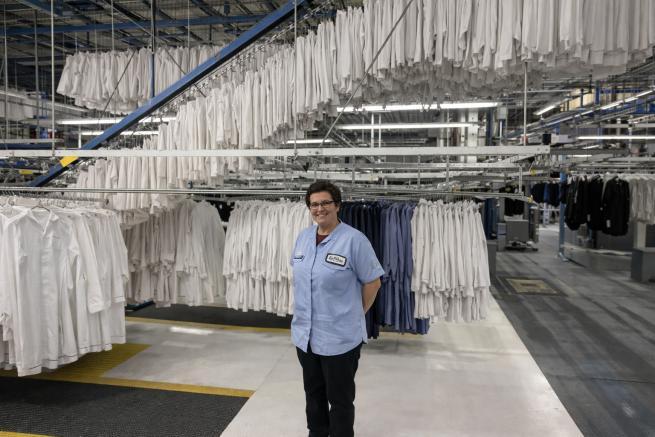
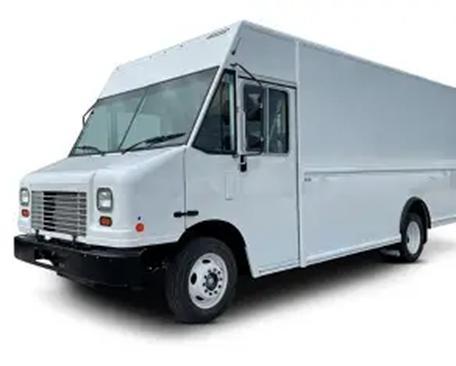
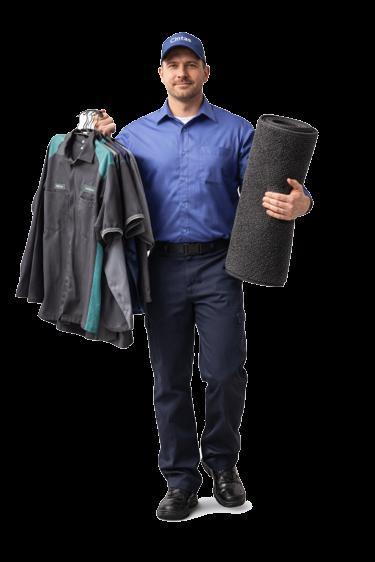
Inmostlargeuniformrentalorganizations,floormatserviceisnotoperatedasa standalonedivision.Instead,matsaredeliveredandexchangedbythesameRouteService Technicians(RSTs)whoserviceuniformaccounts.Deliveriesareconductedusingthe samestepvansanddeliverytrucksdesignedprimarilyforhanginggarmentroutes.
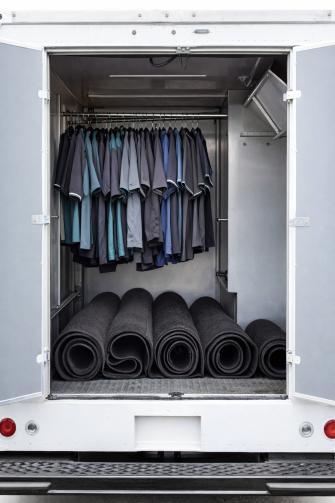
Thesevehiclesareengineeredarounduniformdistribution,withinteriorrackingsystems optimizedforhanginggarmentsandbundledtextiles.Asaresult,availablecargospace forbulky,rolledfloormatsislimited.Matsaretypicallystackedonthefloorofthevehicle, reducingusableaislespaceandoverallloadcapacity.
Becauseofthesephysicalconstraints,mostuniform-dominatedoperatorslimittheirmat offeringstothreeorfourstandardizedsizes.Thisminimizesinventorycomplexityand allowsmorepredictablevehicleloadingconfigurations.However,italsorestricts customizationoptionsforclientswhomayrequiresite-specificdimensionsorlargerformatentrancesystems.
Whilethisintegratedroutemodelimproveslogisticalefficiencyandlowersdelivery overhead,itinherentlyprioritizesuniformservicedesignoveroptimizedfloormat deployment.

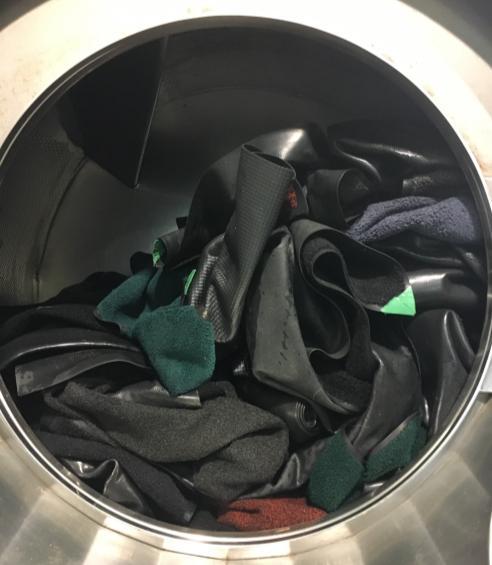
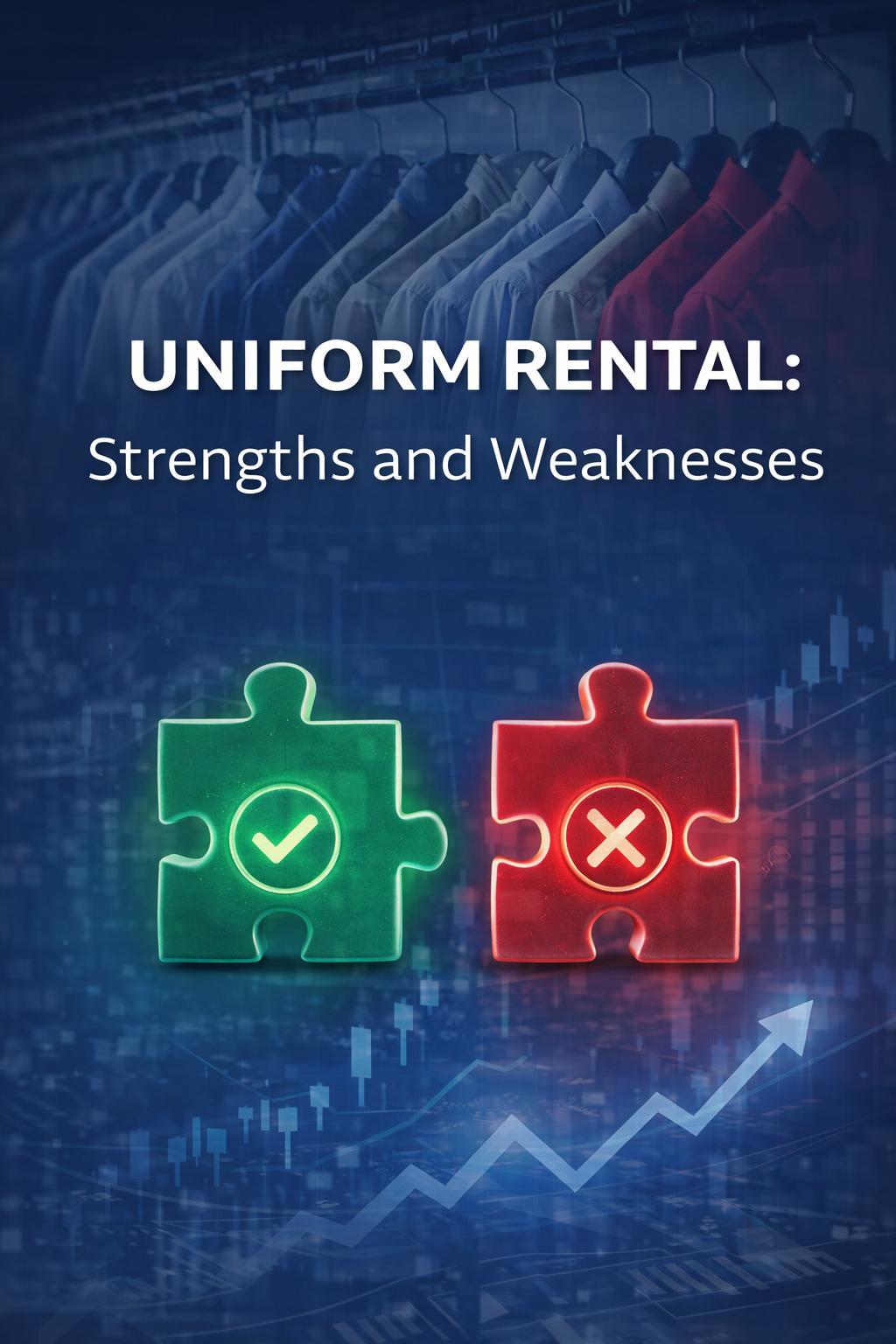
Weakness Product Utilized in Rental Floor Mat Programs
Why Uniform Rental Companies Offer Light Weight Floor Mats
1. Lower Upfront Procurement Costs
Lightweightfloormatsarelessexpensivetomanufactureandpurchasethan heavy-dutyrubber-backedmats.
Bystandardizinglighter-weightmats,providerscontrolcapitalintensitywhile maintainingmargin.
2. Lower Processing Cost per Unit
Lightweightmatsincreasewashaisleefficiencybyallowingmoreunitstobe processedpercycle.
Becauseuniformrentalplantsareengineeredforvolume,maximizingpiecesper washanddrycyclelowerstheper-unitprocessingcost.
3. Route Vehicle Weight Constraints
Uniformrentalcompaniesoperateservicestepvansdesignedprimarilyfor garmentsandtextiles,notheavyrubberproducts.
Sinceroutedensitydrivesprofitability,lightermatsimproveserviceefficiency andstrengthenrouteeconomics.
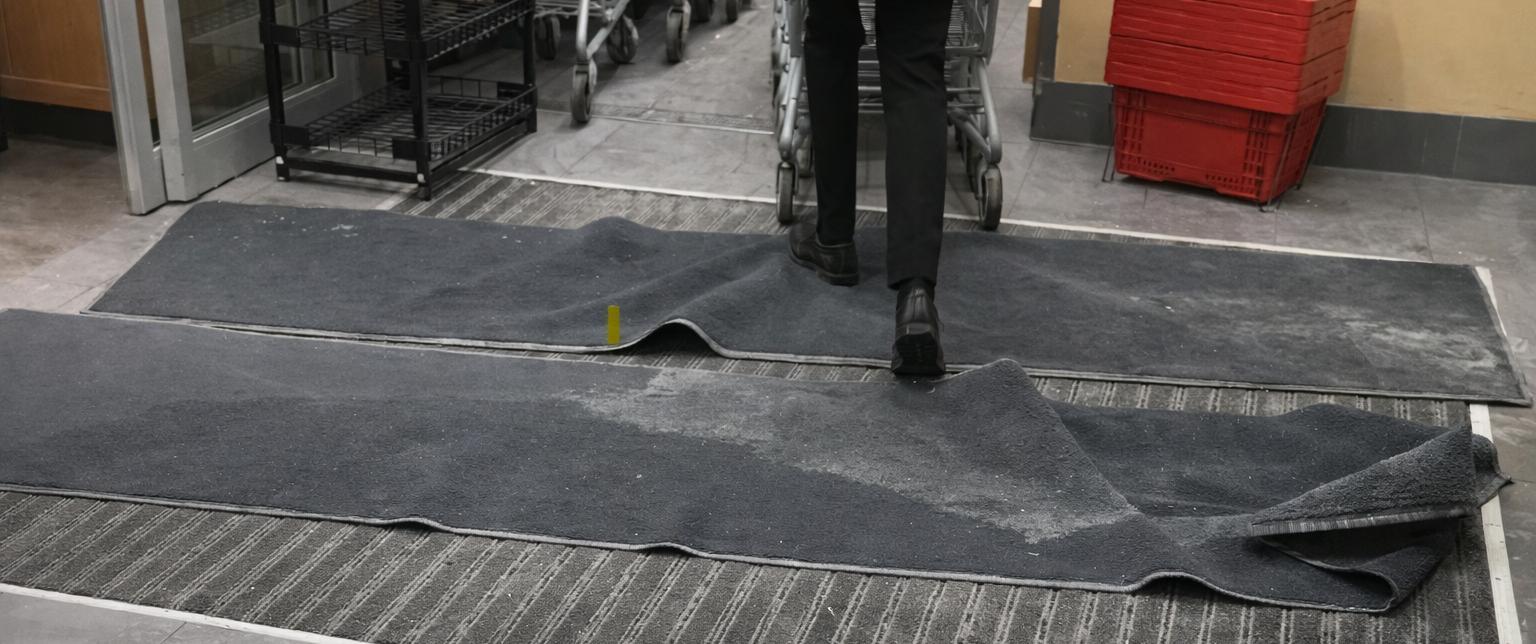
Safety Risks of Lightweight Floor Mats in High-Traffic Entrances
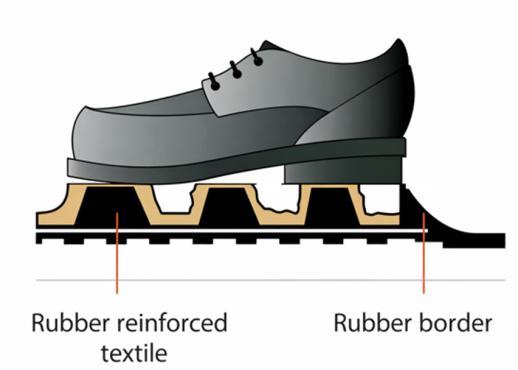
Lightweightfloormatstendtoshift,curl,orbuckleunderheavyfootandcarttrafficpresenting ameasurablesafetyhazardincommercialenvironments.
1. Trip Hazard from Buckling and Edge Curl
Astrafficincreases particularlywithshoppingcarts,andheavyfootflow lightweightmats can:
• Developripplesorwaves
• Curlattheedges
• Slideoutofposition
• Overlapwhenmultiplematsareused
2. Increased Slip Risk from Movement
Whenamatshiftsunderfoot,thesuddenlossoftractioncancauseinstability.Thisriskis amplifiedduringwetweatherconditionswhenentrancesarealreadyhigh-riskzonesdueto moisturetracking.Ifthematmovesratherthanremainsanchored,itmay:
• Reduceeffectivesoilandmoisturecapture
• Createunevenwalkingsurfaces
• Increaseslippotentialonexposedtile
3. Litigation Exposure and Liability Risk
Slipandfallclaimsareamongthemostcommoncommercialpremisesliabilitycases.Courtsand insurersoftenexamine:
• Whetherflooringwasproperlymaintained
• Whetherhazardswereforeseeable
• Whethersaferalternativeswereavailable
Alightweightmatthatconsistentlybucklesundernormalusemaybeinterpretedasafailureto provideareasonablysafewalkingsurface.

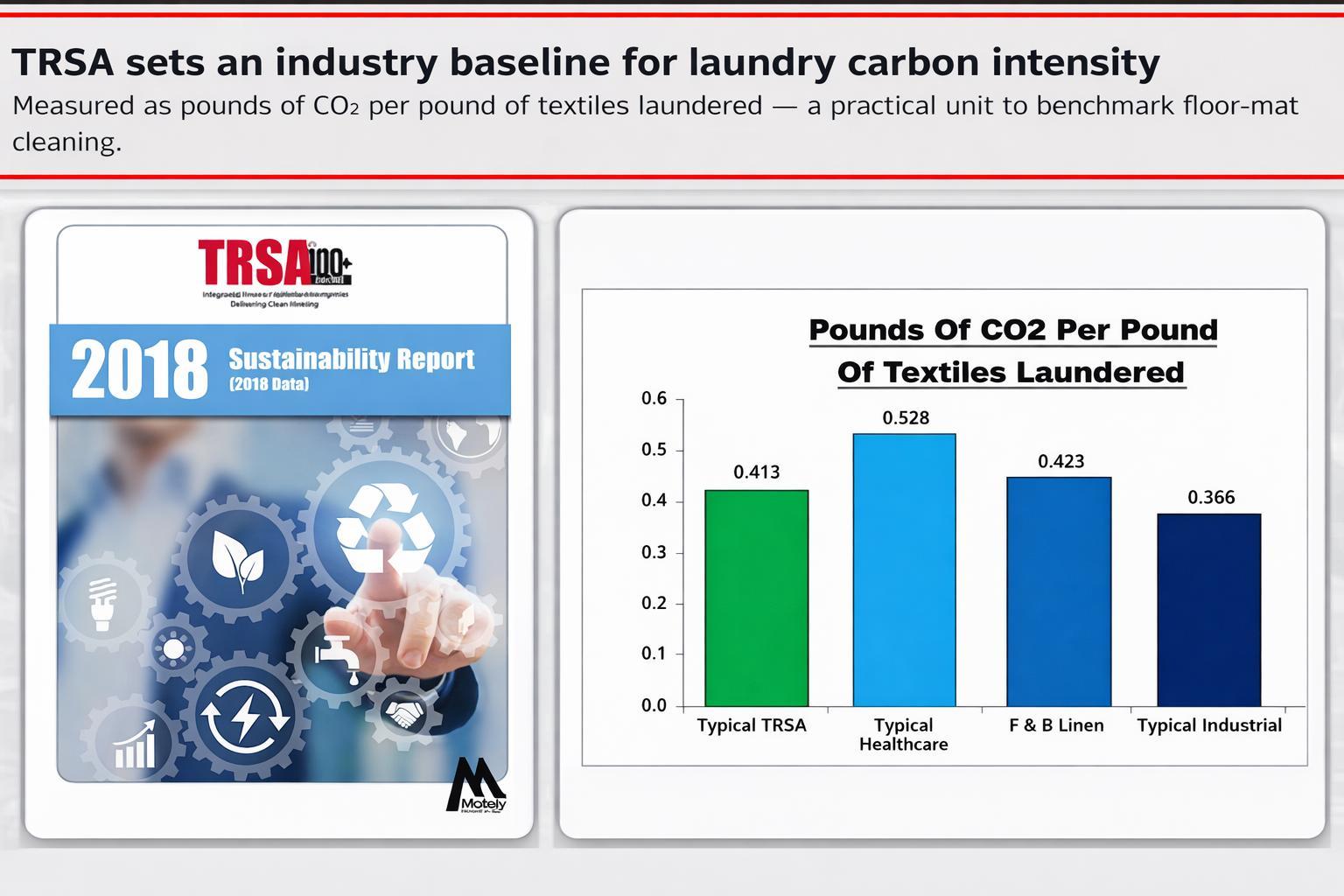
Weakness: Cleaning process is carbon intensive
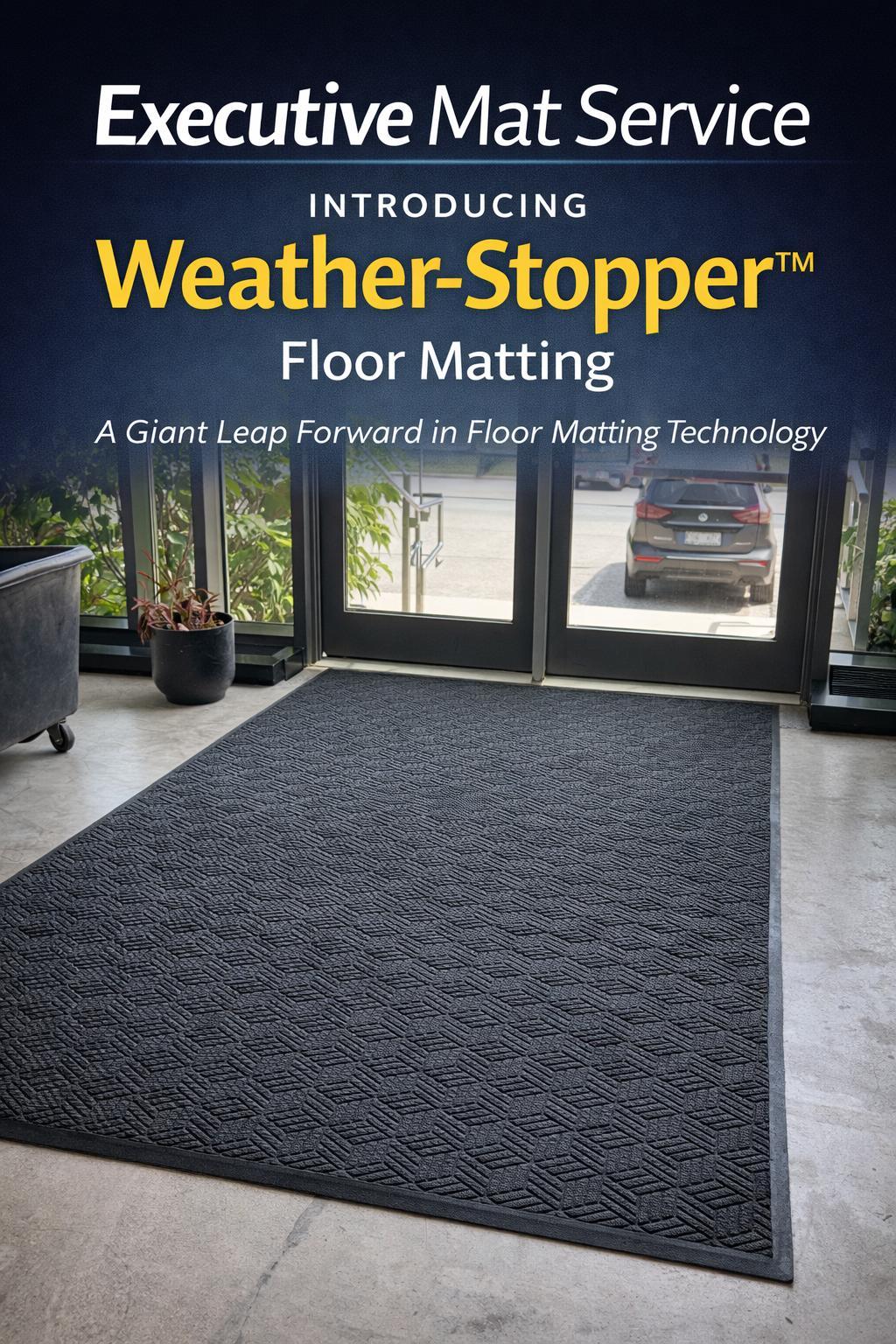

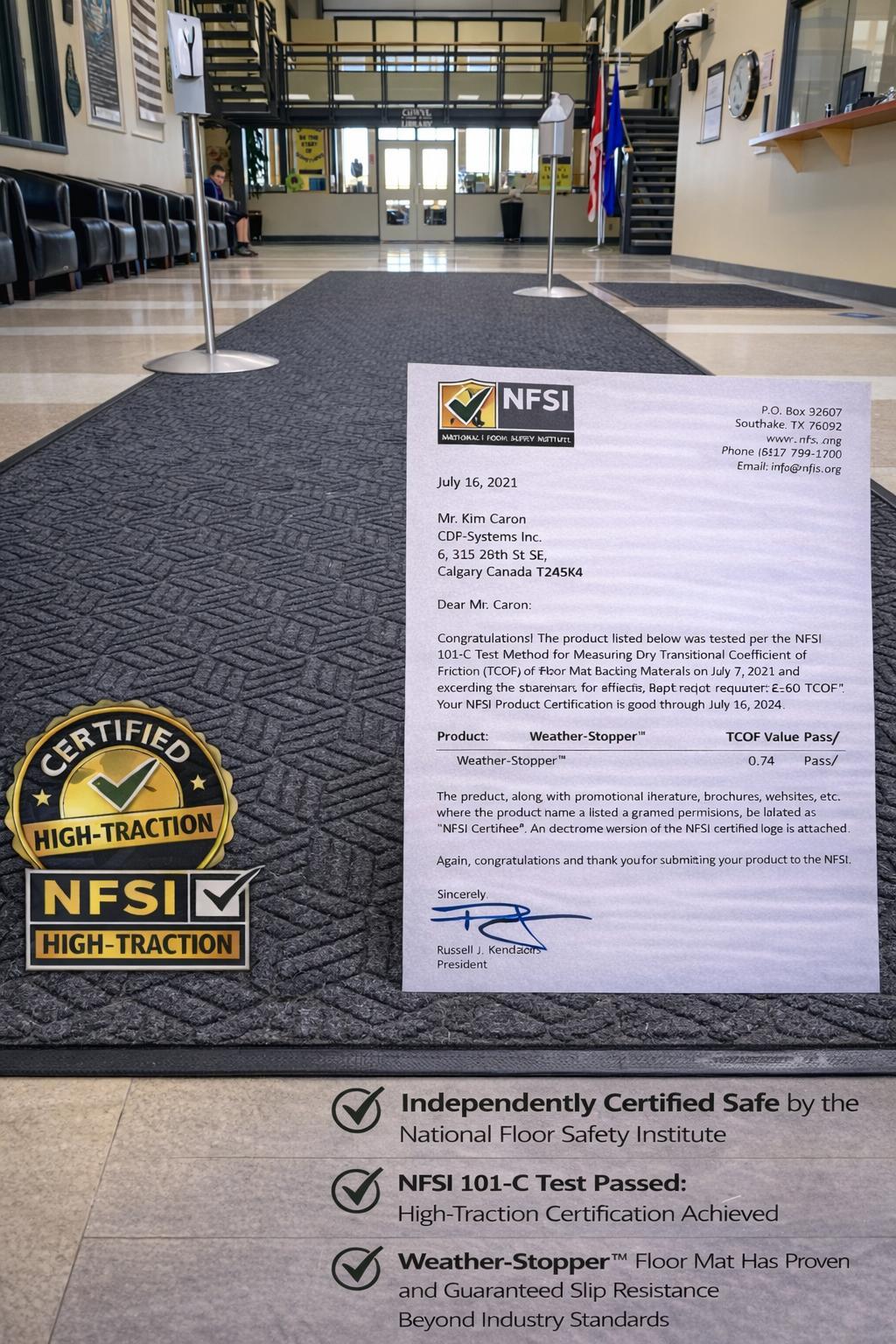
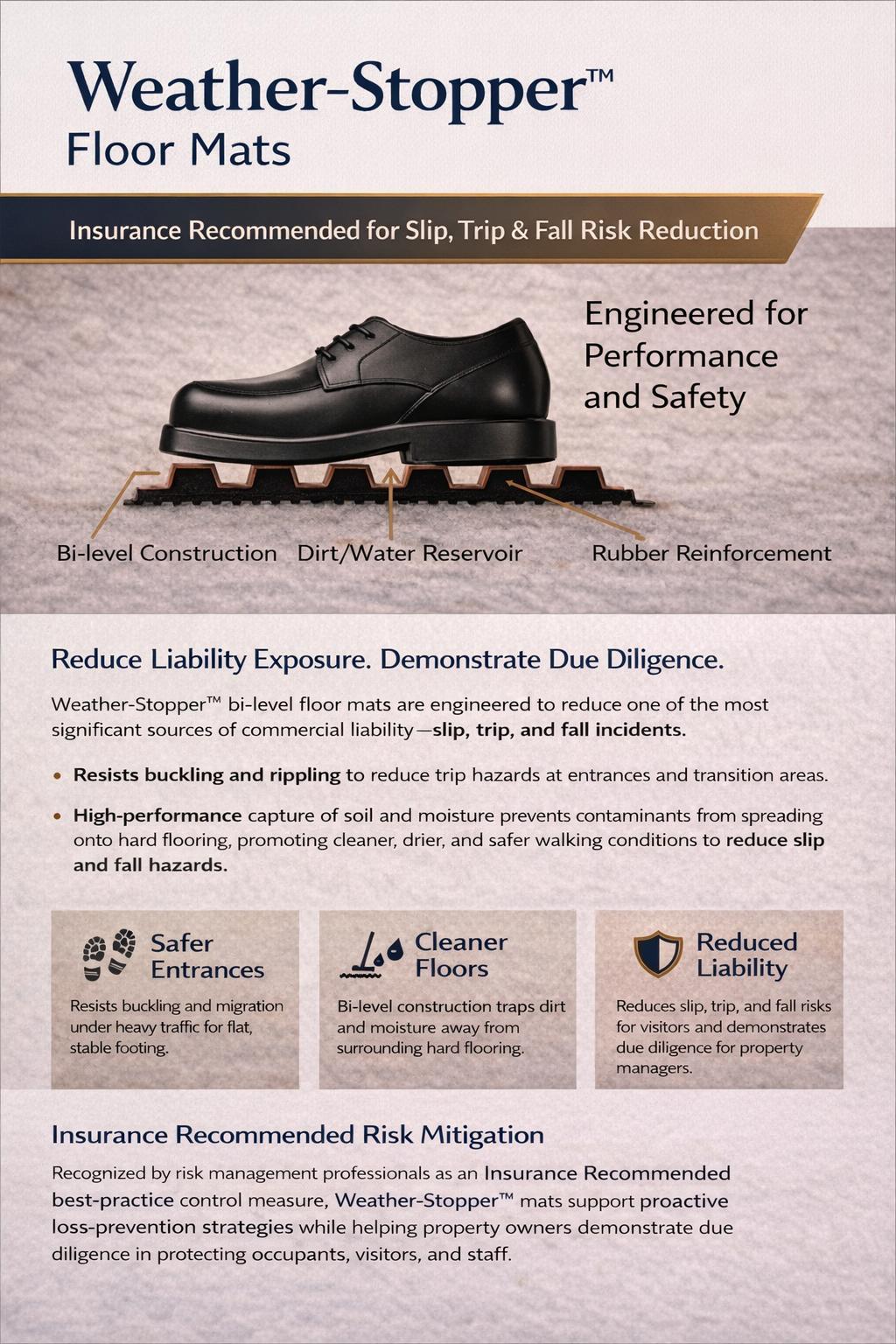
Weather-Stopper

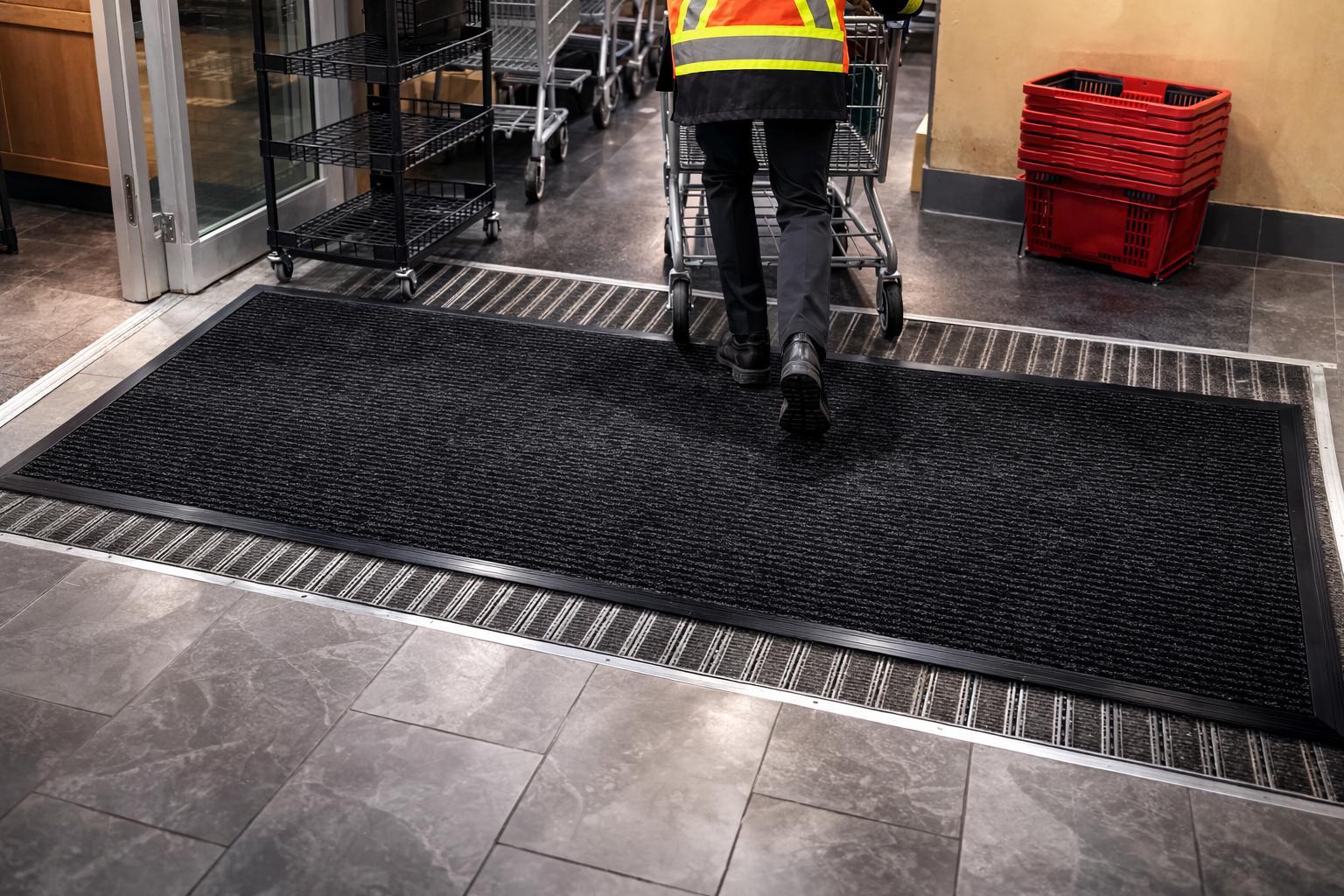
Executive Mat Service – A Better Floor Mat System
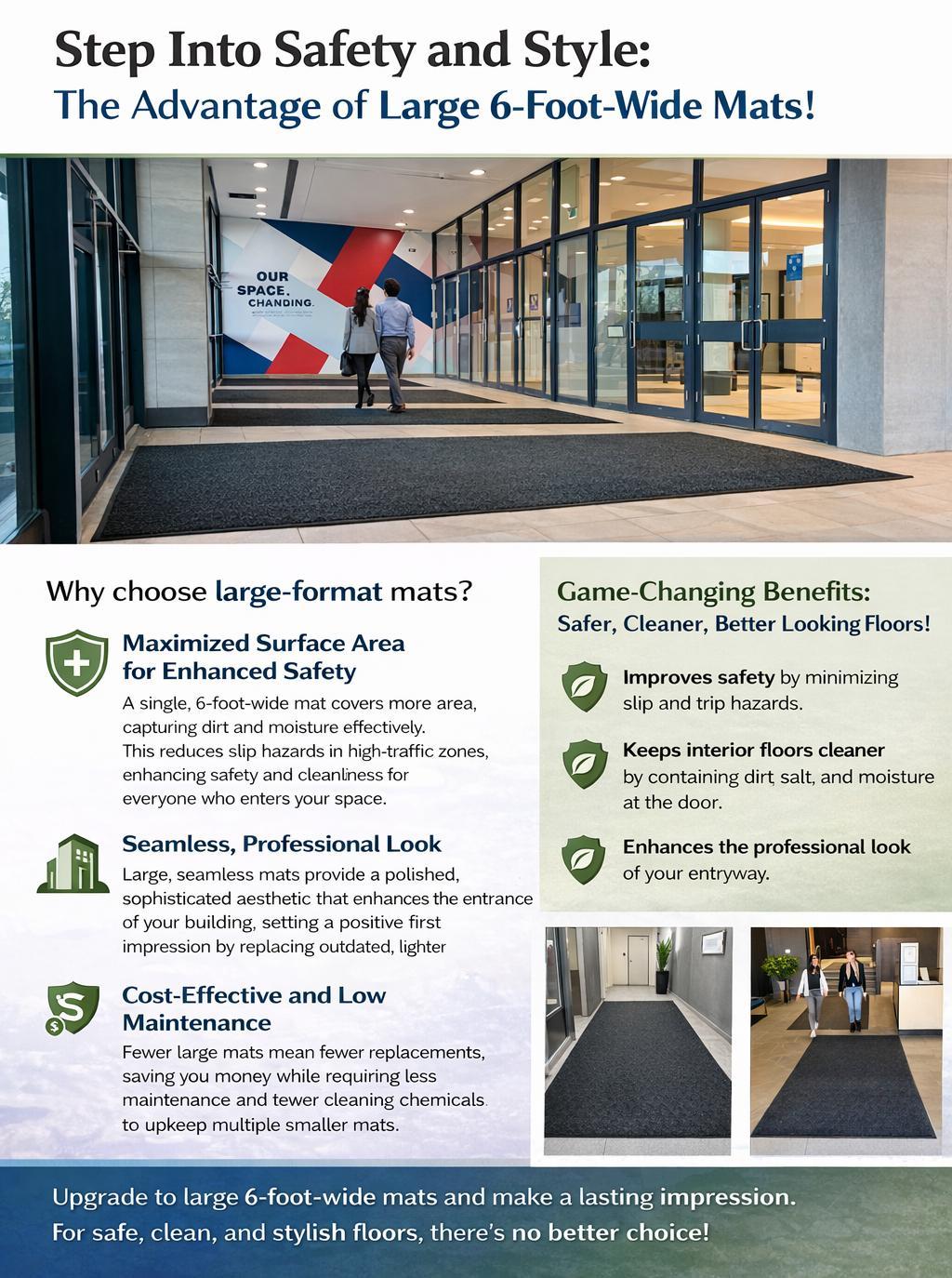
AtExecutiveMatService,everythingbeginswithabetterfloormat.Ourfocusisnotsimply onprovidingamat itisondeliveringahigh-performanceentrancesystemthat measurablyimprovesfloorsafety,cleanliness,andoperatingefficiency.
▪ Engineered for Stability in High-Traffic Areas
▪ Superior Soil & Moisture Capture
▪ Professional Aesthetic Appearance
▪ Easy Maintenance Between Service Visits
▪ Tangible Annualized Cost Savings Through Service Optimization

GeometricPattern


BUDGET FRIENDLY SERVICE MODEL

Weather-Stopper™: Higher Per Cycle. Lower Annual Cost.
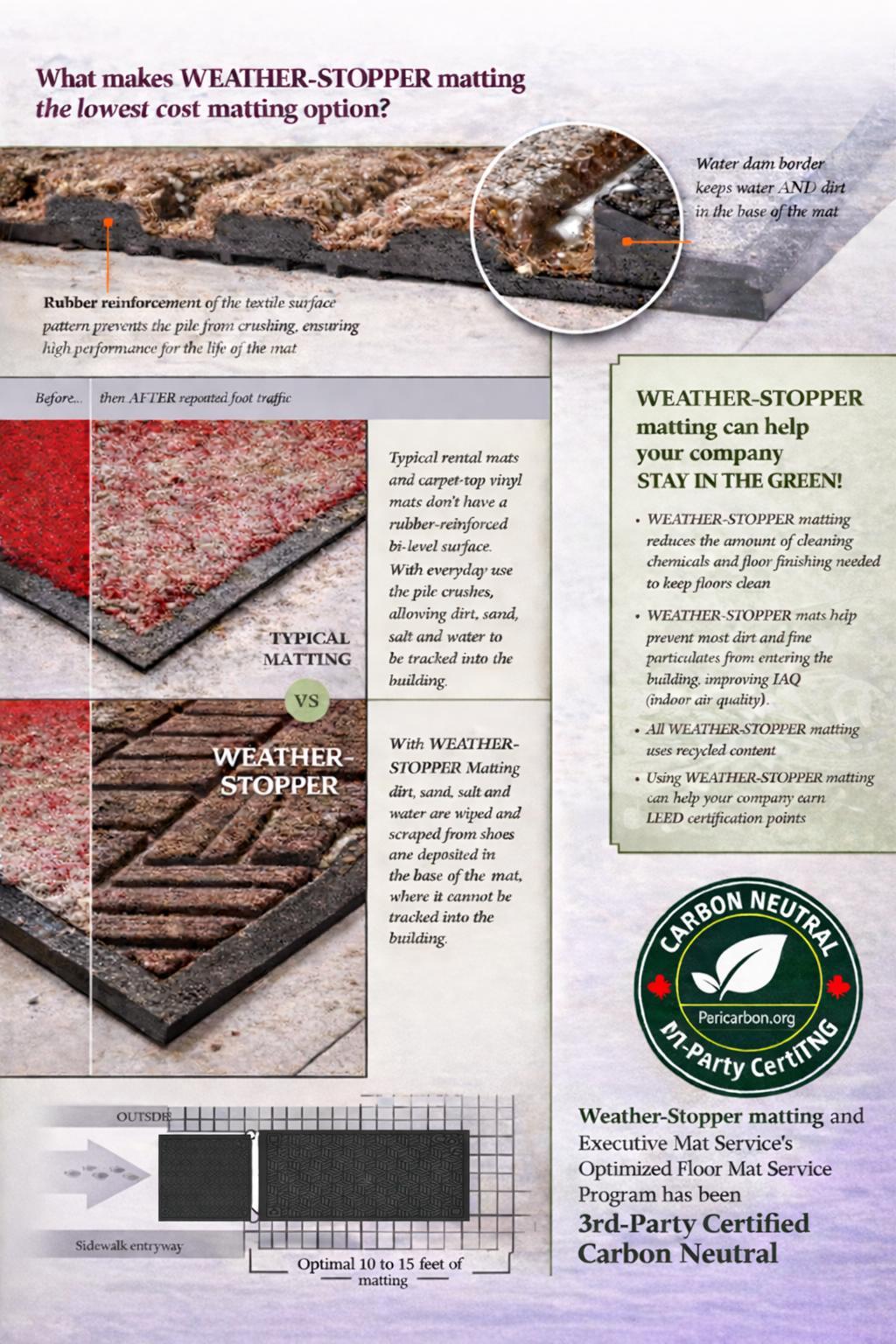
Weather-Stopper™floormatsareengineeredtoperformacrossextendedserviceintervals of4to12weeks,allowingcustomerstosignificantlyreducethenumberofservicecycles peryear.Althougheachcleaningcyclecarriesahigherper-servicecharge,thereduced frequencydeliversmeaningfulannualizedcostsavings.
Engineered for Extended Performance
Weather-Stopper’sproprietarybi-levelconstructioniscustodial-friendlyanddesignedto maintainperformancebetweenservicevisits.Trappedsoilanddebrisareeasilyremoved withroutinevacuuming,enablingthematto:
• Maintainacleanappearance
• Preservetractionandsafety
• Performeffectivelybetweenreducedcleaningcycles
Thedesignsupportslongerintervalswithoutsacrificingperformance.
The Annualized Cost Advantage
Traditionallightweightmatprogramsoftenrequireweeklyorbi-weeklyservicingto remainpresentable.Whiletheper-cleaningpricemaybelower,thetotalnumberofservice eventsperyearsignificantlyincreasesoverallcost.
Weather-Stopperoperatesonadifferenteconomicmodel:
• Higherchargepercleaningcycle
• Significantlyfewercleaningcyclesperyear
• Lowertotalannualspendforthecustomer

Thisstructurecreatesastrongvaluepropositionforclientswhileimprovingmarginper account.
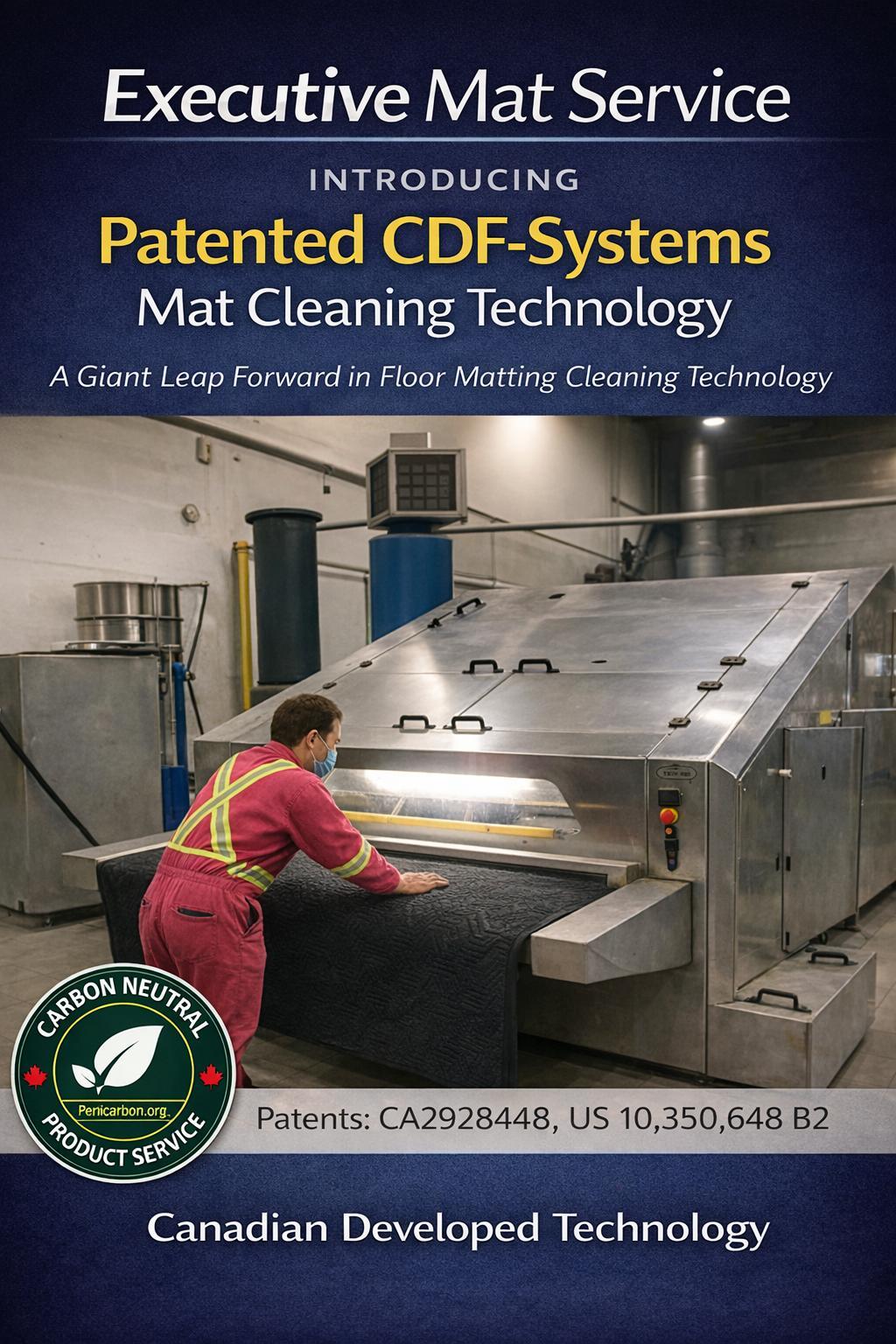
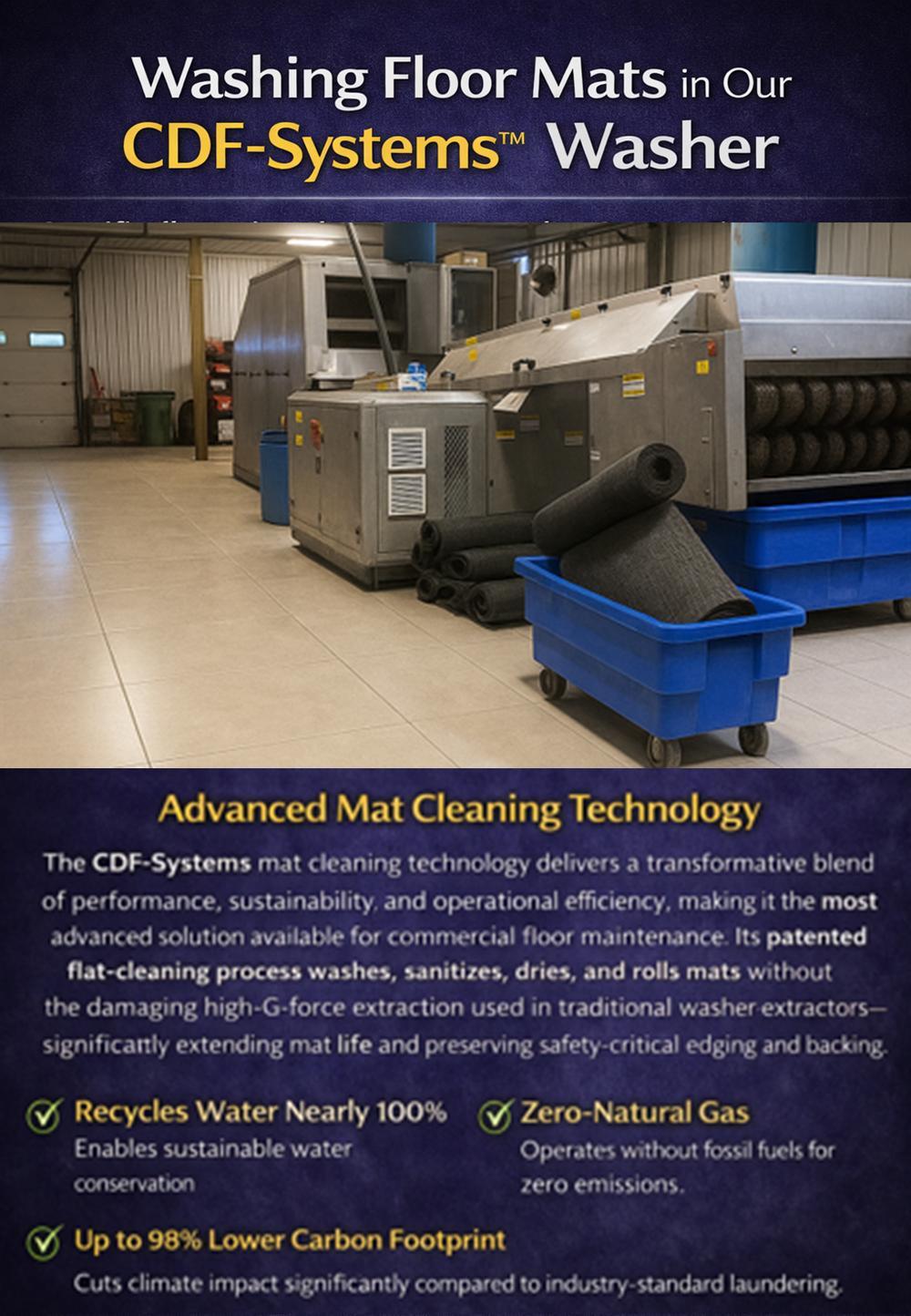
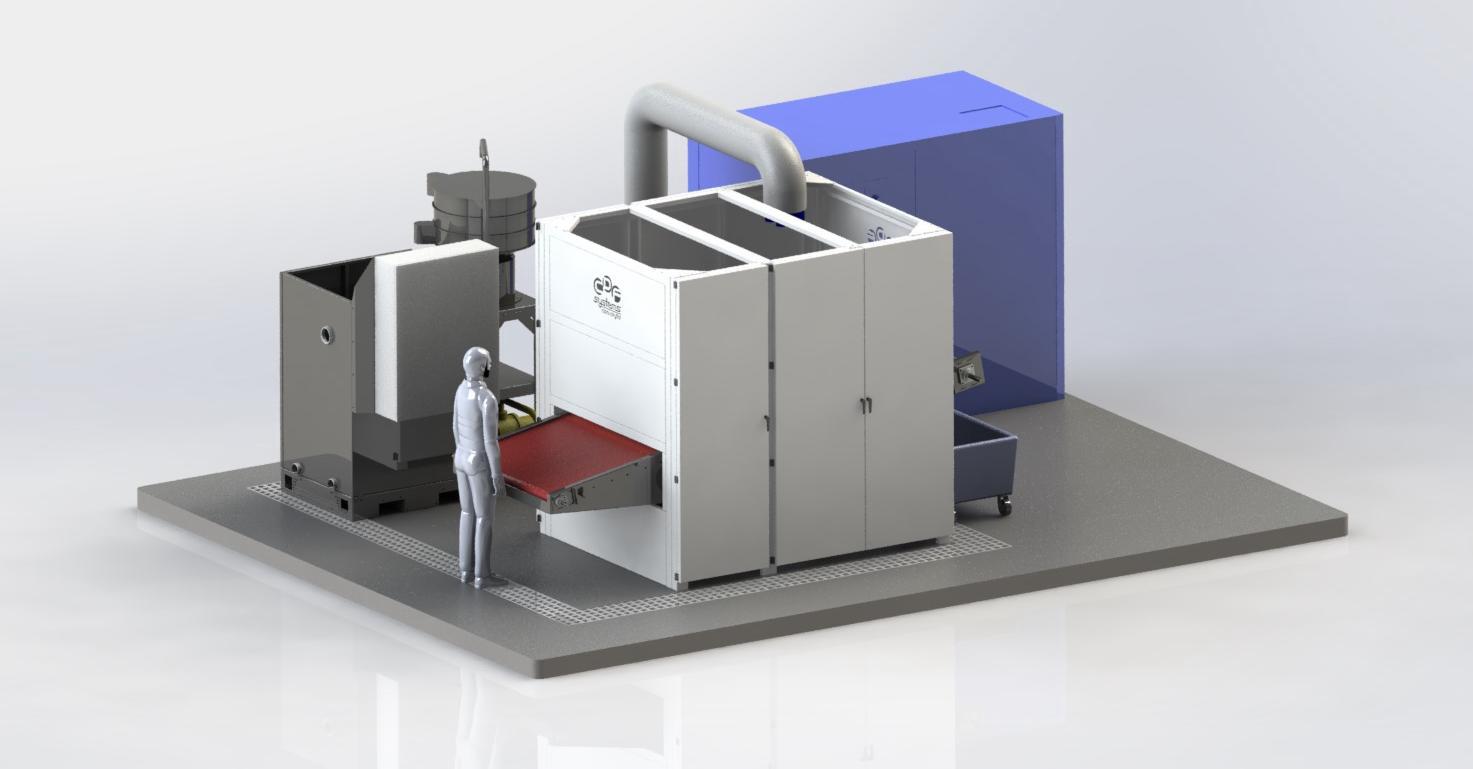
Executive Mat Service – Patented Floor Mat Cleaning Technology
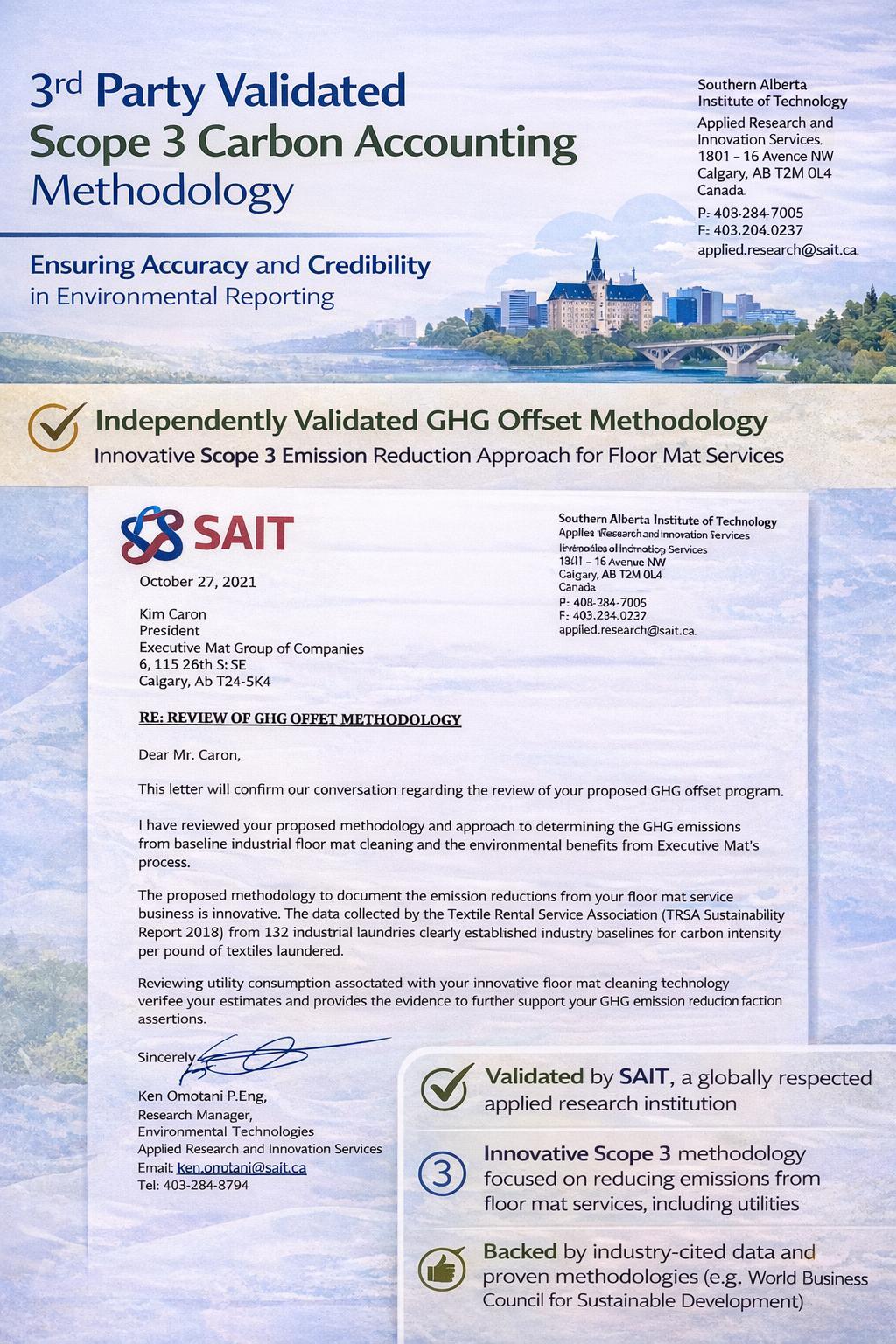
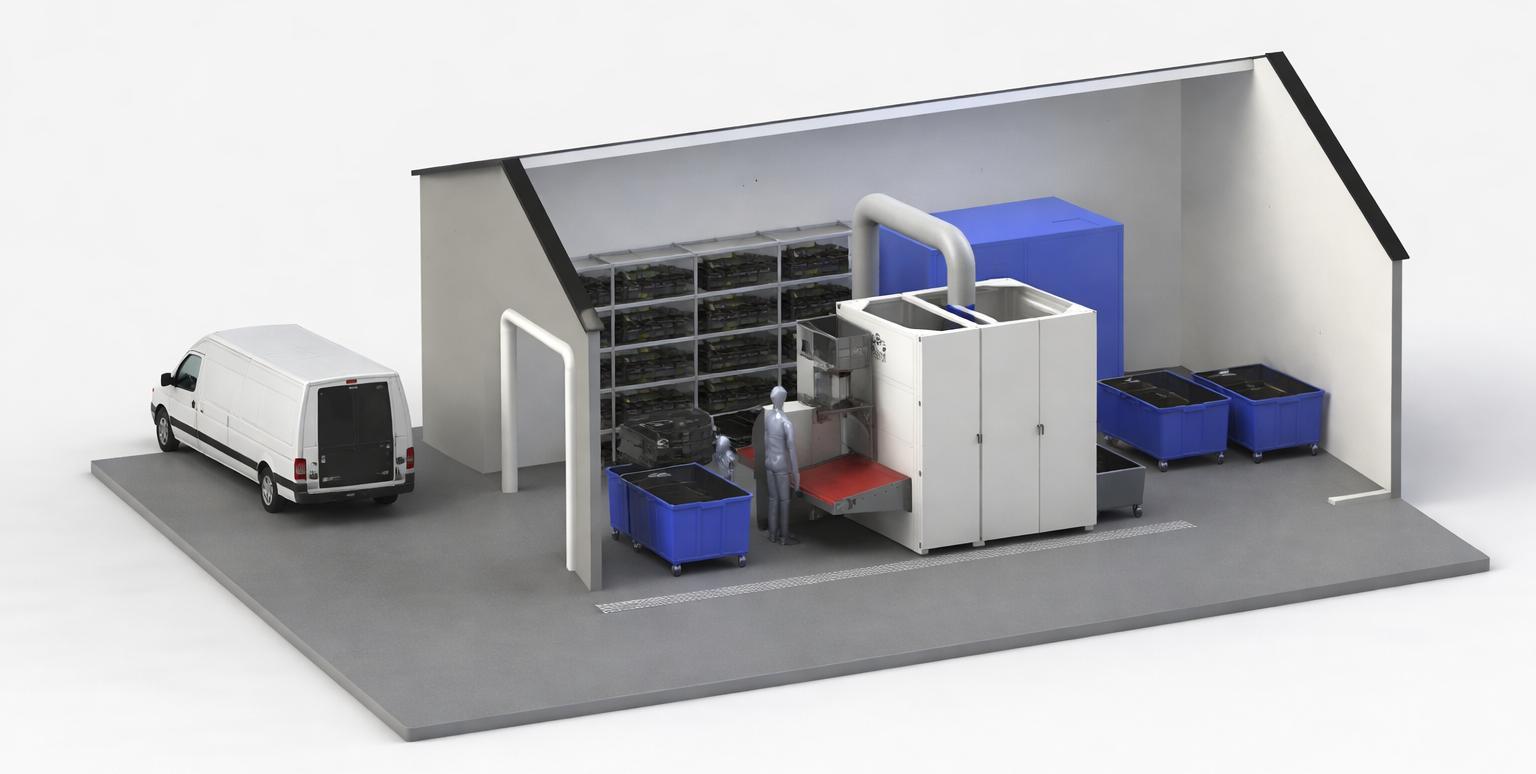
ExecutiveMatServicehasengineeredandpatentedafloormat–specificcleaningsystem designedtodeliversuperiorhygieneperformancewhiledramaticallyreducing environmentalimpactandoperatingcost.
Purpose-Built for Floor Mats
Ourpatentedflat-processingtechnologyisengineeredspecificallyforfloormat construction.Ratherthantumblingmatsinconventionalwashtunnels,oursystem:
• Cleansmatsinaflatorientationtoprotectstructuralintegrity
• Usescontrolledmechanicalactiontailoredtorubber-backedproducts
• Optimizeswaterusageanddetergentapplication
• Eliminatesunnecessaryhigh-speedextractionthatcandamagebacking
Theresultisdeepercleaningwithoutdegradingmatperformanceorshorteningservicelife.
Environmentally Responsible by Design
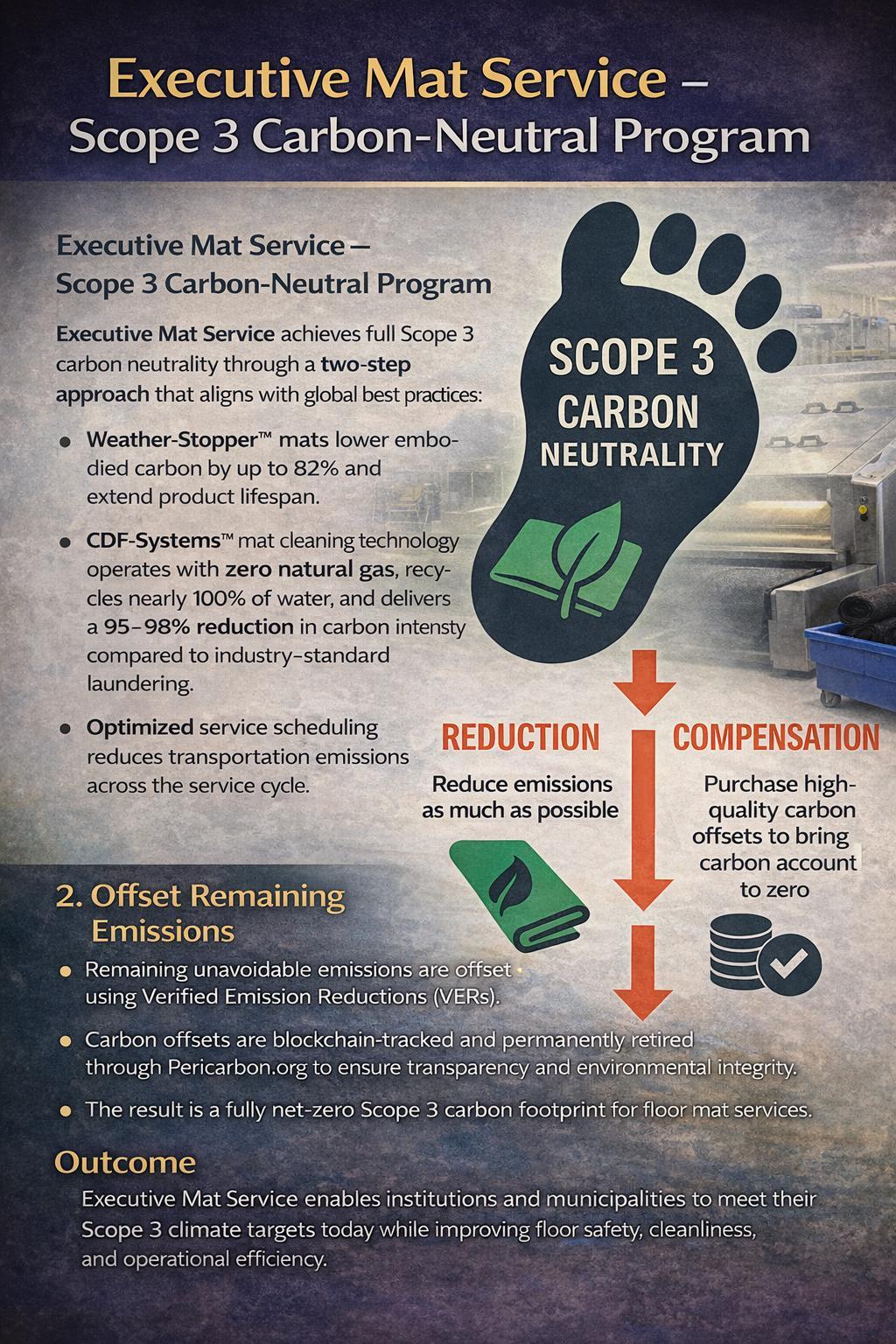
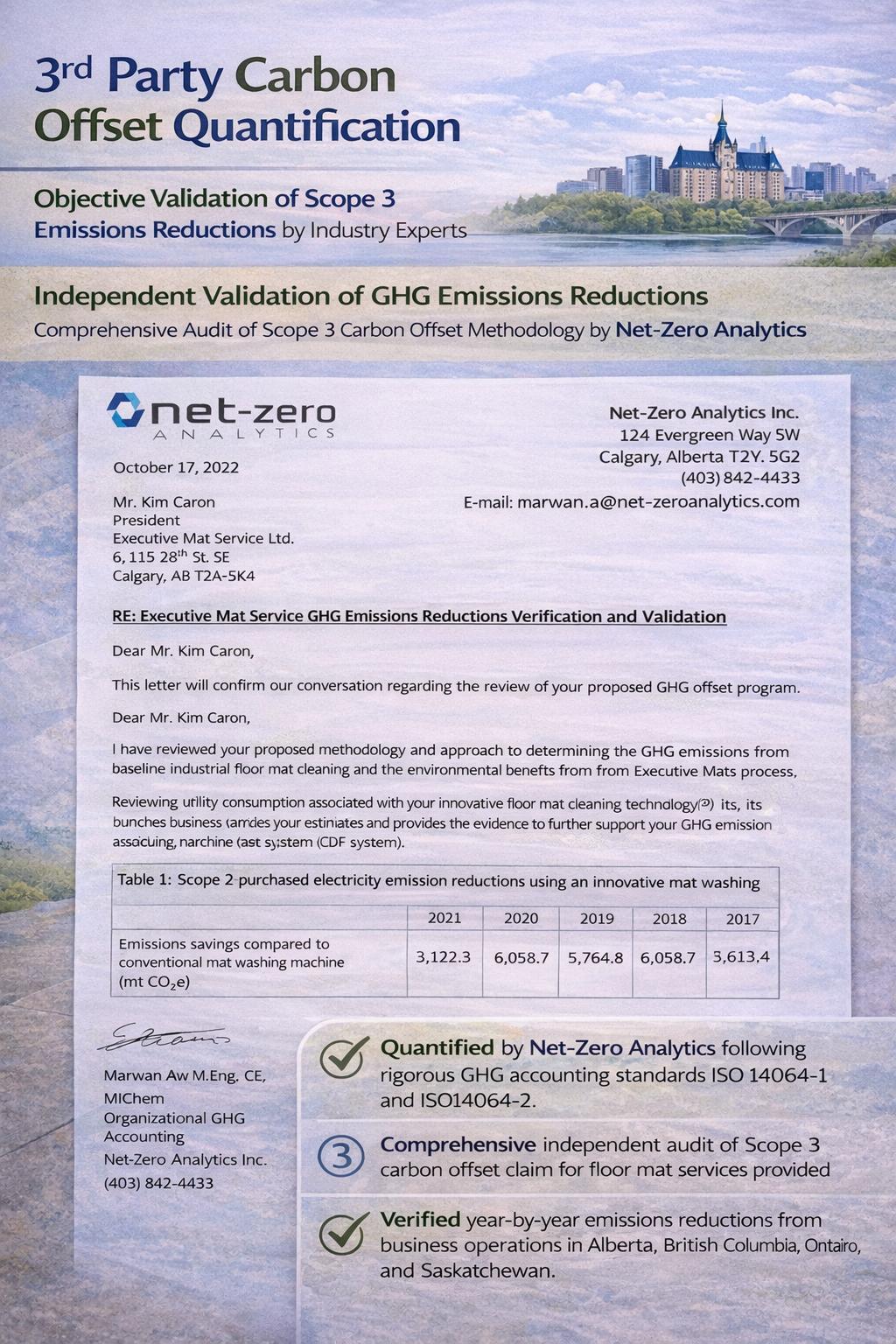
ExecutiveMatService’stechnologysignificantlyreduces:
• Waterconsumptionby95%
• Zeronaturalgasusagepreventsheatrelateddistortions
• Wastewaterdischargereducedby95%
Cost Efficiency Through Innovation
Byreducingutilityconsumption,extendingmatlife,andincreasingprocessingefficiency, ourpatentedsystemsignificantlylowerstotalcostpermatprocessed.Thistranslatesinto stablecleaningcost,reducedreplacementfrequency,improvedlifecycleeconomics,anda loweroverallenvironmentalfootprint.
Plant designed to generate $2,400 / hour in revenue
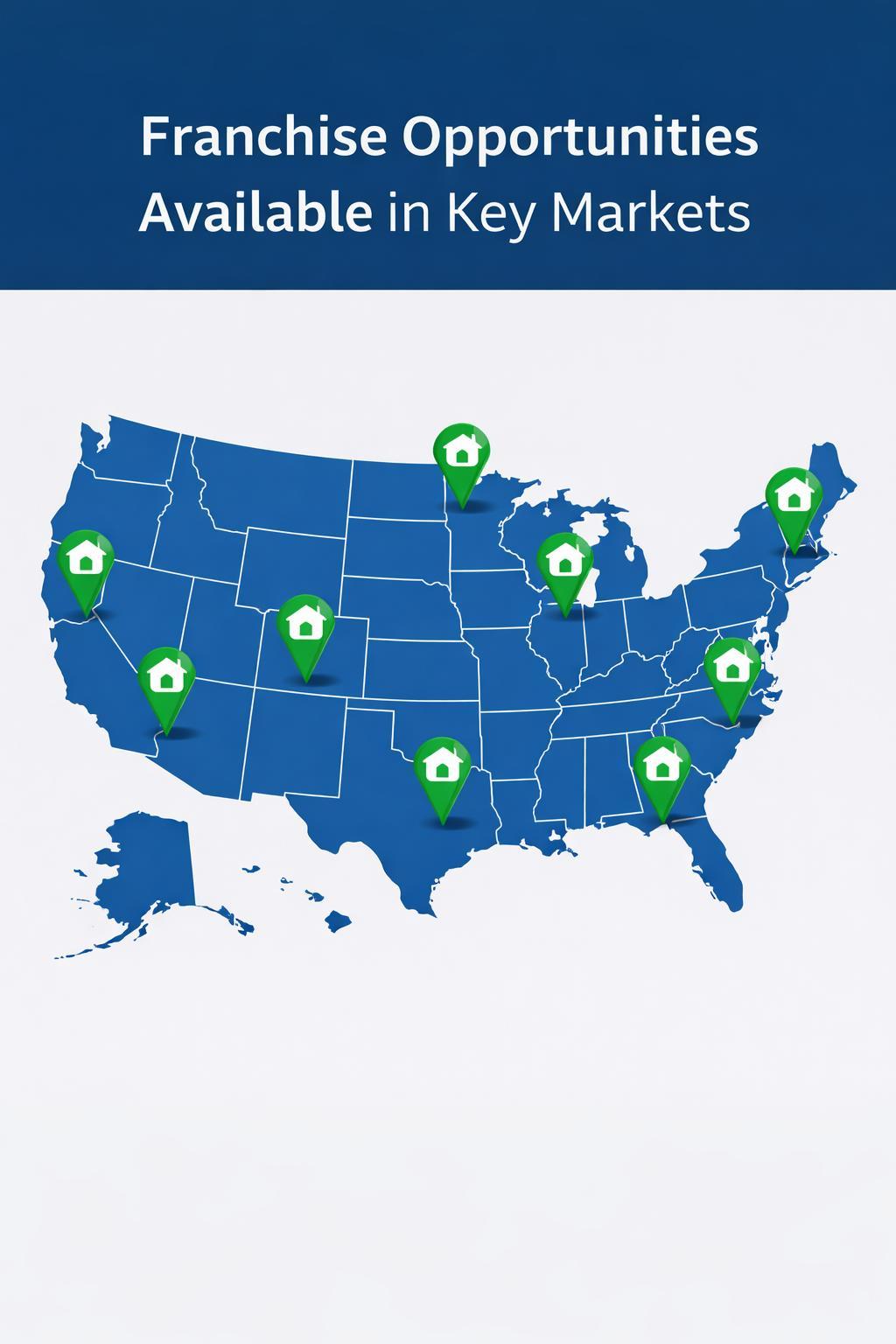
Executive Mat Franchise Model Overview
• MatServiceisthePrimaryBusiness–Specializedfocusonfloormat servicedrivesoperationalcontrol,strongermargins,andbrand differentiation.

• ProprietaryFloorMatTechnology–Weather-Stopper improvesfloor safetyandcleanliness,capturessoilandmoisture,remainsstableunder heavytraffic,andreducesslipandfallrisk.
• LowerAnnualCustomerSpend–Extendedserviceintervalsreducetotal cleaningcyclesperyear,deliveringlowerannualizedcostwhile maintainingpremiumper-cyclepricing.
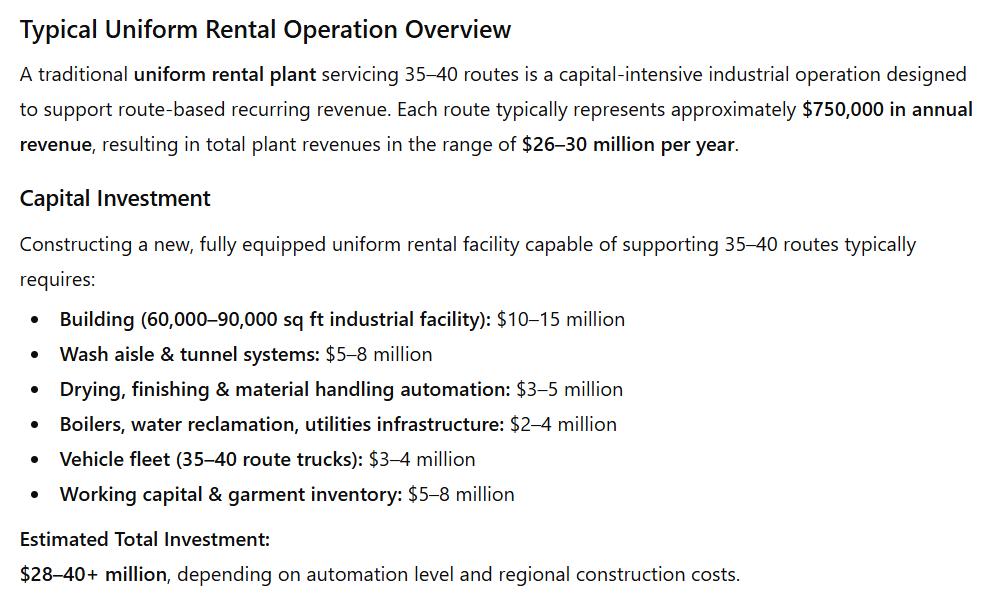
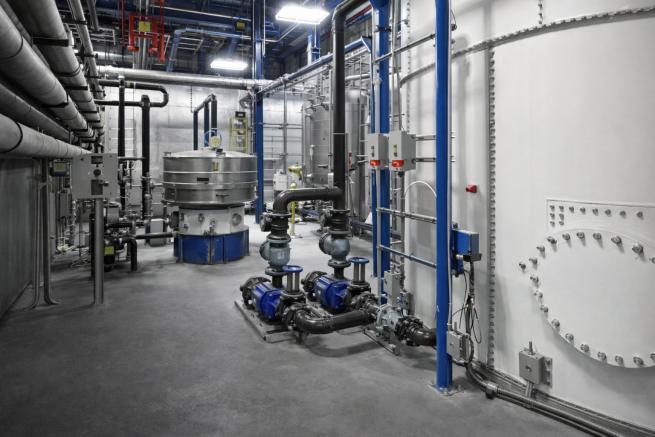
• PatentedCleaningTechnology–Mat-specificsystemreducescapitalcostof equipmentandinstallationcomparedtotraditionaluniformlaundry plants.
• ReducedUtilityandLabourCosts–Streamlinedproductionlowerswater, energy,andlaborexpensepermatprocessed.
• ExtendedRentalInventoryLife–Specializedcleaninganddryingprocesses extendmatlifeandreducereplacementcapital.
• HigherRevenueperServiceCycle–Increasedrevenueperstopreducesthe numberofmatsrequiredperroute,loweringriskofvehicleoverloading andimprovingrouteefficiency.
StrategicFocus:Performanceovervolume.Marginovermassprocessing. Efficiencyoverexcesscapacity.

Strategic
Franchise Synergy: Eco-Growth Environmental + Executive Mat Service
PairinganEco-GrowthEnvironmentalfranchisewithanExecutiveMatServicefranchise createsanoperationallyintegrated,capital-efficientplatformbuiltonsharedinfrastructure, sharedcustomers,andsharedrecurringrevenue.
1. Same Overhead Utilization
2. Same Target Customer Base 3. Same Administrative & Maintenance Staffing 4. Same Rental & Residual Income Model
Integrated Outcome
Together,thetwofranchisescreateaverticallyalignedenvironmentalservicesplatform combiningfloorsafety,facilitycleanliness,andorganicwastediversionunderonebrand umbrella.Theresultisstrongercustomerlifetimevalue,higheroperatingleverage,anda scalable,ESG-alignedgrowthstrategy.
Organics
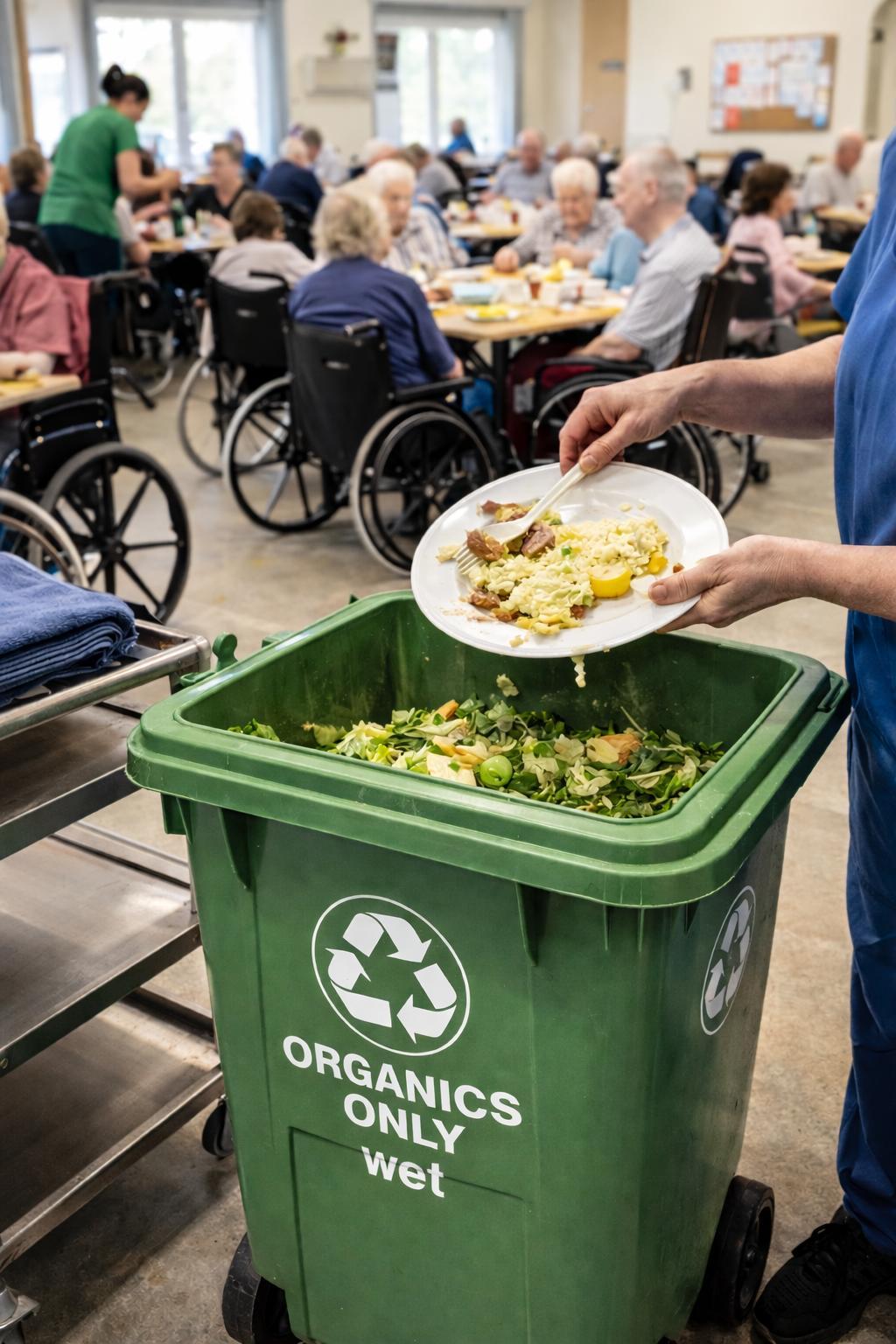
Organicslandfillavoidancerepresentsoneofthemostcompellingemerging opportunitiesintheenvironmentalservicessector.Foodwaste,greenwaste,and otherbiodegradablematerialsareamongthelargestcontributorstolandfill methane agreenhousegaswithaglobalwarmingpotentialsignificantlyhigherthan CO₂inthenearterm.Asgovernments,corporations,andinstitutionsintensifyclimate commitmentsandregulatoryoversight,divertingorganicsfromlandfillisrapidly shiftingfromavoluntaryinitiativetoanoperationalnecessity.
Key Market Drivers
1. Regulatory Pressure
JurisdictionsacrossNorthAmerica,Europe,andpartsofAfricaareimplementing organicsdiversionmandates,methanereductiontargets,andextendedproducer responsibilityframeworks.Complianceisnolongeroptional creatingconsistent demandfordiversioninfrastructureandservices.
2. Carbon & ESG Economics
Landfillmethanereductionisoneofthemostcost-effectiveclimatemitigation strategiesavailable.Avoidedemissionscangeneratecarboncreditsinregulatedand voluntarymarkets,creatinganadditionalrevenuelayerthatimprovesproject economicsandmobilizescapital.
3. Rising Disposal Costs
Landfilltippingfeescontinuetoescalateduetocapacityconstraints,transportation costs,andenvironmentalcompliancerequirements.Organicsdiversionreduces weight,haulingfrequency,andlong-termliabilityexposure.
4. Corporate Sustainability Commitments
Largecommercialgenerators healthcarefacilities,carehomes,foodprocessors, grocerychains,universities,andhospitalityoperators areunderincreasing pressuretoquantifyandreduceScope3emissions.Organicslandfillavoidance providesameasurable,reportablepathwaytodemonstrateprogress.
Strategic Implication
Theconvergenceofpolicy,carbonmarkets,wasteeconomics,andESGreportingis transformingorganicsdiversionintoascalable,recurringservicemodel.Companies thatintegratecollection,processing,dehydration,andmethanemitigation technologiesarewell
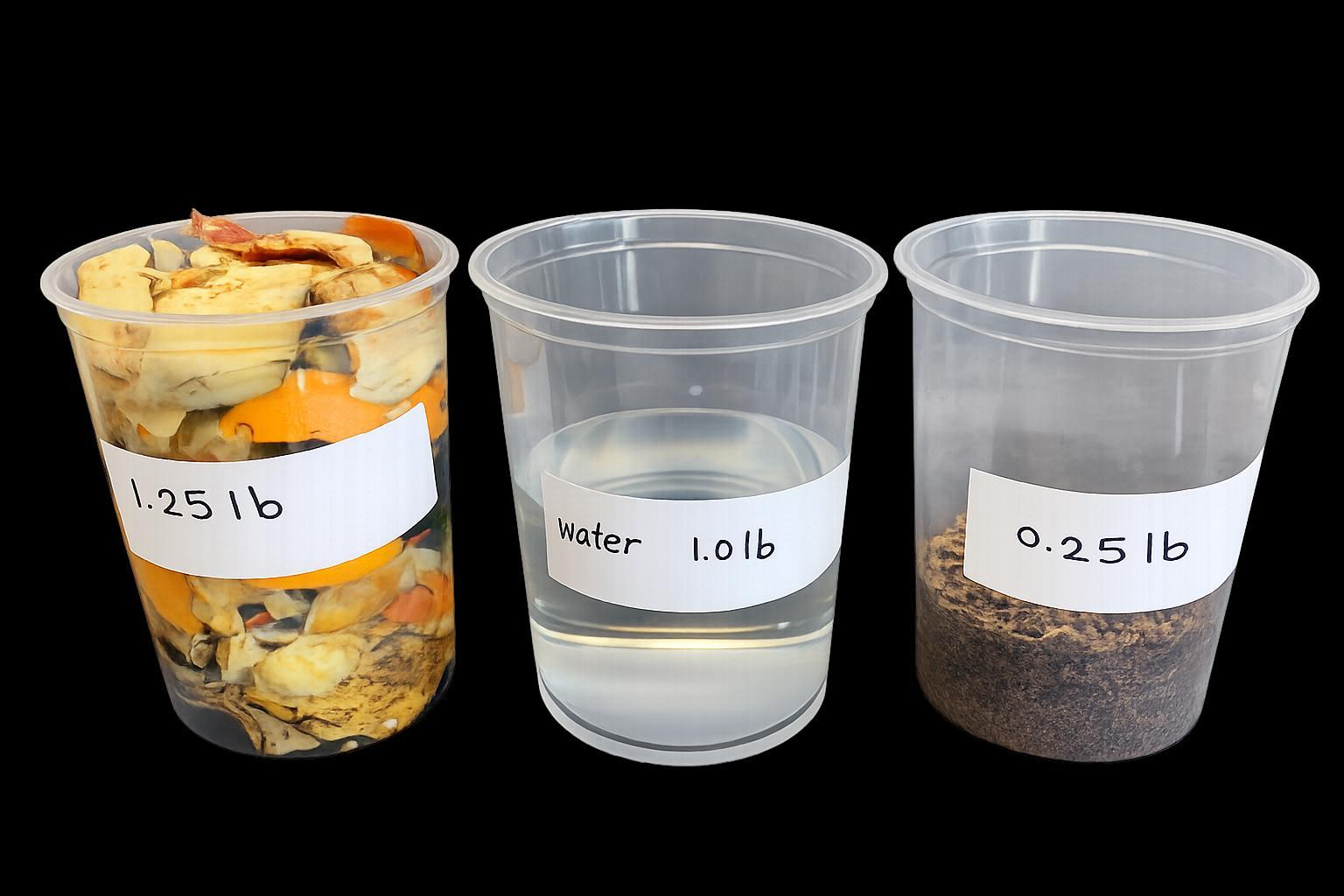
Moisture Content of Food Waste
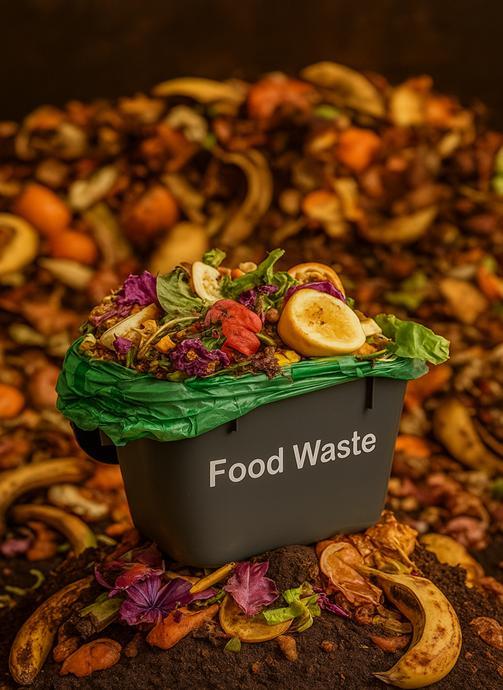
• Foodwasteispredominantlywaterbyweight.
• Averagemoisturecontentrangesbetween75%and80%.
• Only20%to25%offoodwasteconsistsofsolidorganicmaterial.
• Themajorityoftransportedmassinwetwastecollectioniswater.
• Highmoisturecontentincreaseshaulingfrequencyandfuelconsumption.
• Tippingfeesareoftendrivenbytotalweight,includingwatercontent.
• Removingmoistureatsourcesignificantlyreducestotalmassandvolume.
• Dehydrationimprovestransportationefficiencyandlowersdisposalcosts.
• Drysolidscanbeconvertedintostablebiomassfeedstock.
• MoisturereductionsupportsimprovedESGandcarbonreduction performance.
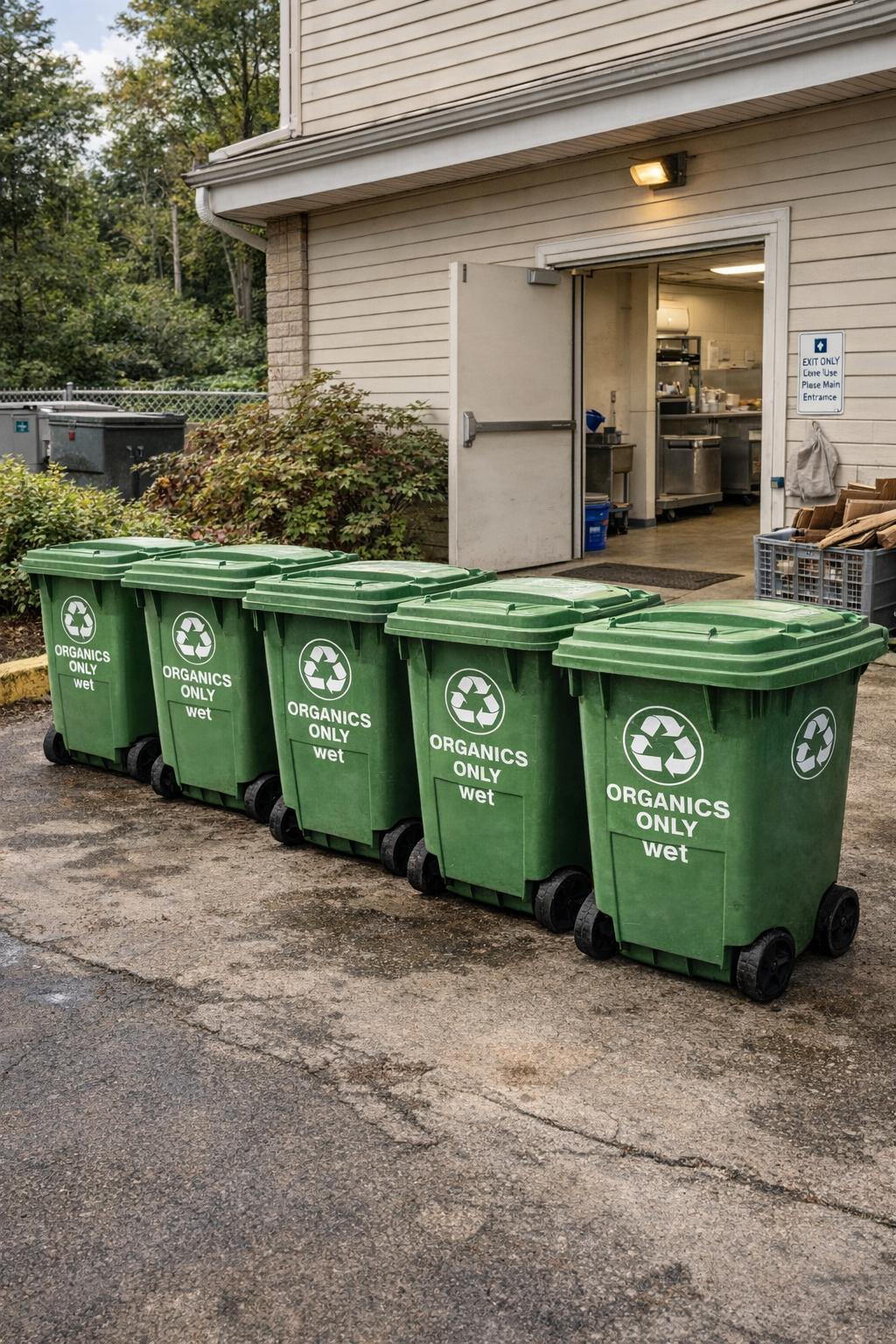
Economics of a Green Tote Organics Program – Care Home Calgary
Alberta
Program Details – Prior to Eco-Growth Program
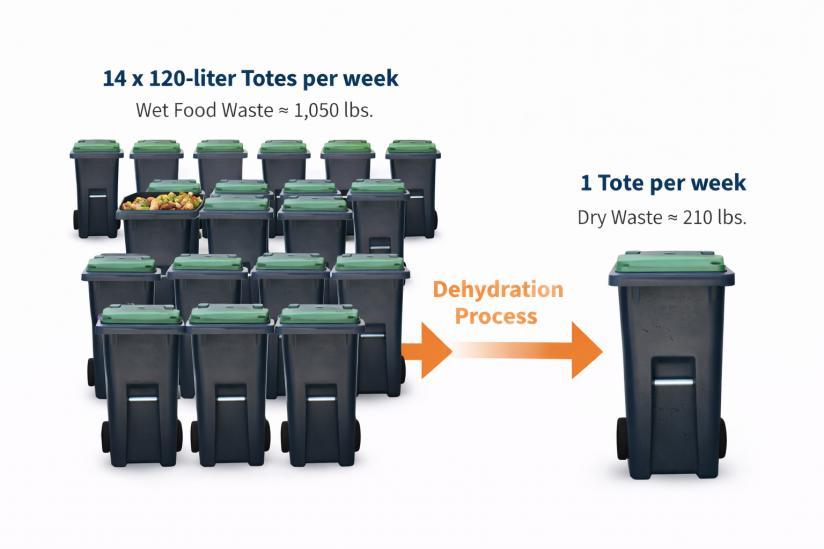
• Wetfoodwastegenerated:14–120-litertotesperweek(1,050 lbs.)
• Monthlygeneration(28days):4,200lbs.(1,900kg.)
• Costpermonthfororganicsservice:$860.00plustax
Disposal – Landfill / Leachate Collection Site
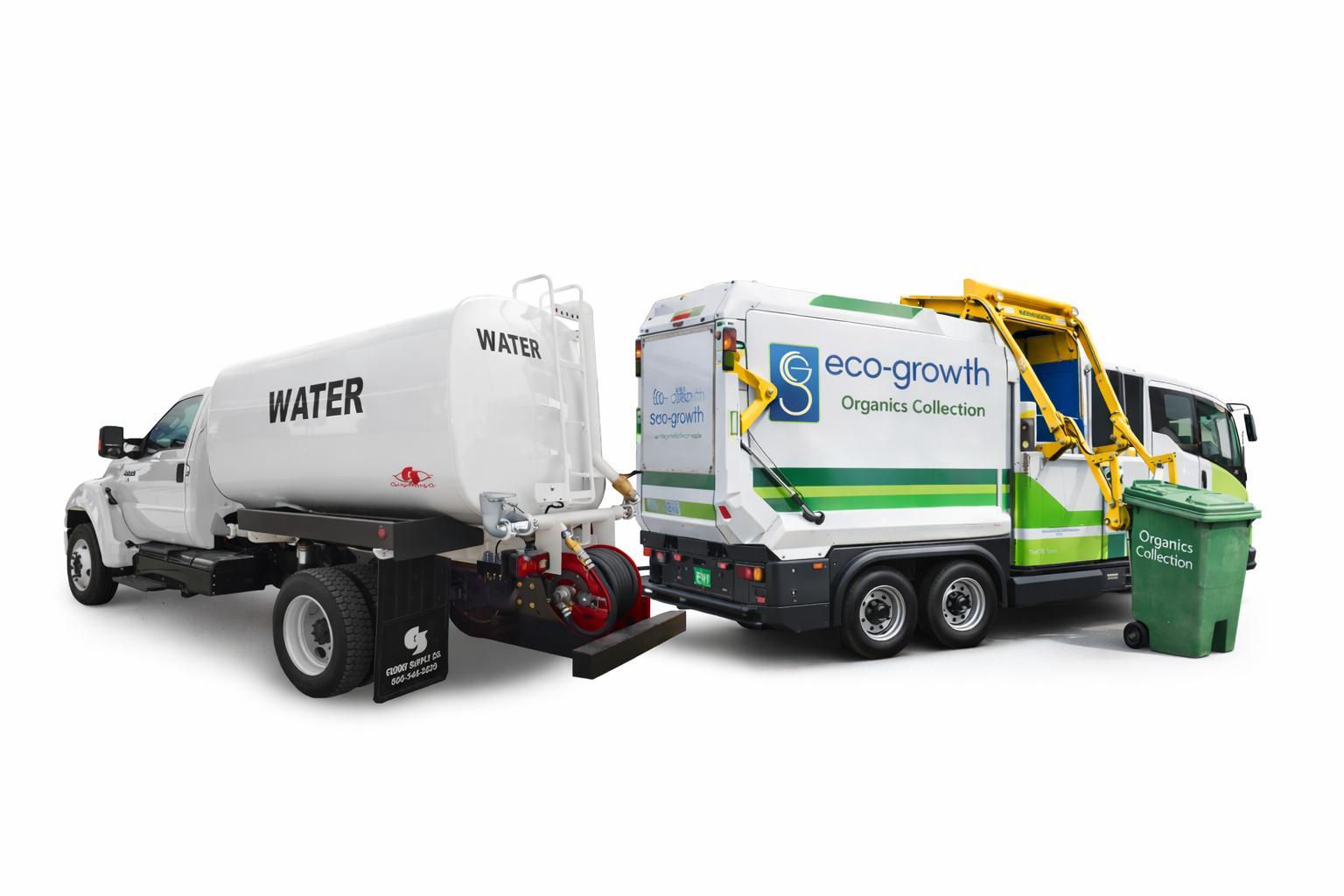
Greentotesfullofwetorganicswerepickedup2xweek.8xper4-week cycle7-totes/binsperpick-up. Greentotesaretransportedtoa northernAlbertarecycler.
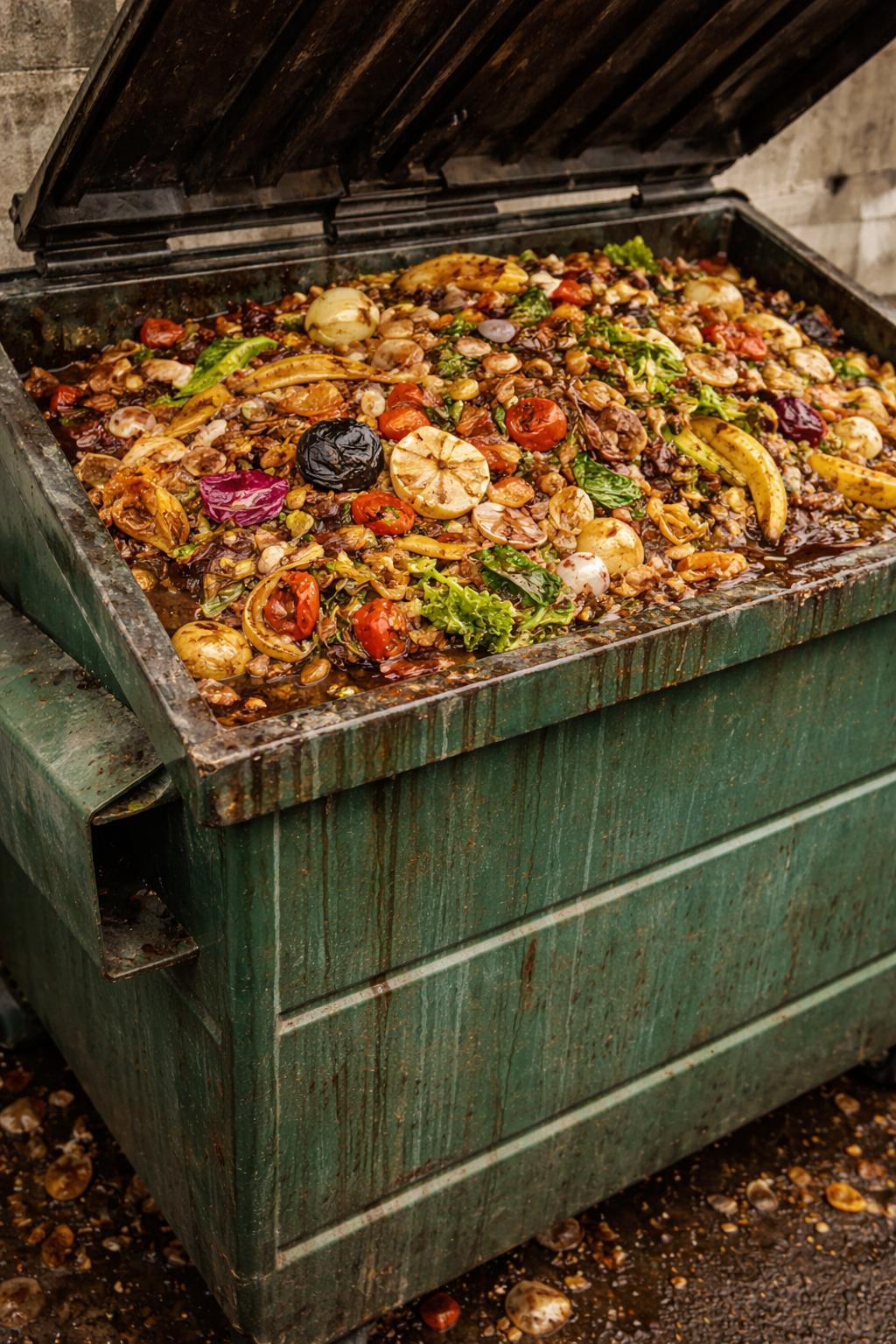
Economics of a Wet Food Waste Disposed in Landfill
– Calgary, Alberta
Program Baseline – Prior to Eco-Growth Program
• Wetfoodwastegenerated:14 × 120-Ltotesperweek
• Weeklyweight:1,050lbs(476kg)
• Monthlyweight(28days):4,200lbs(1,900kg/1.9MT)
• Collectionfrequency:1pickupperweek(4per4-weekcycle)
Landfill Disposal Cost Structure
• Landfilltippingfee:$150permetrictonne
• Monthlytippingcost:1.9MT × $150=$285
• Annualtippingcost:$3,420
• Estimatedbinrental:$60per/month
• Annualtoterental:$720
• Estimatedtruckingcost:$110perpickup × 4pickups=$410/month
• Annualtruckingcost:$10,080
Total Landfill Disposal Cost
• Totalmonthlycost:$755
• Totalannualcost:$9,060
• Costdrivers:transportation(54%),tipping(38%),binrental(8%)
Key Economic Observations
• Majorityofcostdrivenbytransportationofwetmass(watercontent75–80%)
• Highservicefrequencyincreaseslaborandfuelcosts
• Landfilltippingfeeshistoricallyescalateannually
• Potentialfuturecarbonexposurerelatedtolandfillmethaneemissions
• Reducingmoistureorpickupfrequencyoffersstrongestfinancialleverage
Economic Story
Care Home Adoption of Eco-Growth Rapid Dehydration Technology
Calgary, Alberta
1. The Program – EGOR218 Installation
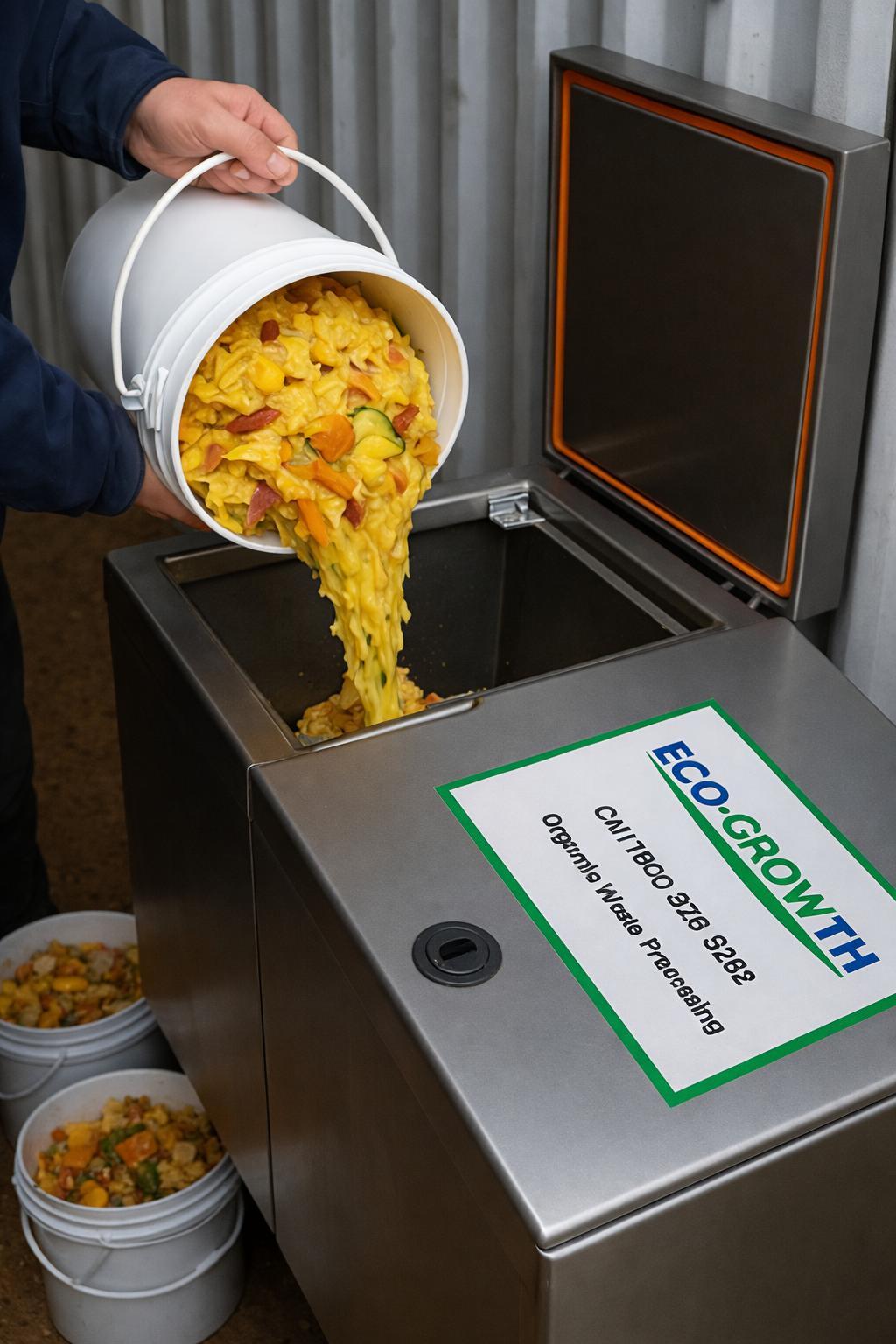
• OneEco-GrowthRapidDehydrator(EGOR218)installedonsite
• Foodwastedehydrateddailyatsource
• Moistureremovedbeforetransportation
• Stable,drybiomassproducedforrecovery
2. The Transformation – 14 Bins to 1
• Reductionfrom14wetbinsperweekto1drybinequivalentperweek
• Pickupscheduled1timeper4-weekcycle
• 4drybinscollectedperpickup
• Eachbinweighs200lbs
• Totalmonthlytransportedweight:800lbsper28days
3. Quantified Impact
• Originaltransportedweight:4,200lbsper28days
• Post-dehydrationtransportedweight:800lbsper28days
• Netreduction:3,400lbspermonth(81%reductionintransportedmass)
• Reductionfrom8pickupspermonthto1pickuppermonth(87.5% reductionintruckingevents)
4. Circular Economy Outcome
• DehydratedbiomassreturnedtoExecutiveMatLaundryPlant
• Upcycledintorenewablebiomassfeedstock
• Convertedfromdisposalcosttoenergyinputresource
Dried Organics Pickup Logistics Overview
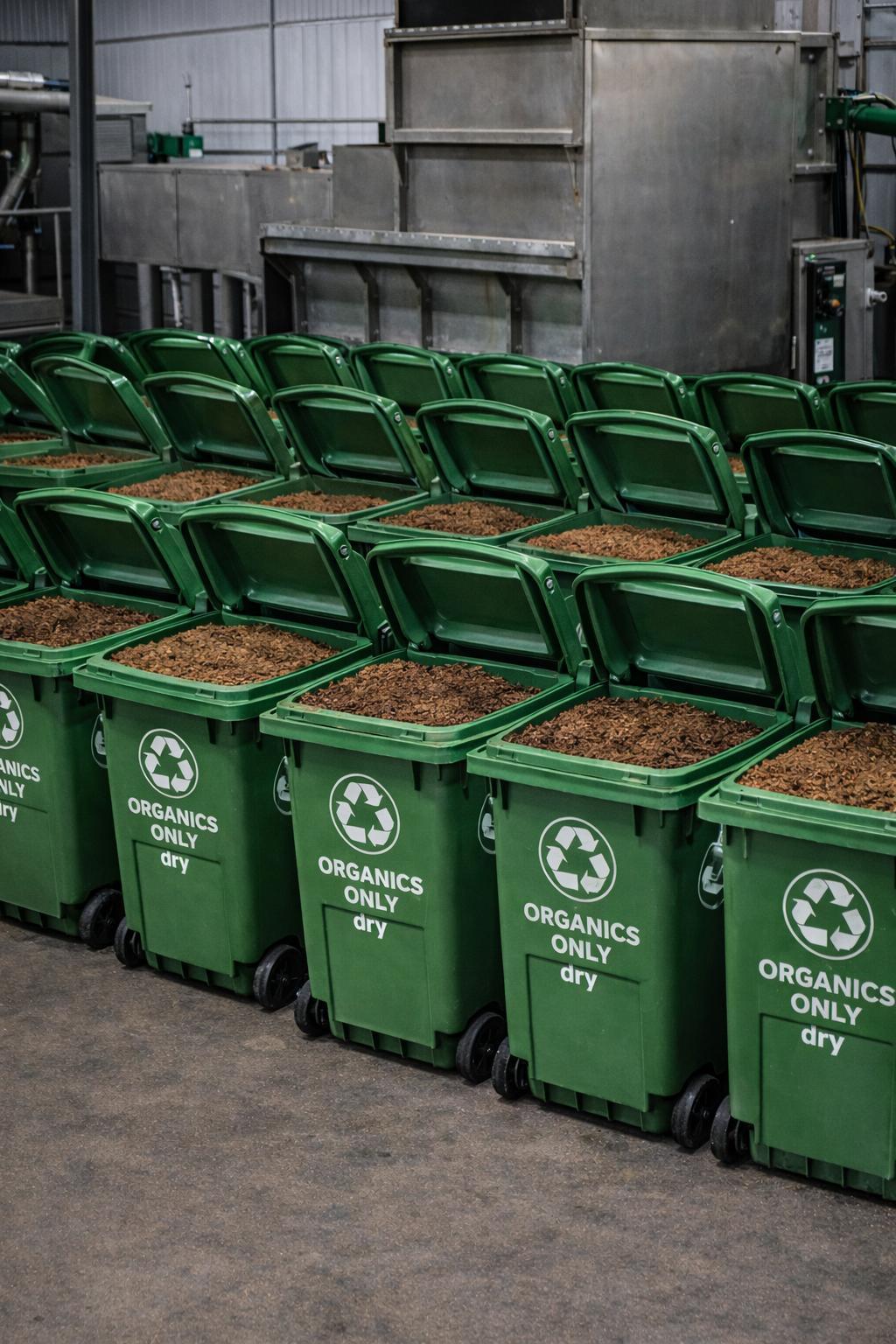
Thedriedorganicscollectionprogramoperatesonastructuredfour-weekservice cycledesignedtomaximizerouteefficiencyandminimizetransportationcosts. PickupschedulesrunMondaythroughFriday,ensuringconsistentdailyroutingand optimizedfleetutilization.
Eachcollectionvehicleservicesapproximately12to15pickuplocationsperday, resultingin60to75servicestopsperweek.Thisstructuredroutingapproach reducesfuelconsumption,improveslaborproductivity,andmaintainspredictable logisticsplanningacrosstheservicenetwork.
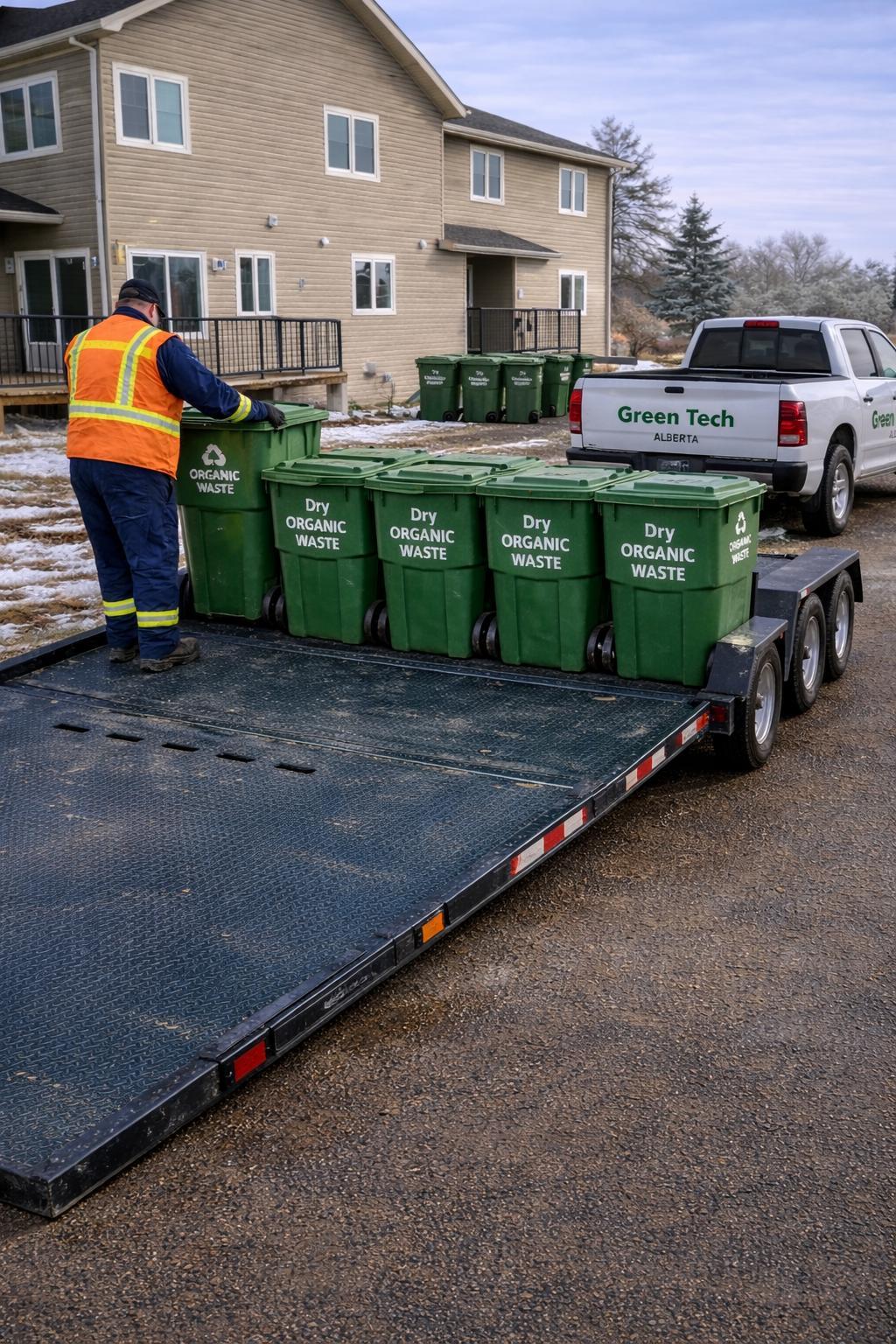
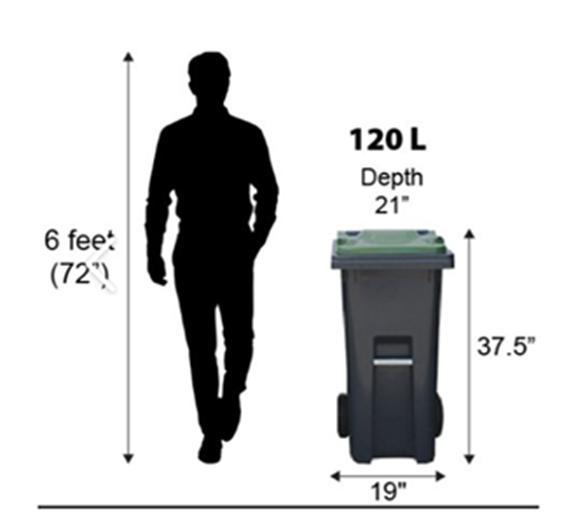
Ateachlocation,pre-weighed120-litertotescontainingdehydratedorganicmaterial areloadedontoflatbedorenclosedtrailers.Becausethematerialhasbeendriedonsite,toteweightsareconsistentandsignificantlylighterthanwetwaste,enabling higherpayloaddensityandfewertransportcycles.
CollectedtotesaretransportedtotheExecutiveMatServicefacility,wherethedried organicmaterialisconsolidatedandupcycledintobiomassfeedstock.This centralizedupcyclingmodelconvertswhatwaspreviouslylandfill-boundwasteinto arecoverableenergyresource,supportingacircularoperationalframework.
Thecombinationofrouteoptimization,moisturereductionatsource,andcentralized biomassprocessingcreatesapredictable,scalable,andeconomicallyefficient logisticsmodel.
Biomass Conversion & Utilization Overview
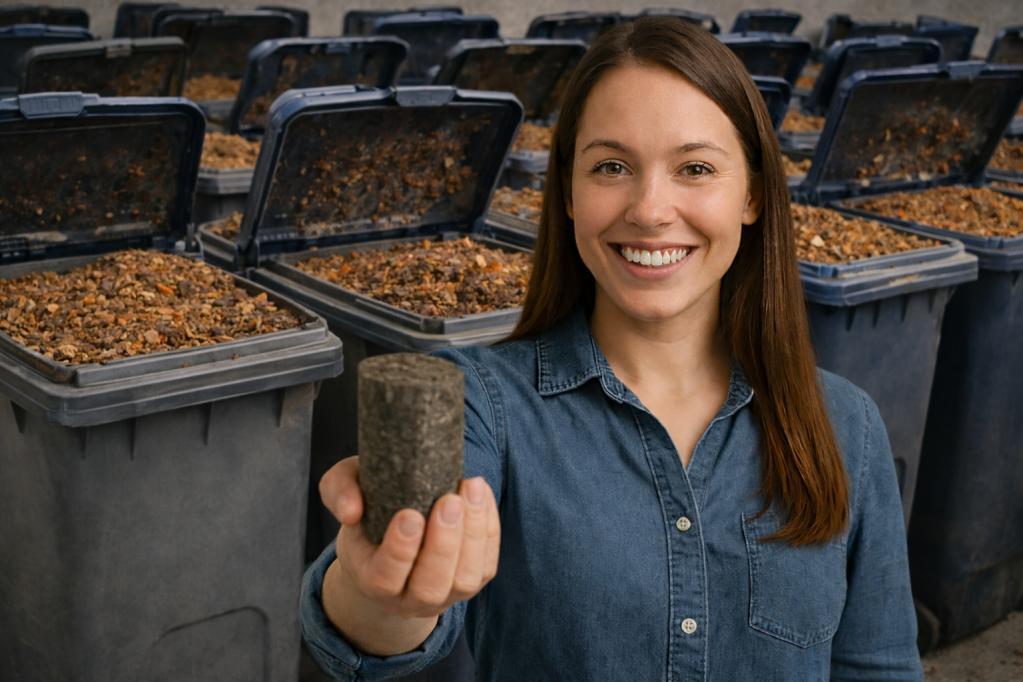
Dehydratedfoodwasteistransformedintoahigh-valuebiomassfeedstockat theprocessingcenter.
Dehydratedfoodwasteisblendedwithotherorganicwaste,suchasused papertowelsandpapercoffeecupstoformanenergy-densebiomass feedstock.Thefeedstockis:
• Compressedunderhighpressurethroughabriquettingpress.
• Formedintodensebiomassbriquetteswithconsistentshapeand calorificvalue.
Theresultingbriquettesprovideastable,transportablerenewablefuelwith predictablecombustioncharacteristicssuitableforthermalenergysystems.
Biomass Conversion, Utilization & Energy Value Overview
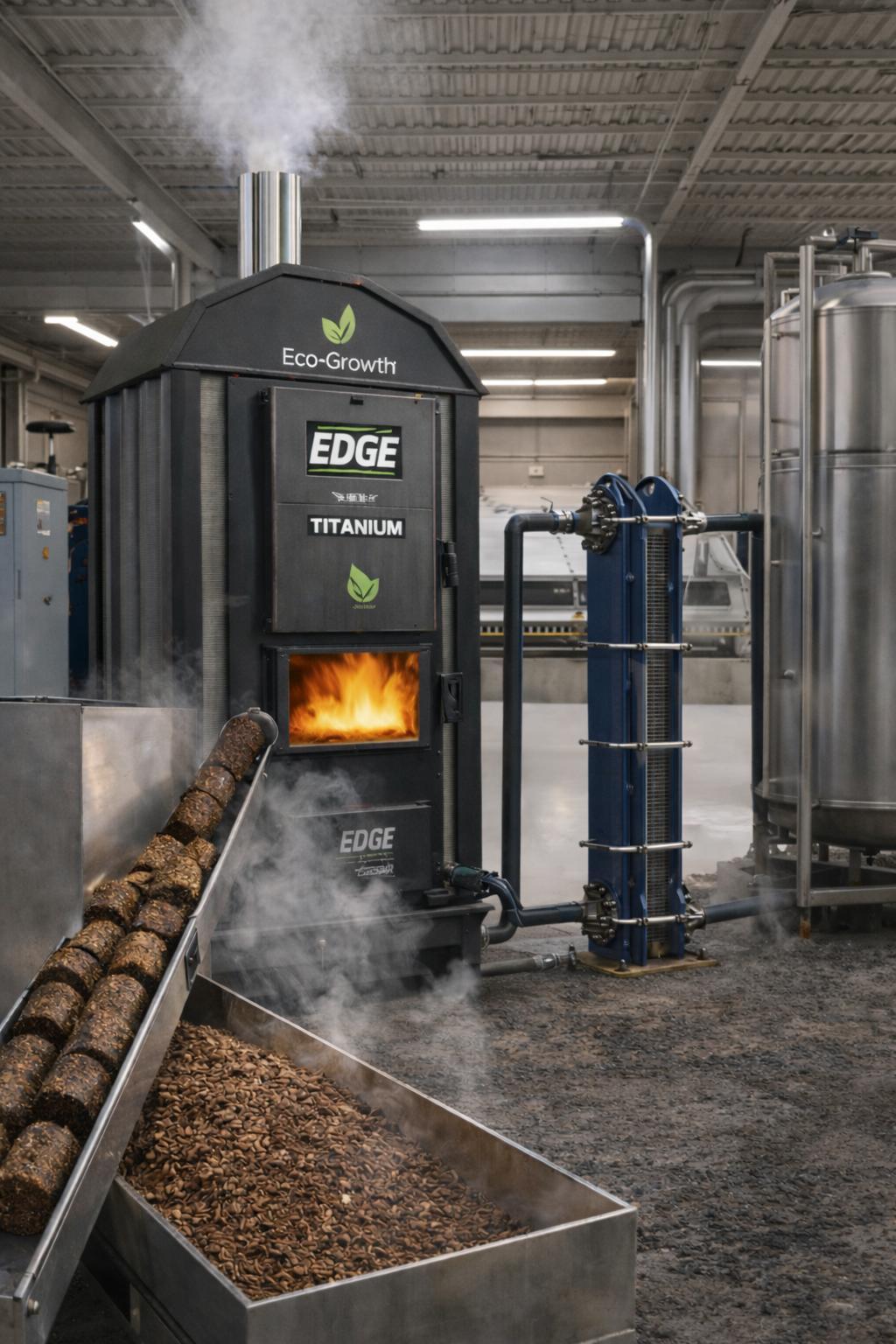
Dehydratedfoodwasteistransformedintoahigh-valuebiomassfeedstockthrough acontrolledmechanicaldensificationprocess.Onceorganicmaterialisprocessed throughthedehydrationsystem,moisturecontentistypicallyreducedtobelow 10%.Thisstabilizationpreventsodorformation,inhibitspathogengrowth,and significantlyimproveshandling,storage,andcombustionperformance.
Thedriedorganicsareprocessedthroughthefollowingsteps:
• Screeningandsizereductiontoensureuniformparticleconsistency.
• Blendingandconditioningtooptimizefuelhomogeneityandcombustion stability.
• High-pressurecompressionthroughabriquettingpress.
• Formationofdensebiomassbriquetteswithconsistentgeometryand structuralintegrity.
CalorificValueofDehydratedFoodWaste:
Whenmoistureisreducedtobelow10%,dehydratedfoodwastetypicallyachieves anenergycontentrangingbetween14–18MJ/kg(6,000–7,750BTU/lb),depending oncomposition.Theremovalofwatersignificantlyincreasesthenetheatingvalue, allowingthematerialtoperformcomparablytolow-gradewoodbiomassfuels.This predictablecalorificvaluemakesthebriquettessuitableforcontrolledthermal energyrecoverysystems.
WithintheExecutiveMatServiceproductionfacility,approximately1,000poundsof biomassbriquettesareconsumedinternallytogeneratethermalenergyforplant heatingoperations.Thisinternalutilizationoffsetsconventionalfossilfuel consumptionanddirectlylowersthefacility’scarbonintensity.
Remainingbriquettesaresoldintotherenewableenergymarketforuseinindustrial boilers,thermalrecoverysystems,anddistributedbiomassheatingapplications. Thisapproachconvertslandfill-boundorganicwasteintoamonetizableenergy asset,supportingcirculareconomyprincipleswhilecreatingbothinternalenergy savingsandexternalrevenuestreams.


Eco-Growth Organic Dehydrator Rental Service
1. Capital Investment Requirements
EGOR218DehydratorUnits:
•
•Averagemanufacturingcostperunit:$6,000
• •Monthlyrentalrevenueperunit:$500
ProductionPlantEquipment:
• •Briquettepress,shredder,transferconveyor,storagebins,forklift:$250,000
• •Truckandtrailerforrouteservicing:$100,000
TotalFixedInfrastructureInvestment:$350,000(plant+logistics)
2. Revenue Model
EachEGOR218unitgenerates$500permonthinrentalrevenue.Annualrevenueper unitequals$6,000.
Revenueper100InstalledUnits:
• •Monthlyrevenue:$50,000
• •Annualrevenue:$600,000
3. Service Model & Operating Costs
Servicefrequency:1serviceper4-weekcyclepercustomer.
RouteEconomics:
• •Variableservicecostperrouteday:$300
• •Estimated5servicedaysperweek
• •Weeklyvariableroutecost:$1,500
• •Annualroutevariablecost(52weeks):$78,000
4. Sales & Customer Acquisition Cost
Salescompensationstructure:One-timecommissionequalto4× monthlyrental revenue.
PerUnitSalesCost:
• •4 × $500=$2,000commissionperinstalledunit
How Landfill Methane Emissions Are Calculated
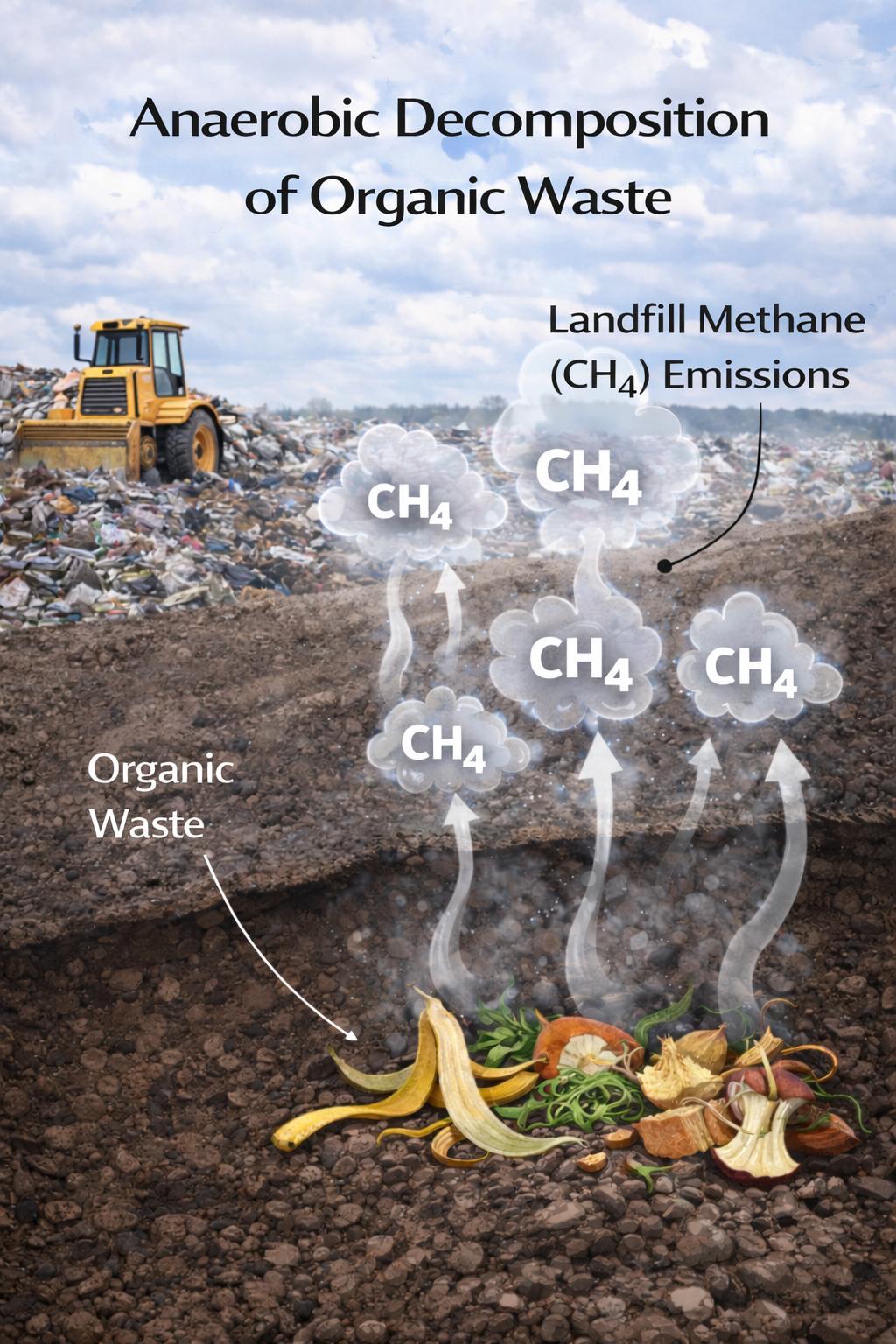
Landfillmethane(CH₄)emissionsaregeneratedwhenorganicwastedecomposes underanaerobic(oxygen-limited)conditions.Thecalculationofmethaneemissions followsastructuredmethodologythatconvertsorganicwastemassintomethane volume,thenintomethanemass,andfinallyintocarbondioxideequivalent(CO₂e) usingglobalwarmingpotential(GWP)factors.
Step 1 – Estimate Methane Generation (Volume Basis)
Organicwasteplacedinalandfillhasatheoreticalmethanegenerationpotential(L₀). Forexample,highlycomposableorganics:
•1tonneoforganicwaste→170m³CH₄
Thisvaluerepresentstheultimatemethanegenerationpotentialunderanaerobic conditions.
Step 2 – Convert Methane Volume to Methane Mass
Toexpressclimateimpact,methanevolumemustbeconvertedtomass.Atstandard temperatureandpressure(STP),thecommonlyuseddensityis:
•1m³CH₄≈0.716kgCH₄
170m³ × 0.716kg/m³=121.72kgCH₄per1,000kilogramsoffoodwaste.
Methane as a Potent Greenhouse Gas
Methane(CH₄)isoneofthemostpowerfulgreenhousegasescontributingtoclimate change.Althoughitremainsintheatmosphereforashorterperiodthancarbon dioxide(CO₂),itsheat-trappingcapacityissignificantlyhigherinthenearterm.Overa 20-yeartimeframe,methanehasaGlobalWarmingPotential(GWP20)approximately 87timesgreaterthanCO₂.Thismeansthatonetonneofmethaneemissionscanhave thesameshort-termclimateimpactas87tonnesofcarbondioxide.
Preventingorganicwastefromenteringlandfills throughdiversion,dehydration, composting,orenergyrecovery directlyreducesmethaneformationatitssource.As aresult,methaneabatementprojectsplayacriticalroleinachievingmeaningfuland immediateclimateimpact.