
PairinganEco-GrowthEnvironmentalfranchisewithanExecutiveMatServicefranchise createsanoperationallyintegrated,capital-efficientplatformbuiltonsharedinfrastructure, sharedcustomers,andsharedrecurringrevenue.
1. Same Overhead Utilization
2. Same Target Customer Base 3. Same Administrative & Maintenance Staffing 4. Same Rental & Residual Income Model
Together,thetwofranchisescreateaverticallyalignedenvironmentalservicesplatform combiningfloorsafety,facilitycleanliness,andorganicwastediversionunderonebrand umbrella.Theresultisstrongercustomerlifetimevalue,higheroperatingleverage,anda scalable,ESG-alignedgrowthstrategy.
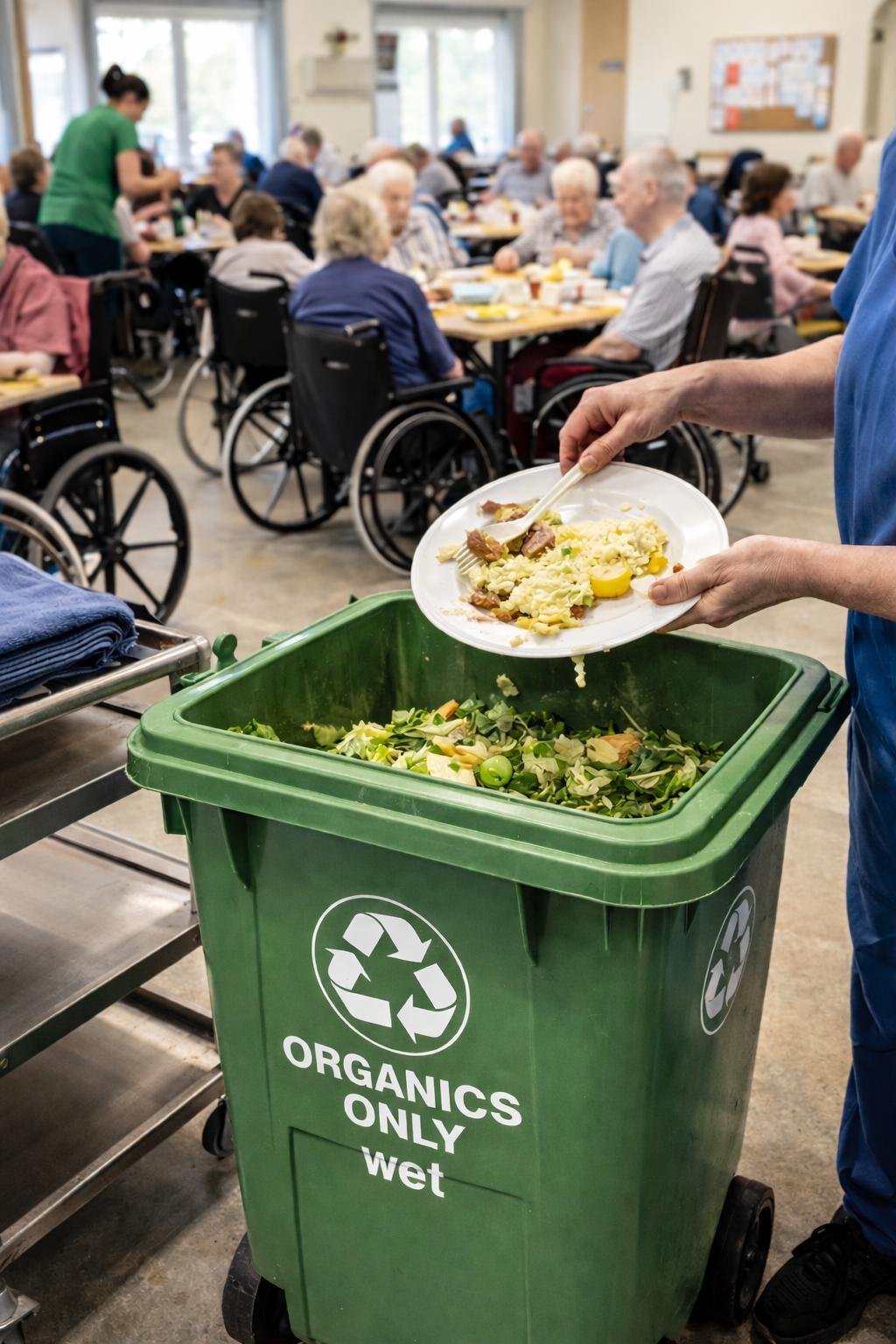
Organicslandfillavoidancerepresentsoneofthemostcompellingemerging opportunitiesintheenvironmentalservicessector.Foodwaste,greenwaste,and otherbiodegradablematerialsareamongthelargestcontributorstolandfill methane agreenhousegaswithaglobalwarmingpotentialsignificantlyhigherthan CO₂inthenearterm.Asgovernments,corporations,andinstitutionsintensifyclimate commitmentsandregulatoryoversight,divertingorganicsfromlandfillisrapidly shiftingfromavoluntaryinitiativetoanoperationalnecessity.
1. Regulatory Pressure
JurisdictionsacrossNorthAmerica,Europe,andpartsofAfricaareimplementing organicsdiversionmandates,methanereductiontargets,andextendedproducer responsibilityframeworks.Complianceisnolongeroptional creatingconsistent demandfordiversioninfrastructureandservices.
2. Carbon & ESG Economics
Landfillmethanereductionisoneofthemostcost-effectiveclimatemitigation strategiesavailable.Avoidedemissionscangeneratecarboncreditsinregulatedand voluntarymarkets,creatinganadditionalrevenuelayerthatimprovesproject economicsandmobilizescapital.
3. Rising Disposal Costs
Landfilltippingfeescontinuetoescalateduetocapacityconstraints,transportation costs,andenvironmentalcompliancerequirements.Organicsdiversionreduces weight,haulingfrequency,andlong-termliabilityexposure.
Largecommercialgenerators healthcarefacilities,carehomes,foodprocessors, grocerychains,universities,andhospitalityoperators areunderincreasing pressuretoquantifyandreduceScope3emissions.Organicslandfillavoidance providesameasurable,reportablepathwaytodemonstrateprogress.
Strategic Implication
Theconvergenceofpolicy,carbonmarkets,wasteeconomics,andESGreportingis transformingorganicsdiversionintoascalable,recurringservicemodel.Companies thatintegratecollection,processing,dehydration,andmethanemitigation technologiesarewell
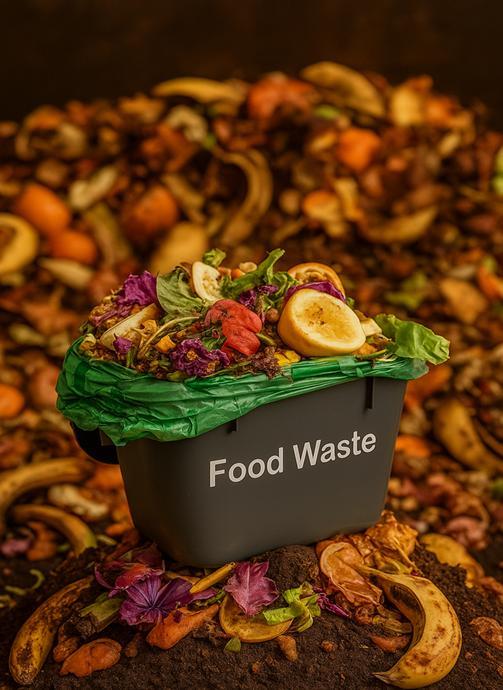
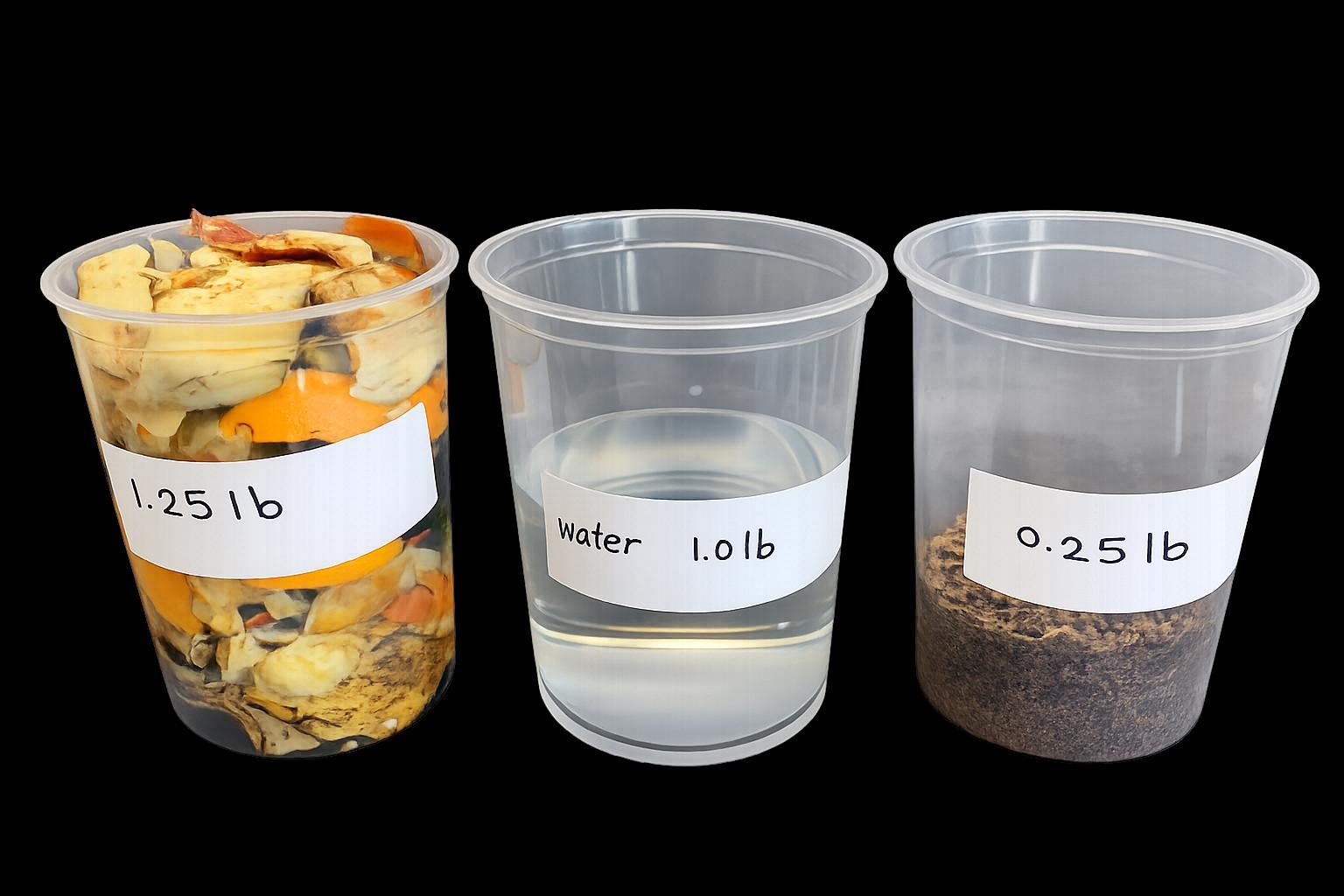
Moisture Content of Food Waste
• Foodwasteispredominantlywaterbyweight.
• Averagemoisturecontentrangesbetween75%and80%.
• Only20%to25%offoodwasteconsistsofsolidorganicmaterial.
• Themajorityoftransportedmassinwetwastecollectioniswater.
• Highmoisturecontentincreaseshaulingfrequencyandfuelconsumption.
• Tippingfeesareoftendrivenbytotalweight,includingwatercontent.
• Removingmoistureatsourcesignificantlyreducestotalmassandvolume.
• Dehydrationimprovestransportationefficiencyandlowersdisposalcosts.
• Drysolidscanbeconvertedintostablebiomassfeedstock.
• MoisturereductionsupportsimprovedESGandcarbonreduction performance.
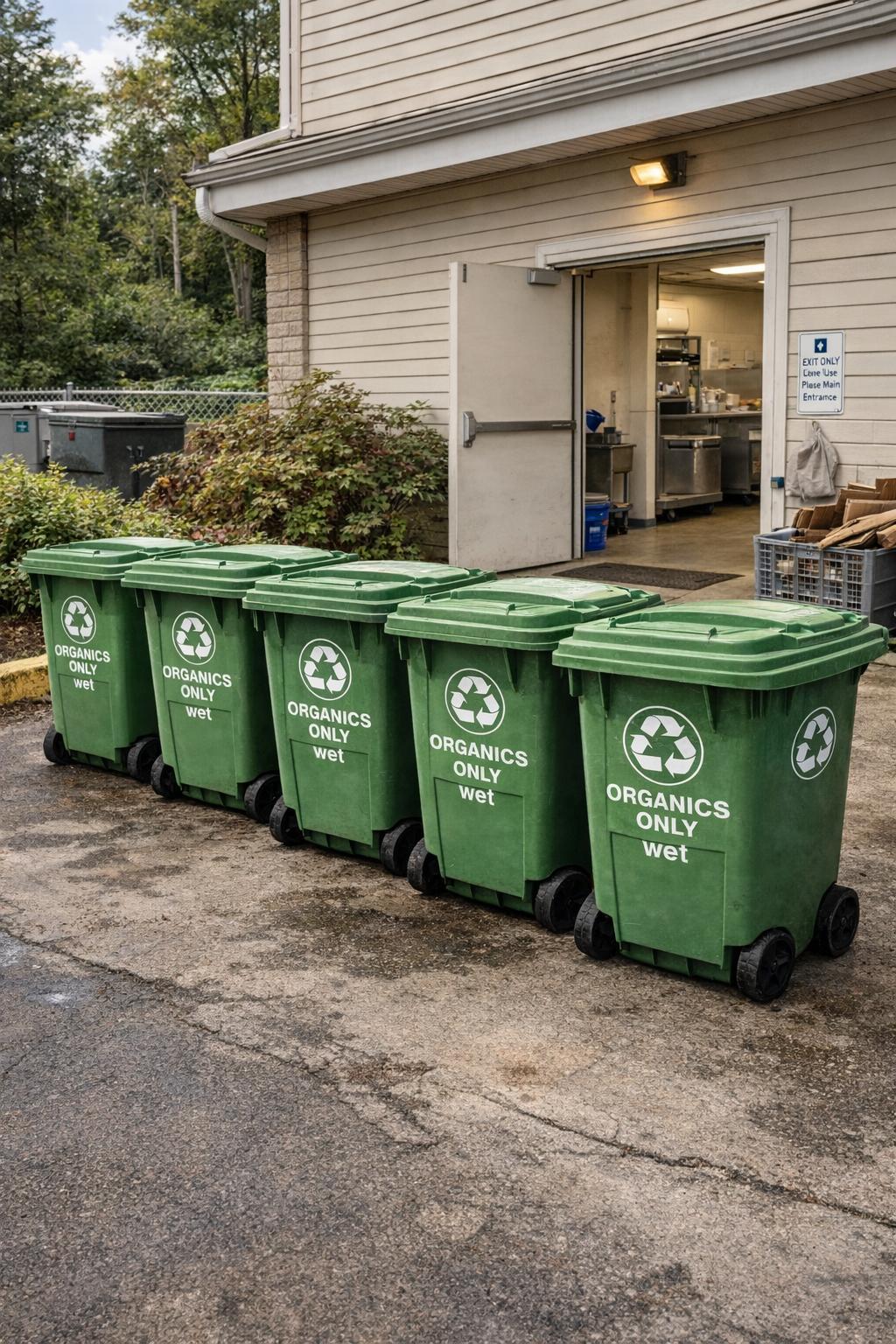
Alberta
Program Details – Prior to Eco-Growth Program
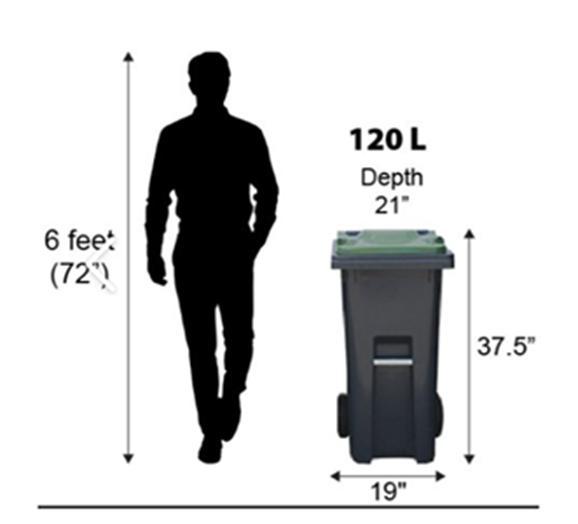
• Wetfoodwastegenerated:14–120-litertotesperweek(1,050 lbs.)
• Monthlygeneration(28days):4,200lbs.(1,900kg.)
• Costpermonthfororganicsservice:$860.00plustax
Disposal – Landfill / Leachate Collection Site
Greentotesfullofwetorganicswerepickedup2xweek.8xper4-week cycle7-totes/binsperpick-up. Greentotesaretransportedtoa northernAlbertarecycler.
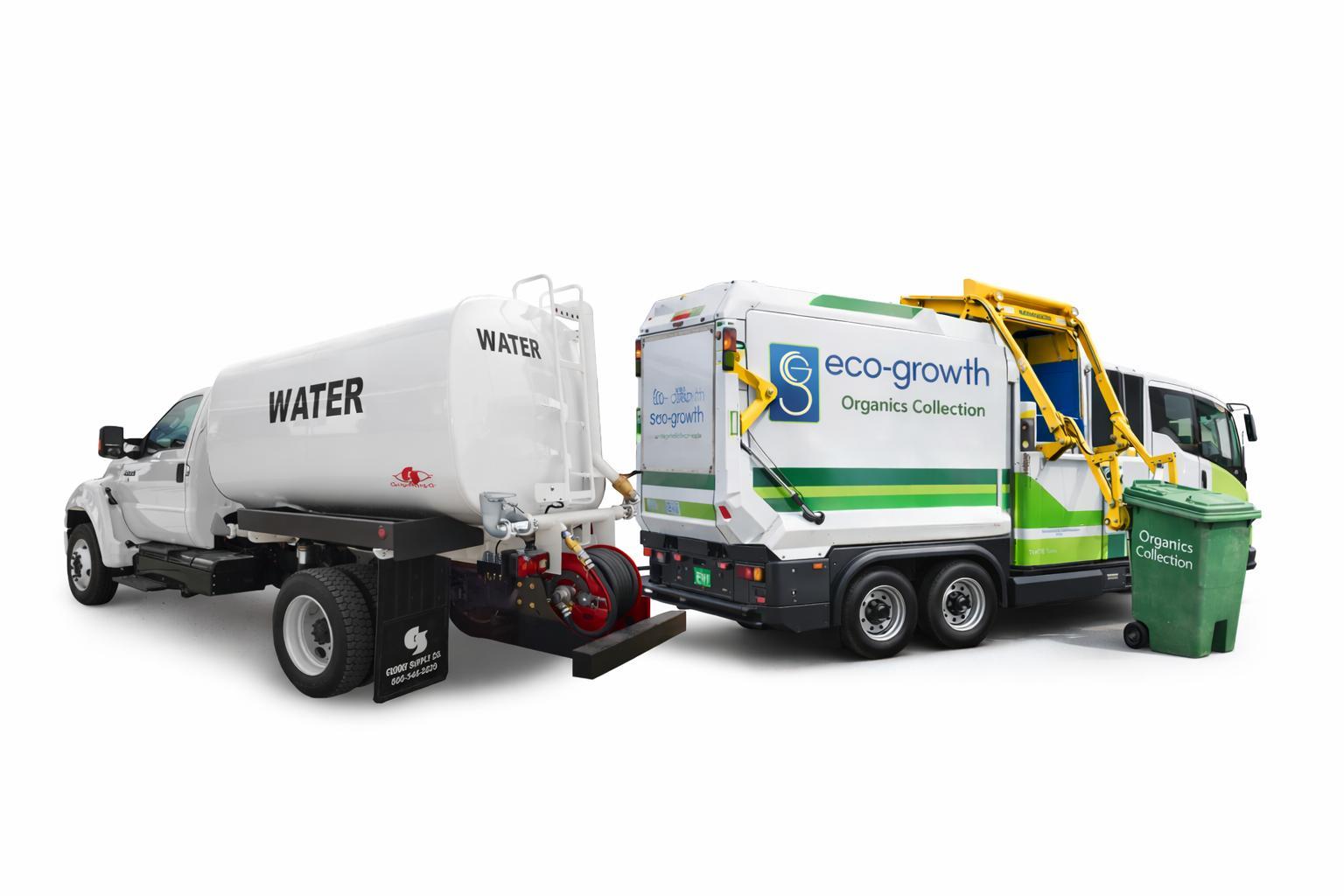
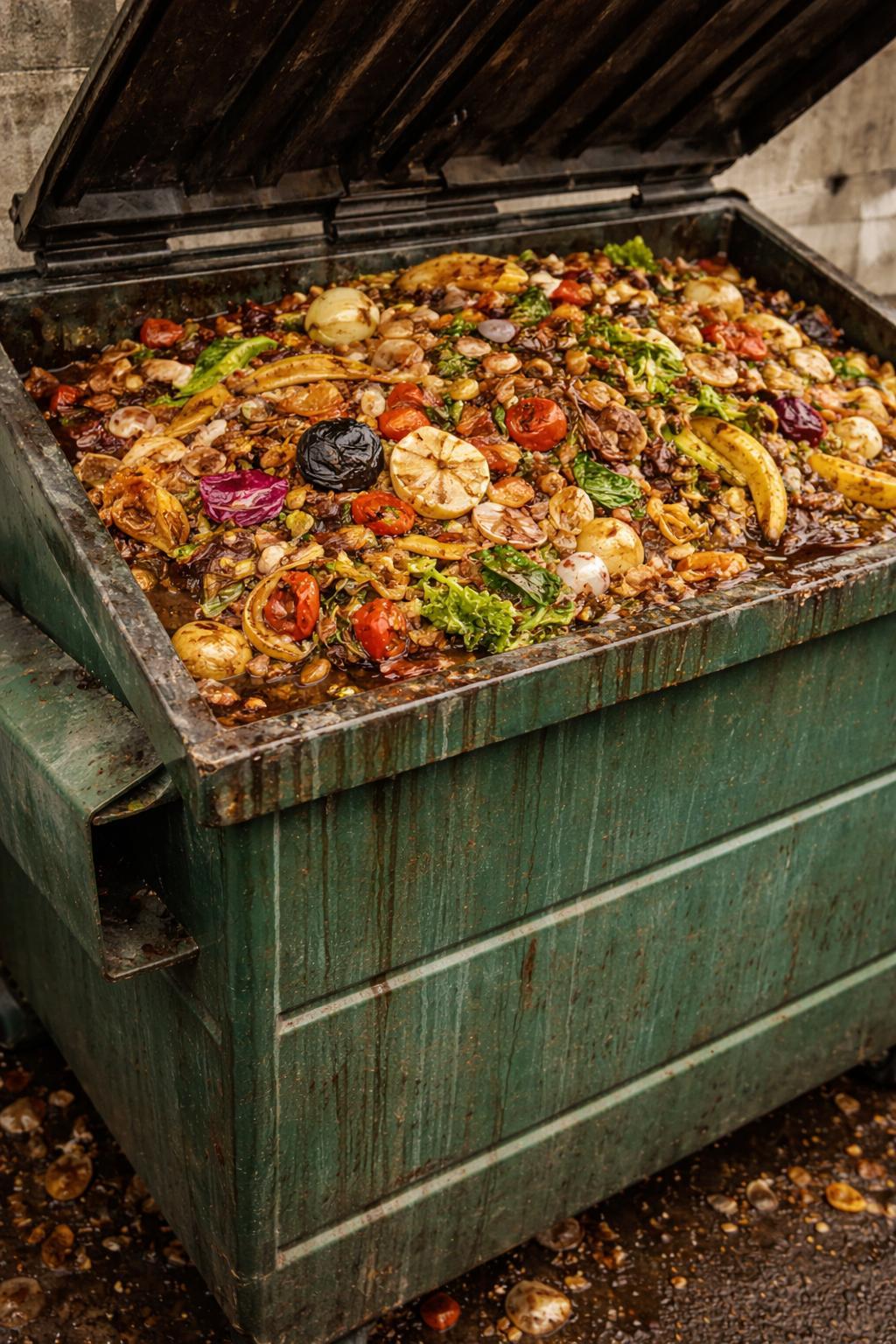
– Calgary, Alberta
Program Baseline – Prior to Eco-Growth Program
• Wetfoodwastegenerated:14 × 120-Ltotesperweek
• Weeklyweight:1,050lbs(476kg)
• Monthlyweight(28days):4,200lbs(1,900kg/1.9MT)
• Collectionfrequency:1pickupperweek(4per4-weekcycle)
Landfill Disposal Cost Structure
• Landfilltippingfee:$150permetrictonne
• Monthlytippingcost:1.9MT × $150=$285
• Annualtippingcost:$3,420
• Estimatedbinrental:$60per/month
• Annualtoterental:$720
• Estimatedtruckingcost:$110perpickup × 4pickups=$410/month
• Annualtruckingcost:$10,080
Total Landfill Disposal Cost
• Totalmonthlycost:$755
• Totalannualcost:$9,060
• Costdrivers:transportation(54%),tipping(38%),binrental(8%)
Key Economic Observations
• Majorityofcostdrivenbytransportationofwetmass(watercontent75–80%)
• Highservicefrequencyincreaseslaborandfuelcosts
• Landfilltippingfeeshistoricallyescalateannually
• Potentialfuturecarbonexposurerelatedtolandfillmethaneemissions
• Reducingmoistureorpickupfrequencyoffersstrongestfinancialleverage
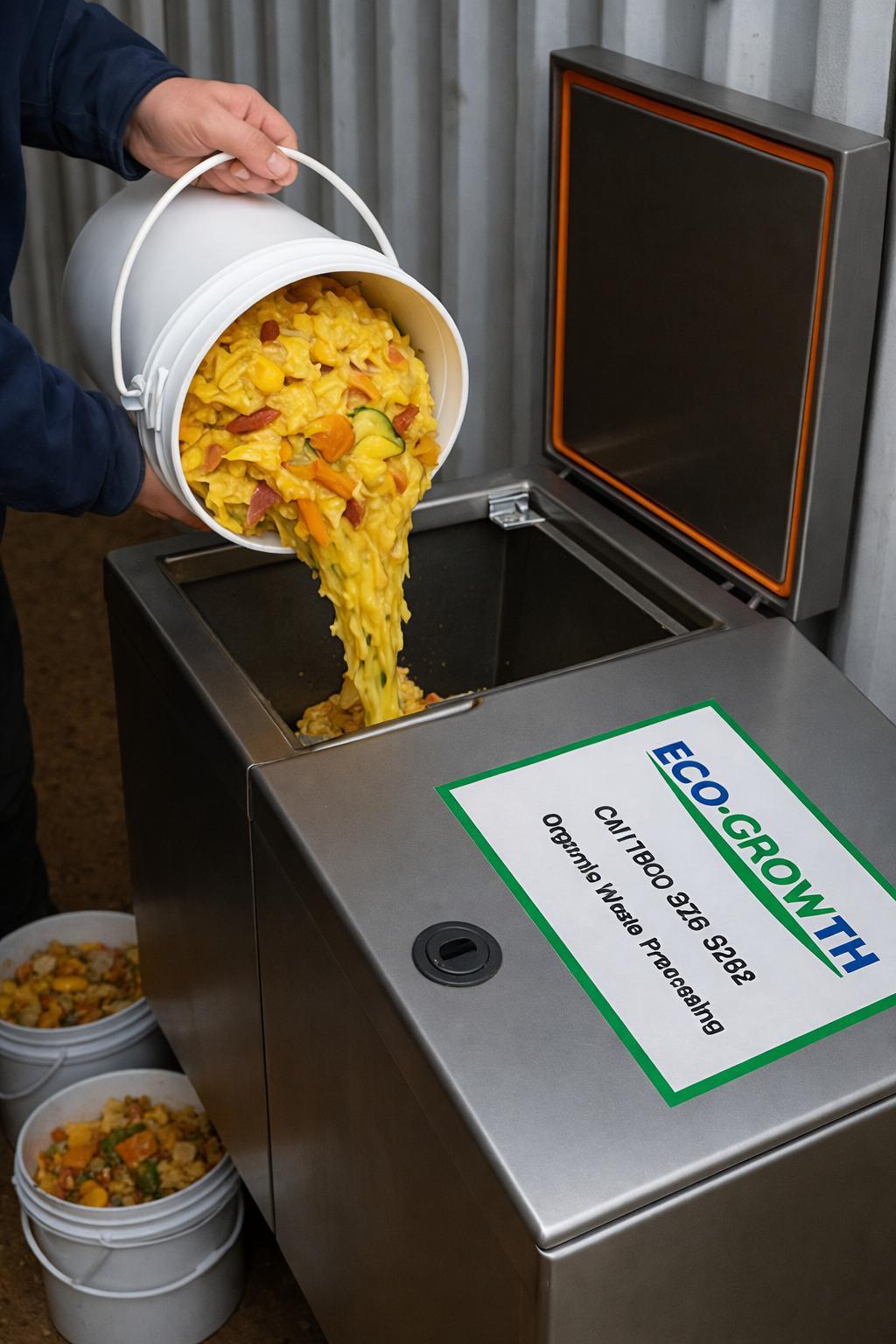
1. The Program – EGOR218 Installation
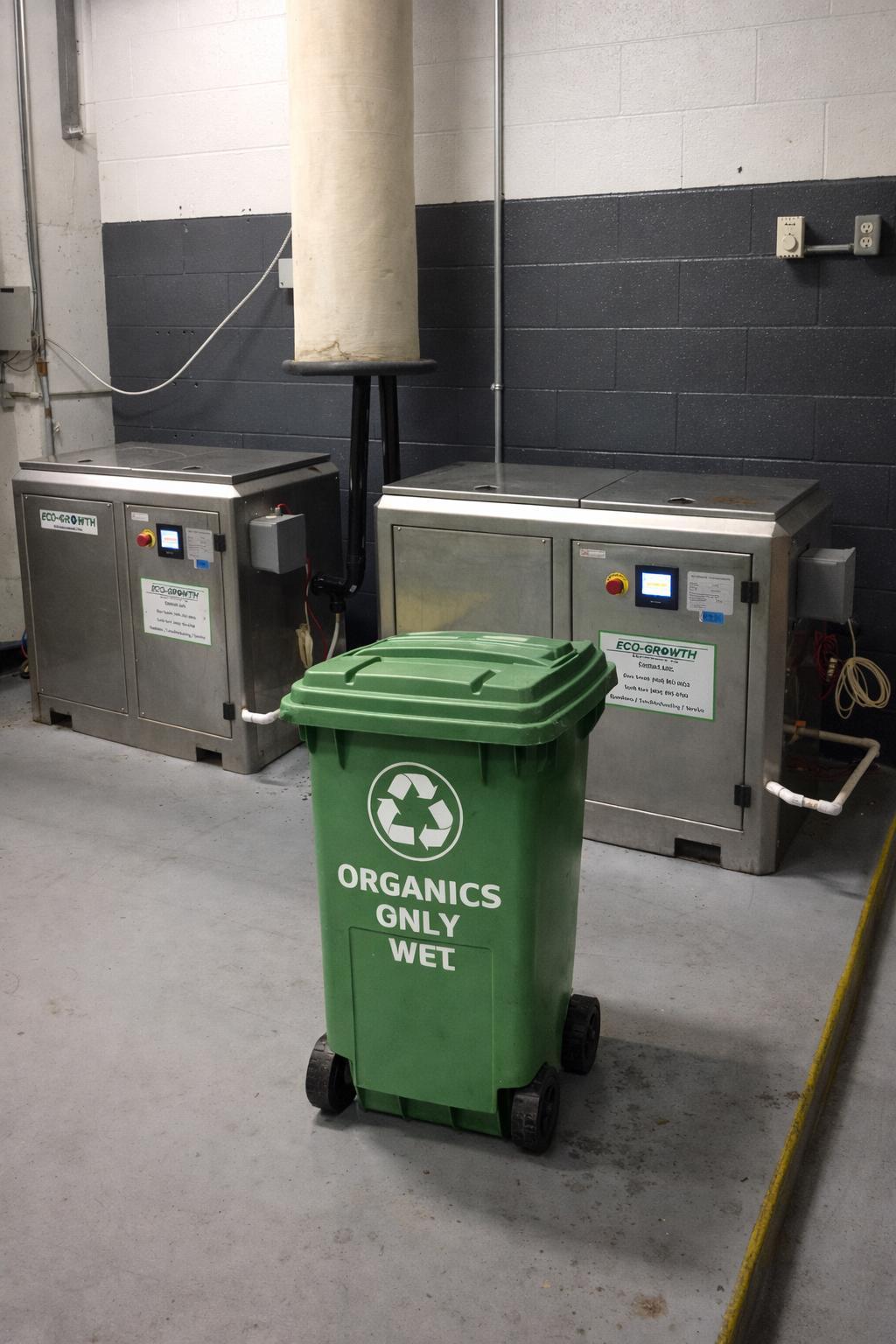
• OneEco-GrowthRapidDehydrator(EGOR218)installedonsite
• Foodwastedehydrateddailyatsource
• Moistureremovedbeforetransportation
• Stable,drybiomassproducedforrecovery
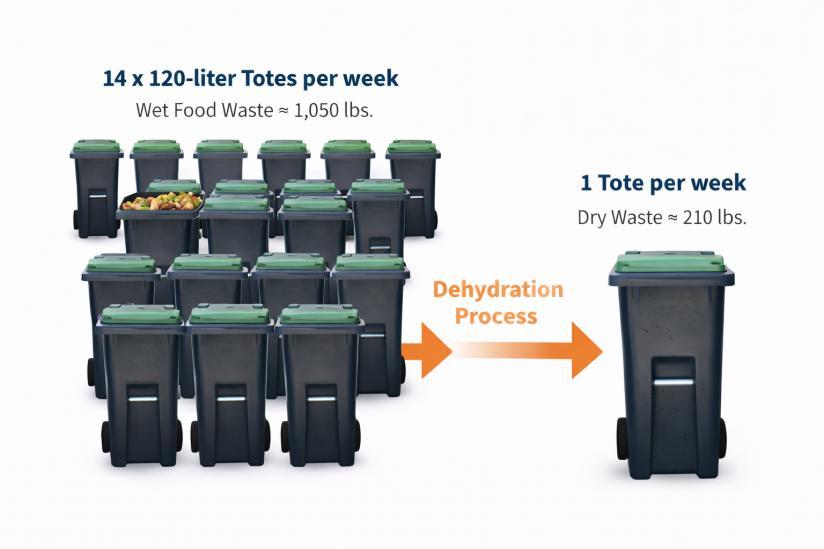
2. The Transformation – 14 Bins to 1
• Reductionfrom14wetbinsperweekto1drybinequivalentperweek
• Pickupscheduled1timeper4-weekcycle
• 4drybinscollectedperpickup
• Eachbinweighs200lbs
• Totalmonthlytransportedweight:800lbsper28days
3. Quantified Impact
• Originaltransportedweight:4,200lbsper28days
• Post-dehydrationtransportedweight:800lbsper28days
• Netreduction:3,400lbspermonth(81%reductionintransportedmass)
• Reductionfrom8pickupspermonthto1pickuppermonth(87.5% reductionintruckingevents)
4. Circular Economy Outcome
• DehydratedbiomassreturnedtoExecutiveMatLaundryPlant
• Upcycledintorenewablebiomassfeedstock
• Convertedfromdisposalcosttoenergyinputresource
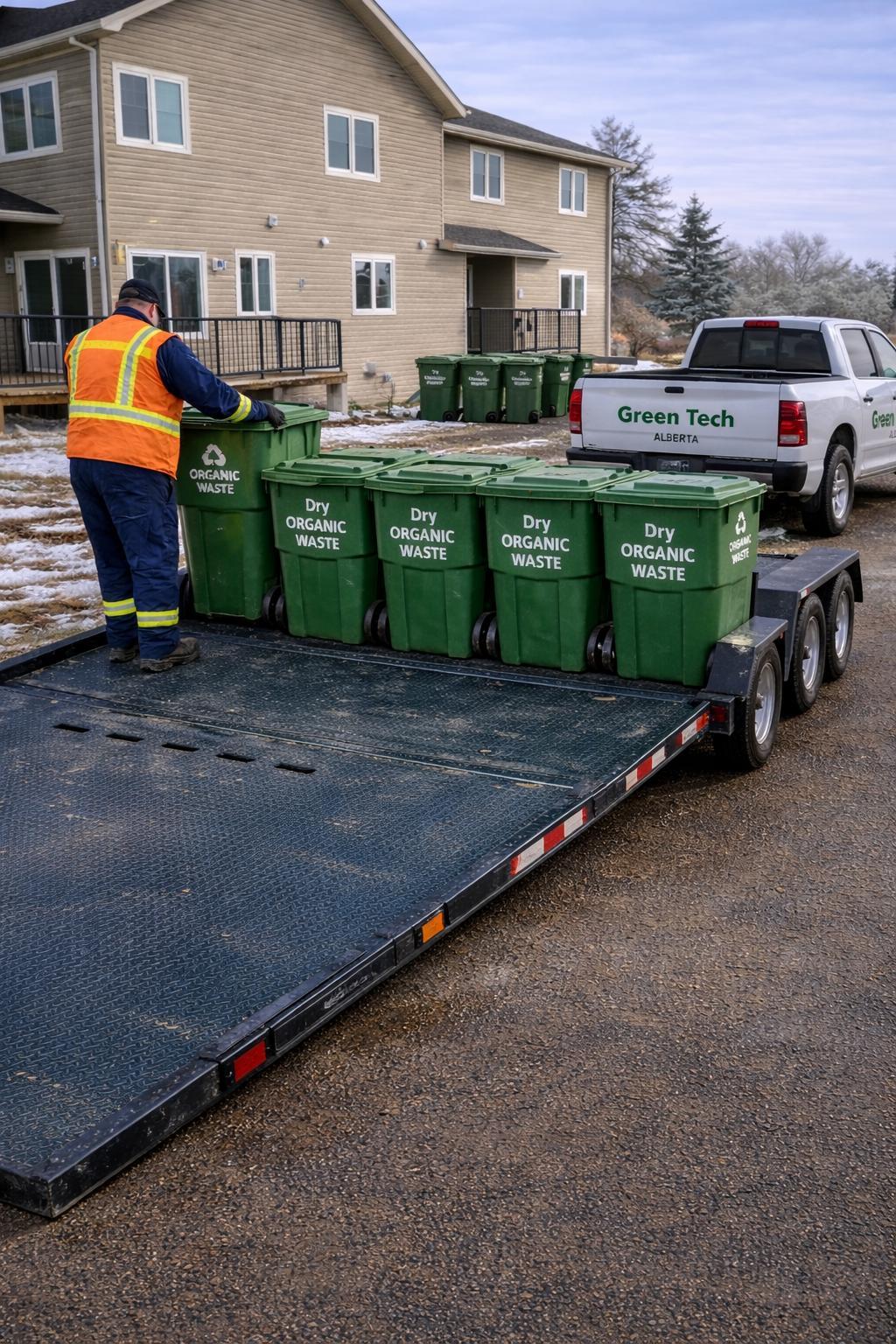
Thedriedorganicscollectionprogramoperatesonastructuredfour-weekservice cycledesignedtomaximizerouteefficiencyandminimizetransportationcosts. PickupschedulesrunMondaythroughFriday,ensuringconsistentdailyroutingand optimizedfleetutilization.
Eachcollectionvehicleservicesapproximately12to15pickuplocationsperday, resultingin60to75servicestopsperweek.Thisstructuredroutingapproach reducesfuelconsumption,improveslaborproductivity,andmaintainspredictable logisticsplanningacrosstheservicenetwork.
Ateachlocation,pre-weighed120-litertotescontainingdehydratedorganicmaterial areloadedontoflatbedorenclosedtrailers.Becausethematerialhasbeendriedonsite,toteweightsareconsistentandsignificantlylighterthanwetwaste,enabling higherpayloaddensityandfewertransportcycles.
CollectedtotesaretransportedtotheExecutiveMatServicefacility,wherethedried organicmaterialisconsolidatedandupcycledintobiomassfeedstock.This centralizedupcyclingmodelconvertswhatwaspreviouslylandfill-boundwasteinto arecoverableenergyresource,supportingacircularoperationalframework.
Thecombinationofrouteoptimization,moisturereductionatsource,andcentralized biomassprocessingcreatesapredictable,scalable,andeconomicallyefficient logisticsmodel.
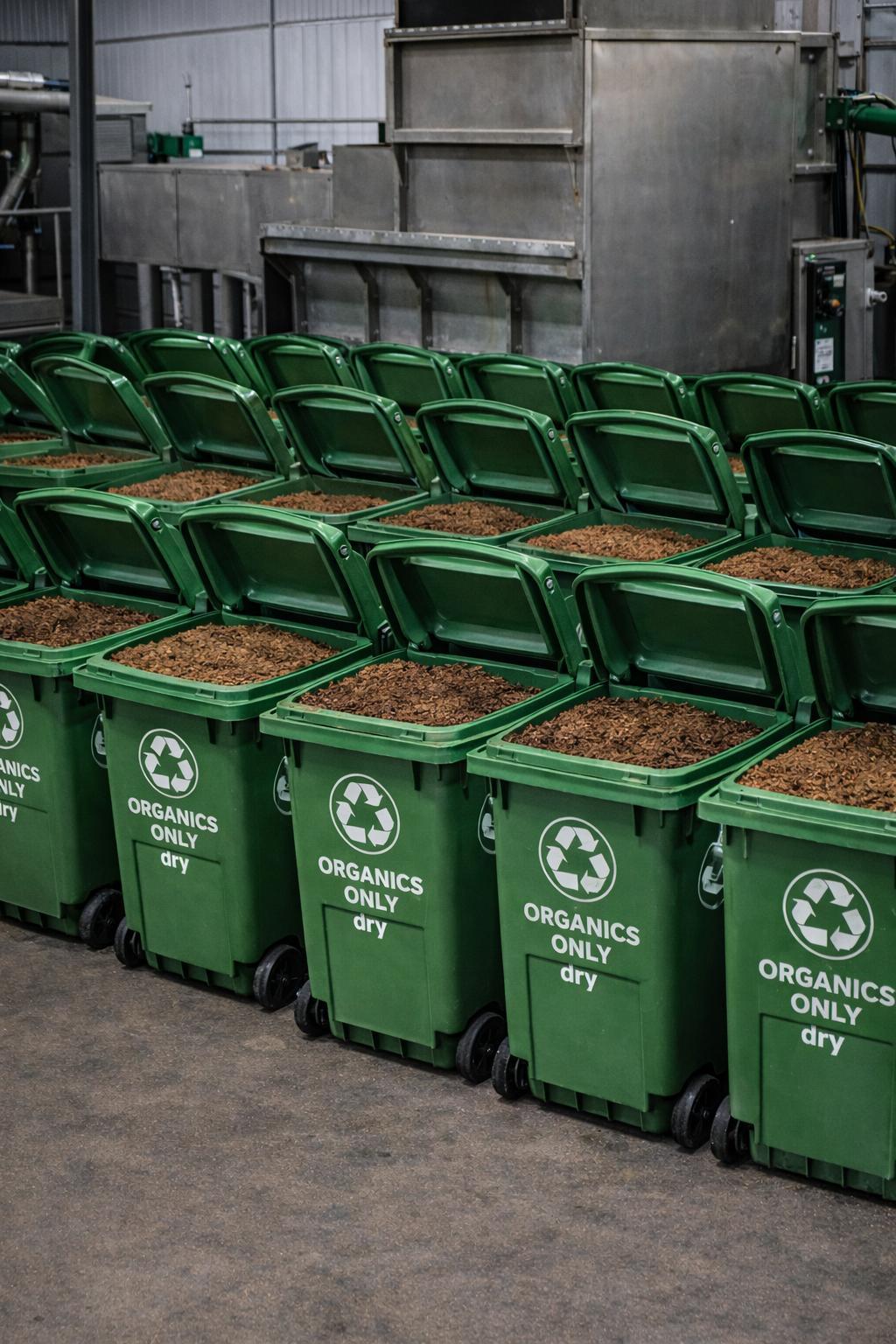
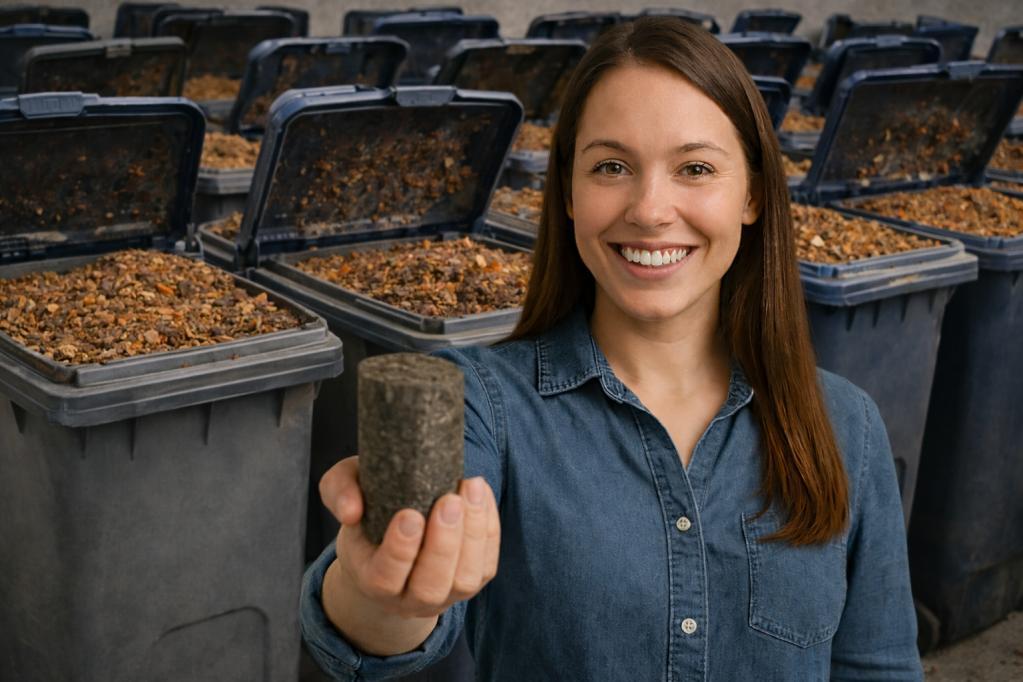
Dehydratedfoodwasteistransformedintoahigh-valuebiomassfeedstockat theprocessingcenter.
Dehydratedfoodwasteisblendedwithotherorganicwaste,suchasused papertowelsandpapercoffeecupstoformanenergy-densebiomass feedstock.Thefeedstockis:
• Compressedunderhighpressurethroughabriquettingpress.
• Formedintodensebiomassbriquetteswithconsistentshapeand calorificvalue.
Theresultingbriquettesprovideastable,transportablerenewablefuelwith predictablecombustioncharacteristicssuitableforthermalenergysystems.
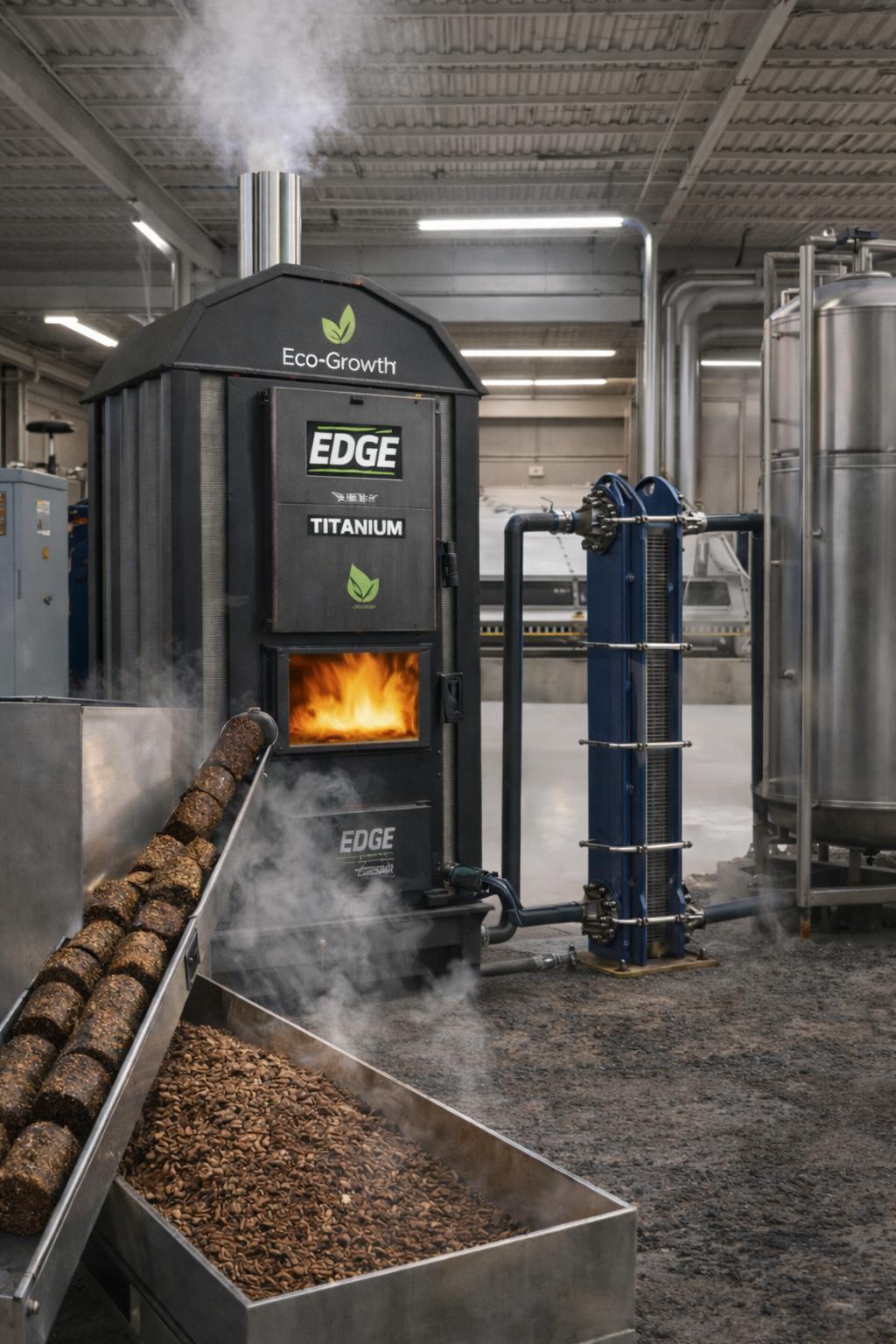
Dehydratedfoodwasteistransformedintoahigh-valuebiomassfeedstockthrough acontrolledmechanicaldensificationprocess.Onceorganicmaterialisprocessed throughthedehydrationsystem,moisturecontentistypicallyreducedtobelow 10%.Thisstabilizationpreventsodorformation,inhibitspathogengrowth,and significantlyimproveshandling,storage,andcombustionperformance.
Thedriedorganicsareprocessedthroughthefollowingsteps:
• Screeningandsizereductiontoensureuniformparticleconsistency.
• Blendingandconditioningtooptimizefuelhomogeneityandcombustion stability.
• High-pressurecompressionthroughabriquettingpress.
• Formationofdensebiomassbriquetteswithconsistentgeometryand structuralintegrity.
Whenmoistureisreducedtobelow10%,dehydratedfoodwastetypicallyachieves anenergycontentrangingbetween14–18MJ/kg(6,000–7,750BTU/lb),depending oncomposition.Theremovalofwatersignificantlyincreasesthenetheatingvalue, allowingthematerialtoperformcomparablytolow-gradewoodbiomassfuels.This predictablecalorificvaluemakesthebriquettessuitableforcontrolledthermal energyrecoverysystems.
WithintheExecutiveMatServiceproductionfacility,approximately1,000poundsof biomassbriquettesareconsumedinternallytogeneratethermalenergyforplant heatingoperations.Thisinternalutilizationoffsetsconventionalfossilfuel consumptionanddirectlylowersthefacility’scarbonintensity.
Remainingbriquettesaresoldintotherenewableenergymarketforuseinindustrial boilers,thermalrecoverysystems,anddistributedbiomassheatingapplications. Thisapproachconvertslandfill-boundorganicwasteintoamonetizableenergy asset,supportingcirculareconomyprincipleswhilecreatingbothinternalenergy savingsandexternalrevenuestreams.

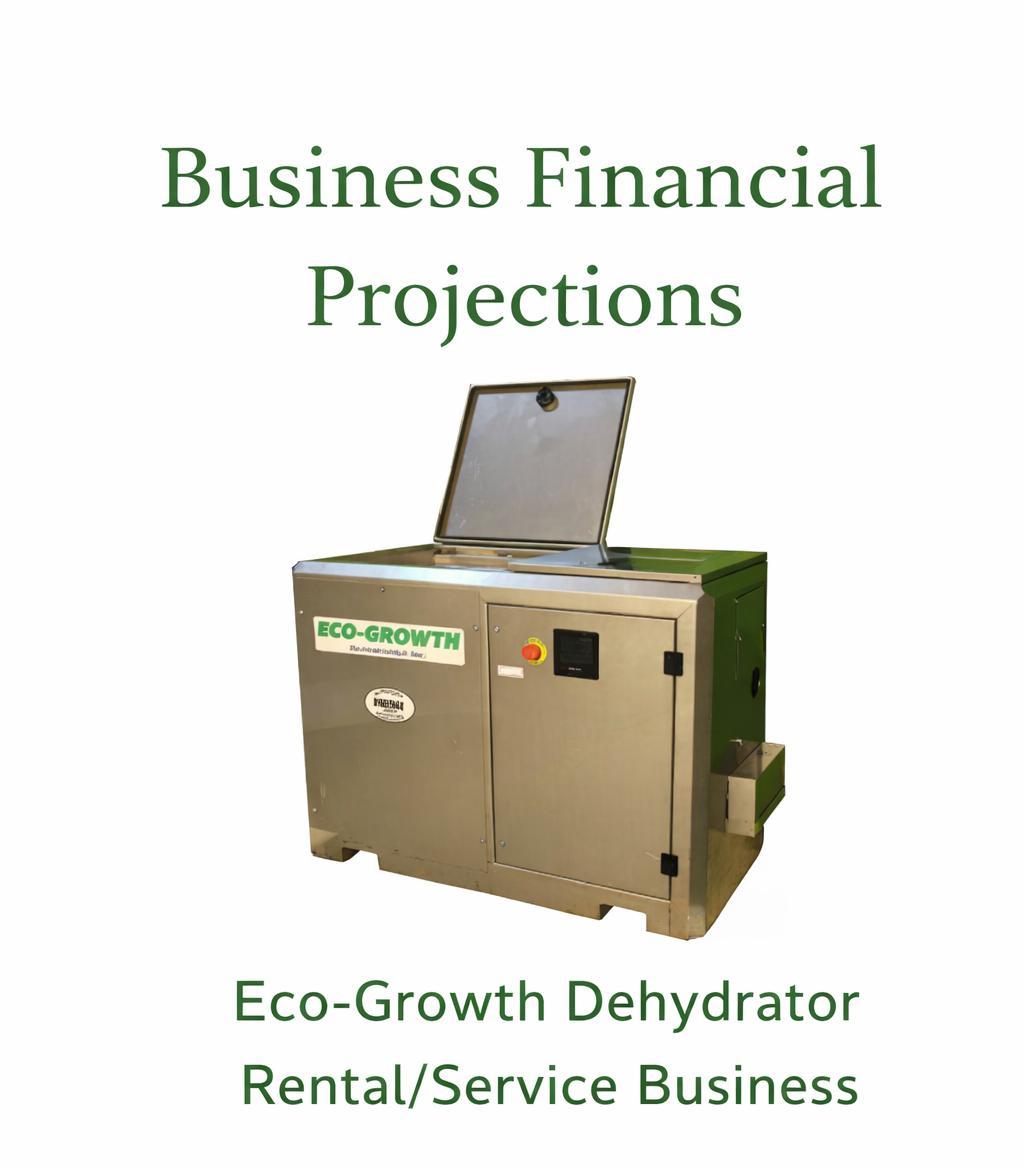
EGOR218DehydratorUnits:
•
•Averagemanufacturingcostperunit:$6,000
• •Monthlyrentalrevenueperunit:$500
ProductionPlantEquipment:
• •Briquettepress,shredder,transferconveyor,storagebins,forklift:$250,000
• •Truckandtrailerforrouteservicing:$100,000
TotalFixedInfrastructureInvestment:$350,000(plant+logistics)
EachEGOR218unitgenerates$500permonthinrentalrevenue.Annualrevenueper unitequals$6,000.
Revenueper100InstalledUnits:
• •Monthlyrevenue:$50,000
• •Annualrevenue:$600,000
3. Service Model & Operating Costs
Servicefrequency:1serviceper4-weekcyclepercustomer.
RouteEconomics:
• •Variableservicecostperrouteday:$300
• •Estimated5servicedaysperweek
• •Weeklyvariableroutecost:$1,500
• •Annualroutevariablecost(52weeks):$78,000
4. Sales & Customer Acquisition Cost
Salescompensationstructure:One-timecommissionequalto4× monthlyrental revenue.
PerUnitSalesCost:
• •4 × $500=$2,000commissionperinstalledunit
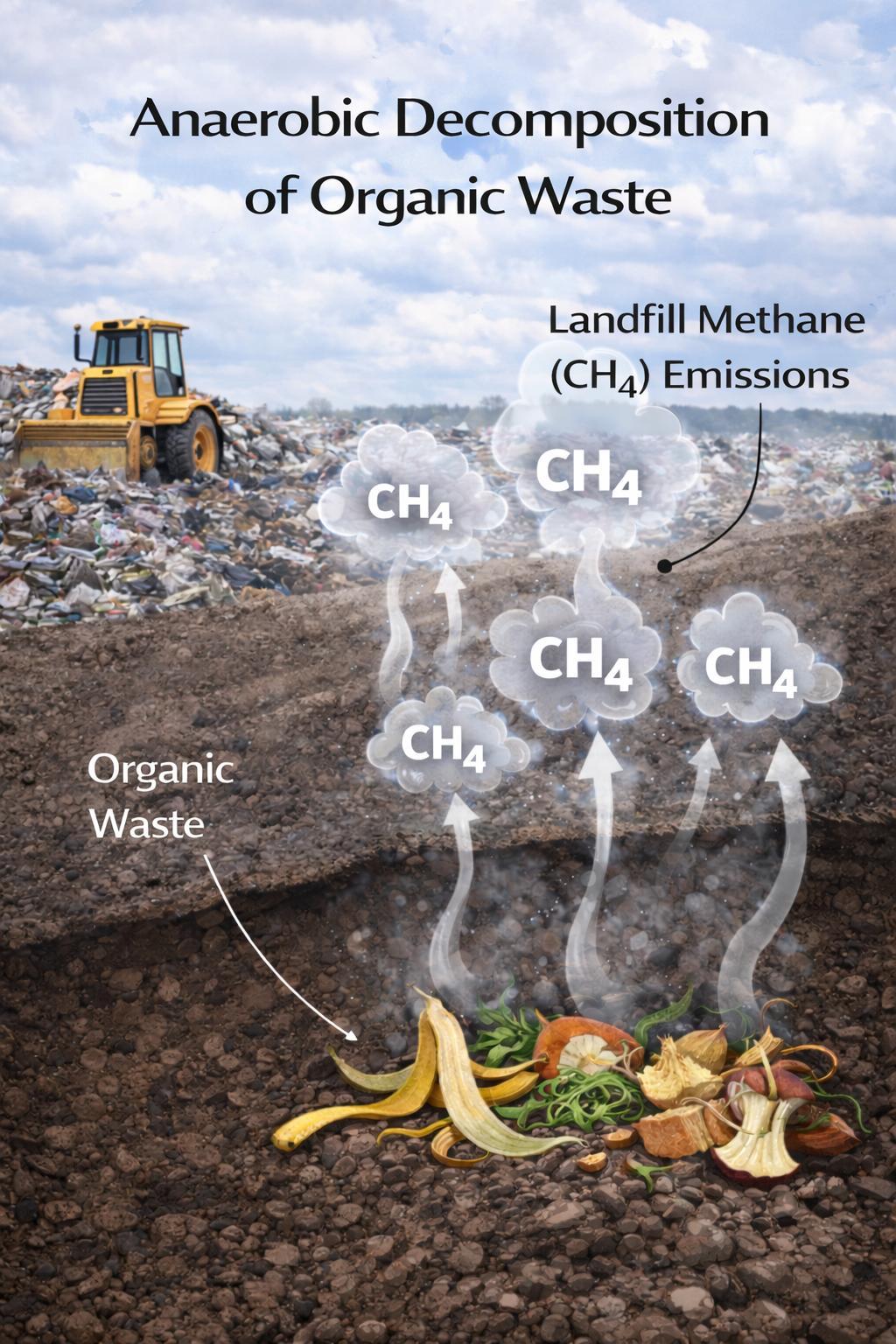
Landfillmethane(CH₄)emissionsaregeneratedwhenorganicwastedecomposes underanaerobic(oxygen-limited)conditions.Thecalculationofmethaneemissions followsastructuredmethodologythatconvertsorganicwastemassintomethane volume,thenintomethanemass,andfinallyintocarbondioxideequivalent(CO₂e) usingglobalwarmingpotential(GWP)factors.
Step 1 – Estimate Methane Generation (Volume Basis)
Organicwasteplacedinalandfillhasatheoreticalmethanegenerationpotential(L₀). Forexample,highlycomposableorganics:
•1tonneoforganicwaste→170m³CH₄
Thisvaluerepresentstheultimatemethanegenerationpotentialunderanaerobic conditions.
Step 2 – Convert Methane Volume to Methane Mass
Toexpressclimateimpact,methanevolumemustbeconvertedtomass.Atstandard temperatureandpressure(STP),thecommonlyuseddensityis:
•1m³CH₄≈0.716kgCH₄
170m³ × 0.716kg/m³=121.72kgCH₄per1,000kilogramsoffoodwaste.
Methane(CH₄)isoneofthemostpowerfulgreenhousegasescontributingtoclimate change.Althoughitremainsintheatmosphereforashorterperiodthancarbon dioxide(CO₂),itsheat-trappingcapacityissignificantlyhigherinthenearterm.Overa 20-yeartimeframe,methanehasaGlobalWarmingPotential(GWP20)approximately 87timesgreaterthanCO₂.Thismeansthatonetonneofmethaneemissionscanhave thesameshort-termclimateimpactas87tonnesofcarbondioxide.
Preventingorganicwastefromenteringlandfills throughdiversion,dehydration, composting,orenergyrecovery directlyreducesmethaneformationatitssource.As aresult,methaneabatementprojectsplayacriticalroleinachievingmeaningfuland immediateclimateimpact.
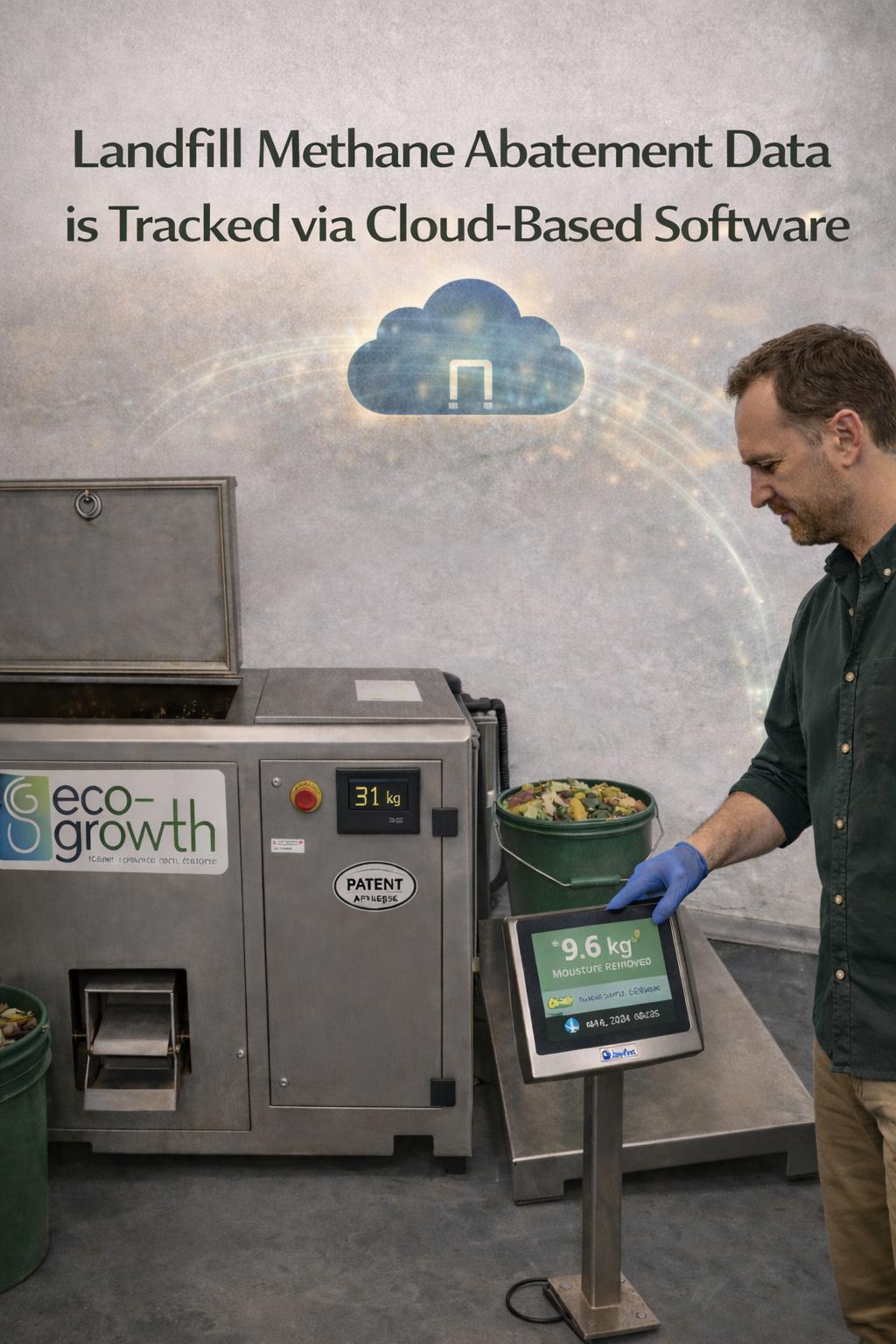
• ProjectObjective:Divertorganicwastefromlandfilltopreventanaerobic methane(CH₄)generation.
• BaselineScenario:Organicwastedisposedinlandfillproducingmethaneunder anaerobicconditions.
• ProjectActivity:On-sitedehydrationoforganicwasteandconversionto biomassfeedstock.
• ProjectBoundary:Wastegenerationsite→Dehydrator(EGOR)→Biomass processing→Thermalenergyutilization.
• MonitoringParameters:Incomingwasteweight(kg),moistureremoved(kg), netbiomassproduced(kg),operationaluptime,timestampedlogs.
• EmissionCalculation:Wastediverted × Methanegenerationpotential(L₀) × CH₄density(0.716kg/m³).
• CO₂eConversion:TonnesCH₄ × GWP20(87)todetermineclimateimpactin tonnesCO₂e.
• Cloud-BasedDataCollection:Real-timeencrypteddatatransmissionto centralizeddashboard.
• DataIntegrity:Automatedcalculationengine,immutableauditlogs,long-term dataretention.
• Verification:Third-partyreviewofmethodology,calibrationrecords,diversion documentation,andemissionfactors.
• Additionality:Methaneabatementwouldnotoccurunderbusiness-as-usual landfilldisposal;carbonvaluesupportsprojectviability.
• Permanence:Emissionsavoidedthroughpre-landfilldiversion nofuture methaneformationrisk.
• ReportingFrequency:Monthly,quarterly,orannualregistry-readyreporting.
• ComplianceAlignment:DesignedtoalignwithCSAstandards,AlbertaTIER principles,andISO14064GHGaccounting.
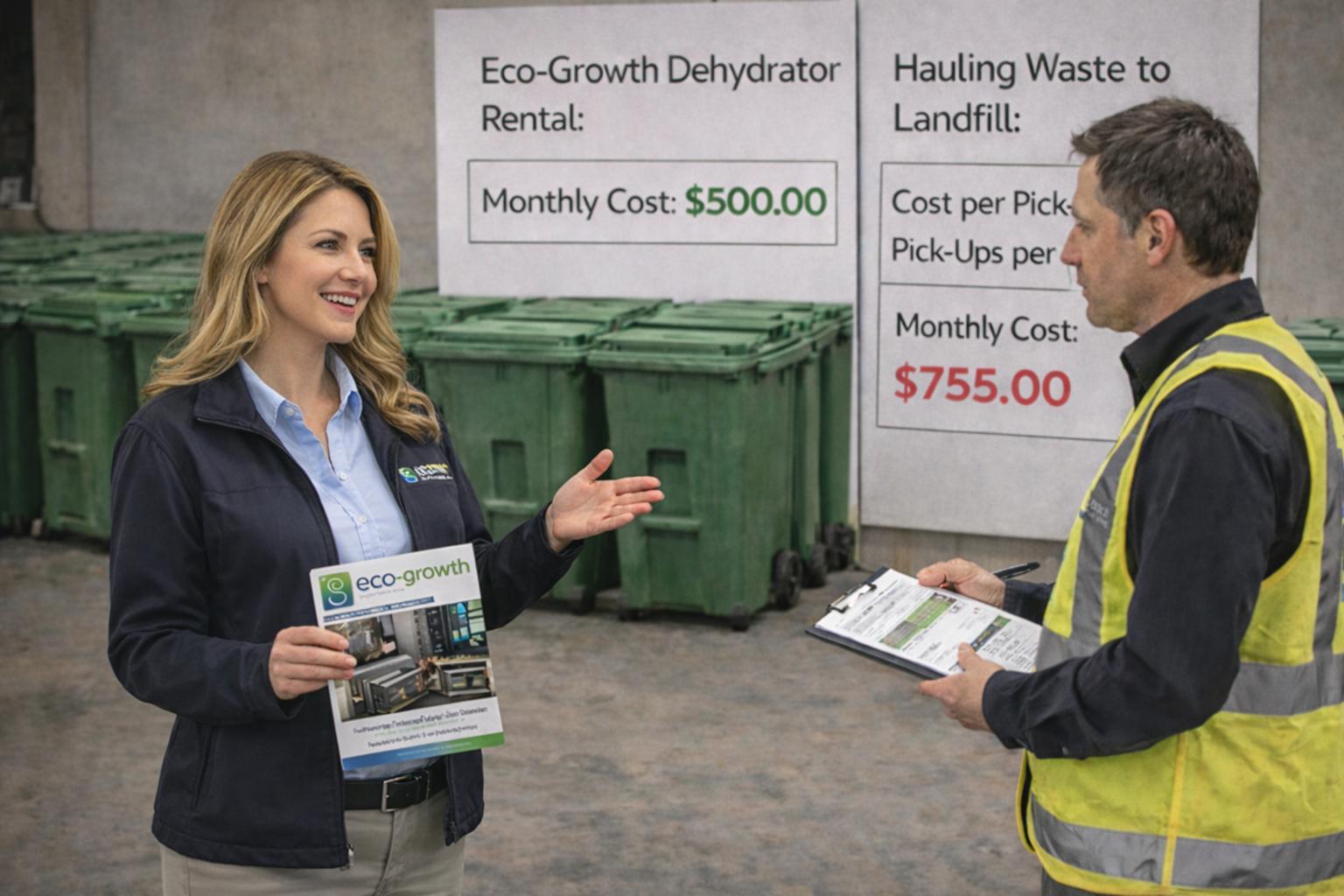
Eco-Growth’srentalpricingmodelisintentionallystructuredtodeliverimmediate costsavingscomparedtotraditionalorganicwastehaulingandlandfilldisposal.By positioningthemonthlyrentalbeloworcompetitivewithexistingwastemanagement costs,theprogramisdesignedtoencouragerapidclientadoptionwithoutrequiring significantupfrontcapitalinvestment.
Aspartoftherentalagreement,clientsassignthecarbonoffsetandmethane abatementrightsassociatedwiththediversionoforganicwastetoEco-Growth.This assignmentenablescentralizedMonitoring,Reporting,andVerification(MRV)and supportsthegenerationofregistry-gradecarboncreditsalignedwithCSAstandards andAlbertaTIERregulatoryprinciples.
Standardcontracttermsarestructuredovera60-monthperiodtoensureequipment costrecovery,operationalstability,andlong-termenvironmentalimpacttracking. Annualpriceadjustmentprovisionsareincorporatedtoaccountforinflation,service costvariability,andregulatorydevelopments.
Thissalesframeworkcreatesabalancedvalueproposition:clientsachieveimmediate operationalsavingsandmeasurablesustainabilityimprovements,whileEco-Growth retainsthecarbonvaluenecessarytofinancemethaneabatementinfrastructureand scaletheprogramacrossmultiplelocations.