My portfolio highlights my passion for equity in both design education and the built environment, featuring a selection of my work. Over the course of my education, I have learned the value of strong morals including uplifting my fellow students and working tirelessly to fight for the education I believe we deserve. This commitment is reflected through my roles as a researcher, teachers’ assistant, club leader, and human. Over the past two years, I’ve actively contributed to shaping WSU's design school curriculum and community by participating in tenure faculty interviews, serving as a guest reviewer for firstand second-year studios, and collaborating with program heads to enhance student involvement and engagement.
Living Proof contents
Joso High Bridge Cascara autonomous, self-organized space uncovering ashes material explorations
Comradery & Nature
fall2023,9weeks arch203
fall2024,4weeks arch401
spring2024,12weeks sdc495
returning to Arizona spring2024 sdc444
BluePrint
Margiela Suites
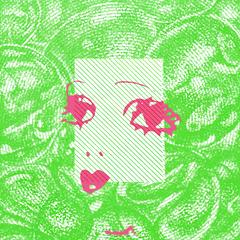
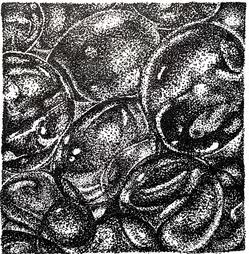
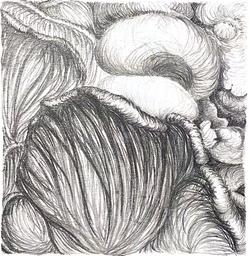
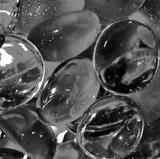
Graphic Works community living degeneration of form form and color
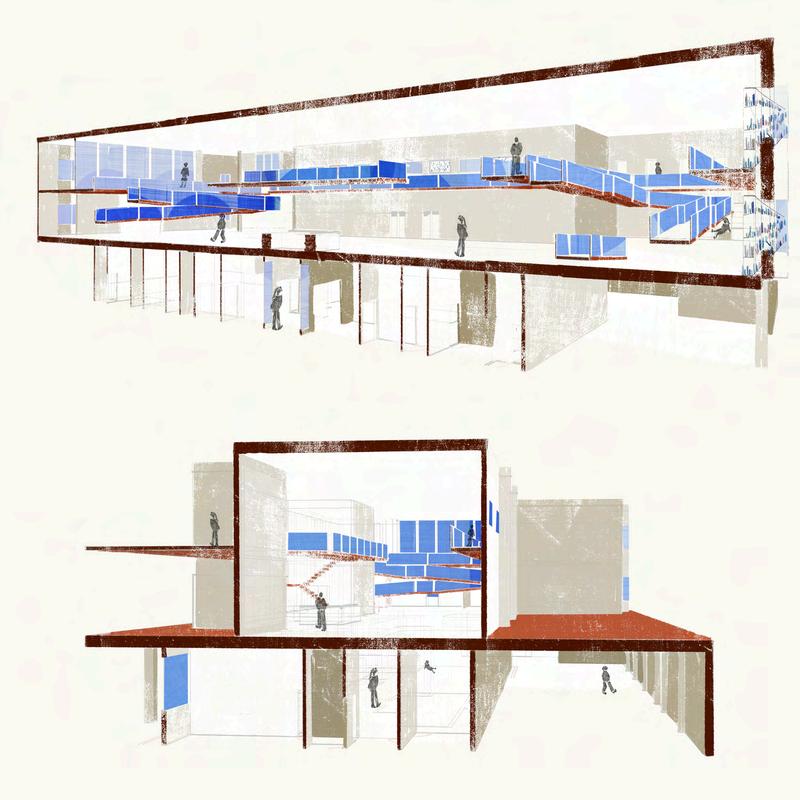
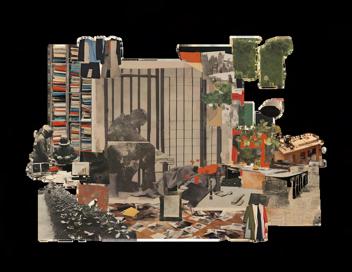
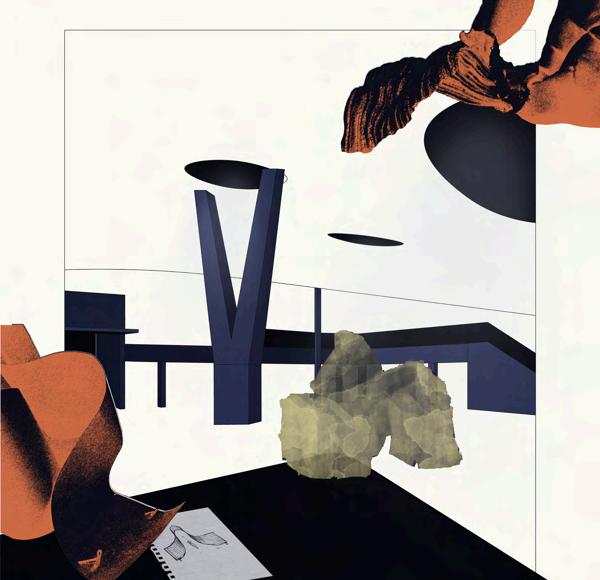
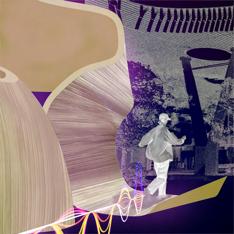
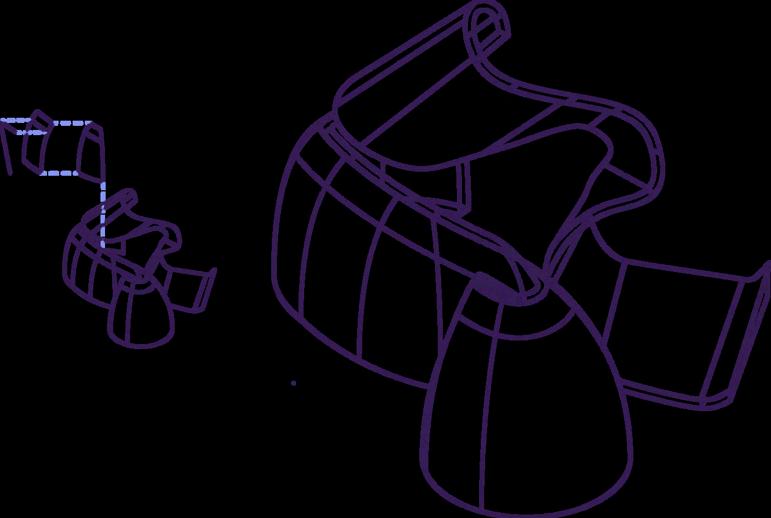
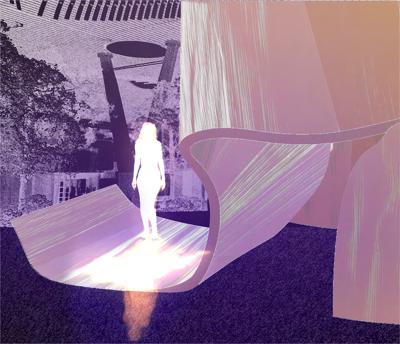
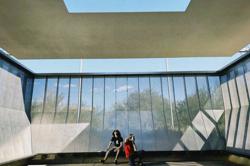
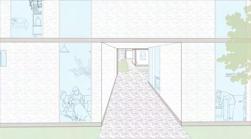
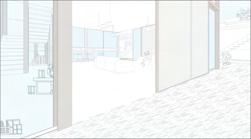
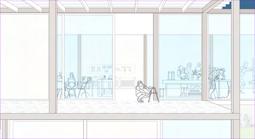
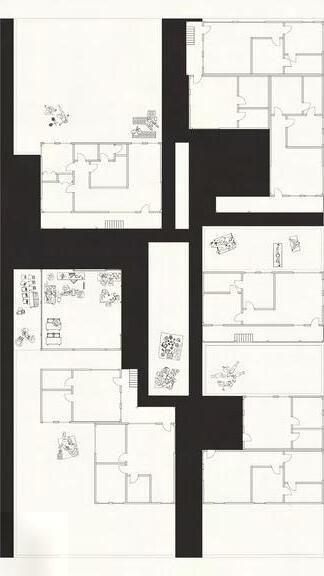
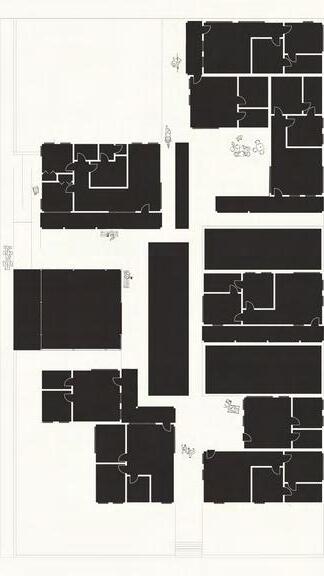
Living Proof is a study in autonomy, not only in design but as a student of design. In addressing the studio prompt — a center for the education of freedom — I first had to define freedom for myself. Freedom is a transformation of self and power, and it is interpersonal and complex. The politics of representing marginalized communities through the lenses of freedom and architecture became centraltotheproject.Providingspaces without appropriating people is a fine line to walk. In empowering without appropriating, architects must design space that can be shaped by its inhabitants.Throughdesign,architects can give the tools - or space - to be autonomousthenlettingtheinhabitants take it in their own direction. In this case, and as it should always be, designers need to be a conduit of power, not the source.
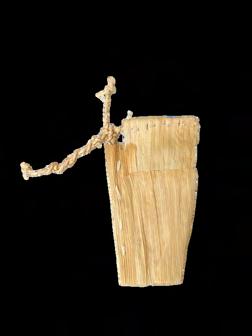
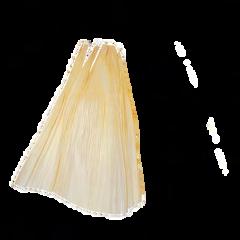
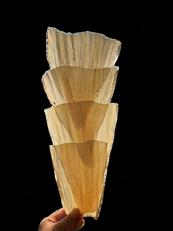
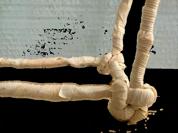
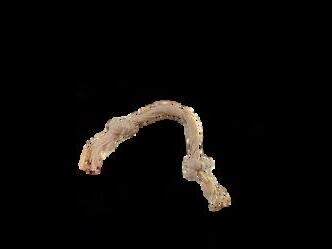
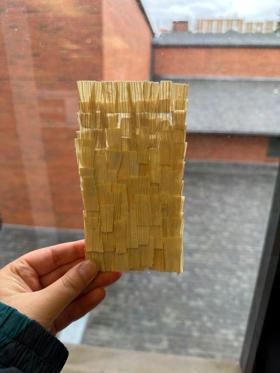
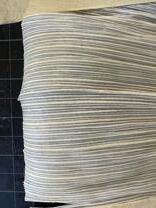
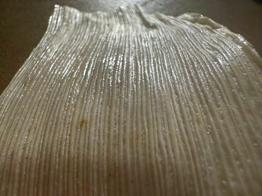
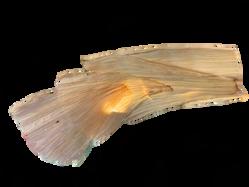
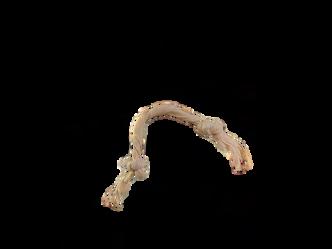
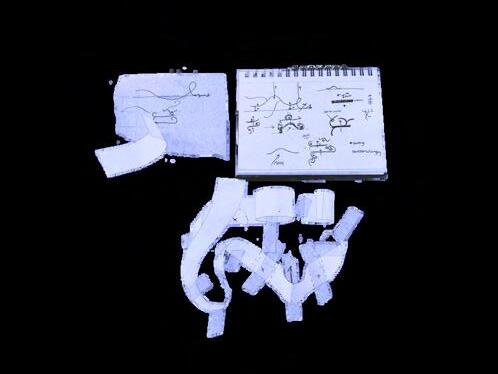
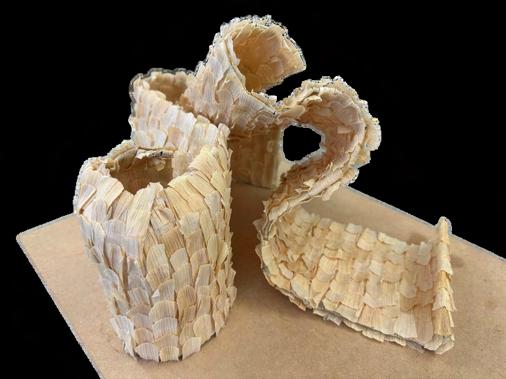
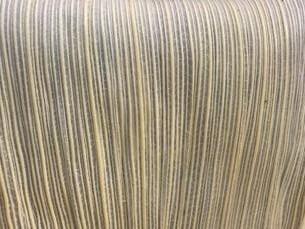
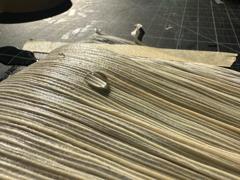
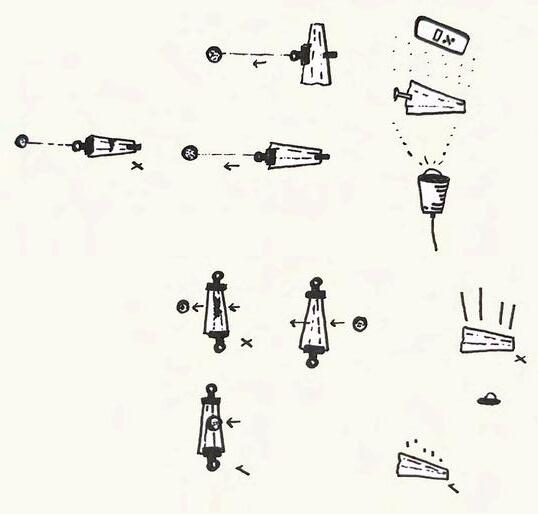
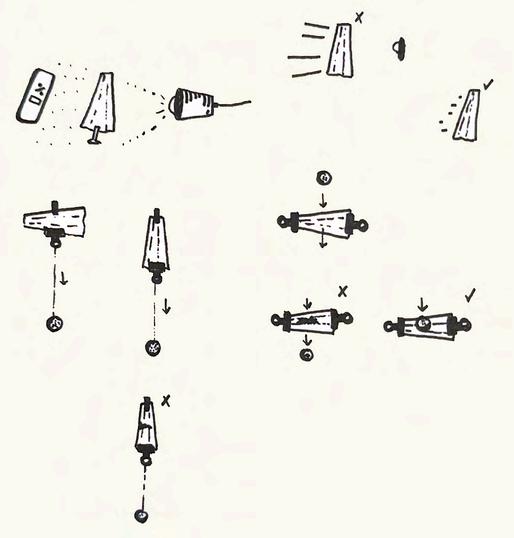
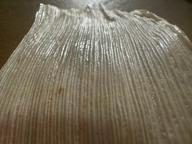
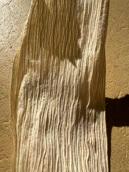
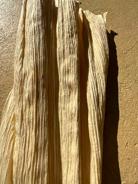
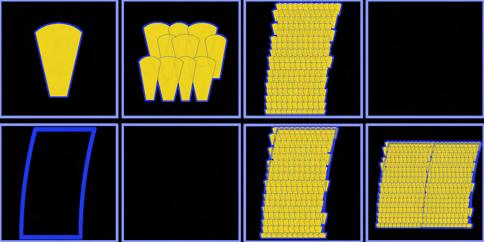
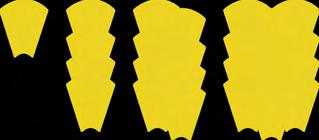
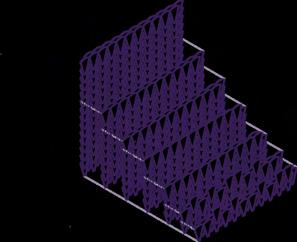
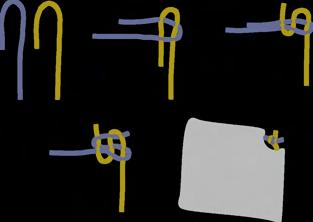
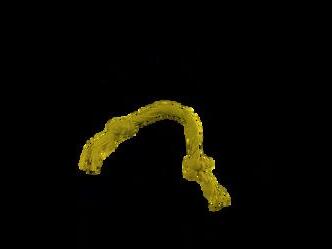
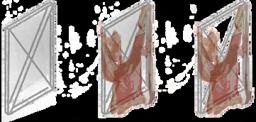
Inmymostrecentstudioproject,mygroupandI soughttochallengeourselveswithsomethingwe may not get to do again - material experiments. Wewantedtotackletheuseof natural fibersin architecture, specifically through corn husk. Cornhuskisalreadysodurable,butwewanted to test different coatings to enhance its strength andlightpermeability.
Our design features an unexpected yet sustainablematerial–cornhusk.Thismaterialis used in all facets of life besides the built environment. The natural fiber is severely underutilizedinarchitecturedespiteitsversatility and adaptability. This design relies solely on corn husk, as both a member and surface, emphasizing its strength. Natural features, including its transparency, are captured and highlighted with colored lighting. This lightweight and flexible design embodies the benefitsofrethinkingconventionalmaterials.
with Maryam Mansoori
group project with Kai Schonborn, Yvette Colmenares, and Lindsay Carlos
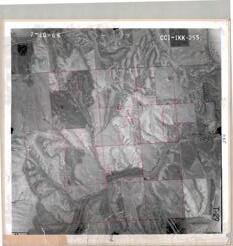
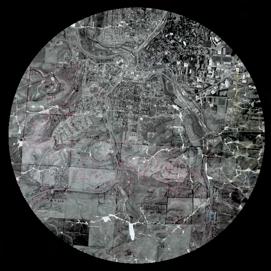
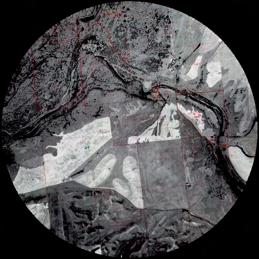
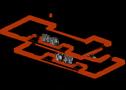
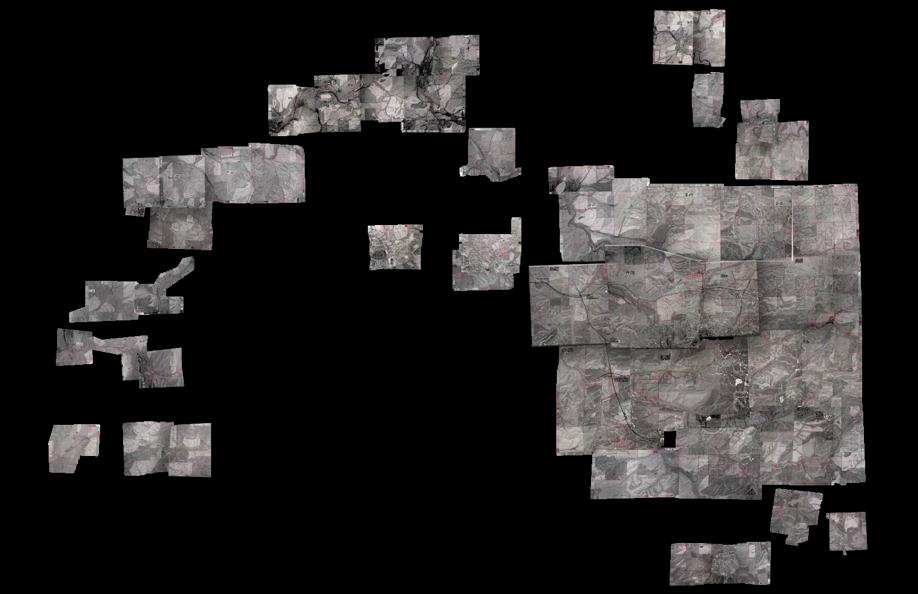
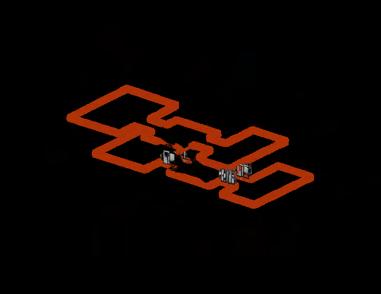
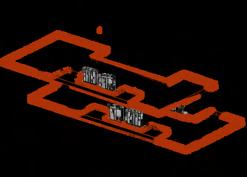
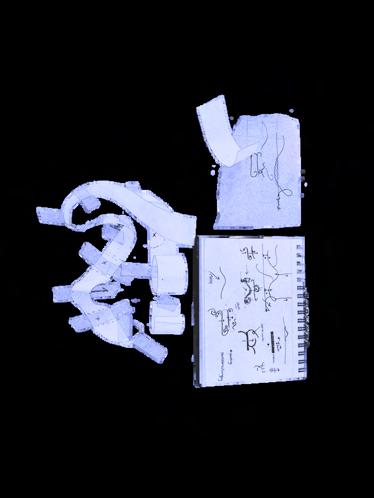
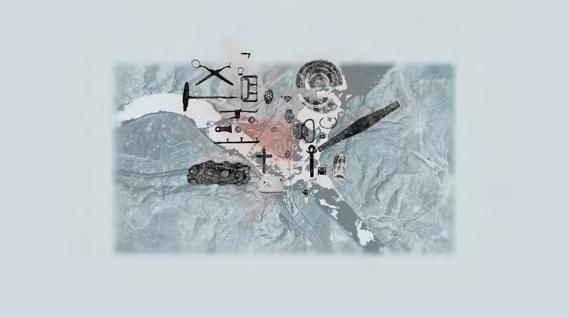
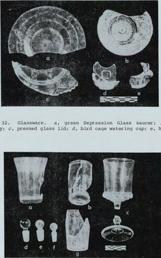
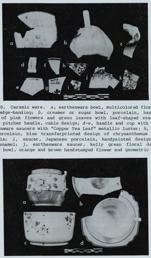
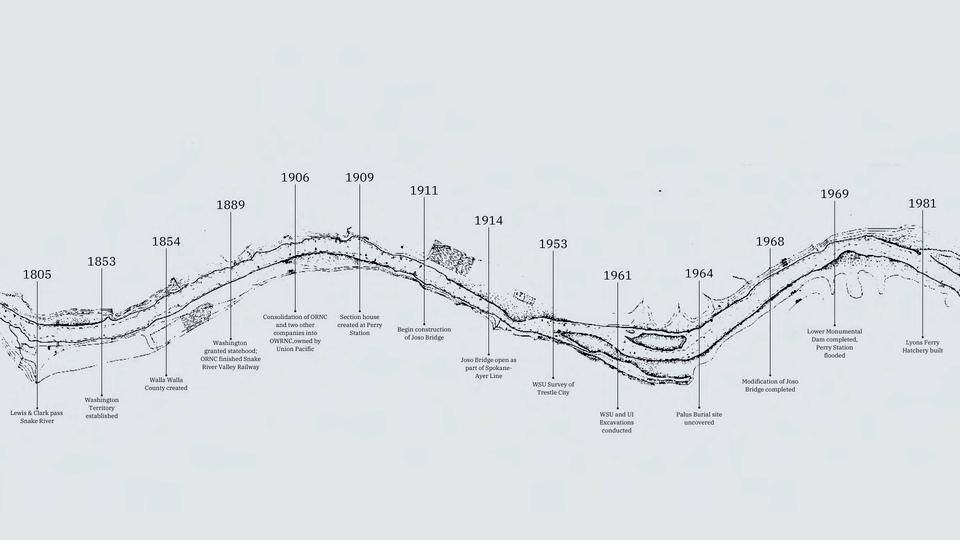
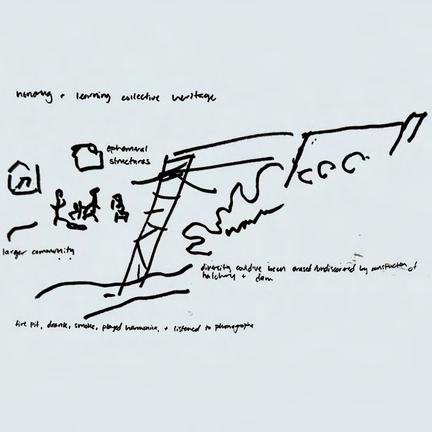
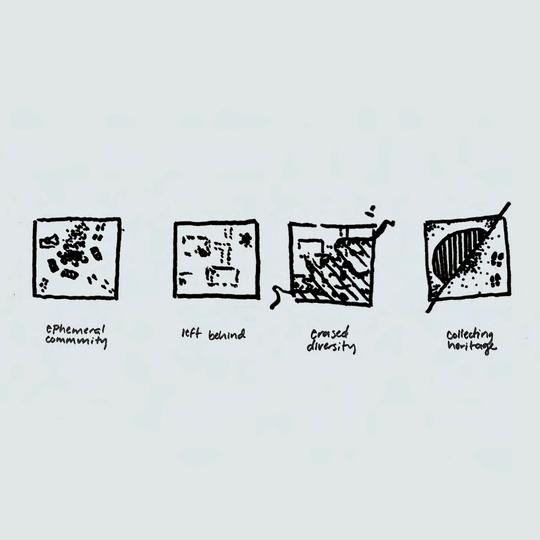
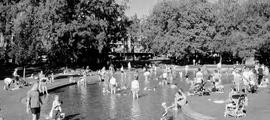
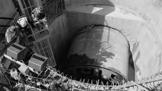
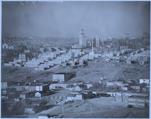
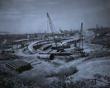
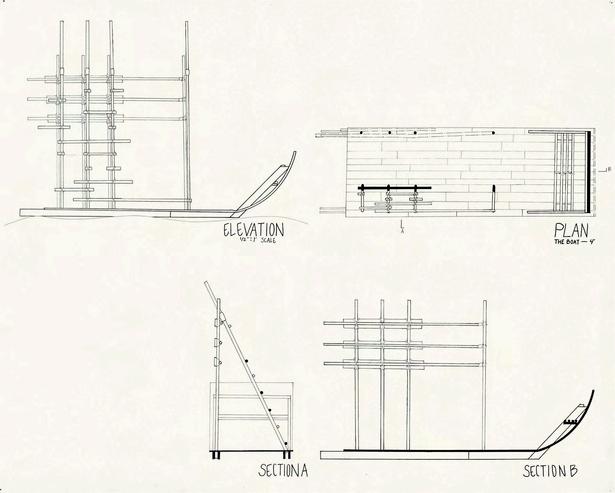
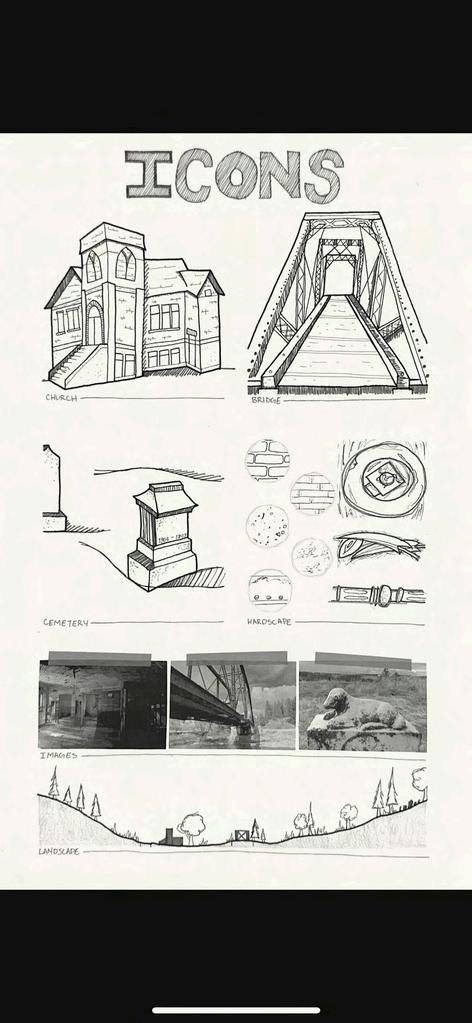
JosoHighBridge,locatednearWallaWalla. is significant due to its constructors. The presence of a diverse workforce at the railroad bridge’s construction camp, found through cultural and historical research, contributes to the understanding of why this site is important. The construction camp called Trestle City is most notable for its multi-ethnic crew, which mainly consisted of Irish, Black, and Chinese workers, a rare known interaction within the region. There is also evidence that women and children were present at the remote construction camp, suggesting a larger community involved. The series of events that brought three distinct racial communities together makes the construction site unique. Archeological digs of Trestle City before the site was ultimately destroyed were vital in understanding the unrecognized diversity of the Palouse region.
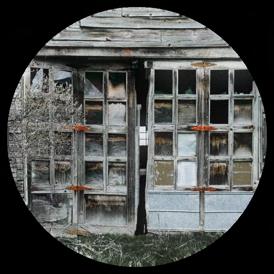
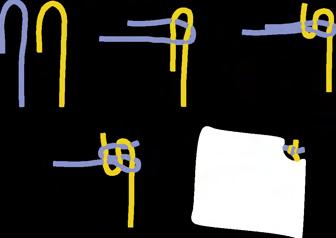
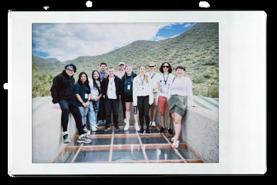
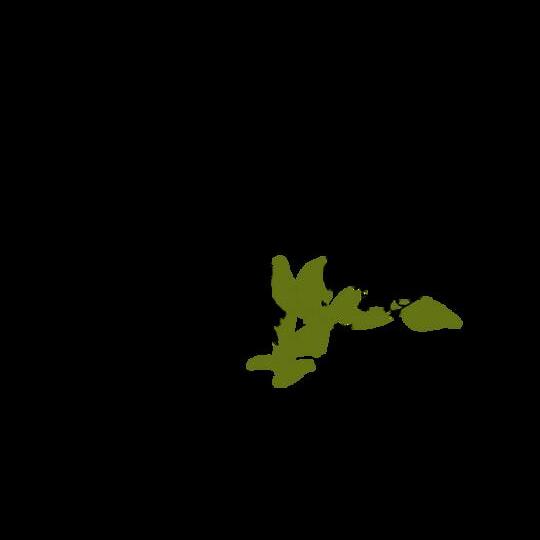
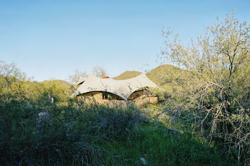
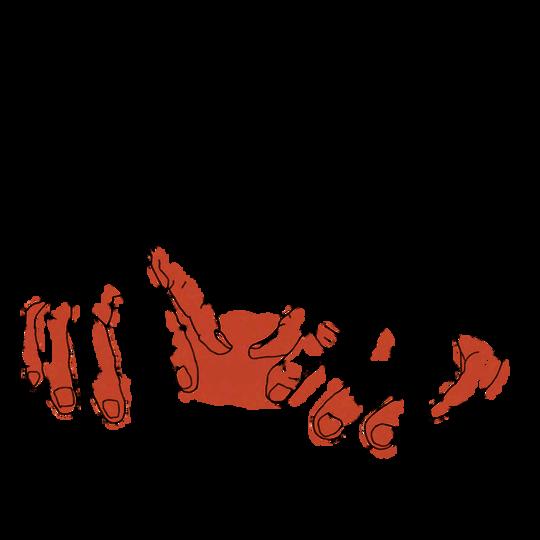
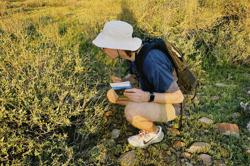
In Spring of 2024, I, along with nine other students were selected to take a trip to Taliesin West through an NEH Grant. There, we lived on site for one week, immersing ourselves in the landscape, the history, and the people that it once housed. In speaking with past fellows, I realized the polarization of the place and the impact of the dirt beneath our feet. My partner, Steinar Goheen, and I wanted to honor this education by teaching ourselves and others about the first occupants of the site - the Pima and Maricopa people. Through plant identification and the practicing of an ancient craft, pottery, learningthroughtheactofdoing.
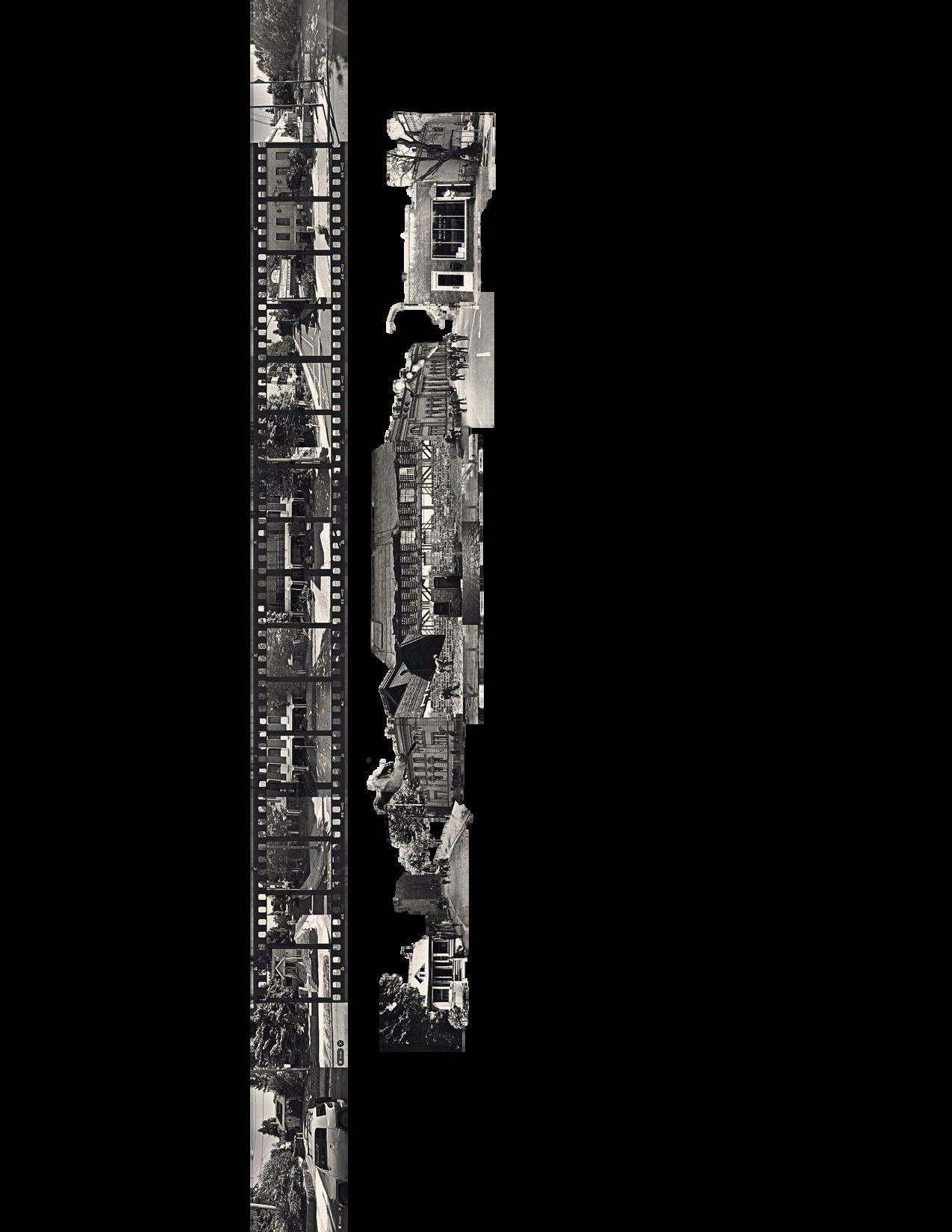
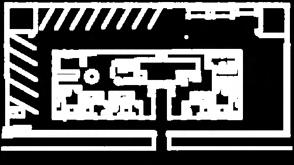
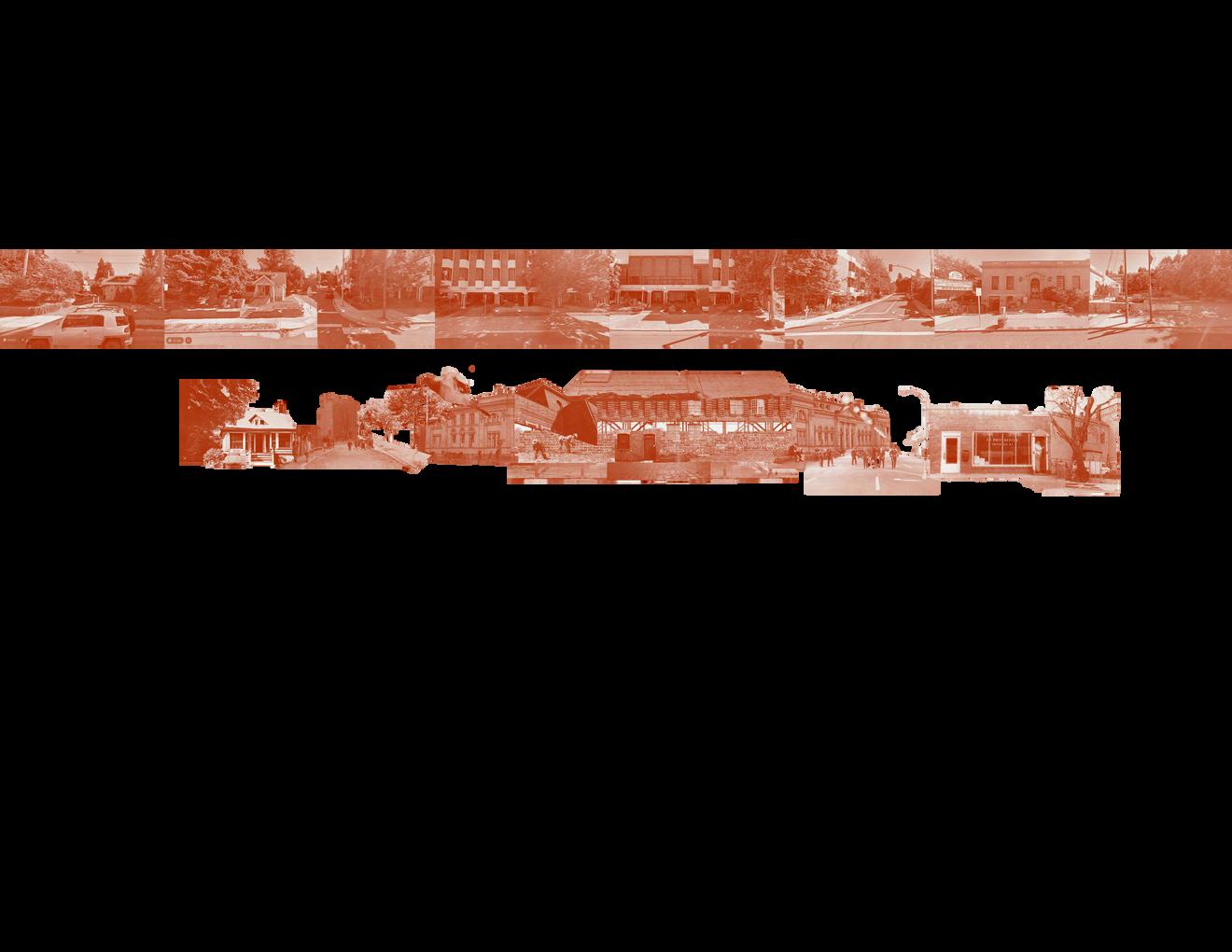
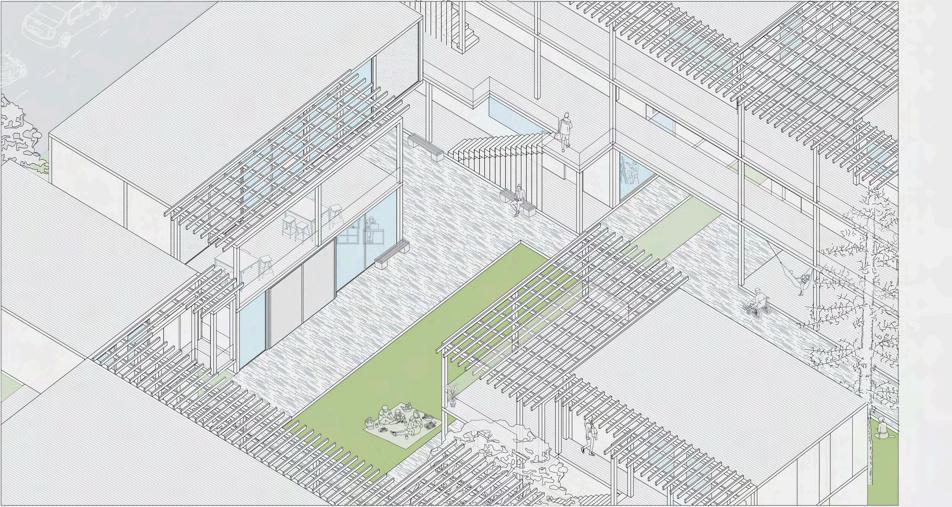
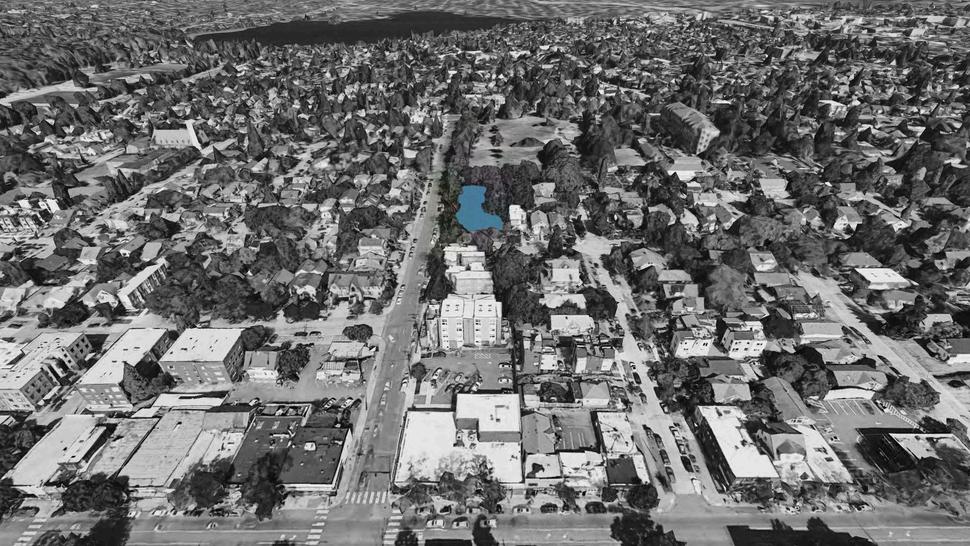
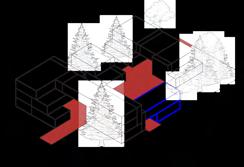
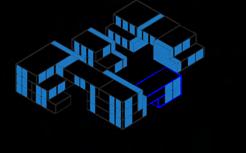
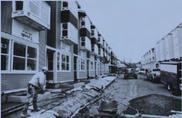
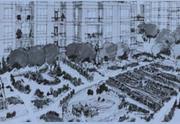
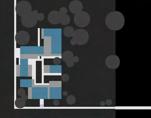
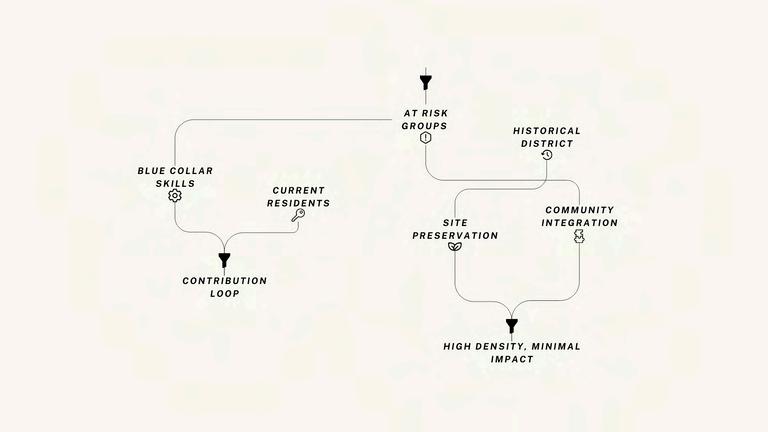
BluePrintofferslow-incomehousingin Wallingford,Seattle,integratingbluecollar workers, students, and people of color into this historic, affluent neighborhood.Itaimstosupportclass mobility and reflect Seattle’s evolving landscape, including construction expansion.BluePrintprovideshousing for transient workers and spaces for woodworking and welding, allowing residents to teach community skills. A central community center and courtyard promote socializing among residents and neighbors. Clusters of apartments preserve trees and address concerns about density, balancing Wallingford’s historical character with the need for accessible,high-densityhousing.
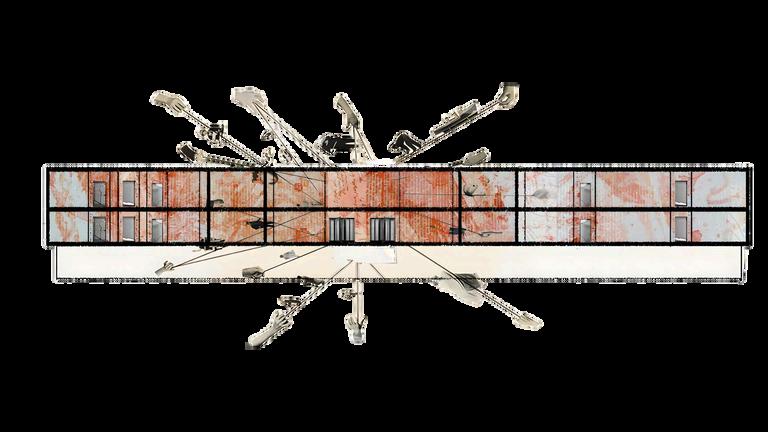
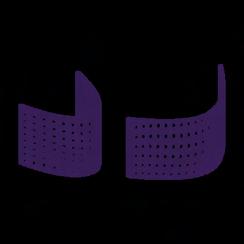
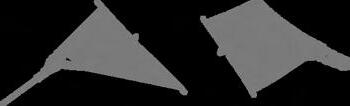
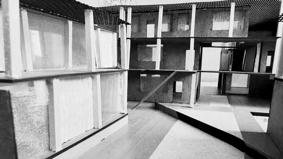
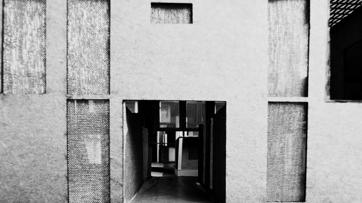
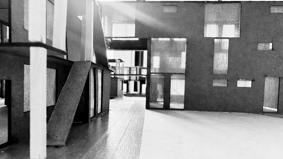
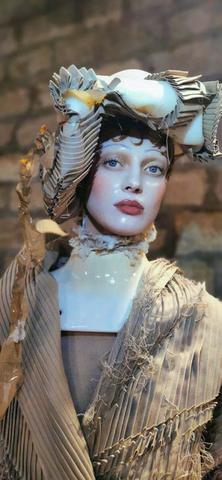
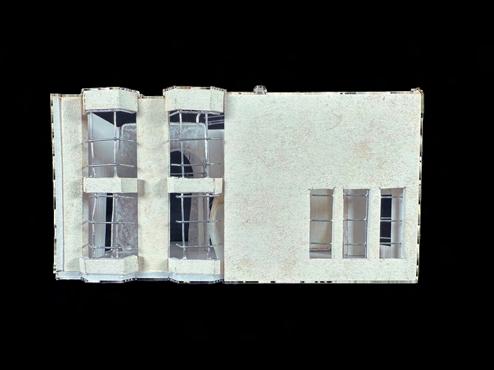
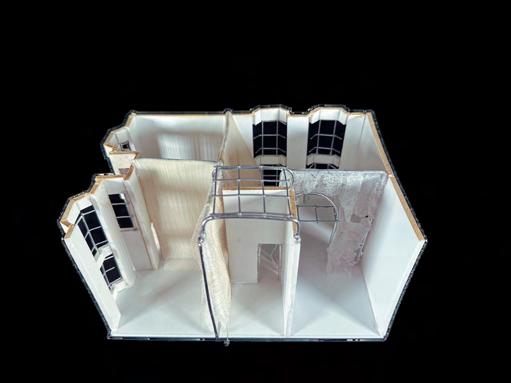
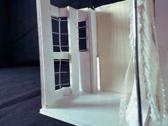
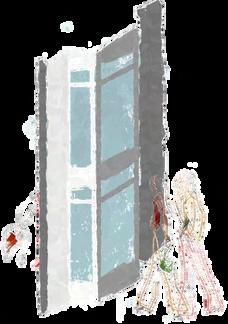
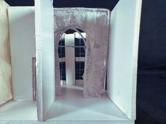
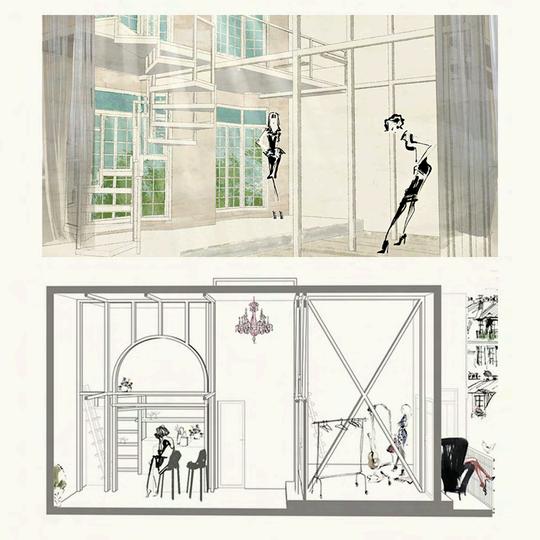
A study of the tensions between unconscious gestures that shape our expressions and strategic moves to alter our appearance. These sentiments of Maison Margiela were translated into a design focused on windows & walls and theirpermeability.
Spring 2024, 4 weeks ARCH 302 with Taiji Miyasaki chickenwire paintedfoam-core