Exploring safe spaces and memorialization on the University of Missouri’s campus through the lens of Read Hall.
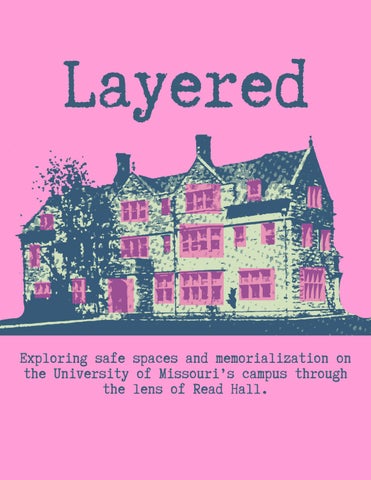
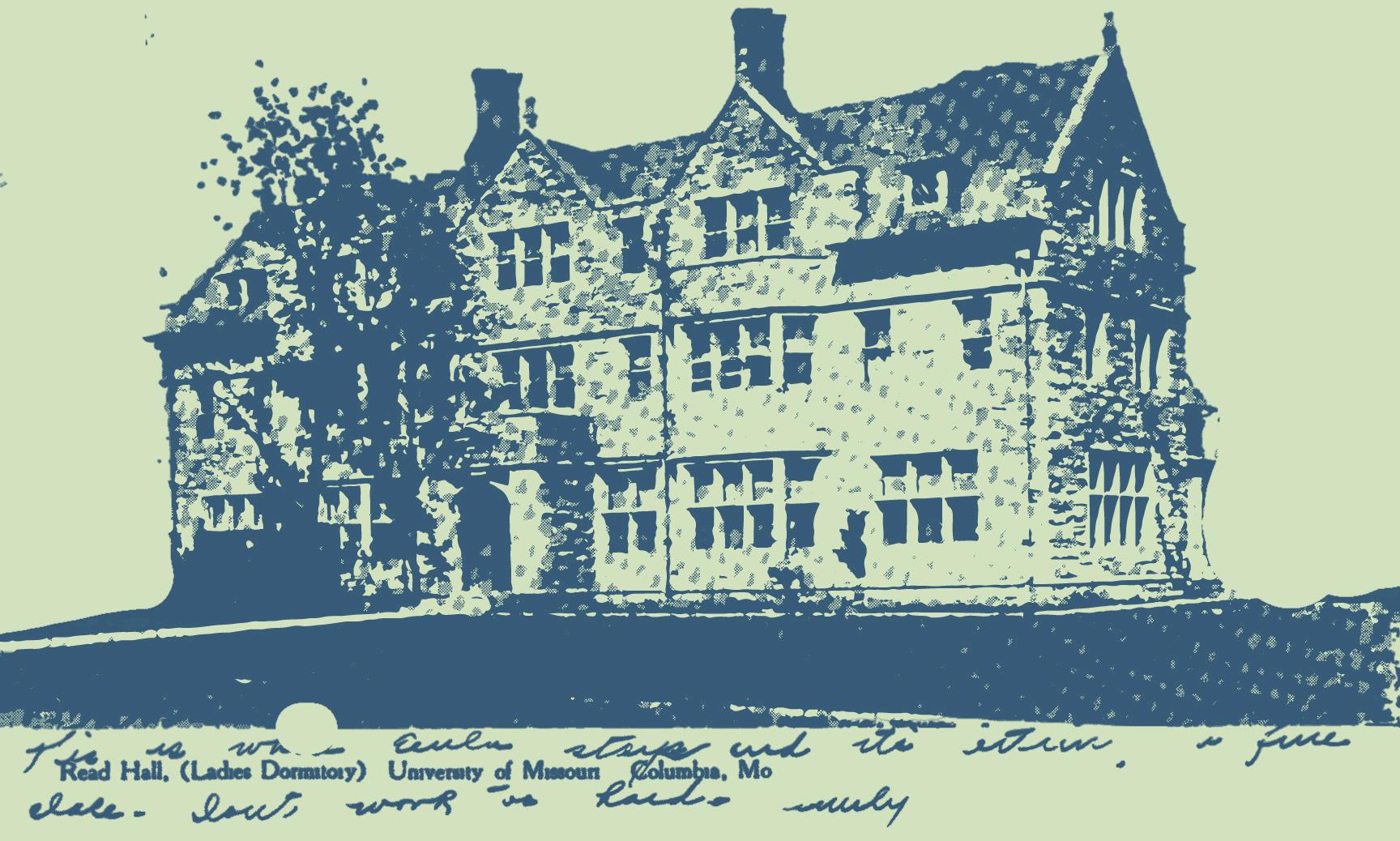
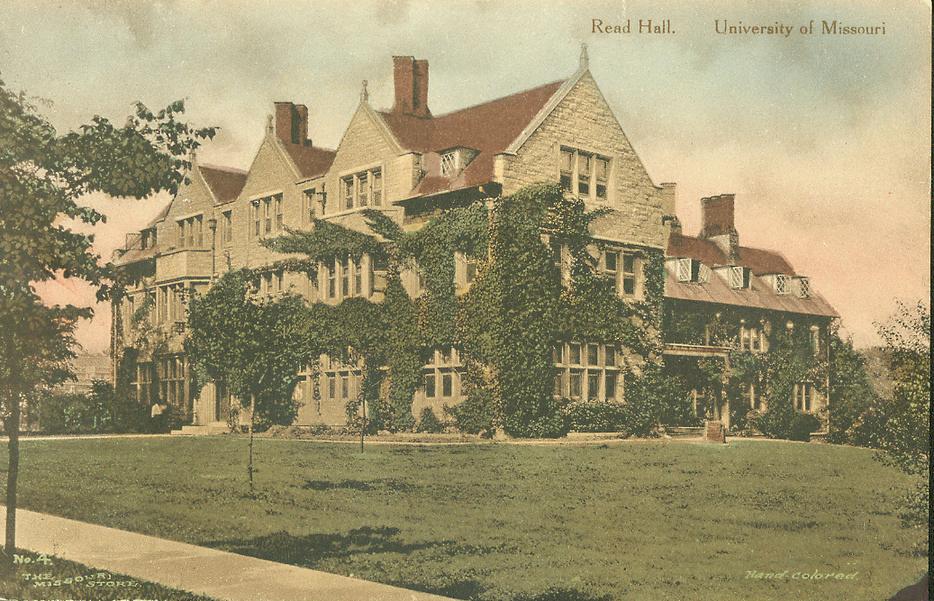
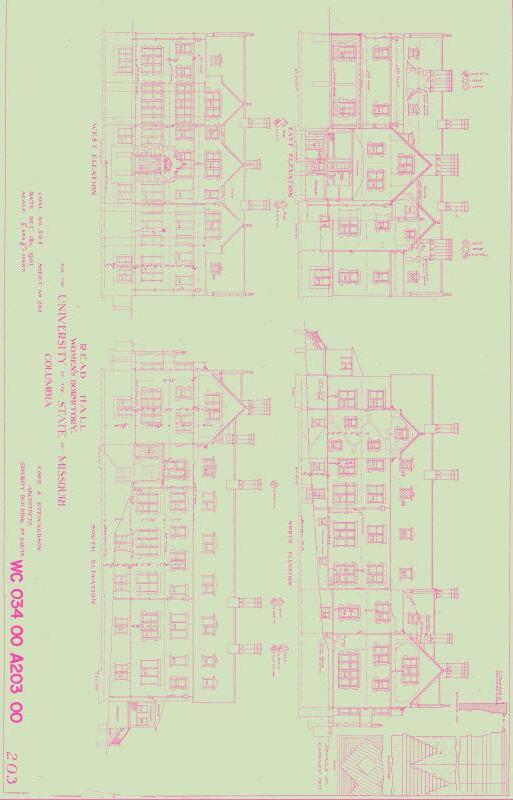
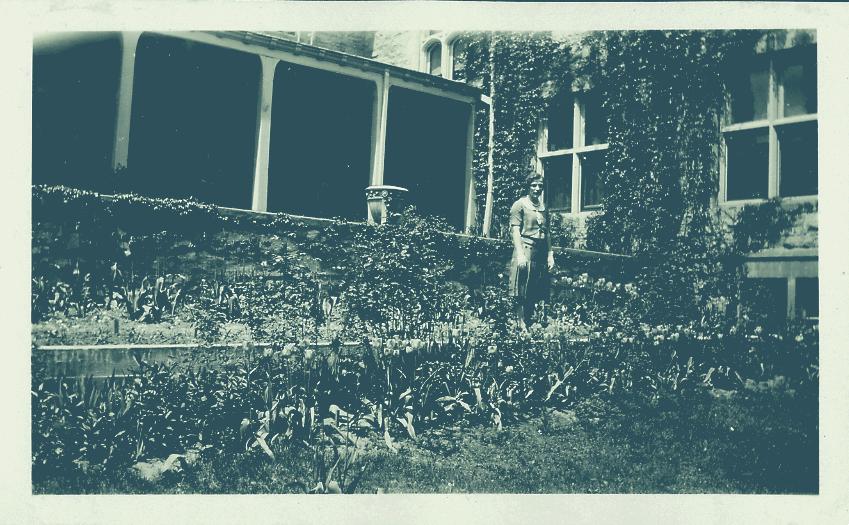
There once sat a three story Neo-Gothic building built out of Missouri limestone on MU’s east campus. It was named Read Hall, constructed in 1903 as the University’s first women’s dormitory.
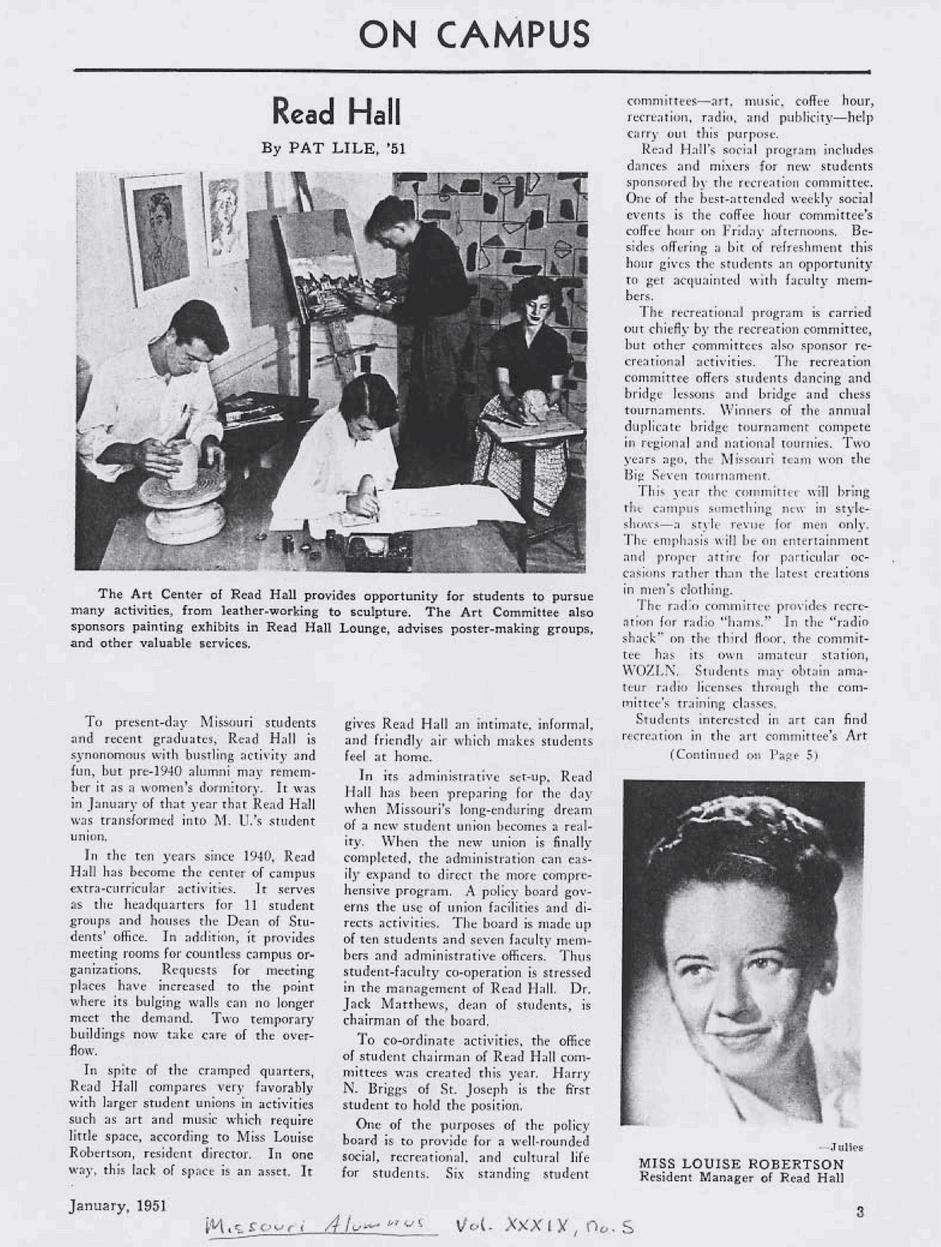
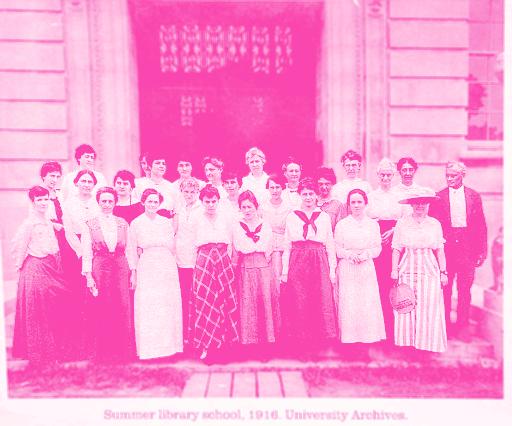
Over its 100+ year life on campus, it served as a university hospital, student union, and the first home to student media organizations The Maneater and KCOU. On a deeper level, this significant building existed as a scrapbook of women’s experiences at the University.
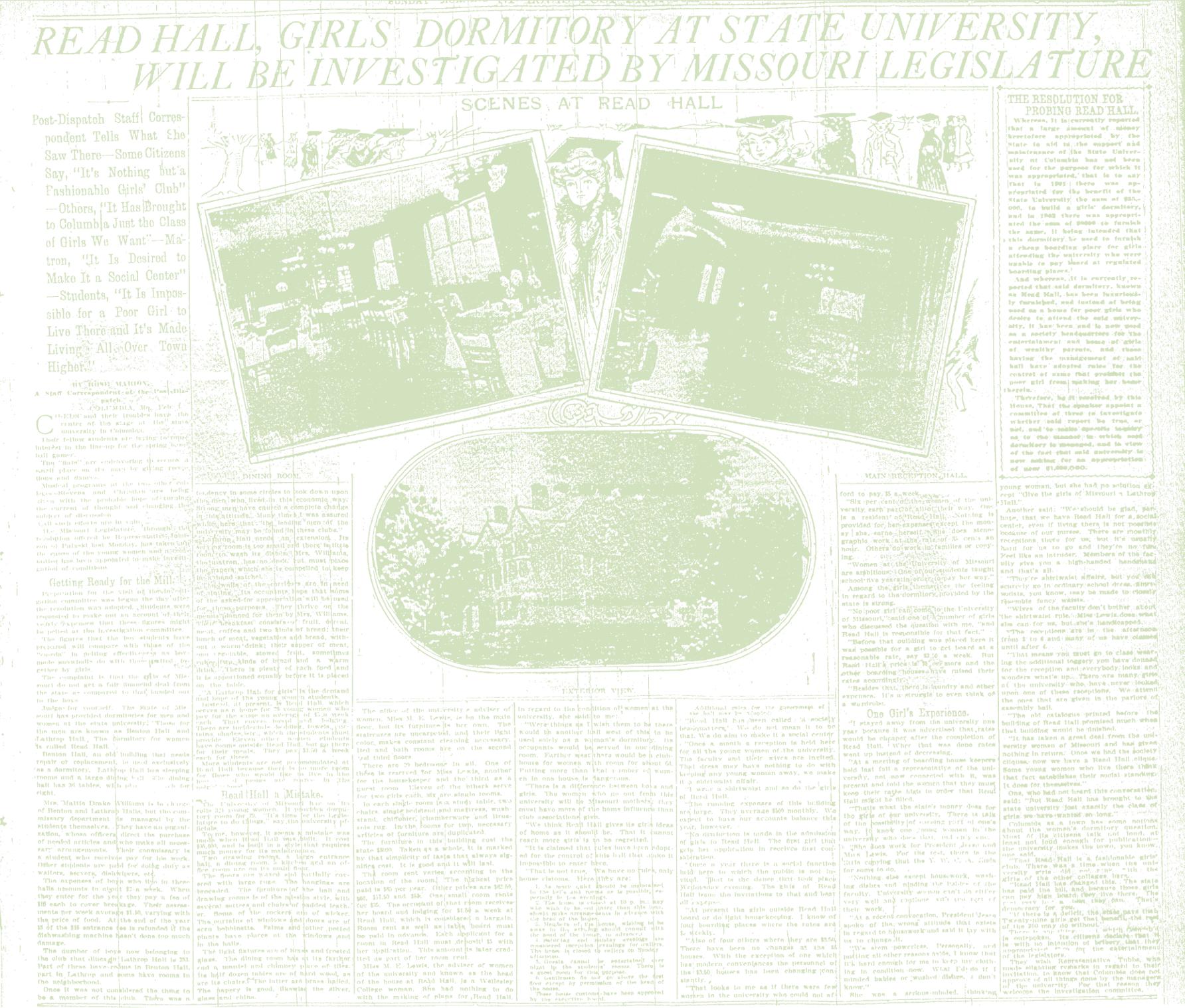
Despite various efforts to save this historical building, it was demolished in 2022. The petition “Save Read Hall and declare it a state historic site” garnered over 3,000 signatures and #savereadhall was created.
Although Read Hall does not exist anymore, we hope to memorialize it and pay respect to the women who once walked on this campus.
We utilized the qualitative research method, photovoice, to explore safe spaces and memorialization at MU. This process consisted of participants taking photos around campus and constructing their own narratives according to given prompts. We identified five themes: how people define safe spaces, women’s experiences on campus, taking up space, the role nature plays in our lives, and types of memorialization. The themes that were produced, along with archival images from the university, were compiled into this zine that is now in your hands. Thank you for reading.
Zine made by Ever Cole, Bishop Lamm, and Lani Redecker as part of the ASH Scholars Program: Art of Death with help from ASH members Sofia Ortega, Reese Betts, and Lance Moore and mentors Michelle Teti, Conner Spinks, Debora Verniz, and Katina Bitsicas.
Sponsored by the Honors College and the Office of Undergraduate Research at the University of Missouri.
safe spaces
“Students from all walks of life have found a home here”
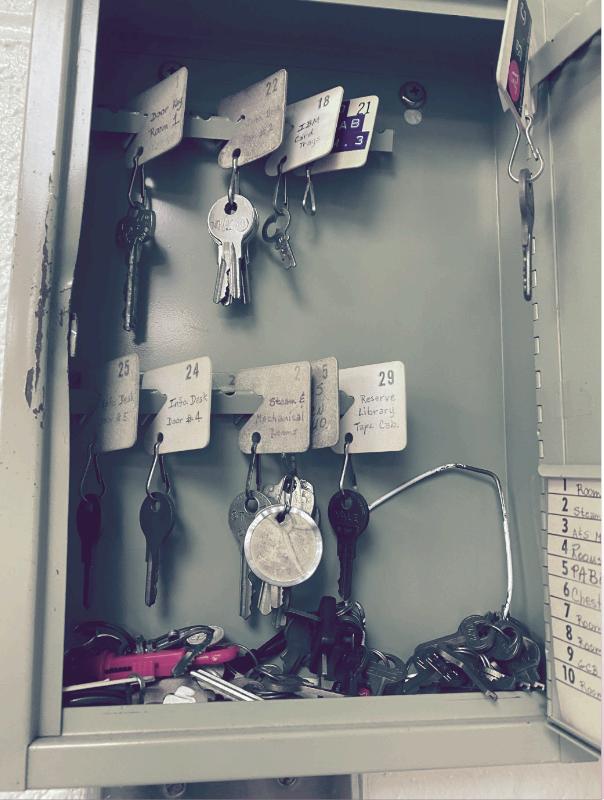
Students make safe spaces for themselves all over campus. Communities form through shared experiences and interests, allowing students to find the perfect place to call home or if they can’t find one, make their own.
“It's a sad reflection
of
how womanhood often carries an underlying fear that colors even the most exciting life changes.”
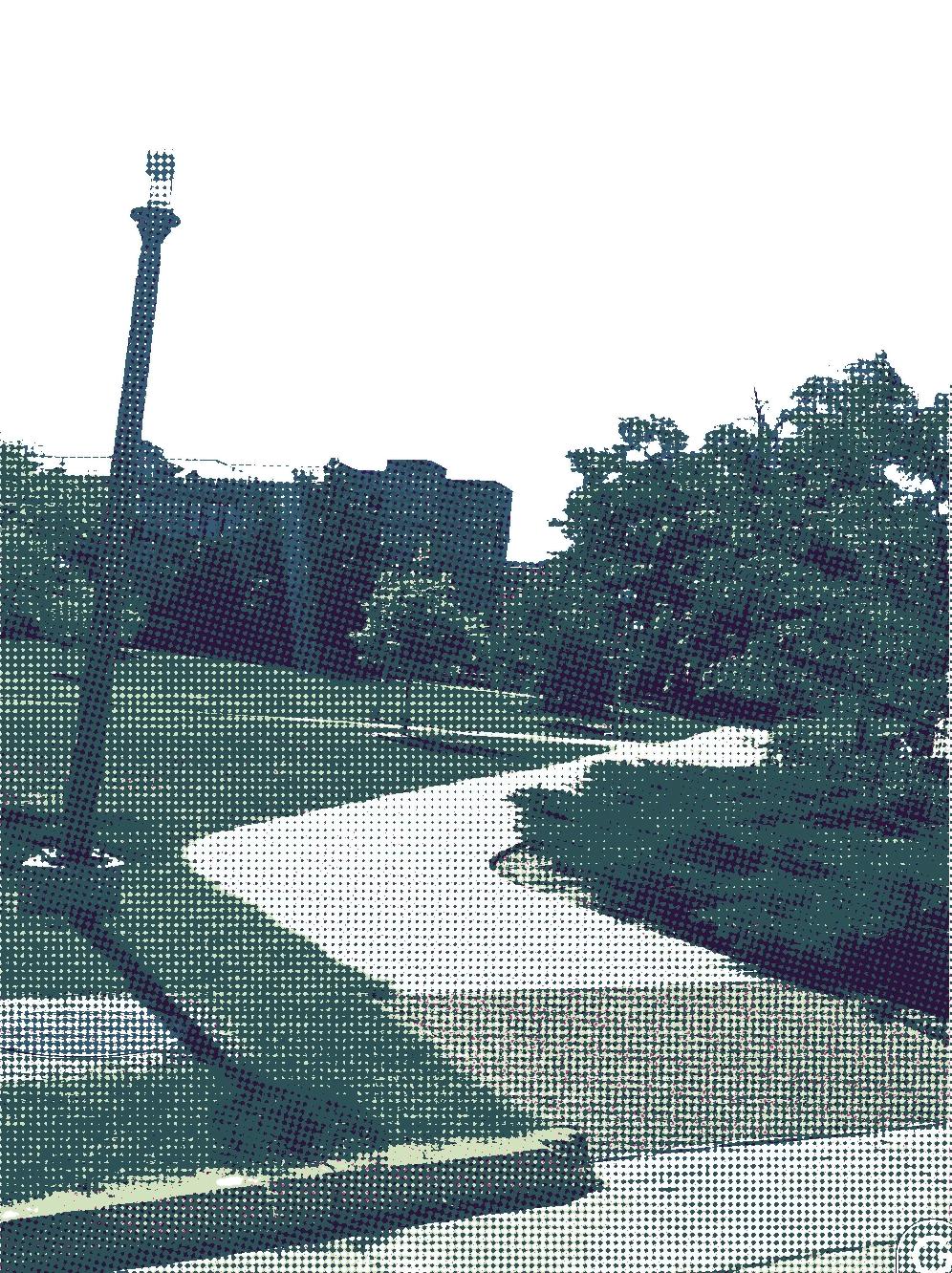
The story of being scared to walk home alone is echoed by women all around. Unfortunately, Mizzou’s campus is not to this. Areas that may not seem to men, such as dark roads, are that women often feel unsafe. e University does have emergency ationed throughout campus, women still feel wary.
“The imagery of being eaten away at over time feels relatable” women’s experiences on campus
taking up space
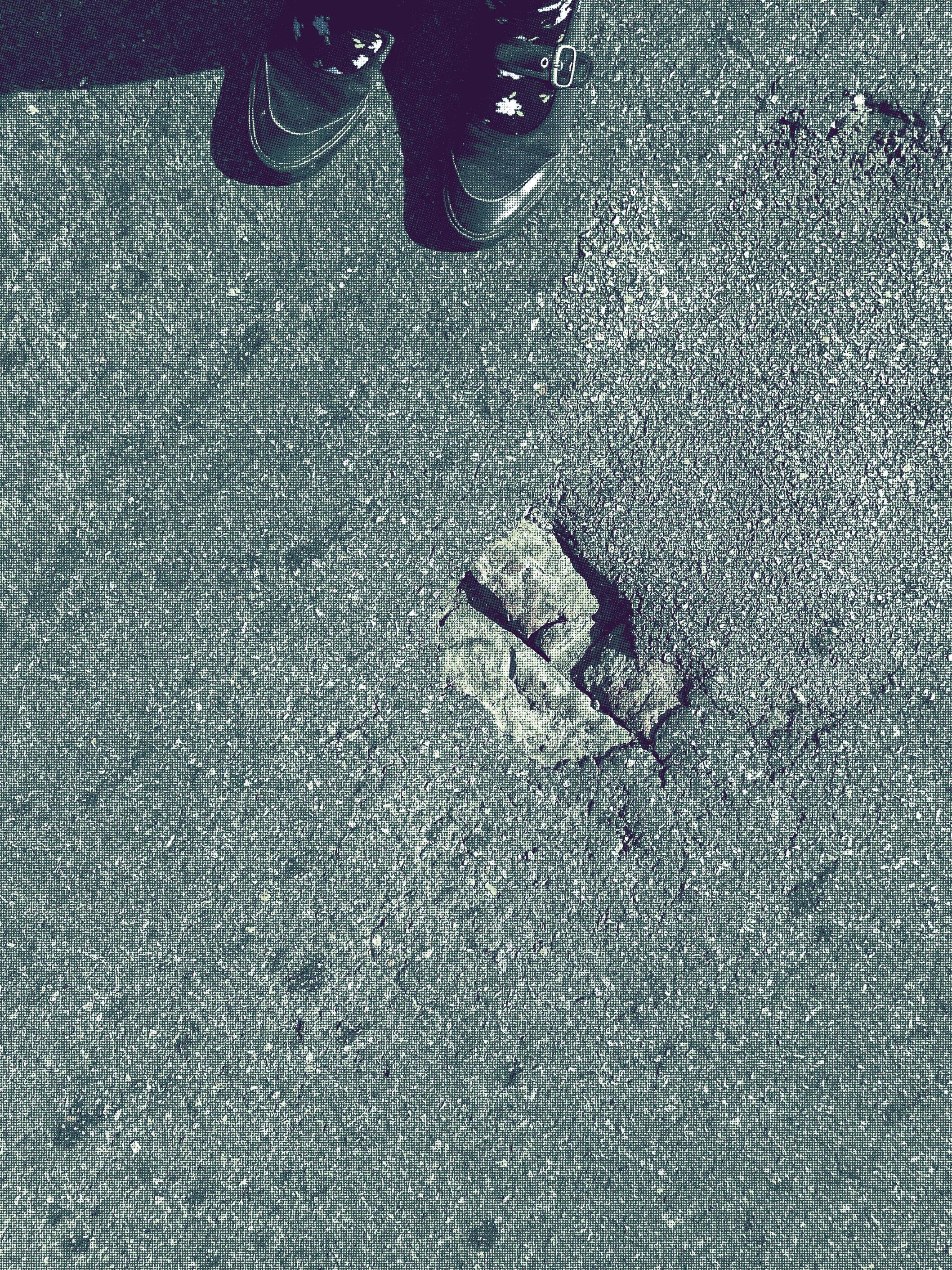
Being the one to take up space can feel like a burden, even when you know you have the right to. Others can make your presence feel lackluster or even dangerous, but part of taking up space is being unabashed about it, right? You know you deserve to take up space like any other human, so why is it sometimes so difficult?
“I gifted my downstairs neighbor a pair of headphones after we had several conversations about them waking me up in the middle of the night. Instead of using his words, he threw the headphones."
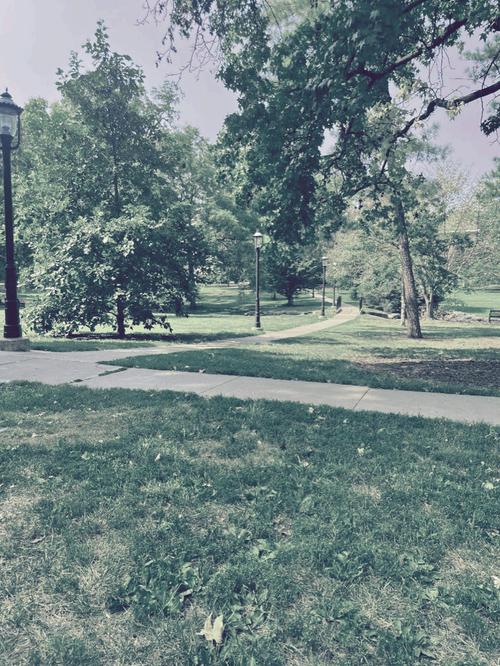
“[Being at peace park] made me realize how greatly nature contributes to me feeling safe.”
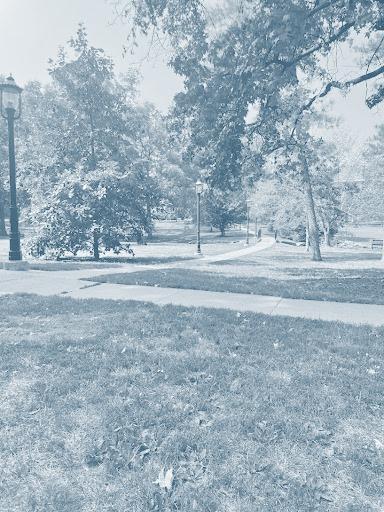
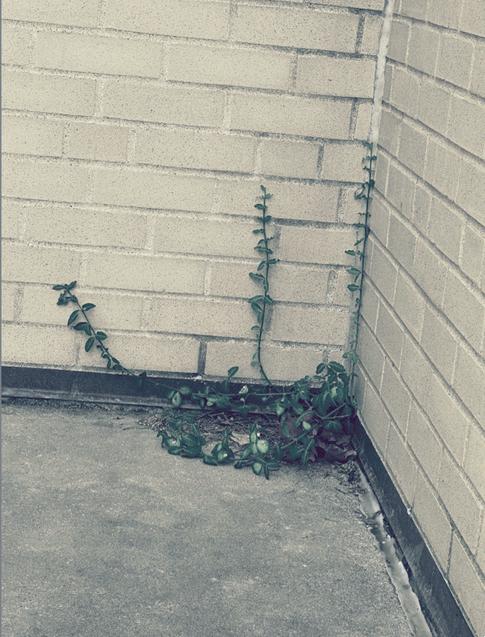
It may be easy to forget about the meticulously planted flowers, the strong trees offering shade, or even the tufts of weeds that find ways to grow between cracks in the sidewalk. What do they add to your experience as you walk on campus? Have you given any thought to the journey of the ivy that snakes and curls itself along the old bricks of historical buildings? Read Hall once was decorated with these tangles of ivy vines. Now, the former site is a flat plane of grass.
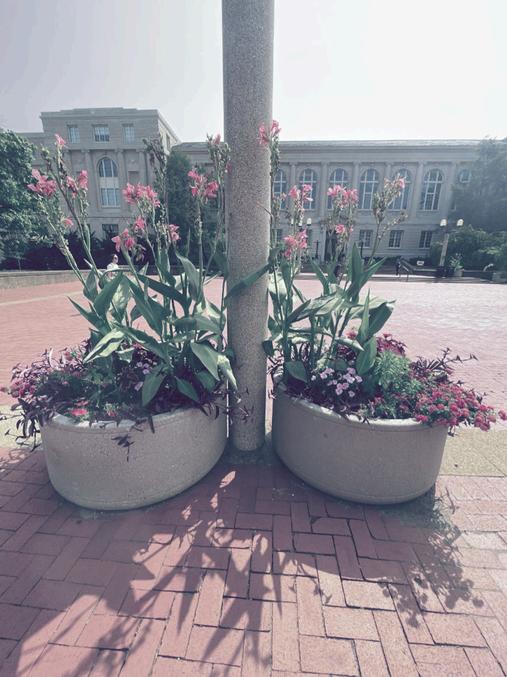
“There’s something about the presence of flower’s on Mizzou’s campus that makes me feel safe and genuinely happy.”
“Growth happening in spite of something, not because of it”
Read Hall, 1931
Ivy: fidelity and eternal life
unplanned memorials
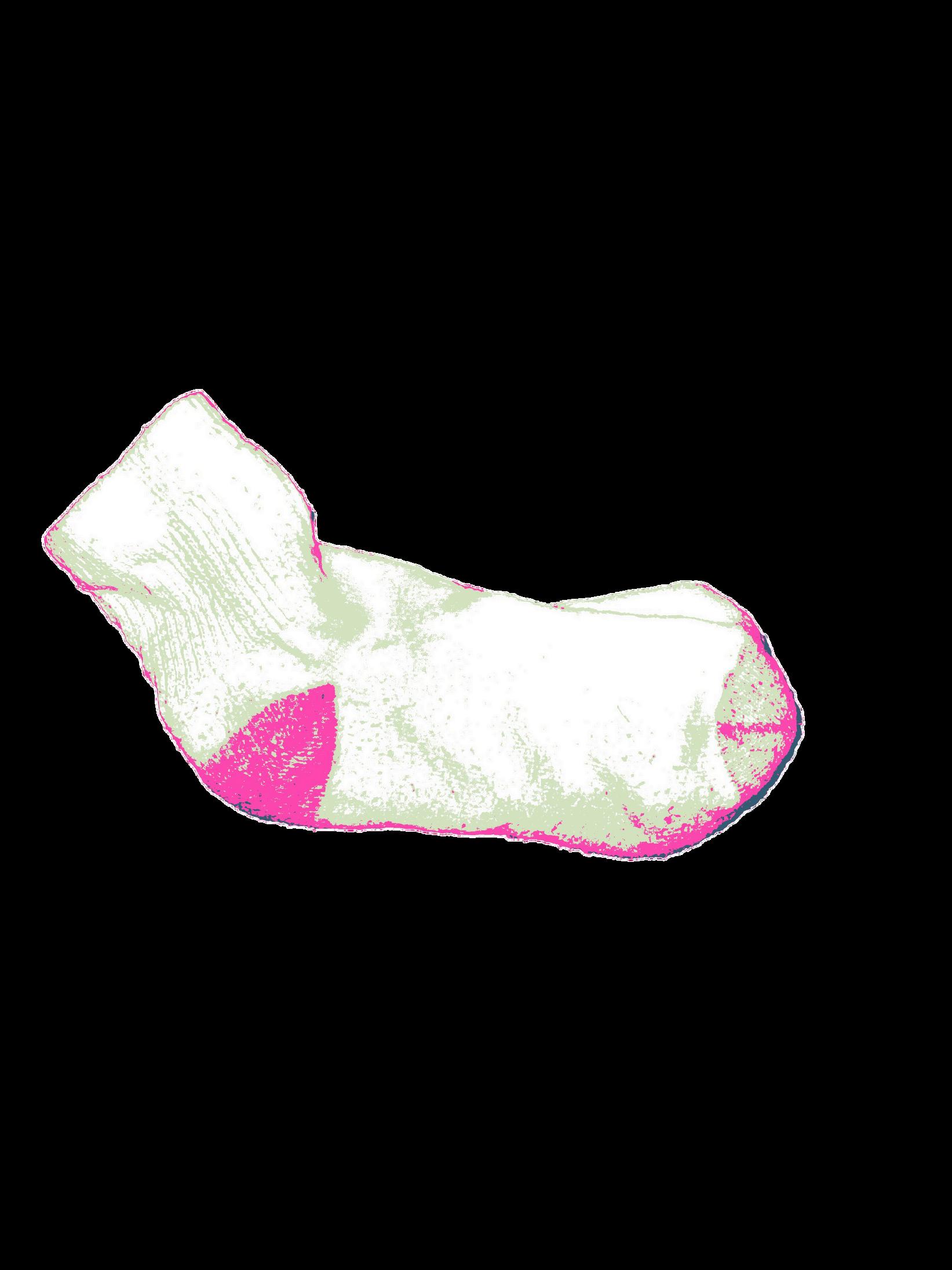
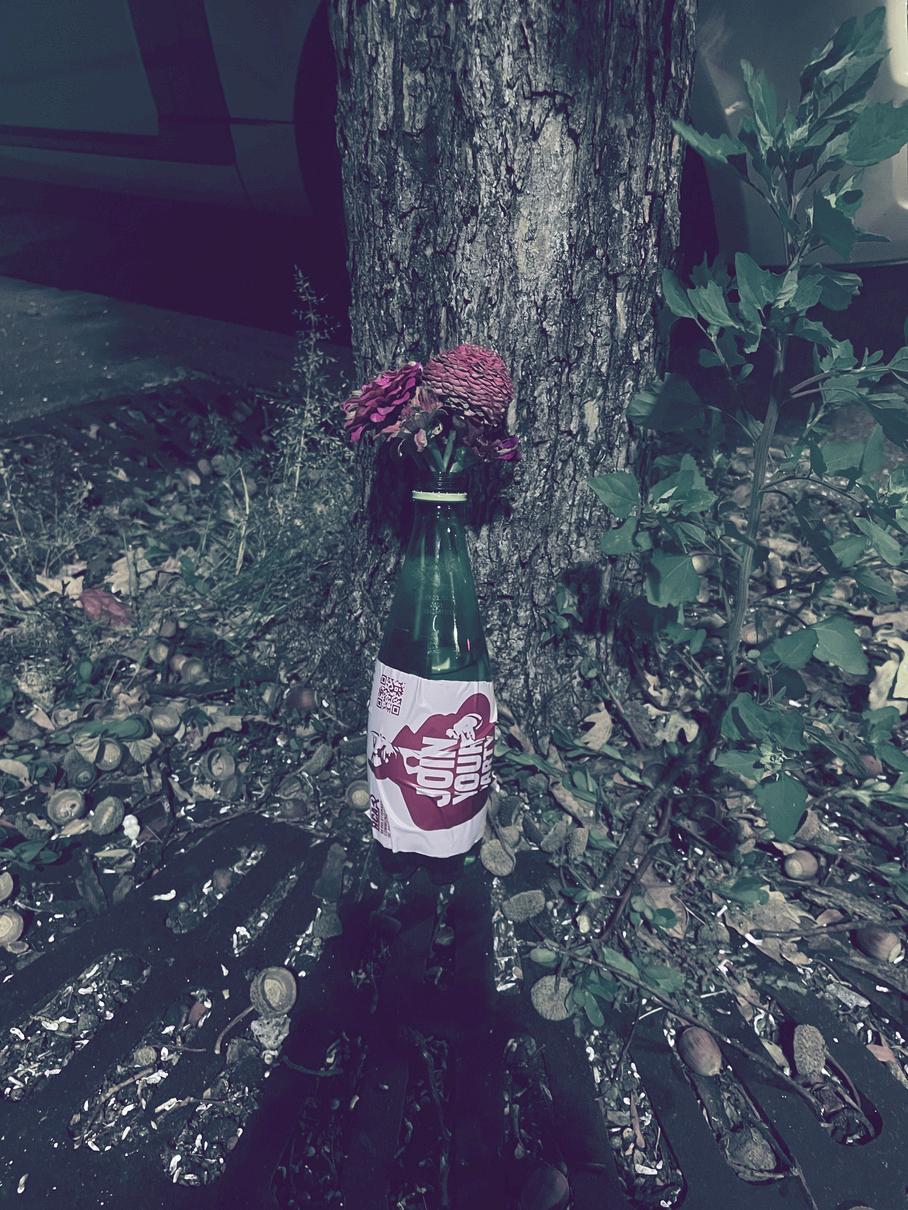
There are infinite ways to materialize the memories of an individual. A gravestone, a tree, a dent in the grass where someone used to sit. A bouquet on the ground, a lone sock, the empty bottle you see on the sidewalk. Maybe there’s beauty in the grandiose memorial, but there’s also beauty in the small, subdued memorials you encounter everyday.
“whose is it?
why is it there?
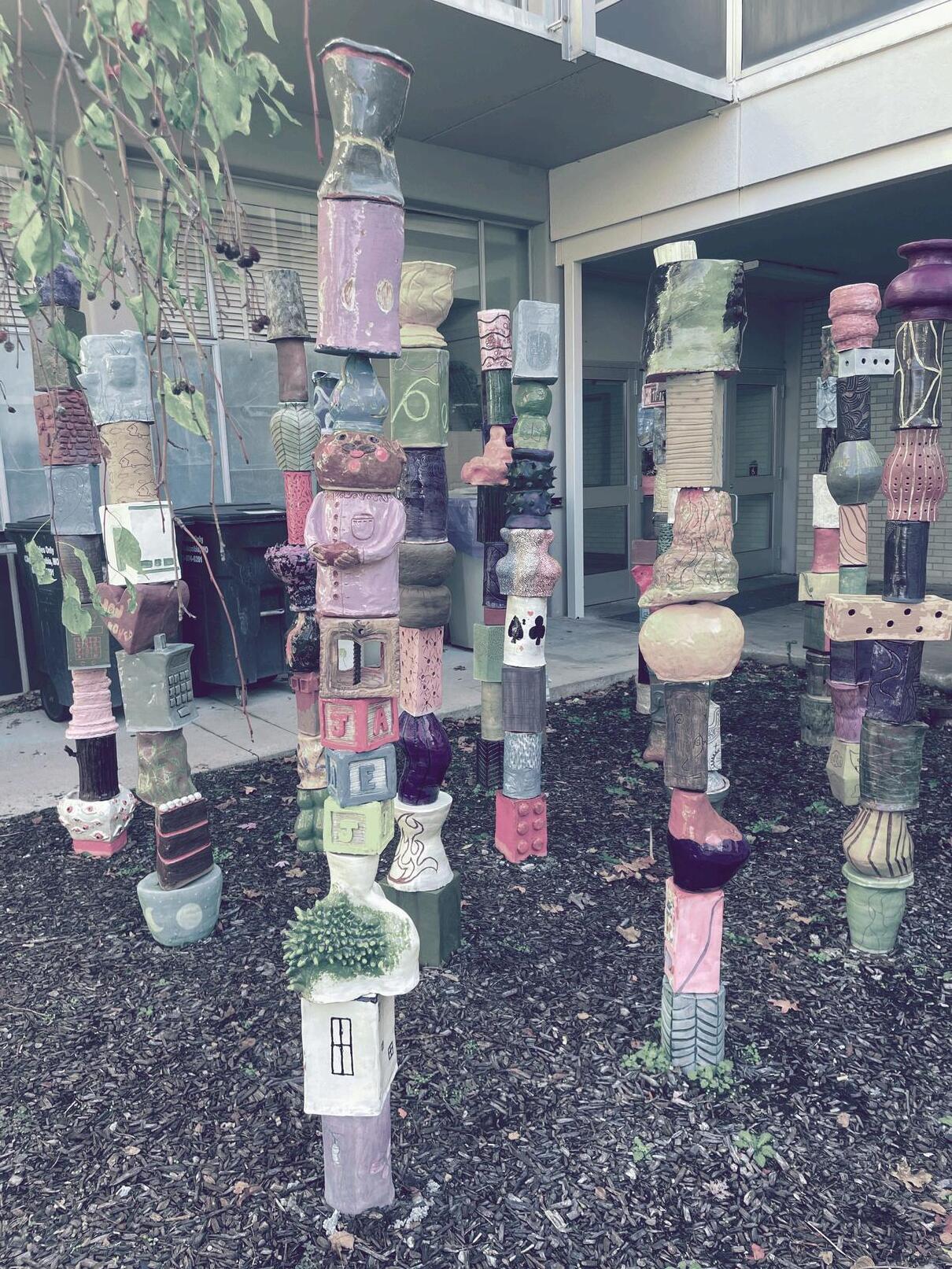
“It captures a moment in time for each of the students who participated and the work they put into achieving their pieces ... it stands there as a testament to the creativity of the collective for an extended period.”
Mizzou School of Visual Studies
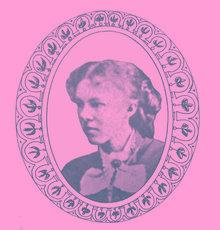
Mary Louise Gillett; the first woman to graduate from the University of Missouri in 1870.
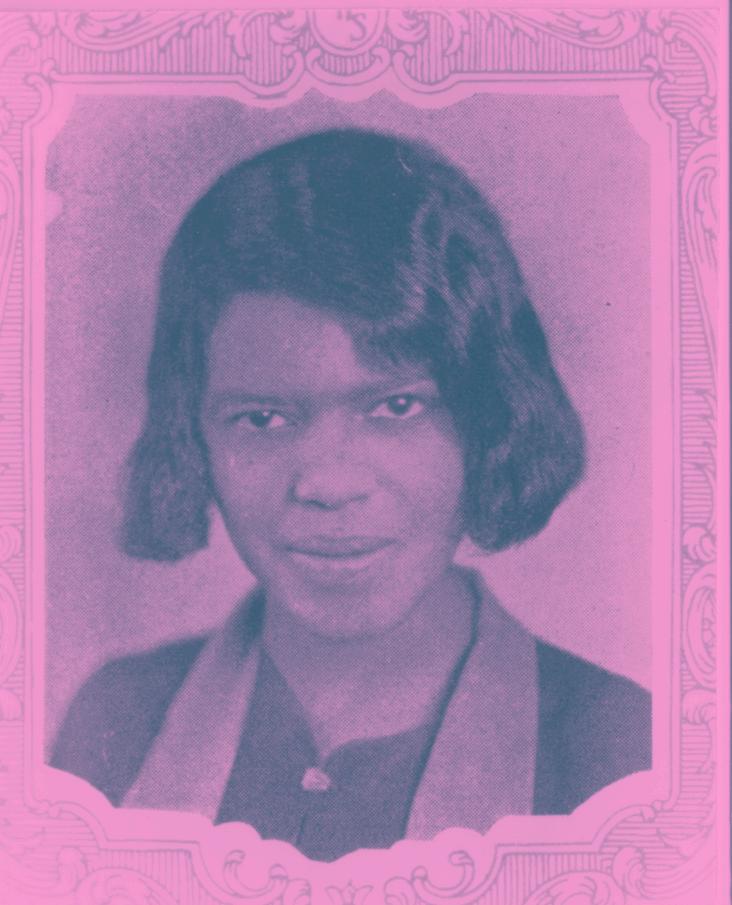
Lucile H. Bluford; a highly respected Kansas City journalist who received an honorary Doctorate from the School of Journalism in 1989.