


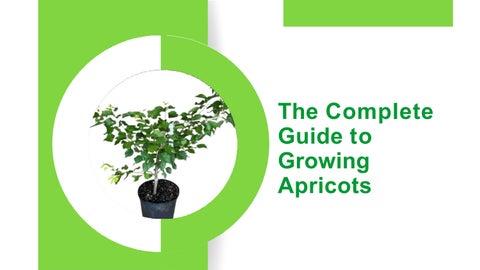
Apricots are certainly delicious and nutritious fruits worth cultivating. Their sweet fragrance and flavor make it a tasty summer treat. These vitaminpacked fruits are delicious. Here we will talk about how to grow apricot trees.
Where do apricots grow? Apricots grow best in temperate regions with cold winters and dry, hot summers. A full-grown apricot tree requires proper apricot tree care for health and productivity. Start by prepping a sunny, well-drained spot in early springtime. Then it's just a matter of regular watering, yearly feeding and pruning, and keeping an eye out for pests.
Before you know it you’ll have a full-grown apricot tree loaded with plump, golden apricots each summer. So what do you say - ready to grow your nutritious apricots?
Let’s discuss some of the best tips on how to grow an apricot tree:
Getting ready to plant apricot trees? Choosing those perfect spots and getting the conditions just right will give your new trees their best start.
When's the best time for planting? You'll want to avoid nipping your tender young apricot trees with harsh winter frosts or summer heat.
Where exactly should you plant? Apricots need lots of sunshine to grow their fruits - go for areas with full sun exposure for at least 6 hours per day. And select well-drained spots that won't leave roots soggy. Low areas that can collect frosts are a no-go.

To grow apricot from seed, stratify the pit before planting by refrigerating it just above freezing for 2-3 months. This cold exposure mimics winter and helps crack the shell. Then sow the pit 1⁄4 inch deep in a starter container kept warm and moist until the seedling emerges.
Standard apricot trees end up 15-20 feet wide when mature. Dwarf types take up less room. Make sure to leave enough space for air and light to circulate.
Dig nice wide holes about as deep as the root ball. Mix up soil dug out with compost to create the planting blend. Mound some in the center, set the root ball on top, and backfill around the edges.

Caring for young apricots means watering regularly as the roots get established. Then they can better withstand droughts with some regular watering during dry times.
With the right steps in planting apricot trees and tending them well with diligent care, you’ll be rewarded with luscious sweet fruits! It's not too difficult to learn how to grow apricot trees successfully.
Proper soil preparation allows apricot trees to flourish. Take steps when planting to amend and improve soil conditions.
Apricots prefer loamy soil with a blend of sand, silt, and clay. Test soil pH, which should fall between 6.5 to 7.5 for optimal apricot growth. Add sulfur or lime over time to reach the target acidity or alkalinity.

Use compost, manure, or other rich organic matter in the entire planting area. This improves fertility, texture, and the soil's ability to hold water and air.
If drainage is poor, plant on a sloped site or mound up soil to elevate roots above standing water. Installing drainage tiles also helps.
Continue nurturing healthy soil as your apricot trees mature. Apply nutritious compost each year, test and correct pH as needed, and provide occasional deep watering during droughts. With preparation and care of the soil, your apricot trees will be poised to yield a lot of fruits.
Apricot trees need deep weekly watering for best growth and fruiting. Established trees require about 2 inches of water per week. Double this for young trees or during hot, dry weather.
Use a fertilizer that provides equal parts nitrogen, phosphorus, and potassium. This nourishes apricots without promoting excessive leafy growth.

Apply main feeding in early spring as growth resumes. This fuels tree vigor, flowering, and fruit production. Provide a second lighter dose of fertilizer in summer if trees seem stressed. Too much fertilizer can damage roots, cause leaf burn, or hinder fruiting. Follow label directions carefully. Consistent care allows you to successfully harvest abundant ripe fruit.
Pruning brings significant benefits to apricot trees. It improves air circulation, maintains the desired shape and size, and removes unhealthy tissue. Late winter or early spring before buds open is prime time for pruning. Use clean, sharpened tools for neat cuts that heal quickly. Remove any dead or diseased branches first. Then selectively thin out the interior canopy for better light penetration.
Any major corrective pruning is best done over successive years. With annual light pruning and careful training of branches, you can grow a healthy, apricot tree that reliably yields abundant apricot fruits. Even if starting from the seed of an apricot to grow an apricot tree, mindful pruning and guidance will build strong scaffold branches. Consistent pruning is a key aspect of apricot tree care.

Looking for high-quality apricot plants for sale? Choose quality suppliers for the best results - like Everglades Farm! We have a wide variety of healthy, well-maintained apricot trees available for purchase. Our decades of experience mean we provide healthy and well-maintained plants. Visit our nursery or online shop to see the selection of flowering and fruiting plants for sale. Contact us today!