
























 Evelyn Binoy Vaniapurackal







● The impact of social identity can be influenced towards:
○ Race
○ Gender
○ Sexual orientation
○ Social class
○ Religion
● Oppression can be faced by students during their college life and privileges such as white superiority puts them in danger.
● How to foster their development?
○ Development of civic knowledge
○ Focus on supporting development together
○ Identifying personal identity and values
Patton, Chapter 4: Social Identity Concepts and Overview
Haduong: "Who Am I and What Do I Care About?: Supporting Civic Identity Development in Civic Education."





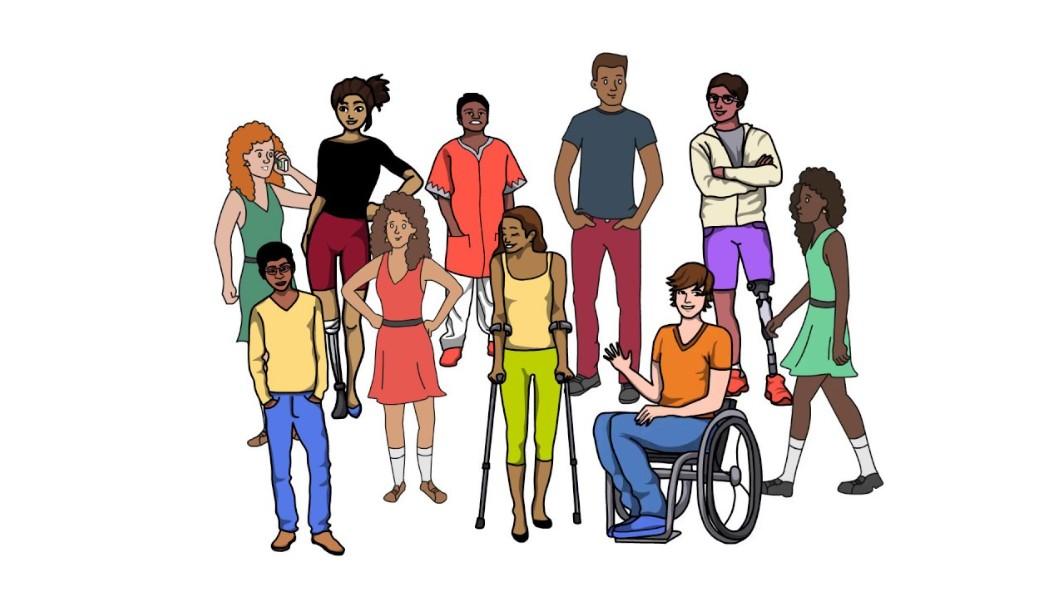
● The main objective in class was to identify gender roles that are played in the society
● Both readings contained the vision of how males were demonstrated as saviours while women as damsel in distress
● There were also instances where class systems were mentioned, where if you wore a different skin color or accessory one was considered as a “nerd” or below them
● It has also been mentioned how the body is the first thing that projects from an individual and through the body a person is segregated into class
● Oyewumi also discusses about gender equity and analyzes how the West is more drawn to the concept of gender and equity
● It is important to identify these sensitive topics and no matter what gender or race or ethnicity a person would be, respecting them should be priority.
Hypothesis Pascoe and Oyewumi
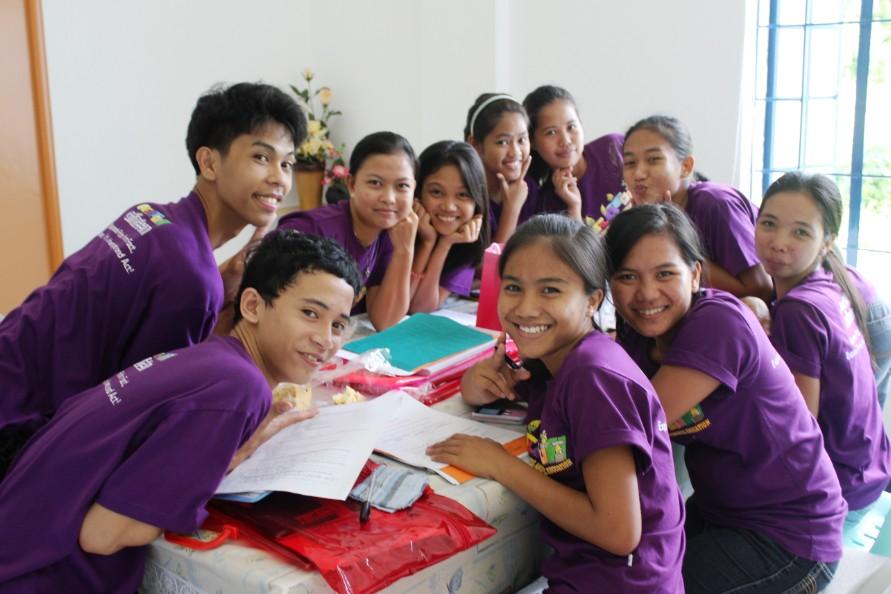
● History of Charlottesville plays a crucial role in understanding the racial roles
● Cavanaugh (2021) mentions how UVA employees who were racially Black were discriminated against in accordance with wages and better working conditions
● Grimes (2021) talks about how UVA Consultative Resource Center for School
Desegregation explores UVA's history, including slavery and segregation, to promote education and awareness, highlighting challenges during massive resistance
● George Rogers Clark statues at the University of Virginia and Charlottesville perpetuated the myth of a "lone frontier hero" conquering the West, eradicating Native Americans from history. Virginia's 1924 Racial Integrity Act aimed to maintain white supremacy and racial boundaries, further erasing Native American identity (McMillen, 2020)
Cavanaugh, D. (March 18, 2021). UVA and the History of Race: Confronting Labor Discrimination
Grimes, P. P. (March 25, 2021). UVA and the History of Race: Allies of Integration
McMillen, C. (July 27, 2020). UVA and the History of Race: The George Rogers Clark Statue and Native Americans
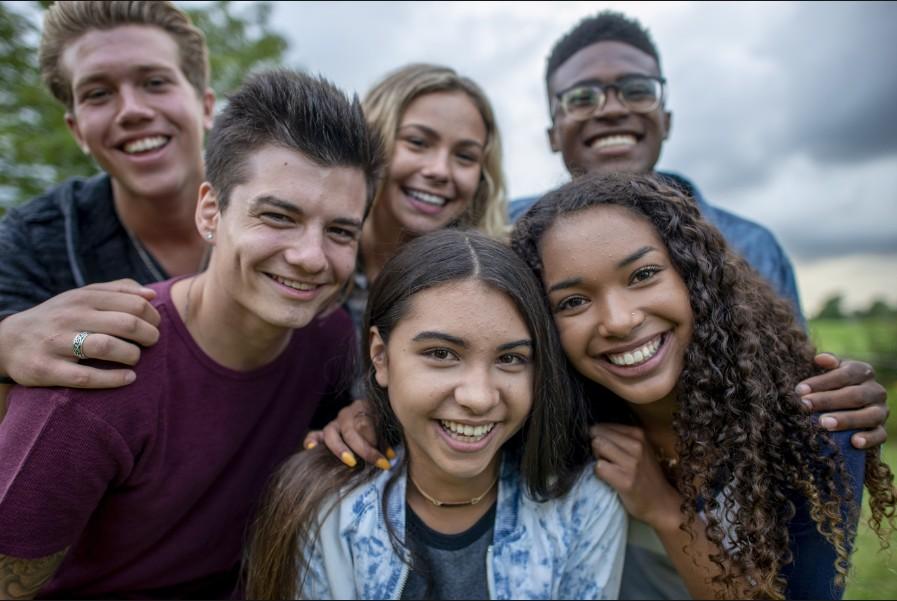
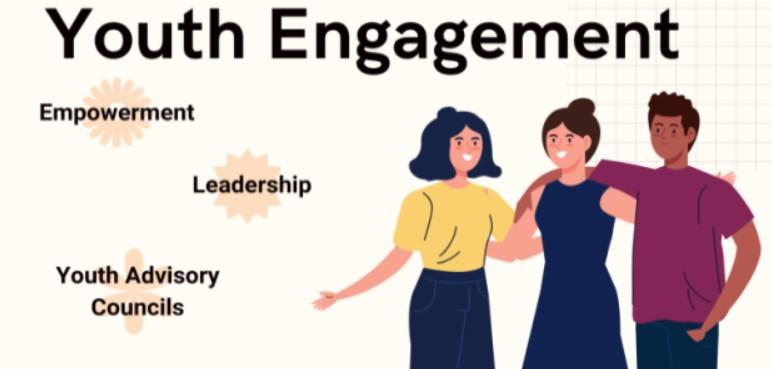
● Providing resources to the youth such as Positive Youth Development and Community Youth Development
● Providing social power
● Youth organization with justice-oriented thinking
● It is better to monitor, support, mentoring, and not being in charge of youth than “leading” them as it gives them control of their decisions and opinions.
● Support youth by providing opportunities and resources
● Identify minoritized racial groups and avoid stereotypes
● Do not generalize racial groups. For example: there are many types of Asians, do not generalize them all into one category since they are all unique
● Casting groups as foreign though they were born in the U.S. effects their identity and opportunities
Hypothesis: Watts & Flanagan and Weiston-Serdan
Lee, S. J. (2008). Model Minorities and Perpetual Foreigners: The Impact of Stereotyping on Asian American Students
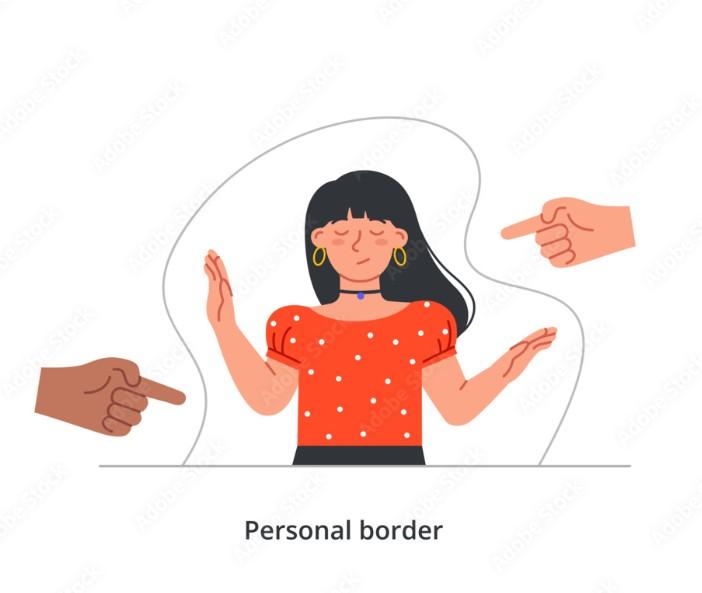
● It is necessary to keep boundaries with youth as well as helping them identify their boundaries
● Ways this can be done:
○ Communicating with youth
○ Providing scenarios
● Never feel ashamed to say no or voice one’s opinions
● Never ignore things that can trigger you, communicate efficiently
● It is best not to approach youth with a savior mindset
● Be sincere with your actions, youth may identify any type of insincerity and show withdrawal
● Teach them how to stand up for themselves first and then for others
Hypothesis: Tawwab, Identify and Communicate Your Boundaries (Chapter 6)
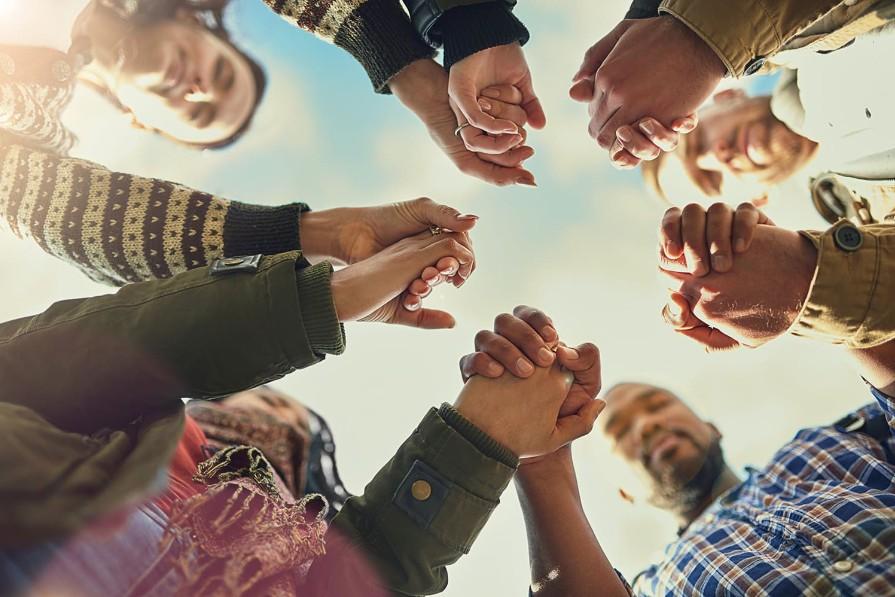
● Set boundaries and reinforce them with youth
● Respect their opinions just as you want to be respected
● Listen with sincerity
● Remain calm and do not show frustration or anger
● Providing them with the opportunity to choose enhances their decision making:
○ Improves listening skills
○ Active participation
● Create true encounters
● Make space for emotions
● Be mindful, share power, and discuss limits and boundaries
● Provide social choices for all
● Resist stereotypes and understand implicit bias
● Identification of colonialism and changes it has brought about
● Understand and realize the importance of imperialism and its effects on people
○ Forcing people to merge into other cultures
○ Thinking of imperialism as “modernizing” when it is actually destroying present cultures
● Effects of imperialism on cultural identities and traditions
● Strengthen relationships between people by respecting their uniqueness in culture and traditions
● Do not think of helping as “charity work” rather help build character and abilities
● It is important to help youth understand the seriousness of colonization and it’s effects on people, which contributed to major events in history
Hypothesis: Tuhiwai Smith, Smaller & O'Sullivan, Bennett
● Address historical mistakes and give importance to past events
● Focus on:
○ The truth
○ Acknowledgement
○ Understand the need for reflection
○ Provide authentic actions
○ Seek repair
● Understand the presence of pre-existing divisions
● Highlight both areas of success and failure
● Foster programs that help provide understanding and unity
● Be respectful of past events and bring change in the future
UCARE (2011), Call to Action excerpt
Bland, et al. (2018), Understanding Before Unity: Perceptions of the Charlottesville and the University of Virginia Communities

● Community-Based Services
○ It has food, employment, education, and various other resources present in Charlottesville
● Readykids Cville
○ This is a teen counseling program which provides resources for youth in crisis where teens can call (434) 972-7233 to share their concerns
● Charlottesville/Albemarle Youth Opportunity Center
○ This website has opportunities like scholarship, summer camps, and various learning opportunities
● Region ten
○ This is a community service board where youth as well as adults can get help for mental distress