EVAN BAILEY 2022 Landscape Architecture Portfolio
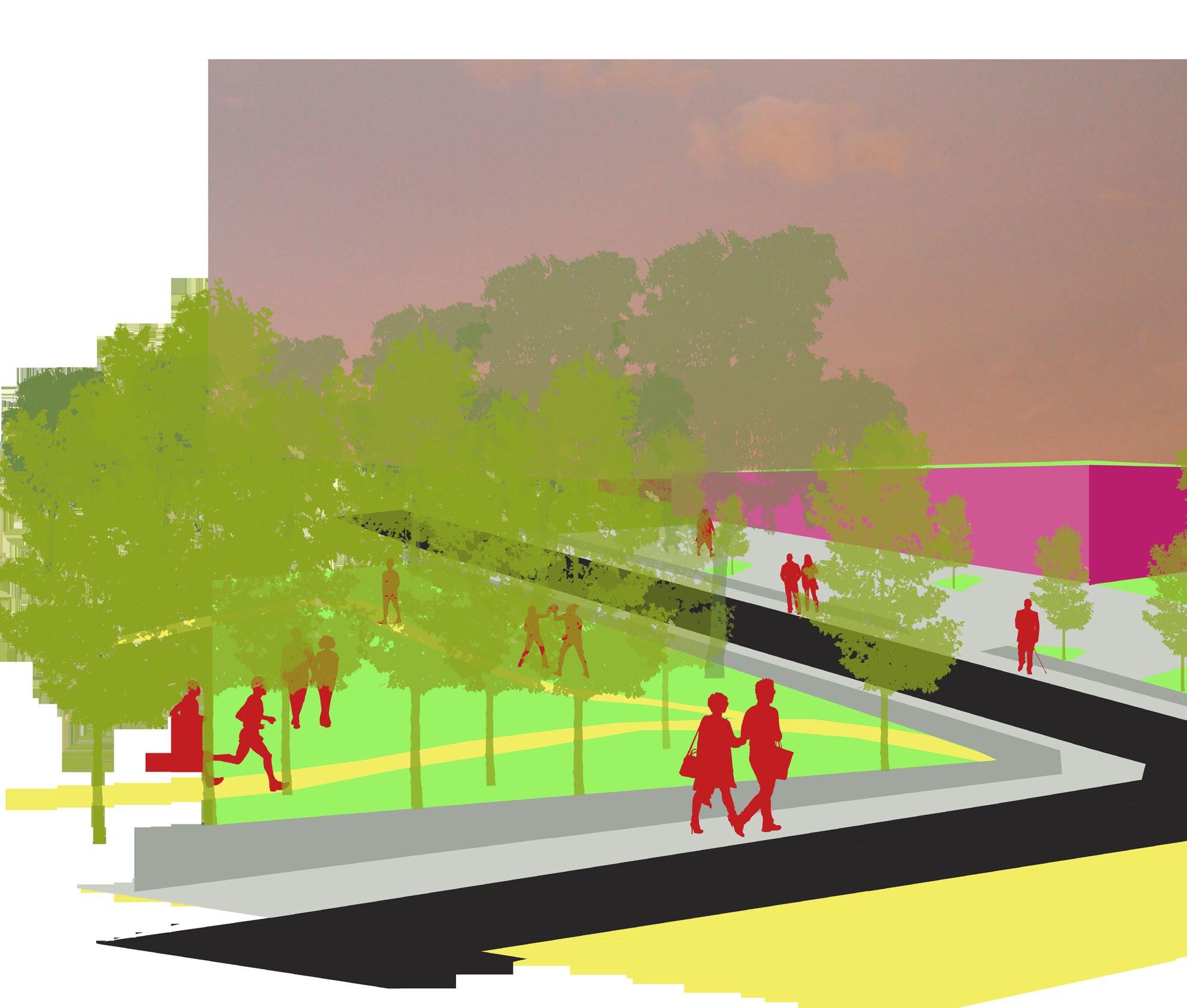

Adapting coastal landscapes against the effects of climate change and other factors for current and future stakeholders
Location - The Murrough, Wicklow
Site Aspects - On the site is the Dart line. Currently Irish Rail are planning to spend 145 million euro on coastal protection.
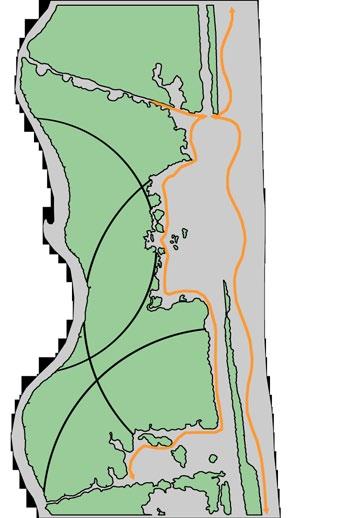
Irish rail also want to propose a Greenway connecting Wicklow Town and Greystones
Project Objectives - Coastal erosion mitigation to protect: Planned Greenway
Natura 2000 site
Railway line
Connect the coastline with the Wetland complex which is has been separated by the dart line
To mitigate the plants and habitat within the natura 2000 designation
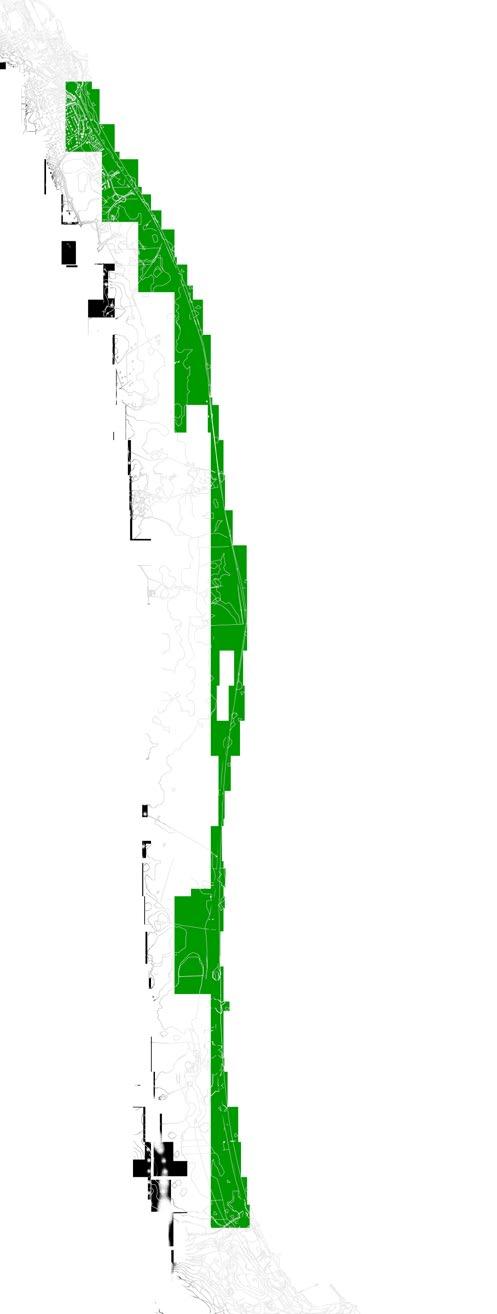
Erosion Overview -
The site is significant due to the dart line running through it as well as its natura 2000 status. If nothing is done it will be completely eroded by 2100.
The Murrough -
The Coastal Wetland Complex
Planned Greenway -
Coastal erosion mitigation to protect: Planned Greenway
Natura 2000 site Railway line
Concept Plan and PerspectiveSite Concept -
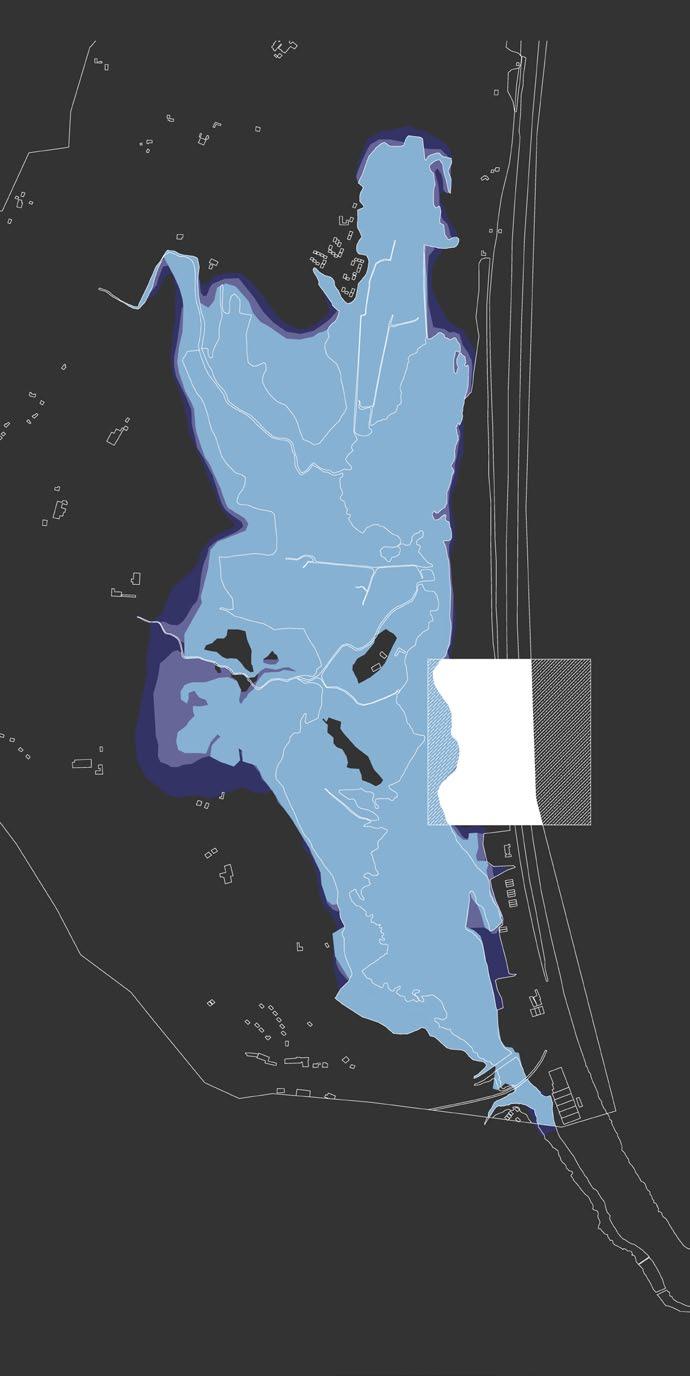
The Murrough: -A very stable wetland complex -Largest coastal wetland on the east coast -15 km long between Greystones and Wicklow Town
Natura 2000 Objective: To maintain or restore the favourable conservation condition of the wetland habitat at The Murrough SPA as a resource for the regularly-occurring migratory waterbirds that utilise it.
On the site is the Dart line. Currently Irish Rail are planning to spend 145 million euro on coastal protection alone. Irish rail also want to propose a Greenway connecting Wicklow Town and Greystones. This will be a great amenity for users and will lea to a stronger connection between Wicklow Town and Greystones. The site for this thesis will act as an amenity and will also gain more awareness and greater use through this Greenway.
The area in which this site is located is quite important. It is not only a Natura 2000 site, but also located on the site is the Dart line. Currently Irish Rail are planning to spend 145 million euro on coastal protection alone.
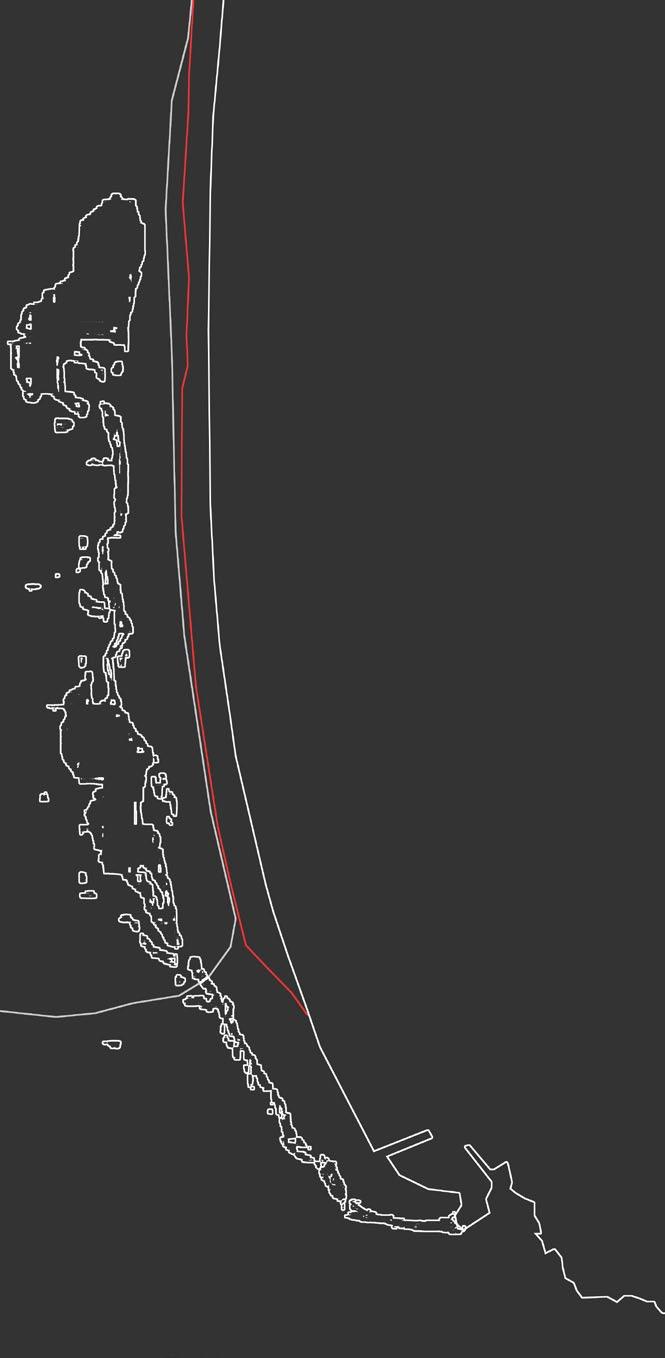
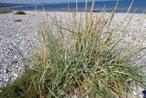
This site is so susceptible to erosion due to the unique geology and shingle beach on the site and if nothing is done the shingle beach will be completely eroded by 2100
1.10 land that might be flooded by rivers in a moderate flood event
1.100 land that might be flooded by rivers in a moderate flood event
1.1000 land that might be flooded by rivers in a moderate flood event
 Greystones
Planned Greenway
Wicklow Town
Erosion Prediction 2050 Dart Railway Line
Greystones
Planned Greenway
Wicklow Town
Erosion Prediction 2050 Dart Railway Line
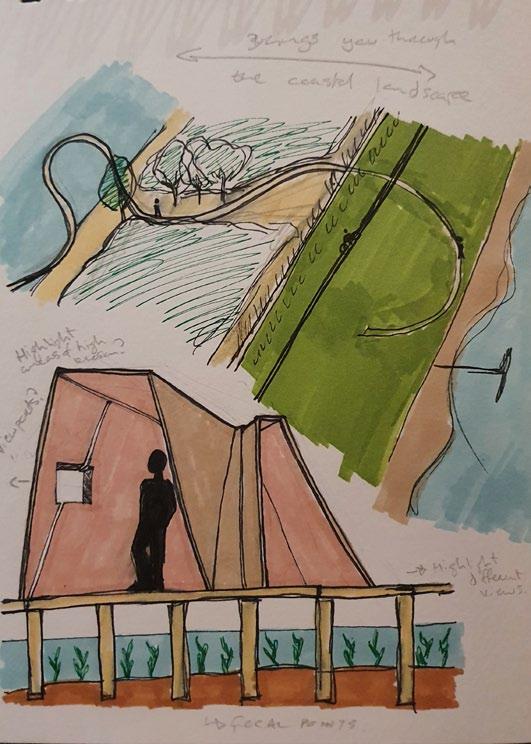
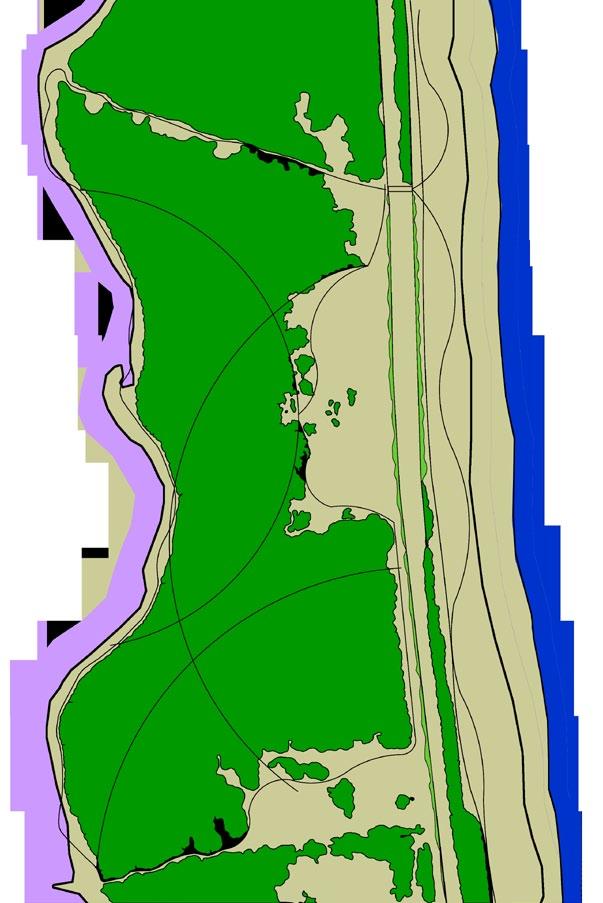
Consisting of a mix of elements from overlooking boardwalks to semi permeable coastal groins, this plan aims to bring an acute awareness to this coastal habitat.
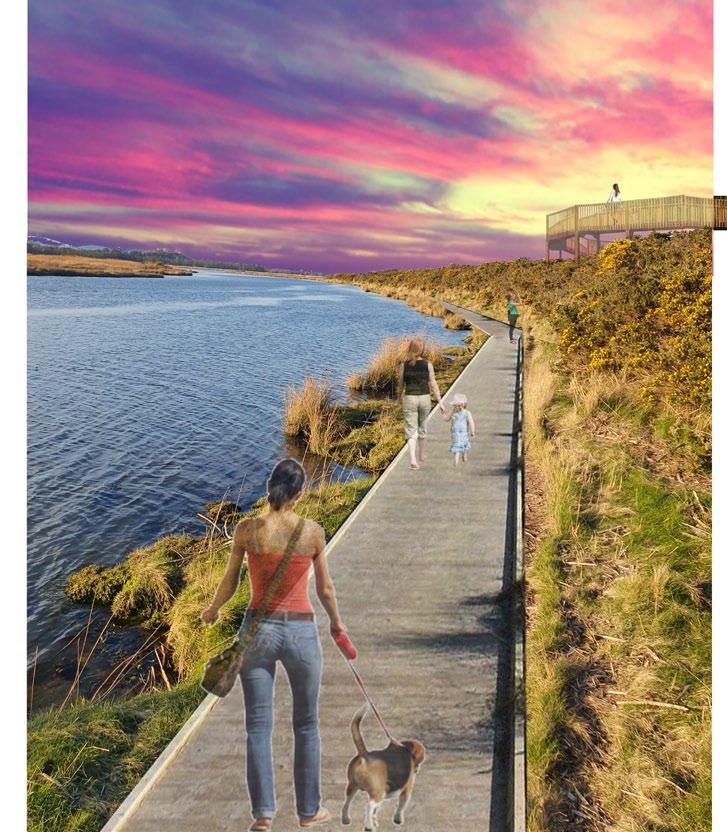
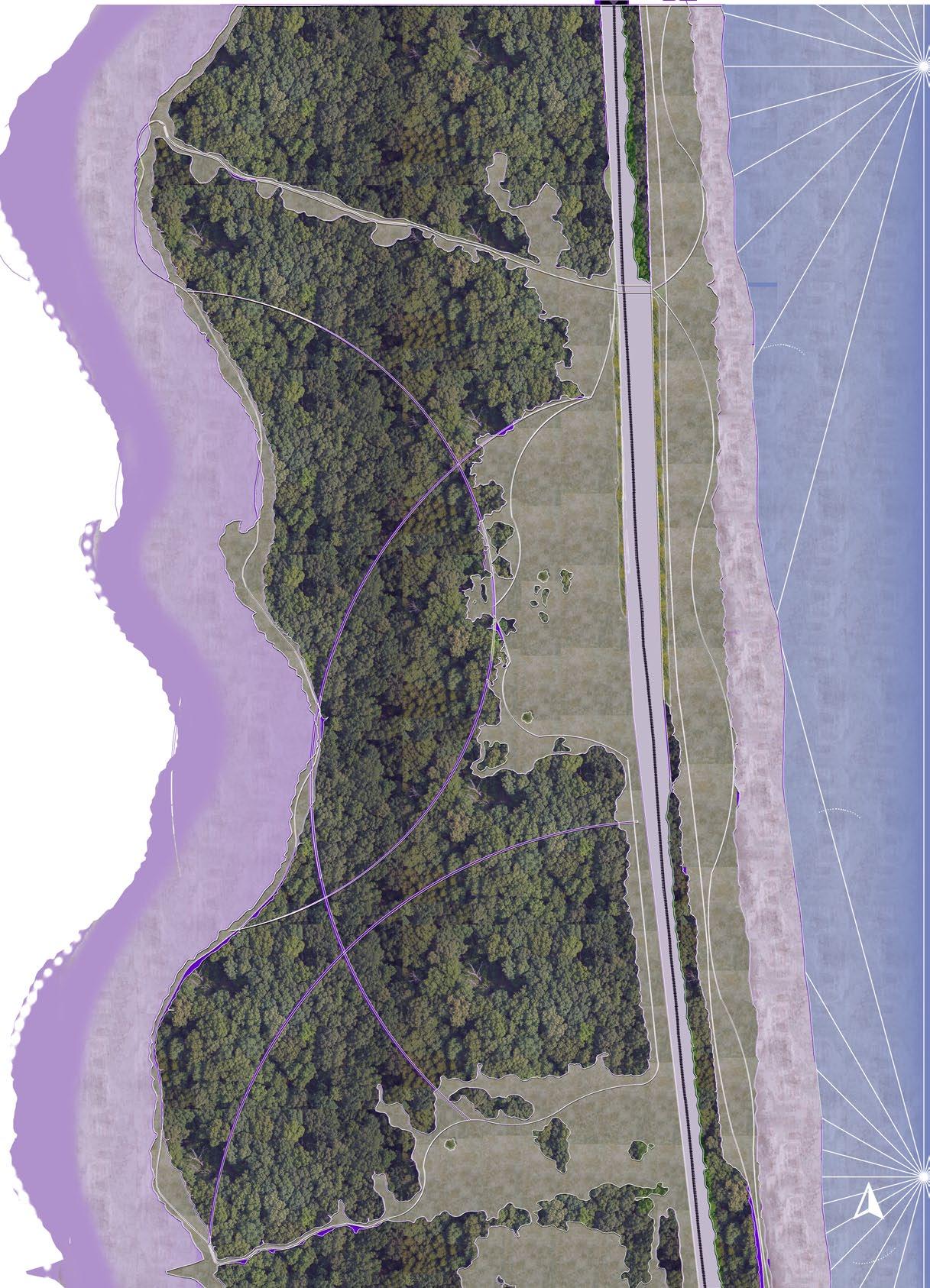
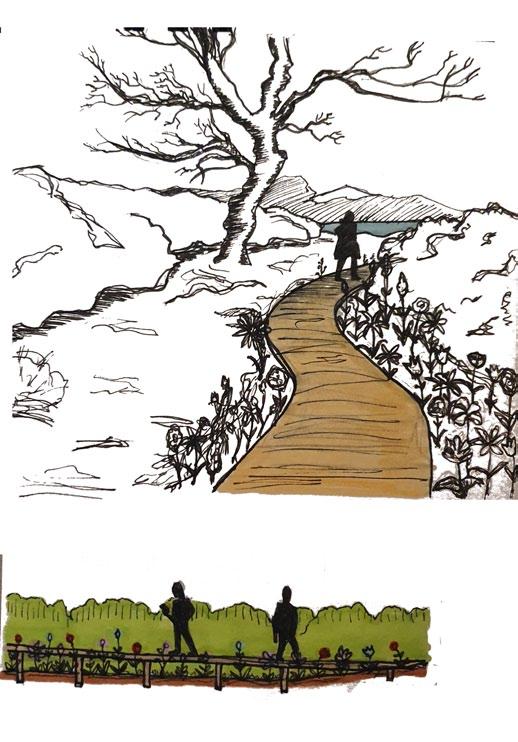
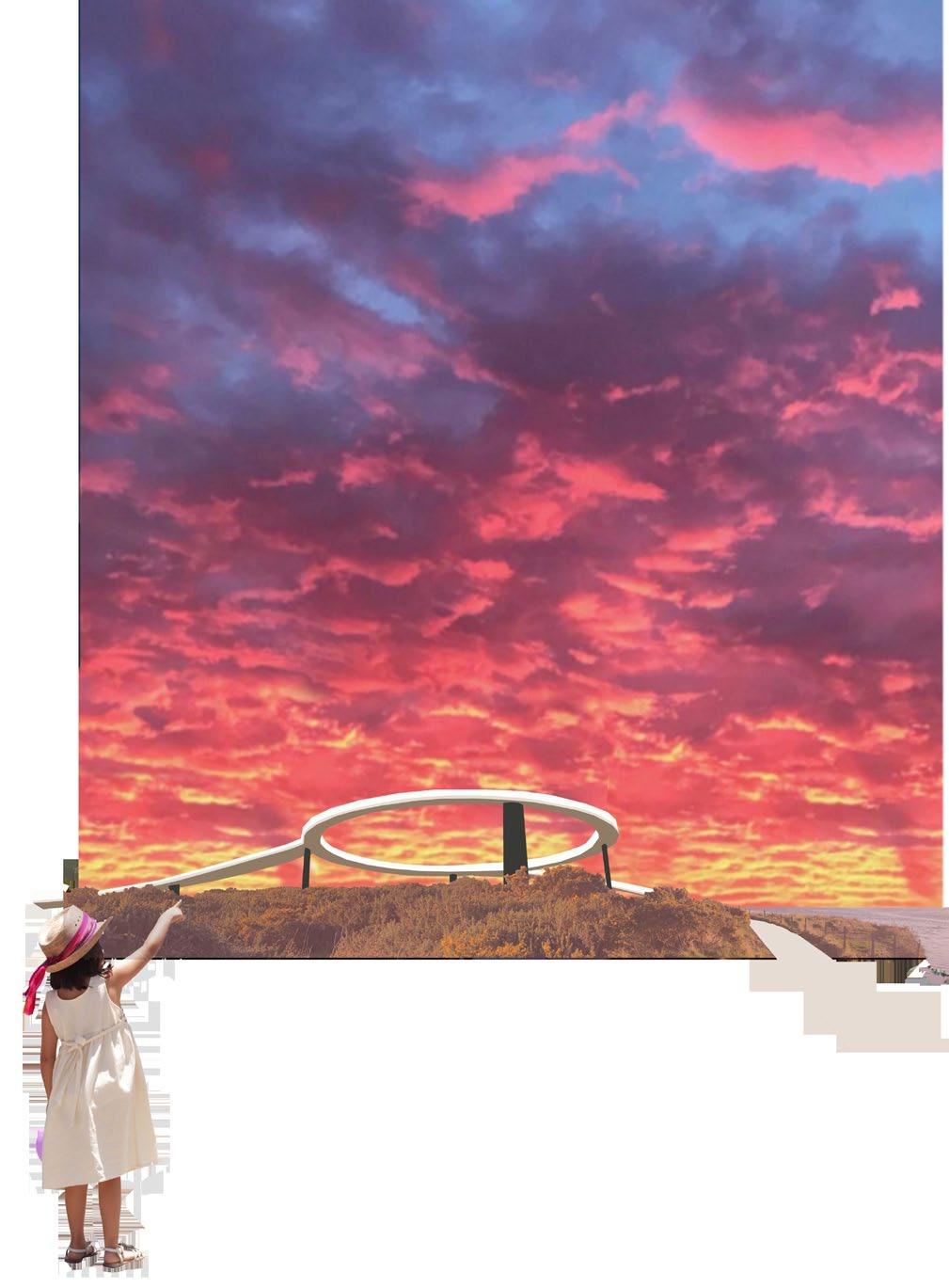
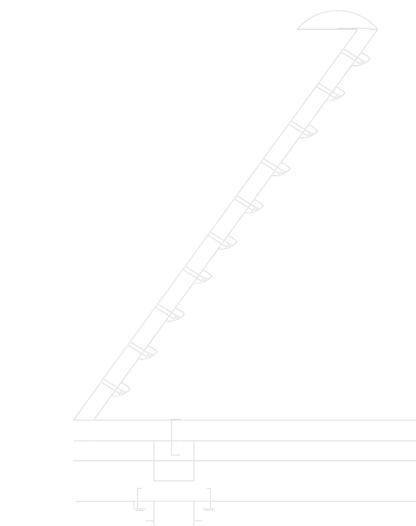
Starting from The coast, journeying from the coastal walk, the rest of the wooden gate allowing you to cross the dart railway line invites the user to explore this wild coastal habitat. Moving away from the coast the user is brought into another remarkable landscape, being able to traverse past the dart line and explore. Raising over the dense vegetation found along the site users would have unrestricted views of the Murrough Wetland as well as being able to see the Coast as well.
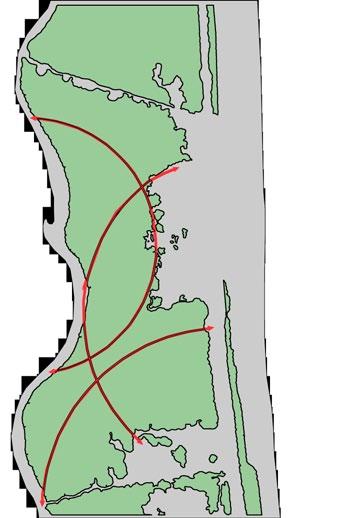
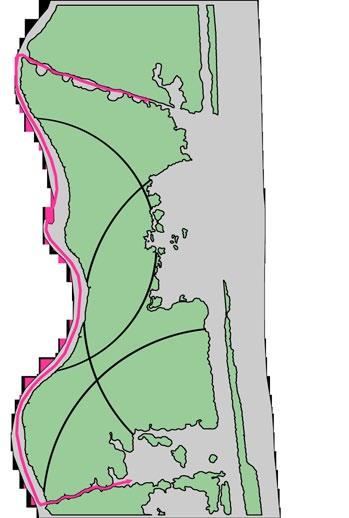
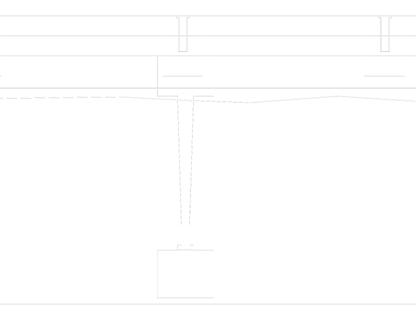
Along the coast, deck seating is lain along the coastal walk, allowing users rest while also protecting from any winds coming from the west. Semi permeable wave breaks would be viewable from the coast, mitigating erosion on the important shingle beach. A mix of seaweed and the semi permeable wave breaks would allow for the wave power to be dispersed before hitting the coast while not directly effecting the shingle beach or disrupting the habitat.
the
the wetland
act to promote
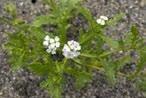
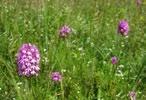
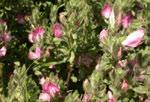
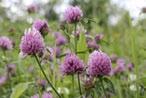
along the West of the site
creating pockets
not disrupt the habitat which
and areas of privacy
Red
Location - Blind Quay, Dublin City
Garden and Landscape Design Association (GLDA)
Competition 2020 Submission
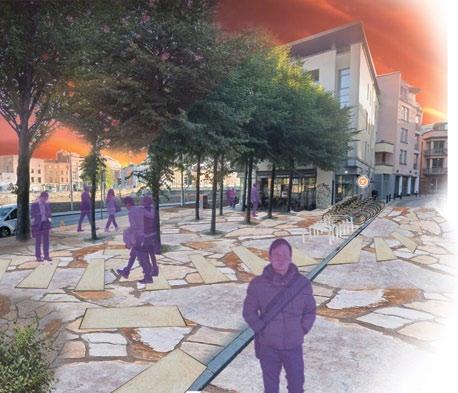
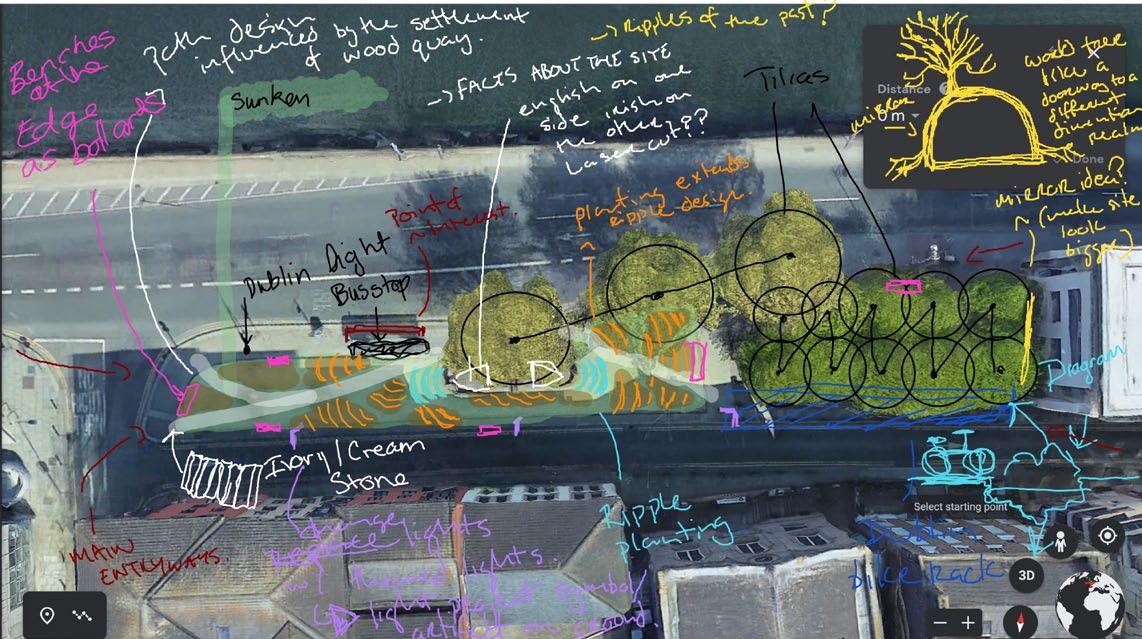
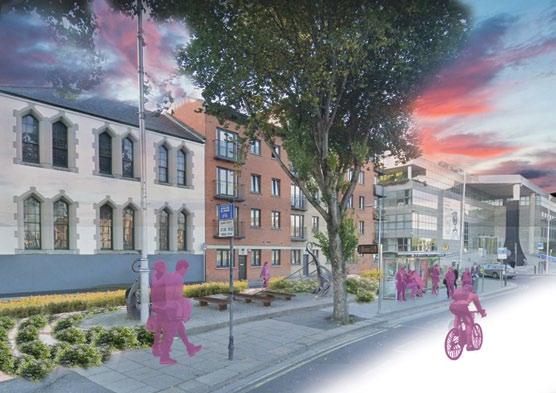
Project Overview - Inspired by the archaeological site founded at Blind Quay this unique walkway brings a feel of wonder and unique nostalgia to this area once owned by the Vikings.
The colour of the site is inspired from the crafts and bone carvings found on the site, comprising of creams and browns.
Project Objectives - Removal of bollards
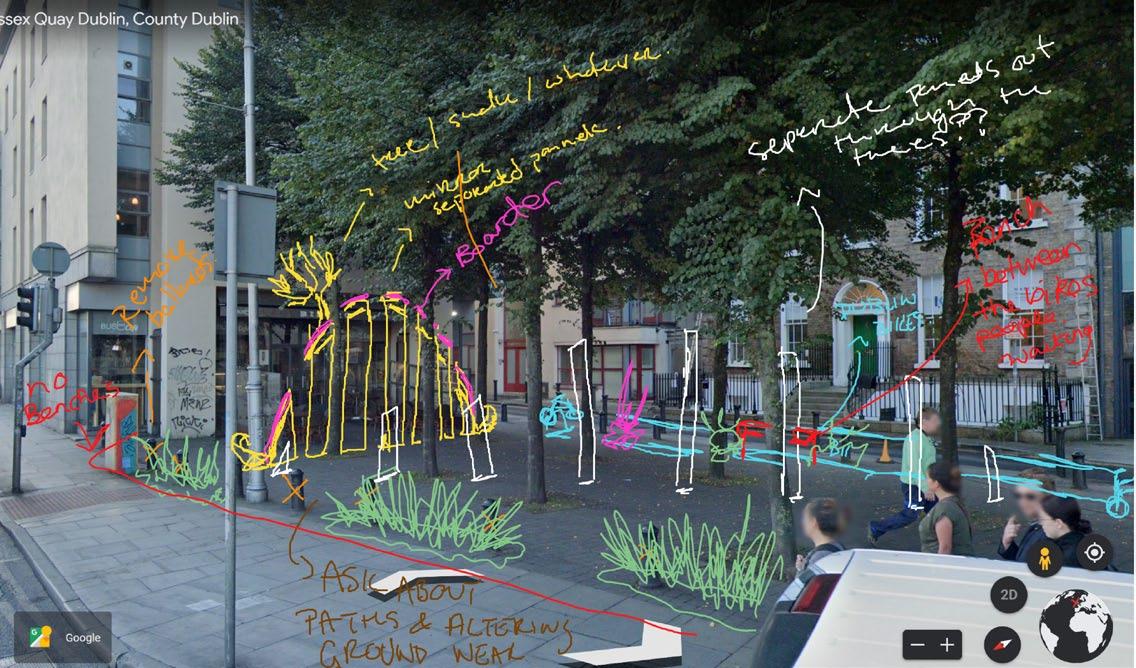
Introduction of more pollinator plants
Retention of Tilias
Addition of rain gardens for SUDS Repaving and timed pedestrianizing of Exchange Street
Introduction of a gentle slope on site Lowering part of the site Introduction of reflective benches
Concept -
Creating a design for Blind Quay which would incorporate the history of the site within the design, creating an atmosphere of nostalgia, comfort, safety and intrigue
Achievements -
Best Innovative Detail Concept Design Award
Collaborator -
Barbara Steczkiewicz
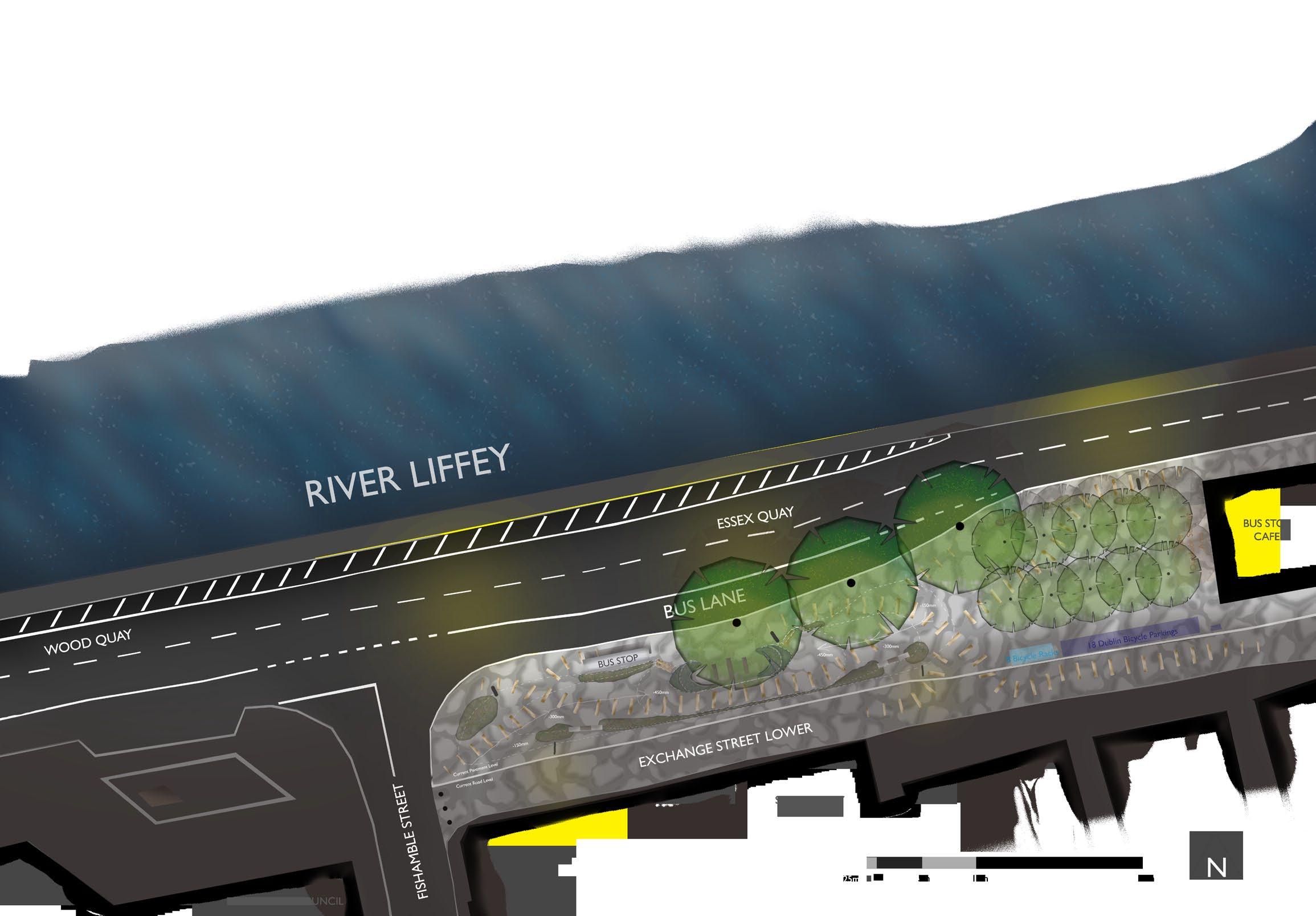
Inspired by the archaeological site founded at Blind Quay this unique walkway brings a feel of wonder and unique nostalgia to this area once owned by the Vikings. The colour of the site is inspired from the crafts and bone carvings found on the site, comprising of creams and browns.
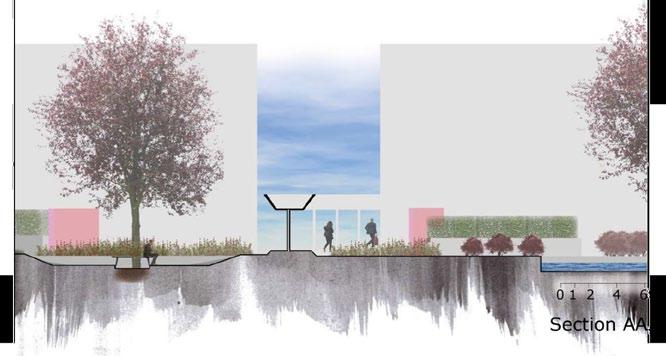
Oak, stainless steel, Indian sand stone and granite flag stone would be the materials used on this site. The use of oak is due to the fact that Vikings used this material in most of their crafting and building, also complimenting the aesthetic quality of the site. Stainless steel would be used for a bench with a reflective pool design. This design would work by creating pools of water, collected, on the sides of the benches when it rains.
Indian sand stone would be used to create 'suggestive pathways' on the site with carvings of artefacts found on the site carved into them to create interest upon the site. The granite flagstones will be designed in such a way to make a permeable paving and mimic the wall on Lambs Alley, connecting medieval Dublin.
Section AA A A Automatic Retractable Bollards Reflective Pool Bench 'Suggestive Pathways' 'SUDS' Garden Retained Existing Trees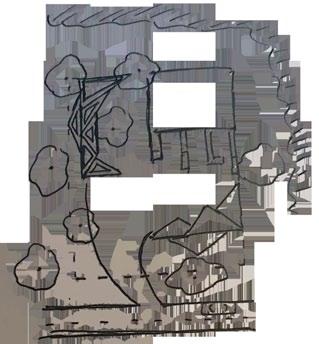
Location - Biot, France
Project Overview - The outline of the brief given for this project was to design a private garden in a foreign country, creating a garden which would adhere to the principles of universal access, parking, allowing space for recreation.
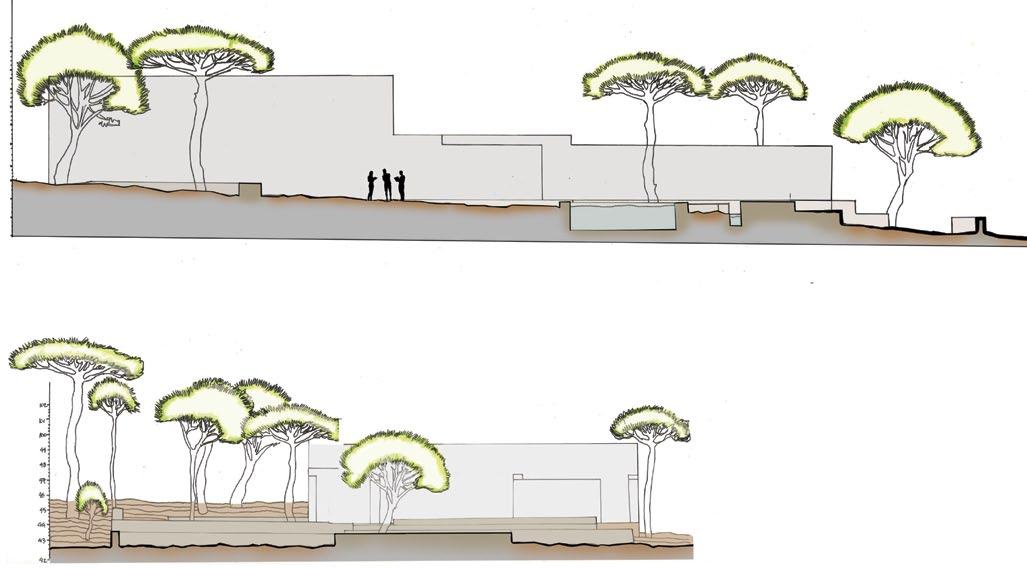
Design Objectives - Making a statement, this private garden defines itself within the landscape creating an area of structure within the Southern French landscape. The objectives of this design was to create a private garden which would compliment the design of the house, while retaining as many of the stone pine trees that are on the site. Making the topography of the original hill less severe would also be a favourable outcome.
Concept - This garden, within Biot France, has been inspired by French architects as well as taking the atmosphere of Biot France into account.
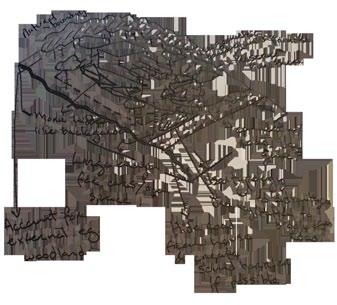
This garden takes a modernistic design, using geometric design to complement the proposed house.
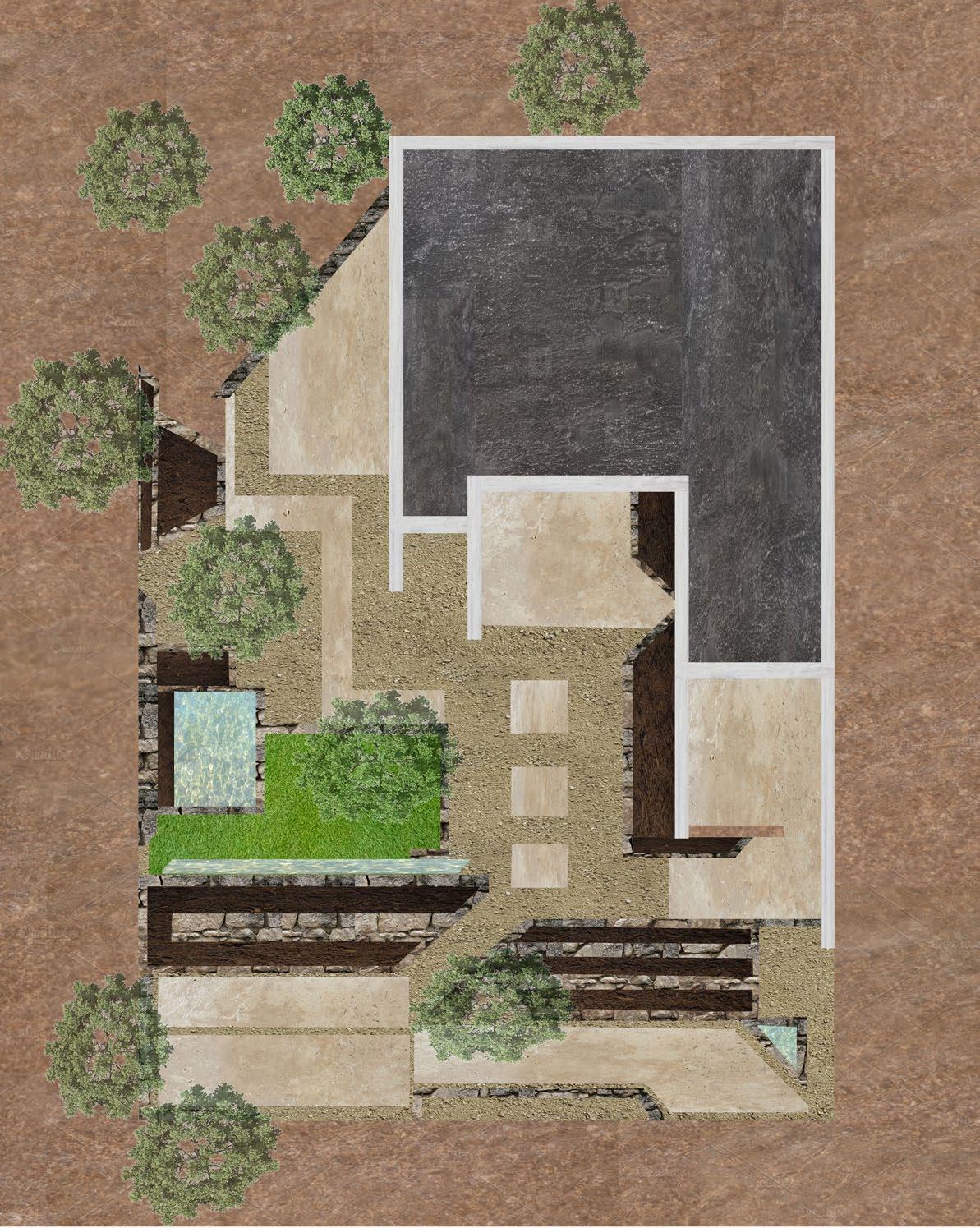
The materials used within the garden would be local sourced limestone, which would include tufa, travertine and decomposed limestone gravel. Preserving as many of the Stone Pine Trees on the site as possible this garden would maintain continuity within the landscapes as well as giving the site a strong character.
Influences - This Garden takes influence from the likes of Le Courbusier, Issabelle Auricuste and Charles Jencks, French Landscape Architects with unique and modern design in both their hardscapes and softscapes. This Garden also takes influence from Thomas Church, a landscape architect who works across Los Angeles. His design philosophies also influence this garden. Andria Cochram and her amazing works and designs also influence this garden.
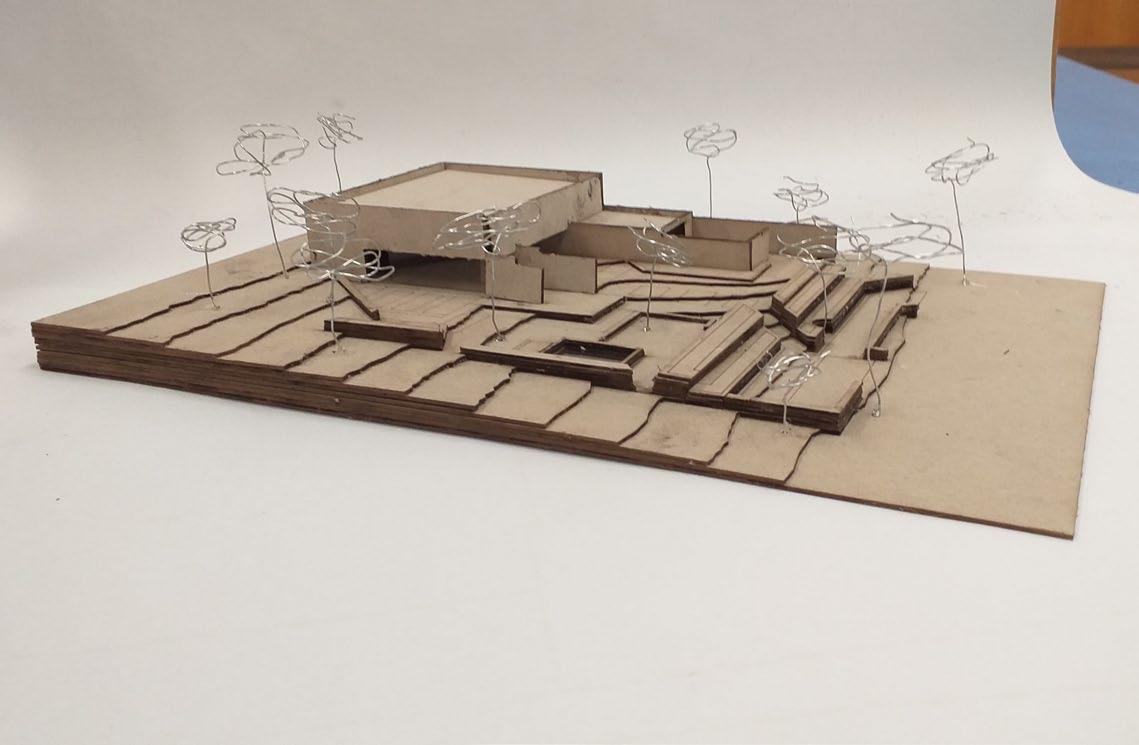
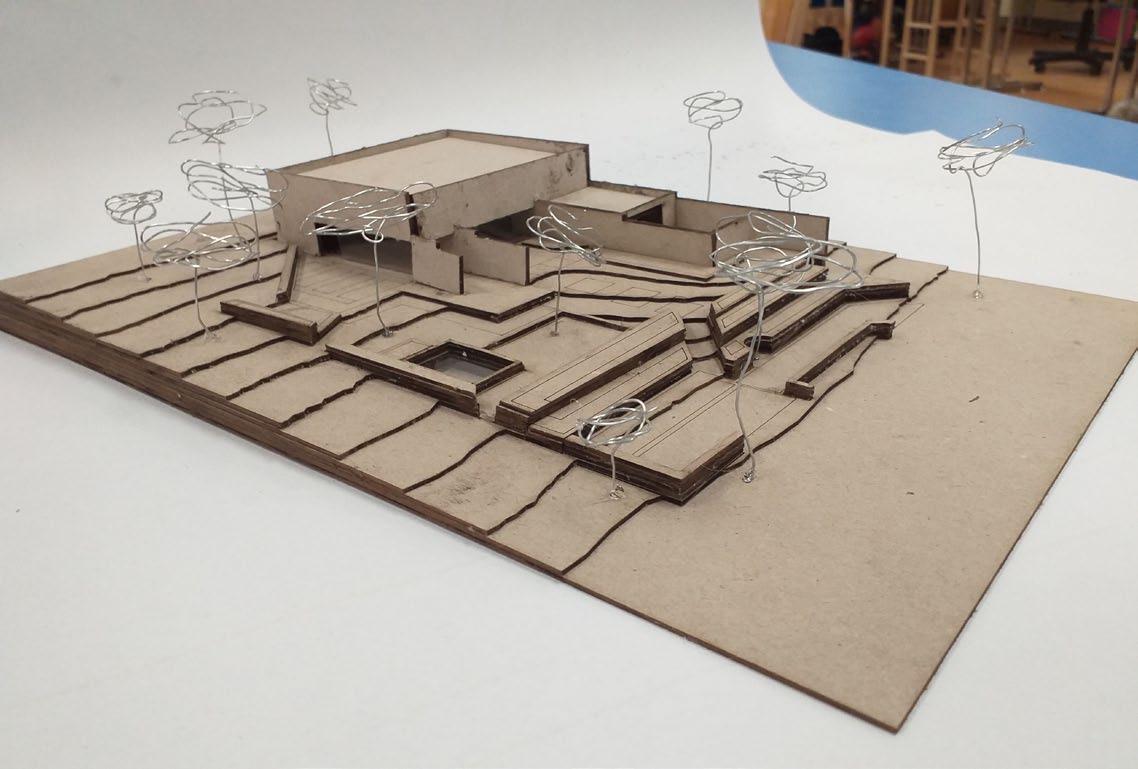
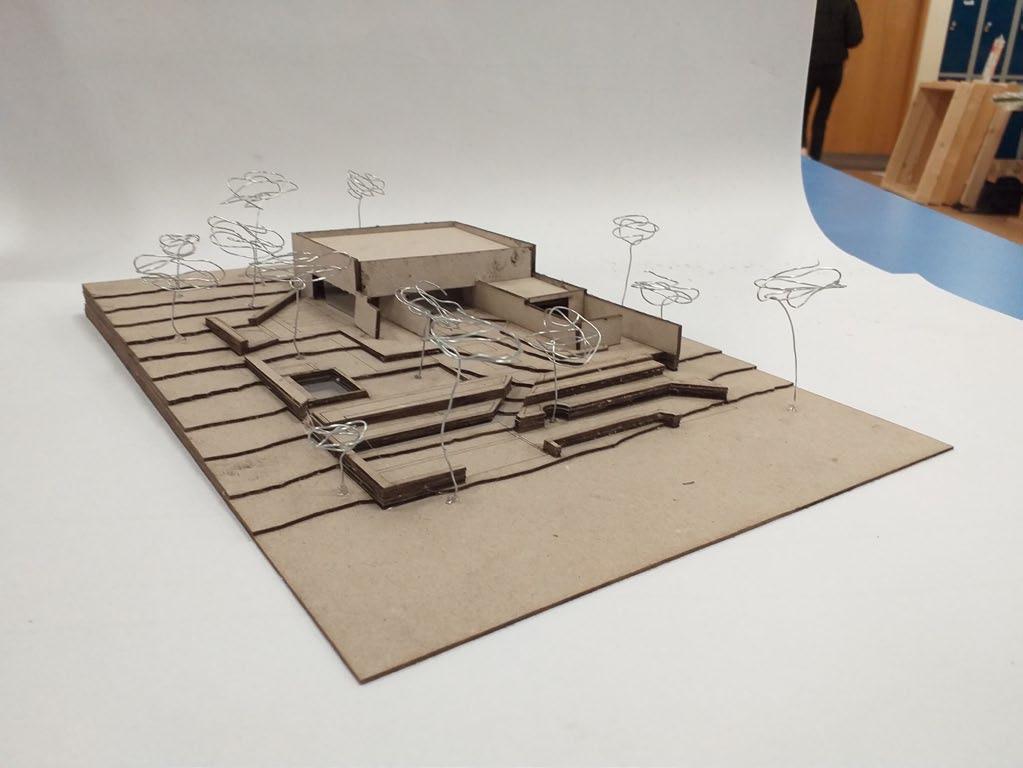
Location - Swinford, Mayo
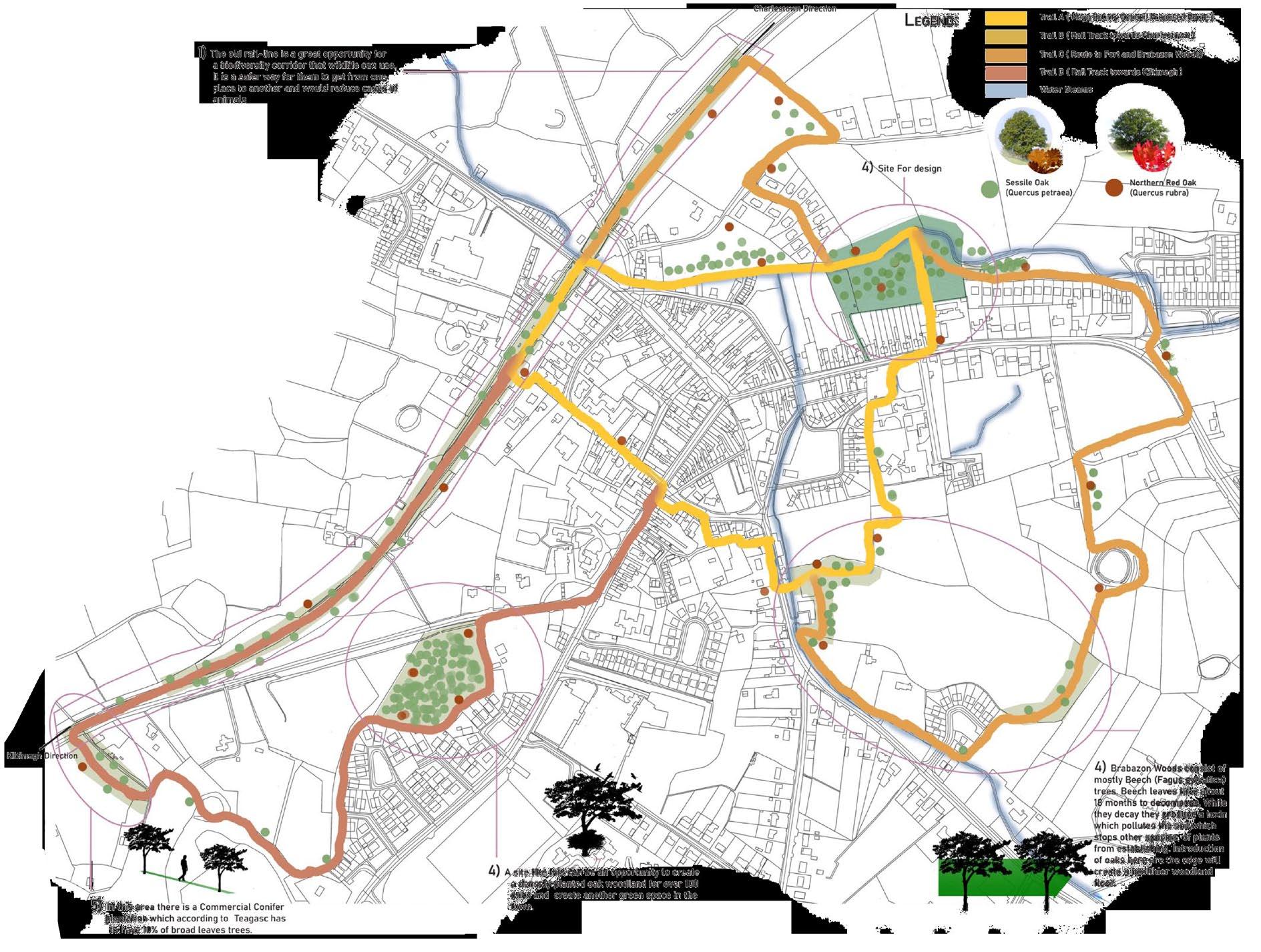
Project Overview - The creation of a public space within the town of Swinford, while planning the location of 250 oaks
Design Objectives - Making a statement, this private garden defines itself within the landscape creating an area of structure within the Southern French landscape. The objectives of this design was to create a private garden which would compliment the design of the house, while retaining as many of the stone pine trees that are on the site. Making the topography of the original hill less severe would also be a favourable outcome.
Concept - This garden, within Biot France, has been inspired by French architects as well as taking the atmosphere of Biot France into account.
This garden takes a modernistic design, using geometric design to complement the proposed house.
'Follow the Folk to the Oak Trails' A group project made in collaboration with Lukas Kazlauskas and Barbara Steczkiewicz
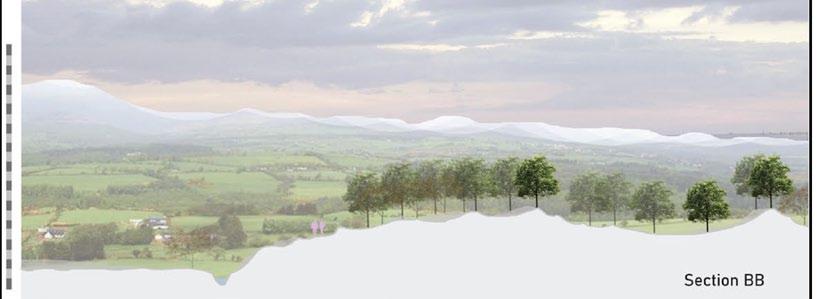
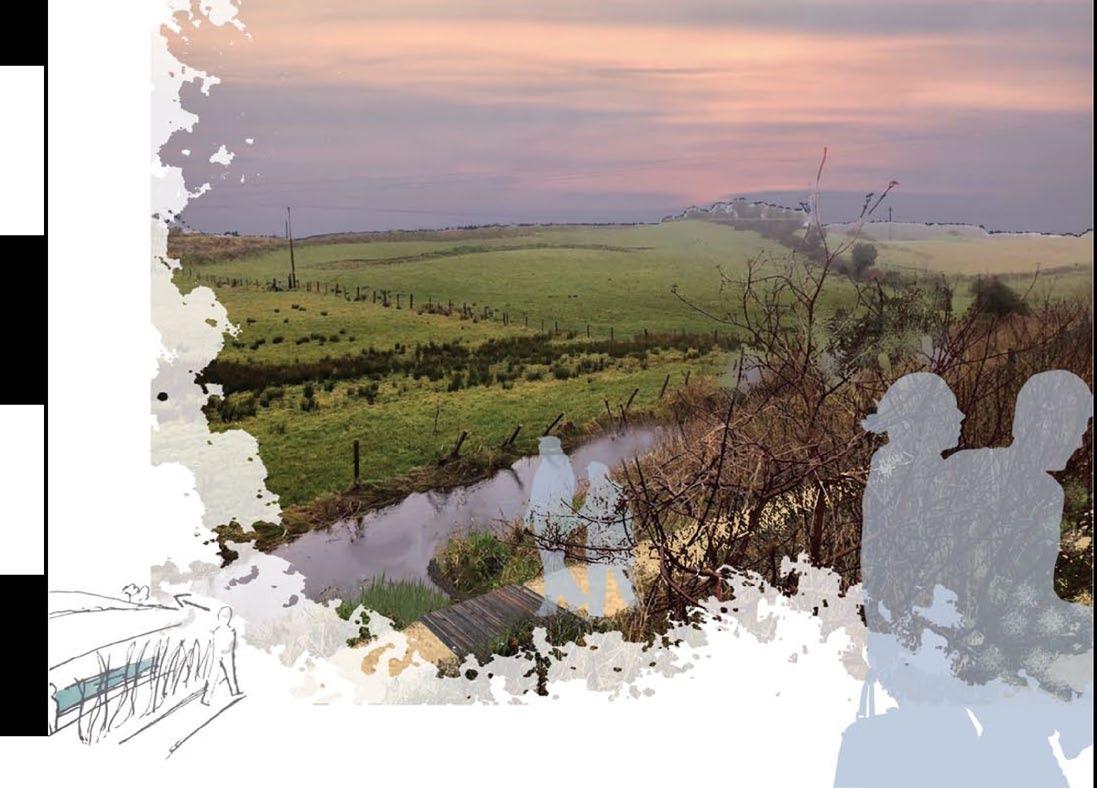
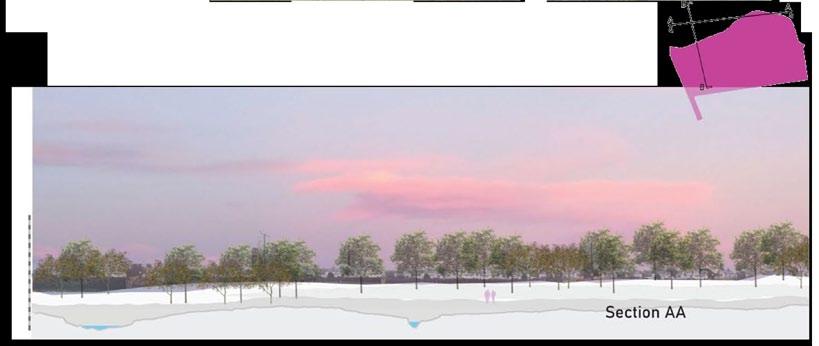
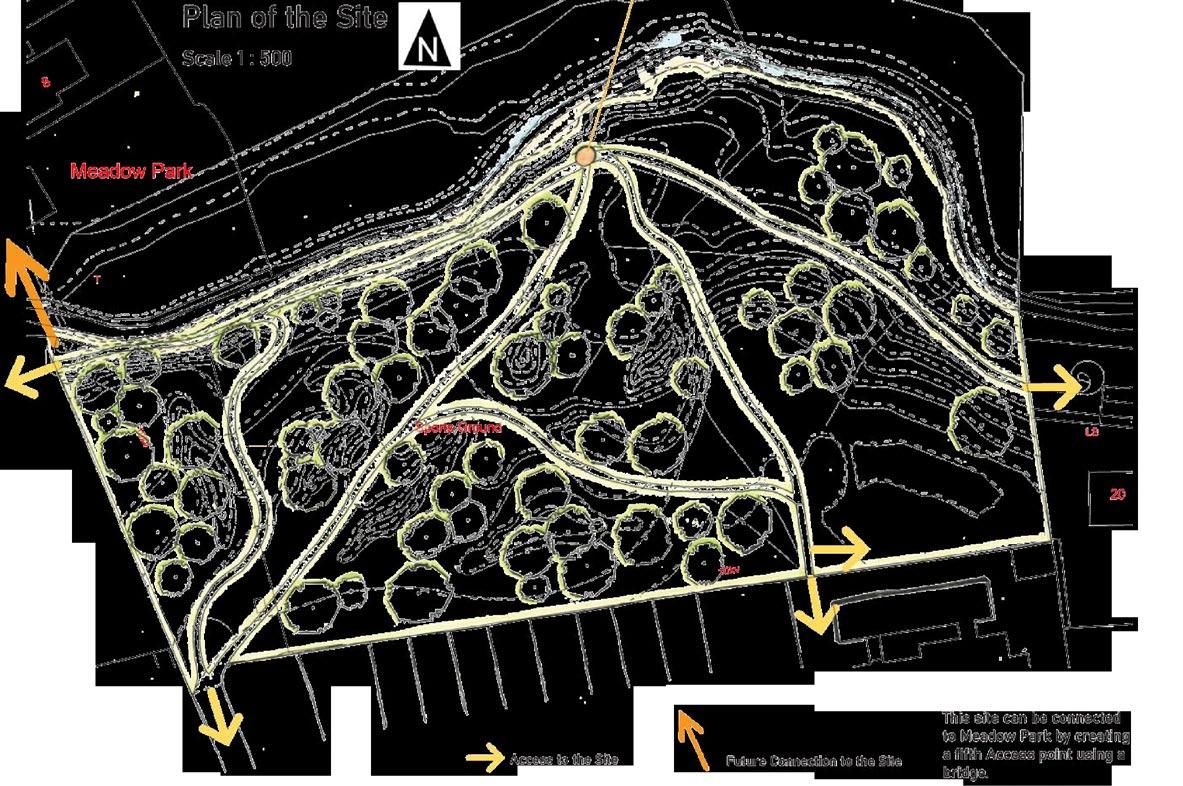
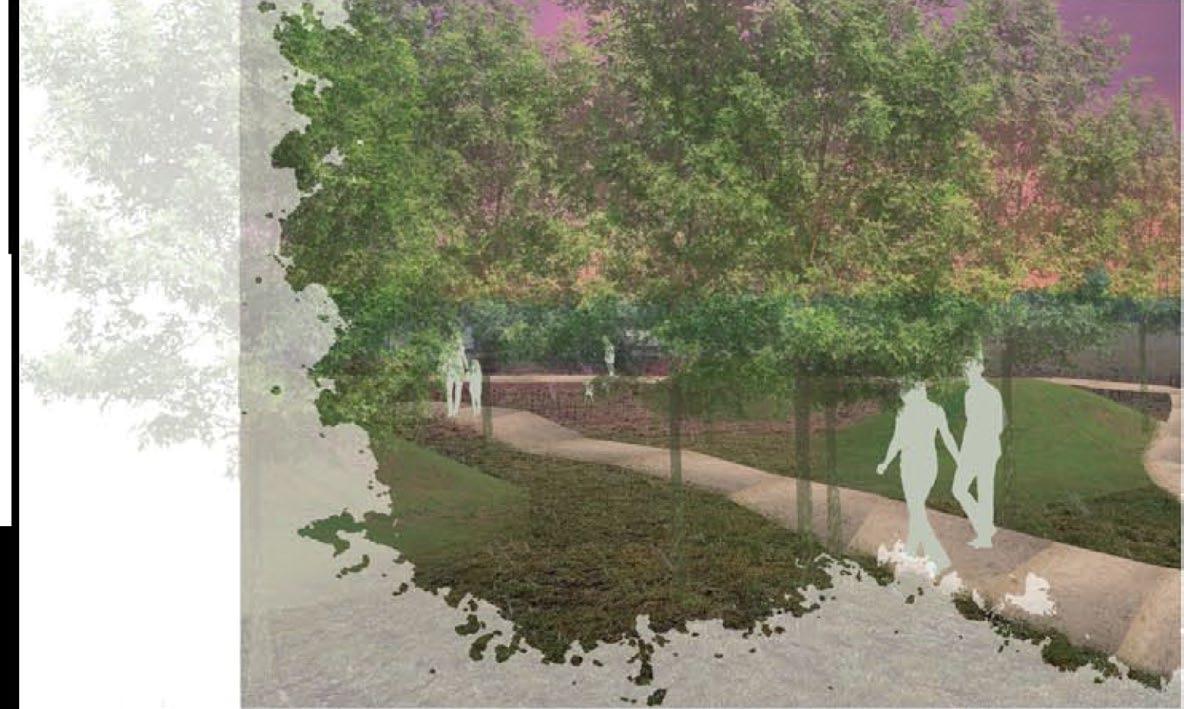
Location - University College Dublin, Dublin 4
Project Overview - The outline of the brief given for this project was to take the design Steven Holl proposed for the North side of the UCD campus and to design an area which suit the context as well as improving the area for Architect, Engineer and Landscape Architect Students who would be using this area.
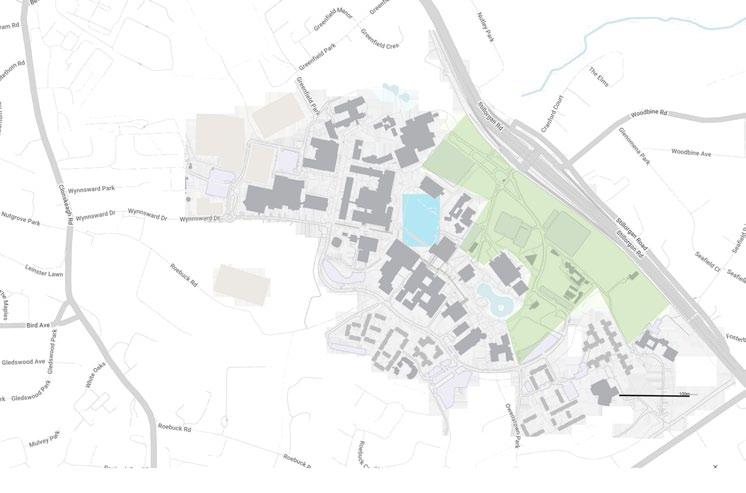
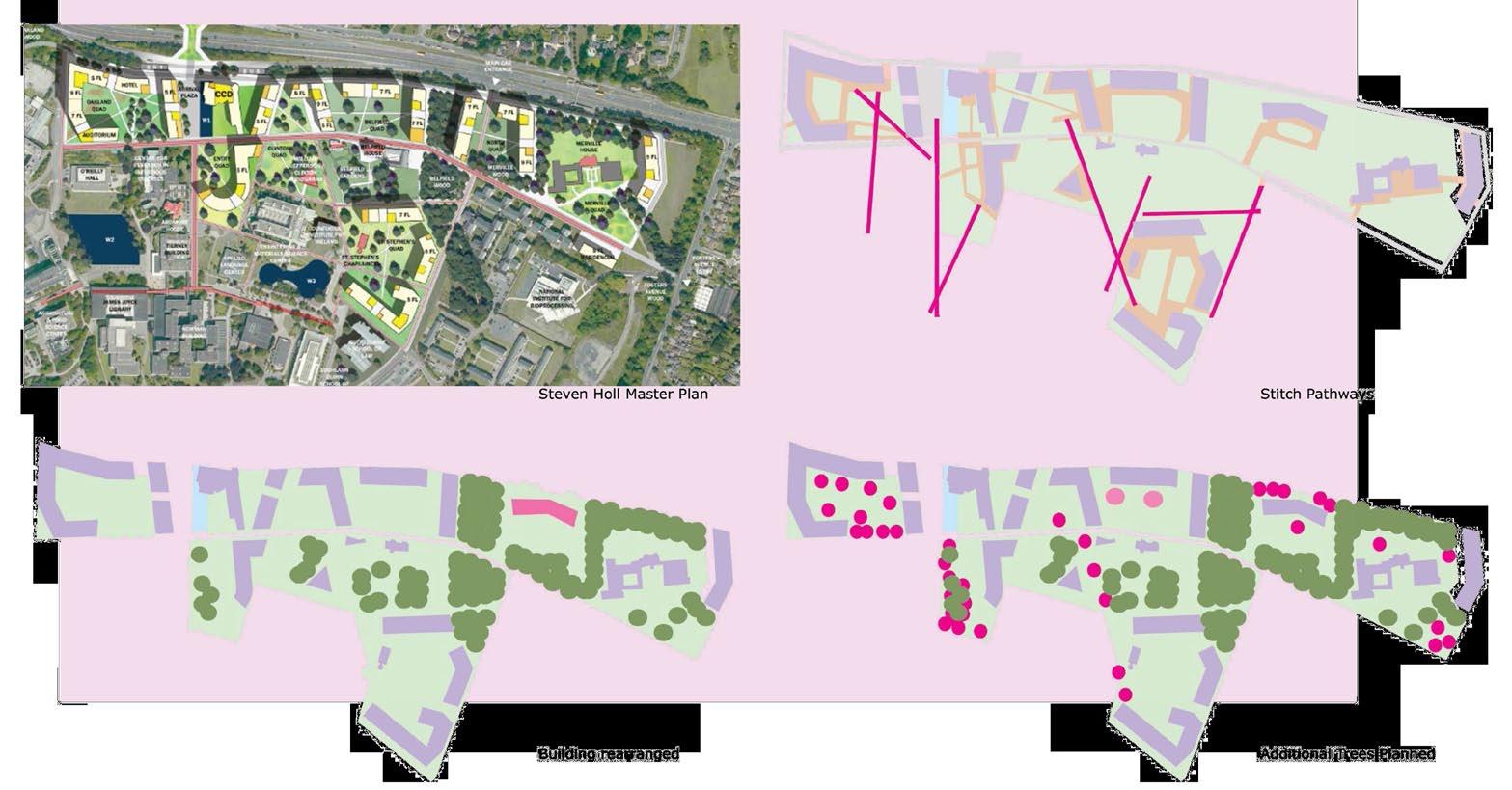
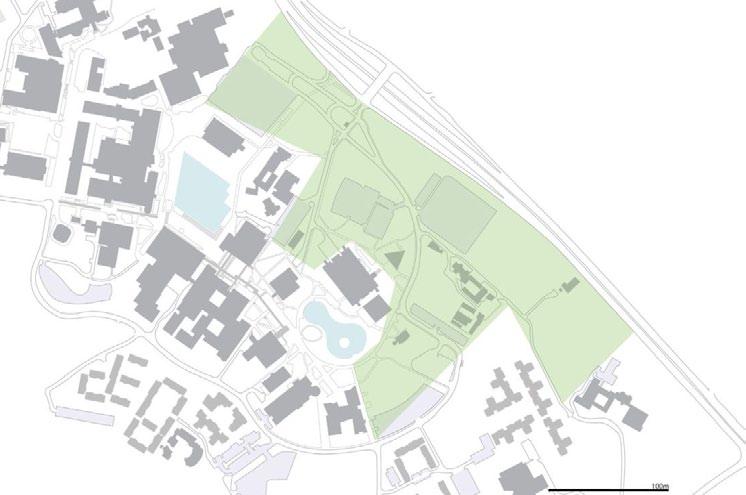
Design Objectives - Connectivity: Through design the campus would be more connected by getting multiple faculties involved with the new campus, increase user access and allow for more users to interact with the site.
Continuity: Pathways leading from the campus to the new proposed site, connecting the most popular areas directly to the site. Also through tree planting found on campus the design between the original campus and Steven Holls design would be connected.
Comfortability: Giving an air of comfort would allow for an easier transition of students too and from the new site, benefiting the social aspect of the college. Being students and lecturers spend so much time on the campus, making it comfortable and more beneficial for the users.
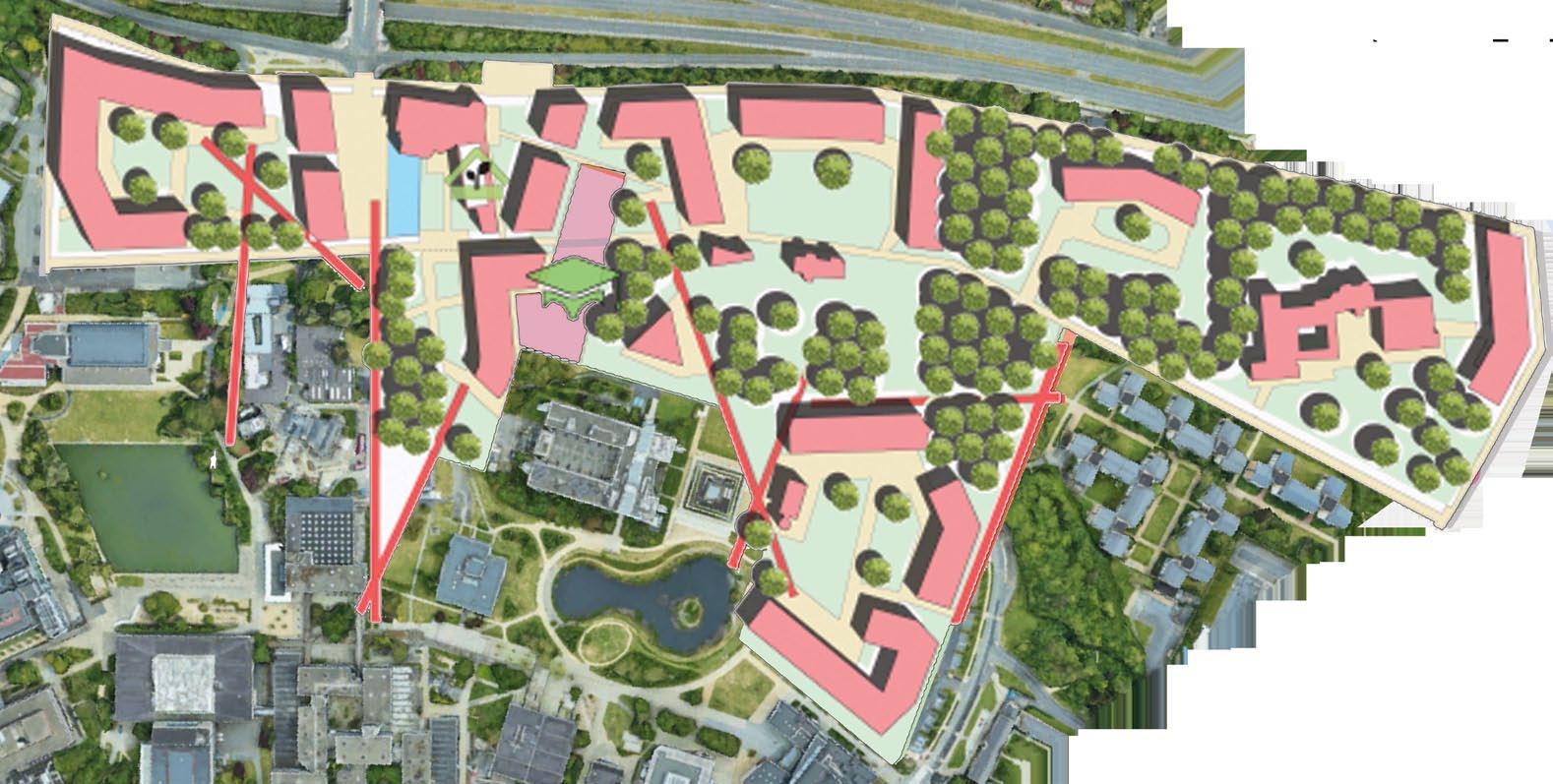
Concept - The approach taken for the design was to connect the campus through 8 'Stitch Pathways'. These pathways would lead users from focal areas of the main campus and of the proposed design. These pathways would leave the site boundary and give a gentle implication on where you can go within the site, guiding the user to the main areas of interest.
From Steven Holls general building lay out, one building has been altered on its placement as it is currently located on a site of great ecological importance. The building would have been built on a woodland which is over 200 years old and is a great asset to the ecology on the campus.
Site Location - UCD
N
Site Boundary - North East of UCD
Central Hub
CCD Building
Green Roof
N
The proposed design would merge both Steven Holls competition design with the surrounding campus of UCD. Steven Holl is an architect from New York with designs which are very geometric and modernistic designs.
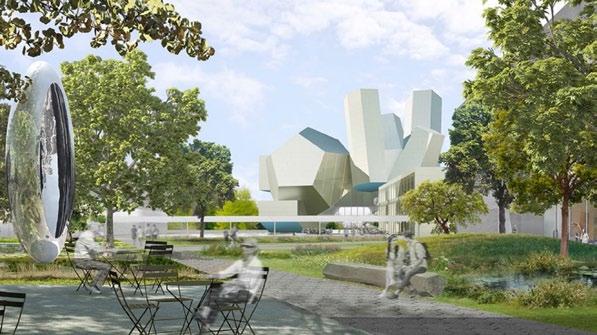
The landscape design juxtaposes the more geometric buildings of Steven Holl to create a vibrant and wild landscape. The planting throughout the site would be inspired by Nigel Dunnett, and his Steppe Meadows.
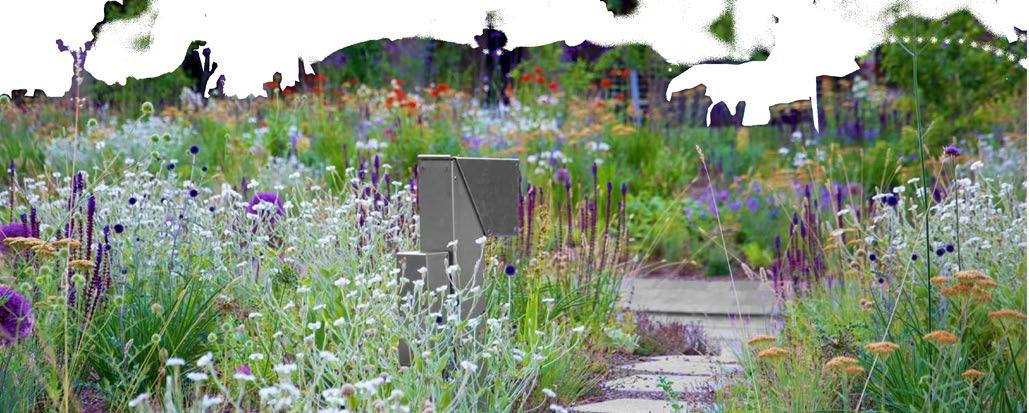
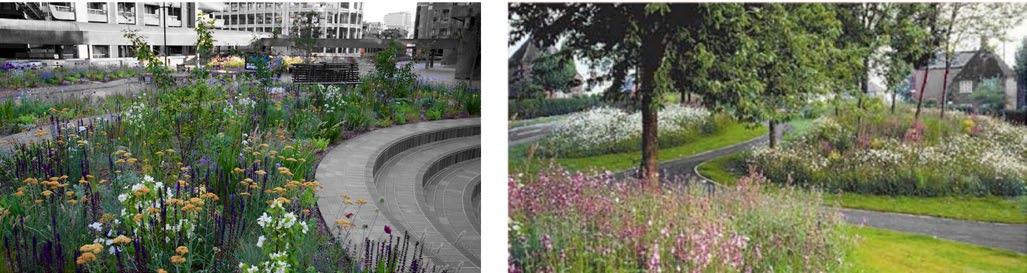
The proposed landscape would connect the main social hubs of the original campus allowing for the (natural) movement into the social hubs of the new, proposed design. The stitched pathways would connect the main lake of UCD into Steven Holls design.
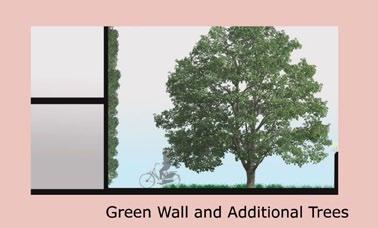
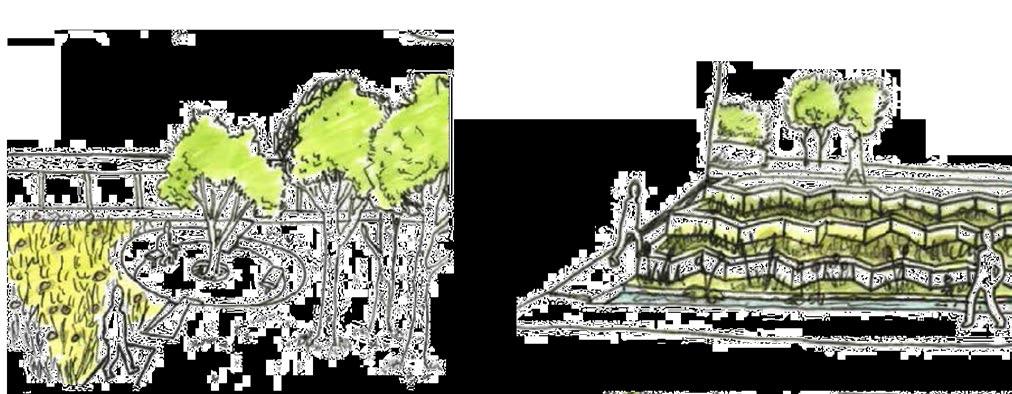
Main changes to the campus to add a unique twist to this area of the campus would be the addition of green walls on areas of interest, or buildings of importance. Submerged study areas, only dropping 50 centimetres into the ground but allowing for a subtle level change, yet allowing for a more intimate space and the addition of topography inspired planting beds, allowing basement areas to some of the proposed buildings while also creating a unique aspect to the areas.
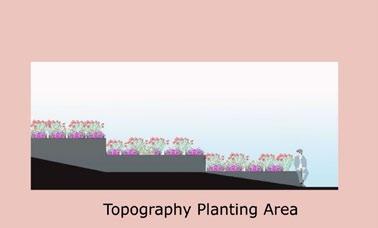
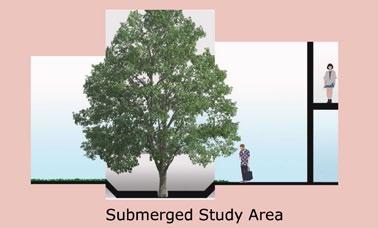
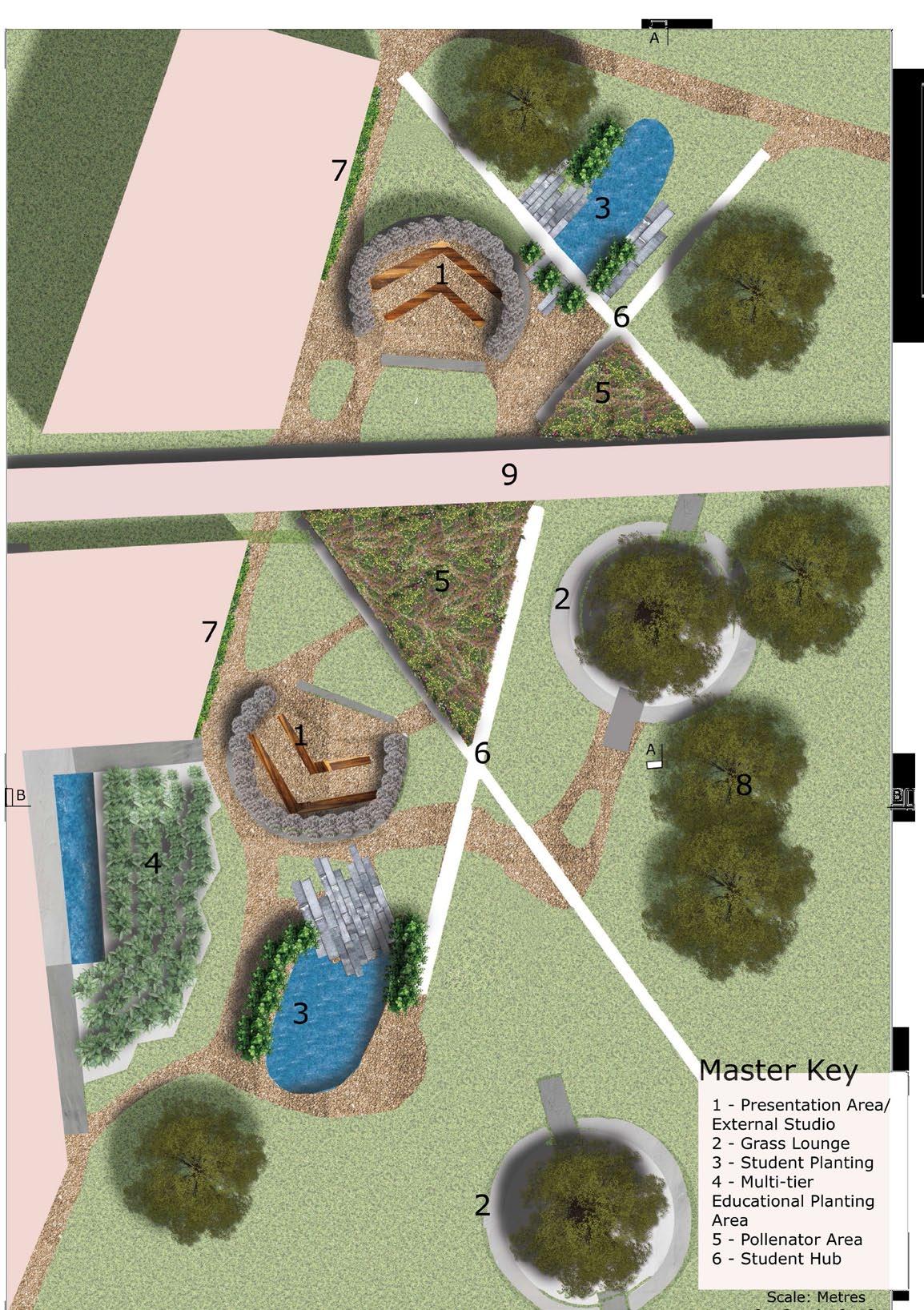
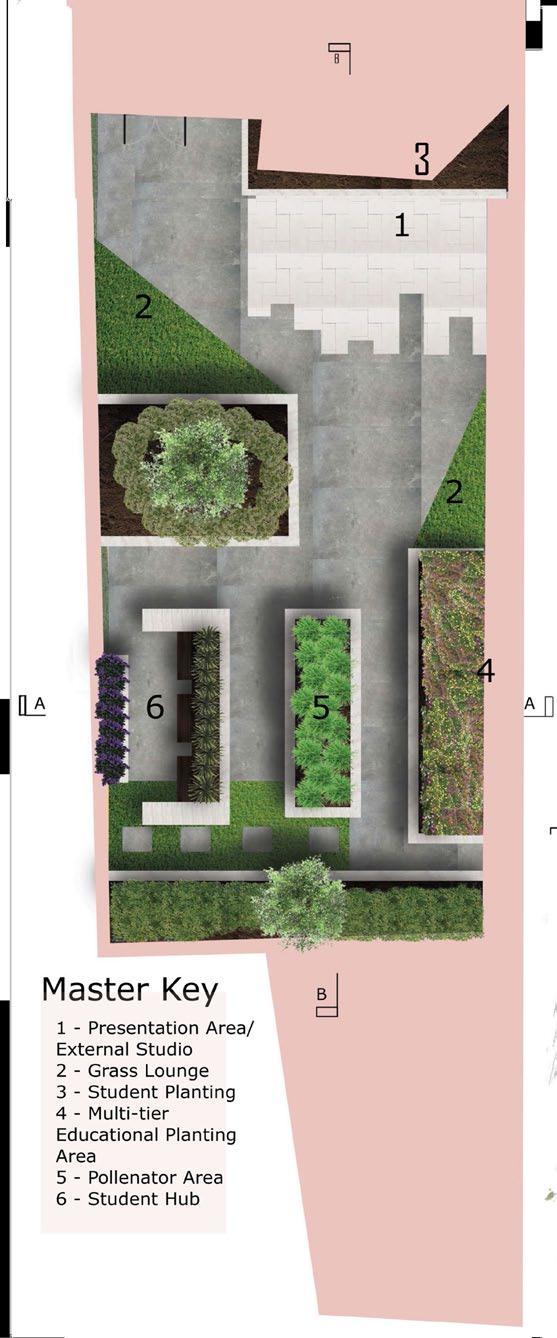
Submerged Study area - areas which have been lowered into the ground slightly to create a small area to study
Tiered Educational Planting - area for students to learn more about the plants, may be used for plant identification or horticulture
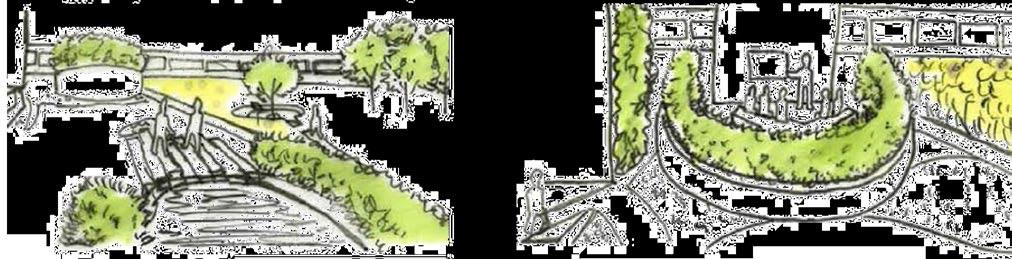
Water Feature - small lakes with the addition of a smooth granite paving where chairs can be taken out to relax
Presentation Area - an area outside which is semi private for either students or lecturers to either present or talk with privacy
Central in the proposed plan In proximity to the Teaching and Learning buildings This space can also link areas by provoking interest Located along the H-Spine path proposed by Steven Holl
N
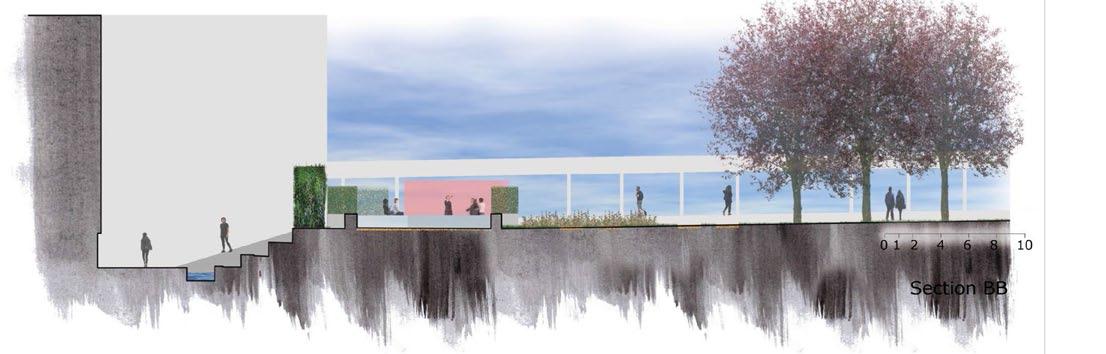
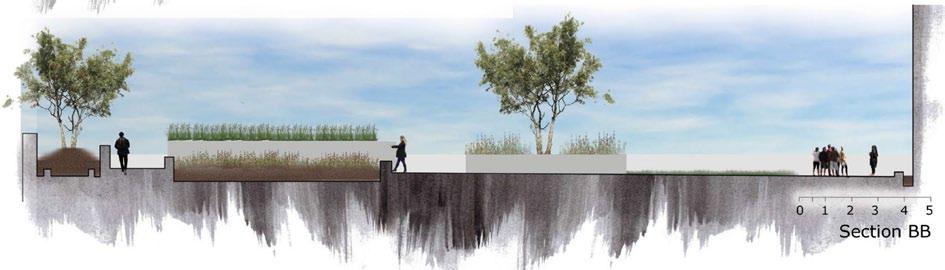
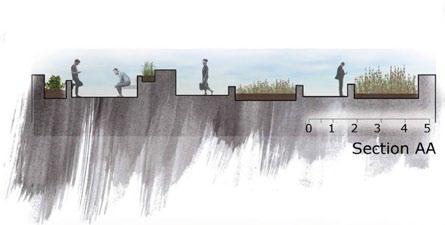
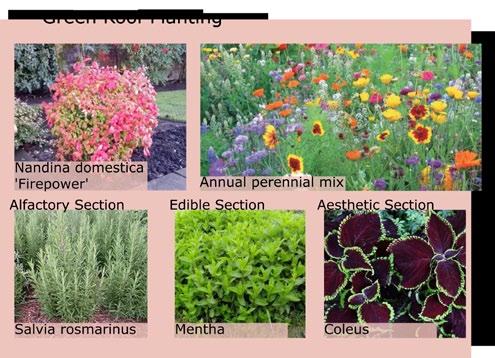
The green roof would be an area reserved more for the students who would use the CCD building. They would be the Architect, Engineer and Landscape Architect students. This roof garden would be used for education with a plant learning lab, and outdoor crit area. This area would also be open to be used as a social space, with two grass lounges and an area where students can go for study.
Throughout the green roof there would be a large area for pollinators to add to the atmosphere.
The deepest planting area would be around 800 millimetres. The plant with the deepest growing roots would be the Betula nigra multistem.
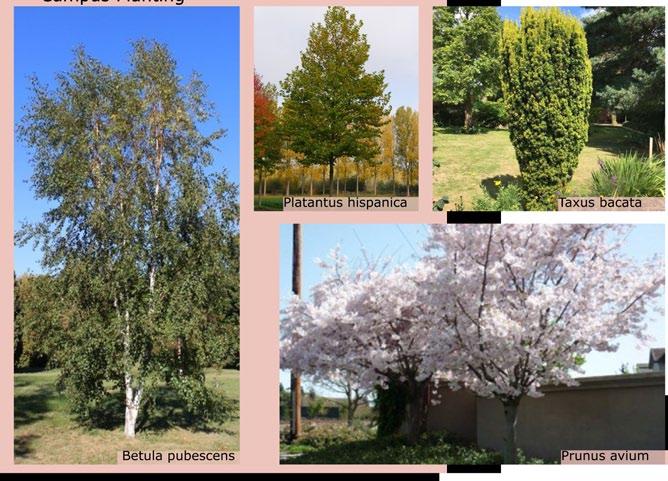
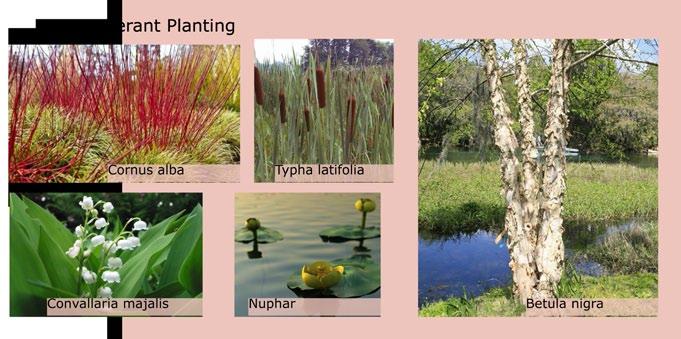
Ecology: The ecology of UCD is a diverse aspect of the campus. It has many habitats and differing ecosystems. For the design of the site planting would be used to enhance the biodiversity which already exists. Any habitats within the site should be protected meaning no species to be introduced that put pressure on the existing ecosystems.
Education: Not only for the students that learn about planting in there course but students passing through the site and learning more about there surroundings. This can be through getting modules which interact with the site or having an interesting array of plant walls or other planting structures.
Engagement: Through the use of modules or bringing an aspect of visual interest through the planting, students would engage with the environment they are in. This would allow students a new for of connection within the site. The planting would be used to emphasise social spaces, engaging the students subconsciously and making the site
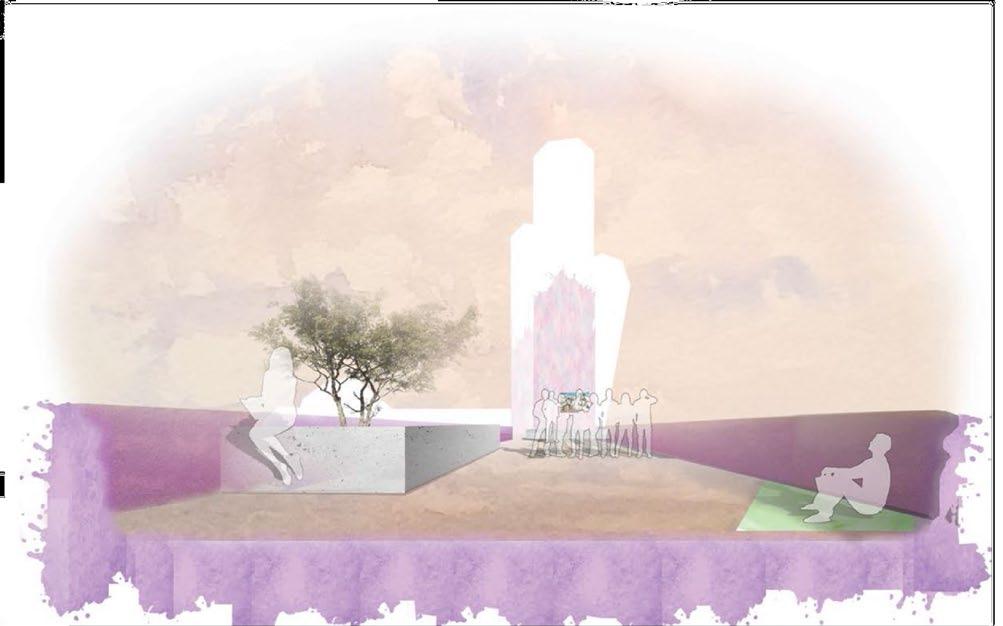
Across the site betula, prunus, platantus and taxus would keep continuity around the campus, blending with the tree species fond in the area while also allowing for the increase in shelter. These trees would also counteract the physical presents of Steven Holls proposed 5 story buildings.
 Atmospheric