PORTFOLIO
Evan Bailey
Landscape Architect
Email: bailey.evan4@gmail.com
Phone: 087 151 1151
Contents Taylors Retreat City Lungs Connecting the Coast A More Connected Campus August 2023 December 2022 November 2020 May 2022 1 2 3 4
Taylors Retreat

Taylors Retreat Public Park
Main Goals
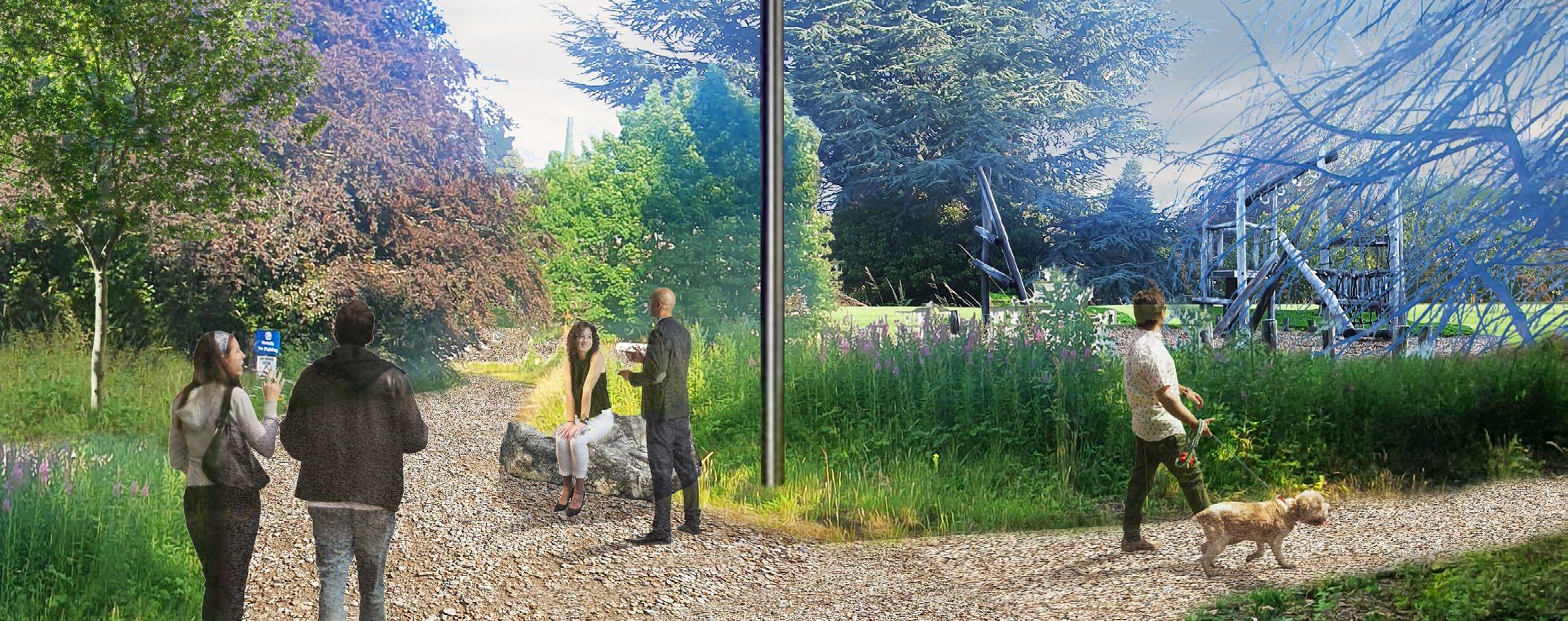
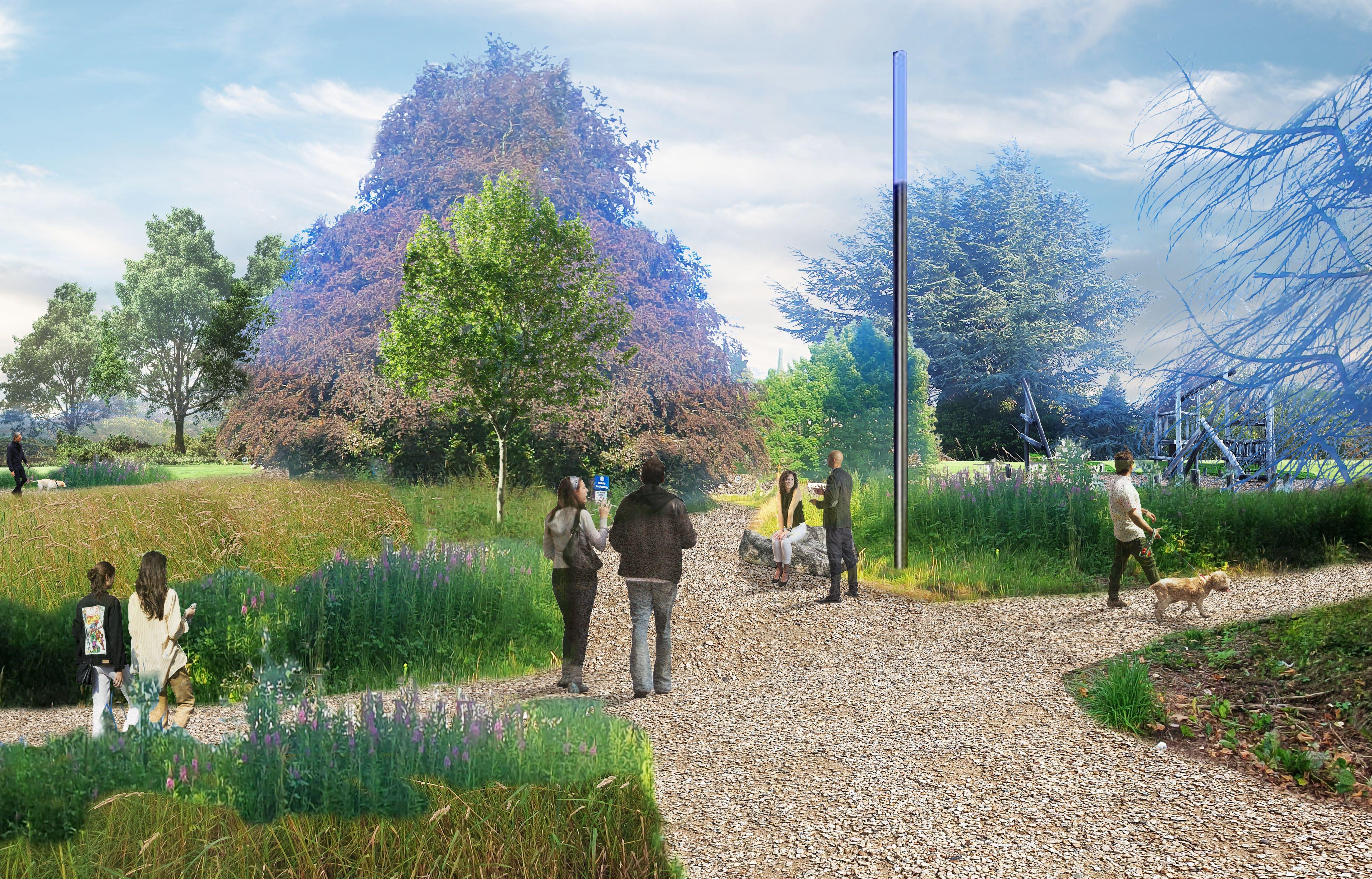
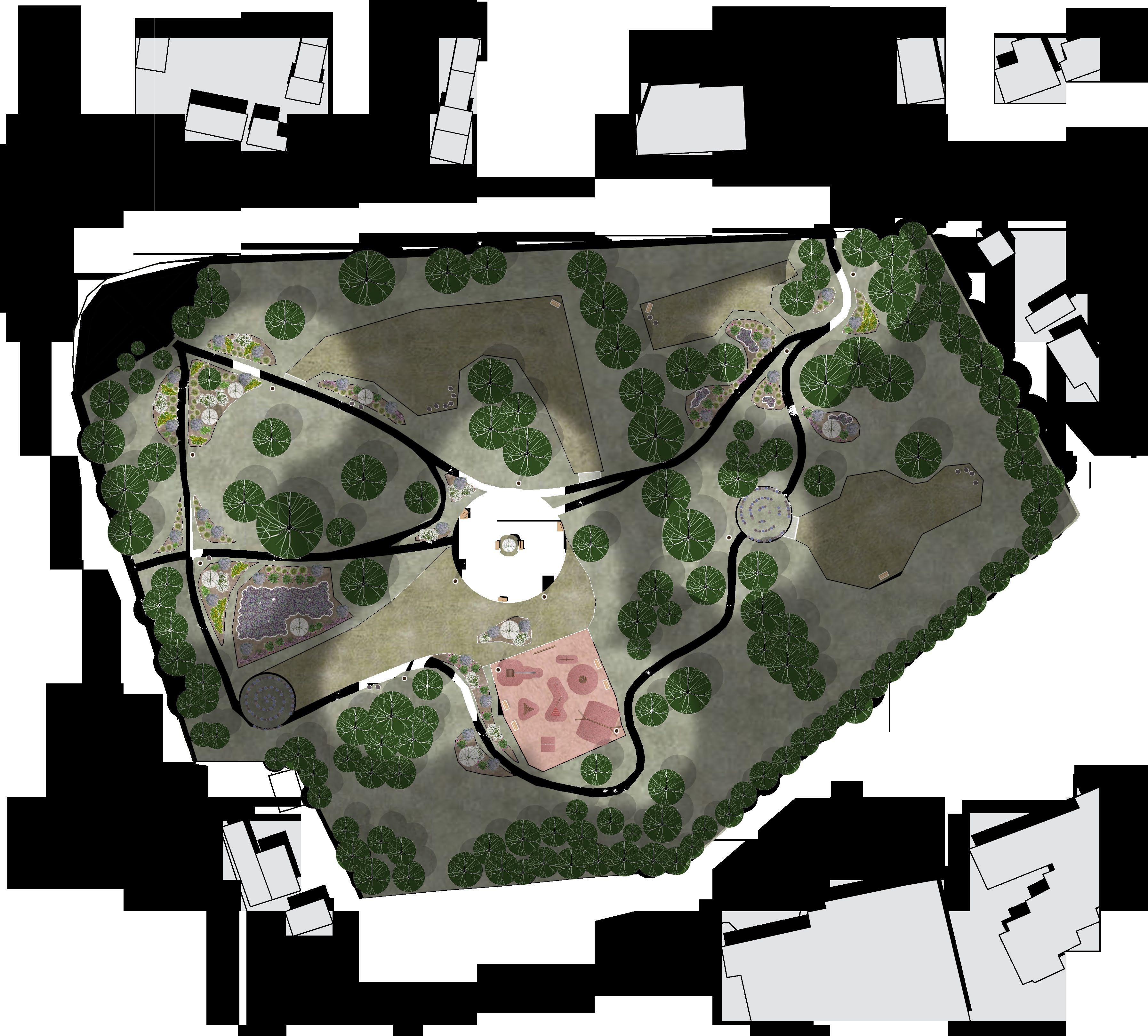
With a respectful attitude towards its surrounding context, this park would pay homage to all users, from people to insects. Created as a user-positive space, it allows for a detachment from the busy street of Taylors Lane. The park design takes into consideration the needs and well-being of its diverse visitors, promoting harmony with the environment and fostering a sense of belonging for everyone, including the smallest inhabitants like insects.
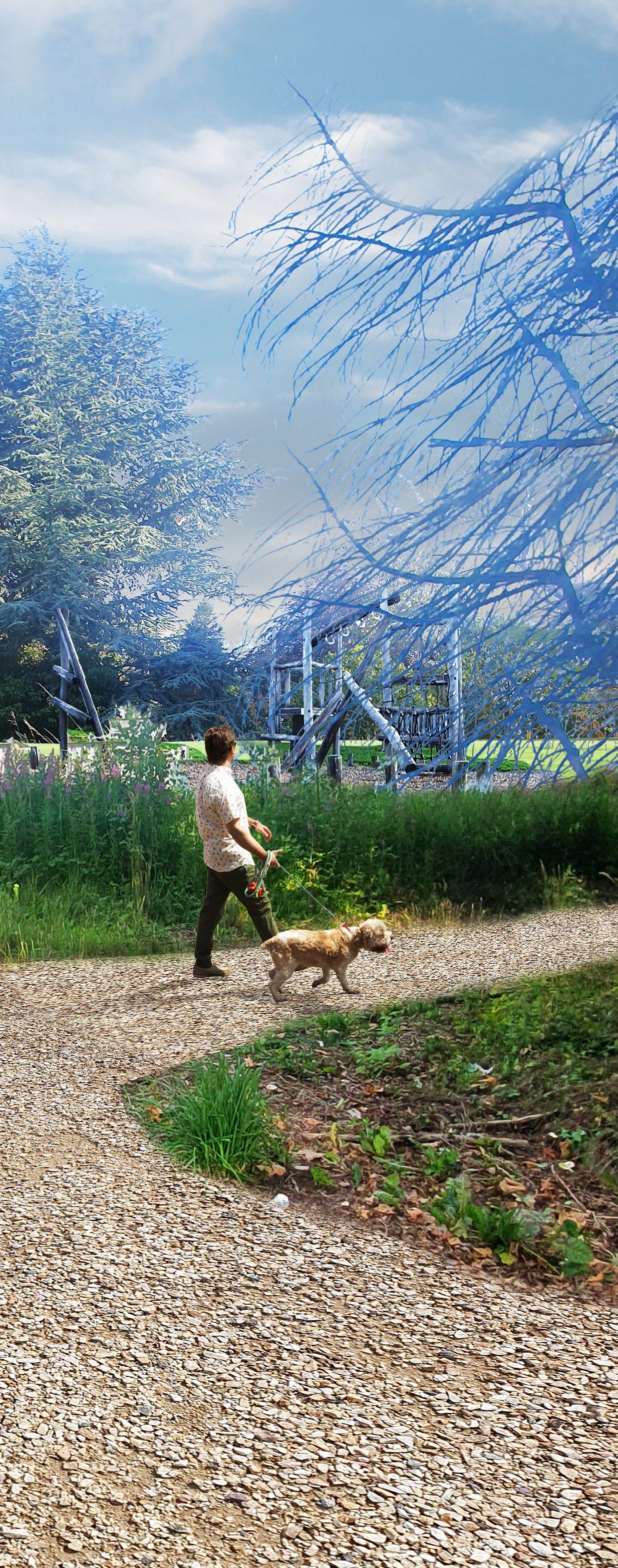
In this park, we have carefully chosen native plants that attract pollinators, such as butterflies and bees, while also providing a haven for other wildlife. The open green meadows and thoughtfully placed flowerbeds encourage biodiversity, supporting various plant and animal species.
Paths wind through the park in a way that complements the existing natural contours, preserving the existing trees and blending seamlessly with the surroundings. The materials used for the paths, like resin-bound gravel, ensure a harmonious coexistence with nature while allowing water to replenish the soil and sustain the nearby vegetation.
Seating areas and gathering spaces are strategically located to offer both solace and social interaction, encouraging park visitors to relax, play, and connect with one another. The park's design prioritizes accessibility, ensuring that everyone, including people with mobility challenges, can enjoy its offerings.
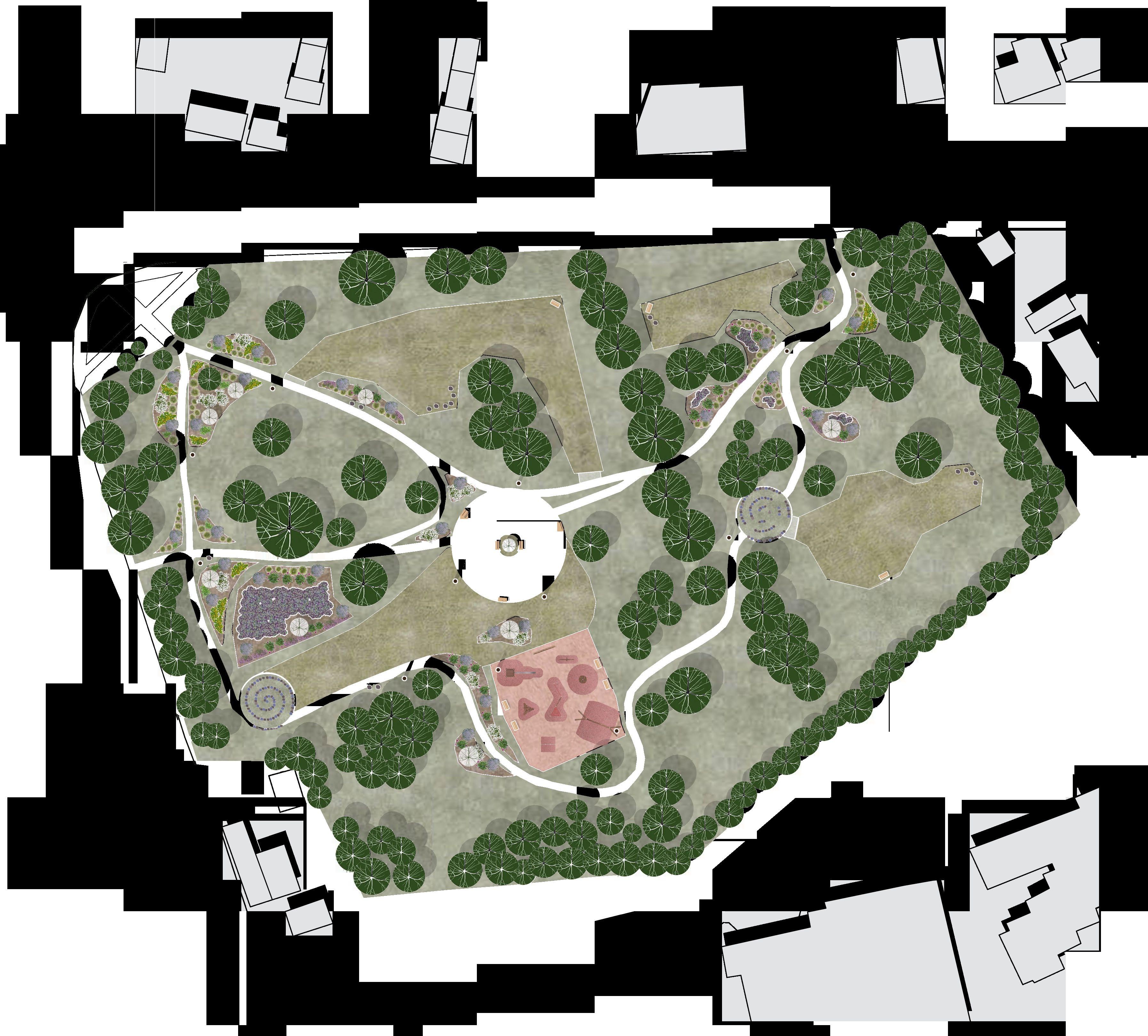
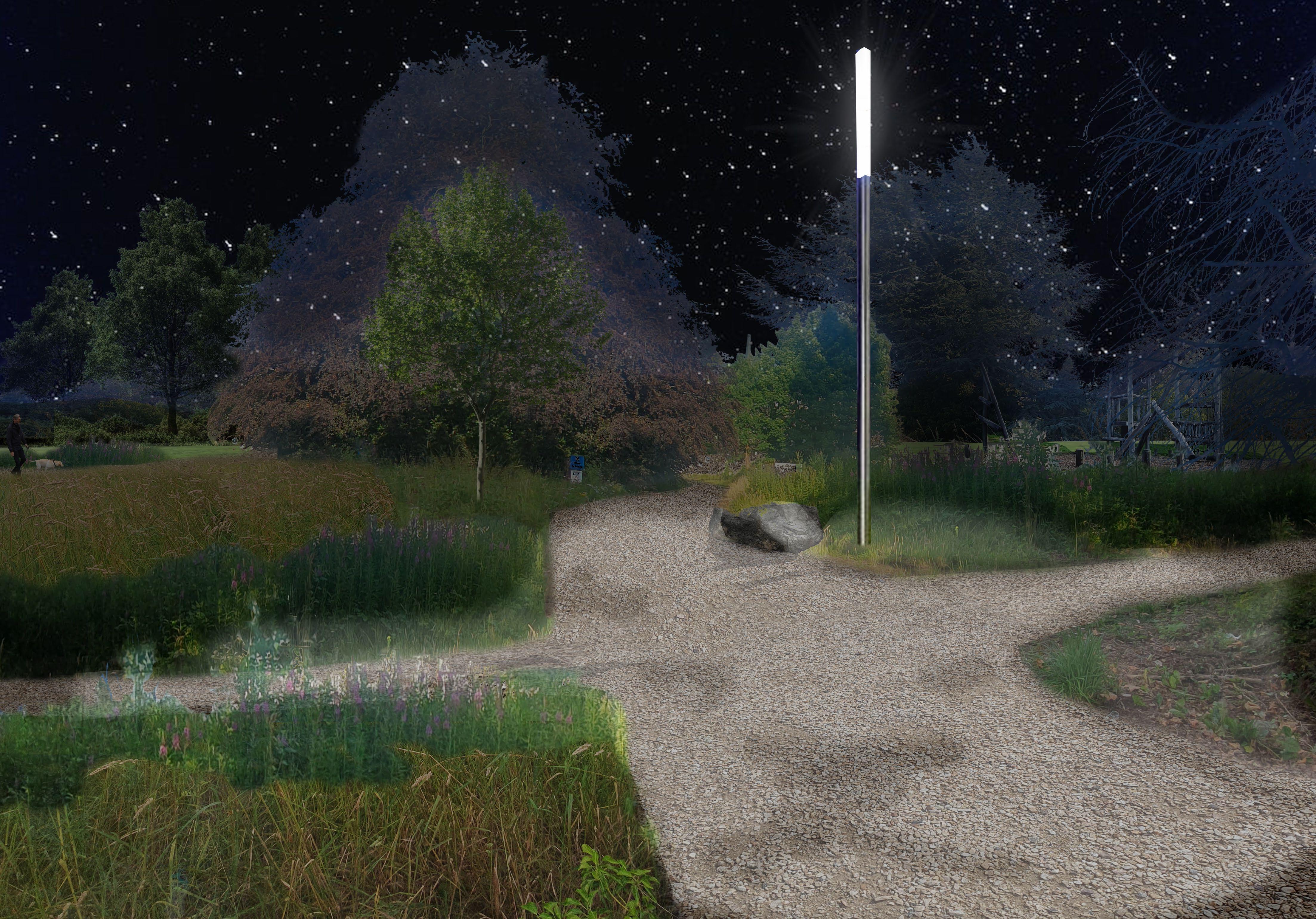
Lighting fixtures are carefully selected, not only to provide safety after dark but also to create a warm and inviting ambiance, enhancing the overall experience of the park at night.
As visitors step into Taylors Retreat, they are greeted with a sense of tranquility and a respite from the bustling life outside. The park's thoughtful design fosters a deep appreciation for nature and encourages a sense of stewardship among its users. It stands as a testament to the importance of coexisting with the environment and cherishing the beauty and value of all living creatures, big and small.
10.
1. Main Entrance
2. Central Plaza
3. Green Clearing
4. Playground
5. Spirals
6. Preserved Landscape
7. Secondary Entrance
8. Entrance Planting
9. Planting
Seating
11. Lighting fixtures
Embracing Nature's Abundance and Nurturing Biodiversity
2.
4. 5. 8. 9. 11. 3. 3. 3. 5. 6. 6. 6. 6. 6. 7. 7. 8. 8. 8. 1. 9. 9. 11. 11. 11. 11. 11. 11. 11. 11. 11. 11. 11. 11. 10. 10. 10. 10. 10. 10. 10. 10.
Key Zones N Scale 1:1000 1.
3.
Taylors Retreat Site Analysis

Site Photos
Site Locaton and Surroundings Ireland, Dublin
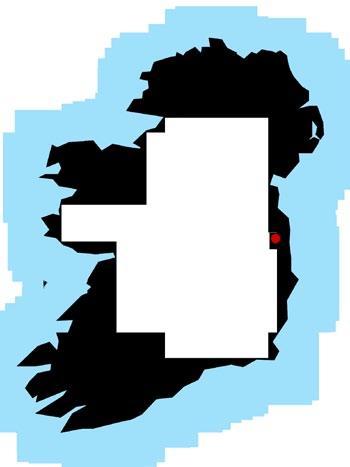
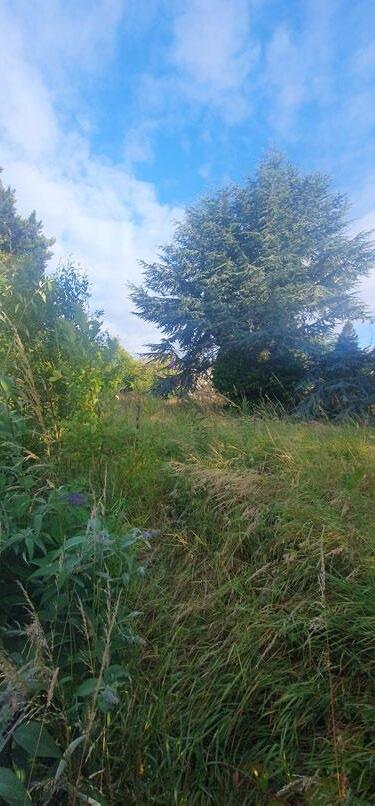
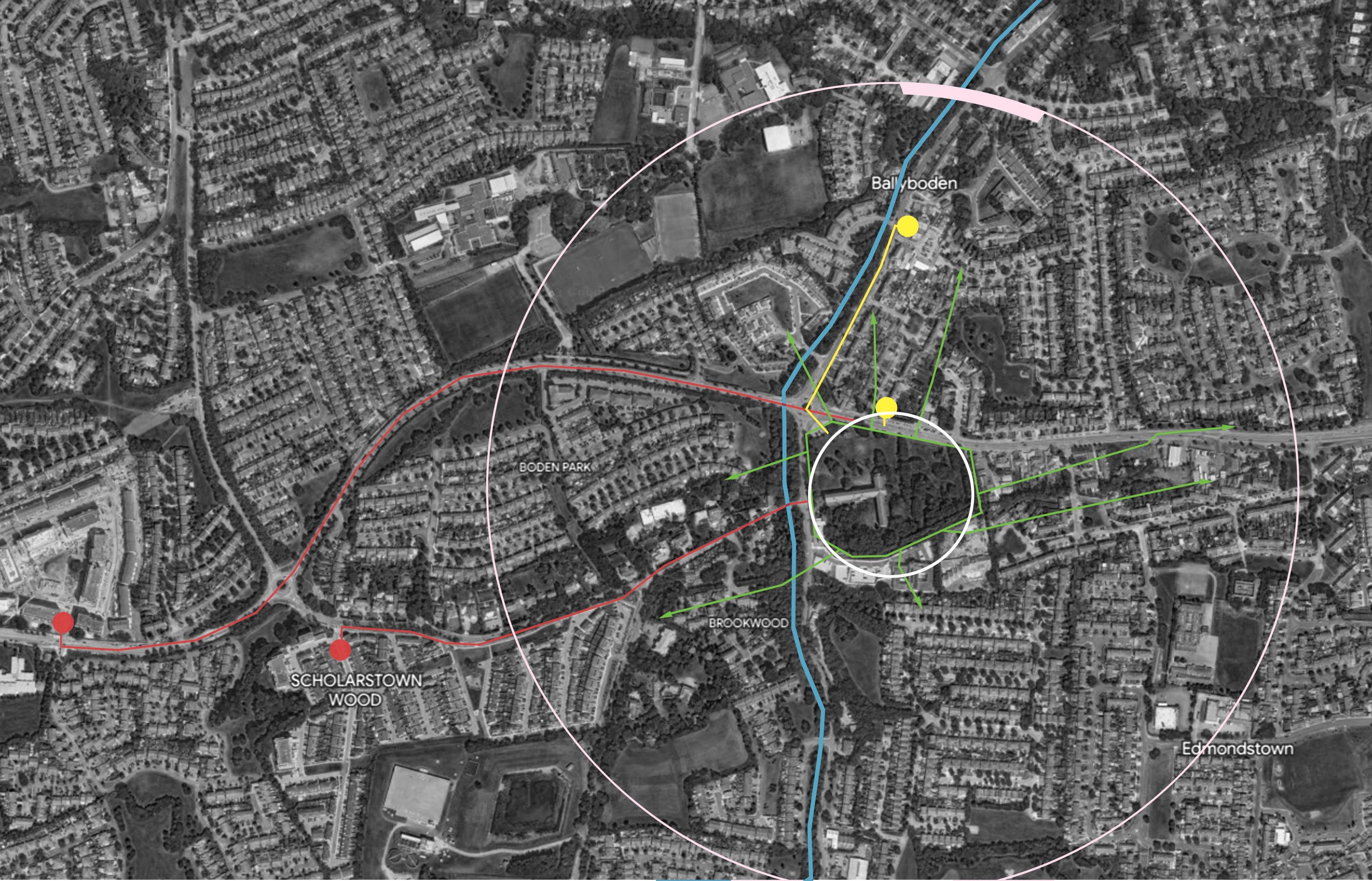
The site is located in Ballyboden village which rests approximately 8.5 km to the south of Dublin's city center. It finds its place between two local distributor junctions: one at the intersection of Ballyboden Road and Taylor's Lane to the west, and the other at the confluence of Whitechurch Road and Taylor's Lane to the east.
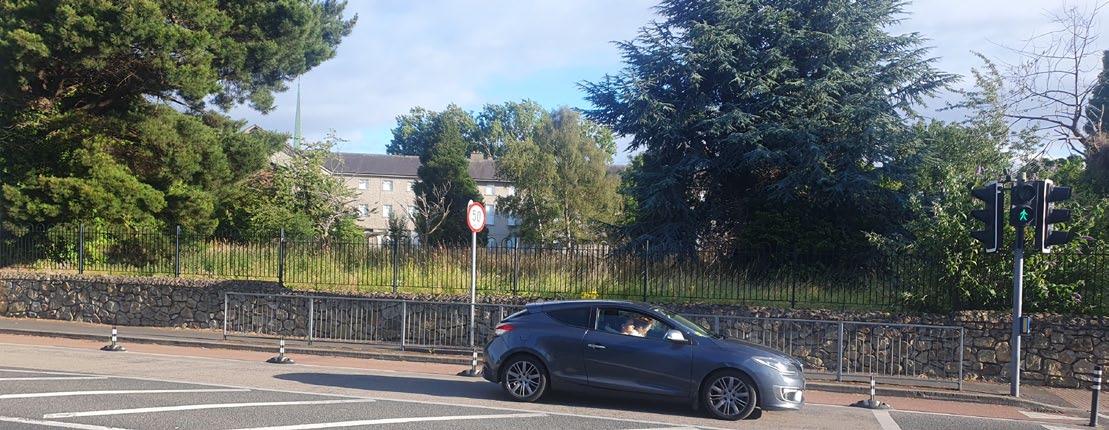
In the local settlement hierarchy surrounding our site, Ballyboden village forms a collection of residential areas complemented by various local amenities, such as a petrol station, a local supermarket, a pharmacy, and a general medical practitioner. Rathfarnham, the district center, is situated approximately 2 kilometers to the north, while the county town of Tallaght is about 6.5 kilometers to the west. To the east lies Dundrum, just 2.8 kilometers away
The Site
The Augustinian site consists of a former pitch and putt golf course and a former seminary building. The large former seminary has incorporated St Catherine’s House into a substantial 1950s extension. It is currently occupied by the Health Services Executive. The grounds of the Augustinian site are currently hidden behind a high concrete wall are not clearly visible from the road.
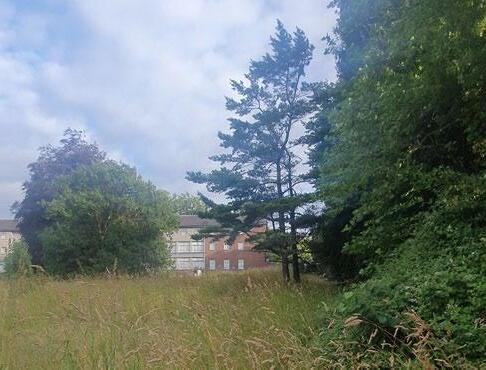
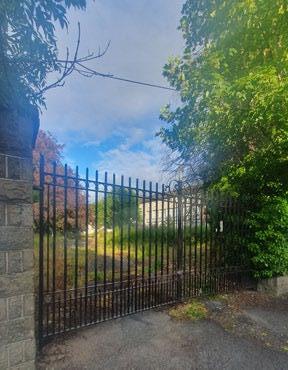
In the face of rapid urban development, the preservation of ecologically and historically significant spaces becomes paramount. Our proposal seeks to transform an unused area, dormant for many years, into a vibrant communal space for local residents and passersby. Amidst plans for residential development in the vicinity, we envision an alternative purpose for this site, especially considering the recent development of Two Oaks and Scholarstown Wood nearby
In suburban areas, wildlife relies on habitats for their survival and thriving. Watercourses, parks, trees, hedgerows, and cultivated landscapes serve as vital urban resources for various creatures, including birds, hedgehogs, squirrels, otters, badgers, and foxes. However, as urbanization intensifies, these green havens become increasingly isolated within a grid of buildings, streets, and roads.
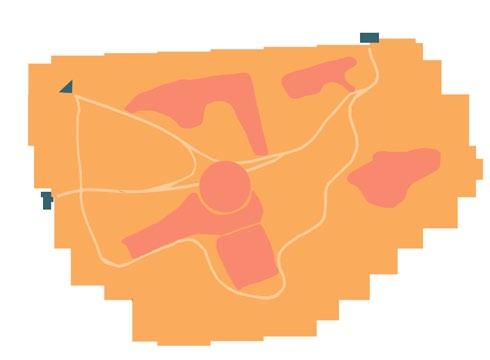
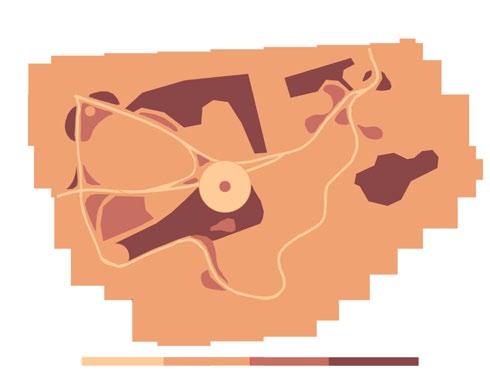
The creation of connections between these green spaces and streams facilitates the movement of local wildlife as they seek food and suitable habitats throughout their life cycles. Additionally, it enhances the overall quality of the neighborhood's green spaces while contributing to the preservation of suburban biodiversity.
These vital linkages can establish connections between expansive open green areas such as Glendoher Park, Moyville 'Pocket Park,' the Augustinian lands, and various smaller green spaces. Even trees and shrubs in private backyards can play a role in connecting these green oases. Linear tree stands, encompassing street trees, and the Owendoher River, further bolster these wildlife corridors
Location Plan N 300m
Dodder Tributary Two
10 Minute Walk Minute
South Dublin County Council Plan Area Plan Area Plan Area South Dublin County Council South Dublin County Council
Site Boundary Linkages
Oaks, Scholarstown Wood Local Amenities
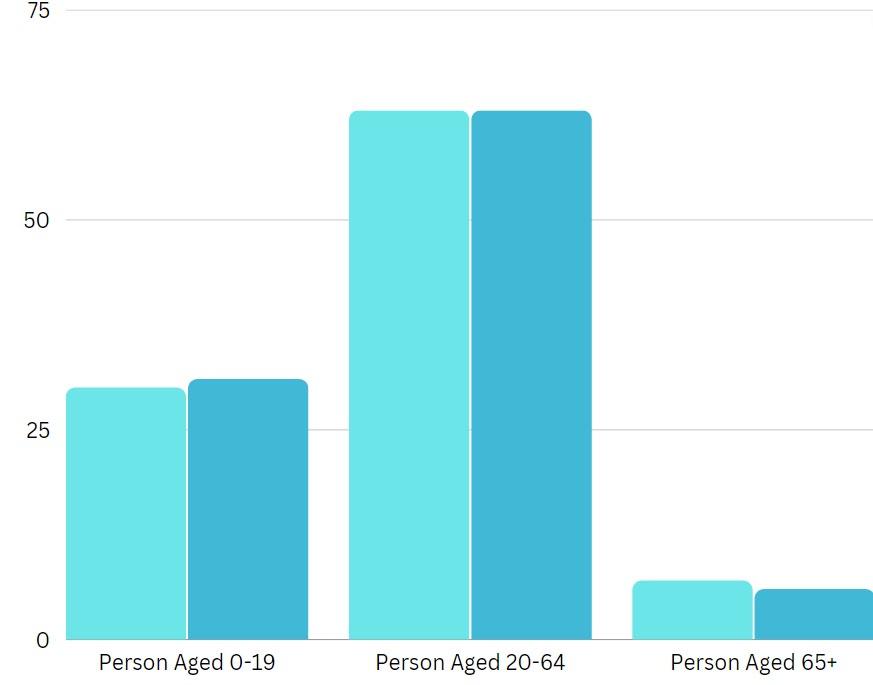
10 Demographic Profile
Taylors Retreat Master Plan
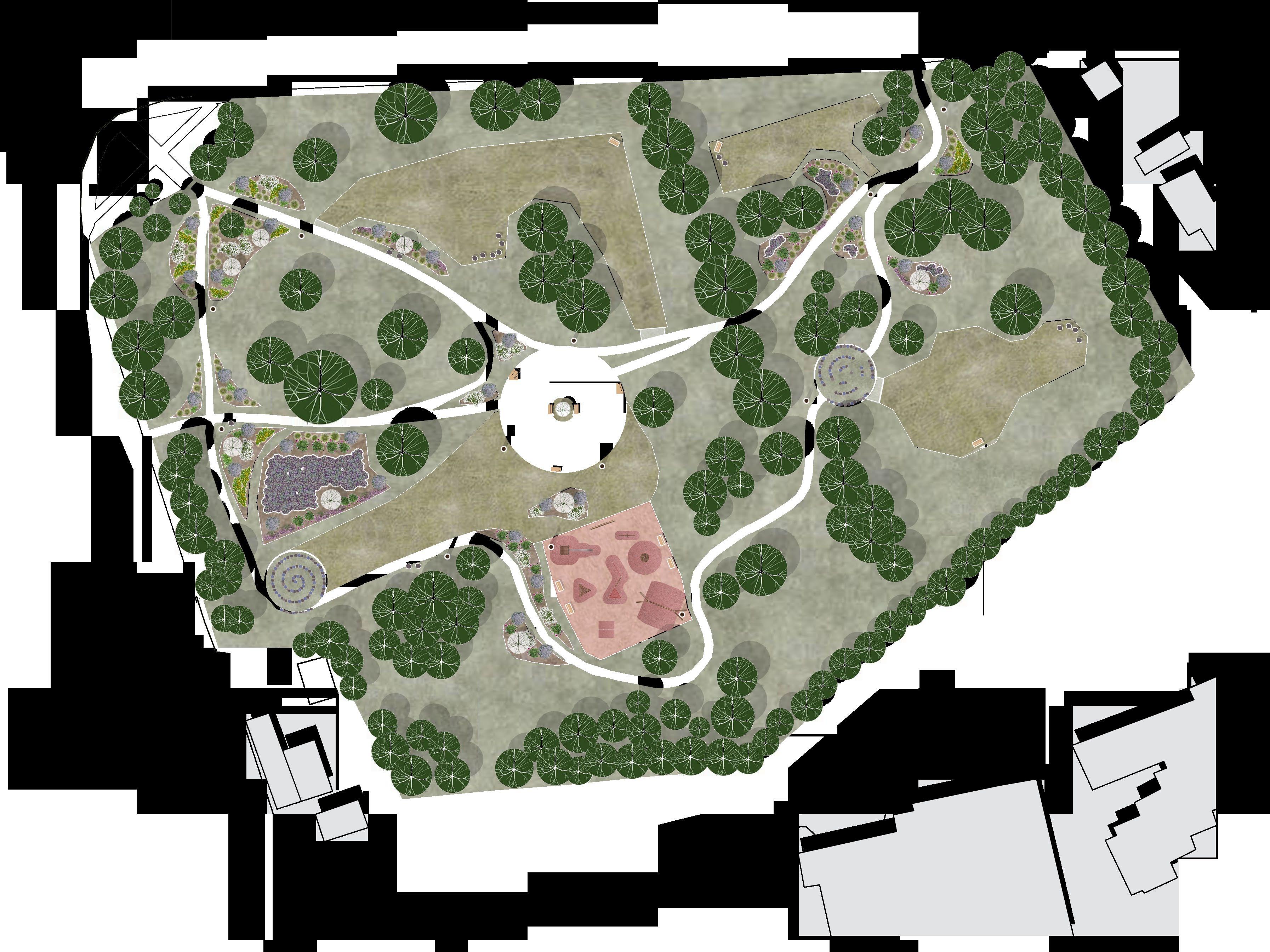
Landscape Plan
Taylors Lane, Rathfarnham
For this public park project in South Dublin, we designed and implemented an in-depth planting scheme that showcases a mix of native and non-native plants, providing year-round interest and color in the garden while upholding our commitment to preserving habitats and working in tandem with nature. Our approach incorporated a variety of plant types, including trees, shrubs, perennials, and groundcovers, to create a balanced and visually appealing design that respects the natural ecosystem as well as to create a balanced and visually appealing design.
Water Management Social Use Maintanance
Soft Landscape
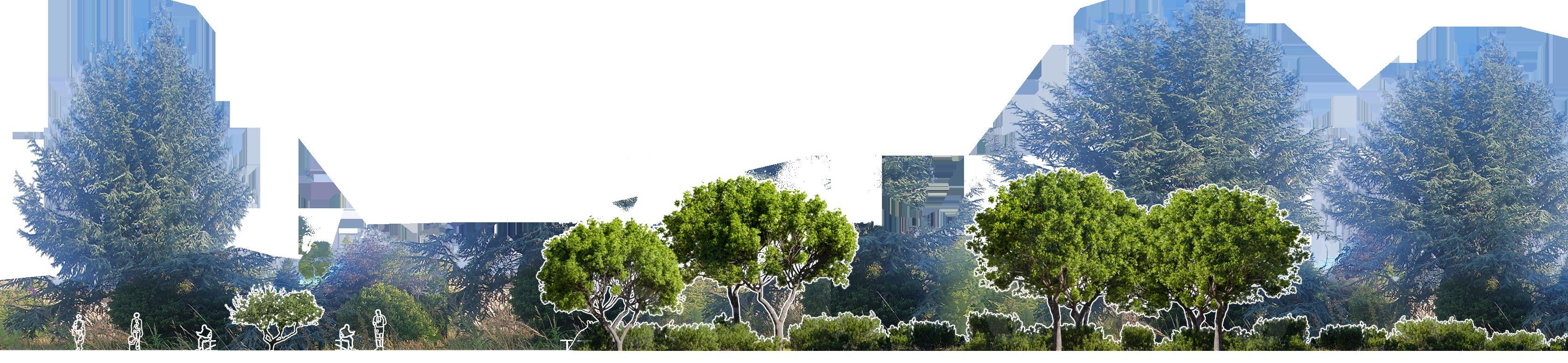
Existing Trees
Existing Vegitation
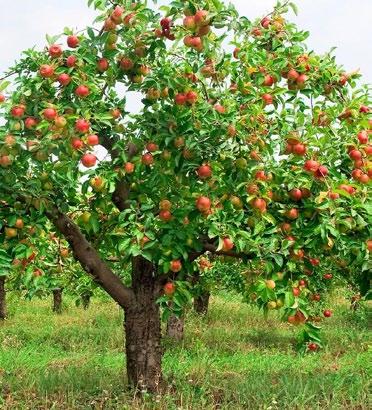
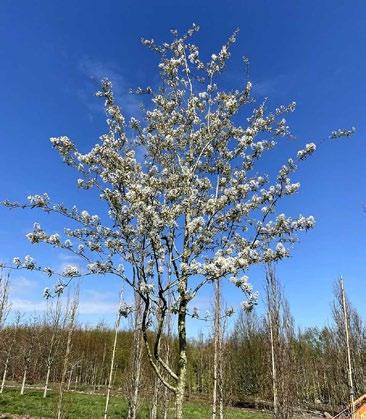
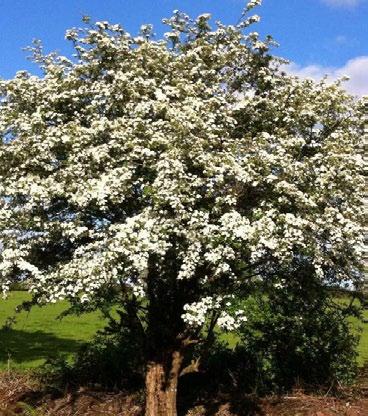
Introduced Trees: Hawthorn (Crataegus monogyna) Crabapple (Malus spp.), Serviceberry (Amelanchier spp.).
Ornamental Grasses: Feather Reed Grass (Calamagrostis x acutiflora), Fountain Grass (Pennisetum spp.).
Groundcover: Perennial Ryegrass (Lolium perenne)
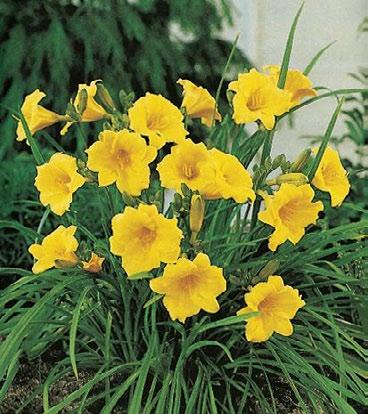
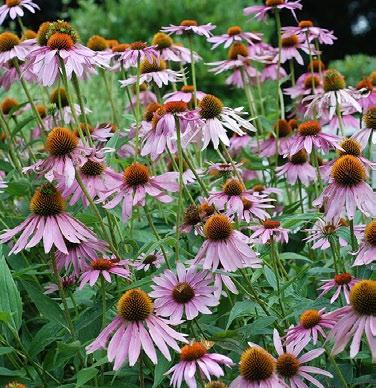
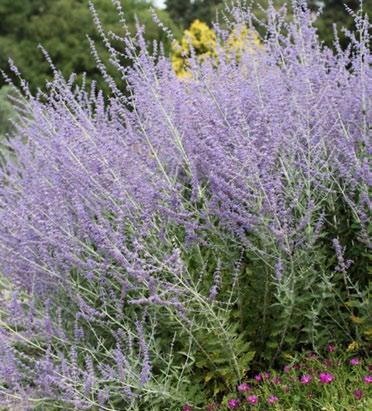
Flowering Perennials and Shrubs: Coneflowers (Echinacea spp.), Blackeyed Susans (Rudbeckia spp.), Daylilies (Hemerocallis spp.)' Russian Sage (Perovskia atriplicifolia)
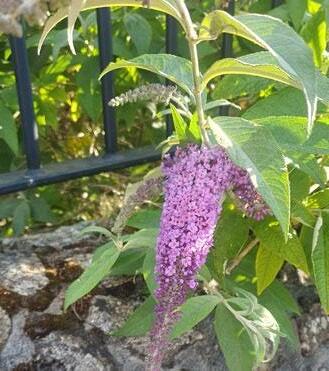
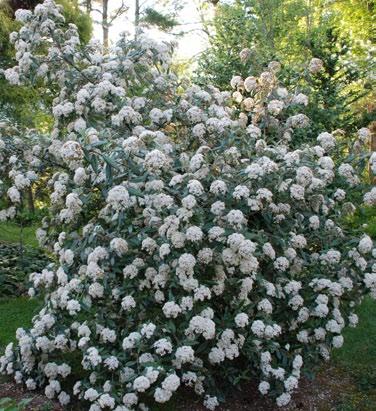
Butterfly Bush (Buddleja spp.), Potentilla (Potentilla fruticosa), Viburnum (Viburnum spp.).
Hard Landscape
Footpath
Central Plaza
Playground
Spiral Bricks
Additional Features
Resin-bound gravel
Gravel
Engineered Wood Fiber






Upcycled Stone Brick
"Natural" Play Equipment
Seating
&
Scale 1:1000
Scale 1:250
A A
Section AA
N
low mid high min
Playground Open Area Plaza
Sleeper Bench
Boulders Direction of Waterflow
Taylors Retreat Entrances to the Park
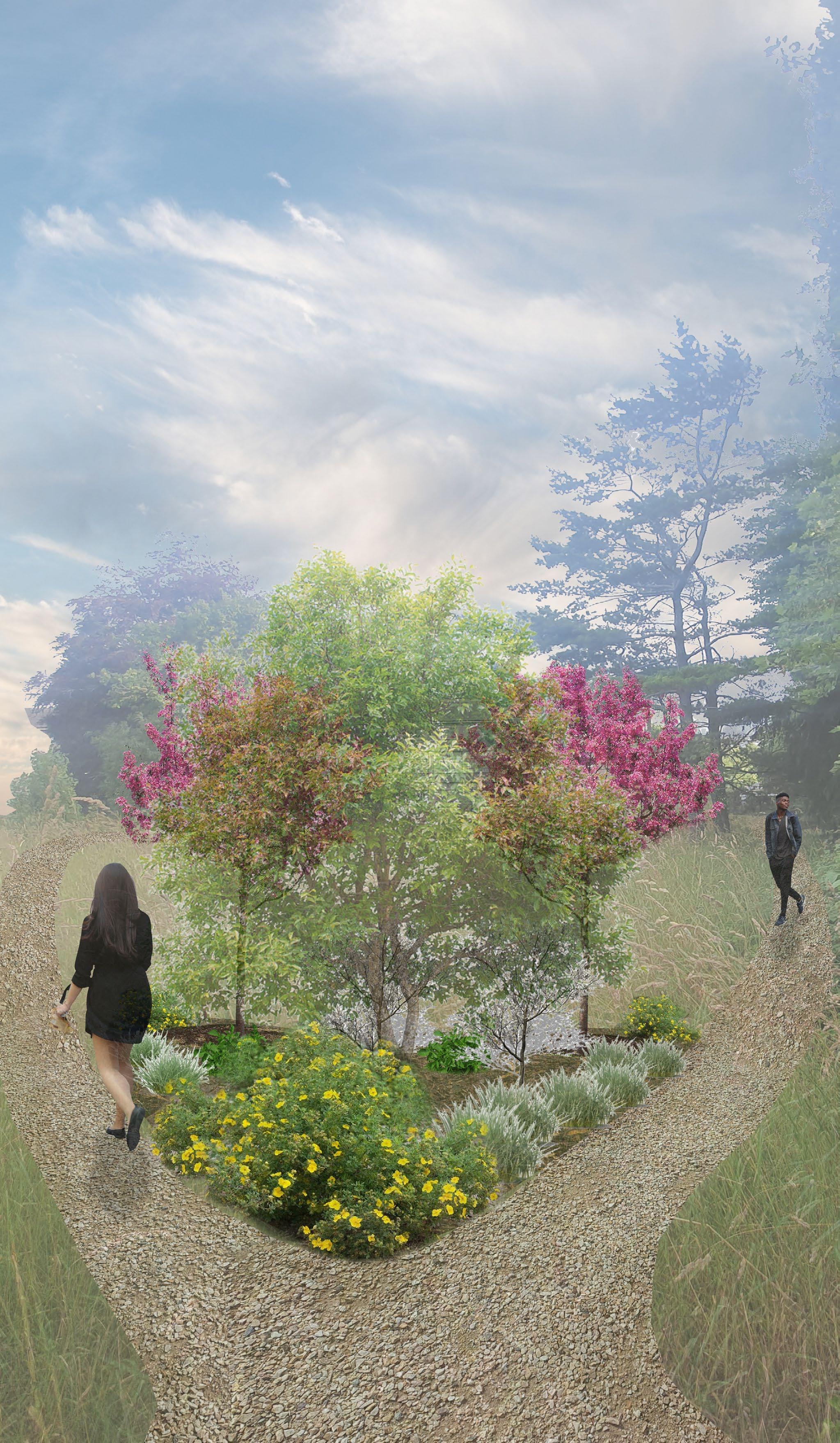
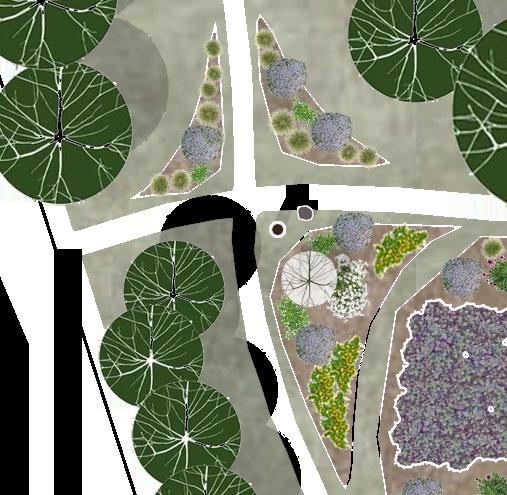
As you approach the gateway, you'll be greeted by an inviting atmosphere that sets the tone for a memorable park experience. The entrance has been thoughtfully designed to create a seamless transition from the bustling streets of Rathfarnham into a tranquil oasis of natural beauty.
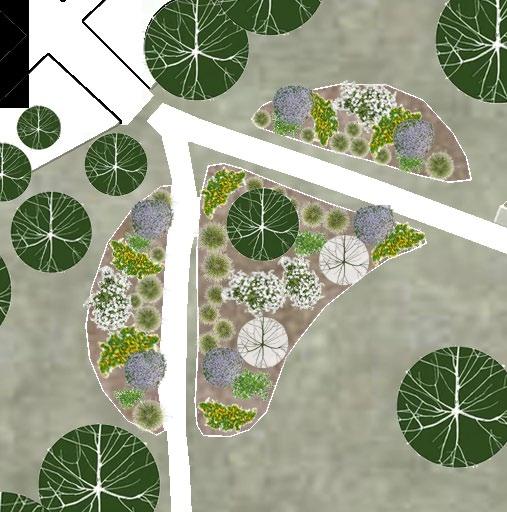
Outline Planting Specification


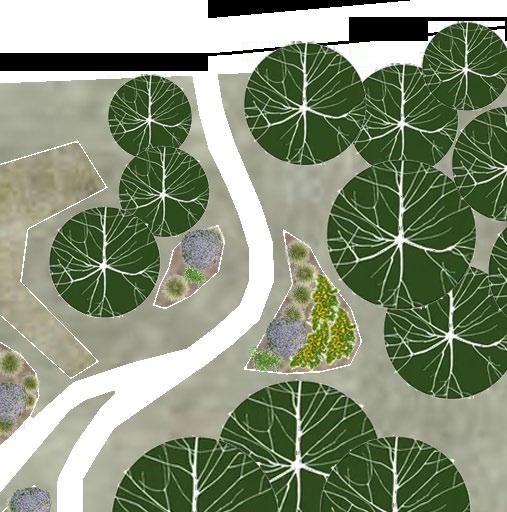
Main Entrance
Potentilla
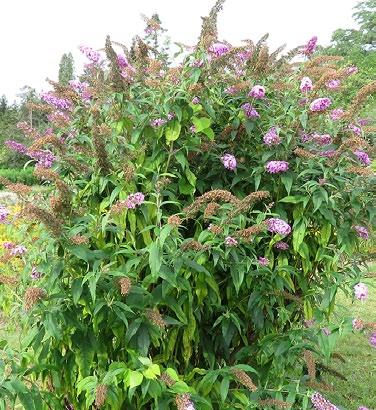
Butterfly Bush
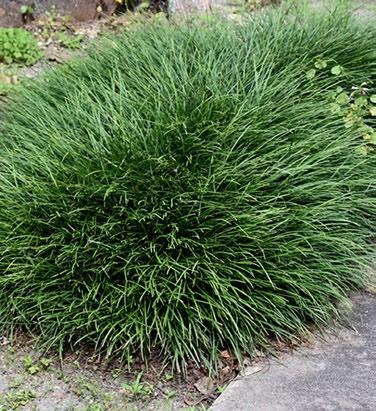
Dwarf Mondo Grass
POTENTILLA FRUTICOSA.
BUDDLEJA SPP.
OPHIOPOGON JAPONICUS
MALUS SPP. Crabapple Tree
Serviceberry
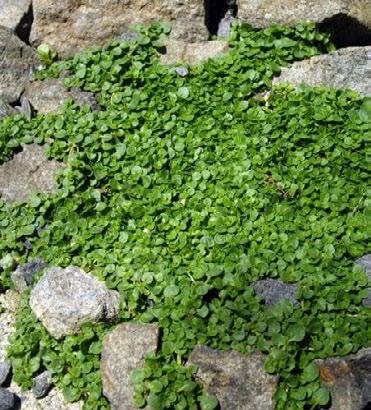
Corsican Mint
Scale 1:500
AMELANCHER SPP.
MENTHA REQUIENII
North Entrance
Dwarf Mondo Grass
Potentilla
Butterfly Bush
Scale 1:500
OPHIOPOGON JAPONICUS
POTENTILLA FRUTICOSA.
BUDDLEJA SPP.
MENTHA REQUIENII Corsican Mint
West Entrance
Dwarf Mondo Grass
Butterfly Bush
Corsican Mint

OPHIOPOGON JAPONICUS
BUDDLEJA SPP.
MENTHA REQUIENII
MALUS SPP. Crabapple Tree
Serviceberry
Potentilla
AMELANCHER SPP.
POTENTILLA FRUTICOSA.
Scale 1:500
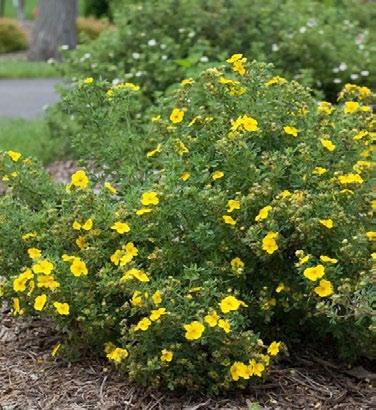
Malus spp. Amelanchier spp. Buddleja spp. Potentilla fruticosa Viburnum spp. Ophiopogon japonicus Mentha requienii
N N N
Main Entrance
Taylors Retreat Additional Planting
Passing through Taylors Retreat, you'll find yourself surrounded by a delightful blend of vibrant colors and captivating scents. Tall, graceful flowering trees, line the pathway, providing a breathtaking canopy overhead. Their delicate blossoms create a picturesque scene, particularly during the springtime when the park awakens with a burst of color.
Outline Planting Specification
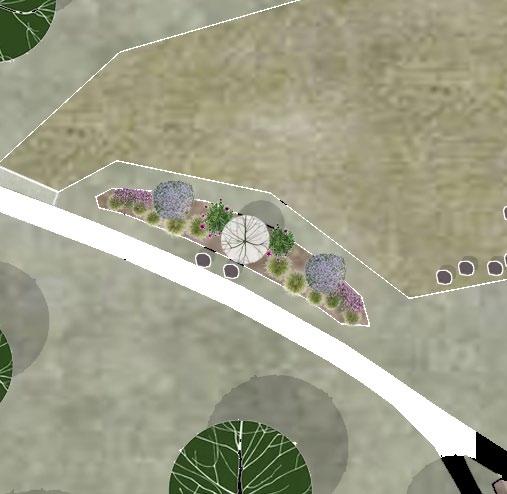
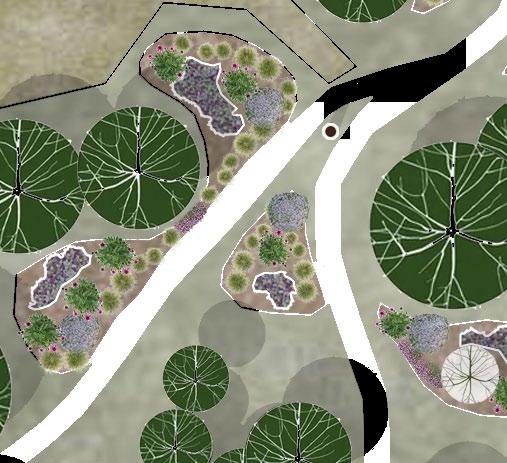
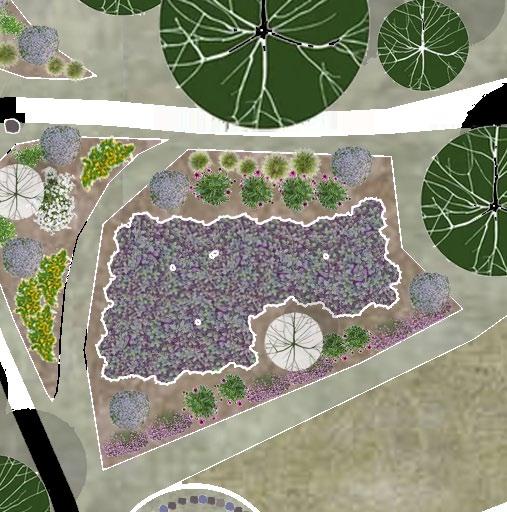
Main Entrance
Fountain Grass
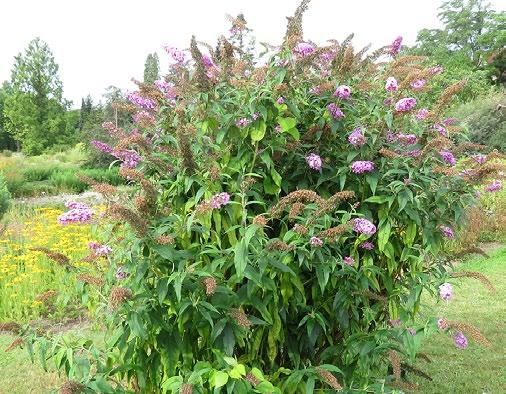
Butterfly Bush
Wildflower Mix
Hawthorn
PENNISETUM SPP.
BUDDLEJA SPP.
Mix

CRATAGUS MONOGYNA
Scale 1:500
North Entrance
Fountain Grass
Butterfly Bush
Feather Reed Grass
Hawthorn
PENNISETUM SPP.
BUDDLEJA SPP.
CALAMAGROSTIS
CRATAGUS MONOGYNA
Scale 1:500
West Entrance
Hawthorn
Fountain Grass
Butterfly Bush

Feather Reed Grass
Scale 1:500
CRATAGUS MONOGYNA
PENNISETUM SPP.
BUDDLEJA SPP.
CALAMAGROSTIS
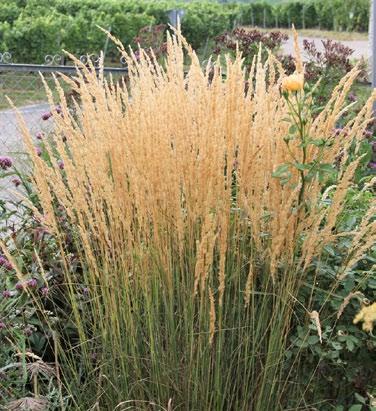
(Calamagrostis
Pennisetum
Crataegus monogyna
x acutiflora)
spp Echinacea spp. Hemerocallis spp. Perovskia atriplicifolia Buddleja spp.
N N N
North Entrance
Taylors Retreat
Natural Play Area and Central Plaza
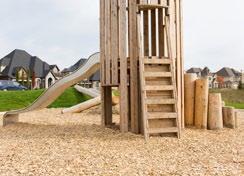
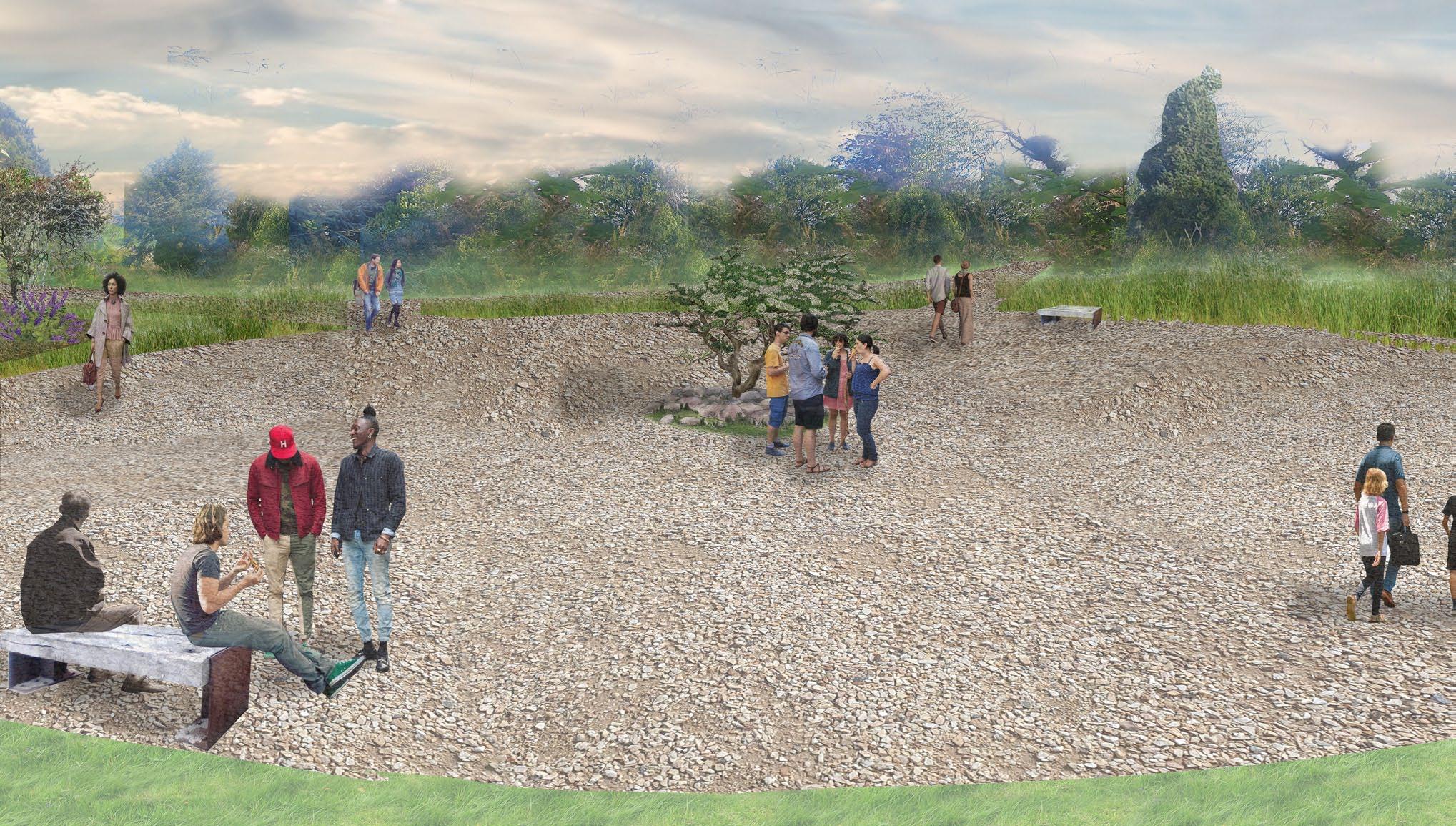
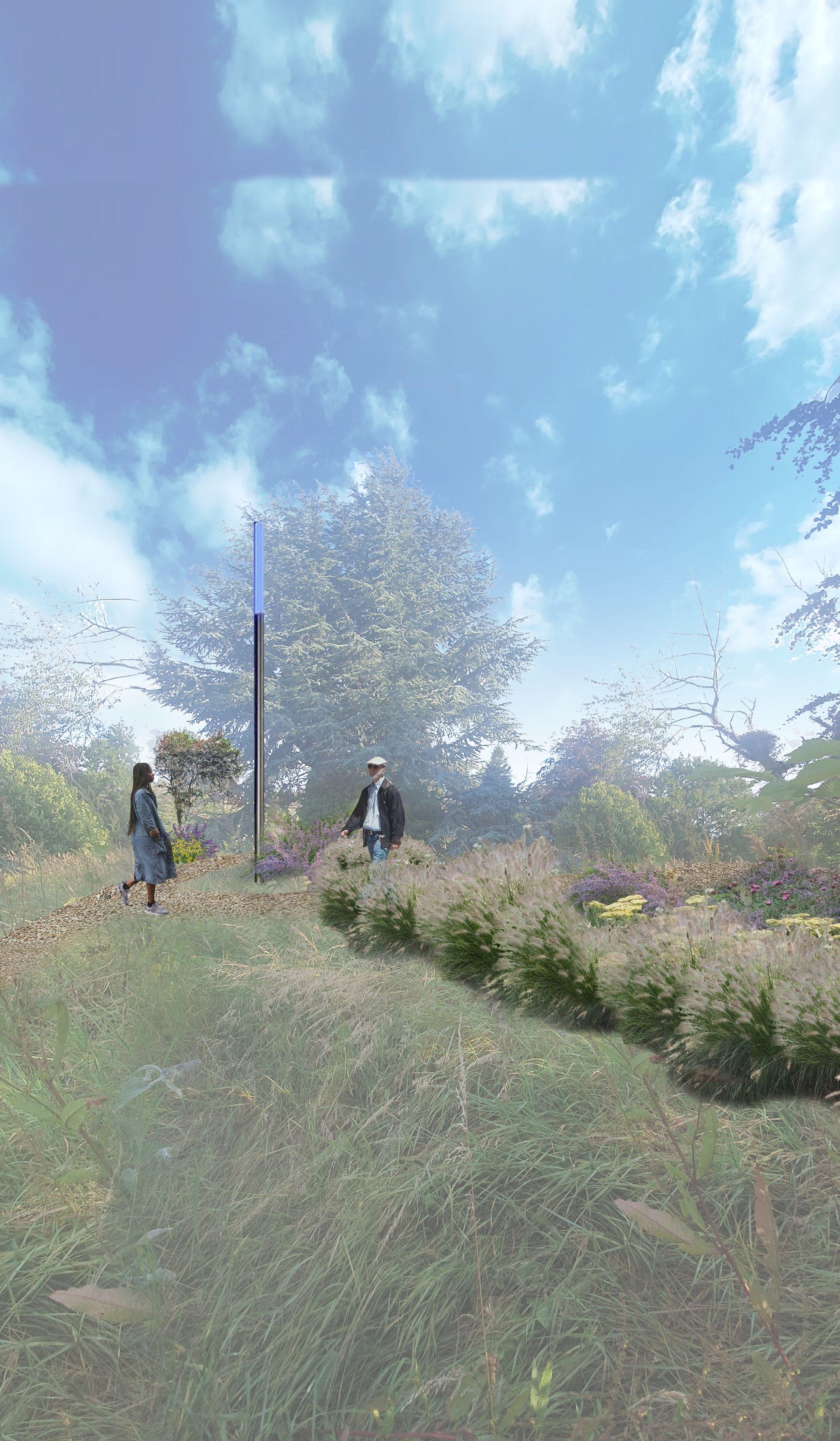
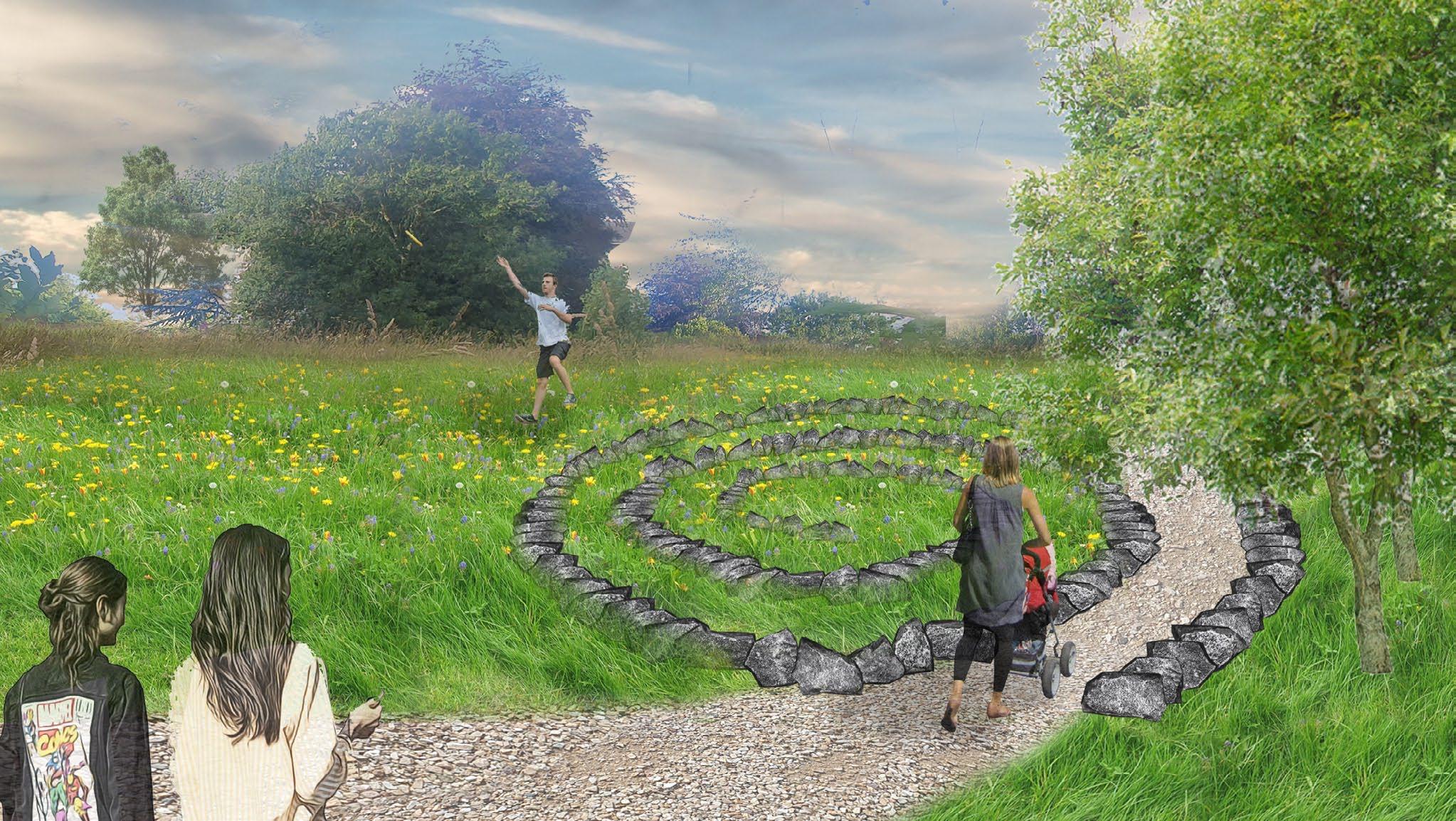
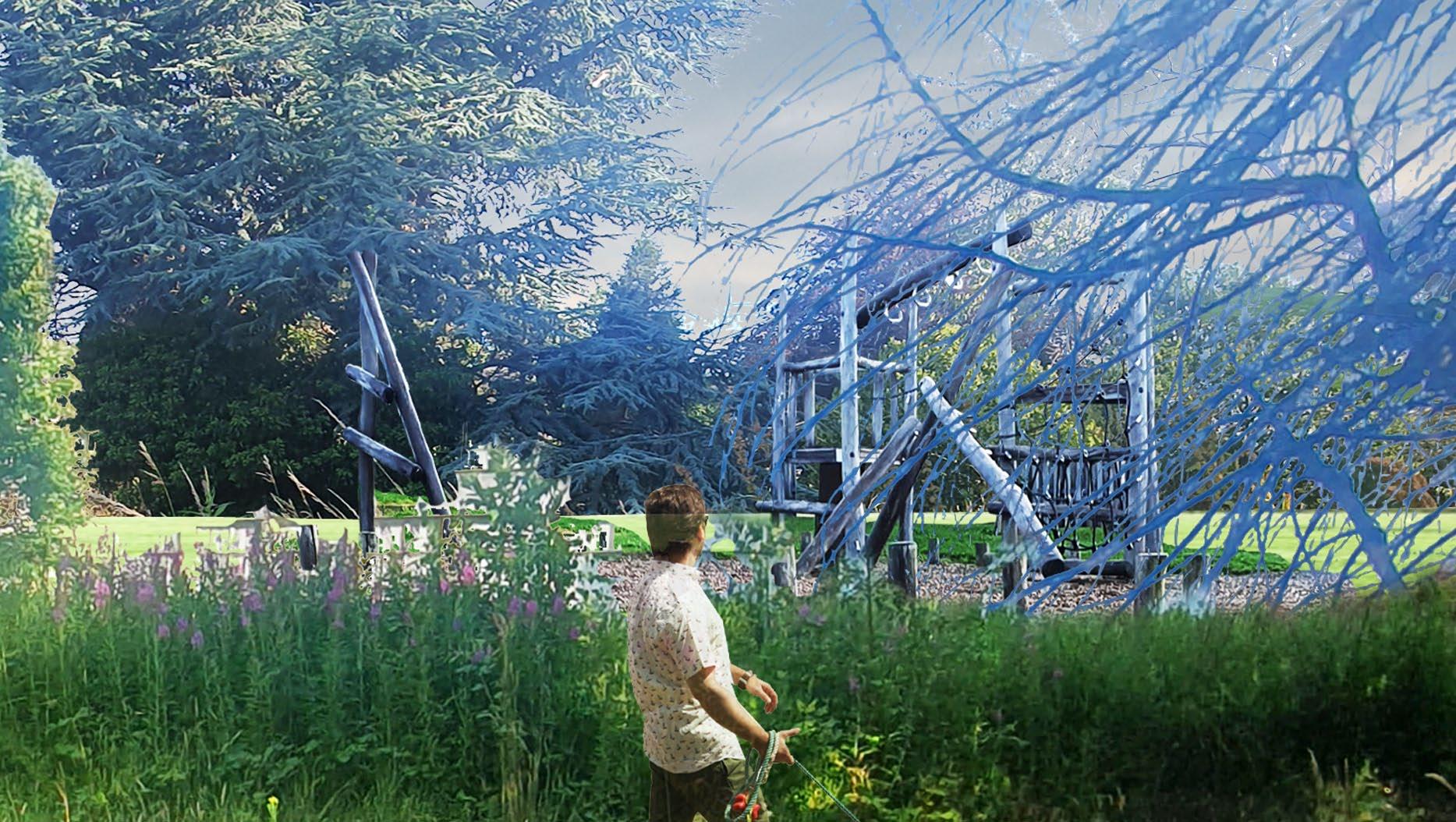
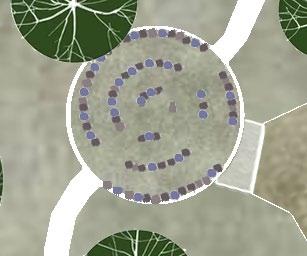
Within the park there are many elements which make the area distinctive, from the natural play area, which consists of log and timber play equipment, to the central plaza, adorned with a Hawthorn tree at the centre of a small mount, imitating a fairy tree. The last of these elements would be the stone spirals, representing ethereal radiant energy, to reinvigorate those who pass through.
Landscape Plan
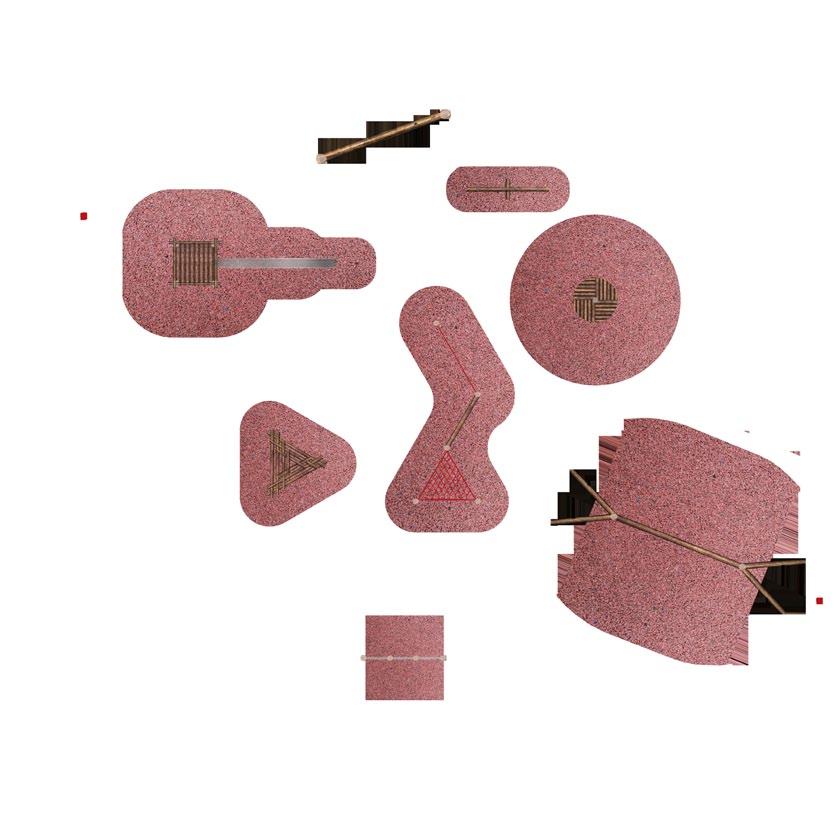
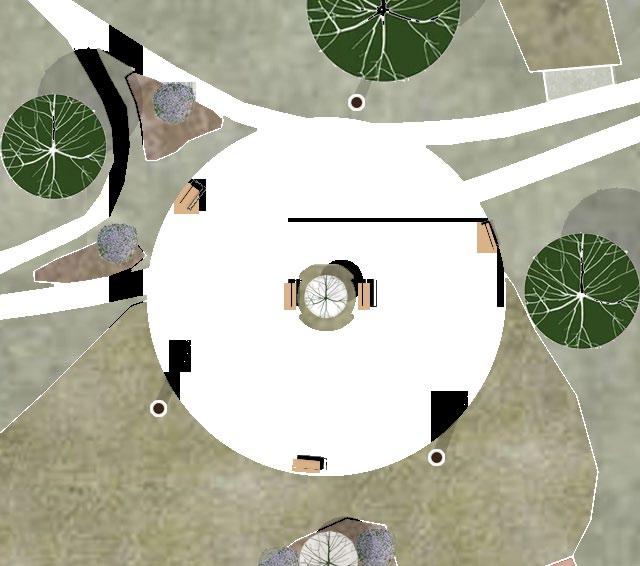
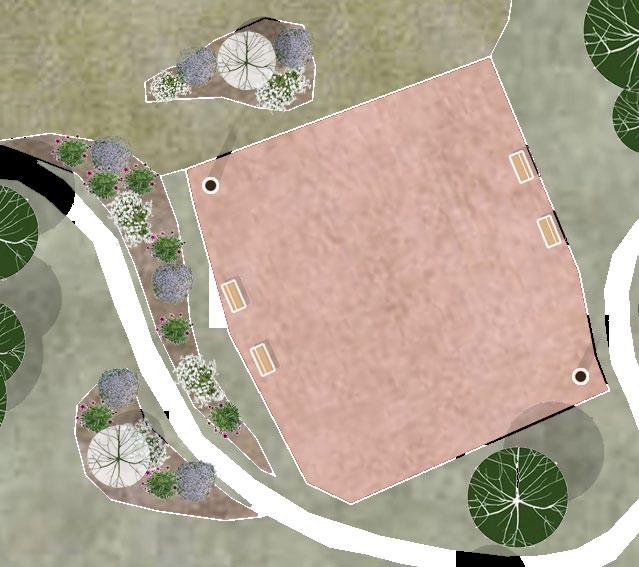
Natural Plau Area
Crabapple Tree
Serviceberry
Butterfly Bush
Swings and Seesaw
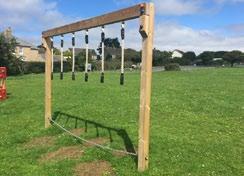
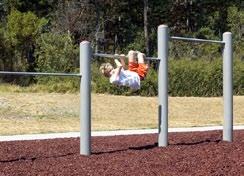
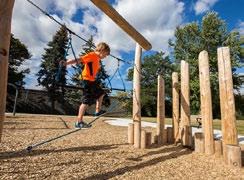
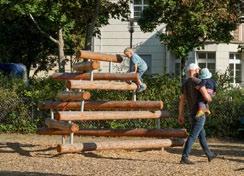
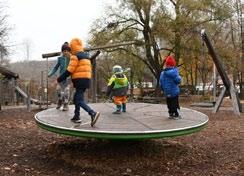
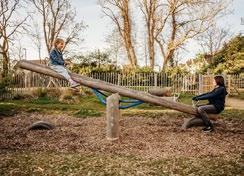
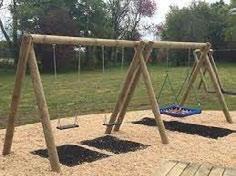
Rotating Disc



Climbing Ropes Set
Swinging Ropes
MALUS SPP. AMELANCHER SPP. BUDDLEJA SPP.
Central Plaza
Butterfly Bush
Potentilla
Hawthorn
Sleeper Seating
Lighting
Stone Spiral Low lying Ground Cover
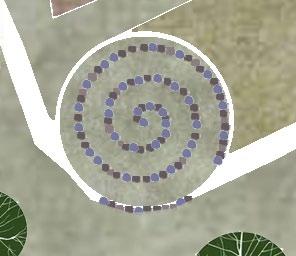
At the heart of Taylors Retreat lies the central plaza, a vibrant hub adorned with a majestic Hawthorn tree atop a gentle mound. This enchanting space beckons visitors to gather, share stories, and revel in community. It's a symbol of unity, where the spirit of the park comes alive.
Stone Spirals
Nestled within Taylors Retreat, the stone spirals evoke a sense of timeless energy and renewal. These intricate, artful creations serve as a contemplative centerpiece, inviting visitors to pause and connect with the park's natural rhythm. As you wander through, let the spirals inspire moments of reflection and tranquility.
BUDDLEJA SPP. POTENTILLA FRUTICOSA. VIBURNUM SPP.
Natural Play Area
Spirals
Central Plaza
Spirals Central Plaza Natural Play Area Horizontal Bars Playground Log Climbing Frame Wooden Tower and Slide Wood Chip/ Bark Mulch 1&2 3 4 5 6 7 8 1 2 3 4 5 6 7 8
Taylors Retreat Lighting
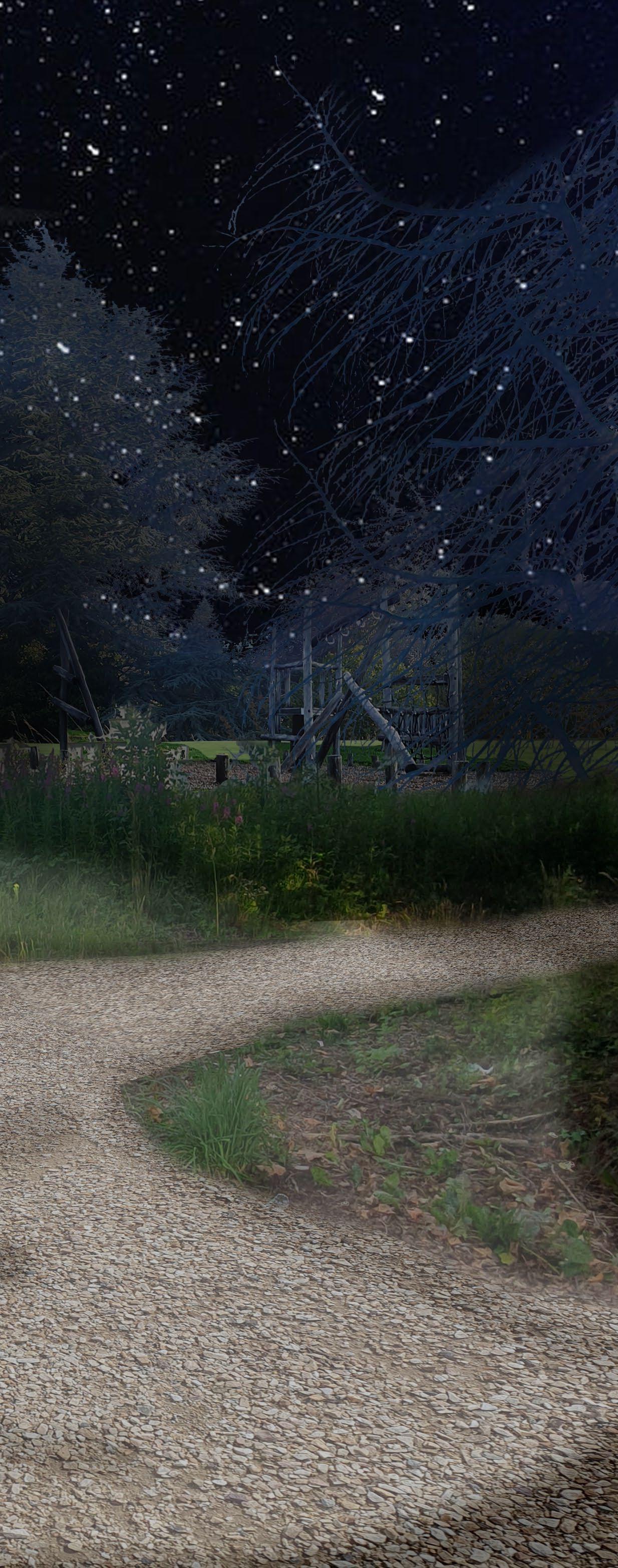
Night within the Park
Using the Park to its Full Potential
The selection of lighting within Taylors Retreat is a carefully planned balance between functionality, aesthetics, and ecological sensitivity. By strategically illuminating main paths, the playground, and the plaza while maintaining shaded areas for crucial biodiversity, the park's nighttime experience balances human engagement with the preservation of its natural ecosystem.
The main paths, acting as the arteries of the park, are elegantly lit to ensure safe navigation during the evening hours. Thoughtfully positioned lighting fixtures cast a warm and inviting glow that guides visitors along these routes. This light not only fosters a sense of security but also showcases the park's design elements, allowing its designed and natural features to shine even under the veil of night.
The illumination within the playground is engineered to be sufficient for safety while cultivating an environment that encourages play and social interaction. Brighter light fixtures are strategically placed, minimizing shadows and ensuring that this vibrant space remains inviting for families and children.
As the heartbeat of community gathering, the plaza becomes a focal point after dark. Soft, ambient lighting enhances the plaza's aesthetics, casting a gentle radiance that invites individuals to come together, converse, and linger in this communal space. The interplay of light and shadow accentuates the plaza's architectural features, creating a captivating visual experience.
To honor the park's commitment to biodiversity and ecological preservation, the lighting strategy artfully leaves areas more important for natural balance in darkness. These shaded spaces serve as sanctuaries for native plants and wildlife, preserving their habitat and nocturnal activities undisturbed. This design approach ensures that while human interaction is thoughtfully facilitated, it remains harmoniously juxtaposed with the needs of the park's non-human inhabitants.
In summary, the lighting plan within Taylors Retreat is a testament to its comprehensive design philosophy. By thoughtfully illuminating main paths, recreational spaces, and gathering spots, while also preserving shaded areas of ecological importance, the park's nighttime ambiance embraces both its visitors and its role as a haven for biodiversity.
N
Scale 1:1000
Taylors Retreat
City Lungs
In collaboration with Barbara Lidia Steczkiewicz and Nicole Leung
City Lungs Introduction
Landscape Blocks on Sites Lost to High Rise Development What is A Lost Site
- Physical and Mental (Loss of Green/ Personal Spaces) Abandoned, Neglected, Forgotten Areas
- Loss of Purpose, Interest, Function, Demand, Atmosphere, Community, Memory, Identity, Community, Attention
- Lost to Time, Development
- Beauty and Grief in the Loss
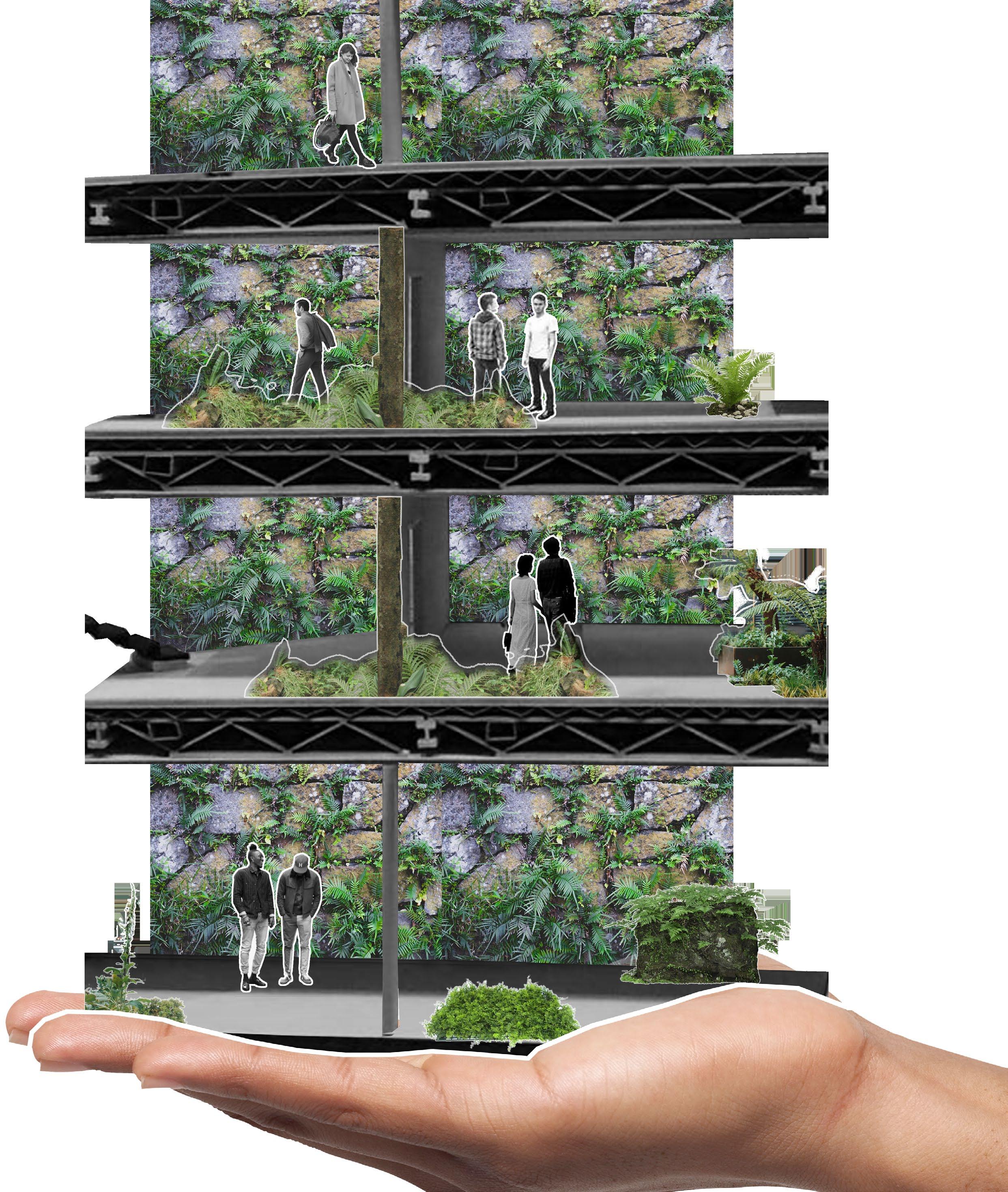
Imposing multi-story buildings can feel like oppressing towers that can evoke unpleasant emotions such as confusion, fear and disorientation, but the more people are moving into cities the more such developments become essential to facilitate the growth in density.
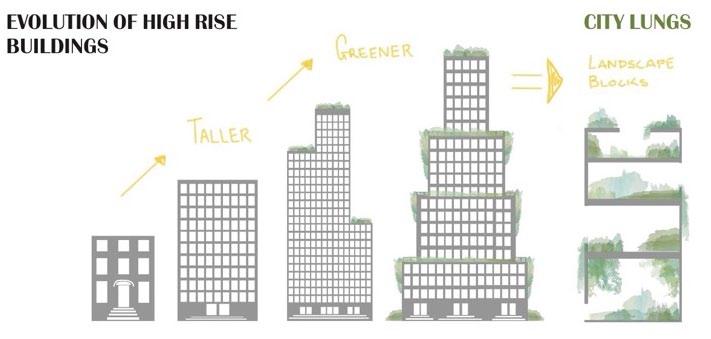
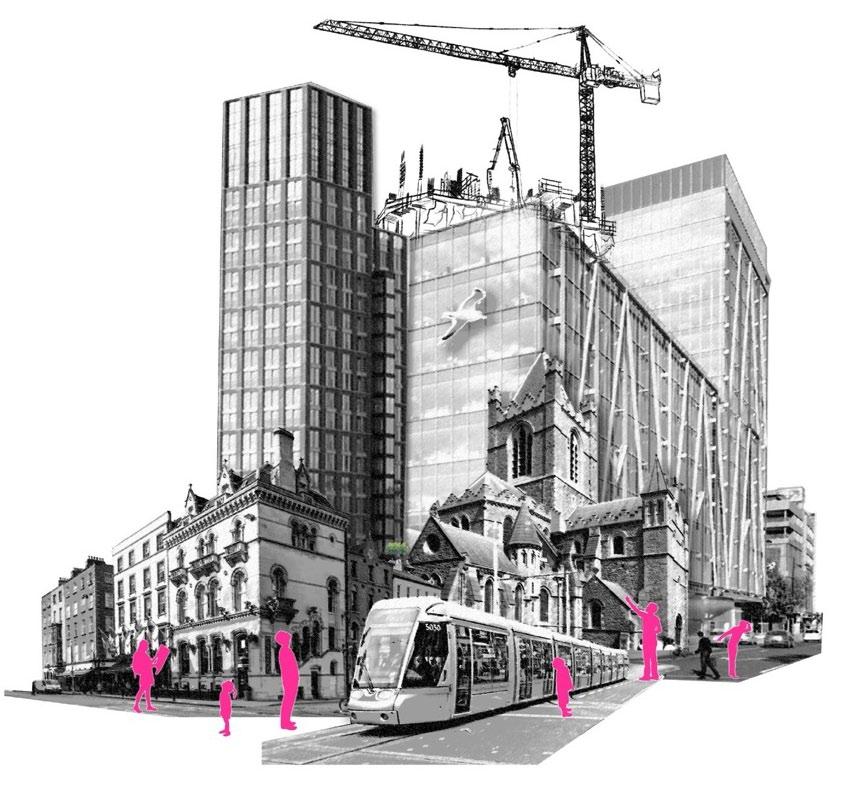
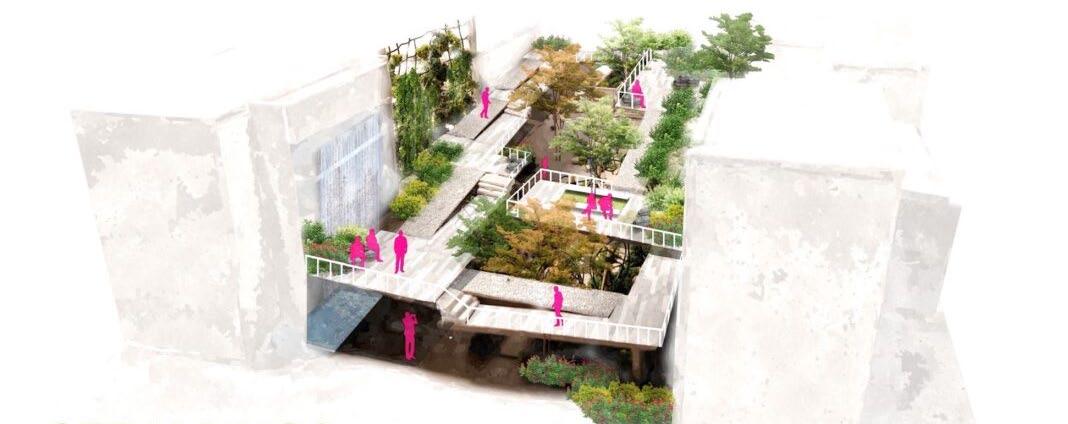
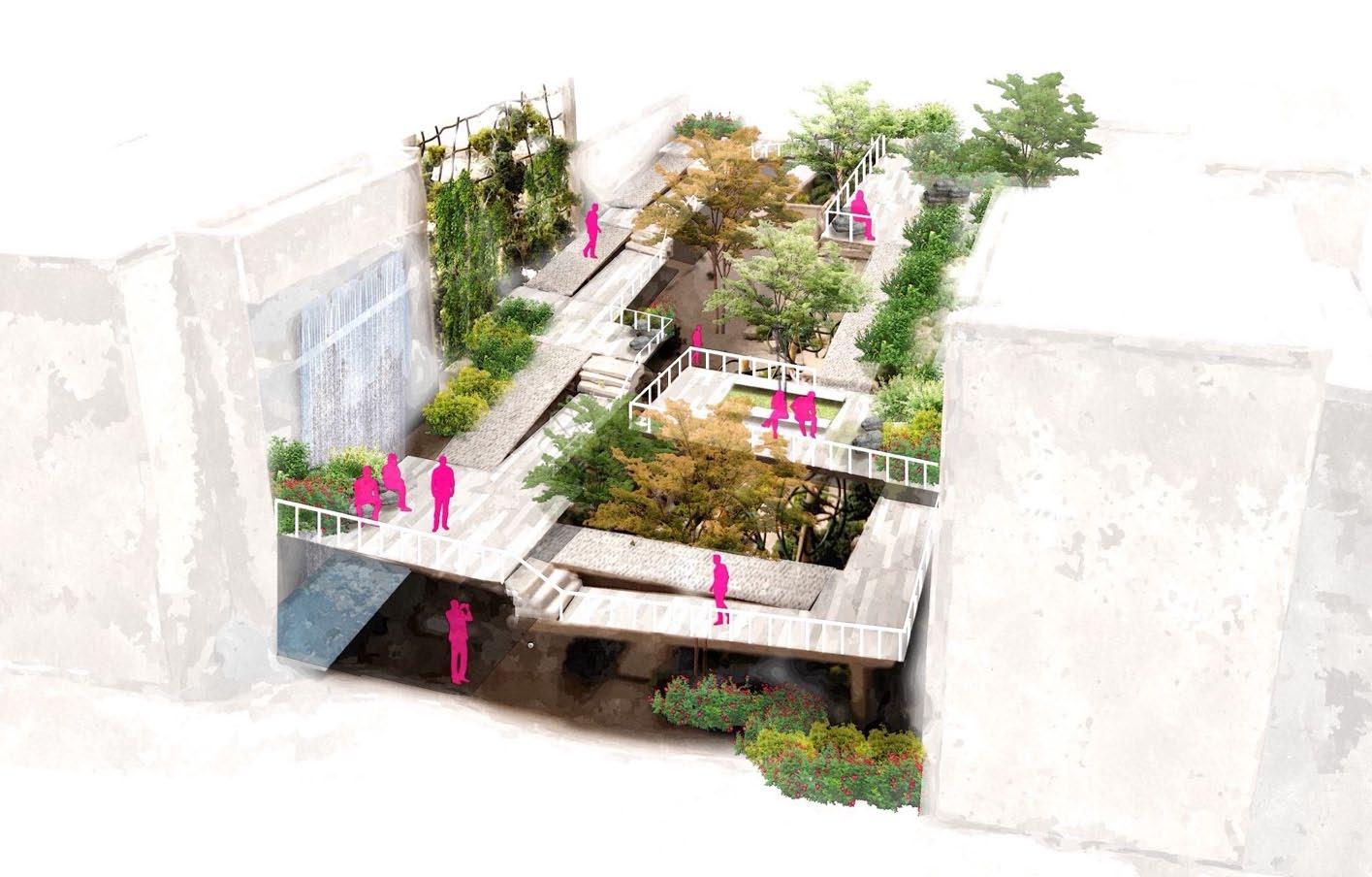
To counterbalance this loss of human scale within citieswe are proposing City Lungs, Landscape Blocks. This introduces a new typologyof a multi-story public outdoor space accessible to all, on a site which are intended for high rise developments. These Landscape Blocks have the potential to change peoples opinion of high rise buildings to a more positive one, as these new landscape feture would be built to complement the human scale, and be open for public use.
Site Analysis
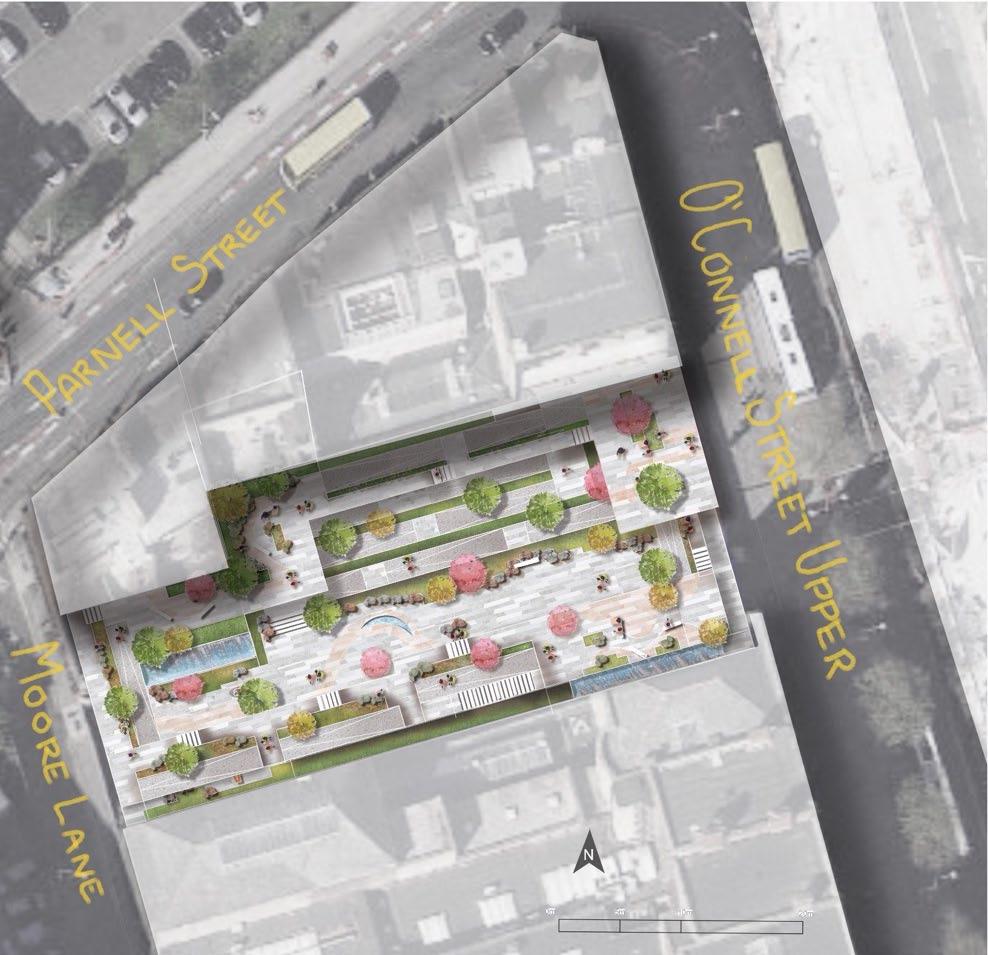
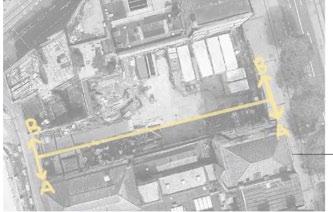
Our Lost Site is approximately a 0.35 acre development site. This site is located on O'Connell Street, one of Dublins main streets with thousands of people passing through, passing by this lost site each day.
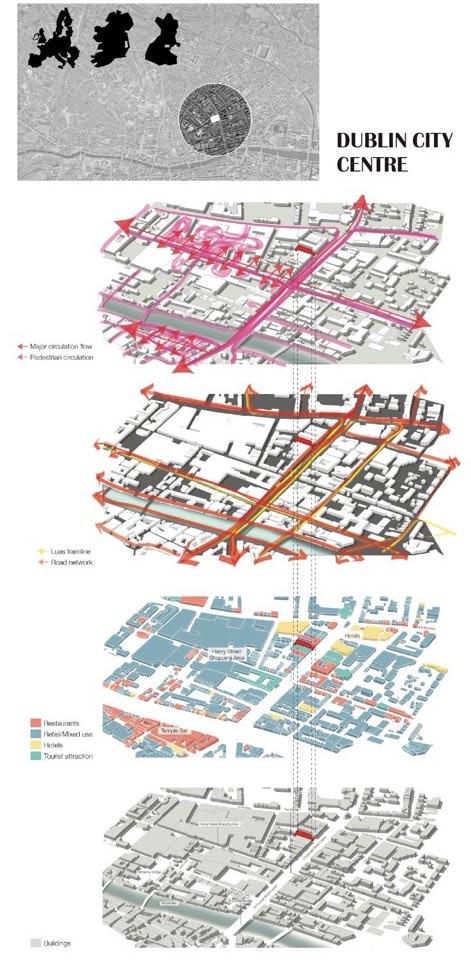
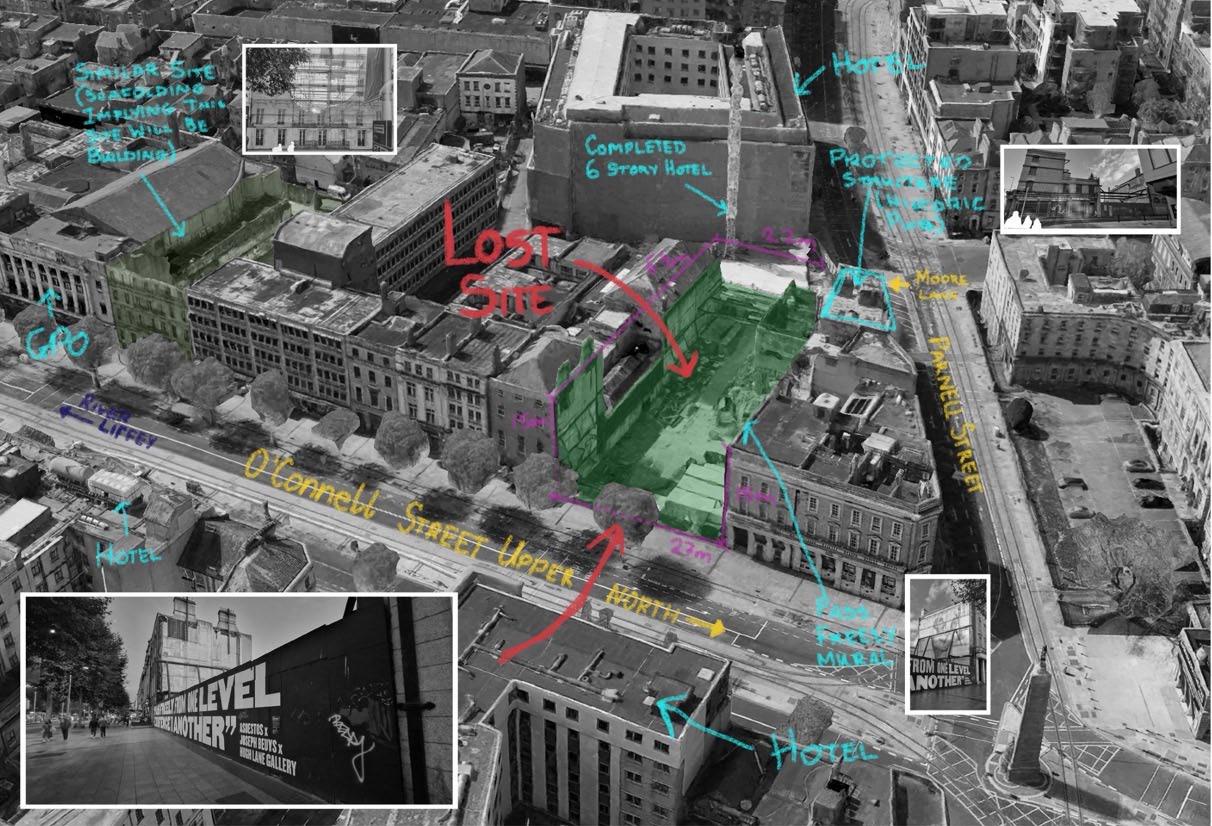
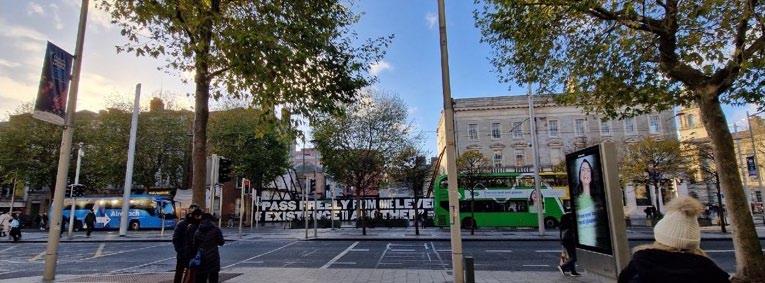
When passing the site people may glance at the 'Pass Freely' mural and the emptiness of the site behind this mural, wondering what might be built there next.
This street is of great historical significance, it consisted of one road, minimal to no vegitation as well as an incredibly flat topography. In the past few decades trees have been introduced but we believe we can make this street more biodiverse.
This street is of great historical significance, it consisted of one road, minimal to no vegitation as well as an incredibly flat topography. In the past few decades trees have been introduced but we believe we can make this street more biodiverse.
While being linked to many historical events in Ireland, this street has in present become a corridor for buses and pedestrians, rushing from one place to another. With our City Lungs we would like to create an atmosphere which could allow for these people to slow down, and appreciate the space just for a minute, to feel unlost in the urban environment yet not being forced to be found either.
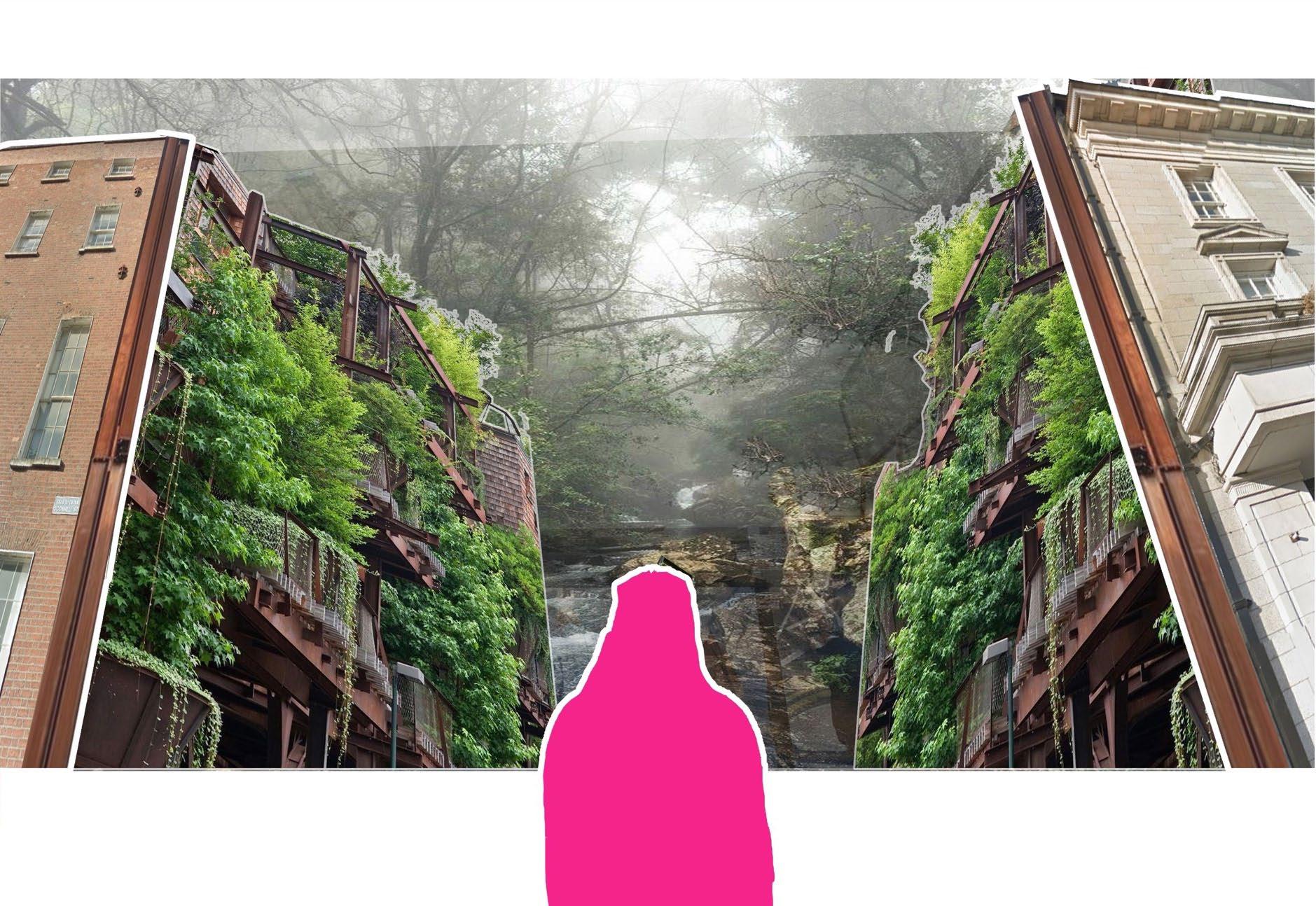
City Lungs Master Plan
Landscape Structure NOT a Building Summary of Concept
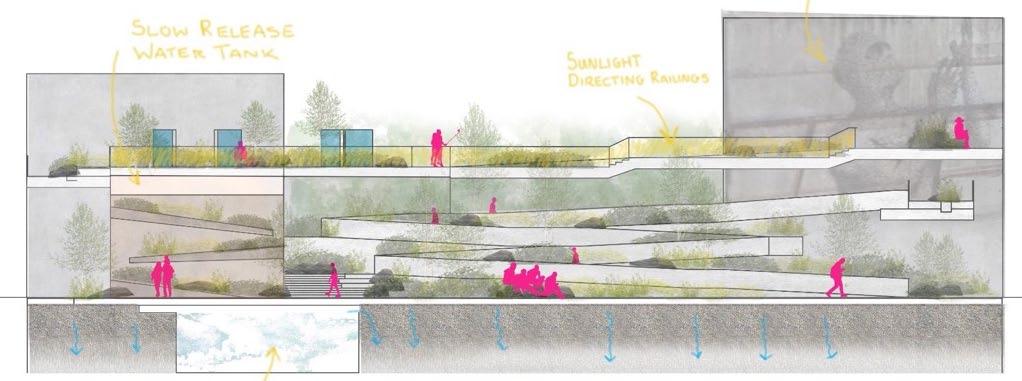
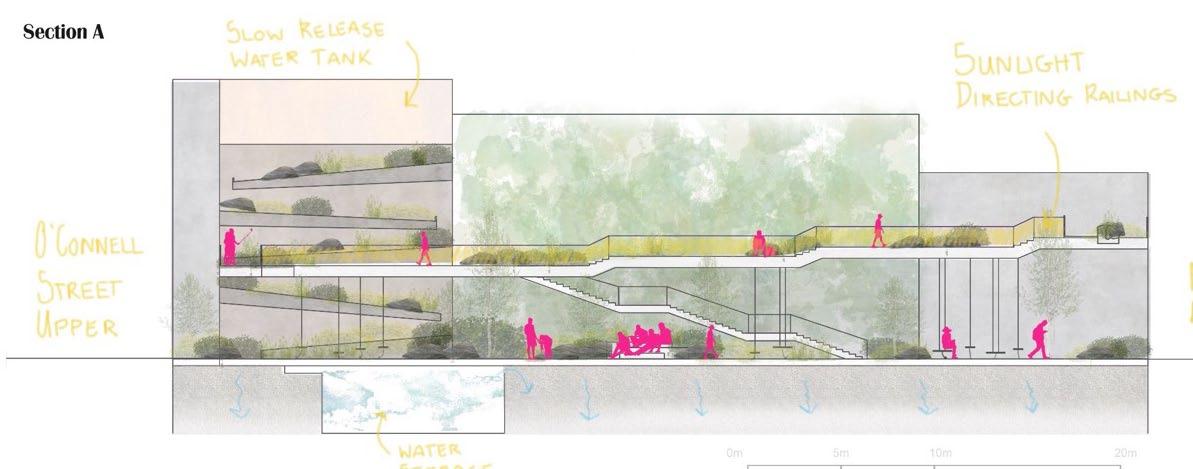
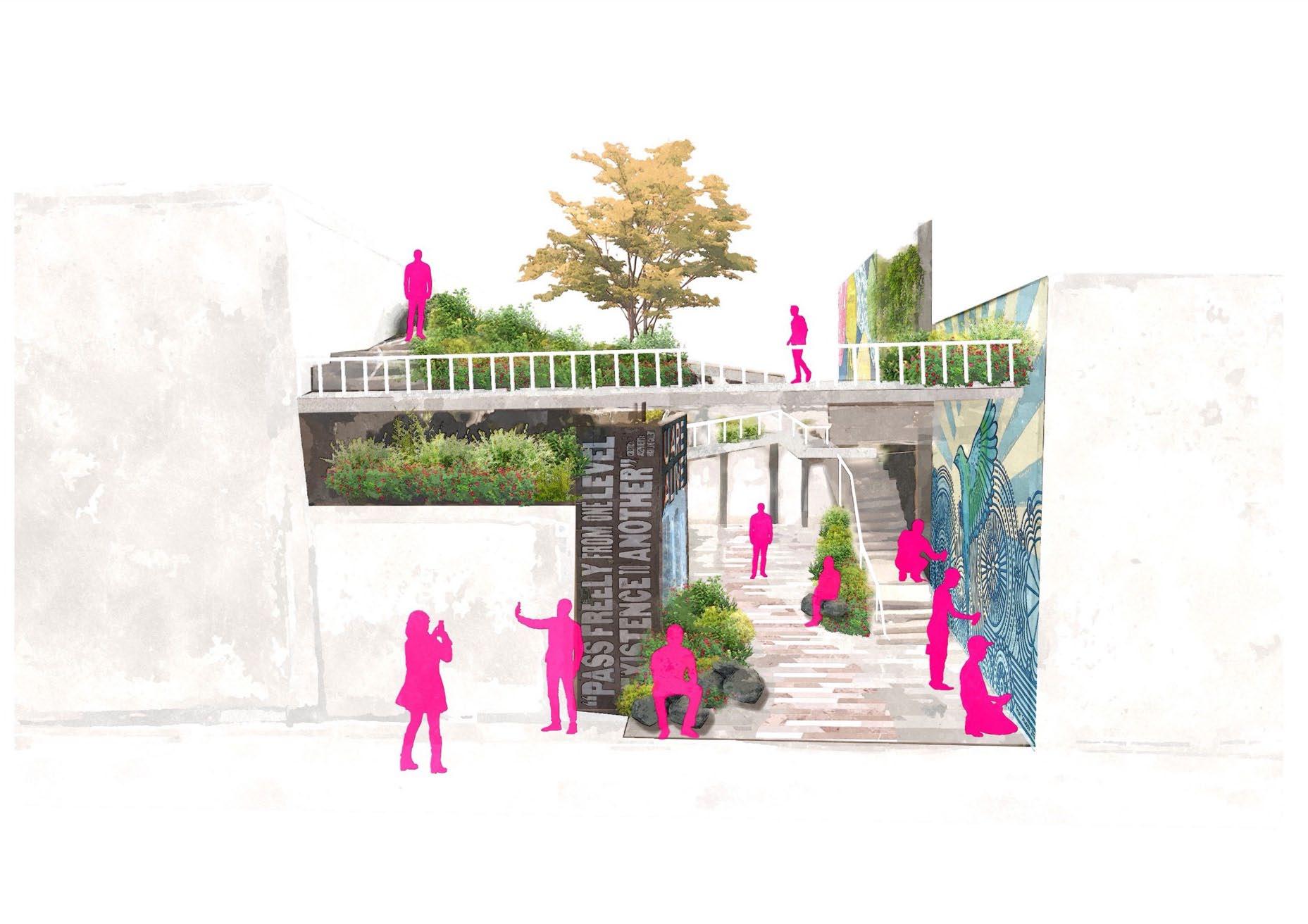
Landscape Blocks change the fabric of a streetscape by incorporating a new habitat for people, plants and wildlife within the city space. Allowing for the expression of anyone to experience skyline views, normally reserved for people within highrise buildings, for work or for leasure, opening this experience to all users within a city.
These Landscape Blocks can be taylored to fit within a large framework, being adaptible to fit within specific sites in any city in the world.
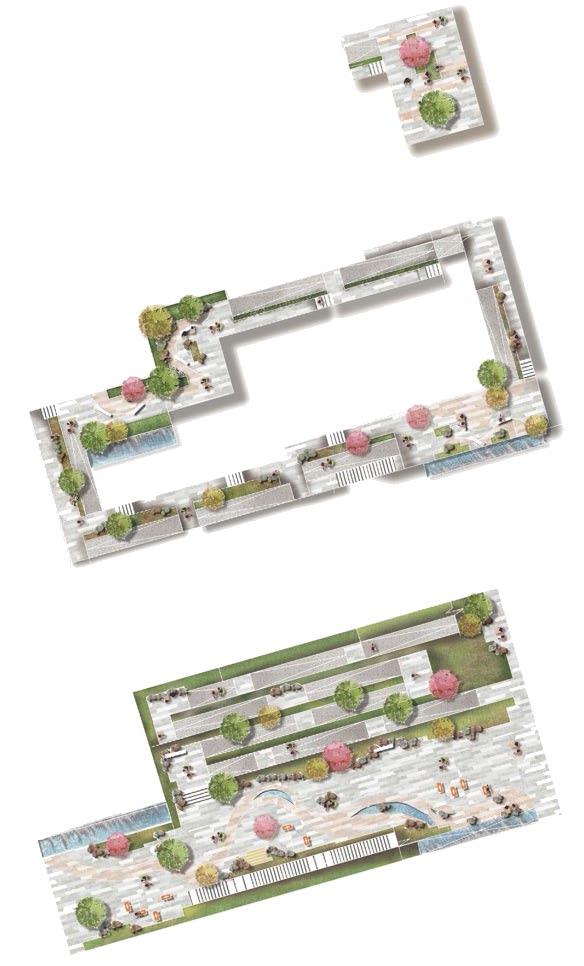
LEVEL 06
8 metres Above Ground
Level 01 to 06
4.5m to 7.5m Above Ground
Ground Level
Accessible through O'Connell Street
City Lungs Additional Elements
An Active Environment To Pass Freely from One Level of Existence...
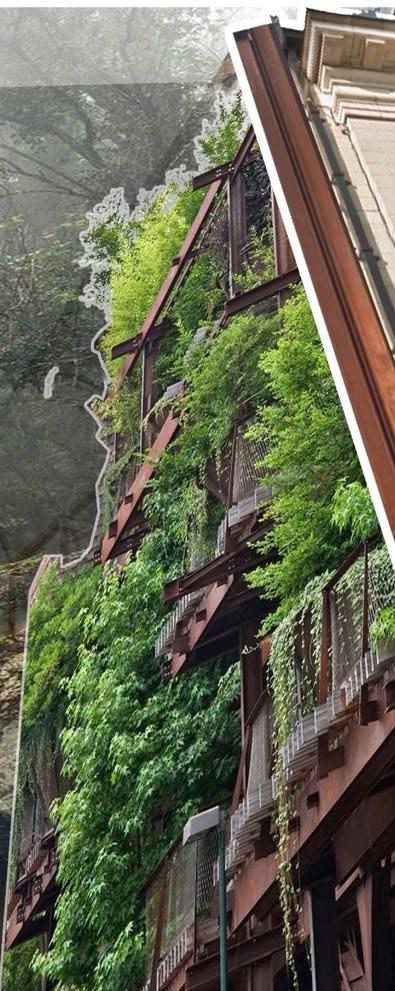
The Landscape Blocks are inspired by pocket parks, multistory carparks, MVRDV Landscape Pavillion expo 2000 and the existing mural on site, bringing into reality that which is written ' Pass Freely from One Level of Existence to Another'
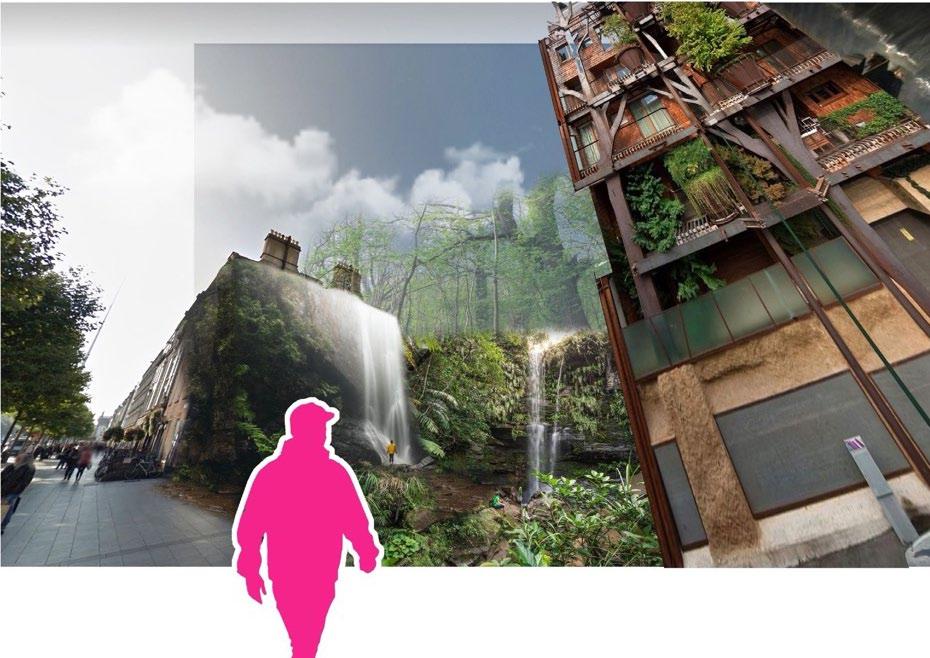
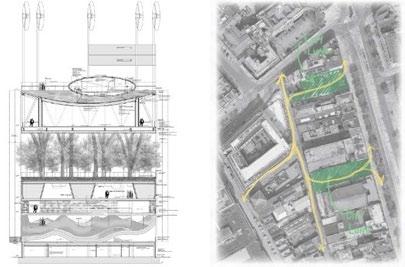
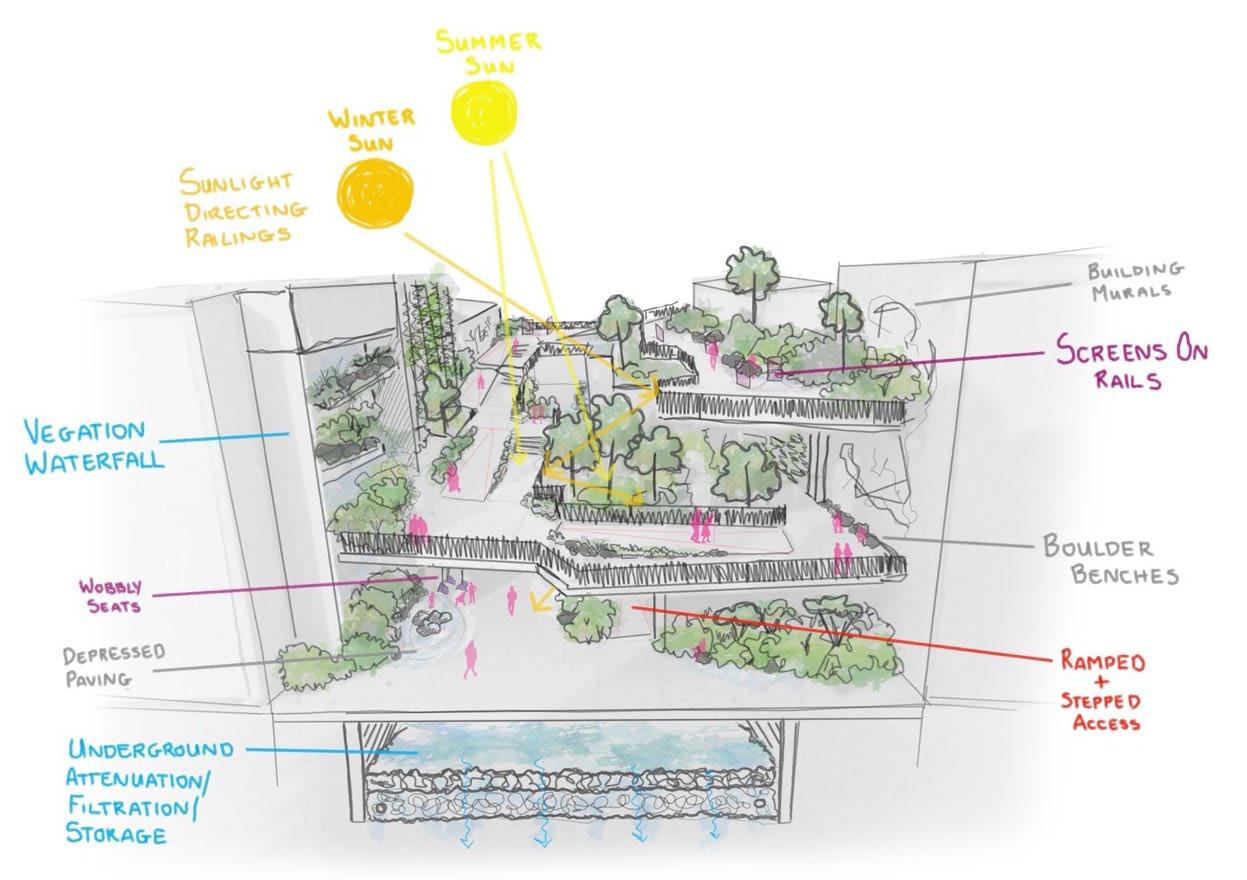
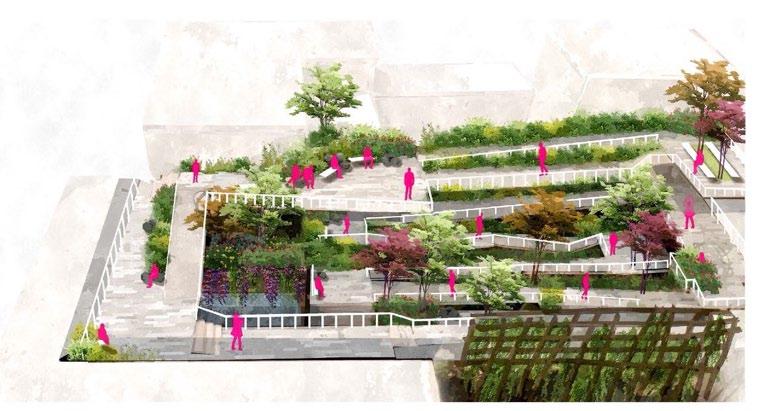
The theme within the site is a riparian block, to address the complaints raised by people about the famous Irish weather conditions and to manage run-off water in a more sustainable manner.
Features within
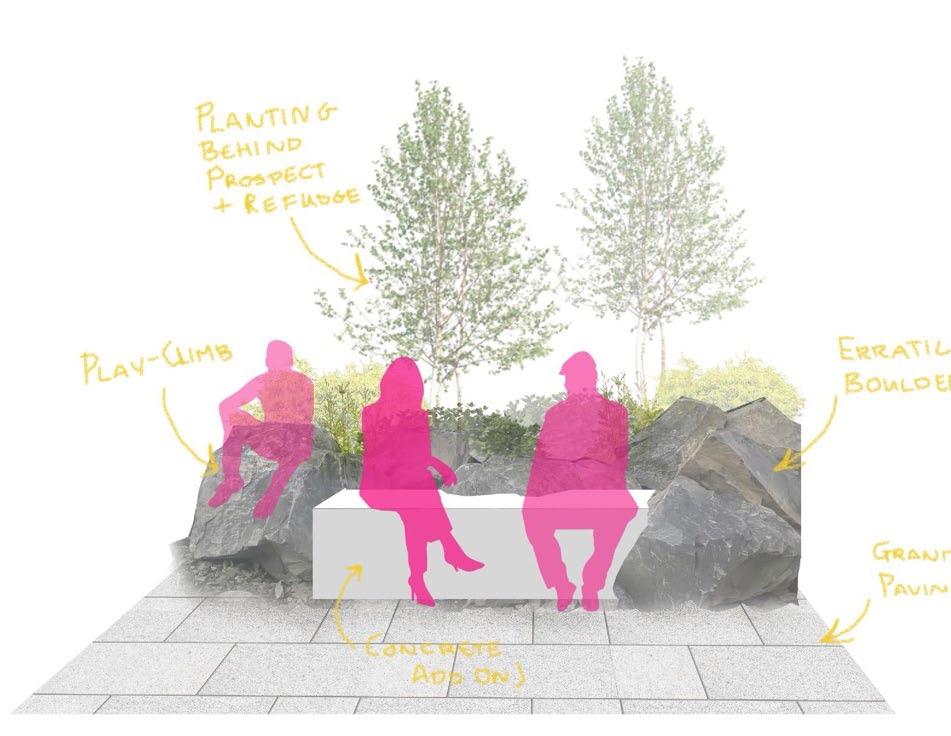
We chose to use Erratic boulders as our primary seating option with concrete add-on for people of all accessibility levels to enjoy these spaces. People may lie back or climb and exploe the 'banks' as if they were beside a river...
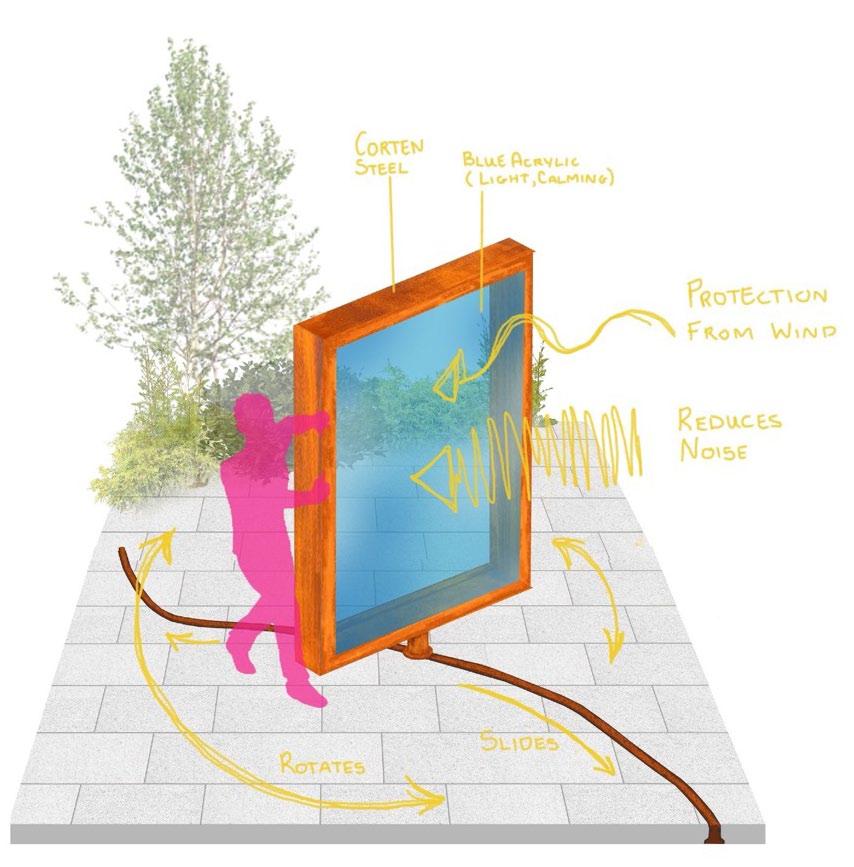
As designers we must always remember to create comfortable microclimates for people, but we can only predict some factors like wind for example. These screens on rails give the user the chance to modify and accomidate the space to suit their needs, for example, protecting themselves from the wind.
Main streets are busy and loud spaces, these screens also allow users of the space to create their own private space while still being able to observe the public.
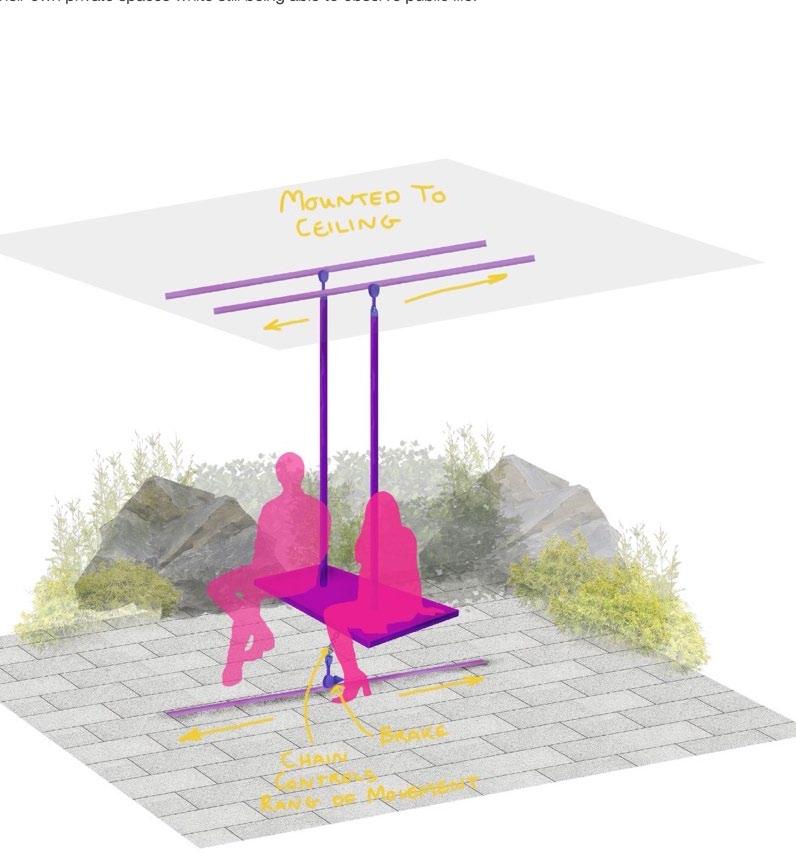
Just like the screens on rails, these 'wobbly seats' allow users to adjust their environment too. These swing-like suspended seats give users an opportunity to play for a minute or relax, lightly moving from side to side while talking to friends, family or strangers...
 MVRDV Landscape Pavillion expo 2000
City Lungs improve circulation in cities encouraging people to walk and cycle
MVRDV Landscape Pavillion expo 2000
City Lungs improve circulation in cities encouraging people to walk and cycle
City Lungs
Connecting the Coast

Connecting the Coast Context
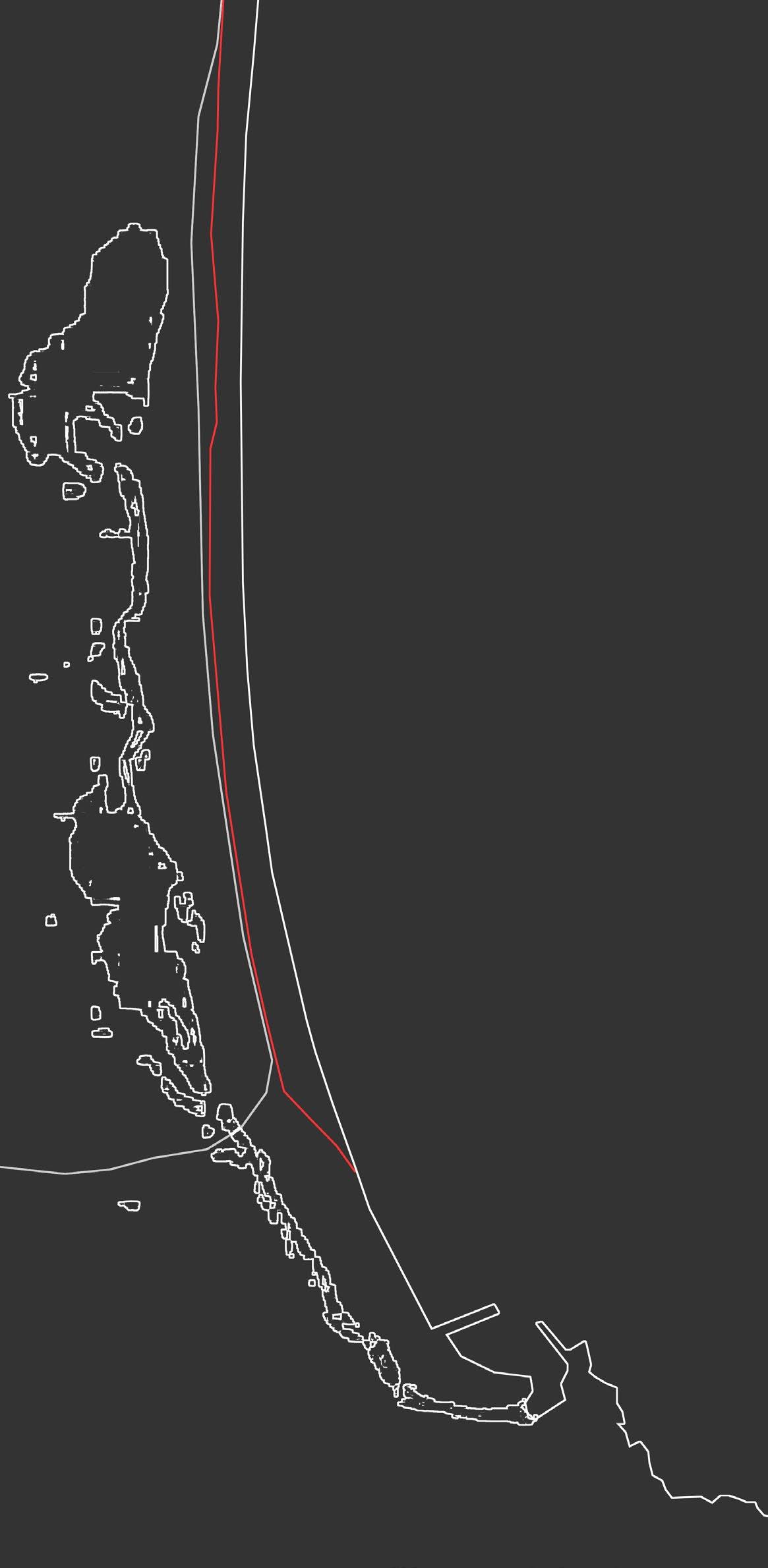
Stability and Significance: Situated within The Murrough, this Coastal Wetland Complex stands as an exceptionally stable and vital ecological entity. As the largest coastal wetland on the east coast, it extends for an impressive 15 kilometers, spanning from Greystones to Wicklow Town.
Natura 2000 Objective - The Murrough SPA (Special Protection Area):
Conservation Purpose: The Natura 2000 objective for The Murrough SPA is crystal clear - to maintain or restore the favorable conservation condition of the wetland habitat. This commitment serves as a crucial resource for the regularly-occurring migratory waterbirds that rely on it for their sustenance and survival. The aim is not only to preserve but also to enhance this habitat's ecological health to continue supporting this vital avian population.
Site Aspects Location
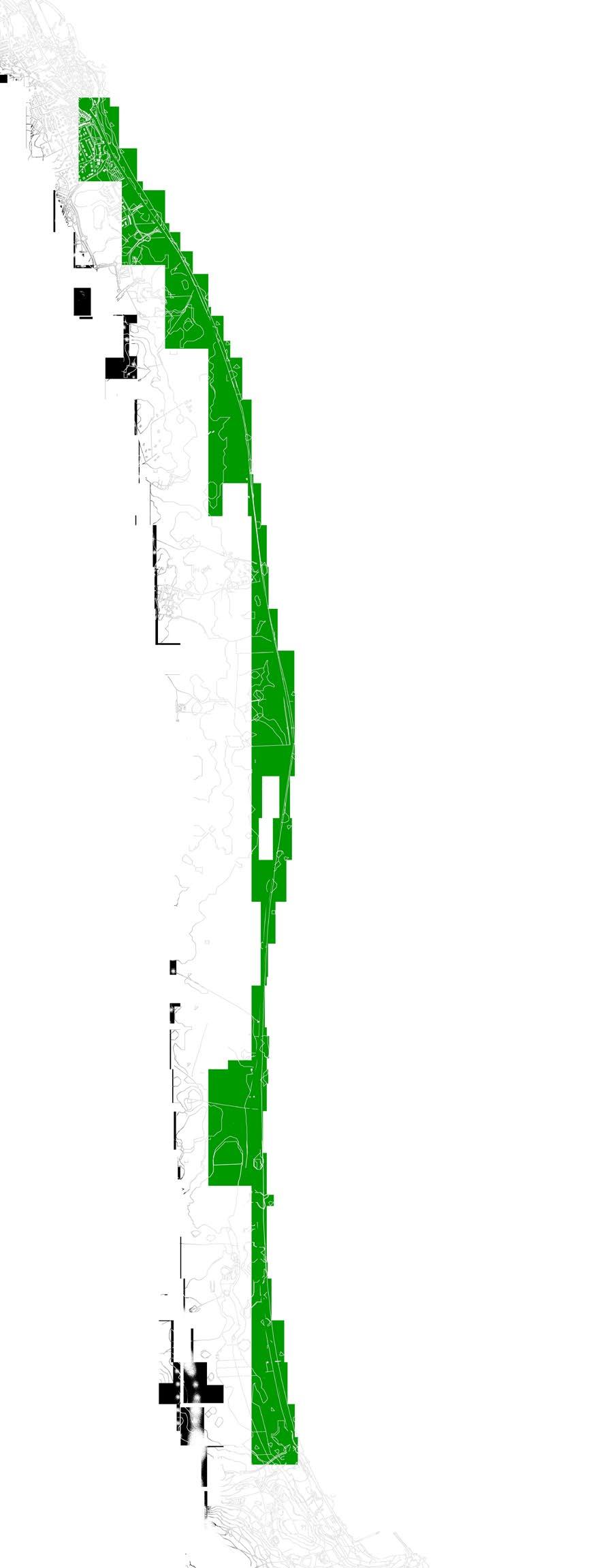
The Murrough, Wicklow: Nestled within The Murrough in Wicklow, this site holds particular significance due to its proximity to the Dart line. It is worth noting that Irish Rail has ambitious plans to invest 145 million euros in coastal protection in this area.
Irish Rail Greenway Proposal
Irish Rail Greenway Proposal: Irish Rail envisions a Greenway project that will connect the charming towns of Wicklow and Greystones. The project's objectives are multi-faceted. It seeks to mitigate coastal erosion to safeguard several critical components:
Coastal Erosion Mitigation
Coastal Erosion Mitigation: The primary objective is to combat coastal erosion, thus protecting various vital elements, including:
- The planned Greenway, ensuring its longevity and usability.
- The designated Natura 2000 site, preserving its ecological significance.
- The existing railway line, a crucial transport artery.
- The reconnection of the coastline with the Wetland Complex, an area separated by the Dart line.
- Preservation of the unique plant life and habitats within the Natura 2000 designation.
Erosion Overview
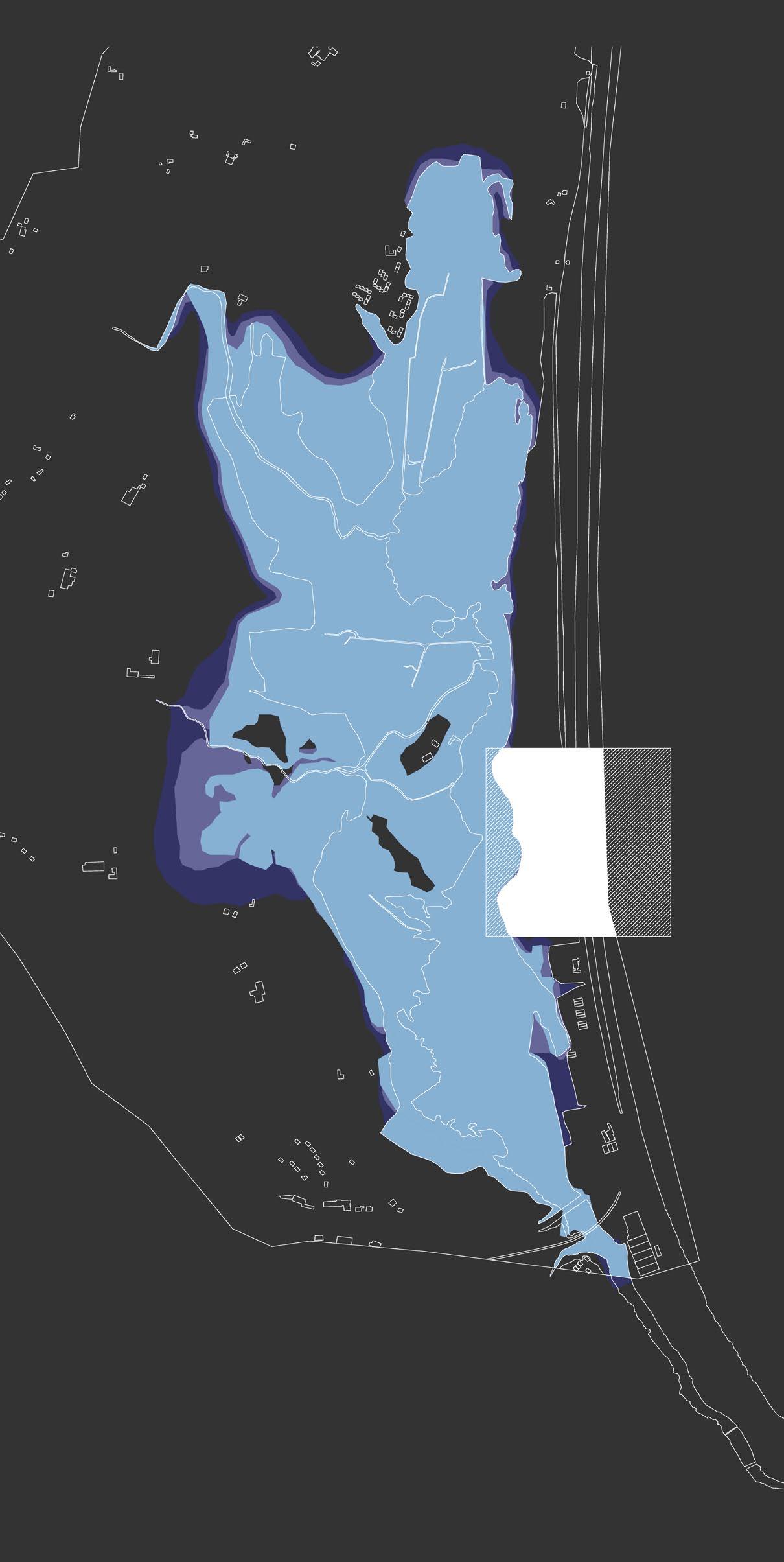
The site's significance cannot be overstated. With the Dart line traversing through it and its Natura 2000 status, the urgency for action is apparent. Without intervention, the entire site faces the risk of complete erosion by the year 2100.
In Summary
This site at The Murrough, Wicklow, represents a critical nexus of ecological and infrastructural significance. The proposed Greenway project not only addresses coastal erosion but also aims to foster connectivity, protection, and the preservation of precious natural habitats.
Greystones
Vantry
1.10 land that might be flooded by rivers in a moderate flood event 1.100 land that might be flooded by rivers in a moderate flood event 1.1000 land that might be flooded by rivers in a moderate flood event
Planned Greenway Wicklow Town
Floodplain
Erosion Prediction 2050
The Coastal Wetland Complex
Dart Railway Line
Adapting coastal landscapes against the effects of climate change and other factors for current and future stakeholders
The Coastal Wetland Complex
The Planned Greenway
An Erosion Overview of the Wicklow Coast
Coastal Wetland Complex - The Murrough:
Connecting the Coast Master Plan
An Active Environment
An Environmental Overture:
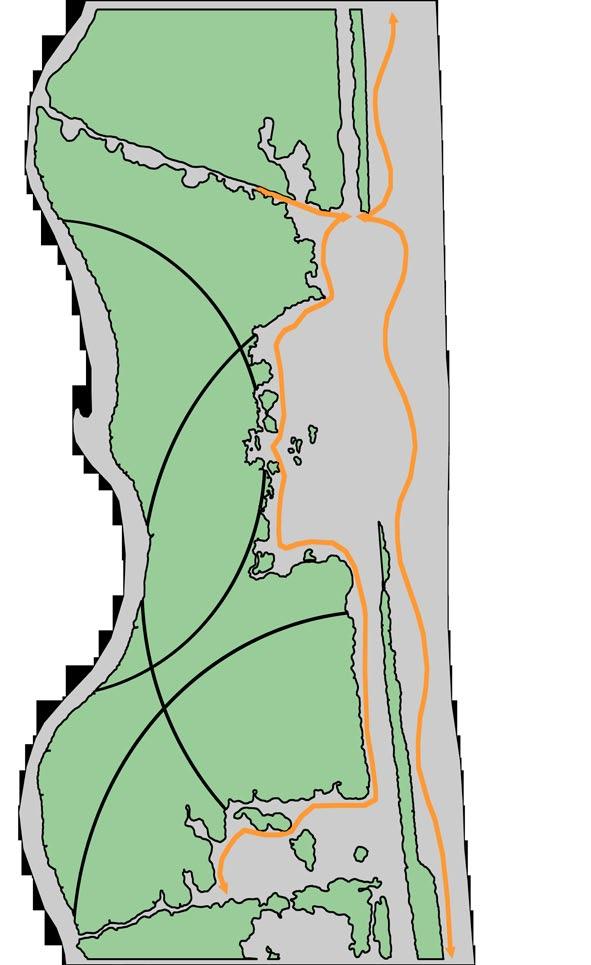
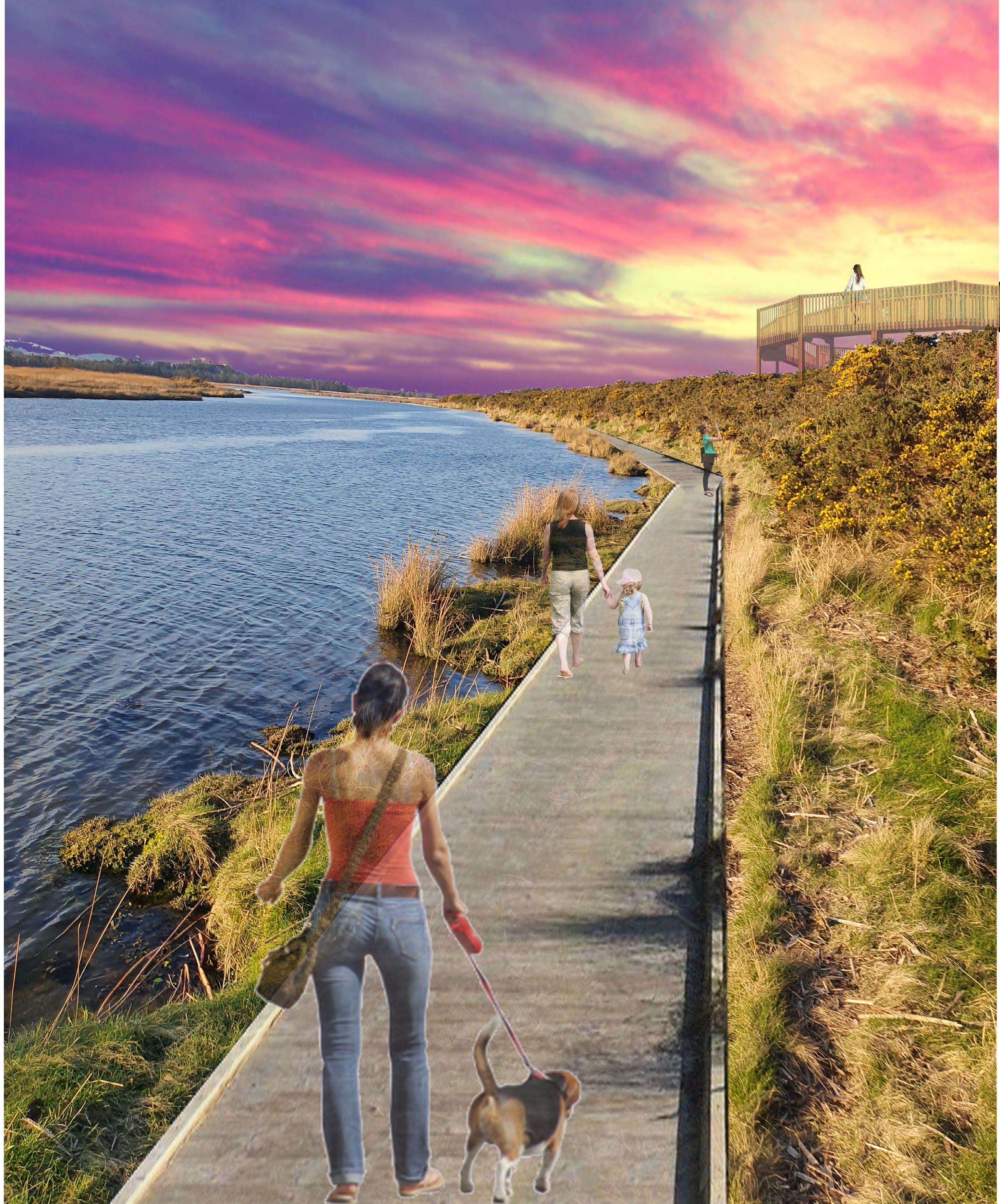
Intricately composed, this plan weaves together an array of elements, from the contemplative overlooking boardwalks to the strategically positioned semipermeable coastal groins. The design is an ode to coastal habitat awareness, seeking to evoke a profound connection with this unique environment.
From Coastal Wildscape:
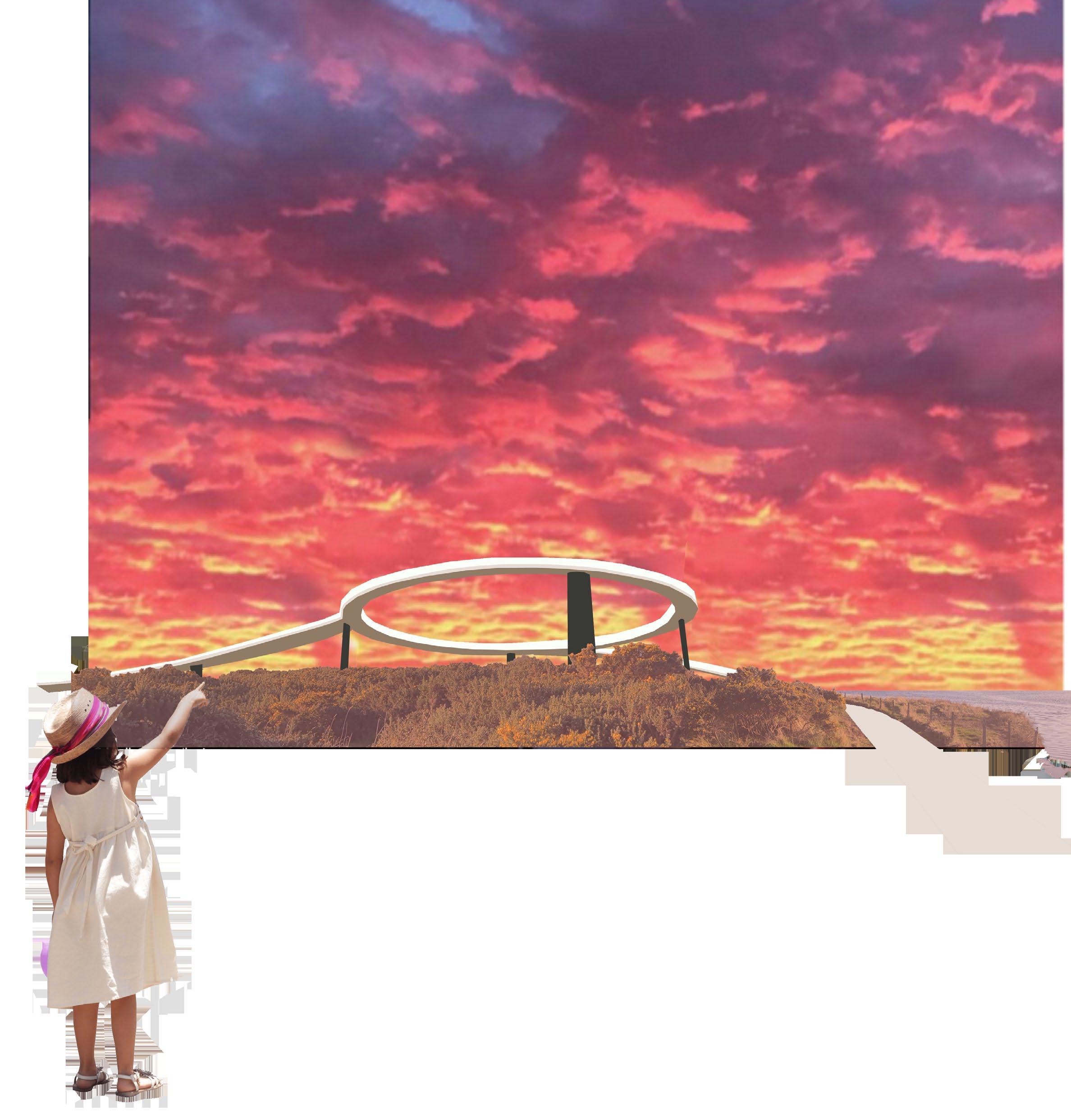
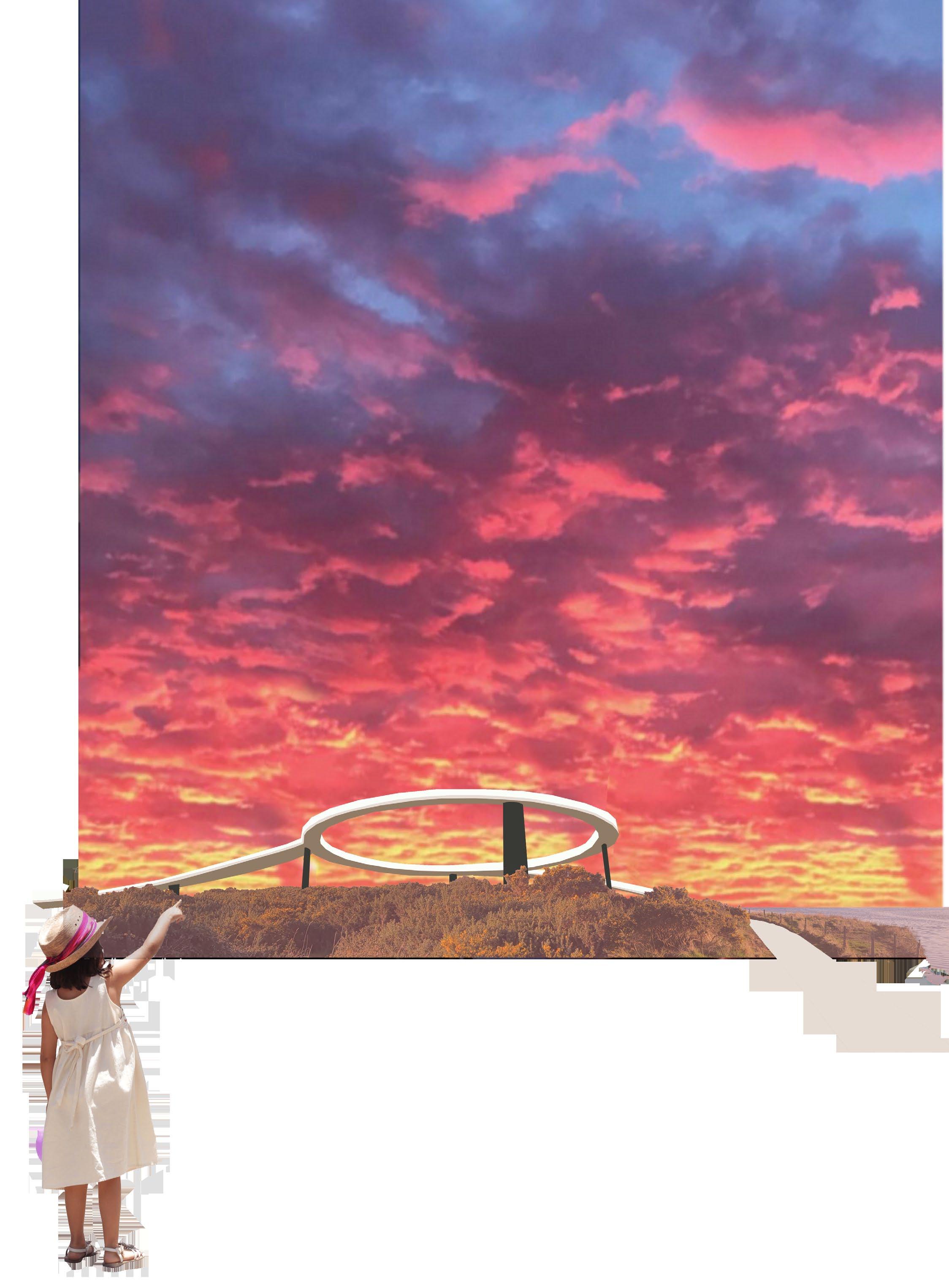
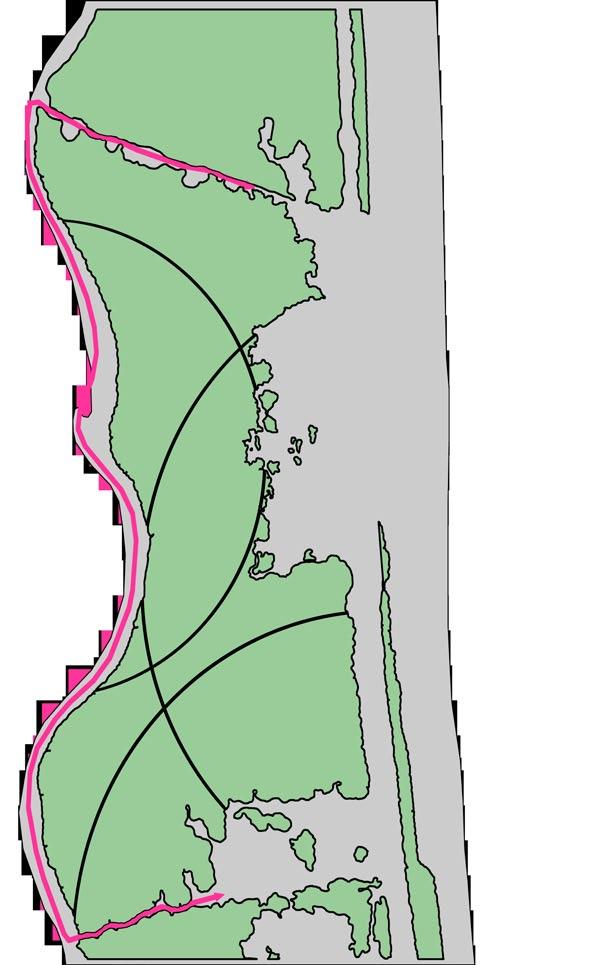
Embarking from the coastal fringe and venturing along the picturesque coastal walk, the wooden gate emerges as a beckoning portal, graciously allowing passage across the Dart railway line. Here, the user is invited to explore the untamed beauty of this coastal habitat.
As the journey progresses inland, a captivating landscape unfurls, offering a pathway beyond the Dart line, a place of discovery and wonder. Elevated above the lush vegetation that graces the site, users are treated to unrestricted vistas, encompassing the grandeur of the Murrough Wetland and the tranquil majesty of the coast.
Coastal Comforts and Erosion Mitigation:
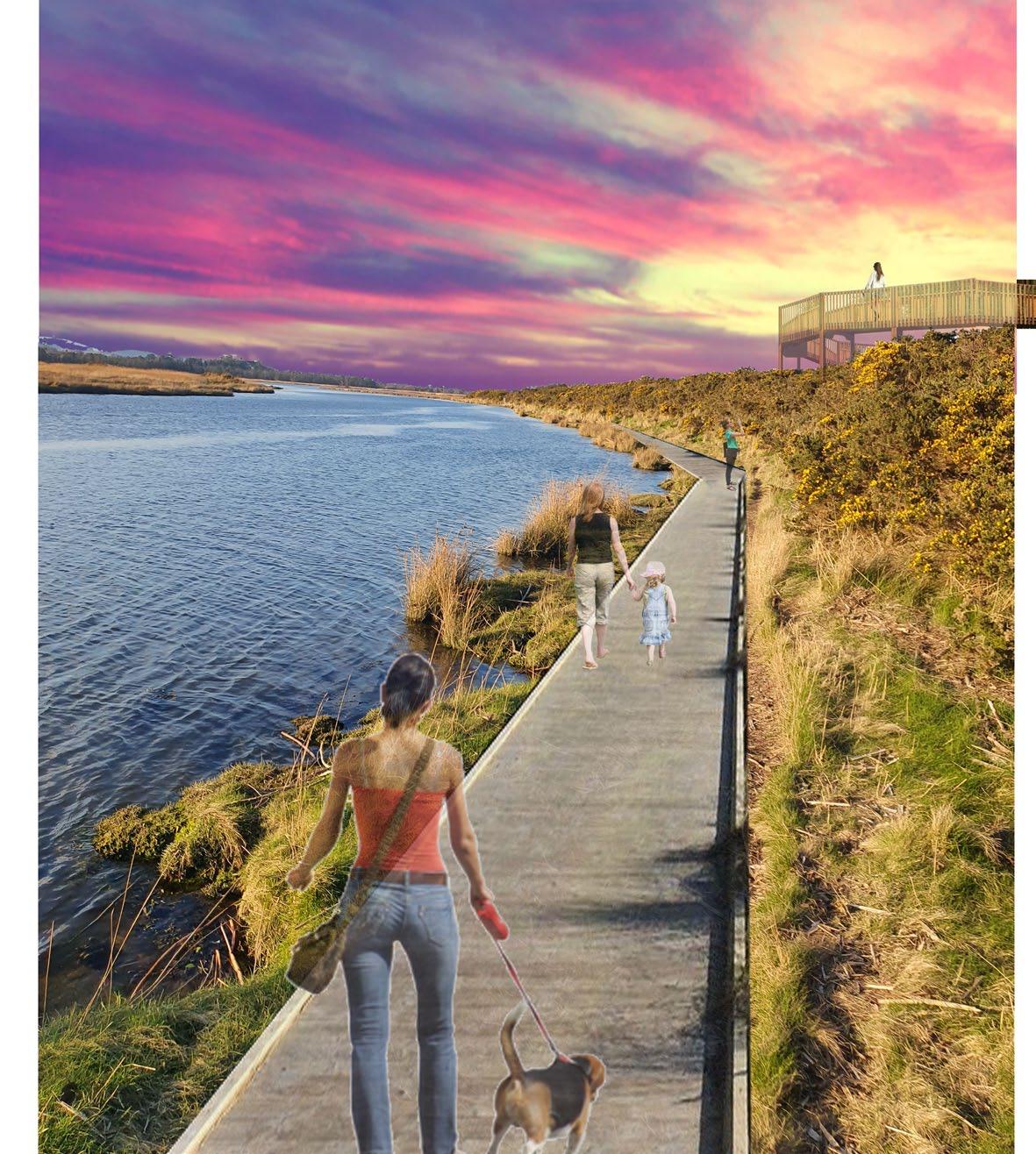
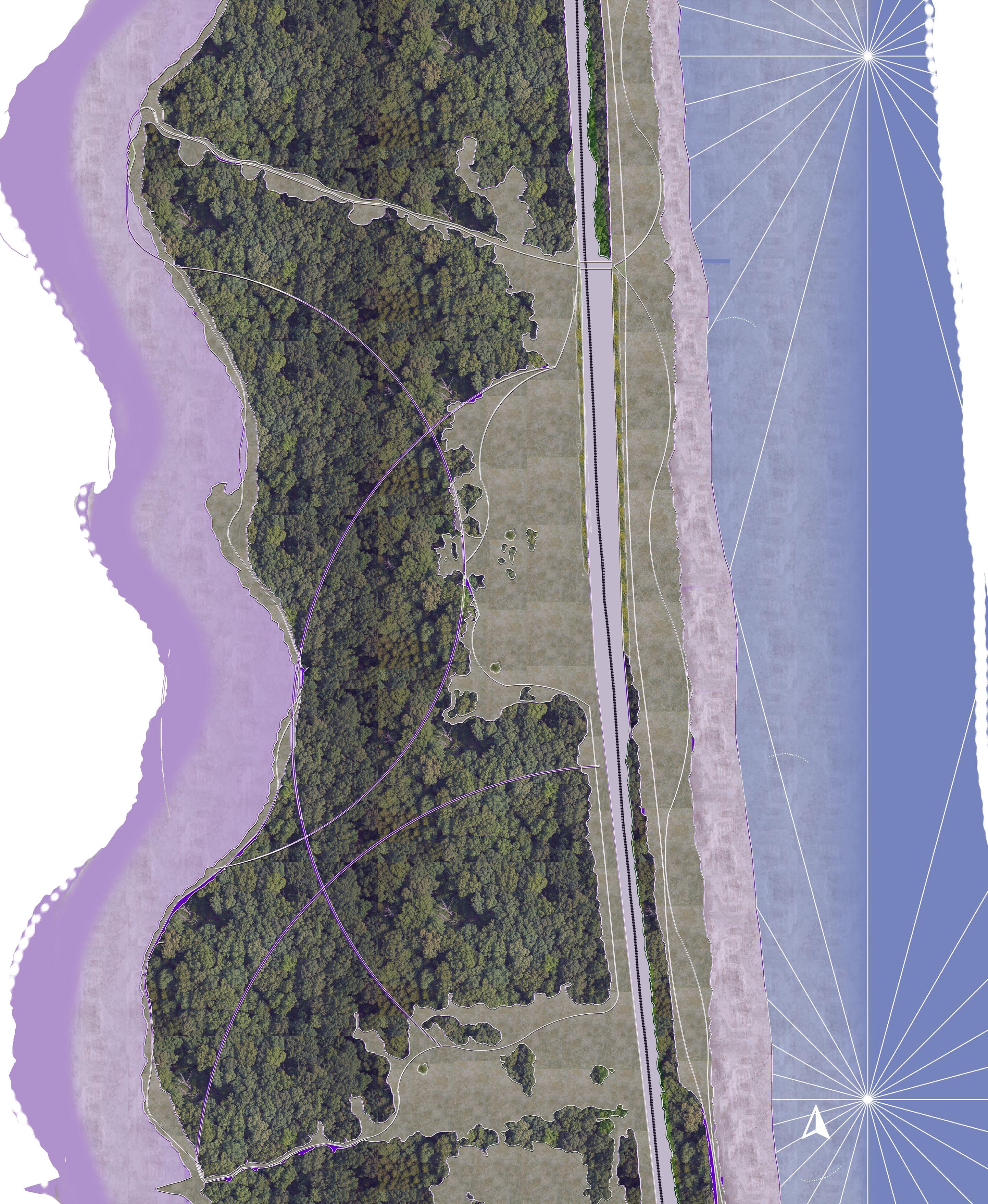
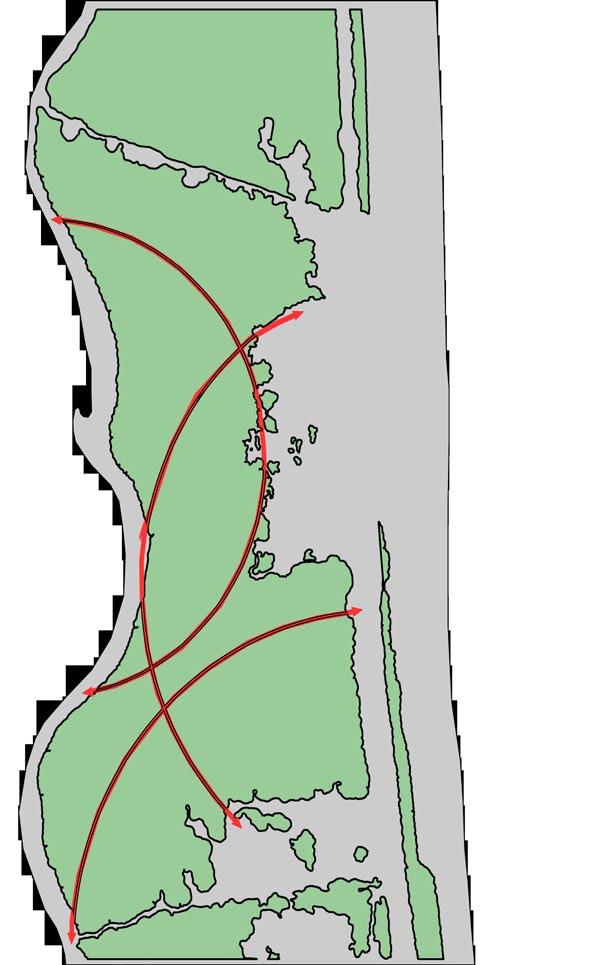
Along the coast, the design thoughtfully incorporates deck seating, strategically positioned along the coastal walk. Here, visitors can pause to rest and absorb the coastal panorama, shielded from the gentle western winds. Not far from the shore, semi-permeable wave breaks stand as guardians, poised to mitigate erosion along the precious shingle beach.
This symbiotic marriage of seaweed and semi-permeable wave breaks disperses the formidable force of the waves before they reach the coast, preserving the integrity of the shingle beach and ensuring the habitat remains undisturbed. It's a testament to the delicate balance struck between environmental preservation and the enhancement of the coastal experience.
1 2 3 4 5 6 6 6 7 7 7 8 9 9 9 6 10 11 Boardwalk Trail
Boardwalk Walk Trail Master plan Key 1. Boardwalk 2. Murrough Walk 3. Coastal Park 4. Greenway 5. Track Entrance 6. Planting Focal Points 7. Deck Bench 8. Coastal Walk 9. Coastal Protection 10. The Irish Sea 11. Wetland
Elevated
Boardwalk Trail Perspective
Connecting the Coast Detail Design

WetlandCoastalWildflower -
Planting and Plant Management Thoughtful Planting and Biodiversity Stewardship
Our vision for planting revolves around enhancing the Greenway experience, infusing it with vibrant splashes of color for both cyclists and pedestrians. To achieve this, we are committed to selecting wildflower species native to the area. This choice serves a dual purpose: it harmoniously blends with the existing landscape, avoiding any disruption to established habitats, while also actively nurturing new havens for pollinators, insects, and other wildlife.
A Sanctuary for Biodiversity
Within the wetland and along the western fringes of the site, our planting strategy treads lightly, preserving the rich habitat that already thrives. Rather than disruption, our approach is one of promotion, fostering the growth of these natural pockets of tranquility. Here, privacy and serenity will flourish, weaving seamlessly into the fabric of the site and allowing nature to thrive undisturbed.
Planting
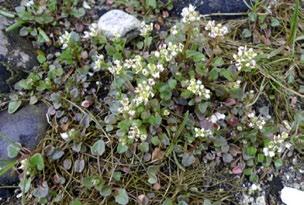
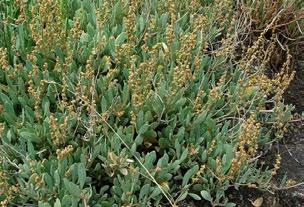
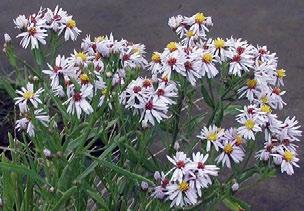
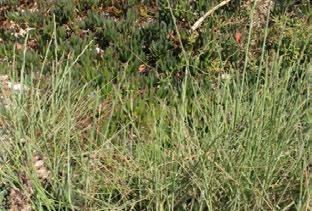
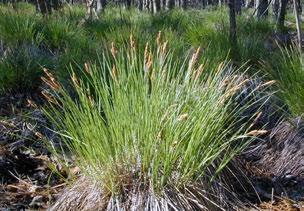
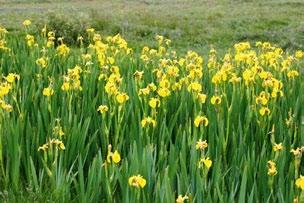
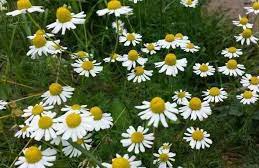
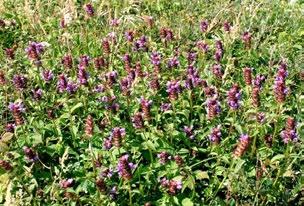
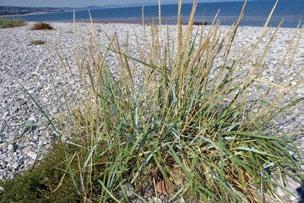
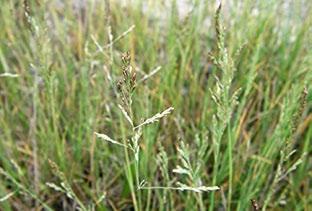
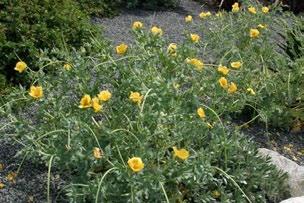
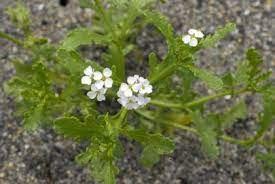
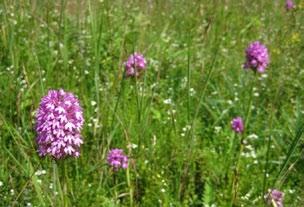
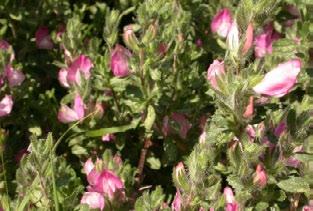
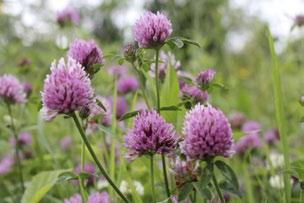
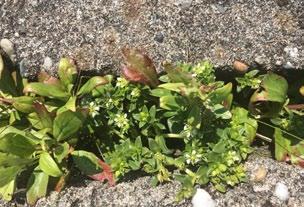
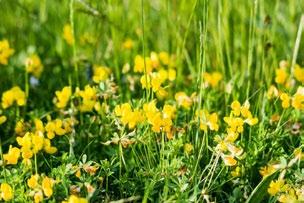
Salt marsh grass, Sea aster, Sea purslane, Common scurvy grass, Sea rocket Yellow horned poppy, Sand couch, Lyme grass, Sea sandwort Red Clover, Birds Foot Trefoil, Rest-harrow, Yellow Horned Poppies , Pyramidal Orchids, Yellow Horned Poppies
PRODUCED BY AN AUTODESK STUDENT VERSION PRODUCED BY AN AUTODESK STUDENT AUTODESK STUDENT VERSION PRODUCED BY AN AUTODESK STUDENT VERSION AN AUTODESK STUDENT VERSION PRODUCED BY AN AUTODESK STUDENT VERSION Accoya Wood Deck Treated Steel Fixing Accoya Wood Handle Steel suspension posts Ground Concrete Anchor Accoya Wood Deck Concrete Anchor Steel Supports Ground Accoya Wood Deck Concrete Anchor Steel Supports Ground Accoya Wood posts Pile Drive Ground Structural laminated Accoya Accoya Wood Deck Stainless Steel Fixing Accoya Frame Stainless Steel support Concrete Anchor Accoya Wood Deck Stainless Steel Fixing Accoya Finish Stainless Steel support Stainless Steel support Accoya Frame Stainless Steel support Stainless Steel Frame Accoya Finish Concrete Anchor 1 2 3 Detail
Connecting the Coast
A More Connected Campus
A More Connected Campus Introduction
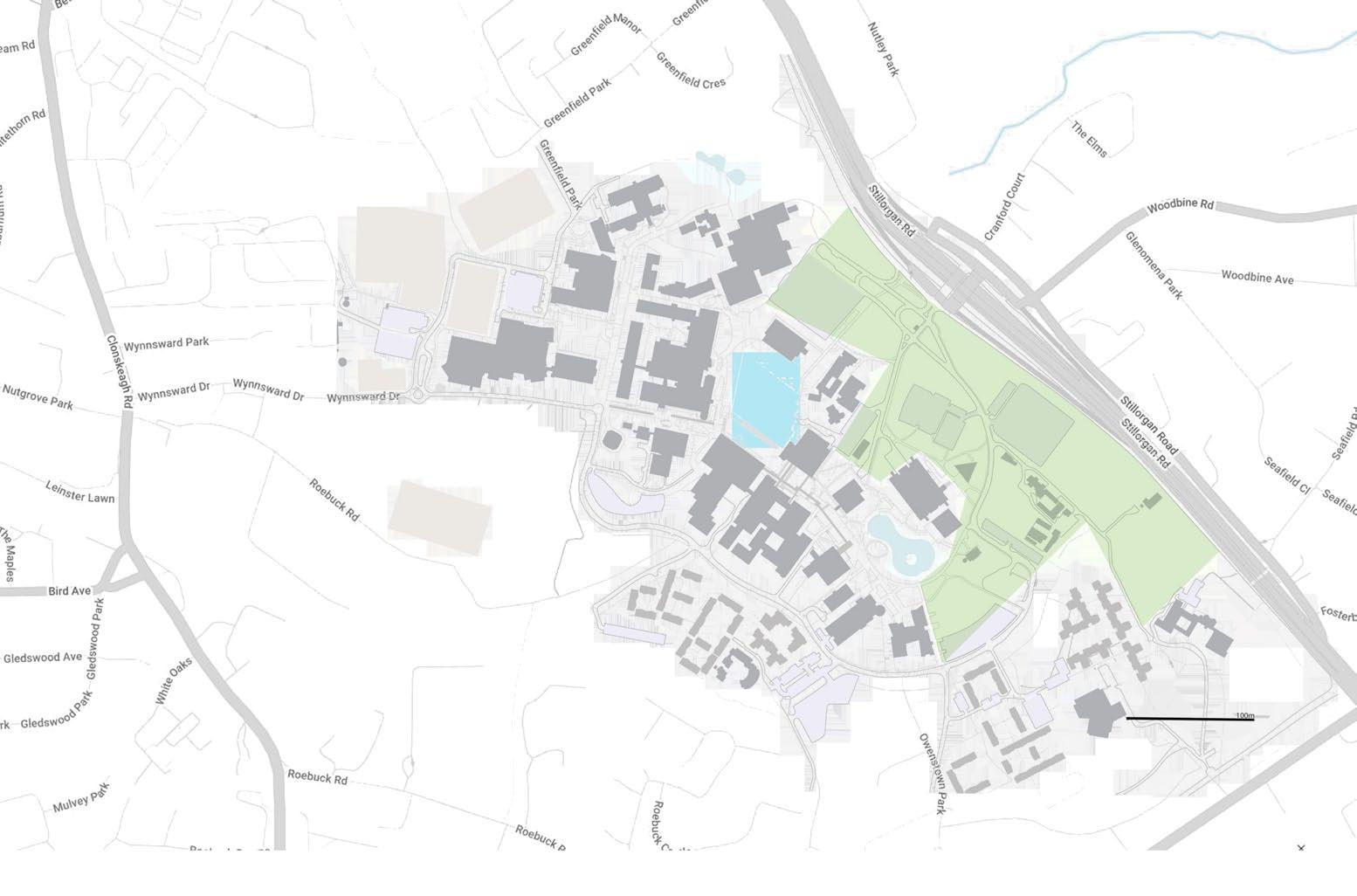
Location - University College Dublin, Dublin 4
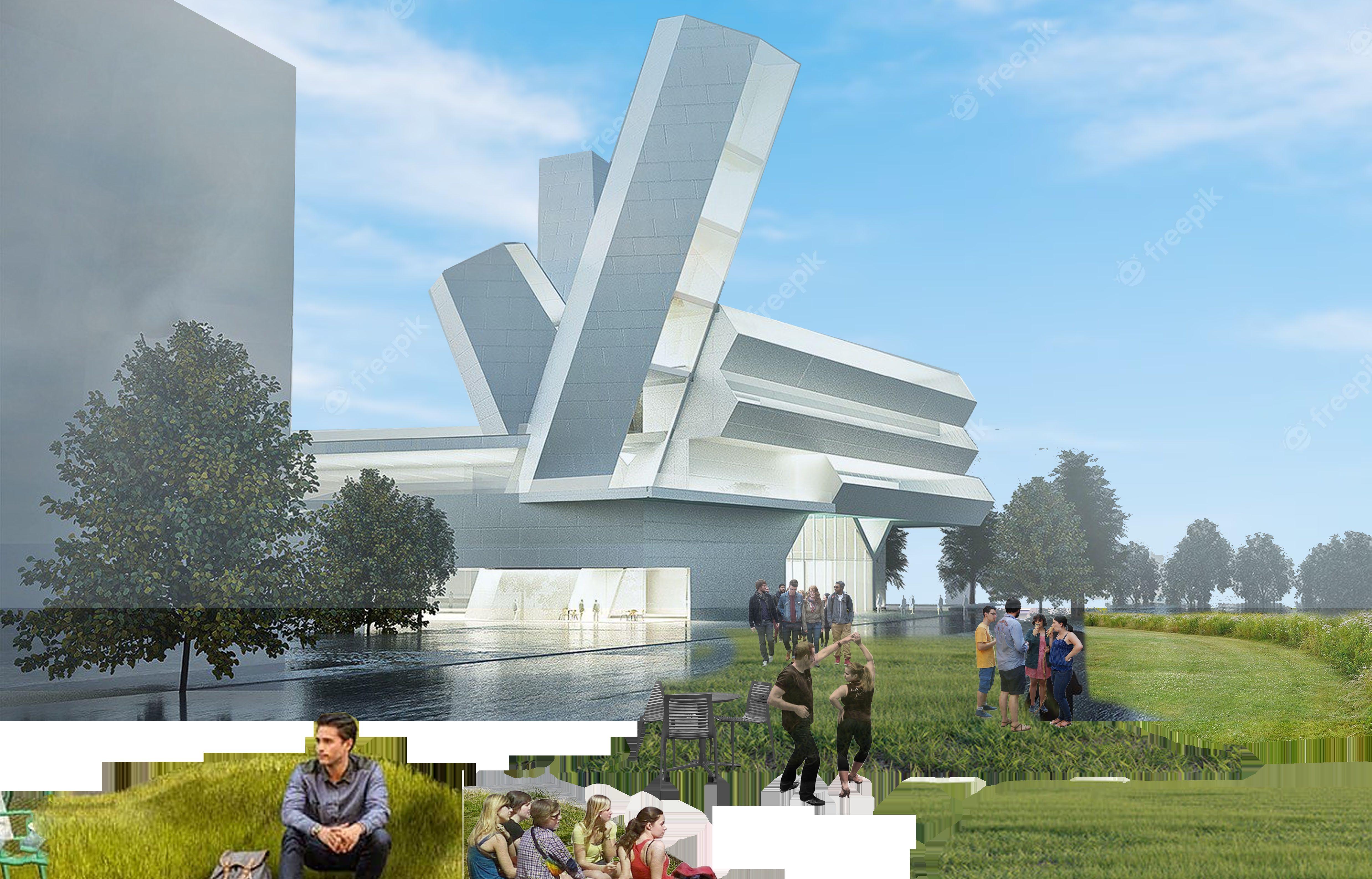
Project Overview - The outline of the brief given for this project was to take the design Steven Holl proposed for the North side of the UCD campus and to design an area which suit the context as well as improving the area for Architect, Engineer and Landscape Architect Students who would be using this area.
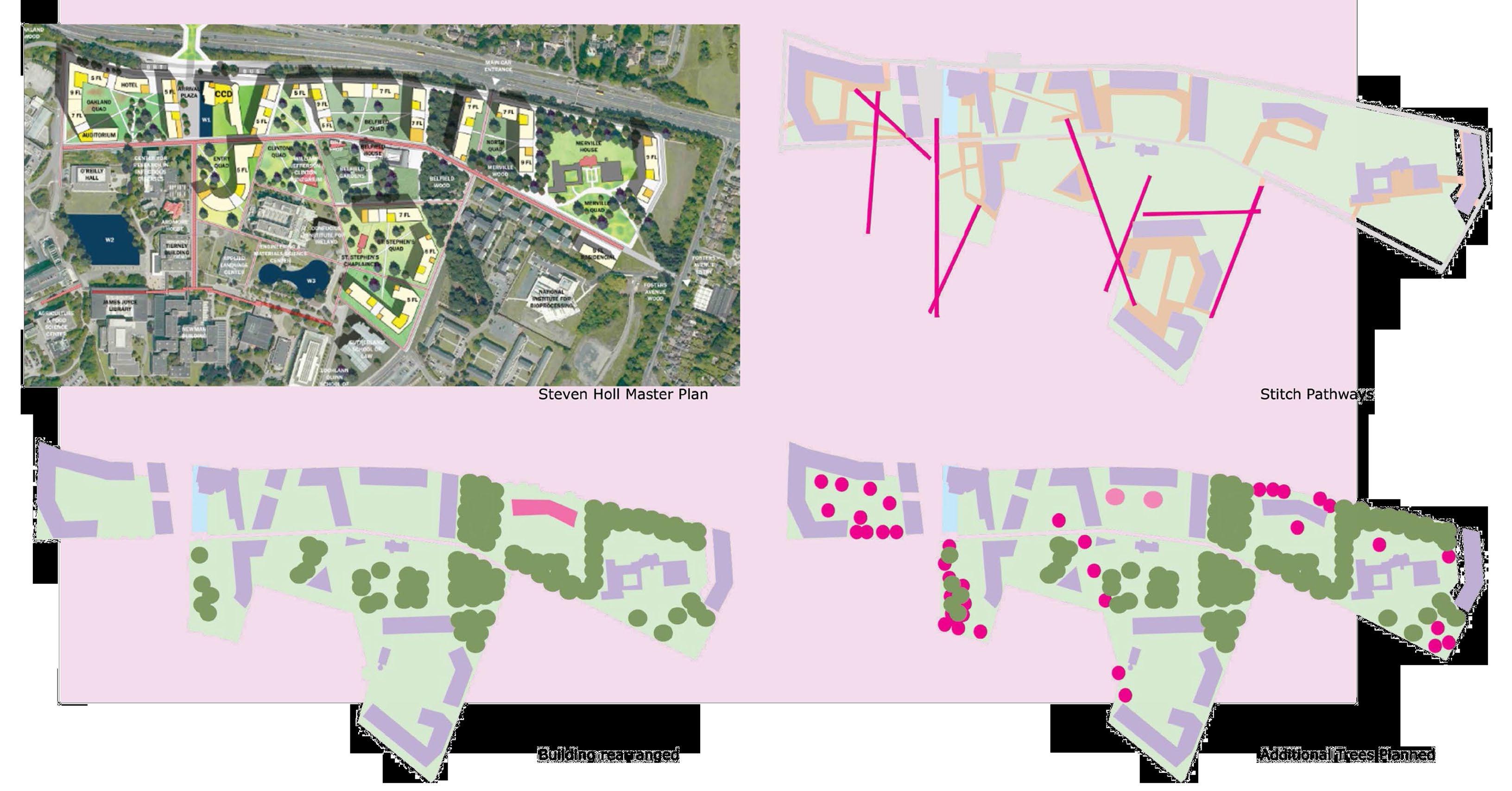
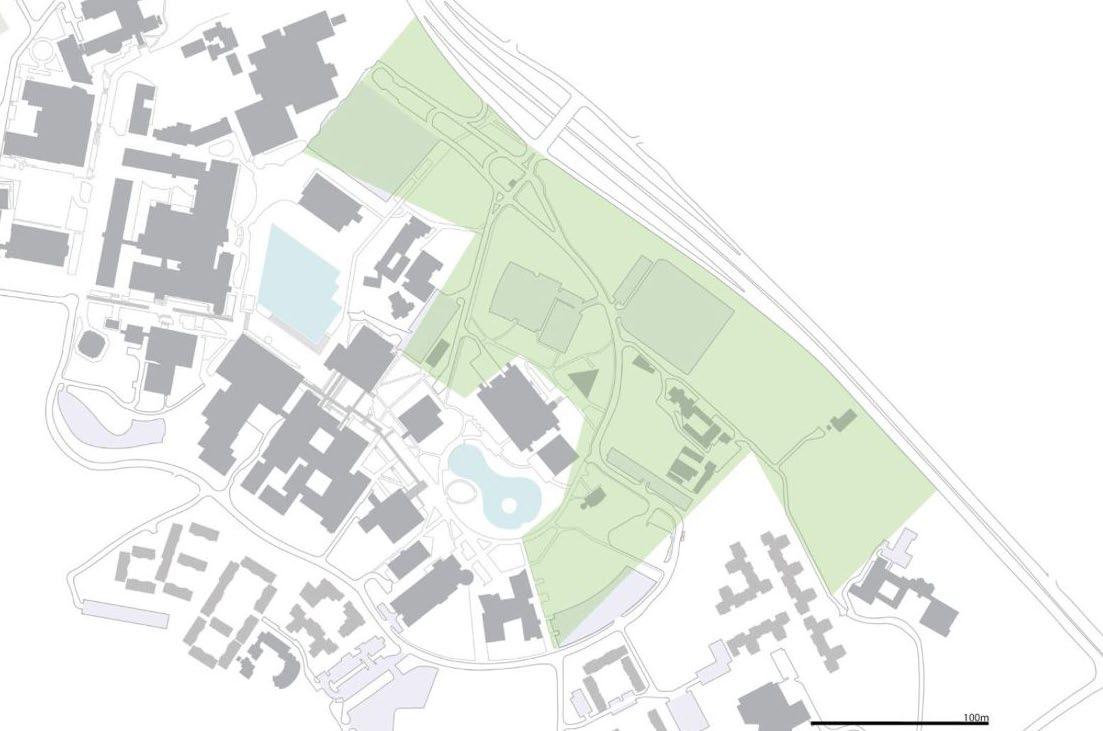
Design Objectives - Connectivity: Through design the campus would be more connected by getting multiple faculties involved with the new campus, increase user access and allow for more users to interact with the site.
Continuity: Pathways leading from the campus to the new proposed site, connecting the most popular areas directly to the site. Also through tree planting found on campus the design between the original campus and Steven Holls design would be connected.
Comfortability: Giving an air of comfort would allow for an easier transition of students too and from the new site, benefiting the social aspect of the college. Being students and lecturers spend so much time on the campus, making it comfortable and more beneficial for the users.
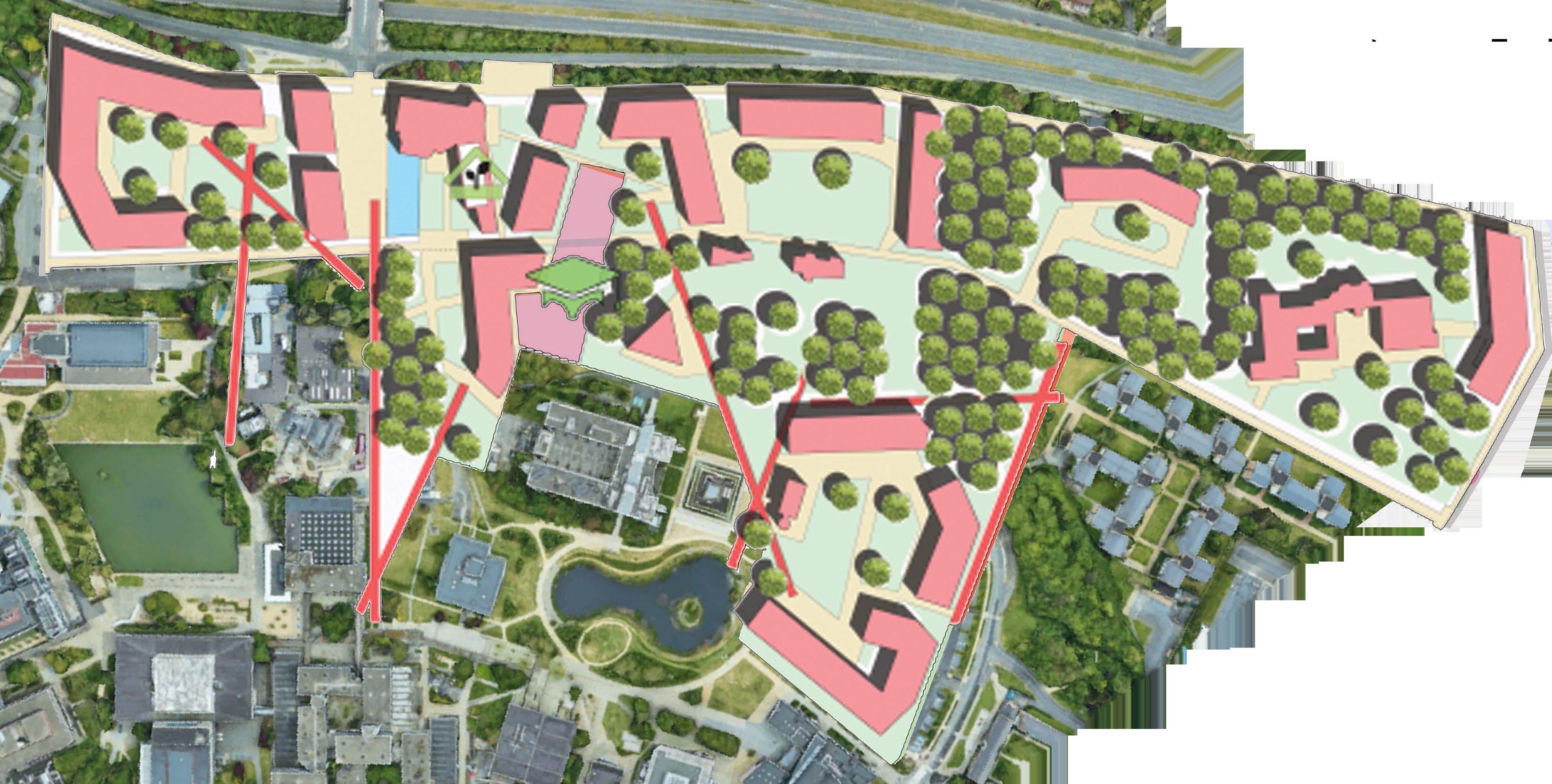
Concept - The approach taken for the design was to connect the campus through 8 'Stitch Pathways'. These pathways would lead users from focal areas of the main campus and of the proposed design. These pathways would leave the site boundary and give a gentle implication on where you can go within the site, guiding the user to the main areas of interest.
From Steven Holls general building lay out, one building has been altered on its placement as it is currently located on a site of great ecological importance. The building would have been built on a woodland which is over 200 years old and is a great asset to the ecology on the campus.
Site Location - UCD
Approach to the Design
Site Boundary - North East of UCD
N
StudioMasterProjects plan (Campus)
Stitch Pathways
Central Hub
CCD Building
Green Roof
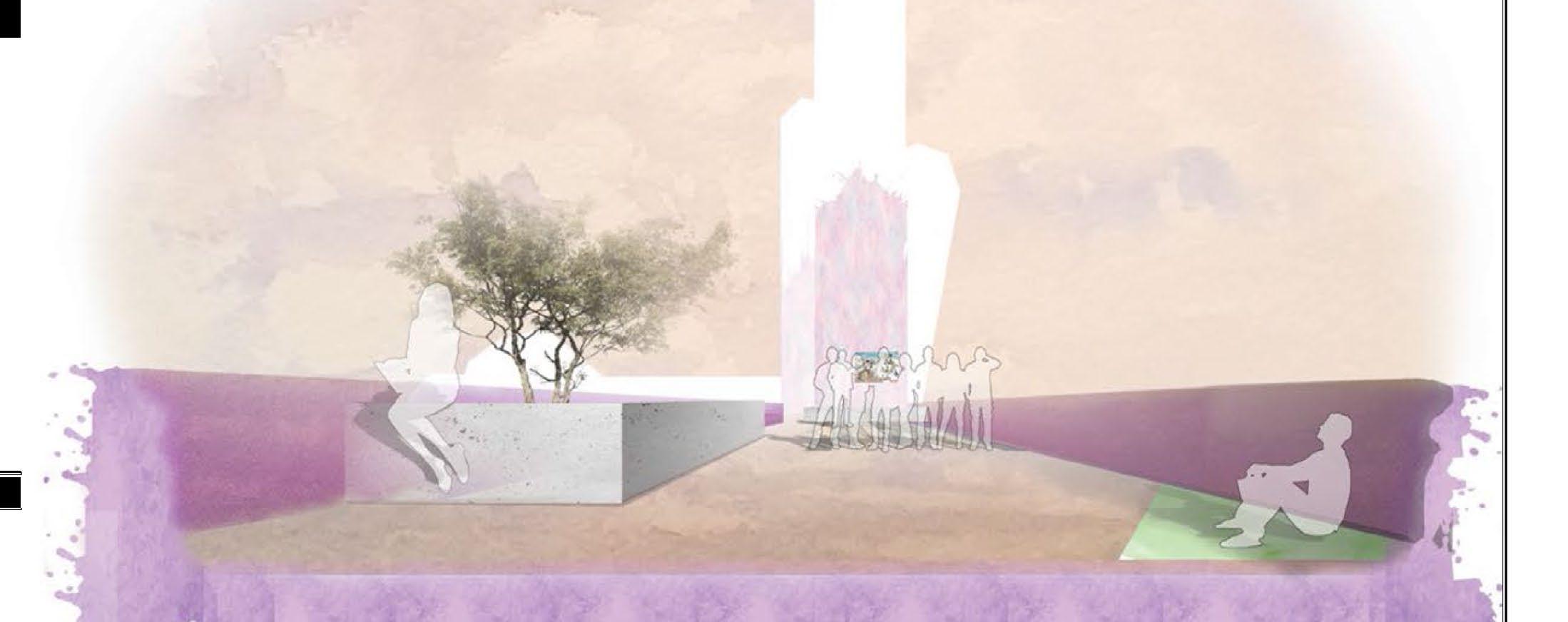
Atmospheric Sections
The proposed design would merge both Steven Holls competition design with the surrounding campus of UCD. Steven Holl is an architect from New York with designs which are very geometric and modernistic designs.
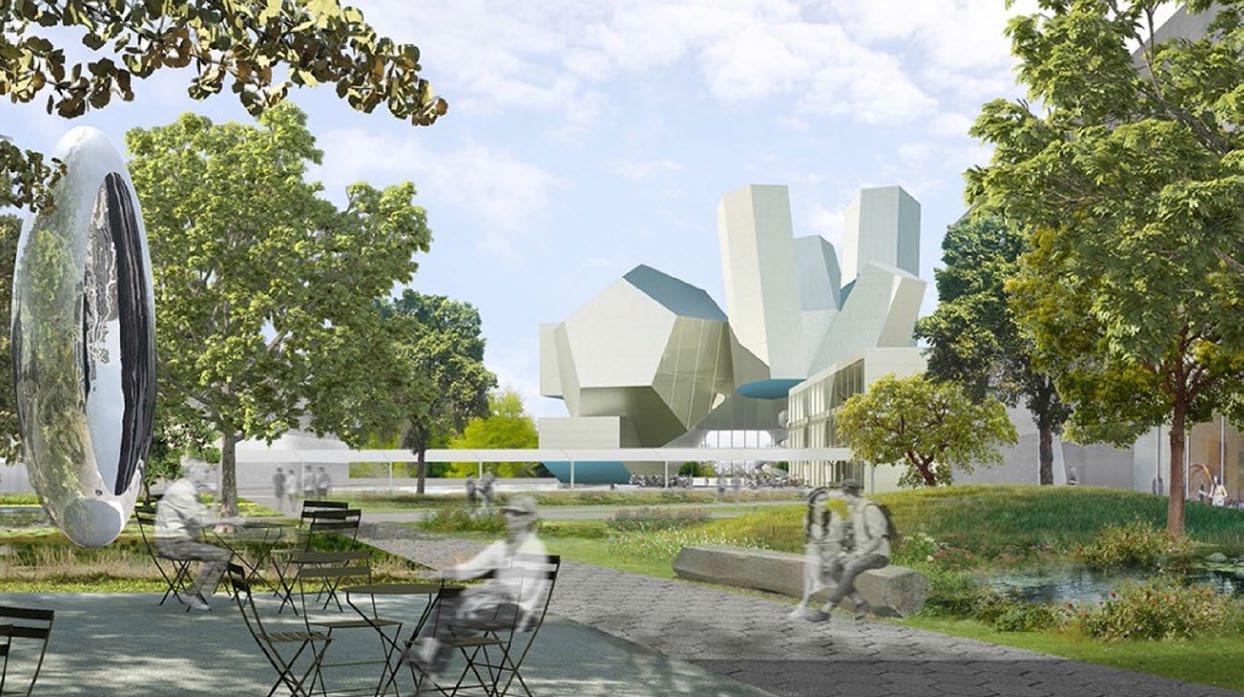
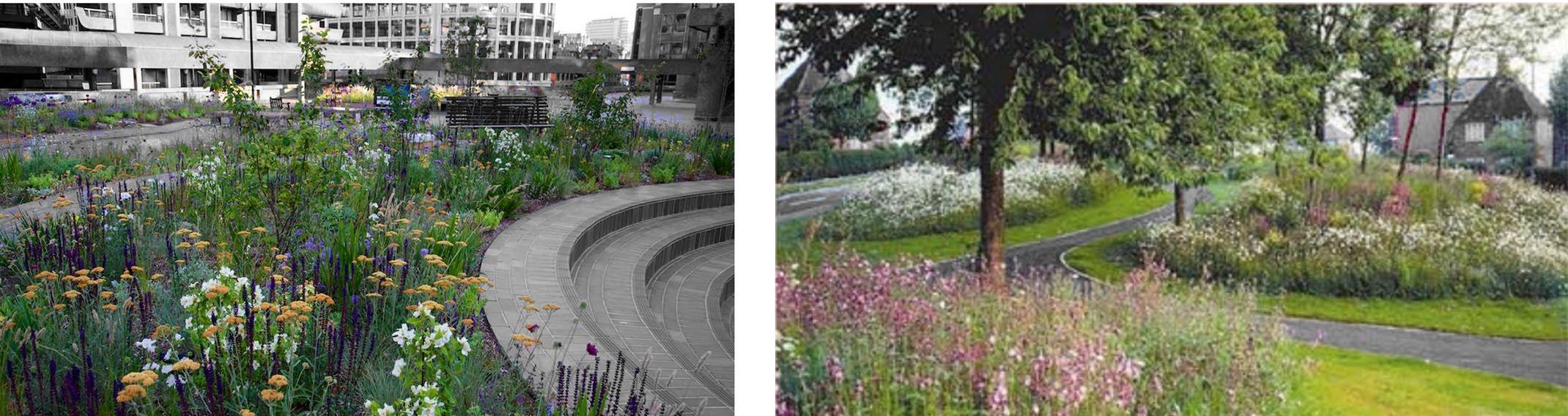
The landscape design juxtaposes the more geometric buildings of Steven Holl to create a vibrant and wild landscape. The planting throughout the site would be inspired by Nigel Dunnett, and his Steppe Meadows.
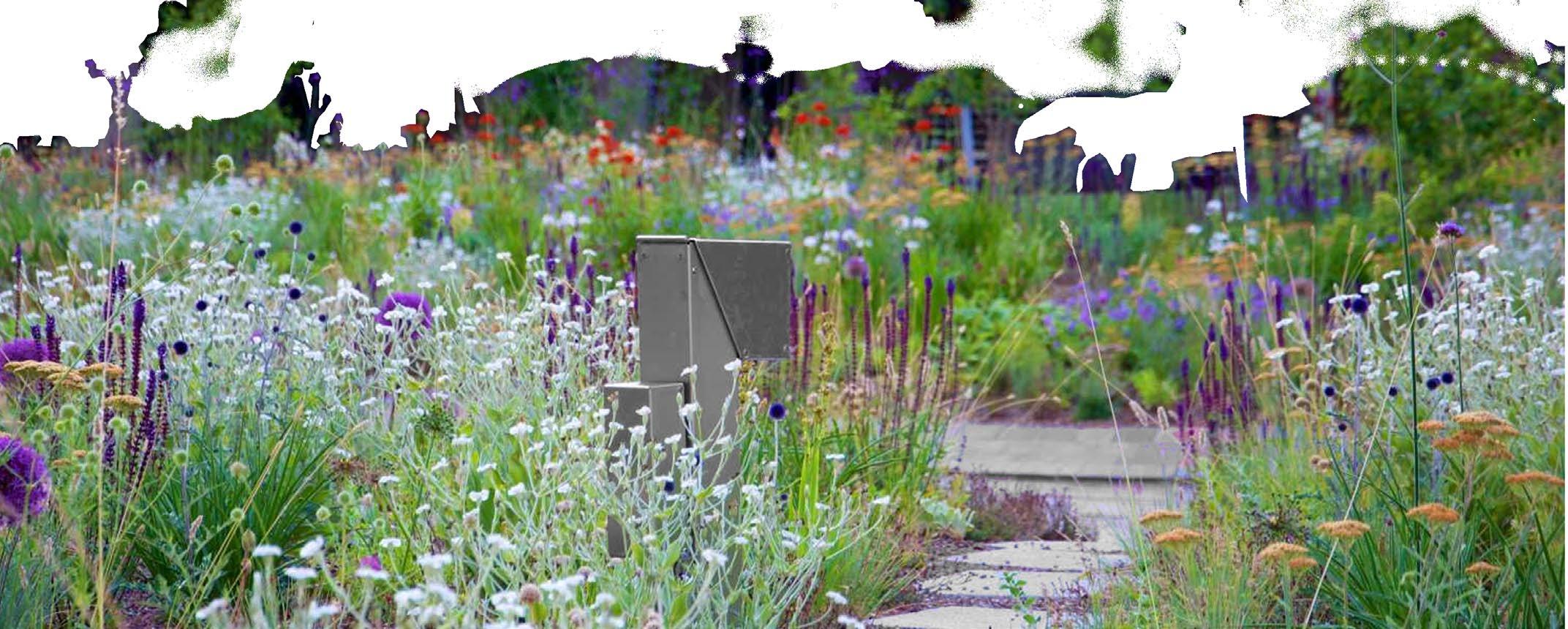
The proposed landscape would connect the main social hubs of the original campus allowing for the (natural) movement into the social hubs of the new, proposed design. The stitched pathways would connect the main lake of UCD into Steven Holls design.
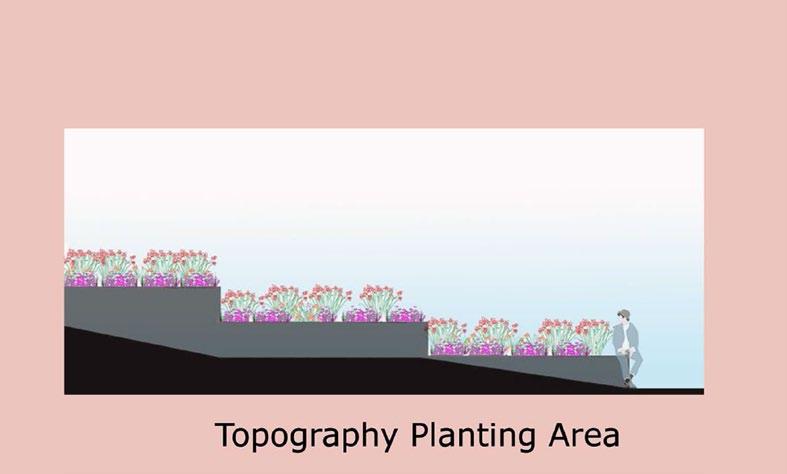
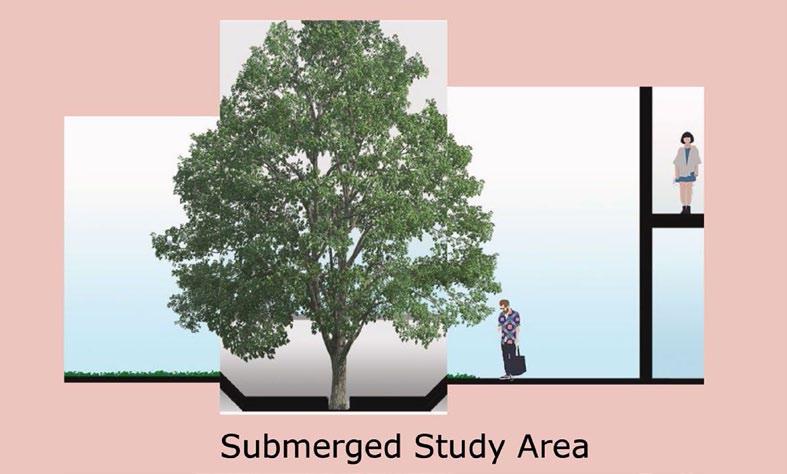
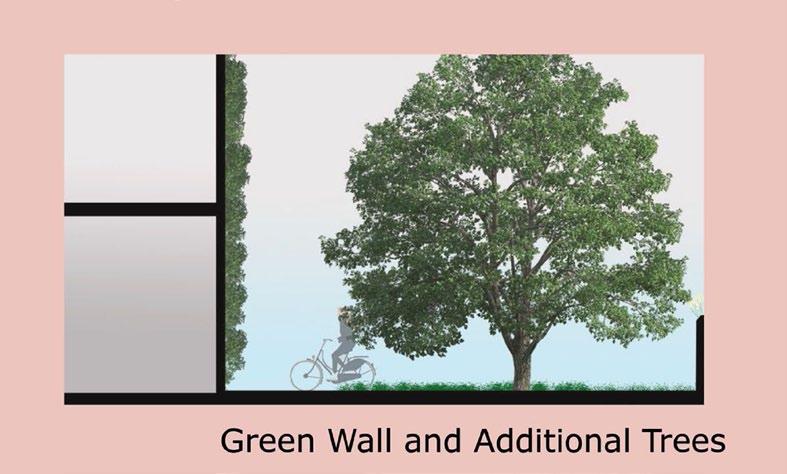
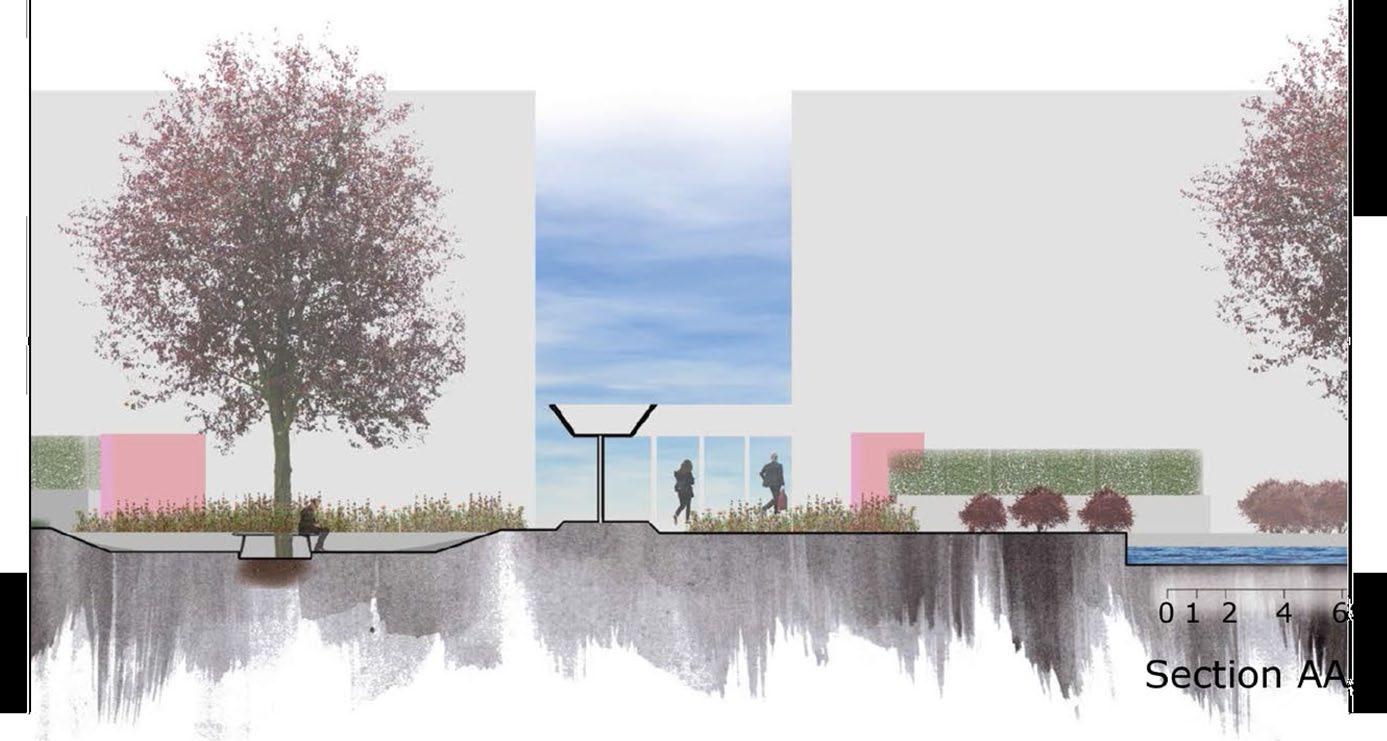
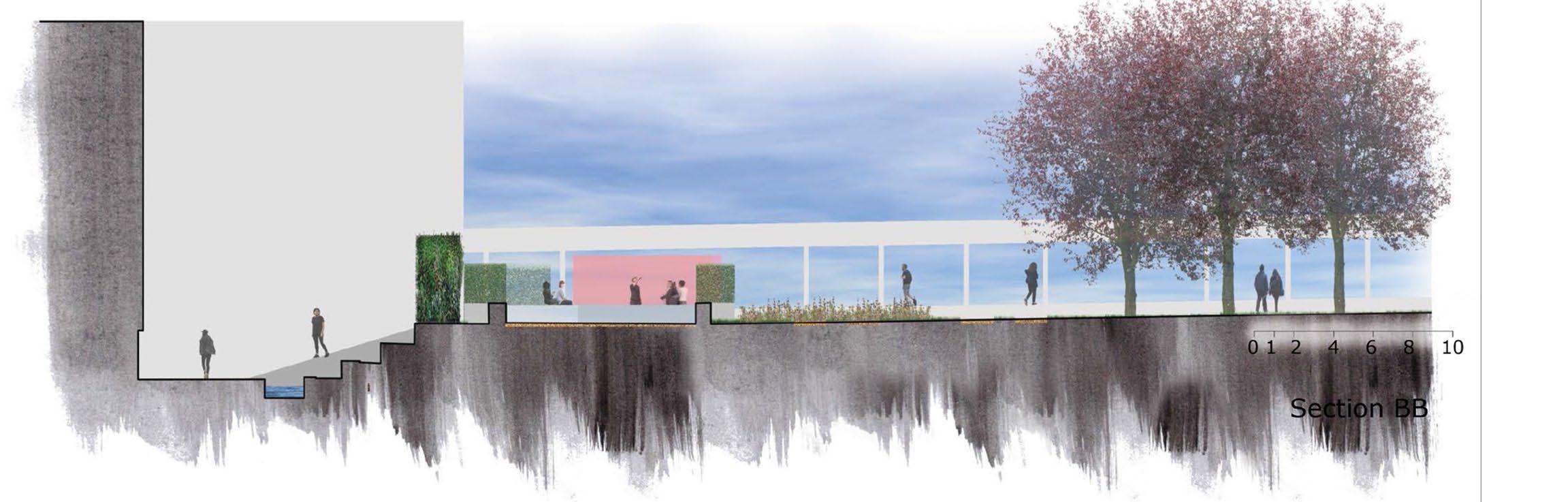
Main changes to the campus to add a unique twist to this area of the campus would be the addition of green walls on areas of interest, or buildings of importance. Submerged study areas, only dropping 50 centimetres into the ground but allowing for a subtle level change, yet allowing for a more intimate space and the addition of topography inspired planting beds, allowing basement areas to some of the proposed buildings while also creating a unique aspect to the areas.
 Steppe Meadow
Nigel Dunnett Planting Inspiration -
Steppe Meadow
Nigel Dunnett Planting Inspiration -
N
CCD Building Steven Holl -
Studio Projects
Central Hub Plan
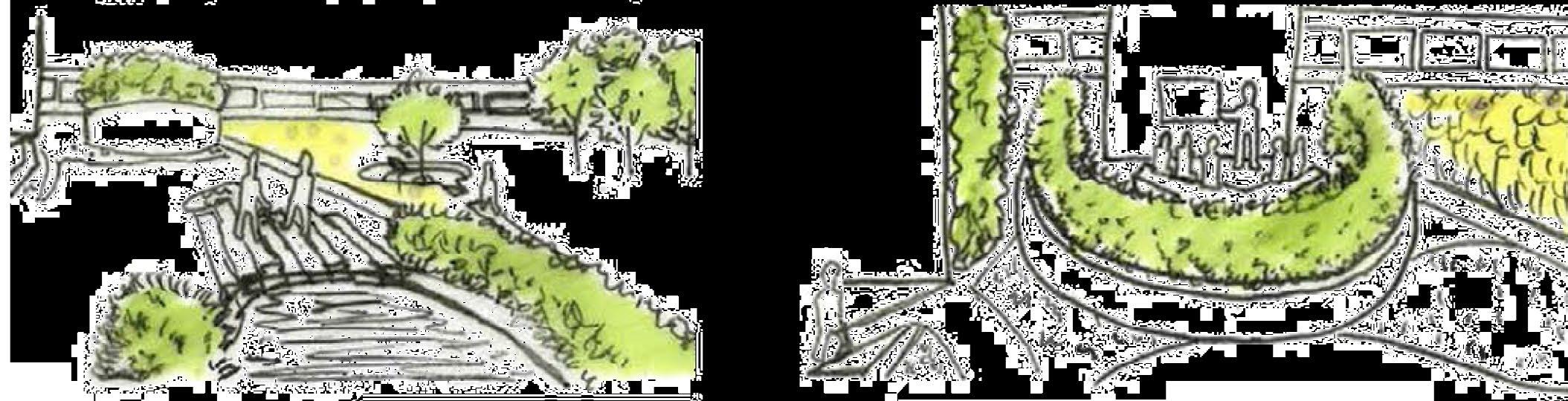
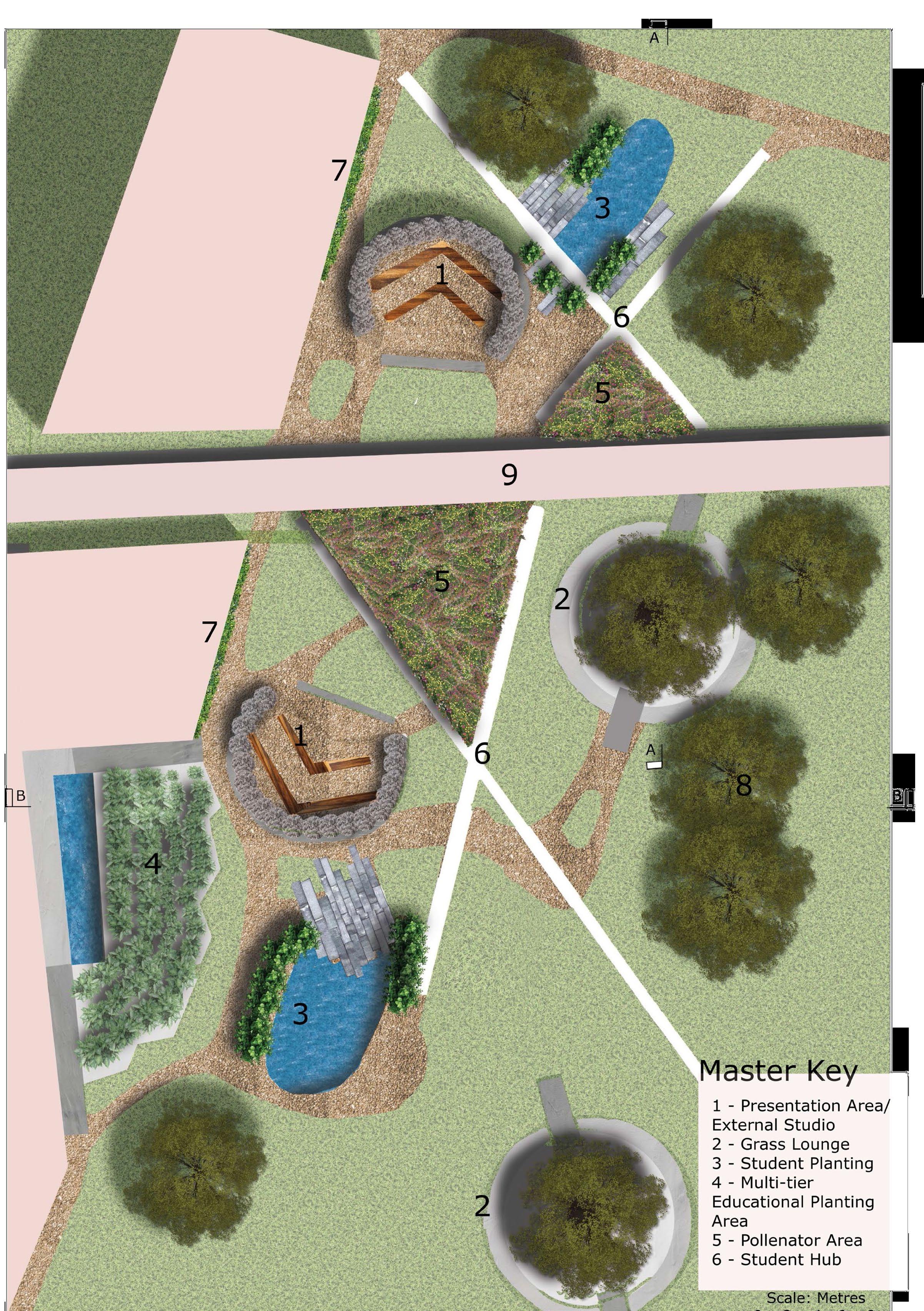
Submerged Study area - areas which have been lowered into the ground slightly to create a small area to study
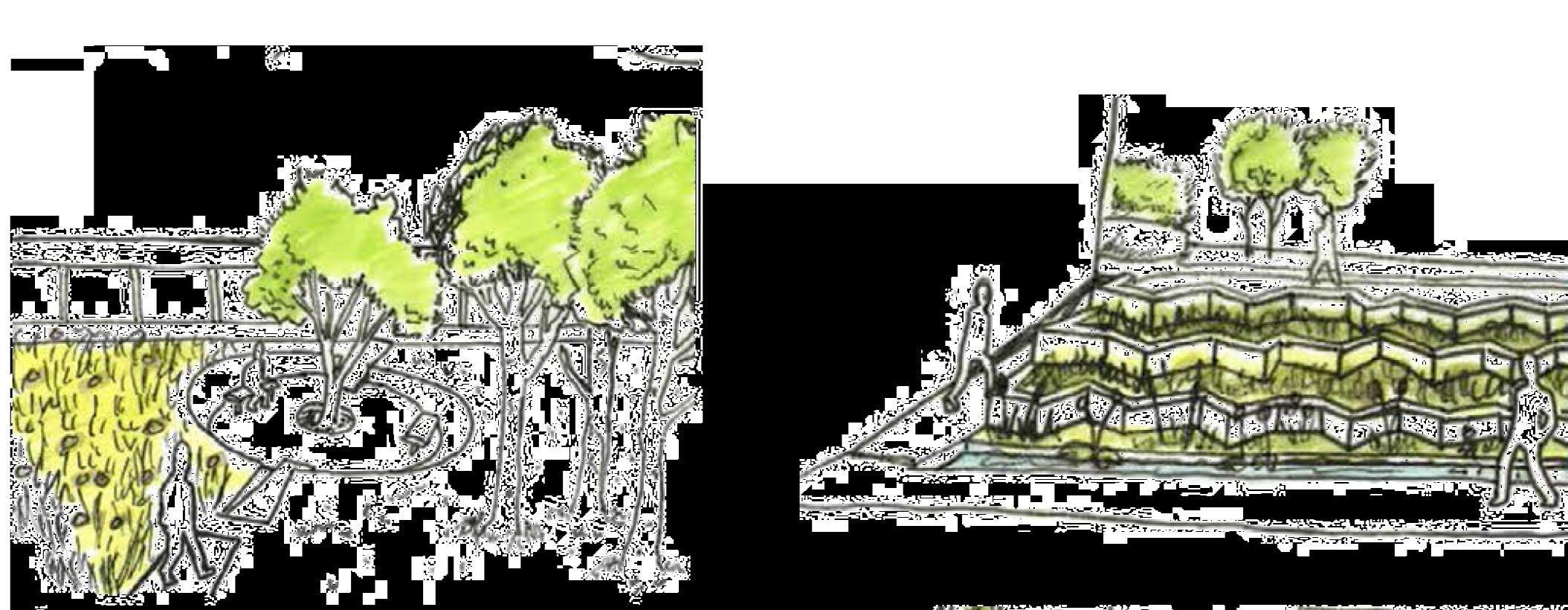
Tiered Educational Planting - area for students to learn more about the plants, may be used for plant identification or horticulture
Water Feature - small lakes with the addition of a smooth granite paving where chairs can be taken out to relax
Presentation Area - an area outside which is semi private for either students or lecturers to either present or talk with privacy
Why this Site -
Central in the proposed plan
In proximity to the Teaching and Learning buildings
This space can also link areas by provoking interest Located along the H-Spine path proposed by Steven Holl
N 1 0 5
Studio Projects
Green Roof & Planting
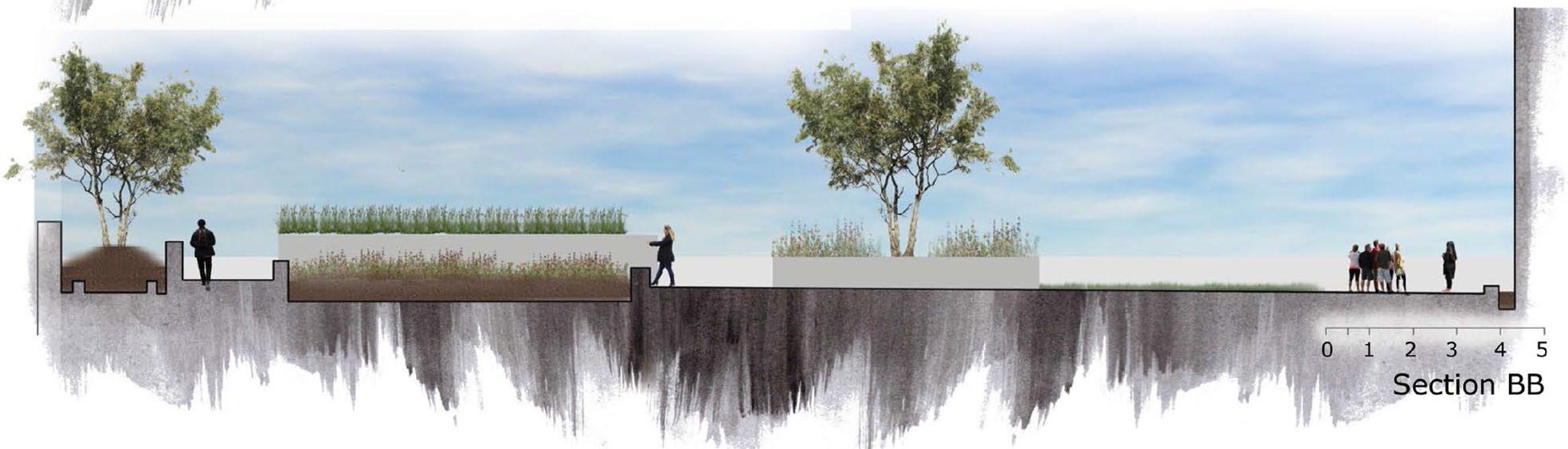
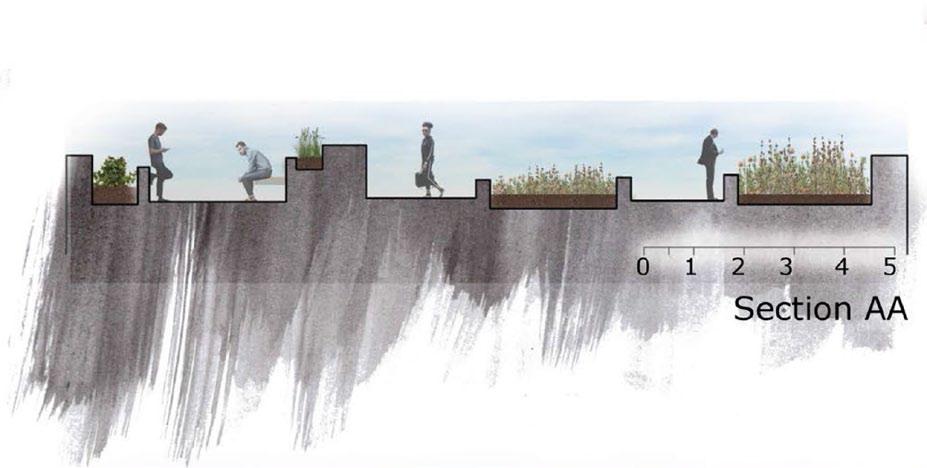
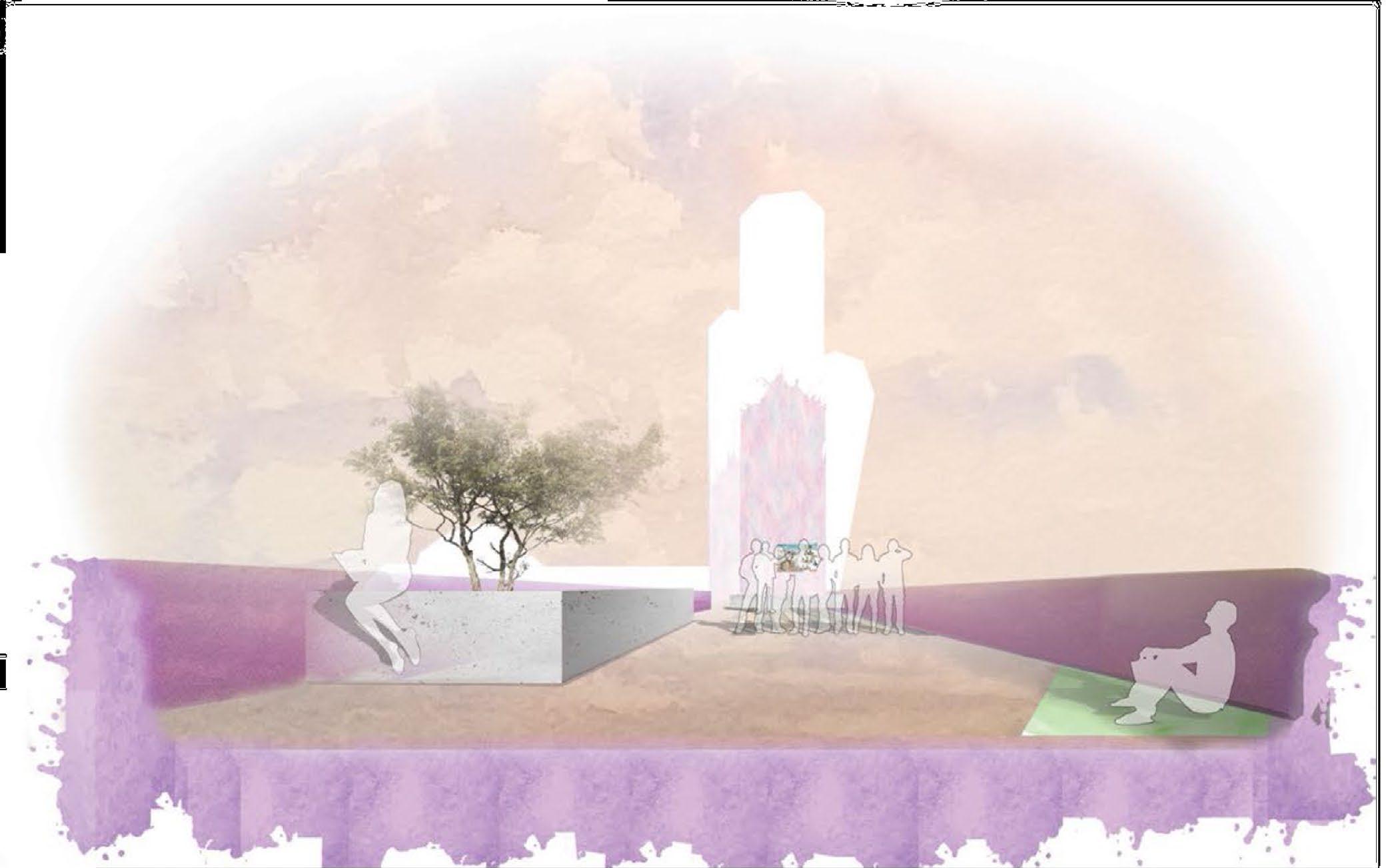
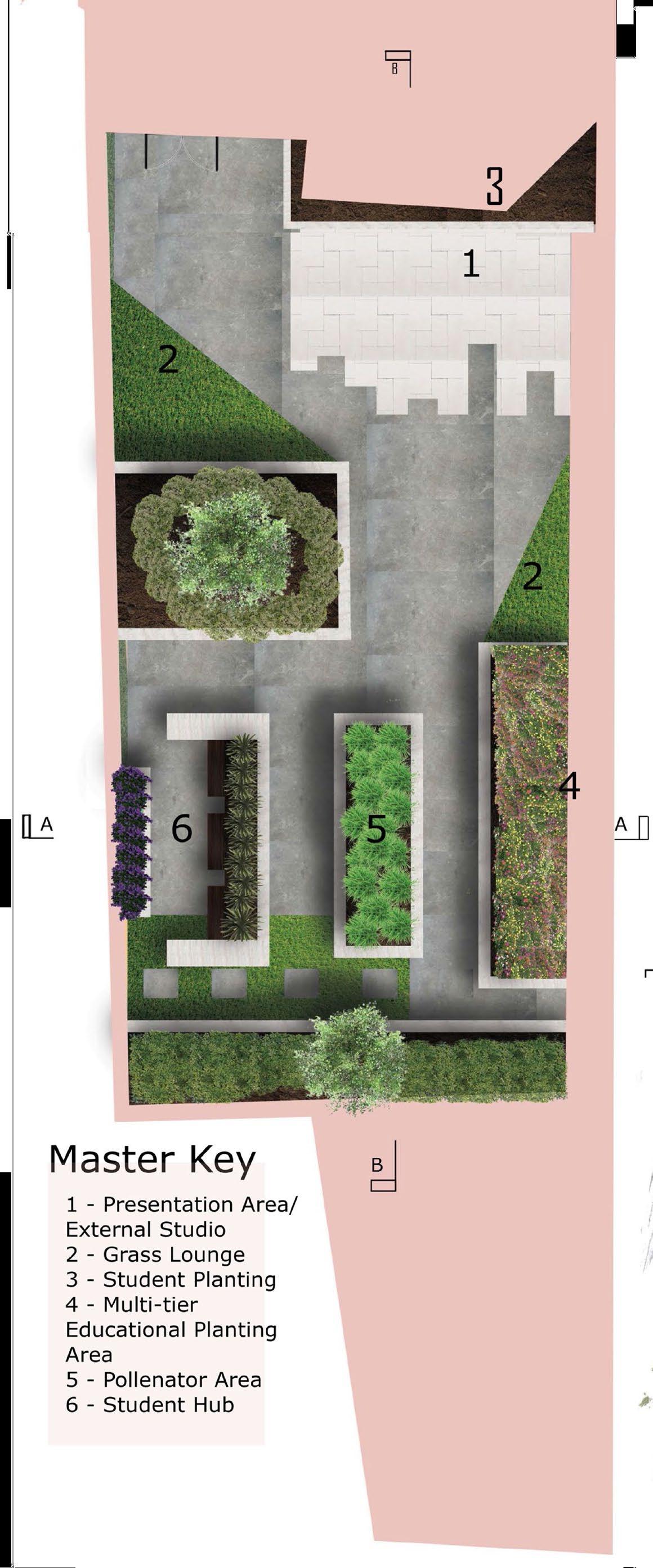
The green roof would be an area reserved more for the students who would use the CCD building. They would be the Architect, Engineer and Landscape Architect students. This roof garden would be used for education with a plant learning lab, and outdoor crit area. This area would also be open to be used as a social space, with two grass lounges and an area where students can go for study.
Throughout the green roof there would be a large area for pollinators to add to the atmosphere.
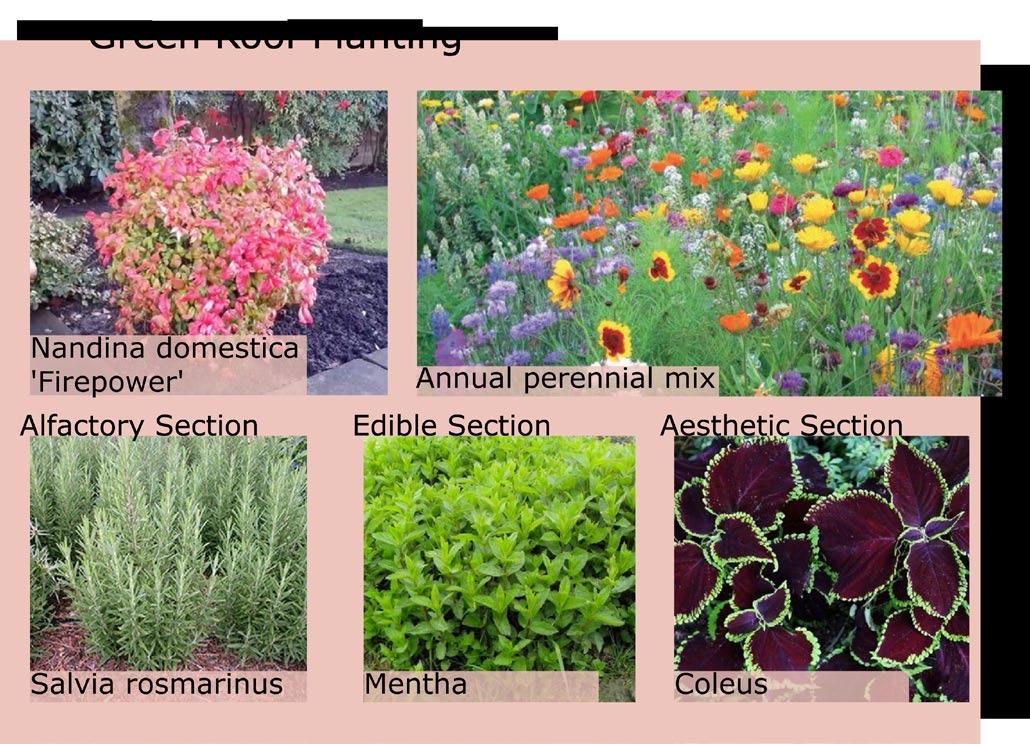
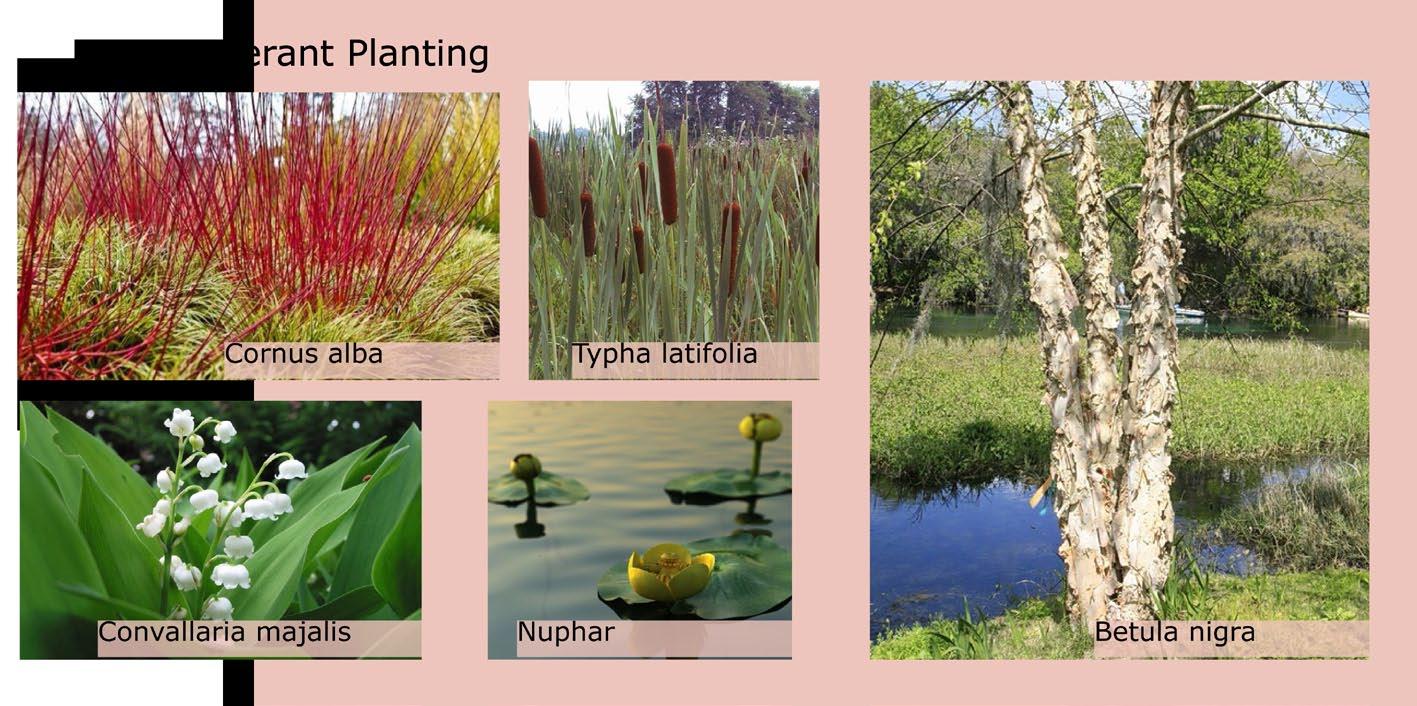
The deepest planting area would be around 800 millimetres. The plant with the deepest growing roots would be the Betula nigra multistem.
The rectangular shape of the roof garden is used to compliment Stevn Holls Design.
Planting Principles
Ecology: The ecology of UCD is a diverse aspect of the campus. It has many habitats and differing ecosystems. For the design of the site planting would be used to enhance the biodiversity which already exists. Any habitats within the site should be protected meaning no species to be introduced that put pressure on the existing ecosystems.
Education: Not only for the students that learn about planting in there course but students passing through the site and learning more about there surroundings. This can be through getting modules which interact with the site or having an interesting array of plant walls or other planting structures.
Engagement: Through the use of modules or bringing an aspect of visual interest through the planting, students would engage with the environment they are in. This would allow students a new for of connection within the site. The planting would be used to emphasise social spaces, engaging the students subconsciously and making the site
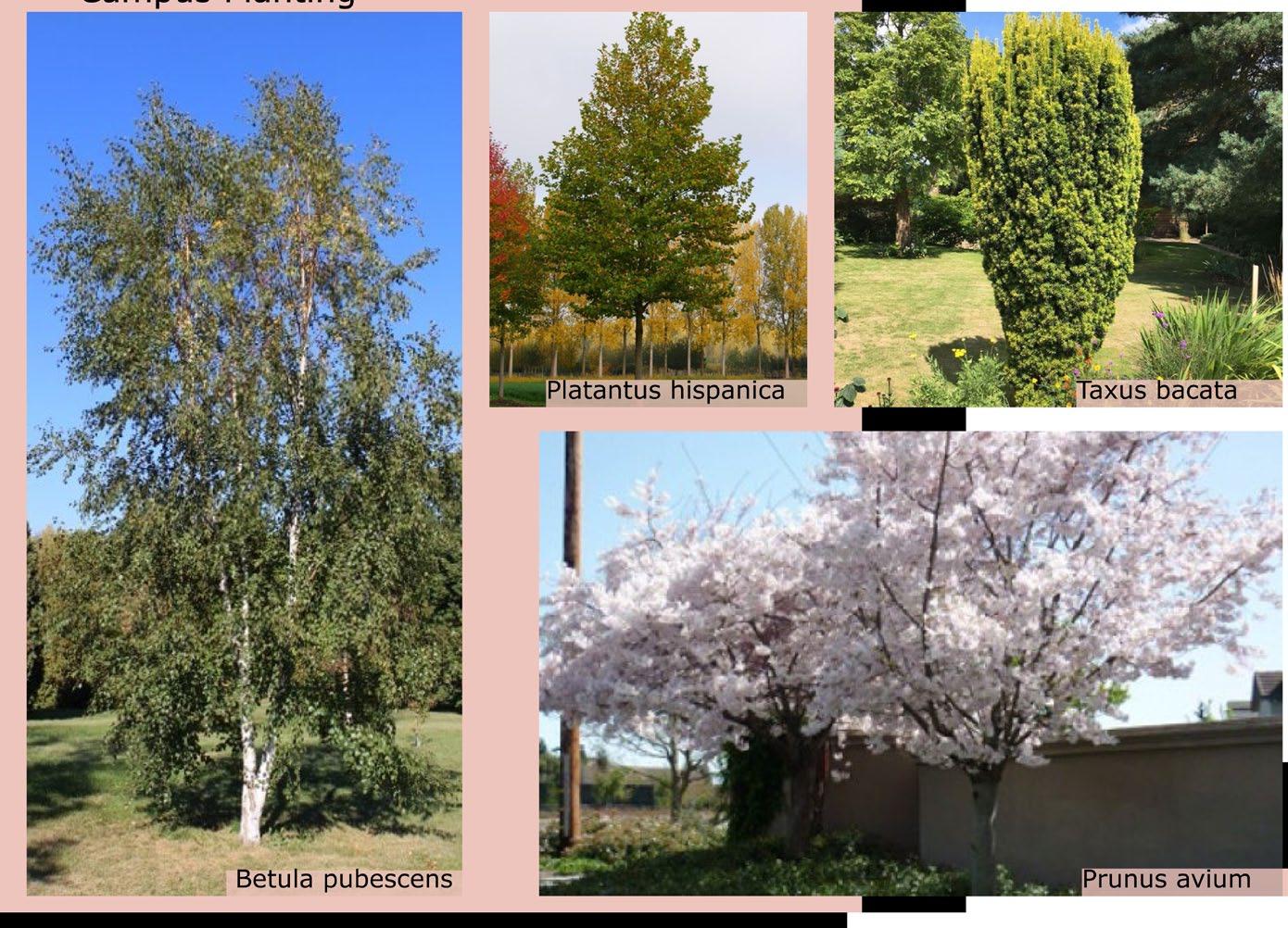
Across the site betula, prunus, platantus and taxus would keep continuity around the campus, blending with the tree species fond in the area while also allowing for the increase in shelter. These trees would also counteract the physical presents of Steven Holls proposed 5 story buildings.
Atmospheric Perspective of Green Roof
N 1 0 5