ECO-DOXA ECO BOOK

introduction CHAPTERS Replace Reuse Reduce Recycle How Carbon Footprint works Benefits of Circular Economy Conclusion and eco projcets

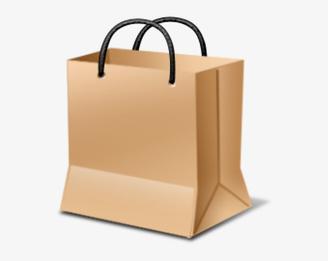



-Replace normal lightbulbs with LED bulbs -replace plastic bags with paper bags -replace card with public transport -replace bottled water with filtered -replace single-use plastic products with ones that are made of recycled plastic Replace
Reuse
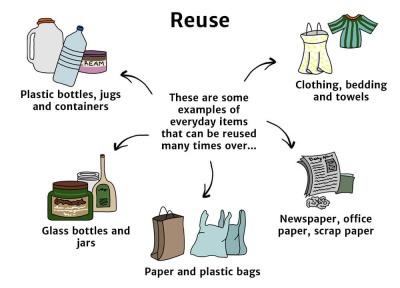
Reuse is second and includes using products more than once, which helps to save money, energy and resources.


Tips for you to do at home:: Salsa and penuat butter jars are to examples of reusable containers for food storage. Anda when it’s time to replace them, they are recyclable Use your old T-shirt as cleaning cloths, instead of throwing them away Old CDs make funky coasters! Just stick two together and paste felt underneath if necessary. Melt the remains of a lipstick together with a small pot of lip balm - makes a great lip gloss!
Re
companies
reuse:: Recover brand:: It’s a clothing company that only use fabrics and materials that have been recycled or made sustainable through the use of fabric byproducts, or through sustainable farming practices My own water: It’sabottledwatercompanythatmakesuseof aluminumwaterbottles,whichworksbetterand saferthanrecycledmilkjugsorrecycledplastic bottles Nike: The shoes for athletes - Nike Stores collect and repurpose old worn shoes into Nike Grind, recycled materials that can be made into outdoor gear, playground surfaces, athletic fields, and surfaces for sports centers
examples of
that
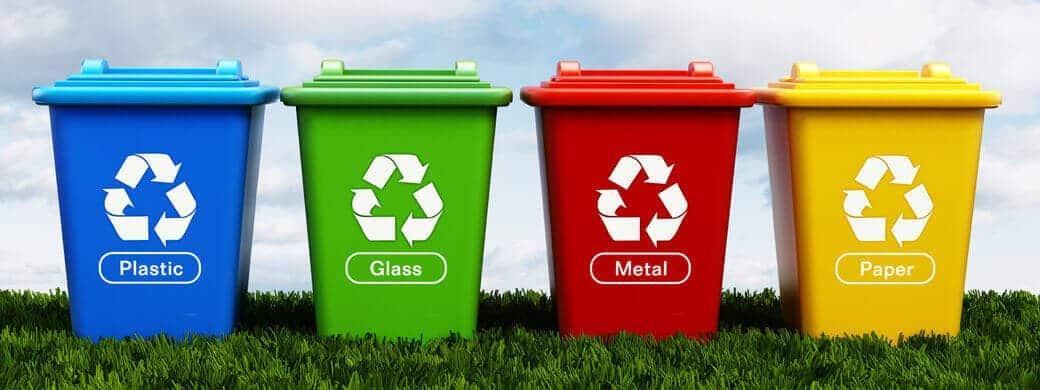
Recycling is the fourth R and it is the process of collecting and processing materials that would otherwise be thrown away as trash and turning them into new products. Recycle What are the four types of bins? Plastic; Paper; Glass; Metal; General waste. Colors differ from country to country but every trash is separated in:
It conserves energy.
should we recycle? It reduces air and water pollution. It reduces greenhouse gases. It conserves natural resources.
Why
1 3 2 4 5 Reduce the amount you consume Teach yourself and be self aware Buy long-lasting products and services Don't buy packaged goods Make sure the package is dry, clean and empty
It means making smaller in amount, degree or size.
REDUCE Generally,
In ecology, it means decreasing waste by using less materials and less resources
HOWCARBONFOOTPRINT WORKS FOOTPRINT CARBON Is the amount of carbon dioxide (CO2) emissions associated with all the activities of a person or other entity (building, corporation, country) TYPES OF CARBON FOOTPRINT EMISSIONS Direct Emissions (Primary Footprint) - comes from activities such as the combustion of fossil fuels and other supplemental greenhouse gases. Indirect Emissions (Secondary Footprint) - comes from emissions that are from human consumption.Primary Footprint
DEFINING THE PROBLEM
It is the main cause of human-induced climate change, it contributes to urban air pollution, it leads to toxic acid rain, it adds to coastal and ocean acidification, it worsens the melting of glaciers and polar ice.
Carbon dioxide is released on Earth by three means: - decomposition - respiratory release - ocean release.
In simpler words, global economic and industrial activities play a central role in increasing carbon dioxide in the atmosphere, and carbon footprint is the measure of their impact on the environment.
TIPS -Incorporate walking or biking to some of your regular short-trip destinations. -Keep the tires on your car properly inflated and get regular tune-ups -Use alternative transportation (bus, train, carpool, or bike) -Turn off lights and unplug devices when you’re not using them. AS INDIVIDUALS COMPANIES -Recycle and reuse -Invest in renewable -Be aware of your digital footprint -Educate your company GOVERMENT - Setting strict green criteria for companies -Raise peoples awareness
W hatisCirculareconomy? IT AIMS TO REDEFINE GROWTH, WHILE FOCUSING ON POSITIVE, SOCIETY-WIDE BENEFITS. If you don't have it The Linear Economy Products and packaging produced to be used once. YOU DON'T MAINTAIN SUSTAINIBILITY Risk of increasing pollution
BENEFITS BIOBASED FEEDSTOCK 30% REDUCTION IN CARBON FOOTPRINT 73% COLLECTION LOWERING GREENHOUSE GAS EMISSIONS AND POLLUTION 50%

THE EUROPEAN COMMISSION'S SUPPORT FOR THE PRODUCTION OF THIS PUBLICATION DOES NOT CONSTITUTE AN ENDORSEMENT OF THE CONTENTS, WHICH REFLECT THE VIEWS ONLY OF THE AUTHORS, AND THE COMMISSION CANNOT BE HELD RESPONSIBLE FOR ANY USE WHICH MAY BE MADE OF THE INFORMATION CONTAINED THEREIN. DISCLAIMER