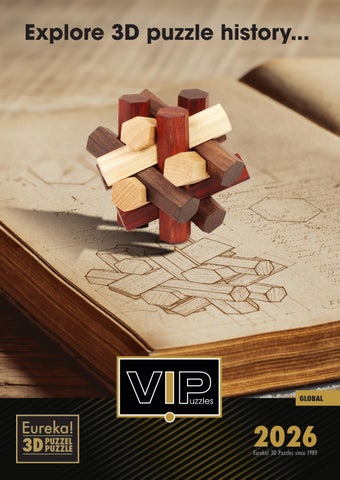
Explore 3D puzzle history...
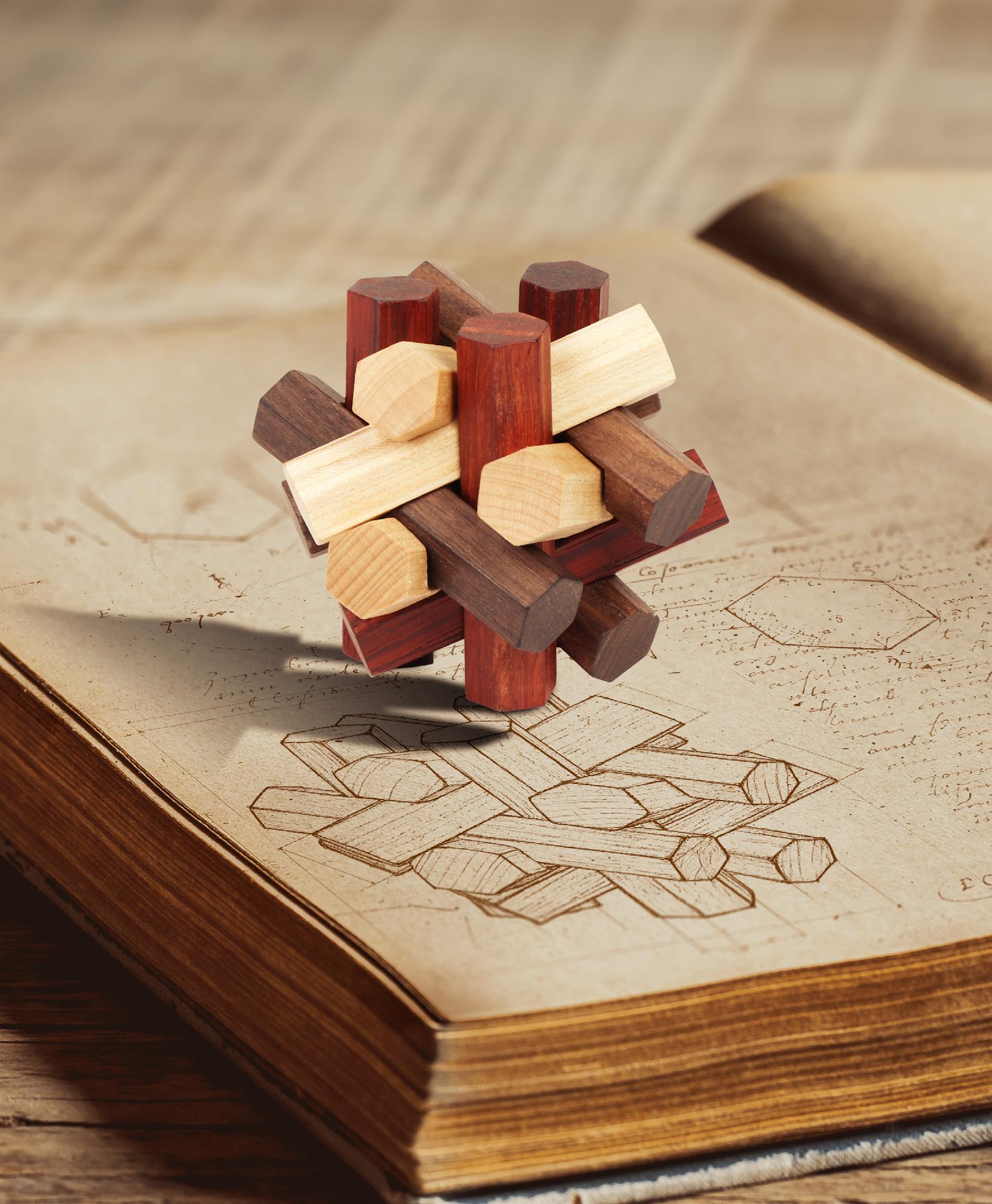


Those who pay close attention will see it!
Almost all puzzle companies that sell 3D wooden puzzles have the same designs in their range. Small or large, light wood or dark. Sometimes with a pop of colour. But so often the same puzzles.
A well-known Chinese manufacturer confessed to us they have no idea where they come from, but produced millions of them. With my approximately 40 years in the puzzle industry, I think I do know the origin of some designs. Some go back as far as 1,000 years!
We are reintroducing them to the market in a historically common size. Roughly 8cm. Not made from the cheapest wood but from special woods such as Red Padouk, Black Walnut and White Maple. And on the packaging, I provide some specifics about their origin. That way, the knowledge is not lost.
Jo Wils CEO Eureka bv

Puzzles with a story:
Very Important Puzzles in 3D Puzzle history. Made from beautiful woods.
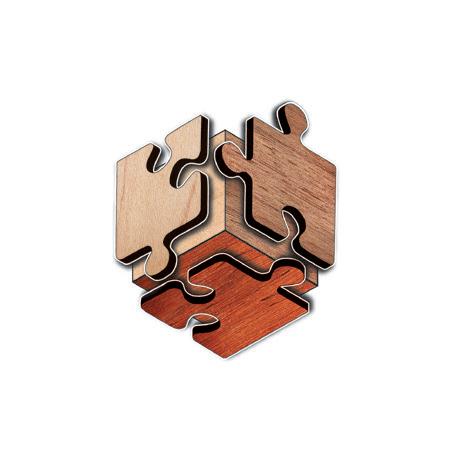



anno 1897
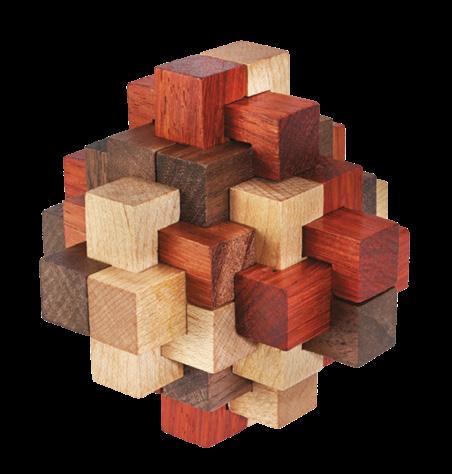
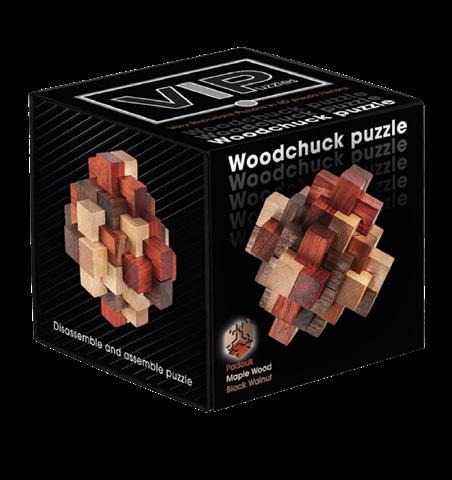
Woodchuck puzzle
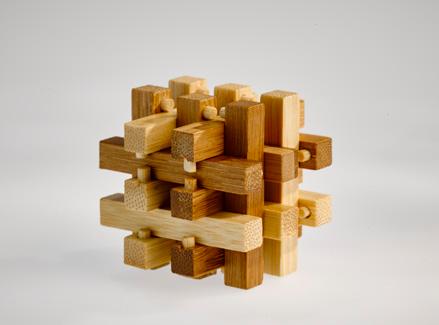
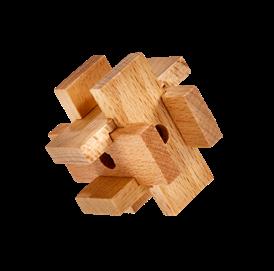
The chuck puzzle system was invented and patented by Edward Nelson in 1897. Improved by Ron Cook of the UK company Paradox Eng. Ltd. AKA Pentangle Puzzles, during the 1980s and 90s. They produced a series of chucks in which a given number of simple bridge-like pieces and one or more key pieces with an extra notch, could be built into a variety of self-sustaining threedimensional shapes. For creating bigger chuck puzzles, at that time named Papachuck (54 parts), Grandpapachuck (96 parts) and Great-Grandpapachuck (150 parts) by Cook, one would need to add longer pieces. This idea can also be used to create asymmetric shapes, assembled exactly according to the same principle as this Woodchuck puzzle. This feature is unique to chuck puzzles.
earlier than 1890
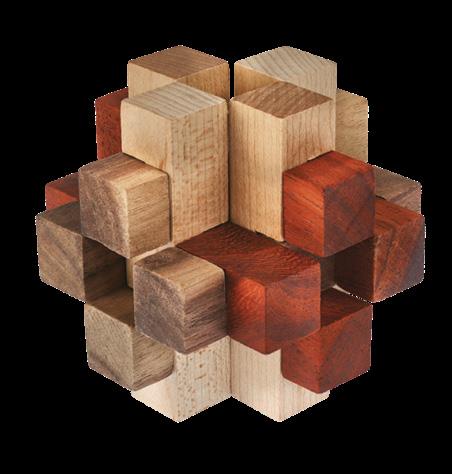
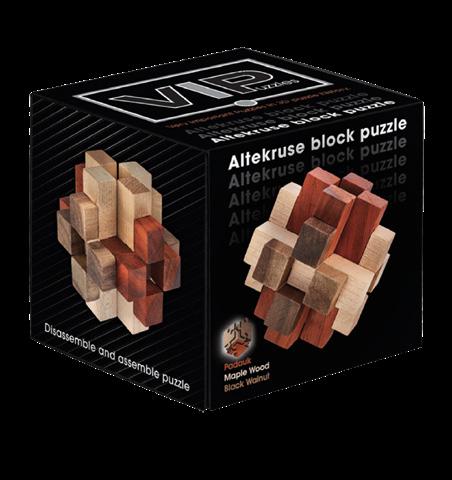
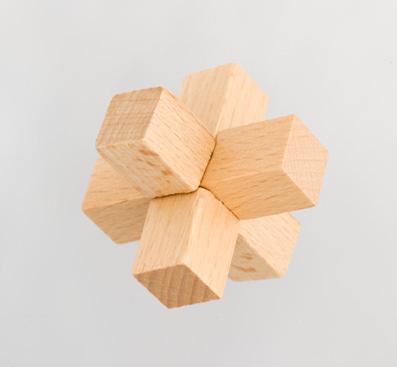
Altekruse block puzzle
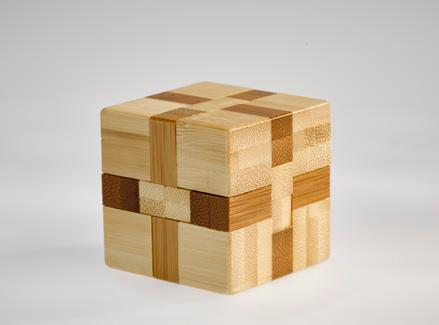
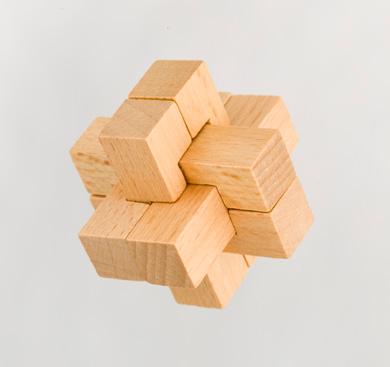
Patented on June 17, 1890 by William Altekruse (USA). This burr puzzle is named after the patentee. Although, in all likelihood, the puzzle is of earlier origin. William immigrated to America in 1844 and most likely brought the idea with him from his homeland. The name “Altekruse” is of Austro-German origin and means “old cross” in German. Apparently, when he drew up the patent, William was only aware of the simplest one-axis solution. But in fact there are three solutions, depending on whether the assembly occurs along one, two or all three axes. This in itself supports our idea that he was not the original inventor.
A classic Altekruse puzzle consists of 12 identical parts. This can only be dismantled by sliding a complete section to one side before any pieces can be removed. Puzzle designer Stewart Coffin discovered 14, 36 and 38 piece variations. This type of puzzles is unusual because all parts are identical.
20 th century
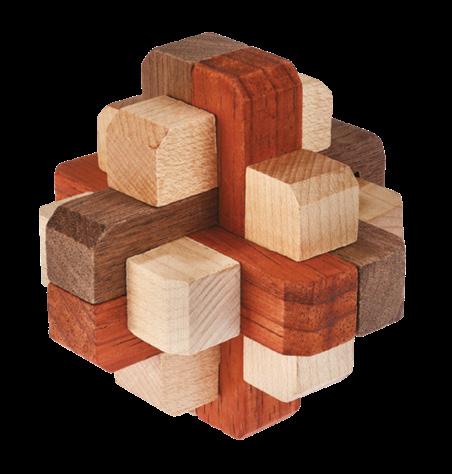
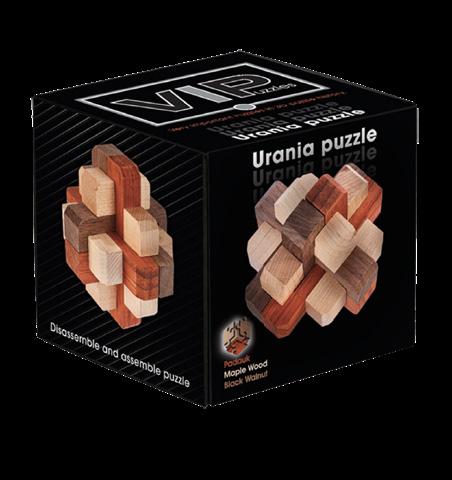
Urania puzzle
This burr puzzle is a perfect example to illustrate the impact of a ‘key’ puzzle part. With the key part well positioned, another part can be removed. When then taking out the key part from the whole, the remaining puzzle parts may collapse into bits & pieces.
To this day, even the world’s greatest puzzle collectors do not know who designed this typical burr puzzle. We do know that Mr. Robert Dalloz, an established wooden puzzle manufacturer in the 1980’s and 90’s, based in France’s Jura region, added this puzzle design to his production programme sometime in the 90’s. Primarily promoted under the brand names Arjue (Uranie) and Janod Casse-têtes (CT06), this puzzle became popular and well-known around the world. But we do believe this puzzle has more history than this.

Woodchuck puzzle
473911 - EAN 5425004739117
Puzzle size 90 x 90 x 90 mm & made of 24 parts
Altekruse block puzzle
473912 - EAN 5425004739124
Puzzle size 80 x 80 x 80 mm & made of 12 parts
Urania puzzle
473913 - EAN 5425004739131
Puzzle size 90 x 90 x 90 mm & made of 12 parts

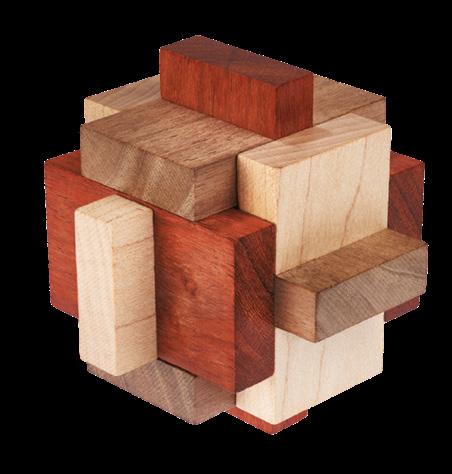
>1000 years old
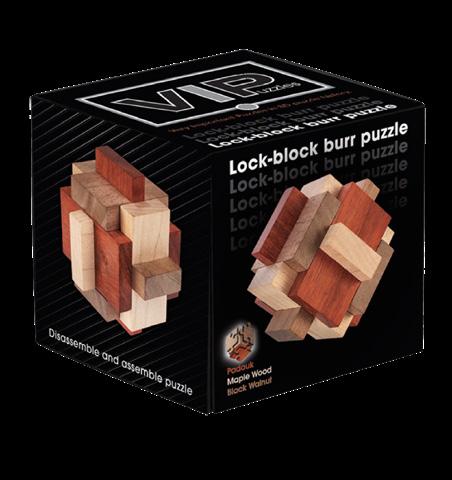
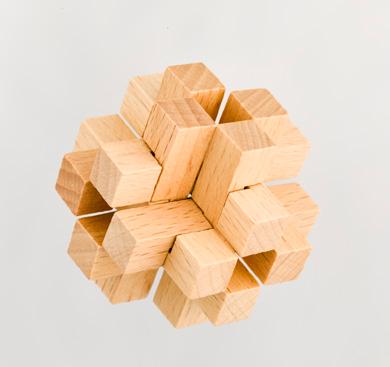
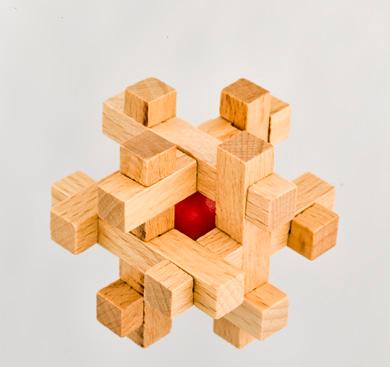
Lock-block burr
Not a traditional burr puzzle, however still a burr. A burr puzzle is an interlocking puzzle consisting of notched sticks, combined to make one 3D, usually symmetrical unit. Quality burr puzzles are precision-made for easy sliding and accurate fitting of the parts. In recent years the definition of “burr” is expanding, as puzzle designers use this name for puzzles not necessarily of stick-based pieces. This lock-block puzzle is a perfect example.
The term is attributed to the finished shape of many of these puzzles, resembling a seed burr. The term “burr puzzle” is officially mentioned for the first time in a 1928 book by Edwin Wyatt, but the text implies that it was commonly used before. Records of such puzzles can be found in German catalogues from the late 18th century and early 19th century. Also, an engraved image in an encyclopaedia from 1698. But there are claims of the burr being a Chinese invention, like other classic puzzles such as the Tangram. The puzzle known as “The Chinese Cross” is in fact the most well-known and presumably the oldest of burr puzzles. That makes the burr puzzle over 1000 years old.
Lock-block burr puzzle
473914 - EAN 5425004739148
Puzzle size 80 x 80 x 80 mm & made of 12 parts
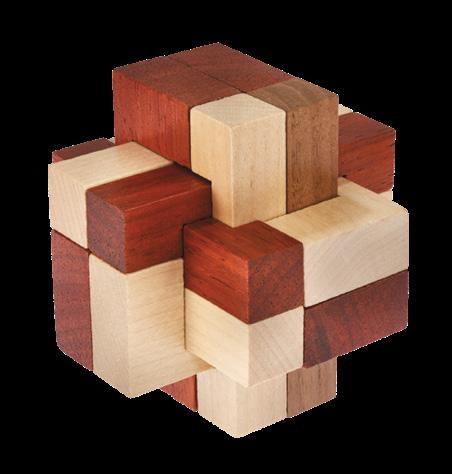
3 worlds come together
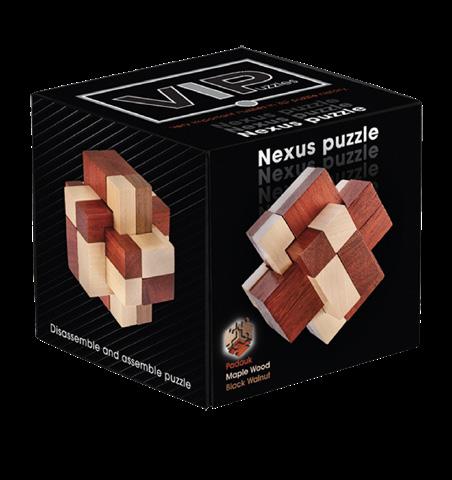
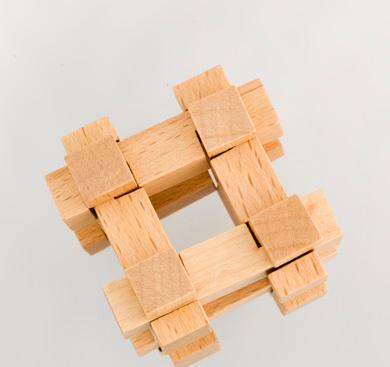
Nexus puzzle
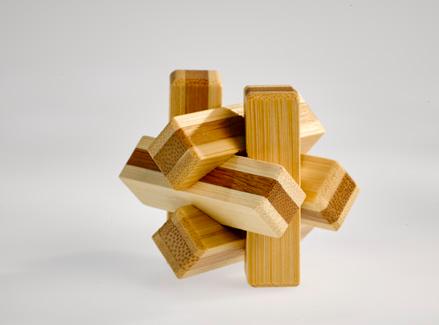
Whereas wooden puzzles are usually constructed symmetrically, here you can notice an optical difference, which not only makes this puzzle look more special. It’s the combination of bridge-like chuck parts with classic burr parts with a notch, that result in an apparently asymmetrically sectioned Chinese Cross puzzle. But where the historical Chinese Cross puzzle locks itself with 1 solid key piece, an unnotched stick that slides easily out, there’s more going on here.
+ The Chinese Cross Puzzle is said to date back more than 1,000 years.
+ In the UK, as early as 1698, there has been signs of what we now call ‘burr’ puzzle parts.
+ In the US, chuck puzzle pieces are officially known to us since 1897.
Or how puzzle systems from other times and worlds can merge into one beautiful whole!
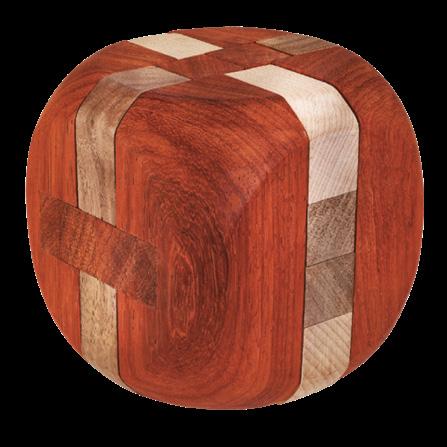
18th century
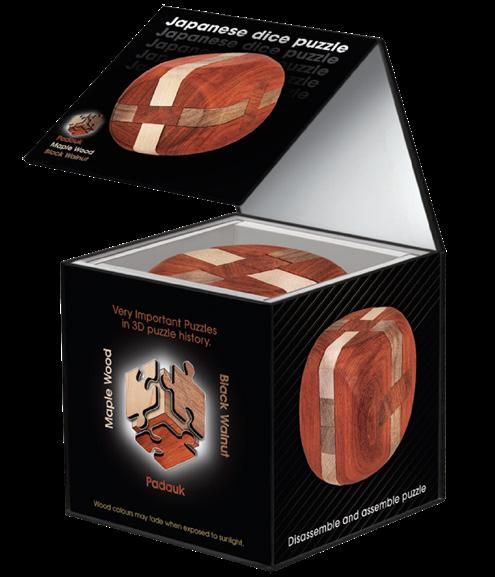
Japanese dice puzzle
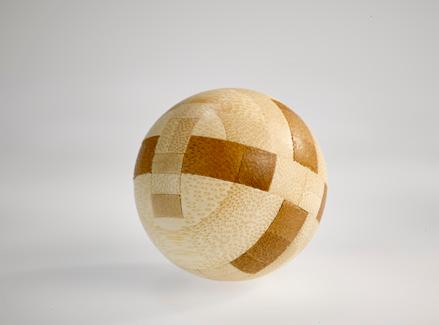
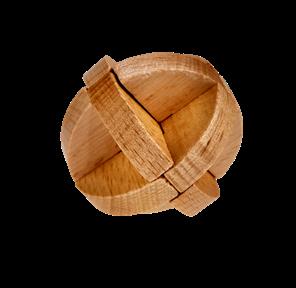
Little is known about the early history of this puzzle design but puzzles very similar to this were certainly already produced in both Asian and European countries as early as the 18th century. In the 1803 catalogue of Fa. Bestelmeier, a German toy manufacturer, there were 2 images of such puzzles.
Puzzles of this type were mainly made in Germany, but by the late 1930s the market had been largely captured by Japanese manufacturers. Yamanaka Kumiki Works Co. being one of them. Since then, this particular puzzle system can be found in several geometrically shaped puzzles, such as a sphere, a cube, a barrel, etc.... Japanese puzzles of this kind are called, you’ll never guess, “Kumiki” and are believed to be related to the traditional construction of wooden buildings where no nails or glue were used.
Japanese dice puzzle
473916 - EAN 5425004739162
Puzzle size 80 x 80 x 80 mm & made of 12 parts
Nexus puzzle
473915 - EAN 5425004739155
Puzzle size 84 x 84 x 84 mm & made of 12 parts

Anno 1965 and 1968
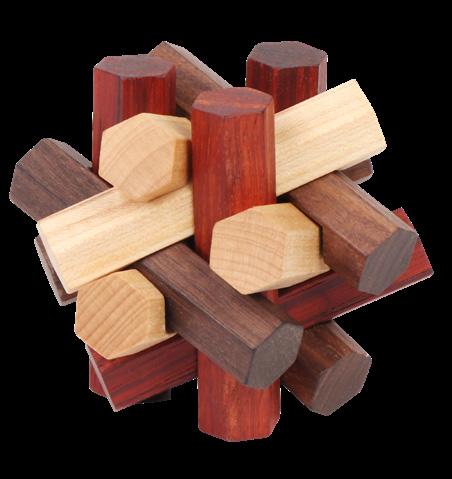
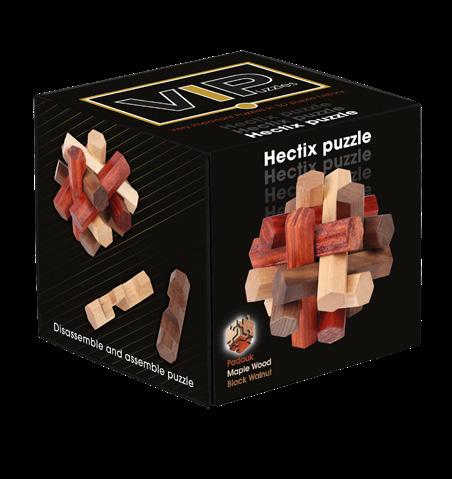
Hectix Puzzle
By Stewart T. Coffin
This puzzle idea was discovered first by Bill Cutler around 1965 and independently by Stewart T. Coffin in 1968. Stewart is known as “the world’s foremost creator of interlocking puzzles”! With only a slight variation in the notches, this puzzle is based on Stewart’s original Hectix design. Designed and cast in epoxy in late 1968. Patented in 1973 (US-patent no. 3721448). Made from 12 hexagonal sticks with notches. This puzzle marked the beginning of his puzzle company. In 1970, a license was granted to the company 3M for production in injection-molded styrene. In 1976, the license was transferred to Avalon Hill until 1979. Approximately 100.000 pieces were sold, which was a huge success at the time. The current location of the mold is unknown, which any enthusiast puzzle collector would cherish to find. Stewart, born in 1930 and still alive at the time of this release, has personally given us permission to reproduce his puzzles.
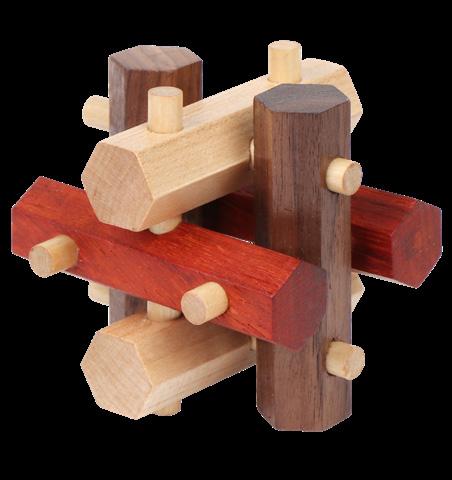
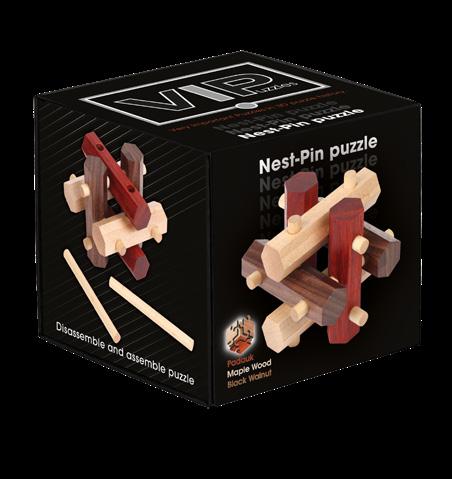
The Nest-Pin Puzzle
By Stewart T. Coffin
A combination of Stewart T. Coffin’s ‘Nest’ designs and his ‘Pin-Hole’ puzzle. Both created in 1976. Our design is a light version of his Cuckoo’s Nest and Locked Nest. We drilled holes at a 90° angle, while Stewart used a 70° angle. When assembling or disassembling this Nest-Pin puzzle, the relationship with his Pin-Hole design becomes clear. Stewart T. Coffin, born in 1930, is an American puzzle maker. He is considered by many to be one of the best designers of polyhedral interlocking puzzles in the world. Puzzles designed by Stewart may be freely reproduced, provided you contact him in advance and send him a few copies. Stewart, still alive at the time of this release, has personally given us permission to reproduce his puzzles.
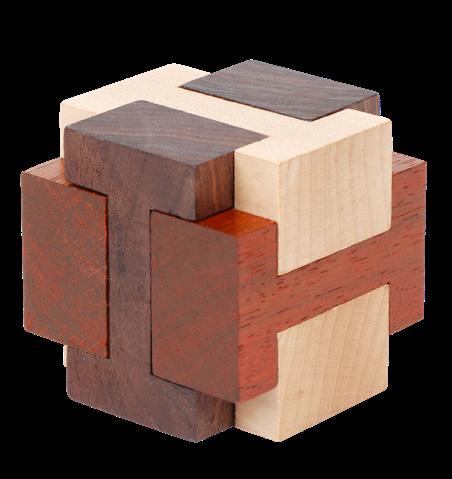
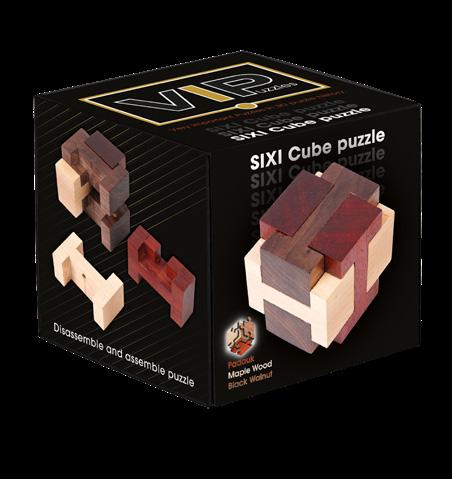
SIXI Cube puzzle
By Vinco
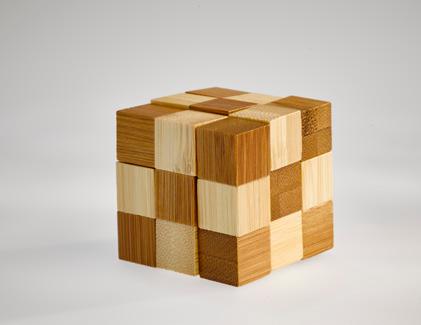
Created by Vaclav Obsivac (nickname Vinco) from the Kingdom of Wallachia in the Czech Republic. Vinco was born in 1962 and had a natural interest in symmetrical geometric shapes made from beautiful types of wood. His interest in puzzle making began in 1999, thanks to a world puzzle championship in Brno, Czech Republic. Inspired by the work of Stewart T. Coffin, Tom Lensch, Philippe Dubois, Pelikan Puzzles and others, Vinco designs and produces various types of puzzles, including packing puzzles and interlocking puzzles. However, most of his puzzles work on the basis of coordinated movements. This SIXI Cube puzzle is one of his simpler interlocking creations, allowing you to become acquainted with his designs. But beware, we included some science as a challenge.
Hectix Puzzle
473918 - EAN 5425004739186
Puzzle size 95 x 90 x 80 mm & made of 12 parts
Nest-Pin Puzzle
473919 - 5425004739193
Puzzle size 80 x 80 x 80 mm & made of 12 parts
SIXI Cube Puzzle
473920 - 5425004739209
Puzzle size 80 x 80 x 80 mm & made of 6 parts
Anno 2005 to 2022
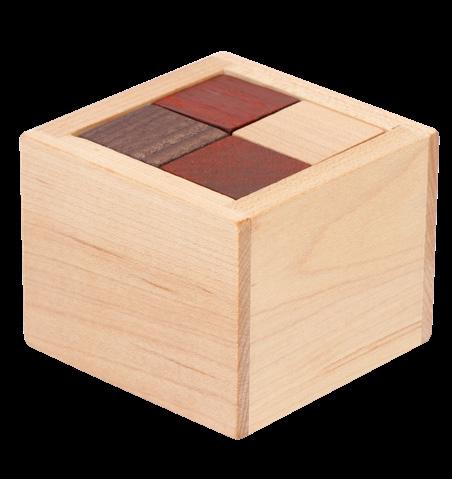
Akaho Puzzle
By Vinco
From the Kingdom of Wallachia in the Czech Republic, we bring you this pin & hole packing problem, devised by puzzle designer Vaclav Obsivac (nickname Vinco). The Akaho puzzle is part of Vinco’s ‘HoWeDia’ project. This project is a perfect example of how new puzzle designs and names come about, or how puzzle brains think. In this case, it concerns the transformation of Vinco’s puzzle design ‘Eight Houses’, created in 2005, into this ‘Akaho’ puzzle, created in 2022. Have we made your eyes light up? Take a look at the download section on his website vinco.cz.
Extra bonus: Think -outside the boxand look for more pin & hole fitting shapes. And a creative mind turns an XXL version into a puzzle coffee table and side tables.
Akaho Puzzle
473921 - EAN 5425004739216
Puzzle size 80 x 80 x 65 mm & made of 9 parts
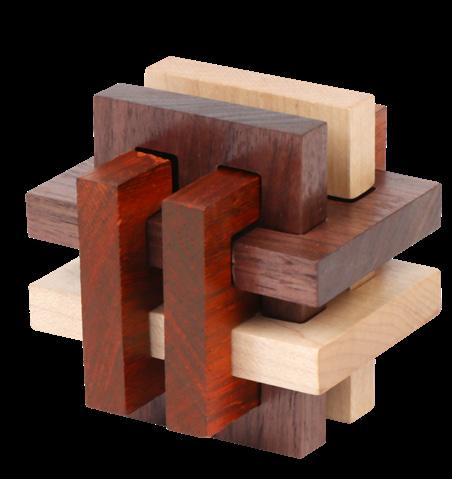
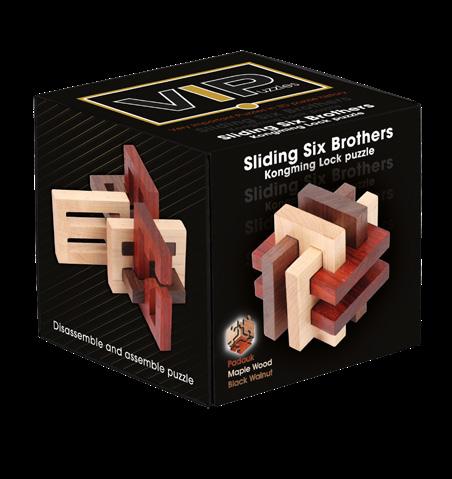
Sliding Six Brothers Kongming Lock
By Johoson Zhao
A masterpiece by Johoson Zhao from China. With over ten years of experience, Johoson is a seasoned professional with a passion for designing toys and puzzle-like items. He has designed numerous classic puzzles that have sold well worldwide.
This 6-piece shiftable Kongming Lock is an upgraded version of his 4-piece Kongming Lock, which had a medium difficulty level. Although this new design uses similar core principles, its difficulty level has been significantly enhanced. Both assembling and disassembling this lock, will challenge your patience and spatial reasoning skills. Even when following the instruction manual closely. Undoubtedly, a puzzle with an extremely high level of difficulty.
FYI: ‘Kongming Lock’, meaning ‘Chinese Puzzle’, refers to Chinese military strategist Zhuge Liang. (aka Kongming / 220-280 AD)
Sliding Six Brothers Kongming Lock
473922 - EAN 5425004739223
Puzzle size 84 x 84 x 84 mm & made of 6 parts
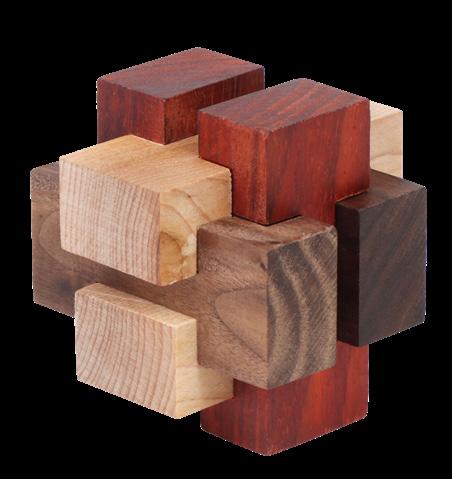
Triangular Kongming Lock
By Johoson Zhao
A blockbuster from Johoson Zhao from China. A senior designer with over 10 years of experience. Johoson is passionate about researching different types of toys and skilled in designing puzzle products. He has designed many classic puzzles that sell well worldwide.
This Triangular Kongming Lock draws on the concepts of combined force assembly and disassembly from traditional Kongming Locks, and incorporates mathematical principles into its design. After multiple sampling trials and repeated refinements it has been successfully developed. Undoubtedly a real tour de force.
FYI: ‘Kongming Lock’, meaning ‘Chinese Puzzle’, refers to Chinese military strategist Zhuge Liang. (aka Kongming / 220-280 AD)
Triangular Kongming Lock
473923 - EAN 5425004739230
Puzzle size 84 x 84 x 84 mm & made of 7 parts
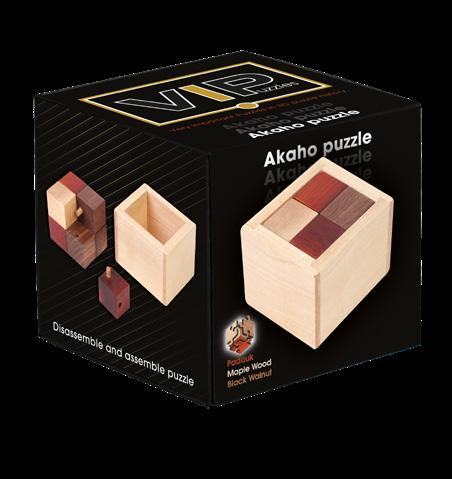

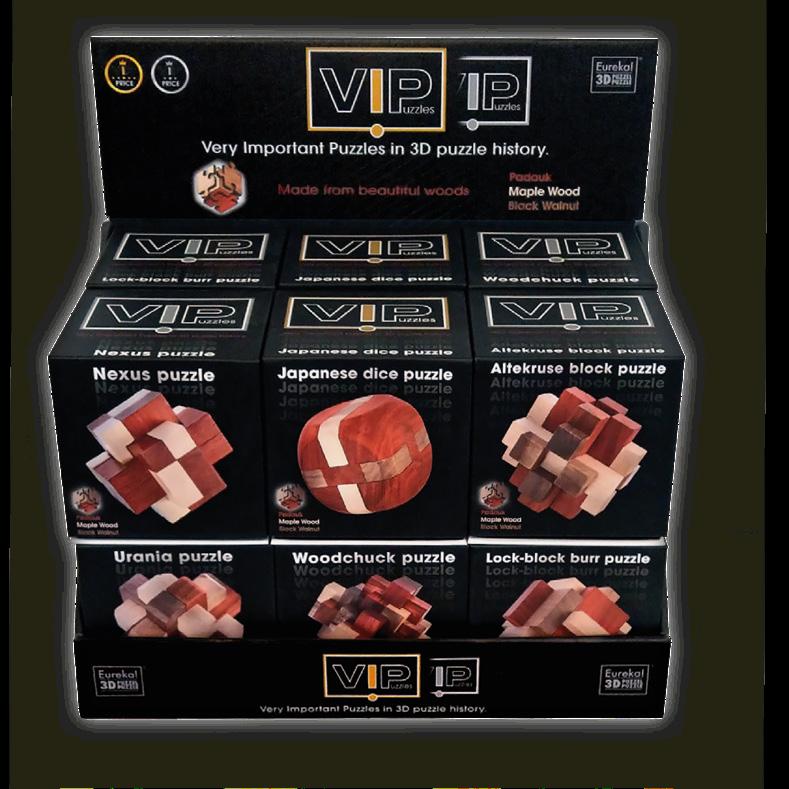
Silver VIP display
473910 - EAN 5425004739100
Holds 5 Silver priced and 1 Golden priced design. 2x6 (473911+12+13+14+15+16)
Display size 350 x 240 x 350 mm Box size 113 x 113 x 113 mm Gold VIP display 473924 - EAN 5425004739247
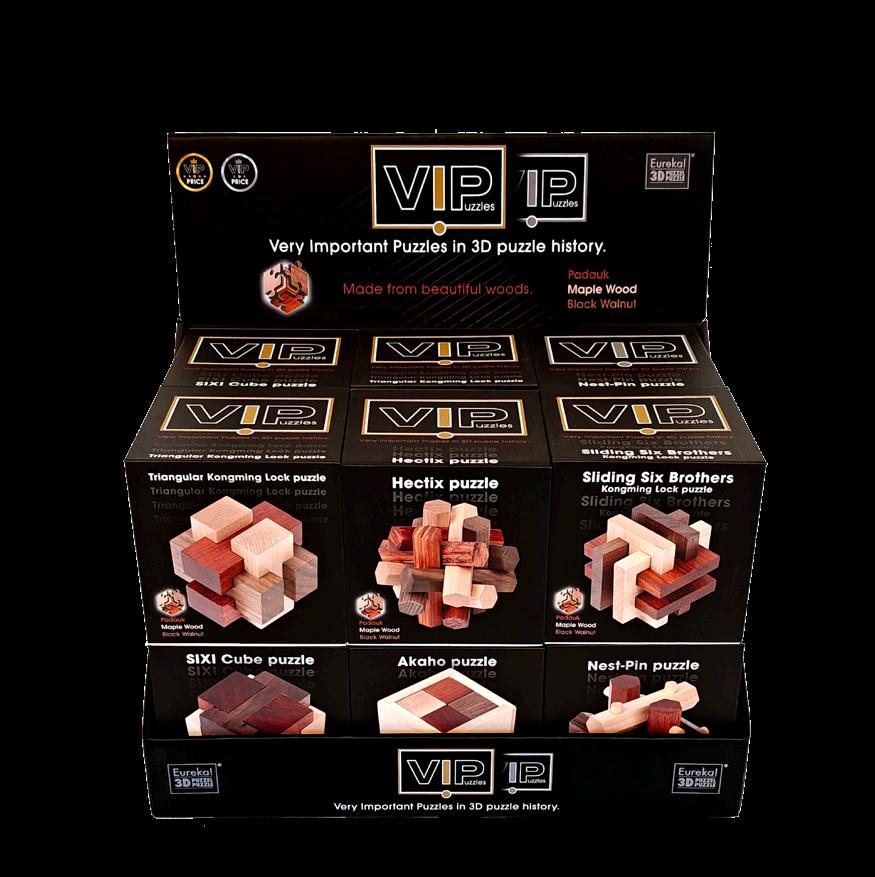
Holds 5 Golden priced and 1 Silver priced design. 2x6 (473918+19+20+21+22+23)
Display size 350 x 240 x 350 mm
Box size 113 x 113 x 113 mm
473125
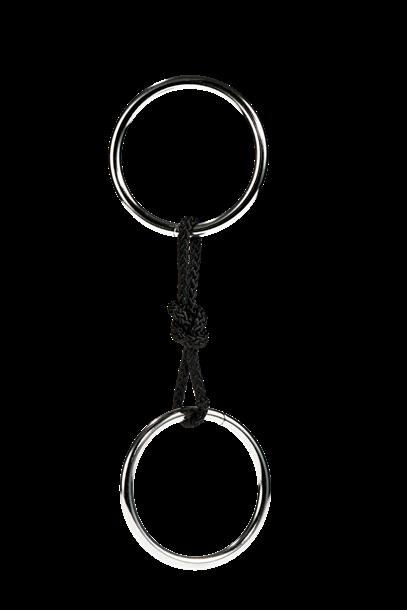
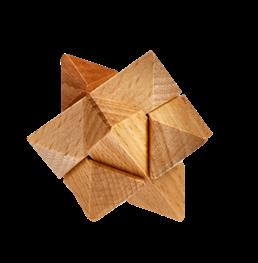
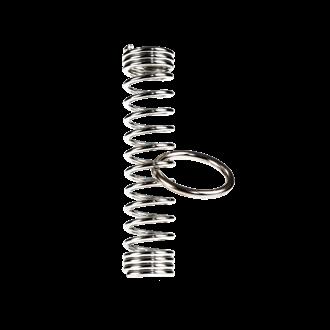
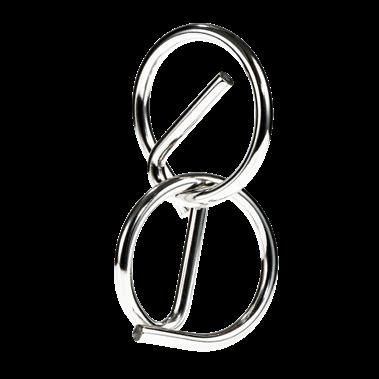


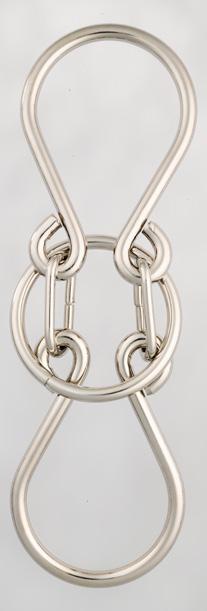


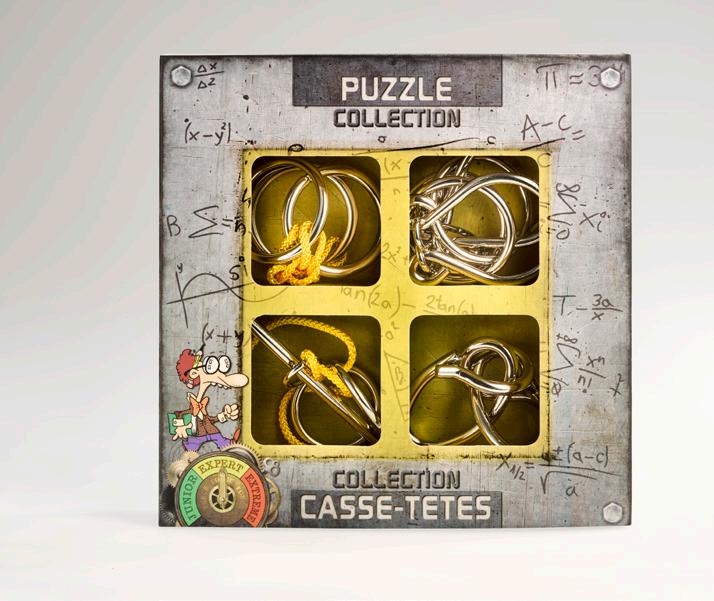
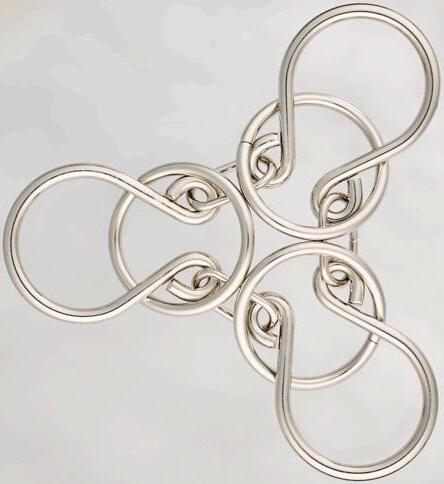
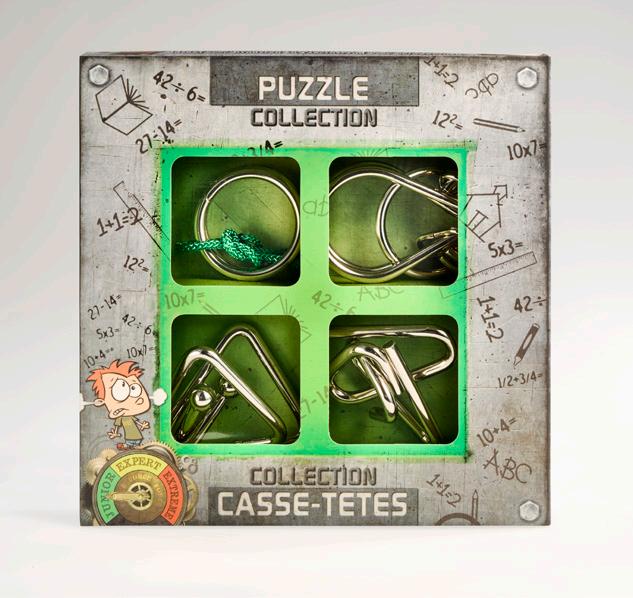

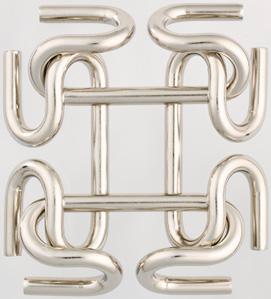
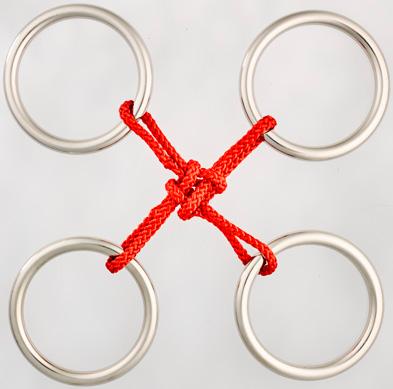





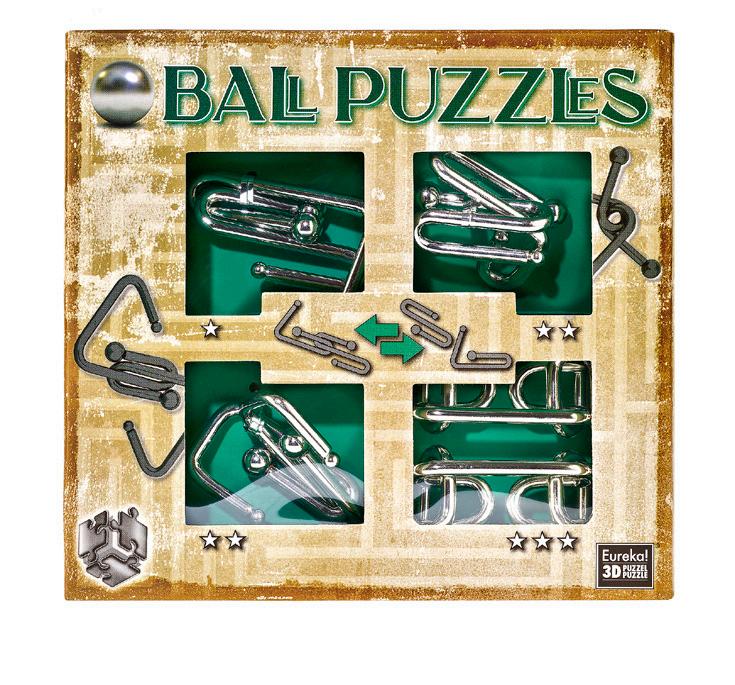
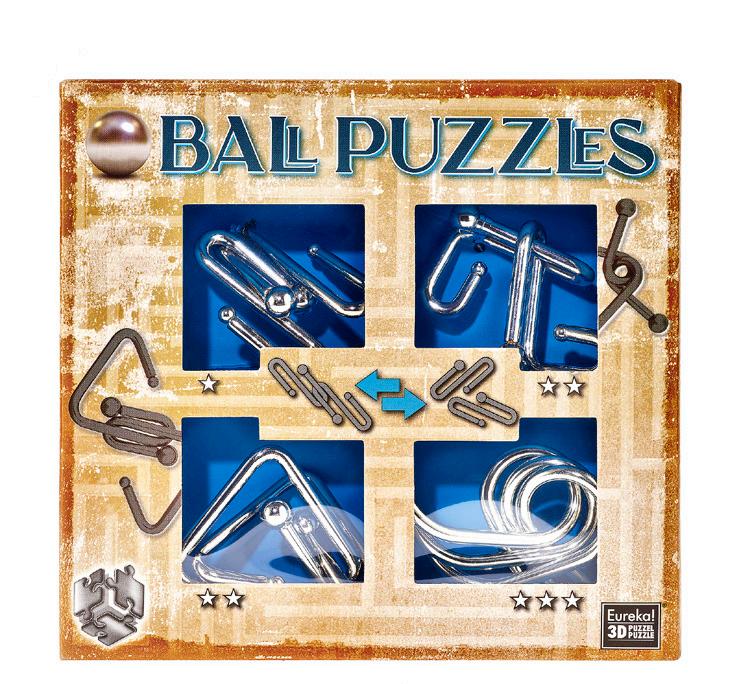
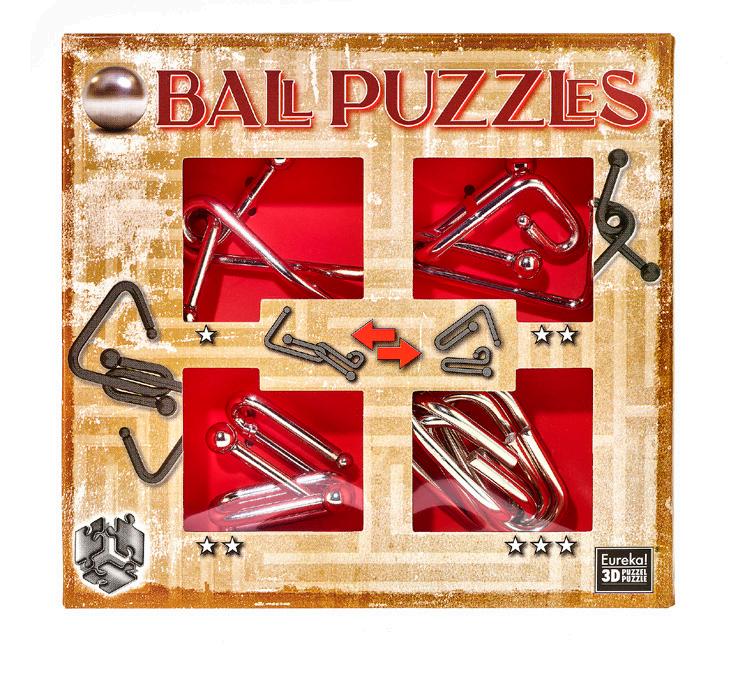
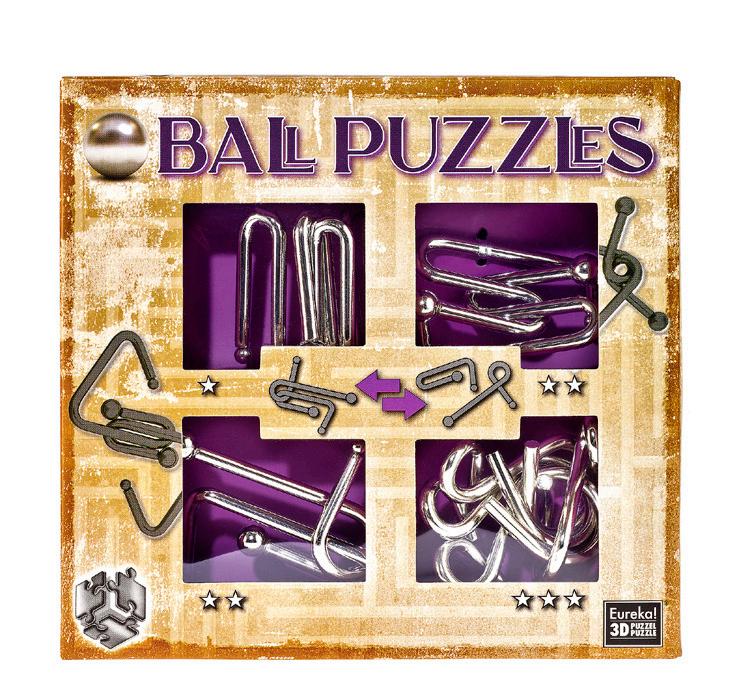

473251 - EAN 5425004732514
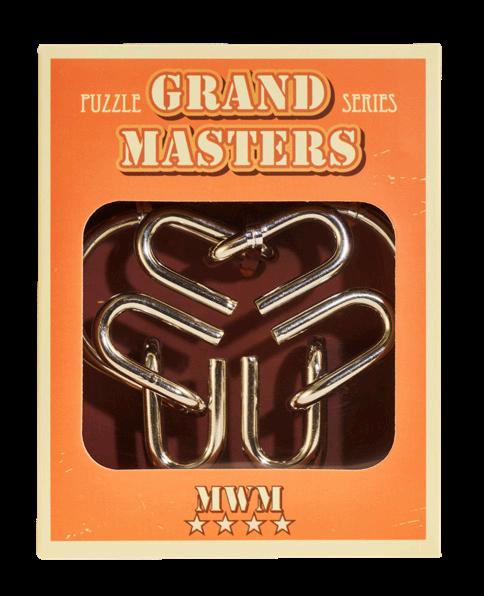
- EAN 5425004732569
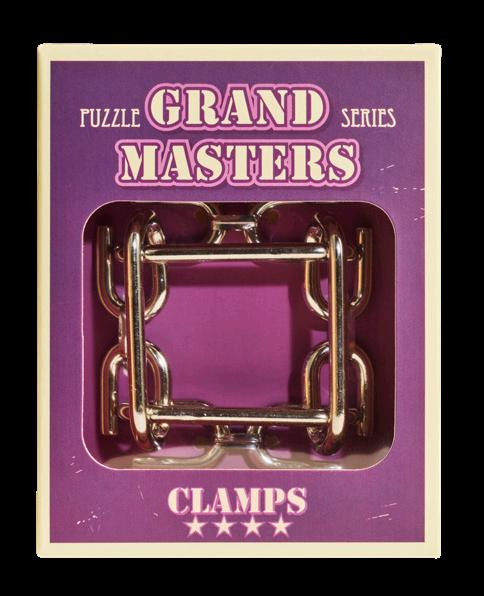
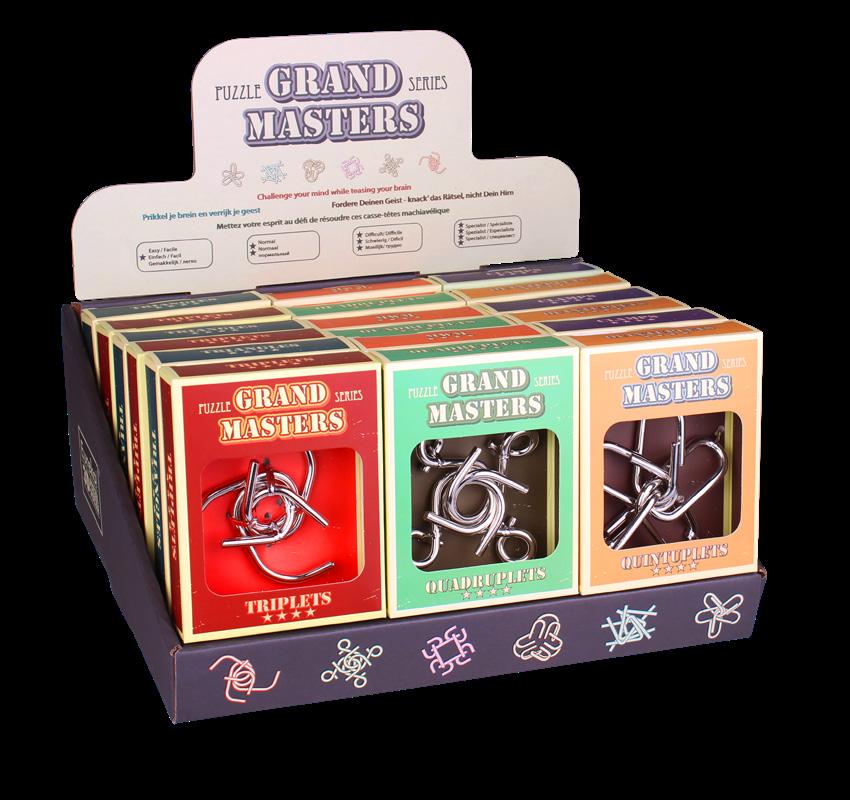
473250 - EAN 5425004732507 display grand masters puzzle [3x 6 different metal puzzle boxes]
BOX SIZE 90 x 28 x 115 mm
DISPLAY SIZE 290 x 220 x 240 mm
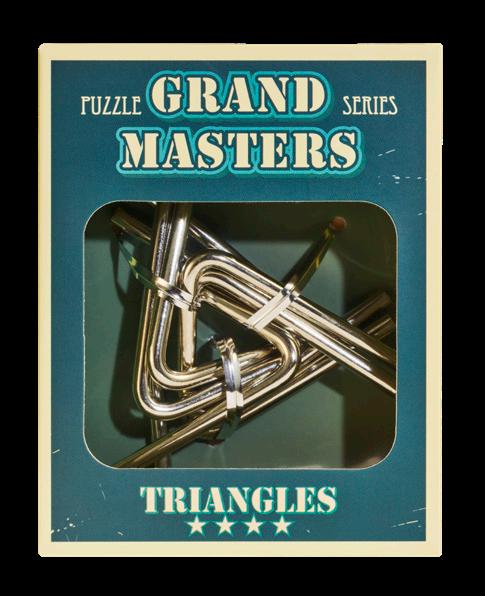
473252 - EAN 5425004732521 grand masters puzzle TRIANGLES
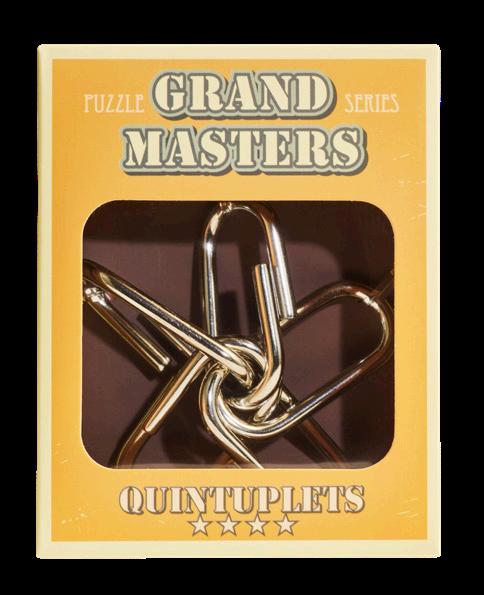
473255 - EAN 5425004732552 grand masters puzzle QUINTUPLETS [yellow]
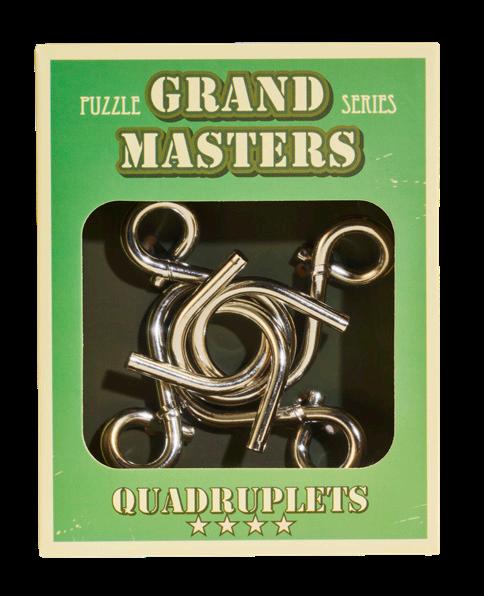
473254 - EAN 5425004732545 grand masters puzzle QUADRUPLETS
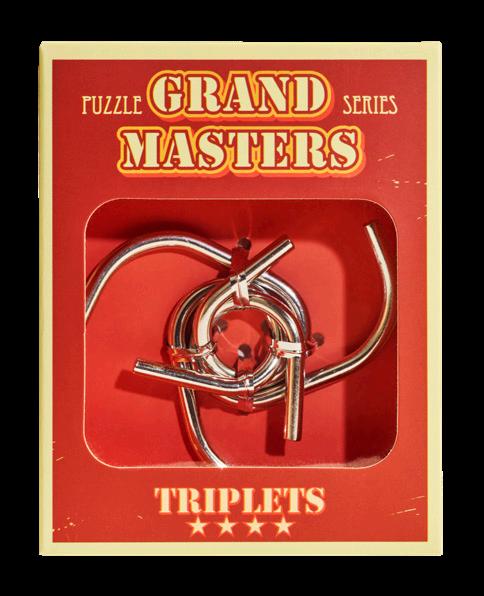
473253 - EAN 5425004732538 grand masters puzzle TRIPLETS
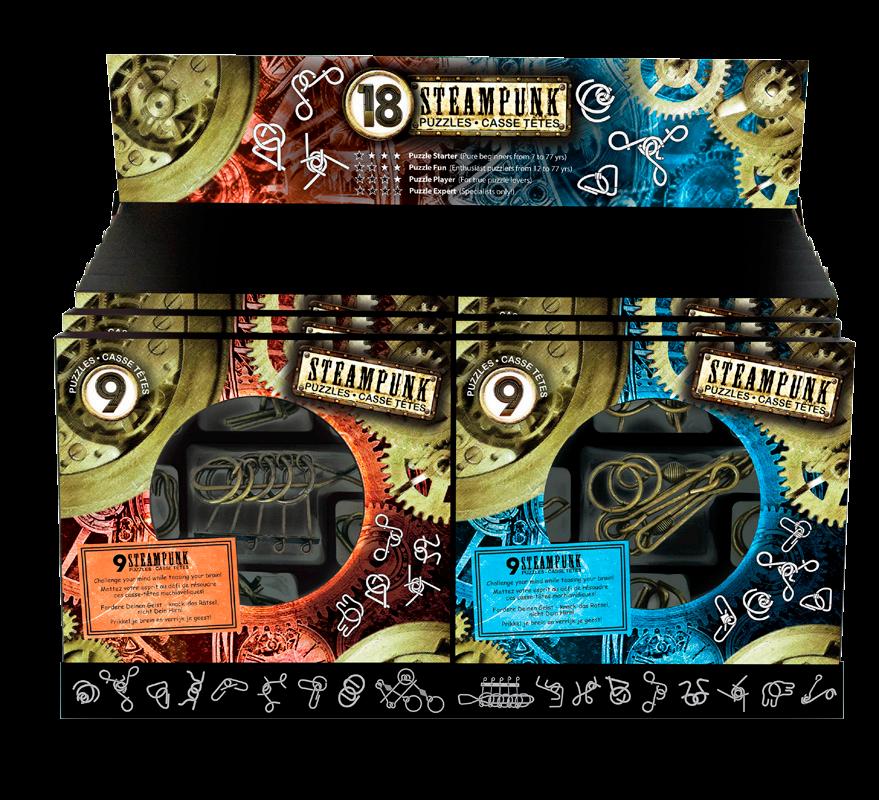
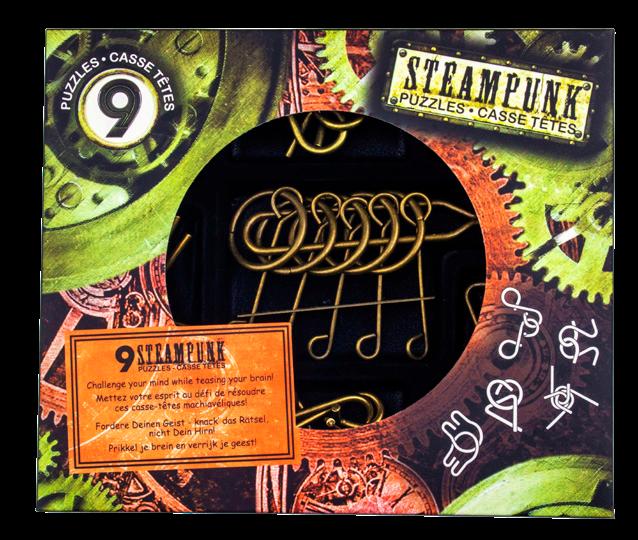
473207 - EAN 5425004732071 9 steampunk puzzles blue box
473205 - EAN 5425004732057 display with 16x steampunk puzzle sets [9 metal puzzles/set]
BOX SIZE 195 x 20 x 165 mm
DISPLAY SIZE 400 x 175 x 260 mm
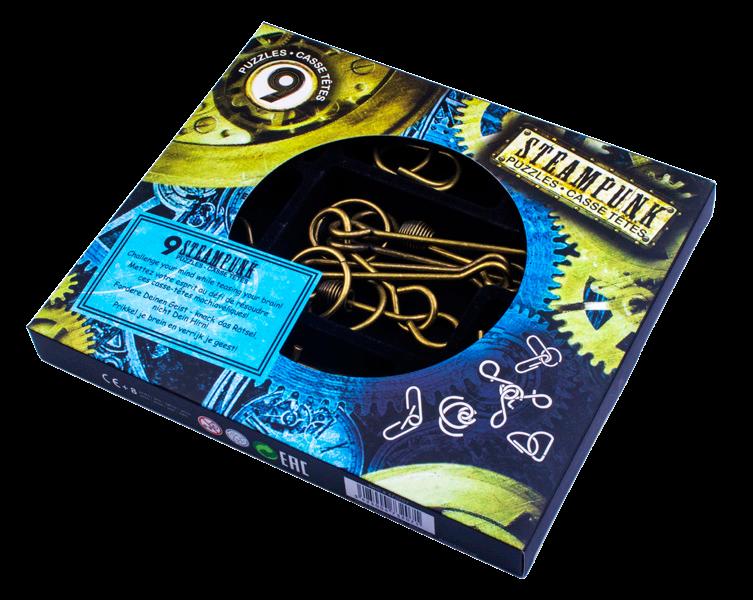
473206 - EAN 5425004732064 9 steampunk puzzles red box

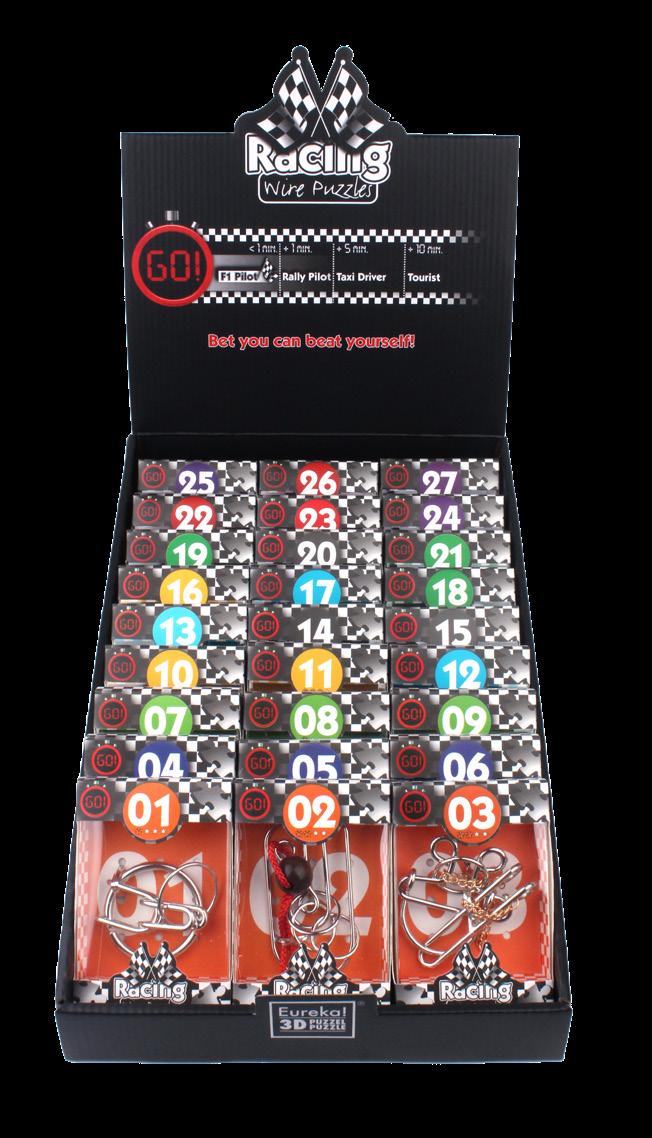
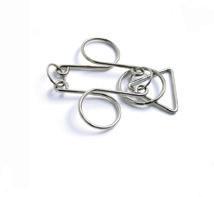
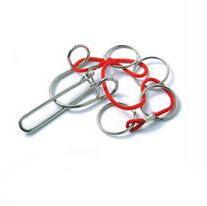
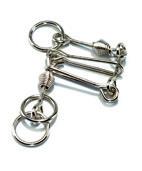
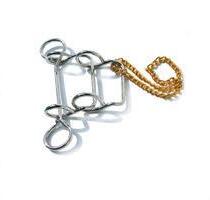

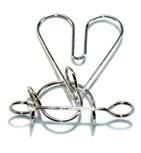
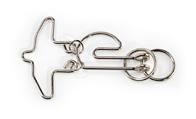

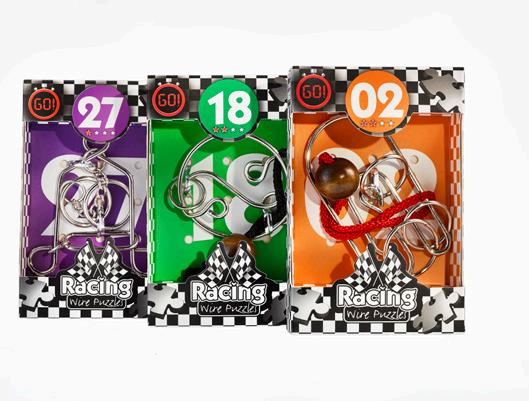

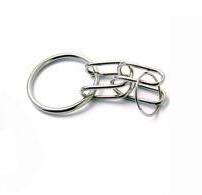
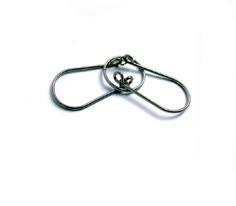
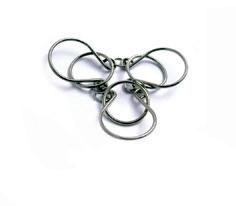
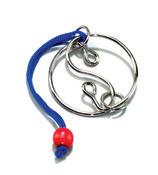
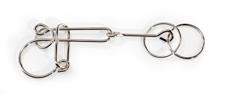
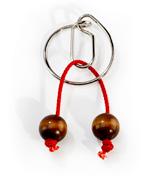
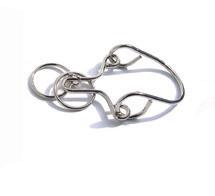
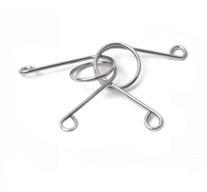
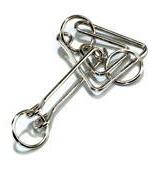
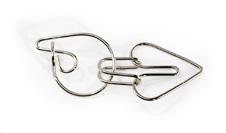
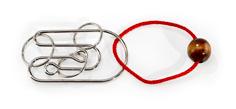
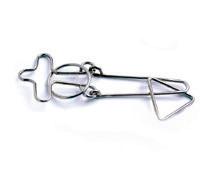
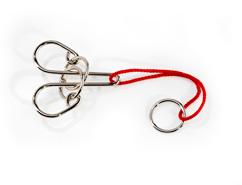
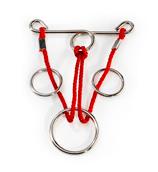
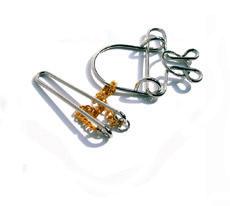
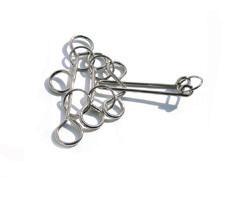
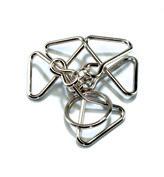
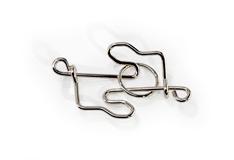
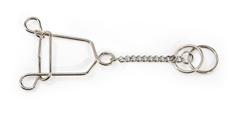
473443 - EAN 5425004734433 quad L metal puzzle in a can ★★★ [4 colours] tin can diam. 90 x 60 mm
473444 - EAN 5425004734440
phantom metal puzzle in a can ★★ [red] tin can diam. 90 x 60 mm
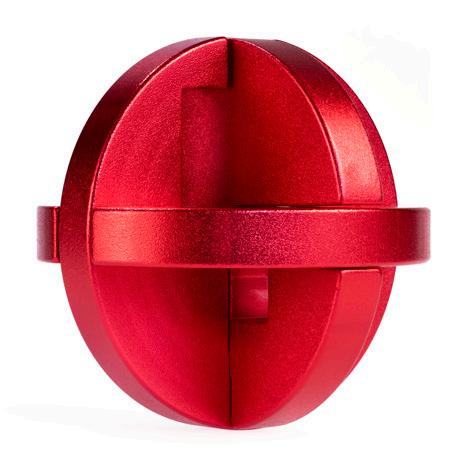
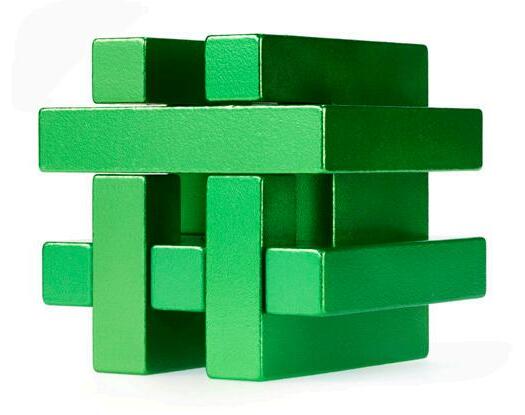
473442 - EAN 5425004734426 #1 metal puzzle in a can ★★ [green] tin can diam. 90 x 60 mm
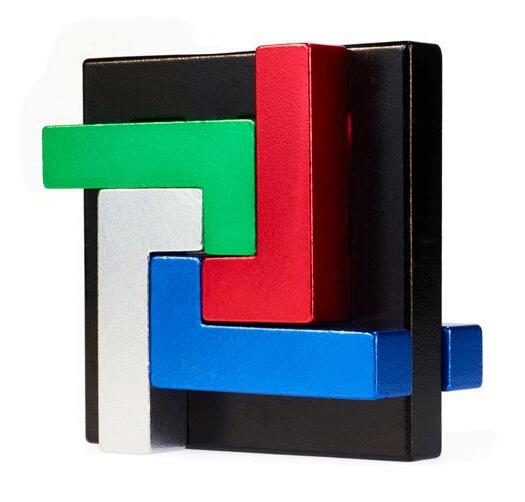
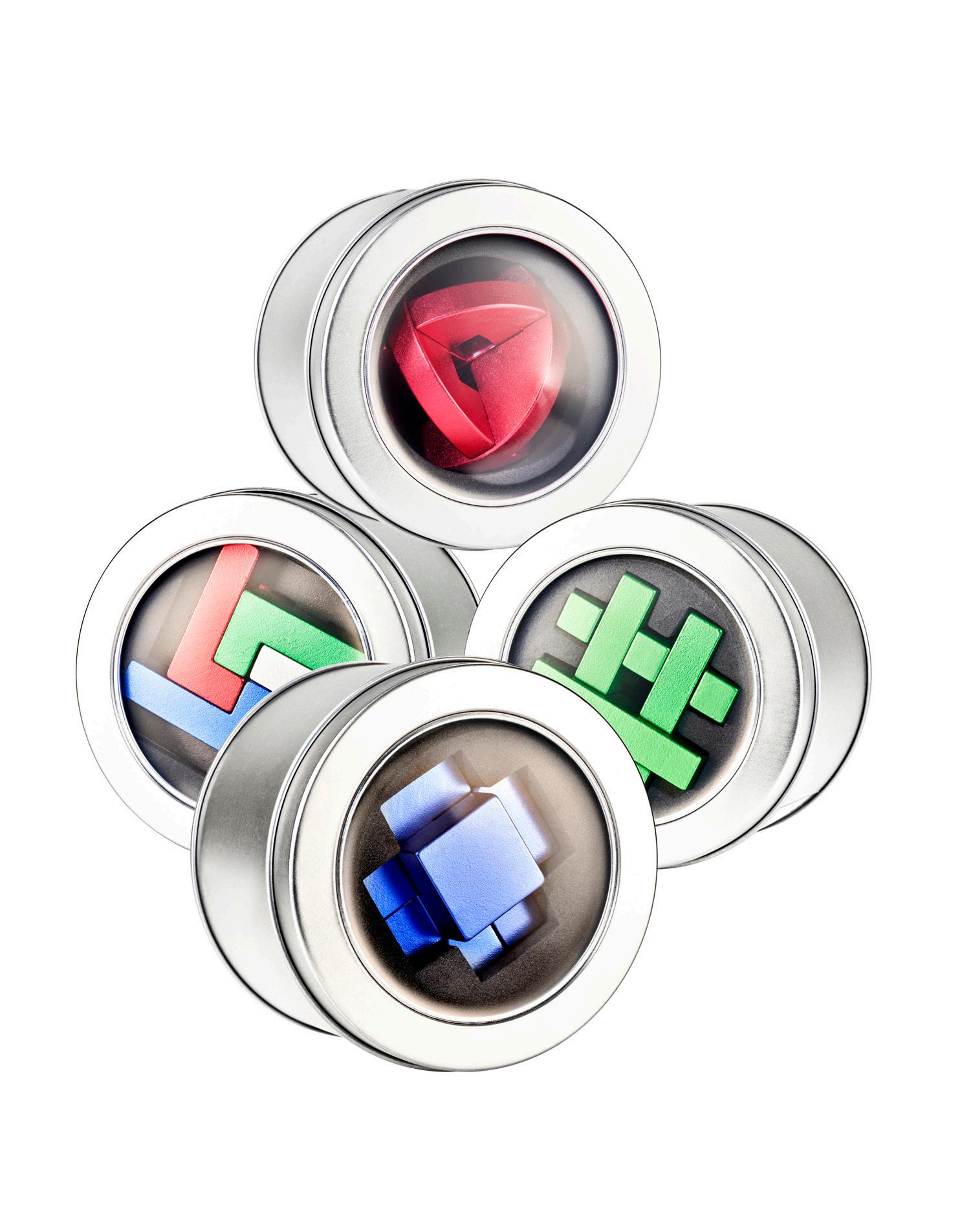
473441 - EAN 5425004734419
fortress metal puzzle in a can ★★ [blue] tin can diam. 90 x 60 mm