Energizing the Everyday
Gifts From the George R. Kravis II Collection
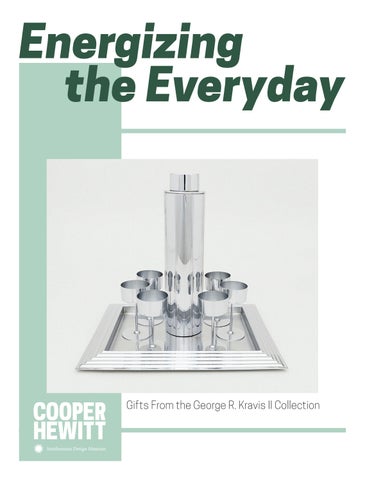
Energizing the Everyday celebrates the collecting vision of George R. Kravis II and its synergy with Cooper Hewitt, Smithsonian Design Museum’s broad and diverse collection of modern and contemporary design. An early interest in records and a background in broadcasting inform Kravis’s enthusiasm for and knowledge of radios, televisions, and technology. As Kravis’s passion for design grew, he expanded his collecting efforts beyond American electronic devices to include industrial design and furnishings for the home and office from America, Europe, and Asia. This exhibition showcases highlights of the Kravis collection dating from the early 20th century to the present. From industrial design and furniture to tableware and textiles, the exhibition makes visual and material connections across time and geography. As a collector, Kravis is interested in the object’s user, purpose, process, and manufacturing while also considering form and substance. The good design of these objects enhanced the day-to-day activities of the home and workplace, as well as during travel and leisure. The rigid geometry of Norman Bel Geddes’s skyscraper-like ca.1931 Manhattan Cocktail Set, the humor of Cesare Cassati’s and C. Emanuele Ponzio’s 1968 Pillola Lamps, and the social concerns reflected in Olafur Eliasson’s Little Sun Solar Powered LED Lantern of 2012 are among the many historic and contemporary themes enlivened in Energizing the Everyday.
About The Museum
Cooper Hewitt is the nation’s only museum dedicated to historic and contemporary design, with a collection of over 210,000 design objects spanning thirty centuries. Located in the landmark Andrew Carnegie mansion and boasting a beautiful public garden, Cooper Hewitt makes design come alive with unique temporary exhibitions and installations of the permanent collection.
1About the Collection 2 3-4 5-6 About the Museum Collection Highlights Collection Highlights
2
T-3-C Table Lamp (1951)
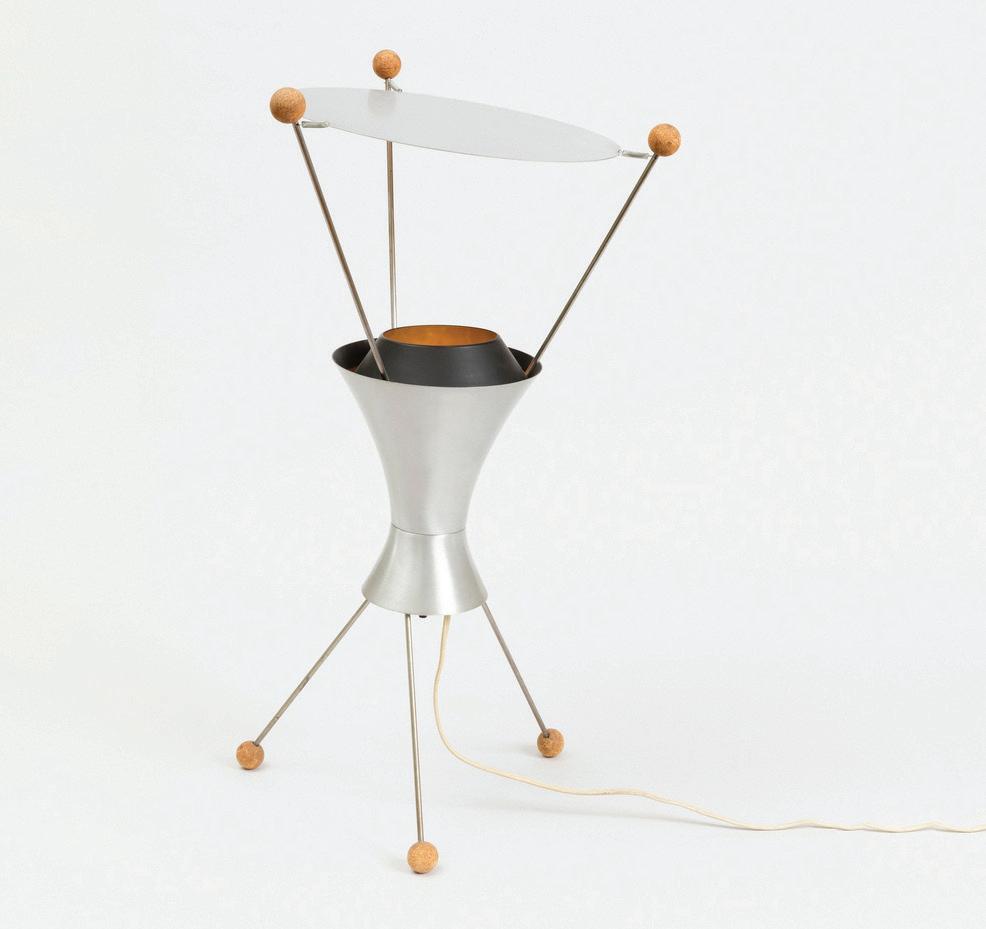
Inspired by Marcel Breuer’s comment that he could not find a single well-designed floor or table lamp for The Museum of Modern Art’s Exhibition House in 1949, The Museum of Modern Art sponsored a low-cost lighting design competition that called for entries the following year and went on public display in March of 1951. Entries were received from 43 states and competitors totaled more than 600. This lamp by James Harvey Crate won third prize.
Donated by George R. Kravis II.
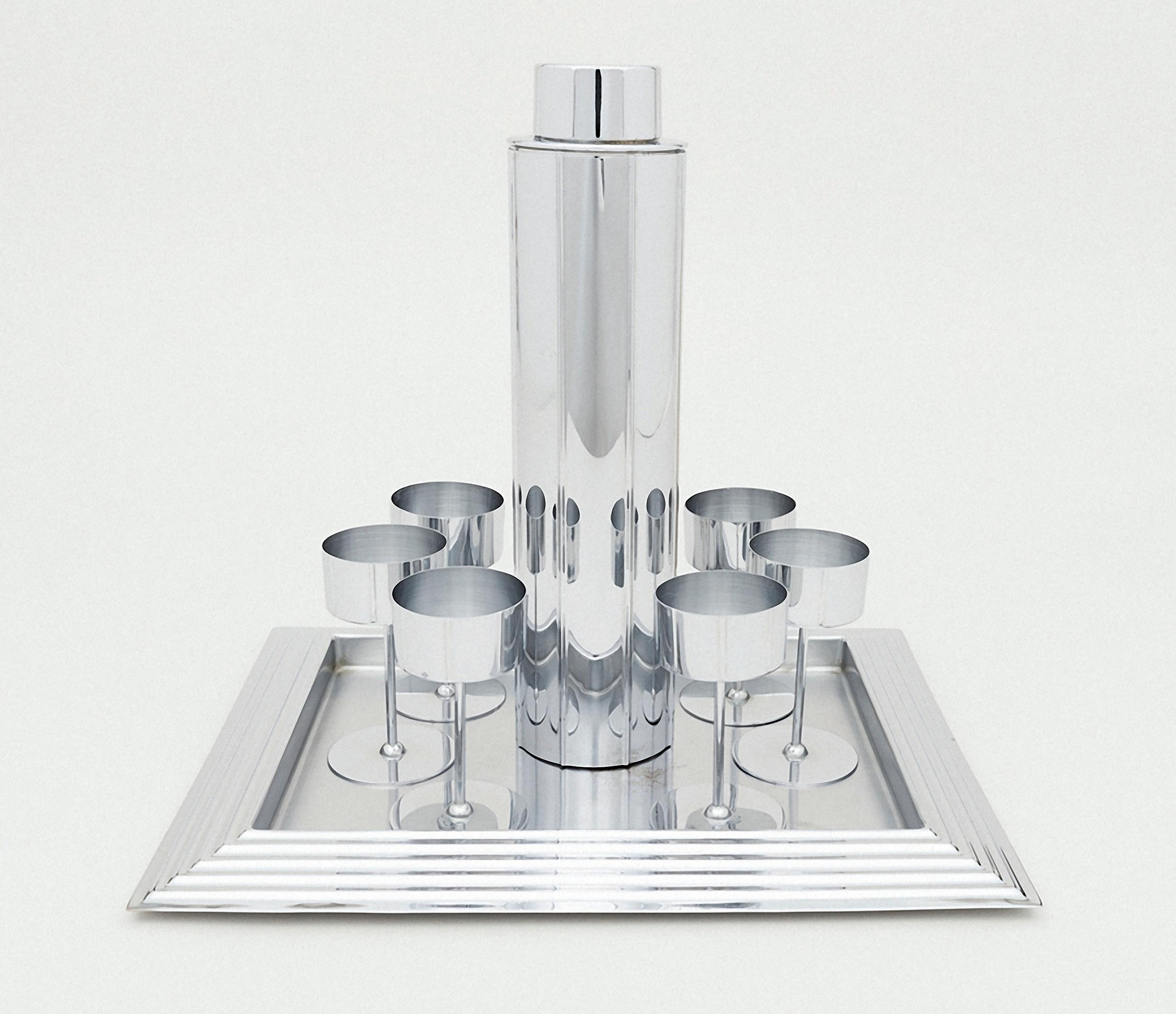
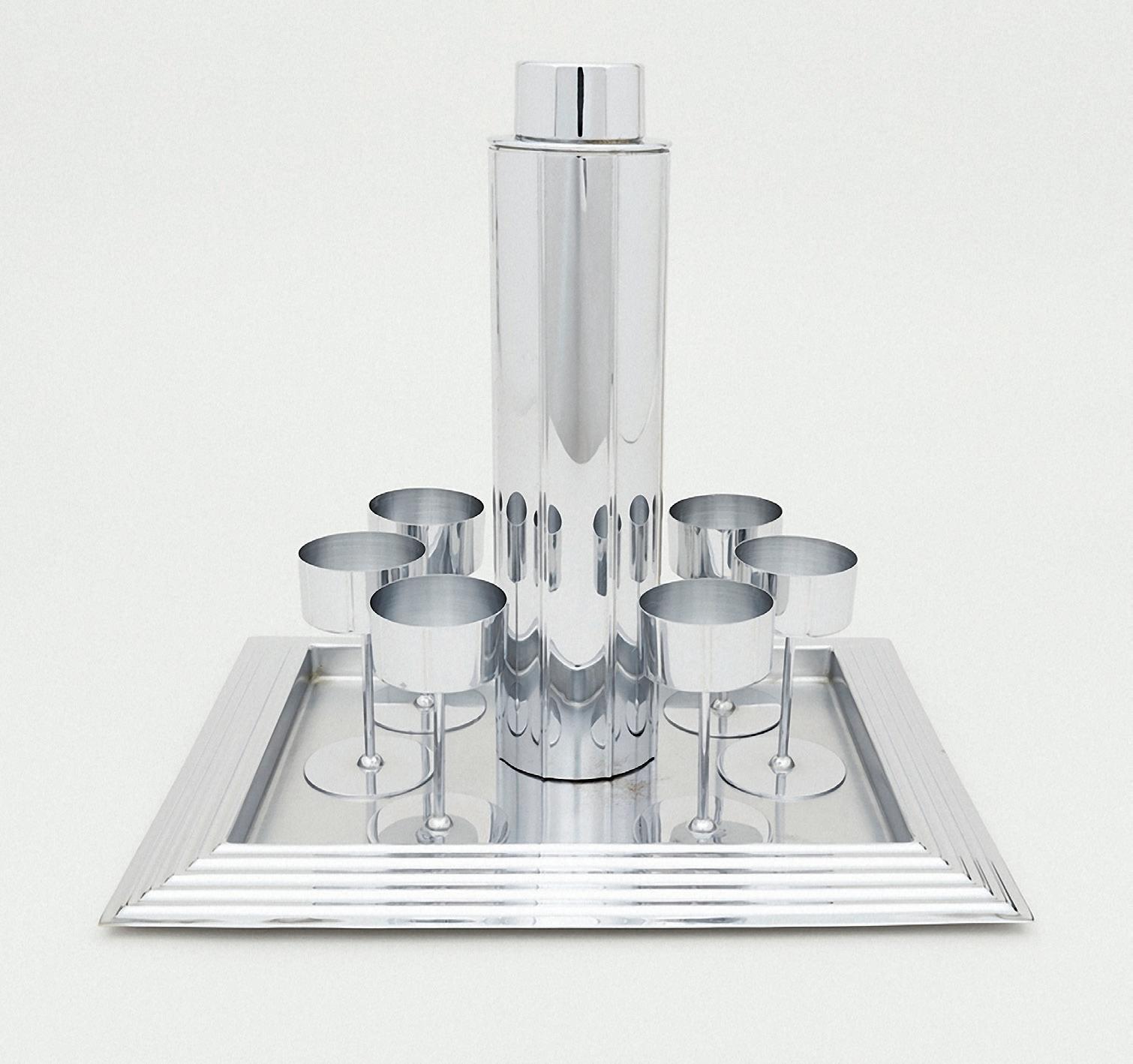
Manhattan Cocktail Service (1935)
Designed by Norman Bel Geddes
Both the name and the design of Norman Bel Geddes’ “Manhattan” cocktail service evoke modernity and the metropolis. The shaker’s cylindrical form is ribbed allowing for considerable ease when in use; particularly for the condensation that would form on its chromium-plated surface. The sleek form of the shaker’s cylindrical cap is also used in reverse as the form for the cocktail goblets’ bowls.
Donated by George R. Kravis II.
3
3 1
Collection
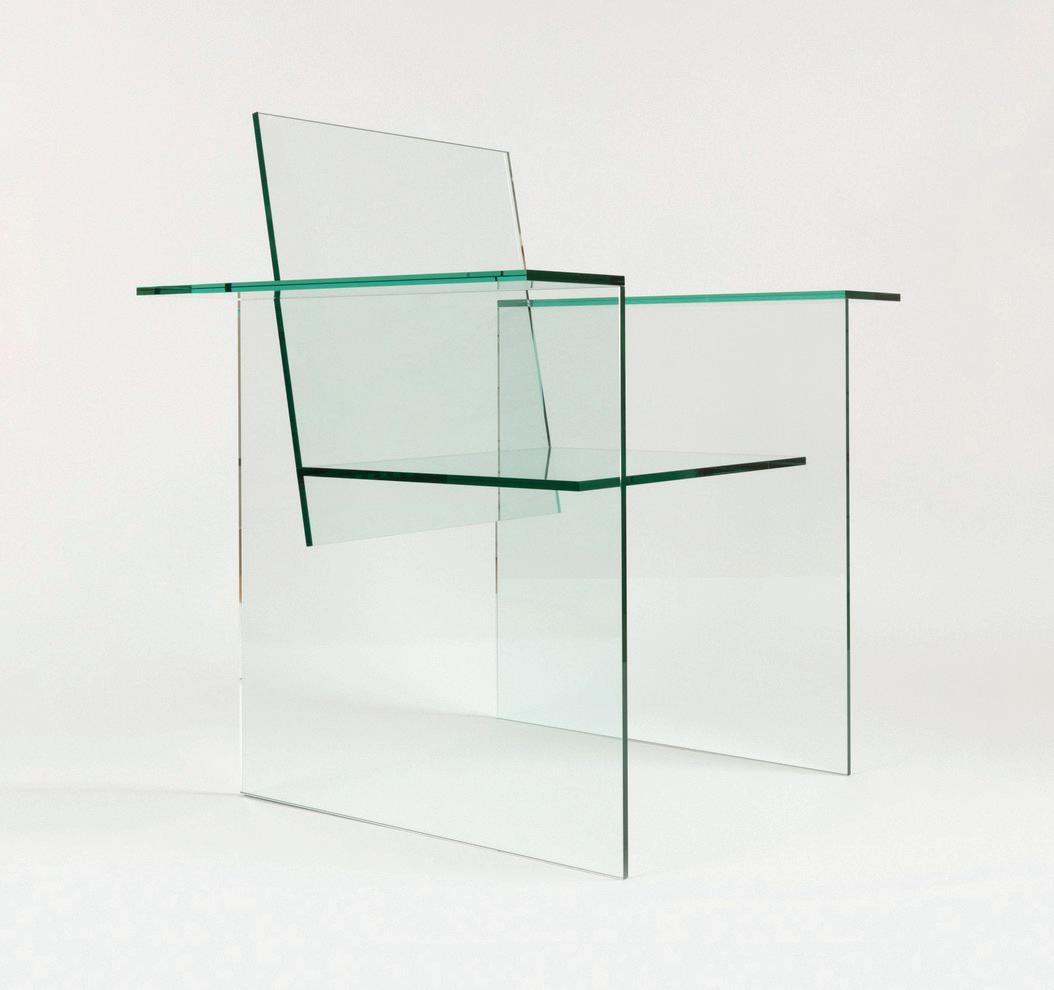
Armchair (1976)
Designed by Shiro Kuramata
Utilizing a newly developed adhesive, Kuramata achieved material and visual minimalism with this armchair. Flat planes of glass are bonded together along their edges, without mounts or screws, to create a functional chair that seems simultaneously visible and invisible. The transparent form invites users to question notions of materiality, utility, and comfort.
Donated by George R. Kravis II.
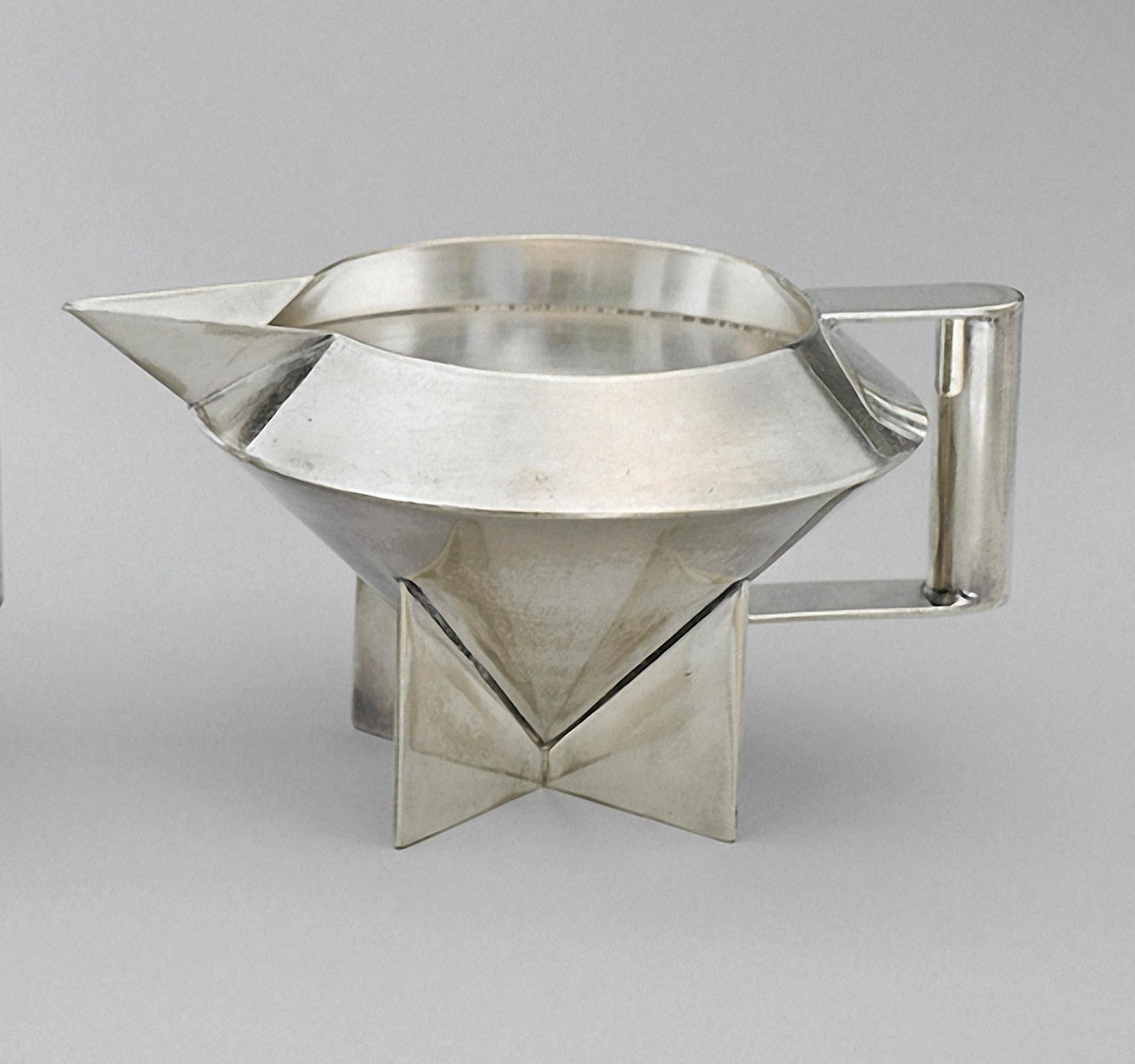
Sugar Bowl (ca. 1928)
Designed by Ilonka Karasz
After studying in Budapest, Karasz arrived in the United States in 1913, where a little over ten years later she began to establish herself as an influential designer in a variety of media. Although her designs show multiple references to her European past, they also display a combination of modern ideas associated with her new home. The use of silver-plated nickel made these serving pieces easy to maintain.
Donated by George R. Kravis II.
4
4
2
Highlights
Collection
Heart Cone Chair (1959)
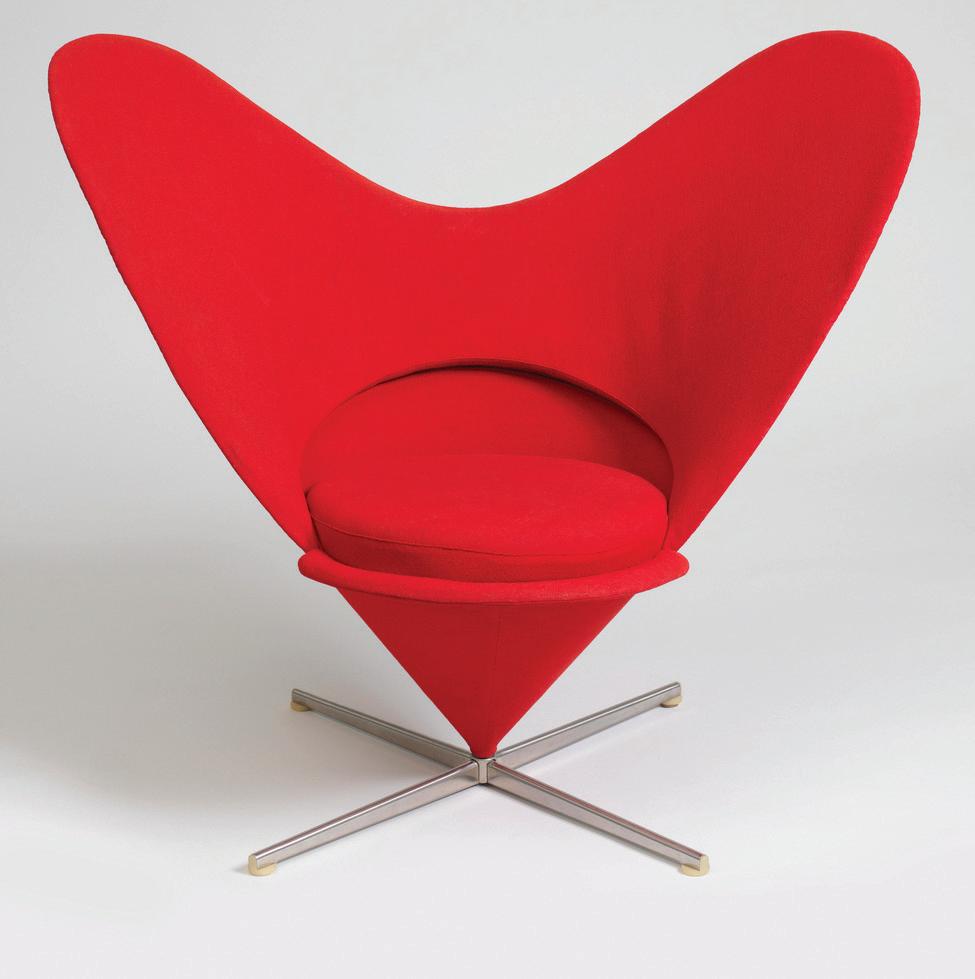
Designed by Verner Panton
A nod toward traditional wing chairs with a pop twist.
Prototype for a Radio Enclosure (1946)
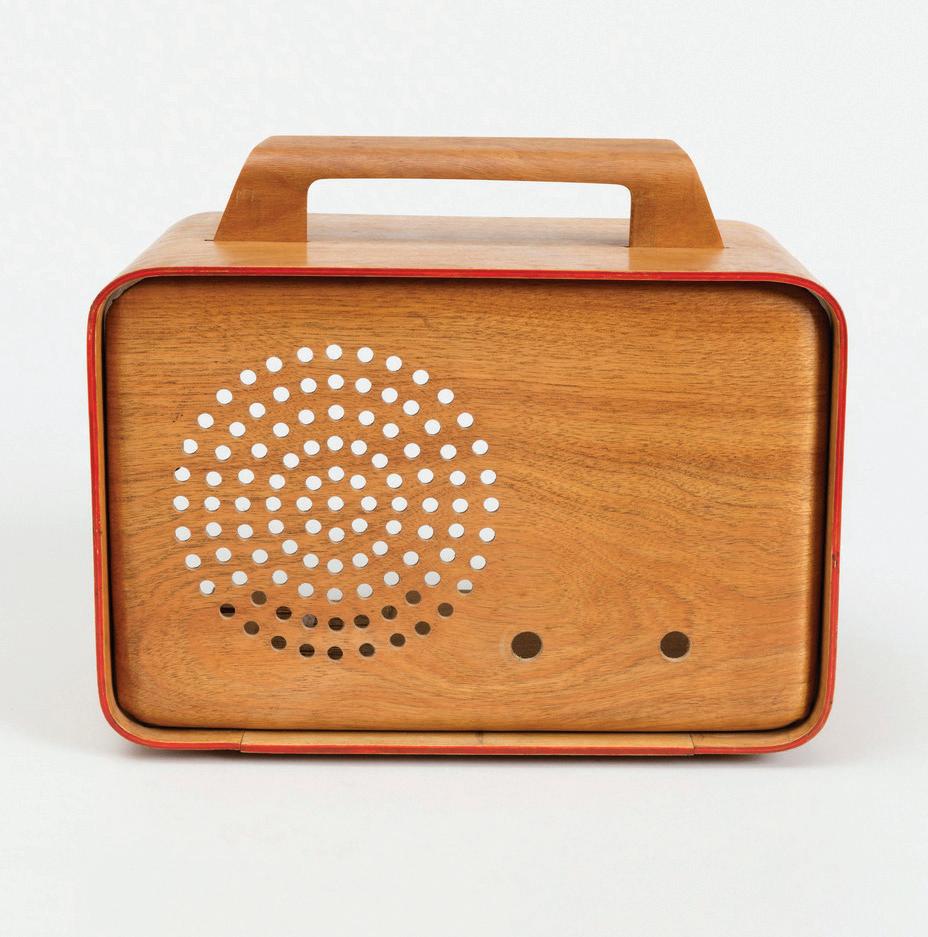
A collaboration between two men who embody 20th century design: Charles Eames and Alexander Girard.
5 7 8 6
Little Sun Solar-Powered Lantern (2012)
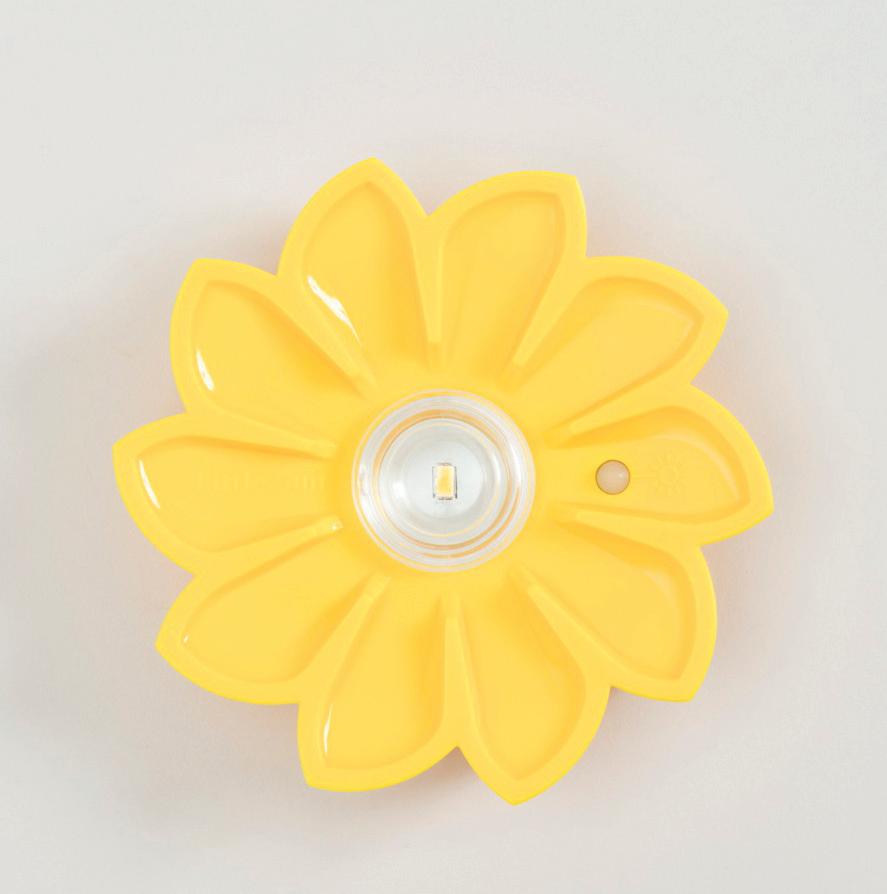
Developed by Olafur Eliasson and Frederik Ottesen
Made to bring light to as many people as possible.
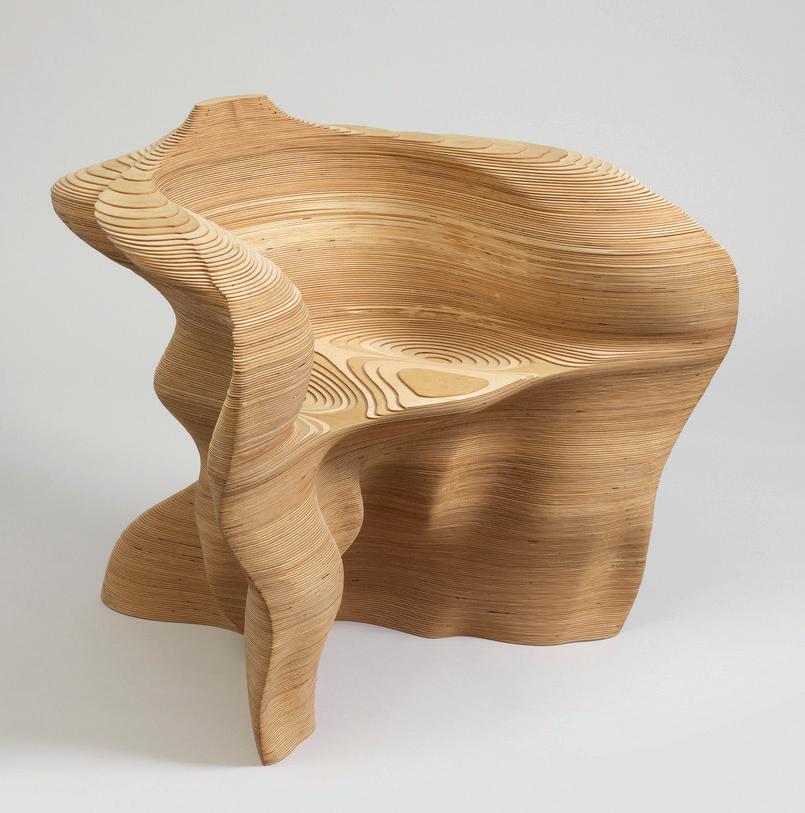
Slice Armchair (1999)
Matthias Bengtsson designed the Slice chair while a student at the Royal College of Art in London.
5
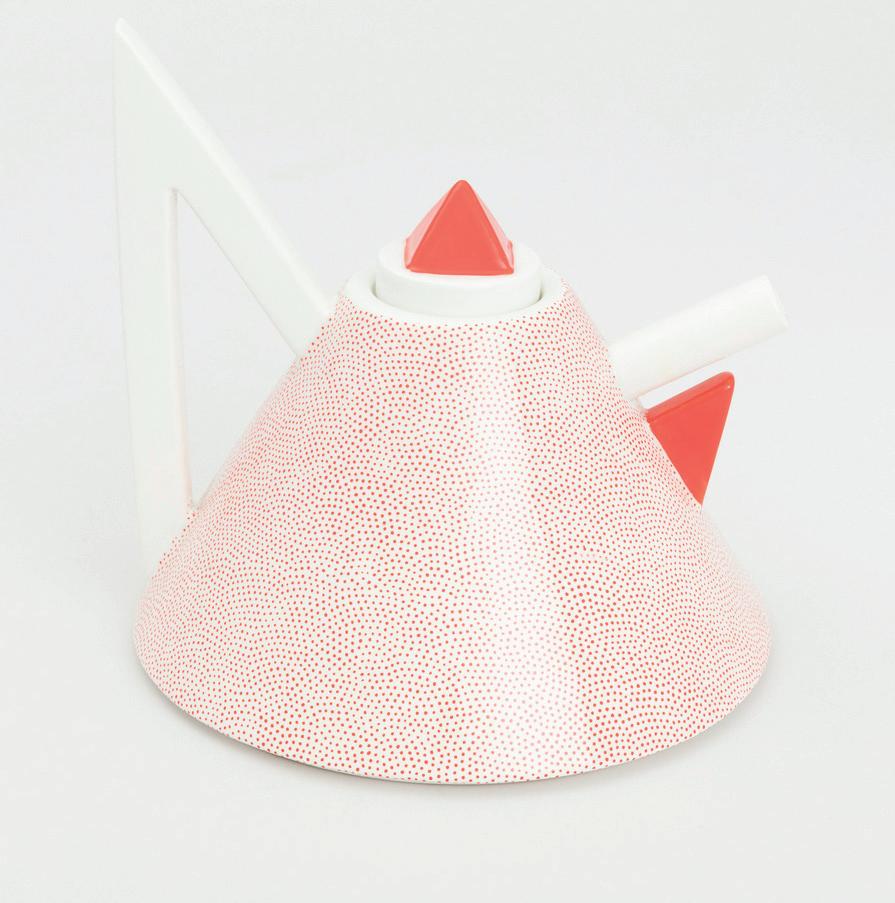
Nerfititi Teapot (ca. 1981)
This teapot designed by Matteo Thun exemplifies the aim of creative perspectives on everyday objects.
Braniff Airways Model 66310 Armchair (1967)
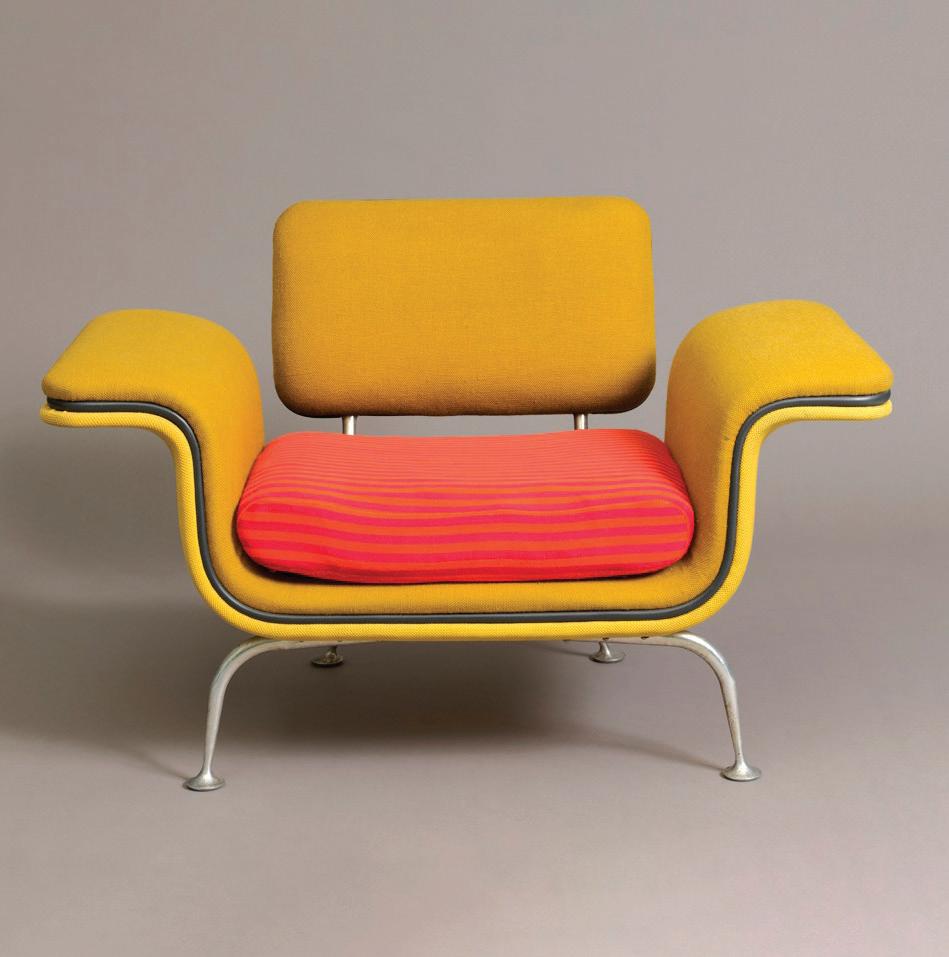
For Alexander Girard, the way his designs made people feel mattered just as much as its utilitarian value.
10
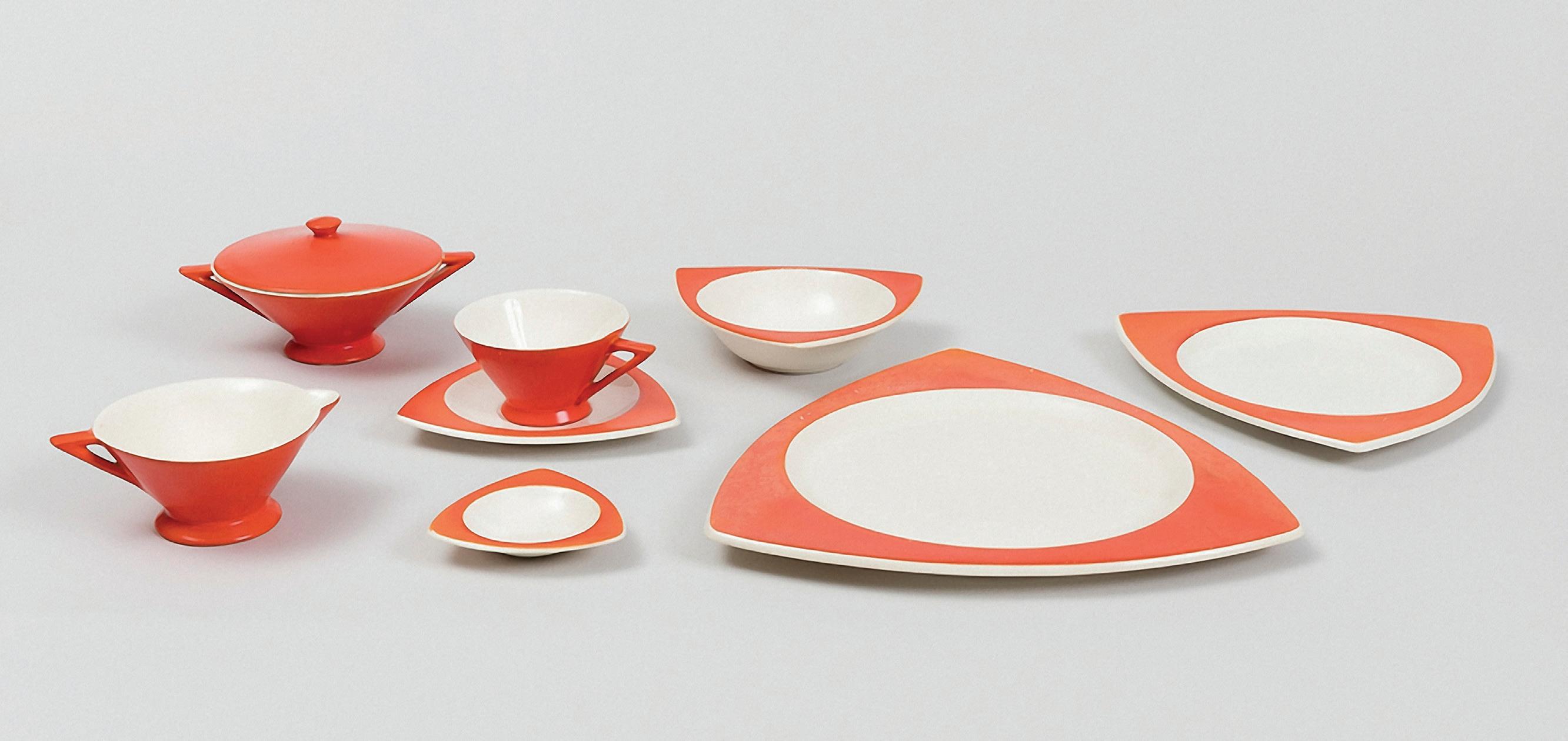
Tricorne and Streamline Tableware (1934)
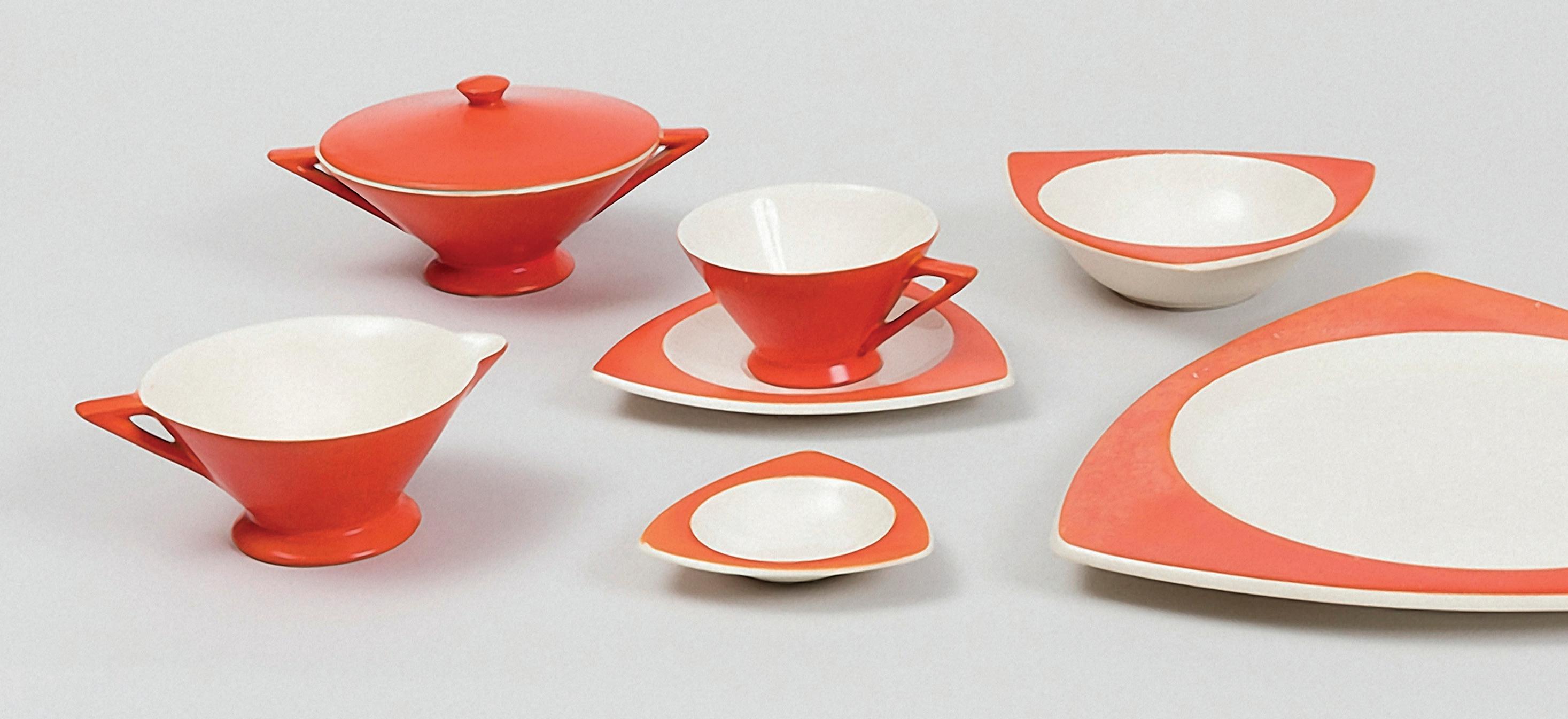
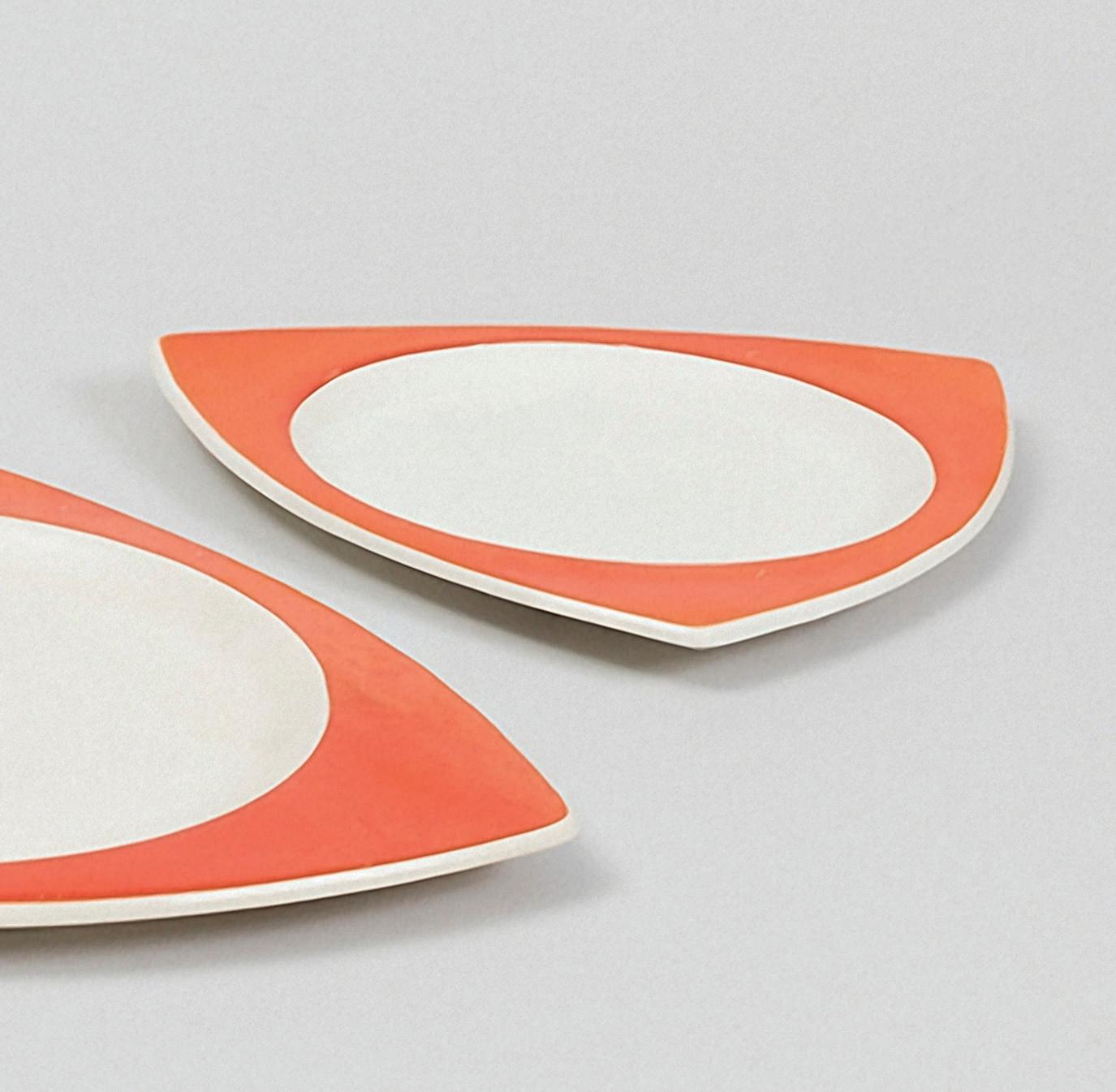
Don Schreckengost created the Tricorne shape when he was an art college student on a internship with the firm. It was often sold alongside the Streamline shape, patented in 1935 by Vincent Broomhall and Herbert A. Smith.
Highlights 9 11
6
Hours
10 a.m. to 6 p.m. daily
Closed Thanksgiving and December 25
Tickets

Adults | $18 Seniors | $12 Students | $9
Visitors with Disabilities | $10 Members & 18 & under | free Pay-What-You-Wish Tuesday 6 p.m. to 8 p.m Buy your tickets online to save $2 per ticket


2 East 91st Street, New York, NY www.cooperhewitt.org