THE CITY FOR YOUR LIFE, DESIGNED FOR YOUR FUTURE.
THE CITY FOR YOUR LIFE, DESIGNED FOR YOUR FUTURE.
I. IMPLEMENTATION/ADMINISTRATION ELEMENT
II. FUTURE LAND USE ELEMENT
III. TRANSPORTATION ELEMENT
IV. HOUSING ELEMENT
V. INFRASTRUCTURE ELEMENT
VI. CONSERVATION ELEMENT
VII. RECREATION AND OPEN SPACE ELEMENT
VIII. INTERGOVERNMENTAL COORDINATION ELEMENT
IX. CAPITAL IMPROVEMENTS ELEMENT
X. EDUCATION ELEMENT
XI. ECONOMIC DEVELOPMENT ELEMENT
XII. PRIVATE PROPERTY RIGHTS ELEMENT
XIII. URBAN DESIGN ELEMENT
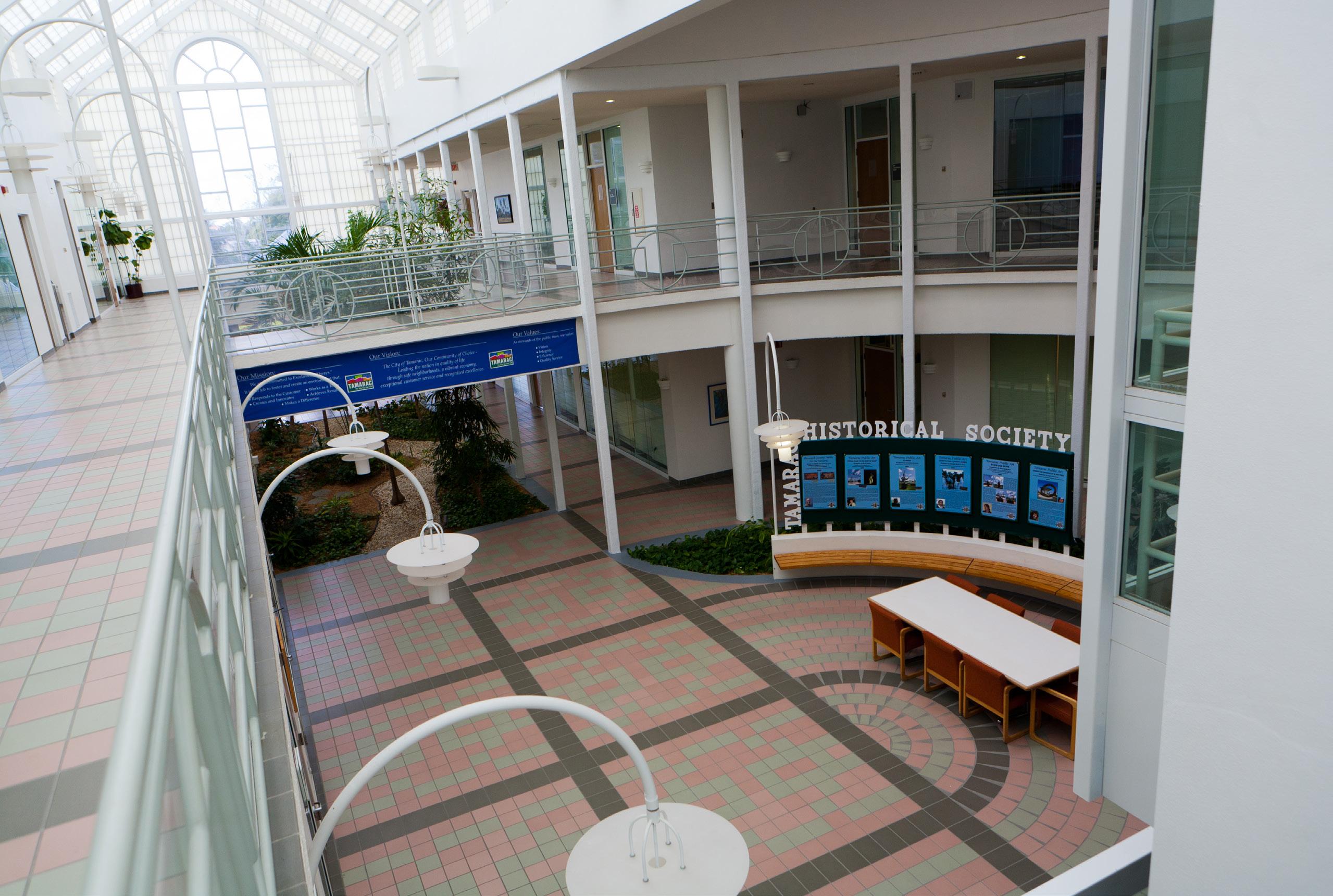

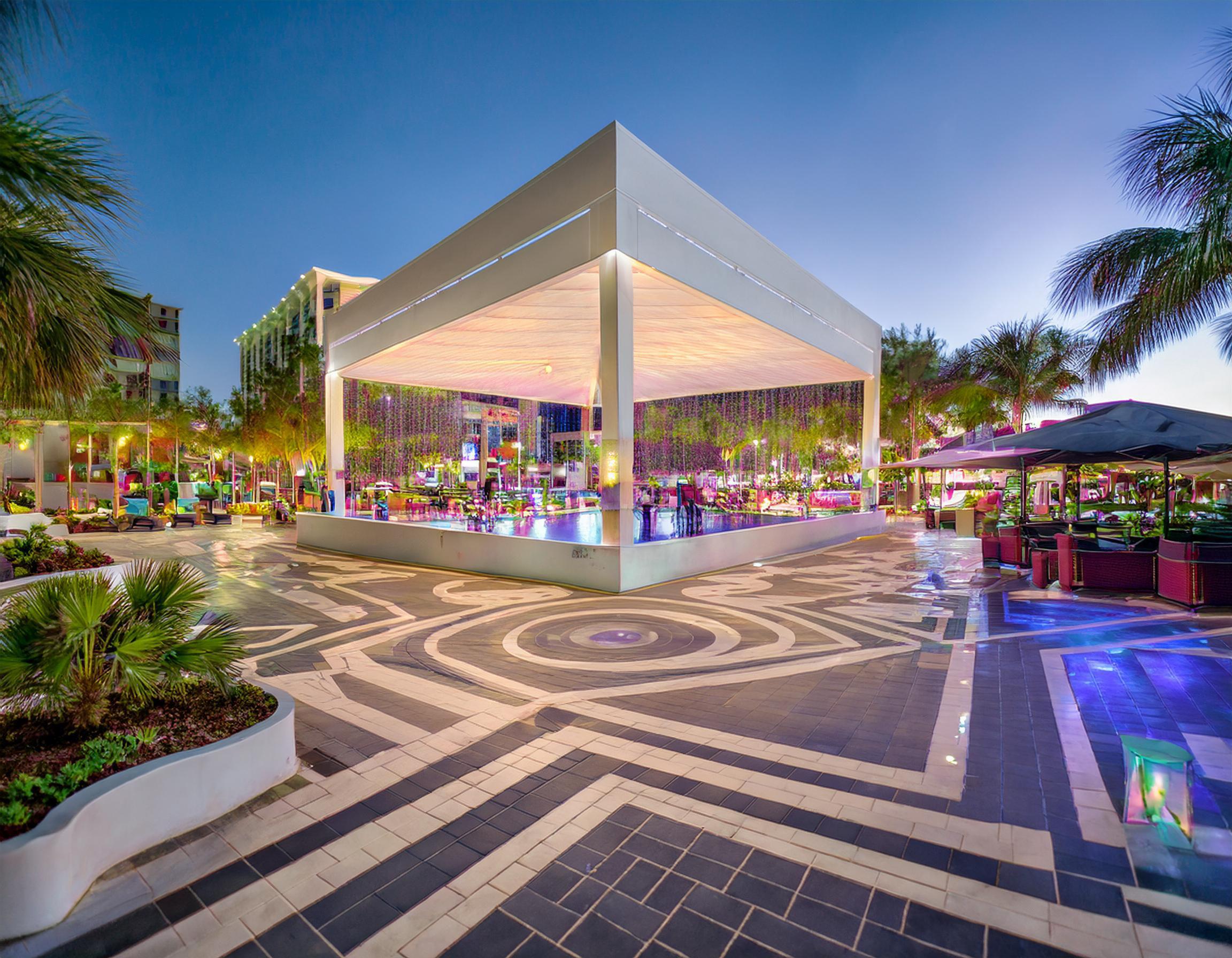
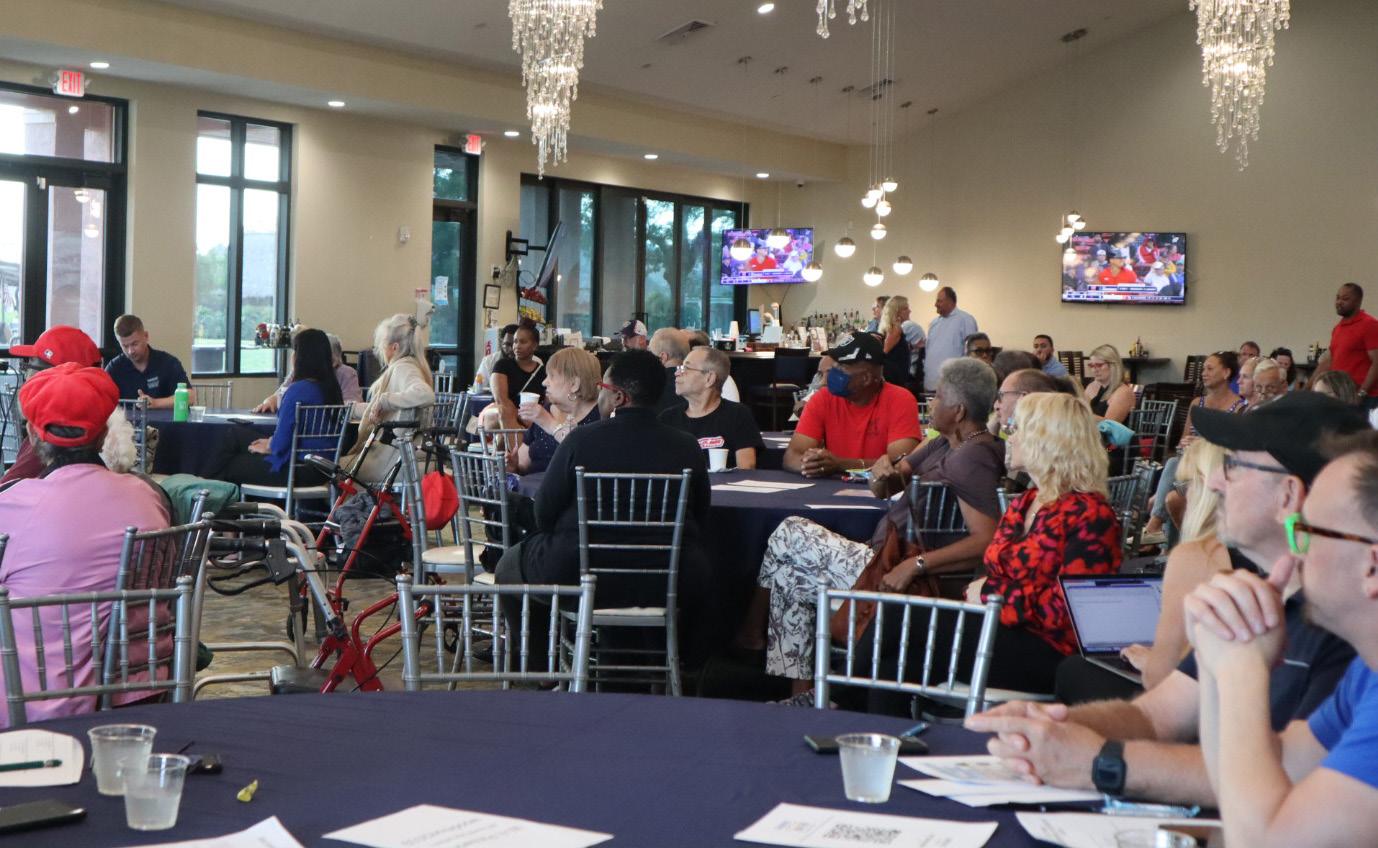
Figure 13.1: June 5th Community Workshop with Tamarac District 4..................1
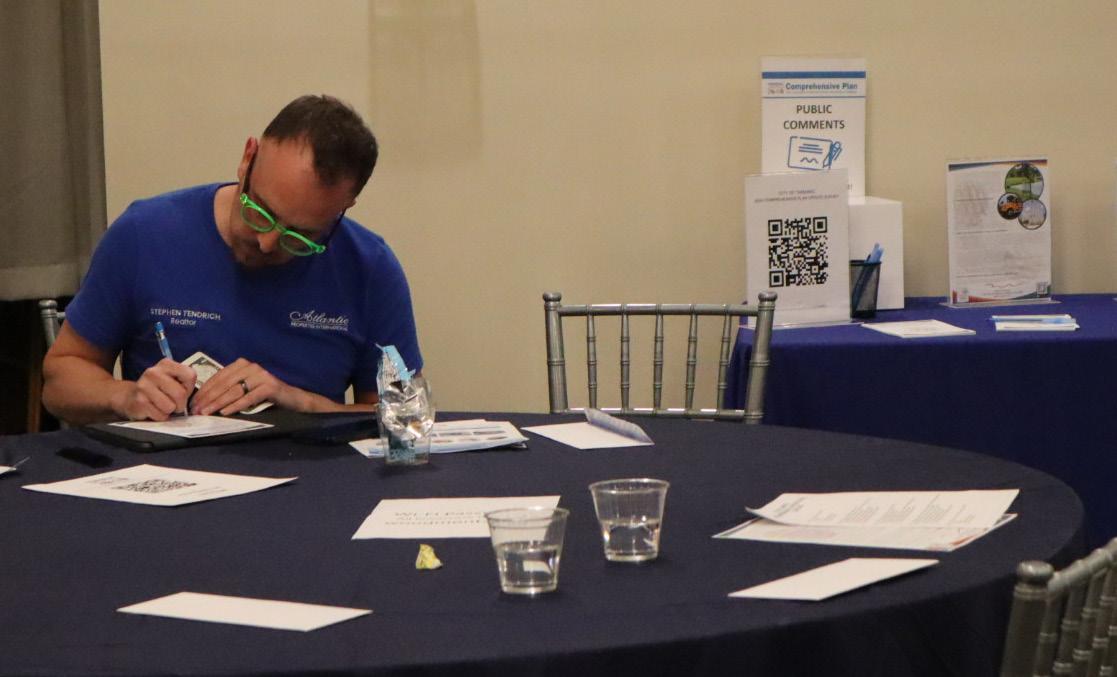
Figure 13.2: District 4 Resident at Workshop................................................2
The Comprehensive Plan stands as the cornerstone of strategic foresight and urban development initiatives within a municipality. This blueprint, spanning a 25-year horizon, serves as a guiding beacon for the City’s growth and evolution. The Comprehensive Plan embodies a vision for the future, delineating desired land use controls that shape the fabric of the community. It encapsulates the aspirations of residents, stakeholders, and policymakers, offering a roadmap toward sustainable development and an enhanced quality of life.
Integral to the Comprehensive Plan is a detailed array of data and analyses, meticulously assessing the current landscape of the City. This includes demographic trends, housing stock composition, infrastructure performance metrics, and inventories of essential public amenities such as schools, parks, and transportation networks. Through examination, the Plan provides a nuanced understanding of existing conditions, serving as a foundation for informed decision-making.
The Comprehensive Plan is guided by the City’s Six Strategic Pillars, which reflect the core values and priorities shaping its long-term development. These pillars serve as the foundation for planning decisions and strategies, ensuring the City grows in a way that aligns with the community’s Goals and Objectives. By framing the Plan around these values, the City aims to build a resilient, inclusive, and sustainable future.
1) Tamarac is HOME
This pillar focuses on fostering neighborhoods where all residents feel welcomed and valued. It emphasizes housing diversity, equitable access to resources, and the maintenance of clean and inviting public spaces.
2) Tamarac is SAFE
Ensuring safety is a top priority, with initiatives aimed at reducing crime, enhancing emergency response times, and fostering strong community relationships with first responders.
3) Tamarac is ECONOMICALLY
This goal supports a robust local economy by creating an environment where businesses can succeed and residents have access to quality jobs and opportunities for economic mobility.
4) Tamarac is VIBRANT
A vibrant City is one that thrives culturally and environmentally. This pillar prioritizes recreational opportunities, aesthetically pleasing environments, and sustainability initiatives to enhance quality of life.
5) Tamarac is SMART AND
Embracing technology and fostering community connections are key to this goal. It highlights the importance of digital infrastructure, innovation, and a strong sense of neighborhood connectivity.
6) Tamarac is DYNAMIC WORKPLACE
This pillar ensures the City remains competitive by cultivating a professional environment that attracts and retains top talent, encourages innovation, and promotes a culture of excellence in governance and service delivery.
As a legal instrument, the plan translates its visionary goals into actionable regulations that govern land use and development. By aligning the Land Development Code with the long-term vision outlined in the Comprehensive Plan, the City of Tamarac is positioned to guide growth while safeguarding the well-being of its residents. The 2050 Comprehensive Plan represents a collective vision, a strategic roadmap, and a legal framework for the City’s future prosperity and resilience. Its comprehensive approach equips city decision-makers to address the challenges of urbanization, ensuring a sustainable, equitable, and prosperous legacy for future generations.
• EAR based amendments (Evaluation and Appraisal Report) by City
• Comprehensive Plan text amendment by City or property owner
• Comprehensive Plan map amendment by City or property owner
• Legal notification of public hearings (Ch 163.3174 FL FS)
• Notification to adjacent municipalities
• Comment period
• Public hearings:
- Planning and Zoning Board
- City Commission First Public Hearing
- Broward County Planning Council Public Hearing (as required)
- Broward County Commission First Reading (as required)
- Transmittal to State, County and South Florida Regional Planning Council (except for small scale land use amendments)
- Broward County Commission Second Reading (as required)
- City Commission Second Reading Administrative hearing is permitted within 30 days of final hearing for persons affected by the amendment.
• Administrative hearing is permitted within 30 days of final hearing for persons affected by the amendment.
• Tamarac shall evaluate the Comprehensive Plan and update as necessary to reflect changes in local conditions.
• Update goals, objectives and policies not removed to address:
- Specificity and more direct language
- Timeframe and specific times for completion
- The correct Implementation agency for completion
- Changes in Florida Statutes and the Broward County Land Use Plan
1. Update baseline data according to Chapter 163, FS that directly support goals, objectives and policies
2. Update goals, objectives and policies which were not achieved.
3. Include new or modify existing goals, objectives or policies as needed.
Table 1.1: Population Projections of Permanent Residents 2020-2050.....................1
Table 1.2: Projected Seasonal Population by 2050............................................2
Table 1.3: Dwelling Unit Projections 2020-2050................................................3
Table 1.4: Housing Unit Estimates/Projections 2020-2050...................................3
Table 1.5: Household Projections 2020-2050...................................................3
Table 1.6: Vacancy Status.........................................................................4
Table 1.7: Existing Land Use and Area (Acres)..................................................6
Table 1.8: City of Tamarac Unified Flexibility (2023).........................................9
Map 1.1: Existing Zoning...........................................................................4
Map 1.2: Local Activity Center 2050.............................................................7
Map 1.3: Broward County Flexibility Zones 2050..............................................8
Map 1.4: Adjacent Municipalities to Tamarac 2050..........................................13
Map 1.5: Future Land Use 2050.................................................................14
Map 1.6: Potential Community Redevelopment Areas 2050................................15
Map 1.7: Existing FDOT Roadway Classifications..............................................16
Map 1.8: Existing Major Roadway Jurisdictions...............................................16
Map 1.9: Existing Pedestrian and Multimodal Facilities.....................................17
Map
Map
Figure
Figure
Figure
Figure
Figure
The City has experienced a high degree of growth between the last census period. Based on the 2020 Census, the resident population per square mile was 6,205. This was a 19% increase in comparison to the 5,201 residents per square mile recorded in the 2010 census.
The resident population of the City of Tamarac was estimated to be approximately 73,065 in 2023. According to the Shimberg Center for Housing Studies, the projected population through the planning period (2050) is expected to be 87,256.
This Comprehensive Plan outlines strategies to support Tamarac’s transition from a quiet retirement community to a vibrant destination featuring productive commercial plazas, redevelopment opportunities, mixed-use neighborhoods, and active lifestyle centers. To accommodate this anticipated growth, the Plan must include adopted Levels of Service (LOS) for all critical infrastructure within the ten and twenty-year planning periods— ensuring adequate capacity for wastewater, potable water, solid waste collection, roadways, parks, and other essential facilities.
Population projections are a key component in determining appropriate LOS standards. To reflect the city’s vision for significant growth, Tamarac’s population projections are sourced from the Shimberg Center for Housing Studies. These projections are based on 2010 and 2020 U.S. Census data, as well as long-range forecasts developed by the Bureau of Economic and Business Research (BEBR) at the University of Florida. This methodology provides a reliable foundation for planning infrastructure that meets both current and future needs.
The following Table 1.1 shows the current projections provided by the Shimberg Center for Housing Studies based on 2010 and 2020 U.S. Census data and population projections by the Bureau of Economic and Business Research at the University of Florida. As seen, the projected population of Tamarac by 2050 is estimated to be approximately 87,256.
Source: Estimates and projections by Shimberg Center for Housing Studies, based on 2010 and 2020 U.S. Census data and population projections by the Bureau of Economic and Business Research, University of Florida
Based on data from the Shimberg Center for Housing Studies, the projected population for Tamarac in 2050 reflects only permanent residents, as institutional populations are not expected to contribute significantly. This is due to the absence of large institutional entities within the city. While Tamarac hosts several highereducation facilities, none provide on-campus housing for students or faculty. Additionally, the city does not contain major detention centers, military installations, or long-term care hospitals of sufficient scale to impact institutional population figures. There are rehabilitation and psychiatric care facilities that offer longterm care, but not to the extent that it would affect total population projections. As a result, institutional population projections remain aligned with those for permanent residents listed in Table 1.1.
The City of Tamarac, like many other Florida communities, has a sizable seasonal population. Most often referred to as “snowbirds”. The impact of these seasonal residents on critical facilities and infrastructure is accounted for when analyzing future planning needs. In line with population data provided by the Shimberg Center for Housing Studies, the City of Tamarac with it’s Consultants from The Corradino Group utilized U.S. Census 2023 American Community Survey 5-Year Estimates and the medium-scenario BEBR county growth factor data to determine the projected population of seasonal residents in 2050.
The seasonal population projections by 2050 were conducted by converting the ACS seasonal housing units (1,316) to a seasonal-person estimate using the ACS 2019–2023 average household size (2.3). This gave a 2023 base of 3,027 seasonal residents. The five year increments were established by scaling the 2023 base to a 2050 endpoint using the BEBR medium-scenario county growth factor (×1.122), then produced intermediate year estimates by linear interpolation between 2023 and 2050 (equal increments over the 27-year span). This assumes the seasonal-share and household size remain constant and that change toward 2050 follows a straight-line trend rather than compound growth.
Methodology Explained
Base Data:
• U.S. Census 2023 ACS, 5-Year Estimates, Table B25004. Seasonal Housing Units: 1,316 units.
• U.S. Census 2023 ACS, 5-Year Estimates, Table B25010. Average Household Size: 2.3 person/unit.
• BEBR Broward County medium growth 2023 to 2050 growth factor: 1.122
Mathematics:
Base (2023) Seasonal Population equals 1,316 X 2.3 = 3,027 people.
2050 Seasonal Population equals 3,026 X 1.122 = 3,396.07 or 3,396 people.
Linear Interpolation for 5-year Increments equals population(Y) = base + (2050 value - base) X (Y - 2023)/27
Table 1.2 below shows the projected seasonal population of Tamarac by 2050.
Source: U.S. Census 2023 ACS, 5-Year Estimates and BEBR medium growth factor 2023-2050 for Broward County. Five year increments are representative of linear interpolation forecasting.
The following Table 1.3 shows the projected number of dwelling units according to the 2024 Broward County and Municipal Population Forecast and Allocation Model (PFAM).
Source: Broward County and Municipal Population Forecast and Allocation Model (PFAM), 2024
The projected dwelling unit projections are based on the projections within the 2024 Broward County and Municipal Population Forecast and Allocation Model (PFAM). This model forecasts housing data countywide and certain projections for each jurisdiction in Broward County. The PFAM was prepared by the Comprehensive and Neighborhood Planning Division of the County. The model methodology began with the preparation of countywide population forecasts by age, race and sex. Broward County projections are based on determining the anticipated population for the County as a whole and then assigning the growth to Traffic Analysis Zones (TAZs). Projections for TAZs are then aggregated into municipal projections. The model uses dwelling unit capacities from municipal and county land use plans by TAZ as a control total check against the household figures derived by the model chain. Table 1.4 presents the estimated and projected dwelling unit totals for Tamarac through the year 2050, in addition, Table 1.5 details the estimated number of households by 2050.
Source: Broward County and Municipal Population Forecast and Allocation Model (PFAM), 2024
Source: Shimberg Center for Housing Studies, based on U.S. Department of Housing Development, Comprehensive Housing Affordability Strategy (CHAS) dataset and population projections by the Bureau of Economic and Business Research, University of Florida
According to the U.S. Census 2023 ACS 5-Year Estimates data, there were approximately 3,028 vacant housing units. Of these vacant units, 14.3% were rentals, and 43.4% were seasonal/recreational/occasional units. This is attributed to the large snowbird population present in the City. The table below describes the status pf the vacant units.
Source: U.S. Census 2023 ACS 5-Year Estimates, Table B25004
Originally a retirement community when it was incorporated in the 1960’s, the City of Tamarac has steadily grown. The City is now over 99 percent built-out. It is approximately 12 square miles (7,685.21 acres) in size, extending approximately nine miles east to west and two miles north to south. The City lies in the central part of Broward County, sharing boundaries with Oakland Park, Fort Lauderdale, Lauderdale Lakes, Coral Springs, Sunrise, Lauderhill and North Lauderdale. The majority of the City lies between State Road 7 (U.S. 441) and the Sawgrass Expressway. Table 1.7 details the various land uses.
Existing development consists of a broad mix of uses, including residential, commercial, industrial, and recreation. Almost all developable land in Tamarac is built out. With approximately 60 acres of vacant land available.
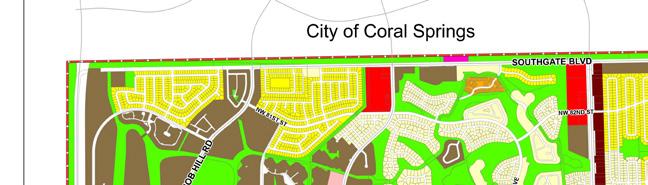
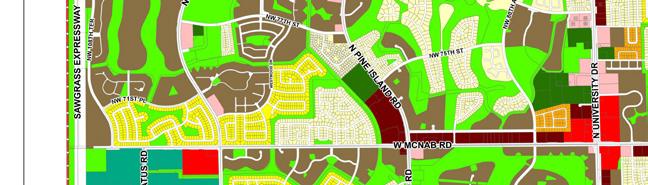

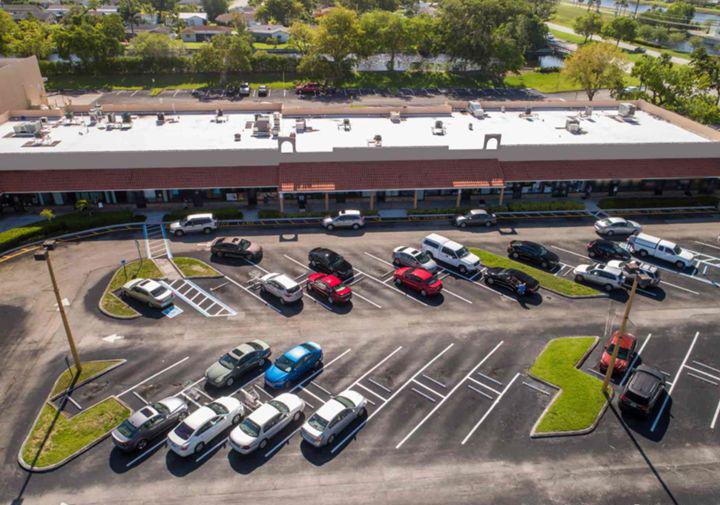
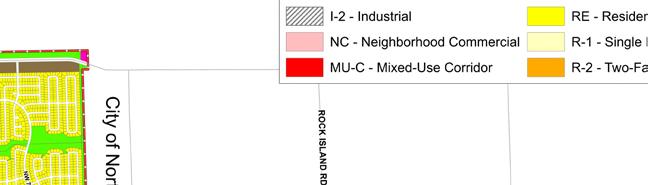
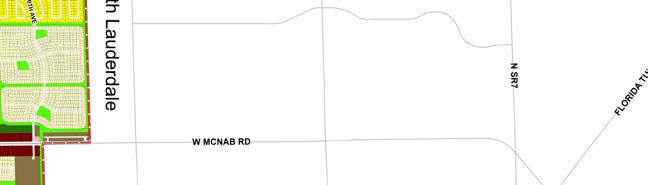
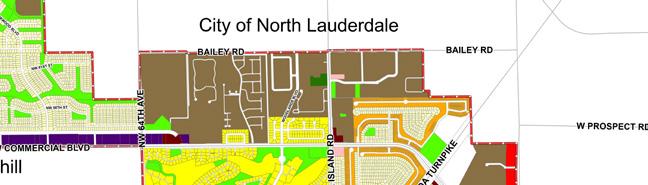
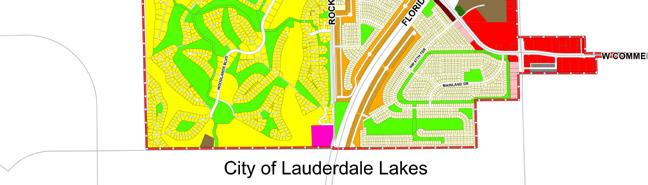


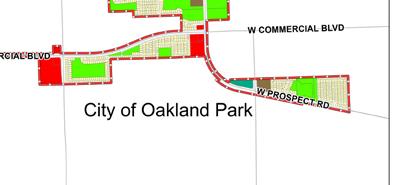
Tamarac is primarily a residential community, with some commercial and industrial running along its major east-west corridor, Commercial Boulevard. Some of these residential communities and developments include Kings Point and Colony West Estates (in the western portion), Avalon Estates and Southgate (in the central portion), the Woodlands and the Mainlands at Tamarac (in the western portion), and Manor Parc (in the eastern portion). Notable commercial sites within Tamarac include the Shops of Tamarac, the Sunflower Shopping Plaza, Sunshine Plaza and Camino Square.
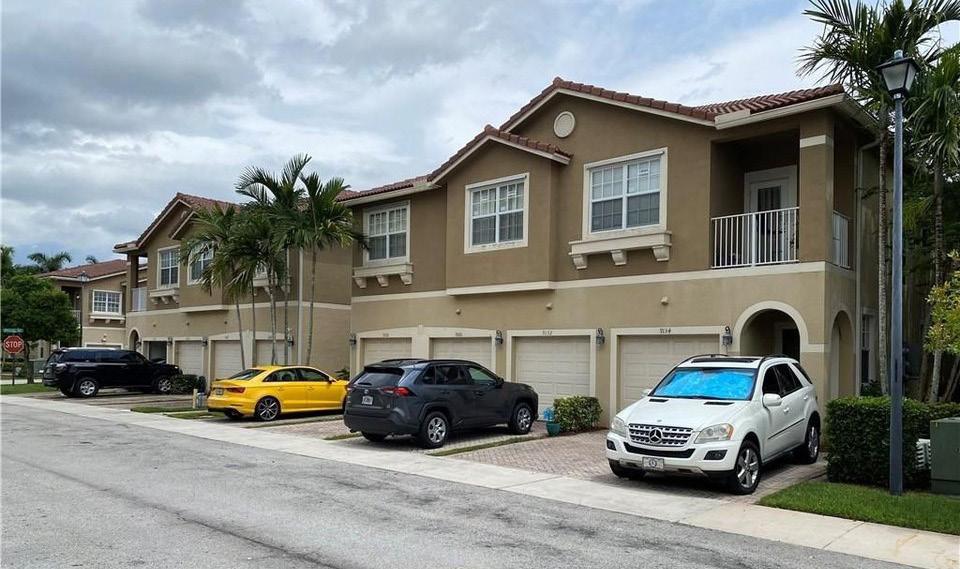
Residential land uses cover approximately 4010.60 acres of the land or about 52% of the City. Over the past 10 years, the development of multi-family acreage has begun to increase in comparison to new single-family developments. This is due, in part, to the recent emphasis on mixed-use developments and higher density construction. The rate and types of multifamily and single-family development seen in recent years has followed similar trends of other communities in South Florida.
Commercial land uses cover approximately 422.60 acres of the land or about 5% of the City. Commercial uses are primarily retail and include wholesale trade, office, services, and automobile services. In the next few years, high demand for retail construction is projected to decrease the number of retail vacancies in the region, and commercial real estate will continue to be a pillar of the local economy. Tamarac has several mixed-use designations throughout the city that have made commercial developments more common and this trend is projected to continue as the city pushes forward with its goal of more urban centers.
Industrial land uses currently cover 258.40 acres of the land or about 3% of the City. These uses are concentrated near the eastern border of the City near the Fort Lauderdale Executive Airport and the western borders of the City by the Sawgrass Expressway. These industrial areas will be altered in the coming years as the furthest Eastern area of the City has been selected as the location of the new city hall complex, and interconnections to nearby neighborhoods and to the mixed-use designated areas will prompt a change in the surrounding built environment.
Government and Institutional land uses cover approximately 393 acres of the land or roughly 5% of the City. The major structures that dominate these land uses are Broward Library Tamarac Branch, Tamarac City Hall, the Broward County Sheriffs office among others. As of 2025, the city was exploring options for a new city hall complex.
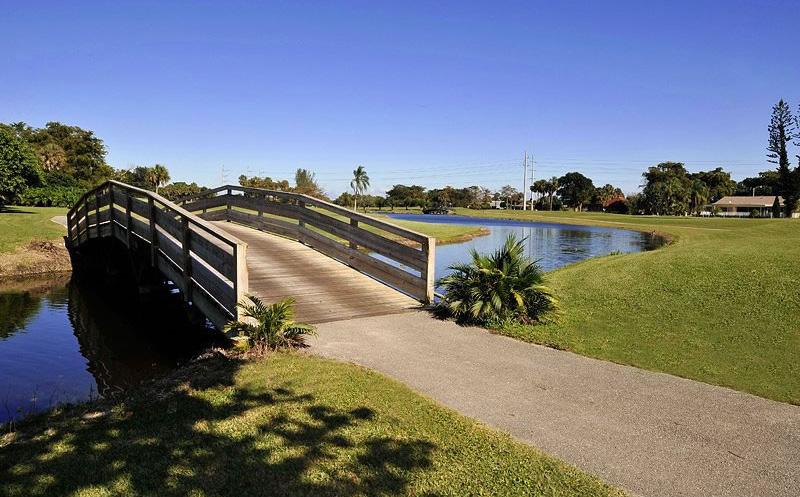
The City of Tamarac is well known for its golf courses and has substantial private and public recreational facilities. Many private clubhouses, tennis courts, golf courses, and other facilities exist within communities that provide recreational opportunities for residents. These semi-private and private recreational facilities encompass 629.60 acres. This is coupled with the over 65 acres of public recreation facilities in the City, and 349 acres of community parks. Plans are underway with the partnership of adjacent communities to provide access to trailheads on the other side of the Sawgrass Expressway, expanding residents’ options for recreational activities.
The Florida Geographic Data Library (FGDL), 2023
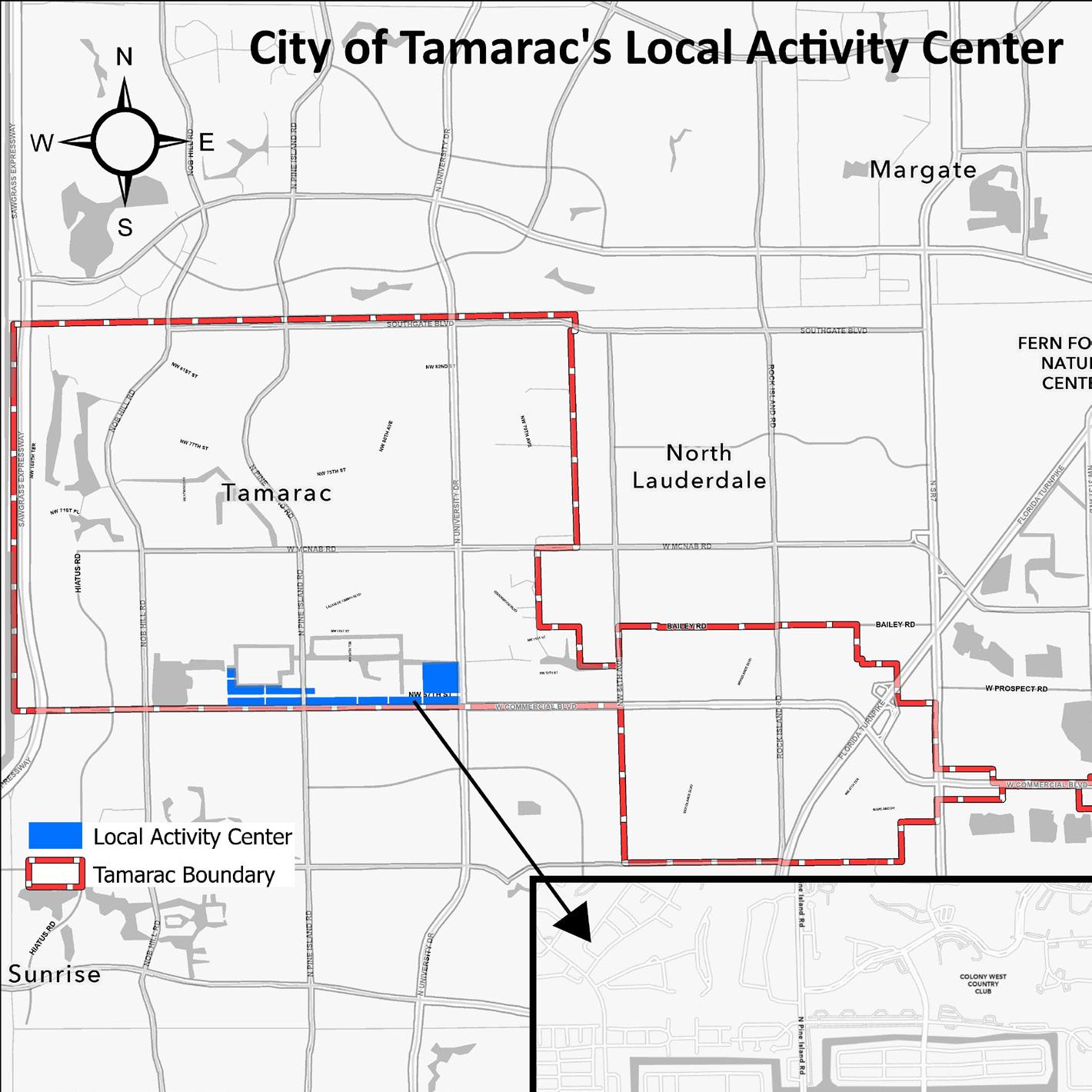
To promote the City’s goals of a more urban core, and increased density, the use of Local Activity Center land use designations is highly encouraged. Local Activity Center land uses are defined by higher population densities, pedestrian and bicycle friendly designs, neighborhood-scale and framed by architecture and landscape designs that are appropriate to the local region and ecology. Planning and design principles such as walkable neighborhoods are oriented around the five-minute walk, easy access to public transit systems, and a greater integration of housing, employment, shopping and recreation.
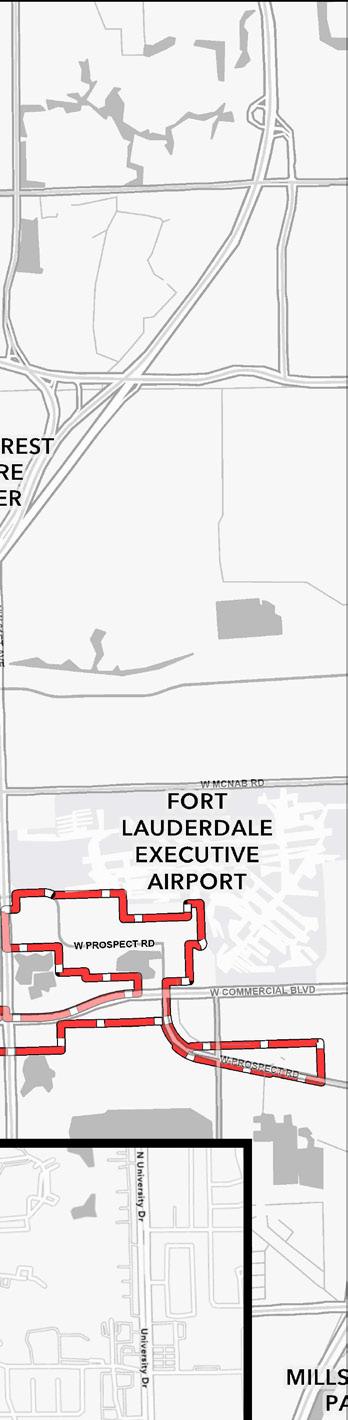
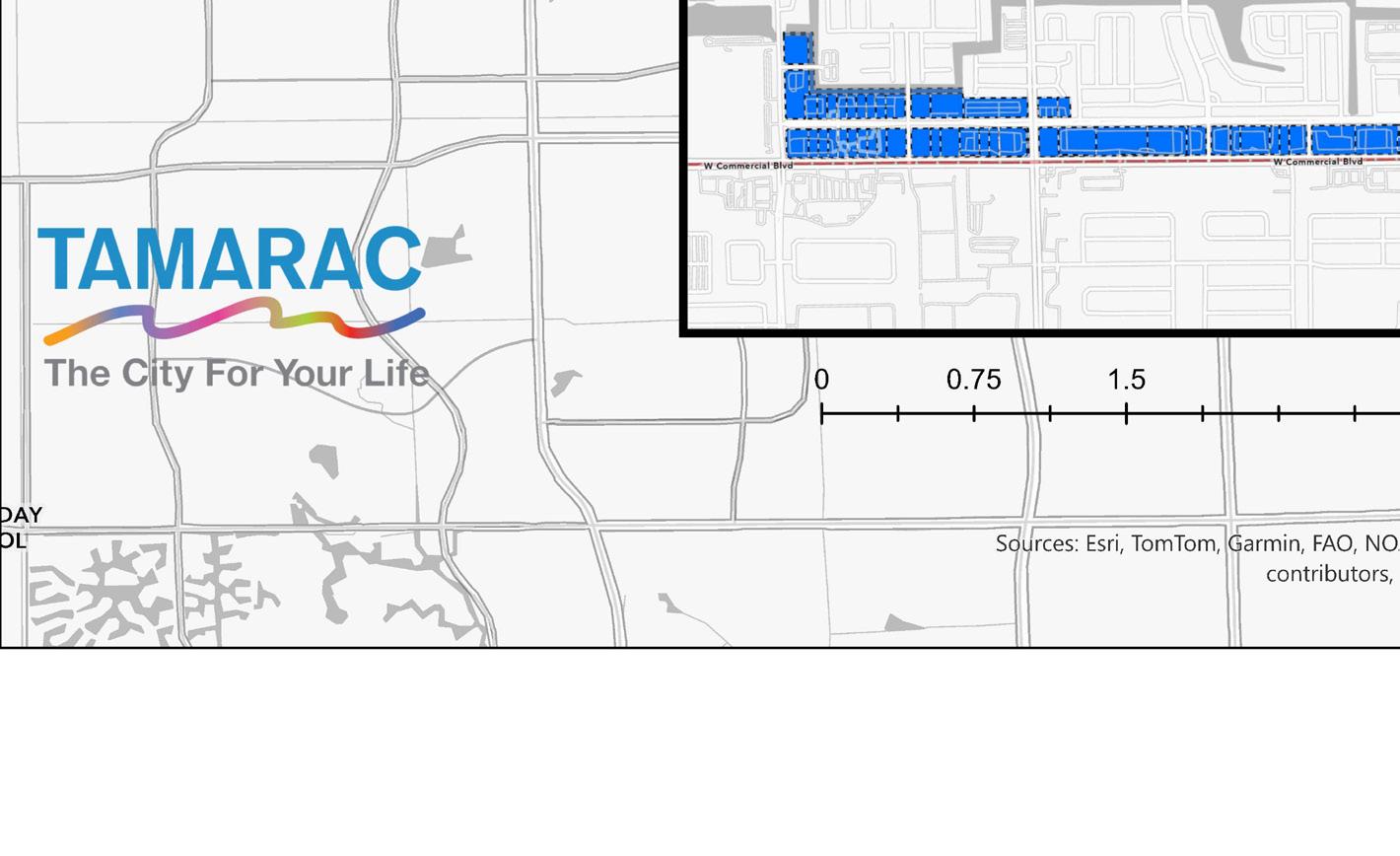
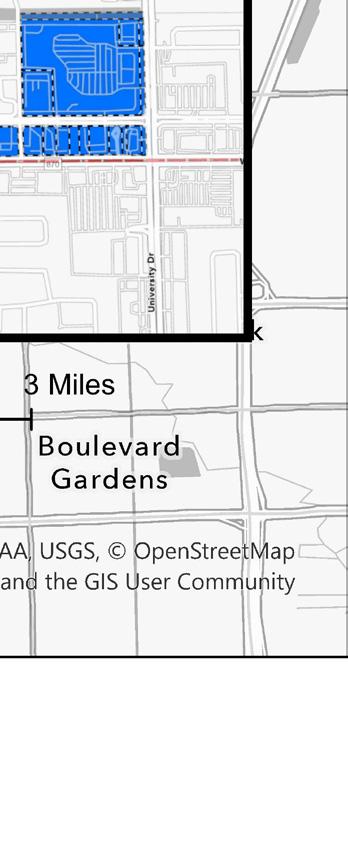
The City currently has one Local Activity Center along W Commercial Boulevard and NW 57th Street as seen in Map 1.2. This area was chosen as a Local Activity Center due to its location along Commercial Boulevard. Commercial Boulevard is one of Broward County’s major arterial roadways that offers connections to several municipalities in the region. The Local Activity Center designation here allows for more development that is not reliant on flexibility units.
The City is exploring the possibility of adding new Local Activity Centers in the future. The areas that may benefit the most from this would be the area surrounding the intersection of State Road 7 and W Commercial Boulevard and the intersection of N University Drive and W McNab Road. These areas have many aged commercial structures that would be prime locations for mixed-use development that the Local Activity Center designation would promote.
Other land uses provided for in the City are transportation facilities, community facilities, nursing homes, hospitals, waste disposal facilities, and utilities. Each of these categories represents a small percentage of total land use. These facilities account for 2,012.80 acres of the land or about 26% of the City.
Broward County has land use and platting authority across all county jurisdictions. The Broward County Planning Council prepares and implements the BCLUP, which is adopted by the County Commission. The Plan established 125 flexibility zones, five of which are in the City of Tamarac. A flex zone is a geographic sub-area of the County for which the Planning Council has adopted specific rules governing the rearrangement of land uses therein. This enables local governments and developers to intensify density on specific sites without amendments to the BCLUP. The original Flex Zones in Tamarac can be seen in Map 1.3.
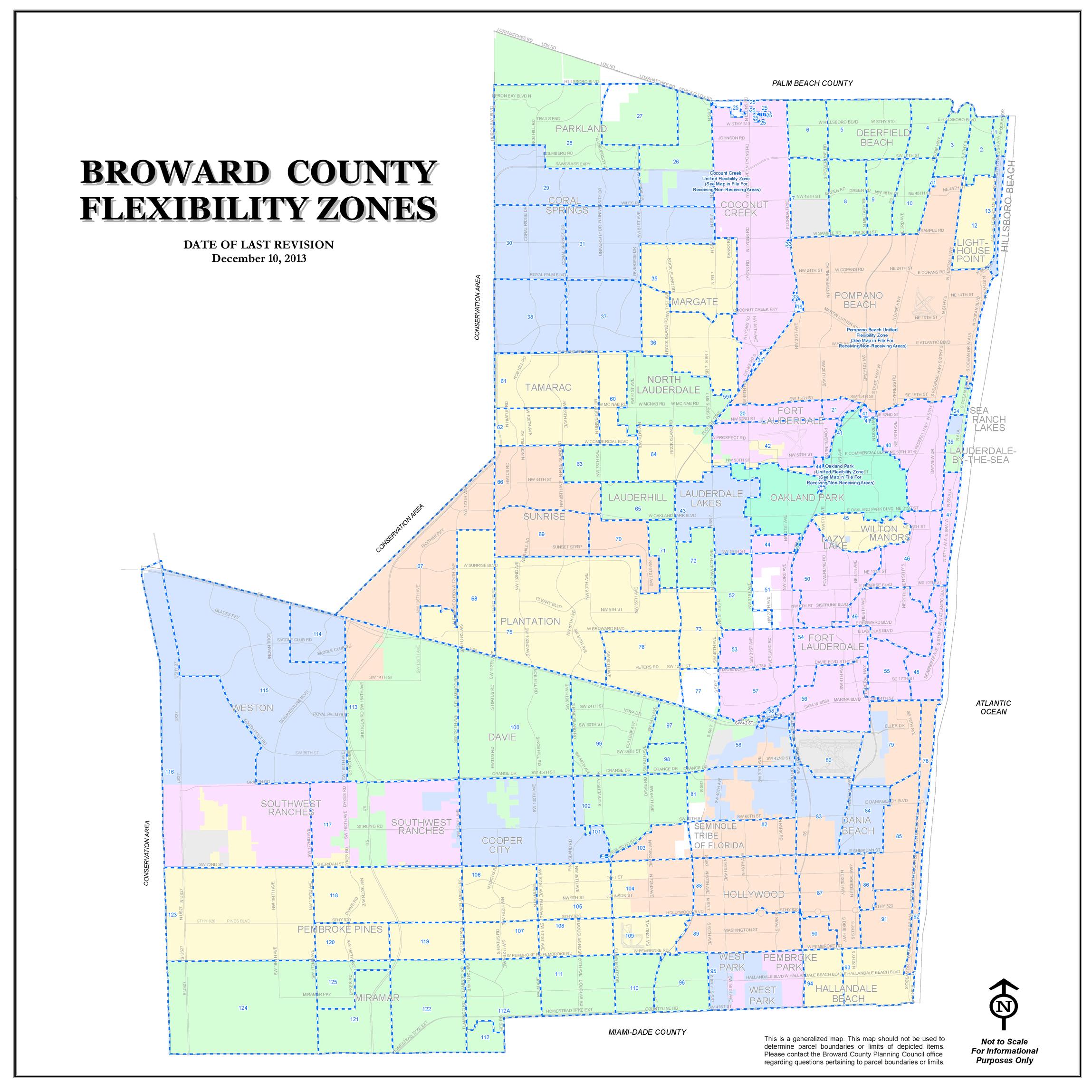
The City of Tamarac eliminated the five flexibility zones within the City by combining them into the Unified Flexibility Zone. This allows for the use of the cities flexibility units across the entire City as opposed to being only able to have more housing units available in certain areas.
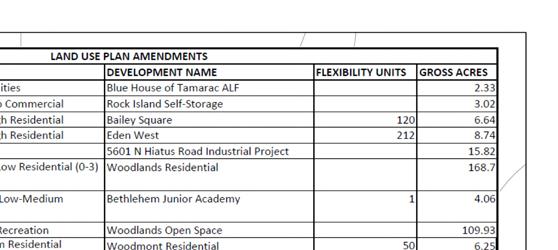
The City of Tamarac keeps a record of the available flexibility units within the Unified Flexibility as seen on Table 1.8.
(BOLD)
5601 HIATUS ROAD INDUSTRIAL PROJECT [COMMERCIAL TO INDUSTRIAL (15.82 AC)]SEPTEMBER 9, 2021
ANALYSIS OF AVAILABLE FACILITIES
Wastewater (Sanitary Sewer and Septic Tanks)
The development, expansion, and maintenance of the wastewater collection and transmission system are the responsibility of Tamarac. However, the treatment of all wastewater is performed by Broward County and Fort Lauderdale through an interlocal agreement. The City of Tamarac has two wastewater service areas: the Western Service area and the Eastern Service Area. The Western Service Area is serviced at the Broward County North Regional Wastewater Plant, in Pompano Beach. The Eastern Service area is serviced by the City of Fort Lauderdale’s G.T. Lohmeyer Wastewater Treatment Plant (through contractual agreement with the City of Tamarac).
Broward County has constructed two resource recovery plants for municipal waste. The north facility, located off Sample Road, near west Pompano Beach, receives solid waste from Tamarac. All Service Refuse Company Inc. collects single-family residential solid waste in Tamarac while Southern Sanitation picks up multi-family units in the City under separate franchise agreements. The City and County have an adequate and committed collection and disposal system for existing and future development. The remaining useful life at the Broward Resource Recovery plants is a minimum of 14 years before expansion may be needed.
Solid waste disposal is the responsibility of Broward County pursuant to contracts between the City and the County. Municipal collection of residential and non-residential solid waste is accomplished through three separate franchise agreements. The City offers recycling services and has incorporated a rewards program for those that recycle called Recyclebank. These efforts are seen as essential to reducing the accumulation of waste within landfills.
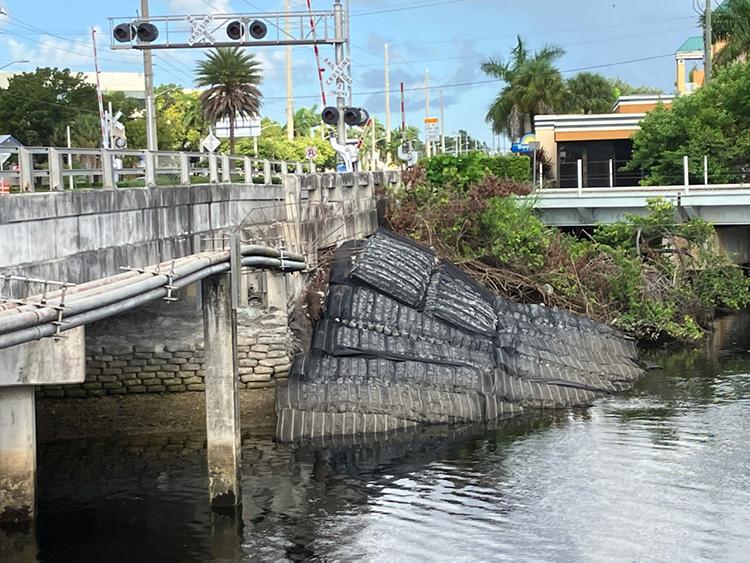
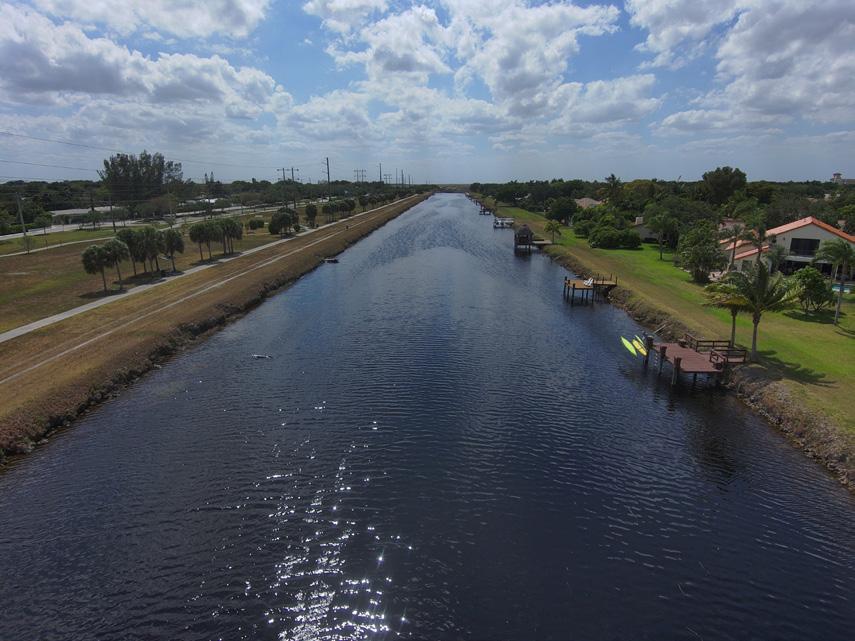
The C-13 and C-14 canals serving Tamarac are extensions of an overall canal system that is used to regulate the water level of Lake Okeechobee and the Everglades. The South Florida Water Management District (SFWMD) regulates the quantity and quality of water discharged to its primary canal system, namely the C-14 (Cypress Creek Canal), the C-13 (Middle River) Canal, and the C-42 Canal (L-36 Borrow Canal). Discharge limitations have required the development of a secondary lake and canal system and a tertiary drainage system consisting of roadside swales, which are capable of storing excess stormwater. The City’s Code provides for a positive system of drainage in all development. Specific plans and related data are required to be approved by the City Engineer and Stormwater Engineer prior to final site plan approval. The City has assessed its stormwater management needs for the next five years to correct existing deficiencies, repair the system, and meet new demands.
The City of Tamarac has three water service providers. The western area of Tamarac is provided with water service by Tamarac Utilities. This area is generally bounded to the west by Conservation Area 2A, to the north by the C-14 Canal, to the south by NW 44 Street, and to the east by NW 31 Avenue. The eastern area of Tamarac is provided with potable water by the City of Fort Lauderdale through a large-user agreement. The eastern area is generally located west of NW 31 Avenue, and north and south of Commercial Boulevard. Finally, there is a small part of Tamarac (a total of 38 acres) located between 31st Avenue and SR 7 which is served by Broward County Utilities. As required by Florida Statutes in Senate Bill 360, the City adopted a 10year water facilities supply plan with the South Florida Water Management District in 2021. There are plans underway to combine the Tamarac Eastern service areas with the Western service area in the coming years.
Tamarac fully participates in Broward County’s wellfield protection program, which prohibits and regulates hazardous substances in areas that may affect water supply wellfields. Due to its proximity to Conservation Areas 2A and 2B, the City’s groundwater is maintained at a constant level. The City’s golf courses provide large pervious areas to accept rainfall for replenishment of the aquifer. Tamarac requires the implementation of water emergency plans when drought conditions warrant conforming to the SFWMD’s plans and policies.
Tamarac is a non-coastal community. All water bodies are identified on the existing land use map. There is one remaining wetland area in the City. Isolated wetlands are identified and regulated by the U.S. Army Corps of Engineers, the Florida Department of Environmental Protection, and the Broward County Department of Natural Resource Protection, as development occurs. The primary mineral resources within the community are limestone and peat, however, peat deposits have been substantially removed through land development activities.
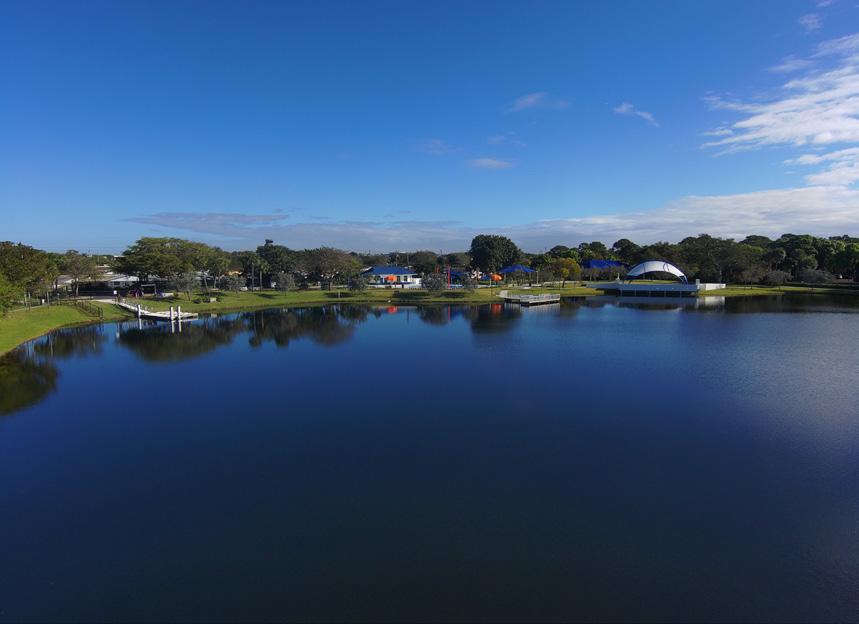
Tamarac’s climate, characterized by long, warm, humid summers and mild winters, is considered to be an important natural resource for the city. The rainy season runs from May 22nd to October 9th and has a greater than 40% chance of any given day. With August being the wettest month of the year. The drier season lasts from October 9th until May 22nd with December being the driest month. Hurricanes and tropical storms can strike the area during the rainy season. Due to the factors surrounding climate change, the frequency and strength of hurricanes are anticipated to increase. Tamarac’s sub-tropical climate makes it a popular destination for many residents and vacationers.
Currently, there is one large wetland tract and two mitigation sites in the city. The triangular-shaped wetland tract is County-owned and located approximately 3000’ north of McNab Road on the east side of NW 80th Avenue. It is designated as a wetland area on Broward County environmental lands maps and as a Conservation Area on the City’s FLUM. While the tract itself is about 20 acres in size, Broward County environmental planners indicate that there are only 3-4 acres of viable wetlands within the larger site. The two mitigation sites are located in the southwest corner of the city and are also designated as Conservation Areas on the FLUM. No other identified wetland areas exist currently in the City. Goals, objectives, and policies in the Conservation Element provide for the protection of these environmentally sensitive areas.
The predominant soil types in Tamarac include Matlasha and Hallandale, while the secondary soils include Lauderhill, Plantation, Basinger, Udorthents shaped, and Urban land. These finer, organic, or sandy soils generally drain poorly. Hallandale is the most common soil type in the City and is generally located in the western and central portions of the City.
The land and vegetation cover of Tamarac can be grouped into four categories: upland plant communities, wetland plant communities, aquatic, and disturbed communities. The upland plant communities include evergreen, slash pine, and tropical hardwoods. The wetland plant communities include marsh, swamp, forest, and woodlands. Aquatic coverage includes open water. Disturbed communities include agriculture, exotic plants, and urban areas. The upland plant communities cover approximately ten percent of Tamarac, the wetland plant communities cover just over 25 percent, and the disturbed communities cover almost 65 percent of Tamarac, 64 percent of which is urban. The aquatic cover of Tamarac is a negligible amount. Most of the non-urban communities are in the southwest corner of the western portion of Tamarac.
The City of Tamarac operates two wellfields which are protected by the Broward County Wellfield Protection Ordinance, which states that all local plans protect their groundwater source for drinking water. This means that there is no industrial zoning or other zoning that permits the use of hazardous materials within one mile of either the existing or proposed well sites within the prohibited areas. There are also thirteen wells just outside the City limits. The outer limits of the wells encompass approximately 1,170 acres in total within the City’s limits.
According to the Code Compliance Department, there are no blighted areas within Tamarac. However, through this plan, the City aims to formally designate and identify areas for potential redevelopment to foster growth and enhance the community. While Tamarac is home to well-maintained planned communities, there are several areas that would benefit from thoughtful reinvestment. These areas include aging and underutilized commercial retail plazas, underdeveloped properties, and certain commercial spaces in need of revitalization. Specifically, the eastern section of Tamarac is a priority area for redevelopment due to its potential for transformation into vibrant, mixed-use spaces. Additionally, areas near major transportation corridors are strategically positioned for redevelopment, with the potential to evolve into thriving lifestyle centers that will contribute to both economic growth and the community’s vibrancy. As previously mentioned, the City has designated certain regions as Community Redevelopment Areas (CRAs), providing a foundation for future revitalization efforts.
The City has several aging commercial centers that have high potential as sites of redevelopment as mentioned above. These areas hold the highest potential for creating a more modern, innovative and urban atmosphere around several of the cities corridors while preserving the integrity of the single-family neighborhoods.
After taking into consideration the population projections for Tamarac, it appears that redevelopment and infill development will help address the growing population. As it has already been designated, altering the land uses to accommodate mixed-use, as well as re-designating underutilized areas (as in the case of the golf course), will help in mitigating the issue.
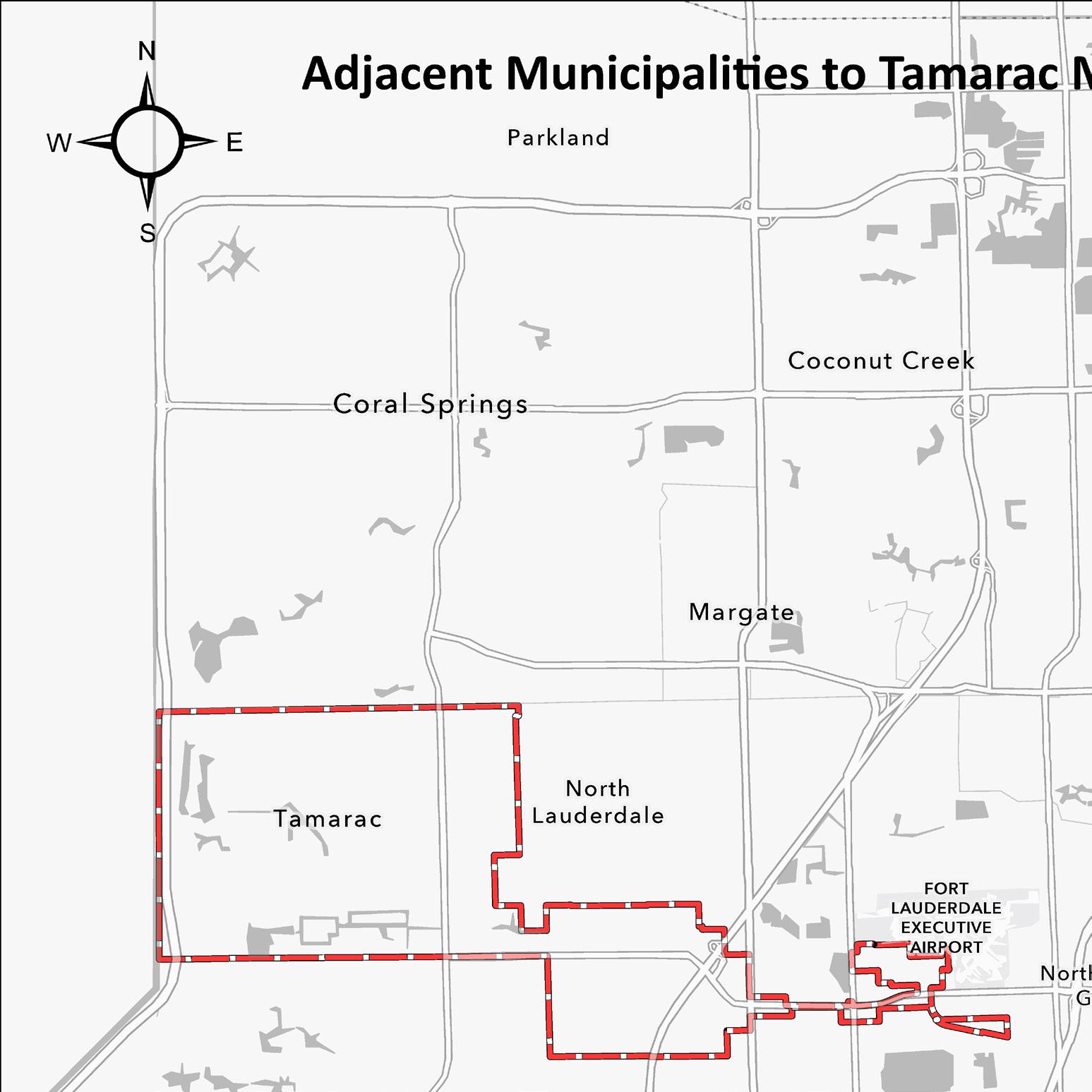
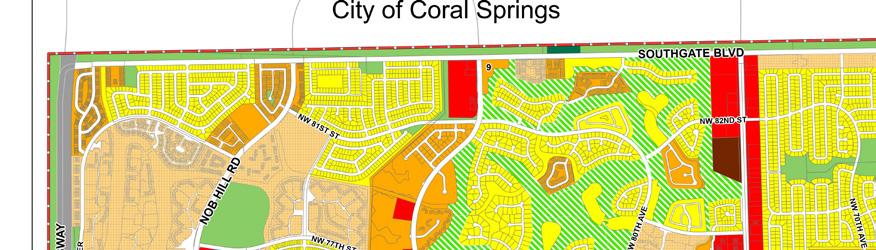
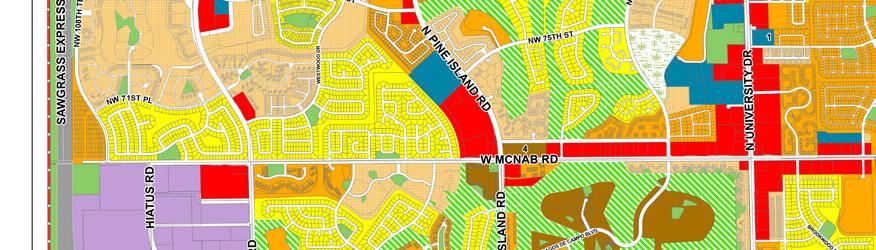
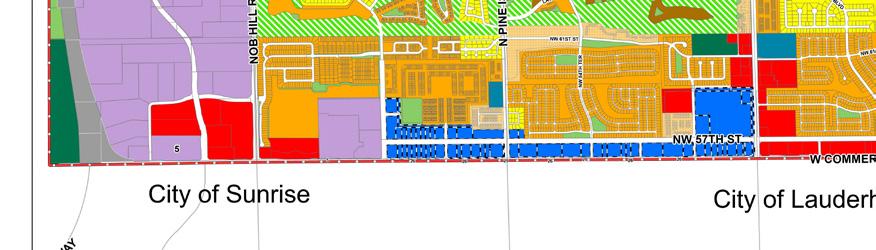
There are several municipalities surrounding the uniquely shaped City of Tamarac. These include (starting from the north, going clock-wise): Coral Springs, North Lauderdale, Fort Lauderdale, Oakland Park, Lauderdale Lakes, Lauderhill, and Sunrise. The Everglades lies just the west of Tamarac, beyond the Sawgrass Expressway. There are no unincorporated areas of Broward County directly adjacent to the City, therefore, it is highly unlikely that any annexation will directly affect Tamarac.
The City of Tamarac’s boundaries are rather irregular in shape, with the core of the City being in the Western part of Broward County. As you travel East the boundaries shrink in size and then expands again by the Fort Lauderdale Executive Airport. Due to these unique jurisdiction lines, the City was historically described by its Eastern and Western portions. However, with current and future developments, the divide between the sections has grayed and you can now find many of the same land uses found cohesively across both portions.
On the Eastern region of the City, the land uses there act as an economic gateway for Tamarac. There are many retail options along the busy Commercial Blvd. transit corridor, and the area surrounding the Fort Lauderdale Executive Airport has a high potential for additional commercial development.
The Central region of the City blends all types of residential housing with commercial and recreational uses. This region acts as the bridge that connects the furthest reaches of the City together.
The Western region of the City is made up of several large residential areas interconnected by economic and civil corridors that span from each major roadway intersection. This region also has a large number of industrial uses and has easy access to major travel corridors.
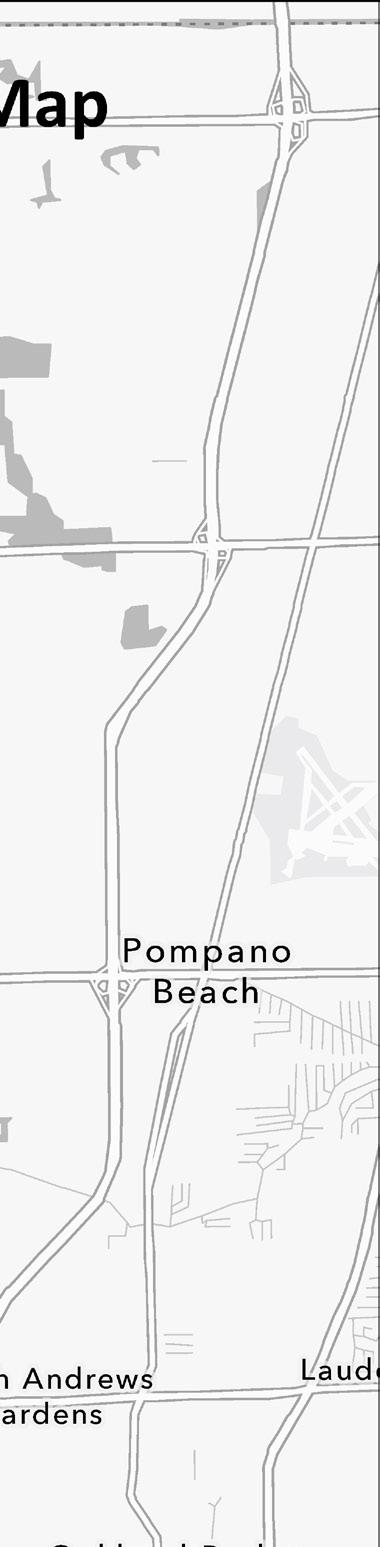
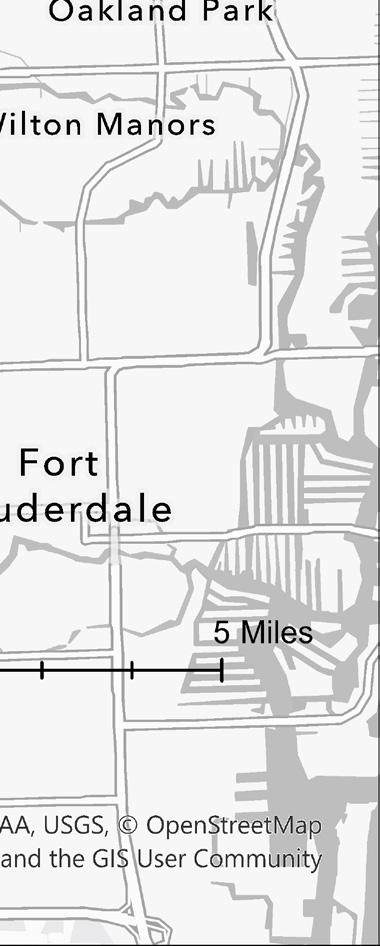
Map 1.4: Adjacent Municipalities to Tamarac 2050
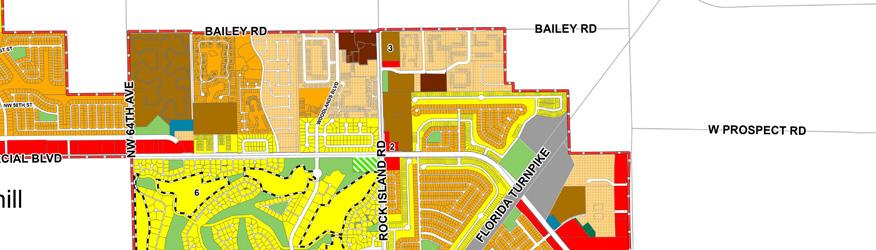
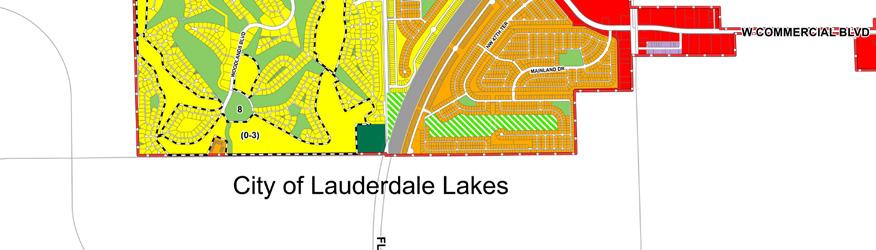
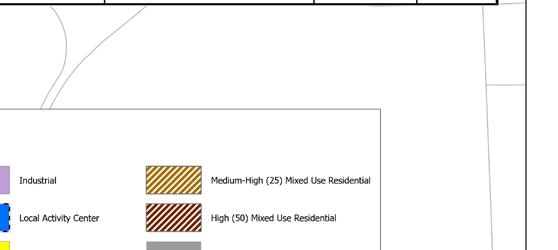
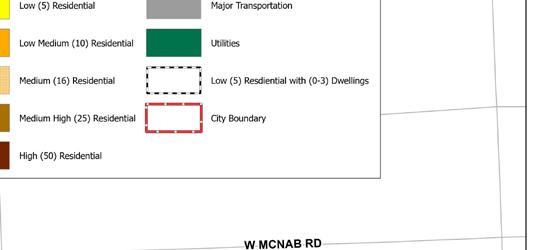
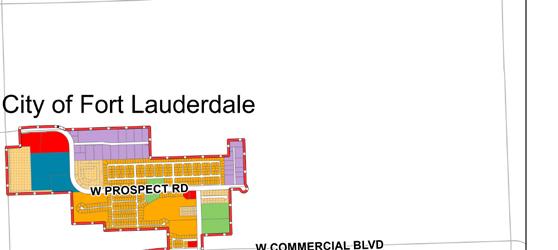
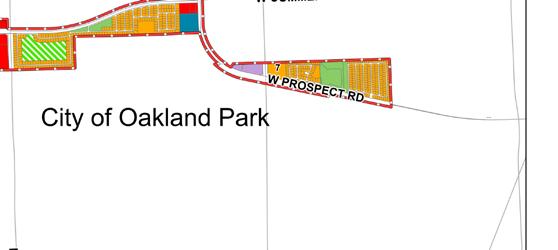
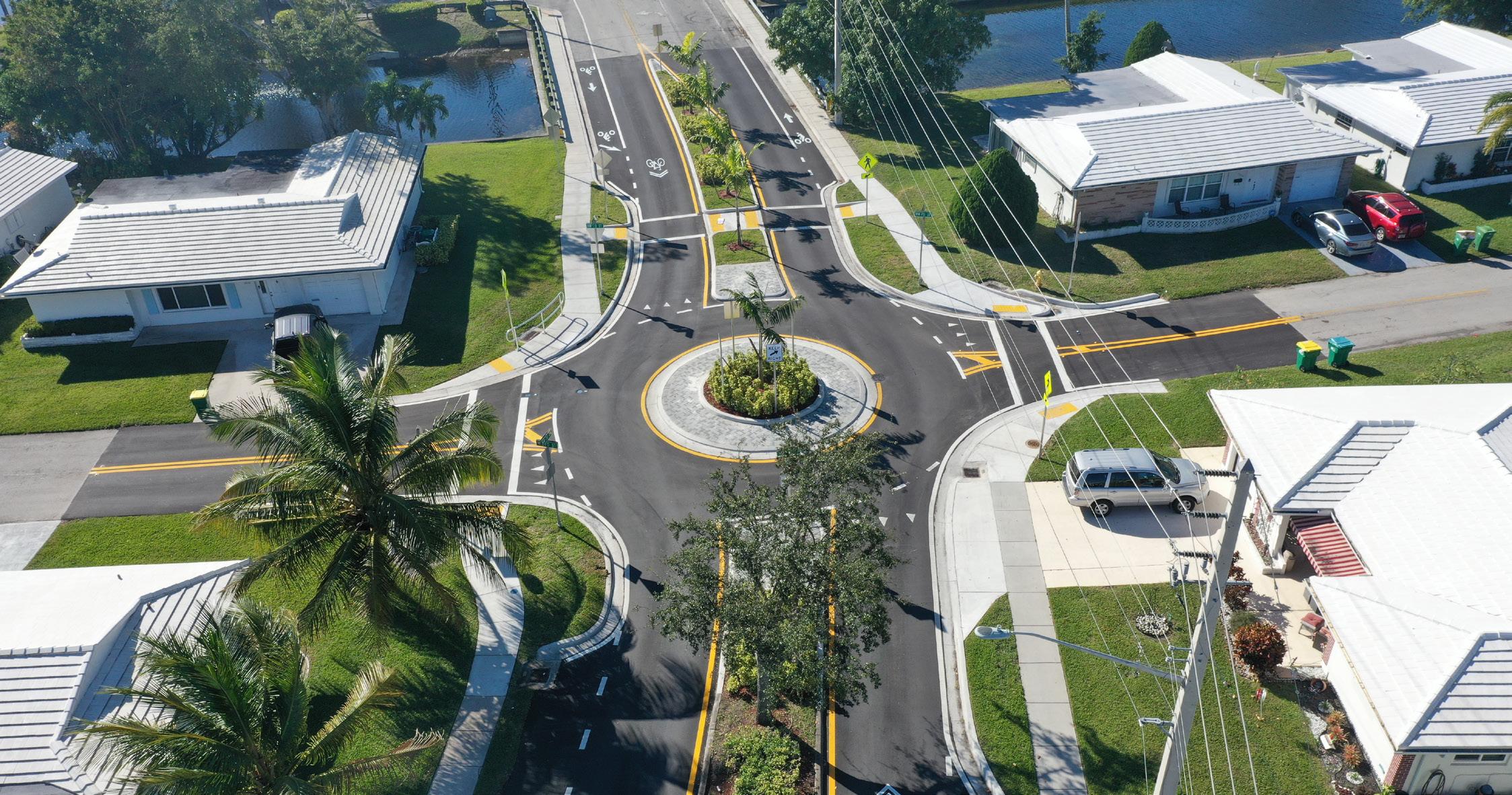
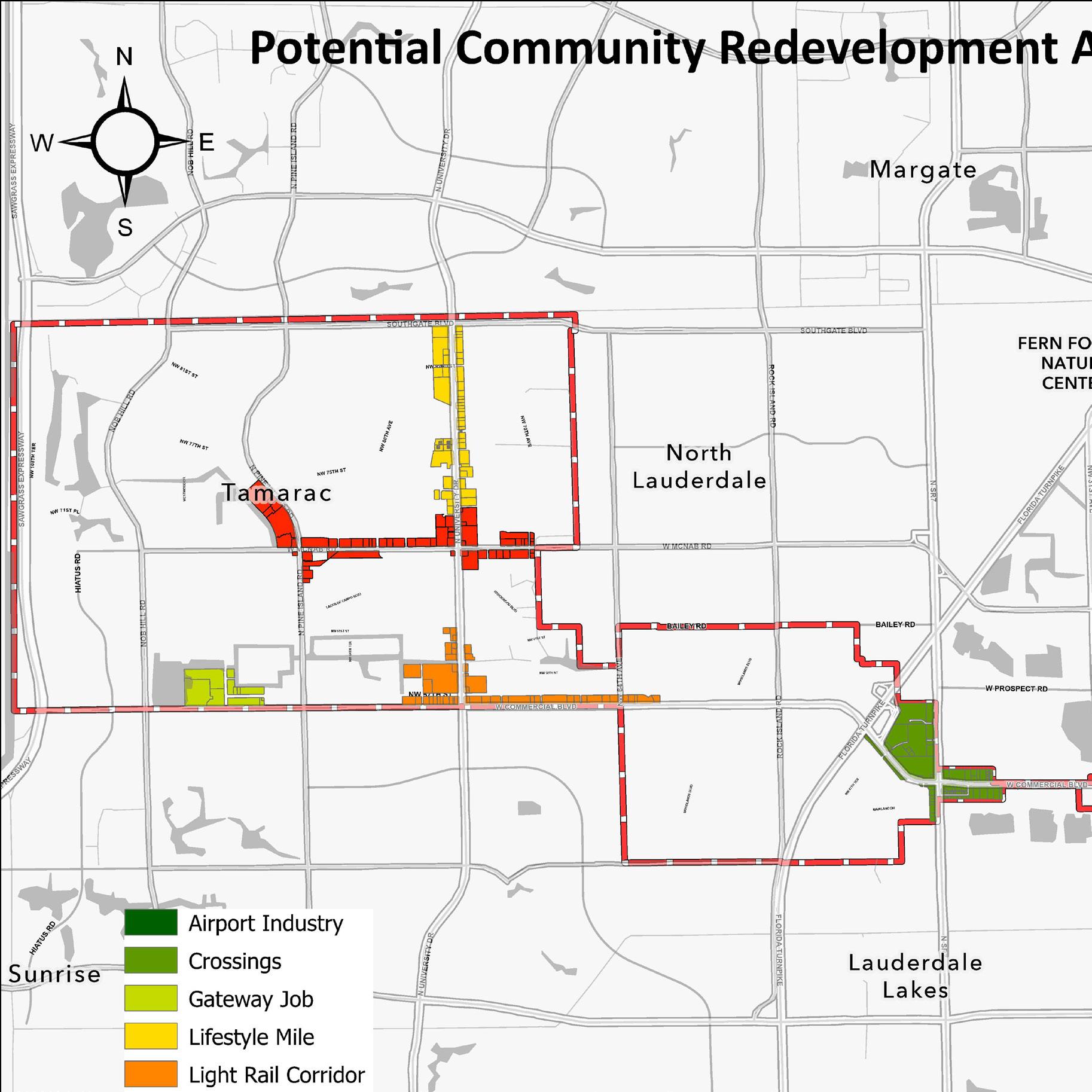
Tamarac is a City fortunate to be free from blighted areas, though certain parts of the community present opportunities for enhancement through thoughtful redevelopment. A large portion of the City consists of wellmaintained, planned communities, yet there are aging and underutilized commercial retail plazas, particularly in the eastern corridor, that would benefit from reinvestment. These properties, some of which have been underdeveloped, offer significant potential for revitalization into vibrant, mixed-use spaces that can better serve the community. As the City continues to grow, with new developments prioritizing density and mixeduse zoning, the eastern section remains a key area for redevelopment. Tamarac’s proactive Code Compliance Program ensures that all redevelopment projects adhere to high standards, supporting quality and sustainable growth. In the future, priority redevelopment areas near major transportation corridors are poised to transform into thriving lifestyle centers, contributing to both the City’s vibrancy and economic development.
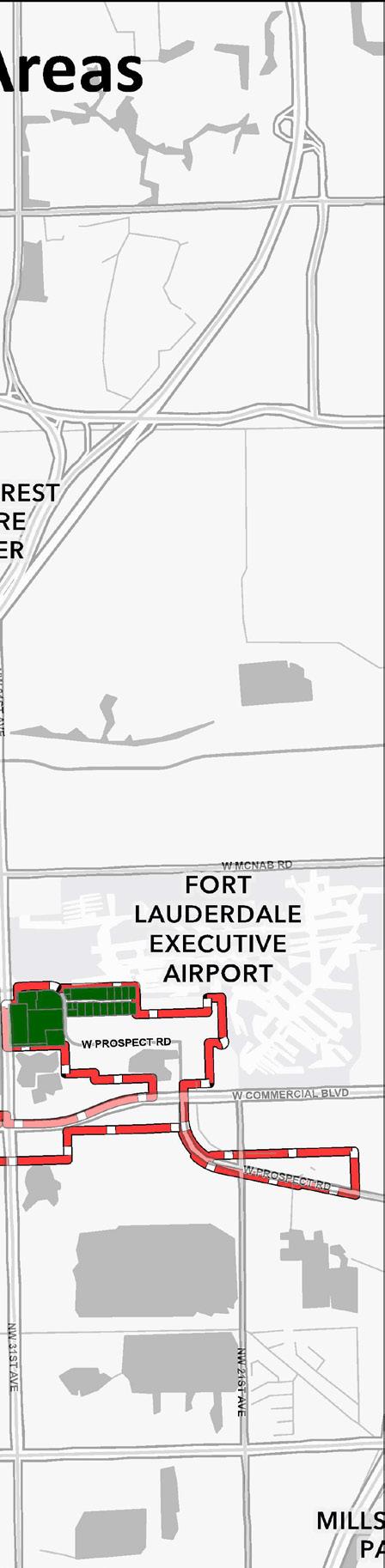
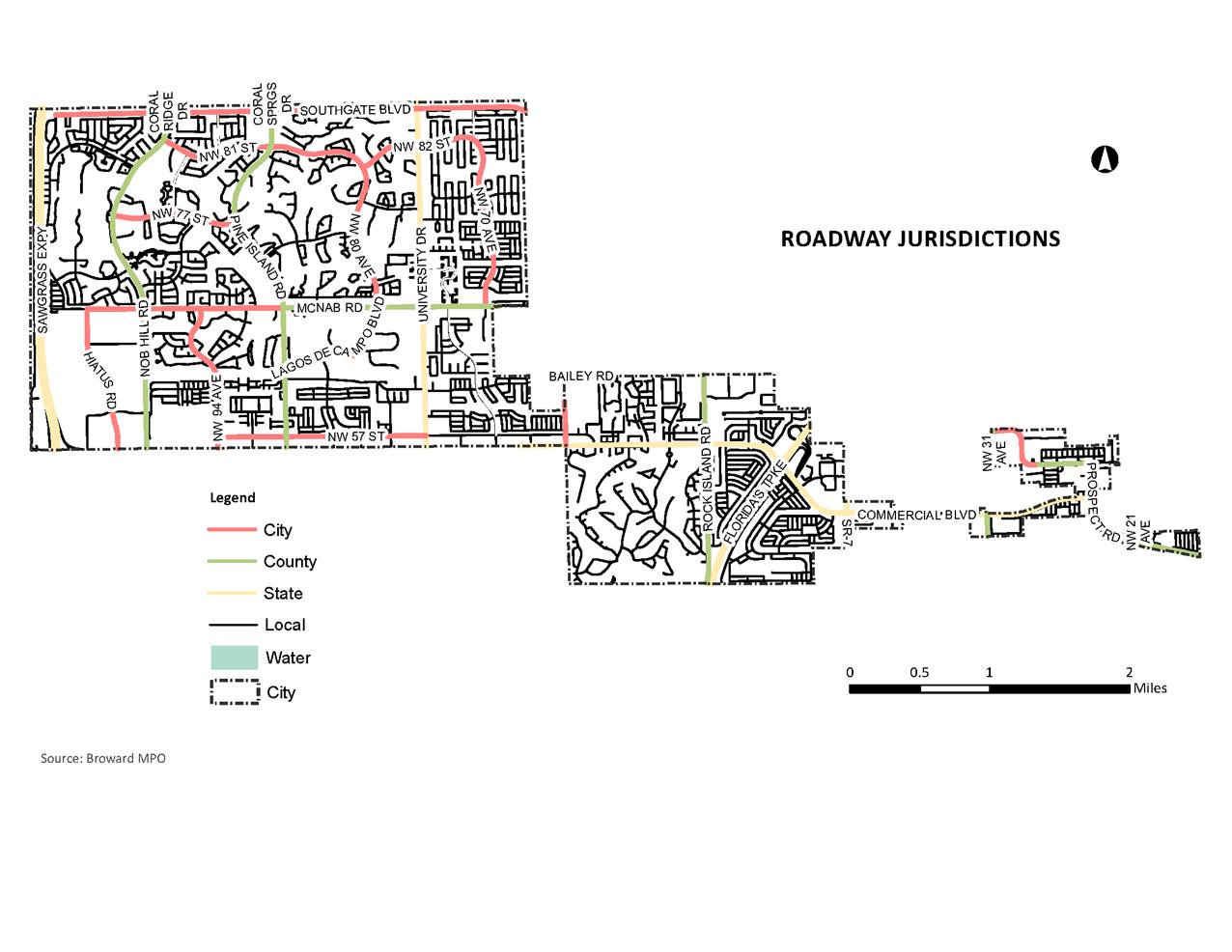
The transportation system of Tamarac has two basic components. One is the internal access and circulation of the City’s residential neighborhoods and other areas. The other is the external component that serves as the link together communities. The roadway classifications of the City is categorized by arterial major/minor collectors, expressways, and local roadways. The general circulation of the City is depicted in Map 1.7, as provided by the Broward Metropolitan Planning Organization (MPO). Map 1.8 graphically illustrates the FDOT 2024 roadway jurisdictions for the City of Tamarac.
Map 1.7: Existing FDOT Roadway Classifications
Map 1.8: Existing Major Roadway Jurisdictions
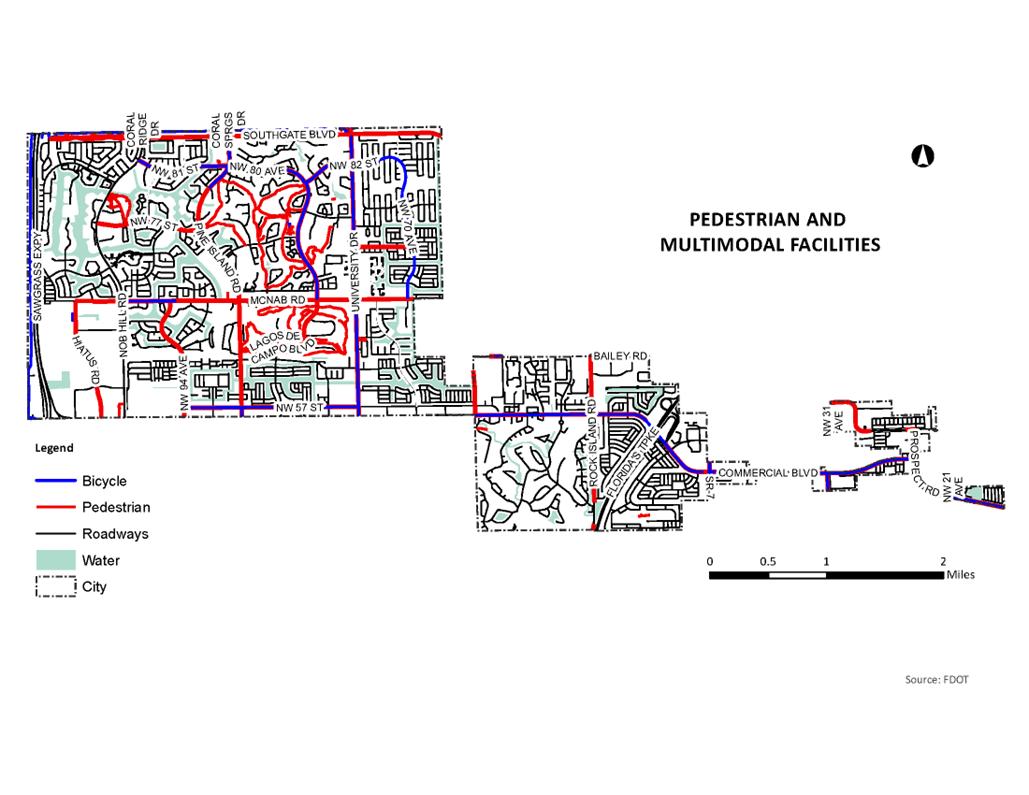
The City of Tamarac adopted the Multimodal Connectivity Master Plan in 2024. This plan highlighted the gaps in the existing mobility facilities in the City, and provided recommendations to improve/construct additional facilities for the future. Map 1.9 depicts the existing bicycle and pedestrian ways within the City as provided in the Broward MPO.
Map 1.9: Existing Pedestrian and Multimodal Facilities
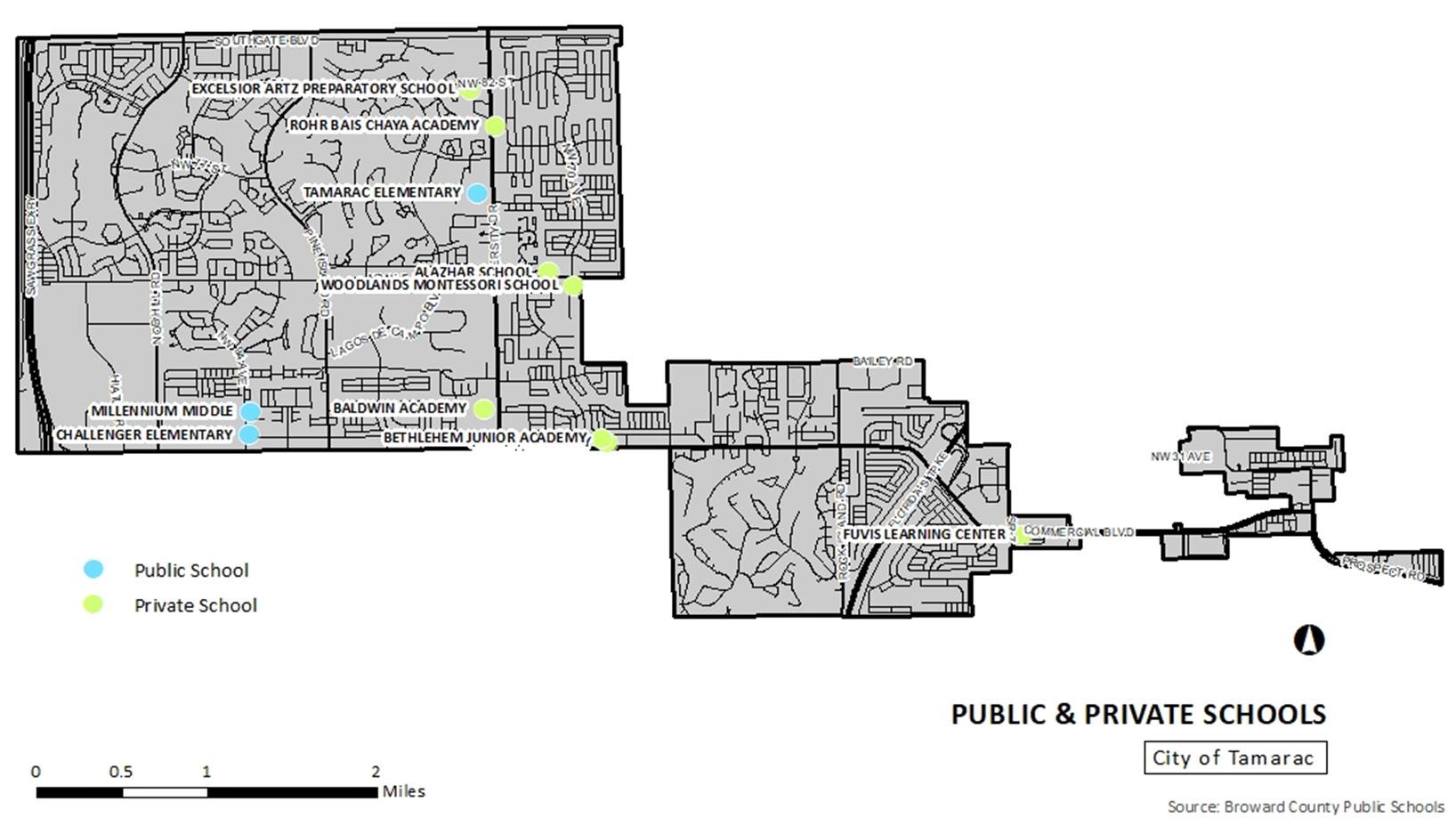
Public school facility planning and concurrency in Broward County, including the City of Tamarac, is addressed at the countywide level through the Third Amended and Restated Interlocal Agreement for Public School Facility Planning (TRILA). Map 1.10 deficits the locations of public and private schools withing the City.
Map 1.10: Location of Public and Private Schools within the City of Tamarac
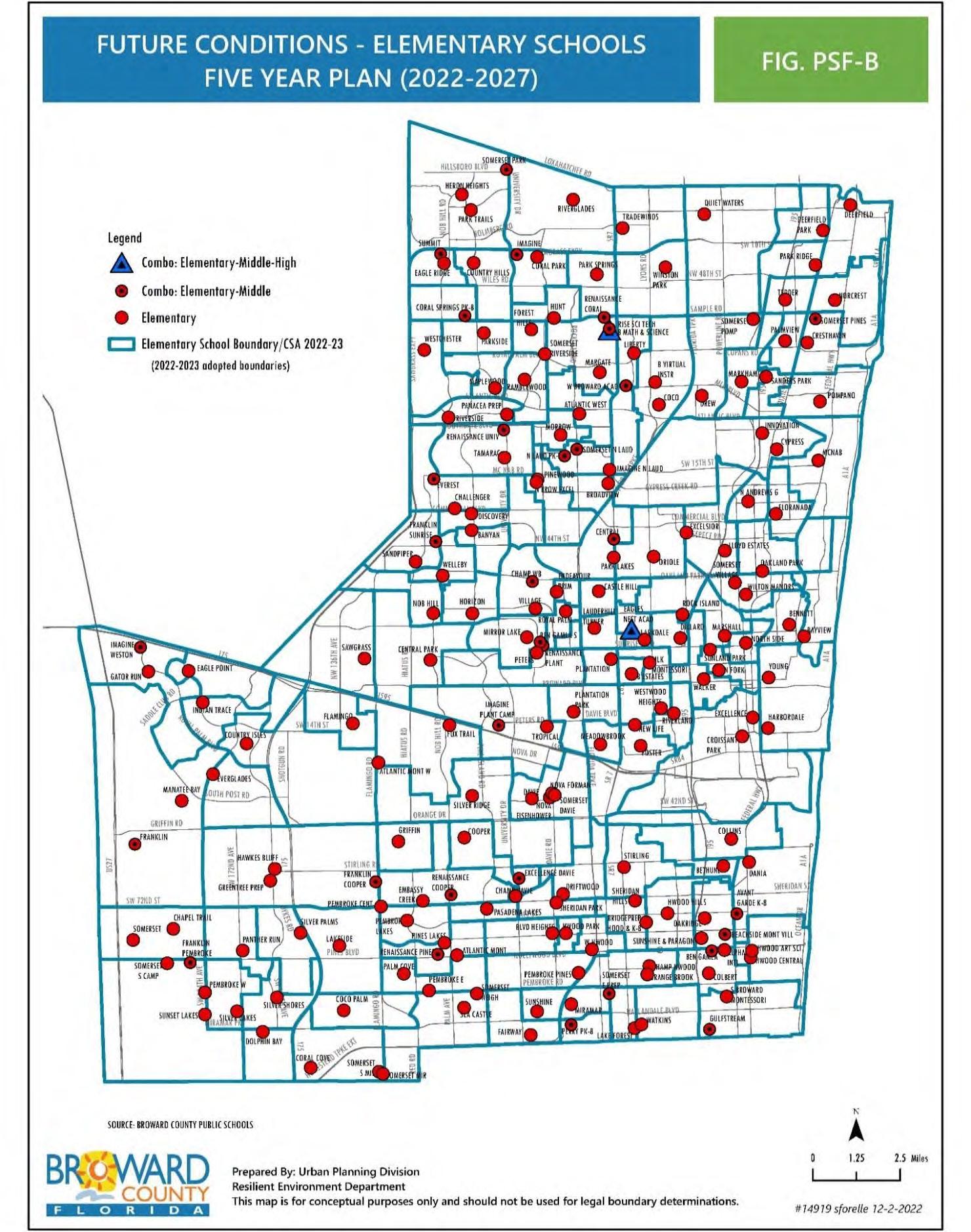
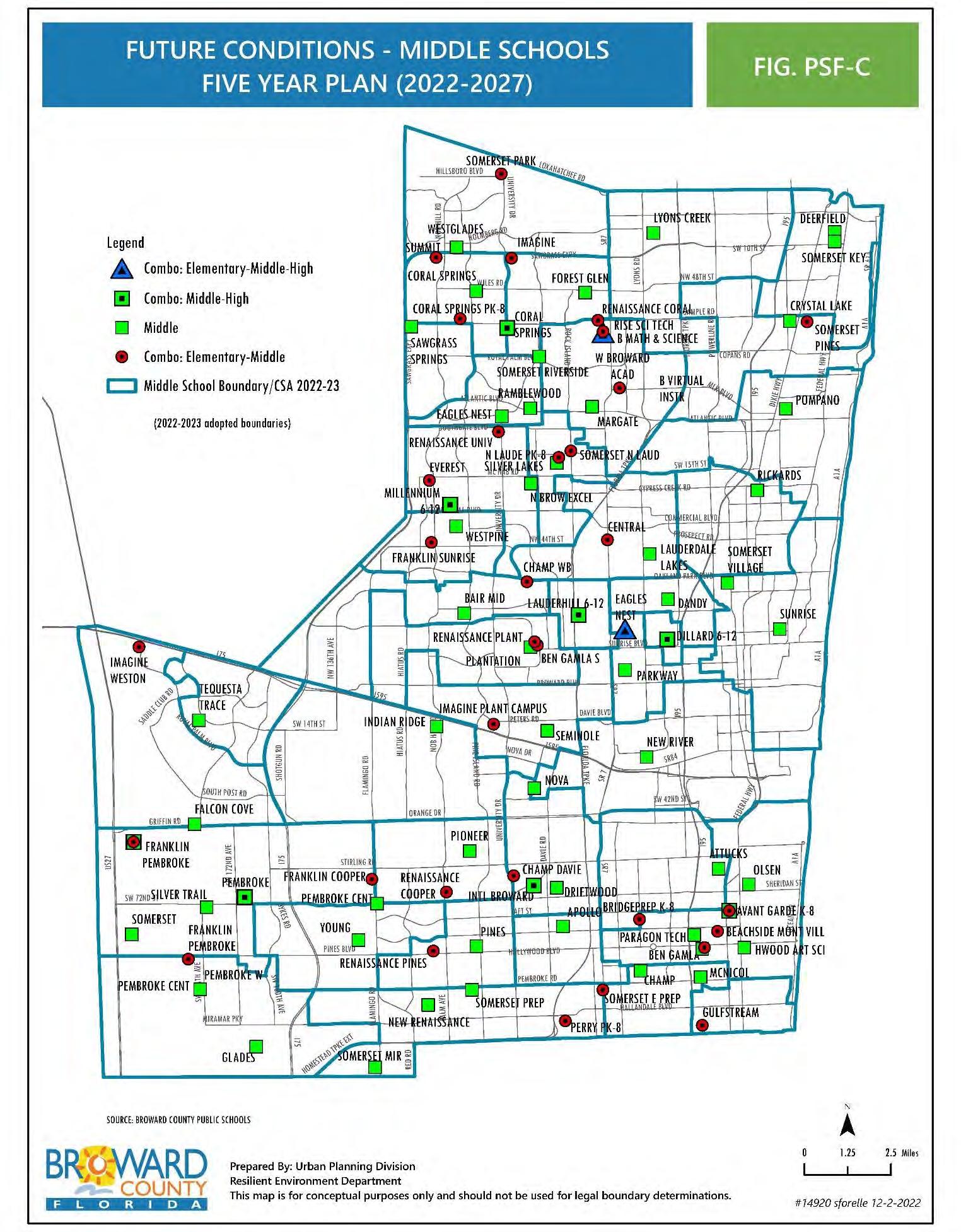
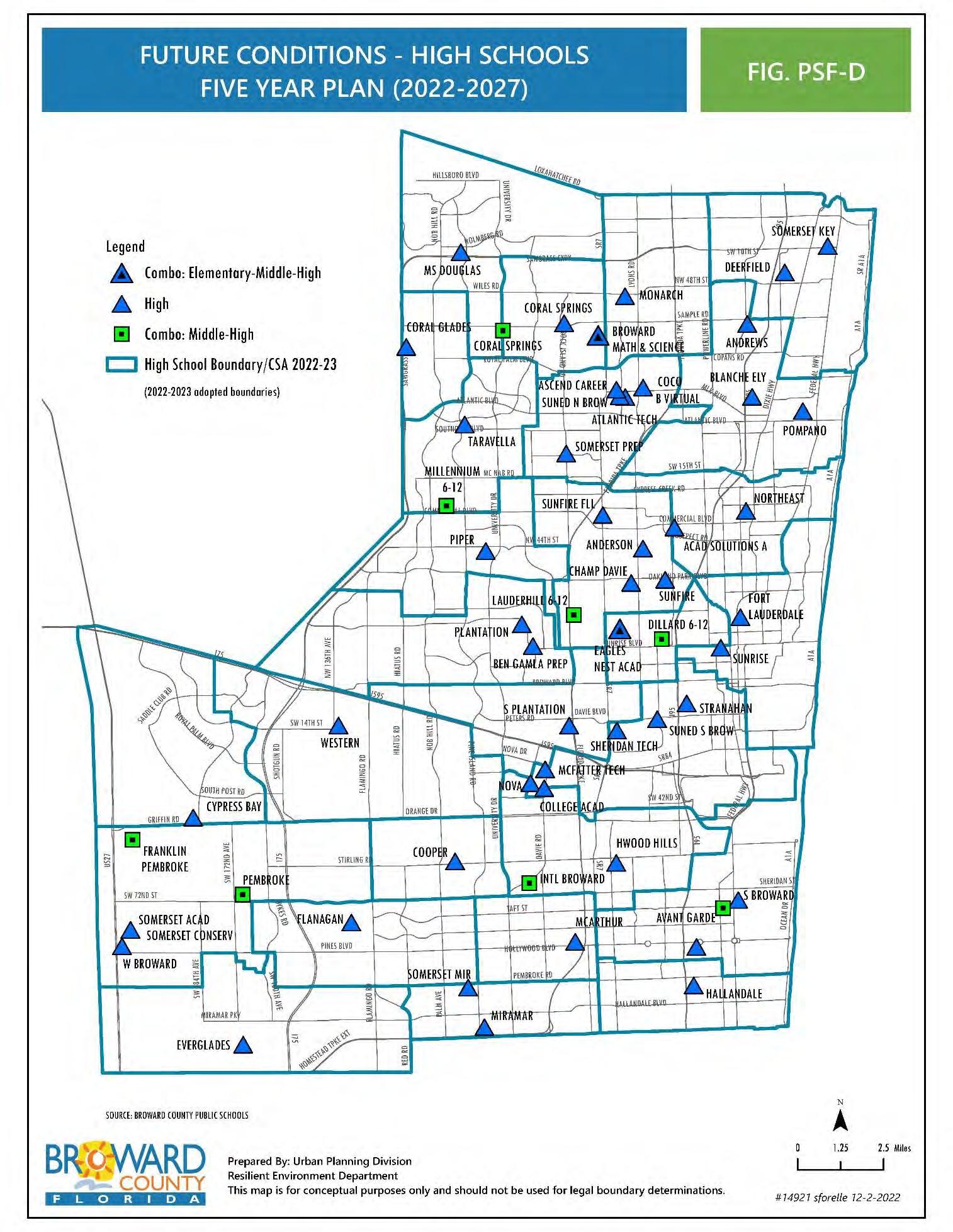
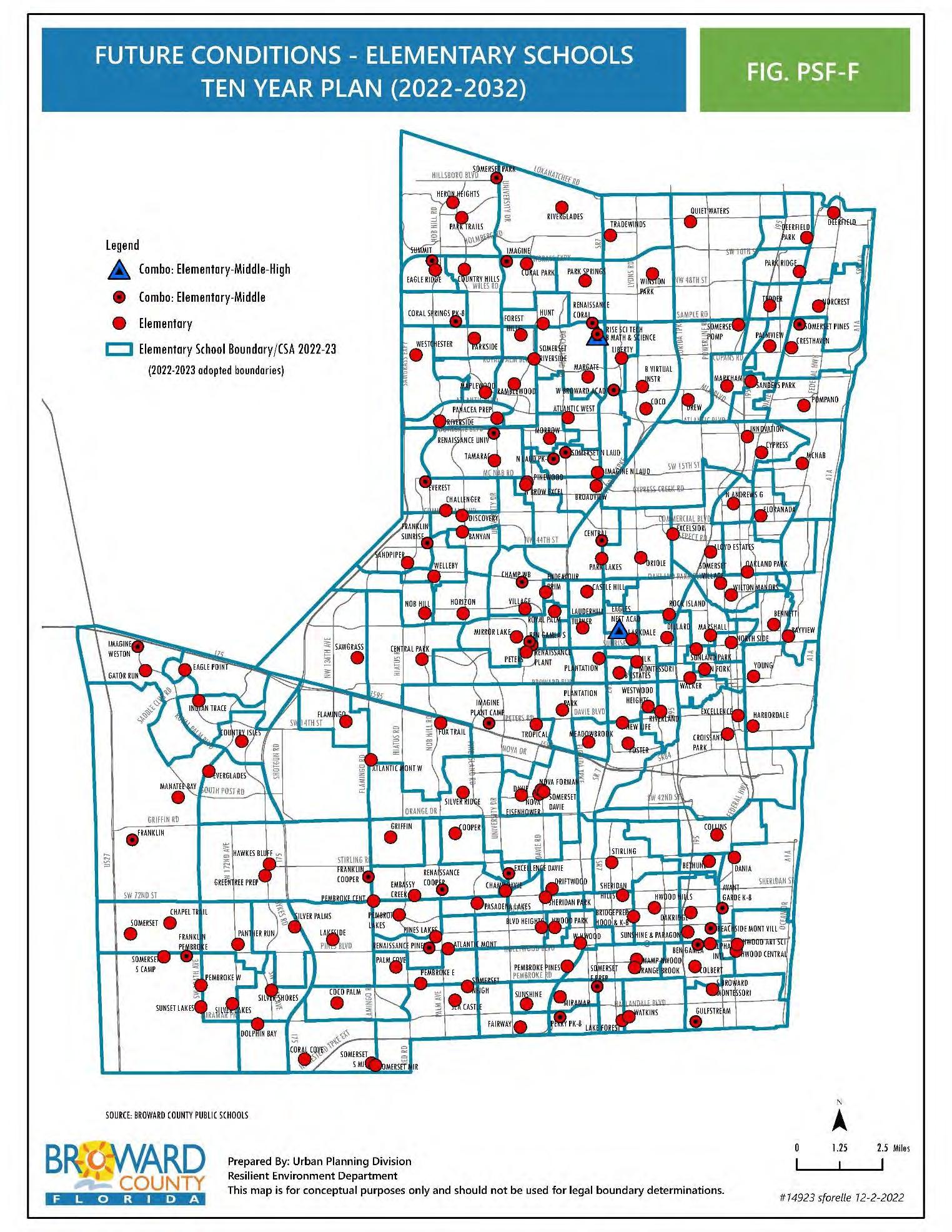
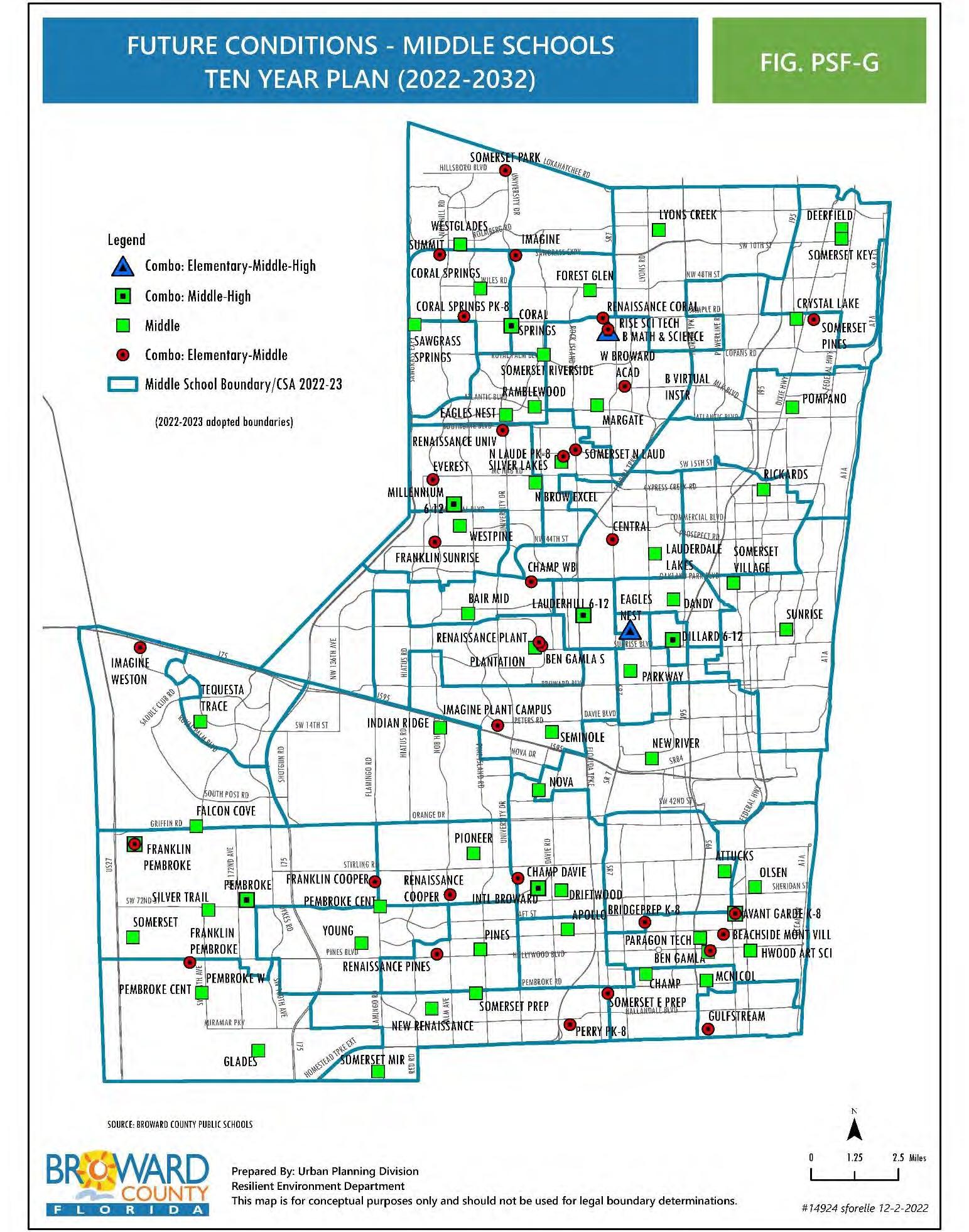
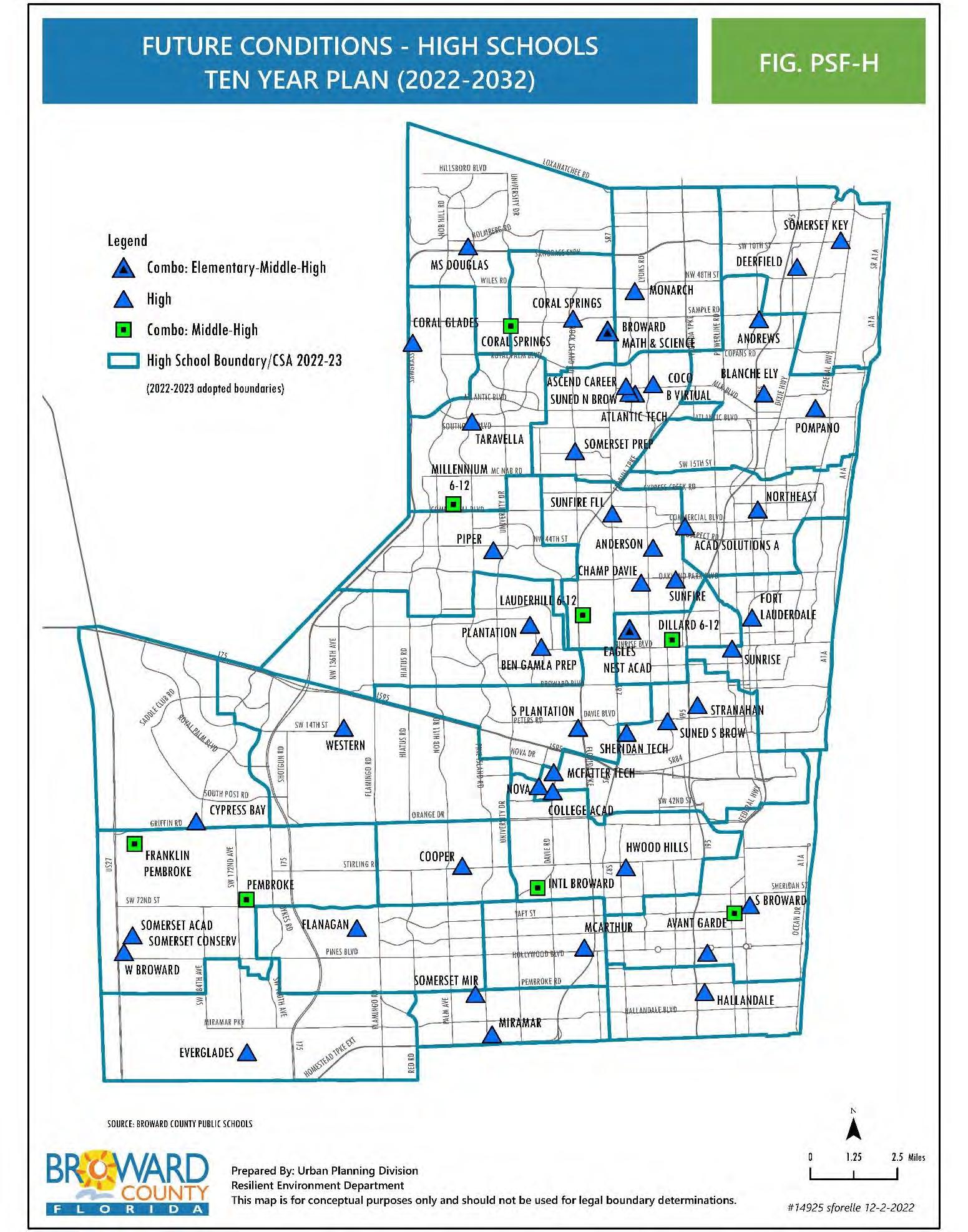
Future public school planning and facilities is accounted for in Broward County’s public schools element within BrowardNEXT plan. The following future school facility planning maps showcase future conditions for elementary, middle, highschool, and charters schools, up to 2032.
(2022–2027)
Map 1.11: Future Conditions - Elementary Schools – Five Year Plan
Appendix PSF-B: Map – Future Conditions – Elementary Schools Five Year Plan (2021-2026 2022-2027)
Appendix PSF-C: Map – Future Conditions – Middle Schools Five Year Plan (2021-2026 2022-2027)
Map 1.12: Future Conditions - Middle Schools – Five Year Plan
Appendix PSF-D: Map – Future Conditions – High Schools Five Year Plan (2021-2026 2022-2027)
Map 1.13: Future Conditions - High Schools – Five Year Plan
Map 1.14: Future Conditions - Charter Schools – Five Year Plan
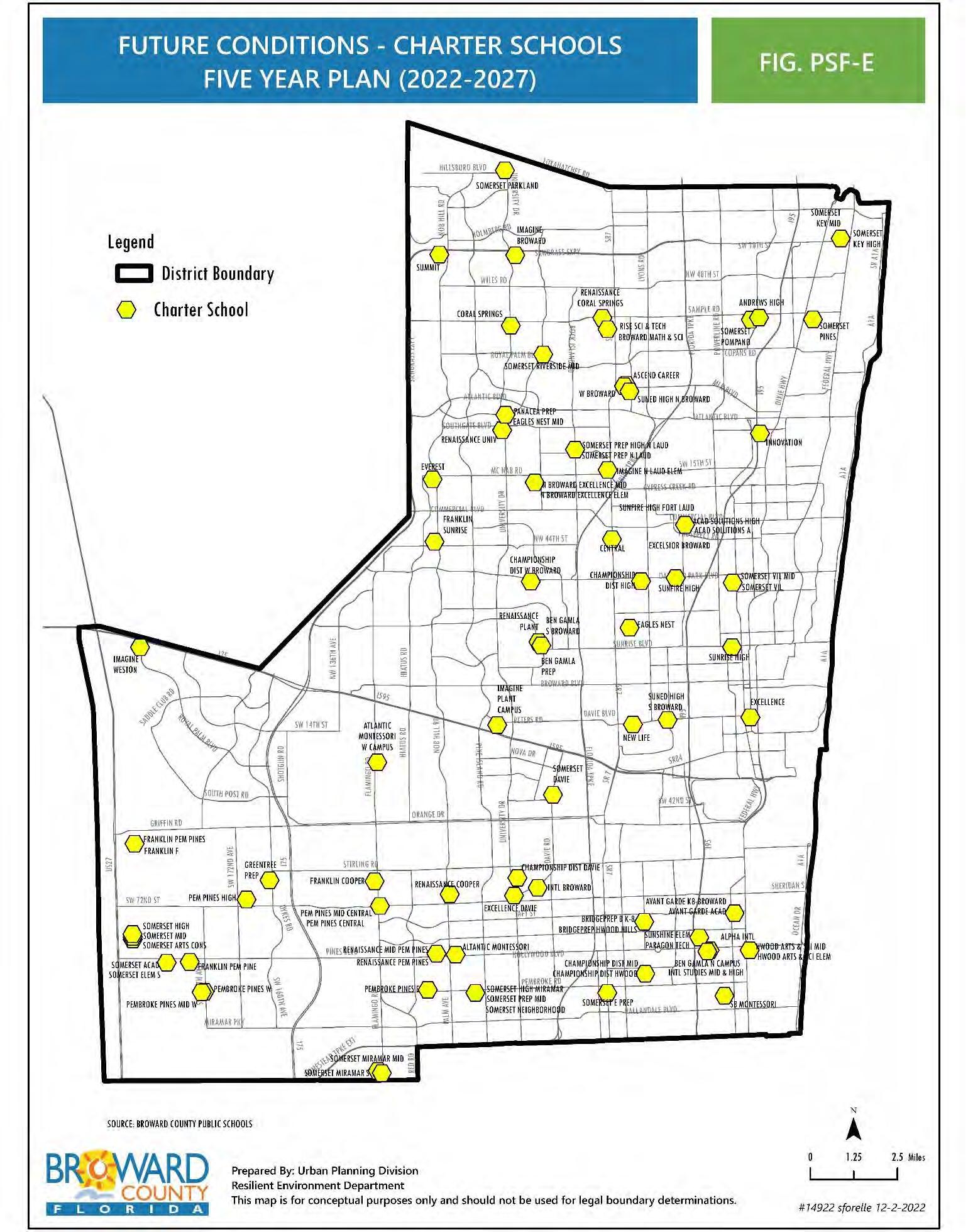
BROWARD COUNTY: LONG-RANGE ADOPTED MAPS (2022–2032)
Map 1.15: Future Conditions - Elementary Schools – Ten Year Plan
Appendix PSF-F: Map – Future Conditions – Elementary Schools Ten Year Plan (2022-2032)
Map 1.16: Future Conditions - Middle Schools – Ten Year Plan
Appendix PSF-G: Map – Future Conditions – Middle Schools Ten Year Plan (2022-2032)
Map 1.17: Future Conditions - High Schools – Ten Year Plan
Appendix PSF-H: Map – Future Conditions – High Schools Ten Year Plan (2022-2032)
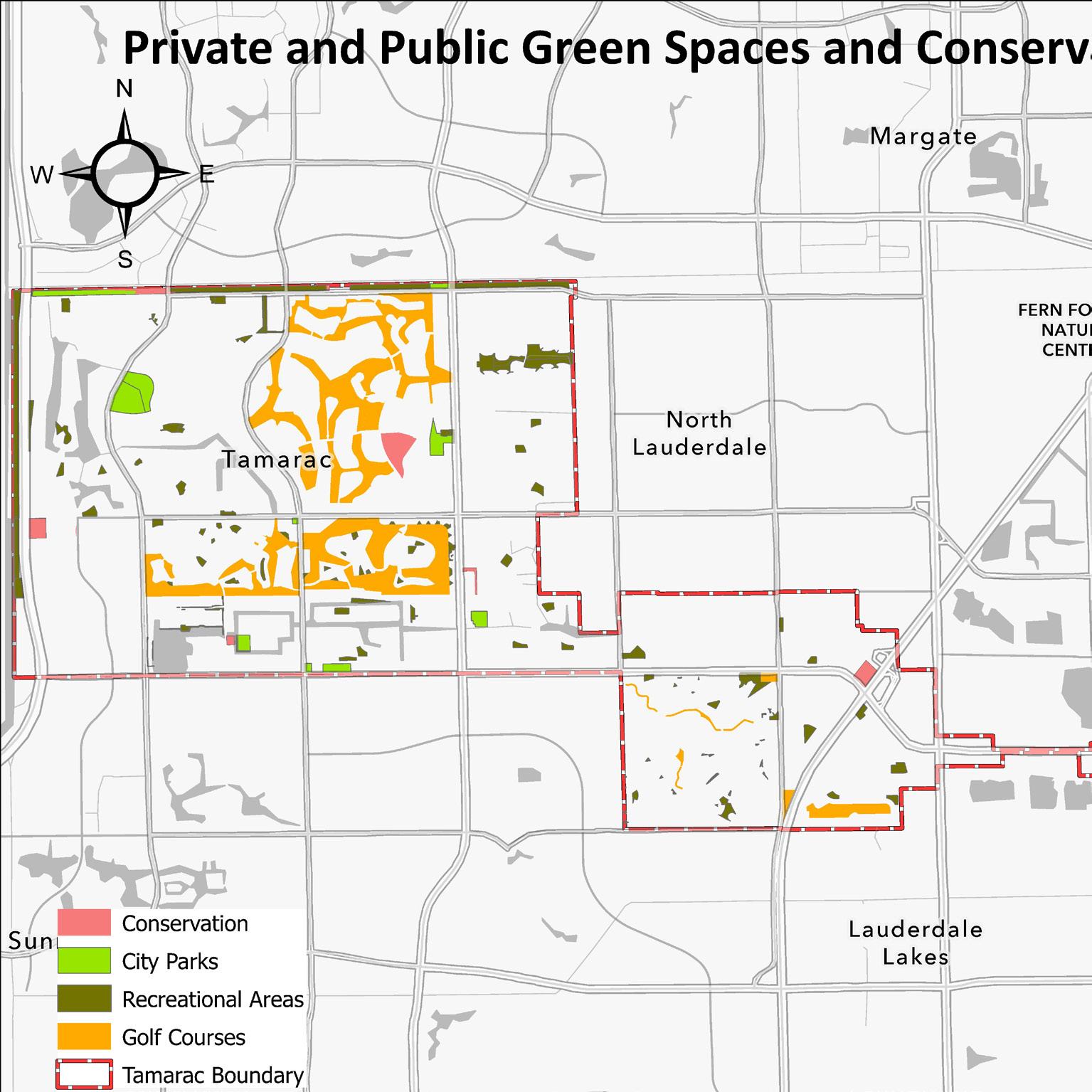
The City of Tamarac maintains several public parks and facilities. In addition, there are many large privately owned open green spaces provided by the City’s many golf courses. As the City is almost entirely built out, future conservation area expansion will likely come through land acquisition that currently provides for another land use. The City plans to maintain an adequate level of service of park space for its residents within the ten and twenty-year planning horizons. Map 1.18 below depicts the existing private, public, and conservations withing the City.
Map 1.18: Private and Public Green Spaces and Conservation Areas 2050
Transportation Management Programs Necessary to Promote and Support Public Transportation Systems.............................................71 City Roadway Maintenance..................................................................71
Table 2.1: Significant Parking Facilities.........................................................3
Table 2.2: Functional Classification of Roadways............................................14
Table 2.3: Number of Through Lanes...........................................................17
Table 2.4: Capacity Analysis of Existing Roadway System, 2020 AADT Traffic Volumes...25
Table 2.5: Capacity Analysis of Existing Roadway System-2020 Two-Way Peak Hour Volumes.....................................................................30
Table 2.6: City of Tamarac Analysis of Residents Ages......................................57
Table 2.7: City of Tamarac Transit Dependency Demographics.............................62
Table 2.8: Capacity Analysis of Projected Roadway System, 2045 AADT Traffic Volumes.......................................................................65
Table 2.9: Capacity Analysis of Projected Roadway System, 2045 Peak Hour Bi- Directional Traffic Volumes...............................................67
Table 2.10: Overcapacity Roadway Segments, 2020 Bi-Directional Peak Hour...........69
Table 2.11: Five-Year Roadway System Improvements within Tamarac...................70
Table 2.12: Long Range Transportation Improvements in Tamarac........................71
Map 2.1: 2024 FDOT Roadway Classifications in The City of Tamarac......................2
Map 2.2A: County System/Existing Public Transit System....................................4
Map 2.2B: City System/Existing Public Transit System........................................5
Map 2.3: Existing Bike Facilities (MOVETamarac, 2024).......................................7
Map 2.4: Existing Pedestrian and Multimodal Facilities.......................................8
Map 2.5: Tamarac Sidewalk Network (MOVETamarac, 2024).................................9
Map 2.6A: Existing Intermodal Facilities.......................................................10
Figure
Figure
Figure
Figure
Figure
Figure
Figure
Figure
Figure
Figure
This portion of the element examines the facilities that serve vehicular and non- vehicular traffic within the City of Tamarac planning area. The transportation system is a critical component of society, playing a role in all facets of life, having economic implications, and of recreational value.
This element includes a comprehensive analysis of existing facilities, future improvements, intermodal systems, and roadway capacity analysis. All of these help guide the city in establishing the appropriate adopted Level of Service (LOS) for the cities roadways within the ten and twenty-year planning periods.
The transportation system has two basic components. One is the internal access and circulation of the City’s residential neighborhoods and other areas. The other is the external component that serves as the link to other communities. The first or internal component is maintained for the most part by the City or private concerns. The second or external component forms part of the Florida Department of Transportation (FDOT), Florida Turnpike Enterprise, or Broward County. The Broward Metropolitan Planning Organization (MPO), whose charge is to master plan and coordinate roadways, mass transit, and other transportation systems on a countywide basis, carries out the transportation planning process in Broward County. The MPO’s governing board is the Board of County Commissioners.
Previously, the City of Tamarac was subject to transportation concurrency in all areas except for a portion of the City east of the Florida Turnpike. This was because the City east of the Florida Turnpike was within a Transportation Concurrency Exception Area (TCEA) as designated by Broward County. In 2005, Broward County eliminated the TCEA and replaced it with a Transit Oriented Concurrency Management System. The Transit Oriented Concurrency Management System divides the County into ten Concurrency Districts. Two of these districts (Northwest and Southwest Districts) maintain the existing roadway concurrency system, and the remaining eight districts are Transit Oriented Concurrency (TOC) Districts. All of Tamarac lies within two of the TOC Districts, the North Central District and the Central District. The City of Tamarac is subject to meeting the LOS standards within these two transit districts.
Map 2.1 graphically illustrates the FDOT 2024 roadway classifications for the City of Tamarac.
Map 2.1: 2024 FDOT Roadway Classifications in The City of Tamarac
State Principal Arterial
• Sawgrass Expressway (SR 869)
• Florida Turnpike (SR 91)
• University Drive
• Commercial Boulevard (east of University Drive)
Major Road (County Arterial and County Collectors)
• North/South
o Nob Hill Road (NW 100th Avenue)
o Pine Island Road (NW 88th Avenue)
o University Drive (SR 817)
o NW 64th Avenue
o Rock Island Road
o SR 7/US 441
o NW 31st Avenue
o NW 21st Avenue
• East/West
o McNab Road
o Bailey Road
o Commercial Boulevard
o Prospect Road
Minor Roads (City Arterials and City Collectors)
North/South East/West
Southgate Boulevard
Hiatus Road NW 82nd Street
NW 94th Avenue NW 81st Street
NW 84th Terrace NW 80th Street
NW 80th Avenue NW 78th Street
NW 70th Avenue NW 77th Street NW 76th Street NW 75th Street
Lagos De Campo Boulevard NW 57th Street
Local Access Roads
All other City public roads.
The City has several developments or areas that have significant parking facilities. The City’s definition of significant includes available spaces of 500 or more. These significant parking facilities are identified in Table 2.1. The values of this data reflect these facilities real estate listings as of 2024.
Source: City of Tamarac,
Map 2.2A (County System) and Map II.2B (City System) depict the existing Public Transit System. Information was obtained from the Broward County Transit (BCT) Division and the City of Tamarac.
















The City of Tamarac is a “full service” community with a wide diversity of land uses. The geographic location of the City Limits causes some service problems as the City Limits extend from the border of the Everglades on the west almost 9 miles to the east within one-half mile of I-95. The City’s original development occurred near the intersection of Commercial Boulevard and Prospect Road. The early residents were mainly retirees in small mostly two bedroom detached single-family homes. In the late 1960s and 1970s vast tracts of land were annexed into the City west of the original area.
1 2 3 4 5 6
7:00a 7:03a 7:05a 7:08a 7:12a 7:16a 7:20a 7:22a 7:30a 7:38a 7:56a 8:00a 8:03a 8:05a 8:08a 8:12a 8:16a 8:20a 8:22a 8:30a 8:38a 8:56a 9:00a 9:03a 9:05a 9:08a 9:12a 9:16a 9:20a 9:22a 9:30a 9:35a 9:42a 9:56a 10:00a 10:03a 10:05a 10:07a 10:10a 10:14a 10:19a 10:23a 10:24a 10:30a 10:35a 10:42a 10:56a 11:00a 11:03a 11:05a 11:07a 11:10a 11:14a 11:19a 11:23a 11:24a 11:30a 11:35a 11:42a 11:56a 12:00p 12:03p 12:05p 12:07p 12:10p 12:14p 12:19p 12:23p 12:24p 12:30p 12:35p 12:42p 12:56p 1:00p 1:03p 1:05p 1:07p 1:10p 1:14p 1:19p 1:23p 1:24p 1:30p 1:35p 1:42p 1:56p 2:00p 2:03p 2:05p 2:07p 2:10p 2:14p 2:19p 2:23p 2:24p 2:30p 2:35p 2:42p 2:56p 3:00p 3:03p 3:05p 3:07p 3:10p 3:14p 3:18p 3:22p 3:23p 3:31p 3:38p 3:56p 4:00p 4:03p 4:05p 4:07p 4:10p 4:14p 4:18p 4:22p 4:23p 4:31p 4:38p 4:56p 5:00p 5:03p 5:05p 5:07p 5:10p 5:14p 5:18p 5:22p 5:23p 5:31p 5:38p 5:56p 6:00p 6:03p 6:05p 6:07p 6:10p 6:14p 6:18p 6:22p 6:23p 6:31p 6:38p 6:56p
3:06p 3:11p 3:31p 3:40p 4:00p 4:06p 4:11p 4:31p 4:40p Bold numbers indicate P.M. hours. TIMES IN RED FOLLOW DOTTED LINE ROUTE ......
WALMART (BCT
One of these areas is an approximate three (3) square mile area between SR 7/US 441 and NW 64th Avenue. Commercial Boulevard connects the eastern original neighborhoods to the western neighborhoods and dissects the area described above. The Florida Turnpike dissects this area north to south. This area contains large commercial areas, primarily along the SR 7/US 441 frontage, two high density housing concentrations (one east of the Turnpike and north of Commercial Boulevard and the other one west of the Turnpike along Bailey Road), two (2) low density housing concentrations (Sabal Palm to the west of the Turnpike and north of Commercial Boulevard and the other one, Monterey on either side of the Turnpike and south of Commercial Boulevard), the Woodlands Country Club planned community south of Commercial Boulevard and west of Rock Island Road and other residential areas including small single family homes in the Mainlands neighborhood and areas north of Commercial Boulevard west of Rock Island Road. This area has extensive mass transit service at present.
The largest cohesive City area, comprised of approximately eight (8) square miles, is located between NW 64th Avenue and the Sawgrass Expressway and between Commercial Boulevard and Southgate Boulevard. This area contains a typical suburban pattern with mostly linear commercial uses along major arterial roadways, concentrations of higher density housing (Kings Point community, Woodland Lakes community, Tamarac Gardens, Lime Bay, The Greens and areas in the Woodmont Country Club community) two (2) low density housing concentrations (Sabal Palm to the west of the Turnpike and north of Commercial Boulevard and the other one, Monterey on either side of the Turnpike and south of Commercial Boulevard), and a variety of single-family neighborhoods (Westwood, Woodmont, Sunflower, Heathgate, Vanguard and Mainlands). Again, this area is extensively served by Broward County bus routes with a total of four (4) Broward County bus routes serving this area.
The majority of the City’s population secures their own transportation and the existing public transit service is felt to adequately serve the north and south regions of the City. However, according to the City of Tamarac’s Multi-modal Transportation Plan (MOVETamarac, 2024) residents desire and expanded transport service that covers more of the east and west regions.
No public Transit Terminals exist within the City of Tamarac. Map 2.2A of the Broward County Transit Development Plan Annual Update & Progress Report FY 2023-2032 designates the Sunshine Plaza commercial shopping center at the northwest corner of Commercial Boulevard and SR 7/US 441 as a Transfer Station for Routes 18, 55, 56 and 57. Four (4) Broward County bus routes provide service to the site. There are currently 185 bus stops (26 with shelters and 71 with benches) located within the City Limits (see Map 2.2B). The nearest Public Transit Terminal is located within the City of Plantation approximately 6.0 miles south of the Tamarac City limits on Pine Island Road north of Broward Boulevard (West Terminal). Many of the bus routes circulate to either the West Terminal or Central Terminal in downtown Fort Lauderdale on Broward Boulevard just west of Andrews Avenue at Brickell Avenue.
The only public transit rights-of-way within the City are bus-bays along several major roads. An “Exclusive Public Transit Corridor” is a corridor physically separated from general use corridors and to which access is highly restricted. There are no exclusive public transit corridors located within the City. The Broward County Transportation Element identifies two parallel rail corridors, the Florida East Coast rail corridor and the CSX Transportation rail corridor located just west of I-95 approximately ½ mile east of the nearest portion of the City. The majority of the City is 5+ miles west of these corridors.
Bicycling within the City’s local street system is common, given the current traffic volumes, and controlled traffic conditions encountered. On major roadways, bicyclists typically utilize sidewalks for safety reasons; however, there are several existing bikeways on major or minor roadways constructed as either exclusive bikelanes or wide paved shoulder areas. Some properties provide bike racks but this is not provided on a consistent basis. The City’s Code does not require bike racks for any land uses at present.
As mentioned above, the Broward County Transportation Element identifies several significant bikeways within the City. These include segments existing or planned along:
Location Segment
University Drive North CL to South CL
McNab Road West CL to East CL
NW 57th Street NW 94th Avenue to NW 62nd Avenue
Commercial Boulevard Commercial Boulevard to Rock Island Road
Commercial Boulevard SR7/US 441 to Prospect Road
Commercial Boulevard Hiatus Road to University Drive
Pine Island Road North CL to South CL
Nob Hill Road North CL to CL
Bailey Road
Rock Island Road to 46th Avenue
Bikeway Facility
Buffered Bike Lane
Bike Path
Bike Lane
Bike Lane
Bike Lane
Wide Curb Lane
Bike Path
Bike Path
Bike Path
Sawgrass Expressway Southgate Boulevard to Commercial Boulevard Dirt Path
Hiatus Road
Commercial Boulevard to Tamarac Bus Park Wide Curb Lane
Southgate Boulevard CL to Lyons Road
NW 80th Avenue
NW 81st Street
NW 70th Street
W McNab Road to Pine Island Road
Nob Hill Road to Pine Island Drive
University Drive to McNab Road
NW 44th Street NW 64th Avenue to Rock Island Road
Bike Path
Bike Lane
Bike Lane
Bike Lane
Bike Lane
Map 1. Existing Bike Facilities
Map 2.3 depicts the existing bike facilities within the City, according to the Multi-modal Transportation Plan (MOVETamarac, 2024).
Map 2.3: Existing Bike Facilities (MOVETamarac, 2024)
Source: 2024 Tamarac Multi-Modal Transportation Plan
and typically none have been constructed. Additionally, the City, through cooperation with FDOT and Broward County has been successful in providing sidewalks along all major roadways and other linkages to schools and parks. Virtually all of the arterial and collector roadways have sidewalks on at least one side of the roadways.
The maps identifying bicycle and pedestrian ways depict the City’s success in implementing an overall citywide system. As roadway segments are re-constructed and/or widened, it is common practice to upgrade pedestrian and bicycle facilities to meet current standards. It is the policy of the City to require developers to complete missing links when development occurs. The City’s Engineering Department determines the appropriate width for the various bikeways and pedestrian-ways.
Map 2.5 depicts the existing sidewalk network within the City of Tamarac according to MOVETamarac, 2024.
Map 2.5: Tamarac Sidewalk Network (MOVETamarac, 2024)
Source: 2024 Tamarac Multi-Modal Transportation Plan
Ports, Airport Facilities, Railways and Intermodal Facilities
Port Facilities
There are no port facilities within the City of Tamarac. The nearest major seaport is Port Everglades which is located approximately seven (7) miles southeast of the closet point of the City (the majority of the City is 12+ miles from the port), southeast of the central business district of the City of Fort Lauderdale. Port Everglades is a deep- water port serving commercial freight customers, cruise lines and recreation boating needs.
Map 2.6A illustrates the proximity of the City of Tamarac to nearby Ports, Airports, Railways and related facilities. Map 2.6B illustrates Future Intermodal Facilities.
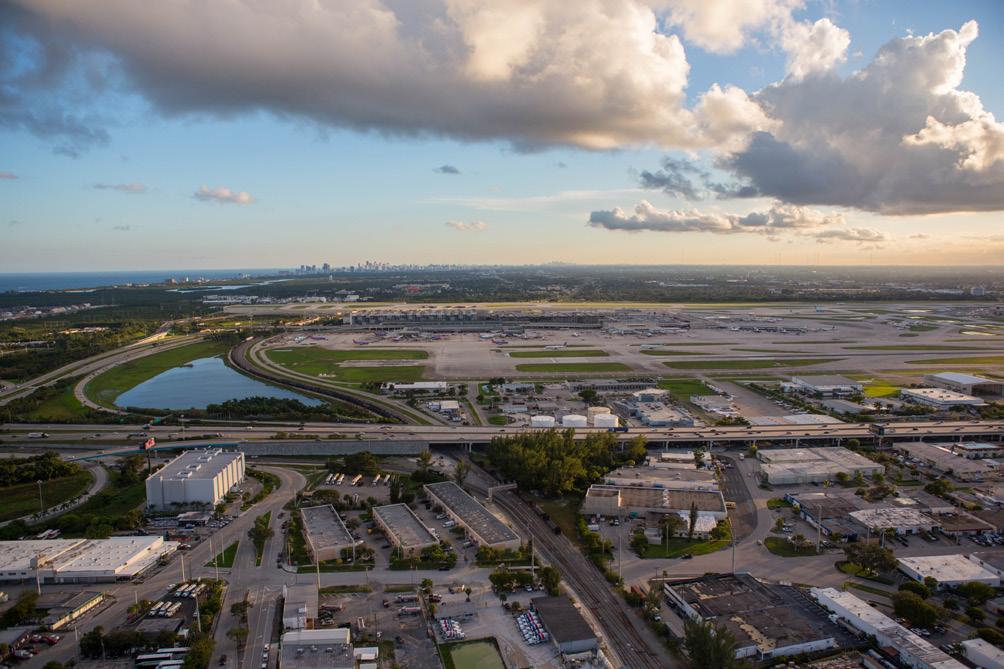
There are no airport facilities within the City; however, there are three (3) airports within a few miles of the City.
• Fort Lauderdale/Hollywood International Airport. Fort Lauderdale/Hollywood International Airport is a regional facility serving both international and domestic air carriers. It is located approximately seven (7) miles southeast of the city. The airport is owned and operated by Broward County. Covering an area of approximately 1,718 acres, the airport is situated south of I-595 and east of I-95, about two (2) miles from the coastline at its nearest point. Aircraft typically land from the west and take off eastward, over the Atlantic Ocean, before initiating turning maneuvers. The primary approach from the west passes directly over the Town of Davie, just south of I-595. While aircraft occasionally pass over the city during approaches to the airport, they typically do so at high altitudes.
• Fort Lauderdale Executive Airport. Fort Lauderdale Executive Airport is a general aviation facility located on approximately 1,200 acres east of NW 31st Avenue, between Cypress Creek Road and Commercial Boulevard, in the Uptown Business District. Portions of the City limits border the airport property at its southwest corner, with most of the city lying several miles to the west. As a result, minor fly-over issues affect only the easternmost areas of the city. The airport primarily supports non-commercial air traffic, with east-west and diagonal runway alignments. Due to prevailing winds, aircraft typically take off and land on the east-west runway, and touch-and-go operations near the airport affect the residential area of Tamarac north of Commercial Boulevard and near Prospect Road. A Noise Abatement Program, which includes a 24-hour noise hotline and modified flight paths, directs air traffic away from eastern coastal communities and closer to Interstate 95. The latest FAR Part 150 update shows that airport operations, which total approximately 200,000 annually, do not impact any property in Tamarac. No physical improvements are planned that would affect land use in the city. The proposed Airspace Plan includes the Approach Surface (7:1 slope), the Transitional Surface (side slopes at 7:1), and the Horizontal Surface south of the airport, affecting lands in Tamarac extending from the airport’s western edge into the Conservation Area and from midway between McNab Road and Southgate Boulevard to Commercial Boulevard. Clear zone and obstruction issues typically affect these areas, where building heights are restricted and taller structures require FAA approval.
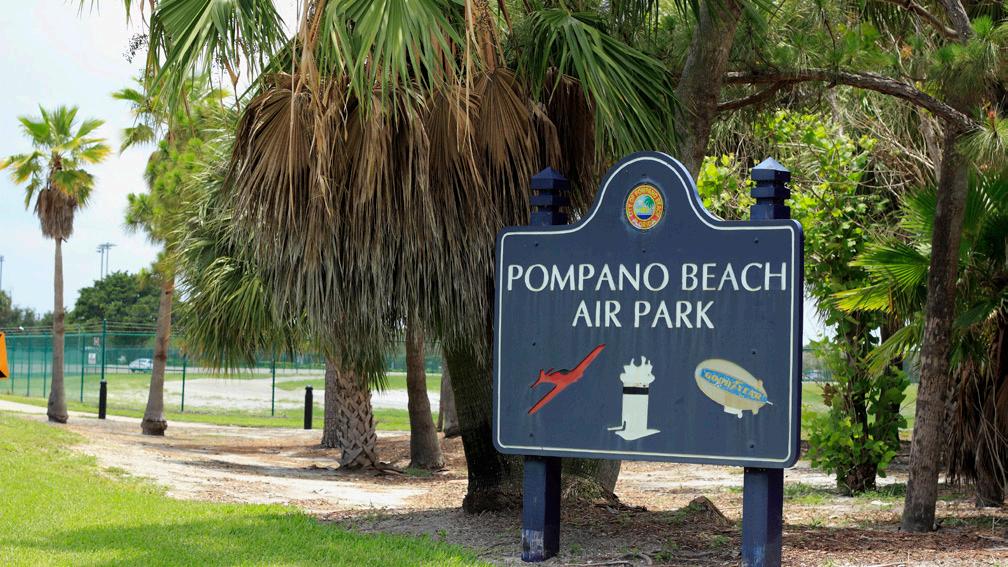
• Pompano Beach Air Park. Pompano Beach Airport is a general aviation facility located on approximately 935 acres, about 5.5 miles northeast of the City, within the City of Pompano Beach. Air traffic is generally limited to non-commercial activities, and the airport operates with three runways, which are generally aligned east to west. Air traffic typically performs turning maneuvers within a few miles of the airport. As a result, no clear zone or obstruction issues impact the City.

• General Aviation Travel. While the City does not have physical airport facilities that directly affect its development, the Federal Aviation Administration (FAA) has designated certain flight routes over the City. For example, the primary approach flight path for Fort Lauderdale Executive Airport passes directly over the City, to the west of the airport, as previously described. Additionally, there are three established helicopter routes over the City, all of which start and end at the Fort Lauderdale Executive Airport runway, north of NW 21st Avenue. The ‘Charlie’ arrival/departure routes briefly pass over the intersection of Prospect Road and NW 21st Avenue before paralleling NW 21st Avenue to their destination. The ‘Sierra’ arrival/departure routes follow the alignment of Rock Island Road and NW 21st Avenue as they approach and depart the airfield. The ‘Whiskey’ arrival route parallels Rock Island Road, SR 7/US 441, and Prospect Road when approaching the airfield, while the ‘Whiskey’ departure route follows NW 31st Avenue as it departs. Occasionally, low-flying aircraft cause noise disturbances for residents, particularly in the eastern parts of the City.
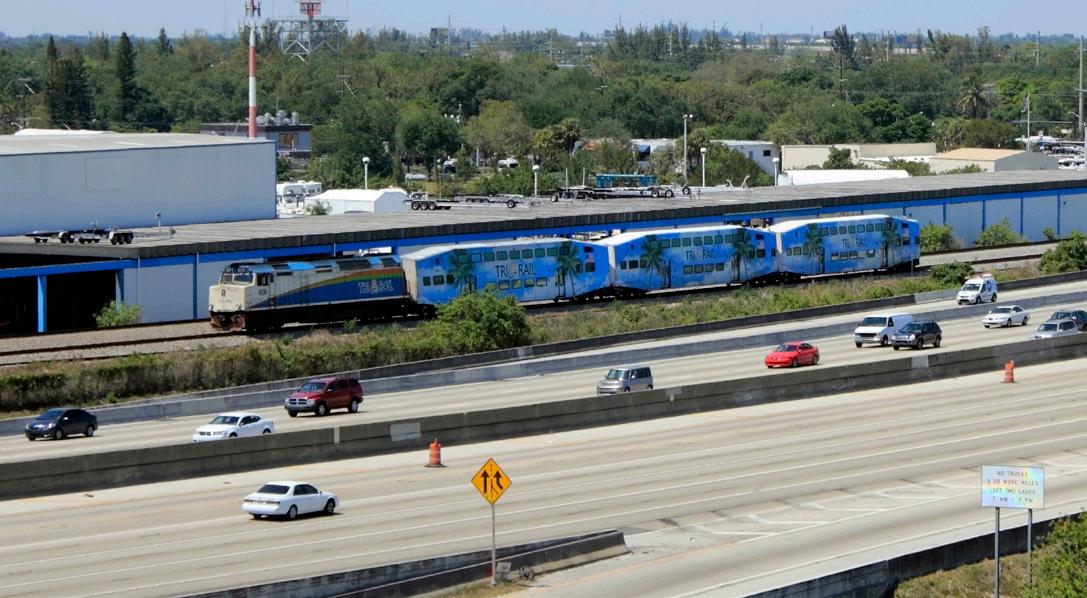
• Freight and Passenger Rail Lines and Terminals. The City does not have any rail line corridors within its boundaries. The closest railway corridors are located east of the City, generally paralleling Dixie Highway in the far eastern portion of the County, and to the west of I-95. Both corridors run in a north-south direction. The eastern corridor is known as the Florida East Coast (FEC) Railroad line, which is primarily used for freight service. This corridor includes grade crossings or overpasses at major roadways. The western corridor, known as the South Florida Rail Corridor (formerly the CSX Transportation corridor), is primarily used for passenger services, with both Amtrak and the TriRail commuter train utilizing it. Transit stations are located at several points along the corridor, and Broward County owns and operates Park & Ride lots at various locations. The closest Tri-Rail Station and Park & Ride Lot is situated south of Cypress Creek Road, just west of I-95, approximately five (5) miles from the central part of the City.
As mentioned above, there are no intermodal facilities within the City. The Broward County West Regional Terminal is located in the City of Plantation, approximately six (6) miles south of the City, north of Broward Boulevard on the east side of Pine Island Road. Additionally, the closest Park & Ride lot is located on Cypress Creek Road near I-95. Broward County bus routes connect City areas to the Tri-Rail Station. The City also has significant transit ridership along the 441 Corridor, with one particular stop in front of Sunshine Plaza often being crowded with passengers who have nowhere to sit. According to the City’s Multi-Modal Transportation Plan, areas with high transit ridership, such as those along the 441 Corridor, could be potential candidates for a small bus depot or multi-modal hub to improve service and alleviate overcrowding at key transit stops.
The Functional Classification of roadways is utilized to create a hierarchical system to establish the responsibility for roadway maintenance and operation by the State, the County or the local jurisdiction. The following broad guidelines are used to define roadway types:
• Principal Arterials - Major highways serving heavy volumes of traffic through the urban area.
• Minor Arterials - Roadways carrying moderately heavy volumes of traffic which channel traffic to community activity centers.
• Collectors - Roadways carrying moderate volumes of traffic to the arterial network.
• Local Roadways - Neighborhood roadways carrying low volumes of traffic to collector or arterial roadways.
The existing functional classification of major roadways in the City are provided in the following Table 2.2 and illustrated on Map 2.1. Both the Federal Government and State of Florida have utilized functional
classification systems to assign roadway jurisdictions. The classifications help determine which governing entity must provide for the maintenance of each roadway in a city. The maintenance responsibilities for the roadways in Tamarac are illustrated in Map 2.7 In May of 1996, FDOT issued a letter stating that applicable State laws pertaining to functional classifications had been repealed. Therefore, the information provided in the following table is from the Federal classification system, which is further detailed in the Broward County Transportation Element Appendix 3-A. In addition, several roadways that are depicted as a “local road” on the Broward County 1997 State Highway Classification and Land Arrangement Map actively function within the City as a City Collector.
Legend:
UPA = Urban Principal Arterial (State Maintenance)
UMA = Urban Minor Arterial (State Maintenance) UCOLL = Urban Collector (County Maintenance)
CC = City Collector (City Maintenance)
LR = Local Road (City Maintenance)
LD = Lanes Divided
Notes: Required Right of Way (ROW) width per BC Trafficways Plan Roadways not indicating a “Required ROW Width” are not depicted on the BC Trafficways Plan.
Source:Broward County Trafficways Map MMPA 12/2003, Broward County Trafficways Plan 9/22/2022
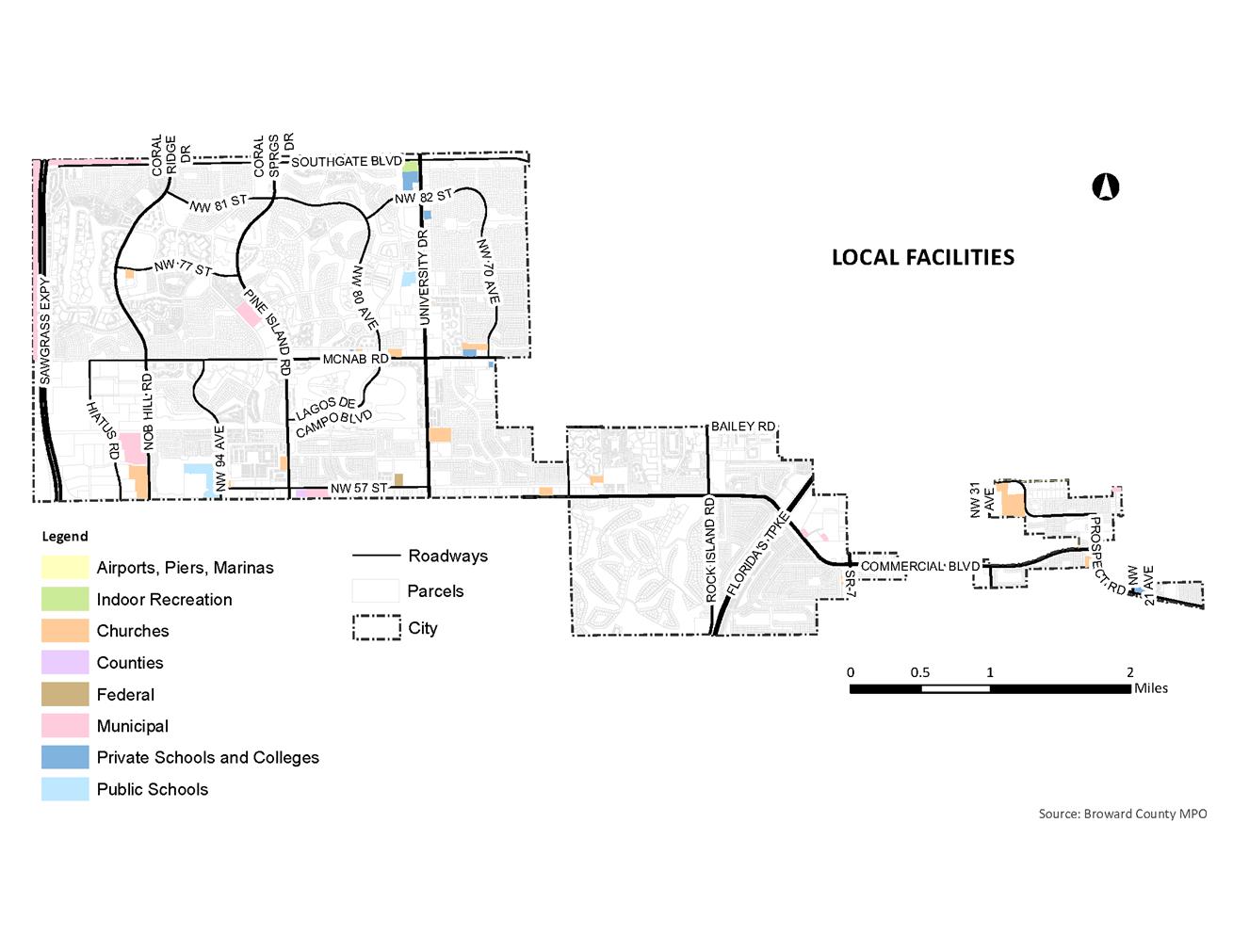
Sawgrass Expressway 6 (3 each direction)
NW 108th Terrace 4 (2 each direction)
Hiatus Road 4 (2 each direction)
Nob Hill Road 4 (2 each direction)
NW 94th Avenue 4 (2 each direction Commercial Boulevard to NW 60th Street) 2 (1 each direction NW 60th Street to McNab Road)
Pine Island Road 4 (2 each direction)
NW 84th Terrace 4 (2 each direction)
NW 80th Avenue 4 (2 each direction)
University Drive 6 (3 each direction)
Brookwood Boulevard/ NW 70th Avenue 4 (2 each direction)
NW 70th Avenue 2 4 (1 2 each direction)
NW 64th Avenue
4 (2 each direction Commercial Boulevard to north CL)
2 (1 each direction south of Commercial Boulevard)
Commons Drive 4 (2 each direction)
Woodlands Boulevard 4 (2 each direction)
Rock Island Road 4 (2 each direction)
Florida Turnpike
6 (3 each direction)
SR 7/US 441 6 (3 each direction)
NW 31st Avenue 6 (3 each direction)
NW 21st Avenue 2 (1 each direction)
Southgate Boulevard 4 (2 each direction)
NW 82nd Street 4 (2 each direction)
NW 81st Street 4 (2 each direction)
NW 80th Street 4 (2 each direction)
NW 78th Street 4 (2 each direction)
NW 77th Street 4 (2 each direction)
NW 76th Street 2 (1 each direction)
NW 75th Street 4 (2 each direction)
2 (1 each direction west of NW 108th Terrace to NW 104th Avenue)
McNab Road
4 (2 each direction NW 104th Avenue to approximately 750’ west of Pine Island Road)
6 (3 each direction approx. 750’ west of Pine Island Road to east City Limits)
Lagos De Campo Boulevard 4 (2 each direction)
Bailey Road
3 (2 EB/1 WB from NW 64th Avenue to approximately NW 58th Avenue) 4 (2 each direction NW 58th Avenue to approx. 500’ east of Rock Island Road) 2 (1 each direction approx. 500’ east of Rock Island Road to SR 7/US 441)
East Sabal Palm Boulevard 4 (2 each direction)
NW 57th Street 2 (1 each direction)
Commercial Boulevard 6 (3 each direction)
NW 47th Terrace 4 (2 each direction approx. 400’ north of Commercial Boulevard and approx. 1000’ south of Commercial Boulevard)
Prospect Road 2 (1 each direction Commercial Boulevard to NW 31st Avenue) 4 (2 each direction Commercial Boulevard to east City Limits)
Mainlands Boulevard 4 (2 each direction Commercial Boulevard to NW 46th Street)
NW 44th Street 2 (1 each direction Rock Island Road to west City Limits)
C. Other Local Roadways
2 (1 each direction) Some local road entrances may be 4 lanes at intersections with major roads
A major Public Transit Generator or Attractor are generally concentrated areas of higher density residential developments or major commercial, industrial, employment or shopping areas that produce or attract a significant number of local trip ends. For public transit use, the definition includes a site that attracts a significant number of persons per day. Public transit generators are typically residential land uses. Public transit attractors are typically commercial, industrial, office, commercial recreation, educational, institutional
and transportation land uses. Ideally, public transit should connect major transit generators to major transit attractors.
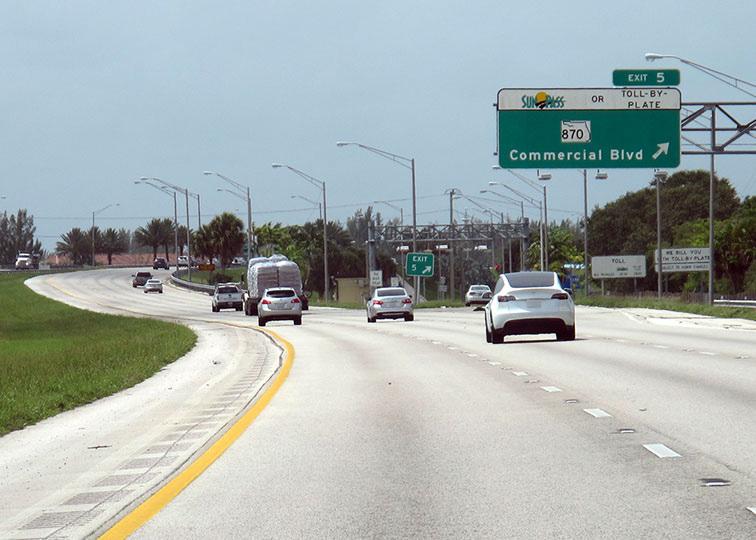
The City of Tamarac has been developed, like most areas of south Florida, in a generally grid-like fashion. As described previously, the original developed areas of the City were located near Commercial Boulevard and Prospect Road. Major land annexations added areas around the Commercial Boulevard / Florida Turnpike Interchange area (approximately 3 square miles) and the largest area (approximately 8 square miles) between Commercial Boulevard, the Sawgrass Expressway, Southgate Boulevard and the City of North Lauderdale City Limits west of NW 64th/ SW 81st Avenue. The three (3) major roadways within the City, University Drive, Commercial Boulevard and McNab Road east of Pine Island Road, have existing commercial development as the primary use abutting the roadways. There are nodes of commercial development at other locations, primarily at the intersection of major roadways. The commercial areas can best be described as “strip commercial” in design. The intensity of development in the commercial areas is primarily one-story retail/office/restaurant uses with medium intensity development. Occasionally a multi-story office building exists. In addition, there is a major Hospital/Medical campus (UHMC) located on the west side of University Drive just north of McNab Road (7200 Block).
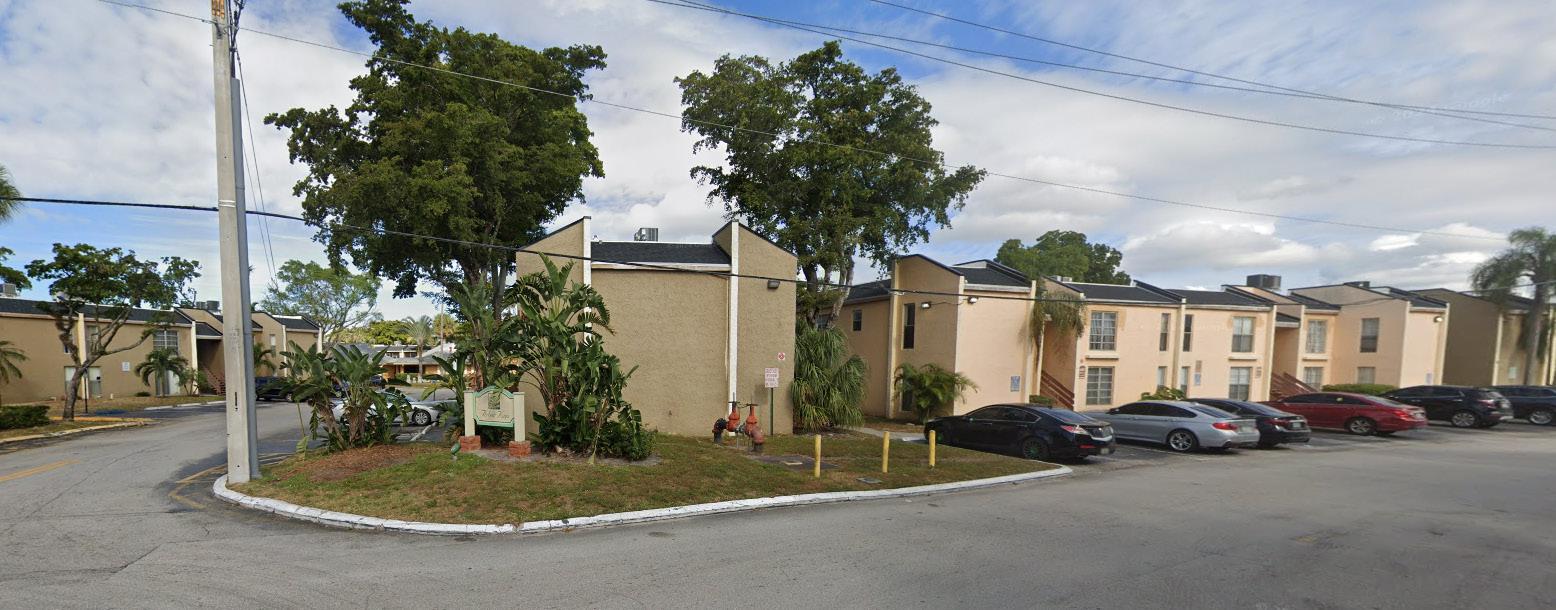
Multiple-family concentrations are scattered throughout the City, the majority of which is located in the central and western portions of the City. The most concentrated area is the area north of Commercial Boulevard between NW 64th Avenue and the eastern City Limits near SR 7/US 441. This area comprises some 390+/- acres of land area and contains approximately 6,000 dwelling units. A smaller but equally concentrated area is located north of Commercial Boulevard just east of the Florida Turnpike. This area includes the Arbor Keys, Lakeside at Tamarac and Palm Island Club multiple-family complexes. There are approximately 40 +/- acres in this area with about 650 dwelling units.
In western Tamarac, there are two major concentrations of multiple-family housing with a few other scattered sites. The first area is in the Colony West golf course community south of McNab Road between Pine Island Road and University Drive. This area contains the Sands, Fairways, Versailles Garden and Concord Village multiple-family communities. There are approximately 154 +/- acres of land area with about 3,000 dwelling units in this area. The largest area, contains a large mid-rise multiple-family community known as Kings Point and several smaller projects within the Woodmont and Heathgate Sunflower neighborhoods. There are approximately 1,000 +/- acres of land area and approximately 15,000 multiple-family dwelling units in the areas. Existing multiple-family concentrations are 10-30 dwelling units per acre (DUA) in predominantly two to five story structures. In addition to the discussion on concentrations of multiple-family housing, many of the single-family homes are still occupied by older retirees at present. There has been a gradual shift to younger residents over the years but a sizable elderly population remains that demands a higher mass transit service. The existing public transit system services virtually all of these developments at present.
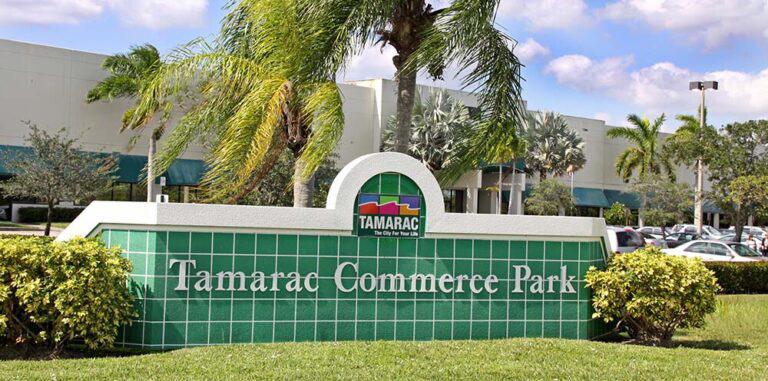
Industrial Park/Employment Center concentrations are located only in the southwestern corner of the City. One 38 +/- acre parcel with several tenants is located north of Commercial Boulevard and west of NW 94th Avenue. The Tamarac Commerce Park and Westpoint Centre contain industrial complexes. This Industrial Park/Employment Center is located north of Commercial Boulevard between the Sawgrass Expressway and Nob Hill Road. The Sawgrass Expressway is a major freeway connection to I-75, I-595, I-95 and the Florida Turnpike. This land area comprises some 530 +/- acres of which about 498 acres is currently developed. Two Broward County routes provide bus service along Commercial Boulevard and Nob Hill Road adjacent to the Commerce Park.




Research of the Broward County Mass Transit Division’s data revealed that ridership is relatively low in Tamarac as compared to the County as a whole, despite the elderly population and the availability of mass transit service to the concentrations of housing and commercial areas. This trend may change over time as younger residents appear to be moving into housing areas previously occupied almost exclusively by elderly residents. The City will continue to monitor changing demographics and community needs and suggest to the County any warranted modifications to service routes and schedules. Most of the City residents’ continue to utilize automobiles as the primary means of transportation.
According to the Official Broward County Hurricane Preparedness Guide prepared by the Division of Emergency Preparedness, no area of the City of Tamarac is identified for evacuation during any type of hurricane. The most eastern point of the community is located approximately four and one half (4.5) miles from the beach area with the vast majority of the community more than ten (10) miles from the beach. If damage were to occur, it would be from wind or rainfall. However, lessons learned from past hurricane’s impact in South Florida (Wilma) revealed that even inland development can be severely damaged. Broward County has designated two (2) shelters within near proximity to the City of Tamarac in case of emergency. The shelters are opened, supplied and operated by the Red Cross, which coordinates with the local school administration and Broward County. These emergency shelters are illustrated in Figures 2.11 and Figure 2.12. All shelters are located proximate to major roadways, therefore, all shelters can be easily accessed. Finally, the Sawgrass Expressway abuts the City on the west and the Florida Turnpike is located on the eastern edge of the City. These roadways would be the primary routes for evacuation from the City to leave the South Florida Region. The City of Tamarac Designated Hurricane Shelters; Coral Glades High School - 2700 Sportsplex Drive Coral Springs, Florida; and Park Lakes Elementary School - 3925 N. State Road 7 Lauderdale Lakes, Florida.
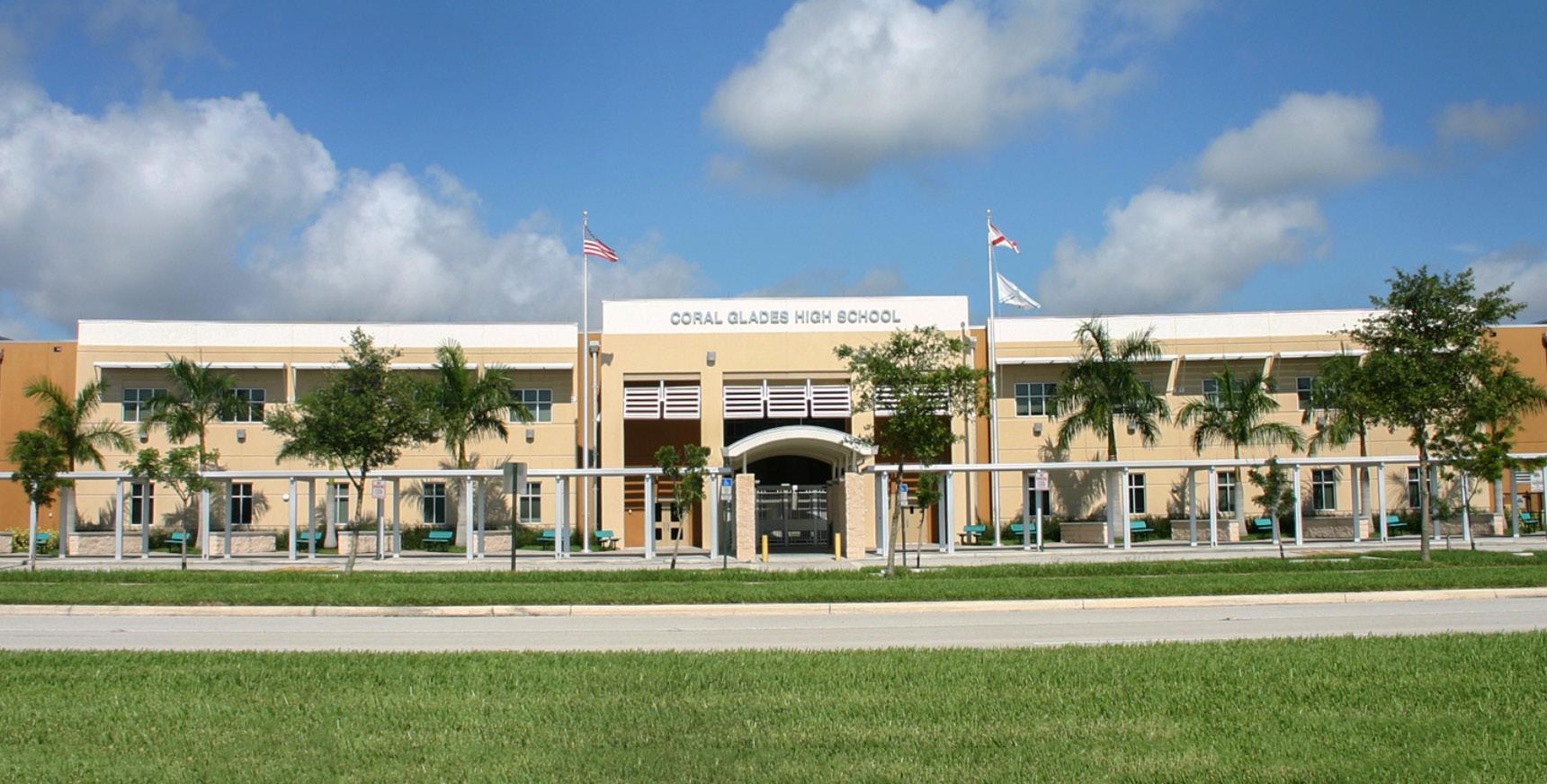
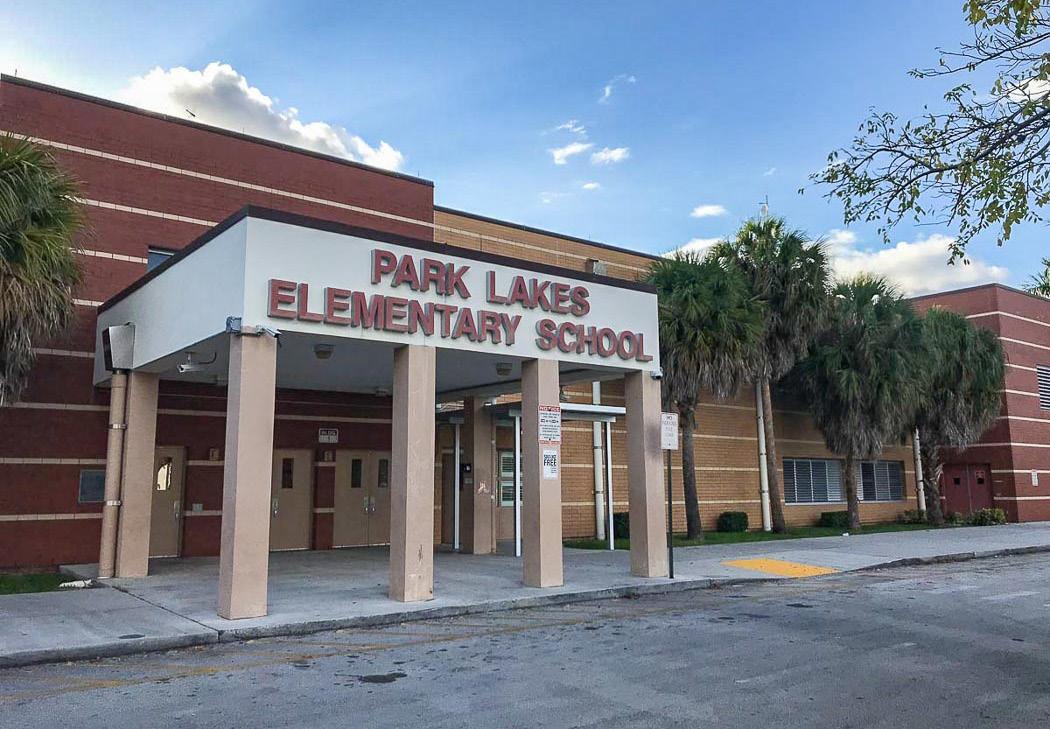
Coral Glades High School is the primary shelter for the western part of the City while Park Lakes Elementary School serves the eastern areas.
Maps 2.10A and 2.10B show the Designated Local and Regional Transportation Facilities Critical to the Evacuation of the Coastal Population.
Map 2.10A: Major Transportation Facilities Critical to the Evacuation of the Coastal Population
Map 2.10B: Major Regional Transportation Facilities Critical to the Evacuation of the Coastal Population

Existing Average Daily Traffic, Peak Hour, Peak Direction, Levels of Service for Roads, Mass Transit Facilities and Corridors/Routes
The existing average annual daily traffic, peak hour, peak direction levels of service for roads, mass transit facilities and corridors/routes are described in Table 2.4 and Table 2.5, illustrated on Maps 2.11A and 2.11B and in following text:
Source: Broward MPO Level of Service Spreadsheet, 2020 & 2045
Source: Broward MPO Level of Service Spreadsheet, 2020 & 2045
Bus Service
Inter-County bus service is provided by the Broward County Office of Transportation - Mass Transit Division. Nine (9) County (BCT) bus routes currently provide service to the City in 2023. In addition, two City bus routes provide shuttle service from local neighborhoods to key locations in the City and connecting to the Broward County routes. Along each route are numerous bus stops and shelters. Map II.2A identifies the majority, if not all, of the known transit stops. Following is a description of each route.
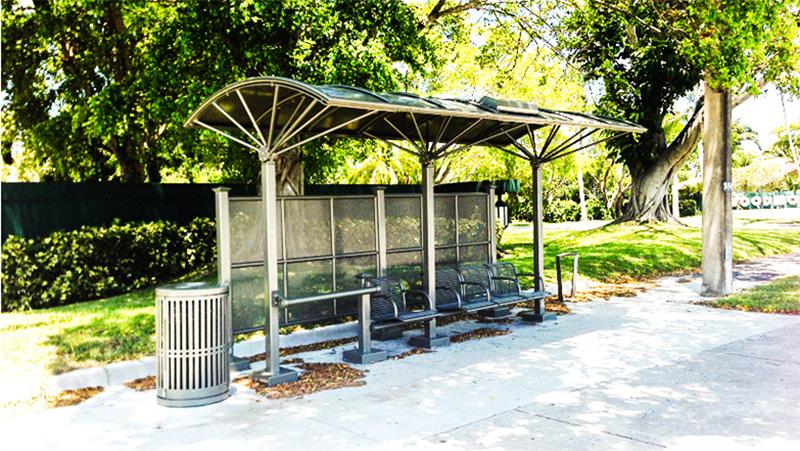
Route 2 is a generally a north-south route which generally follows University Drive. Route 2 enters Broward County from Dade County traveling north on University Drive and enters the City Limits after crossing Commercial Boulevard and continues north through the City of Tamarac traveling north until exiting the City after crossing Southgate Boulevard into the City of Coral Springs. After leaving the City, Route 2 continues north through Coral Springs until reaching NW 56TH Drive where it loops south and then west on Westview Drive and then returns south along the same route. Headways are approximately every 25 minutes on weekdays and 45 minutes on weekends.
Route 11 is both an east-west and north-south route that provides service to central Broward County. Route 11 initiates at Commercial Boulevard and SR 7/US 441, which is also a stop that services the ‘Breeze’. Route 11 travels through the City of Tamarac north along SR 7/US 441 and follows Prospect Road west along NW 16th Court. Turning south alone NW 19th Street, the route heads west again along NW 15th Court where it heads south and southeast along NW 27th Avenue and 8th Court respectively. Heading south along NW 22nd Avenue, Route 11 then travels east on NW 2nd Street. Turning south on Andrews Avenue, Route 11 travels north on SR A1A and west on the 14th Street Causeway. Traveling north on US 1, Route 11 circumnavigates (west, north, east, south) the Citi Centre on Copans Road in Pompano Beach. Route 11 returns southbound along the same route. Headways are approximately every 45 minutes during the week and on the weekend.
Route 18 is generally a north-south intercounty route generally following SR 7/US 441 and providing service within Dade, and Broward Counties. Route 18 initiates at the Golden Glades Park & Ride Lot located in MiamiDade County and proceeds north on SR 7/US 441 to the Lauderhill Transit Center. The transit center provides access to Routes 19 and 81, which both serve the City. Headways are approximately every 20 minutes during the week and every 25 minutes on the weekends.
Route 19 is generally a north-south intercounty route generally following SR 7/US 441 and providing service within Broward and Palm Beach Counties. Route 19 initiates at the Lauderhill Transit center entering the City of Tamarac at the 49th Street intersection. Route 19 continues on briefly through the City traveling north on SR 7/US 441, stopping at the Sunshine Plaza Shopping Center until exiting the City just north of Lakeside Plaza. After leaving the City of Tamarac, Route 19 travels north and then east on Marina Boulevard located in Boca Raton, Palm Beach County. Turning north on Edgewood Parkway and west on Sandalfoot Cove Boulevard. Route 19 heads south on SR 7/US 441 and repeats itself along the same route. Route 18/19 provides service to the Sandalfoot Square Shopping Center located at Sandalfoot Boulevard and SR 7/US 441. Headways are approximately every 20 minutes during the week and every 20 minutes on the weekends.
Route 31 is generally a route between downtown Fort Lauderdale, connecting to Broward County Community College North and then connecting to Deerfield Beach at Hillsboro Boulevard. Route 31 initiates at the Broward Central Terminal in downtown Fort Lauderdale and then travels west and north to Martin Luther King Jr. Boulevard/NW 31st Avenue. The route passes through the City Limits of Tamarac only at Commercial Boulevard. The route continues north on NW 31st Avenue/Lyons Road to Deerfield Beach where it heads west along Johnson Road and north along SR 7/US 441 until Hillsboro Boulevard. Route 31 travels east along Hillsboro Boulevard and turns south on Lyons Road/NW 31st Avenue reversing the route. Headways are approximately every 25 minutes during the week and every 30 minutes on the weekends.
Route 55 is generally an east-west route with a north-south extension throughout central and east Broward County. The route initiates at the intersection of Commercial Boulevard and Pine Island Road in the City of Tamarac and travels north along Nob Hill Road. The route then heads west along McNab Road and south on Hiatus Road where it briefly exits the City. The route then travels east along Oakland Park Boulevard and north again along Nob Hill Road and Commercial Boulevard. Route 55 heads east along Commercial Boulevard through the City of Tamarac and eventually exits into the City of Fort Lauderdale as it crosses the intersection of Prospect Road and Commercial Boulevard. The route continues east on Commercial Boulevard and heads south through Fort Lauderdale along Bayview Drive. The route then heads east and south on Victoria Park Road and eventually heads west along Broward Boulevard and north along Victoria Park Boulevard. At Sunrise Boulevard Route 55 travels east and loops around the Galleria Mall at which point it repeats it original route in reverse. Headways are approximately every 30 minutes during the week and on the weekends.
Route 62 is generally an east-west route between the Galt Ocean Mile beach area in the City of Fort Lauderdale south of Commercial Boulevard and the City of Tamarac and City of Coral Springs. The route initiates at the Coral Square Mall in the City of Coral Springs and travels west and south into the City of Tamarac on NW 100 Avenue/Nob Hill Road. The route travels east on McNab Road and exits the City Limits as it approaches the intersection of SW 81st Avenue. At this intersection, Route 62 travels north along SW 81st Avenue and east along Kimberly Boulevard. Route 62 turns south on SR7/US 441 and travels east along McNab Road prior to traveling south along Andrews Avenue. Route 62 then travels east along NE 62nd Street and south on US1 where it turns east onto Commercial Boulevard and south along Bouganvilla Drive. The route proceeds south along SR A1A and east on NE 41st Street. Route 62 then travels south on Galt Ocean Drive and west along NE 36th Street. The route then travels north along SR A1A as it begins reversal of the route. Headways are approximately every 30 minutes during the week and on.
Route 88 is generally a north-south route which services the Riverside Drive and Pine Island Road corridors throughout central Broward County. The route initiates at the Broward Mall and enters the City of Tamarac north of Commercial Boulevard. Route 88 travels north and exits the City Limits after crossing Southgate Boulevard. On Atlantic Boulevard the route heads east and north on University Drive. Route 88 then travels north along Riverside Drive through the City of Coral Springs where it turns west on Wiles Road. Turning northbound on University Drive and east on Westview Drive, Route 88 begins to traverse the same route in reverse. Headways are approximately every half-hour during peak times and every hour during off peak times on weekdays and hourly on the weekends.
The SR 7/US 441 ‘Breeze’ route, generally a north-south intercounty route with limited stops, is serviced by sixty (60) foot long articulated buses that traverse the SR 7/US 441 corridor between Coral Springs in Broward County and the Golden Glades Park & Ride Lot in Miami-Dade County. The 441 ‘Breeze’ route initiates at the Wal- Mart/Lowe’s Shopping Center at the intersection of Sample Road and SR 7/US 441 in Coral Springs. The ‘Breeze’ travels south along SR 7/US 441 entering the City of Tamarac briefly as it approaches Lakeside Plaza. The route proceeds through the City of Tamarac until exiting the City as it passes the Tamarac Professional Plaza. The route proceeds south on SR 7/US 441 through Broward County and enters Miami-Dade County as it approached Ives Dairy Road. The ‘Breeze’ merges onto SR9 in Miami-Dade County and travels south and west looping around the Golden Glades Park & Ride Lot where it returns along the same route in reverse. Headways are approximately every half hour daily.
Route 81 is located on NW 44th Street west of Rock Island Road within the Inverrary community. The Woodlands golf course neighborhood in Tamarac abuts NW 44th Street but no access occurs.
Broward County coordinates the installation and maintenance of bus benches and shelters at some of the bus stops typically through contract firms. Pedestrian access to bus routes is generally good, as sidewalks exist on a majority of major roadways.
Analysis of 2005 Data Transportation System
Limited Access Highways
Two (2) Limited Access Highways are located within the City of Tamarac. The State of Florida Department of Transportation District IV and the Florida Department of Transportation Turnpike District maintain these roadways.
Sawgrass Expressway (SR 869)
• Facility Description
o Discussion. The Sawgrass Expressway generally borders the western boundary of the City of Tamarac from the C-14 Canal just north of Southgate Boulevard to Commercial Boulevard. A total of approximately two and one half (2.5) miles of the Sawgrass Expressway abuts the City. The roadway is a six (6) lane divided freeway (principal arterial). The roadway is “super elevated” and a fly-over diamond-type interchange occurs at Commercial Boulevard. The State of Florida Department of Transportation (FDOT) maintains the Sawgrass Expressway.
o Traffic signalization. There are no traffic signals on the Sawgrass Expressway, however, a flashing signal exists at the southbound exit ramp intersection with Commercial Boulevard.
o Adjoining land uses/access. Generally, on the west side of the Sawgrass Expressway is the Everglades Conservation area. A FPL Substation and power line corridor also exist. On the east side of the roadway include, from north to south, medium to high density residential uses in the Kings Point, Captiva and Sanibel communities from the C-14 Canal (north City Limits) to McNab Road and industrial land uses in the newly developing Tamarac Commerce Park from McNab Road to Commercial Boulevard. Access can be made from the Sawgrass Expressway into the City only at the Commercial Boulevard interchange.
• Present Level of Service
o The FDOT monitoring stations along this section of the roadway are located (1) between Oakland Park Boulevard and Commercial Boulevard and (2) between Commercial Boulevard and Atlantic Boulevard. Only the second station within the City of Tamarac municipal boundaries will be analyzed in this element. The roadway segment within the City north of Commercial Boulevard is currently handling 91,600 TPD AADT (8,702 Peak Hour). The established Level of Service (LOS) D volume for the Sawgrass Expressway is 123,600 TPD AADT (8,950 Peak Hour). The current volume to capacity (V/C) ratio is 0.75 AADT ( 0.97 Peak Hour). This results in a current operating LOS of C (LOS of D at Peak Hour).
• Future Level of Service
o The current Broward County long-range forecast is for 2045. Traffic projections for 2045 are estimated
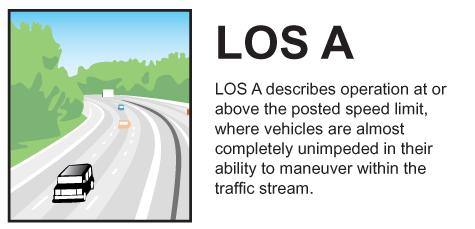
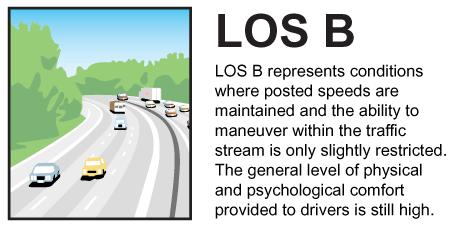
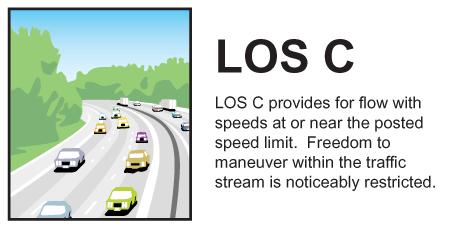
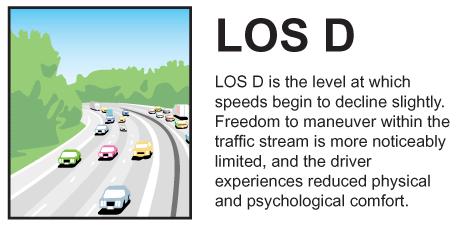
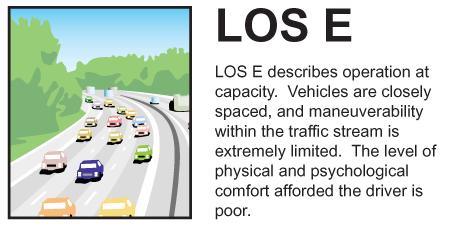
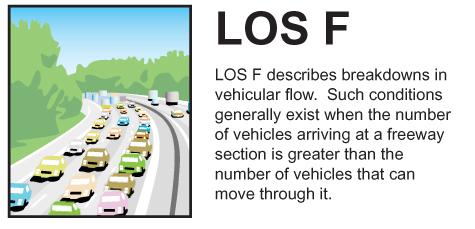
to increase to approximately 118,800 TPD AADT (11,286 Peak Hour). The current established LOS D capacity for this roadway is 123,600 TPD AADT (8,950 Peak Hour). This would result in a projected LOS of F D in 2045 AADT and (LOS F Peak Hour) in 2045.
• Proposed Improvements
o There is an ongoing improvement in the 2022-2026 Broward MPO TIP to widen Sawgrass (SR869) from Oakland Boulevard to Atlantic Boulevard with a total cost of $69,5256,813.
• Facility Description
o Discussion. The Florida Turnpike is generally located in the eastern portion of the City. This roadway enters the City Limits from the south about one (1) mile south of Commercial Boulevard and traverses north until exiting the City Limits about 1,000 feet north of Commercial Boulevard. A total of approximately 1.2 miles traverse through the City. The Florida Turnpike extends north to Wildwood in Central Florida and south to Florida City in southern Miami-Dade County. The roadway is a six (6) lane divided principal arterial. The Florida Turnpike is well paved and clearly marked with traffic lane striping. This roadway is “super elevated”. Commercial Boulevard crosses over the Turnpike and an interchange exists on the east side of the Turnpike. The State of Florida Department of Transportation Turnpike District maintains the Florida Turnpike.
o Traffic Signalization. There are no traffic signals. However, there is a toll plaza at the Commercial Boulevard interchange. Adjoining land uses/access - Adjoining land uses are predominately golf course fairways and single-family homes both north and south of Commercial Boulevard. The interchange/toll plaza is located at the northeast quadrant of the intersection.
• Present Level of Service
o The roadway segment south of Commercial Boulevard currently is handling 121,800 TPD AADT (11,571 Peak Hour). The roadway segment north of Commercial Boulevard currently is handling 105,700 TPD AADT (10,042 Peak Hour). The current LOS D volume for the Florida Turnpike is 123,600 TPD AADT (10,220 Peak Hour) for the segment south of Commercial Boulevard. Therefore, the current V/C ratio is 0.99 AADT (1.13 Peak Hour). This results in LOS D AADT (LOS F Peak Hour). For the segment north of Commercial Boulevard, the current LOS D volume for the Florida Turnpike is 123,600 TPD AADT (10,042 Peak Hour). Therefore, the current V/C ratio is 0.86 AADT (0.96 Peak Hour). This results in LOS D AADT (LOS F Peak Hour).
• Future Level of Service
o The current Broward County long-range forecast is for 2045. The current FDOT projected LOS D capacity for this roadway is 164,200 TPD AADT (13,620 Peak Hour). The 2045 capacity is projected to be 165,800 TPD AADT (15,751 Peak Hour) for the segment north of Sunrise Boulevard (or south of Commercial Boulevard), and a capacity of 154,300 TPD AADT (14,659 Peak Hour) for the portion North of Commercial Boulevard. These volumes would result in projected V/C ratios of 1.01 AADT (1.16 Peak Hour) for the FL Turnpike north of Sunrise Blvd., and 0.94 AADT (1.08 Peak Hour) for segment north of Commercial Boulevard. This results in a projected LOS of E (LOS F Peak Hour) and LOS D AADT (LOS E Peak Hour) in 2045, respectively.
• Proposed Improvements
o There is one improvement in the 2022-2026 Broward MPO TIP to resurface the Turnpike Mainline in Broward County with a total cost of $24,187,698.
o There is one PD & E study in the 2022-2026 Broward MPO TIP to widen the Turnpike from i-595 to Wiles Road, from 8 to 10 lanes, at a cost of $206,130.
Several arterial and County Collector roadways provide travel both through and within the City of Tamarac. These roadways are generally part of Broward County’s system and are maintained by either the State of Florida and/or Broward County.
Nob Hill Road (NW 100th Avenue)
• Facility Description
o Discussion. Nob Hill Road (NW 100th Avenue) is an urban minor arterial roadway in the western portion of the City. Nob Hill Road extends from the Palm Beach County Line to Miami-Dade County although the roadway has several different names on various segments. Nob Hill Road is classified as an Urban Minor Arterial roadway on the Broward County Trafficways Plan. Nob Hill Road (NW 100th Avenue) enters the City Limits from the south at Commercial Boulevard and traverses north until exiting the City Limits at Southgate Boulevard. This roadway is constructed as a four (4) lane divided facility with a 110’ wide right-of-way. Its length within the City Limits is approximately 2.6 miles. Concrete sidewalks exist on a majority of both sides of the roadway. There are six (6) traffic control signals on Nob Hill Road, located at intersections with other arterial or collector roads. There is clearly marked traffic lane striping on the entire length of the roadway.
o Traffic Signalization. Exists at the following locations:
Southgate Boulevard
NW 80th Street
NW 77th Street
NW 71st Place
McNab Road
Commercial Boulevard
All traffic signals are operated and maintained by Broward County.
o Adjoining land uses/access. Adjoining land uses are predominately multiple-family residential and a few single-family residential neighborhoods north of McNab Road. Adjoining land uses between McNab Road and Commercial Boulevard include: a neighborhood commercial shopping center at the southwest corner of McNab Road and Nob Hill Road; an industrial park (Tamarac Commerce Center) on the west side of the roadway; and multiple-family residential, a golf course and the Plum Bay single-family neighborhood on the east side of the road. A gas station also exists at the northeast corner of Commercial Boulevard and Nob Hill Road. Access is generally restricted to controlled driveways and cross-streets as permitted through the Broward County and City platting process.
• Present Level of Service
o The roadway segment north of Commercial Boulevard currently is handling 23,000 TPD AADT (2,185 Peak Hour). The roadway segment north of McNab Road is currently handling 23,500 TPD AADT (2,233 Peak Hour). The roadway segment south of the City Limits from NW 44th Street is currently handling 22,000 TPD AADT (2,090 Peak Hour). The established LOS C volume for Nob Hill Road is 37,810 TPD AADT (3,401 Peak Hour). Therefore, the current V/C ratios are 0.61, 0.62 and 0.58 AADT (0.64, 0.66, 0.61 Peak Hour) respectively. This results in a LOS of C, C and C, respectively for Peak Hour.
• Future Level of Service
o The current Broward County long-range forecast is for 2045. The Broward County estimates for 2045 project traffic levels increasing significantly north of Commercial Boulevard but more modestly on the other segments. The estimates for 2045 are 49,300 TPD AADT (4,684 Peak Hour) north of Commercial Boulevard, 42,900 TPD AADT (4,076 Peak Hour) north of McNab Road and 38,400 TPD AADT (3,648 Peak Hour) North of NW 44 Street. The projected LOS F volume for Nob Hill Road is 37,810 TPD AADT (3,401 Peak Hour. These volumes would result in projected V/C ratios of 1.30, 1.13. and 1.02 AADT (1.38, 1.33, and 1.07 Peak Hour) by 2045. These V/C ratios would result in a projected LOS of F, F and F AADT (F, F and F Peak Hour) by 2045.
• Proposed Improvements
o There are no improvements scheduled to the road per the FDOT/Broward County Work Program and/ or the Broward County Metropolitan Planning Organization (MPO) Transportation Improvement Program (TIP).
• Facility Description
o Discussion. Pine Island Road (NW 88th Avenue) is a north-south urban minor arterial roadway located in the western area of the City. Pine Island Road is classified in the Broward County Transportation Element (Functional Classification) as an Urban Minor Arterial roadway. This roadway begins at the Palm Beach County line and continues south through Broward County into Miami-Dade County. This roadway enters the City Limits from the south at Commercial Boulevard and traverses north until exiting the City Limits at Southgate Boulevard. Pine Island Road is constructed as a four (4) lane divided facility with a 110’ wide right-of-way. The roadway length within the City Limits is approximately 2.6 miles. Concrete sidewalks abut a majority of both sides of the roadway. Some localized flooding occurs on occasion during severe storms.
There are six (6) traffic control signals on Pine Island Road, for an average of 3 per mile. There is clearly marked traffic lane striping on the entire length of the roadway.
o Traffic Signalization. Exists at the following locations:
Southgate Boulevard
NW 81st Street
NW 77th Street
NW 75th Street
McNab Road
Commercial Boulevard
All traffic signals are operated and maintained by Broward County.
o Adjoining land uses/access. Adjoining land uses are primarily single- family residential with a few multiple-family residential developments, golf courses, community facilities (City Hall and Fire Station) and commercial areas (southwest corner of Southgate Boulevard, the northwest, northeast and southeast corners of McNab Road and on both corners at Commercial Boulevard). Pine Island Road provides access to all adjoining land uses via controlled driveway openings and cross- streets.
• Present Level of Service
o The roadway segment north of Commercial Boulevard is currently handling 22,500 TPD AADT (2,138 Peak Hour). The roadway segment north of McNab Road is currently handling 20,500 TPD AADT (1,948 Peak Hour). The roadway segment north of NW 44 Street is currently handling 34,000 TPD AADT (3,230 Peak Hour). The established LOS D volume for Pine Island Road is 56,905 TPD AADT (Peak Hour) for the Commercial Boulevard and north of NW 44th Street segments and 37,810 TPD AADT for north of McNab (3,110 Peak Hour). Therefore, the V/C ratios are 0.40, 0.60, and 0.54 AADT (0.42, 0.63, 0.57 Peak Hour) respectively. This results in a current operating LOS of C, C and C AADT (C, C and C Peak Hour).
• Future Level of Service
o The current Broward County long-range forecast is for 2045. The 2045 traffic volumes are projected to be 49,100 TPD AADT (4,665 Peak Hour) north of Commercial Boulevard, 47,800 TPD AADT (4,541 Peak Hour) north of McNab Road and 63,800 TPD AADT (6,061 Peak Hour) north of NW 44th Street. The projected LOS D volume for Pine Island Road is 56,905 TPD AADT (5,121 Peak Hour) for the Commercial Boulevard segment and north of NW 44th Street segment, and 37,810 TPD AADT (3,401 Peak Hour) for the McNab Road segment. The 2045 V/C ratios, based on the County’s projections, would be 0.86, 1.12 and 1.26 AADT (0.91, 1.18, and 1.33 Peak Hour) respectively. The 2045 V/C ratios would result in LOS of F, F and F AADT and C, F and F for the Peak Hour.
• Proposed Improvements
o There are no improvements scheduled to the road within the City per the FDOT/Broward County Work Program and/or the Broward County Metropolitan Planning Organization (MPO) Transportation Improvement Program (TIP).
• Facility Description
o Discussion. University Drive (SR 817) is a major north-south arterial roadway located in the central portion of Tamarac. The roadway currently terminates just north of Trails End in the City of Parkland (about one mile north of Holmberg Road) but is planned to eventually extend into Palm Beach County intersecting with Glades Road and extends southerly into Miami-Dade County. The portion of the roadway that exists within the City Limits begins at the centerline of Commercial Boulevard and traverses north to the northern City Limits north of Southgate Boulevard. The roadway is constructed as a six (6) lane divided facility with a 200’ wide right-of-way. Its length within the Town limits is approximately 2.5 miles. Concrete sidewalks exist on both sides of the roadway for its full length in the City. A wide outside bike-lane exists along the roadway. An elevated bike/pedestrian overpass exists near the Elementary School/City Park in the 7500 Block. There are eight (8) traffic control signals on University Drive, for an average of 4 per mile. There is clearly marked traffic lane striping on the entire length of the roadway.
o Traffic Signalization – exists at the following locations:
Southgate Boulevard
NW 82nd Street
NW 78th Street
NW 72nd Street (Hospital Entrance)
McNab Road
NW 61st Street
NW 58th Street (Midway Plaza Entrance)
Commercial Boulevard
All traffic signals are operated and maintained by Broward County.
o Adjoining land uses/access – Adjoining land uses are predominantly strip commercial. However, singlefamily residential, multi-family residential, commerce/office and community facility (UHMC hospital/ school/park) land uses are present as well. University Drive provides driveway and cross-street access to all adjoining land uses. A platted frontage road exists on the east side of the road from Southgate Boulevard to north of McNab Road. Some segments have been constructed, but not consistently.
• Present Level of Service
o The roadway segment north of Commercial Boulevard in Tamarac is currently handling 53,500 TPD AADT (5,083 Peak Hour). The roadway segment north of McNab Road is currently handling 48,000 TPD AADT (4,560 Peak Hour). The roadway segment north of Southgate Boulevard is currently handling 39,000 TPD AADT (3,750 Peak Hour). The roadway segment north of NW 44th Street is currently handling 51,500 TPD AADT (4,845 Peak Hour). The established LOS D volume for University Drive is 59,900 TPD AADT (5,390 Peak Hour). Therefore, the current V/C ratios are 0.89, 0.80, 0.65, and 0.85 AADT (0.94, 0.85, 0.69, 0.90 Peak Hour) respectively. This results in a current operating LOS of C for the segments (AADT and Peak Hour).
• Future Level of Service
o The current Broward County long-range forecast is for 2045. The 2045. Broward County projections estimate that traffic volumes will remain about the same south of Commercial Boulevard. The 2045 projected traffic counts for the roadway are 67,000 TPD AADT (Peak Hour) north of Commercial Boulevard, 63,200 TPD AADT (Peak Hour) north of McNab Road 63,400 TPD AADT (Peak Hour) north of Southgate Boulevard, and north of NW 44th Street 67,000 TPD AADT (6,365 Peak Hour). The V/C ratios for 2045 would be LOS F on all roadway segments both AADT and Peak Hour.
• Proposed Improvements
o There are no scheduled improvements to the road per the FDOT/Broward County Work Program and/ or the Broward County Metropolitan Planning Organization (MPO) Transportation Improvement Program (TIP).
• Facility Description
o NW 64th Avenue is a centrally located north-south roadway currently extending from Southgate Boulevard to approximately 1,000 feet north of but not connected to NW 44th Street. The roadway is known as NW 64th Avenue within the City of Tamarac but the name changes to SW 81st Avenue within the City of North Lauderdale. Bailey Road is the northern City Limit boundary where the name change occurs. The Broward County Trafficways Plan identifies NW 64th Avenue (and SW 81st Avenue) from Commercial Boulevard to Atlantic Boulevard within the City of Coral Springs as a 106’ wide arterial roadway. However, this road segment is functionally classified as a City Collector. The roadway is not constructed over the SFWMD C-14 Canal into Coral Springs. The eastern half of the road right-of-way south of Commercial Boulevard is within the Tamarac City Limits and the western half is within the City of Lauderhill. NW 64th Avenue is constructed as a two (2) lane divided facility south of Commercial Boulevard and as a four (4) lane divided facility or with a common center turn lane between Commercial Boulevard and Southgate Boulevard. The roadway length within the City Limits is approximately 1.5 miles. A sidewalk exists on the east side of the roadway from Commercial Boulevard to Bailey Road and on the west side of the roadway from Commercial Boulevard to NW 57th Street.
There are a total of three (3) traffic control signals on NW 64th Avenue within the City Limits and one additional signal that affects the roadway capacity at McNab Road within the City of North Lauderdale. There is traffic lane striping on the entire length of the roadway.
o Traffic Signalization. Exists at the following locations:
McNab Road (not within Tamarac)
Bailey Road
NW 57th Street
Commercial Boulevard
All traffic signals are operated and maintained by Broward County.
o Adjoining land uses/access. Adjoining land uses vary by segment. South of Commercial Boulevard land uses include single-family homes and golf course communities both east of the roadway within Tamarac (Woodlands) and west of the roadway in Lauderhill (Inverrary). A gas station exists at the southwest corner of the Commercial Boulevard intersection. None of the land uses parcels within the Woodlands community have access to NW 64th Avenue. At both the northeast and northwest corners of Commercial Boulevard to NW 57th Street are commercial uses. North of NW 57th Street on the west side of the roadway are single-family homes and on the east side of the roadway are multiple-family residential development.
• Present Level of Service
o The roadway segment north of Commercial Blvd. is currently handling 15,600 TPD AADT (1,482 Peak Hour). The established LOS D volume for NW 64th Avenue north of Commercial Boulevard is 35,820 TPD AADT (3,222 Peak Hour). This results in a V/C ratio of 0.44 or LOS C.
• Future Level of Service
o The 2045 traffic projections estimate is 37,600 TPD AADT (3,572 Peak Hour). Broward County’s projected LOS D capacity for this roadway will remain at 35,820 TPD AADT (3,222 Peak Hour); therefore, the 2030 V/C will be 1.05 AADT (1.11 Peak Hour). This results in LOS F.
• Proposed Improvements
o There are no proposed improvements scheduled to the road per the FDOT/Broward County Work Program and/or the Broward County Metropolitan Planning Organization (MPO) Transportation Improvement Program (TIP).
Rock Island Road
• Facility Description
o Discussion. Rock Island Road is a north-south arterial roadway located in the east-central portion of Tamarac. Rock Island Road enters the City Limits from the south at NW 44th Street and traverses north until exiting the City Limits at Bailey Road. Rock Island Road extends from Wiles Road in the City of Coral Springs southerly to Oakland Park Boulevard in the City of Lauderhill. The roadway is constructed as a four (4) lane divided facility with a 110’ wide right-of-way. Its length within the City Limits is approximately one and one-half (1.5) miles. Concrete sidewalks exist on a majority of both sides of the roadway, although mostly north of Commercial Boulevard. Bike-lanes exist on the edges of the roadway. There are three (3) traffic control signals on Rock Island Road within the City Limits and an additional signal at McNab Road that affects the roadway capacity, for an average of 2 per mile. There is clearly marked traffic lane striping on the entire length of the roadway.
o Traffic Signalization. Exists at the following locations:
McNab Road (not within Tamarac)
Bailey Road
Commercial Boulevard
NW 44th Street
All traffic signals are operated and maintained by Broward County.
o Adjoining land uses/access. Adjoining land uses are almost exclusively townhomes, single-family residential and multiple-family residential. A small commercial center exists at the southeast corner of Commercial Boulevard. Rock Island Road provides direct access to all land uses via limited driveways or cross-streets.
• Present Level of Service
o The roadway segment north of NW 44th Street is currently handling 25,550 TPD AADT (Peak Hour). The roadway segment north of Commercial Boulevard is currently handling 29,500 TPD AADT (Peak Hour). The established LOS D volume for Rock Island Road is 37,810 TPD AADT (Peak Hour). Therefore, the current V/C ratios are 0.67 AADT (0.71 Peak Hour) and 0.78 AADT (0.82 Peak Hour) respectively. This results in a LOS of C AADT (C Peak Hour) and C AADT (C Peak Hour).
• Future Level of Service
o The County’s projected LOS D roadway capacity in 2045 is 37,810 TPD AADT (3,401 Peak Hour).The projected 2045V/C ratios would be 1.13 AADT (1.19 Peak Hour) for the segment north of NW 44th Street and 0.99 AADT (1.04 Peak Hour) for the segment north of Commercial Boulevard. The projected 2045LOS would be D for roadway segments of north of Commercial Boulevard and F for roadway segments north of NW 44th Street and F for both segments Peak Hour.
• Proposed Improvements
o There are no proposed improvements scheduled to the road per the short-range FDOT/Broward County Work Program and/or the Broward County Metropolitan Planning Organization (MPO) Transportation Improvement Program (TIP).
SR 7/US 441
• Facility Description
o Discussion. SR 7/US 441 is a north-south major arterial roadway located in east/ central Tamarac. SR 7/US 441 initiates in north Miami-Dade County and extends across the State of Florida northward into Georgia. The portion of this roadway that exists within the City Limits begins at the southern City Limits approximately one-quarter mile south of Commercial Boulevard and traverses north to the northern City Limits approximately one-half mile north of Commercial Boulevard. The roadway is constructed as a six (6) lane divided facility with a 200’ wide right-of-way. Its length within the City Limits is approximately .75 miles. Concrete sidewalks exist on both sides of the roadway.
o There is only one (1) traffic control signal on SR 7/US 441 within the City, but additional signals exist outside of the City Limits averaging of 3 per mile. There is clearly marked traffic lane striping on the entire length of the roadway.
o Traffic Signalization. Exists at the following location:
Commercial Boulevard
All traffic signals are operated and maintained by Broward County.
o Adjoining land uses/access. Adjoining land uses are exclusively strip commercial. SR 7/US 441 provides access to these uses at numerous driveway openings as much of the existing development occurred prior to current access restrictions.
• Present Level of Service
o The roadway segment north of Oakland Park Boulevard is currently handling 54,000 TPD AADT (5,130 Peak Hour). The roadway segment north of Commercial Boulevard is currently handling 45,500 TPD AADT (4,323 Peak Hour). The established LOS D capacity volume for SR 7/US 441 is 59,900 TPD AADT (5,390 Peak Hour). Therefore, the current V/C ratios are 0.90 AADT (0.95 Peak Hour) and 0.76 AADT (0.80 Peak Hour) respectively. This results in a current operating LOS of C for all roadway segments for AADT and LOS of C for Peak Hour.
• Future Level of Service
o The estimated Year 2045 traffic projections estimate that the traffic volumes will increase gradually during the planning. The projected 2045 traffic volume for this roadway is 58,800 TPD AADT (Peak Hour) north of Commercial Boulevard. North of Oakland Boulevard, Broward County’s projected LOS F capacity volume for this roadway is 63,400 TPD AADT (Peak Hour). Therefore, the volume would result in a projected V/C ratio of 0.98 AADT (1.04 Peak Hour) and 1.06 AADT (1.12 Peak Hour) in 2045. These V/C ratios would result in a projected LOS of D AADT (F Peak Hour) and LOS F (both AADT and Peak Hour) 2045.
• Proposed Improvements
o The SR-7/US-441 Mobility Improvement Project in FDOT District 4 involves enhancing Prospect Road from SR-7/US-441 to SR-870/Commercial Boulevard. The project aims to widen roads, create buffered bicycle lanes in both directions, install continuous sidewalks, and update signage and markings. The project is included in the Broward MPO 2022-2026 TIP with a total cost of $6,990,565.
NW 31st Avenue
• Facility Description
o Discussion. NW 31st Avenue is a north-south arterial roadway located in the eastern portion of Tamarac. This roadway enters the City Limits approximately 700’ south of Commercial Boulevard and exits at the north right-of-way line of Commercial Boulevard. The roadway length with the City Limits is approximately 800’. Concrete sidewalks abut both sides of the roadway.
There is one (1) traffic control signal on the roadway within the City Limits, that being at Commercial Boulevard. Other signals on the roadway in the area that affect the capacity create an average of 2 per mile. There is clearly marked lane striping on the entire length of the roadway.
o Traffic Signalization. Exists at the following location:
Commercial Boulevard
All traffic signals are operated and maintained by Broward County.
o Adjoining land uses/access. The adjoining land use on the east side of the roadway is single-family residential. The land use on the west side of the roadway is a commercial shopping center. North of Commercial Boulevard are office parks and other commercial uses, however, they are not within the City Limits. Access to adjacent land uses is controlled at specifically designated driveway openings.
• Present Level of Service
o The roadway segment north of Oakland Park Boulevard is currently handling 24,500 TPD AADT ( 5,130 Peak Hour). The roadway segment north of Commercial Boulevard is currently handling 24,500 TPD AADT (2,328 Peak Hour). The roadway segment north of Commercial Boulevard is not within the City Limits. The established LOS D capacity volume for NW 31st Avenue is 53,910 TPD (4,851 Peak Hour) for both. Therefore, the current V/C ratios for both segments are 0.45 AADT (0.48 Peak Hour). This results in a current operating LOS of C AADT on both segments for AADT and Peak Hour.
• Future Level of Service
o The estimated Broward County Year 2045 traffic projections estimate that the traffic volumes will. The 2045 projected traffic counts at the same location is 35,800 TPD AADT (3,401 Peak Hour north of Oakland Boulevard and 6, 014 Peak Hour north of Commercial Blvd). The established LOS D capacity volume for NW 31st Avenue is 53,910 TPD (Peak Hour) for both segments. These volumes would result in a projected 2045 V/C of 0.66 AADT (0.70 Peak Hour). These V/C ratios would result in a projected 2045 LOS of C for both AADT and Peak Hour.
• Proposed Improvements
o There are no scheduled improvements to the road per the FDOT/Broward County Work Program and/ or the Broward County Metropolitan Planning Organization (MPO) Transportation Improvement Program (TIP).
NW 21st Avenue
• Facility Description
o NW 21st Avenue is a two (2) lane north/south County Collector roadway located in the far eastern portion of the Tamarac. Only a small segment of the roadway is within the City Limits. The entire length of the roadway within the City Limits is an approximate 300+/- foot length of the roadway north of Prospect Road. The segment of NW 21st Avenue north of the City Limits in this area is within the City of Fort Lauderdale and the segment south of Prospect Road is within the City of Oakland Park. The roadway currently initiates north of Commercial Boulevard at the Fort Lauderdale Executive Airport and extends south to NW 19th Street in the City of Fort Lauderdale. The Broward County Trafficways Plan identifies the required right-of-way as 106 feet. A sidewalk exists on the east side of the roadway the full length of the adjoining commercial parcel. A center left turn lane exists at Prospect Road. There is only one (1) traffic signal on the roadway within the City but one (1) additional traffic signal in the vicinity affects the roadway capacity. There is clearly marked traffic lane striping on the roadway.
o Traffic Signalization. Exists at the following locations:
Commercial Boulevard
Prospect Road
All traffic signals are operated and maintained by Broward County.
o Adjoining land uses/access. Adjoining land uses include a commercial office use on the east side of the road and a vacant industrial parcel on the west side of the roadway. The commercial parcel has a driveway connection to the roadway.
• Present Level of Service
o The roadway segment north of Oakland Park Boulevard is currently handling 16,800 TPD AADT (1,596 Peak Hour). The roadway segment north of Commercial Boulevard is currently handling 2,500 TPD AADT (238 Peak Hour). The established LOS D capacity for the roadway is 13,320 TPD. Therefore, the current V/C ratio is 1.26 AADT (1.33 Peak Hour) along the Oakland Park Boulevard and 0.19 AADT (0.20 Peak Hour) north of Commercial Boulevard. The resulting LOS is C (both AADT and Peak Hour) north of Commercial Blvd and LOS F (both AADT and Peak Hour) north Oakland Park.
• Future Level of Service
o The County provides estimates on both the segments for 2045. The 2045 forecast for the segment north of Commercial Boulevard is 10,700 TPD AADT (1,017 Peak Hour) with a LOS D. The segment north of Oakland Park is projected to have 34,100 AADT (3,240 Peak Hour). This would result in LOS F by 2045.
• Proposed Improvements
o There are no improvements for the roadway listed in either the FDOT/Broward County Work Program or the Broward County Metropolitan Planning Organization (MPO) Transportation Improvement Program (TIP).
McNab Road
• Facility Description
o Discussion. McNab Road is an east-west arterial roadway that is located in the west central portion of the City of Tamarac. McNab Road initiates just east of the Sawgrass Expressway and west of NW 108th Terrace at a residential development entrance. The roadway traverses the City eastward exiting the City just west of SW 81st Avenue in the City of North Lauderdale. The roadway is constructed as a two (2) lane facility from its western terminus to approximately NW 104th Avenue where the roadway widens to a four (4) lane divided facility. The four-lane section continues east to approximately 750’ west of Pine Island Road. McNab Road was widened in 2000 from this point to University Drive as a six (6) lane divided facility. East of University Drive is already a six (6) lane divided facility to the eastern City Limits and beyond. Its length within the City Limits is approximately 3.5 miles. Concrete sidewalks exist along most portions of the roadway. There are five (5) traffic control signals on McNab Road within City Limits and one (1) additional signal at SW 81st Avenue in the City of North Lauderdale that affects the roadway capacity, for an average of 1.71 per mile. There is clearly marked traffic lane stripping on the entire length of the roadway.
o Traffic Signalization. Exists at the following locations:
Nob Hill Road (NW 100th Avenue)
Pine Island Road (NW 88th Avenue)
NW 80th Avenue/Lagos De Campo Boulevard
University Drive
NW 70th Avenue
SW 81st Avenue (not within Tamarac)
All traffic signals are operated and maintained by Broward County.
o Adjoining land uses/access. Adjoining land uses are predominantly single-family and multiple-family residential west of Pine Island Road with a commercial shopping center at the southwest corner at Nob Hill Road (Tamarac Market Place) and another at the northwest corner at Pine Island Road (Tamarac Square West). From Pine Island Road to the University Drive there is strip commercial uses on the north side of the roadway and primarily a golf course community (Colony West) and multiple-family homes on the south side of the roadway. East of University Drive is almost exclusively commercial uses except one multiple-family neighborhood (Lake Colony). Access is generally restricted to limited driveway and cross-street connections but because of the design of the strip commercial area (100’ lots/no Nonvehicular Access Lines), a higher number of curb cuts exist.
• Present Level of Service
o The roadway segment east of Nob Hill Road is currently handling 18,000 TPD AADT (1,710 Peak Hour). The roadway segment east of Pine Island Road is currently handling 26,000 TPD AADT (2,470 Peak Hour). The roadway segment east of University Drive is currently handling 30,800 TPD AADT (2,926 Peak Hour). The established LOS D capacities for McNab Road are 37,810 TPD AADT (3,401 Peak Hour) east of Nob Hill Road, 56,905 TPD AADT (5,121 Peak Hour) east of Pine Island Road, and 59,900 TPD AADT (5,390 Peak Hour) east of University Drive. Therefore, the current V/C ratios are 0.48, 0.46, and 0.51 for AADT and Peak Hour respectively. This results in a current operating LOS of C east of Nob Hill Road and Pine Island Road, and east of University Drive for both AADT and Peak Hour.
• Future Level of Service
o The projected 2045 traffic volumes for the roadway are 17,500 TPD AADT (1,663 Peak Hour) east of Nob Hill Road, 34,900 TPD AADT (3,316 Peak Hour) east of Pine Island Road and 56,905 TPD AADT (4,902 Peak Hour) east of University Drive. These volumes would result in projected 2045 V/C ratios of 0.46, 0.61 and 0.86 AADT (0.49, 0.65 and 0.91 Peak Hour) respectively. The V/C ratios would result in a projected 2045 LOS of C (both AADT and Peak Hour).
• Proposed Improvements
o There are no proposed improvements scheduled to the road per the FDOT/Broward County Work Program and/or the Broward County Metropolitan Planning Organization (MPO) Transportation Improvement Program (TIP).
Bailey Road
• Facility Description
o Discussion. Bailey Road is an Urban County Collector roadway located in north-central Tamarac. The roadway initiates at NW 64th Avenue within the City of Tamarac and terminates at SR 7/US 441 within unincorporated Broward County. The roadway is depicted as an 80 foot wide Collector on the Broward Trafficways Map. The roadway is constructed as a three (3) lane facility from NW 64th Avenue to approximately NW 58th Avenue (two eastbound lanes and one westbound lane), as a four (4) lane divided facility from approximately NW 58th Avenue to about 300 feet west of SR 7/US 441. The City Limits are approximately the centerline of the roadway right-of-way. The City of North Lauderdale is located on the north side of the roadway from NW 64th Avenue to Rock Island Road. North of the roadway from Rock Island Road to SR 7/US 441 is currently within unincorporated Broward County as is the land area from approximately midway between Rock Island Road and SR 7/US 441 on the south side of the roadway. Its length within the City Limits is approximately 1.5 miles but the overall roadway length between NW 64th Avenue and SR 7 is about 2.5 miles. There are three (3) traffic signals along the length of the roadway for an average of .83 per mile. Sidewalks exist along a majority on the south side of the roadway within Tamarac with a few missing segments.
o Traffic Signalization. Exists at the following locations:
NW 64th Avenue
Rock Island Road
SR 7/US 441
All traffic signals are operated and maintained by Broward County.
o Adjoining Land Uses. Adjoining land uses include within the City (south side) are exclusively multiplefamily residential. On the north side of the roadway between NW 64th Avenue (SW 81st Avenue) and Rock Island Road are multiple-family residential, vacant farmland, a cemetery and another large multiplefamily residential development. North of Bailey Road between Rock Island Road and SR 7/US 441 is a single-family community and likewise on the south side of the roadway east of the City Limits.
• Present Level of Service
o The roadway segment east of SW 81 Avenue is currently handling 9,000 TPD AADT (855 Peak Hour). The roadway segment east of the Common is currently handling 9,000 TPD AADT (855 Peak Hour). The roadway east of Sabal Palm Boulevard is currently handling 12,400 AADT ( 1,178 Peak Hour). The established LOS D volume of the roadway is 13,320 TPD AADT (1,197 Peak Hour) on the SW 81st Avenue and Sabal Palm Boulevard segments, and 29,160 TDP AADT (2,628 Peak Hour) on the segment east of the Common. Therefore, the V/C ratios are 0.68, 0.93 and 0.31 AADT respectively. This results in current operating LOS of D (AADT and Peak Hour), and a LOS of C for the east of the Common road segment (AADT and Peak Hour).
• Future Level of Service
o The 2045 projections are 11,600 TPD AADT (1,102 Peak Hour) east of SW 81st Avenue, the segment east of the Common projects 18,500 TPD AADT (1,758 Peak Hour) and 18,600 TPD AADT (1,767 Peak Hour) east of Sabal Palm Boulevard. These volumes would result in V/C ratios of 0.40, 0.63 and 0.64 AADT
(0.42, 0.67 and 0.67 Peak Hour). These V/C ratios would result in LOS C (ADT and Peak Hour) on the SW 81 Avenue segment and LOS D (AADT and Peak Hour) on the Common and Sabal Palm Boulevard roadway segments.
• Proposed Improvements
o There are no proposed improvements scheduled to the road per the FDOT/Broward County Work Program and/or the Broward County Metropolitan Planning Organization (MPO) Transportation Improvement Program (TIP).
Commercial Boulevard (SR 870)
• Facility Description
o Discussion. Commercial Boulevard is an east-west principal arterial roadway that is located generally on the southern edge of the City of Tamarac. Commercial Boulevard initiates at the southwest corner of the City at the Sawgrass Expressway interchange and traverses east until exiting the City Limits east of Prospect Road. The roadway continues east after exiting the City through the City of Fort Lauderdale terminating at SR A1A. The roadway is constructed as a six (6) lane divided facility from the Sawgrass Expressway to SR A1A with a 120’ wide right-of-way. Its length within the City Limits is approximately 7.9 miles. In some sections, the right-of-way acts as the only connection between City development areas, primarily east of SR 7/US 441. The centerline of the roadway west of NW 64th Avenue is the municipal boundary with the Cities of Lauderhill and Sunrise. Concrete sidewalks exist on a majority of both sides of the roadway. There are twenty (21) traffic signals on Commercial Boulevard, for an average of 2.66 per mile. However, the major concentration of traffic signals occurs between Rock Island Road and SR 7/US 441. There is adequate marked traffic lane striping on the entire length of the roadway.
o Traffic Signalization. Exists at the following locations:
Sawgrass Expressway (Flashing @ SB Exit ramp)
Hiatus Road
Nob Hill Road
NW 94th Avenue
Pine Island Road
NW 79th Avenue
University Drive
NW 70th Avenue
NW 64th Avenue
Woodlands Boulevard
Rock Island Road
NW 50th Avenue
NW 49th Avenue
Florida Turnpike Entrance
NW 47th Terrace
Sunshine Plaza Entrance
Mainland Drive
SR 7/US 441
NW 33rd Avenue
NW 31st Avenue
Prospect Road
All traffic signals are operated and maintained by Broward County.
o Adjoining land uses/access. Adjoining land uses vary greatly along the roadway. Adjoining the roadway between the Sawgrass Expressway and Nob Hill Road are industrial uses both in the City of Sunrise on the south and within the new Tamarac Commerce Park on the north. Adjoining the roadway between Nob Hill Road and Pine Island Road on the south side within the City of Sunrise include vacant platted commercial areas near Nob Hill Road, the Faith Center, new commercial developments and a Townhouse development near Pine Island Road. On the north side within the City of Tamarac is a gas station at Nob Hill Road, passive open space (lake), an industrial use and Challenger Elementary and Millennium Middle Schools at NW 94th Avenue and platted strip commercial parcels. Adjoining the roadway between Pine
Island Road and University Drive are platted strip commercial parcels both within the City of Tamarac on the north and within the City of Lauderhill on the south. The developed land has been rezoned to a Mixed-Used District (MXD) to encourage redevelopment. Adjoining the roadway between University Drive and NW 64th Avenue are platted strip commercial parcels both within the City of Tamarac on the north and within the City of Lauderhill on the south. Much of this land area is developed with low intensity (one story) commercial uses. Adjoining the roadway between NW 64th Avenue and Rock Island Road are almost exclusively residential uses except at the northeast corner at NW 64th Avenue where a few commercial uses exist. The uses in this area include the Woodlands golf course community on the south and several mostly multiple-family residential developments on the north side. Adjoining the roadway between Rock Island Road and the Florida Turnpike are mostly single-family homes and new townhomes and single- family residences and one commercial use at the southeast corner of Rock Island Road. Adjoining the roadway between the Florida Turnpike and SR 7/US 441 are exclusively commercial uses. On the south side of the road are strip commercial uses and on the north is the Sunshine Plaza Shopping Center, a City Fire Station and an entrance road to several multiple-family complexes. Also, the Turnpike entrance is located midway between the Turnpike and SR 7. Adjoining the roadway between SR 7/US 441 and NW 31st Avenue are strip commercial and office complexes. Very little of the adjoining land uses are within the City, rather, the Commercial Boulevard right-of-way comprises the City Limits in many areas. There are commercial land uses within the City Limits on both sides of the roadway near SR 7/US 441 (about 1,800’ east of SR 7) and a commercial shopping center exists at the southwest corner of NW 31st Avenue. Adjoining the roadway between NW 31st Avenue and Prospect Road include commercial uses at the northeast corner at NW 31st Avenue and a large community facility use (church) just east of that area, all within the City of Fort Lauderdale. At the northwest corner of Commercial Boulevard and Prospect Road is a gas station site and single-family homes within the Tamarac Lakes neighborhood. On the south side of the roadway are primarily single- family homes within the Tamarac Lakes neighborhood and several commercial uses at southwest corner with Prospect Road. Access to the roadway varies greatly. Most access is via controlled driveways and cross-streets. However, many of the strip commercial areas have numerous driveway connections in close proximity to other driveway connections that occasionally causes friction with through movements. The area between Rock Island Road and SR 7/US 441 is very congested as numerous adjoining developments connect to Commercial Boulevard in this area, many at signalized intersections. This situation affects the roadway capacity and LOS. As Commercial Boulevard is a State road, access is controlled by FDOT. Much of the existing development pre- dated the FDOT Access Management Standards. The FDOT is studying the corridor to identify improvements affecting the capacity and design characteristics of the roadway.
• Present Level of Service
o The roadway segment east of the Sawgrass Expressway is currently handling 27,000 TPD AADT (2,565 Peak Hour). The roadway segment east of Nob Hill Road is currently handling 31,000 TPD AADT (2,945 Peak Hour). East of Pine Island Road is currently handling 32,000 TPD AADT (3,040 Peak Hour). The roadway segment east of University Drive is currently handling 52,000 TPD AADT (4,940 Peak Hour). The roadway segment east of SW 81st Avenue is currently handling 55,600 TPD AADT (5,282 Peak Hour). The roadway segment east of Rock Island Road is currently handling 70,500 TPD AADT (6,698 Peak Hour). The roadway segment east of SR 7/US 441 is currently handling 51,000 TPD AADT (4,845 Peak Hour). The roadway segment east of NW 31st Avenue is currently handling 52,500 TPD AADT (4,988 Peak Hour). The roadway segment east of NW 21st Avenue (and Prospect Road) is currently handling 53,000 TPD AADT (5,035 Peak Hour). The established LOS traffic volume for Commercial Boulevard is D. Therefore, the current V/C ratios are 0.45, 0.52, 0.53, 0.87, 0.93, 1.18, 0.85, 0.88 and 0.88 AADT (0.48, 0.55, 0.56, 0.92, 0.98, 1.24, 0.90, 0.93, and 0.93 Peak Hour) respectively. This results in a current operating LOS of C, C, C, C, C, F, C, C, and C AADT (C, C, C, C, D, F, C, C, and C Peak Hour) respectively.
• Future Level of Service
o The 2045 Year traffic projections estimate that the traffic volumes will increase significantly on the western segments and increase gradually on the balance of the roadway segments. The projected 2045 traffic volumes for the roadway are 46,300 TPD AADT (4,399 Peak Hour) east of the Sawgrass Expressway, 52,200 TPD AADT (4,959 Peak Hour) east of Nob Hill Road, 57,500 TPD AADT (5,463 Peak Hour) east of Pine Island Road, 68,000 TPD AADT (6,460 Peak Hour) east of University Drive, 60,900 TPD AADT (5,786 Peak Hour) east of SW 81st Avenue, 75,000 TPD AADT (7,125 Peak Hour) east of Rock Island Road, 72,200
TPD AADT (6,859 Peak Hour) east of the Florida Turnpike, 65,800 TPD AADT (6,251 Peak Hour) east of SR 7/US 441, 64,800 TPD AADT (6,156 Peak Hour) east of NW 31st Avenue and 61,500 TPD AADT (5,843 Peak Hour) east of NW 21st Avenue. Broward County’s projected 2045 LOS D capacities for this roadway is 59,900 AADT (5,390 Peak Hour). These volumes would result in projected 2045 V/C ratios of 0.77, 0.87, 0.96, 1.14, 1.02, 1.25, 1.21, 1.10, 1.08, 1.03AADT (0.82, 0.92, 1.01, 1.20, 1.07, 1.32, 1.27, 1.16, 1.14 and 1.08 Peak Hour) respectively. These V/C ratios would result in projected 2045 LOS of C, C, C, F, F, F, F, F, F and F AADT (C, C, F, F, F, F, F, F, F, and F Peak Hour).
• Proposed Improvements
o There are no proposed improvements scheduled to the road per the FDOT/Broward County Work Program and/or the Broward County Metropolitan Planning Organization (MPO) Transportation Improvement Program (TIP).
• Facility Description
o Discussion. Prospect Road is an east-west and north-south collector roadway located in the eastern portion of Tamarac. Within the City Limits, this roadway is constructed as a two (2) lane urban local collector roadway from NW 31st Avenue to Commercial Boulevard and as a four (4) lane divided roadway from Commercial Boulevard southeasterly to the eastern City Limits. The right-of- way requirement according to the Broward County Trafficways Plan is 100’. The entire length of the roadway within the City Limits is approximately 1.7 miles. Concrete sidewalks exist on both sides of the roadway on the segment south of Commercial Boulevard and on the west side of the roadway north of Commercial Boulevard to where Prospect Road turns west and is known as NW 53rd Street. There are two (2) traffic control signals on Prospect Road within the City Limits, for an average of approximately 1.18 per mile. There is clearly marked traffic lane striping on the entire length of the roadway.
o Traffic Signalization. Exists at the following locations:
Commercial Boulevard
NW 21st Street
All traffic signals are operated and maintained by Broward County.
o Adjoining land uses/access. Adjoining land uses are primarily single- family residential, commercial recreation (golf course), a City park and commercial uses at Commercial Boulevard and NW 21st Street. Prospect Road provides access to adjacent properties at controlled driveways and cross-streets.
• Present Level of Service
o The roadway segment east of NW 31st Avenue is currently handling 8,900 TPD AADT (846 Peak Hour). The roadway segment south of Commercial Boulevard is currently handling 15,600 TPD AADT (1,482 Peak Hour). The established LOS D volume for Prospect Road east of NW 31st Avenue is 13,320 TPD AADT (1,197 Peak Hour). The established LOS D capacity south of Commercial Boulevard is 37,810 TPD AADT (3,401 Peak Hour). Therefore, the current V/C ratios are 0.67 and 0.41 AADT (0.71 and 0.44 Peak Hour) respectively. This results in a current operating LOS of D and C for both AADT and Peak Hour conditions.
• Future Level of Service
o The 2045 Year traffic projections estimates that traffic counts will increase significantly on the roadway segments, more than doubling south of Commercial Boulevard by 2045. The County forecasts for the segment south of Commercial Boulevard and east of NW 31st Avenue. The 2045 estimate for south of Commercial Blvd is 35,600 TPD AADT (3,382 Peak Hour).The 2045 estimate for east of NW 31st Avenue is 13,100 TPD AADT (1,245 Peak Hour). Broward County’s projected LOS D capacity for the east of NW 31st Avenue segment is 13,320 TPD AADT (1,197 Peak Hour) and for the roadway segment south of Commercial Boulevard is 37,810 TPD AADT (3,401 Peak Hour). This volume would result in a projected 2045 V/C ratio of 0.98 AADT (1.04 Peak Hour) and 0.94 AADT (0.99 Peak Hour), respectively. This V/C ratio would result in 2045 projected LOS of D for AADT and E for Peak Hour conditions on the NW 31st Avenue segment, and LOS of C AADT (D Peak Hour) south of Commercial.
• Proposed Improvements
o There are no improvements scheduled to the road per the FDOT/Broward County Work Program and/ or the Broward County Metropolitan Planning Organization (MPO) Transportation Improvement Program (TIP).
Numerous City Collector roadways provide travel links within the City of Tamarac connecting local roadways to County Collectors and Arterial roadways. The City of Tamarac maintains these roadways.
NW 108th Terrace/NW 80th Street
• Facility Description
o Discussion. NW 108th Terrace is a north-south roadway that turns into NW 80th Street as an east-west collector roadway located in the northwestern portion of Tamarac. The roadway is located entirely within the City Limits. NW 108th Terrace initiates at McNab Road and traverses northward until curving eastward, turning into NW 80th Street and connecting to Nob Hill Road. This roadway is constructed as a four (4) lane facility within an 80’ wide right-of-way. Its length within the City Limits is approximately 1.84 miles. A sidewalk exists on the east side of NW 108th Terrace from NW 71st Place northward and the south side of NW 80th Street adjacent to developed Kings Point areas. There is one (1) traffic control signal on NW 80th Street. There is clearly marked traffic lane striping and signage on the entire length of the roadway.
o Traffic Signalization. Exists at the following location: Nob Hill Road
All traffic signals are operated and maintained by Broward County.
o Adjoining land uses/access. Adjoining land uses include single-family residential, townhouses and multiple-family residential, primarily in the Kings Point community. Access to NW 108th Terrace and NW 80th Street are provided at controlled driveways and cross-streets.
• Present Level of Service
o The segment of NW 108th Terrace north of McNab Road is currently handling 3,600 TPD AADT (277 Peak Hour) and the segment at NW 80th Street west of Nob Hill Road is currently handling 6,680 TPD AADT (621 Peak Hour). The established LOS D volume for the roadway is 21,700 TPD AADT (2,070 Peak Hour). Therefore, the current V/C ratio is 0.17 and 0.31 AADT (0.13 and 0.30 Peak Hour) respectively. This results in a current operating LOS of C for both roadway segments during AADT and Peak Hour periods.
• Future Level of Service
o The estimated 2009 and Broward County Year 2025 traffic projections only estimate traffic on NW 108th Terrace north of McNab Road. The County projects that the traffic counts will increase significantly, in fact, doubling by 2025. The 2009 estimate is 4,400 TPD AADT (409 Peak Hour) north of McNab Road. The 2025 estimate is 6,500 TPD (605 Peak Hour). Broward County’s projected LOS D capacity for this roadway is 21,700 TPD AADT (2,070 Peak Hour). Therefore, this volume would result in a projected V/C ratio of 0.20 in 2009 and 0.30 in 2025. These V/C ratios would result in a projected LOS of C throughout the planning period. The City obtained separate traffic counts for NW 80th Street west of Nob Hill Road in 2000 to establish baseline conditions. The forecasts have been factored as per Broward County instructions.
• Proposed Improvements
o There are no proposed improvements scheduled to the road per the FDOT/Broward County Work Program and/or the Broward County Metropolitan Planning Organization (MPO) Transportation Improvement Program (TIP).
Hiatus Road
• Facility Description
o Discussion. Hiatus Road is a north-south Urban County collector roadway located in the southwestern portion of Tamarac. This roadway is constructed as a four (4) lane divided facility. The Broward County Trafficways Plan requires a 106’ wide right-of-way. The roadway initiates at McNab Road and traverses southward across Broward County to Pembroke Road although the roadway is not entirely continuous at present. The length of the portion within the City is approximately 1.0 mile. A concrete sidewalk partially exists on the west side of the roadway north of Commercial Boulevard and will be extended as new development occurs. There is only one (1) traffic control signal on Hiatus Road, for an average of 1.0 per mile. There is clearly marked traffic lane striping on the entire length of the roadway.
o Traffic Signalization. Exists at the following location:
Commercial Boulevard
All traffic signals are operated and maintained by Broward County.
o Adjoining land uses/access. Adjoining land uses are exclusively industrial in nature. This road was recently constructed to serve the developed Tamarac Commerce Park. Hiatus Road provides access to the adjoining properties at controlled driveway openings and at several cross streets.
• Present Level of Service
o The roadway segment north of Commercial Boulevard is handling a volume of 12,700 TPD AADT (1,207 Peak Hour). The established roadway capacity for LOS D is 37,810 AADT (3,401 Peak Hour). This results in a V/C ratio of 0.34 AADT (0.35 Peak Hour) and a LOS C for both AADT and Peak Hour.
• Future Level of Service
o The 2045 traffic projection north of Commercial Boulevard is estimated to be 46,800 TPD AADT (4,446 Peak Hour). Broward County’s projected LOS D capacity for this roadway will be 37,810 AADT (3,401 Peak Hour). Therefore, this volume would result in a projected V/C ratio of 1.24 for AADT and 1.31 at Peak Hour in 2045. These V/C ratios would result in a projected LOS of F for both AADT and Peak Hour.
• Proposed Improvements
o There are no improvements scheduled to the road per the FDOT/Broward County Work Program and/ or the Broward County Metropolitan Planning Organization (MPO) Transportation Improvement Program (TIP).
NW 94th Avenue/ Westwood Drive West
• Facility Description
o Discussion. NW 94th Avenue/Westwood Drive West is a north-south collector roadway located in the west central portion of Tamarac. This roadway is constructed as a four lane divided (4LD) local collector from Commercial Boulevard to NW 60th Street (106’ wide right-of-way) and as a two (2) lane local collector from NW 60th Street to McNab Road (60’ wide right-of-way). The entire length of the roadway is within the City Limits and is approximately 1.0 mile in length. Only a few segments of sidewalks exist along the roadway. A bike-lane connection exists between Commercial Boulevard and NW 57th Street. There is one traffic control signal on the roadway. There is clearly marked traffic lane striping on those sections of the roadway requiring striping.
o Traffic Signalization. Exists at the following location:
Commercial Boulevard
o Adjoining land uses/access. Adjoining land uses include multiple-family residential near McNab Road, single-family residential and a golf course in the middle portion, townhouses in the Plum Bay and Landing on Cypress Green communities, an industrial parcel, Millennium Middle School and Challenger Elementary School on the west side of the road at Commercial Boulevard and a bank and vacant commercial parcels on the east side of the road at Commercial Boulevard. NW 94th Avenue/Westwood Drive West provides access to adjoining parcels at controlled driveway openings and at cross-streets.
• Present Level of Service
o The roadway segment north of Commercial Boulevard is currently handling 57,000 TPD AADT (542 Peak Hour). The capacity of the roadway is 13,320 TPD AADT (1,197 Peak Hour). Therefore, the current V/C ratio is 0.43 AADT (0.45 Peak Hour). This results in a current operating LOS of C AADT and Peak Hour LOS of C periods.
• Future Level of Service
o Broward County projections estimate traffic for the segment north of Commercial Boulevard at 167,000 AADT (1,587 Peak Hour). The 2045 projected LOS D capacity is 13,320 AADT (1,197 Peak Hour). Therefore, this volume would result in a projected V/C ratio of 1.25 AADT (1.32 Peak Hou) and a LOS of F both for AADT and Peak Hour.
• Proposed Improvements
o There are no improvements scheduled to the road per the FDOT/Broward County, Broward County Metropolitan Planning Organization (MPO) Transportation Improvement Program (TIP) or City plans.
NW 84th Terrace
• Facility Description
o Discussion. NW 84th Terrace is a north-south City collector roadway located in the west central portion of Tamarac. This roadway is constructed as a four (4) lane facility. The roadway begins at Commercial Boulevard and traverses north until terminating at Lagos De Campo Boulevard. Its length within the City Limits is approximately one- half mile. There are short segments of sidewalks along the roadway, mostly adjacent to multiple-family developments at NW 61st Street and Lagos De Campo Boulevard.
o Traffic Signalization. There are no traffic signals, however, traffic control signs and lane striping do exist.
o Adjoining land uses/access. Adjoining land uses are predominately commercial near Commercial Boulevard, single-family residential in the middle segment and multiple-family residential north of NW 61st Street. Access to adjoining properties is via limited driveways and cross-streets.
• Present Level of Service
o As the roadway is a City street, Broward County does not monitor traffic counts.
Future Level of Service
o Broward County does not provide any estimates for future conditions, as the roadway is a City street. As this area is completely built-out, it is expected that the current traffic volumes should remain nearly the same.
• Proposed Improvements
o There are no improvements scheduled to the road.
NW 80th Avenue
• Facility Description
o Discussion. NW 80th Avenue is a north-south City Collector roadway located in the north central portion of Tamarac. This roadway is constructed as a four (4) lane facility with an 80’ wide right-of-way. The roadway begins at a signalized intersection on McNab Road at extends north meandering through the Woodmont community and then curving westward to Pine Island Road. As the roadway curves west at NW 82nd Street, the name of the roadway changes to NW 81st Street. The extension of the roadway south of McNab Road is known as Lagos De Campo Boulevard. The entire length of the roadway is within the City Limits and is approximately 1 mile. Sidewalks exist on both sides of the road between McNab Road and NW 57th Street. A sidewalk exists on the east side of the roadway only from the southerly boundary of the University Hospital Medical Center (UHMC) campus to NE 78th Street. There is only one (1) traffic control signal on NW 80th Avenue. There is clearly marked traffic lane striping on the entire
length of the roadway.
o Traffic Signalization. Exists at the following location:
McNab Road
All traffic signals are operated and maintained by Broward County.
o Adjoining land uses/access. Adjoining land uses include strip commercial at the McNab intersection, the UHMC campus rear entry, a large passive park (ESL), single-family and multiple-family residential developments and the Woodmont Country Club golf course and club facility. NW 80th Avenue provides access to adjoining land uses at controlled driveways and cross-streets.
• Present Level of Service
o As the roadway is a City street, Broward County does not monitor traffic counts.
• Future Level of Service
o Broward County does not provide any estimates for future conditions, as the roadway is a City street.
• Proposed Improvements
o There are no improvements scheduled to the road.
NW 70th Avenue/Brookwood Boulevard (NW 72nd Avenue)
• Facility Description
o Discussion. NW 70th Avenue is a north/south City Collector roadway located in the central portion of Tamarac. The roadway is constructed as a four (4) lane facility. Some portions of the roadway have a median dividing the travel lanes (Commercial Boulevard to McNab Road and McNab Road to approximately NW 77th Street). The roadway is composed of two sections that are not continuous, rather, the mid-point alignment on McNab Road are offset. The southerly roadway segment initiates at Commercial Boulevard and traverses north and northwesterly terminating at McNab Road. As the roadway bends westerly from the Commercial Boulevard alignment, the name of the posted roadway changes to Brookwood Boulevard (NW 72nd Avenue). The northerly roadway segment initiates at McNab Road and traverses northerly curving westward to University Drive. The name of the roadway changes at the curve (NW 71st Avenue) to NW 82nd Street. The roadway has a 60-foot right-of-way per the recorded plat. The only existing sidewalk segments are located between Commercial Boulevard and NW 57th Street and at the far north end of the roadway as the roadway intersects with NW 82nd Street. There is clearly marked traffic lane striping on the entire length of the roadway.
o Traffic Signalization. Exists at the following location:
McNab Road (segment north of McNab Road)
Commercial Boulevard
All traffic signals are operated and maintained by Broward County.
o Adjoining land uses/access. This roadway provides access primarily to single-family residential developments immediately abutting the facility. Many single-family lots front onto the roadway with direct driveway connections. The remainder of the lots in the area has access via cross- streets.
• Present Level of Service
o The roadway segment north of McNab Road was determined to have a 6,100 TPD AADT (580 Peak Hour) in 2020. The roadway capacity is 13,320 TPD AADT (4,500 Peak Hour). This results in V/C ratios of 0.46 AADT (0.48 Peak Hour) resulting in a LOS of C at AADT and Peak Hour.
• Future Level of Service
o The projected 2045 volume for the segment north of McNab Road will be 4,500 AADT (428 Peak Hour). The projected capacity is 13,320 AADT (1,197 Peak Hour). This volume would result in a projected V/C ratio of 0.34 AADT (0.36 Peak Hour), and a LOS of C for both AADT and Peak Hour.
• Proposed Improvements
o Therefore, there are no capacity improvements anticipated to maintain an acceptable level of service.
Southgate Boulevard
• Facility Description
o Discussion. Southgate Boulevard is an east-west City Collector roadway located in the northern portion of Tamarac. Southgate Boulevard initiates just east of the Sawgrass Expressway at a subdivision entrance and traverses east until its terminus into the City of North Lauderdale just west of SW 81st Avenue (known as NW 64th Avenue in Tamarac). This roadway is constructed as a four (4) lane divided urban local collector its full length. The roadway is currently classified as a City Collector with a 106’ wide right-of-way. Its length within the City Limits is approximately 3.75 miles. Concrete sidewalks exist only on the south side of the roadway from University Drive to the eastern City Limits. There are three (3) traffic control signals on Southgate Boulevard within the City Limits and another at SW 81st Avenue in the City of North Lauderdale just east of the City Limits that affects the capacity, for an average of approximately 1 per mile. There is clearly marked traffic lane striping on the entire length of the roadway.
o Traffic Signalization. Exists at the following locations:
SW 81st Avenue (not within Tamarac)
Nob Hill Road
Pine Island Road
University Drive
All traffic signals are operated and maintained by Broward County.
o Adjoining land uses/access. Adjoining land uses are predominantly single-family residential, multiple family residential, an open space corridor with a linear walkway and golf course. A commercial shopping center exists at the southwest corner at Pine Island Road and commercial uses exist at both the southwest and southeast corners at University Drive. Access to adjacent land uses is very limited, primarily from cross-streets and a few driveway connections.
• Present Level of Service
o The segment east of Sawgrass Expressway is currently handling 2,100 TPD AADT (200 Peak Hour). The segment east of Coral Ridge Drive is currently handling 9,000 AADT (855 Peak Hour). East of Coral Springs, the segment is currently handling 11,100 AADT (1,055 Peak Hour). For the segment east of University Drive, there are 23,000 AADT (2,185 Peak Hour). And for the segment east of the City Limits 20,000 AADT (1,900 Peak Hour). The roadway segment east of Sawgrass Expressway has a LOS D capacity of 15930 AADT (1,440 Peak Hour), while the remaining segments have a capacity of 35,820 AAD (3,222 Peak Hour). Therefore, the current V/C ratios are 0.13, 0.25, 0.31, 0.64, 0.56 AADT (0.14, 0.27, 0.33, 0.68, 0.59 Peak Hour). This results in a current operating LOS of C for both AADT and Peak Hour, for all segments analyzes.
• Future Level of Service
o The estimated Year 2045 traffic projection estimates that the traffic volumes will increase significantly in the future. The projected 2045 volumes for the roadway are 4,000 AADT (380 Peak Hour) east of Sawgrass Expressway, 24,300 AADT (2,309 Peak Hour) east of Coral Ridge Drive, 21,700 AADT (2,062 Peak Hour) east of Coral Springs Drive, 43,300 TPD AADT (4,114 Peak Hour) east of University Drive, and 35,400 AADT (3,363 Peak Hour) east of the City Limits. These volumes would result in projected V/C ratios of 0.14, 0.68, 0.61, 1.21, and 0.99 AADT (0.14, 0.72, 0.64, 1.28, and 1.04 Peak Hour) respectively. These V/C ratios will result in a projected LOS of C, C, C, F, D AADT (C, C, C, F and F Peak Hour).
• Proposed Improvements
o There are no improvements scheduled to the road per the FDOT/Broward County Work Program and/ or the Broward County Metropolitan Planning Organization (MPO) Transportation Improvement Program (TIP).
NW 82nd Street
• Facility Description
o Discussion. NW 82nd Street is a four (4) lane divided east/west City Collector roadway located in the north-central portion of Tamarac. The roadway initiates at the intersection of NW 80th Avenue and NW 81st Street west of University Drive and extends across University Drive at a signalized intersection terminating into NW 70th Avenue as that roadway curves southerly. Sidewalks exist only adjacent to the commercial uses west of University Drive and extend east of University Drive to the connection to NW 70th Avenue.
o Traffic Signalization. Exists at the following location:
University Drive
School Crossing near NW 74th Terrace
All traffic signals are operated and maintained by Broward County.
o Adjoining land uses/access. This roadway provides access to three (3) single-family neighborhoods within the Woodmont Country Club community west of University Drive, commercial uses at all four corners at University Drive and cross-streets into single–family neighborhoods east of University Drive.
• Present Level of Service
o Information relating to the current and/or projected traffic volumes on this roadway is not available from Broward County.
• Future Level of Service
o Since the area is virtually built-out, future traffic volumes are anticipated to be similar to existing conditions.
• Proposed Improvements
o No improvements are needed to insure the provision of an acceptable level of service.
NW 81st Street
• Facility Description
o Discussion. NW 81st Street is a four (4) lane divided east/west City Collector roadway located in the northwestern portion of Tamarac. The roadway initiates at Nob Hill Road and continues east until intersecting with NW 82nd Street and NW 80th Avenue. NW 81st Street curves southerly turning into NW 80th Avenue. Sidewalks currently exist on the south side of the roadway from NW 80th Avenue to NW 86th Way, on both sides of the roadway adjacent to the commercial uses west of NW 88th Avenue (Pine Island Road) and on the south side of the roadway from Nob Hill Road to NW 96th Avenue adjacent to an apartment complex.
o Traffic Signalization. Exists at the following location: NW 88th Avenue (Pine Island Road)
All traffic signals are operated and maintained by Broward County.
o Adjoining land uses/access. This roadway provides access to eight (8) single-family neighborhoods, all at cross-streets, a commercial shopping center at the northwest corner of Pine Island Road and an apartment complex at the southeast corner of Nob Hill Road.
• Present Level of Service
o The segment east of Nob Hill is currently handling 2,800 TPD AADT (266 Peak Hour). The segment east of Pine Island Road is currently handling 5,400 AADT (513 Peak Hour). Therefore, the current V/C ratios are 0.10, 0.19 AADT (0.10, 0.19 Peak Hour). This results in a current operating LOS of C for both AADT and Peak Hour, for both segments analyzes.
• Future Level of Service
o Since the area is virtually built-out, future traffic volumes are anticipated to remain similar to existing conditions.
• Proposed Improvements
o Based upon the existing LOS, there are no improvements anticipated to insure the provision of an acceptable level of service.
The following text provides an abbreviated description of several minor City Collector roadways that have existed for many years in neighborhoods that are completely developed. A roadway description is provided as well as a notation of existing and projected traffic volumes and an LOS analysis.
NW 78th Street is a four (4) lane divided City Collector roadway located in the north- central portion of Tamarac. The roadway initiates at NW 80th Avenue and terminates at University Drive at a signalized intersection. The roadway serves as the main entrance into the Woodmont Country Club community from the east. This roadway provides direct access to three (3) multiple-family communities, two (2) single-family neighborhoods and an office complex at University Drive. Information related to the existing and/or projected traffic volumes on this roadway are not available from Broward County. Since the area is virtually built-out, future traffic volumes are anticipated to remain similar to existing conditions. A sidewalk exists on the south side of the roadway from NW 80th Avenue to NW 78th Avenue connecting to Tamarac Elementary School.
Street
NW 77th Street is a four (4) lane divided City Collector roadway extending between Nob Hill Road and Pine Island Road. The roadway collects traffic from the adjoining developments and distributes the traffic to the arterial roadways. Two (2) traffic signals exist along the roadway, one at the intersection of Pine Island Road and a new signal at the intersection of Nob Hill Road. Adjoining land uses are primarily multiple- family residential. A City park is located at the northeast corner of Nob Hill Road. A strip commercial shopping center, a religious facility and the Kings Point community recreational complex are located at the southeast corner of Nob Hill Road. Finally, a gas station exists at the northwest corner of Pine Island Road and a vacant commercial parcel exists at the southwest corner of Pine Island Road. Sidewalks exist along portions of the roadway. Information related to the existing and/or projected traffic volumes are not available from Broward County. Future traffic volumes can be expected to increase somewhat as several vacant parcels exist along the roadway. The existing 2020 traffic count east of Nob Hill Road is 5,600 TPD AADT (532 Peak Hour). This results in a V/C ratio of 0.19 AADT (0.20 Peak Hour) respectively. The V/C ratios result in current LOS of C for both AADT and Peak Hour periods. It is projected that 2045 traffic volumes could increase to approximately 6,000 TPD AADT (570 Peak Hour). Based upon these existing and projected traffic volumes, no improvements are anticipated to insure the provision of an acceptable level of service. Sidewalks currently exist on the north and south sides of the roadway.
NW 76th Street
NW 76th Street is a two (2) lane City Collector roadway located in north-central Tamarac. The roadway initiates at University Drive and traverses eastward to NW 70th Avenue and continues eastward terminating at NW 66th Terrace. There are no existing traffic signals along the roadway. Adjoining land uses include commercial uses on both sides of the University Drive intersection, multiple-family residential complexes and primarily single-family residential within the Vanguard Village neighborhood. A small segment of sidewalk exists only on the north side of the roadway near University Drive. Many single-family homes front the roadway with direct driveway connections. Information related to the existing and/or projected traffic volumes are not available from Broward County.
NW 75th Street
NW 75th Street is a four (4) lane divided City Collector roadway located in west- central Tamarac. The roadway initiates at Pine Island Road and traverses eastward terminating at NW 80th Avenue within the Woodmont Country Club community. There is one (1) traffic signal located at Pine Island Road that also serves a City Fire Station west of Pine Island Road. Adjoining land uses include two (2) multiple-family residential complexes at
Pine Island Road and five (5) single-family residential neighborhoods. All adjacent development connects to the roadway at cross-streets or limited driveways. Sidewalks exist on the north side of the roadway but not in a continuous manner. Information related to the existing and/or projected traffic volumes are not available from Broward County.
Lagos De Campo Boulevard
Lagos De Campo Boulevard is a four (4) lane divided curvilinear City Collector roadway located in west-central Tamarac. The roadway initiates at Pine Island Road and traverses easterly and northerly terminating at McNab Road at a signalized intersection. The extension of the roadway north of McNab Road is known as NW 80th Avenue. The roadway provides access for those land uses within the Woodland Lakes (a.k.a. Colony West) Golf Course community. The roadway intersects with NW 84th Terrace providing access for residents to Commercial Boulevard. Adjoining land uses are exclusively multiple-family residential and golf course frontage. All land uses connect to the roadway at limited driveway connections. There are various segments of sidewalks along both sides of the roadway but not in a continuous manner. Information related to the existing and/or projected traffic volumes are not available from Broward County. The existing 2020 traffic volume east of Pine Island Road is 4,400 TPD AADT (418 Peak Hour. This results in V/C of 0.15 for AADT and 0.16 Peak Hour periods. The V/C ratios result in LOS of C for both roadway segments AADT and Peak Hour. Based upon the existing and projected traffic volumes, no improvements are anticipated to insure an adequate level of service.
NW 57th Street is a two (2) lane divided east/west City Collector roadway extending from NW 94th Avenue to east of NE 62nd Avenue where the roadway terminates in a cul-de-sac near Commercial Boulevard. At one time in the past, a plan was envisioned to use NW 57th Street as either a one-way westbound roadway while Commercial Boulevard was to be the eastbound roadway and/or NW 57th Street was to be a Business route. In any case, the roadway is unique in location and design. On each side of the roadway travel lanes is a bikelane running from NW 94th Avenue to the cul-de-sac at NE 62nd Avenue. The existing traffic volume east of NW 96 Ave is 1600 AADT (152 Peak Hour), and east of Pine Island Drive and east of University Drive are both 1850 AADT (176 Peak Hour); and all segments operate at a LOS C. The County estimates that by 2045 approximately 1,500 AADT (143 Peak Hour) may occur on the roadway segment east of NW 96 Avenue, while east of Pine Island Road is estimated at 4,500 AADT (428 Peak Hour) well as the roadway segment east of University Drive at 3600 AADT (342 Peak Hour). All LOS would be LOS C. There are bicycle lanes on both north and south sides of the roadway and a continuous sidewalk along the south side of the roadway adjacent to commercial uses.
The data provided in the above portion of the element was obtained from Broward County, and FDOT. AADT and Peak Hour data was obtained from Broward County, most recently in 2020. Forecasts for the Year 2045 were obtained from Broward County. The City of Tamarac is on the suburban edge of development in southeast Florida located in the northwest corner of Broward County. The only existing or future through traffic is on the Sawgrass Expressway or from existing roadways into adjacent municipalities, mostly on University Drive and Commercial Boulevard.

As the City of Tamarac is located at the northwest corner of Broward County, there is little through traffic east to west as the City is at the edge of the urbanized area. As to north to south traffic movements, McNab Road and Commercial Boulevard collect traffic from the Cities of Coral Springs, Sunrise and Lauderhill for eastward movements. Also, University Drive acts as the major north to south transportation “spine” in western Broward County.

The modal split in Tamarac is largely dependent on single-occupancy personal vehicles. According to the U.S. Census 2023 AC 5-Year Estimates, Table B08141, single-occupant vehicles account for approximately 3/4ths or 74.7% of the city’s modal split. Carpooling is the next highest form of transportation, accounting for roughly 10.1% of all trips. The number of public transit riders is low at just 1.7% of all trips within the City. The vast majority of Tamarac households, approximately 97.4%, own at least one automobile, while over 3/5ths or roughly 66% of total occupied units own two or more vehicles. Because of the income levels within the City and surrounding areas and more elderly population, a slightly higher then average proportion of public transit use is thought to occur, however official estimates from the 2023 ACS 5-Year data place public transit use at approximately 1.7% of all trips. The presence of a high number of retirees, individuals residing in but working outside of the city, and the increase in the number of people working remote all contribute to this factor.
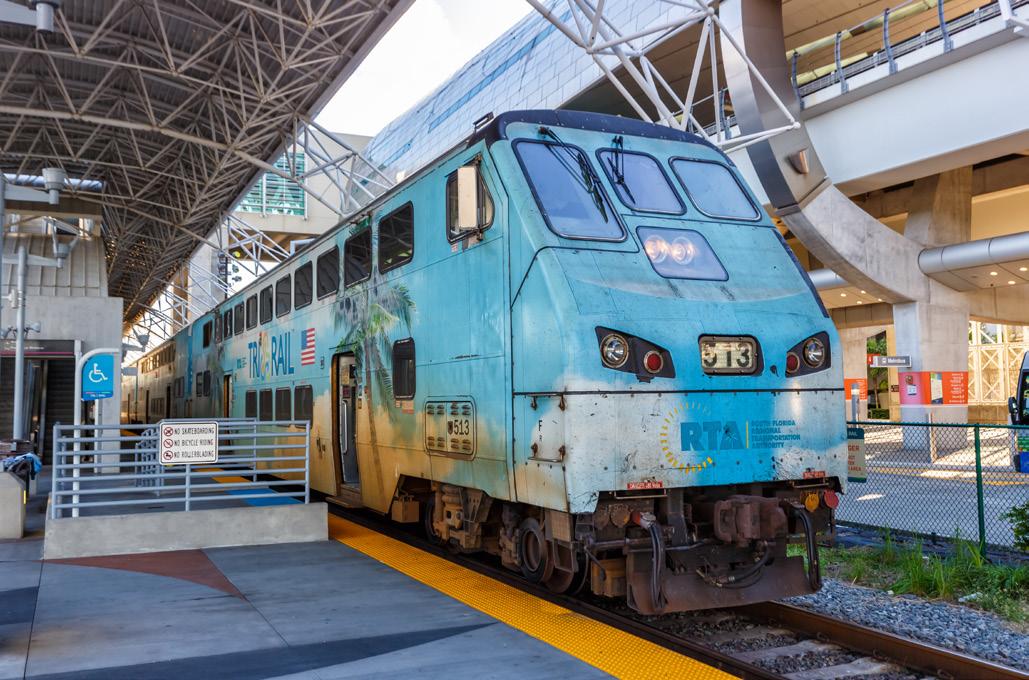
Eight (8) Inter-County bus routes currently serve the City. It is felt the City is well served by the bus routes available to the developed areas of the City. It is estimated that approximately 95% of the City’s area is serviced by the bus routes and far exceeds Broward County minimum standards. In nearly all instances, pedestrian walkways allow easy travel to bus routes/stops although some infill segments of walkways should be pursued. The TriRail system is not easily accessible to City residents. The stations, which are located along the railway line some two (2) miles from the City’s eastern border, which offers little convenience for the City’s general population. Because of the City’s higher than average age characteristics and limited worker population, the value of Tri-Rail is very limited. However, there are plans for the potential Broward Commutter Rail project that could benefit Tamarac residents as a new method of east-west travel in Broward County. Commercial boulevard has been discusses as a potential corridor for future east-west rail service, but not official alignment has been selected as of 2025.
Broward County has adopted the following Public Transit LOS standard. Unlike the roadway LOS standard, which measures vehicles, the Public Transit LOS standard measures accessibility to public transit. Accessibility is addressed through the concept of functional area coverage, which is defined as maintaining a 70% peak hour functional area coverage for residential and employment locations. Accessibility is determined if a land use is within ¼ mile of a fixed bus route.
The City of Tamarac has a median household income of $59,216 according to the US Census 2023 American Community Survey (ACS). The City has been experiencing a significant shift in demographics, which is reshaping the City’s image. The City is continually growing younger by the years. The median age of a City resident has decreased from 52.9 in 2000 to 48.3 according to the 2023 ACS Census data. A more detailed breakdown is as follows:
Source: Estimates and projections by Shimberg Center for Housing Studies, based on 2010 and 2020 U.S. Census data and population projections by the Bureau of Economic and Business Research, University of Florida
The City’s population, at the 2020 Census, was noted to be 71,897. A significant decrease in the average age occurred between 2000 and 2020 as younger people are occupying older housing area previously occupied by more elderly persons.
Household occupancy is estimated at 2.30 persons per household according to the U.S. Census 2023 ACS 5-YEar Estimates (2.0 in 2000). Out of a total of 32,913 total occupied households, 10,789 households or 32.8% were one-person households. Approximately 6,786 total households (20.6%) were comprised of single-occupant households that were over the age of 65.
Transportation disadvantaged persons are individuals who because of physical or mental disability, income status, or age are unable to transport themselves to or purchase transportation and are, therefore dependent upon others to obtain access to health care, employment, education, shopping, social activities, or other life- sustaining activities. This segment of the population includes persons age 65 or older, persons aged 14 or younger, and the seasonal population.
An exact number of persons needing transportation assistance is difficult to determine. The needs of the transportation disadvantaged are documented in the Broward County Transportation Disadvantaged Service Plan, 2024. The vast majorities of residents are mobile and can either walk or drive for services. Broward County contracts with private providers for services also. Service for qualified elderly and handicapped persons within Tamarac remains on a prearranged “as needed” basis. There are currently eight (8) BCT transit routes within Tamarac, all of which are operated as wheelchair accessible routes.
As described in previous sections, the City has identified three (3) land uses/areas, which it considers major trip generators and attractors. Broward County defines a major trip generator or attractor as a concentrated area of intense land use or activity that produces or attracts a significant number of local trip ends. For public transit, this is a site, which attracts a substantial number of person trips per day. The Broward County Transportation Element defines such as meeting or exceeding the following thresholds: Office parks – 100,000 sq. ft. GLA; shopping centers – 500,000 sq. ft.; schools – 1,000 students; major employers – 1,000 employees; health facilities – 100 beds.
All of the above may be considered attractor uses while housing concentrations are typically defined as generators. The County does not have a threshold for housing, nor does the State of Florida. For purposes of this element, the City of Tamarac defines residential uses as concentration of higher density housing (over 10 DUA) and containing a minimum of 200 DU.
• Generators
Multi-Family Concentrations – The City of Tamarac has a greater percentage of multi-family homes than Broward County on average. Broward County has approximately 48% of all housing units as multi-family compared to about 50% in the City. The 2021 ACS 1-Year Estimates US Census (Table B25024) found a total of 32,750 dwelling units in the City of which 16,515 were multi-family units.
The City’s concentrations of multi-family housing are located mostly in the northwestern areas of the City. There are two (2) concentrations of multi- family housing in eastern Tamarac. The first area is located east of the Florida Turnpike Interchange with Commercial Boulevard, west of US 441/SR 7 and north of the Sunshine Plaza Shopping Center complex. There are three (3) developments in this area including the Island Club Apartments, the Lakeside at Tamarac Condominiums and the Treehouse Condominiums. There are approximately 615 DU within this area. The second area is located south of Bailey Road between NW 64th Avenue and the eastern City limits approximately one-half mile east of Rock Island Road. This area is identified in the Broward County Transportation Element as having a population density in the top 5% of all TAZs within the County. There are approximately 4,700 DU within this area. Based upon the total number of multiple-family housing units in these areas, it is estimated that 28,500 TPD are generated by these land uses.
In the western portions of the City, there are concentrations of multi-family housing around and within golf course communities known as Colony West and Woodmont, within the Kings Point community around Nob Hill Road north of McNab Road, in Land Section 5 and other locations. There are approximately 3,480 existing multiple-family DU around the Colony West golf course area, which is located east of Nob Hill Road, west of University Drive, south of McNab Road and north of NW 61st Street. There are approximately 1,230 existing multiple-family DU within the Woodmont Country Club community, which is located east of Pine Island Road (NW 88th Avenue), west of University Drive, south of Southgate Boulevard and north of McNab Road. There are approximately 3,500 existing multiple-family DU within the Kings Point community, which is located generally west of Nob Hill Road (although a small portion is east of Nob Hill Road), between NW 80th Street on the north and NW 71st Place on the south. Finally, there are approximately 2,870 existing multiple-family DU located elsewhere in the City including Land Section 5, along Southgate Boulevard near Nob Hill Road and east of University Drive and a few other locations. The total number of existing multiplefamily DU in western Tamarac is approximately 10,220 DU. Based upon the total number of multiple-family housing units in this area, it is estimated that 61,972 TPD are generated by these land uses.
The total number of vehicles trips generated by existing multiple-family housing within the City is estimated to be 90,472 TPD.
• Attractors
University Hospital and Medical Center (UHMC) - This land use is located west of University Drive approximately midway between McNab Road and Southgate Boulevard. The UHMC campus area encompasses some 30+ acres of land housing approximately 330 beds, 110,00 square feet of medical office buildings and
•
approximately 1,000 parking spaces. Immediately adjacent to the UHMC campus is several other office buildings housing primarily medical uses. Approximately 120,000 square feet of additional office space and 450 parking spaces exist in these projects. Based upon ITE estimates and allowing for some internalization, approximately 5,535 TPD are thought to occur at the UHMC campus area.
Commercial Corridors – University Drive is the primary north/south commercial corridor in western Tamarac. SR 7/US 441 is the primary commercial corridor in eastern Tamarac. Commercial Boulevard and McNab Road are the primary east/west commercial corridors in the City. These corridors contain the vast majority of the City’s commercial development. There are approximately 327+ acres of existing commercial uses primarily made up of “strip” commercial shopping centers, offices, restaurants and specialty stores. It is estimated that 2,800,000 square feet of buildings exist which could attract approximately 227,900 TPD.
The primary industrial area in Tamarac is located west of Nob Hill Road, east of the Sawgrass Expressway, north of Commercial Boulevard and south of McNab Road. This area includes approximately 500 acres of industrial land area. There are a wide variety of approved land uses including a hotel, commercial, manufacturing, warehouses and trucking terminals, etc. It is estimated that approximately 1,600,000 square feet of industrial buildings exist as of December 2003. This total amount of square footage would theoretically attract approximately 8,640 TPD.
As the City is approximately 99% built-out and existing roadways currently serve virtually all areas of the City, no additional major roadways will be necessary to serve the community at buildout. The largest problem is the capacity and current/future traffic volumes of several of the existing roadways, primarily major State roads and Broward County Arterial roadways. The City is located in the northwestern portion of Broward County and in the middle of the overall southeast Florida Metropolitan area. Several of the existing major roadways have been widened for the most part to their maximum lane expansions, including University Drive, Commercial Boulevard and SR 7. Some future roadway expansion is warranted for portions of Nob Hill Road north of Commercial Boulevard, Pine Island Road north of Commercial Boulevard, and Bailey Road east of Rock Island Road. Both McNab Road and Commercial Boulevard are major east/west routes between the western suburbs of Broward County and the coastal areas. Likewise, University Drive is the major north/south roadway in western Broward County.
The roadway system is adequate for land uses within the City; however, the City experiences a great deal of “cut- through” traffic from the adjoining cities of Coral Springs, Lauderhill and Sunrise. This added traffic affects many of the roadway segments within the City from a concurrency and operational aspect. Therefore, the existing roadway system is deemed adequate to serve the City land uses (Map 2.12).
As mentioned earlier, Tri-Rail is available but not conducive to general use because the transit stations are some distance away from the primary residential areas of the City. Also, the City has a higher number of elderly residents that reduce the need for such service, primarily related to work trips. BCT Route 62 does provide service from the City to the nearest Tri-Rail station located at Cypress Creek Road and I-95. The closest distance from any portion of Tamarac to the Tri-Rail station is about 2+ miles with the most western areas 6+ miles away.
Bus service is felt to be excellent with service available to almost all residents by either a BCT bus route (Map 2.2A). The major provider of service is the Broward County Mass Transit Division (BCT), which operates the countywide bus system. The county also contracts with private vendors for public school busing, handicapped
and Social Service Transportation (SST). Other service providers include private taxi service companies, limousine companies and the Greyhound/Trailways Bus Company.
Broward County is characterized by a suburban land development pattern and consequently by relatively low residential land use densities and few activity focal points. There are few major corridors with significant transit trip origins and destinations. Given the multitude of local governments in Broward County, dense roadway network, an average vehicle occupancy ratio of 1.56 and a relatively affluent population, the County’s average transit modal split is only 1.64% of total daily trips (City is 2.6%).
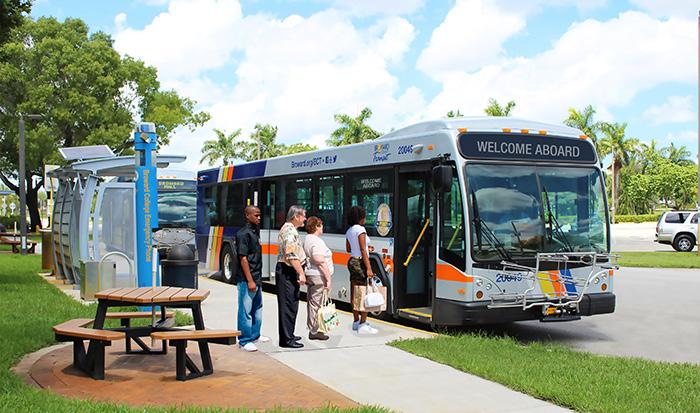
Because BCT provides the major bus transit services, the City’s role in regional transit planning is limited. While BCT provides the primary transit service for Tamarac, the City is active in transit planning with regard to monitoring County actions and providing local input where necessary. Of course, the City directly controls planning, route alignments and headways for the City mini-bus system.
The County’s Mass Transit operation is primarily a large passenger bus system operating on the existing highway network. The average seating capacity of Broward County Transit buses is 45 persons. Considering the capacity of the fleet and the provision of generally either 30- or 60-minute headways for all of the routes (some headways are less during peak periods), the overall capacity of the system far exceeds the level of existing ridership. Even with ample transit system capacity and existing congested roadways in the region, the vast majority of the local population still prefers the automobile as a means of transportation. Transit planning activities are carried out by the Urban Transit section of the Broward County Transportation Planning Division. The transit planning and operations staff monitors ridership and periodically alters routes and operations. The County staff is also charged with preparing the County’s Transit Development Program which summarizes future capital and operations improvements.
BCT is a fixed-route, fixed-schedule bus system operated by the Broward County Mass Transit Division with the main hub operating from Downtown Fort Lauderdale. BCT operates 7 days a week with maximum service provided on weekdays. Weekday service hours generally run from 5:00 A.M. to 10:30 P.M., with most routes operating on half hour headways. Saturday service operates almost the same as weekday service, with all routes in operation and some minor changes in headways and service hours. On Sunday a reduced route schedule is available between 9:00 A.M. to 8:00 P.M. with all routes operating on one-hour headways.
The County’s main bus maintenance facility and the Broward County Division of Mass Transit main office is located in the City of Pompano Beach on Copans Road just east of the Florida Turnpike.
The BCT charges low fares for riders. Reduced fares for senior (65 years old plus) and handicapped citizens are available. Monthly unlimited use passes are also available. The weekly pass is targeted mostly for tourists and is sold at many hotels and motels.
BCT interfaces with the Miami-Dade and Palm Beach County transit systems to provide tri-county service. Miami-Dade County’s METROBUS links with BCT at locations in south Broward County and the Aventura Mall in North Miami-Dade County. BCT also connects with the Palm Beach County Palm-Trans system at the Boca Town Center Mall and at Mizner Park. Finally, the County’s Tri-Rail stations are served by nine (9) BCT routes.
Para-transit Service is a specialized transportation system provided for the County’s elderly and handicapped persons. Services are available to qualified persons who live within three-quarters of a mile of regular bus service. The hours of operation are the same as the Broward County bus system. Fares range between $1.50 each way for trips scheduled in advance and $5.00 each way for trips scheduled on the same day.
The school bus system serves the three (3) existing public school in Tamarac and is provided by a private company contracted by the Broward County School Board. The system provides free service to all students enrolled at public schools whom live more than two miles from their respective school, or who otherwise lack safe accessways to a less distant facility.
The Greyhound/Trailways Bus line provides regional, statewide and interstate travel. They provide fixed service seven days a week as well as specialized service.
Service areas for BCT bus service are defined as a one-quarter mile corridor around the route. The adopted level of service set by Broward County states that at least 70% of all residences and employment locations have access to fixed route transit service.
System capacity is analyzed by service frequency, or headway, and the seating capacity of the vehicles in relation to ridership. The existing level of service, according to Broward County’s Transportation Element, is above the 70% coverage rate countywide.
Tamarac is within the County’s northwest sector and includes one of the County’s highest density TAZs (455). The City has one of the highest transit service levels in the County where a high percentage of the population is served by fixed transit service.
Evaluation of service area coverage is based on how well a system services the general population, special transit captive groups, and the accessibility of service between these groups and major work, shopping, medical and recreational facilities within the community. Mass transit ridership is significantly influenced by auto ownership. Zero or single auto households are in greater need of transit service than other households. According to 2023, approximately 97% of all households have at least one automobile while 66% of all households have two or more vehicles.
According to the 2023 ACS, Tamarac had a median household income of $59,216. The Broward County median household income was $74,534. The City’s median household income was 7.9% lower than the County’s. The table below shows the percentage of transit-dependent groups in Tamarac.
Source: U.S. Census 2023 ACS 5-Year Estimates and the Shimberg Center for Housing Studies based on 2010 and 2020 U.S. Census data and population projections by the Bureau of Economic and Business Research, University of Florida.
Despite the relatively high overall use of transit services, the City will examine Transportation System Management (TSM) techniques and Transportation Demand Management (TDM) strategies to encourage residents to use transit services and reduce motor vehicle use.
• Tri-Rail
Tri-Rail is a seventy-two (72) mile at-grade commuter rail line with eighteen (18) stations serving Palm Beach, Broward and Miami-Dade Counties. Tri-Rail service connects to Metrorail in Miami-Dade County at the Tri-Rail/Metrorail Station and to Miami International Airport (MIA) via a shuttle bus service provided at the last stop. Tri-Rail currently operates fifty (50) weekday trains, sixteen (16) Saturday trains and sixteen (16) Sunday trains. Operations begin at 4:00 A.M. and end at midnight 11:05 P.M.
Since operations began in 1989 Tri-Rail has contributed to the invaluable service of providing for greater mobility of people goods and services. A number of improvements have been executed over the years aimed primarily at modernization. Double tracking within the rail corridor was included in the first phase of improvements. Tri-Rail is also in the process of upgrading its stations to include more amenities include: enhancements to parking capacity, vehicular and pedestrian circulation, bicycle facilities, bus shelters buses, and associated landscaping. The Florida Legislature established the South Florida Regional Transportation Authority (SFRTA) for Miami-Dade, Broward and Palm Beach Counties in 2003 to coordinate, develop, and implement a viable transportation system for the region at large. However, a requested funding mechanism was not included at the agency’s inception, and a dedicated funding source is still being sought. Although this funding issue has generated some controversies and questioned Tri-Rail’s service, performance and future presence; enhancements made over the years have helped secure TriRail’s future existence. Double tracking has been credited with contributing to increased ridership. Tri-Rail experienced a 21.2% increase in ridership from 2005 to 2006. Over three million (3,000,000) people used the transportation service in 2006.
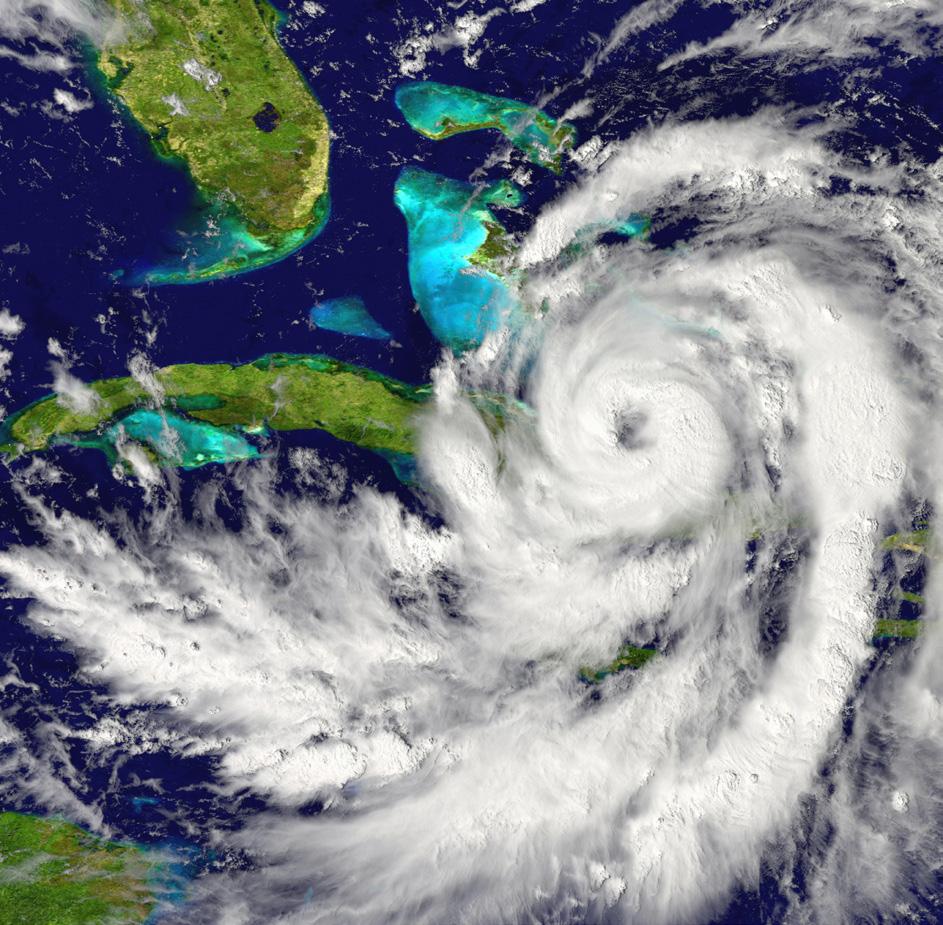
According to the Broward County Hurricane Evacuation Plan (BCHEP) prepared by the Division of Emergency Preparedness, no area of the City of Tamarac is identified for evacuation. According to the Broward County Department of Emergency Management, individual municipalities are not specifically designated to utilize individual hurricane shelters. Therefore, residents from the City would be welcome to travel to any shelter located within Broward County. The only designated Pet- Friendly Shelter in Broward County is located at Millennium Middle School (5803 NW 94th Avenue) within the City Limits of Tamarac. All Broward County residents are eligible, but must pre-register with the Humane Society of Broward County, which shares operational responsibility with the American Red Cross. The closest American Red Cross Shelters for general use are Coral Glades High School on 2700 Sportsplex Drive in the City of Coral Springs and Park Lakes Elementary School on 3925 N. State Road 7 in the City of Lauderdale Lakes. Coral Glades High School is convenient to the western areas of the City while Park Lakes Elementary School is convenient to the eastern areas of the City. The shelters are opened, supplied and operated by the Red Cross, which coordinates with the local school administration, and Broward County. Figures 2.8 and 2.17 depict the specified evacuation routes to the shelters. In general, within 12 hours of a storm’s anticipated landfall or coastal impact, evacuation notice is given to residents. The primary routes for residents seeking shelter at Coral Glades High School would be north along the Sawgrass Expressway (SR 869) to exit east on Sample Road then south on Sportsplex Drive to reach Coral Glades High School. The primary route for Park Lakes Elementary School would be east on Commercial Boulevard to State Road 7 and then south to 39th Street. Residents seeking to evacuate the region in general would take the Sawgrass Expressway to either I-75 or to the Florida Turnpike and I-95, or one of the other principal arterial roadways northward or eastward to the Florida Turnpike or I-95. Based on the above analysis, the transportation system is deemed adequate for evacuation should the need arise.
The City of Tamarac’s current growth trend can best be described as “infill”, as the City is approximately 99% built-out. Build-out, other than commercial and industrial areas can be expected in less than 5 years depending on market conditions. Most of the commercial growth has been small service type complexes along the major roadways. The vast majority of recent residential development has been in the Kings Point community on Nob Hill Road in the northwest corner of the City. The industrial area of the City is now substantially built-out with only about 32 acres of vacant land remaining. Travel patterns are well established. Interactions between land uses and transportation facilities are monitored by FDOT, Broward County and the City during platting and/ or site plan approval processes.
This element was prepared to be consistent and compatible with the Future Land Use Element and other community’s Transportation Elements, including the Broward County Transportation Element, the Broward County Land Use Plan, the Long-Range Transportation Plan, the Florida Department of Transportation’s Adopted Work Program, the County’s Transportation Improvement Program (TIP), the Tri-County Rail Transit Development Plan and the Broward County Bicycle Facilities Network Plan.
There are no unaddressed intermodal deficiencies noted within the City. The City residents are well served by a local transit service provided by Tamarac which has many transfer points to Broward County’s Transit System. Access to the Cypress Creek Road Tri-Rail Terminal is available via BCT Route 62 but is currently not under much demand primarily due to the elderly retired population in Tamarac. It is anticipated that the residents of Tamarac will continue to use automobiles for primary travel purposes as is common in Broward County, where 98.9% automobile use is the current modal split. As the County experiences infill and redevelopment, however, it is anticipated that residents will rely more on transit service.

Broward MPO Level of Service - The Broward MPO collects various types of data related to the region’s roadway network including the annual average daily traffic count data and existing and projected level of service demands.
Source: Broward MPO Level of Service Spreadsheet, 2020 & 2045
As with previous transportation analyses, there are capacity problems to be corrected in the short and longterm planning horizon. Some State and County roadway segments will need to be widened but many of the roadways with capacity problems in Broward County are built as maximum cross sections. Widening roadways would be very expensive in some instances as private property would have to be condemned, not possible in others and could cause more harm to adjoining land uses.
Roadway Segment 2020 LOS
Commercial Boulevard east of Rock Island Road LOS F
Florida Turnpike north of Sunrise Boulevard LOS F NW 21st Avenue north of Oakland Park Boulevard LOS F
The above roadways are all overcapacity roadways within Tamarac.
Previously, the City of Tamarac was subject to transportation concurrency in all areas except for a portion of the City east of the Florida Turnpike. This was because the City east of the Florida Turnpike was within a Transportation Concurrency Exception Area (TCEA) as designated by Broward County. In 2005, Broward County eliminated the TCEA and replaced it with a Transit Oriented Concurrency Management System. The Transit Oriented Concurrency Management System divides the County into ten Concurrency Districts. Two of these districts (Northwest and Southwest Districts) maintain the existing roadway concurrency system, and the remaining eight districts are Transit Oriented Concurrency (TOC) Districts. All of Tamarac lies within two of the TOC Districts, the North Central District and the Central District.
Each TOC district has specific LOS standards based on transit service requirements, while standard roadway concurrency districts continue to have standards based on two way peak hour LOS standard volumes. The City of Tamarac is subject to meeting the LOS standards of the two transit districts it is within. To ensure that LOS standards are maintained for these districts, the County requires that a transportation concurrency satisfaction certificate be issued before the issuance of any building permits; the County maintains a charter form of government which allows for this arrangement. In order to receive a satisfaction certificate, applicants pay transit concurrency assessments which help fund enhancements in the five-year County Transit Program (CTP). The CTP is the plan that seeks to achieve the level of service standards for each district, and it is updated annually to ensure that it remains financially feasible.
For local roadways, the City of Tamarac will strive to maintain a LOS D. For facilities within the Strategic Intermodal System, the Florida Department of Transportation establishes the level of service. Tamarac has two facilities included in the Strategic Intermodal System which are Sawgrass Expressway and the Florida Turnpike.
Facilities within the Strategic Intermodal System (SIS)
Sawgrass Expressway and the Florida Turnpike shall operate at a LOS D, as established by the Florida Department of Transportation.
Increase number of bus stop shelters by 30%, and maintain the maximum service volumes on arterial roadways within each District, as displayed below:
• Two-lane arterials: 2,555 (75% above LOS D for Class II Arterials).
• Four-lane arterials: 5,442 (75% above LOS D for Class II Arterials).
• Six-lane arterials: 8,190 (75% above LOS D for Class II Arterials).
• Eight-lane arterials: 10,605 (75% above LOS D for Class II Arterials).
Achieve headways of 30 minutes or less on 90% of routes, establish at least one neighborhood transit center, establish at least one additional community bus route, and expand coverage area to 53%.
County’s Central Transit Oriented
Achieve headways of 30 minutes or less on 80% of routes, establish at least one neighborhood transit center, and establish at least two additional community bus routes.
All County and Local Collector roadways shall operate at a LOS D or above.
According to existing transportation plans, the five roadway segments currently overcapacity in Tamarac are all to be expanded in short or long term planning horizons. However, as the City and County continue to experience infill and redevelopment, maintaining roadway LOS will be increasingly difficult. Therefore, the City of Tamarac will fully comply with Broward County’s Transit Oriented Concurrency Management Program. Depending on the level of infill and redevelopment experienced in Broward County’s western communities, the City may also have to reassess its LOS standard for certain local roadways in the future.
Based on 2045 projected peak hour, bi-directional volumes, the following roadways will be overcapacity in the long term planning horizon.
• Southgate Boulevard east of University Drive
• Southgate Eat of Rock Island Road
• McNab Road E of Rock Island Road
• Commercial Boulevard
• Sawgrass Expressway
• Hiatus Road north of Commercial Boulevard
• Nob Hill Road
• Pine Island Road
• University Drive
• Rock Island Road
• Florida Turnpike
• State Road 7
SR-7/US-441 at SR-870/ Commercial Boulevard Urban Interchange
Roack Island Road from McNab Road to SR-870/Commercial Boulevard Widen Lanes, and include Bike Lanes X *Cost
Pine Island Road from SR-818/ Griffin Road from Nova Drive Add Lanes and Reconstruct X *Cost Feasible Project $25.01 Million
Rail Separations at SR-870/ Commercial Boulevard
Construct Grade Separation (over/ underpass) at Railroad Crossing 2027-2030
Source: Broward MPO’s Metropolitan Transportation Plan (2045 LRTP)
No inconsistencies are known to exist between elements of the City’s adopted Comprehensive Plan. No land use compatibility issues are known to exist related to the various transportation modes. The Future Land Use Element contains a complete analysis of growth trends and documentation on the availability of services, which were used, in conjunction with the Future Land Use Map, to prepare the data, analysis and GOPs for the Transportation Element. This element analyzed travel patterns through the provision of existing and projected roadway level of service data, and the analysis of transit service and usage. A discussion on land use patterns is also presented. The Future Land Use Map is the basis for the roadway LOS projections. Much of the City is built-out and re-development may not occur for many years, as most of the development is relatively new. Many of the development densities are controlled by Stipulated Settlement Agreements as a result of lawsuits. The City has fairly high densities along major roadways except in the commercial areas, which have typical suburban design characteristics. The element discusses the availability/accessibility of transit facilities and services, needs for improved transit service, coordination of different travel modes, park-n-ride facilities, coordination with State and County transportation programs, non-motorized circulation of bikes and pedestrians, and air travel facilities. There are no LOS problems noted on City roadways that cannot be addressed through the actions referenced herein. There is a need to address completion of a more comprehensive pedestrian sidewalk system.
The City promotes and supports the use of Public Transportation Programs. The City supports adequately placed bus stops in attempts to increase ridership. Most land uses have direct access to pedestrian walkways linking public transportation access points. The City attempts to participate with Broward County and FDOT on programs to the best of their ability given the size and buildout condition of the community.
Many of the City’s Collector and local roadways were built 40 +/- years ago. Maintenance such as repaving, curbing improvements and irrigation has not been consistently performed over the years. In the mid - 1990s the City’s Public Works Department began an analysis of City’s 130 miles of Collector and local roadways and prepared a study of the conditions. This information was presented to the City Commission for financial support. In 1997, the City retained the services of a consultant with special expertise in pavement management. All roadways were inspected, and a Pavement Condition Index (PCI) number was assigned. This study was finalized in July 1998. Over $15 million of recommended improvements were listed in the study.
Table 3.1: Dwelling Unit Projections.............................................................1
Table 3.2: Dwelling Units by Type, Compared.................................................1
Table 3.3: Housing Units by Year Constructed.................................................2
Table 3.4: Occupancy Status, Compared.......................................................2
Table 3.5: Housing Tenure, Compared..........................................................2
Table 3.6: Vacancy Status, Compared...........................................................3
Table 3.7: Value of Owner-Occupied Units in Tamarac, Compared.........................3
Table 3.8: Monthly Cost of Owner Occupied Units............................................4
Table 3.9: Household Income, Compared.......................................................5
Table 3.10 All Households, Cost Burden by Income, 2023 Estimate........................5
Table 3.11: Gross Rent as Percentage of Household Income.................................6
Table 3.12: Internal Housing Conditions, Compared..........................................6
Table 3.13: Assisted Housing Inventory..........................................................7
Table 3.14: Inventory of Assisted Living Facilities............................................8
Table 3.15: Age of Residents in Tamarac, 2020...............................................9
Table 3.16: City of Tamarac Analysis of Residents Ages.....................................10
Table 3.17: Household Projections.............................................................10
Table 3.18: Residential Capacity Analysis......................................................11
Table 3.19: Household Sizes......................................................................11
Table 3.20: Estimated Population By Capacity Scenario.....................................12
Table 3.21: Summary of Future Land Use Designations and Existing Residential Land Use..12
Figure
Figure
Figure 3.3: Sunset
Figure 3.4: Tamarac
The data presented in the Housing Element of this Comprehensive Plan is used to guide future planning efforts within the City. This data is based on the 2024 Broward County and Municipal Population Forecast and Allocation Model, the Shimberg Center for Housing Studies, and through U.S. Census Bureau 1 and 5-Year ACS Estimates. This data is presented to help the City create and adopt new policies and goals to better support varied housing types across Tamarac and improve access to affordable and fair housing options.
Source: Broward County and Municipal Population Forecast and Allocation Model (PFAM), 2024
The City of Tamarac is a planned suburb comprised predominantly of 38.0% single family detached units according to the 2023 US Census American Community Survey. Approximately 15.6% of the total units are attached single family units, and the remaining 46.4% are considered multi-family units, a minute percentage of which are mobile homes (0.8%).
According to the US Census from 2010 to 2021, the number of housing units in Tamarac increased by approximately 569 units, and by approximately 55,610 units in Broward. When Broward County is considered as a whole, approximately 41.9% of housing units are single-family detached homes, followed by units in structures with 10 units or more (32.8%), then 1-unit attached structures (9.5%).
At 53.6%, Tamarac has a comparable percentage of attached and detached single-family homes as the County (51.4%) but both fall behind the State, with a rate of approximately 61%. Houses are generally equivalent in size, with a median number of rooms at 4.5, compared to 4.6 (County) or 5.2 (State).Table 3.2 illustrates dwelling units by type, compared with Broward County.
Table 3.2: Dwelling Units by Type, Compared
Source: U.S. Census Bureau; American Community Survey 2023, 1-Year Estimates, Table S2504
Reflective of Tamarac’s status as one of the newer communities of South Florida, over half, or 54.8% of the housing stock was constructed after 1980, with which approximately 52.9% of the housing was constructed after 1980. Table 3.3 shows the age of the housing stock.
Source: U.S. Census Bureau; American Community Survey 2023, 1-Year Estimates, Table S2504
Approximately 90.5% of all units in Tamarac are occupied, compared with 86.1% in the County. Owner-occupied and renter-occupied units are reflective of year-round occupancy, while the remaining units are vacant or held for seasonal or occupational use. The 2023 ACS showed 3,418 vacant units or a vacancy rate of 9.5%. In contrast with Broward County, Tamarac has a lower vacancy rate than the County rate of 13.9%. Table 3.4 illustrates occupancy status in the City and Broward County.
Source: U.S. Census Bureau; American Community Survey 2023, 1-Year Estimates, Table B25002
About 85.0% or 27,987 units were owner-occupied in 2023 compared to 80% in 2000. Renter-occupied housing accounted for the remaining 15.0% of the units. Overall, the City has a higher owner-occupancy rate than the County (64.0%) and a higher renter-occupied housing rate (36.0%).
The 2023 ACS showed 3,418 vacant units, of which 1,316 were for seasonal, recreational or occasional use. Table 3.5 and Table 3.6 illustrate housing tenure and vacancy status in the City.
Source: U.S. Census Bureau; American Community Survey 2023, 1-Year Estimates, Table S2504
Source: U.S. Census Bureau; American Community Survey 2023, 5-Year Estimates, Table B25004
According to the 2023 ACS, 64% of the City’s housing units are valued in the $200,000 to $499,999 price range, compared with 4.4% in the 2000 Census, as shown in Table 3.7. In contrast with the County, Tamarac homes have a lesser value. In Broward County, 55% of all owner-occupied units are valued between $300,000 and $999,999. The median value of the housing units sampled was $310,900 in 2023 compared to $95,200 in 2000 in Tamarac. This is lower than in Broward County as a whole where the median housing value was $439,100 in 2023 and $128,600 in 2000. Moderately-priced housing coupled with a young housing stock is indicative of a continuing healthy shelter condition for Tamarac.
Source: U.S. Census Bureau; American Community Survey 2023, 1-Year Estimates, Table DP04
Tamarac has experienced a 106% increase in the median monthly mortgage costs from 2000. The median monthly mortgage cost in 2000 was $988 in Tamarac compared to $2,035 in 2023. Approximately 25% of the owner-occupied units sampled in the 2023 ACS had monthly mortgage costs ranging between $500 and $1499. The majority of owner-occupied housing units with a mortgage, or approximately 51.6% had a mortgage cost over $2,000. The median cost per month for households with a mortgage is $2,035 compared with to Broward Count at $2,428.
Owner-occupied housing units without a mortgage have a median cost of $707 compared to Broward County at $876. Approximately 43% of these type of housing units in Tamarac have costs between $60 to $999. Table 3.8 shows the monthly costs of owner-occupied units, including units with and without a mortgage.
Source: U.S. Census Bureau; American Community Survey 2023, 1-Year Estimates, Table B25087, 25088
The median household income estimated by the 2021 ACS was $59,885 or approximately 10% less than Broward County median income of $65,747, as shown in Table 3.9. Based on percentage distribution, the income range with the greatest number of residents is the $50,000 to $74,999 income range (5,057 households or 17%). In 2000, the greatest number of households were those in the less than $15,0000 range at 19.2%, which dropped to 10% or 3,004 households, per the 2021 ACS estimates.
Household income and household distribution by type is detailed in Table 3.9.
Source: U.S. Census Bureau; American Community Survey 2023, 5-Year Estimates, Table S2503
The Shimberg Center undertakes a comprehensive cost burden income analysis to quantify the prevalence of ‘Cost-Burdened’ households. These are defined as households expending more than 30% of the area median income on housing costs. Table 3.10, presents a breakdown of Tamarac’s households, highlighting the distribution of cost-burdened households based on their income levels.
Source: Estimates and projections by Shimberg Center for Housing Studies, based on U.S. Department of Housing Development, Comprehensive Housing Affordability Strategy (CHAS) dataset and population projections by the Bureau of Economic and Business Research, University of Florida
For renter-occupied households in Tamarac, 40% of the population pays less than 30% of income on housing compared to 36% in Broward County. Renter households paying more than 30% of income account for 56% of the households in the City. This represents an increase in the number of cost-burdened households that follow similar national and regional trends.
Source: U.S. Census Bureau; American Community Survey 2021, 1-Year Estimates, Table DP04
Substandard unit: substandard units are those that fail to meet the applicable building code, the minimum housing code, or that lack complete plumbing, lack complete kitchen facilities, lack central heating or are overcrowded. Local governments may determine that units without heating are not substandard if they are located in areas where the temperature extremes do not indicate heating as a life safety factor.
The following indicators are used to determine internal housing conditions:
• Lack of indoor plumbing
• Lack of indoor kitchen facilities
• Lack of central heating (not a sufficient measure of substandard condition in sub-tropical South Florida)
• Overcrowding (number of occupants per room)
The US Bureau of the Census considers more than 1.01 persons residing per room to be a measure of overcrowding and more than 1.50 persons person as severely overcrowded. Approximately 4.4% of all occupied housing units in the City are overcrowded compared to 3.5% in the County. Notably, the City has a lower rate of severely overcrowded units at 0.8%, compared to the County at 1.5%. Both the City and the County have relatively low rates of units lacking complete plumbing and kitchen facilities, as shown in Table 3.12.
The following table lists the internal housing conditions in the City of Tamarac, compared with Broward County. This data was pulled from the 2021 ACS 1-Year Estimates, which was the most updated U.S. Census statistics for internal housing condition at the writing of this plan (2025).
Source: U.S. Census Bureau; American Community Survey 2021, 1-Year Estimates, Table DP04
The City has adopted the Florida Building Code, Broward County Edition, and as such follows the definitions outlined therein. In general deteriorated and dilapidated can be classified as follows:
• Deteriorated: Meaning in need of some minor exterior repair which is indicative of a lack of maintenance. Examples include housing that requires painting, cracked and broken windows, roofs, and even severely overgrown yards which is generally accompanied by a lack of structural maintenance.
• Dilapidated: Meaning in need of substantial rehabilitation. The unit may be considered unfit for human habitation or rapidly approaching that condition. This unit is categorized as substandard housing and would need immediate rehabilitation or demolition, as the health and safety of the inhabitants may be threatened.
There is no official listing of deteriorated and dilapidated units located in the City.
According to the Shimberg Center for Affordable Housing, there were 865 substandard occupied housing units identified in the City according to the 2021 5-year estimates, representing the most up to date information available on recorded substandard units in the City.
There is only one facility within the City that receives state and local funds and is listed in Table 3.13.
Source: Shimberg Center for Housing Studies, 2023 Group Homes
As stated in the Broward County Comprehensive Plan, a group home is a facility which provides a living environment for unrelated residents that operate as the functional equivalent of a family, including such supervision and care as may be necessary to meet the physical, emotional and social needs of the residents. The term “group home” has been used in general to describe facilities in which six or more persons share group quarters but may vary in type and function.
Group home facilities are generally licensed and regulated by agencies such as the Florida Department of Children and Families (DCF), the Florida Department of Juvenile Justices, the Florida Agency for Healthcare Administration (AHCA), the Florida Department of Education, the Florida Department of Elder Affairs, and the Florida Department of Health and Rehabilitative Services.
Table 3.14 lists an inventory of the Assisted Living Facilities registered with the Florida Agency For Health Care Administration.
According to the Florida Agency for Health Care Administration, in 2023 there were 242 residents living in group quarters in the City of Tamarac.
Source: Florida Agency for Health Care Administration, Health Care Transparency, Facility/Provider, accessed 2023
There is no housing in the City of Tamarac which is listed on the National Register of Historic Places or the Florida Register of Historic Places. Approximately 3,760 units in the City were built prior to 1970, meaning they are either 50 years of age or closely approaching fifty. As stated by the National Register’s Guidelines for Evaluating and Nominating Properties that have Achieved Significance within the Past Fifty Years, 50 years is an arbitrary time span designed as a filter to ensure that enough time has passed to evaluate a structure in a historic context. This guide can be used for determinations to be made at the National, State and local level. Given the number of units within the historic evaluation range, the City will develop and implement policies to assess and evaluate structures of historical significance.
Between the 2010 and 2020 U.S. Census’s, the City has constructed 1,179 new housing units, bringing the total number of housing units in the City to 32,750. According to the 2024 Broward County Population Forecast and Allocation model , there were an estimated 36,022 housing units in the city in 2025. This reflects the large
increase in the demand for housing in the wake of th COVID-19 pandemic. In addition, large multi-family projects were constructed in the city since the 2020 census.
The demographic make-up of Tamarac has changed substantially over the past several years, shifting from a largely retiree population to a younger and more ethnically diverse community. Thus, the housing analysis includes a brief discussion of demographics in the City, which has been taken from the 2020 Census and the 2023 American Community Survey (ACS). A demographic shift in population indicates that the City will need to acquire more up-to-date data on the current housing needs by type to ensure that the needs of all residents are met. It is important to note, however, that although the household makeup may be changing; it may not indicate that the unit types in the City will need to be different as young families will still desire single family and condominium units currently located in the City.
The City of Tamarac, once a sleepy retirement community, is continually becoming a more diverse and inclusive city. Between the last two censuses, the percentage of the population over 65 changed from 38% in 2000 to 26% in 2020, persons under the age of 18 changed from 13.4% in 2000 to 16.8% in 2020, and the white-alone population (Not Hispanic/Latin) changed from 82.1% in 2000 to 50.3% in 2020. This reflects the City’s goal of becoming a diverse melting pot of cultures, ages, and ethnicities that help provide for a fair and equitable environment.
Source: U.S. Census 2020, Profile of General Population and Housing Characteristics, Table DP1
Upon the most recent estimates available from the U.S. Census Bureau (2023 ACS 5-Year Estimates), the age demographics of the city are largely constant with the data within the 2020 U.S. Census. The estimated age breakdown can be seen in Table 3:16 below.
Source: Estimates and projections by Shimberg Center for Housing Studies, based on 2010 and 2020 U.S. Census data and population projections by the Bureau of Economic and Business Research, University of Florida
By the year 2050 the City is expected to have 87,256 residents as projected by the the Shimberg Center for Housing Studies. Table 3.17 shows the projected households, and housing units to the year 2050.
Source: Shimberg Center for Housing Studies, based on U.S. Department of Housing Development, Comprehensive Housing Affordability Strategy (CHAS) dataset and population projections by the Bureau of Economic and Business Research, University of Florida
The affordable housing crisis is a pressing issue that affects millions of Americans, with South Florida standing out as one of the nations most severely impacted. The crisis stems from a combination of factors, including rising housing costs, stagnant wages, limited housing supply, and the growing demand for rental units. While the challenges are particularly acute in South Florida, the problem extends nationwide, highlighting the need for comprehensive policy solutions.
The City will be implementing new housing initiatives that will attempt to mitigate and respond to this housing crisis. This includes:
• Working with homeowners associations to promote the benefits of accessory dwelling units.
• Promoting the use and construction of micro-housing developments and structures.
• Adopt the BrowardNext Affordable Housing Policy 2.16.4 as amended allowing affordable housing on commercial properties.
• Continue to encourage first time homeowners to utilize the City’s Purchase Assistance Program.
Pursuant to Florida Statues, affordable housing is defined as housing for which monthly rents or monthly mortgage payments, including taxes, insurance and utilities do not exceed 30% of that amount which represents the percentage of the median adjusted gross annual income for the households or persons indicated in s.420.004, F.S. (1991).
There is currently no need for rural or farm worker housing in the City.
This report evaluates the City of Tamarac’s residential capacity and household size data (Tables 3.18 through 3.21) to determine whether the City’s Future Land Use (FLU) designations are adequate to accommodate projected long-term population growth. The analysis relies on data from the U.S. Census Bureau’s American Community Survey (ACS) 5-Year Estimates (2023) and population projections prepared by the Shimberg Center for Housing Studies (2023).
Source: Shimberg Center for Housing Studies, based on 2010 and 2020 U.S. Census data and population projections by the Bureau of Economic and Business Research, University of Florida and the Florida Geographic Data Library (FGDL), 2023
Source: U.S. Census Bureau, 2023 ACS 5-Year Estimates
Source: U.S. Census Bureau, 2023 ACS 5-Year Estimates, the Shimberg Center for Housing Studies, and the Florida Geographic Data Library (FGDL), 2023
The City’s FLU provides a total residential capacity of approximately 58,486 dwelling units, corresponding to a population capacity of 134,518 residents using Tamarac’s average household size of 2.30 persons per household, or 150,309 residents using Broward County’s average household size of 2.57 persons per household. For consistency with local conditions, calculations in this report primarily use Tamarac’s household size of 2.30 persons per household when estimating total buildout capacity.
Population projections indicate growth from 71,897 residents in 2020 to 87,256 by 2050 (Table 3.17). Even applying a conservative planning assumption of 2.30 persons per household, the FLU supports a buildout population of approximately 134,518 residents, which substantially exceeds the projected 2050 population.
At present, approximately 4,279 acres of the 4,504.15 acres designated for residential use are developed, leaving roughly 225 acres of capacity for future growth. While minor inconsistencies between FLU categories and existing land use classifications limit the precision of category-specific comparisons, the aggregate findings clearly demonstrate that Tamarac has adequate remaining residential capacity within its adopted land use designations.
This analysis confirms that the City of Tamarac’s current Future Land Use framework is sufficient to accommodate anticipated population growth through 2050. While the City’s total capacity significantly exceeds projected demand, the limited supply of vacant land means that accommodating long-term housing needs will rely heavily on redevelopment strategies, intensification of existing residential areas, and mixed-use development opportunities. The City’s comprehensive planning structure, therefore, ensures adequate capacity, but requires a focus on sustainable redevelopment policies to manage future growth effectively.
The private sector’s delivery of housing is affected by the market, interest rates, land availability as well as City and County regulations. Historically, the private market in Tamarac has responded to demand by offering primarily housing for elders, thus limiting other housing opportunities. This trend has been changing in recent years with recent demographic shifts to a predominantly younger population. As with other municipalities, the City will continue to rely on opportunities from the private sector for providing housing. Developers are expected to pay for their own needed infrastructure and the City assesses fees for local parks, traffic, drainage, schools, water and sewer facilities and services.
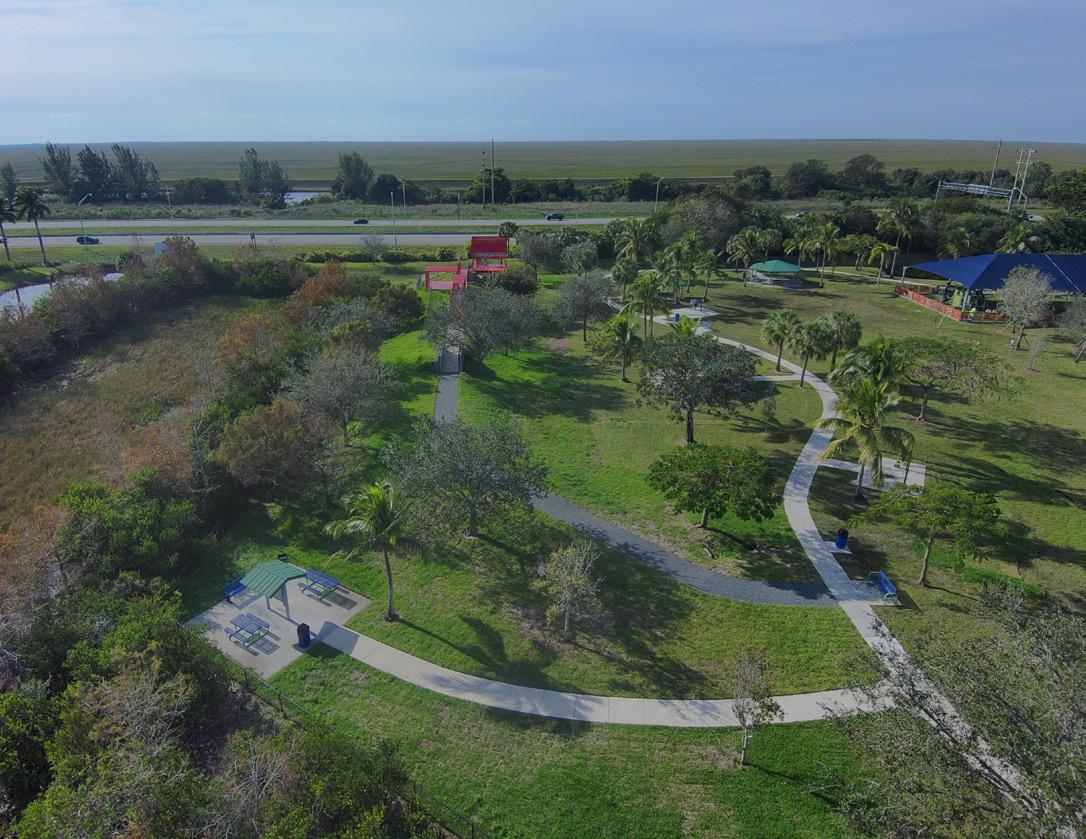
3.3: Sunset Point Park
Although the City must rely on the private sector to create housing, the City maintains regulatory control over developments occurring in the City. Development control authority can allow the City the opportunity to not only gain housing units but also institute measures that ensure that affordable/workforce housing is incorporated into new developments. Recent policies adopted in the County aim to ensure that affordable housing is created when a new housing development proposes to add more than 100 units to the municipality. Developers can often satisfy such requirements through payment in lieu of fees or contributions to a local housing trust fund. The City of Tamarac currently does not have a regulation in place that mandates that a developer is required to provide affordable housing; however, in the development process, the City negotiates with developers to obtain needed units.
As stated above the private sector has been the predominant developer of housing in the City, with the City maintaining the administrative role in the processing of applications and permits of all developments with the City. In addition to maintaining an administrative role, the City assists the housing process through financial assistance and homeowner education. As summarized in the EAR, the City provides the following services:
• Provide funding assistance to maintain the supply of affordable housing through rehabilitation of older units. This is done through the Minor Home Repair Program and the Housing Rehabilitation Assistance Program which uses State Housing Initiatives Partnership (SHIP) Program, Community Development Block Grant (CDBG), and HOME Investment Partnership Program funds as interest-free deferred loans for the rehabilitation of owner-occupied structures.
• Provide first-time homeownership opportunities for low- and moderate-income residents. This is done through the Purchase Assistance Program, which also uses SHIP and the Affordable Housing Trust funds as deferred loans for home purchases for household income-eligible persons. The loans can be applied towards down payment, closing costs, or mortgage reduction for the purchase of an eligible housing type.
• Provide public services through Senior Life Support Skills, Information and Referral, On-going Case Management, and Senior Support and Volunteer Programs.
• Code enforcement activities.
• Public facilities improvements.
In an effort to increase housing provision in the City and ensure that a variety of housing exists to serve its diverse population, the City will look into the feasibility of preserving and creating housing through such strategies as community land trusts, shared appreciation models, density bonuses and an inclusionary zoning ordinance.
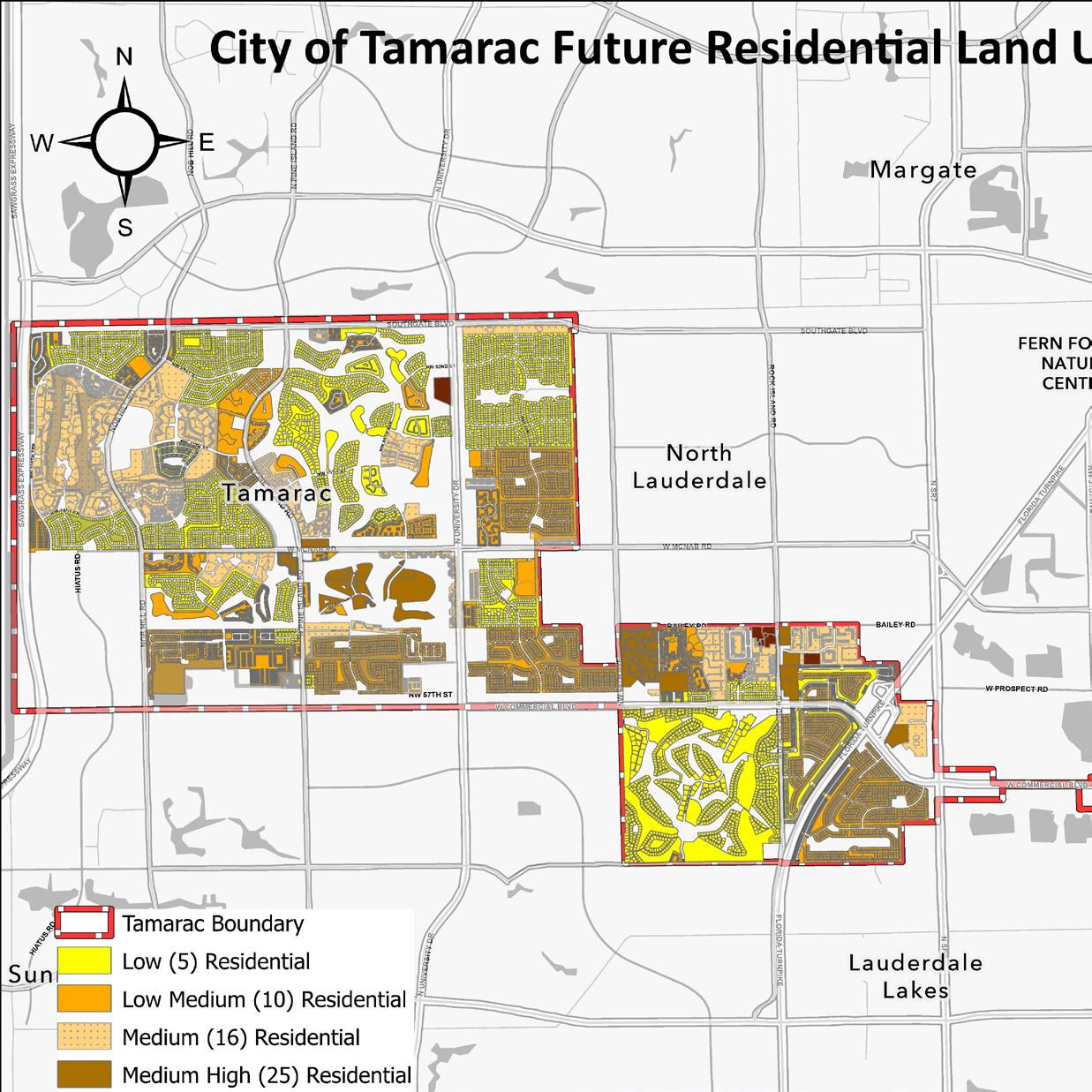
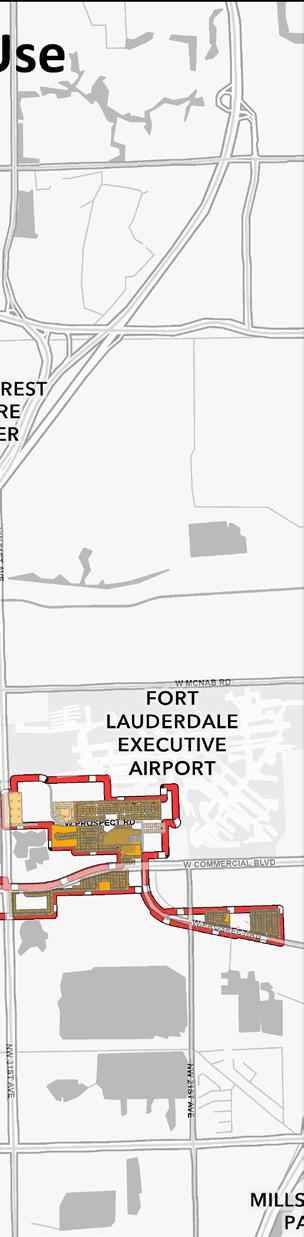
The density bonus formula’s are as follows:
Broward County has provided pathways within it’s Future Land Use policies that allow municipalities to promote affordable housing. One such pathway is through Policy 2.16.3. This policy allows municipalities to include density bonuses if certain affordable housing metrics are met.
Moderate-income: Two (2) bonus “market rate” units per every one (1) “moderate-income” unit (including areas east of the Intracoastal Waterway), except the bonus may be up to four (4) “market rate” units per every one (1 “moderate-income” unit for a project located within an “Activity Center” designated on the Broward County LandUse Plan, or projects located within ½ mile of a rail station or ¼ mile of limited transit stop defined as no fewer than 5 buses or similar transit vehicles passing by in one hour (not including areas east of the Intracoastal Waterway).
Very-low to Low-income: Four (4) bonus “market rate” units per every one (1) “very-low or lowincome” unit (including areas east of the Intracoastal Waterway) except the bonus may be up to six (6) “market rate” units per every one (1) “very-low or low-income” unit for a project located within an “Activity Center” designated on the Broward County Land Use Plan, or projects located within ½ mile of a rail station or ¼ mile of limited transit stop defined as no fewer than 5 buses or similar transit vehicles passing by in one hour (not including areas east of the Intracoastal Waterway).
Wherever it is deemed feasible, the City plans to utilize these bonus density tools to provide more affordable housing options for current and prospective residents.
At this time the City does not intend to undertake any major land use amendments which would comprise the ability of the City to provide services. Through current City infrastructure, future expansions and interlocal agreements, the City will be able to provide the necessary services to serve its projected population. In the redevelopment process, services will be evaluated as needed to approve any proposed housing or commercial developments which would create additional demand on the City’s infrastructure.
As detailed in the Infrastructure Element, the City currently provides services for sanitary sewer, storm water, potable water and solid waste through interlocal agreements with the County. The City maintains and manages the distribution and collection of these services, which are administered by the Utilities and Public Works Departments. Concerns have not been raised about the availability of these services nor have there been any issue with the County providing continued services to the City.
The City currently has sufficient parks, recreation and open space and exceeds their adopted level of service of 3.0 acres per 1000 residents. The City has 322.3 acres of parks, open space, and recreation sites. Based on the 2020 estimated population of 71,897 the City’s current level of service is 4.5 acres per 1,000.
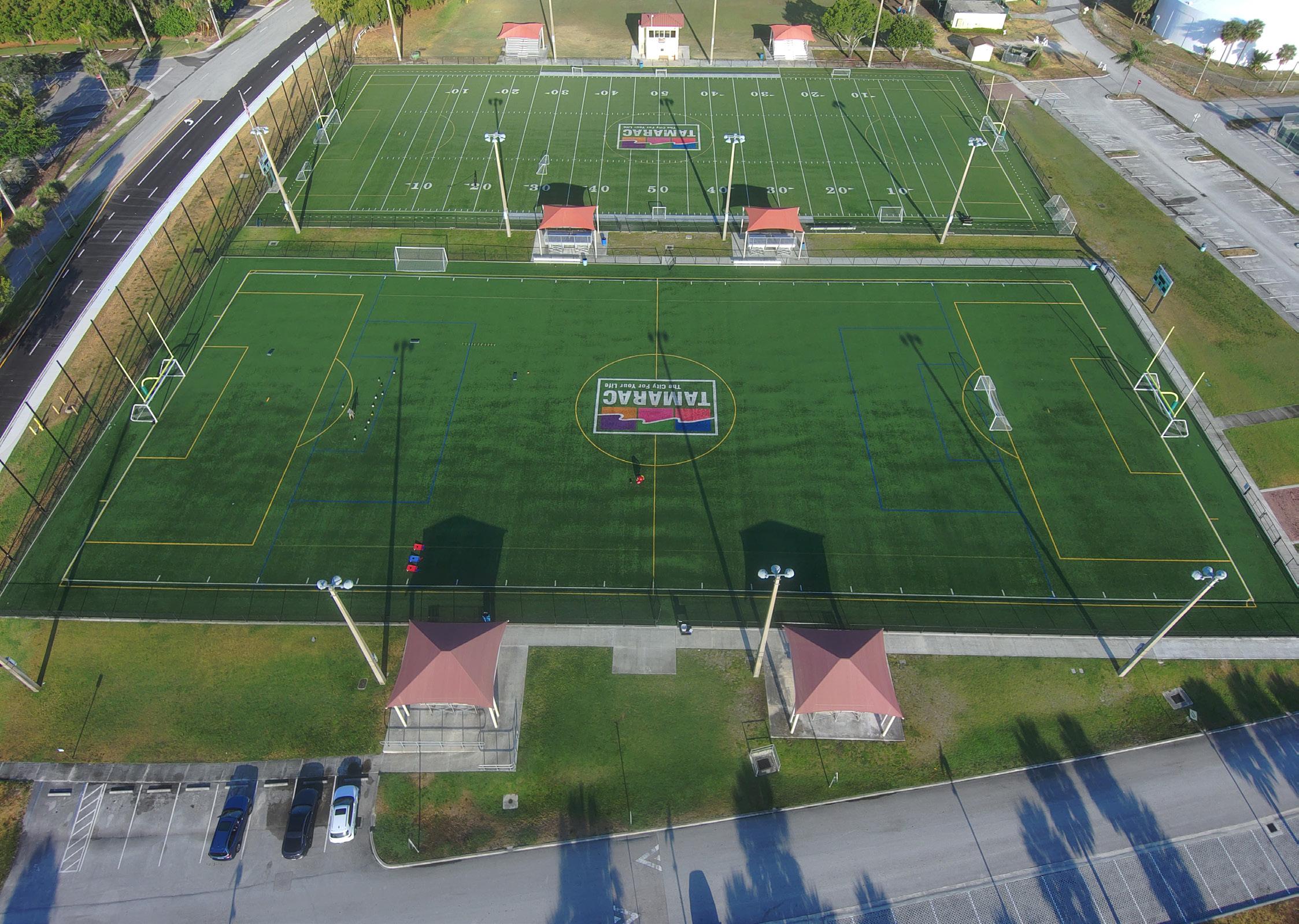
All roadway improvements needed to accommodate the population is addressed in the Multi-Modal Transportation Plan and Long Range Transportation Plan. See the Transportation Element of this Comprehensive Plan for more details on these initiatives. The City is currently within the Transit Oriented Concurrency District, which was developed by Broward County to replace the Transportation Concurrency Exception Concurrency Area (TCEA). The City is located in the north central and central districts and is subject to meet the LOS standards for the two transit districts it is within. Additional information pertaining to these districts can be found in the Transportation Element.
Currently no listing of substandard housing units exists in the City. In an effort to eliminate or minimize substandard housing in the City, the City administers a Minor Home Repair Program to assist homeowners in making improvements and needed repairs to their homes. This program assists residents in maintaining the structure and appearance of their homes and also contributes to the quality and appearance of homes in Tamarac. In addition, the City offers programs that assist residents with down payment assistance, rental assistance, and HOA assessment assistance.
Since 2020, the City assisted 67 families with housing rehabilitation and at least 891 households have received, mortgage, rent, utility, or HOA fee assistance.
In Broward County, the provision of affordable housing is guided by a formula designed to ensure that housing is accessible to households across a range of income levels. For a housing project to be considered “affordable,” the cost of monthly rents or mortgage payments—including taxes, insurance, and utilities—should not exceed 30% of the median adjusted gross annual income for households categorized as very low, low, and moderateincome. This approach is similar to market-rate housing but is structured to cost less through specialized financing strategies that enable savings to be passed on to lower-income residents.
The Broward County Land Development Code establishes three categories for affordable housing based on income, typically defined for a family of four, though the specifics may vary by county:
• Very Low-Income: Households earning up to 50% of the area median income.
• Low-Income: Households earning between 50% and 80% of the area median income.
• Moderate-Income: Households earning between 80% and 120% of the area median income.
No zoning limitation exists for the provision of housing for very low, low, and moderate-income populations. However, the City is actively amending its Land Development Code to include more inclusionary zoning ordinances. These include promoting the use of accessory dwelling units, the development of micro-housing options, and other affordable housing measures.
In addition to these initiatives, the City may need to consider the feasibility of developing additional mechanisms for assisting very low-income households. Housing programs are often geared toward low and moderate-income residents, leaving very low-income households with fewer opportunities as they often do not qualify for typical housing assistance. To address this gap, the use of Flex units can be particularly beneficial, allowing the City to not only develop additional housing units but also to better manage growth while providing more opportunities for affordable housing. This comprehensive approach is aimed at ensuring that all income groups, especially the most vulnerable, have access to quality, affordable housing. This coupled with utilizing the housing policies within the Broward Land Use Plan will help fill the gap on addressing housing for very-low income persons.
Mobile homes are not currently allowed within any zoning district in the City, and there are no plans to include this housing type in the future.
Group homes and foster care facilities are currently allowed in all residential zones and commercial zones in the City. However, the location of these facilities is most appropriate within the R-3 Muti-Family Residential zoned districts. These areas promote the construction of structures that buffer the nonresidential from the residential areas of the City.
Currently, no historically significant housing exists within the City. However, according to the 2021 ACS, 3,706 units are either 50 years of age or approaching fifty. The City will develop and implement policies to assess and evaluate structures of historical significance based on the National Register significance criteria, thus ensuring conservation of historically significant structures.
The City of Tamarac is committed to addressing its aging housing stock through a strategic and multifaceted approach. A primary focus is the continuation of targeted rehabilitation programs implemented by the Community Development and Building Departments. These programs aim to ensure that aging housing remains safe and habitable by prioritizing essential repairs, energy efficiency upgrades, and compliance with modern building codes.
To support these efforts, the City will actively seek Federal, State, and County funding opportunities, while fostering public-private partnerships to provide the financial resources needed for comprehensive housing improvements. Additionally, the City will explore local incentives, such as tax abatements, to encourage private investment in upgrading older homes and neighborhoods.
Redevelopment is another key strategy. The City plans to promote the replacement or modernization of aging housing through urban design guidelines that prioritize mixed-use, transit-supportive communities, and densification. These guidelines will ensure that new development aligns with community standards while integrating sustainable and energy-efficient designs.
Collaboration with Broward County and regional housing agencies will play a vital role in this process. By aligning with broader affordable housing initiatives, Tamarac can leverage additional resources and expertise to modernize its housing stock. Public engagement will also be central to these efforts. The City will involve residents through public workshops and online platforms to ensure transparency and address specific neighborhood needs.
Through these combined efforts—rehabilitation, redevelopment, funding strategies, and community collaboration—Tamarac is effectively address the challenges of its aging housing stock.
Table 4.1: Projected Population and Wastewater Generation in the Western Service Area.......................................................................3
Table 4.2: Projected Population and Wastewater Generation in the Eastern Service Area.......................................................................4
Table 4.3: Total Potable Water Demand by 2050..............................................10
Table 4.4: Western Service Area Projected Population, Average Daily Demand, and Potable Water Capacities.......................................11
Table 4.5: Projected Wholesale Water Use of Tamarac as shown in City of Fort Lauderdale’s Water Master Plan 2020 Update......................11
Table 4.6: Eastern Service Area Projected Population, Average Daily Demand and Planned Potable Water Supply............................................12
Table 4.7: BCU Service Area Projected Population, Average Daily Demand and Potable Water Capacities..................................................13
Table 4.8: Capital Improvement Projects Recommended by the SFWMD to 2030........13
Table 4.9: Utility Projects Funded for 2026-2030.............................................14
Figure 4.1: G.T. Lohmeyer Wastewater Treatment Plant......................................1
Figure 4.2: Waste Management Truck............................................................5
Figure 4.3: Central Disposal Sanitary Landfill in Pompano Beach............................5
Figure 4.4: Broward County Solid Waste and Recycling Services.............................6
Figure 4.5: Stormwater Drainage.................................................................7
Figure 4.6: Water Treatment Plant...............................................................8
Figure 4.7: Fiveash Regional Water Treatment Plant.........................................9
Figure 4.8: South Florida Water Management District........................................23
Figure 4.9: Tamarac Water Treatment Plant...................................................23
Figure 4.10: Residential Irrigation...............................................................24
The South Florida Water Management District Water Supply Facilities Work Plan (2021) was adopted by the City in 2022. This Work Plan included statutory requirements for the City to adhere to when updating it’s Infrastructure and Capital Improvements Elements of the Comprehensive Plan. These included updating the Comprehensive Plan to reflect that the findings within the Water Supply Facilities Work Plan would be used to serve existing and new development for at least the a 10-year planning period. However, the Water Work Plan only includes data and analysis to support planning efforts to 2040. As this Comprehensive Plan update is to 2050, the City will utilize the findings of the SFWMD’s Work Plan for the ten-year planning horizon and use the overall population projections by the Shimberg Center for Housing Studies for the twenty-year planning period. This will ensure that the City will remain compliant with the requirements laid out in the Water Supply Facilities Plan while remaining consistent with the data in the other elements of this Comprehensive Plan update for the 2050 planning period.
The City of Tamarac is responsible for the development, expansion and maintenance of all sanitary sewer collection and transmission facilities within the City. Wastewater generated by the City is treated by two separate treatment providers – the City of Fort Lauderdale and Broward County. Although the City operates as one utility, for the purposes of the ten-year planning analysis, Tamarac is separated into a western service area and an eastern service area. Unless specified otherwise, the information contained in the ten-year planning analysis is based on the South Florida Water Managements Water Supply Facilities Work Plan (2021), and on data obtained from the 2024 Broward County Water and Wastewater Annual Report.
For the purposes of the twenty-year planning analysis, the City of Tamarac was analyzed by utilizing the existing growth rate of the projections provided by the Facilities Work Plan to calculate projected demand by 2050. The growth trend line uses the projections by the Shimberg Center of Housing Studies for 2045 and 2050, and assumes the same rate..
Tamarac’s western service area is located from State Road 7 to the Sawgrass Expressway. The wastewater generated in this area is conveyed to Broward County’s wastewater system and treated at the Broward County North Regional Wastewater Plant (BCNRWP) located at 2555 West Copans Road in the City of Pompano Beach. The City of Tamarac maintains an interlocal agreement with Broward County to treat all wastewater generated in the western service area. The current agreement, which was last amended on February 6, 2015, provides a contractual maximum of 8.5 MGD reserve capacity at the North Regional Wastewater Treatment Plant. According to the 2024 Broward County Water and Wastewater Systems Annual Report, the annual average daily wastewater flow to the Broward County North Regional Wastewater Treatment Plant was 87.1314 MGD, to which, Tamarac accounted for 8.5 MGD. The design capacity of the plant is 95 MGD. The population of the western service area is estimated to be 66,740, and the adopted level of service standard for the western service area is 124 gallons per capita per day (gpcpd).
Tamarac’s eastern service area is located from NW 31st Avenue to Prospect Road and NW 15th Avenue. All wastewater generated in this area of Tamarac is treated at the City of Fort Lauderdale’s G.T. Figure 4.1: G.T. Lohmeyer Wastewater Treatment Plant
Lohmeyer Wastewater Treatment Plant as specified in an interlocal agreement between the two cities. In 2005, the City of Fort Lauderdale expanded the design capacity of the G.T. Lohmeyer Wastewater Treatment Plant to 55.7 MGD in anticipation of increasing demands on the plant. Currently, the plant has the permitted capacity to treat an average annual daily flow of 48.0 MGD. In 2024, the total average annual daily flow to the G.T. Lohmeyer Plant was 36.3 MGD. During the same year, Tamarac currently has an annual average of 0.223 MGD of wastewater to Fort Lauderdale, or 0.00000061 percent of the total permitted capacity of the G.T. Lohmeyer Wastewater Treatment Plant. Wastewater flowage from Tamarac to Fort Lauderdale’s G.T. Lohmeyer Plat is measured at one master meter for billing purposes. The interlocal agreement between Tamarac and the City of Fort Lauderdale does not set a maximum reserve capacity for wastewater treatment. The estimated population of the eastern service area is 2,007, and the adopted level of service is 131 gpcpd.
As briefly discussed in the introductory paragraph, the development, expansion, and maintenance of the wastewater collection and transmission system are the sole responsibility of the City of Tamarac. In total, the City maintains over 700,000 linear feet of gravity sewer lines and over 150,000 linear feet of force mains. In an effort to maintain an efficient sanitary sewer collection and transmission system, the City of Tamarac’s Utilities Department has continued to undertake projects which address inflow and infiltration (I&I) of the sanitary sewer system.
The City no longer contains areas with septic tanks. All wastewater is now treated at either Broward County’s North Regional Treatment Plant or Fort Lauderdale’s G.T. Lohymeyer Treatment Plant.
Population projections and level of service standards are separated by each of Tamarac’s service areas. Wastewater treatment capacity for each service area is specified though an interlocal agreement with the respective wastewater treatment providers as Tamarac does not maintain wastewater treatment facilities. Level of service standards adopted by Tamarac must be achievable within the constraints of the executed agreements. Collection and transmission facilities generally demonstrate a different level of service capability than treatment capacity standards. Ultimately, the collection and transmission system must be able to collect and transmit all wastewater generated in the City and deliver it to a service provider within the contractual limitations of the interlocal agreement.
As discussed above, the population for the western service area is estimated to be 66,740, and the adopted level of service is 124 gallons per capita per day (gpcpd). The treatment capacity for this area, based on the interlocal agreement with Broward County, is 8.5 million gallons per day (MGD). In 2035, the projected average daily flows from the City of Tamarac to Broward County North Regional Plant will be 8.24 MGD. Based on this information, the western service area is generating less wastewater than its adopted level of service standard, and thus, the current adopted level of service standard is adequate for the current future population projections.
In the next ten and twenty years, it is projected that the population of the western service area will increase by 7,376 and 14,330 people, respectively. Based on a current LOS of 124 gpcpd, the western service area will not have adequate capacity for the next ten years. The current FDEP-permitted capacity of the North Regional Wastewater Treatment Plant is 95 MGD. Due to this, the city will need to seek new interlocal agreements and support the expansion of existing facilities within this planning period. Population projections until the year 2050, the level of service standard, total projected demand in MGD, and sanitary sewer reserve capacity for the western service area are shown in Table 4.1.
Source: Population projections are based on the South Florida Water Management District Water Supply Facilities Work Plan City of Tamarac, 2021; and the Shimberg Center for Housing Studies using 2010 and 2020 U.S. Census data and population projections by the Bureau of Economic and Business Research, University of Florida
Broward County separates its sanitary sewer utility into four districts. Tamarac is served by Broward County District 1 facilities along with many other large users such as the City of Deerfield Beach and the North Springs Improvement District. Large Users are responsible for maintaining their individual collection and transmission systems and for delivering wastewater to the Regional Wastewater System at the required elevation or pressure. Large Users are also responsible for the prevention of excessive peak flow rates and must submit annual updates of wastewater flow estimates. The County requires the flow estimates to plan for future treatment capacity increases. As of 2020, Broward County’s North Regional Wastewater Plant has a design capacity of 95 million gallons per day and an average daily flow of 87.1314 MGD. In the long term planning horizon, Broward County is projecting that sanitary sewer demand will exceed capacity due to population growth in its existing service areas. As such, the County is expanding the North District Wastewater Treatment Plant. The project started in 2017 at an expected cost of $227 million. The city should explore updating the interlocal agreement with Broward County to allow for a higher number of gallons to be treated at the North District Wastewater Treatment Plant. As of 2024, the plant was not at its capacity threshold, and an expansion of the facility’s capacity is currently underway. Increasing the daily limit from 8.5 MGD to 11.0 MGD would allow the city to meet its adopted level of service for the Western Service area.
Population of the eastern area is estimated to be 2,007 and the adopted level of service is 131 gallons per capita per day. All wastewater generated in the eastern service area is treated at City of Fort Lauderdale’s G.T. Lohmeyer Wastewater Treatment Plant. The City of Tamarac Utilities is responsible for the collection and transmission infrastructure in the eastern service area, and treatment and disposal are the responsibility of the City of Fort Lauderdale. In 2021, Tamarac’s eastern service area conveyed an annual average of 0.223 MGD of wastewater to Fort Lauderdale. Based on a population of 2,007, this equates to substantially lower than the adopted level of service of 131 gpcpd, and therefore, the adopted level of service standard is revised for future projections.
In the next ten and twenty years, it is projected that the population of the eastern service area will increase by 47 and then decrease by 19 people, respectively. Based on the current generation rate the eastern service area will have a negligible effect on the demand on wastewater facilities. The interlocal agreement with the City of Fort Lauderdale does not specify a maximum reserve capacity for Tamarac and is effective until September 11, 2028. Population projections until the year 2050, the revised level of service standard, and total projected demand in MGD are shown below in Table 4.2.
Source: South Florida Water Management District Water Supply Facilities Work Plan City of Tamarac, 2021; and the Shimberg Center for Housing Studies using 2010 and 2020 U.S. Census data and population projections by the Bureau of Economic and Business Research, University of Florida
The City of Fort Lauderdale’s G.T. Lohmeyer Plant has the permitted capacity to treat an average annual daily flow of 55.7 MGD. In 2005, the total average annual daily flow to the G.T. Lohmeyer Plant was 37.52 MGD, as discussed above. The minor increase in wastewater demand from the City of Tamarac will not place a burden on the City of Fort Lauderdale’s wastewater facilities in the short and long range planning horizon. The City of Fort Lauderdale maintains its own methodology to conduct wastewater facility demand analysis. At this time, the City of Fort Lauderdale is developing a Water and Wastewater Master Plan to guide future capacity improvements based on projected population increases in its wastewater service areas. As such, Tamarac’s projected population growth and wastewater demand will be accounted for in the Master Plan.
Tamarac Utilities Department is responsible for maintaining all wastewater collection and transmission facilities within the City of Tamarac. In total, the City maintains over 700,000 linear feet of gravity sewer lines and over 150,000 linear feet of force mains. In an effort to maintain an efficient sanitary sewer collection and transmission system, the City of Tamarac’s Utilities Department continues to undertake projects which address inflow and infiltration (I&I) of the sanitary sewer system. In addition, the Utilities Department continuously monitors lift station run times to plan for needed capital improvements. Sanitary sewer capital improvements are scheduled in the city’s five year Capital Improvements Program.
The City of Tamarac which includes both the eastern and western service areas is over 99 percent built out and completely sewered. Existing development consists of a broad mix of uses, including residential, commercial, industrial, and recreation. The major remaining tract of undeveloped land is Tamarac Commerce Park, located at the northeast corner of the Sawgrass Expressway and Commercial Boulevard in the western service area. As discussed in the analysis above, Tamarac will not have adequate capacity to treat all wastewater generated in the City over the next ten and twenty years as specified in interlocal agreements with the City of Fort Lauderdale and Broward County. The City of Tamarac does not maintain its own treatment facilities and therefore does not have capital improvements associated with planned treatment capacity expansions. Tamarac does maintain its sewer collection and transmission system, however, and currently has a number of capital improvements scheduled in the five year Capital Improvements Program pertaining to the maintenance of the system.
For the purposes of the Twenty-Year planning horizon, the existing conditions outlined in the Ten-Year Planning Horizon are consistent with the existing condition’s of sanitary sewer facilities for the twenty-year planning horizon at the time of this Comprehensive Plan’s writing.
To be consistent with the population projections used in determining the LOS’s for the other elements of this Comprehensive Plan, the twenty-year planning horizon will utilize projections based on data from the Shimberg Center for Housing Studies. As there are no population projections for the Eastern and Western Service areas up to 2050, the 20 year planning period will group the service areas together and factor in total service demand. The City will revise this section per the applicable Water Supply Facilities Work Plan in place at the end of the current Work Plan’s planning period in 2040.
Since Tamarac is essentially built-out and completely sewered, the Utilities Department is now in the position to dedicate all future efforts into maintaining the most efficient sanitary sewer operation possible. In addition, the City can now better focus on conservation strategies that reduce flowage and explore methods which can lessen the impact of sanitary sewer waste on natural systems. As mentioned earlier, the current adopted level of service in the Western service area is not adequate in relation to the 8.5 MGD agreement. This is supported by the 2024 Broward County Water and Wastewater Annual Report, which detailed that the 8.5 MGD threshold was already being met. The city will need to amend its interlocal agreement with Broward County to 11.0 MGD to provide adequate service to 2050. The city may also lower its adopted level of service from 124 to 105 if an agreement with Broward County s not made before 2030.
The purpose of the Solid Waste Element is to assure that necessary public solid waste management facilities and services correlate to future land use projections. The Solid Waste Element Support Documents provide the data and analysis used as the basis for the goal, objectives, and policies included in the Solid Waste Element. Unless specified otherwise, information contained in this sub-element is based on the year 2021.
Municipal collection of residential and non-residential solid waste is accomplished through three separate franchise agreements. Solid waste disposal is the responsibility of Broward County Solid Waste Division pursuant to contracts between the City and County.
Solid waste for multi-family units is picked up by Waste Management, Inc. The City of Tamarac contracts with Waste Management of Florida, Inc. to provide all residential solid waste services including collection of household garbage, bulky waste, yard waste, and recycling.
Solid waste from Tamarac is currently disposed of at the North Broward Resource Recovery Plant (NBRRP) operated by Wheelabrator North Broward, Inc, and located next to the Central Disposal Sanitary Landfill. The NBRRP is a mass burn waste to energy plant and consists of three MSW combustors with a maximum individual throughput of 807 tons a day with a nominal capacity of 2,241 tons a day. Additionally, each Wheelabrator facility can also be expanded by 33 percent to handle a total of 1.1 million
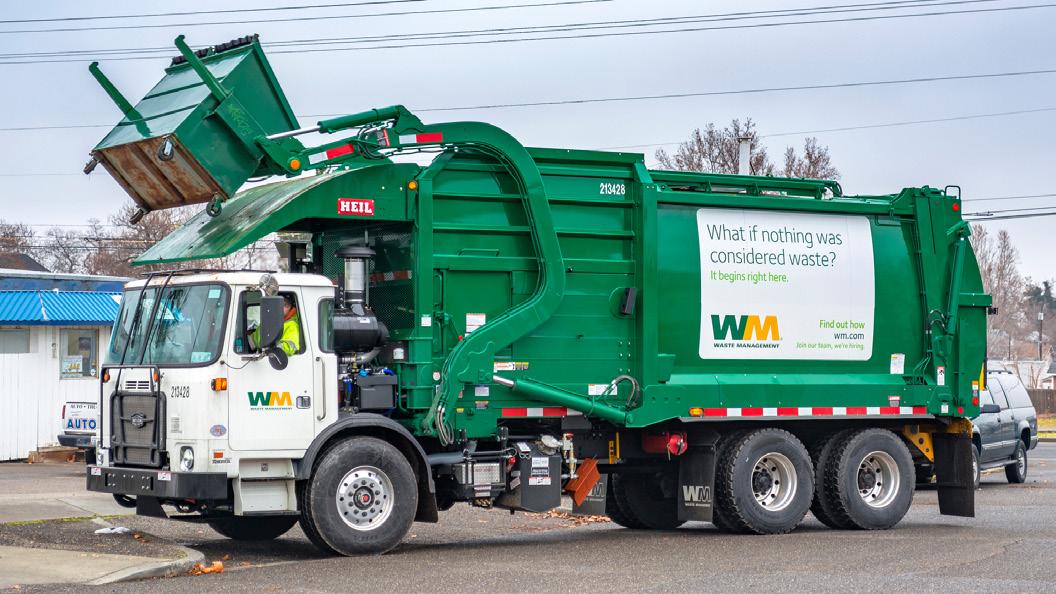
tons of solid waste per year if needed. The ash resulting from the burning of processed waste is disposed of in a specially-designed landfill. Non-processable waste is also either recycled or landfilled. The Broward Interim Contingency (BIC) Landfill has 4.5 million cubic yards of capacity and is utilized to dispose of non-burnable waste. Current demand for the BIC landfill is 60,000 tons per year, and at the end of 2004, the landfill was slightly over 50 percent filled. The Central Disposal Sanitary Landfill in Pompano Beach provides backup capacity on an as needed basis under a contractual agreement with Wheelabrator and Waste Management, Inc.
Tamarac contracts with All Service Refuse, Inc. to operate its recycling program. The program allows residents to recycle the following items:
• Newspaper and inserts;
• Corrugated cardboard;
• Kraft paper;
• Aluminum and bimetal food and beverage containers;
• Clear, green and brown glass food and beverage containers;
• Plastic containers #1-#7 (no caps or lids);
• Film plastic; and
• Gable-top and aseptic beverage containers.
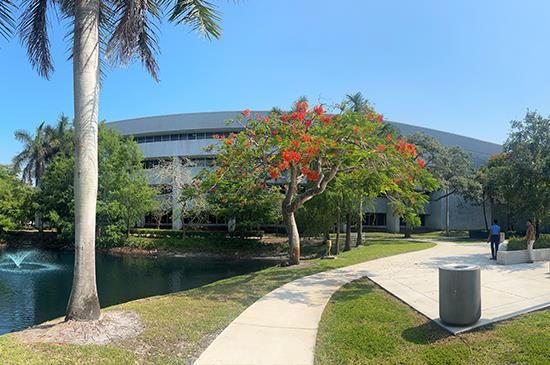
In 2020, Broward County municipalities generated an average of 11.63 pounds of solid waste per capita per day. This is 2.7 pounds per capita per day more than the currently adopted level of service of 8.9 pounds per capita. In order to best reflect the solid waste generated by the average Broward County municipality on a per capita basis, the City should revise its LOS standard to 12.0 pounds per capita per day. The City’s level of service for solid waste collection shall be to utilize one of the City’s contracted waste service providers.
The City of Tamarac does not provide its own solid waste collection and disposal services, therefore, level of service is maintained through agreements with Broward County and various franchise agreements with local service providers.
Using an estimated population of 71,842 and assuming a generation rate of 11.63 pounds per capita per day, the total solid waste generated by Tamarac in 2020 was nearly 417,000 tons. Current Broward County facilities have adequate capacity to accommodate the solid waste generated through the ten and twenty-year planning periods. The North Broward Resource Recovery facility has a capacity of 800,000 tons/year, while current demand is approximately 550,000 tons/year. Each Resource Recovery facility is expandable by 33 percent, and any peak in demand can be balanced between the two facilities. A third resource recovery plant location is reserved at the Broward County Landfill, however there are no current plans for expansion by Broward County.
For future planning, the city needs to explore waste reduction and diversion programs. It is Tamarac’s policy to continue to contract for collection service for residential and non-residential units rather than to have the City provide this service. An interlocal agreement with Broward County allows for this to continue. Solid waste service provider agreements are continuously updated by the City of Tamarac Public Works Department.
The City of Tamarac drainage system is extensive and provides a significant amount of stormwater flood protection for the residents and businesses of Tamarac. The performance of the Tamarac Drainage System, like most of South Florida’s drainage, is dependent upon the operation and performance of the South Florida
Water Management District (SFWMD) Canal System, which ultimately receives the area’s stormwater discharge. Tamarac is specifically dependent on the SFWMD C-13 and C-14 canals. The C-13 and C-14 canals serving Tamarac are extensions of an overall canal system which is used to regulate the water level of Lake Okeechobee and the Everglades. The South Florida Water Management District (SFWMD) regulates the quantity, quality, and timing of water discharged to its primary canal system. Discharge limitations have required development of a secondary lake and canal system and a tertiary drainage system consisting of roadside swales, which are capable of storing excess stormwater.
The C-14 Basin is generally bounded by the C-14 Canal on the north, the L-36 Borrow Canal (C-42) on the west, Commercial Boulevard on the south and the City of North Lauderdale on the east; a rectangular section of land south of McNab Road and west of Nob Hill Road falls within the C-13 Basin. The C-14 Basin is a 5000acre drainage area which contains 430 acres of partially-seawalled lakes and canals. The water elevation of the canals and lakes is maintained at a range of 6.3 feet Mean Sea Level (MSL) (wet season) to 7.4 MSL (dry season) by three (3) stormwater pumping stations. The minimum road crown elevation is 10 feet MSL and first floor elevation is 12 feet MSL.
The C-13 Basin includes all areas of Tamarac not within Basin C-14 and is separated into three (3) sub-basins as follows: Sub-Basin A is the rectangular section of land bounded on the north by McNab Road, on the east by Nob Hill Road, and on the south and west by Tamarac City Limits. Sub-Basin B is the area north and south of Commerical Boulevard between NW 64th Avenue and the Florida Turnpike in Tamarac. Finally, Sub-Basin C is the remaining area of Tamarac east of the Florida Turnpike. Unlike the C-14 basin, there are no pumping stations for the C-13 drainage basin. Stormwater flow is by gravity and is controlled by a total of nine (9) outfall structures.
The City’s Code provides for a positive system of drainage in all development. Specific plans and related data are required to be approved by the City Engineer and Stormwater Engineer prior to final site plan approval. Tamarac City Code requires that an additional 9,125 cubic feet of storm water retention be provided below elevation 10 feet MSL in the C-14 drainage basin for every acre of new development. To ensure adequate cross-sections for stormwater drainage, the City Code requires that all public canals be a minimum 80 feet wide and that all public lakes have a water surface width of at least 150 feet at the design elevation. The design elevation is 7.0 feet for areas draining to the C-14 and 6.0 feet for areas draining into the C-13 basin. The City Code has adopted the FEMA requirements to set the lowest floor elevation at or above the 100-year flood elevation. The current FEMA floodzones for the city are shown in Map I.7 (in the Future Land Use Element). This requirement is enforced through subdivision and building permit review.
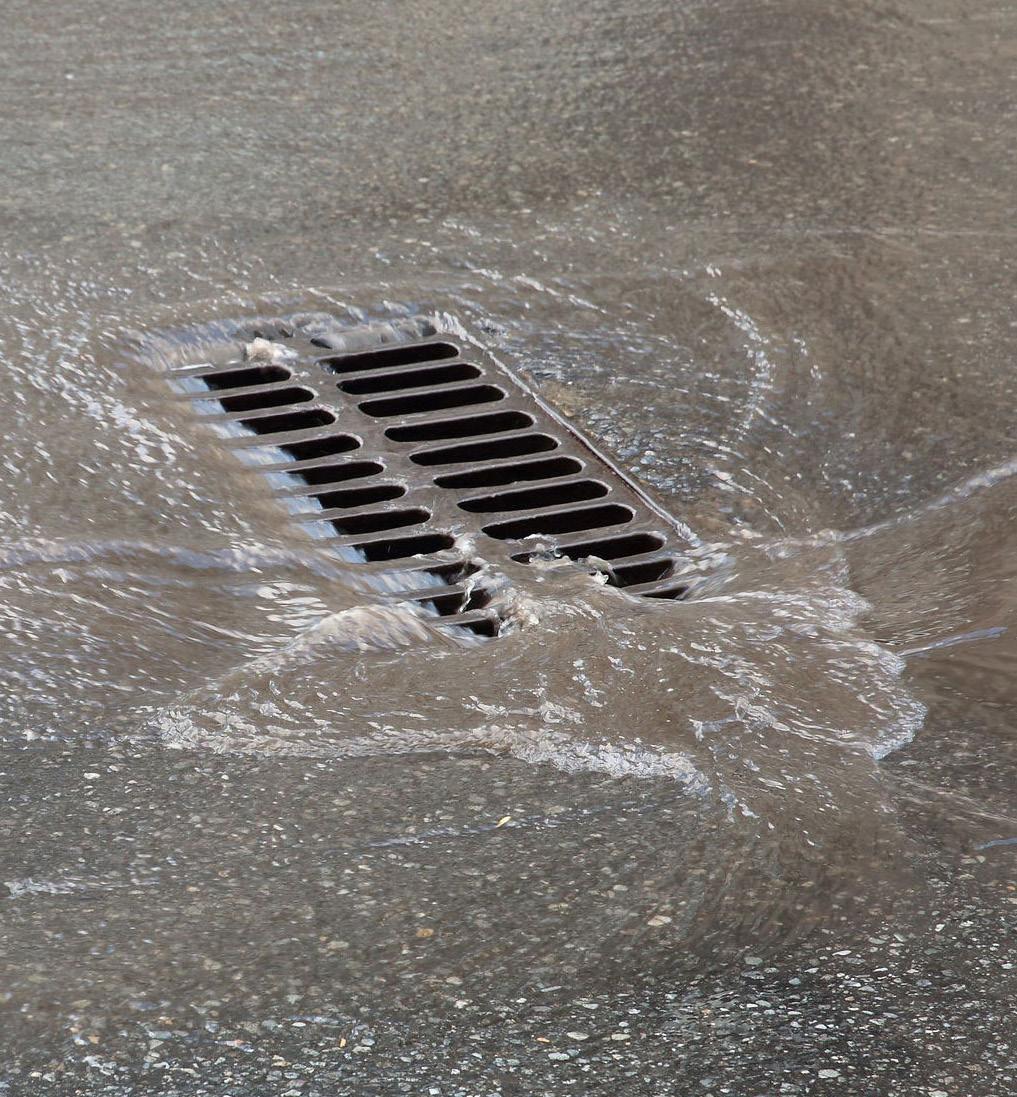
The City will consider water quality impacts before approving new developments and significant redevelopment projects. All developments shall implement Stormwater Best Management Practices that require structural and non-structural controls during construction to reduce pollutants, and control erosion and sediments entering receiving water bodies.
• FEMA criteria for minimum floor elevation and protection of floodplains;
• Standards as established by the Broward County Environmental Protection and Growth Management, South Florida Water Management District, Broward County Water Management Division, and the City of Tamarac for off-site discharge, on-site retention, and best management practices for pollutant discharge.
• Ten (10) year storm will produce a headwater no higher than four (4) inches above the lowest catch basin rim in parking lots or two (2) inches below the edge of pavement in subdivisions.
In 2015 the city developed a Storm Drainage Master Plan. The previous plan was based on a study by the University of Florida which had been performed in the early 1980s. The updated Stormwater Master Plan takes advantage of recent advances in stormwater modeling software and will expand on the previous study by providing visual exhibits showing the existing stormwater facilities as well as providing model results alerting the city to potential problem areas. The recommendations of the Master Plan will guide future needs. It is anticipated that since the City is 99 percent built-out, additional drainage infrastructure will not be needed in order to maintain the adopted LOS standards, as the amount of impervious area is not likely to increase substantially.
The City of Tamarac receives potable water from three separate water service providers. The western area of Tamarac is provided with water service by Tamarac Utilities. This area is generally bounded at the west by Conservation Area 2A, the north by the C-14 Canal, the south by N.W. 44 Street, and the east by N.W. 31 Avenue. The eastern area of Tamarac is provided with potable water by the City of Fort Lauderdale through a large-user agreement. The eastern area is generally located east of N.W. 31 Avenue, and north and south of Commercial Boulevard. Finally, there is a small part of Tamarac (total of 38 acres) located between 31st Avenue and S.R. 7 which is served by Broward County Utilities as a retail service area. For the purposes of this analysis, the City of Tamarac has been separated into three separate water service areas.
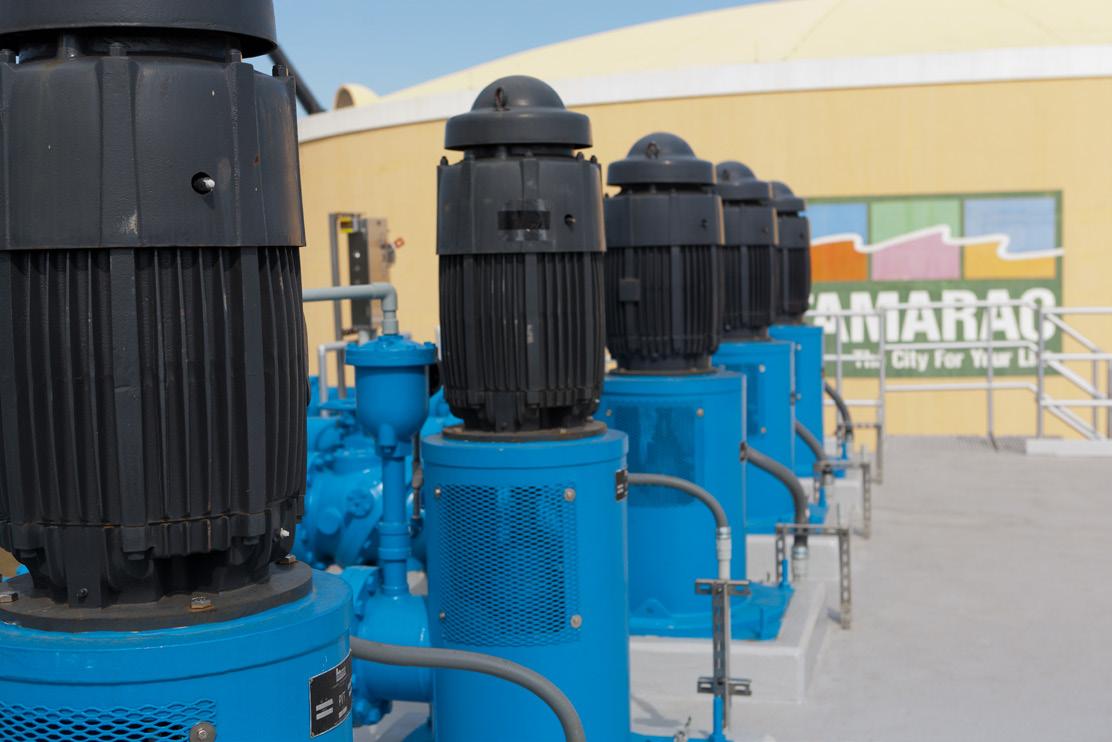
For the purposes of this analysis, the ten-year planning analysis is based on the South Florida Water Managements Water Supply Facilities Work Plan (2021), and on data obtained from the 2024 Broward County Water and Wastewater Annual Report.
For the purposes of the twenty-year planning analysis, the City of Tamarac will be analyzed by utilizing the existing growth rate of the projections provided by the Facilities Work Plan to calculate projected demand by 2050. The growth trend line has been extrapolated and applied to the growth figures by the Shimberg Center of Housing Studies for 2045 and 2050.
Tamarac Utilities provides potable water service to most of the City including the westernmost areas. The Utilities Department produces potable water at the Tamarac Water Treatment Plant located at 7803 N.W. 61 Street. The treatment plant which utilizes lime softening technology has a current pumping capacity of 20.0 million gallons per day (MGD). The plant draws its water from 19 active raw water wells which have the combined capacity to produce 21.3 MGD and a firm capacity (20 percent of wells out of service) of 16.5 MGD. The current consumptive use permit allocated by the South Florida Water Management District allows Tamarac Utilities to withdrawal an average of 7.5 MGD and a maximum of 8.7 MGD of Biscayne Aquifer water from the wellfield. Tamarac currently holds a 30-year Consumptive Use Permit (WUP No.06- 00071-W from the South Florida Water Management District (SFWMD) which does not expire until March 8, 2042. The population of the western service area is estimated to be 66,470, and the adopted level of service standard for the western service area is 110 gallons per capita per day (gpcpd).
The eastern service area of Tamarac is provided water through a purchase agreement with the City of Fort Lauderdale. Potable water provided to Tamarac is produced at Fort Lauderdale’s Fiveash Water Treatment Plant and Peele-Dixie Water Treatment Plant with capacities of 70 MGD and 10 MGD, respectively. The two plants are interconnected though the water distribution system and potable water is delivered to Tamarac through four master meters. The current consumptive use permit (CUP) for Fort Lauderdale allows the City of Fort Lauderdale to withdrawal up to 50.6 MGD of Biscayne aquifer water from its wellfields, and the permit is due for renewal in May of 2034. Fort Lauderdale, in conjunction with the South Florida Water Management District, is currently in the process of developing alternative water supply sources to meet future water demands without further impacting the Biscayne Aquifer. The population of the eastern service area is estimated to be 2,007, and the adopted level of service is 107 gallons per capita per day.
The Broward County Utility service area in Tamarac is part of Broward County’s District 1 water service area. This service area is supplied potable water from the Broward County Water and Wastewater Services District 1 Wellfield and Treatment Plant. The wellfield is comprised of nine wells, all of which are currently in service. The total firm capacity of the wellfield is 23.5 MGD. Pursuant to the South Florida Water Management District Consumptive Use Permit (CUP) for this wellfield, the maximum daily and average annual withdrawals allowed from the Biscayne Aquifer are 305 MG and 10.4 MG, respectively. The CUP is due for renewal in 2035. The District 1 water treatment plant is located at 3701 North State Road 7, Lauderdale Lakes. The plant uses upflow clarifiers and multimedia filtration to provide lime softening of the raw water supply. Per Broward County Water and Wastewater Services 2003 Annual Report, the plant is in very good condition and all equipment has been operating in a satisfactory manner. The plant operates 24 hours a day and meets current water quality standards. The population of the BCU service area is estimated to be 2,444, and the adopted level of service is 115 gallons per capita per day. The BCU service area is a retail water service area and therefore long term water availability and supply is ensured by the County.
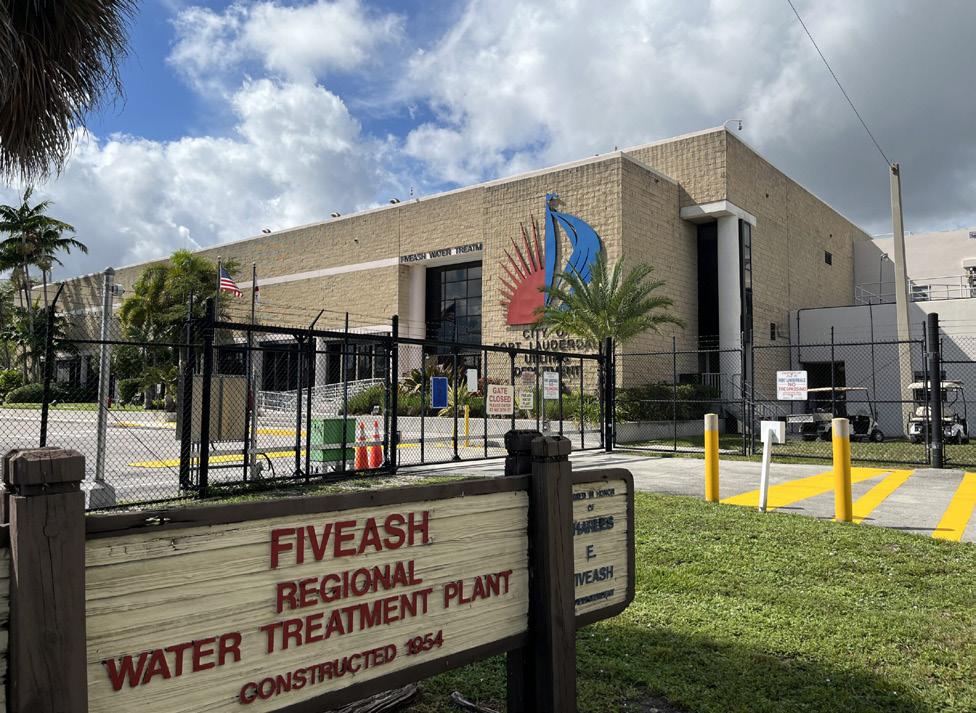
Tamarac’s water distribution system consists of over 1.1 million linear feet of water mains of various sizes, in addition to valves, fire hydrants, and water meters. Emergency potable water interconnections are maintained with Broward County Office of Environmental Services, the City of Lauderhill, the City of Fort Lauderdale, the City of North Lauderdale, and the Coral Springs Improvement District.
Tamarac’s water wells are protected by the Broward County Wellfield Protection Ordinance. There is no industrial zoning or other zoning which permits use of hazardous materials within one (1) mile of either the existing or proposed well sites within the prohibited (30-day drawdown) area.
The City of Tamarac retained an engineering consultant to perform a hydraulic analysis of the Tamarac water distribution system which was completed in 1996. The analysis showed no pressure deficiencies within the system at either average or peak demand.

The following analysis provides an assessment of water demand and supply through the year 2050. As consistent with the section above, this analysis is organized according to geographic service areas. The projected population for each service area is depicted below in Table 4.3.
Source: Population projections are based on the South Florida Water Management District Water Supply Facilities Work Plan City of Tamarac, 2021; and the Shimberg Center for Housing Studies using 2010 and 2020 U.S. Census data and population projections by the Bureau of Economic and Business Research, University of Florida
The western service area has an estimated population of 66,470 and an adopted level of service of 110 gallons per capita per day. In 2025, the western service area population demanded a predicted average of 7.19 millions gallons a day of finished water. This equates to an average of gallons per capita per day. This figure is quite a bit lower than the currently adopted level of service of 144 and is likely the result of effective water conservation efforts made by the City. With an on-going commitment to conserve water, the City of Tamarac can justify a reduction in its western service area level of service to 110 gallons per capita per day. As shown below in Table 4.4, this Level of Service is consistent with potable water demand projections contained in the South Florida Water Management District’s Lower East Coast Water Supply Plan.
The City of Tamarac holds a consumptive use permit to withdrawal a total of 7.58 MGD of potable water from the Biscayne Aquifer. This provides the City with the capacity to provide 7.19 MGD of finished water to the western service area. Based on the level of service of 110 gallons per capita per day, the City of Tamarac will need to increase its available water capacity by the year 2035. The projected population, average daily demand, and potable water capacities for the western service area are shown in Table 4.4.
Table 4.4: Western Service Area Projected Population,
Source: City of Tamarac Utilities Department; and South Florida Water Management District Water Supply Facilities Work Plan City of Tamarac, 2021, and the Shimberg Center for Housing Studies using 2010 and 2020 U.S. Census data and population projections by the Bureau of Economic and Business Research, University of Florida
At this time, the SFWMD is not permitting any additional withdrawal increases from the Biscayne Aquifer. This is due to the fact that millions of gallons of this water are pumped out of the ground each day contributing to issues of saltwater in-migration and natural resource degradation. New stringent regulations regarding the Biscayne Aquifer have been adopted forcing water officials to seek alternative sources of water. The City of Tamarac will need to acquire alternative water supply sources in order to meet future demands.
The eastern service area has an estimated population of 2,007 and an adopted level of service of 107 gallons per capita per day. In 2025, the eastern service area population is expected to average 0.160 millions gallons a day of finished water. This equates to a demand of 80 gallons per capita per day which is much less that the currently adopted LOS of 179 gallons per capita per day.. The lower consumption rate is likely due to water effective conservation efforts and the type of development in Tamarac’s eastern service area. With an ongoing commitment to conserve water and the built-out nature of the eastern service area, the City can lower its eastern level of service standard to 80 gallons per capita per day. As mentioned above, the City of Fort Lauderdale provides the eastern service area of Tamarac with potable water through a large user agreement. The City of Fort Lauderdale proactively plans for all of its water service area needs including Tamarac by the development of multi-year Water Master Plans. As shown in Table 4.5, a level of service of 80 gpcpd is consistent with the projections used by Fort Lauderdale in their Water Master Plan – 2020 Update.
Source: City of Fort Lauderdale Water Master Plan 2020 Update. Calculations of
The current capacity of Fort Lauderdale’s two treatment plants is 90 million gallons per day. The associated wellfields are capable of producing 85.2 million gallons per day and the consumptive use permit from SFWMD allows an average withdrawal of 50.6 million gallons per day from the Biscayne Aquifer. The City is currently in the process of exploring alternate water supply sources to meet future demands. The population of Tamarac’s eastern service area creates only a small demand on Fort Lauderdale’s potable water facilities. The projected population, average daily demand, and planned potable water supply for the eastern service area is shown in Table 4.6.
Table 4.6: Eastern Service Area Projected Population, Average Daily Demand and Planned Potable Water Supply
Source: Fort Lauderdale Water Master Plan Update 2020; South Florida Water Management District Water Supply Facilities Work Plan City of Tamarac, 2021, and the Shimberg Center for Housing Studies using 2010 and 2020 U.S. Census data and population projections by the Bureau of Economic and Business Research, University of Florida
As can be seen on the previous page, there are slight differences in the projected demand and planned supply for the eastern service area. These differences, however, are not considered to be significant. The City of Fort Lauderdale will continue to provide water to Tamarac as it is demanded and the City of Tamarac will continue to implement water conservation strategies to realize its adopted level of service.
The adopted level of service standard for the BCU service area is 115 gallons per capita per day. The current population in the service area is 2,444 and the current capacity of the treatment plant is 16 million gallons per day. The wellfield capacity is 19.7 million gallons per day and the consumptive use permit allows for 10.5 million gallons per day of potable water to be withdrawn from the Biscayne Aquifer. Water Consumption figures are not available for the BCU Service Area since its consumption is combined with other retail service areas. The projected population, average daily demand, and planned potable water supply for the BCU service area is shown in Table 4.7. As seen, the city of Tamarac already exceeds the Broward County planned supply and will continue to not meet the adopted level of service through the planning period. The City should continue to improve its water conservation strategies. As the LOS would need to be lowered substantially to be in line with the planned supply from Broward county.
4.7:
Source: Broward County Population Projections; ,and South Florida Water Management District Water Supply Facilities Work Plan City of Tamarac, 2021, and the Shimberg Center for Housing Studies using 2010 and 2020 U.S. Census data and population projections by the Bureau of Economic and Business Research, University of Florida
The City of Tamarac has planned a number of water plant and distribution system improvements.These improvements are scheduled to maintain a high level of service only and do not constitute water treatment plant capacity expansions at this time. The SFWMD’s Water Supply Facilities Supply Work Plan described several recommended capital improvement projects. These projects up to 2030 are listed in Table 4.8.
Source South Florida Water Management District Water Supply Facilities Work Plan City of Tamarac, 2021
The City provides for capital improvements funding in it’s 5-year budget. The utility projects funded for 20262030 are seen below in Table 4.9. A breakdown of the projects can be found in the Capital Improvements Element of this Comprehensive Plan.
Source: City of Tamarac, Florida - FY 2025 Adopted Budget
SW27A: Culvert and Headwalls FY27-FY28: Phase 9 Est. Total Cost: $800,000 Prior Year Funding: $0
$0 FUND: 411
The following is a detailed breakdown of the utility improvements scheduled in the next five years.
Description: This project funds the on-going effort to prevent erosion around culvert inlets and outlets. The project also improves safety by creating a gradual slope where culverts tie into waterways. To target several areas of the City annually, $400,000 is budgeted in FY27 and $400,000 is budgeted in FY28.
CAPITAL IMPROVEMENT PROGRAM, CONTINUED
PUBLIC SERVICES - STORMWATER
SW25A: Culvert and Headwalls FY25-FY26: Phase 8
UT25E: Irrigation Replacement Est. Total Cost: $1,139,000 Prior Year Funding: $539,000
Est. Total Cost: $800,000 Prior Year Funding: $0
$0 FUND: 441
Operating Impact: $0 FUND: 411
Description: This project will consist of the purchase and installation of new pumps and components for the 50+ irrigation stations operated and maintained by the Utilities Division Irrigation Technician. These systems are required to keep the medians well irrigated to maintain the greens spaces and beauty of the City. It is anticipated that the impact on the operating budget is zero.
Description: This project funds the on-going effort to prevent erosion around culvert inlets and outlets. The project also improves safety by creating a gradual slope where culverts tie into waterways. To target several areas of the City annually, $400,000 is budgeted in FY25 and $400,000 is budgeted in FY26.
UT25B: Sewer Main Rehabilitation (I&I)
PUBLIC SERVICES - STORMWATER
Est. Total Cost: $15,250,000
SW27A: Culvert and Headwalls FY27-FY28: Phase 9
441
Est. Total Cost: $800,000 Prior Year Funding: $0
Operating Impact: $0 FUND: 411
Description: This project funds the on-going effort to prevent erosion around culvert inlets and outlets. The project also improves safety by creating a gradual slope where culverts tie into waterways. To target several areas of the City annually, $400,000 is budgeted in FY27 and $400,000 is budgeted in FY28.
Description: This project will provide for Main Line Lining, Lateral Lining and MH coating following the 2012 Wastewater Master Plan completed by Mathews Consulting. This project, when completed will drastically reduce the Wastewater I&I (Inflow & Infiltration) and will reduce wastewater charges paid to Broward County, eliminating penalties incurred when the monthly wastewater flowrate exceeds our purchased capacity of 8.5 MGD. It is anticipated that the impact on the operating budget is zero.
PUBLIC SERVICES – UTILITIES
UT25E: Irrigation Replacement
UT25F: Water Main & Forced Main Emergency Repair and Replacement / Tamarac West System Rehabilitation
Est. Total Cost: $1,139,000 Prior Year Funding: $539,000 Operating Impact: $0 FUND: 441
Est. Total Cost: $3,600,000 Prior Year Funding: $1,800,000 Operating Impact: $0 FUND: 441
Description: This ongoing program will prov ide for emergency repairs and/or replacement of large water and forced mains that are outside the scope and expertise of the City’s construction operations. It is anticipated that the impact on the operating budget is zero.
Description: This project will consist of the purchase and installation of new pumps and components for the 50+ irrigation stations operated and maintained by the Utilities Division Irrigation Technician. These systems are required to keep the medians well irrigated to maintain the greens spaces and beauty of the City. It is anticipated that the impact on the operating budget is zero.
SERVICES - UTILITIES
UT25B: Sewer Main Rehabilitation (I&I)
Est. Total Cost: $15,250,000 Prior Year Funding: $12,250,000 Operating Impact: $0 FUND: 441
Description: This project will provide for Main Line Lining, Lateral Lining and MH coating following the 2012 Wastewater Master Plan completed by Mathews Consulting. This project, when completed will drastically reduce the Wastewater I&I (Inflow & Infiltration) and will reduce wastewater charges paid to Broward County, eliminating penalties incurred when the monthly wastewater flowrate exceeds our purchased capacity of 8.5 MGD. It is anticipated that the impact on the operating budget is zero.
PUBLIC SERVICES – UTILITIES
UT25F: Water Main & Forced Main Emergency Repair and Replacement / Tamarac West System Rehabilitation
Est. Total Cost: $3,600,000 Prior Year Funding: $1,800,000 Operating Impact: $0 FUND: 441
Description: This ongoing program will prov ide for emergency repairs and/or replacement of large water and forced mains that are outside the scope and expertise of the City’s construction operations. It is anticipated that the impact on the operating budget is zero.
UT25C: Water Treatment Plant Renewal and Replacement
PUBLIC SERVICES - STORMWATER
Est. Total Cost: $1,675,000 Prior Year Funding: $775,000 Operating Impact: $0
FUND: 441
SW25A: Culvert and Headwalls FY25-FY26: Phase 8
Est. Total Cost: $800,000 Prior Year Funding: $0
Operating Impact: $0 FUND: 411
Description: This project will provide for capital replacement items at the Water Treatment Plant which are unspecified each budget year since it is virtually impossible to predict when equipment will fail. This capital money is intended to be utilized to replace items such as large pumps, accelator parts and other large equipment. It is anticipated that the impact on the operating budget is zero.
Description: This project funds the on-going effort to prevent erosion around culvert inlets and outlets. The project also improves safety by creating a gradual slope where culverts tie into waterways. To target several areas of the City annually, $400,000 is budgeted in FY25 and $400,000 is budgeted in FY26.
PUBLIC SERVICES – UTILITIES
UT24Q: Replace Wastewater Force Mains
PUBLIC SERVICES - STORMWATER
Est. Total Cost: $2,500,000 Prior Funding: $500,000 Operating Impact: $0 FUND: 441
SW27A: Culvert and Headwalls FY27-FY28: Phase 9
Est. Total Cost: $800,000 Prior Year Funding: $0 Operating Impact: $0 FUND: 411
Description: This project will provide for improvement of the wastewater force mains that are undersized for the current wastewater flow conditions that exist in several wastewater basins and will replace force mains that have significant corrosion. Impact on the operating budget is anticipated to be zero.
Description: This project funds the on-going effort to prevent erosion around culvert inlets and outlets. The project also improves safety by creating a gradual slope where culverts tie into waterways. To target several areas of the City annually, $400,000 is budgeted in FY27 and $400,000 is budgeted in FY28.
PUBLIC SERVICES - UTILITIES
TBD: MIEX Pretreatment System
Est. Total Cost: $22,000,000 Prior Funding: $0
Operating Impact: $0 FUND: 441
PUBLIC SERVICES – UTILITIES
UT25E: Irrigation Replacement
Est. Total Cost: $1,139,000 Prior Year Funding: $539,000 Operating Impact: $0 FUND: 441
Description: This project will consist of the purchase and installation of new pumps and components for the 50+ irrigation stations operated and maintained by the Utilities Division Irrigation Technician. These systems are required to keep the medians well irrigated to maintain the greens spaces and beauty of the City. It is anticipated that the impact on the operating budget is zero.
Description: The project will involve a Pilot Study to gather design data and require detailed Engineering Plans and Specifications followed by permitting and bidding to install a MIEX (Magnetic ION Exchange) treatment system which will remove organics from our raw well water thereby reducing the chlorine demand and Trihalomethane (THM) formation in the Water Treatment Plant and distribution system. The project will also provide for the removal of other potential contaminants, including PFAS from the pre-treated water. The impact on the operating budget is to be determined.
PUBLIC SERVICES - UTILITIES
UT21M: Rehab Accelators - Internals (Incl. Replacement of Weirs)
PUBLIC SERVICES - UTILITIES
Est. Total Cost: $150,000 Prior Funding: $0 Operating Impact: $0 FUND: 441
UT25B: Sewer Main Rehabilitation (I&I)
Est. Total Cost: $15,250,000 Prior Year Funding: $12,250,000 Operating Impact: $0 FUND: 441
Description: This project will repair the steelwork and coat the interior of the old West and East 8MG Accelators. The existing West Accelator was built in 1972 and the East in 1991 and both has been rehabilitated and recoated on a 10-year maintenance schedule since then. These Accelators are at the end of their useful life and are now necessary to be replaced. It is anticipated that the impact on the operating budget is zero.
Description: This project will provide for Main Line Lining, Lateral Lining and MH coating following the 2012 Wastewater Master Plan completed by Mathews Consulting. This project, when completed will drastically reduce the Wastewater I&I (Inflow & Infiltration) and will reduce wastewater charges paid to Broward County, eliminating penalties incurred when the monthly wastewater flowrate exceeds our purchased capacity of 8.5 MGD. It is anticipated that the impact on the operating budget is zero.
UTILITIES
UT24A: Rehab Lime Silos / Slaker Systems & Slurry Mixing Station
Est. Total Cost: $600,000 Prior Funding: $0 Operating Impact: $0 FUND: 441
PUBLIC SERVICES – UTILITIES
UT25F: Water Main & Forced Main Emergency Repair and Replacement / Tamarac West System Rehabilitation
Est. Total Cost: $3,600,000 Prior Year Funding: $1,800,000 Operating Impact: $0 FUND: 441
Description: The project will replace both Wallace and Tiernan lime slakers and the PLC (programmable logic controller) system and provide steel repairs for the lime silos and lime slurry production, holding and distribution equipment. The project will be designed and permitted by one of our Engineering consultants. Two pinch valves for the 8 MGD Accelator will also be replaced. It is anticipated that the impact on the operating budget is zero.
Description: This ongoing program will prov ide for emergency repairs and/or replacement of large water and forced mains that are outside the scope and expertise of the City’s construction operations. It is anticipated that the impact on the operating budget is zero.
PUBLIC SERVICES - UTILITIES
UT24P: Wastewater Pump Station Renewal
SW25A: Culvert and Headwalls FY25-FY26: Phase 8
Est. Total Cost: $750,000 Prior Year Funding: $750,000 Operating Impact: $0 FUND: 441
Est. Total Cost: $800,000 Prior Year Funding: $0
Operating Impact: $0 FUND: 411
Description: This project will provide rehabilitation to two Wastewater Pump Stations which will consist of two new submersible pumps, discharge piping, a control panel, valve box valves, and recoating of the wet well. The project will provide for bypass pumping during construction. It is anticipated that the impact on the operating budget is zero.
Description: This project funds the on-going effort to prevent erosion around culvert inlets and outlets. The project also improves safety by creating a gradual slope where culverts tie into waterways. To target several areas of the City annually, $400,000 is budgeted in FY25 and $400,000 is budgeted in FY26.
PUBLIC SERVICES – UTILITIES
UT24S: Wastewater Lift Station Pump Conversion
Est. Total Cost: $3,000,000 Prior Year Funding: $0 Operating Impact: $0 FUND: 441
STORMWATER
SW27A: Culvert and Headwalls FY27-FY28: Phase 9
Est. Total Cost: $800,000 Prior Year Funding: $0 Operating Impact: $0 FUND: 411
Description: This project funds the on-going effort to prevent erosion around culvert inlets and outlets. The project also improves safety by creating a gradual slope where culverts tie into waterways. To target several areas of the City annually, $400,000 is budgeted in FY27 and $400,000 is budgeted in FY28.
Description: This project will replace surface mounted pumps, at wastewater lift stations, with submersible pumps. The Public Services Staff maintains 88 lift stations throughout the city. Seventy (70) lift stations are equipped with submersible pumps, while eighteen (18) lift stations still use surface mounted pumps. Surface mounted pumps have several disadvantages, including noise pollutant, vulnerability to damage caused by external forces, visual nuisance, and operational inefficiency. Once completed, the project will provide for a more efficient and environmentally friendly pump system at the city’s lift stations. It is anticipated that the impact on the operating budget is zero.
SERVICES – UTILITIES
UT21P: Wastewater Lift Station Rehabilitation
UT25E: Irrigation Replacement
Est. Total Cost: $1,900,000 Prior Year Funding: $400,000 Operating Impact: $0 FUND: 441
Est. Total Cost: $1,139,000 Prior Year Funding: $539,000 Operating Impact: $0 FUND: 441
Description: This project will provide rehabilitation, as required, to Wastewater Lift Stations throughout the City. Rehabilitation of the City’s lift stations is necessary to keep equipment working efficiently and avoiding environmental issues. This work will include replacement, renewal, maintenance and/or upgrading of lift station equipment and wet well as needed. It is anticipated that the impact on the operating budget is zero.
Description: This project will consist of the purchase and installation of new pumps and components for the 50+ irrigation stations operated and maintained by the Utilities Division Irrigation Technician. These systems are required to keep the medians well irrigated to maintain the greens spaces and beauty of the City. It is anticipated that the impact on the operating budget is zero.
UT24U: Lime Sludge Handling – Engineering Fees
PUBLIC SERVICES - UTILITIES
UT25B: Sewer Main Rehabilitation (I&I)
Est. Total Cost: $1,650,000 Prior Funding: $0 Operating Impact: $0 FUND: 441
Est. Total Cost: $15,250,000 Prior Year Funding: $12,250,000 Operating Impact: $0 FUND: 441
Description: This project will provide for Main Line Lining, Lateral Lining and MH coating following the 2012 Wastewater Master Plan completed by Mathews Consulting. This project, when completed will drastically reduce the Wastewater I&I (Inflow & Infiltration) and will reduce wastewater charges paid to Broward County, eliminating penalties incurred when the monthly wastewater flowrate exceeds our purchased capacity of 8.5 MGD. It is anticipated that the impact on the operating budget is zero.
Description: The City’s Water Treatment Plant uses a product called Quicklime (aka lime) in the water treatment process. The waste product from the “lime” is termed “lime-sludge” and must be temporarily stored on site and ultimately removed and dumped at an approved facility. The current operations to maintain and dispose of the sludge is inefficient, costly and has the potential to create environmental issues. Th is project will provide for the design fees to perform feasibility and environmental impact studies implement for the new sludge handling equipment and operation to address these issues. It is anticipated that the impact on the operating budget is zero.
UT24U: Lime Sludge Handling – Design
PUBLIC SERVICES – UTILITIES
Est. Total Cost: $3,000,000 Prior Funding: $0 Operating Impact: $0 FUND: 441
UT25F: Water Main & Forced Main Emergency Repair and Replacement / Tamarac West System Rehabilitation
Est. Total Cost: $3,600,000 Prior Year Funding: $1,800,000 Operating Impact: $0 FUND: 441
Description: This project will provide for the design of a proposed solution and new equipment, with recommendations from feasibility and environmental studies, to address operational and potential environmental issues with the existing sludge handling process at the Water Plant. The impact on the operating budget will be assessed during the feasibility study.
Description: This ongoing program will prov ide for emergency repairs and/or replacement of large water and forced mains that are outside the scope and expertise of the City’s construction operations. It is anticipated that the impact on the operating budget is zero.
CAPITAL IMPROVEMENT PROGRAM, CONTINUED PROJECT DESCRIPTIONS
PUBLIC SERVICES - UTILITIES
UT24U: Lime Sludge Handling – Construction
SW25A: Culvert and Headwalls FY25-FY26: Phase 8
Est. Total Cost: $12,000,000 Prior Funding: $0 Operating Impact: $0 FUND: 441
Est. Total Cost: $800,000 Prior Year Funding: $0 Operating Impact: $0 FUND: 411
Description: This project will implement solutions and install equipment to address operational and potential environmental issues with the existing sludge handling process at the City’s Water Plant. The impact on the operating budget is to be determined.
Description: This project funds the on-going effort to prevent erosion around culvert inlets and outlets. The project also improves safety by creating a gradual slope where culverts tie into waterways. To target several areas of the City annually, $400,000 is budgeted in FY25 and $400,000 is budgeted in FY26.
PUBLIC SERVICES - UTILITIES
UT25D: WTP Raw Water Well 14 to 17 Elec Upgrades – Design & Construction
Est. Total Cost: $600,000 Prior Funding: $0 Operating Impact: $0 FUND: 441
SW27A: Culvert and Headwalls FY27-FY28: Phase 9
Est. Total Cost: $800,000 Prior Year Funding: $0 Operating Impact: $0 FUND: 411
Description: This project will provide the Design for electrical improvements to Wells No. 14, 15, 16 and 17. The electrical work includes upgrades to the existing electrical systems, including main service panel, installation of new electrical wires, control panel updates and new underground service for the control panels and RTU’s. It is anticipated that the impact on the operating budget is zero.
PUBLIC SERVICES – UTILITIES
Description: This project funds the on-going effort to prevent erosion around culvert inlets and outlets. The project also improves safety by creating a gradual slope where culverts tie into waterways. To target several areas of the City annually, $400,000 is budgeted in FY27 and $400,000 is budgeted in FY28.
UT25A: Water Treatment Plant (WTP) Raw Well Rehabilitation Program
Est. Total Cost: $1,935,000 Prior Year Funding: $1,335,000 Operating Impact: $0 FUND: 441
Description: The City’s Water Plant has 19 raw water wells which require periodical upgrades to keep them working efficiently and stay within regulatory compliance. This project will provide for rehabilitation, including repairs and replacement of piping, valves, pumps, meters and electrical and SCADA parts and equipment. Anticipated impact on the operating budget is zero.
PUBLIC SERVICES – UTILITIES
PUBLIC SERVICES – UTILITIES
UT25E: Irrigation Replacement
UT21V: WTP Ammoniation System Upgrade and Improvements - Analysis
Est. Total Cost: $1,139,000 Prior Year Funding: $539,000 Operating Impact: $0 FUND: 441
Est. Total Cost: $40,000 Prior Funding: $20,000 Operating Impact: $0 FUND: 441
Description: This project will consist of the purchase and installation of new pumps and components for the 50+ irrigation stations operated and maintained by the Utilities Division Irrigation Technician. These systems are required to keep the medians well irrigated to maintain the greens spaces and beauty of the City. It is anticipated that the impact on the operating budget is zero.
Description: This project will include the design of two (2) 100-lbs/day ammoniator units to replace the two (2) existing out-of-service units. The existing units are 200-lbs/day units equipped with dedicated 100-lbs/day rotameters. The proposed system improvements should be completed in accordance with Part 5.4.5.3 of the “Recommended Standards for Water Works”, also known as “10-State Standards”. It is anticipated that the impact on the operating budget is zero.
PUBLIC SERVICES – UTILITIES
PUBLIC SERVICES - UTILITIES
UT22V: WTP Ammoniation System Upgrade and Improvements - Installation
UT25B: Sewer Main Rehabilitation (I&I)
Est. Total Cost: $249,000 Prior Funding: $124,500 Operating Impact: $0 FUND: 441
Est. Total Cost: $15,250,000 Prior Year Funding: $12,250,000 Operating Impact: $0 FUND: 441
Description: This project will include the construction of two (2) 100-lbs/day ammoniator units to replace the two (2) existing out-of-service units. The existing units are 200-lbs/day units equipped with dedicated 100-lbs/day rotameters. It is anticipated that the impact on the operating budget is zero.
Description: This project will provide for Main Line Lining, Lateral Lining and MH coating following the 2012 Wastewater Master Plan completed by Mathews Consulting. This project, when completed will drastically reduce the Wastewater I&I (Inflow & Infiltration) and will reduce wastewater charges paid to Broward County, eliminating penalties incurred when the monthly wastewater flowrate exceeds our purchased capacity of 8.5 MGD. It is anticipated that the impact on the operating budget is zero.
PUBLIC SERVICES – UTILITIES
TBD: Convert / Replace Sodium Hypochlorite System – Engineering / Construction
Est. Total Cost: $4,400,000 Prior Funding: $0 Operating Impact: $0 FUND: 441
PUBLIC SERVICES – UTILITIES
UT25F: Water Main & Forced Main Emergency Repair and Replacement / Tamarac West System Rehabilitation
Est. Total Cost: $3,600,000 Prior Year Funding: $1,800,000 Operating Impact: $0 FUND: 441
Description: This ongoing program will prov ide for emergency repairs and/or replacement of large water and forced mains that are outside the scope and expertise of the City’s construction operations. It is anticipated that the impact on the operating budget is zero.
Description: This project includes design and construction for the demolition of the existing electrolytic, sodium hypochlorite onsite generation system at the WTP site. Modifications, including piping and pump conversions, will be made to fully convert the system to a more reliable bulk storage and feed system. The onsite generator unit, which was installed in 2005, has become increasingly maintenance intensive, and the rectifier unit has aged considerably causing the solution strength produced to become more inconsistent. This project will also provide additional onsite storage and operational flexibility. The impact on the operating budget is to be determined during the design phase of the project.
CAPITAL IMPROVEMENT PROGRAM, CONTINUED PROJECT DESCRIPTIONS
PUBLIC SERVICES – UTILITIES
UT21W: Water Loss Assessment (Leak Detection Program)
PUBLIC SERVICES - STORMWATER
Est. Total Cost: $230,000 Prior Funding: $200,000
SW25A: Culvert and Headwalls FY25-FY26: Phase 8
Impact: $0 FUND: 441
Est. Total Cost: $800,000 Prior Year Funding: $0
Operating Impact: $0 FUND: 411
Description: The project will continue the City’s leak detection program to monitor and assess the City’s potable water mains in an attempt to reduce the un-accounted for water loss percentage within the City’s distribution system. This program is required to meet industry standards of a maximum allowed water loss of 10%. It is anticipated that the impact on the operating budget is zero.
Description: This project funds the on-going effort to prevent erosion around culvert inlets and outlets. The project also improves safety by creating a gradual slope where culverts tie into waterways. To target several areas of the City annually, $400,000 is budgeted in FY25 and $400,000 is budgeted in FY26.
PUBLIC SERVICES - UTILITIES
UT21S: Rate Study
Est. Total Cost: $105,000 Prior Funding: $55,000
$0 FUND: 441
PUBLIC SERVICES - STORMWATER
SW27A: Culvert and Headwalls FY27-FY28: Phase 9
Description: The project will examine all current Utilities Operating and Capital Budgets for a minimum of five years out and determine what rate increases are required to maintain the Utilities Operations. It is anticipated that the impact on the operating budget is zero.
Est. Total Cost: $800,000 Prior Year Funding: $0 Operating Impact: $0 FUND: 411
PUBLIC SERVICES - UTILITIES
UT25A: Risk and Resilience Study
Est. Total Cost: $500,000
Description: This project funds the on-going effort to prevent erosion around culvert inlets and outlets. The project also improves safety by creating a gradual slope where culverts tie into waterways. To target several areas of the City annually, $400,000 is budgeted in FY27 and $400,000 is budgeted in FY28.
$500,000
$0 FUND: 441
PUBLIC SERVICES – UTILITIES
UT25E: Irrigation Replacement
Est. Total Cost: $1,139,000 Prior Year Funding: $539,000 Operating Impact: $0 FUND: 441
Description: This project will consist of the purchase and installation of new pumps and components for the 50+ irrigation stations operated and maintained by the Utilities Division Irrigation Technician. These systems are required to keep the medians well irrigated to maintain the greens spaces and beauty of the City. It is anticipated that the impact on the operating budget is zero.
Description: The Environmental Protection Agency (EPA), through the American Water Infrastructure Act (AWIA), requires community (drinking) water systems (CWSs) serving more than 3,300 people to develop or update risk and resilience assessments (RRAs) and emergency response plans (ERPs) for water treatment facilities. Updates to RRA’s are required every 5 years. The City completed the previous RRA in 2020 and is due for an update in 2025. This project will update both the RRA and ERP and keep the City in compliance with the AWIA requirements. The objective of the RRA is to identify the utility’s critical physical and cyber assets, assess reasonable worst-case threats from malevolent and natural hazards, and develop mitigation measures to prevent or minimize the impact of those threats. It is anticipated that the impact on the operating budget is zero.
PUBLIC SERVICES - UTILITIES TBD: Water Master Plan Study
PUBLIC SERVICES - UTILITIES
UT25B: Sewer Main Rehabilitation (I&I)
Est. Total Cost: $15,250,000 Prior Year Funding: $12,250,000 Operating Impact: $0 FUND: 441
Description: This project will provide for Main Line Lining, Lateral Lining and MH coating following the 2012 Wastewater Master Plan completed by Mathews Consulting. This project, when completed will drastically reduce the Wastewater I&I (Inflow & Infiltration) and will reduce wastewater charges paid to Broward County, eliminating penalties incurred when the monthly wastewater flowrate exceeds our purchased capacity of 8.5 MGD. It is anticipated that the impact on the operating budget is zero.
Description: The City’s Water Master Plan is updated every 10 years and is required to assess the condition of all raw water sources, raw wells, potable water treatment, storage and distribution systems, including system assets, facilities and operations to ensure adequate capacities, flow, system pressures, treatment techniques to ensure regulatory compliance and the ability to meet future demands based on population growth. This study will identify Capital and Maintenance project improvements as well as recommend operational changes and/or improvements as required. The next study is scheduled for FY 2028. It is anticipated that the impact on the operating budget is zero. PUBLIC SERVICES – UTILITIES
PUBLIC SERVICES – UTILITIES
UT25F: Water Main & Forced Main Emergency Repair and Replacement / Tamarac West System Rehabilitation
Est. Total Cost: $3,600,000 Prior Year Funding: $1,800,000 Operating Impact: $0 FUND: 441
Description: This project provides for painting of the exterior surfaces of all the tanks, pipes, filters, buildings, and walls at the Water Plant and Remote Booster Stations on a seven-year basis or earlier, as required, to stay in regulatory compliance. This work was last completed in FY2024. It is anticipated that the impact on the operating budget is zero.
Description: This ongoing program will prov ide for emergency repairs and/or replacement of large water and forced mains that are outside the scope and expertise of the City’s construction operations. It is anticipated that the impact on the operating budget is zero.
CONTINUED
PUBLIC SERVICES – UTILITIES
PUBLIC SERVICES - STORMWATER
UT23J: Replace Transfer and Backwash Pumps – Design/Admin/Construction
Est. Total Cost: $2,200,000 Prior Year Funding: $0
SW25A: Culvert and Headwalls FY25-FY26: Phase 8
Operating Impact: $0 FUND: 441
Est. Total Cost: $800,000 Prior Year Funding: $0 Operating Impact: $0 FUND: 411
Description: This project will ensure continuous transfer of treatment water to our storage tanks at the City Water Treatment Plant site. This project will require engineering to ensure compatibility with the existing clear well and Water Treatment Plant systems. These are critical components of the water treatment process. It is anticipated that the impact on the operating budget is zero.
Description: This project funds the on-going effort to prevent erosion around culvert inlets and outlets. The project also improves safety by creating a gradual slope where culverts tie into waterways. To target several areas of the City annually, $400,000 is budgeted in FY25 and $400,000 is budgeted in FY26.
PUBLIC SERVICES - UTILITIES
UT23R: WTP Well #1 Abandonment and Relocation
Est. Total Cost: $750,000 Prior Funding: $0
Operating Impact: $0 FUND: 441
SW27A: Culvert and Headwalls FY27-FY28: Phase 9
Est. Total Cost: $800,000 Prior Year Funding: $0 Operating Impact: $0 FUND: 411
Description: This project funds the on-going effort to prevent erosion around culvert inlets and outlets. The project also improves safety by creating a gradual slope where culverts tie into waterways. To target several areas of the City annually, $400,000 is budgeted in FY27 and $400,000 is budgeted in FY28.
Description: This project will abandon the existing Water Plant’s Raw Water Supply Well No.1 and install a new raw water supply well at a new location within the Water Plant premises. The existing Raw Water Well No.1 has been experiencing soil erosion adjacent to the well head. The replacement of Raw Water Well No.1 is required to replace the existing compromised raw well, bring the well facility up to current regulatory standards and provide redundancy to the City’s raw water supply system. It is anticipated that the impact on the operating budget is zero.
PUBLIC SERVICES – UTILITIES
UT24G: Grants/Tamarac Square Water Main Replacement
PUBLIC SERVICES – UTILITIES
UT25E: Irrigation Replacement
Est. Total Cost: $600,000 Prior Year Funding: $0 Operating Impact: $0 FUND: 441
Est. Total Cost: $1,139,000 Prior Year Funding: $539,000 Operating Impact: $0 FUND: 441
Description: This project will replace damaged, old, undersized or otherwise inefficient water distribution mains within or adjacent to the Grants/Tamarac Square. These water mains were recommended for replacement in the 2018 Water Master Plan Study of the City’s distribution system, prepared by Mathews Engineering. The replacement of these water mains will provide the required system maintenance to ensure the extended service life of the distribution system. It is anticipated that the impact on the operating budget is zero.
Description: This project will consist of the purchase and installation of new pumps and components for the 50+ irrigation stations operated and maintained by the Utilities Division Irrigation Technician. These systems are required to keep the medians well irrigated to maintain the greens spaces and beauty of the City. It is anticipated that the impact on the operating budget is zero.
PUBLIC SERVICES - UTILITIES
UT22P: Mainlands Section 7 WM Replacement
Est. Total Cost: $2,200,000 Prior Funding: $0
$0 FUND: 441
UTILITIES
UT25B: Sewer Main Rehabilitation (I&I)
Est. Total Cost: $15,250,000 Prior Year Funding: $12,250,000 Operating Impact: $0 FUND: 441
Description: This project will replace undersized and deteriorated water mains and fire hydrants and will also install additional fire hydrants to improve the fire hydrant coverage. The existing water mains were installed primarily in 1968 and are of asbestos cement material. These pipes are nearing the end of their useful life. It is anticipated that the impact on the operating budget is zero.
PUBLIC SERVICES – UTILITIES
Description: This project will provide for Main Line Lining, Lateral Lining and MH coating following the 2012 Wastewater Master Plan completed by Mathews Consulting. This project, when completed will drastically reduce the Wastewater I&I (Inflow & Infiltration) and will reduce wastewater charges paid to Broward County, eliminating penalties incurred when the monthly wastewater flowrate exceeds our purchased capacity of 8.5 MGD. It is anticipated that the impact on the operating budget is zero.
UT24D: Citywide AMI Program
Est. Total Cost: $8,500,000 Prior Year Funding: $0
Operating Impact: $0 FUND: 441
PUBLIC SERVICES – UTILITIES
UT25F: Water Main & Forced Main Emergency Repair and Replacement / Tamarac West System Rehabilitation
Est. Total Cost: $3,600,000 Prior Year Funding: $1,800,000 Operating Impact: $0 FUND: 441
Description: This ongoing program will prov ide for emergency repairs and/or replacement of large water and forced mains that are outside the scope and expertise of the City’s construction operations. It is anticipated that the impact on the operating budget is zero.
Description: The project will Install and implement an Advanced Metering Infrastructure (AMI) system throughout the City. AMI technology is widely regarded in the water industry as the future of metering for Municipal Utilities. The technology has several uses including improved data collection, remote access to data, capabilities for signaling issues in the distribution system, including water main breaks, remote meter reading and may also be used to provide customers with usage information. This program once implemented will provide greater efficiency to the City’s water treatment and distribution systems and reduce water loss throughout the distribution system. It is anticipated that the impact on the operating budget is zero.
CAPITAL IMPROVEMENT PROGRAM, CONTINUED PROJECT DESCRIPTIONS
PUBLIC SERVICES – UTILITIES
TBD: Woodland Country Club Water Main Replacement: Phases 1-4
PUBLIC
Est. Total Cost: $12,000,000
Year Funding: $0
SW25A: Culvert and Headwalls FY25-FY26: Phase 8
$0 FUND: 441
Est. Total Cost: $800,000 Prior Year Funding: $0
FUND: 411
Operating Impact: $0
Description: This project will replace undersized and deteriorated water mains and fire hydrants and will also install additional fire hydrants to improve the fire flow coverage. The existing water mains were installed primarily in 1968 with some improvements completed in 1976 and 1993 and are of asbestos cement, PVC, or ductile iron material. These pipes are nearing the end of their useful life. It is anticipated that the impact on the operating budget is zero.
Description: This project funds the on-going effort to prevent erosion around culvert inlets and outlets. The project also improves safety by creating a gradual slope where culverts tie into waterways. To target several areas of the City annually, $400,000 is budgeted in FY25 and $400,000 is budgeted in FY26.
PUBLIC SERVICES – UTILITIES
TBD: Mainland Sections 1-5 Water Main Replacement - Phase 1 Est. Total Cost: $8,000,000
SW27A: Culvert and Headwalls FY27-FY28: Phase 9
$0 FUND: 441
Est. Total Cost: $800,000 Prior Year Funding: $0 Operating Impact: $0 FUND: 411
Description: This project will replace undersized and deteriorated water mains and fire hydrants in the Mainland Sections 1-5 communities and will also install additional fire hydrants to improve the fire hydrant coverage. The existing water mains were installed primarily in 1968 and are of asbestos cement material. These pipes are nearing the end of their useful life. It is anticipated that the impact on the operating budget is zero.
Description: This project funds the on-going effort to prevent erosion around culvert inlets and outlets. The project also improves safety by creating a gradual slope where culverts tie into waterways. To target several areas of the City annually, $400,000 is budgeted in FY27 and $400,000 is budgeted in FY28.
TBD: Heathgate & Sunflower Communities Water Main Replacement
Est.
441
UT25E: Irrigation Replacement
Est. Total Cost: $1,139,000 Prior Year Funding: $539,000 Operating Impact: $0 FUND: 441
Description: This project will replace undersized and deteriorated water mains and fire hydrants in the Heathgate and Sunflower communities and will also install additional fire hydrants to improve the fire hydrant coverage and will also include pavement restoration. The existing water mains were installed primarily in 1970’s and are of asbestos cement material. These pipes are nearing the end of their useful life. It is anticipated that the impact on the operating budget is zero.
Description: This project will consist of the purchase and installation of new pumps and components for the 50+ irrigation stations operated and maintained by the Utilities Division Irrigation Technician. These systems are required to keep the medians well irrigated to maintain the greens spaces and beauty of the City. It is anticipated that the impact on the operating budget is zero.
PUBLIC SERVICES – UTILITIES
UT25G: Green Haven, Fair Haven & Sunset Isle Water Main Replacement
SERVICES - UTILITIES
441
UT25B: Sewer Main Rehabilitation (I&I)
Est. Total Cost: $15,250,000 Prior Year Funding: $12,250,000 Operating Impact: $0 FUND: 441
Description: This project will replace undersized and deteriorated water mains and fire hydrants in the Green Haven, Fair Haven and Sunset Isle communities and will install additional fire hydrants to improve the fire hydrant coverage and will also include pavement restoration. The existing water mains were installed primarily in 1969 and are of asbestos cement material. These pipes are nearing the end of their useful life. It is anticipated that the impact on the operating budget is zero.
Description: This project will provide for Main Line Lining, Lateral Lining and MH coating following the 2012 Wastewater Master Plan completed by Mathews Consulting. This project, when completed will drastically reduce the Wastewater I&I (Inflow & Infiltration) and will reduce wastewater charges paid to Broward County, eliminating penalties incurred when the monthly wastewater flowrate exceeds our purchased capacity of 8.5 MGD. It is anticipated that the impact on the operating budget is zero.
SERVICES – UTILITIES
UT23I: Westwood Phase 1 (Pipe Bursting)
Est. Total Cost: $5,250,000
PUBLIC SERVICES – UTILITIES
Prior Year Funding: $0
Operating Impact: $0 FUND: 441
UT25F: Water Main & Forced Main Emergency Repair and Replacement / Tamarac West System Rehabilitation
Est. Total Cost: $3,600,000 Prior Year Funding: $1,800,000 Operating Impact: $0 FUND: 441
Description: This ongoing program will prov ide for emergency repairs and/or replacement of large water and forced mains that are outside the scope and expertise of the City’s construction operations. It is anticipated that the impact on the operating budget is zero.
Description: This project (Phase 1 of 2 phases) will replace undersized and deteriorated water mains and fire hydrants in the Westwood communities and will install additional fire hydrants to improve the fire hydrant coverage and will also include pavement restoration. The existing water mains were installed primarily in 1973 and are of cast iron material. These pipes are nearing the end of their useful life. It is anticipated that the impact on the operating budget is zero.
PUBLIC SERVICES - STORMWATER
TBD: Westwood Phase 2 (Pipe Bursting)
Est. Total Cost: $6,000,000
Year Funding: $0
SW25A: Culvert and Headwalls FY25-FY26: Phase 8
FUND: 441
Est. Total Cost: $800,000 Prior Year Funding: $0 Operating Impact: $0 FUND: 411
Description: This project (Phase 2 of 2 phases) will replace undersized and deteriorated water mains and fire hydrants in the Westwood communities and will install additional fire hydrants to improve the fire hydrant coverage and will also include pavement restoration. The existing water mains were installed primarily in 1973 and are of cast iron material. These pipes are nearing the end of their useful life. It is anticipated that the impact on the operating budget is zero.
Description: This project funds the on-going effort to prevent erosion around culvert inlets and outlets. The project also improves safety by creating a gradual slope where culverts tie into waterways. To target several areas of the City annually, $400,000 is budgeted in FY25 and $400,000 is budgeted in FY26.
SERVICES – UTILITIES
UT25H: Replacement of Galvanized Service Lines
Est. Total Cost: $2,000,000
PUBLIC SERVICES - STORMWATER
$0
$0 FUND: 441
SW27A: Culvert and Headwalls FY27-FY28: Phase 9
Est. Total Cost: $800,000 Prior Year Funding: $0 Operating Impact: $0 FUND: 411
Description: The Environmental Protection Agency (EPA), as part of the Lead and Copper Rule Revisions, finalized on December 16, 2021, has mandated that certain water service lines, including galvanized, are required to be removed. This project will remove galvanized service lines within the City’s water distribution system. It is anticipated that the impact on the operating budget is zero.
Description: This project funds the on-going effort to prevent erosion around culvert inlets and outlets. The project also improves safety by creating a gradual slope where culverts tie into waterways. To target several areas of the City annually, $400,000 is budgeted in FY27 and $400,000 is budgeted in FY28.
TBD: Video Surveillance for Wells 4, 5 & 6
Est. Total Cost: $270,000 Prior Year Funding: $0
441
PUBLIC SERVICES – UTILITIES
UT25E: Irrigation Replacement
Est. Total Cost: $1,139,000 Prior Year Funding: $539,000 Operating Impact: $0 FUND: 441
Description: This project will install video surveillance cameras at all the Offsite Raw Water Well Pump Stations. The Raw Water Pump Stations that are located outside of the City’s Water Plant currently do not have video surveillance. This project will install the cameras in accordance with the 2020 Risk and Resilience Study’s Recommendations. It is anticipated that the impact on the operating budget is zero.
Description: This project will consist of the purchase and installation of new pumps and components for the 50+ irrigation stations operated and maintained by the Utilities Division Irrigation Technician. These systems are required to keep the medians well irrigated to maintain the greens spaces and beauty of the City. It is anticipated that the impact on the operating budget is zero.
UT25I: Video Surveillance for Wells 10, 11, 12, 13, 14, 15, 16, 17, 18 & 19
Est. Total Cost: $370,000 Prior Year Funding: $0
Impact: $0 FUND: 441
UTILITIES
UT25B: Sewer Main Rehabilitation (I&I)
Est. Total Cost: $15,250,000 Prior Year Funding: $12,250,000 Operating Impact: $0 FUND: 441
Description: This project will install video surveillance cameras at all the Offsite Raw Water Well Pump Stations. The Raw Water Pump Stations that are located outside of the City’s Water Plant currently do not have video surveillance. This project will install the cameras in accordance with the 2020 Risk and Resilience Study’s Recommendations. It is anticipated that the impact on the operating budget is zero
Description: This project will provide for Main Line Lining, Lateral Lining and MH coating following the 2012 Wastewater Master Plan completed by Mathews Consulting. This project, when completed will drastically reduce the Wastewater I&I (Inflow & Infiltration) and will reduce wastewater charges paid to Broward County, eliminating penalties incurred when the monthly wastewater flowrate exceeds our purchased capacity of 8.5 MGD. It is anticipated that the impact on the operating budget is zero.
PUBLIC SERVICES – UTILITIES
UT25F: Water Main & Forced Main Emergency Repair and Replacement / Tamarac West System Rehabilitation
Est. Total Cost: $3,600,000 Prior Year Funding: $1,800,000 Operating Impact: $0 FUND: 441
Description: This ongoing program will prov ide for emergency repairs and/or replacement of large water and forced mains that are outside the scope and expertise of the City’s construction operations. It is anticipated that the impact on the operating budget is zero.
The Biscayne Aquifer, the water source for Tamarac, extends from Lake Okeechobee in a southeasterly direction to the southeast coast of south Florida. It varies in depth from approximately ground level to 200 feet at the coast. The principal source of recharge is rainfall which averages 62 inches annually in and around the City. Infiltration occurs from sheet flow through the Everglades, canal and lake systems, and pervious areas.
Tamarac obtains water from 19 wells and groundwater levels are maintained at fairly constant levels by virtue of the close proximity to conservation areas 2A and 2B. The depth of the City wells averages 100 feet. The quality of the groundwater available from the wellfield at the Tamarac West Treatment Plant is good. Three (3) surface drainage pumps located along the northern City limits maintain the water levels in the drainage canals. There are no salinity control structures and no saline water presently within four (4) miles of Tamarac’s existing wells.
The Fort Lauderdale Prospect Field Wellfield is located 3.5 miles east of Tamarac’s wellfield, just east of U.S. 441 and north of Commercial Boulevard. In addition, one of Sunrise’s wellfields
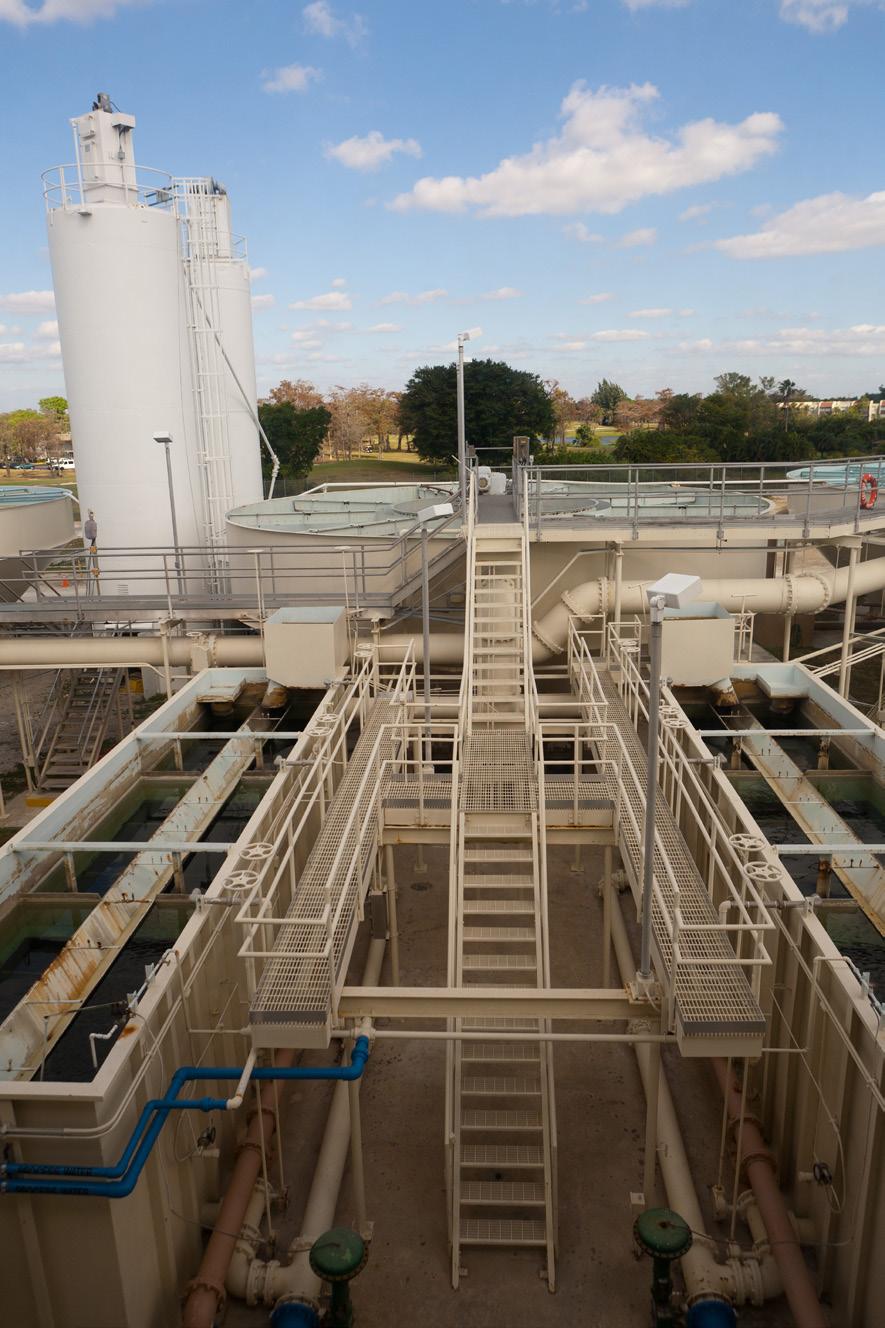
is located 1.3 miles south of the Tamarac’s wellfield. Groundwater movement is to the southeast in eastern Broward County. Impacts on or from the Fort Lauderdale and Sunrise wellfields are minimal.
The City of Tamarac has been extremely successful in its water conservation efforts. The City requires water conserving fixtures for new construction, has adopted xeriscape landscape standards, has developed alternate water supply sources at nine of its golf courses which use canals for irrigation, and has hired a Water Conservation Coordinator to implement programs and promote public awareness. The City will continue to implement and monitor these programs as necessary to ensure that water is conserved.
Table 5.1:
Table
Table 5.3: Broward County 2022 Air Quality Index (AQI) Summary..........................2
Table 5.4:
Map 5.1: Wellfield Protection Zones & Contaminated
Figure 5.1: Broward County Wetlands...........................................................6
Figure 5.2: Sod with Soil...........................................................................7
Figure 5.3: Florida Pine Rocklands...............................................................8
Figure 5.4: Muskovy Duck..........................................................................8
Figure 5.5: Waters Edge Park....................................................................10
The City of Tamarac, a landlocked community in western Broward County, lies between the Everglades Conservation Area and the Atlantic Coastal Ridge. Once consisting of wetlands, pastures, and fields, Tamarac has evolved into a fully developed city with vibrant residential and commercial areas.
As part of its forward-looking approach, Tamarac is committed to enhancing resiliency, sustainability, environmental technology, and alternative energy sources. With a GOLD SolSmart rating, the City demonstrates its dedication to reducing its carbon footprint by leveraging innovative technologies and renewable energy to provide essential services. This element underscores Tamarac’s mission to conserve, utilize, and protect its natural resources for future generations.
This section identifies and analyzes various natural resources within the City, including water bodies, wetlands, groundwater, air and water quality, floodplains, commercially valuable mineral deposits, soil conditions, vegetative communities, wildlife habitats, and endangered species. Physical natural resources are presented first, then followed by the biological natural resources.
The Clean Air Act requires the Environmental Protection Agency (EPA) to set NAAQS for six common air pollutants. Harmful to human health and the environment, these commonly found air pollutants consist of particle pollution (often referred to as particulate matter), ground-level ozone, carbon monoxide, sulfur dioxide, nitrogen dioxide, and lead. Of the six pollutants, particle pollution and ground-level ozone pollution are the most common health threats.
The Broward County Environmental Protection Department (EPD) maintains air quality monitoring stations throughout the County and outputs an Air Quality Index (AQI). The AQI is considered a uniform method of reporting daily pollution levels and the associated ill health effects. A greater AQI value corresponds to greater levels of pollution.
Good 0-50
Moderate 51-100
Unhealthy for Sensitive Groups 101-150
Unhealthy 151-200
Very Unhealthy 201-300
Hazardous 301-500
No health impacts are expected when air quality is in this range. Green
Unusually sensitive people should consider limiting prolonged outdoor exertion. Yellow
Active children and adults, and people with respiratory disease, such as asthma, should limit prolonged outdoor exertion. Orange
Active children and adults and people with respiratory disease such as asthma, should avoid prolonged outdoor exertion: everyone else, especially children, should limit prolonged outdoor exertion.
Active children and adults and people with respiratory disease, such as asthma, should avoid all outdoor exertion; everyone else, especially children, should limit outdoor exertion.
Active children and adults, and people with respiratory disease, such as asthma, should avoid all outdoor exertion, everyone else, especially children, should limit outdoor exertion.
Source: Air Monitoring Air Quality Index (broward.org)
Red
Purple
Maroon
In 2022 local monitoring sites throughout Broward County recorded 82.19% of days with good air quality, and 17.81% of days with moderate air quality. The federal ozone standard is 0.12 ppm for maximum one-hour value, and .08 ppm for eight-hour average. Broward County remains above the national standard at .034244 ppm for eight-hour value.
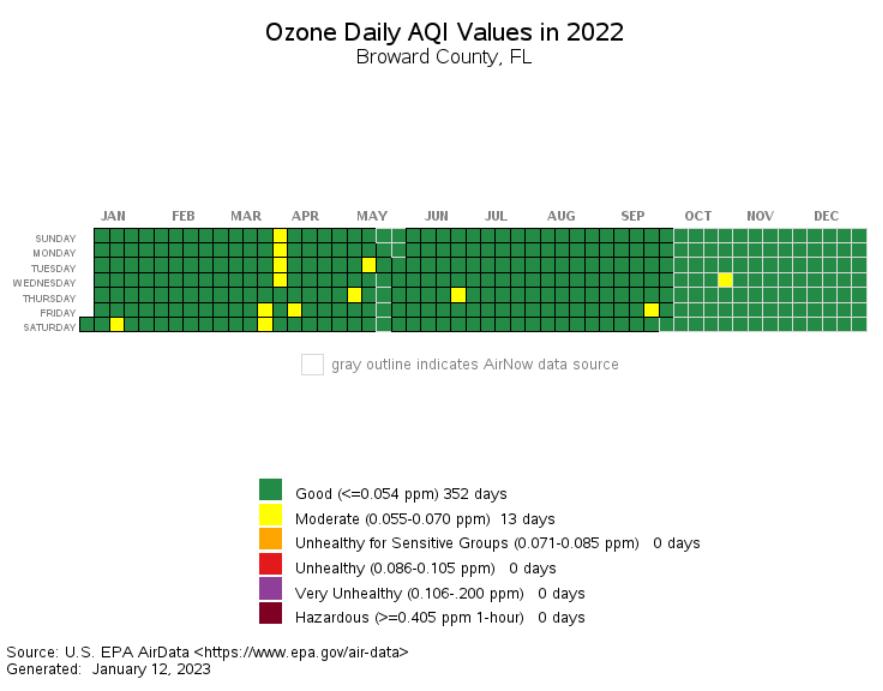
In the City of Tamarac, days of moderate air quality was most frequently observed in March, April, and December 2022. According to the data, 82% of days recorded had good air quality, 18% had moderate air quality, and 0% were unhealthy for sensitive groups or categorized as decisively unhealthy. Although the increase in moderate air quality days warrants attention, the City maintains overall satisfactory air quality levels, remaining far from hazardous conditions.
Source: Air Monitoring Air Quality Index (broward.org)
The following monitors are maintained by Broward County and account for regional air quality monitoring:
• AQS ID # L011-0033, Vista View Park
This site monitors: Ozone ( O3 ) and Particle Pollution ( PM2.5 )
• AQS ID # L011-0034, Daniela Banu NCore
This site monitors: Ozone ( O3 ), Particulate Matter ( PM10 ), Particle Pollution ( PM2.5 ), Sulfur Dioxide ( SO2 ) and Carbon Monoxide ( CO )
• AQS ID # L011-0035, Fort Lauderdale Near Road
This site monitors: Nitrogen Dioxide ( NO2 ), Particle Pollution ( PM2.5 ) and Carbon Monoxide ( CO )
• AQS ID # L011-2003, Pompano Highland Fire House
This site monitors: Ozone ( O3 ) and Particle Pollution ( PM2.5 )
• AQS ID # L011-5005, Coconut Creek
This site monitors: Particulate Matter ( PM10 ) and Particle Pollution ( PM2.5 )
• AQS ID # L011-8002, Dr. Von Mizell-Eula Johnson State Park
This site monitors: Ozone ( O3 ) and Nitrogen Dioxide ( NO2 )
No monitoring sites are located in the City of Tamarac; however, the other sites provide for adequate regional data that covers the general area around Tamarac.
The State classification of surface waters (Chapter 62-302.400 FAC) identifies five categories according to designated uses. These categories are:
• Class I Potable Water Supplies
• Class II Shellfish Propagation or Harvesting
• Class III Fish Consumption; Recreation, Propagation and Maintenance of a Healthy, Well-Balanced Population of Fish and Wildlife
• Class IV Agricultural Water Supplies
• Class V Navigation, Utility and Industrial Use
The State classifies water in the City as Class III quality – sufficient to foster fish and wildlife propagation and provide recreational opportunities.
The City has over 700 acres of public canals and lakes, all of which are man-made and whose principal use is for drainage. Secondary uses are irrigation, aquifer recharge, and open space and recreation. The major pollution threats to surface water in Broward County are stormwater runoff from parking lots, roadways, golf courses, and residential lawns.
Tamarac lies within the jurisdiction of the South Florida Water Management District (SFWMD), an agency responsible for balancing and improving water supply and quality, flood control, and natural systems in the region. The SFWMD maintains a water sampling station in the C-14 canal which runs on the north side of Southgate Boulevard along the northern boundary of the City.
The Broward County EPD has monitored surface water quality in the County since 1972 through a regimen of testing and sampling from water quality stations located along certain major waterways. Testing measures general water quality to characterize the overall ecological health of the system and to evaluate any potential health risks. Broward County monitors surface water along the C-14 canal just north of the intersection of Nob Hill Road and Southgate Boulevard. State and Federal agencies use the water quality data to assess surface water conditions in the County per the United States Clean Water Act and State of Florida’s Watershed Restoration Act. Results of this quarterly testing program are documented in the Broward County, Florida Historical Water Quality Atlas: 1972-1997.
Groundwater in the region is a supply of fresh water found beneath the surface, usually in the form of aquifers, which supply springs and wells. Groundwater is Tamarac’s sole source of drinking water, from the Biscayne Aquifer via 19 active raw water wells which have the combined capacity to produce 20 Million Gallons per Day (MGD) and a firm capacity (20% of wells out of service) of 16 MGD. The current consumptive use permit allocated by the South Florida Water Management District allows Tamarac Public Services Utilities to withdrawal an average of 7.58 MGD. Please refer to the potable water section of the Infrastructure Element for additional information.
Tamarac’s wellfield protection areas are located to the north of Commercial Boulevard between Pine Island Road and University Drive and are included in the County Wellfield Protection Program, in place since 1990. The program regulates activities in the wellfield protection areas including the storage, handling, use, and production of regulated substances at hazardous material facilities. The Broward County Wellfield Protection Ordinance, Article XIII of the Natural Resources Protection Code (Chapter 27), regulates the use of hazardous materials within the zones surrounding existing and potential wellfields so to protect groundwater quality. The three protection zones are described below:
Zone 1: The wellfield protection area shown on the zones of influence map for existing water wells depicted on that map, and within two hundred and fifty (250) feet from an existing water well not depicted on that map.
Zone 2: The wellfield protection area shown on the zones of influence map for existing water wells depicted on that map, and situated between the outer boundary of Zone 1 and five hundred (500) feet from an existing water well not depicted on that map.
Zone 3: The wellfield protection area shown on the zones of influence map for existing water wells depicted on that map, and situated between the outer boundary of Zone 2 and one thousand three hundred and twenty (1,320) feet from an existing water well not depicted on that map.
A list of regulated substances within each zone is outlined in the Ordinance. Within Zone 1, a nonresidential activity including storage, handling, usage or production of any regulated substances shall not be permitted.
Zone 2 facilities which store, handle, use, or produce any regulated substances must obtain a hazardous material wellfield license. Licensed facilities in zone 2 are subject to the conditions listed in the Ordinance.
Zone 3 facilities which store, handle, use, produce, or manufacture regulated substances must obtain a hazardous material license from the County. Moreover, if a spill of a regulated substance occurs on the site, the hazardous materials license shall be replaced with a hazardous material wellfield license which would include the conditions listed above for zone 2.
For a map delineating the wellhead protection areas in Tamarac, see map in the Future Land Use Element. There is no industrial zoning or other zoning which permits use of hazardous materials within one (1) mile of either the existing or proposed well sites within the prohibited (30-day drawdown) area.
The Biscayne Aquifer is an underground geological formation, or group of formations that contains water and is the major source of groundwater for springs and wells. The City maintains an aggressive well field protection program with the goal of preventing contamination near drinking water wells through stringent management of nearby land uses.
Protection of groundwater quality in Broward County depends upon proper management of the Biscayne Aquifer. Saltwater intrusion occurs when salt water invades fresh surface or ground water. Such intrusion is a major water quality issue for Broward County as the saltwater intrusion line has steadily moved westward during the past half century. The general location of the saltwater intrusion line, according to the United States Geological Survey is located along, or in some locations west of, Interstate 95 – approximately four to five miles from the easternmost limits of Tamarac. The County Water Resources Division is currently working in conjunction with the United States Geological Survey on the development of a saltwater intrusion model, which, coupled with the County’s existing surface and groundwater model, shall help guide management decisions in support of resource sustainability.
Rule 62-40.458 Florida Administrative Code, defines flood plains as areas that are inundated during a 100year flood event or areas identified by the National Flood Insurance Program (NFIP) as an “A” zone on Flood Insurance Rate Maps (FIRM) or Flood Hazard Boundary Maps. Events causing such flooding can include heavy rains, storm surge, high tides, and drainage canal overflow. According to the FEMA Flood Insurance Rate Maps (FIRM), over 93 percent of the City of Tamarac lies within the AH zone, 4 percent lies in the X zone, and 3 percent lies in the AE zone. The definition of these zones is as follows:
• Zone AH – An area inundated by 100-year flooding (usually an area of ponding), for which base flood elevations have been determined; flood depths range from one to three feet
• Zone X – An area that is determined to be outside the 100- and 500-year floodplains
• Zone AE – An area inundated by 100-year flooding, for which no base flood elevations have been determined
The most flood-prone areas of the City are zones AE and AH, which encompass 96 percent of the City. The area to the west of NW 31st Avenue lies in the AH zone, while the area of the City to the east f NW 31st Avenue contains the AE.
Broward County is governed by standards requiring the lowest finished floor elevations of residential uses to be at or above the level of the storm standard published on the Flood Insurance Rate Map (FIRM). Public roads must be above the level of the 10- year, 1-day storm. Drainage in Tamarac is controlled by an extensive network of water management structures and canals maintained by the SFWMD.
Section 373.019(25) Florida Statutes defines wetlands as those areas that are inundated or saturated by surface water or groundwater at a frequency and a duration sufficient to support, and under normal circumstances do support, a prevalence of vegetation typically adapted for life in saturated soils. Wetlands in Florida generally include swamps, marshes, bayheads, bogs, cypress domes and strands, sloughs, wet prairies, Riverine swamps and marshes, hydric seepage slopes, tidal marshes, mangrove swamps and other similar areas. Much of the existing Broward County wetlands had been drained by the 1920’s via numerous canals in order to reclaim land. The freshwater wetlands remaining today are made up of cypress swamps, pond apple and cypress sloughs, freshwater marshes, sawgrass marshes and wet prairies. Figure 5.1:
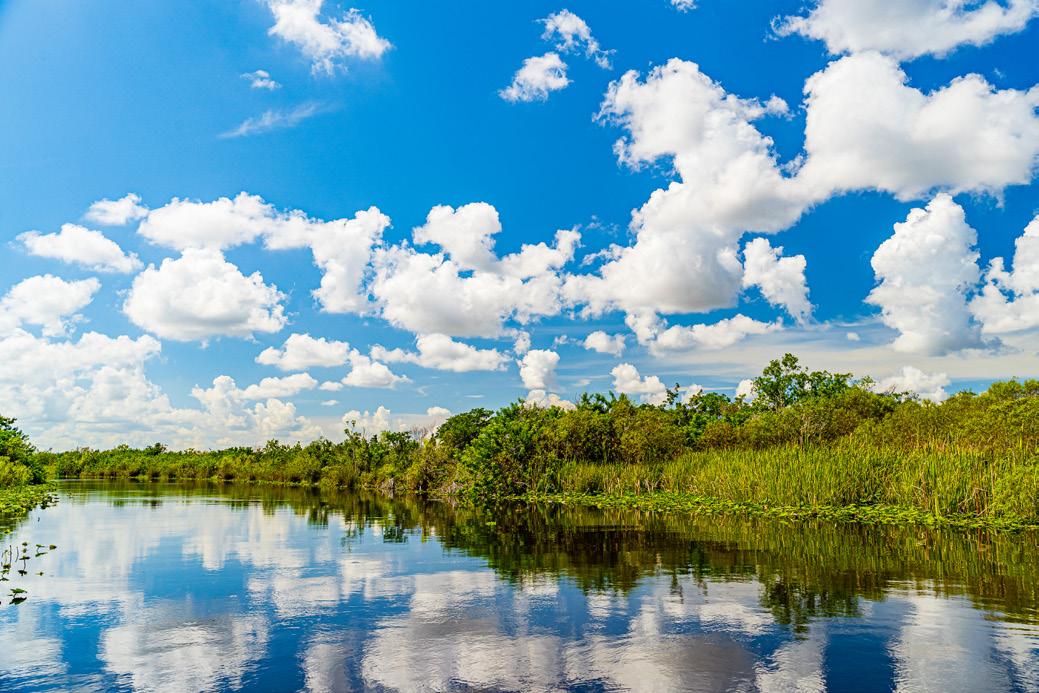
According to United States Fish and Wildlife Service (USFWS) National Wetlands Inventory (NWI), Tamarac is comprised of 85 percent Uplands – areas not defined as wetland or deepwater habitats. Ten percent consists of nontidal Palustrine wetlands characterized by one or more of the following: woody or forested vegetation, unconsolidated bottoms, permanent, temporarily or seasonally flooded areas, excavated man-made canals, partly drained areas, and/or containing emergent and persistent plant species. The remaining five percent of wetlands in the City are comprised of 360-acres of Riverine habitat contained in natural or artificial channels that periodically or continuously contain flowing water. These Riverine canals are located throughout the City and are further classified as being lower perennial – a wetland subsystem characterized by a nontidal, permanently flooded, unconsolidated bottom, excavated canal with a low gradient and slow water velocity featuring a sandy or muddy substrate. Lastly, a 30-acre body of water located at the northeastern corner of the intersection of Nob Hill Road and Commercial Boulevard is classified as a Lacustrine wetland system.
The Broward County EPD – Biological Resource Division (BRD) stated mission is to protect, restore and enhance the biological productivity, abundance and diversity of marine, estuarine, freshwater and terrestrial resources, which includes Broward County’s wetland resources. The EPD has administered a program to protect and preserve wetlands since 1993 with a purpose to maintain the functions and values provided by aquatic and wetland resources so to avoid overall net loss and strive for a net resource gain over present conditions. EPD also investigates violations of Chapter 27 of the Broward County Code – known as the Natural Resource Protection Code. Areas enforced include causing wetland impacts without a license, mangrove alterations, water body dredging or filling, and other water quality violations. A license must be issued by EPD prior to the alteration of wetlands after a decision- making process which evaluates the quality and condition of the wetland and derives a numerical ranking of the wetlands importance.
Broward County assesses wetlands through an evaluation method known as the Wetlands Benefit Index (WBI), codified in Chapter 27, Article XI of the County Code of Ordinances. The WBI is based on ten factors to develop a numerical ranking of wetlands, ranging from 0.25 to 1.0, where 0.25 is the poorest quality wetland and 1.0 is the highest quality wetland. The Wetland Protection Ordinance (Chapter 27) provides that property shall be developed so that it avoids or minimizes, to the greatest degree practicable, wetlands. Wetlands with a WBI ranking of 0.80 or higher create a presumption against development. If a wetland has a WBI ranking below 0.80, then development may proceed but the developer must mitigate or enhance the wetlands to compensate for the loss of wetland functions.
Mining in Broward County is a minor commercial activity that accounts for less than a tenth of a percent of the County’s economy. All mining operations in the County are surface extractions resulting in open rockpits and slag piles. There are no known commercially valuable mineral deposits in the City of Tamarac.
As a landlocked community with a relatively flat topography, soil erosion problems are not a serious issue with the City. The two areas where soil erosion occurs are construction sites and canal banks. The principal soil types and the percent of that soil found in the City of Tamarac include:
Hallandale fine sand (34% of total). A soil that is shallow, nearly level, rapidly permeable, poorly drained and sandy. This soil is located in the western half of the City and is formed in thin deposits of marine sandy materials over limestone.

Matlasha gravelly fine sand (32% of total). A soil consisting of very deep, somewhat poorly drained, moderately rapid to rapidly permeable soils located on filled and disturbed sloughs, flats, and depressions. This soil is located throughout the City.
Udorthents, shaped (11% of total). A mixture of soil and geologic soil materials that have been shaped and contoured mainly for golf courses and major highways. Consisting mostly of limestone fragments and sand, Udorthents are poorly drained, nearly level to steep near highway interchange sloping.
The remaining soils in Tamarac include are variety of fine, poorly drained, level sands (Immokalee, Margate, Paola and Pomello) and very poorly drained, rapidly permeable mucks (Dania, Lauderhill and Plantation).
Vegetative ecological communities, such as coastal strands, oak hammocks, and cypress swamps, which are classified based on the presence of certain soils, vegetation and animals. Local Areas of Particular Concern (LAPC), Natural Resource Areas (NRA),
Upland Tree Resources (UTR) and Environmentally Sensitive Land (ESL) have been designated by the Broward County Commission. These areas represent historic remnants of the vegetative communities that once flourished in the County. The City of Tamarac contains two UTR areas along McNab Road and one ESL/LAPC area located north of McNab Road between University Drive and Pine Island Road.
The Florida Fish and Wildlife Conservation Commission publish habitat and landcover dataset containing plant community and landcover data for the state of Florida. The vast majority of Tamarac consists of high- and lowimpact urban areas. High-impact urban areas are devoid of vegetation such as roads, buildings, and parking lots. The low-impact urban areas are characterized as disturbed areas within urbanized areas that may or may not contain vegetation such as lawns, grassy areas and buildings, and park facilities. Localized pockets of exotic plants, open water, pinelands, shrub swamp, unimproved pasture, and freshwater marsh and wet prairie exist throughout the City.
Broward County administers the Upland Resources Program which enforces Article 14 of the County Natural Resource Protection Code, entitled “Tree Preservation”. The City of Tamarac falls under the jurisdiction of this article – regulating tree removal, tree pruning, protecting trees from construction, and payment into the Tree Preservation Trust Fund. The City also participates in the Tree City USA program and shall continue to do so. In the past, developers in the City have preserved mature stands of Cypress and Slash Pine, integrating these native species into site designs in many cases.
Much of the City of Tamarac has already been developed with very few areas remaining that can provide support for wildlife habitats. The most common wildlife species in Tamarac are Muscovy Duck, Cattle Egret, Grey Heron, and other waterfowl along waterways and lakes. Raccoon, opossum and grey fox are also common. Rare or threatened species are also seen occasionally. Valuable aquatic and terrestrial wildlife as well as fishing and passive recreation are resources in the Cypress Creek Commons open space corridor which extends for over three (3) miles along Southgate Boulevard.

The following table contains an Inventory List for Broward County of Endangered and Threatened Species by status, which may be found within the City of Tamarac.
Federally Listed & Candidate Species in Broward County, FL Updated December 14, 2020
E=Endangered; T=Threatened; PE=Proposed Endangered; PT= Proposed Threatened; C=Candidate; SA= Similarity of Appearance to a listed taxon; XN=Experimental Population, Non-Essential; CH=Critical Habitat; PCH= Proposed Critical Habitat
The Florida Administrative Code requires that a local government inventory and analyze all natural resources found within its local jurisdiction in terms of commercial use, recreational use, conservation use, and pollution problems. This section illustrates the existing commercial, recreational and conservation uses for the physical and biological natural resources common to the City of Tamarac along with local hazardous waste management practices.
Commercial uses mean activities within land areas which are predominantly connected with the sale, rental and distribution of products, or performance of services. Within the City of Tamarac, no natural resources are being utilized explicitly for commercial purposes, nor is it anticipated that they will in the future.
Recreational uses means activities within areas where residents are afforded the pursuit of leisure time activities occurring in an indoor or outdoor setting. Natural resources within the City are primarily used for recreational purposes. Community parks and preserves located within the City serve as transition between the built and natural environments allowing residents an opportunity to experience a natural setting while simultaneously protecting local plant and animal habitats. Caporella Park contains a fishing pier and Veteran’s Park features a boat ramp.
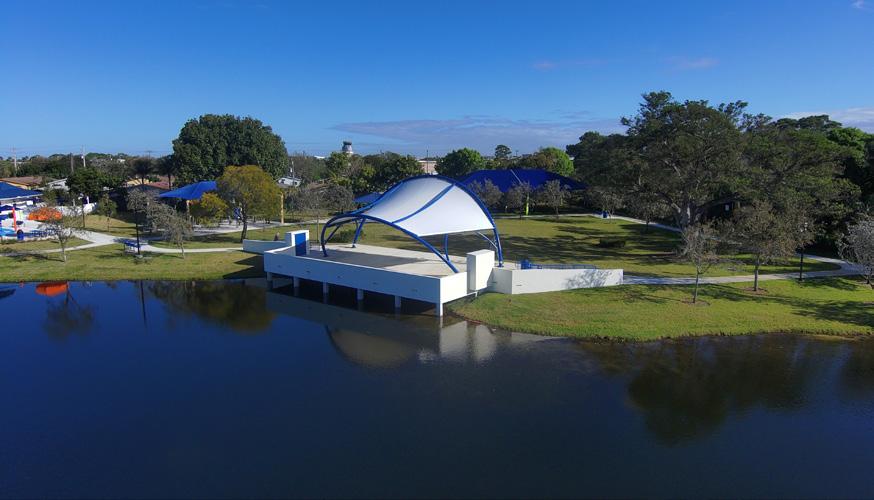
5.5: Waters Edge Park
Chapter 9J-5.003 (28) Florida Statutes defines conservation uses as activities or conditions within land areas designated for the purpose of conserving or protecting natural resources or environmental quality, including areas designated for such purposes as flood control, protection of quality or quantity of groundwater or surface. water, floodplain management, commercially or recreationally valuable fish and shellfish, or protection of vegetative communities or wildlife habitats.
According to the Tamarac Existing Land Use Map, the areas in the City designated as conservation are located in the southwestern corner of the City, totaling approximately 35 acres. The majority of lakes and canals in the City are utilized as flood control measures for stormwater runoff. There is also an undeveloped seven- acre park site called the Wildlife Preserve located between Commercial Boulevard and Prospect Road.
Section 403.703(14) Florida Statutes defines hazardous waste as meaning solid waste, or a combination of solid wastes, which, due to quality, concentration, or physical, chemical, or infectious characteristics, may cause, or significantly contribute to, an increase in mortality or an increase in serious irreversible or incapacitating reversible illness or may pose a substantial present or potential hazard to human health or the environment when improperly transported, disposed of, stored, treated or otherwise managed.
Broward County Waste and Recycling Services periodically hosts household hazardous waste (HHW) collection drop-off days at no charge to County residents. The goal of the HHW program is to reduce the amount of hazardous waste being disposed of improperly and harming our environment. The HHW program also aims to educate Broward County residents about the dangers associated with hazardous waste and encourage proper waste management. Items not collected by the HHW collections include biohazardous waste, i.e. medical waste, or explosives.
Both the City and Broward County enforce noise ordinances which limit noisy activities and restrict construction and other noisy outdoor work to certain hours of the day. Setback and landscaping requirements also help minimize noise encroachment into residential areas.
This section contains an inventory of the current and projected water needs and sources to the year 2050. The data in this section will be derived from the information presented in the Infrastructure elements data and analysis.
The City of Tamarac receives water service from three separate water service providers. Providers (as seen in the Five-Year Capital Improvements Program, referenced in IV. Infrastructure Element). The western portion of Tamarac is provided with water service by The City of Tamarac Public Services Department (TPSD)– an area bounded on the west by Conservation Area 2A, the north by the C- 14 canal, the south by N.W. 44 Street, and the east by N.W. 31 Avenue. The eastern area of Tamarac is provided with potable water by the City of Fort Lauderdale Water Services (FTLWS) through a large-user agreement. The eastern area is generally located east of N.W. 31 Avenue, and north and south of Commercial Boulevard. The third and final water service area is a small part of Tamarac, 38 acres in total, located between 31st Avenue and S.R. 7 which is served by Broward County Water and Wastewater Services – District 1 (BCWWS) as a retail service area.
The source of potable water in Tamarac is the Biscayne Aquifer – an underground formation of sand, clay and limestone layers, which filter and purify rainwater. The groundwater is pumped to the Water Treatment Plant via the use of 19 wells.
Existing potable water demand in Tamarac is assessed among the three separate water service areas described above.
Tamarac Public Services Department provides potable water service to most of the City including the westernmost areas. The Public Services Department produces potable water at the Tamarac Water Treatment Plant located at 7803 N.W. 61 Street. The treatment plant which utilizes lime softening technology has a current pumping capacity of 20.0 million gallons per day (MGD). The plant draws its water from 18 active raw water wells and 1 standby well Tamarac currently holds a 30-year Consumptive Use Permit (WUP No.0600071-W from the South Florida Water Management District (SFWMD) which does not expire until March 8, 2042. The WUP was modified in 2014 to allow Tamarac Public Services to withdraw an average of 7.58 MGD. The adopted level of service standard for the western service area is 110 gallons per capita per day (gpcpd).
The eastern service area of Tamarac is provided water through a purchase agreement with the City of Fort Lauderdale. Potable water provided to Tamarac is produced at Fort Lauderdale’s Fiveash Water Treatment Plant and Peele-Dixie Water Treatment Plant with capacities of 70 MGD and 20 MGD, respectively. The two plants are interconnected though the water distribution system and potable water is delivered to Tamarac through four master meters. The current consumptive use permit (WUP No. 06-00123-W) for Fort Lauderdale allows the City of Fort Lauderdale to withdrawal up to 61.19 MGD of Biscayne aquifer water from its wellfields, and the permit is due for renewal September 11, 2028. Fort Lauderdale, in conjunction with the South Florida Water Management District, is currently in the process of developing alternative water supply sources to meet future water demands without further impacting the Biscayne Aquifer. The population of the eastern service area is estimated to be 2,582, and the adopted level of service is 107 gallons per capita per day. In 2020, the eastern service area population demanded an average of 0.32 million gallons a day (mgd) of finished water.
The Broward County Utility service area in Tamarac is part of Broward County’s District 1 water and wastewater service area. This service area is supplied potable water from the Broward County Water and Wastewater Services District 1 Wellfield and Treatment Plant. The wellfield is comprised of nine wells, one of which is currently out of service. The total firm capacity of the wellfield is 16 MGD. Pursuant to the South Florida Water Management District Consumptive Use Permit (CUP 06-00146-W) for this wellfield, the maximum daily and
average annual withdrawals allowed from the Biscayne Aquifer are 13.9 MGD and 10.5 MGD, respectively. The WUP is due for renewal in 2028. The District 1 water treatment plant is located at 3701 North State Road 7, Lauderdale Lakes. The plant uses upflow clarifiers and multimedia filtration to provide lime softening of the raw water supply. Per Broward County Water and Wastewater Services 2018 Annual Report, the plant is in very good condition and all equipment has been operating in a satisfactory manner. The plant operates 24 hours a day and meets current water quality standards. The population of the BCU service area is estimated to be 2,444, and the adopted level of service is 115 gpcpd. The BCU service area is a retail water service area and therefore long- term water availability and supply is ensured by the County. Based on the Lower East Coast Water Supply Plan Update 2018, the service area is projected to have a consumption rate of 110 gpcpd.
Projected potable water demand is thoroughly assessed in the Infrastructure Element. The following information is a summary of the projected potable water demands for the three service areas. It is projected that water demand in Broward county will outpace the current design capacities of the existing facilities. At this time there are no new agreements in place to allow for more water uptake from the Biscyane aquifer. As such, design capacities of facilities need to be upgraded to meet projected demands. The City of Tamarac should fund and encourage water-savings measures and policies to combat waste of potable water and to conserve existing supplies.
The City of Tamarac has little to no agricultural uses, thus, the projected agricultural demand would be zero. The current and projected potable water demand for commercial and industrial land uses is minimal and considered a negligible portion of all potable water demand within the City.
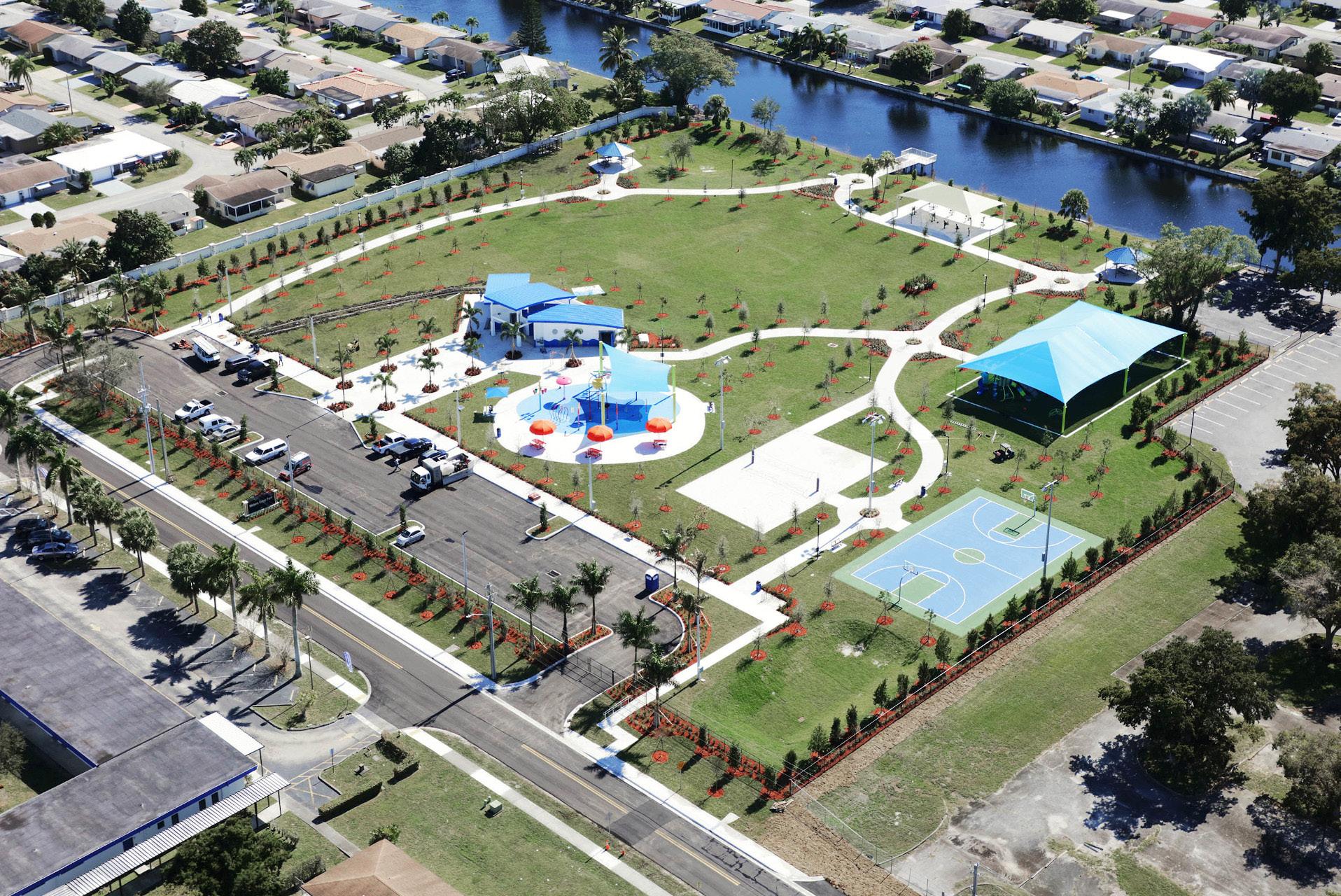
Table
Figure 6.1:
Figure 6.2:
Figure 6.3: Tamarac
Figure
Figure 6.5: Caporella
Figure 6.6:
The City of Tamarac feels that parks, recreation, and open space are an important component in maintaining a high quality of life for its residents. The City is experiencing a shift in its demographics, from a predominantly senior community to a younger population with families, and is committed to providing a variety of recreational opportunities to meet the needs of residents, regardless of age and ability. The City is blessed with acres of public and private recreation facilities that provide active, passive, indoor, and outdoor opportunities for recreation and leisure.
The Florida Department of Environmental Protection’s (FDEP) Division of Recreation and Parks developed the Statewide Comprehensive Outdoor Recreation Plan (SCORP) to address the growing need for recreational parks and facilities in the State of Florida. Updated approximately every 5 years, the 2023 SCORP is currently being finalized. This plan defines and establishes standards for park types and facilities. These guidelines are intended for broad statewide application and therefore the State encourages localities, such as cities and counties, to make modifications for individual areas. The City of Tamarac originally based their park classifications on the guidelines presented by Broward County and the 2000 SCORP. More recently, the Tamarac Parks, Recreation, and Social Services Master Plan was adopted by the Tamarac City Commission on May 13, 2015.
The purpose of this Parks, Recreation, and Social Services Master Plan is to develop a 20 year plan that ensures that residents continue to enjoy a high quality of life that is supported by the high-quality parks and recreational programs and facilities they desire. Specifically, this master plan seeks to:
• Establish a clear understanding of the current conditions of the City’s parks, recreation facilities, and open spaces and assess their relevance to existing and projected populations;
• Assess and evaluate the Parks and Recreation Department’s current programs, management, and operations practices;
• Identify the community’s recreational and social needs and priorities;
• Establish a long range vision to address the identified recreational and social needs and priorities including park land; historical, cultural, and natural resources; recreation facilities; and programs; and
• Establish a 5, 10, 15, and 20 year implementation strategy that includes a Capital Improvement Plan (CIP), maintenance and operations standards and guidelines, and funding opportunities.
The City of Tamarac commits itself to enriching the quality of life of its existing and future residents by promoting recreational facilities to provide exceptional services, programs, and amenities. The City provides a range of resource-based and user-based outdoor recreation opportunities, which combine leisurely activity with more intensive exercise. This element prioritizes health and well-being, public access, accessibility, and connectivity of residents to local outdoor recreation as the City recognizes its restorative quality. The 2019 SCORP, formulated by the FDEP, was meant to address the growing need for recreational parks and facilities in the State of Florida and establishes standards for park types and facilities. This plan defines recreation as “the infinite variety of activities which people elect to occupy their leisure time and satisfy their need for diversion.” To this effect, the City of Tamarac strives to achieve diversity of programs for the involvement of all community members. The City of Tamarac has based their park classifications on the guidelines and criteria established by Broward County and the 2019 SCORP. The
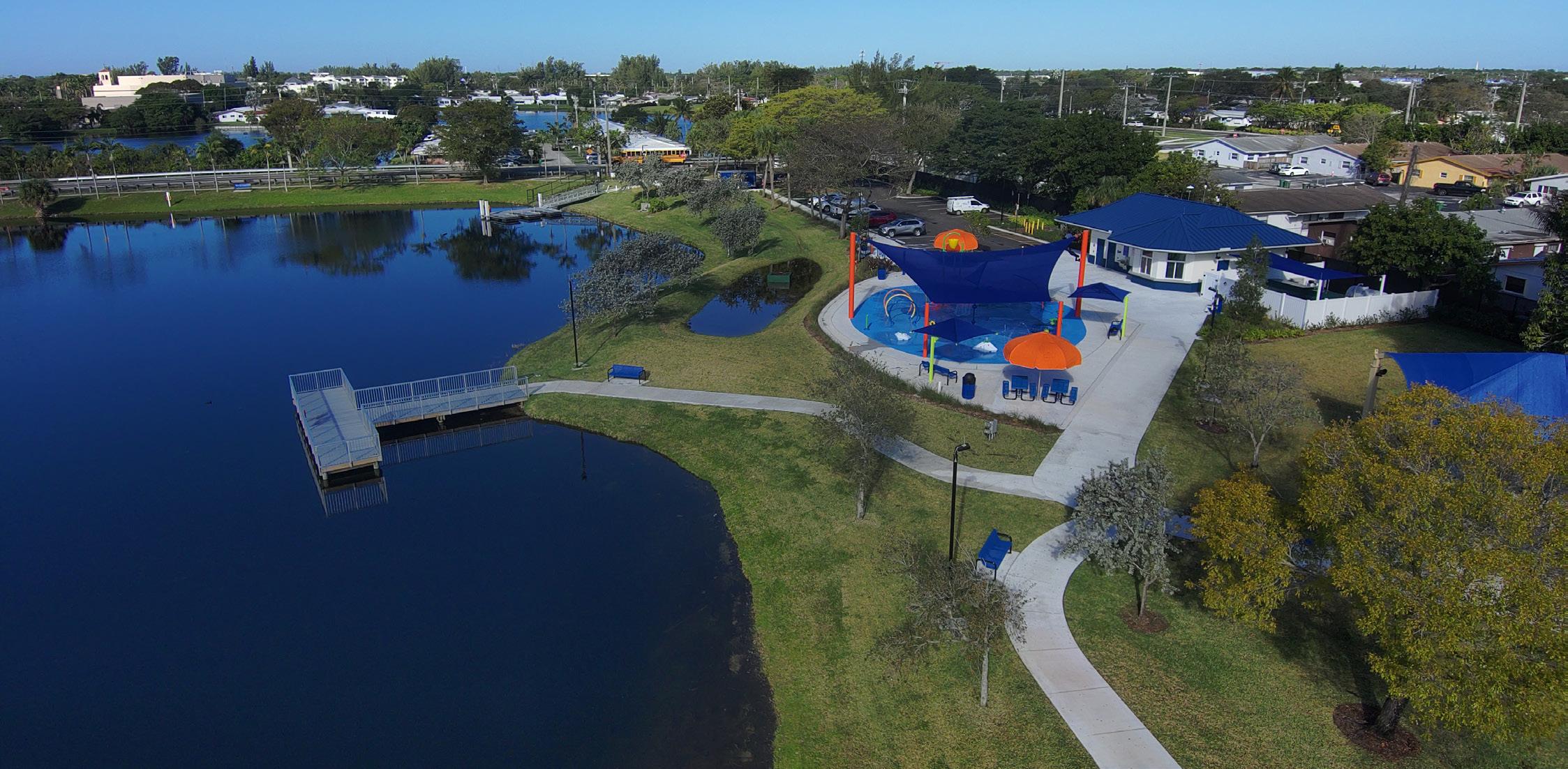
City uses two primary park classifications in addressing public recreation needs. These are neighborhood parks and community parks.
Neighborhood parks are generally accessible bicycle and pedestrian infrastructures and are intended to serve the population of a singular neighborhood. According to the Broward County 2017 Comprehensive Plan, 3 acres of community level parks are required for every 1,000 existing and permanent projected residents. By contrast, community parks are designed to serve plural neighborhoods and are located nearby or adjacent to major roadways. Additionally, a waterway or body of water may be counted as a “community park,” so long as these are located along a public right of way for the recreational or environmental purpose it was intended to.
The facility amenities may vary for each neighborhood park, including but not limited to, free play areas and play apparatus, multipurpose courts, sports fields, picnic areas, and recreational infrastructure. Community parks are generally ride-to parks that serve several neighborhoods. In addition community parks often include but are not limited to swimming pools and water parks, gardens, cultural activities, and ball fields. The City’s service radii for all the park classifications vary from 0.6 to 1.5 miles.
The City also has a number of private home subdivisions that offer a variety of recreational options to community members. The City categorizes these community amenities as private recreation facilities, since they are not necessarily available to any Tamarac resident or visitor but rather a resident or visitor of the specific development. Each development’s amenities vary but may include items such as a pool, clubhouse, tot lot, and tennis courts. It is noted that several of these private subdivisions, in addition to the private recreation and open space, also have dedicated public recreation and open space. However, for the purposes of concurrency calculations, Broward County has specific rules for privately owned space. To qualify for concurrency calculation, such private space must be at least 0.5 acres in size and be zone for open space and deed restricted.
Public and private recreation can also be divided into activity types - active and passive. Active recreation activity involves some direct and specialized physical manipulation by the participant such as swimming, hiking, boating, fishing, running, etc. Whereas passive recreation activity is more mental than physical, such as sightseeing, nature study, scenic appreciation, arts and crafts, card and/or board games, etc. There is also active and passive participation in recreation, for example the basketball team engaged in a game is actively participating and the audience watching the game is passively participating, or being the spectators. Generally most park and recreation facilities have both active and passive recreation activities.
The City of Tamarac Parks and Recreation Department manages over 188 acres of public land and community facilities, 171 of which is dedicated to park land. The department has 3.64 miles of trails, with 2.50 acres of dedicated public bike-way, and has plans to enhance its connectivity to other park systems traversing the City. The Cypress Creek Greenway Corridor (13.28 miles) runs east to west along the northern perimeter of the City, and a Conservation Levee greenway along the western perimeter, though this is not paved like the latter. In addition to this, there are 159 semi-private and private recreational facilities throughout the City. These equate a total of 1,096 acres where residents live, work, and play. Recreational programs are integral to the social and cultural role of parks within the City of Tamarac.
6.1: Private and Public Green Spaces and Conservation Areas
Public parks, recreation, and open space owned by the City include the following facilities:
Park/Facility Name
Tamarac Park
10.14
Acres
Tamarac Sports Complex
35.7
University Dr and NW 76th St
Acres Nob Hill Rd and NW 77th St
Caporella Park 9.29
Acres
Prospect Rd N of Commercial Blvd
A community park, serving the entire City with a playground, 2 ball fields, a batting cage, jogging trail, picnic area, concession stand, restroom, recreation building, and multi-purpose center.
A community park with facilities including a multipurpose trail, tennis courts, basketball courts, covered playground, picnic shelter, picnic tables, skate park, Pickleball courts, football/soccer fields, baseball/softball fields, green space, a fishing pier, concession stands, and restrooms.
A community park, contains a lake, 1-mile walkway, seating areas, grills, a fishing pier, covered playground and fitness stations, concession stand, splash pad, nonmotorized boat launch, and restrooms.
Tephford Park 48.2
Acres
Veteran’s Park 6.3 Acres
Gary B. Jones Dog Park 3.5 Acres
Between the C-14 canal and Southgate Blvd, W Nob Hill Rd
Along Cypress Creek Canal between University Dr and Sawgrass Expwy
Southgate Blvd adjacent to Veteran’s Park, S of the C-14 Canal and City of Coral Springs
Sunset Point Park 8.5 Acres
Tamarac
Commons Park 1.02 Acres
Reclamation Park 1.37 Acres
W end of McNab Rd E of the Sawgrass Expwy
SW corner of McNab Rd and Pine Island Rd
A site, of which 21.4 acres has been developed to serve the area with picnic shelters, picnic areas, playgrounds, multi-purpose path, restrooms, fishing pier, and natural artistic features. The remaining 26.8 acres is currently undeveloped, serving as a passive park area.
A neighborhood linear park, and a water-oriented park. Amenities include a boat ramp, picnic areas, gazebos, restrooms, and the Tamarac Veteran’s Memorial.
A neighborhood park, amenities include three fenced areas for dogs (1 each for small and large dogs and 1 common area), 1,028 linear feet of walking path, a shelter, a washing area, and drinking fountains for people and dogs.
A community park, provides the community with a number of amenities, including a multi-purpose trail with exercise stations, shelters, a wetlands nature study kiosk, an ADA compliant playground with shade cover, Public Art Observation Tower, and restrooms.
A pocket park, features a fountain, public art sculpture, a walkway, and a seating area.
Park/Facility Name
Caporella Aquatic Complex and Fitness Center 5.0 Acres N of Commercial Blvd between Nob Hill Rd and Pine Island Rd
Tamarac Community Center 6.1 Acres
Commercial Blvd, just E of Pine Island Rd
A property that includes an eight-lane pool with slides, a picnic pavilion, concession stands, a fitness center, locker rooms, and a children’s water activity area.
A property that includes amenities such as a gymnasium, meeting rooms, a fitness room, ball room, arts and craft room, restrooms, and locker rooms.
Tamarac
Multipurpose Center and Recreation Building 10.39 Acres
University Dr, just N of McNab Rd
50% of golf courses (up to 15% of required park acres) are allocated for the total acreage of parks and open space
Swim Central Annex 1.72 Acres Adjacent to Caporella Aquatic Center
Waters Edge Park -- Acres
Shaker Village Park 3.85 Acres
On the North side of Commercial Blvd. east and west of the Common at 5607 W. Commercial Blvd.
A 16,466 square foot building accompanied by the Recreation Building which is a 16,000 square foot building, both are constructed on site. Amenities include a gymnasium, meeting rooms, an art room, a concession stand, an instructional kitchen, and restroom/locker rooms. In addition to being a public facility, the School Board has a lease agreement with the City to use this Multi-Purpose Center during specific periods of the week for a variety of activities.
An expanse of fairway where members are able to utilize driving ranges, practice areas, and putting greens.
The amenities include a covered playground, a picnic shelter, benches, and a multi-purpose trail.
This neighborhood park features picnic shelters, a volleyball court, a basketball court, a splash pad, a covered playground, covered fitness stations, a fishing pier, a multi-purpose trail, and restrooms.
A former private-neighborhood park, the City purchase this parcel and currently maintains its recreational facilities
NW 57th St from University Dr to NW 94th Ave and University Dr from Commercial Blvd to NW 82nd Ave
7 feet in width, these bikeways constitute additional public open space and are a great asset to the community.
Passive open space to provide an aesthetic buffer for residents; accommodations include a fountain, walkway, and a scenic overlook area. Spiritual Warfare Property 2.6 Acres S of the Cummings Property on NW 94th Ave adjacent to Caporella Aquatic Center
A passive park owned by the City, Spiritual Warfare Property is located east of Millennium Middle School.
Amenities include a walking trail and benches.
Several private subdivisions within the City of Tamarac also include some publicly dedicated lands that are counted towards the City’s total acreage of public parks, recreation, and open space. Private recreation or open space areas (over 0.5 acre) total 65.17 acres and are counted towards Tamarac’s total acreage of public parks, recreation and open space. Each of these areas are briefly described below:
The largest remaining natural habitat in the City of Tamarac, the Woodmont Natural Area, comprised of 20.80 acres, has a dedicated area for public open space.
Passive public recreation area with benches and landscaping.
Recently dedicated as public recreation area to the City, park development vision pending. Sabal Palm Subdivision 9
Recently dedicated as public recreation area to the City, park development vision pending.
There are no County regional parks in the City of Tamarac. Broward County defines regional parks as typically being 40 acres or larger with the ability to serve the entire County population; a smaller park may be classified as a regional park, provided it possesses unique recreational, environmental, or cultural resources. However, Broward County has a regional park in nearby Coral Springs, which is the Turtle Run Environmentally Sensitive Land. Other adjacent regional parks include conservation areas on the western City boundary, Markham Park located near SR 84 in Sunrise, Tradewinds Park in Coconut Creek, and Fern Forest Nature Center in North Lauderdale. Woodville Dog Park, a dedicated dog park located in the City of North Lauderdale, is a special use park that is also located within commuting distance for Tamarac’s residents and visitors.
The City of Tamarac has about 20 private home subdivisions that offer a variety of recreational opportunities for members of these communities, totaling about 300 acres of private recreation facilities in Tamarac, not including private and semi-public golf courses. Although Tamarac inventories these recreational opportunities, the community amenities are not used in calculating the LOS provided by the City. The specific recreation options may include any combination of the following:
• Pool
• Tot Lot
• Tennis Court
• Recreation Area
• Shuffleboard Courts
• Clubhouse
• Racquetball Courts
• Practice Courts
• Spa
• Volleyball Court
• Boat Ramps
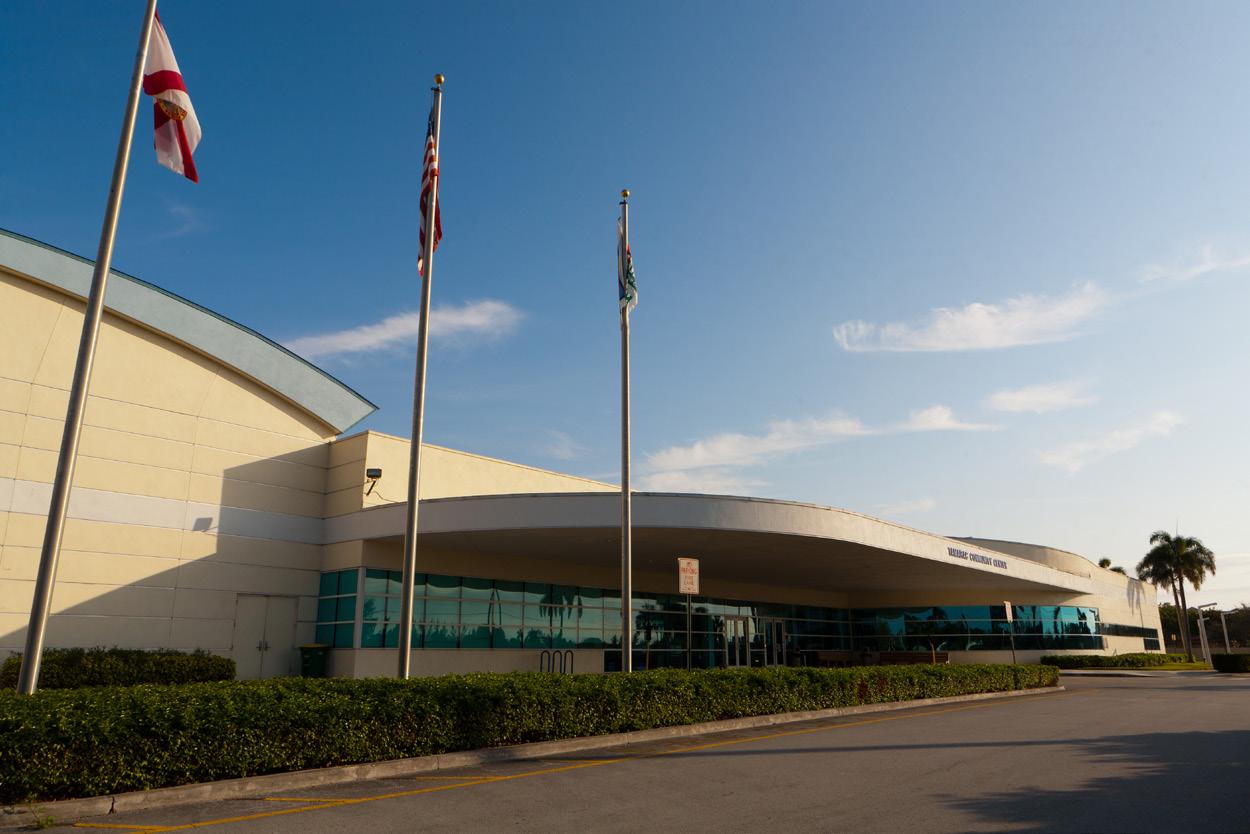
Other recreation facilities include golf courses. The City of Tamarac has about 609.29 acres in six golf courses. These golf courses are both public and private facilities. It is important to the City of Tamarac to protect these valuable recreational opportunities. The City has been experiencing development pressures to convert golf courses into other uses, such as residential, and is working with appropriate entities to minimize potential losses of the remaining golf course resources. The public and private golf courses within the City are:
• Colony West Country Club, Championship Course, a public course
• Colony West Country Club, Glades Course, a public course
• Woodlands Country Club, West Course, a private equity course*
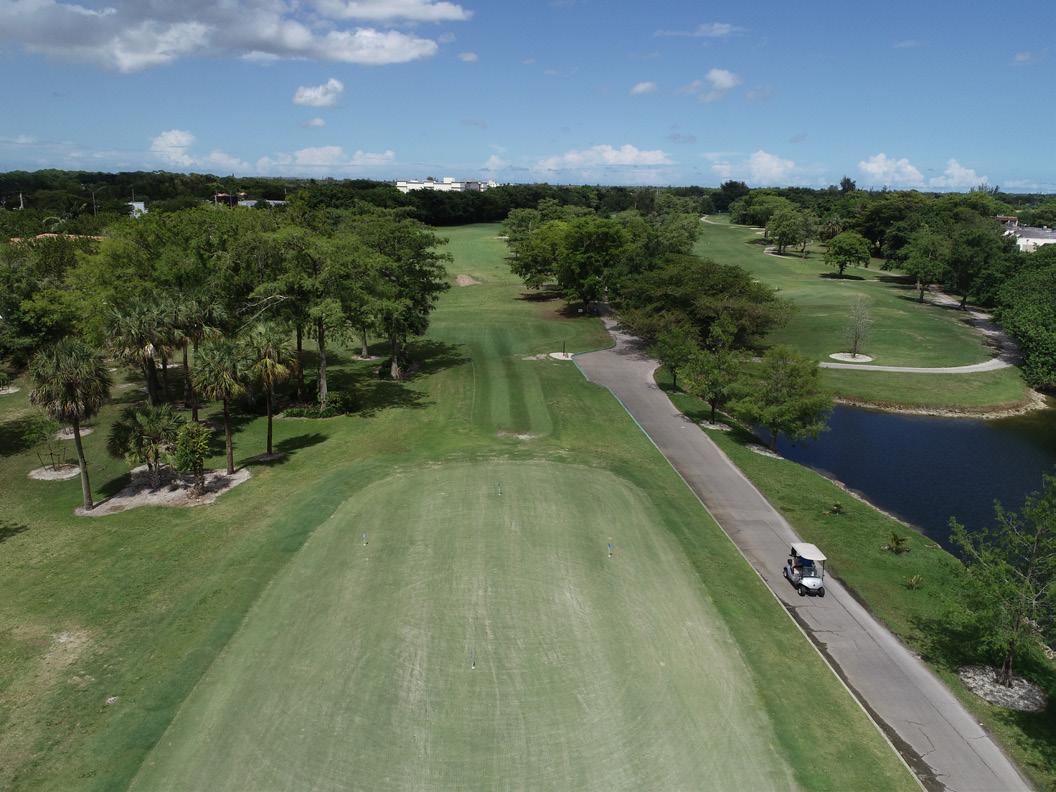
• Woodlands Country Club, East Course, a private equity course*
• Woodmont Country Club, Pines Course, a private non-equity course**
• Woodmont Country Club, Cypress Course, a private non-equity course**
Note:
*Equity Memberships: membership fees invest and provide partial ownership of the golf course to the member.
**Non-Equity Memberships: membership fees do not provide investment or entitlements to the member.
The Broward County Land Use Plan currently requires that all municipalities demonstrate the availability of three acres of recreation open space per 1,000 residents. The City’s public recreational lands tally 188 acres, with an estimated 73,065 residents (2023 ACS 5-Year), these lands are provided at the rate of 2.57 acres per 1,000 population. The Broward County Land Use Plan allows for up to 15% of golf course land to be added toward meeting the adopted LOS. This equates to 91.39 acres bringing the LOS to 3.82 acres per 1,000 population. Table 6.1 presents the recreation and open space required to meet the adopted LOS based on the 2023 population figure, as shown, the City is currently exceeding the LOS.
*Excludes water management areas; only 15 percent of golf course land (609.29 acres total) may count towards fulfilling these standards, as per Broward County Land Use Plan.
Table 6.2 projects the anticipated parks LOS according to the City’s population projections through 2050. As shown in the table, the City of Tamarac will continue to exceed the adopted LOS through the planning horizon. However, since the City believes that parks and recreation ensure a high quality of life for residents, Tamarac should continue to assess the feasibility of acquiring additional park lands and expanding existing facilities to serve the needs of residents and visitors. In addition, the City should continue to require private development, especially large scale residential redevelopment projects, to provide on-site recreation for their residents in the form of pools, tennis courts, tot lots, and other amenities.
Source: Population projections are based on the South Florida Water Management District Water Supply Facilities Work Plan City of Tamarac, 2021, and the Shimberg Center for Housing Studies using 2010 and 2020 U.S. Census data and population projections by the Bureau of Economic and Business Research, University of Florida
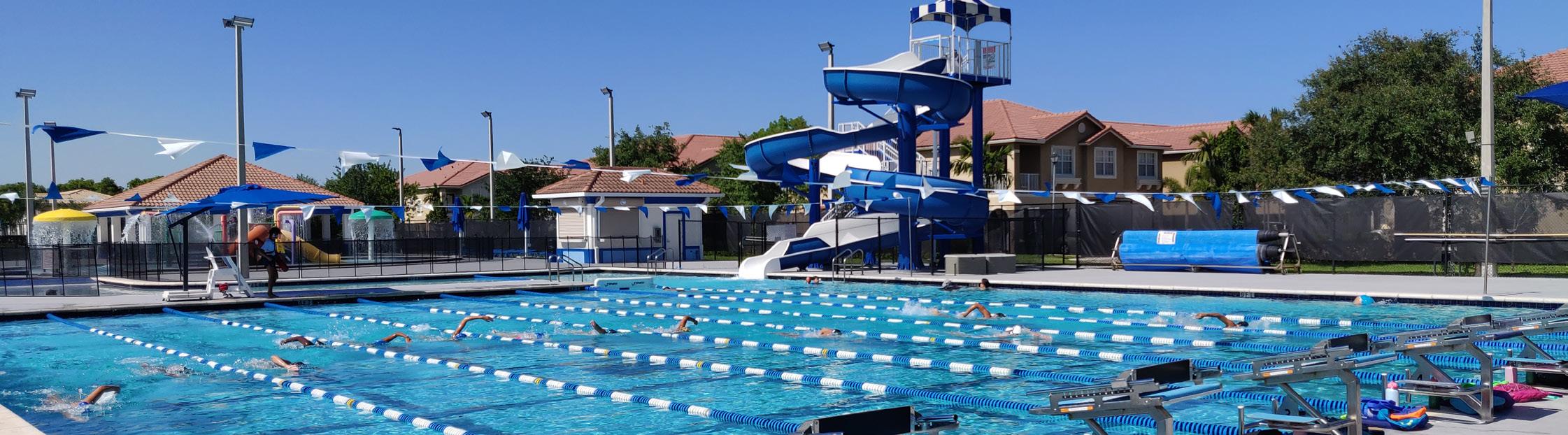
All existing public recreation facilities in Tamarac are accessible to individuals with disabilities, and any future recreation facilities provided by the City, other government agencies, or private developers will also be designed to ensure accessibility. The City is committed to providing inclusive recreation opportunities and continually examines ways to better serve populations with autism, sensory sensitivities, physical limitations, and other disabilities. Tamarac also operates a variety of city-wide transit options to enhance mobility for elderly and disabled residents, with convenient stops at local parks and community centers. These centers offer both active and passive recreational opportunities tailored to special populations within Tamarac, as described in the Transportation Element.
Most of Tamarac’s recreation facilities feature a mix of active and passive activities. For instance, the Tamarac Community Center offers passive recreational programs such as arts and crafts, chair aerobics, card playing, and movie watching. Other options include art classes at the Tamarac Multi-Purpose Center, educational wetland kiosks at Sunset Point Park, and a fishing pier at Caporella Park. These examples highlight the City’s commitment to providing diverse and inclusive recreational opportunities.
The City’s recreation resources and programs encompass youth after-school programming, summer camps, youth athletics (baseball, basketball, soccer), adult team sports (basketball, flag football, softball), and senior-focused activities such as walking clubs, water aerobics, tai chi, yoga, and pickleball. Special events, volunteer opportunities, and scholarship programs further enhance the offerings for residents of all ages and abilities.
Tamarac remains dedicated to providing exceptional recreation opportunities for residents and visitors alike. The City will continue to assess the evolving needs and demographics of the community, ensuring that facilities and programs are responsive and inclusive. Funding will also be allocated to expand and renovate parks, open spaces, and facilities as needed to meet these goals.

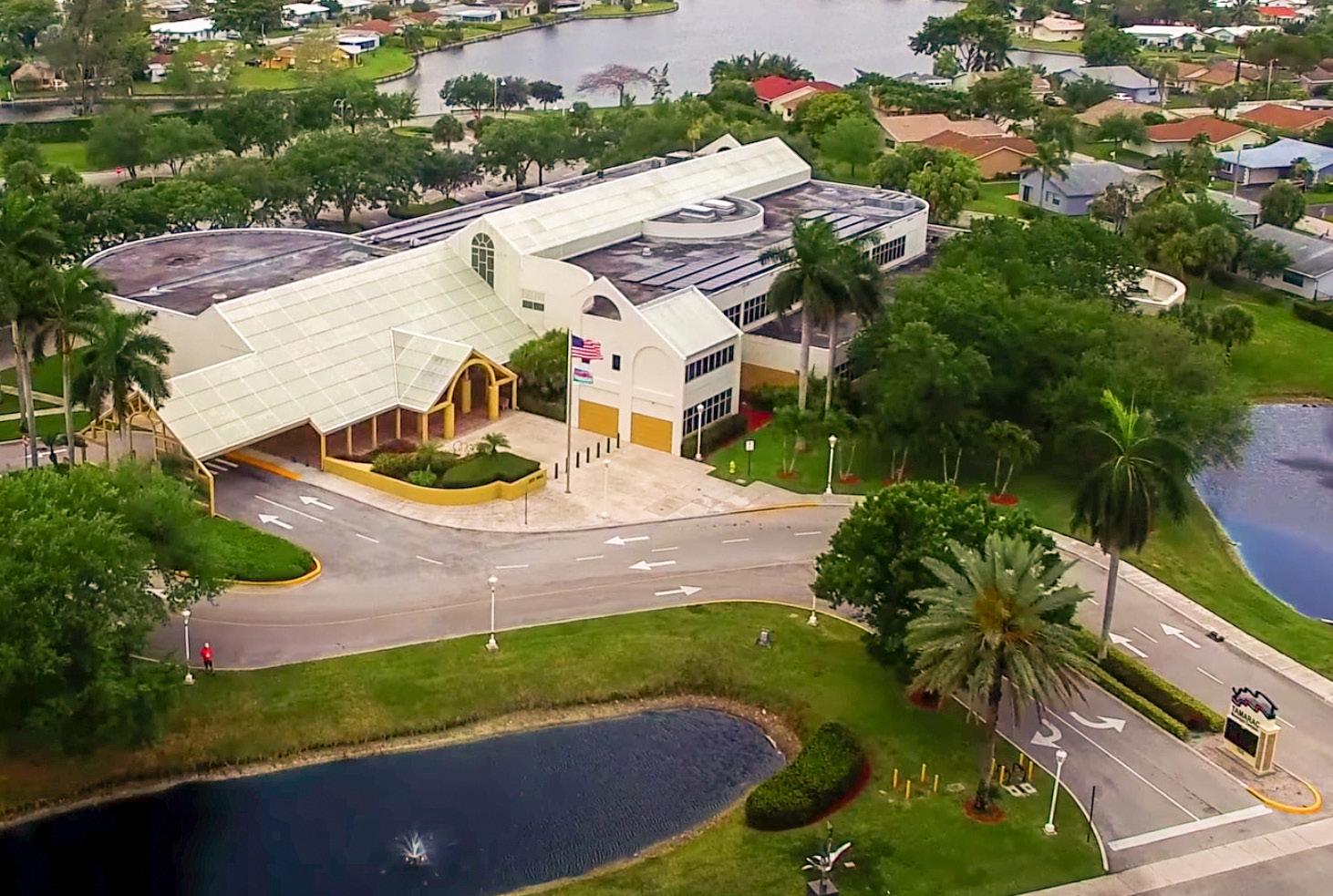
Table 7.1:
Figure 7.1: Tamarac
Figure 7.2: Lauderhill
Figure 7.3:
Figure 7.4: Tamarac
Figure 7.5: Tamarac
Figure 7.6:
Figure 7.7:
Figure 7.8:
Figure 7.9: FPL
Figure 7.10:
Figure 7.11: Tamarac Canal
Several formal and informal intergovernmental coordination mechanisms exist. Formal mechanisms include contracts and interlocal and operating agreements, whereas, informal mechanisms include meetings and telephone calls. The coordinating agencies are at the local, regional, state, and federal level. The inventory below provides a brief description of the coordination mechanisms, subject area, and the office with primary responsibility of coordination.
City of Coral Springs
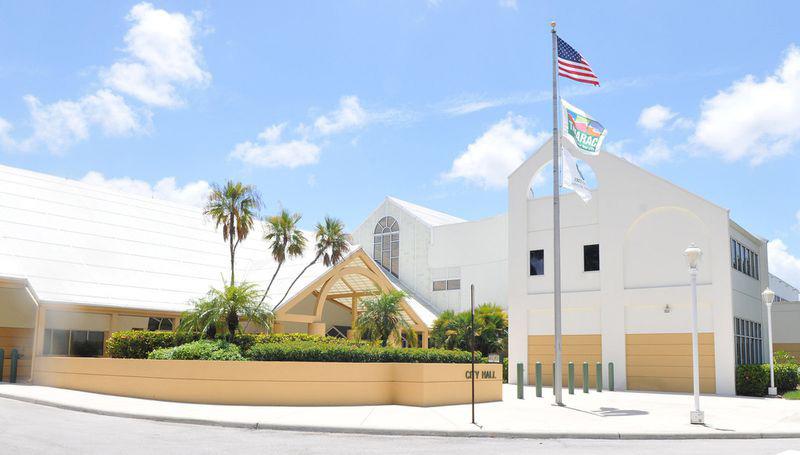
Due to their proximity to each other, Tamarac coordinates with the City of Coral Springs as needed. Issues include planning and development, land use, traffic and transportation, drainage, and emergency management.
City of Fort Lauderdale
Due to their proximity to each other, Tamarac coordinates with the City of Fort Lauderdale as needed. Issues include planning and development, land use, traffic and transportation, drainage, and emergency management. As well these two cities coordinate water service and associated fees.
City of Lauderdale Lakes
Due to their proximity to each other, Tamarac coordinates with the City of Lauderdale Lakes as needed. Issues include planning and development, land use, traffic and transportation, drainage, and emergency management.
City of Lauderhill
Due to their proximity to each other, Tamarac coordinates with the City of Lauderhill as needed. Issues include planning and development, traffic, drainage, and emergency management. Issues include planning and development, land use, traffic and transportation, drainage and water, and emergency management.
City of North Lauderdale
Due to their proximity to each other, Tamarac coordinates with the City of North Lauderdale as needed. Issues include planning and development, land use, traffic and transportation, drainage, and emergency management.
City of Oakland Park
Due to their proximity to each other, Tamarac coordinates with the City of Oakland Park as needed. Issues include planning and development, land use, traffic and transportation, drainage, and emergency management. The principal contacts for the City of Tamarac in matters relating to abutting municipalities are the City Manager, the Community Planning Department, and the Public Works Department. Information is shared between these entities on an as-needed basis through informal and formal means.
The City of Tamarac is located within Broward County and coordinates with Broward County on numerous issues. Communication regarding these issues occurs through both formal and informal methods, such as interlocal agreements and phone calls. Information is exchanged on both a continuous level and on as-needed
basis. Since the coordination between the two entities spans a variety of interests, the contact responsibility is shared by a number of agencies, including Community Development, Building, Engineering and Utilities, Board of Rules and Appeals, and Growth Management. Some of the major subjects of City and County coordination are:
• Transit
• Annexation issues
• Planning and zoning
• Traffic control issues
• Drainage and NPDES permitting
• Conservation of natural resources
• County recreation and open space
• Solid waste services and recycling
• Water, sewer, and septic tank services
• Social services and public health services
• Construction and maintenance of County roads
• Emergency management, including disaster preparedness and hurricane evacuation
Broward County Board of County Commissioners
As required by the Broward County Charter, the Broward County Board of County Commissioners (BCC) was established to act as the legislative branch of Broward County Government. The Commission is charged with overseeing a variety of County operations, including land use, plats, and environmental matters. Therefore, the BCC has final authority regarding Broward County Land Use Plan amendments. In addition, the BCC appoints the County Attorney, Administrator, and Auditor, as well as, numerous regulatory and advisory boards.
The BCC is comprised of nine members; one Commissioner is elected by each of the nine districts in partisan elections. The City of Tamarac falls within the boundaries of Districts 3 and 8. The City and the BCC coordinate through formal and informal meetings and information sharing. Dependent on the subject this communication occurs on a continuous or an as-needed basis. The Community Development Department is the principal contact for the City in matters relating to the Commission.
The Metropolitan Planning Organization (MPO) was established in 1977 by the Florida Legislature to direct urban transportation planning and the expenditure of federal and state funds. The MPO is the lead agency responsible for developing and administering plans and programs to maintain eligibility and receive federal funds for the transportation systems in Broward County, which includes the City of Tamarac as an area of concern for these entities.
The MPO consists of five districts and 25 members, including representatives from cities within the county, the Broward County School Board, four (4) representatives from the Broward County Board of County Commissioners, and the South Florida Regional Transportation Authority. An additional 13 Alternate Members of the Board are allocated among the 5 districts and have voting rights when the primary voting member of the district is absent. Generally, for each of the five districts, the municipality with the largest population appoints an elected official to serve as the district representative, and the municipality with the second largest population is the alternate. For Districts with cities that have at least 50,000 in population size, such as Tamarac, every City with at least 50,000 residents is accorded one representative; for Districts with more than one City with at least 50,000 in population, additional representatives are accorded the District. Tamarac provides 1 of 4 representatives for District 1.
The MPO’s advisory board is the Technical Coordinating Committee (TCC), which is comprised of municipal and county staff, including the City of Tamarac. The City and MPO coordinate through formal and informal meetings and information sharing, depending on the subject this communication occurs on a continuous or an as-needed basis. The Community Development Department is the principal contact for the City in matters relating to the MPO.
The Broward County Planning Council (BCPC) was created in 1974 to replace the 1959 Broward County Area Planning Board. The BCPC is multi-jurisdictional planning agency established to promote coordinated, comprehensive, long-range planning throughout Broward County through the joint cooperation and participation of all local governments, public officials and private citizens.
The BCPC consists of twenty members: one member is a Broward County Commissioner selected by a majority vote of the Commission; one member is a Broward County School Board member, selected by the School Board membership. In addition, each County Commissioner individually appoints two members from their respective nine County Commission districts, one member in each district being an elected municipal official and one being an elector not holding elected public office.
In addition to special projects and participating in and encouraging intergovernmental coordination efforts, the BCPC is charged with three main responsibilities, they are the:
• Broward County Trafficways Plan – the BCPC rules on waivers and proposed amendments to this plan, which preserves roadway right-of-way for the County.
• Broward County Land Use Plan – the BCPC reviews and makes recommendations to the Broward County Board of County Commissioners regarding proposed amendments to the Broward County Land Use Plan; and ensures that adequate facilities are available for the proposed land use.
• Platting – the BCPC staff implements a countywide plat compliance monitoring system; interprets the countywide platting requirements contained within the Broward County Land Use Plan; and reviews plats and other development proposals to ensure proposed uses are consistent with those permitted by the effective land use plan designation.
The BCPC and the City coordinate on the above issues through an informal means, such as meetings, and information sharing occurs on an as-needed basis. The Department of Community Development is the principal contact for the City in matters relating to the Planning Council.
The School Board of Broward County, Florida is composed of nine members and a superintendent. Seven members are elected from single member districts, and two members are residents of the district and are nominated and elected from the district at large. The School Board has the authority to acquire, build, construct, erect, enlarge and improve Broward County public school facilities, and to furnish and equip public schools. To pay the cost of such projects, the School Board is authorized to tax real property and to issue certificates of indebtedness and bonds. Additionally, the Board is charged with formulating policy governing the administration and operation of public schools, including the public school facilities located in Tamarac. These facilities are two elementary schools, Challenger Elementary and Tamarac Elementary, and one middle school, Millennium Middle School.
The City coordinates with the School Board to analyze public education facilities impacts on the transportation system, to encourage the siting of future schools, if needed, and expansion of existing schools as closely to residential areas as practical; to encourage the co-location of Tamarac public facilities, such as parks, libraries, and community centers, with schools to the extent possible; and to encourage the use of elementary schools as focal points for neighborhoods. The School Board and the City coordinate through an interlocal agreement, meetings, and information sharing on a continuous basis. The City Manager is the principal contact for the City in matters relating to the School Board.
The Broward County Sheriff’s Office (BSO) is the largest fully accredited sheriff’s office in the nation and one of the County’s largest employers. The City of Tamarac maintains a contract with the BSO to provide a full spectrum of law enforcement services. The BSO and the City coordinate through a service agreement, meetings, and information sharing on a continuous basis. The City Manager is the principal contact for the City in matters relating to the BSO.
Broward County has created two special hospital districts: the North Broward Hospital District and the South Broward or Memorial Hospital District. Griffin Road serves as the dividing line between the two districts.
Tamarac has been served by the North Broward Hospital District since 1938. The North Broward Hospital District is a nonprofit community health system offering a full spectrum of health care services. Facilities include four hospitals:
• Broward General Medical Center;
• North Broward Medical Center;
• Imperial Point Medical Center; and
• Coral Springs Medical Center.
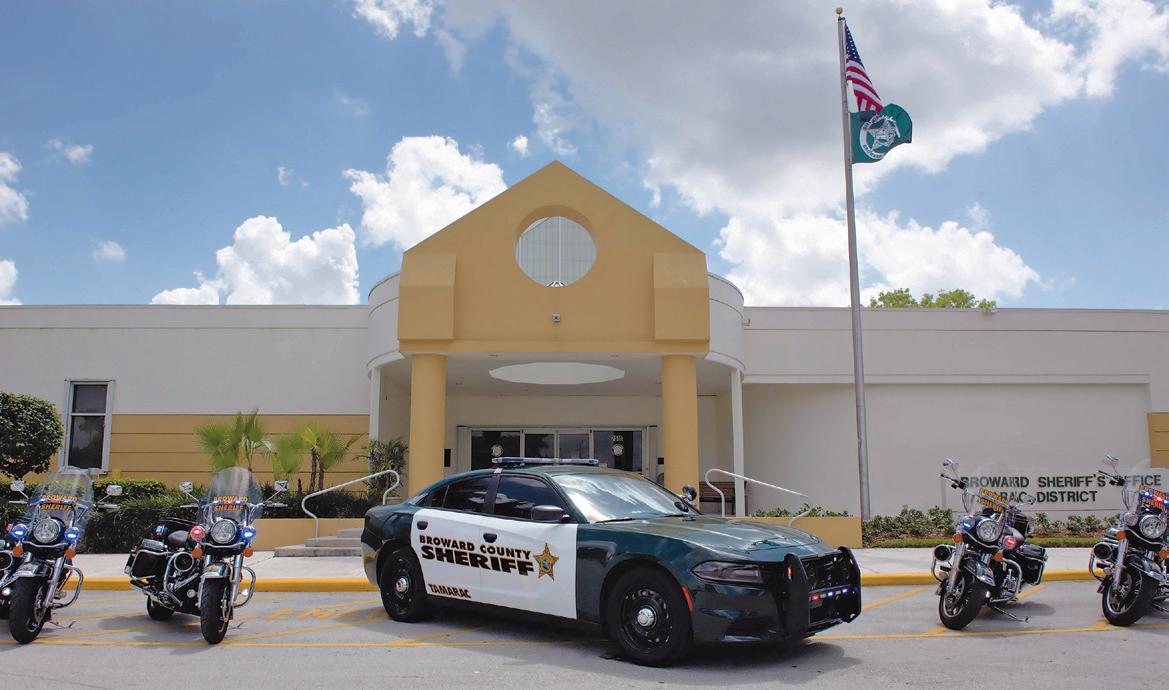
The District serves as a critical medical safety net for Broward County residents. Its four medical centers anchor a wide range of services, including primary health care centers, home health and hospice services, family health facilities, physician practices, specialty care, and extensive community programming. The District offers a complete continuum of care, encompassing wellness and prevention programs, treatment and rehabilitation, home health services, and follow-up care. This is made possible through advanced specialty care services, state-of-the-art technology and equipment, a highly skilled medical staff, and the support of professional personnel, administrative leadership, and a dedicated Board of Commissioners.
The North Broward Hospital District and the City maintain continuous coordination through both formal and informal communication and information sharing. The City Manager serves as the principal contact for hospitalrelated matters.
To further enhance intergovernmental coordination and expand community services, the City can develop a strategic partnership with HCA Woodmont Hospital. This collaboration could facilitate the integration of healthcare initiatives, align resources for community wellness programs, and ensure efficient delivery of medical and social services. By working together, the City and HCA Woodmont Hospital can address shared goals, such as improving public health outcomes and expanding access to quality care for all residents.
The South Florida Water Management District (SFWMD) is a State created agency that functions as a multicounty independent special district responsible for flood-control and water conservation within the South Florida Region. Local governments within the SFWMD jurisdiction, including the City of Tamarac, must base their local water supply plan on the SFWMD’s regional water supply plan. As well, the City and the District
coordinate regarding the C-13 and C-14 basins. Other subjects of major interest between the City and SFWMD are:
• Stormwater drainage
• Wetlands protection
• Consumptive use permits
• Coordination with regional water supply plan
• Grant funding to perform stormwater evaluations and improvements
Information regarding these and other issues is shared on a continuous basis through informal means. The Building Department is the principal contact for the City in matters relating to the SFWMD.
As one of Florida’s five regional water management districts, SFWMD issues permits for the consumptive use of water, surface water management, well construction, and artificial recharge and creates a regional water supply plan. Besides its permitting activities, the district is authorized to:
• Gather water resource data
• Engage in water resource planning
• Construct and operate water control works
• Participate in technical investigations of water resources
• Monitor discharges into SFWMD canals from City canals
An executive director appointed by a Citizen Board administers the staff of each district. Staff recommendations and public testimony received at Board meetings and public hearings are the basis of the Board’s decisions and policy.
The South Florida Regional Planning Council (SFRPC) is one of Florida’s 11 regional planning councils and includes the counties of Broward, Miami-Dade, and Monroe. The SFRPC is administered by an executive director who reports to a Board. The Board is made up of elected officials from local governments belonging to the Council and Governor appointees.
The SFRPC provides technical assistance to local governments. In addition, the SFRPC has the responsibility for reviewing comprehensive plans or portions thereof in order to ensure consistency with the Strategic Regional Policy Plan (SRPP) goals, objectives, and policies. Tamarac would also coordinate development of regional impact (DRI) review with the SFRPC. The SFRPC may also submit recommendations to the State requesting modification of local plans.
The City and SFRPC coordinate through formal and informal meetings and information sharing, depending on the subject this communication occurs on a continuous or an as-needed basis. The City Manager is the principal contact for the City in matters relating to the SFRPC. The major subjects of interest include:
• Hurricane evacuation
• Intergovernmental review
• Socio-economic data projections
• Comprehensive Regional Policy Plan
• Development of Regional Impact issues
The Florida Department of Economic Opportunity (DEO) is the state land planning agency, and therefore, has land use approval authority over local government comprehensive plans and plan amendments. Land use approval is a precursor to development. DEO is administered by a Secretary appointed by the Governor. DEO provides technical assistance to local governments in the areas of:
• Housing
• Public safety
• Community services
• Post-disaster recovery
• Community development
• Land and water management
• Resource planning and management
• Emergency management preparedness
DEO administers a variety of grant programs designed to assist local governments in improving growth management resources, community infrastructure, and service delivery systems. The City of Tamarac has been coordinating with DEO in amending its comprehensive plan pursuant to State laws.
The City’s Comprehensive Plan must meet both statutory and administrative requirements with review by DEO. As well, both entities work together to coordinate resource conservation and growth management issues. DEO also provides funding assistance for local comprehensive planning activities, and emergency aid and assistance. DEO and Tamarac coordinate through formal and informal methods of information sharing on a continuous basis to achieve the aforementioned. The Director of the Division of Community Development is the project director for comprehensive planning issues and is the principal liaison with DEO on this activity.
The Florida Department of Transportation (FDOT) directs planning functions and coordinates maintenance and development of Florida’s transportation system. FDOT has authority to direct the design, construction, maintenance, and related activities of the Florida Highway System. FDOT has limited regulatory authority over the use of land along State roads including design standards for curb cuts on the State’s major highway system. In addition, FDOT is responsible for determining the functional classification of roads within the City.
FDOT is a decentralized agency, which is divided into seven geographical districts, a turnpike district, and a central office. The primary responsibility of each of the districts is to implement FDOT’s transportation programs, such as improvements to State roads, installing traffic control devices, and funding for transit related projects. FDOT District 4 office is responsible for coordinating most FDOT issues with City of Tamarac. The City and FDOT coordinate through formal and informal methods of information sharing on an as-needed basis. The Director of Community Development is the principal contact for the City in matters relating to FDOT.
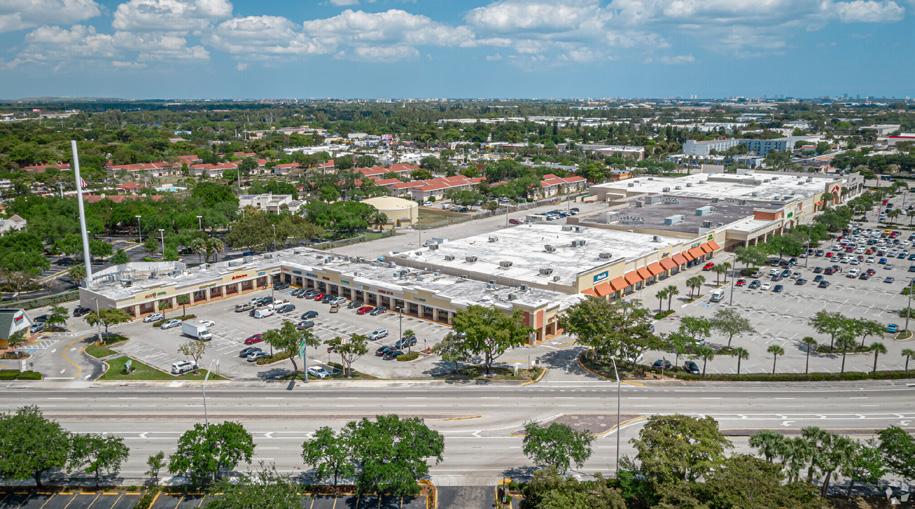
FDOT is responsible for the maintenance of the following roads within the City of Tamarac:
Sawgrass Expressway (SR 869)
Nob Hill Road
Pine Island Road
University Drive (SR 817)
Rock Island Road
Florida Turnpike
US 441/SR 7
NW 31st Avenue
McNab Road
Commercial Boulevard (SR 870)
Urban Principal Arterial
Urban Minor Arterial
Urban Minor Arterial
Urban Principal Arterial
Urban Minor Arterial
Urban Principal Arterial
Urban Principal Arterial
Urban Minor Arterial
Urban Minor Arterial
Urban Principal Arterial
The Department of Environmental Protection (DEP) is the state administrative agency in charge of environmental issues and natural resource protection. DEP is administered by a Secretary appointed by the Governor. Its primary duties are:
• Protecting and conserving Florida’s natural resources,
• Managing State owned lands/aquatic preserves, and
• Regulating impacts on the environment, including industrial waste, air pollution emission, hazardous wastes, potable water usages, solid waste disposal, dredge and fill activities, and alteration to environmentally sensitive areas.
DEP also serves as an umbrella agency for Florida’s five regional water management districts and issues national pollution discharge elimination system (NPDES) water qualities certifications. Tamarac coordinates with DEP on environmental resource issues involving public projects and private development.
The DEP and the City coordinate on issues including those listed as DEP’s primary duties, as well as, storm water discharge and park development. DEP and the City coordinate through formal and informal arrangements and share information on an as- needed basis. The Building Department is the principal contact for the City in matters relating to DEP.
The Florida Housing Finance Corporation was created by the Florida Legislature over 20 years ago to help Floridians obtain safe, decent housing that might otherwise be unavailable to them. Florida Housing’s Board of Directors and staff continue to work to increase affordable housing opportunities for Floridians, ensure that Florida Housing’s programs are well matched to the housing needs of Floridians, and communicate the importance of affordable housing to Florida’s communities program The City, through its State Housing Initiatives Partnership (SHIP) program, provides allocations to maintain existing housing stock through minor home repair/weatherization and provide opportunities for home ownership through home purchase loans as identified in the City’s Local Housing Assistance Program (LHAP). The Department of Community Development is the principal contact for the City in matters relating to the Florida Housing Finance Corporation.
The Department of Agriculture and Consumer Services (DACS) mission is to safeguard the public and support Florida’s agricultural economy by ensuring the safety and wholesomeness of food and other consumer products through inspection and testing programs; protecting consumers from unfair and deceptive business practices and providing consumer information; assisting Florida’s farmers and agricultural industries with the production and promotion of agricultural products; and conserving and protecting the state’s agricultural and natural resources by reducing wildfires, promoting environmentally safe agricultural practices, and managing public lands.
The head of DACS is the Commissioner of Agriculture who is elected every four years at the time of the general election and is part of the Governor’s cabinet. The Department’s agricultural agent extension service, typically through the County, provides City staff and residents with technical assistance, consumer related services, and publications which address a broad range of special services.
The City coordinates with Broward County extension agencies and DACS to promote and ensure the continued viability of Florida’s agricultural market, as well as, to inform and educate consumers regarding these and many other products. DACS and the City of Tamarac coordinate through formal and informal arrangements, sharing information on an as-needed basis. The City Manager and Department of Community Development are the principal contacts for the City in matters relating to DACS.
The Florida Department of State (DOS) coordinates with the City of Tamarac on issues related to State archives and records. The City presently has two recorded historic resources within its corporate limits – one of which the DOS believes has been demolished, the remaining resource (archaeological site 8BD2136) is intact.
Tamarac will continue working with the Division of Historical Resources (DHR), Bureau of Historic Preservation, in addressing comprehensive planning issues surrounding historic and archaeological sites of significance. The Department of State is also the City’s primary source for obtaining rules and regulations promulgated by State agencies and historic survey grants.
DHR and the City share information on an as-needed basis through formal and informal coordination methods. The City Manager is the principal contact for the City in matters relating to the DOS.
The Department of Health’s (DOH) mission is to promote and protect the health and safety of all Floridians. The DOH seeks to accomplish this through the prevention and control of the spread of acute, chronic, and infectious disease, the provision of basic health care services, such as immunizations and prenatal care, monitoring conditions in group living facilities, and monitoring of water and sewage systems to ensure operating conditions are sanitary.
The DOH delivers public health services through sixty-seven county health departments, which are funded through a combination of federal, state, and local dollars. The DOH coordinates with the City of Tamarac on issues related to public health and environmental control. The City principally coordinates through the Broward County Environmental Protection Department (EPD) and the Broward County Health Department. DOH, the County, and the City share information on an as- needed basis through formal and informal coordination methods. The City Manager is the principal contact for the City in matters relating to DOH.
The Florida Fish and Wildlife Conservation Commission (FWC), formerly the Game and Fresh Water Fish Commission, has jurisdiction over all terrestrial and aquatic wildlife, including both freshwater and saltwater. Its mission is to manage fish and wildlife resources for their long-term well-being and the benefit of people.
The FWC coordinates with the City of Tamarac primarily through the review of projects that may have potential impacts on local fish and wildlife habitat or which may intrude on and disturb habitats of endangered species. The City coordinates its comprehensive planning activities with the FWC in order to achieve professional fish and wildlife management perspectives on issues potentially impacting fish and wildlife habitat, particularly habitats of species listed as endangered, threatened or species of special concern. Tamarac and FWC coordinate information sharing through formal and informal arrangements on an as-needed basis. The Director of Community Development is the principal contact for the City in matters relating to FWC.
Figure 7.8: FWC
The Florida Department of Children and Families (DCF) coordinates with the City on issues surrounding delivery of rehabilitative, social and medical services for children, youth, family, and elderly, including services directed toward special needs, such as physically and mentally challenged, and impoverished. DCF also coordinates with Tamarac on Assisted Living Facilities (ALF) that are classified as Community
Residential Homes according to Florida Statutes and regulates community residential homes, mobile homes, foster care homes, and homes for special children. The City and DCF coordinate through formal and informal information sharing methods on an as-needed basis. The City Manager is the principal contact for the City in matters relating to DCF.
The Environmental Protection Agency (EPA) is the federal agency responsible for protection of the environment. This federal agency is divided into ten regions. Florida is one of eight states located in Region 4, which is the Southeast. The main office for the Southeast Region is located in Atlanta, Georgia.
The mission of the EPA is to protect human health and to safeguard the natural environment (air, water, and land) upon which life depends. To accomplish this mission, the EPA administers a variety of programs ranging from noise abatement to air and water quality protection. EPA exercises authority through its power to fine violators and through the issuance of grant monies. The agency establishes national drinking water and air quality standards with which all local agencies must comply. The Southeast Regional Office of the EPA is responsible for administering the agency’s programs in Florida. EPA standards are generally administered at the local level through the Florida Department of Environmental Protection (DEP) and the Broward County Environmental Protection Department (EPD).

The EPA also coordinates clean-up efforts and advises the Department about safety measures for handling unusual materials and clean-up of hazardous waste spills. The EPA issues National Pollution Discharge Elimination System (NPDES) permits and reviews permits issued by DEP for the treatment, disposal and storage of hazardous waste. EPA may also prohibit or otherwise restrict the discharge of dredge and fill material.
The City and EPA coordinate through formal and informal information sharing methods on an as-needed basis. The Department of Community Development is the principal contact for the City in matters relating to the EPA.
The Natural Resources Conservation Service (NRCS) has six mission goals:
• High quality, productive soils;
• Clean and abundant water;
• Healthy plant and animal communities;
• Clean air;
• An adequate energy supply; and
• Working farms and ranchlands.
NRCS provides technical assistance, and often financial assistance, to those engaging in conservation activities. As well, NRCS disseminates educational and informative information concerning conservation techniques and programs, such as prevention of soil erosion, to the public, development industries, and agricultural operations.
NRCS also has responsibility for mapping soils according to type, including soils that define wetlands, and this information is used to assist in locating areas that deserve special attention. The Broward County Soil and Water Conservation District is a sub- agency of the Department of Agriculture and shares soil mapping responsibilities and describing the soil type suitability for land uses. The District staff provides technical assistance to the City regarding large scale development impacts.
The City coordinates with NRCS and the Broward County District office to ensure land use activities occur consistent with specific soil properties. Tamarac, NRCS, and the County coordinate through formal and informal information sharing methods on an as- needed basis. The Department of Community Development is the principal contact for the City in matters relating to these two agencies.
The Federal Emergency Management Agency’s (FEMA) continuing mission is to lead the effort to prepare the nation for all hazards and effectively manage federal response and recovery efforts following any national incident. FEMA also initiates proactive mitigation activities, trains first responders, and manages the National Flood Insurance Program.
Although not specifically related to the issue of environmental conservation, the 100- year flood zone mapping effort carried out by the FEMA Flood Insurance Administration often tends to be useful in defining sensitive areas. If an area is, both, flood prone and environmentally unique, the flood protection policies tend to provide additional reinforcement to the other City policies created for protection of the area.

Tamarac coordinates with FEMA regarding emergency management and disaster mitigation, preparedness, response, and recovery. Coordination is also in place for compliance with federal flooding regulations; FEMA is responsible for mapping 100- year flood zones. The City and the FEMA coordinate through formal and informal information sharing methods on an as-needed basis. The City Manager is the principal contact for the City in matters relating to FEMA.
The mission of the Department of Housing and Urban Development (HUD) is to increase homeownership, support community development and increase access to affordable housing free from discrimination. Therefore, HUD is responsible for policy, programs, and regulation regarding community development, housing needs, and fair housing.
HUD coordinates with the City regarding the implementation and monitoring of these programs, policy, and regulation. Other mutual interests between the City of Tamarac and HUD include:
• Quality, availability, and affordability of housing stock
• Ensure fair housing

• Implement and coordinate housing programs, including the Community Development Block Grant (CDBG) Program
HUD and the City coordinate through formal and informal information sharing methods on an as-needed basis. The Department of Community Development is the principal contact for the City in matters relating to HUD.
The National Oceanic and Atmospheric Administration (NOAA) is responsible for a variety of issues. The two most pertinent to Tamarac are the National Weather Service and the National Hurricane Center; both of these agencies have a role in the City. The National Weather Service provides weather forecasts for Tamarac, including boating forecasts. The National Hurricane Center aids in emergency preparedness by providing watches and warnings through its hurricane tracking services. NOAA and the City coordinate through informal information sharing methods on an as-needed basis. The City Manager and Department of Community Development are the principal contacts for the City in matters relating to NOAA.

The US Army Corps of Engineers (ACE) consists of military and civilian engineers, scientists and other specialists that work together as leaders in engineering and environmental matters. The ACE serves the Armed Forces and the Nation by providing vital engineering services and capabilities, as a public service, across a full spectrum of operations in support of national interests. Specifically, the ACE’s mission is to:
• Help care for the nations aquatic resources
• Act as a steward of the environment and to engage in environmental restoration projects
• Build and sustain critical infrastructure facilities for national water resources, military global missions, and growing security objectives
• Expand capabilities that support growing national homeland security missions
• Shape capabilities and agency structure that provide highly adaptable and effective support of the National Defense Strategy and the National Military Strategy

The ACE works in cooperation with state and local agencies to achieve its mission. The ACE reviews permits that affect water resources and other environmental issues, including endangered species for compliance with the Clean Water Act, the Endangered Species Act, and other Federal laws. The ACE, the City, and other involved agencies coordinate through informal and formal information sharing methods on an as-needed basis. The City Manager is the principal contact for the City in matters relating to ACE.
The City maintains a franchise agreement with the Florida Power and Light Company (FPL) for the provision of electricity within its corporate limits. This is the sole electric utility company in Broward County. Tamarac depends on FPL to generate and distribute an adequate and dependable supply of electricity. As well, FPL and Tamarac coordinate regarding franchise fees and utility taxes. FPL and the City coordinate through formal and informal information sharing methods on an as-needed basis. The City Manager is the principal contact for Tamarac in matters relating to FPL and electric franchise service agreements.
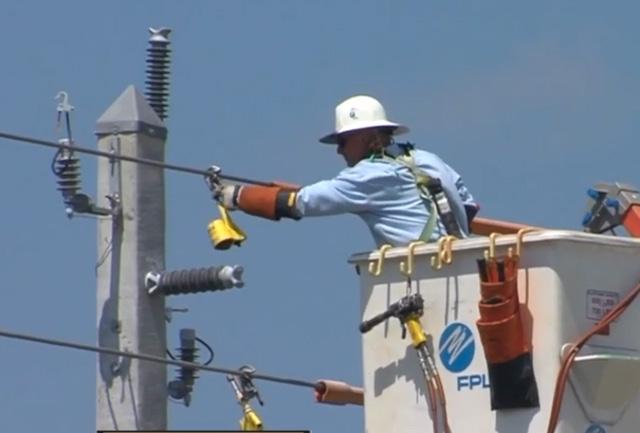
The City maintains franchise agreements for the provision of propane gas to properties within its corporate limits. Peoples Gas Company is the major vendor with other smaller vendors providing this service to the City. Tamarac depends on these providers to generate and distribute an adequate and dependable supply of natural gas. As well, the natural gas service providers and Tamarac coordinate regarding franchise fees. The service providers and the City coordinate through formal and informal information sharing methods on an as-needed basis. The City Manager is the principal contact for Tamarac in matters relating to propane gas service and related franchise service agreements.
Intergovernmental Coordination mechanisms, problems, and needs within the City of Tamarac are analyzed in this section.
This subsection provides an analysis of the effectiveness of the existing intergovernmental coordination mechanisms. This analysis has been separated by each individual mechanism to ensure proper coverage of the coordination mechanisms that are utilized within the City of Tamarac.
One of the most prevalent methods of ensuring intergovernmental coordination is the implementation of an interlocal or service agreement. These agreements serve as coordination mechanisms in cases where the City of Tamarac receives a service from another unit of local government or provides a service to a unit of local government outside the City’s jurisdiction. The agreements also serve as coordination when two or more entities will be collaborating for a special purpose, such as public schools. Tamarac finds interlocal and service agreements to be very productive and useful in facilitating intergovernmental coordination and projects. Table 7.1 inventories each of these mechanisms. In addition, brief descriptions of two major interlocal agreements that affect the City are provided below.
The City of Tamarac originally signed the Interlocal Agreement for Public School Facility Planning with the Broward County School Board on July 20, 2004. However, state legislation occurred to strengthen this coordination and require public school concurrency. As such, the School Board, Broward County and county municipalities, including Tamarac, collaborated to amend the interlocal agreement to provide for both public school facility planning and school concurrency. The City is currently party to the THIRD AMENDED AND RESTATED INTERLOCAL AGREEMENT FOR PUBLIC SCHOOL FACILITY PLANNING BROWARD COUNTY, FLORIDA as of December 13, 2017. This interlocal agreement facilitates school facility planning, including:
• School concurrency
• Attendance boundaries
• Level of service standards
• Special education programs
• Facility siting and expansions
• Schools as neighborhood focal points
• Student population projections and needs
• Co-location of schools and other public facilities, such as libraries and parks
The Broward Sheriff’s Office (BSO) and the City of Tamarac entered into a contractual agreement to provide comprehensive law enforcement services in 1989. The jurisdictional boundaries for the district are in the central to western portion of Broward County including Tamarac, bordered by the Sawgrass Expressway on the west, Southgate Boulevard on the north, Commercial Boulevard to the south and NW 15th Avenue to the east.
Other techniques that promote intergovernmental coordination include, but are not limited to, joint or work groups, meeting attendance, and special legislation. Each of these techniques is employed by the City and has been deemed as effective coordination mechanisms by Tamarac and other participating entities.
Although existing methods are effective, each agency partnered in these coordination efforts is continually working to improve efficiency, services, and communication. The City of Tamarac is committed to quality intergovernmental coordination and will continue to participate in local, regional, and state efforts to maximize such coordination.

Broward County School Board
Source: City of Tamarac
Several successful formal and informal intergovernmental coordination mechanisms exist. However, the City of Tamarac has identified some issues that could benefit from increased intergovernmental coordination. These issues and their potential solutions for improving coordination are discussed below. These items are also currently the subjects of discussion between the City of Tamarac and respective agencies.
Public school facility planning and coordination are a high priority for both the City of Tamarac and the Broward County School Board. The City recognizes the current effectiveness of coordination efforts with the School Board and will work to strengthen and promote these efforts, ensuring compliance with requirements of school concurrency and the adoption of a Public School Facilities Element. The City will also work closely with the School Board to support a wider application of the joint-use recreation concept.
Water supply planning is a high priority at all levels of state government. The City of Tamarac, surrounding municipalities, Broward County, and the SFWMD have been working diligently to ensure that Tamarac will have adequate potable water facilities and supply for current and projected populations. The City of Tamarac will continue to coordinate with these and other appropriate entities by attending meetings and workshops, participating in committee efforts, and providing information for studies and plans, such as the SFWMD Lower East Coast Water Supply Plan, Broward’s Integrated Water Resource Figure 7.11: Tamarac Canal System
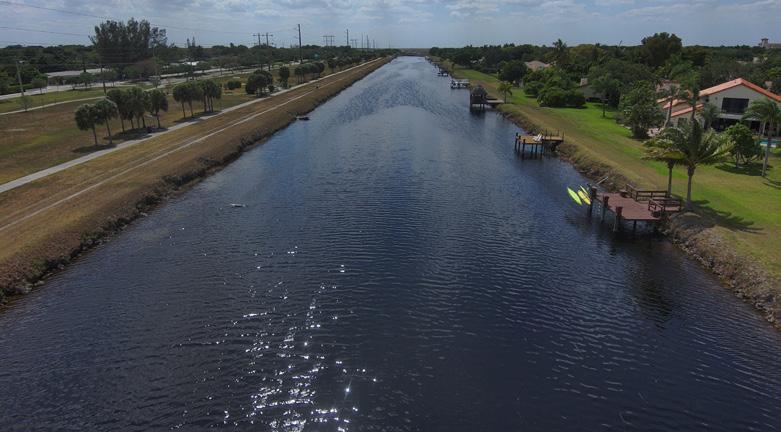
Plan, and the City’s Water Supply Plan. In addition, the City will develop policies to promote conservation and responsible consumption by water users.
Housing attainability is a major issue in Tamarac, Broward County and the south Florida region. As such, the City will work aggressively with local government, the SFRPC, the state, and other appropriate agencies to coordinate efforts, and strategize solutions for this issue. Tamarac will also monitor and participate in planning and developing workforce/affordable housing policies to the best of the City’s ability and continue to rehabilitate the existing housing stock.
The City of Tamarac and Broward County on the whole are experiencing various levels of redevelopment. The City recognizes the benefits and challenges represented by large scale redevelopment and will strive to fortify relationships within local governments and agencies to maximize redevelopment potential and benefits. The City will also work with appropriate entities to evaluate impacts of large scale redevelopment within Tamarac’s jurisdiction and adjacent municipalities, and to determine ways in which this type of development can be mutually beneficial.
The City of Tamarac also recognizes the benefits and challenges of economic development. The City has successfully attracted a number of large and small companies to the Tamarac Commerce Park; the next strategy for economic development is to create interest in the newly designated mixed use district. The City will evaluate local tools for economic development and coordinate with appropriate local, state, and regional governments and agencies to ensure compliance with plans and regulations.
As the population continues to grow, having excellent and reliable medical services and facilities within the City is crucial to address the needs of the diverse population. Along with the city’s current partnerships with medical providers, potential coordination with the HCA Florida could be beneficial. HCA Florida operates the HCA Woodmount Hospital along University Drive. This hospital serves as a critical facility to which many residents rely on for emergency and medical care. Ensuring that proper coordination measures are in place between the City and HCA Woodmount will help facilitate response times during major events such as natural disasters or acts of violence.
The data, inventory, and analysis for the Intergovernmental Coordination Element has:
• Presented an inventory and analysis of entities with which the City of Tamarac coordinates multijurisdictional issues surrounding resource conservation, growth, and development;
• Identified and analyzed each functional element of the Plan for issues having multi-jurisdictional impacts; and
• Provided a proactive approach for guiding the governmental coordination process in order to promote and further the resolution of intergovernmental coordination issues and/or conflicts.
The City of Tamarac will continue to coordinate intergovernmental issues involving land use, transportation, housing, public facilities, and resource conservation with Broward County, adjacent local governments, regional, state, and federal agencies. The City of Tamarac will also review future intergovernmental coordination policy issues with the State of Florida Plan and South Florida Regional Planning Council Strategic Policy Plan. In addition, the City will utilize intergovernmental coordination mechanisms to mitigate any undesirable impacts and to maximize beneficial impacts of future growth and development.
There are currently no Areas of Critical State Concern as defined by state law within the City of Tamarac.
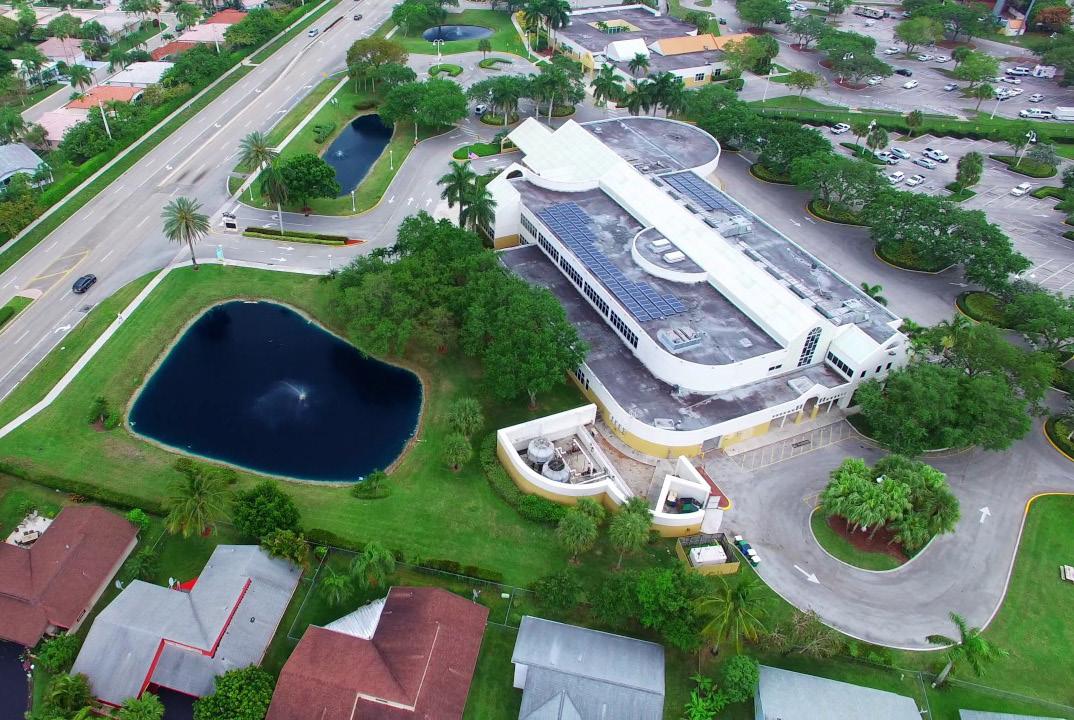
Table 8.1: Recreation and Open Space Level of Service Standards, 2025-2050...........2
Table 8.2: Tamarac Elementary School Enrollment Projections 2023-2028..............4
Table 8.3: Challenger Elementary School Enrollment Projections 2023-2028...........4
Table 8.4: Millennium Middle School Enrollment Projections 2023-2028................5
Table 8.5: Property Tax Revenues (in millions) and Millage Rate.........................5
Table 8.6: Projection of Ad Valorem Tax Base, Millage Rate, and Property Taxes......8
Table 8.7: All Taxes and Other Revenue Sources 2022-2027..................................9
Table 8.8: Projected Expenses and Revenues 2026-2030....................................10
Table 8.9: Bond Debt Service by Fiscal Year...................................................11
Table 8.10: Projection of Debt Capacity........................................................11
Table 8.11: 2022-2027 Capital Improvement Program.......................................12
Map 8.1: Location of Public Schools Within the City of Tamarac..........................4
Figure 8.1: Pump Station...........................................................................1
Figure 8.2: Storm Drain.............................................................................2
Figure 8.3: Colony West Country Club Golf Course............................................2
Figure 8.4: Tamarac Fire Station 78.............................................................6
Figure 8.5: Tamarac Veteran’s Park..............................................................8
Figure 8.6: Tamarac City Hall....................................................................10
Figure 8.7: Tamarac City Hall...................................................................11
The purpose of the Capital Improvements Element is to identify the capital improvements that are needed to implement the Comprehensive Plan and ensure that adopted Level of Service (LOS) standards are achieved and maintained for concurrency related facilities.
In April of 2005, the County adopted a Transit-Oriented Concurrency (TOC) Management System which is based on meeting certain transit level of service requirements. The City of Tamarac is within two of the TOC districts established by Broward County and therefore, is subject to the concurrency requirements of these areas. In order to ensure that level of service standards will be maintained, Broward County has developed a County Transit Program (CTP) which uses transit concurrency assessments to pay for transit service improvements. The CTIP is updated annually to ensure that it remains financially feasible.
The City is responsible for the maintenance of all public local roadways within the City; other roadways, depending on jurisdiction, are maintained by the Florida Department of Transportation (such as the Turnpike) or Broward County (as with major arterials within the City). Broward County maintains traffic controls and associated devices. The City last conducted major resurfacing in 2015, with 118 miles of repaving, and is due for another round of major resurfacing of roadways within the next 5 years.
The City’s transportation network includes 31 stops, comprised of 21 Community Shuttle Bus stops and 10 Broward County Transit (BCT) stops. In 2022, the City concluded the City of Tamarac Americans with Disabilities Act (ADA) Transit Access & Sidewalk Gap Analysis Plan that will provide for Americans with Disability Act needs. The resulting analysis and plan calls for the upgrading of thirteen (13) Community Shuttle stops for ADA compliance at a cost of $50,278; the installation of over 32,894 linear feet of sidewalks at a cost of $3,178,704; and the installation of over 132,027 linear feet of bike lanes at a cost of $36,331,627. Total Plan implementation for all improvements is approximately $40 Million Dollars.
The City of Tamarac has its sewer treated through a partnership with Broward County. The entirety of the city is connected to this system, and no areas rely on septic tanks. Treatment facilities operated by Broward County will have adequate capacity to treat sewers through the ten-year planning horizon.
Other than replacements and repairs, no major public facility improvements are needed to maintain Level of Service standards. However, the City can and is currently taking steps to promote the system’s resiliency, including proactive lining of sewer mains and lateral improvements. The City current has approximately 160 miles of sewer lines.
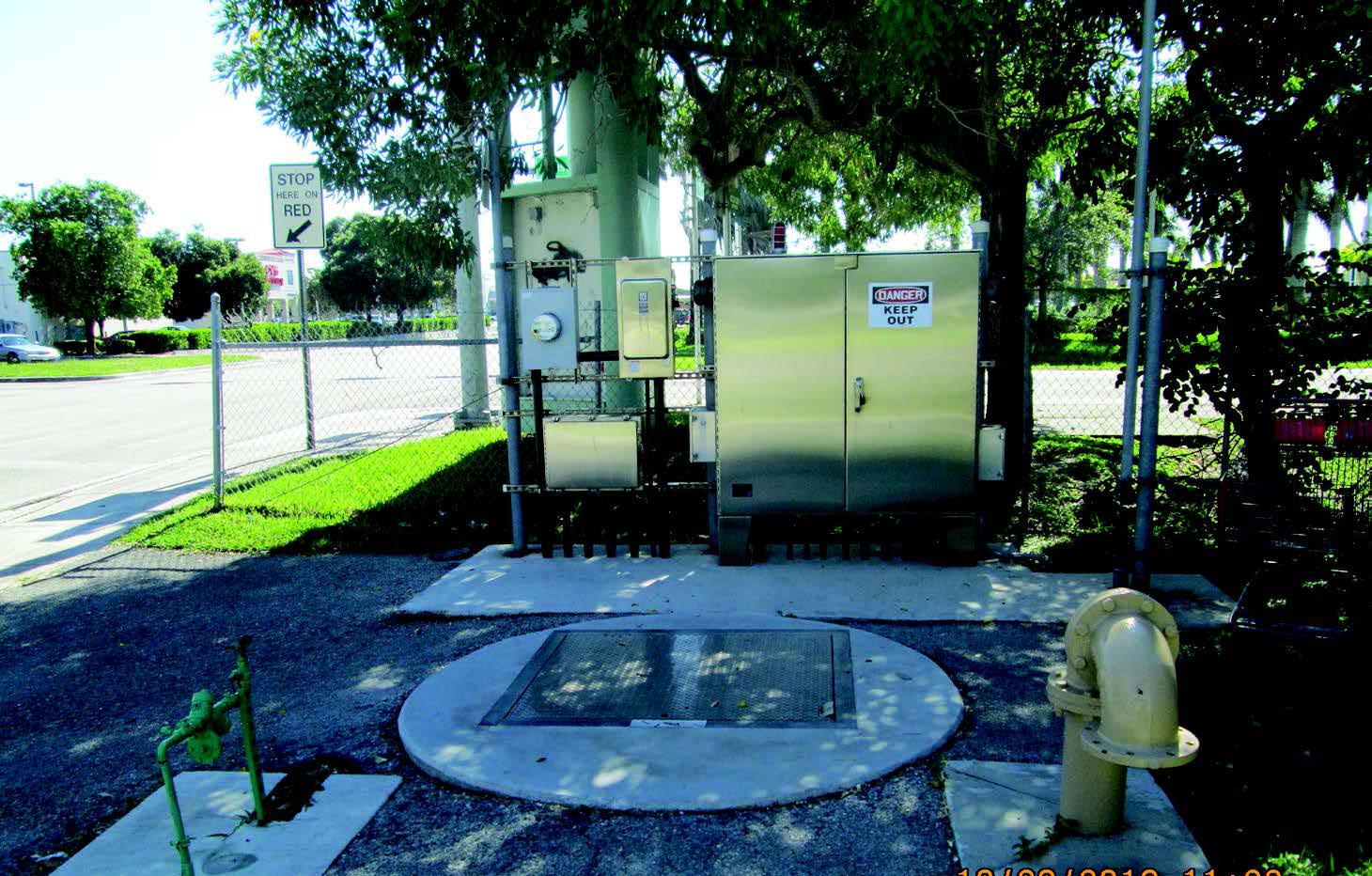
Collection and Disposal of Solid Waste are the responsibility of contracted haulers and Broward County Solid Waste Division. The City of Tamarac maintains agreements with these entities to ensure that solid waste is collected and disposed of according to the terms of the contract and within all safety regulations. No public improvements are needed to maintain Level of Service standards.
The City adopted a revised stormwater master plan in 2015. The updated Stormwater Master Plan will take advantage of recent advances in stormwater modeling software and will expand on the previous study by providing visual exhibits showing the existing stormwater facilities as well as providing model results alerting the City to potential problem areas. The results and recommendations of the Master Plan will guide future public facility needs. The City currently has approximately 82 miles of storm sewer lines.
In 2021 the City adopted its Water Supply Facilities Work Plan. As a result, the City will be able to better estimate the capital improvements needed to ensure Level of Service standards are maintained.
Potable water facilities were constructed to obtain, treat, and distribute potable water to the customers of the City. These facilities include raw water supply wells, raw water mains, water treatment plants, storage facilities, pumping and metering facilities, distribution mains, and customer meters. The City of Tamarac has adequate facilities in most of these areas to support projected demands for the 10-Year Water Supply planning period. These facilities are adequate to provide water which meets all applicable water quality standards. No areas of the City are served by domestic self-supply systems or potable water wells.
The City of Tamarac has three (3) water utilities meeting the potable water demands of the residents. These are:
• City of Tamarac Public Services Department (TPSD).
• Broward County Water and Wastewater Services - District 1 (BCWWS).
• City of Fort Lauderdale Water Services (FTLWS).
The City of Tamarac’s adopted LOS for parks, recreation, and open space is 3.0 acres per 1,000 population. The City currently has 188 acres of park land, not including additional 15% acreage of public golf courses, totaling 279.4 acres of park land. As identified within the Recreation and Open Space Element, the City is currently exceeding this LOS, providing 3.9 acres per 1,000 population. There are 609.29 acres of public Golf Courses in the City, which Broward County allows to satisfy up to 50% of the total acreage for publicly owned golf-courses zoned for open space, though not more than 25% of the community park requirement. Note that golf course open space significantly influences compliance with County LOS policy.
8.1:
Source: Population projections are based on the South Florida Water Management District Water Supply Facilities Work Plan City of Tamarac, 2021, and the Shimberg Center for Housing Studies using 2010 and 2020 U.S. Census data and population projections by the Bureau of Economic and Business Research, University of Florida
Even though the City will be providing an adequate LOS, Tamarac is dedicated to maintaining a high quality of life for residents and has committed to improving and expanding its current parks and recreation facilities as demonstrated in the Five Year Capital Improvement Plan.
Broward County is currently in the process of developing LOS standards for school facilities. All public education facility needs are scheduled by Broward County School District in the Five Year District Educational Facilities Plan. The City of Tamarac will update the CIE as needed once plans are finalized by Broward County Schools.
The City of Tamarac and the Broward County School Board will continue coordinating public education efforts through the Interlocal Agreement for Public School Facility Planning, which the City and School Board signed on July 20, 2004. This interlocal agreement facilitates school facility planning, including:
• LOS standards
• Facility siting and expansions
• School concurrency and mitigation
• Schools as neighborhood focal points
• Student population projections and needs
• Co-location of schools and other public facilities, such as libraries and parks
The City has operated its own Fire Rescue Department since 1975. However, there are mutual aid agreements with Broward County and nearby municipalities to help with response times and ability to service more areas during times of high call volumes.
To maintain an efficient and timely fire service for the city, the number of personnel needs t meet anticipated demand in the future. As of 2024, the Tamarac Fire Rescue Department had 116 Firefighters/Paramedics.
Based on an analysis by the Fire Chief in 2024, the following was determined.
In 2023, there were 14,034 total calls which equates to roughly 0.20 calls per resident. The department currently runs eight apparatus. SP, there were approximately 1,734 calls per apparatus.
BY 2040, the anticipated population growth projects that there will be an average of 18,303 calls which will require additional personnel to maintain a high level of service.
The projected increase in approximately 4,349 more calls annually from 2022 to 2040 will require two more apparatus to be ran. This equates to 24 more Firefighters/Paramedics in 2040 (2 apparatus x 4 FF/PM’s each x 3 shifts). In addition, there will be a need for an additional Fire Inspector(s), Battalion Chief, and Command Staff Officers.
The potential areas for improvement are:
• Room to fit one more unit at station 15 but no more sleeping quarters.
• Room to fit one more unit at station 36.
• Room to fit two more units at station 41 but no more sleeping quarters.
The City of Tamarac’s “Community Facilities” land use category is designated for educational uses, public buildings and grounds, and other public facilities. “Educational uses” includes public and private elementary, middle and high schools as well as colleges and universities. The City of Tamarac is consistent with the Broward
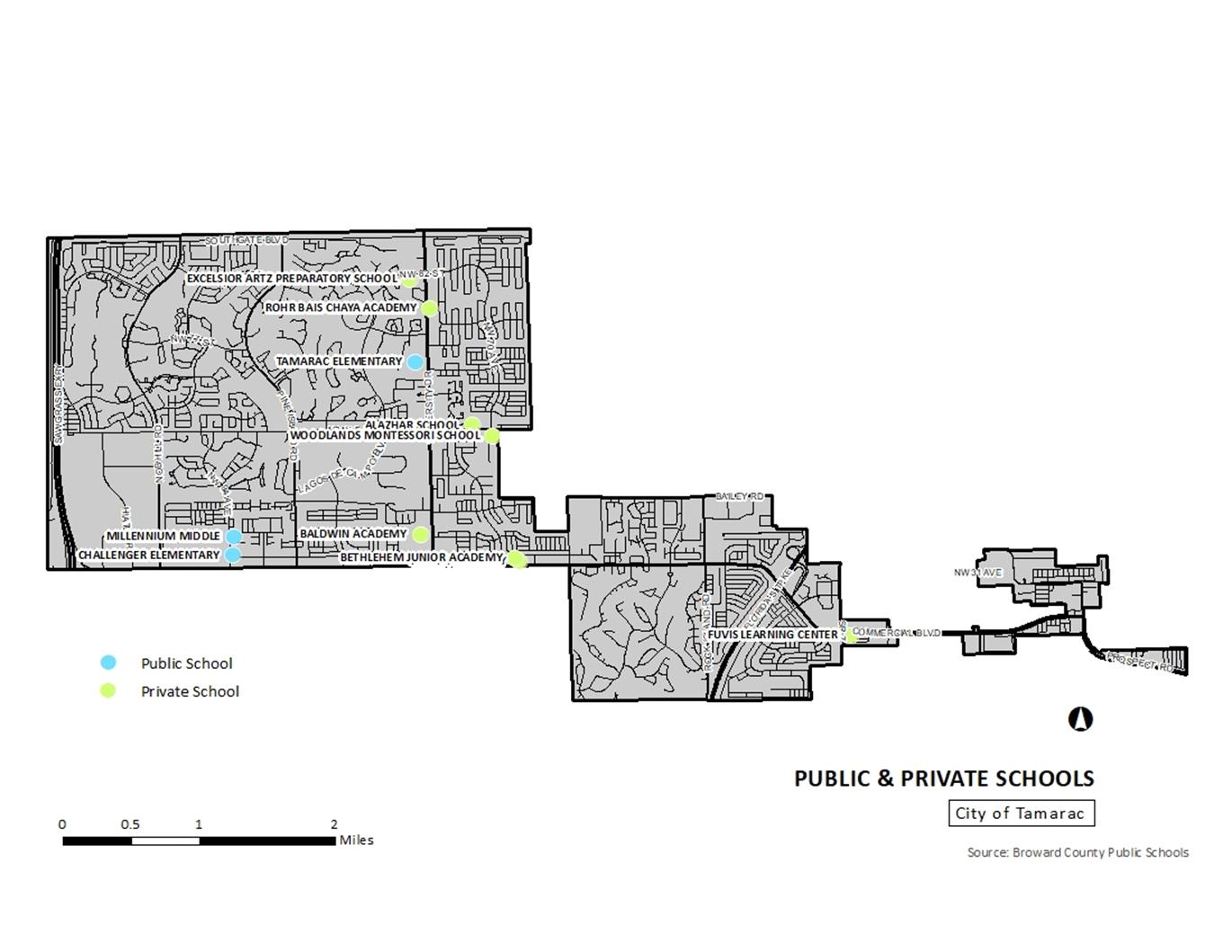
County Land Use Plan by allowing “Community Facilities” in all land use categories subject to the limitations
The City of Tamarac has three public schools within its City limits. These are Tamarac Elementary, Challenger Elementary, and Millennium 6-12 Collegiate Academy. Based on the Broward County School Board projected enrollment figures, Tamarac Elementary School, Challenger Elementary School, and Millennium 6-12 Collegiate
Source: Broward County Public Schools
8.2: Tamarac Elementary School Enrollment Projections 2023-2028
Source: Educational Plant Five Year (2021-2026) Survey Report: Broward County School District
Table 8.3: Challenger Elementary School Enrollment Projections 2023-2028
Source: Educational Plant Five Year (2021-2026) Survey Report: Broward County School District
Source: Educational Plant Five Year (2021-2026) Survey Report: Broward County School District
Tamarac lies within the North Broward Hospital District and is served by the Coral Springs Medical Center. There are no public health facilities in Tamarac. University Hospital and Medical Center, a private facility, is located at 7201 University Drive in Tamarac.
Major revenue sources for the City of Tamarac are property taxes, utilities/franchise fees, and sales and use/intergovernmental revenues. Property taxes alone account for approximately 47 percent of General Fund Revenues. Property taxes, franchise fees and intergovernmental revenues have been steadily increasing throughout the years, and during this time the City’s dependency on property taxes has also increased. Tamarac remains one of the few cities in Broward County that has not instituted a public service tax on electricity or water utility service consumption. The absence of a public service tax levy on utility usage is a significant difference in public policy compared to other municipalities and certainly contributes to the City’s reliance on ad valorem revenue. The description of major and minor revenue sources and funding mechanisms below has been derived from the City of Tamarac FY 25 Adopted Budget.
The major revenue funding Tamarac’s general operations continues to be the property tax, and the City continues to benefit from increased property tax collections due to the increasing property values in the City. However, general inflation concerns from 2022 onwards indicates that while property values have increased, the cost of maintaining and improving infrastructure, along with other services, have also increased significantly as well. The budget for Property Taxes is developed through the calculation of the City’s millage rate applied to the total taxable value of property within the City as reported by the Broward County Property Appraiser. The table below illustrates the recent history and projections of property taxes and corresponding millage rates.
Source: City of Tamarac, FL 2025 Annual Comprehensive Financial Report
Franchise fees are negotiated fixed fees to a company or utility for the use of municipal right-of-ways (poles, lines, pipes, etc.) and could include the value of the right for the utility to be the exclusive provider of its services within the City. The City has franchise agreements for electricity. The franchise fee for electricity is a fee placed on Florida Power and Light (FPL) to provide services to the customers in Tamarac. These revenues are estimated by trend analysis, utilization of historical data, and the use of market and economic indicators.
Intergovernmental revenues have increased as the state economy grows. The majority of revenue in this category consists of State Sales Tax and State Shared Revenue. The City’s portions of these state intergovernmental revenues are determined by formulas that compare ratios of City’s population to the County’s population. These revenues are initially estimated by trend analysis, utilization of historical data, and the use of market and economic indicators, and are later compared to information provided by the State.
The State of Florida collects the Local Government Half Cent Sales Tax. The State returns the money to the counties who distribute the money to the cities. The City’s portion is calculated as a percentage of the County’s distribution formula.
This revenue is generated from three sources: (1) 32.4% of net cigarette tax collections, (2) the 1-cent municipal gas tax collections and (3) 25% of the state alternative fuel user decal fee. The State of Florida collects the revenue and disburses directly to the cities. Distribution to municipalities is based upon population, sales tax collected and local ability to raise revenue.
The minor revenue sources are licenses and permits, charges for services, and miscellaneous revenue. The minor revenue sources funding the City’s general operations tend to be more volatile than the major revenue sources over the last ten years. The minor revenues tend to vary with external economic factors to a greater degree than the major revenues. The elastic nature is expected to continue in the near future. Minor Revenues represent approximately 10 percent of General Fund revenues.
The licenses and permits category consists primarily of building permits and occupational license revenue. Building permits have shown the greatest volatility, which reflects building “boom” cycles within the City. These revenues are estimated by trend analysis, utilization of historical data, and the use of market and economic indicators, as well as input from operating departments on projected activity levels.
Charges for Services tend to fluctuate with the economy as this revenue includes recycling revenues, engineering fees, and recreational user fees. Engineering and development fees have been increasing due to construction of housing units around the City. Recreational user fees have increased in recent years as programming has been expanded. These revenues are estimated by trend analysis, utilization of historical data, and the use of market and economic indicators, as well as input from the operating departments on projected activity levels.
Miscellaneous revenues contain a variety of revenues such as reimbursements, investment income, bus shelters and bus bench advertising, sale of recyclable materials, and rental fees for city facilities. These revenues are estimated by trend analysis, utilization of historical data, and the use of market and economic indicators, as well as input from the operating departments on projected activity levels.
A primary revenue source for the Fire Rescue Fund is a non-ad valorem special assessment levied on residential and commercial property owners. This assessment was first levied in FY 97 and has been adjusted periodically to cover increased costs associated with expansions in
Fire Rescue services, normal cost increases, and to reduce the Fire Rescue Fund’s subsidy from the General Fund.
The major revenue source in this fund, supporting approximately 95 percent of operating costs, is the Stormwater Fee charged to all property owners for the services and facilities of the Stormwater Management System. The fund was created to comply with the National Pollutant Discharge Elimination System (NPDES). Property is classified as undeveloped, residential or nonresidential. This revenue is estimated by trend analysis and the use of historical data.
The Utilities Fund is primarily funded by charges to residential and commercial customers for water and wastewater charges. The City provides water to residential and commercial dwellings in a safe and efficient manner and transports the wastewater from these dwellings. The City pays Broward County for the wastewater disposal, along with nine other municipalities and two other separate water districts, as a participating member of the County’s North Regional Wastewater Treatment Plant. Other revenues in the Utilities Fund are meter fees, plan review fees, and turn-on and turn-off charges. Water and Wastewater revenues are expected to grow as development grows. These revenues are estimated by trend analysis, utilization of historical data, and the use of market and economic indicators, as well as input from the operating departments on projected activity levels.
The City prepares a yearly assessment of the level of service status of all public facilities prior to preparation of the annual budget. Tamarac also has a concurrency management system in place through its land development regulations, which evaluates level of service impacts on public facilities and requires developers to pay their fair share of the costs of development. The City’s concurrency management system also depends on other agencies including the Broward County Commission and South Florida Regional Planning Council which implement countywide and regional planning, and concurrency management policies. Developers are required to participate in providing services and facilities by dedicating rights-of-way, conveying easements, paying impact fees and making public facility improvements.
As identified in the Infrastructure Element, the City of Tamarac will need to develop an alternate water supply source to meet its water demands in the 10-year planning horizon. The specific alternate water supply project to be pursued will need to be determined at the time of drafting the water facilities work plan. The fiscal implications of alternate projects will need to be considered at that time.
There are no other facilities that were identified as being deficient in the short or long term planning horizons.
At this time, there are no anticipated impacts from public educational and public health care systems and facilities on existing infrastructure. Any future impacts will be appropriately addressed in the site planning process and concurrency management system.
The City of Tamarac schedules all major capital improvements in a five year plan to guide the timing and location of all public facilities. In addition the City maintains a concurrency management system to ensure that public facilities and services needed to support development are available concurrent with the impacts of such development. The City’s water supply facilities workplan will also assist in guiding the timing and location of improvements specific to its potable water system.
The following is an assessment of Tamarac’s ability to fund future capital improvements or particularly, improvements needed to maintain LOS standards as outlined in other comprehensive plan elements. A more thorough assessment is conducted yearly in the City’s annual budgeting process. Before beginning, however, it is important to note that figures contained in this analysis are preliminary and subject to change.
Source: City of Tamarac FY 2025 Adopted Budget
As shown in Table 8.6 above, the City of Tamarac is currently projecting its ad valorem tax base to increase steadily. In addition, the millage rate is projected to be reduced slightly to help fight inflation and due to expanded revenues from the increased tax base. The increase in taxable values increase will see an increase to the total tax revenues even with the recent reductions in the millage rate.
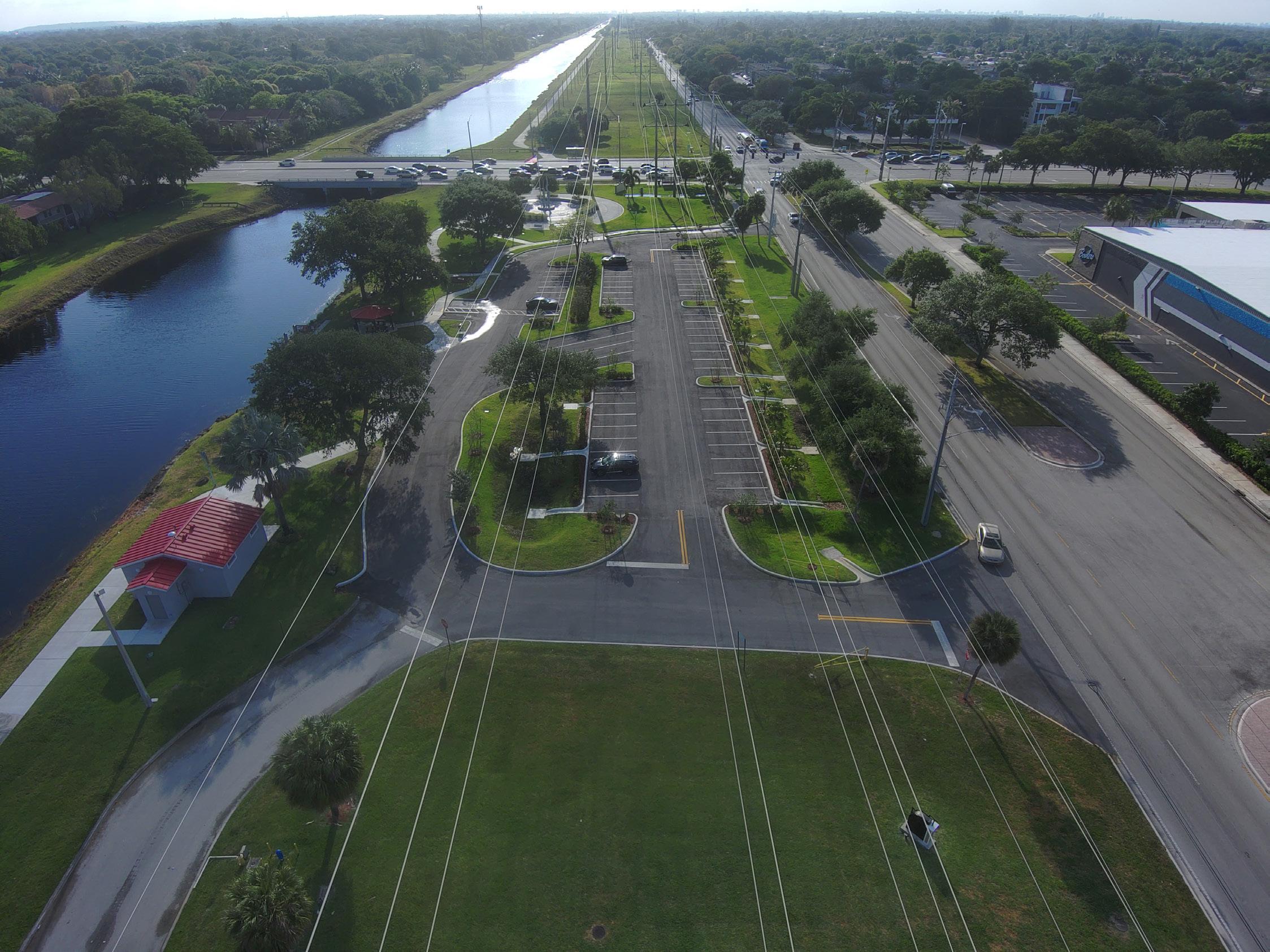
The General Fund (Fund 001) serves as the primary reporting vehicle for current operations. The major sources of revenue include ad valorem (property) taxes, utility taxes, communications services tax, franchise fees, user fees and charges for services, and intergovernmental revenues. The major departments funded within the General Fund are City Commission, City Manager, City Attorney, City Clerk, Financial Services, Human Resources, Community Development, Parks and Recreation, Information Technology, and Public Services. Police services are provided by contract with Broward County Sheriff's Office and are also funded in the General Fund.
While this will undoubtedly create a challenging fiscal environment in future years, total revenues for the City of Tamarac, shown below in Table 8.7, are still projected to increase; albeit slighter than in previous years.
Table 8.7: All Taxes and Other Revenue Sources 2022-2027
Source: City of Tamarac, Florida - FY 2025 Adopted Budget
The City of Tamarac projects its personal services and operating expenditures to steadily increase over the next five years.
Expenditures-All Departments
Revenue Type Definitions:
Source: City of Tamarac, Florida - FY 2025 Adopted Budget
(1) Variable-Discretionary/Restrictive - Relies solely on a tax increase to generate additional funds beyond growth.
(2) Variable-Discretionary means that it is adjustable by Home Rule to a certain extent.
(3) Variable-Non-Discretionary means it is received but not adjustable by the City due to certain factors such as, the rate is at the maximum percentage, it will take more than one year to adjust, and/or receipts are out of the City's control.
Tamarac has a number of outstanding bond issues that will require debt service over the next five years as shown in Table 8.8. Nevertheless, the City of Tamarac is in adequate financial shape to issue new debt as shown in Table 8.9. At this time, sufficient revenue funds are projected to be available to meet the capital improvement needs as outlined in the 2022-2027 Capital Improvements Plan shown in Table 8.11.
Underlying Assumptions:
(1) Revenues are forecasted in the General Fund using a conservative approach in accordance with the City's Financial Policies.
(2) Expenditures are forecasted conservatively with annual increases to Personal Services and Operating Expenditures aligned with inflation.
(3) At times when actual revenue exceeds estimates and actual expenditures are less than forecasted in the same year, the excess revenues are used to shore up the City’s Fund Balances and fund capital improvements.
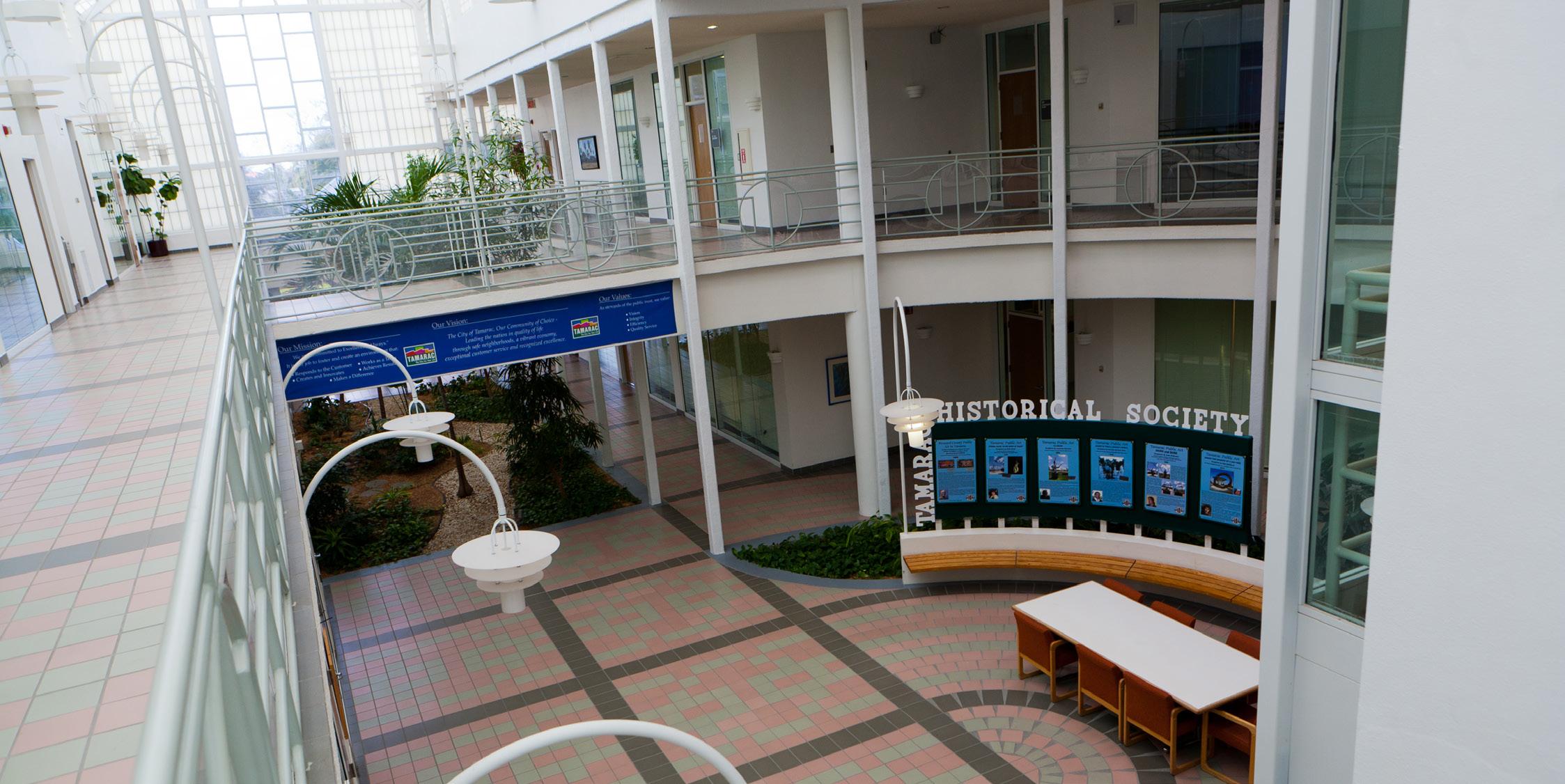
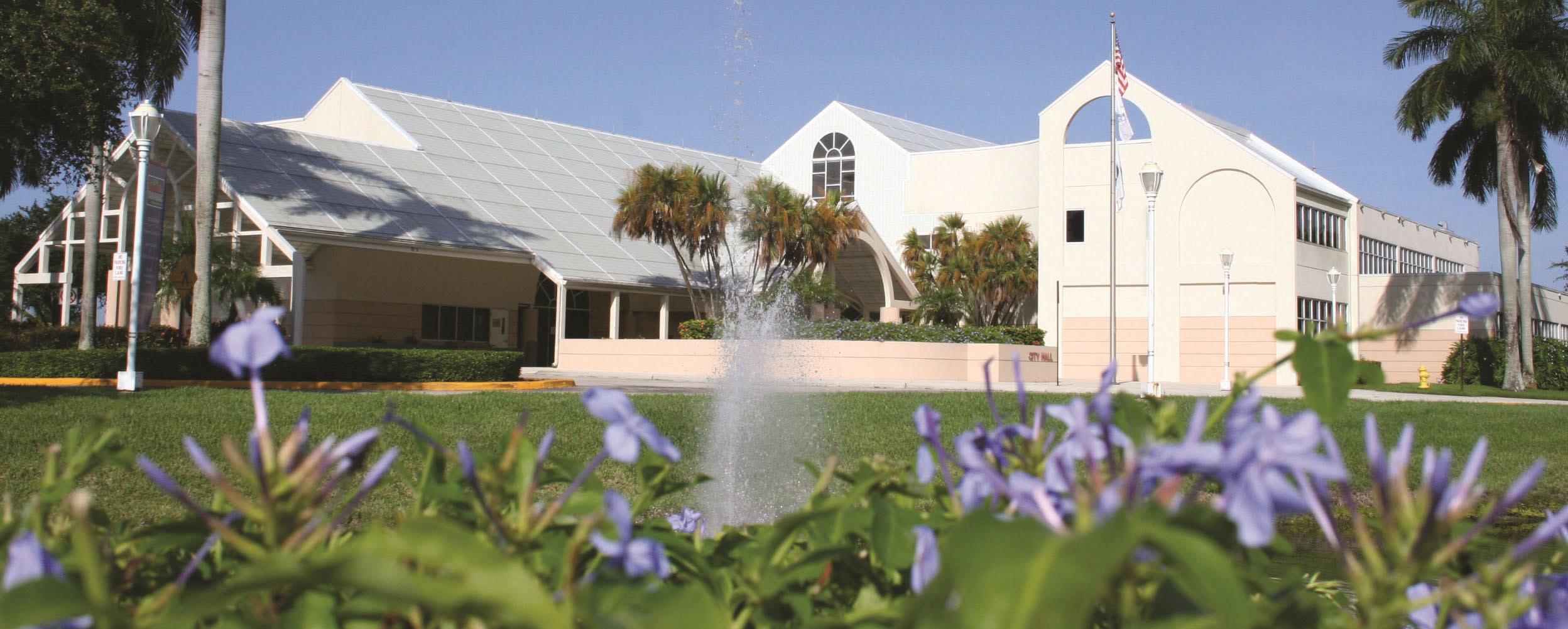
8.11: 2022-2027
Source: City of Tamarac, Florida -
The City of Tamarac is now in the position of maintaining its existing level of service standards within a built-out community. Although its financial situation is currently positive, it will face new challenges as new construction tax and permit revenue slows. Going forward, Tamarac will need to make sure that it is collecting sufficient revenue to pay for long-term capital improvement needs and
or

BROWARD
BROWARD
Table
Map
Map
Map
Map 9.4:
Map
Map
Map
Map
Figure
Figure 9.2: Continuing
Public school facility planning and concurrency in Broward County, including the City of Tamarac, is addressed at the countywide level through the Third Amended and Restated Interlocal Agreement for Public School Facility Planning (TRILA). The Florida Department of Community Affairs (now the Florida Department of Economic Opportunity) has approved the option for municipalities to rely on the County’s data and analysis. Accordingly, Tamarac’s Comprehensive Plan includes goals, objectives, and policies in Volume I, while relying on the data and analysis provided by Broward County in the Public School Facilities Element Support Document – November 2021, adopted as part of BrowardNEXT 2.0. This approach ensures consistency with regional planning efforts and supports the City’s public school concurrency policies.

Educational opportunities provide for the backbone of any community, drawing in workforce that diversify a city’s economic base. Cities aligned for lifelong learning understand that education provides for greater vocational opportunities for adults as well as enrichment, particularly for the retired and elderly, and higher quality of life and potential for economic mobility for children. Unsurprisingly, education ranks highly among the decision of many families to locate within specific cities or educational districts whenever possible. As a growing city with an increasing number of young families, Tamarac’s schools provide a critical backbone for its future. Further, because schools are such integral parts of daily life for young residents, the provision of adequate school facilities within the City affects local traffic parts and time and distance traveled daily for many families.
Within Tamarac, 3 public schools, 6 charter schools, and 7 private schools, with K-12 enrollment of approximately 7,577 for 2024. The following describes further details of these facilities:
Public school enrollment projections for 2023-2028 can be found in the Capital Improvements Element.
Private Schools in Tamarac:
• Excelsior Artz Preparatory School
• Baldwin Academy
• Bethlehem Junior Academy
• Fuvis Learning Center
• Alazhar School
• Woodlands Montessori School
• Rohr Bais Chaya Academy
Charter Schools in Tamarac:
• Pivot Charter School
• Charter School Of Excellence
• Everest Charter School
• Renaissance Charter School At University
• Excelsior Charter Of Broward
• Bridgeprep Academy Broward County
Note: Charter school have a District-wide attendance zone/concurrency service area, which means they are not subject to LOS requirements.
Map 9.1: Location of Public and Private Schools within the City of Tamarac
The Broward County Public School District is the 6th largest public school system in the US. BCPS is Florida’s first fully accredited school system. BCPS has 239 schools (including centers and technical colleges) and 88 charter schools, serving approximately 247,501 students and approximately 125,000 adult students.
The following maps are elementary, middle, high, and charter school attendance zones/concurrency service areas (CSAs) prepared by the Broward County Urban Planning Division, Resilient Environment Department for short and long-range planning.
COUNTY: SHORT-RANGE ADOPTED MAPS (2022–2027)
Map 9.2: Future Conditions - Elementary Schools – Five Year Plan
Appendix PSF-B: Map – Future Conditions – Elementary Schools Five Year Plan (2021-2026 2022-2027)
Appendix PSF-C: Map – Future Conditions – Middle Schools Five Year Plan (2021-2026 2022-2027)
Map 9.3: Future Conditions - Middle Schools – Five Year Plan
Appendix PSF-D: Map – Future Conditions – High Schools Five Year Plan (2021-2026 2022-2027)
Map 9.4: Future Conditions - High Schools – Five Year Plan
Map 9.5: Future Conditions - Charter Schools – Five Year Plan
BROWARD COUNTY: LONG-RANGE ADOPTED MAPS (2022–2032)
Map 9.6: Future Conditions - Elementary Schools – Ten Year Plan
Appendix PSF-F: Map – Future Conditions – Elementary Schools Ten Year Plan (2022-2032)
Map 9.7: Future Conditions - Middle Schools – Ten Year Plan
Appendix PSF-G: Map – Future Conditions – Middle Schools Ten Year Plan (2022-2032)
Map 9.8: Future Conditions - High Schools – Ten Year Plan
Appendix PSF-H: Map – Future Conditions – High Schools Ten Year Plan (2022-2032)
Within Tamarac, as of 2024 education attainment for the over 25 population indicates that 31.6% have completed high school, 19.3% have earned a Bachelor’s degree and 8.5% have earned a graduate or professional degree.

The City does not have any institutions of higher learning. However, there are 48 colleges and universities within an hour driving distance of the City. Combined these universities offer 277,711 total enrollment, with the nearest college, Medvance Institute Fort Lauderdale, only 3.8 miles from Tamarac. As well, since 1959 Broward County Community College has offered a range of diverse and affordable academic programs; specialized certificates, two-and fouryear degrees, and continuing education courses, having the second largest enrollment withing the Florida College System (FCS). Within driving distance is also the University of Miami in Coral Gables, ranked #55 in the nation by U.S. News. Additionally, Florida International University is among the top 10 largest universities in the nation, with an annual enrollment of 56,000 students and less than one hour from the City. A major component of encouraging innovative economic development is supporting the education and continued learning of all residents.
Although the City of Tamarac does not have a City owned and operated library, Broward County Library has the Tamarac Branch Library located within the City at 8701 West Commercial Boulevard. This facility was a $6.4 million capital investment by the Broward County library system to serve County and City residents alike. The Tamarac Branch Library is a 30,000 square foot one-story building that opened in 2003. In addition to offering a wide variety of programs and amenities for various age groups and needs, the Library has a number of resources to serve users including:
• English and Spanish books and publications
• Large print books
• An electronic resource data base
• A large selection of digital materials, such as CDs, DVDs, and videos
• Public use computers: 24 in the computer lab and 50 in the main area of the library
• A 100-Seat Meeting Room
The Tamarac Branch Library offers use of the facility, and its programs and resources six days per week, for at total of 54 operating hours per week. The facility is also home for two of the County’s public art pieces.
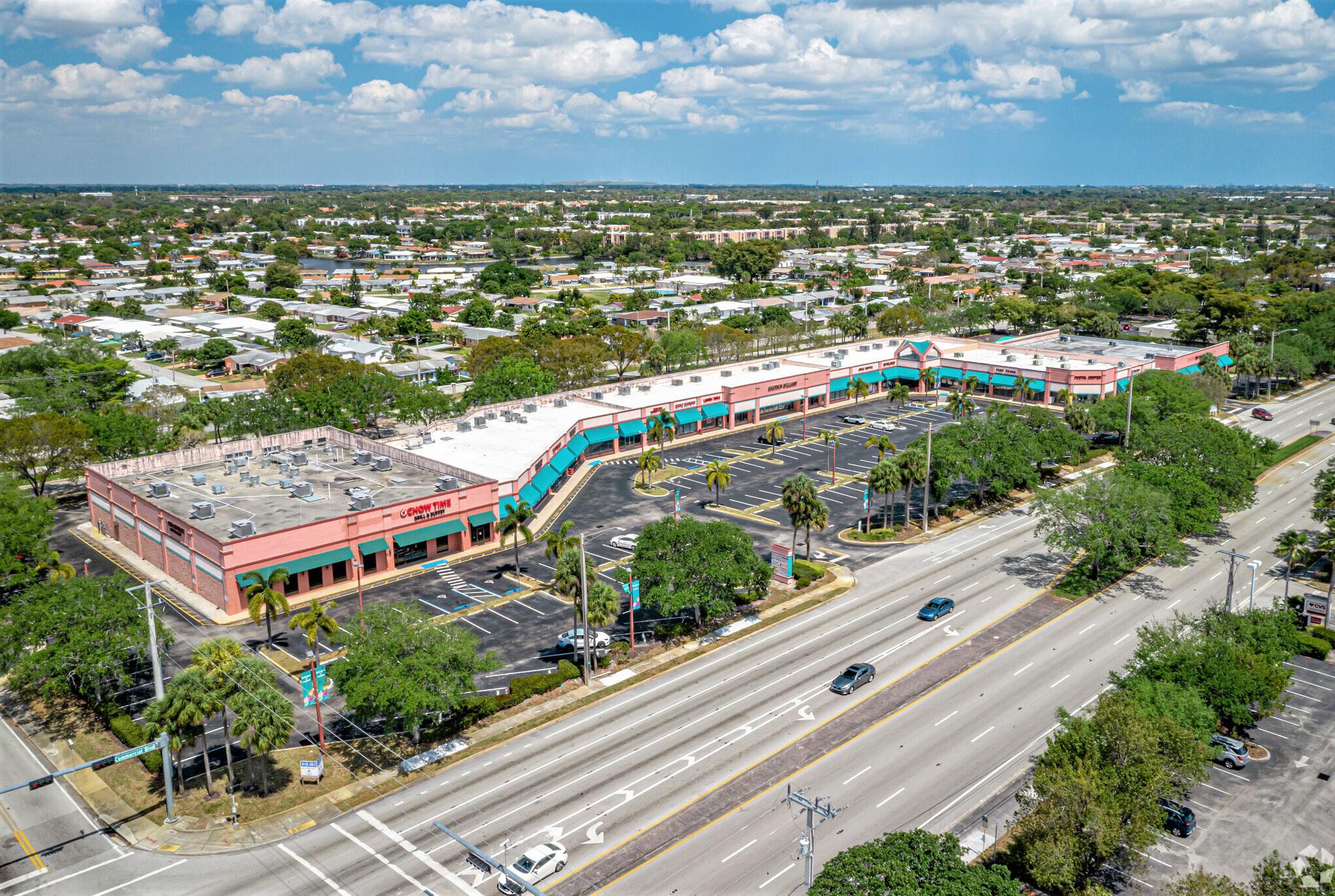
Table 10.1: Job Counts by NAICS Industry Sector, FY 2021....................................2
Table 10.2: Justice40 Initiative - Disadvantaged Census Tracts...............................5
Table 10.3: Projected Population Growth, FY 2020 (Census) to 2050.........................8
Table 10.4: Existing Land Use and Area (Acres)..................................................9
Table 10.5: Structures, Year Built (effective)..................................................10
Map 10.1: City of Tamarac Aerial..................................................................1
Map 10.2: Inflow/Outflow Counts of Private Primary Jobs for Selection Area (All Workers), FY 2021.............................................................................3
Map 10.3: Opportunity Zone and Four Corners Redevelopment Area.......................4
Map 10.4: Justice40 Initiative - Disadvantaged Census Tracts...............................5
Map 10.5: Potential Community Redevelopment Areas.......................................6
Map 10.6: City of Tamarac, Existing Single-Family and Multi-Family Housing.............9
Map 10.7: Structures, Year Built (Effective)...................................................11
Map 10.8: FDOT Roadway Classification for The City of Tamarac - 2024..................12
Map 10.9: City of Tamarac, Existing Pedestrian and Multi-Modal Facilities..............13
Figure 10.1: Fort Lauderdale Executive Airport................................................7
Figure 10.2: Tamarac Village......................................................................8
Figure 10.3: Versailles Gardens, Tamarac......................................................10
Figure 10.4: Woodmont Natural Area..........................................................11
Tamarac’s strategic location in Broward County has fostered the City’s economic development while also presenting challenges in balancing density, population growth, and land use. Like many suburban municipalities primarily built during the 1970s and 1980s, Tamarac lacks an identified downtown district and lifestyle centers, resulting in residents visiting neighboring municipalities to access these amenities. The City is also undergoing a transitioning period from its traditional retirement village heritage to a multi-generational population. The City is almost entirely built out so the biggest opportunity for growth will be through redevelopment. However, very little redevelopment has occurred in the City and along the commercial corridors. There are several vacant buildings, properties, and underutilized spaces that could be locations for new urban lifestyle centers. Despite these constraints, the City of Tamarac has experienced rapid population growth in the past decade, with a 19% increase in population, and this trend is expected to continue.
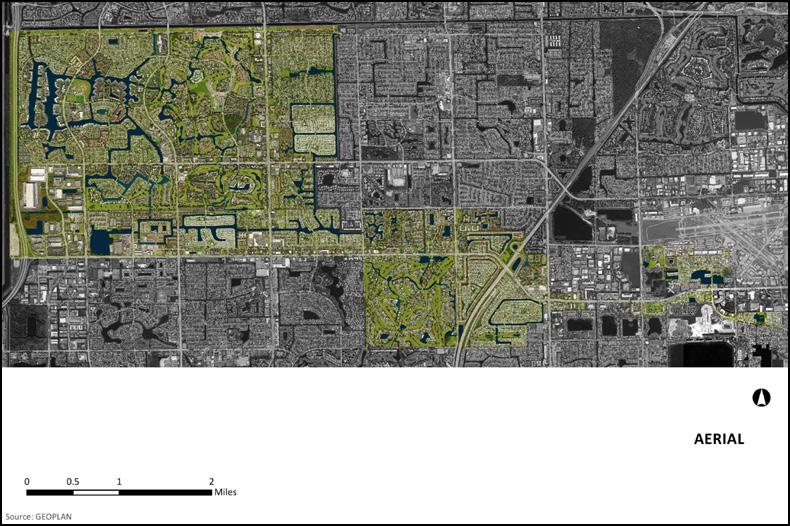
An analysis was conducted using findings the from the US Census Onthemap data. This data utilizes all worker profile data in the US Census Bureaus databases to create commute and work models for each municipality to determine the employment sectors contributing to the City’s economic growth. The majority of employment is made up by the Health Care and Social Assistance sectors (20%), followed by Retail Trade (14%), Transportation and Warehousing (13%), and Wholesale Trade (11%). In view of the number of jobs supported in the industrial sector, the City shall consider preserving its existing industrial land uses and incentivize the location of auxiliary businesses to theses uses, that provide for the protection of existing lower- and middle-income jobs and increase the number of middle- and higher-income jobs.
Table 10.1: Job Counts by NAICS Industry Sector, FY 2021
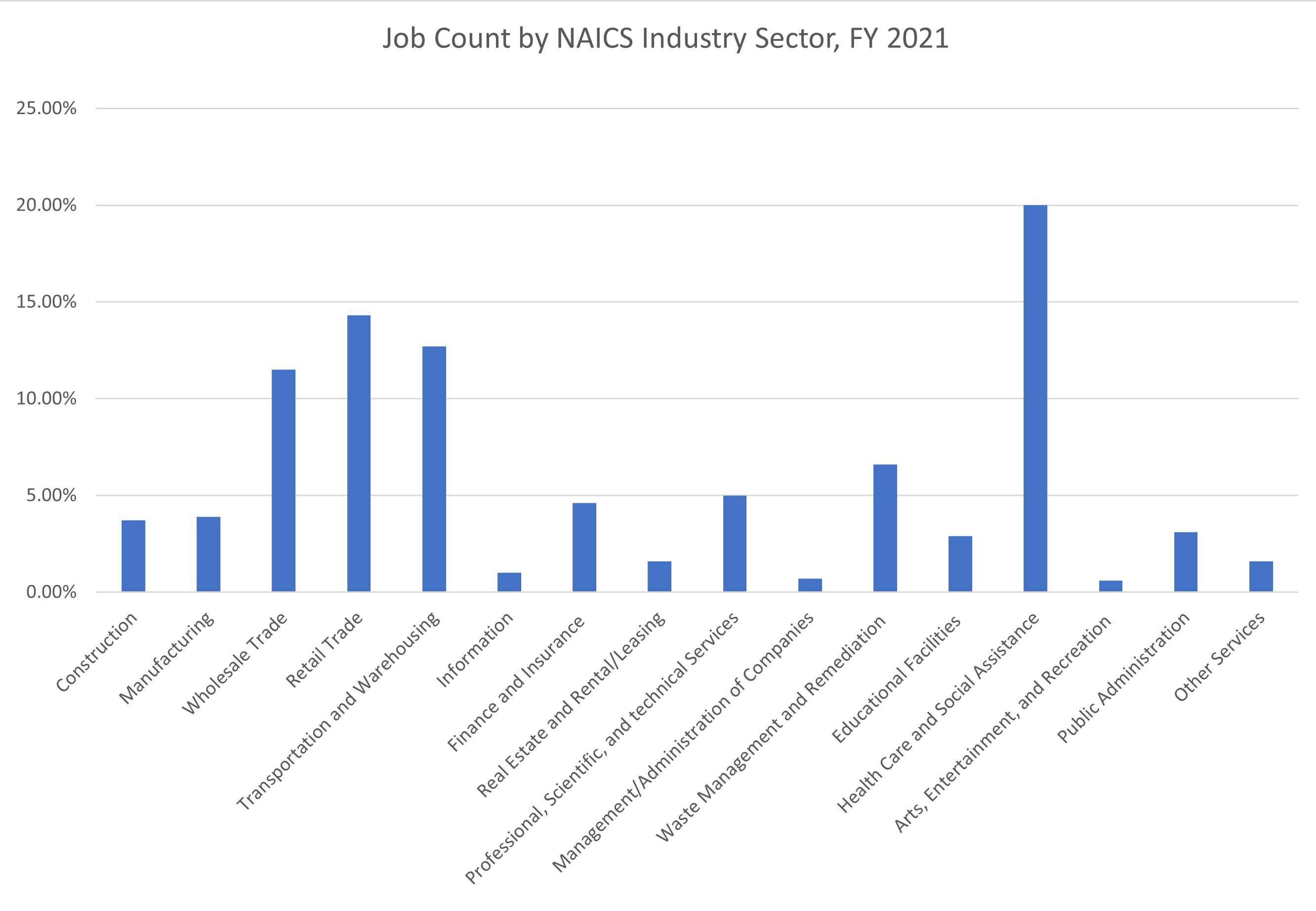
Source: U.S. Census Bureau, OnTheMap Application and LEHD Origin-Destination Employment Statistics
An Inflow/Outflow analysis for all workers in Tamarac for the year 2021, demonstrated that of those employed in Tamarac, 92% live outside the city limits and commute in, while 8% were employed and lived within Tamarac. Of those individuals living outside of Tamarac, almost 40% are commuting into Tamarac from surrounding communities, like Coral Springs (8.4%), Sunrise (5.2%), Fort Lauderdale (4.8%), Lauderhill (4.6%), North Lauderdale (3.5%), Margate (3.4%), Plantation (3.3%), Pompano Beach (3%) and Pembroke Pines (2.8%). Approximately 95% of Tamarac residents commute outside the City to their employment destination. Considering the overwhelming majority of residents commute outside the City to work, the City shall support regional mass transit efforts, like bus rapid transit lanes or light rails connecting the city with other major employment regions, and also facilitating access to jobs within Tamarac.
Map 10.2: Inflow/Outflow Counts of Private Primary Jobs for Selection Area (All Workers), FY 2021
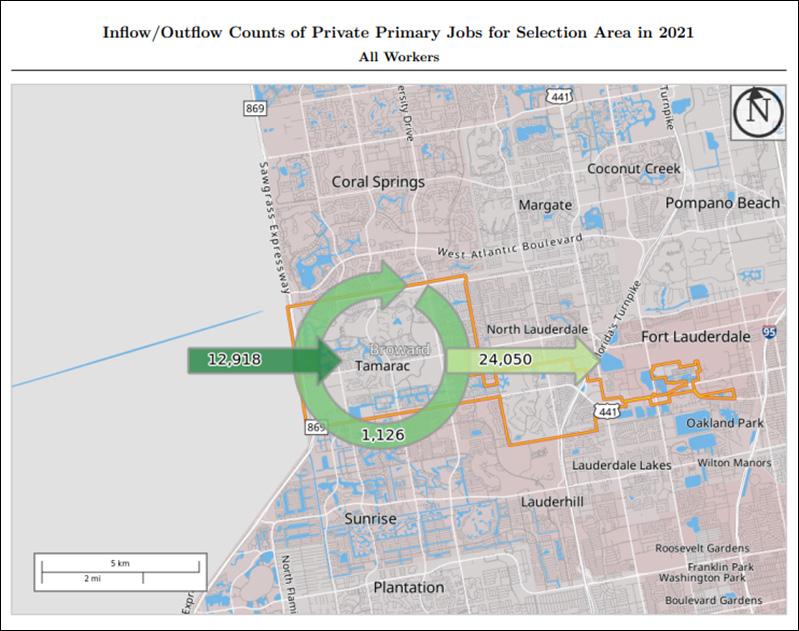
Source: U.S. Census Bureau, OnTheMap Application and LEHD Origin-Destination Employment Statistics
To diversify employment opportunities, the City can encourage investment in its Opportunity Zones. Opportunity Zones are an economic development tool that allows people to invest in distressed areas in the United States. A portion of two census tracts (Census Tract 12011050310 and Census Tract 12011050207) are designated as Opportunity Zones within the City of Tamarac. These same census tracts are also federally designated for the New Market Tax Credit program. A portion of Tamarac’s Opportunity Zone is within the Four Corners Shopping District Redevelopment Area. This retail center is an important shopping destination and gateway to Tamarac. The marketing analysis in the 2014 Commercial Arterial Redevelopment Study identified demand at Four Corners would support additional commercial development.
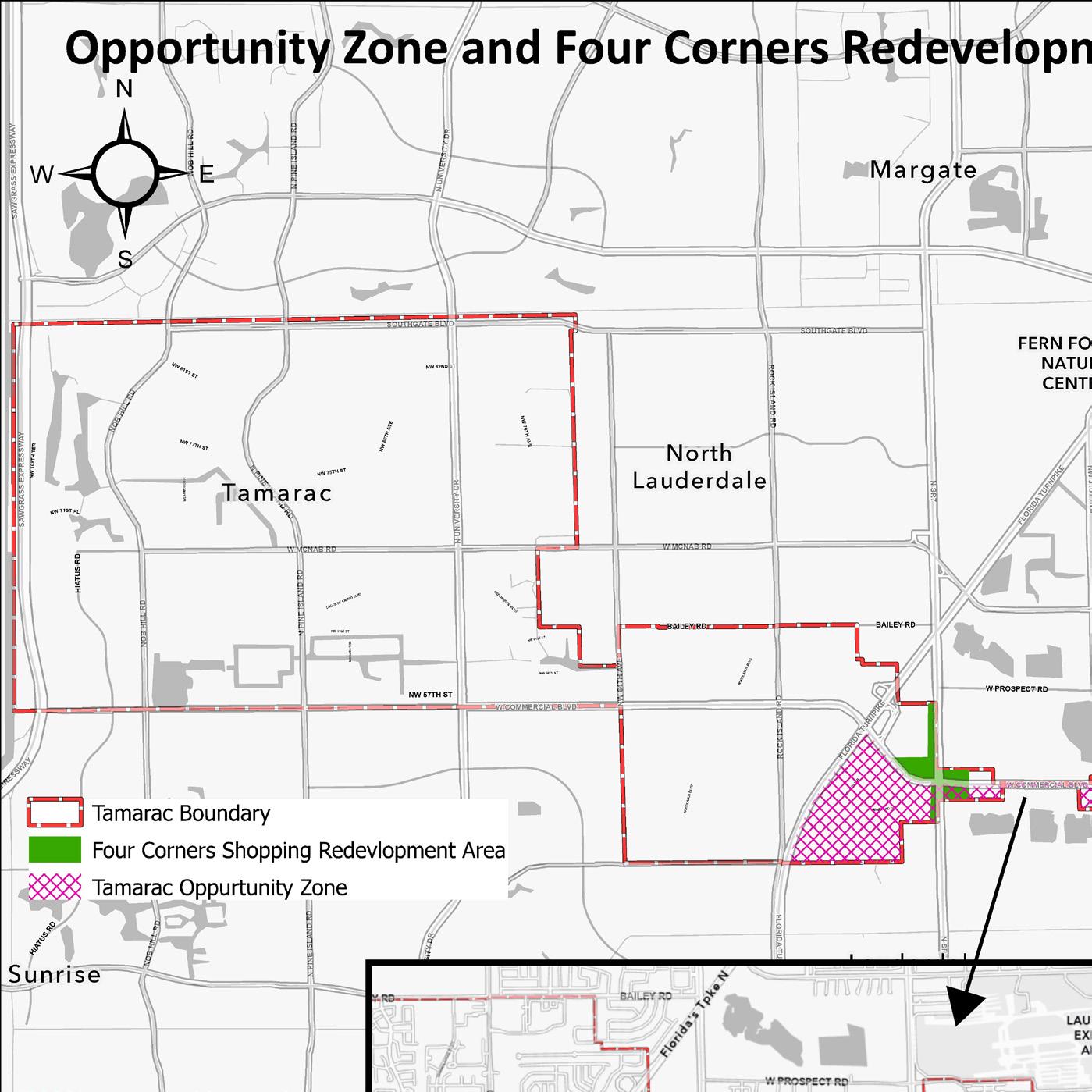
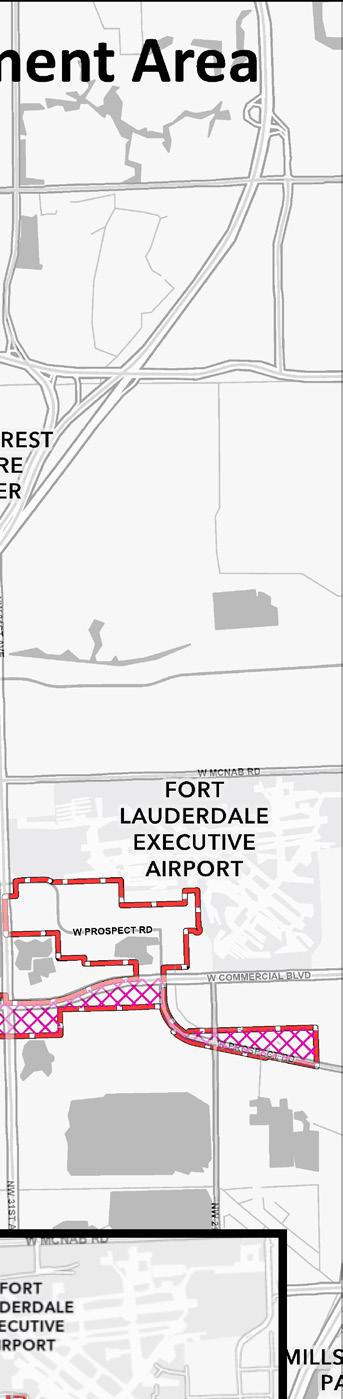
Since the study was published, hundreds of new additional residential units have been built in this area; creating more demand and an untapped opportunity for commercial investment.
A preliminary review of the census tracts identified as disadvantaged by the Federal Justice40 Initiative was also prepared. This initiative introduced by the Biden Administration has a goal that 40 percent of the overall benefits of certain Federal investments flow to disadvantaged communities that are marginalized, underserved, and overburdened by pollution. The categories of investment include clean energy and energy efficiency, clean transit, affordable and sustainable housing, training and workforce development, and remediation and reduction of legacy pollution. The program is intended to help confront decades of underinvestment in disadvantaged communities.
In Tamarac, five census tracts were identified to be disadvantaged. Of these, only one was solely composed of land within Tamarac’s jurisdiction, the remaining four tracts are composed by Tamarac and bordering municipalities. Within the tracts identified as disadvantaged, there were concerns with diesel particulate matter exposure, housing burden, and linguistic isolation. Only 2 of the 5 tracts indicated that there were individuals within the federal poverty line.
Map 10.4: Justice40 Initiative - Disadvantaged Census Tracts
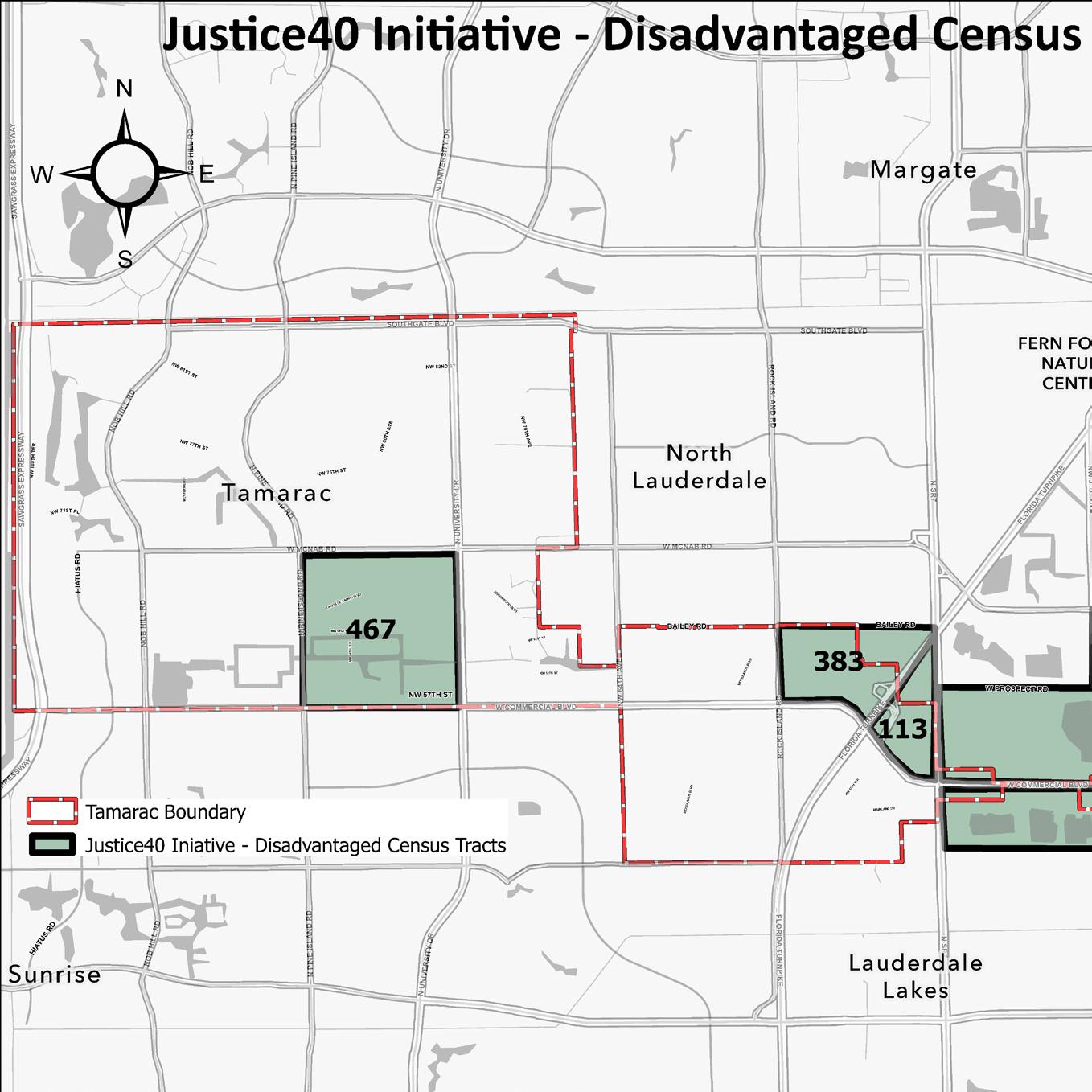
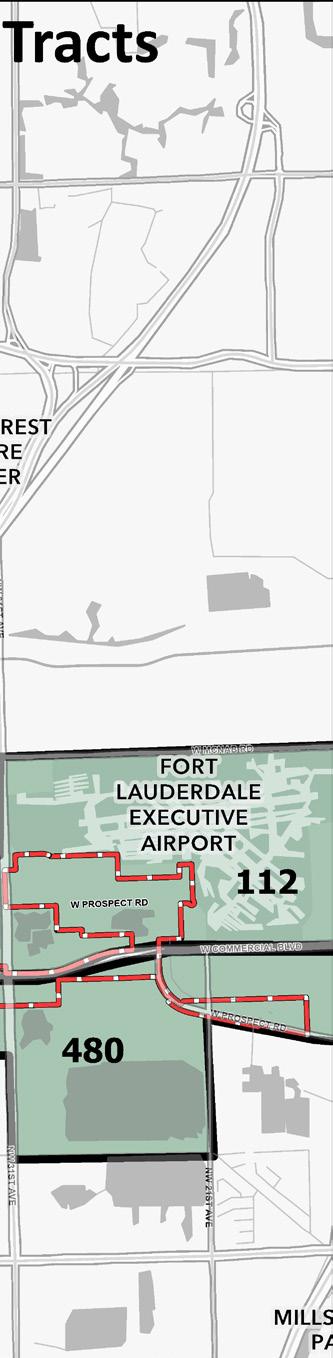
Table 10.2: Justice40 Initiative - Disadvantaged Census Tracts (Selected Categories)
The City’s future economic development requires a closer look at its identity. The City has a brand that can be repurposed as to what makes “Tamarac” a great place to live. However, it may need to consider how that brand really plays towards the live, work, play component that it seems to want for its identity, as in reality, Tamarac is not a retail destination and does not contain any true lifestyle centers, and may consider that in its future approach.
The City of Tamarac’s 2018-2022 Economic Development Strategic Plan determined that there are three strategic areas. Each of these strategic areas have their own unique marketing, economic development, urban design, and land use principles. These key areas include:
• Nouveau Quarter (the northeast corner of University Drive and Commercial Boulevard).
• University Medical Mile (within the vicinity of University Hospital).
• Four Corners Shopping (the northwest corner of 441 and Commercial Boulevard and its environs).
Expanding on the study’s findings, the City has created areas designated as mixed-use corridors in key areas of the City. The City will promote these mixed-use corridors by designating Community Redevelopment Areas (CRA). The following are the regions of the City with the highest potential to benefit from redevelopment, with their boundaries and proposed land uses.
Map 10.5: Potential Community Redevelopment Areas
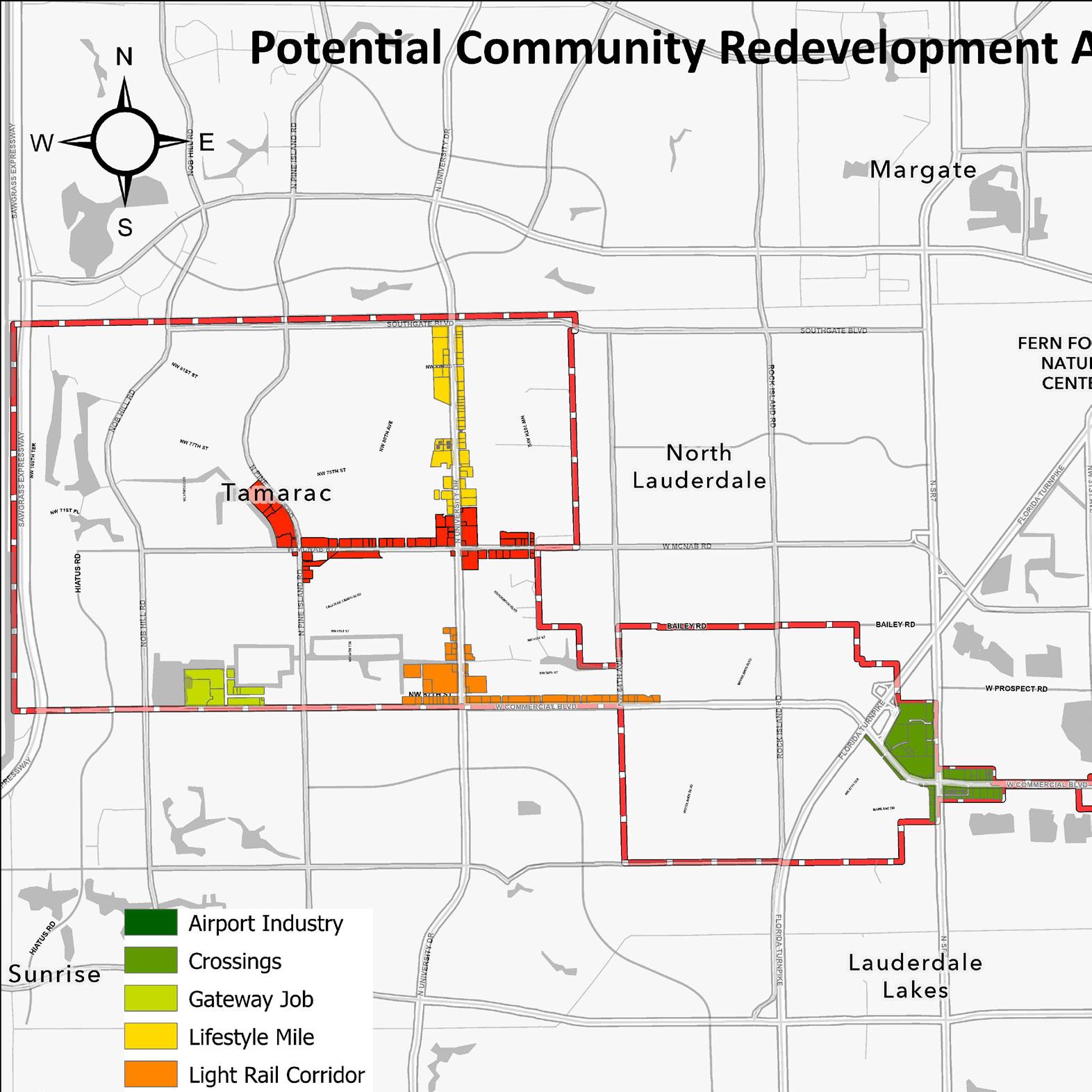
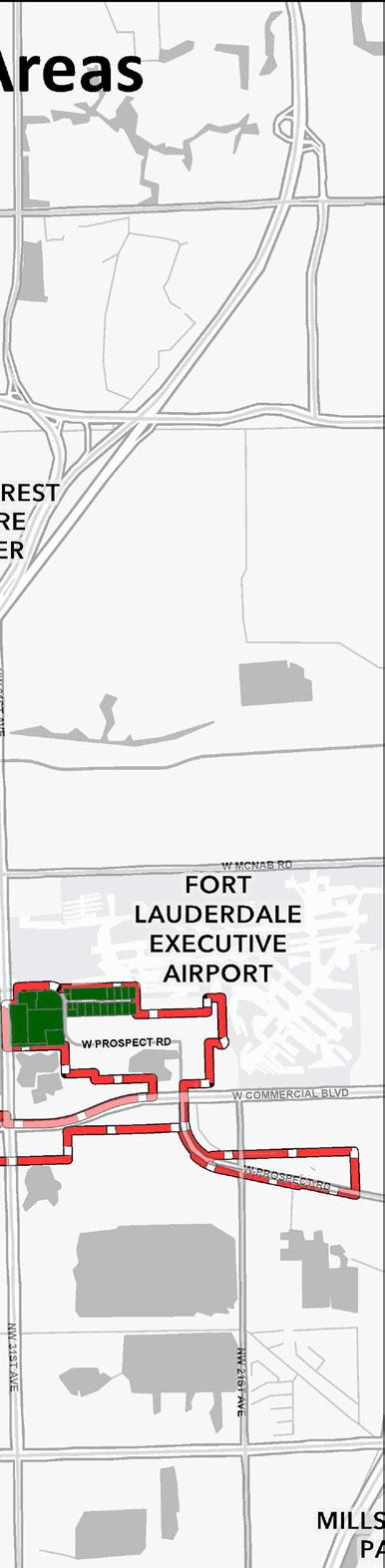
The Main Street Redevelopment Area is located along W McNab Road from NW 70th Avenue to N Pine Road. This district is comprised of approximately 141 acres of land in the residential core of the City. This district will encourage a seemliness transition from the high-rise buildings of the adjacent Lifestyle Mile into mixed-use mid-rise structures that showcase a small-town feel. The emphasis on open space and parks in the Lifestyle Mile will be complemented in this district through extensive landscaping requirements that promote a strong urban canopy. Streets leading into McNab Road will adhere to complete street design criteria with walkability in focus.
The Lifestyle Mile Redevelopment Area is located along University Drive between NW 72nd Street and the City line at Southgate Boulevard. This district is made up of approximately 98 acres. This district will promote mid to high-rise mixed-use developments that promote a strong sense of community. Developments will be separated by public parks and green spaces that offer residents and visitors respite from the heat, places to gather, farmers markets, and more. The streets will include many traffic calming facilities to foster a vision zero environment where micro-mobility options are prevalent.
The Light Rail Corridor Redevelopment Area is located around University Drive where it intersects with Commercial Boulevard and NW 57th Street. This district encompasses approximately 110 acres of land that will be defined by intense commercial activity and moderate to high population densities. This district will develop in a manner that will allow for a potential BRT rail station to be located within. This includes pedestrian safety designs and structures, enhanced setbacks regulations for structures along Commercial Boulevard and NW 57th Street, and emphasizing services that support a transit mobility hub.
The Gateway Job Redevelopment Area is located on the north side of Commercial Boulevard and between NW 94th Avenue. This district is comprised of approximately 56 acres and will be defined by a heavy commercial presence and a low number of residential units. Retail, dining, and lifestyle services coupled with residential structures will be encouraged in this district. Land uses permitted in this district shall be targeted at supporting a potential future transit stop along the proposed Broward Rapid Transit rail service.
The Crossings Redevelopment Area is located at the confluence of State Road 441 and Commercial Boulevard. This is the largest of the Dynamic Districts, with approximately 150 acres of land. This district will capitalize on the heavily traversed intersection of SR 441 and Commercial Boulevard by promoting a mixed-use destination center surrounding the roadways. The area will encourage pedestrian-friendly streetscapes and heavy commercial activity and incorporate transit-oriented developments.
The Airport Industry Redevelopment Area is located east of NW 31st Avenue, north of Commercial Boulevard, and south of the Fort Lauderdale Executive Airport. This district is comprised of approximately 58 acres that will promote an integrated community atmosphere centered around its proximity to the Airport. This district will encourage high population density with an emphasis on lodging and service industry commercial activities.
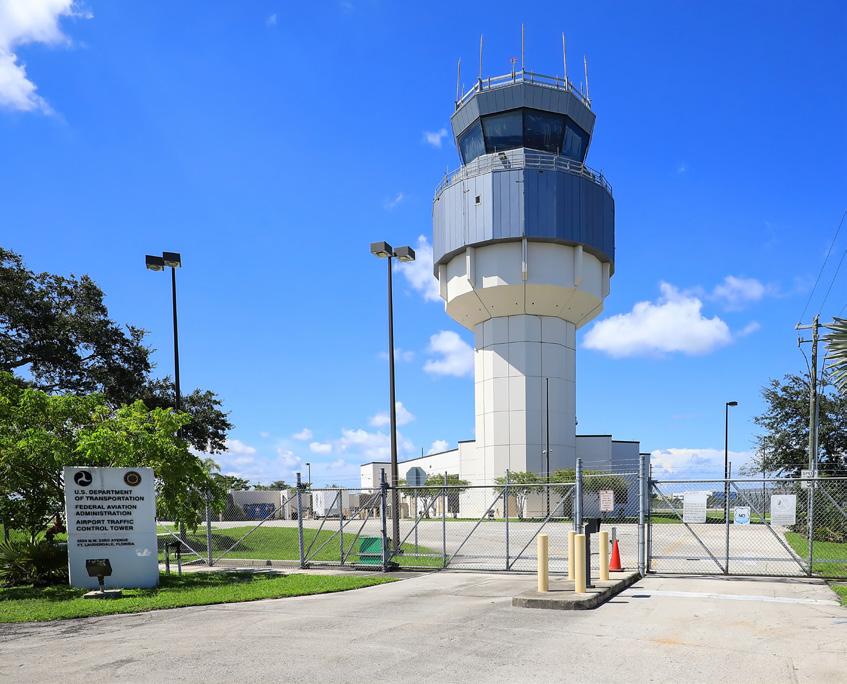
Contributing to the City’s economic development is its livability and attractiveness for the business community to establish in the area. The City of Tamarac was founded by Ken Behring in the early 1960s who envisioned creating an active adult-retiree community that provided the conveniences of a condominium-living in the privacy of a single-family home. Today, the 12-square-mile City is no longer just a retirement destination. With a population that has gotten younger and more diverse over the years, the City boasts a fantastic array of activities and services for people of all ages. In only ten years, the city resident’s median age has dropped from 52.9 to 43.7 years (US Census, ACS, 2021). Additionally, the City has grown more than projected. The 2024 Broward County and Municipal Population Forecast and Allocation Model (PFAM) report projected the 2050 Tamarac population at 78,185. However, based on the U.S. Census 2023 ACS 5-Year Estimates, the city will surpass this estimate by 2030.
The housing stock in Tamarac is predominately made up of single-family homes. Approximately 50% of the housing falls under single-family attached or detached units and the remaining 50% are considered multifamily units. Being a relatively new City, much of the existing housing was built after the 1980s, with many of the modestly-sized residential structures being redeveloped into substantially larger homes containing additional bedrooms. Comparing the findings from the 2010 and 2023 ACS, the trend observed has been a decrease in 1- and 2-bedroom units and an increase in 3- and 4-bedroom units.
As of 2020, the population of Tamarac totaled 71,897 people. The 2023 ACS notes that the average household size in Tamarac is 2.30. In total, there are approximately 34,022 housing units in Tamarac, of which 93% are occupied, and the remaining 7% are vacant (U.S. Census, 2020). Since the 2000 Census, the median value of owner-occupied homes has increased from $95,200 to $264,200, a difference of 94% since 2000.
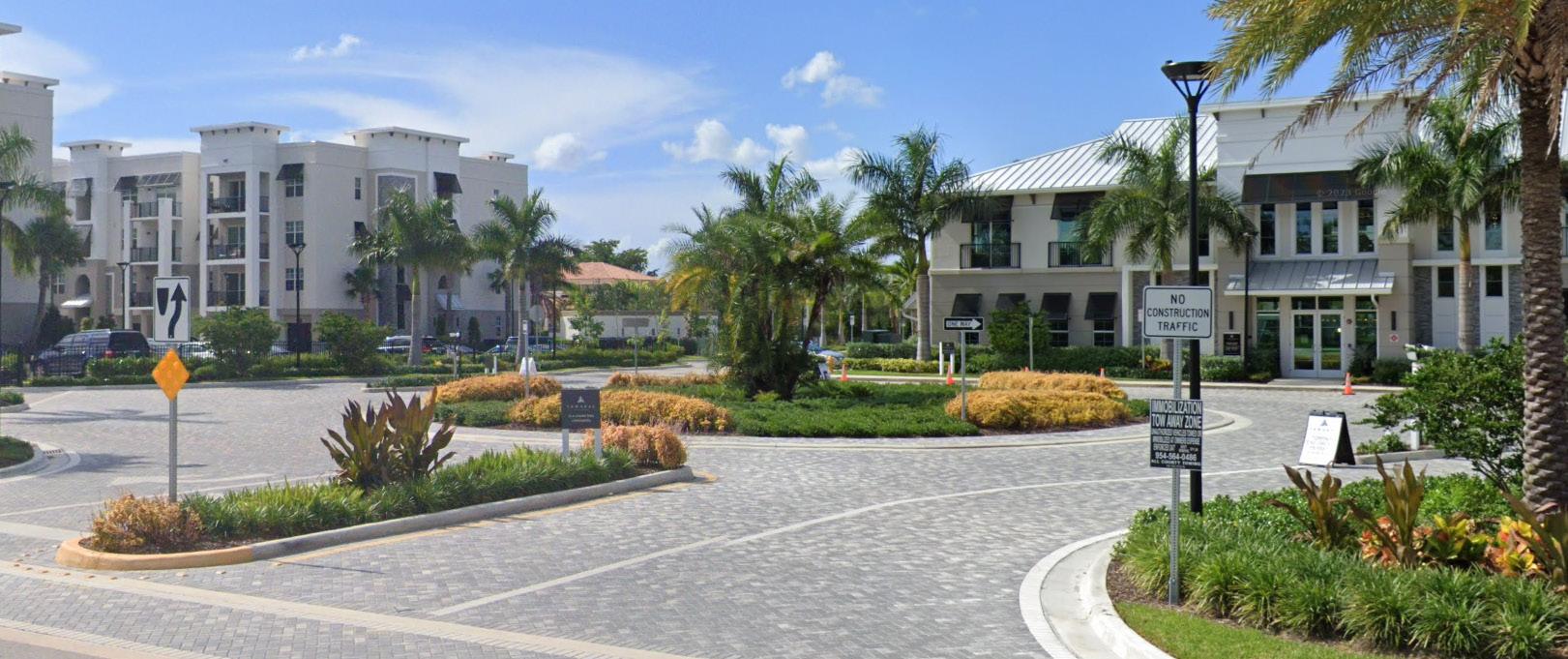
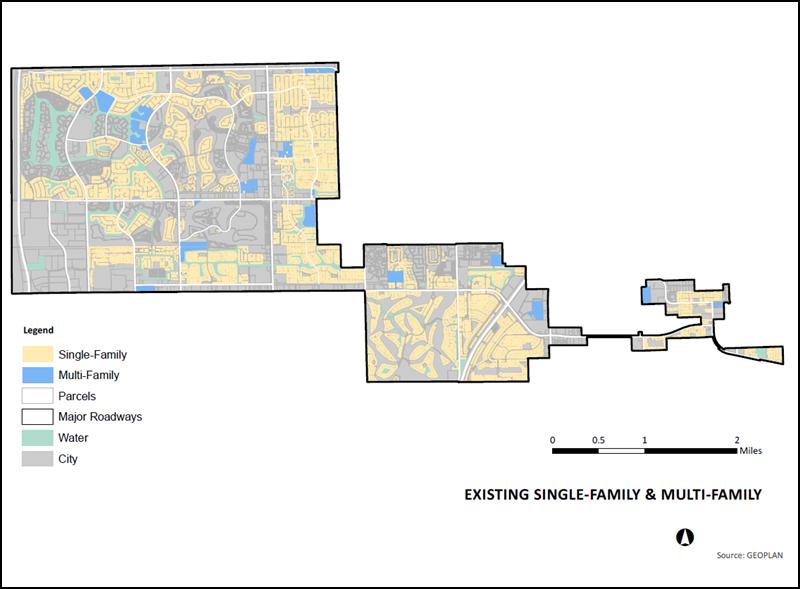
The city has a total land area of approximately 12 square miles. Of that, almost 52% accounts for residential land uses, followed by 26% Miscellaneous, which includes right of ways, drainage or submerged land, and land designated for utilities, The remaining largest land uses categories are parks, recreation and open spaces (8%); commercial (5%) and Industrial uses (3%).
Table 10.4:
The Florida Geographic Data Library (FGDL),2023
The City’s parks, open spaces and recreation areas are a major land use in Tamarac. However, a point of concern raised by residents and recognized by the City, is the limited availability of parks and recreation facilities for users east of Rock Island Road with only two city parks within this area.
A vacant land analysis determined the City of Tamarac is essentially built out, and approximately 1% of the City’s land remains vacant or undeveloped. The City’s future growth will require redevelopment, which is anticipated to first occur in places where leases and covenants are set to expire, followed by redevelopment based on the age of existing housing, with emphasis on major corridors. There are also major parcels throughout the City which may be targeted for future redevelopment as mixed-use sites, including City Hall and Walmart. New hubs at Commercial Boulevard, University Drive and SR 7 are also prime locations for new residential and mixed-use development but may require parcel assembly and infrastructure improvements.
Redevelopment of dated commercial and residential properties can serve as an opportunity to spur economic growth in Tamarac. According to the County’s parcel data from the U.S. Census ACS 1 and 5-Year Estimates, many buildings and structures in Tamarac were constructed during the decade of the 1970s (37.0%) followed by development from the 1980s (28.4%). The number of structures estimated to have been built between 2000 or later only account for 12.9% of total structures. This limited new construction activity reflects Tamarac’s mature development pattern. Future growth in the built environment is expected to come primarily from redevelopment projects, rather than greenfield development.
With the majority of the building stock now over 30 years old, Tamarac has a strategic opportunity to encourage reinvestment and revitalization. Aging structures present potential for adaptive reuse, infill development, and neighborhood enhancement, aligning with the city’s vision for vibrant mixed-use areas and active lifestyle centers. The estimated age of the structures in Tamarac can be seen in Table 10.5.
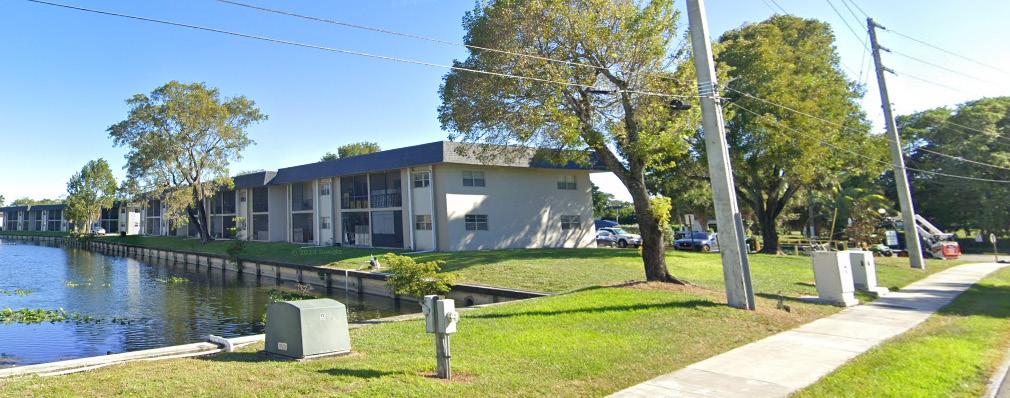
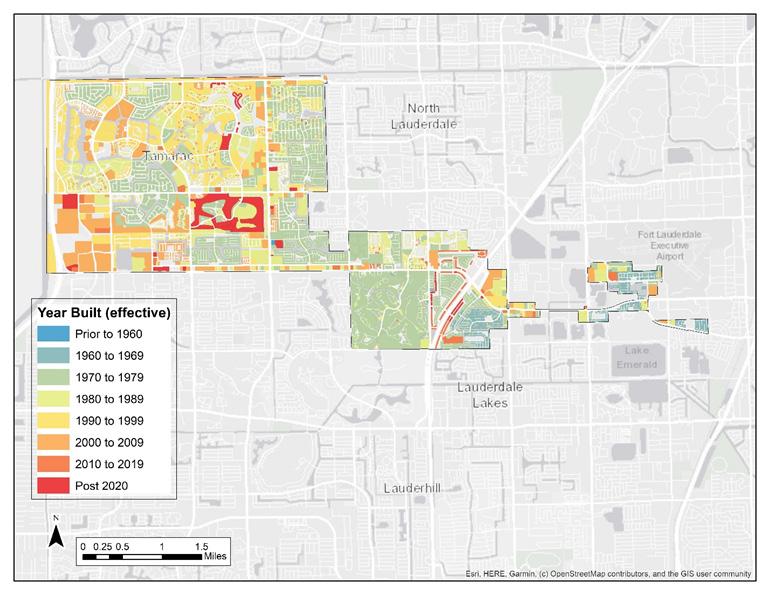
The City of Tamarac is essentially built out but maintains approximately 15% of wetland areas. About 10% are woody or forested vegetation areas, which an example of can be observed at the Woodmont Natural Area. The remaining five percent of wetlands in the City are comprised of 360 acres of riverine habitat contained in natural or artificial water channels. The City of Tamarac also has over 700 acres of public canals and lakes, all artificial and whose principal use is for drainage.
According to the FEMA Flood Insurance Rate Maps (FIRM), over 93 percent of the City of Tamarac lies within the AH zone, 4 percent lies in the X zone, and 3 percent lies in the AE zone. The Federal Emergency Management Agency (FEMA) has determined that the City of Tamarac has achieved a Class 6 rating in the National Flood Insurance Program’s (NFIP) Community Rating System (CRS). Only 16%
of communities in Florida are Class 6 or better. This means that NFIP policies issued or renewed for properties in the Special Flood Hazard Areas (SFHAs) in the City of Tamarac, may receive premium discounts.
The City has been a leader in combating flooding. It has also been recognized for its environmental and green initiatives. The City of Tamarac is officially certified by the Florida Green Building Coalition as a Florida Green Local Government.
The City of Tamarac roadway system can be divided into two, an internal access circulation made up of local roads, and an external circulation that links Tamarac with other communities. The roadways in the City of Tamarac, are subject to the adopted Level of Service (LOS) Standards set by Broward County’s Transit Oriented Concurrency Management System. All of Tamarac lies within the North Central and Central District. However, the FDOT establishes the level of service for the Sawgrass Expressway and the Florida Turnpike. The standard Level of Service established by Broward County and the FDOT requires a minimum LOS of D for all roadways within Tamarac.
The Florida Department of Transportation is the governing entity for the classification of roadways. The classifications are categorized as local, minor collector, major collector, minor arterial, principal arterial, and expressways. The City contains three principal arterial roads: Commercial Boulevard and McNab Road provide east to west access, while University Drive provides north to south circulation. Minor Arterials in Tamarac provide north to south access, including: Hiatus Road, Nob Hill Road, Pine Island Road, and Rock Island Road.
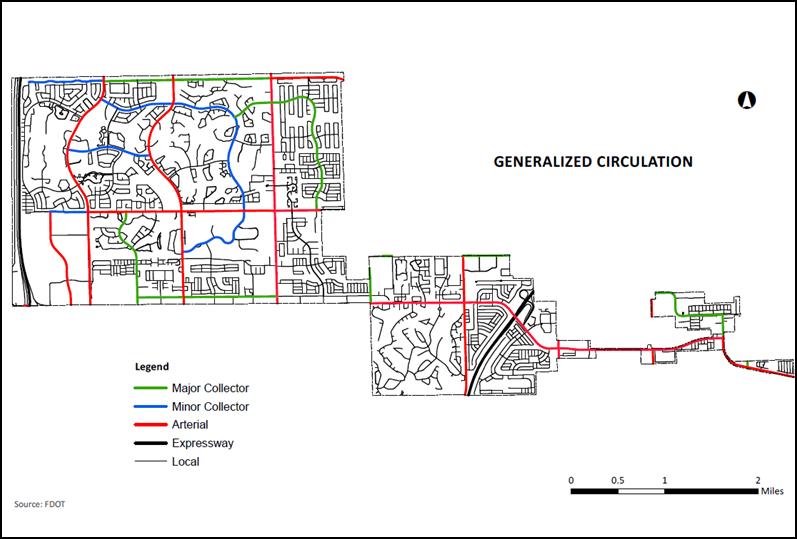
services. The Paratransit service offers transportation to physically challenged residents, seniors 55 years of age and older, and City residents who cannot use the City of Tamarac Transit System. A community shuttle, the Red and Red Extension Routes, provides connectivity within Tamarac from State Road 7 to Nob Hill Road.
The Community Shuttle is provided through a partnership between the City of Tamarac and Broward County Transit. No fares are collected; however, riders making connections to BCT routes are expected to pay the appropriate fare. In 2019, the Tamarac public transit system served over 65,000 passengers. However, due to the impacts of COVID-19, the total route miles were reduced, and ridership dropped by almost half to 31,520 passengers in 2021. Supporting the City’s transit system is Broward County Transit, with several bus routes connecting the City with other areas of Broward County, including routes 62, 88, 2, and 19.
The City also provides an expansive and growing pedestrian and bicycle facilities connecting the city residents to various areas. The map below highlights Tamarac’s existing multimodal facilities.
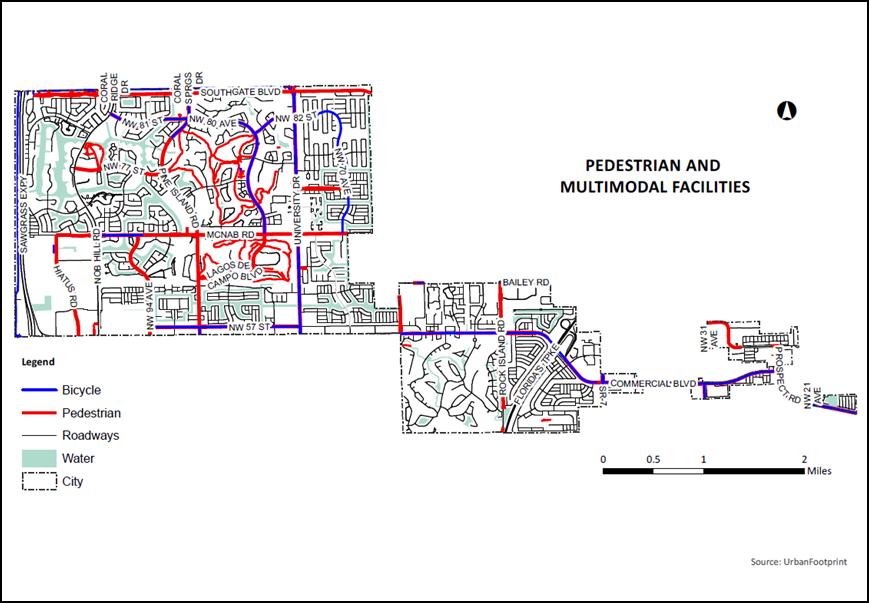
the eastern service area. An area of 38 acres, between 31st Avenue and State Road 7, is served by Broward County Utilities. Tamarac is responsible for the development, expansion, and maintenance of the wastewater collection and transmission system, including sanitary sewers and septic tanks.
The City of Tamarac has two wastewater service areas: the Western and the Eastern Service Areas. The Broward County North Regional Wastewater Plant in Pompano Beach serves the Western Service Area. The Eastern Service Area is serviced by the City of Fort Lauderdale’s G.T. Lohmeyer Wastewater Treatment Plant through a contractual agreement with the City of Tamarac.
Broward County has two resource recovery plants for municipal waste, with an adequate and committed collection and disposal system for existing and future development. The City maintains service agreements with private companies for solid waste collection for single-family residences and multi-family units. Other private companies with franchise agreements with Tamarac provide commercial, industrial, and rental unit services.
In preparation for increased demand on the city’s water systems from large redevelopment projects, the City will invest in its ability to increase its water capacity and treatment capabilities. In addition, the City is exploring the use of separating grey water for irrigation to better save treated water.
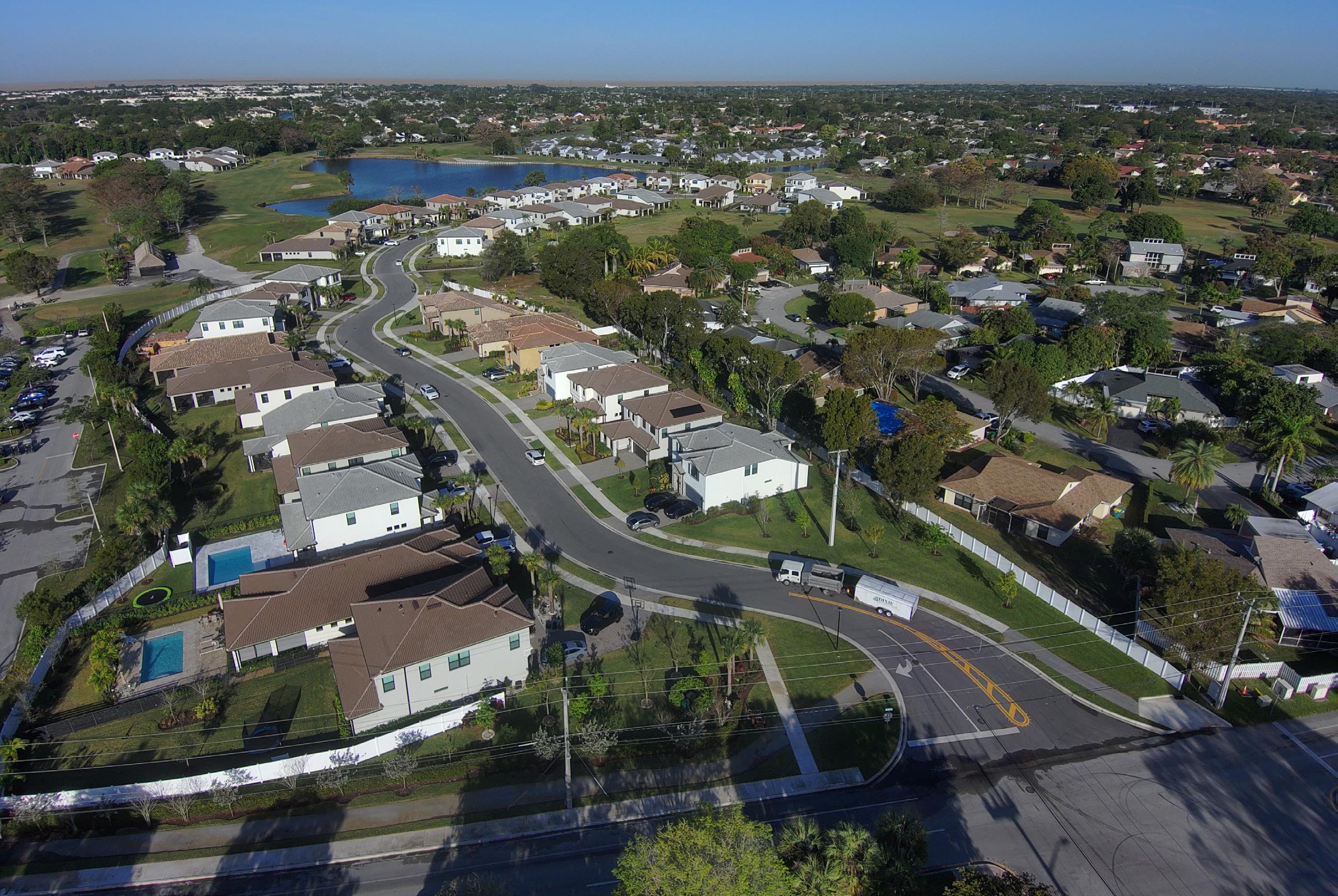
On July 1, 2021, CS/CS/CS/HB 59 was signed into law by the Governor, introducing several provisions including a requirement outlined in Section 163.3177(6) of the Florida Statutes (2021). This requirement mandates that each local government incorporates a “Property Rights Element” into its comprehensive plan to ensure due consideration of private property rights in local decision-making processes. The law stipulates that local governments must integrate this Element into their comprehensive plans either upon the adoption of their next proposed plan amendment initiated after July 1, 2021, or during the subsequent evaluation and appraisal of their comprehensive plan as per s. 163.3191.
In alignment with state law, the city aims to adhere to these requirements by adopting a new Private Property Rights element as outlined in the legislation. The City Council and staff have determined that the incorporation of this element is essential and serves the best interests of the public health, safety, and welfare of the City.
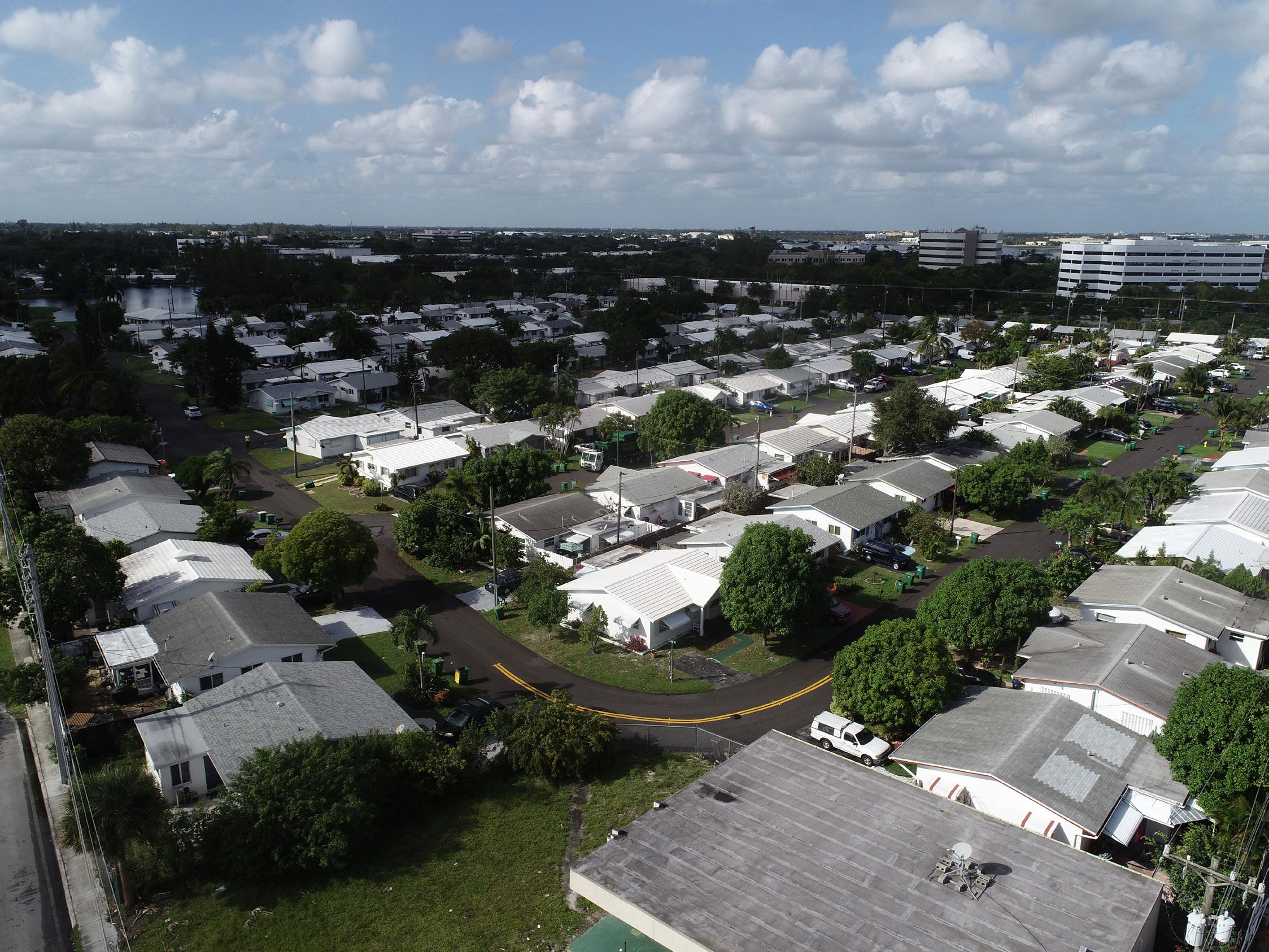
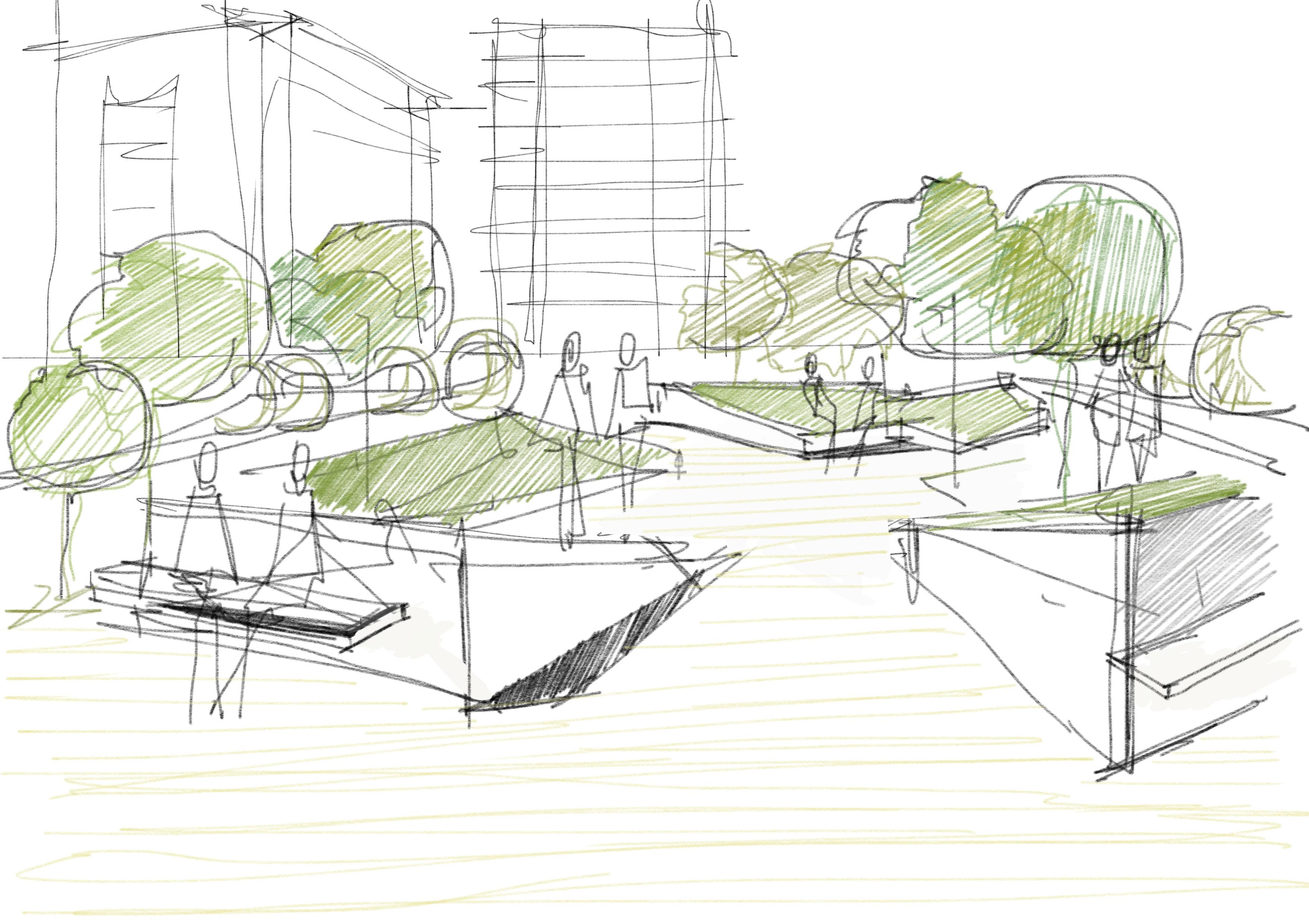
Map 12.1: City of Tamarac Zoning Map..........................................................1
Figure 12.1: Rendering of Future Redevelopment of Tamarac...............................2
Figure 12.2: Rendering of Massing and Design for Development of New Multifamily Housing...............................................................................................3
Figure 12.3: Getting Around Tamarac as Seen in MOVE TAMARAC...........................4
Figure 12.4: Rendering of Enhanced Pedestrian Paths........................................4
Figure 12.5: Rendering of Redeveloped Corridor Emphasizing Pedestrian-Scaled Development and Amenities.......................................................................5
Figure 12.6: The Site-Specific Redevelopment Will Support Mixed-Use and Activity Center Developments...............................................................................5
Figure 12.7: Rendering of New Recreational Spaces with Design Principles that Support Stormwater Management................................................................6
Figure 12.8: Ongoing Initiatives to Bridge The Gaps in The Current Non-Motorized Transportation Networks Can be Enhanced by Incorporating Health and Wellness Amenities, as Well as Cooling Areas Designed to Provide Relief and Enjoyment for People of All Ages...................................................................................7
A city’s identity is a rich tapestry woven from its history, culture, architecture, streetscapes, tree canopies, public spaces, and art. These elements combine to create a unique sense of place—a cornerstone of any city’s success. Cities that achieve this balance attract residents, visitors, and businesses by offering a memorable and deeply resonant experience.
The City’s Land Development Code establishes standards that regulate the physical layout and design of all developments within Tamarac, ensuring the protection of health, welfare, safety, and quality of life for all citizens, businesses, and visitors. These provisions address the physical relationships between development and adjacent properties, public rights-of-way, neighborhoods, and the natural environment, implementing the comprehensive plan’s vision for the community.
The City’s zoning map (Map 12.1) highlights its emphasis on housing and recreational spaces, strategically complemented by conveniently located commercial corridors along major intersections.
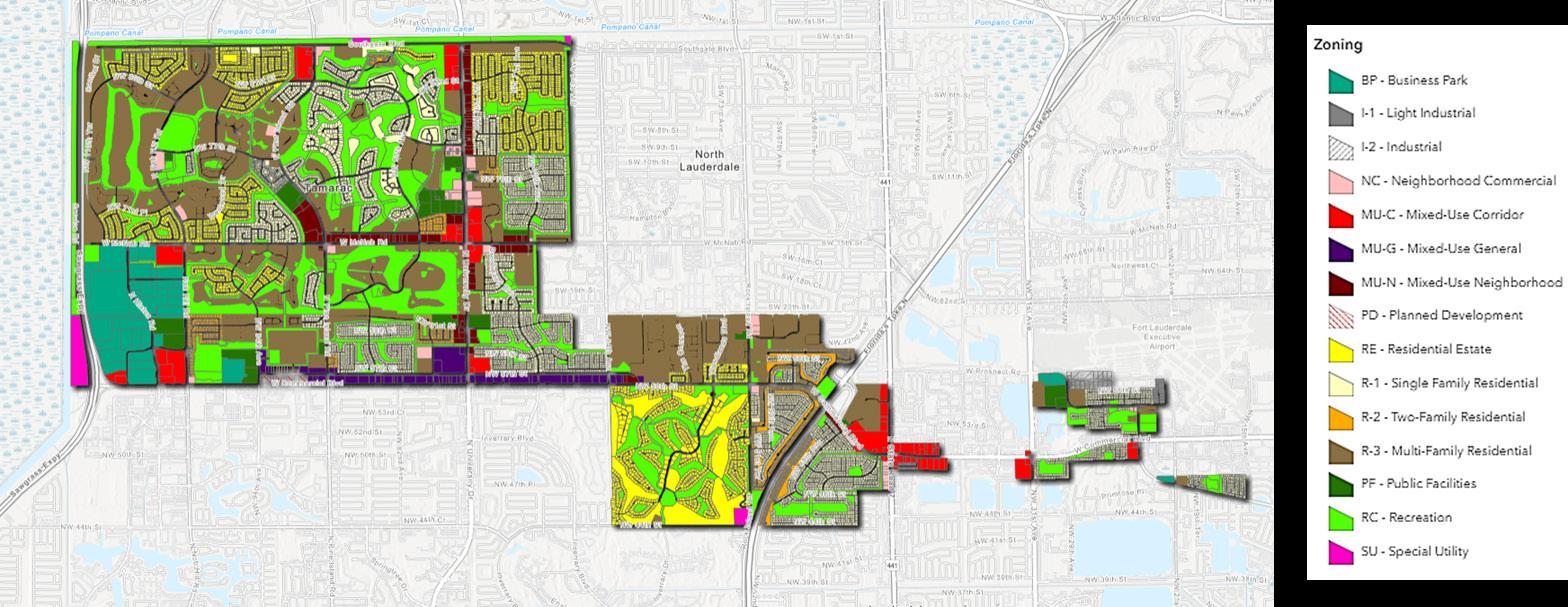
The City of Tamarac, Florida, exemplifies the harmony of suburban tranquility and urban vibrancy due to its strategic location in the heart of Broward County. Its thoughtfully designed neighborhoods, lush green spaces, and thriving commercial corridors reflect Tamarac’s commitment to connectivity, sustainability, and inclusivity. Founded in 1963 by Kenneth Behring as a retirement haven combining condominium convenience and shared recreational spaces with the privacy of single-family housing, Tamarac has grown into a multigenerational community of over 74,000 residents, 35,000 housing units and 13 parks (soon to be 14).
This growth reflects a deliberate balance between residential, commercial, and recreational spaces, fostering a dynamic yet harmonious environment. Whether settling as a young family or retiring, Tamarac’s appeal is undeniable. While the City’s housing stock predominantly consists of single-family homes built in the 1980s, redevelopment efforts are introducing modern construction and helping to reduce vacancy rates compared to the county average.
Currently, approximately 50% of the housing comprises single-family attached or detached units, while the remaining 50% are multifamily units. A comparison of findings from the 2010 and more recent 2021 American Community Survey reveals a notable trend: a decrease in 1- and 2-bedroom units and an increase in 3and 4-bedroom units. This development trend aligns with the younger and more diverse demographic shift observed over the past decade among Tamarac’s population, suggesting that younger and larger families are now settling in Tamarac. In contrast, in the past, it was primarily older retirees with smaller household sizes.
A vacant land analysis determined that the City of Tamarac is essentially built out, with only 1% of the City’s land remaining vacant or undeveloped. Future growth will require redevelopment, anticipated to occur first in areas where leases and covenants are set to expire, followed by redevelopment based on the age of existing housing, with emphasis on major corridors.
Significant parcels throughout the City, such as City Hall and Walmart, may be targeted for mixed-use redevelopment. New hubs at Commercial Boulevard, University Avenue, and SR 7 are also prime locations for residential and mixed-use development but may require parcel assembly and infrastructure improvements.
Looking ahead, the City envisions the redevelopment of properties along its major corridors, such as Commercial Boulevard, to include greater density, proximity to transportation, and a mix of uses. Figures 12.1 and 12.2 illustrate this vision, showcasing potential redevelopment designs that aim to reduce vehicle miles traveled, provide better access to services, and encourage the establishment of employment opportunities within these mixed-use areas.
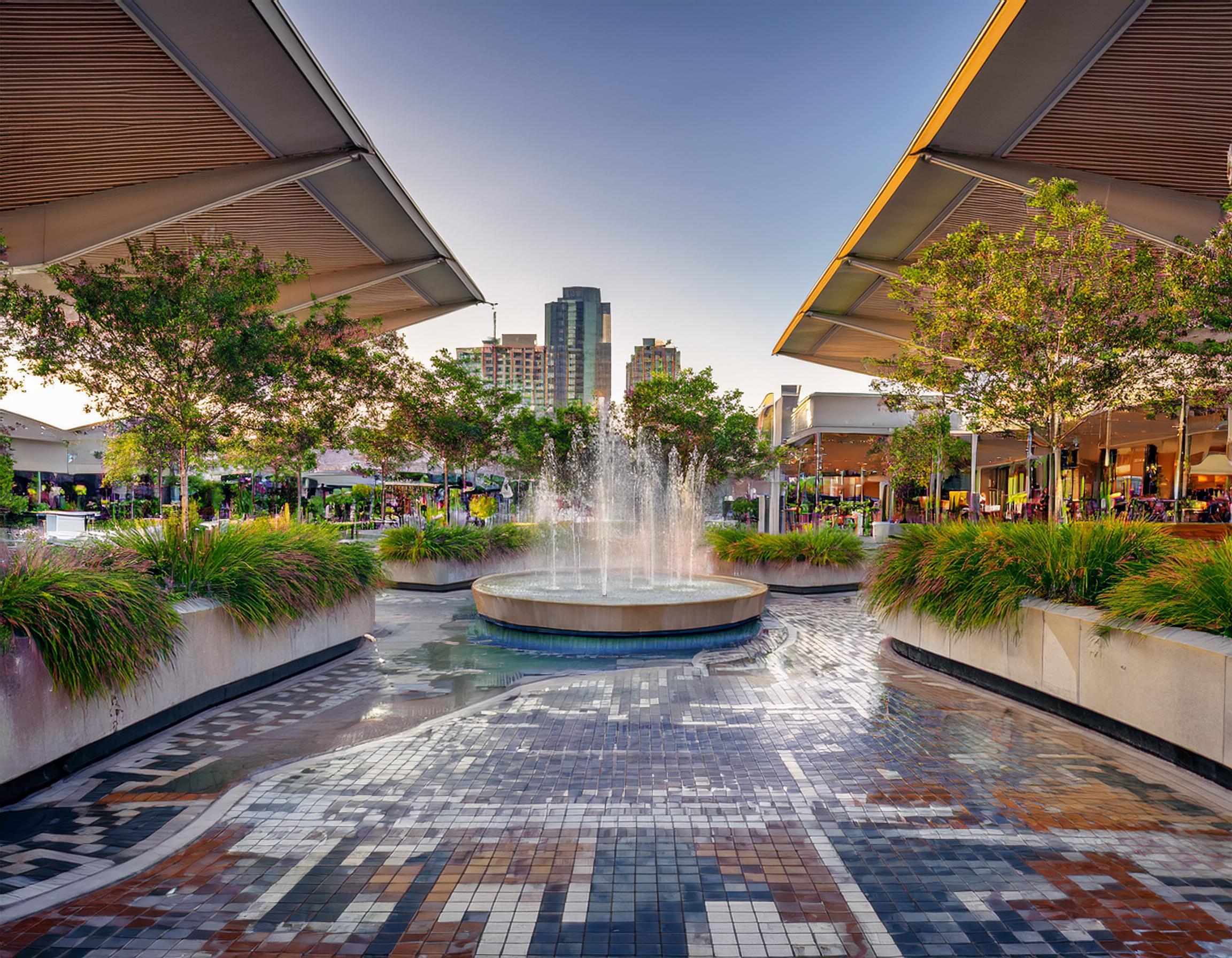
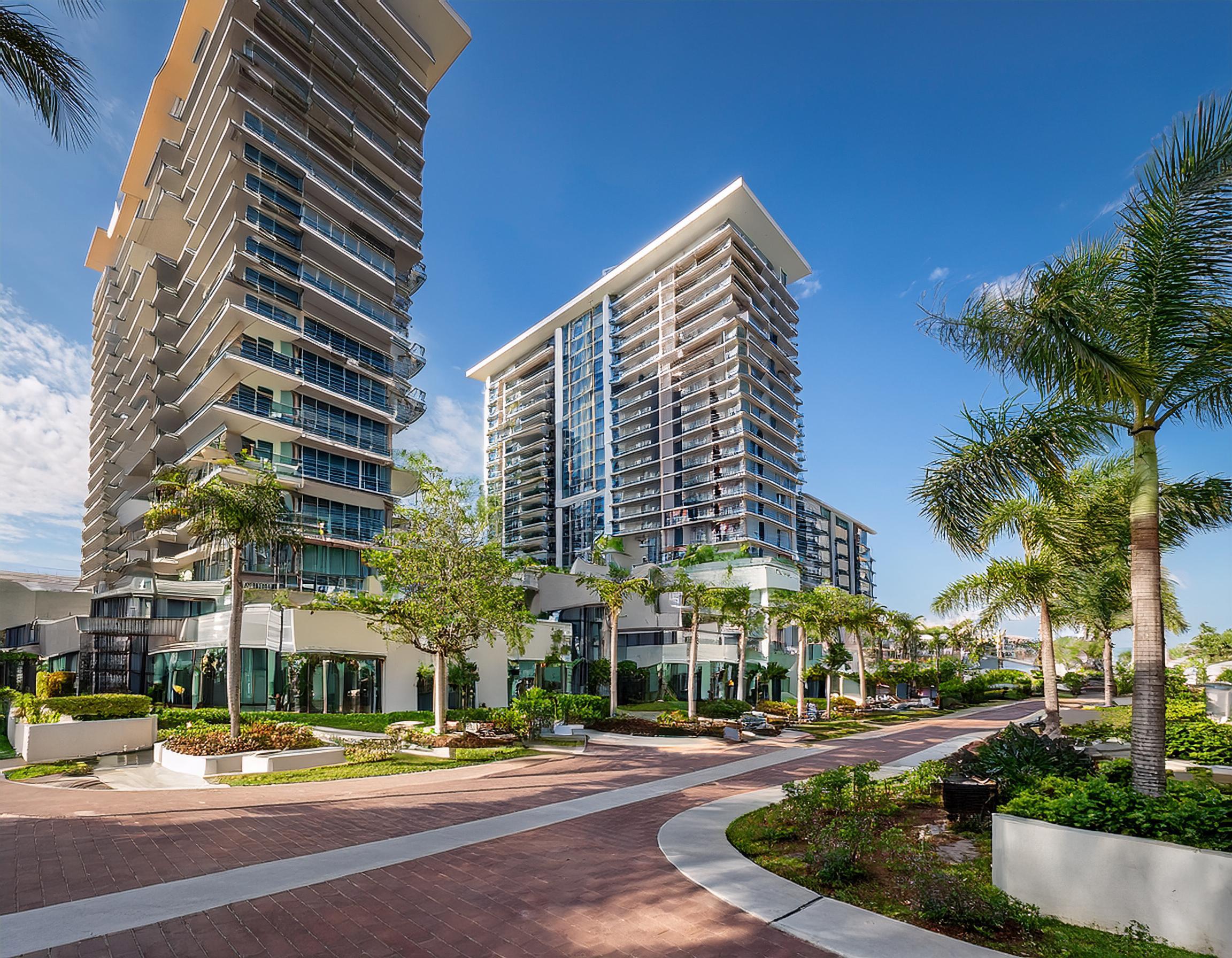
Urban design lies at the heart of Tamarac’s identity, with each planned community uniquely reflecting its design characteristics. A renewed focus on connectivity enhances these spaces, ensuring they serve as vibrant and functional hubs for the community. As sites are redeveloped to accommodate greater density and height, these efforts are complemented by investments in public space improvements.
The City’s recently adopted MOVE TAMARAC Mobility Plan underscores its vision for vibrancy and sustainability by prioritizing various transportation initiatives tailored to the different modes of travel throughout Tamarac, as illustrated in Figure 12.3.
These prioritized modes include:
• Connectivity: Seamlessly linking parks, schools, commercial hubs, and transit nodes.
• Safety: Implementing inclusive and secure infrastructure for all road users.
• Accessibility: Offering equitable mobility options to enhance access to jobs, recreation, and services.
• Resilience: Incorporating green infrastructure and climate-adaptive practices for long-term sustainability.
• Economic Vitality: Encouraging mixed-use developments to stimulate local growth while enhancing public spaces.
Enhanced corridors, expanded tree canopies, and vibrant streetscapes are central to Tamarac’s efforts to foster a strong sense of belonging. Figure 12.4 provides an example of how these corridors can evolve as part of the mobility network, showcasing pedestrian paths enhanced with wider sidewalks and an expanded canopy cover from large trees.
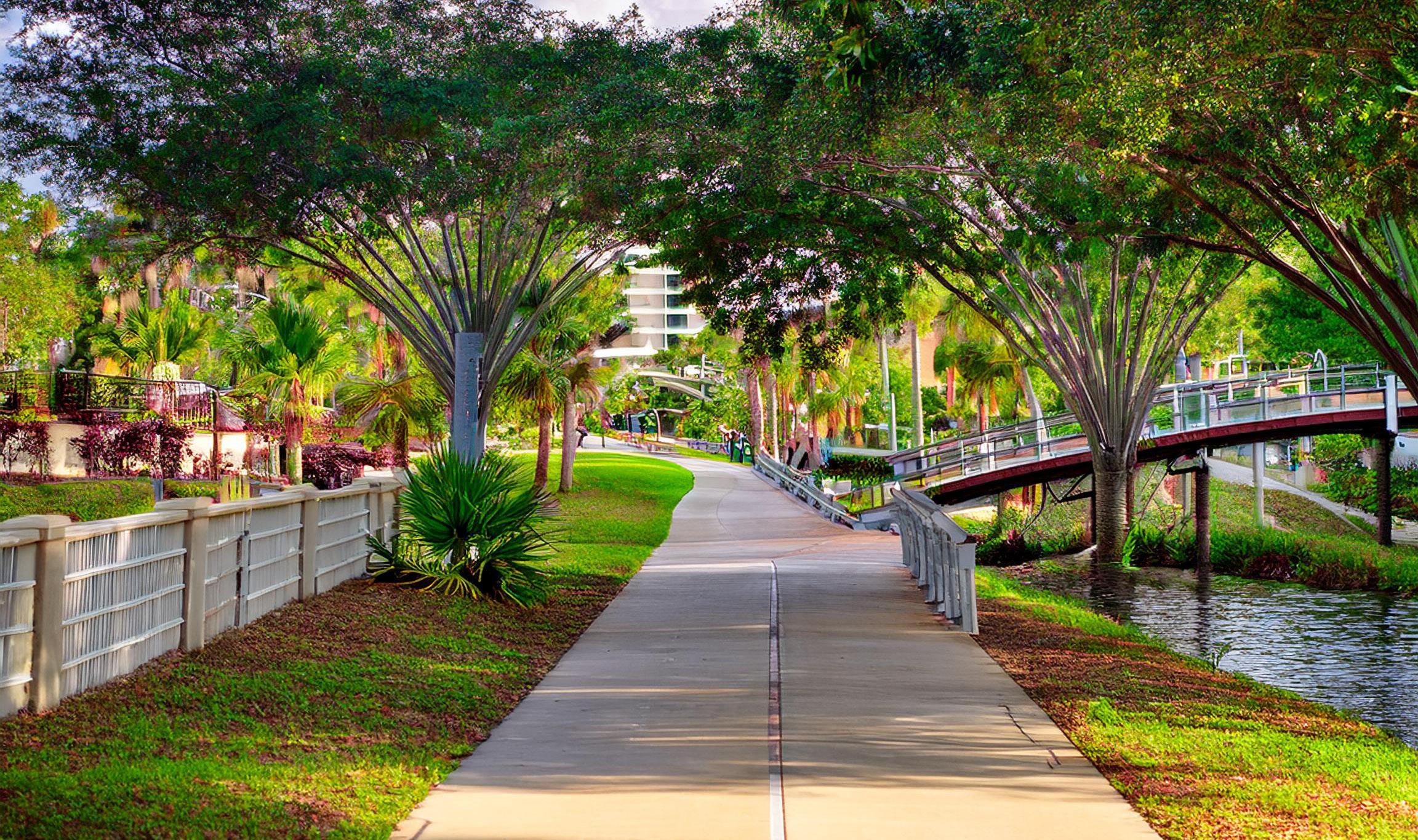
Mixed-use developments, as illustrated in Figures 12.5 and 12.6, integrate buildings closer to street edges to promote walkability, reduce automobile dependency, and create safer pedestrian environments. These developments also enhance the public realm with amenities that redefine public spaces, foster economic growth, and generate vitality.
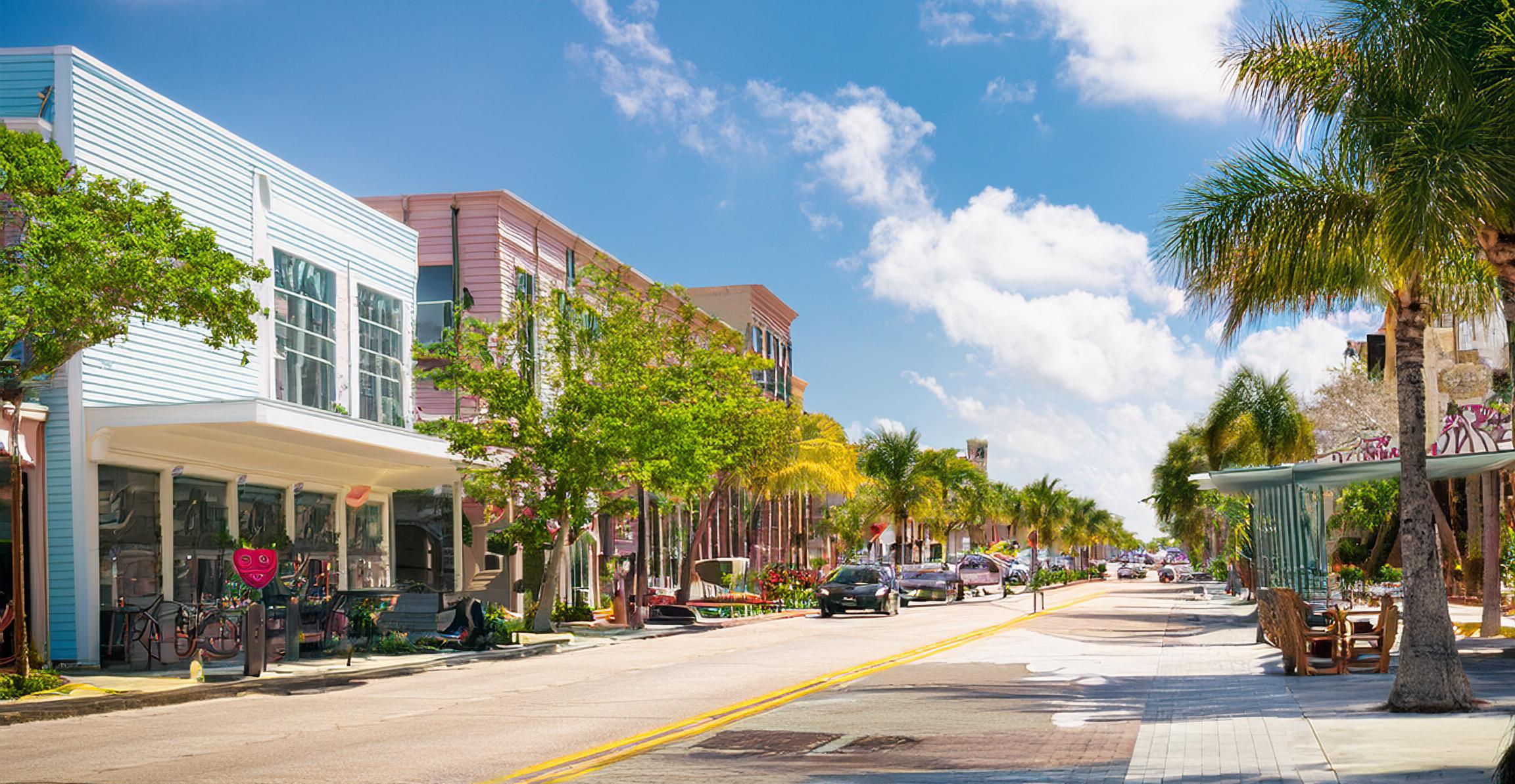
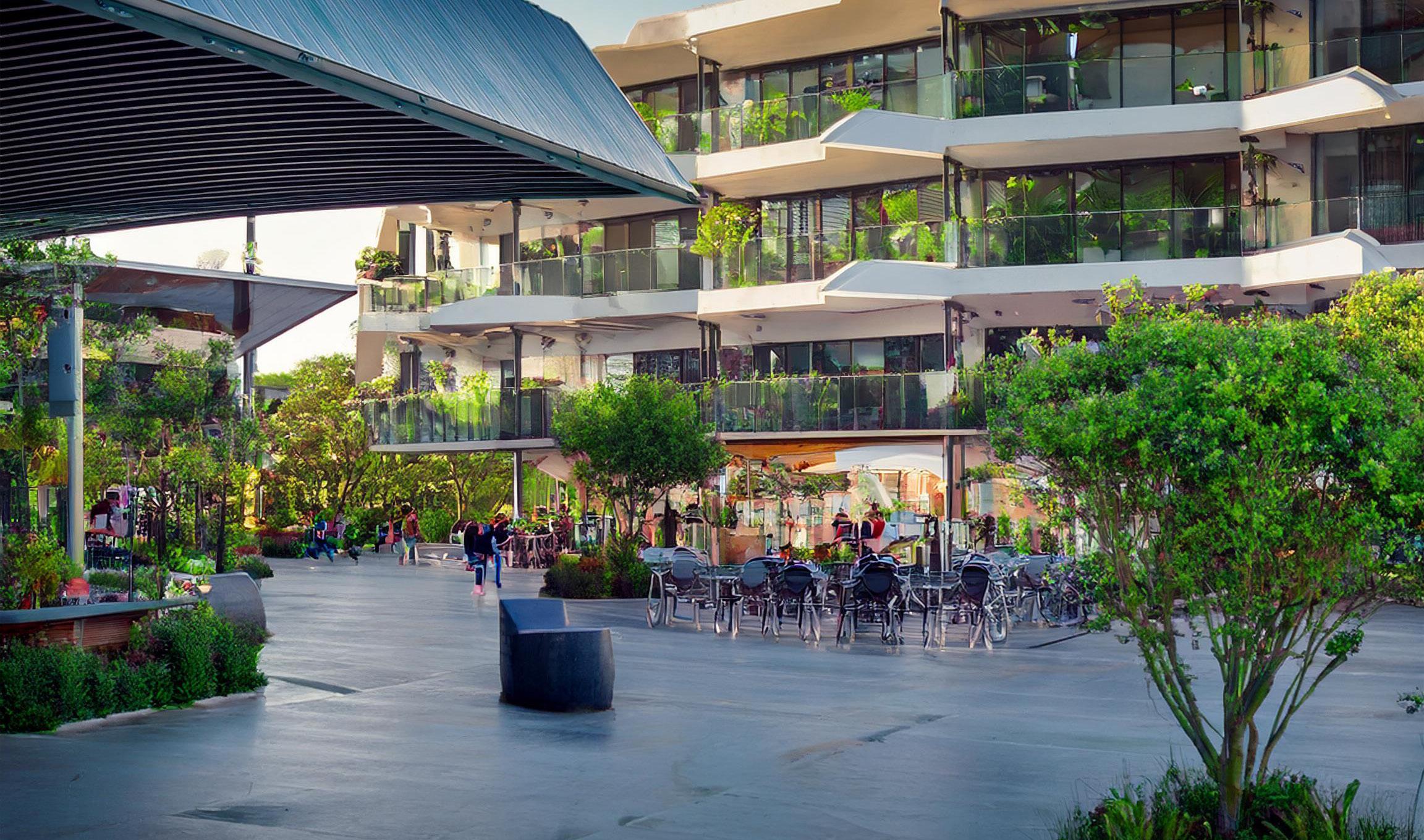
From 2005 to 2010, the City passed a $15 million Capital Improvement Bond to enhance the City’s parks facilities. This bond funded various parks and recreation improvements, creating the robust parks system Tamarac enjoys today.
In addition to public parks, approximately 159 semi-private and private recreational facilities, encompassing 180 acres, are provided by residential developments. While private, these facilities contribute significantly to Tamarac’s social, cultural, and recreational opportunities.
The City’s Public Art Program, initiated in 2004, further enhances its identity by transforming public spaces into vibrant cultural touchpoints through art installations funded by developer fees rather than taxes. Recent enhancements include wayfinding signage and revitalized entrance corridors, ensuring the City remains welcoming and visually cohesive.
As for the City’s Strategic Growth Plan, the plan outlines a framework for sustainable redevelopment with targeted initiatives focusing on placemaking, safety, enhancing community awareness, fostering economic resiliency, creating a vibrant and fun city, supporting a skilled workforce, and embracing digital connectivity. The plan aims to improve services, aesthetic appeal, and environmental stewardship while enhancing livability and character.
Key corridors recommended for redevelopment include:
• University Drive and Commercial Boulevard Corridors: Transitioning traditional strip malls into walkable, mixed-use urban spaces with pedestrian-friendly designs.
• Recreational Hubs: Enhancing parks such as Tamarac Sports Complex, Caporella Park, and Colony West Golf Course to create dynamic public spaces.
Tamarac’s strategic location in Broward County has driven economic development while presenting challenges in balancing density, population growth, and land use. Built primarily in the 1970s and 1980s, Tamarac lacks a defined downtown and activity centers, transitioning from a retirement-focused community to a multigenerational population. Many commercial corridors remain underutilized, with opportunities for revitalization. The City has grown rapidly, with a 19% population increase in the past decade. An economic study identified three strategic redevelopment areas:
1. Nouveau Quarter: Northeast of University Drive and Commercial Boulevard.
2. University Medical Mile: Surrounding University Hospital.
3. Four Corners Shopping: Northwest of 441 and Commercial Boulevard.
Community feedback highlights a desire to preserve neighborhood character while fostering inclusivity. Residents envision an expanded network of green spaces and recreational facilities designed with sustainability in mind, such as those depicted in Figure 12.7. Tree-lined corridors and connected green pathways are prioritized to enhance walkability and cycling, Figure 12.7: Rendering of New Recreational Spaces with Design Principles that Support Stormwater Management
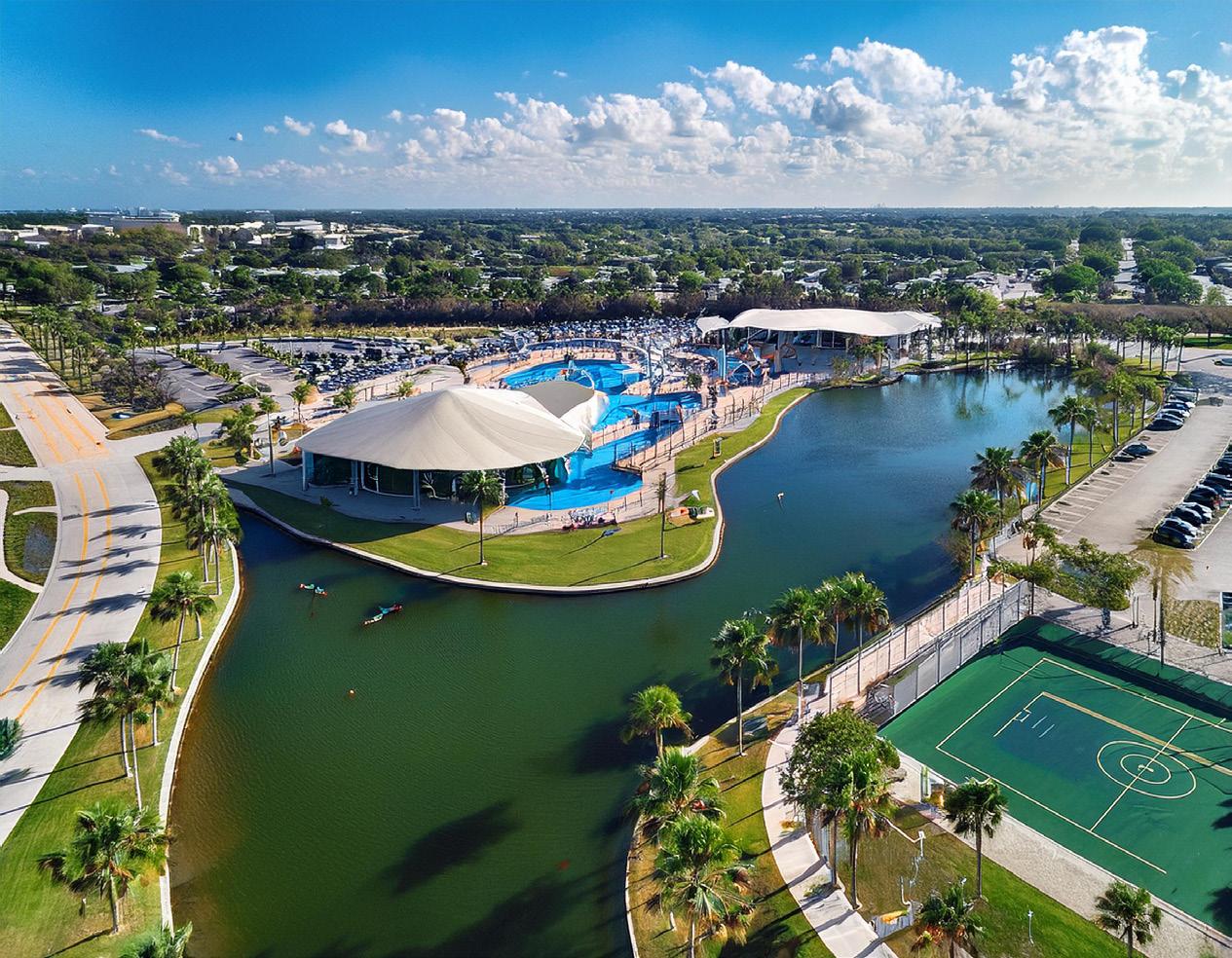
while commercial areas are slated for beautification through public art and cultural programming. These improvements aim to boost civic pride and create a more engaging public realm.
To address redevelopment challenges, the City is filling gaps in its multimodal transportation networks, enhancing plazas and business parks, and improving routes to schools to ensure safer, more connected neighborhoods. Progress is already visible in the expansion of parks and trails, updated design standards that seamlessly integrate with existing communities, and the installation of public art and wayfinding features that reinforce Tamarac’s identity.
Looking ahead, Tamarac is embracing sustainability and innovation. Master plans for key corridors and neighborhoods are under development, transit-oriented projects are expanding, and partnerships are being formed to secure funding for large-scale improvements. Public spaces are evolving to include features like health and wellness amenities and cooling areas, as shown in Figure 12.8, creating vibrant places for residents to gather, relax, and thrive.
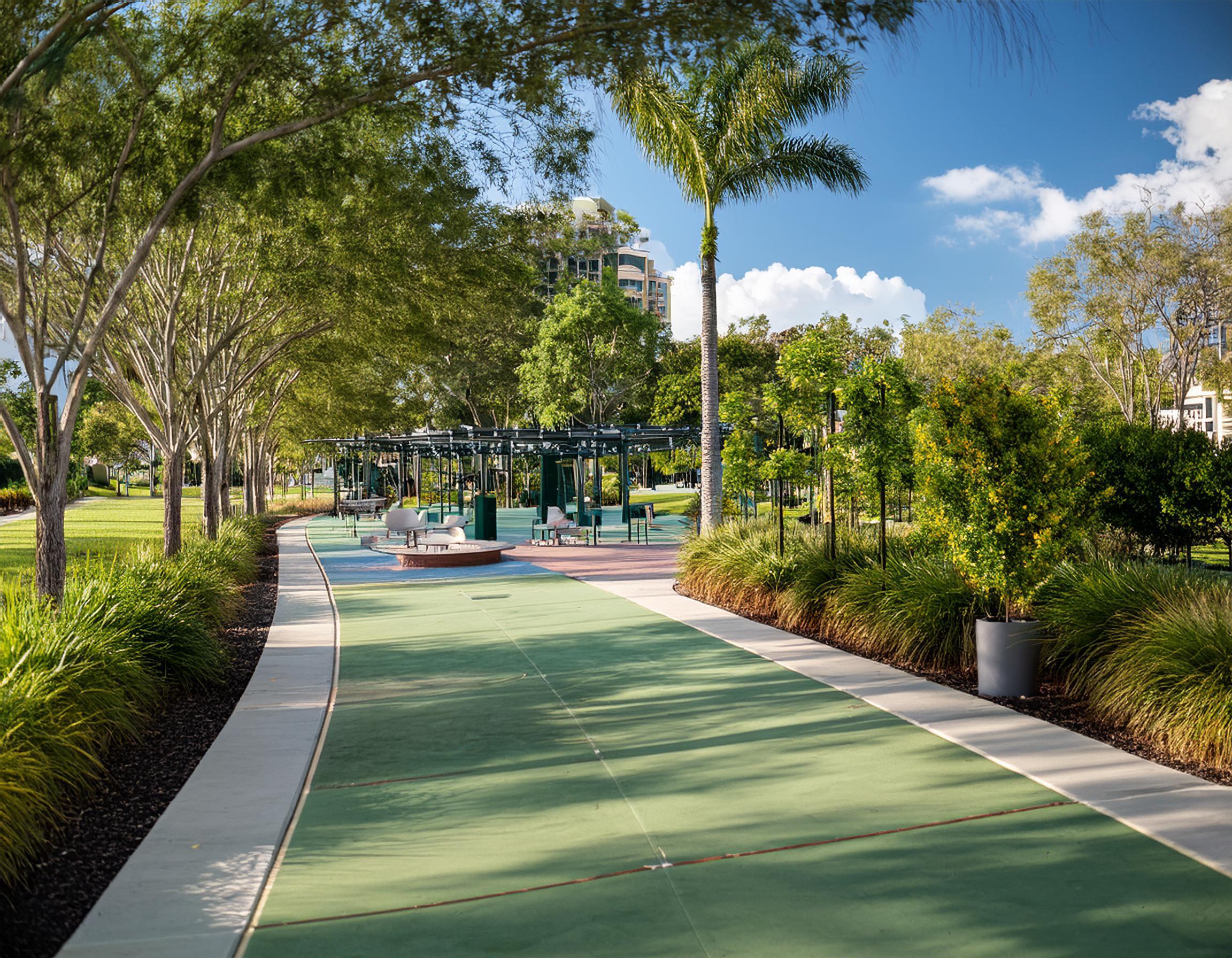
The City’s vision extends to integrating smart technologies into public spaces to make them multi-functional. Spaces like those illustrated in Figure 12.9 are designed to serve as recreational areas, educational hubs, and community gathering points, blending form and function to meet the needs of a diverse population.
Through strategic redevelopment and forward-thinking planning, Tamarac is positioning itself as a model of inclusive, sustainable urban living. By enhancing connectivity, prioritizing safety, and fostering community engagement, the City is creating an environment where people of all ages and backgrounds can thrive, preserving the charm and identity that make Tamarac “The City For Your Life.”