Emily Szabo
DESIGN PORTFOLIO LANDSCAPE ARCHITECTURE STUDENT
CONTENTS CURRICULUM VITAE URBAN RESILIENCE FIKA VILLAGE URBAN NEXUS DYERSVILLE, IOWA THE FASHION SHOW 1 2 4 6 8 10
EXTRA-CURRICULAR
EASZABO@IASTATE.EDU 815-535-8470 247 SHELDON AVENUE APT 12 AMES, IOWA 50014
IOWA STATE UNIVERSITY 2019-2024 BACHELOR OF LANDSCAPE ARCHITECTURE MORRISON HIGH SCHOOL 2015-2019 GENERAL EDUCATION
RVI+PLANNING PRESENT DESIGN INTERN COUNTRY LANDSCAPES INC. 2022 DESIGN INTERN COUNTRY LANDSCAPES INC 2021 NURSERY HOMEGOODS 2021 SALES ASSOCIATE 123 TEE'S 2016-2021 STORE ASSOCIATE
EMILY SZABO EDUCATION
EXPERIENCE
ISLA 2022-PRESENT CLUB MEMBER THE FASHION SHOW 2021 SET DESIGN DIRECTOR 1
3
FIKA VILLAGE
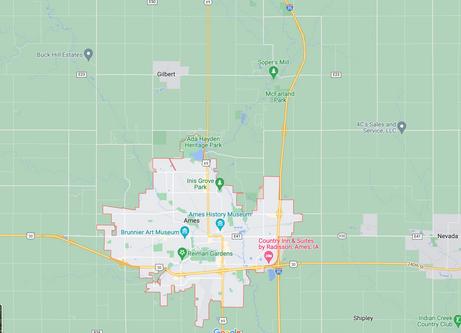
SITE CONTEXT
SITE IMAGE
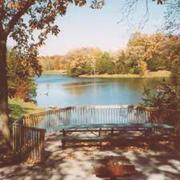
Fika Village is a community that brings together all individuals through a sustainable and educational environment. Fika is a Swedish word that describes appreciating the good things in our lives. I created an environment in the village where everyone can learn something new about the sustainable design practices implemented throughout the site. We all have one opportunity to live the best life we can. I believe that if we all learn to become more aware of how we treat the Earth and make better sustainable decisions, we can help minimize climate change.
"This project addresses the proposed expansion of McFarland Park currently being considered (this is an actual project). The Deppe family formerly owned the property and sold it to the Iowa Natural Heritage Foundation to protect and conserve with Iowa’s natural heritage, native plants, and ecosystems in mind. Plans are being developed for the property’s 127 acres of upland grassland, woodland, and riparian areas. Read this article (http://www.storycountyiowa.gov/1557/Deppe -Property--coming -soon)for important information about these plans. "
ArcGIS Pro SOIL SUITABILITY
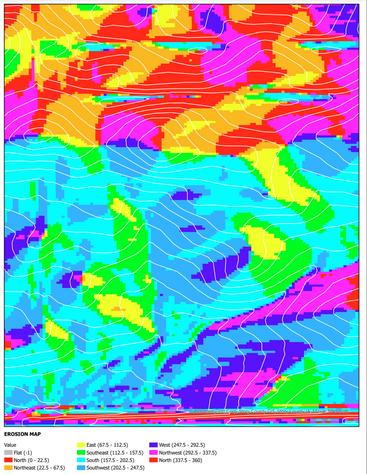
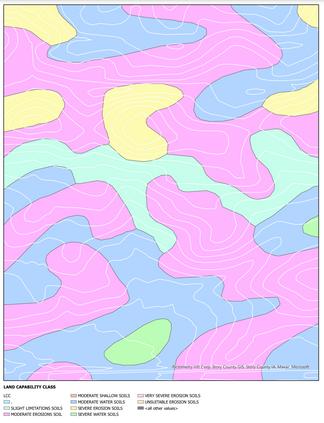
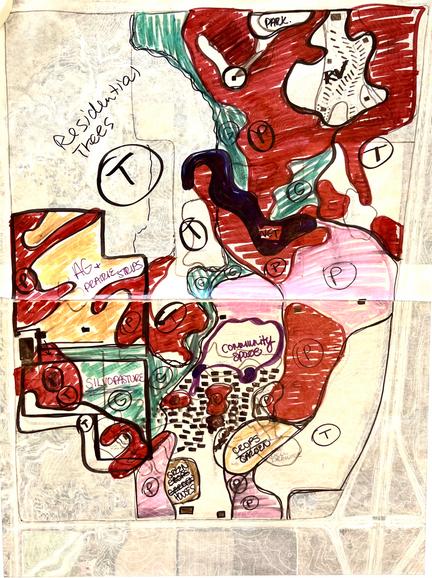
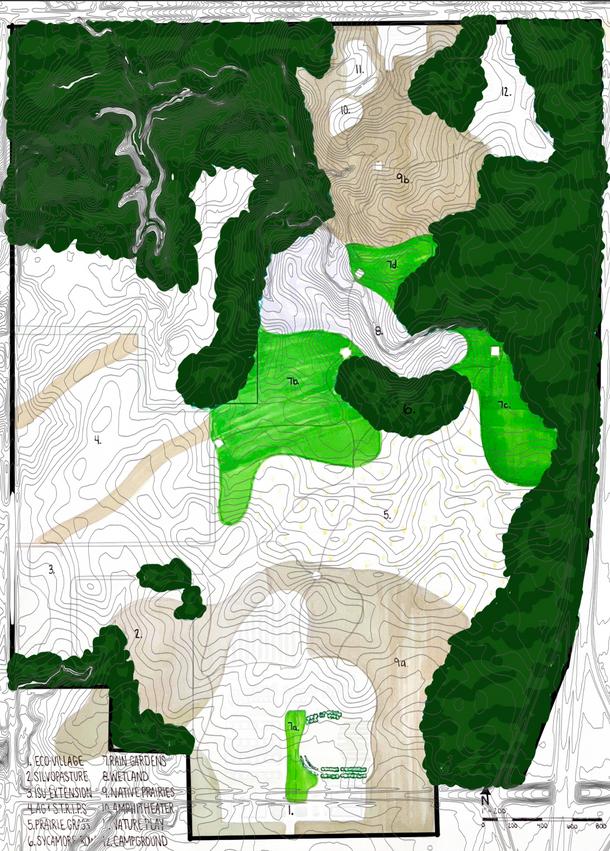
In the beginning stages of my design process, I knew that I should design around the existing land on the site already. From my ArcGIS maps, I was able to find erodible soils throughout the site, south facing slopes, and suitable farmland areas.
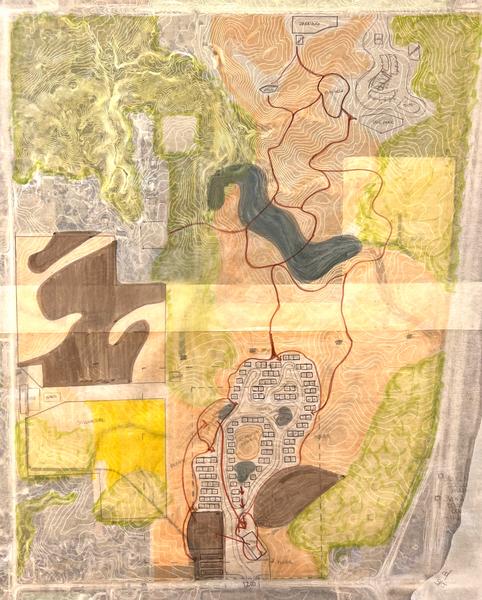
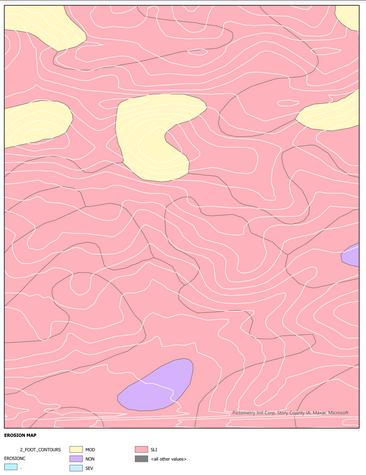
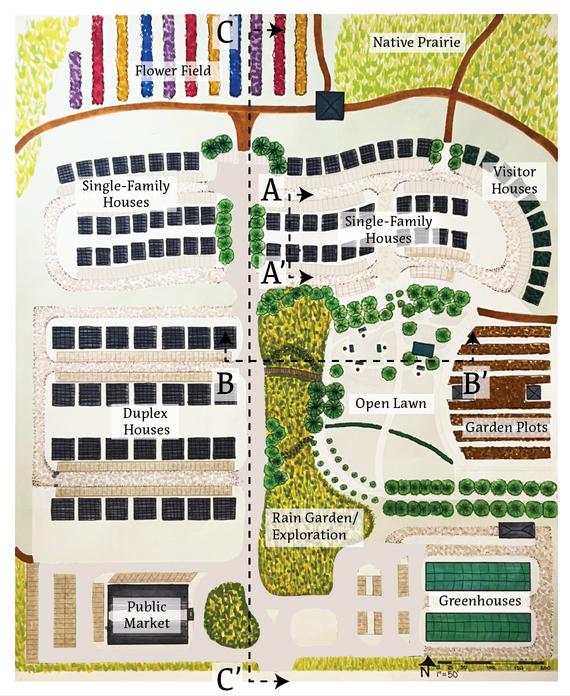
As I started zoning out my different programs throughout my master plan, I had to keep in mind where the areas with high erosion were at. Areas with erodible soils cannot have hard infrastructure on it. Instead, I made the areas with high erodible soils to be native rain gardens.
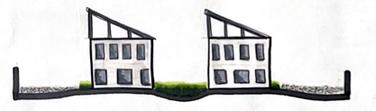
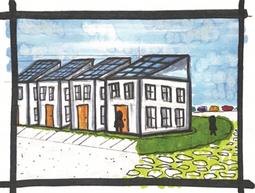
My ecovillage intentions were to find an area on my aspect map with a south facing slope. The reason I made that decision was because all of my ecovillage homes have solar panels on the rooftops and that is necessary to get a maximum amount of sunlight.
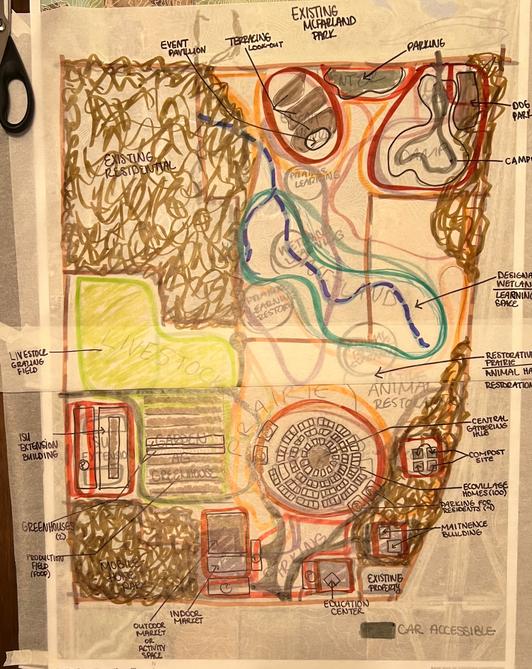
On the west side of the site, I designed an Iowa State Extension / Research facility where students can come to the site and learn more about the practices that go on throughout the ecovillage, the silvopasture, prairie strips in the agriculture field, and through the trails at the north side of the site.
4
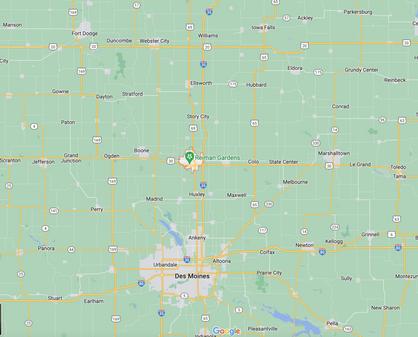
location from ames, iowa from des moines, iowa
aspect erosion land capability class 3 DESIGN CONCEPTS
EMILY SZABO
single-style homes
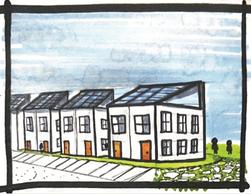
duplex-style homes
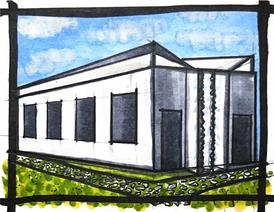
central gathering house
SECTIONS
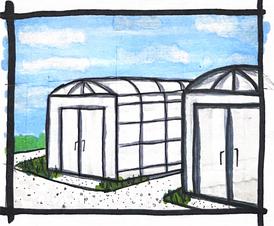
greenhouses

5 MASTER PLAN
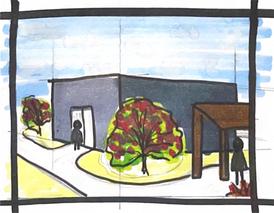
public market with inverted roof
C
B B' A A' 200
C'
scale ECO-VILLAGE MASTER PLAN 50 scale VIGNETTES
URBAN NEXUS
EMILY SZABO
As a class, we traveled to Des Moines where this project was located. We got together with our group members and evaluated the surrounding demographics of the area of the site.
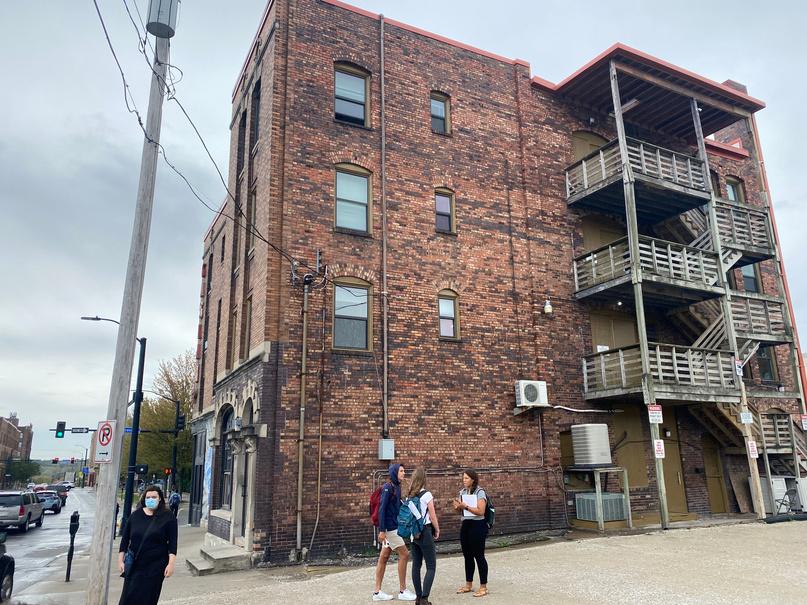
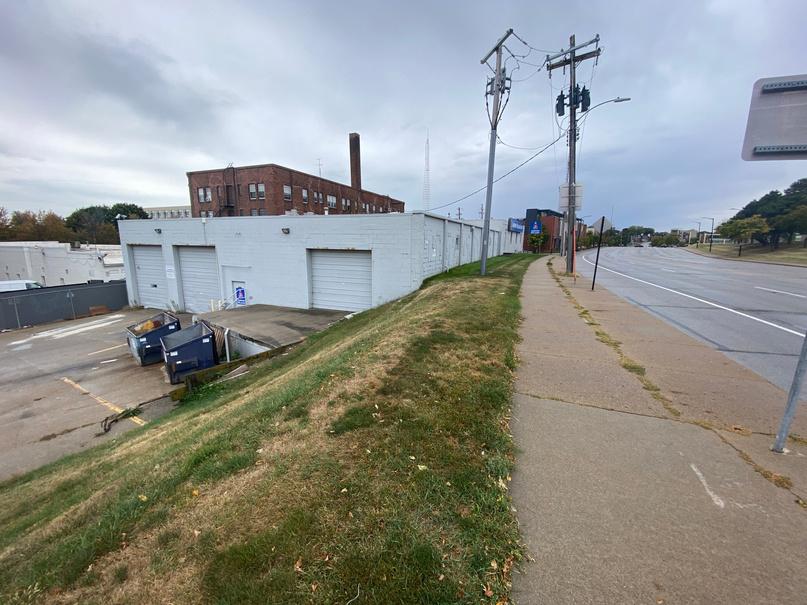
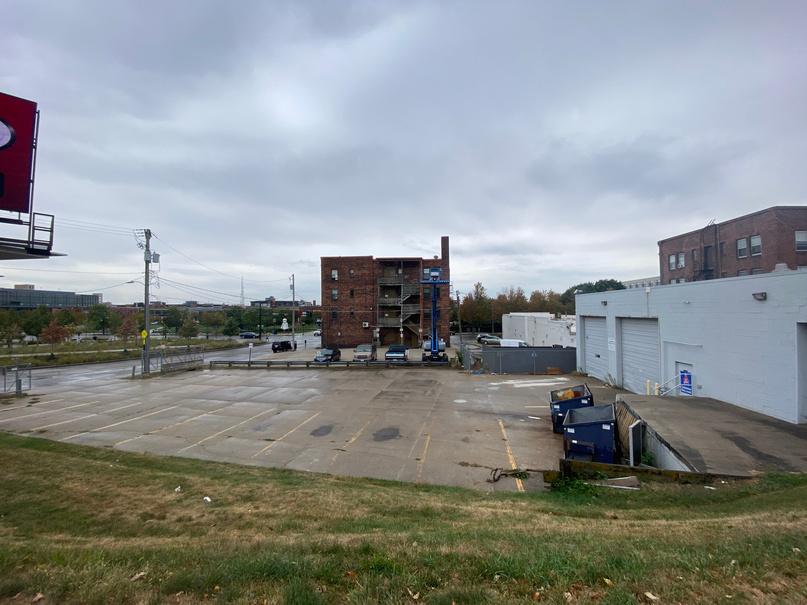
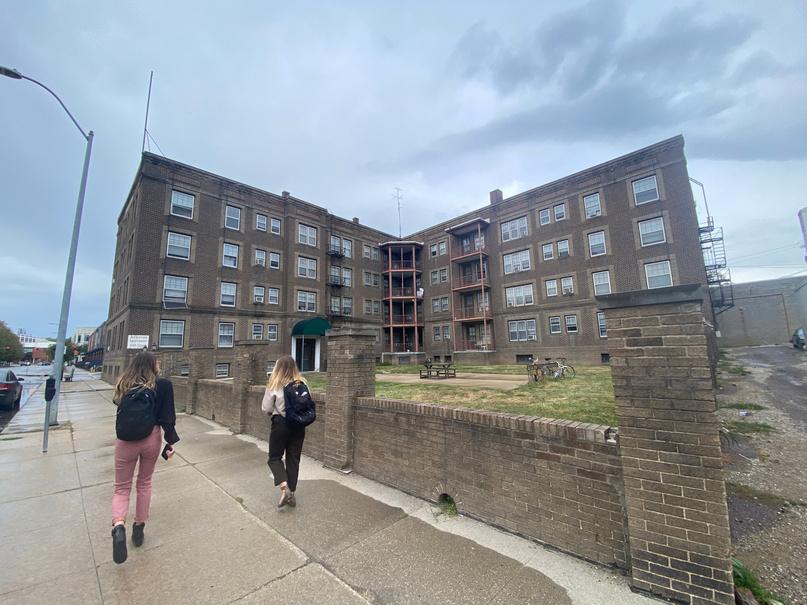
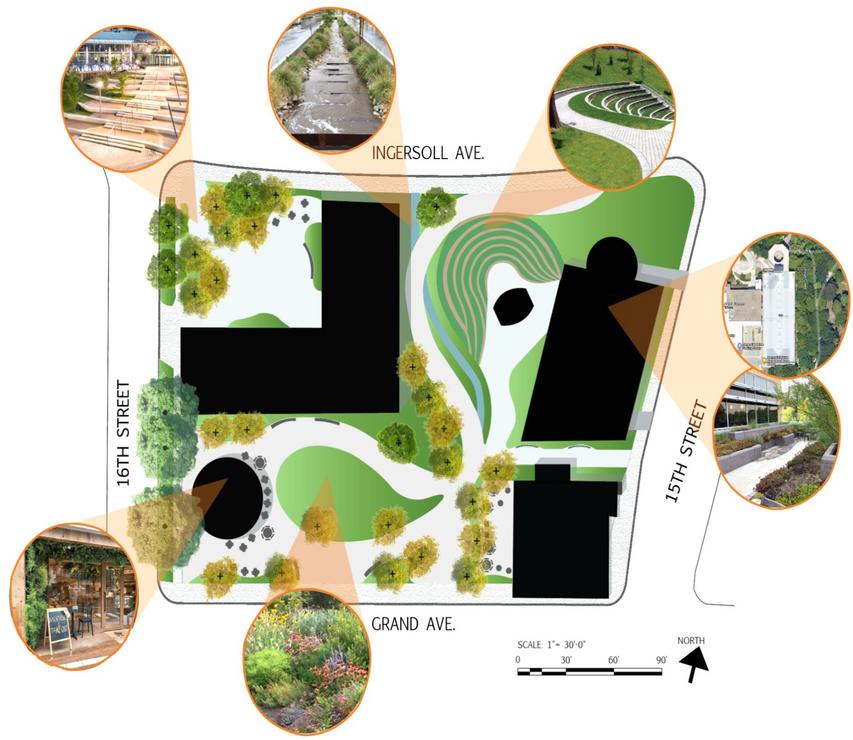
From my first impression of this block, I could see that there were not a lot of people coming to this specific block unless it is nighttime when people come to the Gas Lamp The Jefferson Apartments building is best known for providing low-income housing. After diving deeper into the demographics and history of the area, we were able to make conscious design decisions that would be best for the location.
When we split up from our group to design individually, I knew that I wanted to create a new atmosphere where individuals can come together and enjoy nature. Residents from various areas of Des Moines can find their way into Stillness Alley and can enjoy different programs within the new site. This design will promote togetherness and can educate the community about sustainable solutions while having a functional design.
SITE IMAGES
6
JEFFERSON APARTMENTS
BACK OF GAS LAMP
SHERWIN WILLIAMS
GAS LAMP
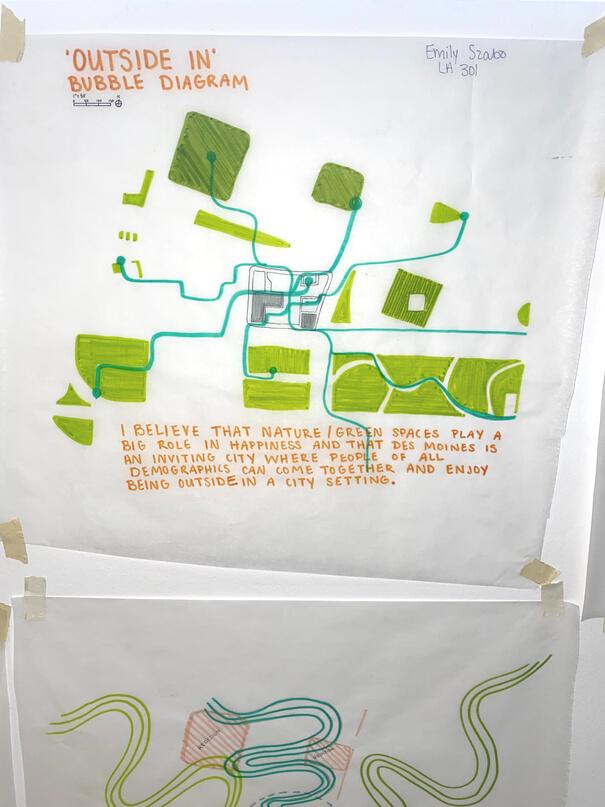
I BELIEVE THAT nature/green spaces play a big role in happiness and that Des Moines is an inviting city where people of all demographics can come together and enjoy being outside in a city setting.
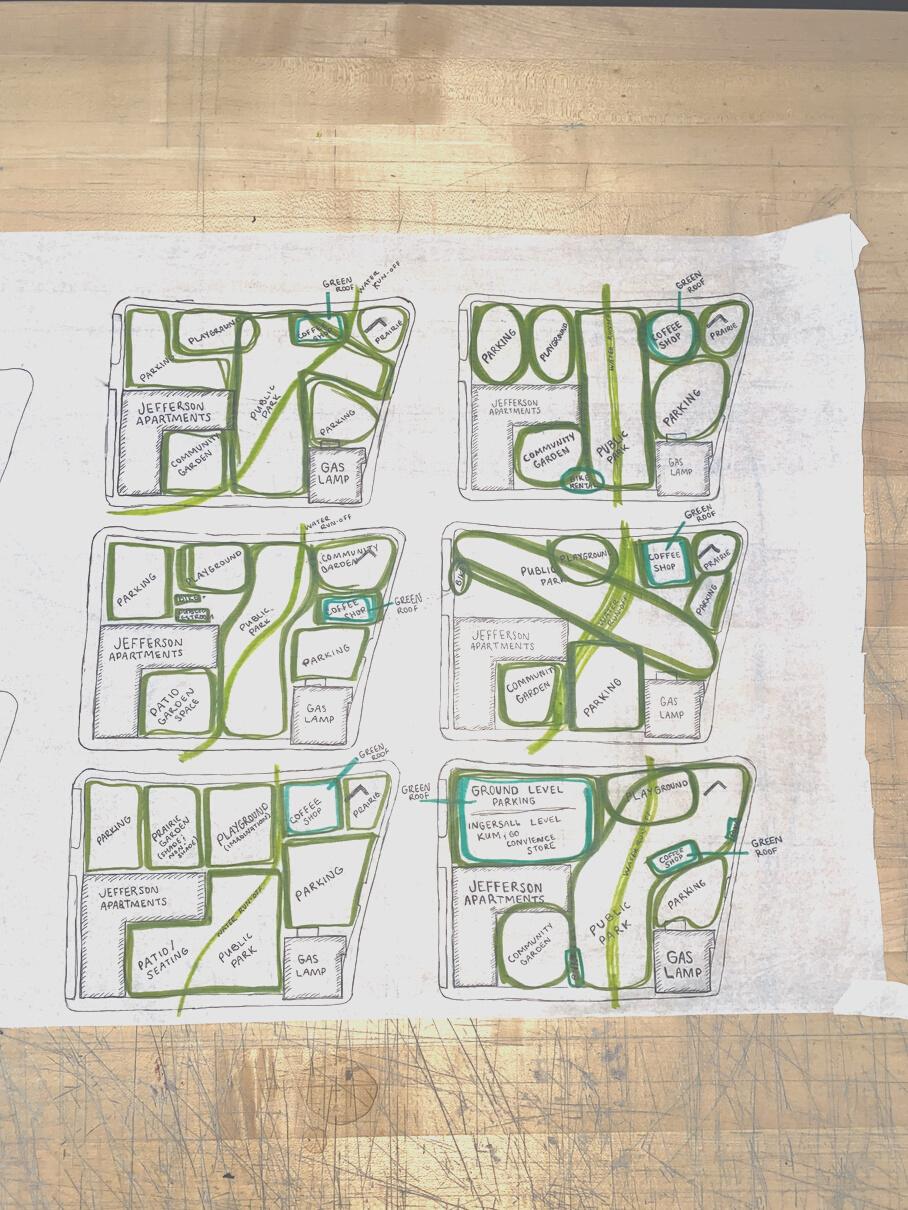
BUBBLE DIAGRAMS
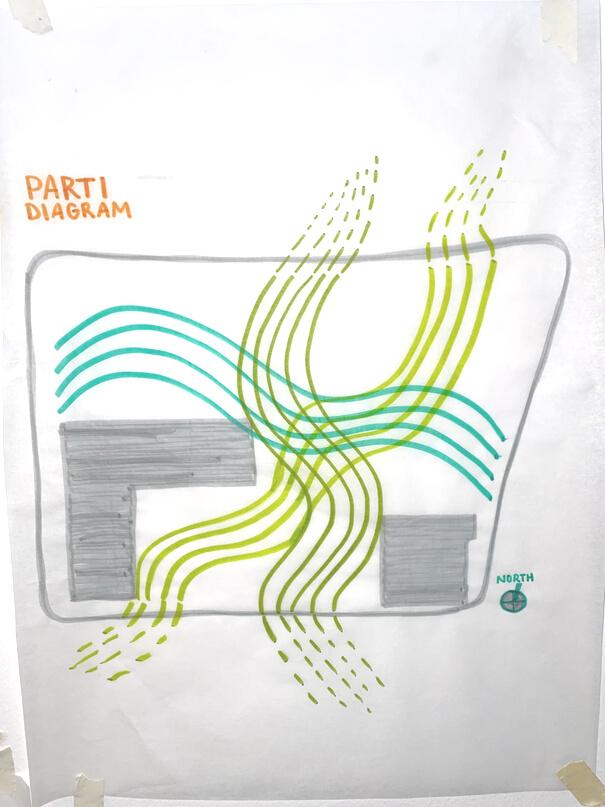
CONNECTIONS TO GREEN SPACES
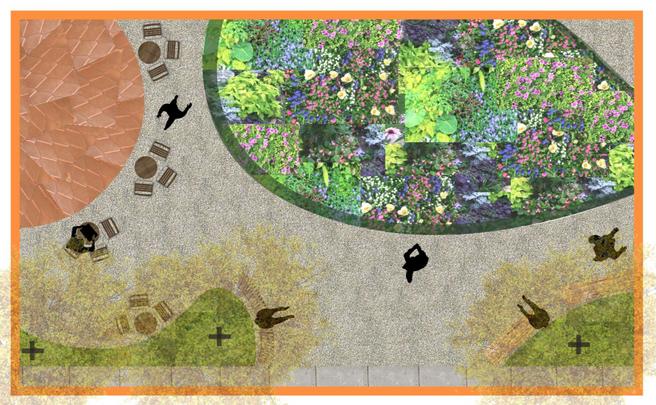
PROGRAMMING
food and drinks
water runoff transportation/parking public park
10 SCALE
sustainable solutions
multimodal paths
seating entertainment
10 SCALE
7 PARTI
DYERSVILLE, IOWA
As a class, we traveled to Dyersville to visit the three sites that were a part of this project. We were able to take notes on-site and talk to local business owners and residents, and we also gained a perspective on what it was like to be a visitor in Dyersville.
When collaborating as a team, we decided that Dyersville needed an area that would specifically bring people and nature together in a way accessible by all modes of transportation. The city is located right off Highway 20, which could potentially help bring in more visitors Our concept for this design is to make the visitors want to spend 10 to 30 minutes here or even an hour We want people to come to our site and decide that they want to explore all the different areas of nature in our design.
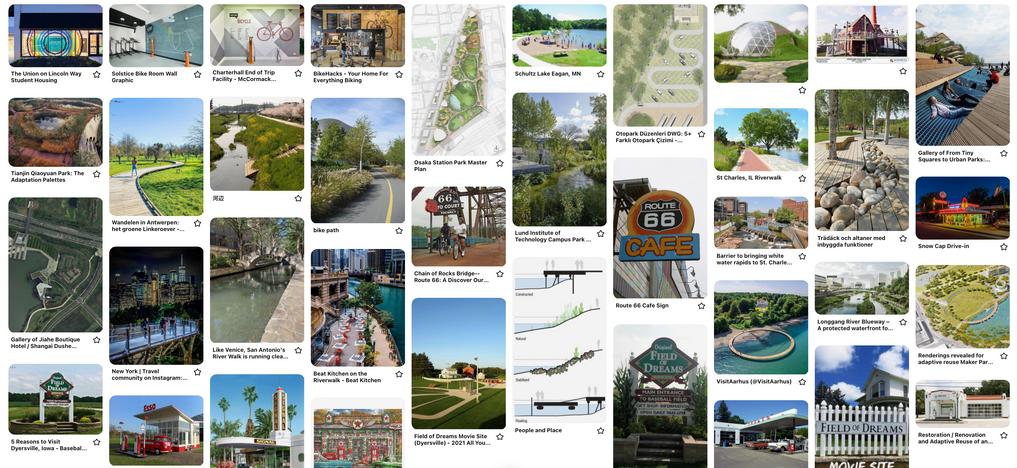
Our design decisions needed to appeal to the residents of Dyersville, give visitors a reason to stay at our park, and integrate nature back into Dyersville. Our site is in a large floodplain, so considering wetlands and potential nature design ideas was essential in our thinking process. We designed this park to be able to withstand heavy flooding.
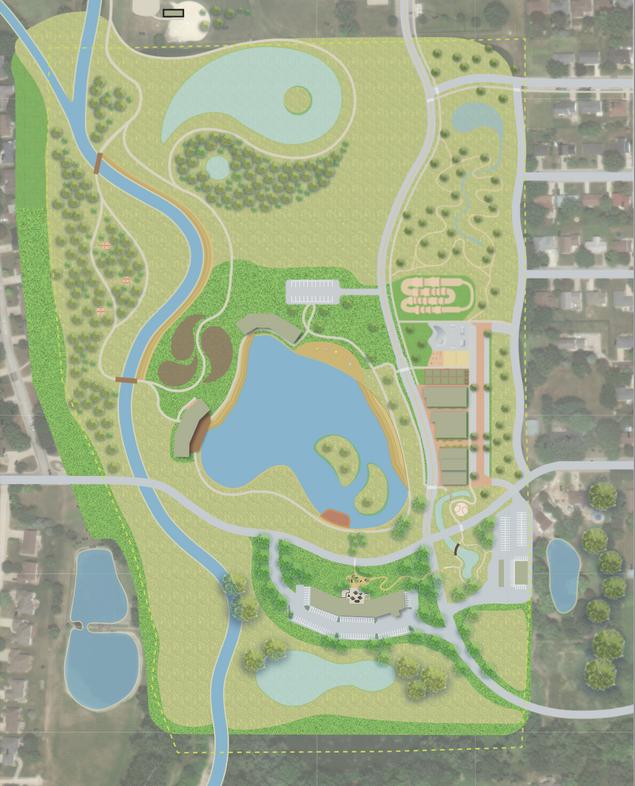
MASTER PLAN
INSPIRATION BOARD
8
EMILY SZABO, NONA GELOW, HAGEN CARTER, BROOKE LOMBARDI, SHANE MORRISSEY
COMMERCIAL AREA
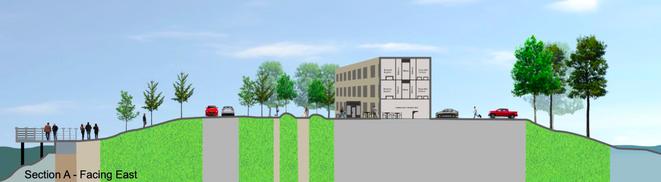
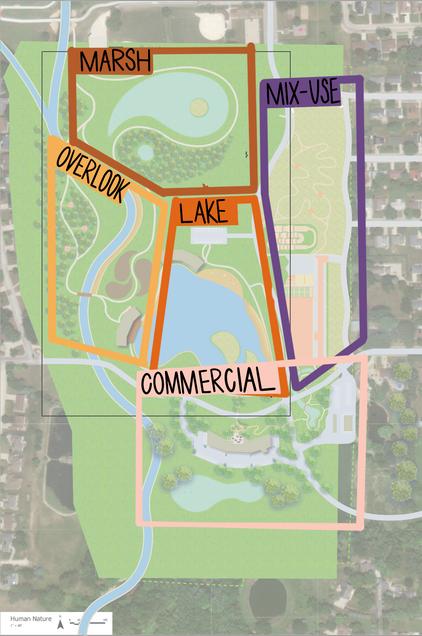
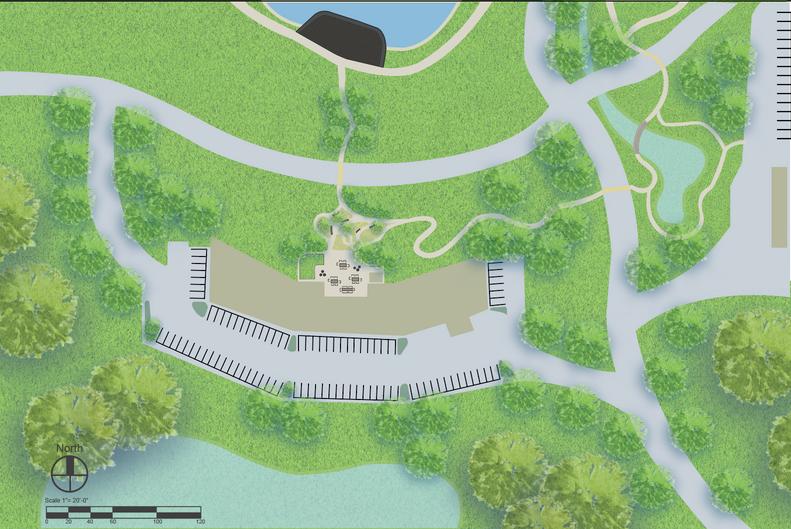
Out of the five different areas of our site, I wanted to work on the area that would essentially have the most traffic from travelers on i-20 When designing the commercial area, I knew that the area needed a hotel and a gas station, and whatever else that worked with the entire site design.
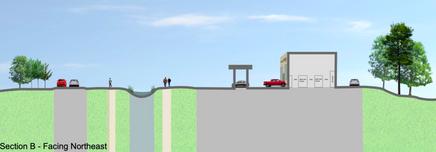
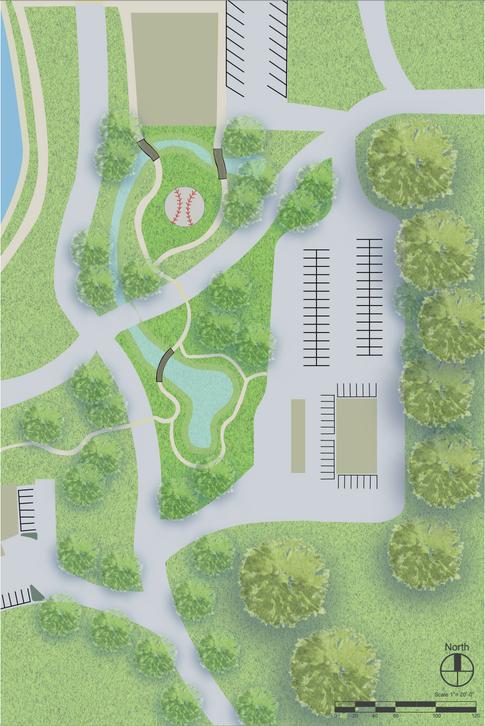
The hotel area has much parking for the guests who stay there, and they have access to the walking paths that lead all throughout the site. The gas station would have a 60-70s retro feeling to go along with the aesthetic of the movie, Field of Dreams.
9
HOTEL MASTER PLAN
SECTION A
SITE AREAS
SECTION B
hotel
walking paths
gas station
walking paths
baseball sculpture dream lake
designatedwetland
GAS STATION MASTER PLAN
THE FASHION SHOW
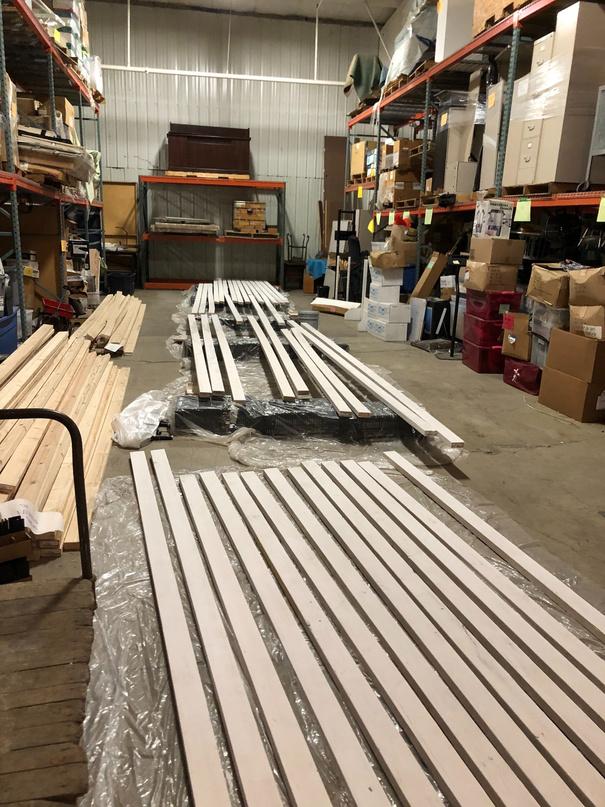
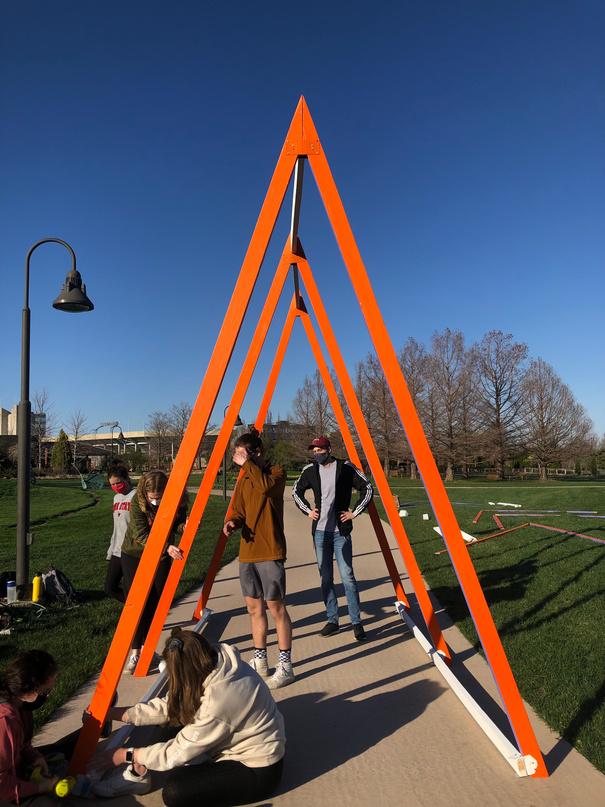
In 2021, I had the opportunity to be one of four set design directors for The Fashion Show. The Fashion Show is one of the largest student-run fashion shows in the nation. The show is usually held at Stephens Auditorium in Ames, but due to Covid-19, it was held at Reiman Gardens in Ames.
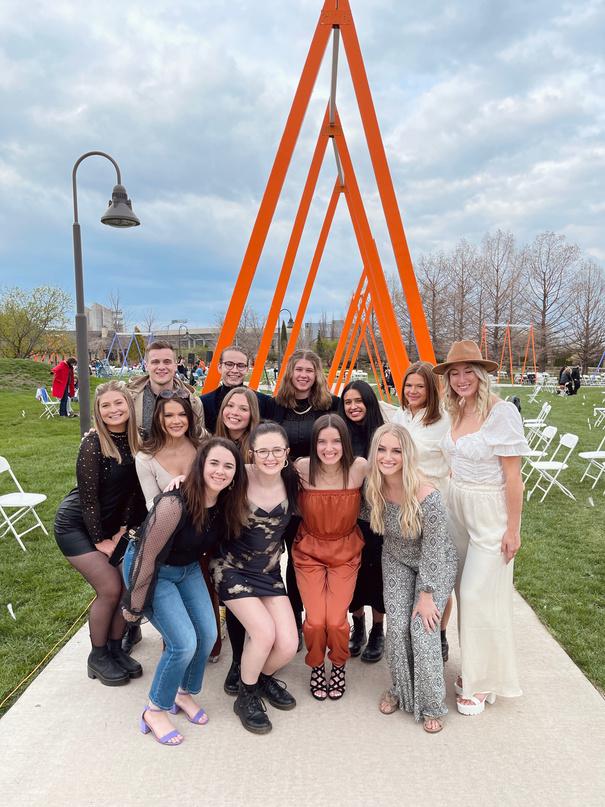
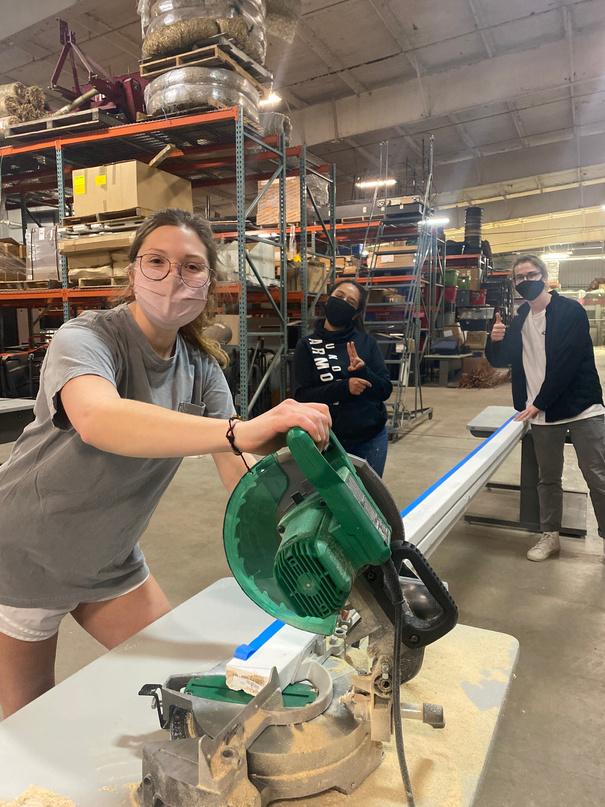
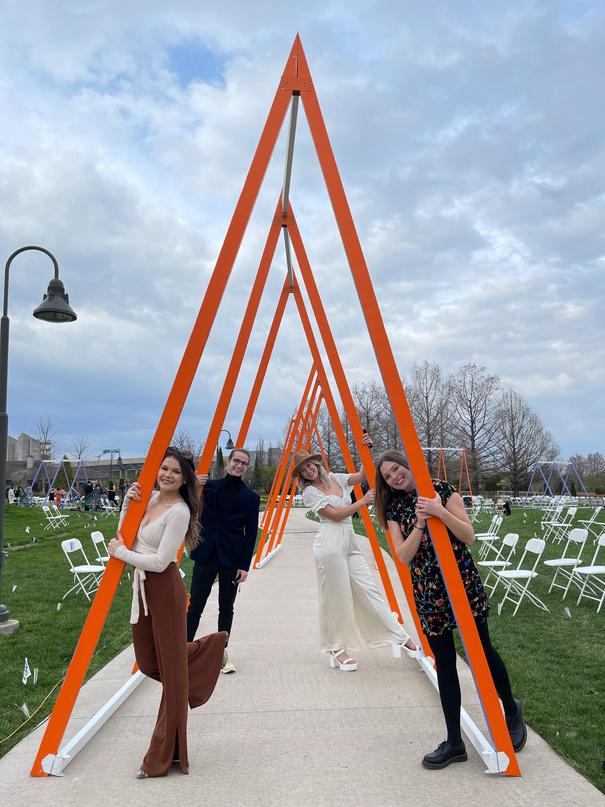
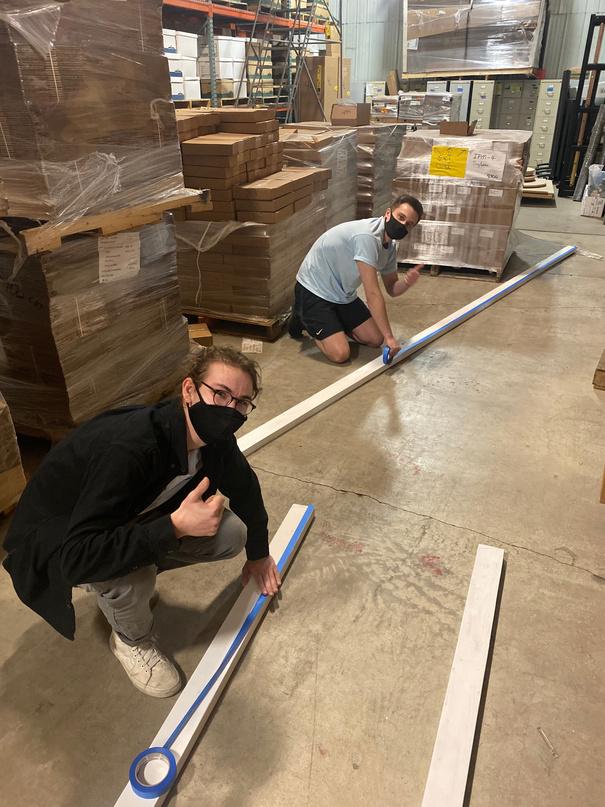
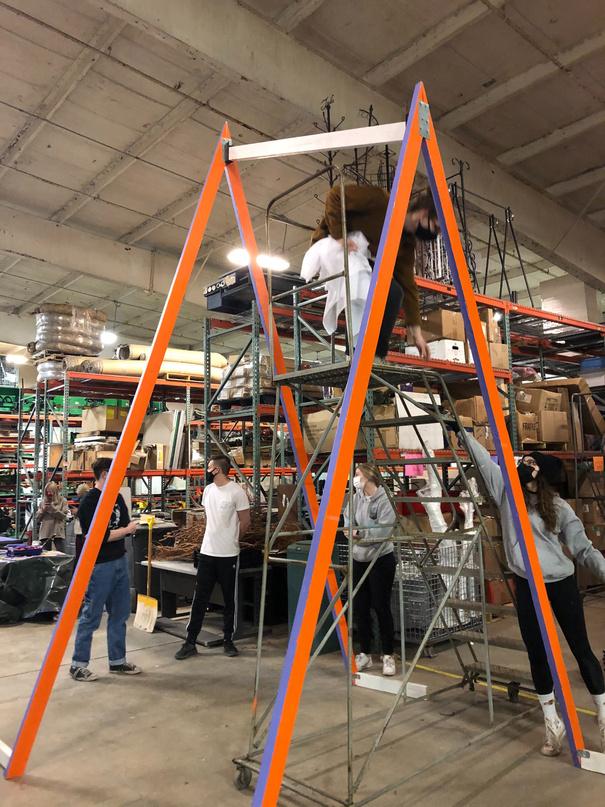
My set directors and I led ten students to create a functional set for the runway around the gardens. During the semester, we scheduled multiple assignments which were a part of our collaboration process As time got closer to The Fashion Show, we help direct "build times" where we would build the set
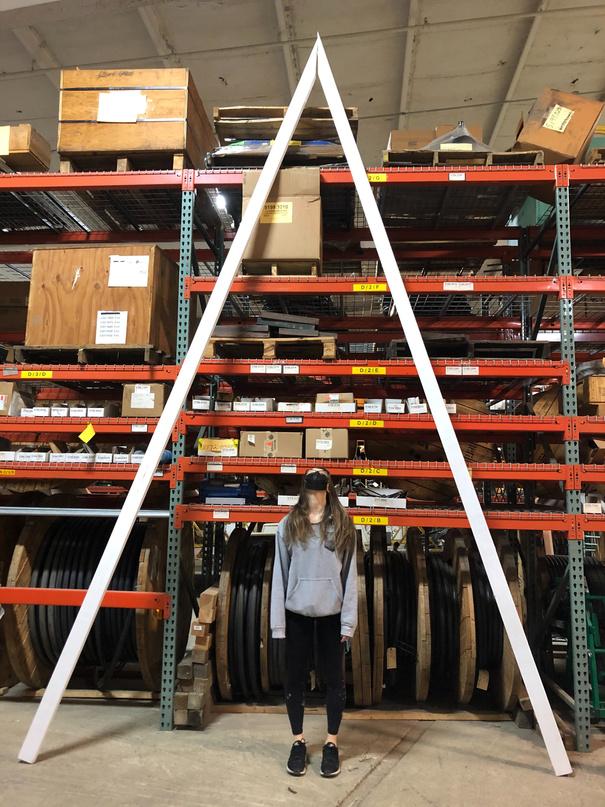
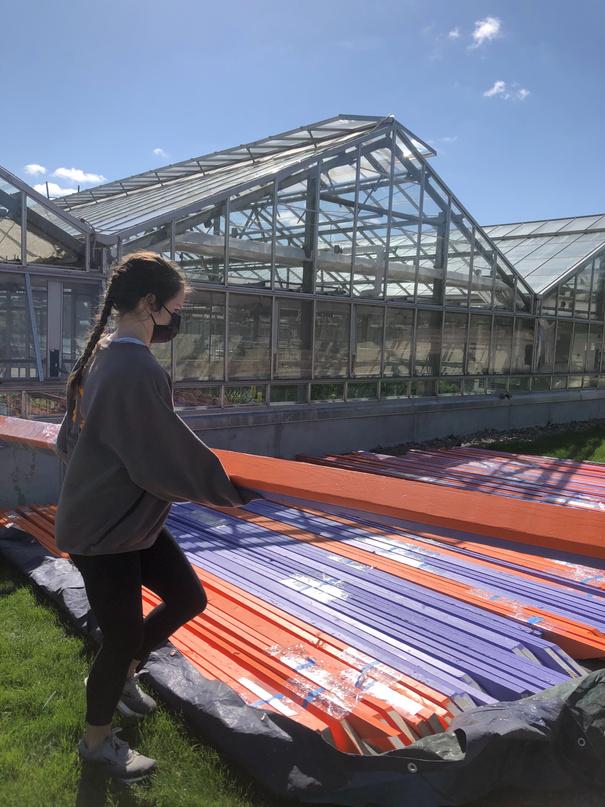
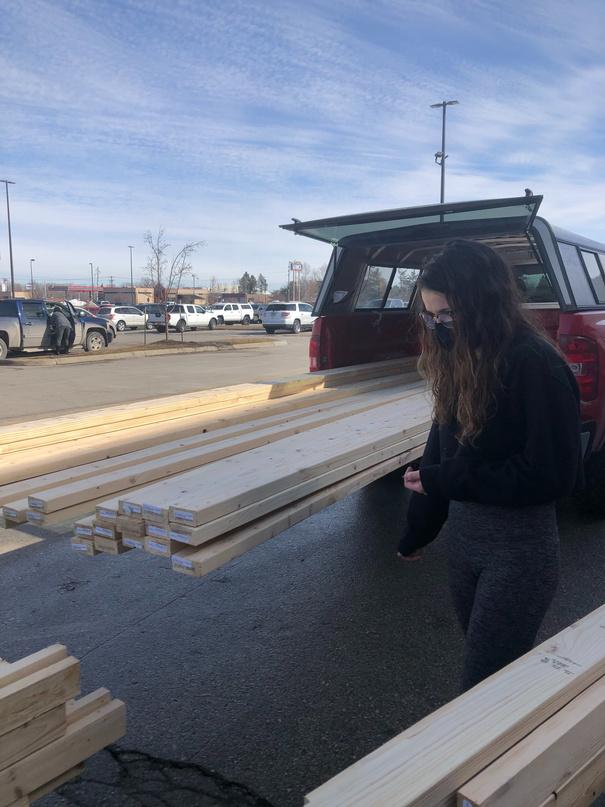
10
2021
SET DIRECTORS
EXTRA CURRICULAR
EMILY SZABO, HANNAH HOGAN, MADDIE UHL, JACOB GASPER
BUILD WEEK AT REIMAN GARDENS
STRUCTURE CHECK
TAPE PREP FOR PAINTING
SET DESIGN COMMITTEE
CUTTING WOOD PRIMER PURCHASING WOOD
2021
THANK YOU 815-535-8470 EASZABO@IASTATE.EDU
