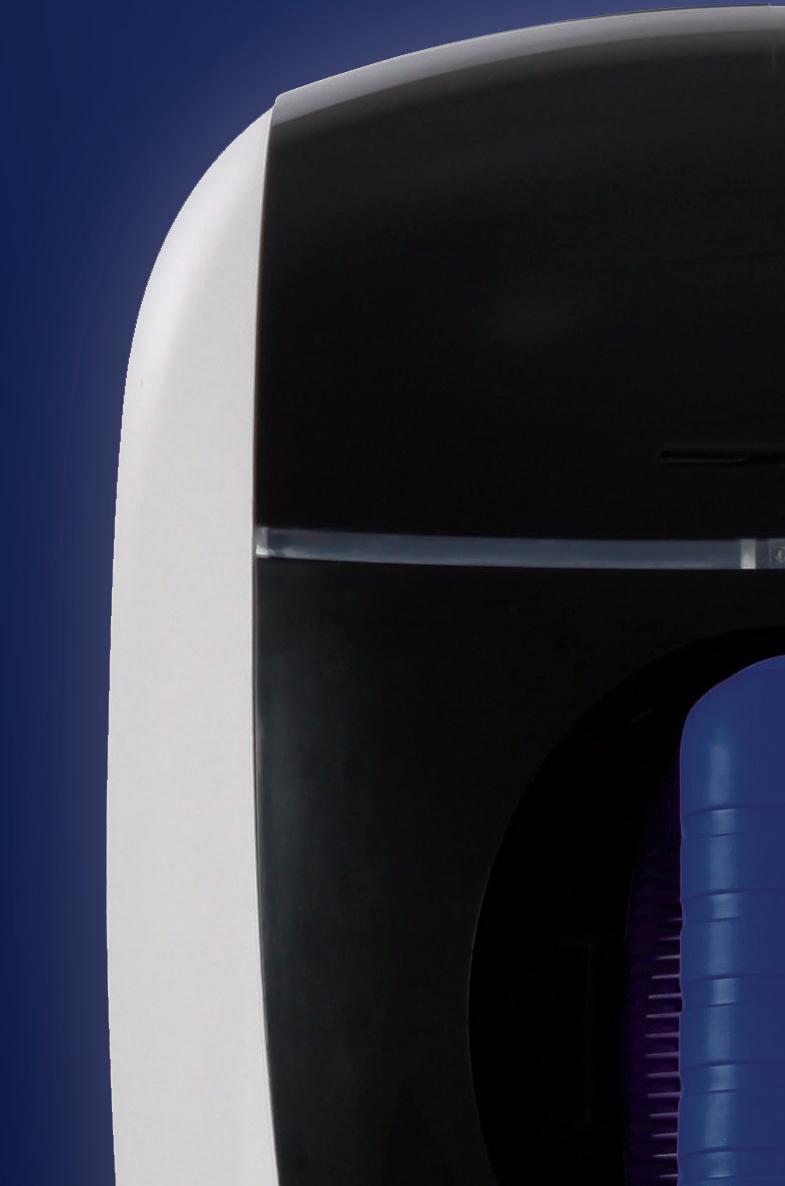
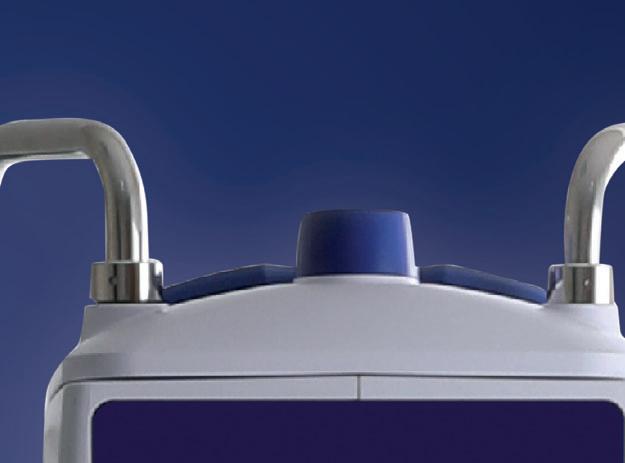
The pioneering Dry Eye treatment
Scientifically proven technology for the treatment of Meibomian Gland Dysfunction.
Looking for a long-lasting treatment solution for Dry Eyes?




Scientifically proven technology for the treatment of Meibomian Gland Dysfunction.
Looking for a long-lasting treatment solution for Dry Eyes?
With the advent of the healthaware patient and the increasing demand for effective, longlasting, and hassle-free solutions comes an opportunity for eye care practitioners to offer gamechanging Dry Eye Management treatment.
Since 2016, from ESW vision has been leading the Dry Eye treatment market when it comes to Meibomian Gland Dysfunction (MGD). has been developed to provide the first techno-logical treatment suitable for the 80% of Dry Eye Disease cases due to MGD. Clinically proven in research, but excitingly for us, also proven successful in practice, more than 1.500 Dry Eye experts worldwide rely on the break-through results of . Addressing unmet needs in this segment, is making patients‘ eyes happy again: painless, safe and reliable.
has set a new standard in Dry Eye treatment in Ophthalmology, Optometry and also in the Optical market, delivering therapy in a less time-
consuming manner and with a high rate of satisfied patients: 96% of treated patients recommend the treatment. (1)
Our mission is to focus solely on developing technological innovations to manage Dry Eye Disease. We aim to support eye care experts all over the world with innovative solutions to improve the visual comfort and quality of life of Dry Eye patients.
Discover the difference in treating Dry Eye patients with : easy, fast and highly efficient, with long-lasting benefits.
Yours,
Petra BRUCKMUELLER President Group E-SWIN | CEO ESW vision

Dry Eye Disease (DED) has become recognised as one of the most common eye diseases in the world. Due to a growing and aging population and changes that our modern-day lifestyle brings about, cases of Dry Eye Disease are on the rise worldwide. There are two types of Dry Eye Disease – aqueousdeficient (ADDE) and evaporative (EDE). EDE is more common than ADDE, with MGD accounting for the majority of cases.


The Tear Film and Ocular Surface Society‘s second Dry Eye Workshop (TFOS DEWS II) defines Dry Eye Disease as ”a multifactorial disease of the ocular surface characterized by a loss of homeostasis of the tear film, and accompanied by ocular symptoms, in which tear film instability and hyperosmolarity, ocular surface inflammation and damage, and neurosensory abnormalities play etiological roles. (2)
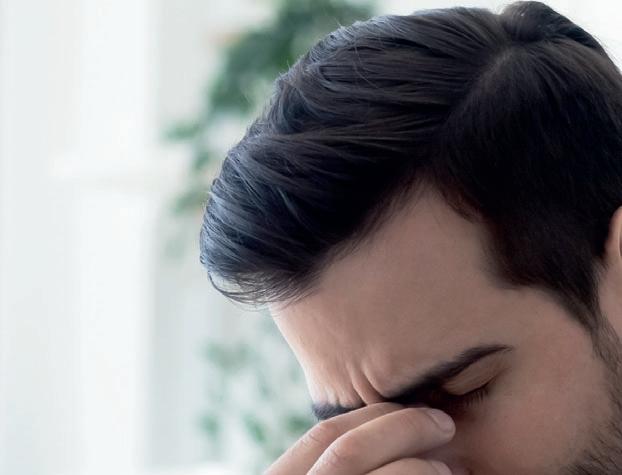





Every 5th person today suffers from Dry Eye Disease globally. The vast majority of cases of Dry Eye Disease (86%) are due to Meibomian Gland Dysfunction (MGD). Risk factors include women and aging, but due to changes in our digitally-dependent lifestyles, more and more cases of Office
Dry Eye and Dry Eye in Youth have also been emerging. Working on digital screens, driving through the night, artificial lights, air pollution, and wearing contact lenses are all environmental factors driving up the incidence of Dry Eye Disease. (3, 4)



Dry Eye Disease is on the rise with an increasingly aging population, a growing rate of Dry Eye Disease among youth, as well as our modern lifestyles that are more then ever dependent on digital screens.
There is as well an increasing demand for targeted, non-invasive and faster treatment methods to alleviate the condition.
Patients with well-treated Dry Eyes, providing a lasting benefit,

Improvement of visual comfort in professional & private life
Higher quality of life

enjoy a higher quality of life with improved visual comfort in their professional and private lives.
Patients also experience greater comfort in wearing contact lenses without recurring symptoms.
Additionally, treatment of Dry Eye Disease is a major prerequisite to refractive and cataract surgeries, for improved post-surgical outcomes in terms of safety, comfort and quality of vision. (5)
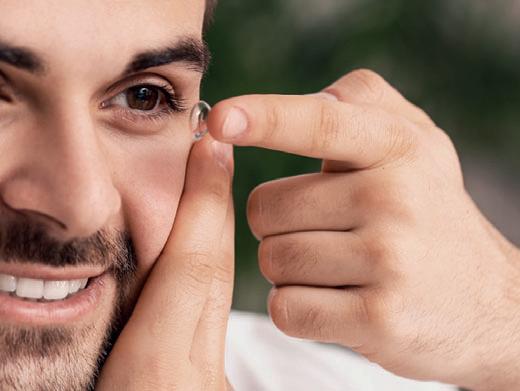
Wear of contact lenses comfortably without recurrent symptoms
Better outcomes in refractive and cataract surgeries

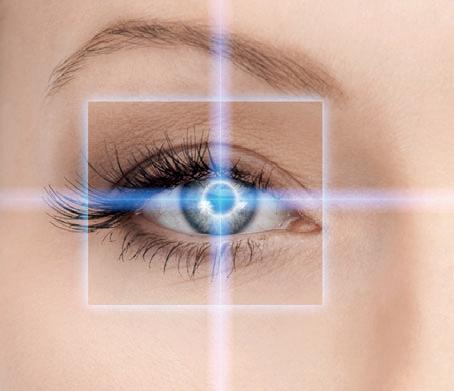
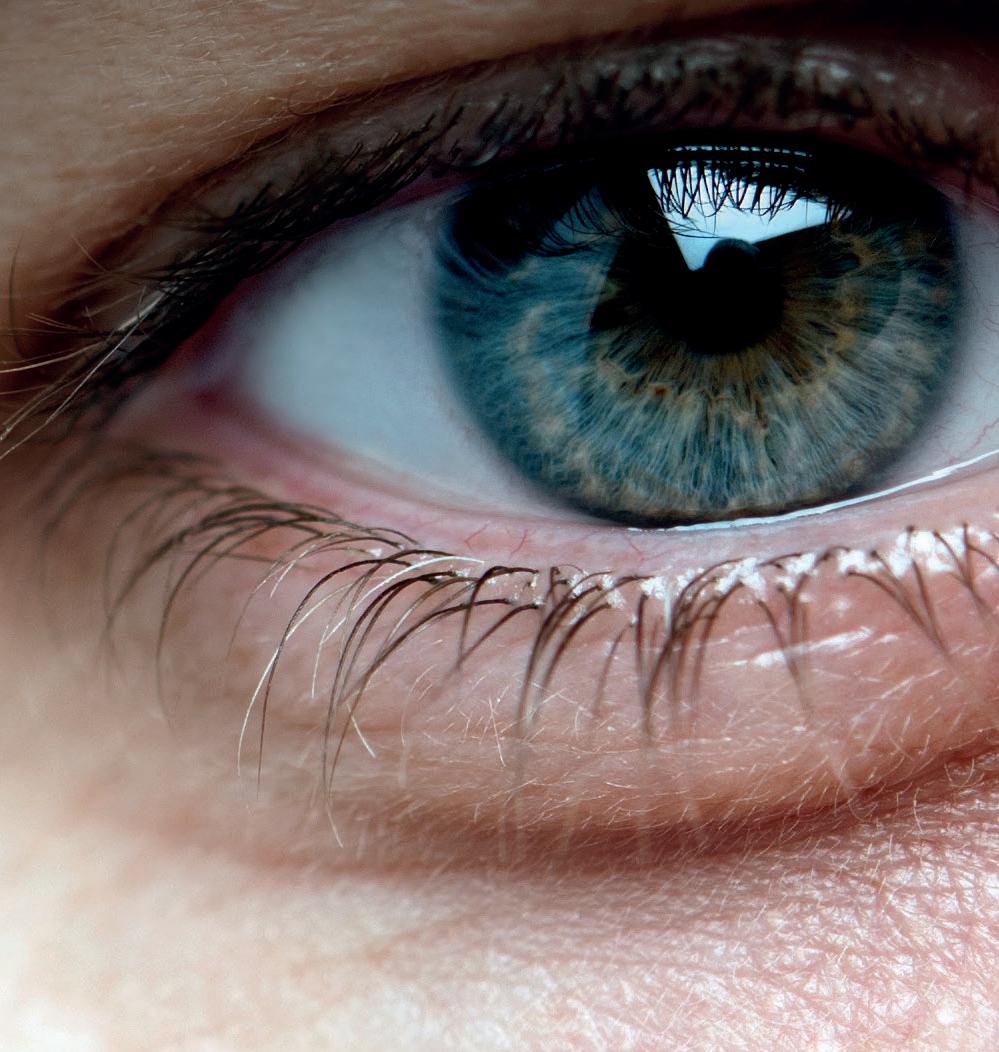
There are 60–80 Meibomian Glands located in the upper and lower eyelids.(6) These glands produce the oils that form a lipid layer on the outermost part of the tear film, aiding to protect the eyes from tear evaporation. The tears serve to overcome the micro-irregularities of the eye‘s surface and offer an optically smooth surface.
Dry Eye Disease, which can arise from multiple factors, starts off with tear film instability that is accompanied by increased tear
osmolarity which activates stress signalling pathways in the ocular surface and immune cells.
This in turn triggers production of innate inflammatory molecules that initiate a vicious selfrepeating cycle that may lead to further deterioration in tear function and worsening of symptoms. The numerous environmental and internal factors that can contribute to this inflammatory cycle make Dry Eye a multifactorial Disease. (7)
It is recognized that at least 80% of Dry Eye cases are caused by the evaporative form of Dry Eye Disease, mainly due to an insufficiency of the outer lipid layer of the tear film secreted by the Meibomian Glands.
A reduction in the lipids produced by the Meibomian Glands – the meibum – can lead to excessive evaporation of tears, an unstable tear film and an inflammatory reaction of the conjunctiva. The
result is unstable vision during long periods of near-distance tasks (work on computer screens for example) with a feeling of “eye-burning“ that, in turn, may hinder any visual work.
If this process is allowed to continue untreated, the discomfort can become permanent, prompting a paradoxical increase in reflex tear production. Wearing contact lenses often becomes impossible. (3)








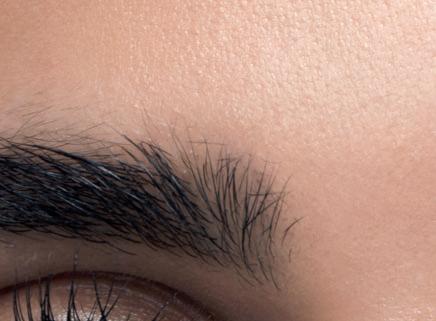
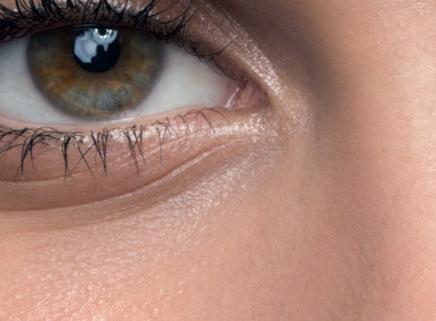

Negative environmental influences and modern work and life conditions facilitate the development of Dry Eye Disease.
It is also important to note a rapidly increasing number affected by Dry Eye in Youth and Office Dry Eye.
The multifactorial nature of the disease means it can arise from several risk factors which mainly include:


•Aging
•Sex, females are more prone
•Race, Asian race is most prone
•Heavy use of screens
•Contact Lens Wear
•Dry Environments
•Air conditioning
•Allergies and infections
•Eye surgeries
•Some medications
•Hormonal imbalances






Eyelid spasm
Difficulty wearing contact lenses
Burning and gritty eyes
TelangiectasiaRedness
Watering eyes
Unstable vision
Sensitivity to light
Dry, burning, red, permanently fatigued, and – paradoxically –also watery eyes are symptoms of Dry Eye Disease. Patients might also face problems with wearing contact lenses and have pronounced sensitivity to light. Apart from experiencing eye pain, your patients may have more serious complications such
as infections, styes, or corneal ulcers.
Signs of Dry Eye Disease include reduced non-invasive tear breakup time, elevated or large intereye disparity in osmolarity, and ocular surface damage indicated by dye staining.
The common problem of tear film dysfunction has resulted in the development of multiple therapeutic options.
Standard treatments are mainly substitutions for the natural tear film and are often insufficient to overcome the discomfort felt by patients.
Conventional, palliative therapies:
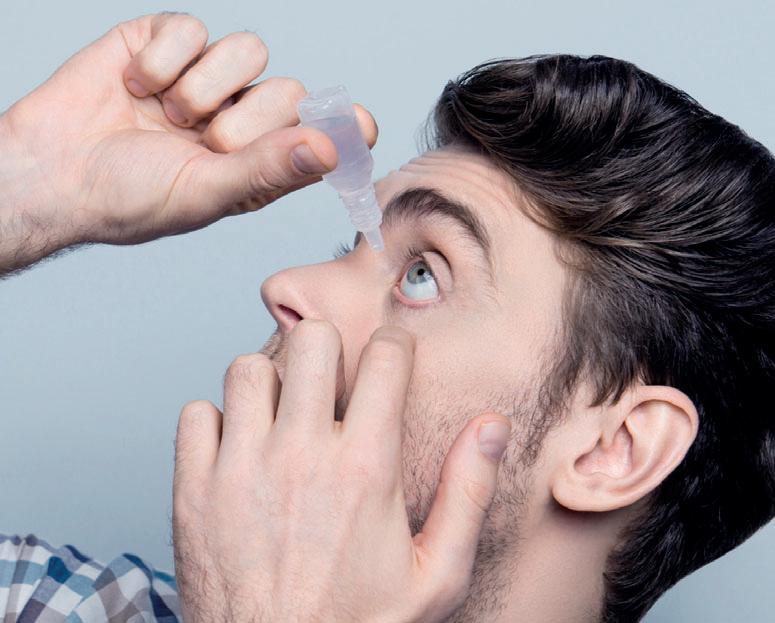
•Drops/artificial tears
•Eye masks
•Moisture chambers
•Lid massages
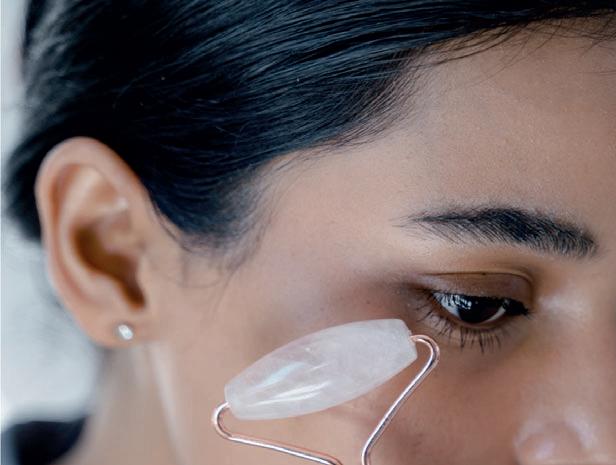
•Warm compresses
•Gland expression
•Heating/pressure
>>> temporary solutions for short-term reduction of symptoms
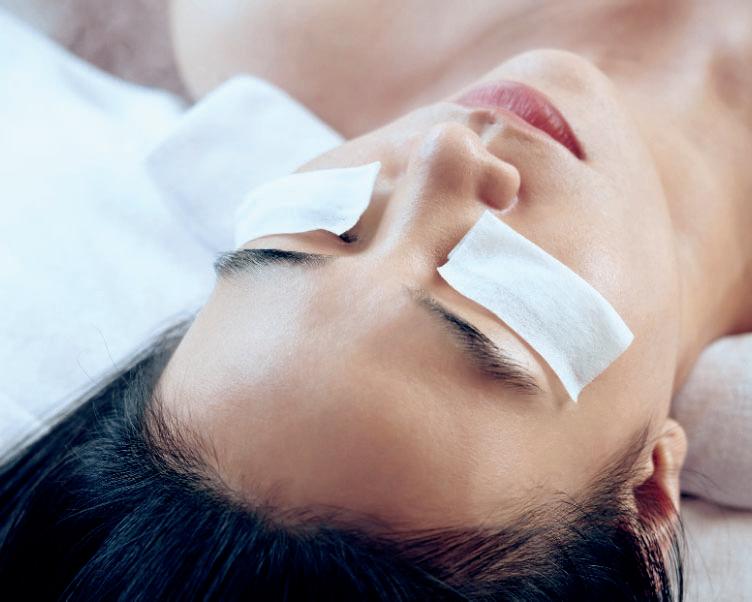
Intense Regulated Pulsed Light
Technology ( ®) with provides a long-lasting solution to improve visual comfort by restoring the Meibomian Gland function, improving the secretion from the glands and stabilizing the lipid layer of the tear film: a state-of-the-art treatment with
time-efficiency and a modern way to manage Dry Eye.
IPL has become firmly established as favourable treatment option for MGD in recent years, with remarkable growth in its usage within the Dry Eye community. (8)
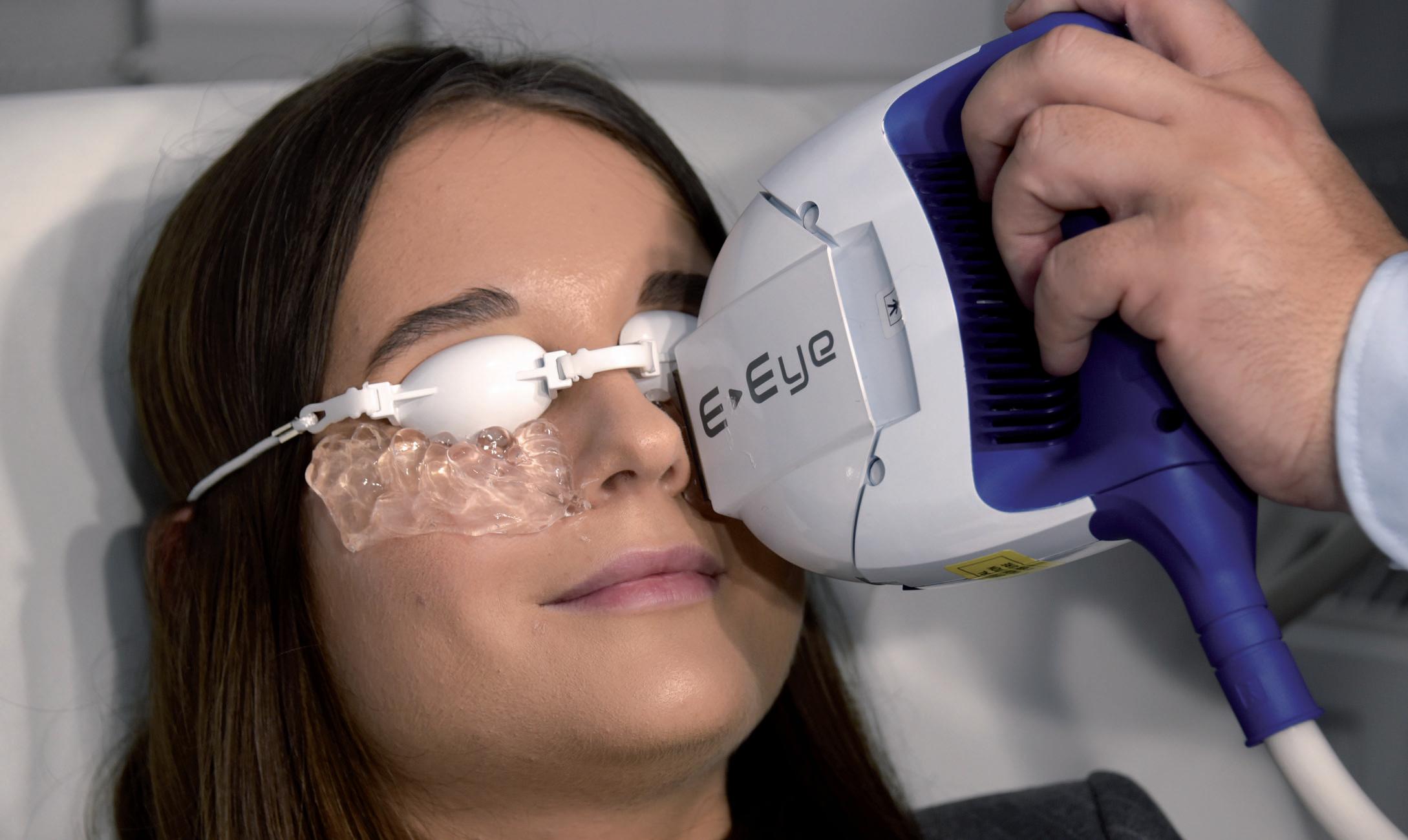

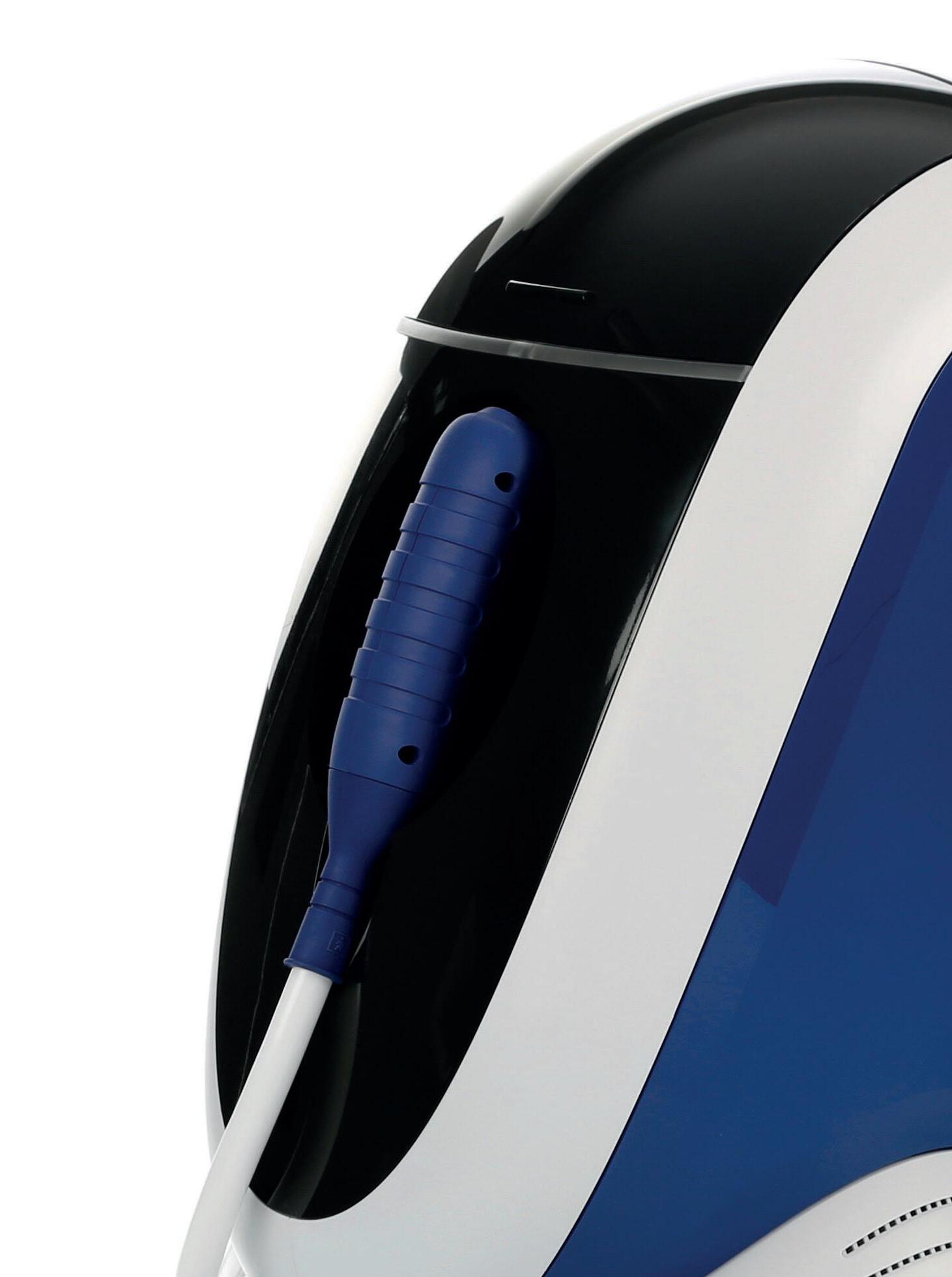
is dedicated to the treatment of eye dryness in its evaporative form, resulting from Meibomian Gland Dysfunction (MGD). As 86% of Dry Eye cases are known to be evaporative, is effective in those 86% of Dry Eye incidence.
- More than just an IPL treatment
Not only is a modern IPL solution, it has the added enhancement of the patented ® technology.
generates polychromatic pulsed light by producing perfectly calibrated and homogenously sequenced light pulses. The sculpted pulses are delivered
as a regulated train of pulses. The energy, spectrum, wavelength and duration are precisely set to target the nerves connected to the Meibomian Glands in order to encourage their return to normal function.
The treatment technology is non-invasive, entirely painless and harmless to the eye.
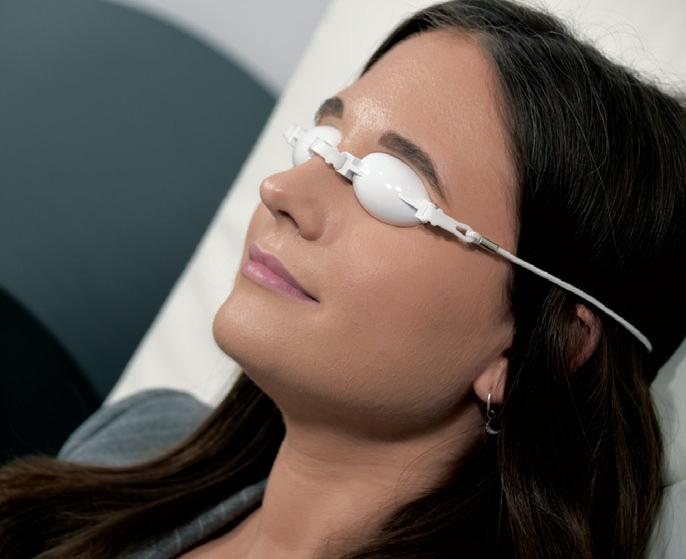
•The treatment only takes a few minutes per session.
•Patients are comfortably seated on a treatment chair, preferably reclined.
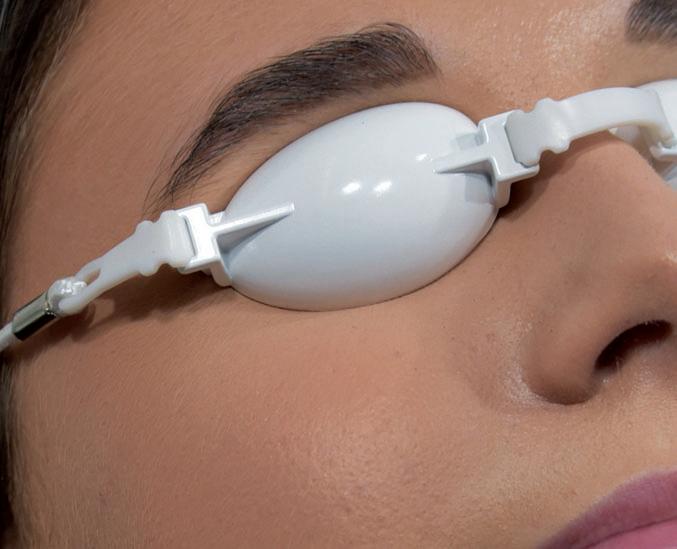
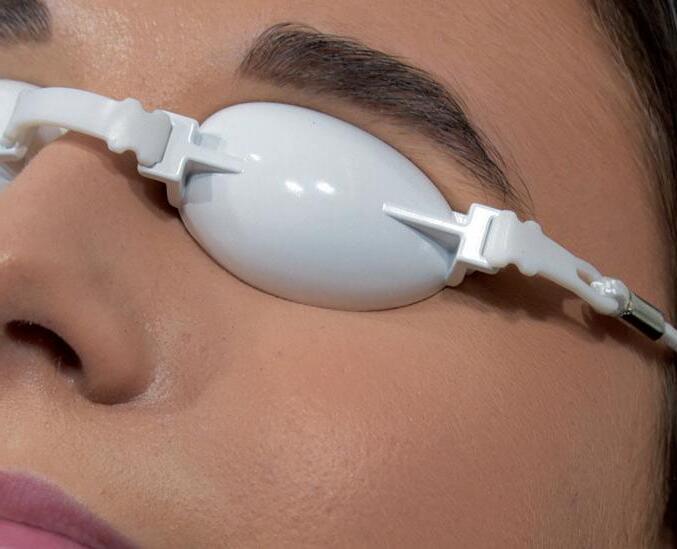
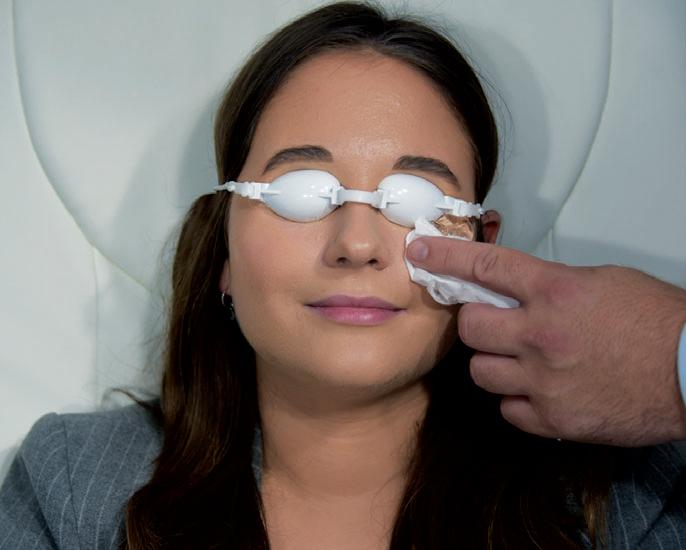
•The protective white metallic eyemask is adjusted on the patient‘s eyes. 1
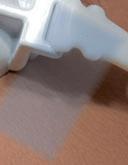
•Then, a specific treatment gel is applied on the cheekbone and the temporal areas. 2

•A series of 5 flashes is applied under each eye. 3
•Four flashes are applied in the lower zone – starting on the inner canthus – and one flash in the temporal area to stimulate the upper glands. 4
•The same process is repeated under the other eye. 5
•The gel is wiped off and the treatment is complete. 6
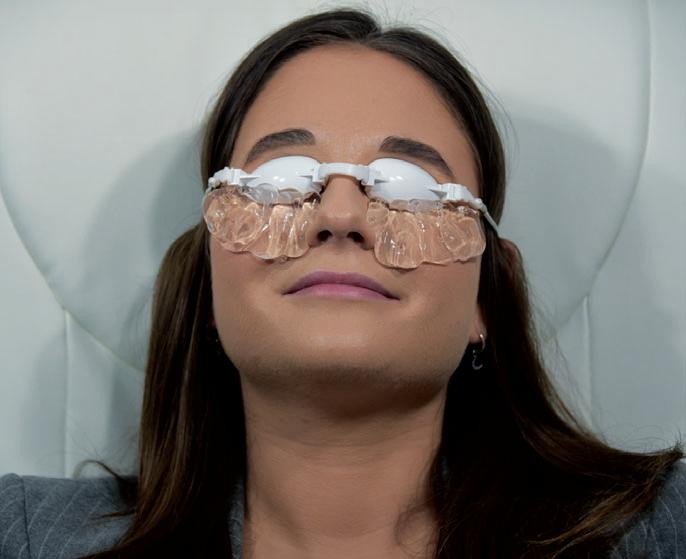
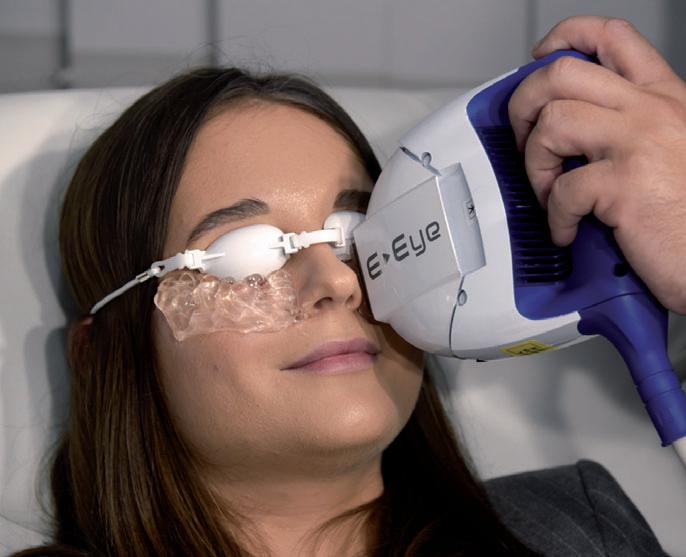








« »
Already after my first treatment, I felt a great improvement and I do recommend everyone suffering from Dry Eyes to have the treatment.
Rana A. Dry Eye Patient, Dubai


The treatment is performed within a short, efficient protocol of 3–4 sessions. The effect of the treatment is cumulative and lasts at least 6 months up to 3 years. In 60% of cases no follow-up treatment would be required within 3 years. In order to improve the achieved results and to avoid returning discomfort, it is recommended
Session 1
for min. 1 week Session 2
for min. 2 weeks
Session 3
to repeat single maintenance sessions on demand, with usually one single session per year.
This treatment protocol consists of 3 sessions (and a fourth optional session) as follows:
Day 0 / Day 15 / Day 45 / Day 75 (optional)
for min. 6 months up to 3 years
Session 4
for min. 6 months up to 3 years
® (Intense Regulated Pulsed Light) technology developed by E-SWIN introduces an entirely new dimension to conventional IPL: « regulation ».
Regulated flash technology permits the generation of flashes, the instantaneous luminous power output of which remains constant throughout the duration of the flash concerned. The uniformity permits the complete control of heat generated in the target area. Accordingly, this control further enhances the safety of flashes emitted. It should be noted that ® can go further still in the fine control of flash configuration. It is possible, within a single flash, to combine a train of sub-pulses, each pulse of
is better than other therapies. It provides valued addition to DED & associated issues. Easy, safe & patients recommend it.
Nick DASH Optometrist Midland Eye, UK
different intensity and structure. This offers unprecedented therapeutic possibilities, which are inconceivable with conventional IPL systems.
® technology has been proven to significantly decrease both subjective symptoms and objective clinical signs. Effects have been shown to be superior to conventional IPL in managing TBUT results. (9)
The exclusive Air Cooling System® designed by E-SWIN provides additional user and patient comfort and allows to benefit from the full outcome of the transferred light pulses. Conventional watercooling IPL systems, on the other hand, absorb part of the emitted flash source.

What truly sets apart is its neurostimulatory component thought to be possible through ® technology.
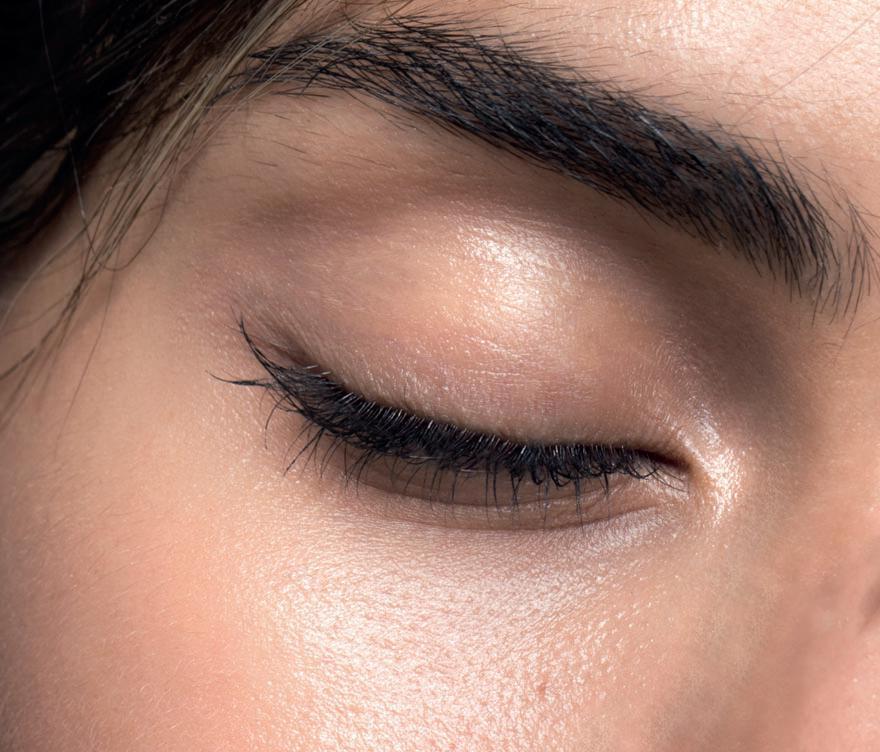
The flashes emitted are directed to the parasmpathetic nerve which is located in the zygomatic and bulborbital area and supplies the Meibomian Glands.
A neurological stimulation of the parasympathetic nerve:
•leads to the regeneration of the Meibomian Glands
•improves the quality of the glandular secretion


Additionally, the following effects have been proposed to explain the clinical benefits observed with IPL: (10)
•Warming and liquifying effect facilitating meibum expression
•Photomodulation stimulating mitochondria of Meibomian Glands, also enhancing collagen synthesis
•Vascular thrombosis aiding in decrease in inflammation
•Antibacterial and antiparasitic effects
•Connective tissue rejuvenation with fibroblast–collagen synthesis and remodelling reducing eyelid- epithelial turnover and decreasing gland obstruction.


Scan to view the video about the mechanism of action of .
Since 2013, more than 16 clinical studies related to have been conducted on over 550 patients in Europe, Asia and Australasia. These studies have shown:
A considerable improvement in the symptoms perceived by patients with a 90% satisfaction rate after the first 2 treatments. This improvement may be clearly felt from the initial session for the first couple of days and increases with time after the following treatments.
A correlation between this perception and clinical measurement was executed. 45% of patients originally classified as level 2 (Oxford classification) have, after instillation of fluorescein, had improved by one or two levels. 81% of patients from level 1 improved by 1 level.
Non-invasive, affordable with fast and long-lasting results, is a revolution in lots of different aspects.
Randomised double-masked placebo-controlled trial of the cumulative treatment efficacy profile of intense pulsed light therapy for Meibomian Gland Dysfunction. The Ocular Surface.
Xue A. L., Wang M. T. M., Ormonde S. E., Craig J. P. (2020).
Intense pulsed light therapy: A promising complementary treatment for Dry Eye Disease. Archivos de La Sociedad Española de Oftalmología (English Edition).
Mejía L. F., Gil J. C., & Jaramillo M. (2019).
Ocular Surface Workup in Patients with Meibomian Gland Dysfunction Treated with Intense Regulated Pulsed Light.
Vigo L., Taroni L., Bernabei F., Pellegrini M., Sebastiani S., Mercanti A., Di Stefano N., Scorcia V., Carones F., Giannaccare, G. (2019).
Professor Dr. Jennifer P. Craig, who leads investigator-initiated randomised placebo-controlled clinical trial research at the University of Auckland in New Zealand, has confirmed clinical benefits of .

Findings:
IPL therapy effected improvements in Dry Eye symptomology, tear film lipid layer thickness and Meibomian Gland capping in participants with MGD.
Findings:
IPL treatment has excellent results regarding both: Dry Eye Disease symptom improvement and in-office objective tests such as TBUT, Schirmer test and Van Bijsterveld score; IPL could be considered as an effective adjunct for treating Dry Eye Disease.
Findings:
® for the treatment of patients with Dry Eye owing to MGD improved NIBUT (noninvasive tear break up time), LLT (lipid layer thickness), and tear osmolarity, as well as subjective symptoms.
Scan to view further clinical studies online.
by Dry Eye experts in more than 70 countries.

In 2017, we implemente first in our Kö center. Thanks to ve positive patient feedbac we decided very soon offer the treatment in our 3 locations.
Dr Matthias Maus sehkraft Eyelaser Centre, DE

not only allows us to help patients prevent progression of their disease but also helps provide relief for our severe cases too. Our patients are very happy!
Dr Ritesh PATEL
See & Be Seen Eyecare, CA

I have been using since January 2016. is the best solution treat evaporative Dry Ey especially in women menopause age with MGD
Dr Luca VIGO Carones Vision, IT
I’m very happy to have in my clinic, because my patients are improving their ocular surface, quality of vision, and quality of life as well.
Dr Liliana NOBREGA Oftalmocenter Victoria, BR

® is my therapy of choice in all patients with Evaporative DED by MGD.
Dr Alfredo CARBAJAL Usyplas, Cuenca, EC

is registered in the main Dry Eye markets: ANVISA (Bra
Dry Eye Treatment with ® has been a great success in my practice.

Mr Erik ROBERTSTAD Interoptik Holt, NO (Europe), CFDA (China), FDA (USA), HC (Canada), TGA (Australia), ... has provided longterm relief to patients of varying eye dryness, even the toughest cases.
For 2 years now, I have been using the ® device which has helped greatly with the Dry Eye treatment for MGD patients.
Prof. Yingying GAO
2nd Affiliated Hospital of Fujian Medical University, CN

Dr Wassim ALTROUDI Ebsaar Eye Surgery Center, UAE

combined with premium cataract/IOL surgery improves visual outcomes in my practice.
Dr Aloysius Joseph LOW Vista Eye Specialist, MY


I regard treating the ocular surface as key to my success and the device as an important therapeutic modality.
Dr Johann KRUGER Tygervalley Eye and Laser Centre, ZA
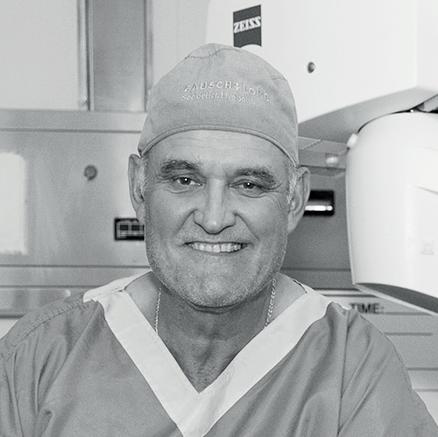

® is my treatment of choice for obstructive Meibomian Gland Disease.
Dr Denise LEE EyecarePlus Springvale, AU
ESW vision supports eye care practitioners in practice management with trainings, marketing, webinars, and patientoriented resources.


The provided support includes:
•Product training
•User network and webinars
•connect® Experts Round Tables
•Educational brochures and Leaflets
•Educational videos
•Patient-oriented marketing
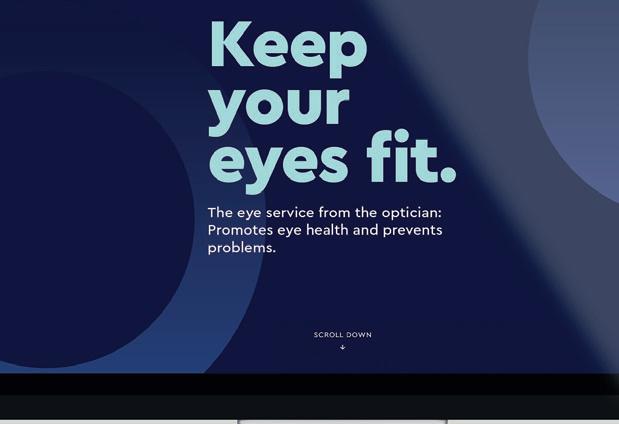
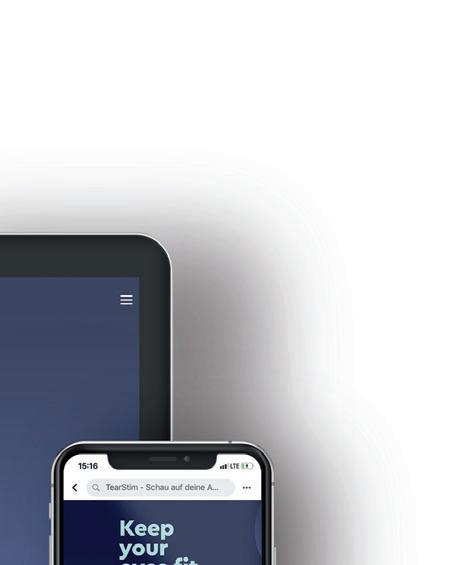
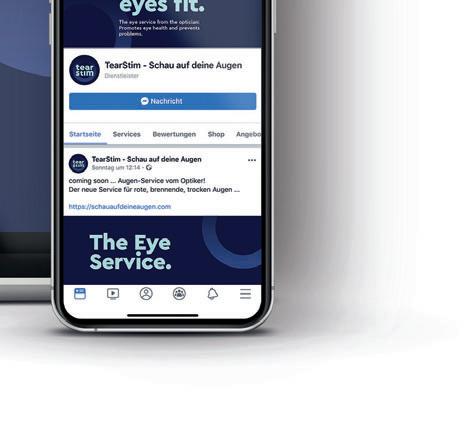
•A dedicated patient eye fitness resource website www.keepyoureyesfit.com
•Social media content












Veale J. E>Eye IPL Dry Eye Treatment Customer Satisfaction Results, July 2015. Craig JP, Nelson JD, Azar DT, et al. TFOS DEWS II Report: Executive Summary. Ocular Surface 2017 Oct;15(4): 802–812. doi: 10.1016/j.jtos.2017.08.003
Lemp MA, Crews LA, Bron AJ, Foulks GN, Sullivan BD. „Distribution of aqueous-deficient and evaporative dry eye in a clinic-based patient cohort: a retrospective study.“ Cornea. 2012 May;31(5):472–8. doi: 10.1097/ICO.0b013e318225415a. PMID: 22378109.
Dalton, M. Understanding Prevalence, Demographics of Dry Eye Disease, Ophthalmology Times, 1 July 2019, www.ophthalmologytimes.com/view/understanding-prevalence-demographics-dry-eye-disease.
Grand View Research, Inc., Dry Eye Treatment Devices Market Size Worth $400.8 Million By 2027, 24 November 2020, Eyewire News Abelson, Mark B., et al. “The Form and Function of Meibomian Glands.” Review of Ophthalmology, 10 May 2016, www.reviewofophthalmology.com/article/the-form-and-function-of-meibomian-glands.
Pflugfelder, Stephen C, and Cintia S de Paiva. “The Pathophysiology of Dry Eye Disease: What We Know and Future Directions for Research.” Ophthalmology vol. 124,11S (2017): S4-S13. doi:10.1016/j.ophtha.2017.07.010
Wolffsohn JS, Travé Huarte S, Jones L, Craig JP, Wang MTM; and TFOS ambassadors. “Clinical practice patterns in the management of dry eye disease: A TFOS international survey.” The ocular surface vol. 21 (2021): 78–86. doi:10.1016/j.jtos.2021.04.011
Dash N, Midland Eye Clinic, UK. 20 months experience with IRPL®. Data on File.
Giannaccare G, Taroni L, Senni C, Scorcia V. Intense Pulsed Light Therapy In The Treatment Of Meibomian Gland Dysfunction: Current Perspectives. Clin Optom (Auckl). 2019;11:113–126 (https://doi.org/10.2147/OPTO.S217639)
Third Hospital of Peking University. Evaluation of the Safety and Effectiveness of the Controlled Discharge Xenon Flash Lamp Device in the Treatment of Meibomian Gland Dysfunction Caused Dry Eye. 2014. Data on File.

Dimensions345 × 320 × 440 mm
Weight11,5 kg
Dimensions packaging740 × 460 × 610 mm
Wavelength> 580–1200 nm

Made by E-SWIN
Medical certification


Patentedtechnology
Technology ® (Intense Regulated Pulsed Light)
Manufacturer warranty2 years
Device serviceMaintenance-free
Installation typeDesktop unit, mobile use
RegistrationsANVISA, CE, CFDA, FDA, HC, TGA, ...