2023
CONTACT
ESSENCE MORGAN PROFILE
EMAIL
essence.morgan@hotmail.com
PHONE
(416) 434-7948
LINKEDIN
www.linkedin.com/in/essence-morgan711268139
SKILLS & QUALIFICATIONS
AutoCAD
Revit
Adobe Photoshop
Adobe InDesign
Microsoft Word
I am an Architectural Science graduate from the British Columbia Institute of Technology. Passionate about design, I am eager to gain hands on knowledge. I hold a positive mindset and sound level of adaptability, by staying true to my considerate and driven nature.
PROFESSIONAL EXPERIENCE
November 2022 – Present
Architectural Technologist • Baldwin & Franklin Architects
Prepare architectural drawings: plans, sections, elevations. Coordinate architectural documents with other disciplines. Support project architects with data and calculations. Develop construction details in draft for review. Assist in preparing building permit applications.
June 2018 – August 2020
CAD Operator • Pretium Engineering Inc
Collaborate with project coordinators and managers on projects to provide neat and precise drawings up to company CAD standards. Attend site visits and conduct measurements.
EDUCATION
Bachelor of Architectural Science • 2022 British Columbia Institute of Technology (BCIT), Burnaby, BC
Advanced Diploma in Architectural Technology with Honors • 2018 George Brown College, Toronto, ON
VOLUNTEERING
Doors Open Toronto
FIRMA/Lia Maston Architects
Info Ambassador May 27, 2017
CSC Building Expo
Info Ambassador February 28, 2018
Doors Open Toronto
Cumulus Architects
Info Ambassador
May 19, 2019
RIVER’S EDGE PRIMARY 1 KITSILANO COMMUNITY CENTRE 7 VICTORIA SQUARE COURT 9 THE WAVE 13 TRANSIT DESIGN GUIDELINES FOR THE DEAF AND HARD OF HEARING COMMUNITY 15 THE FRAGMENT - BCIT THESIS 19 THE FRAGMENT INTERIORS 23 ELEVATE COMMUNITY LEARNING CENTER 28 INTERIOR DESIGN MASTER CLASS 25 PERSONAL PROJECTS COMPETITION ENTRY
SCHOOL PROJECTS
TABLE OF CONTENTS
Project Details


















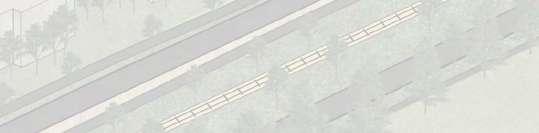
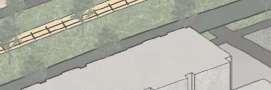

Course: Architectural Tech Studio 4



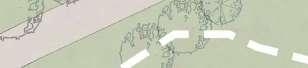

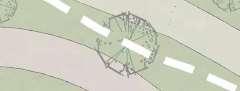


















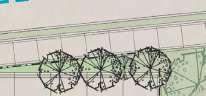












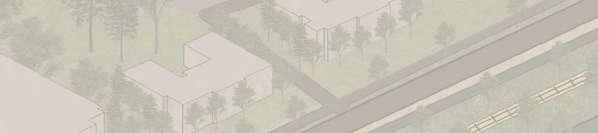






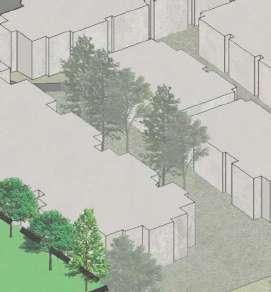
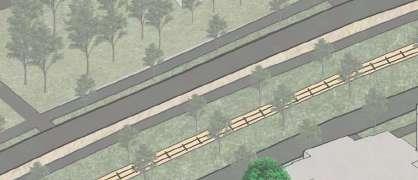
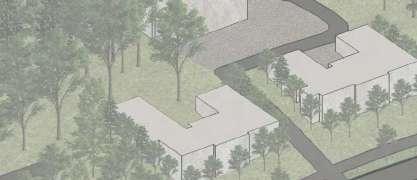
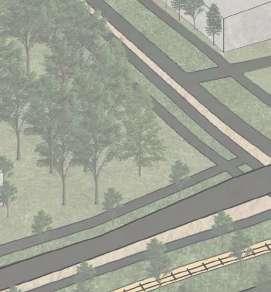
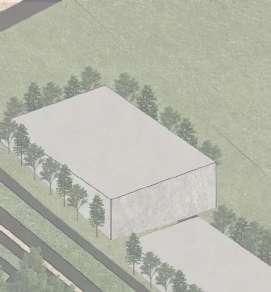
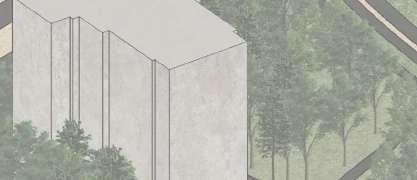
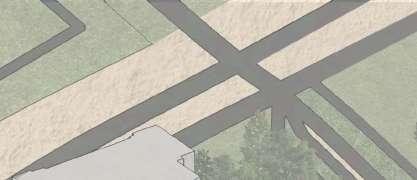
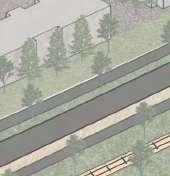
Date: Winter 2021





Contributors: Hayley Pateman, Julia



Dronsejko

1












































































































































2















































3























































4 dispersed security






























































5 pollution.

















































































































6
KITSILANO COMMUNITY CENTRE
Project Details





Course: Architectural Studio 4
















Date: Fall 2021
Contributors: Darian Corbett, Zach Lemdersi-Filali
7
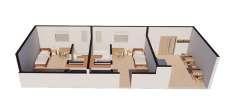
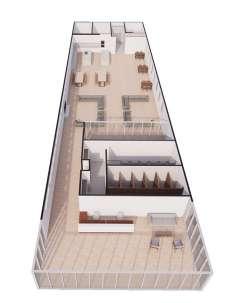
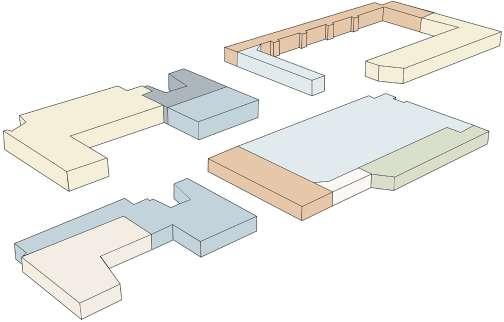
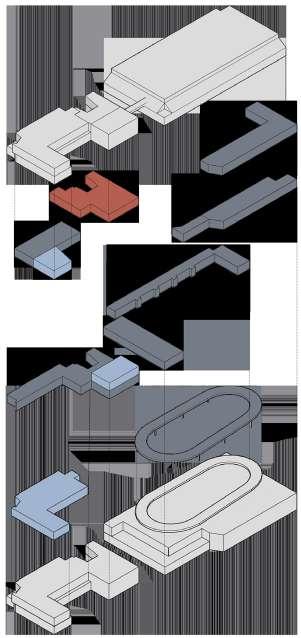
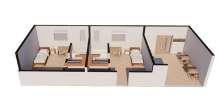
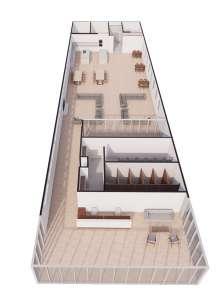
FITNESS AREA OUTREACH CAFE + MIXED-USE AMENITIES KITCHENTTE ROOM ROOM ROOM ROOM KITCHEN LOUNGE LAUNDRY SHOWER COMMUNITY LIVING ROOM PUBLIC PRIVATE DAYCARE
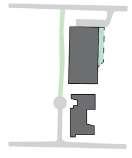
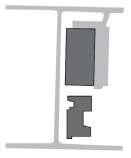
SITE PLAN DEMOLISHED FITNESS PROPOSED FITNESS FARMERS MARKET/ CAFE OUTREACH PROGRAM ROOFTOP RUNNING TRACK NEW DEMOLISHED DAYCARE COMMUNITY LIVING ROOM DAYCARE SENIORS LOUNGE YOUTH LOUNGE ICE RINK GYM DISTANCE AGE STIGMA DAYCARE DAYCARE ICE RINK OUTREACH FLEX SPACE LIVING ROOM OUTREACH ADULT + SENIOR
OUTREACH TEEN DAYCARE CIRCULATION
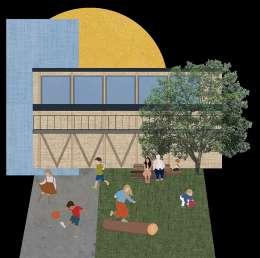
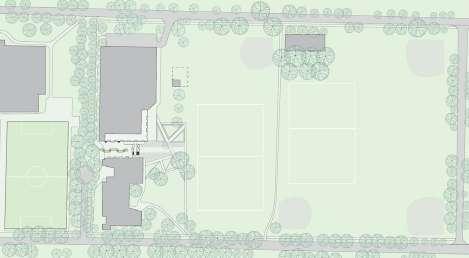
1. PLAZA 2. CIVIC LIVING ROOM 3. DAYCARE CLASSROOM EXISTING PROPOSED EXISTING TIME OUTREACH PROPOSED TIME TIME STUDY CHECK-IN GYMNASIUM + DANCE STUDIO W 10 AVE W 12 AVE KITSILANO HIGH SCHOOL LARCH ST VINE ST
THE NEW PROGRAM THE EXPERIENCE
CONCEPT
THE EXPERIENCE





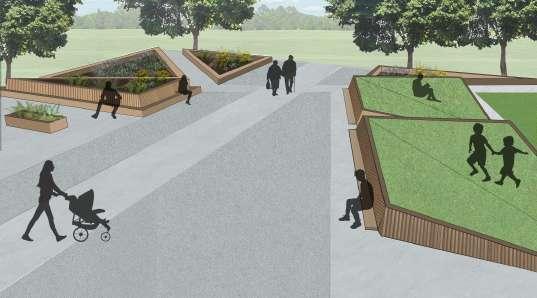
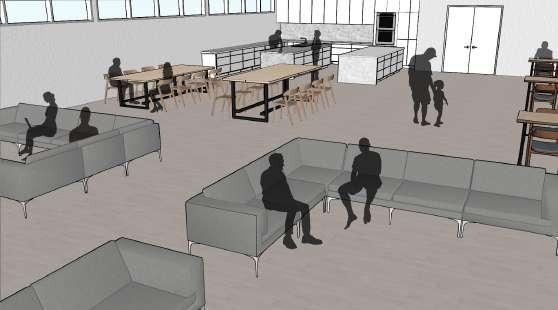
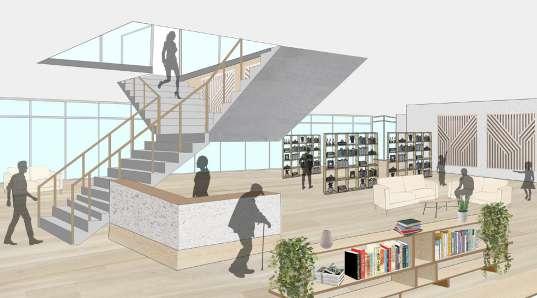
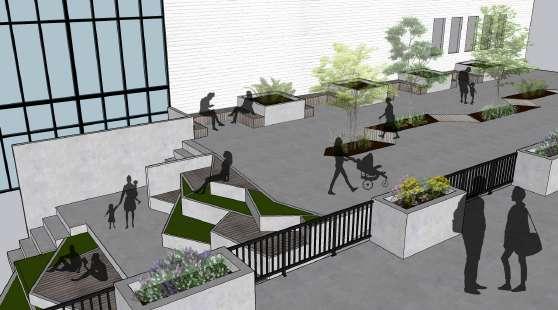
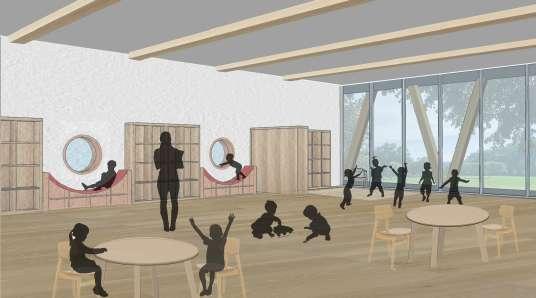
8
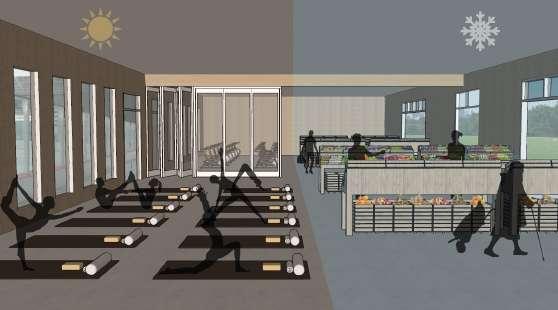
4. MULTI-USE SPACE: FARMERS MARKET + FITNESS
5. OUTREACH COMMON AREA
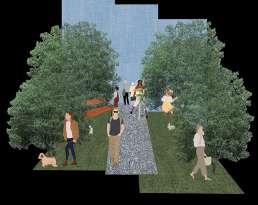
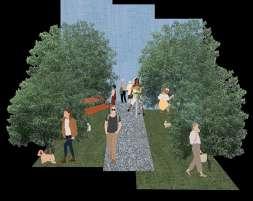
6. THROUGHFARE
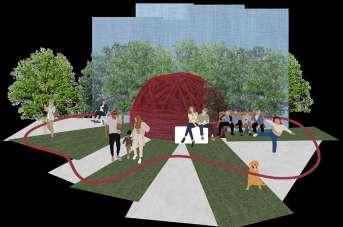
1. PLAZA
LEVEL 1 LEVEL 2
2. CIVIC LIVING ROOM
EXISTING TIME OUTREACH PROPOSED TIME TIME STUDY ICE RINK ICE RINK BELOW MULTI-USE SPACE FITNESS OUTREACH STORAGE STAFF ROOM GYM OFFICES STORAGE SKATE SHOP FARMERS MARKET STORAGE STORAGE MECHANICAL STORAGE ICE CLUB SPACE OFFICES LOBBY CAFE OUTREACH DINING KITCHEN FOOD STORAGE 1. 6. LAUNDRY ADMIN MECH ELEC CHANGEROOMS CIVIC LIVING ROOM DAY CARE STUDY + OFFICES CLASS 1 CLASS 2 WASHROOM WASHROOM CLASS 3 TEACHER LOUNGE WASHROOM MAKERS SPACE MECH CLASS 4 OUTREACH BEDROOMS TEMPORARY OUTREACH STORAGE OUTDOOR CAFE MECH OFFICES GYMNASIUM STORAGE VIEWING AREA ADMIN YOUTH + SENIOR LOUNGE GYMNASIUM DANCE STUDIO MULTIUSE 2. 3. 4. 5.
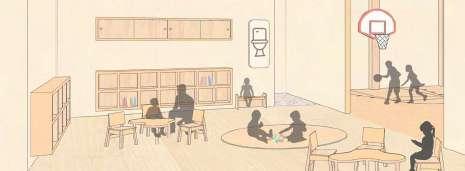
3. DAYCARE CLASSROOM
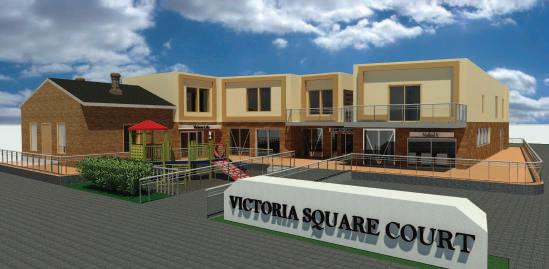
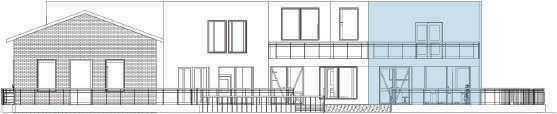
VICTORIA SQUARE COURT
9
10
11
12
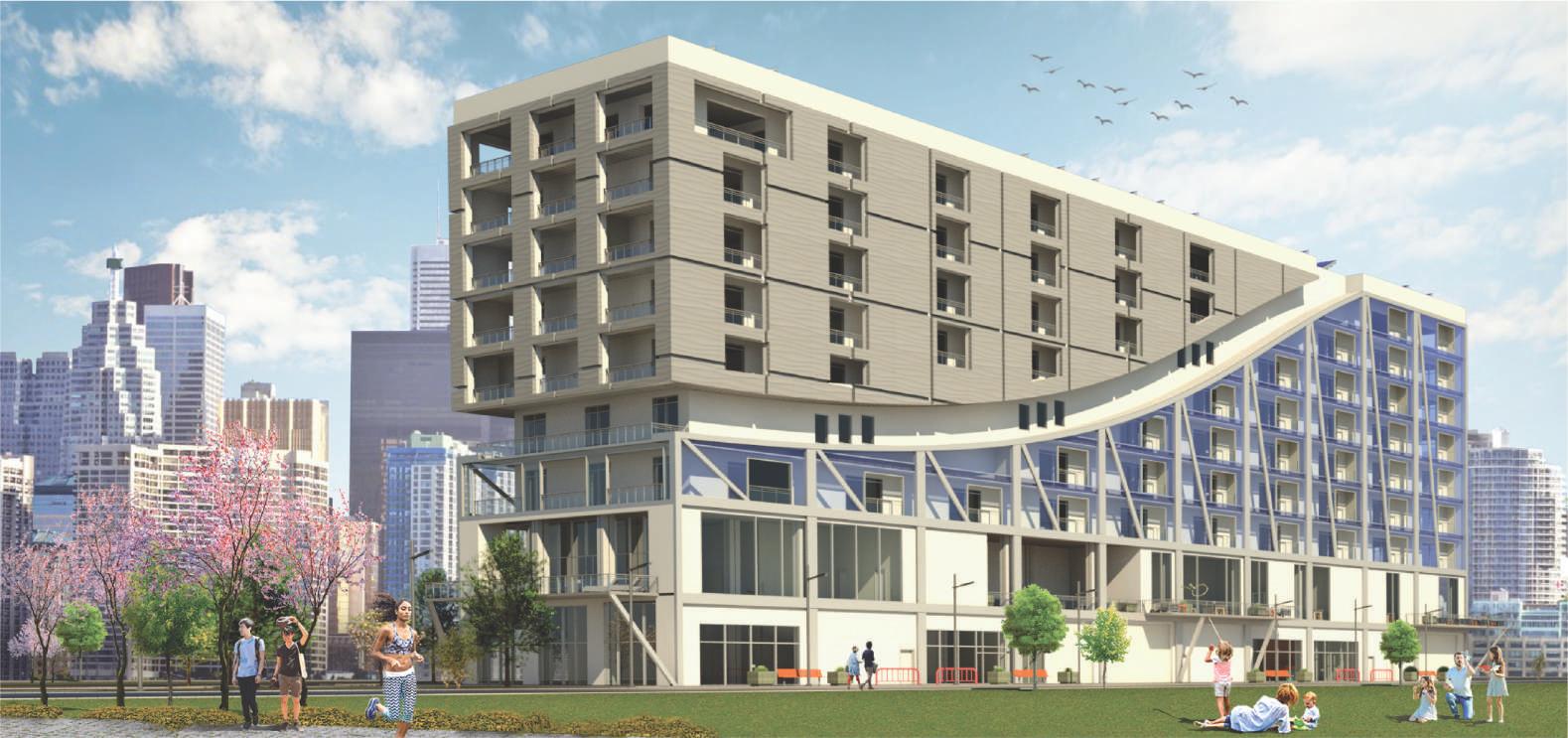
THE WAVE
13







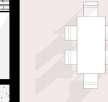
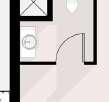









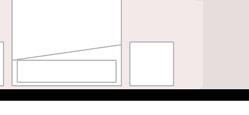
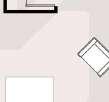
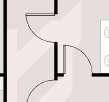
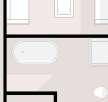


















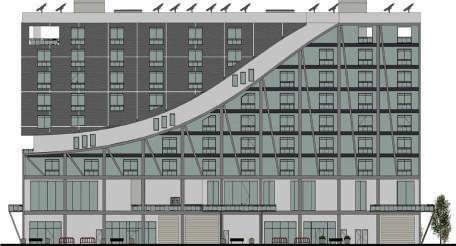
14 107 m R A E N NG 69 m PR V T OUNG 245 m PENTH US A 241 m PENT OUS
Transit Design Guidelines for the Deaf and Hard of Hearing Community
2 Spatial Organization
Course: Directed Studies
Date: Spring 2022
Contributors: Keshia Laisianto, Raeesah Majeed
Why is spatial organization important?
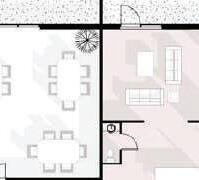
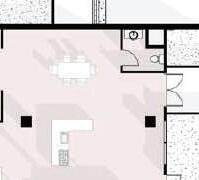
It is vital that sufficient space is provided for individuals of the Deaf and Hard of Hearing community in order to navigate spaces effectively. Users must be provided with ample space to sign comfortably, and engage in non-verbal communication while, sitting, standing or walking. Visual connection to spaces is an important factor in creating a safe and comfortable enviornment. As Deaf and Hard of Hearing individuals hold significant reliance on visual indications to understand spaces, open sightlines must be maintained. This is why open plan layouts with no visual barriers must be implemented in transit station design.
Understanding Deaf Proxemics
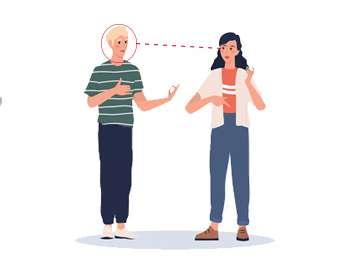

Proxemics refers to the study of spatial distances between individuals as it relates to cultural, behavioral, and sociological aspects. Deaf and Hard of hearing individuals require a larger space between one another when engaged in conversation. This allows them to maintain an appropriate view range, where they are close enough to read subtle face expressions, and far enough to see signing hand movements. To accommodate for Deaf Proxemics, visual barriers must be eliminated. There must be adequate space around the arm area for comfortable signing, and areas must remain barrier free in the case that physical contact is needed in the conversation.
A B C
Visbility
Maintain open consistent sightlines throughout the building, making sure that Deaf and Hard of Hearing individuals are able to understand use and comfortably occupy spaces by using their sight.
Seating Arrangements
Seating arrangements that accommodate the needs of the Deaf and Hard of Hearing, through circular layouts, differing heights, adequate spacing, and casual temporary storage.

Circulation
Designing circulation spaces like corridors, ramps, stairs and elevators in a way that reduces obstacles for Deaf and Hard of Hearing users while in transitioning from space to space .
Distance allows the legibility of subtle facial expressions
15
Source: Wavefront Centre Source: Shield Access Solutions Source: History.com
Arm space for comfortable signing
Photo: Wavefront Centre
Visibility
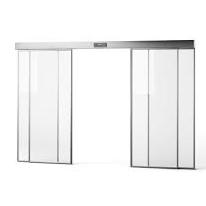
Entry Doors
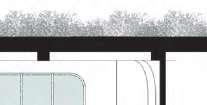
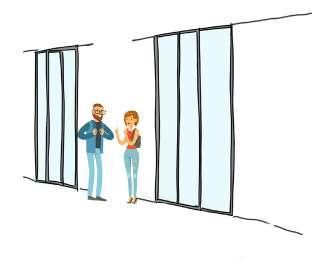
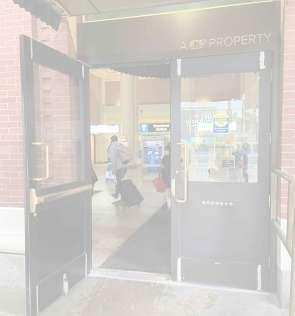
The use of automatic sliding doors allows individuals to continue their conversation while they walk, eliminating the need to pause communication to open a door. It is important that these doors are fully glazed so that individuals of all heights are able to see through them and know when someone is approaching. It is also beneficial to use high contrast colours beside glazing as this clear distinction of materials improves spatial awareness. The glazed entryway creates a lantern effect in the night time and makes it easy to spot from afar. Reference: DeafSpace Section 2.3.1 Glazed Entrances.
ASeating Arrangements
Seats
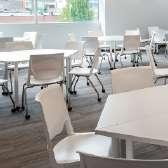
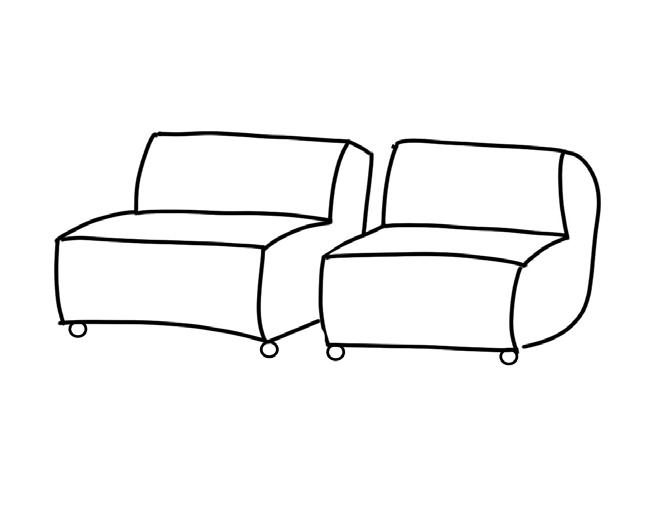
Utilize seats that are light and flexible, as this will allow for the alteration of seating arrangements as groups expand. Elements that restrict movement like arm rests should be avoided. Reference Deafspace Section 1.3.7 Flexible Casual Seating.
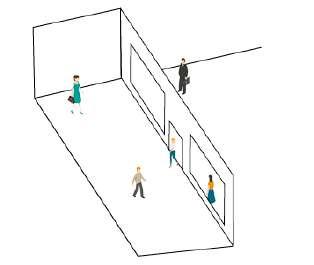
Open Sightlines
It is vital that the building is relatively open so that individuals are able to easily navigate spaces within the station. There should be no obstructions blocking major destination points, as clear visibility should be provided at varying points in the building. An open plan layout as well as glazing should be used for increased visibility.
Reference: DeafSpace Section 2.1.5 Visible Destinations Within Buildings
Circular Layout

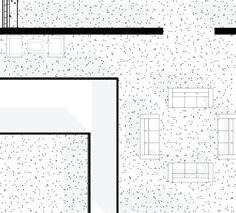
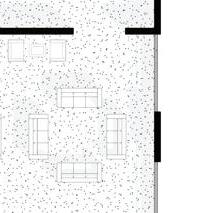
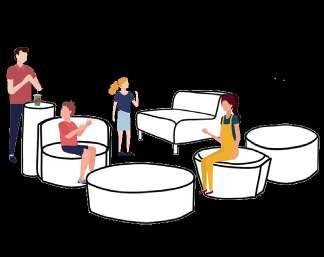
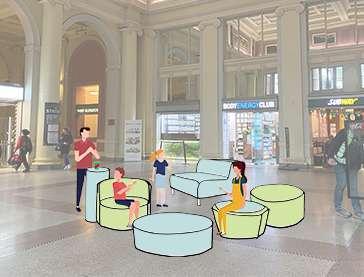
Seating arranged in a circular layout provides continuous visibility for individuals engaging in conversation, while accommodating for larger groups. This way, one is able to make eye contact, and maintain a visual connection with all parties. Reference DeafSpace: Section 1.2.1 Groups & Seating Arrangements.
Varied Heights
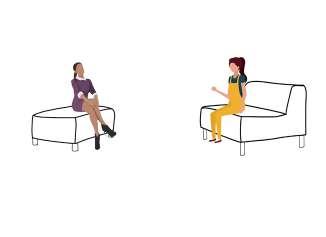
The use of chairs and stools at differing heights establishes clear visual communication. A standard seating arrangement with identical heights poses the issue of visual barriers. With varying heights of seating, individuals are less likely to block each other and prevent another from engaging in conversation. Reference DeafSpace Section 1.3.8 Fixed Casual Seating Arrangements.
Exterior Connection
It is ideal to establish a connection to the outside, especially in areas of exterior circulation. This way, users are able to see when others enter the station and maintain a clear understanding of their surroundings. Reference: DeafSpace Section 1.3.6 Linking Exterior & Interior Spaces.

Spacing
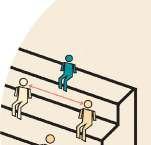
Seats must be spaced appropriately so that individuals may sit between 18in - 3ft apart. This spacing provides adequate room for individuals to sign comfortably, and circulate freely. Reference: DeafSpace Section 1.3.8 Fixed Casual Seating Arrangements.
16
A
18in - 3ft
Seating Arrangements
Conversation Pedestals
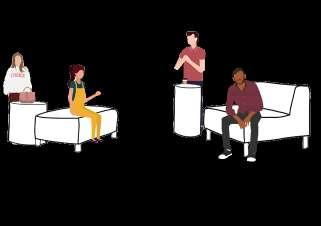
Pedestals and shelves should be provided to place ones belongings so that they are able to engage in conversation, without placing their items on the ground. Provide a variety of shelves and pedestals, at the approximate height of a chair or railing for casual use in typical conversation spaces like the seating area. Reference: DeafSpace Section 1.3.9 Conversation Pedistals & Shelves.
ACirculation
Corridors
Primary corridors must span a minimum width of 8 feet, while secondary corridors must measure at least 6 feet. This width allows individuals the space necessary to engage in sign conversation while spaced at a sufficient distance apart. It is also beneficial to provide conversation nodes along the pathway, so that individuals may communicate comfortably, outside of the path of travel.
Reference: Deafspace Section 3.1.1 Corridor Dimensions.
Tables
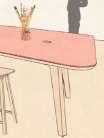
Tables that seat over four people should be circular for optimal sightlines. To cater to larger group settings, it is more beneficial to use a larger quantity of small tables rather than a lesser number of large ones. This setup allows flexibility of the furniture, and a smaller group setting prevents the possibility of visual obstructions.
Reference: DeafSpace Section 1.3.7 Flexible Casual Seating.
Ramps
Where possible the use of ramps is beneficial in eliminating the need to pause before transitioning to a new space. Signers are therefore able to continue a conversation while travelling on the ramp. Reference: Deafspace Section 3.2.5 Ramp Configuration.
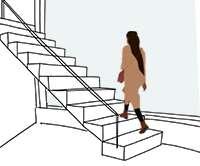
Stairs
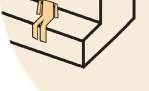
Stairs should be open and provide users with visual connections to their surroundings. Where possible, a window should be placed in this area to combat the feeling of confinement and aid in wayfinding through connections to the outside. Reference: Deafspace Section 2.3.5 Stair Enclosure.
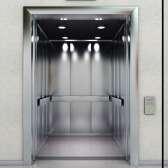
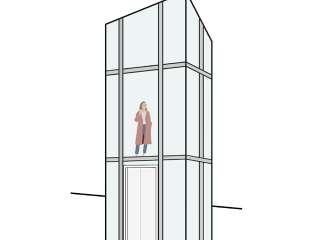
Glazed Elevator
The use of glazing for elevators maintains visual connections during the journey up or down, and increases the level of safety. Reference: Deafspace Section 2.3.4 Glass Elevators
17 14 15
A
8ft 6ft
AFloor



Plan: Waterfront Transit Station - Vancouver, BC
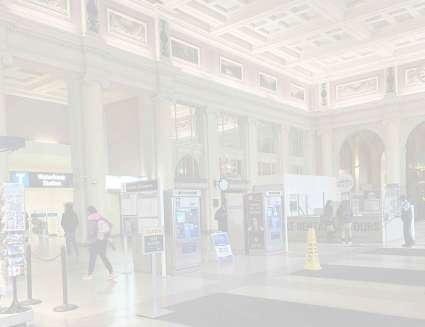
Existing Floor Plan
Stall Design Ticket Station Placement
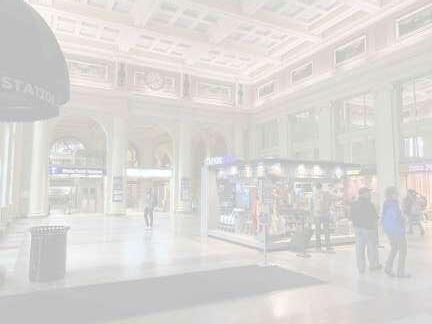
New Floor Plan with Design Implementation
Seating Design
Entrance Doors
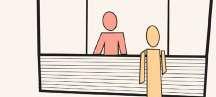
The new retail stall provides open sightlines, in place of the large convenience stand which created a visual barrier.
Compass card and ticket machines have been pushed outside of the central area, as this area experiences a high level of pedestrial traffic.
Seating is provided in a circular layout to maintain eye contact and provide sufficient space for comfortable sign conversations.
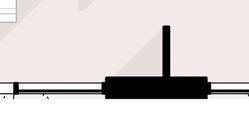
The swing entry doors have been replaced with sliding doors to provide visibility, and allow conversations to continue while entering the station.
18 30 31
CONVENIENCE STAND TICKET STATIONS BIKE RENTALS & TOURS DN UP JUGO JUICE SUBWAY BODY ENERGY CLUB STARBUCKS FARE GATES THE ROGUE RESTAURANT
DN JUGO JUICE INFORMATION BOOTH SUBWAY BODY ENERGY CLUB THE ROGUE RESTAURANT STARBUCKS UP HIGH TRAFFIC AREA SPACE LEFT CLEAR FARE GATES CONVENIENCE STALL BIKE RENTALS & TOURS TICKET STATIONS
the fragment
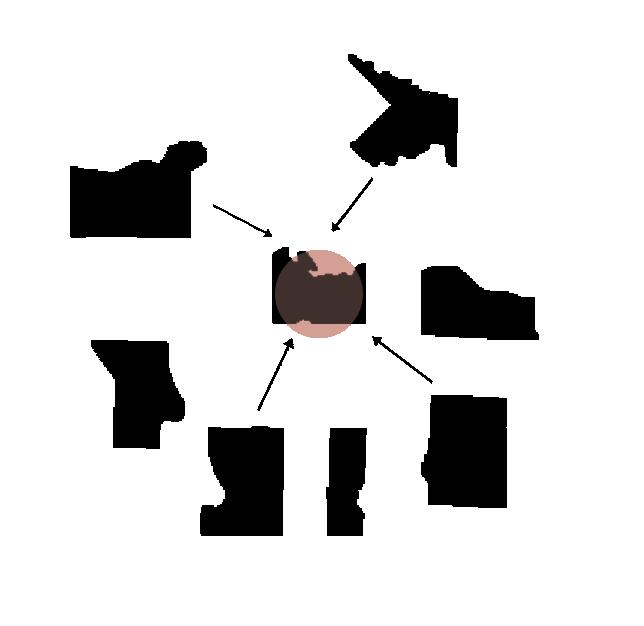
WHILE MORE THAN 50% OF VANCOUVER’S POPULATION IDENTIFY AS PEOPLE OF COLOUR LESS THAN 20% ARE REPRESENTED IN GALLERIES


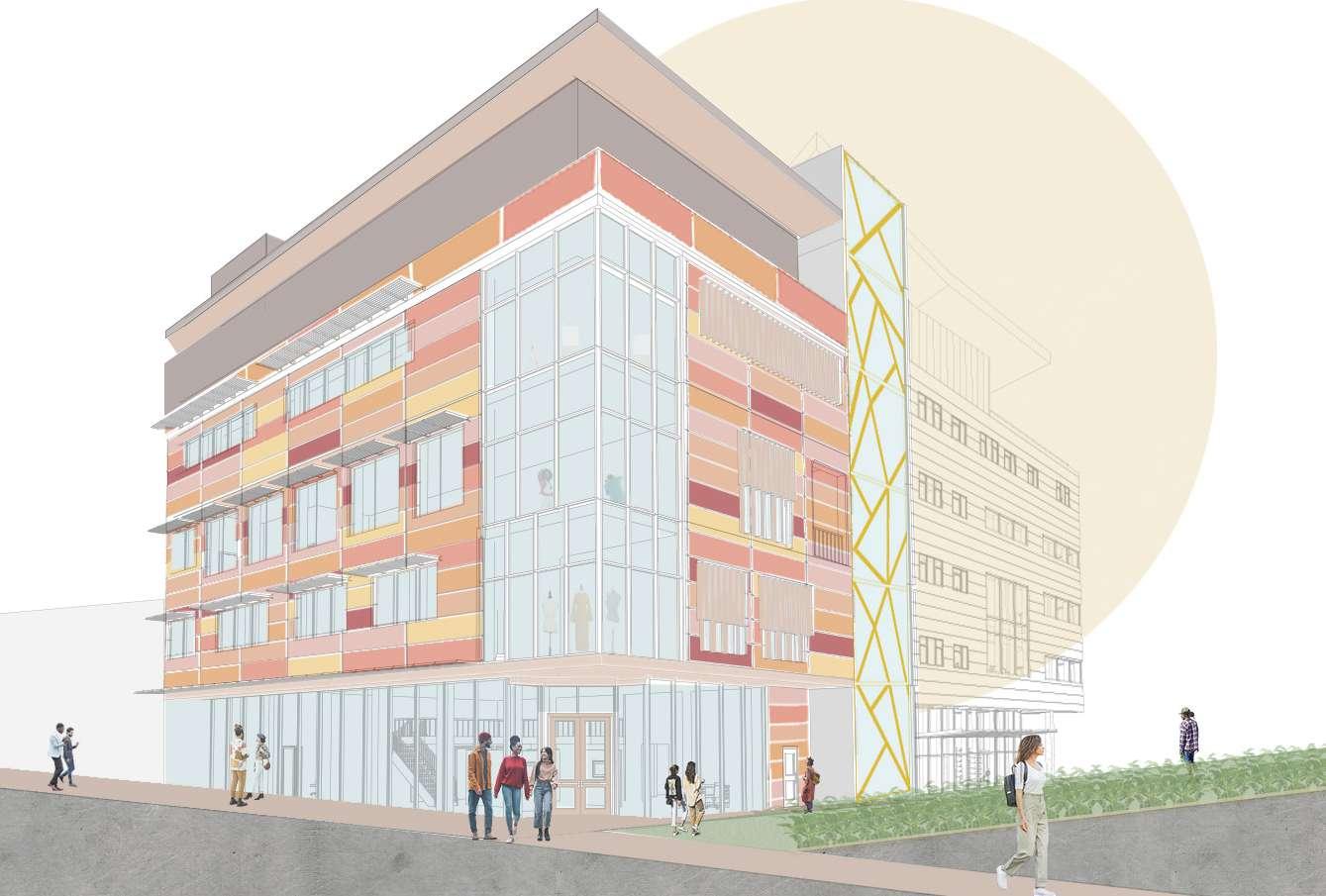
the purpose of this project is to build artist studio and housing units in a way that dignifies the low income BIPOC community so that the art industry is able to take on a more inclusive nature
PRESENCE
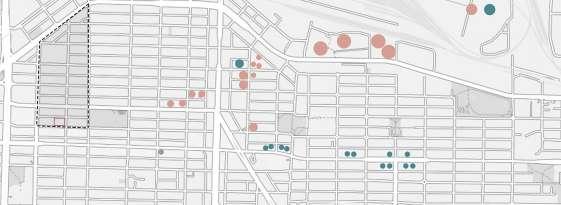
RACIAL REPRESENTATION OF ARTISTS IN LOCAL COMMERCIAL GALLERIES WHAT DOES A CHANGE LIKE THIS LOOK LIKE? WHAT DOES IT TAKE?
BIPOC PRESENCE (RESTAURANTS, GROCERS, COMPANIES AND CULTURAL MAGNETS)
ARTISTS HUBS (GALLERIES, SCHOOLS, ART ORGANIZATIONS)

HALLWAY GALLERY
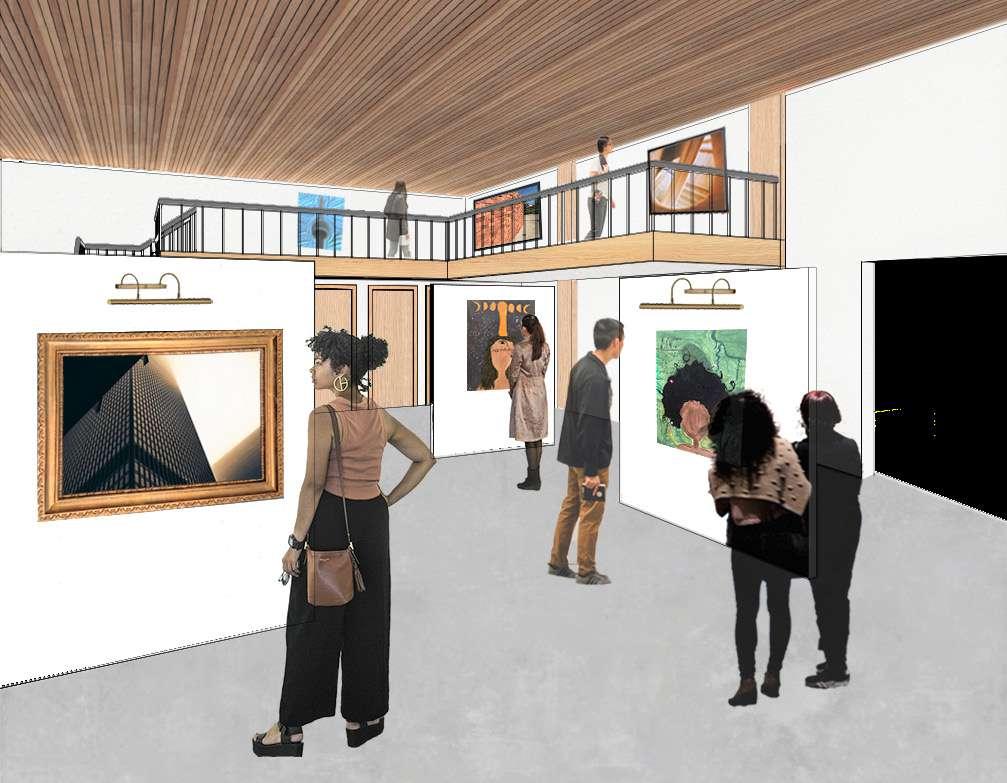
WOOD WORKING STUDIO GALLERY
19
CELEBRATE LIVE CREATE RESET DESIGN SHOWCASE BUY + SELL UNIFY WELCOME EXPRESS DEFY
BLACK INDIGENOUS OTHER POC WHITE
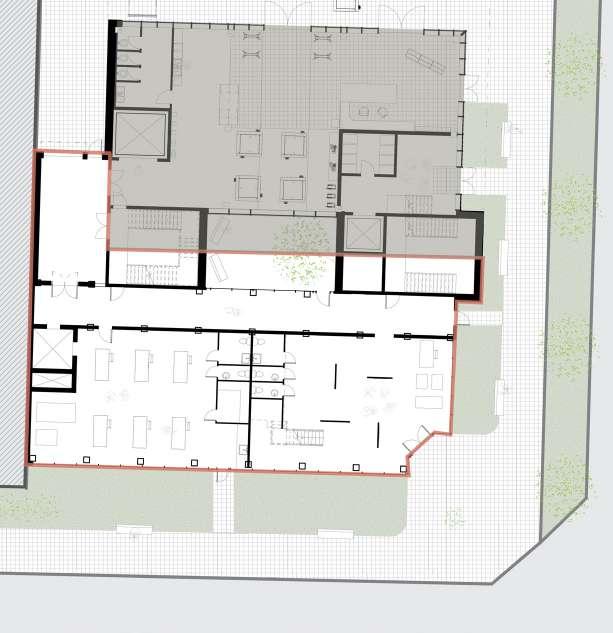
SHARED OPEN AIR COURTYARD W 8TH AVE ALBERTA ST GROUND FLOOR CONTEXT PLAN 1:125 APRIL 2022
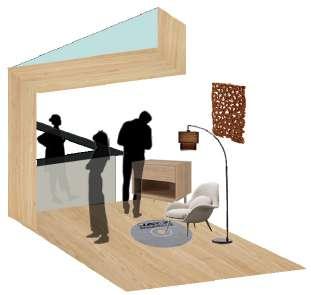
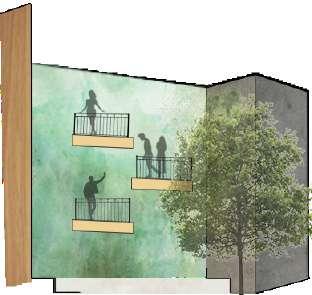
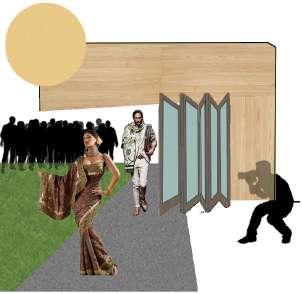
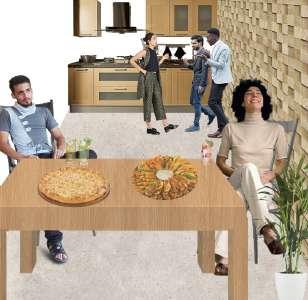
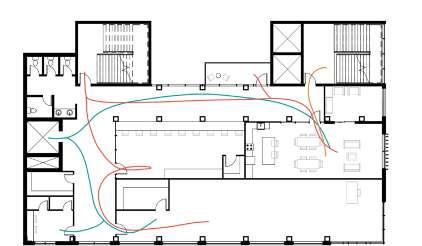
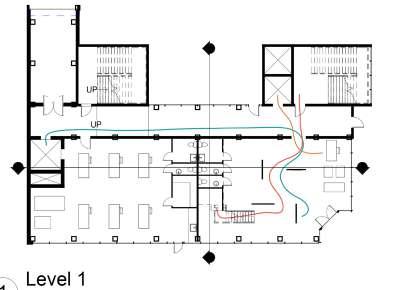
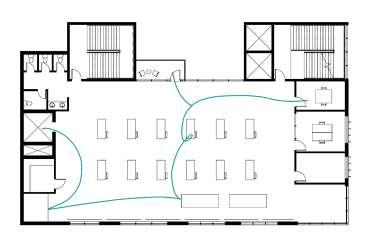
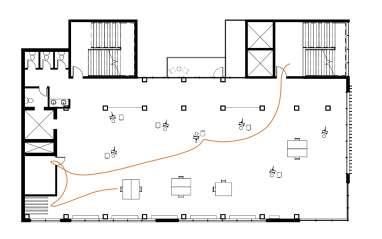
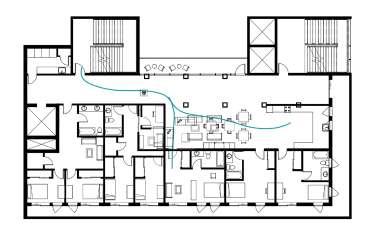
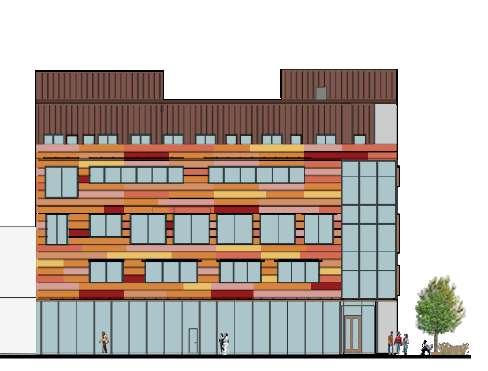
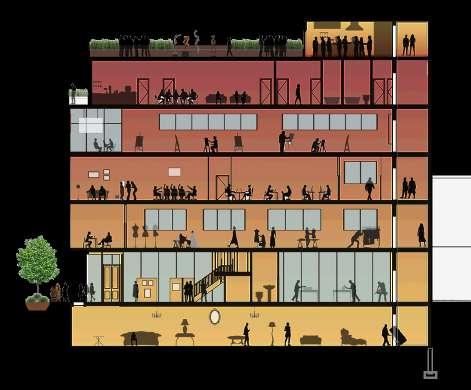
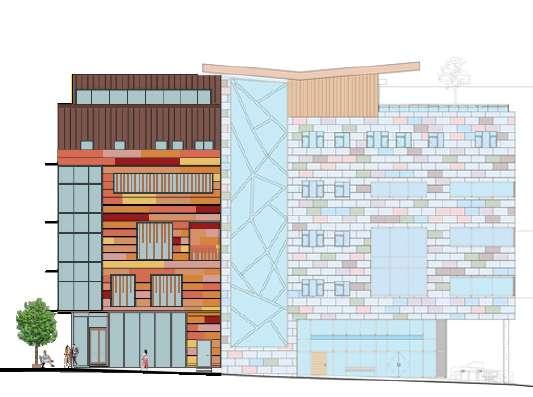
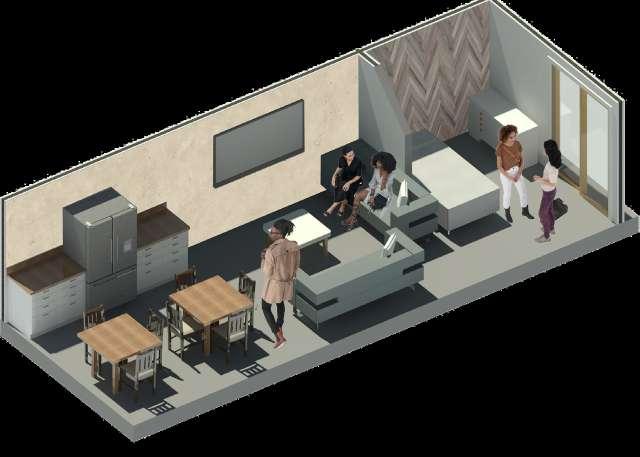
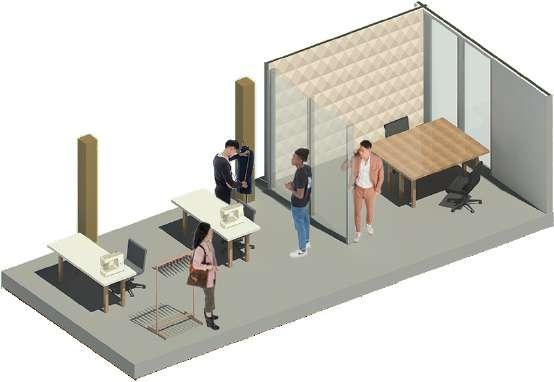
20 RESET LOUNGE REVIVE, REFRESH AND RELATE ROOFTOP TERRACE SHOWCASE AND NETWORK SHARED COURTYARD RELAXED INTERACTION IN NATURE HOME DECOR SHOP RETAIL OPPORTUNITIES WOOD WORKING STUDIO HALLWAY GALLERY SHARED COURTYARD LOADING + STORAGE GALLERY 1:200 1:200 1:200 1:200 LEVEL 4 LEVEL 3 LEVEL 2 DIGITAL LAB DRESSING ROOM PHOTOGRAPHY STUDIO RESET LOUNGE FASHION + TEXTILES STUDIO FITTING ROOM MEETING ROOM MEETING ROOM MATERIAL WALL PAINT STUDIO CANVAS SHARED KITCHEN + LIVING ROOM LAUNDRY www.autodesk.com/revit Scale Project number Date Drawn by Checked by Consultant Address Address Phone Fax -mail Consultant Address Address Phone Fax -mail Consultant Address Address Phone Fax -mail Consultant Address Address Phone Fax -mail Consultant Address Address Phone Fax -mail A101 FLOOR PLANS No. 1 : 200 Level 2 2 1 : 200 Level 3 3 1 200 Level 4 4 1 200 Level 5 -Residence 5 1 100 Level 5 -Residence LOFT 8 1 100 Level 5 -Residence -TWO BED 9 UP UP www.autodesk.com/revit Scale Project number Date Drawn by Checked by Consultant Address Address Phone Fax e Consultant Address Address Phone Fax e Consultant Address Address Phone Fax e Consultant Address Address Phone Fax e Consultant Address Address Phone Fax e 0001 Issue Date Author 1 : 200 Level 2 2 1 : 200 Level 3 3 1 200 Level 4 4 1 200 Level 5 -Residence 5 1 100 Level 5 -Residence LOFT 8 1 : 100 Level 5 -Residence -TWO BED 9 1:100 1:100 STUDIO TWO BEDROOM 1:200 1:200 1:200 EAST-WEST SECTION SOUTH ELEVATION EAST ELEVATION COLIVING INTERACTION STUDIO COLLABORATION PUBLIC PRIVATE LEVEL 5 1:200
LEVEL



LEVEL 4 PAINT STUDIO
LEVEL 3

PHOTOGRAPHY DIGITAL ART LAB RESET LOUNGE
LEVEL 2
FASHION + TEXTILES STUDIO
RESIDENT ARTIST PROFILES








LEVEL 1 GALLERY WOOD WORKING STUDIO
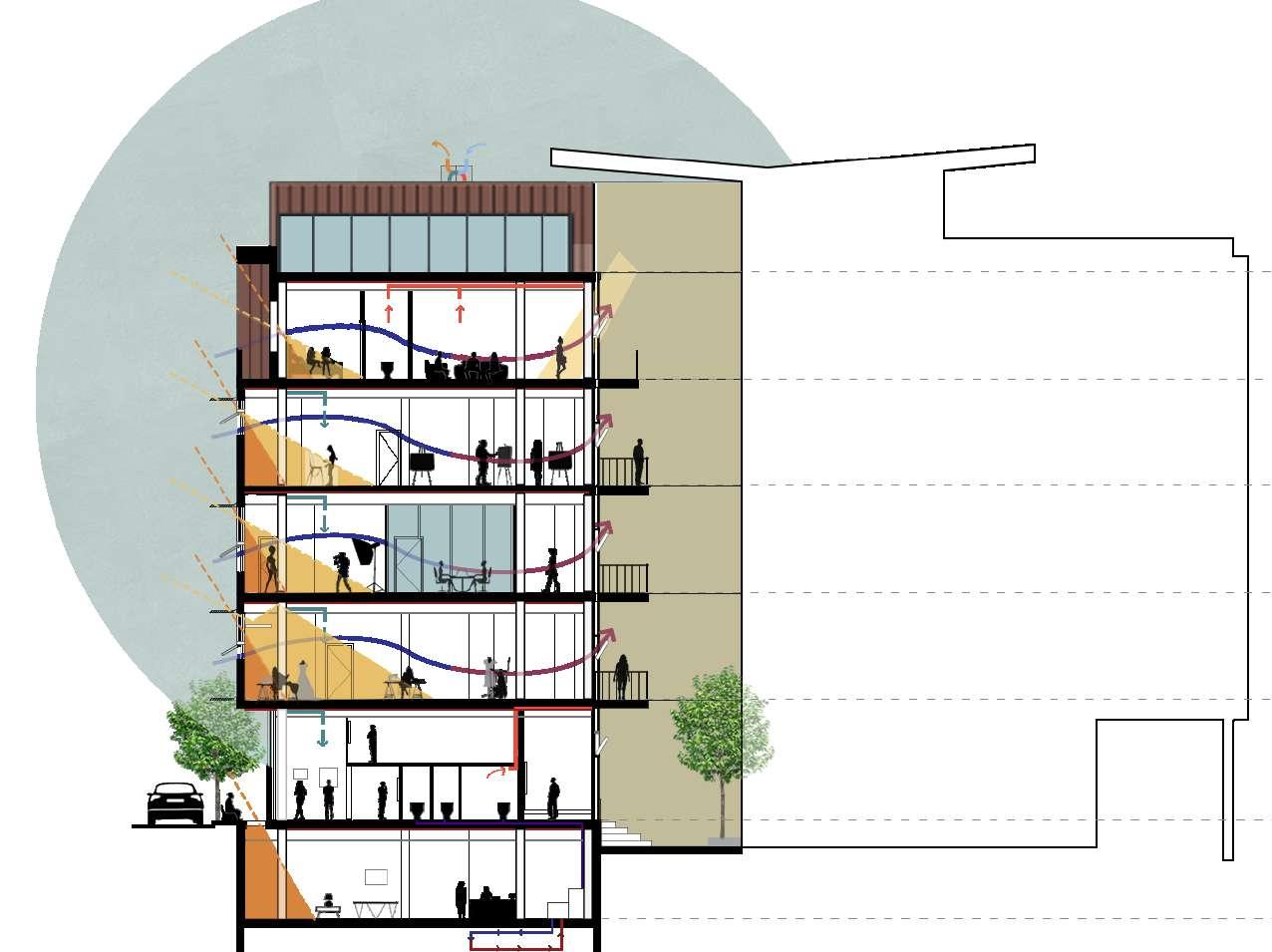
21 TYPICAL GRID FLUID FRAGMENT GRID MATERIALITY FRAGMENTS TO A WHOLE SHARED CORE SHADING DETAIL NORTH-SOUTH SECTION OUTDOOR AIR EXHAUST AIR EXTRACT AIR SUPPLY AIR RADIANT HEATING GEOTHERMAL COOLING PLUMBING 1:100
Art form: Fashion + Textiles Resides in: Mount Pleasant User type: Resident + Creator Inspired by: Renewal Art form: Painting Resides in: Surrey User type: Creator Inspired by: Nature Art form: Photography Resides in: Kitsilano User type: Creator Inspired by: Movement
HIRE HIRE HIRE
KEANNA SIMPSON EBONI MORGAN SHAHAN BEDI
6 EVENT SPACE
LEVEL 5 CO-LIVING
PERSONAL PROJECTS
THE FRAGMENT INTERIORS
INTERIOR DESIGN MASTERCLASS
22
the fragment interiors
23
Level 5 -Residence LOFT
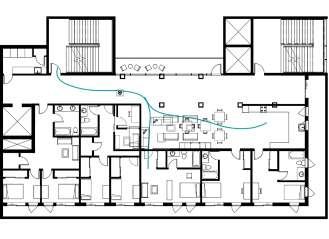
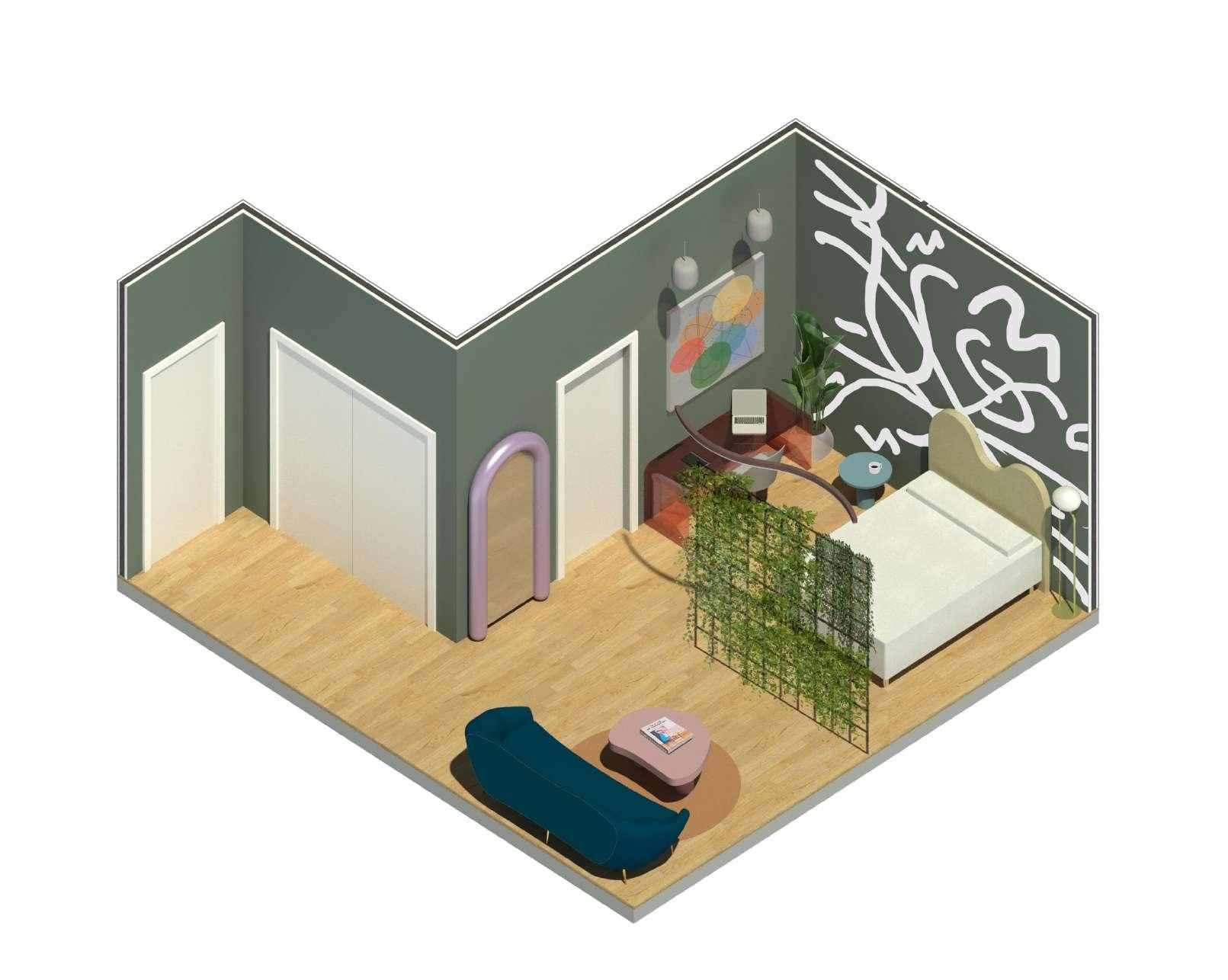
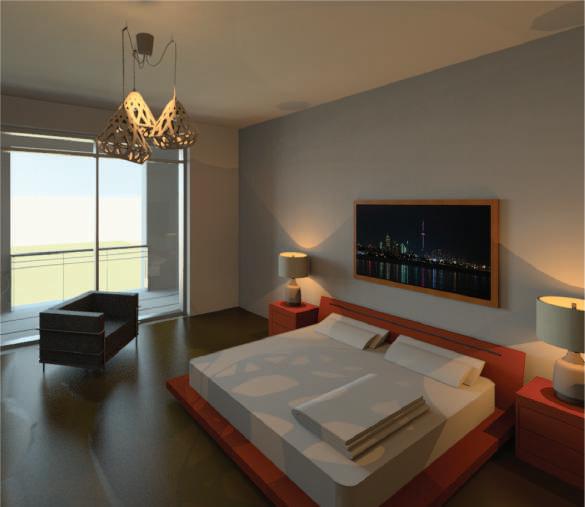
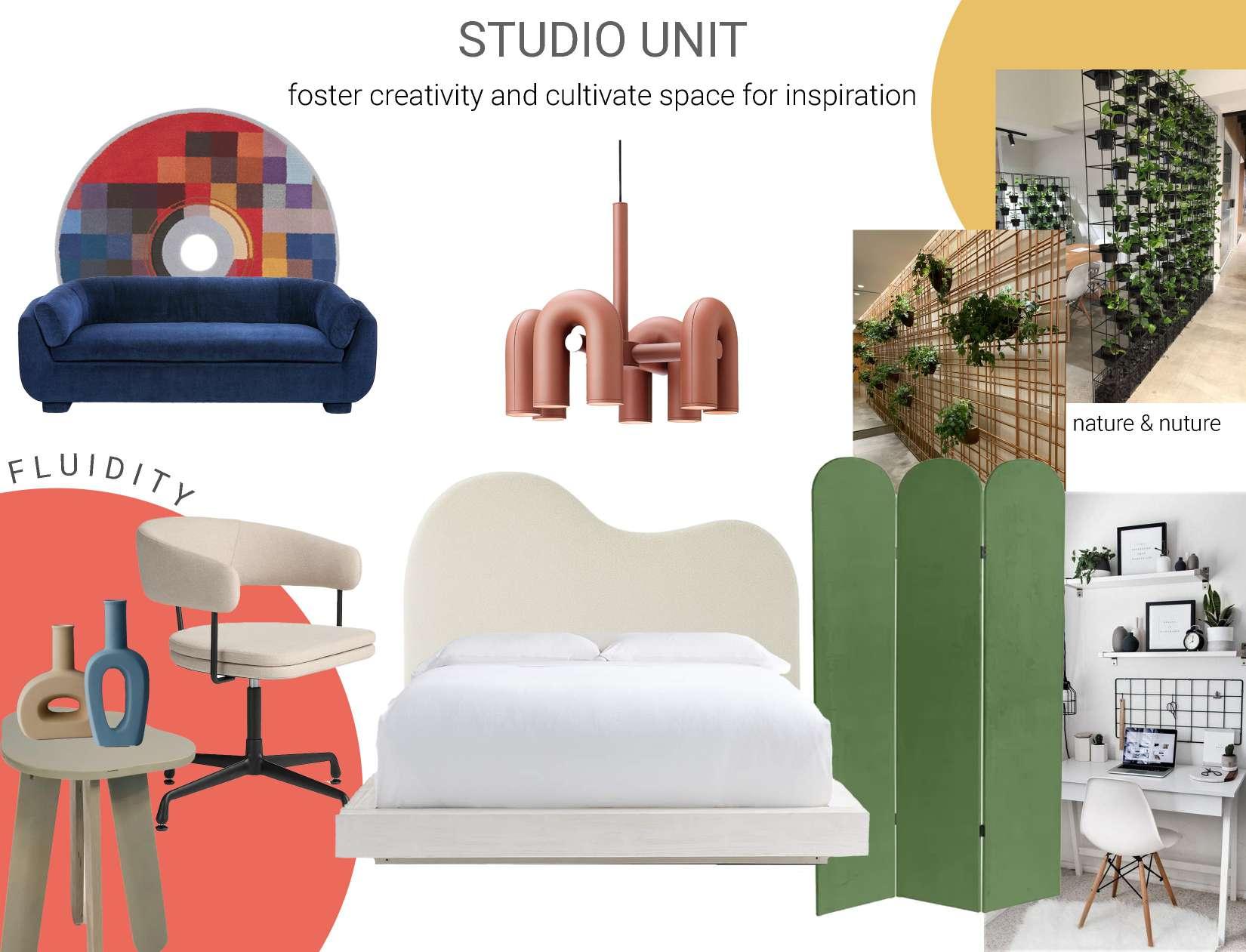
The Fragment was designed for building community, and as such, the kitchen, living room, and art studios are shared spaces. It is however, important as a part of dignified living to have a space where individuals can retreat and simply enjoy their own company. The studio unit is designed to comfortably house one artist resident.
Soft tones and pops of colour are used in combination to gently welcome residents, inviting moments of inspiration while encouraging rest. The furniture choices were made with the common theme of curved geometry, to embody fluidity. Many of these pieces are asymmetrical, which elludes to the release of limiting beliefs that are often associated with the concept of perfection.
Reclaimed wood flooring adds texture while acknowledging the importance of preservation in all aspects, from recycling materials to ideas.
Project Name Owner

Grid wall separates spaces to provide a sense of privacy without complete division
24 1:50 STUDIO LEVEL 5 1:200
Surfaces in the unit serve as a showcase for artists
Project number Date Drawn by Address Address Phone Fax e-mail Consultant Address Address Phone Fax e-mail Consultant Address Address Phone Fax e-mail PM
PLANS 0001
FLOOR
Issue Date Author No. Description Date 1 : 200 Level 4 4 1 : 100
8 1 : 100
5 -Residence -TWO BED 9
Level
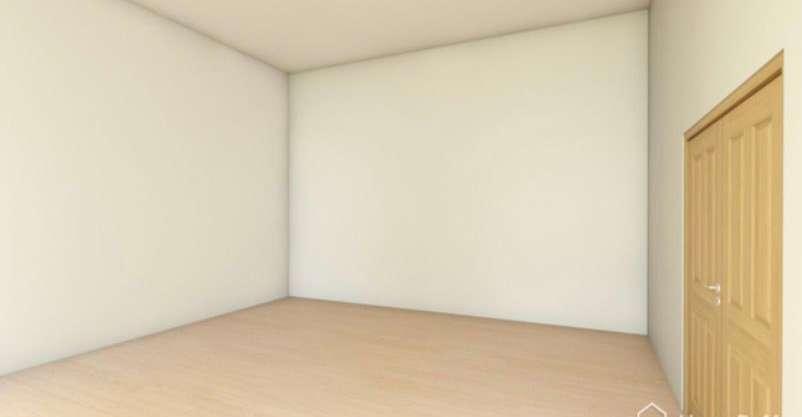
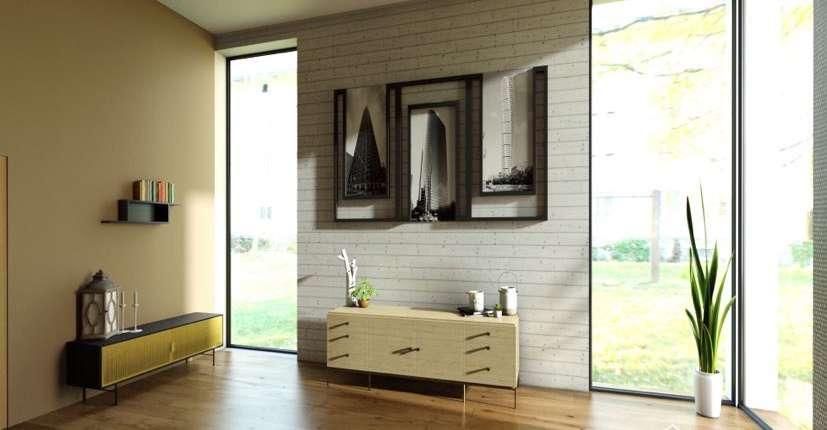
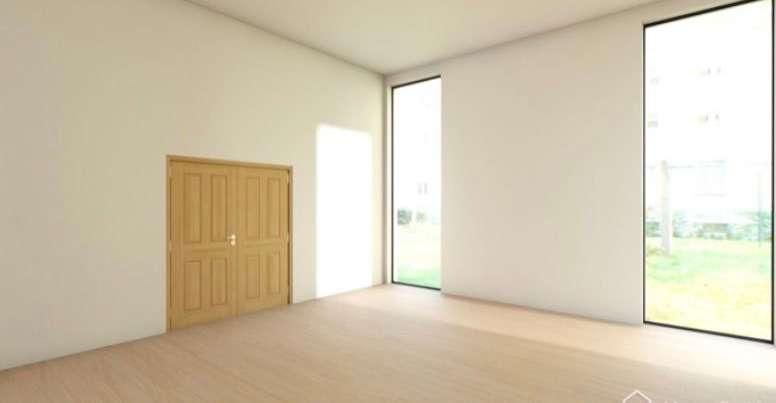
INTERIOR DESIGN MASTERCLASS
Date: May 2020
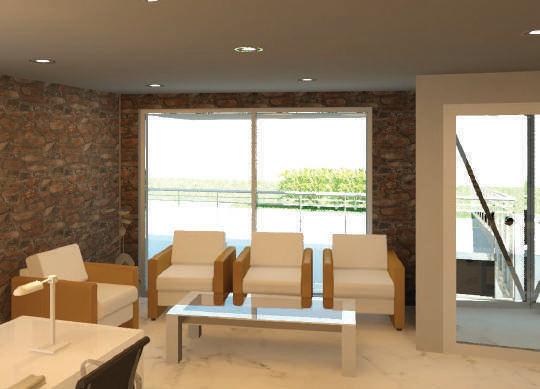
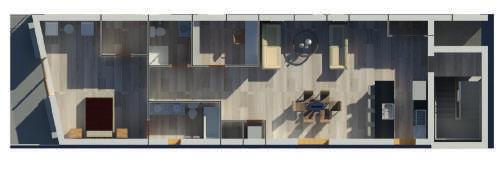
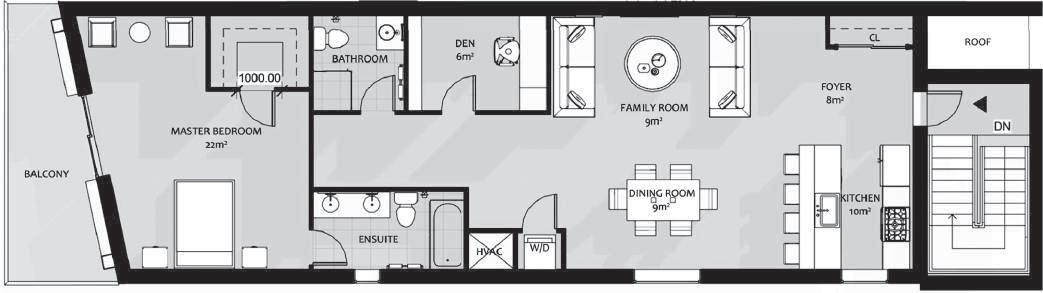
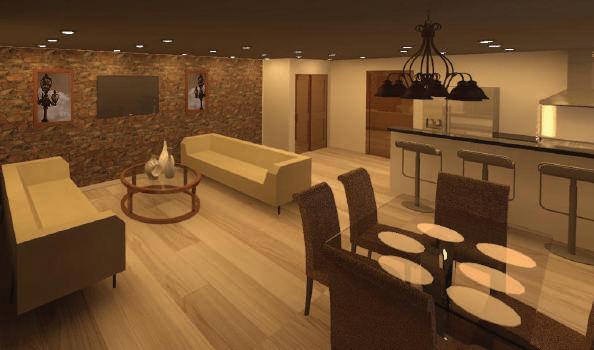
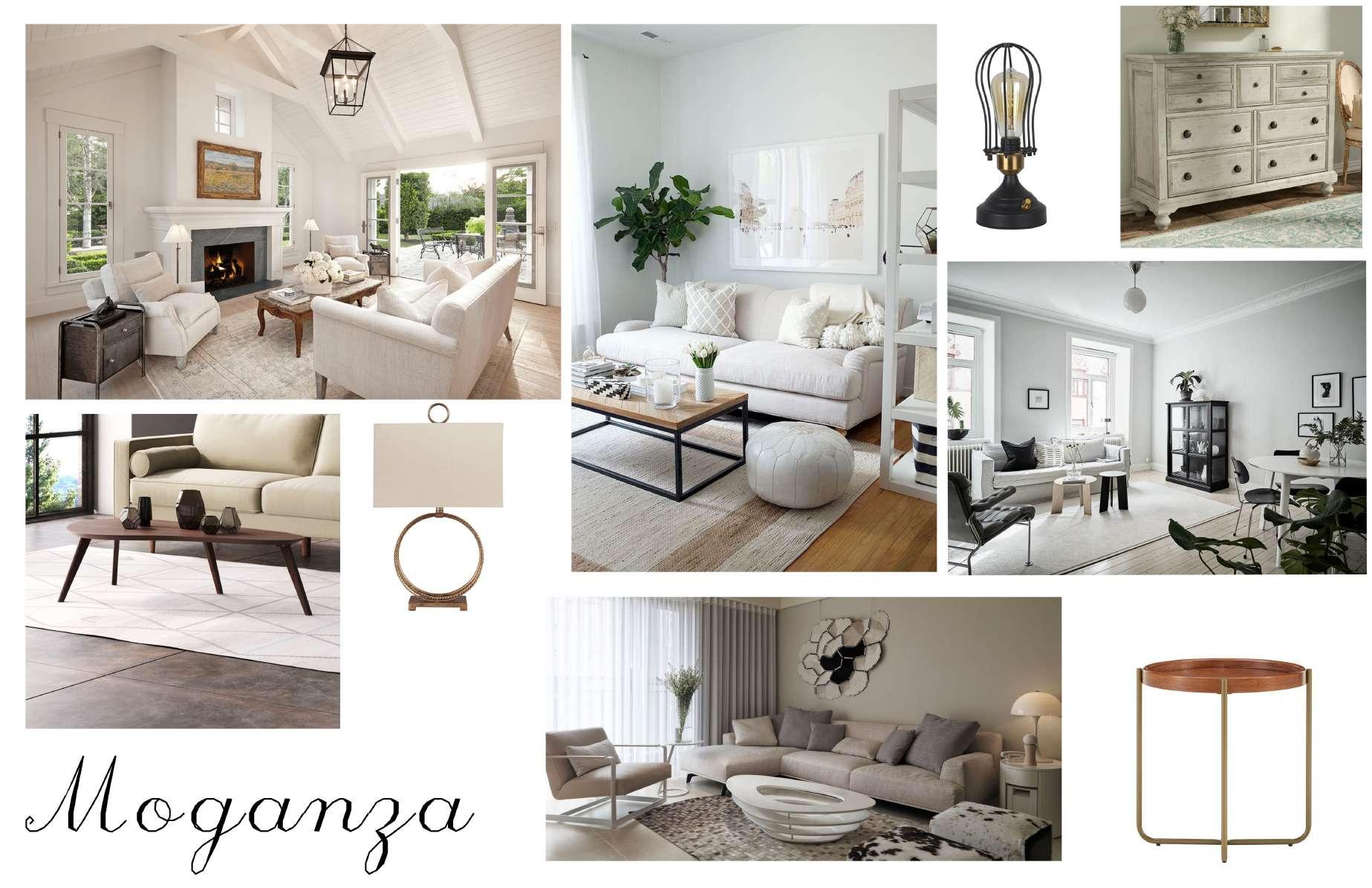
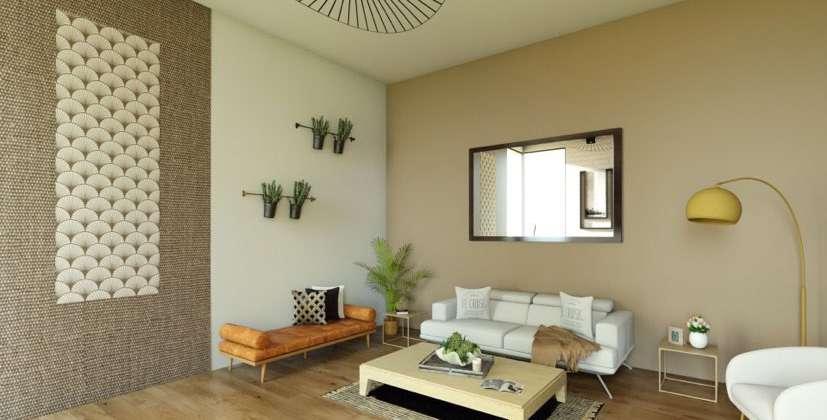
During this 3-day interior design masterclass, students were given a client and tasked with developing a mood board and renderings of the final product
25
BEFORE AFTER
26
COMPETITION ENTRY
ELEVATE LEARNING COMMUNITY CENTRE
27


28
29
30
31