esmeralda aceituno
selected works
content
01 VERTICAL RISE 01-06 02 BAMBOO TRIANGULATION 07-12 03 BARREL WORSHIP 13-18 04 THE SKRIM 19-24 05 CAR WASH APARTMENT 25-30 06 BUS STOP BUREAUCRACY 31-34 07 PROFESSIONAL WORKS 35-40 08 CREATIVE WORKS 41-46
01
VERTICAL RISE 01.
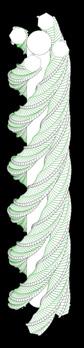
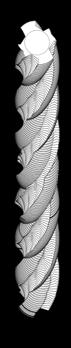
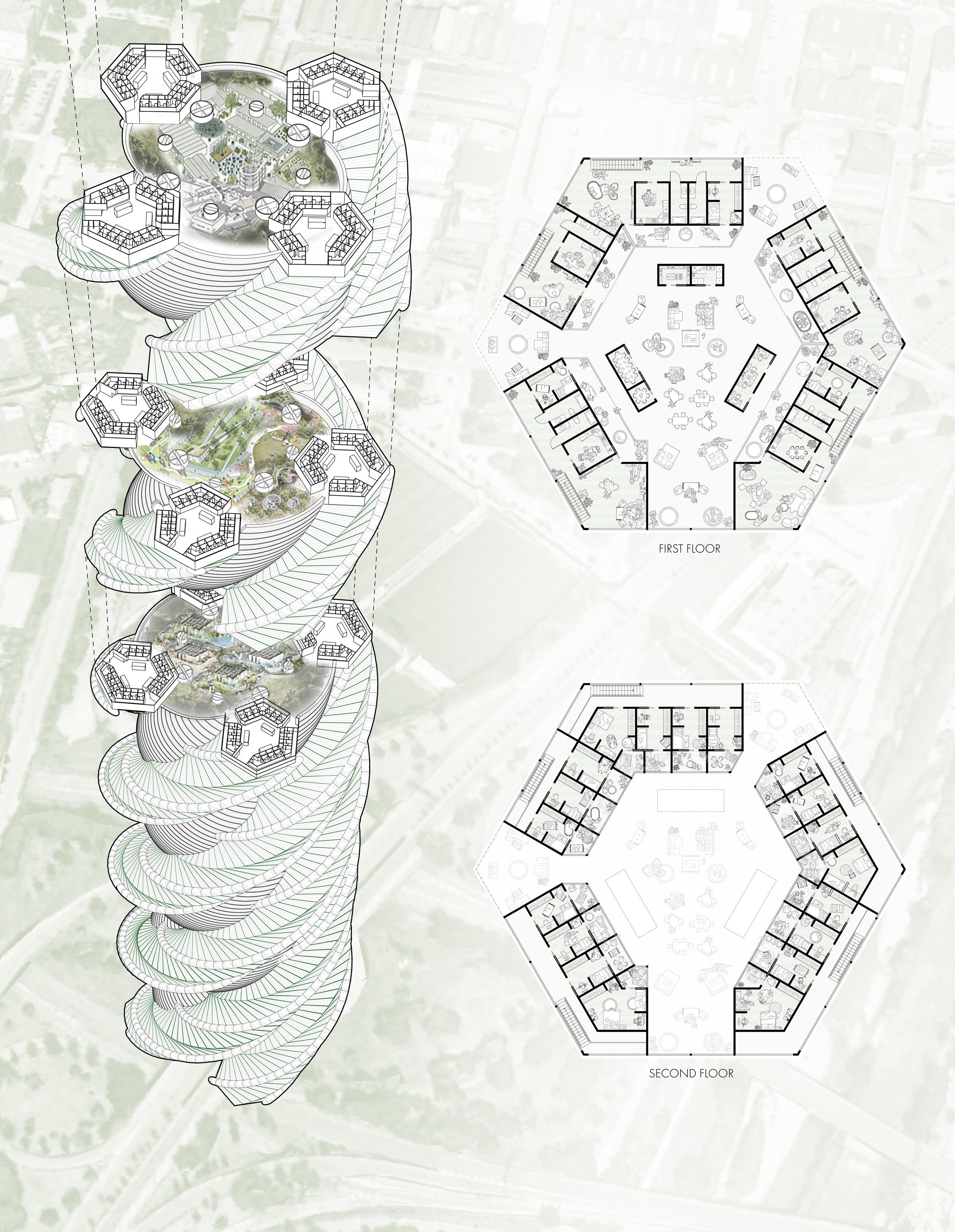
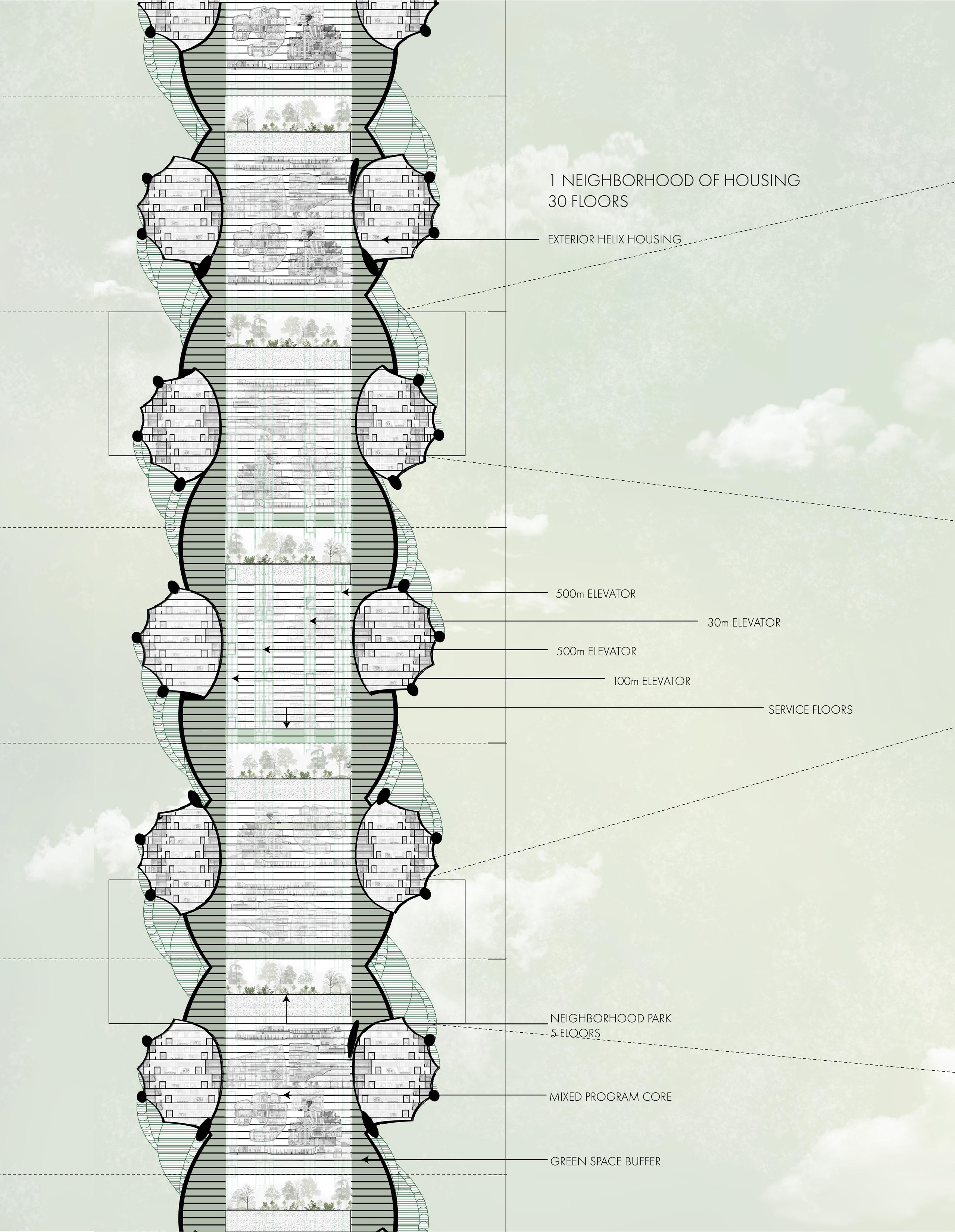
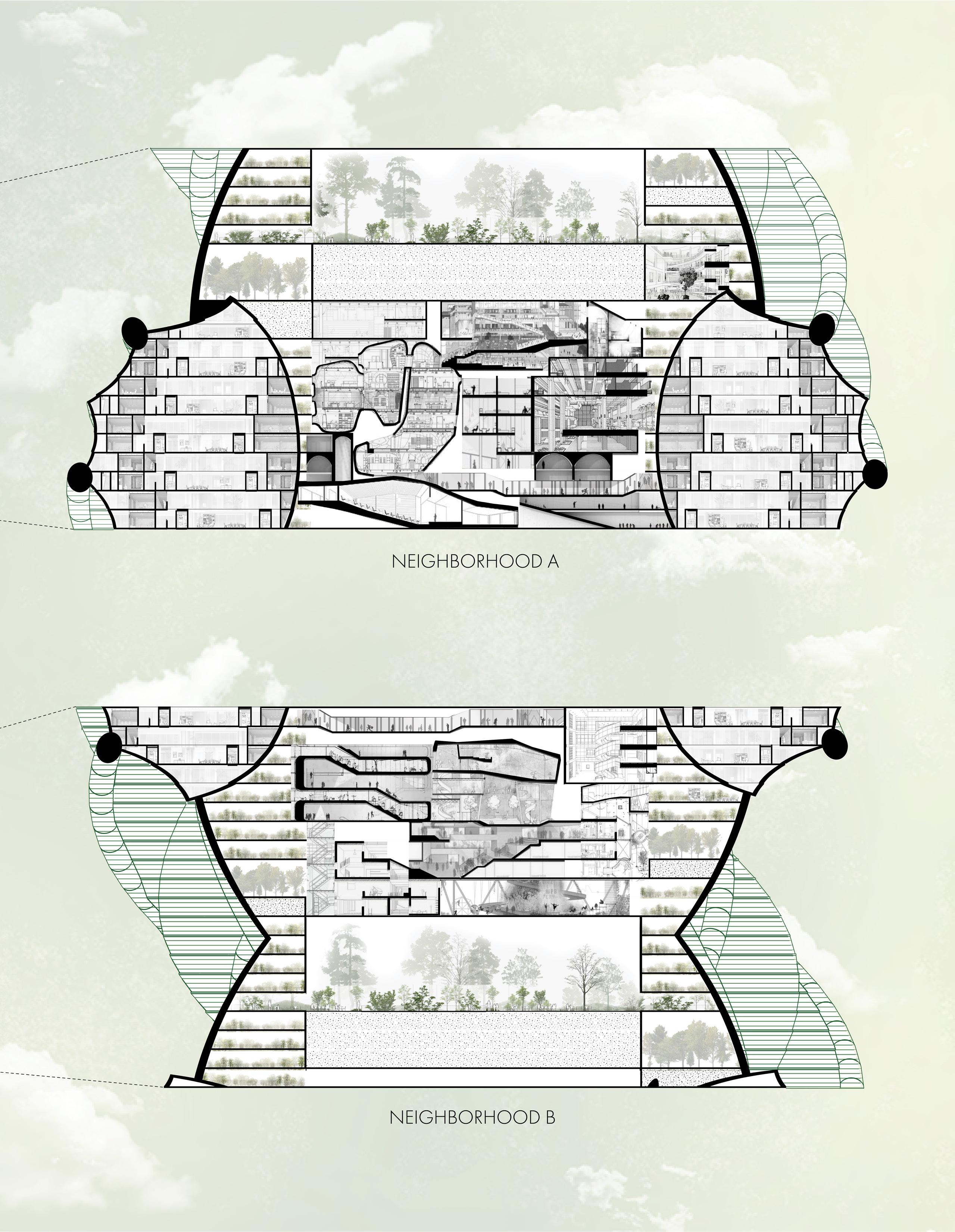
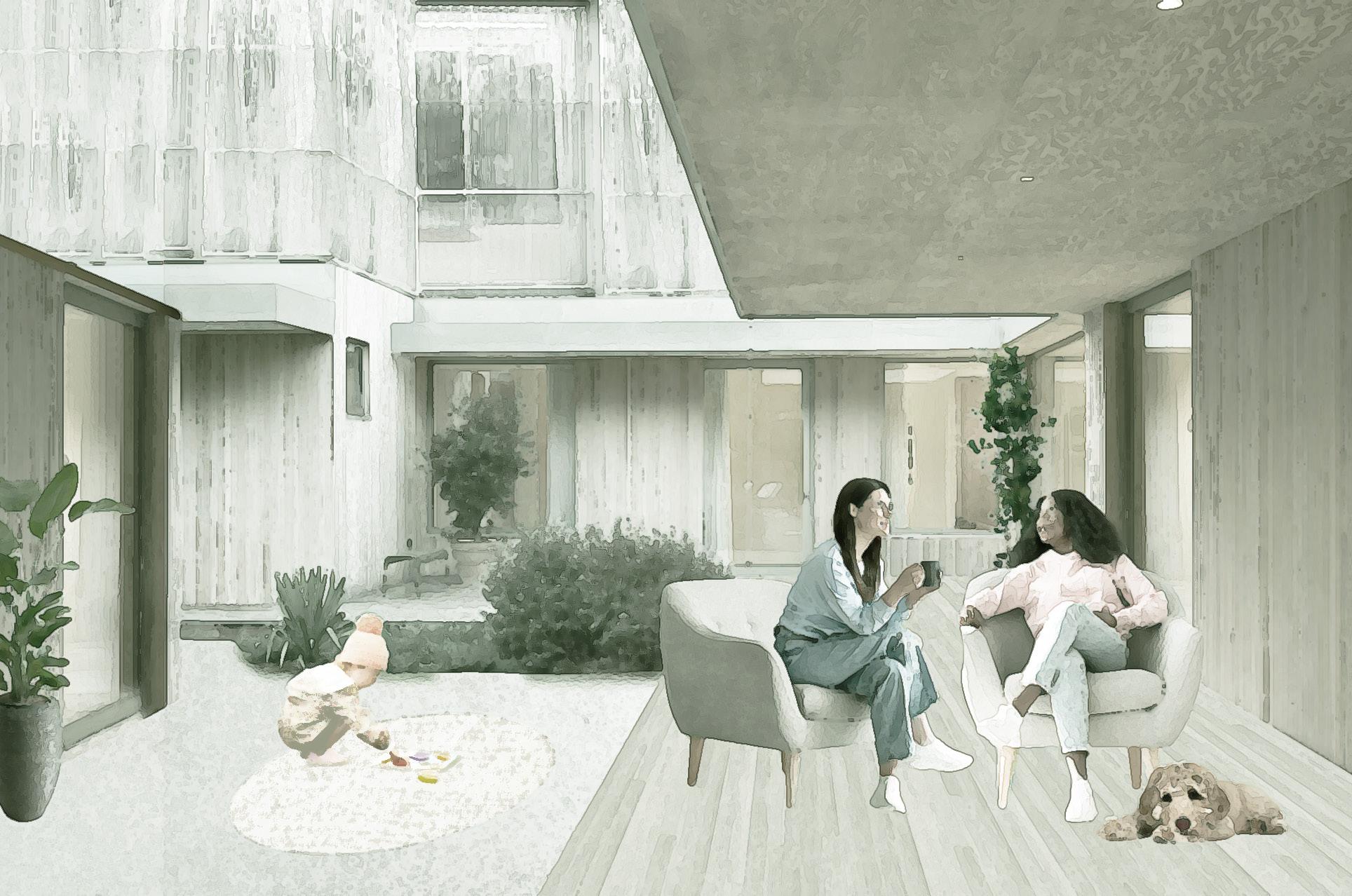
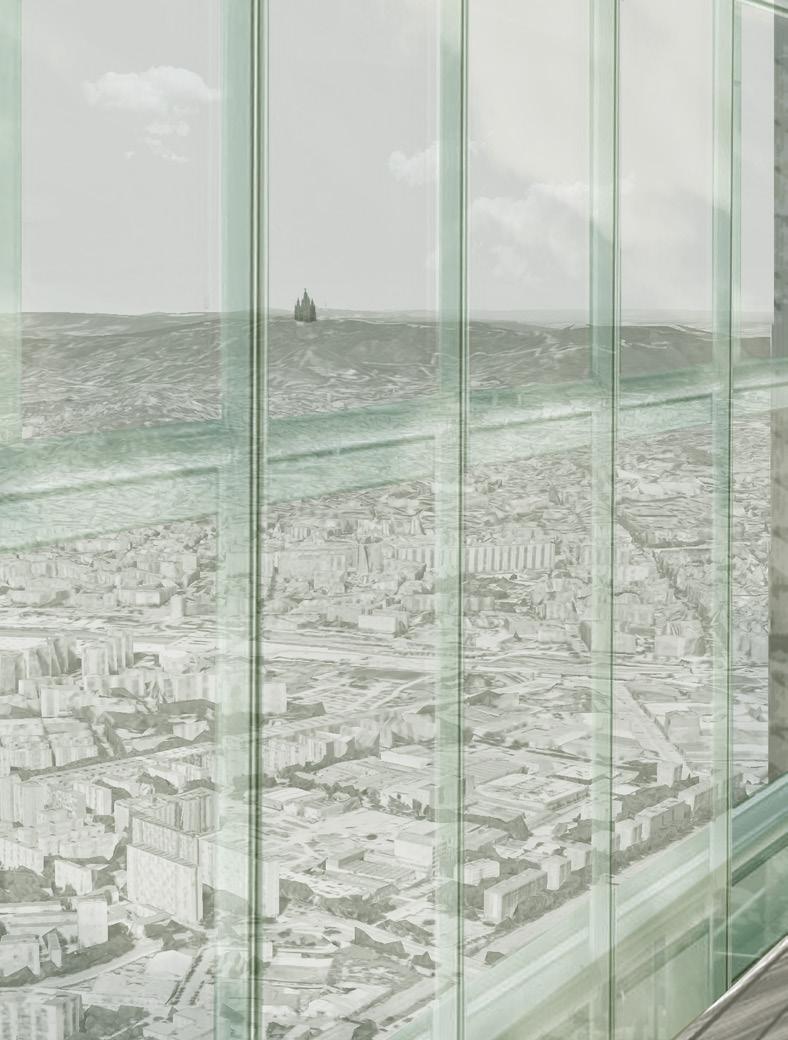
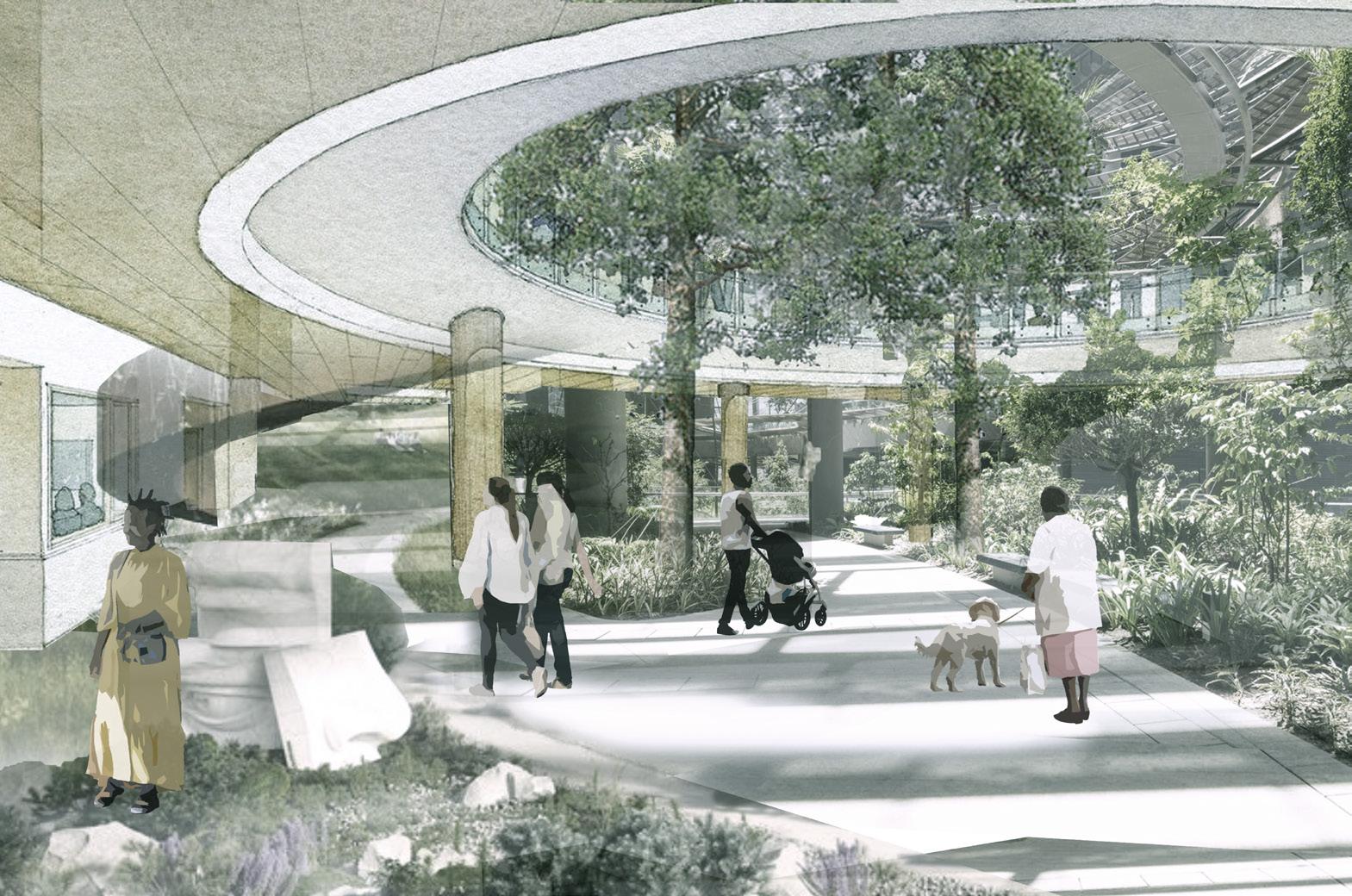
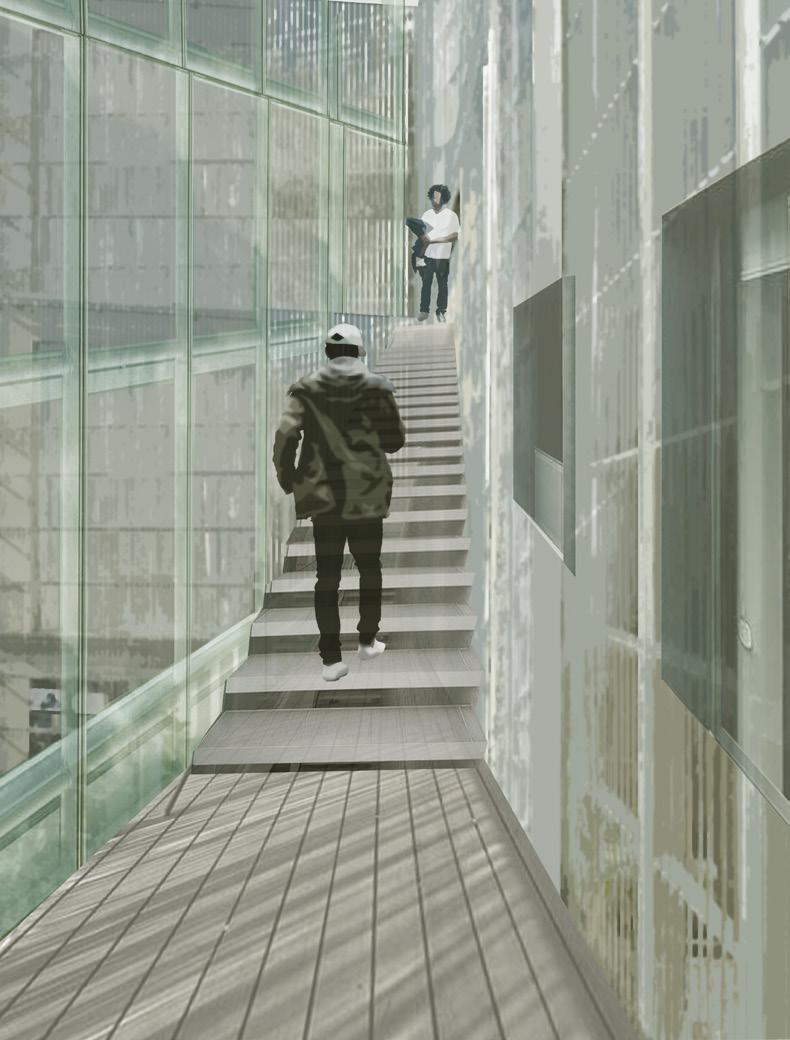
Barcelona currently faces a lack of social housing, with the estimated calculated need being 27 million m2. In the city of Barcelona, this footprint stands to leave a vary lasting mark. In order to reduce this footprint, a vertical city is necessary which builds density in elevation, rather than planimetrically. Located along the Rondas, one of the most important interconnected streets in Barcelona, our skyscraper reaches the height of 512 meters of Tibidabo, the mountain range which caps off Barcelona’s north west access. This vertical city acts as a double helix, with the four exterior helix forms housing co-living townhouse units, which fulfill the social housing need, and the interior helix includes mixed programming and green space. One neighborhood of housing acts as 30 floors, with a range of circulatory distances, programming needs, and green space fulfilment.

1
2 3 4 5 02
cylindrical extrusion
green space & mixed programming social housing & exterior structure double helix massing circulation with varying distances
Team Member - Annabelle Asali
03
04

05

06
07
BAMBOO TRIANGULATION
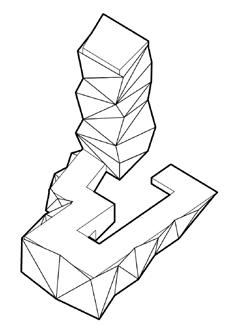
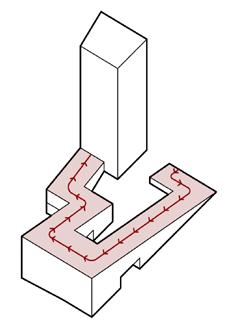
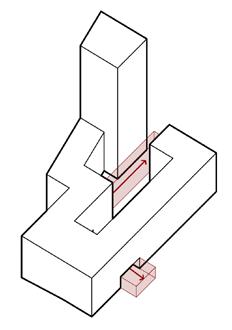
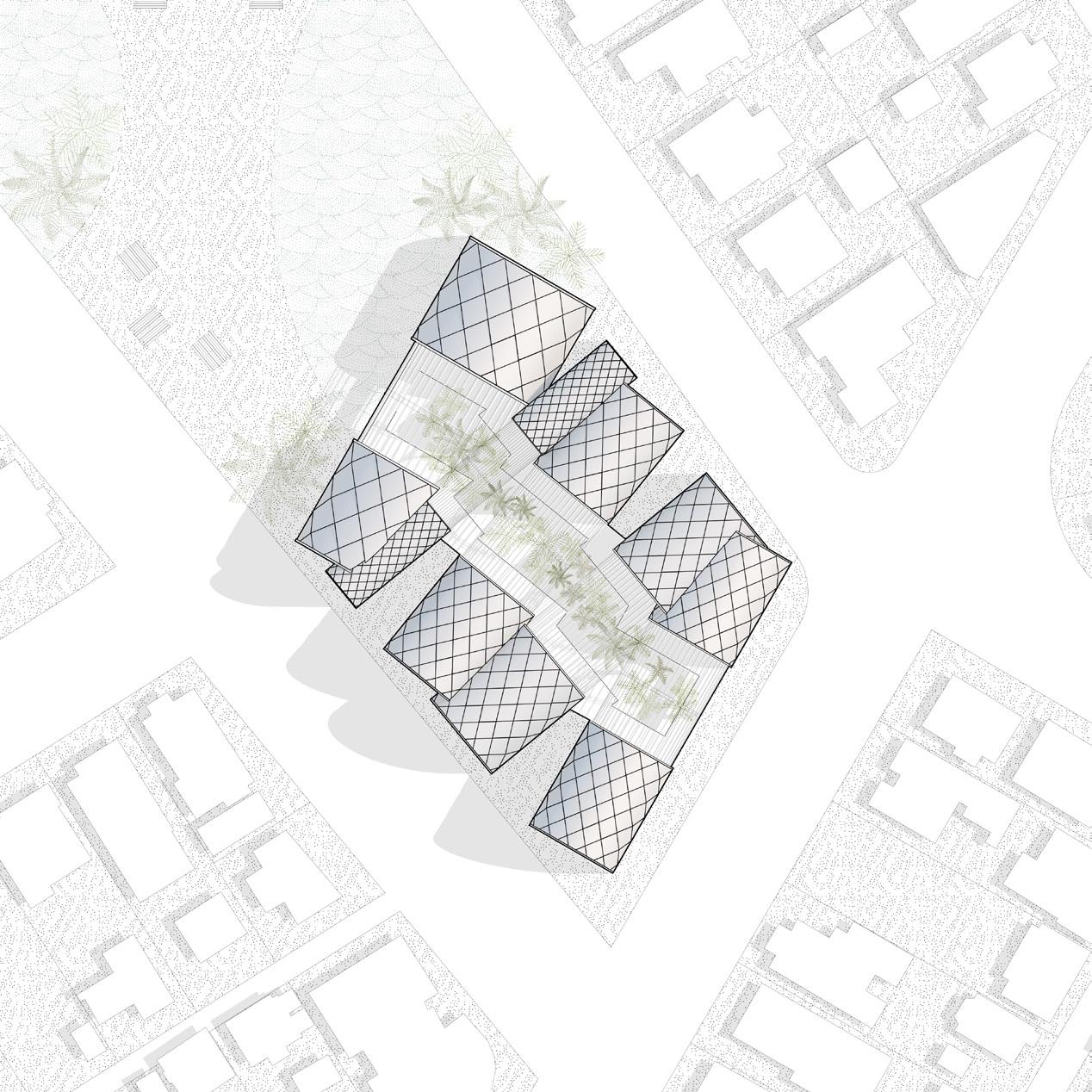
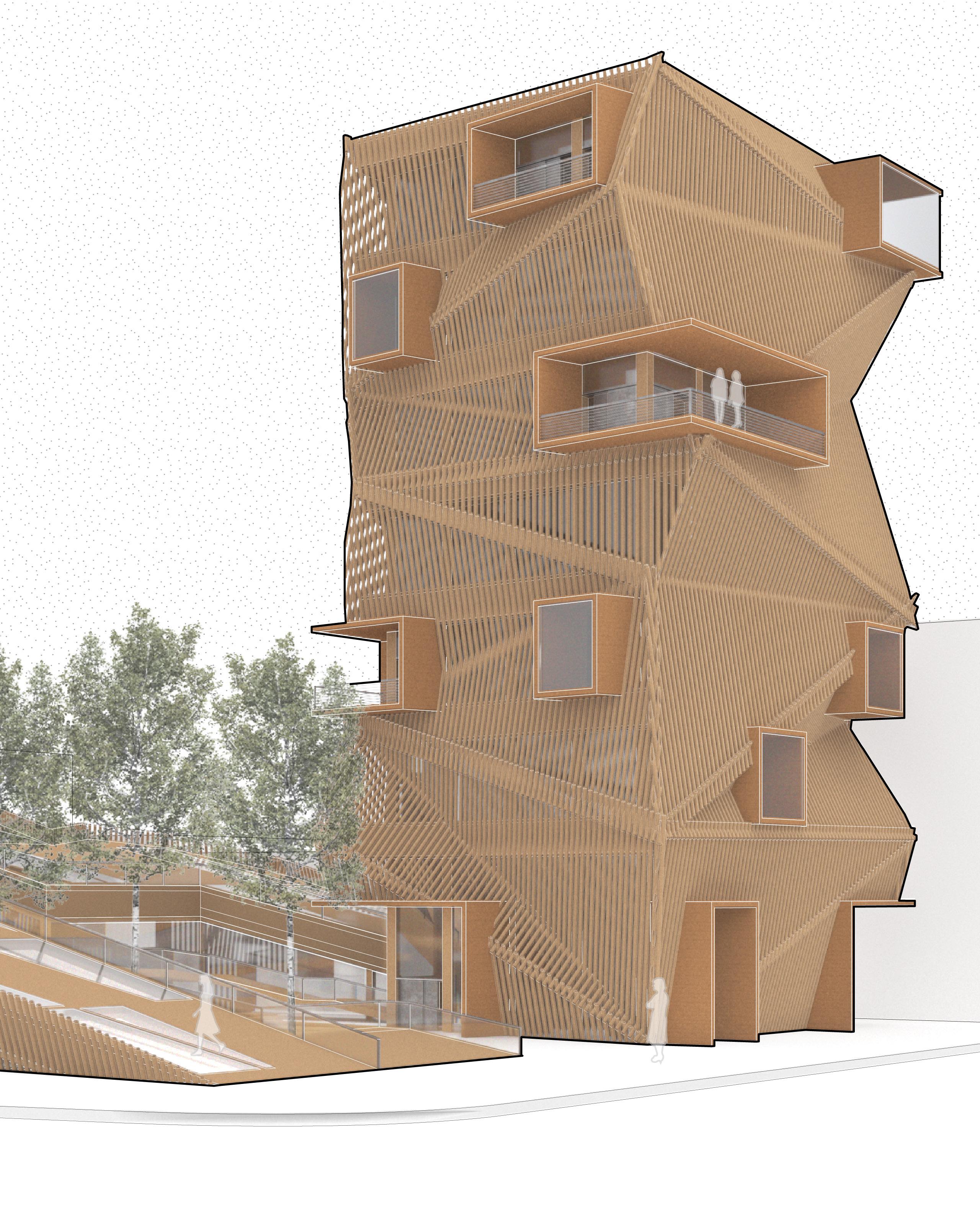
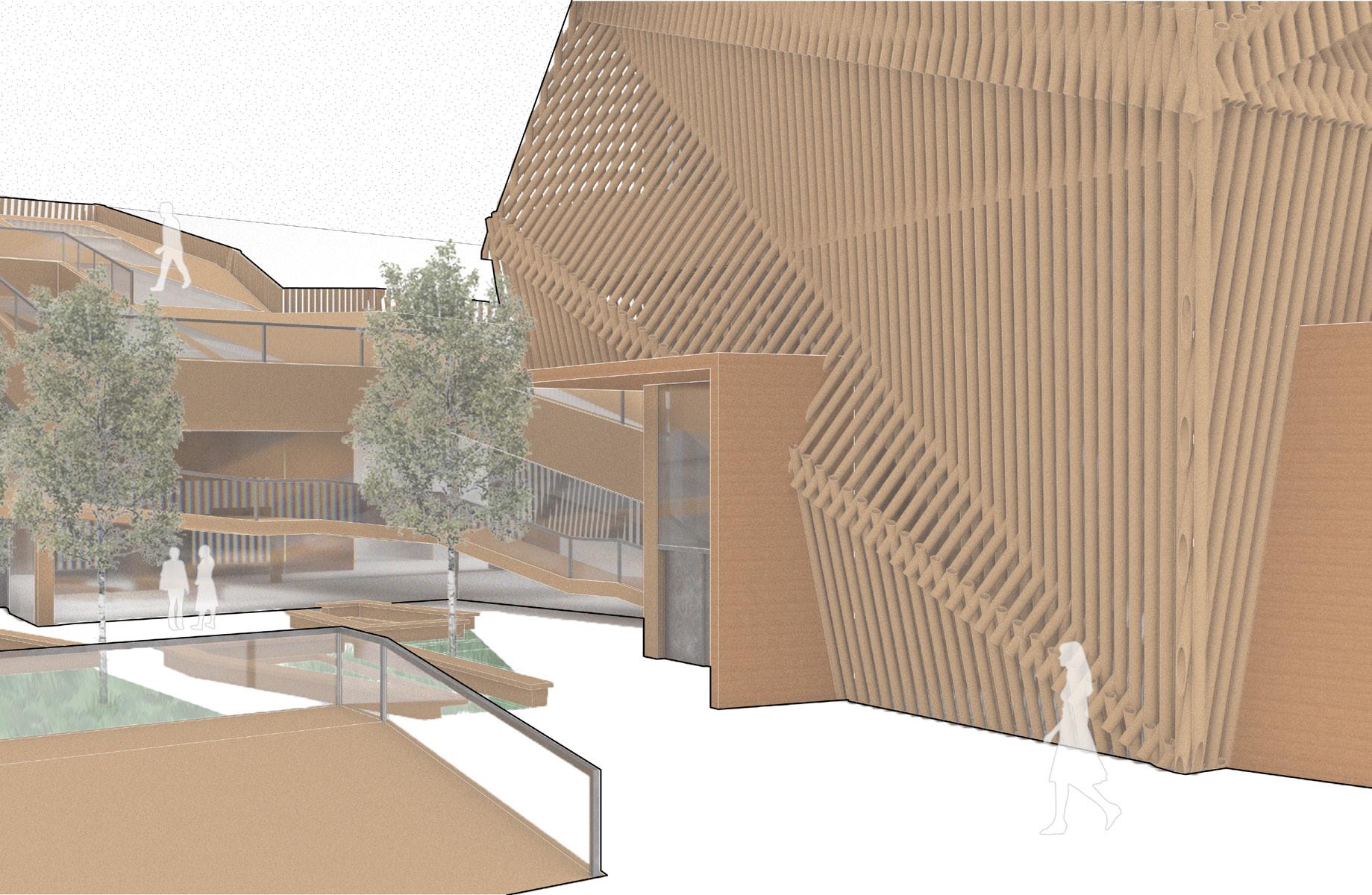
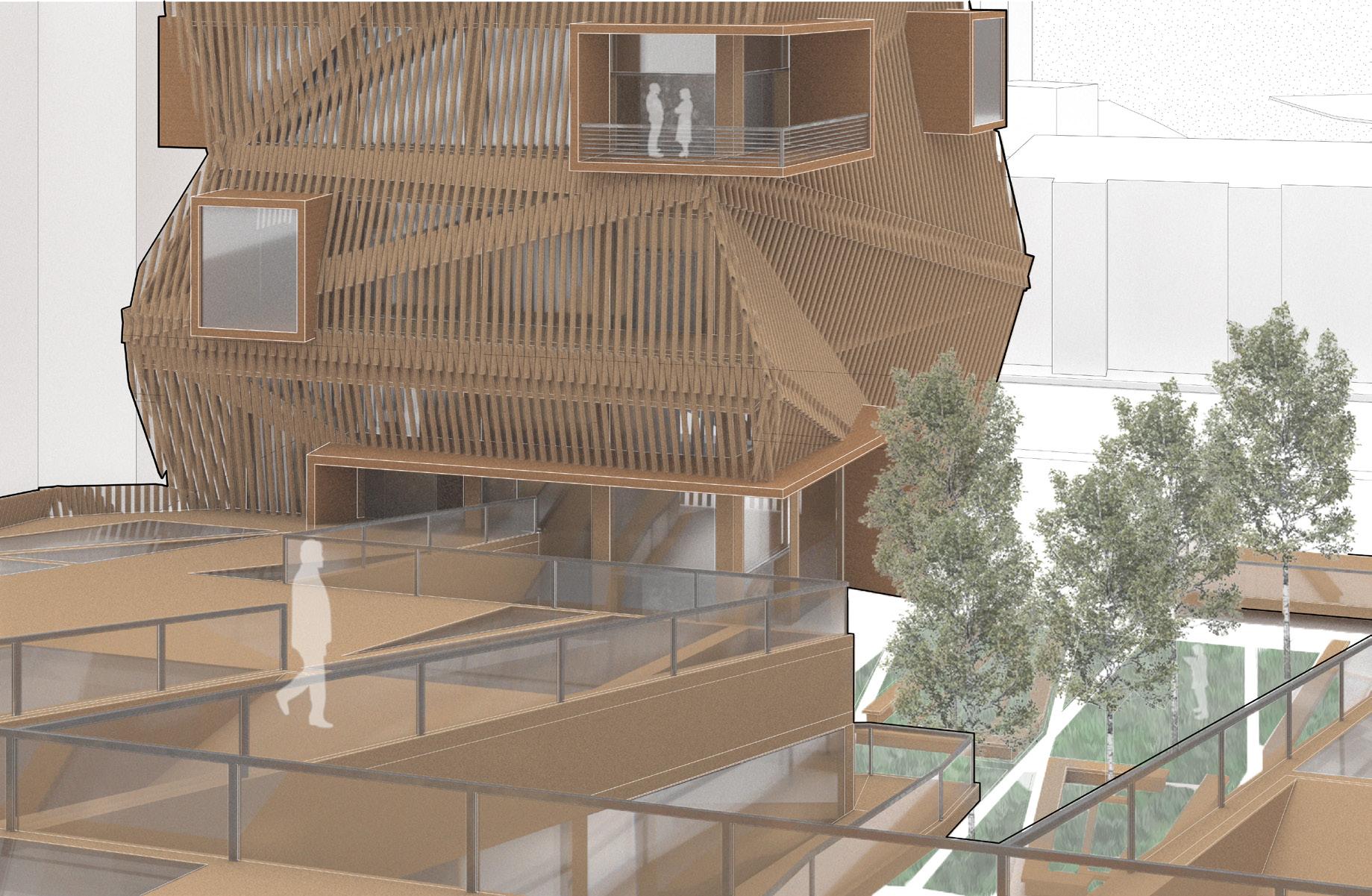
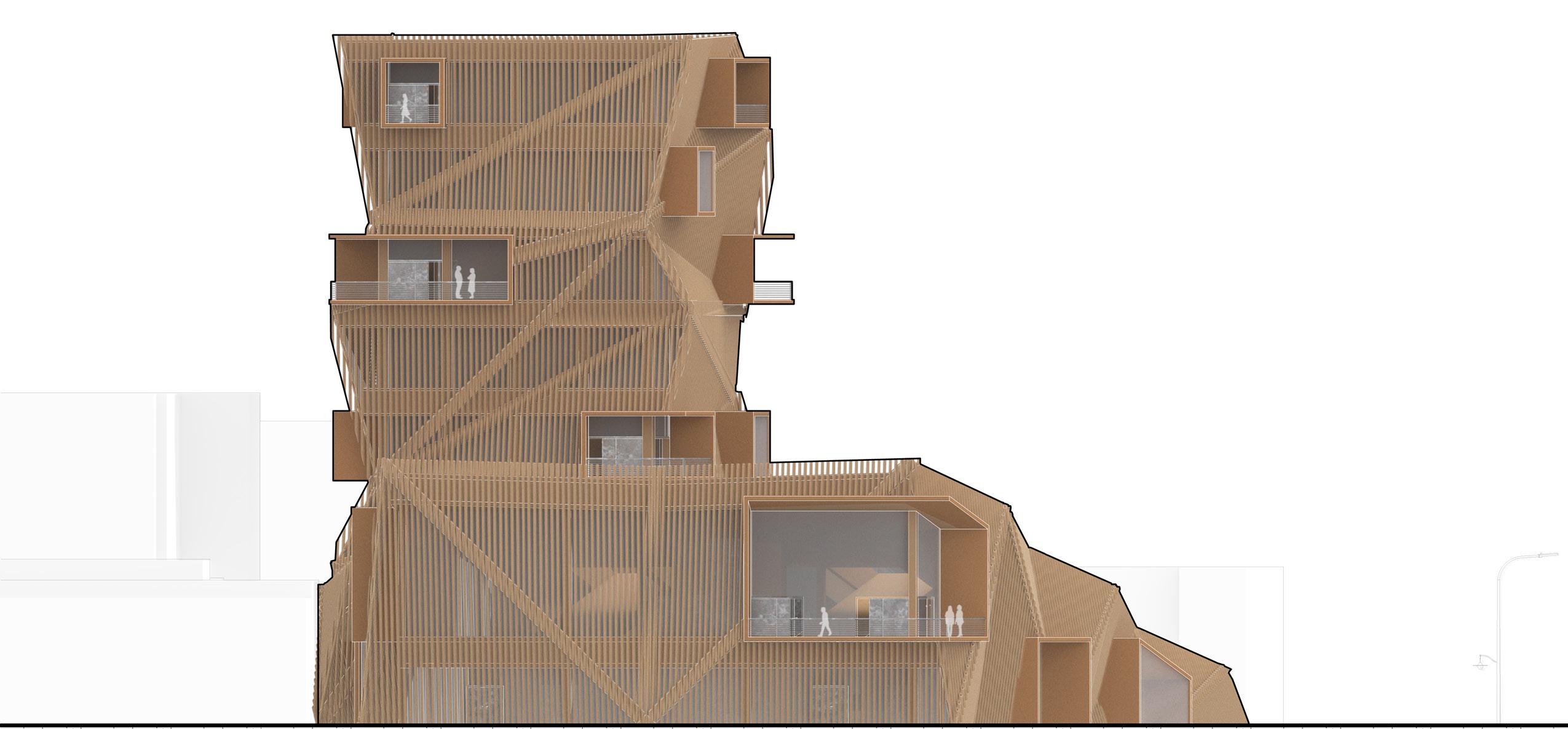
Located in the heart of Chinatown, this social justice research center provides valuable services to the community, such as office spaces, meeting rooms, an indoor workout facility, and an exterior running track. The facade system features bamboo, a symbol of oriental beauty in traditional Chinese culture. Used as scaffolding for modern construction in China, bamboo is lightweight, sustainable, and cheaper to source than most traditionally used building materials. The facade tessellates itself in response to the programmatic features of the building, offering moments of exterior interaction and sunlight infiltration through the cantilevered punch outs. The structural system is comprised of CLT to further accentuate the facade qualities, as well as, provide flexibility to the building’s interior organization.
02.
1
2 3 4 5 08
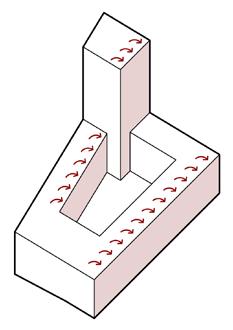
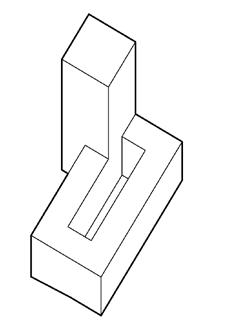
basic courtyard + tower extrusion
shear east facade for optimal sun entrance accessibility openings angle roof for circulatory path primarytriangulationfacade
09 Vignette Series
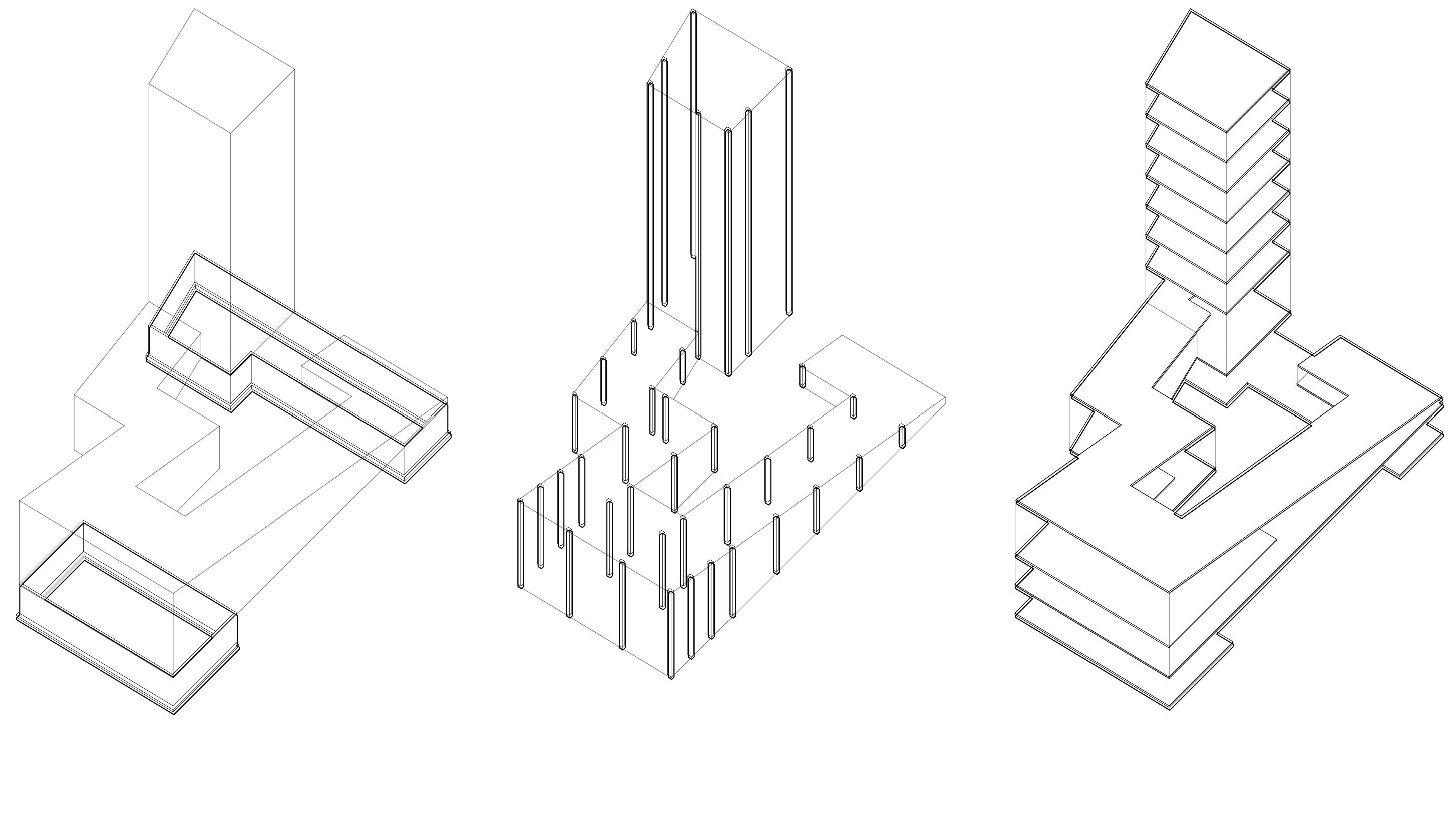
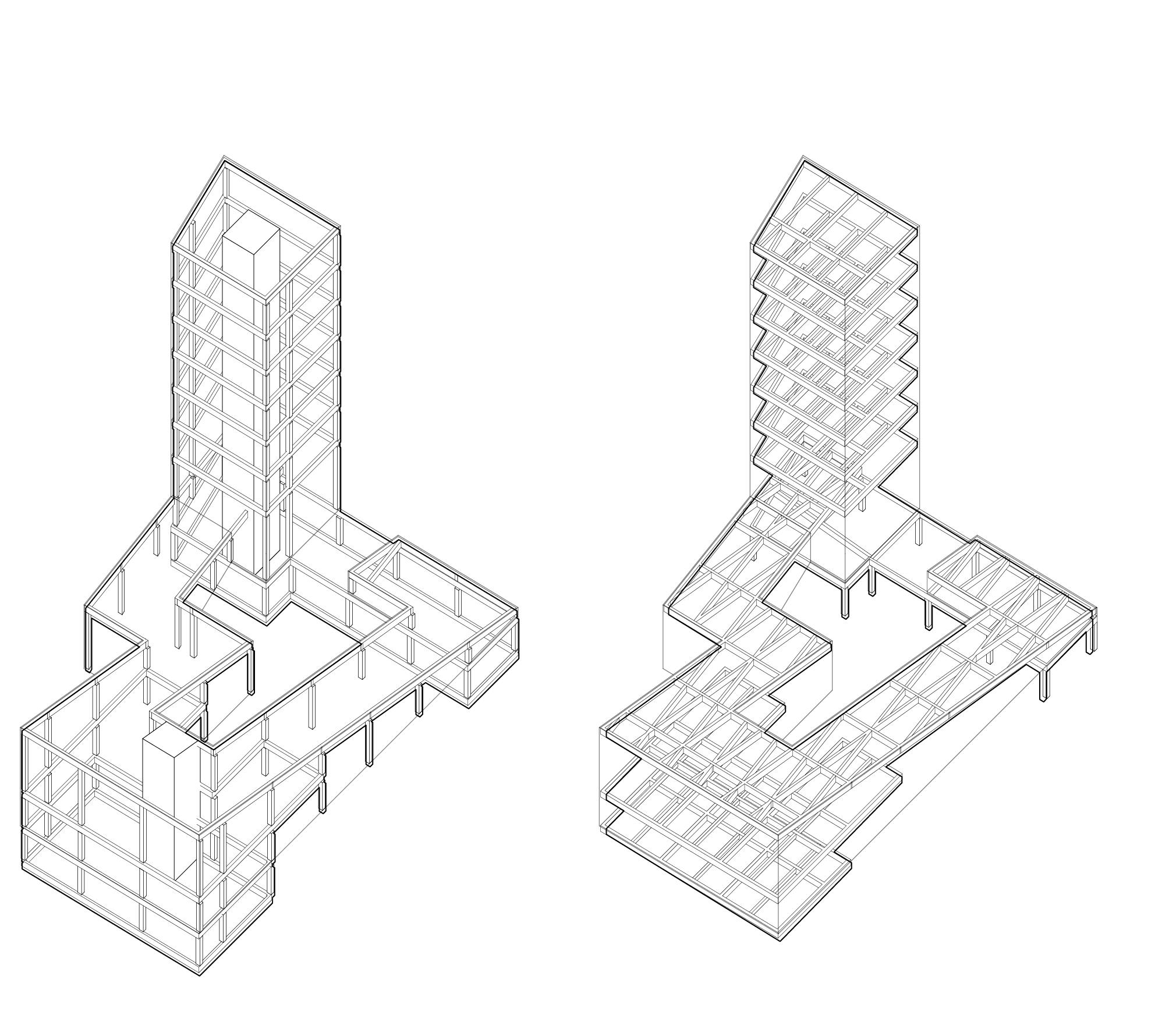
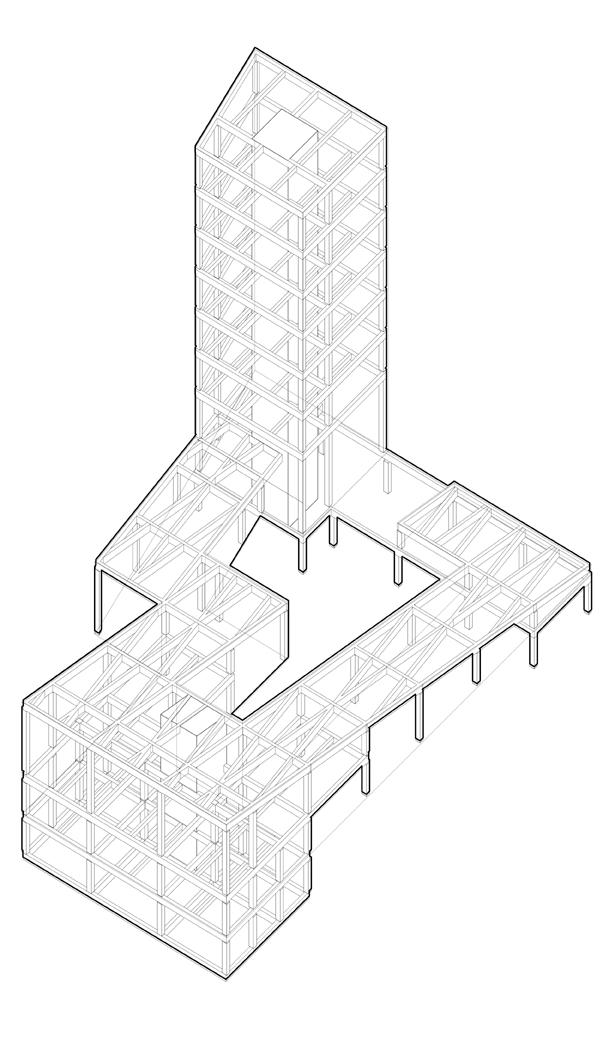 Concrete Raft Foundation Vertical Systems
Shear Systems Horizontal Systems Complete Structure 10
Diaphragm Systems
FIBERGLASS BATT INSULATION 1’9” THICK
ACTIVE CHILLED BEAMS 8” WIDE
WATERPROOFING MEMBRANE
ROOF DECKING
DRYWALL PANELING ROOFING UNDERLAY
BATT INSULATION PRIMARY AIR INTAKE ACTIVE CHILLED BEAM CEILING VENTILATION
CLT FLOOR PANEL AND FINISHED FLOORING
PRIMARY STRUCTURAL TIMBER BEAMS
1’3” X 1’9”
SECONDARY FACADE LAYER OF
3” WIDE BAMBOO
LOW-E DOUBLE GLASS
STRUCTURAL C-CHANNEL GLAZING GASKET CYLINDRICAL FASTENER
METAL PLATE CONNECTOR CONCRETE MAT FINISHED FLOORING
METAL DOWEL CONNECTOR BATT INSULATION GRAVEL SOIL
6” FOUNDATION CONNECTION
PARAPET COPING
TIMBER FACADE SPACER
WATERPROOFING MEMBRANE
FLASHING BAMBOO
SECONDARY FACADE
CYLINDRICAL FASTENER
STRUCTURAL C-CHANNEL


GLAZING GASKET
LOW-E DOUBLE GLASS PANE
3” CONCRETE FOOTING
BAMBOO SECONDARY FACADE
STEEL SECONDARY FACADE SUPPORT
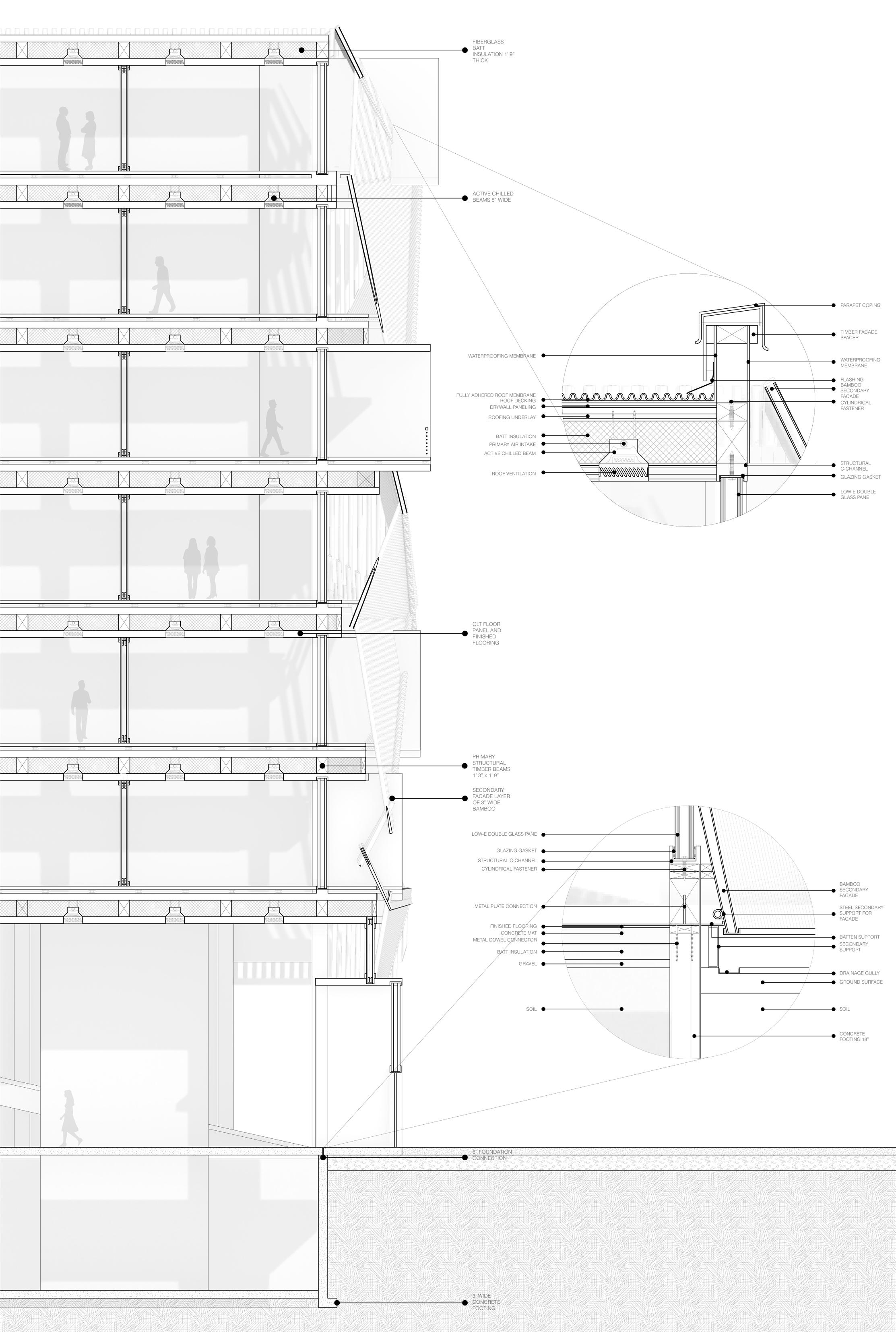
BATTEN SUPPORT
SECONDARY SUPPORT
DRAINAGE GULLY GROUND SURFACE
SOIL
CONCRETE FOOTING 18”
11

12
North Elevation
South Elevation
13
BARREL WORSHIP
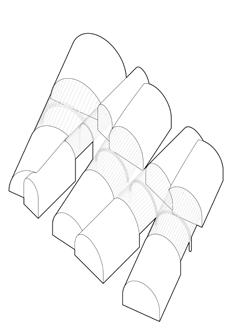
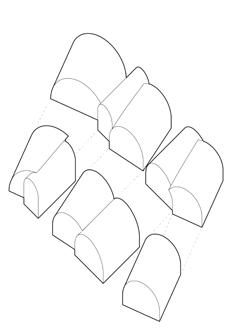
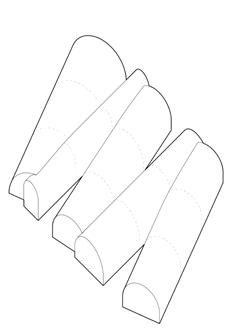
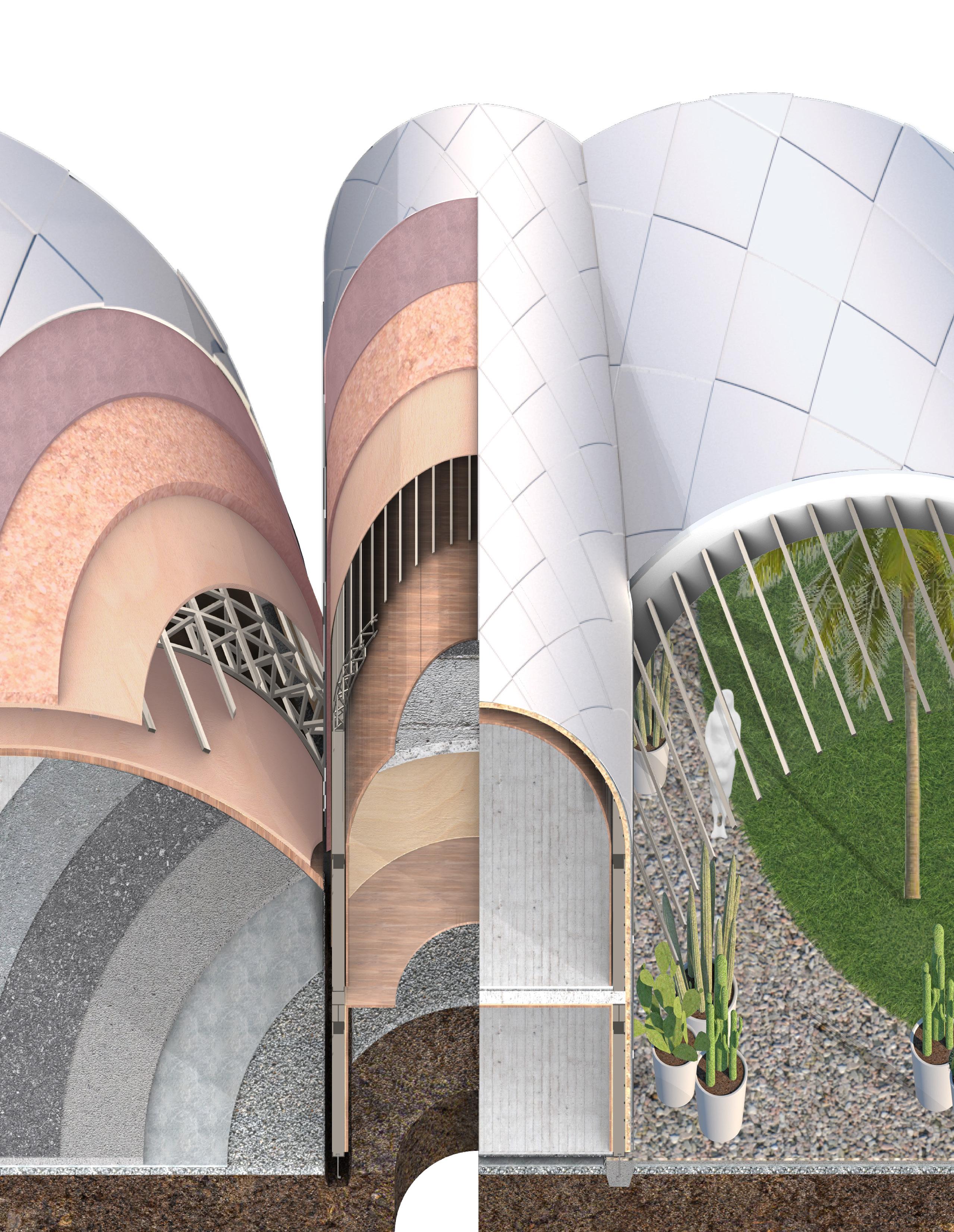
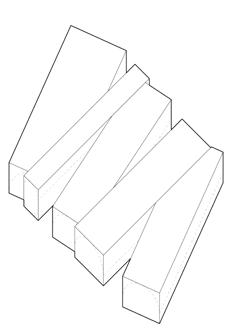
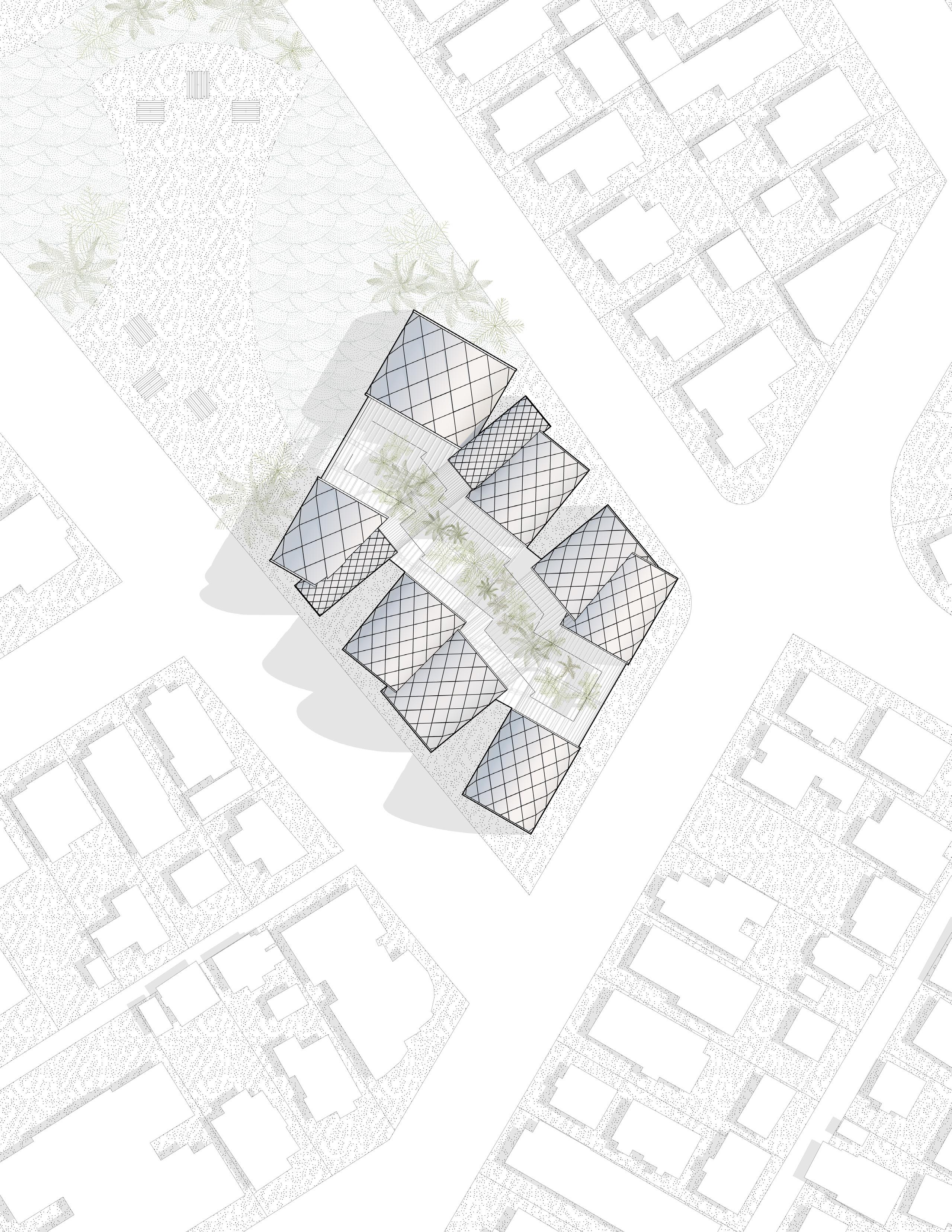
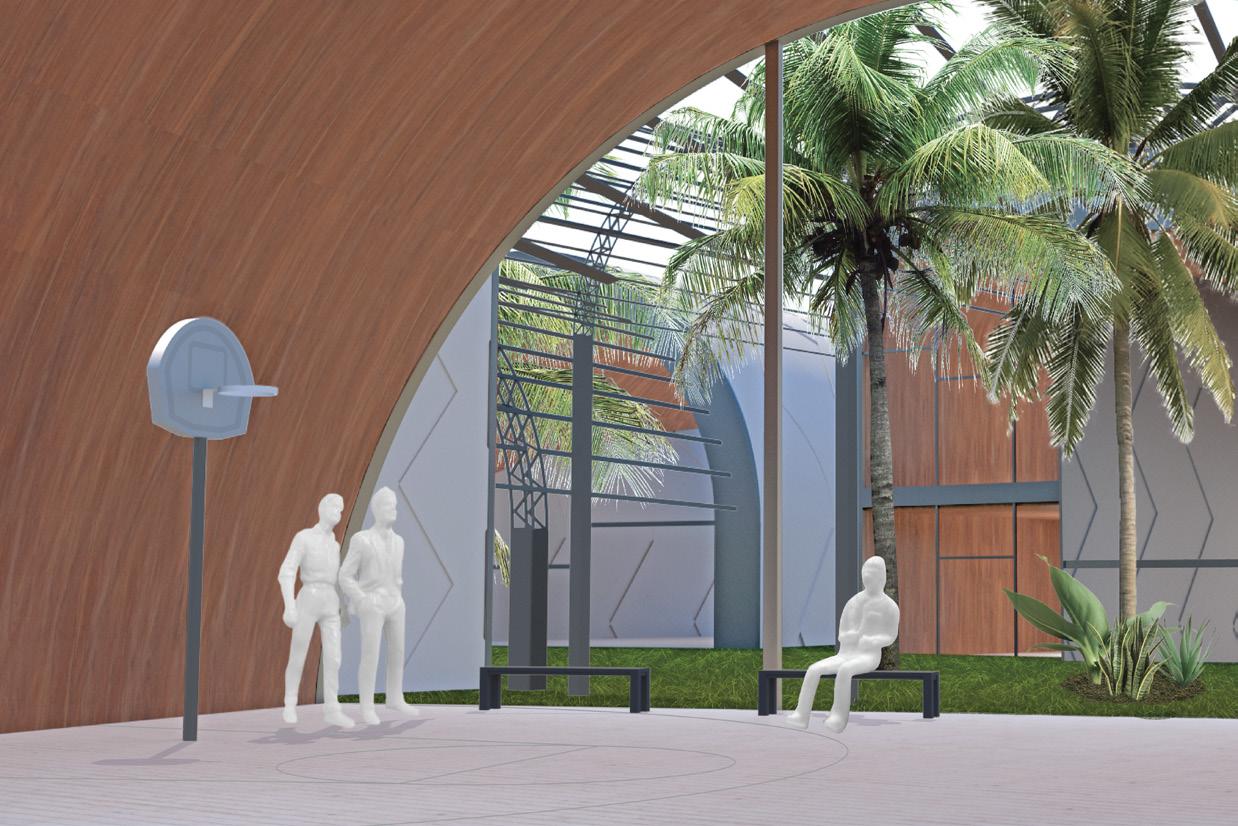
Oakwood is a residential neighborhood located in Venice, CA. Also referred to as Ghost Town and Dogtown, this small neighborhood has deeply rooted gentrification issues. In 2017, a rich business mogul bought the site of a culturally significant and widely used church and began demolition for the construction of a massive mansion. Despite community outrage and public protests, this church was not considered for designation as a historicalcultural monument and proceeded to be torn down. To fulfill this void in the community, this design proposes a larger community center and non-denominational church be constructed across the street from the original site. The central axis is voided out to enable a safe passageway between the street and the park.
03.
1
2
3 4 14
basic extrusion
slice forms to create barrel vaults
split vaults to create voided mid-axis cover voided axis creating atrium
15
North Elevation
East Elevation
South Elevation
West Elevation




16
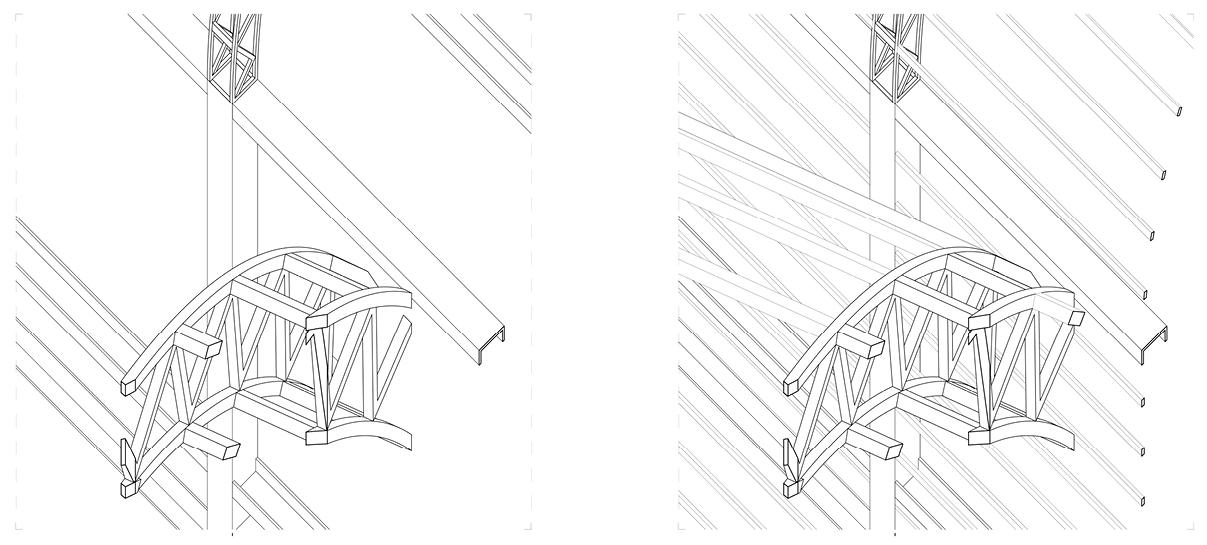
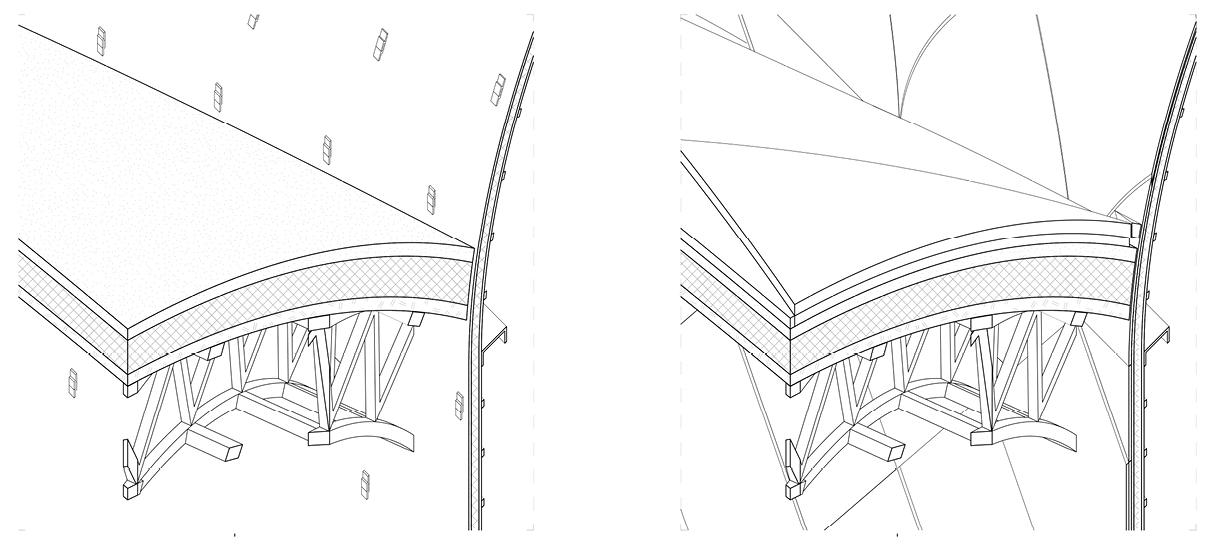
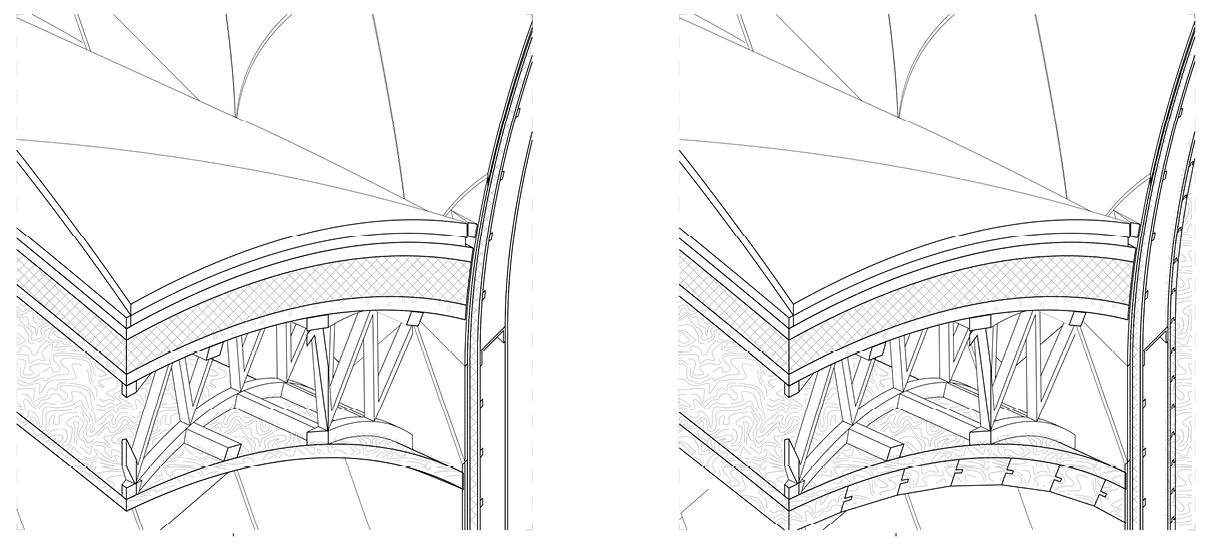 1. Primary Structure
2. Secondary Structure
3. Thermal Insulation
4. Waterproofing Membrane
5. Exterior Cladding - Support
6. Exterior Cladding - Skin
7. Interior Cladding - Support
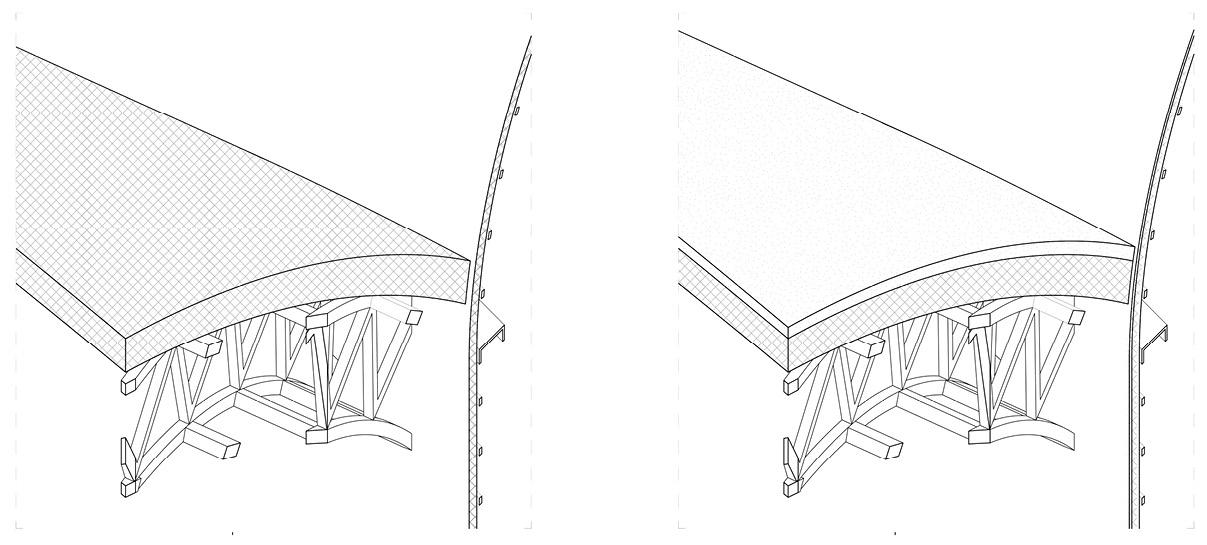
1. Primary Structure
2. Secondary Structure
3. Thermal Insulation
4. Waterproofing Membrane
5. Exterior Cladding - Support
6. Exterior Cladding - Skin
7. Interior Cladding - Support
17
8. Interior Cladding - Skin
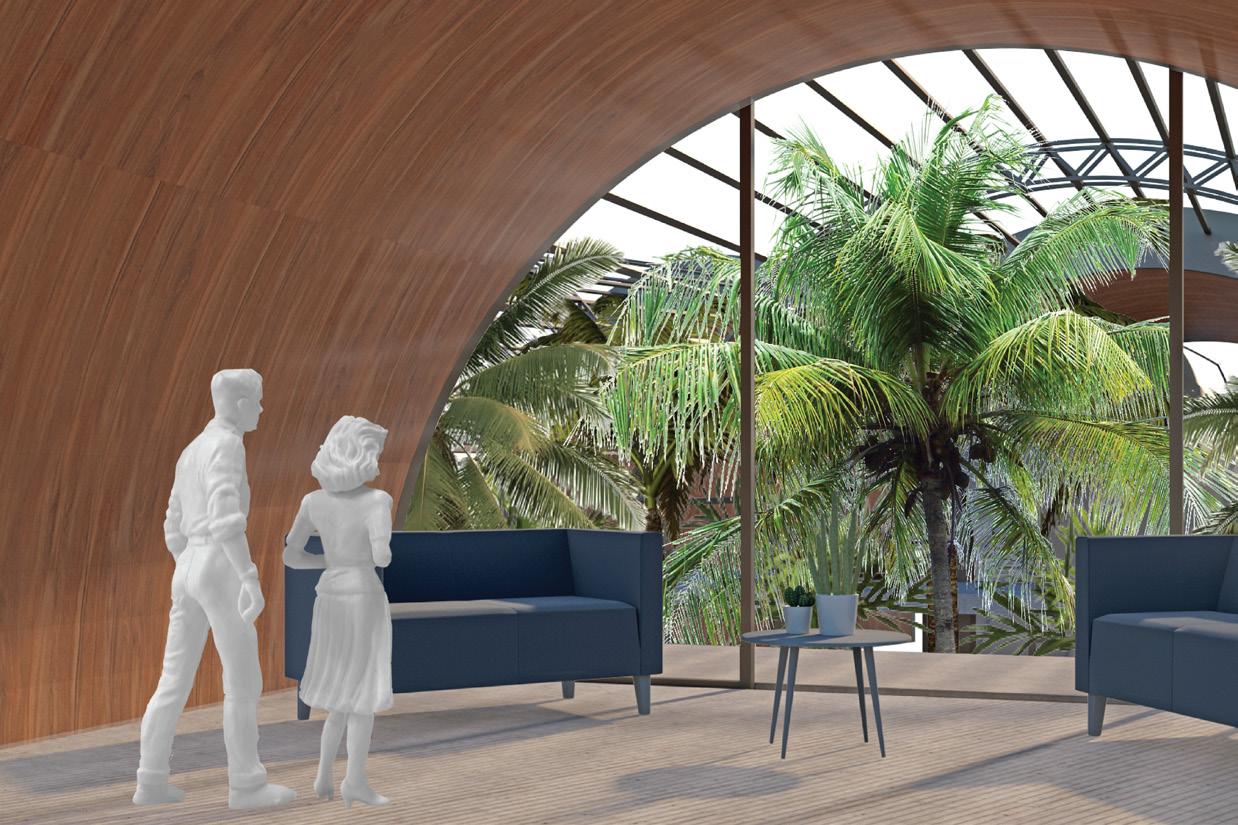
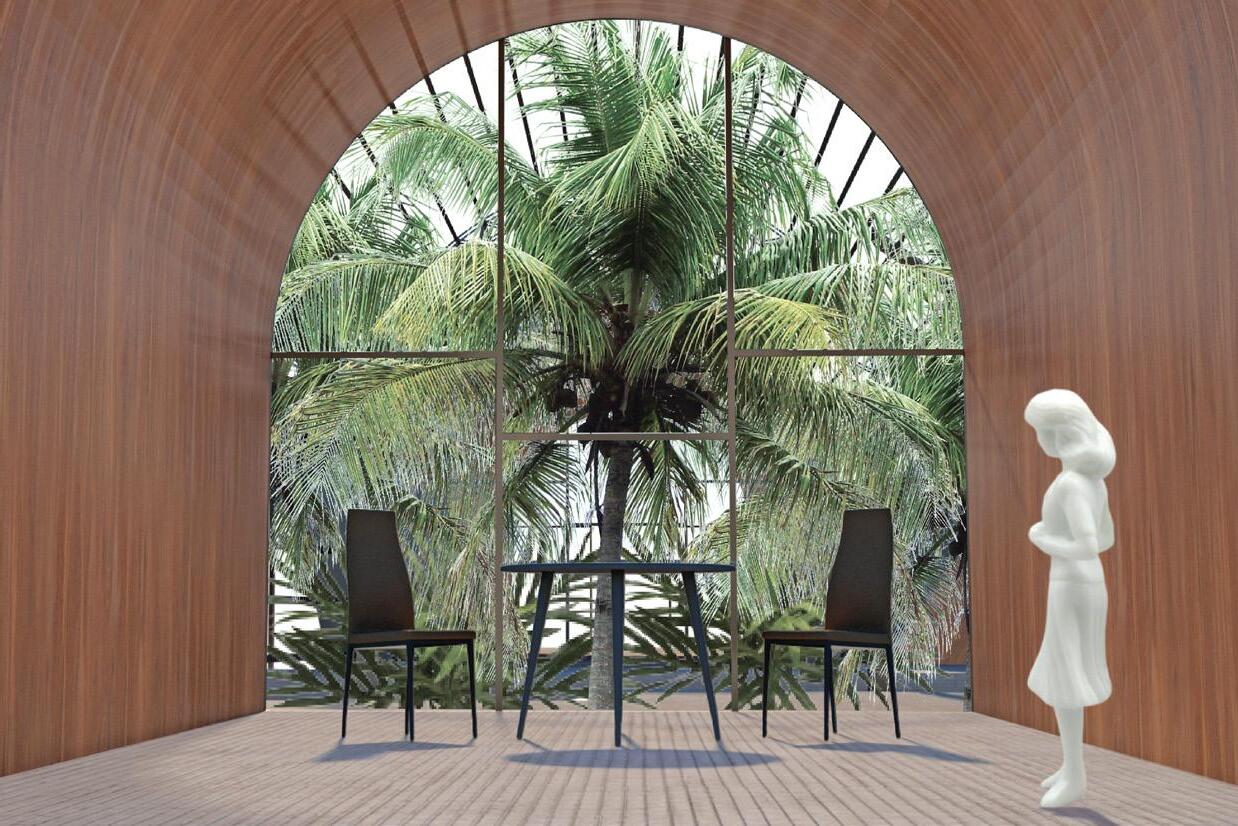
18
Vignette Series
19
Longitudinal Section
THE SKRIM 04.
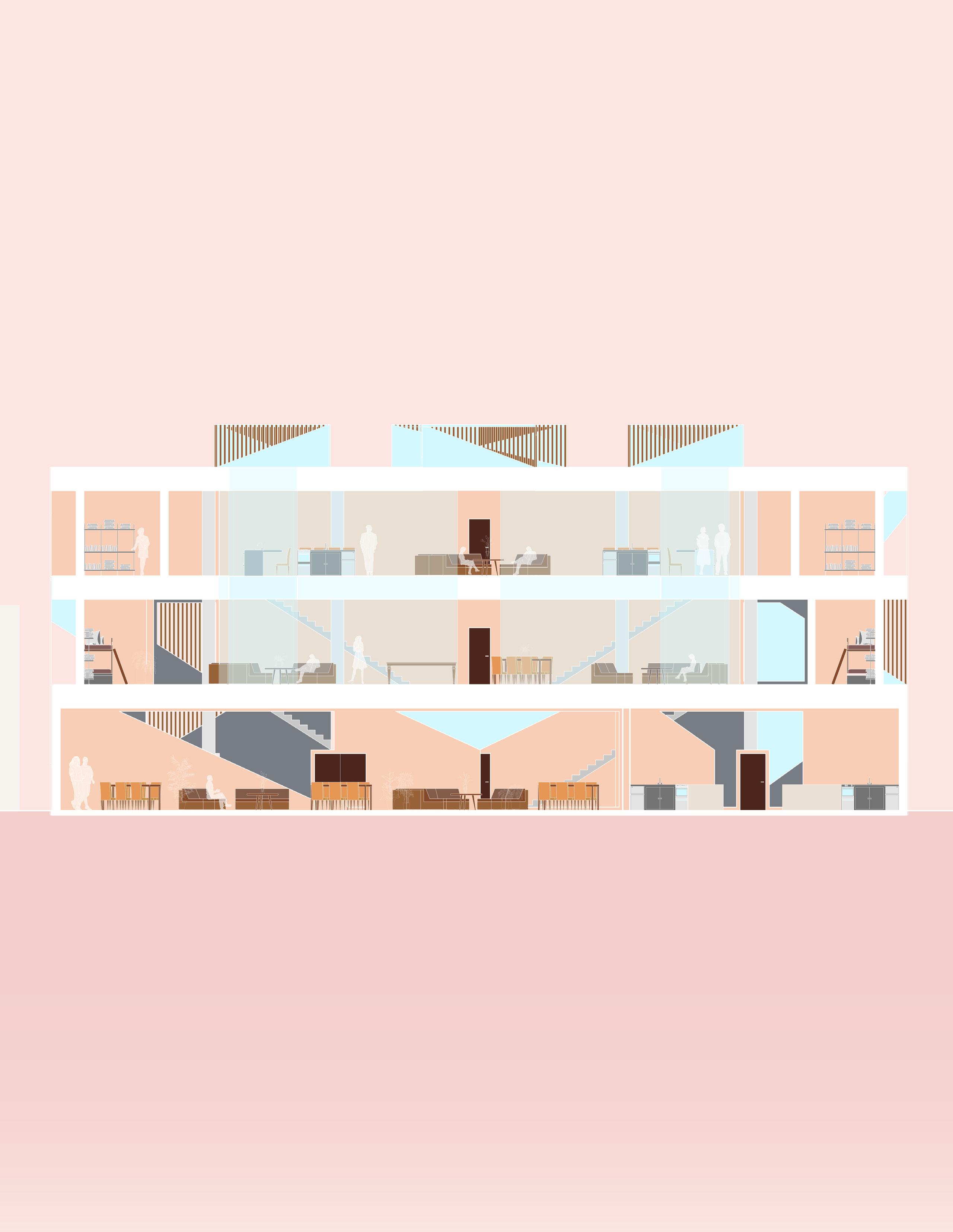
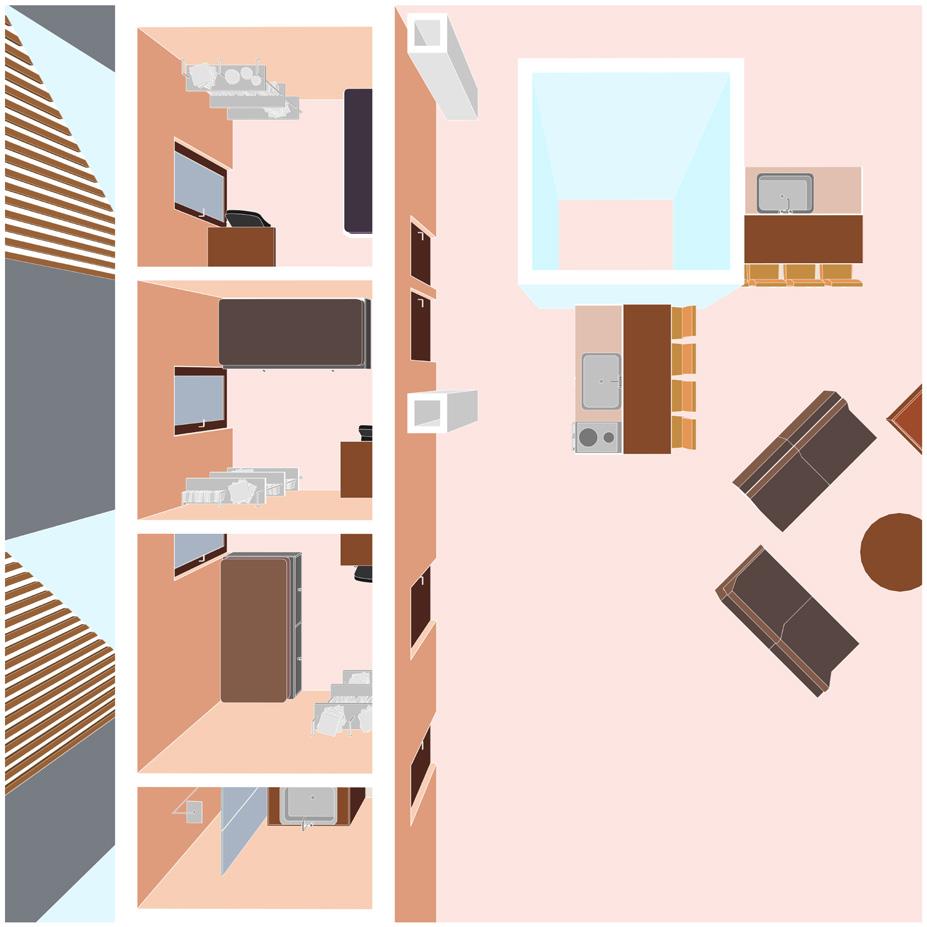
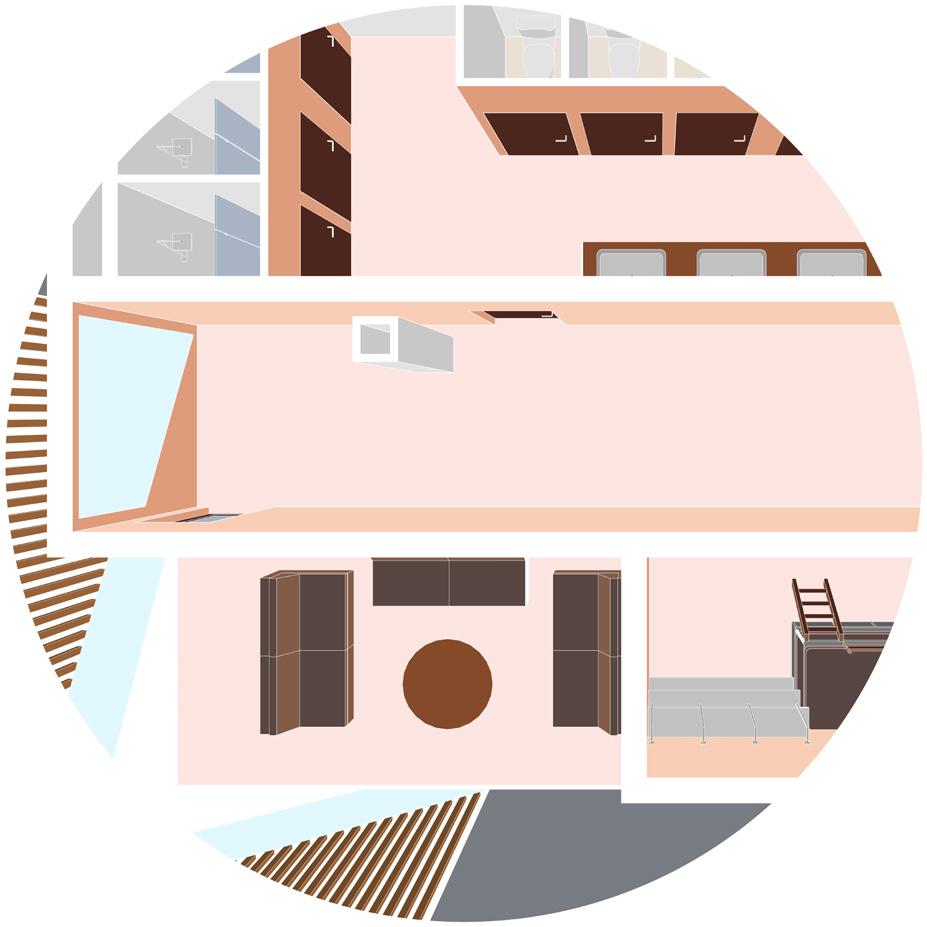
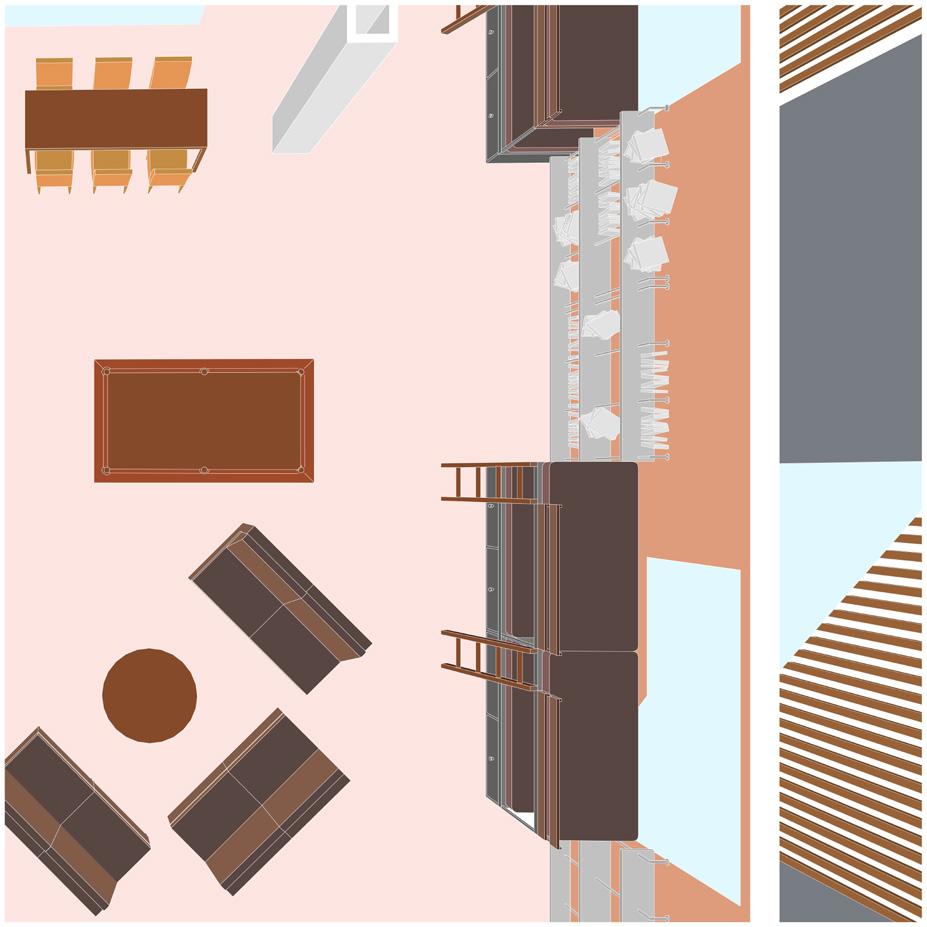
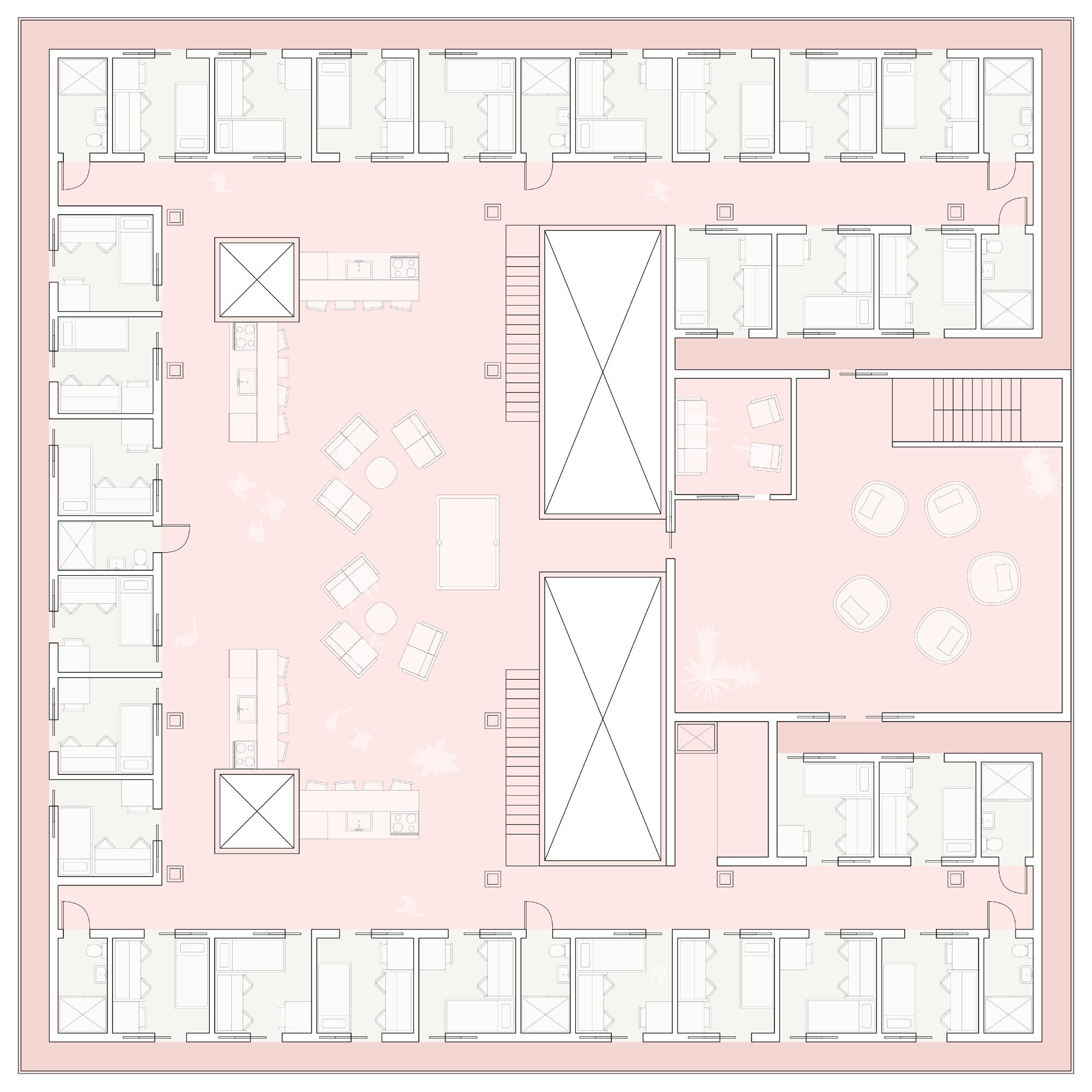
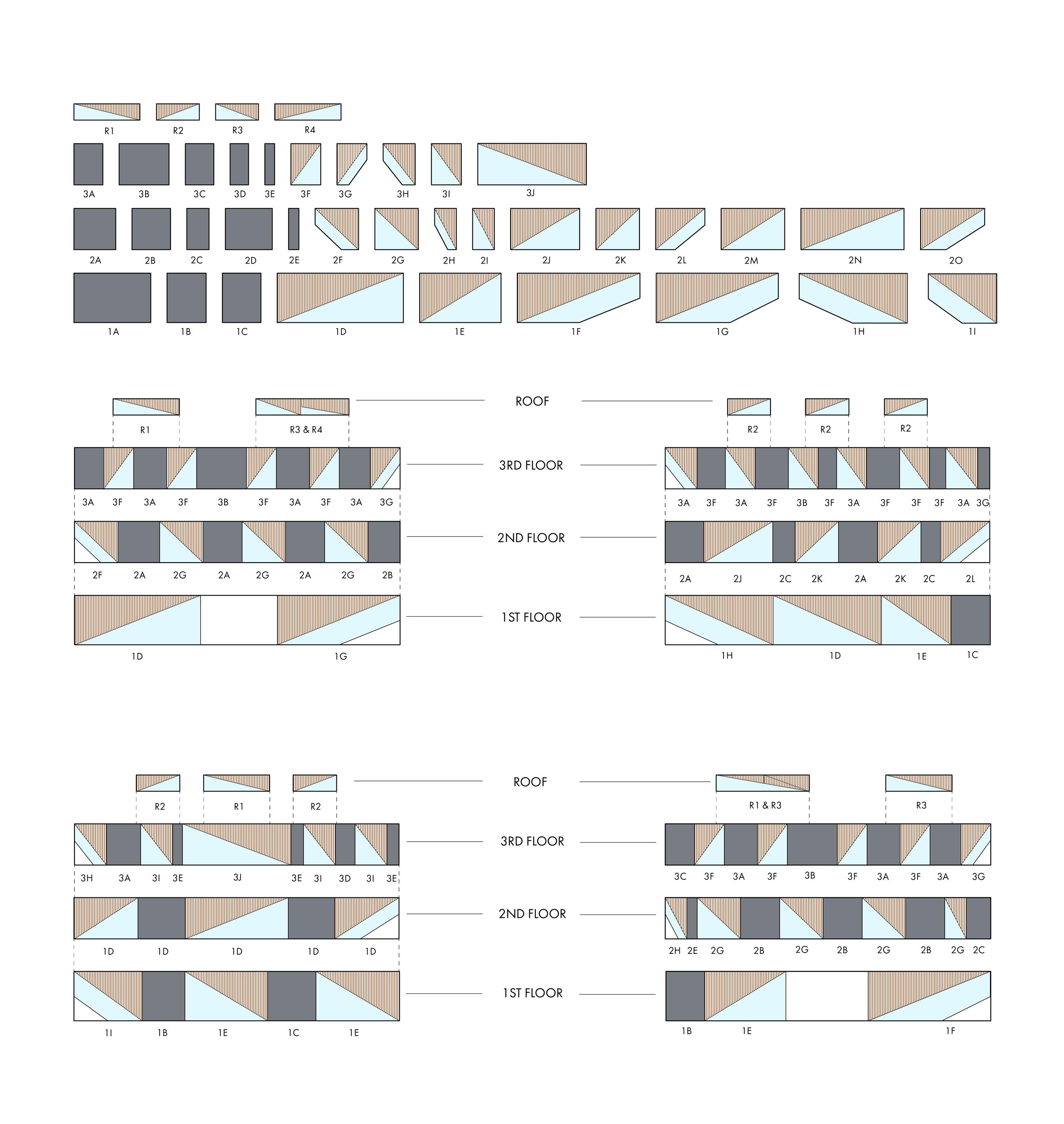
Leimert Park is a vibrant and lively neighborhood located in South Los Angeles. Developed in the 1920s, it was one of the first planned communities in Southern California. Since its initial development, it has become a cultural hub for African Americans and is known for its artistic influences in greater Los Angeles. In recent years, this community has seen an increase in rent and property prices due to gentrification. This has caused an increase in the at-risk youth population, who are now facing circumstances that may lead to a negative impact on their academic and social progress. This design provides a co-living model of housing designed for at-risk youth and their mentors, who were previously at-risk youth individuals. Through this mentorship programming, this population is able to experience a living space that incorporates all the vital resources needed to help propel them into the future, including a therapeutic center, education center, and career center.
20
21
22
Floor Plan
2nd


23
North Elevation
South Elevation
East Elevation
West Elevation
Taxonomy of Facade Kit of Parts
24
25
CAR WASH APARTMENT 05.
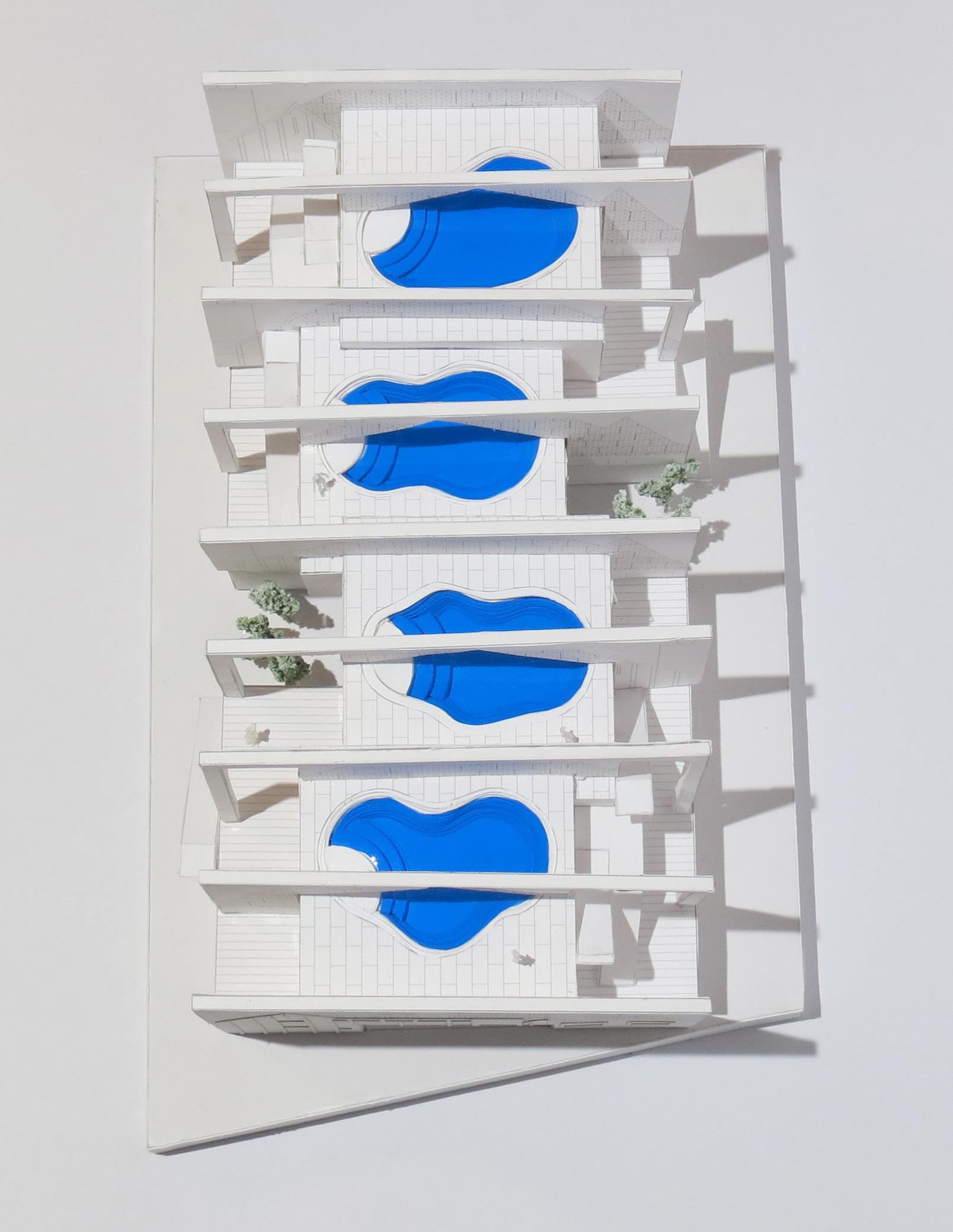
A hidden gem in Los Angeles, Frogtown is an eccentric and unique collection of creatives and multi-generational families. This niche neighborhood offers a respite between the Los Angeles River and the busy downtown districts. Connected primarily by vehicular access, this design proposes a quirky combination of programming meant to fit right into this peculiar pocket of Los Angeles. Through a mixed-use programming of a car wash and four apartment units, this building takes cues from its surroundings in its design and programmatic placement. In a cross-mixing of the average car wash and storybook house found in Frogtown and its surrounding neighborhoods, the facade design appears entirely as a car wash from one vantage point and entirely as a storybook house from another. The perpendicular billboards representing one side of the facade pierce through the massing and contrast with the organic shape of the pools.
26
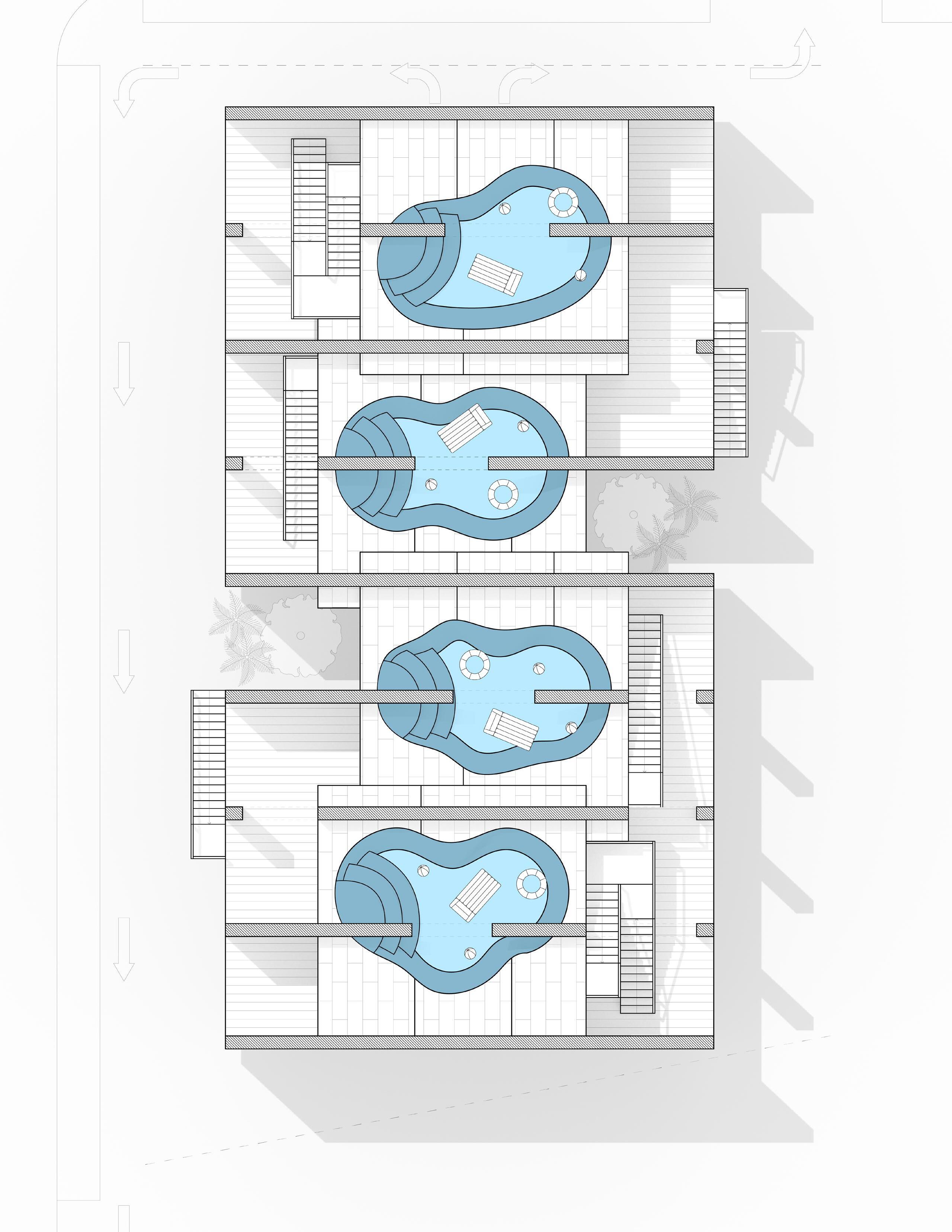
27 Roof Plan
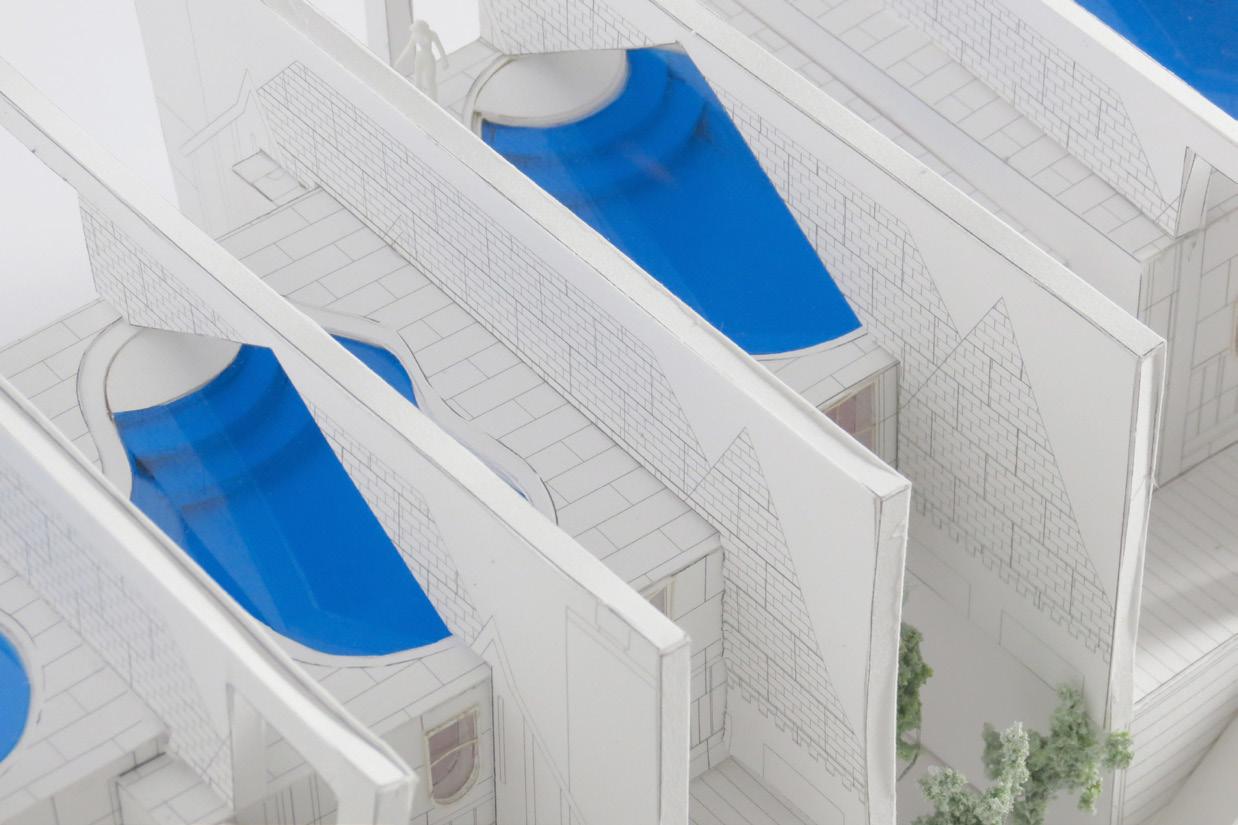
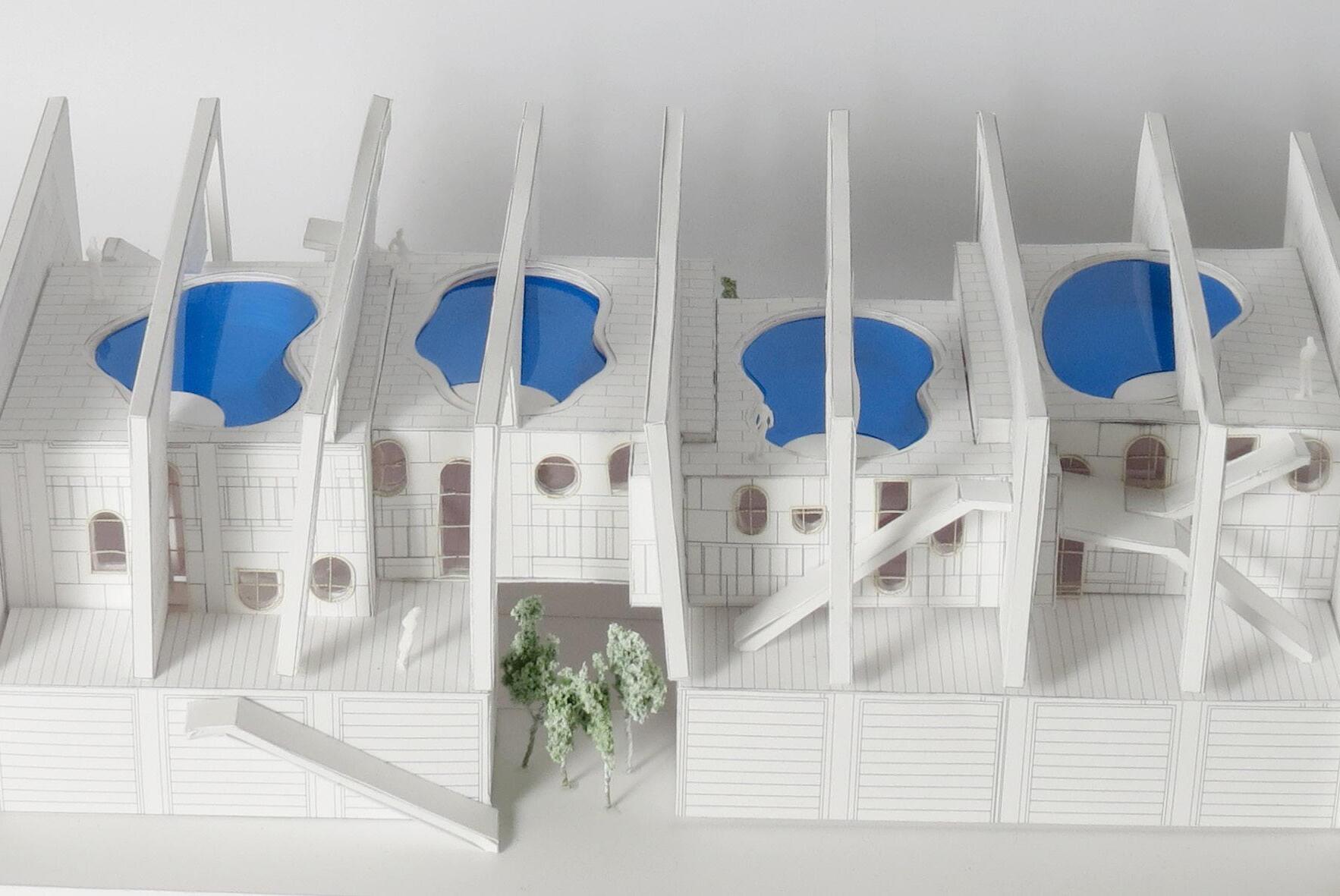
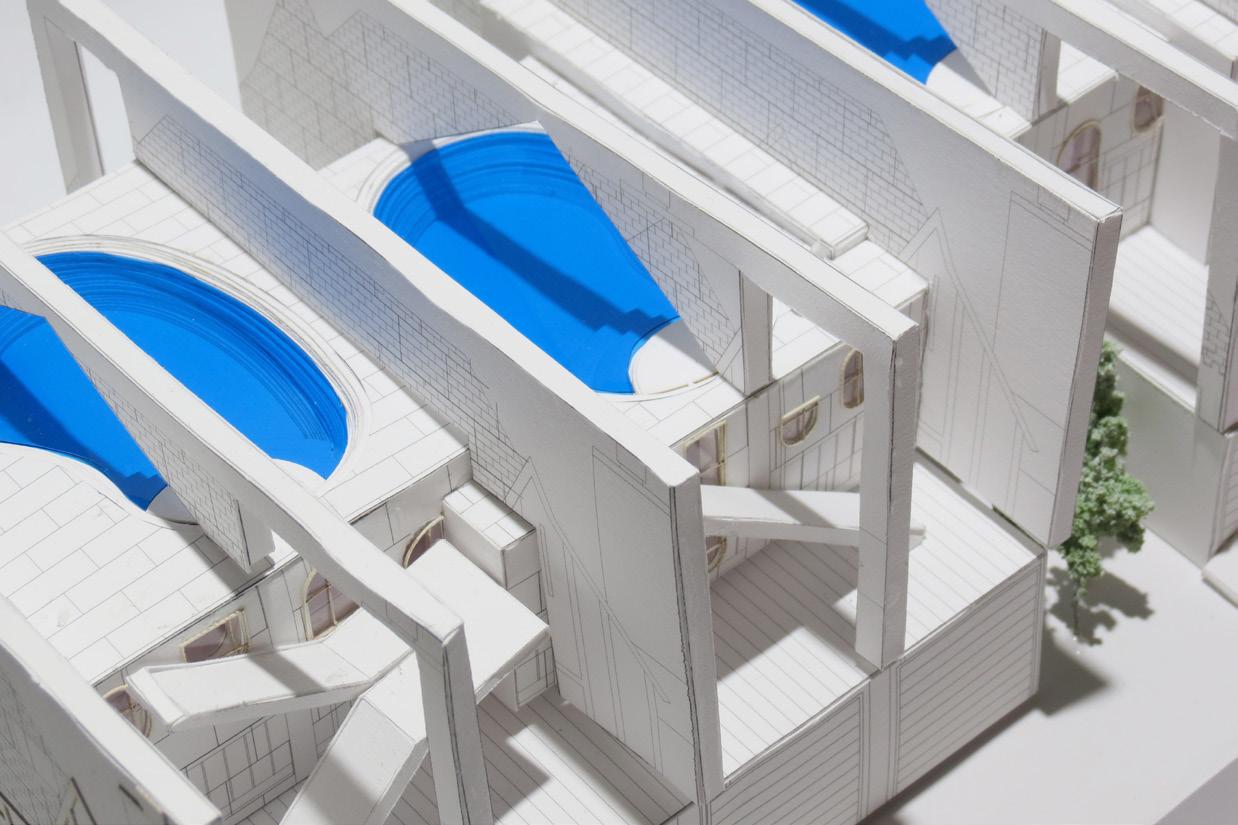
28 Model
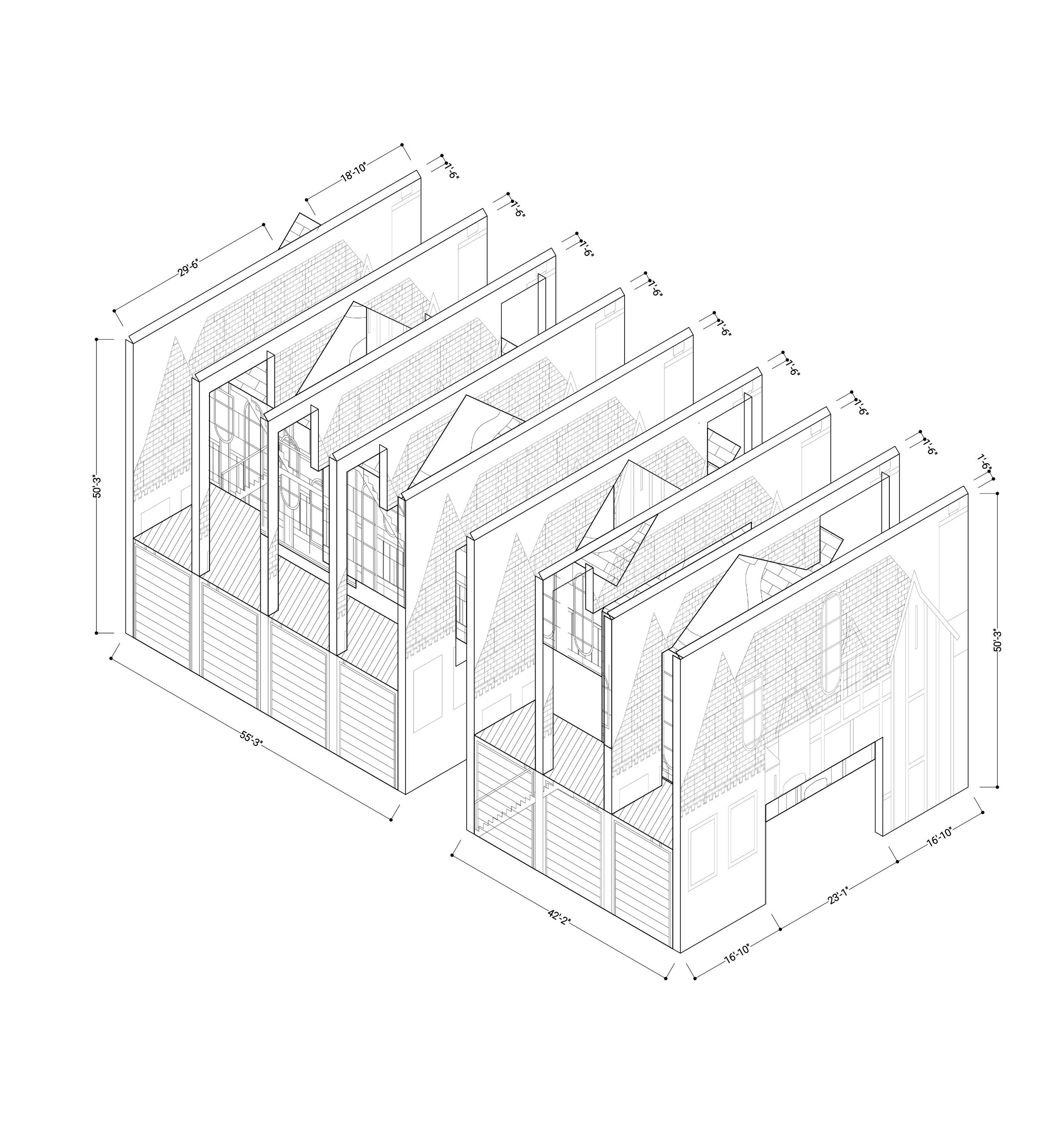
29 Unrolled Conceptual Study
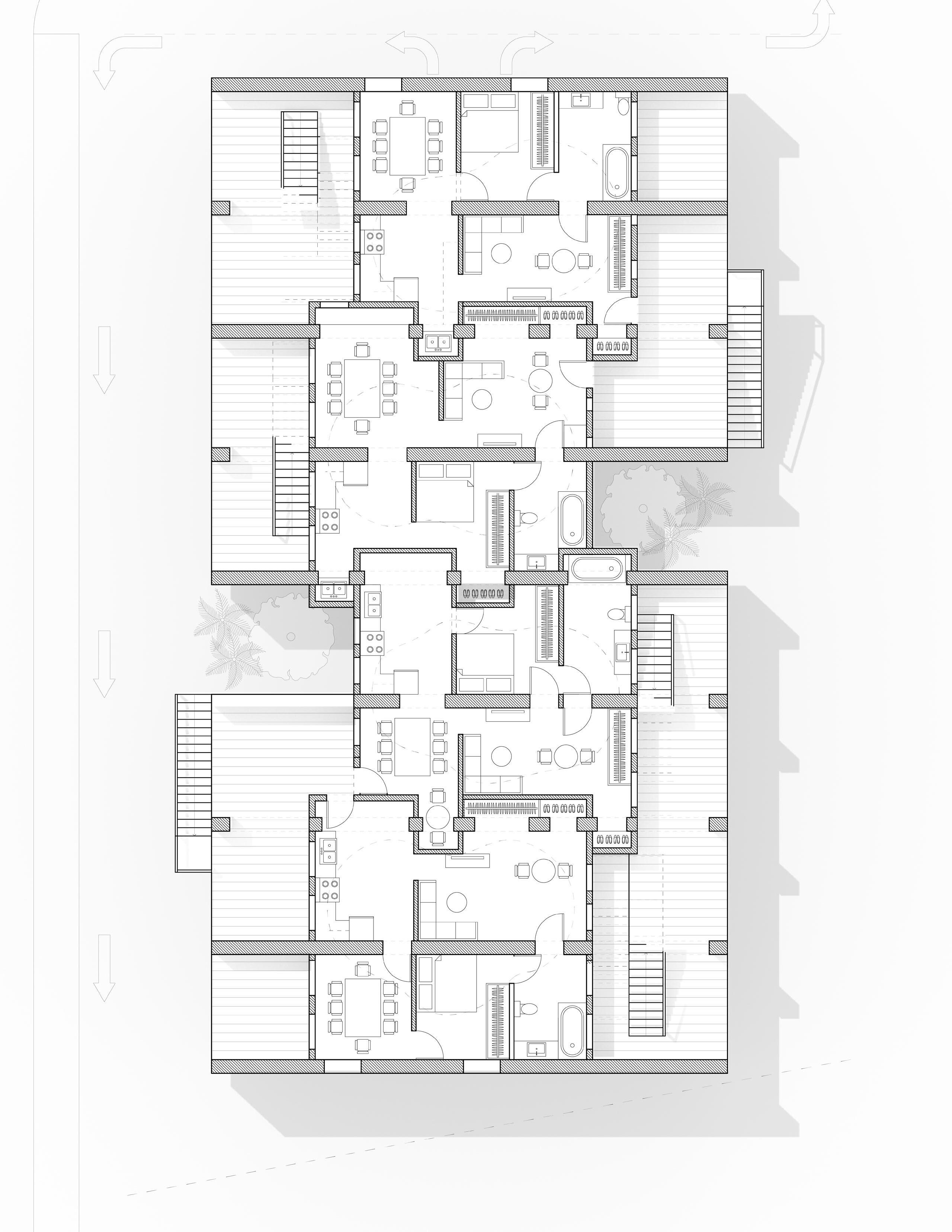
30 2nd Floor Plan
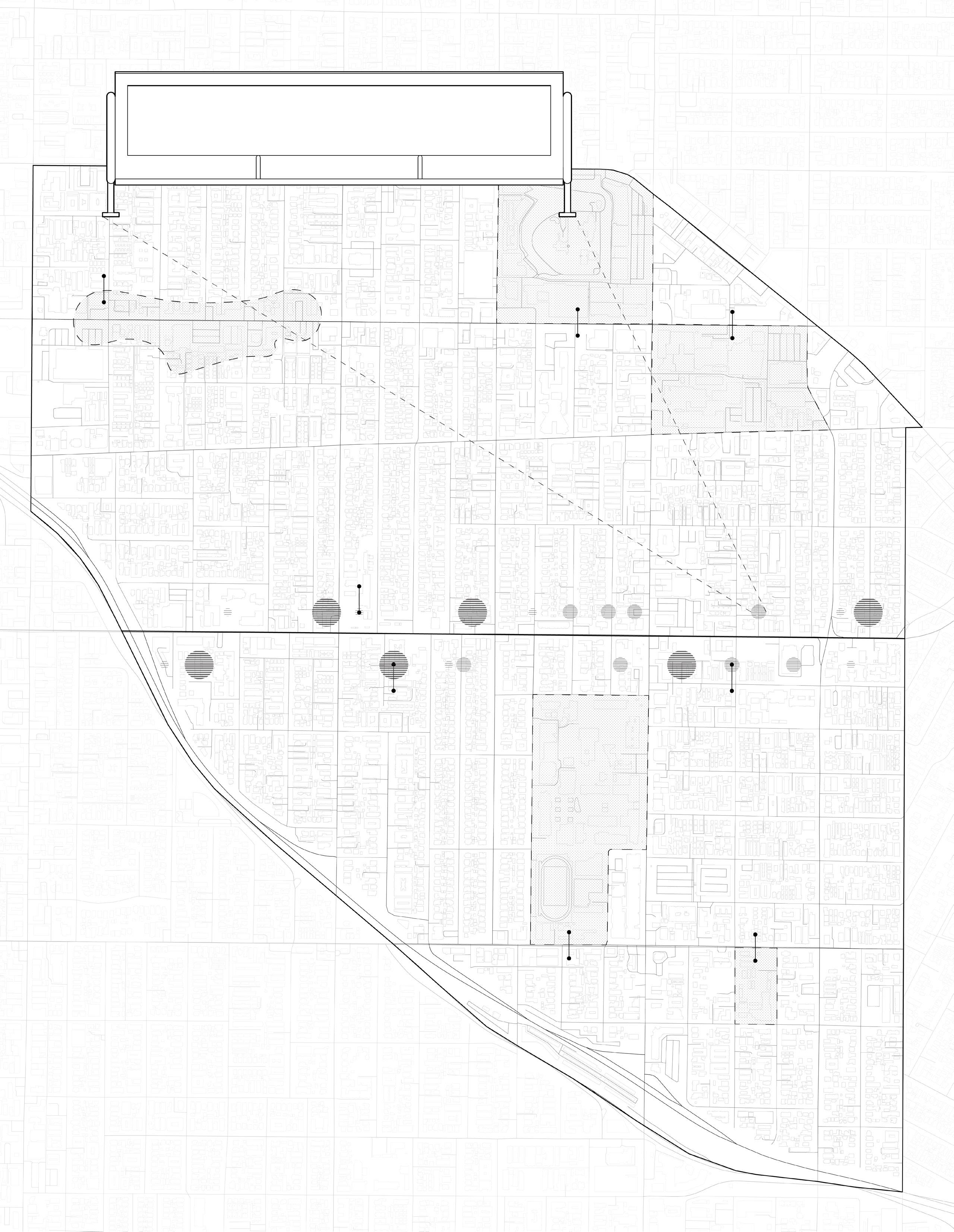
31 LITTLE ARMENIA BARNSDALL ART PARK HOLLYWOOD PRESBYTERIAN 330 SF OF SHADE 7 TREES PROPOSED BUS STOP LOCATIONS 6 BUS STOPS 13% OF BUS STOPS LOS ANGELES CITY COLLEGE DAYTON HEIGHTS ELEMENTARY SCHOOL WEST HOLLYWOOD’S BUS STOPS
BUS STOP BUREAUCRACY
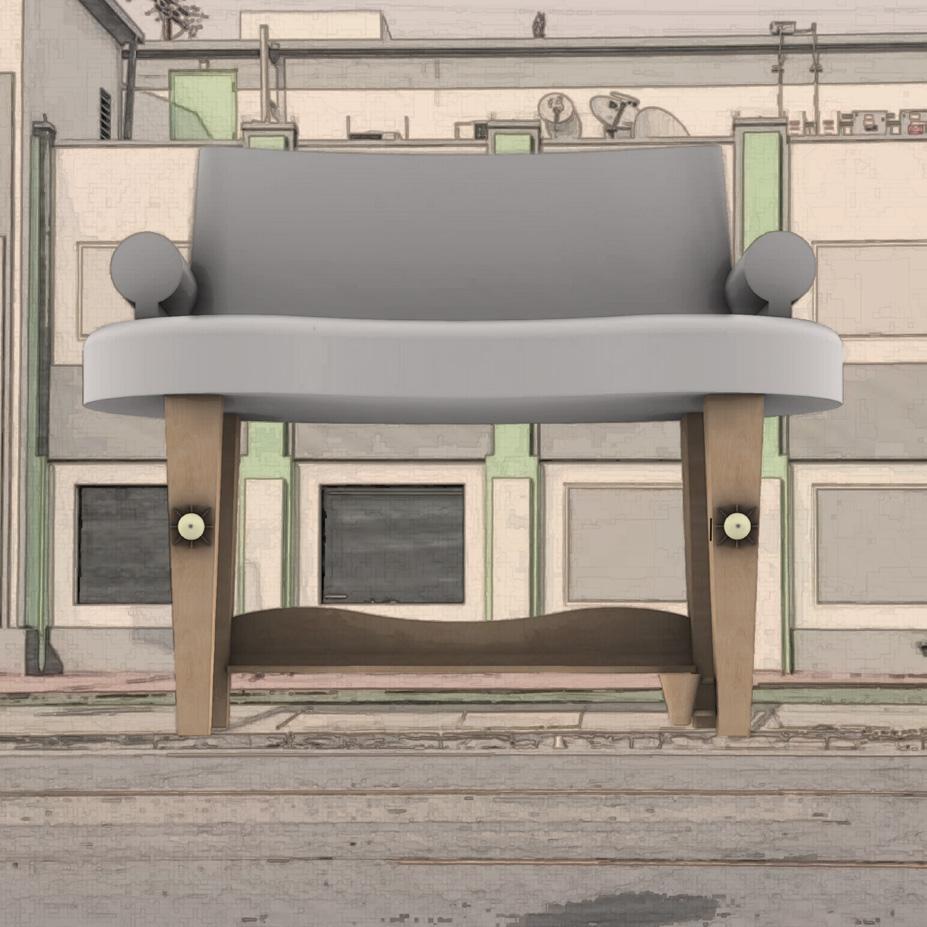
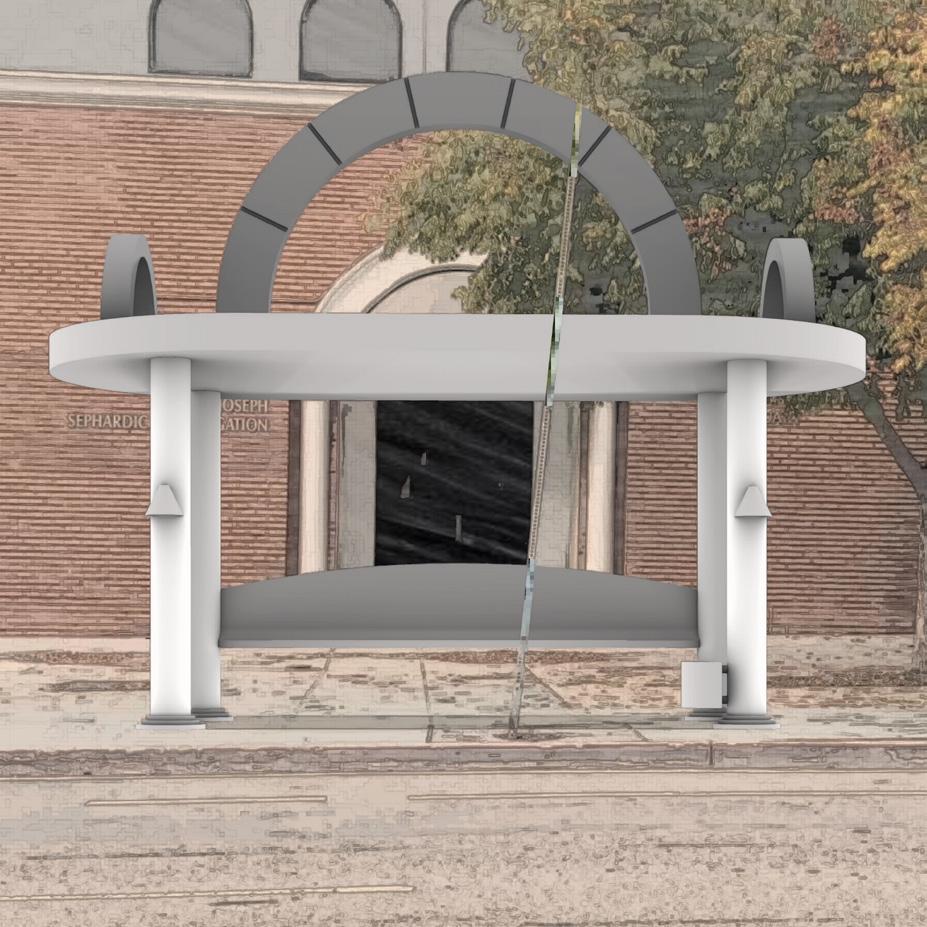
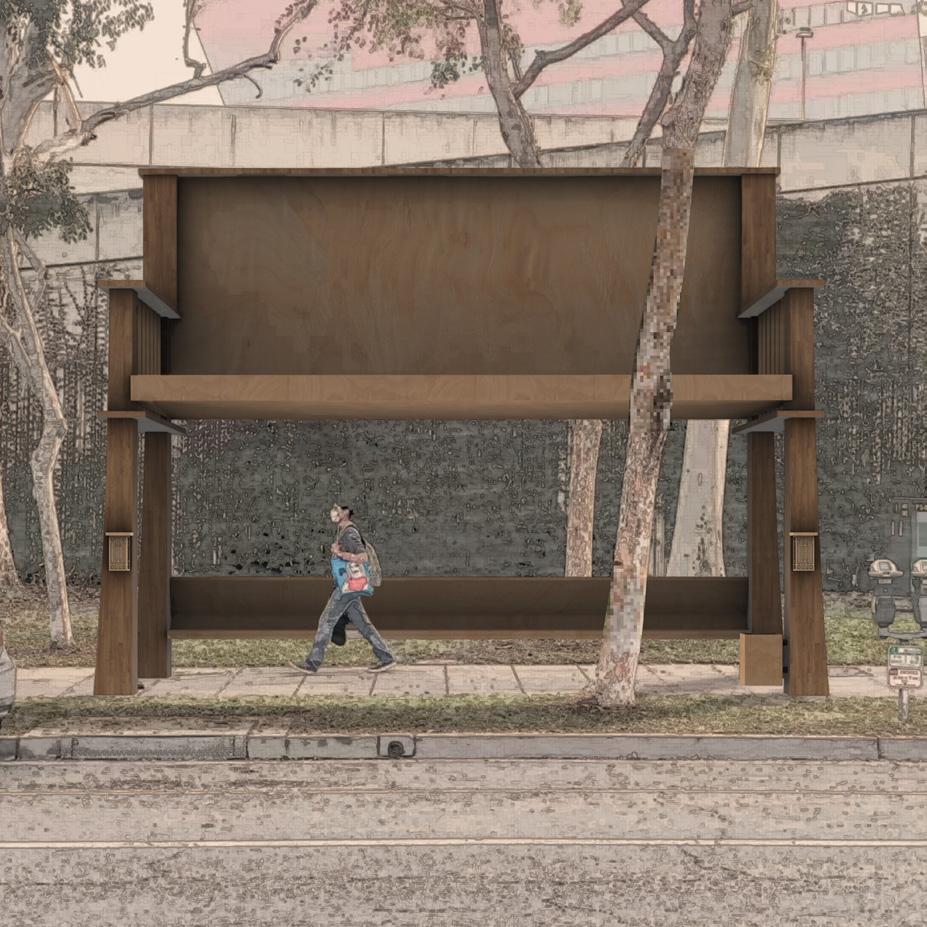
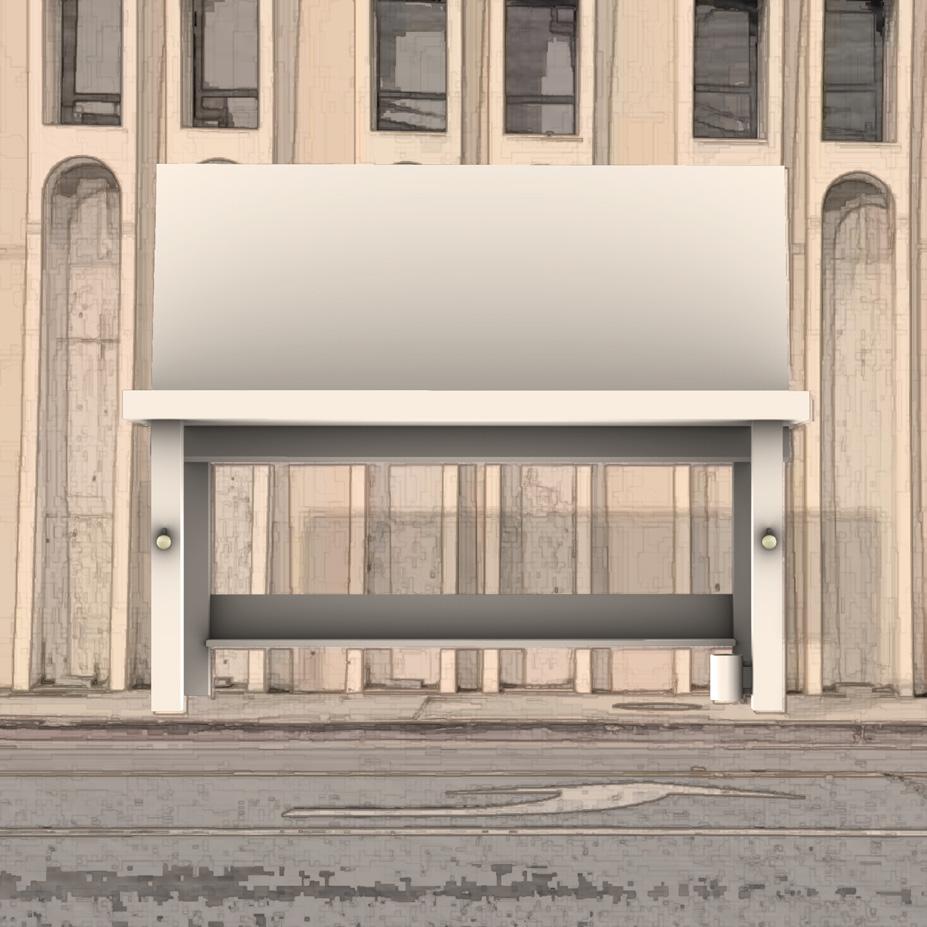
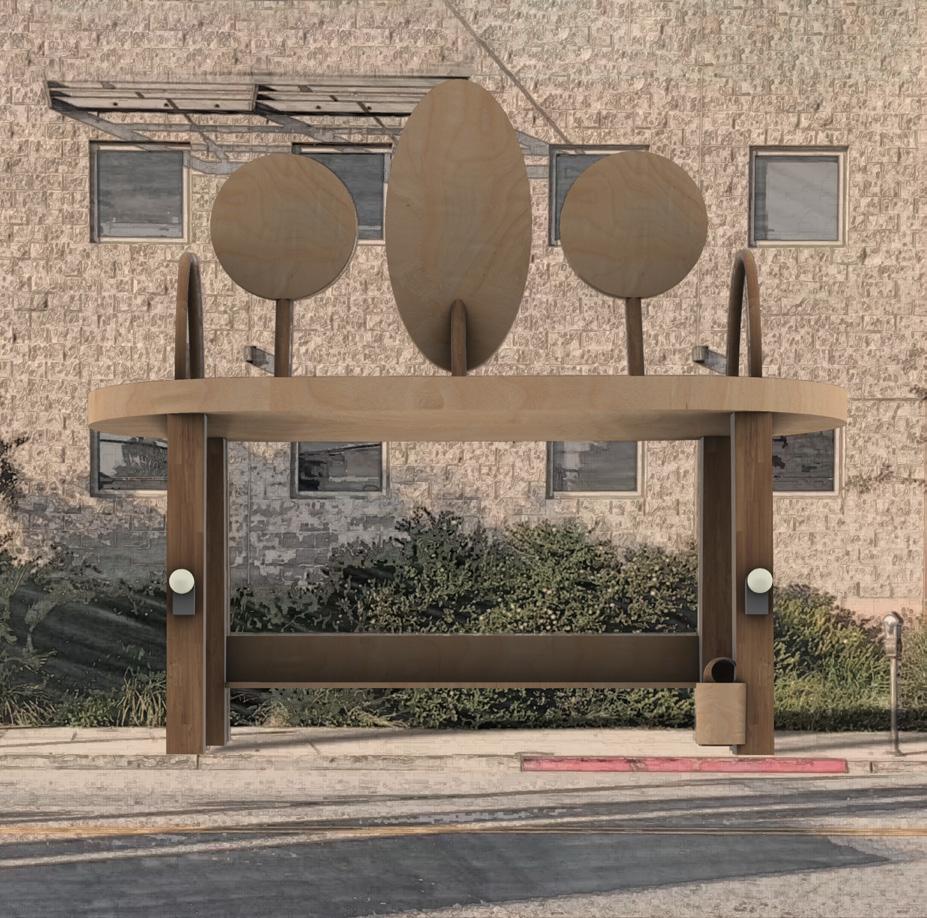
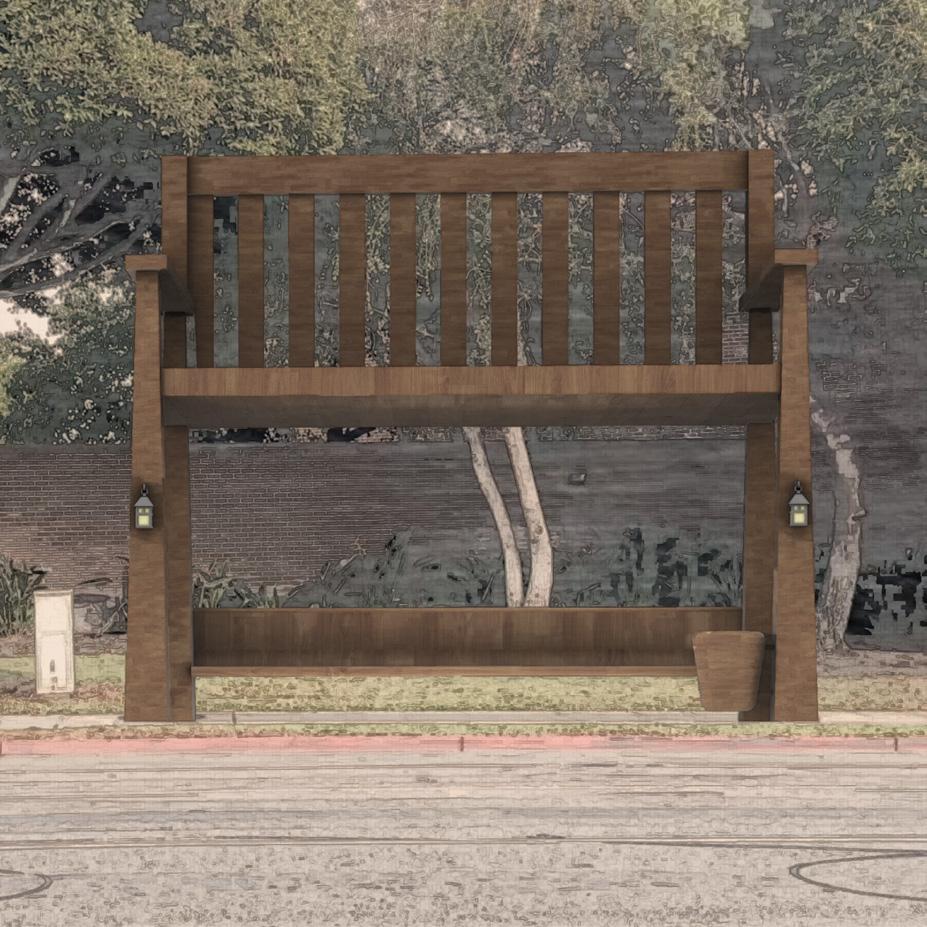
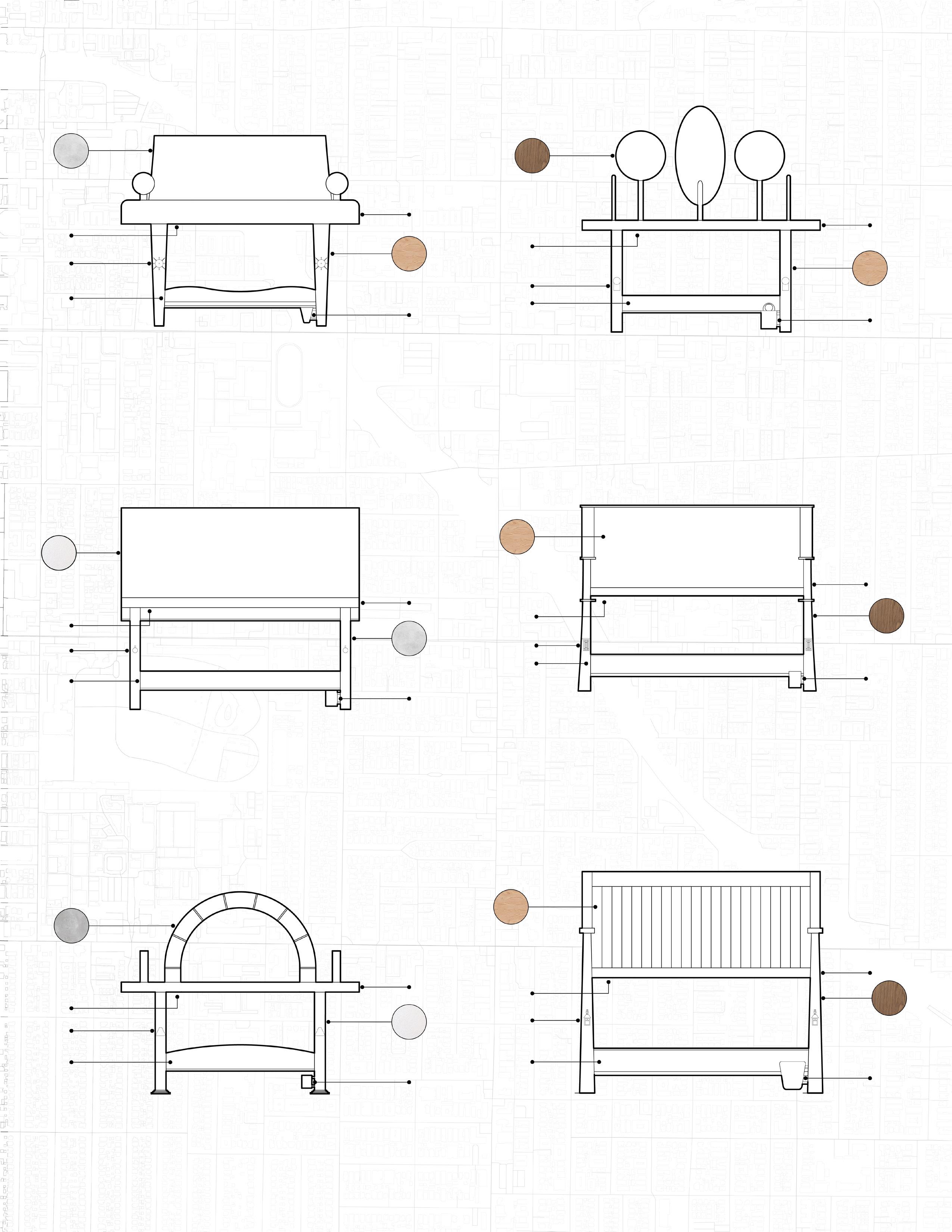
Santa Monica Boulevard is a major thoroughfare in Los Angeles that runs through eight primary neighborhoods of the city. Originally a part of the historic Route 66, this boulevard interweaves each of these eight distinct neighborhoods as a primary vehicular artery. In this artery, public transportation users rely on bus stop benches for respite against the Los Angeles heat and bustling city. These benches are a vital component of the fabric of the city which are often overlooked. Despite being the city with the most public transportation users across Santa Monica Boulevard, West Hollywood has the least amount of bus stop locations offered. Inspired by six architectural typologies found across Santa Monica Boulevard and pulling from the long history of large-scale art pieces across the city, these six bus stop designs are placed in West Hollywood to create an iconography of public transportation which can no longer be overlooked.
06.
32
33
34
GREY PLASTER EMBEDDED SOLAR PANELS LIGHTING FIXTURE BENCH SEATING EMBEDDED SOLAR PANELS MAPLE WOOD TRASH RECEPTACLE WALNUT WOOD EMBEDDED AIR MISTERS LIGHTING FIXTURE BENCH SEATING EMBEDDED SOLAR PANELS MAPLE WOOD TRASH RECEPTACLE WHITE PLASTER EMBEDDED AIR MISTERS LIGHTING FIXTURE BENCH SEATING EMBEDDED SOLAR PANELS GREY PLASTER TRASH RECEPTACLE MAPLE WOOD EMBEDDED AIR MISTERS LIGHTING FIXTURE BENCH SEATING WALNUT WOOD EMBEDDED SOLAR PANELS TRASH RECEPTACLE
GREY PLASTER EMBEDDED AIR MISTERS LIGHTING FIXTURE BENCH SEATING EMBEDDED SOLAR PANELS TRASH RECEPTACLE WHITE PLASTER MAPLE WOOD WALNUT WOOD EMBEDDED SOLAR PANELS EMBEDDED AIR MISTERS LIGHTING FIXTURE BENCH SEATING TRASH RECEPTACLE
LIGHT
DARK
35
PROFESSIONAL WORKS
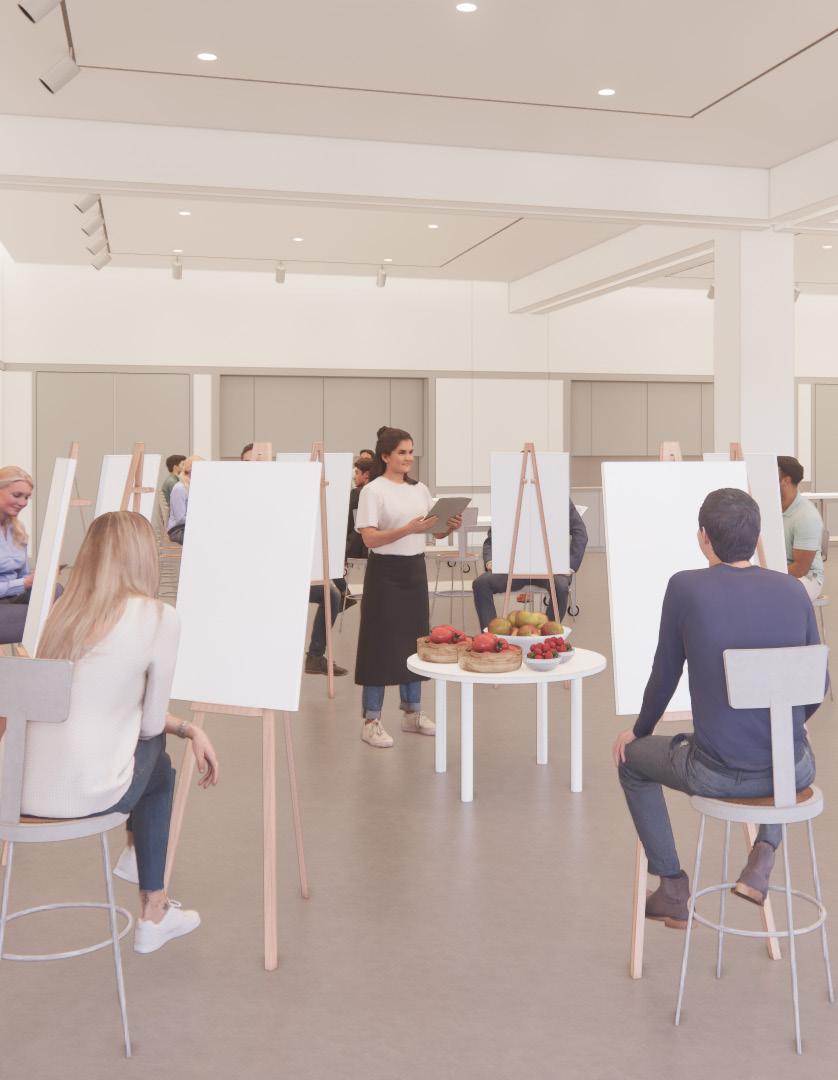
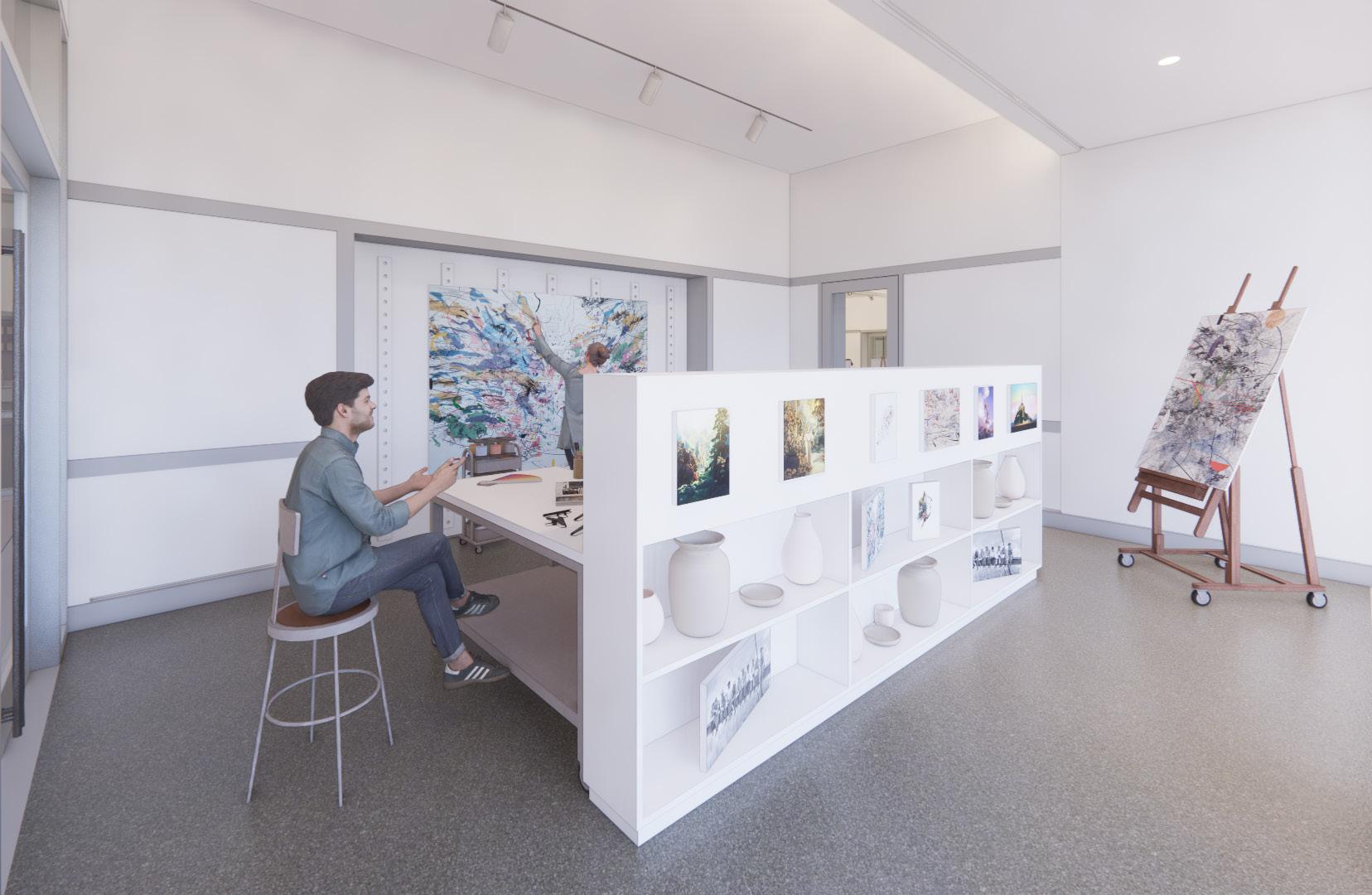
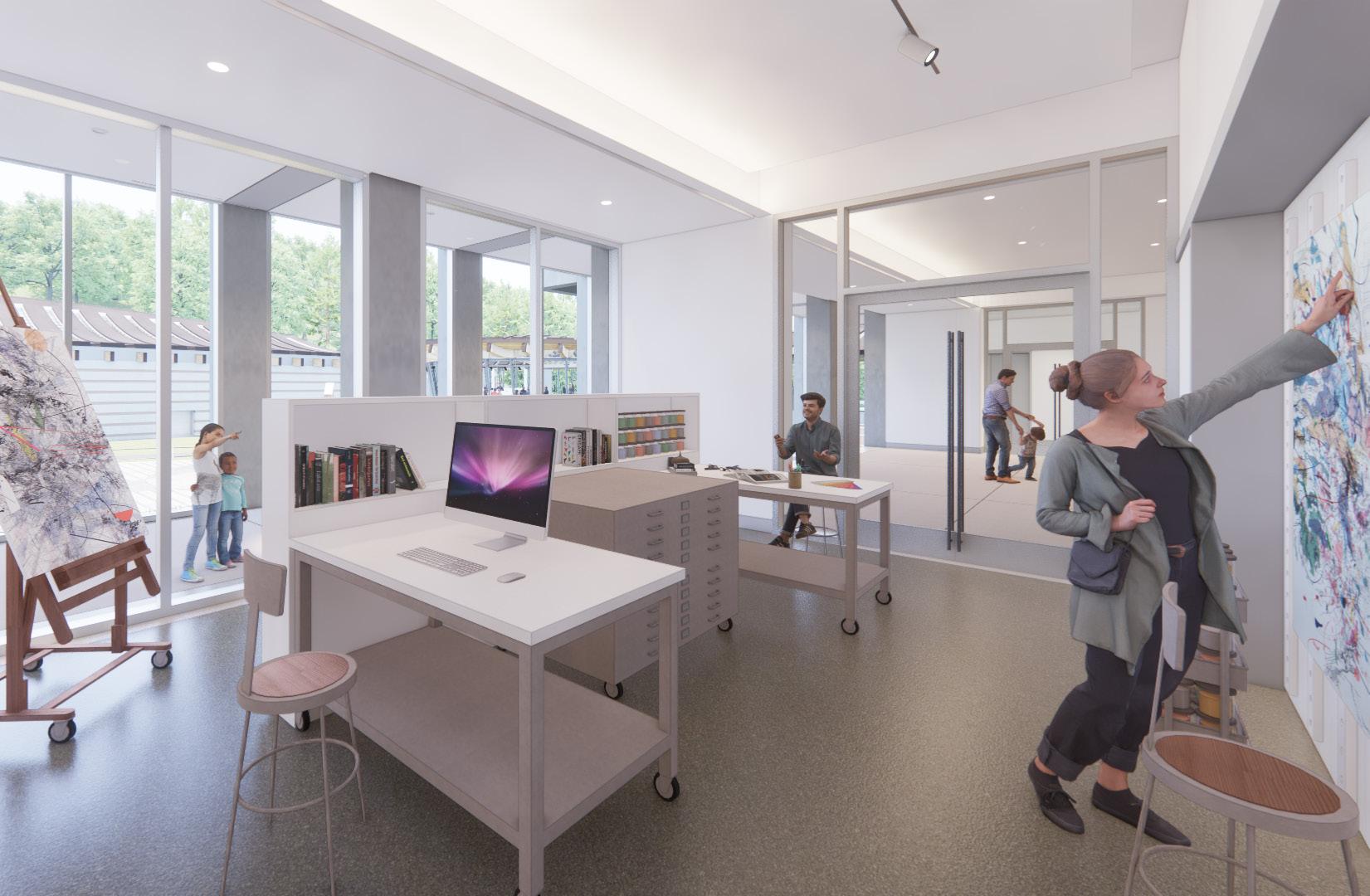
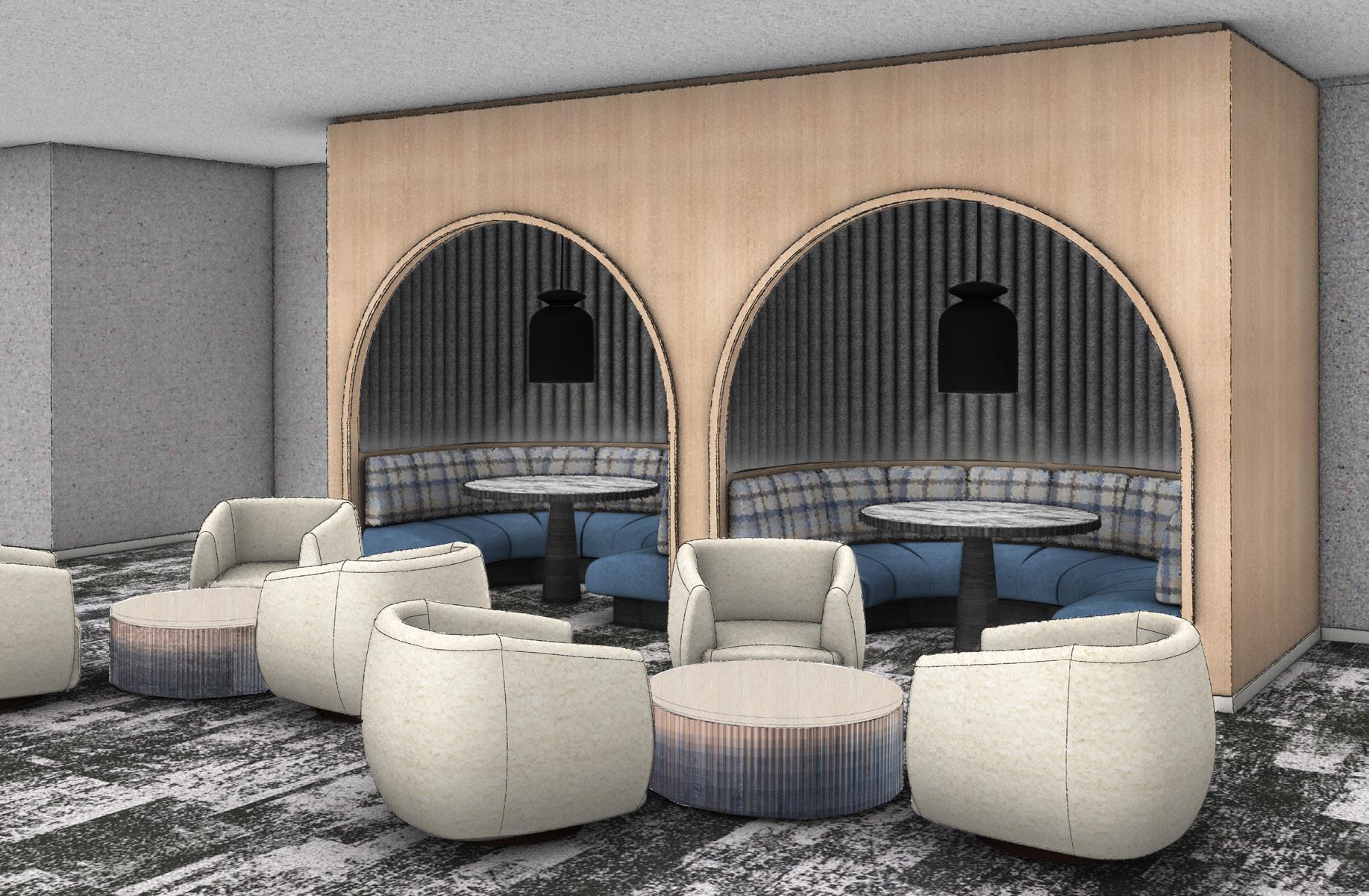
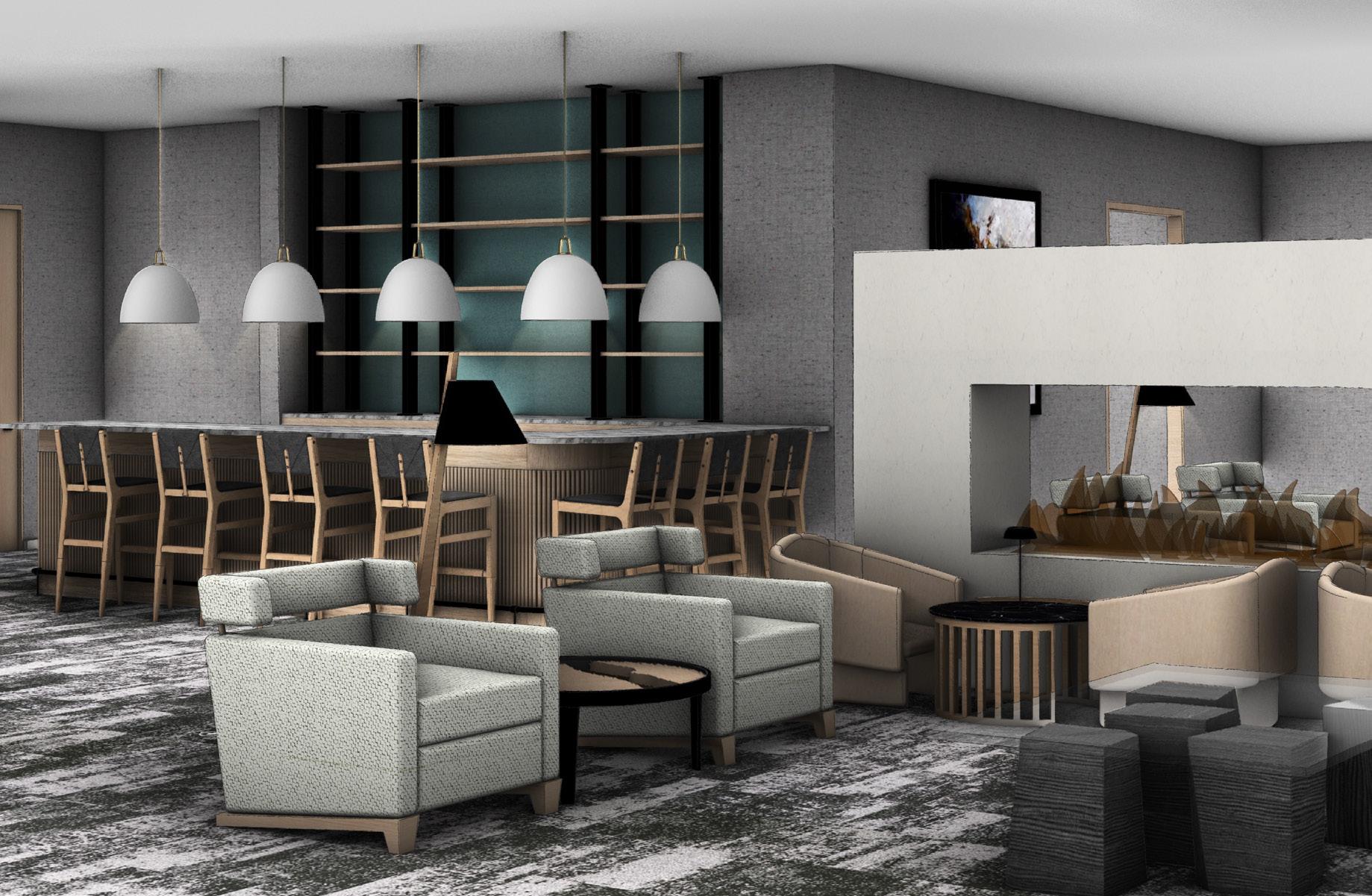
Through internships with Safdie Architects and Meyer Davis, I assisted on designs for a range of projects and proposals with different scopes and requirements. Within Safdie Architects, I worked with a team of 3 to design several spaces intended for artists and creatives in the Crystal Bridges Museum located in Arizona. In addition to these spaces, I designed a custom cafe bar with the capacity for all the necessary equipment and adequate bar seating for the museum’s patrons. In illustrating professional renderings and three-dimensional conceptial design mockups, I aided in the team’s transition from design development to construction documentation. Within Meyer Davis, I produced professional-quality renderings for client approvals on furniture and material selections for the Limelight Hotel in California. In working alongside a team of 4, I created all three dimensional mockups for custom millwork and furniture pieces and coordinated any outsourcing for necessary materials.
07.
36
Safdie Architects Team - Sarah Rinehart, Tunch Gungor, Kevin MacNichol Meyer Davis Team - Zoe Pinfold, Stephanie Schreiber, Hannah Moore, Teresa Do
37
Safdie Architects - Artist in Residence Space
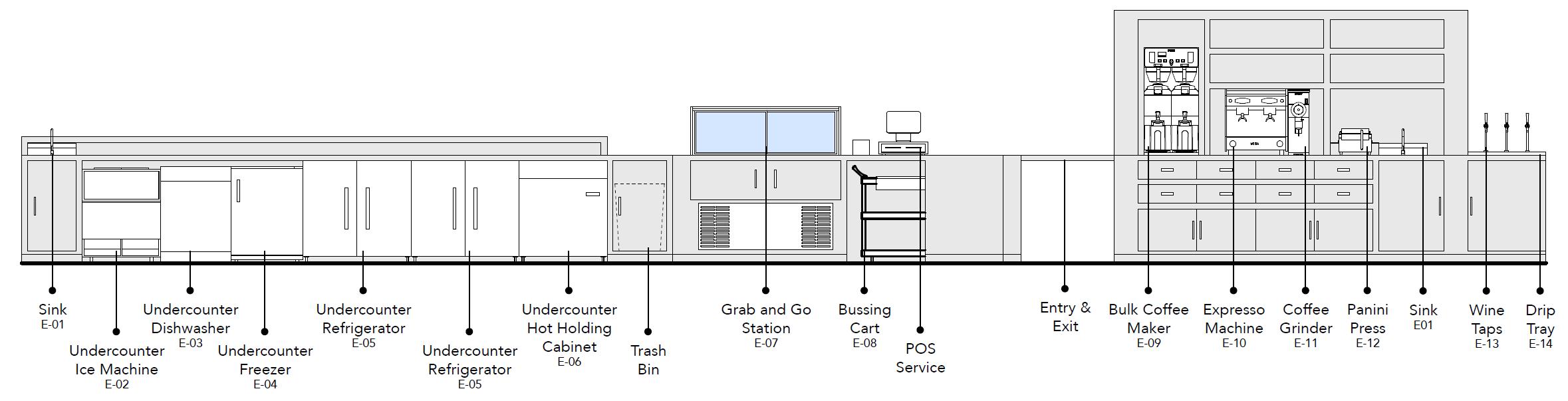
Sink Undercounter Ice Machine Undercounter Dishwasher Undercounter Freezer Undercounter Refrigerator Undercounter Refrigerator Undercounter Hot Holding Cabinet Trash Bin Grab and Go Station Bussing Cart POS Service Entry & Exit Bulk Coffee Maker Expresso Machine Coffee Grinder Panini Press Sink Wine Taps Drip Tray 38
Safdie Architects - Custom Cafe Design
39
Meyer Davis - Limelight Mammoth Ski Club



40
Meyer Davis - Limelight Mammoth Ski Club
41
CREATIVE WORKS 08.
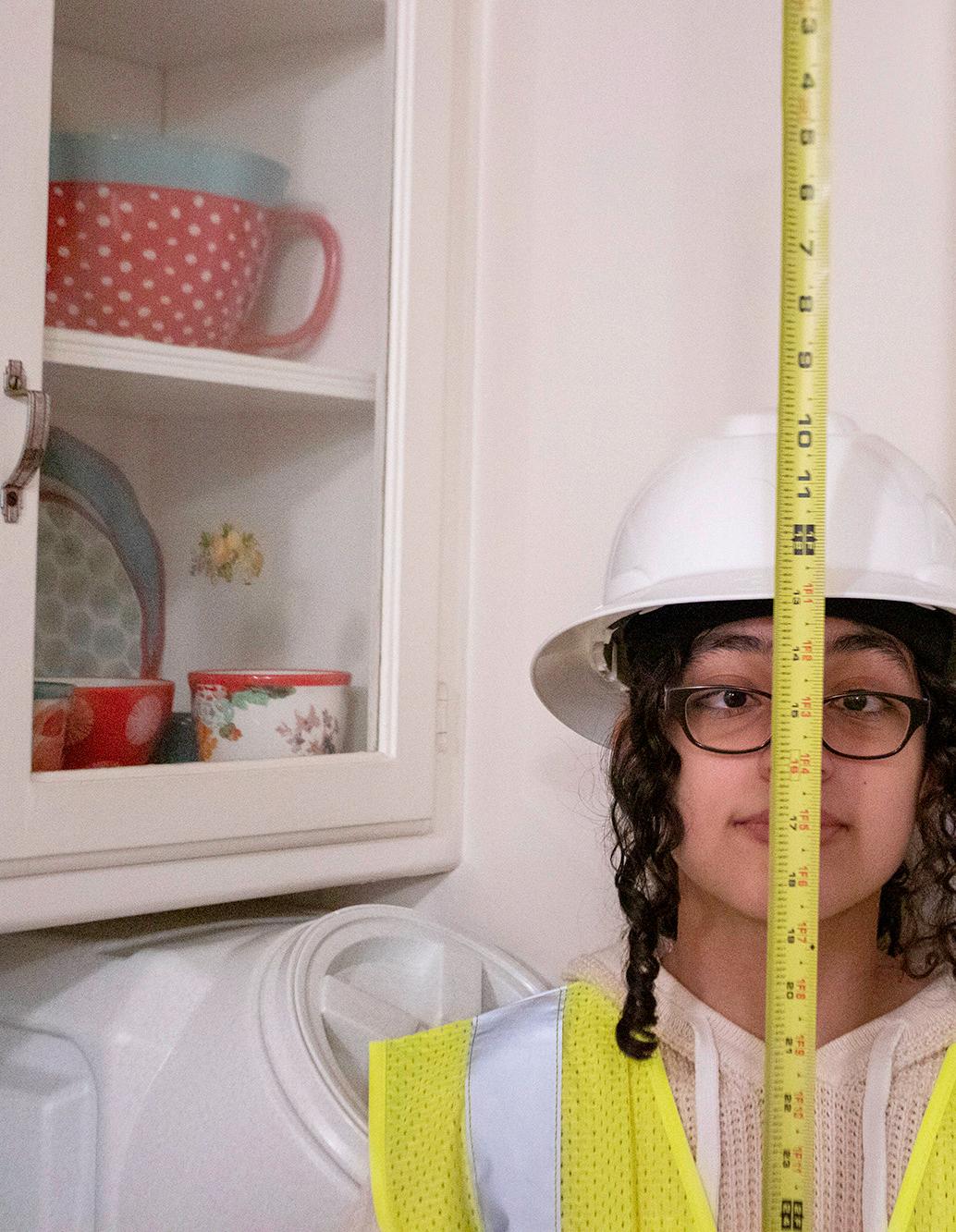
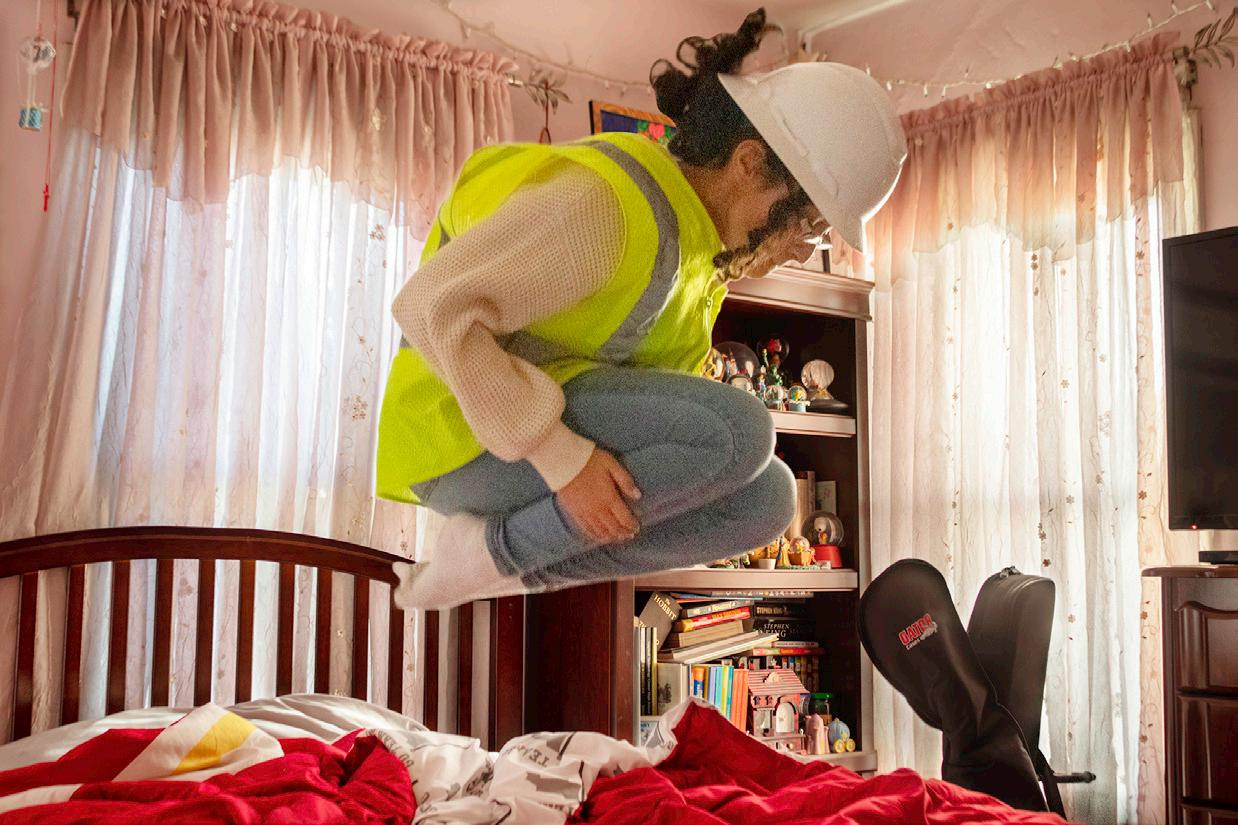
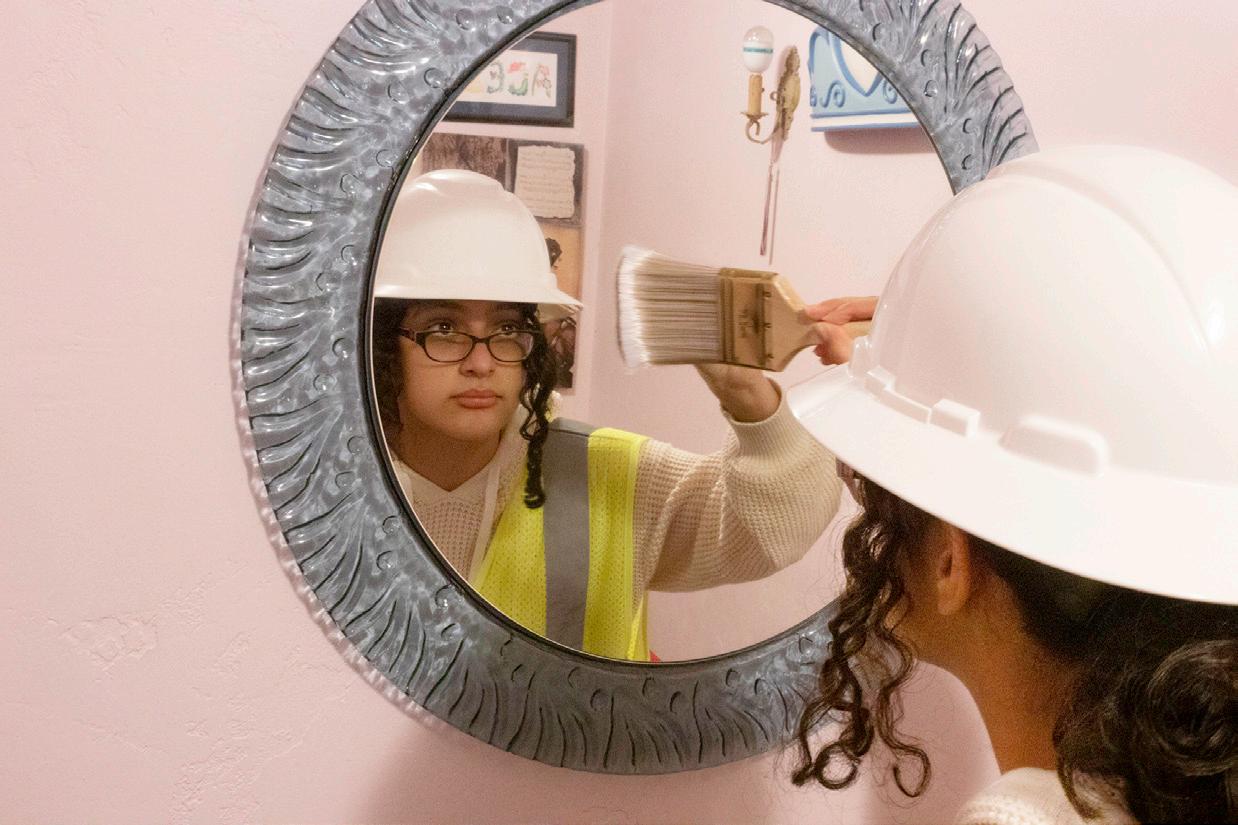
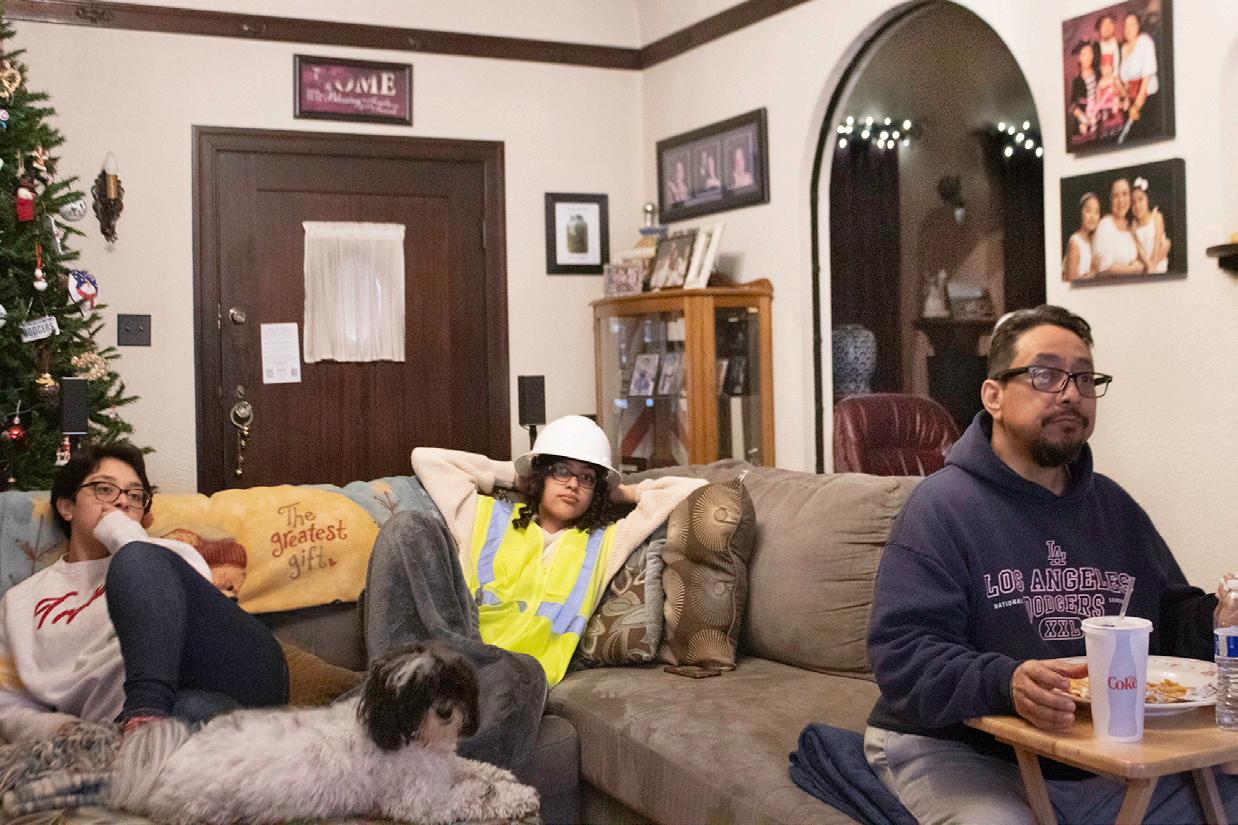
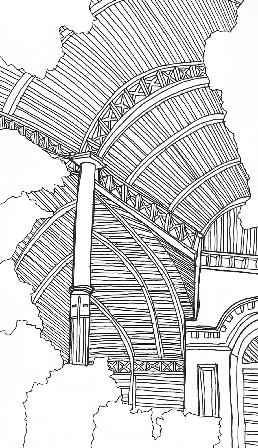
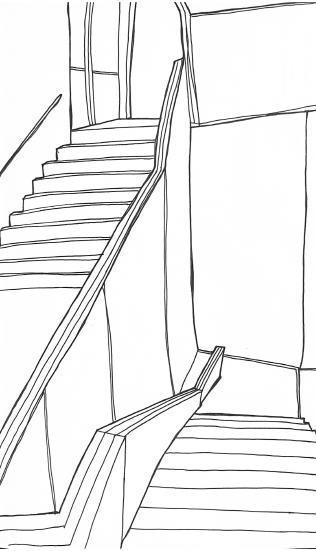
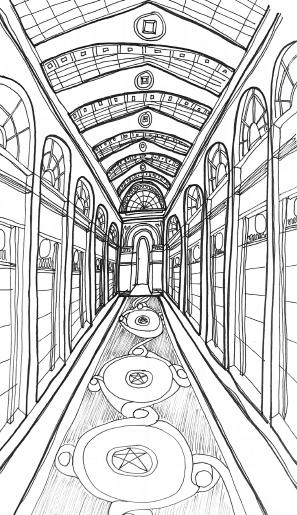
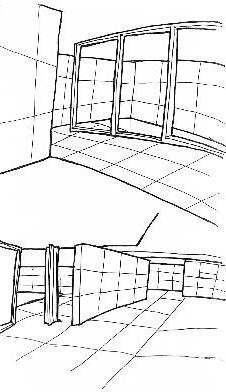
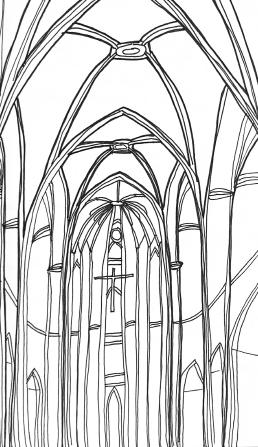
Along with architectural design, I have explored my interests across a variety of mediums, including photography, digital media, art, film, and animation. In these explorations, I have utilized my architectural skills in three-dimensional modeling, aesthetics, framing, and drawing to explore how different mediums showcase projects narratives, both when used individually and collectively. During my time studying abroad in Barcelona in the fall of 2022, I traveled with my sketchbook and sketched moments of architectural wonders and unique intersections of materials that captured my attention during our daily field studies. In this exploration of sketching as a medium, I was able to capture unique memories during my experience around Europe and better understand certain architectural features and distinctive details in the spaces we studied.
42
43
Working At Home - Family Portraits
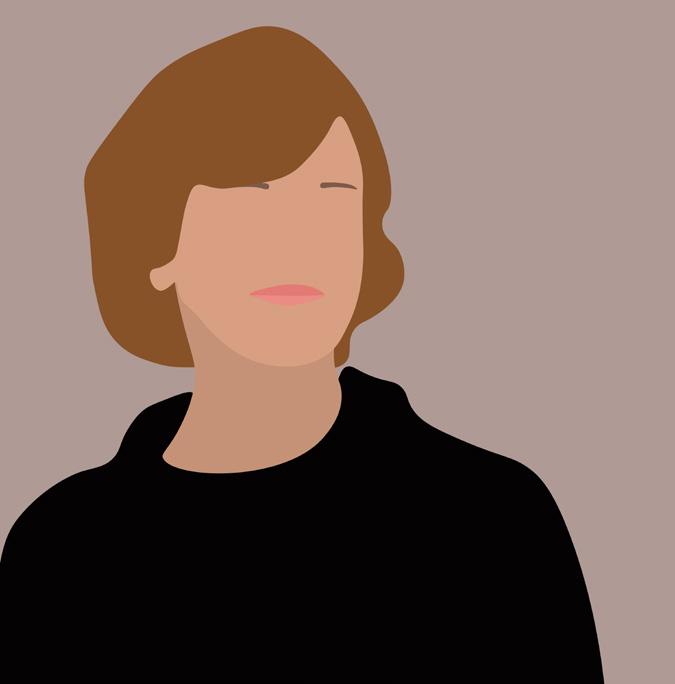

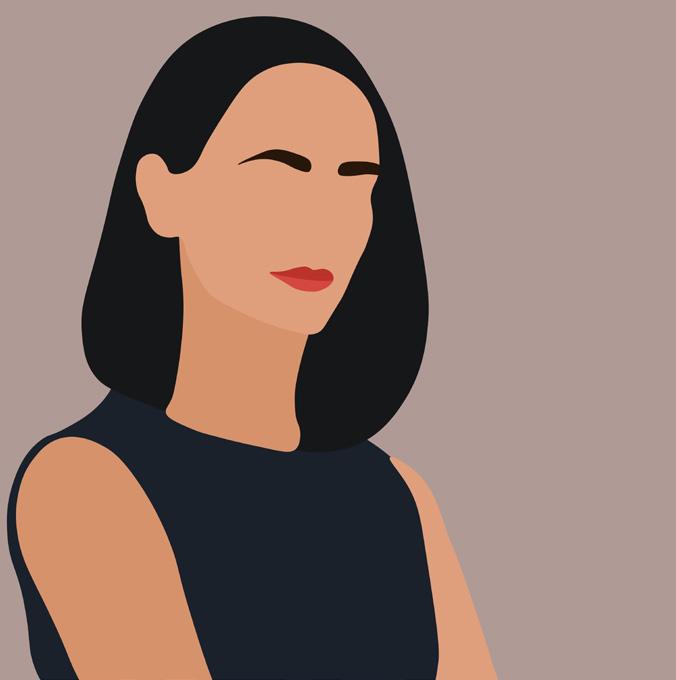





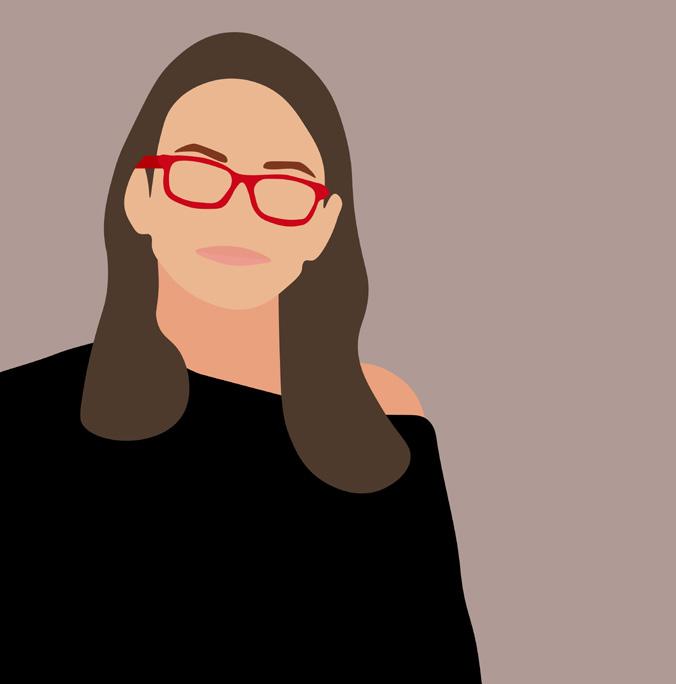
44
Female Architects Portraits
45
Parque de la Ciutadella, Barcelona
Fundacio Vila Casas, Barcelona
Gallerie Vivenne, Paris
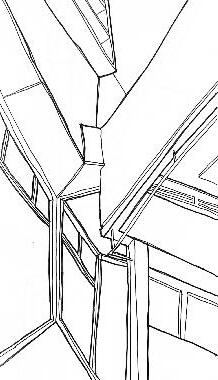 Santa Maria Del Mar, Barcelona
Biblioteca Jaume Foster, Barcelona
Santa Maria Del Mar, Barcelona
Biblioteca Jaume Foster, Barcelona
46
Barcelona Pavillion, Barcelona
