offers an academically rigorous, challenging, inclusive, global education designed to develop happy and thoughtful human beings who positively impact the world we live in. The school's program is designed to nurture the dispositions of lifelong learners who collaborate to co-create, embrace an entrepreneurial mindset, understand the meaning of living sustainably, and are globally and digitally fluent. Learners apply habits of mind to their daily actions, use the language of thinking to communicate, and understand the elements of design thinking to problem solve and innovate. Learning is facilitated and assessed through relevant, project-based experiences. Upon graduation, learners will be prepared for their university of choice in Brazil, or elsewhere around the world.
Nossa Missão
educação rigorosa, desafiadora, inclusiva e global, projetada para desenvolver seres humanos felizes e reflexivos, que impactem positivamente o mundo em que vivemos. O programa é desenhado para nutrir disposições de aprendizes ao longo da vida, que colaborem para cocriar, abracem uma mentalidade empreendedora, entendam o significado de viver de forma sustentável e se tornem fluentes global e digitalmente.
Os estudantes aplicam hábitos mentais em suas ações diárias, usam a linguagem do pensamento para se comunicar e entendem os elementos do design thinking para resolver problemas e inovar. A aprendizagem é facilitada e avaliada por meio de experiências relevantes e baseadas em projetos. Ao se formar, os alunos estarão preparados para a universidade de sua escolha no Brasil ou em qualquer lugar do mundo.
Our honor code
Nosso Código de Honra
Beyond our four pillars of collaboration, sustainability, digital fluency, and entrepreneurship, we chose to highlight our Honor Code to foster self-awareness regarding individual regulation and living in a healthy community. To create a harmonious and nurturing environment, we uphold the following principles in our Honor Code. These principles guide our actions and interactions, fostering a culture of respect and responsibility.
Além dos nossos quatro pilares: colaboração, sustentabilidade, fluência digital e empreendedorismo, optamos por destacar nosso Código de Honra para promover a autoconsciência em relação à regulação individual e à convivência em uma comunidade saudável. Para criar um ambiente harmonioso e acolhedor, defendemos os seguintes princípios em nosso Código de Honra. Esses princípios norteiam nossas ações e interações, fomentando uma cultura de respeito e responsabilidade.
RESPECT
for self
I treat myself with kindness. I listen with understanding and empathy. I respect my body and my feelings. I think before I act and speak.
Eu me trato com gentileza.
Eu escuto com compreensão e empatia.
Eu respeito meu corpo e meus sentimentos.
Eu penso antes de agir e falar.
RESPECT for others
I am kind to others.
I am open to continuous learning.
I respect the honor code and use it to guide my actions. I respect the opinion of others.
I respect the class and school norms.
Sou gentil com os outros.
Estou aberto(a) ao aprendizado contínuo.
Respeito o código de honra e o utilizo para orientar minhas ações.
Respeito a opinião dos outros.
Respeito as normas da turma e da escola.
RESPECT for the environment
I respect my learning environment. I take care of our school environment.
I help keep the environment clean.
I respect the boundaries of my surroundings.
I am mindful of how my actions will affect future generations.
I think globally and act locally.
Respeito meu ambiente de aprendizagem.
Cuido do ambiente escolar.
Ajudo a manter o ambiente limpo.
Respeito os limites do meu entorno.
Tenho consciência de como minhas ações afetarão as gerações futuras.
Penso globalmente e ajo localmente.
O que esperar do Toddlers 2 ao Pre-K3 expect
FROM DISCOVERY TO PROJECT
Da Descoberta ao Projeto
The transition to Pre-K3 marks an important milestone in a child’s educational journey. After experiencing a rich and foundational cycle from ages 0 to 3—centered on listening, sensory exploration, early narratives, and emotional bonds— the child enters a stage where the curriculum becomes more intentional and articulated.
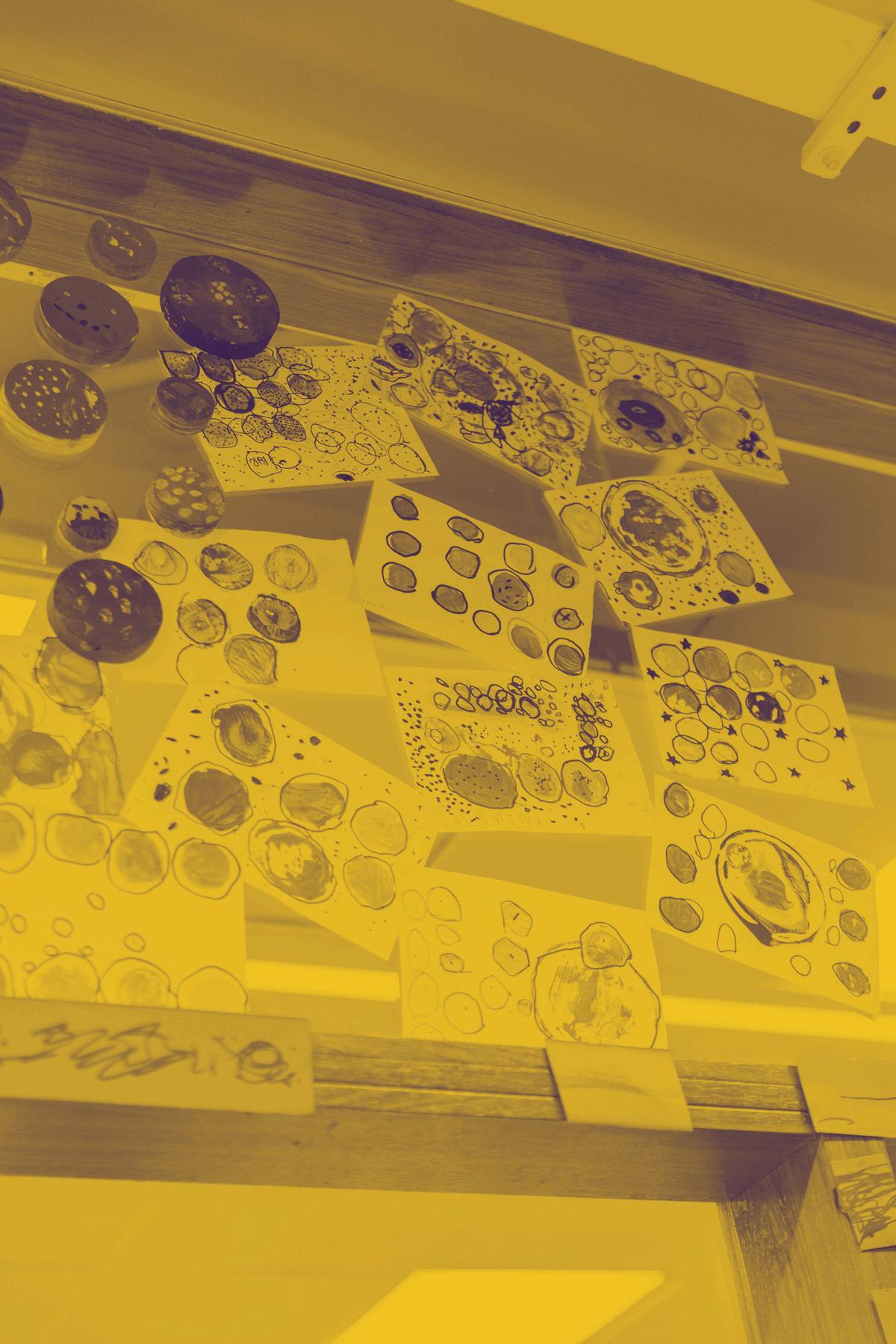
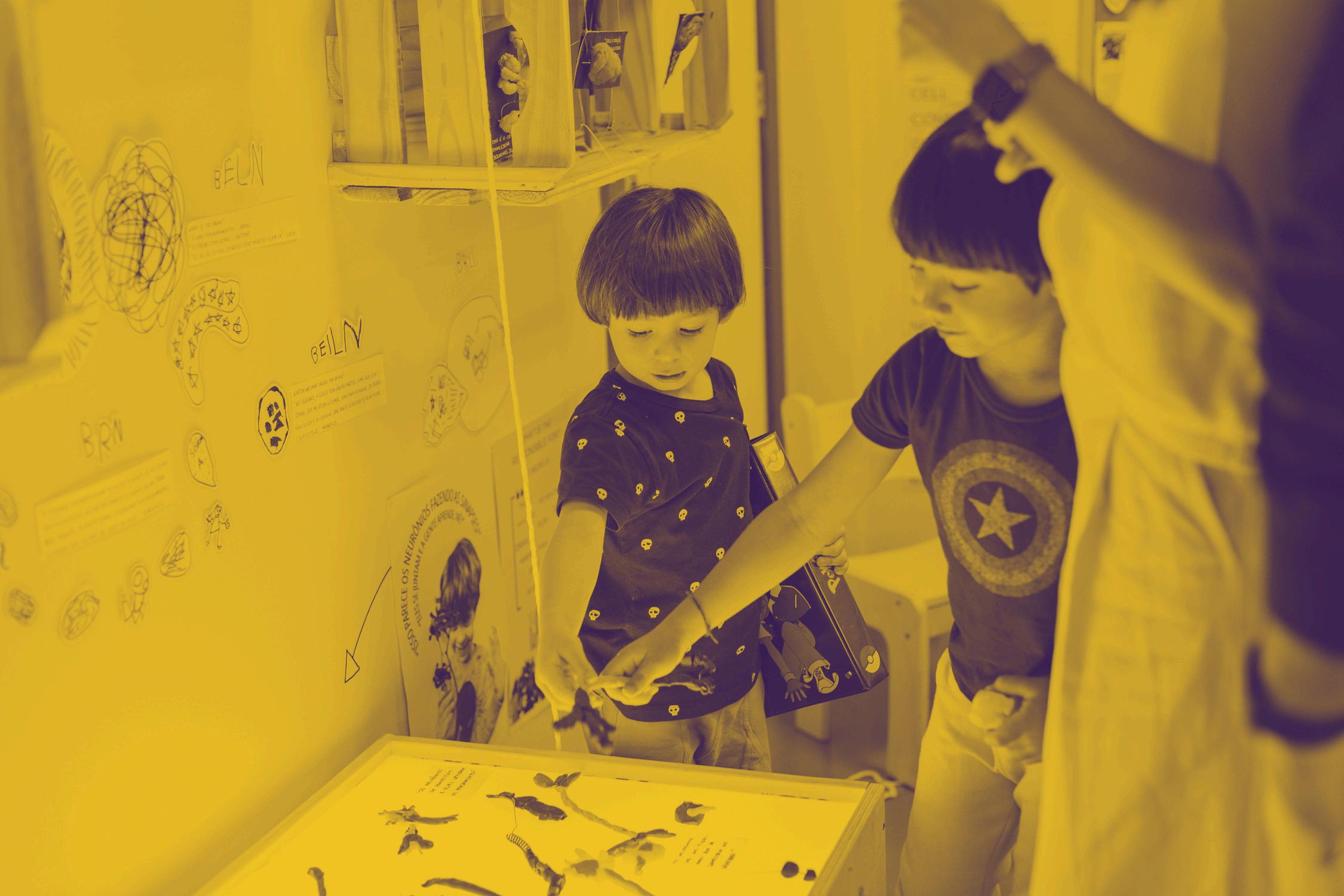
This is a moment when imagination, symbolic play, and early graphic expression gain strength, while more structured project-based pathways emerge, expanding the repertoire of languages and consolidating learning.
A passagem para o Pre-K3 é um marco no percurso escolar da criança. Após viver experiências ricas e fundadoras no ciclo de 0 a 3 anos centradas na escuta, na experimentação sensorial, nas primeiras narrativas e nos vínculos afetivos — a criança entra em uma etapa em que o currículo se torna ainda mais criterioso e articulado.
Esse é um momento em que o imaginário, o jogo simbólico e o grafismo ganham força, ao mesmo tempo em que surgem percursos projetuais mais estruturados, que ampliam o repertório de linguagens e consolidam aprendizagens.
Mudanças Acadêmicas e Pedagógicas
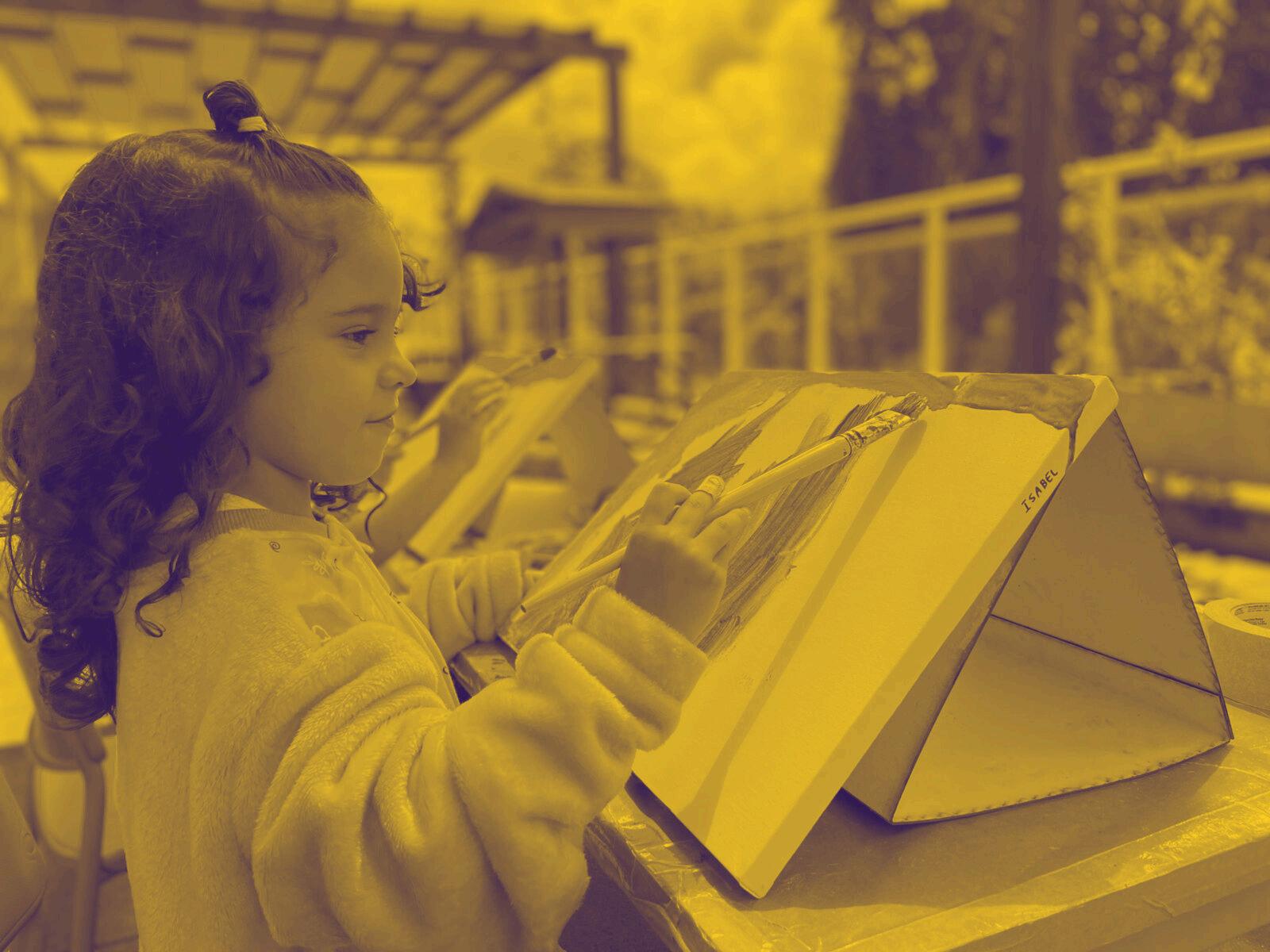
In Pre-K3, learning experiences remain playful and inquiry-based, but are now organized within an integrated plan that connects different areas of knowledge and supports the development of multiple forms of expression.
Expanded curriculum: longer projects that encourage research, hypothesis-building, and graphic representation.
School schedule: full-day program from 7:50 AM to 3:30 PM, with extended instructional time, more classes with specialists, and experiences in different learning spaces across the school.
Language support: active presence of the Language Acquisition Coach, fostering English acquisition in real interaction contexts. Intentionality: clearer pedagogical objectives while maintaining exploration as the guiding thread of learning.
No Pre-K3, as propostas continuam sendo lúdicas e investigativas, mas agora passam a estar organizadas em um planejamento integrado, que conecta diferentes áreas do conhecimento e valoriza o desenvolvimento das múltiplas linguagens.
Currículo ampliado: projetos mais longos, que estimulam a pesquisa, a formulação de hipóteses e a representação gráfica.
Horário escolar: período integral das 7h50 às 15h30, com aumento da carga horária, mais aulas com especialistas e vivências em diversos espaços da escola.
Apoio linguístico: atuação ativa da Language Acquisition Coach, favorecendo a aquisição do inglês em situações reais de interação.
Intencionalidade: objetivos pedagógicos mais claros, mantendo a exploração como fio condutor do aprendizado.
SOCIAL-EMOTIONAL GROWTH
Crescimento Socio-emocional
This is a stage in which independence, on the path toward autonomy, becomes stronger. Children begin to demonstrate clearer selfregulation, to negotiate with peers, to care for their belongings, and to express their needs with greater verbal clarity, expanding collective play and rules.
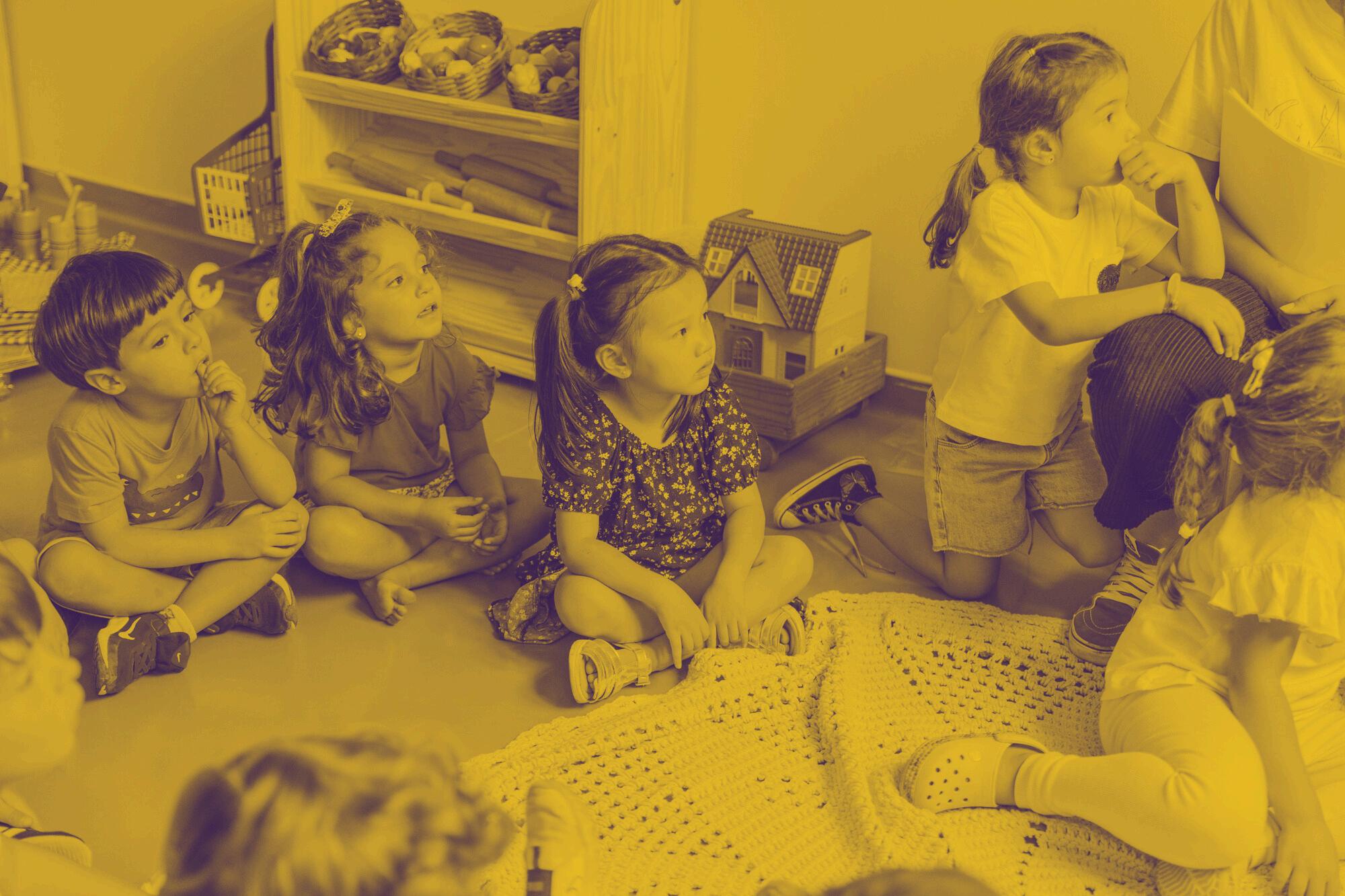
The larger group now becomes a space of belonging, ethical learning, and coexistence. The school supports this process with consistent routines, conflict mediation as an opportunity for growth, and close collaboration with families.
É uma etapa em que a independência, rumo a autonomia se fortalece. A criança começa a ter ações mais claras de autorregulação, a negociar com pares, a cuidar de seus pertences e a expressar necessidades com maior clareza verbal, ampliando as brincadeiras e regras coletivas.
O grupo, agora maior, torna-se espaço de pertencimento, aprendizagem ética e convivência. A escola apoia esse processo com rotinas consistentes, mediação de conflitos como oportunidade de crescimento e acolhimento próximo às famílias.
SCHOOL LIFE & DAILY ROUTINE
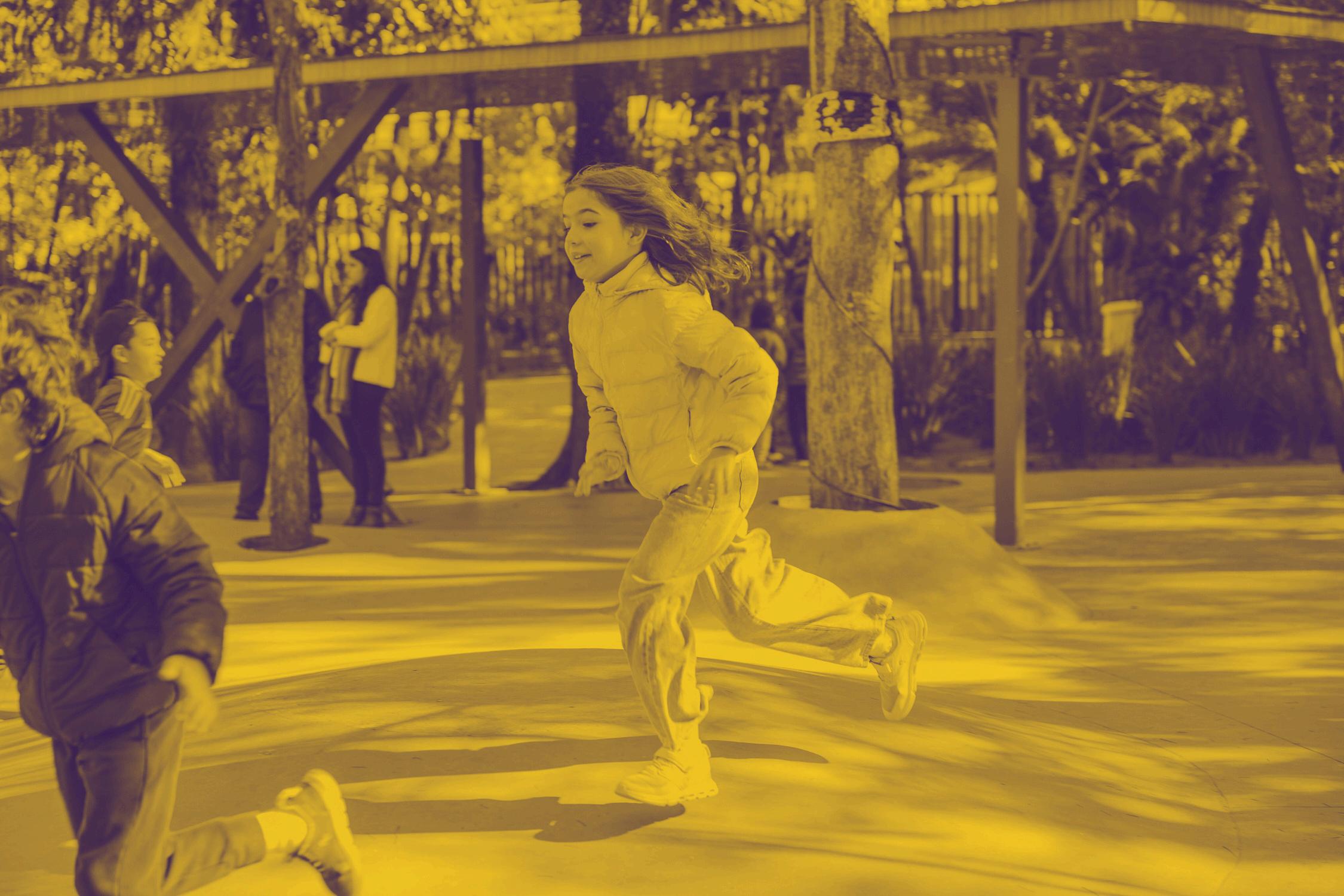
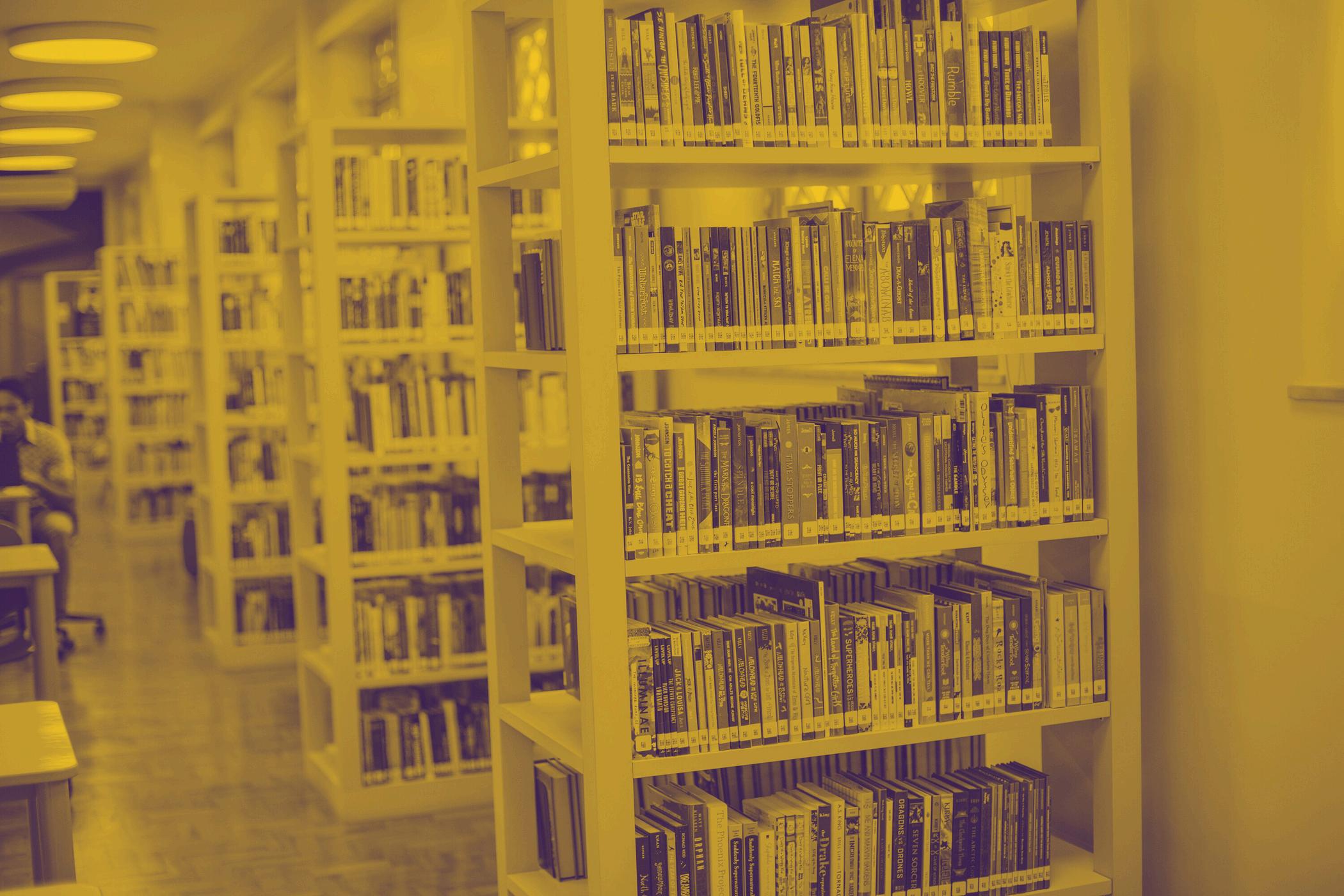
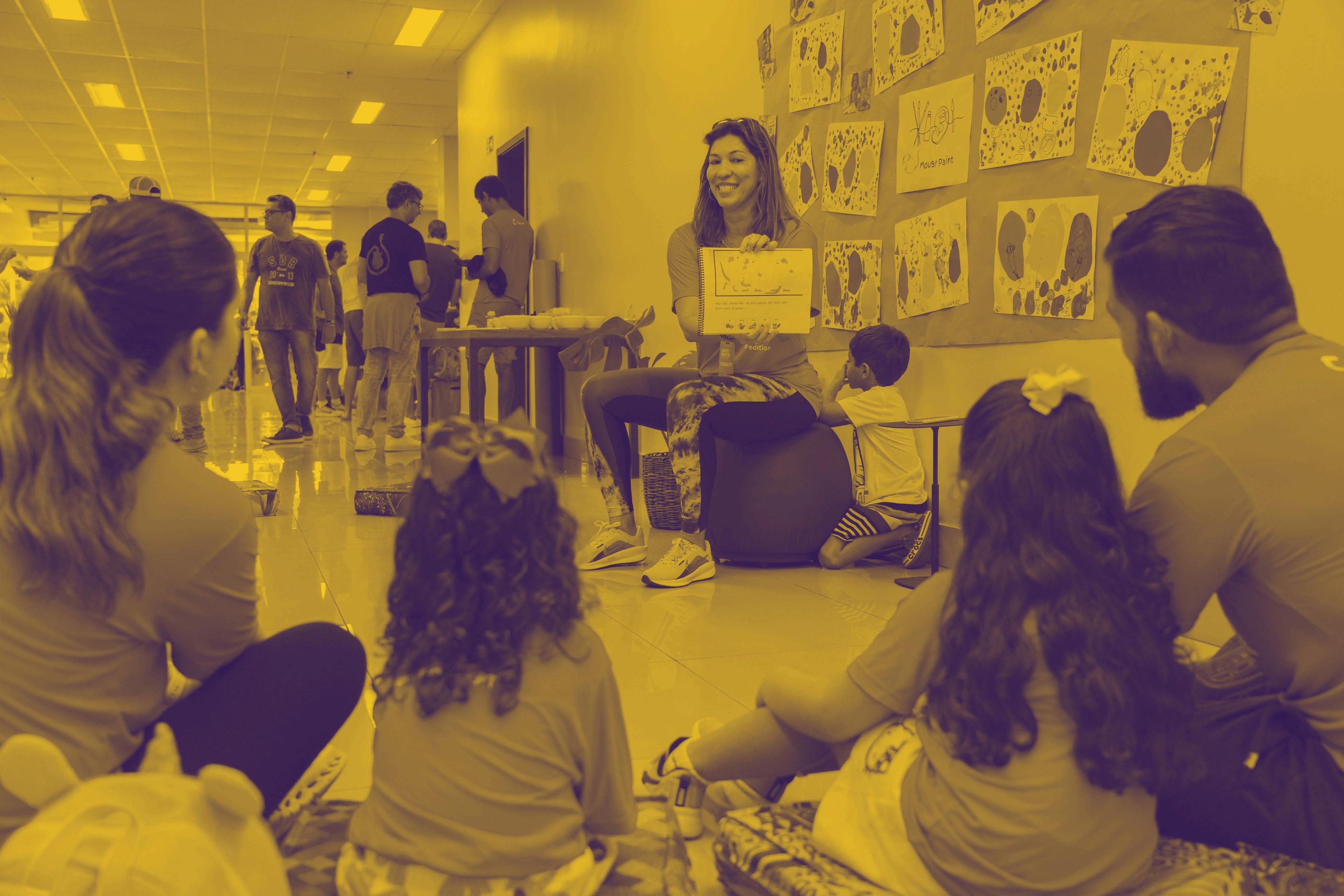
Daily life expands in Pre-K3: circle times, workshops, ateliers, the Inspirations Commons (library), in-depth conversations, an interest in writing their own name, and increasingly intentional graphic expression all become part of the weekly rhythm. Children meet new specialist educators and experience meals and transitions with greater independence.
Meals at School
The cafeteria experience begins gradually in the Toddler years, especially for those enrolled in the full-day program. In Pre-K3, this routine becomes more regular, intentional, and consistent, supporting children’s autonomy and social learning. Meal times are moments of community, where children learn to serve themselves, make choices, and share in conversation with peers and teachers.
Nap & Rest Time
Rest is considered a right of the child and an essential part of a balanced routine. In Pre-K3, nap time continues to be offered, always in dialogue with families. While some children still need to sleep during the day, others gradually transition away from naps. This flexibility respects each child’s developmental rhythm while ensuring that all have time to rest, recharge, or engage in quieter activities.
Why a Longer Day Matters
The extended school day (7:50 AM – 3:30 PM) fosters stronger bonds, provides time for longer-term projects, and ensures fulfillment of grade-level learning expectations (BNCC and Fieldwork Education). It also supports the natural pace of childhood — with time to explore, reflect, play, and rest.
Vida escolar e rotina diária
SCHOOL LIFE & DAILY ROUTINE
Vida escolar e rotina diária
✨ Did I hear backpack?
Everything your child needs in their backpack for a great school experience! Scan the QR Code to learn more.
No Pre-K3, a vida escolar se expande: rodas de conversa, oficinas, ateliers, o Inspirations Commons (biblioteca), diálogos mais aprofundados, o interesse em escrever o próprio nome e uma expressão gráfica cada vez mais intencional passam a fazer parte do ritmo semanal. As crianças conhecem novos educadores especialistas e vivenciam as refeições e transições com maior independência.
Refeições na Escola
A experiência no refeitório começa gradualmente ainda no Toddler, especialmente para aqueles que frequentam o programa integral. No Pre-K3, essa rotina torna-se mais regular, intencional e consistente, favorecendo a autonomia das crianças e a aprendizagem social. Os momentos de refeição são vividos como experiências de comunidade, em que as crianças aprendem a se servir, a fazer escolhas e a compartilhar conversas com colegas e educadores.
SCHOOL LIFE & DAILY ROUTINE
Vida escolar e rotina diária
Soneca e Momentos de Descanso
O descanso é considerado um direito da criança e parte essencial de uma rotina equilibrada. No Pre-K3, a soneca continua a ser oferecida, sempre em diálogo com as famílias. Enquanto algumas crianças ainda precisam dormir durante o dia, outras vão, gradualmente, deixando de sentir essa necessidade. Essa flexibilidade respeita o ritmo de desenvolvimento de cada criança, ao mesmo tempo em que garante a todas um momento para descansar, recarregar as energias ou participar de atividades mais tranquilas.
Por que o dia integral faz diferença
A jornada ampliada (das 7h50 às 15h30) fortalece vínculos, oferece tempo para projetos de maior duração e assegura o cumprimento das expectativas de aprendizagem da série (BNCC e Fieldwork Education). Além disso, respeita o ritmo natural da infância com espaço para explorar, refletir, brincar e descansar.
✨ Eu ouvi mochila?
Tudo o que sua criança precisa na mochila para uma ótima experiência escolar! Escaneie o QR Code para saber mais.
WELCOMING PERIOD
O período de ambientação
At the beginning of the school year, the settling-in period is carefully planned to be gradual and welcoming, respecting each child’s pace and needs as they adapt to the new school routine. We hold individual meetings with families—both those who are new and those already part of the school community—to align expectations, strengthen partnerships, and ensure a smooth transition.
During the first week, children stay only in the morning, leaving before lunch. After this initial stage, they begin to stay for lunch, allowing for a progressive adaptation to the full-day dynamics. Once the group is well-adjusted, the lunch routine is incorporated permanently. It is important to highlight that this process is not a rigid rule, but rather a thoughtful and sensitive approach that considers each child’s individual rhythm.
No início do ano letivo, a ambientação dos estudantes é planejada de forma gradual e acolhedora, respeitando o tempo e as necessidades de cada criança para se adaptar à nova rotina escolar. São realizadas reuniões individuais com as famílias, tanto das crianças novas quanto das que já fazem parte da escola, para alinhar expectativas, fortalecer a parceria e garantir uma transição tranquila.
Na primeira semana, a permanência ocorre apenas durante o período da manhã, com saída antes do almoço. Após essa etapa inicial, os estudantes começam a permanecer para o almoço, permitindo uma adaptação progressiva à dinâmica completa do dia. Quando o grupo já estiver estabilizado, a rotina de almoço é incorporada de maneira definitiva. É importante ressaltar que este processo não é uma regra rígida, mas sim um olhar atento e sensível, que considera o ritmo individual de cada criança.
SUPPORT SYSTEMS AT SCHOOL
Sistemas de apoio na escola
Families are closely supported by homeroom teachers, thought partners (assistants and monitors), and the leadership team. Dialogue is continuous, through observations, documentation, and meetings. The transition is seen as a shared process between school and family, in which every step forward is valued.
As famílias contam com acompanhamento próximo das educadoras de referência, thought partners (assistentes e monitores) e da equipe gestora. O diálogo é constante, por meio de observações, registros e reuniões. A transição é vista como um processo compartilhado entre escola e família, em que cada avanço é valorizado.
CLOSING REFLECTION
Reflexão final
We are delighted to welcome your child into this new stage. Pre-K3 is a time of discoveries, friendships, and achievements, where play, imagination, and project work come together to nurture meaningful learning journeys.
Every step will be celebrated together with you.
Estamos felizes em receber sua criança nesta nova etapa. O Pre-K3 é um tempo de descobertas, amizades e conquistas, em que o brincar, o imaginar e o projetar se encontram para nutrir percursos de aprendizagem significativos.