LEARNING EXPECTATIONS LOWER SCHOOL GRADE 5

Muchness lives where curiosity meets care


2026 Theme of the Year
Finding Muchness by Kobi
EXPECTATIONS
FOUNDATIONAL LEARNING PER
GRADE LEVEL
Based on ou National Curriculum (Base Nacional Comum Curricular - BNCC and International Curriculum and Programs (Fieldwork Education, Illustrative Mathematics, Readers' and Writer's Workshop), learnings expectations in the Lower School are organized according to the following areas of knowledge:
English Language
Portuguese Language
Mathematics
Social Sciences (History and Geography)
Natural Sciences
Body and Movement
Sound and Exploration
Performing Arts
Artistic Design
ENGLISH LANGUAGE
READING SKILLS
To determine the theme of a story, drama, or poem by analyzing character responses or the speaker's reflection, and summarize it.
To compare and contrast characters, settings, or events in a story using text details.
To explain how chapters, scenes, or stanzas contribute to the structure of a story, drama, or poem.
To analyze how visual and multimedia elements enhance the meaning, tone, or beauty of a text.
To quote accurately from a text when explaining its meaning or making inferences.
To compare and contrast the structure of events, ideas, or information in texts.
To integrate information from several texts to discuss or write knowledgeably about a topic.
To use letter-sound correspondences, syllable patterns, and word parts to read unfamiliar multisyllabic words accurately.
To read grade-level texts with understanding, accuracy, expression, and use context to self-correct when needed.
WRITING SKILLS
To link opinions and reasons using words, phrases, and clauses.
To provide a concluding statement that ties back to the opinion presented.
To introduce a topic clearly, organize ideas logically, and use visuals or tools to help explain.
To use precise language and specific vocabulary to explain a topic.
To give a clear conclusion that matches the information shared.
To use dialogue, description, and pacing to show events and character responses.
To use clear words and sensory details to describe events.
To gather and summarize information from experiences and sources, and list references.
LANGUAGE SKILLS
To explain how conjunctions, prepositions, and interjections work in sentences.
To use verb tenses to show different times and actions.
To use punctuation to separate items in a list.
To use a comma after an introductory element in a sentence.
To expand, combine, or shorten sentences to improve meaning and style.
To use context clues, like cause/effect or comparisons, to understand word meanings.
To use common Greek and Latin roots and affixes to understand word meanings.
To use word relationships, like opposites or similar meanings, to understand words better.
SPEAKING & LISTENING
SKILLS
To ask and answer specific questions, make comments, and build on others' ideas in discussions.
To review key ideas and draw conclusions based on the information shared in discussions.
To summarize information from texts or different types of media, like visuals and speech.
To summarize a speaker’s points and explain the reasons and evidence behind them.
PORTUGUESE LANGUAGE

PORTUGUESE LANGUAGE
ORAL SKILLS
To express ideas clearly, minding to be understood by the listeners and using an adequate voice level, articulated speechandrightrhythm.
To take turns during conversations, respecting the interlocutor'spositionandtheusingtherighttreatment.
To retell literary texts, keeping the main aspects of the originaltext.
To orally argue and discuss about social news and happenings of interest, based in previous knowledge and facts presented on TV, radio, printed and digital media, respectingdifferentpointsofview.
To declaim poems with fluency, rhythm, pauses and intonation needed to convey meaning and comprehension to thetext.
PORTUGUESE LANGUAGE
READING SKILLS
To read and comprehend, independently, instructional texts with rules of games, among other types of texts of daily life.
To read and comprehend, independently, anecdotes, jokes and comics, among other types of texts of daily life.
To read, watch and comprehend, independently, news, articles, videos in argumentative vlogs, among other types of texts of the political and social field.
Compare information about the same fact in different media and conclude which is more trustworthy and why.
To read and comprehend the dictionary entries, identifying the structure, grammar and semantics.
To compare data presented through graphs and tables.
WRITING SKILLS PORTUGUESE LANGUAGE
To register anecdotes, jokes and comics, among other types of texts, independently.
To plan and produce, autonomously, instructional texts with rules of games, among other genders.
To produce a script for a digital media news about a theme of interest, after searching for information, images, audios and videos online.
To plan and produce texts with themes of interest, organizing the results of a research in a media, including images, graphs and tables.
Reread and review the produced text with the help of an educator and peers' contribution in order to make corrections and improvements, editing, updating, and correcting grammar and spelling of words.
Editing the final version of a text with the collaboration of peers and the help of the educastor, illustrating, whenever needed, using the correct support (manual or digital).
PORTUGUESE LANGUAGE LANGUAGE USAGE
To identify the polysemic character of words (same word with different meanings, according to the context applied), comparing the meaning used in scientific language and usual language.
To use the correct stress pattern and accentuation of words (oxítonas, paroxítonas and proparoxítonas).
To differentiate, while reading texts, the comma, semicolon, colon and to recognize, while reading, the effect of meaning with the use of ellipsis, quotation marks and parentheses.
To identify present, past and future using the modo indicativo.
PORTUGUESE LANGUAGE LANGUAGE USAGE
To use, while writing and speaking, the correct verbs according to the pronoun in use.
To identify in texts the use of conjunctions and the relation being established between the parts of the text: addition, opposition, time, cause, condition, among others.
To differentiate primitive and compound words with the use of suffixes and prefixes.
To use, while writing a text, linguistic and grammar knowledge.
To use, while writing a text, resources for pronominal cohesion and connectives.
MATHE MATICS

NUMBERS
To read, write and order natural numbers up to the order of hundreds of thousands with the main features of the decimal numbering system.
To solve and elaborate problems of multiplication and division with natural numbers and rational numbers.
To identify and represent fractions.
To compare percentages.
To round numbers to millions.
To check work by inverse calculations, estimation, rounding and approximation.
ALGEBRA
To follow the order of operations.
To solve equations with one unknown.
To use trial and error, and experience of similar situations to solve problems.
GEOMETRY
To interpret, describe and represent the location or movement of objects in the Cartesian plane (1st quadrant).
To associate solid shapes to their planes (prisms, pyramids, cylinders, and cones) and to analyze, name, and compare their attributes.
To recognize, name, and compare polygons, considering sides, vertices and angles.
To calculate the volume of cuboids.
MEASUREMENT
To solve and elaborate problem situations involving measures of different magnitudes such as length, mass, time, temperature, capacity, and area.
To select and use appropriate units and instruments of measurement.
To estimate and calculate time intervals.
DATA HANDLING
To analyze and interpret statistical data presented in texts, tables (single or double entry), and graphics (grouped columns or lines) and produce texts with the purpose of synthesizing conclusions.
SOCIAL SCIENCES

HISTORY
To identify the processes of formation of cultures and peoples, relating them to the geographic space occupied.
To identify the mechanisms for organizing political power with a view to understanding the idea of the State and/or other forms of social ordering.
To analyze the role of cultures and religions in the identity composition of ancient peoples.
To associate the notion of citizenship with the principles of respect for diversity, plurality and human rights.
To associate the concept of citizenship with the conquest of the rights of peoples and societies, understanding it as a historical conquest.
HISTORY
To compare the use of different languages and technologies in the communication process and assess the social, political and cultural meanings attributed to them.
To identify the processes of production, hierarchy and dissemination of memory landmarks and discuss the presence and/or absence of different groups that make up society in the naming of these memory landmarks.
To identify ways of marking the passage of time in different societies, including indigenous indigenous peoples and African peoples.
To compare points of view on topics that impact everyday life in the present time, through access to different sources, including oral ones.
To identify the material and immaterial patrimonies of humanity and analyze changes and permanence of these patrimonies over time.
GEOGRAPHY
To use geographic knowledge to understand the society/nature interaction and exercise the interest and spirit of investigation and problem solving.
To establish connections between different themes of geographic knowledge, recognizing the importance of technical objects for understanding the ways in which human beings make use of nature's resources throughout history.
To develop autonomy and critical thinking to understand and apply geographic reasoning in the analysis of human occupation and production of space, involving the principles of analogy, connection, differentiation, distribution, extension, location and order.
To develop spatial thinking, making use of cartographic and iconographic languages, of different textual genres and geotechnologies to solve problems involving geographic information.
GEOGRAPHY
To develop and use research processes, practices and procedures to understand the natural, social, economic, political world and the technical-scientific and informational environment, evaluate actions and propose questions and solutions (including technological ones) for issues that require scientific knowledge of Geography.
To build arguments based on geographic information, debate and defend ideas and points of view that respect and promote socio-environmental awareness and respect for biodiversity and for others, without prejudice of any kind.
To act personally and collectively with respect, autonomy, responsibility, flexibility, resilience and determination, proposing actions on socio-environmental issues, based on ethical, democratic, sustainable and solidary principles.
NATURAL SCIENCES
NATURAL SCIENCES
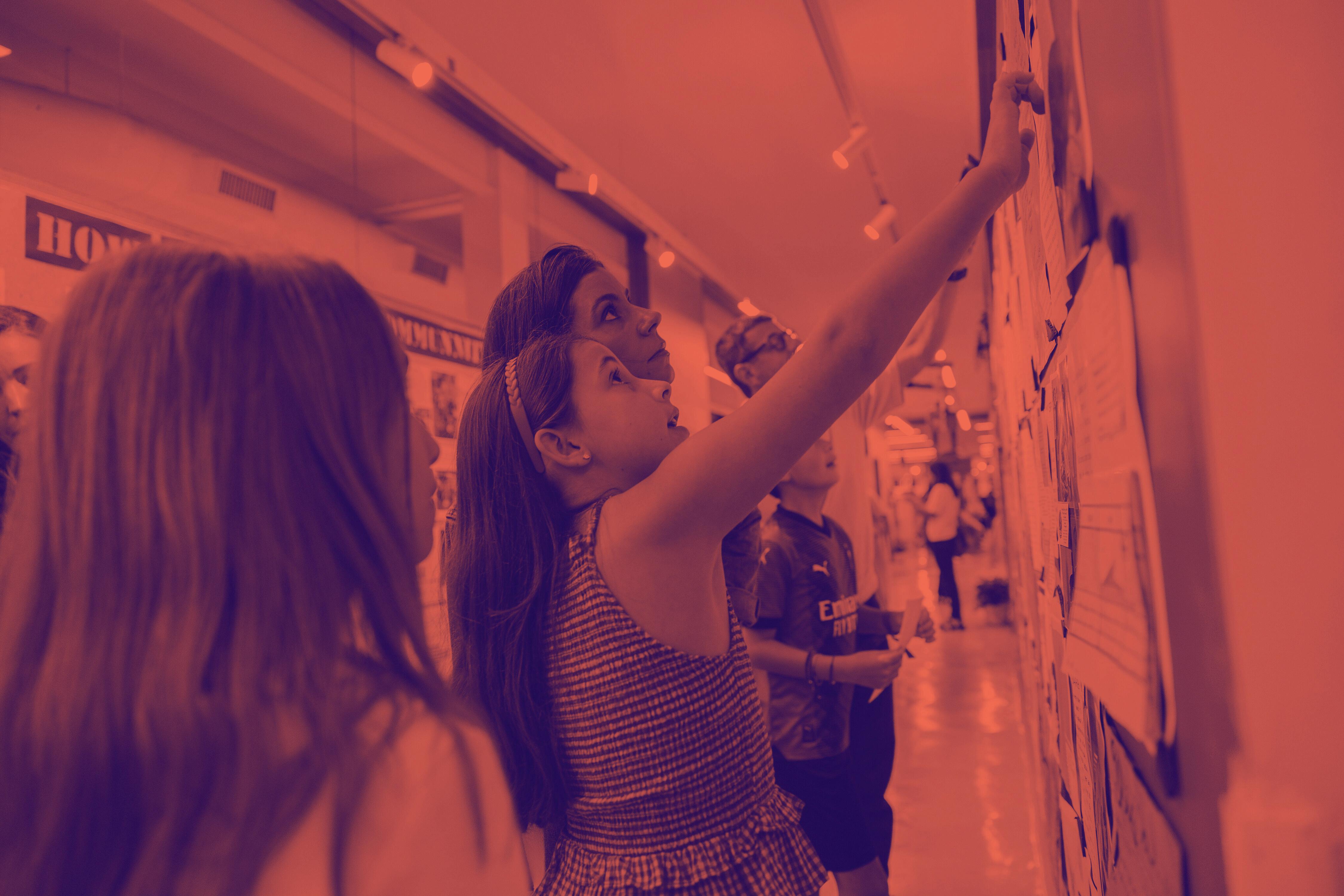
To explore everyday life phenomena that evidence physical properties of materials – such as density, thermal and electrical conductivity, responses to magnetic forces, solubility, responses to mechanical forces (hardness, elasticity, etc.), among others.
To select arguments that justify the importance of vegetation cover for the maintenance of the water cycle, the conservation of soils, water courses and atmospheric air quality.
To identify the main uses of water and other materials in daily activities to discuss and propose sustainable ways of using these resources.
To build collective proposals for more conscious consumption and create technological solutions for the proper disposal and reuse or recycling of materials consumed at school and/or in everyday life.
NATURAL SCIENCES
To select arguments that justify why the digestive and respiratory systems are considered co-responsible for the body's nutrition process, based on the identification of the functions of these systems.
To justify the relationship between the functioning of the circulatory system, the distribution of nutrients by the body and the elimination of waste produced.
To organize a balanced menu based on the characteristics of food groups (nutrients and calories) and individual needs (activities performed, age, sex, etc.) to maintain the body's health.
Top identify some constellations in the sky, with the support of resources (such as sky maps and digital apps, among others), and the periods of the year when they are visible in the early evening.
To associate the daily movement of the Sun and other stars in the sky with the rotation of the Earth.
BODY AND MOVEMENT
BODY AND MOVEMENT
To experience and enjoy popular plays and games from Brazil and the world, including those of indigenous and African origin, and recreate them, valuing the importance of this historical and cultural heritage.
To plan and use strategies to enable safe participation of all students in popular plays and games in Brazil and with an indigenous and African matrix.
To describe, through multiple languages (body, oral, written, audiovisual), the plays and popular games of Brazil and of indigenous and African origin, explaining their characteristics and the importance of this cultural historical heritage in the preservation of different cultures.
To recreate, individually and collectively, and experience, at school and outside, popular plays and games from Brazil and the world, including those of indigenous and African origin, and other body practices themed at school, adapting them to available public spaces.
BODY AND MOVEMENT
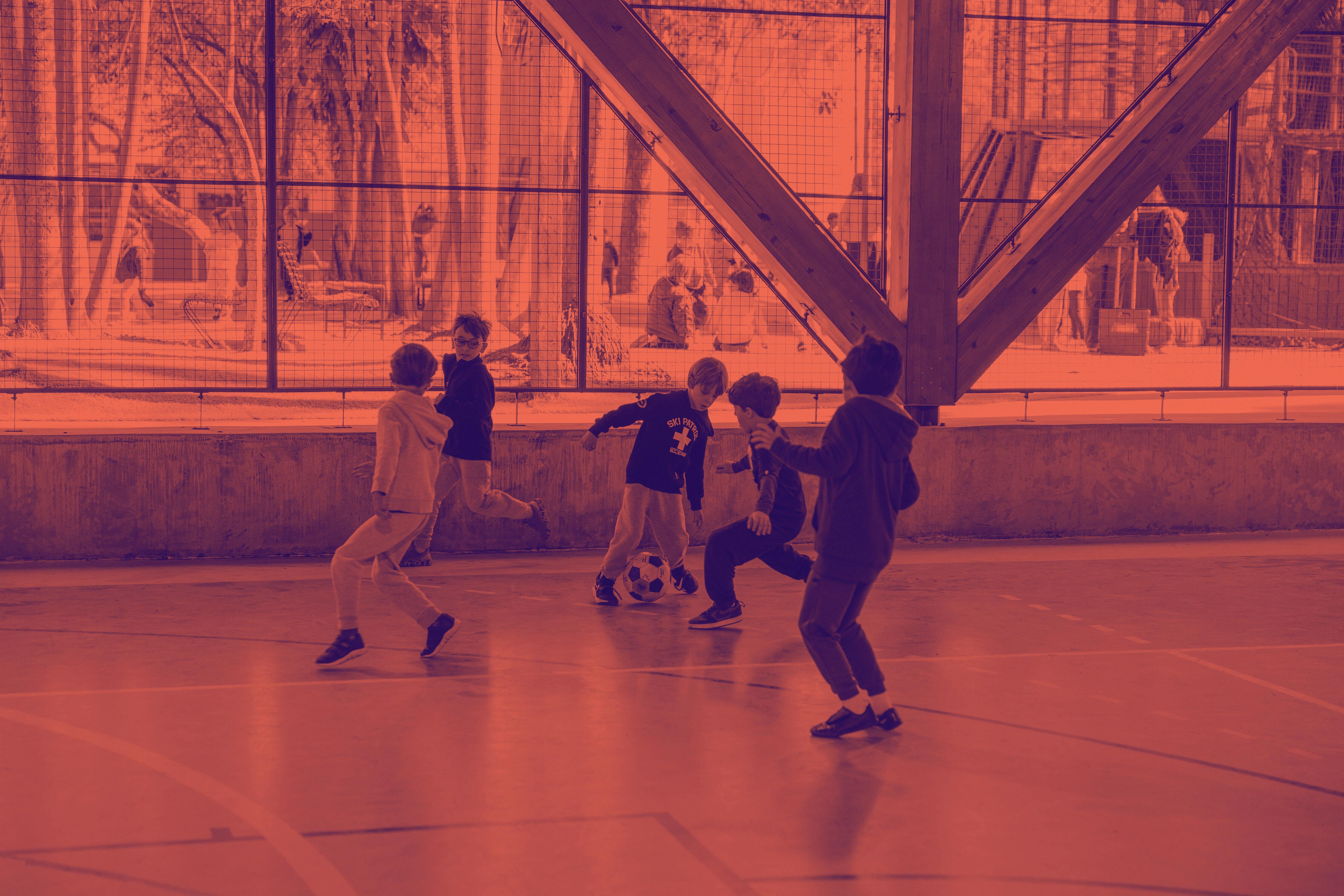
To experience and enjoy different types of field and club sports, net/wall and invasion, identifying their common elements and creating basic individual and collective strategies for their execution, valuing collective work and protagonism.
To differentiate the concepts of game and sport, identifying the characteristics that constitute them in contemporary times and their manifestations (professional and community/leisure).
To collectively experiment and enjoy combinations of different elements of general gymnastics (balances, jumps, turns, rotations, acrobatics, with and without materials), proposing choreographies with different everyday themes.
To plan and use strategies to solve challenges in the execution of basic elements of group presentations of general gymnastics, recognizing the potentialities and limits of the body and adopting safety procedures.
SOUND EXPLORATION
CONTEXT AND PRACTICES
To identify and critically appreciate different forms and genres of musical expression, recognizing and analyzing the uses and functions of music in different contexts of circulation, especially those of everyday life.
To experience and appreciate different forms of dance manifestations present in different contexts, cultivating perception, imagination, the ability to symbolize and body repertoire.
LANGUAGE ELEMENTS
To understand and explore the constitutive elements of music (pitch, intensity, timbre, melody, rhythm, etc.), through games, games, songs and various practices of composition/creation, performance and musical appreciation.
MATERIALITIES
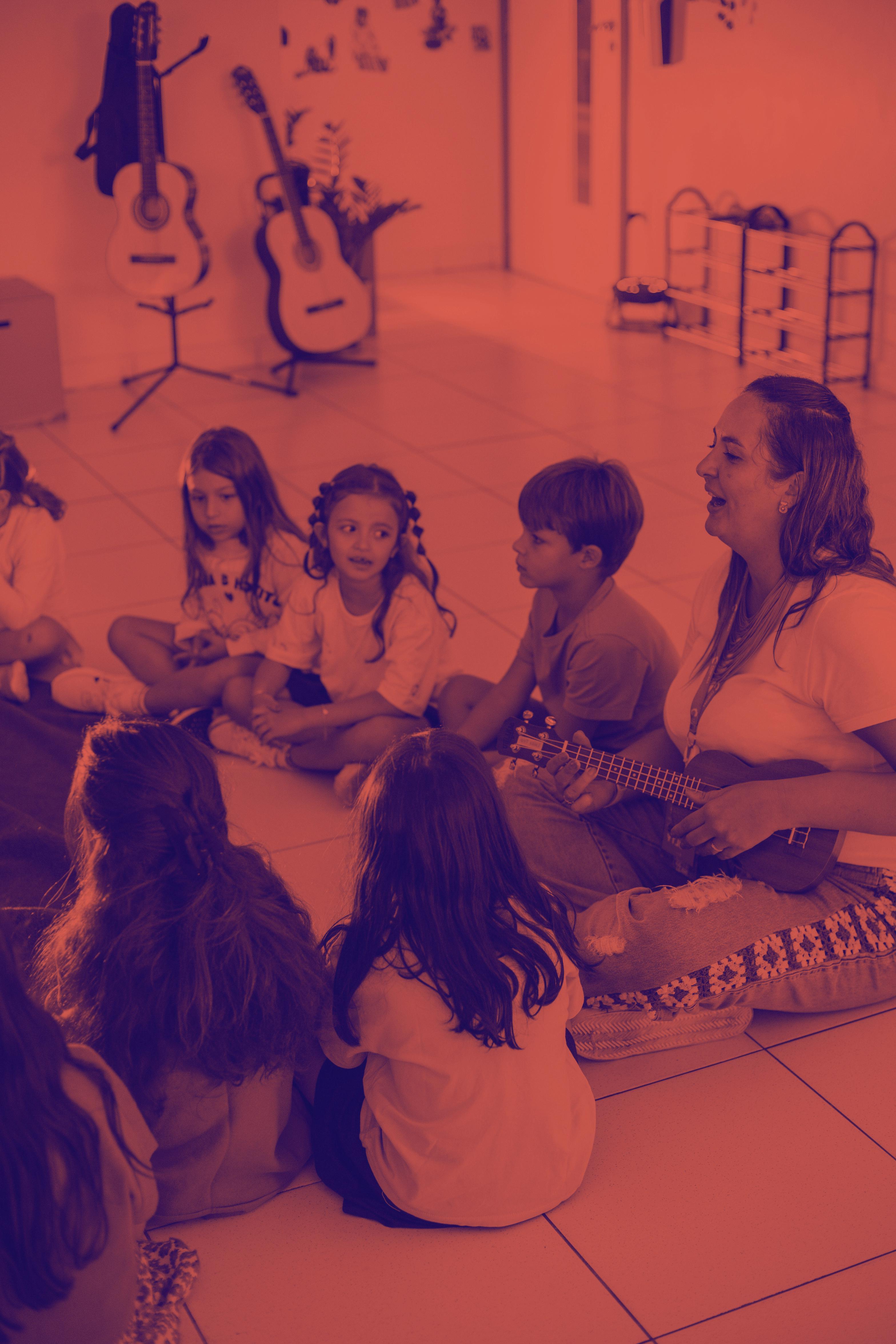
To explore different sound sources, such as those existing in the body itself (clapping, voice, body percussion), in nature and in everyday objects, recognizing the constitutive elements of music and the characteristics of various musical instruments.
MUSICAL NOTATION RECORDING
To explore different forms of unconventional musical recording (graphic representation of sounds, creative scores, etc.), as well as audio and audiovisual recording procedures and techniques, and recognize conventional musical notation..
CREATION PROCESSES
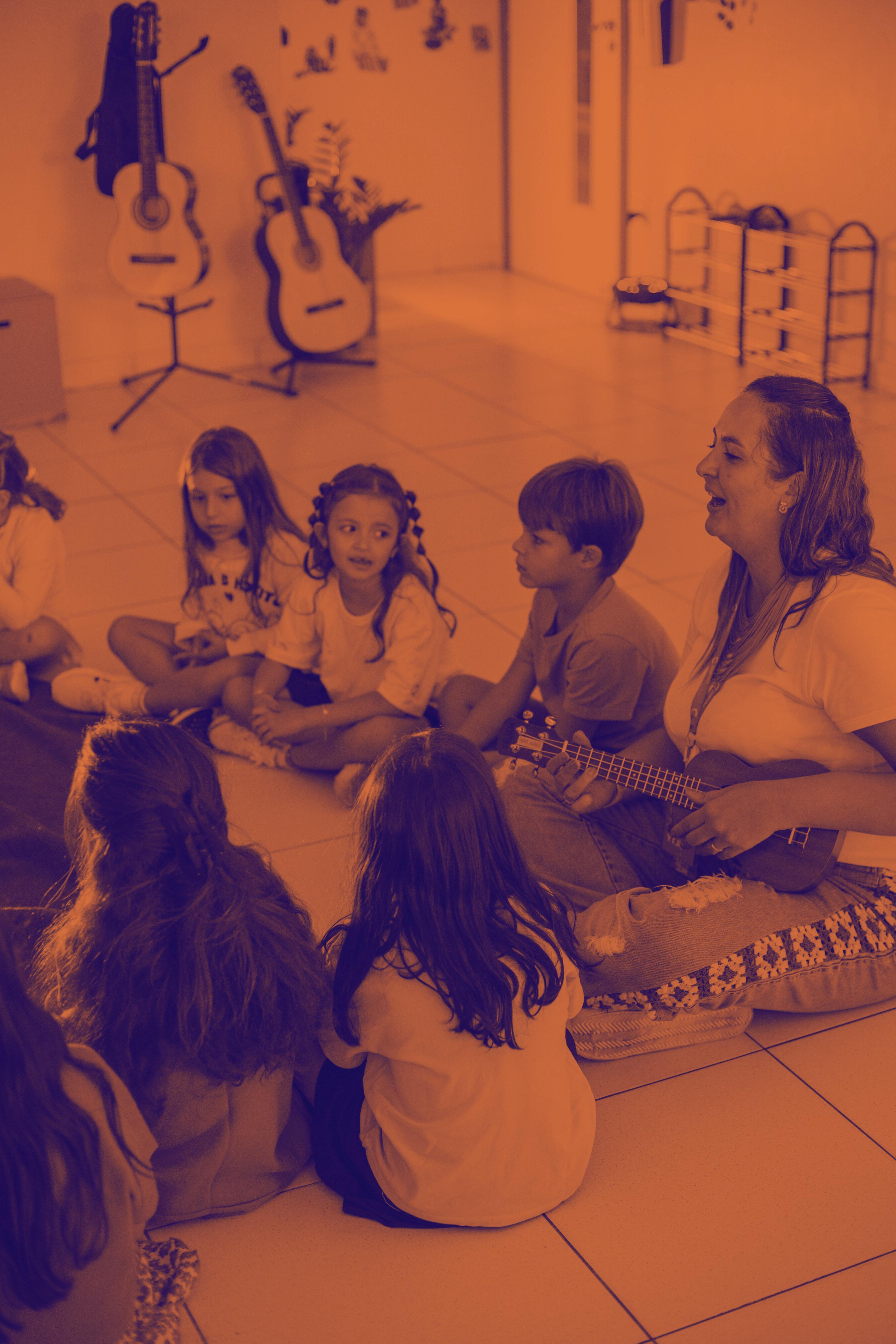
To experiment with improvisations, compositions and storytelling, among others, using voices, body sounds and/or conventional or unconventional musical instruments, individually, collectively and collaboratively.
To create and improvise danced movements individually, collectively and collaboratively, considering the structural, dynamic and expressive aspects of the movement's constitutive elements, based on dance codes.
To discuss, with respect and without prejudice, personal and collective experiences in dance at school, as a source for the construction of their own vocabularies and repertoires.
PERFORMING ARTS
CONTEXT AND PRACTICES
To experience and appreciate different forms of dance manifestations present in different contexts, cultivating perception, imagination, the ability to symbolize and body repertoire.
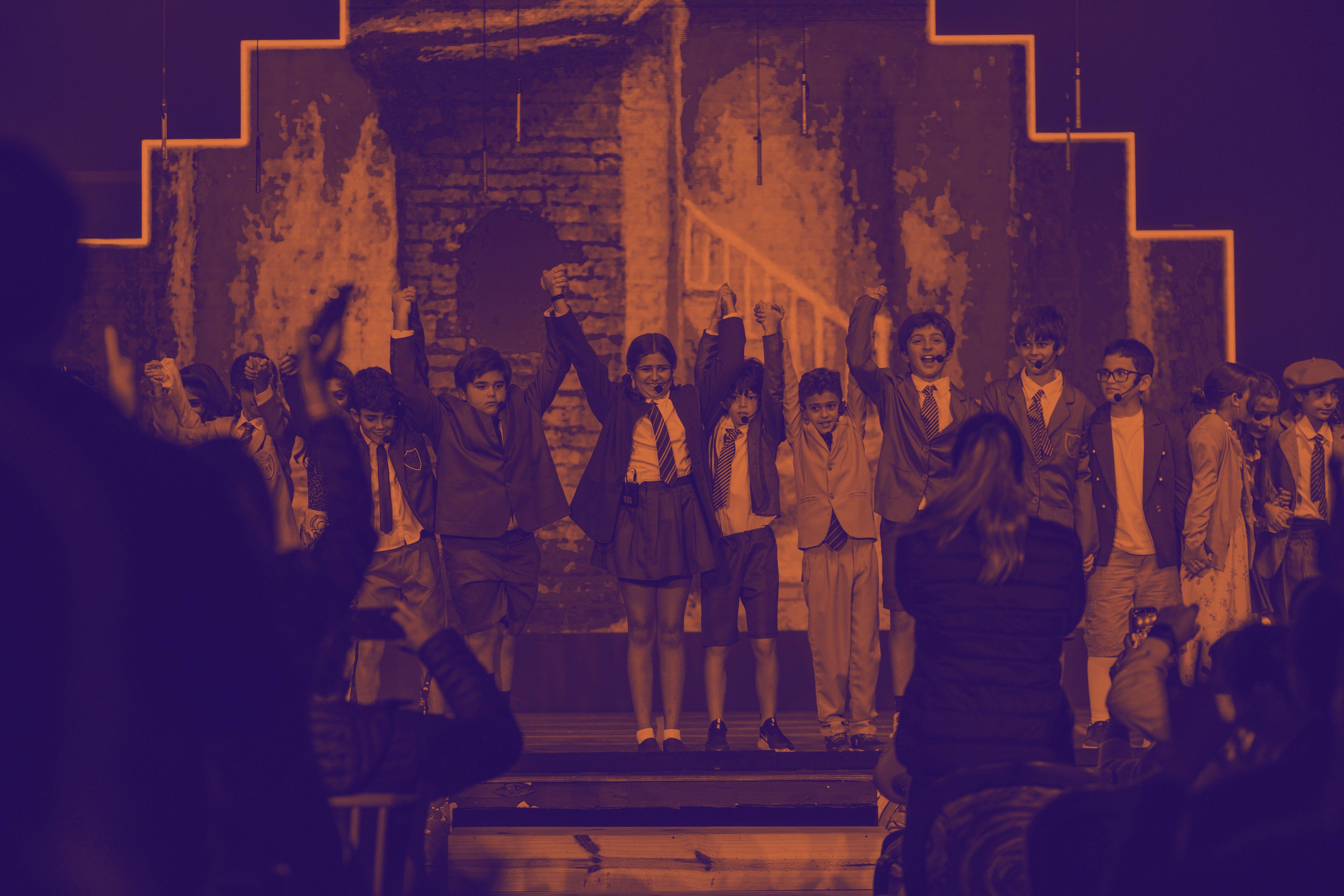
To recognize and appreciate different forms of theater manifestations present in different contexts, learning to see and hear dramatized stories and cultivating perception, imagination, the ability to symbolize and the fictional repertoire.
LANGUAGE ELEMENTS
To establish relationships between the parts of the body and these with the whole body in the construction of danced movement.
To experiment with different forms of orientation in space (displacements, planes, directions, paths, etc.) and movement rhythms (slow, moderate and fast) in the construction of dance movement.
To discover theatricality in everyday life, identifying theatrical elements (varied intonations of voice, different physicalities, diversity of characters and narratives, etc.)
CREATION PROCESSES
To create and improvise danced movements individually, collectively and collaboratively, considering the structural, dynamic and expressive aspects of the movement's constitutive elements, based on dance codes.
To discuss, with respect and without prejudice, personal and collective experiences in dance at school, as a source for the construction of their own vocabularies and repertoires.
To experience collaborative, collective and authorial work in theatrical improvisations and creative narrative processes in theater, exploring from the theatricality of everyday gestures and actions to elements of different aesthetic and cultural matrices.
To exercise imitation and make-believe, resignifying objects and facts and experiencing oneself in the place of the other, when composing and staging scenic events, through music, images, texts or other starting points, in an intentional and reflective way.
ARTISTIC DESIGN
CONTEXT AND PRACTICES
To identify and appreciate different forms of traditional and contemporary visual arts, cultivating perception, imagination, the ability to symbolize and the imagery repertoire.
LANGUAGE ELEMENTS
To explore and recognize constitutive elements of the visual arts (point, line, shape, color, space, movement, etc.).
CREATION PROCESSES
To recognize and experiment, in thematic projects, the procedural relationships between different artistic languages.
To experience creating visual arts individually, collectively and collaboratively, exploring different spaces in the school and community.
To dialogue about your creation and those of your colleagues, to reach plural meanings.
CULTURAL AESTHETICS MATRICES
To characterize and experiment with toys, games, dances, songs and stories from different aesthetic and cultural matrices.
To recognize and analyze the influence of different aesthetic and cultural matrices of the visual arts in the artistic manifestations of local, regional and national cultures.
ART AND TECHNOLOGY
To explore different technologies and digital resources (multimedia, animations, electronic games, audio and video recordings, photography, software, etc.) in artistic creation processes.
MATERIALITIES
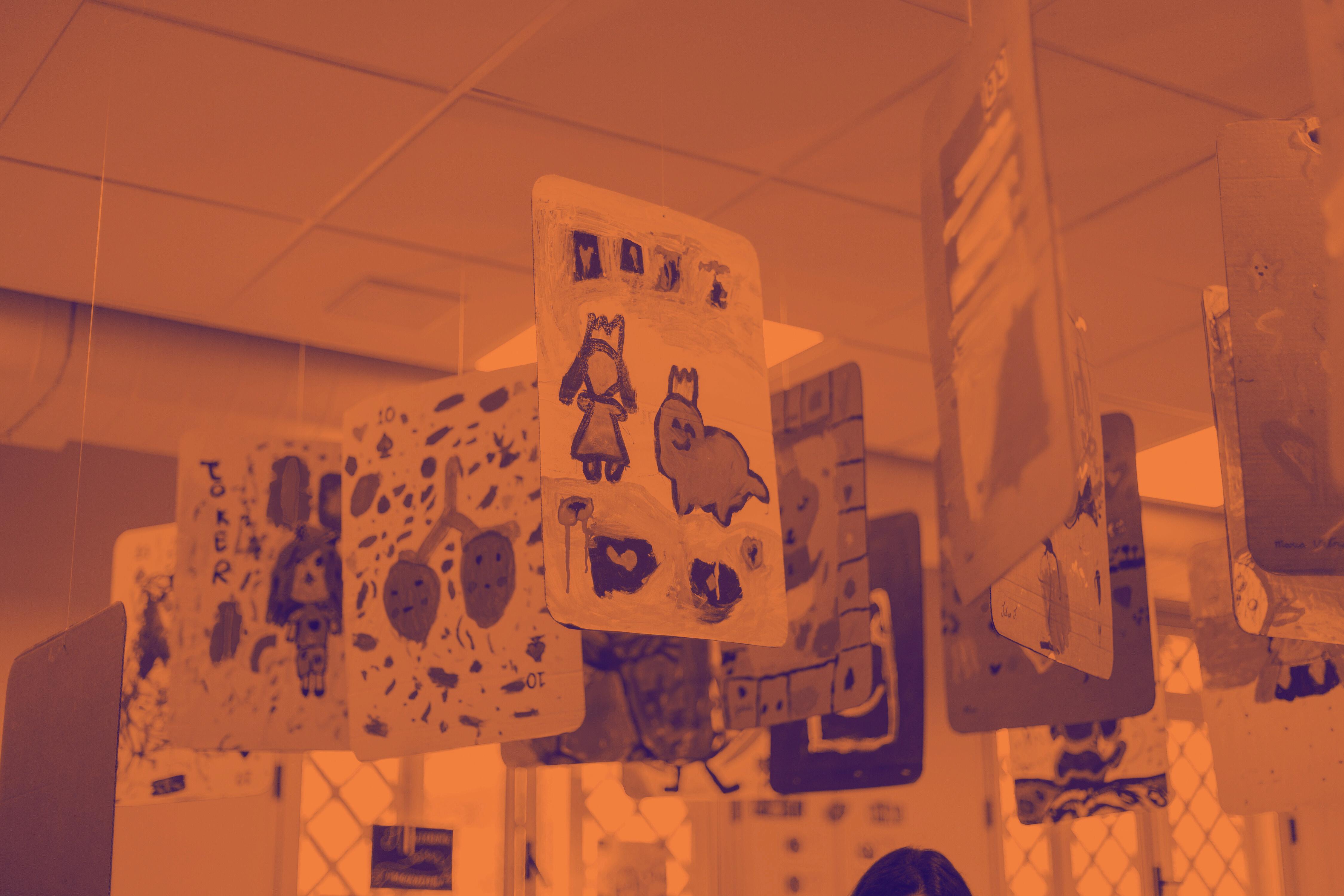
To experiment with different forms of artistic expression (drawing, painting, collage, comics, folding, sculpture, modeling, installation, video, photography, etc.), making sustainable use of conventional and unconventional materials, instruments, resources and techniques.
LANGUAGE SYSTEMS
To recognize some categories of the visual arts system (museums, galleries, institutions, artists, artisans, curators, etc.).
CULTURAL
HERITAGE
To know and value the cultural, material and immaterial heritage of different cultures, especially the Brazilian one, including its indigenous, African and European matrices, from different times, favoring the construction of vocabulary and repertoire related to different artistic languages.