LEARNING EXPECTATIONS GRADE}

Muchness lives where curiosity meets care


2026 Theme of the Year
Finding Muchness by Kobi
FOUNDATIONAL LEARNING
EXPECTATIONS
PER GRADE LEVEL
Based on ou National Curriculum (Base Nacional Comum Curricular - BNCC and International Curriculum and Programs (Fieldwork Education, Illustrative Mathematics, Readers' and Writer's Workshop), learnings expectations in the Lower School are organized according to the following areas of knowledge:
English Language
Portuguese Language
Mathematics
Performing Arts
Artistic Design
Social Sciences (History and Geography)
Natural Sciences
Body and Movement
Sound and Exploration
ENGLISH LANGUAGE
READING SKILLS
To}describe}characters}and}explain}how}their}actions}affect}the storyb
To}use}words}like}chapter]}scene]}and}stanza}and}explain}how each}part}connects}to}the}nextb
To}explain}how}pictures}in}a}story}show}mood}or}highlight important}parts]}like}characters}or}placesb
To}find}the}main}idea]}tell}key}details]}and}explain}how}they support}itb
To}explain}how}events]}ideas]}or}steps}are}connected]}using words}that}show}time]}order]}and}causeheffectb
To}figure}out}the}meaning}of}important}words}and}phrases related}to}a}grade} }topicb
To}use}information}from}illustrations}and}words}to} understand key}details}like}where]}when]}why]}and}how}events}happenb
To}apply}phonics}skills}by}decoding}words]}recognizing}vowel patterns]}breaking}words}into}syllables]}and}reading}irregular wordsb
To}read}with}sufficient}accuracy}and}fluency}to}support comprehensionb
WRITING SKILLS
To write opinion pieces that provide reason and support opinion.
To use words like "because," "therefore," and "for example" to connect their opinions and reasons.
To write informative texts and use facts, definitions, and details to clearly explain and examine a topic.
To use words like "because," "therefore," and "for example" to connect their opinions and reasons.
To write narratives, create a situation, introduce a narrator or characters, and organize events in a natural order.
To use words like "first," "next," and "finally" to show the order of events.
To participate in research and writing projects by exploring a topic and producing a report.
LANGUAGE SKILLS
To learn the role of nouns, pronouns, verbs, adjectives, and adverbs in sentences.
To form and use simple verb tenses.
To learn and use correct subject-verb agreements.
To write simple,compound and complex sentences.
To capitalize appropriate words in titles.
To use conventional spelling for high-frequency and studied words.
To use spelling patterns in writing words.
To use word choice for effect.
To determine or clarify the meaning of unknown words.
To determine or clarify the meaning of unknown words which are formed by adding affix.
To tell the difference between literal and nonliteral meanings of words.
To recognize differences in words that show feelings or certainty.
LISTENING & SPEAKING
SKILLS
To engage in discussions by asking and responding to questions, clarifying ideas, and linking comments to others’ remarks.
To engage in discussions by asking and responding to questions, clarifying ideas, and linking comments to others’ ideas and expressing their own ideas.
To identify the main ideas and supporting details from a text or information shared in different formats, including visually, quantitatively, and orally.
To ask and answer questions about what a speaker says, adding details and explanations

PORTUGUESE LANGUAGE

PORTUGUESE LANGUAGE
ORAL SKILLS
To recite rhymes, quadras, quadrinhas and tongue twisters, with appropriate intonation and observing the rhymes.
To express ideas with clarity, being concerned about being understood by the interlocutor and using the word with an audible tone of voice, good articulation and adequate rhythm.
To respect the turns of speech, selecting and using forms of address appropriate to the situation and position of the interlocutor.
To retell orally, with and without image support, literary texts.
PORTUGUESE LANGUAGE
READING SKILLS
To understand the different purposes of reading.
To read considering reading strategies (selection, anticipation, inference, verification).
To recognize reading and writing as elements of communication and social insertion.
To read and understand, with autonomy, personal letters and diaries, expressing feelings and opinions, among other genres in the field of everyday life.
To read and understand, with autonomy, letters addressed to print or digital media vehicles (reader and complaint letters to newspapers, magazines) and news, among other genres of the journalistic field.
To read/listen to and understand, with autonomy, reports of observations and research in information sources.
WRITING SKILLS PORTUGUESE LANGUAGE
To plan and produce personal letters and diaries, expressing feelings and opinions, among other genres in the field of everyday life.
To plan and produce instructional injunctive texts, with their own structure (imperative verbs, indication of steps to be followed) and mixing words, images and graphic-visual resources.
To produce advertisements, texts for awareness campaigns aimed at children, observing the persuasive resources used in advertising and advertising texts (colors, images, slogan, choice of words, wordplay, size and type of letters, layout).
To plan and produce texts to present results of observations and research in information sources, including, when relevant, images, diagrams and graphs or simple tables, considering the communicative situation and the theme/subject of the text.
To reread and revise the text produced with the help of the educator and the collaboration of colleagues, to correct and improve it, making cuts, additions, reformulations, spelling and punctuation corrections.
PORTUGUESE LANGUAGE
WRITING SKILLS
To edit the final version of the text, in collaboration with colleagues and with the help of the educator, illustrating, when appropriate.
PORTUGUESE LANGUAGE LANGUAGE USAGE
To use the worked score.
To understand and make use of dialogue in written texts.
To correctly use the spelling rules worked.
To make use of the grammatical concepts worked in texts.
To read and write words with regular contextual correspondences between graphemes and phonemes –c/qu; g/gu; r/rr; y/n; o (and not u) and e (and not i) in an unstressed syllable at the end of a word – and with nasality marks (tilde, m, n).
To read and write correctly words with syllables CV, V, CVC, CCV, VC, VV, CVV, identifying that there are vowels in all syllables.
To read and write correctly words with the digraphs lh, nh, ch.
To use a graphic accent (acute or circumflex) in stressed monosyllables ending in a, e, o and in oxytone words ending in a, e, o, followed or not by s.
PORTUGUESE LANGUAGE LANGUAGE USAGE
To identify the number of syllables of words, classifying them into monosyllables, disyllables, trisyllabic and polysyllabic.
To identify the stressed syllable in words, classifying them into oxytones, paroxytones and proparoxytones.
To identify the function in reading and use in writing full stop, question mark, exclamation point and, in dialogues (direct speech), colon and dash.
To identify and differentiate nouns and verbs.
To identify adjectives in texts.
To recognize productive prefixes and suffixes in the formation of words derived from nouns, adjectives and verbs, using them to understand words and to form new words.
MATHE MATICS

NUMBERS
To read, write and compare natural numbers up to the order of thousands.
Identify characteristics of the decimal number system, using the composition and decomposition of natural numbers up to four orders (9.999).
To build and use basic facts of addition and multiplication. To use the rules of adding odd and even numbers to check answers.
To use written methods (algorithm) to add and subtract three-digit numbers.
To solve and elaborate word problems involving addition, subtraction, multiplication, and division.
To multiply by 10 and 100.
To simplify and add fractions with the same denominator To round to the nearest 1000.
ALGEBRA
To identify regularities in ordered sequences of natural numbers resulting from successive additions or subtractions by the same number.
To use trial and error to solve problems.
To create and extend sequences following single-step rules.
GEOMETRY
To classify and compare flat shapes (triangle, square, rectangle, trapezoid, and rectangle) in relation to their sides and vertices.
To describe characteristics of some solid shapes (prisms, pyramids, cylinders, cones).
MEASUREMENT
To choose the unit of measurement and the most appropriate instrument for measurements of length, time, and capacity.
To estimate, measure, and compare lengths.
To estimate and measure capacity and mass.
To read and register measurements and time intervals by reading clocks (analog and digital).
To identify monetary values and show equal amounts in different combinations.
DATA HANDLING
To identify, in random familiar events, all possible outcomes, estimating those that have greater or lesser chances of occurrence.
To solve problems in which data are presented in double entry tables, graphs of bars or columns.
To find the mode and median for a set of data.
To order events by how impossible, certain or more or less likely they are.
SOCIAL SCIENCES

HISTORY
To Compare events in time, having as a reference anteriority, posteriority and simultaneity;
To recognize some similarities and differences, economic and cultural, of everyday dimension, existing in their school group and in their locality;
To recognize some social, economic and cultural continuities and transformations in the daily experiences of families, schools and the community, over time, in the same living space;
To establish a relationship between the present and the past;
To identify some historical documents and sources of information discerning some of their functions.
GEOGRAPHY
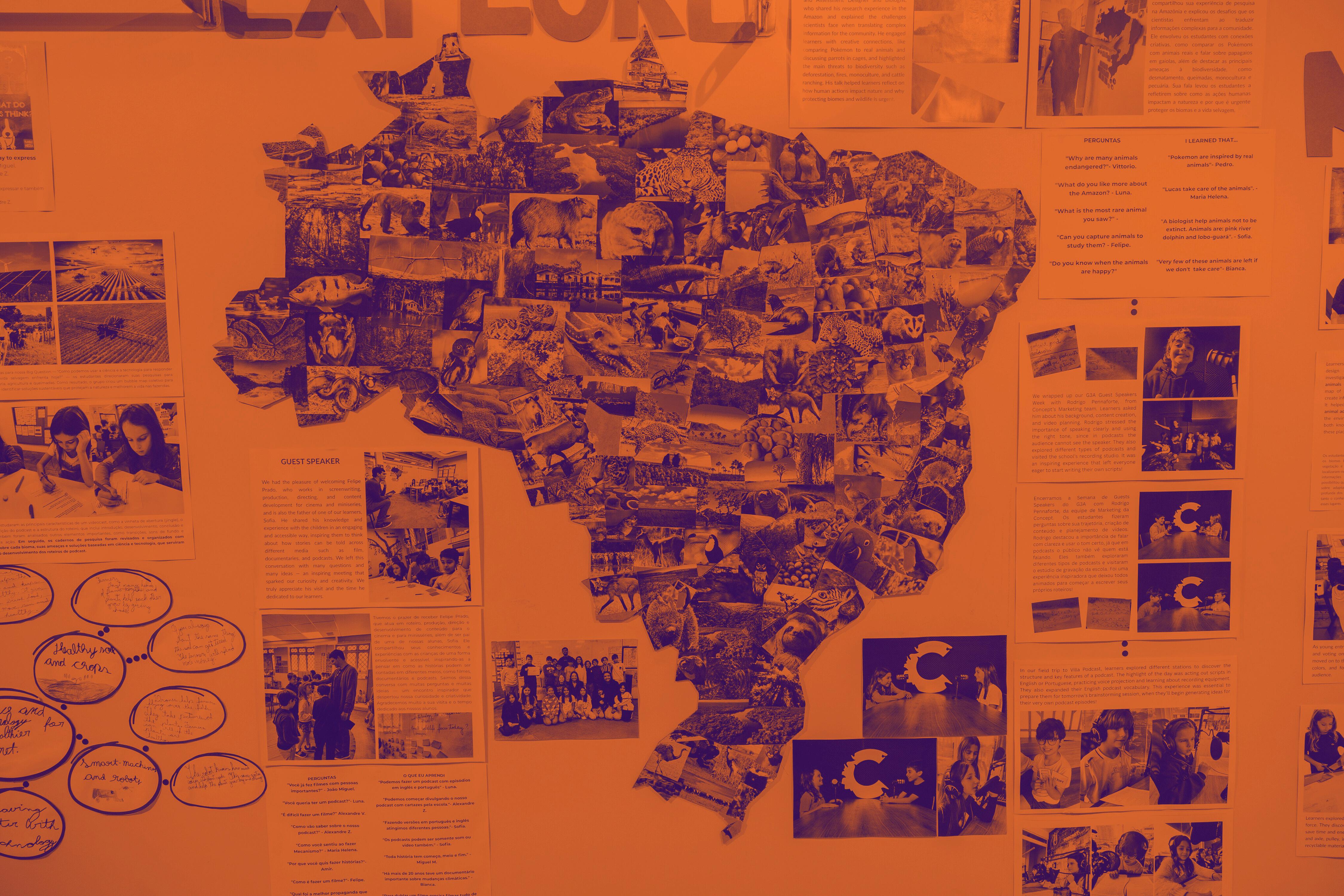
To recognize, in the local landscape and in the place where they are inserted, the different manifestations of nature and the appropriation and transformation of it by the action of its collectivity, of its social group;
To know and compare the presence of nature, expressed in the local landscape, with the manifestations of nature present in other landscapes;
To recognize similarities and differences in the ways that different social groups appropriate nature and transform it, identifying its determinations in work relationships, in everyday habits, in ways of expressing themselves and in leisure;
To know and begin to use written and imagery sources of information using, for that purpose, some basic procedures;
To know how to use observation and description in the direct or indirect reading of the landscape, especially through illustrations and oral language;
To recognize the spatial references of location, orientation and distance in their daily lives in order to move independently and represent the places where they live and interact;
GEOGRAPHY
To recognize the importance of a responsible attitude of care for the environment in which they live, avoiding waste and realizing the care that must be taken in the preservation and maintenance of nature.
NATURAL SCIENCES
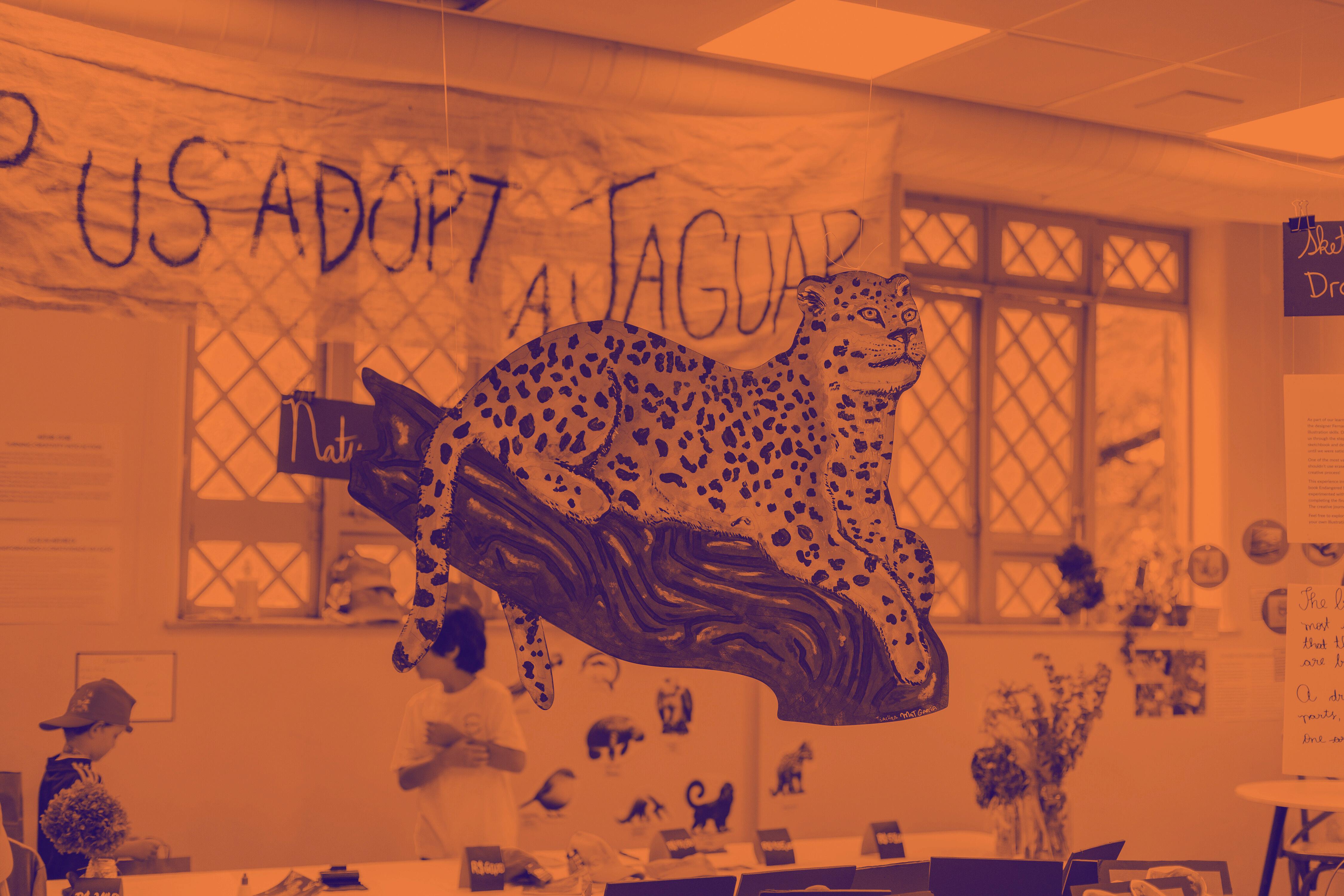
NATURAL SCIENCES
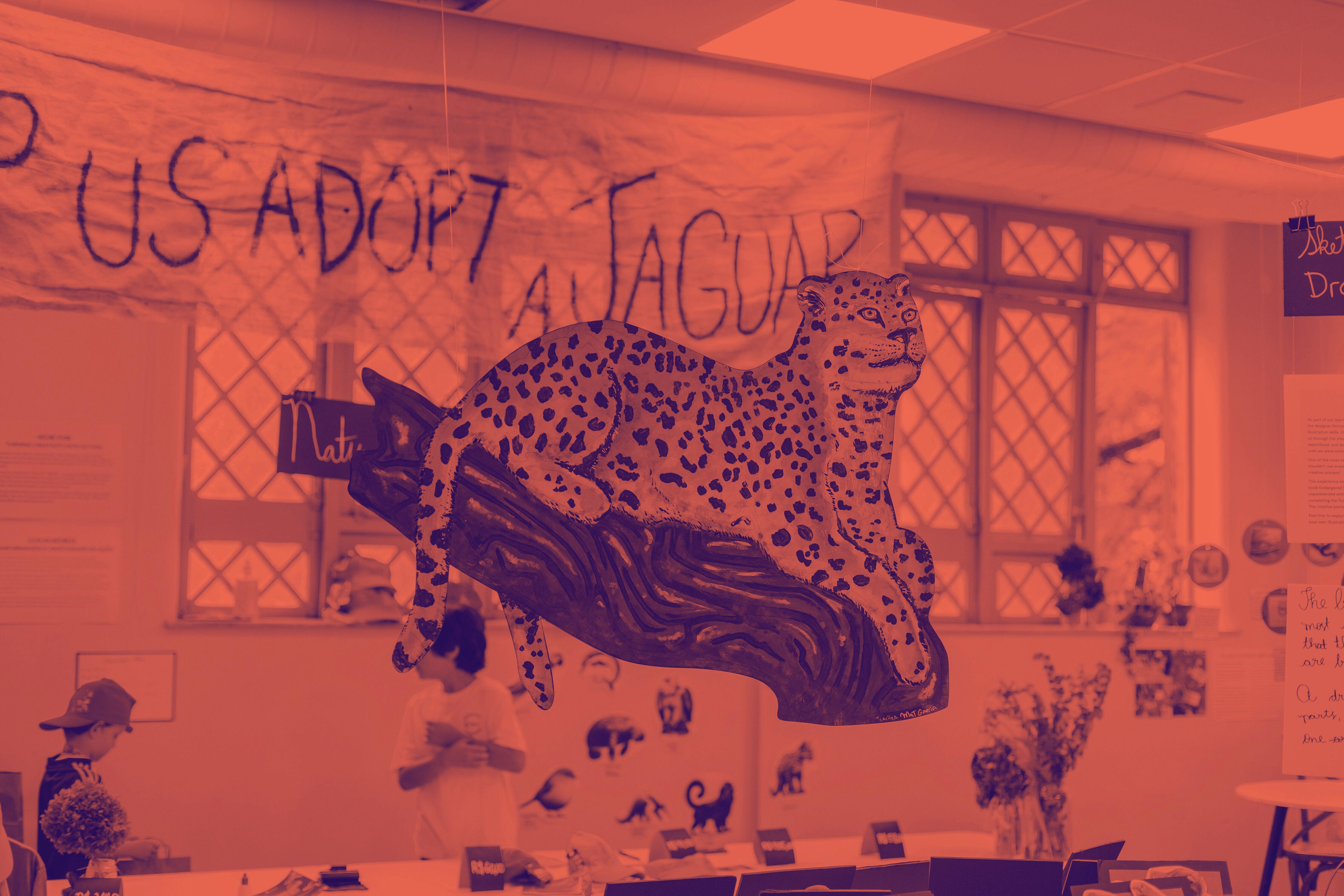
To produce different sounds from the vibration of different objects and identify variables that influence this phenomenon.
To discuss habits necessary for the maintenance of hearing and visual health considering the environmental conditions in terms of sound and light.
To identify characteristics about the way of life (what they eat, how they reproduce, how they move, etc.) of the most common animals in the nearby environment.
To describe and communicate the changes that occur since birth in animals from different terrestrial or aquatic environments, including man.
To compare some animals and organize groups based on common external characteristics (presence of feathers, fur, scales, beak, claws, antennae, paws, etc.).
To identify characteristics of the Earth (such as its spherical shape, presence of water, soil, etc.), based on observation, manipulation and comparison of different forms of representation of the planet (maps, globes, photographs, etc.).
NATURAL SCIENCES
To observe, identify and record the daily periods (day and/or night) when the Sun, other stars, Moon and planets are visible in the sky.
To compare different soil samples around the school based on characteristics such as color, texture, smell, particle size, permeability, etc.
To identify the different uses of the soil (planting and extraction of materials, among other possibilities), recognizing the importance of the soil for agriculture and for life.
BODY AND MOVEMENT
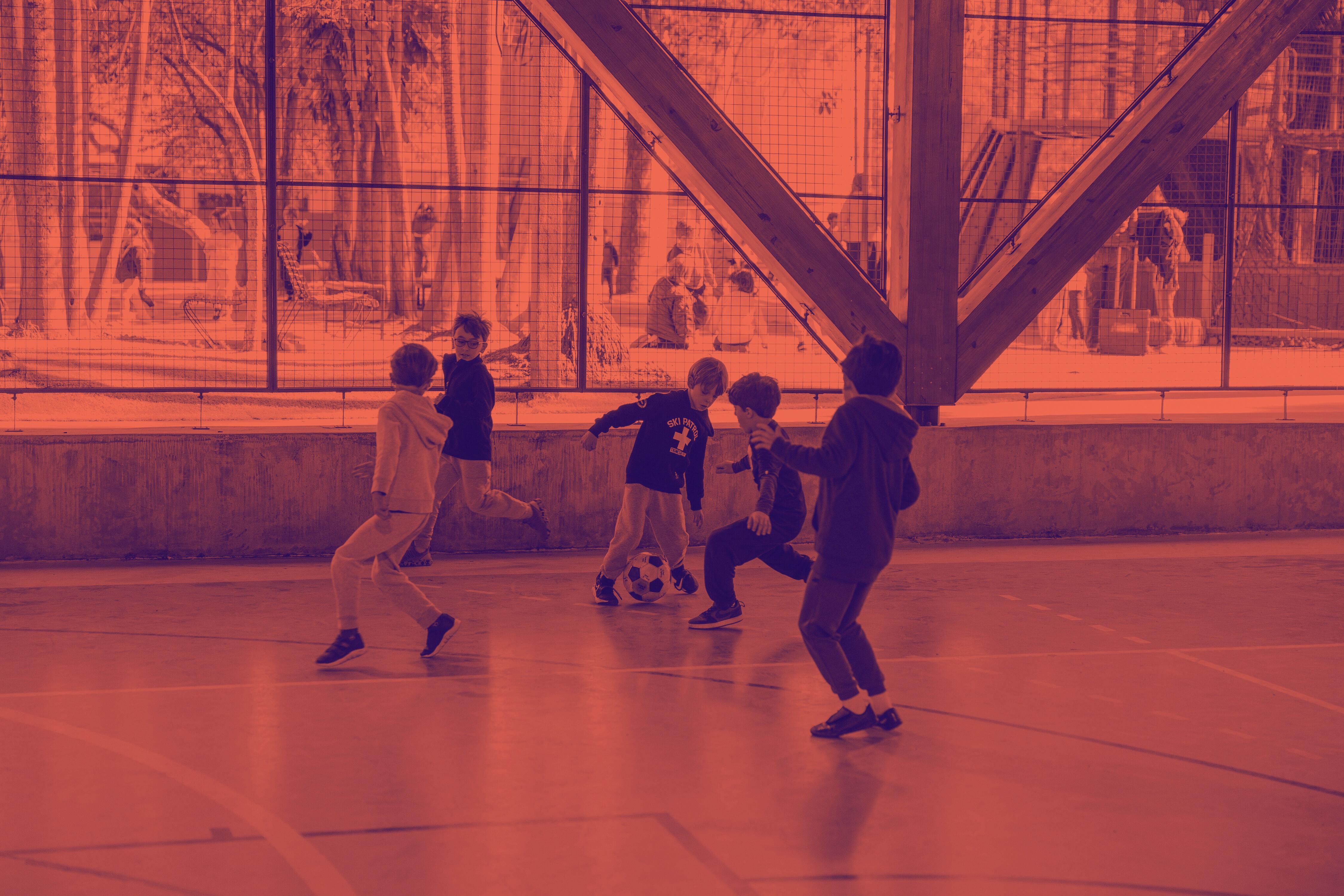
BODY AND MOVEMENT
To experience and enjoy popular plays and games from Brazil and the world, including those of indigenous and African origin, and recreate them, valuing the importance of this historical and cultural heritage.
To plan and use strategies to enable safe participation of all students in popular plays and games in Brazil and with an indigenous and African matrix.
To describe, through multiple languages (body, oral, written, audiovisual), the plays and popular games of Brazil and of indigenous and African origin, explaining their characteristics and the importance of this cultural historical heritage in the preservation of different cultures.
To recreate, individually and collectively, and experience, at school and outside, popular plays and games from Brazil and the world, including those of indigenous and African origin, and other body practices themed at school, adapting them to available public spaces.
To experience and enjoy different types of field and club sports, net/wall and invasion, identifying their common elements and creating basic individual and collective strategies for their execution, valuing collective work and protagonism.
BODY AND MOVEMENT
To differentiate the concepts of game and sport, identifying the characteristics that constitute them in contemporary times and their manifestations (professional and community/leisure).
To collectively experiment and enjoy combinations of different elements of general gymnastics (balances, jumps, turns, rotations, acrobatics, with and without materials), proposing choreographies with different everyday themes.
To plan and use strategies to solve challenges in the execution of basic elements of group presentations of general gymnastics, recognizing the potentialities and limits of the body and adopting safety procedures.
SOUND EXPLORATION

CONTEXT AND PRACTICES
To identify and critically appreciate different forms and genres of musical expression, recognizing and analyzing the uses and functions of music in different contexts of circulation, especially those of everyday life.
To experience and appreciate different forms of dance manifestations present in different contexts, cultivating perception, imagination, the ability to symbolize and body repertoire.
LANGUAGE ELEMENTS
To understand and explore the constitutive elements of music (pitch, intensity, timbre, melody, rhythm, etc.), through games, games, songs and various practices of composition/creation, performance and musical appreciation.
MATERIALITIES
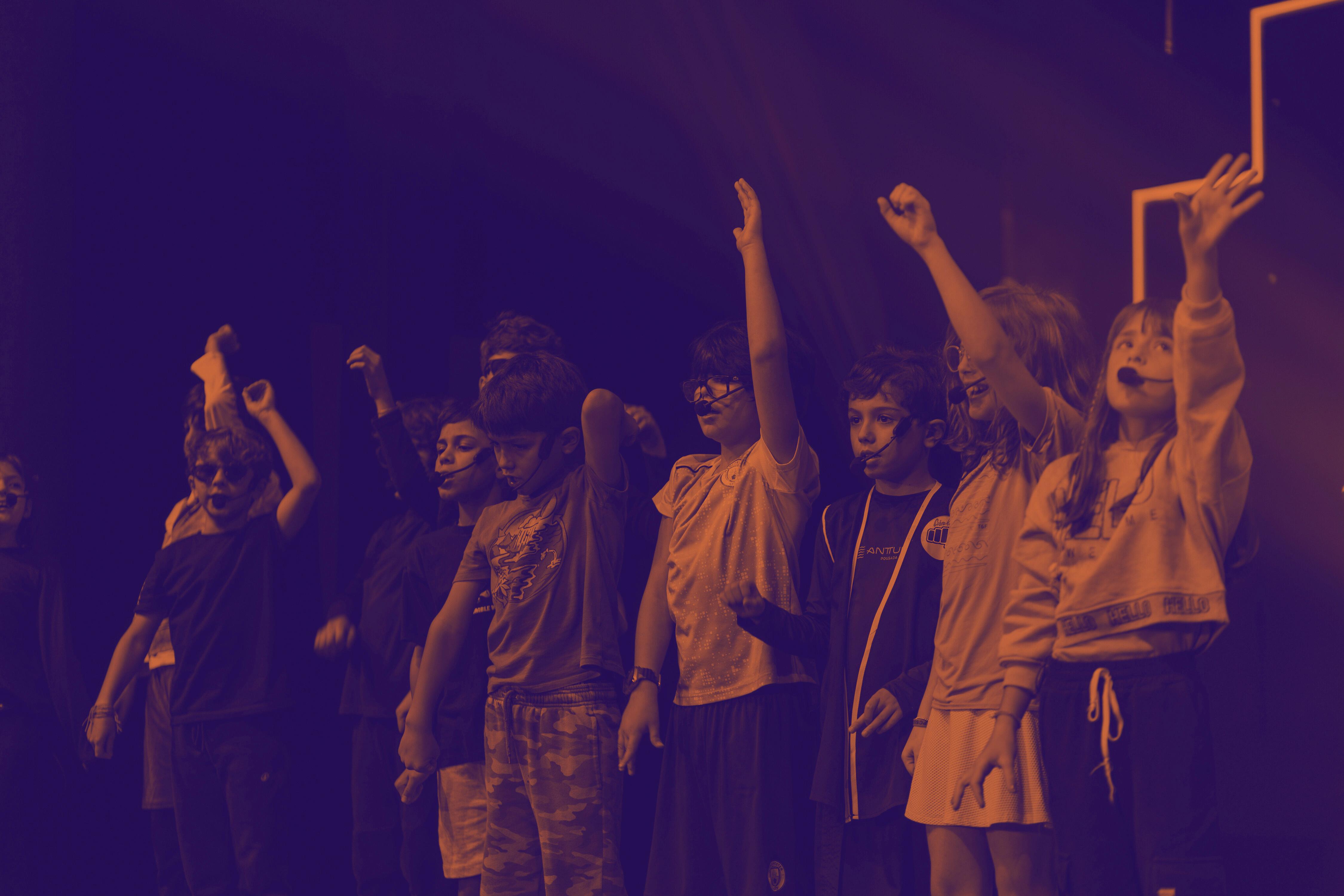
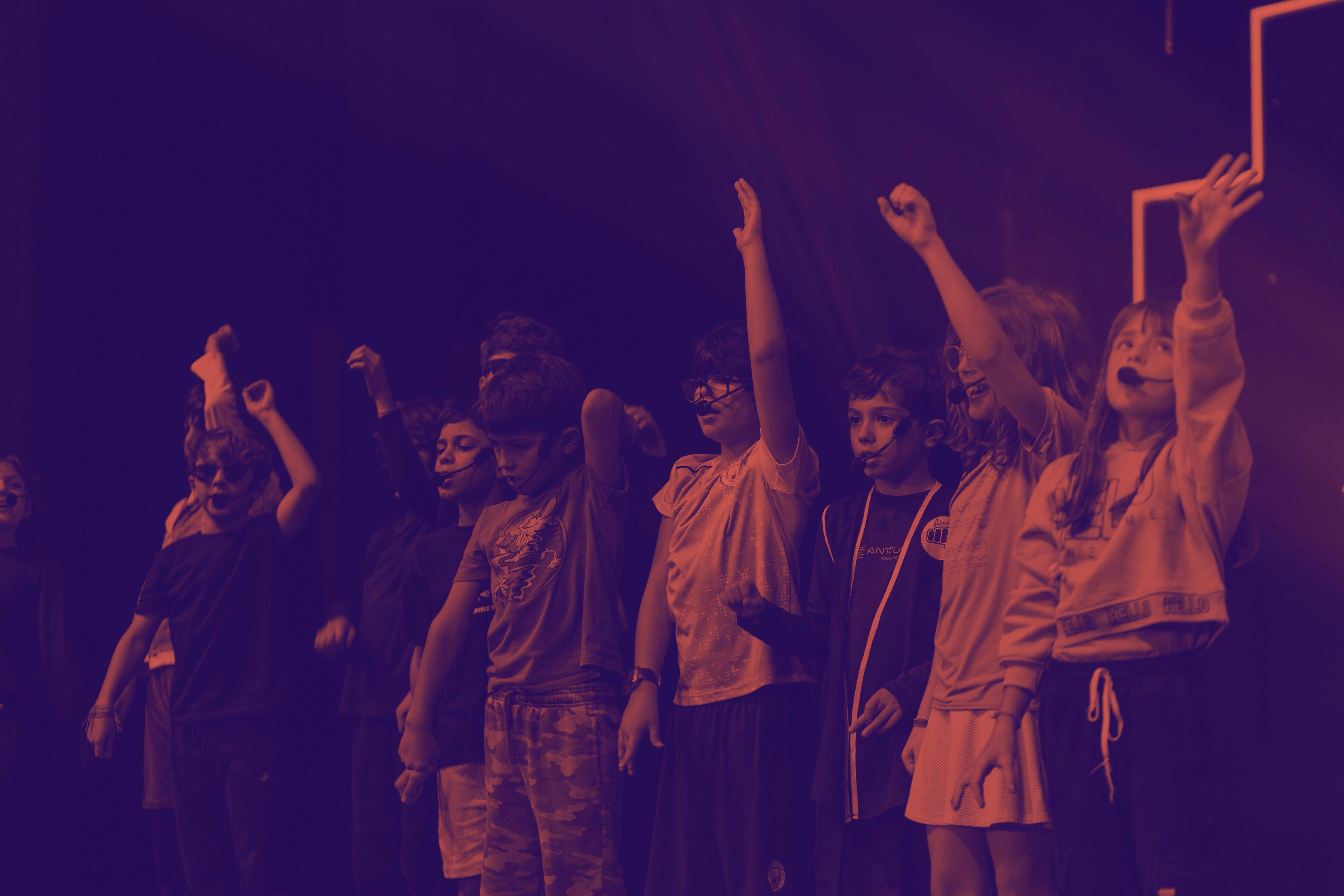
To explore different sound sources, such as those existing in the body itself (clapping, voice, body percussion), in nature and in everyday objects, recognizing the constitutive elements of music and the characteristics of various musical instruments.
MUSICAL NOTATION RECORDING
To explore different forms of unconventional musical recording (graphic representation of sounds, creative scores, etc.), as well as audio and audiovisual recording procedures and techniques, and recognize conventional musical notation..
CREATION PROCESSES
To experiment with improvisations, compositions and storytelling, among others, using voices, body sounds and/or conventional or unconventional musical instruments, individually, collectively and collaboratively.
To create and improvise danced movements individually, collectively and collaboratively, considering the structural, dynamic and expressive aspects of the movement's constitutive elements, based on dance codes.
To discuss, with respect and without prejudice, personal and collective experiences in dance at school, as a source for the construction of their own vocabularies and repertoires.
PERFORMING ARTS
CONTEXT AND PRACTICES
To experience and appreciate different forms of dance manifestations present in different contexts, cultivating perception, imagination, the ability to symbolize and body repertoire.
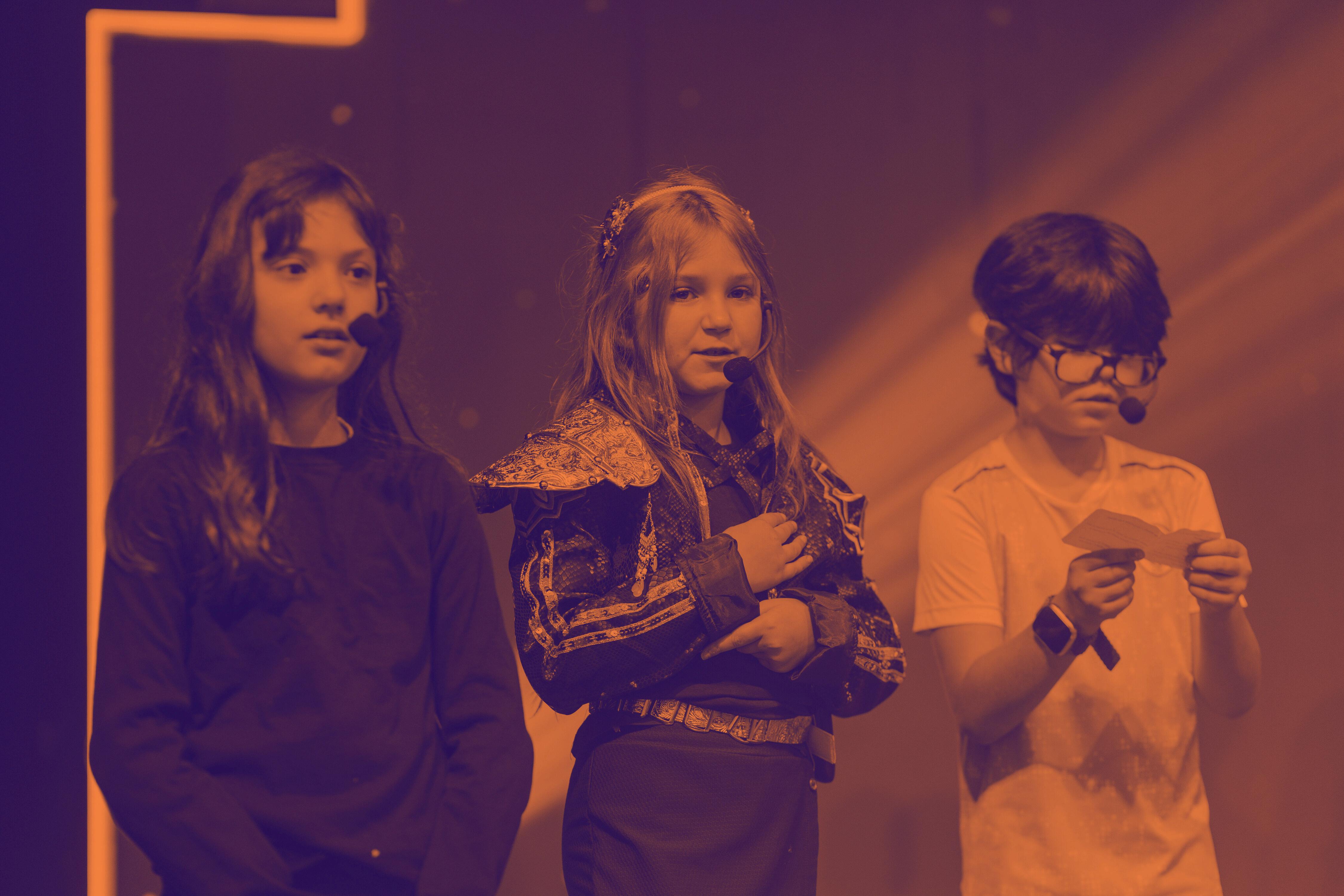
To recognize and appreciate different forms of theater manifestations present in different contexts, learning to see and hear dramatized stories and cultivating perception, imagination, the ability to symbolize and the fictional repertoire.
LANGUAGE ELEMENTS
To establish relationships between the parts of the body and these with the whole body in the construction o f danced movement.
To experiment with different forms of orientation in space (displacements, planes, directions, paths, etc.) and movement rhythms (slow, moderate and fast) in the construction of dance movement.
To discover theatricality in everyday life, identifying theatrical elements (varied intonations of voice, different physicalities, diversity of characters and narratives, etc.).
CREATION PROCESSES
To create and improvise danced movements individually, collectively and collaboratively, considering the structural, dynamic and expressive aspects of the movement's constitutive elements, based on dance codes.
To discuss, with respect and without prejudice, personal and collective experiences in dance at school, as a source for the construction of their own vocabularies and repertoires.
To experience collaborative, collective and authorial work in theatrical improvisations and creative narrative processes in theater, exploring from the theatricality of everyday gestures and actions to elements of different aesthetic and cultural matrices.
To exercise imitation and make-believe, resignifying objects and facts and experiencing oneself in the place of the other, when composing and staging scenic events, through music, images, texts or other starting points, in an intentional and reflective way.
ARTISTIC DESIGN
Design Artístico
CONTEXT AND PRACTICES
To identify and appreciate different forms of traditional and contemporary visual arts, cultivating perception, imagination, the ability to symbolize and the imagery repertoire.
LANGUAGE
ELEMENTS
To explore and recognize constitutive elements of the visual arts (point, line, shape, color, space, movement, etc.).
CREATION
PROCESSES
To recognize and experiment, in thematic projects, the procedural relationships between different artistic languages.
To experience creating visual arts individually, collectively and collaboratively, exploring different spaces in the school and community.
CULTURAL AESTHETICS MATRICES
To characterize and experiment with toys, games, dances, songs and stories from different aesthetic and cultural matrices.
To recognize and analyze the influence of different aesthetic and cultural matrices of the visual arts in the artistic manifestations of local, regional and national cultures.
ART AND TECHNOLOGY
To explore different technologies and digital resources (multimedia, animations, electronic games, audio and video recordings, photography, software, etc.) in artistic creation processes.
MATERIALITIES
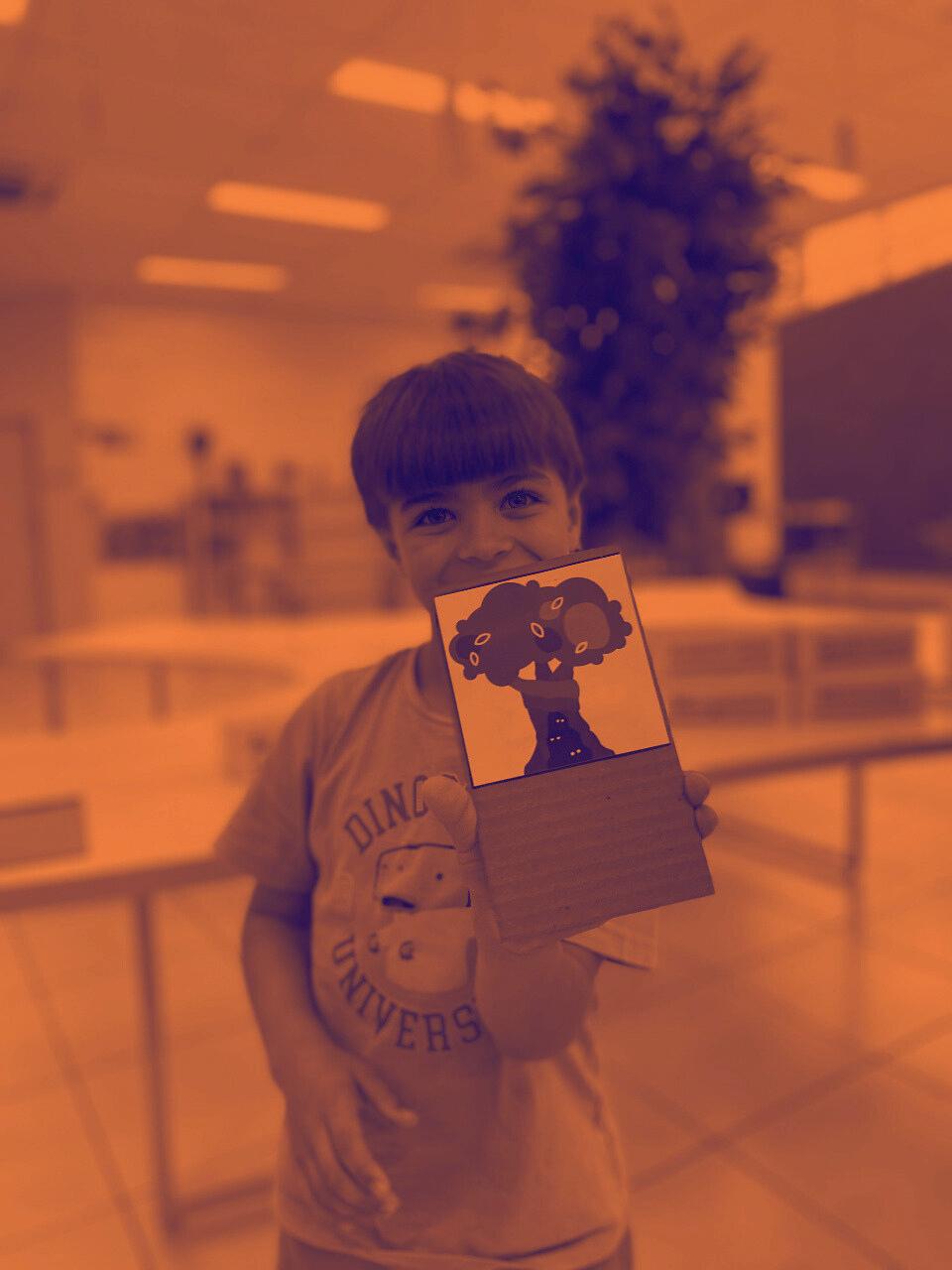
To experiment with different forms of artistic expression (drawing, painting, collage, comics, folding, sculpture, modeling, installation, video, photography, etc.), making sustainable use of conventional and unconventional materials, instruments, resources and techniques.
LANGUAGE SYSTEMS
To recognize some categories of the visual arts system (museums, galleries, institutions, artists, artisans, curators, etc.).
CULTURAL HERITAGE
To know and value the cultural, material and immaterial heritage of different cultures, especially the Brazilian one, including its indigenous, African and European matrices, from different times, favoring the construction of vocabulary and repertoire related to different artistic languages.