M I D D L E S C H O O L programs
M I D D L E S C H O O L programs


20 26
Introduction
Our Learning Engine: Designers
English Language
Língua Portuguesa
Social Sciences
Natural Sciences
Mathematics
Project Mentorship
Academic Electives
Honors AP Prep
Personalized Mentoring
Personalized Learning Hub
Internships
Babson Epic
Creative Hub
World Languages
Clubs
Body & Movement
Global Expression & Leadership
Middle School Challenge
Concept Journeys
College & Career Counseling

OUR LEARNING ENGINE: WE ARE DESIGNERS
This course catalogue presents the structure of Escola Concept’s Middle School program and the progression of courses across each discipline. Courses are developed using multiple international frameworks, including the BNCC (Base Nacional Comum Curricular), NCSS (National Curriculum Standards for Social Studies), Fieldwork Education, the NGSS (Next Generation Science Standards), the Common Core, and Illustrative Mathematics Together, these frameworks support a coherent and rigorous learning journey.
Middle School at Escola Concept is defined by a set of signature programs that shape how learners grow, create, and apply knowledge. All learners engage in the Project Design Journey, a structured design cycle embedded across subjects and culminating in Passion Projects, where learners investigate a challenge they care about through the stages of Understand, Explore, and Materialize. Learners also participate in the Middle School Challenge, an early introduction to strategic thinking and innovation through real-world problem analysis.
In addition to core academics, learners choose from a range of Academic Electives including Artificial Intelligence, Engineering, Emerging Technologies, and Applied Research—that provide early exposure to high-demand fields The Creative Hub supports artistic exploration across visual and performing arts, while TED-Ed, MUN, and other global-competency programs strengthen communication, diplomacy, and public-speaking skills. Learners may also participate in school-embedded that build responsibility, professionalism, and authentic contribution to the community.
Personalized support is anchored by the Personalized Learning Hub, which operates the Foundations Program, Concept Fellows, and the Center for Continuous Growth Weekly Personalized Mentoring and advisory sessions help learners set goals, reflect on progress, and articulate their learning using MAP Growth data and performance indicators. Every learner also participates in Body & Movement to promote wellbeing and lifelong healthy habits.
Escola Concept’s Middle School program offers intentional pathways toward High School, connecting knowledge with action, creativity with academic rigor, and personal purpose with meaningful community impact. Learners explore these pathways through academic planning, advisory classes, and ongoing guidance from counselors and academic performance coaches.
5 | 2026 Curriculum Maps High School Course Catalogue
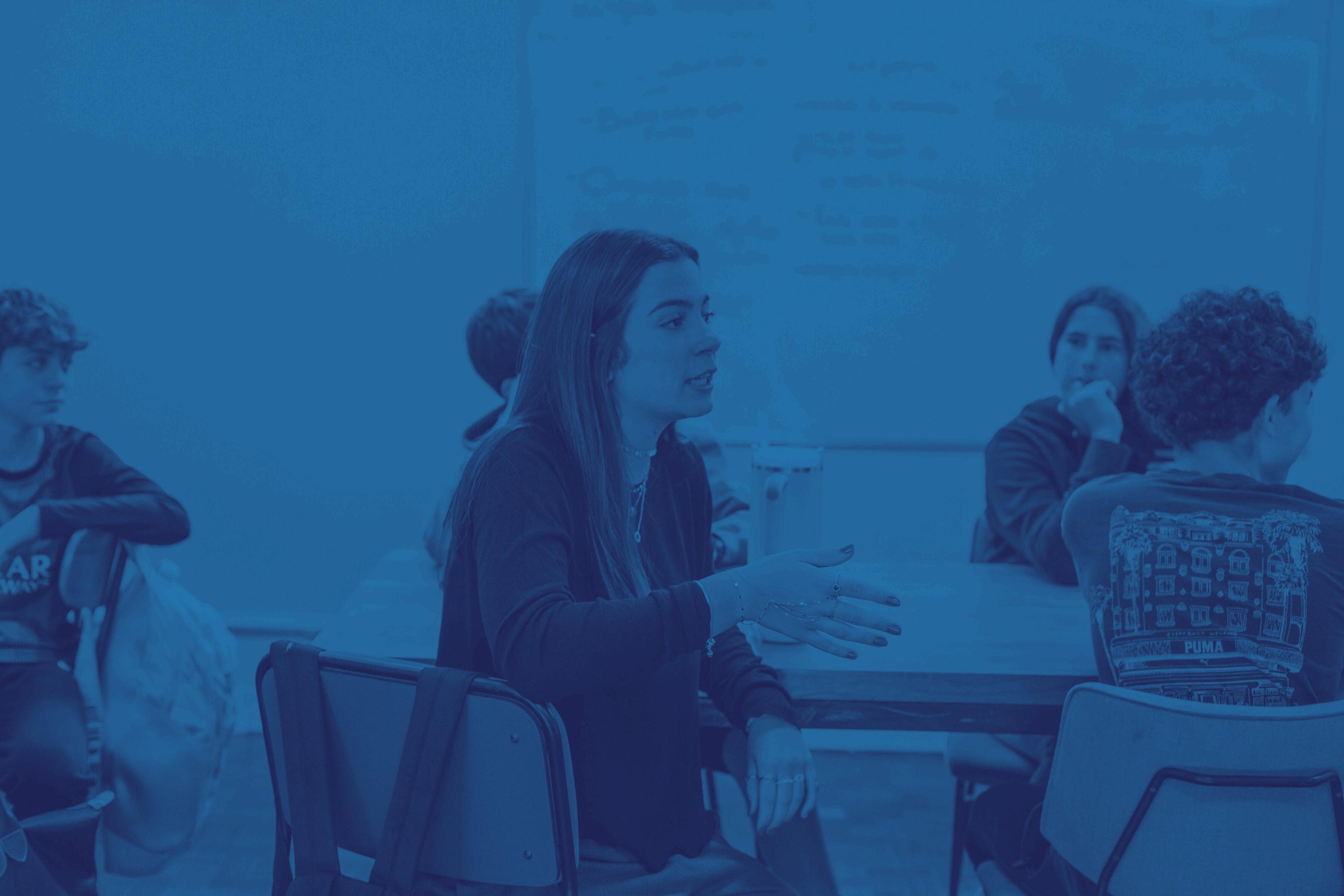
Design is a core learning engine in Middle School, empowering learners to become designers who analyze problems, generate ideas, and create purposeful solutions. Through hands-on challenges, they explore how design thinking connects creativity, technology, and real-world needs. Learners learn to research, prototype, test, and refine their work while collaborating in teams.
The process emphasizes curiosity, iteration, and thoughtful decision-making. As young designers, learners develop agency, resilience, and problem-solving skills The Design engine supports the Escola Concept cycle Understand, Explore, Materialize helping learners turn ideas into meaningful products and experiences.
6 | 2026 Curriculum Maps High School Course Catalogue


English Language Arts (Reading, interpretation, and Narrative writing)
English Language Arts (Comparative text analysis and evidence-based writing)
English Language Arts (Rhetoric research and advanced composition)
English Language Arts (Journeys: reading, interpretation, and writing)
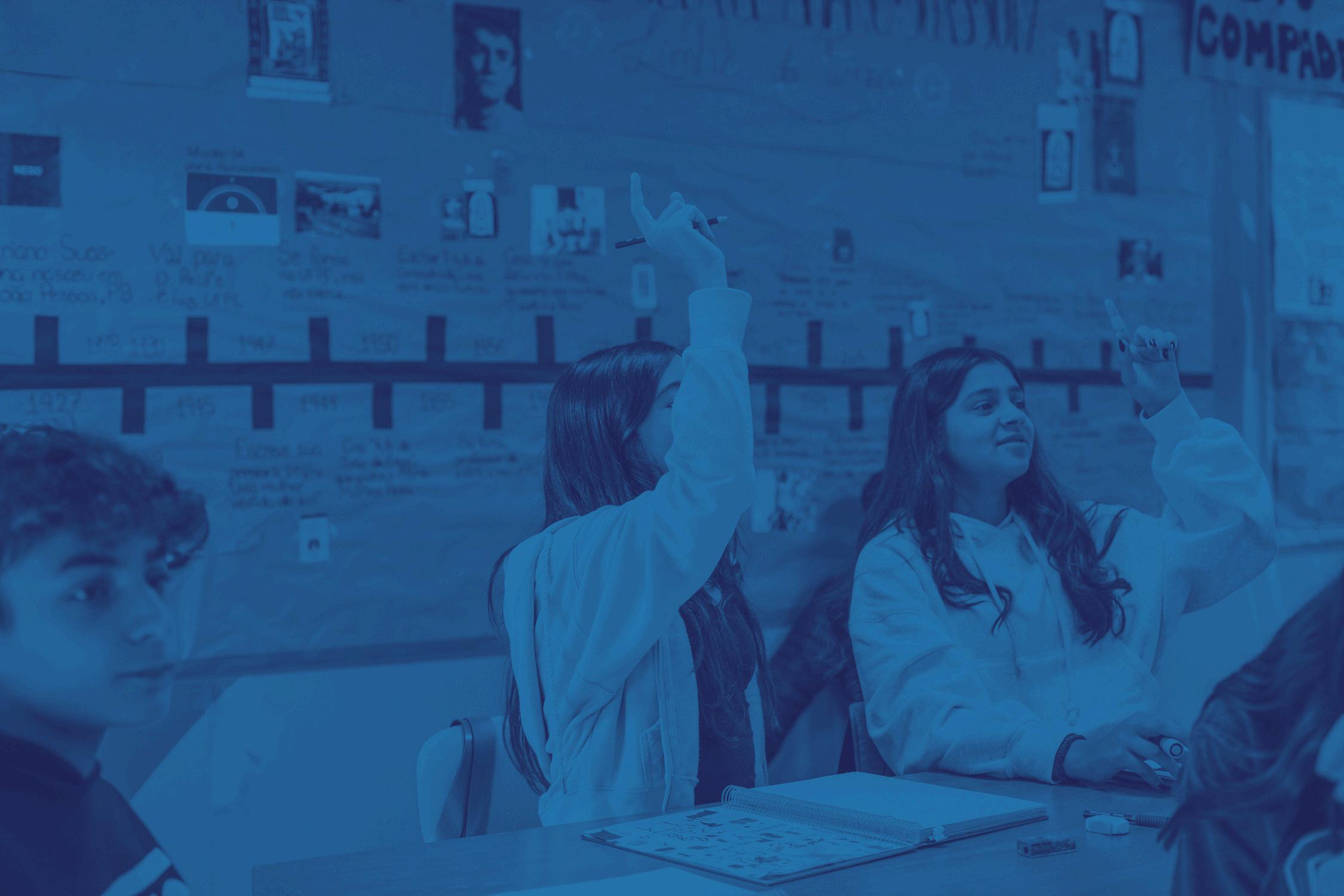
The Grade 6 English Language Arts course develops learners’ reading, writing, speaking, and language skills through an inquiry-based approach aligned with the Common Core Standards. Learners explore the power of storytelling to understand how authors express identity and how they can craft their own voice. Throughout the year, they read fiction, nonfiction, poetry, and multimedia texts while analyzing themes, structure, point of view, and figurative language. Writing instruction focuses on narrative, argumentative, and informative genres, emphasizing clarity, organization, and revision. Learners also participate in discussions and presentations to strengthen communication and collaboration
English Language Arts (Explorations: analysis, interpretation, and argumentation)
The Grade 7 English Language Arts course deepens learners’ reading, writing, speaking, and language skills through an inquiry-based model aligned with the Common Core Standards. Learners analyze diverse literary and informational texts to understand how perspectives, structure, and language shape meaning They write across argumentative, narrative, and informative genres, developing clear claims, coherent organization, and purposeful voice Lessons emphasize grammar, syntax, and academic vocabulary in meaningful contexts. Through discussions and presentations, learners strengthen communication, collaboration, and critical thinking
8 | 2026 Curriculum Maps Middle School Course Catalogue
English Language Arts (Transitions: comparison, evaluation, and production)
The Grade 8 English Language Arts course challenges learners to become critical readers, purposeful writers, and confident communicators Through texts representing diverse voices and genres, learners analyze how authors use structure, language, and evidence to shape meaning and influence audiences. They write narrative, argumentative, and explanatory texts with attention to clarity, organization, and voice, revising their work through the writing process. Learners participate in discussions and multimedia presentations to express ideas effectively and evaluate others’ reasoning. Grammar, syntax, and academic vocabulary are integrated throughout the course to strengthen precision and fluency.
9 | 2026 Curriculum Maps Middle School Course Catalogue


Língua Portuguesa (compreensão textual e introdução à análise linguística)
Portuguese Language & Literature 7
Língua Portuguesa (compreensão textual e introdução à análise linguística)
O curso de Língua Portuguesa do 6º ano desenvolve competências de leitura, escrita, oralidade e análise linguística, alinhadas à BNCC. Os estudantes trabalham com textos literários, informativos e digitais, ampliando a compreensão, o pensamento crítico e a expressão em diferentes gêneros. A produção textual envolve planejamento, escrita e revisão, com foco em coesão, clareza e adequação ao contexto. Nas práticas orais, participam de debates, apresentações e interações colaborativas. A análise linguística inclui ortografia, pontuação, organização frasal e variação linguística O curso também promove multiletramentos e o uso ético da cultura digital. As aprendizagens seguem as etapas Compreender, Explorar e Materializar, com atividades e projetos que conectam o uso da língua a situações reais.
11 | 2026 Curriculum Maps Middle School Course Catalogue
Língua Portuguesa (análise de discursos e escrita argumentativa)
O curso desenvolve competências de leitura crítica, produção textual, oralidade e análise linguística, alinhadas à BNCC. Os estudantes exploram diversos gêneros e mídias para ampliar repertórios, compreender pontos de vista e interpretar discursos contemporâneos. A escrita é trabalhada por meio de narrativas, textos opinativos e revisões orientadas, com foco em clareza, coesão e autoria Nas práticas orais, participam de debates, apresentações e interações com escuta ativa e argumentação ética A análise linguística envolve coesão, variação, figuras de linguagem e efeitos de sentido. O curso também integra práticas digitais e multimodais, promovendo o uso responsável de tecnologias A aprendizagem segue as fases Compreender → Explorar → Materializar, culminando em projetos significativos que aplicam a linguagem em contextos reais
Língua Portuguesa (argumentação avançada, escrita propositiva e análise linguística)
O curso de Língua Portuguesa do 8º ano desenvolve leitura crítica, autoria e participação ética em práticas de linguagem alinhadas à BNCC Os estudantes analisam textos argumentativos, jornalísticos, literários e digitais, compreendendo estratégias de persuasão, pontos de vista e efeitos de sentido. A produção textual envolve textos opinativos, crônicas, resenhas, petições e campanhas, com foco em planejamento, revisão e adequação ao gênero. Em oralidade, participam de debates, assembleias e apresentações públicas, exercitando escuta ativa e argumentação responsável. A análise linguística aprofunda coesão, modalização, norma-padrão e variações linguísticas. Multiletramentos e cultura digital são integrados por meio da criação de vídeos, podcasts e conteúdos multimodais com ética e autoria
12 | 2026 Curriculum Maps Middle School Course Catalogue


Social Sciences 6: Ancient Civilizations and Culture
Social Sciences 7: History and cultures of the Americas
Social Sciences 8: Global studies in History and Geography
Social Sciences 6: Ancient Civilizations and Culture
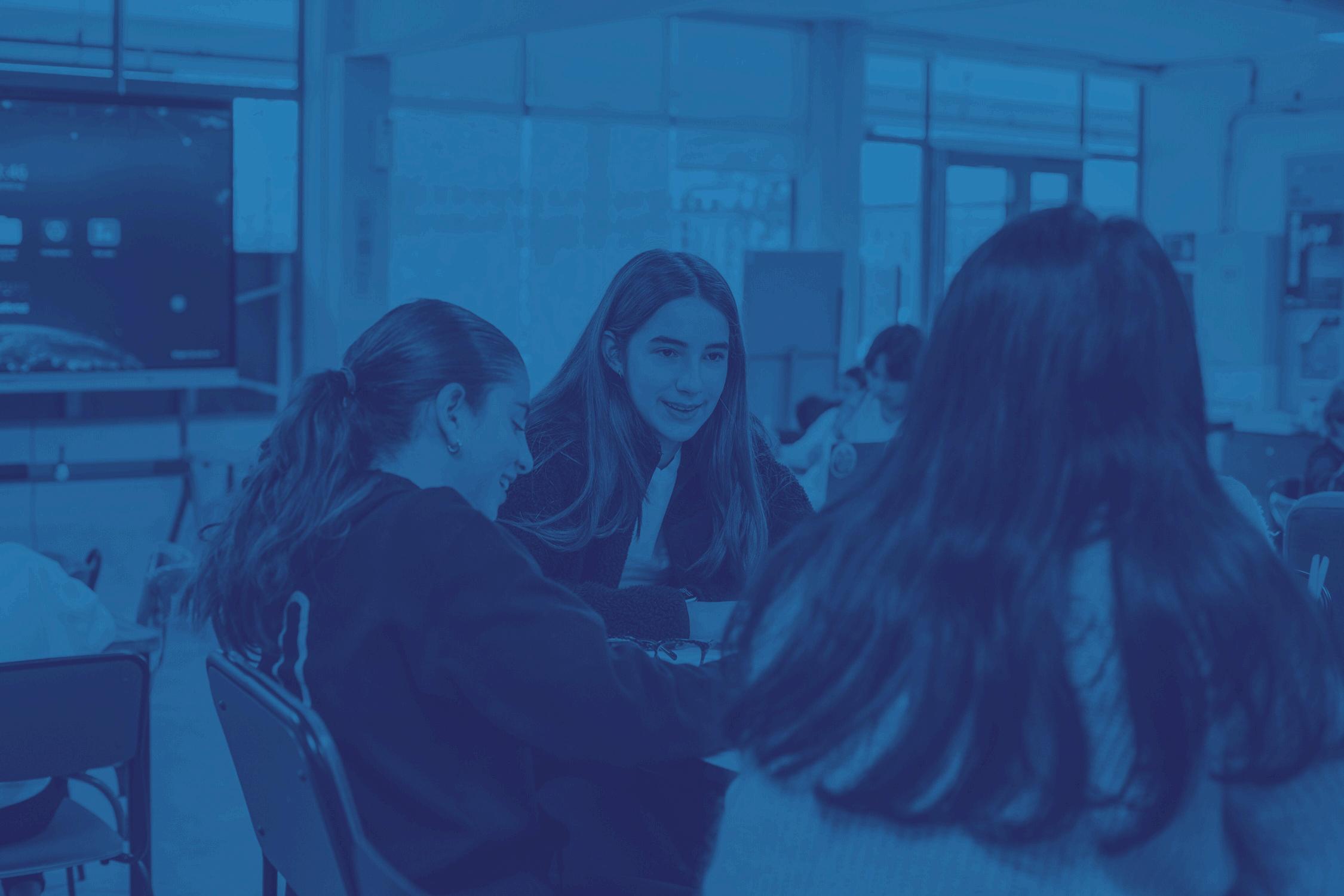
This course introduces learners to history, geography, civics, economics, and cultural studies through an inquiry-based and project-based approach. Learners explore ancient civilizations, geographic patterns, and the relationships between people and their environments. They study citizenship, government structures, and basic economic principles to understand how societies function and evolve. Through map analysis, primary sources, discussions, and hands-on projects, learners develop critical thinking, collaboration, and ethical reasoning. The curriculum emphasizes global awareness, cultural diversity, and civic responsibility. Learning follows the Understand → Explore → Materialize cycle, culminating in projects that connect historical and contemporary issues.
14 | 2026 Curriculum Maps Middle School Course Catalogue
Social Sciences 7: History and cultures of the America (focus in Brazil)
The Grade 7 Social Sciences course expands learners’ understanding of History, Geography, Civics, and Economics by connecting past transformations to contemporary challenges Learners investigate medieval societies, the formation of the Americas, the Age of Exploration, and key political and cultural changes in the modern era Aligned with the BNCC and NCSS frameworks, the curriculum fosters critical thinking through the analysis of maps, historical sources, government systems, and economic dynamics. Throughout the year, learners explore relationships between environment, resources, and social organization, as well as themes such as citizenship, human rights, and cultural diversity.
Social Sciences 8: Global studies in History and Geography
The Grade 8 Social Sciences course explores how societies develop and interact by integrating history, geography, civics, economics, and cultural studies Learners investigate global and regional transformations from colonization and independence movements to industrialization, globalization, and contemporary challenges They analyze political systems, human rights, economic inequities, and environmental issues using maps, primary sources, and case studies. Learning is guided by the BNCC and NCSS frameworks and follows the Understand–Explore–Materialize cycle. Throughout the year, learners develop critical thinking, civic awareness, geographic literacy, and ethical reasoning while engaging in discussions, debates, and project-based learning The course prepares learners to recognize their role as informed, responsible participants in a global society.

Science 6: Earth & Space Science (Introduction to Astronomy and Geology)
This course introduces learners to foundational concepts in physics, chemistry, biology, and Earth sciences through inquiry-based and hands-on learning. Learners investigate the properties and transformations of matter, explore Earth’s structure and planetary systems, and examine cells, ecosystems, and biodiversity. The curriculum emphasizes scientific inquiry, experimentation, and the use of digital tools to analyze data. Learners study human body systems and environmental interactions, building awareness of sustainability and scientific responsibility. Guided by the Understand–Explore–Materialize cycle, learners develop critical thinking and problem-solving skills through projects and investigations. Aligned with BNCC and NGSS standards, the course prepares learners to apply scientific reasoning to realworld contexts. By the end of the year, learners gain a solid foundation for continued study in the natural sciences.
17 | 2026 Curriculum Maps Middle School Course Catalogue
Science 7: Life Sciences (introduction to Biology)
The Grade 7 Natural Sciences course introduces core concepts from physics, chemistry, biology, and Earth science through inquiry, experimentation, and realworld applications. Learners investigate matter, energy, ecosystems, and geological processes while developing scientific reasoning and problem-solving skills The curriculum, aligned with BNCC and NGSS, emphasizes observation, data analysis, and evidence-based explanations. Learners explore phenomena such as heat transfer, simple machines, climate, biomes, and environmental change. They also examine human health, sustainability, and the impact of technology on society. Using the Understand–Explore–Materialize model, learners engage in hands-on investigations, projects, and collaborative tasks.
Science 8: Physical Science (Introduction to Chemistry and Physics)
The Grade 8 Natural Sciences course deepens learners’ understanding of physics, chemistry, biology, and Earth sciences through inquiry-based and project-based learning. Learners explore energy sources, transformations, and electrical circuits while examining electricity, magnetism, and conscious energy use. The curriculum investigates climate systems, geological processes, and the interactions within the Sun–Earth–Moon system. Learners study genetics, human reproduction, and sexuality education, emphasizing health and prevention They analyze ecosystem dynamics, sustainability, and human impact on the environment. Through experiments, data analysis, and problem-solving tasks, learners strengthen scientific reasoning and evidence-based thinking Technology integration and hands-on investigations support the development of collaboration, communication, and responsible scientific practice
18 | 2026 Curriculum Maps Middle School Course Catalogue

Integrated Mathematics 6 (Numerical fluency and early algebraic thinking)
Integrated Mathematics 7 (Algebraic foundations and proportional modeling)
Integrated Mathematics 8 (Algebraic reasoning and functional relationships)
Integrated Mathematics 6: numerical fluency and early algebraic thinking
The Grade 6 Mathematics course builds foundational skills in number systems, ratios, algebraic reasoning, geometry, and data analysis. Using the Illustrative Mathematics framework and aligned with the BNCC, learners deepen conceptual understanding through problem-based learning, collaboration, and visual modeling. Lessons follow the Understand–Explore–Materialize cycle, encouraging learners to explain their reasoning, compare strategies, and apply math in real-world contexts. Throughout the year, learners work with fractions and decimals, solve ratio and percent problems, write and evaluate expressions, and explore area, surface area, and data representation. The course promotes mathematical communication, critical thinking, and confidence as learners develop fluency and prepare for advanced concepts in Grade 7.
Integrated Mathematics 7: algebraic foundations and proportional modeling
The Grade 7 Mathematics course deepens learners’ understanding of proportional reasoning, rational number operations, algebraic expressions, and geometric relationships. Using the Illustrative Mathematics curriculum and aligned with the BNCC, learners engage in problem-based learning, mathematical discourse, and realworld applications. Throughout the year, they analyze proportional relationships, solve equations and inequalities, work with signed numbers, and explore angles, area, and volume. Learners also study statistics and probability to interpret data and model chance events. Lessons follow the Understand–Explore–Materialize structure, promoting reasoning, collaboration, and effective communication. By the end of the course, learners will apply mathematical concepts confidently to solve abstract and practical problems, preparing them for advanced mathematics in Grade 8.
Integrated Mathematics 8: algebraic reasoning and functional relationships
The Grade 8 Mathematics course prepares learners for high school algebra and geometry by strengthening their understanding of linear relationships, functions, transformations, and equations. Aligned with the BNCC and the Illustrative Mathematics curriculum, learners learn through problem-based lessons that promote reasoning, modeling, and collaboration. Throughout the year, they analyze congruence and similarity, explore slope and proportionality, solve systems of equations, and interpret functions in real-world contexts Learners also apply the Pythagorean Theorem, work with rational and irrational numbers, and use exponents and scientific notation. Data analysis is developed through scatter plots and investigations of trends and associations Learning follows the Understand–Explore–Materialize cycle, emphasizing conceptual understanding, multiple representations, and mathematical communication


EPIC Entrepreneurship Program for Innovators and Changemakers
Passion Project
Passion Projects are mentor-guided, small-group investigations in which learners engage in the full Project Design Journey. Across three stages, they work through a complete design cycle. In Understand, they study a challenge they care about through research, context analysis, and problem definition. In the Explore stage, they test possibilities through different approaches to prototyping, feedback, and evidencebased refinement. And finally, in the Materialize, learners develop a grade-appropriate outcome: a minimum desirable product or service in Grade 6, produced at a smaller scale and tested within their own community, or a minimum viable product or service in Grade 7, designed to be tested with an external partner as preparation for their Grade 8 Babson project The cycle concludes with a public exhibition where projects are reviewed for clarity, rigor, and potential.
EPIC | Entrepreneurship Program for Innovators and Changemakers
The EPIC program introduces Middle School learners to entrepreneurial thinking with a focus on creating positive social, economic, and environmental impact. Grounded in Babson College’s Entrepreneurial Thought & Action® methodology, learners learn to identify opportunities, generate ideas, and prototype solutions connected to real community needs. The curriculum integrates concepts such as market research, value creation, and problem-solving aligned with the UN Sustainable Development Goals. Through hands-on projects, teamwork, and reflective practice, learners develop creativity, initiative, and resilience. The course empowers learners to design meaningful solutions, understand the role of entrepreneurship in society, and become changemakers in their communities.
23 | 2026 Curriculum Maps Middle School Course Catalogue


ONE ELECTIVE BY GRADE LEVEL
Academic Electives expand the core curriculum by immersing learners in highdemand fields, including Artificial Intelligence, Engineering, Emerging Technologies, and Applied Research. Learners work through advanced concept exploration, computational reasoning, prototyping, and technical documentation. Each elective emphasizes methodological rigor, structured inquiry, domain-specific vocabulary, and the ability to communicate findings in formats used in academic and industry environments.
25 2026 Curriculum Maps Middle School Course Catalogue
Artificial Intelligence
Course Overview:
In this elective, learners explore how different types of artificial intelligence work and how intelligent agents make decisions. They create their own bots, experiment with training data, and compare the behaviour of rule-based, machine-learning, and generative systems.
Learning Experience:
Throughout the course, learners analyse how AI models process information, where they excel, and where they fail. Ethical considerations such as fairness, privacy, inclusivity, and responsible use—are introduced in clear, age-appropriate ways so learners understand both the potential and the limits of AI technologies.
Core Outcomes
Learners will: create and test simple AI agents or bots examine how training data influences model performance distinguish among rule-based, ML-based, and generative systems evaluate ethical implications using concrete cases communicate AI concepts with clear, structured reasoning
Demonstration of Learning:
The course concludes with a curated portfolio of apps, games, prototypes, or agents that learners have designed and built, demonstrating both conceptual understanding and creative application of AI principles.
Engineering
Course Overview:
This elective introduces learners to the principles and habits of mind used in real engineering fields. Learners design solutions to authentic problems, work with physical and digital tools, and apply structured methods to make their ideas functional.
Learning Experience:
Learners build, test, and redesign prototypes using materials, mechanisms, and simple systems. They analyse performance, revise designs based on evidence, and document each step of their process using engineering notation and visual communication.
Core Outcomes:
Learners will: prototype and test using the engineering design cycle analyse failures and use data to improve performance understand how structures, forces, and systems behave communicate design decisions through clear documentation
Demonstration of Learning:
A completed, functional model or engineered solution that shows mastery of design, testing, iteration, and reasoning.
27 | 2026 Curriculum Maps Middle School Course Catalogue
Emerging Technologies
Course Overview:
This elective immerses learners in technologies shaping the immediate future, helping them build technical literacy and the ability to evaluate innovation with clarity rather than hype.
Learning Experience:
Learners investigate robotics, sensors, automation, extended reality, and other emerging systems. They experiment with devices and simulations to understand how machines perceive information, execute decisions, and interact with their environment
Core Outcomes:
Learners will: explain how machines “ sense ” and interpret the world understand decision-making in automated and robotic systems analyse how emerging technologies transform industries evaluate opportunities, risks, and ethical considerations
Demonstration of Learning:
A curated presentation or prototype that explains a chosen emerging technology, its mechanisms, and its real-world applications.
28 | 2026 Curriculum Maps Middle School Course Catalogue
Applied Research Course Overview:
This elective develops the foundational skills of academic research Learners learn how to investigate meaningful questions, gather and interpret evidence, and present insights with clarity and precision.
Learning Experience:
Learners define research problems, collect data through surveys, experiments, or observation, and use analytical tools to identify patterns. They practise evaluating sources for reliability and presenting findings using formats aligned with academic conventions
Core Outcomes:
Learners will: frame clear, researchable questions collect and analyse valid data evaluate sources and distinguish evidence from opinion communicate findings through structured explanations
Demonstration of Learning:
A complete research project that includes a defined question, methodology, evidence analysis, and a final written or multimedia report.
29 | 2026 Curriculum Maps Middle School Course Catalogue


HONOR SUBJECTS FOR FURTHER ACADEMIC ENRICHMENT
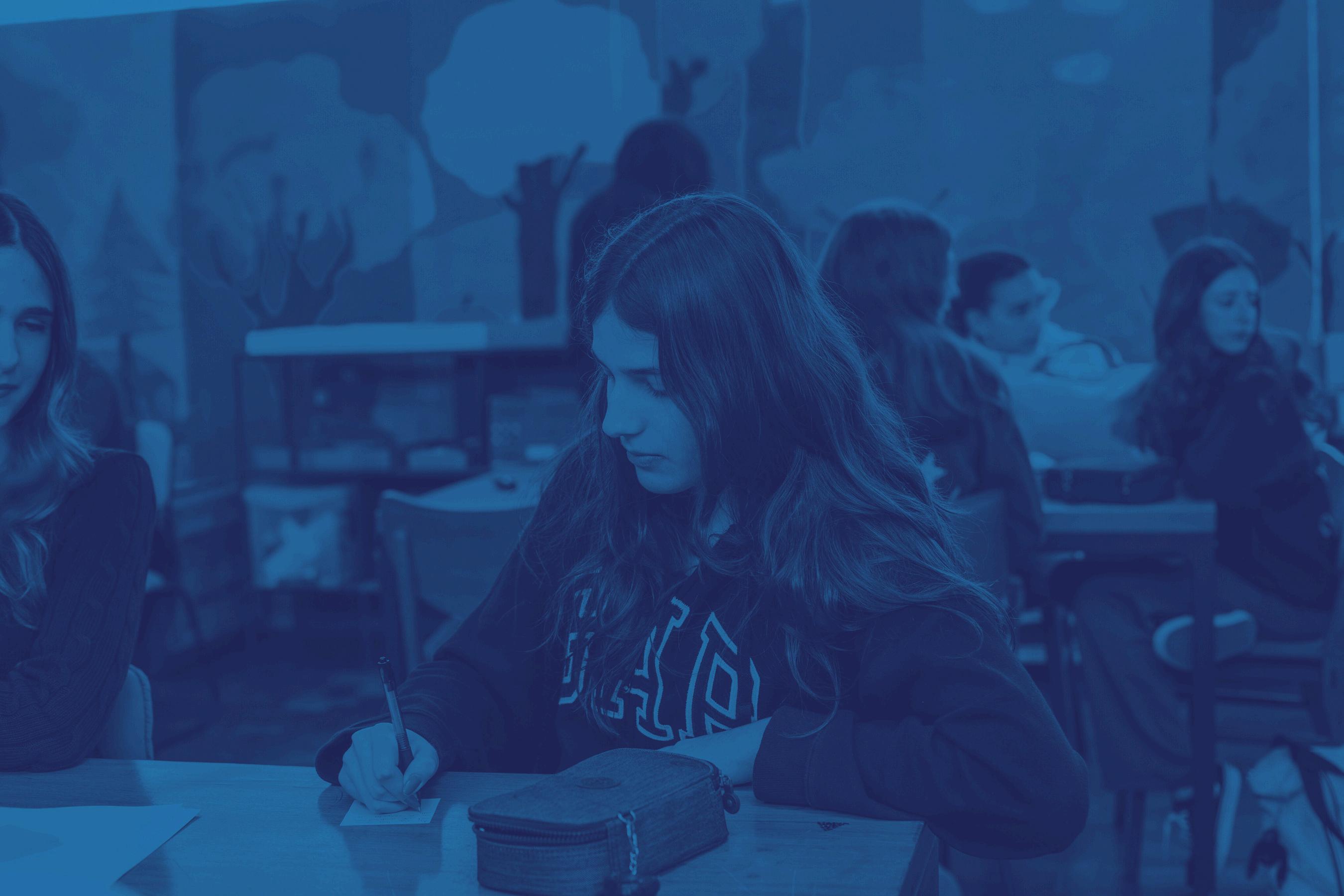
Honors AP Prep builds foundational academic skills essential for success in rigorous, college-level coursework that learners will take in High School Learners will work on close reading, analytical writing, data interpretation, and evidence-based reasoning. Through a consistent academic framework, performance tasks, and frequent formative assessments, learners practise higher-order questioning, disciplined argumentation, and quantitative reasoning. This pathway strengthens critical thinking, academic stamina, and disciplined study habits, equipping learners to thrive in advanced courses and long-term academic trajectories.
31 | 2026 Curriculum Maps Middle School Course Catalogue
AP Prep Mathematics
Honors AP Prep Mathematics develops the analytical habits required for advanced study by emphasizing problem analysis, mathematical modeling, and clear communication of reasoning. Learners engage in multi-step problems that require interpreting contexts, examining relationships, and choosing appropriate strategies They practise justifying solutions with evidence, critiquing reasoning, and revising approaches. The course mirrors Pre-AP instructional practices by prioritizing depth over breadth and building the conceptual foundations needed for AP-aligned mathematics in High School.
Honors AP Prep ELA strengthens close reading, analytical writing, and structured academic conversation. Learners analyze complex texts, examine author’s craft, and trace how ideas develop across passages. They practise writing clear, evidencebased arguments and participate in structured discussions that build interpretive sophistication. Aligned with Pre-AP principles, the course emphasizes observation, analysis, textual evidence, and academic vocabulary preparing learners for advanced humanities pathways.
Honors AP Prep Physical Sciences builds scientific reasoning through inquiry, modeling, and data-driven explanation Learners investigate core ideas in physics and chemistry by observing phenomena, collecting and interpreting data, and constructing explanations supported by evidence. They engage in scientific argumentation, compare competing models, and practise higher-order questioning to deepen conceptual understanding. This approach mirrors the investigative and analytical expectations of future AP science coursework.
Honors AP Prep Natural Sciences develops advanced understanding of life and earth systems through close observation, research, and evidence-based explanation Learners investigate biological and environmental phenomena, analyse interactions within systems, and use data to support claims They build scientific vocabulary, practise explanatory writing, and participate in academic dialogue around ecological relationships, human impact, and change over time. The course builds the analytical habits required for high-level biology and environmental science pathways
32 | 2026 Curriculum Maps Middle School Course Catalogue


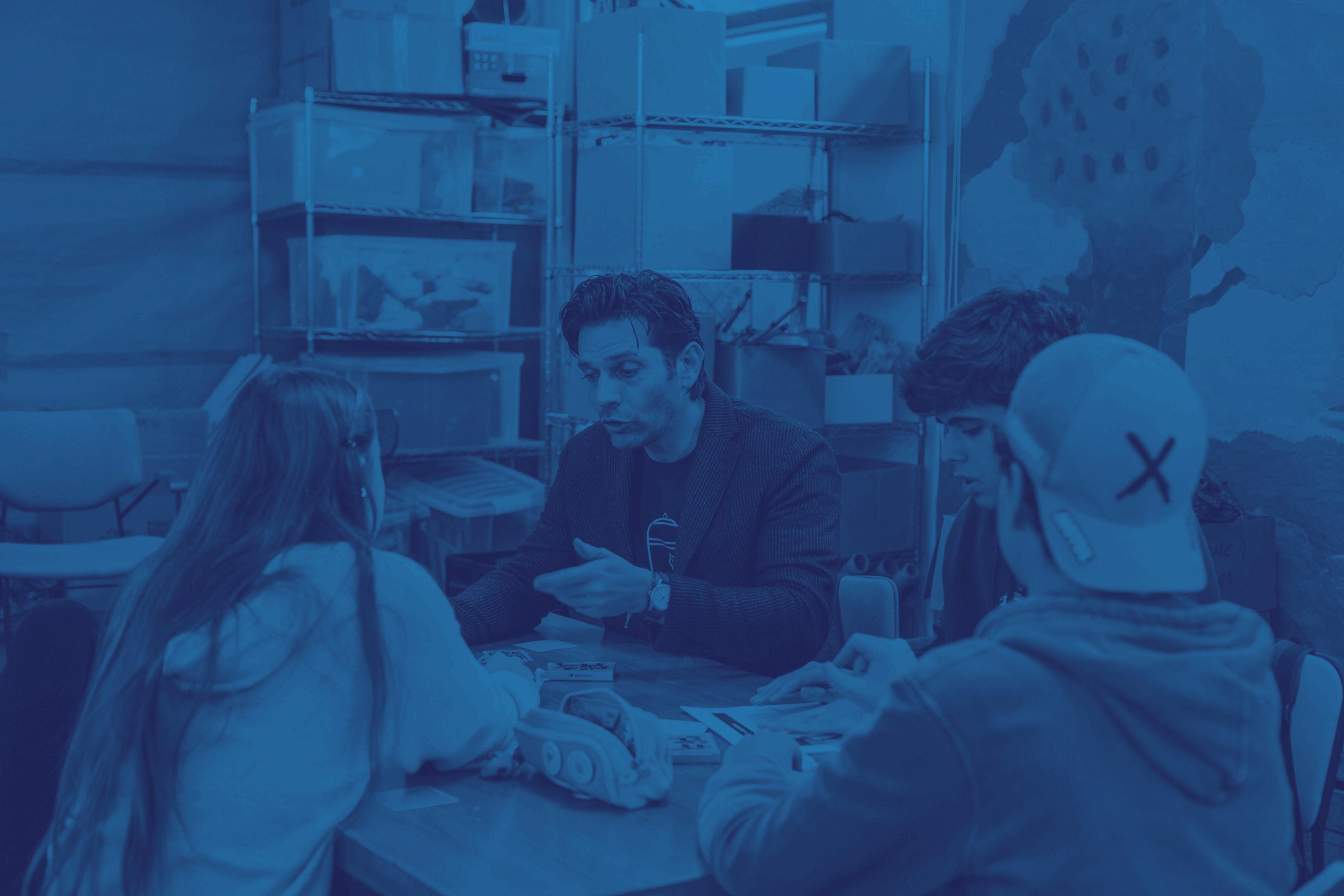
Personalized Mentoring provides weekly, small-group guidance that supports each learner’s academic progress, well-being, and long-term development Learners meet with an appointed mentor, drawn from the leadership team or the Personalized Learning Hub, to review MAP data, set growth goals, plan next steps, and monitor progress over time These sessions strengthen executive functioning, accountability, study habits, and reflective practice.
Mentoring directly prepares learners for their Student-Led Conferences, where they articulate their learning through evidence, analyze their strengths, and identify areas for improvement This structured process builds ownership, self-awareness, and the confidence to manage their academic journey with purpose and clarity.
34 | 2026 Curriculum Maps Middle School Course Catalogue

The Personalized Learning Hub is a three-strand system designed to meet learners where they are and support their academic growth. The Foundations Program provides targeted support for learners who need additional tools for success The Concept Fellows Program offers individualized accommodations and specialist collaboration for learners with documented learning differences, ensuring equitable access The Center for Continuous Growth focuses on personalized coaching using MAP Growth data, academic pathways, Olympiads, mock exams, and competitions.
Learners and families are informed at the beginning of the school year which center is supporting the learner, along with the goals and indicators that guide their progress
36 | 2026 Curriculum Maps Middle School Course Catalogue

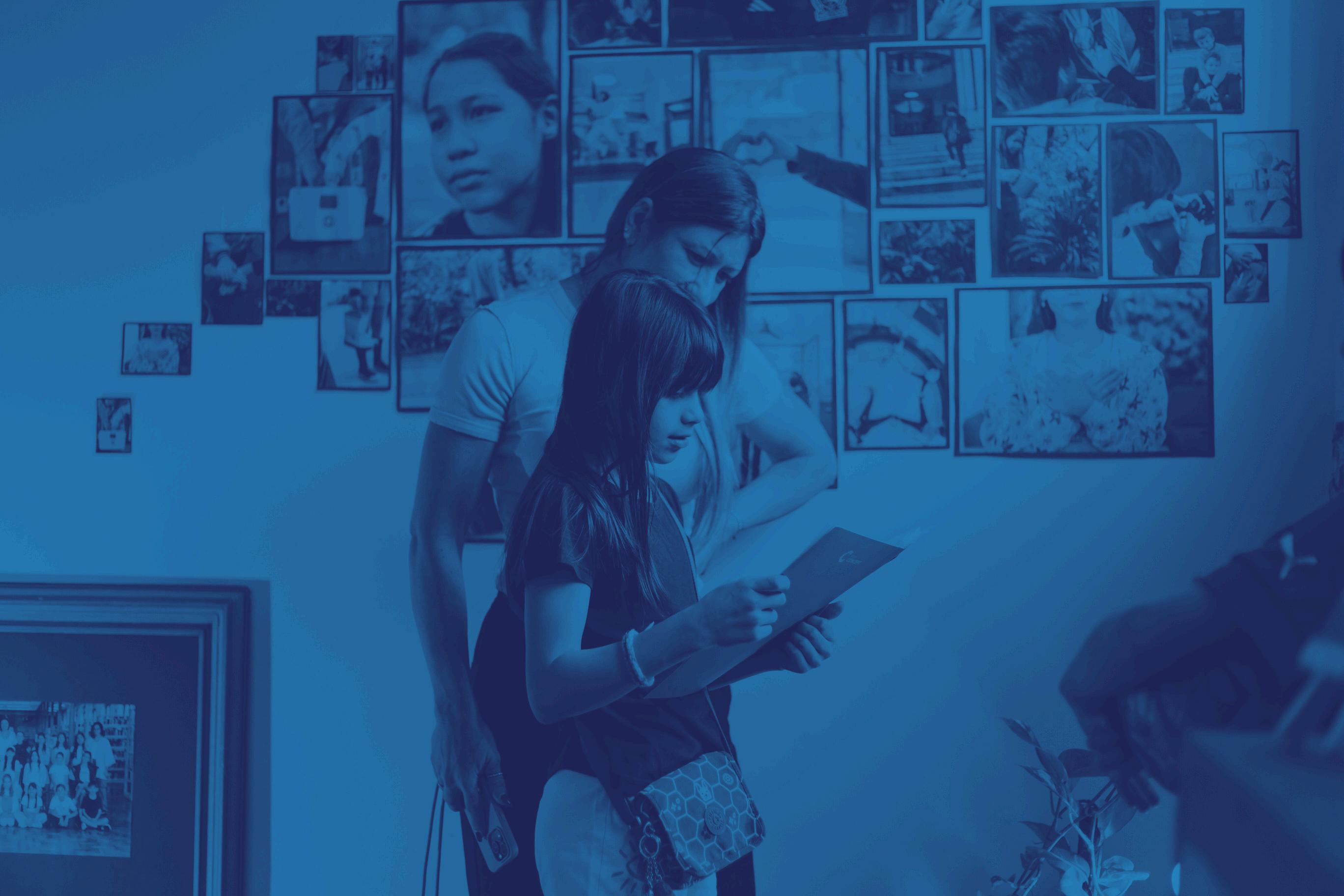
Middle School internships introduce learners to real professional environments within the school community. Learners take on meaningful tasks, develop organization and communication skills, and see how academic learning translates into workplace expectations These experiences build responsibility, career awareness, and professional habits through authentic participation. The program offers skill-based, service-oriented internships that allow learners to contribute in areas such as teaching support, communications, technology, operations, and wellness while strengthening practical, social, and technical capabilities.
Tutoring Internship
Tutoring interns support younger learners by helping them review classwork, practise core skills, and build confidence. Interns learn how to explain ideas clearly, give constructive feedback, and model positive study habits.
Reading Mentors visit Early Years classrooms to read aloud, facilitate literacy activities, and help young learners engage with stories Interns develop communication skills, patience, and an understanding of early childhood learning.
EY Helpers assist teachers with classroom routines, activities, and organisation This internship strengthens responsibility, empathy, and the ability to support a nurturing learning environment for younger learners
Marketing & Social Media Internship
Interns contribute to the school’s digital presence by gathering content, drafting posts, and documenting events under supervision They learn about branding, communication strategy, and ethical online practice.
Publications & Communication Internship
This internship focuses on writing, editing, and preparing communication pieces for the school community. Interns practise producing clear, polished text and learn how professional communication teams operate.
38 | 2026 Curriculum Maps Middle School Course Catalogue
Podcast interns assist in planning, recording, and producing learner-led audio content. They develop interviewing skills, scriptwriting, audio editing techniques, and confidence behind the microphone.
Sports Helpers Internship
Sports Helpers support coaches during practices and events. Interns assist with equipment, warm-ups, organisation, and team logistics while learning leadership, teamwork, and sportsmanship.
Tech Helpers Internship
Tech Helpers assist with troubleshooting devices, preparing equipment, and supporting technology needs during school events. Interns strengthen technical confidence and problem-solving skills in real contexts
Counseling Helpers Internship
Counseling Helpers support wellness initiatives by assisting with organisation, peersupport activities, and awareness campaigns under close supervision. They develop empathy, confidentiality, and communication skills
Enrollment & School Visits Internship
Interns assist the Admissions team during school tours and events. They help welcome visiting families, guide them through key spaces, and share what makes the school special This internship builds confidence, communication skills, and professionalism while giving learners a behind-the-scenes view of how schools engage their community.
Operations Internship
Operations interns support the logistical side of school life They help organize materials, prepare spaces for events, and assist staff with day-to-day operational tasks. This internship strengthens organization, reliability, and problem-solving skills while showing how the school functions behind the scenes.
39 | 2026 Curriculum Maps Middle School Course Catalogue


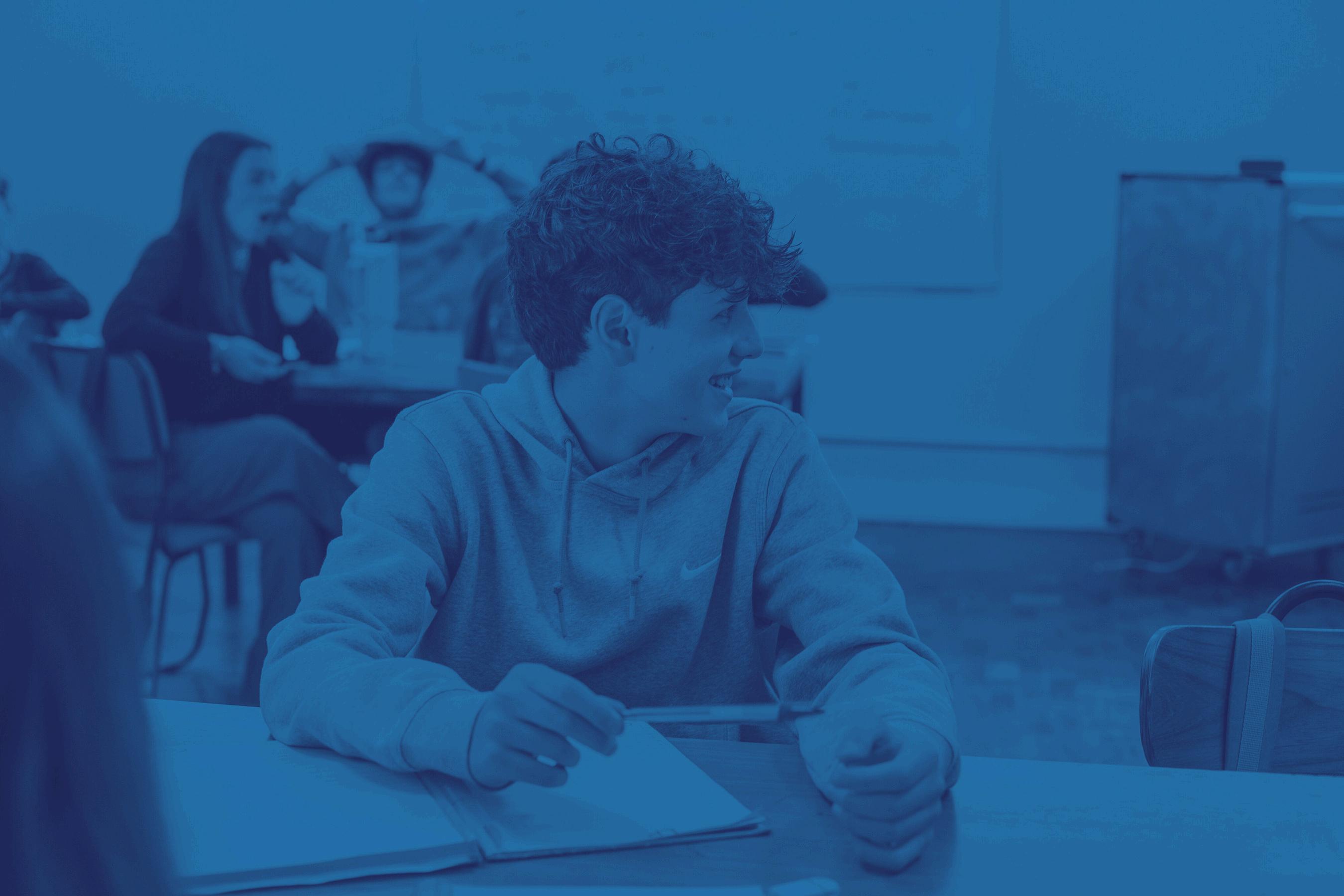
EPIC (Entrepreneurship Program for Innovators and Changemakers) is a hands-on, purpose-driven learning experience developed by Babson College, the world’s leading institution for entrepreneurship education. Designed for middle and high school learners, EPIC empowers young people to become active problem-solvers by developing the mindset, skills, and confidence to turn ideas into impact.
Throughout the program, learners explore what it truly means to be an entrepreneur, not just in business, but as changemakers in their communities and beyond. Grounded in empathy and fueled by curiosity, they work in teams to identify meaningful challenges, investigate user needs, and design innovative, viable solutions. Along the way, they engage with real-world concepts such as value creation, problem-solution fit, market research, business models, storytelling, and pitching.
EPIC fosters resilience, creative confidence, and entrepreneurial self-efficacy by embracing experimentation, iteration, and reflection. Learners prototype ideas, receive feedback from mentors, and present their startup concepts to an authentic audience, developing not only critical 21st-century skills but also a sense of agency and purpose.
EPIC reflects the values of Escola Concept: collaboration, innovation, relevance, and a passion for learning. It invites learners to see themselves as designers of the future, equipped to imagine possibilities, take informed risks, and create change where it matters most.


The Creative Hub is a program of elective classes where learners explore artistic languages, experiment with creative processes, and pursue personal interests across visual, digital, and performing arts Learners work with disciplines such as Foundations of Sculpture, Photography, Origami, Drawing, Color Lab, and Performative and Theatre Arts, as well as creative innovation pathways like “Build Your Own Startup ”
The Creative Hub offers a studio environment where learners try techniques, collaborate on projects, share ideas, and build a repertoire of creative experiences. The program intentionally develops voice and choice, encourages safe risk-taking, and nurtures the Studio Habits of Mind—observing closely, envisioning possibilities, stretching and exploring, engaging and persisting, reflecting, and developing craft.
By the end of the course, learners will demonstrate increased creative confidence, artistic literacy, and the ability to express ideas through meaningful, original work.
43 | 2026 Curriculum Maps Middle School Course Catalogue
In this elective, we will explore the world of sculpture from its Foundations. Making use of various materials, we will explore concepts such as three-dimensionality and its characteristics, understanding of three-dimensional space (height, width, and depth), basic 3D geometric shapes (cube, sphere, cylinder, cone), structure, volume, three-dimensional surfaces and textures, as well as modeling, construction, and assembly of sculptures.
This course invites learners to explore different ways of capturing images, from analog photography to digital techniques. Through hands-on experiences and creative experiments, they will get to know tools, processes, and styles used in photography across time, discovering how technology and perspective shape the way we see and represent the world.
Through traditional techniques such as Japanese origami and Chinese paper cutting, learners discover creativity as a tool for cultural expression This artistic experience enables them to create unique pieces, connecting with multicultural practices and developing design and precision skills in an international context.
In the performative Choir and Instrumental Practices class, we will experience a musical journey, combining voice, movement, and artistic expression. In our sessions, participants will explore vocal techniques, harmonization, and scenic interpretation, bringing music to life through theatricality and body expression. In addition to singing, instrumental practice will be integrated, allowing learners to explore different instruments and develop their musicality collaboratively The repertoire will be diverse, covering various styles and providing an immersive experience in the art of musical performance. Aula de Coro Cênico e Práticas Instrumentais
In this introduction to theater arts, learners will explore the magic of performing arts by stepping into the roles of actors, directors, playwrights, and designers. Using the works of William Shakespeare as inspiration, learners will learn the fundamentals of storytelling, stagecraft, and collaboration. The course will culminate in a short theatrical production where learners showcase their creativity and teamwork.
This course invites learners to create wearable pieces—such as masks, props, and costumes while exploring how materials can transform the body and express character. Using techniques like assemblage and mixed media, they experiment with form, movement, and storytelling. Along the way, they reflect on how what we wear can shape identity, emotion, and imagination.
This course explores the role of color in composition, focusing on how different color choices influence visual impact and artistic expression learners will experiment with traditional painting techniques and digital applications, learning how to mix, layer, and apply color with intention and sensitivity. Through studies in color theory, contrast, and harmony, they will develop a deeper understanding of how color creates sensations, depth, and movement in a work of art. The course will also address composition strategies, helping learners make conscious decisions to guide the viewer’s experience. By combining hands-on practice with digital tools, learners will expand their creative repertoire and gain confidence in using color as a fundamental element of visual storytelling
In this course, learners will embark on a journey through Brazilian theater, exploring the works of playwrights and authors who have shaped our culture. Through these readings, they will experience the creative theatrical process, going through different stages from script interpretation to staging a performance. Throughout the semester, learners will: explore Brazilian plays and literary texts, adapt scripts and scenes, create stage performances, and present their production, sharing their work with the school community.
XyloLab – Read and Play is a hands-on and creative course where learners explore a variety of melodies using the xylophone as their main instrument for musical development. Throughout the course, they build skills in reading and writing traditional music notation through simple melodic reading and their own original compositions. It’s a playful and immersive way to experience music visually and sonically
45 | 2026 Curriculum Maps Middle School Course Catalogue
Build Your Own Startup introduces learners to the full process of developing a real venture. Learners identify a problem, validate user needs, propose solutions, and create a minimum viable product. They learn how to pitch, iterate, and develop a product to present at a public showcase The experience strengthens curiosity, resilience, collaboration, and financial responsibility while giving learners a clear understanding of how startups are built from idea to launch.
This course explores the fundamental principles of painting through the techniques of watercolor and acrylics. Learners will learn to express themselves creatively by experimenting with the different possibilities that each material offers. Through watercolor, they will explore transparency, washes, and overlays, while with acrylics, they will experience solid colors and various textures. The course will include discussions and reflections on the works of various artists, allowing learners to connect their own creative process with that of other artists
Narrative Playcards is a hands-on course focused on creating storytelling card games. Using techniques such as drawing, painting, and collage, participants will develop their own visual systems for narrative-based games The process involves elements of design, game creation, symbolism, and visual storytelling.
This hands-on course invites learners to explore the exciting world of making, blending traditional craftsmanship with digital fabrication. In the Makerspace, they will be able to built their own creative miniature world using diverse tools and techniques, and will be able to develop skills in prototyping, problem-solving, while working with a variety of materials in a collaborative and dynamic space
This course introduces learners to fundamental modeling and casting techniques using materials such as cold clay, earth clay, and papier-mâché Learners will practice shaping, joining, and finishing sculptural forms while exploring the properties of different clays and molding processes. The course includes an introduction to casting, with opportunities to create and work with simple molds Emphasis will be placed on developing technical skills, understanding material behavior, and applying appropriate methods for three-dimensional construction.
Building on the insights gained previously, the second module focuses on practical applications Learners will learn how to design and develop unique characters for theater productions, video games, and personal marketing strategies. Hands-on exercises in costume making and make-up characterization will guide them through the creation of multi-dimensional characters that captivate and engage.
47 | 2026 Curriculum Maps Middle School Course Catalogue



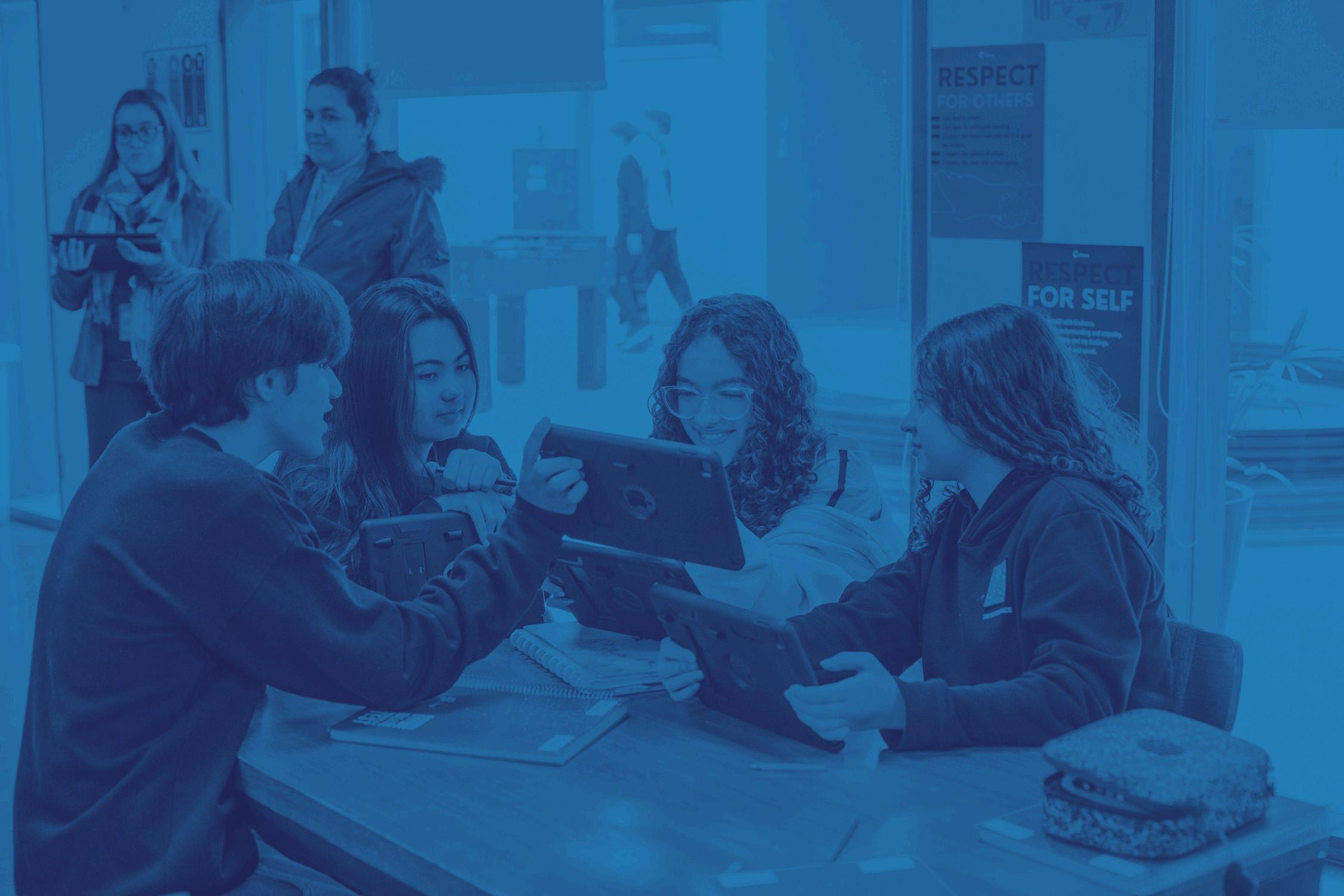
In Middle School, learners can choose the Foreign Language of their preference among 4 options: Italian, French, Spanish, or Mandarin. Over the Middle School years, learners can change languages, although we strongly encourage them to keep their choice for the 3 years so they can reach proficiency.
Studying Italian in Middle School exposes learners to the rich cultural legacy of art, music, literature, and history that has shaped global civilization Italian supports the development of linguistic awareness through its clear phonetic structure. Learning Italian enhances learners’ understanding of Latin roots found in English vocabulary, strengthening literacy skills. It also opens doors to exploring global heritage, gastronomy, fashion, and design.
French
French offers Middle School learners access to one of the most influential languages in diplomacy, international relations, and global culture As a leading world language spoken on multiple continents, French fosters global citizenship and cross-cultural understanding. Learning French deepens learners’ ability to analyze linguistic structures and make connections to English Language. The course also introduces learners to francophone literature, cinema, and diverse global communities.
49 | 2026 Curriculum Maps Middle School Course Catalogue
Spanish is a vital global language and one of the most widely spoken in the world, making it especially relevant for learners in the Americas. In Middle School, learning Spanish supports communication skills, cultural awareness, and practical language use in real-life situations. Because Spanish shares linguistic roots with Portuguese, learners develop metalinguistic understanding and expand their vocabulary and comprehension strategies The course introduces learners to the traditions, histories, and identities of Spanish-speaking communities around the world.
Mandarin
Mandarin provides Middle School learners with access to one of the world’s oldest living cultures and the most widely spoken language globally. Learning Mandarin strengthens cognitive flexibility, and pattern recognition through its character-based writing system and tonal pronunciation. The course helps learners understand Chinese history, philosophy, and contemporary society, fostering intercultural competence. As China plays a significant role in global economics, technology, and diplomacy, Mandarin skills are increasingly valuable for future opportunities.
50 | 2026 Curriculum Maps Middle School Course Catalogue

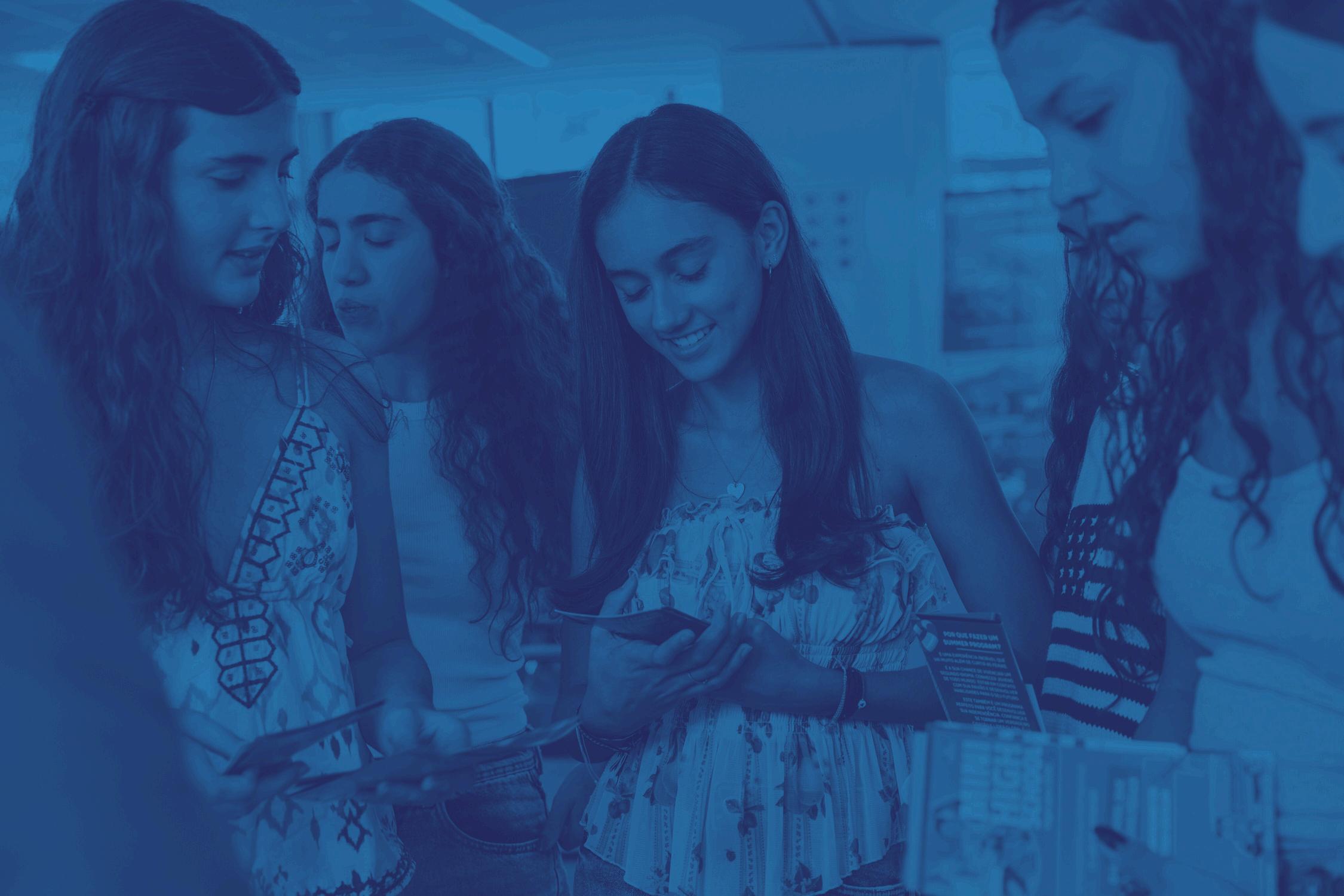
Clubs provide structured opportunities for learners to pursue interests with depth and autonomy Learners may join established clubs or propose and launch their own, working under the supervision of a leadership sponsor who ensures alignment with school guidelines and purpose
Each club follows clear requirements for weekly meetings, planning, accountability, and sustained engagement. Through this model, learners develop agency, collaboration, leadership, and the discipline needed to carry ideas from concept to execution.
52 | 2026 Curriculum Maps Middle School Course Catalogue
Clubs are learner-driven communities of interest where passion meets purpose. They provide structured yet flexible opportunities for learners to explore ideas that matter to them, build new skills, and engage in meaningful collaboration beyond the core curriculum. Whether joining an existing club or launching a new one, learners are encouraged to take initiative and shape the experience around shared goals and values.
Each club operates under the guidance of a leadership sponsor, who supports learners in maintaining alignment with school expectations, ethical practices, and broader learning objectives While the vision and energy come from the learners, sponsors help ensure a safe, inclusive, and purposeful environment.
Clubs meet regularly and follow a clear structure that includes weekly sessions, planning and documentation, accountability systems, and sustained engagement over time From coding and music production to activism, sustainability, finance, esports, journalism, or board game design, the possibilities are open-ended guided by learner interests and supported by the tools and spaces of a creative, connected learning community
Clubs are a laboratory for leadership, collaboration, and impact. Learners develop the discipline to turn ideas into action, the resilience to iterate and improve, and the confidence to lead with intention. Through this model, Escola Concept cultivates agency, innovation, and authentic learning—where every club becomes a living expression of learner voice and the power of shared purpose.
53 | 2026 Curriculum Maps Middle School Course Catalogue


DISCIPLINE DESCRIPTION BY GRADE LEVEL
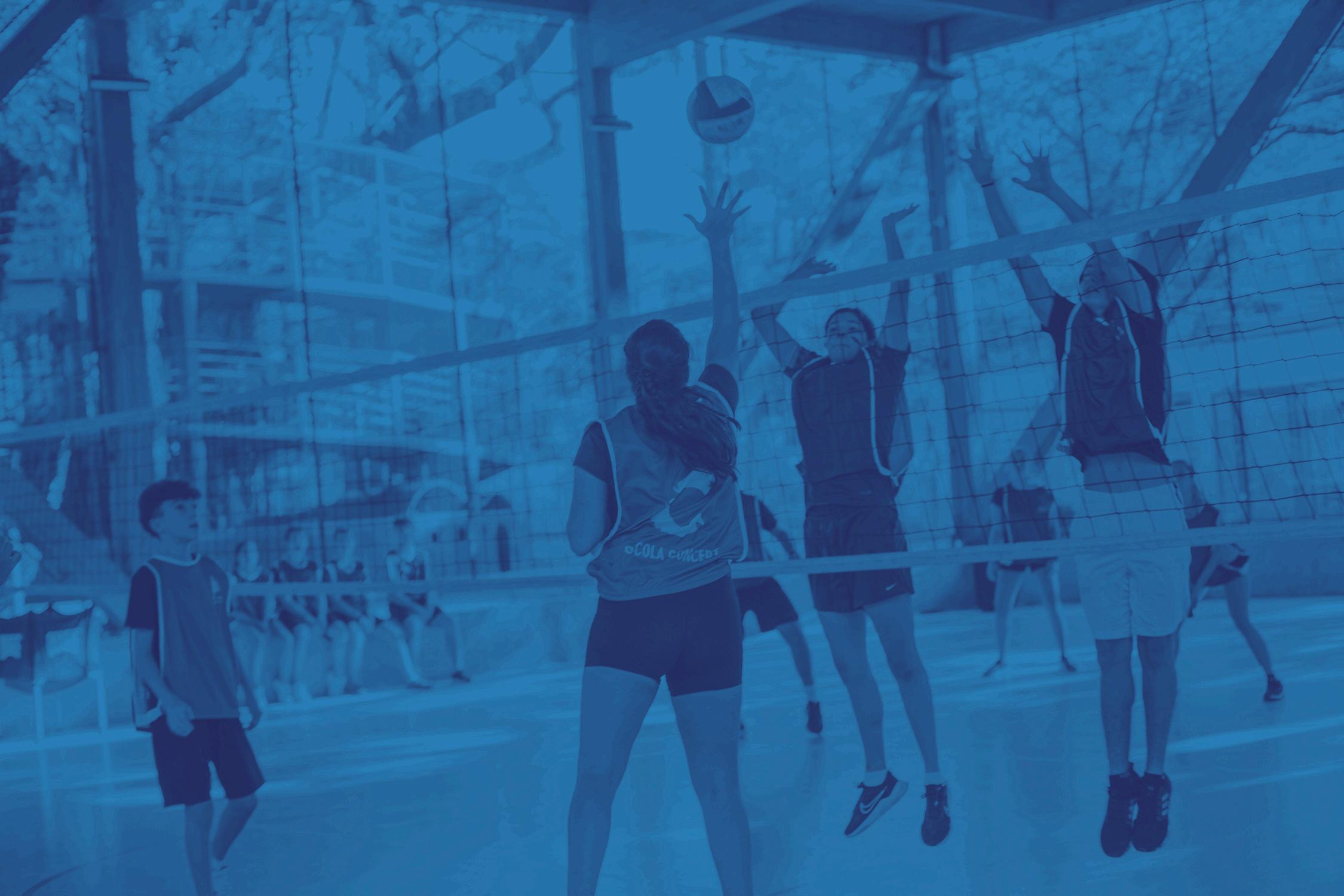
The athletics department offers learners weekly practice in a variety of sports, giving them structured opportunities to build skill, confidence, and physical literacy. Learners engage in sport-specific training sessions that develop coordination, teamwork, and game understanding while promoting well-being and discipline.
Learners who demonstrate commitment and growth have the opportunity to train for and join the school’s official teams, representing Concept in competitive events. The elective emphasizes technique, resilience, and continuous improvement, supporting learners in setting personal goals and progressing through consistent practice.
55 | 2026 Curriculum Maps Middle School Course Catalogue
The Grade 6 Body & Movement course develops learners’ physical literacy through games, motor skills, rhythm, and cooperative activities aligned with the BNCC. Learners explore body awareness, movement patterns, spatial orientation, and simple strategies in team and individual sports. The course emphasizes respect, fair play, and safe participation while encouraging learners to recognize their bodies’ capabilities Fitness routines and locomotor skills build strength, coordination, and endurance. Learners reflect on healthy habits and the importance of regular physical activity. Creative expression through movement, dance, and cultural games broadens experiences and promotes inclusion. By the end of the year, learners demonstrate growing confidence, autonomy, and responsibility in movement-based tasks.
The Grade 7 Body & Movement course expands learners’ understanding of motor skills, tactical awareness, and health practices within the BNCC framework. Learners engage in more complex games and sports, developing strategy, teamwork, and decision-making under pressure Movement sequences and rhythmic activities encourage coordination, expression, and cultural appreciation. Fitness training introduces concepts of endurance, flexibility, and strength, helping learners monitor their own progress. The course promotes safe participation, emotional regulation, and respect for diversity in physical activities. Learners explore how physical activity contributes to overall well-being By year ’ s end, they apply strategies, analyze performance, and participate more autonomously in group and individual activities.
The Grade 8 Body & Movement course challenges learners to refine motor skills, game strategies, and movement expression in alignment with the BNCC. Learners participate in a variety of sports and cooperative activities, focusing on advanced tactics, roles, and leadership. Fitness work incorporates goal-setting and personal improvement, helping learners understand long-term health benefits Rhythmic and cultural practices promote creativity, identity, and appreciation of diverse movement forms. The course reinforces ethical behavior, conflict resolution, and responsible participation. Learners analyze performance data to adjust strategies and improve outcomes. By the end of the year, they demonstrate autonomy, collaboration, and a deeper understanding of physical activity as part of a healthy lifestyle
57 | 2026 Curriculum Maps Middle School Course Catalogue


DISCIPLINE DESCRIPTION
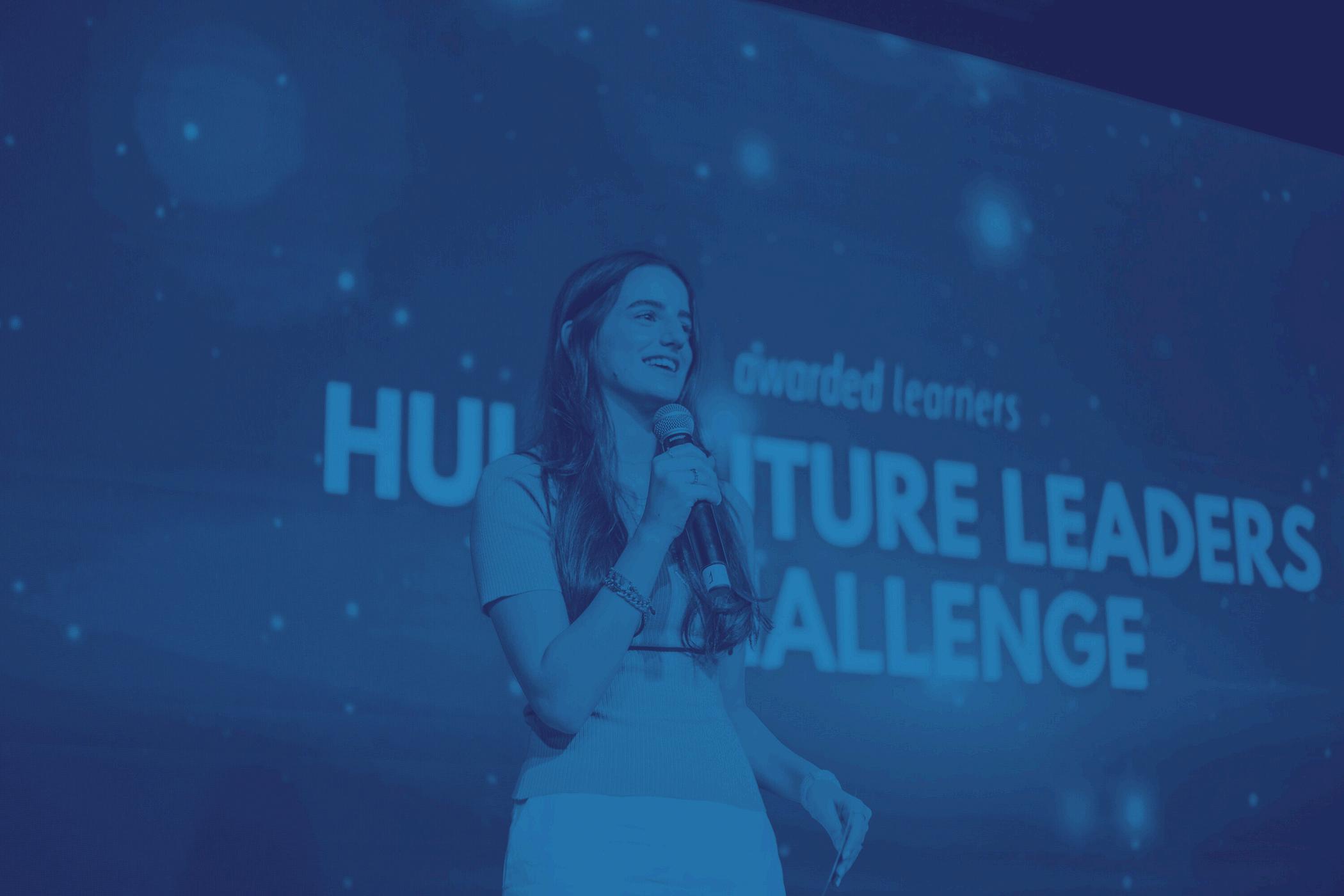
The Global Expression and Leadership course develops learners’ communication, diplomacy, and leadership skills through authentic global engagement Drawing from TED-style public speaking, in the first semester and Model United Nations practices in the second semester, learners learn to research issues, craft arguments, and communicate ideas with clarity and impact. Through debates, simulations, and storytelling workshops, they explore global challenges while practicing negotiation, collaboration, and persuasive speech. Learners develop confidence by presenting to varied audiences and refining their voice and presence. The course emphasizes ethical leadership, cultural awareness, and responsible citizenship. Learners apply design-thinking approaches to propose solutions and lead initiatives connected to real-world issues. By the end of the course, they emerge as articulate, empathetic, and globally minded leaders.
TEDed
TED-Ed combines public speaking with idea development, giving learners a structured space to explore, expand, and share knowledge. Learners learn how to research a subject they care about, shape a clear message, and communicate it with confidence.
Through guided lessons, feedback cycles, and meaningful practice, learners build strong presentation skills while developing a unique point of view. The course culminates in the creation and delivery of an original TED-style talk, demonstrating each learner’s ability to articulate an idea with clarity, purpose, and creativity.
Model United Nations (MUN)
Model United Nations introduces learners to global diplomacy through an academic simulation of the United Nations. Learners represent assigned countries, research international issues, and advocate for positions using evidence, negotiation, and structured debate. They learn how to prepare position papers, craft opening speeches, and engage in committee sessions that mirror real-world diplomacy.
MUN builds confidence, global awareness, leadership, and the ability to analyze complex problems from multiple perspectives. The experience prepares learners for future conferences and opens pathways to academic and professional opportunities.
60 | 2026 Curriculum Maps Middle School Course Catalogue

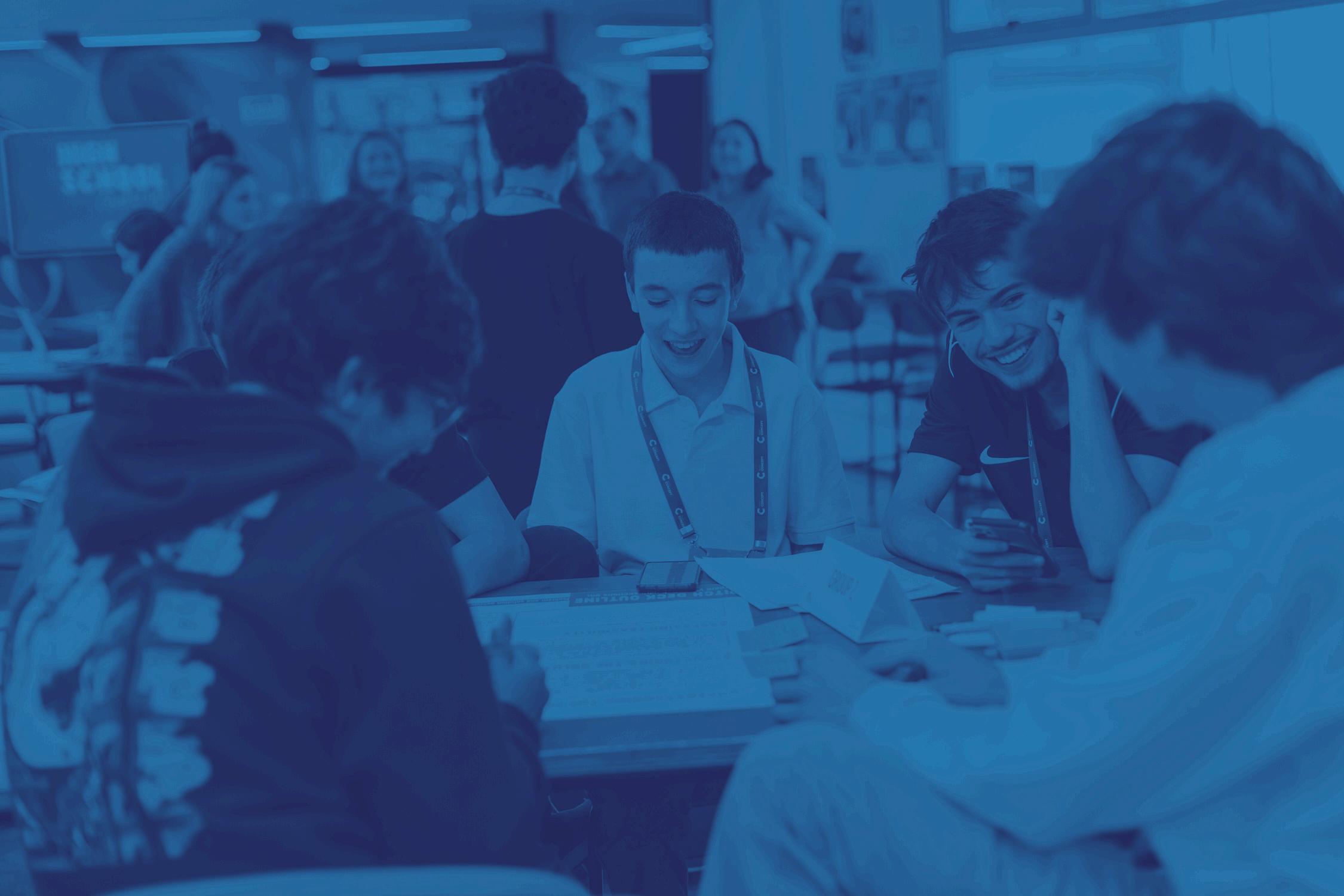

The Middle School Challenge introduces learners to strategic thinking through a fastpaced innovation task. Working in teams, learners analyze a real problem faced by an organization, identify what went wrong, and propose a solution that could have changed the outcome The experience builds early skills in reasoning, collaboration, and creative problem-solving, preparing learners for the High School Challenge’s more advanced strategy and innovation work
62 | 2026 Curriculum Maps Middle School Course Catalogue


Concept Journeys encompass the major travel experiences in Middle School, designed to develop both community and academic depth Concept journeys are divided into two categories:
Bonding trips are one- or two-night experiences that strengthen peer relationships, build trust, and foster a healthy, connected school culture through shared challenges and group activities. These trips support the social-emotional growth essential in early adolescence.
Academic trips, offered both within Brazil and, beginning in Grade 7, through international travel, extend classroom learning into authentic environments. Each journey is aligned with curriculum goals and requires learners to practice executive functioning, responsibility, and soft skills such as communication, collaboration, and independence. Learners engage in fieldwork, documentation, and reflection, connecting disciplinary knowledge to real-world contexts and developing the confidence to navigate unfamiliar settings.
65 | 2026 Curriculum Maps Middle School Course Catalogue

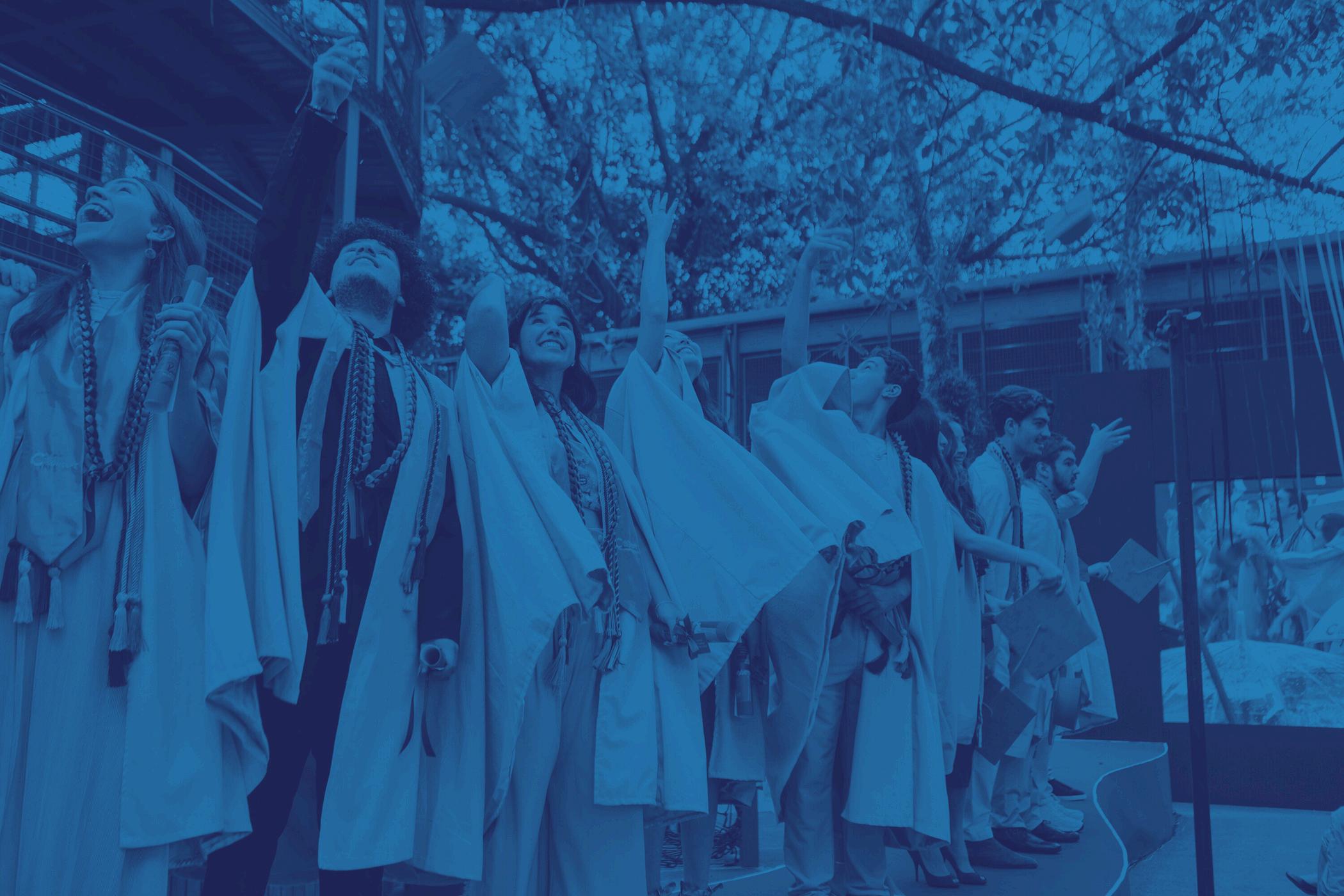
Escola Concept’s College & Career Counseling Program, WAKE - Wonder, Act, Know, Execute- is designed to inspire and guide learners toward meaningful post-secondary pathways that align with their passions, global citizenship, and academic rigor. The program equips learners with the tools, knowledge, and mindset to succeed in an interconnected world.
By offering a comprehensive, grade-specific curriculum, personalized guidance, and access to world-class resources, the program empowers learners to take ownership of their academic and career journeys
Through collaboration with parents, educators, and external partners, we foster a college-going culture that celebrates all pathways, from local universities to global institutions.
67 | 2026 Curriculum Maps Middle School Course Catalogue
Escola Concept’s Middle School course catalogue reflects a learning pathway designed to develop intellectual depth, creative capacity, personal agency, and a strong sense of community. Through robust academic courses, signature programs, and personalized support systems, learners engage with meaningful challenges, practise essential skills, and prepare for the opportunities of High School.
This catalogue serves as a guide for learners and families as they navigate these pathways, make informed choices, and plan for the next stages of their learning journey.