01 taylor
electric building

INDUSTRY. INTERACTION. INNOVATION.

When the time came to design this project, I found myself pondering the question “What is the site?” I knew the answer must come from the site itself so I looked back to my first visit, sifting through the myriad of feelings and emotions for one that would frame the experiential quality of the design. Most prominent in my memory was the urge to explore further; to experience that thrill of discovery. I was curious. And there it was, the emotion I’d been searching for: curiosity.
As an emotion, curiosity is a universal experience. Only when we confront the unknown, do we feel curious. I knew then the moment I must design towards was that moment when we first encounter something unknown. The challenge then became the ‘something unknown’. While my earliest iterations in that regard were effective, they could not transcend mere shock
and awe. I realized that a successful composition must have purpose and meaning. In this regard, Diana Balmori’s A Landscape Manifesto, proved instrumental. Of the many excellent observations and arguments made by the author, I chose three to become the conceptual framework for my design.
Having established the conceptual prerequisites of the design, I began the process of creating a place in earnest, beginning with research into the spatial and temporal contexts of the site. The process revealed an opportunity that I had not seen before, a chance to synthesize past, present and future into a singularly timeless experience that would feel entirely unknown, yet somehow familiar.
“We must put the 21st century city in nature, rather than put nature in the 21st century city. To do so will mean using engineered systems that function as those in nature, and derive form from them.”
Diana Balmori A Landscape ManifestoThe mimetic relationship between natural systems and urban infrastructure was of particular interest to me as it both highlighted the essential qualities of the design that were still missing and, once found, gave direction on how to develop those qualities in order to fulfill the conceptual obligations of a city as nature.
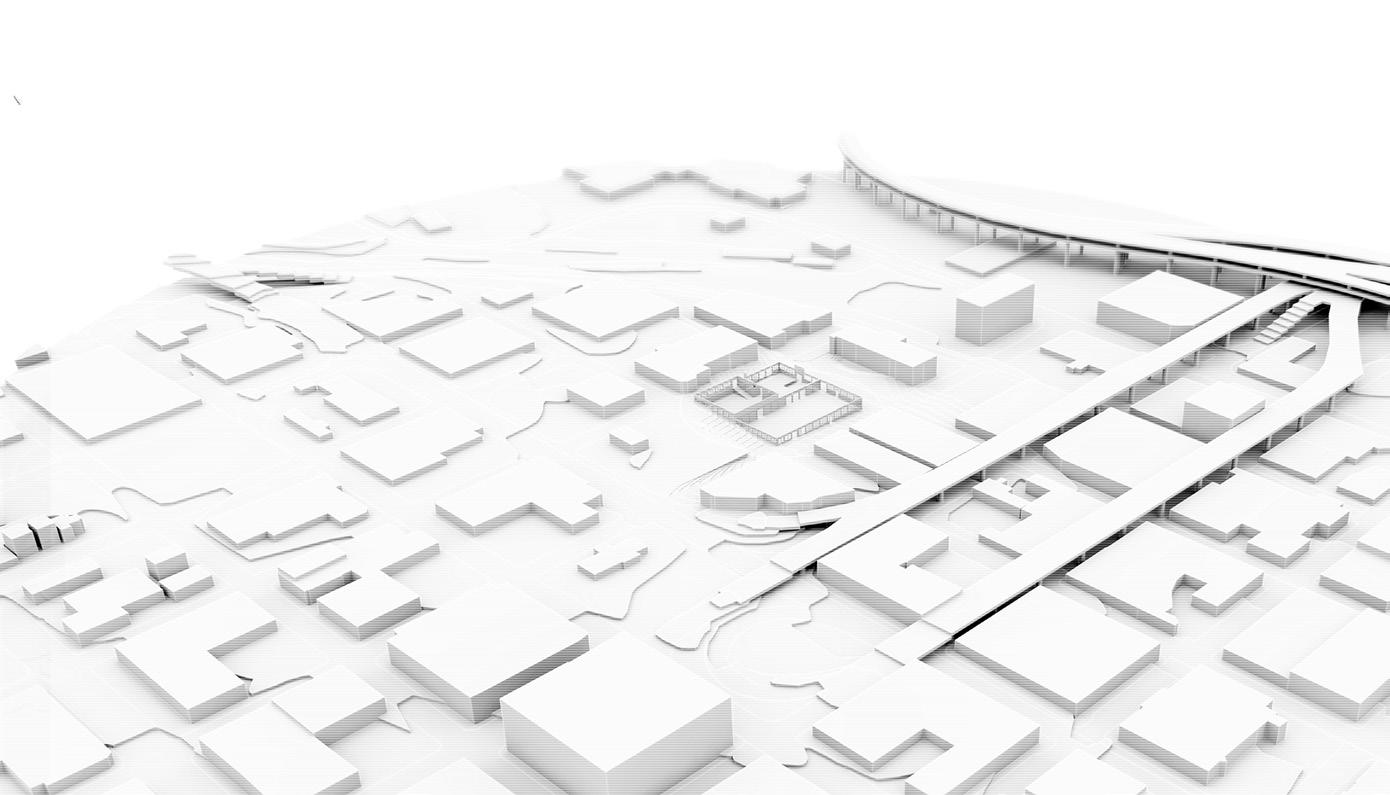
I turned my focus towards the site and its surrounding context and, almost immediately, found the purpose I’d been searching for: industry. Nestled as it was within the Central

Eastside Industrial District and once a warehouse for electrical supplies, the presence of industry defined the site’s history and dominated the character of the surrounding context. Thus production, as a mechanism of industry, became the purpose of the design with energy as the good or service to be produced. The choice to produce energy worked to enhance the connection to the site’s history and context as well as relate easily to a number of natural systems.
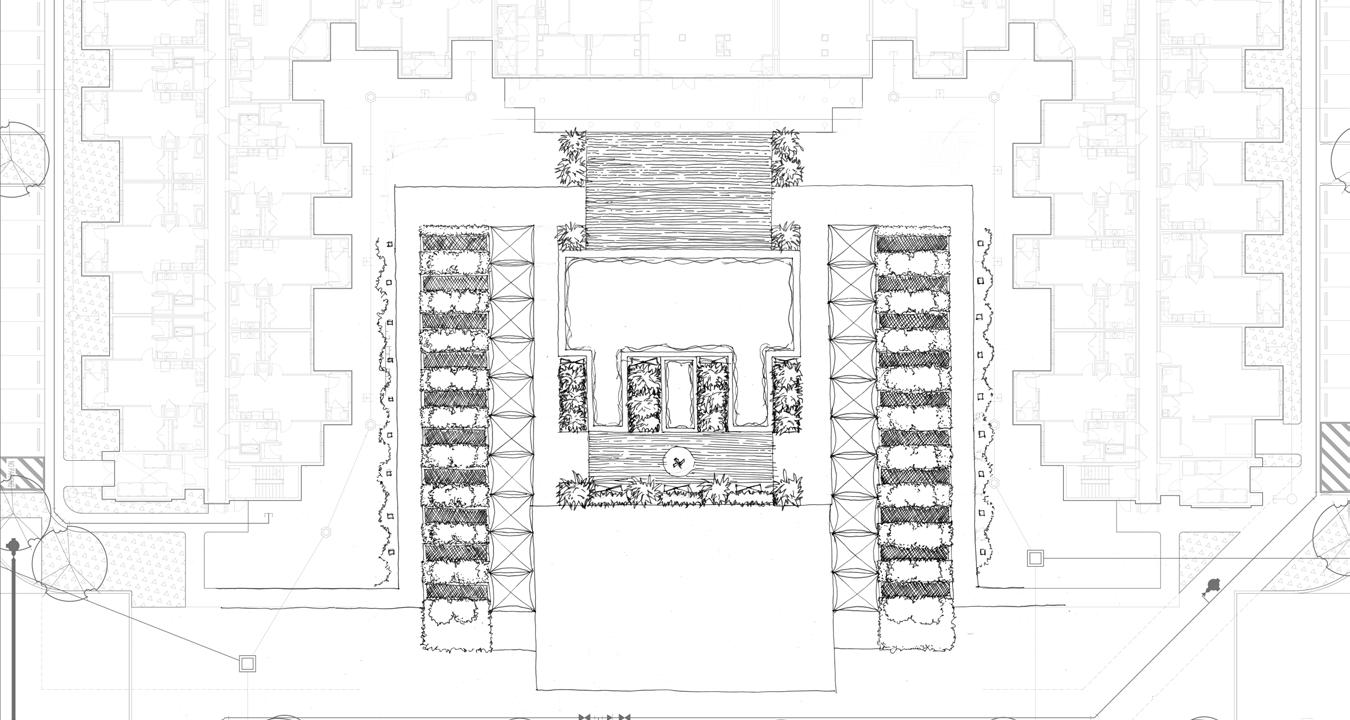
Having at last found a purpose for the design, I sought determine the form. As I quickly learned that neither an unyielding fidelity to the formal arrangement of the site itself nor emulating various archetypes of the Oregon landscape would yield the results I wanted, I turned instead to productive landscapes, such as orchards and meadows, as the basis for the formal composition of the design. Their inherent productivity complemented the functional aspects of the design while their spatial arrangement worked well with the existing conditions of the site.
Portland, OR
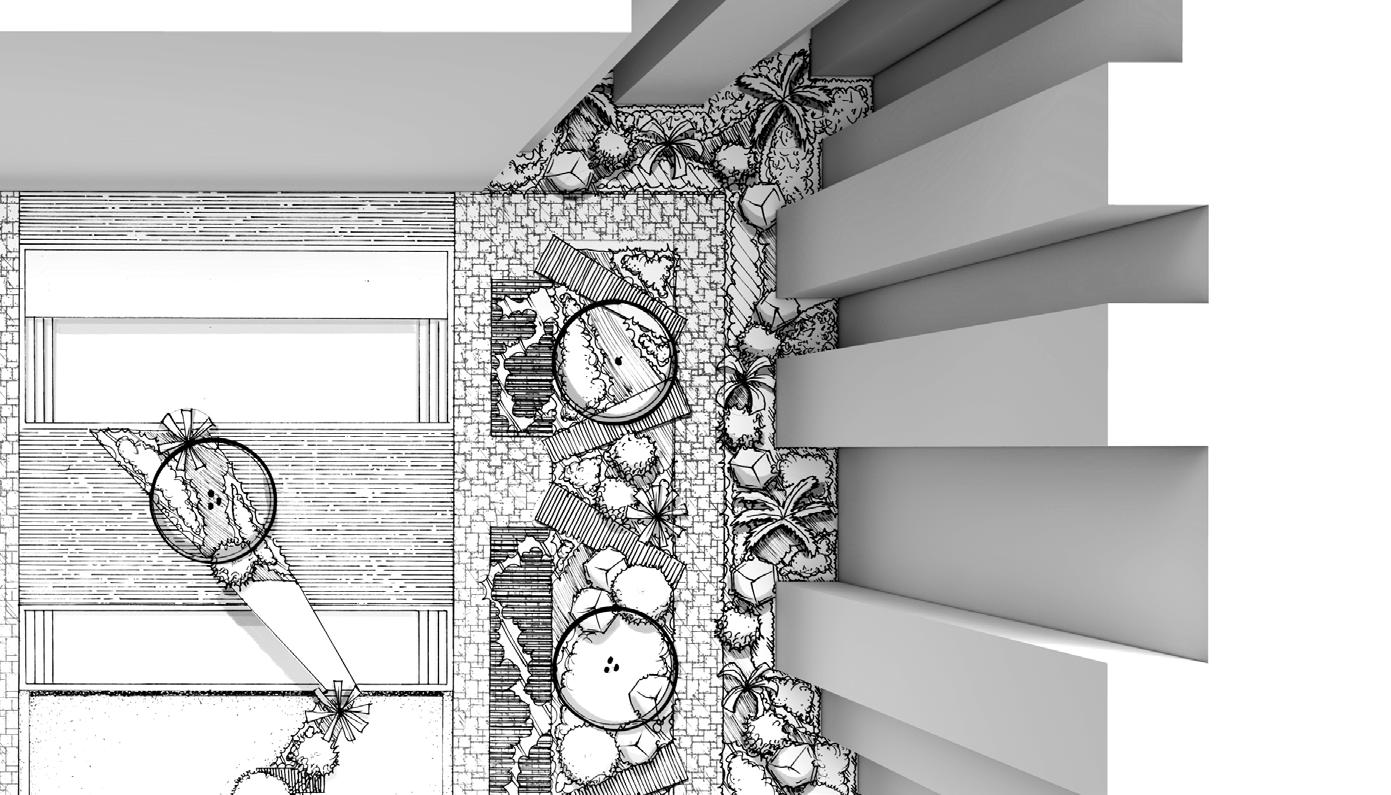
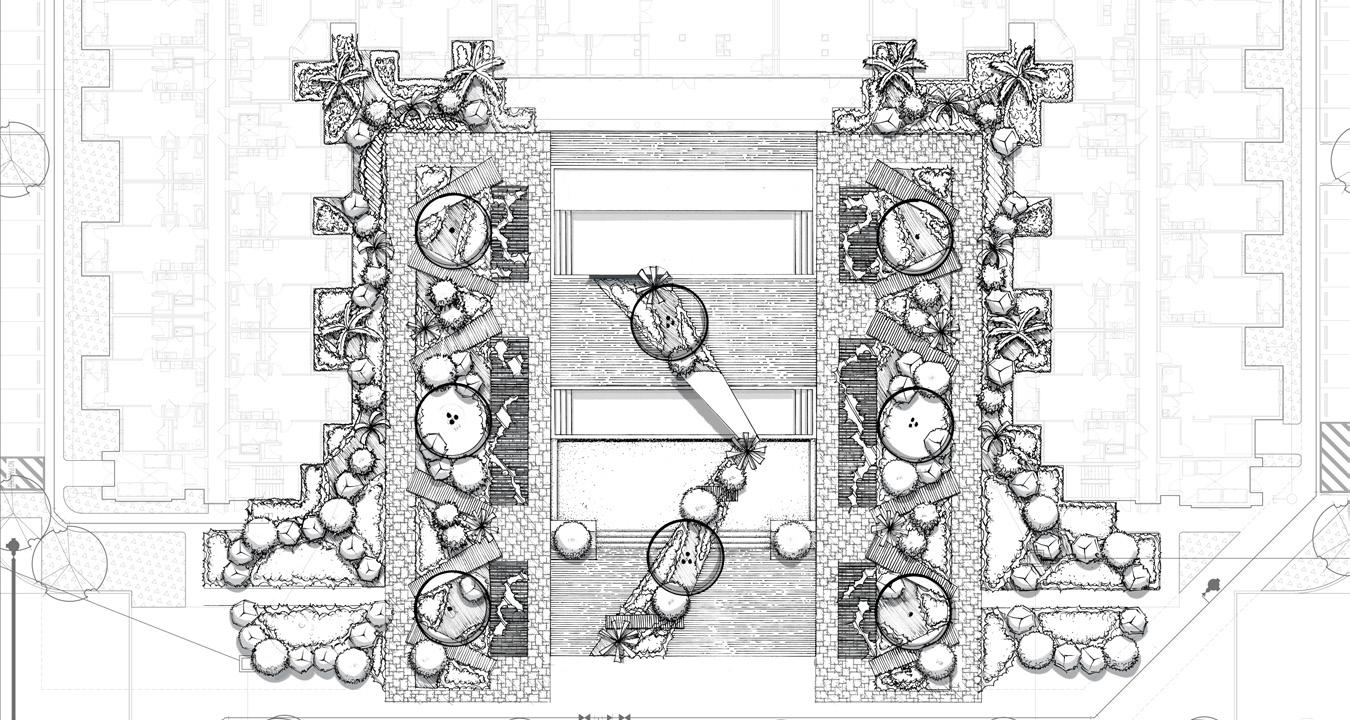
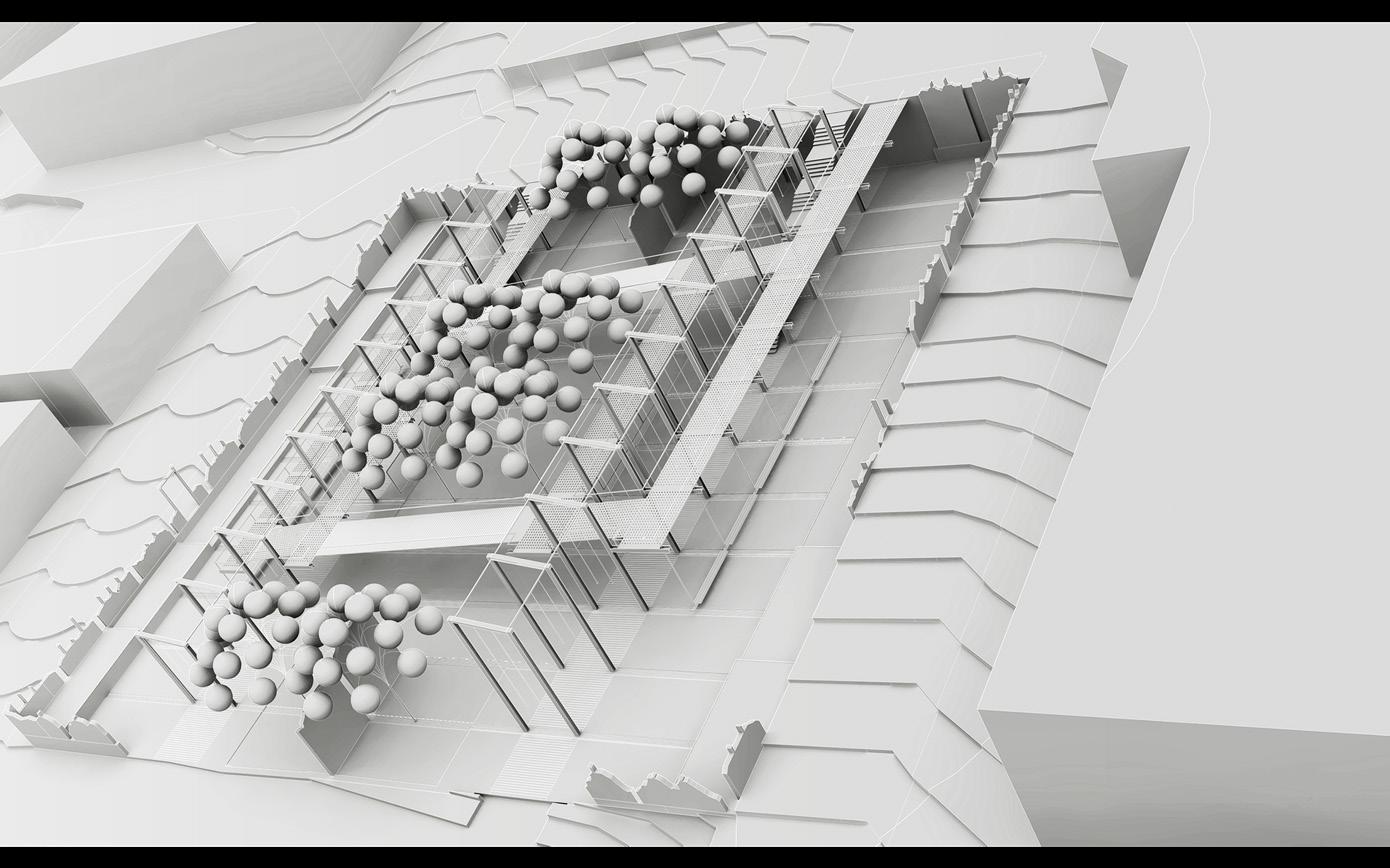
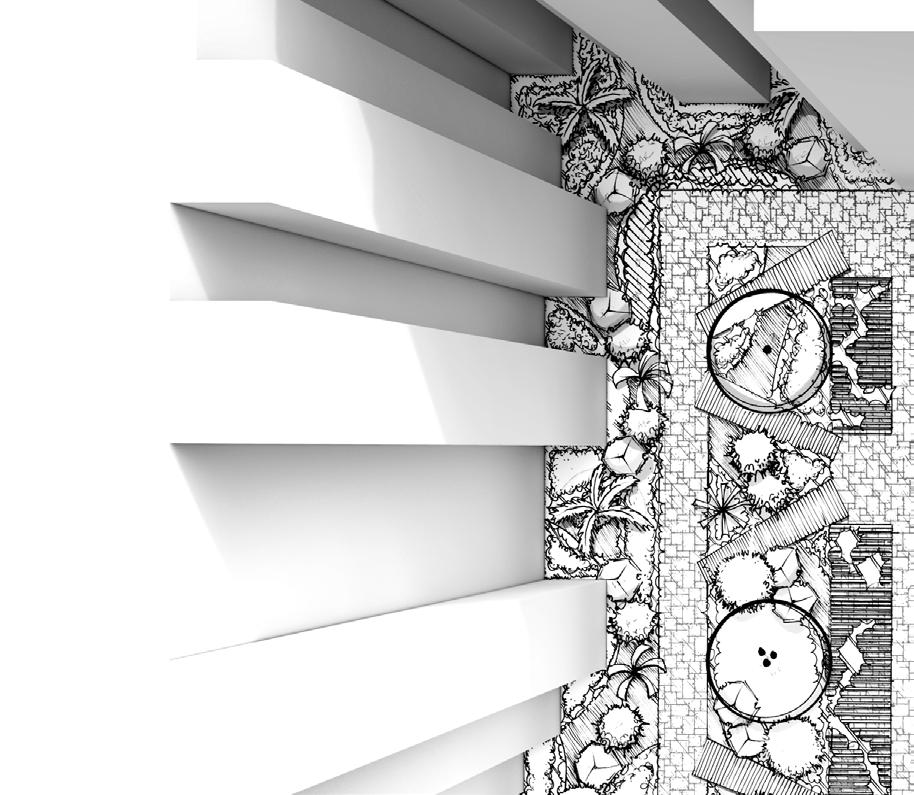
recycled steel beams support a photovoltaic array of rigid, semi-transparent solar panels, developed by the Kyosemi Corporation, with a UV responsive coating.
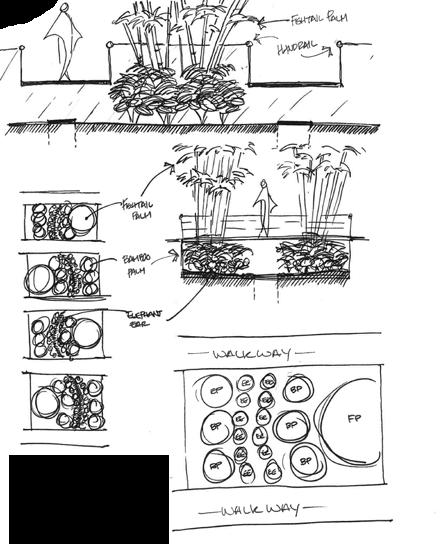
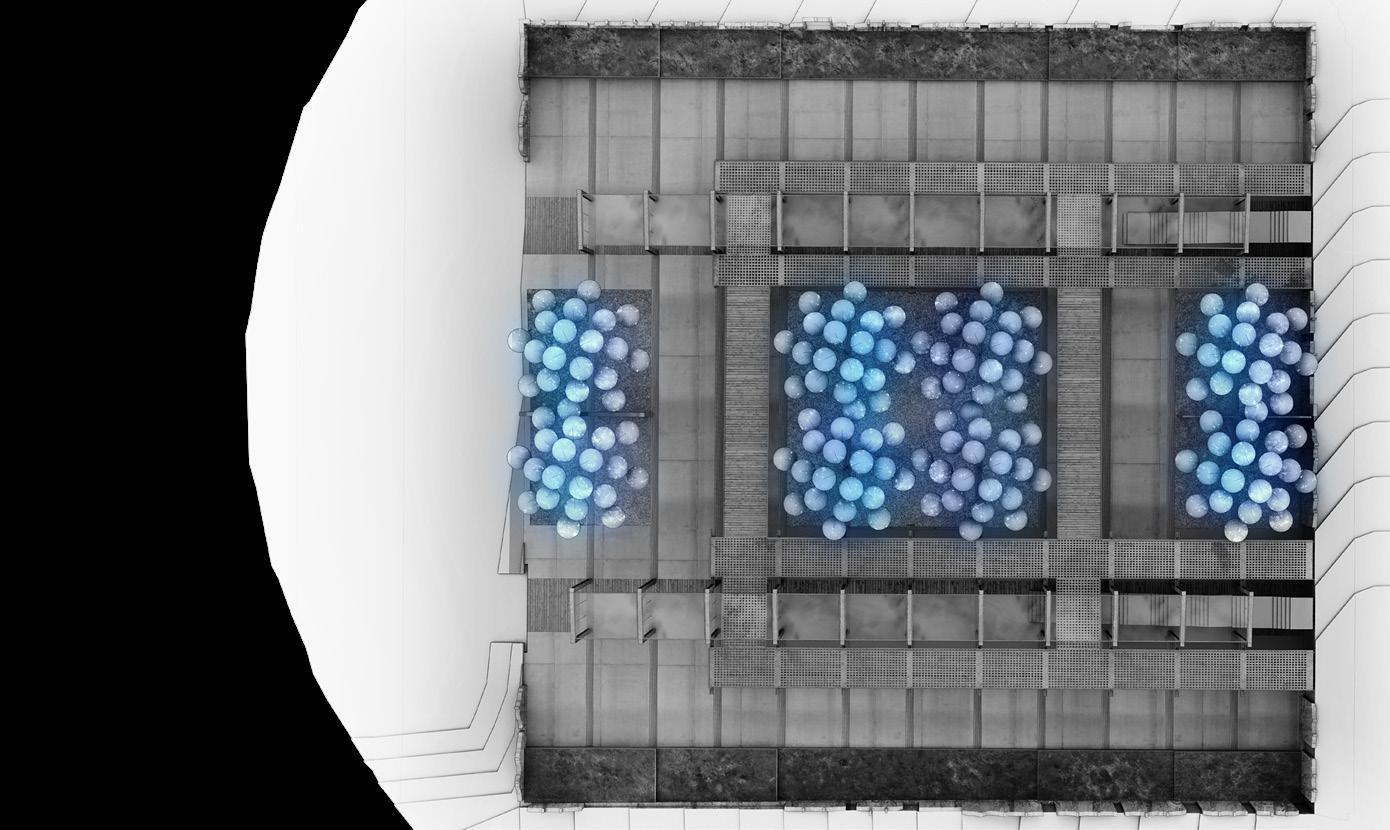
An industrial balloon (6’ in diameter) is treated with thin-film solar cells and attached to a flexible, carbon fiber, resin reinforced rod. 20 rods are bundled and bound to a kinetic generator fixed to a single pole embedded in the ground. The design is derived from an LAGI 2012 competition entry from Yije Dang and Tom Tang.
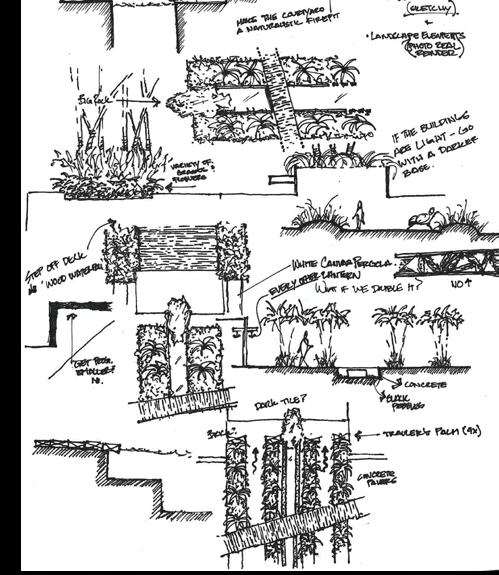
Over 300 thin, flexible carbon fiber rods (height varies) are attached to a kinetic generator buried under 6” of concrete rubble, the byproduct of the structural reductions made to the Taylor Electric Building. At the tip of each rod is a light emitting diode (LED) that emits light when the rods are caused to move.
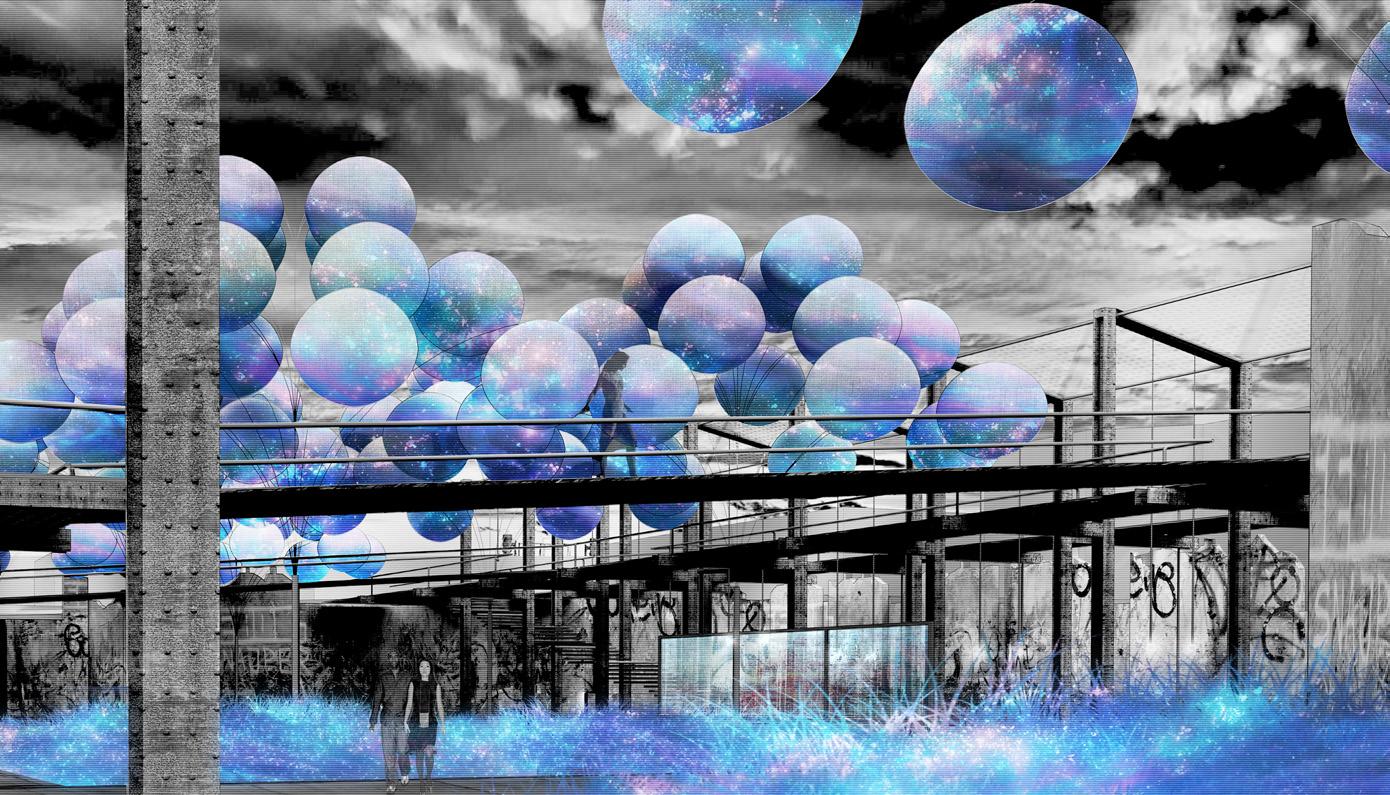

“We can heighten the desire for new interactions between humans and nature where it is least expected: derelict spaces.”
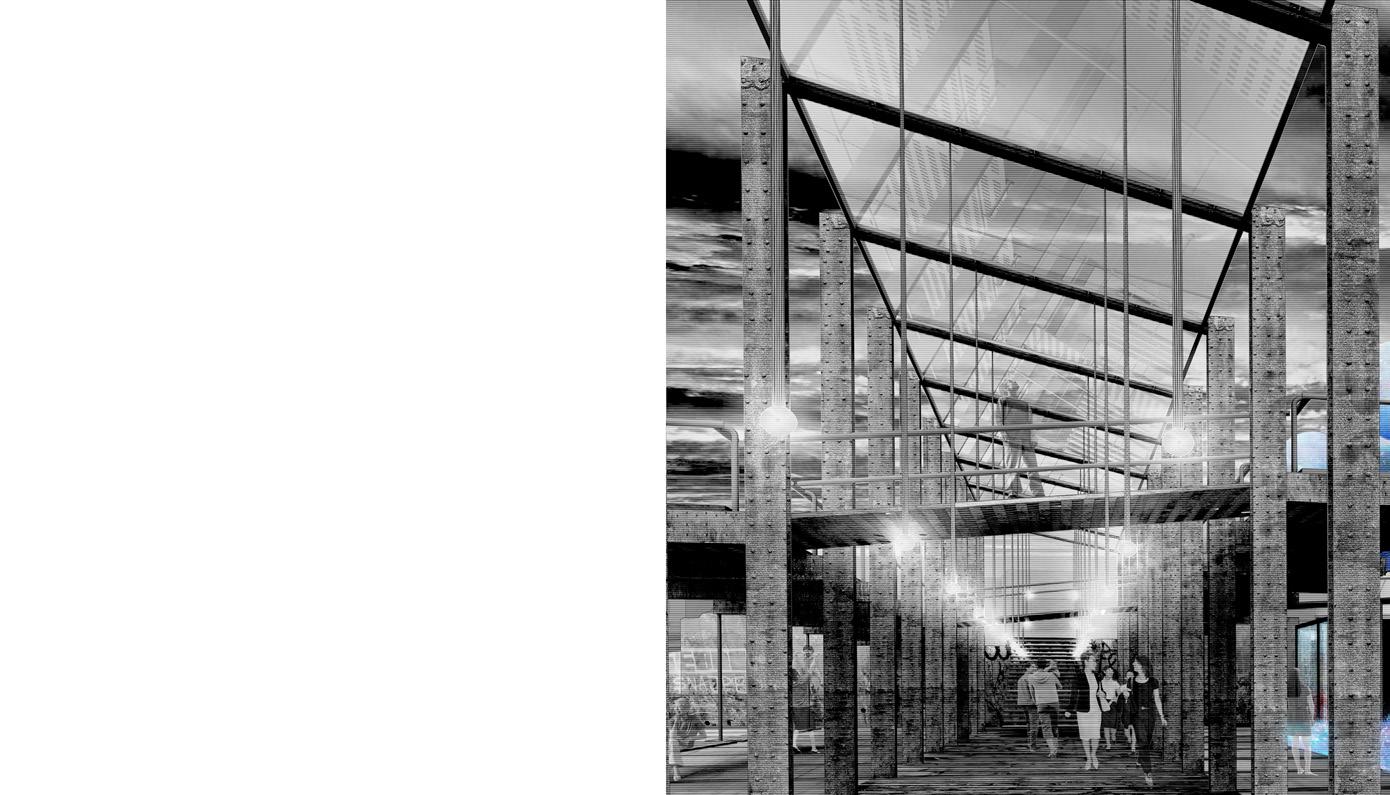
Diana Balmori A Landscape ManifestoWhether it’s the burnt or vandalized walls, the cracked and overgrown foundation, the rusted metal, or the broken glass, the Taylor Electric Building has the kind of emotive power Kevin Lynch discusses in his book What Time is This Place that is unique to ruined structures. Whether its curiosity, melancholy, or even a sense of superiority, the site evokes a heady array of emotional responses in everyone that sees it. However, only by coupling that power to the conceptual framework derived from Diana Balmori’s A Landscape Manifesto can the site begin to exercise its full potential as a means of initiating new interactions between ourselves
and nature.
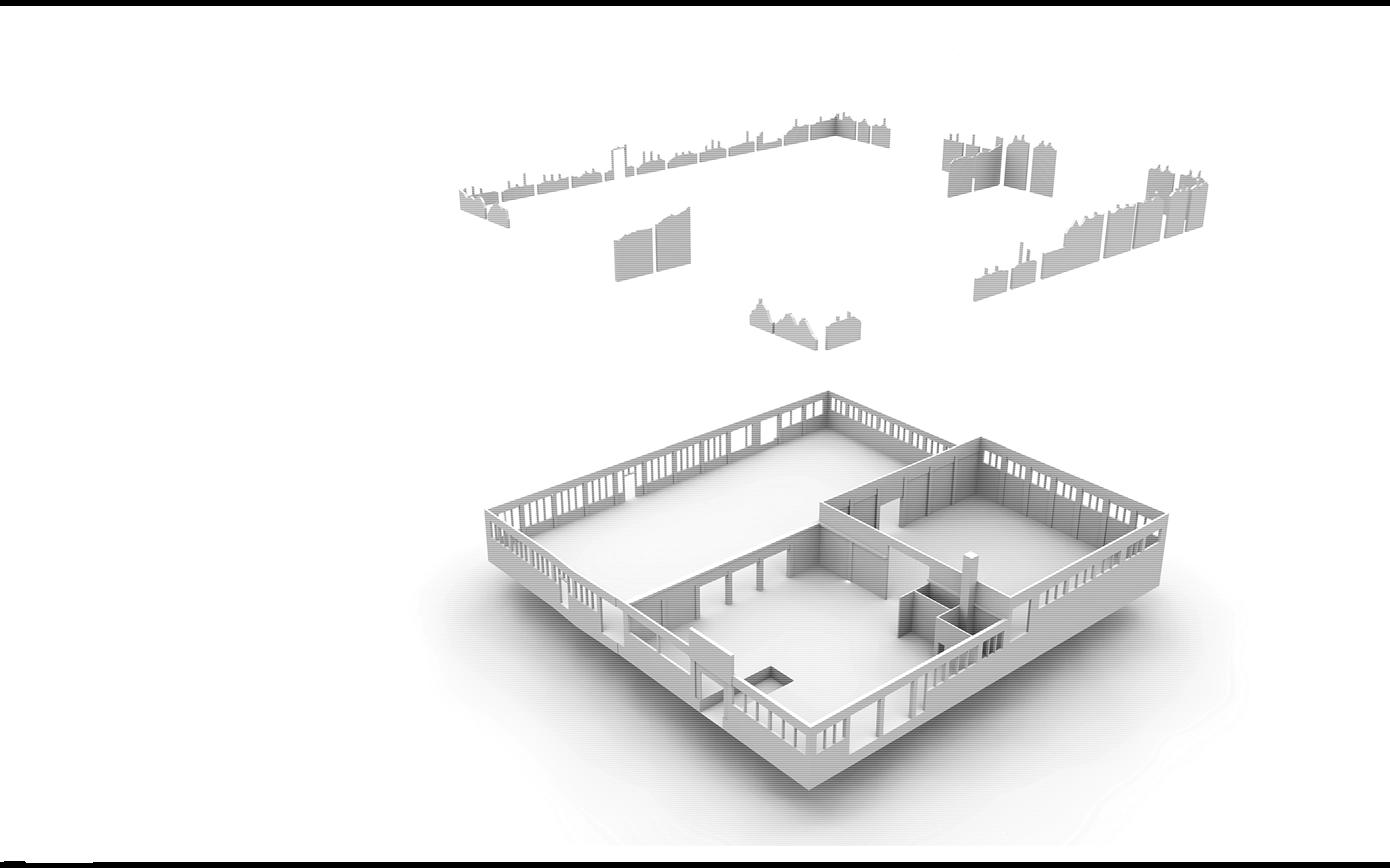
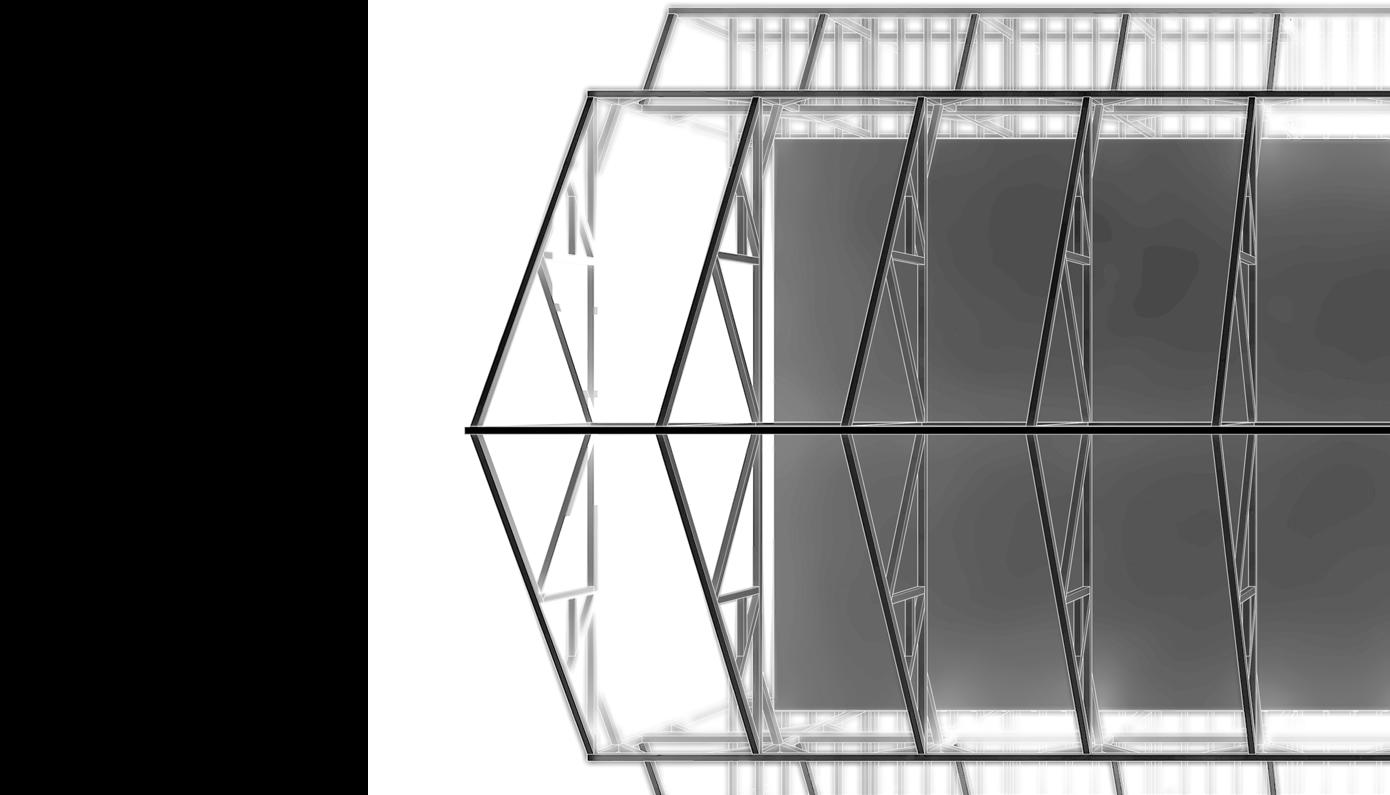
Understanding more fully the role the Taylor Electric Building performed within the conceptual framework, I realized certain changes had to be made. I already knew from earlier iterations that a successful design could neither leave the structure untouched nor remove it entirely. The solution was to reduce the building to a more human scale in a manner that amplified the emotive power of the ruins Additionally, celebrating the ruined structure, instead of removing it entirely, created a powerful connection to the past.
However, it is within the present that the concept of interaction reaches it’s experiential zenith. By incorporating experimental technology into the design, the site, as nature, is given the capacity to communicate directly to the visitor. The digital dialogue that takes place offers a singularly ephemeral experience to the visitor, anchoring their perception to the here and now with technologies from the future.
TAYLOR ELECTRIC BUILDING
proposed structural reduction
AFTER
BEFORE
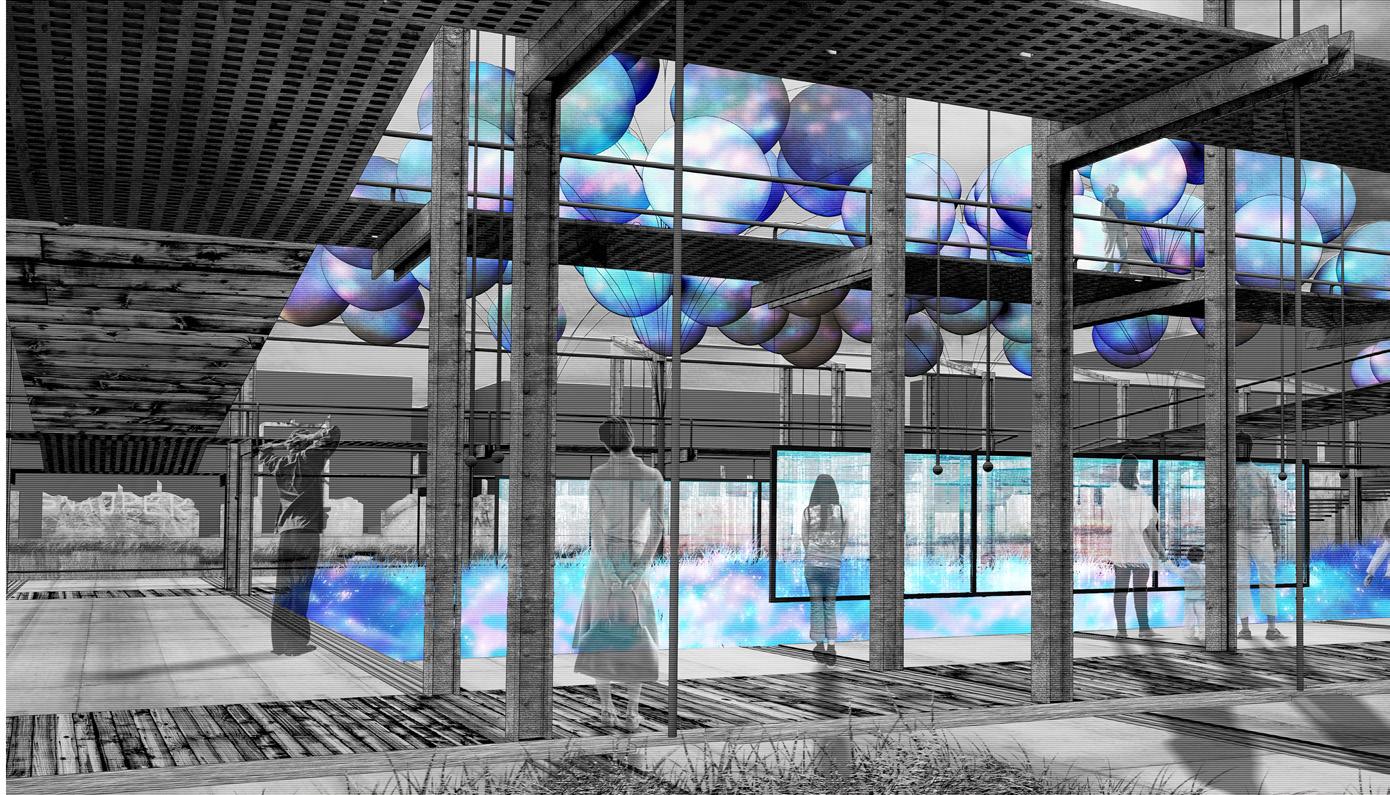
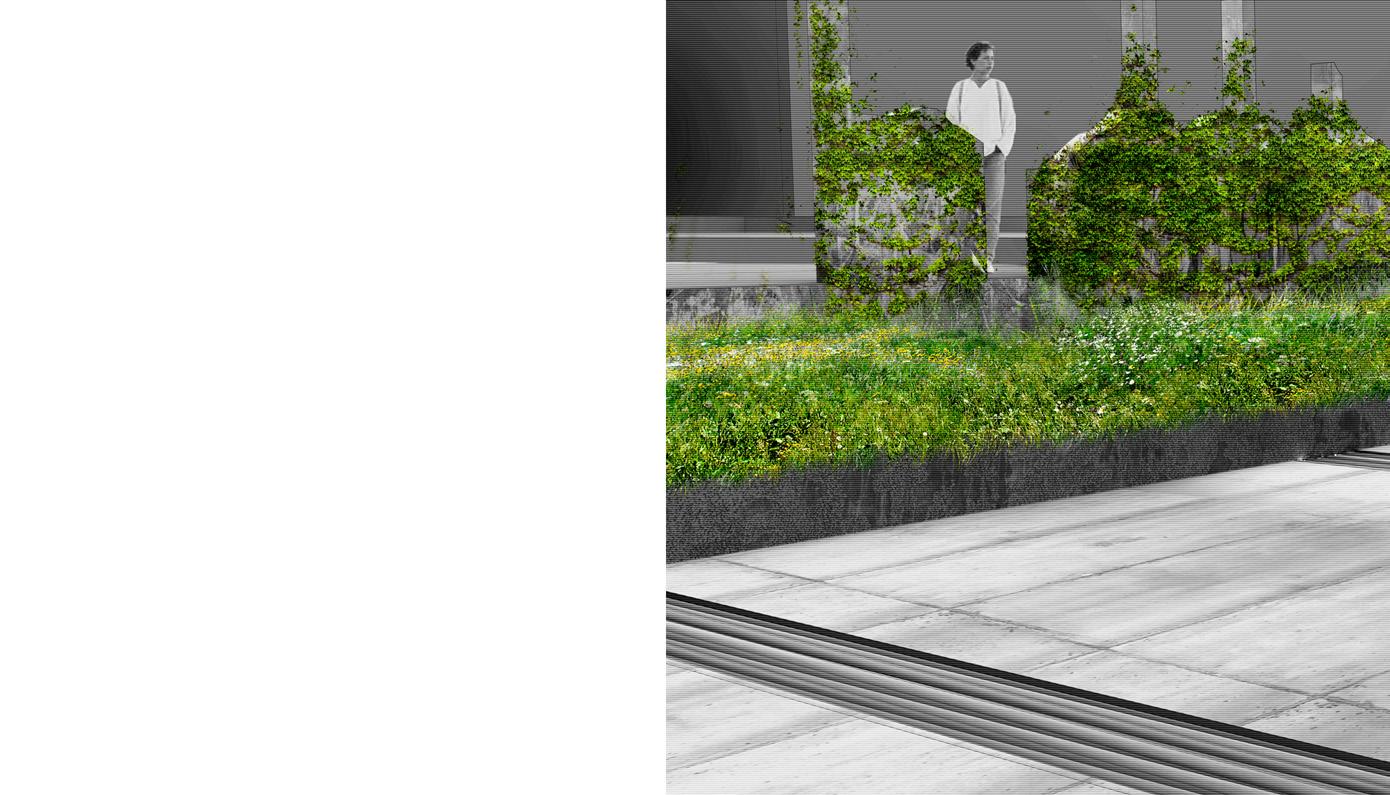
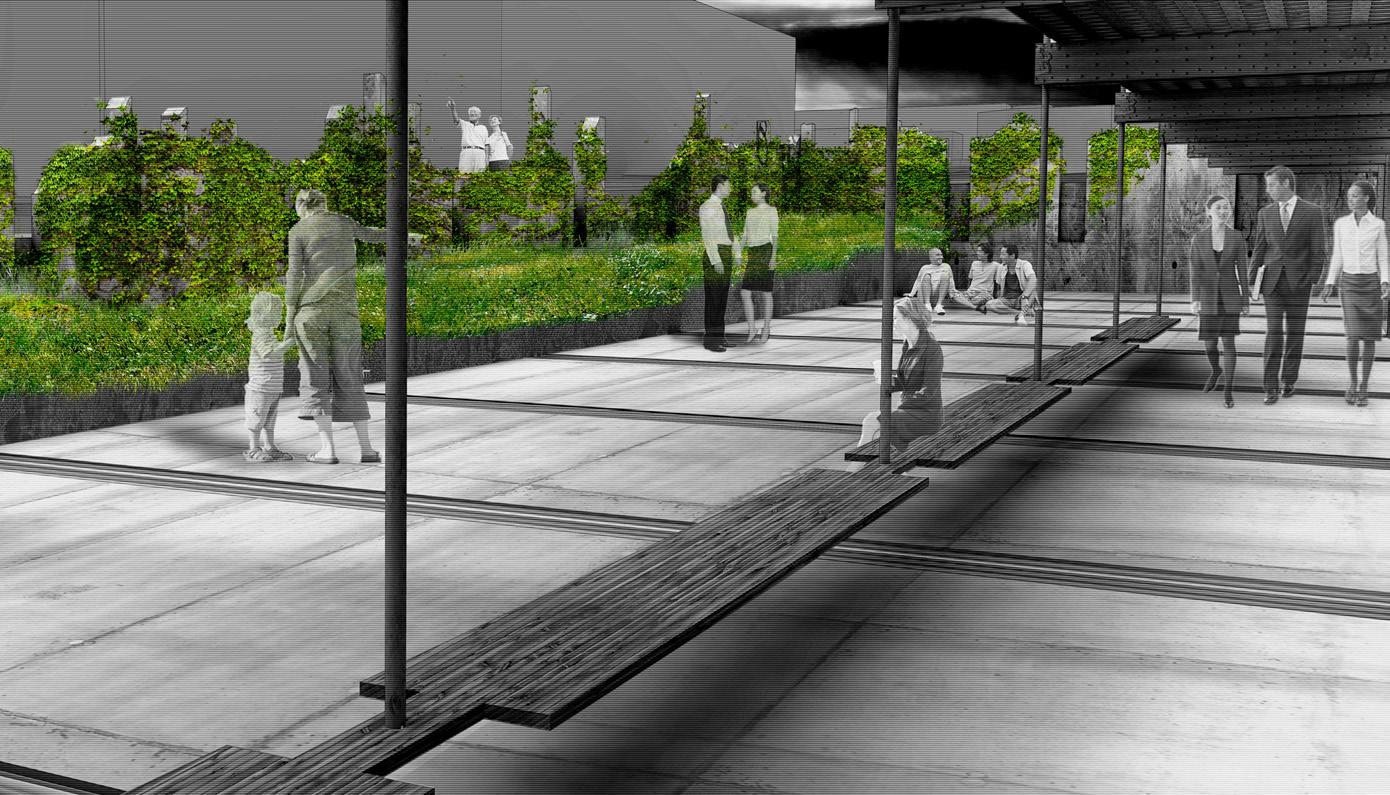
Incorporating piezoelectric generators into the raised catwalk and suspended benches allows visitors an opportunity to passively interact with the site by contributing to its productive agenda.
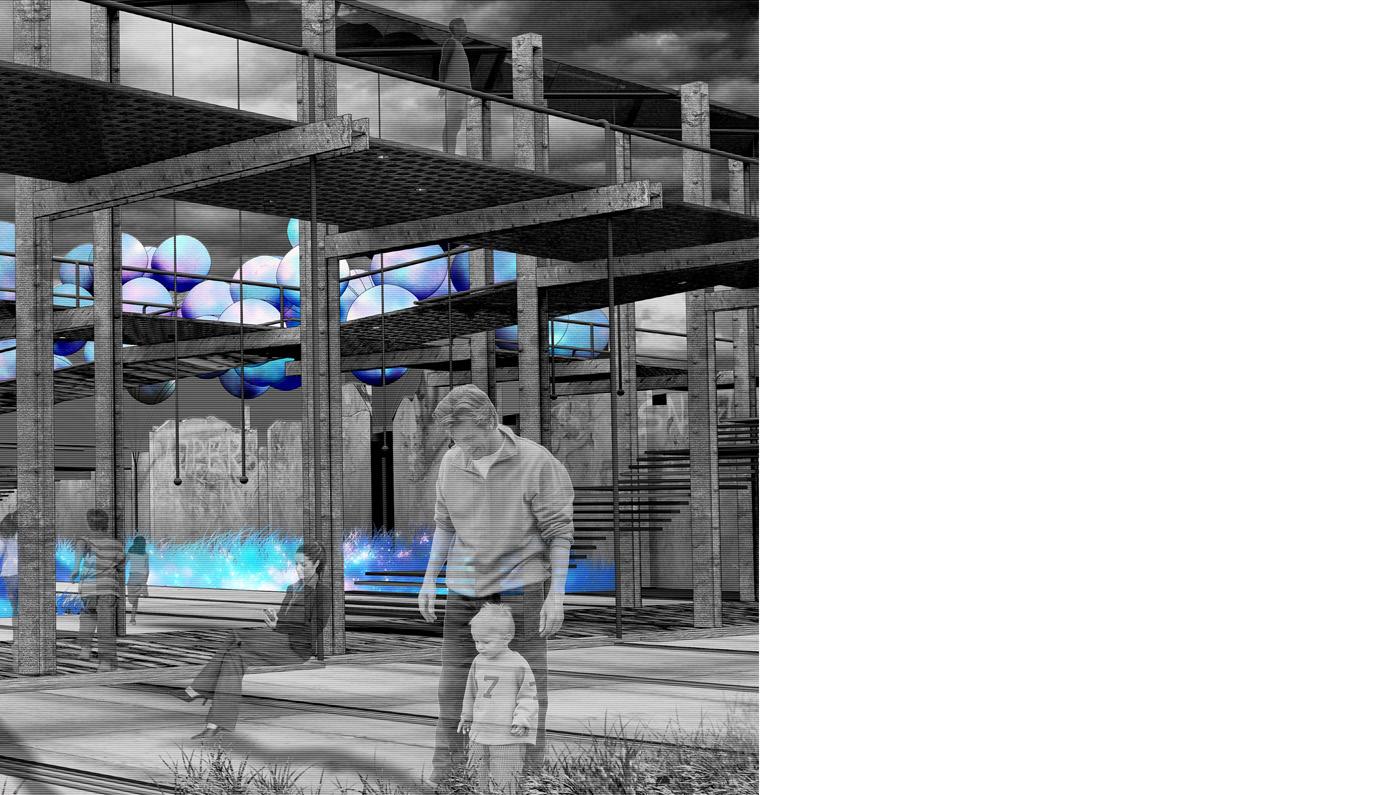
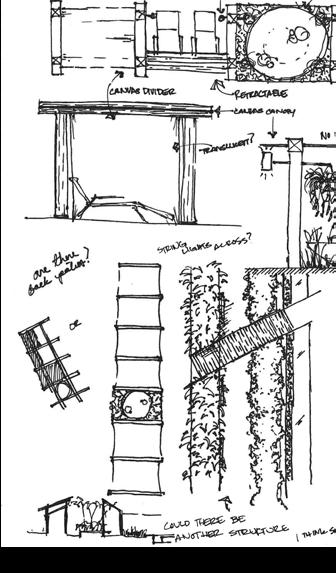
Faithful to its applications in the field of augmented reality, each heads up display unit will enable the visitor to communicate with the site without compromising the design’s visibility. A transparent plane is suspended at eye level and lined with a rear-projection holographic film that enables it to display a projected image while motion capture technology and gesture recognition software translates a visitor’s movements and touch into a form of digital communication.
Though still under research at MIT, this experimental piece of technology has the capability to render digital information (maps, charts, etc.) physically by manipulating the vertical movement of an array of close-set rectangular pins. At the vanguard of the interactive agenda, the proposed installation provides the site with a means of communication, in essence, a voice.
“All things in nature are constantly changing. Landscape artists need to design to allow for change, while seeking a new course that enhances the coexistence of humans with the rest of nature”
Diana Balmori A Landscape ManifestoFor the this design to become more than just fashioniable moment, it had to embrace the future. And while the future may be unknown, certain inevitabilities exist, such as change. Once a design embraces, rather than resists, such inevitabilities, can it transcend a moment frozen in time to an experience that is timeless.
The challenge then became to distinguish between which aspects of the site must remain
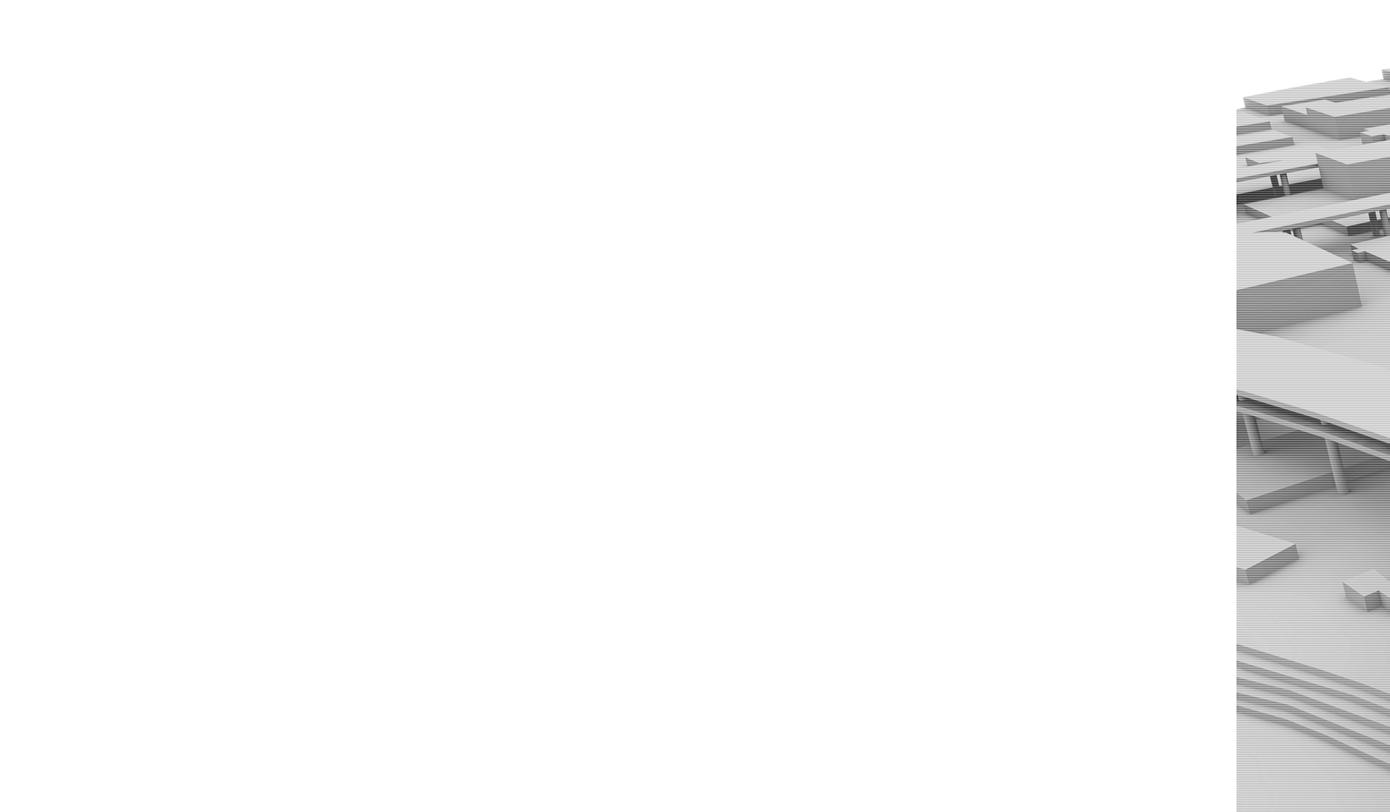
immune to changing circumstance while allowing for flexibility into the remainder. The ruins discussed previously, as evidence of the past, are integral to the site’s character and should not be altered while the many technological installations should allow for their reinvention when that time comes.
In the end, what defines the site’s character over time are the people who occupy it. That is where the Oregon Museum of Science and Industry (OMSI) comes in. As a fixture in the Portland landscape and located only three blocks from the Taylor Electric Building, OMSI would be an ideal steward of the landscape. Their visitors could enjoy a constantly evolving series of installations that seek to further OMSI’s mission of hands on learning while ensuring that the Taylor Electric Building remains a vital and relevant part of the SE waterfront.
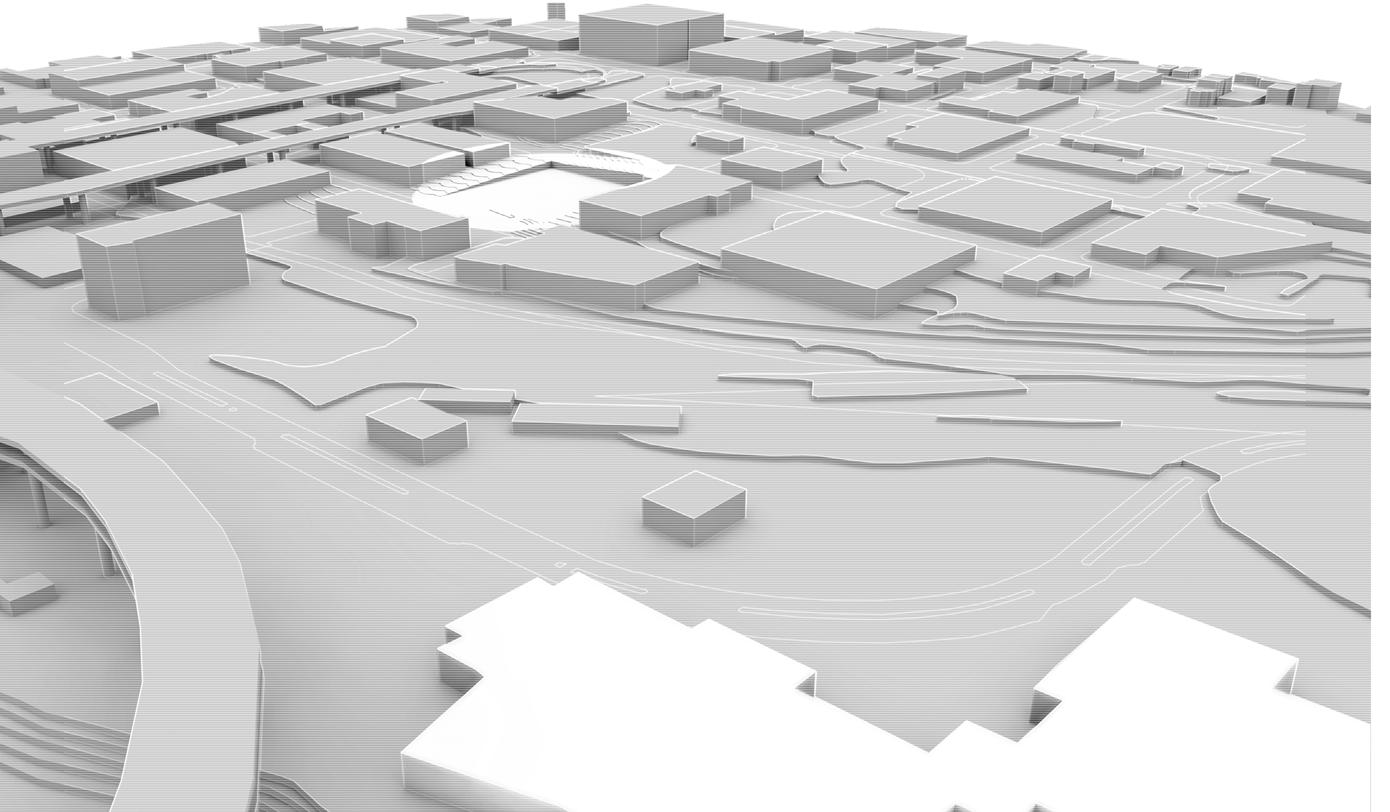
Nature is cyclical. It ebbs and flows as time moves forward. So too is the cycle of industry, interaction and innovation. Innovation creates industry. Interaction with industry creates innovation and the cycle continues. By creating an experimental space where technology and art interact with industry, we create the environment for innovation. It may not happen immediately; in all likeliness it won’t. Imagine though, if one visitor, just one, walks away inspired through their interaction with industry, then the hope for future innovation is enhanced. That’s the key that runs through the cycle and a core goal for the site – to inspire. The more visitors that walk away inspired to think about how energy is created, the brighter the possibilities for a more sustainable future become.
 02 Booth Kelly School
The primary objective for our design was to create a powerful and enduring connection between the emergent downtown district of the city of Springfield, Oregon and the Booth Kelly Industrial Park, a relic of the city’s industrial origins. While the site itself is only minutes from the downtown area, a three lane thoroughfare, a series of abandoned parking lots, and a busy rail line have come together to effectively bury the site of Booth Kelly into experiential obscurity. Our earliest iterations proved such intransient obstacles could not be overcome by physical means, but rather by those less substantial.
Our search for such a solution led us to explore the site’s surrounding context. In doing so, we discovered over 13 different murals as well as three separate art facilities, and while each artistic instance was unique, their collective presence revealed to us the nature of our soughtafter solution, art. Its insubstantial nature and ubiquitous presence made it ideally suited as a means of reuniting Booth Kelly with the city of
Springfield. Thus, with art firmly at the core of our intervention, we sought to develop a more substantial concept.
As the idea of art, in the general sense, was a product of the downtown area, it seemed appropriate that further delineation of this concept would need to come from the site itself.
The industrial past of the site as a lumber mill led us to the De Stijl movement, a fast paced Avant Guard genre of art that swept through Europe in the early 19th century. Its celebration of the machine aesthetic in addition to its reverence for the process of mechanical creation, would provide a clear link to the past, yet we also wanted to consider the future. The recent efforts undertaken by the city of Springfield to restore the artificial mill pond to an emergent wetland led our investigation to the Hudson River School, a 19th century movement of art which celebrated the sublime quality of unbridled nature by depicting awe-inspiring vistas of an unsullied frontier.
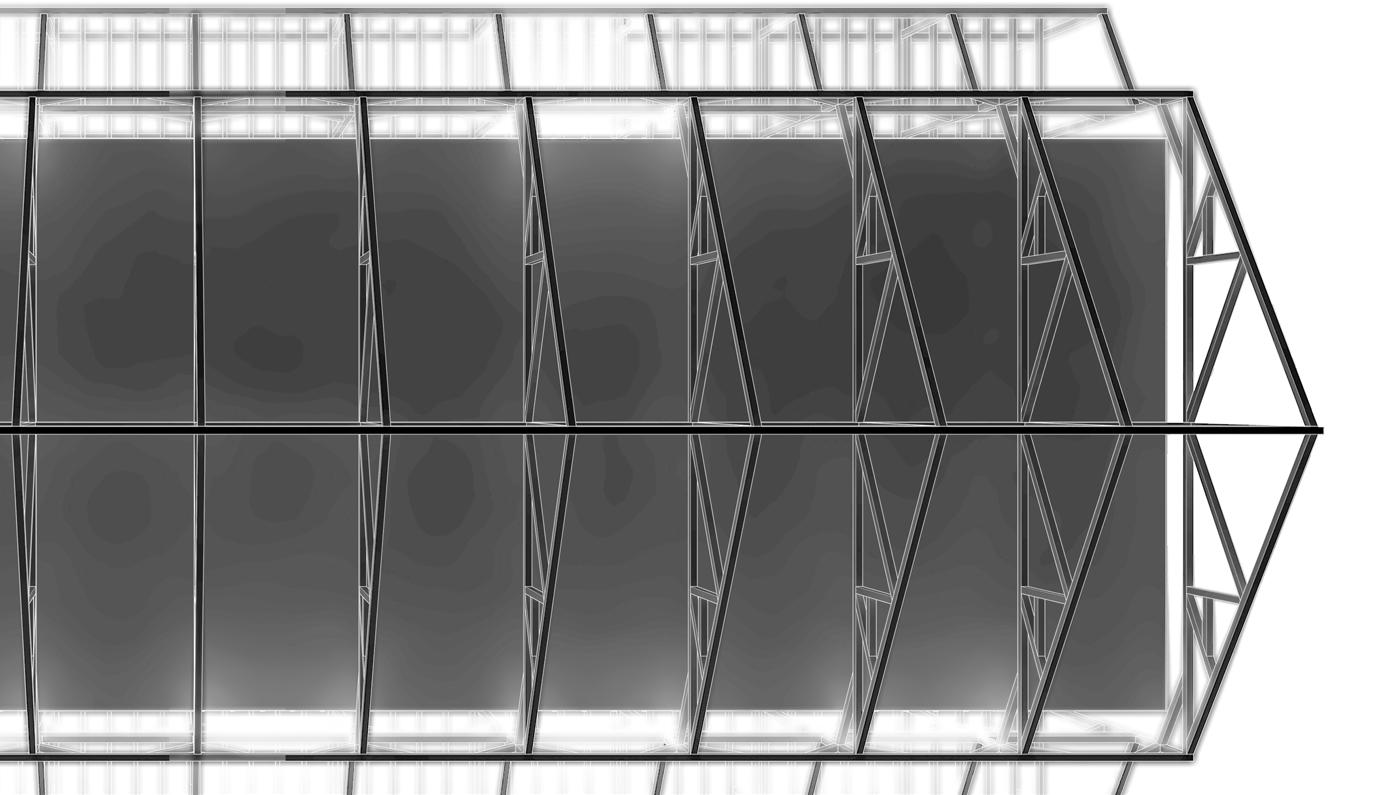
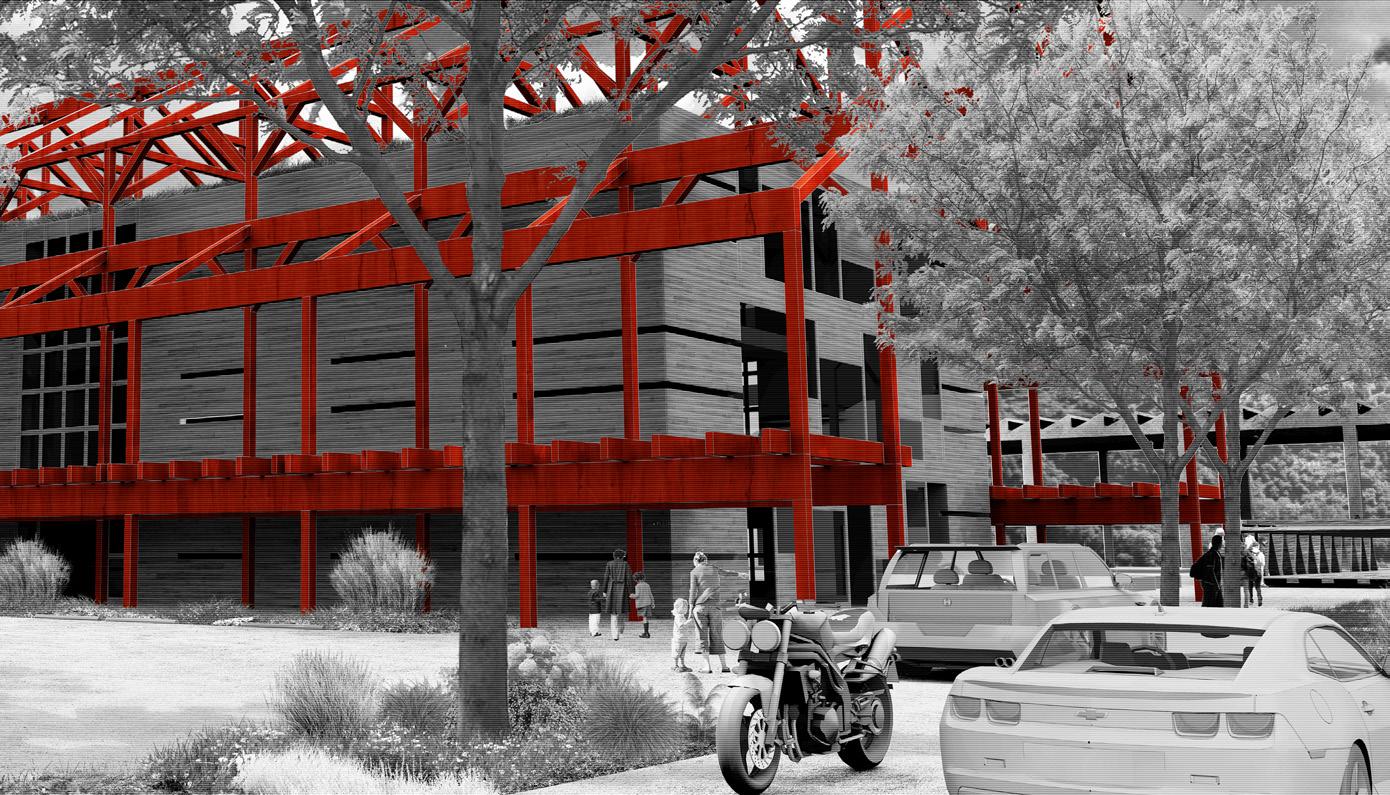
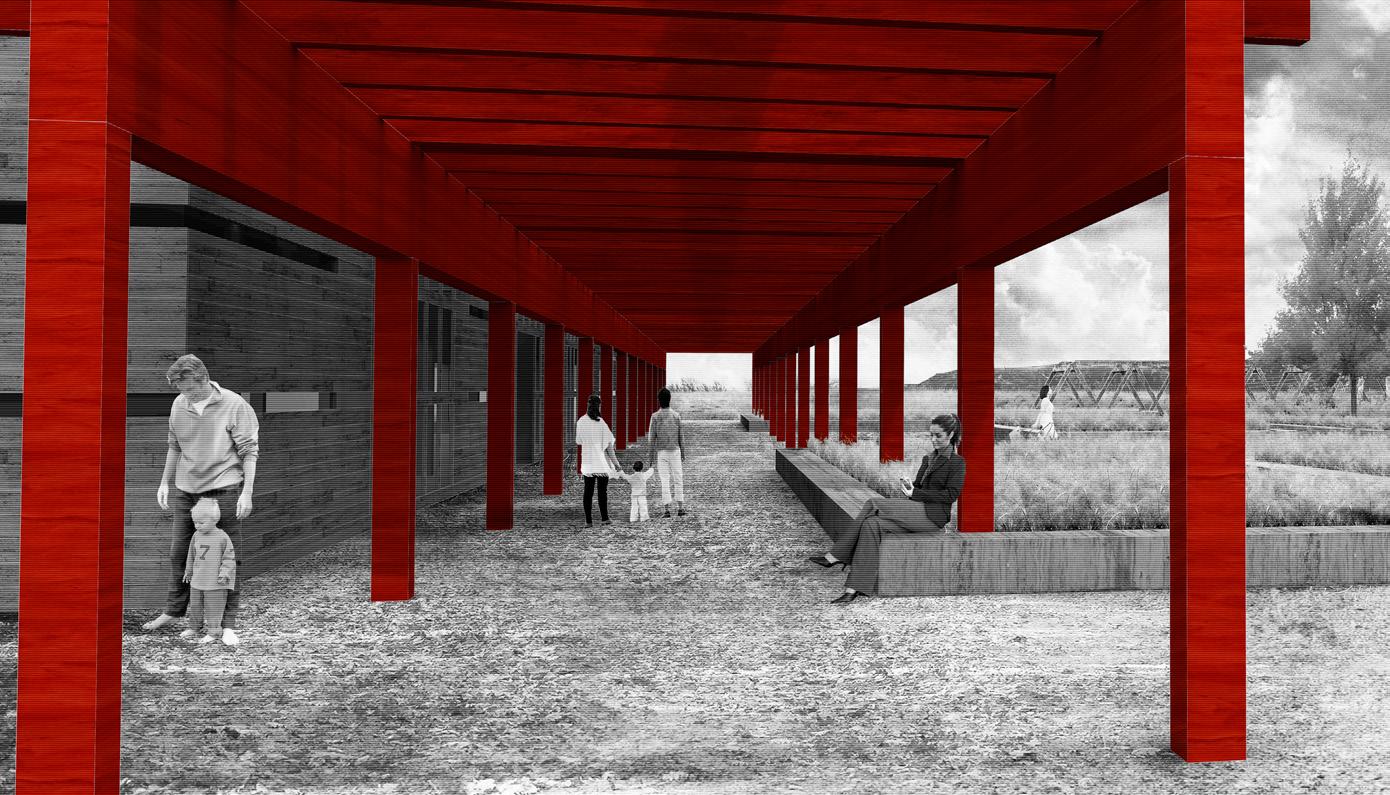
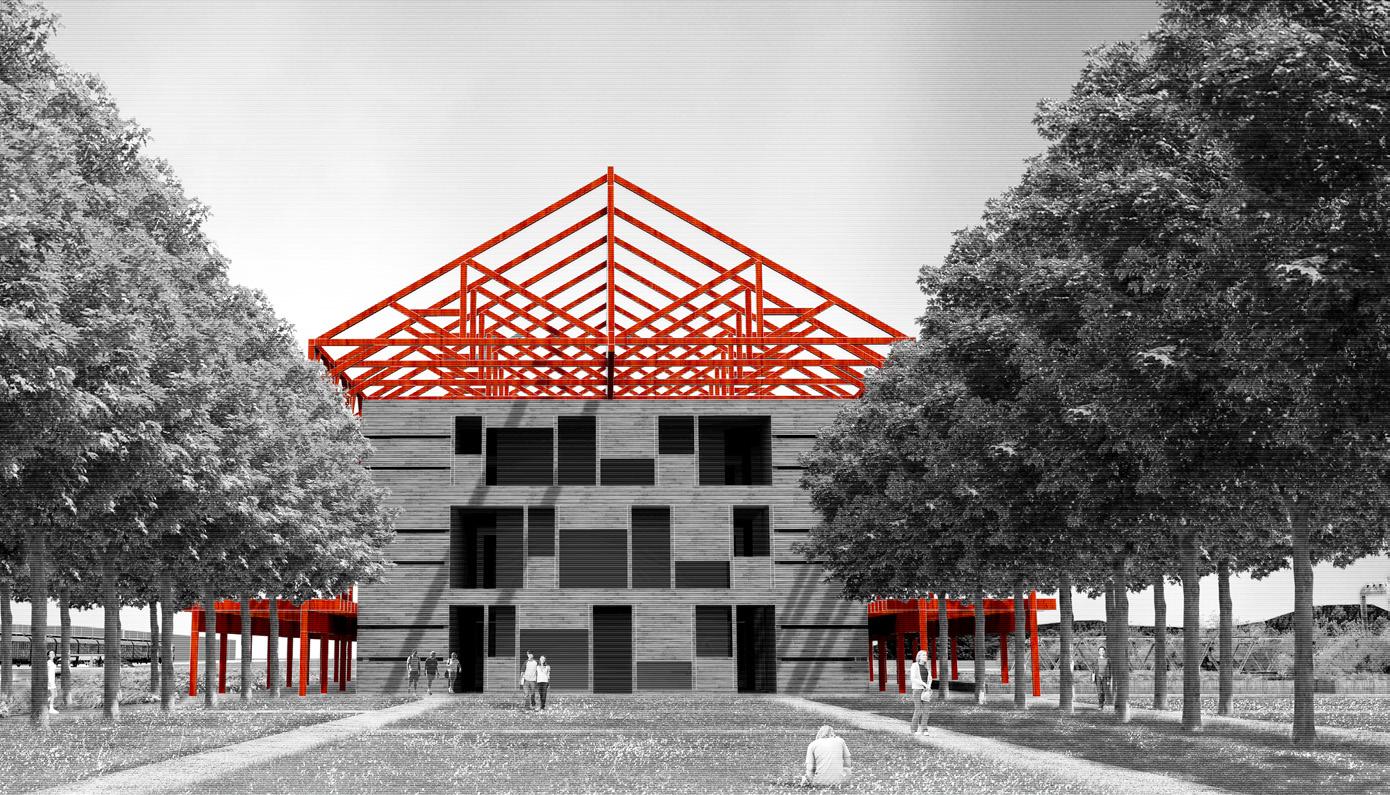
In order to reconnect the downtown with Booth Kelly using art as our foremost medium, our proposal calls to relocate the A3 School to a new building located within the existing Crane Shed adjacent to the wetland restoration. The monolithic structure would be reduced to a timber frame and then refinished in a vibrant shade of red. The color, a derivative of the De Stijl style, acts as a visual landmark in the city of Springfield, drawing occupants from downtown into Booth Kelly. Within this hulking red skeleton the new home for the A3 School would be built. Thus, from within the ashes of a past industry will flourish the bright young minds that will be our future.
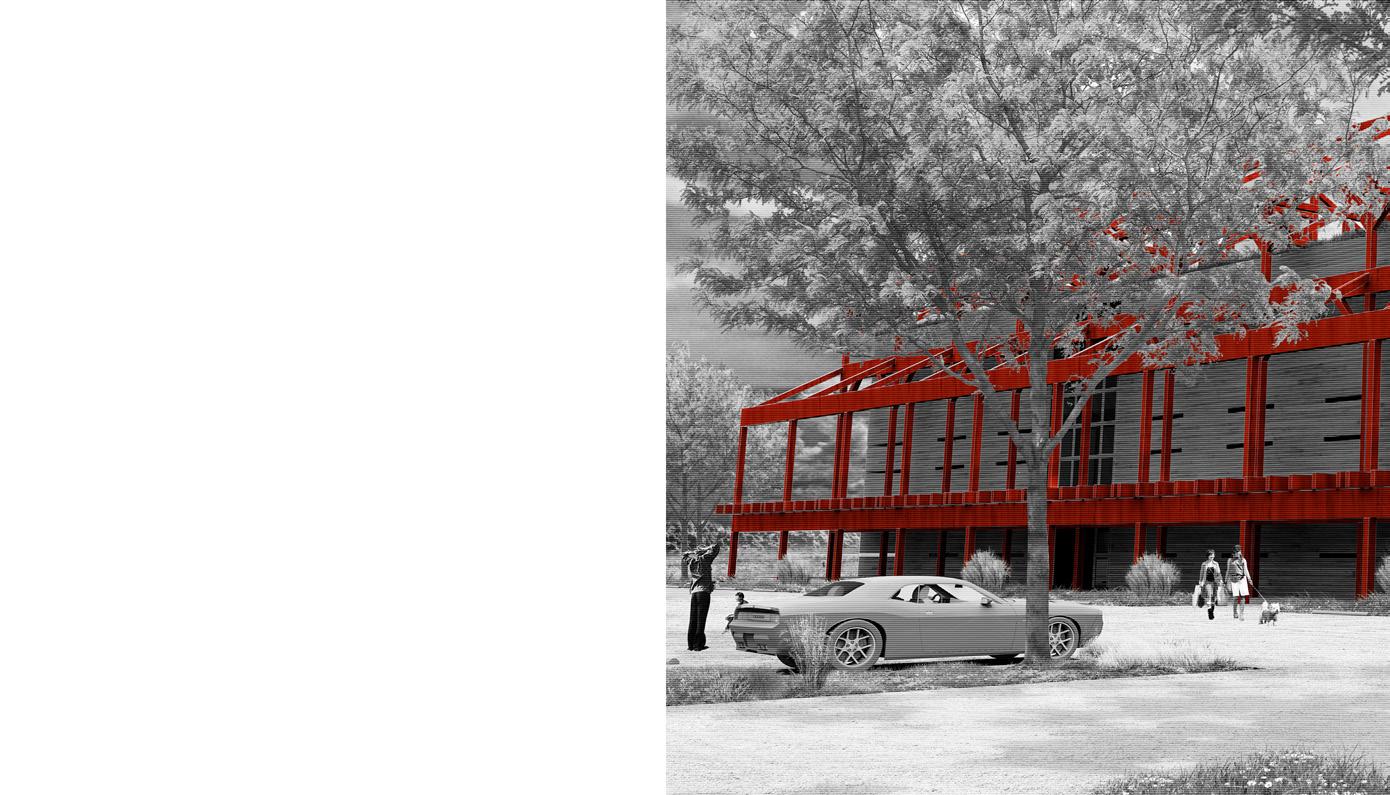
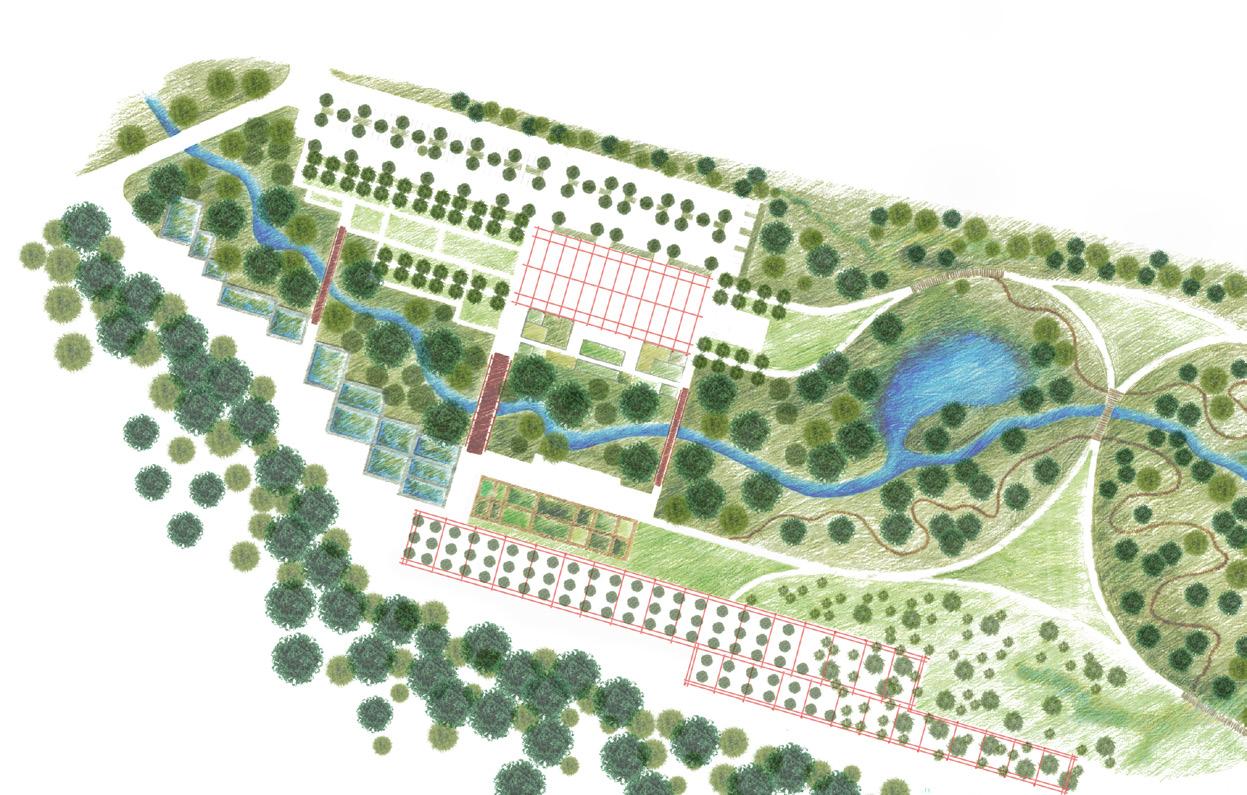
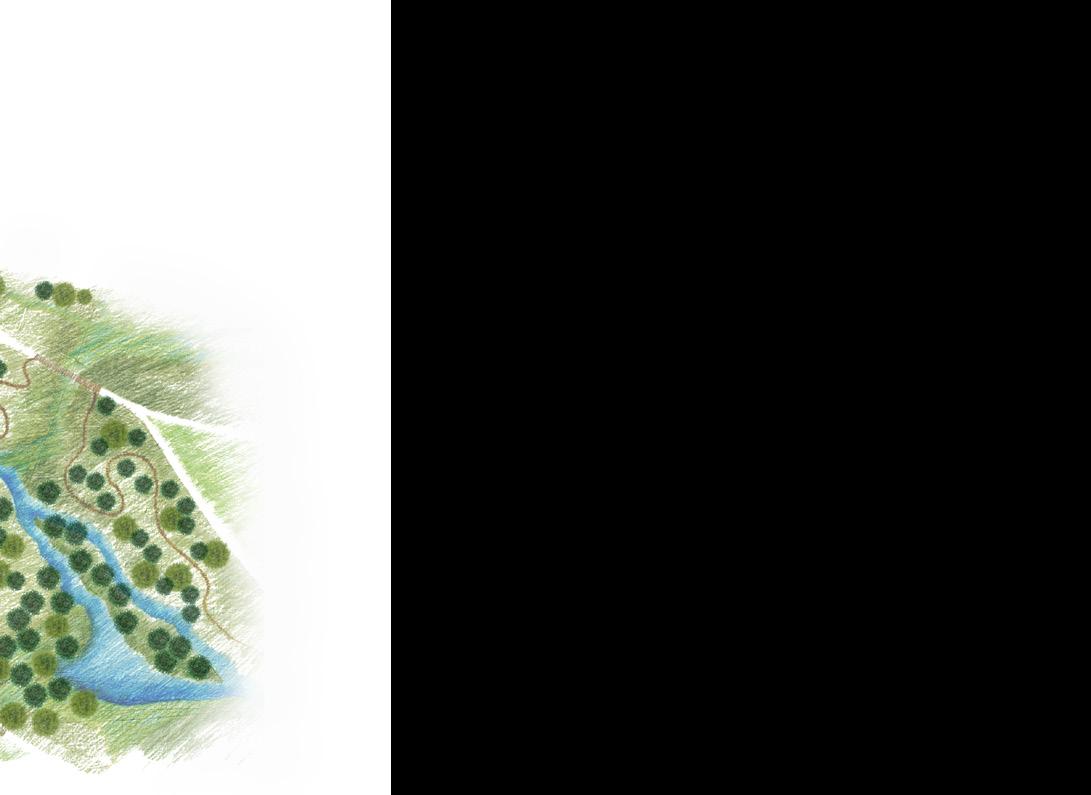
Sublime depictions of an unsullied and untamed North American frontier capture the Hudson River School’s abiding sense of respect, even reverence, for the intrinsic beauty of a natural landscape, a sentiment echoed in the city of Springfield’s recent efforts to restore the defunct mill pond to an emergent wetland. To further the city’s efforts, the design proposes a series of walking trails and meadows, so that, through a lens of landscape time, the visitor may glimpse the kind of frontier wilderness that would give any Hudson River School practitioner reason to rejoice.
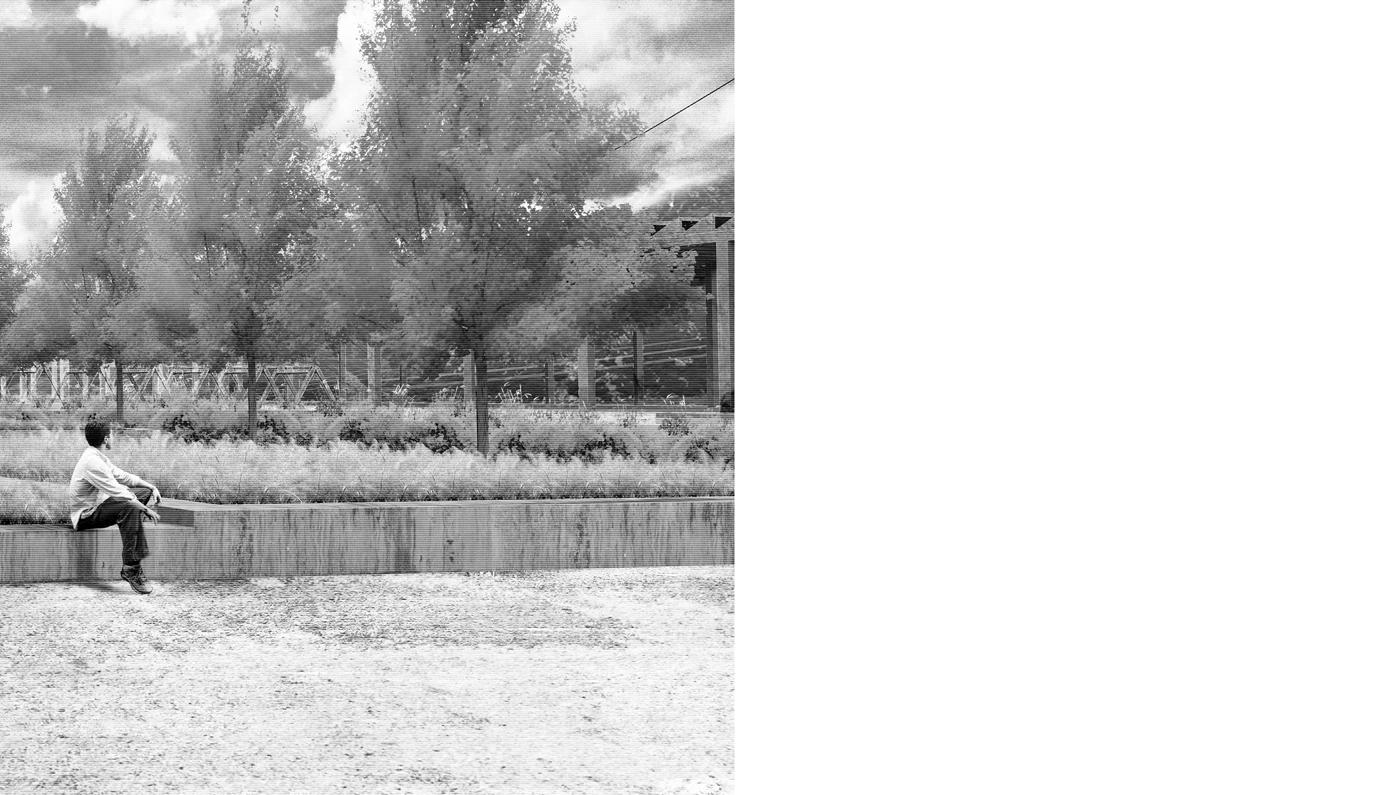
The exclusive use of primary colors and rectilinear geometry are definitive hallmarks of the De Stijl pioneer, Piet Mondrian. Expounding upon these characteristics, the landscape surrounding the relocated A3 academy is designed to create a dynamic chromatic experience of the De Stijl with a seasonal planting palette that oscillates from vibrant to subtle as the cycle of the seasons unfolds while formally emulating the rectilinear geometry native to Mondrian compositions.
03 career samples
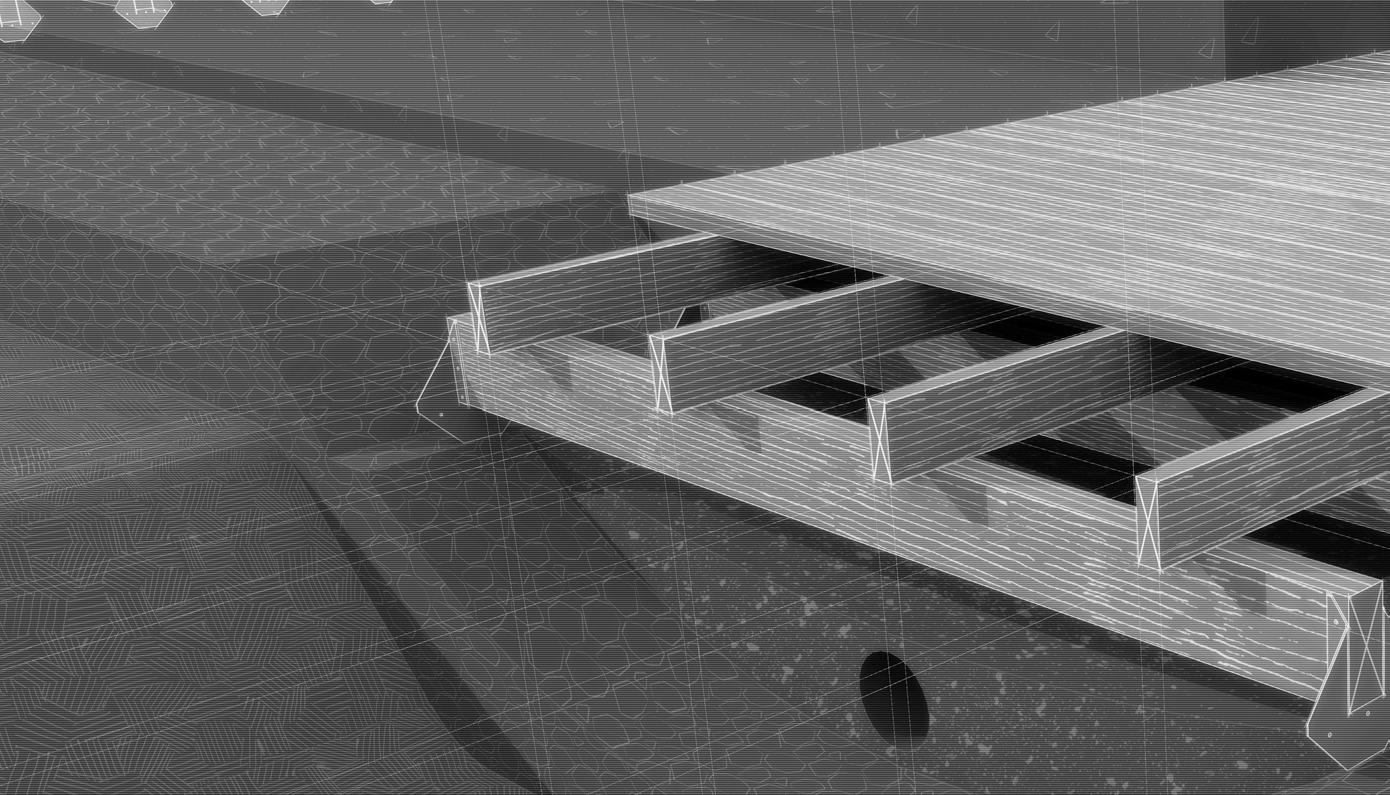
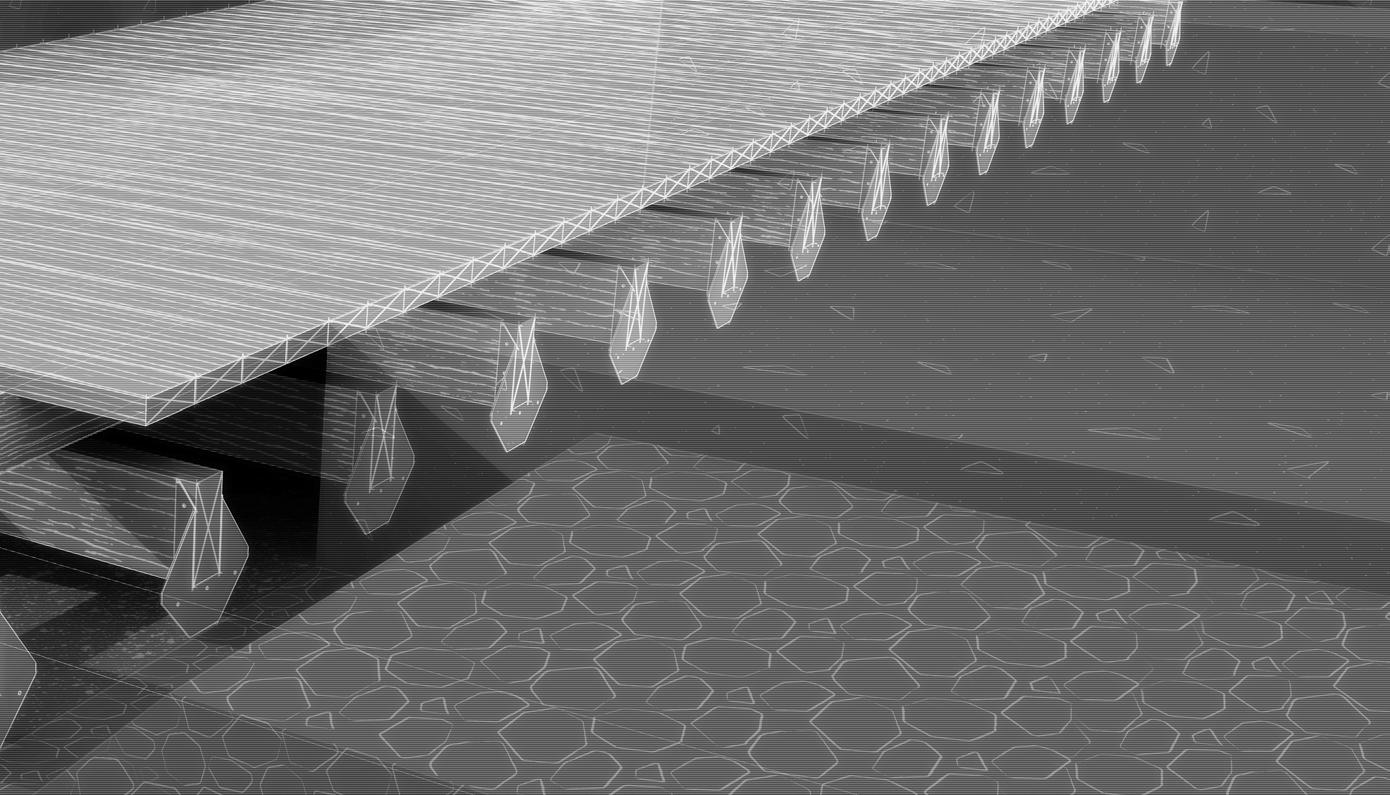
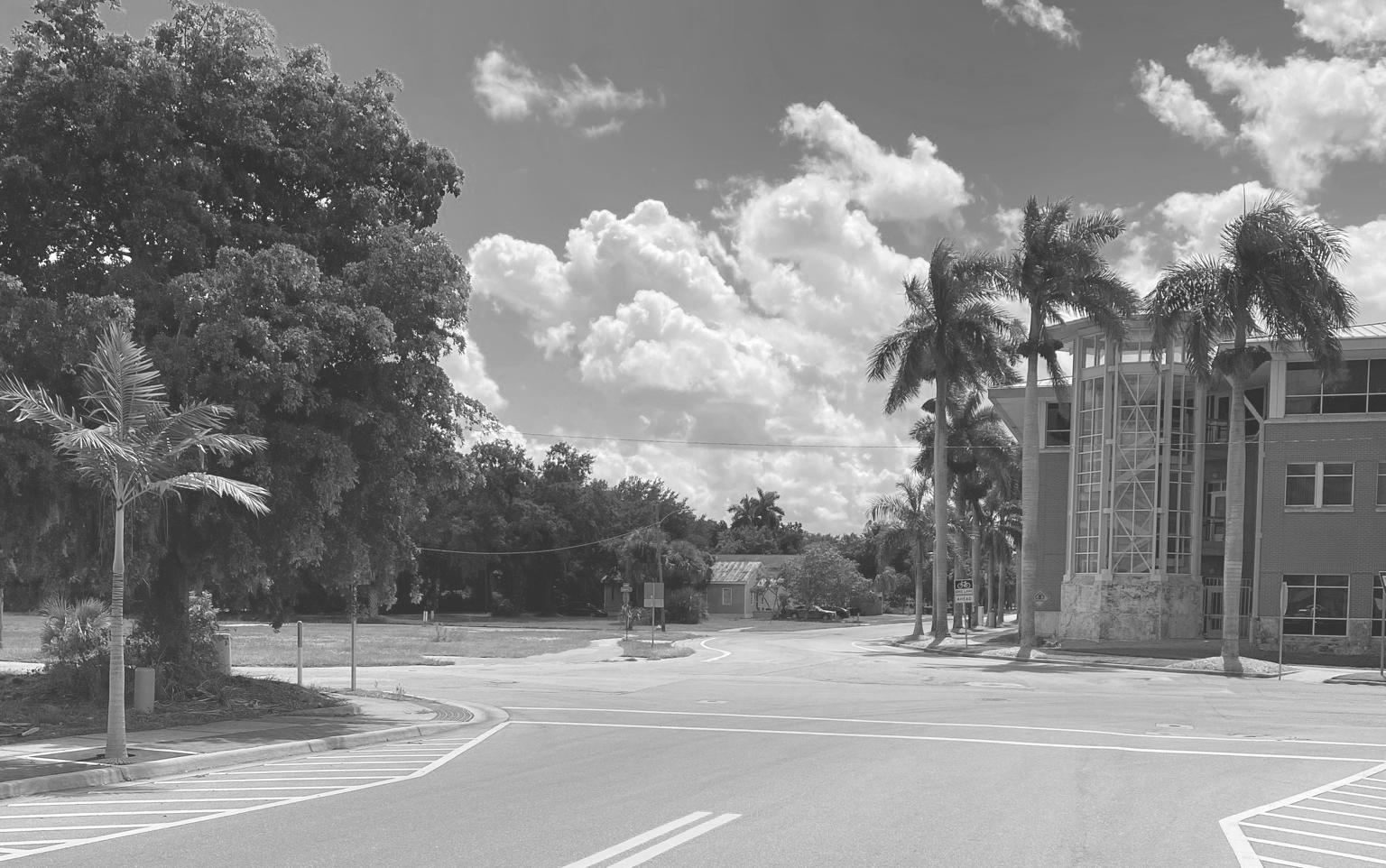
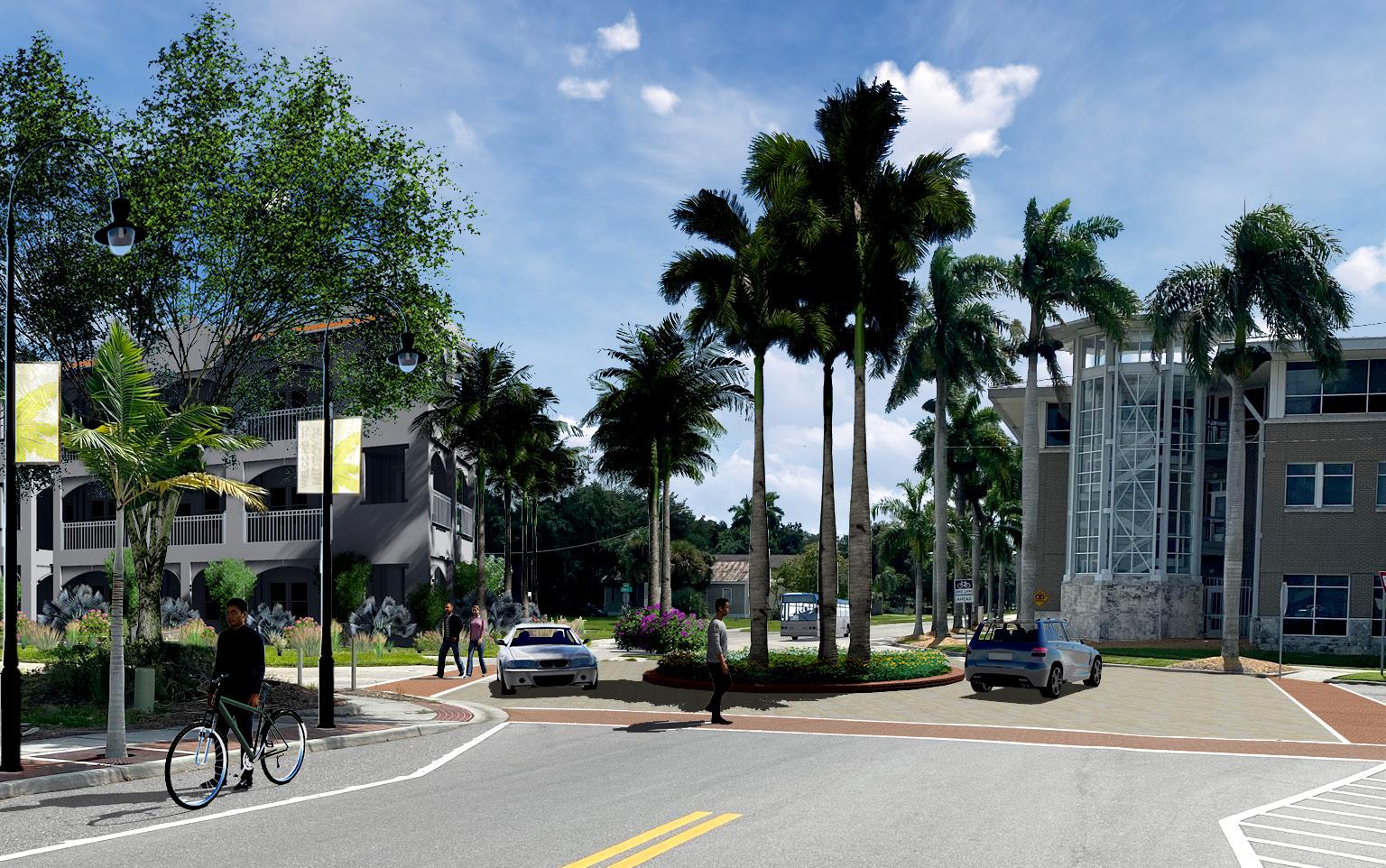
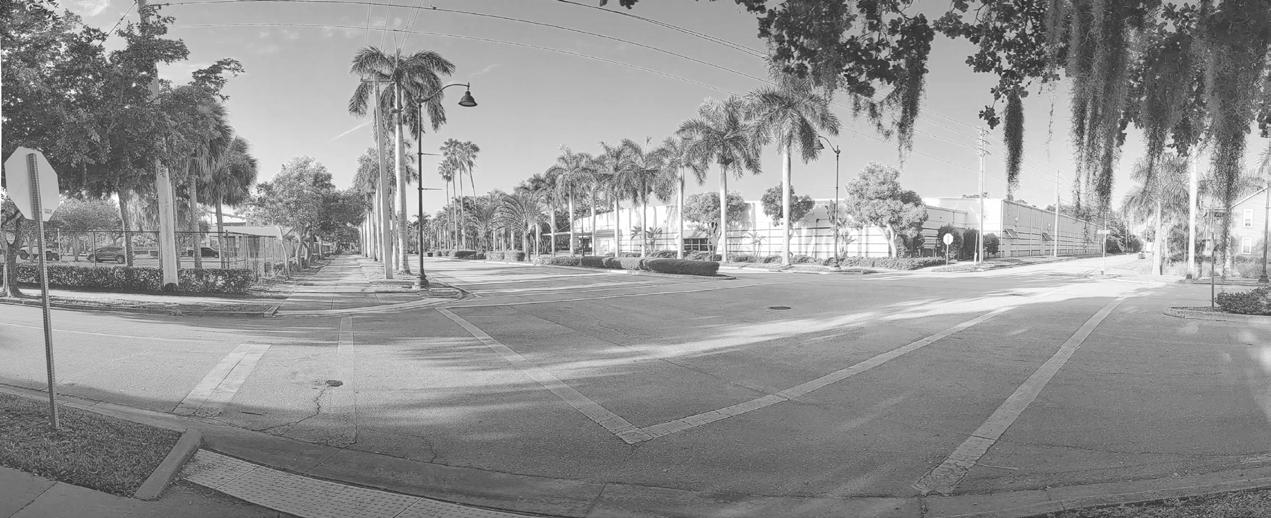
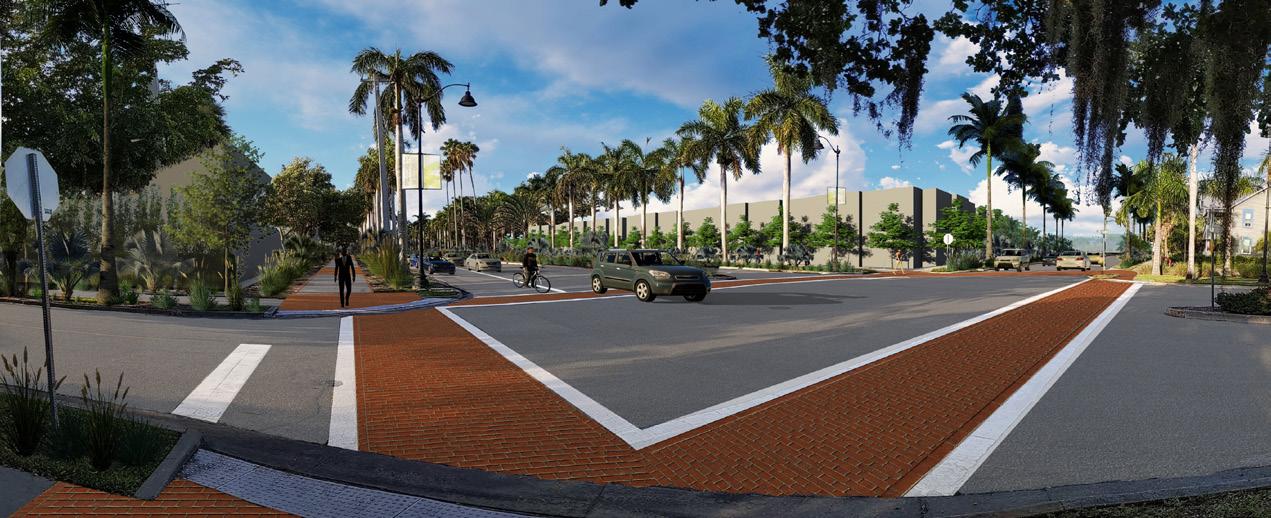
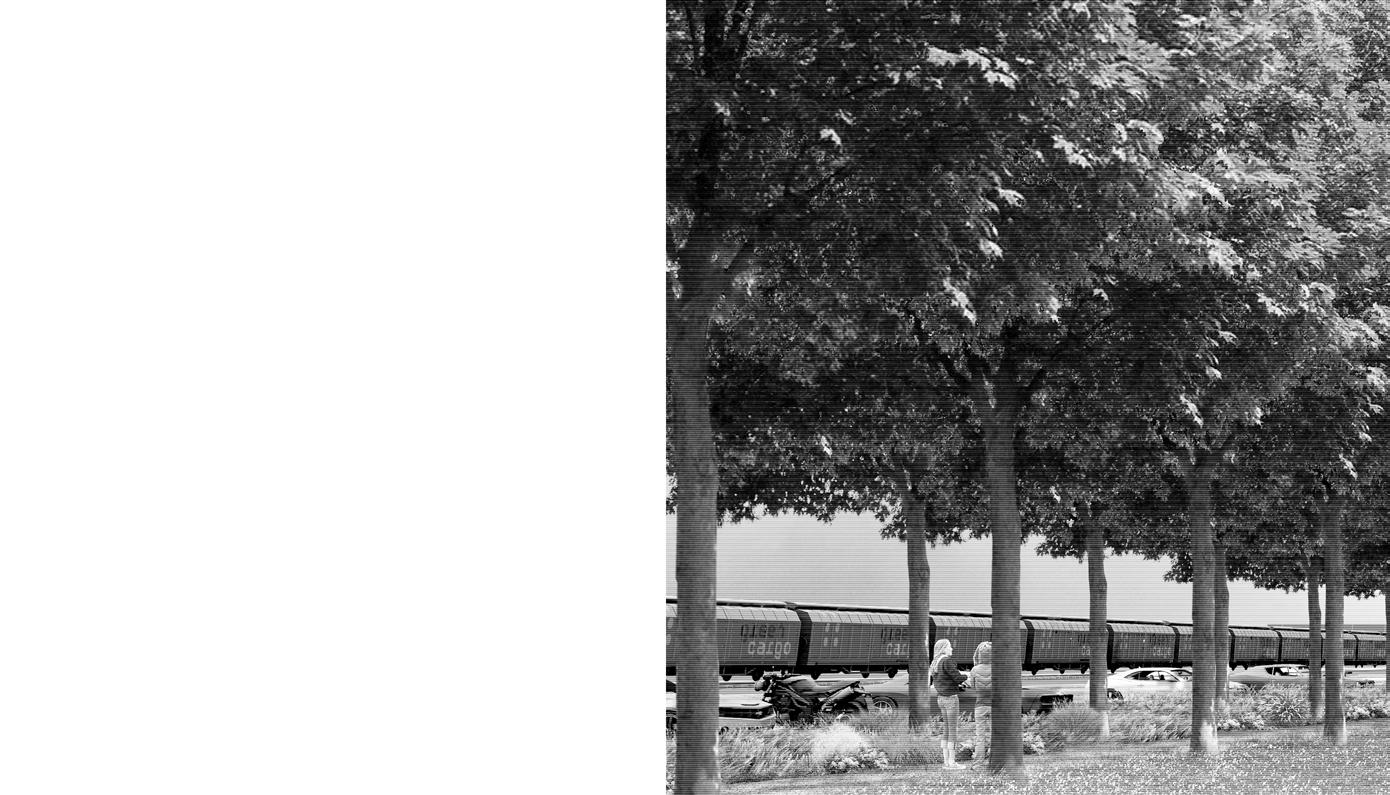
The following exhibits are samples from my time as a Project Designer at Waldrop Engineering. In my role, I assisted Project Managers and other senior staff in all aspects of design and construction, however a majority of my responsibilities were in graphic design / marketing and 3D visualization.
solar study