

History of WW1 - Page 2
The Western Front - Page 3
Impacts - Page 4
Case Study - Page 5-6
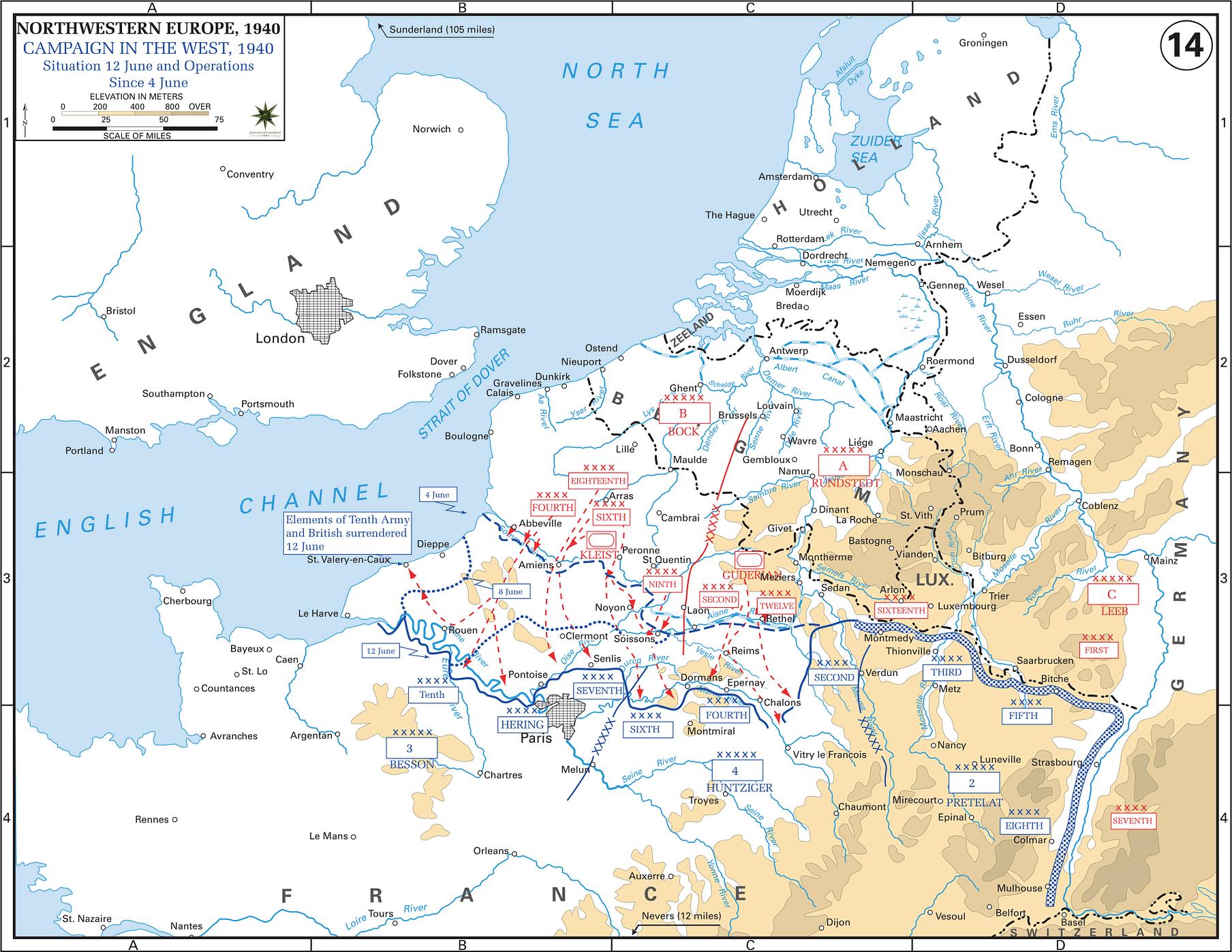
Map of The Western Front - Page 7
Timeline - Page 8
Bibliography - Page 9-10
World War 1 broke out halfway through 1914 after the assassination of Archduke Franz Ferdinand who was the heir to the Austria-Hungarian Empire. The assassination was not the direct cause of starting WW1, but it was a spark that brought up the tensions between the European countries. At the end of June 1914, the assassination of Franz Ferdinand was published in the newspapers in Australia. Australians continued to read about the outbreak of war. On the 4th of August Germany had their troops enter Belgium. After this happening the United Kingdom declared
war upon Germany. Being apart of the British Empire, once Australia heard about this, they willingly joined to assist the mother country. Australia sent off 20,000 troops with many more to follow.
World War 1 was a war that was between the Triple Entente and The Tripple Alliance. There were five causes of war. M.A.I.N (Militarism, Alliance, Imperialism, and Nationalism) was the four long-term causes of why war started, and the assassination was the short-term of it.
Militarism on its own did not begin World War 1 but it created a climate when war could develop. Public opinion, the media, and national culture were all influenced by militarism. Alliance is another one of the main reasons of the starting of World War 1. Prior to World War one, there were two main alliances – The Triple alliance, which was composed of Italy, Germany, and the Austria-Hungary. Imperialism, Africa was ruled by European nations through annexation, economic area of influence, and outright military force. Nationalism, due to the widespread belief that each nation had the right to self-government and the desire to increase their power and influence, nationalism played a major role in the start of World War 1.
Competition and tensions between countries resulted from this.
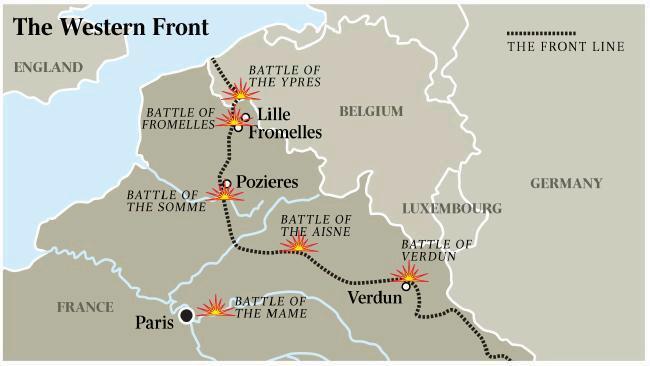
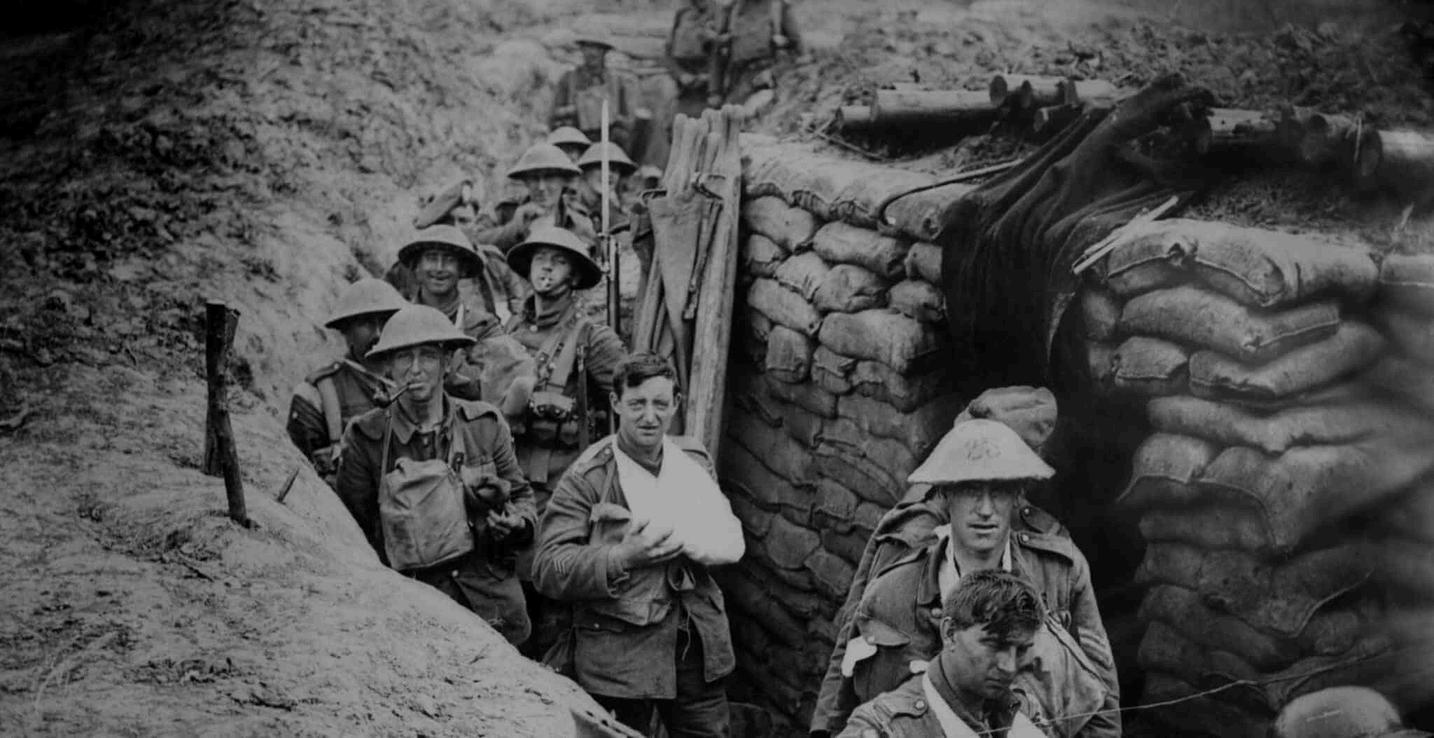
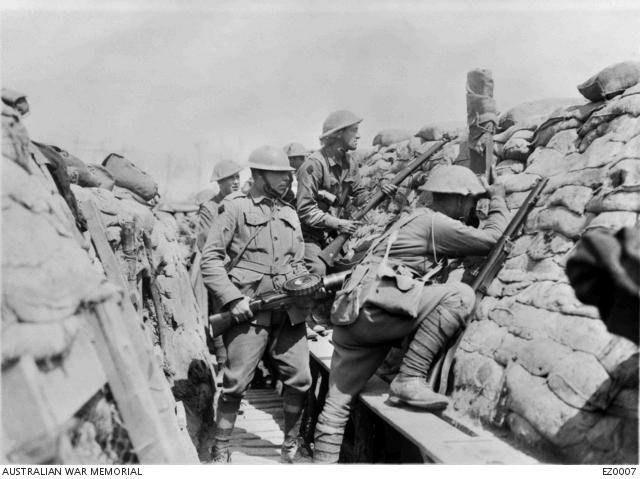
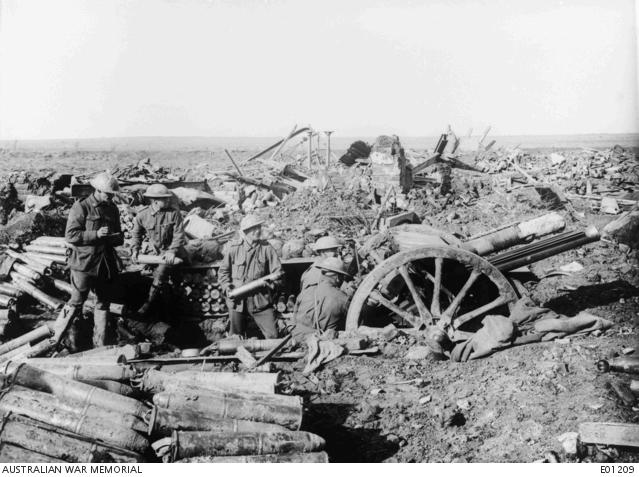
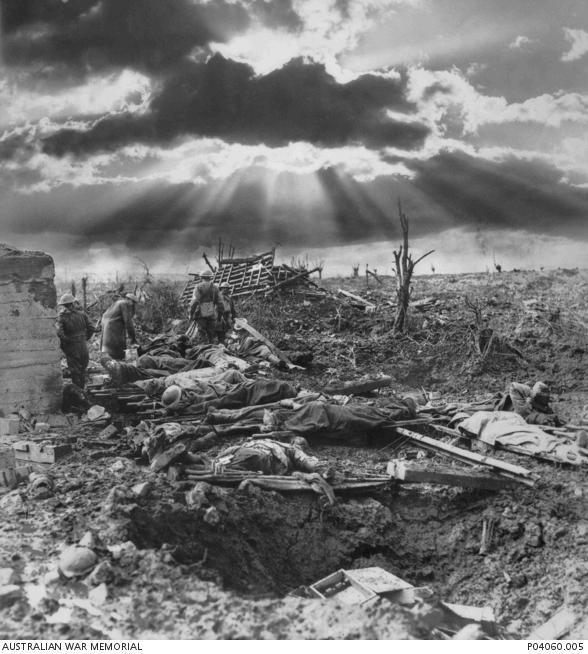
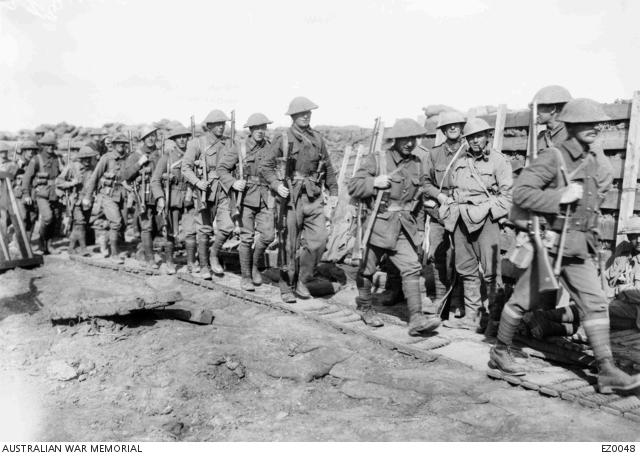
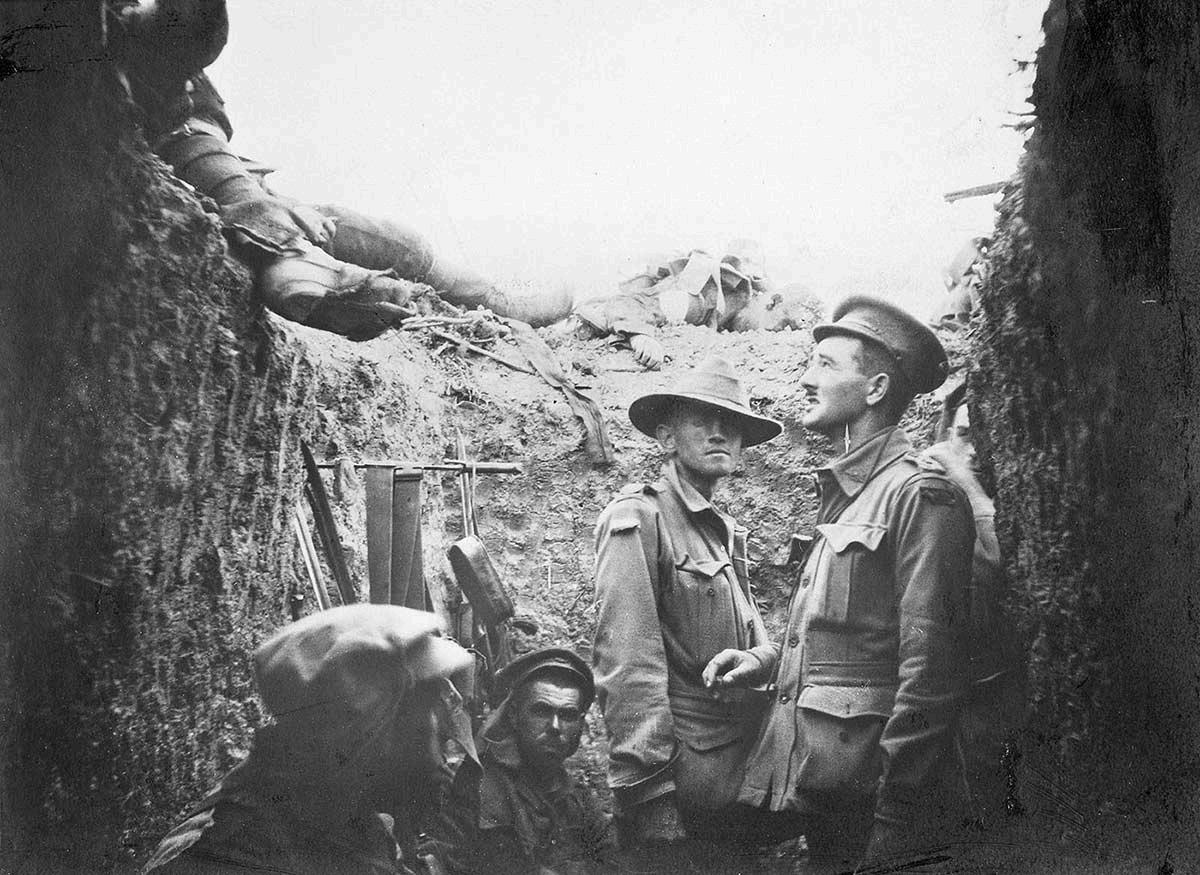
The Western Front was a battlefield that extended from the Belgian coast to the border of Switzerland, that was 440 miles (700 km). After Gallipoli, Australian soldiers and air force fought in each of the major British campaigns on The Western Front. Soldiers first arrived at The Western Front March 1916. Between March 1916 and November 1918 more than 295,000 Australian men had served on The Western Front. 46,000 men and woman lost their lives and over 130,000 were wounded. The battle conditions were so dreadful that more than 18,000 of the fallen had no known grave. The German force invaded France through Belgium that pushed the French army and the British force back 30 miles (48km). In the early years of World War 1 the Australian force used barbed wire, machine gun, etc, to protect themselves from the Germans. On the 22nd of April 1915 the German force used their new deadly weapon. The Germans released nearly 200 tons (180,000 kg) of chlorine gas into the allied trenches. Australia was involved in 29 battles on the Western Front. The Battle of Arras (April 9May 16, 1917) this battle left 278,000 men injured/dead 158,000 of the soldiers were a part of the British army and the other 120,000 were German soldiers. Many of the soldiers that died on The Western Front were left on the battle fields as the soldier continued on with the war. Unfortunately, there was nothing that the other soldiers could do and the dead soldiers that were left on The Western Front were buried with no grave.
Many soldiers that fought on the western front had impacts that affected them long-term and short-term. These impacts include diseases, trench foot, shell shock, wounds, loss of limbs, lose of blood, etc.
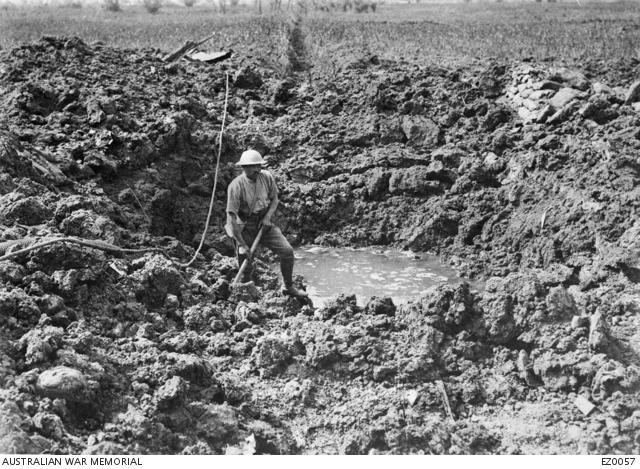
In the trenches on The Western Front, drinking water was a short supply. Some of the troops would drink water from shell holes that were made by shell explosions. Men drinking this water led to outbreaks of cholera.
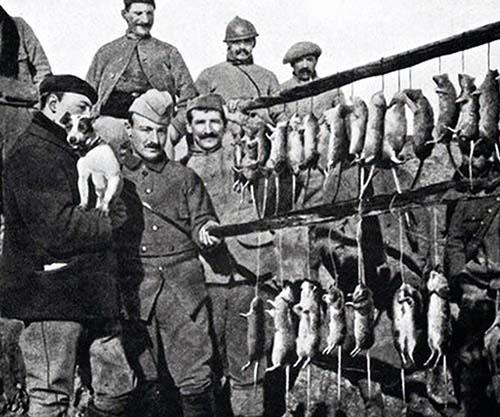
Rats were causing constant issues in the trenches. Dead bodies attracted rats to the trenches and troops soon found out that they were also helping themselves to the food supplies leaving some soldiers without food. Having the rats in the trenches, lice began to spread throughout. Lice would lay eggs in the seams of the overcoats the troops had. Lice caused the spread of trench fever and typhus among the soldiers.
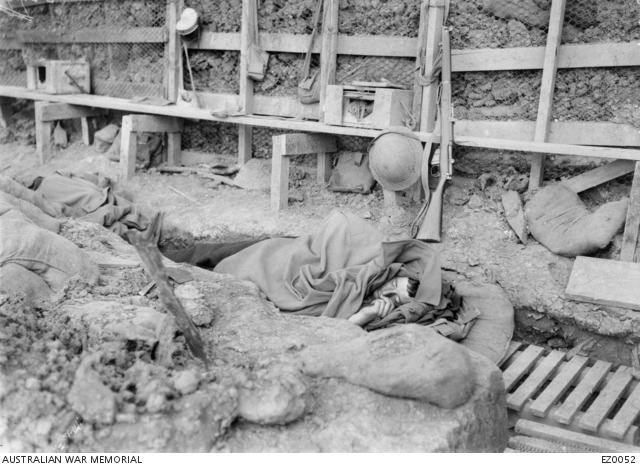
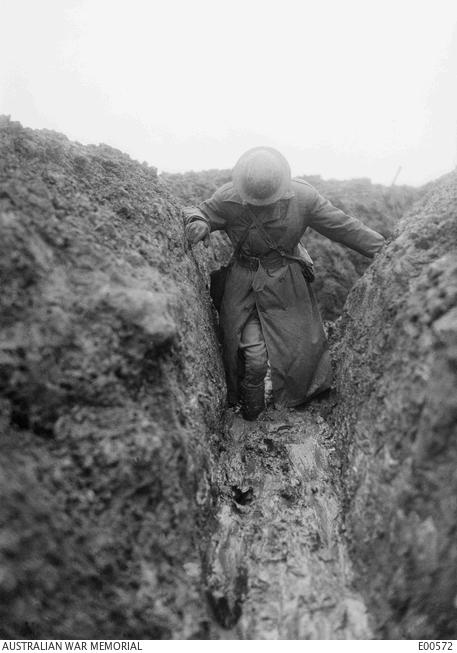
Another impact the soldiers had while being in these trenches was mud. Mud in the trenches created problems for the troops as it prevented them from keeping their feet clean and dry. This led to many soldiers developing a condition known as trench foot. This disease would rot the flesh of soldier's feet and expose the bone and muscle.
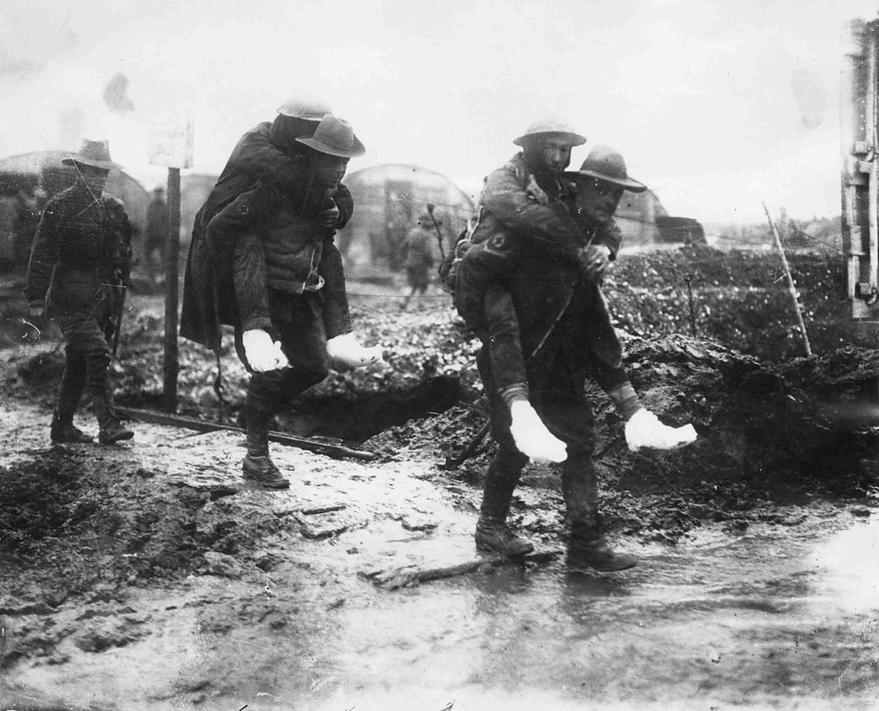
Many men developed shell shock during war caused by the noise from bombs and gun shots. Shell shock is now known as PTSD. During the war, symptoms of PSTD was shown from the men, such as their limbs shaking uncontrollably, foaming at the mouth and more. Some became confused and would be found wondering behind the trenches without knowing where they were.
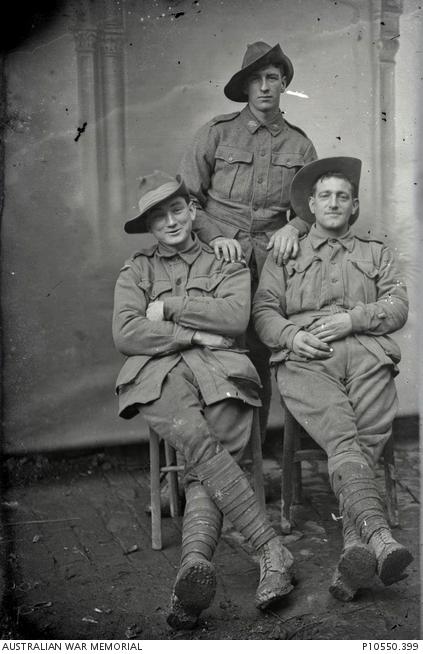
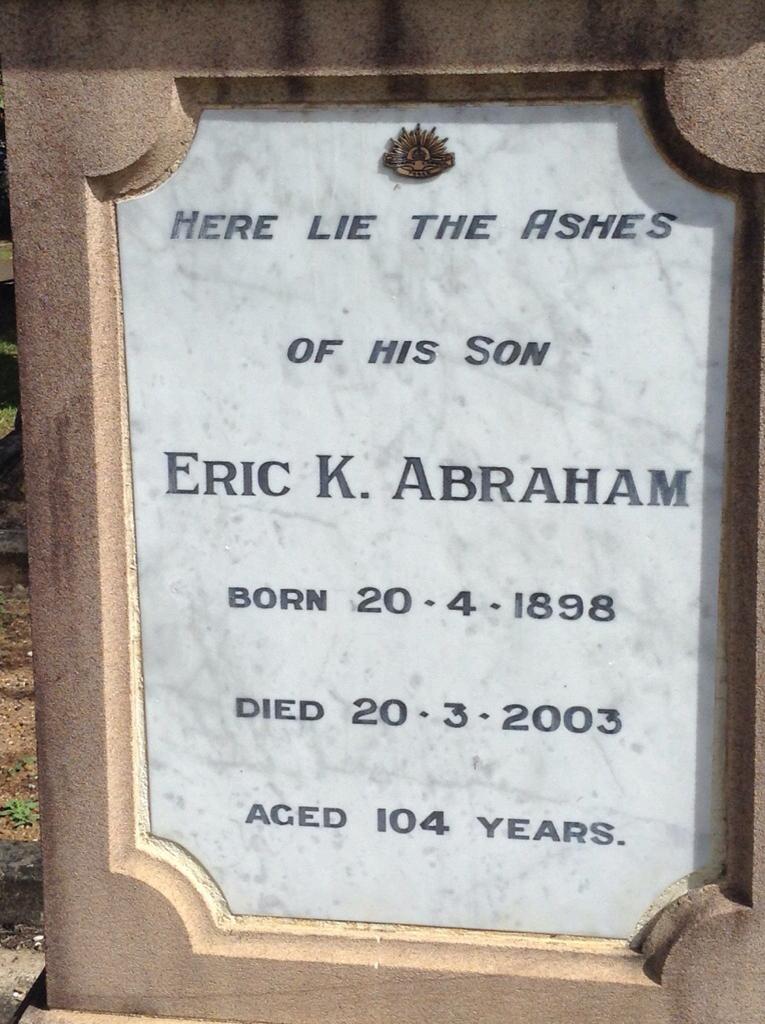
Eric Kingsley Abraham was the longest living soldier that went to war along with three of his friends Howard Pope, Charlie Mance and Russell Bosisto. Eric was born on the 20th of April 1898 in Hemmant QLD, and died of natural causes in Brisbane, QLD on the 20th of March 2003 at the age of 104 years. Eric was the 7th child of parents Jabez and Elizabeth Abraham. It is unknown where Eric went for schooling. Before Eric enlisted for war he worked as a postal assistant. On the 26th of November in Ipswich, Queensland, Eric enlisted at the age of 18 years and 7 months. He was over 6 feet in height when he had finished his training and was sent off to war. Once Eric finished his training in the Gallipoli Campaign he was sent off to The Western Front. In 1917 he was hospitalized in England due to bronchitis and pleurisy.
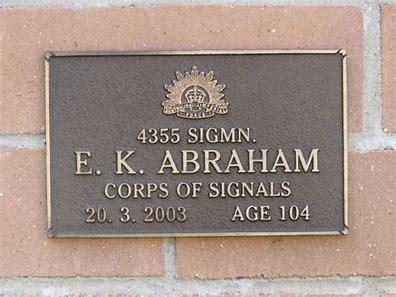
Eric was one of his three brothers who enlisted. Unfortunately, his two brothers Jabez Jr and Cyril died of wounds and both of them were buried in France. Eric survived the first world war and ended up going to the second world war. During the first world war eric service number was 4255. He departed from England on the 23rd of June 1919 and returned to Australia on the 9th of August 1919 at 22 years of age. After war Eric got married to Enid Ruth (nee Hunter) Abraham.
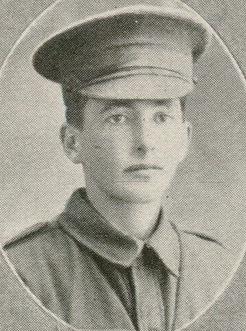
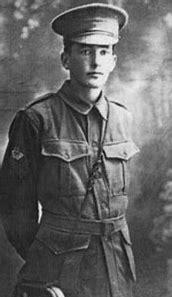
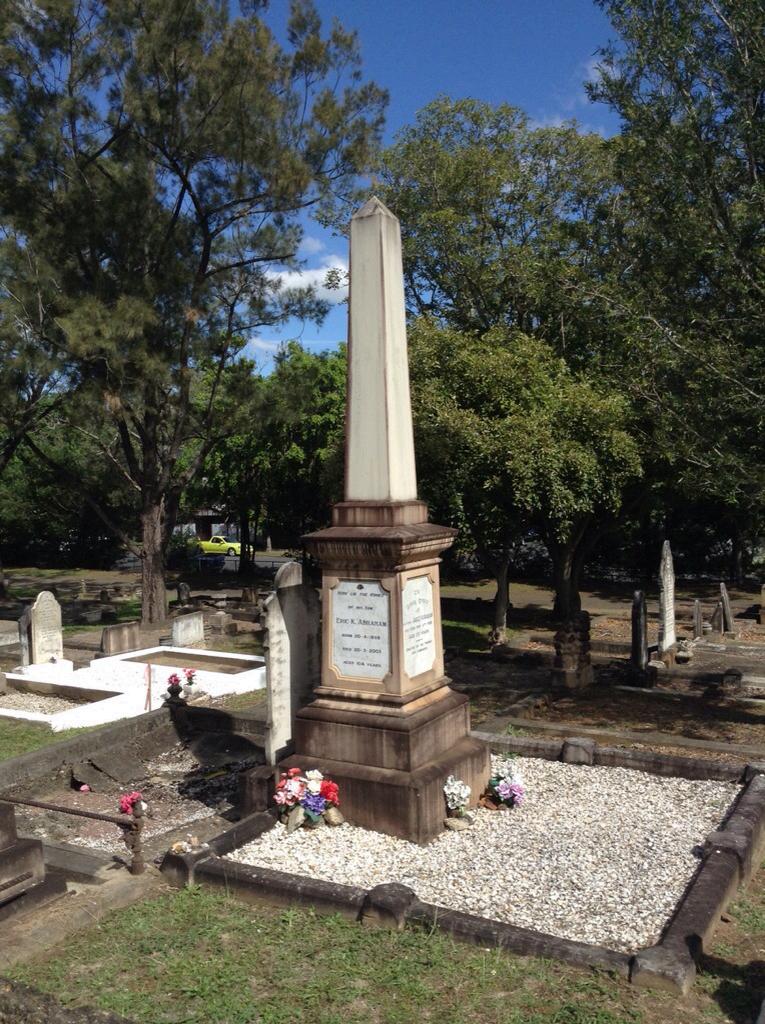
Eric was interviewed and asked about the conditions on The Western Front. Eric described the conditions as “ghastly” and also saying that was not a strong enough word. Eric also mentions “how the hell I survived; I’ll never know”. Eric was apart of 9 different battles during World War 1. Eric passed away peacefully, in Brisbane, QLD, Australia at the RSL Nursing Home Pinjarra Hills. Eric is buried at Balmoral Cemetery in Brisbane City, his final resting place where his dad was buried 95 years prior. His plot is Portion 11. Grave 13. Eric went to WW1 and WW2 and survived both. He was awarded the 1914/1915 star, The British war medal and The Victory Medal. The reason for Erics enlistment was because his spirit of adventure motivated him.
“It was terrible - the conditions under which we fought – mud up to the ankles - all over the place – mud, mud, mud – how the hell I survived, I’ll never know – God was looking after me –because my chest is susceptible to all sorts of complaints which I received from service on the Somme in the mud – and in the mud up at Ypres – ghastly place. Yet here I am 104 in three weeks’ time.” - Eric Abraham
28 June - Archduke Franz Ferdinand was assassinated
28 Jul - First World War started
Aug7-23: Battle of the Frontiers
Aug25-26: Battle of Le Cateau
Sept6-12: First Battle of the Marne
Sept12-28: First Battle of the Aisne
Sept25-Nov 22: Race to the sea
Oct19-Nov 22: First Battle of Ypres
Mar 10-13: Battle of Neuve Chapelle
Apr 25 - ANZAC’s landed on Gallipoli
Apr 22-May 25: Second Battle of Ypres
May 15-27: Battle of Festubert
Sept 25-28 Battle of Loos
Dec20- Mar 17, 1917: First battle of Champagne
Feb 21-Dec 18: Battle of Verdun
March 1 - Australians were sent to The Western Front
July 1-Nov 18: Battle of the Somme
Apr 9-12: Battle of Arras and Vimy Ridge
Apr 16-May 9: Second Battle of the Aisne
June 7-14: Battle of Messines
July 31-Nov 6: Third Battle of Ypres - Passchendaele
Nov 20: Battle of Cambrai
May 27- Jun 6: Third Battle of the Aisne
May 28: Battle of Cantigny
Jun 3-26: Battle of Chateau
Thierry and Belleau Wood
Jul 15-Aug 5: Second Battle of the Marne
Nov 11: War ended
Australian War Memorial (2013). Enlistment statistics, First World War | The Australian War Memorial. [online] Awm.gov.au. Available at: https://www.awm.gov.au/articles/encyclopedia/enlistment/ww1.
Australian War Memorial (2019). Life in the trenches | The Australian War Memorial. [online] Awm.gov.au. Available at: https://www.awm.gov.au/visit/exhibitions/anzac-voices/life-trenches.
Beck, E. (2016). Long-term Causes of World War I. [online] History CrunchHistory Articles, Summaries, Biographies, Resources and More. Available at: https://www.historycrunch.com/long-term-causes-of-world-war-i.html#/.
corporateName =Department of Veterans’ Affairs; address=21 Genge St, C.C. (n.d.). Nursery trenches at Armentières 1916. [online] Anzac Portal. Available at: https://anzacportal.dva.gov.au/wars-and-missions/ww1/whereaustralians-served/western-front/nursery-trenches.
Encyclopedia Britannica. (n.d.). World War I Timeline. [online] Available at: https://www.britannica.com/summary/World-War-I-Timeline.
Esri Australia Education Program (2022). Australia’s involvement in WWI. [online] ArcGIS StoryMaps. Available at: https://storymaps.arcgis.com/stories/487b208cd36643a5b73d6991c7d5d1ca.
Guardian Staff (2008). Timeline: Key battles on the western front. [online] the Guardian. Available at: https://www.theguardian.com/world/2008/nov/09/western-front-battlestimeline. recordsearch.naa.gov.au. (n.d.). Session expired | RecordSearch | National Archives of Australia. [online] Available at: https://recordsearch.naa.gov.au/SearchNRetrieve/Interface/DetailsReports/It emDetail.aspx?Barcode=3018357&isAv=N [Accessed 9 Jun. 2024].
State Library Of Queensland. (2017). Eric Abraham, 25th Infantry Battalion: oral history. [online] Available at: https://www.slq.qld.gov.au/blog/ericabraham-25th-infantry-battalion-oral-history.
www.awm.gov.au. (n.d.). Battles, First World War | The Australian War Memorial. [online] Available at: https://www.awm.gov.au/articles/encyclopedia/battles_first_world_war.
www.findagrave.com. (n.d.). Eric Kingsley Abraham (1898-2003) - Find a Grave... [online] Available at: https://www.findagrave.com/memorial/96856133/eric_kingsleyabraham#source.
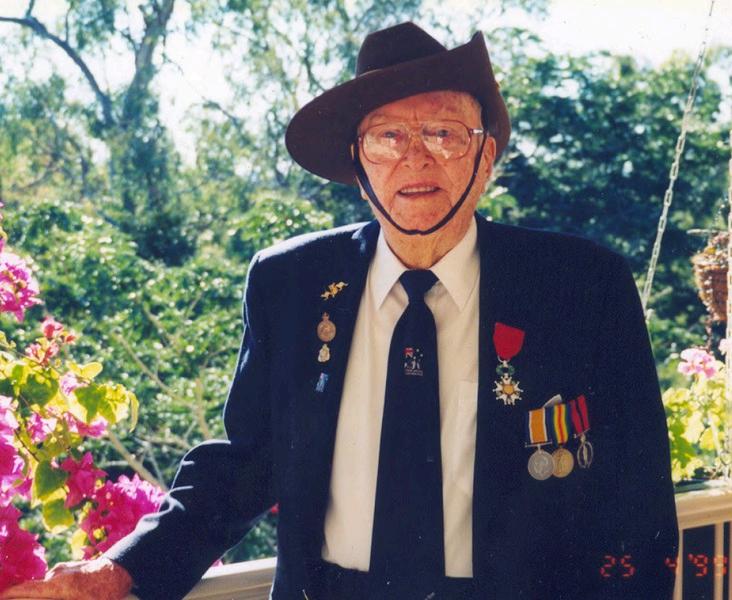
EricKingsleyAbraham April 20 1898 - March 20 2003