Supplementary Learning Material in 2-DIMENSIONAL ANIMATION FOR
SENIOR HIGH SCHOOL STUDENTS
 Prepared By: Emeterio, Ryan
Regine Rae Henson, Erianne Leigh
Gonzales,
Montenejo, Ian
Prepared By: Emeterio, Ryan
Regine Rae Henson, Erianne Leigh
Gonzales,
Montenejo, Ian
ST. DOMINIC COLLEGE OF ASIA
Trinidad, Kristine Mae
ANI MAT ION
TRIVIA
04 05 06 14 15 17 14 15 17
FOCUS ON PRE-PRODUCTION/ DETAILED PRODUCTION
TIMING
TABLE OF CONTENTS
LINE QUALITY CHARACTERIZATION
PRACTICE MORE
STORYBOARDING 07 09 11
SQUASH AND STRETCH
KEYS AND INBETWEEN
17 20 21
TRIVIA
To succeed in the field of animation, the ability to enhance your skills is to determine the 4C’s (communicate, categorize, collaborate, and creative).
Communicate
Whether a criticism or a feedback, artist should take the responsibility for its action. It is to advance your skills, establish rapport, and setting your goal to finish line.
Categorize
Learn to delegate your work effectively by planning and managing your time frame.
Collaborate
Revisions and criticism don’t define your style. “Always remember that practice makes perfect. It is much easier if you perform exercises on your own to improve your skills and efficiency.” This is good practice to establish rapport not only with individual clients but with a wider connection to the industry.
Creative
Define your vision and style as an artist. People don’t easily determine their preferences and tend to revise a hundred times before they satisfied of your work. Show them your style, give them your options, and provide them quality work that will remember your identity as an artist.
4
DETAILED PRE-PRODUCTION
The first step in the project creation process is to plan ahead of time and lay the foundation. During this phase, it is critical to complete the necessary planning, research, problem-solving, and organizational tasks to ensure the project’s success.
It is critical to remember and identify all of these factors, removing those that are unnecessary. Planning is essential in pre-production.
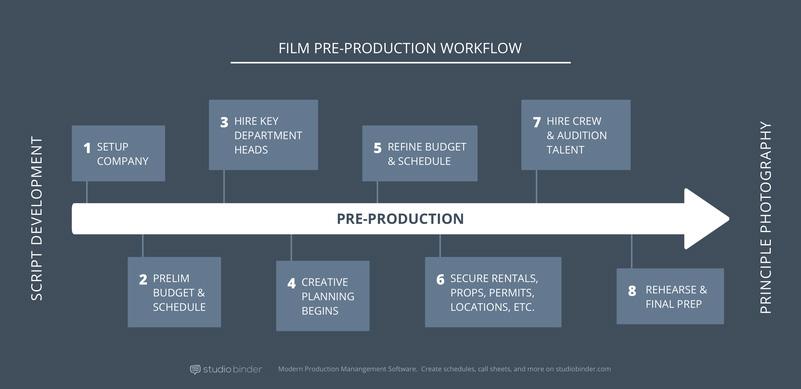
The pre-production phase includes:
• Video strategy/goals
• Budget/scope
• Story selection
• Project timeline
• Script creation
• Talent/characters
• Production team/equipment needs
• Location Scouting

5
TIMING
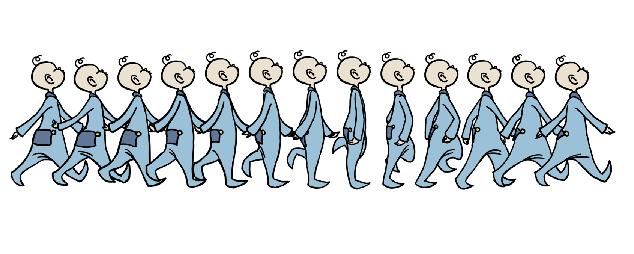
Drawings per second of action is required for full animation. Timing animation is carefully done by the director, ensuring that every action is corrected to make animation work. Timing in animation is the same way that a melody exists only when it is played. It exists only when the film is projected. Listening to it, rather than trying to explain it in words, will make a melody easier to appreciate. So, it’s hard not to use a lot of words to explain what might look pretty simple on the screen with the timing of the cartoon.
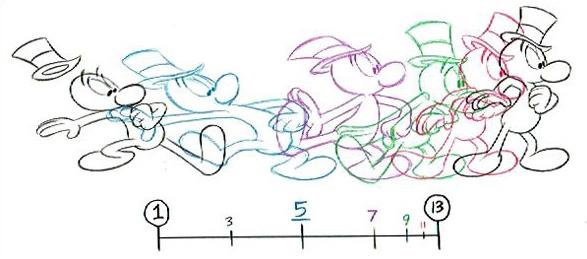
When trying to come up with something that works for one situation or another, timing is also a dangerous factor as it can’t work all the time in different situations. If it works well on the screen, it’s fine, if it doesn’t, it’s not.
6
STORYBOARDING
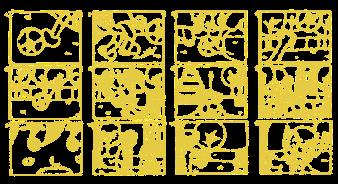
One of the most important objectives of any film is a smooth visual flow, especially if it’s an animated movie. Storyboard served as a guide of each project. As regards, the content of the film is taken into utmost considerations and the production may not start until the final storyboard has been created.
1.) Digital Storyboard
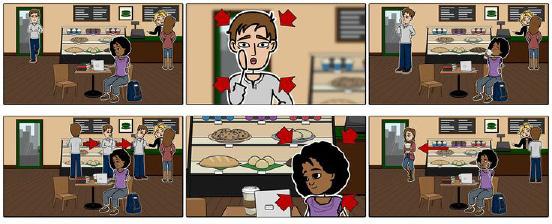
Nowadays, story reels with numerous soundtracks and effects can be created by storyboard artists on their convenient by adding them to online platform through digital storyboarding.
7
2.) 2D Storyboarding
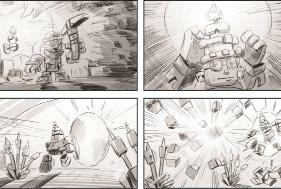
2D STORYBOARDING – It is where drawings are still completed on paper and arrange in the timeline according to the designated time. Instead of utilizing a pencil and paper to sketch your storyboards, many of these now let you do it directly into the computer using a tablet and digital stylus.
4.) Script First & Animatics
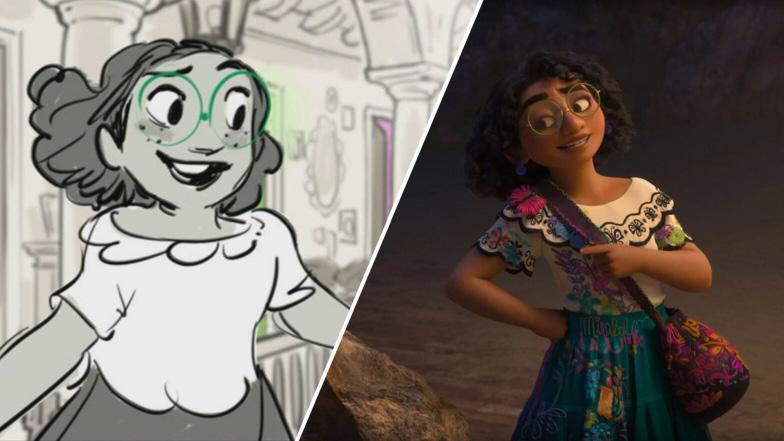
SCRIPT FIRST
Elevating the idea beyond its initial conception makes the script essential during the storyboard development. The original concept may undergo in multiple revisions and it’s important to remain open to sudden inspiration while not solely relying to it allowing flexibility in the idea and script.
Storyboarding
8
ANIMATICS
The animators evaluate the effectiveness of the storyboard through creating animatics which also part of elimination of unsuitable scenes and ideas. An animatic is a sequential movie paced similarly to the final film, comprising still images from the storyboard rather than animation. The process of creating animatics involves timing each shot scene by scene, either through physical enactment, imagining actions, or reading dialogue aloud. Alternatively, individual storyboard images can be scanned into a computer and imported into editing software for assembly, allowing for precise timing adjustments.
SQUASH AND STRETCH

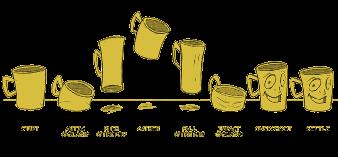
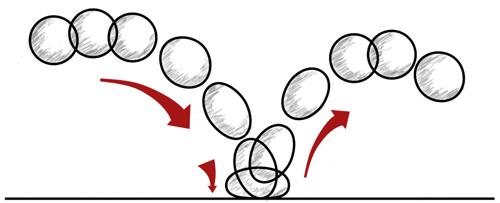
The fundamental principle known as “Squash and Stretch” is paramount in animation, serving to imbue drawn objects with a sense of weight and flexibility. This principle applies to both simple entities, such as a bouncing ball, and more intricate constructs, like the facial musculature of a human.
9 Storyboarding
Squash and Stretch
For instance, exaggerating the stretching or squashing of a figure can evoke a comedic effect. In realistic animation, however, maintaining the object’s volume while squashing or stretching is crucial. Thus, if the length of a ball is vertically stretched, its width must contract proportionally horizontally. This concept involves deforming the shape of an object or character to convey its weight.
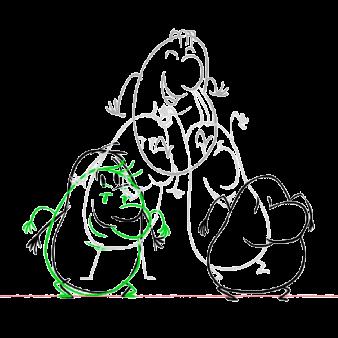
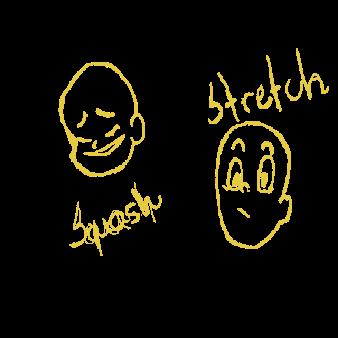
Moreover, “Squash and Stretch” need not be limited to specific body parts; it can encompass the entire character. Additionally, “Squash and Stretch” finds utility in animating dialogue and facial expressions, being employed across various forms of character animation, ranging from a bouncing ball to depicting the body weight fluctuations of a walking person.
10
KEYS AND INBETWEEN
When an artist draws, it usually begins with an outline. Approximately describes the shapes with guidelines, using as few provide as many details as possible. These guidelines assist the artist with previewing and the final art, avoiding asymmetries in the outcome. The difference between two consecutive frames is usually small, it is typical to begin with a larger separation that provides a hint about the overall movements depicted, these frames are known as key frames.
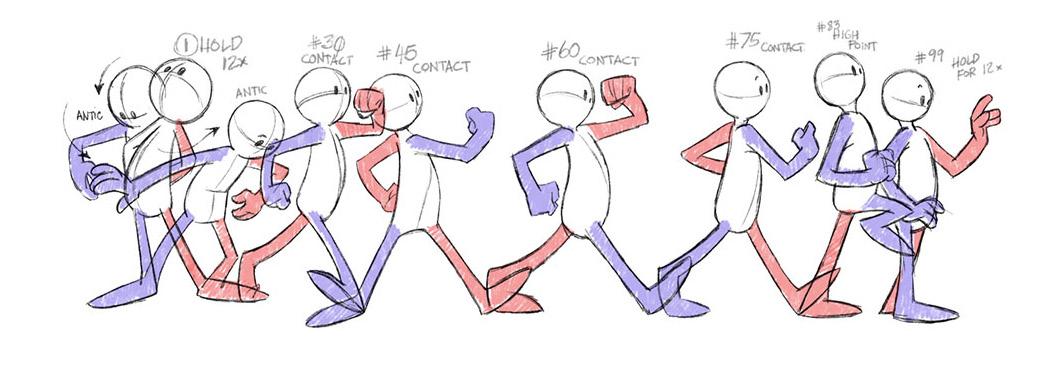
The Keys are essential elements that the illustrations movement explain the story and indicate what is happening. Depending on the scene and how long it is, there might be a lot of keys in it or maybe only one or two. Whatever it takes to read what’s about to happen and put it over.
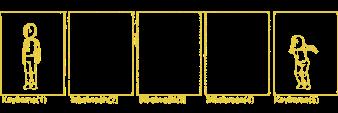 1.) Keys
11
2.) Inbetweening
The frames between the keyframes are drawn to smooth out the motion. This step is called inbetweening. Inbetweens are crucial to the quality of a sequence. Some may think that inbetweening is easy, as the keyframes determine the movement. However, many soon realize that is not the case. As the final quality of the motion depends on this step, the smallest cut corner will result in choppy motion. These technique will also help you on creating a smooth inbetweens.
3.) Pose to Pose
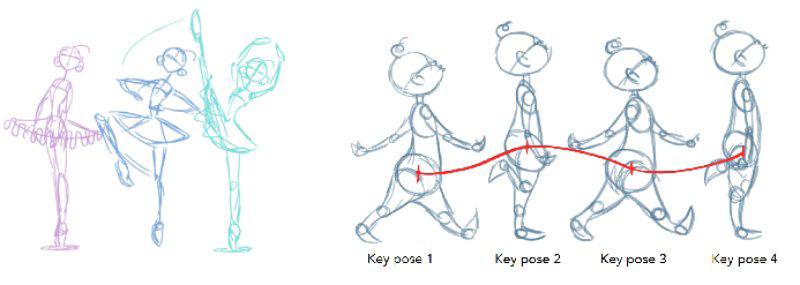
The significant poses are drawn first. In traditional anime production, these drawings are called “genga” or “keyframes”.
4.) Motion Arc
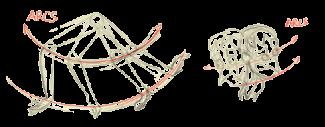
A motion arc is a line that indicates the trajectory of a motion. An arc contains dots that specify frames.
Keys
and Inbetween
12
5.) Shift and Trace
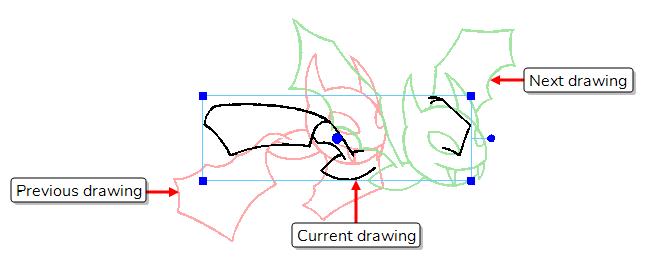
“Shift and trace” is a technique used to draw accurate inbetweens more easily by overlaying keyframes that are far apart.
In the field of animation, the technological age has certainly revolutionized the process one takes to bring a cartoon to life. With drawing tablets, art specific software, and the whole process of 2D modeling, animation has in fact become a quicker and easier process than the days of tracing paper and angled tables. It used to be that someone would draw each individual frame for animated films and tv shows, and while that time seems to have passed from modern animated films.
The Keys are essential elements that the illustrations movement explain the story and indicate what is happening. Depending on the scene and how long it is, there might be a lot of keys in it or maybe only one or two. Whatever it takes to read what’s about to happen and put it over.
Keys and Inbetween
13
LINE QUALITY
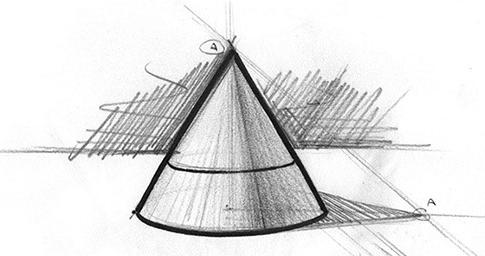
Line quality range increases descriptive potential, allowing for descriptions of textures, movement, light, space, and so on. Using multiple lines in a drawing can also add visual interest. When the drawing depicts a recognizable image, the types of lines that can be used to add information about the subject matter. The character of lines and marks, combined with movement/direction, contributes to the creation of a complete page, or a drawing that holds together across the page. To see the objects in greater detail, lines typically have a wider range of value, thickness, and overall character. In contrast, a higher level of detail, as evidenced by line quality, is interpreted as indicating a foreground or forward space.
Some of artists are CIB, which stands for clean up and inbetweening. It means that their responsibility is to ensure that the line quality and clean strokes are perfect. So we suggest that in the early years of being an animatior, focus on your line quality to show improvement in your current skills.
14
CHARACTERIZATION
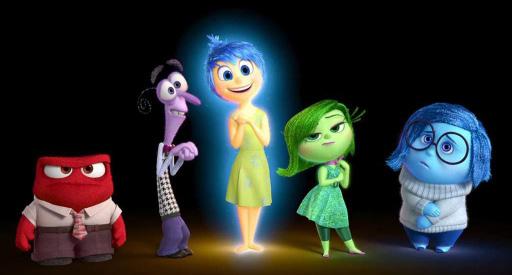
Our current objective is to explore how we infuse animation with character and personality, and how we evoke shifting moods and temperament within them. Characterization begins not with outward appearance, but with inner qualities.
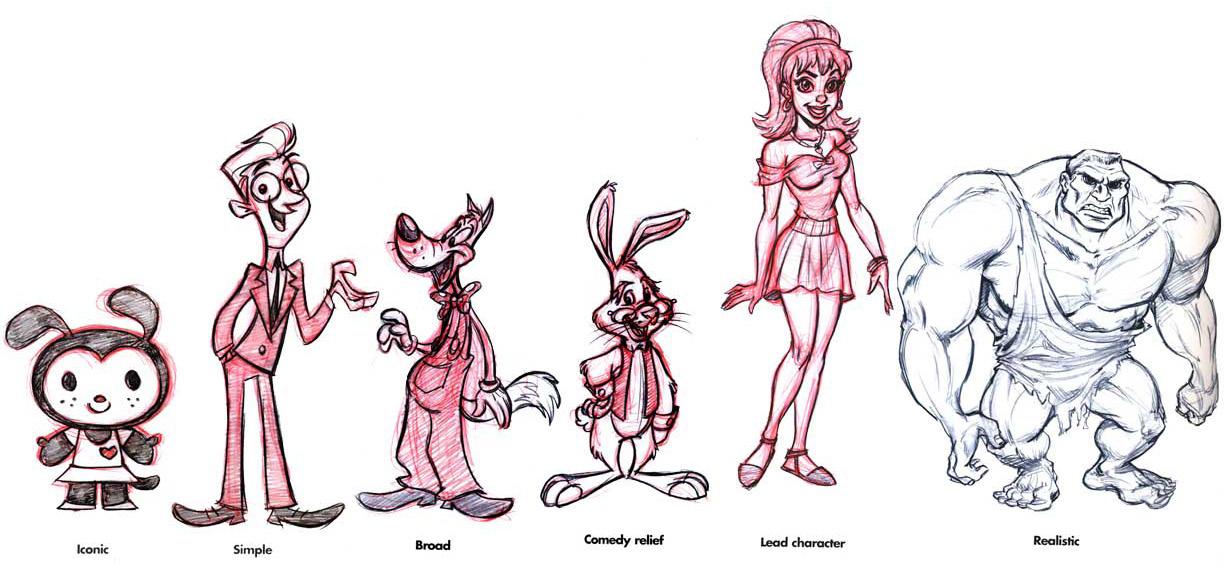
Successful character animation hinges on the believability of these characters. While visually appealing design is important, it is the psychological makeup of characters that captivates audiences and elicits emotional engagement. Without a thorough understanding and belief in the characters from the designer, and emotional investment from the animator, the character risks appearing unconvincing.
15
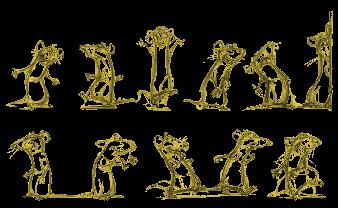
The characters should deliver a performance that conveys mood, temperament, and emotions. They should be convincing enough to invite the audience in, enabling them to not only understand the characters’ thoughts but also feel their emotions. Otherwise, how can you expect your characters to evoke the intended response from your audience?
To maximize the potential of your characters, you must:
• Understand your characters intimately
• Empathize with your characters
• Internalize your characters’ traits and behaviors
16 Characterization Acting
PRACTICE MORE
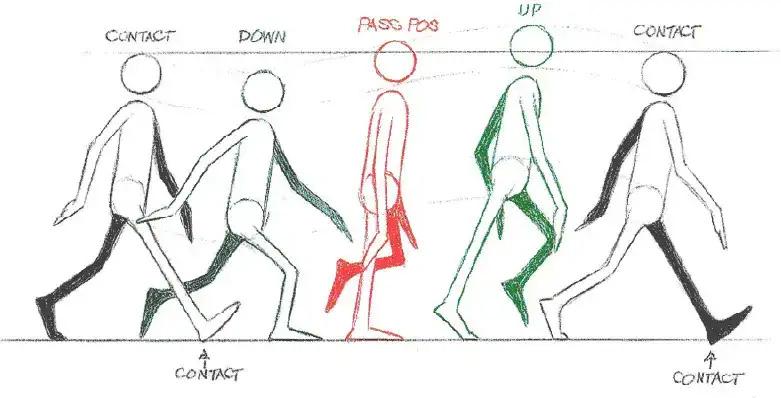
Best practices in animation can help you be more productive and efficient as an animator. Bringing animation to life can be a time-consuming and tedious process. Even with animation software, creating a short clip can take hours of work and requires at least a basic understanding of how the software works, which can be daunting for someone new to the animation game. The first best practice in animation is to simply practice. There aren’t any tutorials available online that will instantly turn anyone into a professional.
Always remember that practice makes perfect. It is much easier if you perform exercises on your own to improve your skills and efficiency. Your hands will be more confident if you spend more time sketching and practicing the character you are attempting to animate.
17
VIDEO

Kindly watch the Mastering in Basics in 2D Animation

Scan QR for video
18
REFERENCES
21st Century Learning Academy: A School at the Whitfield Career Academy. (2011). The 40 Reflection Questions. Edutopia. https://www.edutopia.org/pdfs/stw/edutopia-stw-replicatingPBL-21stCAcad-reflection-questions.pdf
Animation: Breathing life into lines [Image]. (2018). Inbetweening Basics. https://tips.clip-studio. com/en-us/articles/954
Carvalho, L. (2017). DiLight: Digital light table – Inbetweening for 2D animations using guidelines. https://graphics.tudelft.nl/Publications-new/2017/CMV17/pdf.pdf?fbclid=IwAR2cCbdyXyn52vNs89AURV8ikZ502TfQtZciJna22qTAtmVU-rNJdTERq9w
MAAC Animation. (2023, March). Animation Quiz By Maac Academy. ProProfs Quiz. https://www. proprofs.com/quiz-school/story.php?title=mjgxmzc3oqkdm5
Mehrotra, V. (2015). UNIT 1: Introduction to Animation Student Workbook. PCC Central Institute of Vocational Education. https://cbseacademic.nic.in/web_material/Curriculum/Vocational/2018/Media_XI_821-Animator.pdf
Mehrotra, V. (2015). UNIT 2: Principles of Animation Student Workbook. PCC Central Institute of Vocational Education. https://cbseacademic.nic.in/web_material/Curriculum/Vocational/2018/Media_XI_821-Animator.pdf
Meroz, M. (2014). Animation for Beginners: A Step by Step Guide to Becoming an Animator. Attention: Permissions Coordinator. https://compress-pdf.obar.info
Richard Williams. (2019). The Animator’s Survival Kit Richard Williams. In Internet Archive. Retrieved April 9, 2024, from https://archive.org/details/TheAnimatorsSurvivalKitRichardWilliams/page/ n41/mode/2up?view=theater
Thomas, F. & Johnston, O. (2019). The Illusion of Life Disney Animation. Walt Disney Productions. https://archive.org/details/TheIllusionOfLifeDisneyAnimation.
Timing For Animation By Harold Whitaker And John Halas 3rd Edition. (2021). In Internet Archive. Retrieved April 7, 2024, from https://archive.org/details/timing-for-animation-by-harold-whitaker-and-john-halas-3rd-edition/page/1/mode/2up
University of Hull. (2024, January 19). Reflective writing: Reflective questioning. https://libguides. hull.ac.uk/reflectivewriting/reflection2a
19