


As always, we are pleased to bring together another collection of insights from across the mediation and conflict resolution community. Thank you to our contributors, readers, and supporters who continue to champion the value of alternative dispute resolution and its growing role in workplaces and organisations.
This issue explores a number of practical and thought-provoking themes. Caroline Sheridan shares guidance for mediators on delivering effective opening statements and setting the tone at the start of the mediation process. Alexandra Efthymiades looks at how conflict, when handled well, can strengthen teams and help build healthier workplace cultures.
David Liddle examines the challenge of organisational silos, outlining a systemic approach to improving collaboration across teams and organisations. We also feature Stuart Lawrence’s engaging piece, inspired by the television series The Traitors, which explores what the search for certainty can teach us about conflict and how people interpret trust, suspicion, and communication.
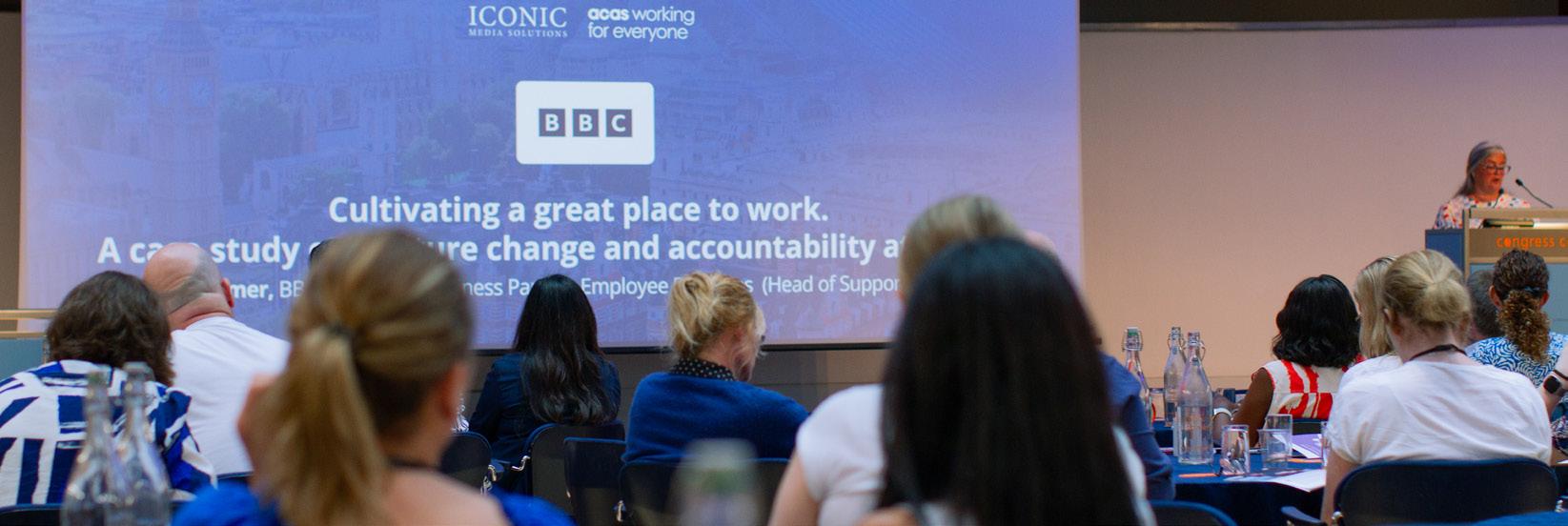
As the mediation community continues to grow, we are also looking ahead to the UK Mediation Conference, organised by Iconic Media Solutions in partnership with Acas. Taking place on 30th June 2026 at the De Vere Grand Connaught Rooms in London, the conference will bring together mediators, HR professionals, and conflict resolution specialists for a day of discussion and insight. If you have not yet secured your place, we encourage you to do so soon as availability is limited.
We hope you enjoy this latest issue and find the articles both useful and insightful. Thank you, as always, for your continued support.
Craig Kelly, Publisher

Read all issues and subscribe:
Published by Iconic Media Solutions Ltd, 60B Westcote Road, London SW16 6BN
t: +44 (0)20 3693 1944
e: info@iconicmediasolutions.co.uk
w: www.iconicmediasolutions.co.uk
4. Bridging Conflict: Why the UK Mediation Conference 2026 Matters More Than Ever
6. BUSTING THE SILOS
A systemic approach to building collaboration across teams and organisations
10. Harnessing Conflict for Stronger Teams and Better Workplaces
12. Opening Statements – a Mediator’s Guide
14. The Myth of Certainty: What The Traitors Reveals About Conflict
18 . Directory of Mediation & Training Providers www.ukmj.co.uk
Follow us:
@UKMediationJ
@UKMediationJournal
Whilst every care has been taken in compiling this publication, and the statements contained herein are believed to be correct, the publishers do not accept any liability or responsibility for inaccuracies or omissions. Reproduction of any part of this publication is strictly forbidden. We do not endorse, nor is Iconic Media Solutions Ltd affiliated with any company or organisation listed within. It is advised before appointing a mediator or trainer that you carry out your own quality and competence checks.
Workplace conflict is a growing challenge for organisations across Britain, affecting productivity, workplace culture and employee wellbeing. Against this backdrop, the UK Mediation Conference 2026, presented by Acas and Iconic Media Solutions, will bring together leading experts, mediators and organisational leaders for a day dedicated to improving how conflict is understood and managed in the workplace.
Taking place on 30th June 2026 at the historic De Vere Grand Connaught Rooms in the heart of Covent Garden, the conference offers an opportunity for professionals to gain new perspectives, build valuable connections and develop practical skills to address disputes more effectively within their organisations. With six hours of Continuing Professional Development (CPD) available, the event also provides a valuable opportunity for mediators, HR professionals, managers and leaders to further their professional learning while engaging with some of the most pressing issues facing today’s workplaces.
A timely conversation about workplace conflict
The conference arrives at an important moment for employers. In 2025, Acas published the largest ever study of individual workplace conflict in Great Britain. Its findings revealed that 44% of working-age adults experienced conflict at work in the previous year, highlighting just how common workplace disputes have become.
These conflicts arise from a wide range of issues, including performance management, strained relationships, bullying and harassment, and tensions linked to diversity and inclusion. The consequences extend far beyond the individuals directly involved, contributing to stress, reduced productivity, sickness absence and increased staff turnover.
One of the most important findings of the research is that informal conversations remain the most effective way to resolve conflict, yet many managers
feel ill-equipped to address issues early. Without the confidence or skills to intervene constructively, small disagreements can quickly escalate into larger organisational challenges.
The UK Mediation Conference 2026 is designed to help address this gap by bringing together practitioners and experts to share insight, knowledge and practical approaches to conflict resolution.
A programme led by leading voices
The day begins with a welcome hosted by broadcaster and journalist Matthew Stadlen, before the keynote address at 9.10am from Kevin Rowan, Director of Dispute Resolution at Acas. Rowan’s keynote will set the tone for the conference, reflecting on the evolving role of mediation and the challenges facing organisations managing conflict in complex modern workplaces.
Across the day, a wide range of sessions will explore mediation from different professional perspectives. The programme includes:
• “Busting the silos. A systemic approach to mediation across teams and organisations” – presented by David Liddle, Chief Executive of The TCM Group
• “Mediation as an Organisational Capability – From Concept to Culture: A Client Conversation” – presented by CEDR
• “How distinctive cultures are built through behaviour” –presented by Amrit Sandhar, CEO and Founder of &Evolve
• “Human Rights Discrimination in the Workplace - What Do We Know and What Can We Do?” – presented by Afsana Gibson-Chowdhury of GC Mediation and Training Ltd
• “Keeping Britain Working - Feeling the fear and doing it anyway” – featuring Caroline Sheridan, Tracey Foxand David Whincup
• “The Untouchables - when mediation goes to the dark side...” – presented by Liz Rivers and Jane Gunn of IPOS Mediation
• “Evaluating Online Mediation: Back of the Net or Over the Crossbar?” – presented by Stuart Lawrence, Founder of Mediator Locator
• “Reflective Practice: The Inner Work of the Mediator” – presented by Michael Jacobs and Owen BubbersJones of CMP Solutions
• “Beyond Two Parties: The Practice and Pitfalls of Group Mediation” – presented by Trish Hewitt, CEO of Resolution at Work
• “Beyond mediation: why workplace conflicts need repair, not just resolution” – presented by Leah Brown of The WayFinders Group
The conference will conclude with a practical panel session titled “Setting up a workplace mediation scheme”, hosted by Emma McLean with panellist Joanna Nunn and additional guests.
Beyond the individual sessions, the UK Mediation Conference is designed to give delegates something they can take back into their organisations. Attendees will have the opportunity to learn from experienced practitioners, explore emerging ideas in dispute resolution and connect with professionals facing similar challenges.
For those working in mediation, HR, leadership or organisational development, the event offers a chance to deepen understanding of conflict dynamics while gaining six hours of CPD. Just as importantly, it provides a space to share experiences, exchange ideas and build relationships that can continue beyond the conference itself.
In a workplace environment where conflict is increasingly common but often poorly managed, events like this play a vital role in strengthening the skills and confidence of those responsible for resolving disputes.
For delegates, it is an opportunity not only to learn but to leave with the insight, connections and practical tools needed to make meaningful change within their own organisations. As the conversation around workplace conflict continues to grow, this conference aims to ensure that those tackling it are equipped with the knowledge and networks to do so effectively.
Book your tickets at: ukmediationconference.co.uk/delegate-pass





By David Liddle, Chief executive, The TCM Group
Have you ever worked in an organisation that seemed to have everything it needed to thrive. Talented people, strong values, a clear sense of purpose, and real potential to be high performing and fulfilling. And yet, over time, something began to feel off.
Collaboration felt harder than it should. Information stopped flowing. Ideas stayed within teams rather than moving across the organisation. Decisions became slower, more defensive, more political. Trust

felt fragile. There was a sense of mistrust or suspicion that was difficult to name, but impossible to ignore.
The impact showed up in missed opportunities, disengagement, and frustration. Conversations that once felt open became cautious. Effort was duplicated. Energy was lost. And perhaps most disorientating of all, it became hard to pinpoint where this was coming from or why it was happening.
Over time, silo working begins to feel less like an operational issue and more like what I describe as a
‘shadow structure’ within the organisation. Present, powerful, and rarely spoken about.
If any of this feels familiar, this article is for you. Here I explore why silos form, why they persist even in wellintentioned organisations, and how unresolved conflict and avoided tension often sit at their core. More importantly, it examines how leaders, managers, and people professionals can build the conflict competence needed to prevent silos forming in the first place.
At its simplest, a silo is a structure that keeps things separate rather than connected. The Cambridge Dictionary defines a silo as “a system, process, or department that operates separately from others in an organisation, with little sharing of information or collaboration”.
In organisational life, silos are more than reporting lines or organisational charts. They are patterns of behaviour and separation that inhibit communication, erode trust, and block the flow of ideas, information, and effort across the whole system.
Silos are often described as a structural failure or systemic anomaly. From lived experience, they are something more human.
Conflict avoided does not disappear, it changes form. In organisations, it often reappears as distance, defensiveness, and silos.
When disagreement is avoided rather than worked through, it does not disappear. It settles into the system. Over time, that tension hardens into distance, defensiveness, and separation.
Organisational psychologist Edgar Schein observed that culture forms as groups learn how to survive together. Silos often form where survival feels local rather than shared. This is why restructures so often fail. Without addressing relational and emotional dynamics, silos simply reappear in new forms (Schein, 2010).
Conflict avoidance remains one of the most common organisational strategies for dealing with tension. It is framed as professionalism or efficiency, yet avoided conflict becomes displaced conflict. It resurfaces as silo working, duplication, mistrust, and passive
resistance. The cost is great, estimated in terms of billions each year, much of it because tension is not addressed early. (CPP Global, 2015).
Mediation is not a soft option. It is a strategic capability in complex systems. “ “
Most organisations speak the language of collaboration. Fewer design for it. Silos persist because people optimise for what they are measured on. When performance systems and leadership behaviours reward vertical delivery, collaboration becomes risky.
McKinsey’s work on cross-functional collaboration shows that teams act rationally within the constraints they are given. In conditions of uncertainty and change fatigue, people retreat into what they can control. Specialisation offers safety. Over time, safety becomes separation.
Recent collaboration trend data show that more connected teams consistently deliver better outcomes. Employees who report good collaboration are 73% more likely to experience improved performance, and 60% say collaboration sparks innovation, both critical drivers of organisational adaptability and resilience (Proofhub, 2024).
Gallup’s engagement data links role conflict and lack of clarity to burnout (Gallup, 2023). Moreover, OECD research on trust shows how fragmented systems erode confidence and performance suggesting that silos stop being benign when they make good work harder to do (OECD, 2017).
Silo working carries a distinct emotional climate which can easily become culturally normalised unless unchecked. Defensiveness increases. Empathy narrows. Conflict becomes predictable and unresolved. Boundary-spanners, often people professionals or programme leads, absorb friction as informal translators between disconnected parts of the system.
Renowned social psychologist Christina Maslach’s work on burnout highlights friction without meaning
as a core driver of exhaustion. People are not depleted because work matters too much. They are depleted because it is blocked by unresolved tension (Maslach and Leiter, 2016).
Mediation assists silo busting
Used systemically, mediation can be both preventative and restorative. It introduces dialogue where avoidance has taken hold. It surfaces patterns of misunderstanding, power imbalance, and misalignment before they metastasise.
For over 25 years, I have worked with global organisations to embed integrated mediation and resolution programmes. What has become clear is that mediation slows the system just enough for people to hear one another again. It shifts conversations away from positional negotiation and towards shared sense-making.
Famously, physicist and philosopher David Bohm described dialogue as the suspension of assumptions. In siloed systems, assumptions are defended rather than examined. Avoidance feels safer than inquiry, until the costs become unavoidable (Bohm, 1996).
“ “
If silos are the structural expression of unresolved conflict, then the task becomes clearer. The work is not simply to remove barriers after they have formed, but to develop the capability to work with tension before it becomes embedded.
There are several practical steps leaders, managers, and people professionals can take.
1. First, surface tension early. Small tensions tolerated over time harden into distance and mistrust. Naming differences while they are still workable creates space for dialogue before escalation becomes the norm. Amy Edmondson’s research shows teams perform better when issues are raised early, even when doing so feels uncomfortable. (Edmondson, 2019)
2. Second, build regular dialogue across boundaries, not just within teams. Structured crossfunctional conversations focused on shared challenges create understanding rather than forced alignment. Jody Hoffer Gittell’s research on relational coordination shows that frequent, timely, problem-solving communication across roles is a strong predictor of performance in complex systems (Gittell, 2016).
3. Third, equip managers to work confidently with conflict. This is about normalising facilitation, coaching mediation, and boundary-spanning as core managerial skills. Managers who can hold tension and reconnect teams to shared purpose reduce the likelihood of silos forming.
4. Fourth, use mediation proactively. Offering mediation at the first sign of recurring friction, or embedding facilitated dialogue into change initiatives, prevents tension from becoming structural.
5. Finally, treat conflict competence as a core leadership capability. In a transformational culture, conflict is not avoided. It is worked with. Dialogue, mediation, and relational capability become part of everyday organisational life, not a response to failure.
Summing up, most silos are not built out of malice or incompetence. They are built out of fear, habit, and the absence of safe dialogue. Where conflict is avoided, it becomes structural. Where quality conversations are practised, connection becomes possible.
David Liddle is Chief Executive of the TCM Group, president of the People and Culture Institute and Editorin-Chief of The People Leader magazine. He is the author of several acclaimed books on people, culture, leadership, systems and conflict resolution. David has worked in the field of mediation and conflict resolution in the UK and internationally for over 30 years.

TRANSFORMATIONALDEVELOPCULTURE A ORGANIZATIONPEOPLE-CENTRED FOR IMPROVED PERFORMANCE

By Alexandra Efthymiades, Director and co-founder of Consensio
Conflict is often perceived as something to fear, an uncomfortable disruption which is best side-stepped to preserve harmony. Yet when we avoid conflict, this is far more damaging than when we take the proactive step to informally address it. When managed thoughtfully and collaboratively, conflict can be a powerful force for clarity, creativity and strengthened relationships.
Most of us instinctively retreat from disagreements. This tendency stems from social conditioning which encourages “flight” behaviour; keeping the peace, quiet compliance, individual deference to the group, as well as experiences where conflict was managed punitively rather than constructively are some examples of this. But avoidance doesn’t resolve the underlying issue driving conflict. Instead, unspoken frustration can deepen, affecting not only those directly involved but the broader team and culture of an organisation. When conflict goes unaddressed, trust erodes, misunderstandings multiply and productivity suffers. Teams become less resilient, and individuals may experience heightened stress, lower engagement and diminished wellbeing.
These challenges are compounded by the increased use and over-reliance on digital communication. As efficient and necessary as digital communication has become, it cannot replicate the nuance and connection that arise from in-person interactions. Without informal

Alexandra Efthymiades
touchpoints and in-person communication that builds relationships, misunderstandings are more likely and tensions can escalate more easily.
As many organisations still tend to deal with conflict reactively, the opportunity to resolve conflict early is lost. As a result, workplace conflict can take a greater toll on the individuals involved, as well as a higher amount of organisational resource to deal with it.
Adopting a proactive approach to workplace conflict means equipping managers and employees alike with the skills to confidently address issues early, before they turn into larger and more burdensome problems.
Leaders play a pivotal role in how they role model effective conflict management. Teams will take their cues from how managers respond to differing viewpoints and deal with disagreement. Leaders who welcome debate, show curiosity about dissenting opinions, and view conflict as feedback as well as a route to deeper understanding, will help normalise healthy disagreement. Conversely, when leaders shut down tension or default to formal process prematurely, staff will likely feel unsafe to voice their ideas or concerns.
Early, honest conversations offer valuable insight into team dynamics and can reveal systemic issues that might otherwise remain hidden. Encouraging employees to express their perspectives, even when these challenge
the status quo, lays the foundation for stronger working relationships and more innovative thinking.
How we interpret conflict will shape its outcome. A mindset that frames disagreement as a threat tends to lead to blame, defensiveness and withdrawal. This not only limits collaboration but also narrows the potential for meaningful dialogue.
Shifting to a more constructive mindset requires selfawareness and effort. Reflecting on past experiences where conflict led to clearer communication, restored trust or led to breakthrough ideas can help us reframe our expectations. When we recognise our own patterns – such as a tendency to avoid confrontation, assuming negative intentions or reacting emotionally – enables us to respond more thoughtfully and without blame.
Increasing self-awareness also means that we consider how our own behaviour is contributing to the conflict dynamic. When we understand that we also have a part to play in a conflict, we can shift our unhelpful behaviours and replace them with those that are more collaborative and supportive.
Our ability to be curious is another contributing factor to successful conflict conversations. When we show an interest in what might be going on for the person we are in conflict with – the pressures they may be under, or the assumptions on both sides that may be driving the conflict – we are more likely to engage with each other with openness rather than judgement. This will foster conversations that are exploratory rather than accusatory, making it easier to find common ground.
Well-managed conflict does more than resolve immediate issues; it can stimulate learning and growth. Differences of opinion disrupt complacency and challenge existing norms, helping organisations avoid groupthink. This kind of constructive tension can fuel creativity, strengthen relationships, encourage new problem-solving approaches and lead to more robust decision-making.
Moreover, teams that learn to navigate conflict effectively build trust and resilience. They become more adaptable, communicative and aligned, even when the work environment presents new pressures or uncertainty.
For conflict to become a constructive force, organisations must invest in helping people develop the skills to manage it. Training in effective communication, conflict management, facilitation skills and mediation enables managers and employees to engage confidently in difficult conversations. The training room provides a space to practice new behaviours, examine personal triggers and build emotional regulation.
By prioritising these skills, organisations create a culture where employees feel heard, respected and empowered. Issues are addressed early, solutions emerge collaboratively, and the workplace becomes a healthier environment for everyone.
Recognising conflict as a natural and potentially beneficial element of workplace life marks a significant cultural shift. When we feel equipped and supported to lean into discomfort, rather than avoiding or suppressing it, this opens the door to stronger relationships, greater understanding, improved performance and greater wellbeing.
Ultimately, conflict managed with care and curiosity is not a barrier to success, but a pathway to it. By reframing our mindset and strengthening our skills, we can transform experiences of conflict into valuable opportunities for connection, innovation and long-term organisational wellbeing.
Consensio’s latest research ‘Reframing Conflict Management’ shares insights from over 100 professionals, from the frontline to senior leadership, who trained as mediators on Consensio’s accredited mediation course. It reveals the untapped potential within their organisations, with significant implications for productivity, wellbeing and growth.

By Caroline Sheridan, CEO and Mediator, Sheridan Worldwide
At the start of mediation the mediator will almost always take a quick run through the ground rules – that the parties are responsible for the outcome, that the mediator is neutral and the whole process is covered by confidentiality. That done, the mediator will then often ask the parties to make opening statements. This should not come as a surprise – a crucial part of my pre-mediation process is preparing parties for

the mediation day itself (see my article Preparing to Mediate in issue 16 of the UK Mediation Journal).
Even though the statement should last less than f ive minutes, it is an extremely important part of the mediation process. It provides in particular a chance for both parties to vent some of the emotion associated with the conduct or treatment they perceive as having led to the dispute. Where the mediating parties are both employees this can
be very liberating and allows a clearing of the air in a way which a structured grievance meeting could never achieve. Alternatively, this may be the first time that an employee has had the chance to say directly to his employer exactly how he feels about things, without fear of instant interruption, contradiction or retaliation.
I always encourage each party to speak directly to the other, and not to address their remarks to me. Eye contact with the other side can be very powerful, so I would ask them to be sufficiently familiar with their statements that they do not need to read them line-by-line. Lastly, it is a golden rule that the other’s opening statement must not be interrupted by word or gesture, almost however inaccurate, aggressive or offensive the listener perceives it to be.
So what should an employer say? I have found to be very effective an early acknowledgement by the employer that there is an imbalance of emotion in play – it can rarely hurt so much to dismiss as to be dismissed, for example, even if the employer feels the termination to be justified. The employee’s sense of grievance can be deflated to some extent by his seeing that fact recognised up front. While the employer can state its belief that it has less to lose than the employee if no settlement is reached, it will be much more helpful to focus on its own acceptance that it is in both parties’ interests to talk constructively about a resolution. In addition, reference to some point in the past when the relationship between the parties was much better can be very positive – it reminds the employee of happier times and that helps him see the employer as a former colleague with shared memories, and not solely as an enemy in litigation.
That said, the emotional fall-out may be more evenly distributed – someone who feels themselves discriminated against has no monopoly of distress over someone who feels themselves falsely accused of what is potentially career-ending misconduct if that allegation were upheld in an open process. Even in those cases, perhaps particularly in those cases, the opening statement has a vital role to play. More than any number of grievance meetings and any amount of legal correspondence, the statement highlights the human element in the dispute. The
other party to the dispute is no longer a faceless drone of the employer or an enemy on the workplace floor, but, like you, a human being doing their best to find a way out of a difficult situation. Even if you have doubts about their good faith, the fact that they sit in front of you and tell you of their desire for resolution still matters.
Who should make the statement, the lawyers or the parties themselves? I always encourage the parties to speak direct. It can be inimical to any impression of openness and willingness to talk if they hide behind their legal representatives. In addition, not all lawyers are equally able to stop being lawyers for this purpose, and with the best will in the world, can sometimes be overly protective of their client’s case in their scene-setting. Lawyers are usually one step removed from what actually happened and that makes it more difficult for them to use the most effective tool in the opening, the I-statement. Much of the language in a formal grievance is accusatory in nature – you did this, you did that, etc. Such terms inevitably put the other party on the defensive and force them into early denials, at obvious cost to the prospects for an agreed resolution. The I-statement does not do this because it is a statement of how someone feels and as such is largely impossible for the other party to refute. A material part of most of the pre-mediation contact I have with the parties is spent on the value of the I-statement in mediation, especially in their tone-setting opening.
The tone of the statements can inform the next steps in the mediation. If one or both come across as hostile and uncompromising or as notionally reasonable but miles apart in their expectations, then I will generally recommend a move straight into private sessions. However, sometimes the statement reveals that the parties are closer than they thought. In those cases I might suggest that they continue talking in joint session to see where it goes.

By Stuart Lawrence, Founder, Mediator Locator

Anyone who has watched The Traitors will recognise the moment.
The round table. The careful glances. A confident accusation delivered with just enough conviction to sound true. A pause. A silence. And suddenly, that silence becomes evidence.
What follows is almost inevitable. Doubt is reframed as weakness. Confidence becomes credibility. The group shifts, almost imperceptibly, in one direction. A decision is made, decisive, dramatic, and often wrong.
It is compelling television.
It is also a revealing study in how humans behave when uncertainty, fear and group pressure collide.
For mediators, the parallels are impossible to ignore.
One of the most striking features of The Traitors is how rarely decisions are grounded in evidence. Instead, they are shaped by tone, instinct, body language and
timing. Someone speaks too much. Someone else too little. Someone hesitates. Someone avoids eye contact. Someone looks “too relaxed”.
From these fragments, stories are built, and once built, they harden quickly.
This is exactly how many real-world disputes escalate. In the early stages of conflict, people crave clarity. Uncertainty is uncomfortable, so the mind fills the gaps. Assumptions become conclusions. Conclusions become positions. And positions, once taken, are defended with remarkable energy, even when they rest on shaky foundations.
Formal processes can unintentionally accelerate this. Early legal correspondence, grievance procedures and internal investigations are often designed to create structure and certainty. But they can also reward confidence over reflection, and speed over nuance. By the time mediation is suggested, the narrative may already feel fixed.
In The Traitors, this rigidity is part of the entertainment. In real disputes, it is often where resolution begins to slip away.
The Traitors also exposes something more subtle and more troubling.
Those who communicate differently are often the first to attract suspicion. The quieter contestant. The one who takes longer to respond. The person who struggles to articulate a point under pressure, or who reacts emotionally at the “wrong” moment. Difference is quickly reframed as deceit.
This matters far beyond television.
In real disputes, particularly in workplaces and public sector settings, neurodivergent individuals can be especially vulnerable to misinterpretation.
Communication styles may vary, and other cognitive differences such as processing speed, literal interpretation, reduced eye contact or heightened emotional responses may be wrongly perceived as evasive, disengaged or uncooperative.
Traditional adversarial processes tend to favour those who speak fluently, think quickly and perform confidently under scrutiny. They are designed around a narrow model of human behaviour. Anyone outside that model risks being misunderstood, or judged, before the substance of what they are saying is properly heard.
Mediation, at its best, recognises this. It understands that fairness does not mean treating everyone the same. It means creating conditions in which everyone can participate meaningfully.
What makes The Traitors so gripping is that escalation is inevitable. The format rewards accusation. Silence is dangerous. Reflection is fatal. The round table is not a place for nuance; it is a stage.
Many dispute systems operate in much the same way.
Once parties are locked into formal positions, there is little room for recalibration. Communication becomes

performative. Advice focuses on protection rather than progress. Each step narrows outcomes until escalation feels not only likely, but inevitable.
At that point, mediation can feel like an afterthought, something to try once the serious decisions have already been made.
In reality, waiting is often the greatest risk of all.
In many workplace mediations, mediation is only introduced once positions have hardened. By that stage, parties often arrive with lever-arch files, annotated timelines and a high degree of certainty about what has “really” happened.
Frequently, the conflict does not rest on dishonesty, but on misinterpretation. Slower responses or a preference for written communication may be read as evasiveness. Direct or concise communication may be perceived as aggression. Differences in communication style are quickly reframed as bad faith.
When the pace is deliberately slowed, assumptions are tested, and space is created for explanation rather than accusation, the dynamic often shifts. There are no dramatic revelations and no villains unmasked. Clarity emerges, and with it the possibility of resolution.
The facts have not changed.
Certainty has softened enough to allow listening.
What mediation does differently
Mediation works because it is designed around human behaviour, not against it.
Unlike the round table, mediation is not about exposure or elimination. It is about interruption. It slows the pace. It softens certainty. It reintroduces complexity into conversations that have become dangerously binary.
Crucially, mediation does not require trust to exist at the outset. It recognises that trust is often the first casualty of conflict, not its starting point. Through careful process design, adjusting pace, format, language and structure, dialogue becomes possible even where relationships are strained or broken.
For neurodivergent participants, this flexibility can be transformative. Information can be shared in advance. Sessions can be structured differently. Communication styles adapted. Breaks built in. The process bends to the people, rather than forcing people to bend to the process.
That adaptability is not weakness. It is strength.
(And, unlike The Traitors, no one is voted out for asking for more time to think.)
In The Traitors, once a label sticks, recovery is rare. Even contradictory evidence is reinterpreted to fit the prevailing story. The group has moved on.
Real disputes follow the same trajectory. The longer certainty goes unchallenged, the harder it becomes to undo. Early mediation matters not because it guarantees settlement, but because it prevents disputes from becoming identity battles, where backing down feels like personal defeat rather than sensible decision-making.
When mediation happens early, people can still listen. Positions are less entrenched. Options remain open. Dignity is preserved.
This is why confident organisations increasingly view mediation not as a concession, but as a strategic
decision. They understand that escalation carries its own costs, being financial, reputational and human, and that resolution is often lost long before proceedings begin.
The round table is designed to create drama.
The mediation table, whether physical or virtual, is designed to create progress.
The difference lies not in the people, but in the process.
Mediation accepts that humans are imperfect decision-makers, especially under pressure. Rather than exploiting that reality, it works with it. It replaces accusation with curiosity, certainty with conversation, and performance with problem-solving.
The lesson from The Traitors is not that people cannot be trusted. It is that certainty, once it takes hold, is extraordinarily powerful and often misplaced. In the game, suspicion is the point.
In real life, it is the obstacle.
Mediation does not ask who is right. It asks what happens next and how to get there without burning everything down along the way.
And that is why it works.
Written by Stuart Lawrence, Founder of Mediator Locator
— a nationwide network of lawyer-mediators offering in-person, online and hybrid mediations, including innovative tools (such as Blind Bidding) to make settlement simpler, more accessible and smarter for all.
Visit: www.mediatorlocator.com

At Mediator Locator, we believe effective mediation depends on selecting the right mediator for your dispute, not just the next available name.
Our expert matching service connects you with highly qualified, professionally trained lawyer-mediators nationwide, whose collective experience spans all sectors.










We assess your case and provide a personalised shortlist of experienced mediators, selected for expertise, style and suitability.
You get genuine choice, without the overwhelm, presented in a clear, professional document so you can compare options and proceed with confidence.
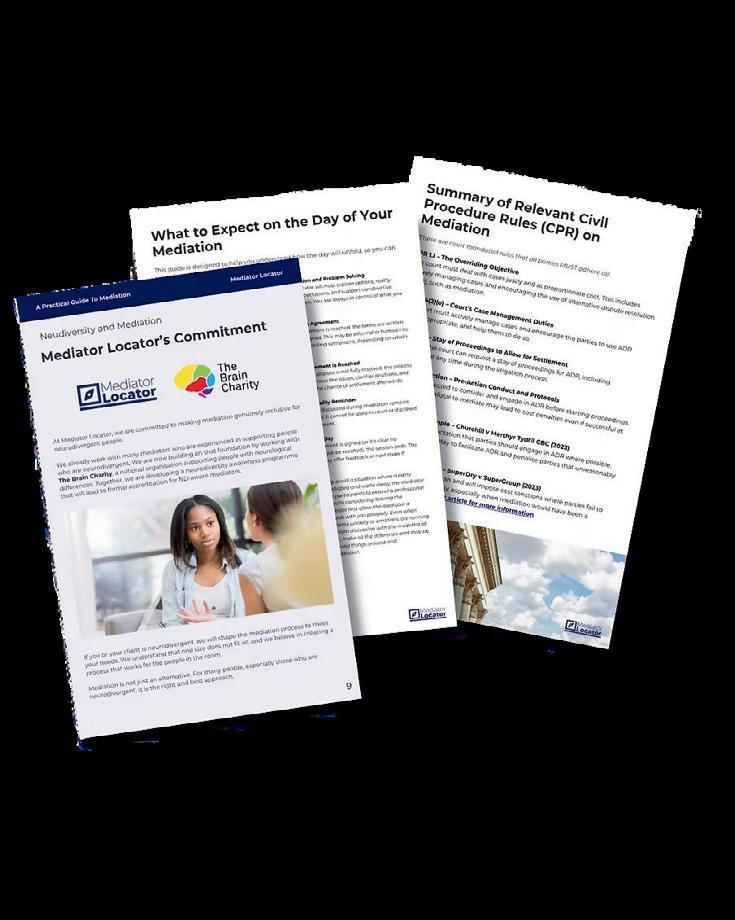
Empower your journey to faster, smarter resolutions with 28 pages of expert insights, plus 8 free resources, including a Pre-Mediation Checklist and Party Position Statement Template. Download Our Free








(1) MEDIATION PROVIDERS
(2) TR AINING PROVIDERS
(3)INTERNATIONAL MEDIATION PROVIDERS
t: +44 (0) 1926 504550
e: hello@and-evolve.com
w: www.and-evolve.com
At &Evolve, we believe happier workplaces create a happier world, and we’re on a mission to prove it. We partner with organisations to align values, develop leaders, and build environments where people genuinely thrive. We equip managers with the confidence and skills to navigate difficult conversations, so tough moments become turning points not crisis points. When cultures are compassionate and high-performing, disputes dissolve before they escalate.Care Deeply. Perform Brilliantly. Happier World.





t: +44 (0)20 7536 6000
e: info@cedr.com
w: www.cedr.com
CEDR is a purpose-driven organisation, dedicated to transforming disputes and conflict into opportunities for innovation, growth and wellbeing. Leveraging our legacy in mediation and our commercial revenue, we exist to give back to global communities. We want to empower as many people as possible with the skills and courage to navigate disputes, resolve conflict and manage uncertainty, creating lasting, positive change.

t: +44 (0)20 7831 0254
e: info@consensiopartners.co.uk
w: www.consensiopartners.co.uk
Consensio empowers clients to informally manage workplace conflict and build resilient workplaces, enhancing the well-being of organisations and their people. Consensio offers support in all areas of conflict management. Our work includes mediation, coaching, leadership development, e-learning and a wide range of training programmes, from taster events to accredited mediation courses. Clients include: the B BC, Bupa, Cancer Research, DLA Piper, London City Airport, LNER, Nespresso, NHS Trusts, Sony, University of Cambridge, Unicef, Westminster City Council and WWF.
t: +44 (0)207 458 4707
e: admin@cosilsolutions.co.uk
w: www.cosilsolutions.co.uk
Cosil Solutions are accredited civil and commercial mediators and MSDUK-certified suppliers specialising in housing and property disputes. Winners of Most Innovative Preventative Mediation Services 2025, we help organisations prevent, manage, and resolve conflicts through our proven R.E.S.O.L.V.E. Framework. With over 20 years of experience, we understand what drives disputes and how to resolve them efficiently. Our expertise spans disrepair claims, service charge disputes, leasehold conflicts, and neighbour mediations. We work collaboratively to deliver faster, more cost-effective outcomes than litigation while preserving vital relationships across housing, property, and commercial sectors.


t: +44 (0)333 014 4575
e: info@mediate.co.uk
w: www.mediate.co.uk
IPOS is a leading Mediation Chambers of over 30 mediators. Established in 1995, we have been mediating for over 30 years, specialising in Civil & Commercial, Family Business & Trusts, Workplace, Employment and Public Sector mediation. We also host mediation focused webinars every 2-3 months, and in-house training for law firms at no cost.

t: +44 (0)203 753 5350
e: info@sheridanworldwide.com
w: www.sheridanworldwide.com
At Sheridan, we help individuals, teams and organisations maximise their potential through focus on sustainable behavioural change. We offer tailored interventions to meet your brief: executive coaching (1:1, team and group), leadership/team development, mediation and conflict resolution strategies. Our mediators bring extensive international experience and cultural awareness, adept at handling complex, sensitive, and crosscultural disputes. Recognised for impartiality, professionalism, and with a proven track record, Sheridan Worldwide empowers parties to reach transforma tional outcomes.


t: +44 (0)7932 762448
e: robert@stillhr.com
w: www.stillhr.com
STILLHR exists to create happier workplaces. We do this through the provision of consultancy, mediation, and high-quality interactive workshops, tailored to our clients’ culture and needs, that help engage and train staff, managers and senior leaders in raising respect in the workplace, anti-harassment & bullying, and courageous co nversations.
t: +44 (0)20 7277 8649
e: peter@thea.ltd.uk
w: www.thea.ltd.uk
We are here to help you solve your problems as painlessly and inexpensively as possible. Mediation provides a focused opportunity to do so. Our Principal Peter Webster has three decades of experience in guiding parties through mediation both as a mediator and an advocate in commercial, family, neighbourhood and political disputes. We have particular experience in construction disputes from our work as solicitors in this area over the past 25 years.

t: +44 (0)800 059 0595
e: info@thetcmgroup.com
w: www.thetcmgroup.com
The TCM Group is an internationally recognised provider of mediation, coaching, conflict resolution, cultural transformation, and leadership development services. Awarded both Mediation Provider of the Year and Mediation Training Provider of the Year at the National Mediation Awards, TCM is trusted by organisations across the UK and globally. Its work combines deep expertise in mediation with pioneering approaches to culture, leadership, and organisational justice, helping organisations build fairer, healthier, and more productive workplaces.
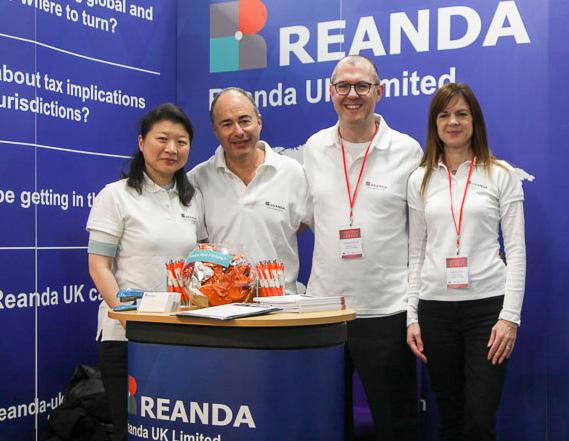

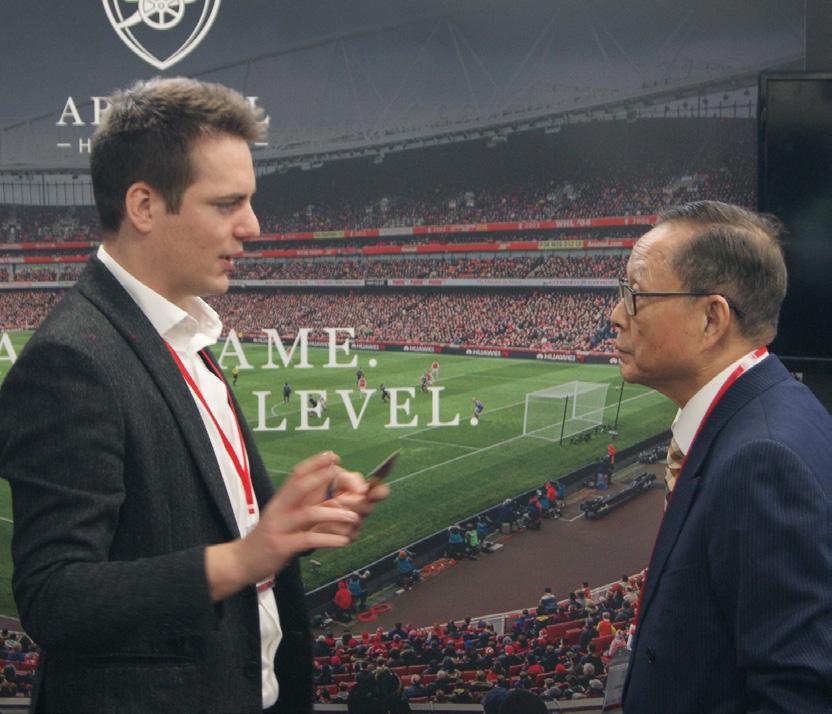
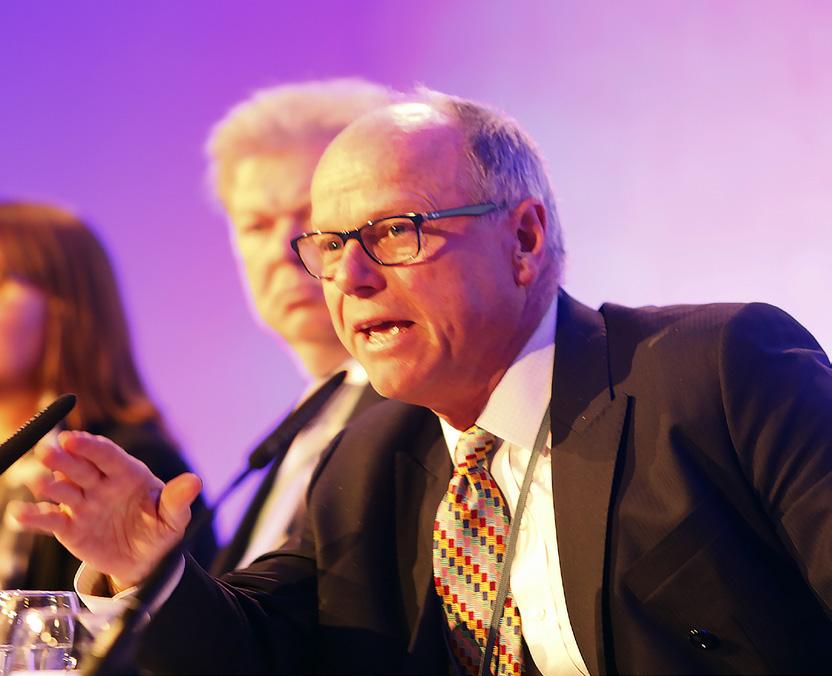
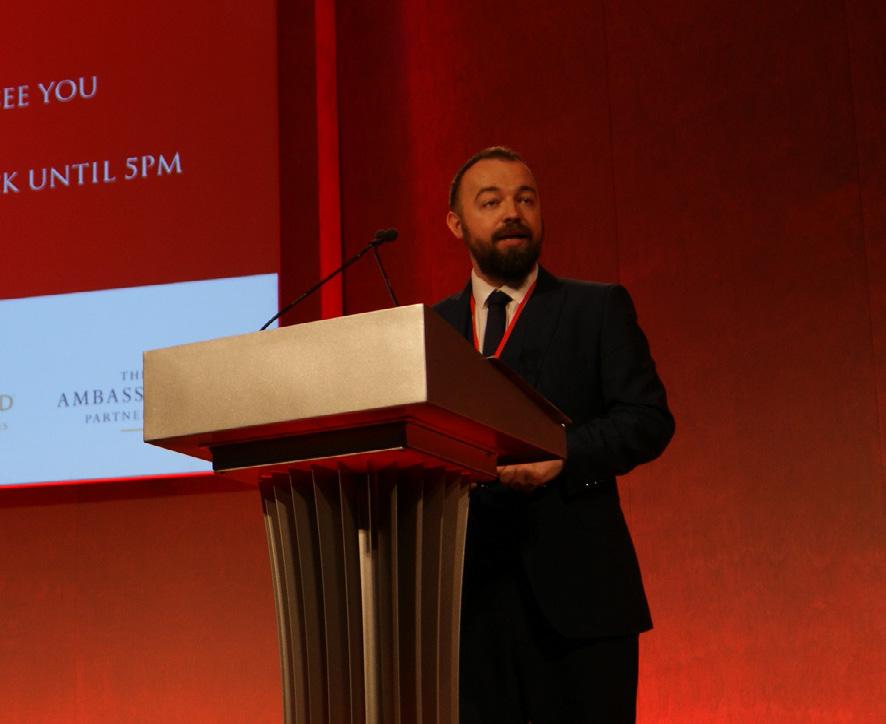
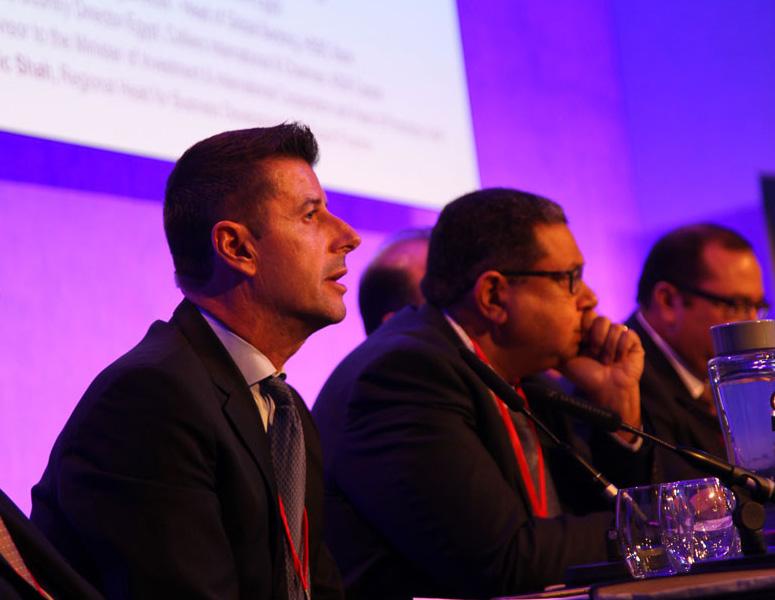
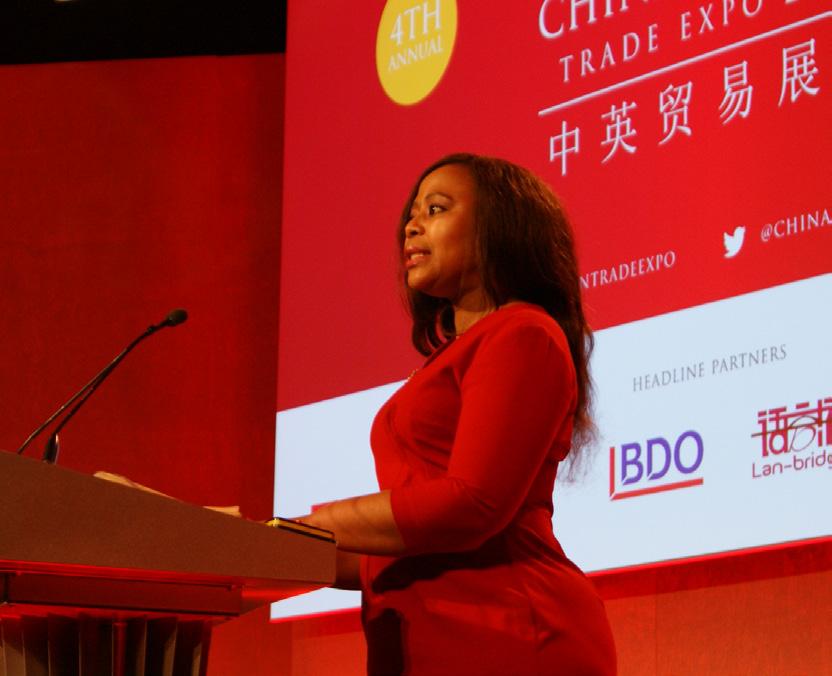
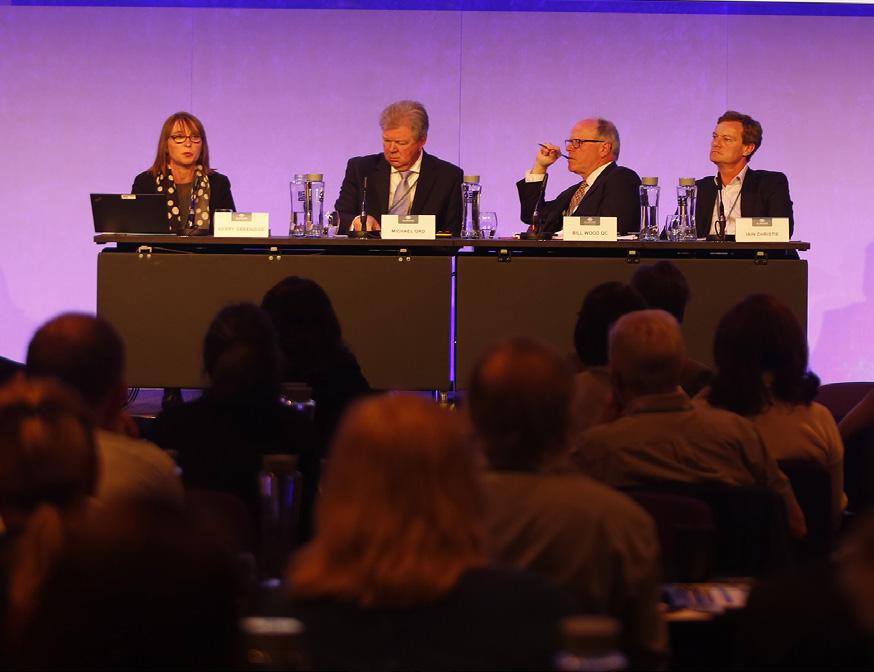

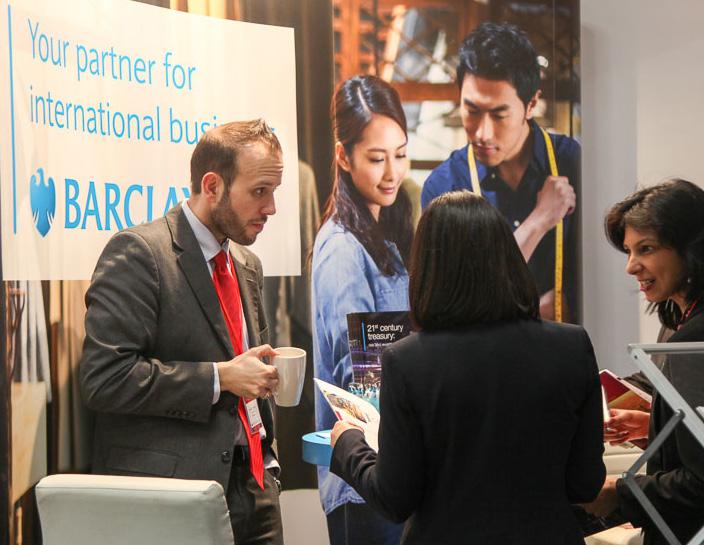
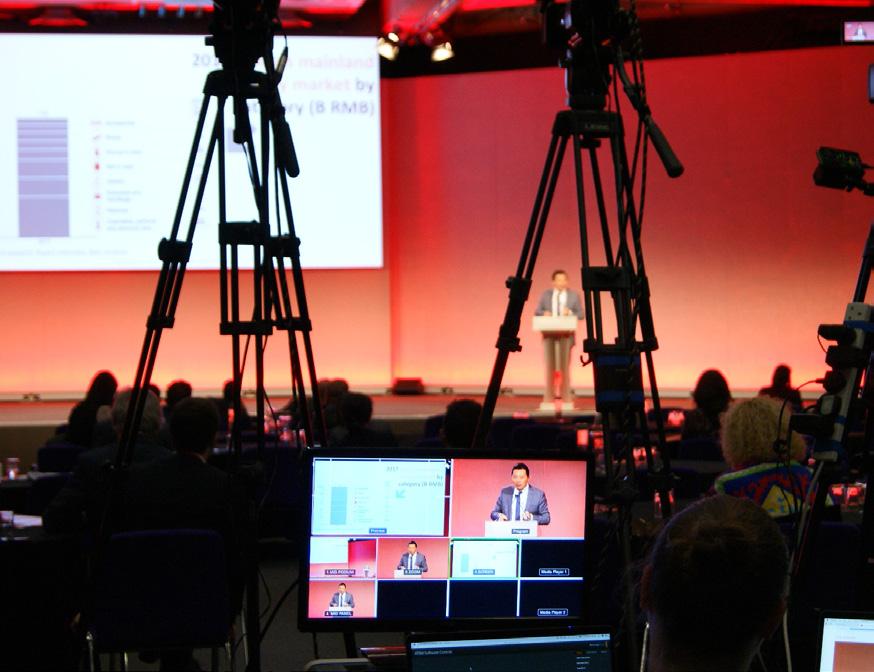
Our live events portfolio of conferences and exhibitions brings together leading Government officials, trade organisations, business leaders, industry experts, thought leaders and trade associations. Amassing the most relevant and high profile delegates, our events offer highly targeted environments to network and conduct business. Whether you would like to find out more information about scheduled events or would like to discuss event partnerships please get in touch.
30th June 2026, De Vere Grand Connaught Rooms, London
ORGANISED BY:
Delegate Passes include:


Access to the conference and exhibition zone (full day)
Coffee on arrival, breaks and lunch
Networking opportunities at breaks and throughout the day
Free subscription to UK Mediation Journal (4 issues)
Earn 6 CPD hours
Access to three additional half day online training sessions offering an additional 9 hours of learning and CPD points
SUPPORTED BY: