
PROJECT PORTFOLIO
ESTEBAN RIVERA


ESTEBAN RIVERA CHAVES
ARCHITECTURE AND DESIGN
ARCHITECTURAL DESIGNER
ESTEBAN RIVERA CHAVES // BOGOTÁ, COLOMBIA // (57) 3194399168 // ERCHAVES46@GMAIL.COM
3+ Years of experience
RHINOCEROS
ARCHICAD REVIT LUMION
TWINMOTION OFICE
1+ Years of experience
ILUSTRATOR
0-1 Year of experience
SKETCHUP
- NATIVE
- B1


PROFILE
Architect with a focus on problem solving for the design of urban and architectural spaces. Graduated from the Catholic University of Colombia certified in high quality by the RIBA. With great creative capacity and in a constant search for innovation with good analytical and spatial management skills.
With learning skills and interest in architectural and landscape design.
With virtues in efficiency and organization for the proper delivery of high quality projects, with inter-operative capacity in architectural and parametric design programs with strengths in representation, rendering and formal presentation schemes.
(Internship) Ncr Engineering Services and Projects S A S - Cota
Months, 2022
Detail design, 2D and 3D representation, dimensioning and annotation of technical specifications and materials, rendering and video rendering. observer of the design process and the preparation of the urban and architectural program. presentation of planimetric advances, and information related to architectural programs, regulatory documents and diagrams and presentations for projects and architectural conceps.
development of reports and documents of an administrative nature.
3D renderer, 3D modeling and schematization management of compatibility of plans and models for proper reading in different programs (export from rhinoceros and Revit to AutoCAD)
EDUCATION INTERESTS

DEVELOPMENT AND INNOVATION
IA Arqademy AI basic renders and schemes
Course Render pro, Arqademy Revit+lumion+photosop
Architect, Catholic University of Colombia
Bachelor's degree – Gimnasio campestre los sauces-cota

URBANISM AND LANDSCAPE


COLLABORATIVE WORK
INTEROPERABILITY
PHENOMENOLOGY AND SENSORIAL STUDY OF SPACE

ENERGY OPTIMIZATION
AUTHOR: ESTEBAN RIVERA CHAVES YOU ARE FREE TO:
COPY, DISTRIBUTE AND PUBLICLY COMMUNICATE THIS DOCUMENT UNDER THE FOLLOWING PARAMETERS:
ACKNOWLEDGEMENT: YOU MUST CREDIT THE WORK IN THE MANNER SPECIFIED BY THE AUTHOR (BUT NOT IN ANY WAY THAT SUGGESTS THAT YOU WERE A PARTICIPANT OR CONTRIBUTOR TO THIS DOCUMENT OR ITS CONTENTS, NOR SUGGEST THAT THIS DOCUMENT ENDORSES OR SUPPORTS THEIR USE OF THEIR WORK).
NON-COMMERCIAL: YOU MAY NOT USE THIS DOCUMENT FOR COMMERCIAL PURPOSES.
NO DERIVATIVE WORKS: YOU MAY NOT ALTER, TRANSFORM OR GENERATE A DERIVATIVE WORK FROM THIS DOCUMENT AND ITS CONTENTS.



INTRODUCTION
IN THE FOLLOWING PORTFOLIO YOU WILL FIND THE CREATIVE AND DESIGN PROCESS FROM THE THIRD SEMESTER TO THE TENTH SEMESTER OF THE ARCHITECTURE PROGRAM OF THE CATHOLIC UNIVERSITY OF COLOMBIA.
THE PROGRAM PROPOSES A LEARNING PROCESS BASED ON PROBLEM SOLVING FOR THE LOGICAL CONFORMATION OF FUNCTIONAL ARCHITECTURAL SPACES. THIS APPROACH ALLOWS EACH PROPOSAL TO WORK ACCORDING TO THE CONTEXT, ALLOWING EASY ADAPTABILITY TO DIFFERENT SITUATIONS RAISED FOR PROFESSIONAL GROWTH AND THE ACQUISITION OF SKILLS BASED ON THE CHARACTERISTICS OF EACH PROJECT OR CLIENT NEEDS. EACH PROJECT SEEKS TO RESPOND AND SOLVE THE VARIOUS PROBLEMS RAISED BY THE PROGRAM, IN ADDITION TO THE PROBLEMS IMPLICIT IN EACH CONTEXT OF INTERVENTION, WITH THE OBJETIVE OF IMPROVING AND PROVIDING PHYSICAL AND SENSORY QUALITIES FOR THE CONTEXT, THE USER AND CONTRIBUTE TO THE TRANSFORMATION OF SPACE FROM DIFFERENT FRONTS.
GALLERY-CAFÉ NATIONAL PARK, BOGOTÁ<
NP2 HOW DO I RELATE TO THE WORLD AROUND ME?
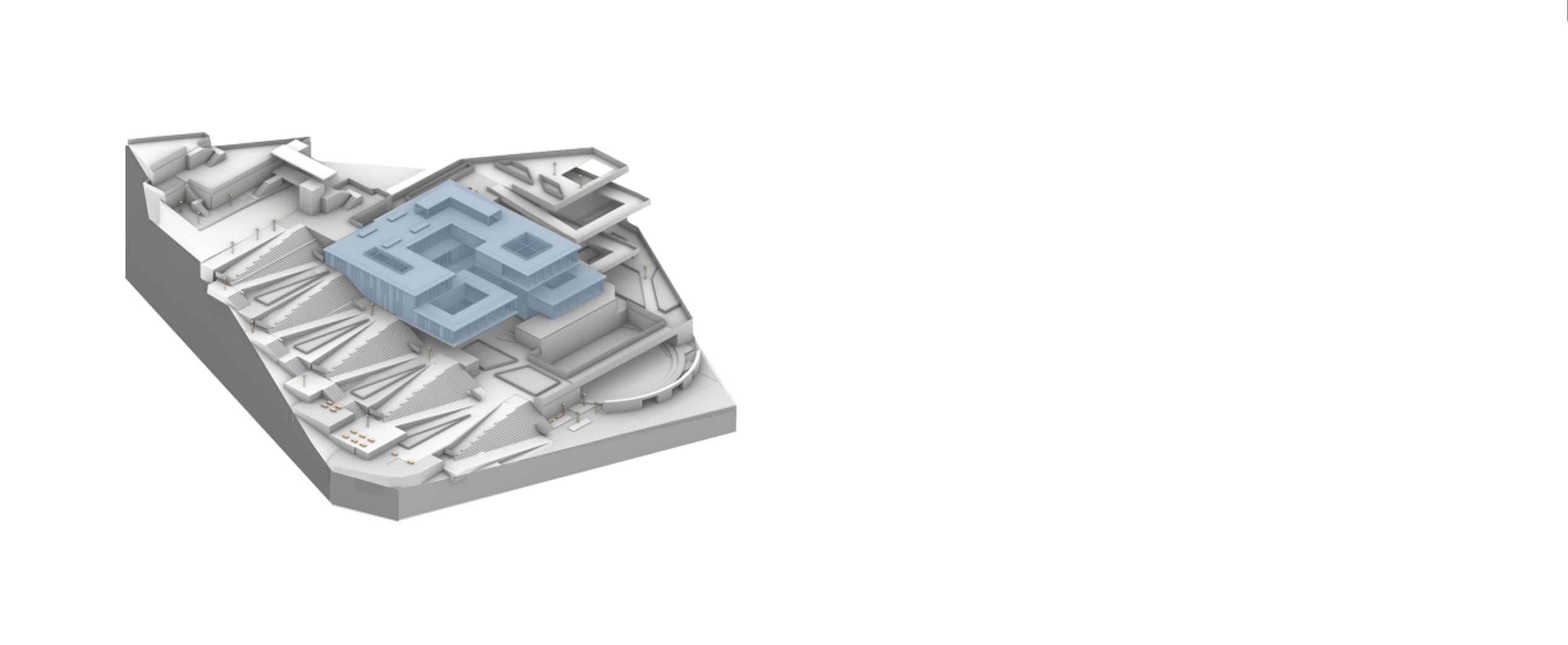
The Concept
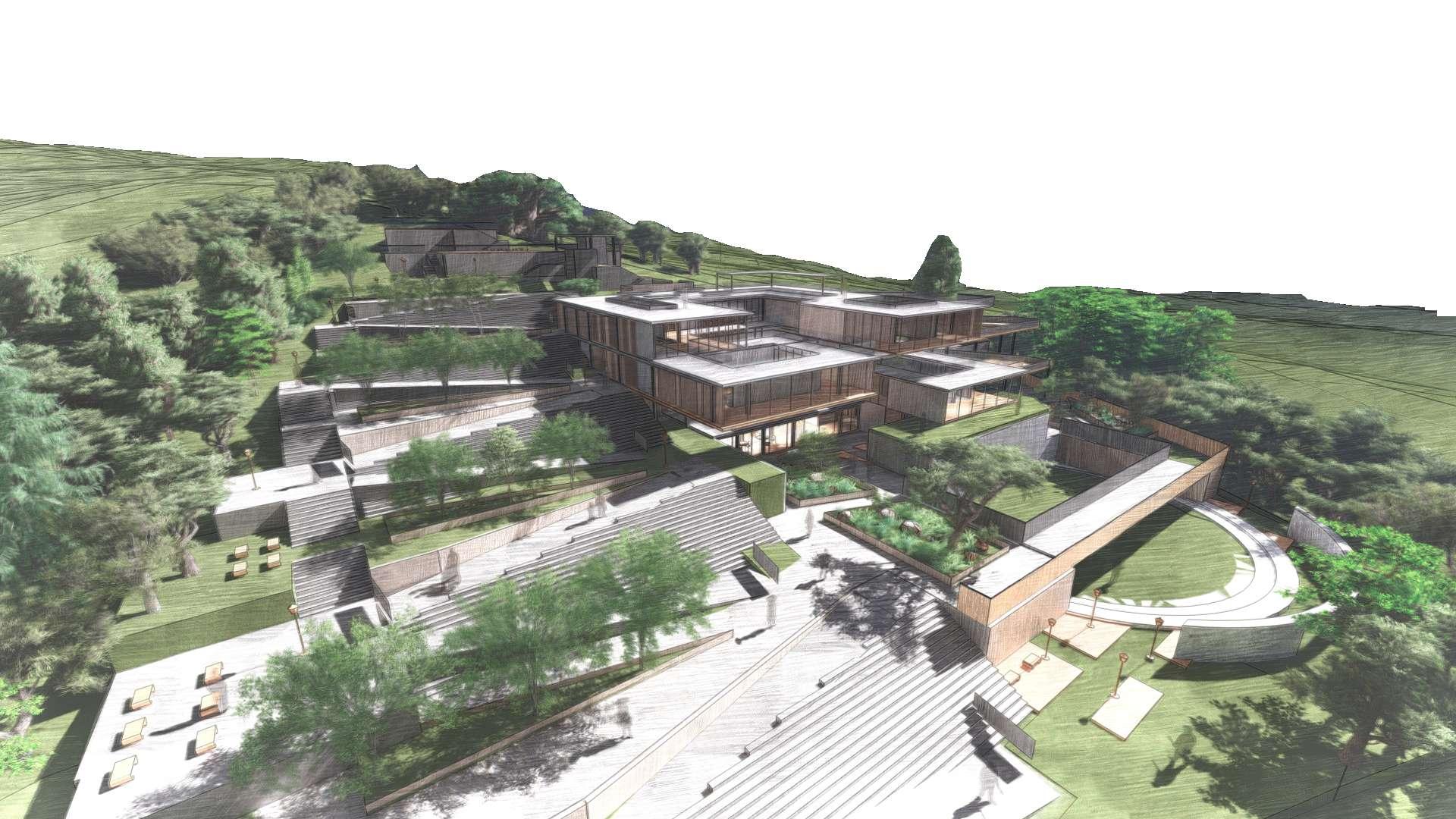
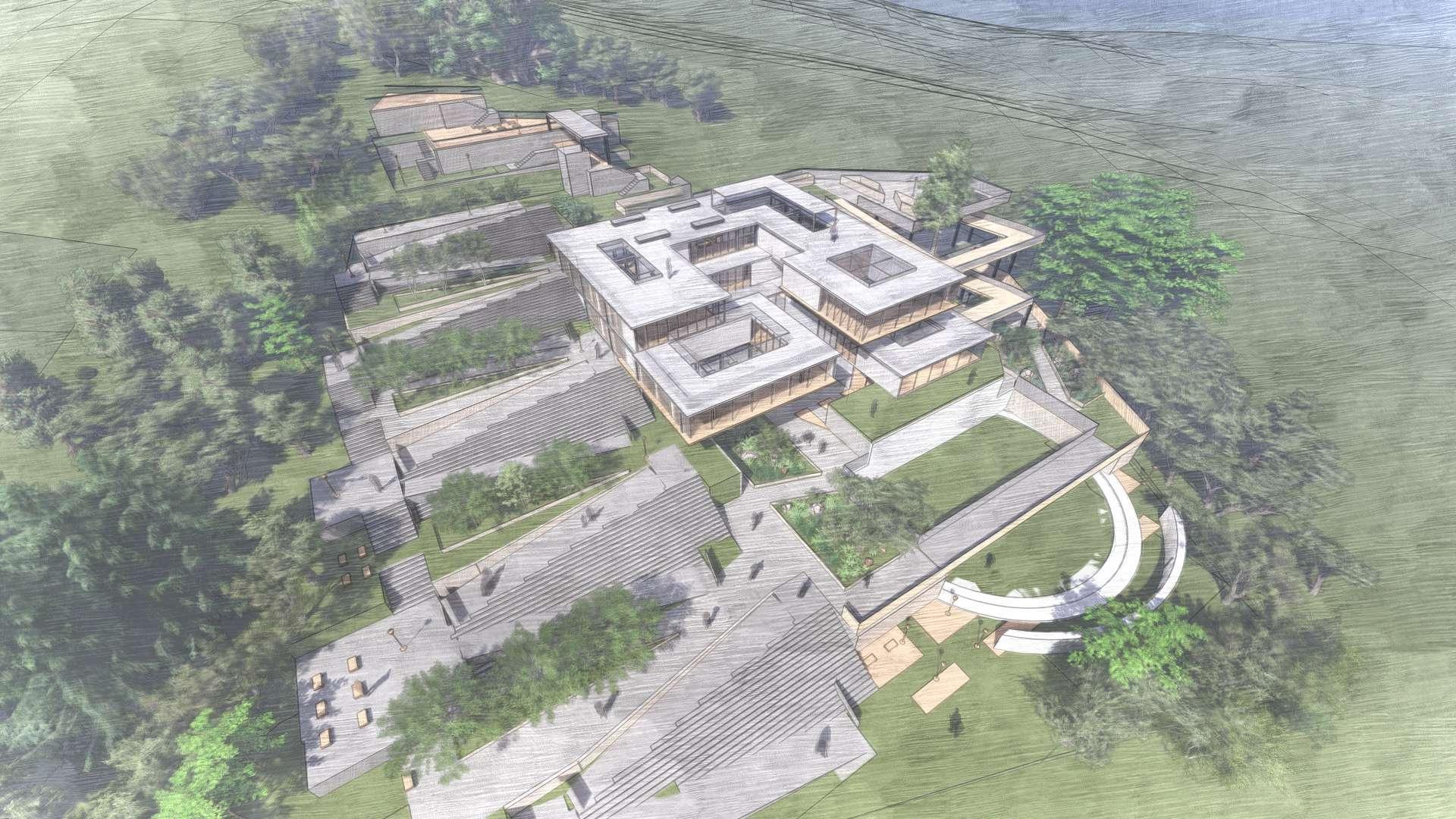
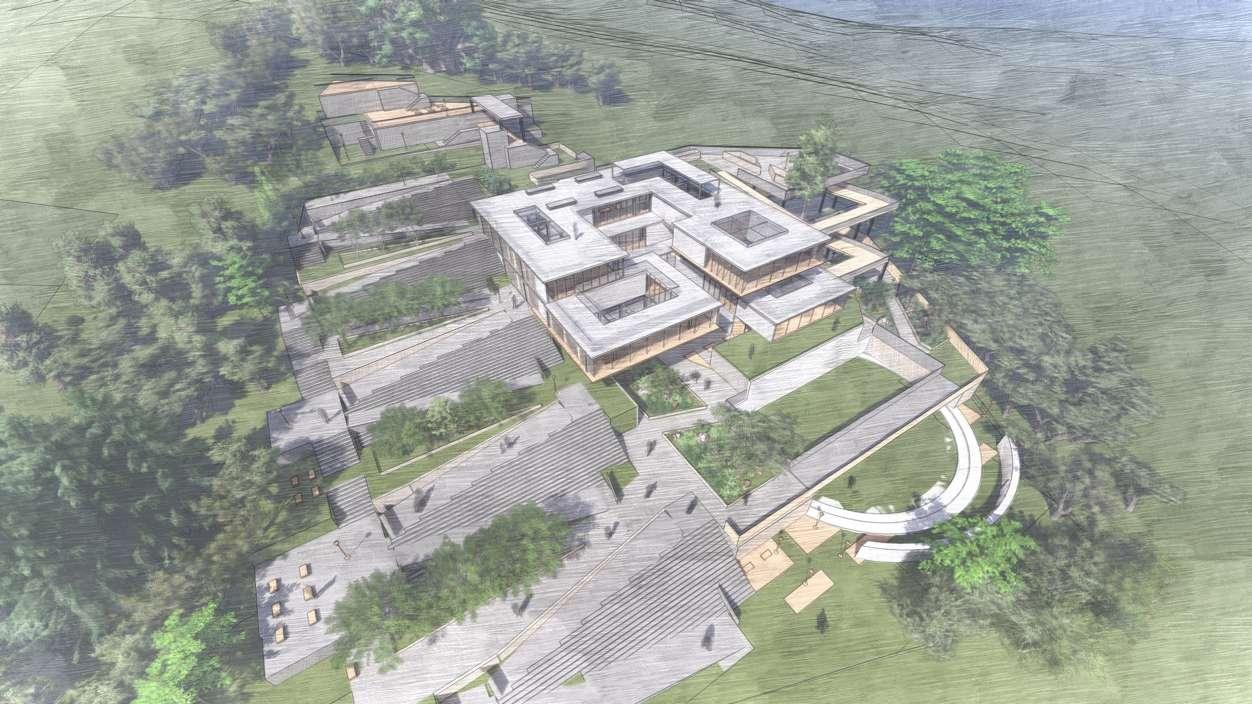
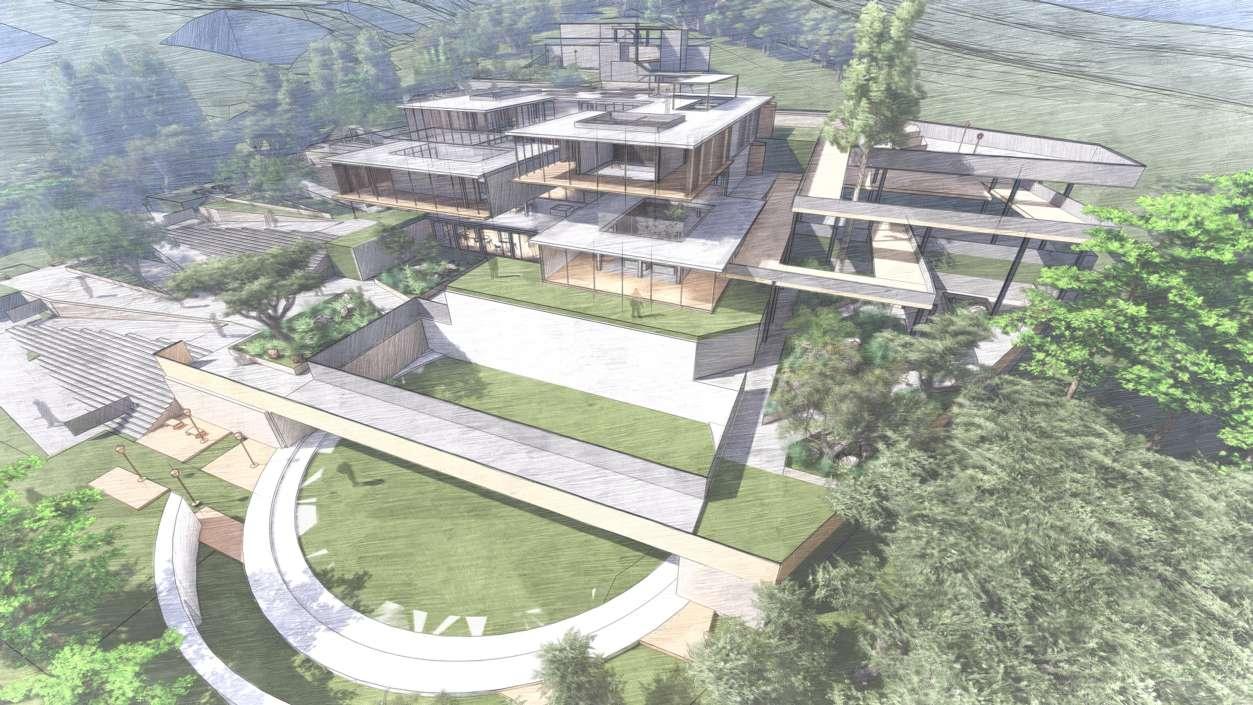
Located in the National Park, the project seeks to generate, through paths, gardens, public spaces and architectural responses, pleasant design solutions for the user, this by means of spaces of permanence with visual impact, green spaces and terraces that take advantage of the topography for the appearance of vertical dynamics in the route, facilitating the internal and external connection necessary for the design of a unique sensory phenomenon.
This gallery café would be located in the center of an American-style stepped garden, this space integrates ramps, stairs, an amphitheater and other spaces of permanence that provide the user with multiple activities in addition to the tour in the gallery.
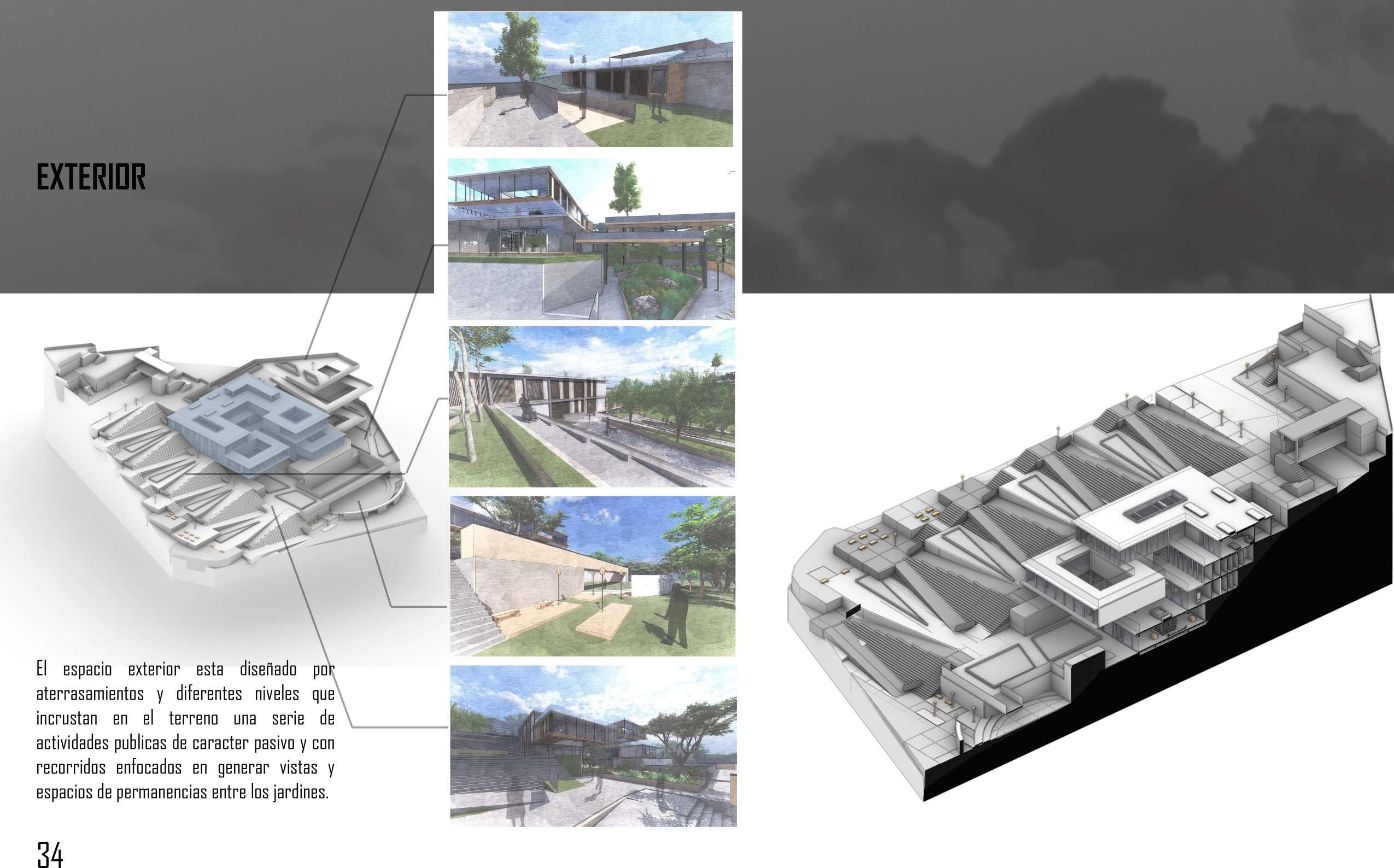
The outdoor space is designed by terraces and different levels that are embedded in the terrain, a series of public activities of passive character and with routes focused on generating views and spaces of permanence between the gardens.
Skylights
Walk-on roof
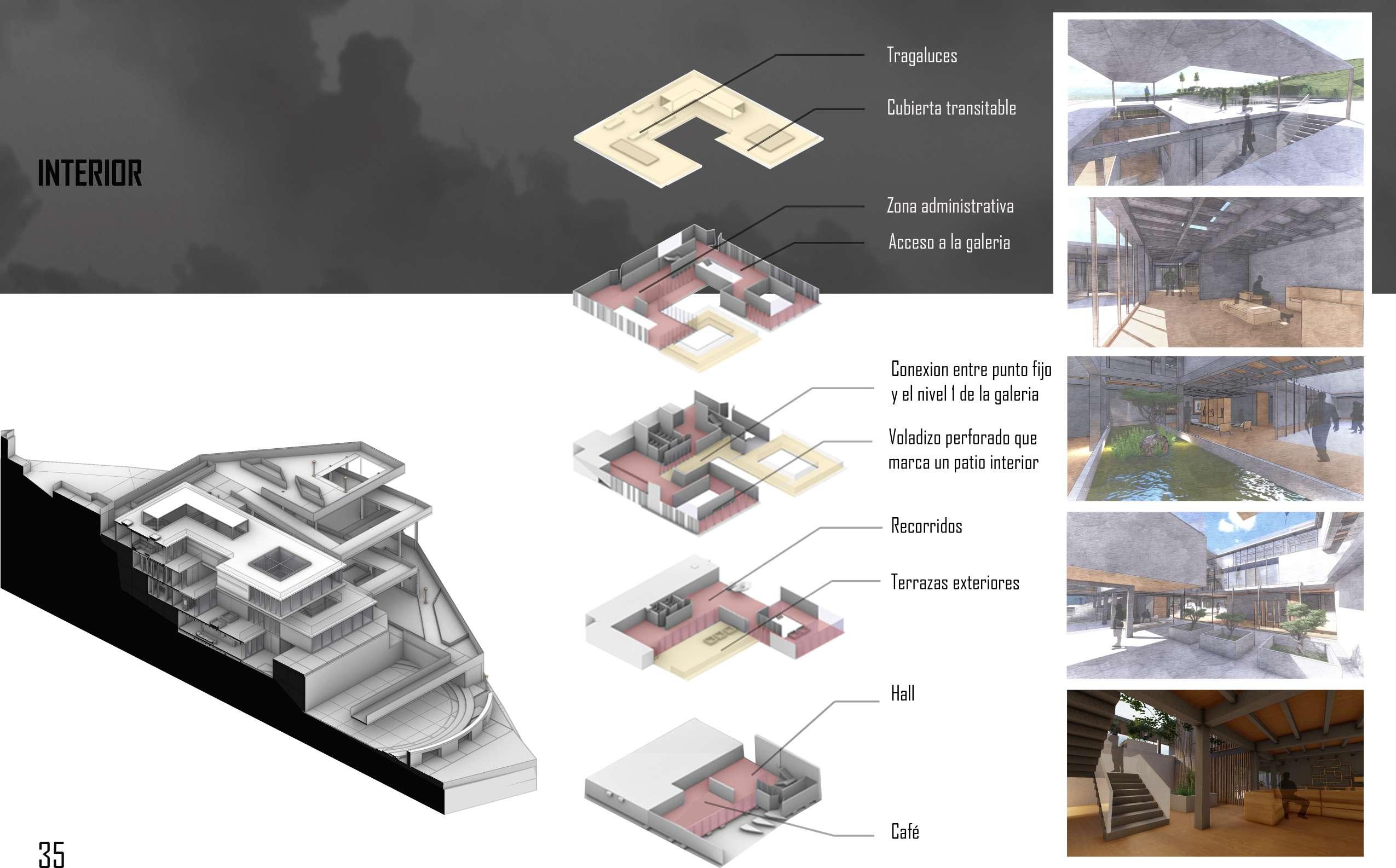
Administrative Area
Access to the gallery
Connecting the vertical path to Gallery Level 1
Perforated overhang marking an inner courtyard
Corridors
Outdoor terraces
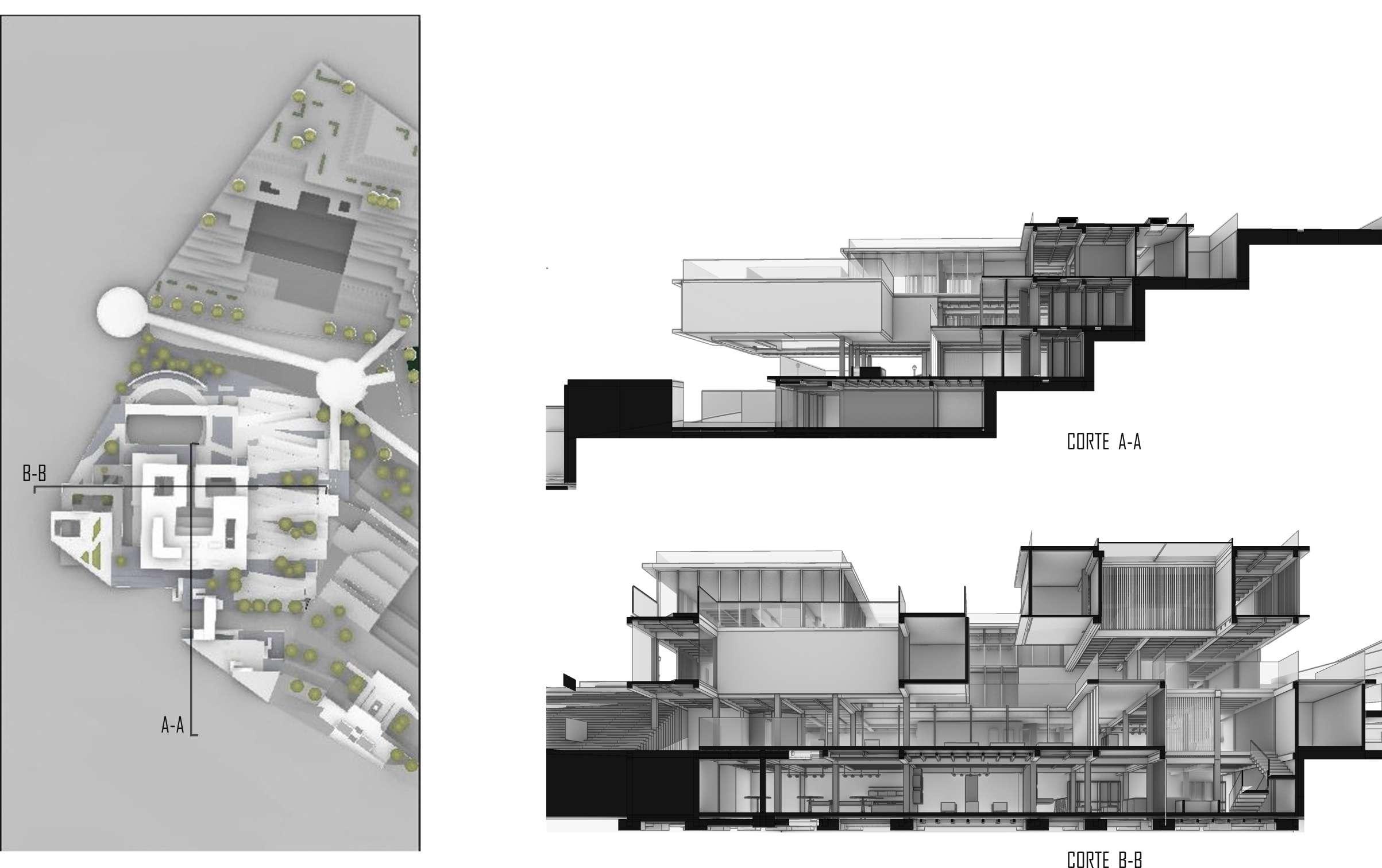
Due to the configuration of the terrain, access is proposed on the upper terrace, this configuration allows the design to implement multiple walkable decks and the appearance of three types of spaces; cantilevered spaces, spaces under the ground and spaces on the surface, the above to determine spaces and generate dynamics of relationship
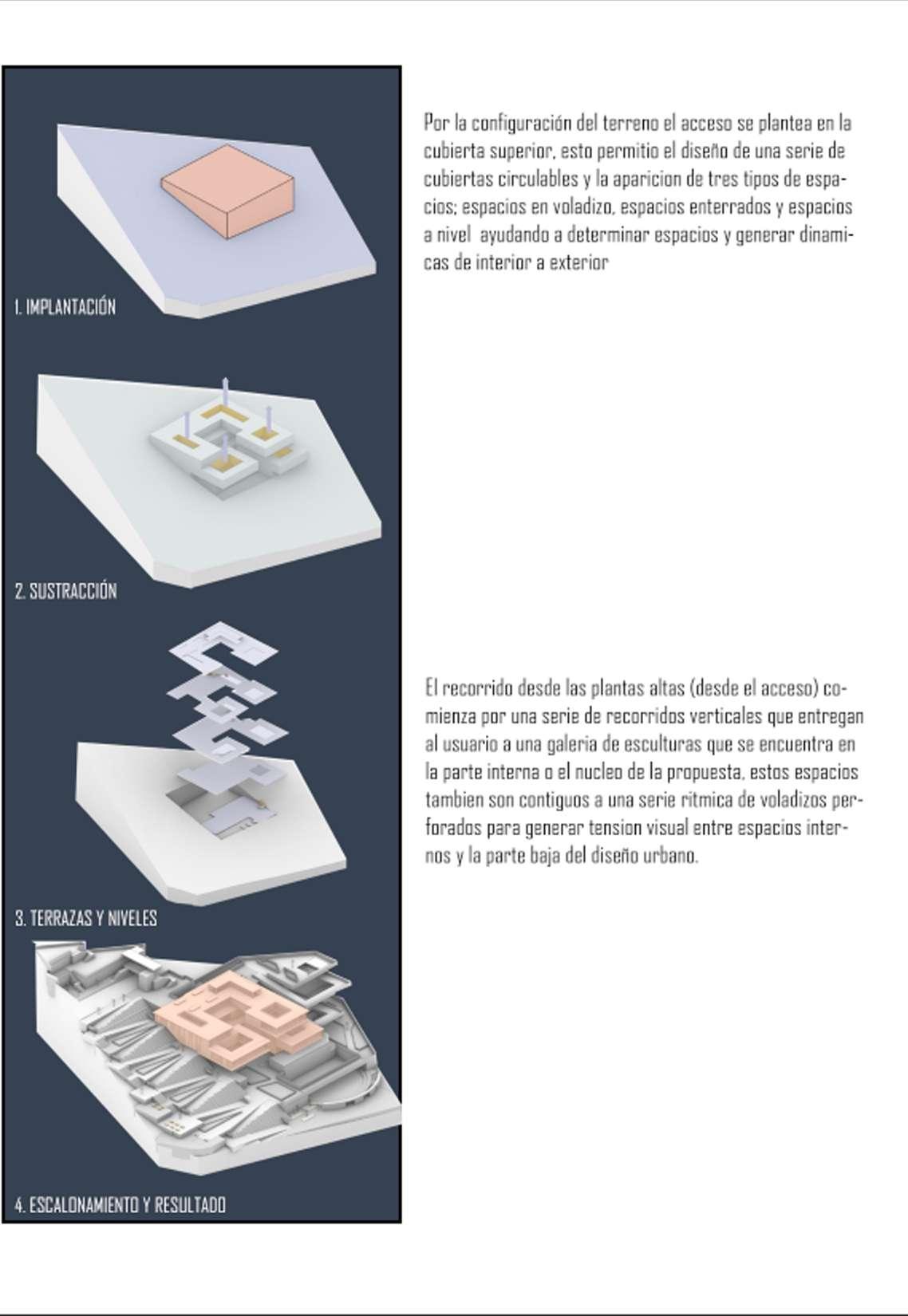
Circulation between the different levels begins at the top. The tour begins by delivering the user to an exhibition gallery of sculptures, space which is adjacent to a series of perforated cantilevers which generate visual tension between the internal spaces and the lower part of the urban design.
SECTION
BOTANICAL GALLERY BOGOTÁ CRA 2 #12C-96
NP2 HOW DO I RELATE TO THE WORLD AROUND ME?
Concept:
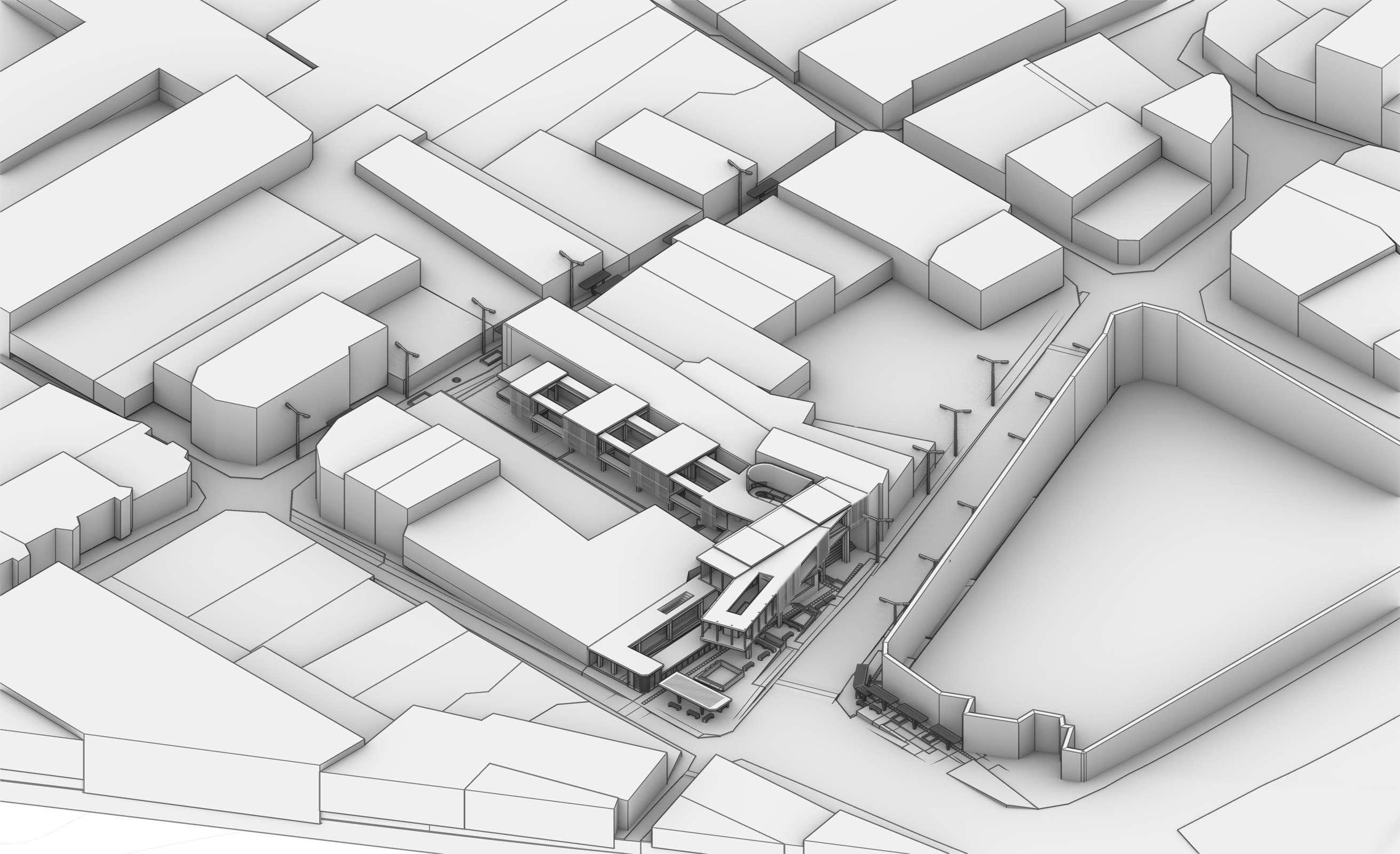
The architectural project corresponds to a cultural center and art museum, so the routes take importance and occupy most of the area arranged for the activities.
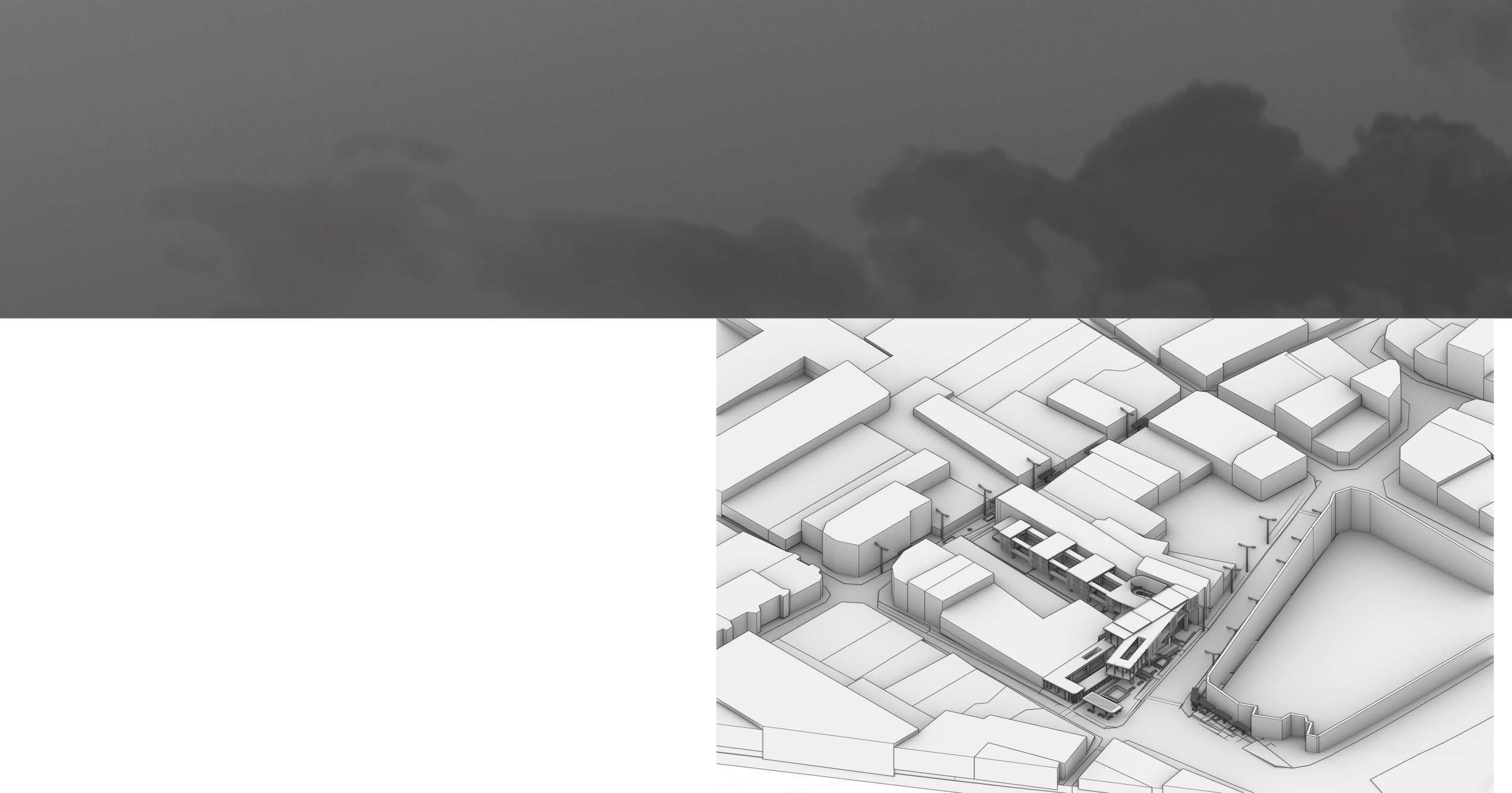
The heights of the adjacent neighbors do not exceed two to three floors (6-9m) and because they are buildings of interest and conservation, their heights cannot be exceeded by the composition. In addition, the project visually adapts to the roofs that speak a similar language and it modifies them to allow the entry of light and breeze into the project.
The objective of the project is to bring to the historic center of Bogota a public and recreational space, complementing it with green spaces that are lacking in the area, the project makes the public space a permeable connector and a reference of activities in nature in a rigid almost monolithic context, this with the intention of transforming the space.
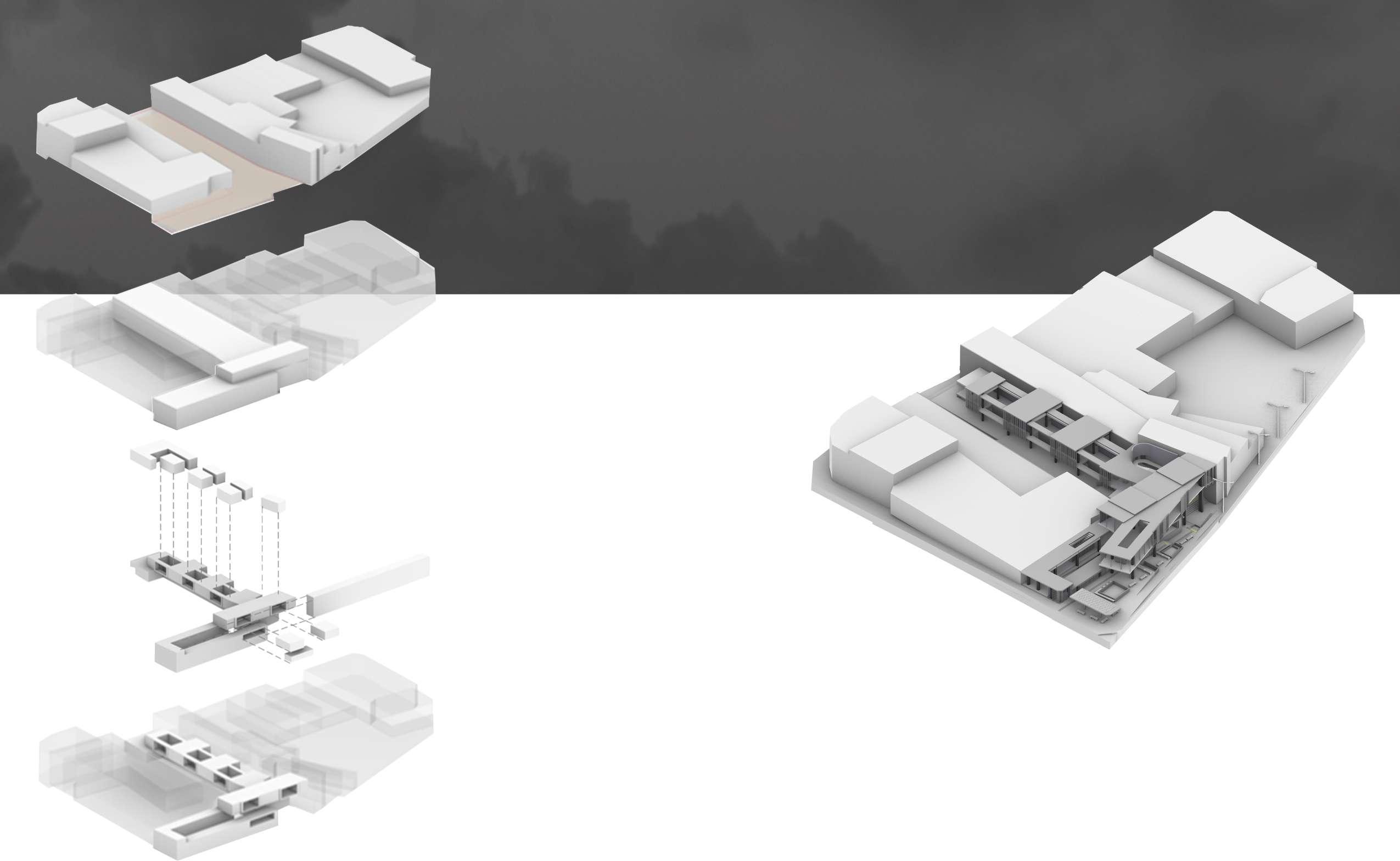
Terrain
The terrain is configured by its elongated shape, which allows an axial order, in terms of heights these are limited by the context, in terms of levels these depend on the slopes of the ground, in this case three contour lines cross the terrain, this allows to play with the verticality and with the variation of the levels.
Initial volumetry
Heights with reference to the regulations of the UPZ ( normative), in this case being a context of cultural interest and conservation, the project cannot exceed the heights of the existing buildings, the maximum heights present in the proposal are 6 to 9m (two to three floors).
Subtraction
The subtractions on the roof are arranged to relate the project to the sky, as well as to form courtyards in the lower part of the proposal, spaces that are quite popular in Colombian and colonial architecture.
Perforation to maintain the natural tension of the terrain, in addition to visually externalizing the content of the composition.
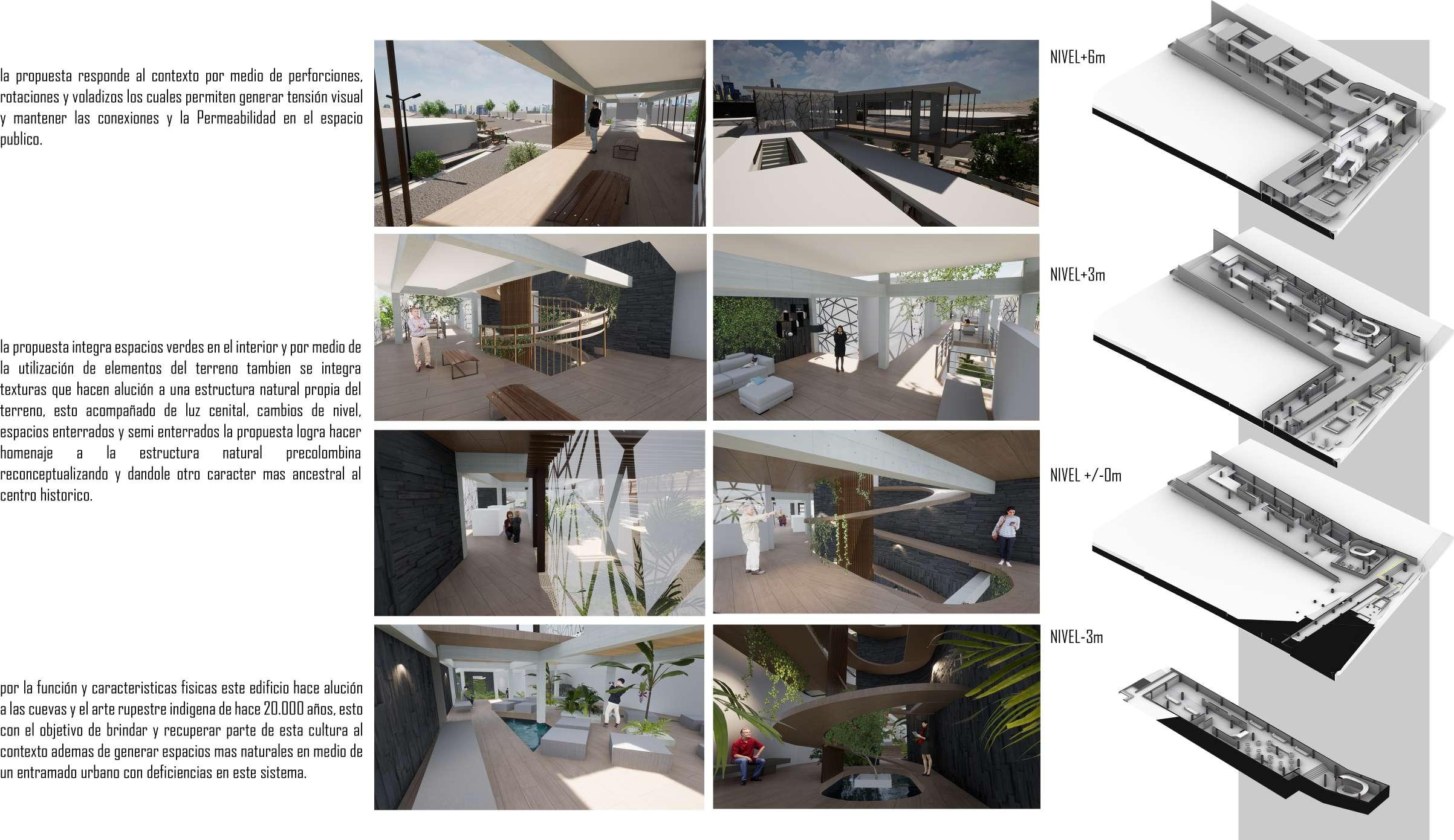
the proposal responds to the context by using perforations, rotations and cantilevers which allow to generate visual tension and maintain connections and permeability in the public space.
the proposal integrates green spaces in the interior and through the use of elements of the land also integrates textures that allude to a natural structure of the land, this accompanied by zenithal light, level changes, buried and semi-buried spaces the proposal manages to pay homage to the pre-Columbian natural structure reconceptualizing and giving another more ancestral character to the historic center.
by the function and physical characteristics this building makes allusion to the caves and the indigenous rock art of 20,000 years ago, this with the objective of providing and recovering part of this culture to the context in addition to generating more natural spaces in the middle of an urban framework with deficiencies in this system.
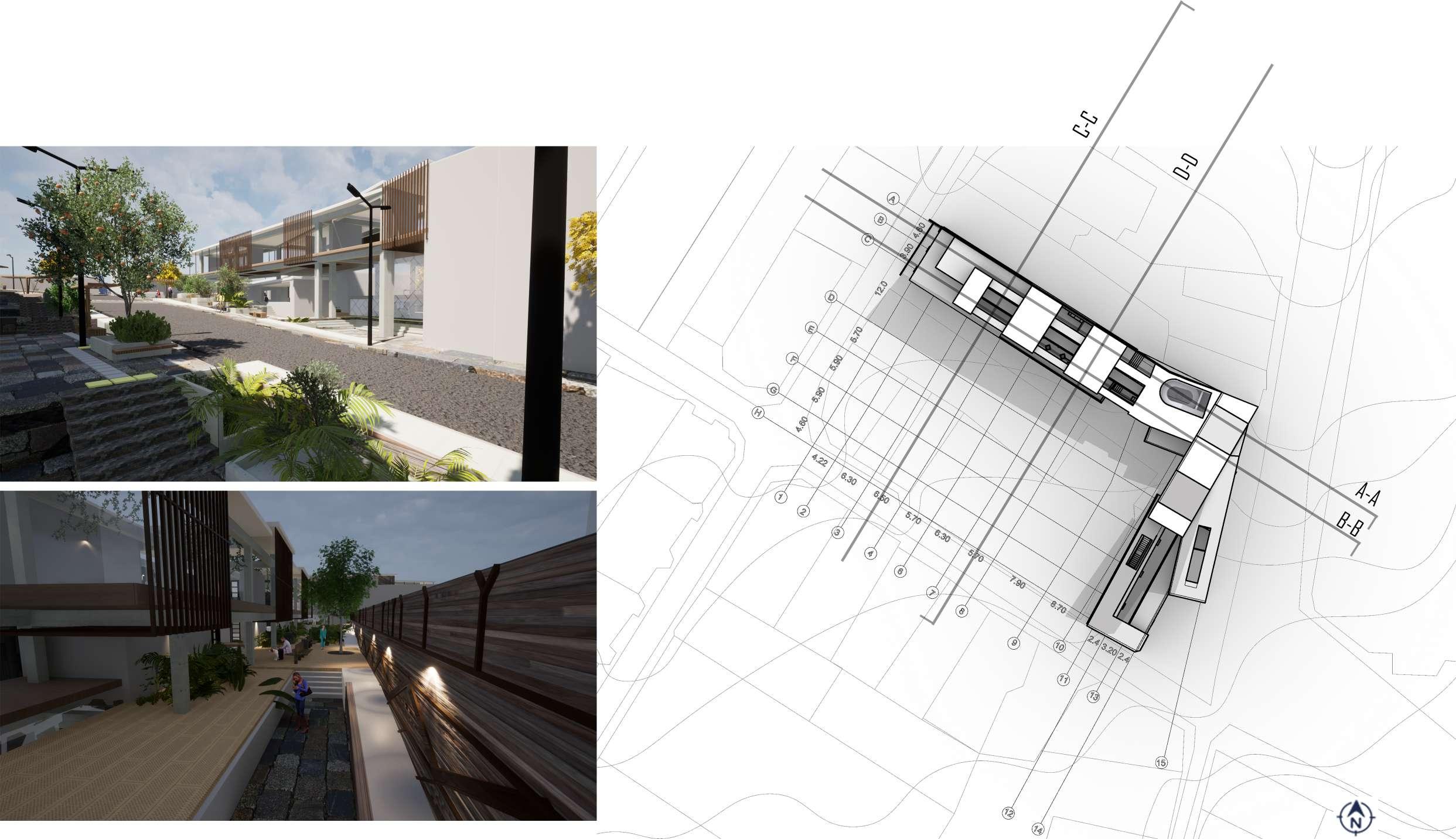
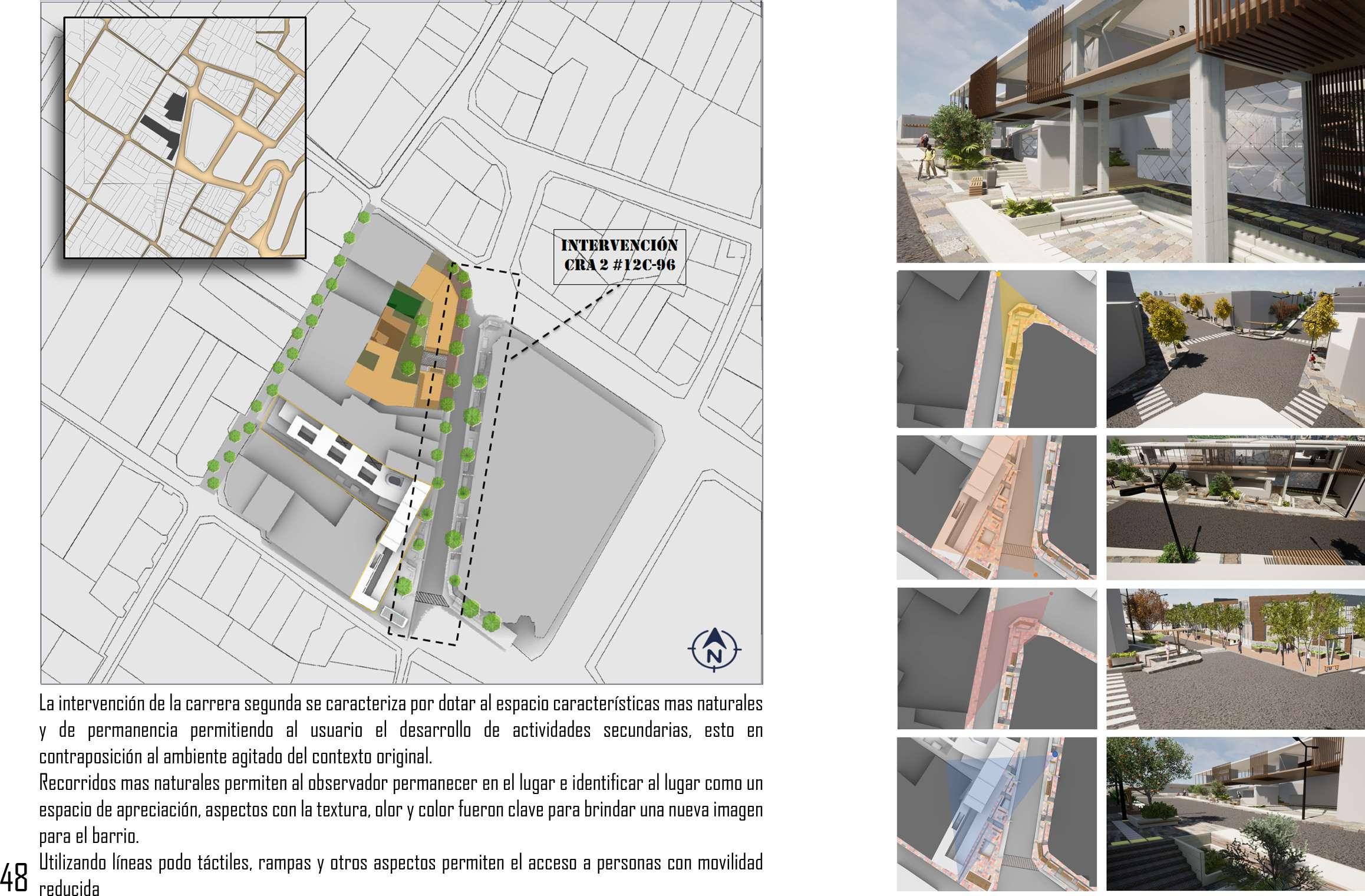
The intervention of the second avenue is characterized by providing the space with more natural characteristics and permanence, allowing the user to develop secondary activities, in contrast to the hectic environment of the original context. More natural paths allow the observer to remain in the place and identify the place as a space of appreciation, aspects such as texture, smell and color were key to provide a new image for the neighborhood. Using podo-tactile lines, ramps and other aspects allow access for people with reduced mobility.
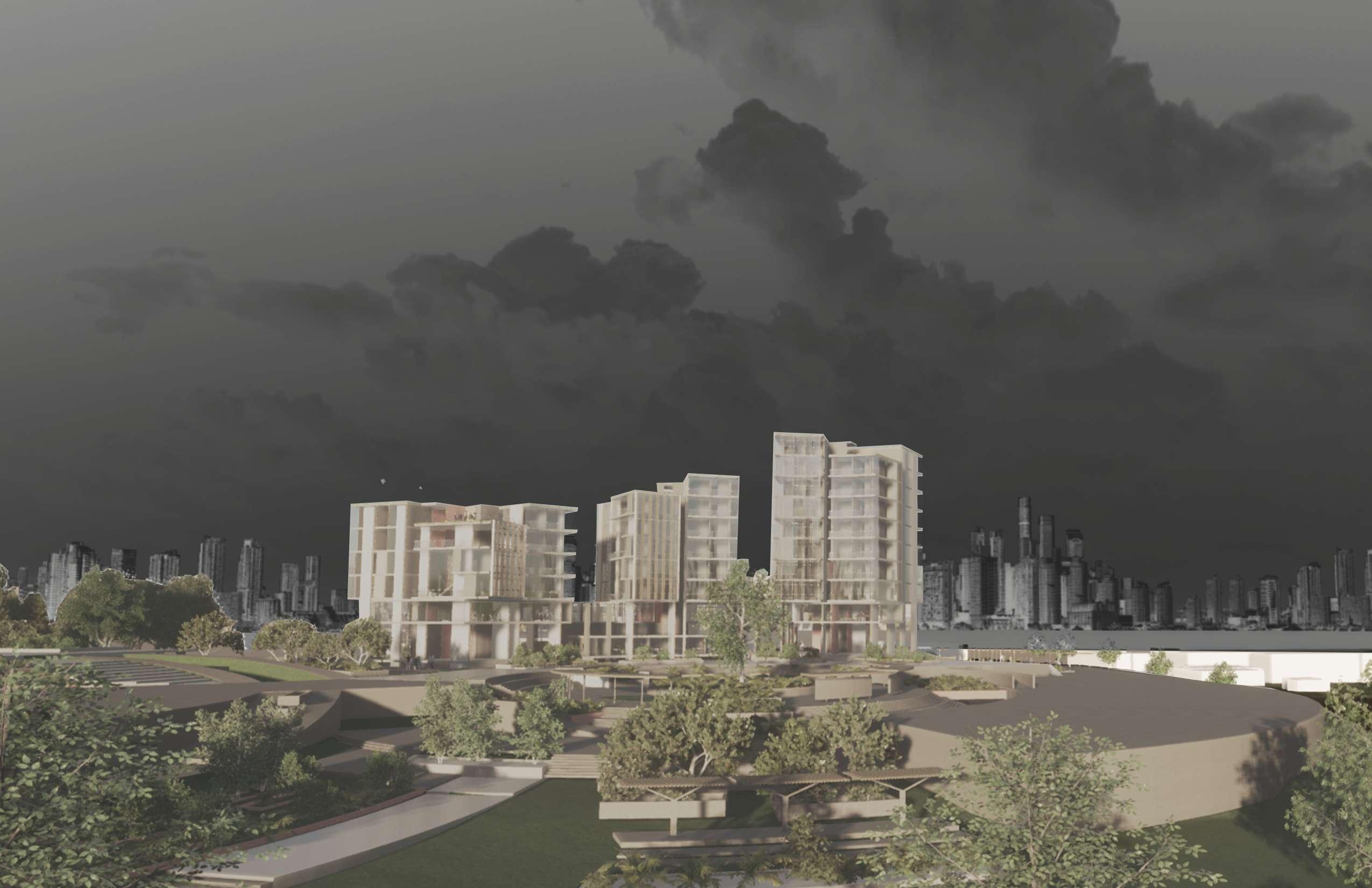
COLLECTIVE HOUSING PROJECT SAN CRISTOBAL
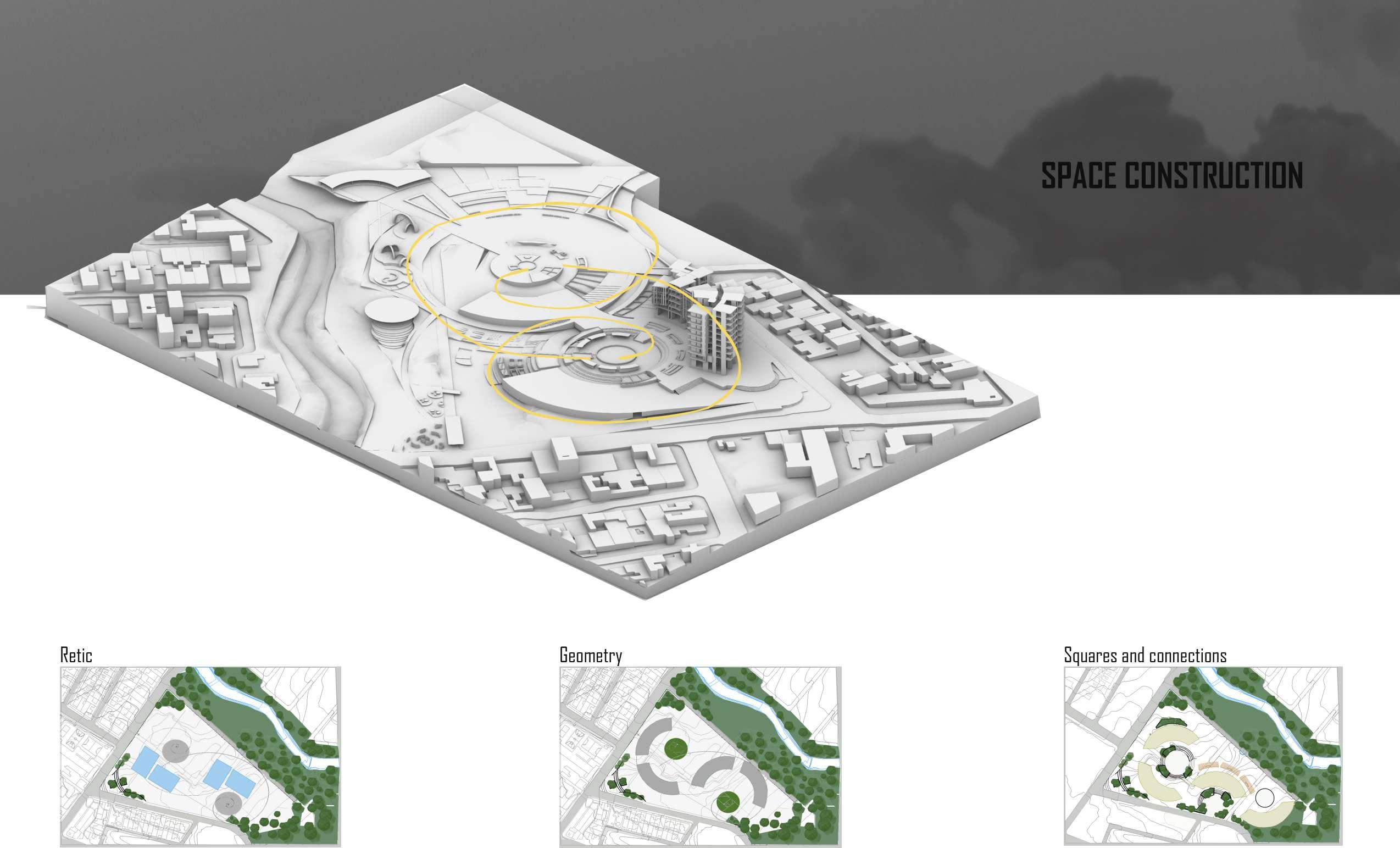
The starting point was an organic grid, which evolved through implantation as a response to sunlight and winds, it is proposed to perforate and stagger the volume.
Rotation of the volumes in a northeast direction with the intention of not having direct light during the whole day. Approximate spacing of 20 m between volumes, with a vege- tation barrier to avoid air swirls or direct blows to the spaces.
Concept:
This multifamily housing proposal starts from several concepts, the first is the theme of natural connections and permeability, helped by podiums, platforms, spaces on pilotis and different connections that provide access to the different activities of the place with an emphasis on public space and activities surrounding the river providing experiences not only to the target audience but opening to the context and its inhabitants. Another element to highlight is the functionality, each architectural proposal yields the first levels to public and semi-public activities that improve the quality of life of the user, providing resources and complementary activities that reduce the user's travel time, as well as providing economic support and dynamics to the sector and the user.
RELATIONSHIP WITH NATURE AND THE CONTEXT
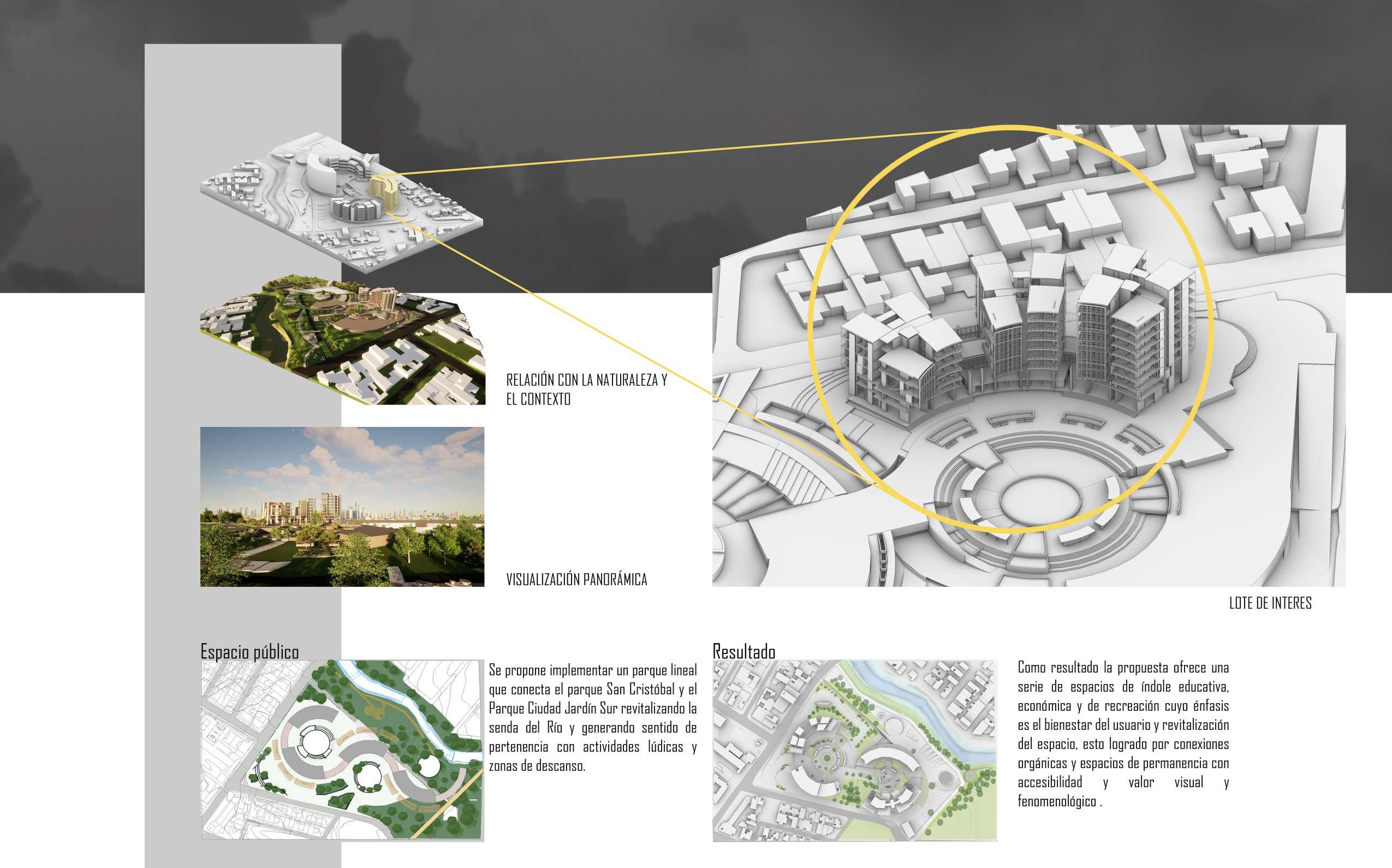
PANORAMIC VIEW
It is proposed to implement a linear park that connects San Cristóbal Park and Ciudad Jardín South Park, revitalizing the river path and generating a sense of belonging with recreational activities and rest areas.
Result
As a result, the proposal offers a series of educational, economic and recreational spaces whose emphasis is the well-being of the user and revitalization of the public space, achieved through organic connections and spaces of permanence with accessibility and visual and phenomenological value.
Public space
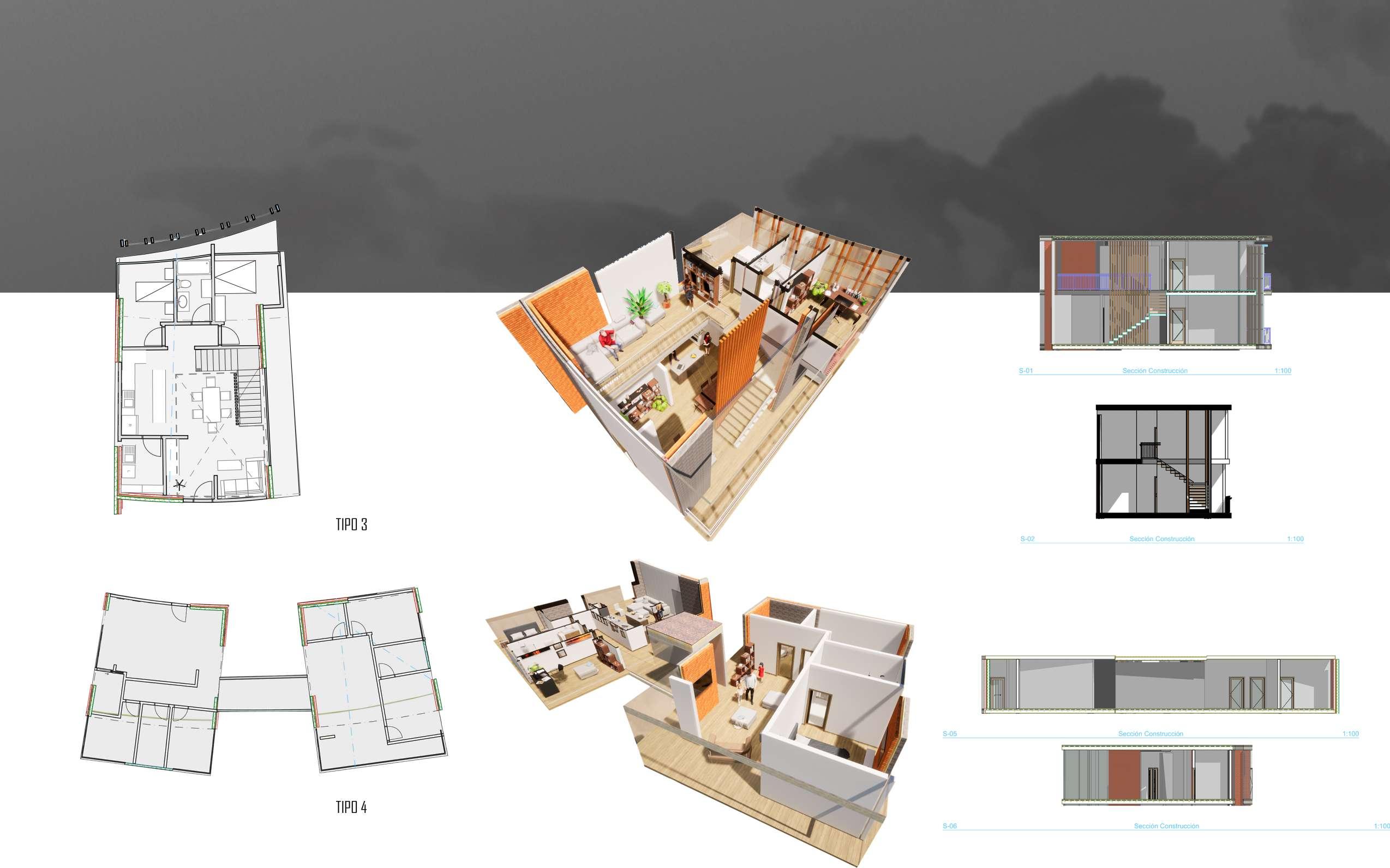
Finally, a rotation was made on the apartment modules, which allows to relate the interior with the exterior and improve the light factor. By varying the façade, dilatations, lattices and a rhythm between duplex and simplex apartments were organized.
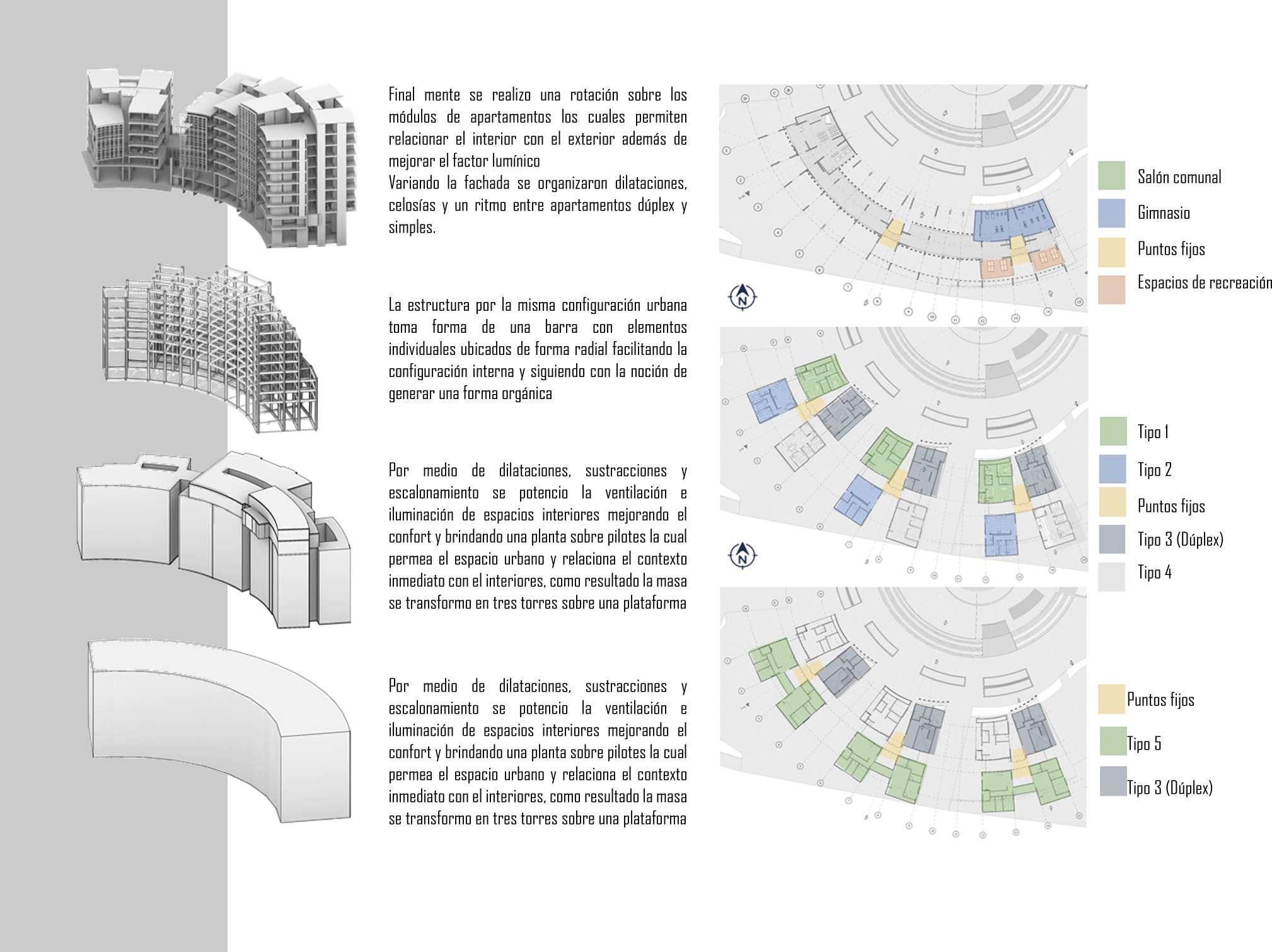
The structure by the same urban configuration takes the form of a bar with individual elements located radially facilitating the internal configuration and following the notion of generating an organic form.
By means of dilations, subtractions and staggering, the ventilation and lighting of interior spaces were enhanced, improving comfort and providing a floor plan on piles that permeates the urban space and relates the immediate context with the interior, as a result the mass was transformed into three towers on a platform.
By means of dilations, subtractions and staggering, the ventilation and illumination of interior spaces were enhanced, improving comfort and providing a floor plan on piles which permeates the urban space and relates the immediate context with the interiors. As a result, the mass was transformed into three towers on a platform.
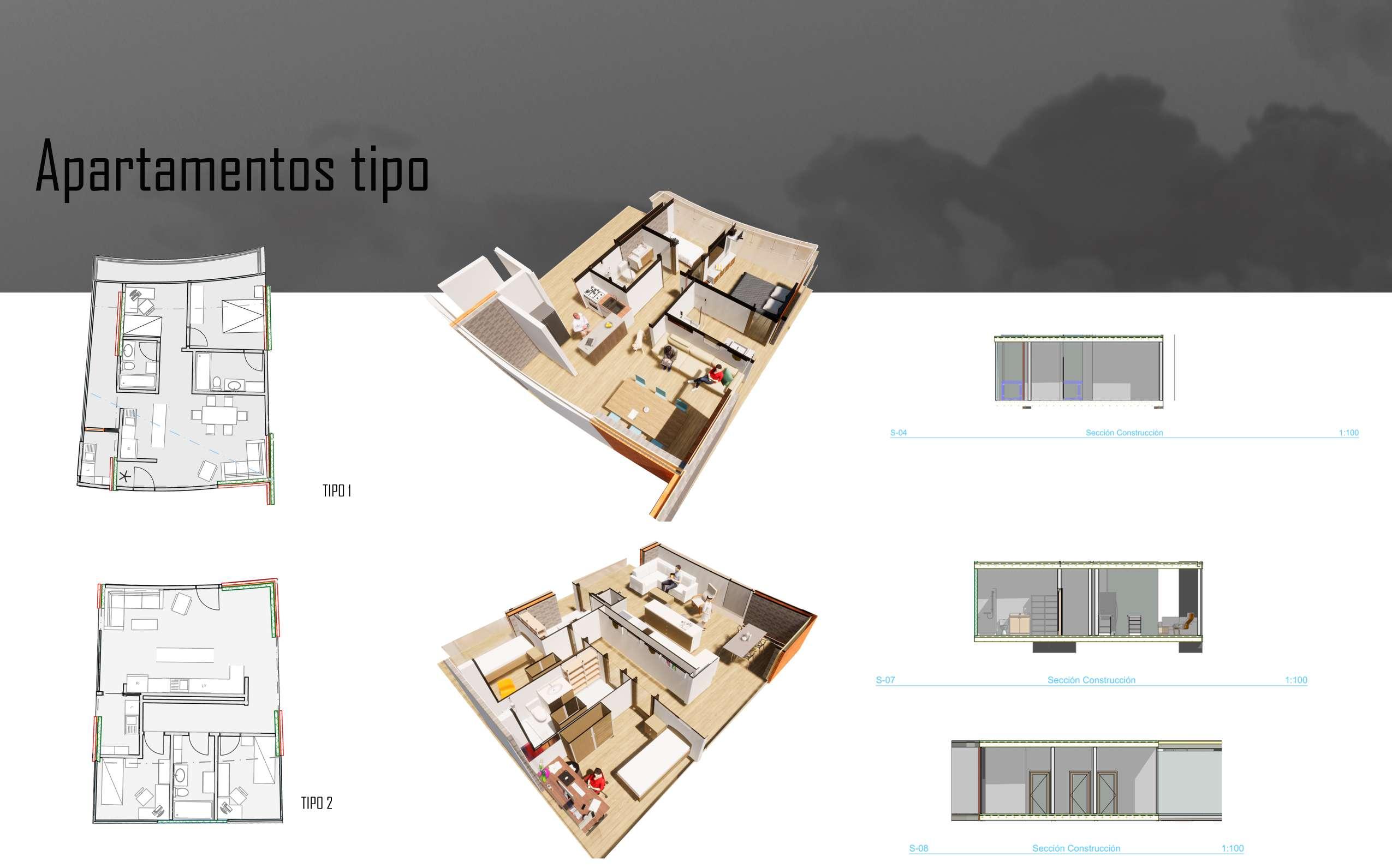
standard apartments
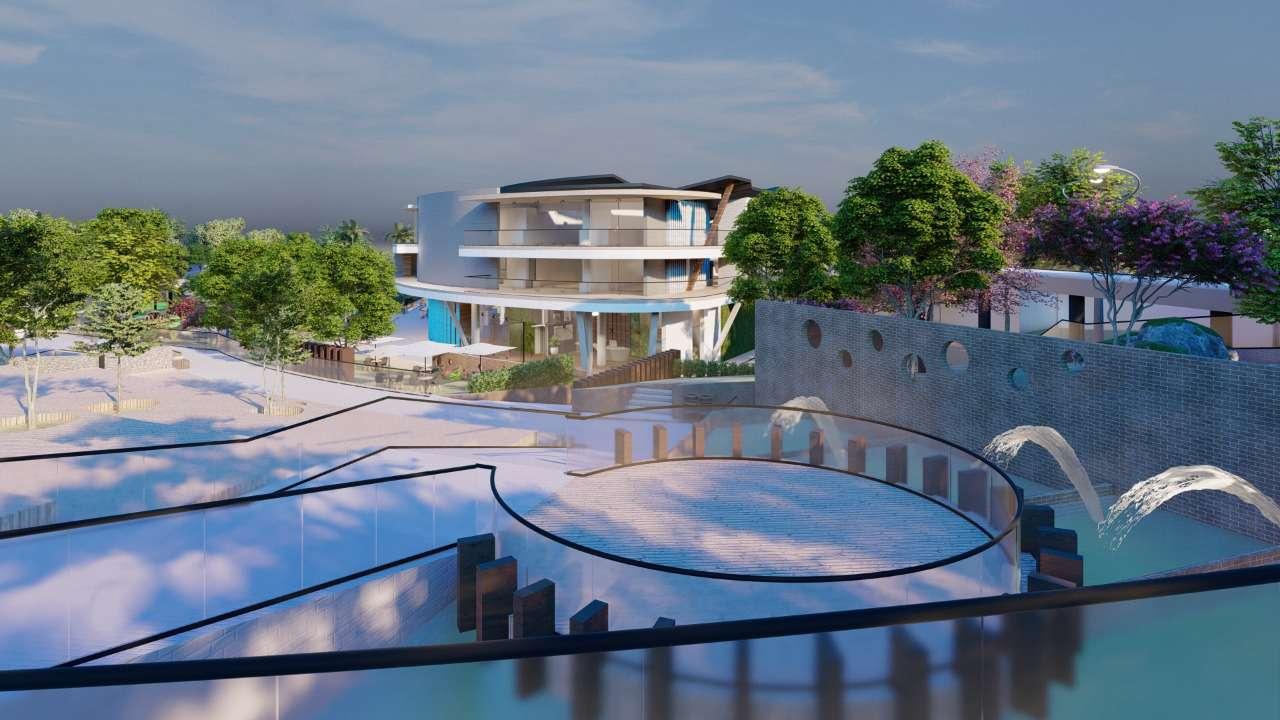
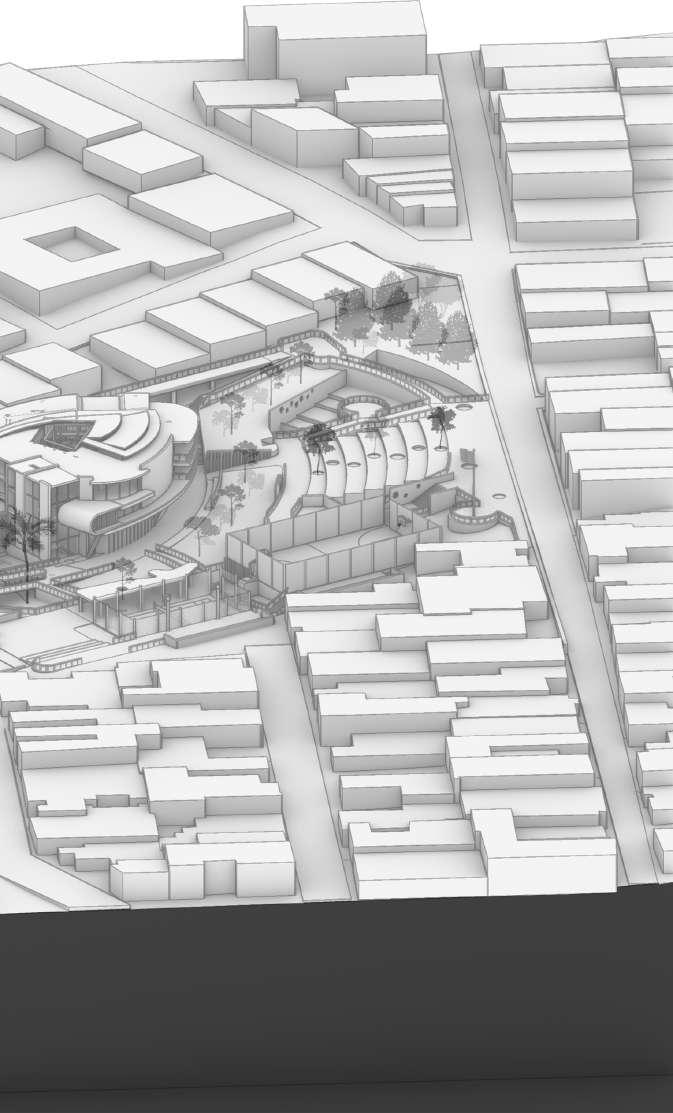
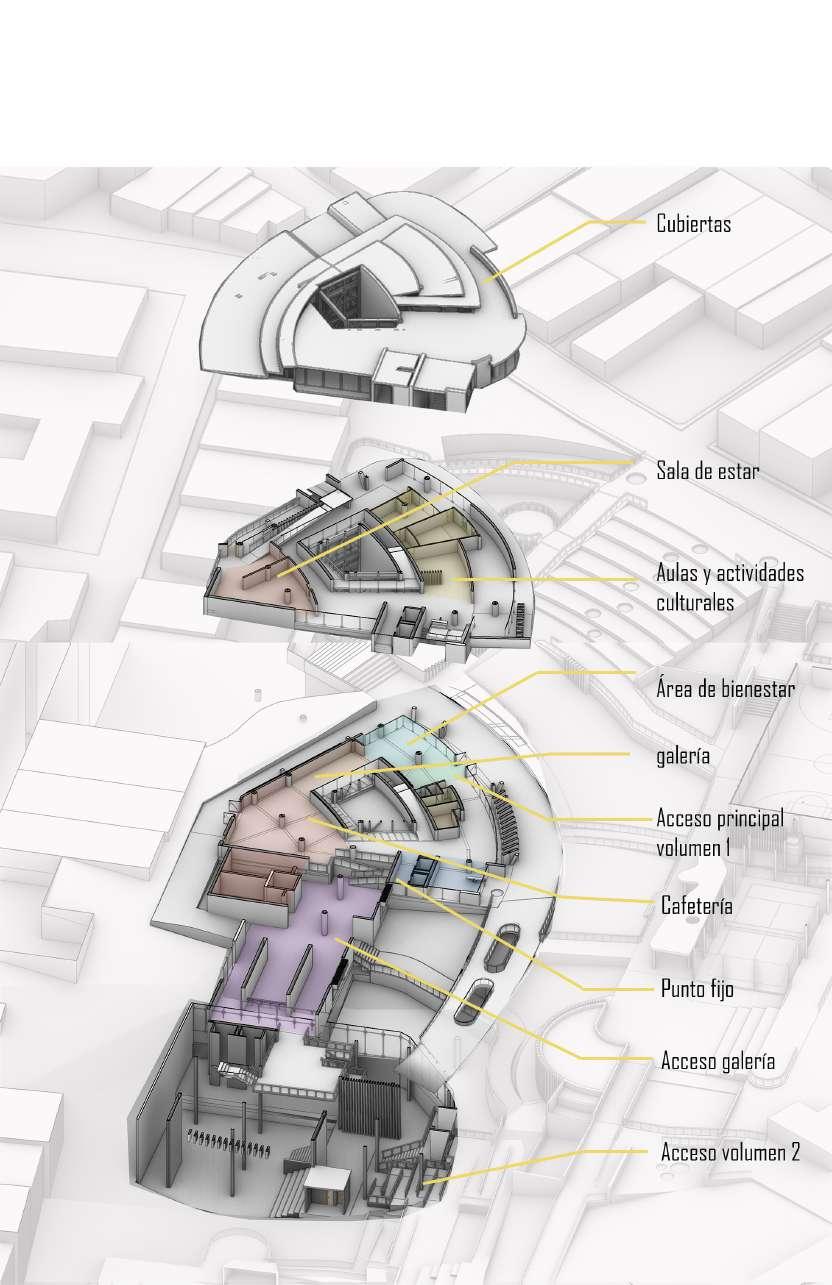
SPORTS CENTER. ENTRE BOSQUES-VILLA NUEVA, GUATEMALA
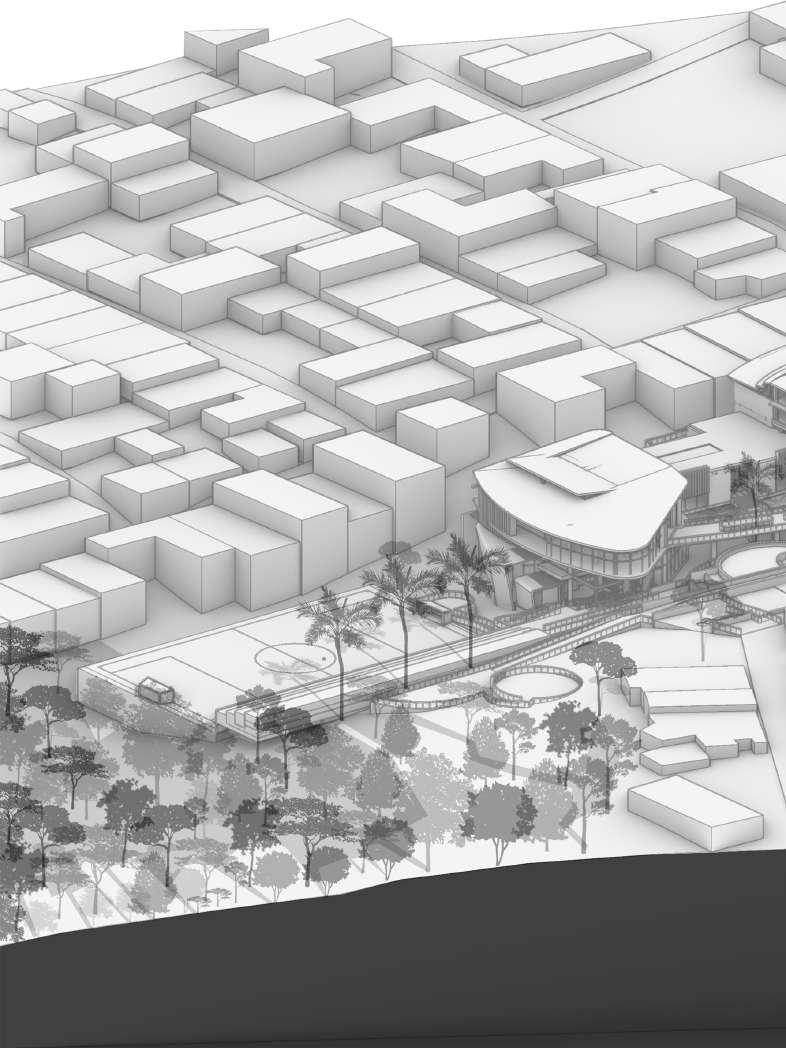
AREA: 08 8891 2 km
Borders: to the northwest with Mexico and 203.38 km. to the southeast with Honduras and El Salvador.
Total population: Census (2021)
17,109,746 inhab.3
Density 129 inhabitants/km².
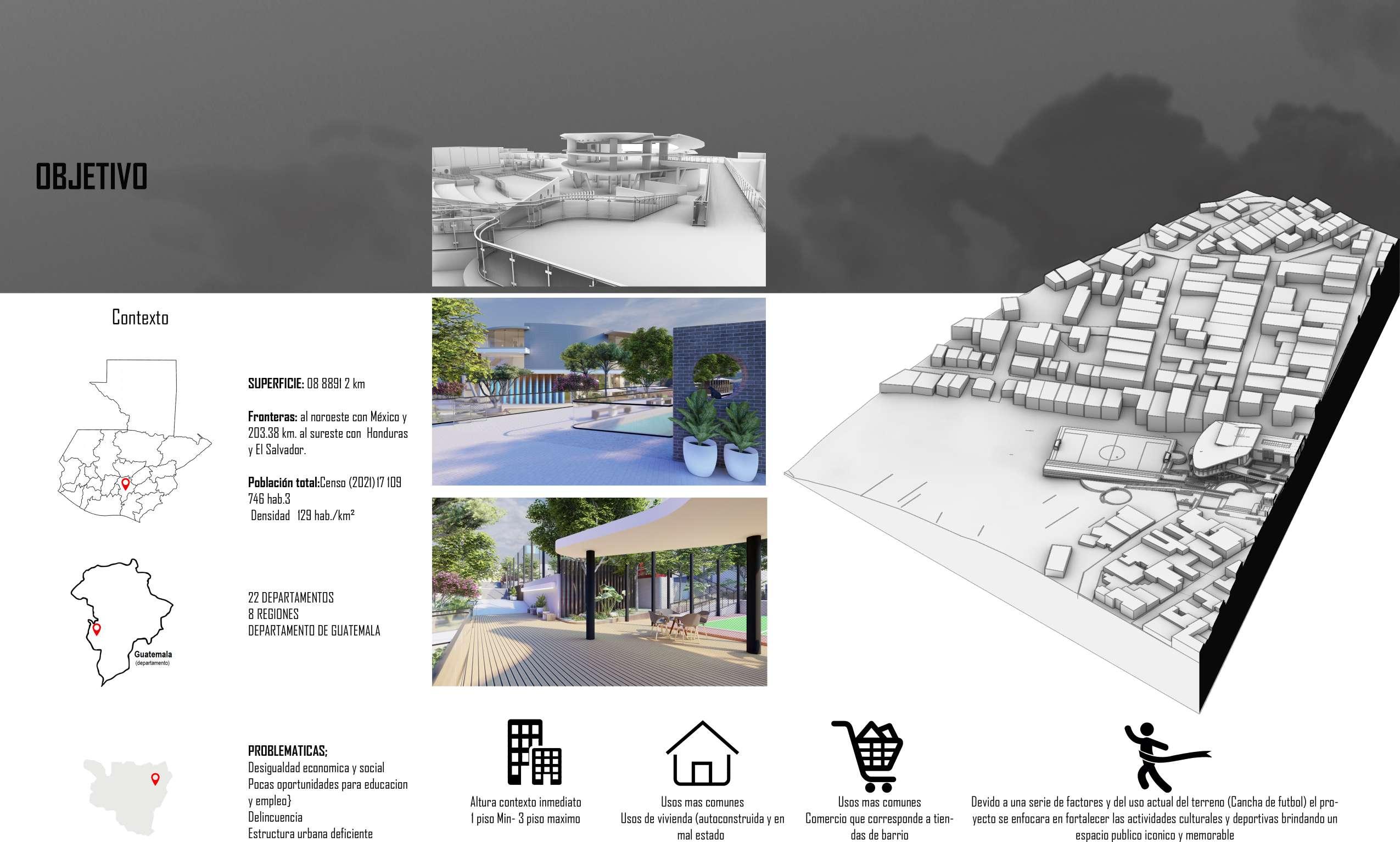
22 DEPARTMENTS 8 REGIONS DEPARTMENT OF GUATEMALA
PROBLEMS:
Economic and social inequality
Few opportunities for education and Crime.employment.
Deficient urban structure.
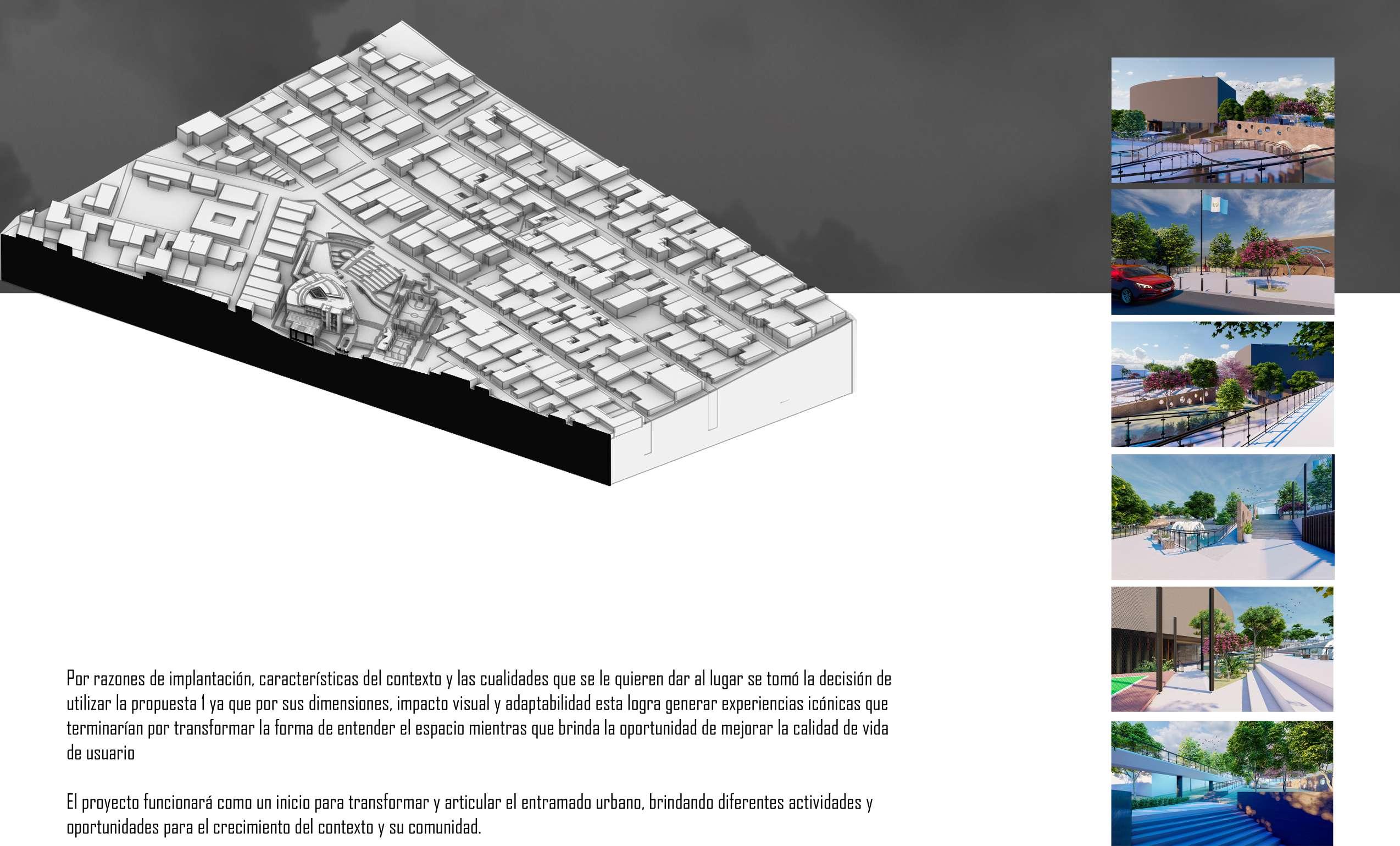
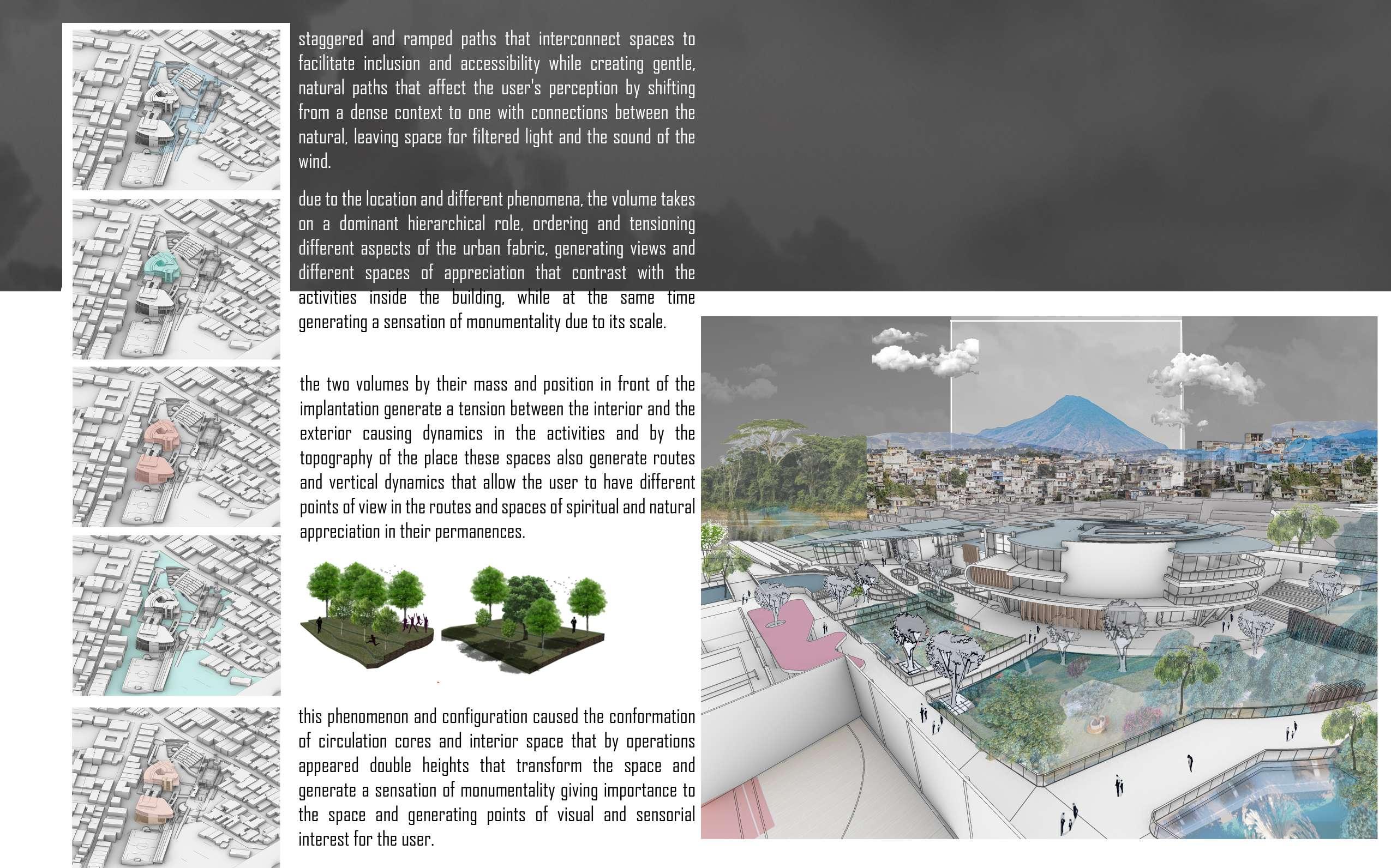
In consideration of the practicalities of implementation, the contextual characteristics and the qualities that are to be imbued into the space, the decision was taken to adopt proposal 1 due to its dimensions, visual impact and adaptability. This proposal is capable of generating iconic experiences that will ultimately transform the way in which the space is understood, while simulta- neously enhancing the quality of life of the user. The project will serve as a catalyst for transforming and articulating the urban fabric, facilitating the provision of diverse activities and opportunities for the growth of the context and its community.
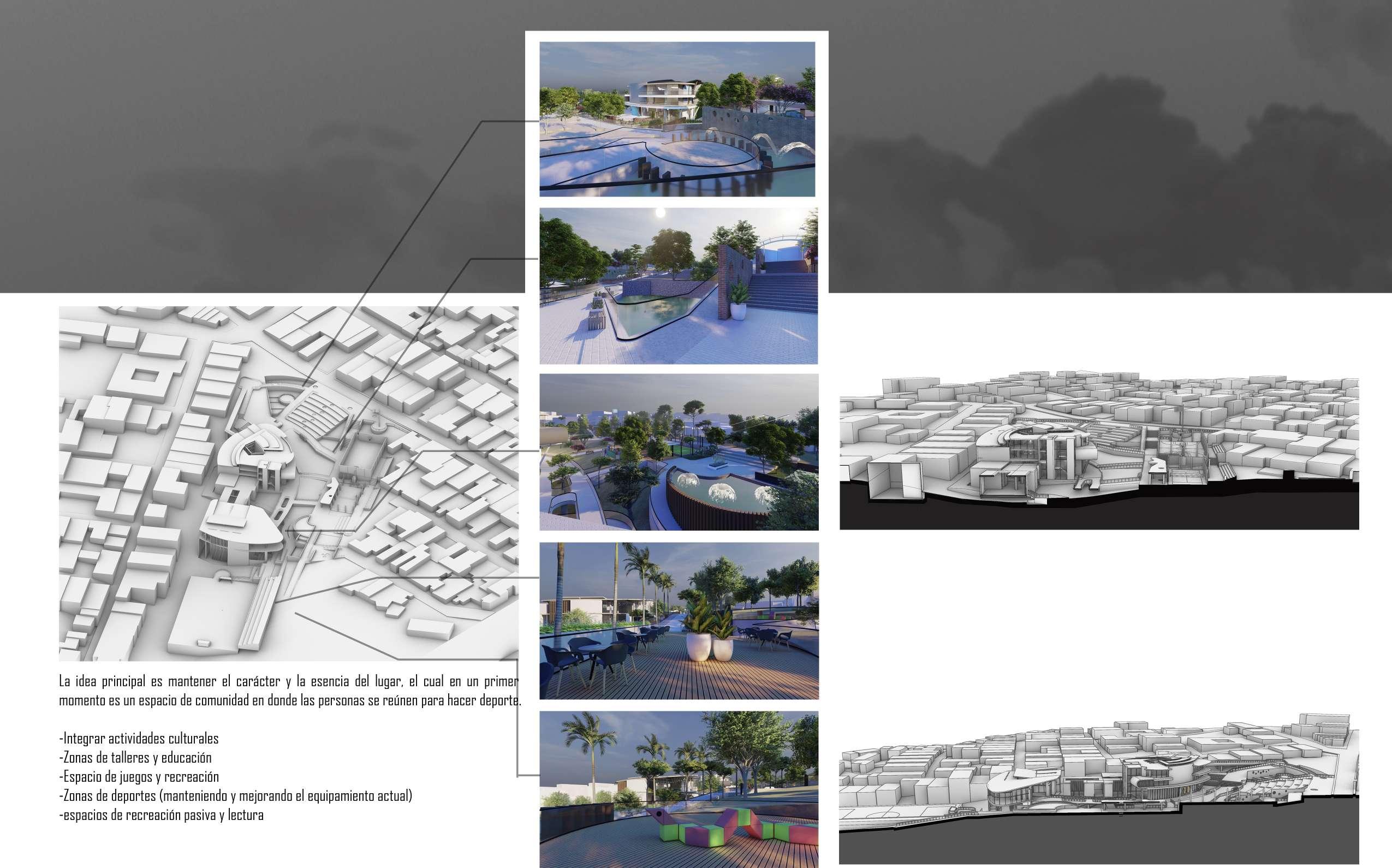
The main idea is to maintain the character and essence of the place, which at first is a community space where people gather to play sports.
-Integrating cultural activities
-Workshop and education areas
-Space for games and recreation
Sports areas (maintaining and improving the current equipment) -Pas- sive recreation areas (maintaining and improving the current equip- ment)
-Passive recreation and reading spaces.
PARTIAL PLAN CENTRAL, LOTUS STATION 26TH STREET METRO STATION
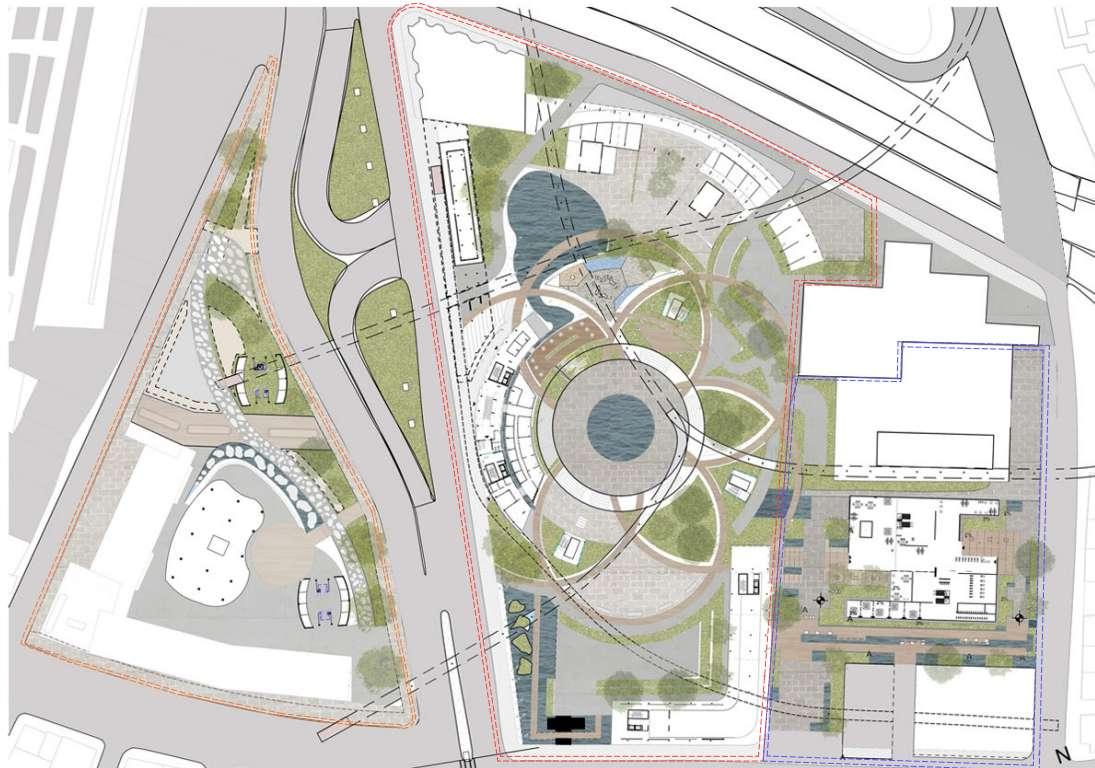
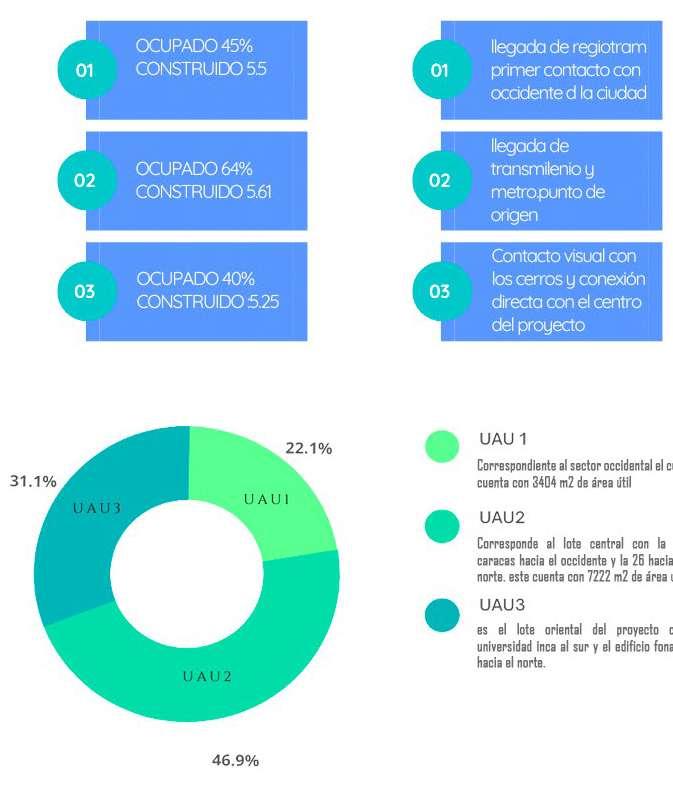
Access to the regional train station
Arrival of the Transmilenio (transport with exclusive track, supporting the metro system).
Visual with the eastern hills and the central

UAU 1
Corresponding to the western sector with 3404 m2 of usable area.
UAU 2
Corresponds to the central lot with Caracas Avenue to the west and 26th Street to the north. The action area has 7222 m2 of usable area.
UAU 3
This is the eastern lot of the project with the Inca University to the south and the Fondae building to the north.square of the proposal.

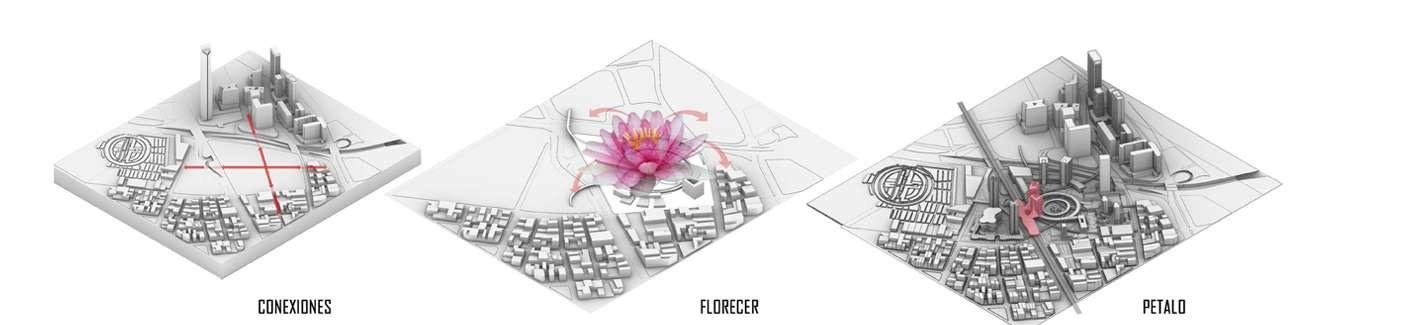
CONNECTIONS
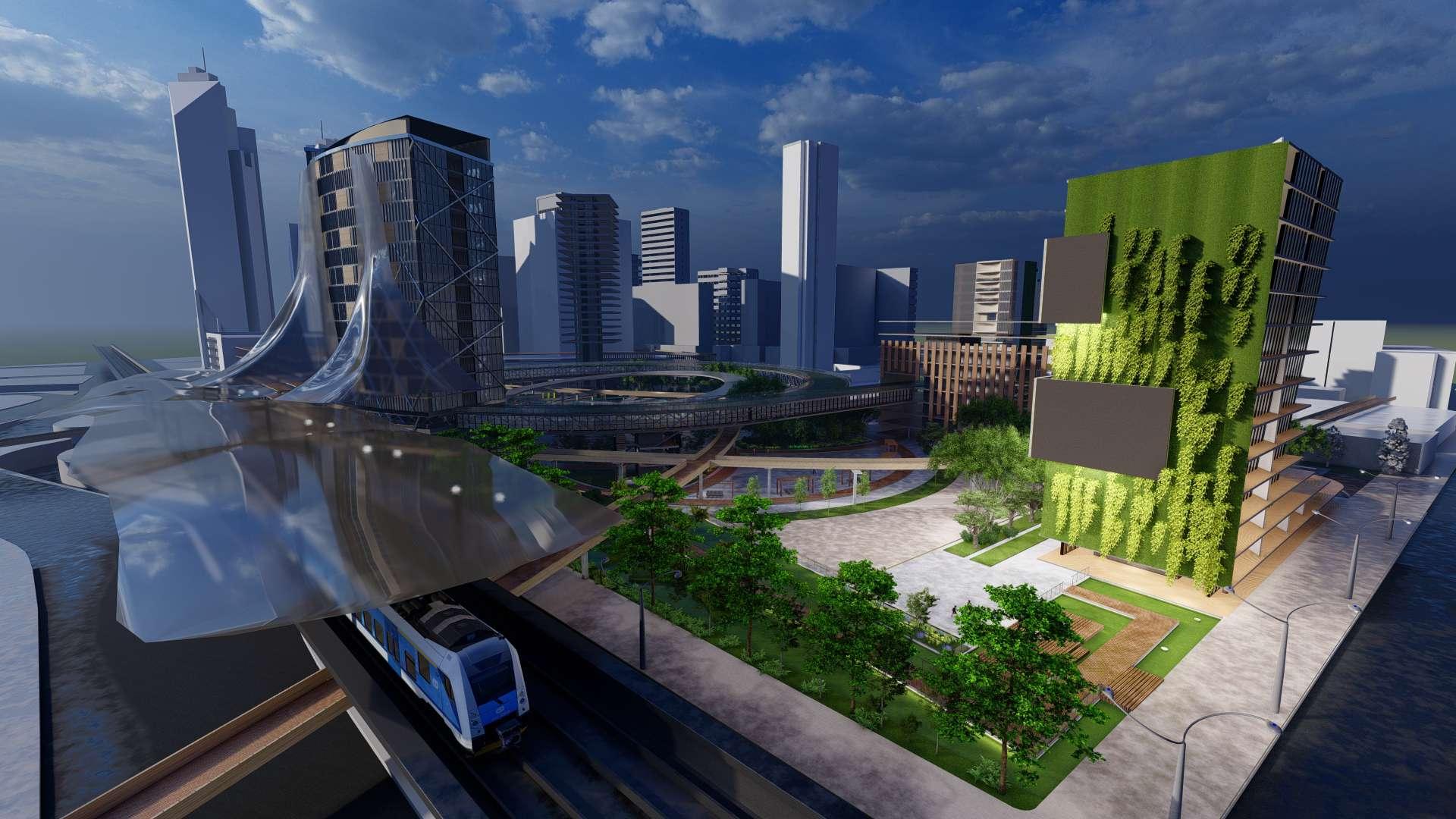
Due to the typological fragmentation of the city caused by the main vehicular roads, it was pro- posed that the pedestrian connection at diffe- rent heights in order to provide safe spaces for pedestrians in a city designed for vehicles.
The project proposes to break with the schemes of the image of the city and the way in which the projects are proposed, due to the main characteristics and the central importance of the project in the city, another way of facing urbanism is proposed, providing spaces for pro- tection and contemplation which do not currently exist.
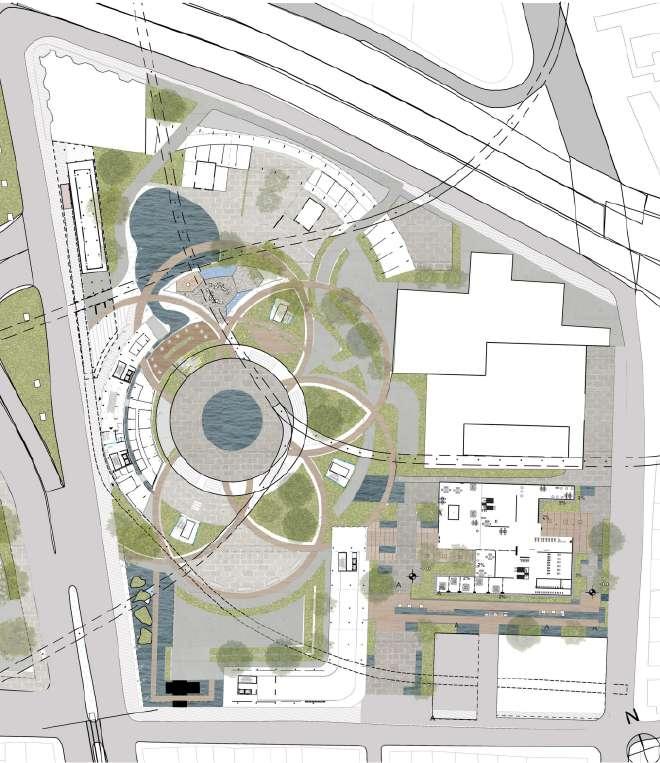
FLOWER PETAL
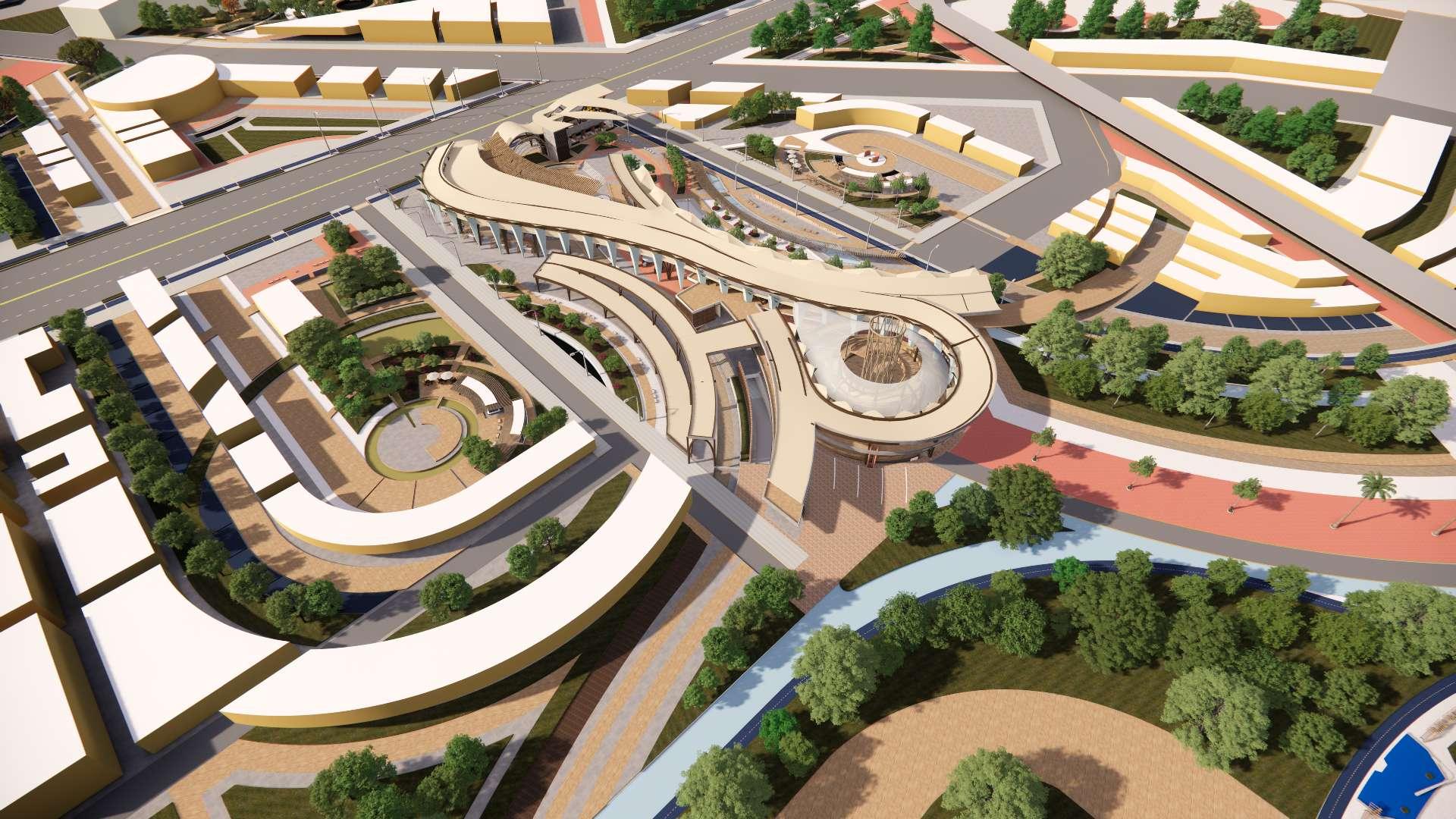
Each architectural element works from the form and function within the proposed urban organism, this by means of building hybridiza- tion, expanding the possibilities of acquiring resources without the need for long displacements.
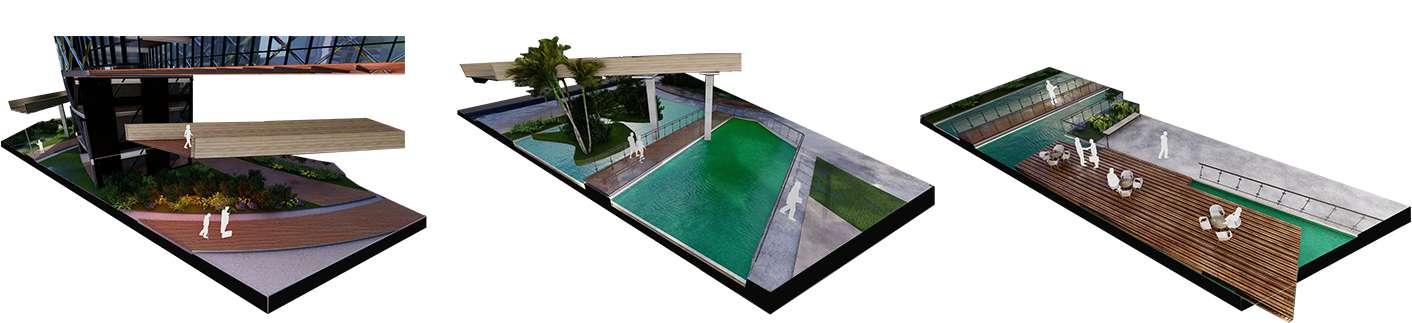
BLOSSOM
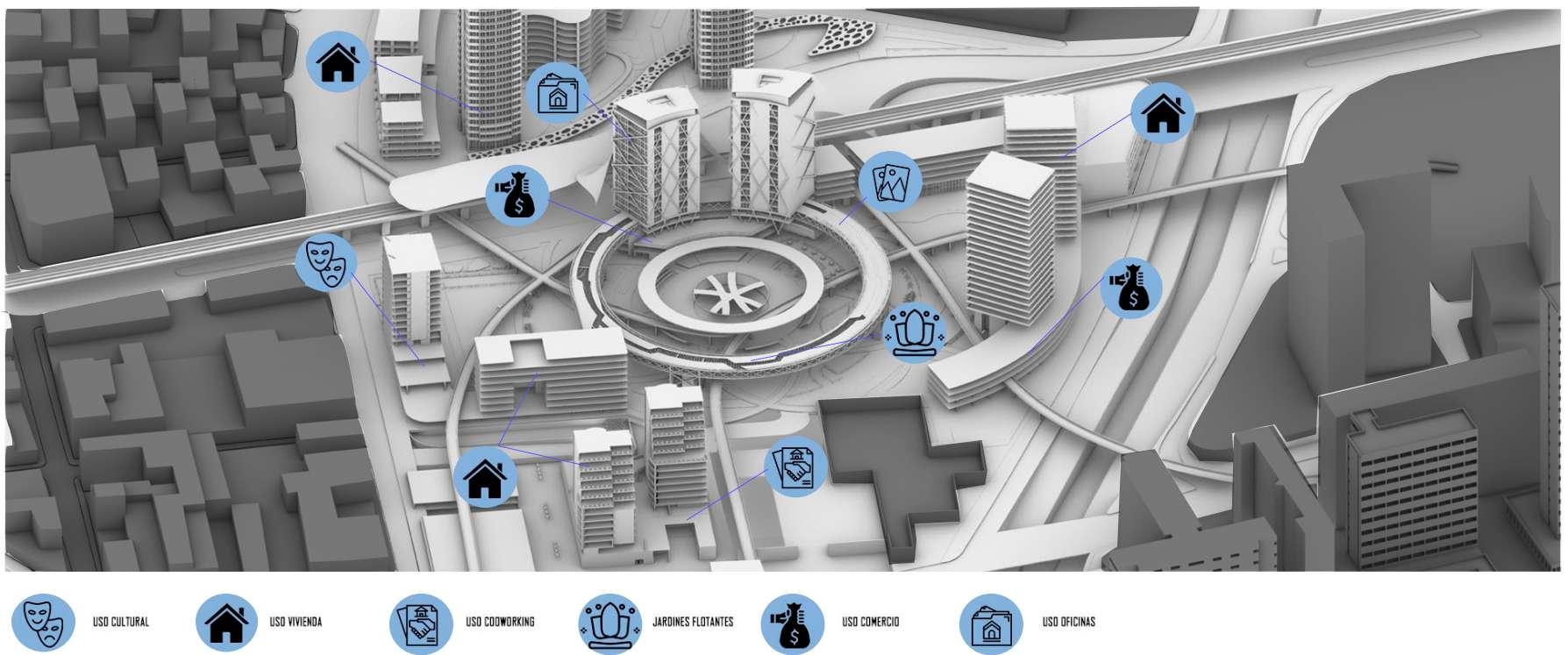
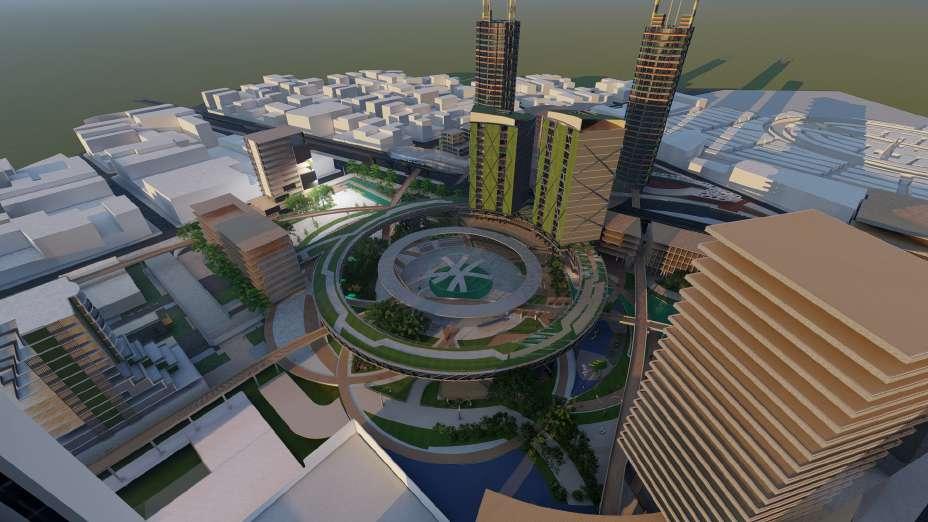
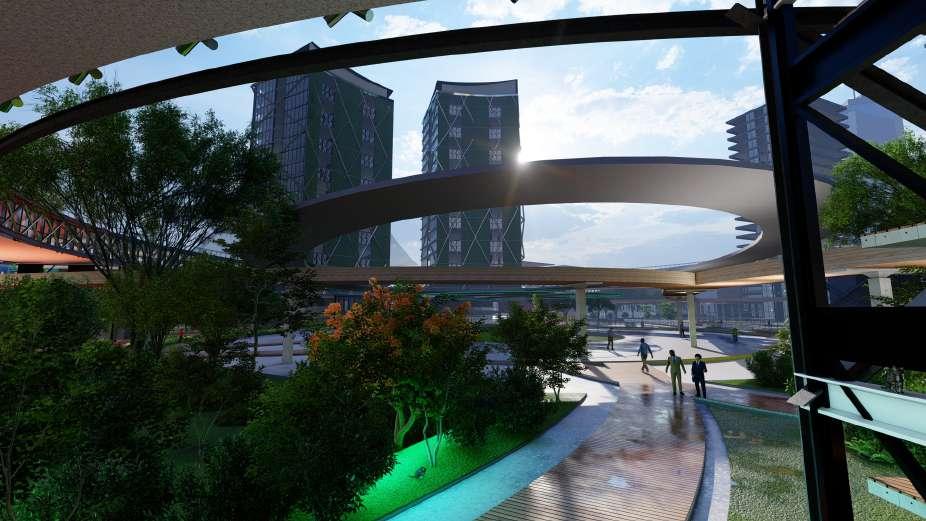
The project has multiple layers of complexity, from the connection to the subway system on Caracas Avenue to public spaces at ground level and on floating terraces, commercial areas from ground level to the third floor of platforms, cultural spaces, offices, co-wor- king, housing and recreational areas for users of multiple ages.
all these proposed uses transform 26th street and caracas avenue into an urban area made for pedestrians and to transform this new urban node into an urbanization designed under the model of the 5-minute city.
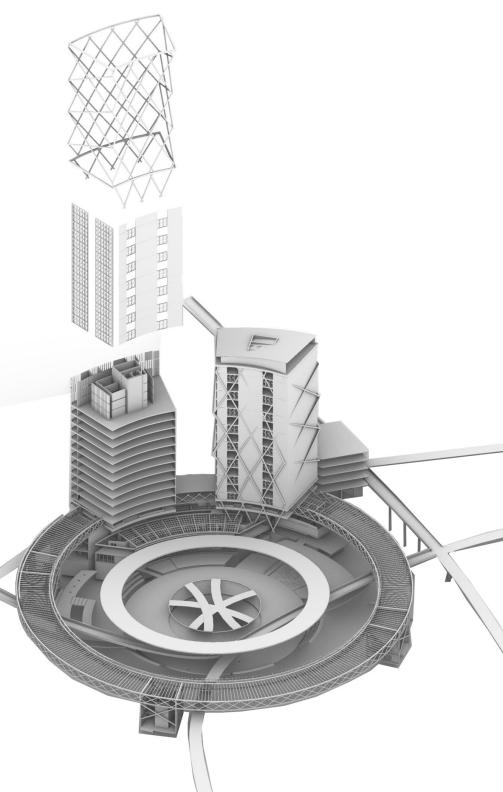
EXPLODED ISOMETRIC VIEW
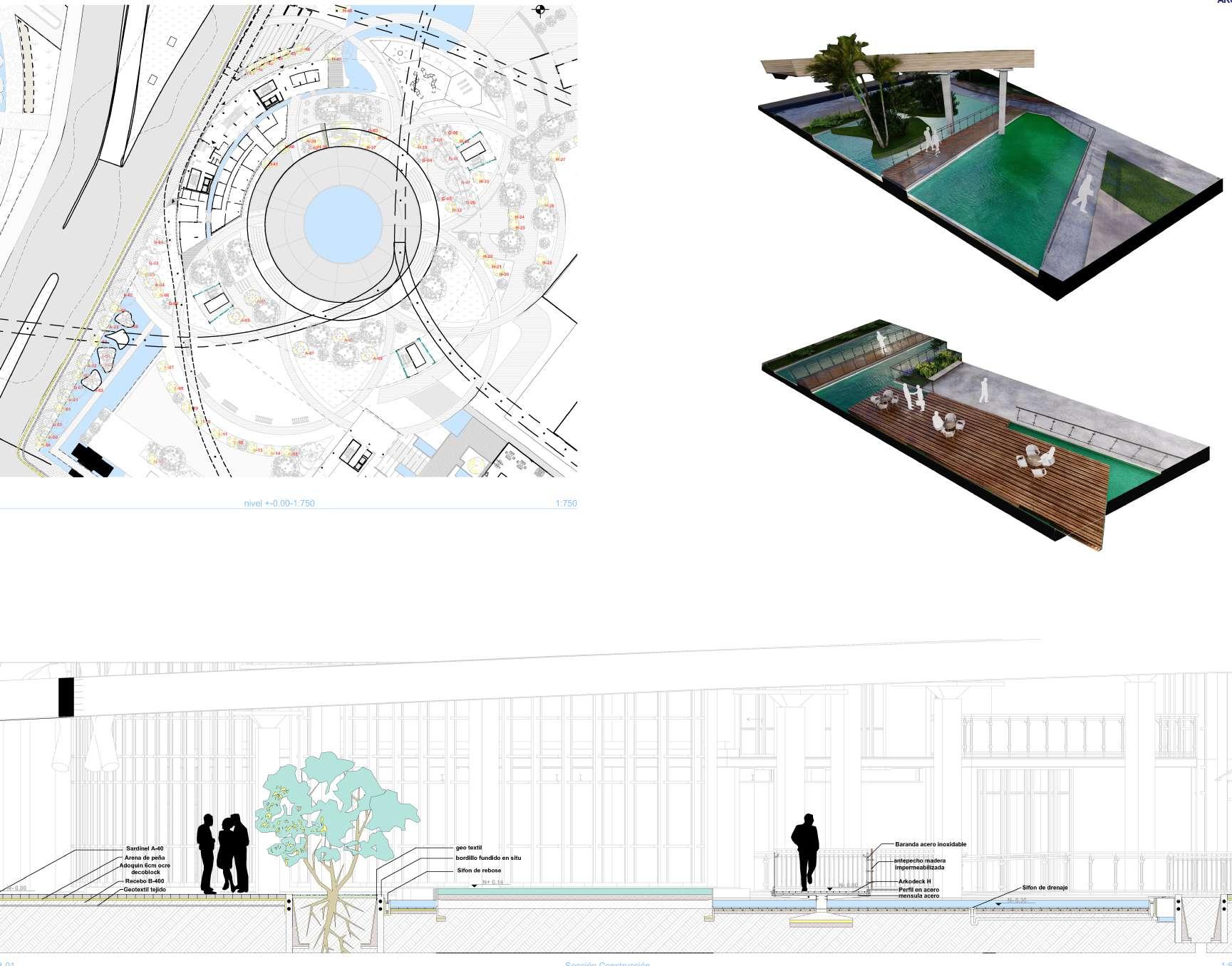
DETAILED URBAN SECTION
VISUALIZATION OF PEDESTRIAN ROUTES
VISUALIZATION OF THE PERMANENCE ZONE
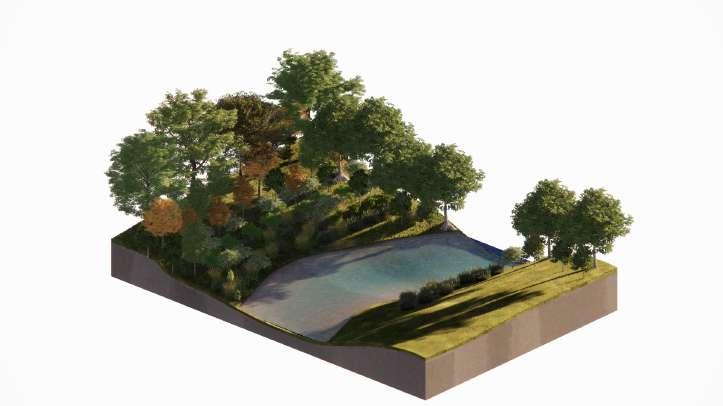
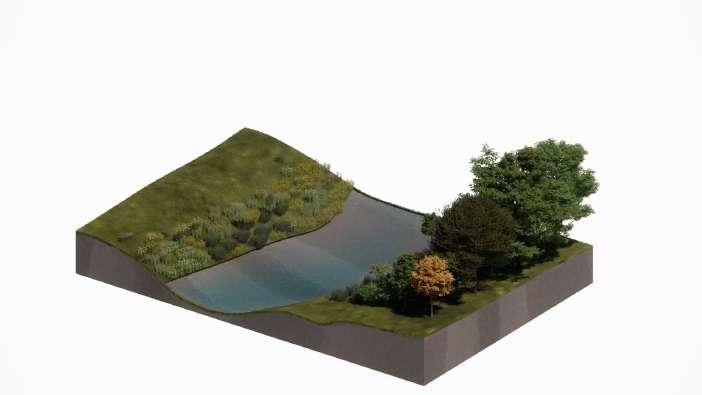
Arborization
Ecological rehabilitation
Ecosystem.
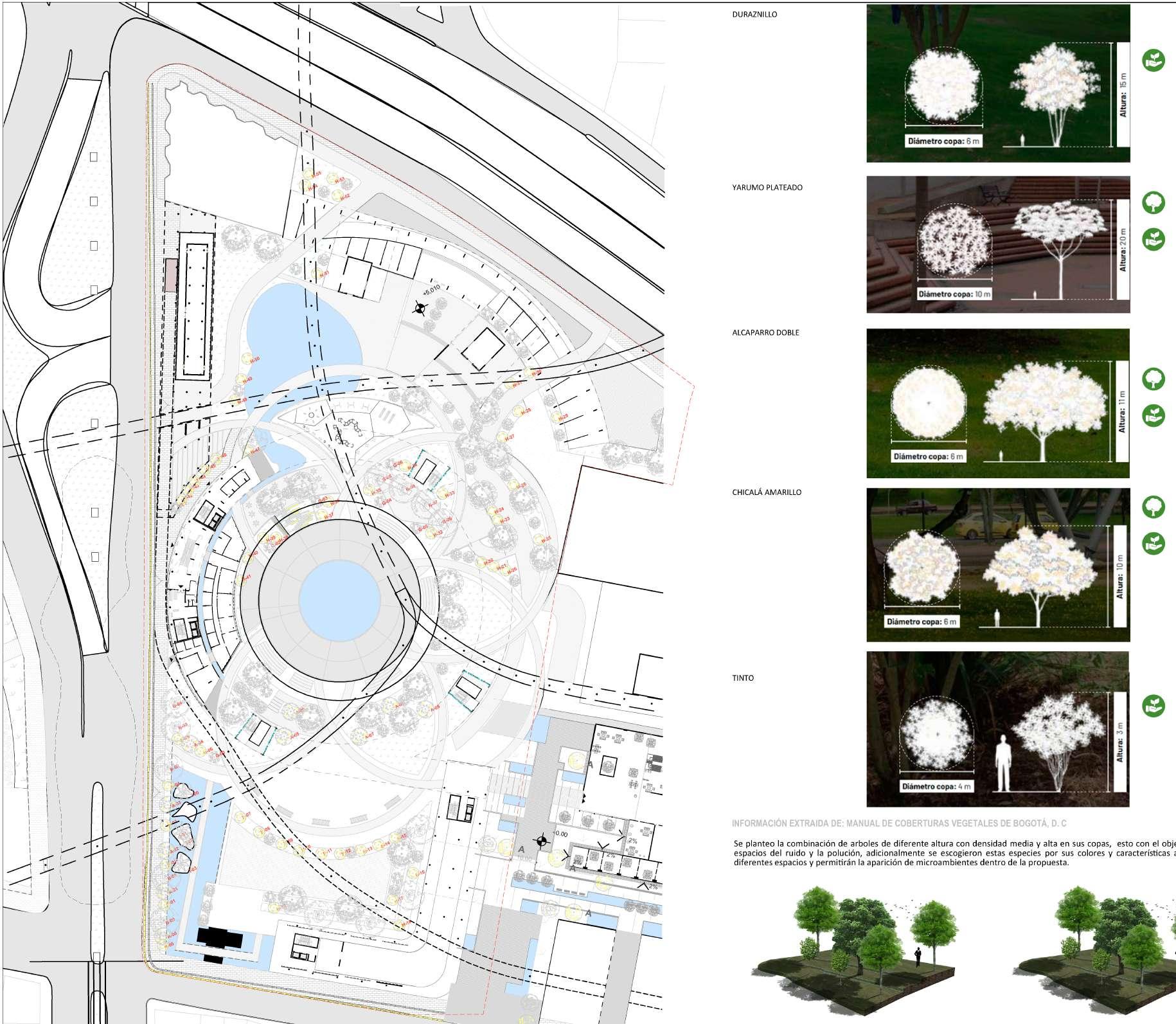
Based on the plant cover manual of the botanical garden, we proposed the location of certain tree species that can reduce flooding problems and are physiologically adapted to river banks, an example of the species chosen would be: the peach tree, the silver yarumo, the double caper, the amarrabollo, the yellow chicalá, the red, among others. Additionally, species that protect and attract wildlife are also pro- posed, forming a complex ecosystem.
PARTIAL PLAN AND MARKET PLACE EL RENACER ZIPAQUIRA
NINTH AND TENTH SEMESTER
New urban core: It is necessary to establish a new center or space for centralized development. The project is designed to establish a hierarchical point that helps to organize and establish a typological order in the formal development of the sector.
Green mass: due to air quality and pollution problems, a greater presence of vegetation is proposed, incorporating environmental barriers into strategic areas to reduce vehicular impact, garbage dumps and the area near the treatment plant, which function to iso- late and delimit spaces.
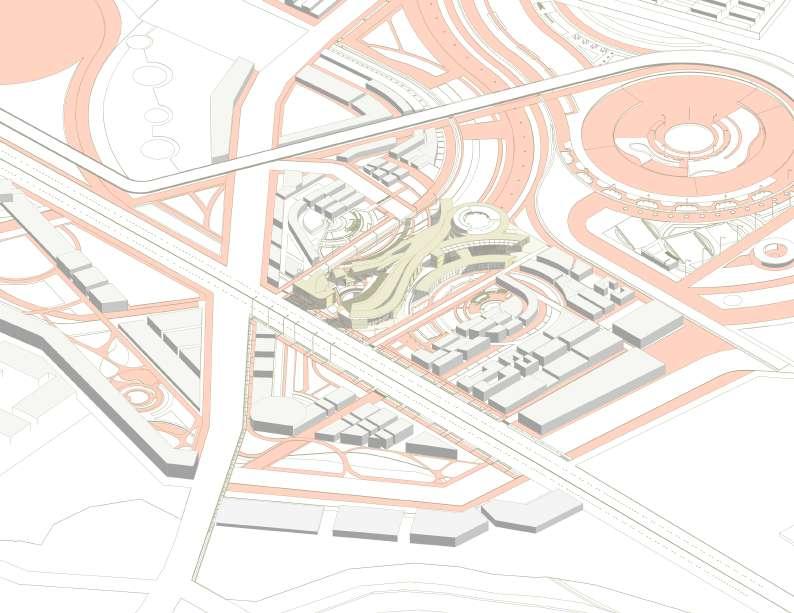
Permeability: Originally the pedestrian route was only perimeter following the traditional urban model, this renovation plan proposes a permeable model where the connection and visual relations are essential, integrating paths, squares, parks, recreational areas and other spaces focused on the development of urban life.
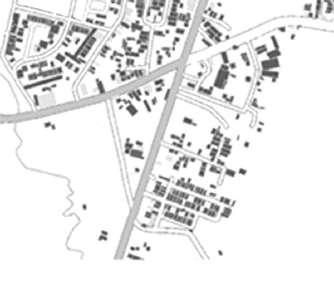
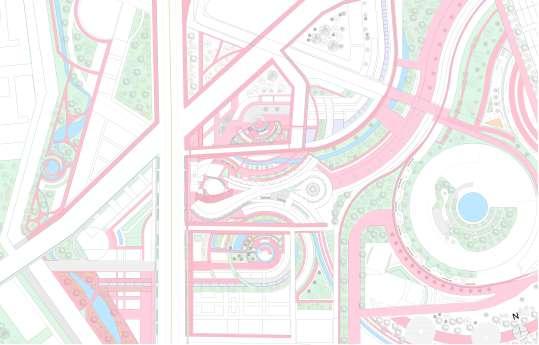
original pedestrian route plan
proposed pedestrian route scheme
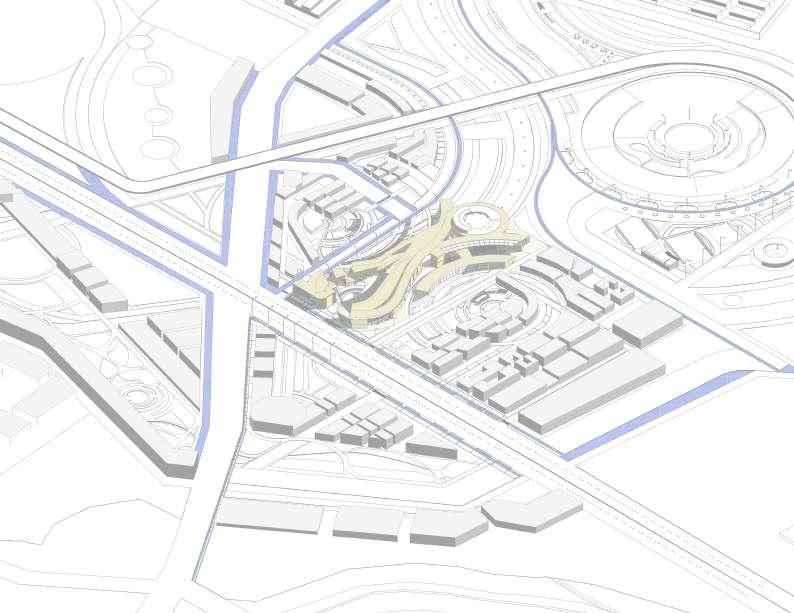
Cycle routes: The design integrates new facilities and routes in order to connect and facilitate accessibility between the most important points, these facilities include stops, bike racks, rest areas with pergolas, additionally the grid is articulated with the mul- tiple grid raised, this integrating into the interior of the urban pro- posal.
New urban core: It is necessary to establish a new center or space for centralized development. The project is designed to establish a hierarchical point that helps to organize and establish a typological order in the formal development of the sector.

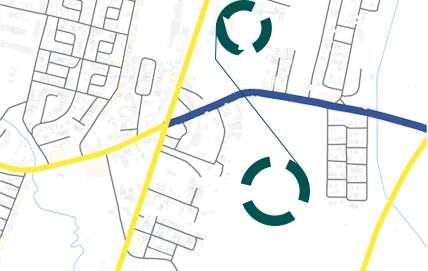
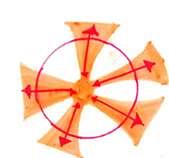
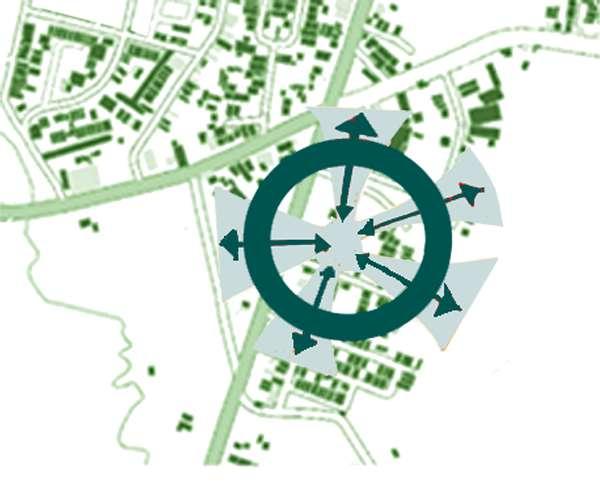
Multiple Grids: To work the sector several grids were proposed; orthogonal and diagonal to link the existing context and the radial that marks the points of interest and define routes and connections of importance and propose transition zones where the public space becomes important.
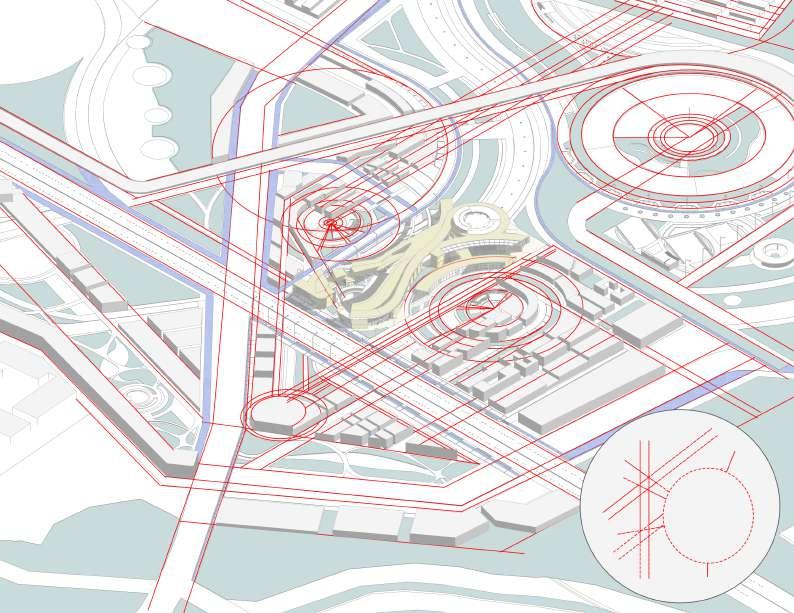
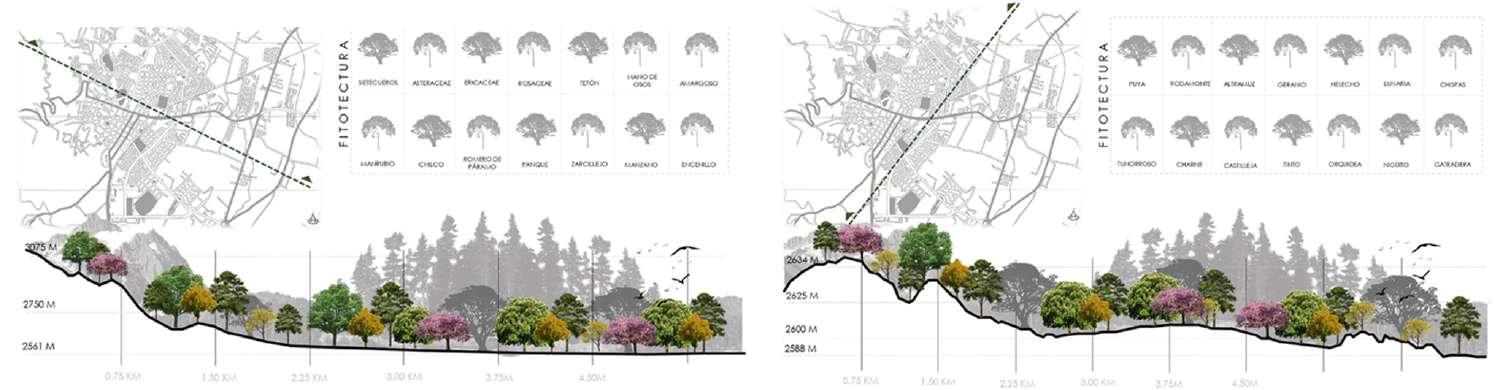
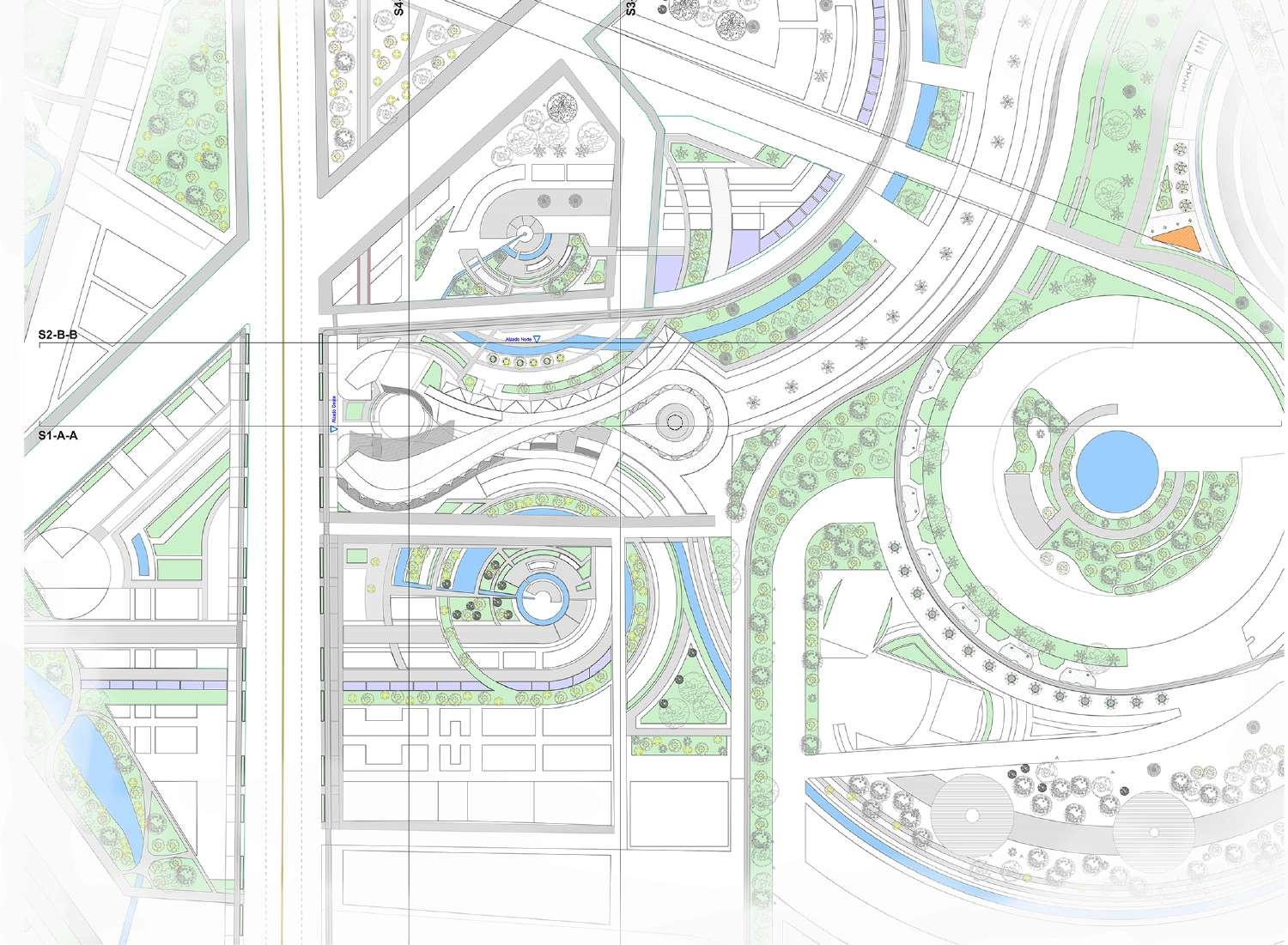
The project seeks to solve the problem of a critical area of the municipality which is a point of attention for the growth of the urban area of the municipality. The project was proposed as a partial renovation plan where important points were established that would help establish a more permeable urban model with an emphasis on walkable spaces and commercial, cultural and recreational facilities. A market square was proposed as an architectural project, which would be an important point for the accessibility of resources in the new urban area of the municipality. This architectural element is also part of the general urban system, providing space for green areas, recreational areas and, in general, spaces that allow the appropriation and apprecia- tion of the sector.
aerial connections: this area is adjacent to a place of vehicular affluence, so it is necessary to provide at-grade routes to protect users and connect important points.
Children's playground and bio-healthy gymnasium
La Paz Park and Research Center: This park is one of the main centers of activity and a project opportunity to energize activities, concentrate human activity in a healthy natural space and an opportunity for cultural space. It also has an agricultural research and innovation center that complements the learning spaces and the marketplace, which is periodically open to the public for exhibitions and fairs.
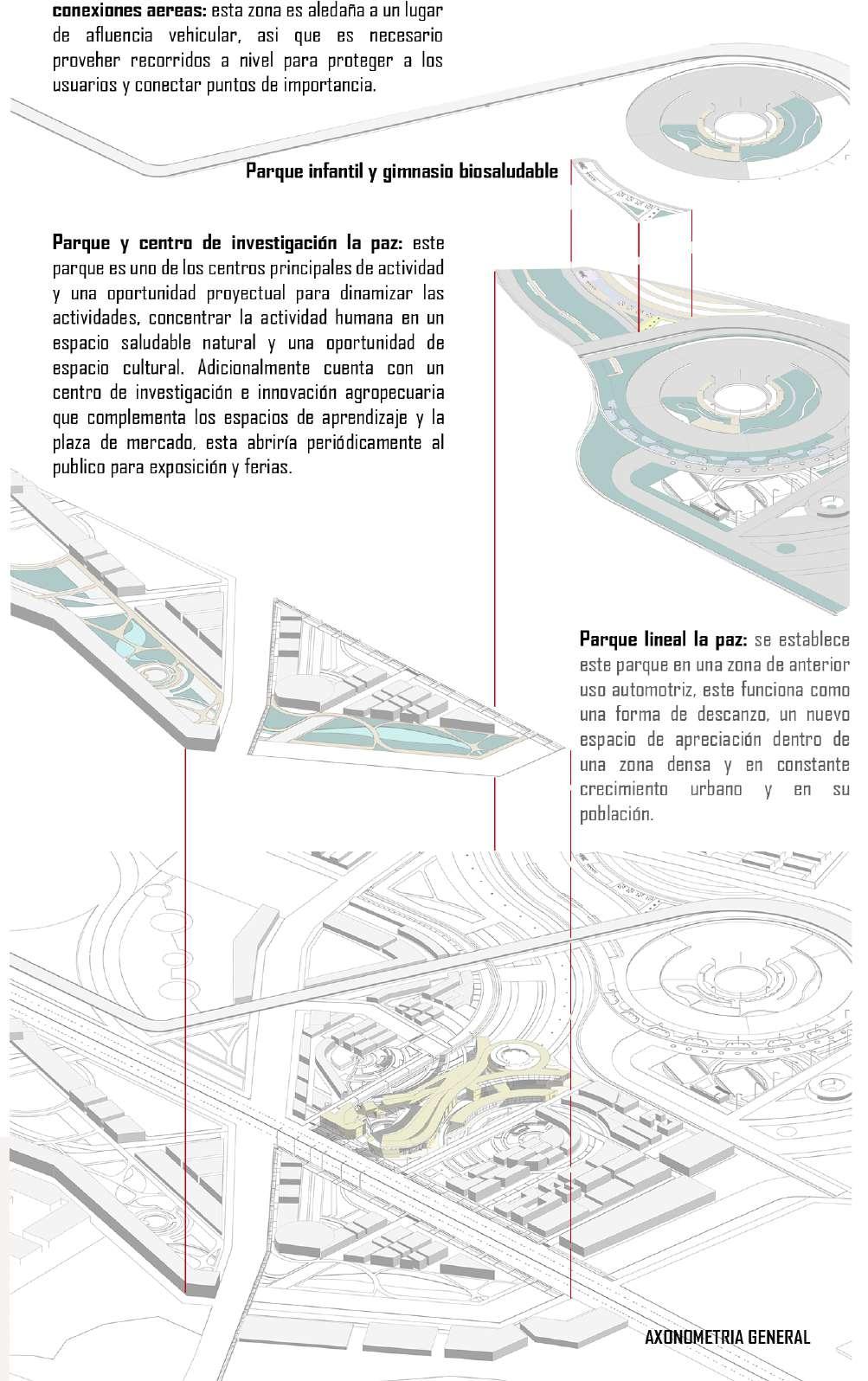
La Paz Linear Park: This park was established in an area previously used for automobiles and functions as a form of relaxation, a new space for appreciation within a dense and constantly growing urban area and its population.
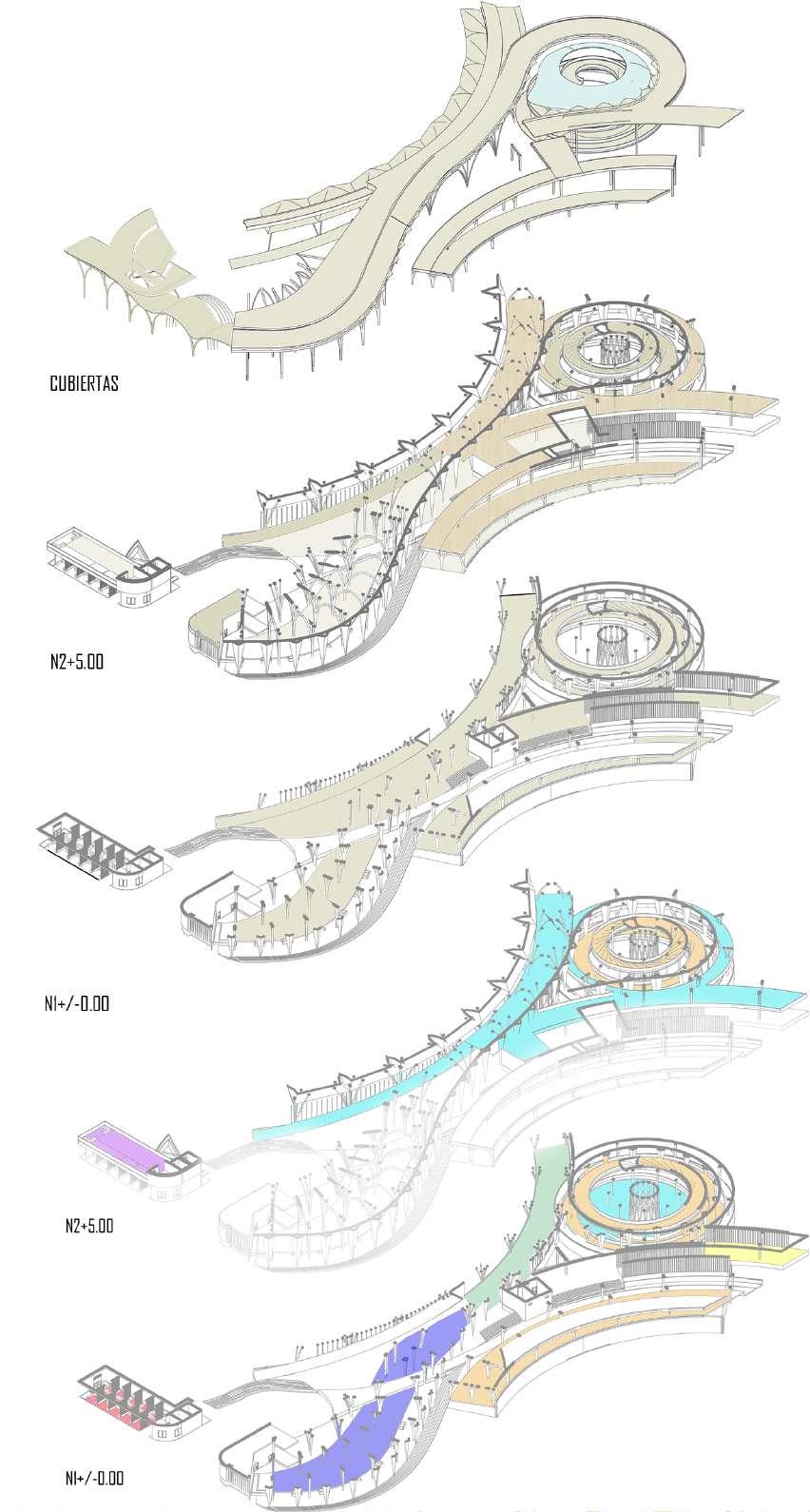
FUNCTIONAL COMPLEMENT:
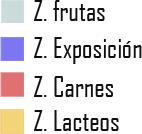
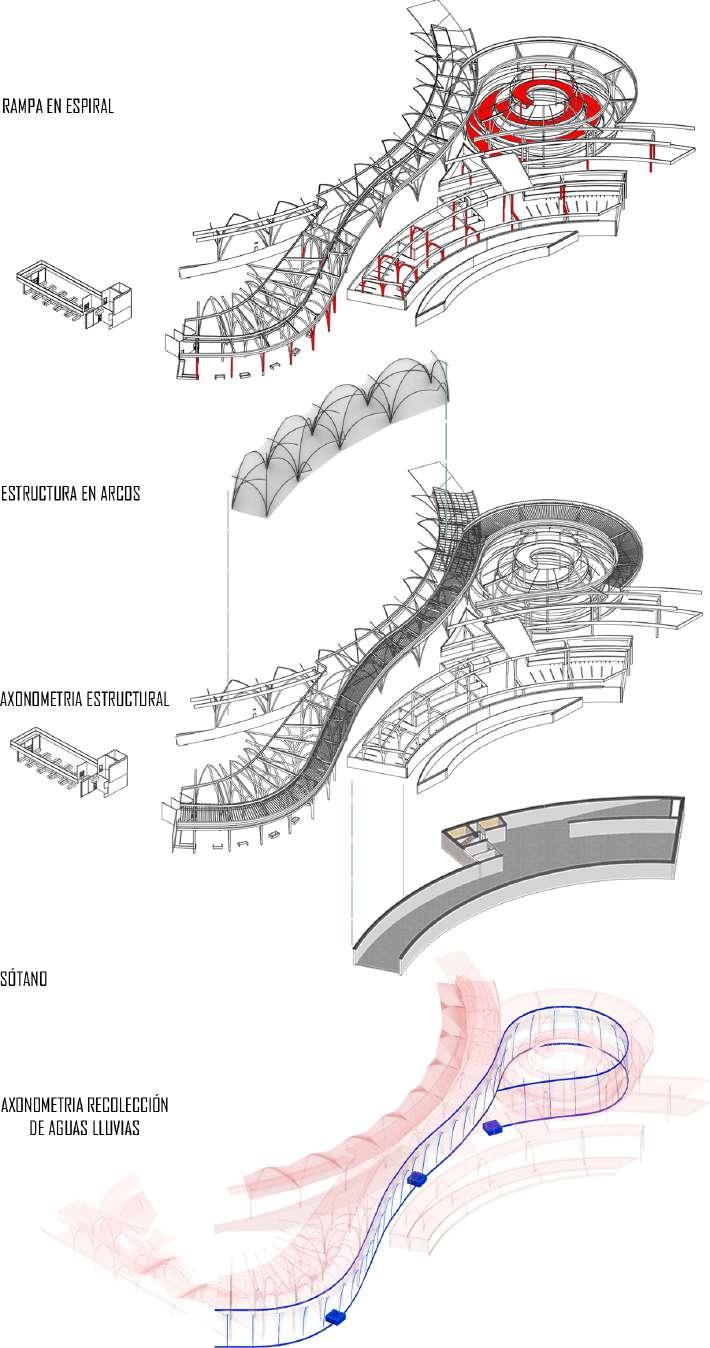
The project, apart from being designed as a marketplace, would also serve as a learning area for agro-industrial innovation, in order to teach the local population alternative forms of cultivation; these panels are part of an agronomic learning model where the facade becomes a “blackboard” to experiment and encoura- ge new forms of irrigation and cultivation, while at the same time incorporating the community in the process.
SAMPLE DESIGNS AND RENDER DIFFERENT LOCATIONS
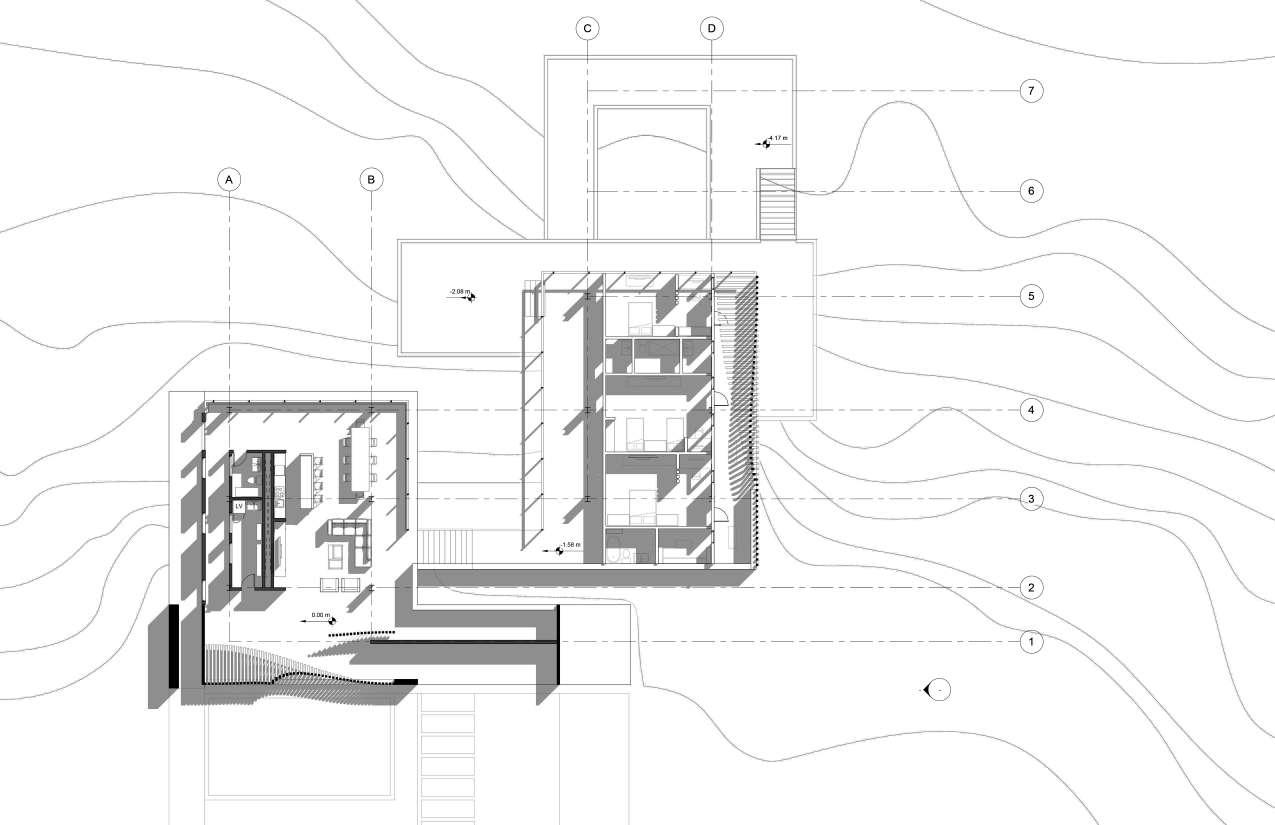
Model and planimetry of my own design
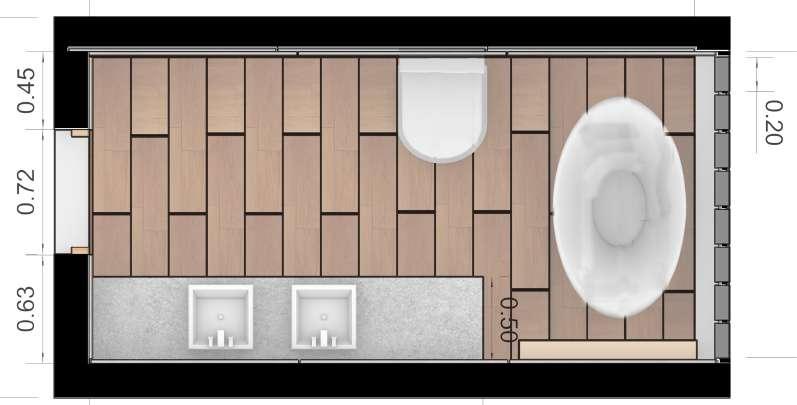
SCHEMATIC ARCHITECTURAL FLOOR PLAN
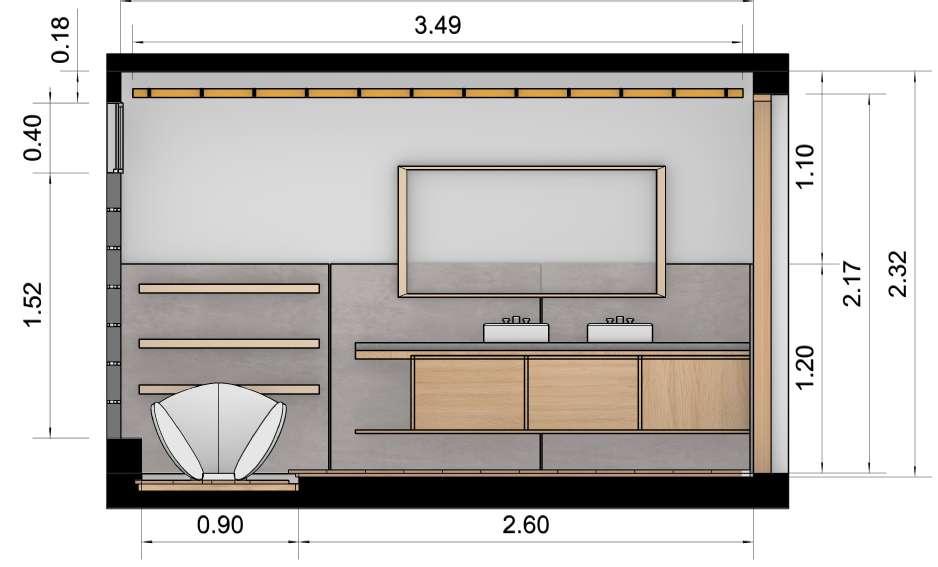
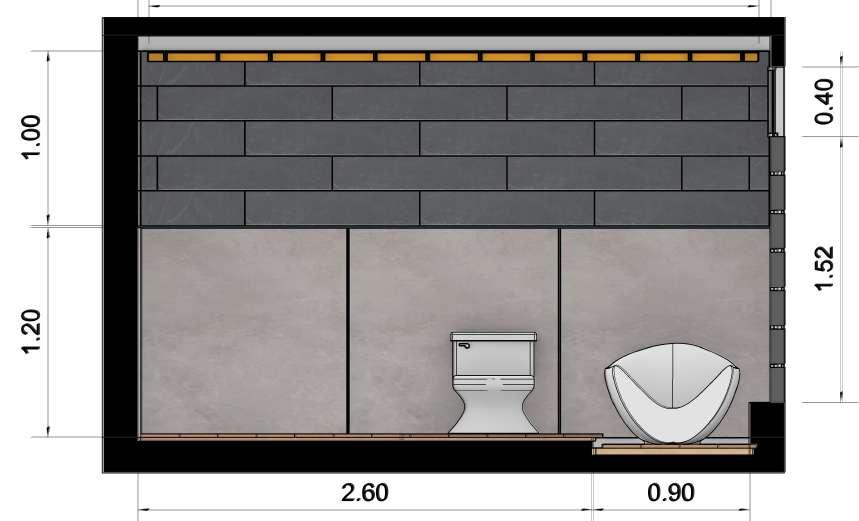
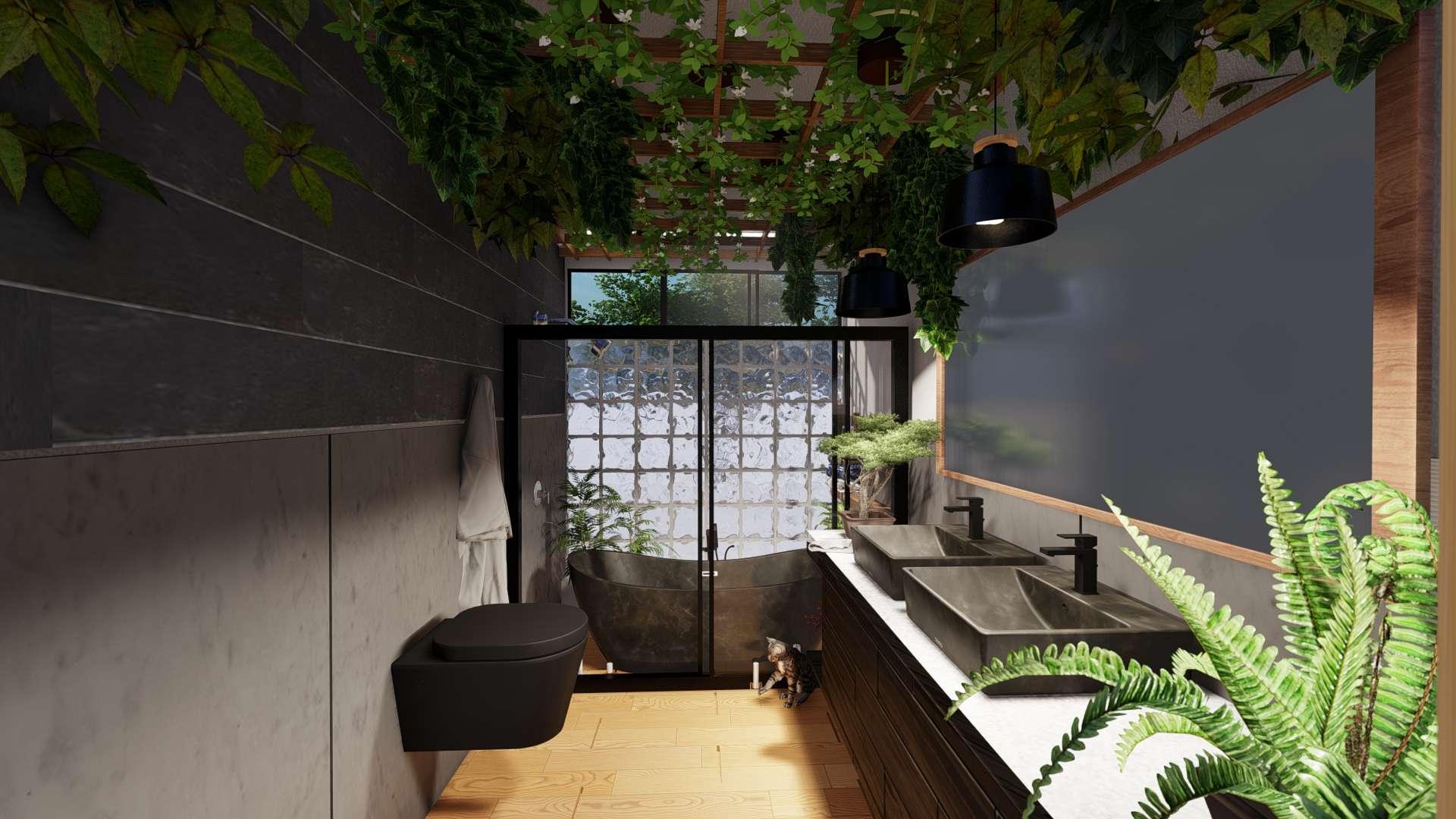
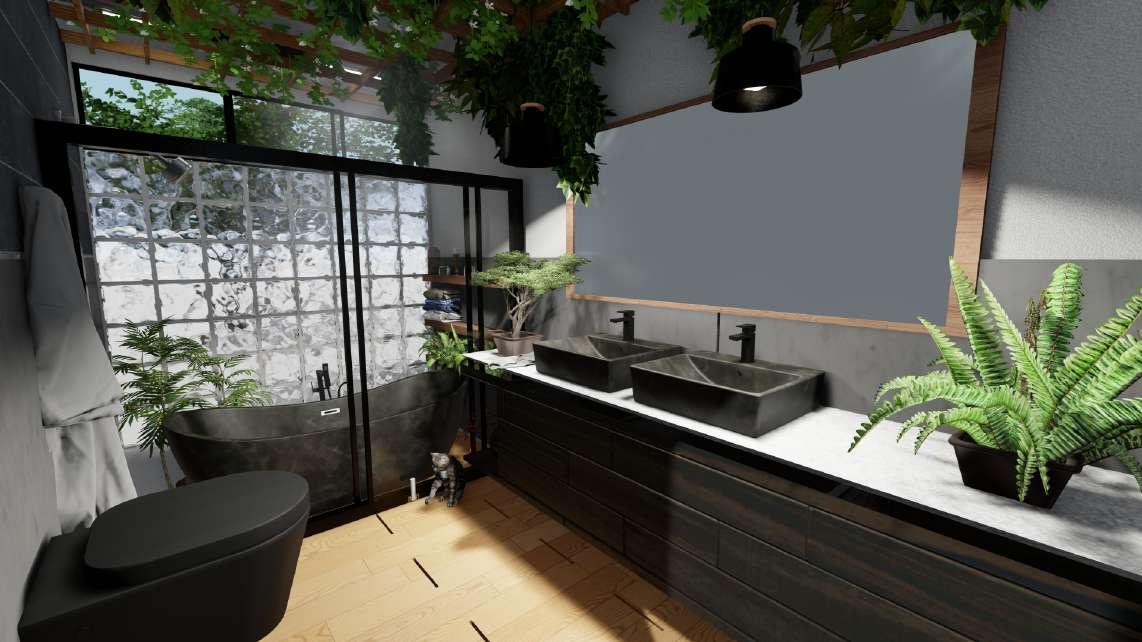
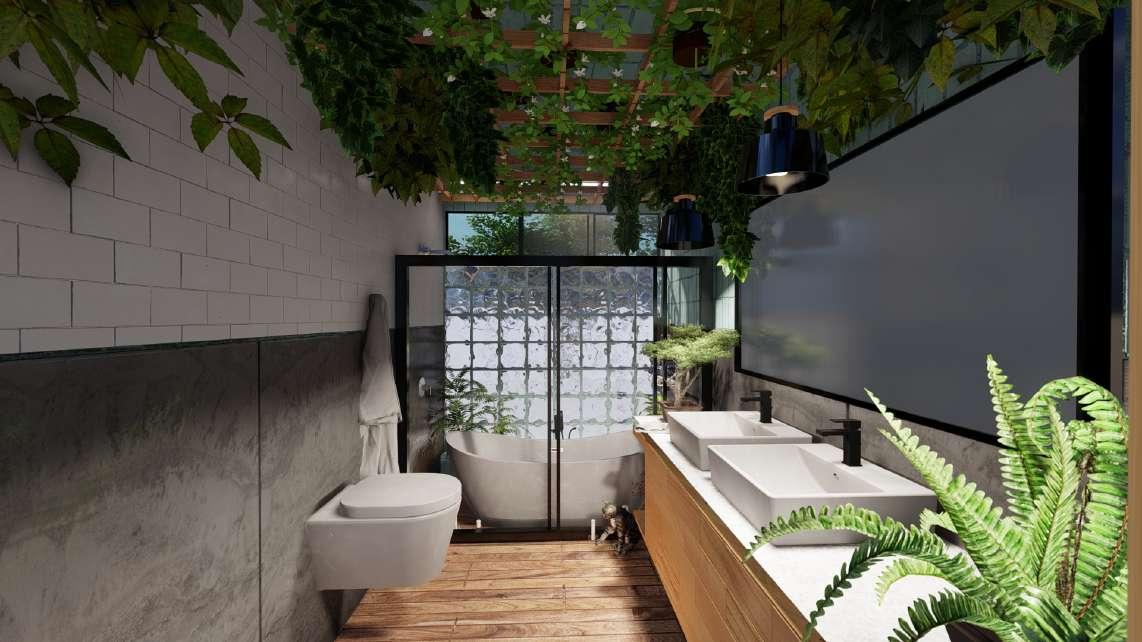
The bathroom remodeling project based on the concept of relationship with nature, sensuality and comfort. integrating hanging vegetation over textures such as wood and stone the space evokes the feeling of closeness and relationship with nature and brings the forest into the home environment with the mysterious atmosphere of caves and natural hot springs.
INTERIOR
VIEW: BATHROOM
INTERIOR VIEW: BATHROOM
SAMPLE DESIGNS AND RENDER DIFFERENT LOCATIONS
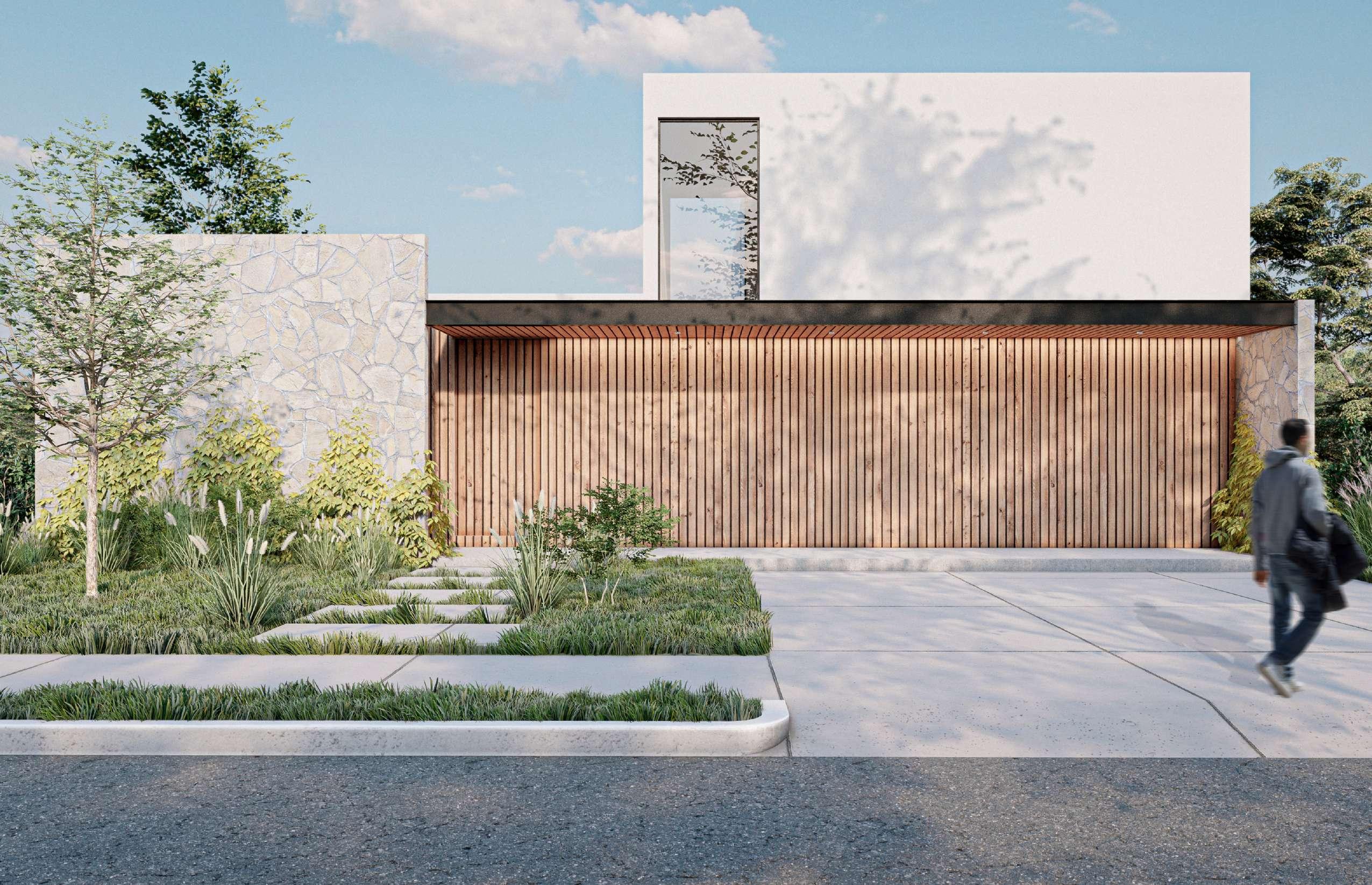
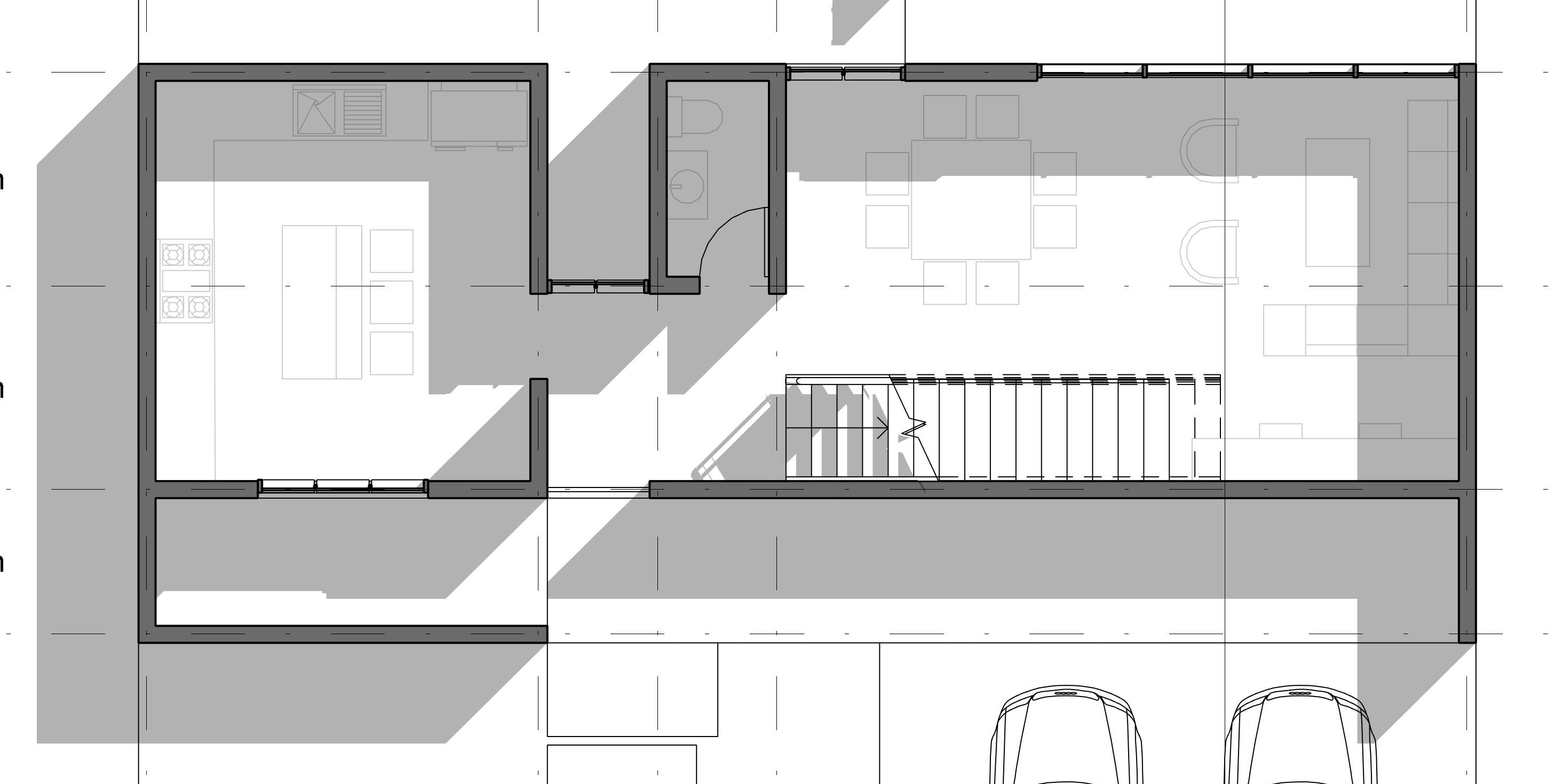
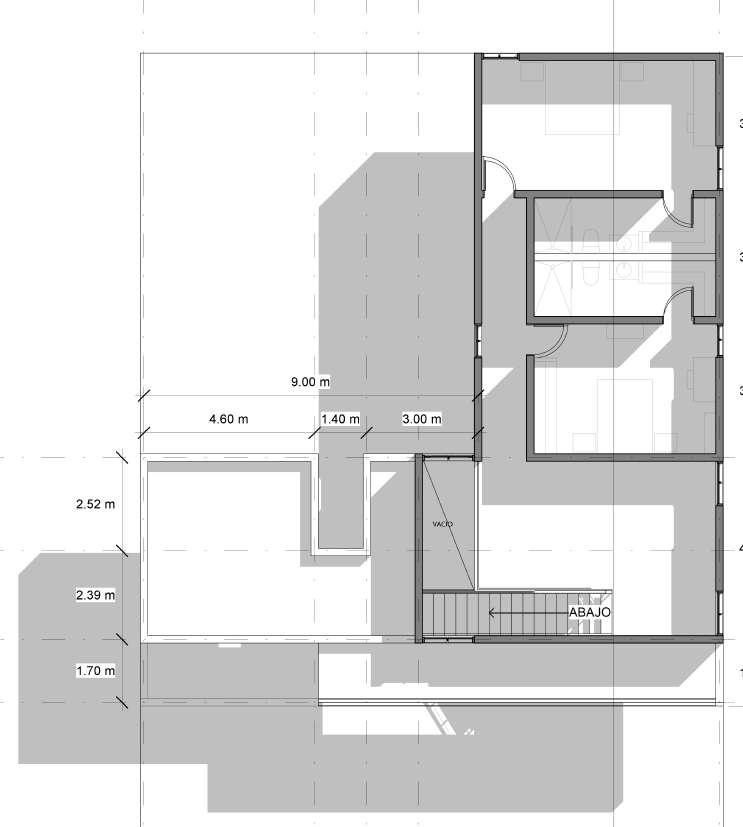
RENDER PRO COURSE
Model and planimetry developed during the render pro course of arquademy (based on the planimetry provided by the academy).
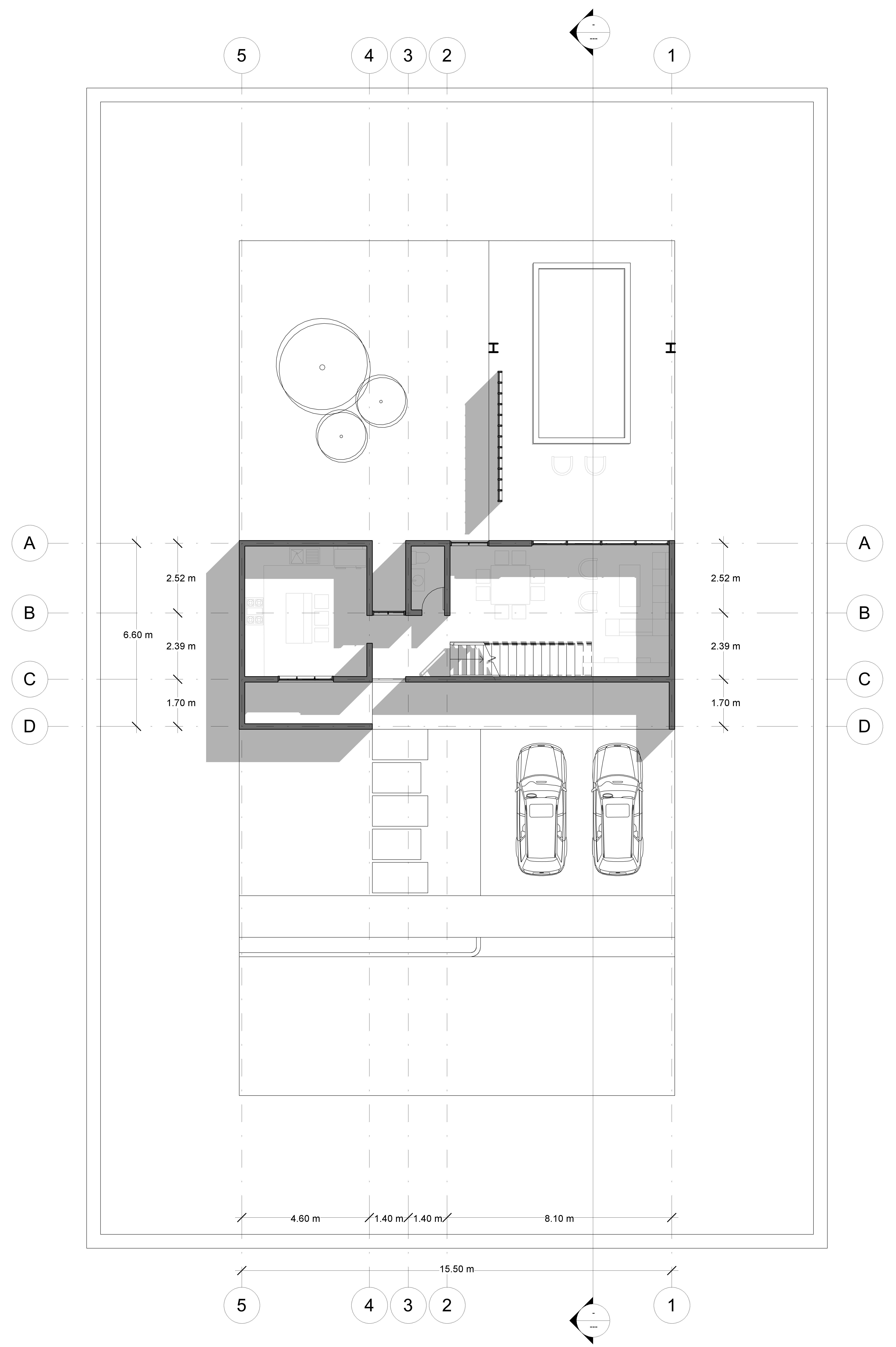
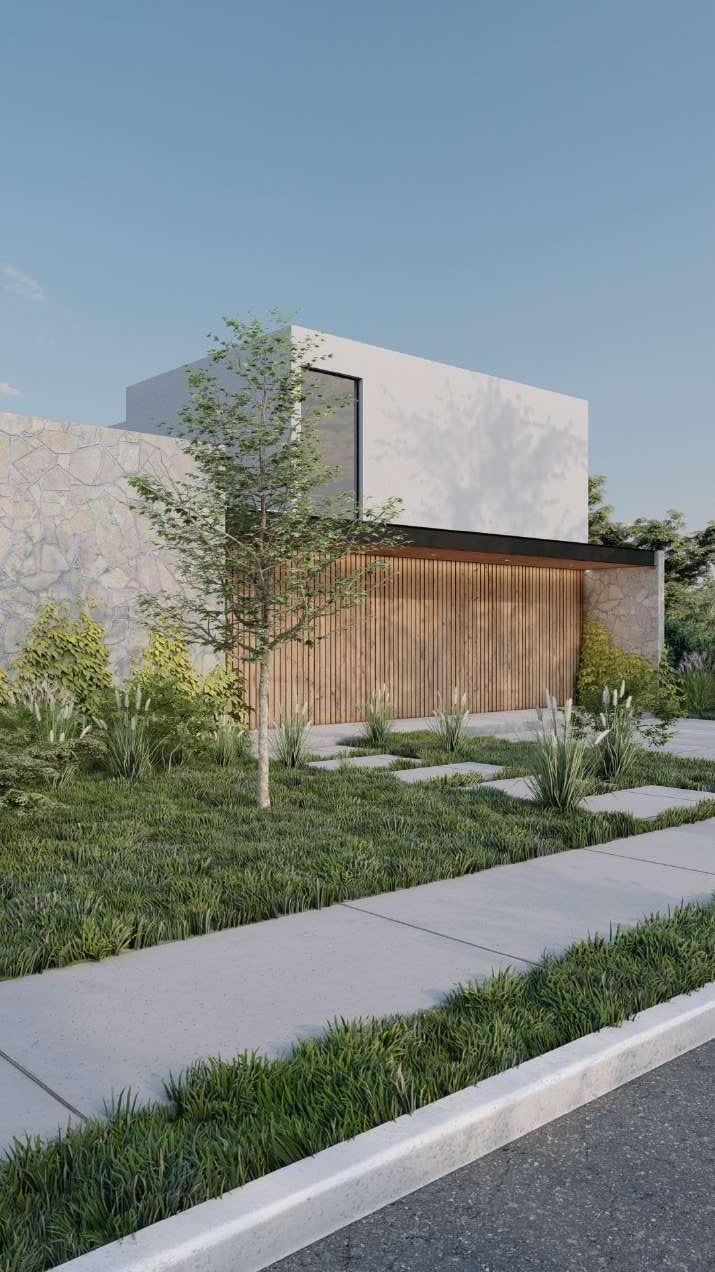
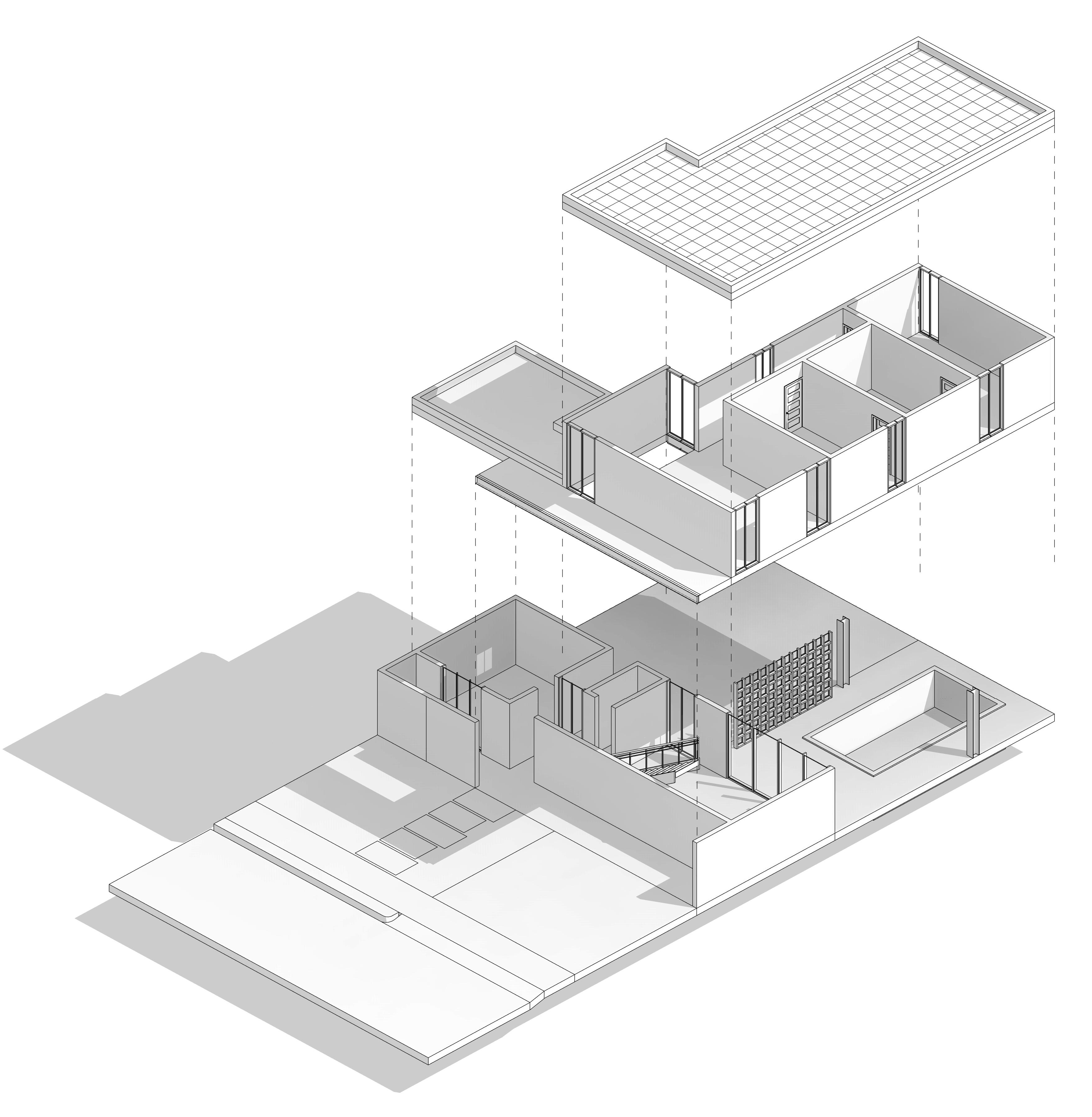
RENDER
Model and planimetry developed during the render pro course of arquademy (based on the planimetry provided by the academy).

SAMPLE DESIGNS AND RENDER DIFFERENT LOCATIONS
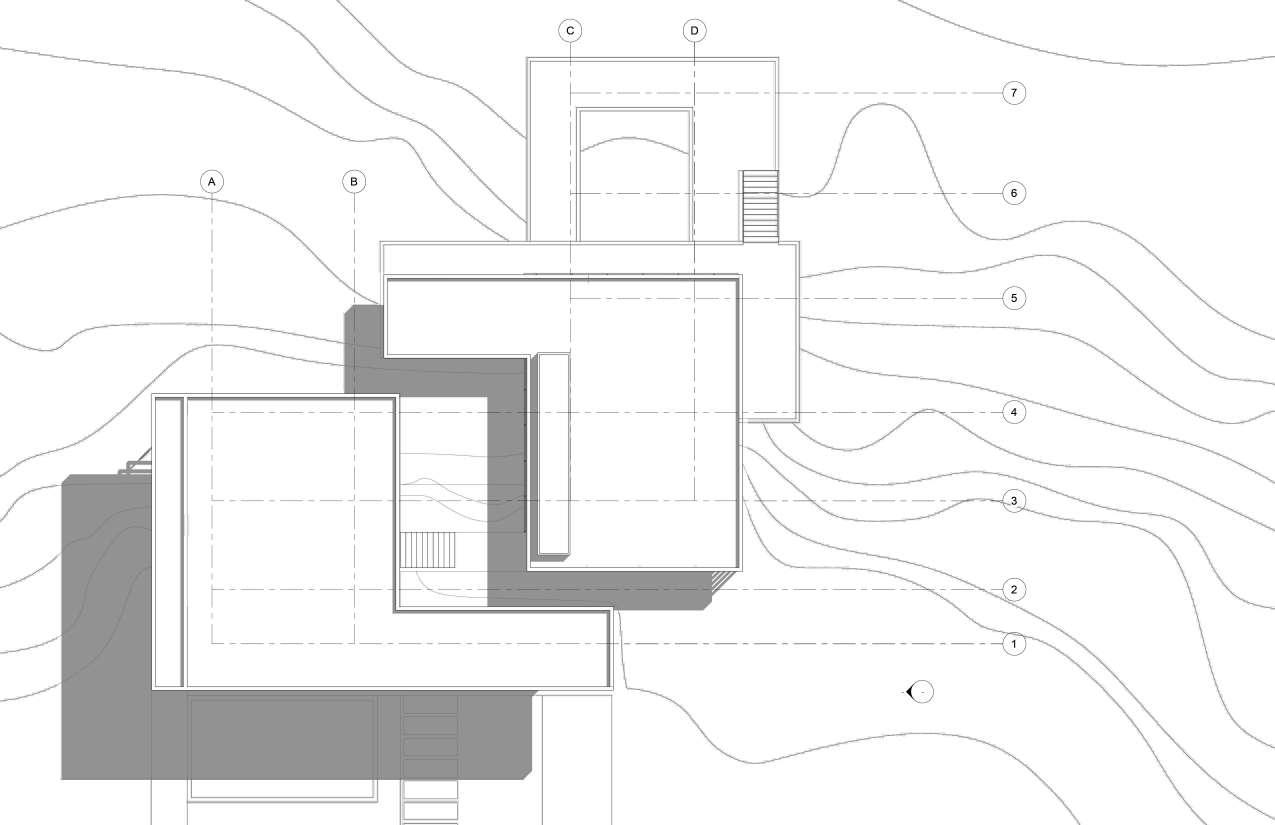
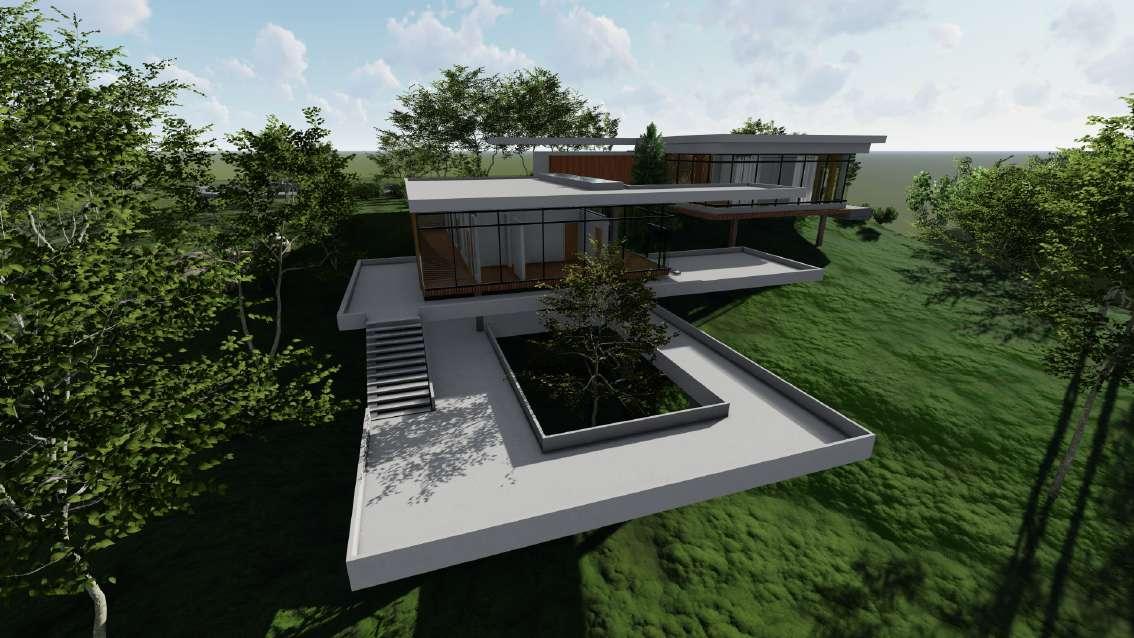
Model and planimetry of my own design
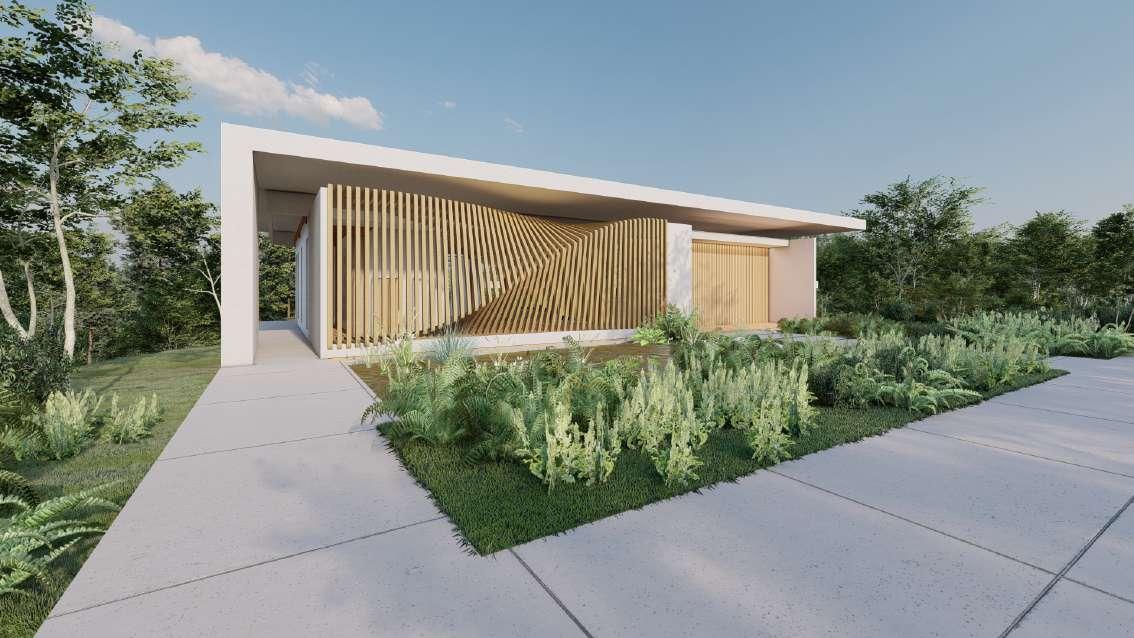
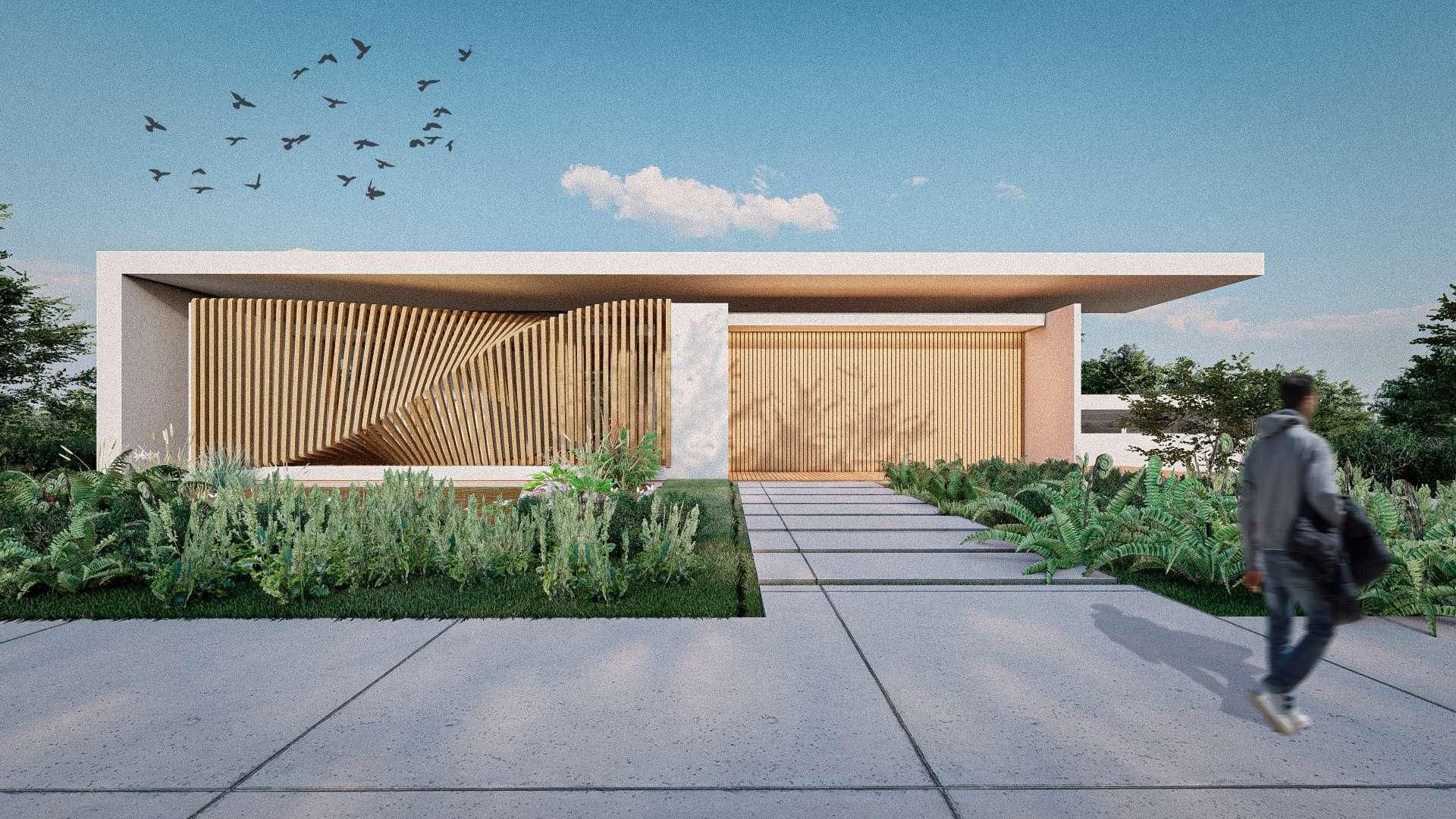
FRONTAL VIEW




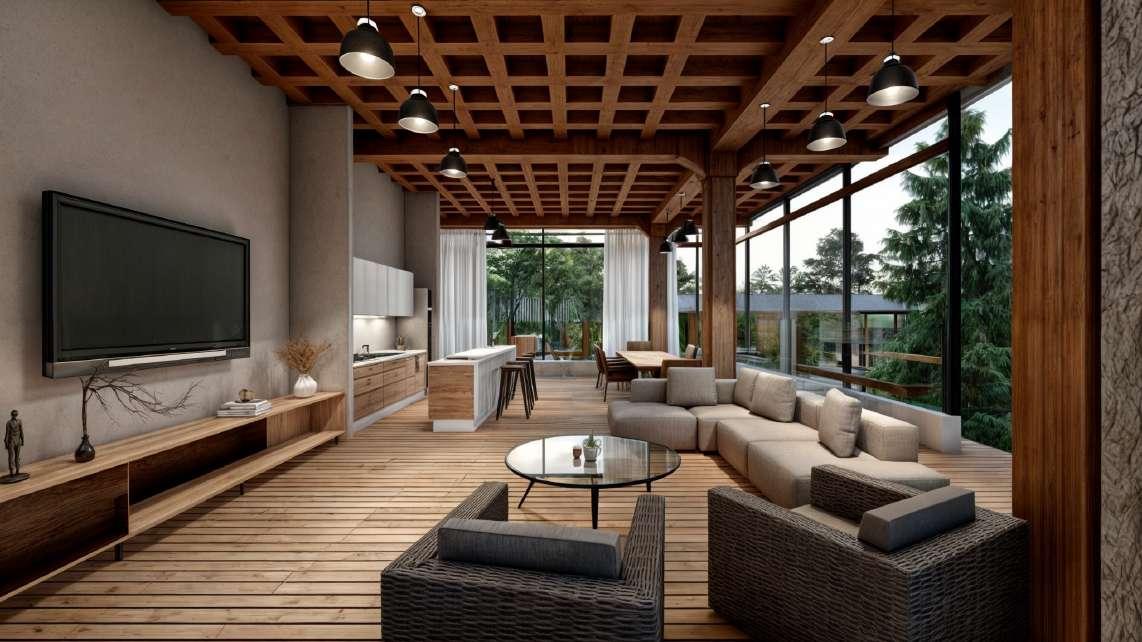
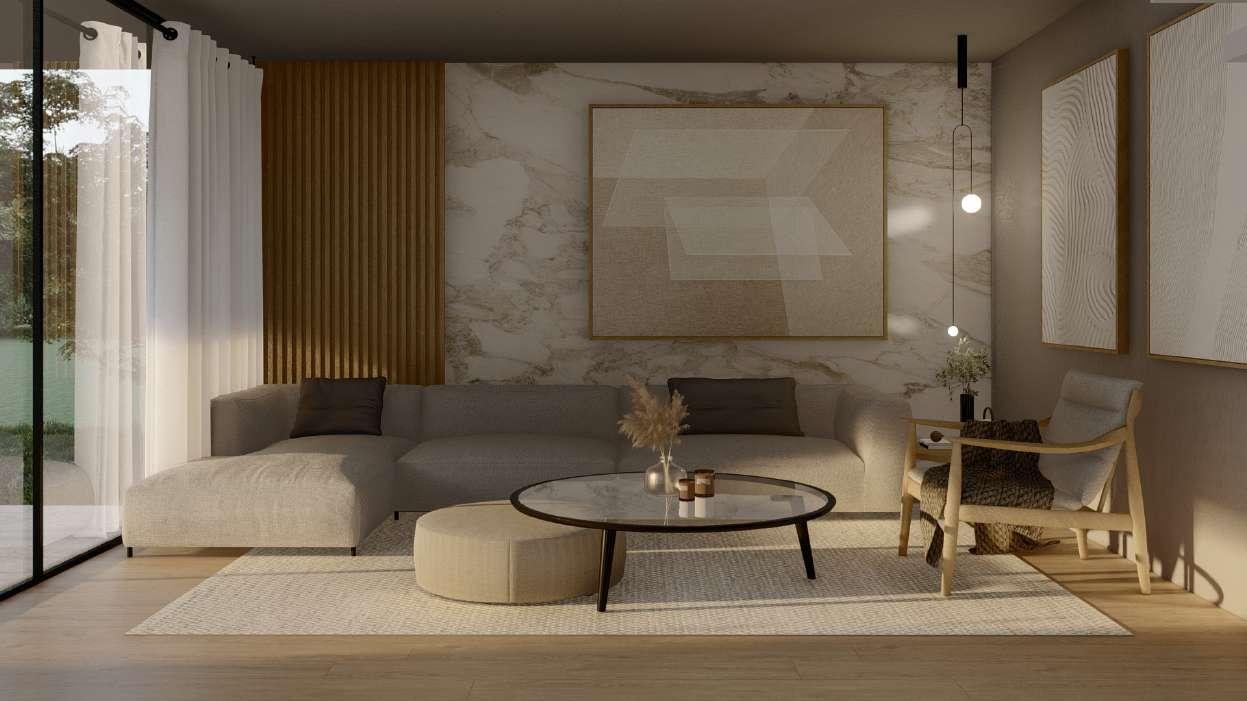
INTERIOR VIEW: LIVING ROOM
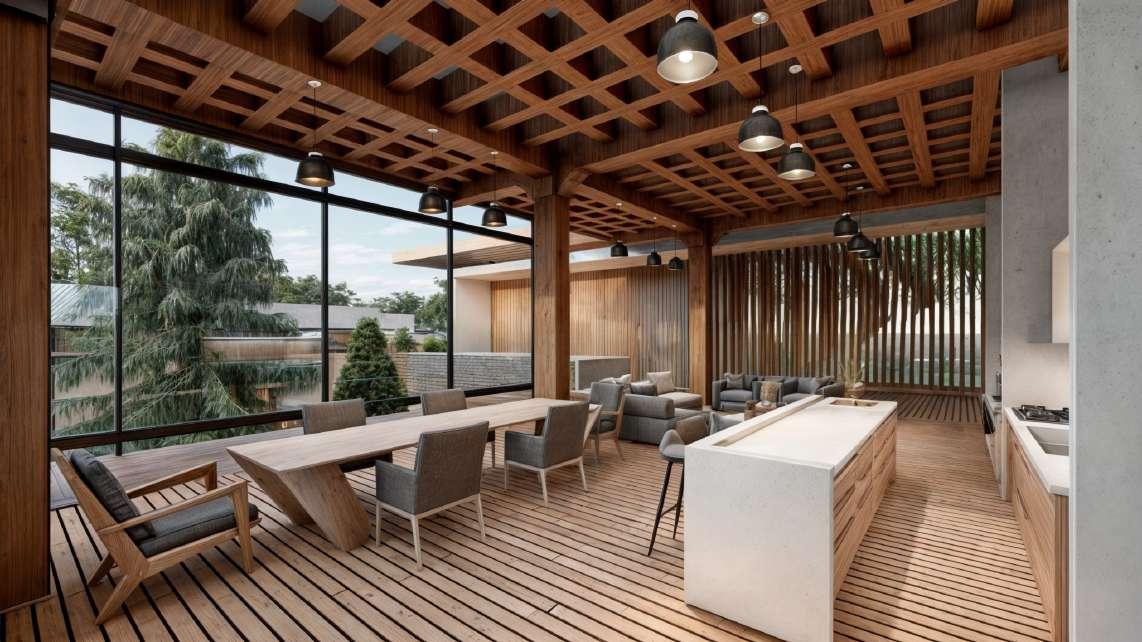
KITCHEN-DINING ROOM VIEW
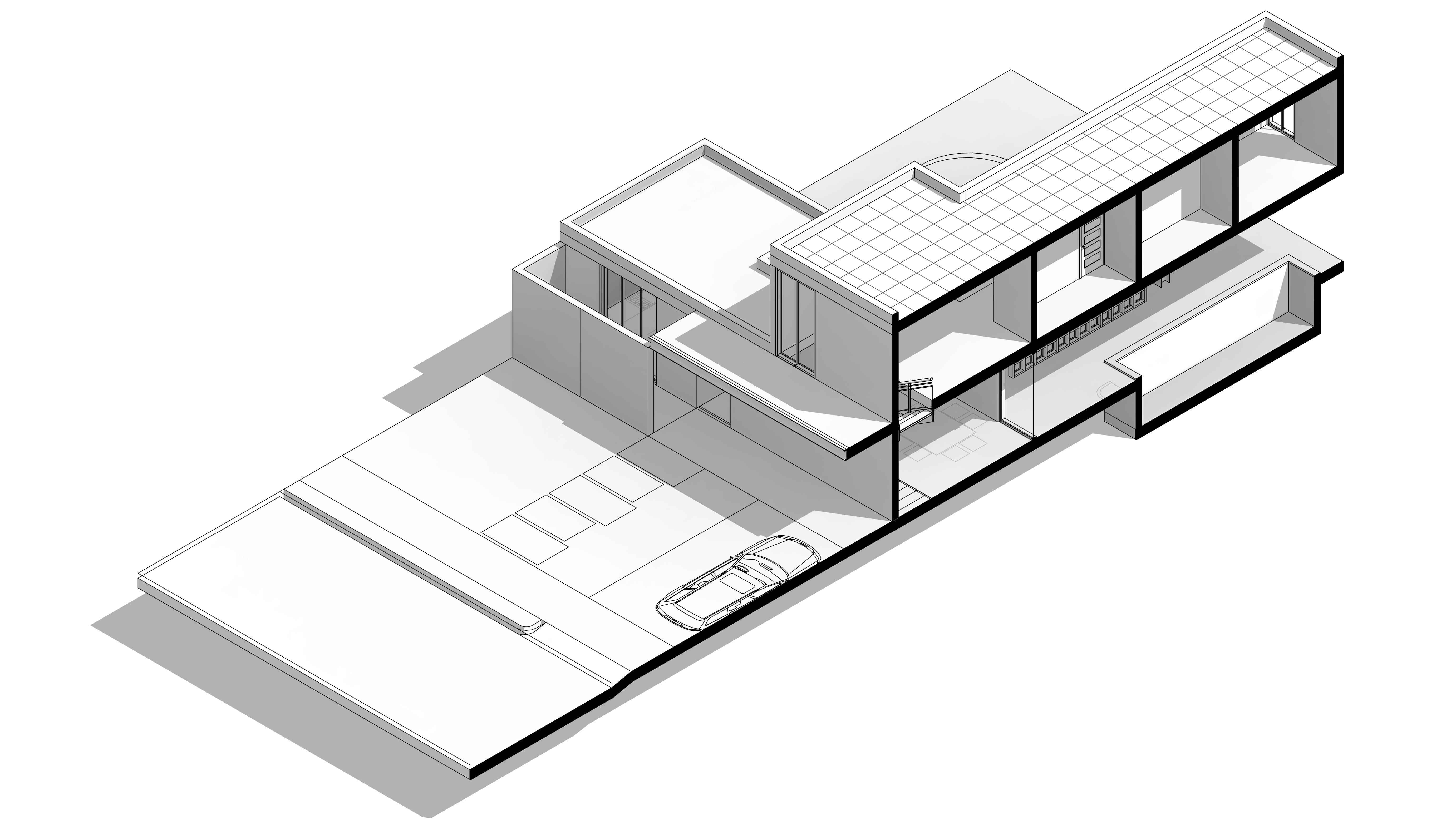
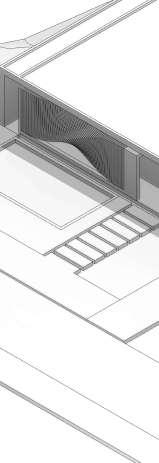
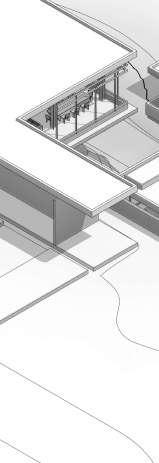
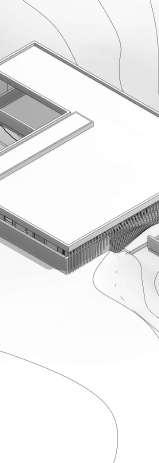
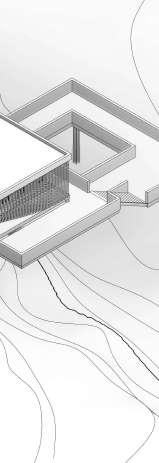
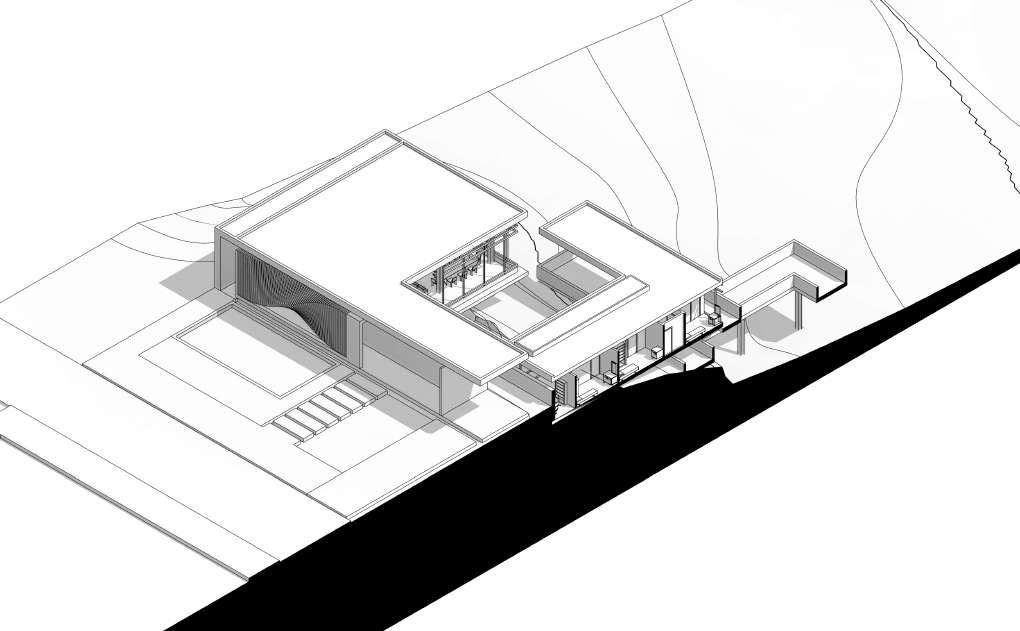
ISOMETRIC LONGITUDINAL SECTION
ISOMETRIC VIEW
2019-2024
ESTEBAN RIVERA CHAVES