Degenerative Suspensory Ligament Desmitis in Horses
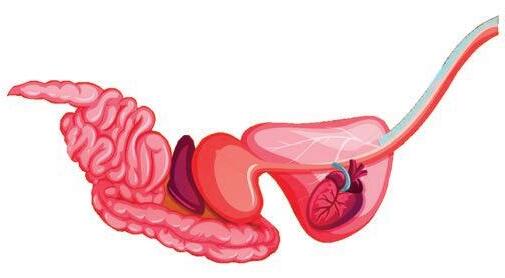
Understanding Lower Airway Disease in Horses
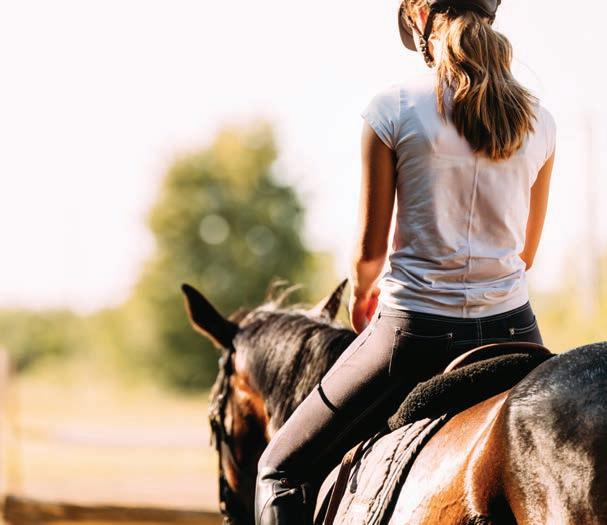
How does Riding Affect a Horse’s Back?
Feeding for Fertility
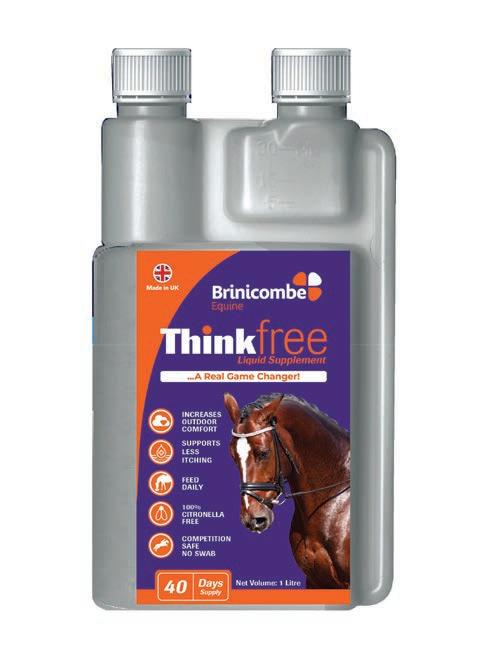
A Game-Changer in Horse Feeding
Hoof Care for Alleviating Stress on Ligaments and Tendons
Horse Bedding – Make the Switch from Pine to Hemp
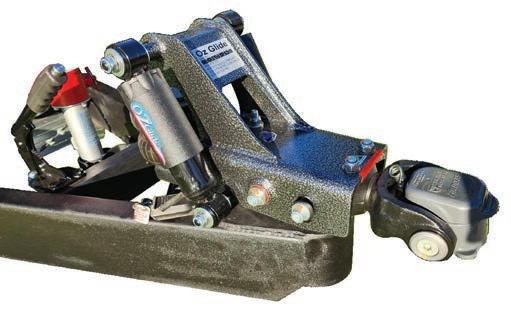
OzGlide offering Horses an Easier Ride!
Barrington Tops Brumbies Safe at Last!
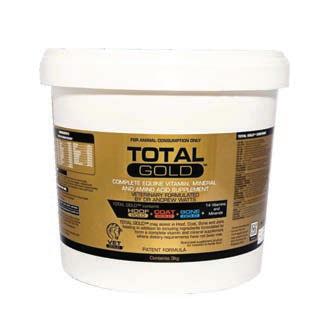
Complete equine vitamin, mineral and amino acid supplement.
PATENT FORMULA
Supports hoof, bone, joint, soft tissue, coat and all vitamin, mineral requirements
Suzy Maloney B.Eq.Sc.
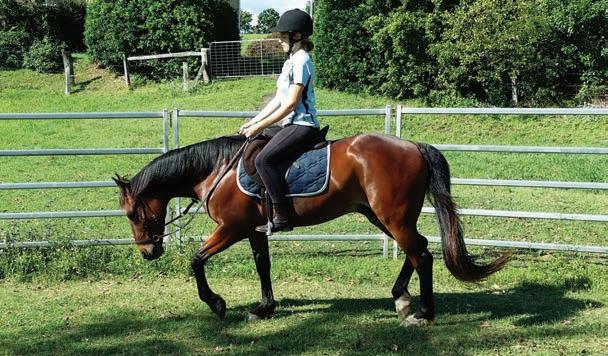
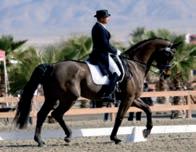
HowDoes Riding Affect a Horses Back?
Kerrie A - Congarinni North, NSW
Riding horses has long been a cherished partnership between humans and animals. However, while many equestrians focus on technique, performance, and the rider’s experience, it’s equally important to consider the horse’s physical well-being, especially the impact riding can have on a horse’s back. The spine is a critical part of the horse’s musculoskeletal system, and how we ride can influence both its short-term comfort and long-term health. We all need to ask the question, ‘How does riding affect a horses back?’.
The Biomechanics of Riding
A horse’s back is a complex structure made up of vertebrae, muscles, ligaments, and connective tissues. Unlike humans, horses do not naturally carry weight on their backs. Their anatomy evolved for running, grazing, and bearing their own weight, carrying a rider is a learned and physically demanding task. This is the fundamental truth from where we start.
The thoracic and lumbar vertebrae, which lie beneath the saddle, are particularly susceptible to stress. The muscles that support these regions, especially the longissimus dorsi, are often under strain during riding, especially if the horse is not conditioned properly or if the rider’s balance and technique are lacking.
When a rider mounts, the horse’s back experiences additional vertical and horizontal forces. Studies have shown that these forces vary depending on riding style and saddle fit. For instance, research indicates that during sitting trot, the vertical forces on the horse’s back are significantly higher compared to rising trot, emphasizing the importance of riding technique in managing back stress.
How Riding Affects the Back
Riding, particularly if done incorrectly or with ill-fitting tack, can lead to a range of back problems in horses. These issues can include:
• Muscle soreness and strain: Caused by excessive or uneven pressure on the back muscles.
• Back stiffness: Often a sign of poor saddle fit, improper training, or lack of muscle development.
• Atrophy: Muscle wasting from poor conditioning or prolonged use of saddles that restrict movement.
• Kissing spines (overriding dorsal spinous processes): A more severe condition where the bony projections of the vertebrae touch or overlap, causing pain and inflammation.
Recognizing Back Pain in Horses
• Muscle atrophy, asymmetry along the back, or a hollowed back.
• Resistance during saddling and mounting.
• Changes in gait, or reluctance to perform certain movements.
• Resistance to collection.
• Behavioural changes such as irritability or tail swishing.
• Bucking or pigrooting under saddle.
Steps to Protect and Support the Horse’s Back
Fortunately, there are many steps riders and caretakers can take to protect a horse’s back and alleviate discomfort.
1. Proper Saddle Fit
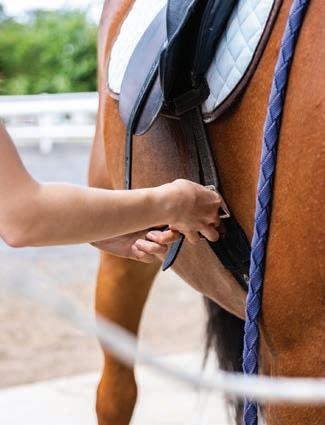
One of the most crucial factors in protecting a horse’s back is ensuring the saddle fits correctly. An ill-fitting saddle can create pressure points, restrict shoulder movement, and cause pain or injury. A professional saddle fitter should evaluate the saddle at least once a year, as horses’ shapes change over time due to age, work level, and weight fluctuations.
2. Balanced Riding
A rider’s position and balance have a direct impact on how weight is distributed across the horse’s back. Riders should strive for an independent seat, with even contact through both stirrups and proper alignment. Unbalanced riders, or those who rely heavily on reins or stirrups, can inadvertently shift weight in harmful ways. An unbalanced rider may lean, grab, or hang on the horse, causing discomfort and affecting the horse’s movement and behaviour. They may also cause the saddle to shift on the horse’s back, potentially leading to injury.
3. Rider Weight
The weight of the rider in relation to that of the horse is an important consideration. The ideal weight ratio for a rider to their horse is generally considered to be between 10% and 15% of the horse’s body weight, including the weight of the saddle and other tack. This ensures the horse’s well-being, optimal performance, and the safety of both the horse and rider. What this means is that for a 500kg horse, the weight of the rider plus the saddle shouldn’t exceed 75kg.
4. Rider Fitness
Horse riding is a sport. Some may think we just sit on the horses back and they take us for a ride. This is far from how it is meant to be. I call these types of people passengers, not riders. Passengers can place a lot of strain and tension on a horses’ back as they are not moving with all the subtle changes that occur during riding. An unfit rider may struggle to maintain balance and a fluid seat, resulting in the horse having to compensate for the rider’s movements. This can result in discomfort for the horse and potential back injury.
5. Core Strength and Conditioning
Just like human athletes, horses need strong core muscles to carry weight effectively and safely. Incorporating exercises that build core strength, such as hill work, transitions, pole work, and long and low stretching helps support the back and reduce the risk of injury. Cross-training and groundwork also play important roles.
6. Monitor and Adjust Training Regimens
Overtraining or repetitive movements can exacerbate back issues. Implementing varied training routines and allowing adequate rest periods ensures that the horse’s back muscles recover and adapt appropriately.
7. Rest and Recovery
Horses need time to recover from hard work, just like humans. Overriding or neglecting rest days can lead to fatigue and increase the risk of strain or injury. Paying attention to signs of soreness and adjusting training schedules accordingly is key to long-term back health.
8. Regular Bodywork and Veterinary Care
Massage therapy, chiropractic adjustments, and physiotherapy can help keep the horse’s back supple and pain-free. Additionally, regular veterinary checkups can help catch and address potential back issues early, before they become severe. Imaging techniques, such as X-rays or ultrasounds, can identify underlying conditions like kissing spines or muscle tears, facilitating targeted treatment plans.
Riding can be physically demanding on horses, particularly their backs. However, with awareness, proper equipment, and thoughtful care, the negative impacts can be minimized. By prioritizing saddle fit, riding technique, strength conditioning, and recovery, we can foster a partnership that is not only enjoyable but also sustainable and humane.
Understanding and respecting the physical demands we place on our horses is fundamental to good horsemanship. After all, a healthy back is not only vital for performance, it is essential for a horse’s comfort and quality of life. Prioritizing back health not only enhances performance but also fosters a deeper, more respectful partnership between horse and rider.
ABOUT THE AUTHOR –
Suzy Maloney B.Eq.Sc. Dip.Couns. has a degree in Equine Science and a Diploma in Counselling. She has been instructing riding students for 15 years and runs her own business Happy Horses Bitless. Suzy discovered bitless bridles 10 years ago and has now made the promotion of their use her passion. She teaches students exclusively in bitless bridles, gives bitless clinics, writes articles, gives talks on bitless riding and sells bitless bridles through her web page.
Suzy believes we can communicate with horses using gentleness, intuition and an open mind. Her lessons are a combination of classical riding, natural horsemanship and the understanding of equine behaviour.
EQUINE BODYWORK WORKSHOPS with Dr. Angelique Barbara
SUNDAY, 23RD NOVEMBER 2025 – 10.00AM - 2.00PM
Belli Park QLD 4562
MONDAY, 24TH NOVEMBER 2025 – 10.00AM - 2.00PM
Camp Mountain QLD 4520
Join Dr. Angel to learn about equine massage, kinesiology taping and more! For details and bookings visit www.holisticanimalstudies.net
Long and Low to Strengthen the Back
Barrington Tops Brumbies Safe at Last
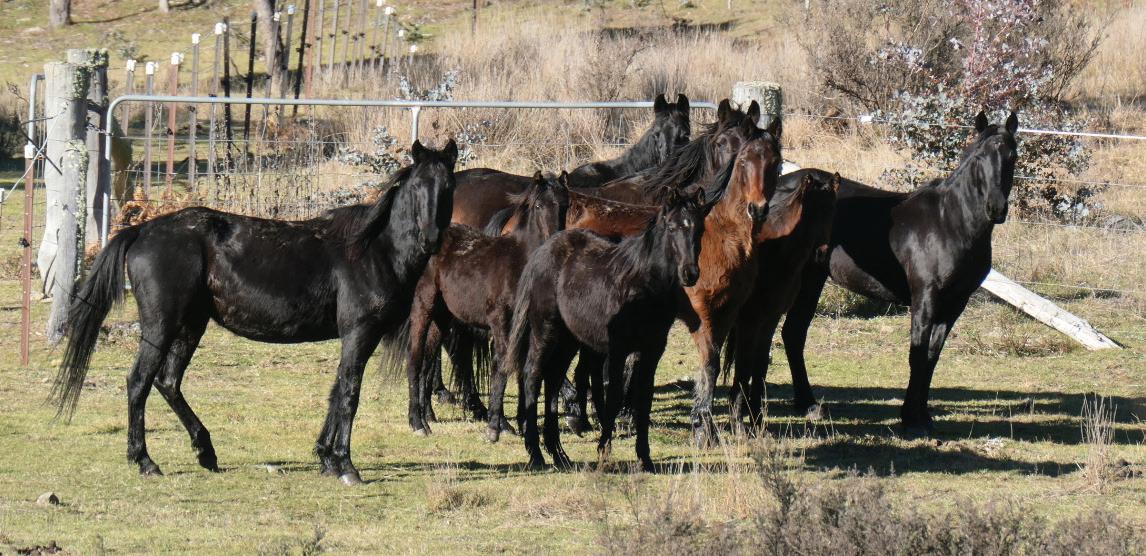
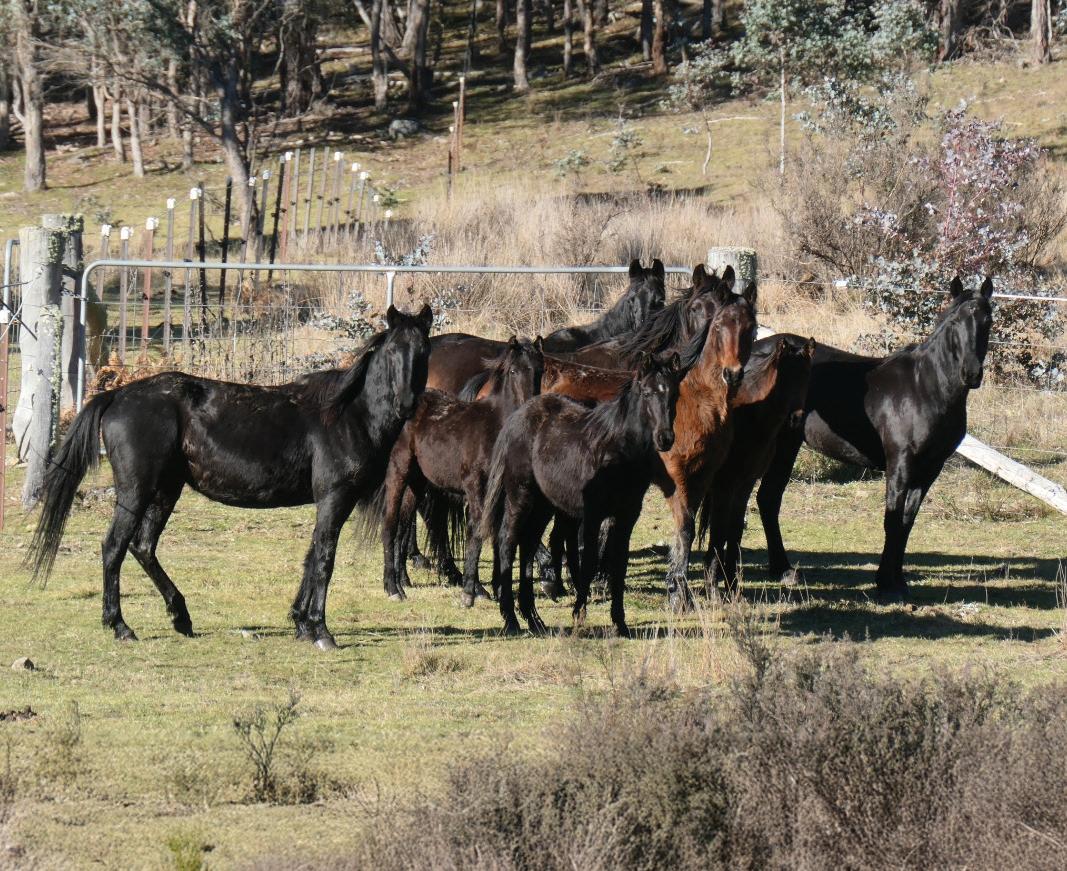
Some of the Barrington Tops horses on arrival at our New England Brumby Sanctuary
Holistic Equine Nutrition Certification Course
Learn all about equine nutrition through a holistic viewpoint.
This course covers the equine digestive system, body scoring, types of forages (hay and grasses), vitamins and minerals, water intake, herbs, supplementation and more!
20 hour course
10 hours online classroom time
10 hours performing nutrition case studies
Start anytime and work at your own pace. This course never expires so you will always have access to the material!
www.holisticanimalstudies.net
It certainly has been an extremely busy winter at Save the Brumbies Inc.
We accepted some forty five horses from Barrington Tops N.P. who were in danger of being shot. Other rehoming groups also applied to take the horses but apparently did not meet the animal welfare standards with the result that we were the only organization approved and that has meant a lot of horses to feed and prepare for Adoption to approved people.
To add to our problems the winter has been the worst in many years on the Tablelands, heavy rain and snow has made some paddocks unusable and the high cost of fodder has stretched the budget to the maximum. Much damage has been done to fences and yards with many trees down as well. We have established a GoFundMe petition which we hope will help with the high cost of repairs. STB receive no funding from any source, just what we can raise ourselves and our valued volunteers are a valuable asset.
On the brighter side the Barrington Tops Brumbies are excellent types, good height ranging from 14 to 15 hands. All are solid blacks and we have found their temperaments to be calm and relaxed. Already we have found homes for many of them, particularly the youngsters and people are impressed with the quality and trainability of the horses overall. All our horses have formal registration to the Australian Brumby Horse Register and are eligible to compete in shows Australia wide which they are doing with great results.
For more information do check out our website: www.savethebrumbies. org and our New England Brumby Sanctuary Facebook page has up to date news of the horses. The Barrington Tops horses are definitely some of the best Brumbies we have ever had the pleasure to save from Government bullets.
Jan Carter, President STB Inc.
Degenerative Suspensory Ligament Desmitis in Horses
About the Author – Catherine McDowell Medicine of Mother Nature…
I was first introduced to the concept of Herbal Lore when I was very young. I think one of the earliest influences I can remember was from my grandparents, who were very traditional Bathurst farmers of the well known Cox family. My grandfather had the “people’s home library” which was a compendium of all kinds of home cures. Herbal Medicine is, at its core, studying nature and the humanities. It’s about observing our diet, our environment and how we respond. Keeping a balance is difficult in the modern era as we are no longer interacting with our environment in the same way as we may have done even as little as a 100 years ago.
As a Dorothy Hall graduate working along side the well known Robert McDowell for many years and furthering my education with Dennis Stewart, I have developed my own unique application of herbal remedies.
Working primarily with animals (Horses and Dogs) has been the most rewarding.
Having seen herbs work so well in so many cases has proven to me time and again the under-utilised power of herbal medicine. It is heartening to see now Vets, and some Medical Doctors seeing the traditional application of herbs as useful.
My comprehensive service includes free animal consultations 24/7 via my web site, and face to face consultation at 62 Corporation Avenue, Bathurst NSW 2795.
CLINIC: (02) 6331 3937
INTERNATIONAL: +61 2 6331 3937
ADDRESS: 62 Corporation Avenue Bathurst NSW
EMAIL: info@mcdowellsherbal.com
WEB: www.mcdowellsherbal.com
Degenerative Suspensory Ligament Desmitis (DSLD), also known as Equine Systemic Proteoglycan Accumulation (ESPA), is a progressive and painful condition affecting the connective tissue in horses, particularly the suspensory ligaments. Though once considered a rare issue seen primarily in older performance horses, increasing research and awareness have revealed that DSLD is more widespread and complex than originally thought, with systemic implications affecting multiple soft tissues throughout the body - not just the limbs.
While there is currently no known cure, the aim of natural support is to ease discomfort, slow progression, and support connective tissue integrity through herbal medicine, nutrition, and lifestyle practices.
Understanding DSLD: Beyond the legs
Ligaments are composed of dense, collagen-rich connective tissue that stabilise joints and absorb shock. In a healthy horse, ligaments heal through the production of collagen in response to microtrauma from everyday activity.
However, research (1,2) now shows that horses with DSLD exhibit abnormal tissue regeneration. Instead of regenerating collagen, the body lays down proteoglycanrich cartilage-like tissue within the ligaments. These deposits are stiffer and more brittle, making the ligaments prone to strain and rupture.
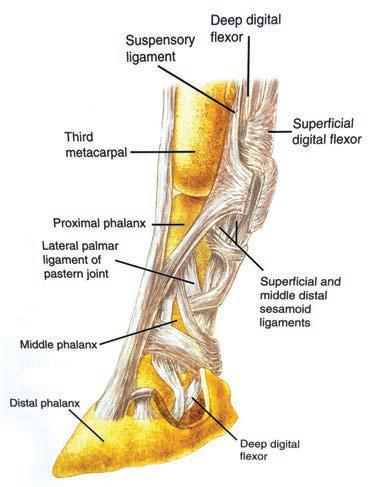
This degenerative process most commonly affects the suspensory ligaments in all four limbs. But DSLD has also been found in the nuchal ligament, the patellar and deep digital flexor tendons, and even the aorta and sclera of the eye—highlighting its systemic nature (3).
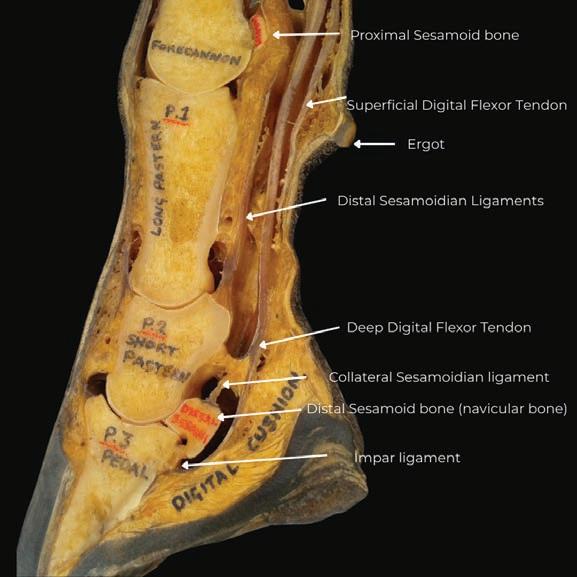
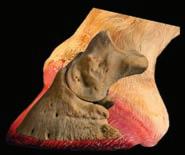
A lateral view of the inner structures of a horse’s lower leg. Courtesy Illustrated Atlas of
Horse
While the precise cause is still under investigation, researchers believe that DSLD may have a genetic component, especially in breeds like Peruvian Pasos, Saddlebreds, Arabians, and Warmbloods (4). The systemic nature of the condition suggests metabolic, inflammatory, and biomechanical elements may all contribute.
Common Symptoms of DSLD
Early signs can be subtle and are often mistaken for minor strains or general ageing. Look out for:
• Recurring unexplained lameness
• Stumbling or tripping
• Shifting weight from leg to leg
• Warmth or swelling in the fetlocks
• Reluctance to move
• Difficulty rising or “dog sitting”
• Stiffness in hips or back
• Behavioural changes or irritability
As the condition progresses, symptoms may include:
• Dropped fetlocks
• Horizontal pasterns
• Straightened hocks
• Hardening/enlargement of ligaments
These changes can lead to significant pain, loss of function, and long-term unsoundness.
McDowells Herbal Support for DSLD
At McDowells Herbal, we focus on restoring balance through targeted herbal formulas that support tissue integrity, circulation, and metabolic function. Our protocol addresses both the structural and systemic aspects of the condition.
1. McDowells Alleve8 (Natural anti-inflammatory)
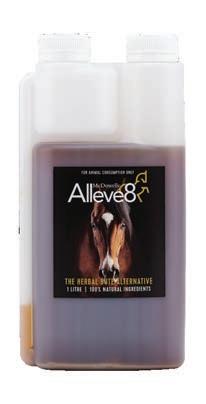
Chronic inflammation associated with DSLD can worsen pain and tissue degradation. Alleve8 is a herbal alternative to phenylbutazone (Bute), designed to manage inflammation without harming the gut or liver. This formula contains herbs such as White Willow, Devil’s Claw, and Turmeric to modulate pain while supporting connective tissue resilience.
2. McDowells Equi-Hoof (Circulation and nutrient support)
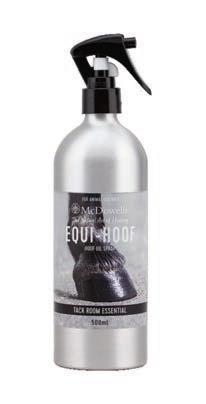
This topical hoof oil drives circulation-enhancing and regenerative herbs directly into the hoof and lower limbs. Poor circulation is a key contributor to ligament degeneration, as it impairs waste removal and nutrient delivery. Equi-Hoof can help promote healthier hoof and ligament structure.
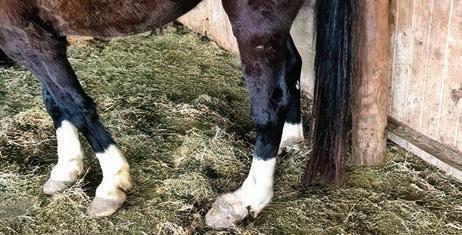
Notice how DSLD changes the conformation of the entire rear limb and causes hyperextension of the stifle, hock, and fetlock joints.
Photo: Courtesy Dr. Robert Koontz
3. McDowells Tendon & Bone
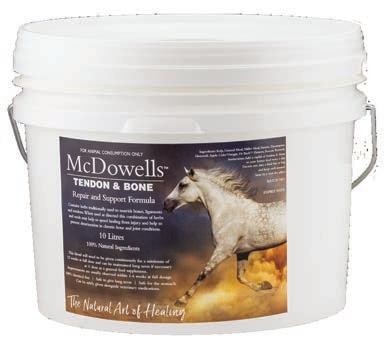
This internal herbal blend nourishes connective tissues, supports cellular regeneration, and promotes mineralisation of bones and ligaments. With herbs like Comfrey, Yarrow, Horsetail, and Nettle, this formula helps strengthen weakened structures from the inside out.
4. Raw Linseed/Flaxseed Oil Massage
Massaging raw linseed oil into the affected limbs can soften tissues and improve local blood flow. Consider working with a qualified equine bodyworker, chiropractor, or acupuncturist to improve biomechanics and reduce compensatory strain.
Gut and Liver Support
Given the systemic nature of DSLD, supporting the detoxification pathways - especially the liver - is crucial. Many horses with connective tissue disorders also suffer from sluggish elimination or toxin accumulation. Herbs such as St. Mary’s Thistle, dandelion root, and rosehips can help maintain healthy liver function and support tissue repair.
Slippery elm powder, found in Equigesta-Pre, can be included to soothe the gut lining, particularly if your horse has previously been on nonsteroidal anti-inflammatories. A healthy digestive system allows for better assimilation of nutrients required for tissue health.
Nutritional Support and Diet
Optimal nutrition is essential in managing DSLD. Key nutritional strategies include:
• High-fibre, low-GI forage such as native grass hay
• Avoiding excess sugar and starch found in some processed feeds
• Silica-rich feeds such as ground millet to support collagen production
• Omega-3 fatty acids from flaxseed or chia to modulate inflammation
• Mineral supplementation with magnesium, zinc, and copper in bioavailable forms
• Horses with DSLD often benefit from a diet that is anti-inflammatory and supports metabolic health.
Exercise and movement
Although horses with DSLD should not be ridden, regular, gentle movement is essential to maintaining circulation and lymphatic flow. Aim for:
• Hand-walking or turnout in a level, safe paddock
• Avoiding prolonged confinement in stalls
• Slow, controlled exercise every second day
• Avoid sudden movements or high-impact activity. Movement should be tailored to your horse’s comfort level and adjusted as symptoms fluctuate.
Trimming and farriery
Correct hoof balance is crucial. Therapeutic trimming and appropriate shoes or boots may help relieve strain on the suspensory ligaments. Look for a farrier experienced in managing biomechanical disorders, who understands the importance of balancing both toe length and heel angle.
Research and Emerging understanding
Ongoing research into DSLD is expanding our understanding of this complex condition. Notable findings include:
• DSLD is now considered a systemic connective tissue disorder, not simply a local ligament injury (3). Histological studies show the presence of abnormal proteoglycan deposits in multiple soft tissues.
• Genetic links have been suggested, particularly in certain breeds (4), though a definitive test is not yet available. These findings reinforce the importance of systemic, whole-horse treatment strategies.
McDowells Philosophy
Our holistic approach to DSLD aims not just to manage symptoms, but to restore vitality and balance across the whole horse. We do this by:
• Nourishing tissue health and supporting regenerative function
• Promoting circulation and detoxification
• Reducing inflammation naturally
References
Young et al., “Histopathological Characteristics of DSLD”, Equine Vet Journal, 2020
Valberg et al., “Proteoglycan Accumulation in Equine Suspensory Ligaments”, American Journal of Veterinary Research, 2016
Cornell University DSLD Study Group, 2019
Brooks et al., “Genetic Predisposition in DSLD”, Journal of Equine Science, 2021
Why what’s under your horse matters
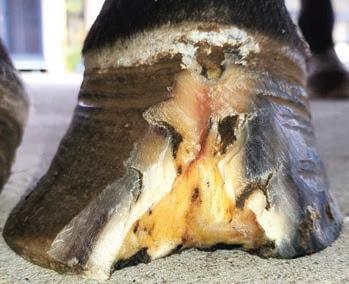
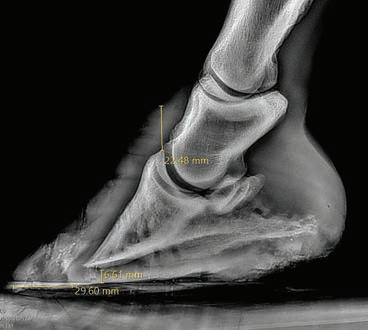
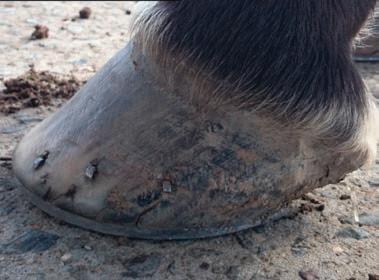
When a horse moves, every step transfers the loading force up the leg. The hoof is the first structure to hit the ground, and the way it is shaped, balanced, and maintained determines how that force travels through tendons, ligaments, and joints. Get it right and you’re protecting some of the most injury-prone tissues in the horse’s body. Get it wrong and you could be quietly adding strain to structures like the deep digital flexor tendon and the suspensory ligament until one day they fail. How does hoof balance change tendon and ligament strain?
Excess toe length
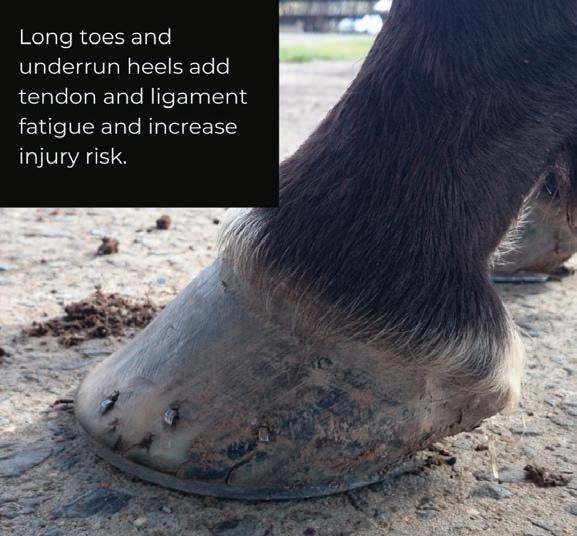
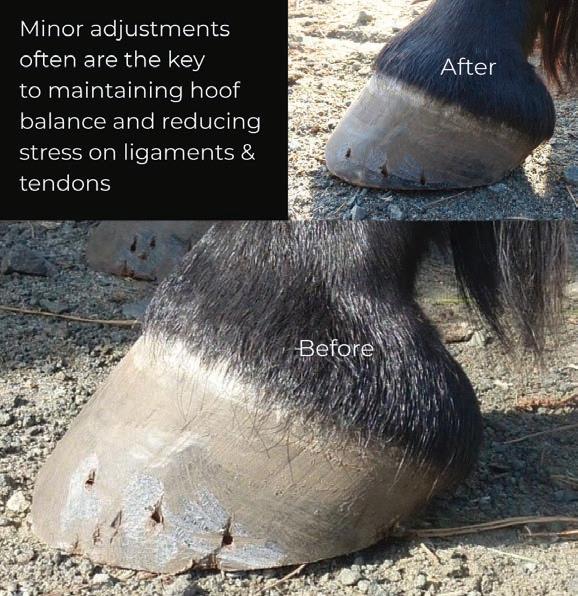
When the toe grows too far forward, the hoof takes longer to roll forward and leave the ground. This stage is known as breakover, and when it is delayed the tendons and ligaments work harder with every step. This forces the deep digital flexor tendon and suspensory ligament to work harder to lift the limb. Over time this adds fatigue and increases injury risk.
Low or collapsed heels
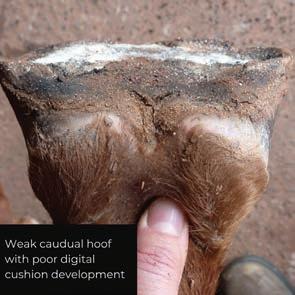
When the heels are too low and the back of the foot lacks strength in the digital cushion and collateral cartilages, the hoof sinks more with each step. This puts extra stretch and strain on the tendons and the structures that support the fetlock. The right amount of heel support, when needed, can help take the pressure off tendons and ligaments.
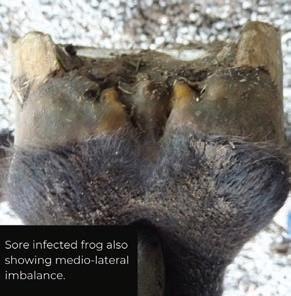
Sore or infected hoof structures
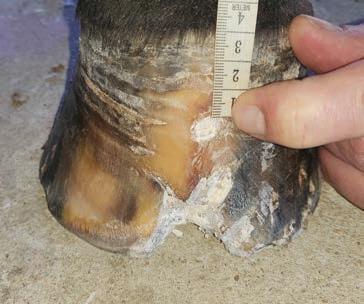
Thrush, white line disease, or sole bruising can cause a horse to land toe first to avoid pain. Toe first landings spike strain on tendons and the suspensory ligament.
The suspensory connection
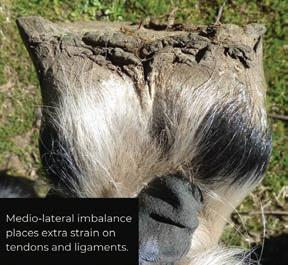
Mediolateral imbalance
When one side of the hoof is higher or lower than the other, it puts uneven pressure on the leg and can cause strain. This is referred to as medio-lateral balance, which simply means one side of the hoof is higher or lower than the other. Uneven hoof height side to side shifts load to one suspensory branch. This leads to uneven wear patterns and gait compensation.
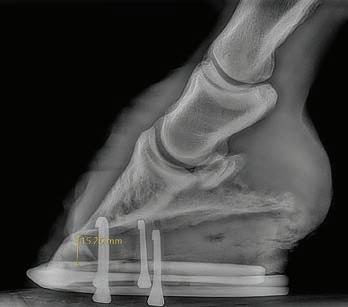
The suspensory ligament’s main function is to support the fetlock and stop it from overloading and dropping too far toward the ground when the horse is in motion. Any hoof shape or landing pattern that increases fetlock extension such as long toes, underrun heels, or negative palmar angles pushes more load into this structure. In horses recovering from a suspensory injury, correcting hoof mechanics is essential. Without it, rehabilitation stalls or reinjury is almost inevitable.
What therapeutic trimming really means
Therapeutic trimming is a deliberate approach to restoring correct hoof pastern alignment, shortening the toe lever, bringing breakover back under the centre of rotation, and building a strong supportive heel base and frog for a heel first landing. It also addresses side-to-side imbalances so both branches of the suspensory share the load evenly. Changes are maintained with shorter trim or shoe cycles, often every four weeks. Each time your hoof care professional visits, their goal is to keep the hoof in correct form and function (or be constantly working towards this in rehab cases). This is why engaging a qualified professional who can work on a consistent, short cycle is such an important part of whole horse health. Therapeutic hoof care may involve shoes or composite materials, boots and pads, or leaving the horse barefoot. The method matters less than achieving the right mechanics, choosing what is best for your horse, and matching it to your ability to maintain the hooves between professional visits. Why the right hoof care professional matters
A qualified hoof care provider has the training to read the hoof, assess the horse in motion, and make changes that improve comfort and balance without over correcting.
They can spot subtle imbalances before they cause injury, work alongside vets and assess radiographs for precise adjustments. They can help recognise hoof pathologies such as deep thrush that silently change gait and load patterns, and tailor the trim or shoeing package to the horse’s discipline, workload, and recovery stage.
In Australia, formal qualifications include:
- Certificate IV in Farriery for full shoeing and advanced corrective work
- Certificate III in Hoof Care for barefoot trimming
- Diploma of Equine Podiotherapy. Nationally accredited equine hoof care Diploma course in Australia
Internationally qualified farriers and trimmers also operate here, and continuing education is a strong sign of commitment.
AUSTRALIAS FAVOURITE
HOOF CARE SOLUTIONS
Struggling with Hoof issues?
Managing a Hoof Problem?
Wanting easy, effective solutions? We’ve got you.
Owner’s Quick Check
Watch your horse walk on firm, level ground. The hoof should land flat or slightly heel first. A consistent toe first landing may indicate discomfort or imbalance, Check hoof wear. Is it even or is one side more worn? Know your trim or shoe cycle. Is it short enough to prevent the return of long toes or low heels? Address hoof infections promptly. Wax based products that seal cracks, protect the frog, and keep out environmental debris such as manure, soil, and grit help prevent gait changing pain. Choosing natural based products is especially important when drying and protecting the frog (particularly the central sulcus) to reduce the risk of thrush, as these are safest for the hooves sensitive tissues.
The bottom line
Muscles can stretch and recover. Tendons have only a small amount of give, and ligaments even less. Ligaments are built to hold joints steady, not to stretch, and they can only move a tiny amount before fibres tear. Once damaged, they heal slowly. This is why any extra strain from poor hoof balance can quickly turn into a serious injury.
Sock whitener, Stable deodoriser and more.......
New additions to our Hoof Care Range BOTANICAL, WAX & MINERAL BASED CARE
Healthy tendons and ligaments are not just about fitness or footing. They start with the hoof. Whether you are preventing problems or helping a horse recover, combining veterinary guidance with skilled, qualified hoof care is the best way to protect these vital structures and keep your horse moving soundly for years to come.
This article is intended for general educational purposes only and should not be used as a substitute for professional veterinary advice, diagnosis, or treatment. Always consult your veterinarian or qualified equine health professional if you have concerns about your horse’s soundness, comfort, or overall health.
About the author: Julie Wright is a Certified Hoof Care Professional (Dip.Ept, Cert.EMT) and has been working with hooves for over 2 decades. An obsession for hoof defects and hoof rehabilitation led her to develop The Hoof Co Hoof Care range for managing horses hooves.
Feeding Fertility
Dr Jennifer Stewart BVSc BSc PhD Equine Veterinarian, CEO Jenquine and consultant nutritionist
FL AX SEED OIL
Flax Seed Oil provides the richest (almost 60%) natural source of Omega 3, an essential fatty acid (EFA) which is not generally present in equine foods.
Of all the domesticated animals, horses have the lowest fertility rate. This may be because horses are selectively bred for their performance and conformation characteristics rather than their fertility.
Equine fertility is a tangled complex with a great variety of influencing environmental and management issues and the animals themselves.
Like all animals, horses cannot manufacture this essential fatty acid which is so important for their overall health.
What makes a fertile sperm?
Like all cells, sperm need oxygen and, as a consequence, are faced with the oxygen paradox; oxygen is necessary for sustained life, but the waste products of using oxygen endanger the cell’s survival. Both before and after ejaculation, sperm are exposed to the waste products of metabolism which limit the fertilization capacity of transported semen. These waste products, called reactive oxygen species or oxidants damage the delicate outer plasma membranes of the sperm, reducing sperm motility, longevity and viability. Supplementing the diet with antioxidants helps prevent damage to the sperm and improves fertility.
Flax Seed Oil provides the richest (almost 60%) natural source of Omega 3, an essential fatty acid (EFA) which is not generally present in equine foods. Like all animals, horses cannot manufacture this essential fatty acid which is so important for their overall health.
Worried about rancidity and toxicity?
Use Flax for a safer option!
order online
www.flaxseedaustralia.co or call 1800 255 288.
order online
www.flaxseedaustralia.co or call 1800 255 288.
order online flaxseedaustralia.com.au or call 1800 255 288
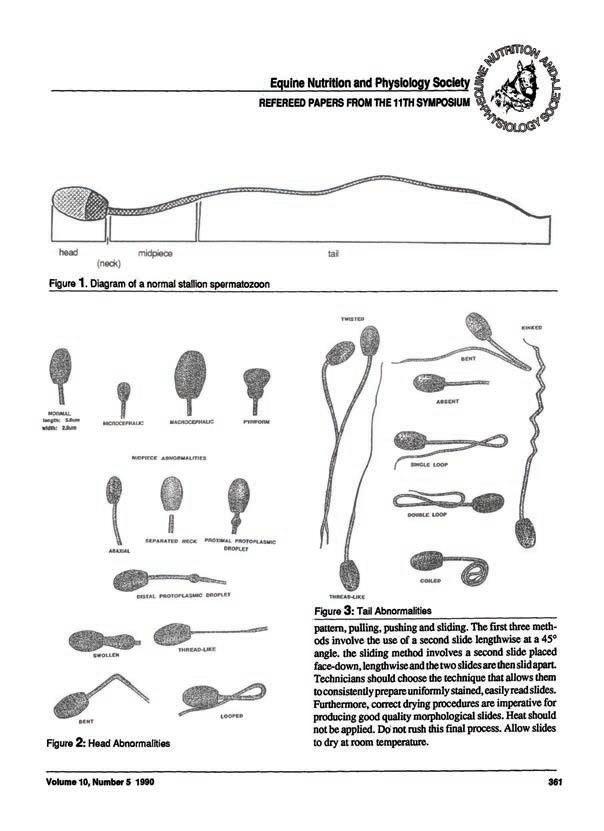
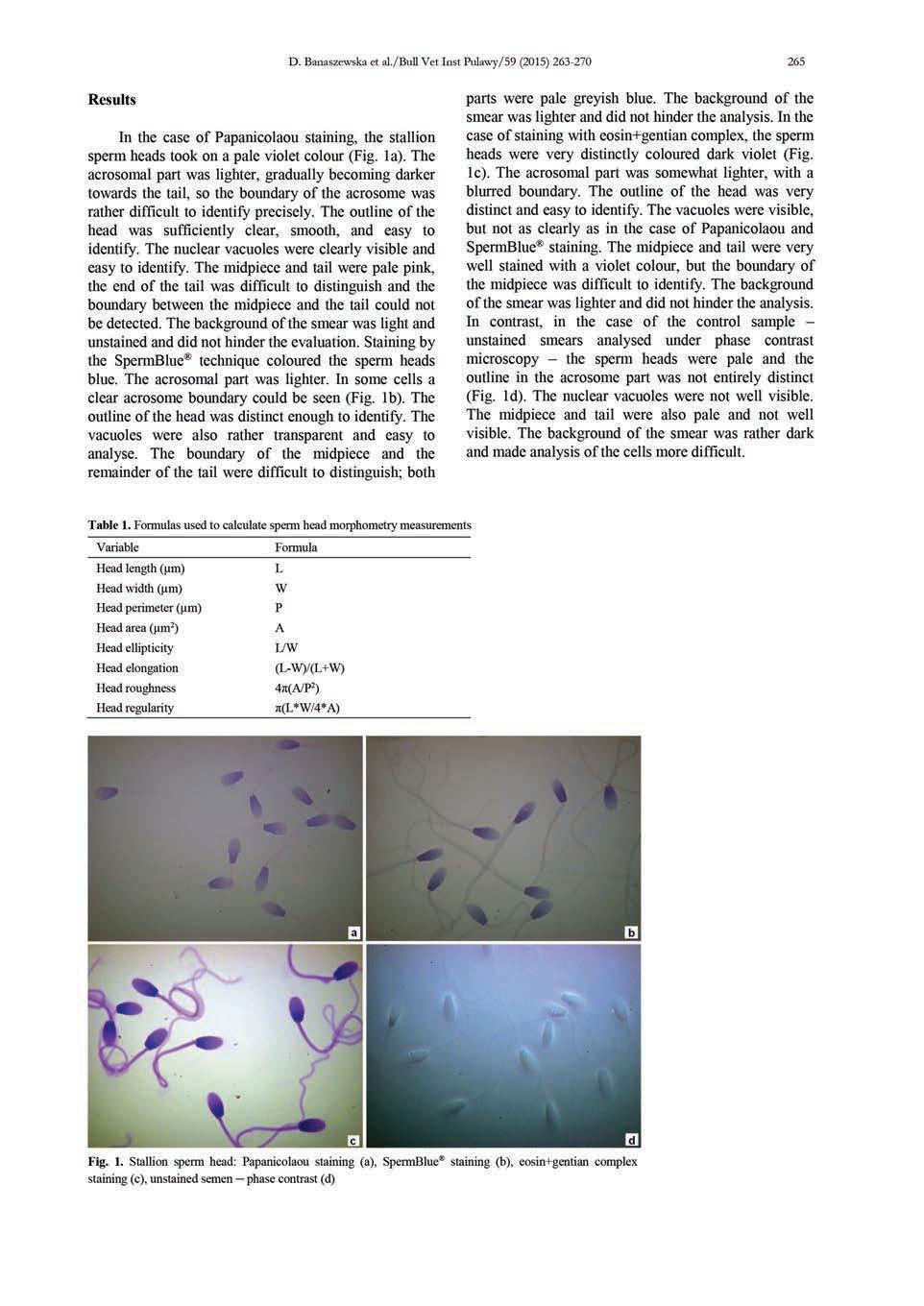
Stallion semen is damaged by oxidative stress during cooling and transport. The principle antioxidants are omega 3, vitamin E, selenium, vitamin C, zinc, copper, and manganese. Apart from vitamin C, the body cannot manufacture these and they must be supplied in the diet. Omega-3 oils are high in fresh grass and flaxseed, however grains and vegetable oils, including rice bran oil, are too low in omega 3 and too high in omega-6. Omega-3 increases sperm motility and concentration and decreases the number of abnormal sperm. Abnormal sperm are incapable of fertilising the egg. Some abnormalities are shown in Figure 2, 3 and 4.
Dietary supplementation with natural antioxidants helps prevent oxidative damage. Lepidium meyenii (Maca) - a traditional Andean crop enhances fertility due to it’s anti-oxidant activity. A 2018 study found that daily feeding of 20g maca powder for 60 days, improved motility and integrity and reduced oxidant damage to sperm. Vitamin E deficiency in stallions
Figure 1. Diagram of a normal stallion spermatozoon
Figure 2. Head Abnormalities
Figure 4.
Stallion sperm head: Papanicoloau Staining (c) costin+gentian complex staining (d) unstained semen-phase contrast. Image obtained D.Banaszewska et al/Bull Vet Pulaway
at most times during the breeding season were higher in stallions taking part in equestrian competitions than in stallions used for breeding only. Just like mares, stallions exhibit seasonal variations in sexual behaviour, hormones and fertility. Sex hormones, semen volume, sperm count, motility and quality increase in spring/summer. Nutrition plays a critical role by supporting both general wellbeing and long-term health and supports the balance of hormones. There is a solid body of research investigating nutritional supplements to improve sperm quality and fertility. Key nutrients essential for healthy formation and function of equine sperm omega 3 fatty acids are incorporated into the plasma membrane (Figure 1.), enabling them to be flexible, compressible, deformable and elastic, as well as increasing viability and velocity. Linseed oil supplementation improves sperm acrosome integrity, while selenium and vitamin E given with omega 3 DHA increase total sperm count, longevity during storage and progressive motility. However if the diet omega 3 enrichment was done with whole foods, rather than with oils, no improvement was seen in sperm motility or morphology. Other nutritional supplements found
CGS ELECTRO-EJACULATOR & BULL PROBE
EQUINE BREEDING SUPPLIERS
An electronic control unit with vinyl jacket and carry strap
Electronic 12-220-Volt AC digital unit heats and maintains accurate water temperature for
FOAL RESUSCITATION KIT
Includes: Glass lined thermos, adjustable heat settings, accurate thaw monitor temperature indicator, fitted retrieval basket, power cord
Free Call: 1800 647 860
Email: sales@pacificvet.com.au
www.pacificvet.com.au
to impact upon stallion sperm quality and function include L-carnitine which supports spermatogenesis and maturation, especially in sub-fertile stallions. Carnitine is formed from lysine and methionine, but this capacity is limited in some horses and dietary L-carnitine supplementation is beneficial.
Age has much less effect on stallions’ than on mares’ fertility. Although signs of aging may appear around 15 years of age, stallion fertility is not usually decreased until 20 – 25 years of age. Mare fertility decreases and the risk of pregnancy loss increases from 10 – 15 years of age.
As for other mammals, mares are born with a set number of primordial follicles, that varies between mares and the number of available follicles declines with aging Ovarian activity is reduced after 15 years of age and is not observed anymore in around 17% of mares over 20 years – and by 25 years it is thought the mare has exhausted her oocyte stocks. Fertilization however isn’t affected by age as the number of embryos collected via oviductal flushing at Day 2 post ovulation is similar between young, fertile mares and old, sub-fertile mares. And, when looking at embryo recipient mares, age does not affect initial pregnancy rates until 15 -18years but embryo loss is higher at day 50: 20.5% in mares over 10 years compared to 13.3% in younger mares. This is thought to be due to endometrial aging.
Fertilization and early embryo development take place in the oviducts, which have a higher incidence of fibrosis in older mares. After 5-6 days in the oviduct, the embryo induces its own movement down into the uterus. Cysts in the uterus - more common in older mares - could prevent embryo movements, fixation and implantation which are essential for the uterus to recognise and respond to the pregnancy. Uterine clearance of fluid is impaired in older mares and age-related lengthening of the vulva allows a larger entrance for bacteria. Endometritis is more common in old mares, partly due to poorer conformation and delayed uterine clearance of fluid and debris after foaling. However, the placenta is smaller and less efficient in maiden mares and the foals are smaller. Foals from young and
Byron Bay Equine Practice
maiden mares also have a more immature regulation of glucose – making it even more important that the mare’s are not overfed and that the diet is low in starch and sugar.
Unfortunately, determining the starch and sugar (called the NSC) content of commercial concentrates is not easy, as these nutrients rarely appear as guarantees on feed tags or bags. As a rule-of-thumb, check the ingredients list and avoid feeds containing barley, wheat, corn, grain by- or coproducts, millrun/mix, bran, mung beans and raw fababeans. Also check the levels of essential amino acids, vitamin E and biotin in commercial feeds, These are the most expensive nutrients for manufacturers to add and most commercial feeds are low in one or more.
Obesity and insulin dysregulation (ID) have been associated with subfertility in the mare. There has been a substantial increase in the prevalence of overweight and obese horses in recent years (45 - 50% now, up from 4.5% in 1998). Some of these mares, with a history of good sport performance, enter breeding programs with high expectations of embryo production or pregnancy. Without losing perspective of the reproductive problems associated with ageing and obesity, it is very important to consider metabolic problems (e.g., equine metabolic syndrome (EMS) and pituitary pars intermedia dysfunction (PPID; i.e., equine Cushing’s disease]) that may directly impact fertility. A large proportion of ID and obese mares continue to cycle over winter, have a longer period between ovulations and less ovulations. Once identified it’s imperative that dietary errors are avoided. These mares should be managed with a low calorie (ie sugar and starch) diet, appropriate exercise and, if necessary, medication.
One often over-looked aspect is the necessity for specific essential amino-acids for the production of reproductive hormones. Regardless of the percent protein of the feed and the amount of protein in the diet, if
• Chilled and frozen AI
• Embryo transfer programs
• Natural service preparations
• Stallion collection and management
mare should therefore contain sufficient high-quality protein to prevent depletion of her body reserves and consequently a loss in body mass –which is a risk factor for early embryonic loss. In addition, the growth of their foals can be impaired by up to 25%. Foals that are weaned with a low body mass are more likely to have periods of catch-up growth after weaning and are highly susceptible to epiphysitis and other developmental bone diseases.
Advancing maternal age as the single most significant factor to consider with the rate of fertility. Similar to stallions, the extent to which diet can affect mare fertility depends on the amino acid, anti-oxidant and mineral levels in the feed and the duration of feeding. Certainly improvements in reproductive efficiency have been demonstrated when a correctly balanced feed is fed for a minimum of 2 months before breeding. Grainbased feeds and diets alter oocyte metabolism and functions in ways that are only just being understood, but that are detrimental to fertility.
Stress
Based on studies in other species, effects of stress on the oestrous cycle in mares have been suggested. It is common practise to transport mares during the periovulatory period and owners often question whether transport shortly before and after ovulation, repeated gynaecological examination and exposure of the mares to a novel environment in the new stable may have negative effects on ovulation and conception. Although these events cause elevations in the stress hormone (cortisol) which last for several hours, no differences in duration of oestrus, time of ovulation, pregnancy rate or early embryonic loss between transported mares and non-transported mares. Stress may affect progesterone (a hormone necessary to maintain the pregnancy) levels in mares with marginal levels and your treating veterinarian is best-placed to discuss whether your mare requires progesterone.
Puberty can occur as soon 14-15 months of age and peak fertility in mares is from 4 to 6 years of age, decreasing gradually to become almost zero at 25 years of age. Many mares in show jumping, dressage and other disciplines commonly compete past 15 years of age - only then beginning their reproductive career. Thanks to ultrasonography, the newly available hormones and our increased knowledge of reproductive physiology, semen handling and pathology, foaling rates have improved over recent decades. In many breeds, the use of the artificial insemination has also been a major contribution.
ABOUT THE AUTHOR Dr Jennifer Stewart
CEO BVSc BSc PhD Dip BEP Equine Veterinarian and Consultant Nutritionist
Dr Jen Stewart has been an equine veterinarian for more than 40 years and an equine nutritionist for more than 10 years. Jen has been developing premium formulas for studs, trainers and feed companies in Australia and around the world and regularly consults to leading international studs and trainers in various countries.
Jen has spent a fair bit of time researching and being involved in nutritional management of developmental orthopaedic diseases, colic, tying-up, laminitis, performance problems, post-surgery and other conditions. And is currently the only practicing equine veterinarian and clinical nutritionist in Australia. Jen’s promise is to continue to BRING SCIENCE TO YOUR FEED BIN www.jenquine.com
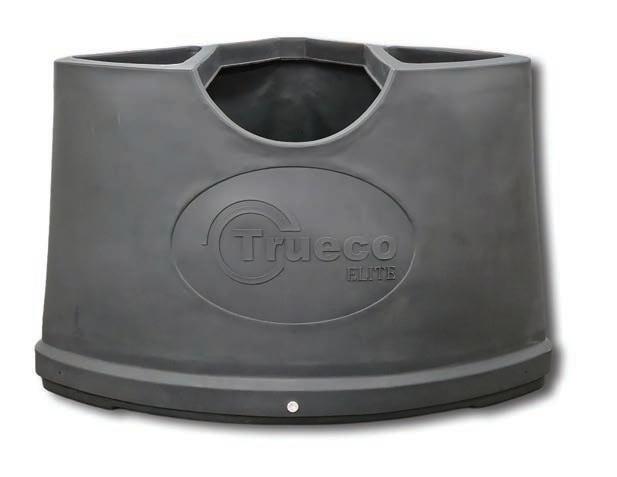
TRUECO ELITE EQUINE HAY FEEDERS: A GAME-CHANGER IN HORSE FEEDING
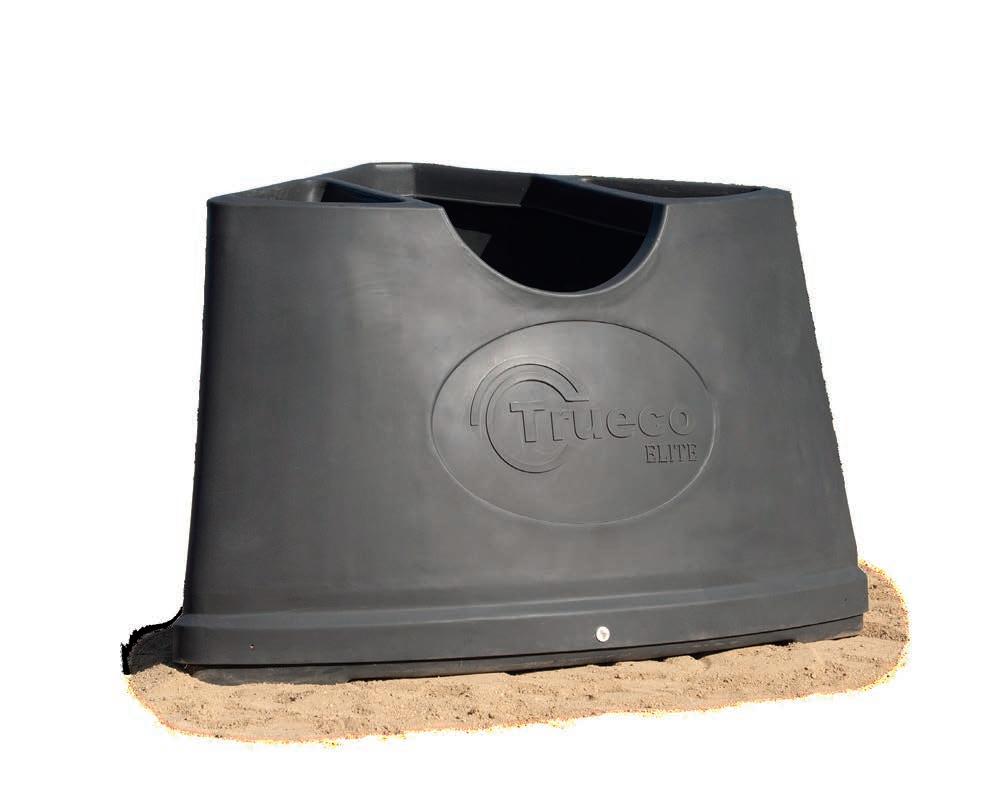
In the world of horse care, feeding efficiency, safety, and durability are top priorities for owners and trainers alike. The Trueco ELITE Equine Hay Feeders represent a breakthrough product designed to address these needs in a single, well-designed solution. Developed in Australia by seasoned horse industry professionals, Corey and Trudy Holden, these feeders redefine how hay is delivered, consumed, and managed in both stables and outdoor environments.
DESIGNED BY EXPERIENCE, BUILT FOR EXCELLENCE
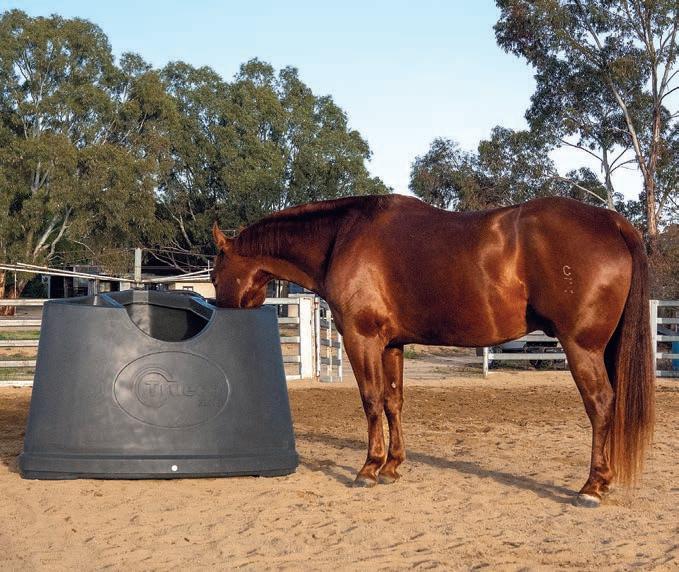
Corey and Trudy Holden bring over 30 years of hands-on experience breeding and training horses. Their frustration with hay wastage and messy feeding areas drove the development of the Trueco ELITE Hay Feeder. Trudy’s specialisation as an equine dentist further informed the design, ensuring the feeder supports natural grazing postures that promote healthy dentition alignment for horses. This unique insight makes the Trueco ELITE not just a hay feeder but a tool for improving equine oral health and comfort.
INNOVATIVE THREE-COMPARTMENT LAYOUT
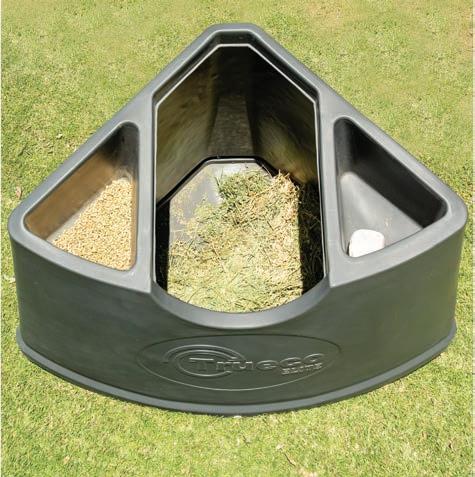
One of the standout features of the Trueco ELITE Hay Feeder is its three-compartment design. This layout allows multiple feeds, such as hay, hard feeds & a salt/ mineral block, reducing stress and promoting calmer feeding behaviour. Separating hay portions also makes it easier for owners to monitor intake and manage feeding schedules efficiently. Additionally, the shape is carefully designed to fit snugly into stable corners, optimising space and significantly reducing hay wastage underfoot.
SAFETY AND DURABILITY AT THE FOREFRONT
Safety is non-negotiable when it comes to horse equipment, and the Trueco ELITE Hay Feeder raises the bar. Its robustly built, UV-stabilised materials, making it resilient against harsh weather exposure. This durability ensures a long lifespan even in daily use outdoors, while the smooth edges and thoughtfully designed compartments minimise risks of injury.
A drain point sits conveniently at the front to prevent water accumulation, keeping the hay dry and fresh. The feeder’s two-part mould design also means it is easier installation & transport, a major plus for busy stables.
AUSTRALIAN-MADE QUALITY WITH PRACTICAL BENEFITS
Anyone who manages horses understands the dual challenge of feeding cost-effectively while maintaining the health and safety of their animals. Trueco ELITE Hay Feeder offers a smart solution that saves hay, reduces mess, avoids feeding injuries, and stands up to the daily wear and tear of everyday use.
A WORTHWHILE INVESTMENT FOR HORSE OWNERS
The financial implications of hay wastage and inefficient feeding practices are often overlooked. By helping reduce waste and improving feeding efficiency, Trueco ELITE Hay Feeders translate into direct savings. Their strong construction and thoughtful design mean fewer replacements and repairs over time. Horses benefit from feeding in a natural, safe posture that supports their overall wellbeing, making this feeder an investment in both animal health and economic sense.
FINAL THOUGHTS
Trueco ELITE Equine Hay Feeders are not just another product on the market. They represent a solution born from expertise, designed with the horse’s health and owner’s convenience in mind. Their safety features, durability, innovative layout, and stress-reducing design combine to create a feeding system that stands apart as the only one of its kind in Australia.
As Corey and Trudy Holden have demonstrated through years of horse care, innovation comes from understanding daily challenges and addressing them head-on. For anyone committed to elevating their equine feeding practices, Trueco ELITE Hay Feeder offers unmatched value and peace of mind.
Upgrade your stable with the Trueco ELITE Equine Hay Feeder. The three-compartment corner design keeps hay and hard feed clean, organised, and reduces waste. Built tough for everyday use.
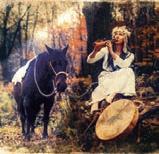
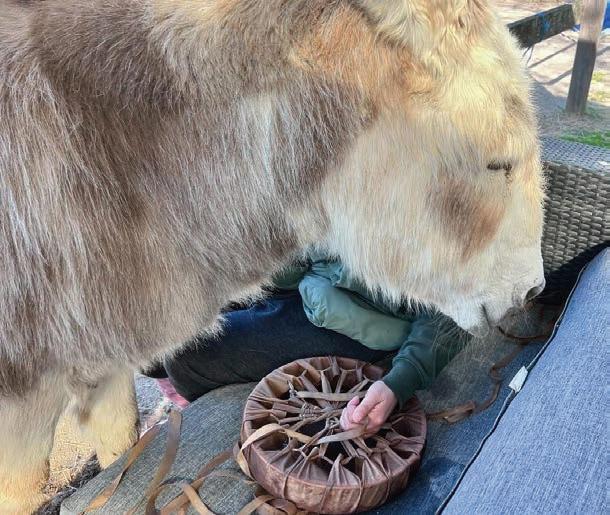
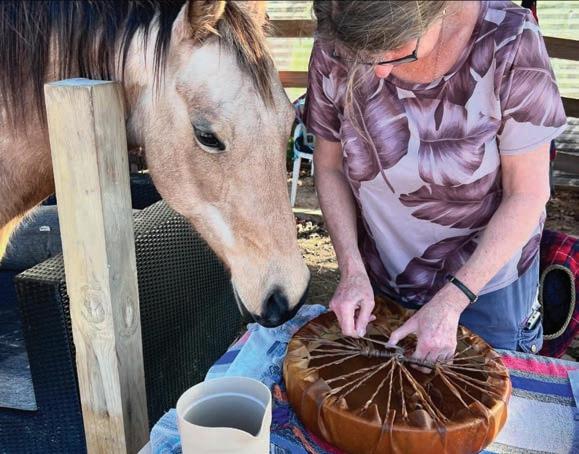
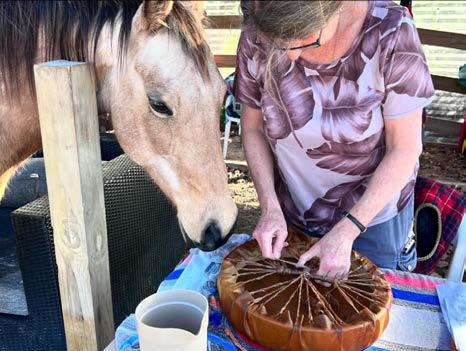
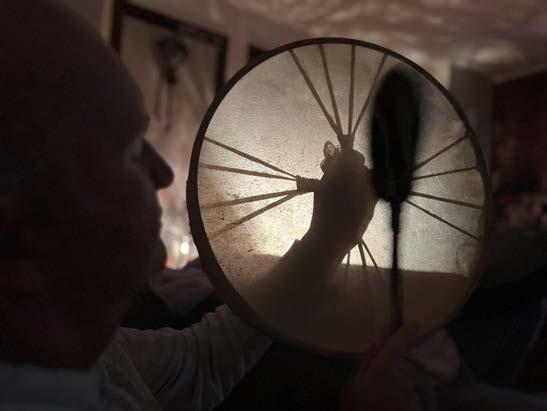
Drum making with the transformational energy of horses
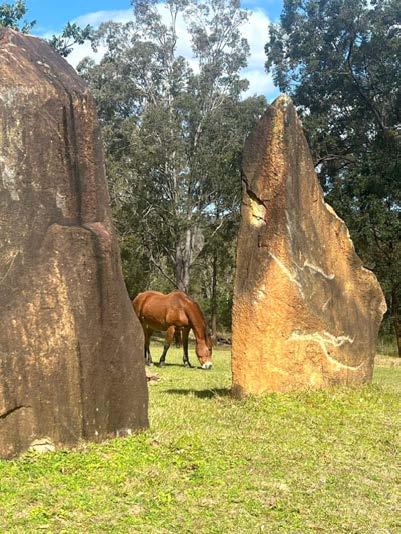
Deep in the lush embrace of Glenreagh, on sacred lands where the wind still whispers the ancient names of the stars, a quiet transformation is unfolding. Here, beneath the expansive skies and among the dreaming stones of an activated stone henge, we are calling in the seekers — the rememberers — to gather for a workshop unlike any other.
Guided by Rae Brady, Star Lore Wisdom Holder and Gaian Midwife, and Jo Sheval Iskra, Creationist, Artist, Healer, and Equine Therapist, this sacred gathering is an invitation to remember your original rhythm — the one that connects you to the Earth, the stars, and the deep lineage of ancestral knowing.
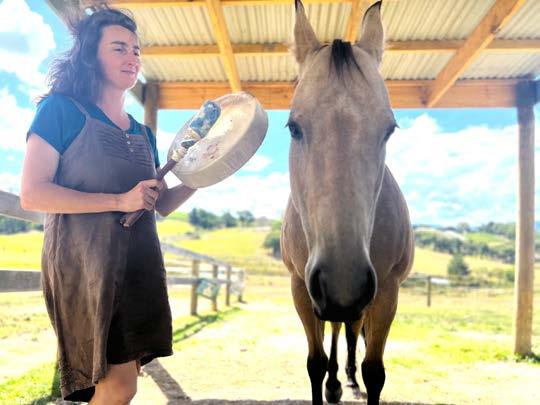
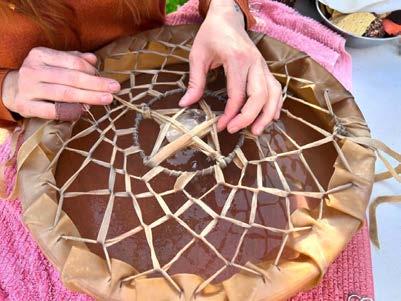
Led on this journey by the healing energy of horses — sentient beings who carry the medicine of freedom, strength, and deep emotional wisdom — participants are invited to craft their own sacred drum, each strike of the hide and frame resonating with the beat of Mother Earth’s heart.
But the creation doesn’t stop there. From the fallen branches and sticks gathered on the farm, each participant will also handcraft their own drum beater — a process as meditative and intentional as the drum itself. These beaters, like wands, hold the memory of the land and the spirit of your own journey.
Throughout the workshop, you’ll be nourished in more ways than one. Wholesome, nutritious food prepared with love will support your body as you journey through emotional and energetic transformation. You’ll also be immersed in healing sound baths, held at sacred intervals during the experience. These sound journeys will help recalibrate your energy, deepen your connection to the Earth, and open your heart to the higher frequencies of spirit and star.
These horses are not tools or symbols. They are co-facilitators. Their presence activates forgotten truths in the body, inviting participants into stillness, reflection, and often, tears. As they move through the land, their hooves awaken sleeping ley lines and stir the soul’s memory. With every breath, they invite us back into resonance with the Earth’s rhythm — a rhythm we will echo in our drums.
The land here is alive. Glenreagh holds stories in its soil — the Songlines of the ancestors and the starlore of celestial beings. The activated stone henge on the property serves as both portal and protector, a beacon for those ready to listen with more than ears. At certain moments, under the right sky, the stones sing.
Throughout the workshop, we will weave together the physical and the cosmic. As hands stretch hides and shape frames, we will speak of the galactic womb of Mother Earth — the infinite void from which all life emerges — and the universal drumbeat that pulses through it. We will sit in circle, learning how our stories connect to those of the stars, how our voices carry echoes of the Dreaming, and how our instruments become vessels of healing not only for ourselves, but for our ancestors, our descendants, and the Earth.
This is a time of remembering. A time of listening. A time of crafting tools of power and peace.
You are not just making a drum.
You are reclaiming your place in the great cosmic rhythm — guided by horse, by star, by stone, and by song.
Join Rae and Jo in sacred Glenreagh.
Come walk the spiral path. Come home.
Craft your own sacred healing drum
Create your own Drum beater
Connect deeply with horse medicine
Learn star lore & walk the Song lines
Sit in ceremony within an activated stone henge
Reconnect with the galactic womb of Mother Earth
Experience Sound baths throughout the retreat
Enjoy nutritious food made with love
Camp style accommodation included. All materials included. Enquire for dates opening up for 2026
Visit www.holisticequitation.com.au for more information or email Jo on enquiry@holisticequitation.com.au or mobile: 0478 711 180 Namestneigh!
29-30 C owboy Dressage Spring Victorian Show – Teesdale VIC P: Belinda Gregson 0488 958 669 www.australiannaturalhorsemanship.com
N ational Cutting Horse Association – Ph: 02 6765 9356 – www.ncha.com.au
NSW: 1-2 Peel Valley Cutting Club – Barraba NSW. 14 - 16 Northern Rivers Cutting Horse Club – Uralla NSW. VIC: 14-16 West Gippsland QH Assoc VIC. 29 – 30 Coolup Cutting Club, Murray Equestrian Centre VIC w ww.nsw.equestrian.org.au – www.qld.equestrian.org.au– www.vic.equestrian.org.au NSW 31st Oct – 2 2 025 New England and North West Show Horse Assoc. Regional Championships, AELEC, Tamworth, NSW 1-2 Manning Valley DC OC/CU/CRPr-GP Taree
3 0 Warringah Dressage Assoc CR Pr-A St Ives Andrea Hails 0434 692 372 www.warringahdressage.org
QLD: 2 EQ Para & Virtus ‘Give It A Try’ Dressage Day with CDG, Queensland State Equestrian Centre, Caboolture
VIC:
8 N orth Coast Active Riders Group (NAGS) Nambour Showgrounds
16 Currumbin District Horse Club Dressage, Galleon Way, Currumbin Waters
2 2-23 Queensland Show Jumping Club, QSEC www.qldshowjumpclub.com
1 W VDC Official & Restricted Dressage Comp, Elcho Park Equestrian Centre, Elcho Road, Lara VIC
8 D RESSAGE DAY (Official) – Boneo ARC – Dressage By The Bay @ Merricks VIC
9 D ancing Horse Competition-Berwick & District Dressage Club, Oakwood Riding School, Narre Warren VIC
12 EA Para Dressage National Championships & FEI Event Boneo Park 13-16 DRESSAGE EXTRAVAGANZA CPH CDI, Boneo Park Equestrian Centre, VIC
14-16 Show Horse VIIC Southern Stars Royal Gala. Tatura
15 Whittlesea Plenty Valley Dressage Club Open EA VIC 15-16 NVSJC November Show http://www.nvsjc.net/ 15-16 Colac Pony Club 2025 Horse Trials & Combined Training, Colac Pony Club grounds: 95 Christies Road, Elliminyt 15-16 Official HRCAV SHOW (Day 1), Official HRCAV DRESSAGE JACKPOT (Day 2), Riverside Recreation Reserve, Dooan. 21 SHOW (Official) – Elmore 3PE Club @ ABSS Spring Carnival Horse Show 21-23 Leader Equine HRCAV TOP TEAMS TROPHY DRESSAGE, WPNEC VIC
2 9 Whittlesea Plenty Valley Dressage Club Open EA Wirrabee Park NEC VIC
2 9-30 Show Horse Vic, Southern Gala Royal Gala, WPNEC, Vic
3 0 Victorian Dressage Club Championships, Werribee Park NEC VIC
Giving horses
www.horserescueaustralia.org.au
EQUINE BODYWORK WORKSHOPS
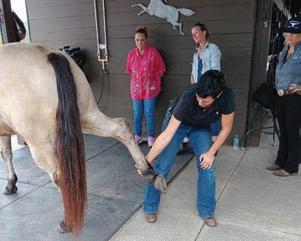
Join us for an inspiring and hands-on Equine Bodywork Workshop led by Dr. Angelique Barbara, founder of Holistic Animal Studies—making her first-ever teaching appearance in Australia!
SUNDAY 23rd November 2025 – BELLI PARK QLD 4562 – 10.00AM – 2.00PM
MONDAY 24th November 2025 – CAMP MOUNTAIN QLD 4520
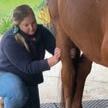
These 4-hour workshops are open to both equine professionals and horse owners who want to learn practical, holistic techniques to improve the comfort, mobility, and performance of horses through bodywork.
What You’ll Learn:
• Equine Massage Techniques to reduce tension and enhance circulation
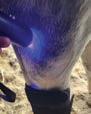
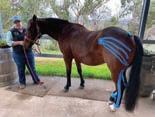
• Kinesiology Taping Applications for joint support, muscle recovery, and inflammation
• Additional Bodywork Modalities and how to integrate them into daily care or performance routines
Whether you’re caring for retired companions, sport horses, or clients’ animals, this workshop will leave you empowered with tools to help horses thrive. Spaces are limited, so reserve your spot early and be part of this special opportunity to learn directly from Dr. Angel in person!
Within you lies the memory of that first emergence, a knowing of the threshold between worlds. Now, as you awaken to your own inner cosmos, you stand before another birth as you weave your drum into life: the birthing of new consciousness
This is the opening of your galactic womb, a sacred space where intention, vision, and soul converge
Dr. Angelique Barbara is a chiropractor (with additional veterinary degrees) educator, and lifelong animal advocate with a passion for holistic healing. She is the founder of Holistic Animal Studies (Angel’s Animals®), an internationally recognized education platform offering online certification courses in animal bodywork and wellness.
With over two decades of experience in animal care and bodywork, Dr. Angel has taught thousands of students around the world in techniques such as equine and canine massage, craniosacral therapy, kinesiology taping, myofascial release, cold laser therapy, and more. Her unique approach blends scientific understanding with intuitive connection, empowering both professionals and pet owners to support animals through natural, hands-on healing.
She is known for her down-to-earth teaching style, compassionate care, and unwavering commitment to improving the lives of animals through accessible, holistic education.
EVENTING & SHOWJUMPING
w ww.qld.equestrian.org.au – www.vic.equestrian.org.au – www.nsw.equestrian.org.au – www.eventingnsw.equestrian.org.au
15 Stone Wall Small Tour & Young Horse, Stonewall Equestrian Centre, NSW 21 SJA Sydney Jumping, SIEC, Horsley Park, NSW 21-23 SJA Sydney Jumping, 2025 NSW International SIEC, Horsley Park, NSW QLD: 1 Fig Tree Pocket Equestrian Club IQ Jumping Tag On QLD 1-2 Fraser Coast Horse Trials ODE, Maryborough Show Grounds QLD
16 Gatton Pony Club Jumping Pairs Challenge, Helidon VIC: 1 B order Districts Showjumping Club Inc, Tier 3, AWEC Roberts Rd Thurgoona 5 -9 Pet Circle 2025 Australian Showjumping Championships, Boneo Park Equestrian Centre, VIC
8 -9 Grainger Legal Candlebark Horse Trials ~ U Championships, Riddells Creek 15 Wimmera Equestrian Club Country Classic, Dimboola VIC 21-23 The Elms Grand Prix, Sale Showjumping Club
2 2 Mornington Peninsula EA Horse Trials, Baxter, Vic
11-14 Jumping NSW Summer Classic, CSI-W*, Sydney International Equestrian Centre 13-14 Hunter Valley DA, OC/ CU/ PEPr-GP Salt Ash. www.huntervalleydressage.com
13-14 Young Dressage Assoc, OC/CU Pr - FEI/PE/YH Bendick Murrell, Megan Bryant 0429 831 427 www.youngdressage.com VIC: 4 -6 SOUTHERN CROSS FEEDS 2025 EA Australasian Show Horse & Rider. Wirrabee Park National EC. https://www.showhorsenationals.org.au
5 -6 BONEO PARK CHRISTMAS DRESSAGE COMPETITION- Boneo Park Equestrian Centre, Victoria 11-14 The Victorian Dressage Festival, WPIEC https://www.dressagefestival.com.au
16 Interschool Horse Show sponsored by Toorak College, Boneo Park Equestrian Centre
w ww.qld.equestrian.org.au – www.vic.equestrian.org.au – www.nsw.equestrian.org.au – www.eventingnsw.equestrian.org.au
4-7 L akes & Craters International Horse Trials, CCI, EvA65 - CCI3, CCI2 & 3*-L, Camperdown VIC
11-14 Summer Classic World Cup Sydney International Equestrian Centre NSW 13-14 B oneo Monthly Jumping, Boneo Park Equestrian Centre VIC 19 J umping Horse Club Train and Tame, Freshmans & training, Tonimbuk VIC
13-15
B athurst, Introduction to Connecting with Horses & Riding with Synchronicity Mel Fleming Horsemanship
www.melfleming.com.au
13-14 Christmas Fun Weekend – Esk QLD, P: Kathy Faulkner 0427 732 394 www.australiannaturalhorsemanship.com 10-23 H orse Training Intake – Esk QLD Contacts as above
6 M elbourne Polo Fields Cup SUB, 0-2, 4 and 6-8 Werribee Park National Equestrian Centre, Werribee Vic – www.vicpolo.com.au
5-7 AUSTRALIAN WESTERN SHOWCASE & QH ASSOCIATION- AUSTRALIAN WESTERN SHOWCASE, TATURA PARK VIC
6-7 2 025 AMHS NSW CHRISTMAS FEATURE SHOW, A Class NSW Hi Point Show, Yass Showgrounds NSW www.amhs.com.au
7 2 025 AMHS VICTORIA CHRISTMAS CELEBRATION FEATURE SHOW (A* Class Event) Kilmore VIC 13-14 B ENDIGO REGIONAL APPALOOSA CLUB- ALL BREEDS SHOW, TATURA PARK VIC. https://appaloosa.org.au/
ATHRA – www.athra.com.au
Richmond River Trail Horse Riding Club Inc meet the 3rd Weekend of the month, Northern NSW – Ph: Wendy 0414 668 725
JANUARY 2026
17-18 T HE NATIONAL CLYDESDALE & HEAVY HORSE FESTIVAL, Wirrabee Park NEC, VIC www.clydesdalesvic.org.au
Achieving a Smoother Ride for Horses and Handlers
Impacts of transporting horses
Whether for competition, sale, breeding, or veterinary care, horse transport by float is a necessity in modern equestrian life. Yet beyond our desire for calm travel experience, lies a body of evidence showing that even short trips can carry significant risks to equine health and welfare.
Constant balancing during transport: Horses use their muscles like surfers do to stay upright when being transported, which can cause fatigue, muscle stiffness, and soreness.
Studies suggest that transport-related illness affects a significant proportion of horses at some point in their lives. Even brief trips can elicit a higher frequency of balance and stress related behaviours when compared to stable and rest stop behaviour. Increases in travel duration, rough roads and the length of confinement, further contribute to the stress and anxiety experienced which can be a significant contributor to negative health outcomes. Horses can develop travel anxiety and may become difficult to load and unload further increasing the stress responses of fight-or-flight reactions.
Musculoskeletal Fatigue
Musculoskeletal stress is another damaging result. Data from veterinary reports show that over 25% of transport-related injuries occur in the hind limbs of the animal, with a disproportionate number linked to poor road surfaces, inadequate float suspension, or even when the vehicle is turning a corner. A New Zealand study found that 15–20% of horses sustained visible injuries per trip, while a much higher number suffered from temporary gait stiffness, muscle soreness, anxiety, and unfortunately most of these symptoms are considered an unfortunate and unavoidable result of necessary horse transport.
Joint strain: Especially if the journey is long and the horse can’t shift weight easily. The dynamic shockwave created between the tow vehicle and float at the tow bar point while traveling, is consistently transferred through the horses’ legs.
Debilitating pain: While the exact percentage of horses experiencing pain during transport varies, studies indicate that a high proportion certainly experience significant pain and discomfort which understandably can lead to a range of negative outcomes for the animal.
The data speaks plainly: transporting a horse in a float is not a neutral act. It is an intervention with a calculable risk profile — one that owners, trainers, and event organisers must respect. Safer suspension systems, improved ventilation, enforced rest breaks, and better driver training are not luxuries; they are the statistical antidotes to an avoidable welfare cost.
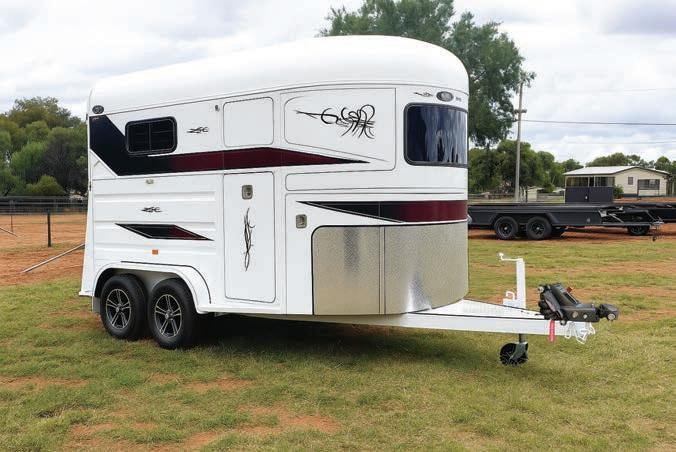
Within the industry of equine transport, comfort and safety are key points highlighted in sales brochures, however not all floats are alike. Many offer superior suspension systems claiming to provide the animal with a smoother ride, however all horse floats come with a static tow connection. Very little has been done to reduce the severe forces being applied at the tow point between the float and the tow vehicle.
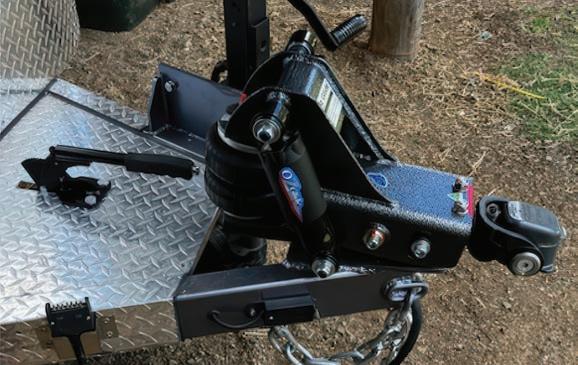
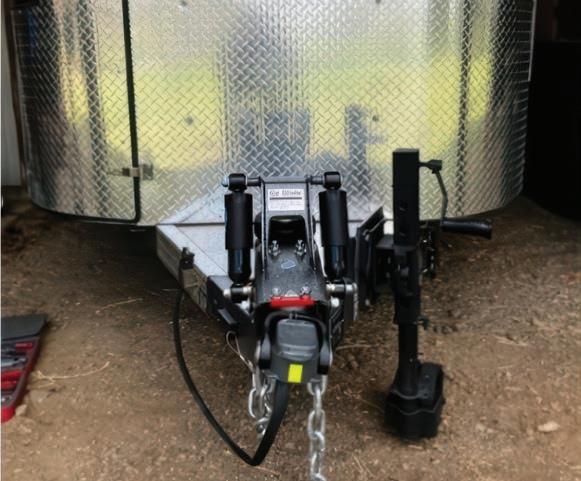
Enter Oz Glide, an Australian-made dampening innovation that’s quietly transforming the horse float industry. While the focus in horse transport has traditionally been on size, ventilation, and loading ease, Oz Glide addresses a long-overlooked but critical component: “motion impact”.
Horse floats, by nature, are subjected to a constant barrage of vibration, jarring road bumps and instability which are transferred between the tow vehicle and float when a static coupling is used. These continuous dynamic impacts are incredibly stressful for horses, particularly over long distances, and can lead to fatigue, anxiety, injury, or a reluctance to load in the future. Oz Glide tackles this challenge head-on by incorporating a sophisticated dampening system designed to absorb and reduce kinetic forces during transit. The result is a smoother, quieter, and stable ride—something that both horses and handlers will immediately feel the difference.
Oz Glide is a small Queensland based family business. Developed in Australia by Barry Blumke and his family. Oz Glide has already established itself in the caravan and trailer industry as a safety necessity rather than an optional accessory, and when applied to a horse float, it adds an unequalled humane capacity when transporting horses. Oz Glide remains a testament to the dedication and commitment Barry applied to offer safer towing for everyone, whilst ensuring the highest possible quality and performance remain their focus.
Reducing these dynamic vibrations and shocks means:
✓ less strain on the structure of the chassis and the float,
✓ extending the life of float suspension systems, interior fittings, and flooring,
✓ reducing vibrations, shocks and bumps for horses during floating,
✓ greater stability in steering and ride comfort in the tow vehicle.
Oz Glide is an Australian tow hitch dampening system which offers a smooth ride in both the tow vehicle and the horse float.
✓ Smoother ride ✓ Absorbs shock ✓ Increase safety
✓ Improves wet weather towing and steering
✓ reducing travel anxiety, stress and fatigue for your horse and ensuring
Oz Glide is as much a safety feature, as it is a performance upgrade. For trainers, breeders, and competitive riders who travel frequently and value the health of their horses, this advancement could mean the difference between a fresh, focused animal and one that is stressed, stiff and less able to perform upon arrival.
Importantly, Oz Glide’s innovation is grounded in its Australian design and manufacturing. It’s a system crafted with care for Australian horse owners and the unique terrain they navigate.
In an industry steeped in tradition, Oz Glide is a breath of fresh air—a technical upgrade that doesn’t just modernize horse floats but redefines what humane, safe, and efficient equine transport should feel like. As word spreads, it may well become the new gold standard for those who truly care about what happens between the paddock and the destination.
Your horse deserves a better ride…Oz Glide
✓ Meets Australian Design Rules for 3.5 & 4.5 Tonne
✓ NATA accredited ✓ Easy Installation
Oz Glide reduces the dynamic impact on the tow ball & thereby delivers increased safety & comfort for both the driver & horses while reducing chassis flex to your float & towing vehicle.
FRONT LINE TOOL for Breeding & Health Monitoring
forB reeding& Health Monitoring FRONT LINE TOOL
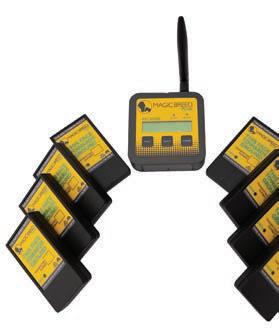
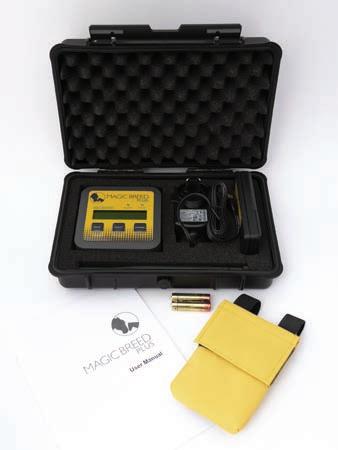
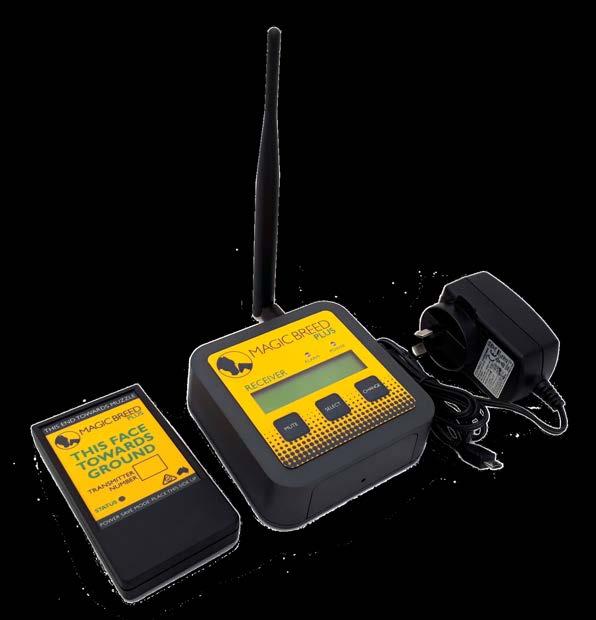
When it comestofoaling,on-time humanintervention– if needed–iscrucial to ensureasuccessfuloutcome.This also applies to horses af ter surgery or for detecting colic. MagicBreed hasearnt thetrustof breedersandveterinarians as a crucial frontline tool.
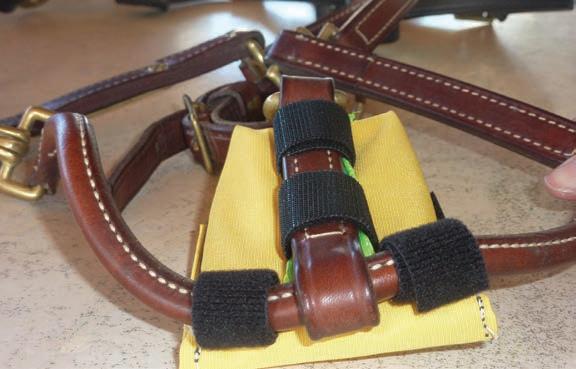
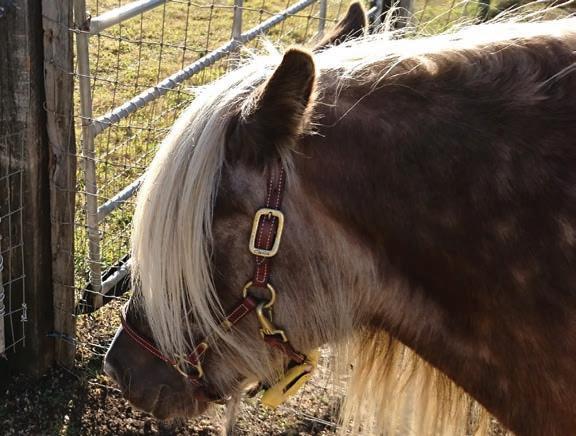
This is anon-invasiveapproachfor theanimal,the pouchissmall& lightweightatt aching to thehalterwhich tuck supunderneat h. Youwill be aler tedwhenthe animal lays down,which wouldindicatefoaling or a health issue, depending on which scenario you are monitoring . This productwas designed andmanufac turedhereinAus tralia over 40 year sago andcontinues to be manufac turedhereinAus tralia.Starting withtheoriginal MagicBreed,thiss ystemhas continue dtoser vice breeders forwellover30years in Australiaand NewZealand. In recent year swehavemoved with technology hencethe birthofthe MagicBreed Plus system,givingbreeder sa plethoraof enhanced features.Wedos till suppor tthe original MagicBreed system as thereare still manys ystems going strong out there af ter 20 -30 year s of use.
NO WIFI,NOPHONE SERV ICErequired, NO DROP-OUTS! Magic BreedPlus’soperating system work sona 917MHz frequency, providing it with greatlyimprovedimmunit ytointer ferenceand superior range–50 0m is no problemand in excess of 1kmispossible. Allyou requireis power to plug in the ba se st ation (receiver)
Whilethismeans thatit won’tworkwiththe 27MHzantenna from the original MagicBreed system,weguarantee that theper formance is so good that the external antenna won’t be necess ar y.
Youc an monitorupto8 mares at thesametimeonthe same system.If youneedmore, just addanother Receiver ba se.Ifyou have twoloc ations on your proper ty that yourequire to be aler tedatthe same time,wec an accommodate that as well
TheadditionofanLCDdisplayonthe MagicBreed Plus receiver provides awealthofoperatorfeedback. This includes signal streng th andbat tery level, along with individual iden tification for up to 8 transmit ters
Your MagicBreed Plus foalingalarm kitissuppliedina POLYPROPYLENE RUBBER SE ALED IPX7 waterresis tant rugged carr yc asefor protec tion during storageand transpor tation,itemploys aUVresis tant rubber seal to ensure dirt and moisture st ay outside of the case and is shock absorbing!
Out sidethe case,itincludesa built-in pressure release valve toensure internal pressure to be equalisedwithambient ex ternal pressure.This ensures a reliable seal at all times.
MagicBreed Plus with its100%Solid StateTechnology does not require regular servicing or adjustment s.
Designed by ourin-houseexperienced engineersright hereon the beautiful Sunshine Coas t, Qld, Australia.
Fast Facts on Magic Breed Plus
* Up to 8 Transmitters can be used per Receiver
* Non-Invasive - detects when the mare lays down
* Range exceeding 1km possible (easily 500m in built up areas)
* No internet or phone service required
* Display shows signal strength, no second guessing
* Long Battery Life with indicator on display showing level
* Can be used alongside your original Magic Breed System
* No booster aerials required
* 2 year warranty
* 100% Solid State Technology
* 5 Star Customer Service
Understanding Lower Airway Disease in Horses
By The Rivers Equine Vets
Lower airway disease (LAD) is a significant and often underrecognized cause of poor performance and chronic respiratory signs in horses. The lower airways consist of the trachea and the lungs which can be affected by infection (bacterial, viral, fungal) and allergens (dust, toxins). Sometimes it is a combination of these agents that are causing symptoms.
Clinical Signs
• Horses with LAD may exhibit subtle to obvious symptoms:
• Coughing, especially during or after exercise
• Decreased stamina or exercise intolerance
• Increased respiratory effort or rate at rest
• Na sal discharge (clear to mucopurulent)
• Nostril flaring and abdominal breathing
• Development of a “heave line” in chronic cases
• May or may not have a temperature.
Diagnosis
When your vet comes out they will assess whether the symptoms are most likely relating to infection or allergies. Their diagnostic process may include clinical examination, history collection, endoscopy to visualise the trachea and techniques such as transtracheal wash (TTW) or bronchoalveolar lavage (BAL).
Acute conditions often are related to infectious agents and may fall into the pneumonia category whereas the more chronic conditions often include Inflammatory Airway Disease (IAD), Equine Asthma, and Recurrent Airway Obstruction (RAO)—the latter more commonly known as heaves. These diseases impact the lower respiratory tract, particularly the bronchi and lungs, leading to inflammation, obstruction, and impaired gas exchange resulting in reduced performance.
Causes and Risk Factors
• The primary contributors to LAD are environmental irritants, such as:
• Dust from hay and bedding
• Ammonia from urine in poorly ventilated stalls
• Mold spores and air pollutants
These factors can lead to hypersensitivity reactions or chronic inflammation in susceptible horses (Couëtil et al., 2016). Horses that have recently travelled, are stabled indoors or in dusty or pollen filled paddocks are at greater risk.
Dr Katherine Dodd BVSc/BVetBio BAppSc (Eq)
Dr Katrina Swift BVSc/BVetBio BIntBus
P 02 6672 3898
E admin@theriversequinevets.com.au
W www.theriversequinevets.com.au
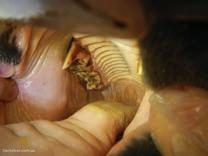
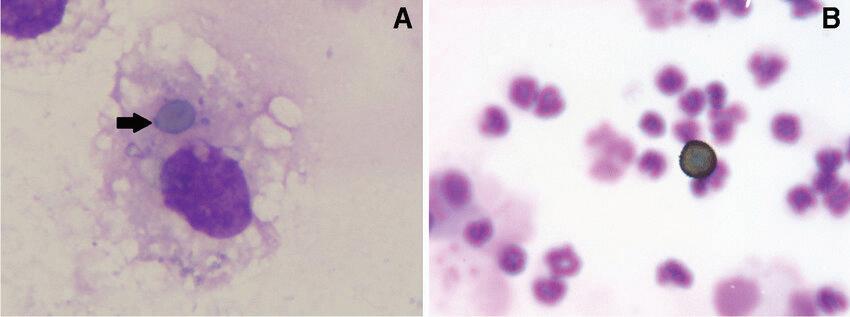
Cytology of a BAL under a microscope.
A) Fungal spore engulfed inside a macrophage white blood cell
B) A pollen spore
Różańska et al. (2023)
Różańska, A., Cywińska, A., Degórski, A., Jackiewicz, M., & Winnicka, A. (2023). Detection of fungi in the airways of horses according to the sample site: A methodological study. Veterinary Research Communications, 48(1). https://doi.org/10.1007/s11259-023-10213-y
Treatment and Management
Depending on the cause treatment may include the following;
1. Environmental Management
The cornerstone of therapy for chronic cases—minimize dust and allergens:
• Use low-dust bedding (e.g., cardboard)
• Soak or flash spray hay to reduce airborne particles.
• Maximize turnout and ensure good stable ventilation
2. Medications
• Anti-inflammatories or corticosteroids (e.g., dexamethasone or inhaled fluticasone) to reduce inflammation.
• Bronchodilators (e.g., clenbuterol or albuterol) for short-term relief. This can come in oral or nebulised forms.
• Mucolytics or saline nebulization for airway clearance.
• Antibiotics when indicated.
3. Allergen Avoidance
In cases with confirmed hypersensitivities, targeted allergen reduction can significantly improve outcomes (Couëtil et al., 2020).
Conclusion
Lower airway disease can substantially impair a horse’s respiratory efficiency and performance. With early recognition, proper diagnosis, and diligent management—particularly of the horse’s environment— most horses can return to a comfortable life and resume athletic work. Please don’t hesitate to contact us if you require a diagnosis or assistance in managing LAD in your horse.
References
Couëtil, L. L., Cardwell, J. M., Gerber, V., Lavoie, J. P., Léguillette, R., & Richard, E. A. (2016). Equine asthma: Current understanding and future directions. Journal of Veterinary Internal Medicine, 30(2), 514–525. https://doi.org/10.1111/jvim.13824
Couëtil, L. L., Mazan, M., & Bienzle, D. (2020). Inflammatory airway disease of horses— Revised consensus statement. Journal of Veterinary Internal Medicine, 34(5), 1713–1721. https://doi.org/10.1111/jvim.15858
Modern and Progressive
Equine Care Based in Murwillumbah
Services Offered Include:
• Preventative Health
• Lameness Evaluation
• Dental Health
• Reproductive/Neonatal Services
• Emergency Care
• Diagnostic Services – ECG, X-Ray, Ultrasound and Endoscopy
• Routine Surgery
• Pre-Purchase Examinations
Katherine and Katrina believe strongly in practicing as ethical and compassionate veterinarians and have always strived to deliver the best possible care to their clients and patients.
With the support of their loyal clientele, their practice manager, Jess, and a great reception team, we have been able to continue to offer a reliable and professional service that our clients have come to know and respect.
The Rivers Equine Vets has evolved into a great team of professionals that can offer equine veterinary services from Byron Bay to the Southern Gold Coast.
The practice is fully mobile, and all services are available to clients on their farms or at their stables.
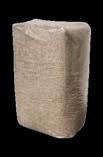
Why Hemp Bedding is the Best Choice for Your Horses
Discover why horse owners are switching from pine to hemp bedding. Hemp is more absorbent - longer lasting and better for the planet & horses. More and more stables are discovering that hemp bedding, though it looks more expensive at first glance, actually saves money,
Handcrafted natural grooming products for horses and dogs.
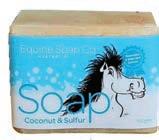
Home of Coconut Sulphur Soap
A shampoo bar and so much more. Helps itchy horses and dogs, maintains healthy feather whitens naturally.
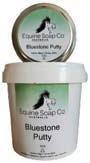
Bluestone Putty
Putty to maintain healthy hooves.
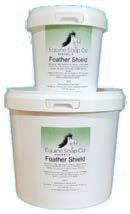
Feather Shield
Our natural version of pig oil. Protecting and conditioning in wet or dry conditions.
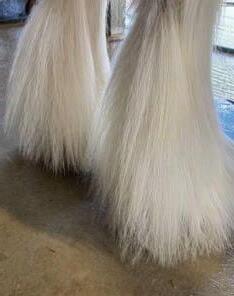
Specialising in whitening products for feather, socks and tails
View our whole range at www.equinesoapco.com.au
While pine or straw may seem cheaper upfront, they come with hidden costs: constant replacement, higher waste disposal, and health risks. Hemp lasts 2–6 times longer, reducing overall usage, transport, and disposal costs. Overseas trials show hemp bedding can:
• Cut bedding costs in half.
• Reduce mucking-out time by 75%.
• Lower vet bills by improving hoof and respiratory health.
• 720kg of hemp bedding can replace up to 2000kg of pine shavings monthly
• Some users only change hemp bedding every 4 weeks
The Key Benefits of Hemp Bedding
Superior Absorbency
Horses urinate many times each day, and excess moisture can quickly damage hooves and create unpleasant odours. Hemp absorbs up to four times more fluid than pine, clumping and wicking liquid to the bottom and leaving the surface dry and clean. This reduces the risk of hoof rot and keeps your stable fresher for longer.
Low Dust for Respiratory Health
Horses can only breathe through their noses, making dust a major concern. Vital Equine Hemp Bedding is dust-extracted, creating a healthier environment for horses and handlers alike. This makes it especially valuable for horses prone to coughs or allergies.
Natural Odor Control
By locking urine into compact clumps, hemp prevents ammonia build-up and keeps the barn smelling fresh. Less smell also means fewer flies and a more pleasant environment for everyone.
Natural Pest Repellent
Thanks to natural compounds, hemp may help repel flies, ticks, and other pests. Horses stay happier and healthier, with fewer insect-related irritations.
Comfort for Joints & Muscles
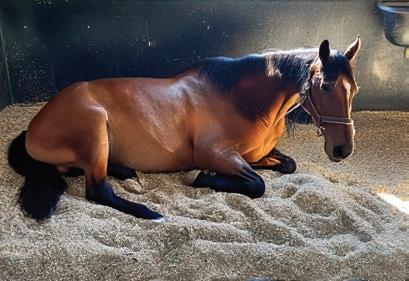
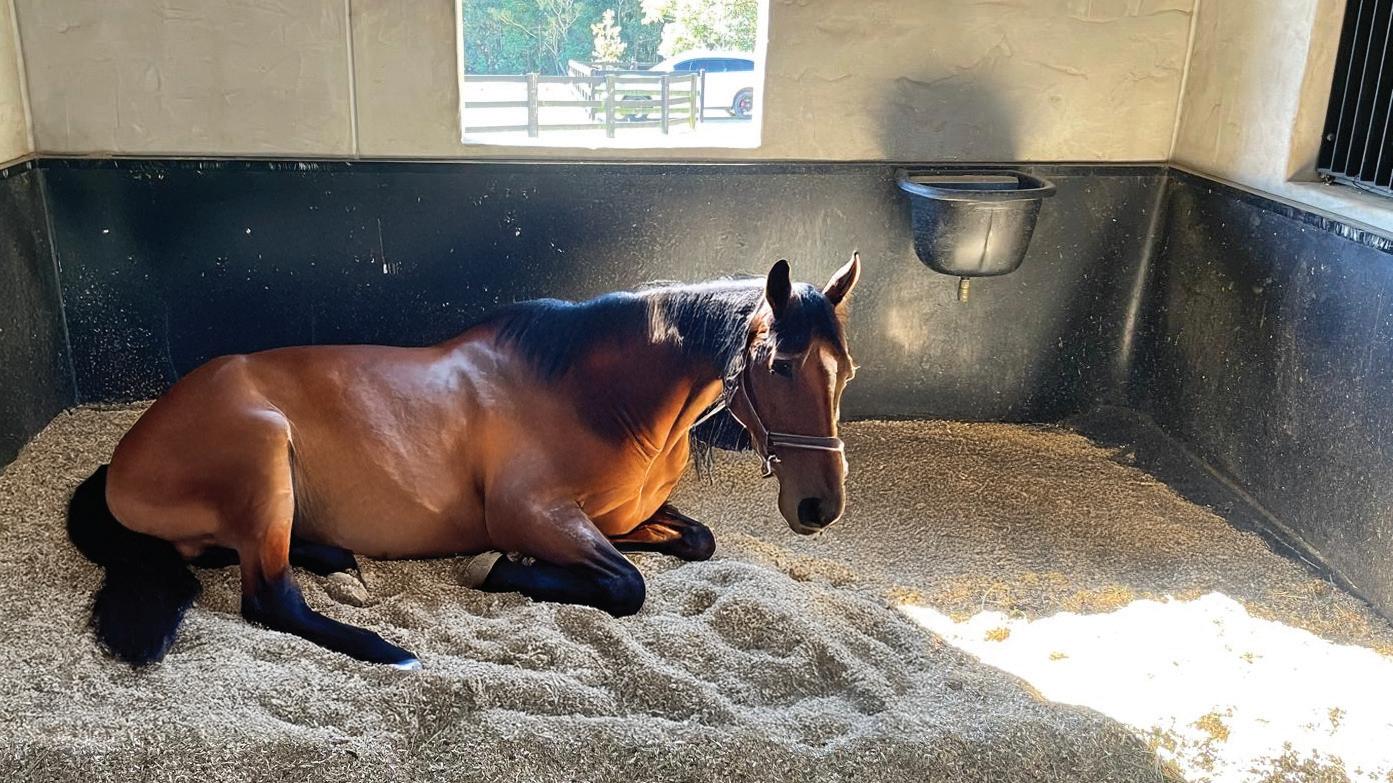
A thick hemp bed creates a springy, cushioned surface that encourages horses to lie down more often. It’s ideal for performance horses, broodmares and foals who need maximum comfort and recovery support.
Sustainable & Compostable
Hemp uses up to 70% less water than traditional crops, and produces four times more fibre per acre than wood in just 100 days. Hemp is tree-free and completely forest friendly and is grown by Australian farmers. After use, it composts in half the time of wood shavings, returning nutrients and carbon back to the soil.
Introducing the Vital Equine Hemp Bedding System
Our hemp bedding system is more than just bedding – it’s a complete solution for horse health and farm efficiency. It includes:
• Non-woven hemp fibre underlay mats for insulation and comfort.
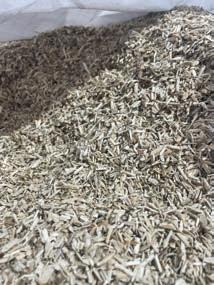
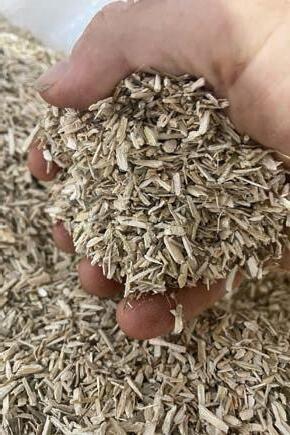
• Super-absorbent, dustextracted hemp hurd litter graded for size
• Natural microbial deodorising and composting sprays for easy waste management.
This all-in-one approach reduces labour, lowers bedding consumption, and leaves you with compostable, soil-building material at end-of-use. Simply spray used bedding with our microbial disposal spray to transform it into premium, nutrient rich living soil with no ongoing labour!
Real Horse Owner Experiences
At a show-jumping stable in the Byron Bay area, the results speak for themselves:
“We’ve recently tried your hemp bedding and we’re absolutely in love with it – the horses are too!”
International stables confirm the same benefits:
• European barns report one bale of hemp lasts 4–6 times longer than pine shavings.
• American trainers say labour time has been cut by up to 75%.
The verdict is clear: hemp delivers real-world savings and superior comfort.
How to Use Hemp Bedding
Our Hemp Bedding is available in:
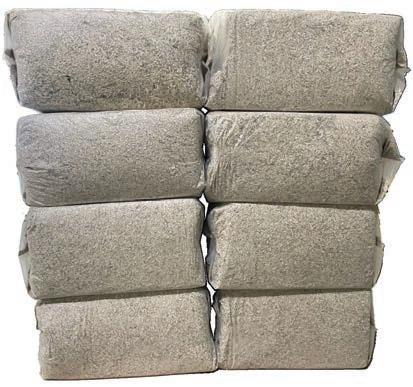
• 15kg compressed bales – easy to transport and handle. One 15kg bale covers 1.1 x 2.1 metres (2.3m2)
• 350kg bulk bags (2,692L) – for cost-effective large-scale use.
Standard Bedding System
• Lay 3–4 15kg bales as a base (45-60kg)
• Top up with 1 bale every 3–7 days.
Deep Bedding System
• Lay 6–8 bales as a base (90-120kg)
• Top up as needed.
Maintenance Tips
• Maintain a minimum depth of 10cm for optimum product performance
• Remove manure daily with a muck fork.
• Take out clumps of urine (they bind like kitty litter).
• Fluff and spread the clean bedding back across the stall.
• No need to strip the entire stall each week — just refresh the wet patches.
• Some users replace hemp bedding every 4 weeks
The Smart Choice for Horses & Owners
Switching to Vital Equine Hemp Bedding means:
• Cleaner air for your horses.
• Softer, drier stalls that protect hooves and joints.
• Less labour and lower costs.
• Faster composting and true sustainability.
• A safer choice – naturally fire-retardant and chemical-free.
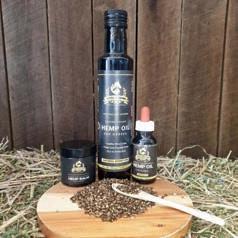
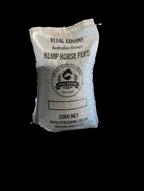
And unlike imports, our Hemp is grown, processed, and packaged in NSW, supporting Aussie farmers while cutting shipping emissions. At Vital Equine, we’ve been pioneering sustainable hemp innovation since 2018. After establishing Hemp for Horses, our facility was tragically destroyed in the 2022 Lismore floods. But we’re back – stronger than ever – with our Vital Equine range of feeds, oils and balms alongside our Vital Equine Natural Hemp Bedding System.
Ready to Make the Switch? www.vitalequine.com.au
Give your horses the comfort, health, and care they deserve – while saving time and money.
We provide a cost comparative bedding to pine shavings that can dramatically reduce labour costs and the amount of bedding material used each month.
Do you run a stable or fodder store? Contact us for bulk orders, sponsorship or wholesale enquiries.
Visit www.vitalequine.com.au to order today.
We deliver bulk orders to the Gold Coast and Northern Rivers and effective delivery and bulk pricing solutions across Australia.
Vital Equine is available at your local McGregor Gourlay store and the Mullumbimby Rural Co-Operative.
Modern and Progressive Equine Care Based in Murwillumbah
Services Offered Include:
• Preventative Health
• Lameness Evaluation
• Dental Health
• Reproductive/Neonatal Services
• Emergency Care
• Diagnostic Services – ECG, X-Ray, Ultrasound and Endoscopy
• Routine Surgery
• Pre-Purchase Examinations
Providing the highest quality of equine veterinary dental care. Servicing Sydney and Melbourne.
E: vetbloke@hotmail.com
EQUINE FIRST AID CERTIFICATION COURSE
This course is designed for horse professionals. Whether you are an equine bodyworker, nutritionist, trainer, farrier, transporter, owner or handler, this program is for you! Enhance your credentials with a certification in Equine First Aid. Basic & Advanced First Aid 45 lessons and over 3 hours of video content. Enrol