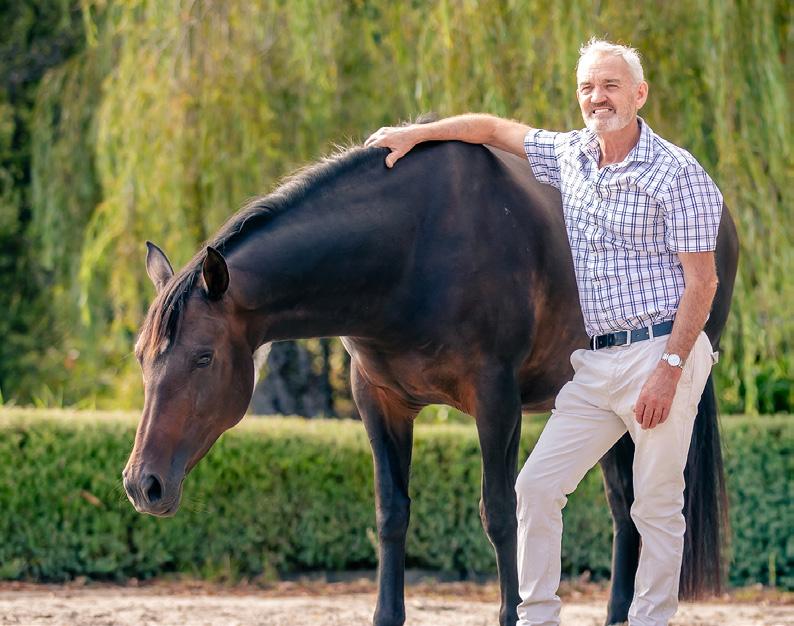
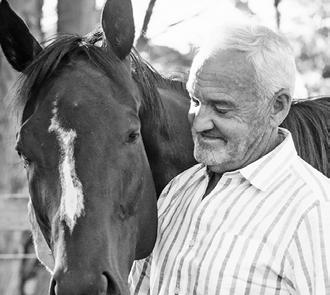
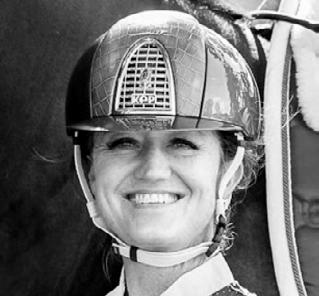
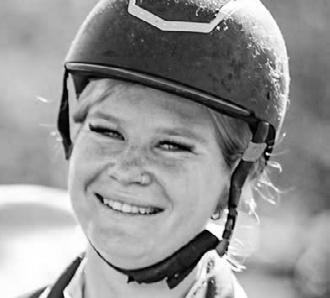
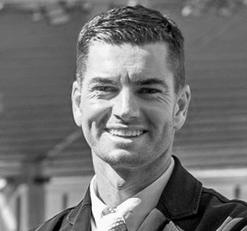
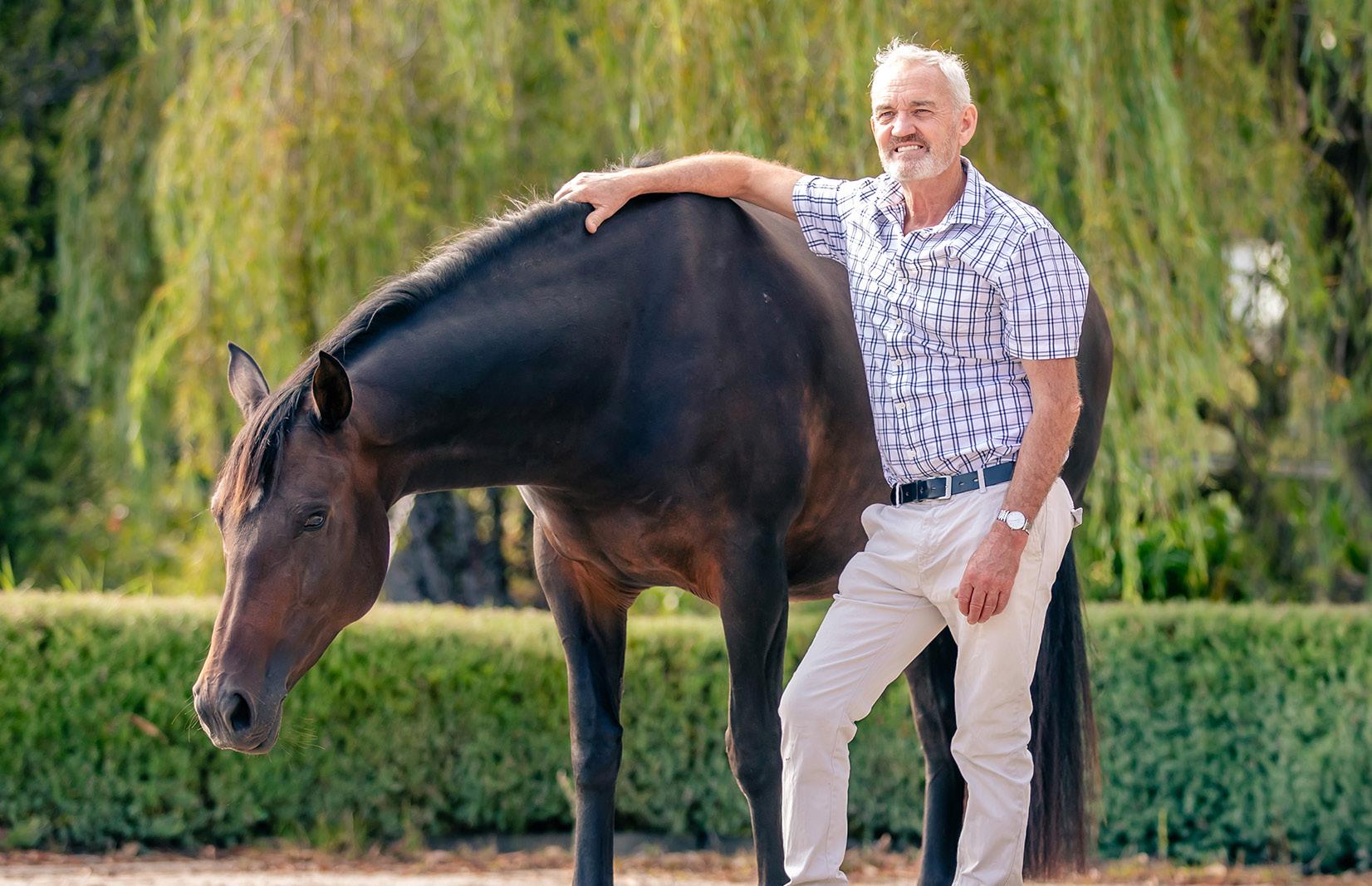
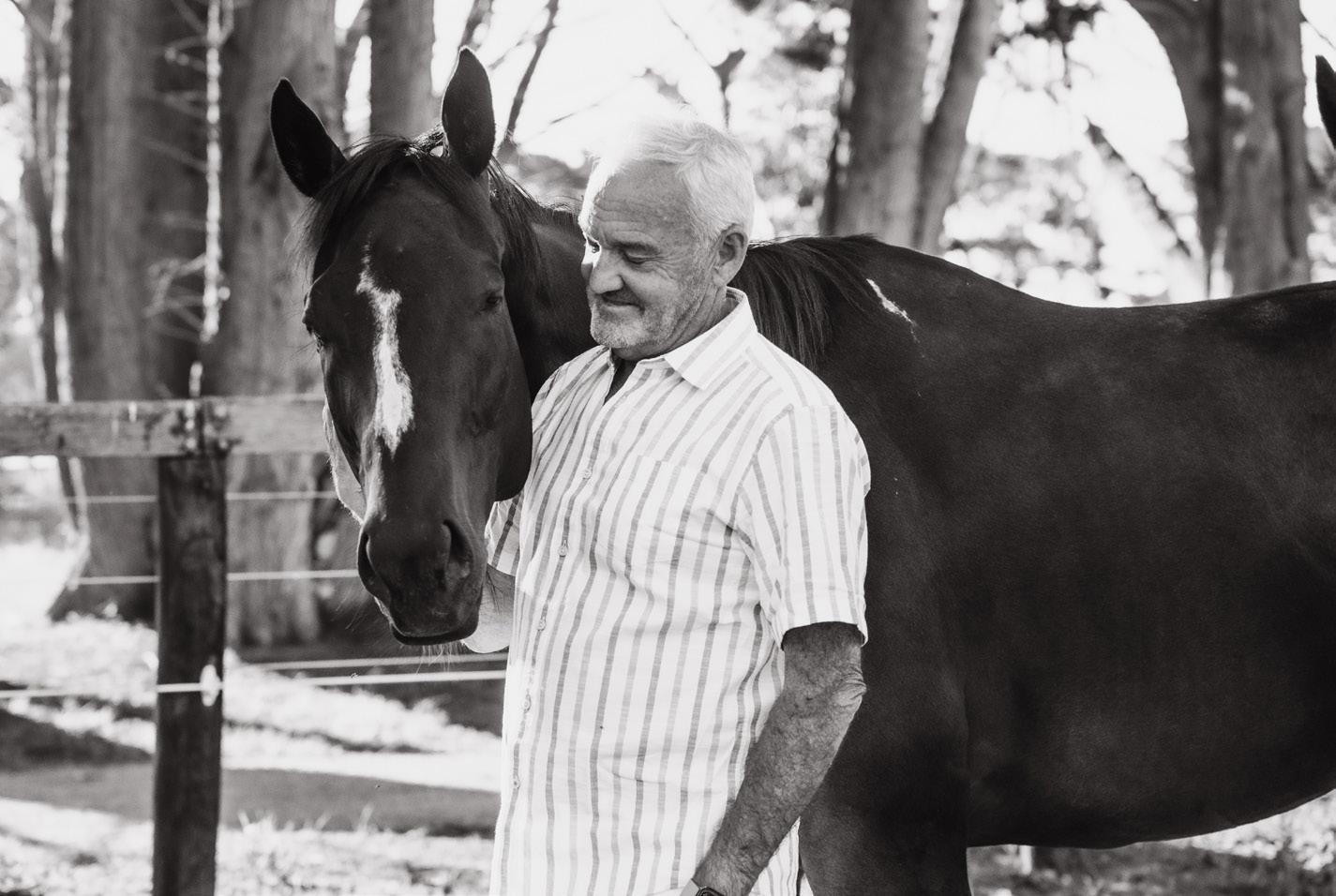
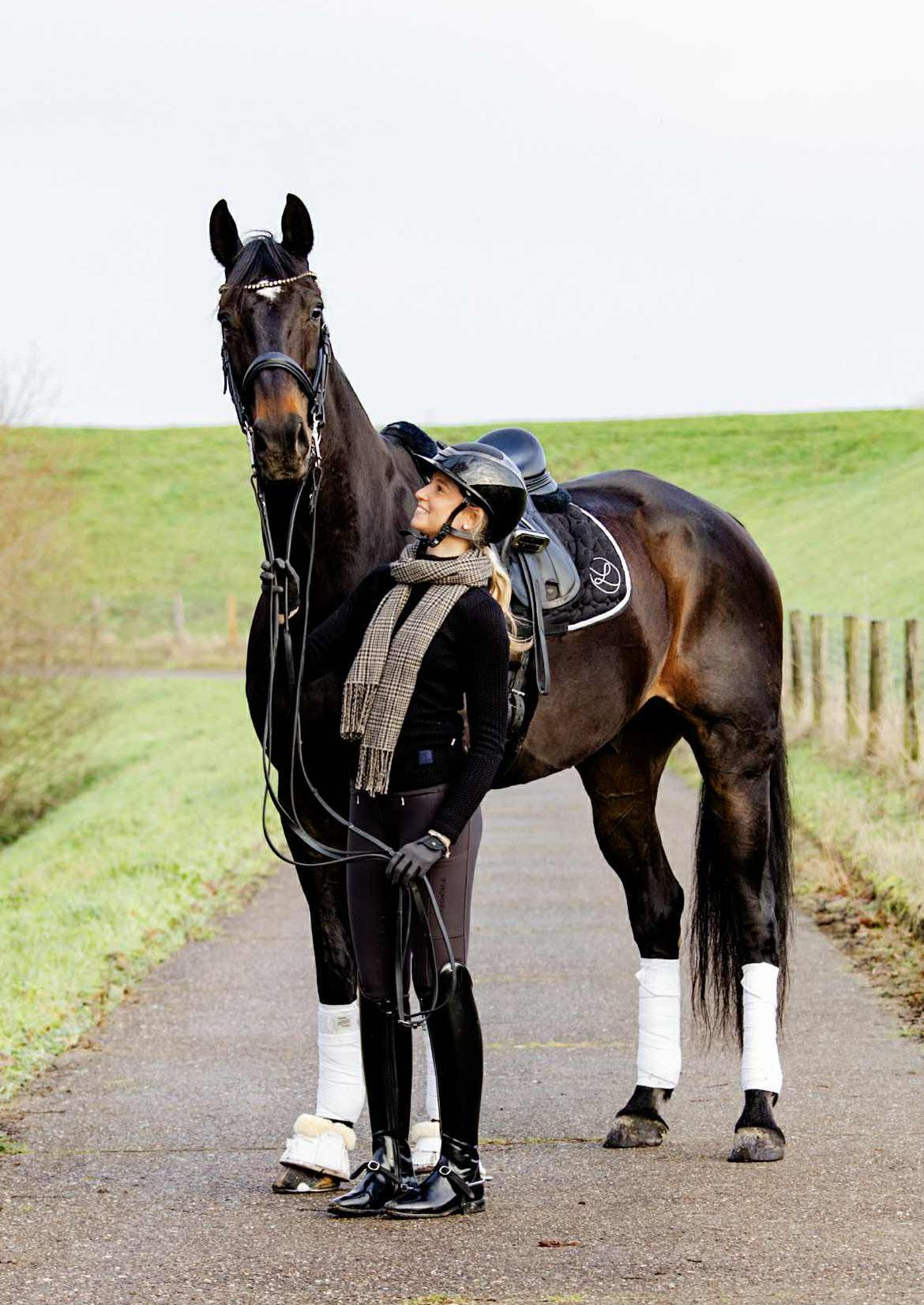
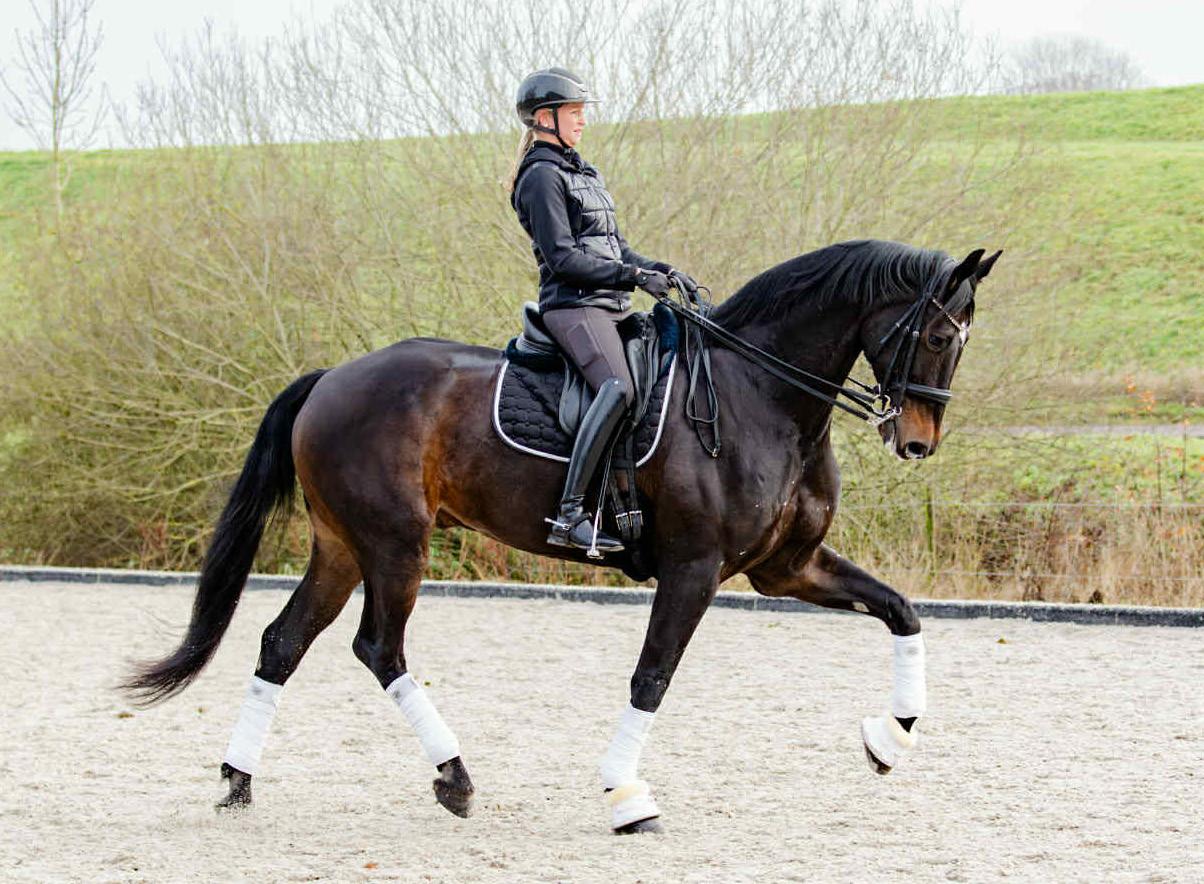
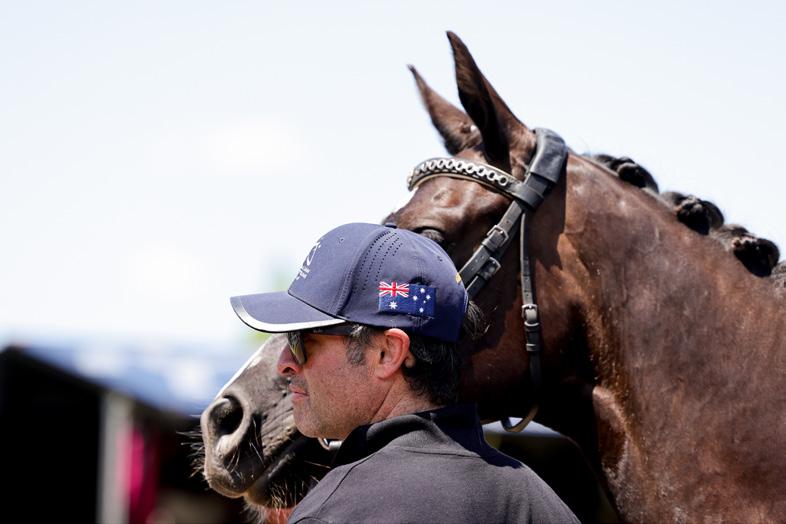
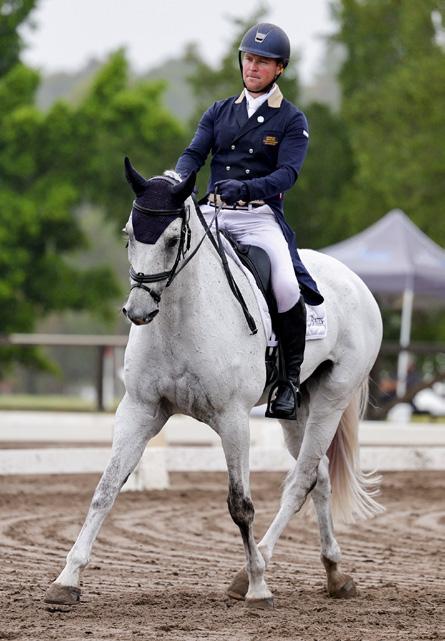
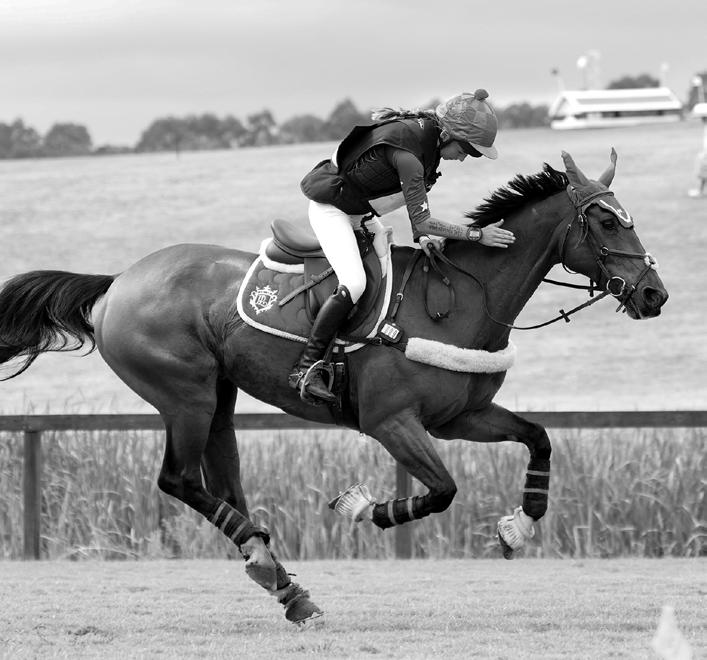
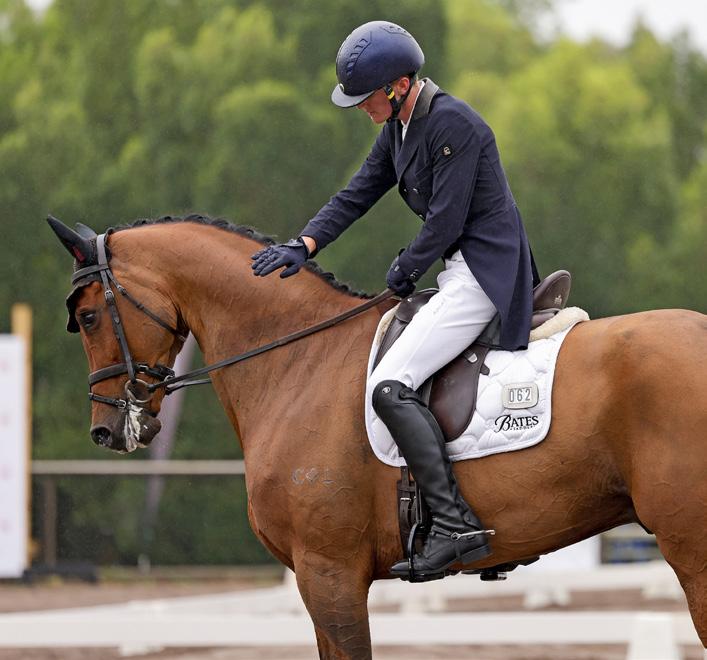
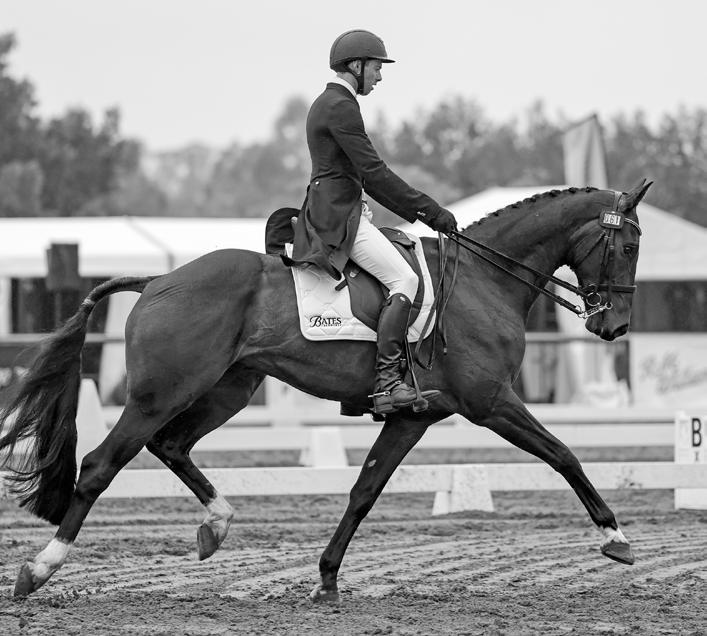
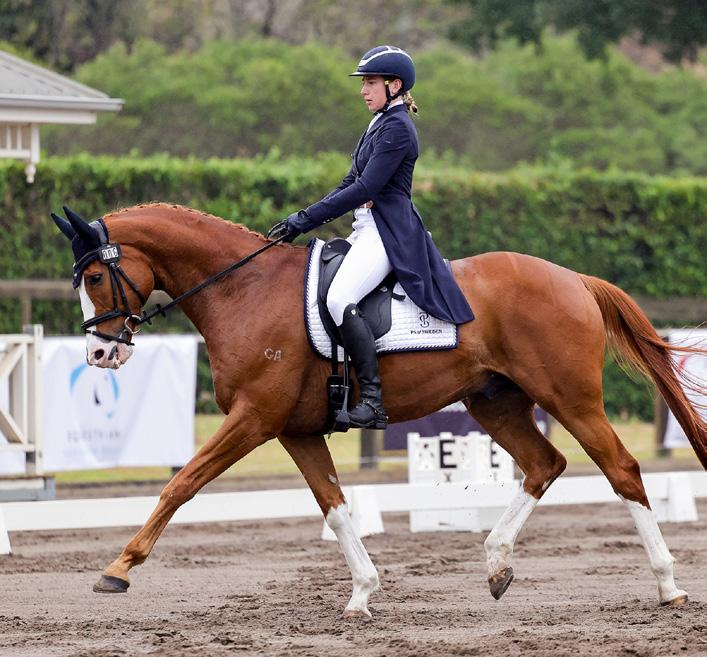
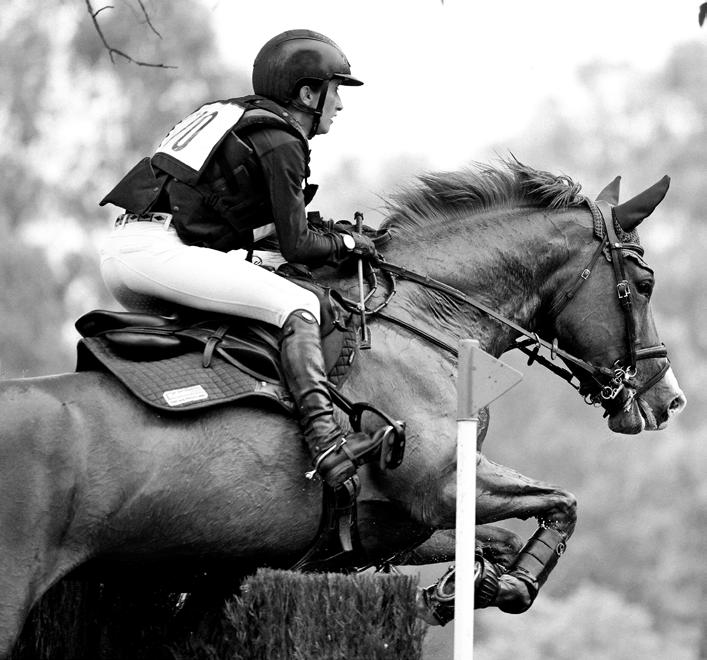
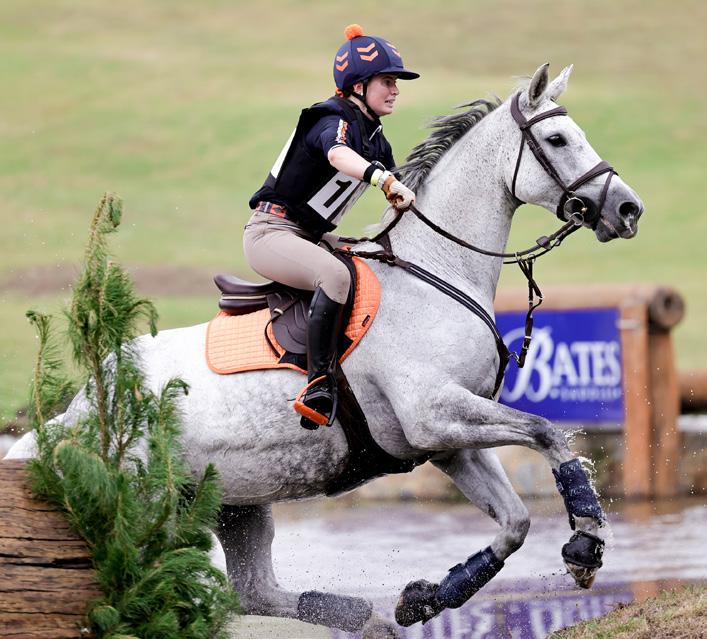
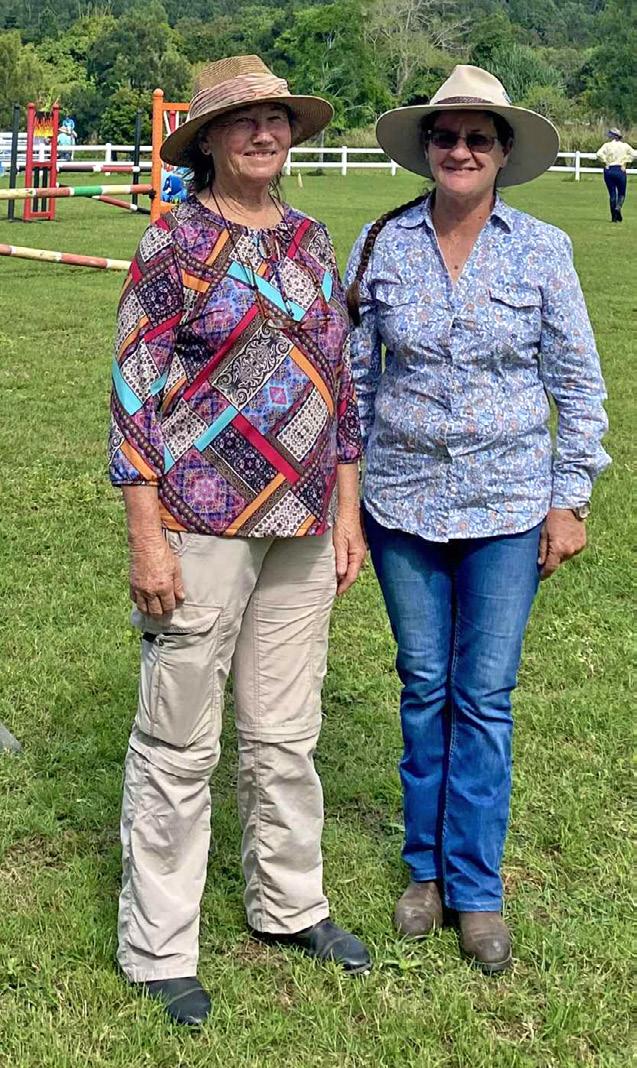
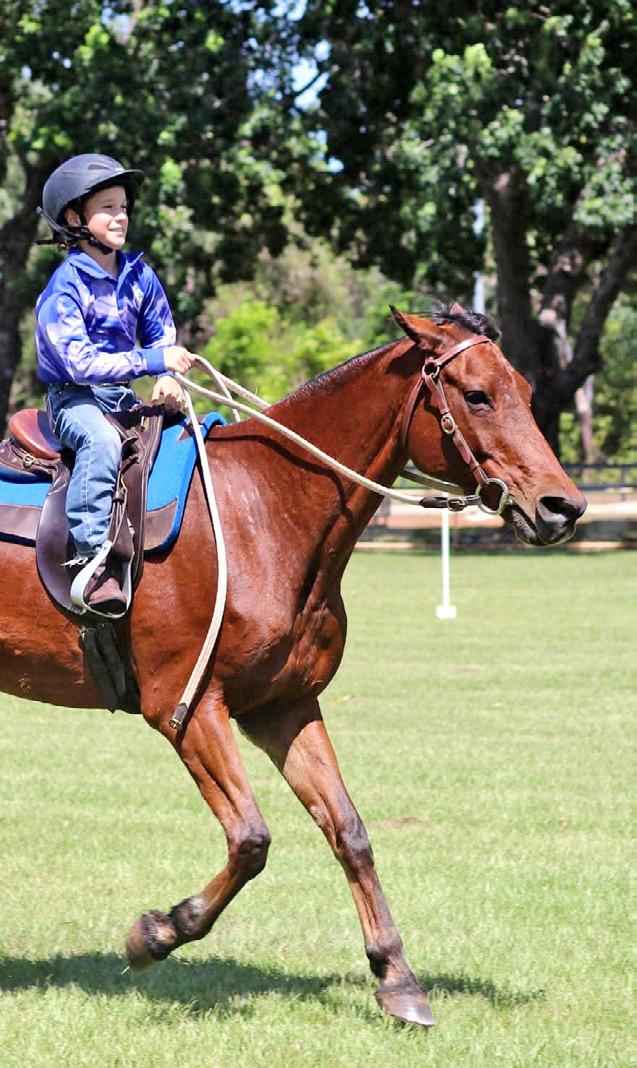
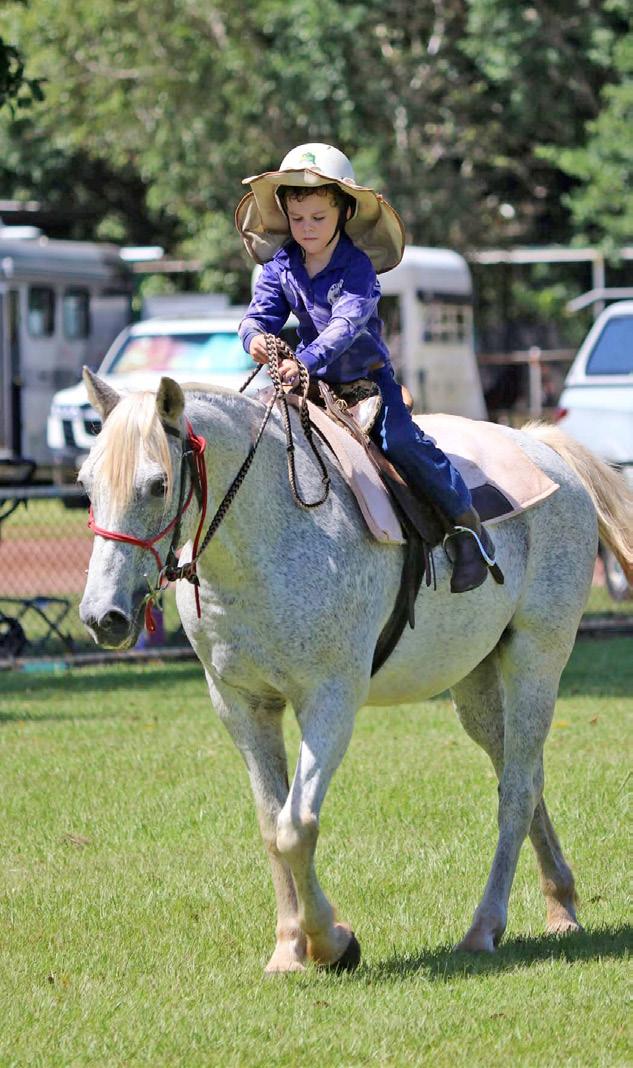
Andrew is the CEO of Equitation Science International, and an Honorary Fellow of the International Society for Equitation Science. He's a member of both the FEI's Equine Welfare Advisory Group - tasked with providing independent advice on the FEI's Equine Welfare Strategy - and their Ethical Training Methods Expert Consultative Group. In this issue, he goes in depth on understanding the horse’s mind and how they learn.
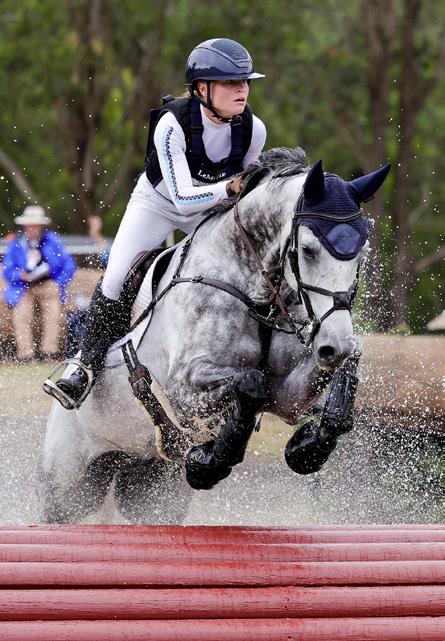
Taylor Escriva
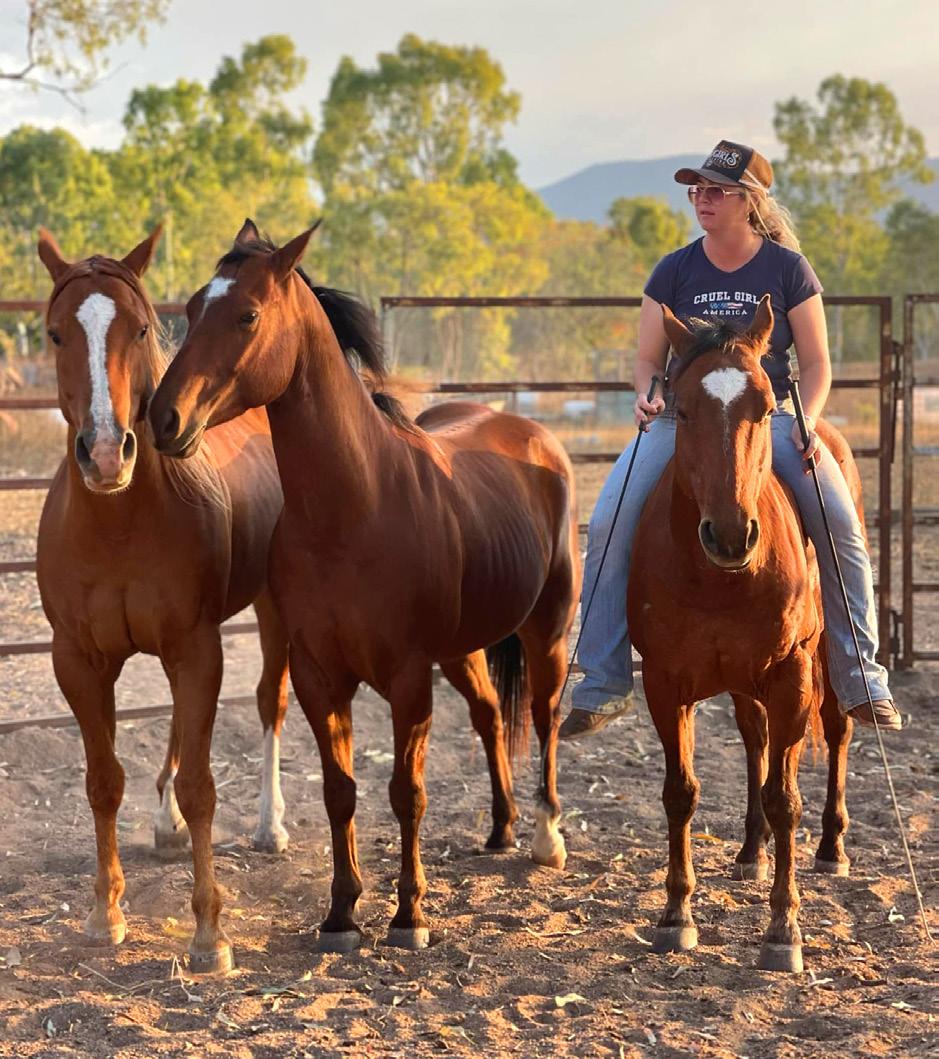
Rohan Marks
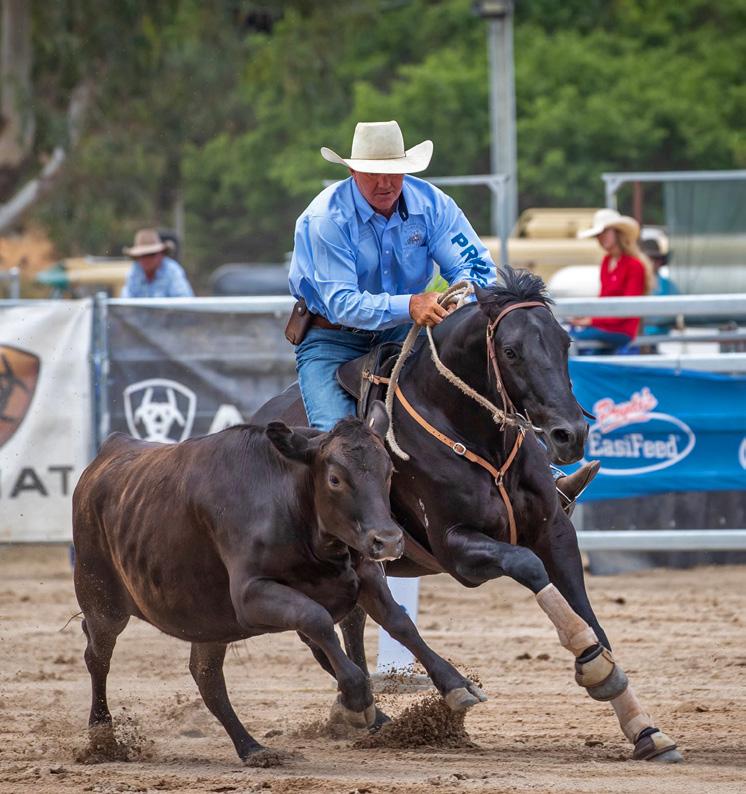
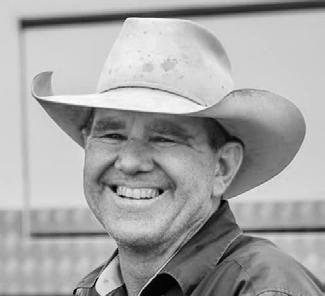
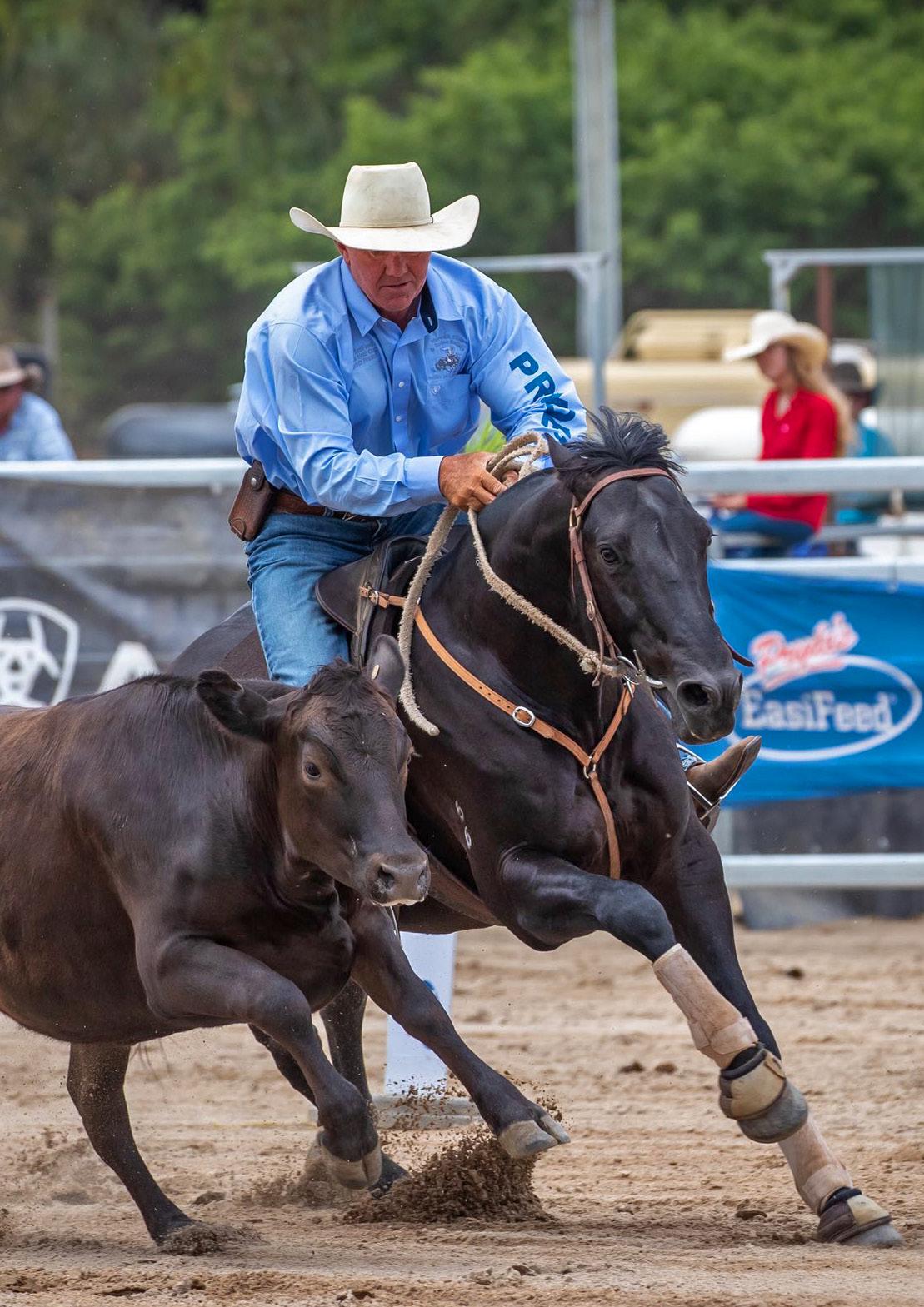
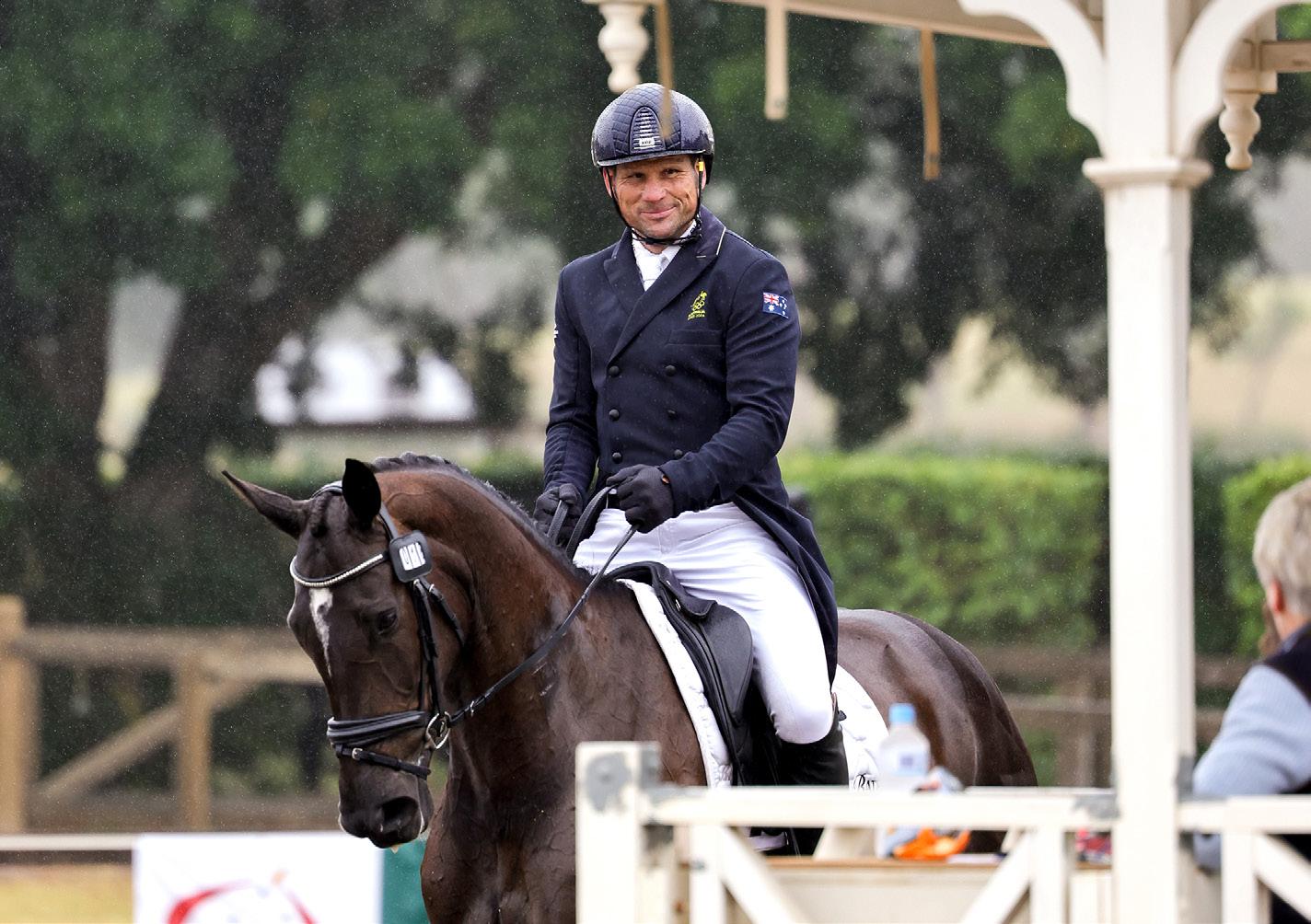
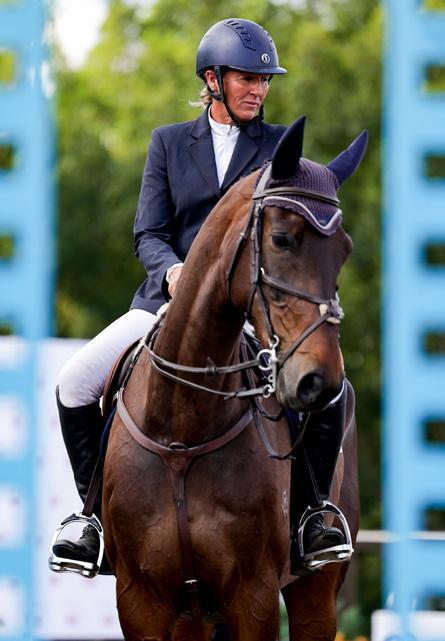
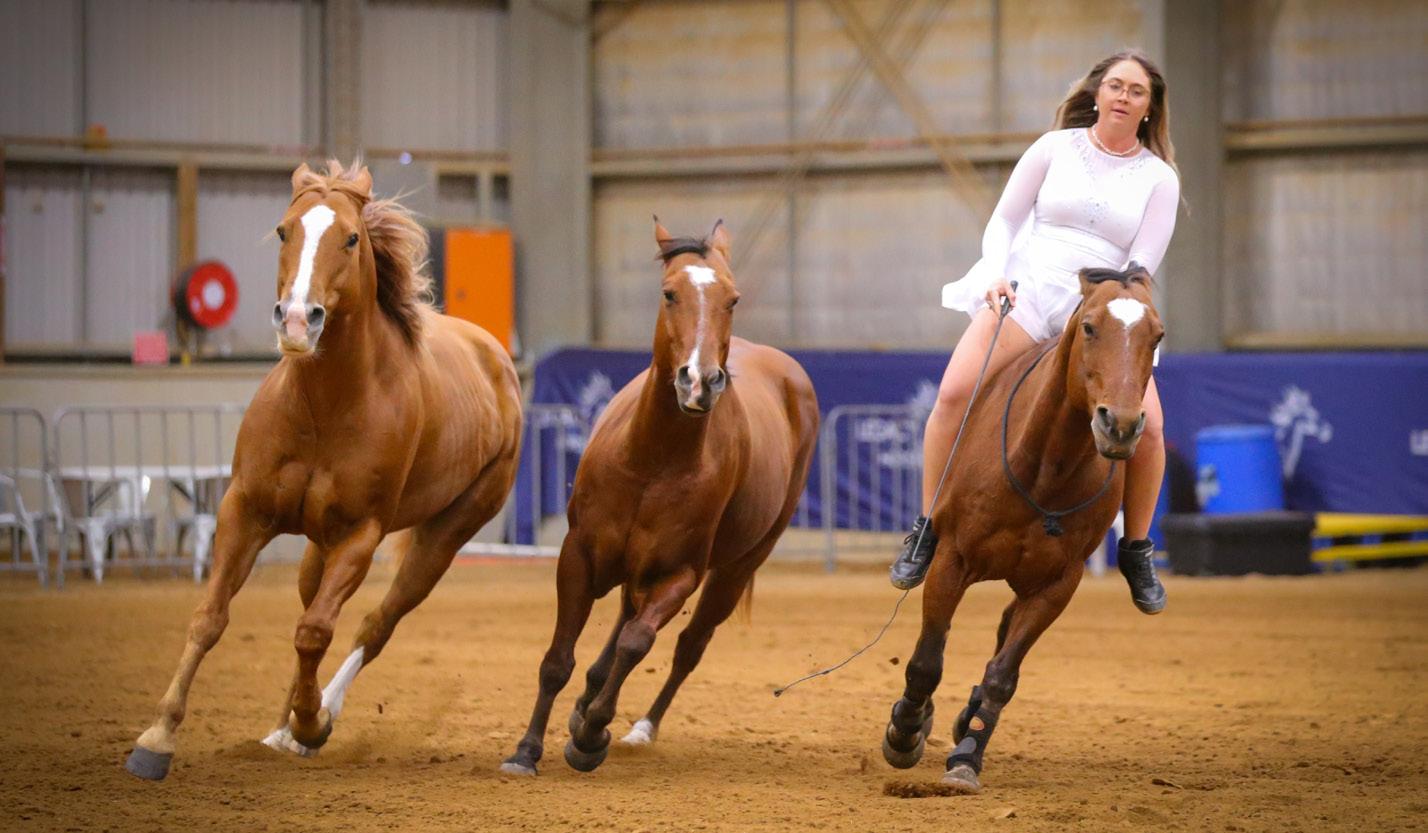
Rohan has just won the Warwick Gold Cup, campdrafting's most coveted award, aboard his outstanding stallion Linesman. We speak to Rohan about the lead up to the show, his approach to the competition, how he builds trust with his horses, his advice for up and coming riders, and looking forward to a future that includes working with Linesman’s talented progeny.
Tom McDermott
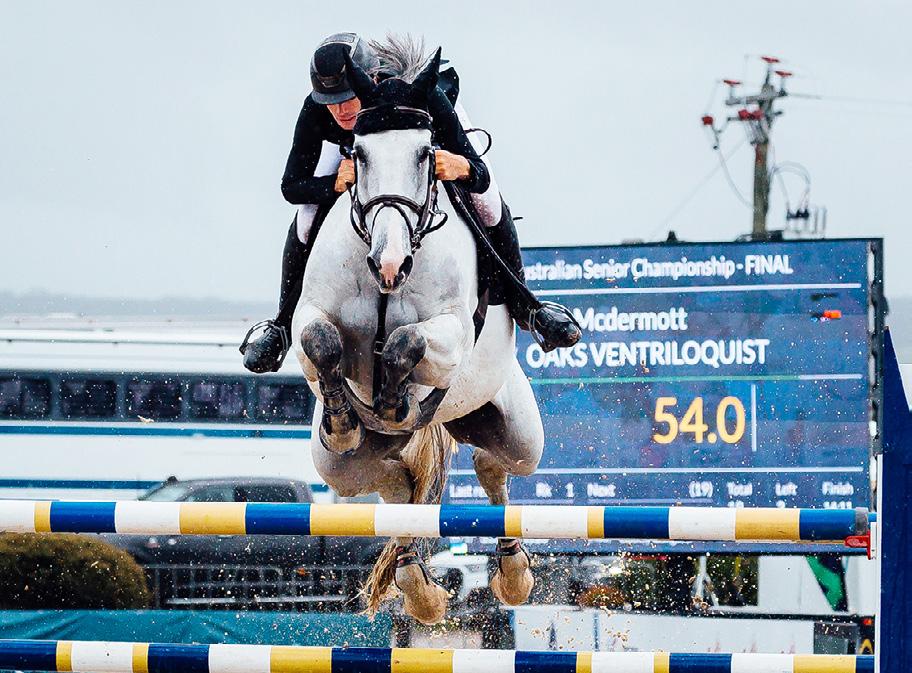
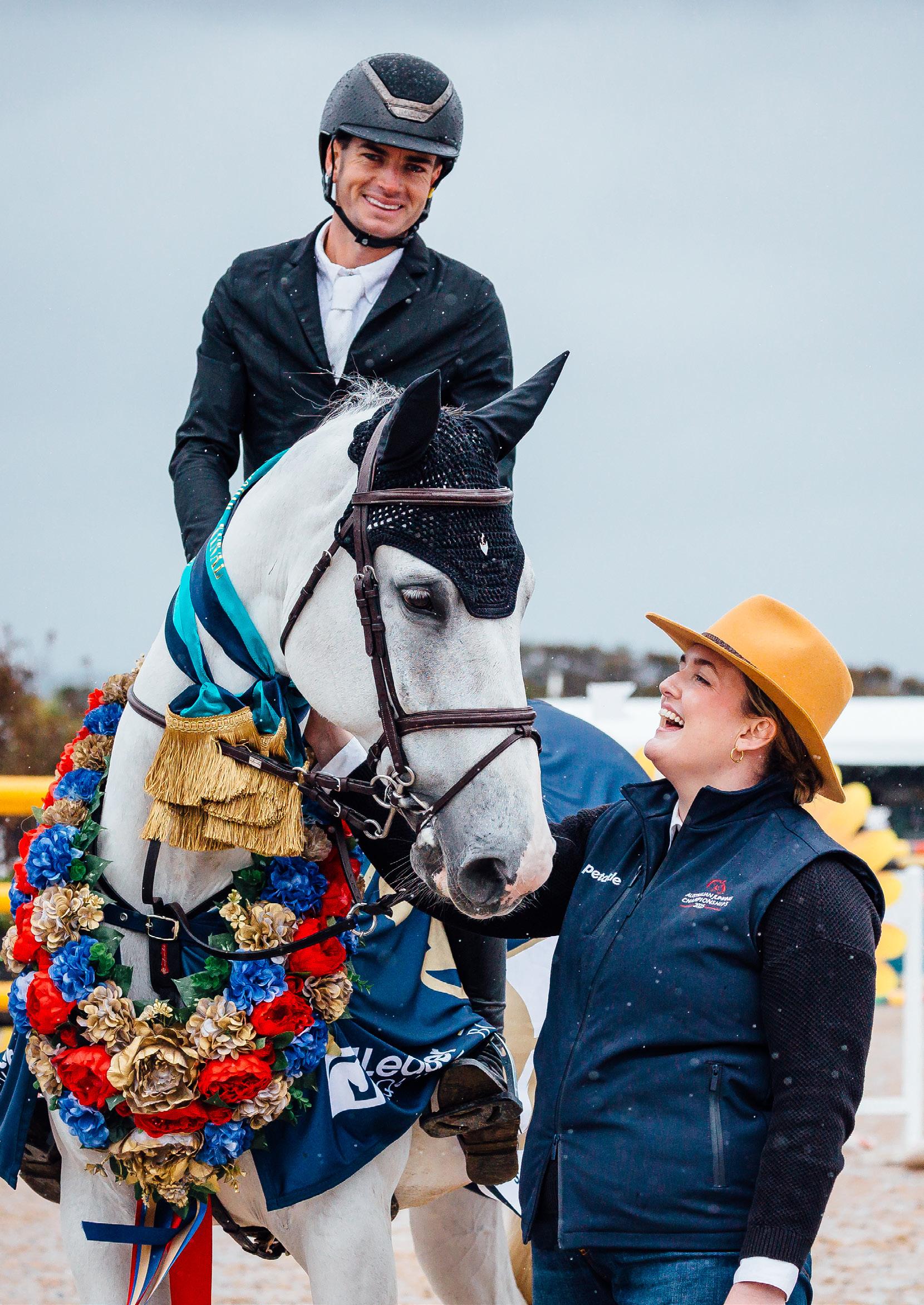
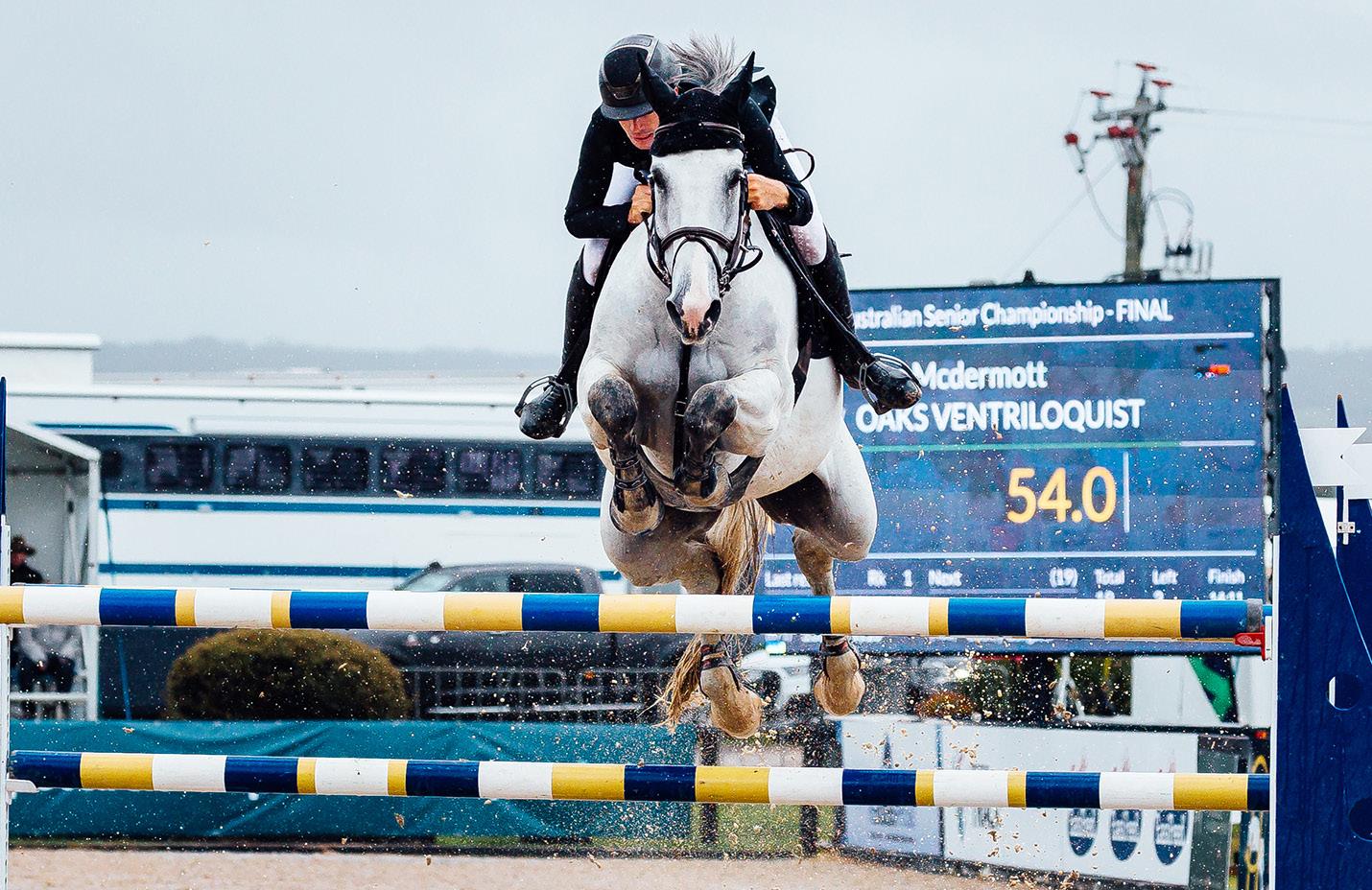
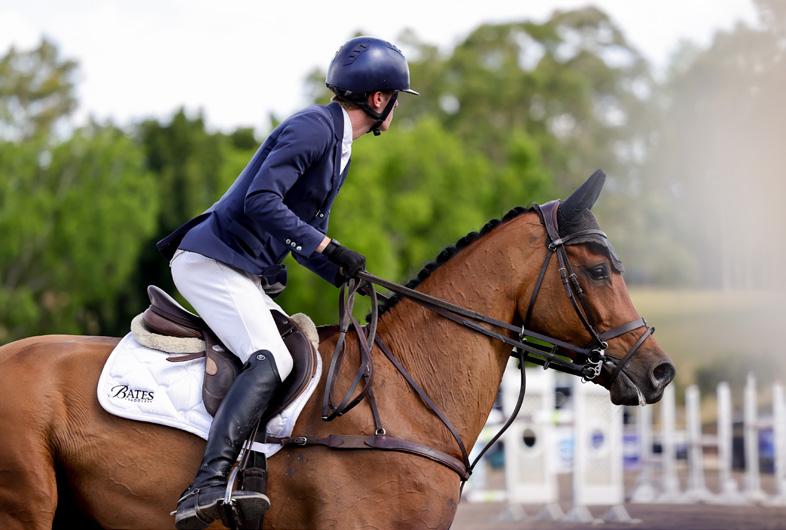
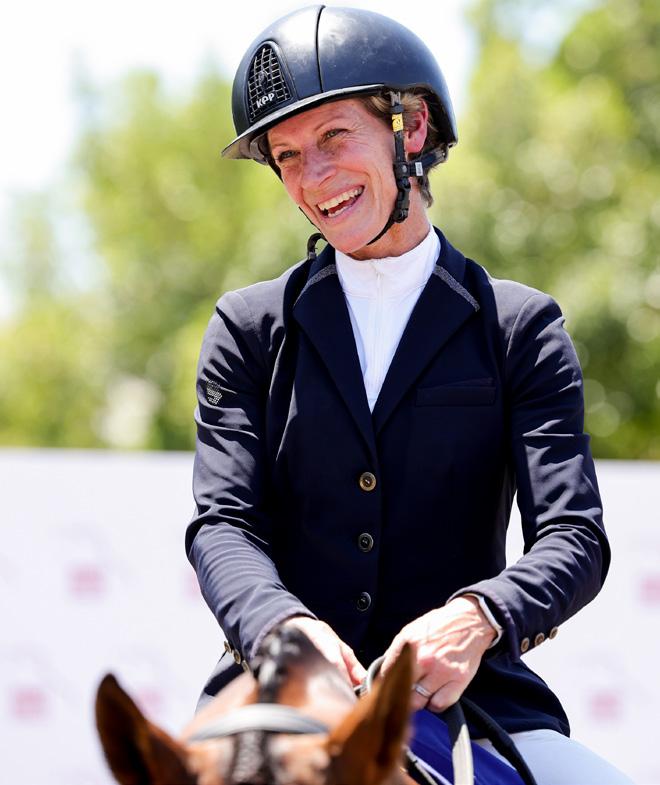
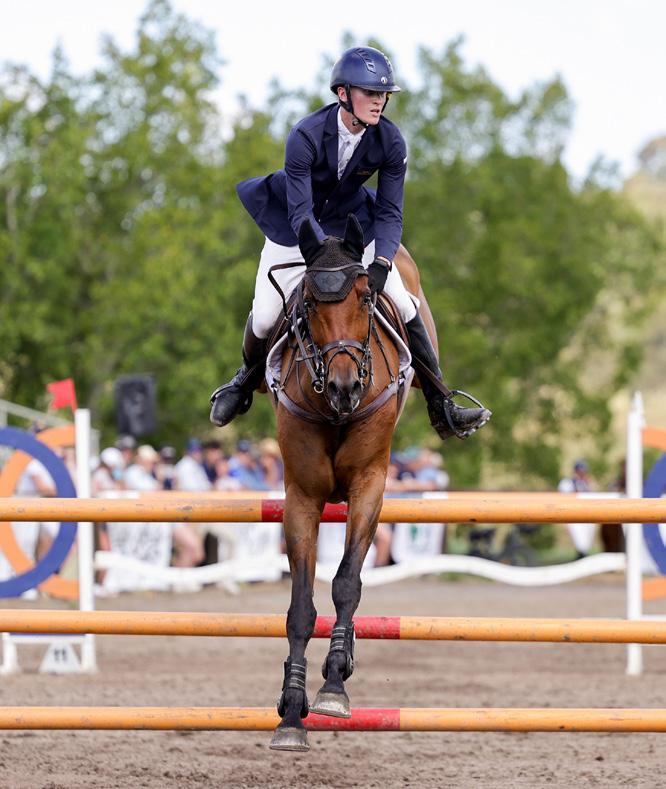
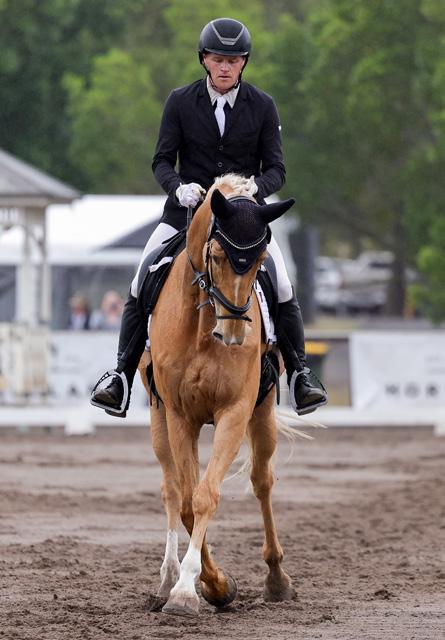
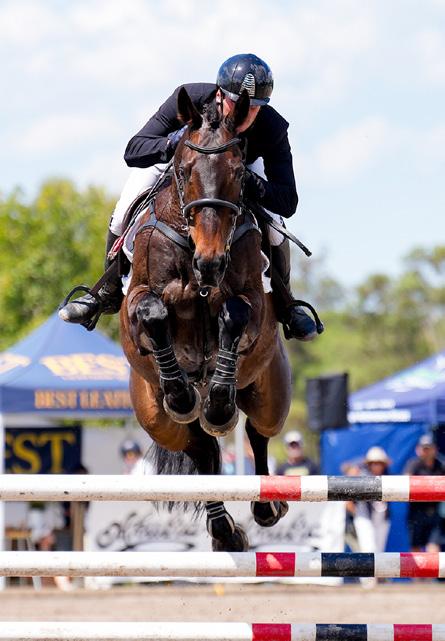
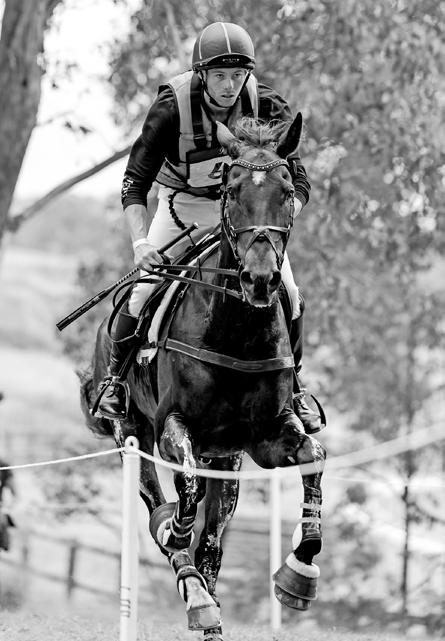
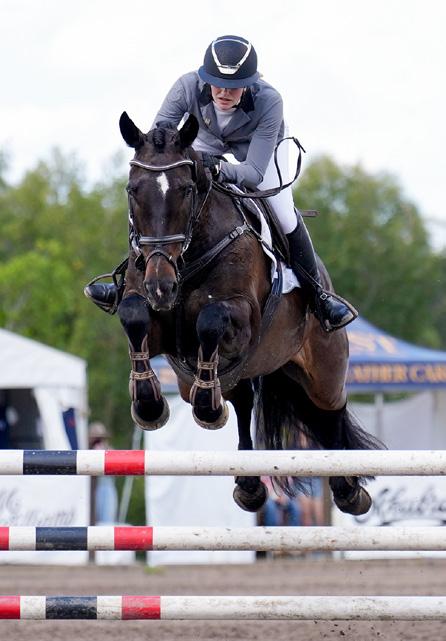
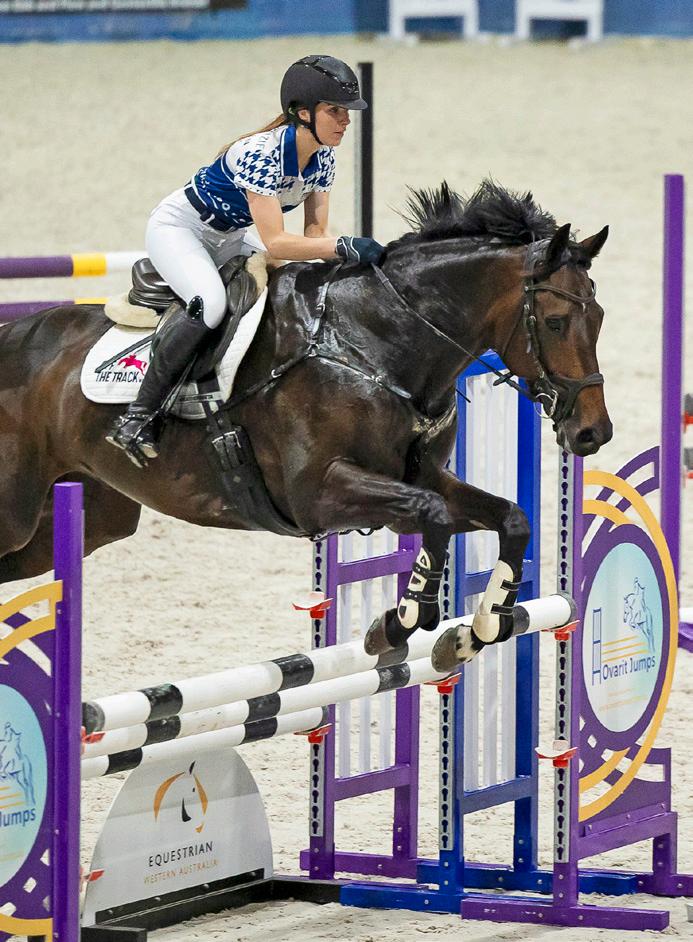
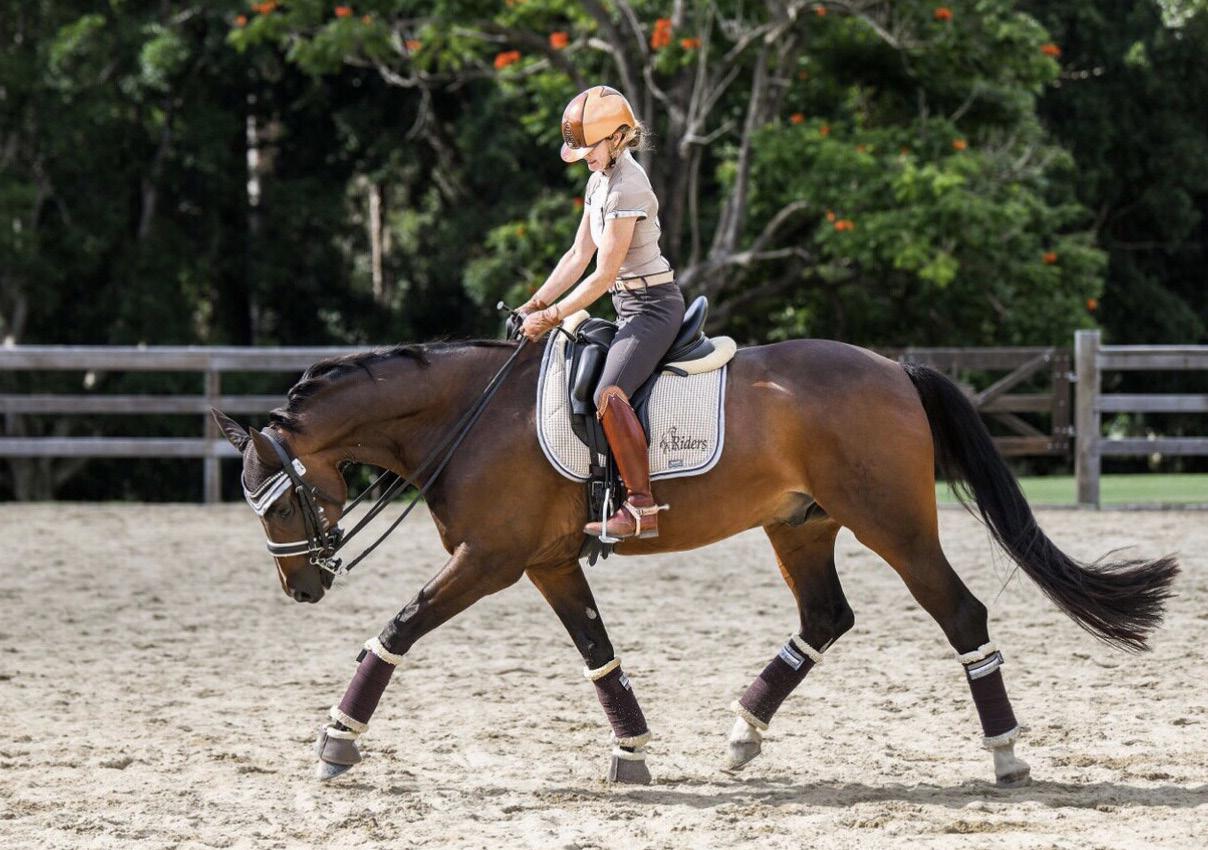
Tom has more than earned his credentials as one of Australia's top show jumpers. The youngest rider ever to win a World Cup, his list of wins and places is a long one, with the prestigious Senior Championship at Boneo Park aboard Oaks Ventriloquist the most recent. We speak to Tom about his strategies in the ring, stress management, his team, and what he'd like young riders to know.
Dr Jennifer Stewart B.V.Sc., B.Sc., Ph.D.
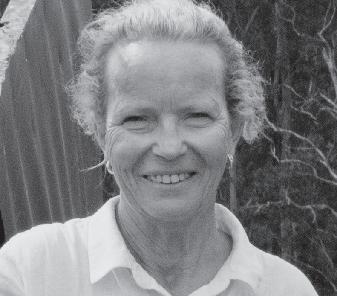
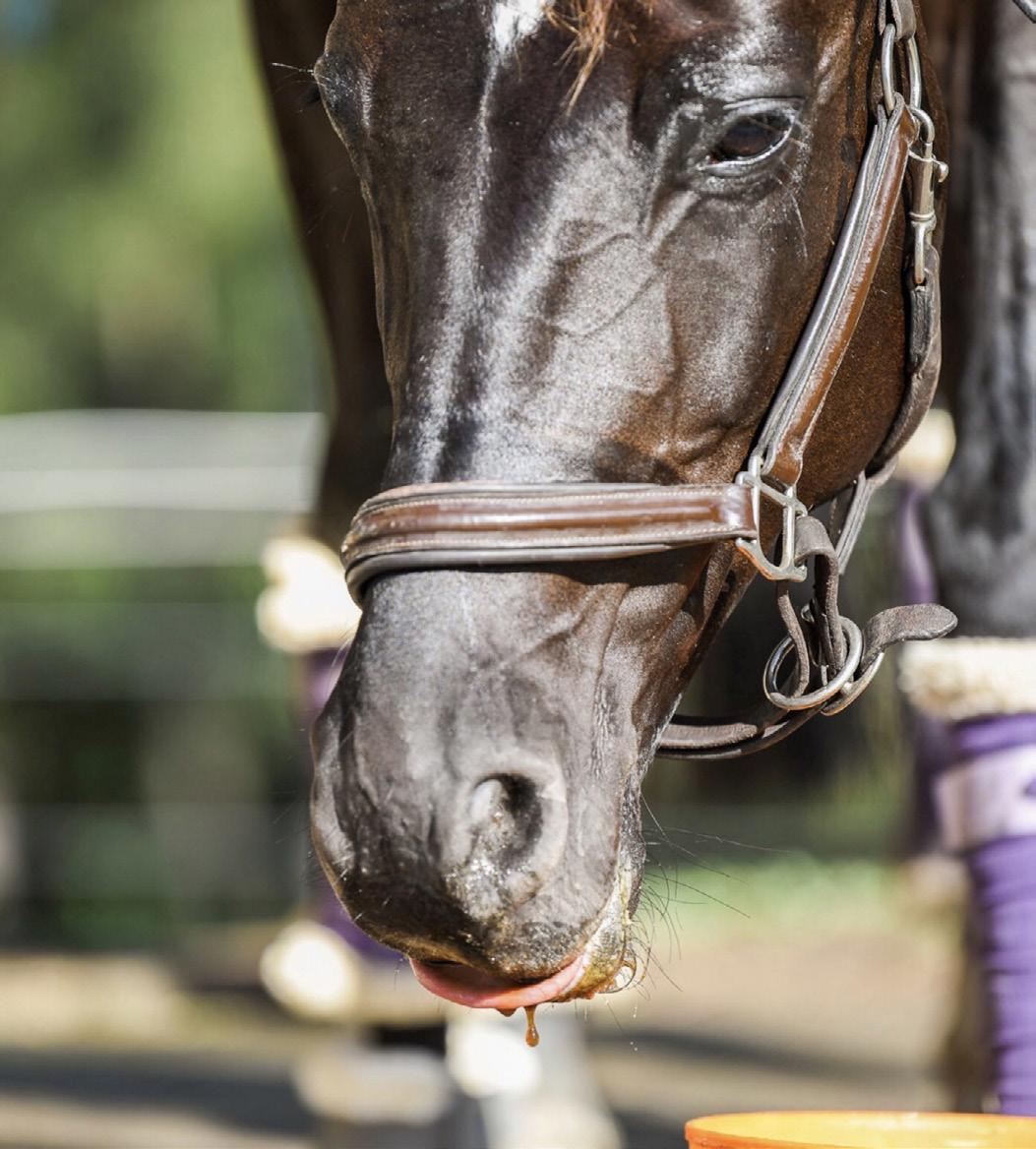
With over 40 years’ experience as a veterinarian in mixed and equine practice, Jennifer’s special interest is equine nutrition. She was a Senior Veterinary Officer with the Australian Department of Agriculture, Water and the Environment for 10 years, and a Biosecurity Veterinarian with the ACT Government for two years. This month, she discusses assessing your horse's body condition and fitness.
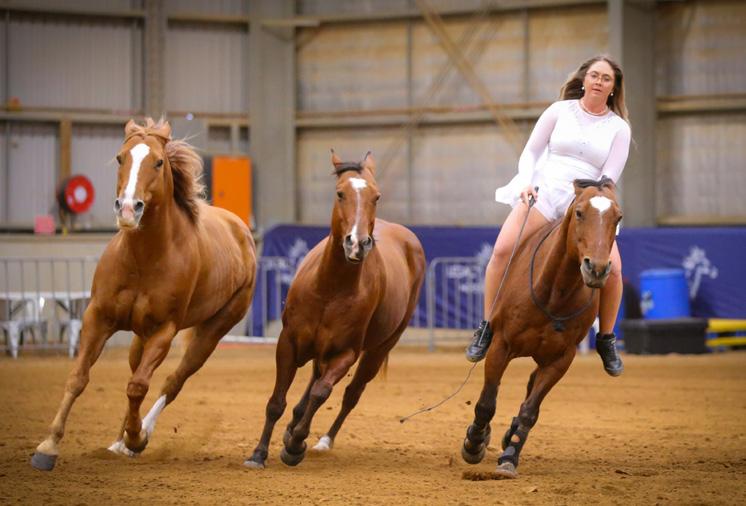
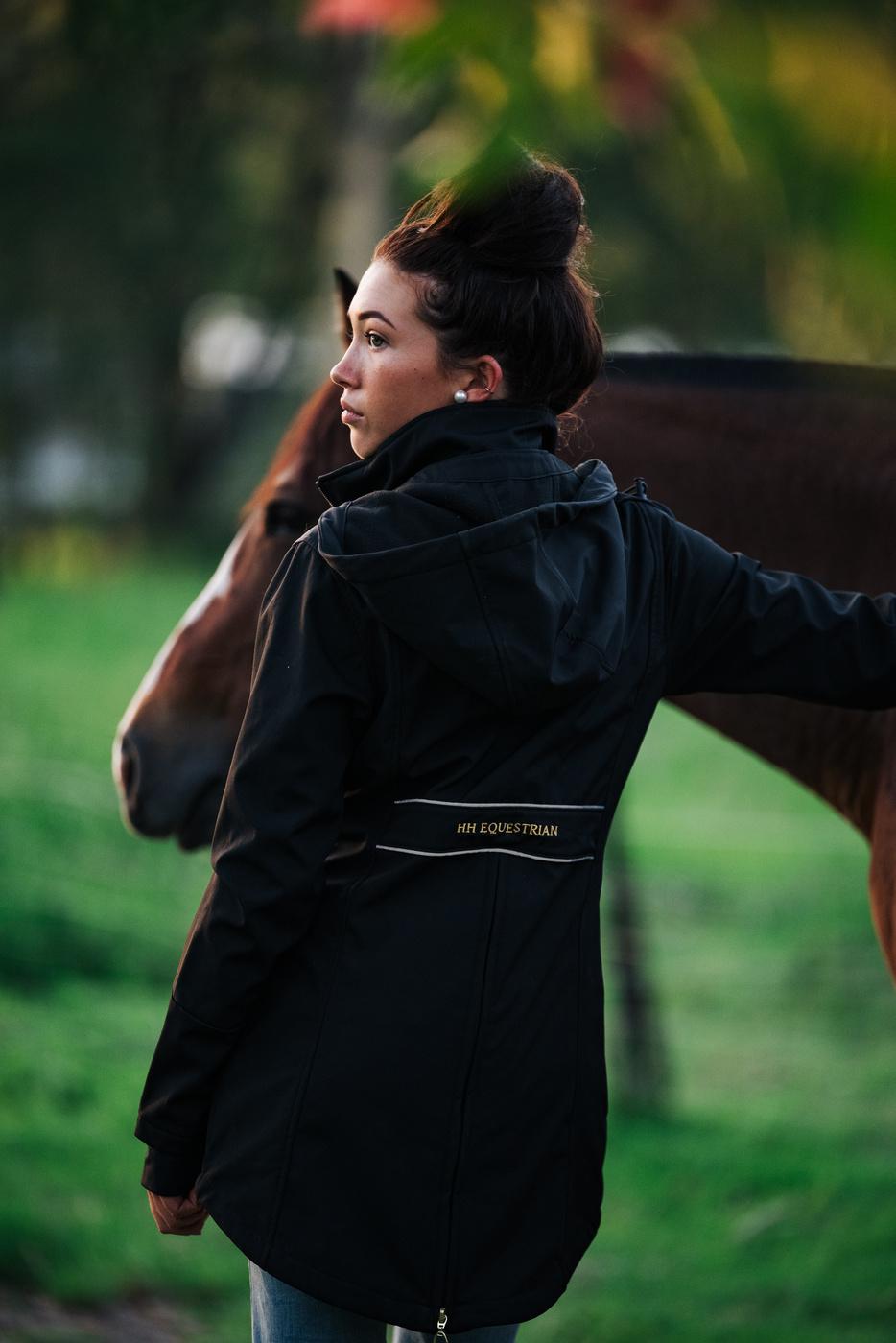
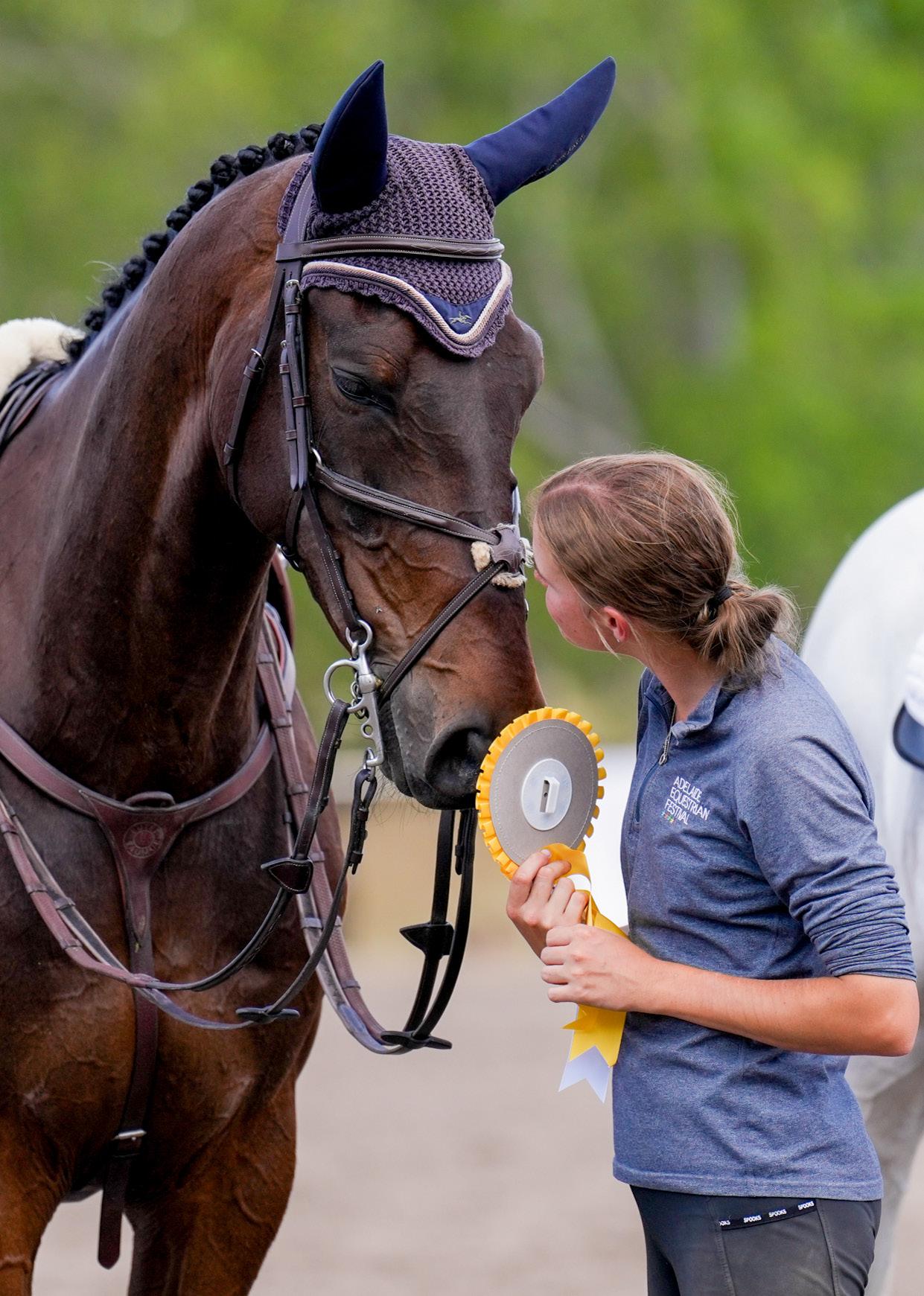
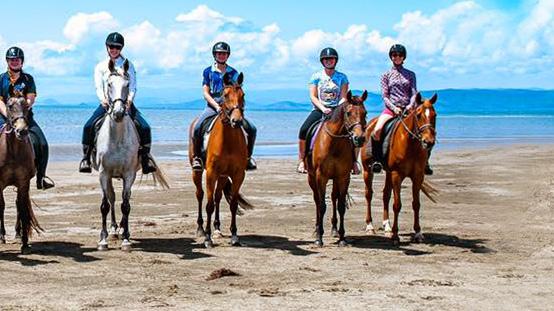
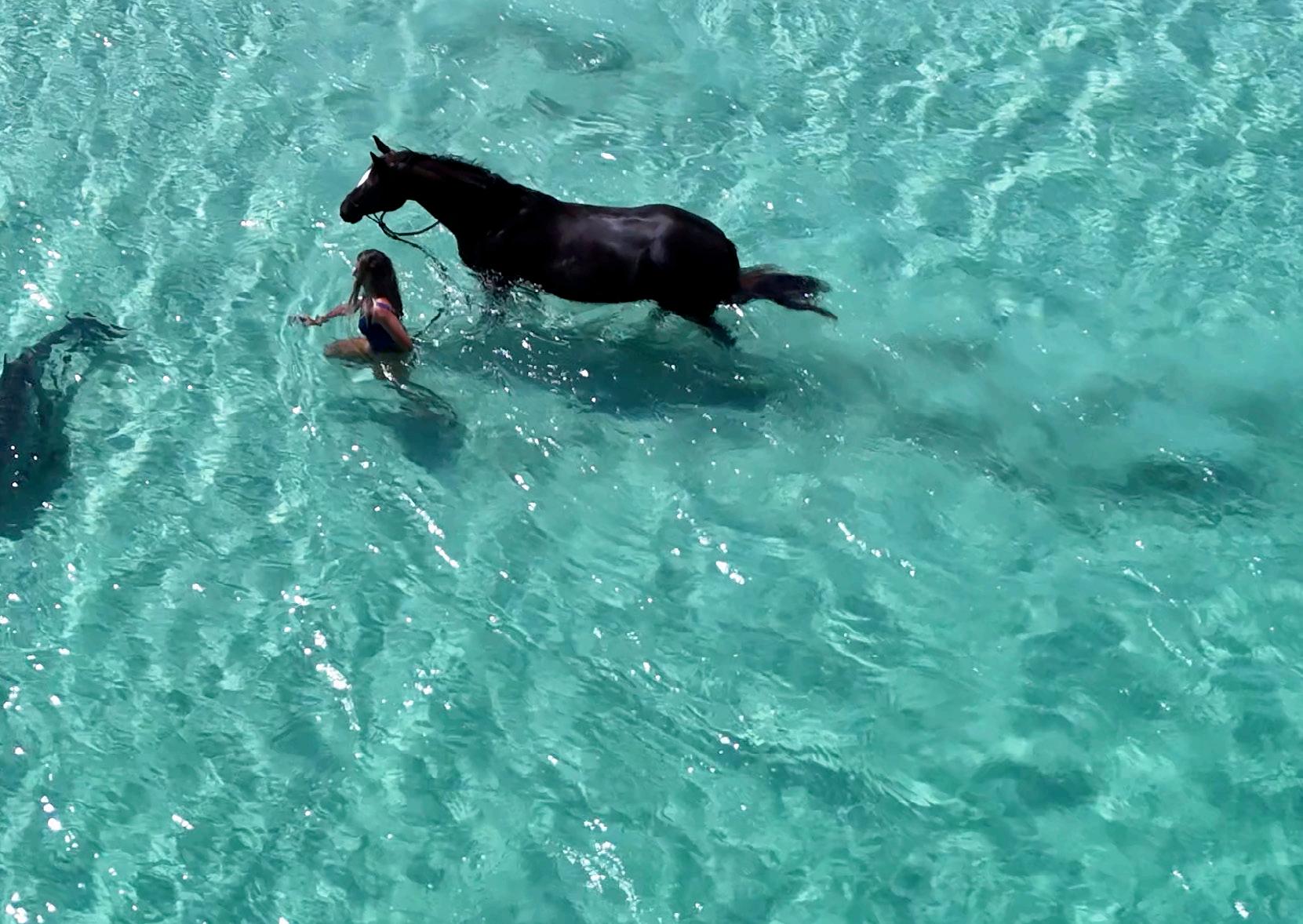
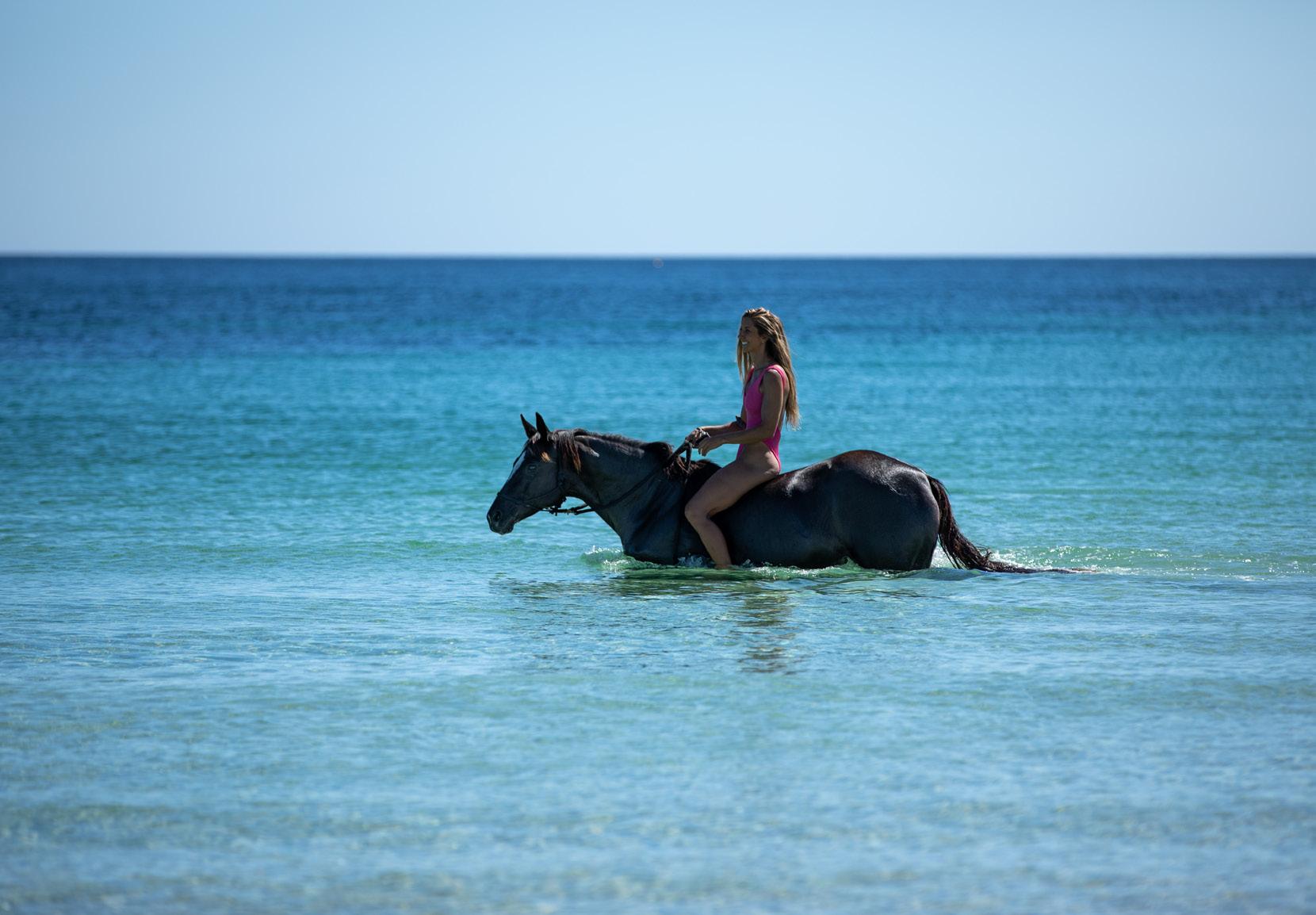
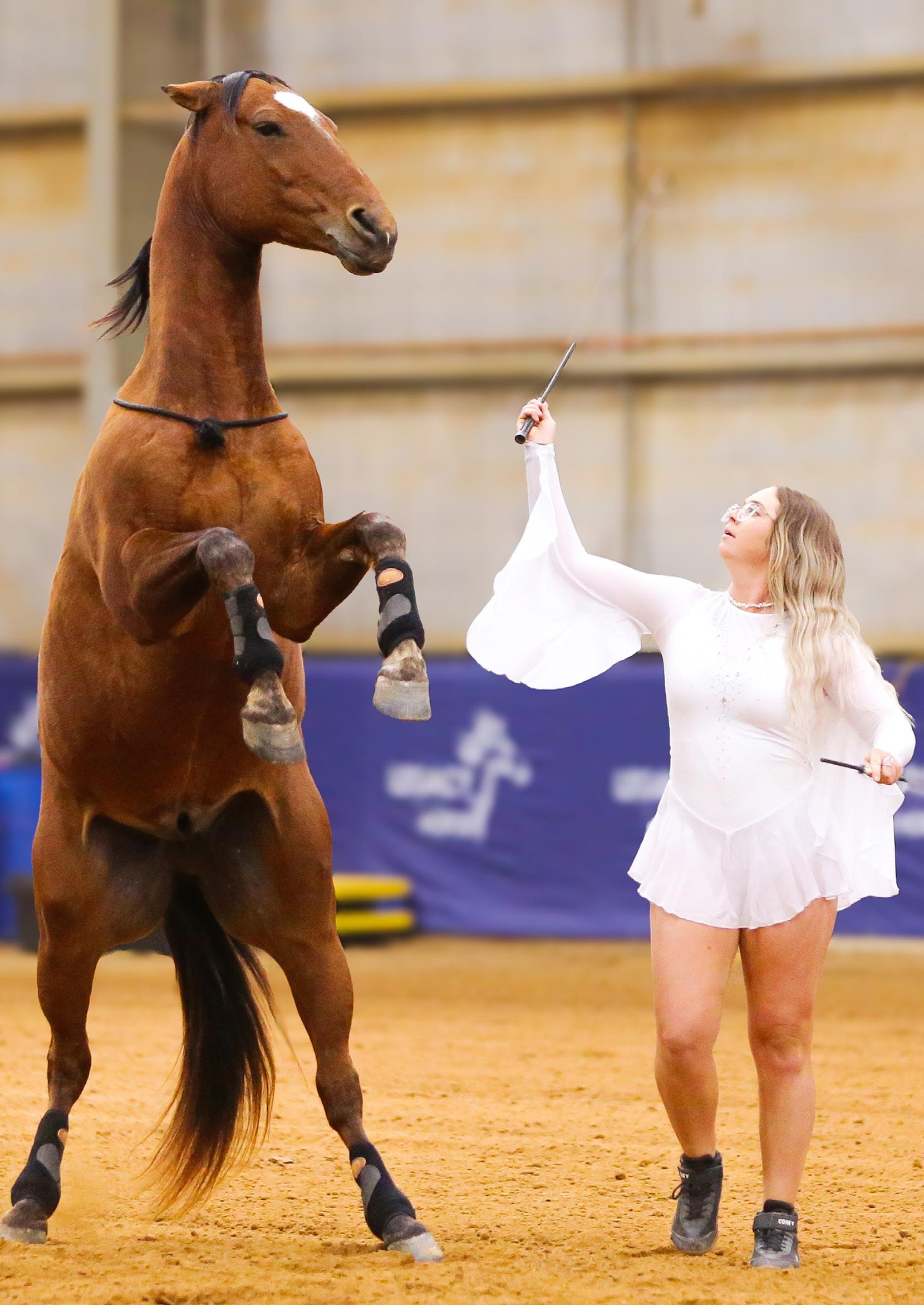
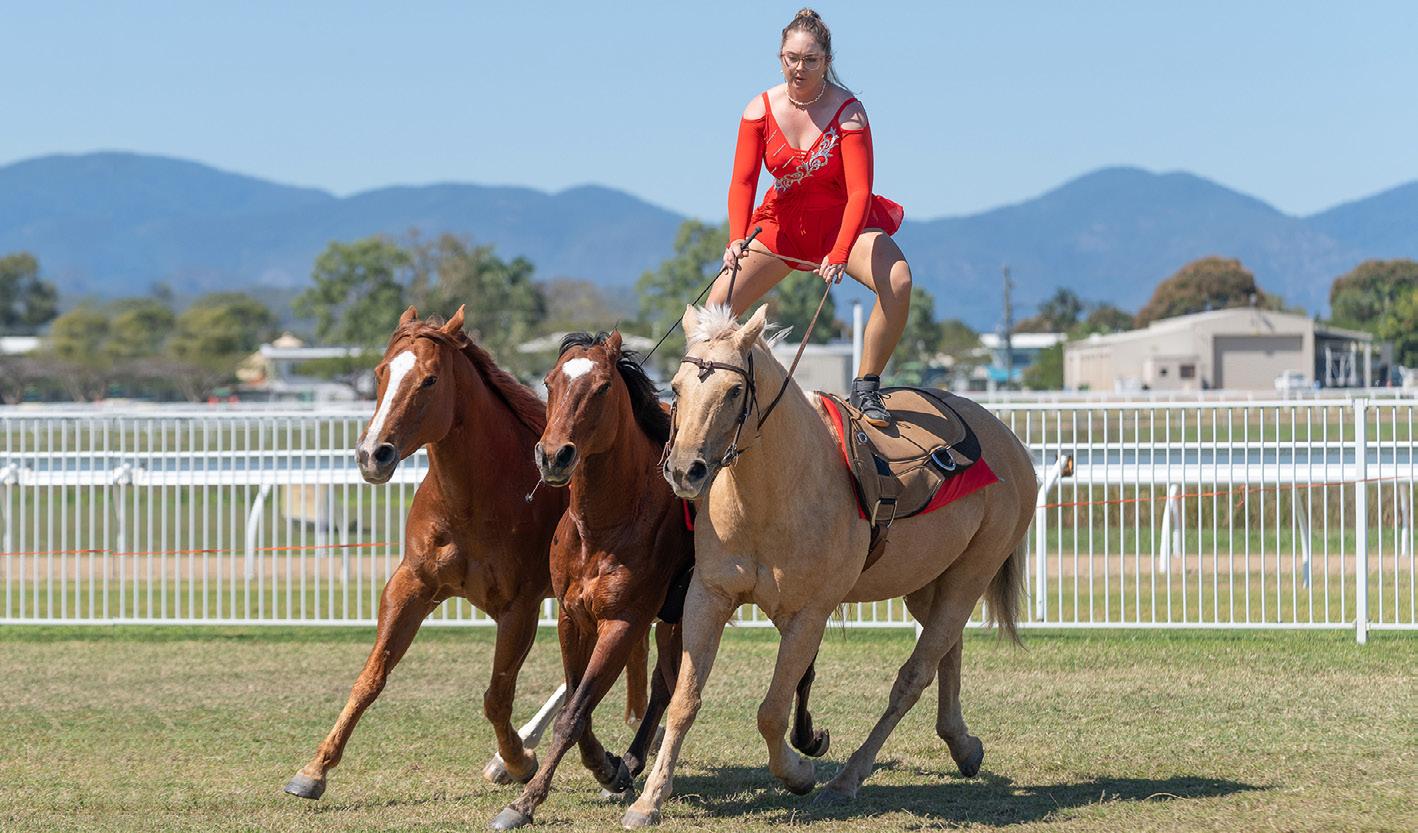
Taylor has been horse obsessed since a child. Learning on Cherry, her first pony, she later attended a horsemanship clinic that opened her eyes to a new way of communicating with horses. Determined to learn all she could about working with horses at liberty, she travelled to the US, learned trick and roman riding, and has appeared in many shows. Her story is inspiring - don't miss it.
Anne-Marie Lasserre
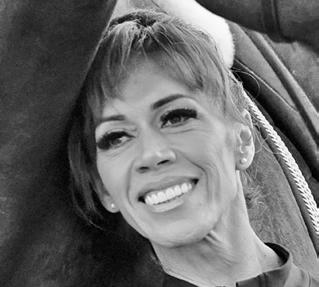
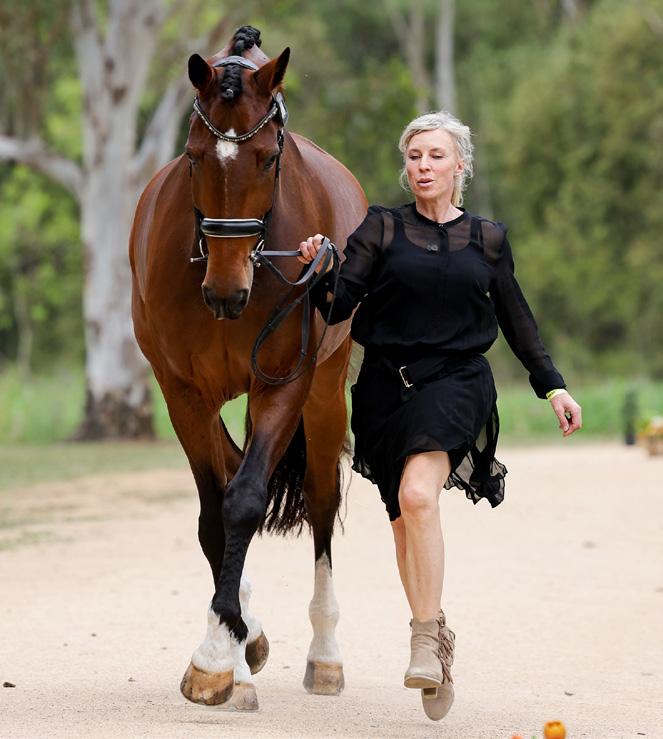
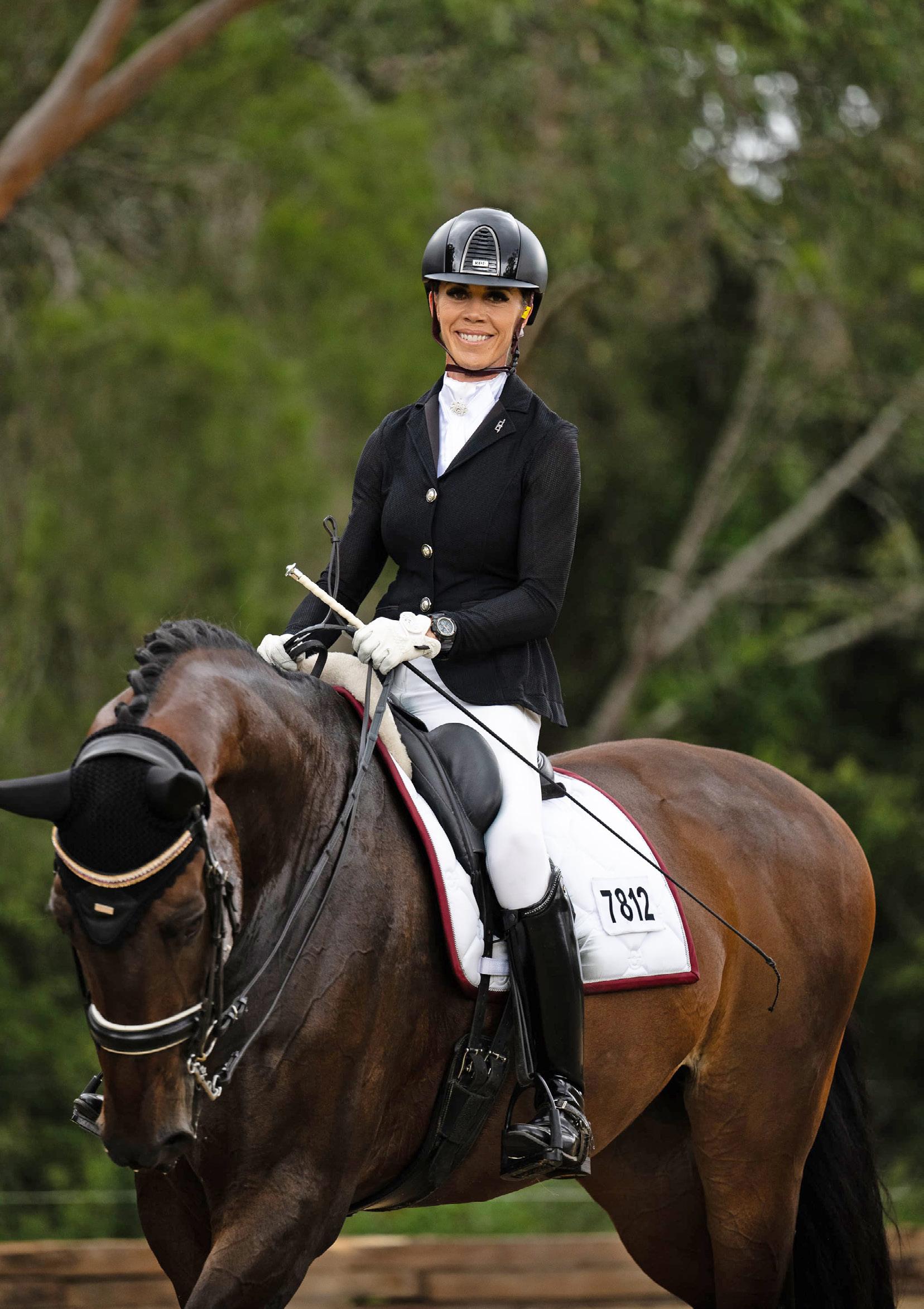
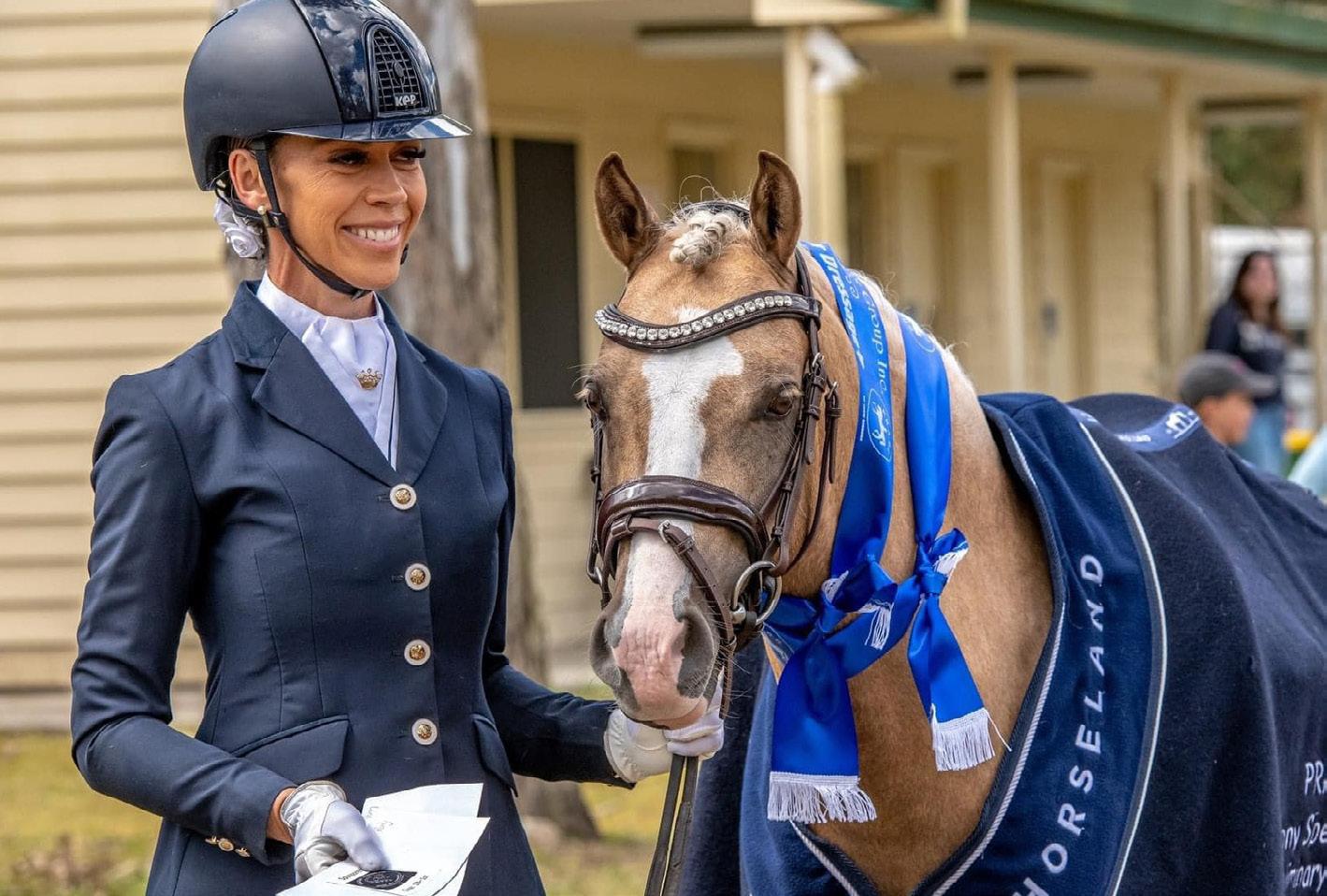
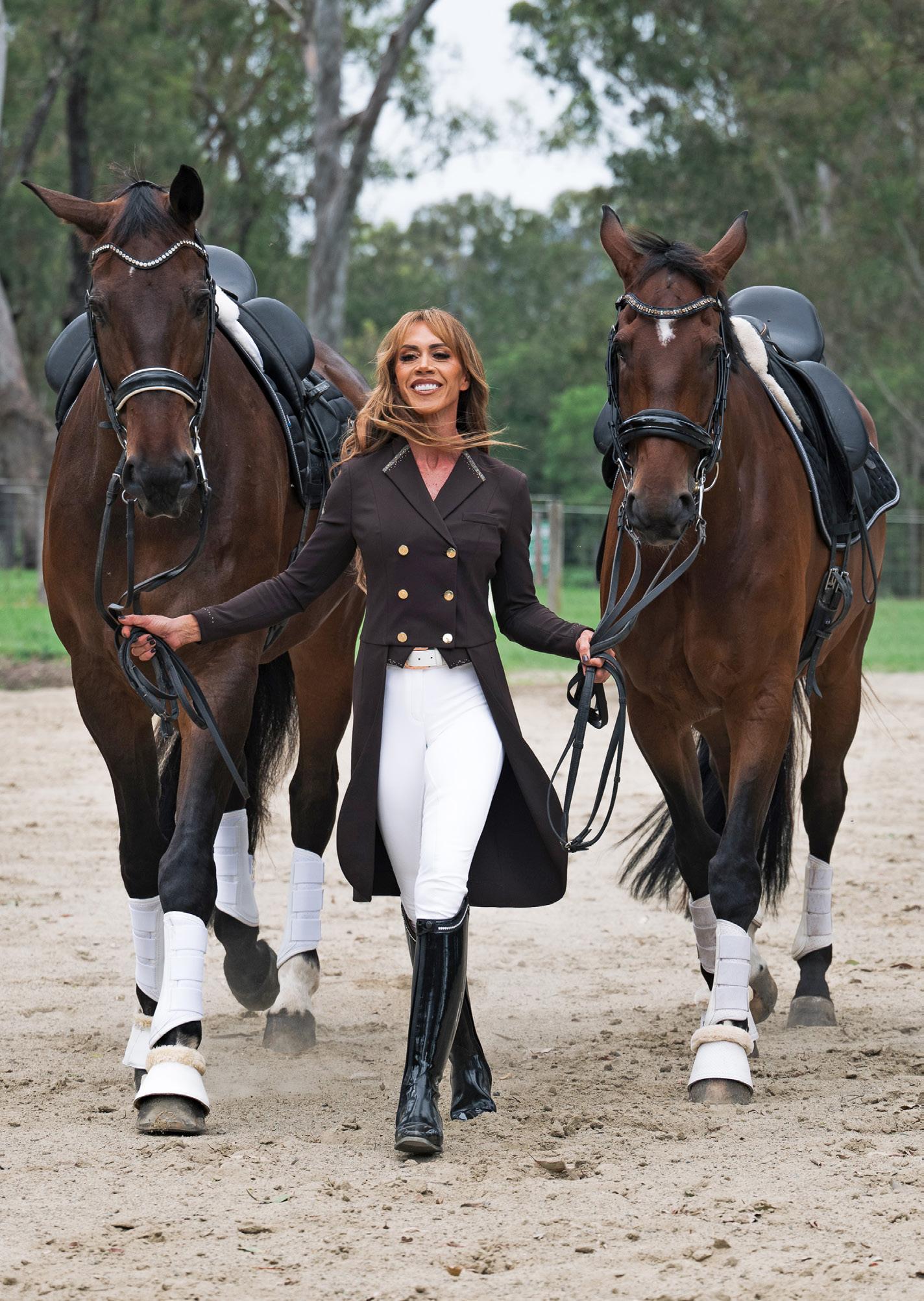
Anne-Marie is a Miss World and Miss Universe Figure Champion. She’s an AOR dressage rider, and a specialist coach in aesthetics, sports performance and nutrition. She is dedicated to empowering equestrians to achieve peak fitness and personal transformation, and in this issue, she offers her tried and true advice on how to approach AOR (Amateur Owner Rider) like a Pro.
Nicole Tough
An EA Level 3 Dressage Specialist Coach and EA Level A and YH National Judge, mentor and educator, Nicole has years of experience in training, competing, judging and coaching. She presents seminars and masterclasses, has trained in Germany, Spain and The Netherlands, and has produced nine very successful FEI horses. In this issue, she has some tips on how best to train in the summer heat.
Lily Mcelhinney
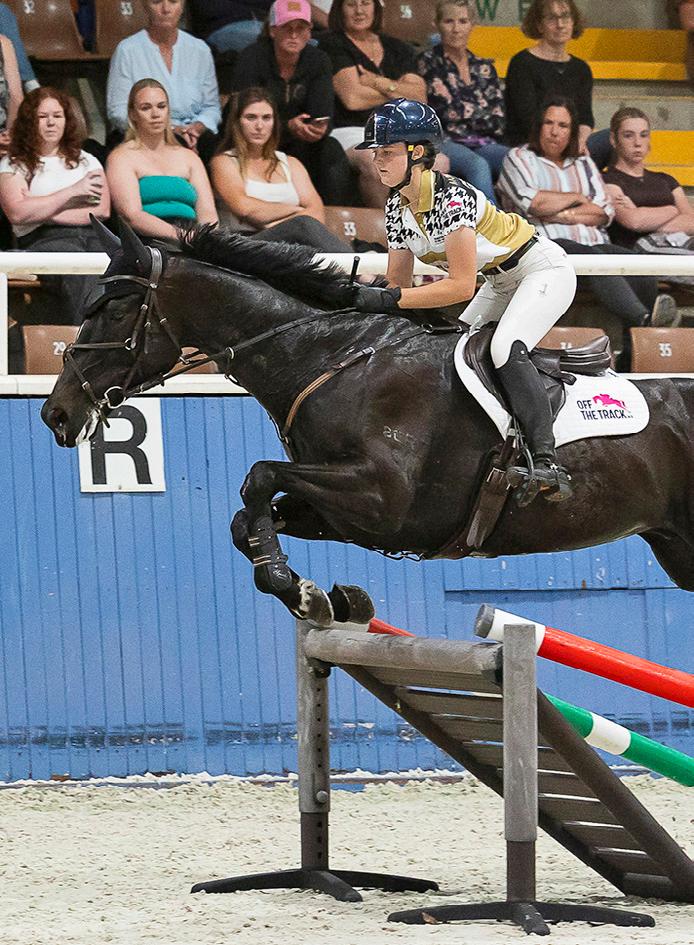
Lily is an advocate for off the track Standardbreds and their many talents. After leaving school, she worked in several harness training yards and learned how to drive. She also learned that OTT Standardbreds were difficult to rehome, due perhaps to their gait. The owner of two OTT Standardbreds, she trick rides with one and is training the other for a career in eventing. Don't miss her story in this month's Life After Racing.
Apiam’s equine veterinary credentials are well-founded with a growing number of purpose-built dedicated Equine Vet Clinics and Referral Hospitals located in Victoria, New South Wales and Queensland, working alongside our network of mixed practice clinics in delivering quality equine veterinary care.
Scenic Rim Veterinary Service
Beaudesert QLD
Agnes Banks Equine Clinic
Agnes Banks NSW
Hunter Equine Centre
Scone NSW
Victorian Equine Group
Bendigo VIC
Gippsland Equine Hospital
Maffra VIC
Southwest Equine Veterinary Group
Warrnambool VIC
Find out more by visiting the Apiam Animal Health website & view the equine product range on Country Vet Animal Supplies
Complete Feed
Redefine Equine Wellness
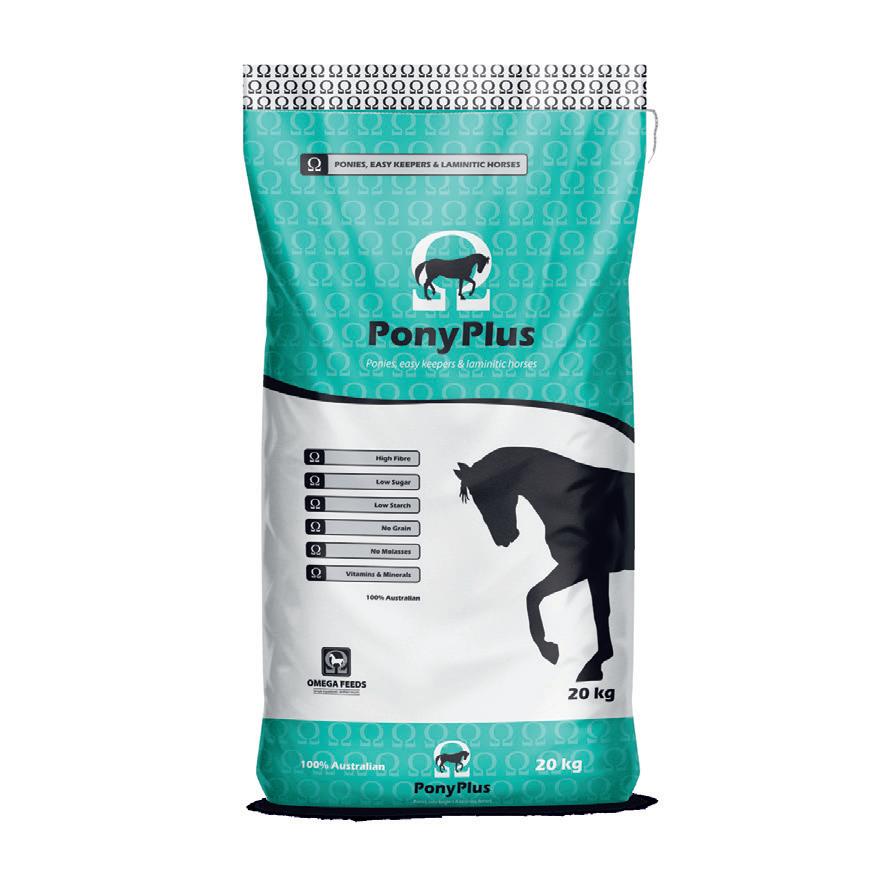
in Springtime with PONYPLUS
PonyPlus is a low sugar, low starch feed that has been specifically formulated for easy keepers and horses/ponies with metabolic conditions. It is a nutritious and filling feed that will provide your equine with good quality protein, vitamins, minerals, essential fatty acids (Omega 3 & 6) and bulk without oversupplying calories, starch or sugars.
nd just like that, we find ourselves at the end of another year - which we hope for you has been filled with many good things: family, friends, laughter, hugs, and of course, lots of horses, ribbons and training wins!
The Hub team are being turned out into the top paddock over the festive season, so we've pulled out all the stops to make sure you have plenty to read and enjoy until our fabulous February 2026 issue drops - and by the way, we have so many great things planned for next year's magazines that you really, really won't want to miss a single issue!
So, let's take a look at our December/ January lineup. The Warwick Gold Cup, campdrafting's most coveted prize, has just been carried off by Rohan Marks. We spoke to Rohan about his approach to competing, building trust with his horses, his stunning stallion Linesman, and the horse's remarkable progeny.
Our conversation with Tom McDermott, one of Australia's top show jumpers, was super informative. Tom, who still holds the record as the youngest rider ever to win a World Cup, recently took out the prestigious Senior Championship at Boneo Park aboard Oaks Ventriloquist. Tom spoke openly about the importance of hard work, focus, mindset, preparation, and what it takes to stay on top of your game. There's plenty to learn from this conversation - and some of it might surprise you.
We were fortunate to once again catch up with the wonderful Dr Andrew
McLean, globally recognised horse welfare and training expert, and a member of the FEI's Equine Welfare Advisory Group and Ethical Training Methods Expert Consultative Group. In this issue, he discusses how a horse learns and how we can use that knowledge to their advantage and to our own.
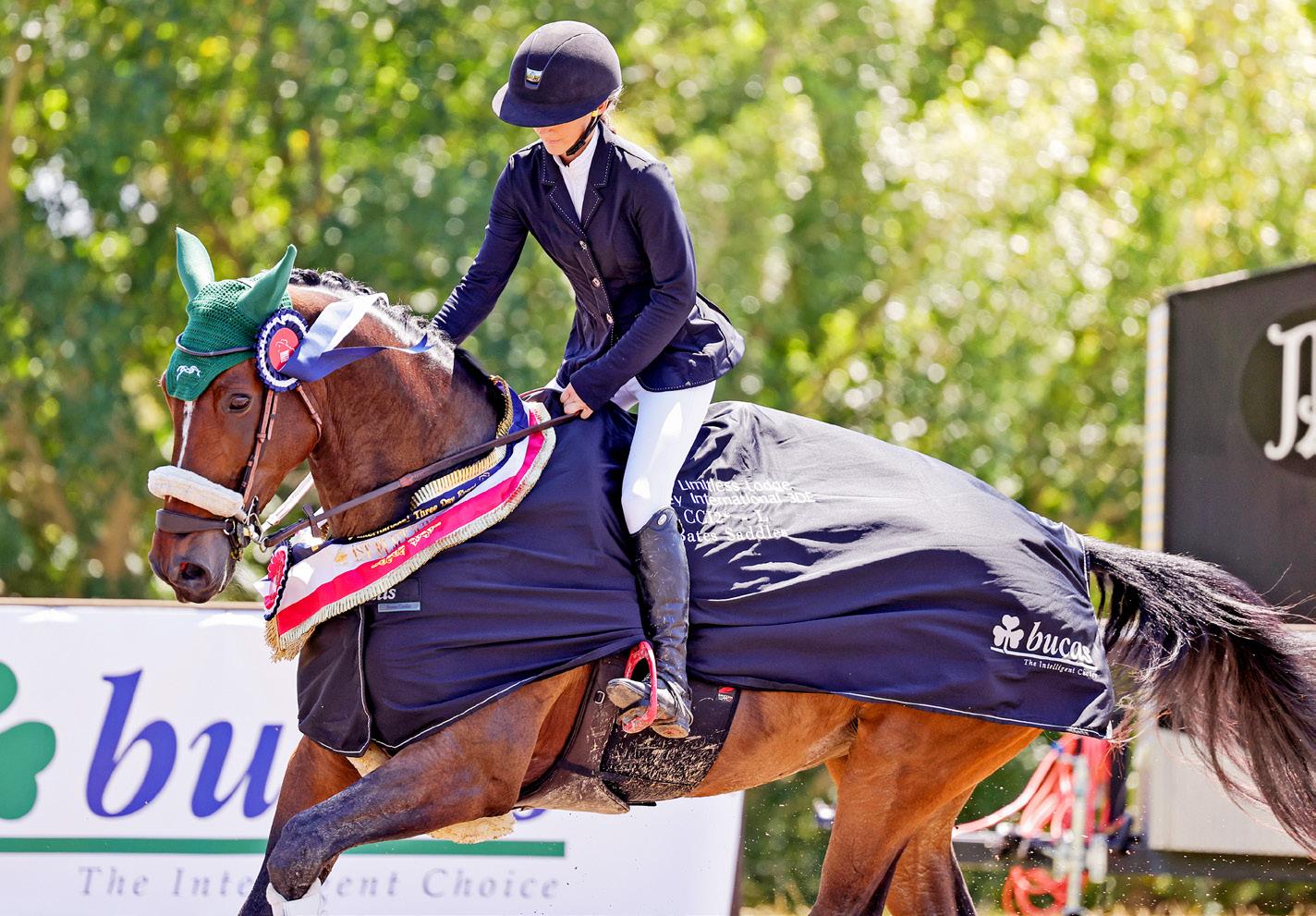
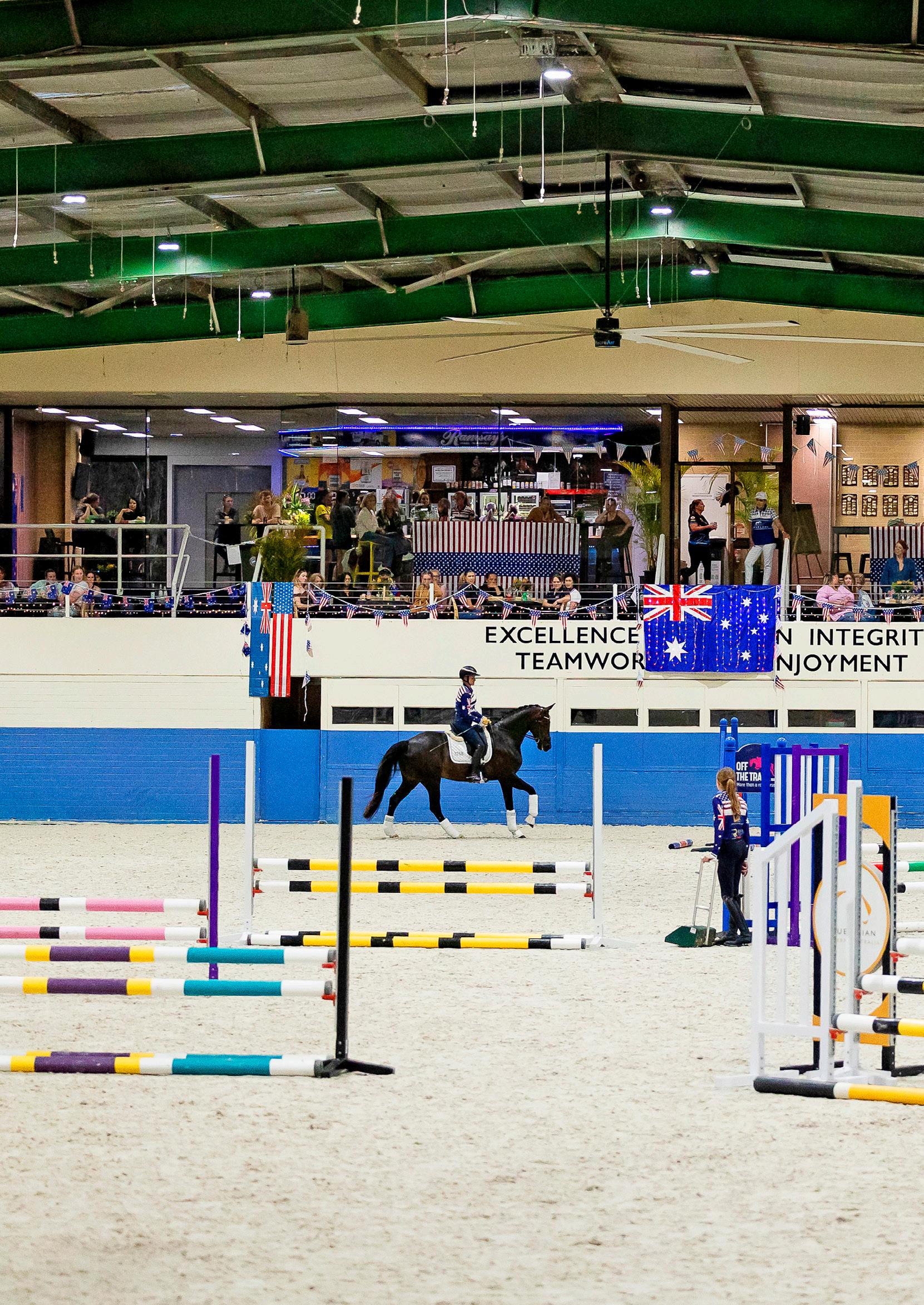
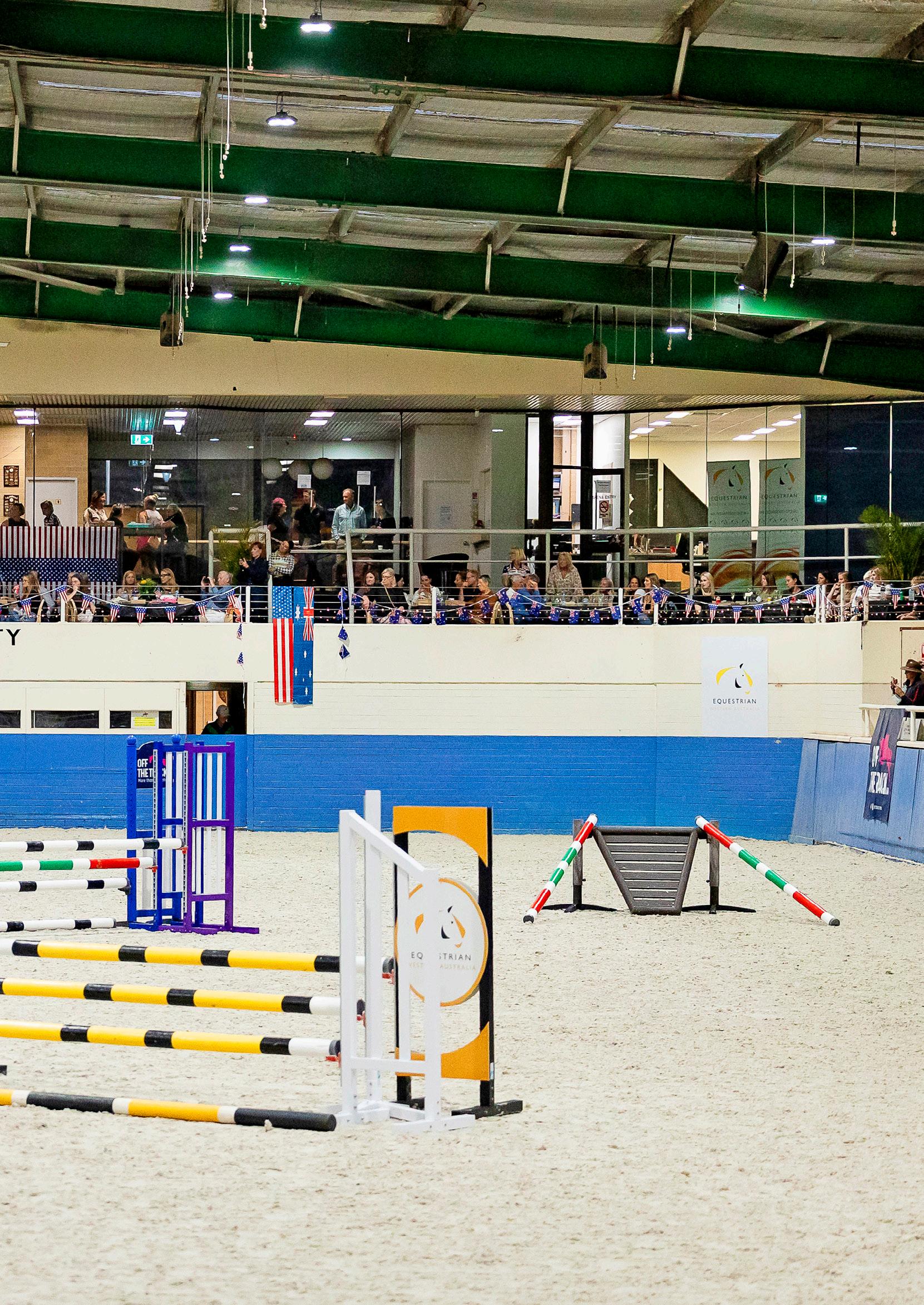
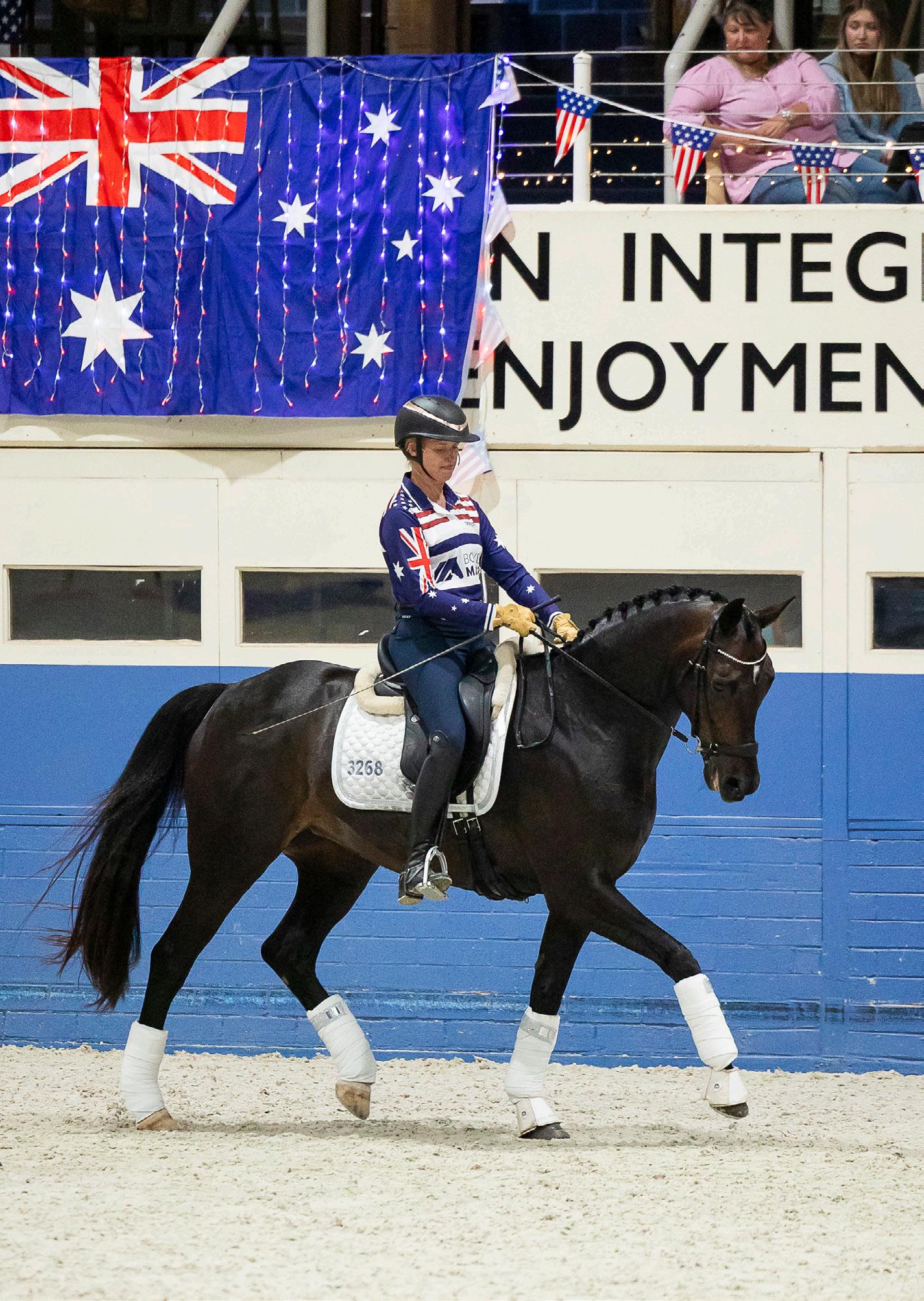
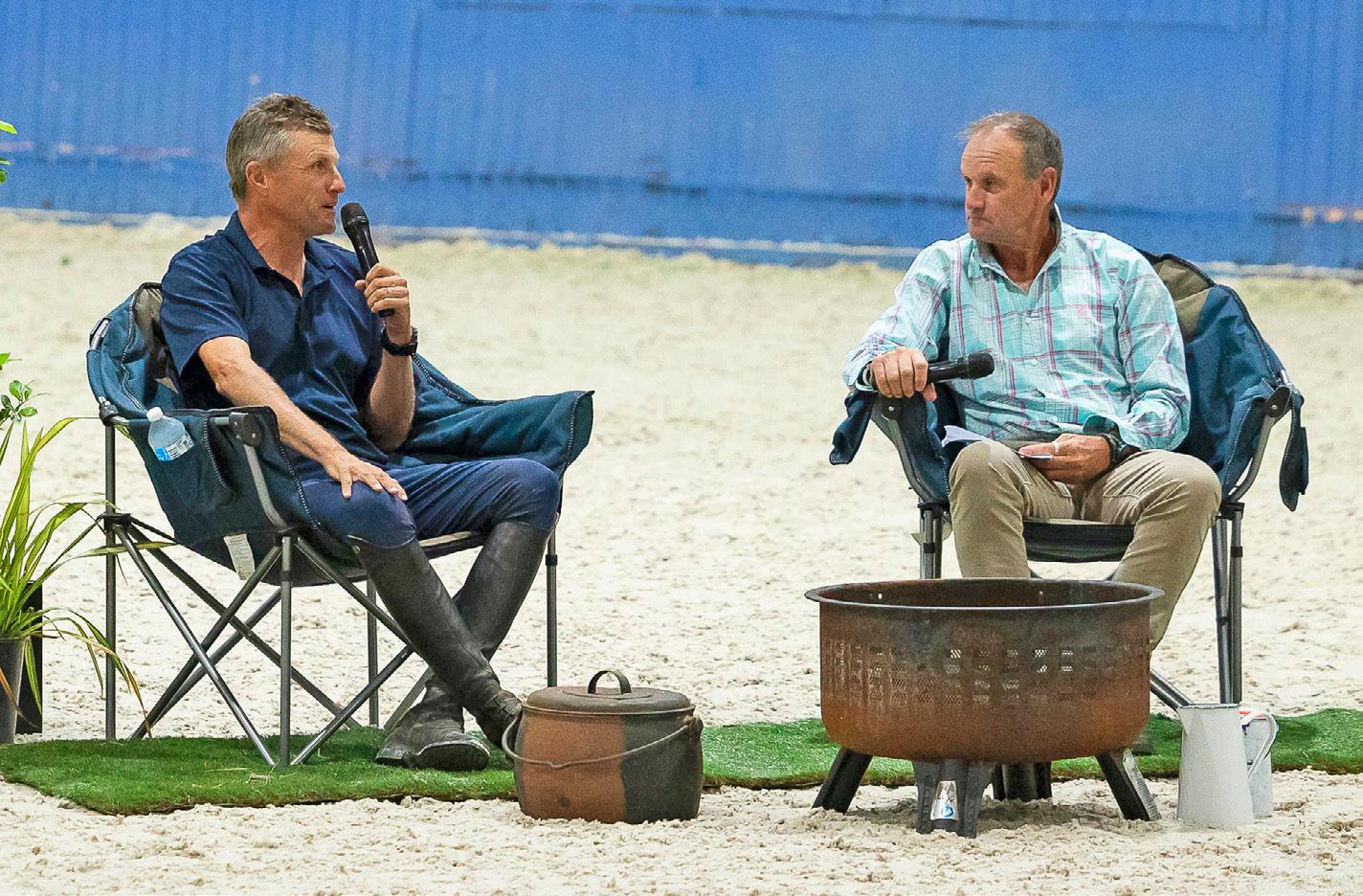
The Limitless Lodge Sydney International 3DE, held at the Sydney International Equestrian Centre at the end of last month, attracted the best of the eventing world, and we celebrate with a fabulous photo spread. We also report on the recent Boyd Martin masterclass featuring four very talented off the track Thoroughbreds. Silva Martin treated the audience to a faultless dressage demonstration, and Olympian Stuart Tinney dropped by for a fireside Q&A.
While on the subject of OTT horses, for any OTT Thoroughbred owners out there who are desperate to build and maintain their horse's top line, we hear you! Turn to our nutrition article for some very helpful 'aha' moments. And don't miss our Life After Racing story with Lily Mcelhinney, who believes Standardbreds can do pretty much anything - and do it well.
We're delighted to feature end of year reports and photos from three Pony Clubs, and for a dose of pure inspiration, turn to our story on Taylor Escriva, a young woman determined to make her dreams come true, no matter what obstacles come her way.
Dressage coach, judge, educator and mentor Nicole Tough delivers another informative article, this time on how best to handle the challenges of training in the heat of summer - and Dr Jennifer Stewart explains the importance of accurately monitoring your horse's body condition and fitness.
This month's Rider Fit article from Anne-Marie Lasserre is a must read for anyone competing in Amateur Owner Rider classes. Anne-Marie offers some expert tips on shifting your mindset from amateur to pro.
There's something quite magical about Australia's remote Pilbara region, and we can guarantee you'll love the stunning images and fascinating article from Kate Redmond of My Pilbara Equestrian Life. And then, from one landscape to quite another, we wing our way to Germany to catch up with Young Rider Brooke Flesser, who is looking forward to making her debut on the European dressage circuit.
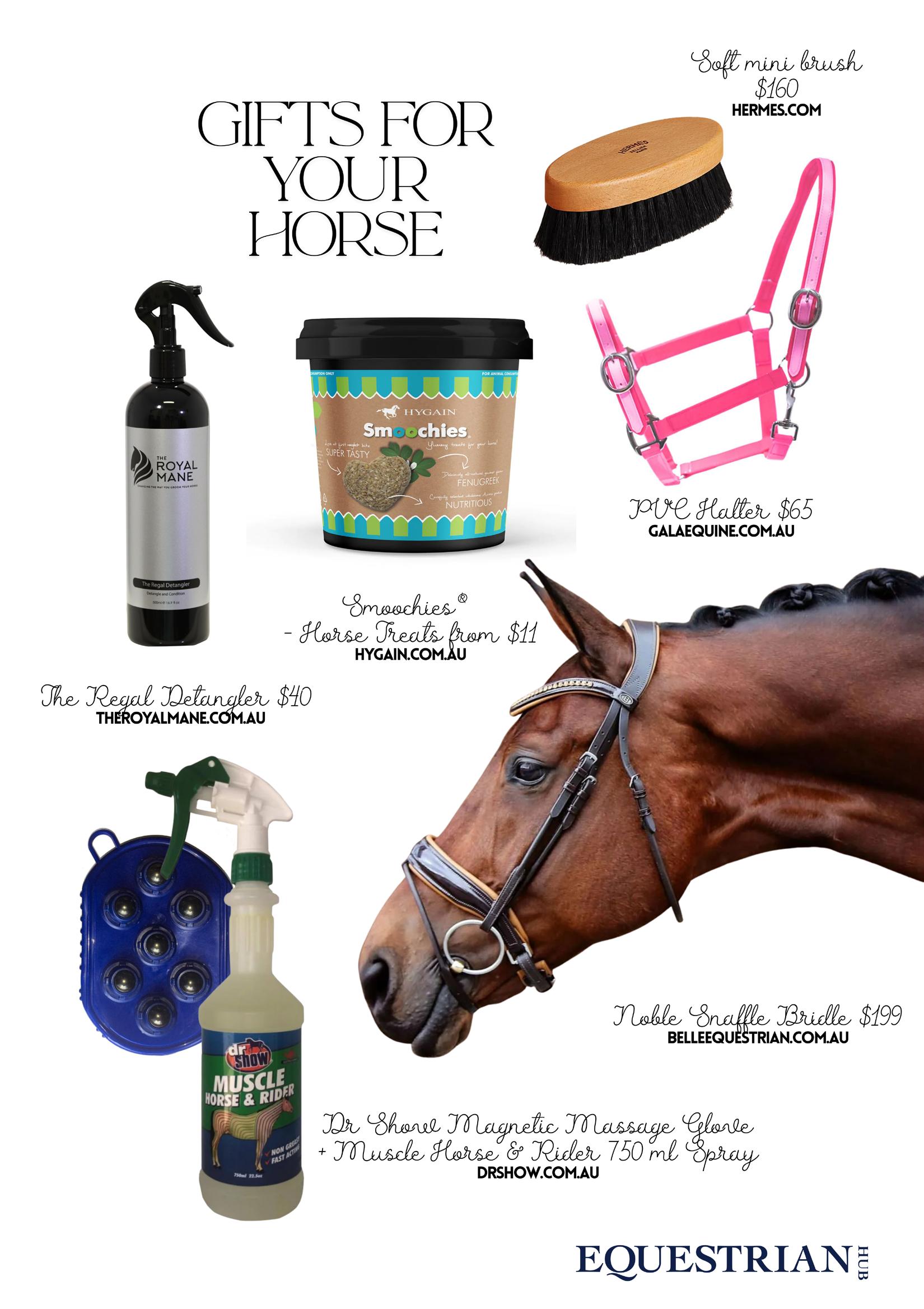
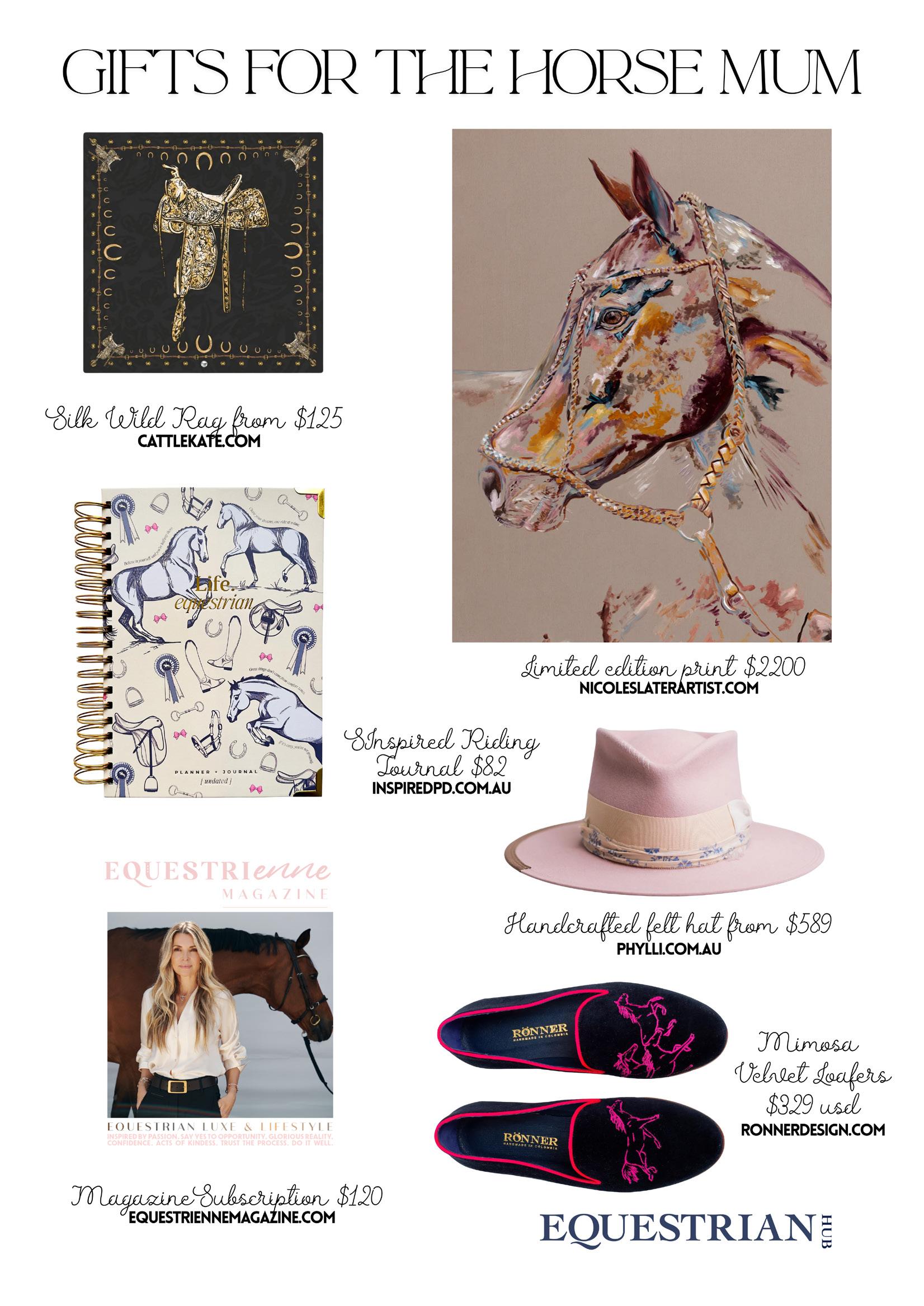
Having problems finding gifts for your horse obsessed family and friends? Not a worry! Turn to our Gift Guide for some super ideas to suit every budget - and this month's What We Love might also come in handy with some chic, sunsavvy stocking fillers.
And finally, from all of us here at the Hub, our very best wishes for a fabulous, festive holiday season and a happy New Year - and we look forward to seeing you all again in 2026.
Safe trails,
Jessica Atkins
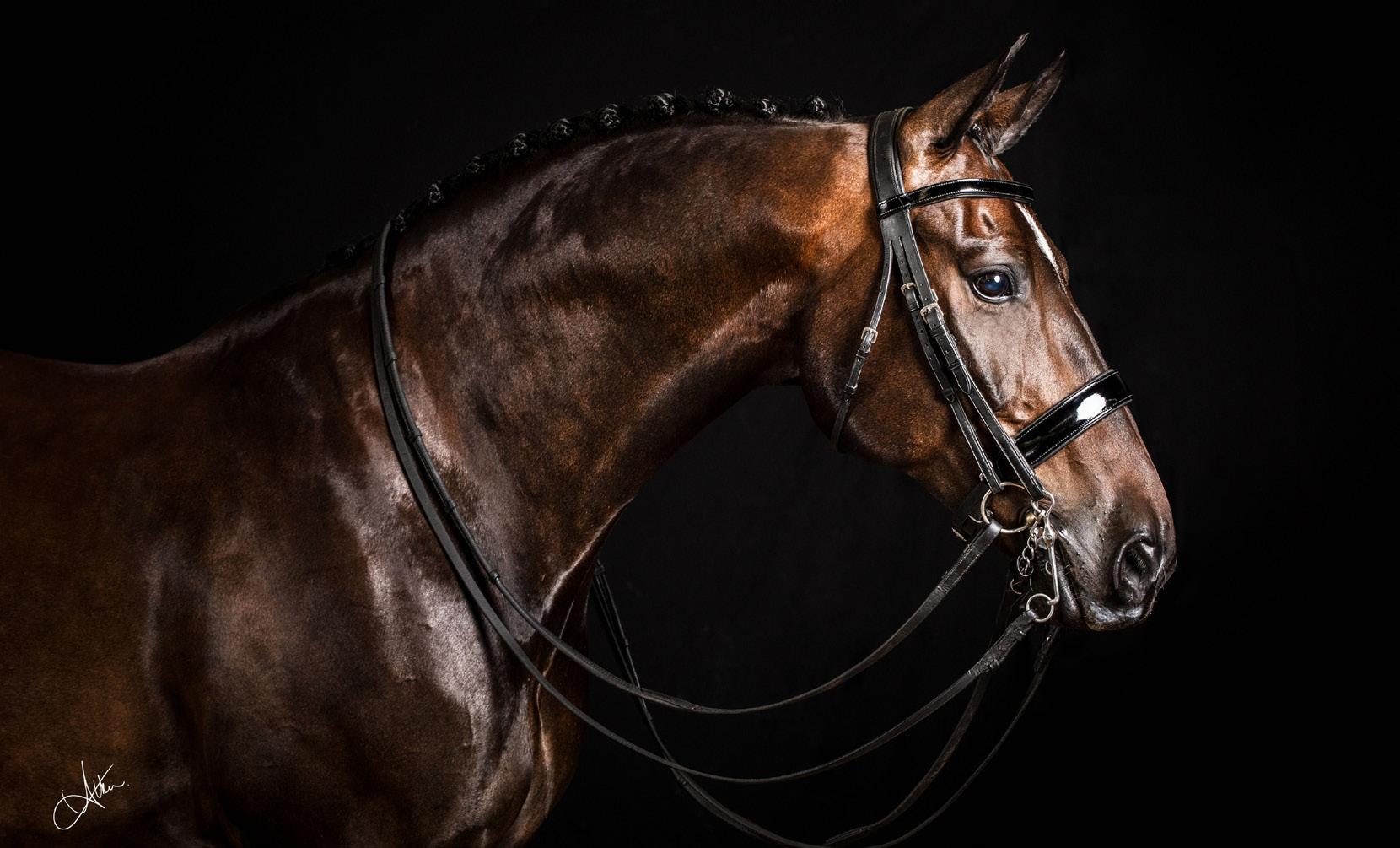
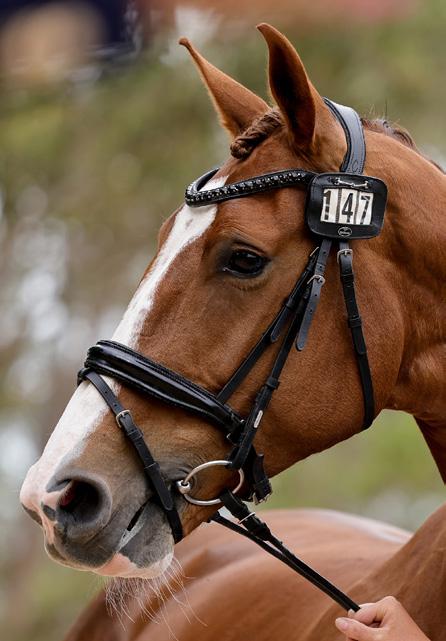
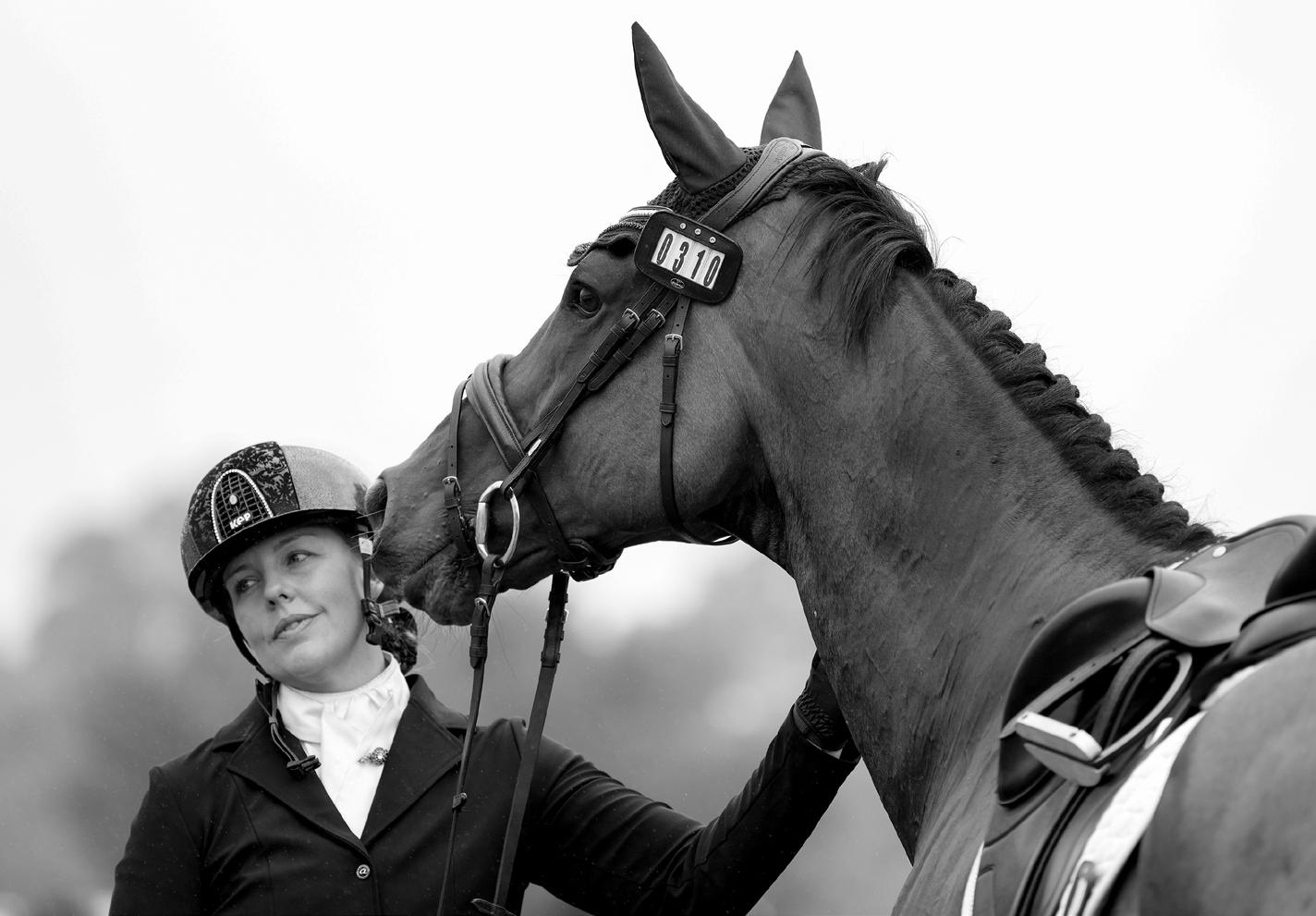
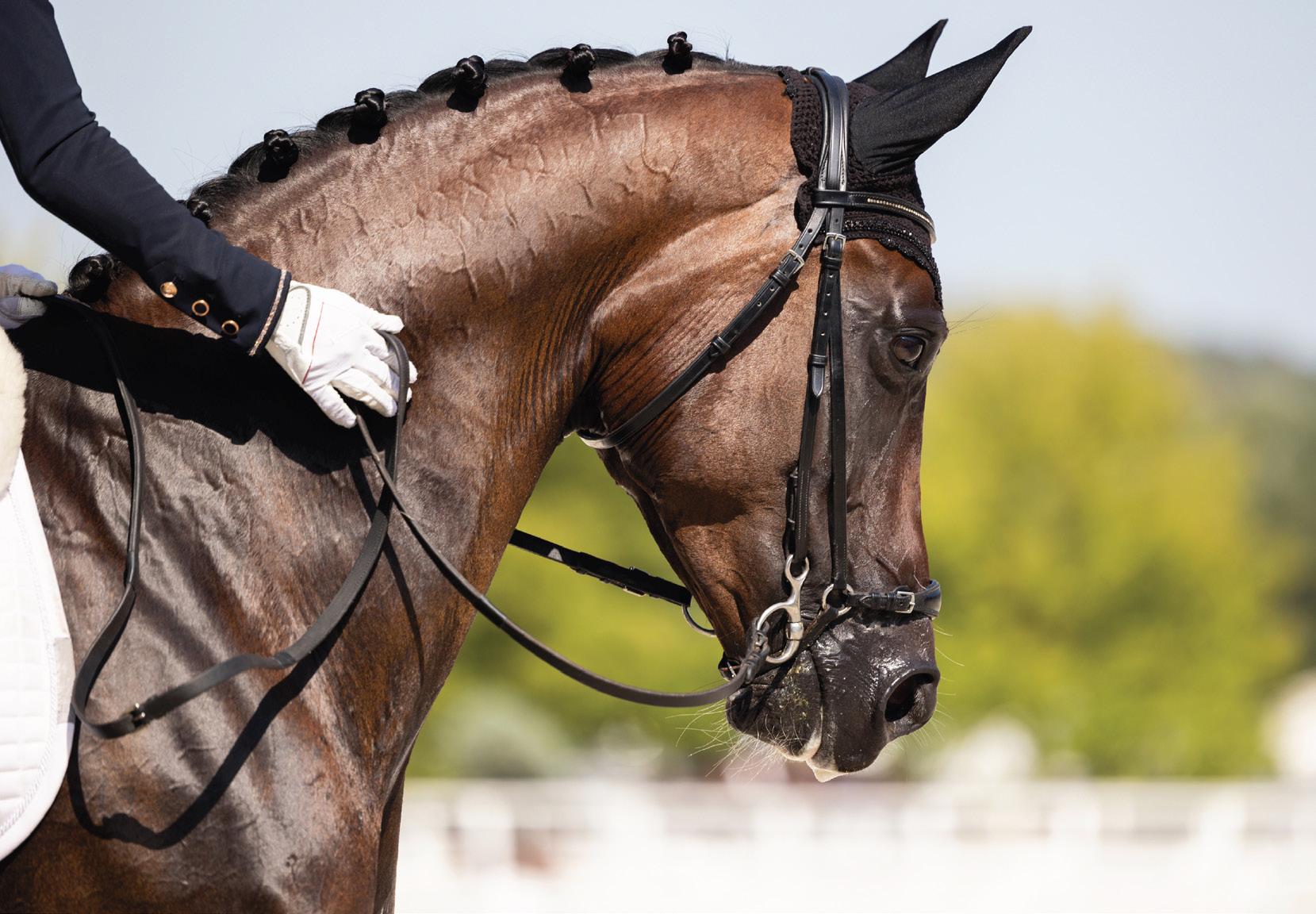
Certain subjects possess an innate, sculptural quality that demands a technical, deliberate and almost architectural approach to photography. Danceiro, captured at Sutton Farm in NSW, is one such subject - a horse whose presence, bone structure and movement call for lighting that reveals, rather than merely records. From the outset, the goal was clear: to create a high-contrast, dramatic studio portrait that emphasised the refined lines of his physique and the quiet power in his expression.
To achieve this, we built a controlled environment and employed a threepoint lighting setup crafted specifically for equine portraiture. The key light, positioned directly in front of the subject, served as the primary sculpting instrument. Its hard, directional beam
defined the planes of Danceiro’s face and neck with precision, carving out highlights that emphasised his form without overwhelming it.
Balancing this was the fill light, placed adjacent to the camera at a significantly lower power ratio. Its role was subtle but essential: it gently opened the shadows on the right side of his face and shoulder, preserving detail while maintaining the overall dramatic tension of the image. Without this controlled fill, the contrast would have become too harsh, losing nuance in the darker areas.
The third component, a high-suspended hair light positioned behind and above the subject, proved indispensable. It illuminated the braided mane and the crest of Danceiro’s neck, creating a crisp rim of light that separated him cleanly from the deep black backdrop.
This separation is what gives the final portrait its dimensionality and sense of presence.
Camera settings on the Canon EOS 7D were selected to complement this lighting strategy. An aperture of f/3.5 offered a pleasingly shallow depth of field, softening the background while ensuring critical sharpness across the key facial features. A base ISO of 200 maintained maximum image quality and dynamic range, while the 1/600s shutter speed froze even the smallest movement - a flick of an ear, a shift in posture - ensuring absolute clarity.
Ultimately, this image is the product of deliberate intention and meticulous technical control. Yet it is precisely this command of the fundamentals - the “rules” of lighting, exposure and camera craft - that forms the foundation for true creative freedom. When a photographer understands how to shape and command light, they gain the ability not only to replicate excellence but to transcend convention and create work that is unmistakably, uniquely their own.
Visit Jessica Atkins to see more of her extraordinary work.
BEHIND THE SHOT
CHAT WITH A CHAMPION
Rohan Marks
Equestrian Hub's Q&A series features world-class riders and their stories from the stable, the arena, and the journey in between. This month: Rohan Marks - winner of the prestigious Warwick Gold Cup.
First of all, congratulations on your Warwick Gold Cup win. How does it feel to take out such a prestigious title?
Very privileged and lucky. Warwick is an event we’ve been going to for around 30 years, and we’ve won plenty of other drafts there, but the Gold Cup was the missing link - the big fish. My partner Kerry won it in 2019 on Linesman’s mother, Hingis, so keeping that family line going makes it even more special.
Can you walk us through your winning run? Was there a moment you thought, “We’ve got this”?
Not really - there was a lot going on. I was number 23 out and although I drew two fresh cattle, I chose an older heifer. In the final they were all tricky, so it was never over until it was over. I wasn’t focused on the score, just relieved to get mine around. When the score came out, that was just confirmation, but there were still plenty of competitors to come who could have beaten it. It kept me in suspense.
How many horses did you take to Warwick, and which ones did you compete on?
We’re only allowed to start two. Kerry had two, I had two, our daughter Rylee had two, and our son and his wife had two each. I rode Linesman and Editor.
What makes those horses special?
To stay in our campdraft string, they need speed and temperament - and that’s something built over a long relationship. Linesman and Hingis’ line are known for that. They’re only nine years old, and Hingis is still going at 19,
so if they stay sound, they’ve got many years ahead. Like any good athlete, temperament is everything.
What did your training look like leading into Warwick?
There are three big drafts in a row - Condamine, Chinchilla, and then Warwick - three straight weeks of competition. Depending on your draw, horses may or may not get a day off. They need fitness and the mindset to handle long stints under pressure. For a stallion, especially heading into breeding season, it’s a real testament to their character.
How do you build the kind of trust that holds up under that pressure?
It starts early - as foals, as yearlings, through breaking in. Discipline, reward, and consistency. It’s like raising kidsyou don’t build a relationship overnight. Because we own, train, and compete our horses ourselves, we know every detail about how they feel, what they need, and how they handle stress. That connection is one of the things we love most.
What was the biggest obstacle you and your horse had to overcome on the way to the Cup?
There were around 740 competitors. You can’t worry about anyone else - only what you can control. Staying present is the key. A lot of people lose focus because they’re thinking too far ahead. With age, you learn to stay in the moment and forgive yourself when things don’t go to plan.
What does this win mean to you personally and professionally?
A lot. We bred Linesman, I broke him in, trained him, and ride him - that’s rare in the horse world, and to achieve this with him is huge. Professionally, having a horse win a Gold Cup out of a mare who also won it is almost unheard of. He also went close to winning the Canning Downs in the same week. Those are the kinds of results people remember.
You’re a role model to many grassroots riders. What advice would you give to those dreaming of Warwick?
To ride at Warwick, your horse must have already won a draft - so the standard is high. My advice is to model yourself on riders you admire and take in as much advice as you can. Every bit of knowledge is someone’s opinion, and one of those opinions might be the one that helps you. Lessons never weigh you down.
Finally, what’s next? Are you already looking toward future drafts or new horses coming through?
Absolutely. We’re very excited about Linesman’s progeny. We’ve bred some lovely young ones coming up, about to start their careers. That’s the next chapter - and we’re looking forward to it immensely
You can follow Rohan on Facebook or on Instagram
LEFT: Rohan and Linesman on their way to an impressive Warwick Gold Cup victory (Image by Kate Jones Photography).
Understanding the Horse’s Mind: A Conversation with Dr Andrew McLean
We speak to globally recognised ethical training expert and member of the FEI's Equine Welfare Advisory Group, DR ANDREW McLEAN.
When we talk about horsemanship today, it’s impossible not to hear the name Dr Andrew McLean. A lifelong rider, zoologist, researcher, international coach and the man behind many of the foundations of equitation science, Andrew has spent decades helping everyday riders and elite trainers alike understand the horse’s mind with greater clarity, compassion and precision.
What makes his work so compelling is not just the science, but the way he links it back to the real world—loading a horse onto a float, handling a nervous youngster, teaching transitions, or even working with elephants. Speaking with him is like being given a clear map of a landscape you’ve travelled all your life but never fully understood.
The Science Behind an Ancient Art If you’re new to the concept, “equitation
science” may sound intimidating. Andrew is quick to wave away the formality. “It’s really just understanding what happens in horse training from a scientific perspective,” he explains. “Horsemanship has thousands of years of tradition, but much of it has been passed along through trial and error. Science lets us see what actually works, why it works, and how to make it clearer for the horse.”
The “old masters,” as Andrew affectionately calls them, were often geniuses of feel. But feel alone can’t always be taught. By pairing classical principles with modern learning theory, riders gain a language for what they’re already trying to achieve - lightness, responsiveness, confidence and calmness.
How Horses Learn: A Trigger-Based World
One of the most fascinating insights Andrew shares is that horses learn in ways that are both beautifully simple and endlessly intricate.
VET VIBES
While humans rely on reasoning and storytelling, horses operate through associations. A rein aid, a shift of balance, a tone of voice - every cue becomes meaningful because it is linked to something the horse has previously experienced. “They have an extraordinary memory,” Andrew says. “But it’s much more trigger-based than ours. A horse will forget the narrative of an event, but the moment he sees the whip, or the person, or the environment associated with it, the memory returns instantly.”
This is why even small changes can influence their behaviour. A dressage arena looking slightly different from the day before, a bucket moved a metre to the left - these details matter to the horse.
Their world is rich with subtle signals. And because they are so sensitive, they learn quickly - both the things we intend to teach, and the things we teach by accident.
The Power of Clarity in Everyday Training
Much of Andrew’s work focuses on how horses learn from pressure and release. Contrary to common belief, it isn’t the pressure that teaches - it’s the moment the pressure disappears. “That release is the reward,” he says. “But riders often think the pressure is what makes the horse respond.”
This is why “light aids” alone can’t hold their meaning forever. Even in beautifully trained horses, Andrew notes there is still a tiny rein action in downward transitions, and a subtle leg action in upward ones - a reinforcement that keeps the cue alive.
Problems begin when the signals become blurred. A rein and leg given at the same time, an aid delivered with different posture, or asking for something the horse cannot physically do creates confusion. And confusion is a deeply uncomfortable state for a horse.
When the cues clash, horses move into conflict behaviours - tension, rushing, rearing, bucking or trying to escape the situation altogether. What follows is a surge of adrenaline, and if the rider continues, a longer-lasting release of cortisol. In these moments, patience and simplicity - not stronger aids - become the key to restoring calm.
Helping a Horse Reset
Many of Andrew’s techniques for helping a stressed horse are both surprisingly simple and extremely effective.
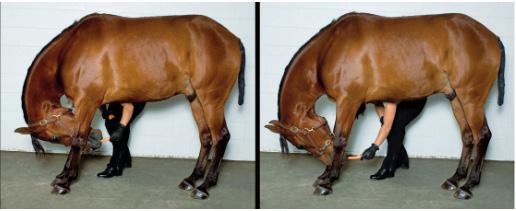
Lowering the horse’s head below the wither immediately begins to slow the heart rate. Scratching the base of the withers - mimicking a natural grooming behaviour- can create instant reassurance. Lengthening the stride rather than quickening it reduces tension. Even riding the slowest possible trot, a technique Andrew has used with countless eventers before their dressage tests, can loosen the back and settle the mind.
Most powerful of all is the idea of keeping the horse focused by quietly
asking small, simple questions - walk and halt, slow and faster, a few measured transitions. These moments bring the horse back into the conversation, back to the handler, and out of the spiral of stress.
Handling, Vets and Farriers: The Invisible Safety Net
One of the areas where Andrew’s work has had enormous impact is in improving the safety of horse professionals. Many of the problems seen by vets and farriers, he explains, stem from a lack of basic in-hand training.
“Horses that push through the handler, horses that can’t stop lightly, horses that run forward during injections—these are all signs that the horse’s arousal level is already high,” he says. “A horse that is light to stop, light to step back, and good with basic cues is a safer horse for everyone.”
He believes equitation science should be part of every owner’s responsibility, not just something riders think about under saddle. Small, consistent exercises - like checking how lightly the
LEFT: Dr Andrew McLean is an advocate for the ethical training of horses. ABOVE: Although more trigger based than our own, horses have an extraordinary memory (Images courtesy Equitation Science International).
horse halts, steps back, or leads - can make a dramatic difference to safety and wellbeing.
Even behaviours like kicking during hoof handling are often linked, he says, to poor stopping responses. Retraining the basics can transform these moments from dangerous to manageable.
Myths and Misunderstandings
There is a perception, Andrew says, that learning theory makes horsemanship cold or mechanical. He disagrees completely. “The aim isn’t to turn people into machines who push buttons,” he says. “It’s to give them a deeper appreciation of how the horse experiences the world.”
Science is finally catching up to the emotional lives of horse - how they feel, how they bond with humans, and how they express stress or pain. But there are still mysteries Andrew believes may never be fully explained, such as the uniquely personal connection between a person and their horse. “And maybe
we shouldn’t explain it,” he says with a smile. “Some things are allowed to remain magic.”
The Future of Equitation and Equestrian Sport
Andrew sees equitation science not as a method, but as a framework - a set of principles that any training system should satisfy, regardless of discipline. These principles are already being incorporated into FEI welfare guidelines, and many of the world’s top trainers have embraced them.
At a recent FEI Sport Horse Forum, several Olympians approached Andrew to say his work allowed them to articulate what they had always felt instinctively. This is what he hopes for: not a revolution, but a refinement— where riders can pair feel with understanding to train more clearly, more kindly and more effectively.
“If you understand how horses learn, you can teach them anything they are physically able to do,” he says. “And
most of the behaviours that get horses labelled as difficult would disappear.”
A Kinder, Clearer Way Forward
What emerges from Andrew McLean’s work is a vision of horsemanship where communication is clearer, the horse feels more secure, and riders are equipped not just with instinct but with understanding.
It’s a way of training that allows horses to be partners rather than puzzles.
A way of riding that preserves the artistry while strengthening the welfare underneath it.
A way of being with horses that honours both their nature and their heart.
For Andrew, equitation science is simply a means of helping humans become the handlers horses always hoped we would be - calm, consistent, kind and clear.
Dr. McLean offers a variety of two excellent courses through Equitation Science International.
VET VIBES
Spreading Her Wings
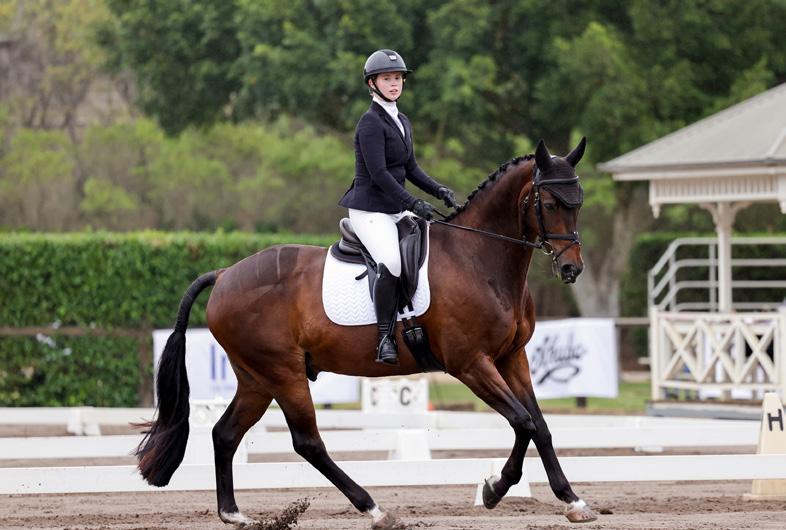
After competing at medium/FEI Junior level in both National and CDI dressage events at home in Australia, BROOKE FLESSER decided it was time to make the move to Germany.
How old were you when you first started riding, and what do you remember most about those early days?
I was about six years old when I first started riding. My mum, who’s a dressage and show rider herself, was the one who first put me in the saddle and taught me the basics. Before long, I was tagging along to Pony Club rally days with my best friend Liv and our ponies, Zoe and Fliss Floss. Those early days were full of playful fun, chaos, gymkhana competitions, endless trail rides with our mums, and pony play dates every school holiday.
What first drew you to dressage, and when did you realise it was the discipline you wanted to pursue seriously?
My mum had a huge influence on why I was drawn to dressage. She showed Arabians and competed in dressage herself, and she’s still riding today. Growing up, she taught me the foundations - everything from the basics to the little details that make dressage so special. My aunty Ruth White has also been a big inspiration and influence. She’s a dressage rider and coach, and I would spend school holidays at her place with my horse, learning and working under her guidance.
Through Pony Club, I tried a bit of everything - show jumping, cross country, even showing. I enjoyed it all, but dressage was always the path I was going to follow, especially being lucky enough to have a family so deeply involved in the discipline.
What inspired you to take the leap and train in Germany - was it a long-term dream or a sudden opportunity?
It was really a mix of both. I’d always dreamed of learning and training in Europe and being fully immersed in a high-level dressage environment. I’m incredibly grateful to Nicole Magoffin (my Australian coach) for giving me the push and guidance I needed - and for introducing me to Lientje Schueler, who has since become such an important part of my life and my journey here in Germany.
My parents are incredibly hardworking and raised me with that mindset, which inspired me to make the most of every opportunity. So when the chance to go to this barn in Germany came up, I had just finished high school and it felt like the perfect moment to take the leap. It was exciting, a little nerve-wracking, but mostly inspiring - knowing I’d be able to learn, grow, and challenge myself in ways I never could have back home.
What has been the biggest adjustment moving from the Australian scene to the European one?
The biggest adjustments have definitely been the weather and the language! Coming from Queensland’s Gold Coast, where winters are mostly sunny, to Europe, where it can be cold, rainy, and grey for months, has been a real change. On top of that, getting to know the language and navigating daily life in a new country has been challenging but also really rewarding. Riding outside in all conditions and learning to communicate in a new language has taught me adaptability, patience, and
resilience - though I still secretly miss those sunny Australian winters!
What has been your proudest riding moment so far?
Training my previous horses and seeing how successful they are with their new riders.
What are you currently working toward in your training and competition goals? I’m currently enjoying training with my horse Zoomlight, fine-tuning our partnership and quietly preparing for our first competition together here in Germany. This will be a big next step for us together, and I’m excited to get out in the ring with him!
What has been the biggest challenge of training abroad at such a young age? The hardest part has been being so far from my family and friends, there are moments when I really feel that distance. But I’m incredibly lucky to be surrounded by such an inspiring and supportive group of people here.
What keeps you motivated on the tough days?
I remind myself that every rider I look up to has faced the same hard daysit’s all part of the journey. Some days, it’s simply about keeping perspective, holding onto a sense of humour, and remembering that tomorrow is a fresh chance to do better. Of course, thinking about how far I’ve come - and how far I still want to go - gives me that little push to keep moving forward.
How have your family and support team helped make this experience possible? I honestly couldn’t have done any of this
without my family and support team. My mum has been my first coach, mentor and cheerleader, teaching me the basics and guiding me through every step. My family’s belief in me, even on the tough days, has made moving abroad and chasing my goals feel possible rather than overwhelming.
On top of that, the coaches, teammates, and friends I’ve met along the way have created a supportive environment that feels like a second family. Their encouragement, advice, and even just small acts of kindness.
What do you enjoy doing when you’re not riding or in the stables?
When I’m not at the barn, I love exploring new cities here in Germany. I enjoy finding nice bars for an Aperol, and restaurants, retail therapy, going for a run or walk in the countryside and using my camera!
What’s your favourite thing about living in Europe so far - and what do you miss most about home?
What I love most about living in Europe is being completely surrounded by toplevel training and incredible riders. Every day is an opportunity to learn something new, improve my skills, and be inspired by the dedication and talent around me. It’s a chance to push myself and go out of my comfort zone. What I miss most, of course, is my family, friends, dogs and familiar places. There’s nothing like home.
What advice would you give to other young riders dreaming of riding or training overseas one day?
My advice would be to stay determined and work hard. Be prepared for challenges and homesickness, but also for incredible learning experiences that push you to grow.
What’s your go-to riding attire or favourite accessory?
For this winter, my go-to attire is cosy knits with my fleece-lined breeches (we ride outside!). I like to accessorise with neutral patterned scarves and patterned headband warmers. Even though I’m cleaning stables, saddling multiple horses, and riding, I still like to add a little touch of chic to my everyday barn wear.
What’s the best advice someone has given you?
Riding is learned through sweeping - not because the aisle needs to be perfect, but because the pride you take in the smallest task shapes how you approach the bigger ones. The discipline to make a floor spotless in the quiet hours builds a mindset far beyond the broom.
Follow Brooke's European journey on Instagram.
ABOVE: Brooke is enjoying training with Zoomlight and preparing for their first competition together in Germany.
FEATURE
Tom McDermott: Calm and Clear
Fresh from his impressive Senior Championship win at Boneo Park, we speak to TOM McDERMOTT about mindset, pressure and what it takes to stay at the top of your game.
Fresh off an impressive performance at the Boneo Park Senior Championships, Tom McDermott returned home to find his team just as elated as those who watched from the sidelines. For him, victories are never solitary achievements - they are shared triumphs built on preparation, trust, and an unshakeable belief in the horses and people around him.
Despite the challenging conditions at Boneo, Tom remained unfazed. As he explains, “The conditions were testing, but I think the committee at Boneo, they do such a great job there with the grounds, and they're always prepared for that kind of weather.” Knowing rain was likely, he arrived ready. “We had lots of rain jackets packed, lots of wet weather gear, lots of canvas rugs and wet weather rugs. It was kind of in our minds already.”
Still, the biggest source of confidence came from his horses. “I always sort of knew that my horses handle soft ground, hard ground, wet ground, any type of ground you put them on,” he says. “They're tough horses with big hearts, and they try really hard for me.”
Thriving in Pressure, Not Fearing It Tom is no stranger to big atmospheres, but he hasn’t always handled nerves the way he does now. “When I was younger, I used to get quite nervous, and I used to make mistakes because I was nervous,” he admits. Years of competing
at the highest level changed that.
Now, he says, “I thrive off the high pressure situations, I quite enjoy them.” It’s a perspective he tries to pass on to the younger riders he coaches. “Being nervous is a good thing because it means that you care - that you care how you want to go and want to do well.”
Oaks Ventriloquist: A Horse With Heart
One of the standout partnerships at Boneo was Tom and Oaks Ventriloquist - a horse whose journey has taken him from being bred and produced in Australia to jumping internationally in Europe.
Tom describes him with deep admiration: “He has the best brain, huge heart, and he's just a true legend. He's so easy to do everything with. He's so easy to ride. He gives you everything. Nothing is ever an issue, he’s the ultimate horse.”
Despite the old saying that every great horse must be quirky, Tom disagrees in this case: “He doesn't really have any quirks. His quirkiness is just his mannerisms, how good he is, how easy he is.”
Simplicity in Strategy
With the leaderboard tight coming into the final, Tom had two horses in contention. But when it comes to walking the course, he keeps his routine deliberately uncomplicated. “I like to walk the courses by myself, stick to my
plan and stay to that same plan, and not listen to anyone else. Otherwise you get too many people in your ear and then you second guess yourself.”
His mental approach is equally steady: “Go out there and think it's just like another round, just a jump club - and not that it's raining sideways like it was at the time!”
When it comes to the second round, he feels things usually improve naturally. “I find the rider always rides better and the horses always go better. I feel like, personally, I'm a bit more relaxed going out to the second round.”
Perspective: The Hard-Earned Lesson
Tom is open about how his mindset has matured. “When I was younger, I used to get quite upset, quite angry if things didn't go my way,” he admits. But with age has come perspective. “There’s a lot more things in the world to worry about than having a rail down.”
While disappointment is natural, he doesn’t dwell on it. “It’s been and gone. It is what it is. It's not the end of the world - tomorrow's another day.”
It’s the same advice he now gives to his students: stay positive, stay grounded, and keep pushing forward.
LEFT: Tom and Oaks Ventriloquist after their impressive Senior Championship win at Boneo Park (Image by Equisoul Photography).
The Team Behind the Success Success at this level is never a solo endeavour, and Tom is deeply aware of the support network behind him. “I run a very big, successful show jumping stable, but also a racehorse pretraining and breaking stable,” he explains. Managing both sides requires a strong, reliable crew. “I've got a great team that come to the show and a great team at home that keeps everything running.”
It means that while he focuses on riding, he knows everything else is taken care of. “I just have to think about the task on hand, really.”
And the enthusiasm is shared across the whole operation. “The people that are at home get as much of a kick out of it watching online," he says. "They get to work with those horses every day.”
Advice for Riders With Big Dreams
For those dreaming of one day jumping the big tracks, Tom’s message is honest and encouraging. “Everything
is possible, if you put your mind to it. You've got to work hard, long days, long hours. You've got to be very patient… things won't happen overnight.”
He’s lived this reality himself. “We couldn't afford the beautiful imported horses, so we had to go out and find horses that had issues and had problems and work with them.”
It’s a journey he’s still on, and one he hopes young riders recognise. “There are more downs than there are ups, so you have to take the downs with the ups and keep cracking on.”
Preparation: The Unseen Foundation
If there is one piece of advice Tom hopes every rider takes to heart, it’s the importance of preparation. “Preparation is key. It's all in the preparation. You can't go to a show underprepared and expect to have good results.”
For him, preparation isn’t just training - it’s fitness, health, knowledge,
and connection. “You have to know everything about the horse. You have to be fit. You have to be healthy so you can have your mind on the job.”
Good preparation doesn’t guarantee a win - but it gives you the best chance. “If you have good preparation, you're more than likely to get a good result.”
A Message to Young Riders
After such a strong performance, it’s inevitable that young Australian riders look up to Tom with admiration. What he hopes they take away is simple: “I hope that they are inspired to work harder, go home, train, and go and get miles in the ring.”
And, above all, perspective. “We're also working with animals. They're not robots," Tom says. "We all make mistakes. Horses make mistakes. But tomorrow's another day - just come back and fight harder.”
You can follow Tom on Instagram and on Facebook.
ABOVE: Despite the adverse weather conditions, Tom's cool head and Oaks Ventriloquist's big heart produced a noteworthy Senior Championship win at Boneo (Image by Equisoul Photography).
Building and Maintaining Topline on Your OTT Thoroughbred
As many OTT Thoroughbred owners will tell you, building topline can be a challenge - and good nutrition is key.
Ahorse’s topline — the muscles along the neck, back, loin, and croup — is not only an indicator of fitness and balance but also of overall health and nutrition. A well-developed topline enhances performance, saddle fit, and appearance, while a weak or hollow topline can signal nutritional
deficiencies, poor conditioning, poor posturing, or underlying health issues.
Owners of OTT Thoroughbreds are often faced with the daunting task of building topline after a career in racing and spelling, where topline can disappear once they stop racing. This will involve a carefully managed
diet and exercise program to ensure optional nutrition for conditioning while maintaining tractability.
Assessing Condition
Body Condition Scoring (BCS) is a practical method used by horse owners, veterinarians, and nutritionists to assess the amount of fat and muscle coverage on a horse’s body. It provides valuable insight into the horse’s overall nutritional status and health, helping to guide feeding and management decisions. In Australia, the most used system is the 0–5 scale, where 0 represents an emaciated horse and 5 represents a very fat or obese horse. The ideal score for most horses lies between 2.5 and 3.5, depending on breed, workload, and discipline.
To accurately determine a horse’s body condition score, both visual observation and hands-on assessment are essential. When body condition scoring, it is important to remember
that fat distribution is not always even. Some horses naturally deposit more fat on their necks, while others carry it on their rumps or behind the shoulders. Therefore, assessing six key regions including the neck/crest, withers, back, ribs, loin, and tail head and averaging the results, a consistent and objective score between 0 and 5 can be achieved which gives a more accurate reflection of the horse’s true condition. In addition, external factors such as coat length, breed type, and age can influence appearance, so palpation - feeling beneath the skin - is vital for consistency:
0) Poor: Emaciated; bones clearly visible; no fatty tissue.
1) Very Thin: Prominent ribs, hips, and spine; very little muscle or fat.
2) Moderate: Ribs visible but covered by a thin fat layer; some rounding over the loin.
3) Good: Smooth outline; ribs felt but not seen; well-rounded muscles.
4) Fat: Noticeable fat deposits over the back and tail head; soft topline.
5) Very Fat: Very rounded appearance; crease along the back. Regular monitoring of body condition is a valuable management tool. By recording scores every four weeks, owners can detect gradual changes before they become problematic. This allows for timely adjustments in diet and exercise, helping to maintain the horse within a healthy range year-round. Horses in hard work may require a higher energy intake to maintain condition, while those on pasture or in light work may need restricted access to high-calorie feeds to prevent weight gain.
While body condition scoring is very useful, topline quality is not only about fat coverage — it’s about muscle tone. Therefore, even horses in a healthy body condition can lack topline if their diet is unbalanced or their training
ABOVE: An OTT Thoroughbred's topline can disappear once they stop racing. BELOW: Rebuilding topline will involve a carefully managed diet and exercise program to ensure optional nutrition for conditioning while maintaining tractability.
program isn’t targeting those key muscle groups.
Nutrition for Topline Development
There are several key areas of nutrition to focus on for building topline in your horses – these include quality protein and amino acids, adequate digestible energy, and targeted supplementation.
1. Quality Protein and Amino Acids
Muscles are built from protein, and more specifically, essential amino acids such as lysine, methionine, and threonine. Horses cannot produce these amino acids internally, so they must come from the diet.
High-quality protein sources include soybean meal, lucerne, and quality commercial feeds formulated with balanced amino acid profiles
Deficiency in essential amino acids can result in poor muscle tone, especially along the neck and hindquarters, even if total protein intake appears adequate.
2. Adequate Digestible Energy
To build muscle, horses also need sufficient digestible energy. If a horse is underfed or relying solely on low-quality roughage, dietary protein may be used for energy rather than muscle repair.
Providing enough energy from sources such as digestible fibre, cereal grain, beet pulp, and fat-based supplements ensures that dietary protein can do its proper job - building muscle tissue.
3. Supporting Supplements
While a balanced diet is the foundation, targeted supplements can help support topline development in horses that need extra nutrients. Stabilised rice bran is a popular conditioning supplement designed to provide cool, digestible energy and support muscle tone and topline. Adding SRB to a balanced diet can support weight and condition without the fizz often associated with grain-based feeds.
Supplements should complement a
ABOVE: Olympian Amanda Ross has successfully retrained and competed with a number of OTT Thoroughbreds.
balanced feeding plan — not replace it. It’s essential to review the entire diet, including pasture, hay, and concentrates, to ensure it provides the correct energy, protein, vitamin, and mineral balance.
Exercise for Building the Topline
Even with the perfect diet, topline cannot develop without appropriate conditioning. Building muscle requires progressive, targeted exercise that strengthens the horse’s core and back.
Kentucky Equine Research recommends seeking the support of an equine nutritionist to formulate a tailored diet for your horse. Contact Kentucky Equine Research at advice@ker.com or 1800 772 198.
Don't miss Part 2 of this article in the February 2025 issue of Equestrian Hub Magazine, when Amanda Ross will take you through exercises for building topline on your OTT Thoroughbred
LIFE AFTER RACING
A Girl and Her Standies
What can you do with an off the track Standardbred?
LILY MCELHINNEY has the answer - and she says that it’s just about anything and everything!
From show jumping to dressage, and cross country to trick riding, Queenslander Lily Mcelhinney and her two off the track Standardbreds have done it all – and to say that she is an enthusiastic ambassador for these horses and their many talents might be an understatement.
Not that horses and riding have always been a part of Lily’s life. It wasn’t until she was invited to a friend’s horse riding birthday party that Lily’s world shifted. “I was eleven at the time and from then on I was obsessed with horses.”
So obsessed that with at that time no horse of her own, Lily went to a local riding school every Saturday, showing up early in the morning and helping out until late afternoon in exchange for a weekly riding lesson: “It was in Advancetown and it was such a great place. You could go and do all the camps, and we'd take the horses to Hinze Dam - all that fun stuff. And then they closed down when I was about 15 and I started getting a bit more serious about riding. I had some lessons with Kim Durante, who was absolutely amazing. But then I started getting a bit bored with riding, and Kim asked whether I’d ever thought about trick riding.”
Lily hadn’t, but after a lesson with trick rider Hollie Shiels she was hooked. “It was what I wanted to do. I love sitting on a horse normally and all, but this was really exciting!”
By the time 2018 rolled around, Lily, who had just graduated from school and was determined to work with horse, had found herself a job at Dickson Harness Racing – and that proved to be a bit of a revelation. “It was like a whole new experience. I thought I was going to work at a galloping stable! I didn't even know what harness racing was, so I went home from my very first day at that job and had to google it.”
Over the next couple of years, Lily worked at the Dickson yard as well as for a few other trainers, including Jack Butler, which is where she met her now husband Bryse Mcelhinney (the couple very recently married). The Butler yard is also where she learned how to drive. “Then I ended up buying my own racehorse for $60 because everyone thought he was too slow," she recalls. "And yeah, I've had three career wins now, one with another horse and two with the $60 horse, who wasn’t so slow after all. He just needed a bit of love - he likes being treated like a pet.”
But it was when Lily met Musculus (Mack) - a New Zealand bred trotter who after arriving in Australia won over $129,000 from 75 starts - that her relationship with Standardbreds went up several notches. Unfortunately, Mack had the not too uncommon problem of bleeding from the nostrils when he raced, and so had to be retired. “I asked his owners what they were going to do
with him," Lily says. "They told me that they wanted to find someone to rehome him, but it was really hard because no one wanted Standardbreds.”
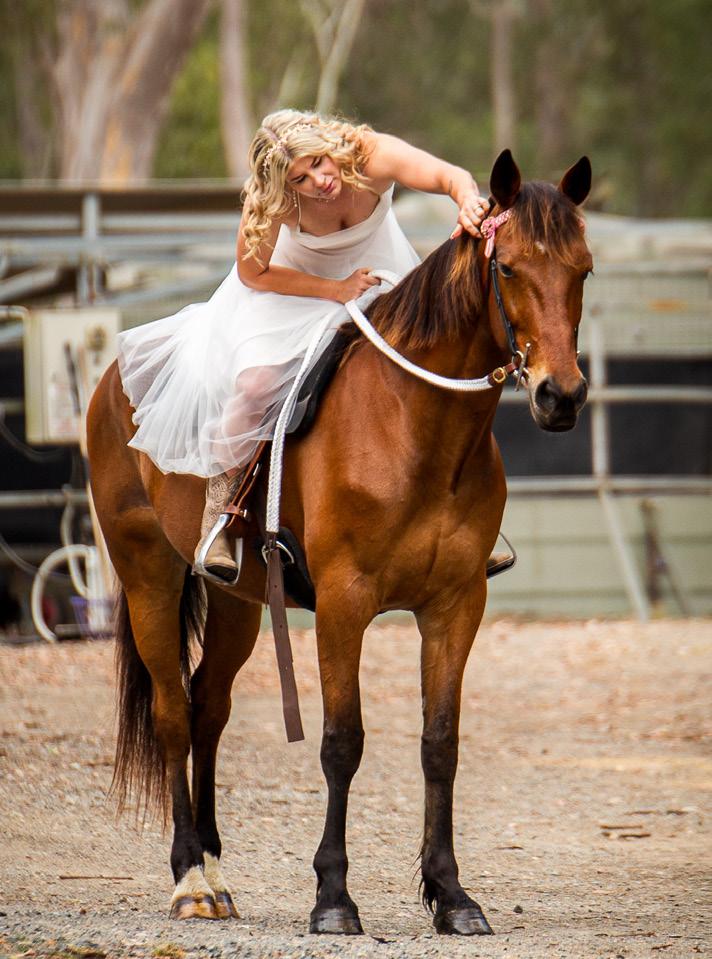
So of course, Lily took him on – and he became the very first OTT she retrained. “I’ll have him forever,” she adds, “he's the horse I rode into my wedding - he's done everything for me.”
And one of the things Mack did was to bring to Lily’s attention that while OTT Thoroughbreds were a popular option within the equestrian community, Standardbreds didn’t really get much of a mention. “And yet these horses are so versatile,” she explains. “They have such good brains because they've been exposed to literally everything. They get jogged alongside a car, they go for swims, they race pulling a gig behind them – they have a lot thrown at them, so their brain absorbs new things quite easily, it's not so scary for them.”
Lily's go-to motto is: How hard could it possibly be? And that positive mindset has been the motivation behind many of her decisions, including the one to take Mack on, although that was initially with the idea of retraining and then rehoming him. At the time, Lily was a live-in groom for Natalie Siiankoski and could only have one horse of her own at the yard.
LEFT: Lily and Mack at the 2022 Canungra Show (Image by Equinox images).
It was Mack who escorted Lily to her wedding (Image by Stable Moments Photography). RIGHT: Lily and a very scopey George at the Tamborine Pony Club Open Gamblers Day (Image by Chris Seen Photography).
But as training with Mack progressed, she was so impressed with him that she made the decision to sell her existing horse and keep Mack. "I did show horse with him, dressage, show jumping, literally everything. And then one day, because I was still trick riding at Hollie's, I thought, imagine if I could trick ride with him. Like, how hard could it possibly be? And that's where we're at now."
But as Lily points out, the initial retraining of an OTT Standardbred has a very specific focus. Because they're not used to carrying a rider's weight, balance is one of the first things they have learn, no matter what new career they might be destined for. All the more so when it comes to trick riding: "Obviously you don't want to swing off the side of a horse that's unbalanced, and it's taken a couple years to get Mack into balance." But, as it turns out, it was time well spent, because the now 12-year-old Mack has found his groove with trick
riding, and excels at his job.
Although by now Lily had decided to switch careers and had successfully completed her studies to become a support worker, she was still retraining and rehoming Standardbreds as a very enjoyable side hustle. One of the horses who came to her for retraining was OTT retiree Mighty George, a 10-year-old pacer. "When I got on him for the first time, I realised he had a really good brain," she says, "so I decided to keep him, and my plan for next year is to event him."
Lily, who has had the benefit of Queensland Off The Track subsidised lessons, trains with Gary Lung, an Equestrian Australia Level 2 Dressage specialist coach; show jumper Chloe Hughes, who previously evented to 3*; and 4* eventer Natalie Siiankoski - all coaches who Lily says she feels privileged to be taught by. "Gary has
helped me with both horses, improving their balance and so on. And then with George, it's jump lessons with Nat and Chloe, and dressage lessons from Gary. So yeah, I'm really excited for next year's competition season," she adds.
In Lily's opinion, an OTT Standardbred's potential should never be underestimated. "I think they've been stigmatised because they're gaited, and people tend to think they can't do much other than become trail riding horses," she says, "and they're the sort of horse that if you want to get something for your mum who only wants to ride up and down the road, then 110 per cent, a Standardbred is the way to go. They do make great riding horses, but there's nothing stopping them from doing anything a Thoroughbred can do with the right person."
The future is looking pretty good for Mack and George. Mack, who doesn't
LEFT:
enjoy jumping quite as much as George, will continue with his trick riding career, and for George, it's all about building on his eventing experience. "Tambourine Pony Club held a great Gamblers Day, as well as a little ODE, which was really good too. This year, I've focused on getting him out and about and not worrying about placings, just getting him used to his job," Lily explains - and when you consider that George and Lily have been a team for just on six months, it seems he's acclimatising pretty well.
So, if you're thinking an OTT Standardbred might be the right horse for you, Lily's advice is to find one through an approved retrainer, and then have patience with the process: "There'll be moments when you're riding them that aren't going to be perfect, but they've got such good brains that once it clicks for them, it clicks. So I mean, how hard could it possibly be?"
ABOVE: Lily and the versatile Mack during a Hollie Shiels trick riding lesson (Image by Hollie Shiels).
ABOVE: At Cedar Grove Dressage Day (Image by Down Under Photography).
Limitless Lodge Sydney International 3DE
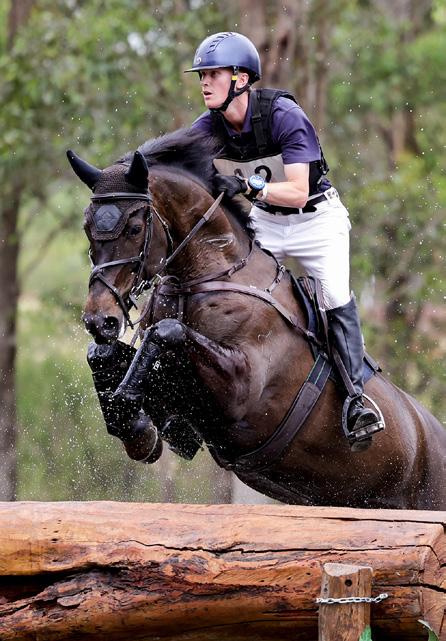
Held from the 21st to 23rd November at the Sydney International Equestrian Centre, the Limitless Lodge Sydney International Three Day Event was an outstanding success, bringing together some of eventing's top competitors.
Images courtesy Arcadia Images
The Sydney International ThreeDay Event once again delivered a spectacular celebration of horsemanship, athleticism and community spirit across the iconic Sydney International Equestrian Centre. Riders from across Australia - and a strong contingent from abroad - took to the stage in what has become one of the nation’s most anticipated annual eventing fixtures.
With immaculate footing, a flowing and thoughtfully designed cross-country course, and picture-perfect autumn conditions, Sydney 3DE reaffirmed its reputation as a true test of partnership across all three phases: the precision of
dressage, the bravery of cross-country, and the composure of show jumping.
Elite Sport Meets Community Atmosphere
Spectators lined the ropes in full voice as the CCI4*, CCI3*, CCI2* and national classes unfolded. Riders praised this year’s David Evans–designed crosscountry track for its bold questions and fair lines, offering opportunities for both established combinations and young horses stepping up the grades.
The buzz around Horsley Park carried well beyond the arenas. Trade stands, coaching sessions, hospitality lounges and family-friendly activities created a festival atmosphere, while a dedicated
team of volunteers kept the event running seamlessly behind the scenes.
Standout Performances & Divisional Highlights
Across the CCI4*, CCI3*, CCI2*, and national classes, the leaderboard shifted dramatically throughout the event, proving once again that threeday eventing is the ultimate test of partnership.
In the CCI4*, consistency was key, with Oliver Barrett delivering a polished dressage test, storming around crosscountry aboard Sandhills Briar, and sealing the deal with a composed, footperfect show jumping round to claim
the CCI4*-L title and the Robert Slade Memorial Trophy. Barrett also collected the Holstein Park Leilani Trophy, with Sandhills Gem finishing as the highest placed mare - an exceptional double victory.
The CCI3* division showcased several rising stars stepping confidently into the spotlight, while standout Thoroughbred HK Hawthorn, ridden by Hannah Deegan, impressed the judges and secured Best Performed Thoroughbred honours in the class.
In the CCI2*, grassroots and emerging riders truly shone - a division that highlighted the sport’s depth and future promise. Meanwhile, in the CCI4*-L Thoroughbred ranks, Bold Venture and Shenae Lowings earned the Best Performed Thoroughbred title, adding further excitement to the national classes.
Community, Clinics & Behind the Scenes Magic
More than just a competition, Sydney 3DE is a gathering point for the broader eventing community. Trade stands, clinics, food vendors, and behind-thescenes tours brought spectators closer to the sport. The popular Riders’ Lounge and hospitality areas were buzzing all weekend, creating opportunities for amateurs, professionals, owners, and supporters to connect.
Volunteers once again formed the backbone of the event - fence judges, arena crews, scribes, stewards, and medical teams working seamlessly to ensure smooth running and rider safety.
A Platform for the Future of the Sport
Sydney 3DE continues its mission to support both elite and developing riders, providing a professional stage for athletes aiming for national squads,
international qualifications, and longterm championship goals. For many younger riders, this event represents both a dream and a proving ground - a chance to measure themselves against the country’s best.
The organising committee also continues to invest in venue improvements, footing upgrades, and spectator offerings, ensuring the event remains a major highlight on the annual eventing calendar.
Looking Ahead
With another successful year wrapped, anticipation is already building for the next edition. Sydney 3DE remains a marquee moment for Australian eventing - a place where the sport’s heart, heritage, and future collide in the most exciting way.
For full results, photos, and updates, visit Sydney International Three Day Event
Pony Club Spirit 2025 End-of-Year Wraps
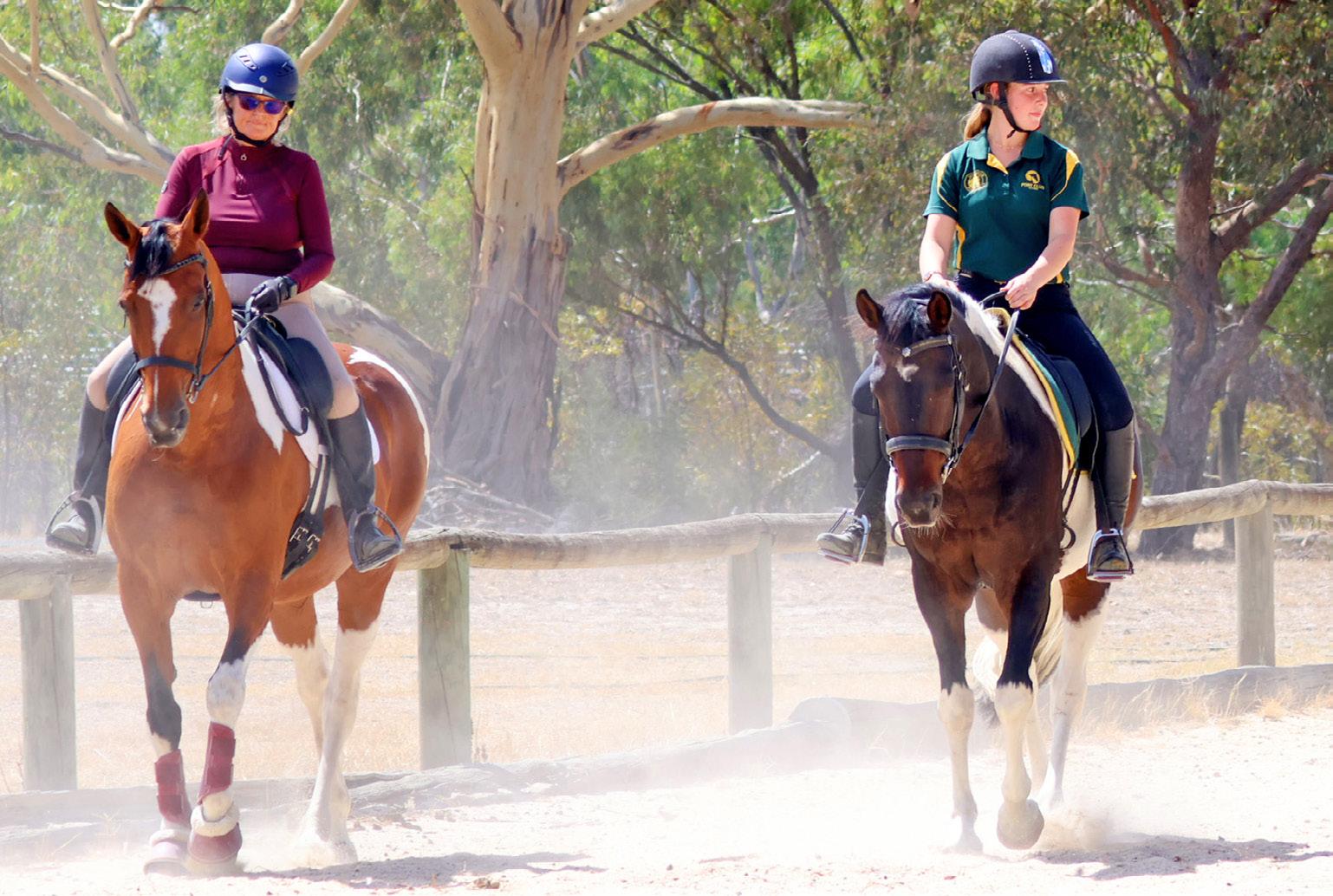
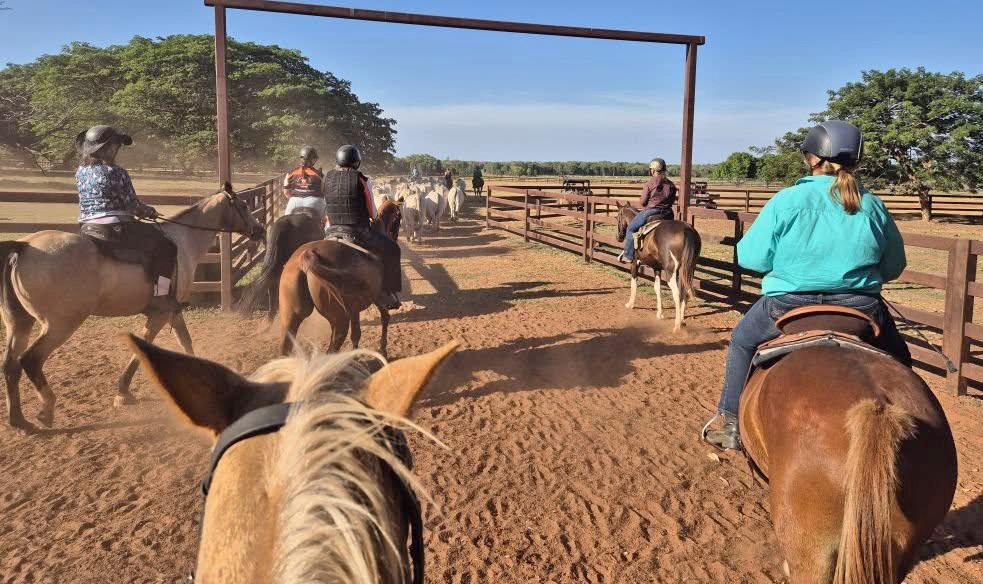
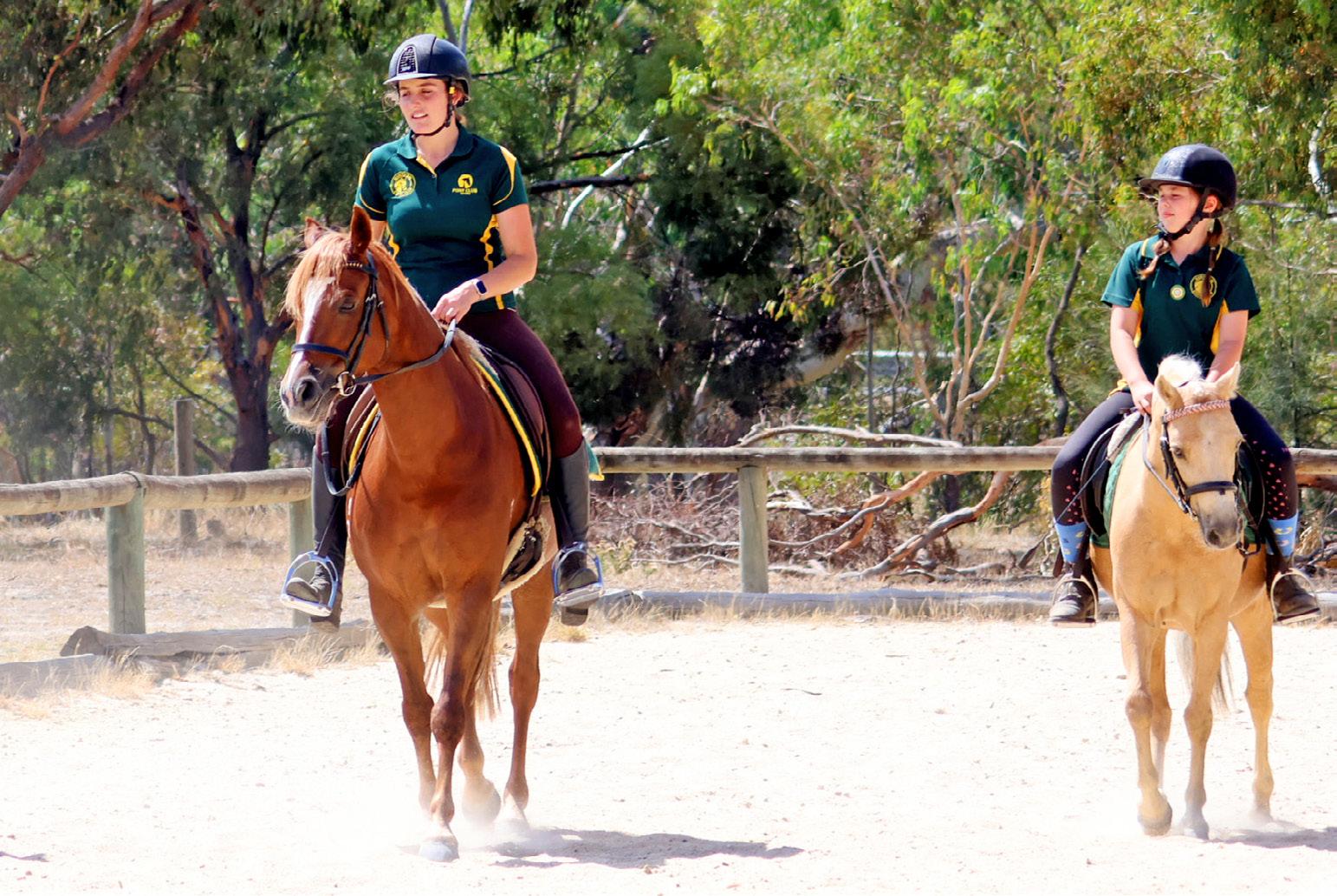
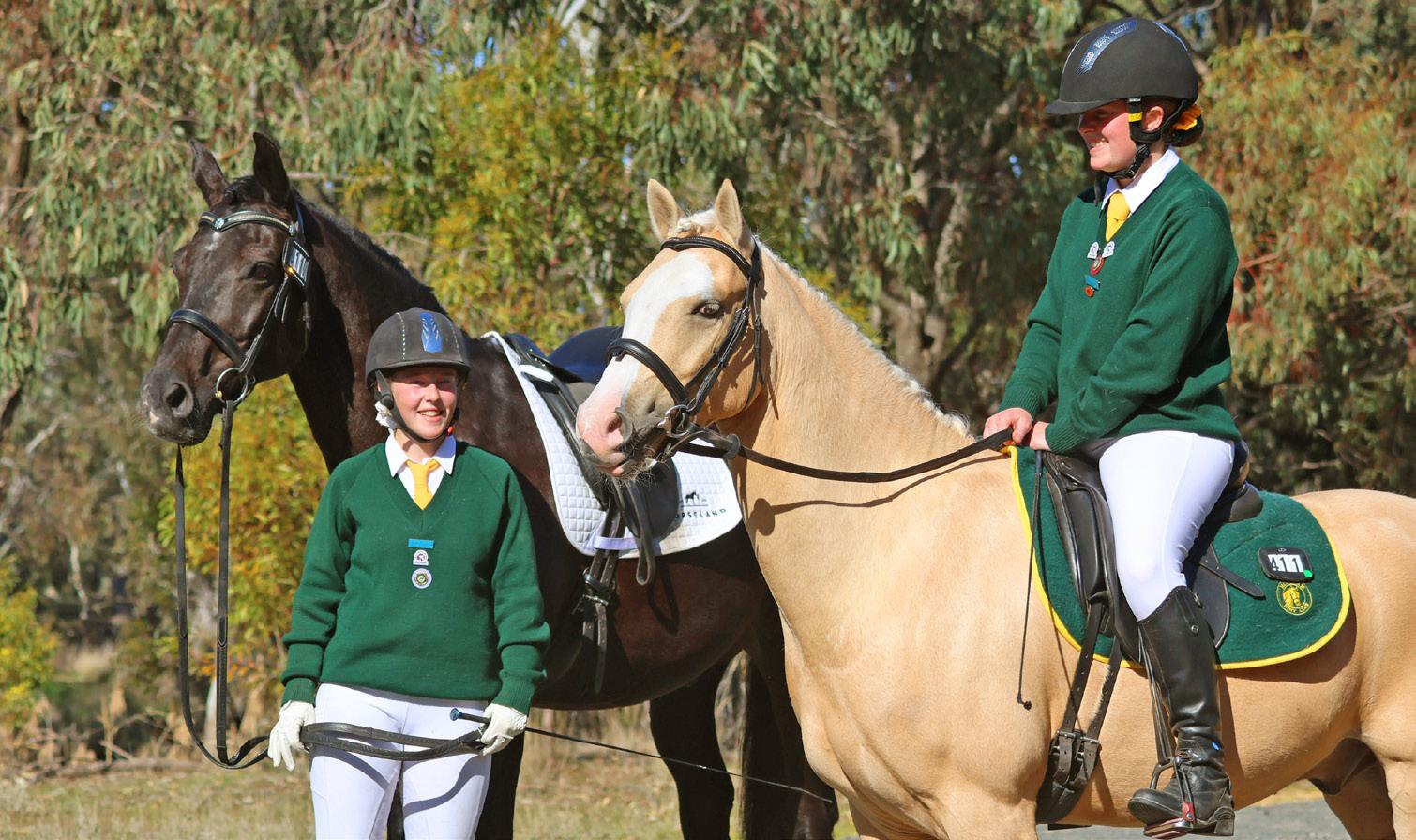
Across Australia, Pony Clubs remain the beating heart of grassroots equestrian life - a place where riders of all ages learn, grow, laugh, compete, and belong. As 2025 draws to a close, we’re celebrating three clubs whose dedication to community, horsemanship, and opportunities for young riders has truly shone this year.
Litchfield Horse & Pony Club
Northern Territory
Community Spirit, Coaching, Growth and a Strong Year in the Top End
been another standout year for Litchfield Horse and Pony Club (LHPC), with membership continuing to grow across Darwin and surrounding regions - particularly among adult riders who have embraced the club’s inclusive and community-minded culture.
A major milestone came with the successful installation of a new sand arena boundary, funded through the NT Government’s Community Benefit Fund. This upgrade has improved safety, usability, and comfort for riders, while also supporting local Darwin businesses - a win for the club and the community that surrounds it.
LHPC was thrilled to run its Stockmen’s Challenge for the second year in a row, drawing fantastic participation from members and the wider region. A notable highlight was the involvement of Taminmin College students, who joined in the lead-up to the event and helped strengthen the bridge between young people, education, and the equestrian world.
Throughout the year, members benefited from a rich coaching calendar, including interstate sessions with Dr Portland Jones, plus clinics and rallies delivered by respected NT coaches Nicole Mutimer (Northern Territory Institute of Equestrian) and Ruth Hanssen (Coffee Rocks NT). The club also celebrated an uplift in its own coaching ranks, welcoming newly accredited Preliminary Coaches - continuing the legacy of knowledgesharing that LHPC is known for.
With its warm culture, strong volunteer base, and commitment to developing riders of all ages, LHPC remains a pillar of equestrian life in the Northern Territory.
Cannonvalley Pony Club Queensland
A Big Comeback, Major Upgrades and
Seniors Leading the Way
Setin the beautiful Whitsundays, Cannonvalley Pony Club has had a game-changing year. After a period of inactivity, the club has come roaring back, hosting multiple official competitions that brought riders, families, and volunteers together in true Pony Club spirit. The atmosphere, enthusiasm, and rider turnout have been nothing short of inspiring.
A huge achievement this year was securing a $49,200 Gambling Community Benefit Fund grant to build a brand-new 60 x 20m dressage arena. This development will elevate the level of competition the club can offer and ease pressure on the main arena, which currently hosts both dressage and show jumping. It’s an exciting investment in the club’s future and a major boost for local riders and travelling competitors alike.
Cannonvalley has also enjoyed remarkable leadership from its senior riders, who have stepped up as role models and mentors for the younger cohort. Their sportsmanship, confidence, and generosity have shaped a welcoming environment where every rider feels supported - whether they’re preparing for their first ribbon or honing skills for higher competition.
Alongside official events, the club has championed inclusivity, running initiatives to nurture junior riders and introduce newcomers to the sport in a friendly, confidence-building way.
With such strong momentum, Cannonvalley Pony Club heads into 2026 full of excitement, ready to keep growing, hosting, learning, and welcoming riders into its vibrant community.
Horsham Pony Club
Victoria
Long History, Big Distances and Riders Achieving Big Dreams
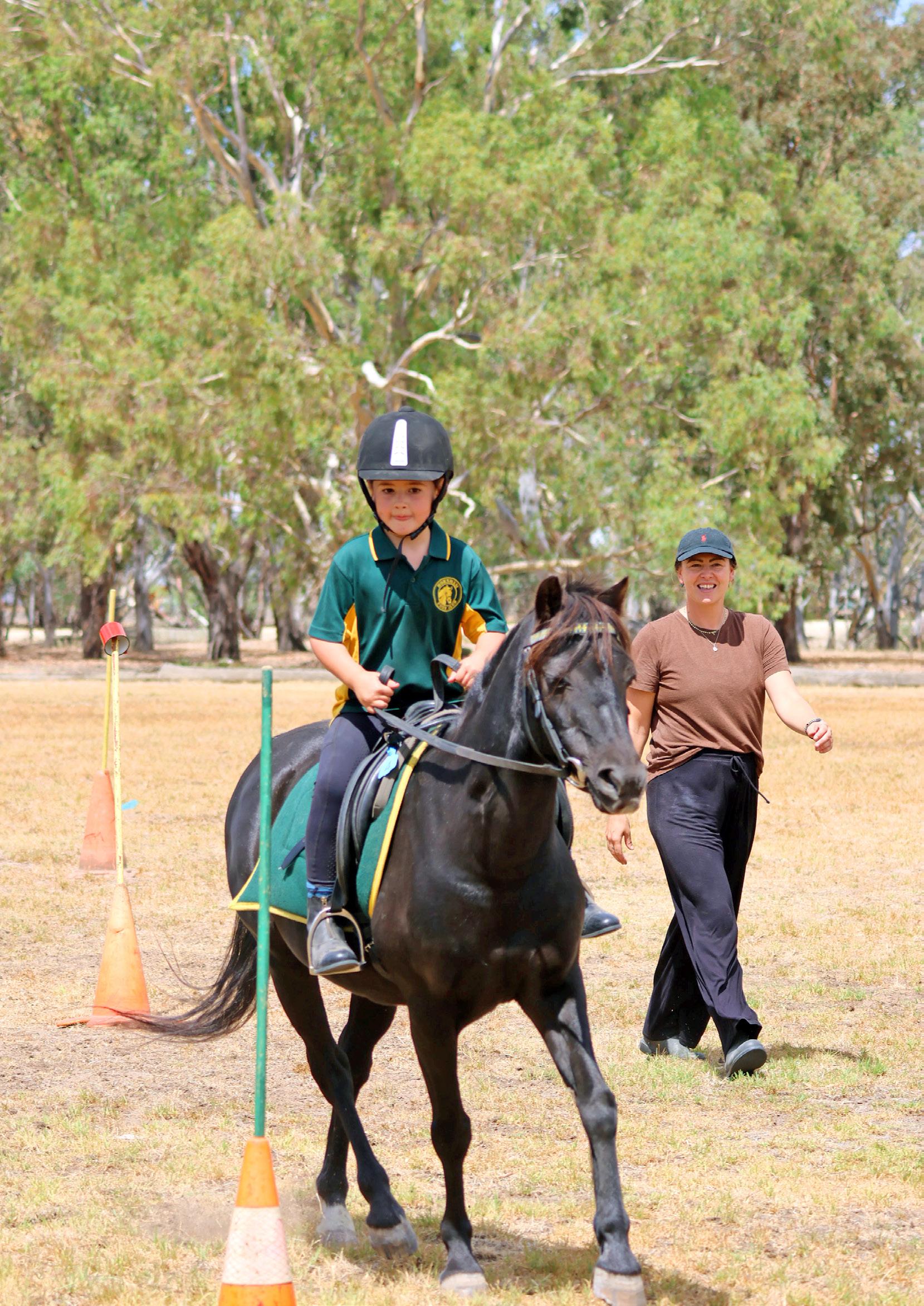
Established in 1959, the much-loved Horsham Pony Club sits halfway between Melbourne and Adelaide and is now heading towards an incredible 67 years of pony club tradition. In 2025, the club welcomed 18 riding members, including six adults, after opening memberships to riders over 25 - a move that has strengthened membership numbers and created opportunities for parents and older riders to enjoy the educational benefits of pony club alongside the next generation.
Horsham’s members travel from everywhere - from just down the road to more than 100 km each way to attend rallies. With several regional clubs closing in recent years, Horsham regularly combines with neighbouring clubs to share instructors and build inter-club friendships. Reliable coaching can be challenging due to distance and cost, but the club is fortunate to have experienced and dedicated members who step up to ensure riders receive fun, safe, and educational instruction.
Despite challenges, the results speak for themselves: three Horsham riders represented Victoria at the 2025 PCA National Championships in both Dressage and Eventing - a huge achievement for a small regional club.
Horsham’s history is rich and proudly preserved. In 1989, the club hosted the Pony Club Victoria State Horse Trials, building the course on private property - a legacy still remembered fondly. Club hero Noel Janetzki, pictured in the archives, remains a cherished life member. Now in his 80s, Noel still attends every rally, always ready with a helping hand, a set of tools, or the tongs at the BBQ.
With deep roots, determined riders, and a fiercely loyal community, Horsham Pony Club continues to embody everything grassroots equestrian life is about.
Across Australia, continue to be of our grassroots equestrian community - especially remote regions, where connection, coaching, and a sense of belonging reaches far beyond They are places where riders find confidence, find community, and horsepeople are shaped a time.
As we look toward to share even more heart of Pony Club has a rider to celebrate, worth showcasing, captures the magic equestrian community, feature it in our Hub next year.
Keep the stories coming where riders read, club has a place
ABOVE: Sun, surf and sand for members of Queensland Cannonvalley PC. BOTTOM LEFT: Madie and Rosie, and volunteers
Australia, Pony Clubs be the backbone equestrian especially in rural and where they provide coaching, mentorship, belonging that often beyond the arena rails. where young confidence, families and lifelong shaped one rally at toward 2026, we’d love more stories from the Club life. If your club celebrate, an event showcasing, or a tale that magic of your local community, we’d love to Hub Club section
coming - this is and where every volunteers Jo and Merle, all from
Cannonvalley PC. BOTTOM RIGHT: Two Litchfield PC members improving their skills.
ABOVE: Lifelong horsepeople are shaped one rally at a time (Horsham PC). BOTTOM: From the bush to the city, Pony Club
Club offers connection, coaching, mentoring and a sense of belonging (Left: Litchfield PC. Right: Horsham PC).
PONY CLUB
Boyd & Silva Martin Bring the House Down at Off The Track WA Masterclass
Western Australia was treated to a rare and inspiring evening of horsemanship as Olympian Boyd Martin and elite dressage rider Silva Martin headlined the Off The Track WA Masterclass, held in partnership with the Equestrian in the Park event. What unfolded was nothing short of a celebration of the Thoroughbred - their heart, their willingness, and their limitless potential in a second career.
From the moment Boyd stepped into the arena, the tone was set: encouraging, direct, insightful. The opening session, ‘Establishing the Basics’ showcased two OTT stars, four-year-old Double Oh and ten-year-old Platoon, guided by talented WA riders Charlee Morton-Sharp and Tegan Cook. Both horses warmed up quickly under Boyd’s exercises, displaying the classic Thoroughbred brain - brave, honest, and generous. Double Oh, the youngest in the group, drew particular praise, leaving Boyd to jokingly declare that if he could find Thoroughbreds like these in America, he’d “never ride a Warmblood again.”
Silva then stepped into the ring, gliding around on one of WA’s few FEI dressage horses with trademark softness and feel. Her effortless connection, even on an unfamiliar horse, offered a striking contrast before Boyd hopped on board to demonstrate how the pair’s combined skill underpins the success of their eventing program. Their partnership - grounded in trust, shared knowledge, and an expert eye from the sidelines - was one of the night’s most memorable takeaways.
After a fireside-style Q&A with Boyd and fellow Olympian Stuart Tinney, the masterclass moved into its second phase: ‘Fine-Tuning for Success’. Returning rider Tegan partnered her established mount Lyrical Discourse (Moet), while Isobel brought forward Distribute (Remy). The pair tackled trickier lines and more technical questions, with Tegan and Moet cruising confidently, and Isobel masterfully settling Remy after an excited start - something Boyd seized as a real-world teaching moment in calming and focusing an anxious horse.
As combinations grew tougher, the atmosphere lifted. Boyd’s enthusiasm was infectious; every polished jump from Moet earned an audible, “I like this horse,” while Remy’s transformation drew nods of admiration from the crowd.
But the final sentiment of the night belonged to the horses themselves: “Wow, what wonderful horses.”
Across every session, these four Thoroughbreds proved exactly why Off The Track WA champions second careers. Brave, athletic, intelligent and willing - they stood shoulder to shoulder with elite riders and shone under world-class instruction.
Off The Track WA and Equestrian in the Park delivered an unforgettable evening - equal parts education and inspiration - and a beautiful reminder of what retired racehorses are capable of when given a fresh opportunity and the right guidance.
Story courtesy of Off The Track WA - Images by Rebecca De Vries Photography
Silva Martin rode one WA’s few FEI dressage horses with trademark softness and feel.
In a fireside-style Q&A, Boyd and fellow Olympian Stuart Tinney shared the expertise gained from years of experience.
Talented WA riders Tegan and Charlee piloted their horses through the masterclass, leaving no doubt as to the capability of off the track Thoroughbreds.
ABOVE:
BOTTOM:
POINT OF VIEW
My Pilbara Equestrian Life
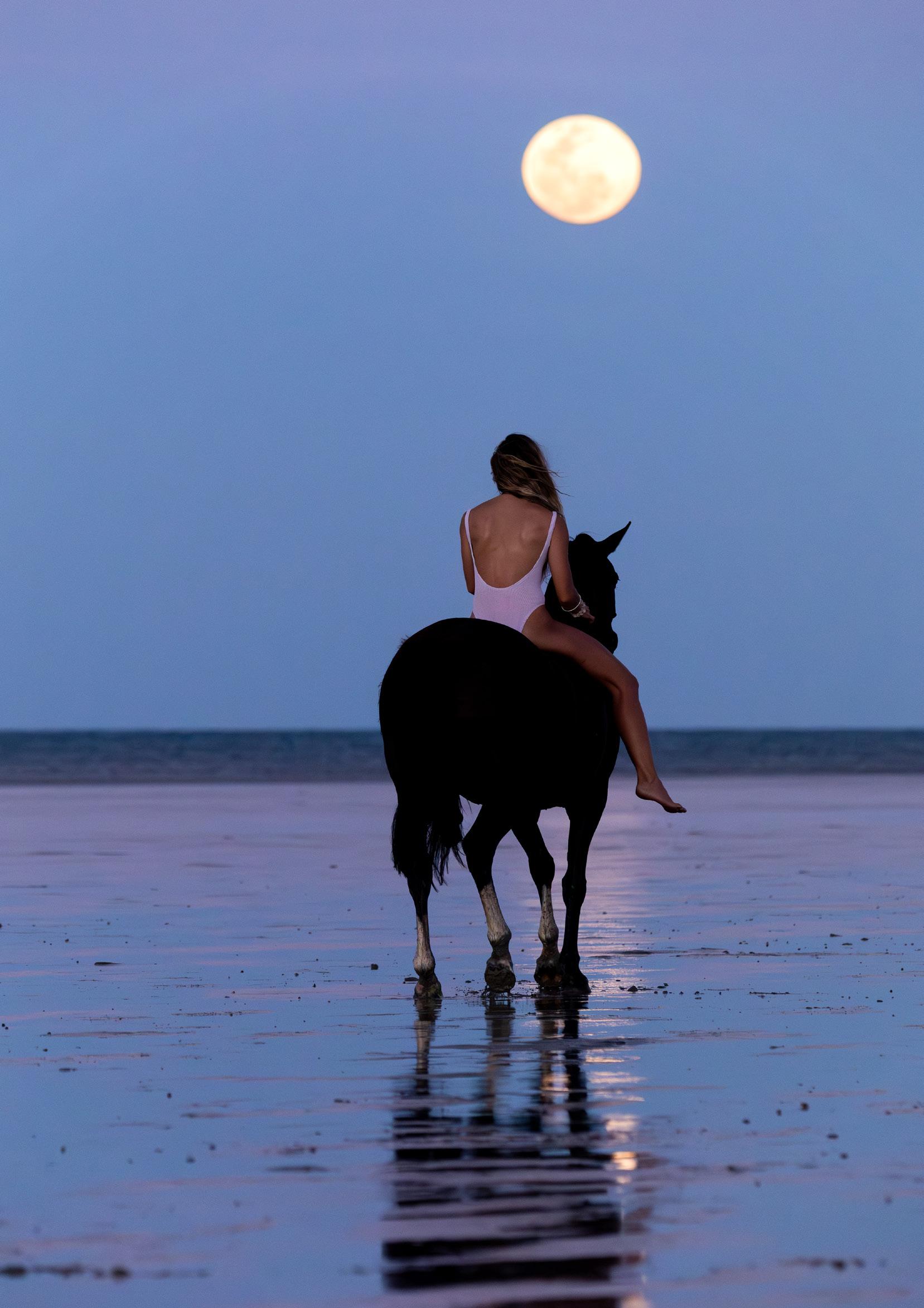
Australia's vastly different landscapes shape how we interact with our horses. For KATE REDMOND, the Pilbara has changed her both as an equestrian and personally.
Living and riding in the Pilbara comes with challenges that most horse people in Australia will never experience. The heat and the hard, rocky ground shape almost everything I do with my horses. Facilities are limited, professional services are scarce, and the climate dictates how often I can ride.
In the lead-up to summer, it simply becomes too hot to work horses safely. Overheating is a genuine risk, and welfare has to come first, which often means accepting that consistent training just isn’t possible for months at a time.
My days look very different now that I’m a mum. With no family or help here, everything revolves around my partner Nathan’s work schedule and our little boy Sonny. Riding isn’t the daily routine it once was, and I’ve had to surrender to that - knowing it’s not forever. Most mornings start with feeding the horses, checking waters, picking up manure, and managing our track system. Sonny is at a good age now where he’ll happily 'help' and follow me around while I get most of the jobs done.
Our horses live on an open track system to encourage movement and to allow us to rotate areas so we can grow some pasture. Nothing survives here without constant attention. Because we only get rain a couple of times a year, we spend most of the day moving the reticulation system around just to keep grass alive. It’s labour-intensive, and some days I feel like I’m running between one watering point and the next endlessly.
After morning chores, Sonny and I
head to the community sports centre. I squeeze in a workout and then work from the café while he’s in the crèche - the only childcare I can access. I do as much as I can for my socials and EquiClub before lunch, then we head home to check the horses again.
In winter, I can sometimes ride while Sonny naps in the portacot next to the arena. In summer, that’s out of the question. Instead, I spend a lot of time cooling the horses down, checking waters, and feeding extra hay inside the walk-in stables where they can stand under fans and misters.
Summer management is relentless. Soaking grain at midday (because it spoils too quickly in the morning), hosing horses regularly to keep their core temperatures down - sometimes up to twelve times on the hottest days when it hits close to 50 degrees. It can feel like a constant cycle of care, but it’s necessary.
If Nathan gets home early enough, I’ll ride in the evenings, often leading a second horse so two can get out at once. Beach rides are my favourite, but they’re usually only possible on weekends when I have help.
Keeping horses in work here is always at the mercy of the weather. From September onwards, you’re working in small early morning and late evening windows - until even those become too hot. Competitions are another challenge. When I was eventing, Perth was my closest option at over 1,600 kilometres one way. The cost of fuel alone made
regular competing almost impossible, and keeping horses sound on the hard ground was difficult without consistent access to a good farrier. Eventually, I transitioned my horses to barefoot simply because maintaining shoeing here became too unreliable. Two of my horses have anhydrosis as well, which makes me even more cautious in the heat.
Despite everything, the landscape is what keeps me here. Riding amongst the huge red rocks, along dusty red trails, makes me feel small in the best possible way. It’s a raw, harsh beauty that not everyone understands, but it feels like home. Summer storms rolling across crisp yellow bush, white clouds against deep blue skies, the red earth glowing - it’s like nowhere else. When it finally rains, it feels like a full reset, physically and energetically. Everyone’s mood shifts. You feel it in your whole body.
Living remotely has shaped the horsewoman I’ve become. My entire routine is built around preventative care because any small issue can turn serious quickly. Without vets or farriers nearby, you learn to handle emergencies yourself. Things most horse owners would never need to know become essential here. Not knowing what to do isn’t an option when help is 1,600 kilometres away. It’s a harsh reality, but it’s made me capable in a way I never expected.
The equestrian scene in the Pilbara has changed a lot over the years. When I was growing up, it was almost entirely
English disciplines - dressage, showing and show jumping, with regular intertown competitions. Now the western and rodeo disciplines dominate, and the English scene is almost nonexistent. I haven’t competed since having Sonny, partly because of time and partly because I no longer feel the pressure to. I’ve leaned into being a mum, and I’ve rediscovered the joy of riding simply for pleasure - beach days, trails, and relaxed time with my horses.
Online connection has been lifechanging for me. Content creation became a part-time job at the perfect time, allowing me to work around Sonny and from wherever I need to be. I’ve made incredible friendships onlinesome that have turned into real-life connections - and it’s helped bridge the isolation that can come with living in such a transient, remote area. It’s given me opportunities I never knew existed.
My horsemanship journey has been shaped by many online profiles,
especially as I shifted away from competition and towards building deeper emotional connection with my horses. A good friend of mine now, Susi May of Concise Connection & Liberty Training, originally an online connection, introduced me to clicker training in a practical, everyday way. It’s not about tricks - it’s about communication and building a better relationship. It’s changed everything for me.
EquiClub was born out of that identity shift. Stepping away from competition left me feeling a bit lost, like I no longer fit into any specific horse world. I wasn’t a cowgirl, I wasn’t a competitive English rider anymore, but I still loved riding as much as ever - just as a lifestyle, not a sport.
I also realised that almost all modern riding clothing is made from hot, clingy synthetic materials, which are awful in our climate. I found myself riding in old cotton tees and loving it. So I thought, why not create something that feels like
me - a fun, casual, horsey lifestyle brand for people who don’t feel like they fit the traditional mould? Something you can wear anywhere and not look like you just rode out of the arena. The response has been amazing. So many people felt the same way, and it’s been such a fun experience starting something new.
If there’s one lesson the Pilbara has taught me, it’s that I can do hard thingsa lot of them. Living remotely forces you to become resilient, independent and resourceful. I’ve learned to do things I never imagined I’d need to know, simply because there was no one else to do them. If you believe you can, you really can. It might be harder, it might not be perfect, but it’s almost always doable.
Follow Kate on Instagram, FaceBook, and Tik Tok, and you'll find her shop right here.
All images courtesy of Heather Osborne Photography.
How to AOR Like a Pro
You might be an Amateur Owner Rider, but that doesn't stop you approaching your sport like a pro, writes
ANNE-MARIE LASSERRE.
As the warmth of summer shimmers off every grain of arena sand and the competition season winds down, it’s tempting to think it’s time to turn the horses out, tweak the 4CYTE dose and finally pop open that bottle of Verve you’ve got tucked away in the fridge.
But for many of us - whether we ride professionally or as an Amateur Owner Rider (AOR) - ‘Enter at A’ is part of a 12-month strategy. It has to be carefully woven around work, budget, family, health and the general business of keeping a happy household running.
Planning for the coming competition year can feel daunting - but it doesn’t have to be. Here are some ideas to help you AOR like a pro.
Remember Why You Started
My first memory of riding a dressage test was at a local hack day that offered both hacking and dressage with EA judges.
With a very casual “Yep, I’ll have a crack at that,” attitude, I looked up the test online and, because it was pay-on-theday entry, decided on the spur of the moment: Why not? It’s only straight lines and circles, right?
Ignorance as bliss will only get you so far in any sport - right up until the results come back. You wander back to the float, laughing at the intense, balletesque breakdown of your round and the “skills” you’ve dragged across from another discipline. Your score isn’t the worst. The judge writes: Well ridden if accuracy was actually shown. Capable combination.
There’s the glimmer. You’re hooked.
That tiny crack of encouragement is often all it takes to turn I’ll have a go into okay, let’s actually do this. Come back to that feeling whenever you’re knee-deep in schedules, bodywork and entry fees.
Develop Your Skills and Your People Skills
If you’ve ever competed in a sport that demands practice, timing, strength and flow, you already know: riding isn’t a part-time hobby, it becomes a lifestyle. The people around you will either:
• go with the flow (with a bit of negotiated compromise)
• protest the changes, or
• quietly fade out of your life as you commit more fully to your sport.
The ones who stay - and the new faces you gather along the way - become your people. They’re the ones who understand why you’re already up and out plaiting at 4:30am.
Set yourself up with support:
• Get a coach and actually train with them regularly.
• Have eyes on the ground – ride with friends and video each other.
• And if you’re really invested, save up for the ultimate truthteller - a mirror.
Nothing delivers that ‘Oh my god, they were right’ moment like seeing yourself, mid-movement, in full unfiltered clarity. The mirror never lies!
What Is Pro Versus AOR?
Amateur Owner Rider (AOR) is a division of official competitive riders created to highlight and reward non-professional
riders. A professional is someone who derives an income from equestrian activities such as breaking or training horses, coaching riders, and/or riding horses for money.
Professionals can’t compete for AOR rankings (though AOR riders can absolutely compete in open classes). But here’s the key: just because you’re not being paid to ride doesn’t mean you can’t take a professional approach.
Many AOR riders have full careers and busy working lives. That extended skill set - time management, budgeting, communication, problem solving - is pure gold when channelled into your riding.
Get Your Entries (and Life) Organised in Advance
1) Be Organised: Break your week into blocks of time and stick to them as best you can. If tasks spill over, adjust the following week. You can’t overhaul your routine overnight without chaos - adapt slowly, set incremental goals and make small, frequent tweaks.
2) Set Schedules: Lay out your week so even the least horsey partner could decipher it in an emergency. Highlight farrier, dentist, vet and bodyworker appointments. Add the ‘invisible’ tasks too - mowing, rug repairs, gear cleaning. If they’re not scheduled, they’re the first to be forgotten.
A schedule isn’t about rigidity - it’s about not firefighting every day.
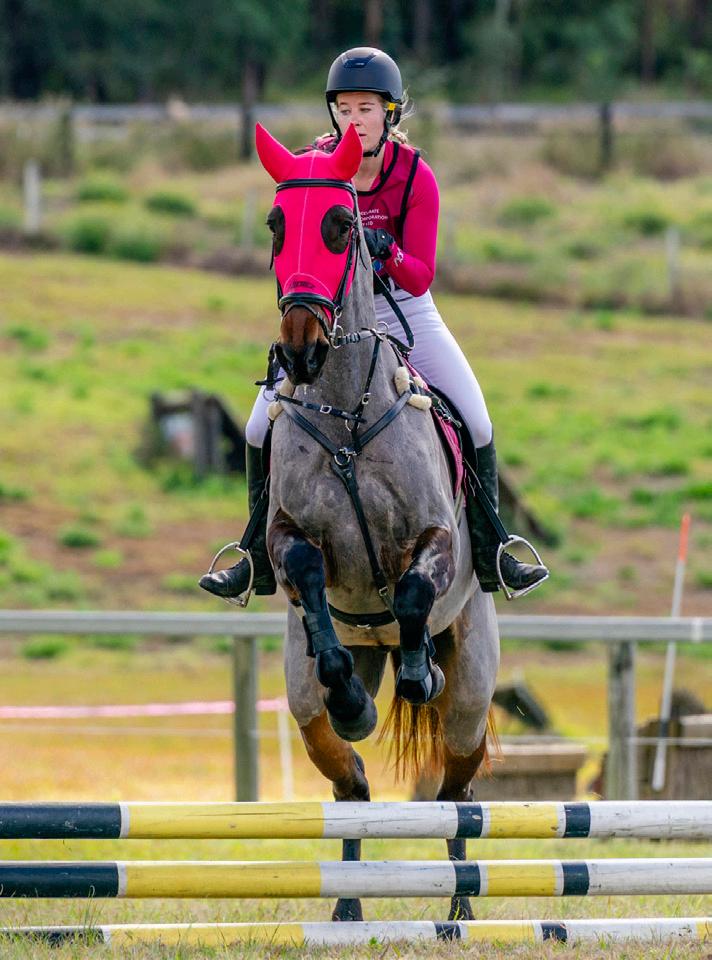
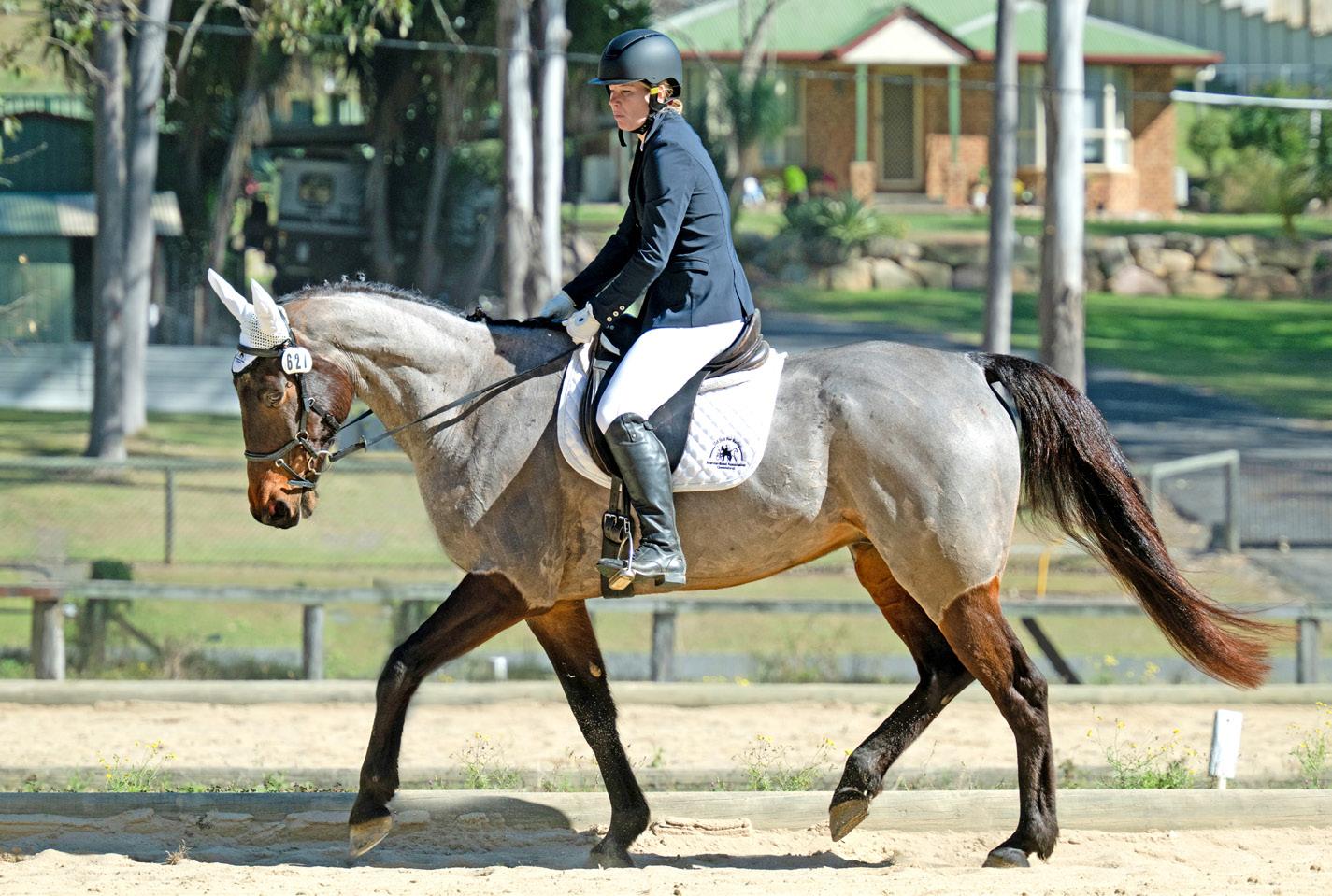
LEFT: Just because you’re competing in the AOR division doesn’t mean you can’t take a professional approach. (Image by MC Jukes Photography).
ABOVE: Smile big, don't sweat the small stuff and get your life organised in advance (Image by Jase Outdoor Photography).
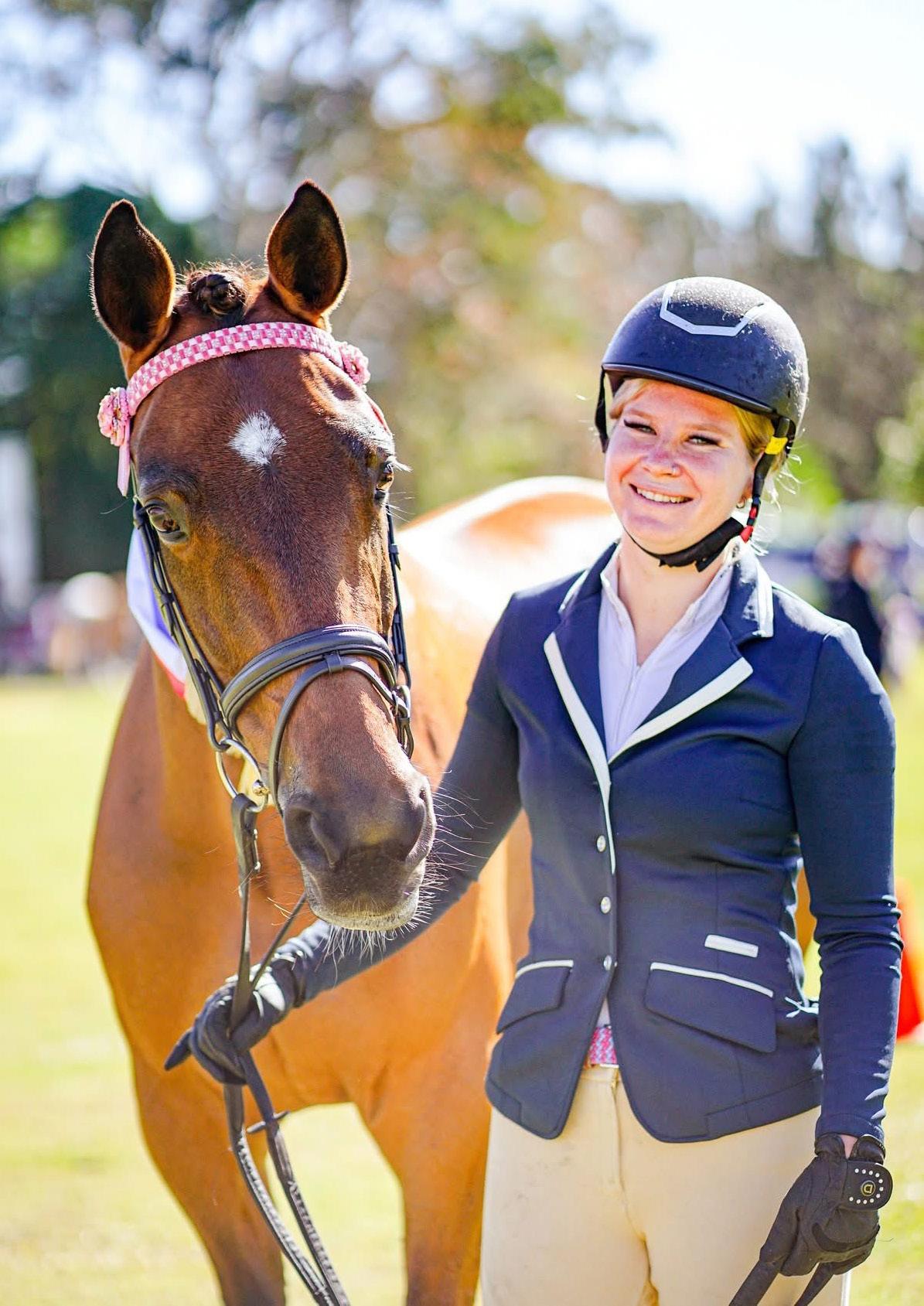
LEFT: A schedule isn’t about rigidity, it’s about not firefighting every day.
No one is a mind reader. If you’re struggling, say so. Try:
• Hey, I’m struggling - do you know a better way to make this work?
• I’m having a crazy day; can you take one thing off my list?
And on the really hard days, tidy what you can, then step away. Hands on head, walk tall, breathe. Clarity comes when you give yourself space.
4. Stay Balanced: Perfecting a skill can slip into obsession wrapped in hyperfocus. Find your version of balance: go out for dinner; take the family (or the dogs) for a walk; talk about events that aren’t horse-related. This keeps your world bigger than 60 × 20.
5. Smile Big: Don’t sweat the small stuff. Chill, babe - you will get there. If getting up 10 minutes earlier helps (or in my case, an hour and a half earlier), do it. The peace of mind is worth it. Prep feeds the night before. Flip your phone
face-down and go to sleep a little earlier. You can feel as put together as any professional athlete - and it begins with how you talk to yourself, organise yourself, and back yourself.
As another year draws to a close and the arena dust settles for the season - the highs, the heartbreaks, the breakthroughs and the belly laughs, this is your moment to take stock. Not just of scores or qualifications, but of who you’ve become along the way. Celebrate the lessons; celebrate the small wins; celebrate the horse who turned up for you, even when you weren’t sure you could turn up for yourself.
The competition calendar might pause, but the AOR mindset doesn’t. This is the time to let your horse recover, let your body breathe, let your brain catch up - and then quietly, purposefully start
shaping the rider you want to be when the new season dawns.
Because whether you’re a seasoned competitor or you entered your first test on a ‘yep, I’ll have a crack at that’ whim, one truth remains: you get to write the next chapter.
So pour a glass of bubbles, pat your horse, and give yourself permission to exhale. The centreline will be waiting. And with a little planning, a little balance, and a whole lot of passion, you’ll meet it next year with the confidence of Jane Bond, sand assassin - poised, prepared and absolutely ready for action.
Here’s to riding smarter, feeling stronger and stepping into the new season as the very best version of yourself.
Bring on 2026.
Follow Anne-Marie on Instagram.
JOURNEY
Taylor Escriva: A Journey of Heart, Horses and Holding On
Carving out the life of your dreams can require dedication, determination, grit, and the unwavering belief that your vision will some day become your reality.
From the time she can remember, Taylor Escriva has been horseobsessed. Her mum still recalls her tiny daughter sitting happily for hours, watching the same rodeo tape on repeat or reading her well-worn horse book until the corners curled. Growing up on her grandparents’ small cane and cattle farm, those early years were shaped by dust, paddocks, and the steady heartbeat of horses.
After years of pleading, Taylor finally wore her parents down and was gifted her first pony, a cheeky mare named Cherry. Cherry was notorious for throwing in a few bucks every time Taylor asked for canter, but send her back? Not a chance. This was the pony she had waited her whole childhood for. Between Cherry, the old farm horses, and regular riding lessons, Taylor spent her school years (from about Year 5 to Year 9) discovering who she was meant to be.
By Year 10, her world widened. A horsemanship clinic with Ian Francis opened her eyes to a new way of communicating with horses, and Guy McLean’s groundwork DVDs paired with late-night Heartland episodes planted
the seed of something deeper: liberty. Then came Aaron.
They met in Year 11, and ten years later they’re still side by side. In the very first year of their relationship, Aaron gifted Taylor an unhandled yearling from his mother Margaret’s 27,000-acre cattle station. The colt’s name was Cupidand Cupid changed the trajectory of Taylor’s life. Weekends were spent out at Glenore Station, mustering cattle and falling in love not only with Aaron, but with the possibilities unfolding in front of her. When Cupid was ready, Taylor took him to a clinic with respected horseman Donal Hancock, tentatively sharing her dream of learning liberty. Donal listened - and then he took her under his wing.
After school, Taylor became a vet nurse at Burdekin Vet Services, but her hunger to learn more about liberty only grew stronger. Eventually she made a bold choice: she left her job and headed south to work with Donal, first without her horses and later returning with Cupid and Reba, a young mare she had broken in herself. Under his guidance she learned the foundations of liberty - the lay-down, Spanish walk, rear - and the deeper philosophy behind
true horsemanship. She returned home with confidence, gratitude, and a determination to build her own liberty team.
Taylor split her time between the vet clinic and working on the station, travelling an hour each way, and performing her first small liberty shows at local ag shows. Life was full, busy, and beautiful - until it wasn’t. When Aaron’s mum Margaret fell ill, Taylor left vet nursing to care for her and help more on the property. Losing Margaret at the end of 2019 changed everything. Taylor and Aaron were just 20 years old when they found themselves suddenly responsible for the property, the horses, and the future. It was an overwhelming, uncertain time.
She returned to vet nursing briefly, but the commute was unsustainable and the income wasn’t enough. So she did something unexpected: she took a job in the mines driving dump trucks. The roster - seven days on, seven off - was gruelling, but the pay allowed her to
LEFT: Taylor and Cupid presenting a liberty demonstration at the 2025 Legacy of the Horse (Image by JVA Photography).
buy a new ute, then a gooseneck, and ultimately gave her the freedom to train her horses properly. Those four years were transformative. Between shifts, she trained Cupid, Reba, and later Henrythe makings of her three-horse liberty team - while still helping Aaron run the station.
In 2024, a door opened she could never have imagined. She travelled to America to support Donal at Road to the Horse, the World Championship of Colt Starting, where she met Dan James and immersed herself in world-class horsemanship. Donal then introduced her to Jennifer Welch Nicholson, founder of the legendary Riata Ranch Cowboy Girls in California. Suddenly, Taylor was training liberty horses in the US, learning trick riding, mastering roman riding with trained teams, and gaining skills she’d only dreamed of. She spent three months stateside before returning to Queensland with a sharpened toolkit and renewed ambition.
In early 2025, Jennifer invited her back to perform at rodeos in America. Taylor quit the mines and headed over, preparing a Riata liberty team for Norco Horse Week and performing liberty and roman riding across three nights. But life intervened once again. Aaron suffered a severe leg break in a mustering accident, and Taylor flew home to care for him. Three weeks later, she broke three bones in her foot when she came off her roman team.
“I was on crutches for seven weeks,” she says. “But I still managed two shows with Cupid and Reba. It was hard - but I got it done.”
Healing didn’t slow her ambitions. When she was invited to perform at Legacy of the Horse in Victoria, she said yes - even though she was still in a moon boot. With only a month to prepare Henry for his first three-horse liberty team performance, she trained every spare moment she had. To fund the trip, she organised clinics along the way, ran lessons through Queensland and NSW,
and dealt with every hiccup imaginablefrom her dog chewing through the float wiring to an entire town’s Telstra towers going down, leaving her to rewire the trailer herself.
But when she finally stepped into the arena at Legacy of the Horse, her horses shone. The performance was a moment of pure pride and validationwitnessed by Donal, who was judging and helped her fine-tune Henry’s send-ins. From there she ran another clinic with friend Kat Reid to get home, then performed and taught at Cowgirls Gathering before finally returning to Glenore Station.
Since then, Taylor has thrown her energy into building Taylor Renee Horsemanship - taking in client horses, running clinics, preparing for another trip to Victoria for Australia’s Greatest Horsewoman, and planning her return to the US for the Riata Ranch show season. Every step has been built on grit, sacrifice, and a love for horses that goes bone-deep.
ABOVE: Taylor performing at the Townsville Medieval & Fantasy Festival, just one of the many shows she has been invited to participate in both in the USA and at home here in Australia (Image by Juan Escriva).
She is the first to say she hasn’t done it alone. Aaron has held down the fort through every absence, every challenge, every high-pressure season. Her parents have backed her relentlessly with quiet encouragement: you can do it - don’t give up. And she remains deeply grateful for Aaron’s late mother Margaret, whose horses - Cupid, Henry, and Reba - became the foundation of everything she is achieving today.
Today, at 26, living on Glenore Station in Guthalungra QLD, Taylor Escriva is a testament to resilience. Her liberty team - Cupid (11), Reba (10), and Henry (6)have carried her from a small cane farm kid glued to a rodeo VHS, to performing across Australia and the United States.
Taylor isn’t just training horses.
She’s carving out a life built on courage, connection, and the quiet conviction that dreams are worth chasing - even when the road is long, dusty, and full of detours.
Her story isn’t just beginning. It’s gathering momentum.
ABOVE: Taylor and her team delighted spectators at this year's Legacy of the Horse (Image by JVA Photography). BELOW: At home in the round yard at Glenore Station with Reba, Henry and Cupid (Image by Jamie-Lee Feiner).
Summer Training Tips
Training over summer is hard - it’s hot and there are those seasonal holidays to juggle. So, should we simply stop? NICOLE TOUGH thinks not.
Whilst it is nice to have a break from our own ambitions, and our horses are often better for some down-time, it’s all too easy for those planned two weeks off to turn into two or three months. Certainly, training over summer can be challenging especially in the hotter northern states. In Queensland, where I live, we have limited events from November through to March, and with few competitions, lack of motivation can also contribute to an extended downtime.
But the fact is, our horses lose significant cardiovascular fitness after two weeks off. After four weeks, they also lose muscle endurance and strength, bone density, and soft tissue tone - and from there on, to regain their fitness they will require a gradual conditioning program that may take months.
For these reasons, although hard, it is easier to push on with training over the summer season rather than face the drawbacks of bringing our horses
back to the gym after an extended holiday. Indeed, with no events to disturb training, and apart from the extra care that comes with managing horses and heat, summertime can be a great time to train.
Because of the risk of too much repetition, it may be too hot to introduce new exercises and challenges, but we can use our time purposefully over summer:
• Work on the fundamentals of balance and connection in a lower/ warm up frame. Even if all we do is a warmup, inviting the horse to stretch forward and downward, and in this frame train transitions from both within and through changes of pace, it is still a worthwhile session. We can also work on lateral suppleness with some travers on the circle in this longer frame, keeping it to a twenty minute session
• Introduce the double bridle to horses who are ready, with light rides and a loose curb rein
• Develop the half steps as they can be done very briefly, rewarding/ ending the session when they offer understanding and a few steps; or practising the single flying change, ending the session after a clean change each way. And if that takes only five minutes each side, then our ride is only fifteen to twenty minutes long
• Practise one of the most underestimated transitions of all: free/extended walk to and from medium/collected walk. Thirty minutes of practising this transition a few times a week can radically improve our test rides
• Halts, rein-backs and walk pirouettes, often neglected during competition season, are also a worthy focus that won’t leave anyone dripping with sweat
• Focus on position corrections, like walking with a short broomstick behind our elbows or strapping our hands/legs to the girth/saddle/neck rope/whatever tool we use to place our bodies where they need to be
• Muscle memory can always be built over shorter periods of time in both ourselves and our horses.
Having suggested these exercises, training over summer requires an awareness of the heat index and adjustments to our schedule: from not training on some days to avoiding the midday heat, and adhering to a more simplified routine on other days.
Horses are as prone to heat stress as humans, so it’s our job as their carer/ trainer to ensure they are significantly cooled down post session with hydration and recovery being the primary goals.
Trainers of horses in humid climates should be mindful that exercise in hot and humid conditions can trigger anhidrosis, a condition where the over stimulation of sweat glands can cause them to stop responding to the signals that trigger sweating, which is key to thermoregulation. Indeed, anhidrotic horses pose increased challenges for their owners, and once triggered, the
ABOVE: Post session molasses drinks for replenishment and quick hydration can work a treat. LEFT: A warmup session in warmup frame is often enough during very hot weather.
horse will be prone to it for the rest of their life.
Whether a horse has anhidrosis or not, trainers should follow careful guidelines to ensure the best care for their horse, protocols that include:
• Train during early mornings or evenings, the cooler parts of the day
• Invest in fans and/or misters for the tack up and wash bays to increase air circulation and evaporation
• Dampen the coat with water before and during exercise - and whenever we stop for a break during a training session, spray them with water on the neck, under the saddle pad, and over the loins to wet the skin and encourage the sweat glands to operate as normal
• At the end of the session, allow plenty of cool down time in the shade at walk
• Post session, hose off until the water coming off the horse’s belly is cool
• Offer a molasses drink, which can be a wonderful treat and has the extra benefit of quick hydration replenishment
• Ice boots to cool the legs, cold packs over the loins, and EquiCool towels over the body to absorb heat and help lower the horse’s body temperature. And yes, cooling them down may take longer than our actual training session.
Note: if our horse’s respiration and heart rates are elevated prior to riding, we should definitely opt not to train. And of course, there can be very hot days when training is simply not possible due to the risk of excessive water loss through sweat and over-heating.
Between too hot, too wet, and seasonal holidays, we lose enough days to summer – so my motto is train mindfully when you can.
For more information on lessons or a clinic with Nicole, visit Nicole Tough
Slim to Sleek, Fat to Fit
When it comes to assessing your horse's body condition and fitness, near enough is never good enough, writes DR JENNIFER STEWART.
When asked to estimate a horse’s weight, 85% of vets and horse owners underestimated by 70 to 90kg - and there was no relationship between the number of years’ experience with horses and the accuracy of the guess!
Some horses and ponies maintain optimum body condition with freechoice roughage, while others need additional hard feed to maintain health and performance. Measurements of body condition don’t include an assessment of muscle mass – and in the
face of a calorie deficiency and low body fat stores, in the horse, as is true for all animals, muscles will be broken down and converted to energy.
Protein Deficiency
A protein deficiency can also be a cause of reduced muscle mass and for underweight horses, both energy and protein need to be increased. The protein must provide the essential amino acids to rebuild tissues. Every tissue in the body has its own specific recipe of amino acids. If a single one is deficient in the diet, the production of the cells, and tissues that require it, stops. And, just as the shortest slat in a wooden barrel sets a limit to how much water is in the barrel, a deficiency of any essential amino acid limits muscle and cell building (see Figure 1).
Intestinal recovery must also be considered as it too loses out when horses are too light. Both digestive juices and the absorptive surface in the
small intestine become compromised and, in the large intestine the richness and diversity of the micro-organisms decreases. Care must also be given to re-feeding the intestinal biome. Microbial acquisition is fostered when underweight horses are not isolated in a clean yard or stall, but instead housed surrounded by healthy horses, pasture, soil, manure and feed. Natural pre- and probiotics to fuel the resident microbes include brewer’s yeast (Saccharomyces cerevisae), beet pulp and early-cut hay. Discussing a re-feeding plan with your veterinarian can help support recovery to a healthy weight, body composition and biome with a balanced, basic diet. But it’s not just diet that determines body composition, muscle mass and the deposition of fat. Too many calories increase fat accumulation and reduces the power-to-weight ratio, as most of us know, but inadequate or insufficient muscle usage results in fat infiltration of muscle fibres. This leads to decreased muscle activation, muscle wasting and dysfunction.
Atrophy of the back muscles also results in reduced postural stability and increased postural sway. The benefits of incorporating into our lives stretching and strengthening exercises are also well-known and there are many advantages in yoga and Pilates. These stretching and strengthening exercises increase muscle mass and postural stability and they can be included in fitness training programs for horses.
Flexibility
Regardless of the discipline, training programs that include stretching offer many benefits: improved flexibility, pain relief, injury prevention and enhanced performance. Flexibility (lack of tightness) is an intrinsic property of the body tissue that determines the joint range of motion. It is specific to the type of action performed by the joint and can be harnessed using carrot stretches.
These stretches use the horse’s natural movements to enhance vertebral joint range of motion, build core strength and improve flexibility. Using a carrot, the horse is lured through three different motions including rounding (flexion), hollowing (extension) and side to side (lateral) bending to gradually and gently stretch its postural muscles and take each vertebra through a complete range of motion. The horse should never be forced into a position, as this could result in over stretching or injury. Practicing carrots stretches daily results in enhanced flexibility, core strength, and balance within 2 to 3 weeks.
Strengthening
As well as incorporating stretches into the training program, strengthening exercises can be part of the plan. Strength training not only improves muscular force and power, it also protects against injury by activating and strengthening the deep stabilising muscles. In horses, most conditioning programs focus on cardiovascular fitness and perfecting certain sportspecific movements and activities. Conditioning for strength includes dynamic mobilisation and gymnastic training.
Dynamic Mobilisation
The term dynamic indicates that the horse’s musculature is actively moving
the body, and mobilisation implies that the joints are being moved through their full range of motion. Dynamic mobilisation exercises (DME) differ from passive stretches in that the movements are produced by concentric activation of the muscles that alter the horse’s posture, and isometric contraction of the abdominal and pelvic muscles. They involve voluntary movements of the horse’s joints between the vertebrae (intervertebral joints) through a wide range of motion.
This causes activation and strengthening of the muscles that move and stabilise the intervertebral joints. As well as increasing the size of the deep back-stabilising, abdominal and pelvic muscles, DME increases flexibility in sports horses, those suffering neck and/ or back pain and, due to the interaction between the back and the limbs, some hindlimb lamenesses.
DME that stimulate spinal flexion/ extension and lateral bending are often beneficial for horses following injury to the neck, back or limbs, and those that flex the thoracic spine have been shown to be beneficial in horses with impinging or over-riding dorsal spinous processes (kissing spines) since thoracic flexion separates the spines. The chin-to-chest mobilisation is most effective in flexing the intersegmental angles in the withers region, whereas chin-between-carpi and chin-between-fetlocks are more effective for flexing the caudal thoracic spine (see Figure 2).
Exercises that are thought to play a role in strengthening the abdominal and sub-lumbar muscles include caudal tilting of the pelvis, stepping backward, and turning in small circles around a barrel. Pelvic stabilising muscles can be strengthened by stepping over obstacles at the walk.
A DME routine includes three cervical flexion exercises (chin to chest, chin between carpi, and chin to fore fetlocks),
Figure 1: The shortest slat in a wooden barrel sets a limit to how much water is in the barrel.
a cervical extension exercise, and three lateral cervical bending exercises performed to the right and left sides (chin to shoulder, chin to flank, and chin to hind fetlock). Gymnastic exercises including pelvic tilting, backing, turning in small circles, and walking over a raised rail, strengthen and increase the size of the abdominal and pelvic stabilizer muscles – improving stride quality, stride length and tracking distance.
DME and gymnastic exercises provide benefits – especially for the spine. A quick review of the biomechanics of
the horse’s back makes this easier to understand. In the ‘bow-and-string’ model, the vertebral column is the bow, and the string the belly (Figure 3).
The primary belly muscle is the rectus abdominis
For the hind limb to step forward and overtrack the forelimb at the walk, back muscles must be relaxed so that the spine can be rounded by the bow and string mechanism. The strength of the belly/abdominal muscles is positively correlated with hind limb protraction and these muscles are strengthened by gymnastic exercises.
Good Posture
In horses, good posture includes rounding the back and lifting through the withers. The thoracolumbar spine, supported in front by the forelimbs and behind by the hind limbs, tends to sag in the middle, pulled down by the considerable weight of the abdominal contents. The additional weight of the rider added to the horse’s back necessitates a strong back with smooth, well-muscled coupling over the loin to the croup and taut abdominal muscles.
When ridden, the movement cycle is more extended compared with
Figure 2: The four cervical positions. L to R - Neutral position; chin-to-chest; chin-between-carpi; chin-between-fetlocks
Figure 3: Bow and string model according to Slijper (1946) (Modified from: Nickel et al (1986) The anatomy of the domestic animals: the locomotor system of the domestic animals Vol 1. 5th Ed., Springer-Verlag Inc., New York).
the unridden horse. Extension of the intervertebral joints brings the dorsal spinal processes closer together and impingement and overriding of the dorsal spinous processes occurs most frequently and is most severe in the area directly below the rider’s seat. The likelihood of developing clinical signs associated with impingement is ameliorated when intervertebral extension is reduced. The chin-to-chest mobilisation exercises are associated with increased cranial thoracic flexion.
When performing DME, the horse controls the range of motion, which is in contrast to passive stretches that may move the joint outside the comfort zone. It is recommended to start with the chin-between fetlocks then chinbetween carpi exercises and progress to the chin-to-chest mobilisation to allow gradual strengthening of the muscles that are used to achieve the progressively more flexed positions. Working closely with your veterinarian is important as cervical DME may be contraindicated in horses with osteoarthritis in the spine.
Muscle fitness is intricately linked to muscle strength. Strength training not only improves fitness in terms
of muscular force and power, it also protects against injury and reduces the impact of osteoarthritis. Strengthening the muscles that support the arthritic joint improves shock absorption, enhances neuromuscular activation, and may reduce repetitive impact on damaged cartilage surfaces. The surface on which horses exercise should limit impact and torque; turf or shallow arena sand or synthetic surfaces are preferable to hard surfaces or deep sand.
Core Strength
Core strengthening exercises are a progression from the DMEs and are based on the horse’s response to pressure applied to specific anatomic areas. The position can be held for several seconds by maintaining the stimulus. After each exercise, the muscles are allowed to relax for a few seconds before repeating. It is recommended that 3 to 5 repetitions of each technique be performed on several days per week. As with the DMEs, the most effective time to use core strengthening exercises is immediately before exercise to pre-activate the muscles that will round and stabilize the
spine.
Core strengthening exercise include:
• Sternum, Withers, and Thoracic Lifting
• Lateral Lifting at the Withers
• Lumbar and Lumbosacral Lifting
• Lumbar Lifting and Lateral Bending
• Combined Techniques for Thoracic, Lumbar, and Lumbosacral Lifting
• Balancing exercises
• Backward Weight Shift
• Tail Pull
• Combination Exercises - backward weight shift + tail pull + hind limb destabilizing exercises can be combined with lumbosacral rounding.
• Gradients
• Jumping
• Poles
• Unstable footing
Increased activity has been demonstrated in the core mobilising musculature when performing core training exercises on an unstable surface. A selection of durable, lowprofile balance cushions and pads suitable for this purpose are available for horses.
2010 EVJ Ltd H. M. Clayton et al.
An increase in postural stability and muscle cross-sectional area has also been found following the use of balance pads. Pads of varying levels of firmness are marketed to help improve equine balance, with many veterinarians and owners finding anecdotal success. Implementation of balance pads for four weeks can improve postural stability in horses and increase the back muscles mass.
When we want to increase body condition, it’s important to focus on body composition. Gaining weight just requires an increase in calories, losing weight requires a reduction in calories – a simple enough principle! But restricting feed intake results in loss of fat and muscle.
So, whether we want to gain muscle or lose fat, the amino acid composition of the feed is important. By reducing carbohydrate intake (grains, pollard, rice-bran etc) and fine-tuning essential amino acid intake, we can reduce fat and build muscle mass.
It can take time to gain weight (Table 1) and it can be difficult to assess fat loss, but using a weight tape and aiming for a weekly reduction of 1 to 2cm in heart and belly girth is a good rule-of-thumb.
When planning a training program or moving from fat to fit, think about body composition and include muscle strength not just cardiovascular and bone strength. Feeding the muscles, monitoring body composition and maintaining strength and fitness of all body systems supports performance, reduces the risk of injuries and assists in injury recovery.
Dr Jennifer Stewart BVSc BSc PhD is an equine veterinarian, a member of the Australian Veterinary Association and Equine Veterinarians Australia, CEO of Jenquine and a consultant nutritionist in Equine Clinical Nutrition.
All content provided in this article is for general use and information only and does not constitute advice or a veterinary opinion. It is not intended as specific medical advice or opinion and should not be relied on in place of consultation with your equine veterinarian
Estimated increase in energy (over and above maintenance requirements) needed to increase conditioning score from 4 to 5
TIME TO ACHIEVE GAIN
Table 1.
ABOVE: Standing your horse square with all four feet on green (firm) balance pads for five minutes, twice daily, five days per week for four weeks can improve postural stability and increase back muscles mass (learn more).
TECH TALK
The Blaze Equine Wellness System
GARMIN LAUNCHES BLAZE, a next-generation tailmounted sensor offering real-time insights into your horse’s health and performance.
Alth Garmin, a global leader in human health and fitness technology, has officially stepped into the equine world with the launch of Blaze™, an innovative new wellness system designed specifically for horses. While wearable tech has long been embraced by athletes, Blaze brings that same level of insight
to equestrian training, giving riders, owners and coaches a clearer window into how their horses are really coping beneath the surface.
At the centre of the system is a lightweight sensor that sits securely beneath the horse’s tail using a soft, durable neoprene wrap. Once
attached, Blaze begins tracking a range of physiological and movement-based metrics, including heart rate, strides, gait patterns, distance travelled and shifts in skin temperature.
Paired with the Blaze mobile app or a compatible Garmin smartwatch, riders can view this data in real time,
making it easier to assess how a horse is working, how quickly they fatigue and how they recover during and after exercise. “We’re excited to bring our advanced sensor data and technology to the equine market,” says Susan Lyman, Garmin Vice President of Consumer Sales and Marketing. “Blaze is designed to help riders keep their horses performing at their best.”
One of the standout advantages of Blaze is the level of detail it offers after a session. Riders can review a clear breakdown of how the horse performed and how their body responded: recovery rate, time spent in various heart-rate zones, gait changes and temperature variations that may indicate stress, muscle fatigue or the early signs of illness. Over time, these insights build a valuable longitudinal picture of the horse’s health and fitness, helping riders spot trends and make more informed decisions around rest, conditioning and workload.
The system also includes a Heat Score,
a simple but important safety feature for Australian riders. By combining current temperature and humidity, Blaze provides guidance on whether conditions are suitable for riding — a useful tool during extreme heat, high humidity or summer storms when horses may be at increased risk of heat stress.
Practicality has been carefully considered. The tail wrap is designed for comfort, adjustability and easy cleaning, and the sensor can be removed quickly for charging. With up to 25 hours of battery life, Blaze can comfortably handle multiple rides or long days at competition. Riders with several horses can also create individual profiles within the Blaze app, allowing one sensor to be used across multiple horses without mixing data — an especially appealing feature for trainers, coaches or riders with multihorse teams.
For eventers, show jumpers, endurance riders and anyone managing equine
performance at a high level, Blaze represents a significant step forward. Objective data has always been a powerful tool in human sport; bringing that precision into the equestrian space has the potential to improve training quality, welfare outcomes and rider confidence.
The Hub’s Take Garmin’s move into horse-focused wearables is timely and well executed. Blaze combines simplicity, practicality and advanced sensing technology in a way that complements—not complicates—everyday riding. For riders who want clearer, data-driven insights into their horse’s wellbeing, Blaze may quickly become a trusted addition to the tack room.
Available now in Australia with an RRP of $1,049.00 AUD, Blaze positions Garmin as a major new player in the growing equine technology landscape.
Track training, recovery and transport activities with the Blaze equine wellness system, and see their heart rate, skin temperature and more in real time on your smartphone or Garmin smartwatch.
P O D C A S T
F r o m t h e A r e n a t o Y o u r A i r P o d s ��
Y o u r h o s t s C h a r l i e B r i s t e r a n d H o l l y H a l l P e r r i n
b r i n g y o u g r a s s r o o t s r i d e r s t o r i e s , e x p e r t
i n s i g h t s a n d i n s p i r i n g c o n v e r s a t i o n s w i t h t o p
i n t e r n a t i o n a l c o m p e t i t o r s
A v a i l a b l e n o w w h e r e v e r y o u l i s t e n
B r o u g h t t o y o u b y
WHAT WE'RE LOVING
Head First Into Summer
Create your own unique style with a practical, sun-smart cap. Go chic or sassy - it's up to you.
A. The Cavalleria Toscana Cap in Dark Green is an eye-catcher. Crafted from 100% breathable cotton, the cap features the brand’s signature embroidered logo, with an adjustable strap for a perfect fit.
B. Greyhorse Equestrian’s Country Trucker Cap will keep you cool. The cap features a Diamond G design and is distinguished by its higher front and slightly curved bill with a breathable mesh back and adjustable snap closure. Available in Glam Gold/Black and Jet Black.
C. The versatile Casuarinas Cap gives you a variety of style options. Crafted from 50% wool and 50% regenerative
fibres, the cap includes an adjustable brass strap, inner cap design feature, and a detachable bow – keep the bow for a soft, feminine look, or remove it for a sleek and minimalist feel.
D. Vaquera’s Howdy Honey foam trucker cap is just one of this company's many Western focussed offerings. Sassy and fun, this cap is guaranteed to get you noticed!
E. Lottie Rae Art’s 100% cotton six-panel Dad Cap is made for the legends who do their best work off the clock - we all know one. There’s a metal slider buckle to adjust size, and the embroidered ‘all the gear no idea’ catch phrase is a definite winner!
A.
B.
C.
E.
D.
The UAE President Cup Where Arabian Heritage Meets the World Stage
EQUESTRIAN HUB was honoured to be invited to Abu Dhabi to attend the 33rd UAE President Cup - the richest night of Arabian Purebred racing. With a global field of elite contenders and a record prize purse of AED 10.8 million (approx. AUD $4.3 million), Emirati hospitality and heritage converged on a truly world-class stage.
There are moments in equestrian sport where competition gives way to something deeperwhere history, culture and horsepower converge in a way that feels both enduringly timeless and effortlessly modern. The UAE President Cup is one of those moments.
Now in its 33rd edition, the Cup represents the pinnacle of Arabian Purebred racing - not only for its scale and prestige, but for what it symbolises. This is a race born of heritage, shaped by vision, and shared with the world: a global celebration of the Arabian horse as athlete, icon and cultural cornerstone.
For Australian audiences, it offers a powerful lens into a racing culture where excellence is inseparable from tradition, and where hospitality, pride and purpose are woven seamlessly into every detail.
A Global Series with a Singular Vision While Abu Dhabi is the spiritual heart of the UAE President Cup, the race itself sits at the centre of a far-reaching international circuit.
The UAE President Cup Series spans four continents, 17 countries and 17 elite races, making it one of the most expansive and influential Arabian Purebred racing initiatives in the world. Across the season, the series travels through the Middle East, Europe, North Africa and the United States, connecting
diverse racing jurisdictions through a shared commitment to preserving and elevating the Arabian horse.
The most recent season alone opened in Tunisia, moved through Morocco, France, Italy, Sweden, Germany, the Netherlands, Spain, Belgium, Türkiye, England, the United States, Russia and Poland, and culminated in a majestic Arab finale in the Kingdom of Saudi Arabia - a journey that mirrors the global impact of the breed itself.
With a total prize pool exceeding AED 15 million (approx. AUD $6.2 million) across the series, and cumulative public attendance of almost 400,000 spectators, the President Cup has firmly established itself as the most coveted and highly attended championship dedicated exclusively to the Purebred Arabian horse.
Understanding Arabian Racing
Those familiar with Arabian racing will tell you it is a discipline that rewards patience and partnership as much as speed and endurance. Arabian horses are well regarded for their intelligence and responsiveness - qualities that demand a markedly different riding style to Thoroughbreds.
Where Thoroughbred racing often prioritises explosive speed and early positioning, Arabian racing places greater emphasis on rhythm, strategy and timing. Races tend to unfold
more tactically, with jockeys carefully managing tempo, conserving energy, and responding to the horse beneath them rather than dictating the pace.
The riding style reflects this nuance. Arabian jockeys sit lighter, ride with heightened sensitivity, and allow the horse to find its own stride - particularly over longer distances such as the 2,200 metres contested in the President Cup. Perhaps most importantly, Arabian racing places strong emphasis on longevity and welfare. These horses are often campaigned over longer racing careers, reinforcing the idea that success is not a moment, but rather a long game - a relationship built over time.
It is this depth - the blend of tactics, tenacity and tradition - that gives Arabian racing its unmistakable character. And it is why events like the UAE President Cup are so compelling, even (or perhaps especially) for those encountering the sport for the first time.
First Impressions: The Barrier Draw
Our first immersion into the event came not on race night, but earlier in the week at the official Barrier Draw - an elegant and luxurious welcome which set the tone for everything that followed.
LEFT: HM ALCHAHINE, ridden by Cristian Demuro, claims the title at the UAE President Cup 2025.
ABOVE: The trophy is awarded to the winner of HH President Cup for Purebred Arabians.
TOP: H.E Ali Al Shaiba and H.E Faisal Al Rahmani answer questions at the press conference. ABOVE: The barrier draw was conducted at the Abu Dhabi Equestrian Centre where the indoor arena became a concert hall for the live orchestra.
TOP: HM ALCHAHINE and Cristian Demuro cross the finish line. ABOVE: The drone show was a spectacular finale.
Held against a dramatic backdrop of race barriers and illuminated architecture, the draw unfolded with a live orchestra as officials, connections and international media gathered. From bespoke cocktails to carefully considered hospitality, the atmosphere felt less procedural and more ceremonial. The experience also offered an early insight into Emirati cultureone defined by generosity, attention to detail and which highly values shared experience - a spirit that would go on to shape the entire President Cup week.
Race Night in Abu Dhabi
Returning to Abu Dhabi Turf Club after Thursday’s unforgettable Barrier Draw, race night delivered on every level. The meeting featured seven races, including the 33rd UAE President Cup, bringing together elite Arabian and Thoroughbred competition on what is widely regarded as the richest night of the Abu Dhabi Turf Club season, with a total prize purse of AED 10.8 million (approx. AUD $4.4 million).
Beyond the racing itself, the scale of the production was impressive. Drone shows illuminated the night sky, floral installations framed key precincts, and a striking gold horse sculpture stood as a visual centrepiece - elevating the atmosphere well beyond a traditional race meeting to a carefully curated international showcase.
Founded in 1976 and extensively redeveloped in recent years, Abu Dhabi Turf Club is now a modern, world-class racing venue that remains closely connected to its origins. The Club hosts 16 race meetings each season, running from October through to April, and plays a central role in positioning Abu Dhabi as a global hub for Arabian Purebred racing. The grounds are also home to the Abu Dhabi Equestrian Centre, a multi-discipline facility supporting training, competition and equestrian development across the region, beyond the racecourse.
More Than Event Coverage
For Equestrian Hub, this is more than event coverage. It is an opportunity to better understand the cultural lineage of the Arabian horse - a breed that has shaped identities, influenced traditions, and continues to hold deep significance within Emirati society.
The President Cup meeting reflects this through its balance of elite sport and broader experience. Family-focused celebrations, cultural installations and premium hospitality sit comfortably alongside high-level competition, creating an event that is as accessible as it is prestigious.
Across the wider President Cup Series - and especially here in Abu Dhabi - racing becomes a shared language, connecting
owners, trainers, jockeys, breeders, media and spectators across borders and generations. It is this combination of sporting excellence and cultural context that gives the UAE President Cup its enduring relevance on the international stage.
An Invitation to Australian Equestrians
For Australian riders, breeders and horse lovers, the UAE President Cup - and the wider President Cup Seriesoffers a genuine invitation. It encourages us to look beyond results and prize money, and to experience a racing culture where the horse is revered not only for performance, but for spirit, symbolism and heritage.
Consistently ranked among the world’s safest cities, Abu Dhabi is very welcoming to international visitorswhether travelling as professionals, families or equestrian enthusiasts.
It was an honour to represent Australian equestrian media while witnessing a celebration of culture, legacy and worldclass Arabian racing - one that reminds us why some events transcend sport or spectacle, and become something far more enduring.
For more information go to Abu Dhabi Turf Club, or you can follow them on Instagram and Facebook
ABOVE: Trackside dining overlooking the parade arena at Abu Dhabi Turf Club.
TOP: A strapper and his horse after the race. ABOVE & TOP RIGHT: The races are family friendly with lots of activities for the kids.
ABOVE: The Abu Dhabi Turf Club is always styled to perfection with several hospitality activations close to all the action.
Unmatched Masterpiece
Many properties have an undeniable 'wow' factor, but few match the elegance and presence of 305 Coolamon Scenic Drive, Coorabell NSW.
This masterpiece of hinterland luxury unfolds over 50 acres of pristine Byron Bay countryside. One of the most significant landholdings in the region, the property offers a rare fusion of scale, luxury and ultimate privacy, where distinguished family living is combined with worldclass equestrian and entertainment facilities.
This legacy estate comprises two separate dwellings. The main house, breathtaking in its scale and attention to detail, has been thoughtfully curated and exquisitely executed by master craftspeople.
A sumptuous parent retreat with double robes, magnificent private ensuite, kitchenette, and gas fireplace, offers
a luxurious sanctuary. Five bedrooms, spacious living and family zones, and a bespoke chef’s kitchen equipped with a suite of high-end Gaggenau, ILVE and Liebherr appliances, add to this home's outstanding appointments.
The ultimate in guest accommodation, the Summer House overlooks a breathtaking 15m x 4m swimming
pool, and includes two bedrooms, a Gaggenau BBQ with teppanyaki grill, a gymnasium, a sauna with both infrared and hot rocks, plus the convenience of an outdoor shower.
Equestrians will relish the extensive facilities that include a six-stall stable with tack room, wash bay, rubber flooring and fans. There are day yards, a
sand arena and a round yard, with acres of picturesque estate to ride through.
The property offers an off grid solar system, including back up batteries and generator, a full irrigation and drainage system, and a high tech security system with up to 21 cameras.
Truly one of the most singular estates in the Northern Rivers, this one-of-a-kind
private compound promises a rarefied lifestyle of luxury. Set amid stunning natural beauty, the estate is just seven minutes to the charm of Bangalow village and 10 minutes to the worldrenowned allure of Byron Bay.
To learn more, visit Kim Jones & Co., or call Kim Jones on 0414 629 924 or Angus Jones on 0431 727 784.
Enjoy riding through the estate's extensive scenic acreage.
Every detail of this magnificent property has been exquisitely crafted.
Located adjacent to the main house, the Summer House overlooks a stunning 15m x 4m swimming pool.