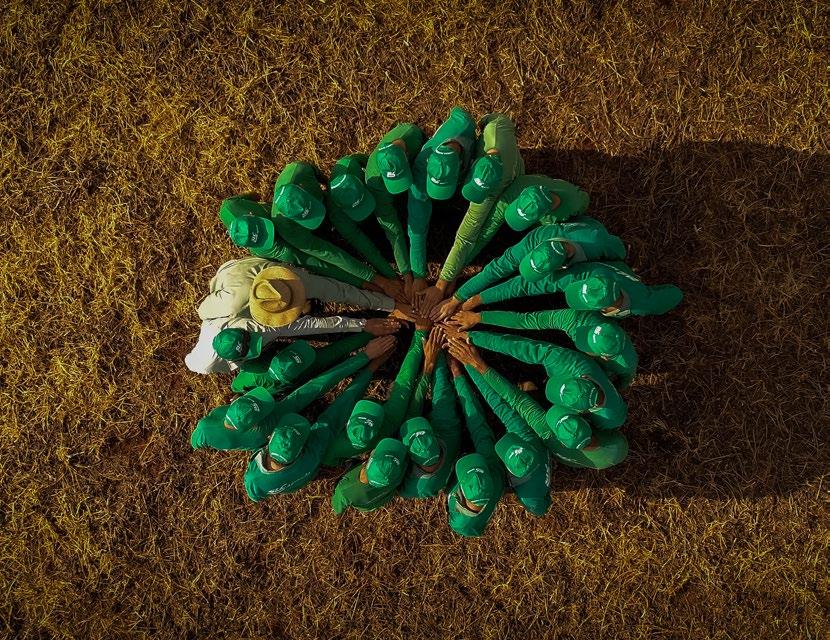
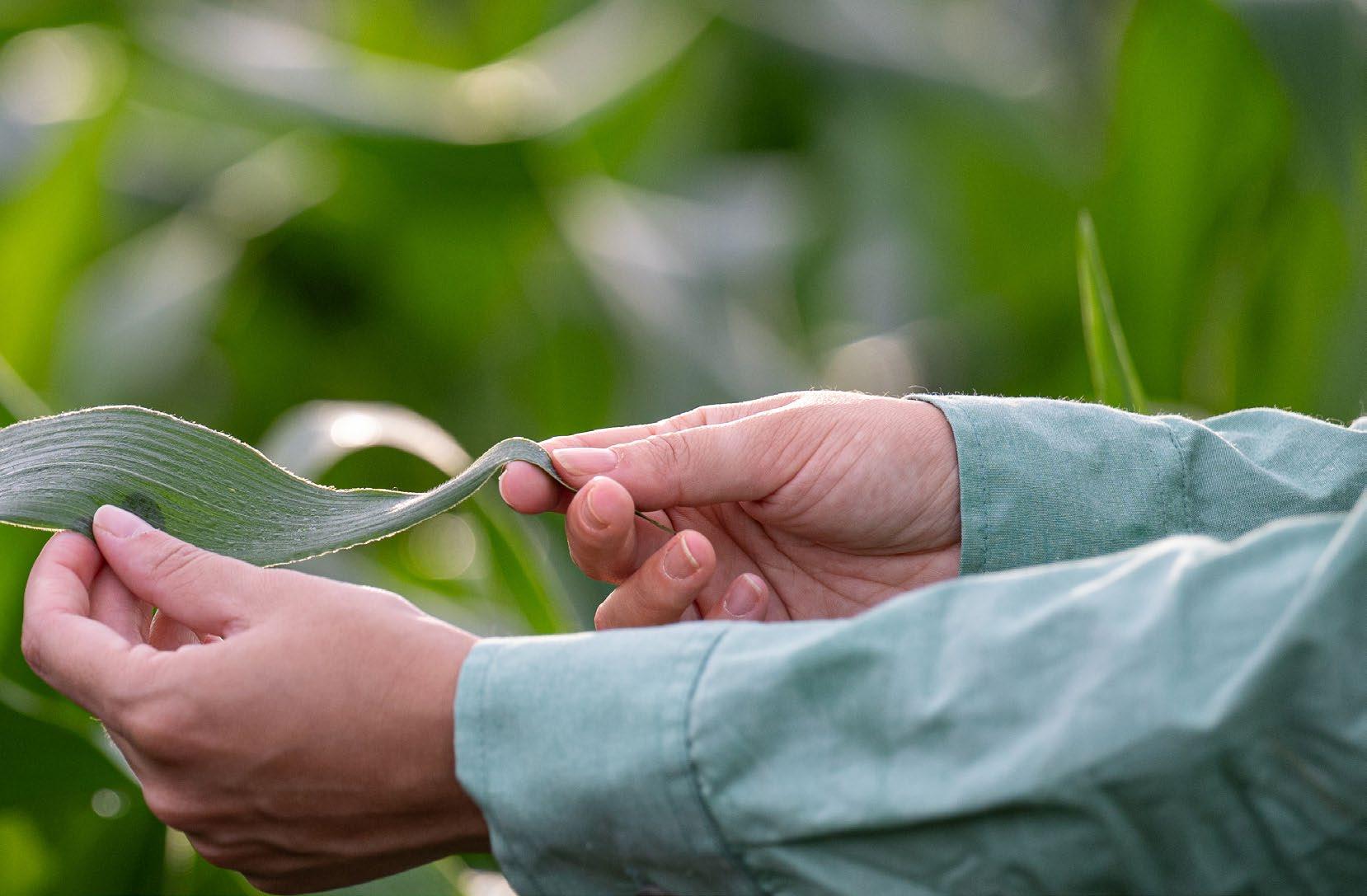
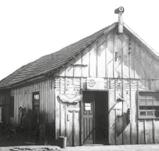
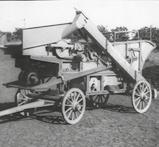
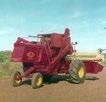
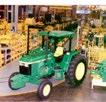
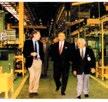
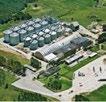
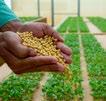
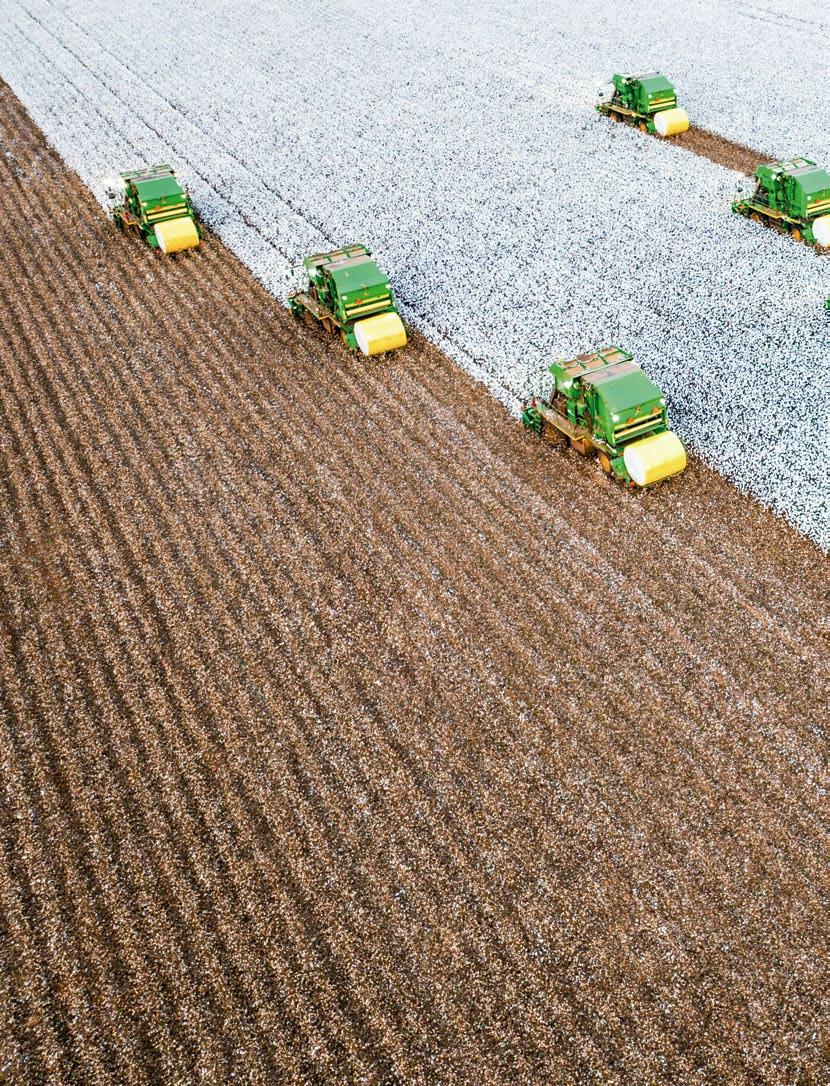
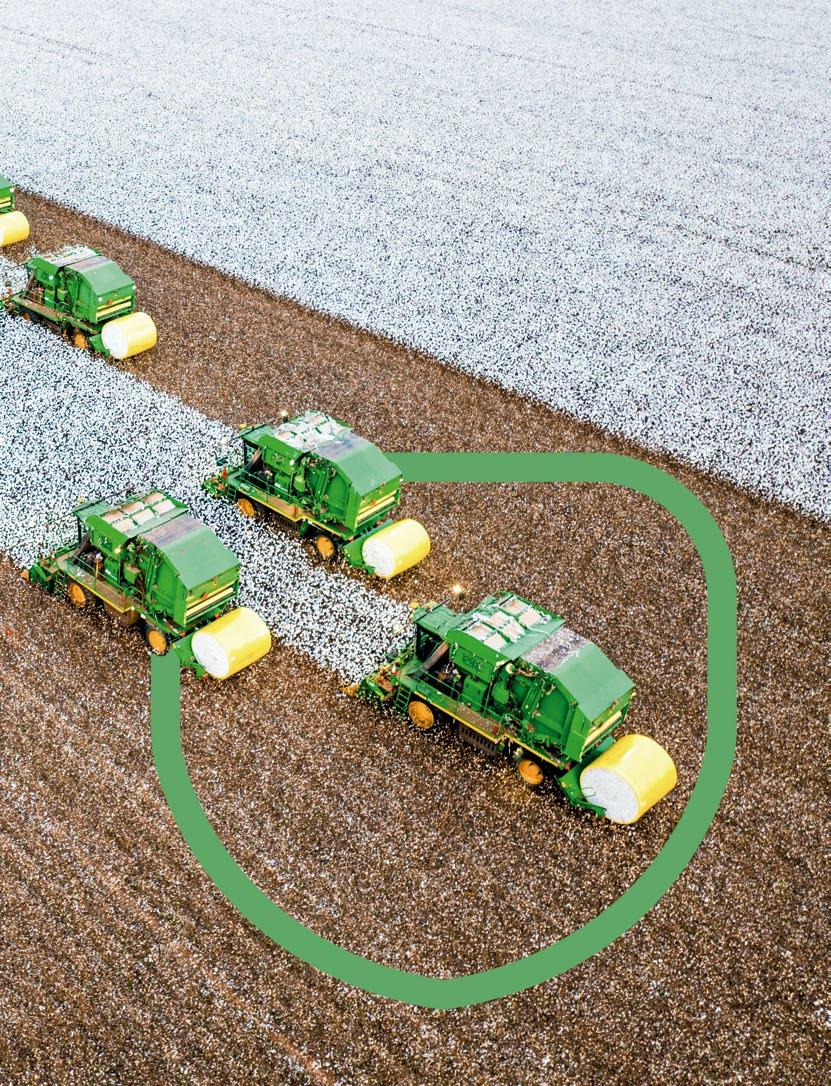
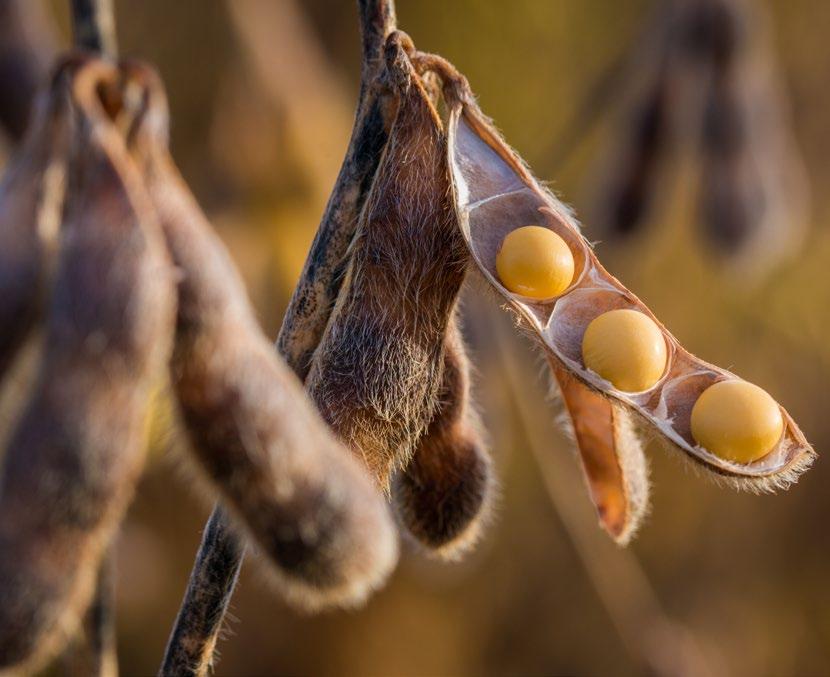
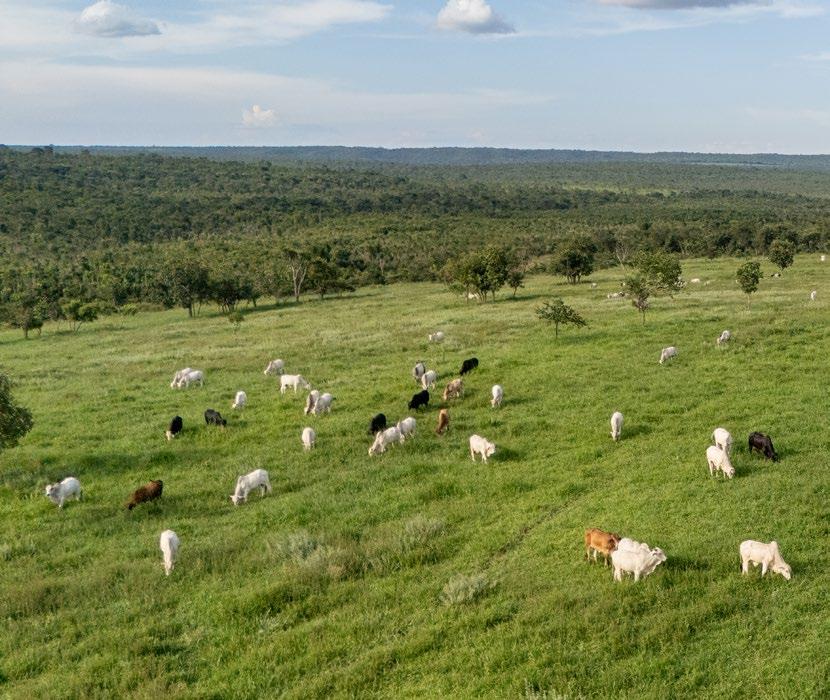
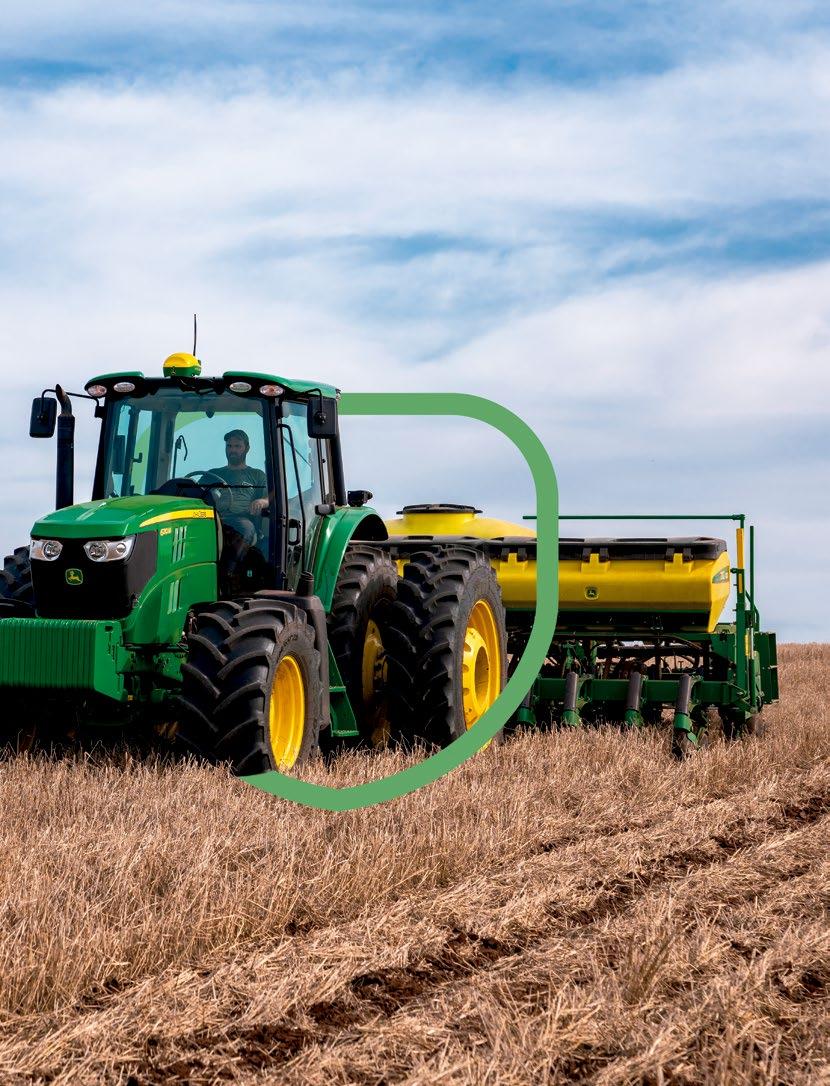
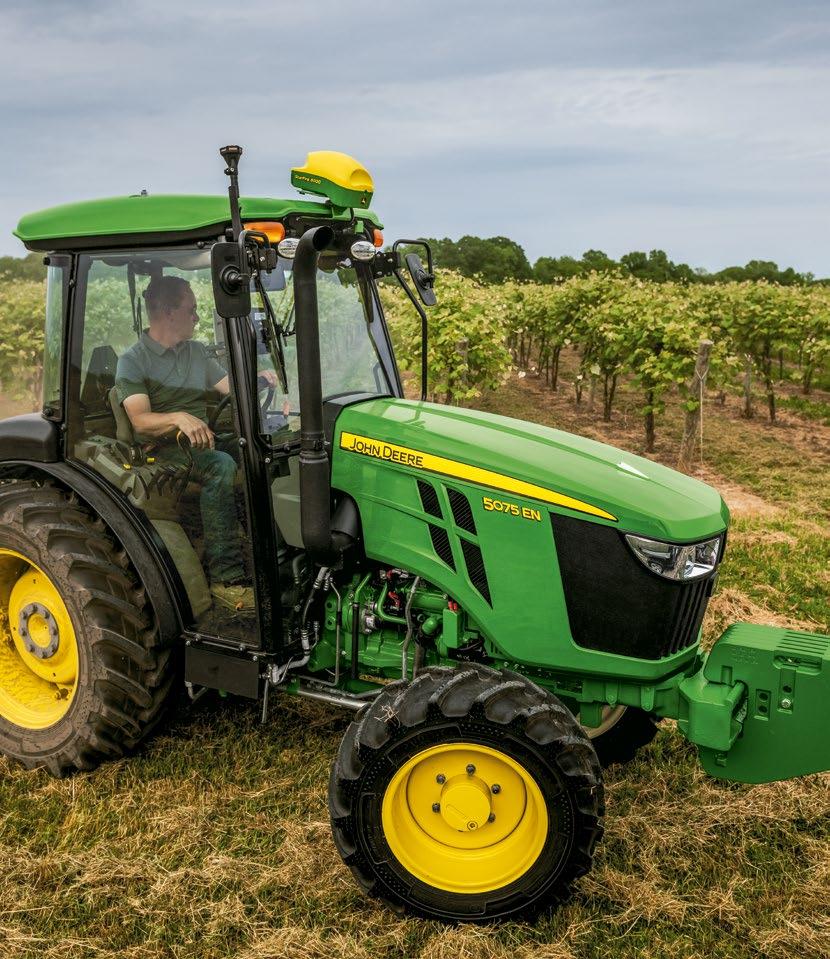
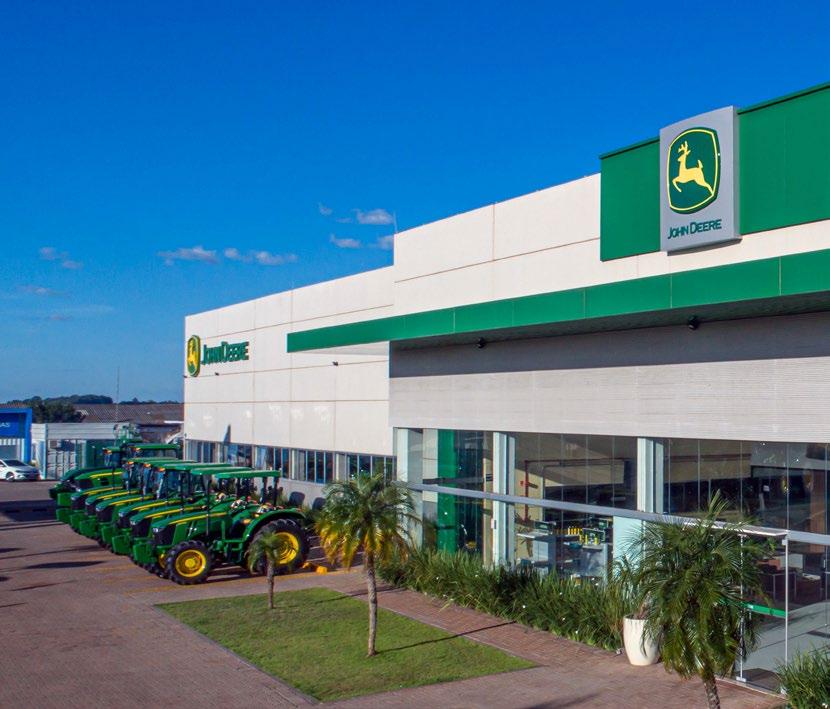
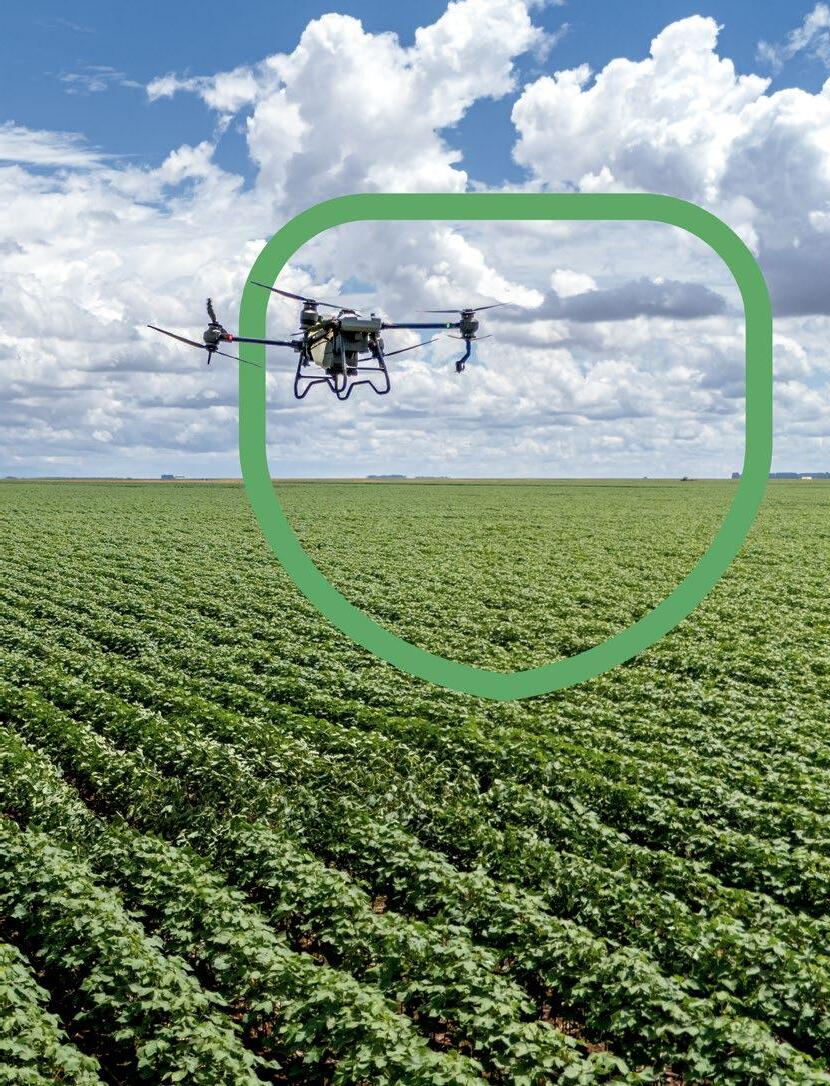
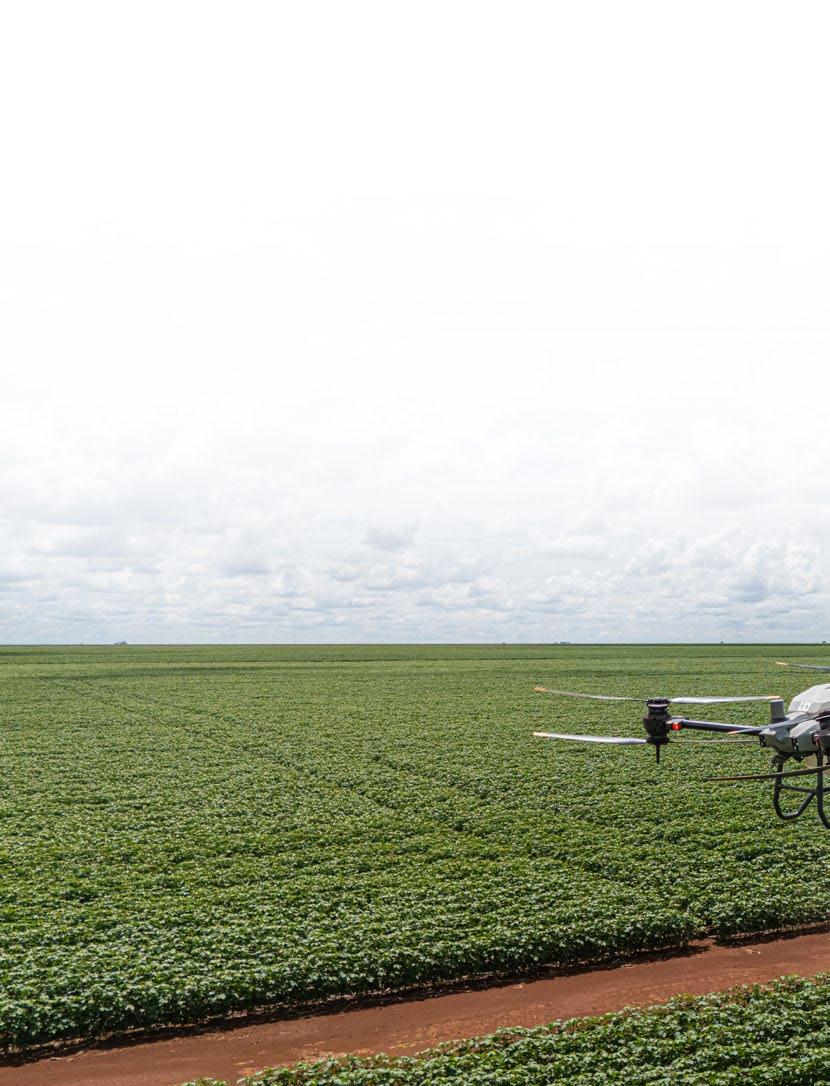
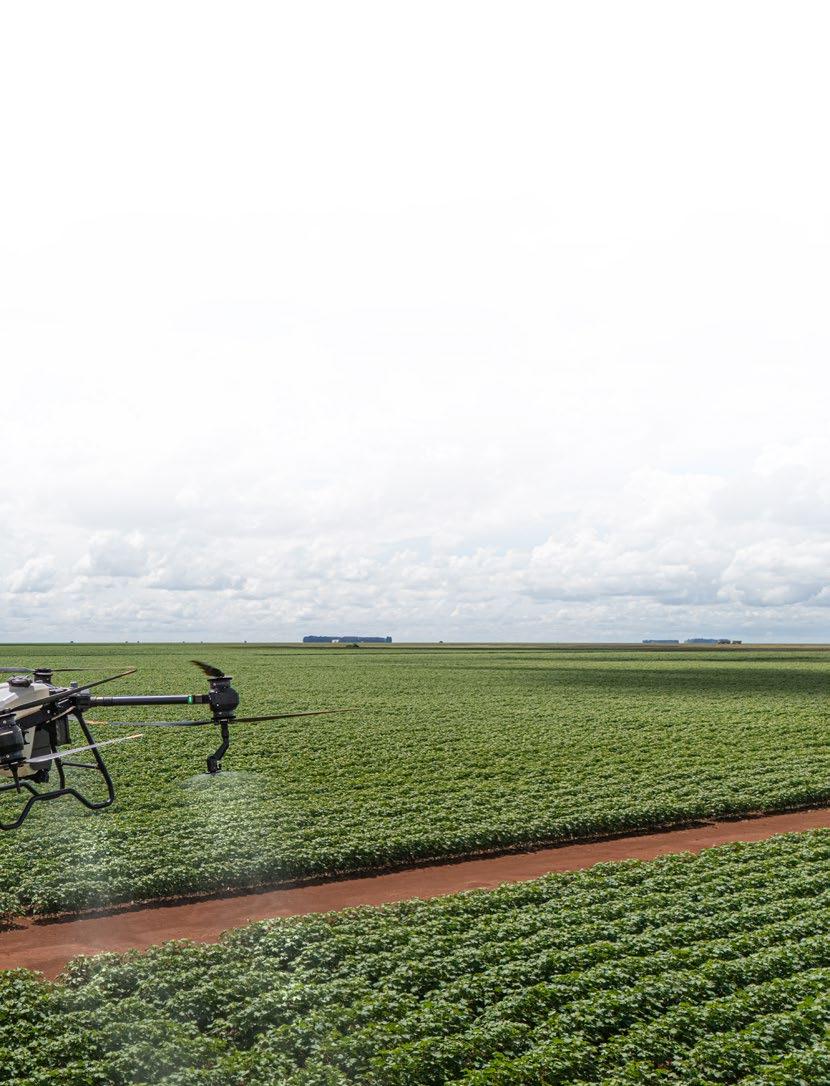
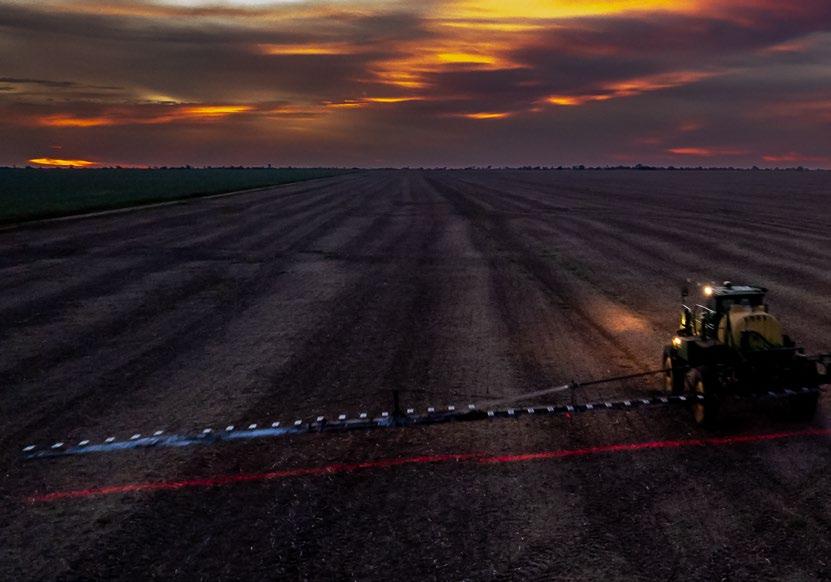
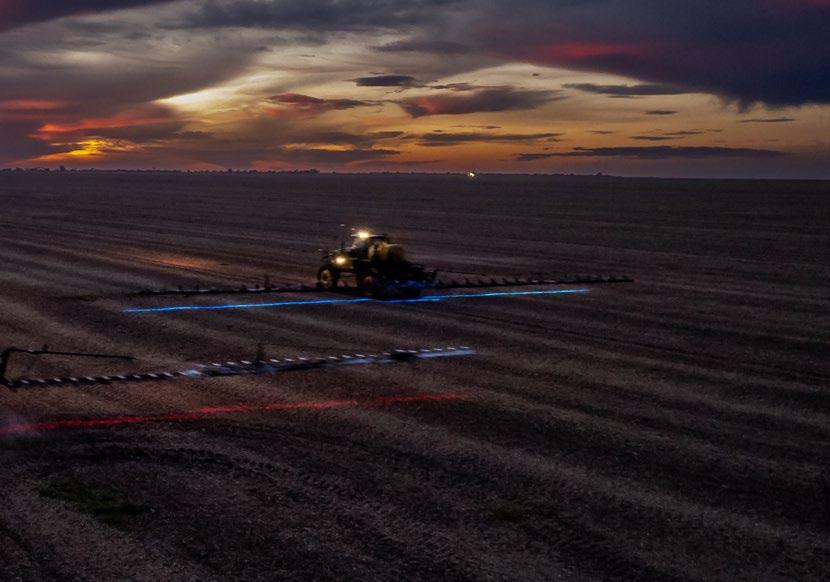
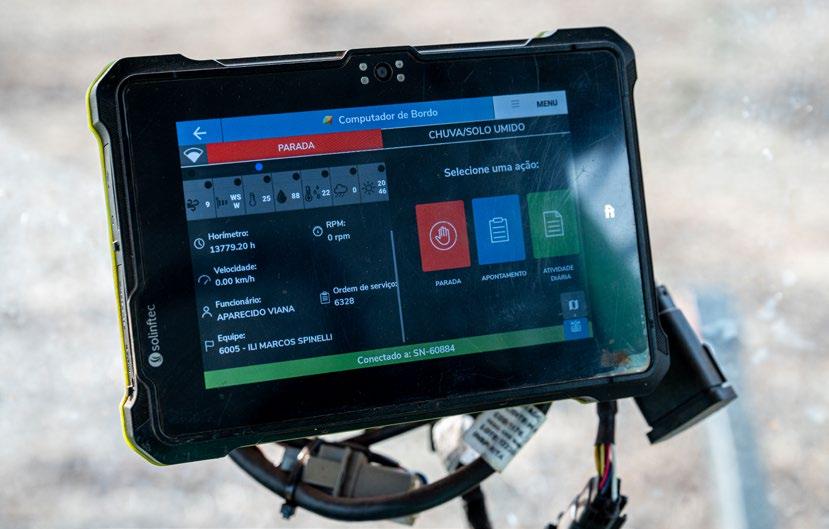
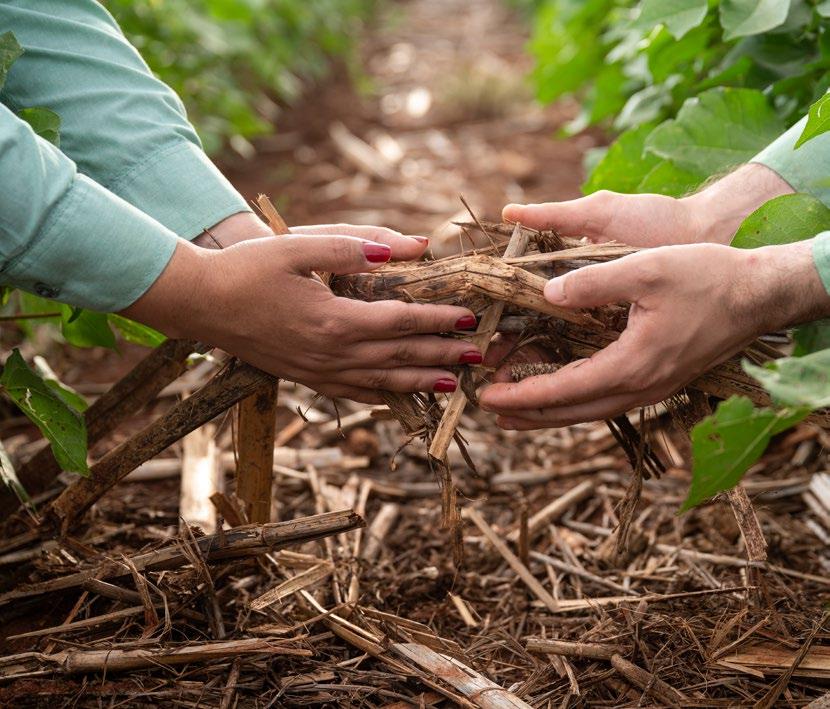
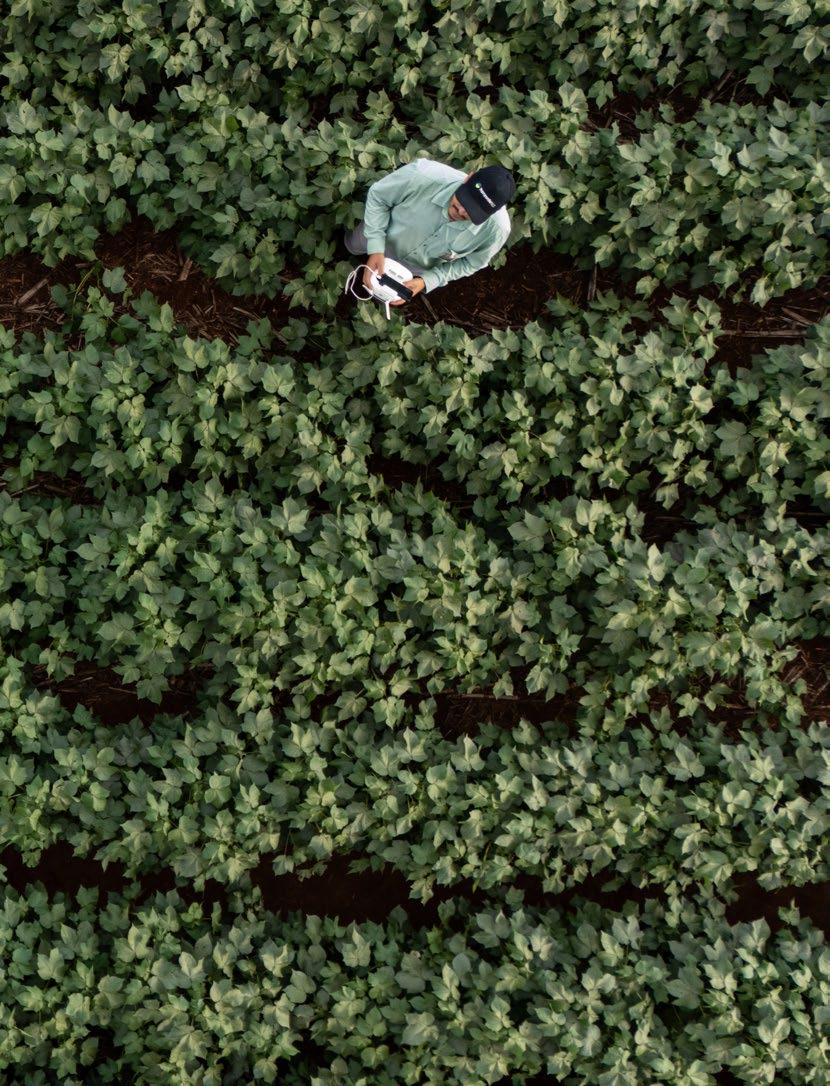
From machines to drones, from land to technology, from management to education: we evolve with every cycle.
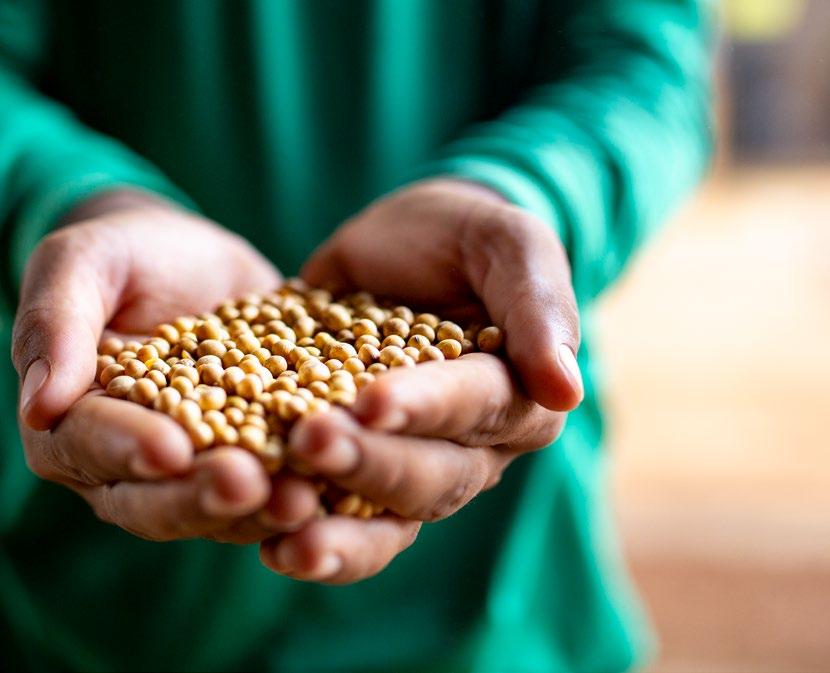
Efficiency in our DNA. Purity in every seed, every crop.
We are relentless in improving.
We are a family of businesses working for many families. A family of values committed to honoring those values, always with partnership and respect.
For the land, with people, for children, our seeds, our pride.
Because our greatest crop is the wisdom that preserves the past, the leadership that guides the present, and the trust that sows the future.
SLC CULTIVATING & EVOLVING
YEARS
Cultivating and Evolving
Cultivating & Evolving
Our greatest asset is the wisdom that preserves the past, the leadership that guides the present and the confidence that sows the future.
EIGHT DECADES OF A HISTORY FOCUSED ON QUALITY AND THE FUTURE
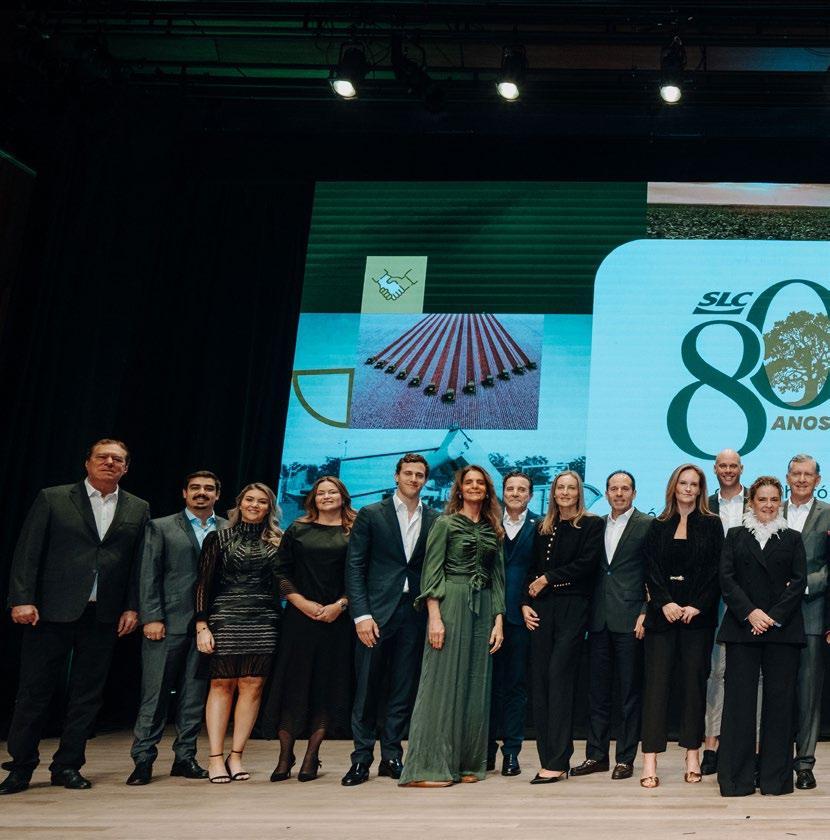
SLC reaches its 80th anniversary reaffirming the strength of a legacy built on determination, innovation, and solid family and business values. Like the oak tree, symbol of our family, our company has remained steadfast and resilient, facing challenges and growing sustainably over generations.
Celebrating eight decades means recognizing the power of time and the solidity of work based on dedication, strategic vision, and commitment to excellence. Over the years, SLC has become a stable, resilient, and flexible organization, qualities that are essential for remaining strong in the face of market changes and new opportunities.
This evolution has taken place while maintaining our essence: we remain a family business, guided by ethics, respect for people, and the relentless pursuit of leadership. The adoption of best practices, fidelity to our principles, and the ability to innovate have consolidated us as a benchmark in Brazilian and global agribusiness.
Our growth is sustained by the synergy between entrepreneurial spirit and social and environmental commitment, demonstrating that progress, sustainability, innovation, and tradition must go hand in hand, ensuring that we can continue to develop and contribute to an increasingly efficient and responsible sector.
One of our greatest sources of pride is the people who are part of this story. Career development has always been part of our decisions, as we believe that integrity and respect are fundamental to building solid professional relationships and a healthy environment. We constantly invest in the training
and well-being of our employees, as we know that they are the protagonists of our success.
One of the phrases that has marked our path says: “In the idealism and example of our father, Jorge Antônio Dahne Logemann, lies a commitment to quality and to the future.” Inspired by this vision and by the generations that helped build this legacy, we continue to cultivate an even better tomorrow, with the conviction that each achievement today is the seed for tomorrow's accomplishments.
This book tells our story of determination and success, showing that the past teaches us, the present makes us proud, and the future motivates us to keep evolving. Following the example of these eight decades, we want the coming years of our company to be marked by even more progress, innovation, and achievements.
EDUARDO LOGEMANN – PRESIDENT OF
SLC
JORGE
LUIZ LOGEMANN
– VICE PRESIDENT OF SLC
Eduardo Logemann and Jorge Luiz Logemann
Our Business Evolution with every cycle
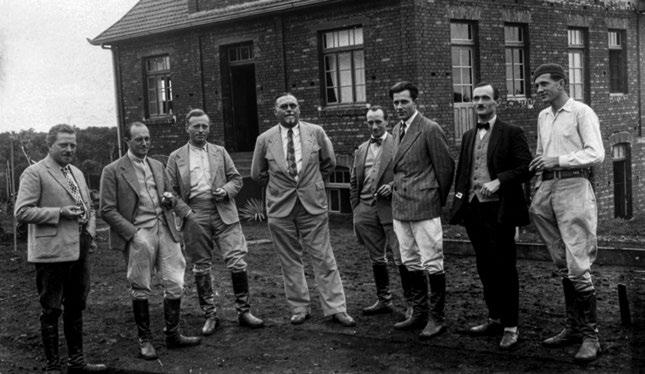
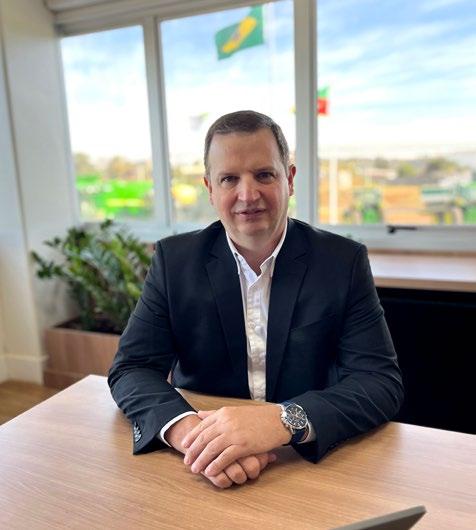
In a particular morning at SLC's headquarters in Porto Alegre, Brazil, Eduardo Logemann defined in just one sentence how the company reached its 80th anniversary: “We have returned to our essence, agriculture.” Eduardo is the president of SLC, and his brother, Jorge Luiz Logemann, is the vice president. They are part of the third generation of the Logemann family – since their grandfather, Frederico, came to Brazil in 1945 and founded the company. In the abbreviation SLC, which is now among the most recognized brands in the global agricultural industry, the L refers to the surname Logemann.
To better understand Eduardo's statement, one must go back in time. After arriving in Brazil, Frederico Jorge Logemann started his business by selling some of the land he had received from the government as payment for his engineering services. These plots would later become the site of the city of Horizontina. The buyers were settlers who were beginning to explore new agricultural methods in northern Rio Grande do Sul.
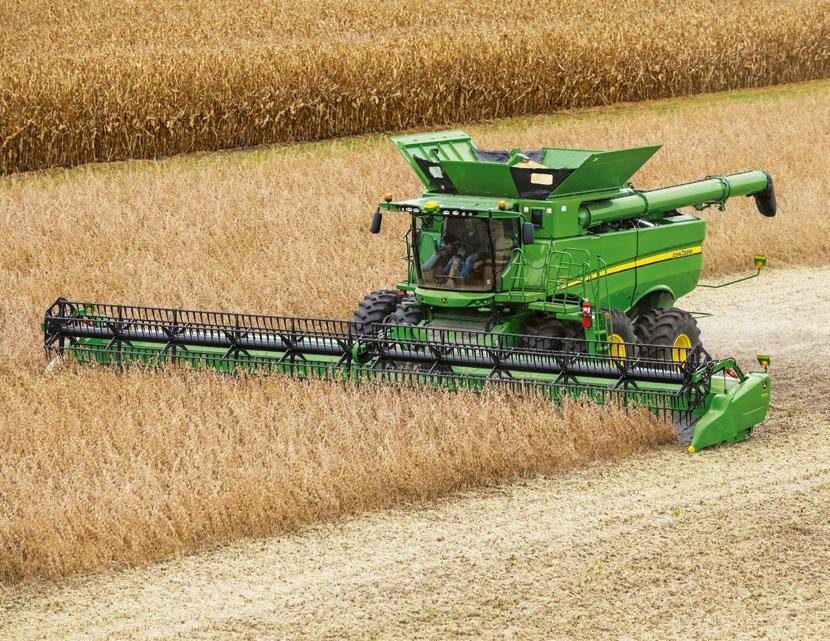
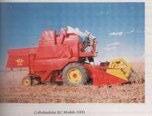
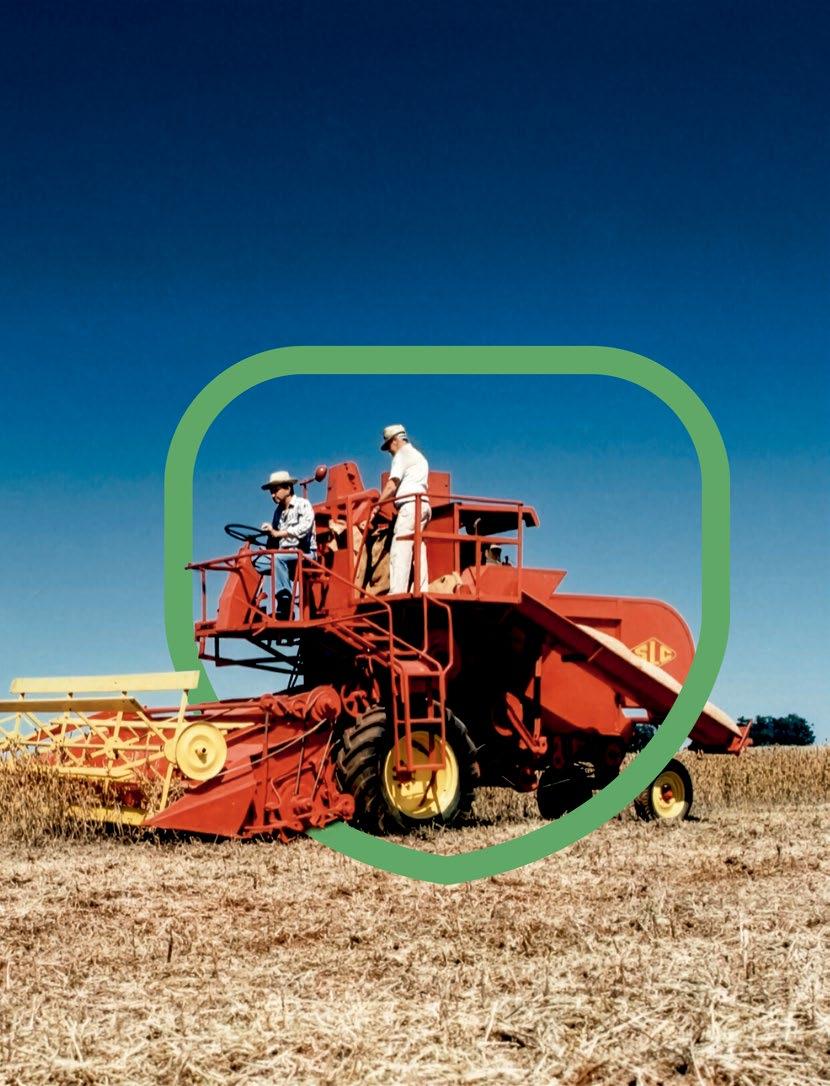
In 1945, Frederico and Balbuíno Schneider established a small workshop to repair and supply tools to farm workers. In the following years, the company grew, keeping pace with the development of agriculture in Rio Grande do Sul. The company continued to seek innovative solutions for its market. SLC began by producing a threshing machine for grain processing and, in the 1960s, manufactured Brazil's first combine harvester at its Horizontina plant – a major success in the agricultural sector.
On the occasion of its 80th anniversary, SLC is focusing on the sector in which its story began: agriculture.
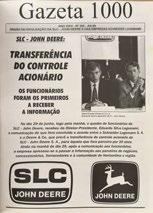
In another innovative move in the 1970s, SLC partnered with John Deere, a US company considered the world's largest agricultural machinery manufacturer, making an extraordinary leap in the production of machinery at the plant in Rio Grande do Sul. This partnership impacted the development of Brazilian agriculture, which began to gain a foothold in the international commodity market during that decade..
SLC kept pace with the growth of crops until, at the end of the 1990s, the company sold its entire stake in the Horizontina plant to John Deere. In the following years, the Group expanded its portfolio to include new business areas. With the funds from the negotiations with the
US company, it invested in Ferramentas Gerais, Brazil's largest industrial supplies company, and founded SLC Alimentos to process and distribute rice, beans and other cereals under its own brand. Both divisions were closely linked to agriculture, but were far removed from the fields in which SLC had been founded and grown until its 55th anniversary in the early 2000s.
In parallel with the two new business units, SLC focused its efforts on SLC Agrícola, an entity that began operations in 1977, cultivating land in Rio Grande do Sul, and in 1980 took its first steps towards the Brazilian Central-West region – a region that many people from Rio Grande do Sul
The partnership between SLC and John Deere, established in the 1970s, has significantly influenced the development of Brazilian agriculture
OUR BUSINESS
aspired to farm in the 1970s. The company bought the Pamplona Farm in Goiás to grow soybeans, a crop that was becoming increasingly important on the international market. In 1997, SLC Agrícola also began growing cotton on acquired land in central Brazil, in the Cerrado region.
In 2007, SLC Agrícola went public on the São Paulo Stock Exchange (Bovespa) as part of its growth plan as an industry pioneer. The portfolio was further adjusted in 2017 and 2018: The business units of SLC Alimentos and Ferramentas Gerais were divested. From then on, SLC relied on two strong divisions directly focused on agricultural production – a return to its roots and an attempt to preserve the “essence” of the Logemann family, as Eduardo called it.
CORPORATE PILLARS
SLC Agrícola is one of the companies in the SLC Group. In 2025, the company reached an important milestone: it currently manages 26 farms in eight Brazilian states (Bahia, Goiás, Maranhão, Mato Grosso, Mato Grosso do Sul, Minas Gerais, Pará and Piauí) in the Central-West, Northeast, North and Southeast regions. This distribution is the result of planning geared towards resilience to adverse climate scenarios. The areas are owned by the company, leased or operated under joint venture agreements with other companies – agreements that have been concluded over the years.
In the 2024/25 harvest, the farms covered a total acreage of 735,900 hectares of soybeans, corn and cotton. A cultivation area of over 830,000 hectares was expected for the 2025/26 harvest. These figures make SLC one of the world's largest grain and fiber producers.
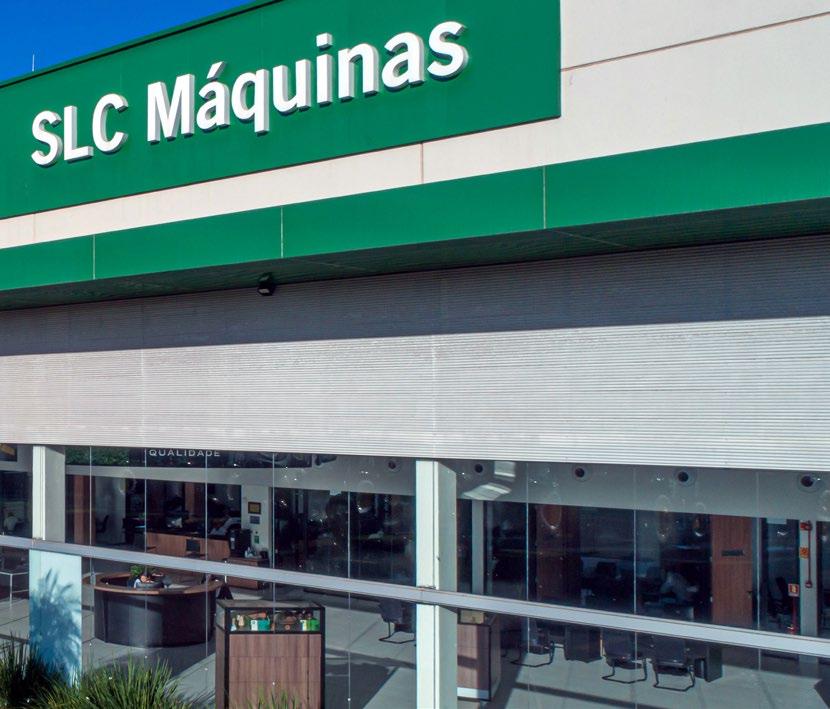
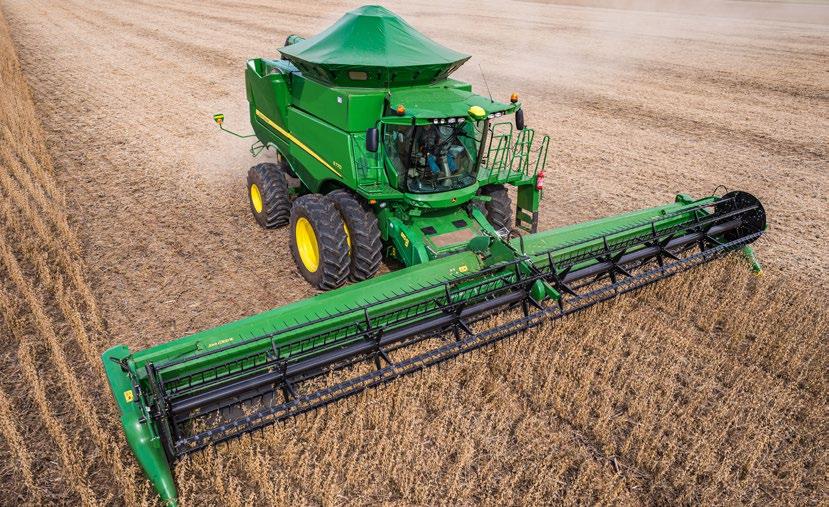
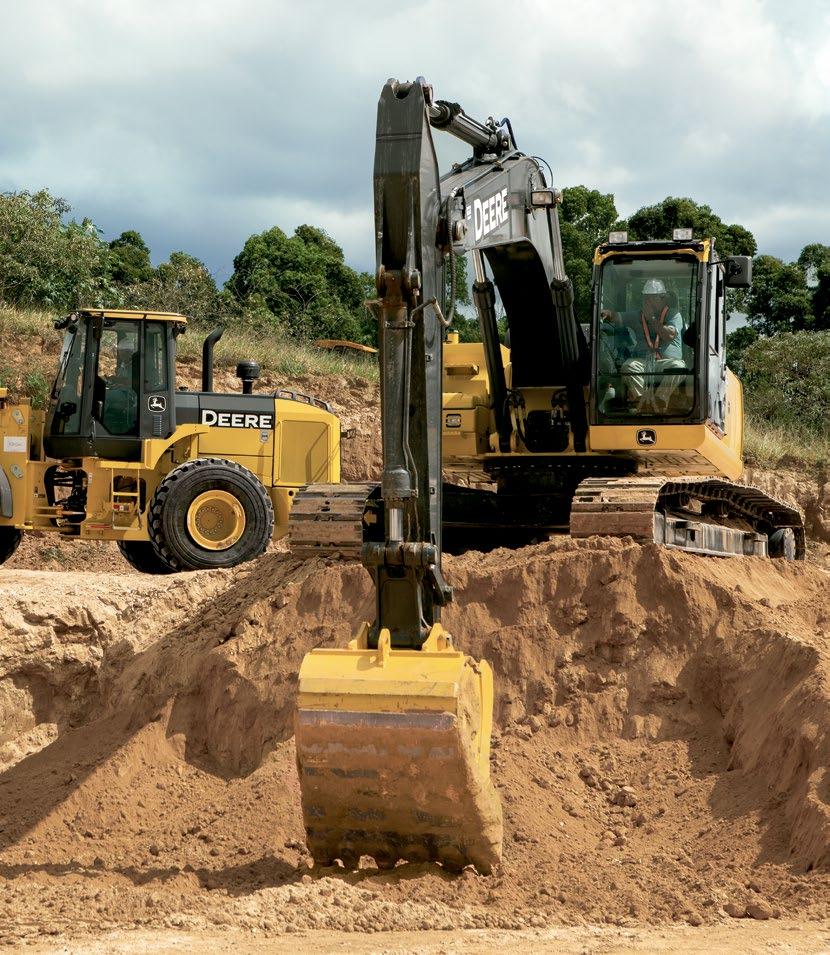
The other company in the group is SLC Máquinas, the exclusive dealer for John Deere agricultural, construction, and road paving equipment, a partner since the mid-1970s. SLC Máquinas has 22 points of sale,
SLC Máquinas has 22 points of sale in Rio Grande do Sul and serves 404 of the state's 497 municipalities serving 404 of the 497 municipalities in Rio Grande do Sul. It is one of the largest John Deere dealers in Brazil. SLC Máquinas not only supplies the market with machinery but also offers increasingly sophisticated agricultural connectivity and intelligence, with virtually networked systems that allow farmers to monitor machine performance at various stages of crop production: from soil preparation and planting to irrigation, nutrient application, and harvesting.
In 2024, the two companies generated revenue of approximately R$9 billion, with about 80% of total revenue coming from agriculture
and 20% from machinery sales. With these figures, SLC is among Brazil's leading agricultural companies, in a sector that, according to the Brazilian Agricultural Research Corporation (Embrapa), accounts for approximately 21% of total wealth produced (and GDP), one-fifth of all jobs, and around 43% of Brazilian exports.
Since 2019, the business units have supported an important social institution, the Instituto SLC. The Institute is responsible for defining and promoting the Group's social investments, particularly in education, and directly impacts the communities where it operates through initiatives aimed at improving quality of life.
GOVERNANCE AND SUSTAINABILITY
Since 1999, SLC has been wholly controlled by the five members of the third generation of the Logemann family: Eduardo, Jorge Luiz, Marcelo, Ana, and Elisabeth. The brothers are partners in SLC Participações, which owns 100% of SLC Máquinas and 55.9% of SLC Agrícola. The Logemann family also manages the Instituto SLC.
In terms of governance, SLC has established boards to manage the company, which allow harmony between the wishes of the family, the running of the business, and respect for the interests of the partners. Three spheres interact at different times, striving for the best outcome for all: family, business, and ownership.
The success of SLC, which will celebrate its 80th anniversary in 2025, is the result of a management approach that, for many years, has been summarized in three key elements: sustainability, concern for people, and investment in innovation. These values are in line with the ESG (Environmental, Social and Governance) agenda, a concept that commits companies to acting harmoniously and respectfully with regard to best
practices in the areas of sustainability, human resources management, and internal corporate governance.
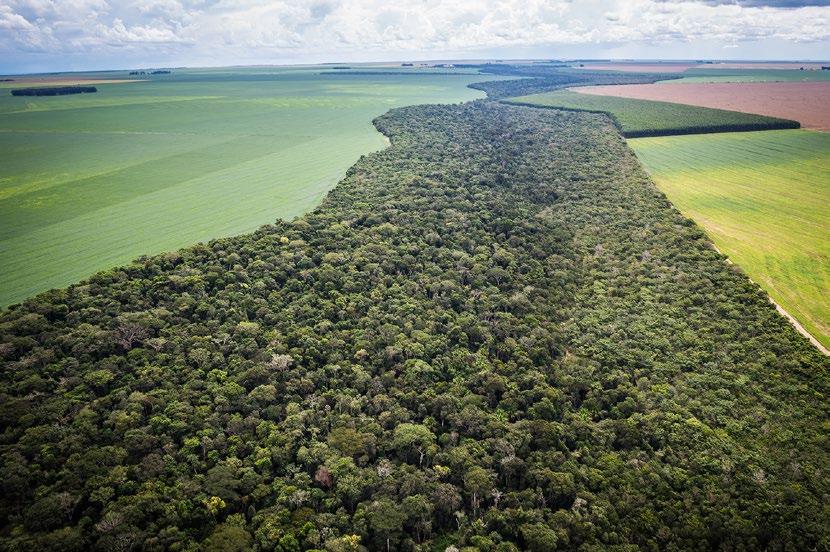
In the area of sustainability, SLC preserves natural forests on around 31% of its land. In August 2021, the company introduced the Zero Deforestation Policy, which states that no green areas should be used to expand planting operations – as of the establishment of this policy. This is one of many measures to protect our planet's natural resources.
Management is based on the Jeito de Ser SLC (SLC Way of Being) and values such as integrity, entrepreneurship, innovation, employee
SLC's success is the result of sound corporate governance
development, and social responsibility. Team leaders have the task of combining these skills with trust and translating them into efficiency in the areas under their responsibility. SLC employees are involved in a common project and must protect it according to the values of Integrity, Passion
For What We Do, Lasting Relationships and Sustainable Results
Innovation is part of SLC's DNA and has shaped the company's history at various stages, for example in the production of the first combine harvester in Brazil. As we approach our 80th anniversary, innovation is at the heart of our strategy; guiding decisions, inspiring solutions and
Commitment to sustainability: preserving native forests and biodiversity
shaping the future of agriculture. With a vision that combines technology, management and responsibility, the company aims to anticipate trends, connect knowledge and turn challenges into opportunities. Curiosity, courage and the pursuit of operational excellence form the foundation of a culture of innovation that strengthens the sector and contributes to an increasingly resilient and sustainable agriculture.
In the run-up to its 80th anniversary, SLC determined that these three forces would work together under the new goal: Cultivating and Evolving. Two words with great meaning. They testify to the wisdom of
OUR BUSINESS
YEARS
preserving the past, the leadership that guides the present and the trust that shapes the future.
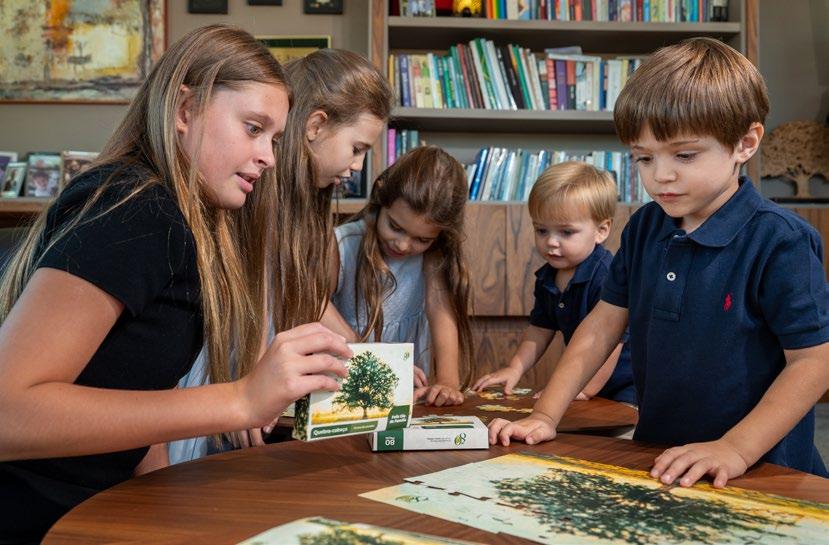
To mark the milestone celebrated in 2025, the company chose the oak tree to symbolize the Logemann family. It also symbolizes the success of surviving 80 years under the leadership of the third generation of the family – a feat that has been achieved by very few in Brazilian business history. It is a tree of many meanings. In the Bible, it is mentioned as the link between heaven and earth. In everyday life, its fruits, the acorns, serve as food for small animals. In carpentry, its wood is considered unique because it is both durable and malleable, making it easy to work. The Celts, who inhabited ancient France, considered the oak a noble tree and crafted it into barrels for winemaking.
For the Logemann family, the oak has a different meaning. It speaks volumes about SLC's past, present, and future. It is a mighty trunk that breathes life into the people around it, firmly anchored to the earth by solid roots strengthened throughout its history, its leafy branches reaching for the air that, day after day, gives everyone the breath they need to meet the challenges of the future. A future born from the earth, just as the essence of SLC was born.
The oak, a noble tree with many meanings, represents SLC's path and values
WHERE WE ARE
The headquarters of the SLC holding company is located in Porto Alegre, Rio Grande do Sul.
SLC Máquinas is headquartered in Cruz Alta/RS, and operates 22 stores in 404 municipalities across Rio Grande do Sul.
SLC Agrícola operates 26 farms in 8 states and is headquartered in Porto Alegre.
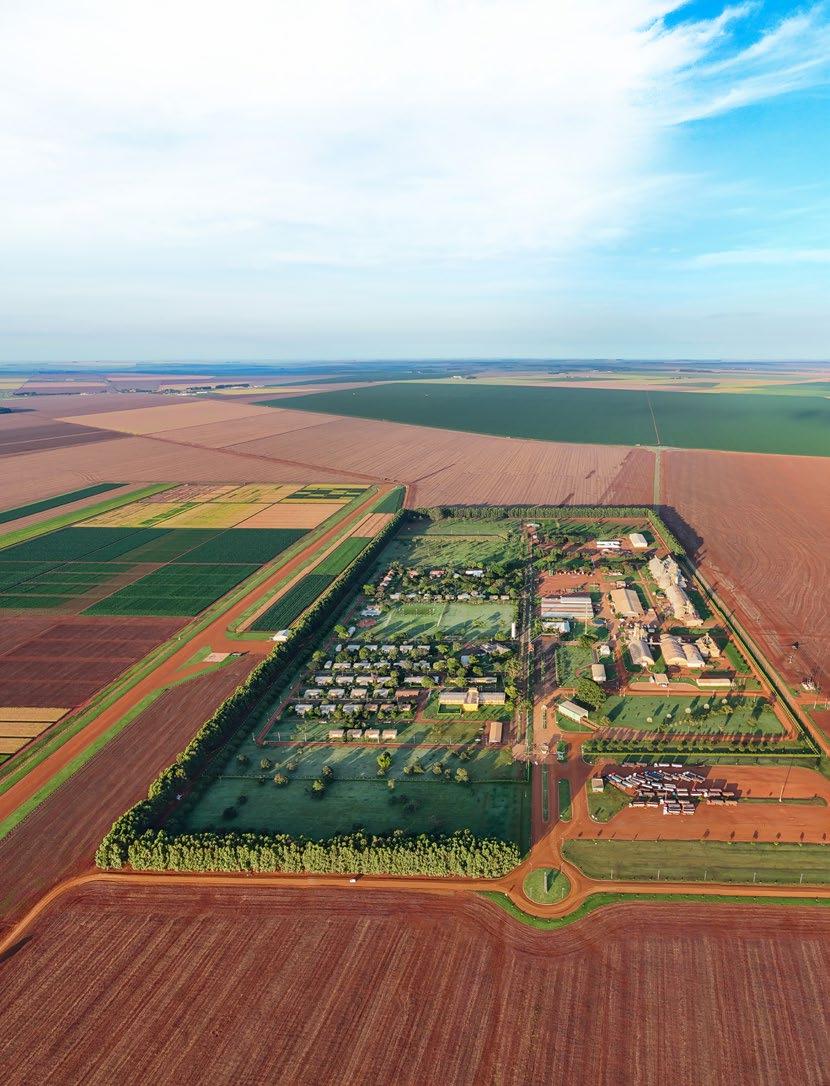
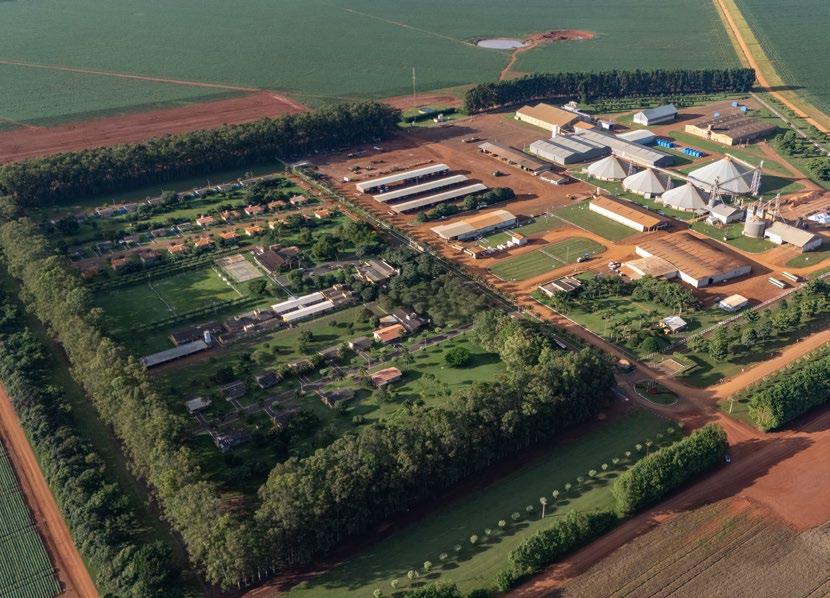
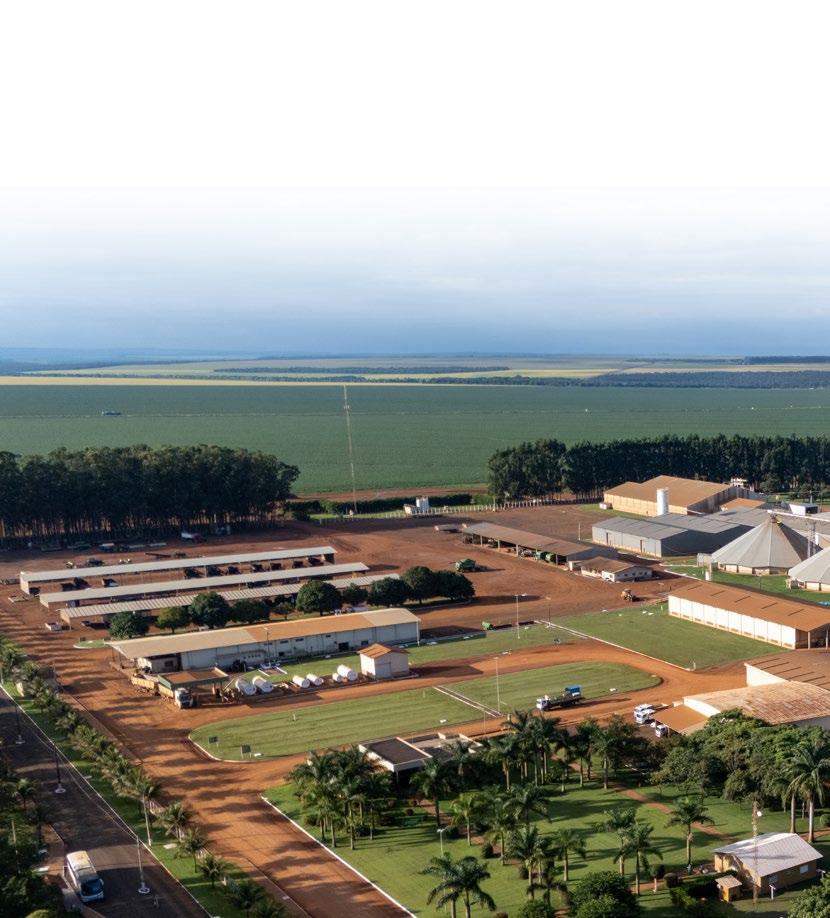
Aerial view of the Pantanal Farm headquarters (Mato Grosso do Sul)
Mato Grosso
Mato Grosso do Sul
Maranhão
Piauí Bahia
Minas Gerais and Goiás
Pará
Porto Alegre
(C)
SLC Participações
SLC AgrícolaHeadquarters
Fundação SLC
Instituto SLC
(B)
(D)
Caxias do Sul Vacaria
Lagoa Vermelha
Capivari do Sul
Eldorado do Sul Pelotas
Júlio de Castilhos
Lajeado Santa Maria
Tupanciretã
Cruz Alta(Headquarters) Carazinho
Casca Erechim
Espumoso
Frederico Westphalen
Horizontina
Ijuí
Palmeira das Missões
Passo Fundo
Santo Ângelo
Soledade
SLC ORGANIZATIONAL CHART
SHAREHOLDERS
INDEPENDENT BOARD MEMBERS
SLC PARTICIPAÇÕES
Eduardo Logemann
Osvaldo Schirmer
Eduardo Gentil
Jorge Luiz Logemann
Elisabeth Logemann
Marcelo Logemann
Ana Logemann
Eduardo Logemann President
Jorge Luiz Logemann Vice President
Airton Fleck Director
Aurélio Pavinato CEO
Anderson Strada CEO
SLC AGRÍCOLA SLC MÁQUINAS
SLC VALUES
The values stem from the essence of the company. They are born with their founders: the way they see and relate to the world. Over the years, they are consolidated and serve as a guide for employees and as an orientation aid for business decisions. They always show that the best way is the right way.
INTEGRITY
Having an unwavering and consistent ethical behavior in all relationships builds trust with everyone the company interacts with.
PASSION FOR WHAT WE DO
People who are passionate about what they do are committed, motivated and deliver high quality in everything they do, which has a positive effect on professional development and cooperation with colleagues.
LASTING RELATIONSHIPS
The company values lasting relationships with customers, investors, employees, society and the government, always guided by a deep respect for people.
SUSTAINABLE RESULTS
The company strives for sustainable results that are economically viable, socially just and environmentally responsible.
Eight decades of evolution
1945 1947 1965
Establishment of Schneider Logemann & Cia. Ltda. in Horizontina (RS)
Introduction of the SLC Stationary Threshing Machine
First combine harvester manufactured in Brazil SLC 65-A (self-propelled)
1970 1979 1977
Introduction of the Model 1000 Combine Harvester, which has become an icon of grain harvesting in Brazil
Establishment of Agropecuária Schneider Logemann Ltda. in Horizontina (RS). Now SLC Agrícola
Establishment of SLC S.A. – Indústria e Comércio
Joint venture with Deere & Co. (John Deere)
2001
Acquisition of Ferramentas Gerais
2007 2010
First IPO of SLC Agrícola
SLC Comercial expands its structure through the acquisition of Macagnan in Cruz Alta (RS)
2012 2013 2017
Establishment of SLC LandCo
SLC Agrícola establishes a joint venture with Mitsui and Dois Vales
Sale of Ferramentas Gerais
SLC Comercial expands again with the acquisition of Maqgranja in Palmeira das Missões (RS)
SLC Agrícola begins its expansion into the Central-West region with the acquisition of Pamplona Farm in Goiás
Establishment of SLC Comercial
Inauguration of the new plant in Horizontina (RS)
Start of tractor production (5000/6000/ 7000 series)
SLC Agrícola starts growing cotton Deere & Co. acquires 100% of the SLC plant
Establishment of SLC Alimentos
2018 2019 2020
Sale of SLC Alimentos
SLC Agrícola establishes SLC Sementes for seed production and sale
Acquisition of Lavoro in Passo Fundo (RS). SLC Comercial becomes SLC Máquinas with 18 stores
Establishment of Instituto SLC
Incorporation of Terra Santa and Agrícola Xingu companies, adding five new farms (completed in 2021)
SLC Máquinas moves its headquarters from Horizontina to Cruz Alta (RS)
2022 2023 2024 2025
Creation of the Horizonte SLC brand, the innovation division of SLC Agrícola
SLC Agrícola is included in the ISE B3, the Stock Exchange's most important sustainability index
SLC Máquinas acquires the company Verde Vales in Santa Maria (RS) and reaches 20 stores, now also operating in the Construction and Road Paving areas
Inauguration of the Soybean Seed Processing and Storage Industry (IBS) in partnership with Kothe Agro
SLC Agrícola becomes the company in the Americas with the largest certified area for regenerative agriculture under the Regenagri seal
SLC Agrícola establishes a joint venture with the RZK Group Potential cultivation area exceeds 700,000 hectares
80 years of SLC and launch of the new brand
SLC Agrícola acquires Sierentz Agro Brasil; three new units with a production potential of 835,000 hectares are added
Our History
From the small town of Horizontina to international significance
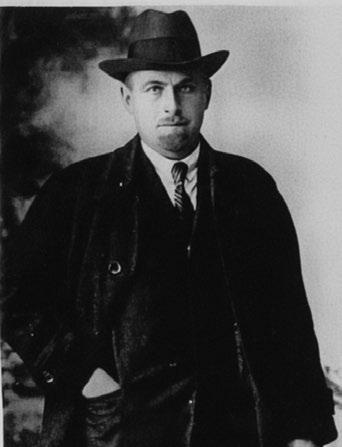
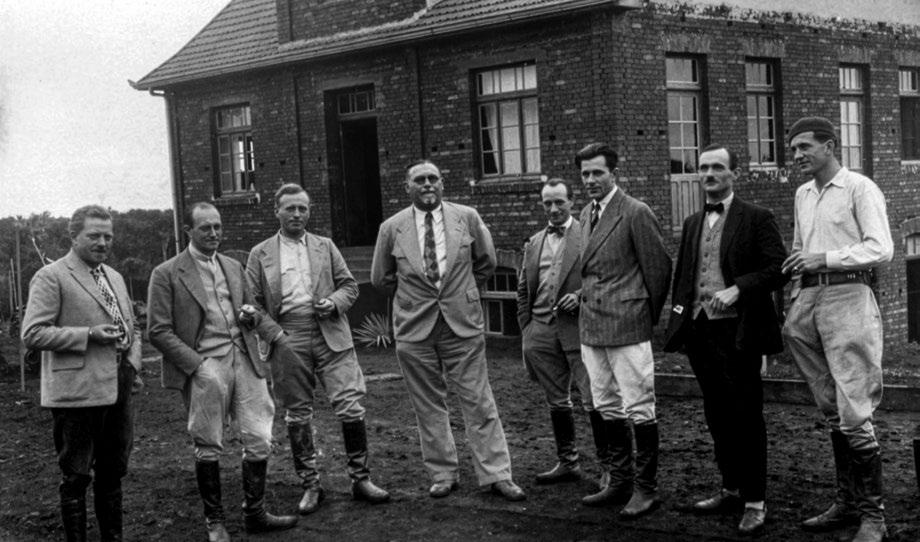
Like many other immigrants who left Europe at the beginning of the 20th century fearing war in the Old World, Frederico Jorge Logemann, born in Diepholz near Bremen, Germany, arrived in Brazil in 1914 at the age of 30. As an engineer, he started working for the Belgian Railway Company, which was contracted to build the Cruz Alta-Santo Ângelo railway line in the state of Rio Grande do Sul.
However, the outbreak of the First World War impacted the adventure the German was embarking on in Brazil. Frederico joined the German Navy and returned to Brazil just two years later. Some time later, he was hired by Senator Pinheiro Machado, an influential politician from the Old Republic era, to work on his farm in São Luiz Gonzaga, Rio Grande do Sul. But Frederico suffered a second setback. Pinheiro Machado was assassinated in Rio de Janeiro in 1915, stabbed in the back. Once again unemployed, Frederico moved to Cruz Alta, where he met João Dahne, the head of the Santa Rosa colony, and began surveying and building bridges and roads.
Frederico with his wife Nelly and his son Jorge Antônio Dahne Logemann
During this time, he also met Nelly, Dahne's sister, whom he married on June 7, 1919, in Porto Alegre. The couple traveled through the cities in the northern part of the state, where Frederico worked, until they settled in Santa Rosa. In 1922, the couple's son, Jorge Antônio Dahne Logemann, was born. The family lived in Três de Maio, but the town had no hospital, so the baby was delivered in Santa Rosa. At the beginning of the 1930s, the Logemanns moved to Belo Horizonte, which many years later would be called Horizontina, in northwestern Rio Grande do Sul.
Frederico then worked for the federal government surveying land and constructing bridges and roads in the regions of Ijuí, Santo Ângelo, and Santa Rosa. Under the contract model at the time, companies financed the projects undertaken by the government and received reimbursement at the end of the contract. But things didn't work out that way for Frederico, who suffered another setback. The federal funds had run out, and if he wanted to receive what he was owed, it would be in the form of inhospitable, hard-to-reach land in Belo Horizonte, overgrown with scrubland and native vegetation.
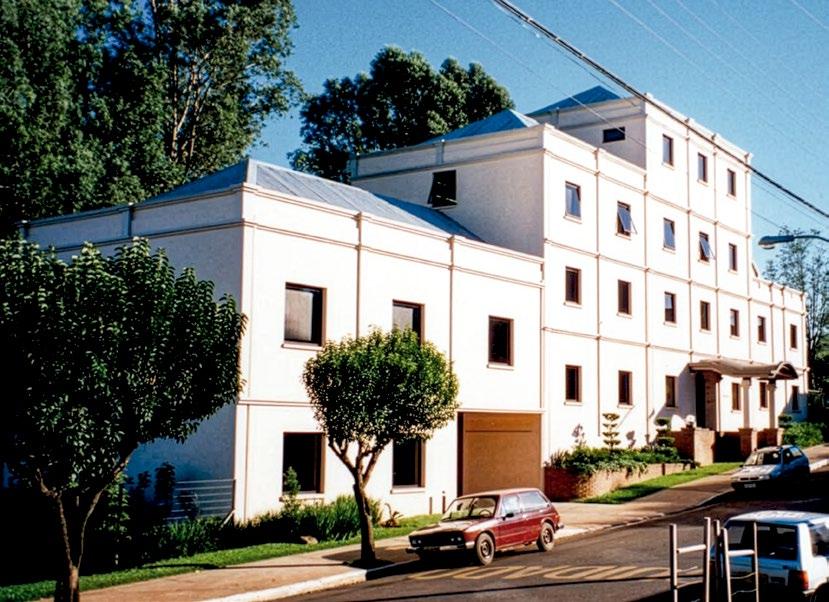
Seeing no alternative and wanting to avoid the loss, he accepted the land payment and decided to invest in settling the region to recoup his road building expenses. On September 18, 1927, he laid the foundation stone for the development. As the crow flies, the distance to Porto Alegre was 400 km. To encourage people to move to the area, he built a large, three-story house with living space for the family on the upper floors and an office on the ground floor. This made him the first actual resident of the municipality.
Frederico divided the area into plots of land and offered them to Italian and German immigrants who came from Europe to make a living in Brazil. In the advertising leaflets he handed out to people, there was a description of the place:
Frederico Logemann in the early 1920s and later with his only son, Jorge Antônio Dahne Logemann, born in 1922
“The soil consists almost entirely of loamy earth, is extremely fertile and produces all kinds of crops, such as wheat, corn, rye, tobacco – which thrives excellently and is one of the main sources of income – grapevines and all kinds of fodder crops: Alfalfa, peanuts, potatoes, cassava etc.” The presence of the best quality wood was also highlighted. “Its forests consist almost exclusively of hardwood. Angico, cabriúva, laurel, ipê, cedar, açouta, carob, grápia and many other types of wood are abundant and are ideal for carpentry. They represent an immeasurable wealth that can be easily sold both in our state and in the neighboring Republic of Argentina, whose markets can only be reached by raft.”
Little by little, the advertising had an effect, the settlers arrived and the town grew. A sawmill was built, then a festival hall, but a better educational facility was lacking. Frederico therefore enrolled his then elevenyear-old son Jorge Antônio at the Colégio Rosário in Porto Alegre in 1933. Suffering from distance and homesickness, the boy only returned to Belo Horizonte during the vacations, where he enjoyed the freedom of country life and adventures in the woods.
In October 1937, the village of Belo Horizonte became the eighth district of Santa Rosa, which had been separated from Santo Ângelo years earlier. The residents disliked the compound name and opted for a simplification: Thus, Horizontina was founded on January 12, 1938. At that time, the inhospitable and difficult-to-access area was already producing a great deal through the development of agriculture in the region, creating a new need: the purchase, maintenance, and repair of tools. Added to this was the need to process the agricultural products and the region's abundant timber.
SLC IS BORN.
Here, the story converges on a union that would give rise to one of the world's largest agricultural companies. Balduíno Schneider, a resident of Horizontina, was a simple man of great skill, proficient in carpentry, blacksmithing, and mechanics. Like Frederico, he possessed an entrepreneurial spirit and a willingness to embrace new challenges. Encouraged by Frederico, Balduíno found a workshop where he could apply his technical knowledge, but he lacked the funds to invest in the machinery necessary for production. Frederico then made the following proposal: Balduíno would purchase the workshop, and he would guarantee the funds.
The contract between the two was signed on June 14, 1945, with the aim of serving the settlers who needed their tools serviced and repaired.
Thus, Schneider & Logemann Ltda. was founded, its name derived from the founders' surnames, and it henceforth called itself SLC.
The union bore new fruit, and soon a sawmill and a two-story, colonial-style, motor-driven mill were acquired. The mill also generated electricity, supplying the town thanks to the new company's investments. Since the region had access to high-quality timber, Balduíno invited timber expert Arnaldo Ulmann, who would later become a partner in Schneider Logemann. In addition to the repair shop, SLC also processed timber at the sawmill and milled wheat and corn at the mill.
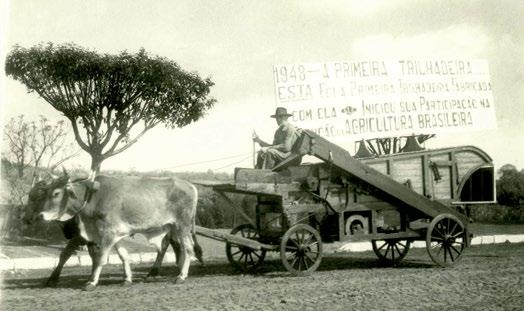
SLC kept pace with the growth of agriculture in the region, expanding its workforce and range of services. Besides repairing tools, the company began manufacturing simple woodworking machines, such as saws and sanders. It also produced agricultural and plant extraction implements for use on the field. In 1947, the company achieved a pioneering feat on the Brazilian market: a grain threshing machine that
Frederico Logemann (C), in front of his first house he built in Horizontina
OUR HISTORY
The first threshing machine from SLC, from 1947, marked the beginning of the mechanized cycle of agriculture.
heralded the beginning of the mechanization of agriculture. Gradually, the settlers of Horizontina and the northern region of the state became accustomed to an important and reliable partner in agriculture: SLC brand equipment and machinery.
The year 1947 also marked the beginning of a profound change in the company. Due to health problems, Frederico spent more and more time in Porto Alegre than in Horizontina for his medical treatments. With no return to the city in sight, he asked his son Jorge Antônio, then 25 years old and in his final year of engineering studies, to travel to the city to sell the land and shares in SLC still owned by the family. Jorge Antônio traveled with this goal in mind, but returned with another: after realizing that he would need more time to close the deal due to the considerable amount of money involved, he decided to return to Porto Alegre, finish his
engineering degree and then live in Horizontina for a while until he could settle the matter with no pressure. He took his fiancée Zaira with him on the trip, assuming that his stay in the north of the state would not last long.
THE SECOND GENERATION'S TURN
On his return to Horizontina, Jorge Antônio noticed that soybeans (which were increasingly being grown in the country), beans and corn were being harvested and processed by hand. Frederico's partner Balduíno suggested that the threshing machine should be mass-produced to make the settlers' work easier. Jorge Antônio was enticed by the proposal. He stayed in the town and married Zaira less than two years later. At the end of the 1940s, the couple moved into a wooden house in Horizontina, which then had around 50 houses, a hospital, a church, a pharmacy, a few stores, and a notary's office.
In 1949, there was an important restructuring in the company to formalize the entry of Jorge Antônio. He took over his father Frederico's shares, and Arnoldo Schneider, who had already been working in the company since 1946, took over his brother Balduíno's shares. The first names of the main players changed, but the company remained in the hands of the Schneider and Logemann families. Also in this year, with the purchase of processing machines and the establishment of a small iron foundry, the project to manufacture the threshing machine began to bear fruit. A number of other SLC-branded implements and tools were manufactured, including hoes, sickles and plows.
In 1951, SLC suffered a loss. After a long illness, Frederico died in Porto Alegre. He not only founded a city in the north of the state of Rio Grande do Sul, but also a company that would set a benchmark for Brazilian and global agriculture.
From that moment on, in addition to the growth of SLC, Jorge Antônio took on another responsibility: he began contributing to the
development of the city his father had founded. Through his actions at the helm of the company, in the development of the region, and through his commitment to community affairs, he increasingly became a respected leader. He was dedicated to the well-being of the community and always sought to demonstrate the value of what could be achieved through mobilization. It was with this spirit that he launched the movement for Horizontina's secession from Santa Rosa. If Frederico founded a city, Jorge Antônio wanted to found a municipality.
A referendum was held in December 1953. 898 voters supported emancipation, while 151 opposed it. On December 18, 1954, Governor Ernesto Dornelles approved the law establishing the municipality, and thanks to his efforts, Jorge Antônio was elected the first mayor by a coalition of the Social Democratic Party (PSD) and the Brazilian Workers' Party (PTB), which included both business owners and workers. In the book chronicling the 50-year history of SLC, Bruno Bohnen, a political opponent, recorded his opinion of Jorge Antônio's leadership: “He was always the man who knew how to defuse any situation to avoid conflict, he avoided unnecessary arguments, and he understood how to mediate in situations to reach consensus decisions.”
This constant pursuit of harmony was also the guiding principle of his relationship with his business partner. His intention was to make their healthy relationship the formula for business success. At the same time as he was running the city government Jorge Antônio and SLC received important reinforcements: the brothers Arnaldo, Eliseu, and Norberto Ullmann, and Antenor Montigny, Zaira's father. With his extensive experience in the banking sector, Antenor took over the financial side of the business, which until then had operated without a formal organization. Antenor brought a financial culture and discipline to SLC and became a partner along with Jorge, Arnoldo, and the Ullmann brothers.
In the late 1940s, when soybeans began to take root in Alto Uruguay region, the crop had little commercial value and was used as animal feed – a very different scenario from today, where soybeans are one of the world's most important agricultural commodities, feeding billions of people. To facilitate harvesting, SLC adapted existing threshing machines designed for rice harvesting for soybeans, beans, and corn, the crops of the mission land. The high quality of service in the manufacture and maintenance of equipment made the SLC brand the preferred choice and a respected manufacturer among farmers. It stood for quality and safety. An SLC advertisement from 1960 emphasized: “Quality, durability and maximum performance are the unique features of our machines.” At that time, the company was already selling to other states and even to Paraguay.
Photo on the left: Antenor Montigny, Zaira's father and partner in the company Photo on the right: Jorge Antônio Dahne Logemann and Zaira Logemann
OUR HISTORY
In 1957, during the wheat harvest, SLC achieved another pioneering feat: the company launched the trailed combine harvester, which was pulled by a tractor to bring in the harvest – a crucial production step for the farmer and an optimization of the harvesting process. The innovation work continued until 1963, when it came up against two obstacles: firstly, the low tractor production in Brazil, which pulled the combine harvester, and secondly, the introduction of imported combine harvesters. However, the trailed combine harvester sparked an idea within the Group: the challenge of developing the first national combine harvester with its own engine that would not be dependent on the tractor.
TECHNOLOGICAL LEAP
The dream took shape when Arnoldo acquired a used John Deere Model 55 combine harvester in the early 1960s. John Deere, founded in 1830 in Grand Detour, Illinois (USA), developed into one of the largest manufacturers of agricultural machinery in history, a benchmark for quality and safety, and played a crucial role in the growth of SLC.
The combine harvester was overhauled and put into operation at the Timbó farm in Horizontina, where wheat was planted, and which became known as Fazenda Pioneira (Pioneer Farm). The decisive advantage of the American machine for agricultural production was already evident during the first harvest. SLC began developing a prototype based on this machine, combining a transmission and differential manufactured in Caxias do Sul (RS) with a Chevrolet engine produced by General Motors in São Paulo. At this time, the Brazilian automotive industry was experiencing an upswing that ensured the necessary technology partnerships. SLC also modernized and expanded the plant facilities with modern industrial buildings. The entire company focused on the project to produce the first true Brazilian self-propelled combine harvester.
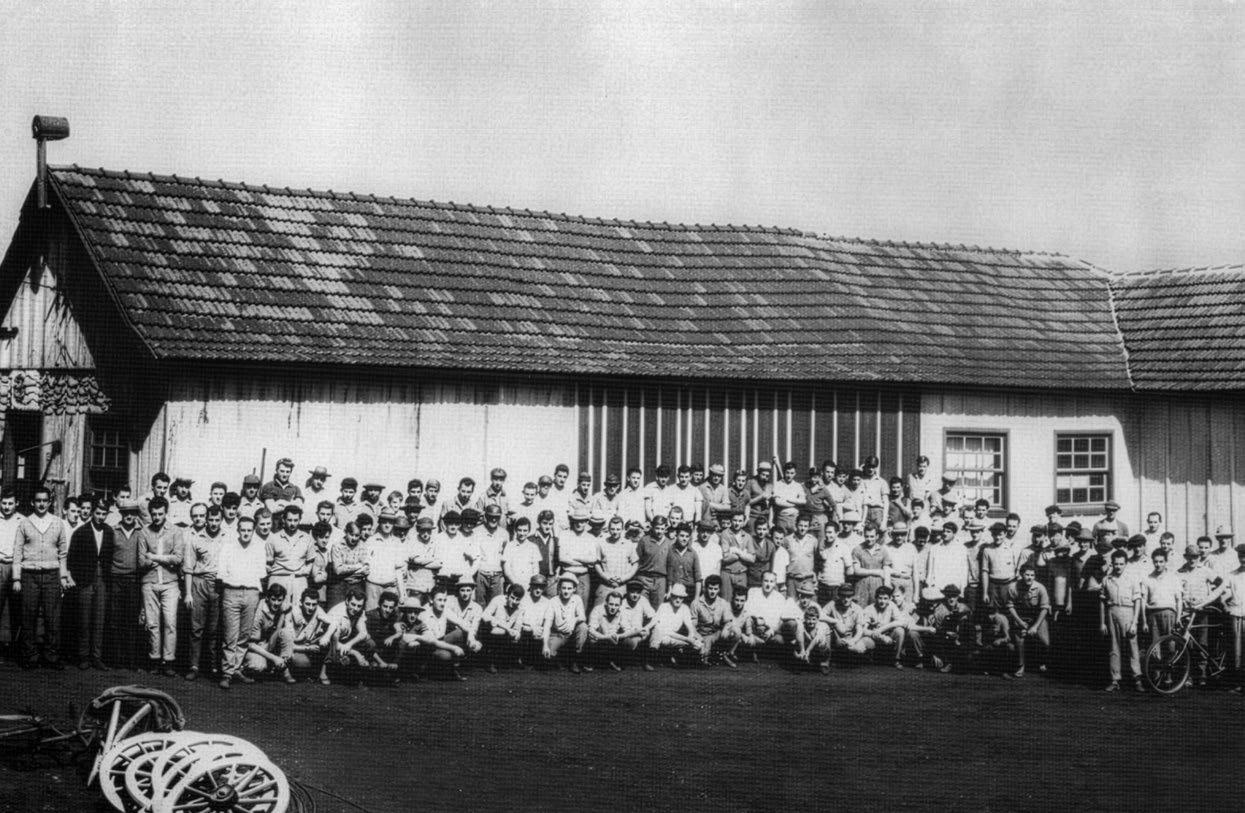
Employees in front of the factory in the 1960s. From 1970 to 1976, the number of employees increased significantly – from 400 to over 1,000.
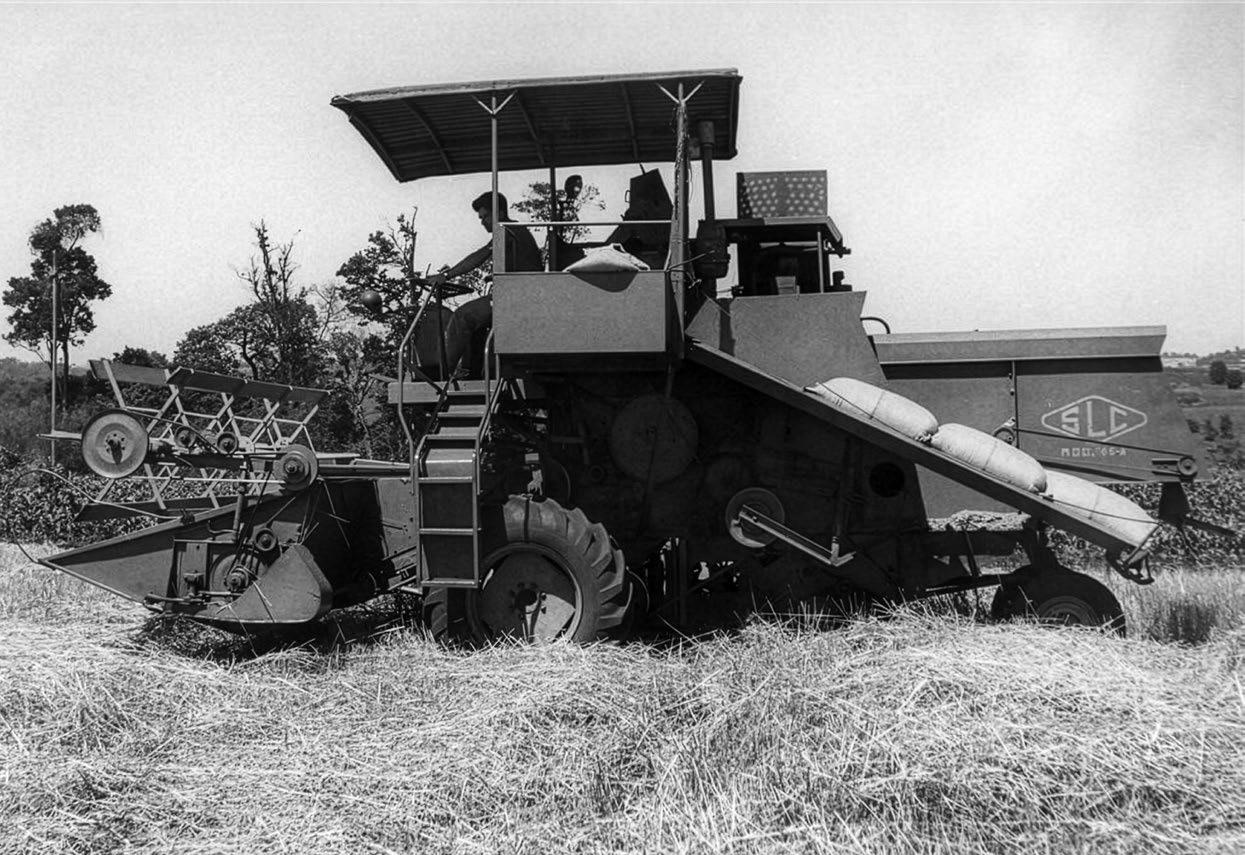
On November 5, 1965, during the wheat harvest on Seu Pilau's farm in Giruá, the dream finally came true: the first Brazilian combine harvester was unveiled there and named the 65-A. In a letter to then-President Castelo Branco, Jorge Antônio reported on this momentous occasion for the company:
“It is with great satisfaction that we write to Your Excellency to inform you of the launch of the first self-propelled combine harvester manufactured in Brazil and produced by our company. This achievement was not the result of improvisation, but rather the product of years of study, as we always wanted to offer the nation a machine that truly meets the needs of farmers.”
The success was tremendous, and the orders began. From one machine in 1965, production increased to 12 the following year and 28 in 1967.
OUR HISTORY
In 1969, the company reached its goal of producing one hundred machines per year, which required adapting the factory, providing technical training, and upskilling the team. SLC offered attentive and agile technical customer service, which became a unique selling point. In 1973, another milestone was reached: more than one thousand machines (1,036) were sold under the Model 1000 designation. The name commemorated this achievement. By 1976, the number of employees had grown from 400 at the beginning of the 1970s to more than one thousand, a necessary
The first self-propelled harvester in Brazil, the 65-A, was the result of years of research and became a sales success.
increase to handle the production growth. In the following years, the machines were improved and given new features, such as switching from tracks to tires, which enabled operation in flooded terrain.
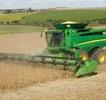
The company grew so rapidly that it attracted the attention of John Deere, which wanted to enter the Brazilian market as part of its expansion plan. The Americans made a proposal and, when it was accepted, acquired 20 percent of SLC's shares. This marked the birth of SLC Indústria e Comércio, with the participation of the company from Illinois (USA). The partnership was a two-way exchange: The Brazilian agricultural market was growing, and SLC was the gateway to John Deere, which in turn offered the Rio Grande do Sul company its cutting-edge technology for the production of harvesting equipment. The change was felt the following year with the launch of the 2000 Model, replacing the 1000. In 1983, the red, the traditional color of SLC combine harvesters, was replaced by green, adopting the color of its North American partner and demonstrating to the market that the company offered the most advanced technology in the world. SLC expanded its production facilities in 1989.
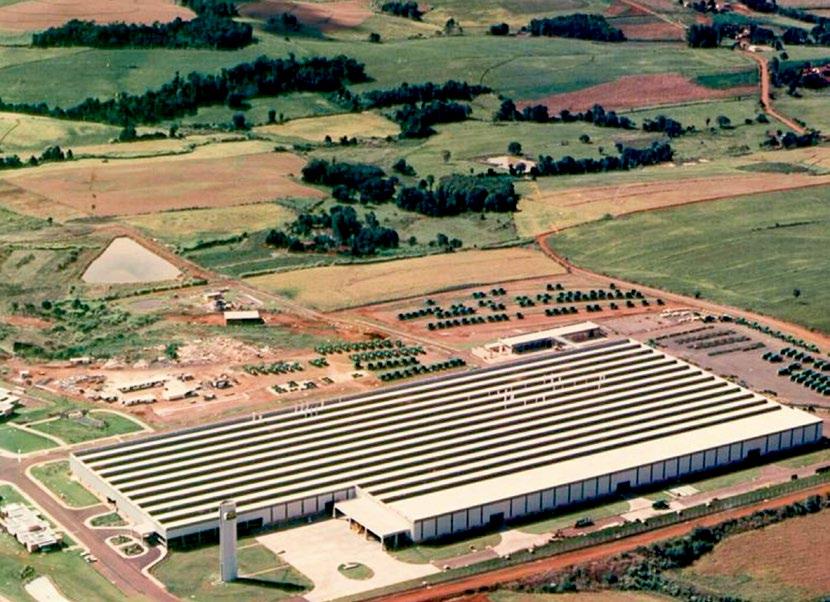
Plant I, with 16,000 square meters in downtown Horizontina, became the headquarters for finance, administration and sales. Plant II, with 62,000 square meters and opened in November 1989, became the production center in an area that would later become the city's industrial zone.
In the 1990s, SLC exported to 14 countries and its machines harvested almost half of Brazil's grain harvest. In the commemorative book for the Group's 50th anniversary, Jorge Antônio explained the positive results:
“We have managed to combine profitability with the introduction of new products and the expansion of the product range, while maintaining the number of employees. This is possible thanks to a participative management team that is actively shaping the future of the company. Everyone discusses, some agree, some don't, but everyone participates equally in strategic planning.”
OUR HISTORY
When the Group celebrated its 50th anniversary in 1995, it had expanded its business activities and was divided into various divisions. These included an investment bank, an agricultural company with five farms, a trading center for Valmet tractors, a hotel and a foundry. However, the successes celebrated on the Group's 50th anniversary took place without Jorge Antônio. Like his father Frederico, he died far too early in July 1987 at the age of 65 SLC thus lost its charismatic leader, who had returned to the old Belo Horizonte town to sell his father's business and who, driven by passion, had founded a city and built one of the largest agricultural companies in the world.
THE THIRD GENERATION TAKES OVER
The transition was natural and harmonious, as has always been the case with the Logemann family's business moves, coordinated by Zaira's firm and level-headed hand. Over the years, she told friends that she had come to Horizontina as a fiancée, with her husband's promise to stay only five years until he had sold his father's properties. However, this turned into 38 years, during which she raised five children alongside the factory. In her memories, despite the red clay soil that covered the streets, she thought everything was wonderful when she arrived in her new home. Fresh from school, she enthusiastically began to integrate into an environment that was predominantly characterized by German culture. “Jorge Antônio was always enthusiastic, optimistic and confident, and he infected me with this certainty that everything would be fine,” Zaira recalled in a contribution to the book celebrating SLC's 70th anniversary.
After her husband's death, Zaira played a crucial role in ensuring that her children continued their father's legacy, guided by
a phrase she later immortalized in an oil painting featuring a sturdy oak tree: “The grain that falls, sprouts.” The image and the phrase symbolized the values the couple cultivated at home, such as harmony among the siblings and the commitment to always do the right thing. These valueswere essential for maintaining unity after Jorge Antônio's passing and the future of the company was entrusted to his wife and children.
The eldest of the five brothers, Eduardo Logemann, a mechanical engineer with a degree from the Pontifical Catholic University of Rio Grande do Sul (PUC-RS), took the helm of SLC at the age of 37, having already gained considerable experience within the company. At the age of
Zaira played a key role in the transition by keeping her children together and preserving Jorge Antônio's legacy.
18, he worked as a driver's assistant and purchasing clerk until he became the company's director in Porto Alegre. With him, the third generation of Logemanns, the G3, took over the Group.
Eduardo had a significant boost in his role leading the family business. His brother, Jorge Luiz Logemann, who had completed his medical studies at the Catholic Faculty of Medicine in Porto Alegre and specialized in Germany, traded his successful career as a doctor for the company and took over the Human Resources and Planning department.
At that time, he established values and standards that are still valid today: fostering lasting relationships, a highly professional work policy, and respect for the individual, based on the conviction that the company reflects its employees.
Eduardo was already working for the Group when the partnership with John Deere was established in the late 1970s, a business decision he struggled to understand at the time. His father, Jorge Antônio, had foreseen before his death that agriculture would evolve into a global market requiring significant investment and technological research, and he was looking for an innovative company to partner with. He left a message for his son: “If you and your brothers no longer want to run the company in 20 or 30 years, we'll have a great buyer.” This prediction came true in June 1999.
At that time, machinery production with John Deere accounted for approximately 80% of the Group's revenue. Previously, in 1995, the US company had increased their stake in SLC from 20% to 40% in tractor production in Horizontina. In 1998, with the change of leadership in the USA, they decided to invest even more in Brazil. SLC and John Deere resumed negotiations and sealed the deal in the last year of the 20th century: the US company took control of the plant in Horizontina, and SLC was responsible for selling the machines in the region.
As always at crucial moments, the family gathered to discuss John Deere's proposal. At this meeting, which was attended by the mother Zaira and the five siblings Eduardo, Jorge Luiz, Marcelo, Elisabeth and Ana, there was a sense of unease, as it concerned the sale of the company that their grandfather had built up and their father had structured. In the end, their father's prediction, which he had made in a conversation with Eduardo in the 1970s, came true: one day, the complete sale of the plant would be a good deal. The sale to John Deere also resulted in a reorganization of the shareholder structure. The Schneider family and the Ullmann brothers decided to go into new business ventures and left the partnership. From then on, the Logemann family took sole control of SLC.
The US company John Deere acquired the plant in Horizontina, and SLC took over the marketing of the machines.
NEW BUSINESS AREAS
The next step was to restructure the Group's new business structure. The decision was made to diversify investments into new opportunities, such as the expansion of agricultural activities, in addition to the three existing farms in Rio Grande do Sul. These acquisitions began with Agropecuária Schneider & Logemann Ltda, founded in 1977, which became SLC Agrícola in 2000. In the 1980s, further areas were acquired in the states of Goiás, Mato Grosso do Sul and Maranhão, so that over the years SLC left the Rio Grande do Sul areas to develop the Brazilian Cerrado region.
In 2000, the group founded SLC Alimentos and began selling the Butuí and Namorado rice brands. By the fourth financial year, it was already the third largest rice trader in Brazil. The company sourced the grain from partners, processed and packaged it. In the following years, it expanded and distributed other cereals such as beans, lentils and corn until it was sold in 2018.
In 2005, the year of its 60th anniversary, the Group achieved its largest turnover with Ferramentas Gerais, which was acquired by the Logemann family as part of the diversification process following the sale of the Horizontina plant in 2001. Ferramentas Gerais, founded in 1957 by Walter Herz, quickly became the best-known industrial supplies company in southern Brazil.
This move gave SLC's business, which had always been focused on rural areas, an urban dimension. Jorge Luiz took over the management of the new business unit. In 2007, the company was ranked the second-best retail company in Brazil by Exame magazine. Ten years later, the company was sold as part of a strategic decision.
SLC went public in 2007, becoming one of the first agricultural companies in the world to do so, offering its shares for sale on the São Paulo Stock Exchange. Subsequently, SLC Agrícola began to improve its
management. Of the total number of shares, 49% were offered, with 30% of them going to shareholders in Brazil and the rest to investors in Europe and the United States.
Since 2020, the company has restructured its business portfolio and refocused on its core business: agriculture. In 2025, when the Group celebrates its 80th anniversary, SLC consists of SLC Agrícola, which cultivates, harvests, and sells soybeans, cotton, corn, and seeds, and implements Integrated Agricultural and Livestock Programs (ILP), and SLC Máquinas, responsible for distributing John Deere products in most of Rio Grande do Sul. This also includes the Instituto SLC, the company's social pillar, which works with the communities affected by the business.
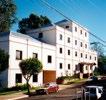
Former headquarters of SLC Agrícola, in Horizontina (RS)
OUR HISTORY
LOGEMANN FAMILY TREE
G1 – First Generation
G2 – Second Generation
G3 – Third Generation
G4 – Fourth Generation
G5 – Fifth Generation
Frederico Jorge Logemann
Jorge Antônio D. Logemann
Eduardo
Caroline Frederico
João Eduardo Isabella
Maria Catarina João Pedro
Maria Victoria Thomas Fernanda Alexandre Patrícia Giulia
Jorge Luiz
Marcelo
Zaira Logemann
Nelly Dahne
FIVE GENERATIONS AT SLC
Frederico Jorge Logemann, founder of SLC, established a family that is now in its fifth generation. Today, the company is managed by members of the third generation (G3) and members of the fourth generation (G4) are already working in the company.
Daniela
Rafael Florença
Marina Jorge Paulo Paulo João Manoel
Ana
Elisabeth
Jorge Antônio Eduardo
EDUARDO LOGEMANN
Eduardo Silva Logemann has been President of SLC since 1987 and is also President of the Board of Directors of SLC Agrícola. His 55-year career at SLC has been characterized by a strong commitment to the company's values, a long-term strategic vision, and a leadership based on integrity and respect for people.
Born in Horizontina (RS), he moved to Porto Alegre at the age of ten. His entry into the family business began informally in 1968 and was formalized in July 1970, when he signed his first employment contract as a Purchasing Assistant. At the time, he was studying mechanical engineering at the Pontifical Catholic University of Rio Grande do Sul (PUCRS), a degree which he completed in 1977. The technical knowledge he acquired was crucial to his performance in key areas, particularly in Purchasing and Finance.
In the 1970s, he assumed increasingly responsible roles, including managing the company's office in Porto Alegre. He was responsible for purchasing components for the Horizontina plant – such as engines and tires – and for overseeing investments in the financial market. In 1979, he was appointed director of what was then Schneider Logemann & Cia., a position that marked the beginning of his leadership career within the Group.
That same year, he was entrusted with managing one of SLC's most important alliances: the partnership with the multinational
“Leadership is not a one-man show, but rather the orchestration of diverse talents toward a common goal.”
corporation John Deere. Initiated by his father, Jorge Antônio Dahne Logemann, the son of the company's founder, this partnership solidified the modernization of the Group. Following his father's death, Eduardo Logemann took over the leadership of the company during a period of significant challenges and transformation. He began representing the Group at an institutional level in meetings with industry associations, government agencies, and political leaderships, splitting his time between Brazil and other countries. His work helped strengthen SLC's reputation as an ethical, sound company committed to national development.
He faced adverse macroeconomic conditions – such as hyperinflation in the 1980s – and led restructuring processes and strategic realignment with determination and vision. The ability to realign strategies and move forward responsibly was fundamental to the sustainability and continued growth of the Group. “Being able to recognize and correct a mistake is a virtue. But giving up? Never,” he emphasizes.
At 75, Eduardo is still active, driven by his passion for what he does. He is married to Flávia Alvarez, with whom he shares a life as a partner, and is the father of Caroline and Fernanda, and the grandfather of Isabela and João Eduardo. Despite his demanding career, he has always prioritized spending time with his family and values a healthy work-life balance. His hobbies include sports, science fiction films, motorcycle trips with his wife and friends, and Jeep tours, often with his brother Jorge.
Eduardo is a strong advocate for education as an essential tool for human and organizational development and has consistently championed continuous professional development within the company. He believes that leadership should be exercised collaboratively: “Leadership is not a one-man show, but rather the orchestration of diverse talents toward a common goal.”
Eduardo Logemann's story at SLC is that of someone who has built much more than just a career. He made a significant contribution to building a corporate culture that is based on solid values, connects generations, and is characterized by responsibility, commitment and a future-oriented vision.
JORGE
LUIZ LOGEMANN
Jorge Luiz Logemann, Vice President of SLC, looks back on a career of over thirty years of commitment and responsibility alongside his brother Eduardo, President of the Group. Since his transition from medicine to business, his leadership has been characterized by balance, strategic thinking and commitment to SLC's values.
Born in Porto Alegre (RS), Jorge was raised in Horizontina, where he grew up among the machines of the SLC plant – which, for him, was like playing in the backyard. At the age of 15, he moved to Porto Alegre to study at the Colégio Rosário. He later decided to study medicine, inspired by a close friend of his father who was a doctor in his home city. He studied at the Catholic Faculty of Medicine, did his residency at the PUCRS Hospital and then specialized in Munich, Germany. He then returned to Brazil as a professor at the PUCRS, where he taught from 1982 to 1987.
The death of his father, Jorge Antônio Dahne Logemann, marked a turning point. Faced with the challenge of continuing the family legacy, Jorge and his brother Eduardo decided to join the Group's company. He initially took on tasks in Human Resources and Planning at the Horizontina unit. Since then, his responsibilities have expanded and he has been involved in key moments in the company's history.
“It is the combination of knowledge and attitude that shapes the corporate culture.”
Jorge Logemann drove important diversification measures, including the acquisition and management of Ferramentas Gerais and SLC Alimentos, serving as President of Ferramentas Gerais for several years.
With the sale of these companies and the IPO of SLC Agrícola in 2007, he was instrumental in positioning the group as one of the leading players in Brazilian agribusiness.
With his people-oriented vision, Jorge Logemann has always valued the importance of human capital in building sustainable businesses. He is convinced that business success lies in the combination of expertise
and behavior. “Employees join a company because of their professional qualifications, but they stay – or leave – because of the way they relate to each other It is the combination of knowledge and attitude that shapes the corporate culture,” he summarizes.
His medical training has contributed to an empathetic leadership style that focuses on active listening, careful reading of context, and building high-performing teams. For him, SLC's success over eight decades is not attributable to a single factor, but rather to daily building efforts with an emphasis on continuity and selecting the right people to lead.
Over the years, Jorge has dedicated himself to the company, sharing his experience with developing leaders and emphasizing the value of continuous learning and ethics in management. His approach fosters trust and contributes to strengthening SLC's organizational culture, which is based on respectful and responsible relationships.
Jorge has been married to Eliana since 1979 and is the father of three children – Frederico, Alexandre, and Patrícia – as well as a loving grandfather of four grandchildren: Maria Catarina, Maria Vitória, João Pedro, and Thomas. He greatly values time with his family and pursues passions such as tennis, soccer, and hiking in nature, especially with his brother Eduardo. He often travels with his children and grandchildren, strengthening the family bonds that have always been the foundation of his personal and professional life.
With nearly four decades of dedication to SLC, Jorge Luiz Logemann represents a leadership style that combines tradition and innovation, rationality and intuition. His contribution has been instrumental in enabling the company to continue growing ethically, consistently, and with a longterm vision.
SLC's 80 years reflect the determination and resilience of an entrepreneurial family deeply committed to the history of Brazilian agricultural development.
EDUARDO LOGEMANN • PRESIDENT OF SLC
JORGE LUIZ LOGEMANN • VICE PRESIDENT OF SLC
I feel a sense of pride and accomplishment with SLC's 80th anniversary. It also fills me with great satisfaction that the lives of so many people have been improved through agriculture. These 80 years solidify the success of the hard work of three generations of the Logemann family, together with the SLC team. We thank everyone who has contributed to this story, and we are working hard on the company's management so that we are prepared for the future. Here's to the next 80 years!
ANA LOGEMANN DE ALMEIDA • PRESIDENT OF THE INSTITUTO SLC
ELISABETH LOGEMANN • VICE PRESIDENT OF THE INSTITUTO SLC
For our family, the 80th anniversary of SLC means continuing the legacy of our father, Jorge Antônio Dahne Logemann. Together we are very strong. It gives me great pleasure to celebrate the 80th anniversary of the SLC – a success story based on hard work, solid values, and the commitment of a family that believes in its work. May our children continue to preserve this family alliance for generations to come.
MARCELO LOGEMANN
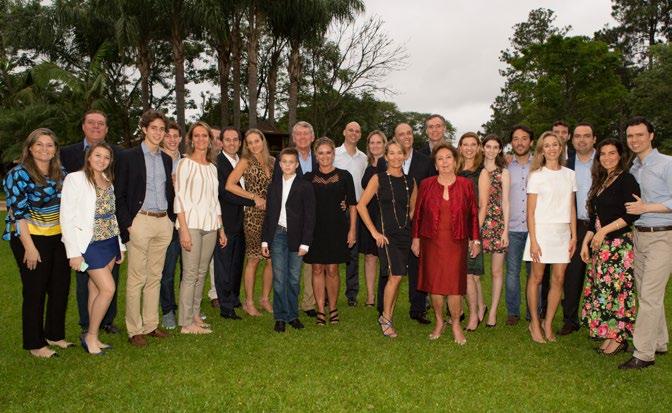
Standing, from left to right: Eduardo Logemann, Elisabeth Logemann, Marcelo Logemann. Sitting, from left to right: Jorge Luiz Logemann and Ana Logemann de Almeida
SLC Agrícola
Efficiency in agricultural production and respect for the planet
SLC AGRÍCOLA
s it celebrates its 80th anniversary, SLC can be proud of having won the hearts of Brazil and the admiration of the world with the growth of SLC Agrícola. Founded in 1977 under the name Agropecuária Schneider & Logemann Ltda., after only three years in business, it took a big step forward: in 1980, it acquired the Fazenda Pamplona in Goiás, which at the time covered 27,700 hectares, planting the flag of the Rio Grande do Sul company for the first time in the Cerrado, an extensive biome in the heart of the country.
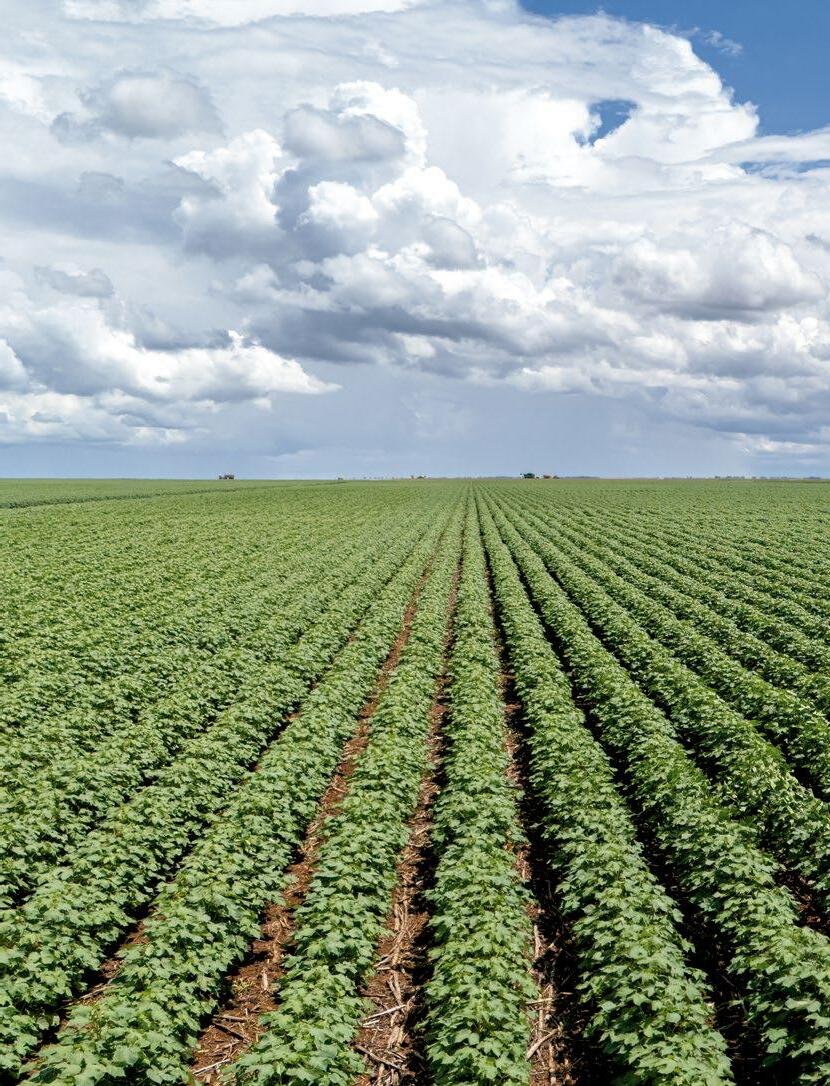
In the following years, new areas for planting were acquired through purchase or lease, so that they could receive seeds for cotton, corn, and, above all, soybeans, the three main crops grown today by SLC Agrícola — which was renamed in 2000.
SLC Agrícola, one of Brazil's largest agricultural commodity producers, is guided by its Big Dream: Positively impacting future generations by being a global leader in agricultural business efficiency and respect for the planet. By 2025, it will have 26 farms spread across
It was in the early 2000s that farming became SLC's main activity.
eight states in the Midwest, Northeast, North, and Southeast regions of Brazil. In the 2024/2025 harvest, 735,900 hectares were planted. From a new lease, it added around 100,000 hectares of planted area (first and second harvests). For the 2025/2026 harvest, the estimated planted area is approximately 835,000 hectares.
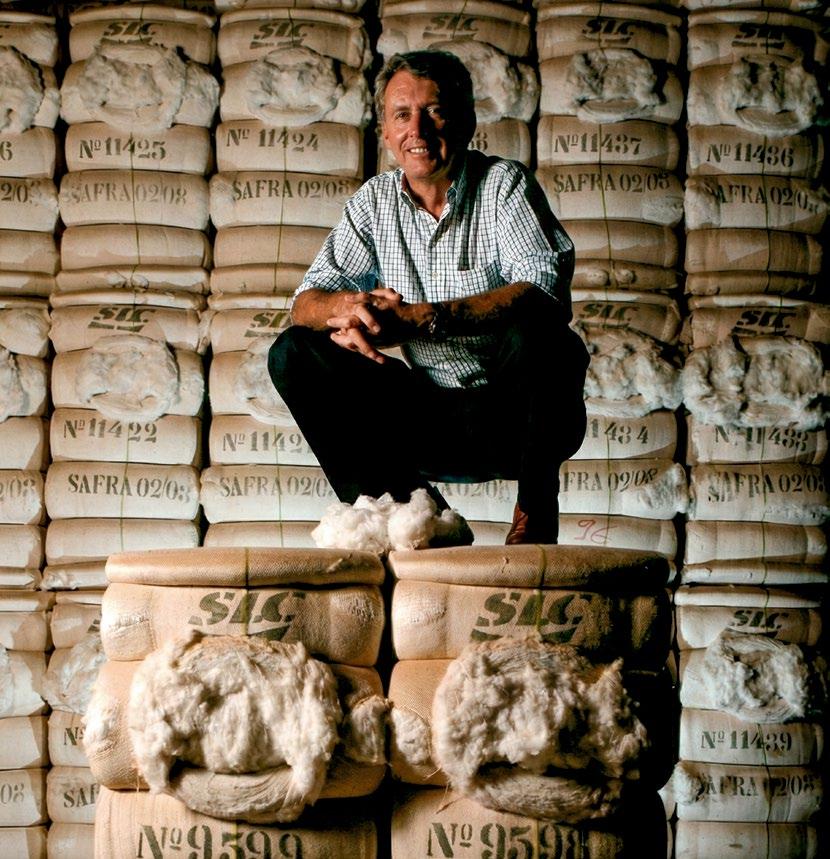
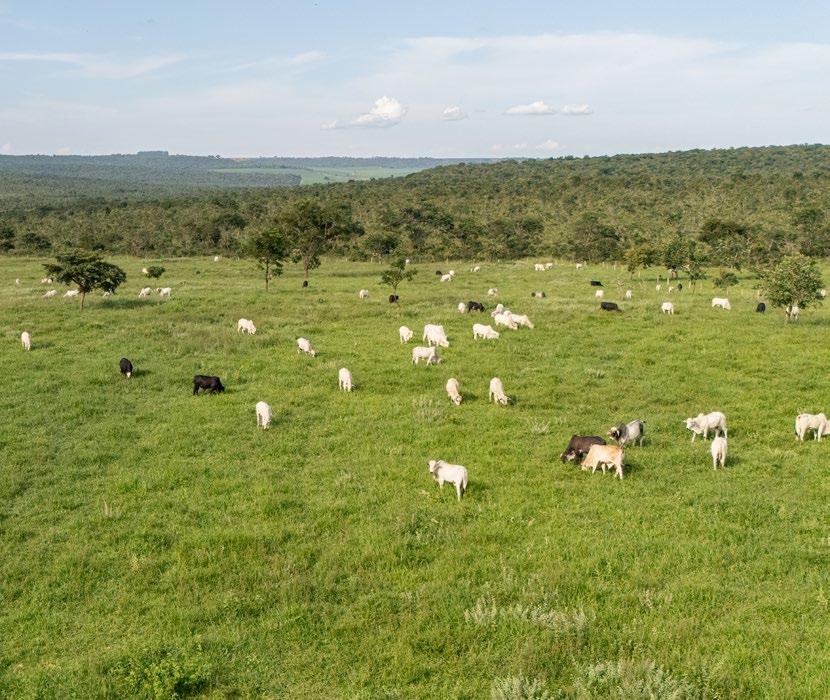
The company grows cotton, soybeans, corn, seeds, and other grains. It also develops a sustainable model of livestock farming. The animals are raised using the Crop-Livestock Integration (ILP) and
SLC AGRÍCOLA
Crop-Livestock-Forest Integration (ILPF) models. The system was introduced in 2018 at Fazenda Planorte (MT) and allows the combination of different production systems in the same area, providing benefits for all activities and optimizing land use.
STEP-BY-STEP GROWTH
SLC's figures place the company among the world's largest producers of agricultural commodities. These targets were achieved and
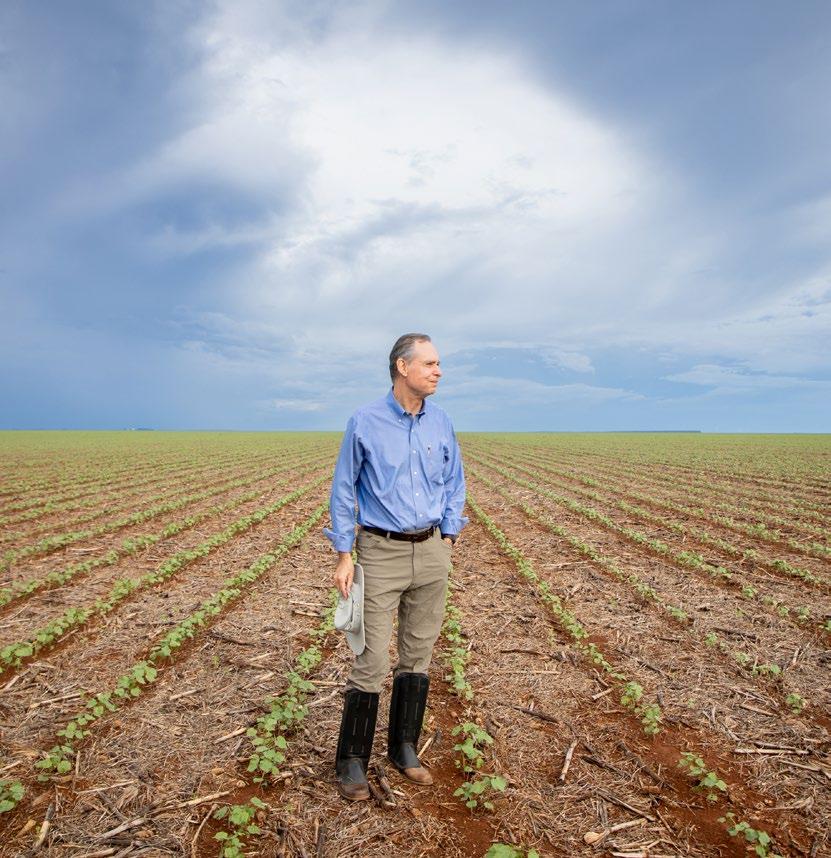
SLC Agrícola's main focus is the cultivation of soybeans, cotton, and corn, but sustainable livestock farming is one of its activities.
excellence attained not by chance, but as a result of detailed planning diligently executed by the team since the company's inception, divided into three stages.
The first was called “The Miracle of the Cerrado” and refers to the period when SLC Agrícola began to develop its business model. This stage lasts until 2007, when the company offers its shares to the market. The
public offering secured the funds for the second phase, which runs until 2015, called the “Arbitration Window for Land Conversion,” marked by the
AGRÍCOLA
acquisition of new planting areas through leases and joint-ventures and the pursuit of certifications in different segments of the production process.
The third phase is responsible for the company's performance over the last ten years, and is the current phase. Called “Distance from the Average,” it is characterized by asset-light growth (when the company maintains only the assets essential to conducting its business), technology-driven operations, financial strength, and leadership in the implementation of ESG (Environmental, Social, and Governance) practices).
The phase that began in 2015 was supported by pillars aligned with strategic planning. One of them determined that the expansion of planting areas would be achieved through leasing rather than purchasing land, which ensures a higher return on invested capital. Another pillar focused on efficiency and high productivity with lower production costs, thereby raising profitability levels. Finally, strong and consistent financial indicators were established, with a low level of indebtedness for the planting and harvesting of corn, cotton, and soybeans.
The results of this entire journey are evident: over the last ten years, SLC Agrícola has increased its annual gross revenue from R$ 1 billion in 2015 to around R$ 7 billion in 2024, and its profit margin from 25% to 35% over the same period.
RESEARCH AND EXCELLENCE
Amidst this process of growth achieved through land cultivation, SLC Agrícola still managed to make room to create an important research and marketing division within its structure. In 2018, SLC Sementes was created on leased land in Goiás, taking advantage of the existing synergy in the area. It currently produces and sells high-quality soybean and cotton seeds for the company's own planting and for the Brazilian market. It created the SLC Garante program, SLC Garante+, and the Quality Index
SLC
(IQ), based on 84 parameters, distributed across physical, genetic, and physiological analyses of seed batches.
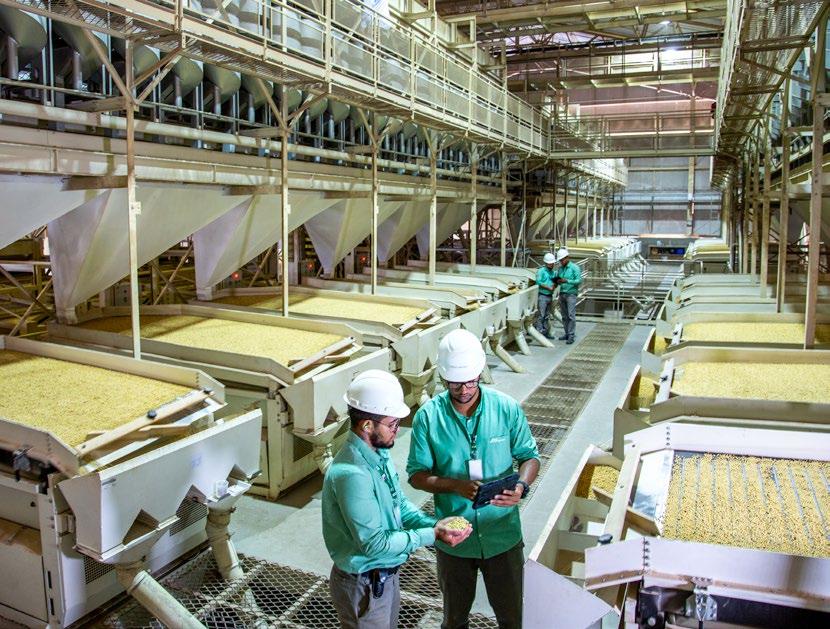
In 2023, SLC Sementes inaugurated the Soybean Processing and Storage Industry (IBS), in partnership with Kothe Agro. IBS is the most modern company of its kind in Latin America and has an initial processing and storage capacity of 1 million bags of 200,000 soybeans. In the same year, it inaugurated the first Seed Analysis Laboratory (LAS) at Fazenda Panorama (BA), responsible for analyzing the quality of seeds produced in the production fields and ensuring the physical, sanitary, genetic, and physiological quality of the seeds.
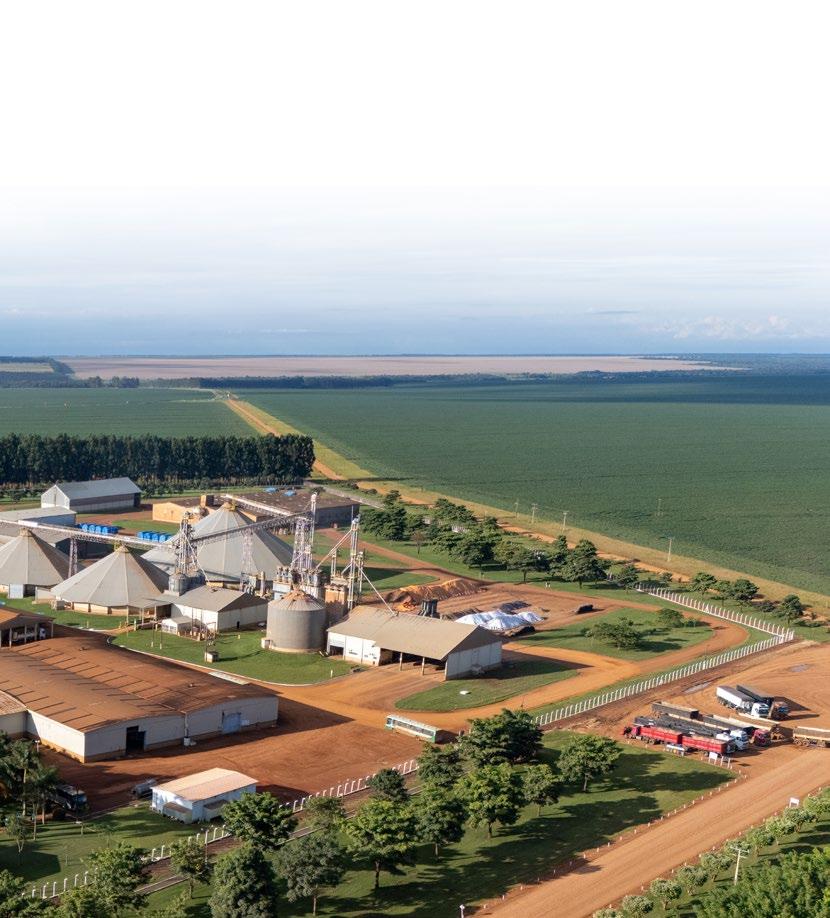
The Soybean Processing and Storage Industry (IBS) is the most modern in Latin America.
SLC AGRÍCOLA
In 2024, SLC Agrícola became the company in the Americas with the largest area certified in regenerative agriculture.
As a pioneer in the industry, SLC Sementes was the first to implement seed traceability and use images of seedbeds to assess product quality, providing security and transparency for its customers. This performance led to external recognition: the unit once again won the Best Companies in the Seed Industry award from the Mesc Institute (Best Companies in Customer Satisfaction), and the Seedcare Seal of Excellence in the treatment of cotton and soybean seeds from the Seedcare Syngenta Institute.
PILLARS OF SUCCESS
When looking back at the recent past, SLC Agrícola reaps the rewards of work based on the three pillars of people, technologies, and processes. It was they who, working together, led the company to exceed its size with each harvest.
SLC Agrícola began to focus heavily on training, retaining people, and developing team engagement policies. The answer is clear from the data: turnover fell from 40% to 17.9%, enabling greater stability for teams in different sectors. The change was a demonstration that the company recognizes the importance of its employees and has a policy of investing in people. The focus on offering excellent working conditions, training, opportunities, and encouraging productivity is also reflected in the company's results.
Another leg of the tripod, technology, with investment in precision agriculture and the use of biological products, was fundamental for the company to gain efficiency.
And the third point - processes - helped the company maintain its quality standards. All operational procedures and data arising from their execution in the different activities of the sectors are predefined, recorded, organized, and the results are digitally controlled. Just as important as
SLC AGRÍCOLA
formalizing these processes is the routine of monitoring them every month in meetings that assess the situation of each farm. A failure or drop in performance is quickly detected, and the team is mobilized to make the necessary adjustments.
RECOGNITION AND LEADERSHIP
The pillars that support SLC Agrícola are formed by internal dimensions, the management of which is in its own hands. They add to another fundamental factor in the journey to success, this one of an external nature: the social recognition that surrounds SLC, not only in the agricultural segment where it operates, but also in the country's business and financial markets, as a result of its management and the results it has achieved.
Proof of this can be found in the various awards, recognitions, and certifications issued by entities as diverse as the press, professional associations, technical institutes, and governments. One of the most important recognitions came in 2024, when SLC Agrícola became the company in the Americas with the largest certified area for soybean and cotton cultivation, recognized by the Regenagri seal: a regenerative agriculture program developed by Control Union, a British company that operates in more than 70 countries and highlights good agricultural practices developed on farms, considering soil health, biodiversity preservation, sustainable water use, and carbon sequestration, among other requirements. The certified areas total 137,000 hectares - equivalent to 15% of the total area planted in 2025 - and are located on six farms: Pamplona (GO), Pantanal (MS), Planalto (MS), Planorte (MT), Palmares (BA) and Planeste (MA).
The recognition for adopting regenerative agriculture is the result of a process that was put into practice at SLC Agrícola in 2020, when
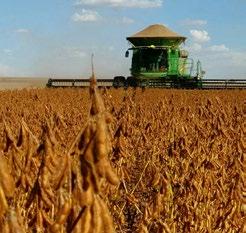
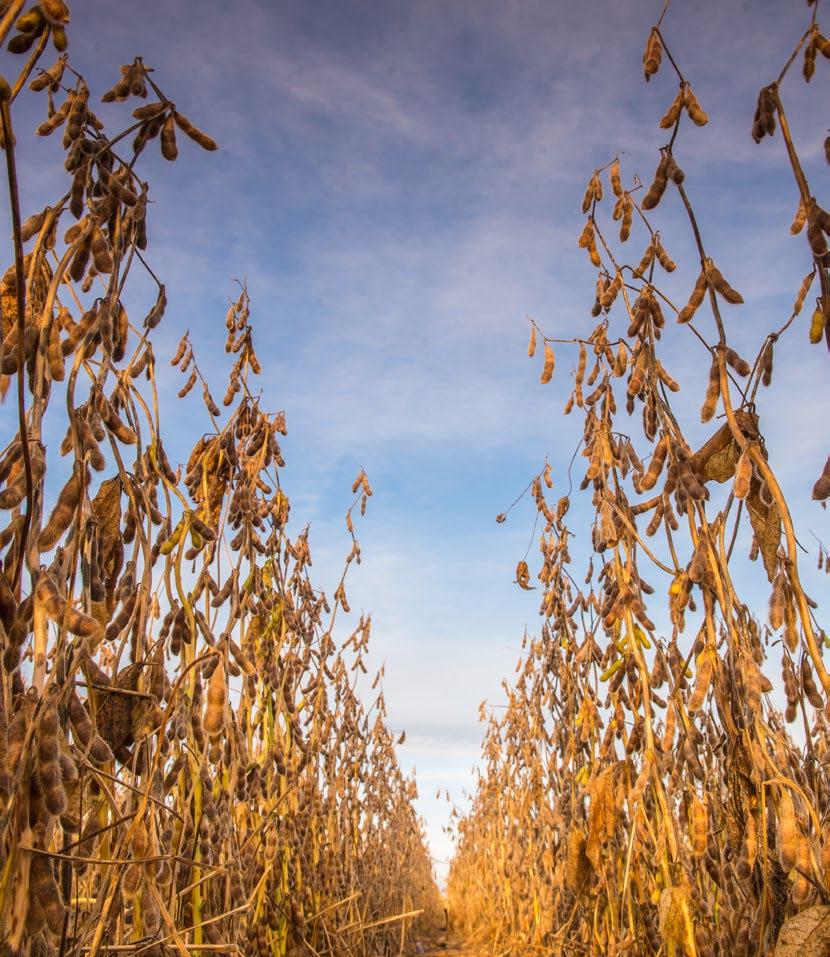
Soybeans are the dominant crop at SLC Agrícola, a company that is now a global benchmark in the agribusiness sector.
SLC AGRÍCOLA
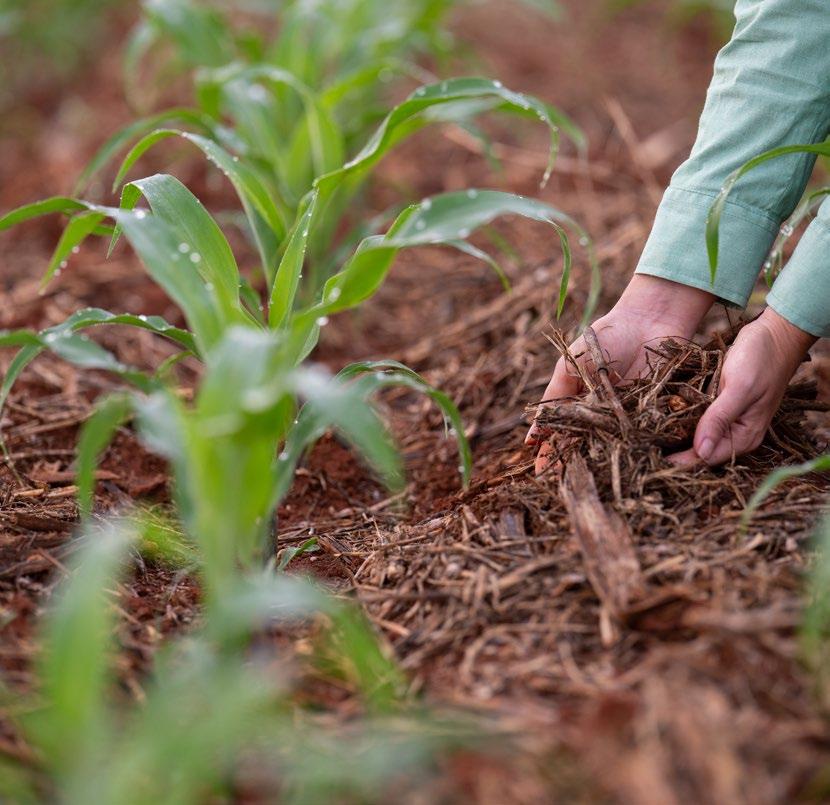
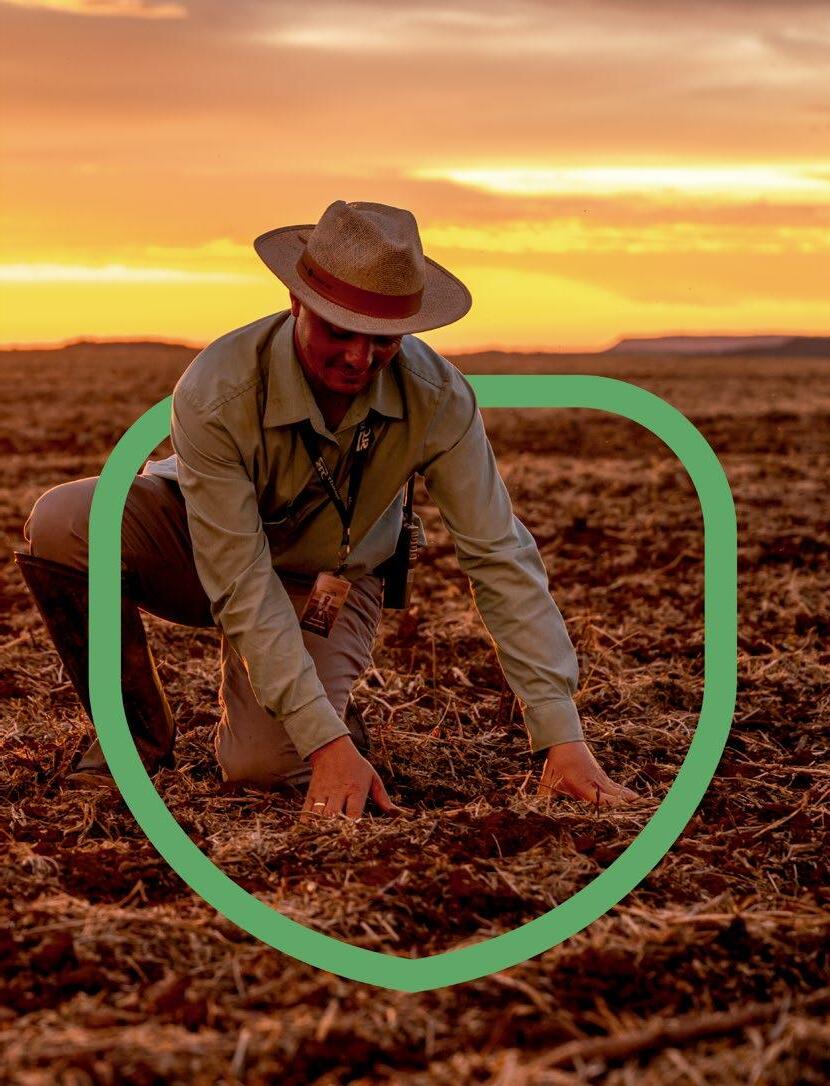
preparations for the following year's harvest began. The essence of regenerative agriculture is caring for the soil that will receive the seed and cause the plant to sprout, combining agronomic efficiency with the conservation of soil health. The process helps increase carbon sequestration, preserve biodiversity, and promote pollination by insects, reducing the need for fertilizers and pesticides during planting.
Regenerative agriculture consists of a series of combined practices that are incorporated into crops each year. These include the localized application of pesticides, the use of cover crops (which will be transformed into organic material), the use of biological pesticides, crop rotation (which allows the soil to rest between harvests and new plantings), and circular economy (when organic material produced on a farm is taken for composting, treated, and applied to the soil as natural fertilizer).
International demand for agricultural production has grown significantly since 2000, and Brazil has become the leader in productivity in this sector. Data from the Brazilian Agricultural Research Corporation (Embrapa) show that at the turn of the century, the agricultural sector exported US$20.6 billion, compared to US$97 million at the beginning of the 2000s, feeding around 150 countries. This represents a nearly fourfold increase, accelerated over the last ten years. Much of this performance is due to soybeans, which began to be planted in the northwest of Rio Grande do Sul in 1920 and today give Brazil the title of world champion in the production of this grain, which is SLC Agrícola's main crop.
It was this scenario of opportunity that challenged SLC: responding to international demand, the company led the recent development of Brazilian agriculture and, upon reaching its 80th anniversary, has established itself as a global benchmark when it comes to obtaining part of human sustenance from the soil.
SLC AGRÍCOLA ORGANIZATIONAL CHART
GENERAL SHAREHOLDERS MEETING
Eduardo Logemann President
André Pessoa Independent Member
CEO
BOARD OF DIRECTORS
Jorge Logemann Vice President
Fernando Reinach Independent Member
Waltrick Independent Member
Osvaldo Schirmer Independent Member
FISCAL COUNCIL
STATUTORY AUDIT COMMITTEE
ESG COMMITTEE
PERSONNEL MANAGEMENT COMMITTEE
RISK MANAGEMENT COMMITTEE
EXECUTIVE BOARD
Aurélio Pavinato CEO
Álvaro Dilli Director of Human Resources and Sustainability
Gustavo Lunardi Director of Supplies, Seeds, Mechanization
Ivo Brum Director of Finance and Investor Relations
Leonardo Celini Director of Operations
Rafael Rosa Director of Technology
Roberto Acauan Director of Sales and New Business
Adriana
THE HISTORY OF THE LETTER P
SLC owns 26 farms in eight states, which are managed by SLC Agrícola and produce soybeans, corn, and cotton. There is one spelling detail that unites them: all their names begin with the letter P and consist of eight letters.
There is no formal guidance in the Group's official documents, in any of its records, that the naming of farms should follow this rule. The elders also assure us that it is not the result of some superstition or omen arising from the first purchase of land, but tell a story that explains this naming rule.
When it was founded in the 1970s, SLC Agrícola began managing areas that had been purchased more for investment than for agricultural production. The first was Fazenda Mimosa, in Tucunduva (1957). Then came Pessegueiro, in São Luiz Gonzaga, and later Paineira, in Santo Augusto, all in Rio Grande do Sul.
In 1980, the Group began expanding into the Midwest and purchased the Fazenda Pamplona (GO). Soon after, Planalto (MS). In 1988, he sold the Fazenda Pessegueiro and purchased an area in Maranhão. When choosing the name, the SLC Agrícola team realized that there were already three farms with names beginning with P and with eight letters –Paineira, Pamplona, and Planalto. And since the new area was close to the Parnaíba River (which also starts with P and has eight letters), it was easy to follow the rule in Maranhão. Thus, to continue the “tradition,” Mimosa,
The 26 farms of the SLC Group: Pioneira, Preciosa, Próspera, Perdizes, Planorte, Pampeira, Paiaguás, Piracema, Pirapora, Planalto (photo), Pantanal, Parnaíba, Potência, Planeste, Palmeira, Perpétua, Parnaguá, Paineira, Parceiro, Palmares, Paladino, Panorama, Paysandu, Piratini, Pamplona and Porteira
the Group's first acquisition, was renamed Pioneira (it would later be sold, the same fate as Paineira, when SLC stopped planting in Rio Grande do Sul and transferred its agricultural production to the Brazilian Cerrado region).
In subsequent acquisitions, without a topographical reference, the area acquired further north came to be called Planorte (MT). Another, further east, was called Planeste (MA). When he acquired an area near an indigenous tribe, the name came naturally: Paiaguás (MT).
Thus, P by P, SLC Agrícola became one of the most profitable productive areas in Brazil.
SLC Participações SLC AgrícolaHeadquarters Fundação SLC Instituto SLC
AURÉLIO PAVINATO
Aurélio Pavinato joined SLC Agrícola in August 1993 as Technical Advisor, beginning a professional journey marked by dedication, knowledge, and strategic vision. In more than three decades of experience, he has been directly involved in the company's evolution, becoming CEO in 2012 and establishing himself as one of the leading figures in Brazilian agribusiness.
Born in Rio Grande do Sul, Pavinato holds a degree in agricultural engineering from the Federal University of Santa Maria (UFSM), with a master's and doctorate in soil science from the Federal University of Rio Grande do Sul (UFRGS). His commitment to continuous learning has also led him to complete executive programs at prestigious institutions in Brazil and abroad, such as Fundação Dom Cabral, Kellogg School of Management (USA), INSEAD (France), and Harvard Business School (USA).
In his early years at SLC Agrícola, he headed the Agricultural Planning Department and managed two farms located in Rio Grande do Sul at the time, overseeing the growth of the company's cultivated area. During the IPO process in 2007, he represented the company in several meetings with investors in Brazil and abroad, and was subsequently promoted to Director of Operations. Pavinato is also a member of the Board of Directors of the Brazilian Cotton Producers Association (Abrapa).
Since taking over as CEO of the company in 2012, he has led a management team focused on responsible growth, prioritizing innovation, sustainability, and operational excellence. His work has contributed
“Success is built on consistency. Every small delivery, when done with excellence, paves the way for great achievements.”
to positioning SLC Agrícola as a global benchmark in large-scale agricultural production.
Married to Taciane for almost 30 years and father of three children - Pedro Ricardo, Luis Eduardo, and João Gabriel - he values the balance between his professional and family life. Sports, health, and spending time with his children are part of his routine.
An advocate of education as the foundation for development, Pavinato believes that it is necessary to stay up to date in order to take advantage of opportunities for career growth. Success is built on consistency. Every small delivery, when done with excellence, paves the way for great achievements.
SLC Máquinas
Technology and purpose aligned with the future
At different times and in different formats, machines and technology have played a leading role in decisive moments in SLC's history. The most emblematic of these moments occurred in 1947, when the company had just completed two years of operation and offered the market the first stationary grain threshing machine (equipment that helps separate harvested grains), initiating the mechanization of Brazilian agriculture, which until then had been an essentially manual activity.
In 1957, he launched the trailed combine harvester, which facilitated the crop harvesting process. Less than ten years later, in 1965, another machine made history: during the wheat harvest in Giruá (RS), the 65-A was introduced to the market, the first genuinely Brazilian combine harvester produced by SLC, which gave rise to a family of equipment produced in the following years.
In 1979, the machine was also responsible for an approach that would prove decisive many years later for the growth of SLC. This marked the beginning of the partnership with John Deere, then the world leader in the manufacturing of agricultural machinery. According to the agreement,
The partnership with the American company John Deere was a turning point in the company's history.
SLC MÁQUINAS
the American company contributed technology and development to the factory in Horizontina (RS), while the Rio Grande do Sul company opened the doors of the Brazilian market to its new partner.
The machinery segment continued to grow within SLC. In 1984, SLC Comercial was created, which began to market John Deere machines, produced in Horizontina, to much of Rio Grande do Sul. When the factory was sold to the Americans in 1999, SLC Comercial became the link between the two companies, taking on the responsibility of selling John Deere equipment.
SLC Máquinas has 22 points of sale, serving 404 of the 497 municipalities in Rio Grande do Sul.
SCOPE
Over the years, SLC Comercial has expanded its presence in Rio Grande do Sul through the acquisition of other companies. In 2010, it merged with Macagnan, from Cruz Alta (RS). In 2017, Maqgranja, in Palmeira das Missões (RS). In 2019, with the acquisition of Lavoro, from Passo Fundo (RS), it took a new step in its trajectory, adopting the name SLC Máquinas and strengthening its presence in the market. In 2023, the acquisition of Verdes Vales, in Santa Maria (RS), marked another
SLC MÁQUINAS
important chapter in the company's expansion, bringing the number of stores to 27 and consolidating the company's entry into the paving and construction segment.
In 2025, celebrating 41 years of history, SLC Máquinas currently serves 404 of the 497 municipalities in Rio Grande do Sul with its agricultural line, representing 85% of the municipalities. In terms of construction and paving, coverage is complete: SLC Máquinas serves 100% of the state.
Today, the company has 21 John Deere business units, including an exclusive unit for the construction line, located in Pelotas (RS), and a store dedicated to the sale of pre-owned equipment in Soledade (RS), totaling 22 points of sale. More than just growing in structure, SLC Máquinas has been expanding its boundaries and strengthening its presence in the agricultural, construction, and paving sectors, bringing John Deere quality and technology to all regions of Rio Grande do Sul.
The soundness of SLC Máquinas' operations can be measured by an event in 2024: the company entered the capital market, raising R$ 600 million in Agribusiness Receivables Certificates (CRA). This figure demonstrates the market's confidence in SLC Máquinas.
Reaching 80 years of age at a time when humanity is undergoing profound technological and behavioral changes adds a challenge to SLC Máquinas, in addition to the natural goals of sales growth and economic results each year. Since 2022, John Deere has been promoting a transition process in its agricultural machinery manufacturing business, moving away from analog technology to keep pace with the digital revolution that is driving development in almost all industries.
DIGITAL CONNECTION WITH TECHNOLOGY AND EFFICIENCY
For 80 years, SLC has been building a history of innovation that
transforms the field, the industry, and now the digital future of agribusiness and construction. SLC Máquinas is a living part of this journey, a link between human intelligence and machine intelligence, transforming data into decisions and technology into real productivity.
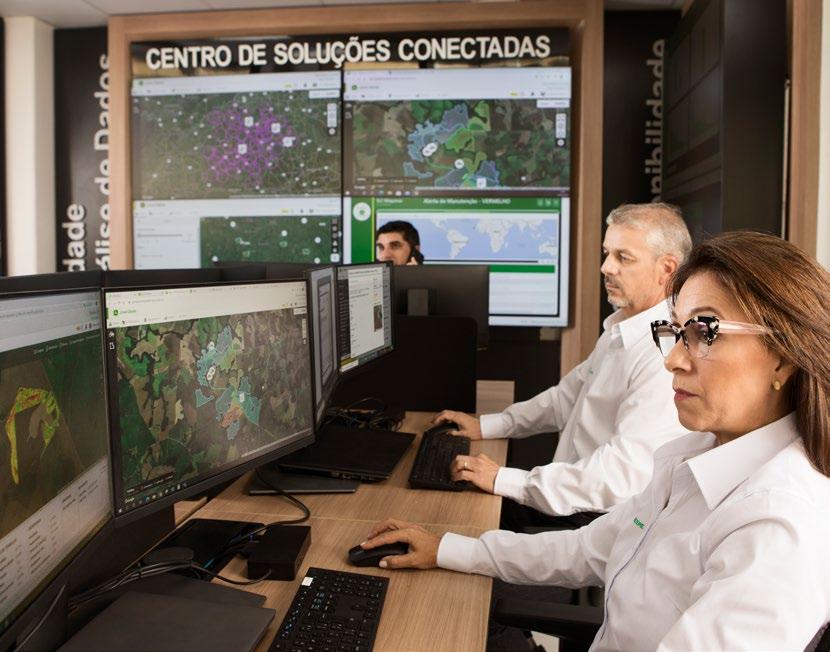
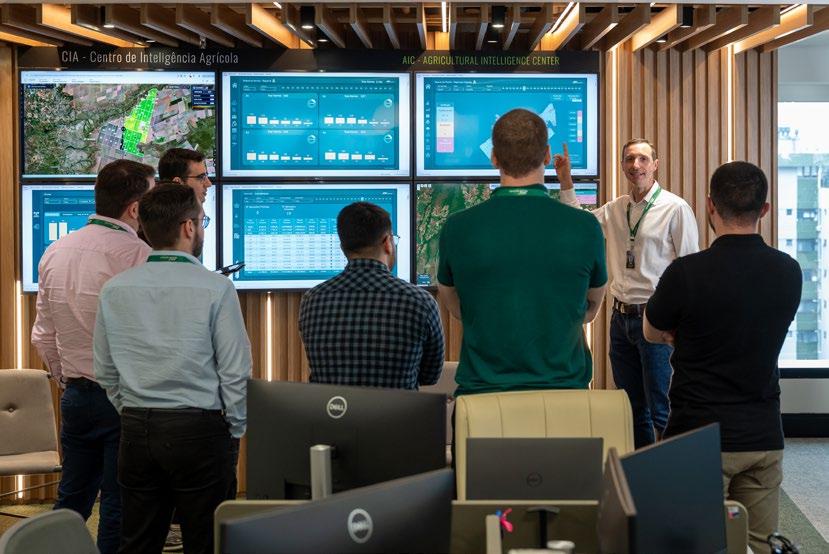
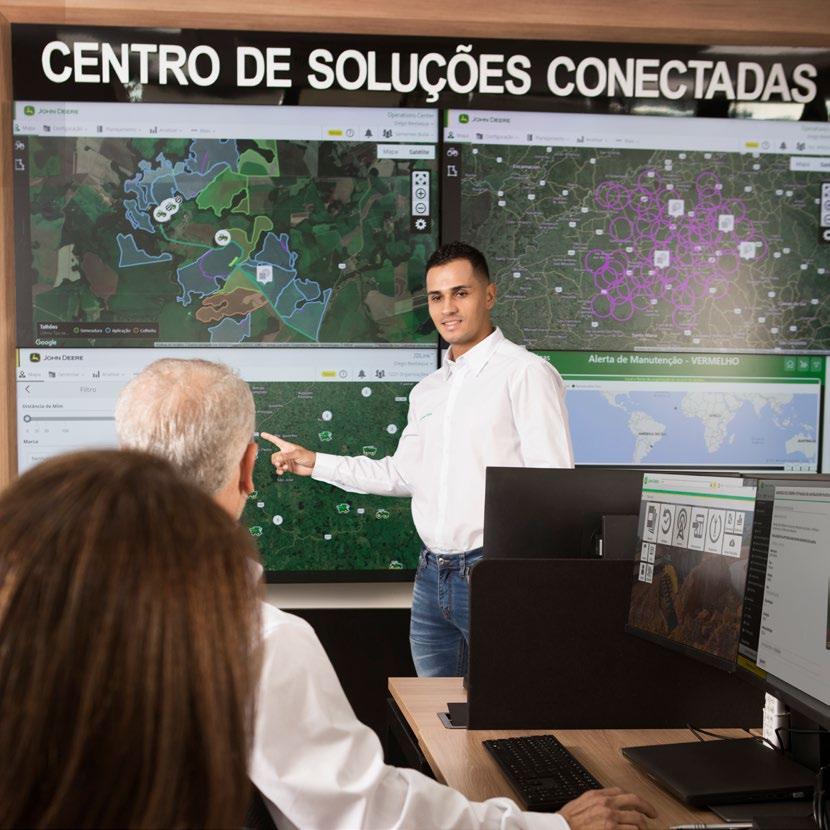
SLC Máquinas lives in the technological present with a focus on the future. It invests in digitization and processes that make operations smarter, more efficient, and more profitable. Through remote connectivity, experts access operating equipment, analyze parameters, detect trends, and take predictive action before a failure occurs. This ecosystem
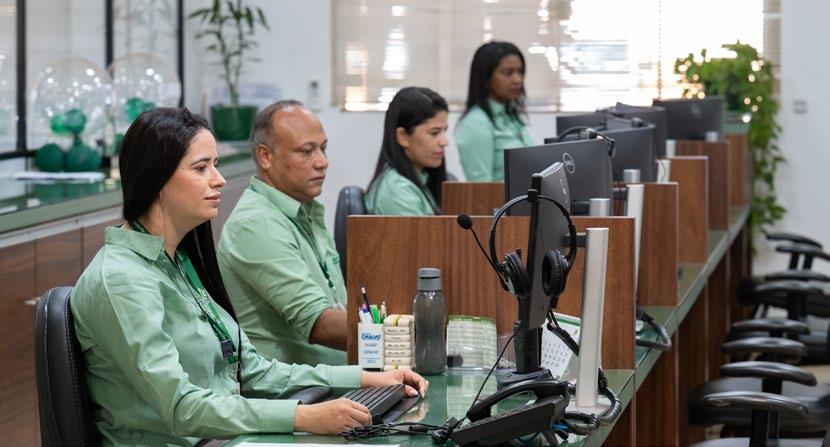
Technological tools: agricultural machines are remotely connected to the Connected Solutions Center
SLC MÁQUINAS
connects the field, the workshop, and the Connected Solutions Center (CSC), where more than 6,000 pieces of equipment are already operating under active monitoring, supporting the goal of offering sustainable productivity to customers.
Projects such as Smart Farm, carried out at Fazenda Semente Butiá (RS), put John Deere's Smart Industrial Strategy into practice, a model of intelligent, connected production and continuous learning. Telemetry, real-time alerts, and data-driven technical recommendations demonstrate that connectivity is not just a concept: it is a measurable result.
SLC Máquinas' after-sales service reflects this same evolution: cutting-edge technical structure, remote analysis, workshops with integrated systems, and smart inventories that anticipate demand. Every service is performance-oriented, every machine is treated as a strategic asset. The same logic guides hybrid stores, which combine agricultural and construction lines under the same model of intelligence and operational excellence. This convergence represents a new era for SLC Máquinas, where portfolio, people, and data form a single, connected, profitable, and sustainable system.
Connectivity, digitization, and after-sales are no longer complementary areas: they have become the core of the value delivered. SLC Máquinas integrates machines, people, processes, and data to support a model that anticipates the future. Technology is the means; purpose is the end. And SLC Máquinas' purpose is to develop more competitive customers, more efficient operations, and a more sustainable future in the fields of agriculture, construction, and paving. Because the future of agriculture and construction is already here, and it speaks the language of smart connectivity, sustainable performance, and SLC culture.
SLC MÁQUINAS ORGANIZATIONAL CHART
Anderson Strada CEO
Marcelo Zamberlan Director of After-Sales
Rafael Dalla Coletta Director of Administration and Finance
Renne Granato Director of Sales and Rental
Emerson Amarante Director of Sales and Operations
Machines offer increasingly more embedded technology, resulting in greater efficiency in agricultural production.
SLC MÁQUINAS
SLC Máquinas' construction and paving line offers specialized support and spare parts quickly and efficiently.
Caxias do Sul Vacaria
Lagoa Vermelha
Capivari do Sul
Eldorado do Sul Pelotas
Júlio de Castilhos
Lajeado Santa Maria Tupanciretã
Cruz Alta (Headquarters) Carazinho Casca
Erechim Espumoso
Frederico Westphalen Horizontina
Ijuí
Palmeira das Missões
Passo Fundo
Santo Ângelo
Soledade
out of 497 cities in Rio Grande do Sul, 404 are served by SLC Máquinas' Agricultural line.
All cities in Rio Grande Sul are served by SLC Máquinas' Construction and Paving line. 85%
SLC MÁQUINAS
ANDERSON STRADA
An executive with a solid track record, Anderson Strada is CEO of SLC Máquinas, the largest John Deere dealer in Rio Grande do Sul and one of the largest in Brazil. He currently leads one of the company's most significant organizational transformation processes, focusing on strengthening governance, technological innovation, sustainability, and excellence in value creation.
Born in Chiapetta (RS) on September 19, 1976, Anderson is the son of Ileu and Vilma Strada, farmers who instilled in him the values of hard work, humility, and commitment to the land. He began his professional career as a communicator in cooperativism and agricultural technician, working directly with rural producers. Over the years, he gained experience in different roles, such as receiving station manager, assistant manager, unit manager, director of sales, general director, and vice president and director of operations, until reaching the position of CEO, always with a strong presence in the grain, inputs, seeds, agricultural machinery, construction, and paving sectors.
He holds a degree in economics from the Regional University of the Northwest of the State of Rio Grande do Sul (Unijuí) and a master's degree in Science and Technology of Seed Production from the Federal University of Pelotas (UFPel). With specializations in business management and agribusiness, he also has executive training from the most renowned business schools in Brazil and abroad, such as Fundação Dom Cabral, Esalq/USP, Insead (France), and FGV, where he completed C-Level Training.
“The future of the business lies in combining tradition and innovation, people development, social and environmental responsibility, and sustainable value creation.”
His performance is marked by strategic vision, strong execution discipline, a growth mindset, and an owner's spirit. As the leader of SLC Máquinas, he is at the forefront of a transformation journey that seeks to position the company as a benchmark in solutions and excellence, combining cutting-edge technology, high-performance services, digitization, and customer proximity as central pillars.
Anderson believes that the future of the business lies in combining tradition and innovation, people development, social and environmental responsibility, and sustainable value creation. Its management prioritizes consistent results, excellence in service, strengthening of organizational culture, digital transformation, and valuing people.
Instituto SLC
The social pillar that looks after communities
The Instituto SLC was founded on November 22, 2019, as the social pillar of SLC, with a clear mission: to care for the people and communities where the company operates.
Throughout its eight-decade history, social responsibility has been one of the company's main focuses and has always received special attention from Zaira Logemann. Zaira passed away in 2017, leaving behind a legacy of philanthropic work that served as an inspiration for the creation of the Institute.
Throughout its history, SLC has promoted a series of external actions, including one-off donations and sponsorships of social institutions and events, but without a unified social policy. Born as a non-profit Civil Society Organization (CSO), the Institute began to centralize all external actions, managing Private Social Investment. Between 2019 and 2024, in its first five years of operation, the Instituto SLC impacted more than 220,000 people and reached all locations where SLC Agrícola and SLC Máquinas operate in different ways. Approximately R$ 27.7 million was invested in social projects and programs. The amounts are allocated by the company to social initiatives based on the financial results of its operations or through participation in government tax incentive programs.
Over its first five years of operation, the Instituto SLC invested approximately R$ 27.7 million in social projects.
At the end of 2024, SLC published a report on the Institute's performance, marking the end of its first five years of activity. In the 2024 Activity Report, Instituto SLC President Ana Logemann highlighted:
Education remains the foundation of our work, and we believe that it is fundamentally the power of social transformation that lies within it.
In 2024, the Educando para a Vida Program directly impacted more than 12,000 students from 147 schools, an achievement that inspires us to continue expanding the reach of education in the coming years. New programs, such as Semeando Sustentabilidade, brought innovative themes and reinforced our commitment. In the coming years, the goal is to bring these programs to even more schools and students, always guided by the mission of transforming realities through sustainable social development
In 2024, the Educando para a Vida program directly impacted more than 12,000 students from 147 schools.
Promoting education and ensuring sustainability, two important goals mentioned in Ana Logemann's text, are part of the Instituto SLC's strategic plan for the coming years. The plan is based on the Theory of Change and the central idea that in order to transform realities, it is necessary to understand them, which gives the project its name: Conhecer para Transformar (Knowing to Transform).
THREE PILLARS OF ACTION
The strategic planning that defined the Institute's activities was divided into three pillars. The first concerns education, a value that has always been present throughout the history of the Logemann family. This pillar supports schools and educators in providing services to children in early childhood education and early grades. This is the moment when the
future adult is being shaped, and therefore it is important that they have access to a healthy environment to deal with the knowledge that will impact their lives. One of the topics covered is socio-environmental education, using the impact of sustainability on the communities where SLC operates as an example.
The second pillar deals with promoting volunteer work, encouraging teams to join corporate volunteer programs and develop a sense of belonging. The actions are centered on the Socio-Environmental Action Group (GAS), which was created in 2003 at SLC Agrícola and expanded in subsequent years to SLC Máquinas. In 2024, GAS carried out 84 actions, directly benefiting around 8,800 people.
With a decentralized structure and more than 40 local committees, GAS is present in all municipalities where SLC operates, enabling voluntary actions to be targeted according to the needs of each community. GAS activities are diverse and range from donating toys and warm clothing to visiting daycare centers and supporting victims of natural disasters. Employee involvement grew, reaching 698 registered volunteers. The third pillar provides for territorial development through actions that increase the level of socioeconomic knowledge in the communities where SLC operates. Each pillar has specific programs that establish guidelines for working with the audiences involved in the actions.
The actions of the volunteers from the Socio-Environmental Action Group (GAS) are directed according to the demands of each community.
PRESENCE IN COMMUNITIES
Throughout its activities, the Institute realized that it would not be able to support everyone, but that it could make a difference in the communities where it operates, helping them to make changes that would improve their quality of life. It was this sense of social commitment that led the Institute to promote specific actions to respond to crisis situations. During the COVID-19 pandemic, in 2020 and 2021, the Institute, in partnership with SLC Agrícola, participated in the humanitarian initiative SLC Agrícola Against Hunger, which distributed 180 tons of food in the municipalities where the company's farms are located. In 2021, the Institute
also provided financial support for the purchase of food and basic necessities for victims of the heavy rains that devastated cities in Bahia, leaving countless people homeless. Later, during the floods that hit Rio Grande do Sul at the end of 2023 and in May 2024, the Institute mobilized around 500 employees who volunteered to help families (whether employees or not) affected by the floods, in addition to making financial donations to entities involved in relief efforts.
The sponsorship of the Memorial da Evolução Agrícola (MEA), in Horizontina, the city where SLC was founded, is part of SLC Agrícola's cultural initiatives, with resources managed by the Instituto SLC.
Support for early childhood education and early grades is one of the three pillars of the Instituto SLC's work.
INSTITUTO SLC ORGANIZATIONAL CHART
ADVISORY BOARD
FISCAL COUNCIL
Elisabeth Logemann Vice President
Ana Logemann President
Airton Fleck Director
Rafael Dalla Coletta Director
Rosileni Segatto Director
Leandro Parker Executive Supervisor
Juliana Vencato Director
Álvaro Dilli CEO
Our Staff
The value and passion of those who build history
SLC has always believed that people, much more than structure or resources, are responsible for the success of this 80year journey. People are at the heart of the business. This belief, rooted since the company's early years, has shaped a corporate culture that values passion for what it does, ethics, lasting relationships, and sustainable results as essential pillars for continuous evolution. SLC's four core values guide behaviors, attitudes, and decisions at all levels of the organization. These principles underpin the company's longevity and ensure ethical, responsible, and future-oriented conduct.
Valuing people has always been a practice present in all areas of the company. As early as 1974, the first edition of Gazeta Verde magazine highlighted that progress was the result of collective contribution:
“It was possible to evolve because everyone collaborated. Technical Customer Service identified problems and made suggestions, always enriched by the experience of the farmers. At the factory, everyone helped, and their ideas and opinions were always heard and considered. That's the only reason we grew”, emphasized Jorge Kruel, SLC's Director of Industry at the time, in an article in the magazine.
Much more than structure or resources, it is the people who are responsible for SLC's success.
In 1987, with the arrival of Jorge Luiz Logemann, people management gained a more robust structure aligned with the company's challenges. The formal creation of the Human Resources department and the implementation of strategic planning brought more professionalism to the conduct of operations, which until then had been guided much more by instinct than by technique.
One of the consequences of this work to value people arose in 1995, when the then Pension Fund (Capre), created in the early years of SLC to offer medical benefits to employees and their families, was transformed into the Fundação SLC. Another innovative step was the adoption of the Profit Sharing Program (PPR), making SLC one of the first companies in Rio Grande do Sul to implement this
The culture of valuing people is not just rhetoric or theory, but a fundamental pillar of action.
model, reinforcing its commitment to goals and recognition of collective effort.
Currently, the Fundação SLC and the HR departments of SLC Agrícola and SLC Máquinas offer a wide range of benefits that go beyond health and dental insurance. These include: reimbursement for medications, eyeglasses, childcare assistance, meal and transportation vouchers, private pension plans, education and language assistance, telemedicine apps, quality of life and mental health, among others.
SLC WAY OF DOING THINGS
Over the years, the company has consolidated an organizational culture that recognizes the value of people as a central element of its
evolution: the SLC Way of Doing Things. It guides the conduct of employees toward a common purpose. Based on these four values, it encourages excellence, passion, attention to detail, and a sparkle in the eye.
Through structured actions, SLC values the people who are part of its history, offering opportunities for training, career development, quality of life, and safety, in addition to promoting diversity and inclusion. This keeps teams motivated and prepared to overcome challenges.
The ongoing challenge is to maintain the alignment of this culture across all units, located in different regions of the country, in order to preserve it with each new employee and each new farm or store incorporated.
Investing in people is investing in transformation. By preparing its employees to perform with excellence, the company also inspires them to be agents of change in their communities, extending the positive impact beyond organizational boundaries.
QUALIFICATION AND EFFICIENT MANAGEMENT
The results of recent years show that, even in the face of challenges in the sector, SLC has consolidated practices that have made it a benchmark in talent development and the creation of safe, efficient, and humane work environments. At 80 years old, the company is reaping the rewards of a history marked by efficient operational management and continuous investment in training its people.
SLC Máquinas invests in high-performance training and capacity-building programs to prepare its teams to work with cuttingedge technologies, ensuring comfort and safety for customers. SLC Agrícola, on the other hand, invests in training from the ground up, with agricultural schools offering opportunities to young interns who can become trainees, leaders, and executives. In 2024, 78% of unit leadership positions were held by internally developed professionals
The SLC Way of Doing Things defines unique purposes and values for everyone who works at SLC units.
who had spent their entire careers with the company since joining in entry-level positions.
Managing SLC Agrícola's approximately 6,000 employees – including permanent employees, seasonal workers, apprentices, and interns – requires an HR structure that is present in all units and always aligned with the HR department at the headquarters in Rio Grande do Sul. The farms have standardized infrastructure that ensures well-being and quality of life, including cafeterias, social clubs, gyms, children's play areas, hotels, and lodging.
One of SLC Agrícola's greatest sources of pride is its Youth and Adult Education (EJA) program, which provides classrooms and teaching materials so that employees can complete their elementary and high school education. Since 2018, EJA has trained 473 employees, up to
SLC companies are among the Best Companies to Work For, according to the GPTW ranking
August 2025. The training is a source of great pride for the company and family members.
Recognition of this trajectory came with important certifications, such as the Great Place To Work ranking, in which SLC Agrícola and SLC Máquinas are listed among the best companies to work for. In these rankings, SLC Máquinas stands out in the Brazil and Rio Grande do Sul rankings, in the Medium-Sized Companies category. SLC Agrícola also topped the Agribusiness and Rio Grande do Sul ranking in the Large Companies category.
Caring for people has always been a priority since the beginning of SLC's history-and will continue to be a priority in the years to come. Check out some of the companies' certifications and awards:
AWARDS FROM RECENT YEARS
500 Most Influential People in Latin America – Bloomberg Línea – Eduardo Logemann
SLC AGRÍCOLA
Great Place To Work (GPTW) – Brazil
Great Place To Work (GPTW) – Rio Grande do Sul
Great Place To Work (GPTW) – Agro
A Granja Total Agro (Corn, Soybean, and Cotton Producer Category) – A Granja Magazine
Atlas Governance Awards – Digitalization of Governance – Public Capital
Ranking 100 Open Startups (10th place in the Agribusiness Category) – 100 Open Startups
Best ESG Companies (Agribusiness, Food, and Beverage Category) – Exame Magazine
Transparency Trophy – Anefac
The Best of Dinheiro (Agribusiness Category) – Isto É Dinheiro Magazine
Top Citizenship – ABRH-RS
Planeta Campo Award (Agroindustry Category) – Canal Rural
Mais Companies (Agriculture and Livestock Category) – Estadão
Latin America Executive Team (Best CEO, Best CFO, Best IR Professionals, Best IR Team, Best ESG, Best Investor/Analyst Event, Board of Directors) –Institutional Investor
Best in Agribusiness (Agriculture Category) – Globo Rural
Export Award (Agribusiness Category) – ADVB
APIMEC IBRI Award – Top 5 Best IR Professionals – Alisandra Reis
Best and Biggest (Agribusiness Category) – Exame Magazine
MESC Award (Agriculture) – MESC Institute | SLC SEMENTES
SLC MÁQUINAS
Great Place To Work (GPTW) – Agro
Great Place To Work (GPTW) – Rio Grande do Sul
Top Human Being – ABRH-RS
100 Best Fleets Brazil – 20th place – Parar Institute
SLC PARTICIPAÇÕES
Value 1000 (Agribusiness Category) - Valor Econômico
500 Largest Companies in the South - Amanhã Group
AWARDS FROM RECENT YEARS
500 Most Influential People in Latin America – Bloomberg Línea – Eduardo Logemann
SLC AGRÍCOLA
Great Place To Work (GPTW) – 9th Place – Rio Grande do Sul
Great Place To Work (GPTW) – 12th Place – Agro
Ranking 100 Open Startups (6th place in the Agribusiness Category) – 100 Open Startups
Best ESG Companies (Agribusiness, Food, and Beverage Category) – Exame Magazine
Transparency Trophy – ANEFAC
Top Human Being (Organization Category) – ABRH-RS
Best in Agribusiness (Agriculture Category) – Globo Rural
Export Award (Agribusiness Category) – ADVB-RS
APIMEC IBRI Award – Top 5 Best IR Professionals – Alisandra Reis
100 Most Influential People – Veja Negócios
Forbes Agro 100 – Forbes Brazil Magazine
Fastest-Growing Companies – Infomoney
Top Employers – Geração Caldeira
Mental Health Seal – Great Place To Work (GPTW)
GHG Protocol Gold Seal – Brazilian GHG Protocol Program
Feedback Seal – Gupy
MESC Award (Agriculture) – MESC Institute | SLC SEMENTES
Seedcare Seal (Excellence in Industrial Seed Treatment)
Syngenta – SLC Sementes
SLC MÁQUINAS
Great Place To Work (GPTW) – 6th Place – Agro
Great Place To Work (GPTW) – 10th Place – Rio Grande do Sul
Division 1 CENsational Team – 1st Place – John Deere
Best companies for professionals under 35 in Brazil – 21st place – Employers for Youth Brazil
Feedback Seal – Gupy
SLC PARTICIPAÇÕES
500 Largest Companies in the South – Amanhã Group
100 Greatest People of Rio Grande do Sul – Amanhã Group
SLC AGRÍCOLA
Great Place To Work (GPTW) – Rio Grande do Sul
Great Place To Work (GPTW) – Agribusiness
Best of ESG – Exame Magazine
Transparency Trophy – ANEFAC
Top Human Being – ABRH-RS
Best of Agribusiness – Globo Rural
9th Sustainable Farm Award – Fazenda Pamplona – Globo Rural
53rd Export Award – ADVB-RS
Latin America Executive Team - Institutional Investor
100 Most Influential People – Veja Negócios
Forbes Agro 100 – Forbes Brazil Magazine
Fastest-Growing Companies – Infomoney
GHG Protocol Gold Seal – Brazilian GHG Protocol Program
Feedback Seal – Gupy
MESC Award – MESC Institute | SLC SEMENTES
Seedcare Seal – Syngenta – SLC Sementes
SLC MÁQUINAS
Great Place To Work (GPTW) – Rio Grande do Sul
Great Place To Work (GPTW) – Agribusiness
Great Place To Work (GPTW) – Brazil
Mental Health Highlight – Mental Health Seal – Great Place To Work (GPTW)
Top Human Being – ABRH-RS
Top Human Being Merit Award – ABRH-RS
SLC PARTICIPAÇÕES
500 Largest Companies in the South – Amanhã Group
100 Greatest People of Rio Grande do Sul – Amanhã Group
GAZETA VERDE
SLC's internal publication, which began in 1974 as a newspaper called Gazeta 1000, is an important channel of communication between the company and its employees. Since 2000, it has been called Gazeta Verde, and its pages have recorded important moments in the company's history. See some of the covers of Gazeta over its five decades of circulation.
Innovation
Intelligence and technology at the service of productivity
INNOVATION
ntrepreneurship and innovation have always gone hand in hand throughout SLC's 80-year journey. The combination of these two practices has enabled the company, at different times in its history, to find pioneering solutions to offer the market, meeting the needs of its customers and driving the Group's growth.
When he received land from the federal government in payment for his work in the early 1940s, Frederico Logemann, founder of SLC, envisioned that the area could be transformed into plots offered to settlers arriving to farm in the northern region of Rio Grande do Sul. As planting began to gain ground, the newly created SLC provided tools to improve the performance of human labor. Then, realizing that grain transport and handling needed to be streamlined, the company began producing threshing machines, initiating the mechanized farming cycle.
In the next step, the harvesting stage was improved with the production of the first Brazilian combine harvesters in the 1960s, the result of SLC's innovative work.
The spirit of innovation is part of SLC's history and is present today in all of its operations.
Jorge Antônio Logemann, Frederico's son, followed the same innovative path in the late 1970s, when he was in charge of the Group: he entered into a partnership with the world's largest manufacturer of agricultural machinery, John Deere, to improve the technology of his factory in Horizontina. At that moment, he also began a business relationship that would prove decisive for the future of SLC. In the 1980s, when it began migrating towards the Brazilian Cerrado to plant soybeans, corn, and cotton, SLC once again innovated by adapting the industry management techniques acquired through its partnership with the Americans to the administration of the farms that were being incorporated into the Group's portfolio.
Later, with Eduardo Logemann, Jorge Antônio's son, at the helm of the Group, SLC Agrícola broke new ground by becoming the first company
Technology applied to agriculture: drone over research area, at Fazenda Planalto (MS)
in the sector to offer shares on the stock exchange. Thus, as a more financially robust company, it established itself in the task of planting in central Brazil. With the advent of the digital world in the 1990s, innovation processes became associated with technology and the improvement of practices, management, and tools within this environment, and SLC kept pace with this trend.
BIG DATA IN FARMING
In 2015, when SLC celebrated its 70th anniversary, SLC Agrícola's Fazenda Paiaguás (MT) served as the stage for three pioneering projects that promised to impact the agricultural sector, as the results obtained could be taken to other locations. One of them, in partnership with the Brazilian Agricultural Research Corporation (Embrapa),
INNOVATION
monitored planting using satellites. Another project used sensors to detect nutritional problems or diseases in plants, so that treatments could be targeted only at the affected portion of the crop. The third used big data technology to collect data on corn and cotton crops and make recommendations on how to treat the plantation. Practices that, in the following years, became routine in the operations of SLC Agrícola's units.
In addition to seeking innovation in large-scale actions, such as studying issues that affect extensive areas of a plantation, SLC Agrícola also seeks to innovate in specific areas in the research laboratories located on all of its farms, which can have a general impact through the introduction of new practices in day-to-day operations, such as regenerative agriculture. Emerging in the 1980s, regenerative agriculture consists of a set of integrated application techniques focused on restoring and improving soil health, using practices such as crop rotation, no-till farming, cover cropping, composting, and other techniques that minimize soil disturbance and the use of chemical inputs.
Specific innovation processes have continued to have a place at SLC Agrícola over the years, as a result of the vision that innovating means being prepared for future challenges and anticipating solutions. In 2018, the company created its own software factory, SLC Digital Labs, to address specific problems in the field and agribusiness that were not covered by market solutions. The following year, it created the Agricultural Intelligence Center (AIC), formed by a group of collaborators in the field of Digital Agriculture, which began to deal with the results of technology, such as satellite image information, notes on pests that generate a map of infestation of an area that requires intervention, or
The Agricultural Intelligence Center (AIC) uses information to monitor crops and seek the best results.
crop performance in relation to the climate of a given period, creating a large intelligence database that was shared with all units managed by the company.
As a way to encourage team interaction in an innovative environment, organize the different practices that have emerged, and strengthen the culture so that the gains from these processes become permanent for the Group, in 2021 SLC Agrícola created the Innovation and Strategy Management area, under the leadership of Frederico Logemann, who took over as head of the Innovation area.
Frederico is the son of SLC Vice President Jorge Luiz Logemann and is part of the fourth generation of the family to hold an executive position at the company.
INNOVATION
The farms have research laboratories that seek to innovate in various aspects of everyday agriculture.
FRONTS OF INNOVATION
This strategic innovation move by SLC came to fruition in 2022 with the creation of Horizonte SLC, SLC Agrícola's innovation front, which seeks to connect with the different players in these processes, from the company's internal environment to external ecosystems that develop innovative practices.
The name Horizonte emerged as a movement connecting the past with the future. Horizonte brings to mind Horizontina and the warmth of SLC's birthplace. Horizonte also projects a vision of the days to come, the line you look toward when you want to move forward on a journey to foster the development of new businesses that will impact agriculture.
Horizonte SLC's mission is to stay connected with the latest technologies and processes, being an early-adopter of innovations by selecting the best external and internal solutions and quickly implementing them in all areas and units that can benefit from them, aiming to become a leader in operational efficiency and to enhance and renew the business in the future. Innovation is organized into four strategic areas. The first is aimed at strengthening intrapreneurship. Through the Ideias & Resultados (Ideas & Results) program, employees from all units are mobilized to accelerate the pursuit of operational efficiency and spread a culture of innovation and entrepreneurship. To support this effort, the internal Multiplicadores da Inovação program was consolidated, which trains employees to act as agents of change, encouraging and supporting the generation of ideas and opportunities.
The second front of innovation is represented by AgroX, a program that promotes connections with startups to solve internal challenges in operations, corporate areas, and sales. AgroX was structured to identify recurring problems and issues that have not yet been resolved by teams, which cannot find answers in the traditional supply chain. These demands are transformed into challenges and forwarded to the innovation ecosystem. The solutions proposed by startups are evaluated according to the reality of the business and, when approved, are scaled up for application within the company, strengthening the culture of open and collaborative innovation.
SLC Ventures encompasses the third and fourth fronts of innovation at Horizonte SLC. It seeks to create options that enhance and renew the business through two approaches: Venture Capital, to invest in the acquisition of and partnership with startups focused on the agribusiness market, and Venture Builder, to accelerate new products, services, and business models. Since 2021, when it was created, SLC Ventures
has participated in five new agricultural businesses through startups and helped build two others from scratch.
IN PURSUIT OF EXCELLENCE
Horizonte SLC is the result of a belief acquired throughout its history, which has become a conviction for SLC Agrícola: a company whose sole purpose is the production of commodities will only survive the challenges of an increasingly competitive international market and a world in constant change if it invests in innovation. Producing more and more, spending less and less, delivering increasingly
A conviction: growth depends on a permanent state of restlessness, seeking to do something new and better
solid results in financial, social, and environmental terms depends on a permanent state of restlessness in the quest to always do something new and more impactful. Especially when it involves technological issues.
Since its inception, agriculture has begun with seeds in the ground. That remains the same. What has changed, and will increasingly change, is how the first sprout that emerges from the ground is received and treated. In the early days, it was with the feeling of hope for a bountiful harvest. Today, it is with a spirit of innovation that will be reflected in the transformation of the small plant into a great result.
Since 2016, SLC has promoted a culture of innovation aligned with key national and international trends, placing technology at the center of its business strategy. As an example of our focus on continuous evolution, we can cite Horizonte SLC, SLC Agrícola's innovation movement, created in 2022 to establish a connection with the different protagonists of innovation processes, from the company's internal environment to external ecosystems that develop innovative practices. Below are some of the fronts and programs of Horizonte SLC.
Created in 2020, the Agricultural Intelligence Center (AIC) is a digital environment that integrates management systems, automation, and precision agriculture tools, with the goal of optimizing agricultural production, making it more efficient, economical, and sustainable.
Since 2018, SLC Digital Labs has been a key player in the innovation journey, acting as the laboratory where ideas come to life in the form of unique technological solutions. The goal is to develop customized software that meets operational and strategic needs, increasing the efficiency of farm operations and optimizing business management.
All fronts are supported by the Innovation Committee, which prioritizes solutions that generate concrete impacts on the business and strengthen the company's position as a pioneer and agent of change in agribusiness.
Ideias & Resultados is the expression of our commitment to valuing and empowering internal talent. The intrapreneurship program encourages employees to present innovative ideas that contribute to increasing operational efficiency and strengthening the culture of innovation and entrepreneurship throughout the organization.
Created in 2024, the program encourages the dissemination of innovative practices and the strengthening of a culture of innovation among SLC teams. They are trained to identify disruptive proposals and create conditions for them to be put into practice.
AgroX is the program that connects SLC's experience in agribusiness with the innovation brought by startups. Since 2019, this strategic partnership has aimed to transform internal challenges into opportunities for growth. Startups have the opportunity to test their ideas in a high-performance corporate environment, enabling the joint development of innovations and paving the way for startupsto become partners or suppliers to SLC.
SLC Ventures is a startup investment program. Its main objective is to foster innovation and explore new avenues for sustainable and strategic business growth. With a vision focused on the future, this program supports and encourages the participation of innovative businesses that align with the needs of agribusiness and expand the possibilities for growth and modernization of operations. SLC Ventures is structured around two complementary areas: Corporate Venture Capital (CVC), which involves venture investments in startups with the aim of acquiring or obtaining stakes in companies that offer innovative solutions, and Venture Builder, which focuses on accelerating internal projects. At Venture Builder, SLC, in partnership with startups, develops new products, services, and business models.
Sustainability
Respect for the environment, appreciation of resources
In June 1972, at the United Nations Conference on the Human Environment in Stockholm, Sweden, the concept of sustainability was first defined. A seed was planted there, a warning that in the coming years, humanity would have to adopt a more rational relationship with the environment.
Twenty years later, at the Conference on Environment and Development in Rio de Janeiro (ECO-92), this concept was consolidated by adding to the term “environment”. The words “sustainable development” were added to send a clear message to the world: from that point on, all economic activities should be conducted with the conservation of the planet's natural resources in mind.
Since 2000, SLC has prioritized the two concepts that took the world 20 years to unify. For a company that thrives on its relationship with nature's fundamental elements – the soil that nurtures the seeds, the water that sustains crop growth, and the climate that ensures sowing and harvesting – nothing is more fundamental than environmental awareness and respect for natural resources.
Environmental awareness and respect for natural resources are core values for SLC
INNOVATIVE AND SUSTAINABLE PROCESSES
At SLC Agrícola, environmental awareness is evident in many aspects of its operations. This begins with due diligence in land acquisition, extends to transparency in the collection and processing of performance data, and includes routine meetings where the team transparently analyzes all information. The conclusions drawn from this process will determine the next steps in our work. When SLC began its journey into the heart of Brazil, it sought new frontiers in a region where agriculture was growing,
without neglecting three fundamental principles that stemmed from this awareness: the preservation of native forests, the protection of rivers, and the promotion of biodiversity, always in accordance with environmental rules and regulations.
These concepts are expressed in clearly defined actions.
In August 2021, SLC Agrícola implemented a Zero Deforestation Policy, stipulating that no land with native vegetation will be used for operational expansion. By the end of 2024, 112,700 hectares of its own
Zero Deforestation Policy: SLC Agrícola preserves areas with native vegetation and does not use them for planting
land in the states of Goiás, Mato Grosso do Sul, Mato Grosso, Bahia, Piauí, and Maranhão had been protected. This corresponds to 35.2% of the company's total operating area, exceeding the 20% required to preserve the Cerrado biome.
SLC Agrícola is certified according to the Regenagri (Regenerative Agriculture) standard as well as programs such as RTRS (Round Table on Responsible Soy), 2BSvs (Biomass Sustainability), 3S (Socially Sustainable Supply Chain), RenovaBio (Brazilian National Biofuel Policy) and ISCC (International Sustainability and Carbon Certification) for soy and corn. The company also has ABR (Responsible Brazilian Cotton Program) and BCI (Better Cotton Initiative) certifications for cotton. It has an Integrated Management System (IMS) in accordance with ISO 14001, ISO 45001,
NBR 16001 and ISO 9001 for seeds and agricultural operations, thus ensuring the highest standards in the areas of environment, social responsibility and safety.
Through innovative, internally developed processes, SLC Agrícola has developed tools that have a positive impact on the use of natural resources. The use of locally applied technologies, for example with the help of sensors, has reduced the use of pesticides in crops by over 70%. The data obtained from soil and water samples has led to an average reduction in irrigation water consumption of 20%.
Another important step towards sustainability was the implementation of a Circular Economy pilot project at Pamplona Farm (Goiás) in 2021. The project deals with agricultural waste, which consists mainly of organic
The use of locally applied technologies has reduced the use of pesticides in crops by over 70%
material and would originally have been disposed of in the farms' landfills.
SLC Agrícola saw the opportunity to take advantage of this organic compost and reintroduce it as a raw material for crops, to act as a biological defense, after a period of composting in its own eco-factories installed on the farms. In the first year, the system's recycling rate rose from 29% to 99% and the landfill in Pamplona was closed. By the end of 2030, the system should be available in all areas managed by SLC Agrícola.
Water management is also on SLC Agrícola's agenda. As around 96% of the cultivated area is dependent on rainfall, technology plays an
The use of technology in agriculture enables more sustainable farming practices that conserve natural resources
important role in the climate management of farms. Digital rain gauges and weather stations are used to create precipitation maps and forecasts for the following days. This allows quick decisions to be made to start planting or harvesting, for example, taking advantage of or avoiding the rain. On the other hand, the extraction of groundwater or surface water, used for the ongoing operation of the farms and for irrigating approximately 4% of the plantations, is carried out with the approval of the environmental authorities and under constant risk assessment for the watersheds in which the farms are located.
Behind all these measures lies SLC Agrícola's conviction that the soil must be cared for and preserved. From the soil springs the value that creates prosperity for the entire production chain – employees, partners, suppliers, and shareholders – and fulfills the overarching purpose of bringing food to the tables of people in hundreds of countries. Agricultural productivity follows a timeline that must be observed at every stage: the grain is sown, becomes a seedling, grows into a plant, is harvested, sold as food, and ends up on the table as sustenance. Productivity and sustainability must be integrated to ensure a good outcome for everyone while also protecting the environment.
SMART MACHINES
SLC Máquinas has also made sustainability a policy that guides the entire operation of its sales network. The company has a rigorous waste management program, primarily concerning the packaging of lubricants used in its machines. It also maintains a greenhouse gas inventory (which must be balanced to prevent excessive warming of the atmosphere), ensuring that the carbon generated by the machines' fuel consumption is 100% offset through participation in globally certified sustainable projects, such as reforestation initiatives or the use of renewable energy.
But it is the application of digital technology in the machines distributed by SLC that has a major impact on the planet's sustainability. By collecting data from various types of sensors, farmers can monitor the condition of plants and the soil, optimize the use of resources such as water and fertilizers, and make informed decisions about planting, harvesting, and farm management. This process has a positive impact on sustainability, as it allows farmers to reduce resource waste, increase
efficiency, lower greenhouse gas emissions, and improve productivity. Digital agriculture also helps reduce the use of pesticides and herbicides, which has a positive effect on the environment and human health. SLC Máquinas regularly offers training courses and workshops with experts, as well as demonstrations of its equipment technology, so that customers can utilize all the resources offered and successfully balance productivity and sustainability.
Value creation comes from the soil, generating prosperity for the entire production chain and bringing food to people's tables
SUSTAINABL E DEVELOPMENT
THE ESG AGENDA
In 2004, the financial market presented the world with a more comprehensive concept of sustainability than the one developed in Stockholm and established in Rio de Janeiro. This new concept was taken up by a research network linked to the United Nations (UN) in order to raise awareness of the importance of ESG investments. The approach assumes that sustainability goes beyond companies' careful treatment of the environment; it must also take into account the stability of their internal governance and the quality of their social management. These three aspects must be aligned in order to positively influence the company's internal environment and thus have a positive impact on society.
As in times of change, SLC has put ESG on the agenda in order to organize its business strategically and taking into account best sustainability practices. In this context, five goals have been set that SLC Agrícola must achieve by 2030.
The first goal stipulates that the operations of the individual units must be climate-neutral in scopes 1 and 2. This is to be achieved through the expansion of regenerative agricultural methods and the protection of green spaces and biodiversity. The second goal is to certify all units according to the Integrated Management System (ISO 14001, 45001 and 16001), which evaluates best practices in environmental, labor and social management. The third goal is to have all employees graduate from elementary school. The fourth goal is to prevent occupational accidents resulting in lost working hours. The fifth goal focuses on the implementation of the Semeando Sustentabilidade (Sowing Sustainability)
Volunteers of the Agroeduca program at Pantanal Farm (Mato Grosso do Sul): access to quality education is one of the Ten Principles of the UN Global Compact
program in all Brazilian municipalities where SLC Agrícola operates. The program, managed by the Instituto SLC, promotes environmental education in public schools and the creation of a collective awareness of the importance of a responsible approach to the environment.
In parallel with its internal agenda, SLC is also committed to sustainability externally, reinforcing its commitment to the communities in which it is present, with the aim of maintaining a high standard of living on our planet through joint efforts. For this reason, SLC Agrícola has been a signatory of the United Nations (UN) Global Compact since 2015 and is a member of the Food and Agriculture Working Group of the Brazilian Global Compact Network, which deals with discussions and proposals that contribute to combating hunger in the world, among other things. The company's projects are also aligned with the United Nations' 2030 Agenda, adopted by 193 countries in 2015, which aims to protect the planet and ensure prosperity for all, promote access to clean water, food, healthcare,
Protecting green spaces is one of the goals of the UN 2030 Agenda
and quality education, strive for gender equality, and support the use of clean energy.
SLC has also signed the Ten Principles of the UN Global Compact and the Food and Agriculture Business Principles (FABP). Furthermore, in 2024, SLC joined the Global Compact's Net Zero Ambition Movement This movement encourages Brazilian companies to set robust targets for reducing greenhouse gas emissions that are aligned with the urgent needs of our planet. Also in 2024, the company became a signatory to the Global Compact's Circular Connection Movement. Joining this initiative entails a commitment to collaborate with the UN Global Compact in Brazil and other participating organizations to accelerate the creation of opportunities and investments focused on transforming business models towards a circular economy. The Circular Connection aims to promote the creation of economic, natural, and social capital and contribute to the effective reduction of all forms of pollution.
Our Future
Constant evolution based on core values
The future has always been present at SLC. Envisioning it with courage and planning it carefully has been decisive for the company's growth over its 80 years. The creation of the first threshing machine, a few years after SLC was founded in the 1940s, and the manufacture of the first Brazilian combine harvester in the 1960s can be seen as strategic — and visionary — moves in response to signs that the agricultural sector would grow as a result of crop mechanization.
In the 1970s, the partnership with John Deere was an initial step that anticipated the profound technological changes that would impact farm work in the following years. The return to the essence of planting and harvesting grains from the land at the turn of the 21st century also followed the logic of anticipating that food production and sales would be fundamental to humanity in the years to come.
When it created the Horizonte SLC innovation movement in 2022, the group presented a manifesto about its vision of the future and what it imagines the business will be like years from now, and it has maintained the routine of thinking about the future in the present. Divided into three pillars, the manifesto outlines the paths the company will follow.
The habit of thinking about the future while still in the present has been part of SLC's DNA since its inception
First, do more with less, betting on increasingly solid growth in operational performance. The second pillar is to do things adjacent to what you already do in the agricultural market, such as the creation of SLC Sementes. Finally, set aside resources to venture into more distant businesses, and on this journey, the safest way is to seek partnerships with startups that develop new value propositions.
STRATEGIC INTELLIGENCE
These premises are followed by both SLC businesses. The growth of regenerative Artificial Intelligence and the expansion of systems that
Systems that enable instant digital connection will dictate the future: work in the field will be less manual and more digital
enable instant digital connection will dictate the future of SLC Agrícola and SLC Máquinas. Less progress is expected in the physical structure of the machinery, its body, than in the embedded technology, its soul. Work in the field will become less and less manual and increasingly digital. Each piece of planted land will be able to generate knowledge and form a database that will be transformed into strategic intelligence for planting and harvesting the next portion of land. Everything is managed by machines that communicate with each other and connect to a control center, which receives and processes the data.
In its growth plans, SLC Máquinas has made it a priority to offer the market constant updates to these systems, through training for teams working in the field and IT management support, among other services. This is already present, for example, in the sales catalog presented to customers by John Deere in early 2025. There is little mention of the physical characteristics of the machinery, but rather the technologies
applied, with increasingly connected systems, complete monitoring of agricultural management solutions and performance data, as well as other cutting-edge technologies that optimize machine performance.
SLC Agrícola aims for the best performance by focusing on the growth of the international commodities market, mainly in the consumption of soybeans, a grain of which Brazil is the world's largest producer.
The report Projeções do Agronegócio Brasil (Brazil Agribusiness Projections), produced by the Ministry of Agriculture and Fisheries in 2023, reports that in the 2023/24 harvest, the country harvested 169.6 million
tons. For the 2032/33 harvest, the projection is that this figure will reach 186.7 million tons, representing a 20.6% increase in grain production over ten years. Along with maintaining soybean, cotton, and corn cultivation, as well as livestock farming, and in line with the pillar of investing in adjacent businesses.
To date, SLC Agrícola intends to continue investing in leasing or joint ventures to expand its planted area. SLC has made a strategic decision to no longer purchase land for planting, as this business model offers lower profitability.
The growth of the international commodities market, especially soybeans, will be one of the foundations of SLC Agrícola's future
OUR FUTURE
DECISIVE MOMENTS
SLC's major project for the future will be the arrival, in the coming years, of the fourth generation of the family, G4, at the helm of the company, the result of family governance work that has been carried out among the Logemanns in a clear and peaceful manner, a hallmark of the relationship between the members at all decisive moments in the company's history. One of these was the death of Jorge Antônio: his son, Eduardo, took over as leader and had the fundamental support of his mother, Zaira, who united the siblings around continuing their father's work. All these decisions were based on a lesson they had often heard at family gatherings: "There is only one way to do things: the right way. No shortcuts, no tricks, always with respect for people,” the patriarch used to say, reinforcing a value that was passed on to subsequent generations.
siblings
Another decisive moment, the sale of the Horizontina factory operations to John Deere in 1999, was marked by much emotion and reflection for the five brothers. After all, it was necessary to carefully analyze the proposal to dispose of the business created by their grandfather Frederico and expanded by their father, Jorge Antônio. The decision was made under the leadership of Eduardo and Jorge Luiz, who calmly presented the pros and cons of the business and confidently united their other siblings around what was best for the family at that time.
With each generation, the Logemann family expands its membership. G1 consists of Frederico, the founder, who had only one son, Jorge Antônio, a member of G2. G3 consists of Eduardo, Jorge Luiz, Marcelo, Ana, and Elisabeth, Jorge Antônio's children. G4 more than doubles that number: there are 11 members, the children of the five siblings, all
The five
who are members of G3 (from left to right): Jorge Luiz, Ana, Elisabeth, Marcelo, and Eduardo
OUR FUTURE
between the ages of 21 and 49 when SLC celebrated its 80th anniversary. In the governance process that is being developed for the future, the idea is that the Board of Directors of SLC Participações, the holding company that controls SLC, will have one representative from each G3 family unit, and they will be responsible for analyzing and validating SLC's major strategic decisions, while a member of G4 will be responsible for leading the operation.
THE FOURTH GENERATION
The transition from G3 to G4 is being prepared professionally with the help of a specialized consulting firm. Periodically, the 11 cousins meet to discuss governance issues, when each has the opportunity to present the point of view of a generation that sees the world with a different dynamic compared to when SLC was founded, when the challenges were different. Those who work in markets other than agriculture bring ideas and best practices that can contribute to the development of the company of the future.
In conversations, certain words from the past and present are repeated as paths to be followed: pioneering spirit, transparency, ethics, family values, and unity - human dimensions necessary to honorably continue a legacy. The bonds of affection that unite the five brothers of G3 serve as inspiration for the 11 cousins of G4 to continue working in harmony, seeking to find common ground through dialogue and understanding of what is best for those who, in the coming years, will be at the helm of the business, whether as company executives, advisors, or shareholders.
Family unity, one of the strongest values for the Logemanns and central to building the future, is celebrated by parents and children in a special moment that was cultivated by mother and grandmother Zaira and which, over the years, has come to be appreciated by everyone: the
The future: when SLC celebrated its 80th anniversary on June 14, 2025, the fifth generation of the Logemann family, G5, already had 10 members
traditional Sunday gatherings at the family home in the Jacuí Delta. In this space that serves as a refuge, business conversations give way to a talent show, highlighted by the performance of a band formed by some of the cousins.
The musical harmony serves as a symbol of the harmony with which the fourth generation of Logemanns is preparing for the great challenges that await an 80-year-old company that is already a global benchmark in the production of agricultural commodities. And supporting G4 will be a united family, committed to business performance, respect for people, attention to sustainability, and preservation of the values of SLC's founders. A family united by bonds as strong as a mighty oak tree, symbolizing a story that never ends: it lives on, rooted in what has been and blossoming into what is to come.
Members of the Logemann family gathered during the celebrations of SLC's 80th anniversary in June 2025
ACKNOWLEDGMENTS
Telling a story means gathering memories scattered in different places and emotionally owned by many people.
To tell the story of SLC's 80 years, the memories of siblings Eduar-
do, Jorge Luiz, Marcelo, Ana, and Elisabeth Logemann, as well as Airton Fleck, Álvaro Dilli, Anderson Strada, Aurélio Pavinato, Juliana Vencato, and Frederico Logemann, were fundamental.
Some historical records were also essential. Examples include the books “Schneider Logemann 50 Anos” (L&PM Editores), “SLC 60 Anos – A História“ (L&PM Editores) and “Grupo SLC Ontem, Hoje, Amanhã – Perfil
Institucional 70 Anos” (Alma da Palavra), as well as news from different editions of Gazeta Verde magazine and part of the material that is part of the Memorial da Evolução Agrícola (Horizontina) collection.
To everyone, thank you very much. You have built this story.
PROJECT COORDINATION
SLC Agrícola – Dienifer Martins, Ana Neri and Elio Bandeira www.slcagricola.com.br
CREATION AND EXECUTION
Entrelinhas Conteúdo & Forma www.entrelinhas.inf.br