How modern spend management can transform the employee experience






The workplace has undergone a radical transformation. Teams now collaborate across continents, business travel has roared back to life and employees expect more from their employers than ever before. Yet in this new world of work, many companies still cling to outdated expense systems that feel like relics from another era.
Picture this: a junior account manager fronts £500 for a client trip to Edinburgh. Her rent is due next week, but the reimbursement won’t come through until month‑end. Meanwhile, her company’s finance team is drowning in receipt validation and expense categorisation. Neither side is happy, and both are wasting precious time and energy.
This scenario plays out in organisations worldwide. With the vast majority of employees covering business expenses out‑of‑pocket and finance teams burning countless hours on administration, we’ve created a system that frustrates everyone involved. Meanwhile, HR teams watch this
friction impact employee satisfaction and workplace culture, while finance departments struggle with inefficient processes that drain productivity.
The challenge isn’t just operational – it’s cultural. Modern spend management represents an opportunity to bridge the gap between HR and finance departments, creating solutions that serve both employee experience and financial efficiency.
of financial decision‑makers are experiencing unprecedented levels of pressure. 2025 CFO Playbook 76%
When employees have to use personal funds for business purposes, we’re essentially asking them to provide the company with an interest‑free loan. This burden weighs most heavily on those least able to bear it – junior staff or recent hires who may already be stretching their finances.
Behind the scenes, finance departments aren’t faring much better. They’re trapped in cycles of manual data entry and reconciliation. Every miscategorised expense triggers a chain reaction of emails, corrections and frustrated sighs from all involved. What could be an elegant solution becomes an administrative nightmare.
The compliance picture gets even murkier. When someone leaves the company but still has an active company card, who’s monitoring those potential charges? When policy guidelines are buried in a 30‑page handbook, how can we expect perfect adherence? For international organisations,
keeping track of country‑specific regulations adds another layer of complexity.
Most telling is what these systems communicate about company culture. When an organisation makes employees jump through hoops for legitimate business expenses, it sends a powerful message about priorities – and not a flattering one.

per month average businesses waste. Submitting or managing expenses. American Express 11 hours
The traditional boundaries between HR and finance continue to blur, yet these departments often operate in silos despite wanting fundamentally the same things. The disconnect lies in the two teams aiming for the same results but speaking different professional languages. HR teams focus on employee experience and engagement, building culture, tracking sentiment and driving retention. Finance teams concentrate on profitability and performance, managing budgets, tracking costs and measuring returns.
But here’s the reality: HR has the people data, sees the trends and knows what’s working. Finance needs the context, looks
for patterns and quantifies the impact. When these departments operate from the same platform and close the terminology gap, magic happens. Agreement on goals and shared visibility into spending patterns and policy compliance creates aligned metrics for measuring success and consistent enforcement of spending guidelines.
Both departments ultimately want operational efficiency, robust compliance, satisfied employees and time to focus on strategic priorities rather than administrative headaches. The key is bridging the value gap between employee experience and bottom‑line impact.
Which HR programs drive real results – and where? This heatmap condenses new survey data collected from HiBob, illustrating how each HR initiative aligns with key business outcomes, including performance, engagement, and retention.

Remote and hybrid work arrangements have fundamentally changed spending patterns, creating challenges for both HR and finance teams. The centralised purchasing of office‑based organisations has given way to distributed buying decisions. Employees need home office equipment. Teams want budgets for virtual social events. Travel policies need to accommodate diverse locations and circumstances.
Finance teams struggle to maintain visibility across this scattered landscape, while HR worries about creating equitable experiences for all employees regardless of location. When spend management becomes fragmented, it doesn’t just create operational challenges – it impacts the employee value proposition and workplace culture that HR teams work so hard to build.
Building your Employee Value Proposition through financial empowerment
Modern spend management isn’t just a finance tool – it’s a cornerstone of your Employee Value Proposition (EVP). When HR leaders say “We need to carefully consider our EVP to get the right talent in the door,” they’re recognising that today’s employees expect more than just salary. They want to work for organisations that trust them, empower them and remove unnecessary friction from their daily experience.
Imagine eliminating out‑of‑pocket expenses entirely. Modern spend management platforms provide employees with dedicated company cards tied to specific spending limits and policies. Rather than the old “spend, submit and pray for quick reimbursement” model, employees can make purchases confidently, knowing they’re operating within approved boundaries.

of users say on‑demand pay is an important employer benefit. Dayforce 82%
When HR leaders say “we need to carefully consider our EVP to get the right talent in the door,” they’re recognising that today’s employees expect more than just salary.
The psychological impact extends far beyond finance. When people stop worrying about covering business costs or navigating labyrinthine reimbursement processes, their relationship with company spending transforms. They focus on making smart purchasing decisions rather than minimising personal financial exposure. For HR teams, this translates directly into improved employee satisfaction, reduced workplace friction and a stronger EVP that attracts and retains top talent.
This approach resonates particularly with younger professionals who expect digital, frictionless experiences in all aspects of their work lives. For organisations competing for talent, outdated expense processes can become a surprising liability in recruitment and retention.

Rather than the old “spend, submit and pray for quick reimbursement” model, employees can make purchases confidently, knowing they’re operating within approved boundaries.
When HR and finance operate from the same financial platform, traditional pain points disappear for both departments:

No more manual data transfers when employees join or leave – seamless onboarding and offboarding that supports both HR workflows and financial compliance
Shared visibility into spending patterns and policy compliance that serves HR’s need for employee insights and finance’s requirement for cost control
Aligned metrics for measuring success across both employee satisfaction and financial efficiency
Consistent enforcement of spending guidelines that support company culture while maintaining fiscal responsibility
Companies that implement integrated solutions report not just operational improvements but stronger working relationships between these critical functions. HR teams gain insights into how financial policies impact employee experience, while finance teams understand the people context behind spending patterns.
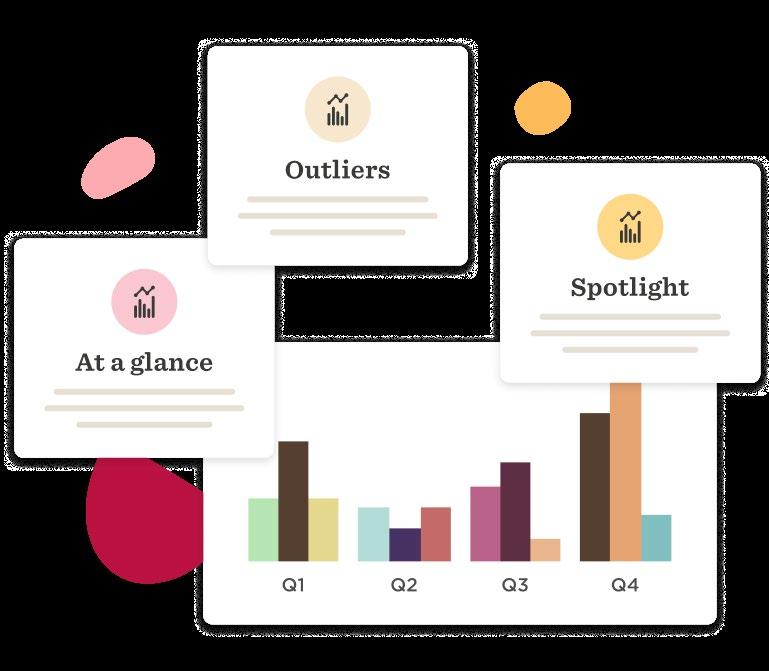
Real‑time spending analytics create a single source of truth that benefits both departments in distinct but complementary ways. Finance gains immediate visibility into departmental spending, policy exceptions and forecasting data. HR can track adoption of new policies, identify potential pain points in the employee experience, and measure the impact of spending tools on overall satisfaction and engagement.
This shared data foundation enables better conversations about budgeting, policy updates and employee financial empowerment. Both departments move from reactive problem‑solving to proactive planning based on clear intelligence. When finance asks “What’s the ROI on that team event?” HR can respond with concrete data about engagement, productivity and retention that flows from the same integrated platform.



When a new employee joins the company, their spending access should be ready on day one – not after weeks of paperwork and approvals. This isn’t just about operational efficiency; it’s about first impressions and setting the tone for the employee experience. Modern platforms connect directly to HR systems, automatically provisioning cards and spending permissions based on role and department, ensuring new hires feel empowered and trusted from their first day.
Equally important is what happens when someone leaves. Integrated systems immediately revoke access on an employee’s final day, eliminating a significant security risk that plagues manual processes while ensuring the offboarding experience remains smooth and professional for departing employees.
of finance professionals still perform manual categorisations for expenses. Airbase 32%
Digital spending tools embed policy guidance directly into the purchasing experience. Employees know exactly what they can spend without having to reference complicated policy documents or chase down approvals. The finance team shifts from policing transactions to setting smart guardrails that prevent problems before they occur.
When someone needs clarity on spending limits – “How much can I spend on a hotel room in Copenhagen?” – the answer is immediately available through the same platform they use to make the purchase.

The days of manually entering receipt data should be firmly behind us. Modern solutions capture receipt information digitally, categorise expenses automatically and streamline approval workflows. The impact on finance teams is dramatic ‑ research from the CFO Playbook 2025 shows that individuals spend an average of 125 hours a year (more than 3 working weeks) switching between tools that don’t integrate well, highlighting the need for streamlined solutions.

What’s more, these systems dramatically improve data quality. With consistent categorisation and allocation, both finance and HR have more reliable information for analysis and decision‑making.
For organisations with multiple entities or international operations, centralised management prevents the need for proportional team growth. Finance maintains visibility across business units while HR ensures consistent employee experiences regardless of location.
The impact on finance teams is dramatic ‑ research from the CFO Playbook 2025 shows that individuals spend an average of 125 hours a year (more than 3 working weeks) switching between tools that don’t integrate well, highlighting the need for streamlined solutions.
The transformation from legacy expense management to modern spend solutions delivers measurable benefits across the organisation, bridging the traditional divide between HR and Finance:

• Employees no longer subsidise company spending, removing a significant source of workplace friction and financial stress
• Enhanced Employee Value Proposition that supports talent attraction and retention
• Workplace satisfaction improves, particularly among frequent purchasers and travellers
• Streamlined onboarding and offboarding processes that support positive employee experiences
• Administrative processes that once consumed dozens of hours monthly become largely automated

• Finance teams reclaim time for strategic initiatives rather than manual reconciliation
• Policy adherence improves through clear guidelines and automated controls
• Real‑time data enables better forecasting and cost control

For both departments:


• Shared access to real‑time data enables better collaboration and decision‑making
• Aligned metrics create common ground for measuring success
• Integrated workflows eliminate silos and improve cross‑functional relationships
Most importantly, this transformation fosters a meaningful partnership between HR and finance. Together, they can promote financial wellbeing, responsible spending and a workplace culture that respects both business requirements and employee needs. When HR says “Let’s invest in employee experience” and finance asks “What’s the ROI?”, modern spend management provides the data and framework to answer both perspectives satisfactorily.
As distributed teams become the norm and business travel continues to rebound, organisations with integrated spend solutions gain significant advantages in efficiency, talent attraction and retention. By treating spend management as a strategic priority rather than an administrative necessity, companies create more resilient and attractive workplaces.
The question isn’t whether to modernise expense management – it’s how quickly you can implement solutions that benefit both your people and your bottom line.
of businesses say that the biggest challenge to CFOs becoming change‑makers is too much manual work and not enough time for strategic thinking. CFO Playbook 2025 42%

The Pleo‑HiBob integration demonstrates how modern spend management bridges the HR‑finance divide in practice. When employees join, their HiBob profile automatically syncs with Pleo, enabling instant card provisioning with appropriate spending limits – delivering the day‑one empowerment that strengthens your Employee Value Proposition. When they leave, cards are automatically frozen, eliminating security risks while maintaining a professional offboarding experience.
This seamless integration removes administrative friction for both departments. HR teams focus on strategic culture‑building rather than manual data entry, while finance maintains complete visibility and control over spending permissions. Both operate from the same data foundation, creating the aligned metrics and shared decision‑making framework discussed throughout this paper.
With over 30,000 customers, Pleo and HiBob together enable organisations to put employee experience at the center of financial operations – transforming workplace culture while delivering measurable improvements in satisfaction, security and cross‑departmental collaboration.