

Canada’s avocado market continues to grow, and the Association of Avocado Exporting Producers and Packers of Mexico (APEAM) is keeping pace with a refreshed 2025/2026 board. Executive Director Luis Javier De La Rocha Zazueta oversees global strategy and operations; Raúl Ernesto Martínez Pulido, President, brings deep industry experience and a focus on innovation; and José Antonio Villaseñor Zurita, Vice-President, leads market development and sustainability initiatives.
Each leader brings a distinct area of expertise, but they share a common goal: strengthening retailer partnerships and helping Canadians better understand the quality, origin and nutritional value of Mexico’s premium avocados. Their collective focus on innovation, sustainable practices and category growth reinforces Avocados From Mexico (AFM)’s position as a trusted partner for Canadian retailers.
From shifting consumption habits to evolving merchandising strategies, here’s a look at the trends shaping the avocado category — and how AFM is staying ahead of them.
How is the avocado category performing in Canada?
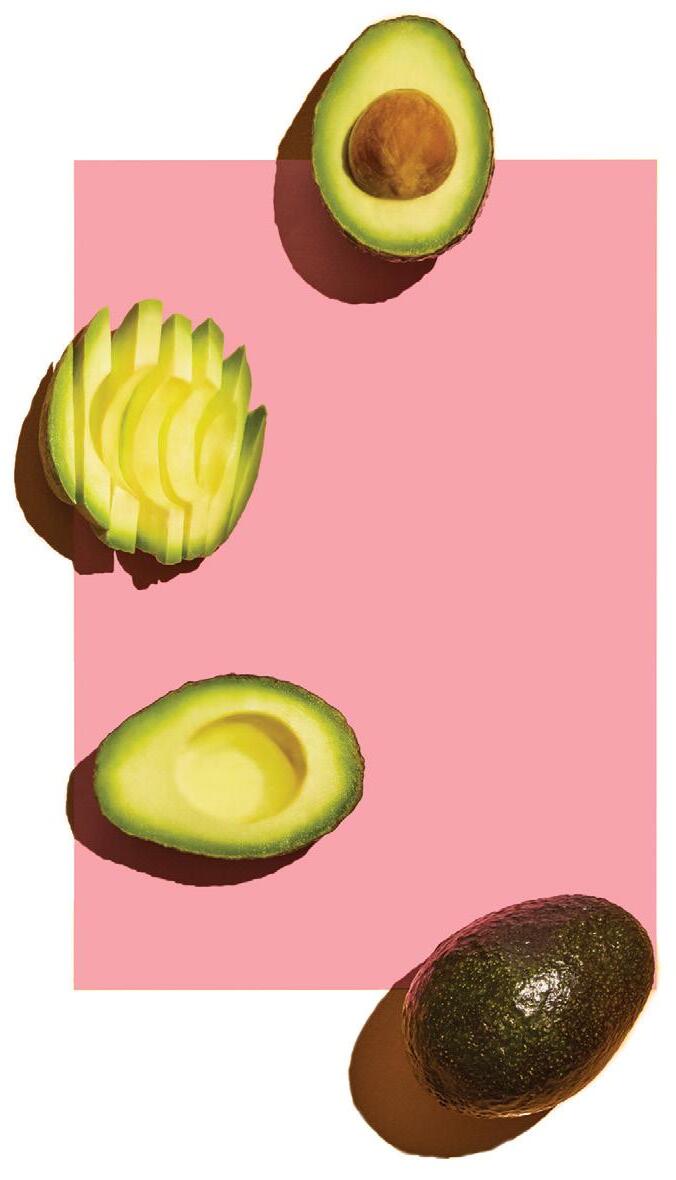
Canada continues to be the second most important destination for Mexican avocados, with 20,436 tonnes shipped from Michoacán. This strong demand reflects Canadians’ expanding use of avocados beyond traditional guacamole, incorporating them into smoothies, bowls, plant-based meals and desserts.
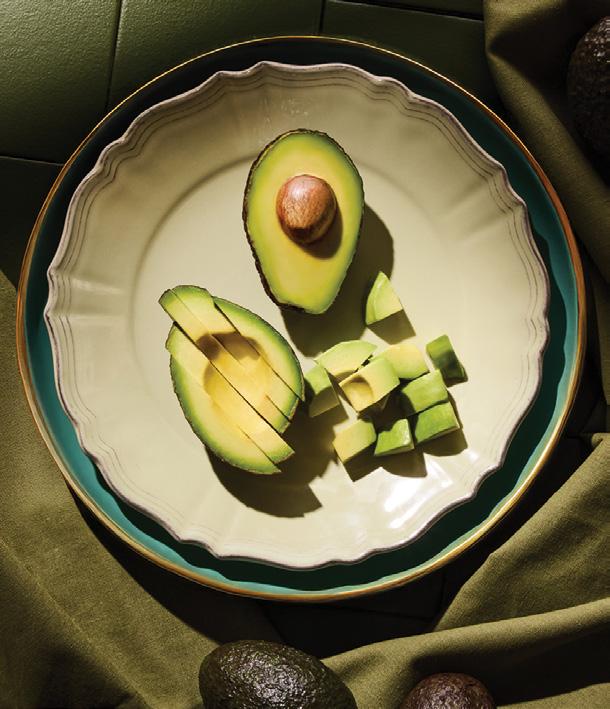
The “good fats” and fibre found in avocados support heart, digestive and overall health, while their creamy texture and mild flavour make them easy and tasty to add to meals, helping consumers turn healthier eating into a habit. As awareness of both their nutrition and versatility grows, avocados are quickly becoming a regular staple in Canadian households.
What opportunities exist for engaging consumers?
Retailers can support the category in several ways. In-store tastings, recipe cards and strategic merchandising can highlight versatility and inspire usage. Digital campaigns, influencer partnerships and social media content provide additional opportunities to showcase serving ideas, health benefits and seasonal applications.
Coordinating in-store and digital efforts helps maintain visibility in a competitive produce market while encouraging trial and repeat purchases.
How is quality and consistency maintained?
Avocados From Mexico are admired for year-round freshness and consistent quality. As the avocado’s birthplace, Mexico has nurtured this fruit through generations, with farmers passing down cultivation techniques for selecting, tending and harvesting the trees. Today, those time-honoured methods are enhanced by technology and ongoing sector investments — from advanced ripeness testing to full supply-chain traceability and rigorous harvest quality controls. The result is fruit that is fresh, flavourful and nutrient-rich, giving shoppers confidence and allowing retailers to deliver a premium experience from orchard to table.
What trends are shaping merchandising and format innovation?
Demand is rising for convenient, health-forward options. Ready-to-eat avocados, offered in larger and branded mesh bag formats, make it easier for shoppers to enjoy the fruit more frequently at home while boosting brand recognition and shelf impact. Merchandising that showcases versatility encourages use in salads, smoothies, plant-based dishes and beyond. Highlighting nutritional benefits and providing simple serving ideas can drive incremental sales and expand the fruit’s appeal across diverse consumer groups.
Driving growth requires a mix of awareness, education and inspiration. Providing storage tips, preparation guidance and usage ideas helps shoppers enjoy avocados at peak quality. Seasonal promotions, high-visibility displays and cross-merchandising can further engage consumers and encourage repeat purchases. By combining consistent quality, convenience and clear consumer education, the category is well positioned for continued growth in the Canadian market.
For more information, visit our website at: https://www.avocadosfrommexico.ca/















































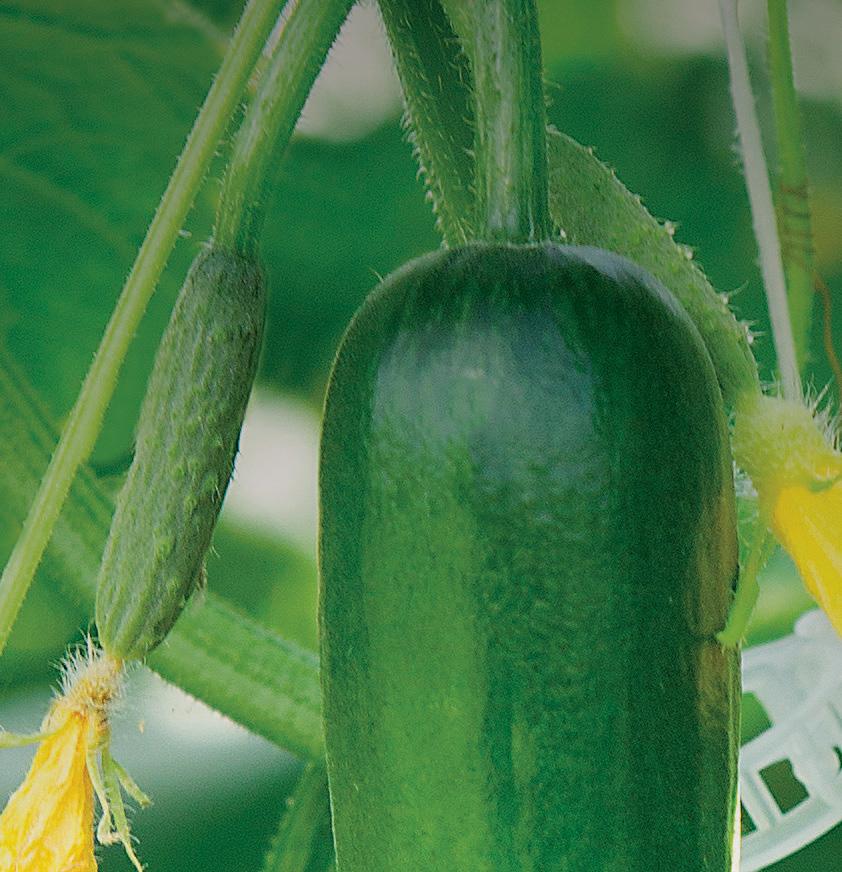





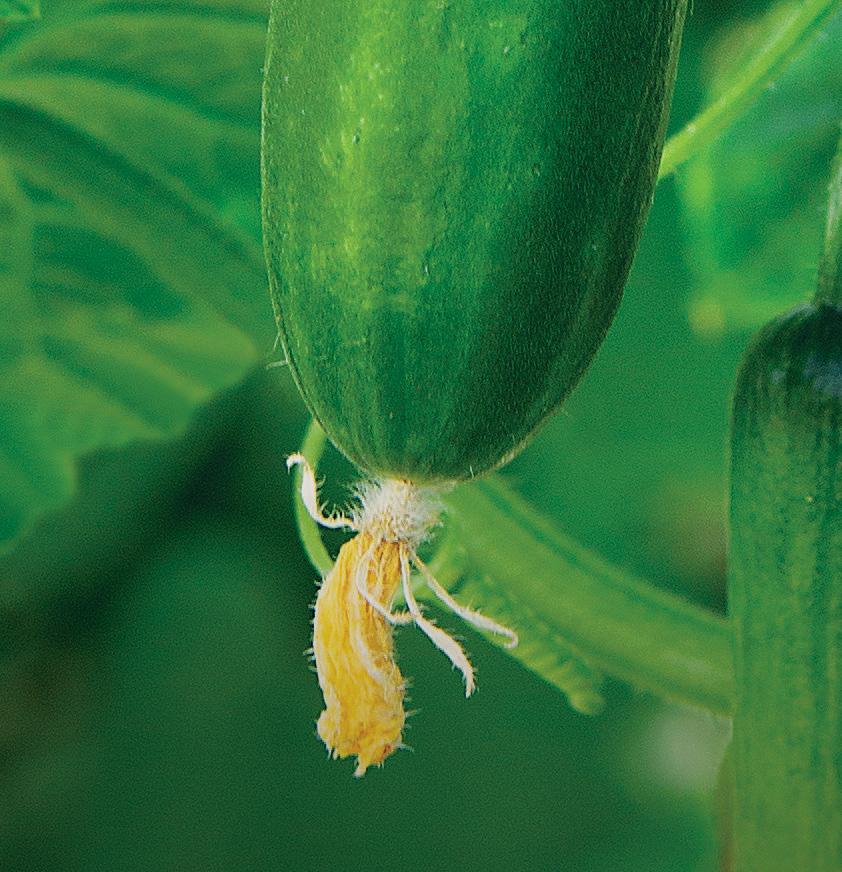
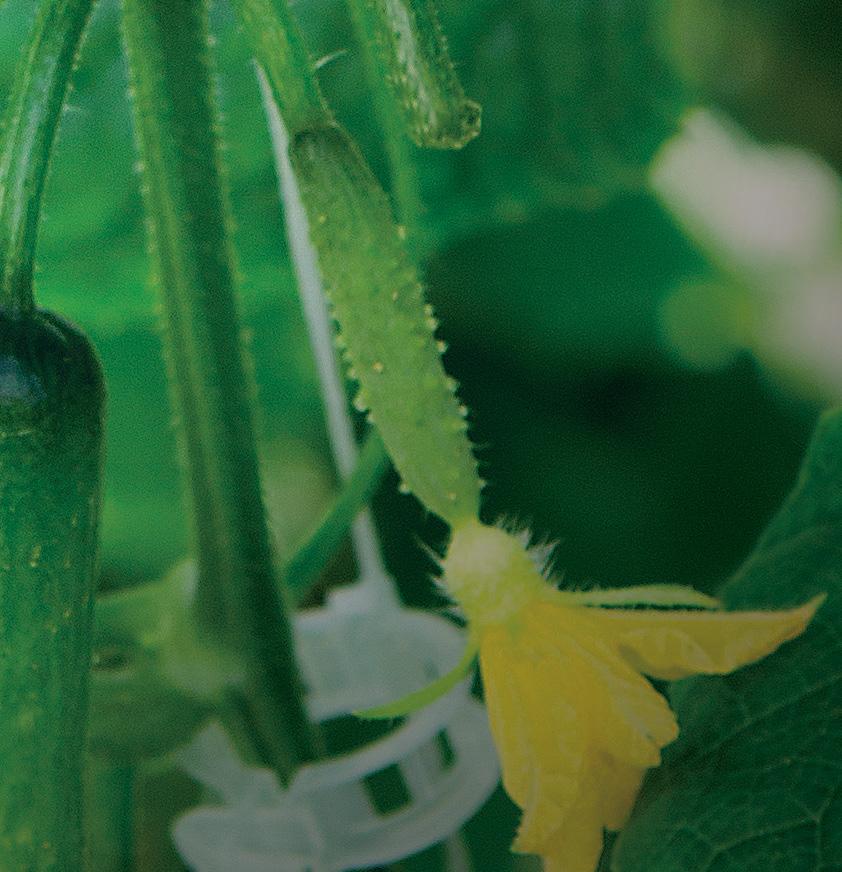






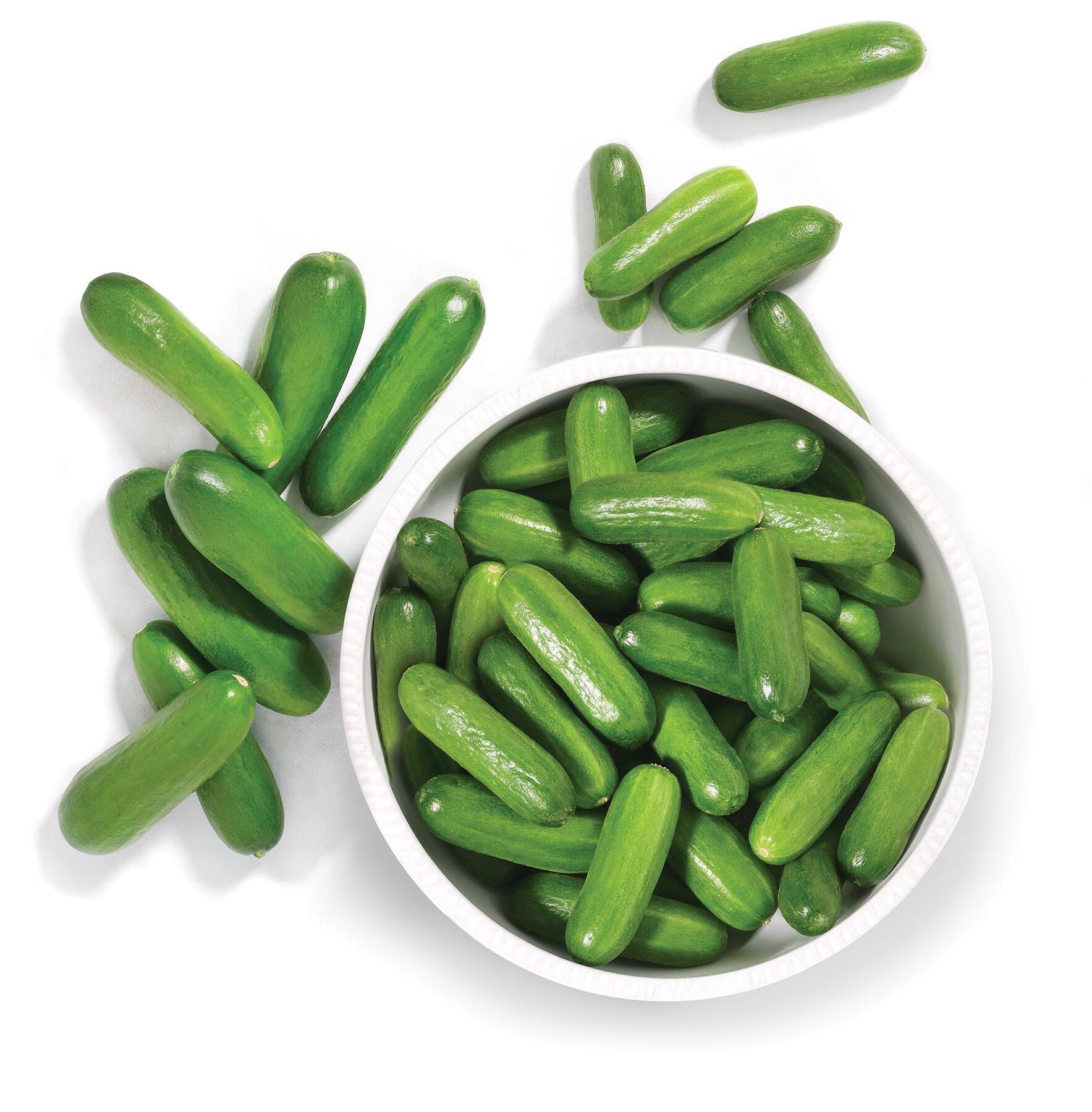
Behind every crisp, greenhouse-grown cucumber are countless decisions — seed, lighting, temperature, humidity and energy use. Few manage that complexity better than Windset Farms, which has spent decades perfecting sustainable greenhouse growing.
As Windset Farms approaches its 30th anniversary in 2026, Vice President of Sales and Marketing Ryan Cherry shares details on a major expansion at its Delta, B.C., facility, and how it’s providing fresh, locally grown produce, including a variety of cucumbers, to consumers in Canada and the U.S.
Tell us about the expansion.
We’re taking the next step in shaping the future of sustainable greenhouse farming. Our last phase was powered by renewable hydroelectricity, and this one builds on that with smarter climate systems, next-gen LED lighting and other renewable energy solutions — all aimed at boosting efficiency and elevating product quality.
This next expansion adds 38 acres of ultra-lit production, bringing the Delta facility’s lit space to 85 acres, plus 45 acres of conventional greenhouse. Combined with partner growers in Mexico and B.C. and our 168-acre Santa Maria facility, Windset is uniquely positioned to deliver consistent fulfillment, reliability and freshness for tomatoes, peppers and cucumbers, year-round
Windset was recently recognized by BC Hydro as a “Clean Energy Champion.” What does that recognition mean? It validates the real impact of our sustainability work. Our LED-lit, energy-efficient greenhouses let us grow more produce using less energy, which directly reduces our
environmental footprint. It also supports our commitment to supplying fresh, high-quality vegetables year-round in a more sustainable way. For retailers, that recognition translates into something very practical: a reliable local supply that aligns with their own sustainability goals and meets the growing consumer demand for responsibly grown produce.
How are partnerships with chefs like Ned Bell helping consumers discover the versatility of cucumbers?
These collaborations help us inspire people to see cucumbers as more than just a side or garnish. They can be a versatile ingredient in fresh, seasonal cooking. By showing how simple, locally grown produce can be used in creative ways, we’re encouraging consumers to bring more greenhouse vegetables into their everyday meals, and educating them on our sustainable growing practices at the same time.
How has longtime support from retail partners helped shape your relationships with Canadian grocers?
Our partnerships with retailers have grown as Windset has expanded, built on a shared focus on quality, freshness and service. By investing in advanced greenhouse technology, we’re able to provide a steady supply of fresh produce, including cucumbers, tomatoes, and peppers year-round and grown close to home. That reliability helps retailers meet demand for Canadian-grown products like our cucumbers and gives consumers access to fresh, healthy options every day of the year.
In 2024, we installed solar panels on our grading stations and farms in Southern Ontario.


Taking local action for the greater good.™
Winner, Canadian Grocer Impact Award Sustainability Category (2024) *At the Gray Ridge
We harness enough power to sustain approximately 65 average households every day, reducing our energy consumption up to 26%* © Gray Ridge Eggs, Inc., 2025

“Eggs are a year-round staple, and one of the most consistently purchased proteins in the grocery store,” says Sean Mateer, VP Sales & Marketing at P&H Foods, noting that the egg category in Canada is strong and continuing to grow. The $1.6-billion retail egg market includes shelled, hard-boiled, liquid, and liquid replacements, with shell eggs being the primary driver of category growth. Here’s more from Mateer on the trends influencing this market.

Are purchase rates for eggs rising in Canada?
Over 92% of Canadian households purchase eggs with 1 in 2 Canadians purchasing eggs every grocery trip. Despite being a mature category which typically experiences limited expansion, the egg category has grown $139 million, or 9.5%, vs. last year. This trend is driven by shoppers spending 6.6% more on eggs per trip. Consumption is also rising, with tonnage up 4%, and the increasing demand of larger pack sizes.
What do Canadians look for when buying eggs?
Canadian shoppers are looking for value, added health benefits, and local. With 13g protein in 2 large eggs, eggs are a quick, nutritious and affordable meal option for Canadians preparing meals at home. The Egg Farmers of Canada’s Egg Quality Assurance™(EQA®) certification mark has made it easier for Canadians to identify Canadian eggs produced by local farmers that are certified to strict national standards. While Canadian local is important, we’re are also seeing a shift to hyper-local or provincial branded eggs; it represents a 29.9% dollar share of the shelled eggs category and are growing 9.9% vs. nationally branded eggs which represent 12.1% share of dollars and are growing at 2.6%.
What trends are you seeing in the egg market?
Four major trends stand out: First, the growth of specialty eggs. The specialty eggs category is growing 6% in tonnage, outpacing conventional eggs. Segments like free run (20%), free range (9%), organic (12%), and omega (8%) are all contributing to this growth. Second, Canadians increasingly prefer deeper yellow yolks for their perceived quality and added nutrition. Our naturally golden yolk product under
the Conestoga Farms brand in Ontario has grown over 270% since its introduction in 2017, with four Free Run Naturally Golden Yolk products ranking among the top five specialty SKUs. In BC, the highest-selling product is our specialty dark yolk product under the Country Golden Yolks brand. Third, Canadians continue to prefer local and provincial brands, which make up nearly 30% of the shelled egg category and which are growing faster than national brands. Trust and provenance remain key drivers. Finally, demand for larger pack sizes. With more cooking at home and rising household sizes in some provinces, larger formats are experiencing significant growth. Shoppers are consolidating trips but purchasing more eggs at a time.
Is there an innovation in the specialty category you can tell us about?
Our Free Run Omega-3 + Lutein eggs with Naturally Golden Yolk are our latest innovation and have earned the Canadian Grand Prix New Product Award for our Conestoga Farms brand in Ontario. We achieve the deeper yolk naturally by adding lutein-rich marigold extract to the hens’ feed. It provides omega-3s, DHA, lutein, and other essential nutrients like Vitamin E, making our eggs a powerhouse for anti-inflammatory, antioxidant, and gut health benefits, aligning with today’s wellness trends.
How can retailers grow their egg sales?
By making the category easier for shoppers to navigate. Clear shelf tags that highlight the differences between free run, free range, organic, omega, and conventional eggs help consumers choose confidently. With Free Run and larger pack sizes growing, giving 18-pack Free Run eggs strong, visible placement can encourage trade-up and increase basket size. Because demand for local eggs is rising, using signage like Foodland Ontario, BuyBC, Made in Alberta, etc. to identify regional products is important. Educating consumers about the Egg Farmers of Canada’s EQA® certification mark on egg cartons can help shoppers make confident, informed food choices. In fact, 70% Canadians say that seeing the mark increases their purchase intent.





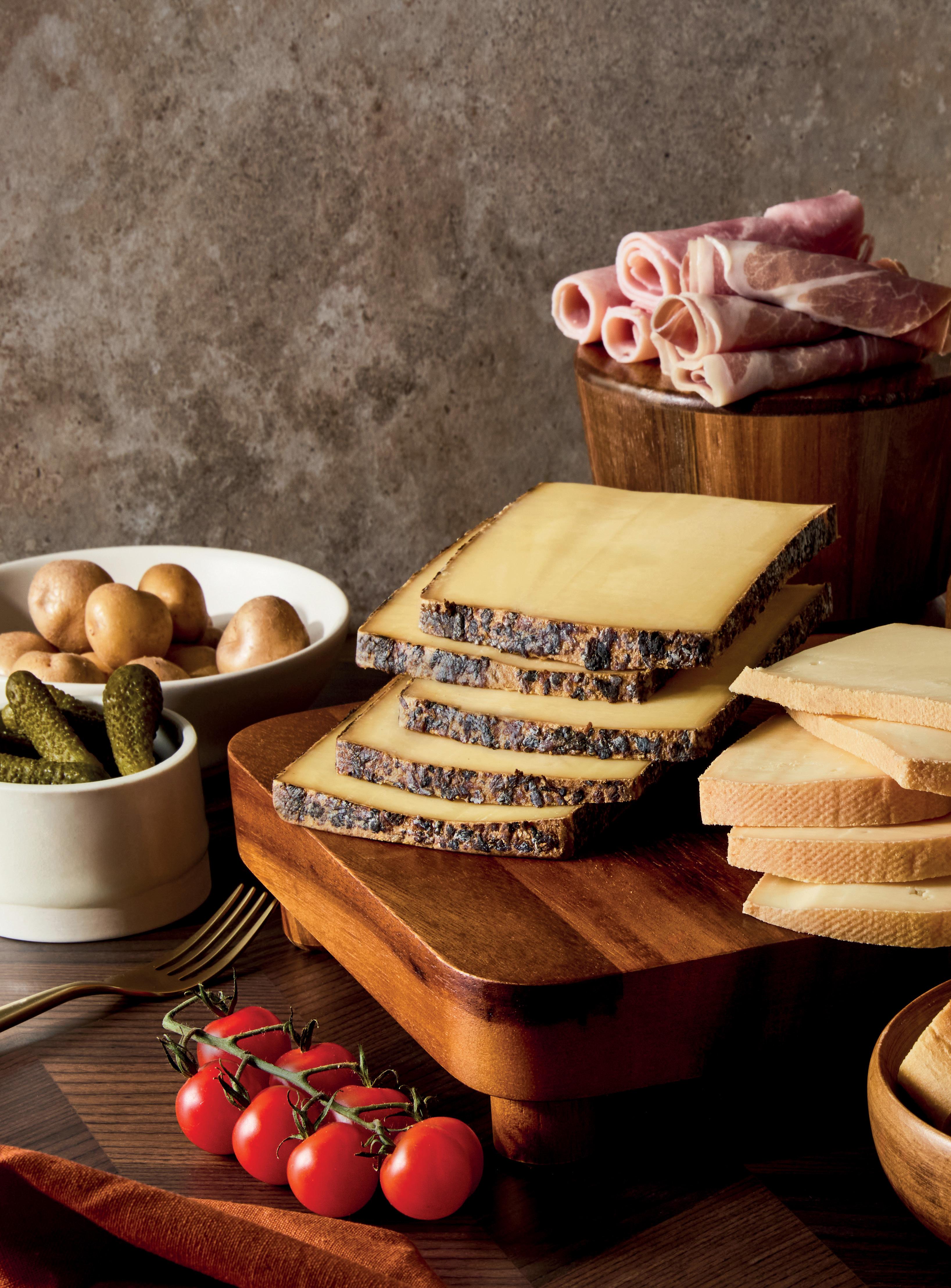



Elevate your holiday assortment with European cheeses from Austria and France.
Crafted with centuries of expertise, these cheeses deliver freshness, exceptional flavor, and essential nutrients such as high-quality protein and calcium—supporting a balanced, wholesome diet.
Perfect for cheeseboards and easy to merchandise alongside local favourites.
Bring the taste of Europe to your holiday shelves!





Unique offerings appeal to a new generation
Dairy industry experts Julia Goeschelbauer, Head of Export Marketing, AMA-Marketing (Austria), and Siobhán Kane, Marketing Project Manager, CNIEL (France) and General Secretary of the European Milk Forum, tell us how quality Austrian and French cheeses can help grocers elevate their offerings and delight customers in the process.
How are European cheesemakers innovating to appeal to a new generation of cheese-eating consumers?
There is a new generation of cheese consumers that is increasingly healthconscious yet unwilling to compromise on taste. European cheeses perfectly meet these expectations. They’re a source of important nutrients like protein and calcium, which help support a balanced diet. At the same time, they embody centuries of craftsmanship, rich flavours, and uncompromising quality. Dairy farmers in Austria and France are constantly innovating to ensure their cheese-making methods are sustainable, environmentally responsible, and uphold Europe’s renowned quality standards. This unique combination of nourishment and indulgence makes European cheeses especially appealing to today’s consumers — those seeking well-being and culinary pleasure in their everyday grocery choices.

GI certifications and centuries of craftsmanship, cheeses from France and Austria attract consumers seeking genuine taste experiences while boosting basket value and menu differentiation. By providing storytelling through packaging, menu callouts and tastings, retailers can highlight the heritage, quality and long-standing tradition of European Cheeses, while building customer trust and sparking curiosity in the process.
How can retailers create engaging experiences around European cheeses?
Retailers can bring European cheeses to life through attractive merchandising, tastings, and workshops enriched with pairing suggestions and storytelling. We are happy to share information and content with grocers to help build experience that transform a simple tasting into a memorable experience. These experiences spark curiosity and make every encounter with cheese truly memorable.
How do European cheeses add value to seasonal and festive dining experiences in Canada?
European cheeses bring refinement and authenticity to seasonal and festive tables in Canada, offering flavours deeply rooted in tradition and craftsmanship. They elevate simple recipes into memorable dishes, pairing beautifully with wines, fruits and charcuterie. Their uniqueness make them a perfect addition to local cheese options, offering European character and tasty variety to enhance every celebration.
How can European cheeses help grocers and foodservice operators tap into consumers’ appetite for premium, authentic products?
European cheeses offer a gateway to the growing demand by Canadians for high-quality, authentic products. With PDO/
For more information, please contact:
z Julia Goeschelbauer, Head of Export Marketing, AMAMarketing (Organization that promotes and ensures the quality of Austrian agricultural food products): julia.goeschelbauer@amainfo.at
z Siobhán Kane, Marketing Project Manager, CNIEL (French dairy interbranch organization), General Secretary of the EMF (European Milk Forum): skane@cniel.com
z Xavier Bernard, Agence Hopscotch Canada Ltée, xbernard@hopscotch.one
To find more information on Austrian Cheeses go to www.ama.global/en For French cheeses go to https://cniel-infos.com

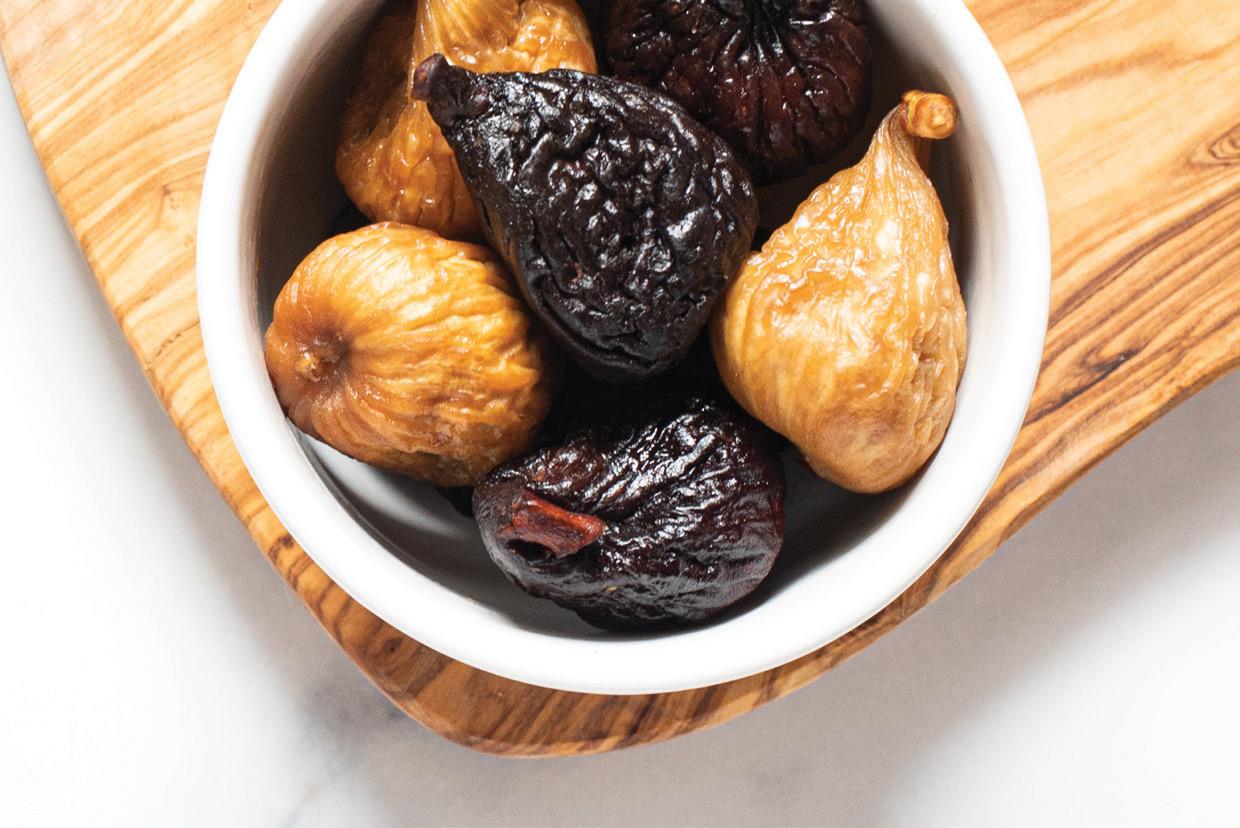

California Figs: A Stellar 2025 Harvest and Growing Love for the Fruit
With 2025 marking one of the best harvests on record, California fig growers are enjoying healthy trees, abundant fruit and rising consumer demand. Karla Stockli, CEO of the California Fig Advisory Board and the California Fresh Fig Growers Association, shares insights on the season, trends and how grocers can better market figs, a fruit many shoppers are still discovering.
How did the 2025 harvests shape up?
The first harvest, the breba crop, arrived in May. Usually there’s a short gap before the main crop, but this year the break stretched through June. Once the main crop began, the fruit was plump, flavourful and the best we’ve seen in years. Trees are healthy, unaffected by drought or fires, and with new plantings meeting demand, yields were strong. 2025 has been a stellar year for California figs.
What’s the magic behind California figs?
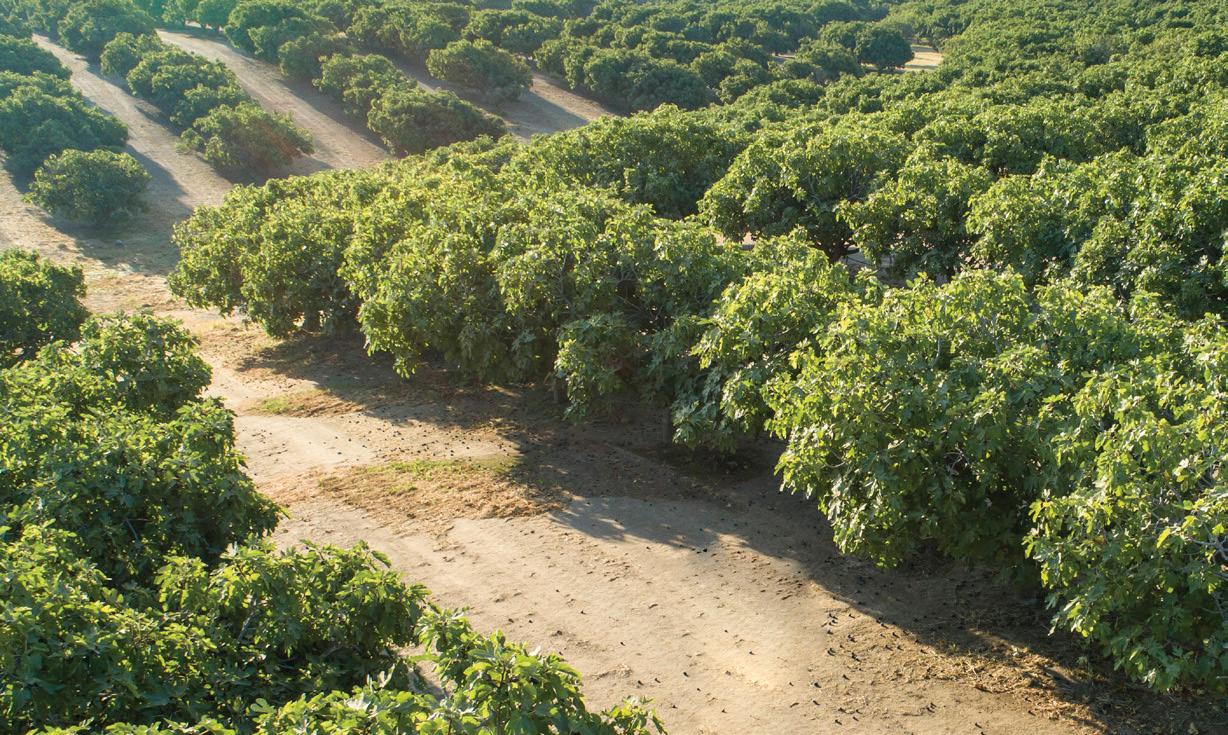
Sun, soil and a lot of TLC. California’s climate is perfect for figs, but it’s not magic — farmers tend trees, monitor irrigation, prune and harvest all year round. Think of it as fig-parenting, with a focus on sustainability and keeping the ecosystem happy.
Which fig varieties are grown in California?
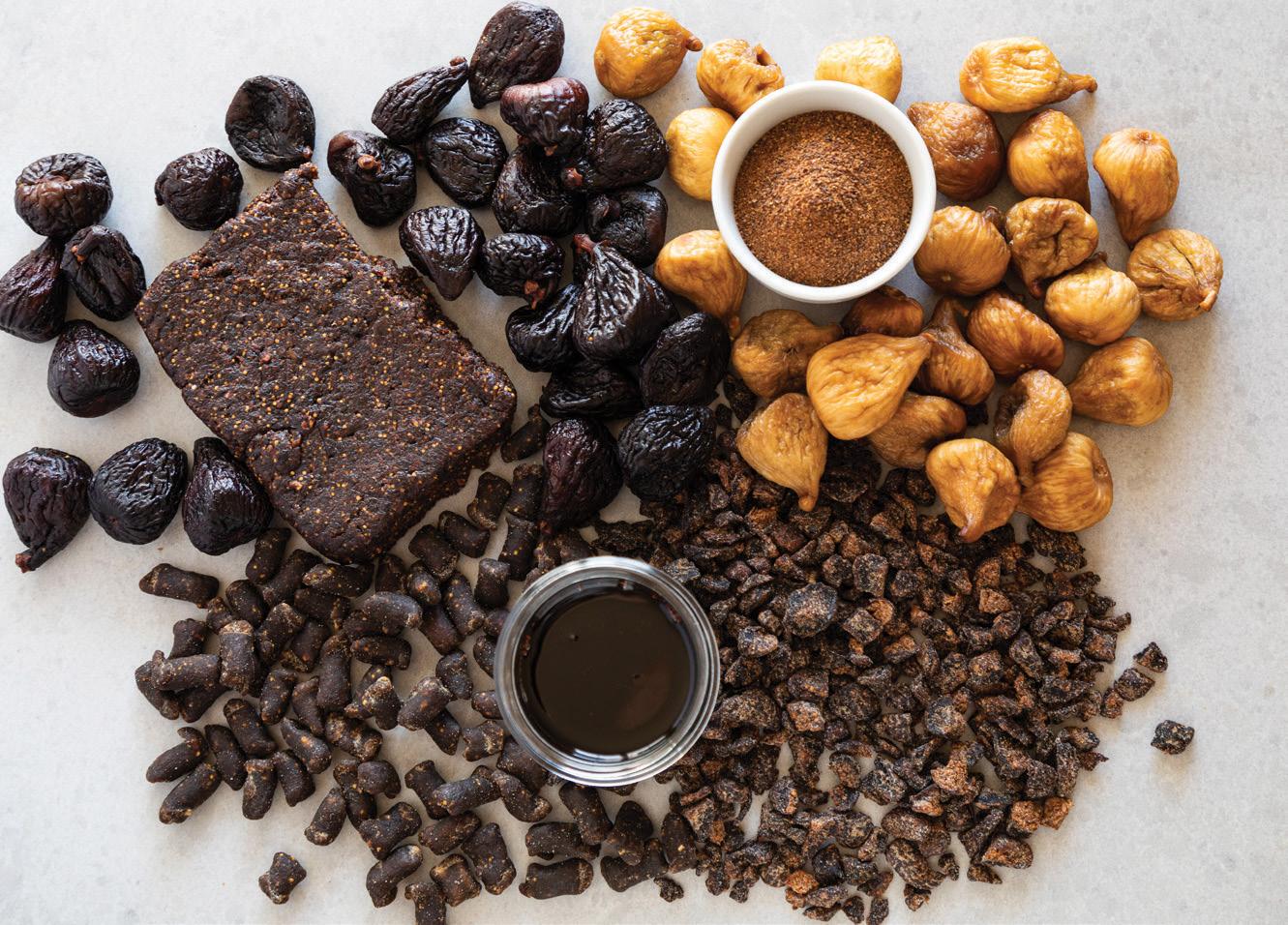
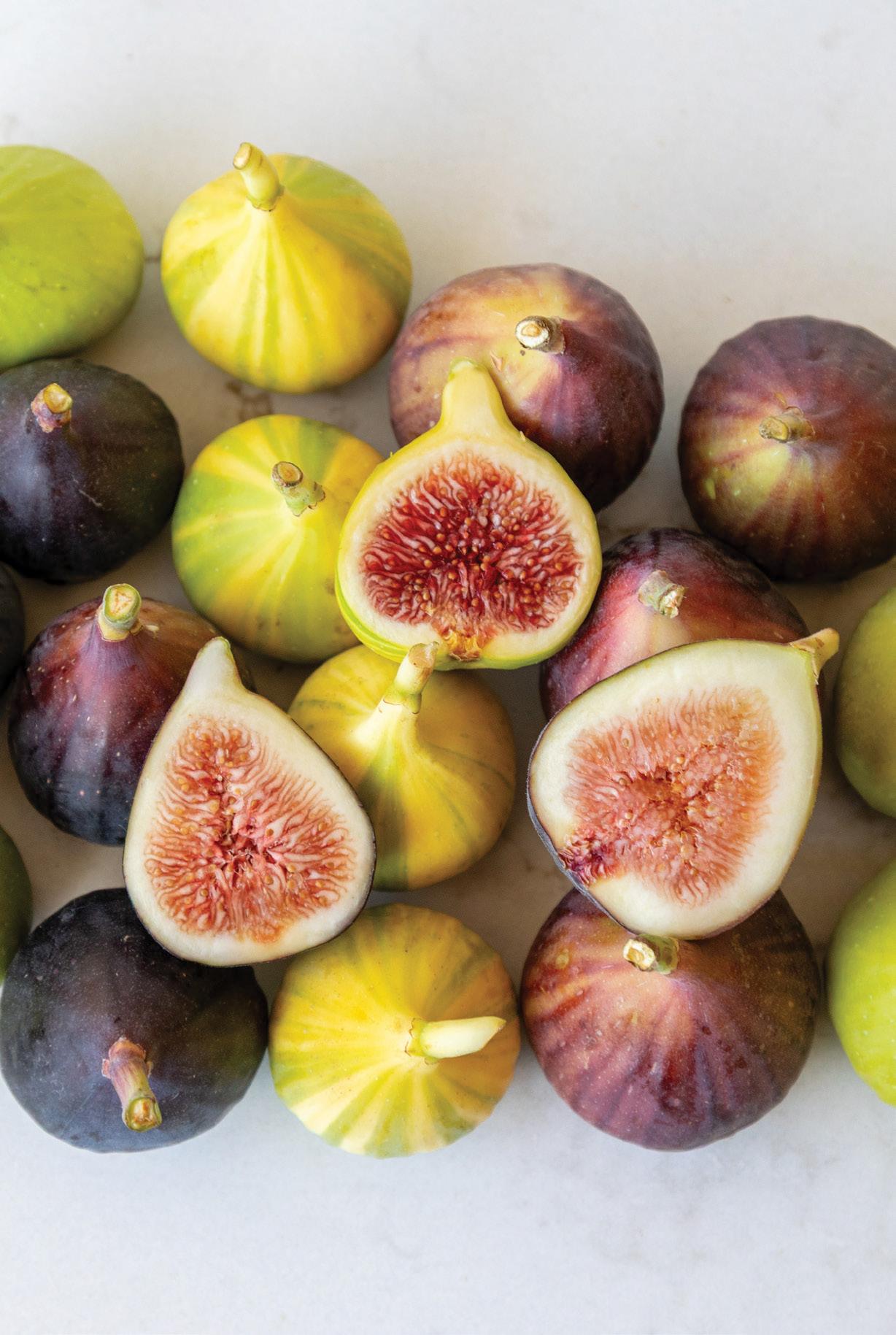
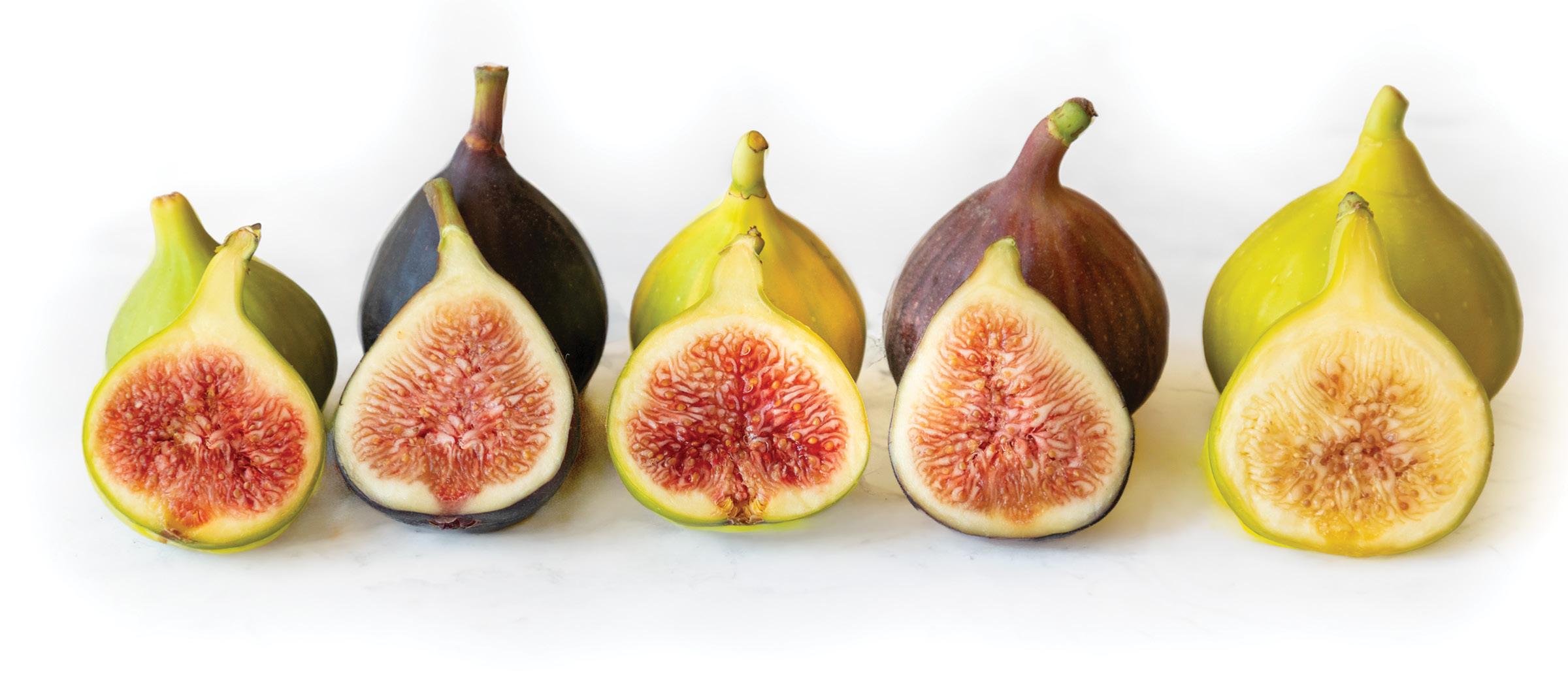
California produces seven varieties — Brown Turkey, the Emerald (new), Kadota, Mission, Sierra, Tena and Tiger — each with its own colour, flavour and purpose. Fresh figs, including Brown Turkey, the Emerald, Mission, Sierra and Tiger, are available from May to November, while dried
figs are sold year-round. Ingredient products for foodservice and manufacturing include diced, extruded-diced, paste and juice concentrate. Dried figs are marketed as either Golden — lighter-skinned varieties that dry to a golden hue — or Mission — dark purple figs that dry to a richer colour.
What trends are you seeing in fig consumption?
About 40% of California’s fresh crop is exported to Canada, much of it to the Greater Toronto area, where Mediterranean and Middle Eastern communities have strong ties to the fruit. Overall, fig consumption is rising. Fresh figs are a seasonal favourite, flying off shelves, while dried figs are trending in food manufacturing. Consumers are discovering fig-flavoured bars, jams, dressings and sauces, often inspiring them to buy dried figs to make these treats at home. Health trends are helping too. Figs are a natural source of fibre — fresh figs provide 25% of daily value, dried figs 18% — supporting digestion, blood sugar, cholesterol and key minerals like calcium, potassium and magnesium.
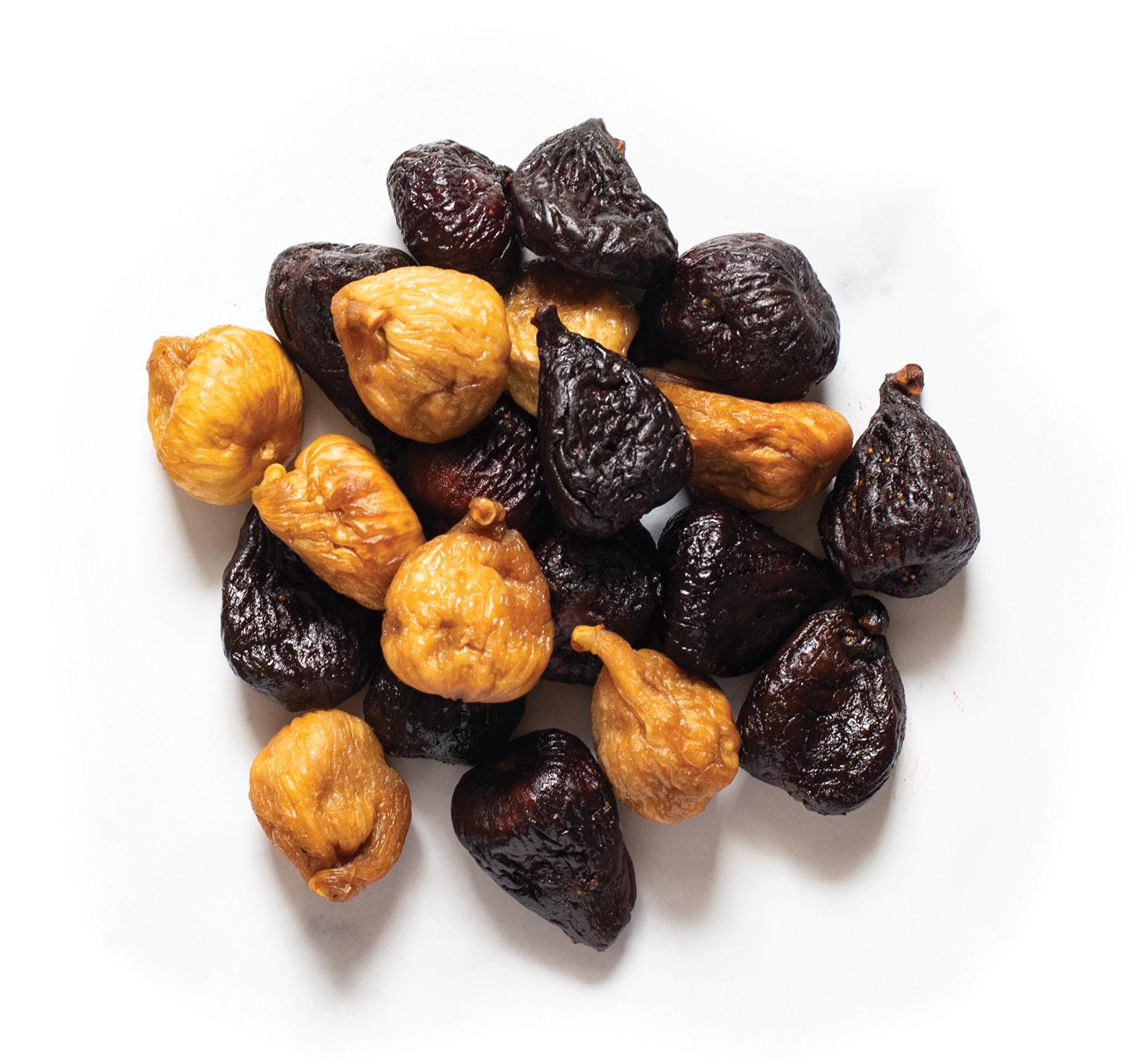
How can grocers promote figs instore?
Lots of ways. Pair fig jams and crackers in the cheese aisle, showcase whole figs on charcuterie or snack trays, and display fresh and dried figs together to highlight year-round availability. Promote fibre and nutrition, share recipes or usage ideas, and check CaliforniaFigs.com or social channels for inspiration. The possibilities are endless.
European fruits and vegetables, including apples, leeks, and shallots from France, and the Protected Designation of Origin (PDO) Kaki Ribera del Xúquer from Spain, are grown with care, following strict standards for sustainability, traceability, and flavour. This ensures reliable quality and strong consumer appeal for Canadian retailers.
In season throughout fall and winter, the PDO Kaki Ribera del Xúquer (Rojo Brillante variety) from Spain offers firm texture, vibrant colour, and exceptional sweetness — ideal for eyecatching displays and repeat purchases.
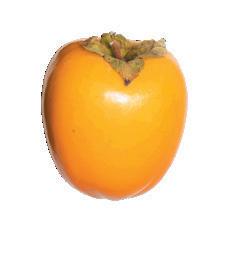
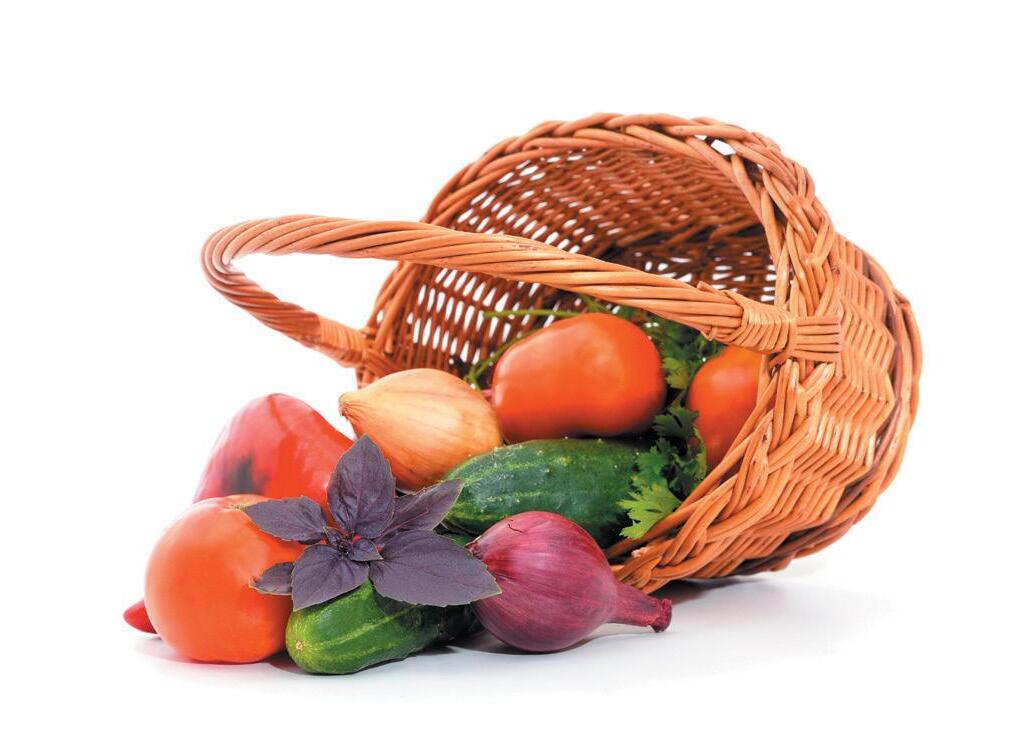



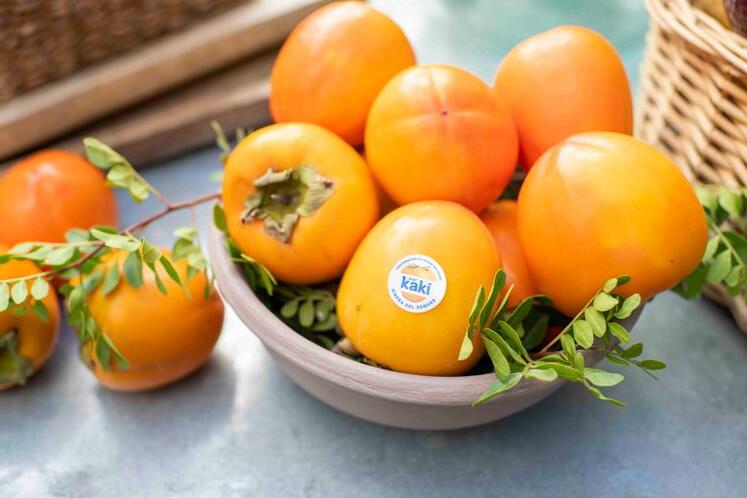
Cooperatives in Spain’s Ribera Alta district established the Kaki Ribera del Xúquer regulatory council in 1998 to promote the local Rojo Brillante kaki, a premium variety of persimmon so distinctive it was recognized as a Protected Designation of Origin (PDO) by the European Commission in 2001. Rafael Perucho Mañez, Director of the PDO Kaki Ribera del Xúquer, explains what sets these kakis apart and how Canadian grocers can successfully merchandise them.
What makes PDO Kaki Ribera del Xúquer stand out from other varieties on the market, and why should grocers consider carrying them?
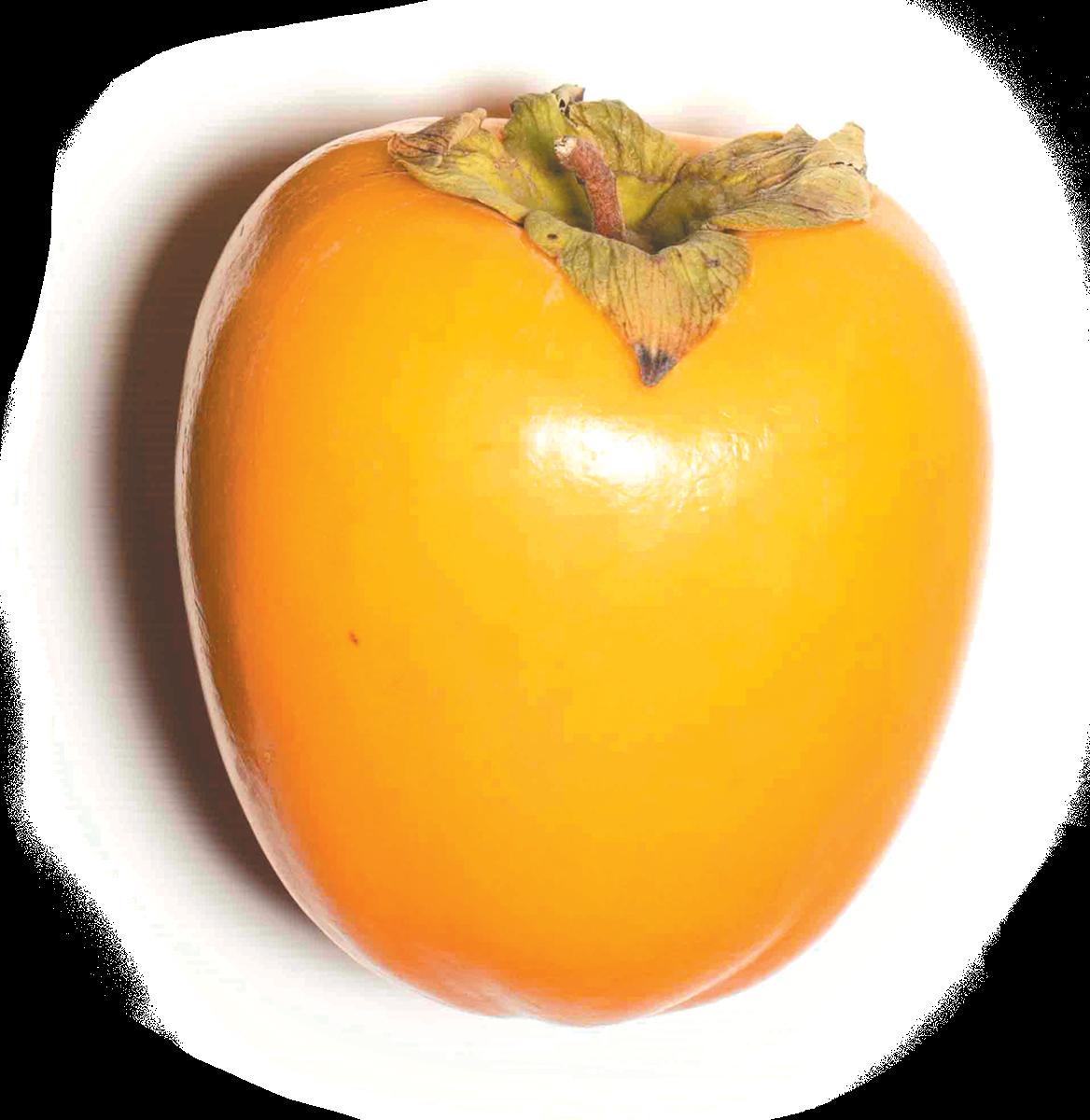
PDO Kaki Ribera del Xúquer is the only kaki in Europe with a Protected Designation of Origin (PDO) — a guarantee of traceability, quality and authenticity. Grown in Spain’s fertile Ribera del Xúquer valley, the variety “Rojo Brillante” is a local cultivar born in the mid-1950s, and for this reason is exceptionally well adapted to the area. It’s known for its firm texture, natural sweetness, consistent ripeness and ready-to-eat crunch, making it easy to handle, transport and display. For Canadian grocers, this PDO kaki offers a premium, seasonal product that attracts shoppers looking for freshness, flavour and European quality.
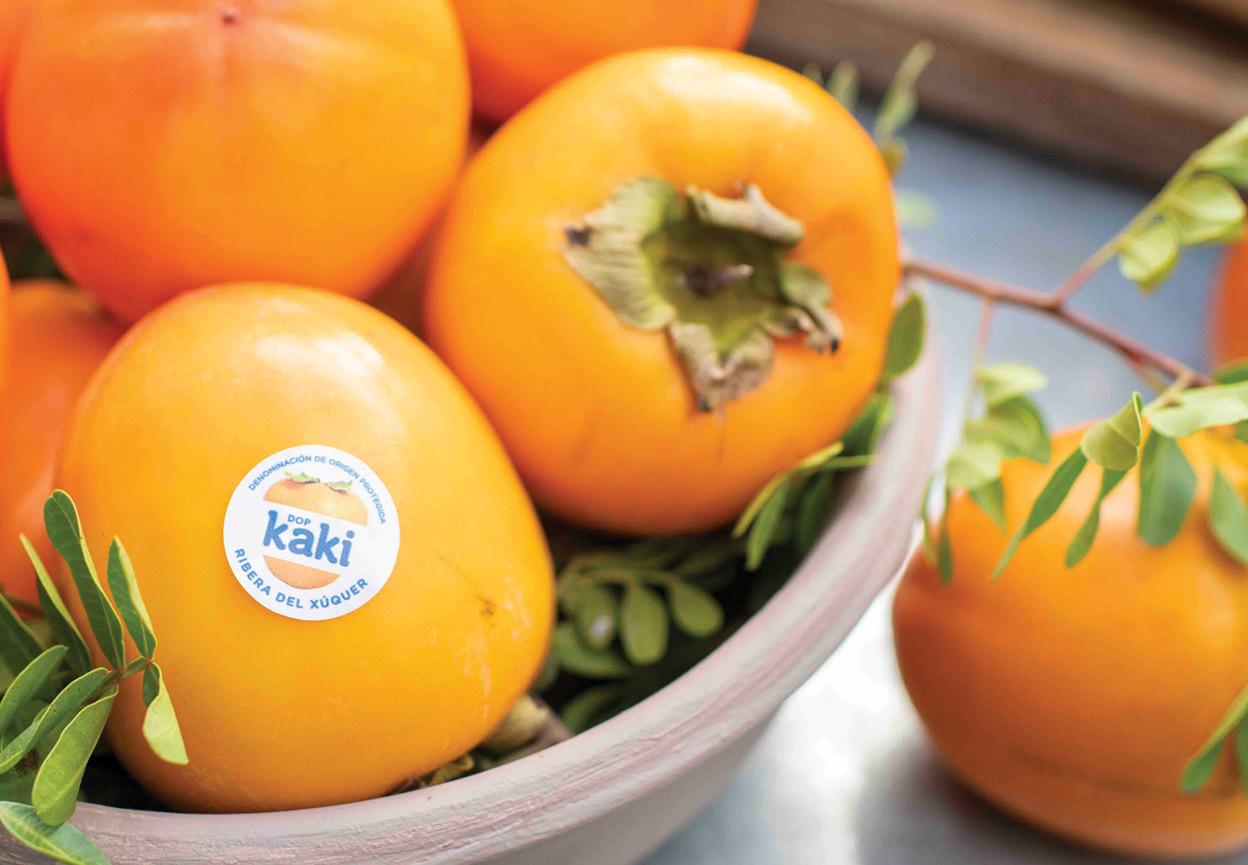
Tell us about the treatment process that helps preserve the fruit’s quality and firmness during its journey from Spain to Canada.
The treatment used to remove the natural astringency of Rojo Brillante kaki is quite unique. It relies on creating an oxygen-free environment that gently neutralizes the tannins responsible for bitterness. This allows the fruit to retain its bright colour and sweetness while maintaining a crisp, apple-like texture. By the time it reaches Canadian shelves, consumers enjoy a ready-to-eat kaki that is just as fresh and flavourful as when it left the orchard.
How has the Canadian market for kakis evolved in recent years, and what trends are driving growth in consumer demand?
Canadian consumers are increasingly open to discovering new, seasonal produce — especially fruits with strong nutritional value and sustainability credentials. Kakis fit perfectly within this trend, appealing to shoppers interested in clean eating and plant-forward diets. Over the last few years, visibility in major grocery chains has grown steadily, supported by education efforts around the Ribera del Xúquer PDO and its European origin.
Kaki is still considered an exotic fruit by many Canadians. How can grocers encourage trial, and what merchandising or promotional strategies help make persimmons a must-have in stores?
Education and visibility are key. Grocers can create discovery moments by placing “Persimmon/Kaki” displays in the produce section with tasting opportunities and simple recipe cards — for example, pairing slices with yogurt, salads or cheese boards. Highlighting the PDO label and its European origin on signage helps reinforce quality and trust. Featuring the fruit in digital flyers or seasonal “Fresh Picks” campaigns also drives trial and repeat purchases.
For more information, visit: https://persimon.eu/en/







As America's oldest farmer-owned citrus cooperative, Sunkist® has become a beloved household name for generations of shoppers. Make Sunkist Navels the centerpiece of your citrus lineup and learn how the power of our 130+ year old legacy can help you capture market share and drive loyalty.





The mighty orange stands as key driver of immune health for Canadians. Cassie Howard, Sr. Director of Category Management and Marketing at Sunkist Growers, Inc., shares insights on why oranges are drawing health-conscious consumers more than ever.
What are the latest trends in orange consumption?
According to Euromonitor, consumption or oranges and mandarins in North America has increased more than 5% since 2022, with gains continuing through the end of 2024. We’ve seen strong engagement early in the 2025–2026 citrus season too, across all orange varieties.

Navel oranges remain a staple in Canadian households, while Cara Cara oranges — known for their sweetness and high vitamin C and lycopene — continue to gain momentum, particularly in branded bag formats. Convenience, freshness and value will remain key drivers in everyday and seasonal citrus purchases.
What are some creative ways to incorporate more oranges into daily routines?
Fresh orange segments can be added to salads for sweetness and acidity or used to top smoothie bowls and yogurt for a refreshing morning option. Oranges can be zested into salad dressings, baked goods and marinades, or used to brighten savory dishes like roasted vegetables.In beverages, oranges pair beautifully with herbal teas or sparkling water for a simple infusion, and in desserts, they shine in citrus bars, cakes or dark chocolate pairings.
Blood oranges, with their deep color and distinct berry-like flavour, are perfect for sprucing up every day dishes and offering a fresh twist on classic recipes — from trendy mocktails to comfort foods. As the #1 branded supplier of Blood oranges by volume, Sunkist offers reliable supply, standout quality, and packaging options like our 2lb Blood orange bag.
How can retailers best promote oranges to boost sales?
Citrus performs best when it’s front and center — in colorful, well-stocked displays near store entrances or at key promotional endcaps. We recommend leveraging varietal signage that communicates flavour profiles, health benefits and origin, helping shoppers make informed choices.
Offering multiple pack sizes (i.e., 3lb and 4lb bags for families and single bulk pieces for grab-and-go) increases accessibility and encourages trade-up. Tying citrus into seasonal moments (e.g., winter immunity, Lunar New Year) creates urgency and relevance. Sunkist provides a variety of display bins, grower-themed materials and campaign assets to help retailers spotlight in-season fruit in modern ways.
What are your latest marketing initiatives.
The Sunkist i3™ initiative — short for Investing in Technology, Innovating with Process, Implementing with People — is our commitment to delivering best-in-class citrus from grove to shelf. Through advanced grower tools, enhanced quality monitoring, and streamlined logistics, we’re ensuring retailers receive consistent sizing, flavour and packaging support they can depend on.
In Canada, we’ve been using digital-forward storytelling to connect citrus with immunity, energy, and even beauty, highlighting oranges as essential to wellness and daily vitality. We support this with turnkey social content, influencer partnerships, and targeted merchandising materials in-store and online. The goal is to modernize how consumers think about citrus while reinforcing our brand’s heritage and trustworthiness.
How is Sunkist addressing environmental responsibility?
Our commitment goes beyond compliance — it’s about long-term stewardship of the land and delivering high-quality fruit in ways that align with evolving consumer and retailer expectations. We’re proud to align with partners and retailers who are equally committed.

Peppers with purpose all year long
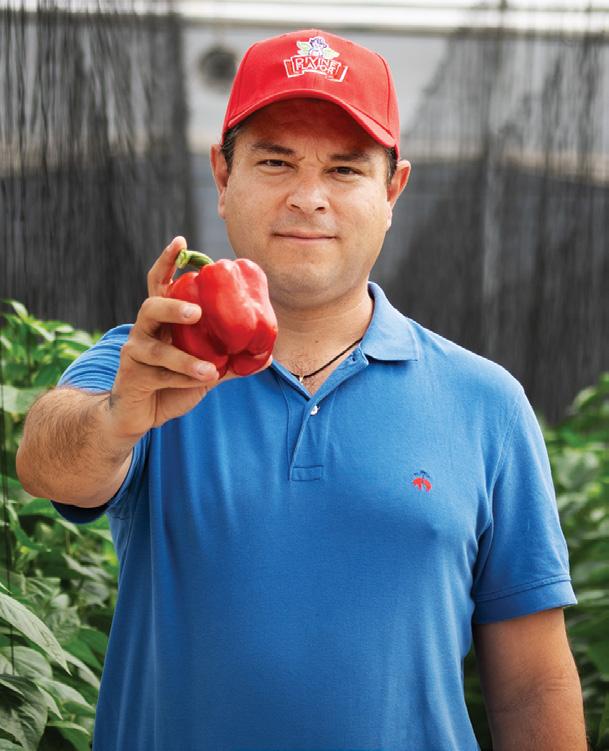
As Canadian greenhouse output eases over cooler months, peppers from Mexico play a crucial role in keeping retailers stocked and shoppers satisfied year-round. Elizabeth Smart, Sr. Sales Executive of Divine Flavor — the leading supplier of peppers from Mexico to Canada — shares the latest on the benefits of peppers and why they are a nutrition powerhouse grocers should be promoting.
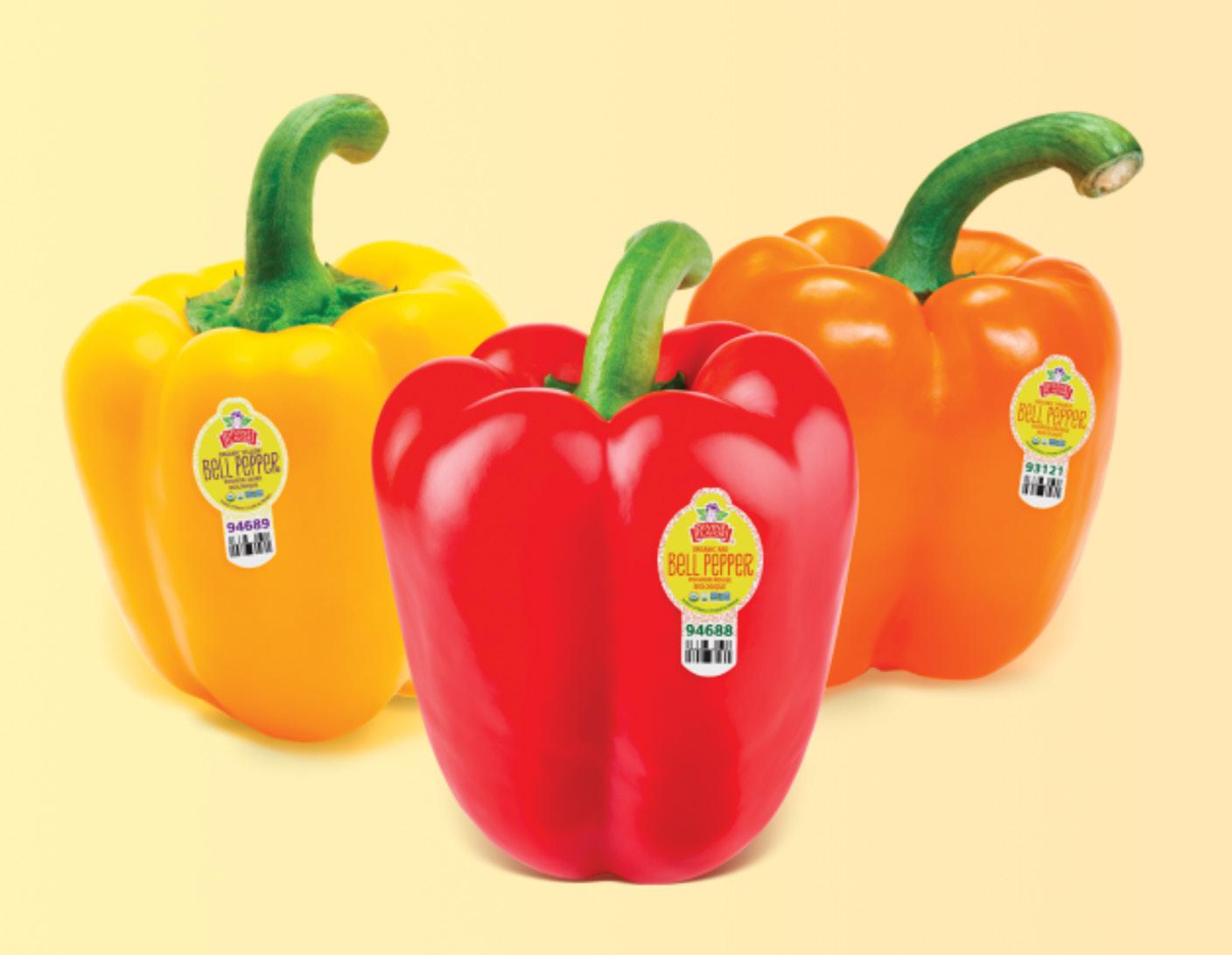
Why should peppers be a Canadian staple?
Not only do they look and taste great, but their nutrition story is a strong draw. Peppers are packed with more vitamin C than oranges — a key nutrient for supporting the immune system overall. Plus, red peppers have vitamin A, potassium, fibre and provide lots of antioxidants. There is real opportunity for retailers to educate consumers on the health benefits of peppers, because when shoppers know these benefits, consumption will follow.
How does Divine Flavor support Canadian grocers throughout the year?
Divine Flavor is a family-owned and operated grower-shipper based in Nogales, Arizona, dedicated to delivering ‘Better Food for a Better World.’ Guided by its six-pillar promise — quality and flavour, food safety, social responsibility, traceability, organics and sustainability — the company strives to provide consumers with the same wholesome products it would serve to its own families. While best known for its premium specialty table grapes, Divine Flavor also offers a diverse selection of vegetables, including tomatoes, cucumbers, and a vibrant assortment of bell and mini peppers.
Our growers have invested in greenhouses, facilities and
infrastructure built specifically for their commodities. That expertise allows us to maintain consistency in volume and quality right when the market needs it most.
We also work closely with our retail partners in Canada to plan programs, anticipate demand, and make sure shelves stay full. Experience is everything in produce, and our growers have decades of it.
What innovations are in the works when it comes to peppers?
Convenience is big. We’re starting to see a focus on seedless peppers, especially minis. It’s about offering that snack-friendly ease without compromising crunch, colour or flavour. Consumers are demanding great eating experiences, whether that’s for a snack pepper in a lunchbox or bell peppers going into weeknight meals.
How can grocers build momentum around peppers?
Shoppers expect fresh, vibrant product every time so grocers should ensure their displays are always appealing. Some options include:
» Using colour-blocked displays to grab attention.
» Featuring vitamin C and immune benefits on shelf tags.
» Pairing peppers with sheet-pan proteins, dips, tortillas and eggs for simple meal inspirations.
» Focusing on mini peppers for snacking and lunch prep.
What about sustainability, which is important to Canadian shoppers?
We take sustainability very seriously, but we’re also realistic. Packaging is one of the costliest parts of produce, so we work with suppliers who are making documented progress on reducing plastic and carbon footprint.
We want to move forward responsibly — protecting product quality while supporting environmental goals and keeping costs manageable for everyone in the supply chain.
For more information on Divine Flavor contact esmart@divineflavor.com or visit their website at www.divineflavor.com
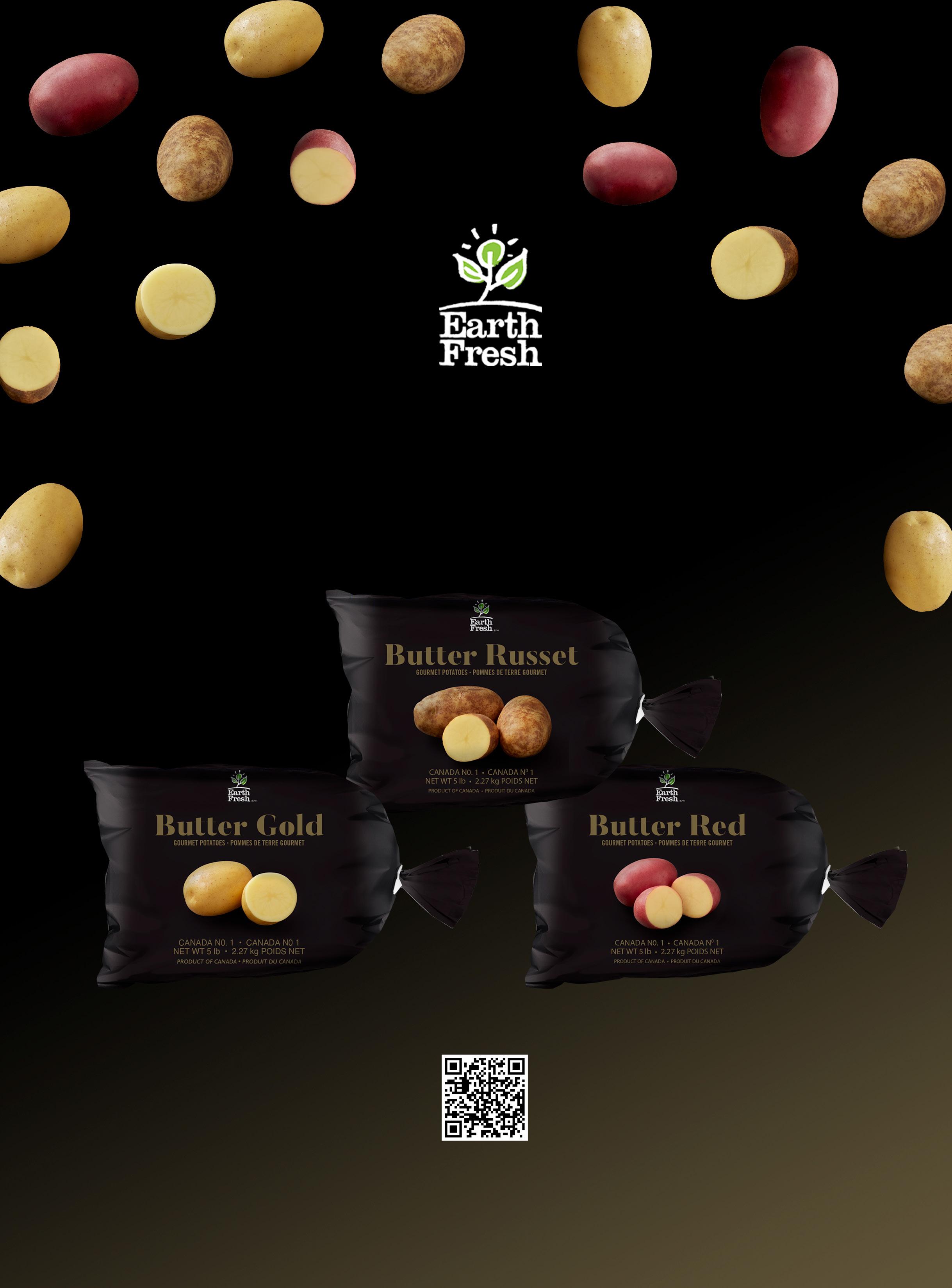


Potatoes are a perennial favourite with consumers of all ages, and a steady yearround seller for grocers. According to Kevin Sorichetti, vice president, Key Accounts and Business Development for EarthFresh, growth in the category is coming from new varieties, unique packaging and other innovations. “We believe in the power of innovation to drive incremental category growth and bring excitement to the potato aisle,” he says. Here’s more from Sorichetti on trends in the Canadian potato market, and opportunities for retailers to boost sales.
How are potatoes performing in Canada?
Potato consumption across Canada is strong but relatively flat year-over-year. With that said, we are continuing to see a shift in consumer preferences to our products that deliver enhanced flavour and consistency. As consumers look for ways to elevate everyday meals, innovation in varietals and packaging will play a key role in meeting that demand and helping the overall category grow.
What makes EarthFresh brand potatoes unique?
What varieties of potatoes are currently popular with Canadians?
We focus on listening to our customers and developing unique variety programs to support their goals and capture incremental sales. Utilizing data helps us identify live trends and growth opportunities within our customer network. Both Yellow potatoes and Baby potatoes continue to lead market growth year-over-year.
What should consumers know about the versatility and benefits of potatoes?
Eat your potatoes! Potatoes fit easily into most global cuisines and can be prepared in endless ways, including baking, frying, mashing, roasting and boiling. They’re naturally gluten-free, nutrient-dense, and packed with energy-sustaining carbohydrates that fuel active lifestyles. As more consumers seek wholesome or plant-based ingredients, potatoes offer an affordable and satisfying option that supports healthy, balanced diets.
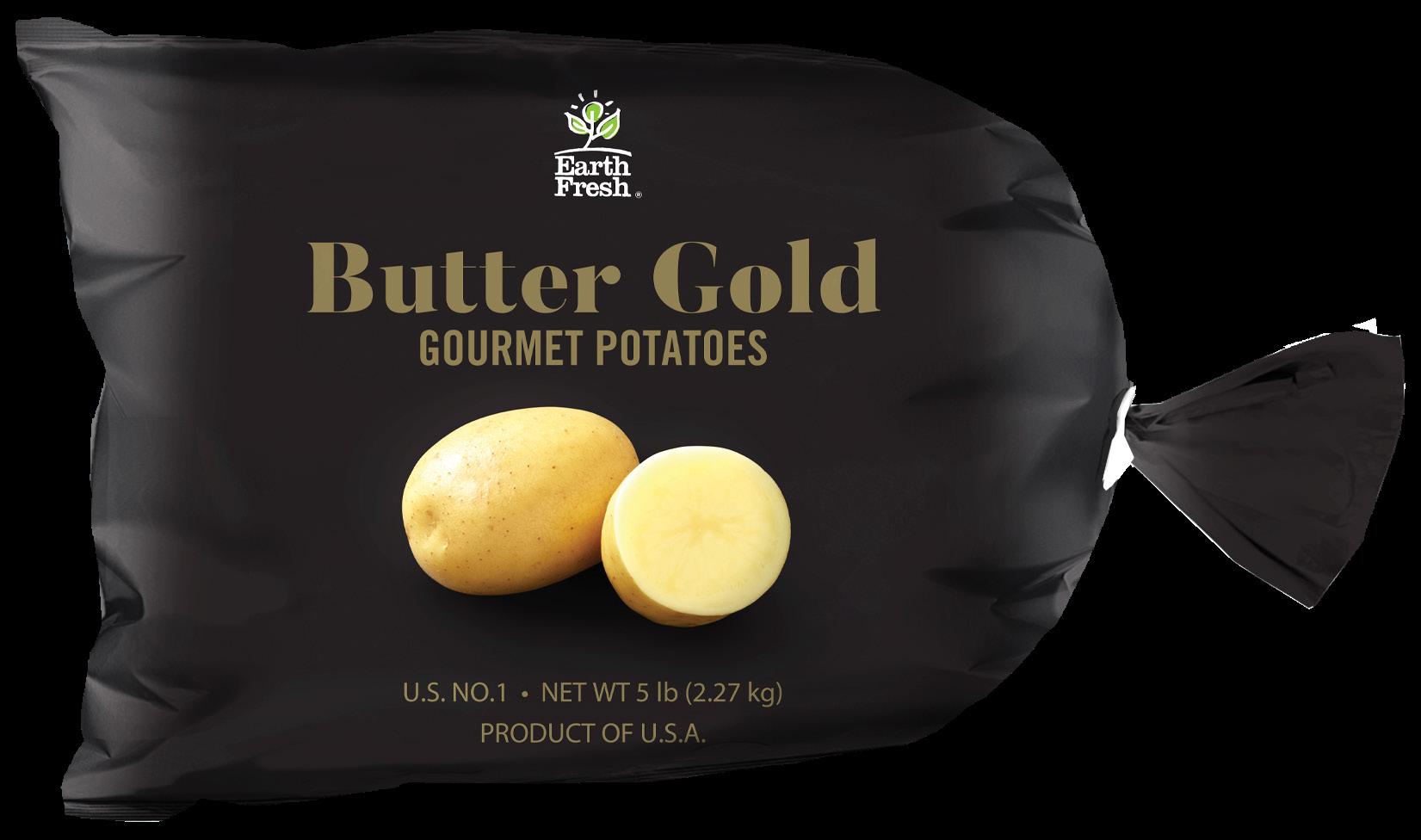
At EarthFresh, we’re committed to quality, innovation, and sustainability. Our potato varieties are carefully selected for flavour, performance, high yields, and consumer appeal. We just launched our new “Butter Potato” Program which was built around exclusive yellow flesh potato varieties that deliver on flavour, performance, and consistency. The full lineup features Butter Golds, Butter Reds and Butter Russets, which are available across Canada and the U.S. Each variety brings something special to the table. The smooth texture and vibrant colour of Butter Golds make them perfect for mashing. Butter Reds roast beautifully, and Butter Russets are the ideal potato for baking.
Do you have any merchandising ideas to help grocers sell more potatoes?
Absolutely. We’ve seen success with educational signage that highlights potato varieties and cooking methods. Offering all packaging sizes — from larger formats in bin displayers, to grab-and-go Baby potatoes — also works. We learned over the years that there is an appetite for all potato sizes, and this ensures wider appeal to different shopper segments. Freshness is also key, so rotating stock and keeping displays well-stocked and clean are simple but effective practices.
California Prunes as the ultimate health option
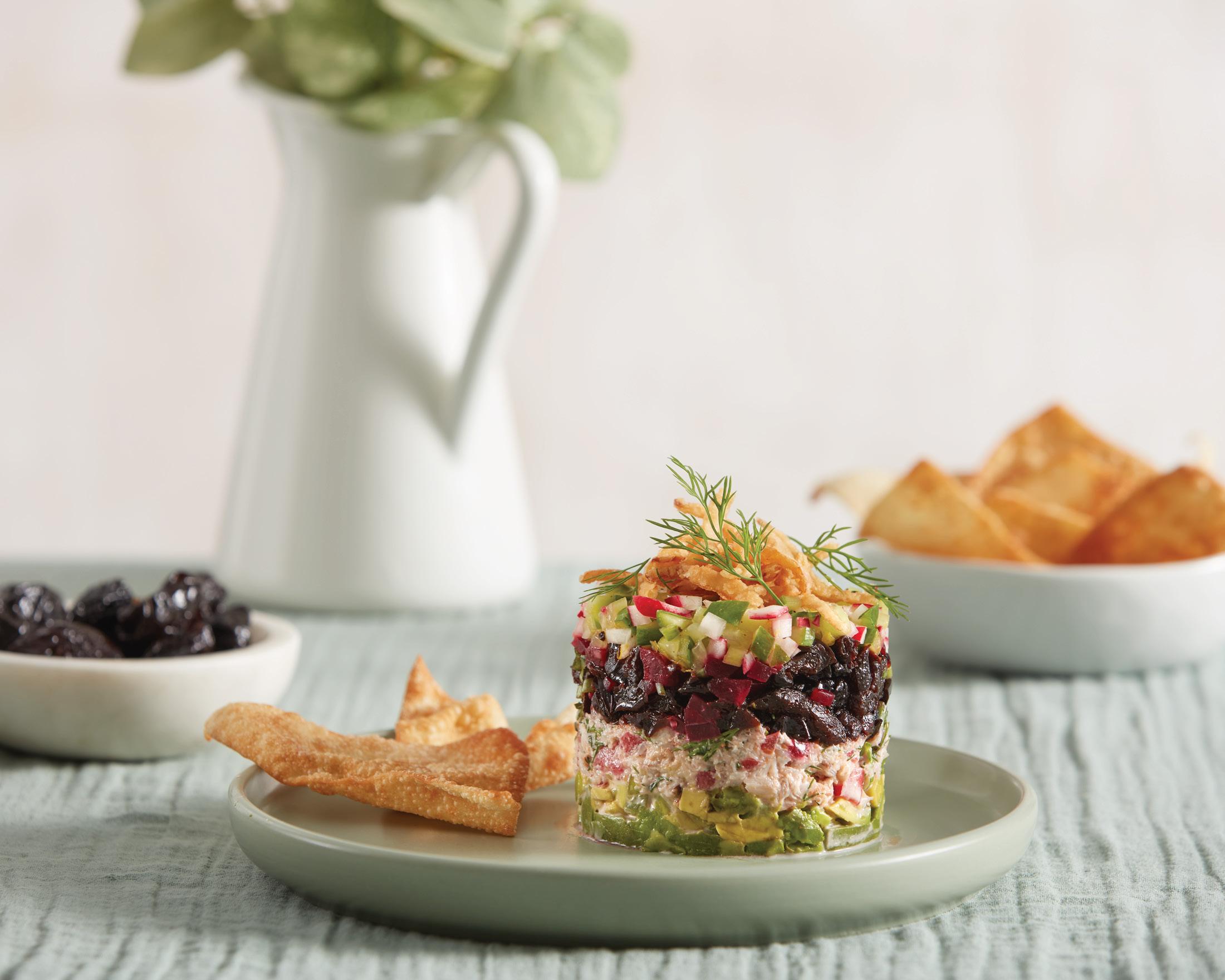
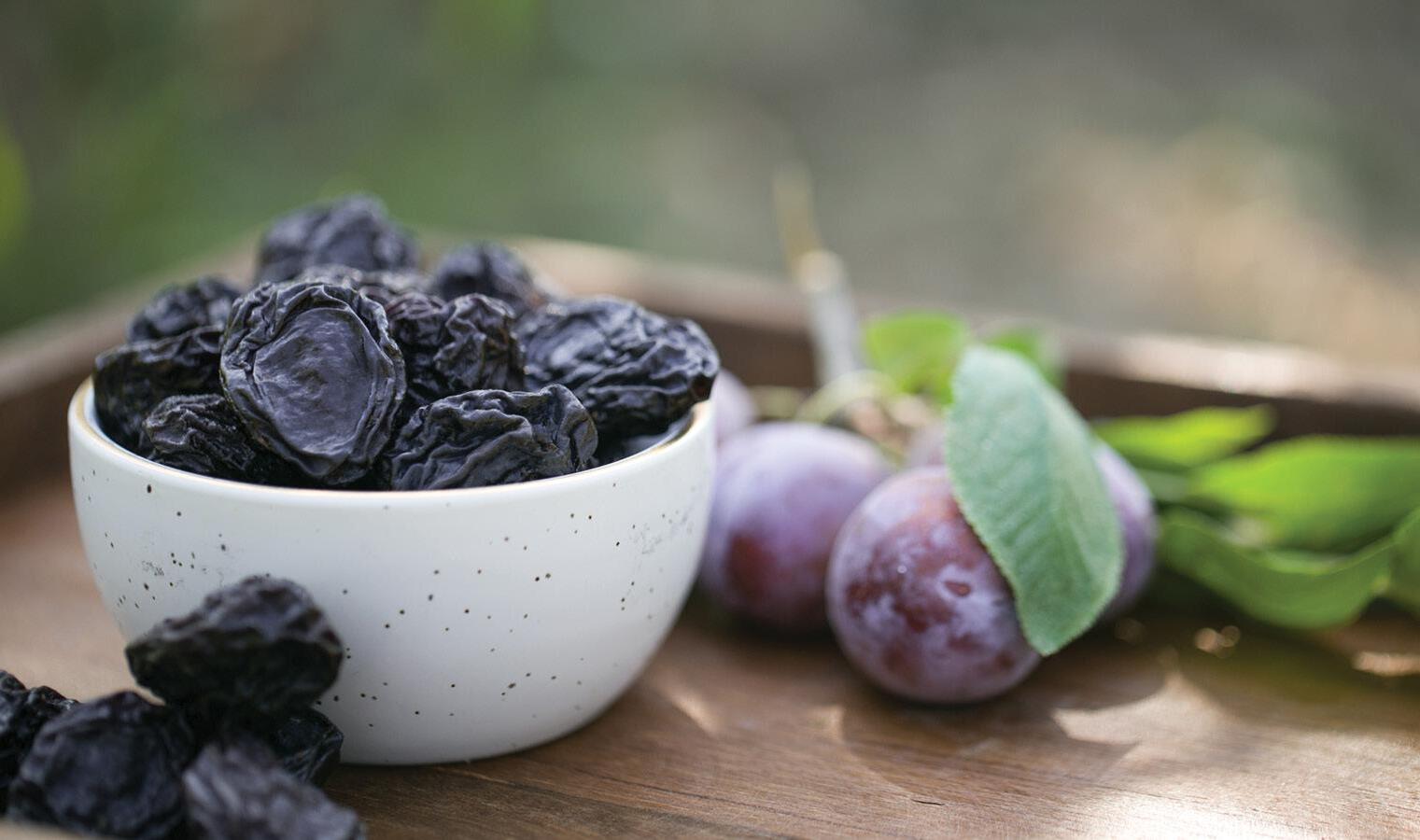
It’s no surprise that healthy food choices are fundamentally reshaping Canadian shopping baskets. The 2025 Food Trend Report highlights1 a move toward functional, nutrient-dense foods and the emergence of fibre as a key nutrient. California Prunes are perfectly positioned to meet growing consumer demand for healthy options.
Which health trends are influencing how Canadians use prunes?
1. Gut Health as a Priority: Digestive wellness is now mainstream, moving beyond probiotics to fibre-rich whole foods. Prunes are the original ‘good for the gut’ food and one of the most effective, whole fruit solutions that help support a healthy gut microbiome.
2. Bone Health at Every Age: Research shows that prunes have a big role to play in supporting bone health across all life stages. This is critical given that more 2.3 million Canadians live with osteoporosis2 making proactive prevention a key driver.
3. Plant-Based and Natural Snacking: Consumers seek natural energy and satiety. Prunes are a versatile, single-ingredient snack and serve as a natural binder, sweetener and fat replacer in plant-based and baking applications.
What makes California Prunes unique?
The difference lies in their premium quality and unmatched consistency. California’s unique climate — hot days, cool nights and rich soil — is unparalleled for growing the Petite d’Agen plum, yielding a naturally sweeter, larger fruit. Growers adhere to stringent global food safety and quality standards, using generations of craftsmanship and modern, climate-controlled drying to ensure consistent moisture content, texture and taste.
How are you modernizing the prune’s image for younger generations?
We’re highlighting versatility and evidence-based science to align prunes with today’s wellness trends.
» Heath Care Providers: Our programs equip registered dietitians and other health professionals with data showing how prunes naturally support gut and bone health, helping guide patient conversations.
» Athlete Endorsement: We partner with Canadian athletes and fitness

influencers to promote prunes as a natural pre- or postworkout fuel and a gut-health staple.
» Recipe Innovation: We focus on snackification and versatility — featuring diced, puréed, or whole prunes in ontrend recipes — to reframe them from a baking ingredient to an everyday wellness food.
» Digital Focus: We market across digital platforms that inspire healthy eating, emphasizing the benefits shoppers value most.
How do you work with retailers to keep the prune category relevant?
We encourage retailers to position prunes in multiple high-traffic zones — produce, baking and snacking/health food sections — to capture diverse consumer needs. We also update them on consumer trends and nutrition research, so they can make data-driven decisions that highlight California Prunes’ high-value potential.
Do you see opportunities for prunes in other categories?
Absolutely. California Prunes are a clean-label powerhouse that fit seamlessly into several growth categories. For one, there is an opportunity to position prunes as a natural sports fuel. Their combination of faster and slower-acting sugars provides sustained energy, preventing the crash associated with some conventional sports snacks.
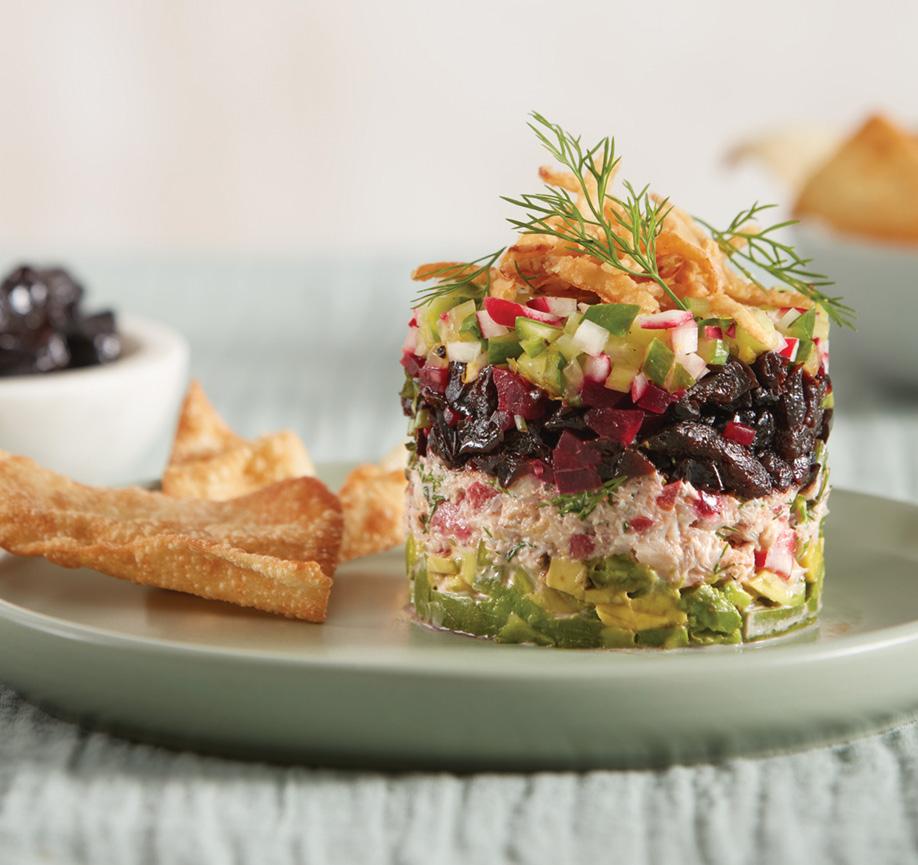
More than a snack, prunes are emerging as a go-to ingredient for healthy cooking. Prune purée, a blend of prunes and hot water, replaces sugar or fat naturally in a range of recipes — keeping the fruit relevant and demand strong.
1. https://www.nourish.marketing/trend-report 2. https://osteoporosis.ca/facts-and-stats/

Because it’s always the perfect time to remind your customers of all the reasons to choose California Raisins.
100% fruit
Most recognized raisin origin
Sustainable and reliable
Grown with the highest quality and safety
Our farmers harvest and process grapes carefully and with the most advanced equipment. That translates into consistent colour, texture, flavour and goodness.
California Raisins are inspected under the most rigid standard, assuring that California Raisins are the cleanest, highest quality in the world.
No sugar added
Naturally sun-dried
Beloved by consumers for their taste, nutrition, versatility and affordability
California Raisins’ sweet, fruit flavour develops in the sun and stays stable for up to a year when stored properly.

California Raisins: more relevant and versatile than ever
From shifting health trends to culinary innovations, Tim Kenny, Vice-President of Marketing at the Raisin Administrative Committee, shares insights on why California Raisins remain a staple for Canadian shoppers.
What trends in Canada are shaping consumer demand for raisins?
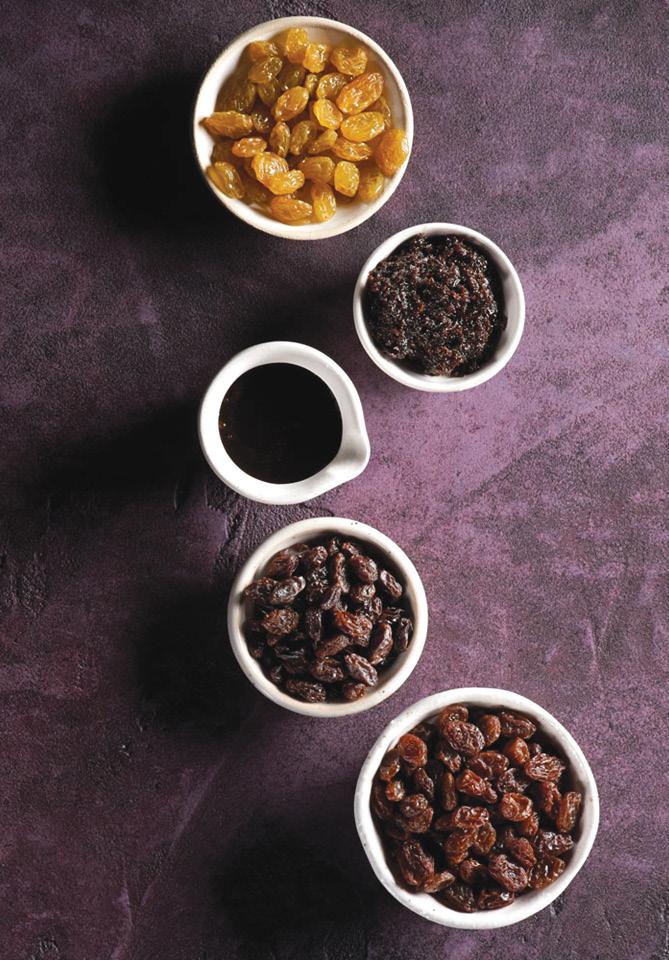
Canada remains one of the highest per-capita consumers of raisins worldwide. Last year, imports grew 4% to 22,700 metric tonnes — about 1-1/2 kilos per household. Over the past five years, Canadians have increasingly looked for foods with no added sugar and raisins are a perfect option. They provide natural sweetness without additives. Shoppers are also paying attention to food origins, and California Raisins are a trusted, sustainable choice.
What initiatives have been most effective in building awareness and market share for raisins in Canada?
We continue to be the value share leader in Canada thanks to a number of trade and consumer programs we deploy. Social media partnerships with Canadian influencers have been very effective. Letting them create recipes and tell their own stories resonates with younger adults especially. We’re also ramping up efforts to educate chefs and bakers on the versality of California Raisins. For example, we’re hosting a chef’s dinner with one of Canada’s Top Chef winners Erica Karbelnik later this year where she will develop innovative dishes using raisins to inspire other chefs.
Given trade and tariff issues between the US and Canada, how is your committee working with your Canadian partners?
I understand the ‘buy Canadian’ mindset, but raisins aren’t grown in Canada. In fact, California is the only origin investing in raisin education and promotion here. Our growers have been supplying Canada with raisins for more than 100 years. California and USDA stringent standards ensure Canadian buyers receive a safe, high-quality product.
How are you promoting the longstanding tradition of your raisin growers?
California Raisins are a family-based industry, often spanning three generations. Many growers have been in business for nearly 100 years. Our largest packer is a cooperative of grower families. We’re highlighting these stories through video and digital content to show the people behind the product.
With Canadians increased focused on health and clean eating, why are raisins the ideal choice?
Raisins have one ingredient — raisins. They’re natural, shelf-stable, and recently recognized by the FDA as a healthy food. They’re perfect for snacking or cooking, and they meet the growing demand for simple, healthy options.
How are you working with grocers to ensure raisins stand out on grocery shelves?

We’ve expanded retail programs across all major Canadian banners with in-store point-of-purchase materials, audio ads, and e-commerce campaigns. The focus is clear: naturally sweet, no sugar added.
What new innovations and marketing strategies can we expect on the horizon?
Canada will remain a top priority. We’ll continue collaborating with retailers and chefs to inspire new uses for raisins — from baked goods to savoury sauces and meals. We’re also supporting health research on antioxidants and blood sugar control, with results coming next year. Our goal is to keep raisins relevant, versatile and exciting for Canadian consumers.
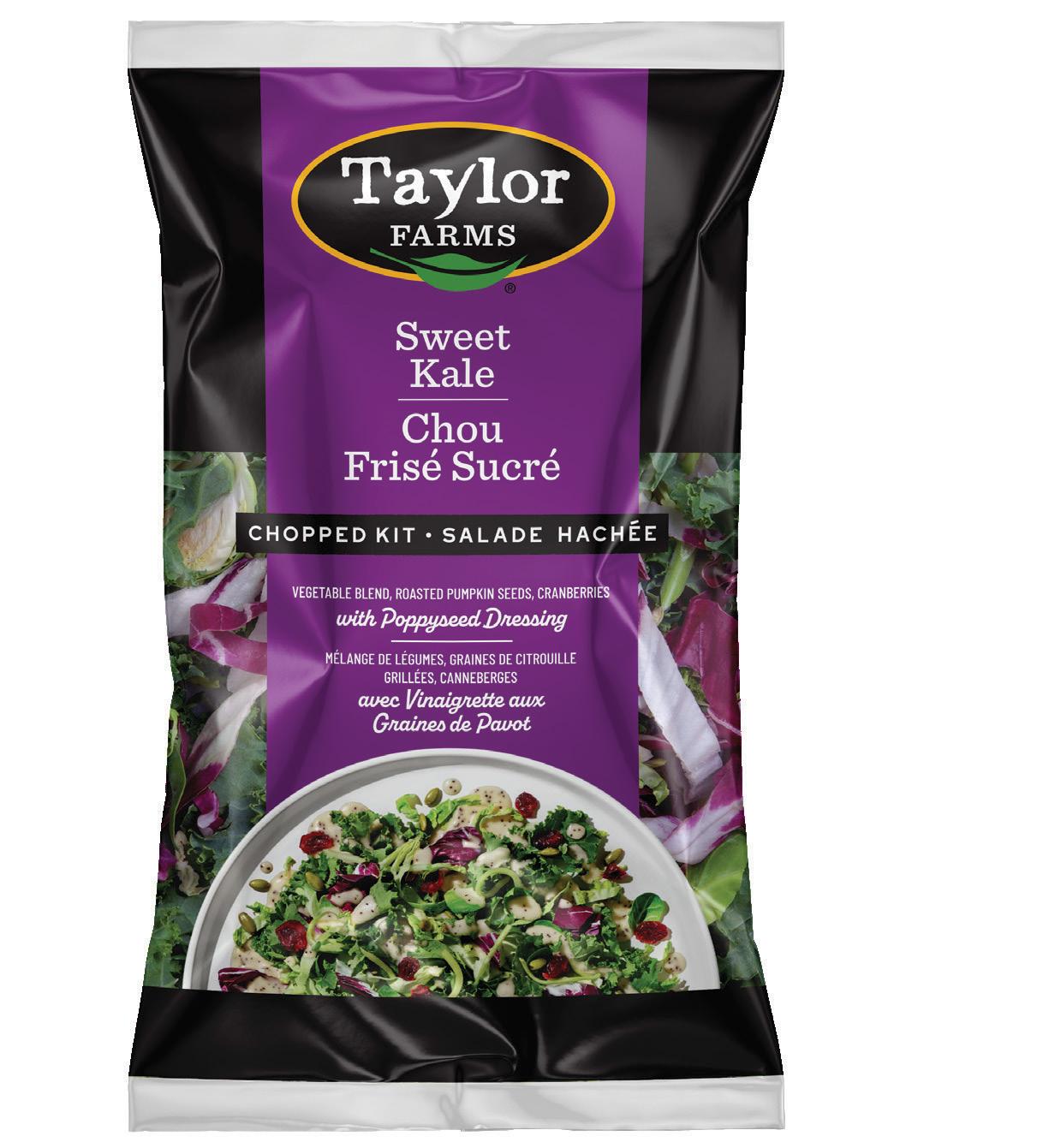
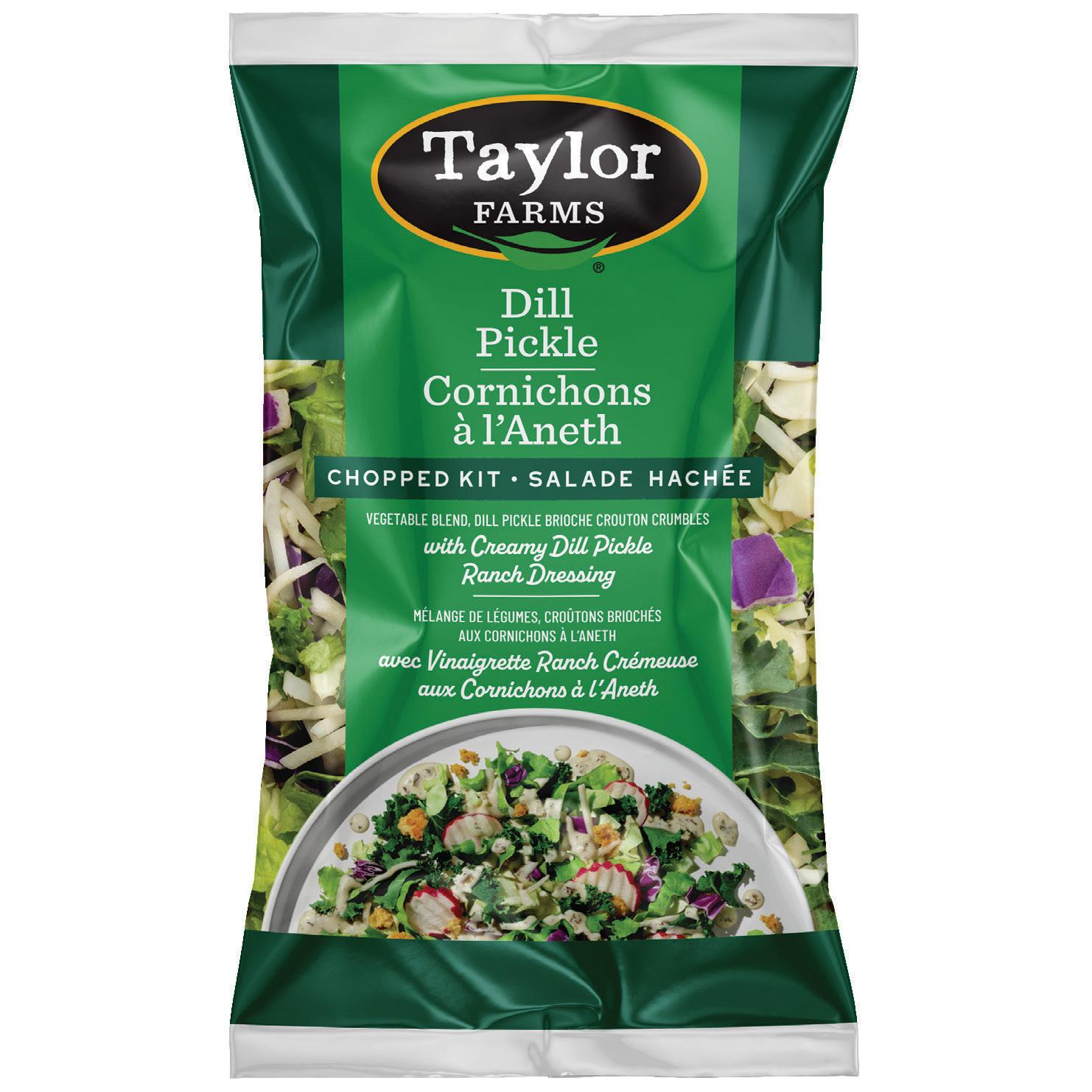
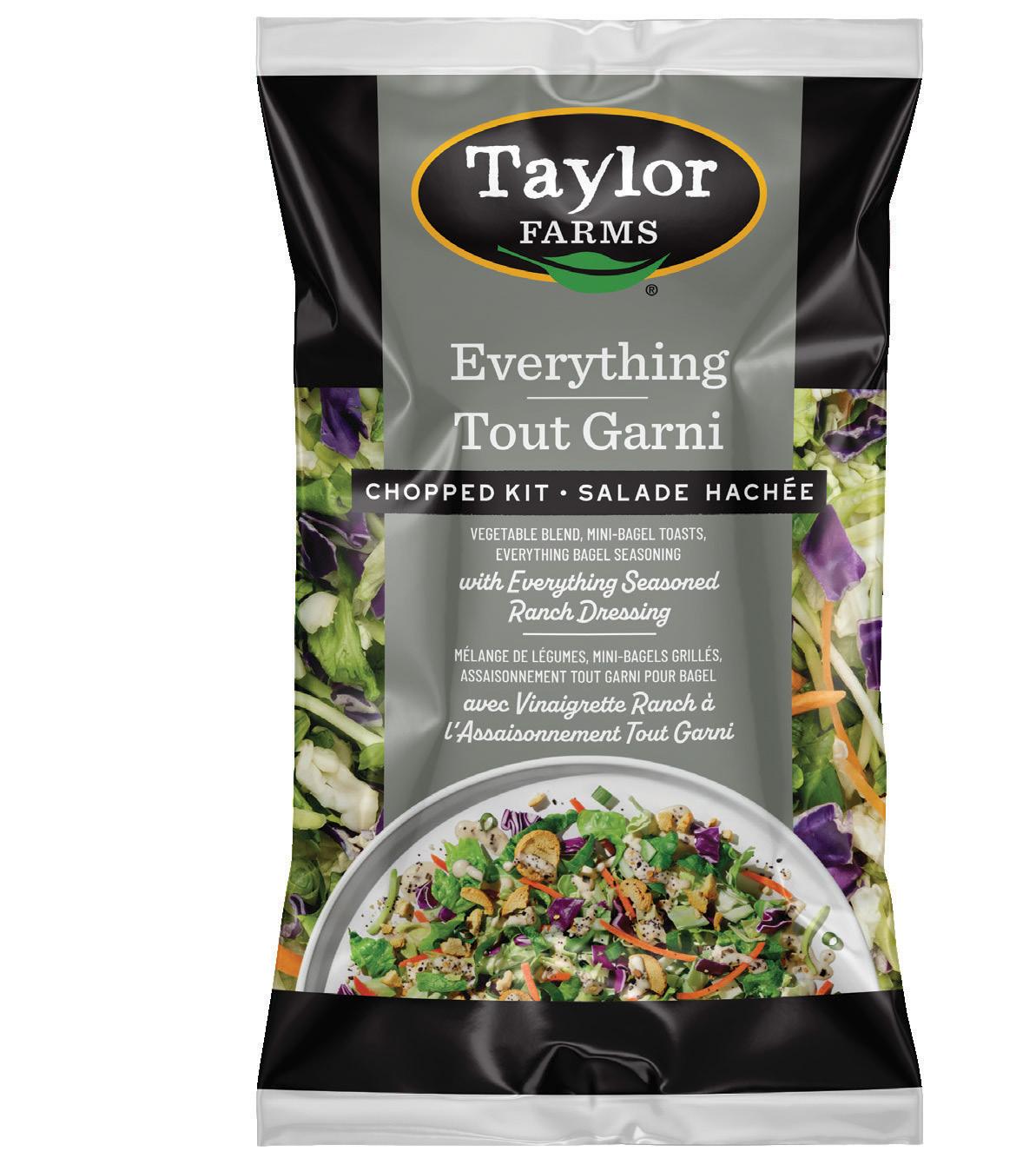

Demand for salad kits continues to grow regardless of the season, with chopped salad kits leading the way. “We have seen the growth of salad kits as well as growth within the value add salad segment as consumers are increasingly strapped for time and seek out quick and nutritious options for a healthy meal or side dish in minute,” says Amanda Knauff, vice president of Sales — Canada for Taylor Farms. The company offers more than 21 different salad base combinations, as is the leading brand of salad kits in the Chopped Kit Segment in Canada. Here’s more from Knauff on how salad kits are performing in Canada.
What is the market like for salad kits in Canada?
The total category continues to increase year-over-year, with chopped salad kits in particular leading the charge. Total kits in Canada are up four percent ($13.7M) in the latest 52 weeks ending September 6, 2025. Chopped kit sales are 68 percent of the kit segment and are driving the segment growth. Meanwhile, non-chop kit sales are 32 percent of the segment, and are down three percent ($3M) in the latest 52 weeks.
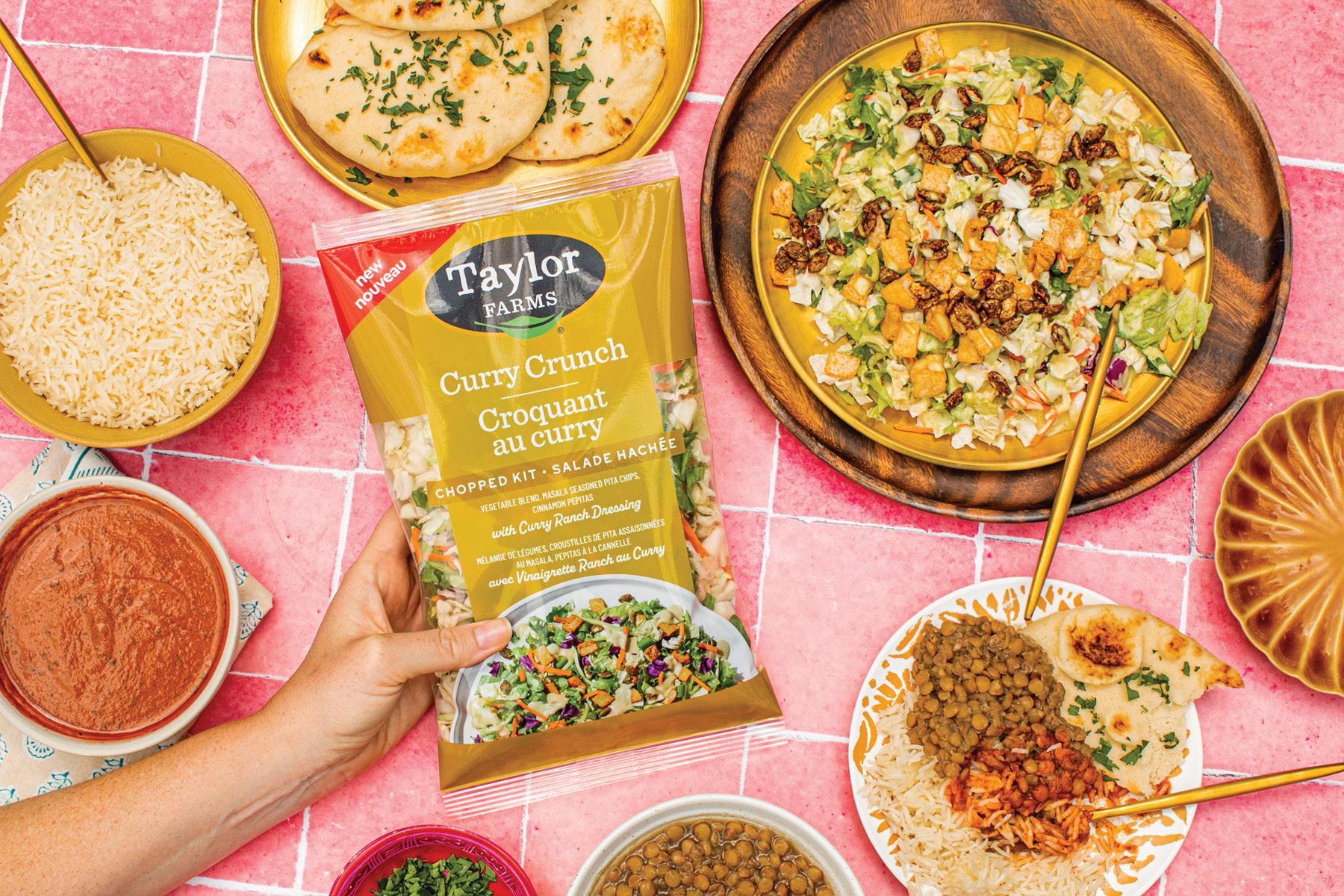
flavours – something we leaned in on in the recent development of one of our exciting new offerings, Curry Crunch. This salad kit features delicious chopped salad veggies, mini tikka-masala pita chips and cinnamon pepitas with a unique creamy curry ranch dressing.
What trends are you seeing in salad kits today?
What ingredients are consumers asking for in salad kits?
Canadian consumers are looking for as many healthy benefits from their food as possible and are paying attention to ingredient labels a lot more to support their goal of better nutrition. They are seeking wellness benefits, such as superfoods which can be found in kale, romaine and dark leafy greens, all which you can enjoy in the salad bases of our easy-to-prepare kits. They are also craving innovative and global
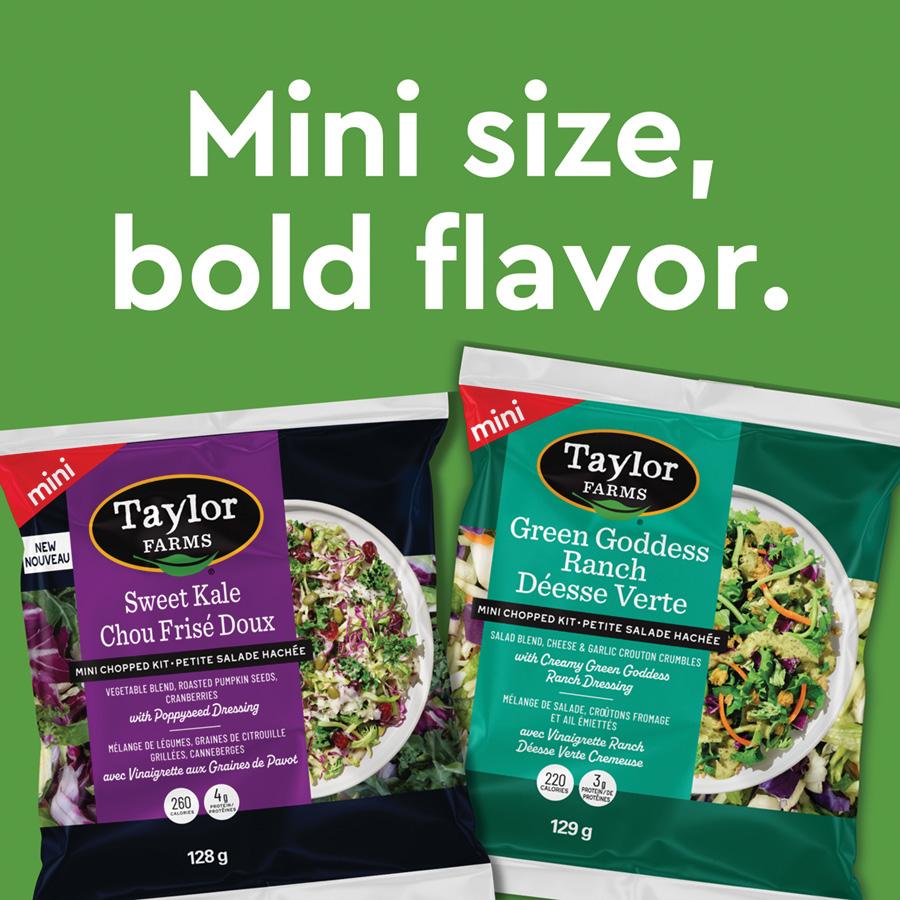
With single households and the need for value sizes on the rise, we’ve seen a need to offer multiple sizes of our kits. You can find the new Taylor Farms mini chopped kits for the single-serve option that are great for smaller household. The Value Size versions of our most popular kits, Sweet Kale and Caesar, offer a larger portion size in one convenient offering.
Are there any innovations you can tell us about?
Look out for our new Mini Chopped Kits — perfect for a salad on the go — in stores now nationwide, as well as our Curry Crunch, Jalapeno Popper and Pizzeria Crunch Chopped Salad Kits.
Any merchandising tips to help grocers promote salad kits?
Grocers can drive consumer trial through strategic promotions or loyalty offers in flyers or in-store/at-shelf and utilize secondary displays to grab customer’s attention. Ensure top-selling salad kits have enough facings on the shelf as it’s easy to lose sales during high traffic times such as holidays.
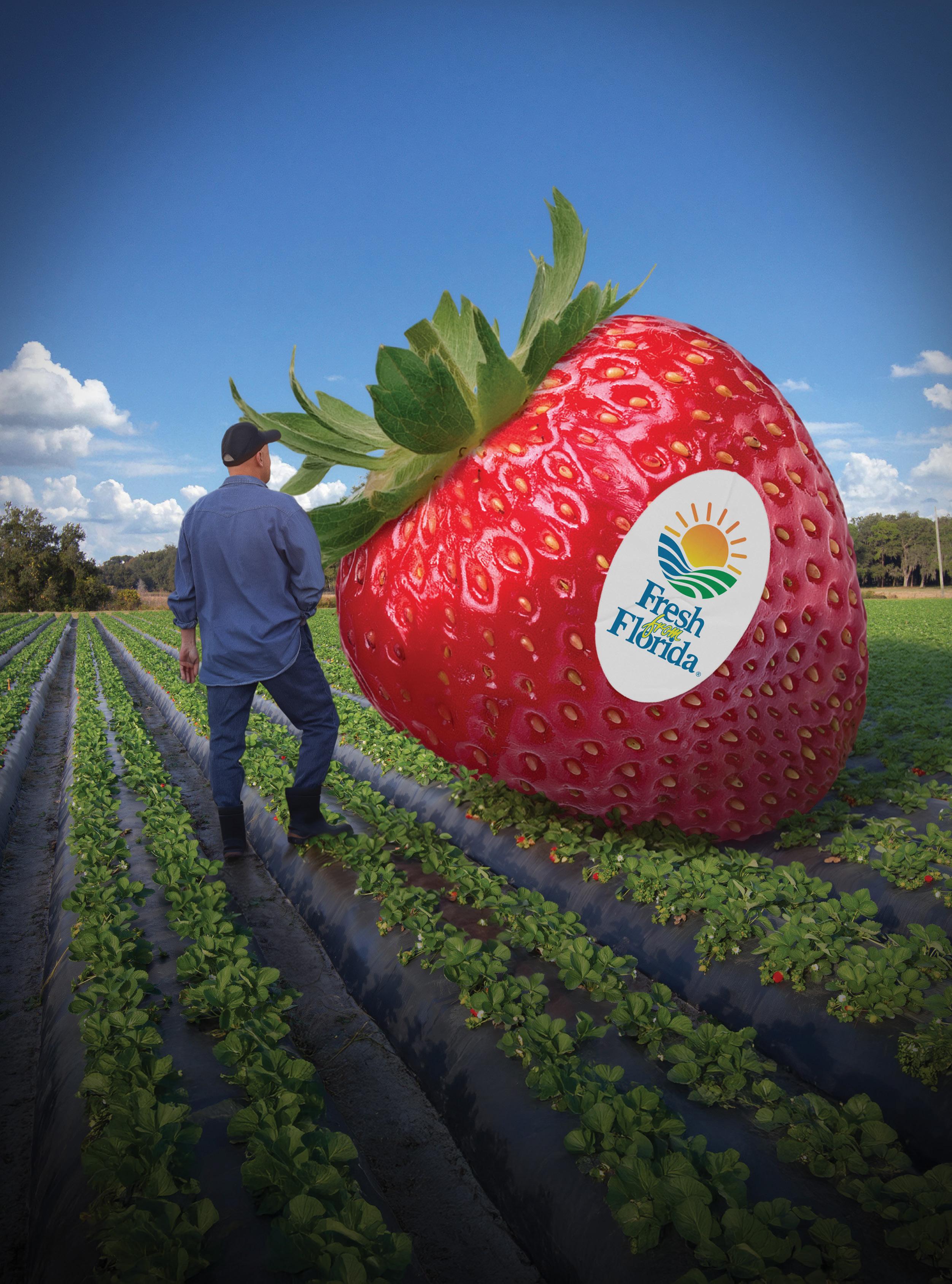

Florida strawberries are a favourite in Canadian produce departments, where consumers are choosing them for their freshness and flavour. We asked Susie McKinley, director, Division of Marketing and Development at the Florida Department of Agriculture and Consumer Services, what else grocers should know about the versatility and benefits of Florida strawberries.

What do you anticipate for Canadian market demand in 2026?
Looking ahead to 2026, we’re feeling optimistic as demand is expected to grow! We’re proud to bring the taste of Florida sunshine to Canadian shelves and are excited to expand our presence in this important market.

How are Canadians consuming strawberries?
Canadians enjoy strawberries in so many ways. Whether it’s snacking on them fresh, blending them into smoothies, tossing them into salads, or baking them into desserts, strawberries are a go-to ingredient. They’re not just delicious, they’re also packed with vitamin C, fiber, and antioxidants. They
support heart health, boost immunity, and are naturally low in calories, making them a smart, wholesome choice for any lifestyle.
Is there a time of year that Canadians buy more strawberries?
Strawberries are loved all year long by consumers, and Florida strawberries really shine in Canada during the winter and early spring when local supply is not available. Florida strawberries are in peak season starting in early December and Canadian shoppers are eager for fresh, juicy berries during the holiday season. Grocers love this window too; there are many opportunities to promote the popular fruit during Christmas, New Year’s and then of course Valentine’s Day.
Do you have any innovations or sustainable measures you can highlight?
We’re proud of the strides Florida growers are making in sustainability and innovation. Florida growers are consistently working with researchers to improve yield and utilize best management practices. From water conservation to soil health initiatives, Florida producers are committed to growing responsibly. This year, two new University of Florida strawberry varieties, Encore and Ember, will be grown in Florida. These varieties have proven to be not only more flavourful, if that is possible, but also offer a longer shelf life. Your customers will be able to taste the difference, and we’re excited to bring these improvements to market.
How can retailers grow their strawberry sales during the winter and spring?
Grocers can have a lot of fun with strawberries, especially during the holiday season! Highlighting the “Fresh From Florida” brand helps shoppers connect with the story behind the fruit. Directing consumers to FreshFromFlorida.com for recipe inspiration, combined with in-store displays, recipe cards, and cross-promotions with items like whipped cream or yogurt, can really boost interest. Sampling is always a hit, and sharing the health benefits and seasonal freshness through signage or social media can make a big impact. Signage, digital ads, and social media also help educate shoppers and build excitement around Florida strawberries.














B�r�t�n �i�h �d�
S�e�t�e�s!







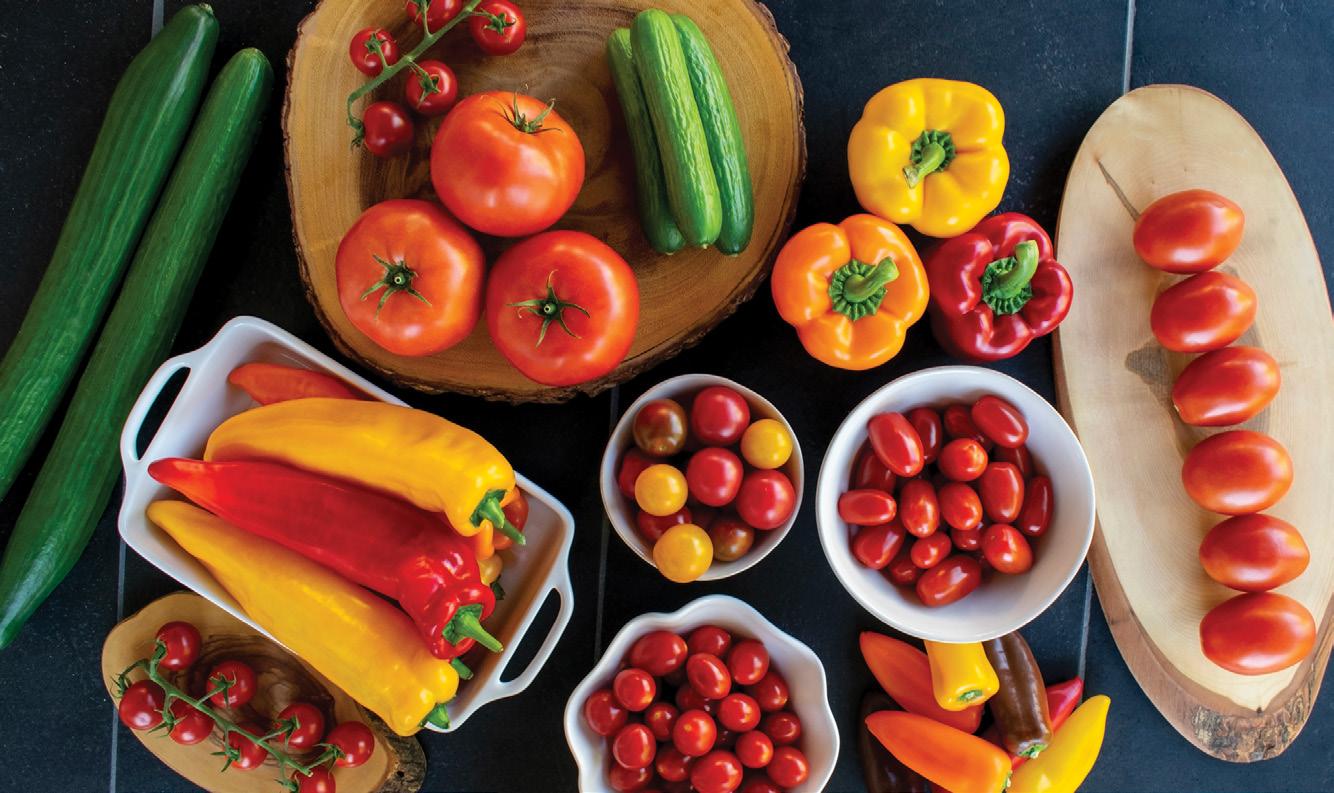
Peak consumption for tomatoes in Canada is typically late spring through mid-summer, but according to Harold Paivarinta, vice president, Sales and Business Development for Red Sun Farms, advancements in lit greenhouse technology ensure a steady, high-quality supply all year long. “Variety innovation, particularly within the premium and snacking categories, will continue to fuel category growth,” says Paivarinta. “Tomatoes are truly a 365-day item thanks to their versatility. There’s a variety to complement every meal, recipe, or occasion.” We asked Paivarinta what else was new in the tomato category.
How are tomatoes performing in Canada?
Tomatoes remain a staple in Canadian households, and we expect another strong year of consistent demand in 2026. The snacking category continues to lead growth, driven by flavourful, bite-sized varieties such as Cherry and Grape Tomatoes — and of course, our own Sweetpops.
What do consumers look for when buying tomatoes?
Consumers continue to prioritize quality, value, and flavour when purchasing produce and tomatoes are no exception. The trend toward snackable, flavourful, and convenient options remains strong.
What makes tomatoes from Red Sun Farms unique?
At Red Sun Farms, we’re a collective of like-minded owners, growers, and service professionals who share a commitment to excellence — unmatched in the greenhouse industry today. Our vertically integrated model bridges the gap between grower, retailer, and consumer. As one of North America’s largest fully integrated, high-tech greenhouse companies, we own and operate farms in Canada, the United States, and Mexico. This structure enables us to supply Canadian retailers with consistent, high-quality product 12 months a year.
How do you approach innovation and sustainability?
At Red Sun Farms, innovation and sustainability go hand in hand. We’re continually exploring new packaging solutions that reduce waste and improve recyclability, including the use of paper-based and mono-material options designed for
a lower environmental impact. We also collaborate closely with our retail partners to stay ahead of changing consumer behaviours — from shifts driven by GLP-1 usage and evolving meal solution preferences, to increased in-store frequency and demand for value-driven promotions. By staying agile and aligned with these trends, we continue to deliver products and programs that bring real value to our partners and their customers.
How have changes in the greenhouse industry impacted Red Sun Farms?
Red Sun Farms continues to remain focused on a path of expansion, innovation, and growth. The greenhouse industry has faced unprecedented challenges in recent years and there’s been a substantial shift in the players as a result. Red Sun Farms has built incredibly strong, collaborative relationships and we pride ourselves in adhering to our core values while ensuring honesty, integrity, and transparency is paramount in all aspects of our relationships. Now, more than ever, we will double-down on what’s made us successful as it will ensure our position in the industry for many years to come.
How can grocers encourage more tomato sales, especially during the winter/spring season?
Mexican and Canadian lit acreage have come a long way in stabilizing and balancing the production demands. Seasonality has shifted in a way that October/November and April/May are now the strongest months of production and sales. Retailers have adapted accordingly, driving strong promotional activity during these key periods.