




















































































































































































































XiFin® Empower AI is built for where pharmacy revenue cycle management breaks down. Not in theory—but in daily operations.
XiFin Empower AI delivers intelligence where teams experience the most friction. It goes beyond task automation to interpret, prioritize, and act across the revenue lifecycle—reducing manual effort, improving accuracy, and accelerating reimbursement.
From eligibility and documentation to denials and appeals, Empower AI helps revenue cycle teams work smarter, respond faster, and recover more—without adding complexity.
This is AI where it matters most.
Smarter decisions. Fewer delays. Stronger financial performance.
See for yourself. Scan this QR code to schedule a demo now!





Facebook.com/DrugStoreNews linkedin.com/company/drug-store-news/ instagram.com/dsn_media
44 LOYALTY PROGRAMS
Other industries have excellent loyalty programs; what can drug stores learn from them?
54 INSIDE BEAUTY: ROUNDTABLE
What does 2026 have in store for mass market beauty?
64 PHARMACY: STATES TO WATCH
There’s movement on pharmacists practicing at the top of their license. Here’s what some states are doing—and what’s holding others back
70 NACDS PRODUCT SHOWCASE
A look at some products and services attendees can see at this year’s Annual Meeting
78 SEXUAL WELLNESS
Retailers that address shoppers’ in-store challenges could get a bigger piece of the growing sexual wellness category
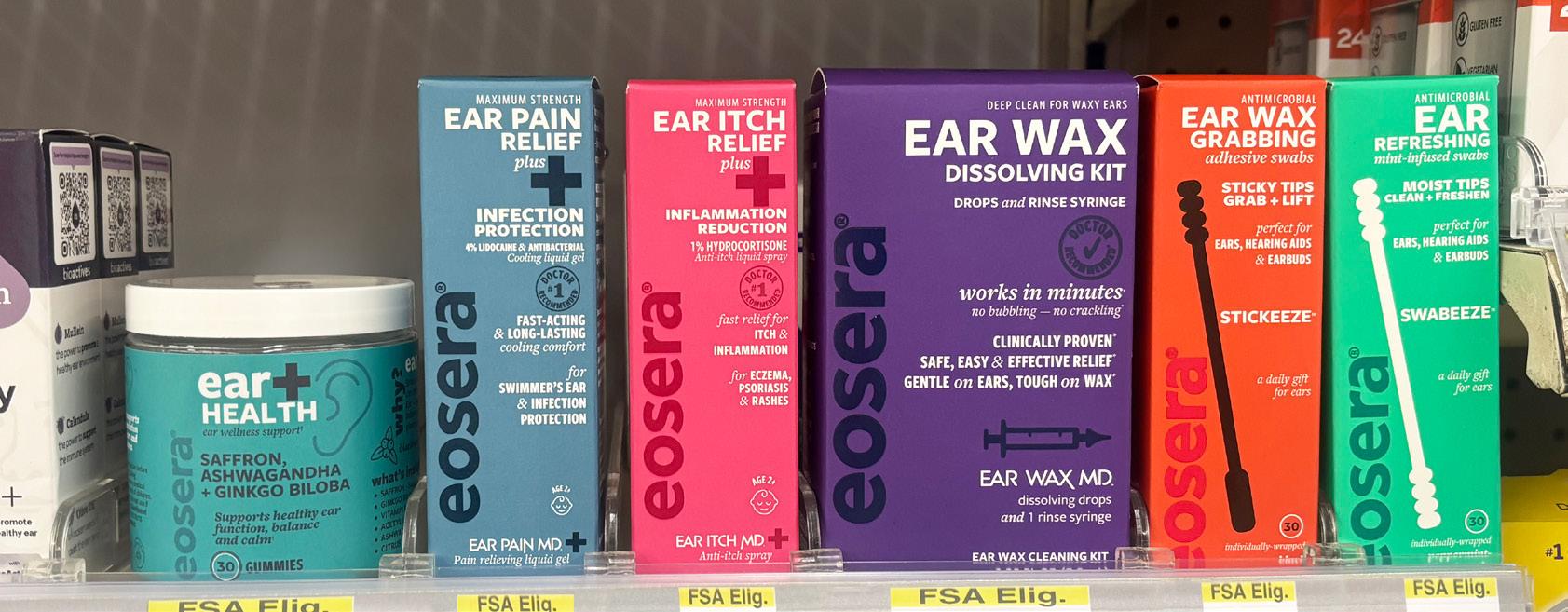
Refreshed look for easy ear care shopping
“The ear care category has lacked meaningful innovations for a long time. We’re here to redefine it, and we’re just getting started!”
Elyse Stoltz Dickerson, CEO

What’s driving health care costs?

“Reports released by The American Society of Aesthetic Plastic Surgeons indicate nip-and-tucks are not just popular, with Americans spending over $13.5 billion, but also affordable. Costs for certain cosmetic procedures have barely increased since 1998.”
A while back I had a quick thought that popped up in my head and disappeared just as quickly: Why does it seem like general health care has gotten more expensive, while cosmetic procedures appear to be getting cheaper? It can’t be, right?
But then I decided to do a bit of investigating to see if the theory has legs. It appears that it does. According to Issue Number One at The City University of New York, cosmetic work has indeed gotten cheaper.
“While the rest of the country is experiencing a surge in medical inflation, cosmetic surgery prices are falling,” the school wrote 10 years ago. “Reports released by The American Society of Aesthetic Plastic Surgeons indicate nip-and-tucks are not just popular, with Americans spending over $13.5 billion, but also affordable. Costs for certain cosmetic procedures have barely increased since 1998.”
But how is that possible? The Foundation for Economic Education has a theory. Referencing an American Enterprise Institute annual report, FEE says that between 1998 and 2018, the average cost of cosmetic procedures rose at a slower pace than inflation, while hospital and medical care costs rose well above inflation.
“Providers operate in a very competitive market with transparent pricing and therefore have incentives to provide cosmetic procedures at competitive prices,” the report says. “Those providers are also less burdened and encumbered by the bureaucratic paperwork that is typically involved with the provision of most standard medical care with third-party payments.”
Our cover story this month (page 32) looks at how rising costs are affecting retail pharmacies, which are battling labor costs, pharmaceutical pricing and reimbursement.
Although some relief may be on the horizon in the form of technologies that create operational efficiencies and drive sales and PBM regulation that could improve pharmacy profitability, the cost pressures that built up over the last several years have taken their toll.
“The widespread store closures among both chains and independents reflect the margin pressures impacting the industry,” our reporter writes.
It turns out, the industry that may be able to help America’s rising healthcare costs and healthcare gap is itself dealing with rising costs that are making business conditions quite difficult.

8550 W. Bryn Mawr Ave., Ste. 200 Chicago, IL 60631 773.992.4450 Fax 773.992.4455 www.drugstorenews.com
BRAND MANAGEMENT
Senior Vice President & Publisher John Kenlon 516.650.2064 jkenlon@ensembleiq.com
EDITORIAL Editor-in-Chief, Editorial Director Nigel F. Maynard nmaynard@ensembleiq.com
Managing Editor Julianne Mobilian jmobilian@ensembleiq.com
Senior Editor Sandra Levy slevy@ensembleiq.com
Beauty Editor Gisselle Gaitan ggaitan@ensembleiq.com ADVERTISING
212.756.5155 atomas@ensembleiq.com
Regional Manager Steven Werner 312.961.7162 swerner@ensembleiq.com
DESIGN/PRODUCTION/MARKETING
Art Director Catalina Gutierrez cgutierrez@ensembleiq.com
Production
mrubio@ensembleiq.com
Marketing
Kathryn Abrahamsen kabrahamsen@ensembleiq.com
SUBSCRIPTION
Subscription
contact@drugstorenews.com
Per diem healthcare staffing platform Nursa conducted a study to find out which states have the highest percentage of their population living in healthcare deserts and how well the states’ facilities are equipped to deal with large patient numbers. The Results: The U.S. healthcare deserts
1
Study highlights:
• The state with the highest percentage of people living in healthcare deserts is Wyoming (31.76%)
• New Jersey, Connecticut, Maryland, Rhode Island, Massachusetts, Delaware, Iowa and South Carolina have 0% of residents living in healthcare deserts
• In Alaska residents have to travel the furthest on average to their nearest healthcare facility, with hospitals being an average distance of 33.77 miles away
• New Jersey sports the shortest average distance, with the nearest healthcare facility only 2.38mi away on average
• Louisiana has the most hospital beds per capita425.60 per 100,000 residents
• Massachusetts has the highest number of active doctors per 100,000 inhabitants (558.02)
• The average distance to the nearest healthcare facility in Wyoming is the second highest in the United States at 26.33 miles, while more than 35% of this state’s population have to travel over 31 miles to reach the nearest hospital or clinic.
• Wyoming also has the second lowest number of active doctors with only slightly more than 220 doctors serving 100,000 residents. On a more positive note, Wyoming has the highest number of nurses per capita (1,751.14 per 100,000 inhabitants), and with 273.14 hospital beds per 100k residents, Wyoming ranks 27th among the states.

We’re the only CMS-approved, DMEPOS accreditor with annual, onsite survey experience. In fact, we specifically designed and implemented an annual, CMS-approved DMEPOS Accreditation Program that for over 14 years helped providers stay compliant.
Experience matters. Our team has the knowledge
TCT’s annual DMEPOS Accreditation Program includes:
• Easy-to-understand, CMS-approved standards.
• Simplified accreditation process.
• In-house support team experienced in annual DMEPOS accreditation. Annual accreditation
and experience to support our current and transitioning providers with a CMS-approved, annual DMEPOS Accreditation Program.
Let’s get started! Find out more about our annual accreditation program and be confident you’re CMS compliant. Contact us at 215.654.9110 or team@thecomplianceteam.org.
A trusted leader in DMEPOS accreditation for over 30 years!
When you consider specialist doctors, it becomes apparent that Wyoming has the lowest number of ophthalmologists (1.53) and plastic surgeons (0.85) per 100k inhabitants, as well as the second lowest number of pediatricians (9.87 per 100k residents). Only Idaho has a lower number per capita for this specialty. While Wyoming ranks in the lower middle of the table for the number of anesthesiologists, dermatologists, GPs and surgeons, it is worth noting that the Equality State has the fourth lowest number of cardiologists, with only 3.91 cardiologists serving 100k inhabitants.

Study highlights:
• North Dakota ranks in second place with 28.94% of the population living in health deserts. In absolute numbers, this means 230,527 North Dakotans are situated in health deserts. The Peace Garden State has a 27.7% shorter average distance to travel to healthcare facilities than Wyoming, even though North Dakota still ranks third for the longest average distance with inhabitants having to travel an average of 19.04 miles to the nearest hospital. In terms of positive stats, North Dakota does have the third highest number of hospital beds at 417.42 per 100k inhabitants.
• South Dakota follows in third place with 20.83% of residents living in healthcare deserts. This is a significant drop compared to the top two ranking states, with South Dakota having more than 8% fewer residents in healthcare deserts than North Dakota and over 10% fewer than Wyoming in first place. The
average distance to a hospital or clinic in South Dakota sits at 16.5 miles, which is 37.4% shorter than in Wyoming. Nonetheless, this is the fourth longest average distance among the U.S. states. With 279.02 doctors serving 100k inhabitants, however, South Dakota has the highest number of doctors per capita among the top three ranking states.
• In fourth place is Alaska, where 19.48% of the population is situated in healthcare deserts. While this percentage is close to South Dakota’s, Alaskans have to travel the longest distance to the nearest healthcare facility of any state in the U.S. with 33.77 miles on average. This is more than double the distance than in South Dakota in third place.
• Rounding out the top five is Idaho with 12.54% of inhabitants living in a healthcare desert—a percentage that is less than half of Wyoming in first place.
Less Complexity. More Time.

Connect with Us at

Transform pharmacy by automating virtually every aspect of prescription filling and pickup. NACDS Annual April 18-21, 2026 Palm Beach, FL
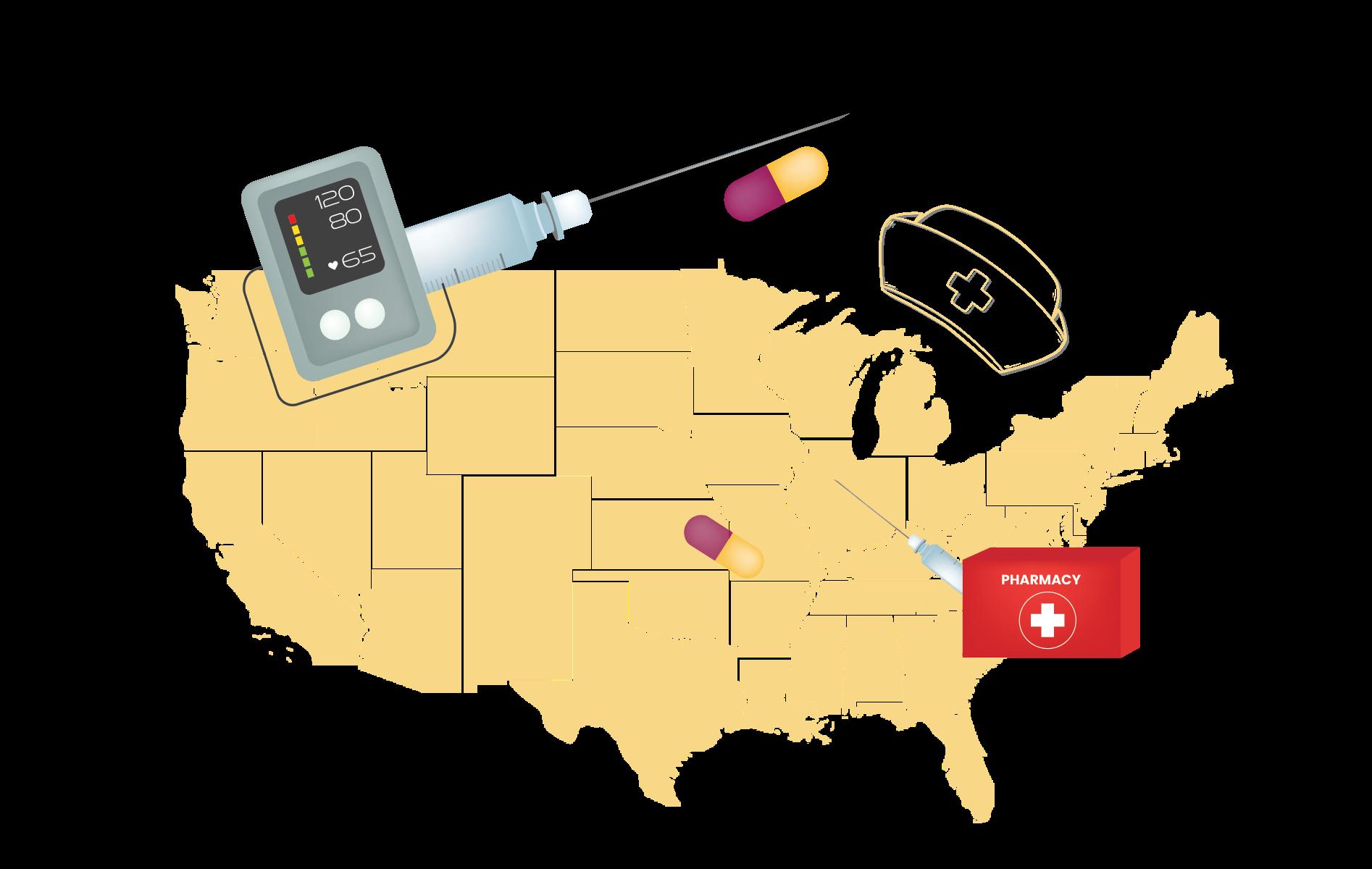
On the flip side, New Jersey, Connecticut, Maryland, Rhode Island, Massachusetts, Delaware, Iowa and South Carolina have no residents living in healthcare deserts. Out of these states, New Jersey ranks highest for the shortest average distance to the nearest healthcare facility, with New Jerseyans living only 2.38 miles away from a hospital or clinic on average. On the other hand, South Carolinians have to travel the longest distance on average at 5.28mi, which is more than twice as far as in New Jersey. Massachusetts has the highest number of active doctors of any state, with 558.02 doctors serving 100k residents, while Iowa has the highest number (337.96 per 100k) of hospital beds per capita available to their residents out of the eight states with no inhabitants living in healthcare deserts.



Walmart plans to expand digital shelf labels chainwide within the next year. On a company blog post, the retailer laid out the details of the rollout and said that roughly 2,300 Walmart U.S. locations are already using digital shelf labels.
The retailer said that its stores carry tens of thousands of items, and every single one needs to have a clear, accurate shelf price. “Between new inventory, Rollbacks and markdowns, pricing updates stack up fast and can take hours, if not days, to complete. Before DSLs, that meant walking up and down aisles swapping out paper tags by hand. Now, associates manage planned price changes through a centralized Walmart system, making it easier to keep shelf prices accurate and aligned with what customers see at checkout.”
Price updates are still people-led and support Walmart’s everyday low price promise, the retailer said, adding that associates review and push approved changes through a secure system, typically outside of shopping hours, so prices remain stable and consistent during the day.
At press time, CVS Pharmacy was scheduled to host a grand-opening celebration and ribbon-cutting for its newly opened pharmacy-only location. The store, located at 2628 West Pershing Road in the city’s West End, is the first of nearly 20 apothecary-style CVS Pharmacy locations expected to open in 2026.
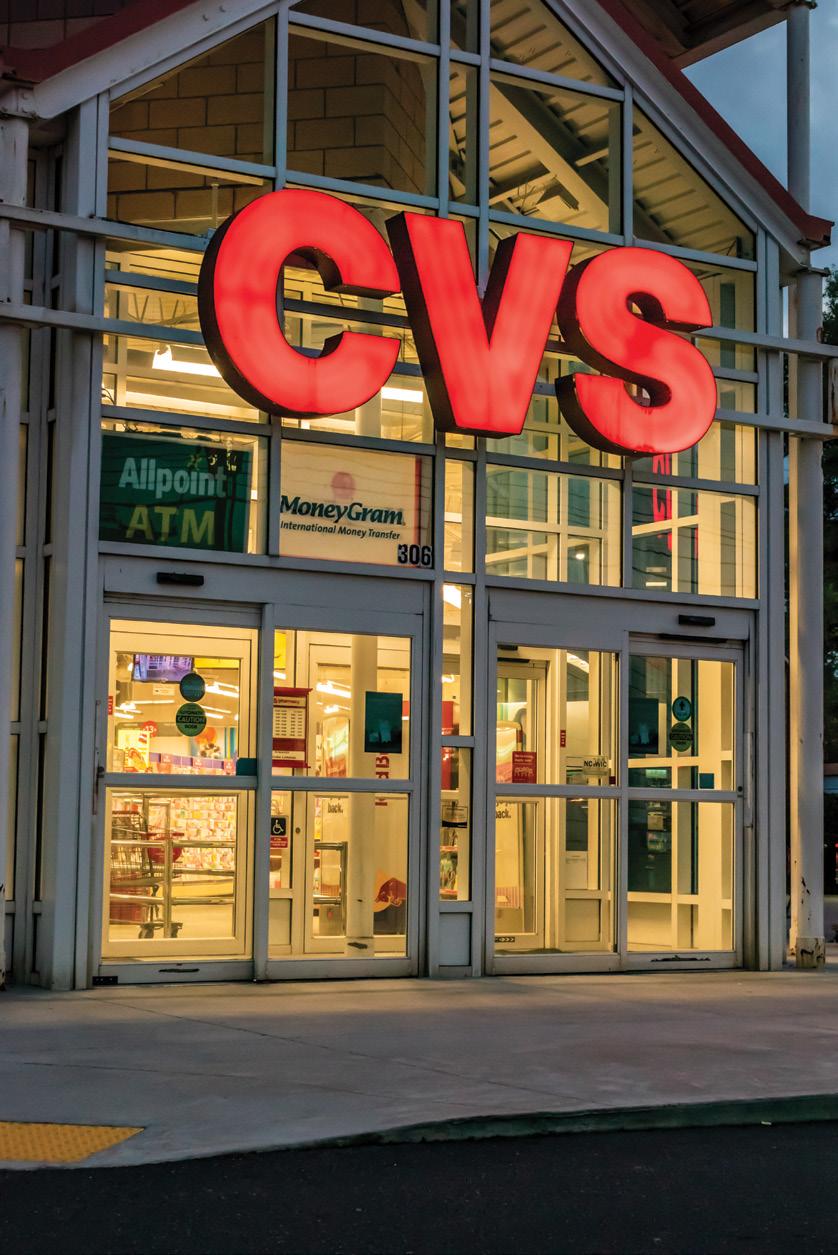
An all-day community event featuring beverages, snacks, giveaways and more will take place at the pharmacy, giving community members the opportunity to meet the CVS Pharmacy team and learn more about the new location.
CVS first announced plans to open the new style of pharmacy one year ago, at which time a spokeswoman told DSN that each location will average less than 5,000 square feet, and will feature a full-service pharmacy with limited overthe-counter products available for purchase. Each will be designed to meet the community’s pharmacy needs.
“The new pharmacies will be introduced in select neighborhoods to help bridge gaps in care and make it easier for patients to access medications, immunizations and other pharmacist-provided healthcare services,” the spokeswoman said. “By taking a customized approach to our footprint that is focused on the specific needs of the communities we serve, we’re continuing to strategically realign our pharmacy footprint to better support patients and ensure the right geographic coverage.”
CVS Health noted at the time that it is continuing to open traditional CVS Pharmacy locations, which contain a full front store and pharmacy. “We opened 100 stores between 2022 and 2024 and have plans to open nearly 30 CVS Pharmacy locations, including those inside Target stores, in 2025, in addition to the new small-format pharmacies,” the spokeswoman said.
“That means customers see clear, consistent prices at the shelf that match what they are charged at the register. This builds customer trust. It’s important to remember that prices are the same for all customers in any given store and are consistent regardless of demand, time of day or who is shopping. DSLs simply modernize how prices are displayed at the shelf,” the company said.
The retailer emphasized that DSLs are designed to help ensure accurate, consistent pricing, while helping associates save significant time. “The result is more time for what matters most: serving customers. For an associate, the biggest difference DSLs make is the amount of time they give back. Associates spend less time fixing tags and more time helping customers.”
Walmart said DSL offers numerous benefits. With more than 120,000 items in a store and thousands of weekly price updates including rollbacks and temporary price adjustments for competitive advantage, even small efficiencies matter. What once took multiple associates days to complete can now be done in minutes.
Using a mobile device, associates can activate LED lights on shelf labels to identify where items need to be restocked. That means less guessing, less backtracking and more efficient stocking.
Digital shelf labels are a modern replacement for paper tags, but their impact goes beyond efficiency. They help ensure errors do not occur, cut down on paper waste and remove friction from everyday tasks while keeping pricing transparent and consistent.
Lastly, Walmart said as it continues rolling out DSLs to every store over the next year, “the impact is clear — faster service for customers, simpler processes for associates and more time spent where it matters most on the sales floor.”








HRG’s five notable products from March
3
Product introductions declined again in March, after falling in February from its January high of 503.
In March, product suppliers introduced 116 new products, 68 fewer products than the 184 they unveiled in February. Waukesha, Wis.based HRG reviewed nine products in the health category (compared to 14 in February), 13 items in the beauty aisle (compared to 111 last month) and 94 new options in the wellness space (compared to 59 products in February) to see which ones stood out as Products to Watch.
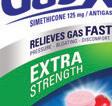
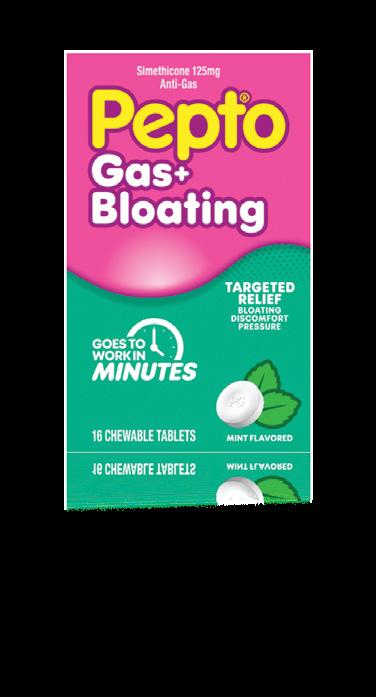
Procter & Gamble said its Pepto Gas + Bloating Chewable Tablets are formulated with 125mg of simethicone for fast gas relief for adults. Manufacturer materials state that it is targeted to relieve bloating, pressure and discomfort due to gas. The mint-flavored product comes in a pack with 16 chewable tablets.
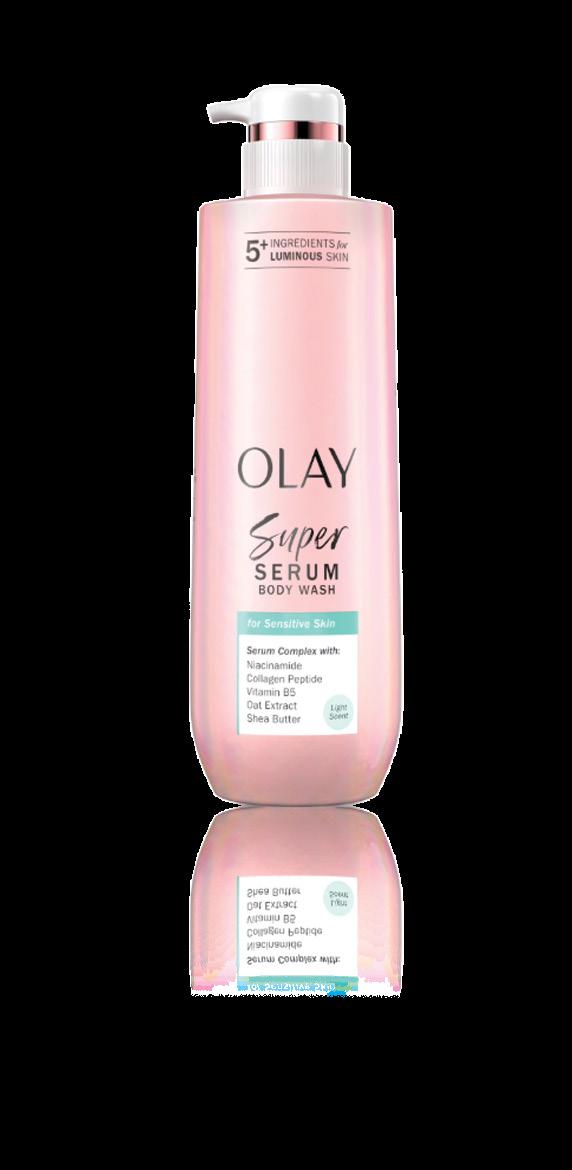
Olay Super Serum Body Wash for sensitive skin combines skin care ingredients, moisturizers and advanced skin-delivery technology to provide visibly improved, luminous skin, its parent company Procter & Gamble said. It is formulated with Olay Super Serum technology, including five skin care serum ingredients: niacinamide, collagen peptide, vitamin B5, oat extract and shea butter. Free of phthalates and silicones, the wash comes in a 20-oz. bottle.
5
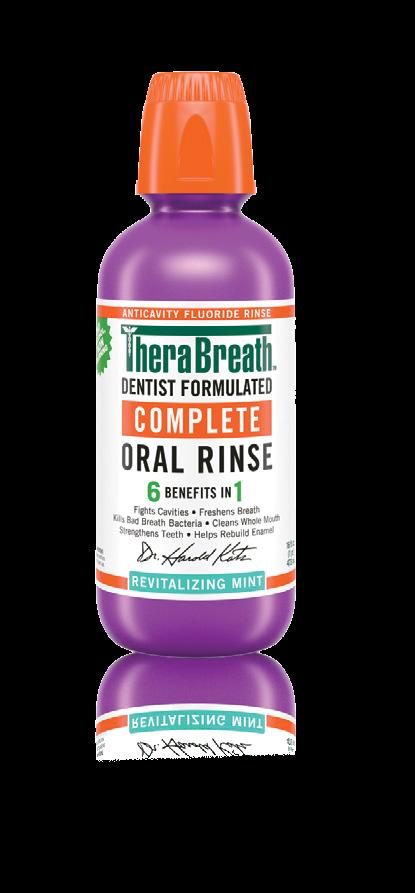
Church & Dwight developed TheraBreath Complete Oral Rinse to deliver multiple benefits in one oral rinse. The product fights cavities, freshens breath, kills bad breath bacteria, cleans the whole mouth, strengthens teeth and restores weakened tooth enamel, company materials indicate. It is dentist formulated, contains no alcohol, no burn and no dyes, the brand added. It comes in a 16-oz. bottle in a revitalizing mint flavor.
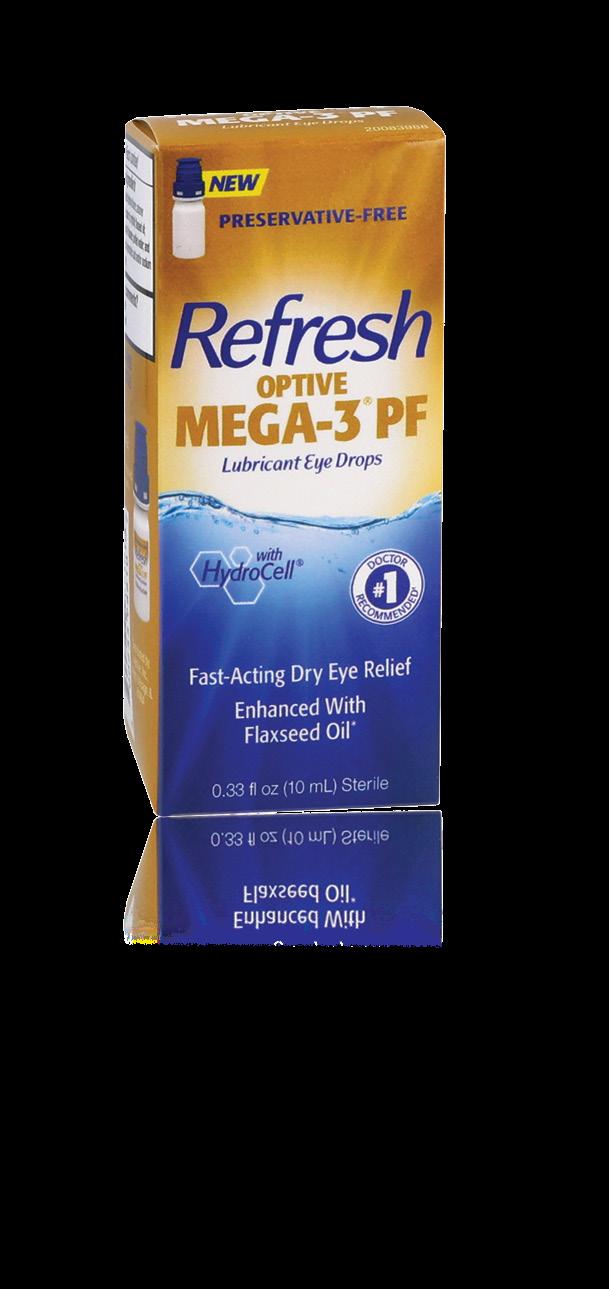
Refresh Optive Mega-3 PF eye drops from Abbvie now come in a multidose bottle. The eye drops are formulated to relieve dry eye symptoms that may be due to meibomian gland dysfunction—a leading cause of evaporative dry eye. Company materials also indicate that the lubricant eye drops are specially crafted with natural plant-based oils containing omega-3s, antioxidants and moisture-locking technology. It comes in a .33-oz. multidose bottle with a double lockout system that keeps the drops sterile.
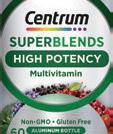
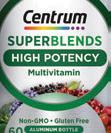
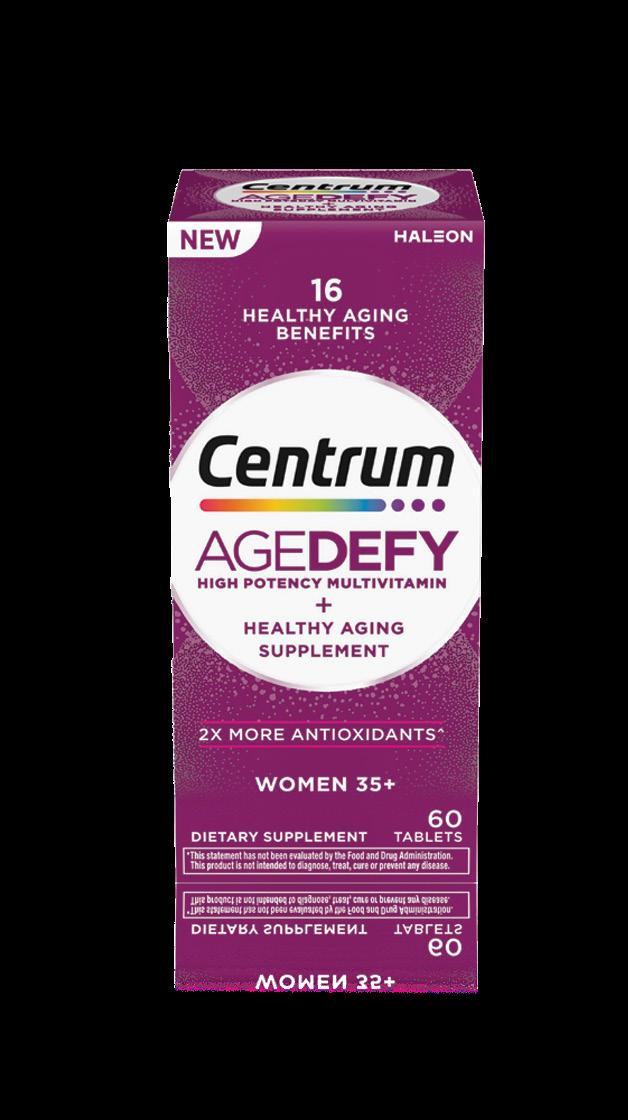
Haleon said its Centrum Women 35+ Age Defy tablets support 16 healthy aging benefits. The all-in-one high potency multivitamin delivers 26 healthy aging micronutrients and two times more antioxidants. The brand says the dietary supplement contains resveratrol, which is clinically shown to support heart health. * It comes in a 60-ct. bottle.
*These statements have not been evaluated by the Food and Drug Administration. This product is not intended to diagnose, treat, cure, or prevent any disease.

























As AI reshapes how shoppers discover products, the brands that win will be those influencing the conversation long before the click
By Jason Reiser

Last issue, we talked about agentic commerce and why it’s shrinking the shelf. When AI becomes the front door to shopping, it doesn’t just recommend. It narrows brand options, builds carts and can complete checkout. Fewer options means the basics matter more than ever, because “not recommended” becomes a sales problem.
That was the downstream change. Today, we’re focusing upstream. Before an agent can recommend anything, influence has to occur. And the consumer influence system that brands have depended on for years has been rewired. There’s a new consumer influence system. Individuals create the proof, platforms distribute it and LLMs like ChatGPT, Gemini and Google’s AI Overview turn it into a shortlist of what gets trusted, considered and bought. Let’s start with the proof layer: consumer and creator content. Reviews. TikTok demos. YouTube explainers. Reddit threads. Group chat screenshots. All of it is raw material shoppers use to decide. Then there’s distribution. Commerce moved into feeds and creator ecosystems. Influence became infrastructure. The global creator economy is projected to grow from $191B in 2025 to $528.39B by 2030. TikTok Shop had about 2.3M active affiliates in the United States as of February 2026. On Black Friday, 10
Jason Reiser is chief executive officer of Market Performance Group.
million affiliate videos were posted. That’s a machine at scale. There are 246 million U.S. social media users, more than half of whom have made influencer-inspired purchases.
But now, add the filter layer. This is where the game changes.
LLMs don’t just surface information. They compress it. We’re moving from keywords to conversation, from lists of links to a shortlist and a recommendation. “Best gluten-free chicken recipe for guests” becomes “my in-laws are here, one is gluten-free and I need to impress them.”
The system reads across sources and gives a recommendation. Sometimes it drives a click; sometimes not. Either way, the influence still happens.
That’s why measurement starts to break down. Not so long ago, influence drove a click, and the click was your proof. In this world, intent can be satisfied before the click, which means decisions can get shaped without a visit to your page. And if you’re not present in the inputs the LLM pulls from, you don’t just lose share of voice. You lose share of consideration.
So how do you activate this system without chasing every shiny object?
First, acknowledge that consumer engagement is becoming human as LLMs become a dominant form of influence. Then determine how your brand can create authentic
conversations organically. Not slogans. Truth. Use cases. Tradeoffs. Who it’s for, and who it’s not for. If you don’t define that in the places where people discuss the category, the category will define it for you.
Second, earn a presence where the category gets decided. Reviews need a strategy. Creator partnerships need to be utility-driven, not just reach-driven. Community participation needs a point of view and expertise, not brand speak. Third, modernize measurement. If you can’t see how often you show up in LLM recommendation sets for the category questions you should own, you’re flying blind. The metric isn’t just clicks; it’s share of shortlist.
We’re already working with brands on exactly this: Mapping the category questions that matter, determining how to improve share of shortlist and building a repeatable cadence to keep it moving.
I’ll leave you with this. When a shopper asks the question you should own, are you influencing what the market (and the model) replies, or are you hoping your ad shows up after the decision is already made?
Time to build the influence engine that earns visibility before the click, in the shortlist and at the point of purchase.
Smart packaging is evolving, giving brands new tools to deliver accessible product information to blind and low-vision shoppers
By Andy Meadows

As QR codes become common on packaging, brands have a unique opportunity to make these digital touchpoints truly accessible. More than 40 million people are blind and more than 285 million have low vision, yet essential product information—ingredients, allergens, usage instructions—is often out of reach, limiting independence and safety.
Technology meets inclusion
This is changing. The Americans with Disabilities Act and new GS1 standards are driving digital inclusion, while smart and connected packaging enables accessibility at scale. For brands, this is more than compliance; it’s a chance to lead, innovate and set new expectations for the industry.
Through Loftware’s BL.INK technology and a partnership with Zappar, QR codes now integrate with apps that blind and low-vision users rely on, such as Seeing AI and Be My Eyes. These enhanced codes look standard but include computer vision markers that trigger audio descriptions and screen-reader-friendly content. Users can access critical information, including how to open packaging, allergen warnings and usage instructions, without downloading special tools.
Andy Meadows is vice president of product management at Loftware.
Brands like Unilever are scaling these solutions, equipping thousands of SKUs with accessible QR codes across multiple markets. Success requires more than technology; it depends on education, thoughtful design and partnerships with advocacy groups such as the Royal National Institute of Blind People, which helped refine the experience.
Our experience shows that placement, design and navigation matter. Codes must be easy to locate, and simply replicating printed text isn’t enough. Audio guidance, large fonts and intuitive navigation are essential to give users real autonomy.
The business case for inclusive packaging
Inclusive packaging is smart business. It builds trust, loyalty and market differentiation, especially among underserved audiences and their communities. Dynamic QR codes take this further: each scan can deliver personalized, context-aware content tailored by location, language or device. Brands can update guidance—on opening recyclable packaging, interpreting visual icons or alerting to allergens—without redesigning labels.
As regulatory deadlines approach and consumer expectations shift, accessibility won’t be optional. The real question is, will your business be ready?
Retail pharmacy is at an inflection point, requiring a new economic playbook grounded in diversified revenue, expanded clinical services and value-based care
By Lari Harding

We are all too familiar with the current pressures facing pharmacy—now it’s time to chart a clear path forward.
More than 7,000 pharmacies have closed since 2019, even as 90% of Americans still live within five miles of one. As primary care capacity tightens, pharmacies continue to absorb frontline demand, expanding beyond dispensing into immunizations, test-and-treat programs, chronic disease support and adherence coaching. Meanwhile, consolidation, reimbursement compression and evolving federal policy are reshaping the operating environment. Protecting patient access now requires sharper discipline and a reimagined economic foundation.
Retail pharmacy is undergoing one of the most significant financial shifts in its modern history. A model once sustained by drug-cost–based margins is being reshaped toward one that depends on transparent reimbursement, predictable cash flow and direct payment for pharmacist-delivered services. A series of federal actions—not a single reform—are redefining how pharmacies are reimbursed, how dollars move through the system and how clinical care is valued.
Together, these changes mark an inflection point. The profession needs a new economic playbook grounded in diversified revenue, expanded clinical integration and measurable outcomes.
From reimbursement compression to diversified
With three PBMs controlling roughly 80% of prescription volume, reimbursement remains unsustainable. In response, pharmacies are exploring alternatives: direct-to-employer contracting, direct-to-patient pickup models and cash-pay or costplus approaches that separate drug cost from payment for
pharmacist services. Greater pricing transparency and simplified contracting can help stabilize cash flow and restore margin predictability.
As scope-of-practice laws expand and collaborative practice agreements mature, pharmacies are strengthening capabilities in point-of-care testing, chronic disease management, medication optimization and preventative nutritional care. These services position pharmacists as accessible frontline providers who can extend primary care capacity, close adherence gaps and support more coordinated, community-based care.
The industry is decades into a shift from volume to value with decades to go. Pharmacies should experiment with outcomes-based payment, participate in population health initiatives and align with payers and providers around measurable improvements in adherence, total cost of care and patient outcomes. Demonstrating both clinical and economic impact will be essential.
Technology will be the force multiplier. Advanced analytics, AI-enabled workflow and real-time visibility into reimbursement, inventory and performance are now foundational to protecting margins and scaling clinical services effectively. Pharmacy’s footprint is already built. The future belongs to operators who combine local access with transparent contracting, diversified services and technology-driven discipline—creating a model that is resilient and economically sustainable.


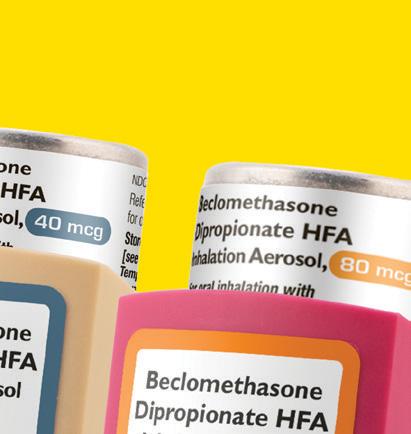
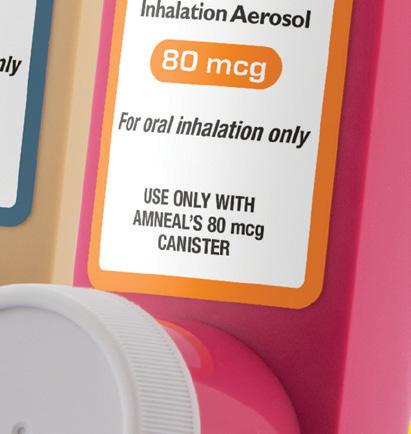




By Kyle Lentz, category analyst at HRG
In 2025, HRG’s new item review team assessed 2,384 new health, beauty and wellness items. It was an increase of 29.8% from the 1,837 products reviewed in 2024—a sign that the market continues to inch back toward the innovation seen pre-pandemic when new item launches were over 2,500 (2017 and 2018), reaching over 3,000 in 2019. Through the analysis of market research; trends; consumer behavior; and the features, benefits and elements of each product, HRG category research analysts determined products they believe have the elements needed to succeed in the marketplace. The Future 50 from 2025 includes 26 items in the wellness designation, 12 in health and 12 in beauty.
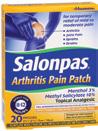
More specifically, pain relief products are most prominent on the list, with internal and external items represented. Pain relief patches continue to evolve, and in 2025 several new launches made the list. What makes them special? Flexibility and targeted support. Flexibility has always been an issue with pain patches, and new technology allows the patch to bend, stretch and move with the user without falling off. Targeted patches treat issues like arthritis and use ingredients like lidocaine to target nerve endings for maximum pain relief.
The eye and ear care category had the next highest number of products included. Of the five in the Future 50, four of them are eye preparations. Dry eyes continue to be an issue with consumers, and each year, several of these items that treat dry eyes make the list. Environmental factors, age, prolonged screen time and medications that cause dry eyes are all factors propelling the inclusion of this product type.
Among the top five items there are two in home diagnostics and aids for daily living. The top five is rounded out with diabetes management, incontinence and shaving and grooming items.
This year is starting out with an active pattern of new product launches similar to 2025, a sign that retail recovery will continue.
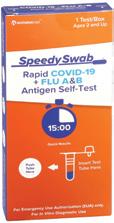
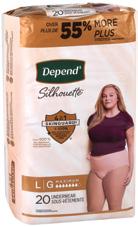
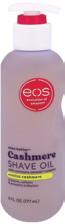
*At the time of the initial April 2026 publish date all products were still available on the market.

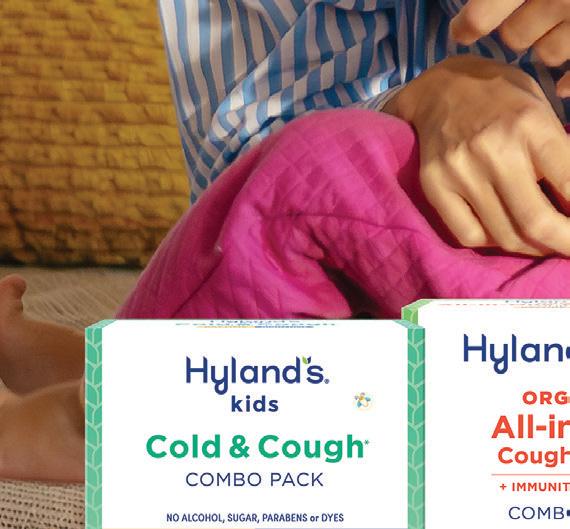
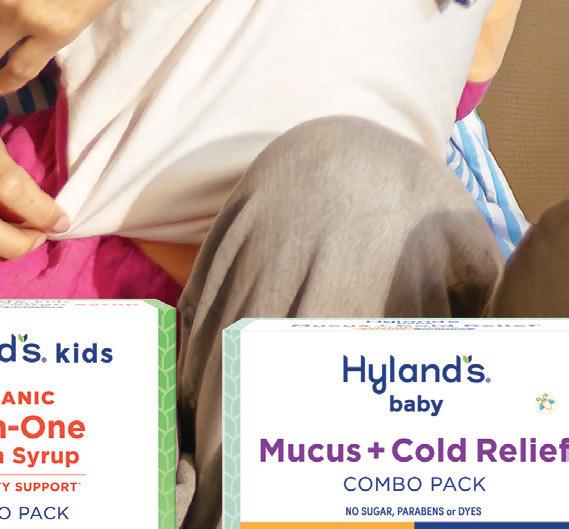
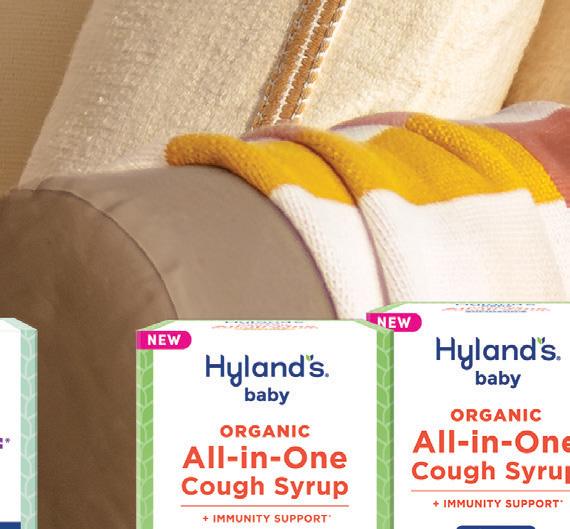

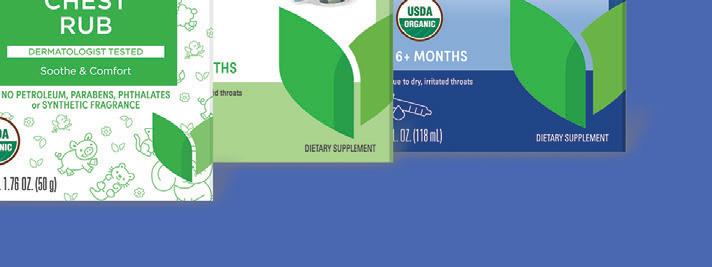



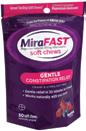
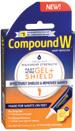















































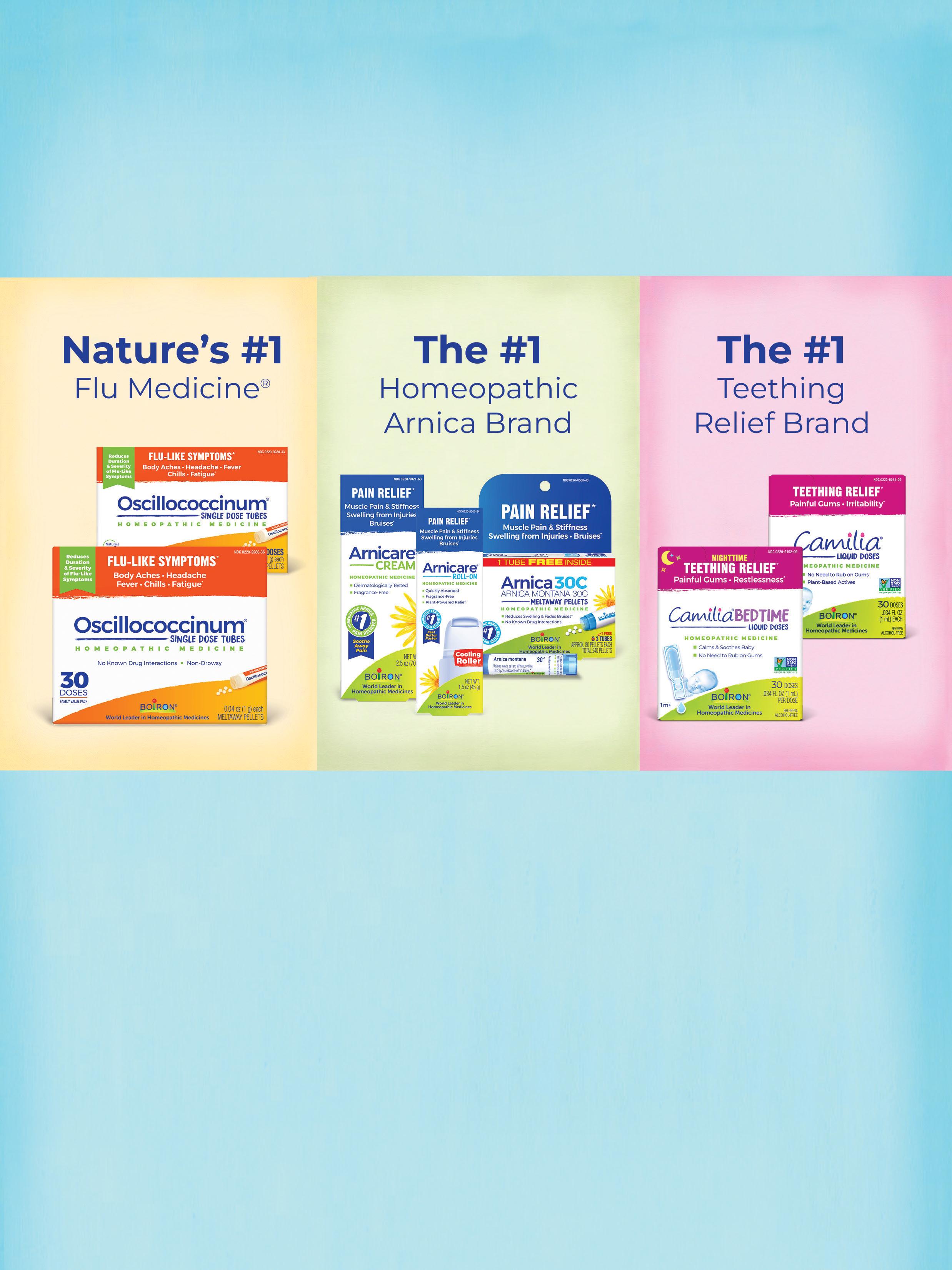
For almost a century, Boiron has provided families with the purest medicines made from the earth’s best resources. From our renowned Arnicare® line, to trusted Oscillococcinum® and Camilia® brands, our expanding range meets the diverse needs of your customers.
*CLAIMS BASED ON TRADITIONAL HOMEOPATHIC PRACTICE, NOT ACCEPTED MEDICAL EVIDENCE. NOT FDA EVALUATED.
Technology, PBM reform could pave the way for retail margin improvements
By Mark Hamstra

“It’s a real burden for some of the independent pharmacies and others to carry some of the branded and specialty medications and make them accessible to customers in a profitable way.”
— Kate Maheu, partner, healthcare and life sciences practice, Kearne



Retail pharmacies are battling rising costs on several fronts, from labor to pharmaceutical pricing and reimbursement. Although some relief may be on the horizon in the form of technologies that create operational efficiencies and drive sales and PBM regulation that could improve pharmacy profitability, the cost pressures that built over the
last several years have taken their toll. The widespread store closures among both chains and independents reflect the margin pressures impacting the industry. Rite Aid’s liquidation through bankruptcy, the sale and breakup of Walgreens Boots Alliance and the closure of the Fruth Pharmacy chain are the most visible examples of pharmacies succumbing to these economic strains.
About 9,000 stores have closed since 2017 across all pharmacy types, including about 3,000 chain stores, 2,500 independents, 1,500 supermarkets or grocers and 1,400 mass merchants, according to a recent McKinsey & Co. report.
their insulin correctly2
Nano™ 2nd Gen is the only contoured base pen needle†, helping to compensate for too much injection force, a common challenge for patients injecting insulin.2,3‡§
Conventional 4mm pen needle
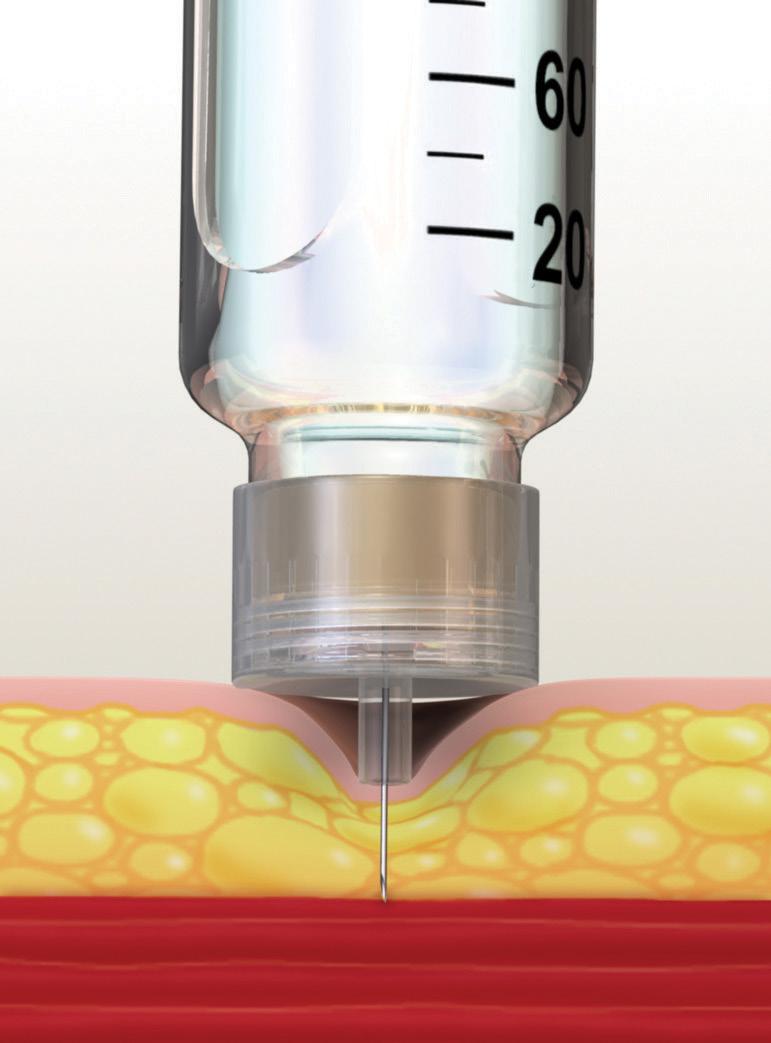

Skin Fat (target zone)
Nano TM 2nd Gen Pen Needle
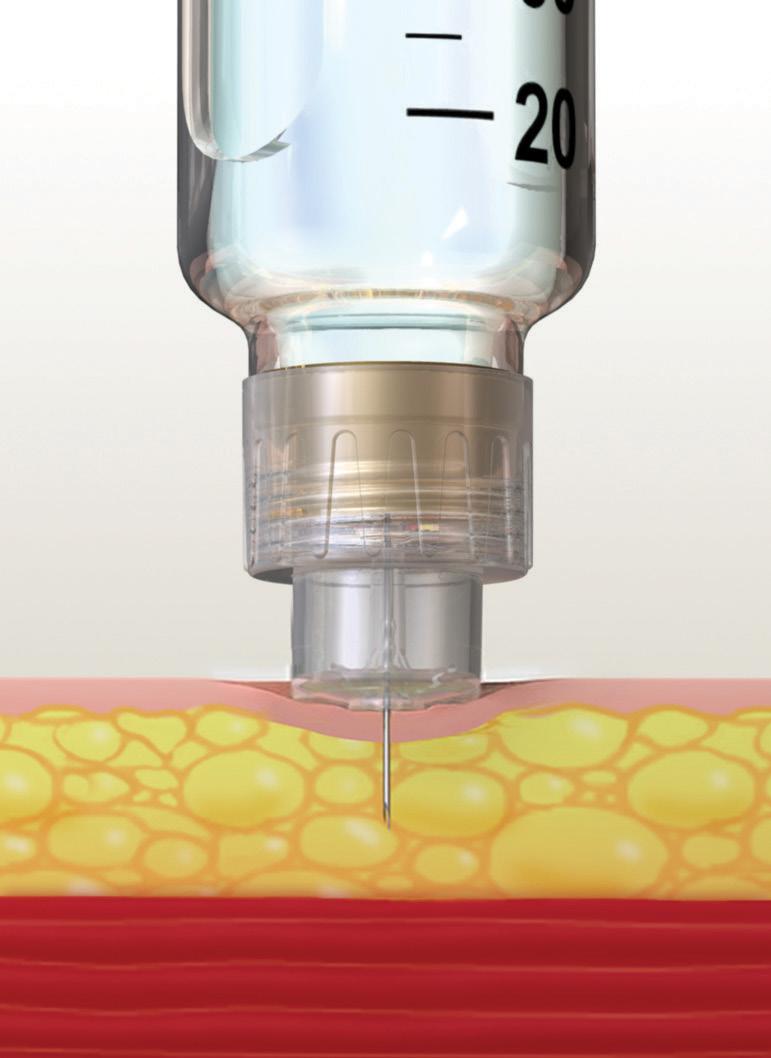

(target zone)
Nano™ 2nd Gen Pen Needles are estimated to reduce intramuscular injection risk by 2-8x vs 4mm posted base pen needles.2¶
Intramuscular injections have been shown to lead to increased pain and greater risk of hypoglycemia. 4
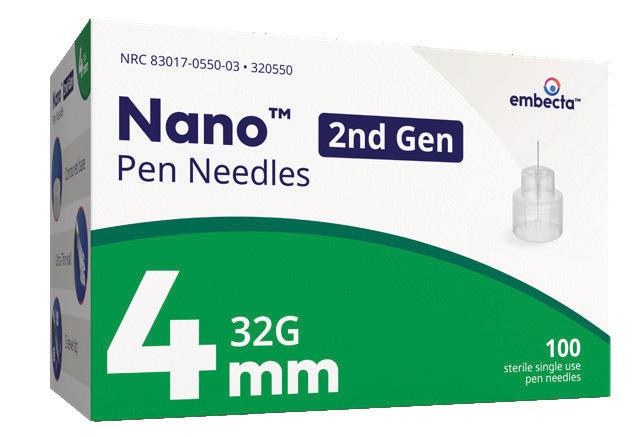
Consider dispensing Nano™ 2nd Gen Pen Needles. Help your patients experience the difference of a contoured needle base.
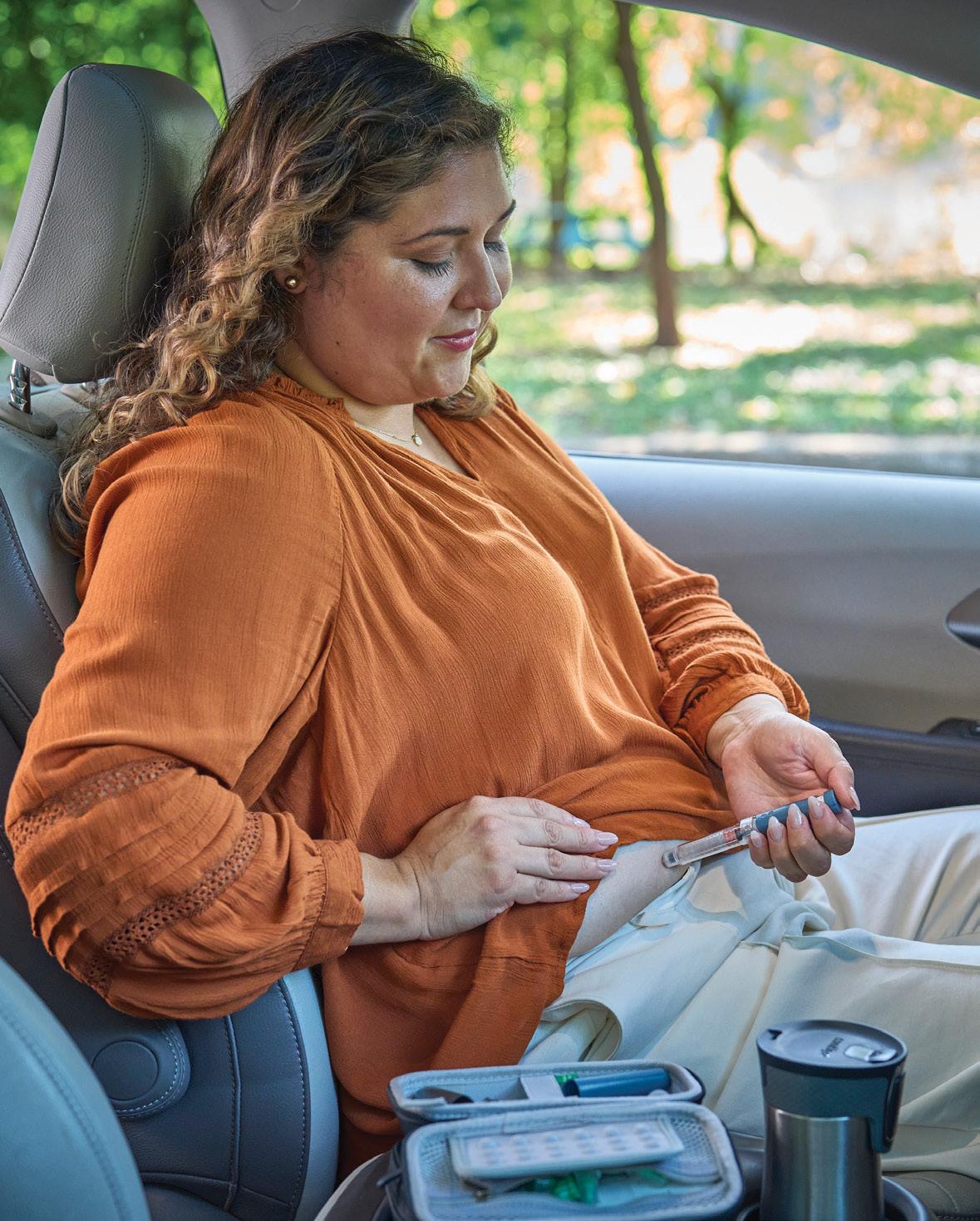
*A contoured-base pen needle distributes pressure more evenly, reducing the risk of intramuscular injections. While flat-base pen needles are available, currently there is little to no evidence supporting their impact. See reference 1. †Patent information provided upon written request. ‡230 patients with diabetes surveyed as part of a crosssectional observational behavioral study in Canada. §To precisely locate injection depth, 1188 injections were administered in swine across a range of clinically relevant injection forces using 20µl of iodinated contrast delivered with BD Nano™ 2nd Gen vs three 4mm posted-hub pen needles. Measurements were obtained via fluoroscopic imaging. BD Nano™ 2nd Gen more closely achieved the 4mm target injection depth with less variability (P=0.006). ¶ To precisely locate injection depth, 1188 injections were administered in swine across a range of clinically relevant injection forces using 20µl of iodinated contrast delivered with BD Nano™ 2nd Gen vs three 4mm postedhub pen needles. Intramuscular injection risk was calculated through an in silico probability model, using needle penetration depth and published average human tissue thickness measurements.
1. Klonoff DC, Berard L, Franco DR, et al. Advance Insulin Injection Technique and Education with FITTER Forward Expert Recommendations. Mayo Clin Proc. 2025; 100(4):682-699. 2. Rini C, Roberts BC, Morel D, et al. Evaluating the impact of human factors and pen needle design on insulin pen injection. J Diabetes Sci Technol. 2019;13(3):533-545. 3. Bari B, Corbeil MA, Farooqui H, et al. Insulin injection practices in a population of Canadians with diabetes: an observational study. Diabetes Ther. 2020;11(11):2595-2609. 4. Frid AH, Kreugel G, Grassi G, et al. New insulin delivery recommendations. Mayo Clin Proc. 2016;91(9):1231-1255.
and Nano

RETAIL PHARMACIES IN THE U.S.
2017
2024
63,500 total
54,900 total
Source: Revival of Pharmacy report — McKinsey & Co.

“Despite its importance in U.S. healthcare, the retail pharmacy ecosystem has been marked by immense change and challenges in recent years,” the McKinsey & Co. Revival of Pharmacy report concluded. “The traditional retail pharmacy dispensing market has experienced greater gross margin compression than many other segments of the U.S. healthcare industry, driven by declining reimbursement and increasing operating costs, including rising labor costs driven by ongoing pharmacist labor shortages.”
In addition, many retail pharmacies are locked into long-term leases for prime-location real estate, the report said.
The number of U.S. retail pharmacies declined 13.5%
The pressures on independent pharmacies have been particularly acute, as illustrated in their declining profitability, according to the 2025 NCPA Digest, which was sponsored by Cardinal Health. In 2015, independent pharmacies enjoyed gross profit (sales minus cost of goods sold) of 22.3%, according to the report. That number stayed relatively steady at about 22% for the next five years before spiking to 23.3% in 2021 because of payments for COVID-19 vaccine administration. Since that time, however, gross profit has fallen sharply each year, to a low of 18.2% in 2024, the most recent year
Not counting 2021, when gross profits got a boost from payments for COVID-19 vaccine administration, pharmacy gross profit margin has fallen every year since 2019, according to the 2025 NCPA Digest.
GROSS PROFIT MARGIN
Source: 2025 NCPA Digest sponsored by Cardinal Health
The profit margin compression has come even as U.S. pharmacy sales have grown, and inflation and new prescription drugs have buoyed revenues. Sales per store have increased about 47% over the last decade, from about $3.68 million annually per store in 2015 to about $5.41 million in 2024, according to the 2025 NCPA Digest.

Revenue growth in the industry was strong in 2025, although it was largely driven by the surge in popularity of GLP-1 drugs, according to the 2026 Economic Report on U.S. Pharmacies and Pharmacy Benefit Managers from Drug Channels Institute. Total prescription dispensing revenues for retail, mail, long-term care and specialty pharmacies totaled $751 billion last year, the report found.
Overall Healthcare System Under Margin Pressure
Cost pressures are not only impacting pharmacies—the entire U.S. healthcare system is under pressure, according to a McKinsey & Co. report called “What to expect in U.S. healthcare in 2026 and beyond.”
Among the factors pressuring profitability are enrollment declines in Medicare and Affordable Care Act plans because of regulatory changes, the report found.
“Meanwhile, providers could experience an increase in uncompensated care and loss of reimbursement,” the report concluded.
Overall health care costs for payers are also continuing to increase, indicating that insurers will likely be seeking efficiencies and cutting back on some coverage, according to a PwC report. The firm projects total medical costs will increase 8.5% for group insurers in 2026, and 7.5% for individual insurance plans, which match the increases of 2024 and 2025.
“Pharmacy cost trend was 2.5 points higher than medical trend, reinforcing the urgency of managing pharma care,” the report titled Behind the Numbers 2026, concluded.
The trend toward increased pharmaceutical costs is expected to continue, driven by growth in oncology, immunology, cardiovascular, obesity and diabetes drugs, according to the PwC report. GLP-1 drugs continue to inflate costs for payers, the report noted, leading many plans to tighten their restrictions on coverage of these popular medications.
“While these weight loss drugs have the potential to prevent expensive health issues down the road, adherence and sustained benefits through true behavioral modification is proving to be a challenge, as many consumers abandon the drugs within a year of initiating treatment,” the PwC report said.
Drug spending in the United States grew by $50 billion at net manufacturer prices in 2024.
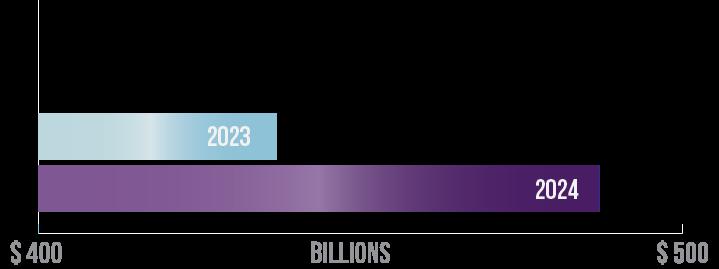
Source: Behind the Numbers 2026 — PwC
Healthcare industry EBITDA (earnings before interest, taxes, depreciation and amortization, which is a proxy for profitability) fell as a percentage of national health expenditures:
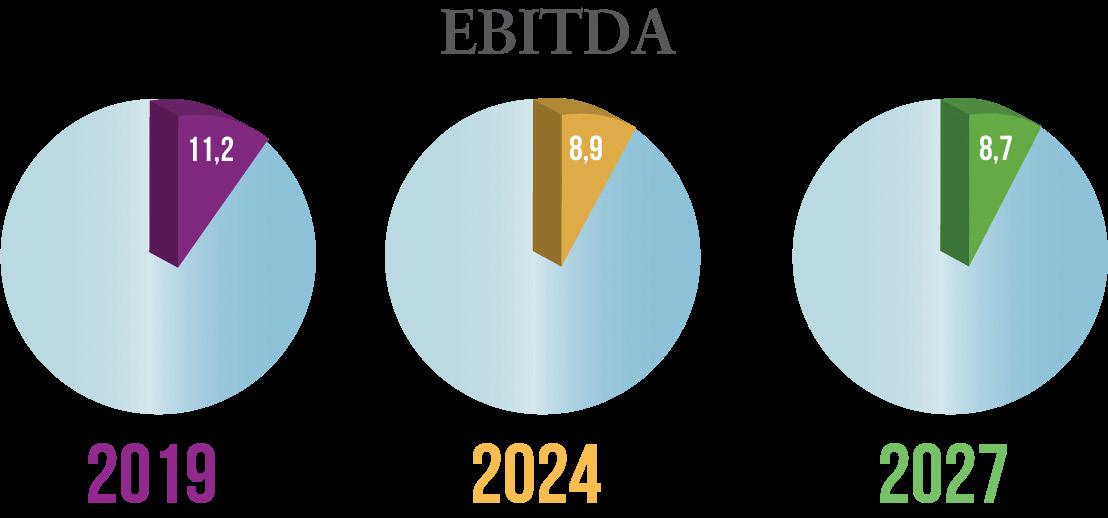
Source: What to Expect in U.S. Healthcare in 2026 and Beyond – McKinsey & Co.
However, the report also suggested that integrated services such as nutrition counseling and digital coaching could help contain costs and improve outcomes, reflecting a potential opportunity for retail pharmacies.
Meanwhile, the ongoing adoption of biosimilar drug formulations could help reduce drug costs, PwC said in the report.
Carrying high-cost drugs such as GLP-1 medications and others can also present cost challenges for pharmacies because of their high inventory value, said Kate Maheu, partner in the healthcare and life sciences practice of consulting firm Kearney. The challenge lies in maintaining access to the appropriate drugs, given the kind of high cost of the inventory, she said.
“It’s a real burden for some of the independent pharmacies and others to carry some of the branded and specialty medications and make them accessible to customers in a profitable way,” said Maheu.
Sean Burke, partner and retail industry lead at Clarkston Consulting, noted that in terms of consumer healthcare costs, retail pharmacy costs are a relatively small percentage of the overall increases in the healthcare ecosystem.
“Spending on retail prescription drugs is obviously a huge number, but in the grand scheme of things, hospital care, physician services, surgeries and other healthcare spending — those are still the things that are ultimately going to drive up the total spending, much more than pharmacies,” he said.
Much of the cost pressure on pharmacies has come from factors that are largely out of retailers’ control, Burke noted, such as prescription drug pricing and PBM reimbursements. As retail pharmacies have added clinics to their operations, however, these services have also added costs to retailer’s income statements.
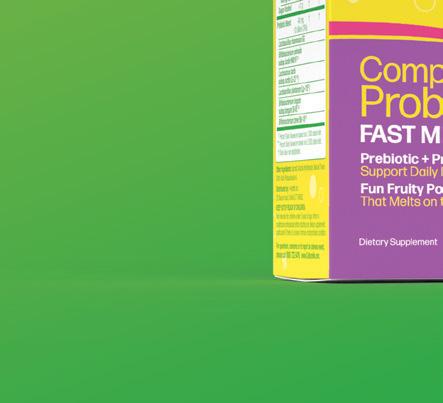

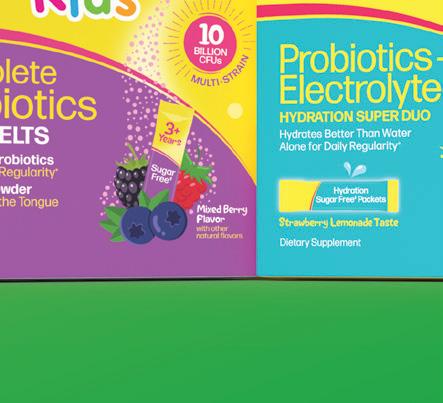
A delicious fruit powder that melts on the tongue with probiotics to support kids’ daily regularit y, * plus a prebiotic
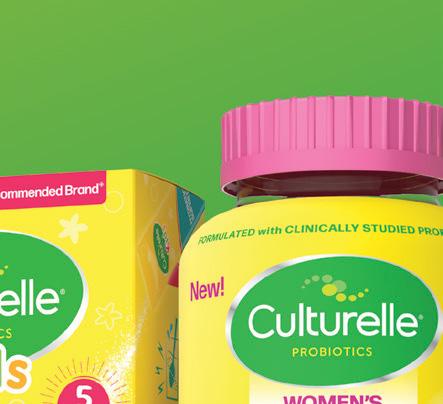
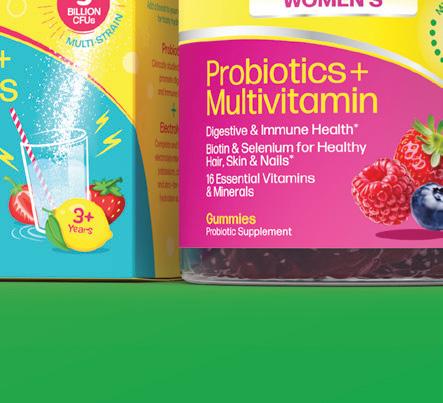
FUN-ctional hydration packets for kids made to support digestive & immune health. * Hydrates better than water alone *

A multi-tasking gummy for women designed for digestive & immune health plus radiant hair , skin & nails *


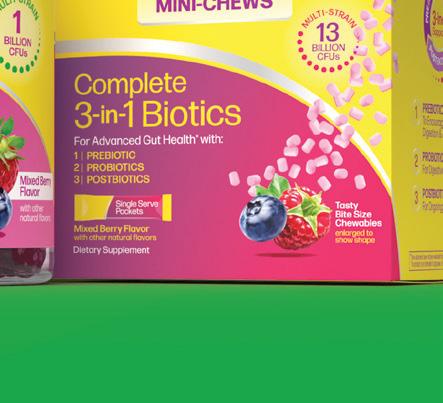
Irresistible mini-chews with megabiotic benefits . Just tear & enjoy for powerful digestive support *


























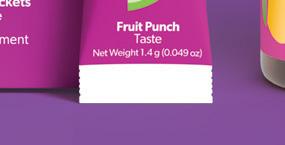







An easy-to-use at home menopause test that provides guidance into what stage of menopause you are in


A great tasting vaginal probiotic in a new mini chew format, perfectly portioned in single-serve sachets for daily vaginal health support*


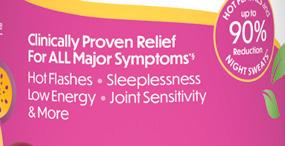
Clinically proven rhapontic rhubarb for relief of 12 major menopause symptoms, * now in a great tasting gummy


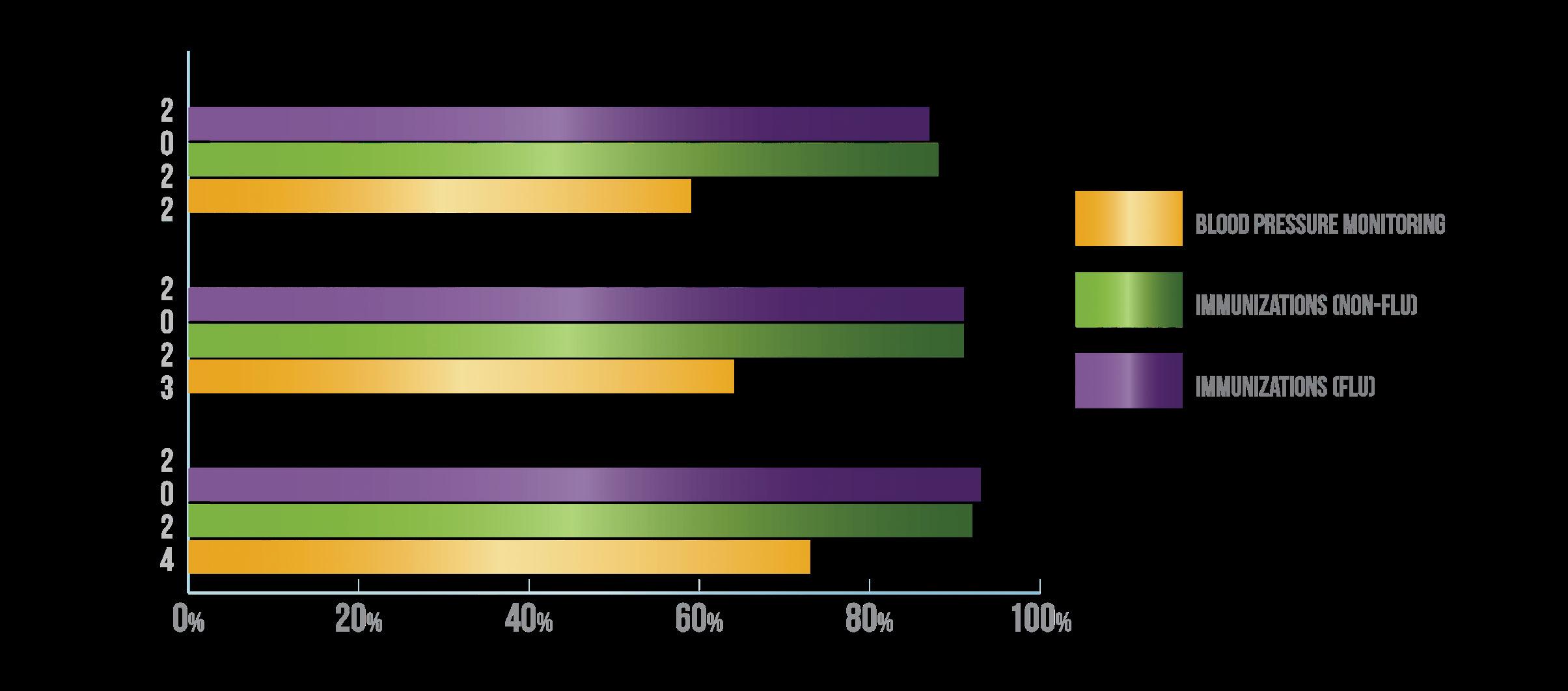
2025 NCPA Digest
“It’s just a fundamentally different type of store model,” said Burke. “I think there have been some challenges with that expansion into these additional services.”
Burke cited the exit from the clinic business by several companies, including Walmart and Walgreens. Kroger, too, has been scaling back its The Little Clinic operations in some regions, including a recent announcement that it would shutter all 18 of its locations in Georgia and another 50 in other areas. CVS, meanwhile, continues to press forward with its MinuteClinic locations, although that company, too, has scaled back its expansion and shuttered several locations around the country.
While adding new wellness services can drive sales gains, they can also add to operating costs for retail pharmacies.
“Wellness programs, immunizations and medication-related services continue to bring in new revenue while at the same time increasing access to measurably higher quality care,” the 2025 NCPA Digest said. “Dispensing prescription medications is a key part of the business and what brings many people in the front door, but growing the bottom line is going to come from products and services that don’t have an NDC [National Drug Code] number.”
These services might add to retailers’ costs, but they end up reducing the overall costs for healthcare, said Burke.
“Getting easy access to vaccines and flu shots, and obviously COVID-19 vaccines during the pandemic — you can draw a very clear line from providing those services to preventing people from getting sicker, and that’s going to ultimately bring down healthcare costs in the country because there are less people going to emergency rooms for COVID or getting really sick from the flu,” he said.
Retailers have been finding ways to optimize their labor costs by adopting technologies such as centralized prescription fulfillment and the automation of some functions, but adding new services such as testing and vaccinations can add labor cost pressures.
In 2024, independent pharmacy owners on average employed 12.4 employees per location, up from 10.8 over 20923 levels, according to the 2025 NCPA digest. Wages for all independent pharmacy staff also increased, which the report said was a likely consequence of a competitive hiring market.
The report found that the cost of dispensing for the average independent community pharmacy was $15 in 2024, up from $13.67 in 2023.
“Labor is not the biggest cost component, but it is the most controllable and meaningful when it comes to the cost to fill
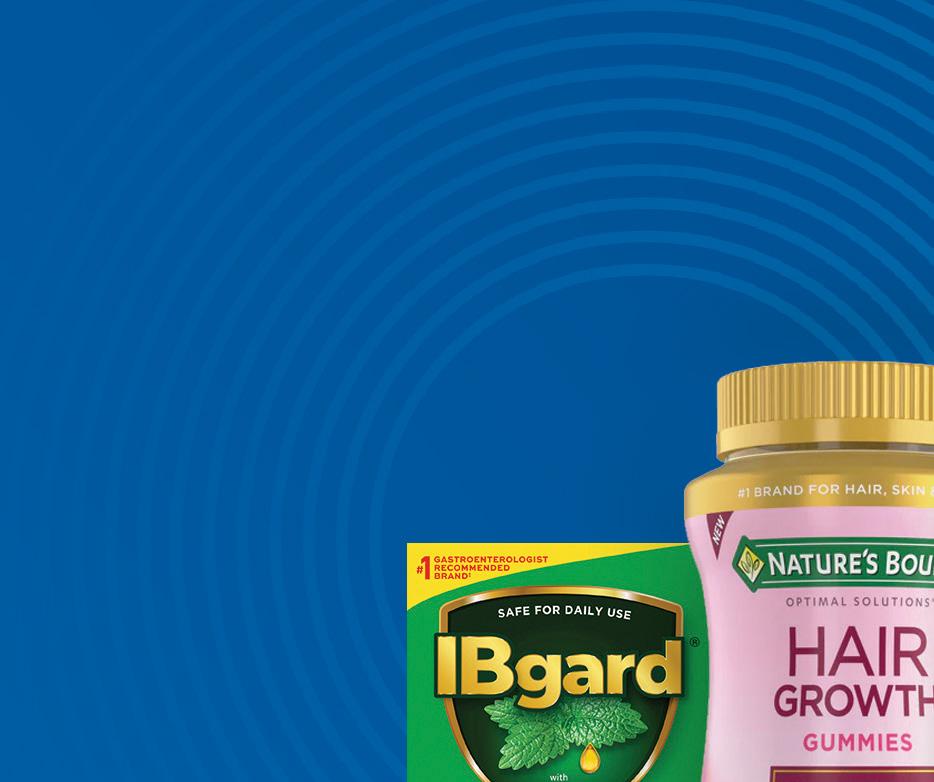
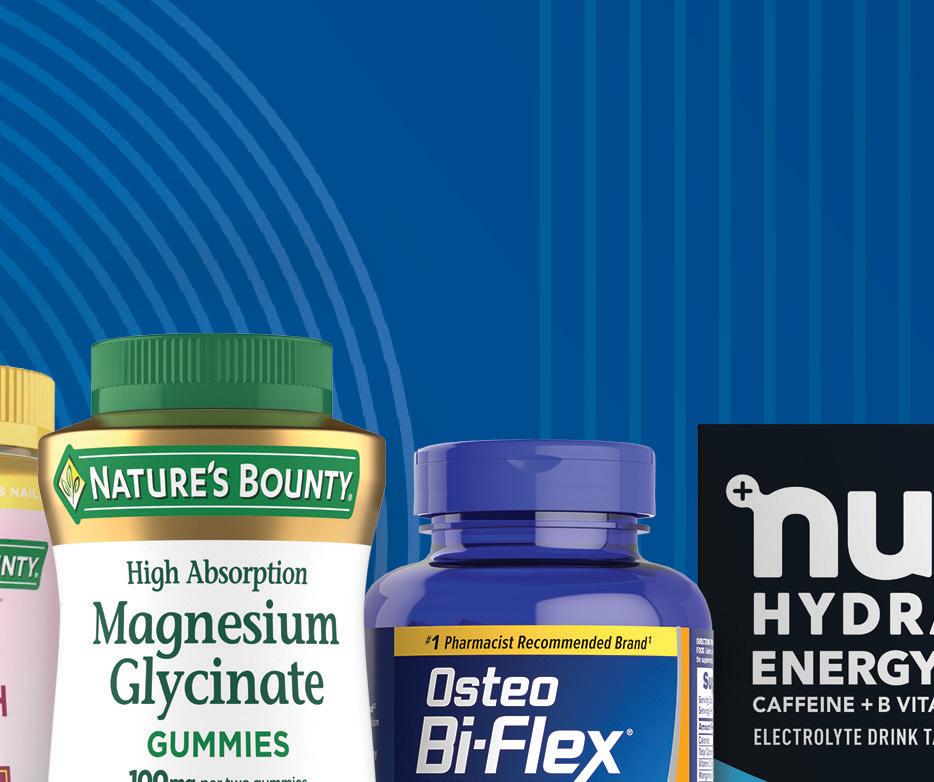


a prescription,” said Maheu. As a result, she said, the industry is engaged in ongoing efforts to find more efficient ways to fill prescriptions. “I think one of the really impactful things that we’ve been seeing recently is that retail pharmacies are looking at what is best use of their labor dollars, not just how to reduce them,” said Maheu.
She also expects pharmacies to continue to look for creative solutions to attract and retain employees, which can help retailers contain their labor costs.
The high number of pharmacy closures have added to the available labor pool, but at the same time the closures have also increased prescription volumes, Maheu said. “I think that the real impact of those closures tends to be more prescriptions dispensed through a single store, and more pressure on the pharmacist, the technician and the support behind the pharmacy,” she said.
Retailers overall are continuing to invest heavily in technology, especially as AI is promising to help drive efficiencies and potentially reduce costs across the board.
U.S. retailers are expected to increase their technology budgets to $113 billion in 2026, up 6.6% over last year, according to the U.S. Tech Forecast 2026: What It means for Retail report from Forrester.
“The industry needs to modernize infrastructure, adopt AI at scale and support omnichannel experiences are driving this increase,” the report concluded.
About three out of five retail technology departments cited data and analytics technology, AI-enabled software development and industry cloud adoption as top initiatives for 2026, the Forrester report said.
“Getting easy access to vaccines and flu shots—you can draw a very clear line from providing those services to preventing people from getting sicker, and that’s going to ultimately bring down healthcare costs in the country.”
— Sean Burke, partner and retail industry lead, Clarkston Consulting





Source: 2025 NCPA Digest


Loyalty programs are designed to keep customers loyal to a brand and spending money with it. They also require customers to provide some personal information when they sign up, which can be very valuable for brands looking to improve their operations and reward their best customers.
The Target Circle loyalty program has more than 100 million members who “continue to shop more frequently, spend meaningfully more and engage across more categories than non-members,” said Cara Sylvester, executive vice president and chief merchandising officer, at a recent financial community meeting.
Another standout loyalty program is Beauty Insider, which has almost 46 million members. “More than 90% of our sales are tied to our Beauty Insider program, and our community is looking for value, convenience
We create emotional moments that go beyond the transaction, and instead provide experiences where our clients feel seen and celebrated.”
— Emeline Berlind, senior vice president, general manager, loyalty, Ulta Beauty

and [tailored] experiences,” said Emeline Berlind, senior vice president, general manager, loyalty.
There are no real downsides to a company having a robust loyalty program except it must be monitored, managed and capitalized.
At their most simple, loyalty programs need to offer something desirable to a brand’s customers.
“Loyalty programs are all about recognition,” said Dan Bejmuk, CEO and co-founder, Dreambox, a full-service digital advertising agency based in San Dimas, Calif. “They exist to encourage customer spend through the recognition of that spend.”
Consumers also want value and to know they’re getting a better deal, as a regular, than someone who’s coming in for the first time, said Philip Shelper, CEO, Loyalty & Reward Co. , and author of “Loyalty Programs: The Complete Guide.” And this needs to be constantly stimulated—so the more customers spend, the more benefits they unlock.
That value can translate into free things, too, he said. Airlines might provide lounge access at an airport; hotel chains might offer room upgrades; free popcorn for movie theaters; and free samples at brands like Sephora. Offering freebies is an easy way for drug stores to engage with their loyalty club members, Shelper pointed out.
Customers ask themselves what they’re getting out of a program, said Hope Neiman, chief marketing officer, Tillster, a technology and loyalty solutions provider in Los Angeles. If they’re just building points and not getting anything, they’re unmotivated.
There are two big advantages to a pharmacy having a loyalty program. First, loyalty program members are, well, more loyal. And pharmacies have an advantage when it comes to this, because customers always need to come back, said Zach Goldstein, CEO and founder of Thanx, a loyalty platform.
The second reason is that as soon as consumers are signed up with a loyalty program, a pharmacy can track their behavior— how often they shop, how much they spend, what they buy and so on. This means they learn more about their business and have valuable data on customers, which they can leverage to appeal more to those customers.
“Using the data to deliver relevant offers and experiences should be a high priority,” said Shelper.
It’s about personalizing your offers so the customer feels appreciated and builds an affinity for you, said Neiman. It allows you to treat your best customers “with kid gloves,” with relevant offers just for them to ensure they don’t leave
“Frictionless isn’t a nice-to-have.
It’s the baseline requirement for participation. Every moment of friction, whether it’s a card to carry, an app to download, a cashier interaction that takes 45 seconds, is a dropout point, and dropout compounds.”
— Zach Goldstein, CEO and founder, Thanx

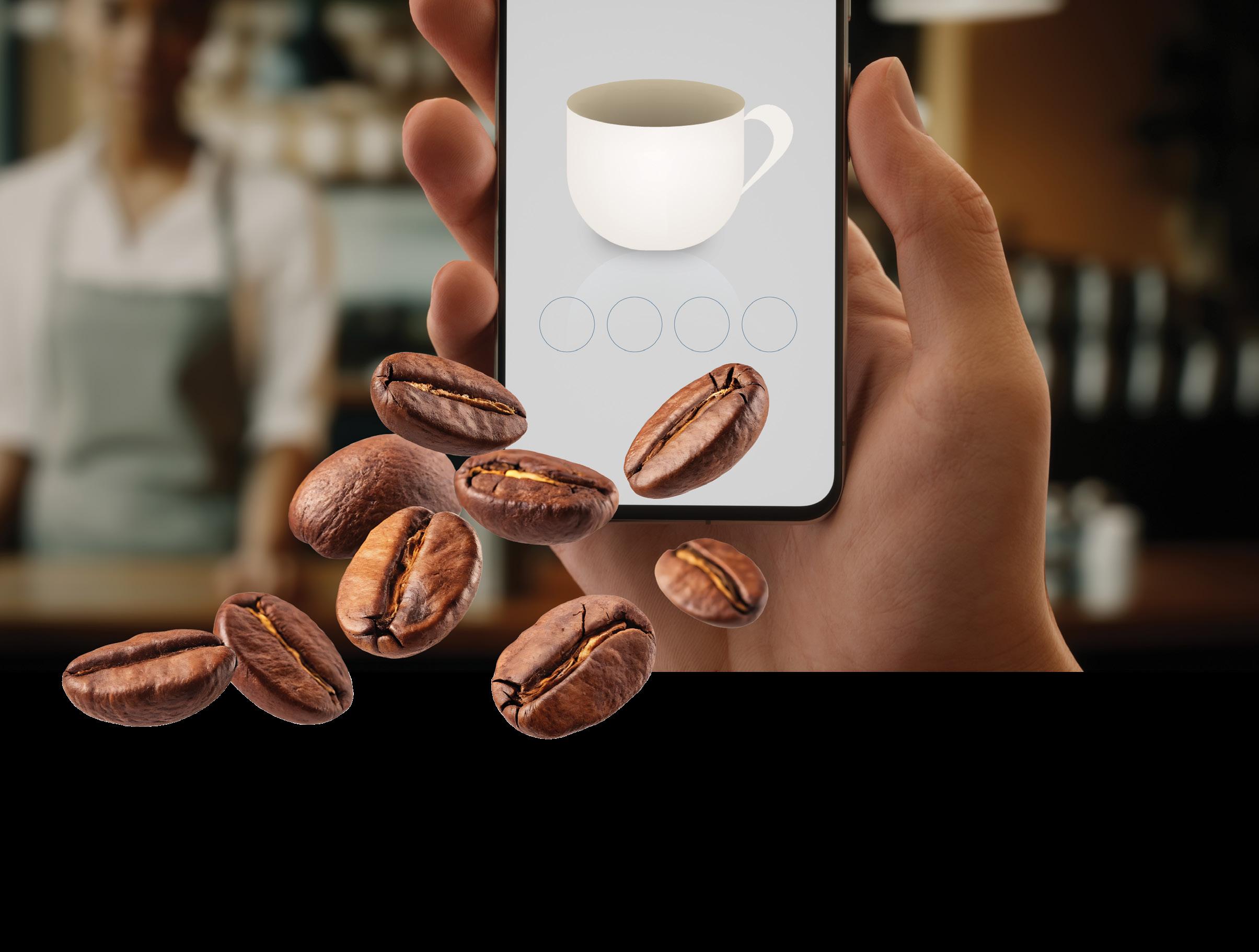
The ability to redeem points needs to be sooner than brands think, Neiman claimed. “Customers need to be reminded regularly of why they want to come back,” she said.
Points are valued, but top customers also like to be rewarded for the frequency of their visits, she said, with something inexpensive, like a lip balm or hand sanitizer at a pharmacy. And if this is offered up in the loyalty program app, or through a text message or email, it can encourage a store visit.
And the more personal an offer, the better, said Goldstein. “Targeted promotions outperform mass promotions by a factor of six,” he said. “Yet the default posture at most brands is still to blast the entire member base because it’s operationally easier.”
Scooter’s is careful to provide offers based specifically on customer behavior—a morning customer might get an offer for a free espresso shot, while an afternoon customer might get an energy drink promo, she says.
every single month. “I was never a believer in tiers until I saw how it motivated people,” said Anne Schultheis, loyalty and customer relationship manager officer.
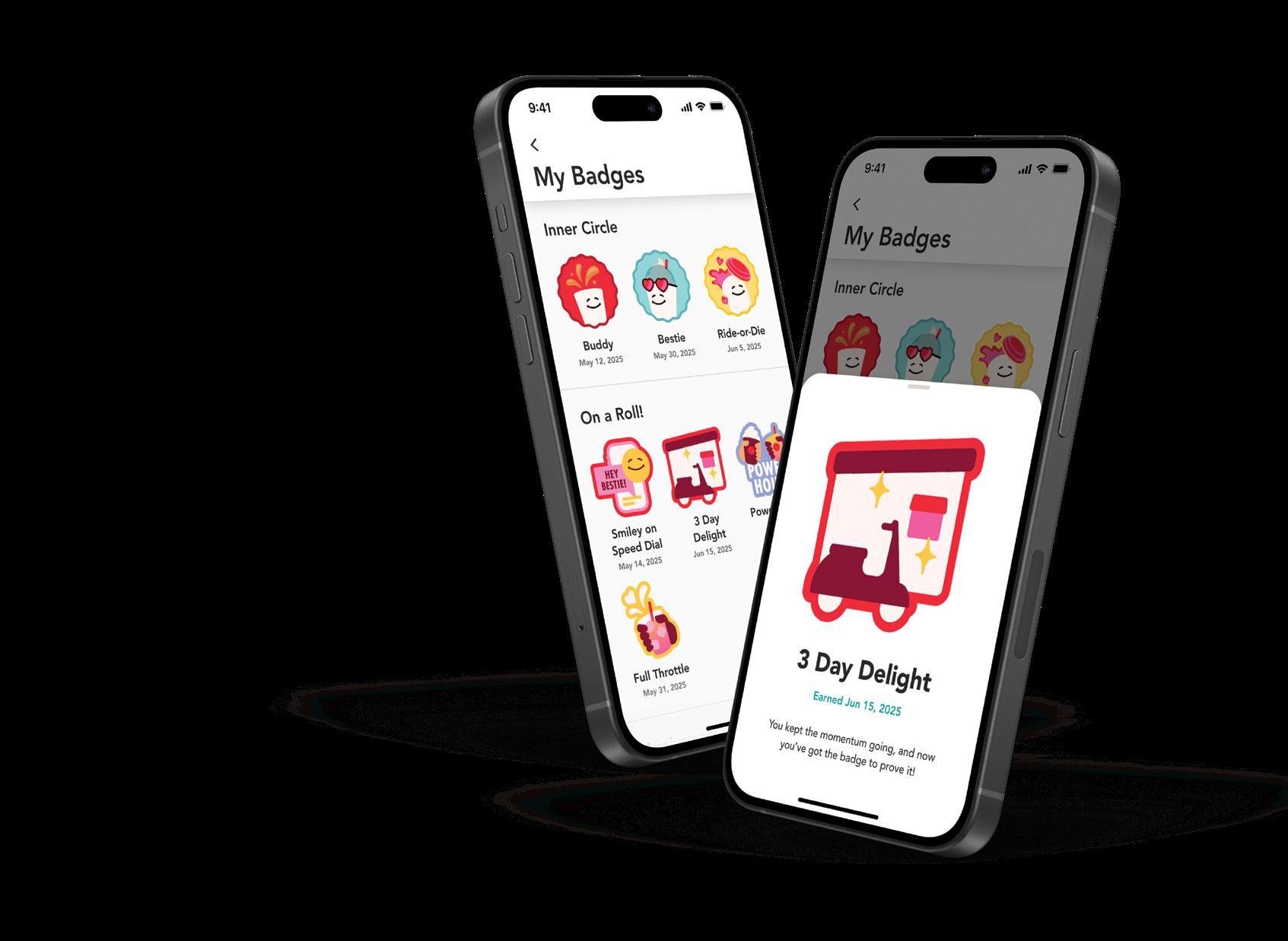
The chain has also added badges, which many people strive to collect. “They’ll change their behavior to earn them,” she said.
One example is the Three-Day Delight badge, awarded for visiting three days in a row. “We’ve seen such a lift from these,” she added.
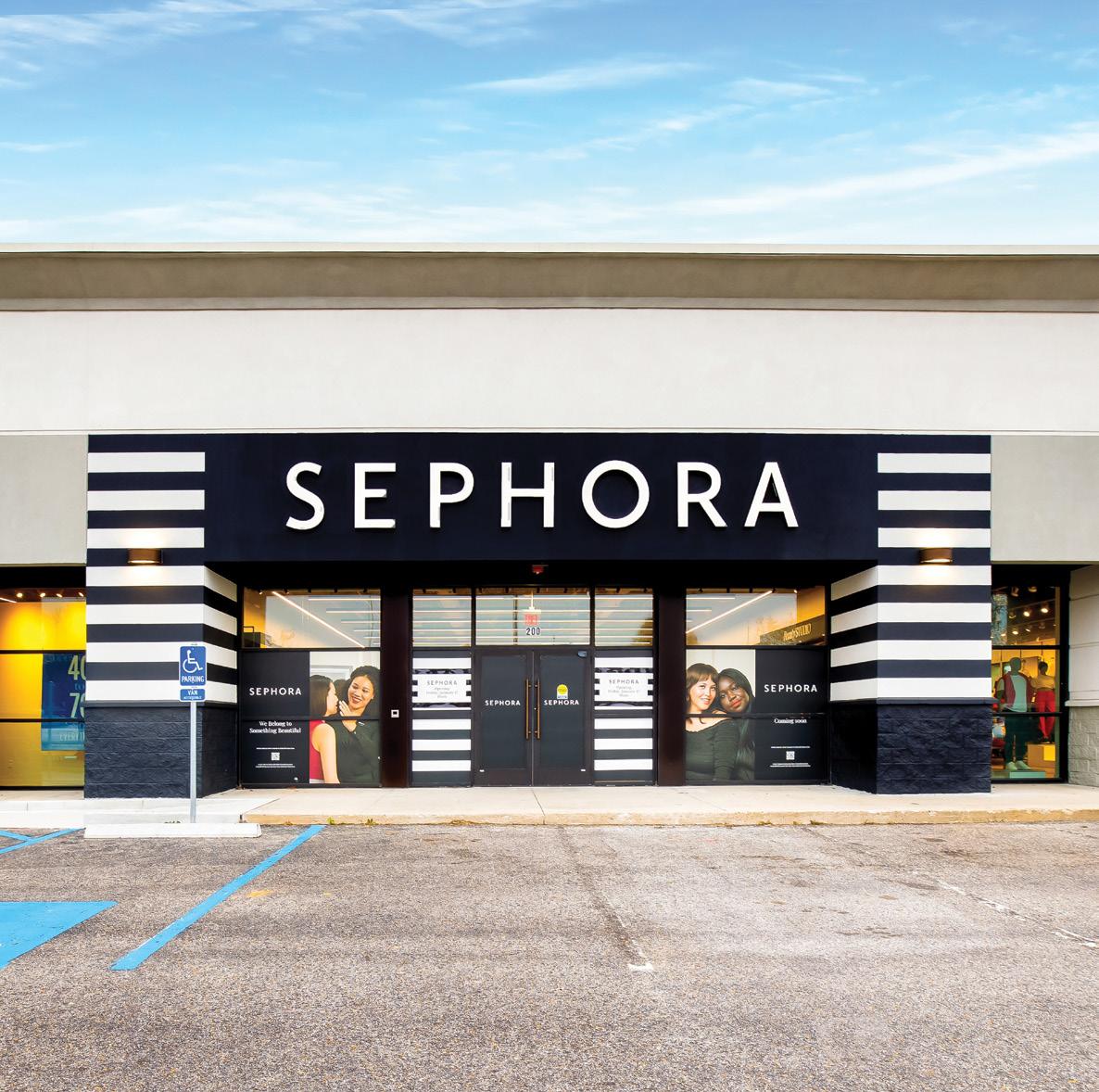
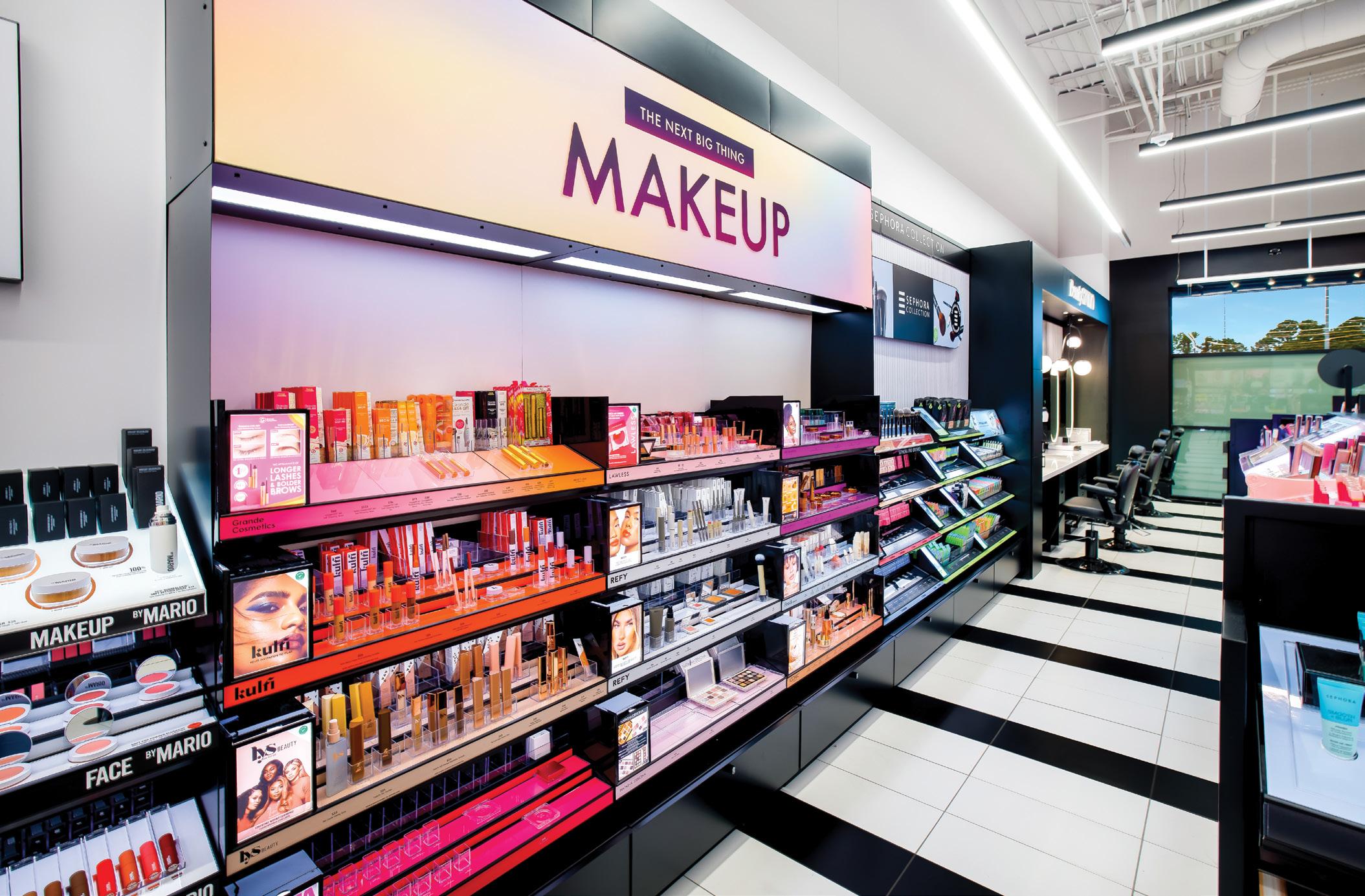
Sephora’s loyalty program has three tiers and customers earn points for every dollar they spend, plus have access to exclusive products, experiences and promotions.
“We create emotional moments that go beyond the transaction, and instead provide experiences where our clients feel seen and celebrated,” said Berlind. Two of Sephora’s most-loved features are annual birthday gifts and its bi-annual Sephora Savings Events.


In an industry defined by evolution, these leaders are the architects of change. We invite you to stand with us as we celebrate the women who aren’t just navigating the landscape of health and beauty — they are redefining it. NOMINATE NOW!
Target also offers tiers, one of which, Target Circle 360, is paid and gives monthly freebies and access to sales early. Membership in this program doubled last year.
And the brand has seen real traction with personalized games and rewards, “allowing guests to earn dollars for their next visit or encourage frequency to drive deeper engagement,” said Sylvester. “So, we’re expanding our focus on personalized rewards.”
Target is also offering more member events, like Target Circle Deal Days, and introducing experiential benefits, including category-specific rewards in beauty and Starbucks offers to enhance in-store visits and drive incremental trips.
The number one reason consumers drop out of loyalty programs is they’re too complicated or the benefits are unclear, said Bejmuk. Brands might make it easy to sign up then difficult to get rewards, he pointed out. “That turns what is a well-intentioned incentive into a frustrating experience.”
Also give the customer multiple ways to be part of your loyalty program. Shelper’s seeing more consumers tired of adding yet another app to their phone, so give them the option to provide their phone number or email at the point of purchase, or to have a loyalty program card.
“Consumers want to choose how to engage, so make it simple to join, simple to understand and simple to engage,” he said.
And make sure your loyalty program provides a seamless experience across all platforms, says Schultheis, whether a customer uses their phone, another device or provides their phone number at checkout.
And loyalty programs that can simply make the shopping experience better are very appealing to consumers, said Neiman. If a pharmacy’s loyalty program can remember which prescriptions to refill and when, it makes life easier for shoppers. “Things that provide affinity to a loyal user have nothing to do with points or giving things away.”
“Frictionless isn’t a nice-to-have. It’s the baseline requirement for participation,” said Goldstein. Every moment of friction, whether it’s a card to carry, an app to download, a cashier interaction that takes 45 seconds, is a dropout point, and dropout compounds.”
Starbucks stands out, he said, and has made interaction with its loyalty program “the path of least resistance.” Customers at the coffee chain, he said,, “order ahead, pay, earn, redeem, repeat.”
For pharmacies, he pointed out, frictionless means something specific: enrollment at the point of prescription pickup, automatic earning on every transaction without a scan or a swipe and push notifications that reach customers before they’ve made a competing choice.
















Ponte Vedra Beach, FL
May 31 - June 5, 2026




Goldstein pointed out that “the companies that get this right internalize a simple principle: the customer should never have to think about the program for the program to work.”
Loyalty programs “only work if they’re easy to understand at a glance,” says Schultheis. “If customers have to do math, hunt for information, or worry they’re doing it wrong, they disengage.” Scooter’s new rewards tab was designed to be a single clear space to answer all the questions members have—how close am I to a reward, what can I redeem, what status am I? And for Scooter’s it’s particularly pertinent because if customers aren’t happy, they’ll go to Starbucks, “which everyone knows has a great loyalty program,” she said.
With any loyalty program, it’s really important to keep members engaged. This could be entering competitions or answering surveys so they are invested—“anything to just keep in touch,” said Bejmuk.
Typically, Bejmuk pointed out, consumers don’t respond to messages asking them to come in and spend money. However, he
said, “they will respond to messaging that reinforces ‘you are my people.’”
Adding gamification to a loyalty program is a great way to keep people engaged, said Shelper. This can be anything from spinthe-wheel to arcade-style games. Gamification, he said, keeps brands front of mind with consumers. “If you can maintain their engagement you’ll be high up in the consideration set when they’re ready to spend.”
Engagement can mean many things, from unexpected rewards not tied to a transaction; personalized milestones, like a birthday offer; or a recognition of a customer reaching a new tier. These, said Goldstein, “signal that the brand sees them as an individual rather than a transaction.”
Drug stores especially can take advantage of health milestones, he said, with reminders of flu shots or prescription refills. “These aren’t gimmicks,” he said. “They’re value delivery that builds the kind of trust that makes switching to Amazon Prime Pharmacy feel like a downgrade. That’s the goal.”
Community pharmacy plays a critical role in addressing today’s healthcare provider shortages and access challenges.
At DSN, we’ve launched #FillHealthcareGaps to promote community pharmacy as a solution to the healthcare supply shortage and to ensure the world sees the clinical impact you make every day.

WE WANT TO HEAR FROM YOU
Share a meaningful experience related to the #FillHealthCareGaps cause. Let your story inspire others!










What does 2026 have in store for mass market beauty?
By Faye Brookman









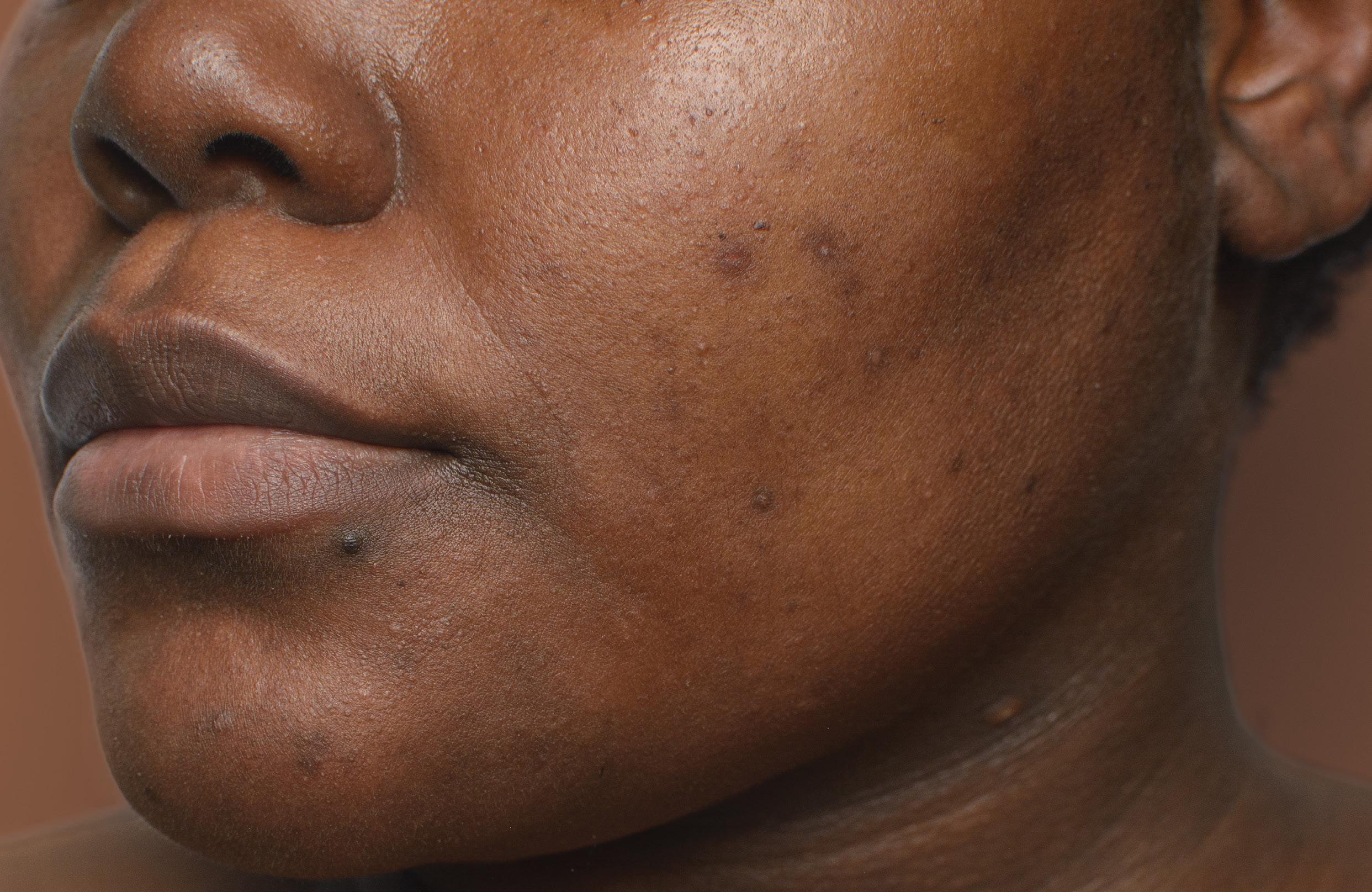
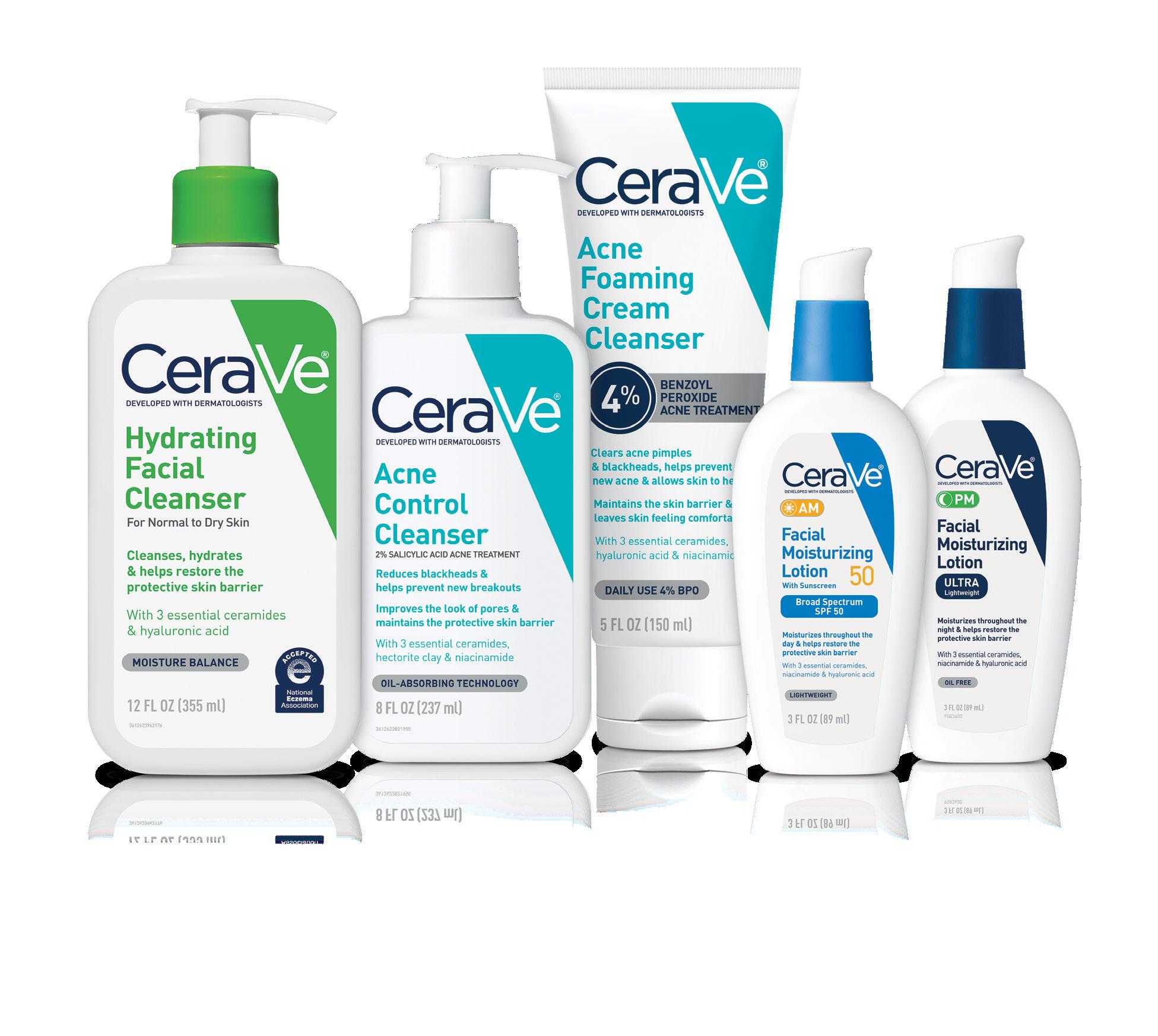
Despite economic concerns, the overall beauty market grew in prestige and mass doors in 2025. According to Circana, prestige retail dollars advanced 4% to $36 billion. Mass sales performed slightly better with gains coming in at 5% to $72.7 billion compared to 2024.
Mass gains were strongest in skin and fragrance, where prestige outpaced popular-priced brand increases in makeup and hair. Consumers show they are willing to pay a little more for makeup—a category many view as an affordable luxury. What does this year promise? DSN asked several industry executives to provide a glimpse into the future via our yearly “virtual” roundtable.
DSN: What are the biggest opportunities and challenges for this year and beyond?
Shalimar Dalal Maakar, CEO, Obliphica: Hair care is moving decisively toward scalp-first, preventive care, driven by growing concern around thinning, shedding, and long-term hair health. The opportunity is clear: brands that deliver treatment-led, ingredient-driven results will lead the category.
The challenge is oversaturation. Too many products, not enough clarity. Retailers need simplified, high-performing systems that drive results, repeat purchase and overall category productivity—not more complexity.
The next phase of hair care will not be defined by more launches, but by fewer, better-performing systems.
Eve Wang, vice president, sales and marketing, Profusion Cosmetics: One of the biggest opportunities in beauty right now is continuing to keep products exciting and relevant for consumers. People still love discovering new products and expressing themselves through beauty, but they’re also becoming more thoughtful about the choices they make.
Brands that can offer strong value and create products that resonate with customers have a great opportunity to grow.
At the same time, one of the biggest challenges is how quickly things evolve in the beauty space. Trends move very fast today, especially with the influence of social media. Brands have to stay flexible and responsive while continuing to deliver quality products and maintain strong relationships with retail partners.
Ben Huang, president, Luseta Beauty: One of the biggest opportunities is the continued rise of “masstige” beauty, products that deliver premium ingredients and performance at accessible prices. Consumers today are highly educated about ingredients, but
they are also value-conscious, which creates space for brands that can deliver high-quality formulas without luxury price tags. Another opportunity is the shift toward ingredient-focused hair care. Consumers increasingly look for active ingredients such as biotin, collagen, rosemary and hyaluronic acid and they want products that treat hair health more like skin care.
Retail is also evolving alongside social media discovery. Platforms such as TikTok are accelerating trend cycles, and retailers are responding by bringing viral ingredients and routines into stores much faster than before.
As far as challenges, beauty brands are navigating ongoing supply chain volatility and cost pressures from raw materials to global tariffs. Maintaining consistent product quality while managing those pressures is becoming a key operational challenge. The beauty market is also more crowded than ever. Standing out requires not only strong branding but real product performance and authenticity.
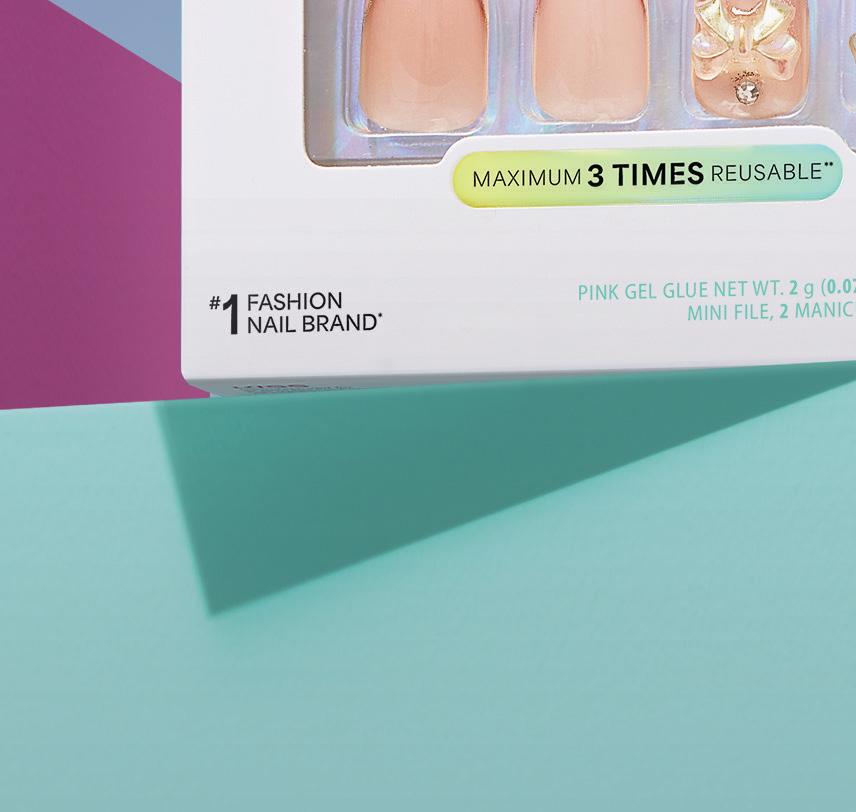
Rich Gallucci, senior vice president of sales, KISS Products: The biggest challenge currently is learning how to remain relevant. If we are not thinking about how to be relevant today, we certainly will not be relevant tomorrow. The pace of change is unlike ever before and it’s critical we are planning and investing further out in the future, often taking risks and making big bets for what’s to come.
As we look toward the digital-driven future ecosystem, we need to make bold decisions to lead with insights and understand the consumer doesn’t care where or how they get products they just want to get them the simplest and easiest way with the best experience. Utilizing traditional methods coupled with AI-driven insights and new tactics is critical toward building a successful future. We need to question everything and allow ourselves to revisit the past successes and failures to build what’s coming next and be more open to all possibilities at a much more inclusive rate.



Jeremy Lowenstein, chief marketing officer, Milani: The beauty category remains resilient, but we are entering a more disciplined phase. Growth is still there, but consumers are shopping more intentionally, evaluating performance and brand trust more closely than ever.
One of the biggest opportunities is for brands that can clearly define their role within this evolving landscape. Consumers are more fluid in how they shop, moving across price tiers and channels based on quality and relevance rather than traditional labels alone. Brands that can deliver elevated formulas and thoughtful innovation within accessible price points are well positioned to earn loyalty across a broader audience.
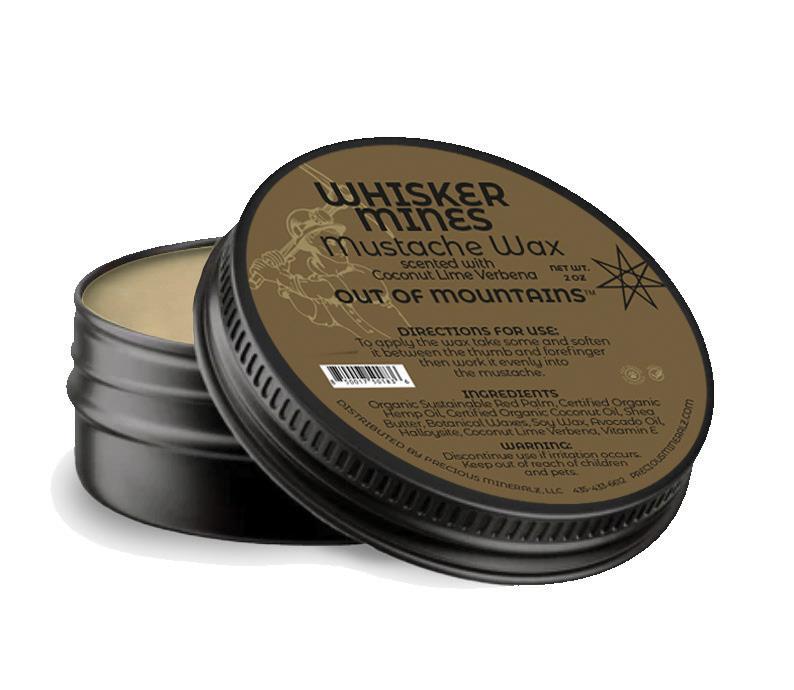
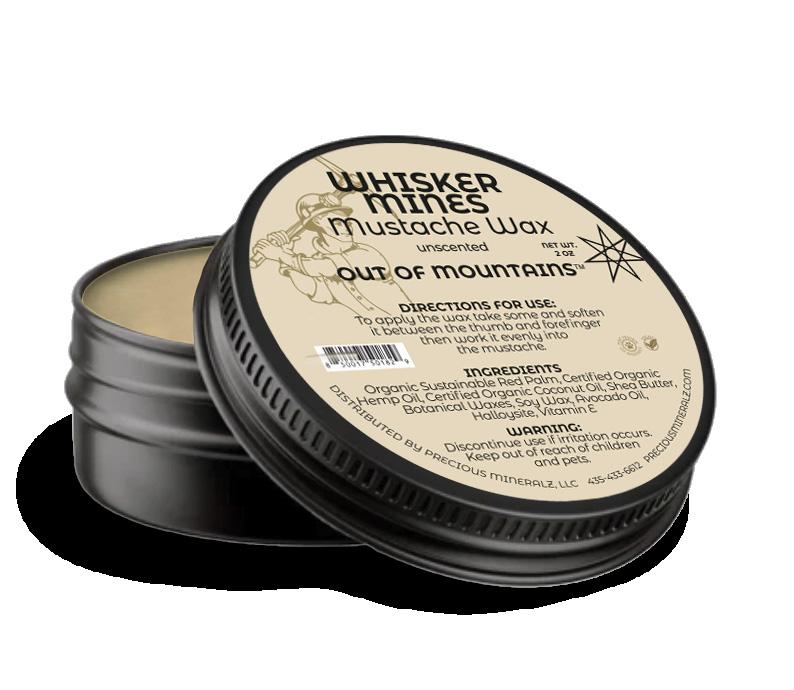
Deborah Dixon, owner, Precious Mineralz: Economic challenges and cost increases along with supply chain and trade volatility will be a challenge. Opportunities such as product modifications to provide sampling and more direct consumer engagement will increase. Another opportunity is for niche brands to penetrate the market creating challenges for legacy companies. At Precious Mineralz we see both of these opportunities as important in our strategy for growth and continued market acceptance.
Lynette Lovelace, founder and CEO, Lifetherapy: I’ve watched self-care shift from a niche concept to a cultural priority. When I founded Lifetherapy, the idea that scent could intentionally shift your mood wasn’t mainstream. Today, it’s everywhere. That perspective reinforced something important: trends accelerate, but emotional needs remain constant. The current opportunity lies in depth. Consumers are no longer satisfied with surface-level messaging. They want meaning behind the brand, integrity in formulation and products that genuinely support emotional well-being—not just aspirational marketing. The challenge, however, is oversaturation. There’s no shortage of newness, but there is a shortage of restraint and long-term vision. Anyone can launch a product. Far fewer brands take the time to develop impeccable formulas, craft scent architecture and ensure every SKU serves a clear emotional and strategic purpose.
Arsalan Rahbarpoor, president and cofounder of AquaSonic and cofounder of Pure Daily Care: One of the biggest opportunities right now is the premiumization of everyday personal care. Consumers are increasingly willing to upgrade simple routines like brushing their teeth or skin care if the product delivers noticeable results and feels thoughtfully designed. The challenge we’re seeing is assortment saturation. There are more brands entering the market than ever, but very few are bringing true differentiation. Retailers are becoming far more selective and are prioritizing brands that can deliver clear innovation, strong consumer education and real sales velocity both in-store and online.

Juan Morillo, office manager, OKAY Pure Naturals: The biggest opportunity in the hair care industry right now is the continued shift toward natural, ingredient-focused products that actually deliver results. Consumers are more educated than ever. They are reading labels, researching ingredients, and looking for products that are both effective and clean. The challenge is standing out in a very crowded space while maintaining quality and authenticity. Brands have to be transparent and consistent if they want to build long-term trust with consumers.
Deeannah Seymour, CEO and cofounder, pH-D Feminine Health: The biggest opportunities are in differentiation and partnership. Retailers are looking for brands that drive category growth, bring real innovation and have strong consumer demand. Brands that can combine operational agility with clear storytelling and data-backed performance will win.
The biggest challenges this year and beyond are supply chain volatility, increasing localization by retailers and compressed timelines. Retailers are tailoring assortments by region and giving brands less time between approval and warehouse delivery. That means companies must be incredibly nimble operationally, moving faster while managing competitive and margin pressures.
Landria Jordan, senior director of innovation and marketing, Firstline Brands: The opportunities and challenges facing the hair care industry this year and, in the years ahead, are significant. However, evolving consumer expectations sit at the center of both. Today’s consumers are increasingly seeking products and tools that deliver multiple benefits while maintaining a high standard of quality and design. Consumers want tools and ac-












cessories that are not only functional, but also durable, thoughtfully designed and elevated in look and feel at a price point that still represents strong value.
Firstline Brands is meeting this consumer demand head-on, unlocking a powerful opportunity to continue to innovate with intention. Consumers are becoming more discerning about how and where they spend, prioritizing purchases that work harder for them and their money. As a result, multitasking products that streamline routines while delivering professional-level results are gaining traction across the market.
At the same time, meeting these expectations requires brands to remain closely connected to their customers. Staying attuned to emerging needs, lifestyle changes and cultural influences is essential to developing products that resonate.
Tim Bui, CEO of Vitals International: The biggest challenge continues to be intense global competition, particularly from overseas manufacturers able to produce at extremely low cost. That pressure forces brands to constantly balance pricing, quality and innovation. The opportunity lies in companies like PURA D’OR that can differentiate through trusted manufacturing standards, product integrity and consistent performance. Retailers and consumers are increasingly prioritizing brands that deliver reliability and long-term credibility.
DSN: What products do you have in the pipeline for 2026?
Dalal Maakar: We’re expanding our Seaberry-powered portfolio with next-generation treatments and styling products designed to support the scalp while delivering immediate, visible results.
Our focus is clear: build high-performance, system-based routines that strengthen hair over time while improving how it looks and feels from the first use.
Innovation is no longer about adding steps—it’s about making every step work harder.
Huang: Luseta is excited to be launching a new Hair and Body Mist collection in the second half of 2026. The line is designed to complement our hair care routines with lightweight fragrance mists that can be used throughout the day on both hair and body. As consumers look for simple ways to refresh and elevate their daily routines, we see growing interest in products that combine beauty, fragrance and lifestyle in one.
Wang: We’re currently exploring a number of different directions, from new textures and finishes to different product formats and ways people can use makeup. The goal is always to create products that feel exciting and modern while still being easy and enjoyable for everyday use.
We also have some really exciting licensed products coming out that we can’t wait to share. Our team really puts their hearts
and souls into what we create, and we’re incredibly excited for people to see what’s coming next.
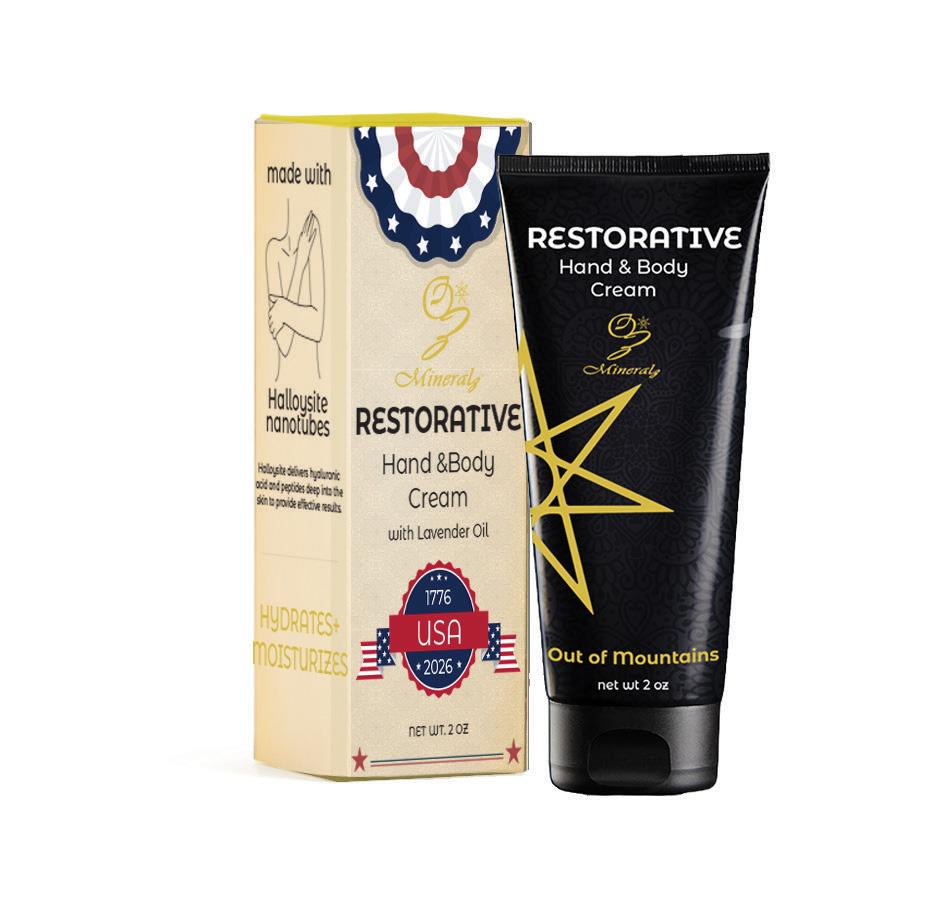
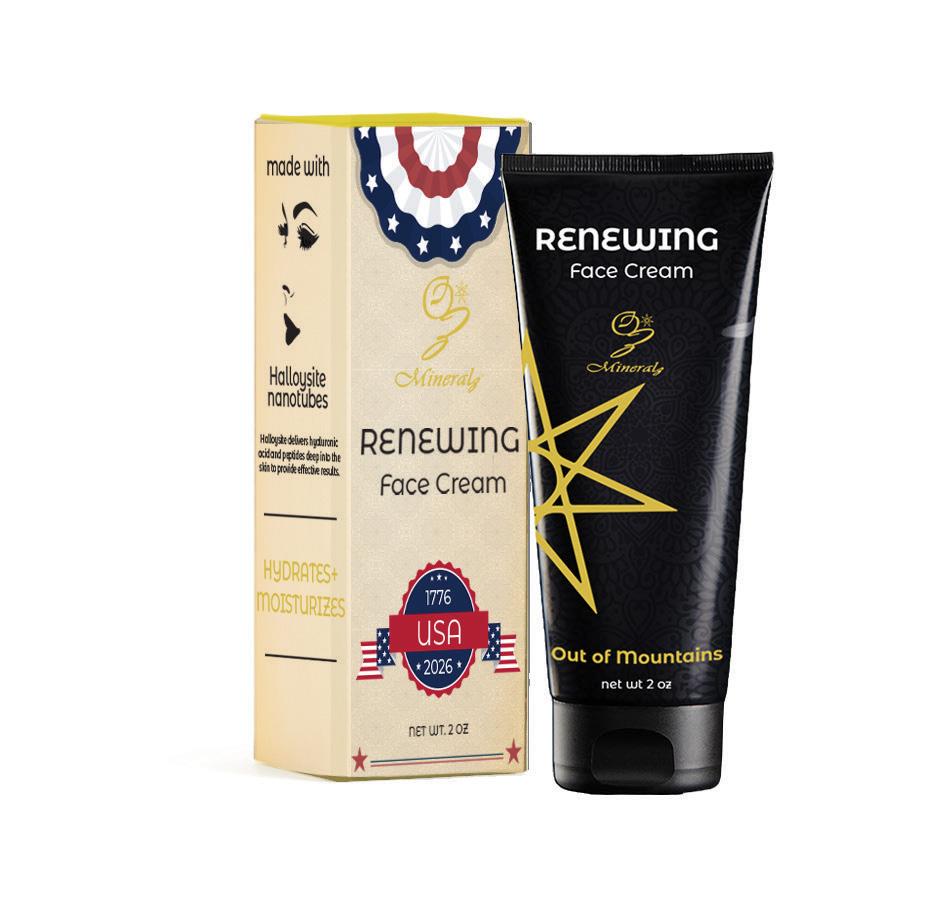
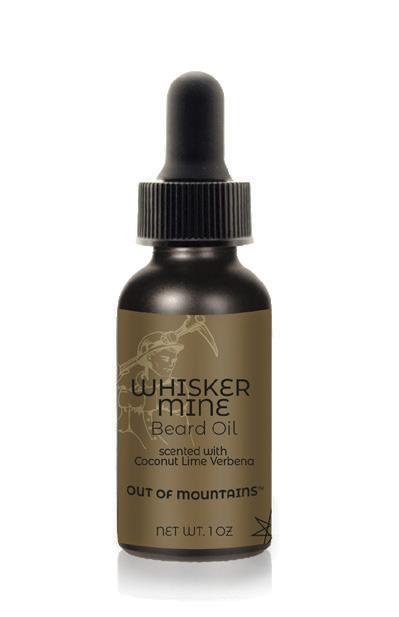
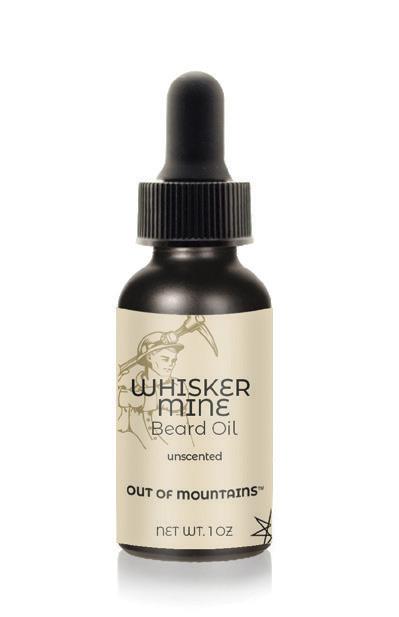
Dixon: We will be launching our first OUT OF MOUNTAINS veterinary product during the third quarter 2026.
Lowenstein: We’ve just launched our new What’s Inside Is Everything brand campaign, which marks a meaningful step forward in our brand refresh and product evolution. We kicked off the campaign with our iconic Baked Collection, a cornerstone of the Milani portfolio and the leading franchise in baked powders and blushes within mass cosmetics. The collection has relaunched with refreshed packaging, new skinnourishing ingredients and expanded shade offerings designed to flatter a wide range of skin tones and undertones.
We are also introducing the new Make It Last Moisture Boost Alcohol-Free Setting Spray and Highly Rated Fan Club Fanning Mascara, both of which lean into Milani’s core strengths of meaningful, accretive innovation that speaks directly to consumer needs and expectations of the brand.
Rahbarpoor: We’re continuing to expand across both AquaSonic and Pure Daily Care with a focus on technology-driven personal care devices that improve everyday routines. One area we’re paying close attention to is how design, color and social media influence purchasing decisions, particularly among younger consumers. Products that feel visually distinct and “shareable” tend to gain traction much faster today than traditional, purely functional designs.
Morillo: At OKAY Pure Naturals we are continuing to expand our hair care offerings with products built around high perform-





up is our Batana hair care collection. Batana oil has been used traditionally for generations and is known for helping nourish the scalp, strengthen strands, and restore softness and shine to dry or damaged hair. It is rich in fatty acids and antioxidants that support healthier looking hair and help reduce breakage.
DSN: What’s one consumer trend you expect this year?
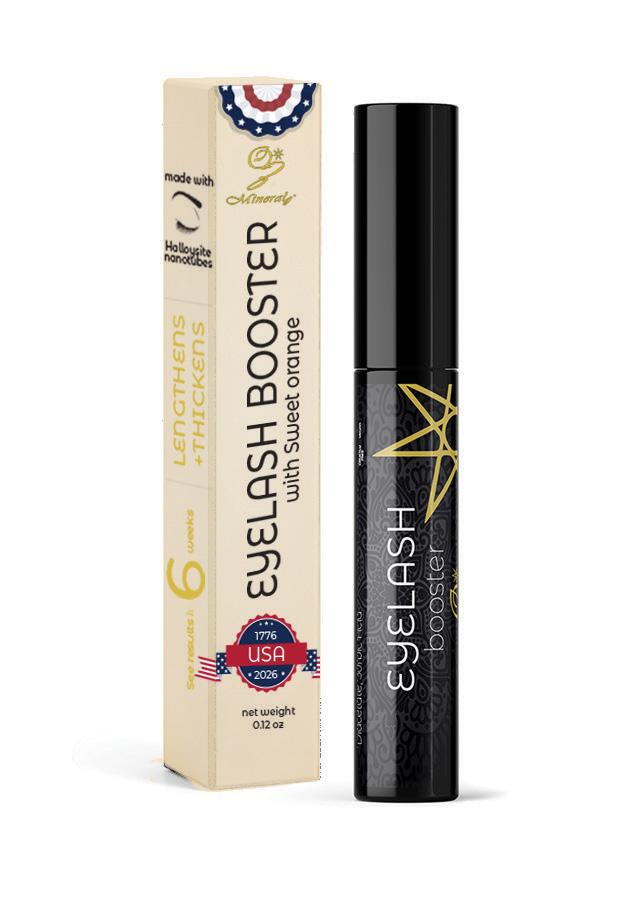
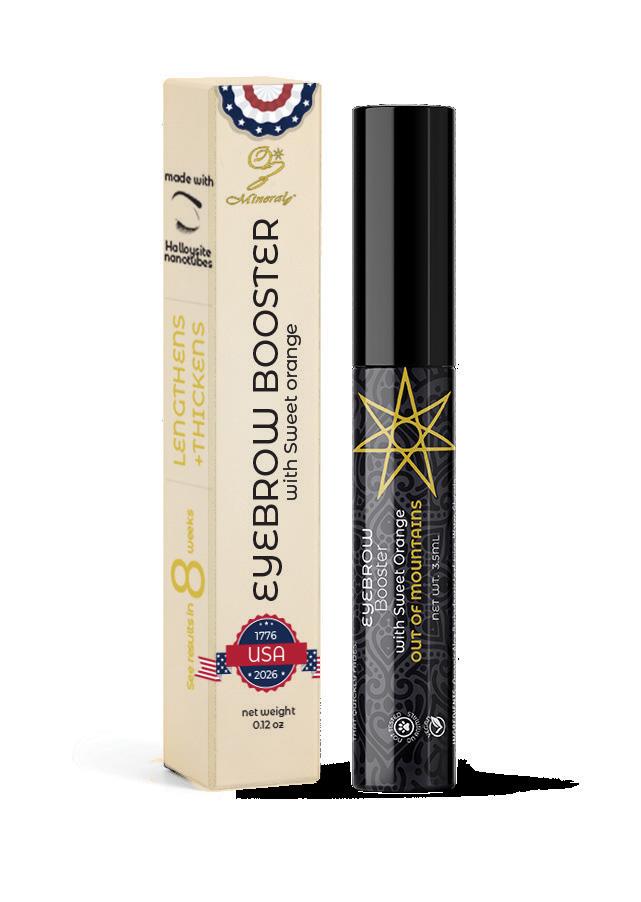
Dixon: Consumers are continuing to be more deliberate and intentional in their purchasing. There is a shift away from advertising and promotion as well as influencer marketing to brands having to demonstrate science based and true value. Precious Mineralz products are science based with substantial evidence that the halloysite nanotubes penetrate deep into the skin and release key ingredients in time released fashion.
Bui: Consumers are definitely becoming more price-conscious given the ongoing economic uncertainty, but they’re still looking for products that deliver real results. At the same time, we’re seeing a growing focus on ingredient transparency and product claims.
Huang: One trend we expect to continue this year is value-driven beauty. Consumers are still spending on personal care, but they are more selective with their purchases. They want products that clearly communicate benefits, ingredients, and performance.
Hair care is increasingly part of the broader wellness conversation. Consumers are paying more attention to scalp health, ingredients and long-term hair strength rather than just styling.
Lowenstein: We expect shoppers to continue seeking high-performance, multi-functional products that simplify routines while delivering visible results. There is continued demand for complexion-perfecting formulas that create a smooth, lightweight finish without heaviness.
At the same time, we’re also seeing continued omnichannel behavior. Consumers are discovering products on social platforms, validating them through reviews and creator content, and then purchasing wherever it’s most convenient, whether instore at mass retail, through Amazon or via social commerce. Increasingly, consumers are looking for meaningful brand experiences that allow them to connect on a deeper, more emotional level. That goes beyond product sampling and extends to immersive moments that bring brand storytelling to life, such as our recent consumer pop-up tied to the What’s Inside Is Everything campaign in LA.
Seymour: One consumer trend we expect this year is a continued shift toward value-driven spending. Retail data shows that consumers are prioritizing essentials such as groceries, health care and pharmacy items while being more deliberate with discretionary dollars, focusing on value, quality and trust rather than impulse buys. Shoppers aren’t just cutting back; they’re being more intentional about where and how they spend, often trading loyalty for savings or perceived value.
Lovelace: I personally see consumers becoming more discerning. They’re not necessarily retreating from spending; they’re retreating from excess. There’s a desire to own fewer, better things. Products that serve multiple purposes. Brands that stand for something clear. There’s also a noticeable return to ritual. In uncertain times, people reach for grounding sensory experiences such as scent, texture, and warmth as a way to regulate and reset.
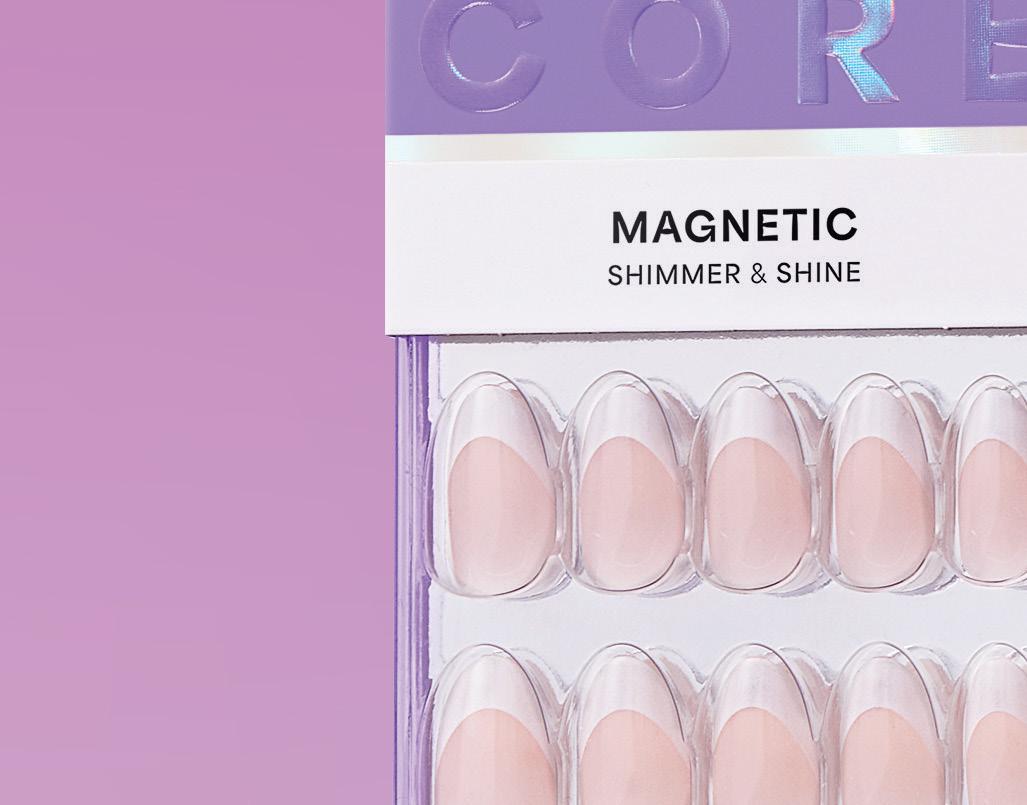
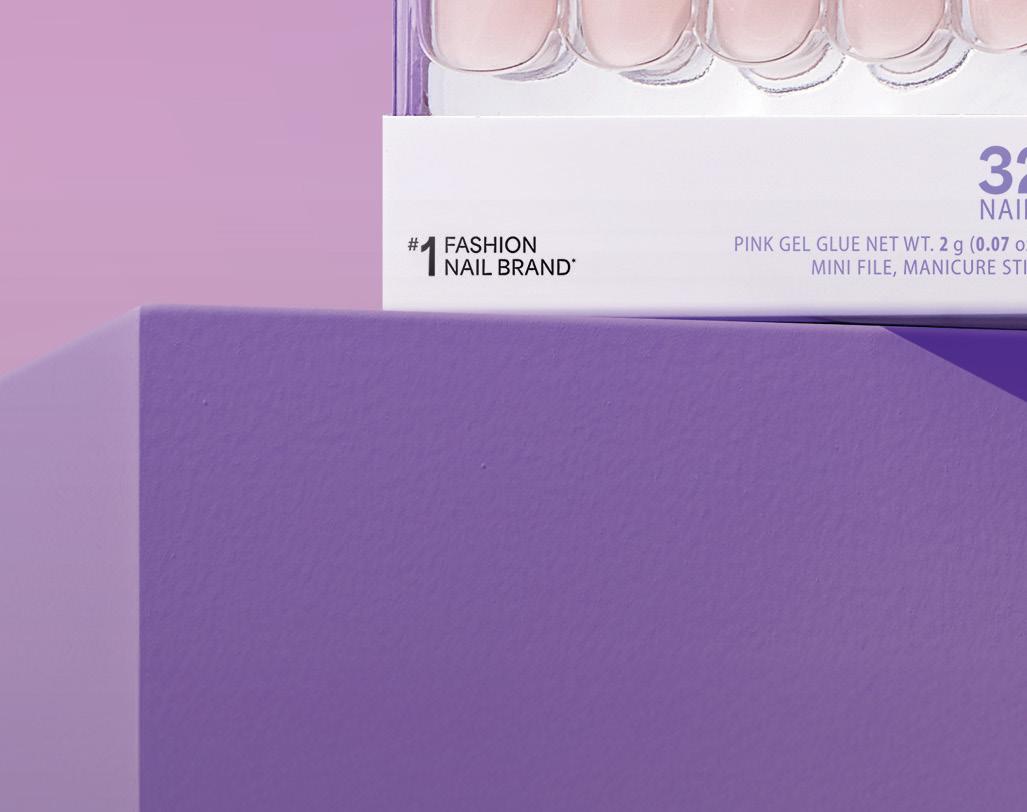
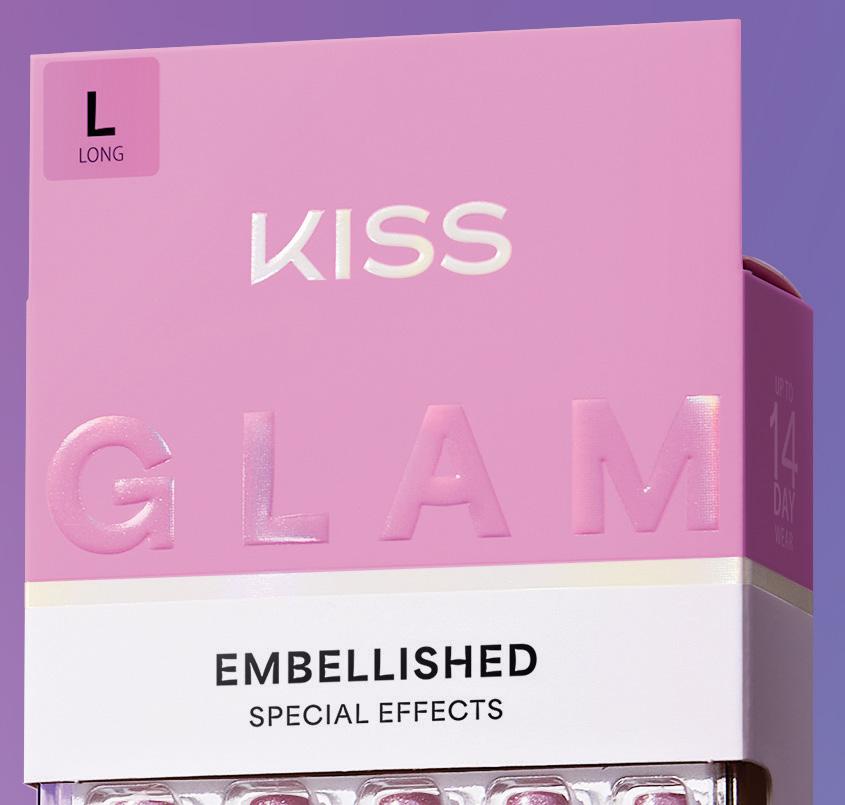
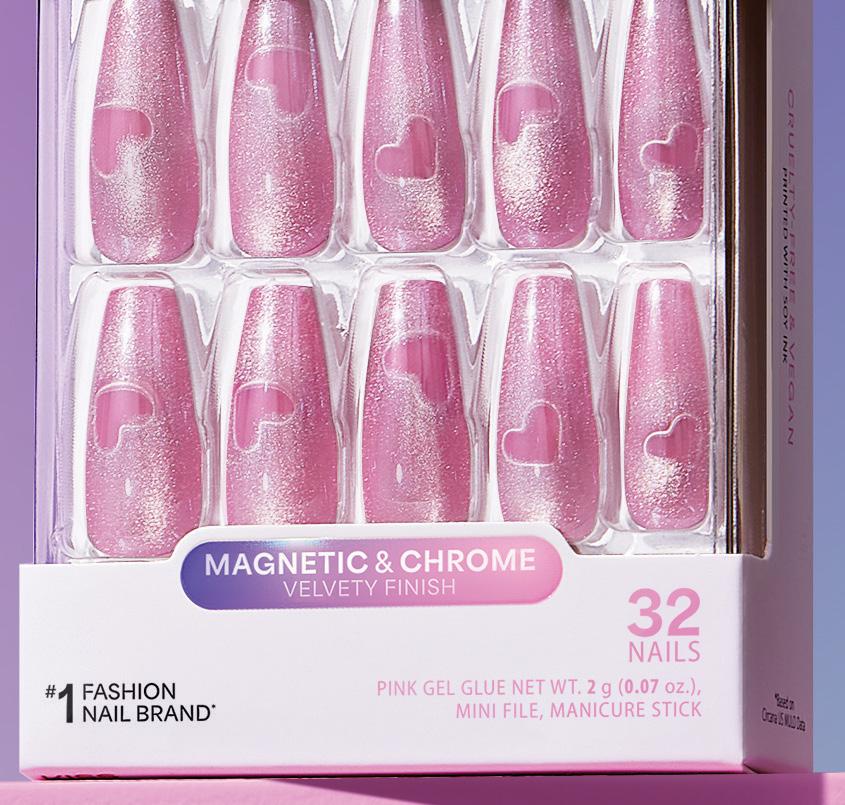
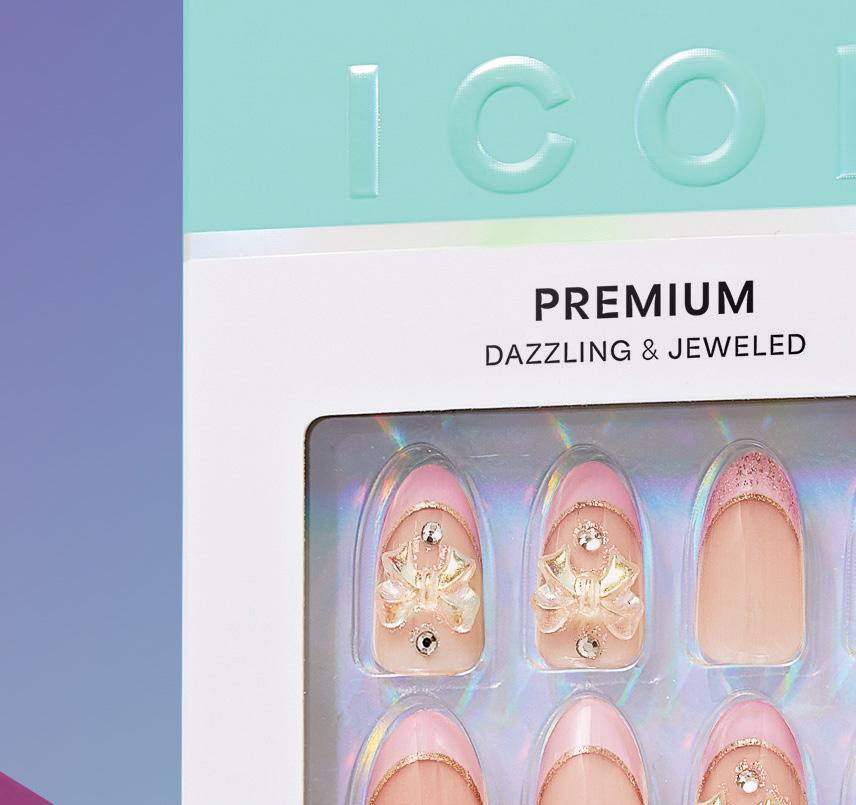
Gallucci: Beauty trends continue to be supported by beauty “hacks.” Self-expression and personalized service seem to be resonating with the beauty consumer, this is supported by internet trends and mall kiosks catering to building one off beauty options like designing your own nails.
33,000+






















Momentum is growing to allow pharmacists to practice at the top of their license. Here’s what some states are doing—and what’s holding others back
By Taffel Sturgeon
PharmDs are doctors, too!
“The profession is proud to see pharmacists’ roles being elevated, but most of us view this as catching up to what pharmacists are already trained to do,” said Onisis Stefas, PharmD, CEO of Vivo Health, a member of Northwell Health, an outpatient pharmacy network in New York. “The expanded roles we’re seeing are not a stretch. They’re a long-overdue alignment of responsibilities with existing training and capabilities.”

Across Canada, pharmacists have some level of prescribing authority, though it varies by province. From flu shots to routine immunizations and travel vaccines, pharmacies are the go-to place for Canadian patients looking to access these types of health care services.
For providers, what sets Canada apart from the U.S. market is reimbursements.
This point cannot be emphasized enough because every pharmacist in the United States complains about reimbursements—or lack thereof.
“Provincial governments recognize the value of investing in pharmacy services,” said the Canadian Pharmacists Association, “and many provinces now cover these services as part of their provincial drug plans.”
Canadian pharmacists can prescribe for minor illnesses such as urinary tract infections and acid reflux. Some provinces, such as British Columbia, allow pharmacists to prescribe contraceptives and to order lab tests to manage medications. In Alberta—one of the more advanced pharmacy practice environments—pharmacists can prescribe, manage chronic conditions, order and interpret labs, administer vaccines and operate pharmacist-run clinics.
Canadian pharmacists are even paid for a consultation even if no prescription is issued, which “reflects the pharmacist’s time and professional expertise,” according to the Ontario Pharmacists Association. That’s placing a value on pharmacists they can take to the bank.
Across the country, pharmacists feel validated and energized at the prospects of working at the top of their license.
According to the National Alliance of State Pharmacy Associations, between the start of 2024 and mid-year 2025, 44 states introduced 376 bills covering such issues as test-and-treat services, vaccination authority and expanded prescribing roles. Test-and-treat programs are being launched around strep, flu, COVID and RSV. Some pharmacists can prescribe and dispense oral contraceptives, or help HIV patients, or offer smoking cessation support, or provide disease screening services for the likes of asthma, cardiovascular disease, early depression and risk of obesity.
Patients are grateful for pharmacists taking the lead on screening services. A 2022 meta-analysis including 10 surveys in the United States show patient satisfaction rates range from 81% to 97%.
The study noted strong acceptance for pharmacist-provided screening and testing, especially for common or acute conditions such as strep, flu and COVID where rapid diagnosis can lead to immediate treatment like prescribing medications.
Pharmacists, too, report increased satisfaction, from improved customer relations to an elevated pharmacy profile.
“The profession has long been trained to deliver more clinical care than the system allowed,” said Jeremy Faulks, vice president of pharmacy operations at Thrifty White Pharmacy, a chain of 88 pharmacies serving the upper Midwest. “It’s encouraging to see broader recognition of pharmacists as front-line clinicians.”
Proof-of-concept: Check.
Trained expertise: Check.
A lifeline, in particular, for rural “health deserts”: Check.
One problem is that these expansive practices vary by state. As a metric, there’s state-by-state participation in Clinical Laboratory Improvement Amendments waivers that expand the scope of work of pharmacists.
A 2024 assessment found the total number of pharmacies with a CLIA-waiver grew from 18% of locations in 2015 to 52% in 2023.
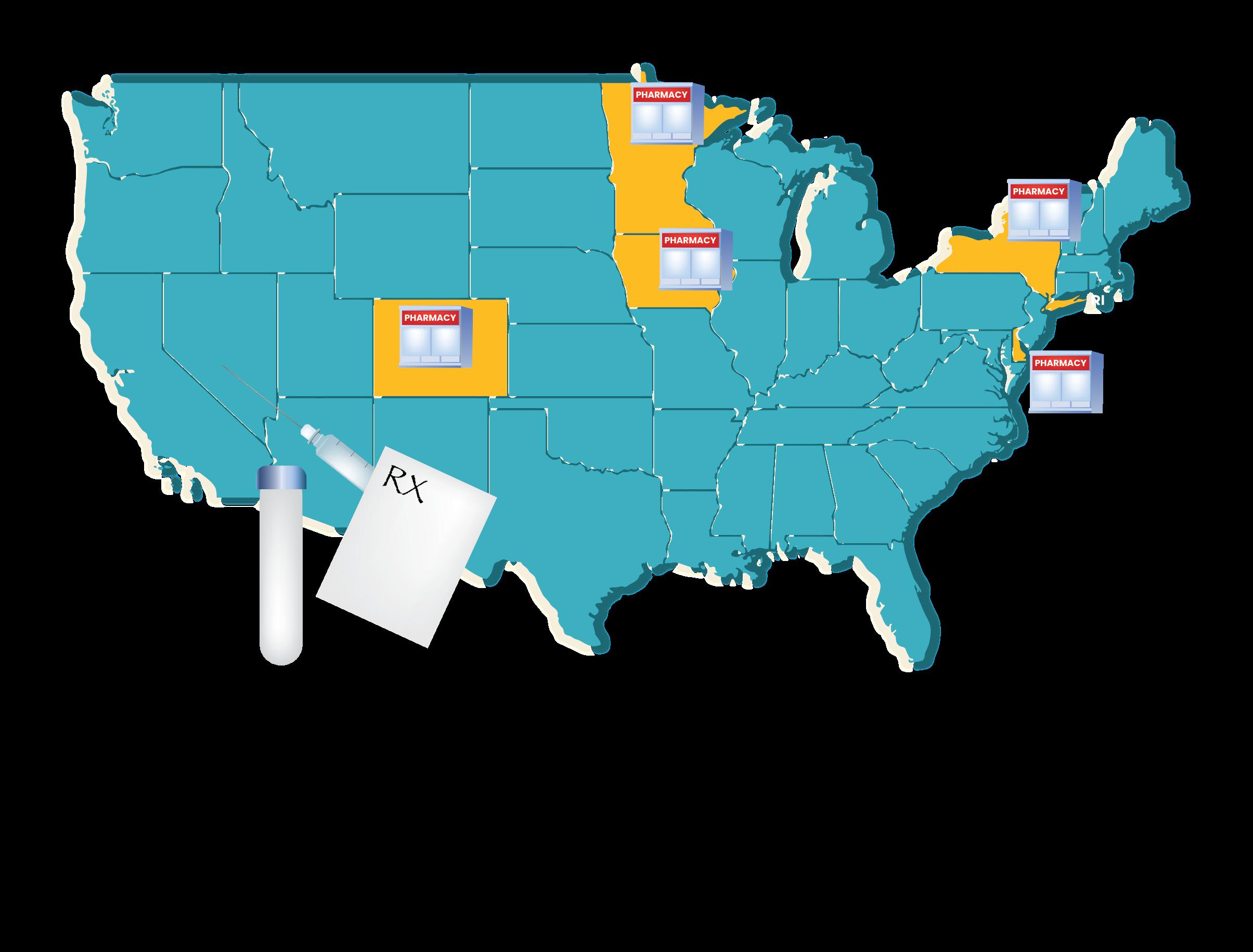
State-level participation variability is wide. Nationwide, states average about 50% participation rate. Delaware leads with an adoption rate of almost 88%. New York is at the bottom, around 6%. Supermarkets tend to have higher levels compared to independents, according to a published study in Research in Social and Administrative Pharmacy.
“Pharmacies continue to see opportunity in offering CLIAwaived testing services beyond those that had been extended as a result of the pandemic,” the research team concluded.
Adoption rates vary by state due to differences in regulatory framework, staffing availability, patient volume and operational readiness—particularly in rural markets.
Operational reality check
But then there’s the ever-present problem of reimbursements. The U.S. healthcare system frequently lacks a consistent payment mechanism for clinical services like testing, screening and prescribing.
To participate in some of these expansive services, pharmacies need to investigate whether Medicaid or state policies will cover the costs, or whether private insurance will. If not, that leaves patients to pay for these services, or else pharmacies themselves absorb the costs.
“To fully realize this potential—especially for an aging Medicare population—pharmacists need recognition as billable providers so they can be reimbursed for clinical services, not just product dispensing,” said Stefas. “CLIA waivers, limited test-and-treat programs and isolated prescribing protocols are steps in the right direction, but they will not, on their own, unlock the full value pharmacists can provide to public health.”
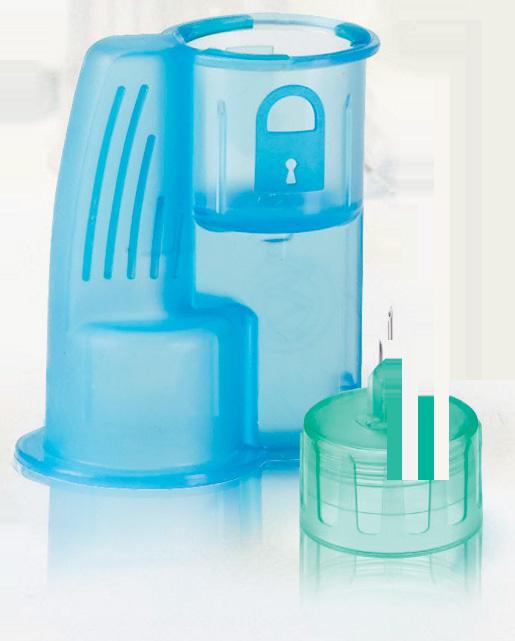

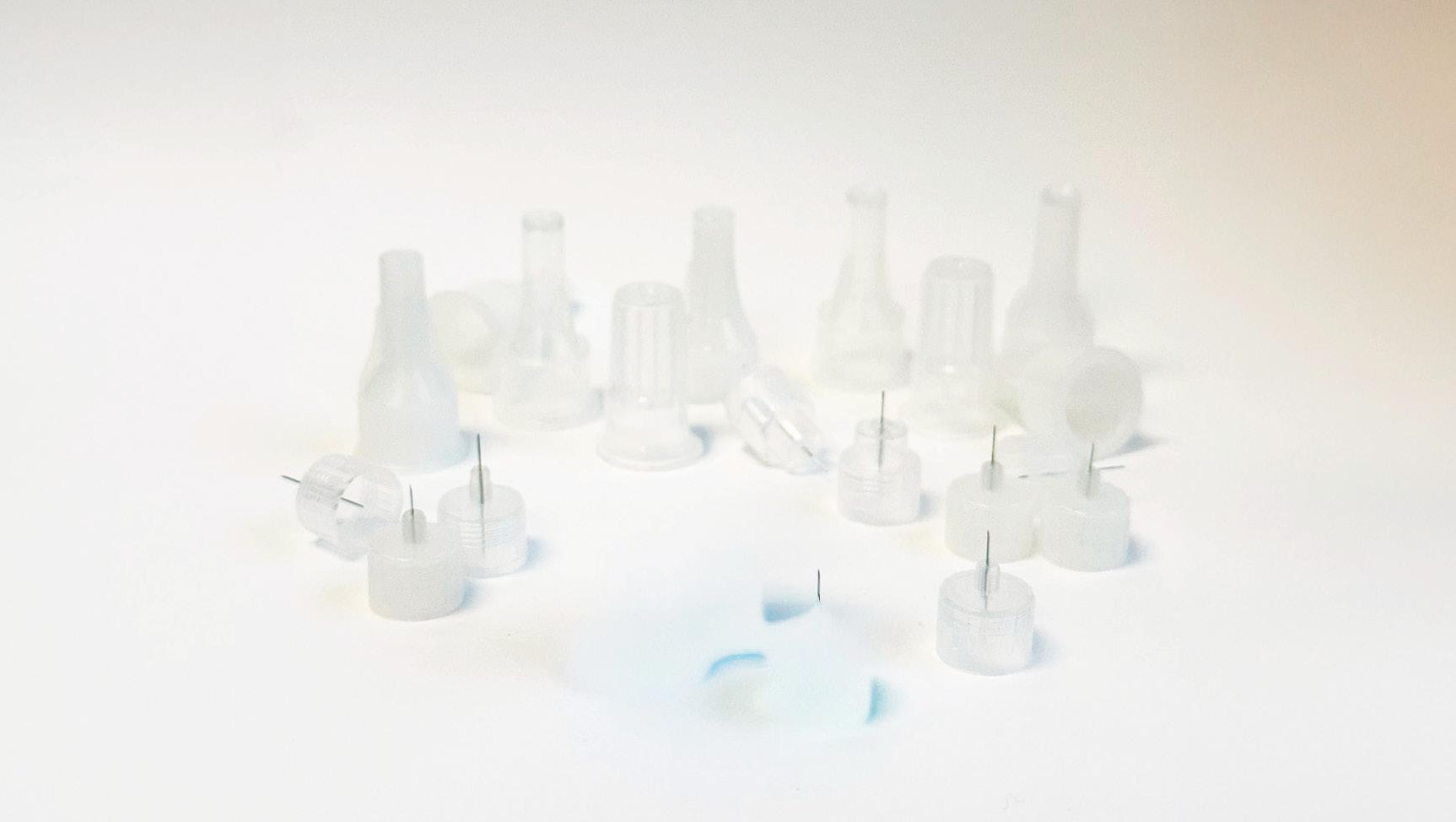
difference you can see
The only pen needle Plus a built-in remover.
Unifine® Pentips® Plus is designed with colored hubs and a built-in remover to help make living with diabetes easier, safer, and less stressful. ur colored hubs provide enhanced contrast and improve visibility for patients, allowing them to see and handle their pen needle more easily1. The built-in remover is easier to grip, while offering added convenience and a safer disposal option when on-the-go2 .

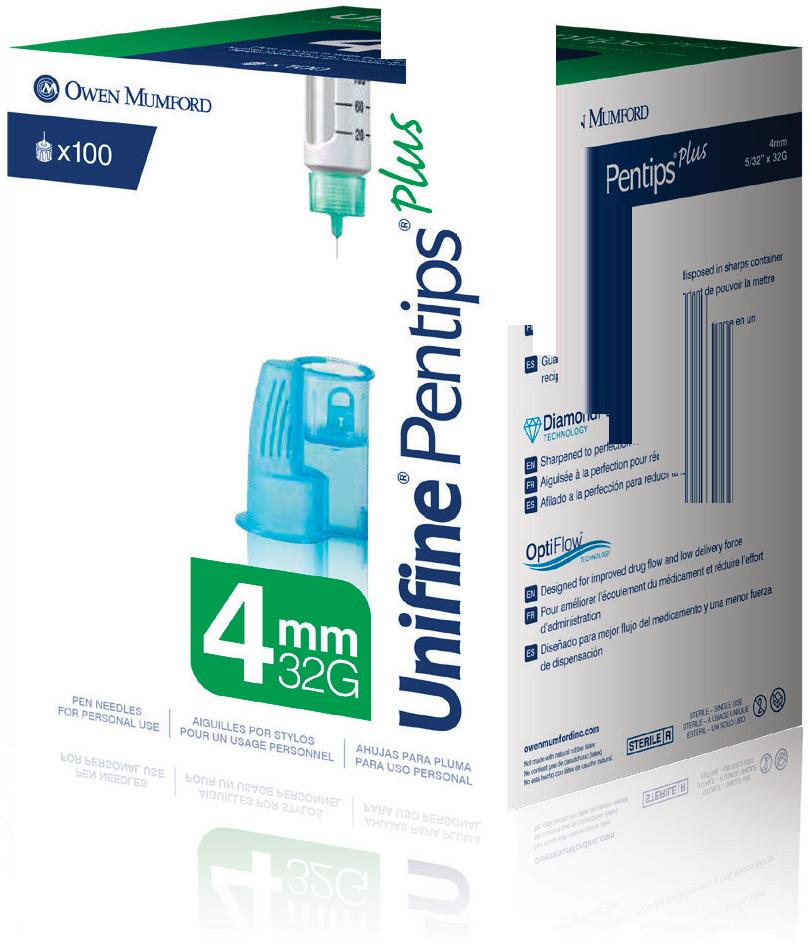
Here’s a profile of five representative states, with some details on how they’ve worked with their state legislatures and what practices have been of greatest benefit for drug stores and pharmacists longing to practice at the top of their license.
nesota:
Minnesota is on the move. In 2024 the state legislature passed four of five bills that were a priority of the Minnesota Pharmacy Alliance.
One extended the authority granted to pharmacy technicians to administer vaccines, flu shots and CLIA-waived tests without the need for a protocol.
Another new law allows pharmacists to prescribe and administer preventive HIV drugs.
A third mandates pharmacist-provided services that fall within their practice must be paid for by a health insurance plan if it is covered by the plan when provided by a physician.
The fourth new law increases the reimbursement rate in the Medicaid fee-for- service, albeit from only $10.77 to $11.55. Still, this is on the high end of state averages, which range from about $9 to $12 per prescription.
“We continue to make progress,” said Sarah M. Westberg, PharmD, president of the Minnesota Pharmacists Association.
“The coverage of services for commercial plans is still in early implementation, and PrEP and PEP prescribing is even earlier in process, so it is too soon to describe patient access or outcome changes.”
Here we have a small state showing what widespread adoption looks like.
Delaware has a U.S.-best 87.9% pharmacy CLIA participation rate, with a strong test-and- treat infrastructure. Pharmacists can test and treat for flu, strep, COVID and other respiratory illnesses, lice and skin conditions including ringworm and athlete’s foot.
A 2022 law also prevents the denial of reimbursement from insurance companies for services within a pharmacist’s scope of practice.
While the legislation has granted pharmacists the necessary authority to provide these services, full integration into medical billing remains a work in progress.
About 40% of the state relies on Delaware Medicaid, and fewer than 14% of residents have a designated primary care provider.
That makes the role of pharmacists critical.
“We are highly optimistic about our trajectory,” said Kim Robbins, executive director of the Delaware Pharmacists Society.
“Once we are fully integrated with the three Managed Care Organizations , we are confident that pharmacists will become a cornerstone of public health infrastructure in the state.”
Colorado is a leader in statewide protocols that allow pharmacists to practice without a physician referral including for hormonal contraception, smoking cessation, HIV prophylaxis, statin therapy and medications for opioid use disorder.
Pharmacists in particular have leaned into Collaborative Practice Agreements for managing chronic diseases such as hypertension, diabetes and dyslipidemia.
“All these authorities illustrate consequential expansions of care and access,” said Emily Zadvorny, PharmD, CEO of the Colorado Pharmacists Society.
Pharmacists also receive reimbursements for clinical services— yet the issue of reimbursements has not been completely solved.
“Colorado Medicaid has been a real partner in recognizing pharmacist services, and that matters,” said Zadvorny. “But Medicaid alone isn’t a business model, and most pharmacists need broader payer recognition to build sustainable services.”
The Colorado legislature has passed private and Medicaid “provider status” laws, but scope expansion without corresponding payment throughout the healthcare system value chain remains an incomplete solution, she said.
If you can make it here, you can make it anywhere. But New York sure doesn’t make it easy. The state ranks at the bottom with the percentage of pharmacies with CLIA waivers at 6%.
“I don’t believe New York’s low CLIA waiver participation rate reflects a lack of interest from pharmacists,” said Vivo Pharmacy’s Stefas. “Pharmacists here are very interested in practicing at the highest level of their training. The real challenge is the regulatory and administrative environment, not the profession’s willingness.”
Pharmacists administer vaccines, conduct medication therapy management and participate in CPAs with physicians to help manage chronic diseases.
But pharmacies must still navigate reimbursement structures, staffing models and corporate policies before launching services such as test-and-treat programs.
“Even when pharmacists obtain CLIA waivers, getting paid for the clinical service is a challenge because pharmacists are still not broadly recognized as providers under many plans,” said Stefas.
Despite new legislation expanding scopes, New York pharmacists must navigate complex regulations with multiple layers of state oversight and the administrative burden that often exceeds available reimbursement.
“Pharmacists here are very interested in practicing at the highest level of their training. The real challenge is the regulatory and administrative environment.”
— Onisis Stefas, PharmD, CEO, Northwell Hospital and Vivo Pharmacy
State policies allow pharmacists to perform CLIA-waived diagnostic tests and participate in CPAs for certain clinical services, especially test-to-treat services for respiratory illnesses that can be diagnosed with rapid tests.
That Iowa stands at a 50% CLIA participation rate—almost exactly the national average—is more a testament to judicious decisions by drug store leaders.
“We deploy CLIA-waived testing where it meaningfully improves access and outcomes for patients,” said Faulks, whose Thrifty White chain serves the Dakotas, Minnesota and Iowa, “especially during respiratory virus season, and where we can sustain the service at a high clinical standard.”
Like other rural areas of the country, these expanded services can make a real difference for patients who lack other healthcare access.
And like all other areas of the country, Faulks underscores that reimbursements remain a challenge for businesses to sustainably operate and serve their customers.
“When we have clear regulations, sustainable reimbursement and operational support in place,” he said, “pharmacists can deliver better patient outcomes, experience greater professional satisfaction and play a critical role in strengthening the U.S. healthcare system—particularly in underserved areas.”
A look at some products and services attendees can see at this year’s Annual Meeting
By Nora Caley
With meetings by the beach and by the pool, NACDS Annual Meeting will take place April 18-21 at The Breakers in Palm Beach, Fla. Representatives from retailers, manufacturers and services will gather to attend one of the most important events in the community pharmacy space. In addition to the business programs, there are scheduled “strategic exchange appointments” between retailers and associate members, networking opportunities and a chance to hear experts talk about what’s next in the industry. Here is a sampling of some new products and services attendees can see at the event.
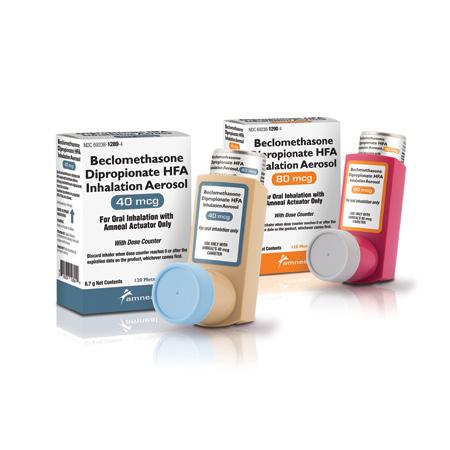
Amneal Pharmaceuticals Space #202
With more than 20 years of expanding access to affordable medicines, Amneal now offers generic beclomethasone dipropionate HFA inhalation aerosol in 40 mcg and 80 mcg strengths. This addition strengthens Amneal’s broad generics portfolio and supports patients who rely on essential respiratory therapies, the company said.
Umbrella #614
Equa Dose Magnetic Silicone Containers deliver smart organization in a compact, colorful form. Crafted from BPA-free, food-safe silicone, the reusable containers protect pills, supplements and small valuables while offering a durable, eco-friendly alternative to disposable storage. Available as a 7-piece set, individually, or a 2-pack.














































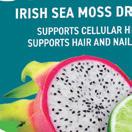





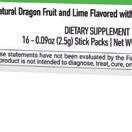











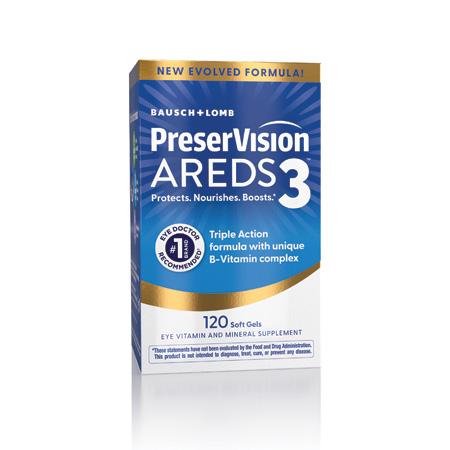
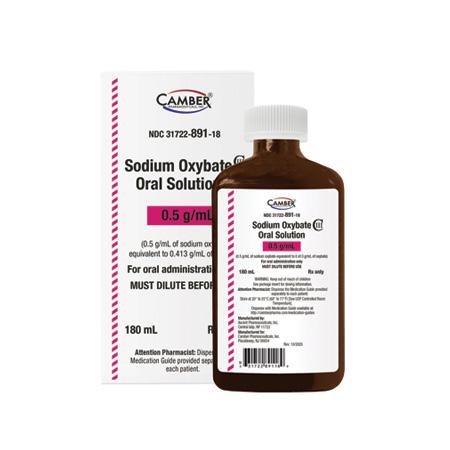

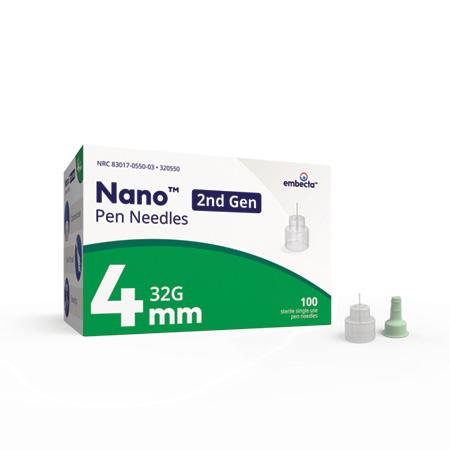
Booth #12
PreserVision AREDS3 eye vitamin and mineral supplement is designed to support a wide range of consumers. It combines the AREDS2 nutrients with a unique B-vitamin complex to support macular health from within.* PreserVision AREDS3 eye vitamins are rolling out to all major retailers now.
*This statement has not been evaluated by the Food and Drug Administration. This product is not intended to diagnose, treat, cure or prevent any disease.
Booth #534
Camber Pharmaceuticals launched sodium oxybate oral solution 0.5 g/mL, available in 180 mL bottles. It is indicated for the treatment of cataplexy or excessive daytime sleepiness in patients with narcolepsy. Sodium oxybate oral solution is a REMS product that requires distributors to be enrolled in the corresponding REMS program.
Umbrella #636
CoverMyMeds offers retail and hospital pharmacy in-workflow solutions like automated claims processing, prescription automation and copay programs designed to streamline administrative tasks and empower pharmacists to focus on patient care.
Table #456
Embecta said its Nano 2nd Gen Pen Needles are the only pen needles with key features that experts recommend: 4mm x 32G, contoured needle base, 5-bevel tip and ultra-thin wall technology. Nano 2nd Gen Pen Needles 4mm contoured base distributes force across the skin surface, for a more consistent 4mm target injection depth.
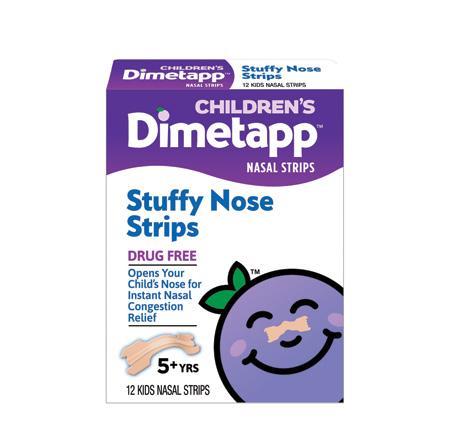
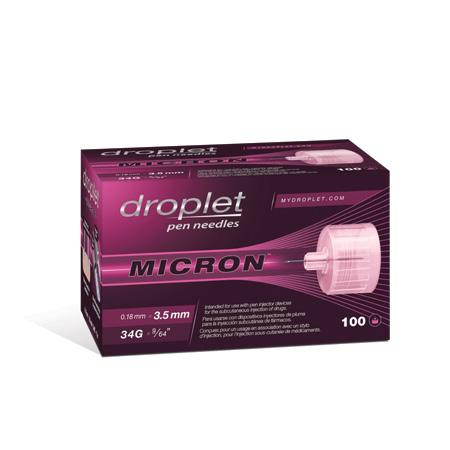
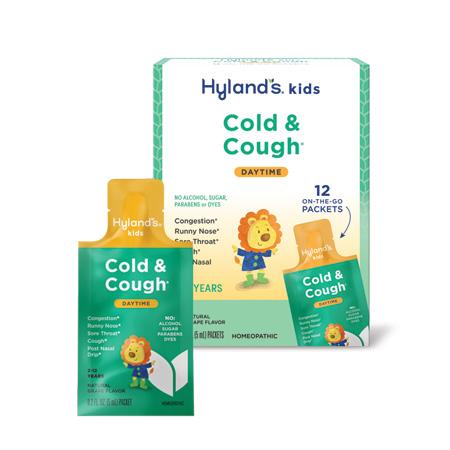
Space #238
EmpiRx Health’s expanded Medication Optimization operating model deploys in-house pharmacists who leverage AI-powered technologies to optimize clients’ drug mix, improving patient health outcomes and delivering guaranteed savings. Clients can expect an average 15% first-year drug spend reduction with continued optimization that compounds their MO Savings over time, the company claimed.
Foundation Consumer Healthcare Space #536
Foundation Consumer Healthcare introduces new Children’s Dimetapp Stuffy Nose Strips. A drug-free solution that gently opens the child’s nose for instant nasal congestion relief, it may be used for up to 12 hours of relief, day or night. It’s safe to use with other pediatric medications.
Umbrella #318
Droplet Micron 34G x 3.5mm is the shortest and thinnest pen needle available, designed to reduce injection discomfort and improve adherence, the company claimed. In a nationwide patient challenge, 2 out of 3 participants preferred Micron because it hurts less. Backed by European manufacturing, Droplet is designed to deliver premium quality with value-driven pricing for retailers.
Umbrella #324
Hyland’s Kids Cold & Cough Daytime Packets offer on-the-go cold relief. Pre-measured packets eliminate guesswork, reduce mess and minimize waste from unfinished bottles. The packets are designed to be hygienic and ideal for travel or school. The product will also be available soon in Hyland’s Organic Kids All-In-One formulation.
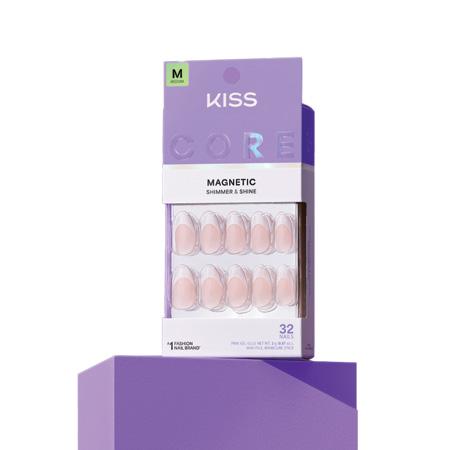
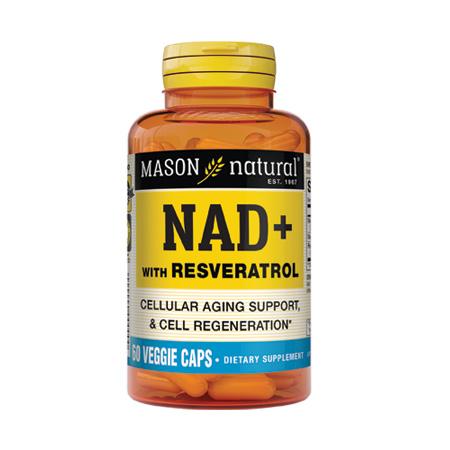
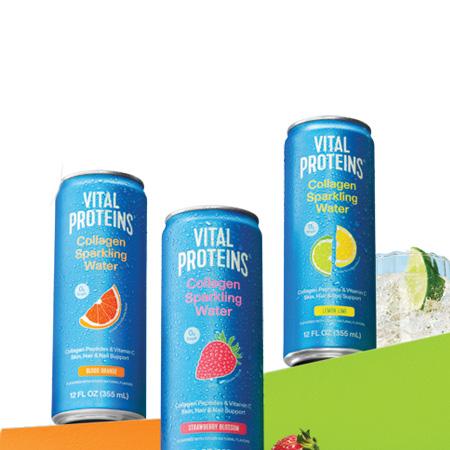
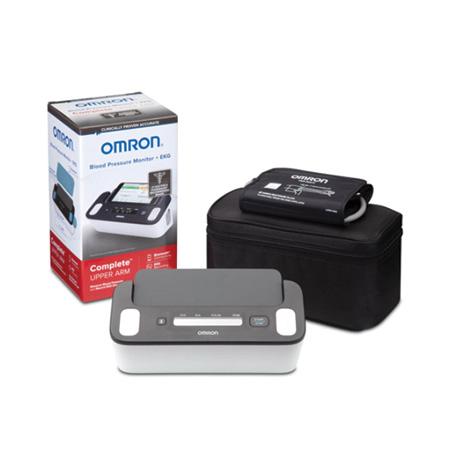
Umbrella #422
KISS Nails announces a brand relaunch showcasing a bold new look with more nail sizes, backed by nail fit research for a better, natural fit. Core, Glam and Icon are the brand’s redefined collections, delivering enhanced comfort and confidence for pinkies, thumbs and every nail in between.
Umbrella #554
Mason Vitamins launched NAD + Resveratrol Complex, featuring NAD precursors with trans-resveratrol, quercetin and targeted antioxidants to support mitochondrial efficiency and cellular repair. The company said the many benefits for this product include enhanced daily vitality, energized cellular function and long-term wellness support, offering retailers a longevity solution.
Mediterranean Ballroom #47
Vital Proteins Collagen Sparkling Water features a full serving of Verisol collagen peptides to improve skin health, plus support for healthy hair and nails. Each can delivers 100% of the daily value of vitamin C, with 0g sugar and no artificial sweeteners. Available in Strawberry Blossom, Lemon Lime and Blood Orange flavors.
Bungalow #1 or Table #438
Omron Complete Wireless Upper Arm Blood Pressure Monitor + EKG has built-in EKG technology for at-home monitoring. It measures systolic, diastolic, pulse, atrial fibrillation, tachycardia, bradycardia and sinus rhythm. The durable, contoured wide-range D-ring cuff fits arms 9 inches to 17 inches in circumference.
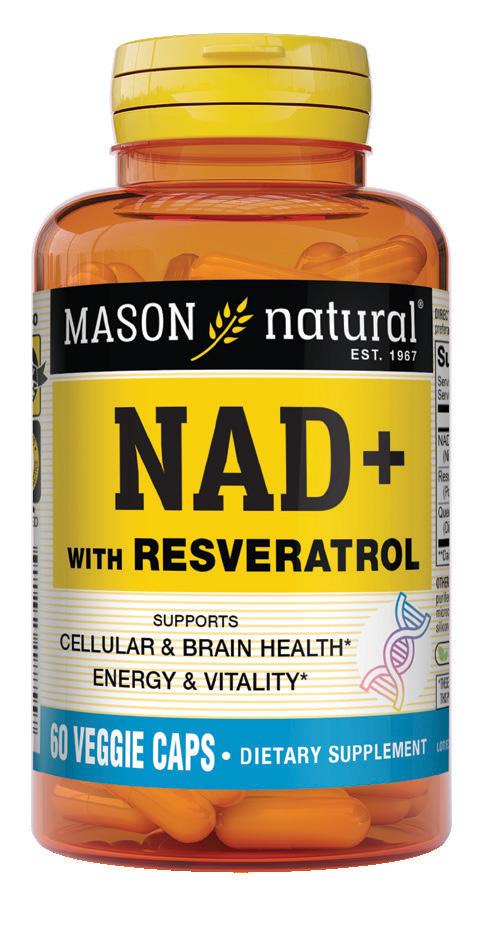



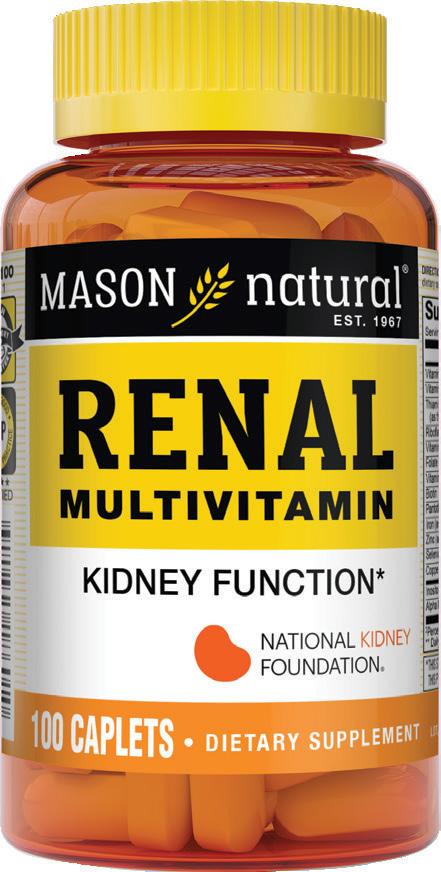


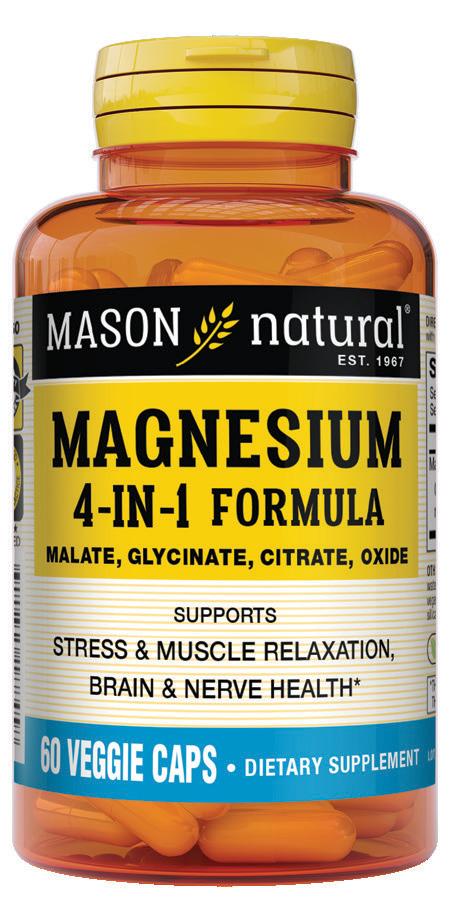

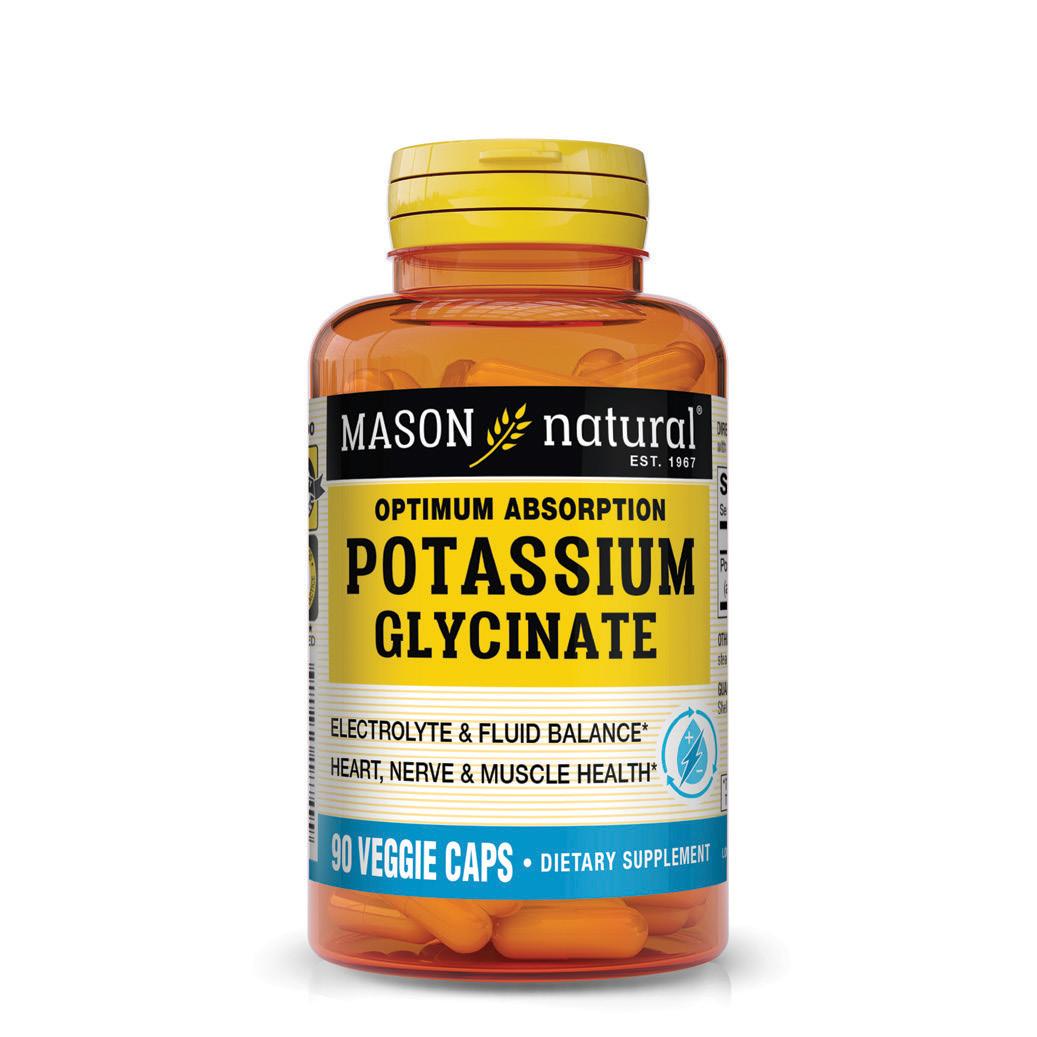


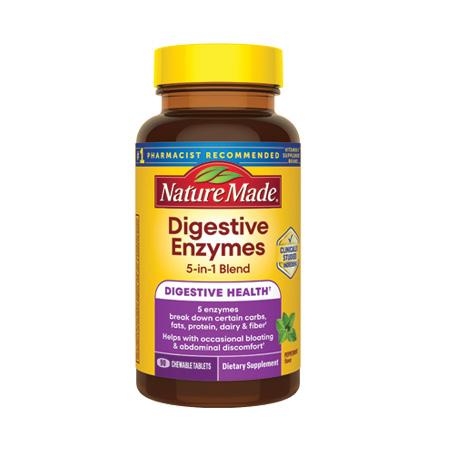
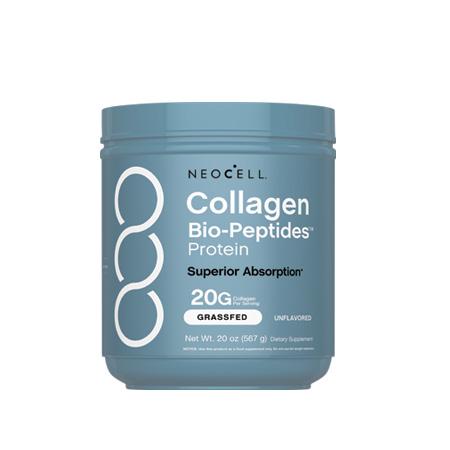
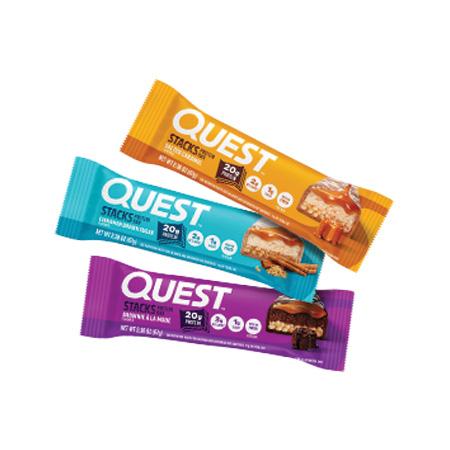
Space #24
Nature Made Digestive Enzymes provides a blend of five enzymes to break down a range of foods that commonly cause digestive issues, while helping to ease occasional bloating and abdominal discomfort when a user takes one chewable tablet with each meal, three times daily.
*These statements have not been evaluated by the Food and Drug Administration. These products are not intended to diagnose, treat, cure or prevent any disease.
Umbrella #620
NeoCell Collagen Bio-Peptides Protein Powder delivers 20g of grassfed collagen and 18g of protein per serving to support healthy hair, skin, nails and joints. Simplified for superior absorption, this unflavored powder mixes easily into coffee, smoothies and recipes for a seamless daily ritual.
Bungalow #16
Quest Stacks Protein Bars feature 20g of protein and a combination of crispy, crunchy and chewy layers. The bars are available in three flavors: Salted Caramel, Brownie a la Mode and Cinnamon Brown Sugar.
Umbrella #544
Bébé Bottoms Diaper Rash Crème Spray is designed to soothe a baby’s delicate skin with a hygienic, touch-free spray. Its Thin Layer Care formula provides the protection of a thick cream in a lightweight product. With 10% zinc oxide, organic chamomile and calendula, it helps prevent, treat and soothe diaper rash.
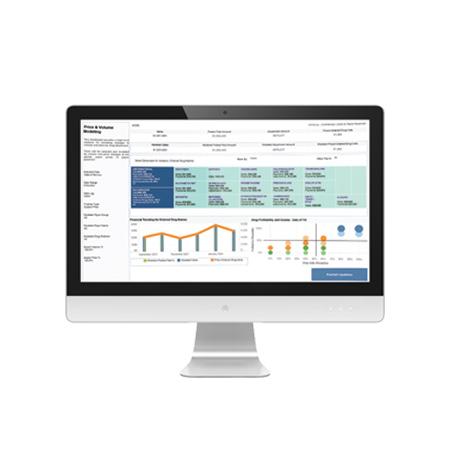
Umbrella #406
TruLabs Multivitamin is a sugar-free drink mix that delivers 24 vitamins and minerals, including all eight B vitamins, along with key nutrients to support everyday wellness. Available in Island Sun and Frost Berry, this dairy-free, gluten-free, soy-free and vegan formula fits seamlessly into any routine, the brand said.
Space #464
Wahl said its TrimNinja proves big things come in small packages. A trimmer, edger and shaver all in one, it features the brand’s new Everlast Blade with a double-sided trimming design for close, precision grooming. This compact item delivers cordless convenience, rinseable blades and a rugged no-slip grip.
Booth #619
A revenue cycle management solution with embedded AI, XiFin Empower RCM provides an end-to-end AR process for medical billing that can be initiated within the pharmacy workflow using the NCPDP or clinical pathway. Real-time eligibility and benefits verification, PA workflows, denials/appeals automation, provider-facing portals and business intelligence drive efficiency, reduce denials and maximize reimbursement.
Retailers that address shoppers’ in-store challenges could get a bigger piece of the growing sexual wellness category
By Kathie Canning
Evolving cultural attitudes toward sex and sexuality, as well as a significant increase in awareness of sexual health issues, spell growth for the sexual wellness market, according to Astute Analytica. In a February 2026 publication, the market research firm projects the global sexual wellness market—including condoms, lubricants, supplements and more— will reach $58.6 billion by 2032, reflecting a compound annual growth rate of 7.15% from 2024.
Understand Shoppers’ Challenges
Pharmacies might not realize their fair share of that growth, however. Shoppers often face in-store obstacles that threaten a purchase.
For example, some retailers continue to lock up sexual wellness items behind glass, noted Carol Carrozza, vice president, marketing for Okamoto. “Or clerks may still be required to accompany consumers to check out with sexual wellness products,” she said. “This deters consumers from shopping the
category and may incentivize them to shop for these sensitive products online.”
Kathryn Pratt, senior vice president of innovation, marketing and e-commerce for Beacon Wellness Brands, agreed that locked cases and the necessity to ask for assistance “can create friction and discomfort.” Moreover, fragmented product placement instore often fails to reflect women’s modern mindset.
“Historically, shoppers entered the category reactively visiting feminine hygiene or ‘intimacy’ aisles when addressing a problem or planning a specific moment,” she explained.
“Today, that mindset has evolved: Sexual wellness is becoming integrated into her everyday wellness ritual. The definition has broadened to include pleasure, confidence, sleep, hormonal balance and overall vitality.”
Perceived age discrimination can be a purchase barrier, too.
As Cara Kamenev, global brand president and CEO of Stripes Beauty, pointed out, women in midlife—especially women going through menopause or perimenopause—frequently feel invisible.
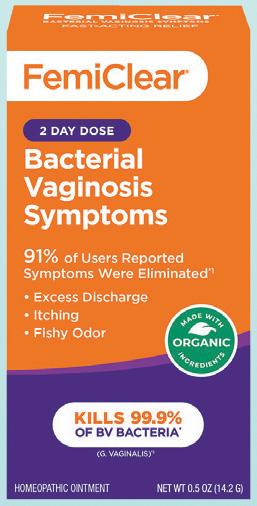



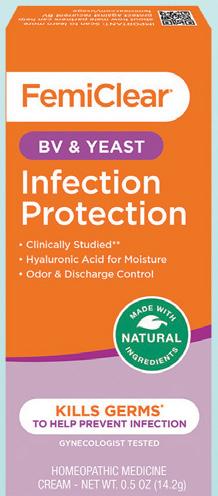
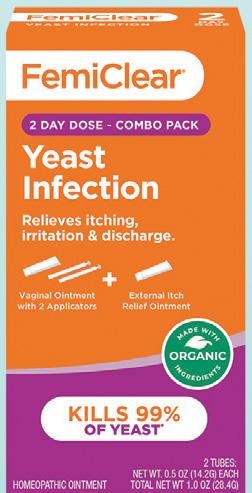
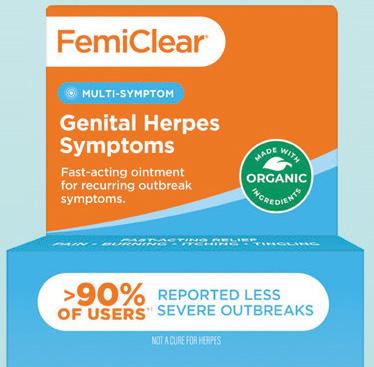
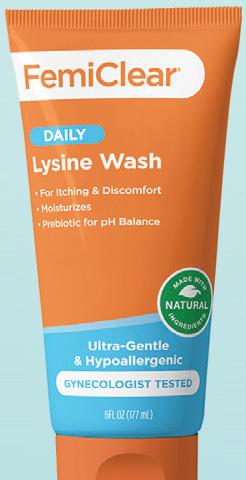
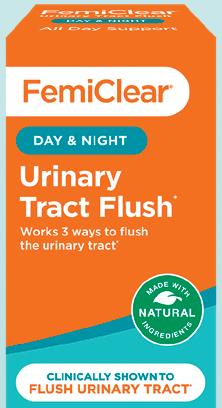
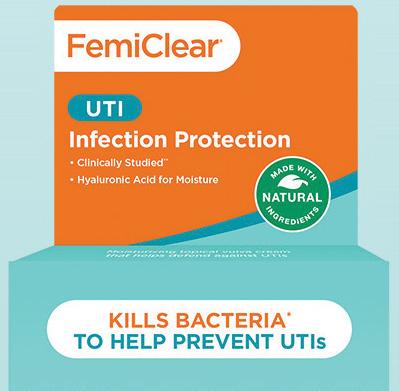









“Products often skew young; education is fairly limited; and there’s little guidance on real aging-related concerns like vaginal dryness, change in libido or sensitive skin,” she said.
Lack of education is yet another challenge, according to Natassia Miller, an AASECT certified sexologist with DatingAdvice.com.
“Shoppers often don’t understand what different products actually do—for example, which condoms are best for sensitivity versus durability or which lubes are safest with toys or prone to causing irritation,” she noted. “That’s because packaging leans on marketing language instead of clear education.”
An abundance of choices in any one sexual wellness category also can be a stumbling block for shoppers. Milla Impola, director of communications for Global Protection Corp., pointed to the lubricant category as an example.
“With so many brands, formulas and packaging styles, consumers are often left wondering how to choose a lubricant that works for them,” she said.
Be a Problem-Solver Pharmacies could benefit by addressing these shopper challenges. First of all, they have an opportunity to “normalize sexual wellness as a part of everyday health,” Kamenev said. That means thoughtfully curating an assortment of products and arranging them by not only type of product, but also the issue(s) they address.
“Clear signage, cohesive merchandising and solution-based adjacencies can dramatically improve navigation,” Pratt added.
There’s an opportunity, too, for retailers to reframe women’s sexual wellness as “proactive health care” instead of reactive problem-solving,” she stated. That opportunity begins with gaining an understanding of women’s life stages and supporting the “real journeys” they are on.
And removing the “locked wall” in front of products might ease any embarrassment tied to product purchase, maintained Alexandra Fine, co-founder and CEO of
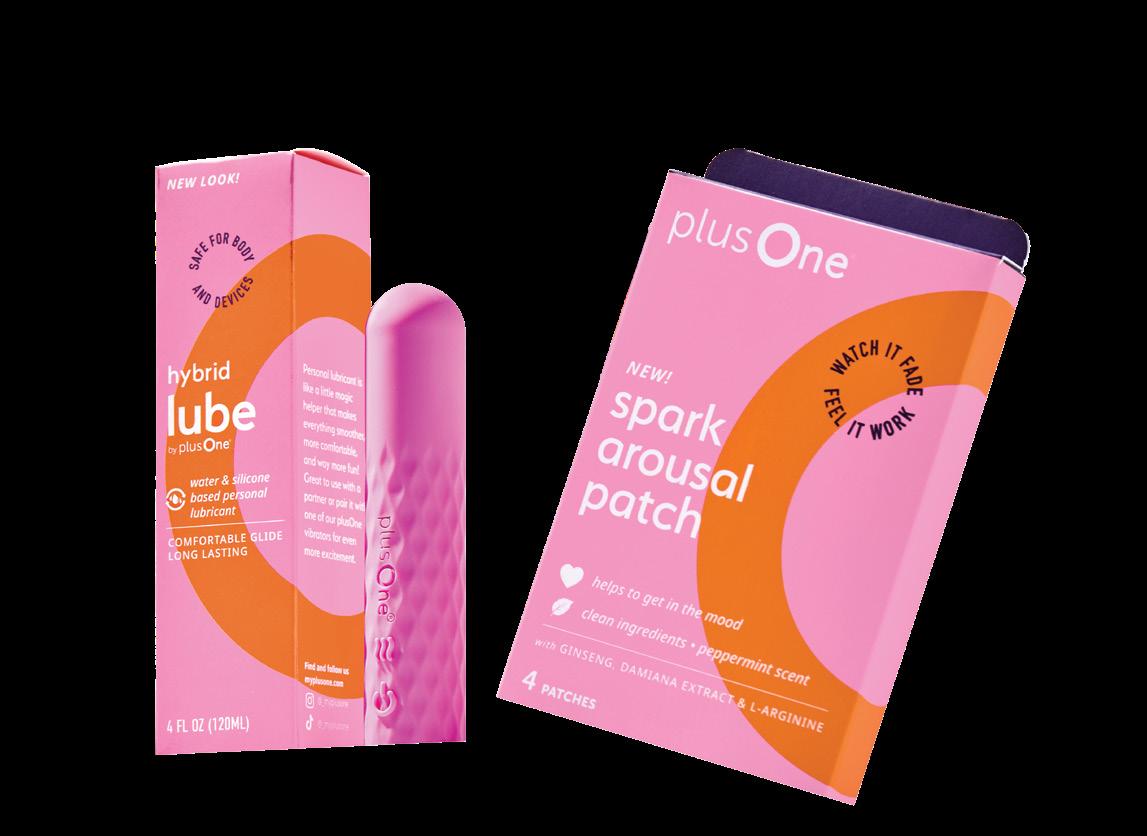
“Products often skew young; education is fairly limited; and there’s little guidance on real aging-related concerns like vaginal dryness, change in libido or sensitive skin.”
—Cara Kamenev,
global brand president and CEO, Stripes Beauty
Dame Products. She also suggested the addition of self-serve checkout options, such as vending machines.
Some suppliers could also help here. For example, Okamoto’s Wink condoms come in discreet packaging that doesn’t “hypersexualize condoms,” so consumers can purchase them without embarrassment, Carrozza said.
Shopper education is critical as well.
“For consumers to better understand products related to sexual wellness, they need to understand what each of these products do for them,” stressed Aimee Evnin-Bingham, an AASECT certified sex therapist. She recommended the addition of “small excerpts or blurbs” on the shelves near the products “to help the consumer really understand why they are buying an item versus the marketing words used to draw someone in.”
Natassia Miller noted that QR codes or “simple, stigma-free shelf talkers” addressing topics such as “how to choose a condom” or lubrication basics can be effective on the education front.
“Those same QR codes can link to
retailer-hosted microsites with FAQs, diagrams and even short videos for those who prefer to research privately at home before they shop in store,” she added.
Clear product callouts, comparison charts and benefits-driven messaging can improve shoppers’ understanding and experience, too, noted Melody Cazarin, sales director of Satisfyer North America. She also recommended that sales associates receive product-related training.
Some vendors offer help on the educational front, too. For example, Global Protection Corp. revamped its ONE lubricant packaging to clearly communicate what each lubricant is, as well as its benefits, Impola said.
Retailers also have an opportunity to communicate that “aging is not a problem to fix,” stressed Kamenev. No matter what stage of life they are in, women need solutions for their bodies and “deserve to feel confident and empowered throughout the journey.”
An inclusive mindset helps, too, Natassia Miller suggested. That means offering products not only for various life stages,

There’s no dearth of new products in the sexual wellness space. A couple highlights include:
One True lubricant. Made with aloe, the water-based pH-friendly product is 99% naturally derived.
According to Milla Impola, director of communications for Global Protection Corp., the product has a long-lasting formula that addresses a common complaint tied to natural lubricants—drying out too quickly.
The PlusOne Wellness Care collection. The offerings—containing no estrogen, artificial dyes— address some of the most common challenges women face during menopause, from hot flashes and sleep disruption to vaginal dryness and decreased libido. Included in the collection are Quench vaginal gel, Spark arousal serum, Spark libido patches, Vital menopause patch, Aloe and Hybrid glide lubricants and more.
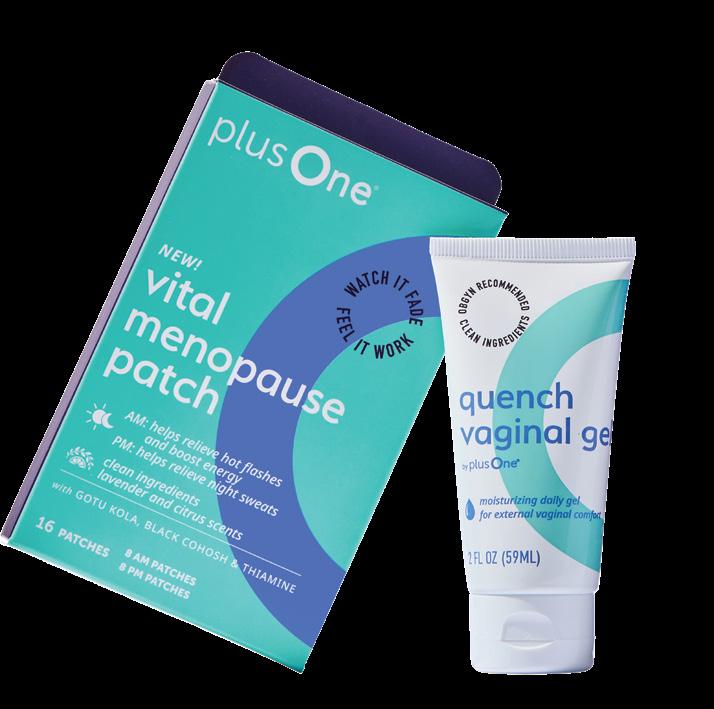
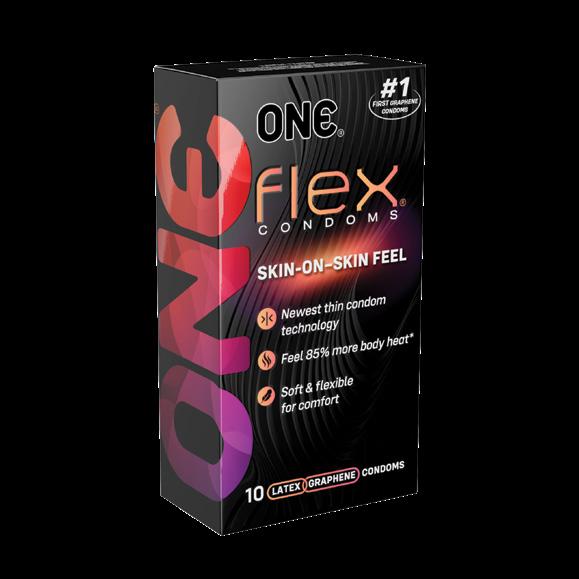
but also for different body types, lifestyles (e.g., LGBTQ+ inclusive packaging) and conditions (e.g., products for chronic pain).
Retailers also could gain share of the sexual wellness category by adding the latest innovations to the assortment. And the biggest recent innovation in the segment is the launch of OTC birth control pills, said Samantha Miller, CEO and cofounder of Cadence OTC. “By shifting care from prescription-only to on-the-shelf, we provide more autonomy for consumers when they don’t have easy access to a health care provider and a pharmacy,” she noted.
Products in line with the “shift from reactive care to proactive intimate wellness” also factor into the innovation equation, Pratt suggested.
“If one area is out of balance, whether it’s sleep, hormonal fluctuation or desire, the ripple effect can impact overall wellbeing,” she said. “That’s why we’ve expanded beyond devices into thoughtfully designed wellness solutions.”
Kamenev calls the last few years “revolutionary” in terms of science-backed product introductions. Her company’s innovations reflect that reality.
“Our products are developed with a deep understanding of hormonal changes, shifting pH levels and the long-term needs of women over 40,” she explained.
And today’s lubricants feature higherquality formulations, Natassia Miller pointed out.
“Lubricants are following a ‘clean beauty’ path—more pH-balanced, glycerin-free, plant-based and organic formulas, plus premium silicone lubes that emphasize performance and skin friendliness,” she said.
Condoms, too, are evolving, undergoing “a significant material science revolution,” Impola said.
Newer materials address consumer concerns related to sensation, overall feel and heat transfer.
For example, she claimed her company’s One Flex condoms are the first grapheneinfused options, advancing thinness, thermal conductivity and flexibility.
Consumer demand for clear, credible sustainability claims is becoming a key driver of brand loyalty.
By Todd Redwood

The cosmetic industry stands at crossroads amid escalating expectations from consumers, regulators and environmental advocates. With complex global supply chains stretching from raw material sourcing to packaging, and increased consumer demands, the industry must align with evolving sustainability goals while safeguarding product quality and safety.
In an industry valued at $441 billion in 2024 and projected to grow at 3.37% annually through to 2030, natural cosmetics alone are forecast to grow from $642 million in 2022 to more than $1 billion by 2030. This reinforces consumers’ appetite but also their expectations for sustainable and responsibly sourced products.
In 2025 the industry faced inflation, rising raw material costs and increased supply chain disruptions, creating challenges for sourcing key ingredients, while geopolitical turmoil and tariffs drove brands to reconsider sourcing strategies. This led to ingredient substitutions, nearshoring and simplified operations, often resulting in higher prices and lower growth. The regulatory landscape is similarly evolving to keep up with expectations.
Frameworks like the Modernization of Cosmetics Regulation Act or California’s Toxic Free Cosmetics Act help regulate ingredients and eliminate the use of toxic chemicals.
As outlined in BSI’s recent whitepaper, this is a potent mix. In a competitive market regulatory scrutiny, inflationary pressures and supply chain disruptions make having visibility over supply chains central to trust and long-term value for cosmetics brands. Failure to adapt can lead to operational, reputational and financial consequences.
In an industry where Scope 3 accounts for 30% to 50% of total emissions, visibility also allows companies to reduce emissions, manage water use and phase out harmful inputs. Technological innovations have an important role to play here. We are already seeing companies harness AI, biotechnology and green chemistry to optimize energy efficiency, reduce waste and streamline supply chains.
L’Oréal, for instance, is pursuing a longterm shift toward renewable and biobased materials through its Green Sciences Strategy, targeting 95% of ingredients from renewable or abundant sources
by 2030. Similarly, Aveda has piloted blockchain based systems to track vanilla through its supply chain. While product quality remains paramount, sustainability is now also integral to value perception. Consumer demand for truthful and accessible information on sustainability claims has also become a key component of brand loyalty. Consumers are also paying closer attention to ingredients, with a rising appetite for clean beauty and natural cosmetics.
Compliance with independent accreditation standards is key to substantiating these claims, as research shows that more than half (59%) of consumers reported that a recognized label would build trust in sustainability claims, and 49% expressly value evidence supported by independently verified certification.
In 2026, the cosmetic industry’s path forward lies in integrating sustainability and ethical practices effectively across its entire value chain. Through transparency in supply chain and communication, brands can transform evolving challenges into a competitive advantage.



















Only Rhinase® moisturizes BOTH upper and lower nasal passages for complete nasal relief from dryness.




































































CPAP/BiPAP, and colds & flu.
















































Rhinase® with Xylitol provides natural and drug-free relief from upper and lower nasal dryness and irritation caused by dry room air, seasonal allergies, chronic





Offer your customers an alternative to products that include unwanted steroids and dyes, or a saline-only product that may not work as well.