WHAT’S
FUELLING COFFEE SALES? THE LEADERS - LESSONS FROM
FOOD PRICE REPORT FOUR THINGS TO KNOW














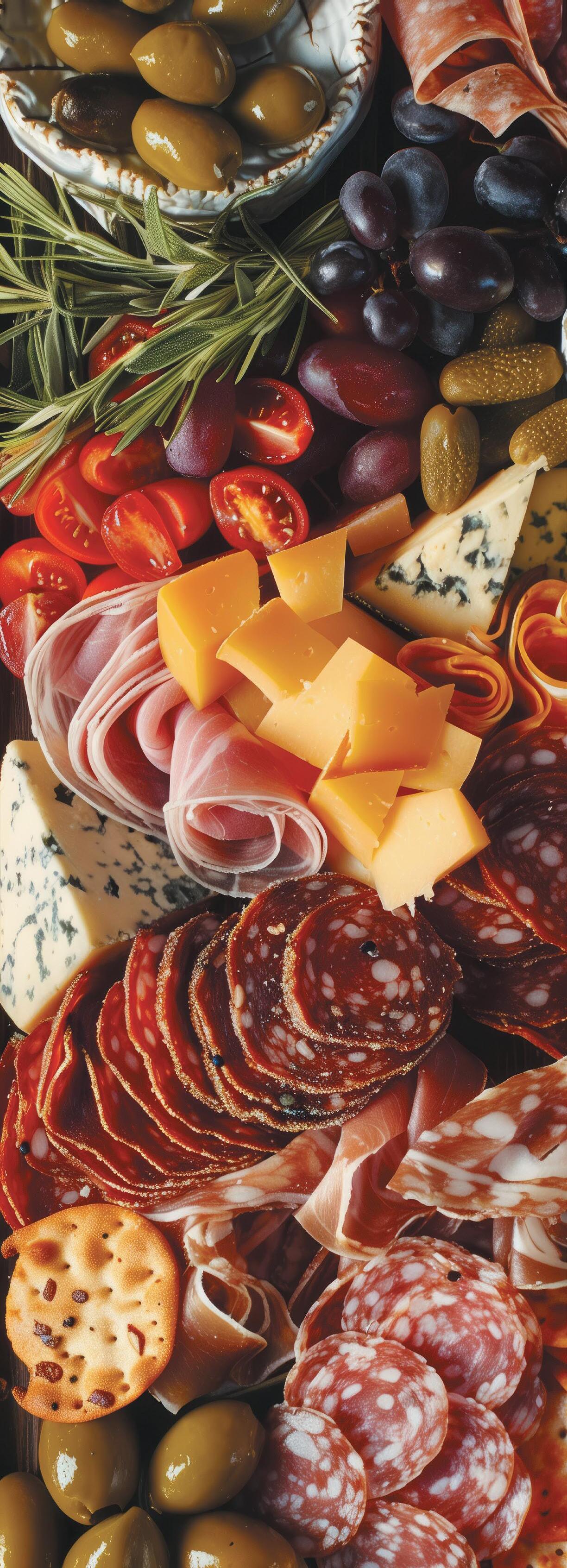
Our passion for exceptional Cheese & Deli is at the heart of everything we do. With a discerning eye for quality and a deep love for the craft, we curate the world’s finest offerings to inspire elevated food experiences. As dedicated category specialists, we don’t just follow trends - we help shape them.



taste of home Meet the Brazilian duo bringing frozen coxinhas, churros and cheese bread to Canadians
Up, up and away New report forecasts food prices will climb up to 6% in 2026
15 The big question Grocery leaders share the biggest opportunities for 2026
17 The meeting point At Canadian Grocer’s GroceryConnex conference, a panel of retailers underscored a simple truth: every decision starts with the consumer







22 In a polycrisis era, tradition becomes a retail strategy As multiple crises converge, nostalgic food offers Canadians a sense of control, explains Mintel’s Joel Gregoire FRESH
49 The fresh formula Whole Foods Market’s Nathan Alvarez offers tips for running a winning produce department
AISLES
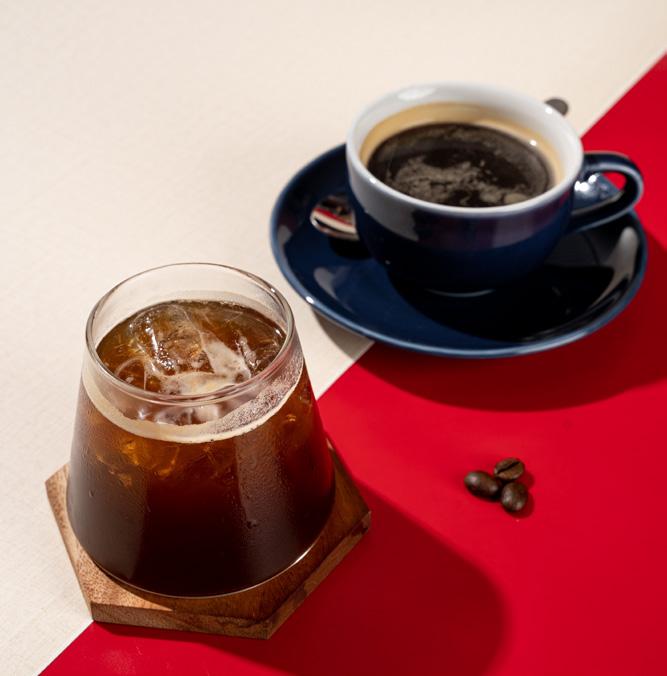
51 Coffee’s hottest (and coolest) trends Canadians are finding new ways to fuel their love of this most popular beverage
55 Secret’s in the sauce Flavour forward, globally inspired—and yes, healthier— sauces and condiments are having a moment





18 Leaders connect See photos from this year’s sold-out GroceryConnex COLUMNS
20 Values versus value Patriotism and price drive Canadians’ grocery choices, says NielsenIQ
57 The new sentiment boom A look at the trends shaping the greeting card category
58 Creatine: Four things to know Hint. It’s not just for bodybuilding
EXPRESS LANE
59 Shelf life Professor Sylvain Charlebois on what 2026 holds for the grocery industry















































2300 Yonge Street, Suite 2900, Toronto, ON M4P 1E4
(877) 687-7321 Fax (888) 889-9522 www.canadiangrocer.com
BRAND MANAGEMENT
GROUP PUBLISHER/SVP,
GROCERY & CONVENIENCE, CANADA Sandra Parente (416) 271-4706 - sparente@ensembleiq.com
PUBLISHER Vanessa Peters vpeters@ensembleiq.com
EDITORIAL
EDITOR-IN-CHIEF Shellee Fitzgerald sfitzgerald@ensembleiq.com
MANAGING EDITOR Kristin Laird klaird@ensembleiq.com
DIGITAL EDITOR Kaitlin Secord ksecord@ensembleiq.com
ADVERTISING SALES & BUSINESS
NATIONAL ACCOUNT MANAGER Karishma Rajani (437) 225-1385 - krajani@ensembleiq.com
NATIONAL ACCOUNT MANAGER Julia Sokolova (647) 407-8236 - jsokolova@ensembleiq.com
NATIONAL ACCOUNT MANAGER Roberta Thomson (416) 843-5534 - rthomson@ensembleiq.com
ACCOUNT MANAGER Juan Chacon jchacon@ensembleiq.com
DESIGN/PRODUCTION/MARKETING
CREATIVE DIRECTOR Nancy Peterman npeterman@ensembleiq.com
ART DIRECTOR Jackie Shipley jshipley@ensembleiq.com
SENIOR PRODUCTION DIRECTOR Michael Kimpton mkimpton@ensembleiq.com
MARKETING MANAGER Jakob Wodnicki jwodnicki@ensembleiq.com
EDITORIAL ADVISORY BOARD
RAY HEPWORTH , METRO
BRENDA KIRK , PATTISON FOOD GROUP
CHRISTY MCMULLEN , SUMMERHILL MARKET
GIANCARLO TRIMARCHI VINCE’S MARKET
SUBSCRIPTION SERVICES
Subscriptions: $102.00 per year, 2 year $163.20, Outside Canada $163.20 per year, 2 year $259.20 Single Copy $14.40, Groups $73.20, Outside Canada Single Copy $19.20.
Digital Subscriptions: $60.00 per year, 2 year $95.00
Category Captain: Single Copy $20.00, Outside Canada Single Copy $30.00
Fresh Report: Single Copy $20.00, Outside Canada Single Copy $30.00
Subscription Questions: contactus@canadiangrocer.com
Phone: 1-877-687-7321 between 9 a.m. to 5 p.m. EST weekdays Fax: 1-888-520-3608 Online: canadiangrocer.com/subscription-centre

CORPORATE OFFICERS
CHIEF EXECUTIVE OFFICER Jennifer Litterick
CHIEF FINANCIAL OFFICER Jane Volland
CHIEF OPERATING OFFICER Derek Estey
CHIEF PEOPLE OFFICER Ann Jadown
MAIL PREFERENCES: From time to time other organizations may ask Canadian Grocer if they may send information about a product or service to some Canadian Grocer subscribers, by mail or email. If you do not wish to receive these messages, contact us in any of the ways listed above.
Contents Copyright © 2025 by EnsembleIQ, may not be reprinted without permission. Canadian Grocer receives unsolicited materials (including letters to the editor, press releases, promotional items and images) from time to time. Canadian Grocer, its affiliates and assignees may use, reproduce, publish, republish, distribute, store and archive such submissions in whole or in part in any form or medium whatsoever, without compensation of any sort. ISSN# 0008-3704 PM 42940023 Canadian Grocer is Published by Stagnito Partners Canada Inc., 2300 Yonge Street, Suite 2900, Toronto, ON M4P 1E4. Printed in Canada


“There were a lo T of surprises this year; I think the biggest surprise was how they kept coming,” quipped Pattison Food Group president Jamie Nelson at Canadian Grocer’s recent GroceryConnex conference in Toronto.
Nelson was speaking on the retail leadership panel alongside Metro’s Marc Giroux, Longo’s Deb Craven and Walmart Canada’s Venessa Yates ( more on page 17 ). He said the year started off with the threat of tariffs followed quickly by the whiplash of those threats becoming reality. “It reminded me of the early COVID days,” said Nelson recalling swirling uncertainty and lack of control over many moving pieces. But the way forward, he said, “is to make sure we’re focused on the things we have control over, and that’s running good stores and pulling people together.”
After a tough year marked by a trade war with our U.S. neighbour, rising costs and Canadians feeling financially strained, some optimism is welcome. Encouragingly, all retailers on the panel expressed confidence about the year ahead. Economic signals are also showing signs of improvement. At the conference, BMO’s Douglas Porter told attendees Canada’s economy should see a modest lift in 2026—still below
average but better than 2025 amid ongoing trade uncertainty. Meanwhile, NielsenIQ’s Carman Allison highlighted emerging growth opportunities tied to consumer shifts, including GLP-1s, generation X (“the forgotten generation”) and the Buy Canadian movement. ( Find full GroceryConnex coverage on canadiangrocer.com).
And for this, our final issue of the year, we asked industry leaders for their perspective on what lies ahead. In The Big Question, grocers share the biggest opportunities they see in 2026 (page 15). We also speak with Dalhousie University’s Sylvain Charlebois ( page 59 ) about the road forward.
While grocery has never been an easy business, the sector is fortunate to have a robust pipeline of talent equipped with the skills and drive to face whatever challenges come next. Proof? Check out our 2025 Generation Next winners on page 26 and prepare to be inspired.
Wishing you a happy holiday season! See you next year! CG
Keep up to date on the latest news by signing up for our daily e-newsletter. It’s free and
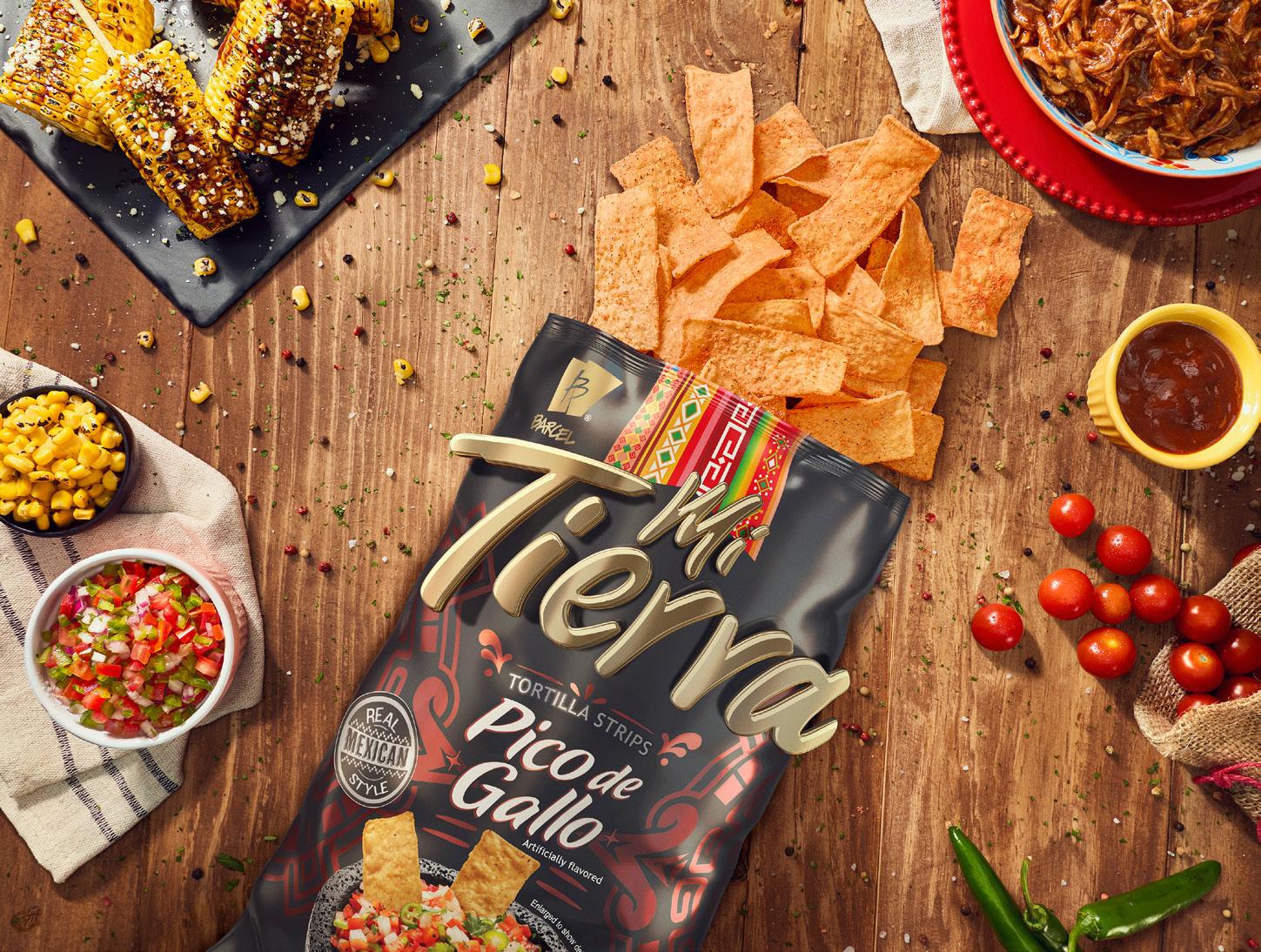
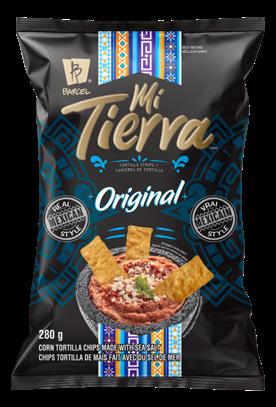
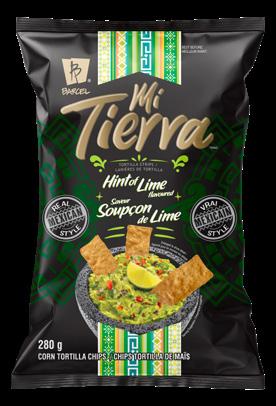
Bimbo Canada, part of Grupo Bimbo’s snack division, is proud to announce our bold expansion into the food carrier category with Mi Tierra Tortilla Strips.
We’ve taken our deep expertise in cornbased products and authentic Mexican ingredients to create a distinctive stripshaped tortilla chip, a versatile, modern take on a classic. Designed to pair effortlessly with any cuisine, Mi Tierra brings the vibrant spirit of Mexico to tables everywhere.
“The food carrier category is growing, and we see a unique opportunity to lead with a product that stands out in both format and flavor,” says Cristina Slovacek, Brand Lead for Mi Tierra.
Our portfolio delivers what today’s consumers crave: versatility, convenience, and global taste experiences, all while staying true to our Mexican heritage. Our Promise:
Mi Tierra is a Value Plus brand offering high-quality products at an accessible price point, while delivering a rich cultural and culinary experience that celebrates authenticity and makes it approachable for Canadian consumers.
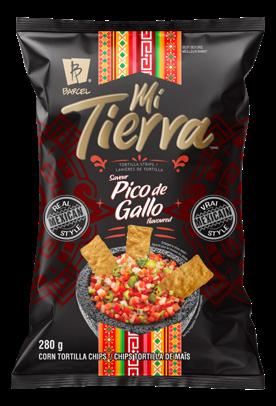
Available in Three Bold Varieties:

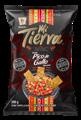
Salt –
Classic taste that lets your toppings shine
Hint of Lime –A zesty twist for a refreshing lift
Pico de Gallo –Inspired by the vibrant notes of fresh salsa
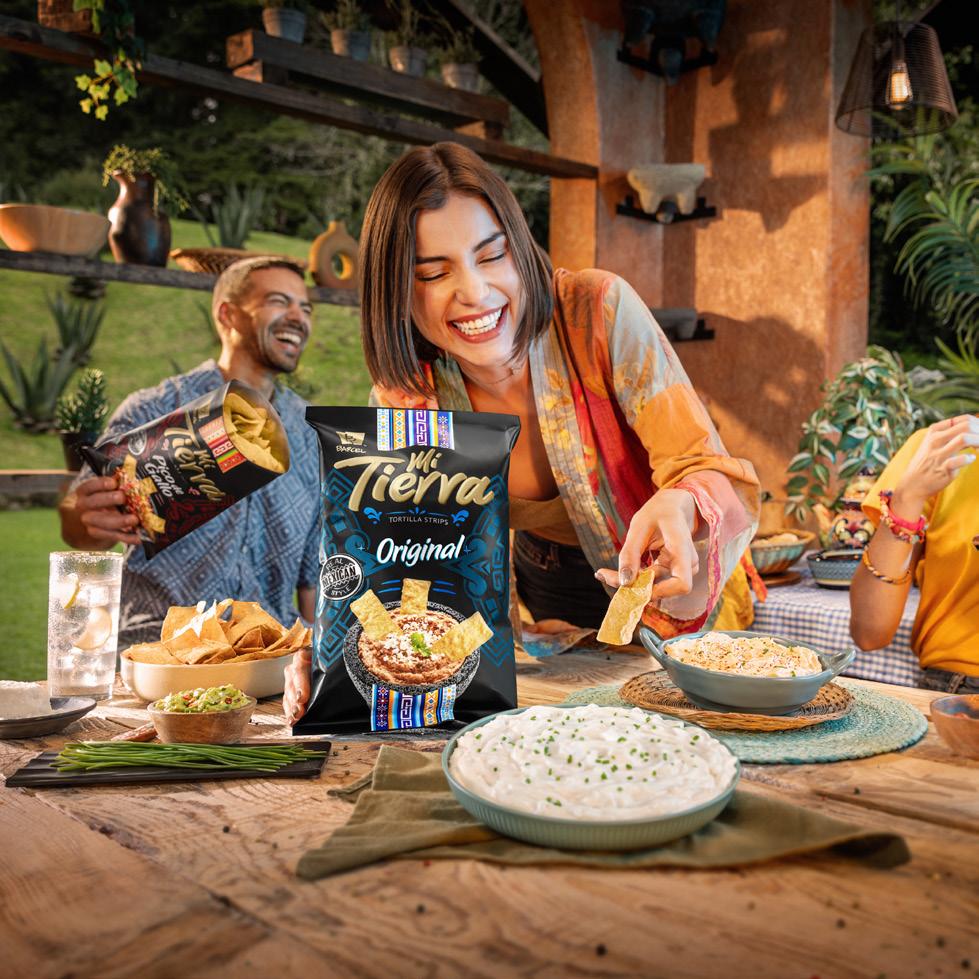
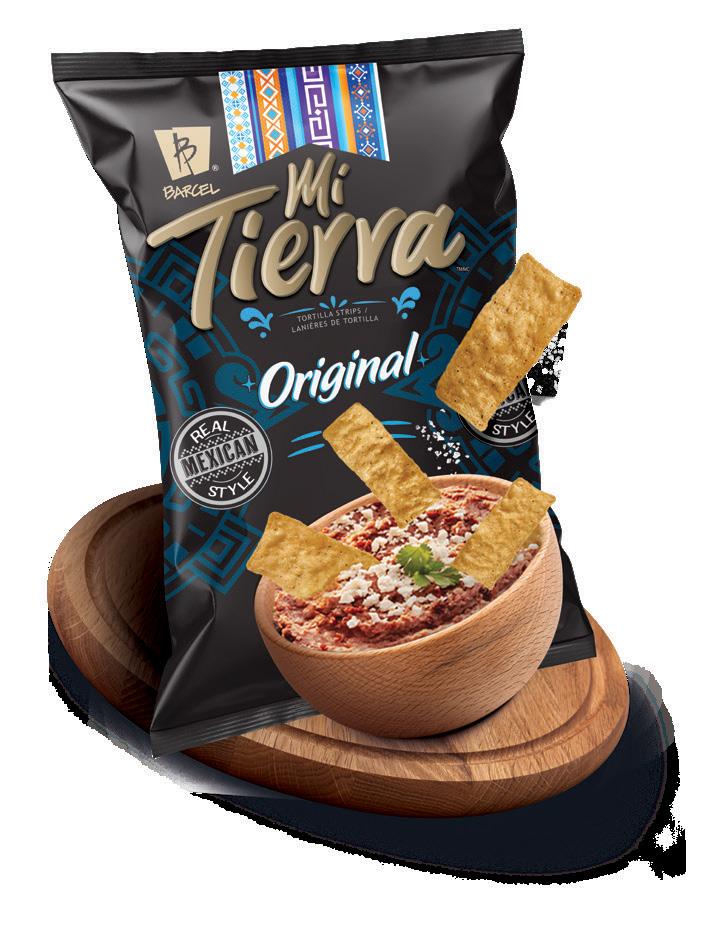
More than a snack, it’s a bold, modern twist on traditional corn-based goodness. Rooted in authentic heritage and crafted for every occasion, Mi Tierra brings everyone to the table. Mi Tierra is now available exclusively at LCL Market and RCSS banners across Canada and on January 8th, 2026, will be launched at retailers nationally offered in sharing sizes”.
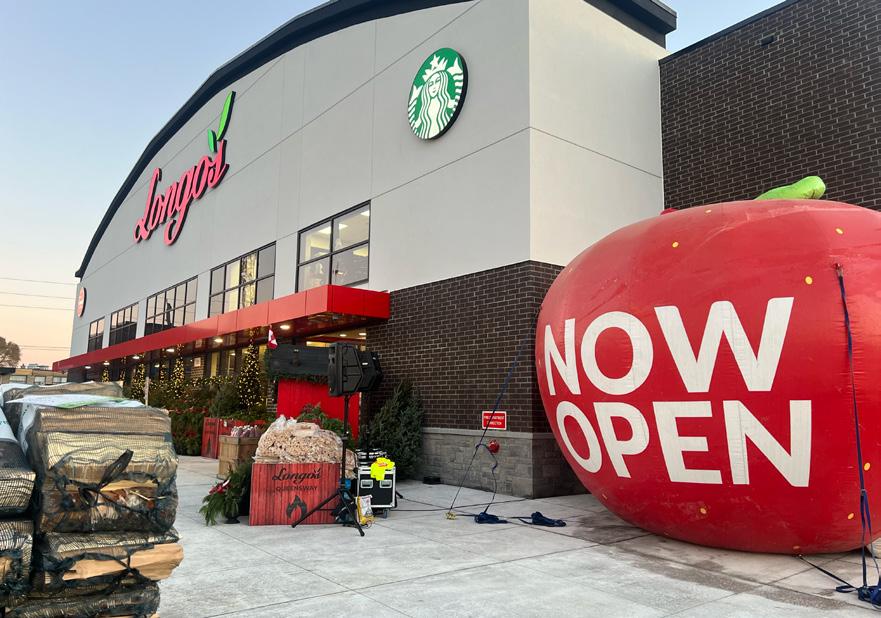
LONGO’S has opened its 43rd store at 1055 The Queensway in Etobicoke, Ont. Highlights include stone-oven pizza, gourmet sandwiches, a hot buffet, salad bar, ready-to-go meals, fresh-daily sushi and a curated beer and wine assortment. The store houses an in-store Starbucks, and The Loft Cooking School offers classes and events.
FARM BOY has relocated its store in Kanata, Ont., one of Ottawa’s fastest-growing suburbs. Situated in a prime retail district, the new store offers an expanded assortment, including farm fresh produce, Ontario-sourced fresh dairy and meat, grab-and-go items and, of course, Farm Boy’s private-label products.
CF Toronto Eaton Centre is now home to EATALY ’s fourth Toronto location—a two-level, 25,000-sq.-ft. space featuring two restaurants—La Pizza & La Pasta and La Piazza—along with quick-service counters, a wine shop and a retail market offering hundreds of Italian products, fresh pasta, produce and cut-to-order salumi and formaggi.

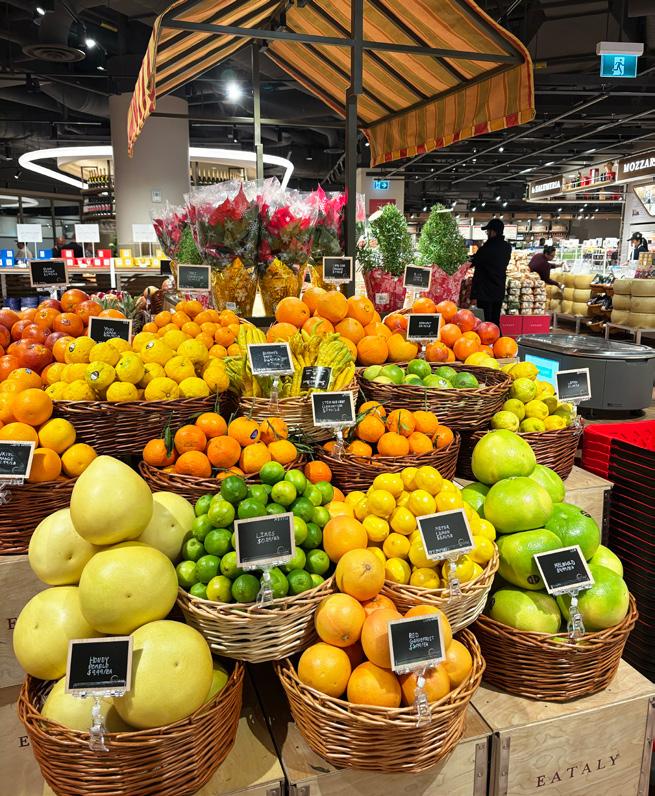
Next fall, T&T SUPERMARKET plans to open its largest Ontario location at the Riocan Empress Walk in Toronto’s North York district. At 66,000 square feet, the store, previously occupied by a Loblaws, will feature a self-serve hot food bar, a bakery section with more than 150 varieties of baked goods, an Asian beauty section and more than 500 T&T private-label items.
NATIONS FRESH FOODS is expanding its Nations Experience concept, first piloted eight years ago at Toronto’s Stockyards Village at St. Clair Avenue West. The next-generation, 120,000-sq.-ft. flagship, is taking over the former Hudson’s Bay space at Oakville Place in Oakville, Ont. It will open in 2027 with an international
T&T Supermarket will open its largest Ontario store (66,000 square feet) in Toronto’s North York district in fall 2026, replacing a former Loblaws location

grocery shopping, global cuisine and multi-generational entertainment including diverse prepared foods, birthday parties and immersive games.
COSTCO WHOLESALE CANADA has opened a 167,000-sq.-ft. warehouse in West Winnipeg at 4077 Portage Ave., replacing the longtime St. James Street location, which is being converted into a Costco Business Centre opening in 2026. The new site features wider aisles, expanded food offering and specialty departments.
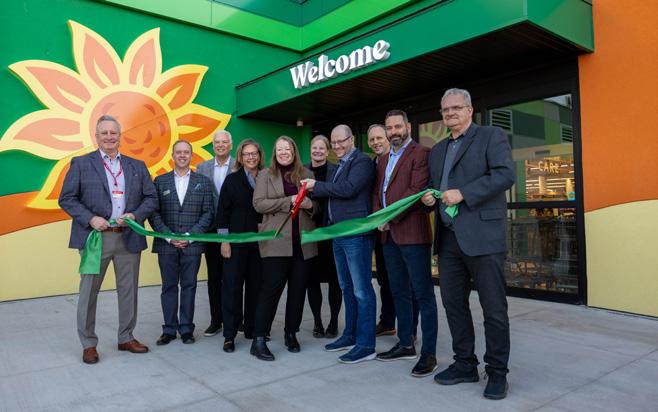
In mid-November, COMMUNITY NATURAL FOODS cut the ribbon on a 11,500-sq.-ft. store in Seton—a new residential community in Southeast Calgary. The store, the banner’s fourth in the city, offers grab-and-go meals, more than 3,000 organic products, 2,500 local Alberta items, a robust bulk department, a wide range of gluten-free, vegan, lowand-no sugar options.


















Empire has appointed 34-year company veteran Pierre St-Laurent as president and CEO of Empire and Sobeys Inc. He succeeds Michael Medline, who announced his retirement in April. St-Laurent has held senior roles across finance, distribution, logistics, retail operations and merchandising, and has served as executive vice-president and COO since 2019, overseeing merchandising, operations and supply chain, nationally.
Yoplait Liberté Canada has named Claire Bara as its new CEO. Bara previously spent more than six years at A. Lassonde, most recently as president, and has also held leadership roles at Molson Coors Canada and Sobeys. Bara will oversee teams in Montreal, Saint-Hyacinthe, Que., Mississauga, Ont. and Vancouver.
Maison Riviera has appointed Michael Norman as general manager (CEO). He has more than 30 years of experience in the agri-food industry, including senior management roles at Argopur and Exceldor. Most recently, Norman served as general manager of Nutrinor.
Bryan McCourt has joined Mother Parkers Tea & Coffee as chief commercial officer, bringing more than 25 years of CPG experience to the company. McCourt has held roles at Grupo Bimbo, Nestlé, PepsiCo and McCain Foods.





The Canadian Federation of Independent Grocers handed out its 2025 CANADIAN INDEPENDENT GROCER OF THE YEAR AWARDS at a gala in Toronto in late October. The National Gold Award winners are: 1. Freson Bros. Fresh Market Glenora, Edmonton, Alta. (medium surface category); 2. Greco’s Fresh Markets, Thornhill, Ont. (small surface); and 3. Save-On-Foods Park & Tilford, North Vancouver, B.C. (large surface). The awards recognize retail excellence in areas such as customer service, store layout, merchandising, creativity and community involvement.







By Andrea Yu • Photography by Jaime Hogge
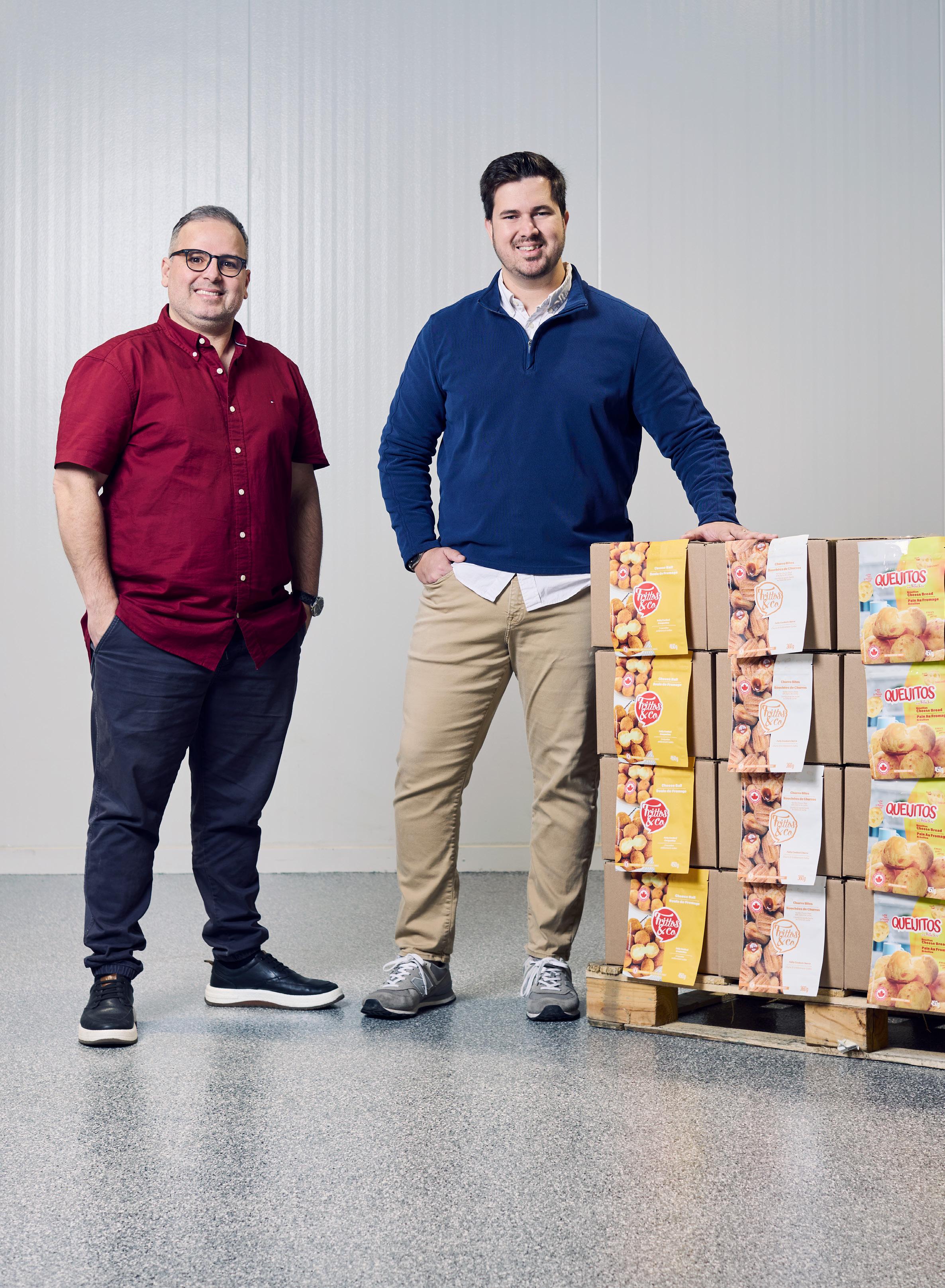
ALTHOUGH BOTH WALLACE Franca and Marcelo Braga hail from Brazil, they didn’t cross paths until after they immigrated to Canada—arriving six months apart in 2019 and settling in London, Ont. Introduced through the local Brazilian community, they quickly discovered a connection: Franca’s father-in-law, an obstetrician, delivered Braga’s daughter back in Brazil. That coincidence sparked an instant connection between their families. “We became very close and spent Christmases together,” Franca explains.
Franca had previously been working at a bank in Brazil but yearned to start his own business in Canada. After meeting Braga, who had opened and operated sushi, hot dog and burger restaurants in Brazil, the two came up with an idea for a food business. Called Frittos & Co., the venture was inspired by their love of Brazilian food and featured a lineup of frozen foods that pair classic Brazilian snacks with Canadian flavours.
Braga was responsible for recipe development. Their signature product would be variations of the coxinha, a Brazilian bite-sized croquette with a meat filling (chicken is the most traditional). “It’s very crispy on the outside and soft on the inside,” Braga explains. “It’s very flavourful.”
Frittos & Co. officially launched in 2022. The initial lineup consisted of four flavours of croquettes (cheese, chicken, bacon and cheese, and pizza bites), along with a dulce de leche-flavoured churro. They began selling in small grocers, focusing on Latin, Brazilian and Portuguese stores in Ontario. Braga and Franca initially made their products in a food incubator and a ghost kitchen in London. Then, in 2023, they moved to The Grove, an agri-business incubator in the city. By the end of that year, they were selling their products in about 100 stores across Ontario.
As the company grew, Braga and Franca faced their fair share of hiccups. When their Brazilian-made manufacturing equipment broke down, Braga had to problem-solve by calling the manufacturer in Brazil. “The machines always break, so now I’m a technician as well,” Braga jokes. One memorably tough day, they were in the middle of an important order when a machine broke down and couldn’t be easily fixed. “We were like,
‘Oh my goodness, how are we going to deliver the order?’” Franca explains. “We did one week of production manually. It was crazy.” After that, they ordered an additional machine as a backup.
Braga and Franca made their foray into major grocery stores in 2024, thanks to a Loblaws’ buyer who discovered Frittos & Co. products in an independent grocer. The buyer trialled the products in four Real Canadian Superstore locations in Ontario before expanding into 37 Superstore locations across Canada. “When we see our products in big grocery stores, it’s so emotional,” Franca explains. “Our company is kind of like a baby to us.”
Frittos & Co.’s presence in major grocery stores expanded in 2025 with launches in 10 Sobeys stores and 24 Fortinos locations across Ontario. The company’s products are now available in more than 800 locations across Canada. Over the years, the company’s product lineup has also grown, adding another Brazilian snack staple—cheese bread— as well as more flavours of their existing lineup such as chocolate churros and barbecue pulled pork croquettes.
The company is now busy enough that both Braga and Franca’s spouses help out with the business—Franca’s wife works on the company’s finances while Braga’s wife assists with product development. “It’s nice to spend time together,” Franca says. “But, we have a rule at home—don’t talk about the business when we’re with the kids.”
In 2026, Braga and Franca hope to increase their presence in Loblaw and Sobeys stores across Canada, and launch into even more major grocers in the country. They’re also planning to expand south into the United States, Mexico and Panama next year. “One of our goals is to be in 2,000 stores by the end of 2026,” Franca states.
It may seem like an ambitious goal, but the duo is determined. And their prior experience of aiming high and taking big risks has paid off, so far. “When we started the business, we put all the money we had into it,” Franca explains. “I sold everything I had in Brazil and Marcelo did the same. It’s a lot of risk. It was a bit scary, but we trusted the process and trusted our products. We’re still small, but we’re proud of what we’ve done.” CG
30 seconds with …
CO.
What do you like best about your job?
MARCELO: I love the relationships I’m developing with people, especially when doing events and demos. It makes me very, very happy to see people’s reactions when they eat our food.
WALLACE: I love solving problems. In our business, there are always problems, but I like figuring them out.
What’s the best career advice you’ve received?
WALLACE: Someone told me a few years ago, “Put your soul in it and your business will grow.” This business is an extension of our lives and we’ve really put our souls and passion into it.
What’s the hardest decision you’ve had to make?
MARCELO: To say “no” to a customer. Early on, we got a very huge order, but we weren’t in a position to fulfil it, so we had to say no.
What’s your favourite product from your lineup?
MARCELO: The dulce de leche churros, dusted in cinnamon sugar; it’s a winner.
WALLACE: Mine is the cheese bread. I eat them as a snack almost every day with my kids.
What do you like to do when you’re not working?

WALLACE: I’m spending all of my free time with my kids. I have a two-yearold son and a four-year-old daughter. We like reading books and watching movies together.
MARCELO: It’s the same for me. My son is three years old and my daughter is eight. We like cooking together. They like to help me in the kitchen and we like watching movies.

Canadians should braCe for even higher grocery bills next year, with food prices forecast to increase 4% to 6%, according to the 2026 Canada’s Food Price Report. For a family of four, that will add up to $17,571.79—a $994.63 increase from 2025. Compared to five years ago, food prices are 27% higher.
Now in its 16th year, the report also looks at expected price hikes across major categories. Meat is expected to see the steepest increase, rising 5% to 7%. Vegetable prices are projected to climb 3% to 5% and fruit comes in at 1% to 3%. Prices in bakery, along with dairy and eggs, are expected to increase 2% to 4% while seafood will rise 1% to 2%. Food prices at restaurants are forecast to rise 4% to 6%, as will packaged goods (categorized as “other” in the report).
THE MEAT OF THE MATTER
Among all categories, meat is the big story. In 2025, prices increased 7.2%—the highest rate of any food category. This was largely driven by the soaring retail price of beef, which jumped 19% in the first quarter alone, according to the report. While spring and summer brought more stability, beef prices were still up 9% year over year and up 23% from the five-year average.
Several factors are behind the surge, including low cattle herd numbers, a drought in Western Canada and rising input costs. Production, processing and packaging costs have all climbed, with these added costs passed on to consumers.
“We predict meat prices are going to continue to be a nightmare for consumers,” says Sylvain Charlebois, director of AgriFood Analytics Lab at Dalhousie University, which produced the
report in collaboration with other universities across Canada. To keep up with Canadians’ appetite for beef, the country is turning to import markets such as Mexico and Australia. However, Canada limits the volume of imported beef that can enter the country at low tariff rates. “We don’t see how beef prices will get normalized before mid-year 2027 unless something is done,” Charlebois says.
Beyond category-specific pressures, a mix of economic and geopolitical factors are contributing to the projected 4% to 6% increase in food prices. These include trade disputes with the United States, labour markets, policy changes and an uncertain Canadian dollar.
With grocery bills climbing, Canadians will continue to shift their dollars to the discount channel. But, with big chains owning most of the discount banners, the report warns that pricing negotiations remain concentrated among a few companies.
The grocery code of conduct, which becomes fully operational in January 2026, is designed to create a more level playing field. In theory, it gives manufacturers and smaller grocers more sway and, therefore, more choice for consumers at the grocery store.
“I’m hoping this will work and I do believe it will, but only time will tell … my expectation is the code of conduct, its functionality, will stabilize prices over time,” says Charlebois. “And that’s the whole idea.”—Rebecca Harris
































Gino DiGioacchino President and CEO GIANT TIGER STORES LIMITED
“For Giant Tiger, the biggest opportunity in 2026 is staying true to who we are—a proudly Canadian hard discount retailer—while continuing to evolve how we deliver value and convenience to our customers. Our distinctive franchise model allows us to continue growing from the strong local foundations that define our business. Our owner/operators know their communities best, and that connection gives us a unique advantage. As customers’ needs around low prices and convenience continue to change, that local insight will help us move faster, stay more agile and remain deeply connected to the people we serve.”

President
“At the Italian Centre Shop, we don’t just sell Europe’s bestknown products, we bring people together through food. Our goal is to create spaces for Italian cooking demos, olive oil tastings, wine and charcuterie nights, and artisan meet-and-greets that turn shopping into a cultural experience. While we offer online shopping, we truly want customers to ‘Come, Step into Italy’—our tag line—and explore our curated private label and exclusive imports, experiencing the story behind every product, from field and factory to our shelves and, finally, to the table.”

“2026 is a milestone year for Longo’s. Our focus is always on trust with our team members, guests and the community. We build it by delivering remarkable service, unbeatable quality, value and unmatched local freshness. With a foundation built on 70 years of family standards and partnerships with Canadian farmers and vendors, we see tremendous potential to enhance innovation, assortment and deepen community connections. Our 44th store opens this spring in Welland, marking the next chapter in fuelling happier, healthier lives across Ontario.”
“In 2026, our biggest opportunity is continuing to deliver value to consumers. We are doing so by expanding discount banners in Quebec and Ontario with the opening of 12 discount stores. Second, reinforcing value in conventional stores through strong private-label and fresh offerings, and tailoring pricing and promotions locally. Building loyalty is one of our priorities, and the launch of Moi [rewards] in Ontario last year provides a way to connect with customers and deliver more value in our omnichannel strategy—creating seamless, personalized experiences across platforms. These efforts will strengthen customer relationships and drive growth.”

“In 2026, the biggest opportunity will be elevating the customer experience as discount grocers continue gaining market share. While price will always matter, customers are increasingly seeking quality, service and a sense of connection in their shopping routine. For independent grocers, this creates room to differentiate through locally curated products, knowledgeable staff and an inviting in-store atmosphere. By focusing on freshness, convenience and personalized service, we can strengthen loyalty and offer a value proposition that goes beyond simply competing on price.”


Shaped like dinosaurs and ready in minutes, these new Organic Gluten-Free Chicken Dino Nuggets are certified organic, certified gluten free, and certified FUN! Made using 100% Canadian raised organic chicken, with no soy or artificial ingredients, these delicious and nutritious dinos are sure to delight even the fussiest eaters.
Yorkshire Valley Farms is committed to producing poultry products that are both good for Canadians and kind to the environment with chickens raised on family-run farms in Ontario, without the use of antibiotics and in barns that are open to sunlight and fresh air.







For more than 25 years, Tampico customers have been served irresistible products chocked-full of smiles. They constantly strive to create moments of joy for consumers through their products.
With just a sip, Canadians are transported to a frutopia, filled to the brim with a mesmerizing medley of fruit flavours that leave their taste buds tickled and laughing for more.

Tampico is a global favourite, known for affordability and wide appeal. New for 2026, ZERO Sugar offerings.


Discover the bold, clean taste of Putter’s Original Brine Pickles, naturally fermented for a crisp bite and balanced, refreshing flavour. With a stronger dill aroma than traditional kosher dills, these pickles deliver pure freshness in every crunch. Preservative-free, vegan, gluten-free, lactosefree, vegetarian, and made with no artificial colours, they’re a wholesome, authentic staple for every pickle lover.
Kupiec Coated Rice Cakes bring a modern twist to the snacking category. New to the Canadian market, perfect for a work break, a quick snack, or a moment of indulgence anytime. Glutenfree, nuts-free, and free from artificial colours or preservatives, these rice cakes offer a light alternative to traditional sweets. Each 60g pack includes four cakes, available in Milk or Dark Chocolate, Mango, Forest Fruits, and Plain Yoghurt flavours.
conference, a panel of retailers underscored a simple truth: every decision starts with the consumer
ACROSS STORE DESIGN, flyers and even the adoption of self-checkout, one thing guides every major decision in Canadian grocery: the customer. And as expectations evolve, grocers are adapting every touchpoint to meet shoppers where they are.




This topic came to life during a panel discussion at Canadian Grocer ’s GroceryConnex conference, featuring industry leaders Jamie Nelson (Pattison Food Group), Venessa Yates (Walmart Canada), Marc Giroux (Metro) and Deb Craven (Longo’s). Each discussed how they’re using technology, marketing, store layouts and product assortment to make shopping easier— and even a little delightful.
“Shopping is a bit of a chore, it’s a bit of a pain point I think for most customers,” said Yates. “So, you need to make it a bit of a delightful experience, make it easy, make it seamless, get customers whatever they’re looking for when they’re looking for it and meet them where they are versus them meeting us where we are.”
Nelson agreed. “We’re in business to fulfil the demands of the consumer,” he said, emphasizing that while shoppers seek value in a challenging economy, it’s quality—not price—that leaves a lasting impression.
“The key to the experience is ensuring you’re running a good store—it’s full, it’s fresh, it’s friendly and when the consumer comes in, they’re getting what they’re looking for,” he said. “Because they’re shopping around lots and if you disappoint them, next time—when it comes to making a decision—they’ll maybe turn right instead of left.”
For many grocers, part of that experience now involves technologies such as self-checkout systems that can improve customer satisfaction by eliminating wait times and streamlining the checkout process, among other benefits.
“Shoppers are looking for convenience— they’re money starved, but they’re also time starved,” said Metro’s Giroux. “So, our self-checkout process is a way to deliver them convenience.”
Giroux also pointed out that “not all customers are created equal” and finding the balance between self-checkout and the human touch of traditional cashier lanes can be a challenge. But, again, it all comes down to the customer.
“We have a lot of debate internally, have we gone too far in the deployment of self-checkout and how many hours [do] we put at regular till?” he said. “A lot of the work done in our business is to understand store by store the customer satisfaction [of the checkout experience].”
Craven echoed this sentiment, noting there would be a revolt if self-checkout lanes weren’t an option at urban locations such as Longo’s Maple Leaf Square in downtown Toronto; customers want to be in and out of the store as quickly as possible. In other markets, however, the idea of a self-checkout would be exhausting to some customers.
“The North Star we mould ourselves to is, again, I’m going to sound like a broken record, but meeting the guests where they are,” she said.
Equally critical to a smooth checkout is the shopping journey that precedes it—guided by effective store design, the panel agreed.
“Sometimes customers just want to get in and get out and find what they’re looking for in a really easy way,” said Yates. “So, the role of navigation signage is really important, the role of really clean aisles and making sure we’ve thought out the flow is really, really important.”
Costs are rising across the board, but real estate—taxes, cost of square footage, etc. —is the biggest spike, said Nelson, which is why maximizing space and assortment is so important.
“We need to ensure we’re getting the most of that and sweating that as much as we can,” he explained. “So, that’s why assortment is so important and that’s where innovation is so important … You need to design your store for the convenience of the consumer, but you need to have the products in the time they’re looking for.”
Despite a rise in digital technology, one traditional marketing vehicle endures: the paper flyer. It has weathered everything from Canada Post disruptions to COVID blackout periods and proves there’s an audience for everything.
When it comes to digital versus paper flayers, no two stores, regions or customers are the same, said Giroux. “The paper [flyer] is still important, especially in rural areas,” he explained. “In more urban areas, digital is more penetrated, so you have an opportunity to reach your customer then and you can do the personalization, the relative content, et cetera, et cetera, but not all customers are equal, not all regions are equal.”
Kristin Laird


TORONTO’S FAIRMONT ROYAL YORK Hotel was buzzing on Nov. 24 as grocery execs from across the country came together for GroceryConnex—a day packed with ideas, conversations, connections and well-earned awards.

The sold-out event brought together leaders from Empire, BMO Financial Group, Walmart Canada, Pattison Food Group, Longo’s, Metro and NielsenIQ to tackle hot topics from internal trade and tariffs to artificial intelligence and evolving consumer habits.
Canadian Grocer also recognized 37 of the industry’s rising stars with the 2025 Generation Next Awards ( read more on page 26), and the day wrapped with the Food Industry Association of Canada’s Golden Pencil Awards. CG















d espi T e ongoing e C onomi C uncertainty, Canadian consumers are demonstrating remarkable resilience. NielsenIQ’s Consumer Outlook: Guide to 2026 reveals that while financial pressures persist—rising debt-to-income ratios, increasing unemployment and inflation fatigue—many Canadians are adapting their behaviours rather than pulling back.
Canadians report avoiding U.S. brands, but this sentiment has dropped by seven points as more consumers shop for the brand that meets their needs.
While many still prefer Canadian-made goods, they’re increasingly willing to choose U.S. or international products if they offer better value. This shift is evident in performance data: while “Made in Canada” and “Product of Canada” items continue to outperform “Made in U.S.A.” products, the gap is narrowing as price sensitivity grows.
Retailers are responding by expanding assortments that balance national origin with affordability. Promotions, private-label offerings and discount formats are gaining traction, reflecting a consumer base that is loyal to value above all else.
One of the most striking trends in the fast-moving consumer goods (FMCG) landscape is the rise of smaller brands. These nimble players are fuelling growth across categories, contributing to 38% of absolute dollar gains. In contrast, larger brands are struggling to maintain momentum in a market where differentiation and agility matter more than legacy.
While many still prefer Canadian-made goods, they’re increasingly willing to choose U.S. or international products if they offer better value
In September 2025, consumer confidence rose slightly to 60.3 points, while 36% of Canadians reported feeling financially worse off. Rather than halting spending altogether, consumers are recalibrating how and where they spend. This shift is not just about survival—it’s about strategic adaptation.
Food inflation remains a top concern for Canadians. In September, the cost of essentials such as meat (+6.8%), baby care (+6.3%) and dry grocery items (+4.5%) continued to climb, outpacing overall CPI. Producer price data shows dramatic increases in commodities such as coffee (+33.2%), cocoa (+22.9%) and finfish (+33.2%), signalling that elevated prices may persist into 2026.
Inflation fatigue is reshaping consumer habits. Nearly half of Canadians (49%) now stock up when items go on sale, and 42% report only having money for essentials. Shoppers are increasingly planning purchases to avoid impulse buys, with 41% actively managing their baskets to control spending.
While patriotic purchasing surged in recent months, the “Buy Canadian” movement is moderating. In mid-2025, 14% of Canadians identified as “Canadian loyalists,” committed to only buying Canadian-made products. However, this figure is down three points, suggesting a shift in priorities. Thirty per cent of
Retailers are adapting by curating assortments that go beyond price. Smaller brands often bring innovation, niche appeal and authenticity—qualities that resonate with today’s value-conscious but experience-driven shopper. Whether it’s unique flavours, sustainable sourcing or local production, these brands offer something distinct. This shift also reflects a broader evolution in strategy. Assortment is no longer just about breadth—it’s about relevance.
Another key dimension of value is time. More Canadians are turning to online channels to optimize their lives. Online now accounts for more than 10% of FMCG spend, with penetration reaching 68%—a five-point increase in just two years.
Middle-aged, higher-income households with children are leading this shift. These consumers are not just buying online; they’re integrating digital shopping into their routines. From bulk purchases to subscription models, online platforms offer time-saving solutions that align with busy lifestyles.
Forecasts suggest this trend will accelerate, with online share expected to hit 15% by 2030. Retailers are investing accordingly, enhancing digital experiences and expanding fulfilment options to meet growing demand. CG
Mike Ljubicic is managing director at NielsenIQ (NIQ), where he leads the company’s business operations across the Canadian market. Mike has spent his entire career in the fast-moving consumer goods (FMCG) and retail industries, beginning with early experience working in grocery stores. At NIQ, Mike is responsible for driving market execution for new initiatives and acquisitions, while aligning the Canadian business with NIQ’s broader innovation strategy across omni-panel, technology and e-commerce.


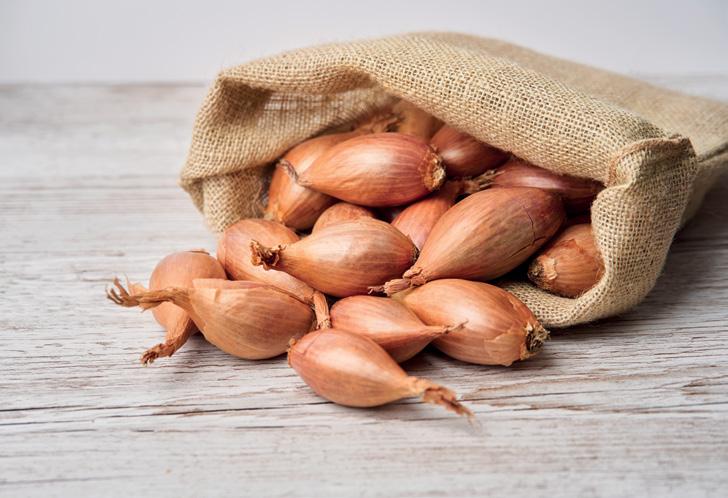
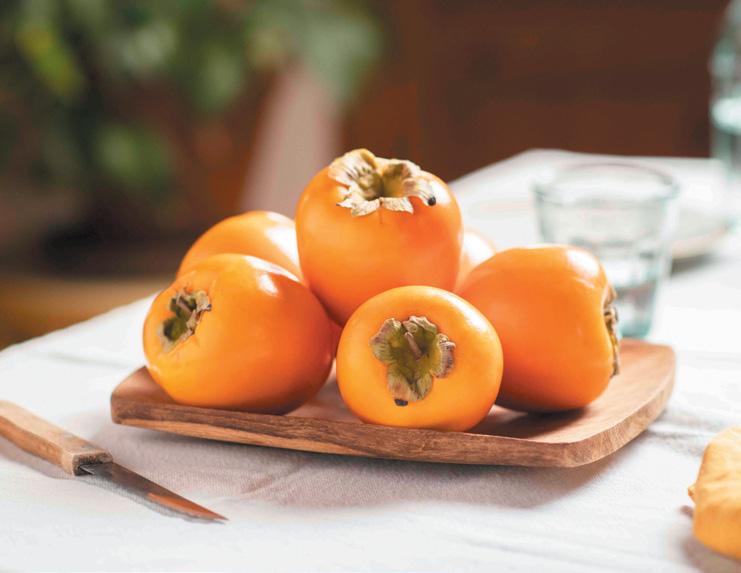
Fresh produce from the European Union, including apples, leeks, shallots and persimmons (also known as kakis), are a profitable option for Canadian retailers during winter and spring, delivering the quality, transparency and sustainability that consumers demand.
When the weather gets colder and locally grown produce becomes more scarce, Canadian consumers look for imported fruit and vegetables they know are safe and tasty alternatives. Increasingly they’re looking to fruit and vegetables from the European Union to fill that gap.
For retailers, produce from Europe offers a consistent and transparent supply, a rich variety of choice, and strong consumer appeal, making them best sellers during the winter months. Now Freshfel Europe, Interfel, and protected designation of origin (PDO) Kaki Ribera del Xúquer are proud to offer apples, leeks, shallots from France, and kakis from Spain.
Grown with care, European produce meets strict standards and certifications, with an emphasis on premium quality, scientifically-based health and nutrition benchmarks, sustainability through the European Green Deal, and farm-to-fork traceability. Consumers also recognize that European growers follow a number of environmental initiatives, including biocontrol and biological protection techniques to reduce chemical inputs, and improved water, soil and resource management techniques in order to meet High Environmental Value farm certifications.
Apples, leeks and shallots from France are available throughout the winter, offering an assortment of fresh, in-season selections. Thanks to its unique climate and soil, France offers more than 100 apple varieties, with a range of flavours and uses to satisfy every consumer. French apples also carry the Eco-friendly Orchards label, meaning consumers can count on their premiumquality, nutrition and unsurpassed taste.
European leeks are another seasonal choice known for their versatility and flavour, with more white, edible stalk compared to other leeks. Packed with antioxidants, vitamins and fibre, leeks add a subtle, sweet-savoury taste to winter stocks, soups and casseroles.
Shallots are a variety of onion, and feature a coppery outer skin and white to pink flesh that is firm and savoury. Because they peel easily and blend perfectly with other ingredients, shallots are a convenient option chopped for use in salads, sauces and vinaigrettes, or cooked in main dishes, adding a delicate yet distinct flavour and aroma. Shallots also offer anti-inflammatory properties, so are an excellent choice during Canadian winters.
From October to January, consumers can enjoy colourful kaki varieties from Spain, including Rojo Brillante, grown under the protected designation of origin (PDO) Kaki Ribera del Xúquer. Although the traditional astringent varieties found on the market must ripen until soft and red before eating, these kakis offer a firm, crunchy flesh that can be enjoyed like an apple. This ready-to-eat texture is unique and helps avoid the common misconception that firm kakis are unripe. Rich in vitamins, calcium, and minerals, they make an ideal winter dessert or snack.
This winter look for fruit and vegetables from Europe – your customers will thank you!
Learn more at www.persimon.eu/en (PDO Kaki Ribera del Xúquer) and www.interfel.com (French fruit and vegetables). Follow us on Instagram @fruitvegfromfr and on LinkedIn at Fruit And Veg From France – Interfel




As Canadians navigate overlapping crises, nostalgia-driven food and traditions are giving consumers a sense of control
s o far, T he 2020s have been defined by a “polycrisis”—a series of interconnected shocks that have shaped the consumer landscape. From the COVID19 pandemic to geopolitical conflict, generationally high inflation, supply chain disruptions and the ever-present climate crisis, Canadians have faced a barrage of challenges. If all that wasn’t enough, the Toronto Blue Jays lost game seven of the World Series in 2025. Indeed, Canadians have been through a lot. OK, good things have happened in the 2020s, too, but individuals could be forgiven for thinking the world is in a worse place than it used to be. For

brands, the challenges experienced can inform how they look to connect with consumers. This doesn’t mean leaning into doom and gloom, but rather being authentic and empathetic; it’s important to not be tone deaf to the realities people are facing and how they’re feeling.
In its 2026 Global Food and Drink Predictions, Mintel identified “Retro Rejuvenation” as something to watch. Retro Rejuvenation highlights how brands can foster connection by focusing on tradition. In a world where generative artificial intelligence is rapidly changing daily life—and the pace of innovation can feel overwhelming—many consumers are seeking a sense of control and balance in their lives.
This desire is manifesting in a renewed interest in “grandma hobbies” such as knitting, quilting, gardening and reading. These activities, along with baking and cooking, offer a return to simplicity and mindfulness, qualities that grocers and food manufacturers are well-positioned to support.
Even younger generations, including millennials—often considered the last non-digitally native cohort—are drawn to nostalgia and tradition. In fact, about two-thirds of Canadian millennials say they enjoy products that remind them of the past.
This nostalgia is a powerful lever for brands across categories, particularly in food. For example, Fishwife Tinned Seafood Co. uses bold flavours and vibrant, retro-inspired packaging to evoke another era, standing out on the shelf while tapping into consumers’ longing for authenticity.
Tradition can also serve as a springboard for innovation. Modern twists on classic products, such as canned pears in salted caramel syrup or cod with a Japanese miso glaze, demonstrate that provenance and authenticity need not come at the expense of convenience. There is also growing interest in ancestral food practices, including fermentation and natural preservation, which can inspire product launches and innovative offerings.
Hopefully, the second half of the 2020s will bring a period of relative calmness compared to the first half. Who knows?
In the meantime, consumers are seeking ways to alleviate vulnerability and regain a sense of personal control. For retailers and manufacturers, leaning into tradition can provide consumers with simplicity and stability CG












“BE GENUINE! WHEN YOU STAY AUTHENTIC AND TRUE TO YOURSELF, IT ENCOURAGES OTHERS TO DO THE SAME, HELPING EVERYONE TO BRING OUT THEIR BEST” – ANNEMARIE HEIKENWÄLDER
What is your leadership story? I was born in Austria but moved to Quebec when I was eight. My parents were pioneers in organic farming in Austria and later bought a farm close to Montreal, so I grew up with this mentality of being close to nature. My parents would have liked me to follow in their footsteps, but I wasn’t interested in farming and was determined to follow my own path. After completing an honours bachelor of commerce degree from the University of Ottawa, I was recruited for a full-time job in aviation, working for a fixed based operator (FBO) in Saint-Hubert, Que. There, I quickly made a name for myself, moving on to lead aircraft sales and becoming head of sales and marketing for Diamond Aircraft. (Heikenwälder was recruited to aircraft sales after being named among the “Top 20 under 40” in Wings Magazine in 2017 for raising the FBO’s occupancy from 40% to 100%.) Professional development is important to me, too. I earned an IATA Aviation Management certificate from Stanford University.
In a predominately male environment, I worked with associations and boards to raise the profile of women in aviation. We encouraged university programs to attract more females to the industry, and I’ve always supported female pilots. I certainly broke some glass ceilings during my 15 years in aviation, but I was also lucky to be surrounded by mentors and others who supported me along the way.
By Rosalind Stefanac • Photography by Jaime Hogge
How did you get your start in the wine business? In my previous role, I was travelling a lot and home only one week a month, if that. My territory was pretty much the world for some aircraft models. I decided it was time for something that could ground me a little more and the opportunity came up at Pelee Island Winery. I took away a lot of discipline working in a highly regulated environment
like aviation, which translates well to the regulated world of winemaking where I’ve now been for two-and-a-half years.
What is your leadership philosophy? I approach everything collaboratively, but also give my crew the rope they need to get things done. When issues pop up, I make sure the right people are in the room to discuss the solution together. It’s never a one-man show. When I have an important decision to make, I also listen to my gut always—it has never veered me in the wrong direction.
How did you handle a difficult decision as a leader? When the world shut down during COVID-19, we had to make some very challenging decisions in aviation, particularly around staffing. I needed to let people go but also bring back teams in a safe way during the recovery period. In that time, I learned that it’s very possible to scale down your teams to operate more effectively, but you have to continue to grow and build them up again when volumes resume. When I got to the winery, there was a lack of structure and accountability in certain roles, which required me to restructure certain departments. But, it also allowed me to put the right people in the right places, which has set the business up for future success. I really believe with the right people in place, a business will run like a well-oiled machine and that is key to a company’s long-term success.
What is the biggest challenge facing leaders today? I think a major challenge today is the uncertainty of changing market conditions, which creates a real test in agility and navigating these changes. Tariffs are the most recent example, but there have been countless other [events] in the last five to 10 years where markets have changed nearly overnight and leaders have had to make tough decisions on redirecting their businesses to remain resilient.
Being in an industry that’s quite culturally diverse, how do you lead across global markets? My background on the international sales and marketing side has been an asset for us here at the winery. When you speak a common language, it enables you to relate to one another and build relationships. I am fluent in four languages and speak seven conversationally—and I’m now learning Arabic, too. Not only was I forced to learn
a new language when I came to Montreal, but growing up, I also went on a lot of trips to learn languages. At 13, I presented a business plan to my parents, convincing them to let me study in Mexico City and stay with a host family, which I did the following year. You gain such a deep understanding of a culture when you’re immersed in it like that. To this day, Mexico is very close to my heart.
How do you handle conflict or differing perspectives among your team members? Having different perspectives is always good. We wouldn’t be able to improve and grow if everyone did everything the same. When there is a conflict, I bring everyone involved together, really listen to all their perspectives and, collaboratively, we devise the best path forward. Sometimes you walk in expecting one direction but leave heading 180 degrees the other way—and it’s an even better route. There’s obviously some compromise involved, but we ensure it’s a win-win situation for everybody. I think people are more at ease when they’re able to voice their opinions. We also try to do things differently next time we face a similar situation so we’re not dealing with the same issue 16 times over.
What lessons would you share with other aspiring leaders? Be genuine! When you stay authentic and true to yourself, it encourages others to do the same, helping everyone to bring out their best. (Heikenwälder walks the talk, having received the Women of Inspiration Authentic Leader Award in 2022.)
What are some key traits leaders today should possess? Adaptability is more important than ever. Whether that’s adaptability to the market volatility or to changes in workforce expectations. We live in unpredictable times and leaders need to learn to roll with the punches and adapt quickly. Also, information is power. The more data and information leaders have, the better they can steer companies in the right direction and make appropriate decisions for the future.
What’s a piece of advice you’re glad you ignored in your career? Being told I wasn’t old enough to go for certain roles. My age has come up several times in my career as a hindrance to pursuing new opportunities, even though the experience and competence was there. So, I’m glad I kept pushing forward.
How do you stay inspired in your current role? What’s exciting about this job is that I’m learning every day as I get to sit down and talk to the winemakers about what they do. For all leaders, I think it’s important to take a moment to do something that makes you happy, at least once a day. In my case, I may take a trip to the island to disconnect and stroll through the vineyards to soak in what we’re doing here. Or I’ll ask the winemakers to take me around to try the latest vintage or pressed juice. If you follow this recipe, you’ll look back at your week and find it was awesome in many ways, no matter what happened.
What do you hope to accomplish in your current role? I hope to set this awardwinning winery up for lasting success! Putting the right people in the right positions and empowering my team to challenge the status quo is key. I hope to inspire, empower and positively impact my team to be game changers in this industry. CG
This interview has been edited for length and clarity.
1 YOUR FIRST JOB? I loved horseback riding, so I got my first job mucking stalls for $5 cash an hour.
2 BIGGEST INDULGENCE? Binge-watching TV shows.
3 FAVOURITE DESTINATION? Mexico and, more recently, Turkey.
4
FAVOURITE HOBBIES? I’m a private pilot, so nothing beats the feeling of sitting in the airplane by myself and just cruising. I’m also a runner and planning a half-marathon soon.
Bold thinkers, innovators, problem solvers and future leaders—this year’s Generation Next winners have it all. These 37 standout young professionals are making waves in roles spanning sales, technology, marketing, product development and operations, and are proving that the grocery industry is in very capable hands. For 15 years, Canadian Grocer has celebrated the industry’s brightest rising stars under age 40; we can’t wait for you to meet the class of 2025.
By Chris Daniels, Rebecca Harris, Jessica Huras, Danny Kucharsky and Carol Neshevich
ASSOCIATE
DIRECTOR, CUSTOMER SALES PLANNING KRAFT HEINZ CANADA
Brett Arbique has never been afraid to aim high. “My vision is to take my potential as far as it can go—whether that’s head of a region, head of sales or president of the company,” he says.
He backs that ambition with results. In 2024, Arbique delivered 8% year-overyear net sales growth
across Kraft Heinz’s six core brands and is on track for 5% growth this year. He’s especially proud of the turnaround on Kraft Peanut Butter, bringing back lapsed buyers to the brand.
At Kraft Heinz since 2019—and two years at Ferrero before that—Arbique emphasizes that success is a team effort.
“I’ve had strong, capable teams, and I love empowering them and leveraging their strengths to
drive results,” he says. “I try to stay hands-off, focusing on the bigger picture and senior stakeholders while keeping the noise out of their way and letting them learn. We’re big on ownership and meritocracy, so I let teams run the business as if it were their own, stepping in only when needed.”
He also organizes rec hockey, fantasy leagues, golf outings and other activities that help colleagues connect.

Sarah Atteck brings clear vision and genuine passion to her role at General Mills Canada, where she oversees several highprofile portfolios, including cereals and Costco, which are central to the company’s growth.
She says working on the Costco portfolio has been particularly transformative for her career, pushing her

DIRECTOR, STRATEGIC MARKETING PARTNERSHIPS SOBEYS INC.
With experience on the agency side and at Maple Leaf Sports and Entertainment (MLSE), Zak Bannerman brought a well-rounded mix of brand sponsorship and leadership skills to Empire in 2018. He played a key role in launching Empire’s landmark partnership with the Canadian Olympic and Paralympic teams, including the creation of the Feed the Dream platform. Bannerman also pioneered the NHL My Team Picks gamification program, a first-of-its kind
to reimagine conventional retail thinking. Atteck says she’s had to overcome new barriers and find alternative ways to appeal to buyers.
“Making significant headway in growing our Costco business over our last two fiscal years is one of my proudest accomplishments.”
Her collaborative approach shines through in her recent distribution and shelf-optimization work. Working closely with the insights and sales teams,
platform that blended fan passion with digital engagement. Another highlight was launching corporate-led shopper marketing initiatives that connect CPG suppliers with sports properties across Empire’s banners.
What inspires Bannerman is facilitating experiences that connect people with sports—and each other. “Giving people experiences that are highly sought after and that create connections and memories is truly special,” he says.
Bannerman is a passionate advocate for youth empowerment, grassroots sports and food security. At the National Bank Open, he led the Tennis Canada Kids Community Clinic, giving underprivileged children their first experience with tennis. In Halifax, Bannerman spearheaded Sobeys’ investment in a refurbished basketball court in partnership with Giants of Africa. He also supported Sobeys’ partnership with MLSE LaunchPad’s Nutrition Hub, which provides nutritious snacks to kids in afterschool programs.
she created customized strategies for different retail banners that balance product launches with strategic portfolio management.
Atteck’s genuine love of food continues to inspire her work. “Being in the food industry is a dream,” she says.
Known for uniting people around shared goals, Atteck prioritizes developing her team. As co-lead of the Asian Leaders Network, she also strengthens her
LOBLAW COMPANIES LTD.

community through cultural celebrations and inclusion initiatives.
With a degree in aerospace engineering and a master’s in operations research, Georges Baydoun worked for global technology companies before joining Loblaw in 2021. At Loblaw, he is transforming how the company uses AI and analytics to drive results across supply chain, store operations and merchandising.
A standout accomplishment is pioneering an agentic AI framework through Loblaw’s AI Store Manager Assistant project. The framework is now becoming the blueprint for developing intelligent systems across the business, creating efficiencies and unlocking new capabilities.
Another highlight is Baydoun’s work in space planning optimization. The project integrated complex models into an interactive web tool, delivering a network-wide sales lift. He also led the development of a tool that identifies Canadianmade products from images and descriptions.

His long-term career goal is to continue to combine technical and AI expertise with deep industry knowledge. “That’s where you can deliver the most value,” he says. “You can be the best technical expert, but if you don’t understand the challenges facing the industry, you might not be solving the right thing.”
CUSTOMER TEAM LEAD
In his 11 years at Unilever, Richard Bertrand has earned six promotions—momentum he credits to stepping outside his comfort zone.
He began in Unilever’s Montreal office as a business analyst and key account manager before relocating to Toronto to run the Sobeys account nationally. Later, he moved into the lead customer and brand strategy role for the hair care portfolio. “Moving

TYLRE BROWN DIRECTOR, STRATEGIC COMMERCIAL DEVELOPMENT
I-D FOODS CORPORATION
During his 14-year career at I-D Foods, Tylre Brown has worked in both sales and marketing roles, gathering key insights into what retailers and brands are seeking.
“I like to challenge the norm by trying to understand both what
from Montreal to Toronto was a big risk—leaving family, leaving everything,” he says. “But, it gave me a real understanding of the Canadian market.”
Back in Montreal as team lead for Club-Dollar—which includes Costco, Dollarama and Giant Tiger—Bertrand pushes his team to think beyond the day-to-day.
“Curiosity is everything. When someone asks not just about their role, but how a launch works across channels—that’s when I know they’re ready for more.”
“My job is to understand where people want to go, identify gaps and give them projects that get them there,” he adds.
He’s also advanced sustainability in the club channel, shifting products away from shrink-wrapped plastic—“a huge focus over the past five years,” he says.
Looking ahead, Bertrand is drawn to strategy and transformation roles that leverage technology to make systems smarter and improve work efficiency. brands want to do and what retailers are looking to accomplish,” Brown says.
Along the way, he’s made significant contributions to the company. Brown spearheaded the development of I-D Foods’ e-commerce channel, which “has grown to be pretty significant” and now represents about 6% of the company’s business.
Taking on Nando’s Peri Peri Sauce brand, Brown increased sales eightfold,
DIRECTOR OF OPERATIONS AND TRANSFORMATION PROJECTS
SOBEYS INC.
In his 23 years at Sobeys, Maxime Bourget has gone from working part time in a grocery store in high school to managing IGA and IGA Extra corporate stores and, ultimately, transforming entire systems for the grocer.

Bourget says he made his name at the grocer as “the go-to guy when they need someone in the different regions to put the store back on the rails.”
He’s done everything from managing customer experience to changing the payroll system.
His latest achievement was managing the Quebec deployment of electronic shelf labels in stores. He’s now assisting with the national deployment.
“I’m really proud of everything I’ve done so far,” says Bourget. He adds that what he enjoys most about his role is having an impact on processes, people and in-store operations. There is a need for grocers to constantly innovate, he says, “and obviously I have the trust from my company to try new things.”
Bourget would like to be a vice-president one day, but “I’m open to every opportunity,” he says. “I would really like to have even more of an impact on the banners.”
making it the No. 3 hot sauce brand in Canada.
“I’m very proud of the work I did on that from a marketing front,” he says.
Beyond those successes, Brown takes pride in mentoring others and seeing people he supported succeed. “My goal is to essentially get to a position where I can support other people to do the same thing I’ve done and grow in the industry,” he says. “That’s where I find such joy in what I do.”

STORE TEAM LEADER, WHOLE FOODS MARKET
KITSILANO
WHOLE FOODS MARKET
Starting as a produce clerk while studying business at the University of British Columbia, Kelvin Cheng didn’t initially envision a career in grocery. Influential mentors and exposure to different parts of the business inspired him to stay, eventually resulting in a leadership role at Whole Foods Market. “I’m a strong

SENIOR MANAGER, SALES STRATEGY AND INSIGHTS
RESTAURANT BRANDS INTERNATIONAL
Like many business graduates—Choy earned a bachelor of management and organizational studies with a finance specialization at Western University in London, Ont.—he expected to follow the well-travelled path toward investment banking or consulting. But, an unexpected opportunity in the CPG sector changed everything. “I fell in love with it—building bold brands,
advocate of mentorship and training up the next generation because, without that, I don’t think I would be where I am today,” says Cheng.
Throughout his 16-year grocery career, Cheng has consistently demonstrated innovation and leadership. He implemented a crossfunctional approach to store operations, breaking down departmental silos and improving overall store efficiencies. He played a key role on the planning committee for Whole Foods’ 2024
launching exciting innovation and the amazing people who work in this industry.”
During his time at General Mills (almost five years) and Danone (one year), Choy helped unlock more than $100 million in incremental revenue and $30 million in profit. In January 2025, he joined Restaurant Brands International, the parent company of Tim Hortons, Burger King, Popeyes and other QSR brands.
Choy has been pivotal in transitioning Tim Hortons to operate like a CPG—growing not only through new restaurants, but data-led strategy, pricing, channel development and portfolio management.
Previously, he served as president of the Canadian Asian International Student Association (CAISA) at Western and continues to mentor students today. “Seeing young people discover their strengths, find their direction and realize there’s a place for them in this industry is incredibly rewarding,” says Choy.

North International Area Leadership, contributing to event organization and logistics planning. A key highlight for Cheng was being recognized as a Rising Star store team
leader in his region, which includes 70 Whole Foods stores in three countries. Cheng is deeply committed to giving back. He’s led volunteer events for a senior luncheon program at Kitsilano Neighbourhood House and mobilized teams to support Quest Outreach Society, a non-profit food exchange program. “As I progress through my career, I’m looking to contribute beyond the four walls, whether it’s celebrating team members or serving the community.”
MATT DILL DIRECTOR OF CATEGORY MANAGEMENT, FRESH FARM BOY

Matt Dill says luck brought him to the grocery industry—20 years ago, Farm Boy opened near his Ottawa home and he landed a job in the meat department. He later moved to Farm Boy’s manufacturing facility and then into the role of category manager for meat, where he consistently delivered double-digit growth. Today, Dill oversees the meat, seafood, bakery, deli, cheese and chef categories.
In meat and seafood, he led the expansion of Farm Boy’s value-added program, tripling SKUs and turning it into one of the fastest-growing areas of the business. He also drove the launch of several chef-led grab-and-go programs, collaborating across culinary, supply chain, marketing and store operations. Another career highlight is scaling the business outside Ottawa into the Greater Toronto Area and Southwestern Ontario.
For Dill, a standout achievement has been playing a role in Farm Boy’s evolution. “It went from a mom-and-pop grocery store to a huge company, and it’s been fun to be a part of it,” he says. Another proud moment? Playing an instrumental role in shaping Farm Boy’s commissary and manufacturing business. “It was so innovative and disruptive and a lot of hard work,” Dill says. “But, it’s the soul of Farm Boy now—the products are made by us and are unique to Farm Boy.”













At Kruger Products, our mission is to make everyday life more comfortable — and that begins with a culture that fosters strong sense of belonging for colleagues. Our inclusive work environment is rooted in Canadian pride, where everyone can bring their best selves to work. Our team members play an important role in driving innovation and leadership behind Canada’s most popular tissue brands – Cashmere®, Purex®, SpongeTowels®, Scotties®, and Bonterra®. That’s why we’re committed to providing opportunities to take on exciting new challenges, make a meaningful impact in their communities and grow their careers.

With ten manufacturing facilities across North America as well as our corporate headquarters and regional field sales, our strong Canadian roots service coast to coast. Whether your passion lies in Supply Chain, Operations, Finance, HR or Sales and Marketing, something great awaits you at Kruger Products.
Visit krugerproducts.ca/careers for more information.

























MARLEEN DIMESKI SENIOR MARKETING MANAGER, EMERGING BRANDS (SNACKING) BIMBO CANADA
Marleen Dimeski, who began her career at Bimbo Canada as a leadership trainee, was instrumental in launching what became the top-selling product in the hot dog and hamburger bun category.

Leaning on consumer insight, she introduced Dempster’s Signature Gold Buns in only 20 weeks in 2018. The innovation came “just by learning about consumer behaviour and providing a solution,” she says. That success led to the revamping of Dempster’s entire Signature lineup.
Dimeski has twice won the Bimbo Canada President’s Award, once for the Gold Buns launch and also for the introduction—during the pandemic—of the Sobeys Gift Card Program, a first-of-its-kind shopper marketing program for the grocer.
Since January 2025, she’s been managing emerging snacking brands such as Big Daddy and Mexico’s Marinela cookies, identifying opportunities and building brand awareness in a space where the company lacks market share. “It’s been a steep learning curve, but it’s been fun,” she says.
Passionate about building brands, Dimeski aims to continue driving innovation in the snacking space and mentoring emerging talents.
MANAGER, SUPER C MONT TREMBLANT METRO INC.
Since joining Super C Saint-Canut in Quebec at age 16 as a part-time clerk in the produce department, Koralie Dupont has risen through the ranks and now, at only 24, supervises more than 80 employees as store manager of the retailer’s Mont Tremblant store.
Rose Donatelli has built her career in the food industry by challenging conventions and driving category growth. Overseeing national fluid sales at Lactalis Canada, she has helped reverse years of decline in premium milk by rethinking the category.
“We shifted away from a price-led narrative and focused instead on the true drivers of purchase: quality, freshness, shelf life and the tangible benefits that justify a premium [milk],” she says. By simplifying promotional structures and emphasizing product integrity, she made milk exciting again while driving sustainable growth.
Donatelli’s leadership philosophy centres on empowerment and clarity. “Great results come when people understand the ‘why’ behind what we’re doing and feel trusted to make decisions,” she says.
Her experience coaching youth soccer informs her

What’s even more impressive is that Dupont has managed this accomplishment
approach. “Leadership isn’t about having all the answers,” she says. “It’s about creating an environment where people can perform their best and feel supported through both wins and losses.”
Looking ahead, Donatelli aims to expand into segments that connect health, sustainability and innovation, and to help reinvent dairy for the next generation.

while continuing her studies. She has already obtained a certificate in administration from the Université du Québec en Outaouais and is now pursuing a bachelor’s degree in social work.
“Academic knowledge plays a fundamental role in both professional and personal development,” Dupont says. “Therefore, continuing my education was a basic necessity.”
She is aiming to integrate social science
principles such as social justice, open-mindedness and empowerment as she leads her Super C team, and to “create a work environment based on respect, collaboration and inclusion.”
As for the future, Dupont’s goal is to “assert my presence in a predominantly male environment as a competent, committed and passionate professional within a field that deeply stimulates me.”
C o n g r a t u l a t i o n s
t o o u r i n s p i r i n g
G e n N e x t W i n n e r s !









SENIOR KEY ACCOUNT MANAGER
THE CLOROX COMPANY OF CANADA
Although she’s been at The Clorox Company for less than two years, Margarita Duque has already delivered impressive results for the company, managing its full portfolio for major customers such as Pattison Food Group and Federated

SENIOR SALES LEADER
MARS WRIGLEY CANADA
Daria Garlicki discovered her passion for business operations and sales as a teen working part time at her parents’ Gino’s Pizza franchise. After studying international business relations and economics at university, a summer stint in the mail room at Energizer led to a full-time retail representative job.
In 2012, Garlicki joined Mars as a retail operations co-ordinator and has since moved through roles in customer marketing, supply
Co-operatives Limited.
Duque completed three in-depth category reviews for Clorox, all without sales analyst support. One of the reviews for water filtration led to increased share of shelf for Brita water filters.
Another review provided insights on trends in the post-consumer recycled (PCR) plastic garbage bag category. She went on to ensure the 2024 launch of Glad’s first-in-market white PCR garbage bags in
chain, customer experience and sales.
Now, as senior sales leader, Garlicki partners with customers nationwide to deliver Mars brands to consumers across Canada— and she does it all with efficiency, strategic focus and an innovative outlook.
“My favourite part of the job is collaborating with our customers to bring our brands and products to life at retail and to Canadian consumers from coast to coast,” she says.
Garlicki also champions mentorship and inclusion through her leadership in Mars’ Women & Allies Associate Resource Group and involvement in initiatives such as Girls E-Mentorship.
“I take pride in creating environments where people feel empowered to learn, take risks and bring their strengths forward,” she says.
Canada was a resounding success, securing highly visible in-store and online promotions at all SaveOn-Foods stores.
She also increased the profitability of some low-ROI promotions after finding Clorox was providing deeper discounts than necessary.
Seeing the impact of her work is something Duque most enjoys. “Working in this industry is tangible. It has very measurable outcomes,” she notes.
In the future, Duque

would like to accelerate her e-commerce experience and have more strategic roles “doing things I haven’t done before.”
BRAND MANAGER, MARKETING, OIKOS DANONE CANADA
Aurelie Goffinet was handed some major challenges only six weeks after she joined Danone Canada in 2022, following a seven-year stint at Pernod Ricard and Corby’s Spirit and Wine in Belgium and Canada.
She was tasked with reinvigorating the Danone Go and Danino brands in the kids’ portfolio and launching the high-protein, low-sugar Two Good brand. “That was a big transition because I was coming from a totally different world from the spirit and wine industry. It demonstrated my ability to transfer skills from one company to another,” she says.
So successful was Goffinet that she was named Marketer of the Year for Danone in 2023.
More recently, Goffinet and her team spearheaded the Canadian launch of Oikos PRO, which has gained significant market share in the yogurt protein category. “We exceeded all our benchmarks when it comes to trial, awareness and, ultimately, sales. We’re extremely happy,” she says.

A passion for brand-building and brand strategy “drives me and excites me the most,” says Goffinet, adding that her dream goal would be to lead the global strategy of a multinational brand.

proud to recognize
Their leadership, innovation, and unwavering commitment in the grocery industry have earned them the well-deserved Canadian Grocer’s Generation Next Award.




SENIOR NATIONAL ACCOUNT MANAGER
PEPSICO CANADA
One of Tyler Gubb’s greatest strengths lies in his ability to lead people effectively while consistently driving business results. From his early days as a district manager through his current role leading PepsiCo Beverages development at Costco Canada, Gubb has focused on helping teams prepare, reflect and grow beyond what they thought possible. His partnership work with Costco has created
strong momentum for both organizations, with Gubb successfully commercializing multiple unique offerings across carbonated soft drinks and ready-to-drink tea in 2025.
Committed to his own development, Gubb has completed two major PepsiCo leadership programs and spent four years mentoring others through PepsiCo Canada’s Mentorship Program.
“I try to lead by example and show vulnerability within a team environment,” he explains. “Having held several roles in a short period, I recognize that I may not always be a subject matter expert at the outset, so I’ve found that showing vulnerability builds trust, empowers my team and creates space for collaboration and growth.”
A father of three, Gubb contributes more than 300 hours annually coaching youth hockey and lacrosse in Durham region, which he says has strengthened his ability to communicate and motivate diverse teams.
Alexandre Jacques has transformed operations at Agropur by doing everything from overhauling its ordering practices to revamping its payment system.
Jacques implemented an automation roadmap that changed the way clients order. In just six months, orders went from 50% calls to 90% automation, dramatically improving efficiency without compromising sales.
He modernized transactions by having clients switch from manual to digital payments. Thousands of grocery and conveniencestore clients now make pre-authorized or e-transfer payments, instead of paying by cash or cheque. The initiative dramatically cut operational costs and eliminated 60,000 cheques per year.

Jacques also convinced clients across Canada to submit orders 48 hours instead of 12 hours in advance— an initiative that has greatly improved planning and on-time delivery. “It changed habits that were established for 25 years,” he says. “It was really a change of culture internally and externally.”
The changes are working “and being part of this for me is just phenomenal,” says Jacques, whose goal is to continue to lead projects that redefine the industry.
SENIOR DIRECTOR, RETAIL SALES
SOFINA FOODS
Rory Johnston has achieved some of Sofina Foods’ largest business successes over the last several years.
He is currently responsible for sales at Loblaw, Sofina’s largest retail customer, after similar stints on the Metro
and Sobeys accounts.
At Sobeys, Johnston inherited a declining account and was able to completely turn around the numbers. Among other successes, he was also instrumental in the launch of a portfolio of Lilydale sliced meat products.
But, he maintains his greatest achievement, so far, has been watching the development and career success of those he has
mentored, coached and supported.
“I want to continue to develop and improve myself as a leader so I can be part of the growth and change and development of this organization,” Johnston says. “I see a long runway for myself here and just want to ensure that I absorb as much as I can in each role so I can lean on that experience in future roles as well.”

















R&D GROUP LEADER (CHOCOLATE), NORTH AMERICA
MONDELĒZ CANADA
Jessica Kok translates consumer insights into award-winning confections that redefine categories. Since joining Mondelēz Canada as an engineering intern in 2012, she’s become a driving force in innovation, leading a team developing seasonal products while championing sustainability at the company across
SAVE-ON-FOODS
GRANDE PRAIRIE, ALTA. SAVE-ON-FOODS
ingredients and packaging. Her recent launches tell the story of her impact: Caramilk Salted Caramel won Product of the Year in 2023, and Cadbury Dairy Milk Micro Mini Egg achieved breakthrough success, ranking among the brand’s top performers.
“Combining two iconic products—Cadbury Dairy Milk chocolate bars and Mini Eggs—into a single product that offered a new and exciting experience for consumers was a complex yet satisfying challenge,” she says.

After earning his business degree, James Lam was working for a painting company; and while painting an impressive oceanfront house, a lunch break chat became a turning point. “My co-workers were talking about how nice it must be to live in a home like that,” he recalls. “At that moment, I decided I wanted more.”
Deciding grocery would be his path to success, Lam quit his job and started as a clerk at Pattison Food Group’s Save-On-Foods banner in Tsawwassen, B.C. Within three months, he was promoted to supervisor and, a year later, assistant store manager. In 2023, he became a store manager in Yorkton, Sask., where his innovative approach to reducing shrink transformed his store’s performance and earned him a spot presenting at the 2025 Pattison Food Group Summit. Named a Rising Star at the company’s Leadership Excellence Awards, he’s also proud of building a high-performing team and mentoring two assistant managers who are now store managers themselves.
He’s now store manager in Grand Prairie, Alta., and the ambitious Lam hopes to continue achieving great things with his company: “The Pattison Food Group has so many amazing leaders that hold their teams and themselves to the highest standard, and that inspires me.”
As a licensed professional engineer, Kok bridges technical excellence with commercial insight. She has helped drive substantial productivity improvements while advancing recyclable packaging, reducing virgin plastic use and streamlining manufacturing to lower emissions.
“I’m inspired by the opportunity to create delicious snacks that bring joy to our consumers,” she says. Her community commitments, from volunteering with Food Banks Canada to
SENIOR MANAGER, CATEGORY DEVELOPMENT, FOOD DEPARTMENT FEDERATED CO-OPERATIVES LIMITED
Spencer Laprairie got his start at Federated Co-operatives Limited (FCL) stocking shelves at a Saskatoon Co-op while studying finance at the University of Saskatchewan. It didn’t take long before he realized how much happens behind the scenes.
“I enjoyed working at the store level, but moving into a role higher in the organization—where I could influence what products hit the shelves and how they’re promoted—was really exciting,” he says.
That curiosity and drive led him to FCL’s home office in 2016, where he quickly became known for bridging consumer insight, data and operational realities. As he advanced into category roles, Laprairie gained a reputation for managing multiple portfolios, supporting others

supporting Doctors Without Borders, shape how she approaches her work— always with an eye toward making choices that benefit people and the planet.
and tackling increasingly complex projects.
One of his proudest achievements was helping bring pre-cooked Greekstyle ribs to market—an early private-brand entry in a fast-growing segment. “It became a huge hit, especially in Western Canada,” he says.
Now a senior manager, he urges young professionals who are accustomed to remote or hybrid setups: “Make sure you network with your colleagues and just keep learning.”
Outside work, Laprairie volunteers in minor hockey. “I love being around the rink,” he says.


We’re proud to celebrate your GenNext win! Your perseverance, commitment, and drive for excellence inspire those around you everyday. Congratulations, Anthony, on this well-deserved recognition!
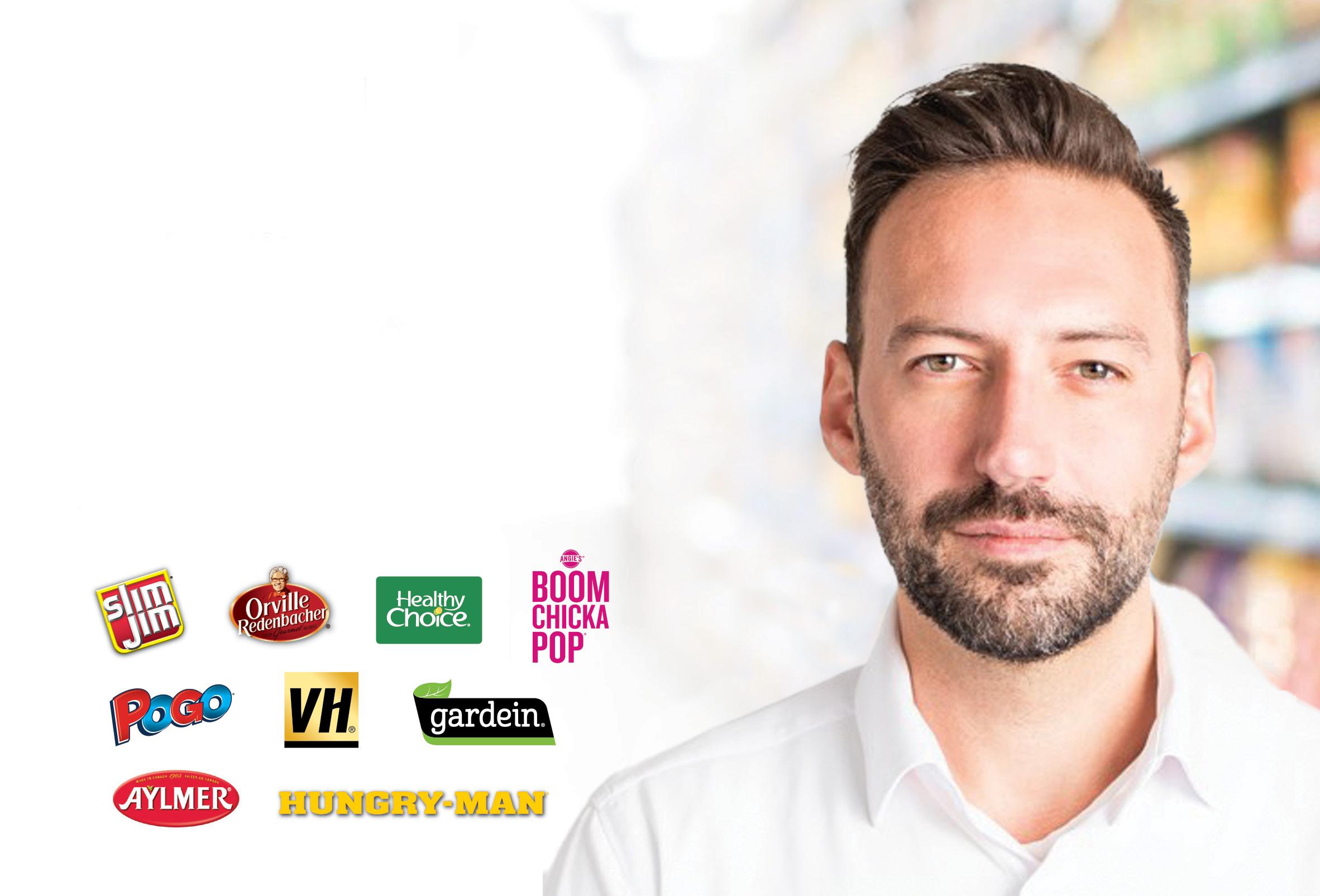


Thank you for your exceptional leadership, innovative thinking, and steadfast commitment to the grocery industry. You exemplify the Mars Principles each and every day. Your dedication and impact continue to inspire those around you and help shape the future of our industry.









CUSTOMER TEAM SALES LEAD
CAMPBELL COMPANY OF CANADA
Anuschka Malhotra’s career path has included roles at such high-profile organizations as KPMG, Kimberly-Clark, Amazon and Campbell’s—and through it all, she’s been driven by a deep curiosity about how brands connect with consumers, not just through products, but through strategy, innovation and data-driven storytelling.
Laura Morrill doesn’t just build brands. Over her 13 years at Nestlé Canada, she has helped reshape how marketing teams develop talent, collaborate across business units and prepare for the future of the industry.
Named Marketer of the Year twice at Nestlé, Morrill says one of her career-defining moments
In her current role as customer team sales lead at Campbell’s, she leads a highperforming team responsible for driving growth and profitability across a portfolio of snacking brands for the Loblaw’s account. “At the heart of every decision is a deep customer obsession— ensuring that every initiative not only grows the business but enhances the experience for Canadian consumers,” she says.
Malhotra takes great pride in having delivered doubledigit growth in her current role through joint business plans, optimized promotional spend and building datadriven category strategies. And as chair of the Women of Campbell’s Network, she champions inclusion, mentorship and career development for women. “Ultimately, I want to be remembered as a leader who drove transformation with heart; someone who built brands, inspired people and left the industry better than she found it,” she says.
came through leading growth for Starbucks Retail Coffee. She transformed how Canadians experience Starbucks at home, building new partnerships and introducing innovations that tap into what consumers love about the brand.
Beyond driving business results, Morrill founded the Change Catalysts initiative in 2024, creating mentorship programs and cross-functional collaboration across Nestlé’s seven business units to foster the next

The food business is in Alison McFarlane’s DNA— with a father who spent his career in the industry, she grew up surrounded by food and fascinated by what makes great products connect with people. She first started working at Farm Boy as a university student, before heading to England to complete a master’s in product development and food consumer marketing. When she came back to Canada, she also returned to Farm Boy, and she’s been growing her career there ever since.
As private label manager, McFarlane oversees the company’s private-brand portfolio, pop-up program and new product development. “I love the challenge of thinking outside the box and bringing new ideas to life,” she explains. McFarlane says her proudest accomplishments include building a launch process that brought more than 1,000 SKUs to shelves, introducing a project management system that has been adopted across the company, and delivering unique experiences in stores by partnering with brands in the community.
McFarlane aims to continue growing into broader leadership roles and making an even greater impact at Farm Boy. “There’s always something new to learn when it comes to food and that’s what keeps me motivated,” she says.
generation of marketers.
“I believe the strongest brands are built by empowered teams, so I invest in developing talent, fostering creativity and shaping a culture where people feel inspired to push boundaries,” she says. “When we elevate people, we elevate brands.”
That conviction extends beyond her portfolio. Through her ongoing leadership with Kids Help Phone, she’s mobilized teams across Nestlé to support youth mental health, reflecting her firm

belief that marketing is about building trust and driving change where it matters most.
MUIR GRAPHIC DESIGNER SUMMER FRESH
“Food has always been one of my passions—I love baking, cooking and trying new foods,” says Ariel Muir, graphic designer at Summer Fresh, “so a graphic design role in the CPG food industry just made sense.”
Since joining the company in 2022, Muir has played a leading role in shaping how the

LAKEN PITTS DIRECTOR, PRICING STRATEGY SOBEYS INC.
Laken Pitts has transformed pricing at Sobeys, evolving it from a transactional backoffice role into a strategic partner in business decisionmaking. In her current role, which she’s held since 2024, Pitts spearheaded the implementation of an advanced pricing technology that exceeded financial targets and built a culture of speed and efficiency. “It was a high degree of change and I was new to the department,
Summer Fresh brand connects with consumers. She led a full refresh of the company’s visual identity—modernizing packaging, digital assets and retail materials to create a cohesive look that reflects the quality and warmth at the heart of the brand. “I was able to reduce the plastic used by a significant amount while also making the products stand out on shelf and really create excitement for the category,” she says.
but my team was openminded and they challenged themselves to think about how they could do things differently,” Pitts says.
In previous roles at Sobeys, Pitts drove several firstto-market launches across categories such as frozen meals, baby and health and beauty. She also played a key role in the creation of “baby shop-in-shops” across full-service stores—a concept that remains a cornerstone of Sobeys’ baby offering.
Her role as vice chair of Grocery Foundation Atlantic is another career highlight. Pitts has been a driving force behind fundraising and sponsorship efforts that support the mental and physical health of children and youth.
Pitts, who’s been with Sobeys for more than a decade, plans on a long-term career with the company. “There are so many opportunities to evolve both personally and professionally within Sobeys,” she says.
Muir strives to bring creativity and strategy to everything she does, balancing design innovation with brand storytelling. She loves collaborating across teams, mentoring new designers and sharing insights that keep the company’s creative direction forwardthinking. “I’m passionate about bringing bold, strategic ideas to life— designs that not only stand out visually but also connect meaningfully with consumers across the country,” she says.

INC.
“It was kind of a fluke,” says Alicia Rhyno of how she began her career in grocery. Trained as a respiratory therapist, she took a part-time job at a Food Basics in Hamilton, Ont. to stay close to family and pay the bills.
What started as a temporary cash-office role quickly turned into a decade-long path. Always willing to help “with whatever I could get my hands on,” Rhyno’s enthusiasm caught her manager’s attention, leading to promotions to assistant store manager and, just before COVID-19 hit, frontend specialist. “A whirlwind start,” she recalls.
She navigated that period with resilience. Today, she oversees 25 stores in Southwestern Ontario, supporting staff, managing front-end operations and maintaining standards. “I try to put myself in other people’s shoes,” she says. “Being patient and relatable helps my team feel supported, not judged.”

Rhyno also played a key role in rolling out Metro’s Moi Rewards program and its click & collect service. She also sits on Metro’s Women’s Network events committee, acting as a bridge between managers and employees to foster an inclusive culture. “I even presented at the Manager’s Conference for the Women’s Committee,” she says.




A
big congratulations to Spencer Laprairie on being a 2025 Generation Next winner!
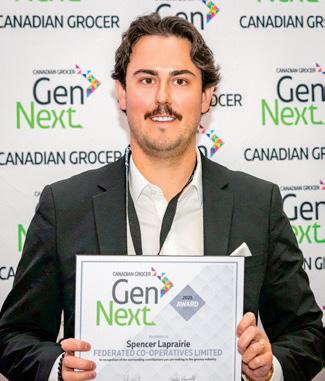
Spencer Laprairie Senior Manager, Category Development
Spencer is a seasoned category leader in Food, and a true leader the art of Category Management. In his 16 years in the Co-operative Retailing System (CRS), he has quickly risen to leadership roles, guiding decision-making across various food categories. His colleagues have praised him for his dedication, curiosity, and leadership, which have helped the entire team to continually grow. Spencer holds a Bachelor of Commerce in Finance from the University of Saskatchewan and has been with Federated Co-operatives Limited (FCL) since spring 2016.



SENIOR MANAGER, DEMAND PLANNING & ANALYTICS UNFI CANADA
The pandemic ended three years ago, but Matthew Robertson says its effects are still reverberating across supply chains.
“Many of our suppliers rely on co-packers, and those co-packers were the ones clearing the backlog,” he explains. “You can imagine the pileup they faced. We’re still working through parts of that recovery and improving how we collaborate with suppliers.”
HR MANAGER
VINCE’S MARKET
Julia Semeraro’s grocery journey began at just 14, when she took a parttime cashier job at Greco’s Fresh Market. There, she gained hands-on experience in retail operations and developed a deep understanding of the grocery industry—an early foundation that set the stage for her career in human resources, where
In nearly 10 years with UNFI Canada—his first corporate role after earning an engineering degree from the University of Guelph— Robertson has confronted major disruptions and driven lasting, systemic improvements.
A key achievement: breaking down the silo between supply chain planning and distribution centre operations by building tools that give full visibility across the replenishment process. By unifying data, standardizing metrics and redesigning dashboards, he helped launch Power BI tools now embedded in daily decisions, saving thousands of hours in manual reporting and freeing up teams to focus on higher-value work.
Crediting mentorship for helping him advance through five roles at the company, he’s now committed to developing young team members himself. “Investing in them goes a long way and is what inspires me,” he says.
she is able to combine her operational knowledge with her passion for people.
Now HR manager at Vince’s Market, Semeraro oversees recruitment, onboarding, employee relations, performance management, health and safety, benefits, scheduling and engagement initiatives—all while also expertly managing the company’s social media presence. Known for her reliability and people-first approach, she also leads
ANTHONY SALVADOR SENIOR BUSINESS DEVELOPMENT
MANAGER, NATIONAL ACCOUNTS
CONAGRA BRANDS CANADA
Anthony Salvador thought outside the box—or rather, the wrestling ring—when he took the lead on Slim Jim’s largest Canadian promotion with WWE superstar LA Knight. The campaign boosted market share of Conagra’s meat sticks brand to 32.1%, a 5.2-point gain from the previous year.
“I am proud of that one because there was a lot of pushback about investing in the brand since meat sticks aren’t considered an exciting category. But, we brought some excitement to it—and it’s performing incredibly well,” he says. “With six in-store interruption points per location, it even included the first-ever meat snacks Halloween activation.”

The campaign required close collaboration with his Canadian and U.S. colleagues. As he grows his career, Salvador aims “to support Canadian products while having influence internationally.”
In 2025, he shared the Perfect Store Award at the Conagra All-Company Meeting with cross-functional partner Aletha Jones for delivering year-over-year omnichannel solutions for Walmart.
Salvador joined Conagra in 2019 after two years with Saputo and six years at Loblaw. He also gives back through Conagra’s Month of Service, volunteering at Seva Food Bank and Mississauga Food Bank.
major company events such as the annual vendor meeting and holiday celebration, key moments that strengthen team connection and culture.
She’s also known for her hands-on involvement in community events such as the annual Vince’s Community Barbecue and Vince’s Volunteer Day, contributing both on-site and behind the scenes. “The part I enjoy most about my work is supporting and collaborating with

people,” she says. “Helping employees thrive keeps me passionate about my work every day.”














Casey Spencer started her grocery career in 2011, working as a bakery clerk and cashier at Longo’s before moving into a Starbucks department manager role. Since 2015, she has held various head office roles and is now general manager at Longo’s central kitchen, overseeing production for
items distributed across all 42 stores. “What I’m most proud of in my career, so far, is making the transition from category management to the central kitchen,” she says. “Moving from strategic production selection to being more operations- and peoplebased was a big shift, but I was able to apply my experience in different roles to how I lead today.”
Spencer’s impact spans improving efficiencies on production lines, optimizing
QUALITY FOODS
NANOOSE BAY QUALITY FOODS

Two days before his 19th birthday in 2014, Jacob Steele was hired at Port Alberni, B.C., Quality Foods. Though his role was stocking shelves, he put up his hand wherever help was needed—cash, butcher, you name it. “I wanted to learn all aspects of the store,” he explains.
This led to writing purchase orders, handling store opening and closing, and a promotion to assistant manager at Bowen Road Quality Foods in Nanaimo, B.C., in 2022. A short while later, in 2024, he became manager of Nanoose Bay Quality Foods, turning the store around—from a 1.6% loss that year to a 6.7% gain year-to-date in 2025. He introduced a centralized meatordering guide (helping drive a 40% jump in meat sales), cross-trained the team, and merged bakery and deli operations to streamline workflow and save labour.
Steele earned a 2024 Rising Star Award from Pattison Food Group, Quality Foods’ parent company, and supports the community by delivering groceries to seniors and backing the Nanoose Community Services Food Program. “I want to keep Quality Foods’ community roots strong,” he says.
product sourcing and reducing labour costs. A highlight was the launch of Longo’s Power Bowl, where she played a role in everything from product development to supplying stores. She’s also proud of her involvement with community initiatives such as The Princess Margaret Cancer Foundation’s Road Hockey to Conquer Cancer. “At Longo’s, our purpose is to fuel happier and healthier lives, and the work that we do to
For Jesse Stratton, the path to the CPG world began on the marketing side. After earning his economics degree, he worked at Mosaic, a third-party marketing agency that often partnered with major consumer brands.
“Working so closely with CPG companies gave me real insight into what it would be like,” he says. “I just kept thinking, I want to be on the other side of the table.”
That opportunity came with Mars Canada—and, ultimately, led him to The Crump Group, a family-owned Canadian manufacturer of natural pet treats and food.
As senior vice-president of sales, Stratton oversees global sales—creating and executing channel strategies, managing the sales associates and securing new business. His proudest

accomplish that purpose inspires me every day,” Spencer says.
achievements include developing a private-label strategy and team that allowed the company to unlock new branded opportunities in the United States, and growing the sales team from two to 20 associates.
“I love building the team, creating strategy and watching people grow,” he says. “We have experienced exponential growth over the past three years; we are dealing with and talking to customers all over the world, and that keeps things very exciting.”

For making GroceryConnex the definitive gathering for Canadian grocery leaders
Sold out year over year, this event continues to set the standard for collaboration and insights in the grocery industry, bringing together retailers and manufacturers to shape the future of Canadian grocery.












Legal departments are often seen as roadblocks, says Daniela Taglioni. But during her time in the automotive sector, she saw how legal departments could be true partners to the business. She brought that philosophy with her to Kruger Products, where she has successfully led the organization through numerous regulatory and industry changes. “Advising on those with businessaligned solutions has been one of my greatest achievements,” she says. Taglioni works closely with multiple departments— marketing, operations, logistics, product development, HR, sales and finance—providing legal guidance that supports business goals. Her career highlights include developing a streamlined contract review process to improve efficiencies, supporting award-winning marketing campaigns and leading the
CATEGORY MANAGER, GROCERY/DAIRY/FROZEN LONGO’S
Mitch Yeatman started pushing carts at Longo’s in 2006, knowing even then he wanted to build a career in the family business. Nearly two decades later, he’s transforming categories and mentoring the next generation of grocery leaders.
business on the upcoming grocery code of conduct. For the past three years, Taglioni has served as co-chair of the Women’s Network at Kruger, leading a team of 25 women. The network has delivered a variety of programming such as International Women’s Day Celebrations, professional development workshops and women’s health seminars. The Women’s Network was recently awarded the CEO Award of Excellence. “That was a great honour, and I’m incredibly proud of the team,” Taglioni says.

As category manager overseeing grocery, dairy and frozen, Yeatman has turned pasta and pasta sauce into signature categories for Longo’s stores, complete with custom fixtures and lighting. “These categories have really helped set us apart from our competitors,” he says. The results include consistent growth and expanded private-label penetration across his portfolio. His extensive experience
LOBLAW COMPANIES LTD.
Vivian Yang is a rising leader at Loblaw. After studying economics at the University of California, Berkeley and completing her master’s in data science and analytics at McGill University, she joined Loblaw as an intern in 2021 and rose to senior data scientist in just four years.

Yang is recognized for her technical expertise, innovative thinking and—most notably—her ability to bridge the gap between business needs and advanced analytics solutions. “It’s my unique strength and my secret sauce to help me grow in my career,” she says.
A standout achievement is her role in advancing Loblaw’s Promo Optimization product. Yang led the development of a feature that streamlined workflows and boosted adoption, unlocking significant revenue and margin. She also led a six-person team at a recent agentic AI boot camp, developing a proof of concept for retail and merchandising data and services.
Yang also gives back to the grocery industry and community, volunteering at initiatives such as Women in Technology and Loblaw’s holiday giving and food bank programs. Through the Vector Institute, she mentors students, international graduates and early-career professionals. “I want to give the learning and support I’ve received along this journey back to the student community,” she says.
across nearly every department guides his current work. “It allows me to see things from the stores’ perspective and ensure the store and our guests are at the front of all my decisions,” he says. What drives him most is preserving the family legacy. “I love hearing stories about my nonno, or my mom or aunts and uncles within this industry,” he says. “Hopefully in 10-plus years, there will be exciting stories about us.”

Right now, he says his biggest priority is being a father to two young children while continuing to grow as a leader. CG














































































PRODUCE TIPS
By Rebecca Harris
NATHAN ALVAREZ KNOWS PRODUCE
and it’s been a passion for more than 20 years. Back in the early 2000s, he was inspired by family friends who worked in the organic natural foods sector and always brought unique and tasty snacks when visiting. He eventually followed them into the industry.
Having spent most of his career at Whole Foods Market, Alvarez has worked across every corner of the produce department, taking on his current role as produce team leader at the Cambie store in Vancouver in 2019. For Alvarez, a successful produce department means leading with high-quality seasonal produce at competitive prices. “Focusing on local produce as much as possible and training your staff to be approachable and knowledgeable will take your department to an even higher level of success,” he says.
Here are his top tips.
First, the basics: Displays should be clean, organized, rotated and culled. But, to make produce truly stand out, abundance is key. “Ideally, you should group an abundance of product together by category that also shows off a colour contrast,” says Alvarez. “When I look at displays, I want to see mostly product—not the fixture— along with clean, easy-to-read signage.”
Signage plays a key role in making produce both appealing and informative. “Signage shouldn’t be too big—you just want to make sure things are kept clean and accurate, and that you don’t miss
out on opportunities to tell a story for your local products using local signage and grower boxes,” Alvarez says. “Clear signage that stands out goes a long way— and adding profiles of our local vendors that highlight their specific stories is also a nice touch.”
A personal favourite? “A lot of our wet-rack greens during the summer are primarily sourced from our local Myers Organic Farms in Aldergrove, B.C.,” he says. “The consistency of their quality over the past 20 years has never dipped.”
When it comes to cross-merchandising, Alvarez finds simple works best. “Basil with your specialty cheese, lemons in your seafood department, onion or potatoes near the meat department, cut fruit or berries by the checkouts. And bananas seem to do well almost anywhere!”
Know your product inside and out. “It’s as simple as keeping yourself up to date on what everything tastes like through sampling products with your team and being a customer yourself after work,” he says. “Also, I suggest staying on top of growing regions and key seasonal dates so you can help educate people on when their favourite produce will be back in season.”
Customers should get fruits and vegetables into their own hands (and mouths), and there’s room for grocers to step up their sampling game. “Sampling can be a game changer in the produce department, especially for introducing items and showing off how exceptional some of

our produce is when in it’s true season,” Alvarez says. “In my experience, sampling more is an opportunity for most produce departments, though sampling does take extra planning and labour to execute consistently.” Alvarez adds that any opportunity to partner with a local farmer to sample in store is a win-win.
Running a profitable produce department means balancing abundance with efficiency. Planning is key. Alvarez suggests using a department map to make informed inventory decisions. “Keep track of your average case movement for any given product and build your displays using this knowledge,” he says.
Even with careful planning, some perishable items inevitably reach ripeness before they sell. That’s where repurposing comes in. “Create a system using produce culls with other areas of the business,” says Alvarez. “Our produce production team often makes guacamole up to three times a week using product that is on the riper side. We send overripe bananas to the bakery department for banana bread, peppers to prepared foods, and so on.”
Alvarez’s final tip? Stay hands on. “Work alongside your team members as much as possible and ensure your team is consistently looking for shrink and sales opportunities,” he says. CG

From functional ingredients to cold brews, Canadians are finding new ways to fuel their love of coffee
By Rebecca Harris
Grocery shoppers may be forgoing frills for affordability, but most won’t let rising prices stand between them and their cup of joe.
“Coffee is such an important element of Canadians’ lives and they’re generally not reducing their consumption,” says Robert Carter, president of the Coffee Association of Canada (CAC).
Declines in coffee yields and supply chain are contributing to rising costs, with Statistics Canada reporting a 28% increase in grocery-store coffee prices in August compared with a year earlier. Despite this, Carter notes that nearly 80% of Canadians drink a cup of coffee daily, and it remains the No. 1 consumer beverage in Canada.
Data from NielsenIQ (NIQ) confirms the Canadian at-home coffee market is strong, generating $2.4 billion in retail sales— an 11% increase in the past year. However, Carman Allison, vice-president of business development, notes inflation-driven
growth is masking slight declines in volume. “Consumers may be spending more to fuel their love of coffee, but they are purchasing 3% less volume as rising prices pull back consumption for some.”
Still, coffee remains a staple with 83% of Canadians spending an average of $153 in the last year for in-home consumption, according to NIQ. Roast and ground coffee accounts for 84% of coffee sales, while instant and ready-to-drink formats account for 12% and 4%, respectively. Allison notes premium segments such as pods continue to grow, with dollar sales up 9% and volume sales up 1%, proving consumers are still willing to pay for convenience.
While Canadians aren’t about to part with their coffee rituals, some habits are evolving. “Overall, value remains a key driver of coffee sales with some consumers shifting to lower-priced private-label options, buying more at discount retailers or in bulk from warehouse clubs to get a lower price per use,” says Allison.
Ian Buckingham, vice-president, sales at Melitta Canada, says customers are buying more on promotion, and are taking advantage of larger pack sizes.
“We work closely with our retail partners to develop merchandising and promotional strategies that benefit both the store and our consumers,” he says. “Tying in other complementary products, such as Melitta coffee filters or retailer loyalty programs, also adds value to the consumer.”
At Stong’s Market in British Columbia, quality and supporting local makers remain strong purchase drivers, even with rising coffee prices, says Arden Fowler, store operations manager. “Rather than trading down, many are choosing to buy better, but more intentionally. We’ve noticed customers exploring smaller-batch local roasters, single-origin offerings and seasonal blends—often prioritizing freshness and craftsmanship over price.”
Julia Leguizamon, general manager of online grocer Natura, says for most people, coffee is not a luxury—it’s a must-have. However, she says many customers are shopping for coffee and related items during sales and buying bigger pack sizes to try to get a better per-gram price.
In a recent survey by the CAC, 74% of Canadians agreed that















preparing coffee at home saves money without losing enjoyment. For those with coffee shop tastes, it’s getting easier to recreate a premium coffee experience at home. “Consumers want freshness and quality and are willing to take the time to find the right solution,” says Lori Brick, marketing manager at Melitta Canada.
As Canadians explore new ways to enjoy their daily cup, one hot trend is ready-to-consume cold coffee. “Be that a canned or bottled beverage, or instant iced coffee—that is also a growing category for us, which confirms that coffee is much more than just a morning drink now,” says Natura’s Leguizamon.
Coffee drinkers are also broadening their flavour palate. “Consumers are looking for variety when it comes to enjoying their coffee,” says Sonya Aquilina, vice-president of sales at Balzac’s Coffee, which operates a growing grocery business and a network of cafés in Ontario. “Whether it’s the first cup of the day or an afternoon treat, seasonal flavours and limited-time offerings resonate well.” To that end, Balzac’s recently launched Canada’s Cup, a medium roast coffee billed as “bold yet balanced–like the Canadian spirit.”
Balzac’s also launched its first flavoured coffee SKU this year: Canadian Maple. “The new offering is inspired by our café favourite, the Canadian Maple Latte, and early results have been very positive,” says Aquilina.
Meanwhile, there’s growing interest in coffee that delivers more than a jolt—consumers are looking for added health benefits. “We’ve seen growing curiosity around functional coffee blends—particularly mushroom-based and adaptogenic coffees—though it remains a niche category for our shoppers,” says Stong’s Fowler. “Customers who explore these tend to be health-forward and ingredient-conscious. We currently carry a select number of functional coffee products from smaller Canadian makers, and we’re open to expanding thoughtfully.”
Natura is also seeing an uptick in functional coffees. “We are observing a spike in demand for mushroom coffee, protein and collagen-enriched coffee and teas,” says Leguizamon. “We offer a few legacy brands such as Four Sigmatic, Bulletproof, Organic Traditions, and have also recently re-introduced emerging Canadian brands like Blume and Beck’s Broth.”
NIQ’s Allison sees an opportunity for brands to stand out and stay on trend in this area. “Brands should consider functional coffee featuring protein and adaptogens, while emphasizing energy and cognitive benefits on clean-label packaging to build trust,” he suggests.
Sustainability remains key
As shoppers increasingly focus on quality, value and variety, what becomes of demand for more environmentally friendly, ethically sourced coffee? “Sustainability is still very high on consumers’ radars, and it plays into their overall value equation,” says CAC’s Carter. “It’s not a situation where people are trading down to get the cheapest coffee, regardless of how it’s produced.”
He adds that consumers are concerned about fair trade, and certifications such as Rainforest Alliance are still important. “They’re educated on the supply chain, the countries of origin and the uniqueness of the different types of beans, particularly younger consumers,” Carter says.
Melitta Canada’s Brick says attributes including ethical
sourcing, 100% Arabica and sustainability remain important in driving purchase decisions. “Our partnership with the Rainforest Alliance reflects our commitment to responsible sourcing and supporting best practices within the global coffee community,” she says. “In line with this commitment, our coffee filters are also FSC- and BPI-certified.”
Leguizamon observes that while ethically sourced and Fairtrade-certified products cost more, a positive trend in the industry is more manufacturers are making the switch. “These values still matter to a lot of consumers and are a non-negotiable factor in decision making for many people,” she says. “Natura Market even has a filter to search for Fairtrade-certified products, including coffee.”
Sourcing products with local ties matters, too. “Even though coffee is not a product of Canada, the Buy Canadian movement for brands stating they are local (origin of Canada) outperformed the total category by 6%,” says NIQ’s Allison.
Stong’s coffee assortment includes its locally roasted private-label line, as well as multiple local roasters, each with a unique roasting style and sourcing philosophy. To promote their local roots, the retailer prominently features local roasters with signage that highlights their story and values. It also does in-store sampling, which Fowler says works notably well when the roasters themselves participate. “Consumers appreciate the storytelling behind each roast—where the beans come from, why the roast profile was chosen, and who the people behind the brand are,” he says.





















Flavour-forward, globally inspired— and yes, healthier—sauces and condiments are having a moment
By Matt Semansky

such as mayonnaise and hot sauce.
“We’ve seen growth in new flavour offerings that tend to follow simple chip and snack flavours like garlic, bacon, dill and chipotle,” says John Hopperton, program manager at Farm Boy. “Mayonnaises are taking on a larger role when it comes to how consumers are using them. With all the new flavours available, they are crossing over into the dip category.”
WE MAY BE coming to the end of what The Food Institute has dubbed the “Year of the Sauce,” but 2025 is more likely the beginning of a new era.
According to 2025 data from Statista, revenue in the Canadian sauce and condiments category amounts to $5 billion and is projected to experience a compound annual growth rate of 4.91% annually through 2030, indicating a strong and consistent overall market.
This staying power may stem partly from more North American consumers eating at home. According to the Innova Lifestyle & Attitudes Survey (2024), 44% of respondents reported dining at home more often. It’s also worth noting that the 2025 Innova Flavour Survey found two out of three North Americans are open to exploring new global cuisines.
The trend of Canadians looking to explore the culinary world in their own kitchen has created a recipe for sauces and condiments to come to the fore as staple ingredients, not just add-ons.
“We’re seeing a shift from sauces being simple meal accompaniments to becoming essential tools for recreating restaurant-quality, globally inspired dishes at home,” says Caroline Nadeau, vice-president and general manager, Conagra Brands Canada.
Indeed, the Year of the Sauce might just be the jumping-off point for a category headed in exciting new directions.
“Canadians have become far more adventurous and increasingly seek global flavours at home,” says Yaseen Hussein, director of purchasing and
merchandising for Groupe Adonis, a Metro-owned chain of grocery stores with a distinctly Mediterranean twist.
Adonis stores, which offer tahini, garlic sauces and hummus, feature some of North America’s trendiest tastes. Innova reports 26% growth in Middle Eastern sauces and seasonings between 2020 and 2025, a number that trails only the 33% growth of South Asian flavour enhancers such as masala, tikka and tandoori.
“Canada’s multicultural landscape continues to influence some of the exciting new flavours in our condiment aisles,” says Grant Daisley, category merchant for Whole Foods Market Canada. He cites the Zing Pantry Shortcuts line of globally inspired sauces and Abokichi’s umami-inflected products as examples.
Nadeau points to the strong performance of Conagra sauce brands VH and P.F. Chang’s—the latter of which enjoyed 19.4% year-over-year growth in dollar sales in the 12 months leading up to October 2025—as evidence not only of consumer interest, but also a clue in how to maximize international sauces and condiments at retail.
“The key is moving beyond the traditional ‘international aisle’ approach and integrating globally inspired products throughout the store,” she says. “This might mean featuring Asian sauces alongside fresh vegetables and proteins or creating in-store displays that highlight complete meal solutions.”
Another notable trend in the sauce and condiment category is new combinations and formulations of established products
This shifting usage inspired Heinz’s eight-SKU lineup of flavoured mayos, which was launched earlier this year and includes Mango Habanero, Pickle, and Garlic Parmesan. “Development often involves reimagining classics with a twist, targeting adventurous and multicultural consumers,” says Jenna Zylber, head of innovation at Kraft Heinz Canada, of the company’s approach to innovation.
When it comes to mayos and hot sauces, Whole Foods’ Daisley says many of these adventurous consumers are taking a curatorial approach to their shopping: “A consumer might now stock several hot sauces, each chosen for its unique heat level and taste characteristics, or multiple mayonnaise varieties featuring distinctive flavour combinations.”
With North American consumers placing heightened emphasis on nutrition—and 35% of them listing weight management as their primary physical health concern, according to Innova’s 2025 Trends Survey—there has been a turn towards better-for-you products.
Zylber notes a growing demand for better-for-you attributes including lower-sugar and reduced-sodium options. She says her company responded by varying its Heinz Tomato Ketchup portfolio to include Organic, No Sugar Added and Less Sodium products.
For Hussein, the trend towards healthy is an ideal fit for the sauces and condiments Adonis specializes in. Hummus, for example, naturally aligns with clean labels, and new varieties such as beet or avocado-infused hummus offer more health and flavour options.
Regardless of what’s trending, Hussein says success in the category depends on tried and tested marketing strategies.
“We merchandise sauces and condiments by focusing on visibility, education and occasion-based placement.”




































































































From laughs to pop-up designs, a look at what’s
By Rebecca Harris
THERE’S SOMETHING SPECIAL about selecting a greeting card, writing a personal message and knowing the joy (or tears) it brings to the recipient. While the digital world means instant connections, a greeting card “is still the best way to authentically show someone how much they mean to you,” says Paul Werynski, president of Carlton Cards.
Those meaningful connections keep the greeting card category going strong. Globally, the market is valued at US$19.38 billion, driven by demand for personalized, sentiment-driven cards, according to Ken Research, which notes that consumers continue to value physical cards for their emotional and tactile qualities.
Here’s a look at key trends shaping and growing the market.
Memes are in, but the message matters
Card companies are tapping into meme culture to stay relevant. “Greeting cards are a communication tool, and because the way people communicate is constantly evolving, our cards must adapt as well,” says Werynski. “Whether it’s capitalizing on pop culture trends like pickleball, capybaras or anything fungi-related, we continually introduce card designs to stores that match current trends.”
That said, the message matters. “You can have a beautifully designed, on-trend card, but if the verse or wording doesn’t convey the sentiment meaningfully for you, you will not buy the card,” Werynski says. He adds that generation Y and Z often prefer fewer words on a card—or none—so they can say exactly what they want. Meanwhile, older generations may opt for cards with “a longer, more
sentimental message, where the card finds the perfect words for them.”
At Toronto’s Summerhill Market, humour tends to win over customers. “Our selection includes everything from humour-focused cards to beautifully illustrated art cards to simple, elegant blank cards,” says Kamea Baker, the grocer’s category manager, floral. “Most customers are looking for something that sparks joy, and the funny cards tend to be especially popular.”
Authentic, unconventional cards push the envelope
From divorce parties to fighting ageism, greeting cards are breaking conventions and reflecting broader experiences. Jan Golden founded Age-Friendly Vibes, an age-positive card line designed to challenge stereotypes often seen in greeting cards. She says caricatures and derogatory comments about getting older—like sagging body parts and being one step closer to the grave—still seem to be socially acceptable. “So, I decided to do something about it,” Golden says.
Age-Friendly Vibes offers designs across birthday, thinking of you and retirement, as well as underrepresented topics such as caregiving and dementia. “Birthdays are the essence of the messaging I want to change because obviously you can’t help but think of age on your birthday,” says Golden. Examples in the lineup are: “Don’t worry about getting older, everyone’s doing it” and “Every year, you’re one candle hotter.”
Carlton Cards is also venturing into underserved life events. This includes everything from asking someone to be a bridesmaid to hosting a gender reveal to

celebrating “gotcha day” for pets. “Furthermore, people are now recognizing and celebrating life moments that may have been overlooked or not openly discussed in the past, such as divorce parties, celebrations of being in remission, or milestones like paying off student loans or mortgages,” says Werynski.
Levelling up with premiumization and bundling
To make their gestures feel more meaningful, many consumers are gravitating to premium cards. “We’re seeing a lot more cards in the premium category made with high-quality materials, foils or intricate pop-up designs,” says Lisa Hutcheson, managing partner of J.C. Williams Group. “The other piece of that is cards that are still somewhat premium but are sustainable. You can plant them and they become a garden, or they’re made from sustainable material.”
Retailers can also level up by stocking celebratory products beyond greeting cards. Werynski says this creates opportunities for add-on sales in other areas of the grocery store, including floral, bakery, and wine and beverage. For example, Carlton Cards has new Bouquet Bags—a gift bag made with water-resistant paper for flower bouquets. “We also have a new 3D wine gifting solution called a Bottle Topper,” he says. “It’s an intricately paper-engineered decoration that sits atop a wine bottle, making the gift of wine even more spectacular.”
Hutcheson says grocers can tap into impulse pick-ups and pre-bundled gifts. “Especially as we go into the holidays, people love that quick pick up—and that will drive up the basket size.”
Though creatine is all the rage today, it has a history. Creatine, derived from the Greek word for “flesh,” was discovered in the 1830s when French chemist Michel Eugène Chevreul extracted the compound from meat. Creatine supports quick energy bursts and is synthesized in the liver, kidneys and pancreas. “Creatine isn’t considered an essential nutrient since our bodies produce small amounts,” says Gina Nagel, holistic nutritionist at Nature’s Emporium, though eating “red meat and fish” can boost intake.
Gummies are now the fastestgrowing format in the supplement space, with 200 creatine gummy launches worldwide, so far, in 2025, up from just one in 2020, according to Innova Market Insights (tracking October 2020 to September 2025). Austin, Tex.-based wellness brand Bloom Nutrition, for instance, launched sugar-free creatine gummies in Berry Boost and Orange Squeeze flavours this year.
“Gummies, especially, are making creatine feel as approachable as a daily vitamin— they’re bringing in younger
By Chris Daniels
Strongly linked to bodybuilders in the early years of popularity, many mistakenly believed creatine was similar to a steroid. A lot of that misconception has eased.

“Research now shows creatine supports much more than muscle gain—it helps with energy, recovery and even cognitive performance,” says Muhammad Mohamedy, general manager at Healthy Planet. “Once those findings reached mainstream media and social platforms, the stigma started to fade.”
Creatine has become a cornerstone of everyday wellness, agrees Caitlin McEachran, brand director for Vega in Canada and the United States, a brand that offers two powders and one capsule with creatine.

“We’re seeing more women and active lifestyle consumers adding creatine to daily routines, and retail data shows momentum is accelerating,” she says. “Its impact on muscle performance is well-established, and future research may explore benefits for cognition, brain health, mobility and bone strength.”
consumers and women who may not have tried traditional sports supplements,” explains Mohamedy, noting the appeal of the various flavours. “These formats reduce friction and make consistency easier, which is critical for seeing results and driving long-term adoption.”
Brands are gaining traction in the traditional grocery space, too. Edmonton-based Gummy Nutrition Lab launched its lowsugar line, creatine Gum’vees, two years ago at local pop-ups across Alberta, in flavours Red Berry Fusion and Creamy Mango Lassi. Today, Gum’vees is carried at Safeway and Sobeys in the
province, and Calgary Co-op through its local supplier program.
“We’re adding new stores every day,” says Jolene Ali, who co-founded the company with her husband Jim Gibbon. “Right now, it sells best alongside workout supplements, even though our research identified women aged 35 to 55 as our main audience.”
That audience, Ali explains, has grown thanks to influencers including Dr. Mary Claire Haver, a board-certified OBGYN with more than three million Instagram followers and a popular podcast, who promotes creatine for women in menopause to help prevent muscle loss and brain fog.
creatine isn’t very stable is key. Once brands solve that at scale, we’ll see it in more mainstream foods and drinks.”
That shift may already be underway. Innova notes that while 95% of creatine launches in the past year were in sports nutrition, there are innovations in dairy, baby and toddler products, energy and soft drinks. Examples include Illinoisbased Lifeway Foods’ Muscle Mates, a ready-todrink functional beverage with 20 grams of protein, five grams of creatine and 12 live and active probiotic cultures, as well as Griego Plus, a lactosefree Greek yogurt from Costa Rica with one gram of creatine per serving. CG

By Kristin Laird
AFTER A YEAR of rising operating costs, unstable food prices and consumer price sensitivity, the grocery industry is bracing for another period of change. In a recent conversation with Canadian Grocer , Sylvain Charlebois, Dalhousie University professor and director of the Agri-Food Analytics Lab, shared his take on what’s next for Canada’s grocery industry—from the forces shaping food prices to evolving consumer habits and where grocers can find new opportunities in 2026. This interview has been edited for clarity and length.
What key factors do you think will influence food prices in 2026?
My concern is the AI bubble affecting the market. If that explodes, it skews confidence with investors. And if the burst resembles the dot-com bubble of 19992000, it could impact many aspects of the market, including the dollar, energy costs and commodity prices. Right now, commodity prices are under control, but if something happens to that AI bubble, input costs may increase and that could impact inflation overall. I believe a lot of grocers are concerned about that. Also, the crossover between retail and [food] service—I think grocers will play with that. People are concerned about expenses and staying home a little more. I’m not sure why we’re not hearing more about that grocerant phenomenon. I think the ready-to-eat counter and all other aspects of ready-to-eat consumption is going to be an interesting opportunity for grocers.

Beyond the penchant for dining at home, how is consumer behaviour evolving?
People are spending more per capita at the grocery store compared to last year or two years ago when the amount had been declining. During that period of rapid immigration and population growth, per capita food expenditure was dropping. But, it’s on the rise again, which is good news for grocers. So, there are tremendous opportunities there for sure.
Such as?
We’ve seen an explosion of frozen food sales in the U.S., but not in Canada. I think this will change. I think grocers will start to invest more in frozen foods over the next couple of years, because the stigma around frozen is starting to change—much like it has with private label, for example.
Moving on to the grocery code of conduct. What measurable outcomes would prove it is, in fact, working?
I’ll be looking for variety in stores and, of course, price stability or food inflation stability ... If we start to see market swings again, I’d say that’s probably one measurable thing we need to look at.
Which consumer trends from the past year are likely to remain in 2026?
Protein is a big one. When it comes to consumers, grocers will need to think differently about proteins because prices are going up, and obviously you need to adapt appropriately. We are expecting beef prices to remain quite high and
chicken prices are going up as well. And so, how do you support a consumer who is slowly becoming a protein orphan?
Do loyalty programs offer real value or just collect data?
Loyalty program literacy is going to be a challenge for years to come. I don’t think people understand how loyalty programs can make a difference in their lives. I expect grocers will get a little more aggressive in teaching or influencing consumers in terms of how they can benefit from their loyalty programs in general.
Is it a lack of education or a lack of relevant offers?
It’s about information. It’s showing people how much money they can save or what they can do with their points, for example, and keeping consumers as engaged as possible.
What will Canada’s grocery landscape look like three years from now?
I assume Trump will still be in power and there’s probably going to be a reorientation of supply chains towards national interests and local procurement. Our national ingredient ecosystem is weak right now. But, three years from now, I see a stronger ecosystem that will allow, say, the President’s Choice brand to source more local ingredients than before. So, moving from ‘Products Made in Canada’ to ‘Products of Canada.’ CG


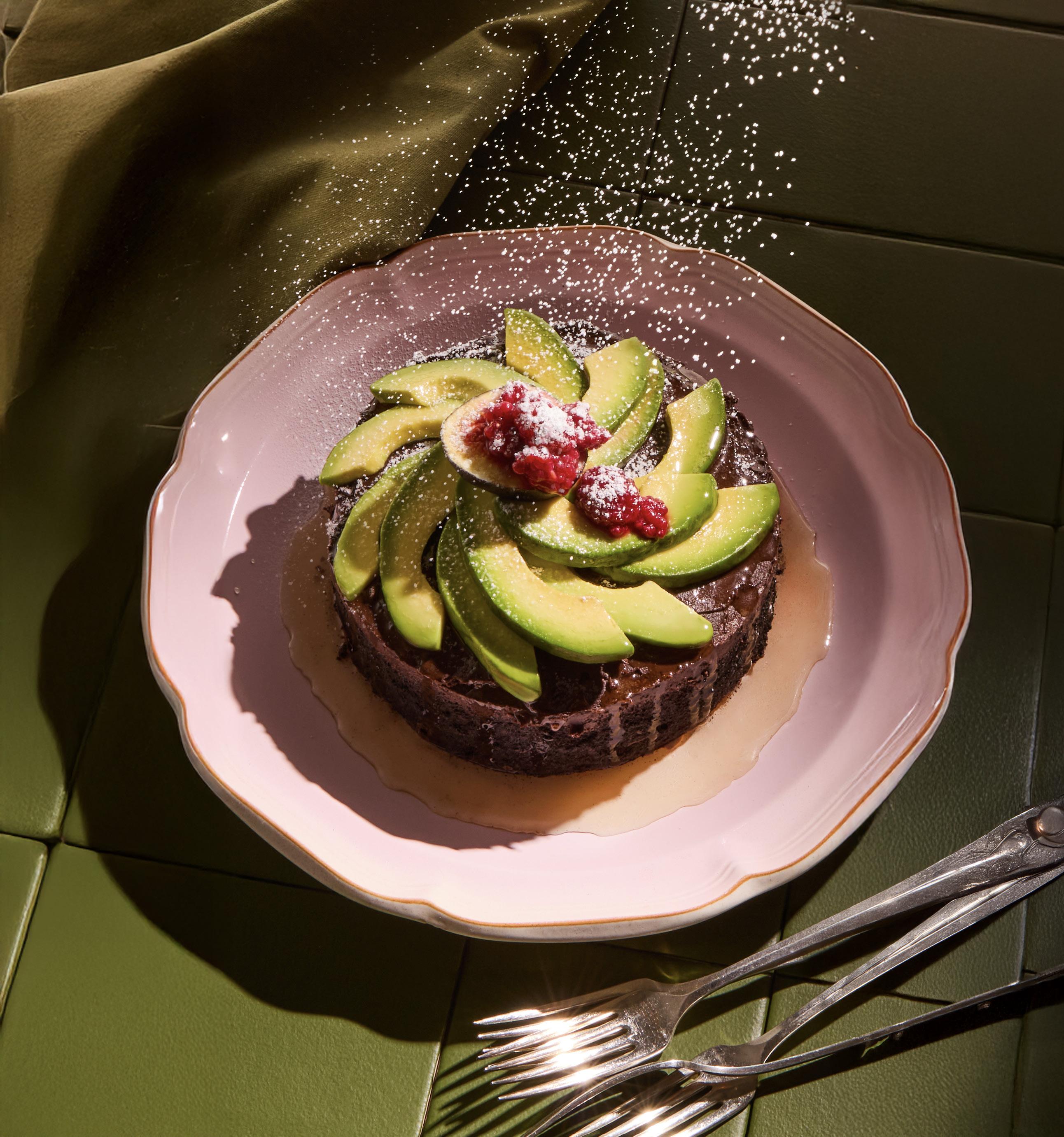

Canada’s avocado market continues to grow, and the Association of Avocado Exporting Producers and Packers of Mexico (APEAM) is keeping pace with a refreshed 2025/2026 board. Executive Director Luis Javier De La Rocha Zazueta oversees global strategy and operations; Raúl Ernesto Martínez Pulido, President, brings deep industry experience and a focus on innovation; and José Antonio Villaseñor Zurita, Vice-President, leads market development and sustainability initiatives.
Each leader brings a distinct area of expertise, but they share a common goal: strengthening retailer partnerships and helping Canadians better understand the quality, origin and nutritional value of Mexico’s premium avocados. Their collective focus on innovation, sustainable practices and category growth reinforces Avocados From Mexico (AFM)’s position as a trusted partner for Canadian retailers.
From shifting consumption habits to evolving merchandising strategies, here’s a look at the trends shaping the avocado category — and how AFM is staying ahead of them.
How is the avocado category performing in Canada?
Canada continues to be the second most important destination for Mexican avocados, with 20,436 tonnes shipped from Michoacán. This strong demand reflects Canadians’ expanding use of avocados beyond traditional guacamole, incorporating them into smoothies, bowls, plant-based meals and desserts.
The “good fats” and fibre found in avocados support heart, digestive and overall health, while their creamy texture and mild flavour make them easy and tasty to add to meals, helping consumers turn healthier eating into a habit. As awareness of both their nutrition and versatility grows, avocados are quickly becoming a regular staple in Canadian households.
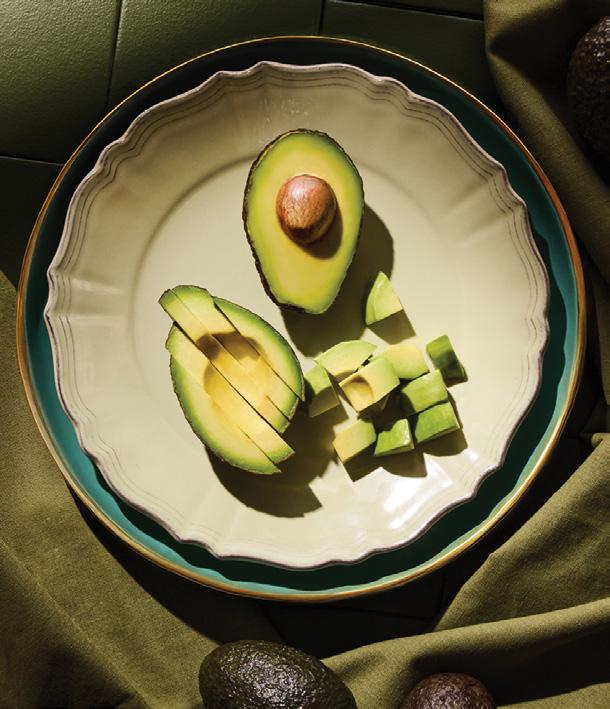
What opportunities exist for engaging consumers?
Retailers can support the category in several ways. In-store tastings, recipe cards and strategic merchandising can highlight versatility and inspire usage. Digital campaigns, influencer partnerships and social media content provide additional opportunities to showcase serving ideas, health benefits and seasonal applications.
Coordinating in-store and digital efforts helps maintain visibility in a competitive produce market while encouraging trial and repeat purchases.
How is quality and consistency maintained?
Avocados From Mexico are admired for year-round freshness and consistent quality. As the avocado’s birthplace, Mexico has nurtured this fruit through generations, with farmers passing down cultivation techniques for selecting, tending and harvesting the trees. Today, those time-honoured methods are enhanced by technology and ongoing sector investments — from advanced ripeness testing to full supply-chain traceability and rigorous harvest quality controls. The result is fruit that is fresh, flavourful and nutrient-rich, giving shoppers confidence and allowing retailers to deliver a premium experience from orchard to table.

What trends are shaping merchandising and format innovation?
Demand is rising for convenient, health-forward options. Ready-to-eat avocados, offered in larger and branded mesh bag formats, make it easier for shoppers to enjoy the fruit more frequently at home while boosting brand recognition and shelf impact. Merchandising that showcases versatility encourages use in salads, smoothies, plant-based dishes and beyond. Highlighting nutritional benefits and providing simple serving ideas can drive incremental sales and expand the fruit’s appeal across diverse consumer groups.
Driving growth requires a mix of awareness, education and inspiration. Providing storage tips, preparation guidance and usage ideas helps shoppers enjoy avocados at peak quality. Seasonal promotions, high-visibility displays and cross-merchandising can further engage consumers and encourage repeat purchases. By combining consistent quality, convenience and clear consumer education, the category is well positioned for continued growth in the Canadian market.
For more information, visit our website at: https://www.avocadosfrommexico.ca/





























































Behind every crisp, greenhouse-grown cucumber are countless decisions — seed, lighting, temperature, humidity and energy use. Few manage that complexity better than Windset Farms, which has spent decades perfecting sustainable greenhouse growing.
As Windset Farms approaches its 30th anniversary in 2026, Vice President of Sales and Marketing Ryan Cherry shares details on a major expansion at its Delta, B.C., facility, and how it’s providing fresh, locally grown produce, including a variety of cucumbers, to consumers in Canada and the U.S.

Tell us about the expansion.
We’re taking the next step in shaping the future of sustainable greenhouse farming. Our last phase was powered by renewable hydroelectricity, and this one builds on that with smarter climate systems, next-gen LED lighting and other renewable energy solutions — all aimed at boosting efficiency and elevating product quality.
This next expansion adds 38 acres of ultra-lit production, bringing the Delta facility’s lit space to 85 acres, plus 45 acres of conventional greenhouse. Combined with partner growers in Mexico and B.C. and our 168-acre Santa Maria facility, Windset is uniquely positioned to deliver consistent fulfillment, reliability and freshness for tomatoes, peppers and cucumbers, year-round
Windset was recently recognized by BC Hydro as a “Clean Energy Champion.” What does that recognition mean? It validates the real impact of our sustainability work. Our LED-lit, energy-efficient greenhouses let us grow more produce using less energy, which directly reduces our
environmental footprint. It also supports our commitment to supplying fresh, high-quality vegetables year-round in a more sustainable way. For retailers, that recognition translates into something very practical: a reliable local supply that aligns with their own sustainability goals and meets the growing consumer demand for responsibly grown produce.
How are partnerships with chefs like Ned Bell helping consumers discover the versatility of cucumbers?
These collaborations help us inspire people to see cucumbers as more than just a side or garnish. They can be a versatile ingredient in fresh, seasonal cooking. By showing how simple, locally grown produce can be used in creative ways, we’re encouraging consumers to bring more greenhouse vegetables into their everyday meals, and educating them on our sustainable growing practices at the same time.
How has longtime support from retail partners helped shape your relationships with Canadian grocers?
Our partnerships with retailers have grown as Windset has expanded, built on a shared focus on quality, freshness and service. By investing in advanced greenhouse technology, we’re able to provide a steady supply of fresh produce, including cucumbers, tomatoes, and peppers year-round and grown close to home. That reliability helps retailers meet demand for Canadian-grown products like our cucumbers and gives consumers access to fresh, healthy options every day of the year.
In 2024, we installed solar panels on our grading stations and farms in Southern Ontario.


Taking local action for the greater good.™
Winner, Canadian Grocer Impact Award Sustainability Category (2024) *At the Gray Ridge
We harness enough power to sustain approximately 65 average households every day, reducing our energy consumption up to 26%* © Gray Ridge Eggs, Inc., 2025

“Eggs are a year-round staple, and one of the most consistently purchased proteins in the grocery store,” says Sean Mateer, VP Sales & Marketing at P&H Foods, noting that the egg category in Canada is strong and continuing to grow. The $1.6-billion retail egg market includes shelled, hard-boiled, liquid, and liquid replacements, with shell eggs being the primary driver of category growth. Here’s more from Mateer on the trends influencing this market.

Are purchase rates for eggs rising in Canada?
Over 92% of Canadian households purchase eggs with 1 in 2 Canadians purchasing eggs every grocery trip. Despite being a mature category which typically experiences limited expansion, the egg category has grown $139 million, or 9.5%, vs. last year. This trend is driven by shoppers spending 6.6% more on eggs per trip. Consumption is also rising, with tonnage up 4%, and the increasing demand of larger pack sizes.
What do Canadians look for when buying eggs?
Canadian shoppers are looking for value, added health benefits, and local. With 13g protein in 2 large eggs, eggs are a quick, nutritious and affordable meal option for Canadians preparing meals at home. The Egg Farmers of Canada’s Egg Quality Assurance™(EQA®) certification mark has made it easier for Canadians to identify Canadian eggs produced by local farmers that are certified to strict national standards. While Canadian local is important, we’re are also seeing a shift to hyper-local or provincial branded eggs; it represents a 29.9% dollar share of the shelled eggs category and are growing 9.9% vs. nationally branded eggs which represent 12.1% share of dollars and are growing at 2.6%.
What trends are you seeing in the egg market?
Four major trends stand out: First, the growth of specialty eggs. The specialty eggs category is growing 6% in tonnage, outpacing conventional eggs. Segments like free run (20%), free range (9%), organic (12%), and omega (8%) are all contributing to this growth. Second, Canadians increasingly prefer deeper yellow yolks for their perceived quality and added nutrition. Our naturally golden yolk product under
the Conestoga Farms brand in Ontario has grown over 270% since its introduction in 2017, with four Free Run Naturally Golden Yolk products ranking among the top five specialty SKUs. In BC, the highest-selling product is our specialty dark yolk product under the Country Golden Yolks brand. Third, Canadians continue to prefer local and provincial brands, which make up nearly 30% of the shelled egg category and which are growing faster than national brands. Trust and provenance remain key drivers. Finally, demand for larger pack sizes. With more cooking at home and rising household sizes in some provinces, larger formats are experiencing significant growth. Shoppers are consolidating trips but purchasing more eggs at a time.
Is there an innovation in the specialty category you can tell us about?
Our Free Run Omega-3 + Lutein eggs with Naturally Golden Yolk are our latest innovation and have earned the Canadian Grand Prix New Product Award for our Conestoga Farms brand in Ontario. We achieve the deeper yolk naturally by adding lutein-rich marigold extract to the hens’ feed. It provides omega-3s, DHA, lutein, and other essential nutrients like Vitamin E, making our eggs a powerhouse for anti-inflammatory, antioxidant, and gut health benefits, aligning with today’s wellness trends.
How can retailers grow their egg sales?
By making the category easier for shoppers to navigate. Clear shelf tags that highlight the differences between free run, free range, organic, omega, and conventional eggs help consumers choose confidently. With Free Run and larger pack sizes growing, giving 18-pack Free Run eggs strong, visible placement can encourage trade-up and increase basket size. Because demand for local eggs is rising, using signage like Foodland Ontario, BuyBC, Made in Alberta, etc. to identify regional products is important. Educating consumers about the Egg Farmers of Canada’s EQA® certification mark on egg cartons can help shoppers make confident, informed food choices. In fact, 70% Canadians say that seeing the mark increases their purchase intent.





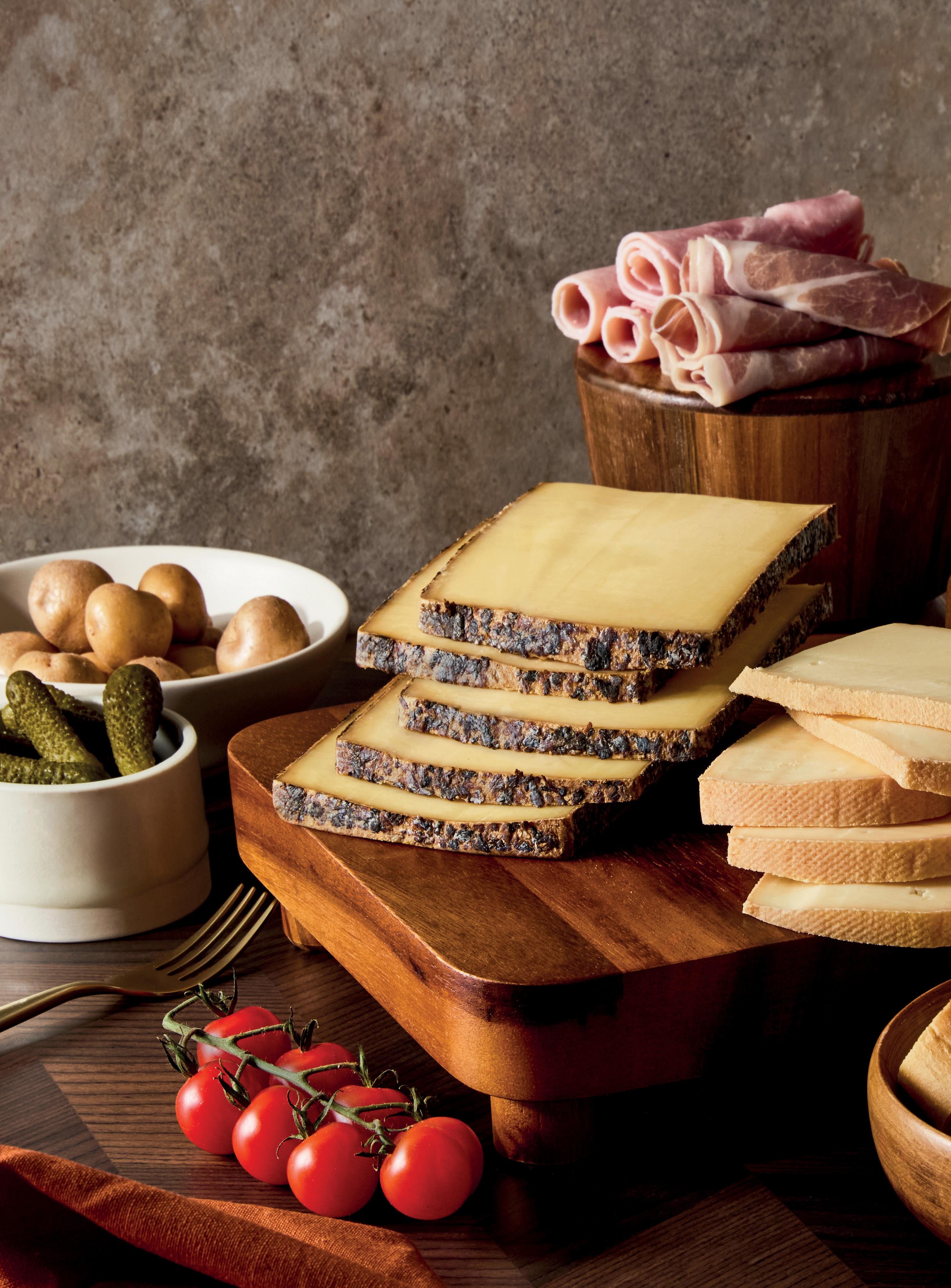



Elevate your holiday assortment with European cheeses from Austria and France.
Crafted with centuries of expertise, these cheeses deliver freshness, exceptional flavor, and essential nutrients such as high-quality protein and calcium—supporting a balanced, wholesome diet.
Perfect for cheeseboards and easy to merchandise alongside local favourites.
Bring the taste of Europe to your holiday shelves!





Unique offerings appeal to a new generation
Dairy industry experts Julia Goeschelbauer, Head of Export Marketing, AMA-Marketing (Austria), and Siobhán Kane, Marketing Project Manager, CNIEL (France) and General Secretary of the European Milk Forum, tell us how quality Austrian and French cheeses can help grocers elevate their offerings and delight customers in the process.
How are European cheesemakers innovating to appeal to a new generation of cheese-eating consumers?
There is a new generation of cheese consumers that is increasingly healthconscious yet unwilling to compromise on taste. European cheeses perfectly meet these expectations. They’re a source of important nutrients like protein and calcium, which help support a balanced diet. At the same time, they embody centuries of craftsmanship, rich flavours, and uncompromising quality. Dairy farmers in Austria and France are constantly innovating to ensure their cheese-making methods are sustainable, environmentally responsible, and uphold Europe’s renowned quality standards. This unique combination of nourishment and indulgence makes European cheeses especially appealing to today’s consumers — those seeking well-being and culinary pleasure in their everyday grocery choices.

GI certifications and centuries of craftsmanship, cheeses from France and Austria attract consumers seeking genuine taste experiences while boosting basket value and menu differentiation. By providing storytelling through packaging, menu callouts and tastings, retailers can highlight the heritage, quality and long-standing tradition of European Cheeses, while building customer trust and sparking curiosity in the process.
How can retailers create engaging experiences around European cheeses?
Retailers can bring European cheeses to life through attractive merchandising, tastings, and workshops enriched with pairing suggestions and storytelling. We are happy to share information and content with grocers to help build experience that transform a simple tasting into a memorable experience. These experiences spark curiosity and make every encounter with cheese truly memorable.
How do European cheeses add value to seasonal and festive dining experiences in Canada?
European cheeses bring refinement and authenticity to seasonal and festive tables in Canada, offering flavours deeply rooted in tradition and craftsmanship. They elevate simple recipes into memorable dishes, pairing beautifully with wines, fruits and charcuterie. Their uniqueness make them a perfect addition to local cheese options, offering European character and tasty variety to enhance every celebration.
How can European cheeses help grocers and foodservice operators tap into consumers’ appetite for premium, authentic products?
European cheeses offer a gateway to the growing demand by Canadians for high-quality, authentic products. With PDO/
For more information, please contact:
z Julia Goeschelbauer, Head of Export Marketing, AMAMarketing (Organization that promotes and ensures the quality of Austrian agricultural food products): julia.goeschelbauer@amainfo.at
z Siobhán Kane, Marketing Project Manager, CNIEL (French dairy interbranch organization), General Secretary of the EMF (European Milk Forum): skane@cniel.com
z Xavier Bernard, Agence Hopscotch Canada Ltée, xbernard@hopscotch.one
To find more information on Austrian Cheeses go to www.ama.global/en For French cheeses go to https://cniel-infos.com

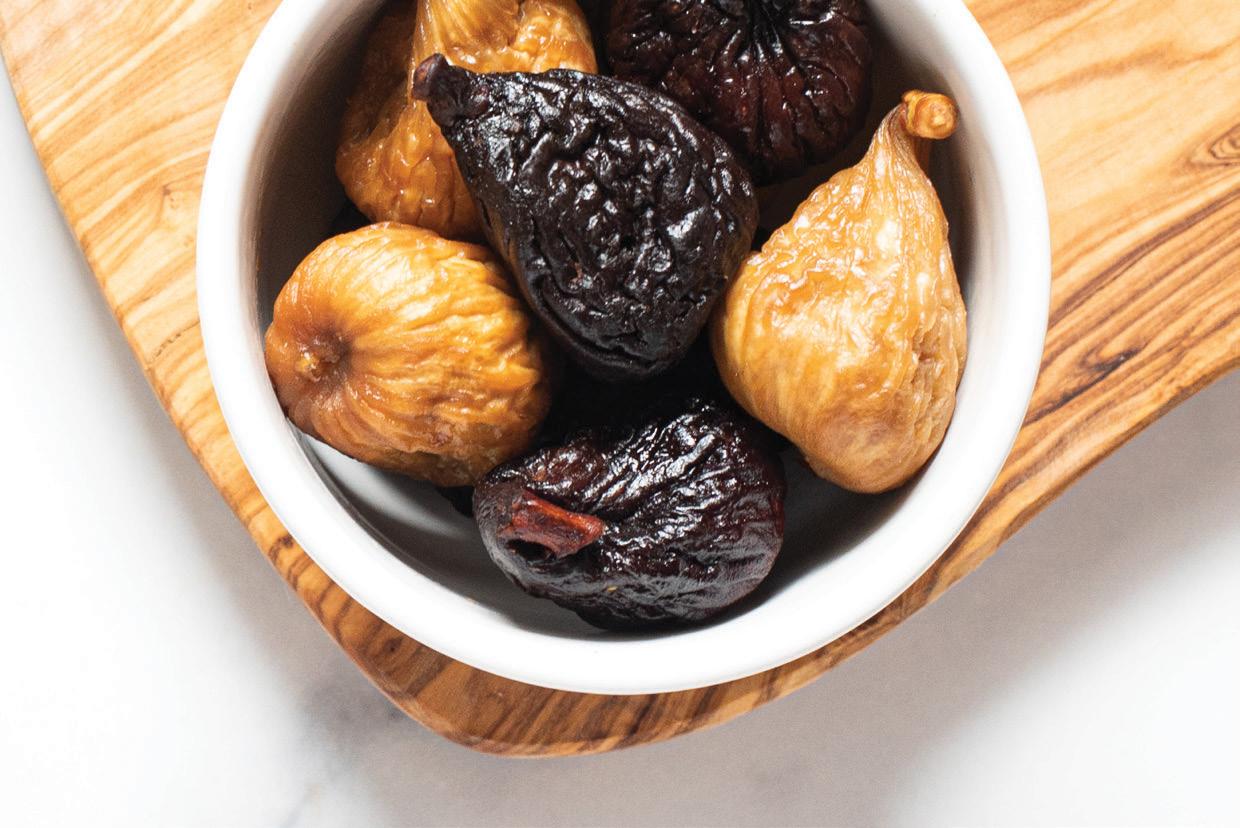

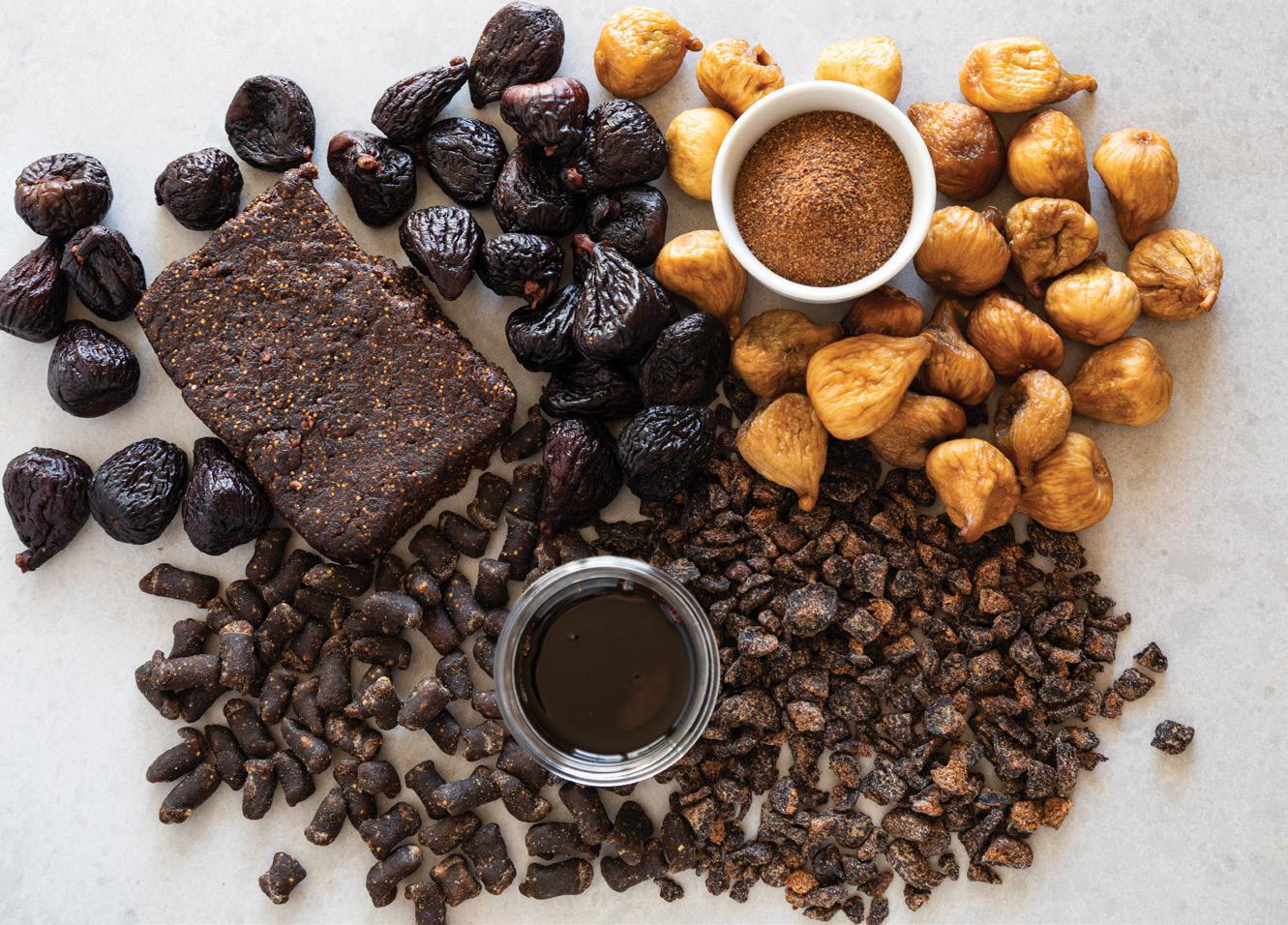
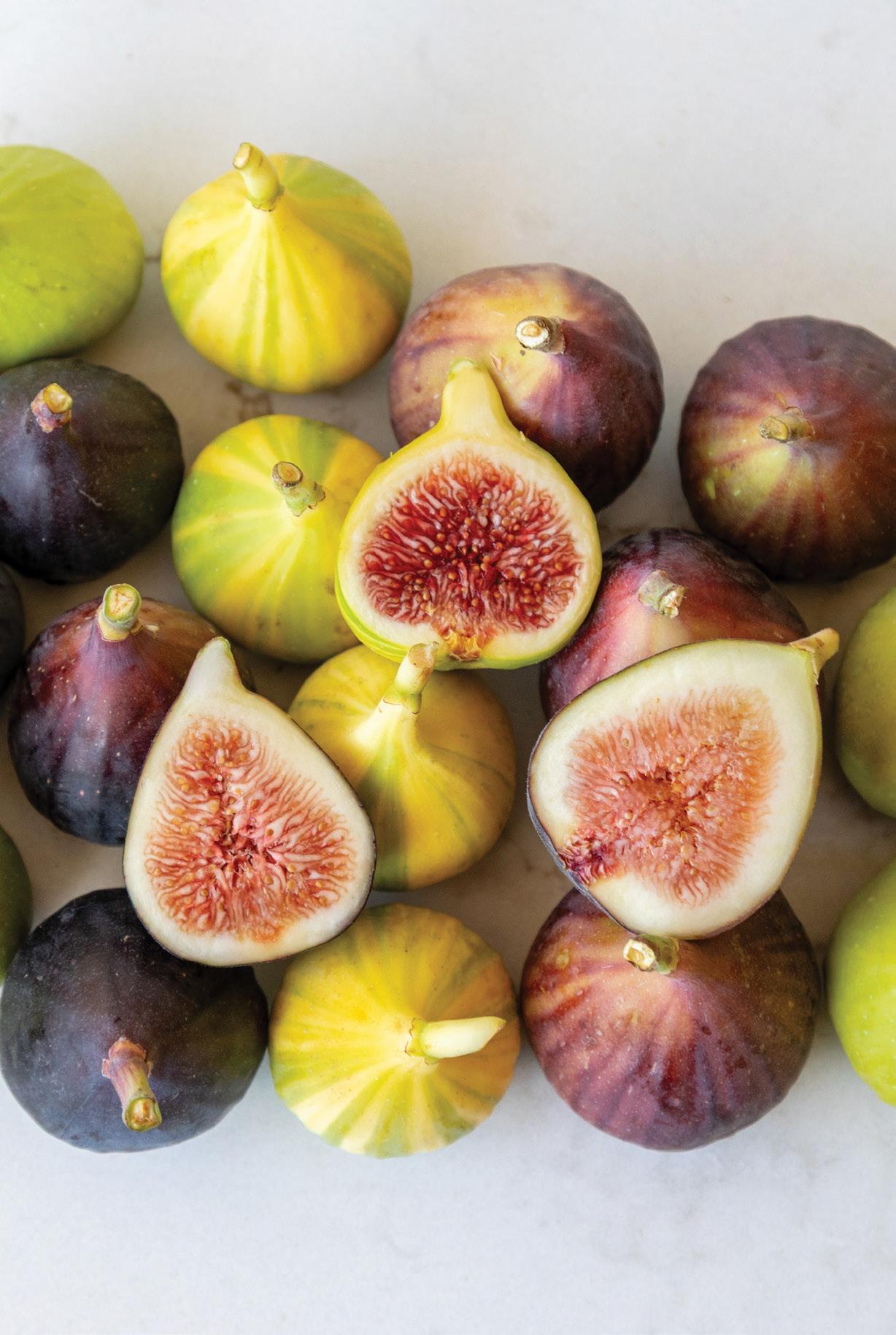
California Figs: A Stellar 2025 Harvest and Growing Love for the Fruit
With 2025 marking one of the best harvests on record, California fig growers are enjoying healthy trees, abundant fruit and rising consumer demand. Karla Stockli, CEO of the California Fig Advisory Board and the California Fresh Fig Growers Association, shares insights on the season, trends and how grocers can better market figs, a fruit many shoppers are still discovering.
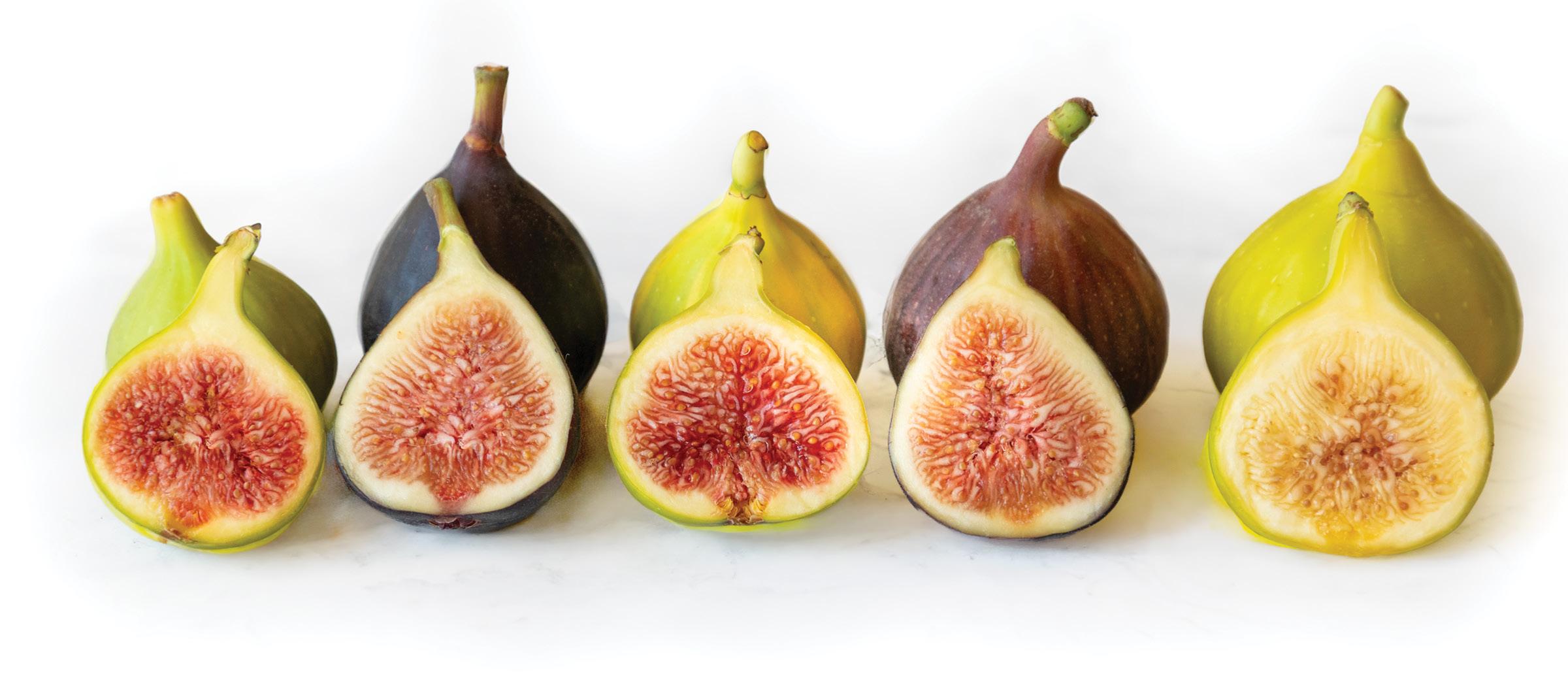
How did the 2025 harvests shape up?
The first harvest, the breba crop, arrived in May. Usually there’s a short gap before the main crop, but this year the break stretched through June. Once the main crop began, the fruit was plump, flavourful and the best we’ve seen in years. Trees are healthy, unaffected by drought or fires, and with new plantings meeting demand, yields were strong. 2025 has been a stellar year for California figs.
What’s the magic behind California figs?
Sun, soil and a lot of TLC. California’s climate is perfect for figs, but it’s not magic — farmers tend trees, monitor irrigation, prune and harvest all year round. Think of it as fig-parenting, with a focus on sustainability and keeping the ecosystem happy.
Which fig varieties are grown in California?
California produces seven varieties — Brown Turkey, the Emerald (new), Kadota, Mission, Sierra, Tena and Tiger — each with its own colour, flavour and purpose. Fresh figs, including Brown Turkey, the Emerald, Mission, Sierra and Tiger, are available from May to November, while dried
figs are sold year-round. Ingredient products for foodservice and manufacturing include diced, extruded-diced, paste and juice concentrate. Dried figs are marketed as either Golden — lighter-skinned varieties that dry to a golden hue — or Mission — dark purple figs that dry to a richer colour.
What trends are you seeing in fig consumption?
About 40% of California’s fresh crop is exported to Canada, much of it to the Greater Toronto area, where Mediterranean and Middle Eastern communities have strong ties to the fruit. Overall, fig consumption is rising. Fresh figs are a seasonal favourite, flying off shelves, while dried figs are trending in food manufacturing. Consumers are discovering fig-flavoured bars, jams, dressings and sauces, often inspiring them to buy dried figs to make these treats at home. Health trends are helping too. Figs are a natural source of fibre — fresh figs provide 25% of daily value, dried figs 18% — supporting digestion, blood sugar, cholesterol and key minerals like calcium, potassium and magnesium.
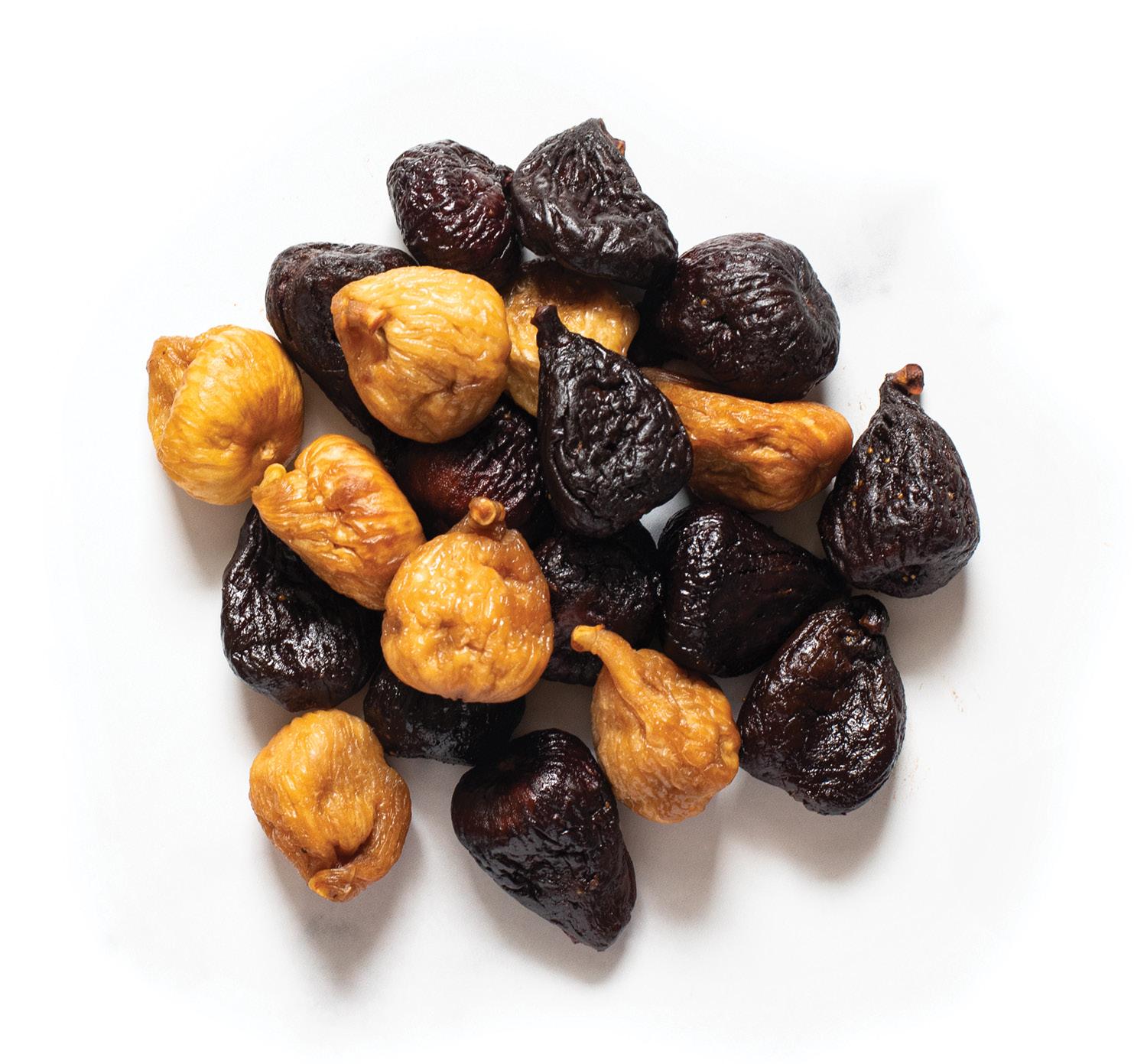
How can grocers promote figs instore?
Lots of ways. Pair fig jams and crackers in the cheese aisle, showcase whole figs on charcuterie or snack trays, and display fresh and dried figs together to highlight year-round availability. Promote fibre and nutrition, share recipes or usage ideas, and check CaliforniaFigs.com or social channels for inspiration. The possibilities are endless.
European fruits and vegetables, including apples, leeks, and shallots from France, and the Protected Designation of Origin (PDO) Kaki Ribera del Xúquer from Spain, are grown with care, following strict standards for sustainability, traceability, and flavour. This ensures reliable quality and strong consumer appeal for Canadian retailers.
In season throughout fall and winter, the PDO Kaki Ribera del Xúquer (Rojo Brillante variety) from Spain offers firm texture, vibrant colour, and exceptional sweetness — ideal for eyecatching displays and repeat purchases.




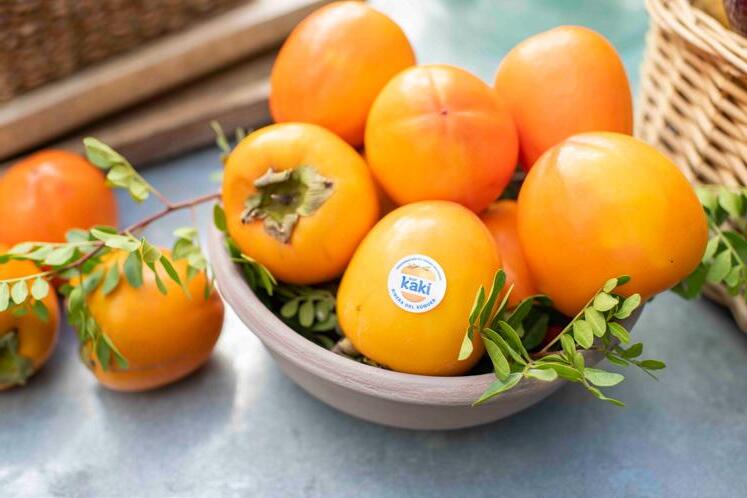
Cooperatives in Spain’s Ribera Alta district established the Kaki Ribera del Xúquer regulatory council in 1998 to promote the local Rojo Brillante kaki, a premium variety of persimmon so distinctive it was recognized as a Protected Designation of Origin (PDO) by the European Commission in 2001. Rafael Perucho Mañez, Director of the PDO Kaki Ribera del Xúquer, explains what sets these kakis apart and how Canadian grocers can successfully merchandise them.
What makes PDO Kaki Ribera del Xúquer stand out from other varieties on the market, and why should grocers consider carrying them?

PDO Kaki Ribera del Xúquer is the only kaki in Europe with a Protected Designation of Origin (PDO) — a guarantee of traceability, quality and authenticity. Grown in Spain’s fertile Ribera del Xúquer valley, the variety “Rojo Brillante” is a local cultivar born in the mid-1950s, and for this reason is exceptionally well adapted to the area. It’s known for its firm texture, natural sweetness, consistent ripeness and ready-to-eat crunch, making it easy to handle, transport and display. For Canadian grocers, this PDO kaki offers a premium, seasonal product that attracts shoppers looking for freshness, flavour and European quality.
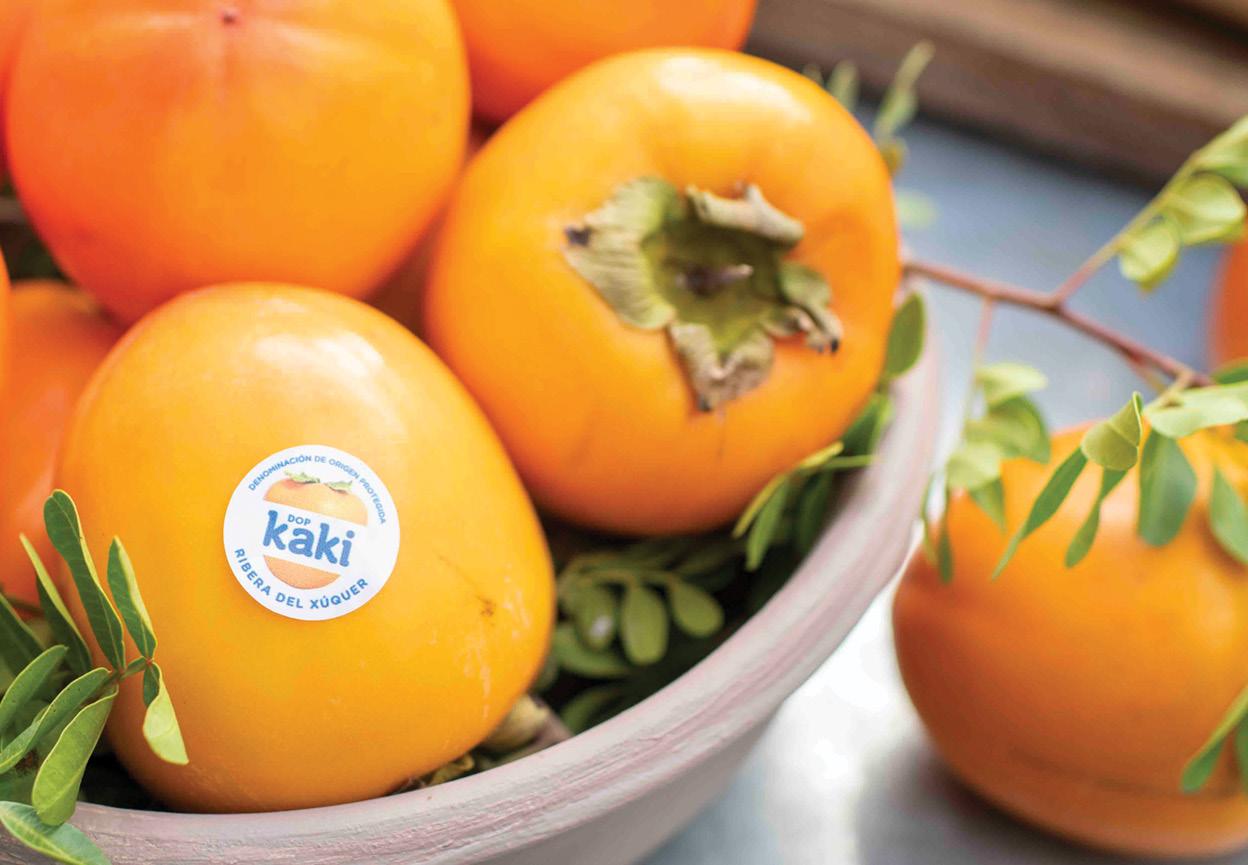
Tell us about the treatment process that helps preserve the fruit’s quality and firmness during its journey from Spain to Canada.
The treatment used to remove the natural astringency of Rojo Brillante kaki is quite unique. It relies on creating an oxygen-free environment that gently neutralizes the tannins responsible for bitterness. This allows the fruit to retain its bright colour and sweetness while maintaining a crisp, apple-like texture. By the time it reaches Canadian shelves, consumers enjoy a ready-to-eat kaki that is just as fresh and flavourful as when it left the orchard.
How has the Canadian market for kakis evolved in recent years, and what trends are driving growth in consumer demand?
Canadian consumers are increasingly open to discovering new, seasonal produce — especially fruits with strong nutritional value and sustainability credentials. Kakis fit perfectly within this trend, appealing to shoppers interested in clean eating and plant-forward diets. Over the last few years, visibility in major grocery chains has grown steadily, supported by education efforts around the Ribera del Xúquer PDO and its European origin.
Kaki is still considered an exotic fruit by many Canadians. How can grocers encourage trial, and what merchandising or promotional strategies help make persimmons a must-have in stores?
Education and visibility are key. Grocers can create discovery moments by placing “Persimmon/Kaki” displays in the produce section with tasting opportunities and simple recipe cards — for example, pairing slices with yogurt, salads or cheese boards. Highlighting the PDO label and its European origin on signage helps reinforce quality and trust. Featuring the fruit in digital flyers or seasonal “Fresh Picks” campaigns also drives trial and repeat purchases.
For more information, visit: https://persimon.eu/en/







As America's oldest farmer-owned citrus cooperative, Sunkist® has become a beloved household name for generations of shoppers. Make Sunkist Navels the centerpiece of your citrus lineup and learn how the power of our 130+ year old legacy can help you capture market share and drive loyalty.





The mighty orange stands as key driver of immune health for Canadians. Cassie Howard, Sr. Director of Category Management and Marketing at Sunkist Growers, Inc., shares insights on why oranges are drawing health-conscious consumers more than ever.
What are the latest trends in orange consumption?
According to Euromonitor, consumption or oranges and mandarins in North America has increased more than 5% since 2022, with gains continuing through the end of 2024. We’ve seen strong engagement early in the 2025–2026 citrus season too, across all orange varieties.

Navel oranges remain a staple in Canadian households, while Cara Cara oranges — known for their sweetness and high vitamin C and lycopene — continue to gain momentum, particularly in branded bag formats. Convenience, freshness and value will remain key drivers in everyday and seasonal citrus purchases.
What are some creative ways to incorporate more oranges into daily routines?
Fresh orange segments can be added to salads for sweetness and acidity or used to top smoothie bowls and yogurt for a refreshing morning option. Oranges can be zested into salad dressings, baked goods and marinades, or used to brighten savory dishes like roasted vegetables.In beverages, oranges pair beautifully with herbal teas or sparkling water for a simple infusion, and in desserts, they shine in citrus bars, cakes or dark chocolate pairings.
Blood oranges, with their deep color and distinct berry-like flavour, are perfect for sprucing up every day dishes and offering a fresh twist on classic recipes — from trendy mocktails to comfort foods. As the #1 branded supplier of Blood oranges by volume, Sunkist offers reliable supply, standout quality, and packaging options like our 2lb Blood orange bag.
How can retailers best promote oranges to boost sales?
Citrus performs best when it’s front and center — in colorful, well-stocked displays near store entrances or at key promotional endcaps. We recommend leveraging varietal signage that communicates flavour profiles, health benefits and origin, helping shoppers make informed choices.
Offering multiple pack sizes (i.e., 3lb and 4lb bags for families and single bulk pieces for grab-and-go) increases accessibility and encourages trade-up. Tying citrus into seasonal moments (e.g., winter immunity, Lunar New Year) creates urgency and relevance. Sunkist provides a variety of display bins, grower-themed materials and campaign assets to help retailers spotlight in-season fruit in modern ways.
What are your latest marketing initiatives.
The Sunkist i3™ initiative — short for Investing in Technology, Innovating with Process, Implementing with People — is our commitment to delivering best-in-class citrus from grove to shelf. Through advanced grower tools, enhanced quality monitoring, and streamlined logistics, we’re ensuring retailers receive consistent sizing, flavour and packaging support they can depend on.
In Canada, we’ve been using digital-forward storytelling to connect citrus with immunity, energy, and even beauty, highlighting oranges as essential to wellness and daily vitality. We support this with turnkey social content, influencer partnerships, and targeted merchandising materials in-store and online. The goal is to modernize how consumers think about citrus while reinforcing our brand’s heritage and trustworthiness.
How is Sunkist addressing environmental responsibility?
Our commitment goes beyond compliance — it’s about long-term stewardship of the land and delivering high-quality fruit in ways that align with evolving consumer and retailer expectations. We’re proud to align with partners and retailers who are equally committed.
Peppers with purpose all year long
As Canadian greenhouse output eases over cooler months, peppers from Mexico play a crucial role in keeping retailers stocked and shoppers satisfied year-round. Elizabeth Smart, Sr. Sales Executive of Divine Flavor — the leading supplier of peppers from Mexico to Canada — shares the latest on the benefits of peppers and why they are a nutrition powerhouse grocers should be promoting.
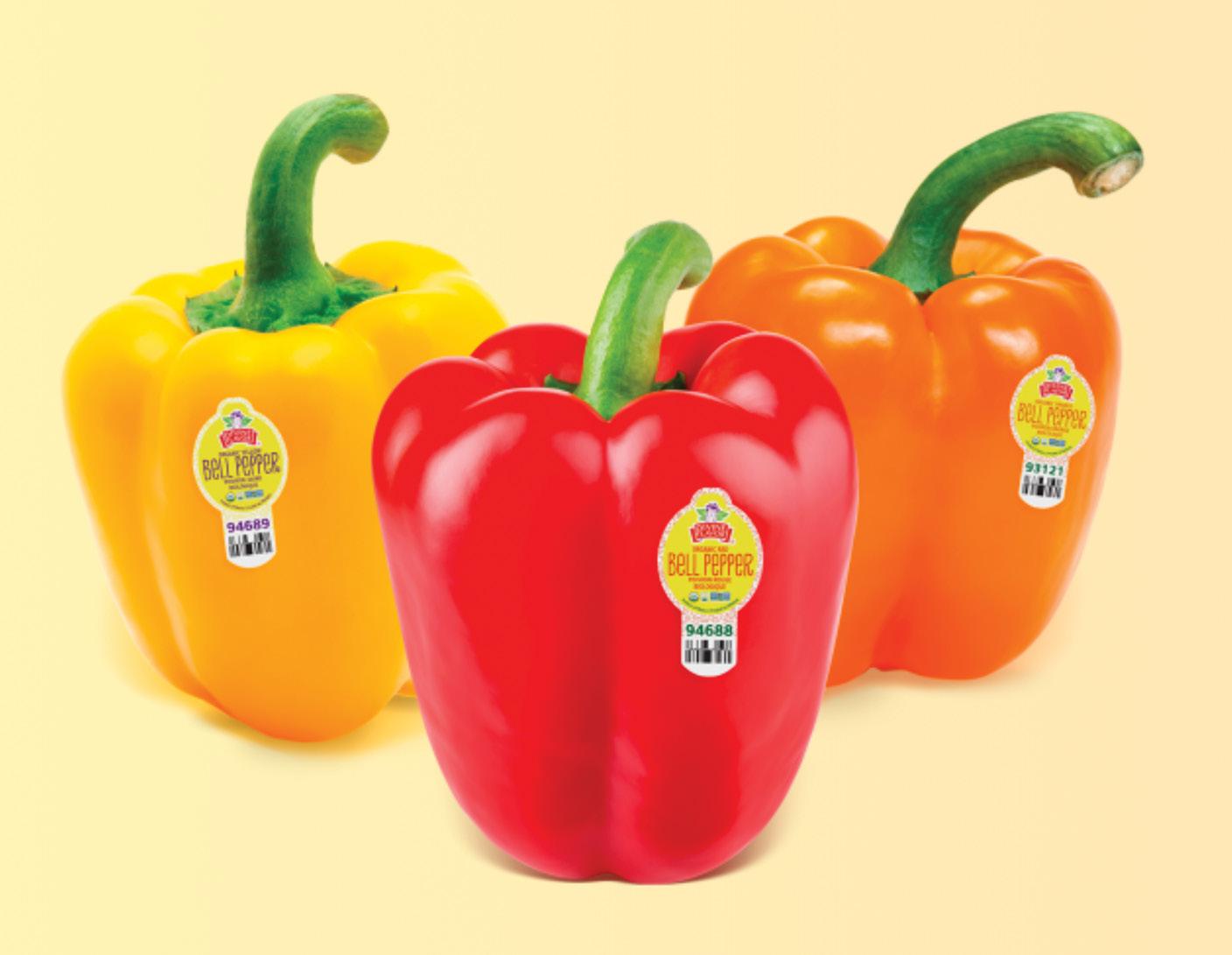
Why should peppers be a Canadian staple?
Not only do they look and taste great, but their nutrition story is a strong draw. Peppers are packed with more vitamin C than oranges — a key nutrient for supporting the immune system overall. Plus, red peppers have vitamin A, potassium, fibre and provide lots of antioxidants. There is real opportunity for retailers to educate consumers on the health benefits of peppers, because when shoppers know these benefits, consumption will follow.
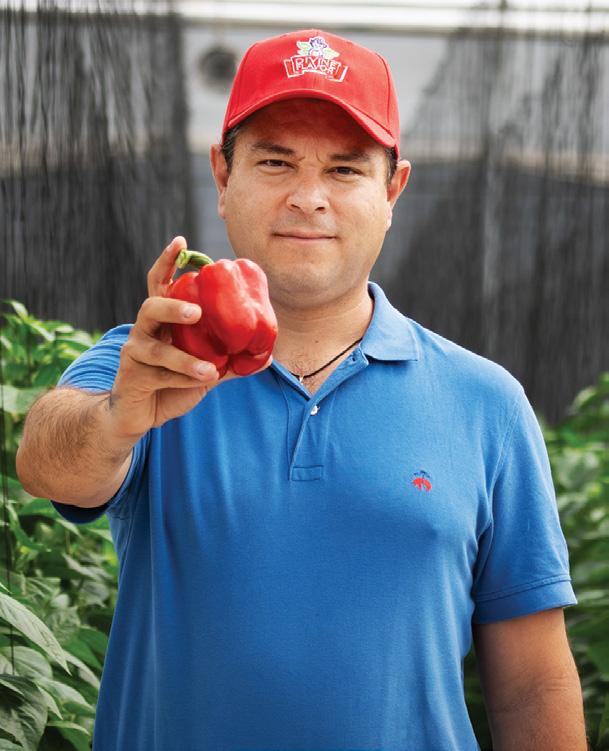
How does Divine Flavor support Canadian grocers throughout the year?
Divine Flavor is a family-owned and operated grower-shipper based in Nogales, Arizona, dedicated to delivering ‘Better Food for a Better World.’ Guided by its six-pillar promise — quality and flavour, food safety, social responsibility, traceability, organics and sustainability — the company strives to provide consumers with the same wholesome products it would serve to its own families. While best known for its premium specialty table grapes, Divine Flavor also offers a diverse selection of vegetables, including tomatoes, cucumbers, and a vibrant assortment of bell and mini peppers.
Our growers have invested in greenhouses, facilities and
infrastructure built specifically for their commodities. That expertise allows us to maintain consistency in volume and quality right when the market needs it most.
We also work closely with our retail partners in Canada to plan programs, anticipate demand, and make sure shelves stay full. Experience is everything in produce, and our growers have decades of it.
What innovations are in the works when it comes to peppers?
Convenience is big. We’re starting to see a focus on seedless peppers, especially minis. It’s about offering that snack-friendly ease without compromising crunch, colour or flavour. Consumers are demanding great eating experiences, whether that’s for a snack pepper in a lunchbox or bell peppers going into weeknight meals.
How can grocers build momentum around peppers?
Shoppers expect fresh, vibrant product every time so grocers should ensure their displays are always appealing. Some options include:
» Using colour-blocked displays to grab attention.
» Featuring vitamin C and immune benefits on shelf tags.
» Pairing peppers with sheet-pan proteins, dips, tortillas and eggs for simple meal inspirations.
» Focusing on mini peppers for snacking and lunch prep.
What about sustainability, which is important to Canadian shoppers?
We take sustainability very seriously, but we’re also realistic. Packaging is one of the costliest parts of produce, so we work with suppliers who are making documented progress on reducing plastic and carbon footprint.
We want to move forward responsibly — protecting product quality while supporting environmental goals and keeping costs manageable for everyone in the supply chain.
For more information on Divine Flavor contact esmart@divineflavor.com or visit their website at www.divineflavor.com
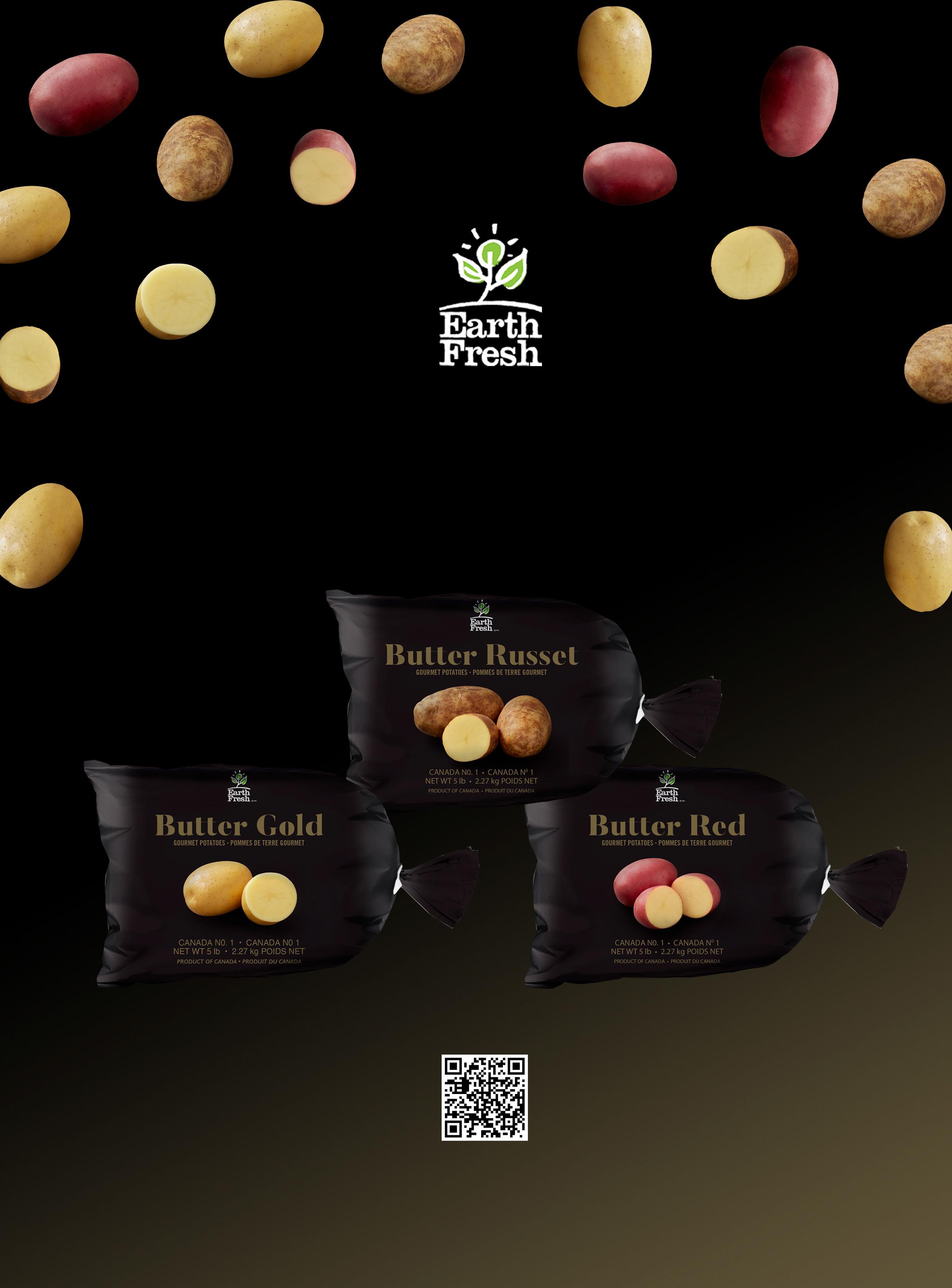


Potatoes are a perennial favourite with consumers of all ages, and a steady yearround seller for grocers. According to Kevin Sorichetti, vice president, Key Accounts and Business Development for EarthFresh, growth in the category is coming from new varieties, unique packaging and other innovations. “We believe in the power of innovation to drive incremental category growth and bring excitement to the potato aisle,” he says. Here’s more from Sorichetti on trends in the Canadian potato market, and opportunities for retailers to boost sales.
How are potatoes performing in Canada?
Potato consumption across Canada is strong but relatively flat year-over-year. With that said, we are continuing to see a shift in consumer preferences to our products that deliver enhanced flavour and consistency. As consumers look for ways to elevate everyday meals, innovation in varietals and packaging will play a key role in meeting that demand and helping the overall category grow.

What makes EarthFresh brand potatoes unique?
What varieties of potatoes are currently popular with Canadians?
We focus on listening to our customers and developing unique variety programs to support their goals and capture incremental sales. Utilizing data helps us identify live trends and growth opportunities within our customer network. Both Yellow potatoes and Baby potatoes continue to lead market growth year-over-year.
What should consumers know about the versatility and benefits of potatoes?
Eat your potatoes! Potatoes fit easily into most global cuisines and can be prepared in endless ways, including baking, frying, mashing, roasting and boiling. They’re naturally gluten-free, nutrient-dense, and packed with energy-sustaining carbohydrates that fuel active lifestyles. As more consumers seek wholesome or plant-based ingredients, potatoes offer an affordable and satisfying option that supports healthy, balanced diets.
At EarthFresh, we’re committed to quality, innovation, and sustainability. Our potato varieties are carefully selected for flavour, performance, high yields, and consumer appeal. We just launched our new “Butter Potato” Program which was built around exclusive yellow flesh potato varieties that deliver on flavour, performance, and consistency. The full lineup features Butter Golds, Butter Reds and Butter Russets, which are available across Canada and the U.S. Each variety brings something special to the table. The smooth texture and vibrant colour of Butter Golds make them perfect for mashing. Butter Reds roast beautifully, and Butter Russets are the ideal potato for baking.
Do you have any merchandising ideas to help grocers sell more potatoes?
Absolutely. We’ve seen success with educational signage that highlights potato varieties and cooking methods. Offering all packaging sizes — from larger formats in bin displayers, to grab-and-go Baby potatoes — also works. We learned over the years that there is an appetite for all potato sizes, and this ensures wider appeal to different shopper segments. Freshness is also key, so rotating stock and keeping displays well-stocked and clean are simple but effective practices.
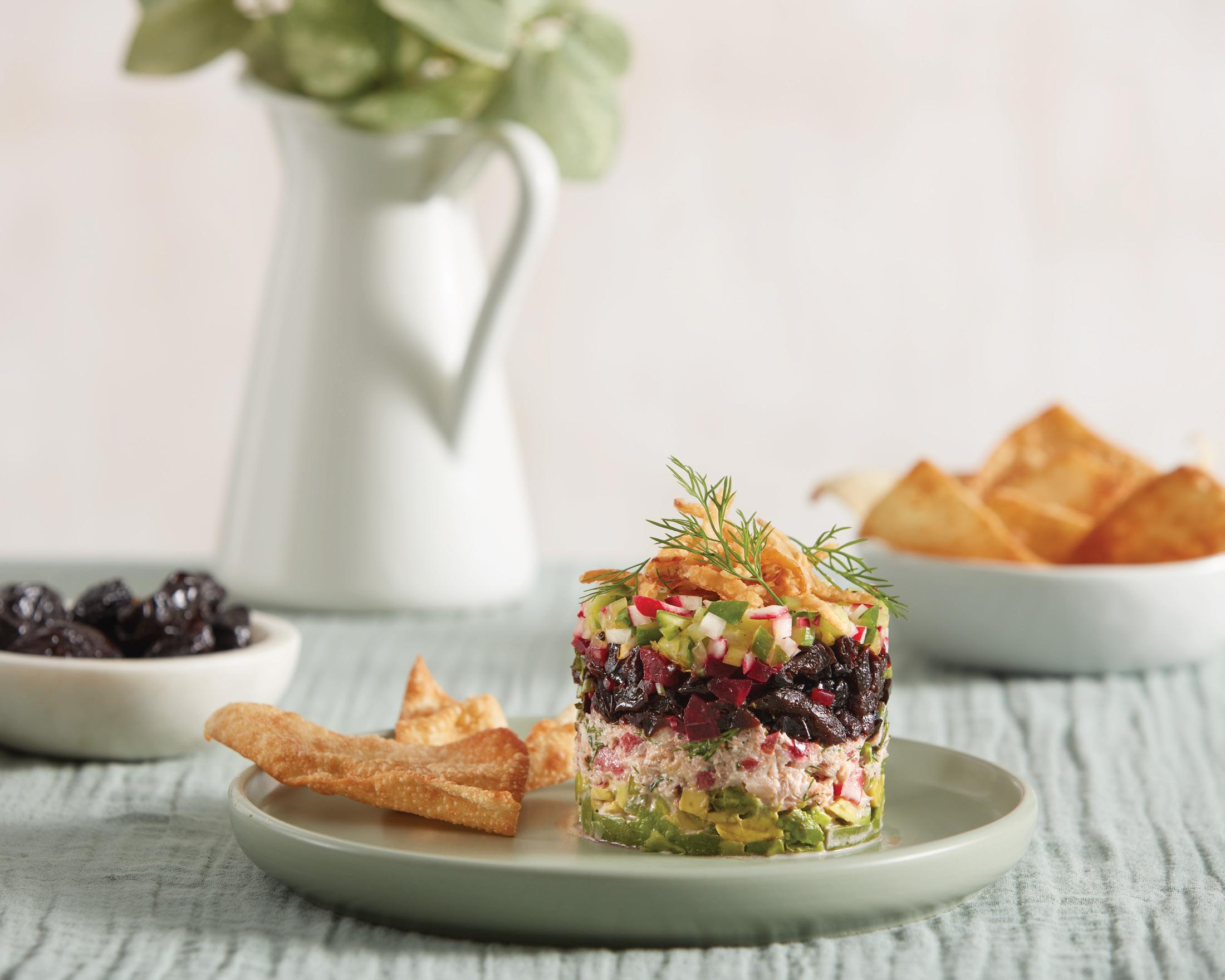
California Prunes as the ultimate health option
It’s no surprise that healthy food choices are fundamentally reshaping Canadian shopping baskets. The 2025 Food Trend Report highlights1 a move toward functional, nutrient-dense foods and the emergence of fibre as a key nutrient. California Prunes are perfectly positioned to meet growing consumer demand for healthy options.
Which health trends are influencing how Canadians use prunes?
1. Gut Health as a Priority: Digestive wellness is now mainstream, moving beyond probiotics to fibre-rich whole foods. Prunes are the original ‘good for the gut’ food and one of the most effective, whole fruit solutions that help support a healthy gut microbiome.
2. Bone Health at Every Age: Research shows that prunes have a big role to play in supporting bone health across all life stages. This is critical given that more 2.3 million Canadians live with osteoporosis2 making proactive prevention a key driver.
3. Plant-Based and Natural Snacking: Consumers seek natural energy and satiety. Prunes are a versatile, single-ingredient snack and serve as a natural binder, sweetener and fat replacer in plant-based and baking applications.
What makes California Prunes unique?
The difference lies in their premium quality and unmatched consistency. California’s unique climate — hot days, cool nights and rich soil — is unparalleled for growing the Petite d’Agen plum, yielding a naturally sweeter, larger fruit. Growers adhere to stringent global food safety and quality standards, using generations of craftsmanship and modern, climate-controlled drying to ensure consistent moisture content, texture and taste.
How are you modernizing the prune’s image for younger generations?
We’re highlighting versatility and evidence-based science to align prunes with today’s wellness trends.
» Heath Care Providers: Our programs equip registered dietitians and other health professionals with data showing how prunes naturally support gut and bone health, helping guide patient conversations.
» Athlete Endorsement: We partner with Canadian athletes and fitness


influencers to promote prunes as a natural pre- or postworkout fuel and a gut-health staple.
» Recipe Innovation: We focus on snackification and versatility — featuring diced, puréed, or whole prunes in ontrend recipes — to reframe them from a baking ingredient to an everyday wellness food.
» Digital Focus: We market across digital platforms that inspire healthy eating, emphasizing the benefits shoppers value most.
How do you work with retailers to keep the prune category relevant?
We encourage retailers to position prunes in multiple high-traffic zones — produce, baking and snacking/health food sections — to capture diverse consumer needs. We also update them on consumer trends and nutrition research, so they can make data-driven decisions that highlight California Prunes’ high-value potential.
Do you see opportunities for prunes in other categories?
Absolutely. California Prunes are a clean-label powerhouse that fit seamlessly into several growth categories. For one, there is an opportunity to position prunes as a natural sports fuel. Their combination of faster and slower-acting sugars provides sustained energy, preventing the crash associated with some conventional sports snacks.
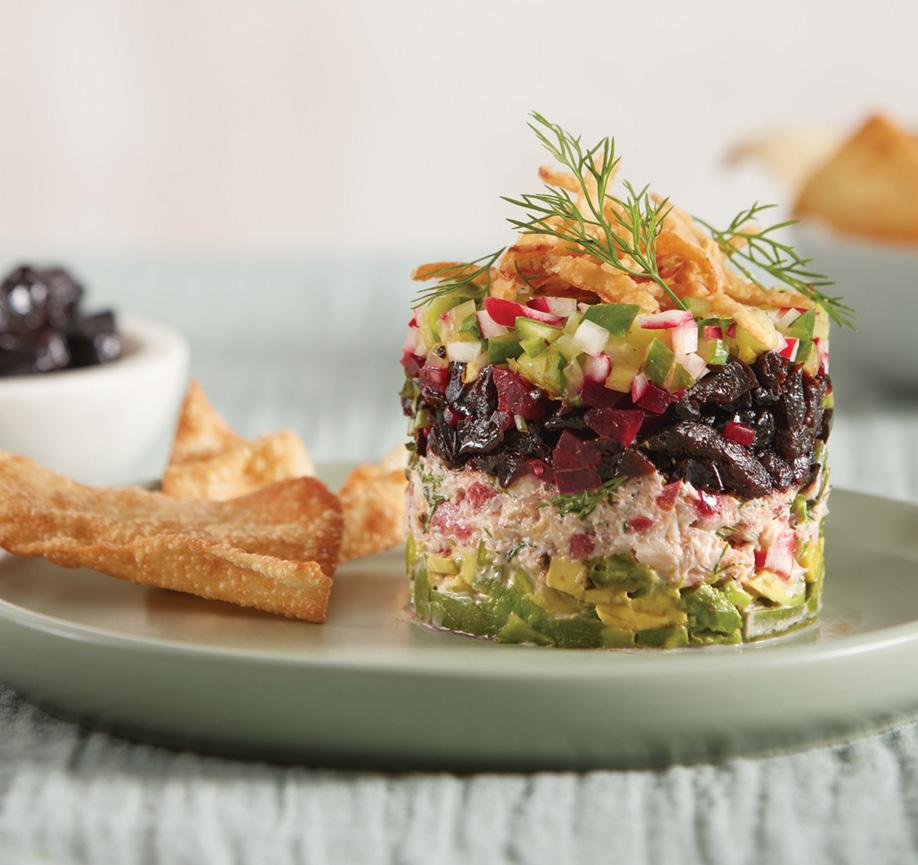
More than a snack, prunes are emerging as a go-to ingredient for healthy cooking. Prune purée, a blend of prunes and hot water, replaces sugar or fat naturally in a range of recipes — keeping the fruit relevant and demand strong.
1. https://www.nourish.marketing/trend-report 2. https://osteoporosis.ca/facts-and-stats/

Because it’s always the perfect time to remind your customers of all the reasons to choose California Raisins.
100% fruit
Most recognized raisin origin
Sustainable and reliable
Grown with the highest quality and safety
Our farmers harvest and process grapes carefully and with the most advanced equipment. That translates into consistent colour, texture, flavour and goodness.
California Raisins are inspected under the most rigid standard, assuring that California Raisins are the cleanest, highest quality in the world.
No sugar added
Naturally sun-dried
Beloved by consumers for their taste, nutrition, versatility and affordability
California Raisins’ sweet, fruit flavour develops in the sun and stays stable for up to a year when stored properly.
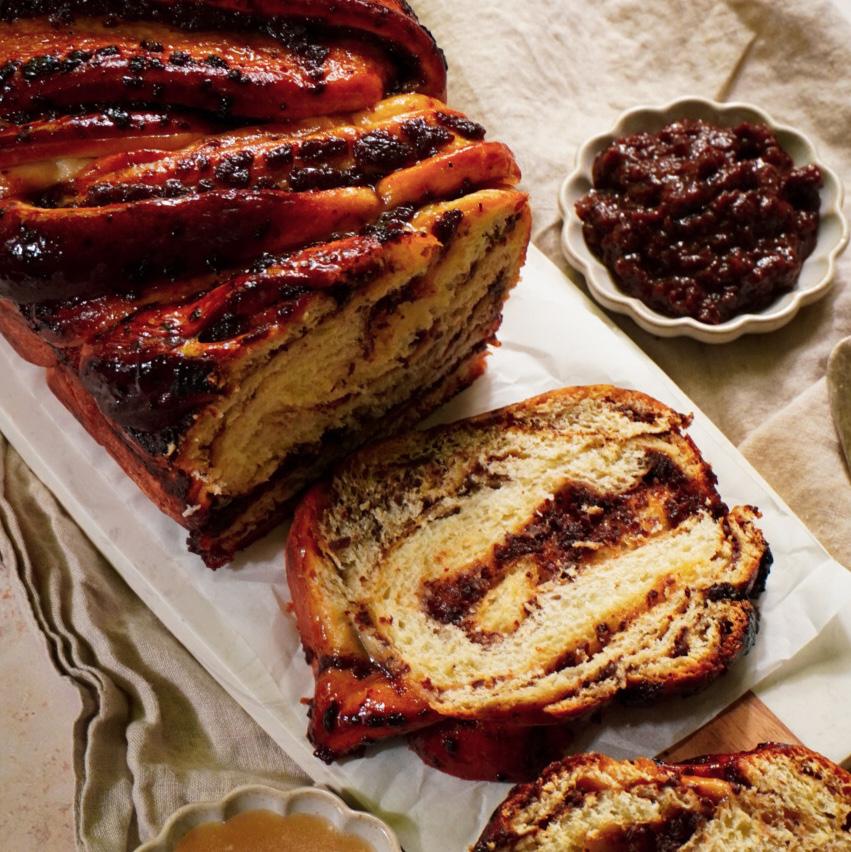
California Raisins: more relevant and versatile than ever
From shifting health trends to culinary innovations, Tim Kenny, Vice-President of Marketing at the Raisin Administrative Committee, shares insights on why California Raisins remain a staple for Canadian shoppers.
What trends in Canada are shaping consumer demand for raisins?
Canada remains one of the highest per-capita consumers of raisins worldwide. Last year, imports grew 4% to 22,700 metric tonnes — about 1-1/2 kilos per household. Over the past five years, Canadians have increasingly looked for foods with no added sugar and raisins are a perfect option. They provide natural sweetness without additives. Shoppers are also paying attention to food origins, and California Raisins are a trusted, sustainable choice.
What initiatives have been most effective in building awareness and market share for raisins in Canada?
We continue to be the value share leader in Canada thanks to a number of trade and consumer programs we deploy. Social media partnerships with Canadian influencers have been very effective. Letting them create recipes and tell their own stories resonates with younger adults especially. We’re also ramping up efforts to educate chefs and bakers on the versality of California Raisins. For example, we’re hosting a chef’s dinner with one of Canada’s Top Chef winners Erica Karbelnik later this year where she will develop innovative dishes using raisins to inspire other chefs.
Given trade and tariff issues between the US and Canada, how is your committee working with your Canadian partners?
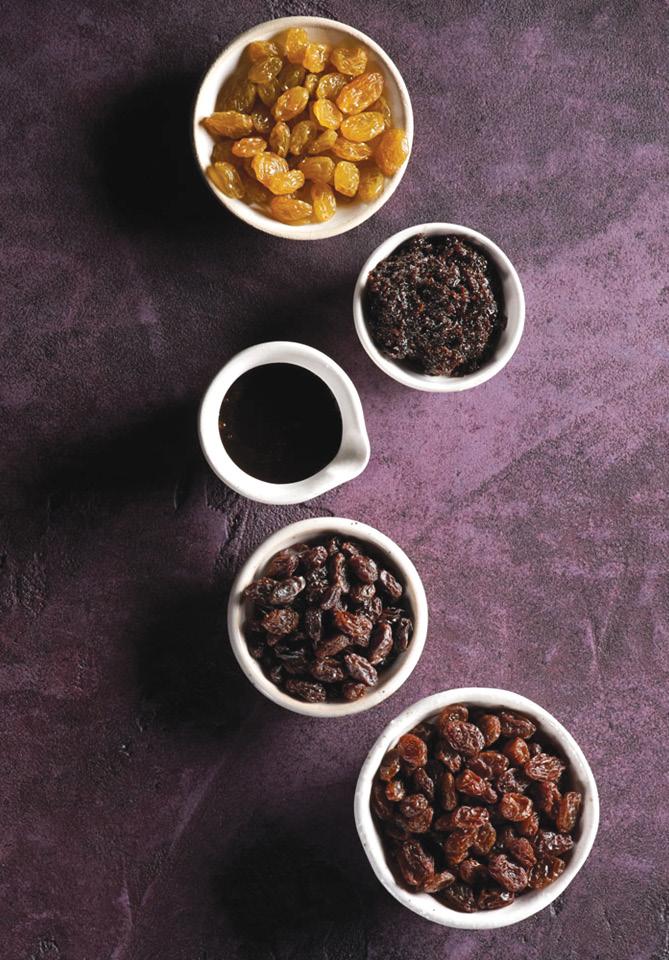
I understand the ‘buy Canadian’ mindset, but raisins aren’t grown in Canada. In fact, California is the only origin investing in raisin education and promotion here. Our growers have been supplying Canada with raisins for more than 100 years. California and USDA stringent standards ensure Canadian buyers receive a safe, high-quality product.
How are you promoting the longstanding tradition of your raisin growers?
California Raisins are a family-based industry, often spanning three generations. Many growers have been in business for nearly 100 years. Our largest packer is a cooperative of grower families. We’re highlighting these stories through video and digital content to show the people behind the product.
With Canadians increased focused on health and clean eating, why are raisins the ideal choice?
Raisins have one ingredient — raisins. They’re natural, shelf-stable, and recently recognized by the FDA as a healthy food. They’re perfect for snacking or cooking, and they meet the growing demand for simple, healthy options.
How are you working with grocers to ensure raisins stand out on grocery shelves?

We’ve expanded retail programs across all major Canadian banners with in-store point-of-purchase materials, audio ads, and e-commerce campaigns. The focus is clear: naturally sweet, no sugar added.
What new innovations and marketing strategies can we expect on the horizon?
Canada will remain a top priority. We’ll continue collaborating with retailers and chefs to inspire new uses for raisins — from baked goods to savoury sauces and meals. We’re also supporting health research on antioxidants and blood sugar control, with results coming next year. Our goal is to keep raisins relevant, versatile and exciting for Canadian consumers.

Demand for salad kits continues to grow regardless of the season, with chopped salad kits leading the way. “We have seen the growth of salad kits as well as growth within the value add salad segment as consumers are increasingly strapped for time and seek out quick and nutritious options for a healthy meal or side dish in minute,” says Amanda Knauff, vice president of Sales — Canada for Taylor Farms. The company offers more than 21 different salad base combinations, as is the leading brand of salad kits in the Chopped Kit Segment in Canada. Here’s more from Knauff on how salad kits are performing in Canada.
What is the market like for salad kits in Canada?
The total category continues to increase year-over-year, with chopped salad kits in particular leading the charge. Total kits in Canada are up four percent ($13.7M) in the latest 52 weeks ending September 6, 2025. Chopped kit sales are 68 percent of the kit segment and are driving the segment growth. Meanwhile, non-chop kit sales are 32 percent of the segment, and are down three percent ($3M) in the latest 52 weeks.
flavours – something we leaned in on in the recent development of one of our exciting new offerings, Curry Crunch. This salad kit features delicious chopped salad veggies, mini tikka-masala pita chips and cinnamon pepitas with a unique creamy curry ranch dressing.
What trends are you seeing in salad kits today?
What ingredients are consumers asking for in salad kits?
Canadian consumers are looking for as many healthy benefits from their food as possible and are paying attention to ingredient labels a lot more to support their goal of better nutrition. They are seeking wellness benefits, such as superfoods which can be found in kale, romaine and dark leafy greens, all which you can enjoy in the salad bases of our easy-to-prepare kits. They are also craving innovative and global
With single households and the need for value sizes on the rise, we’ve seen a need to offer multiple sizes of our kits. You can find the new Taylor Farms mini chopped kits for the single-serve option that are great for smaller household. The Value Size versions of our most popular kits, Sweet Kale and Caesar, offer a larger portion size in one convenient offering.
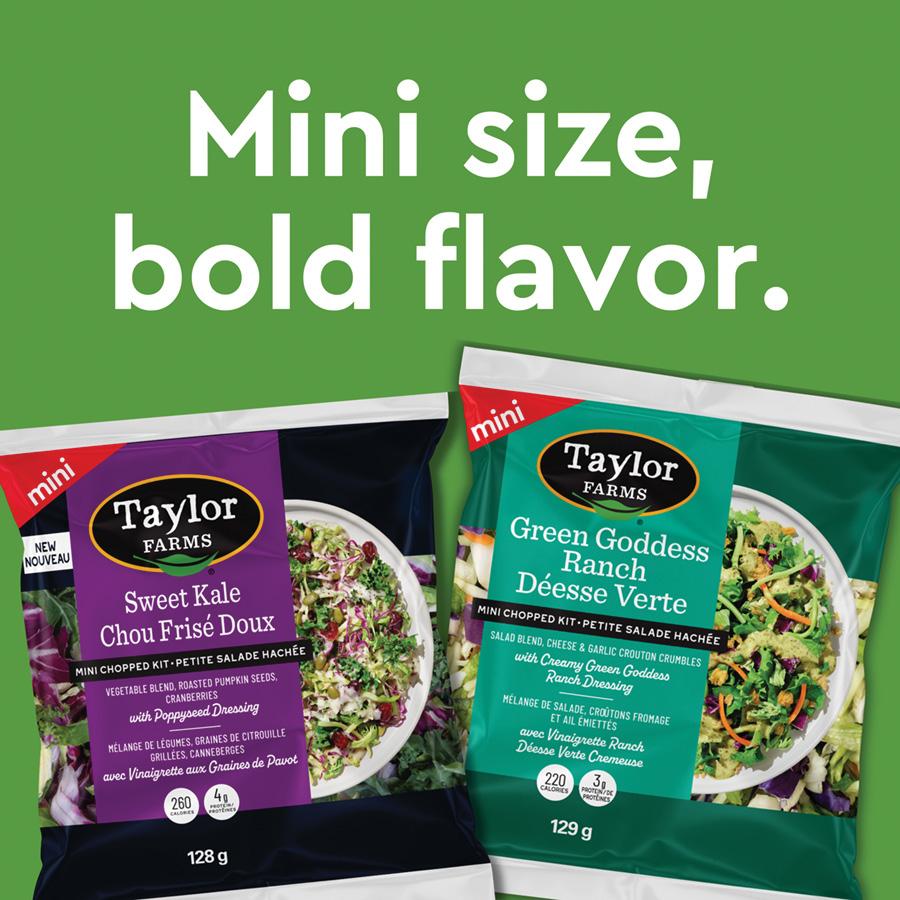
Are there any innovations you can tell us about?
Look out for our new Mini Chopped Kits — perfect for a salad on the go — in stores now nationwide, as well as our Curry Crunch, Jalapeno Popper and Pizzeria Crunch Chopped Salad Kits.
Any merchandising tips to help grocers promote salad kits?
Grocers can drive consumer trial through strategic promotions or loyalty offers in flyers or in-store/at-shelf and utilize secondary displays to grab customer’s attention. Ensure top-selling salad kits have enough facings on the shelf as it’s easy to lose sales during high traffic times such as holidays.

Florida strawberries are a favourite in Canadian produce departments, where consumers are choosing them for their freshness and flavour. We asked Susie McKinley, director, Division of Marketing and Development at the Florida Department of Agriculture and Consumer Services, what else grocers should know about the versatility and benefits of Florida strawberries.

What do you anticipate for Canadian market demand in 2026?
Looking ahead to 2026, we’re feeling optimistic as demand is expected to grow! We’re proud to bring the taste of Florida sunshine to Canadian shelves and are excited to expand our presence in this important market.

How are Canadians consuming strawberries?
Canadians enjoy strawberries in so many ways. Whether it’s snacking on them fresh, blending them into smoothies, tossing them into salads, or baking them into desserts, strawberries are a go-to ingredient. They’re not just delicious, they’re also packed with vitamin C, fiber, and antioxidants. They
support heart health, boost immunity, and are naturally low in calories, making them a smart, wholesome choice for any lifestyle.
Is there a time of year that Canadians buy more strawberries?
Strawberries are loved all year long by consumers, and Florida strawberries really shine in Canada during the winter and early spring when local supply is not available. Florida strawberries are in peak season starting in early December and Canadian shoppers are eager for fresh, juicy berries during the holiday season. Grocers love this window too; there are many opportunities to promote the popular fruit during Christmas, New Year’s and then of course Valentine’s Day.
Do you have any innovations or sustainable measures you can highlight?
We’re proud of the strides Florida growers are making in sustainability and innovation. Florida growers are consistently working with researchers to improve yield and utilize best management practices. From water conservation to soil health initiatives, Florida producers are committed to growing responsibly. This year, two new University of Florida strawberry varieties, Encore and Ember, will be grown in Florida. These varieties have proven to be not only more flavourful, if that is possible, but also offer a longer shelf life. Your customers will be able to taste the difference, and we’re excited to bring these improvements to market.
How can retailers grow their strawberry sales during the winter and spring?
Grocers can have a lot of fun with strawberries, especially during the holiday season! Highlighting the “Fresh From Florida” brand helps shoppers connect with the story behind the fruit. Directing consumers to FreshFromFlorida.com for recipe inspiration, combined with in-store displays, recipe cards, and cross-promotions with items like whipped cream or yogurt, can really boost interest. Sampling is always a hit, and sharing the health benefits and seasonal freshness through signage or social media can make a big impact. Signage, digital ads, and social media also help educate shoppers and build excitement around Florida strawberries.

















B�r�t�n �i�h �d�
S�e�t�e�s!







Peak consumption for tomatoes in Canada is typically late spring through mid-summer, but according to Harold Paivarinta, vice president, Sales and Business Development for Red Sun Farms, advancements in lit greenhouse technology ensure a steady, high-quality supply all year long. “Variety innovation, particularly within the premium and snacking categories, will continue to fuel category growth,” says Paivarinta. “Tomatoes are truly a 365-day item thanks to their versatility. There’s a variety to complement every meal, recipe, or occasion.” We asked Paivarinta what else was new in the tomato category.
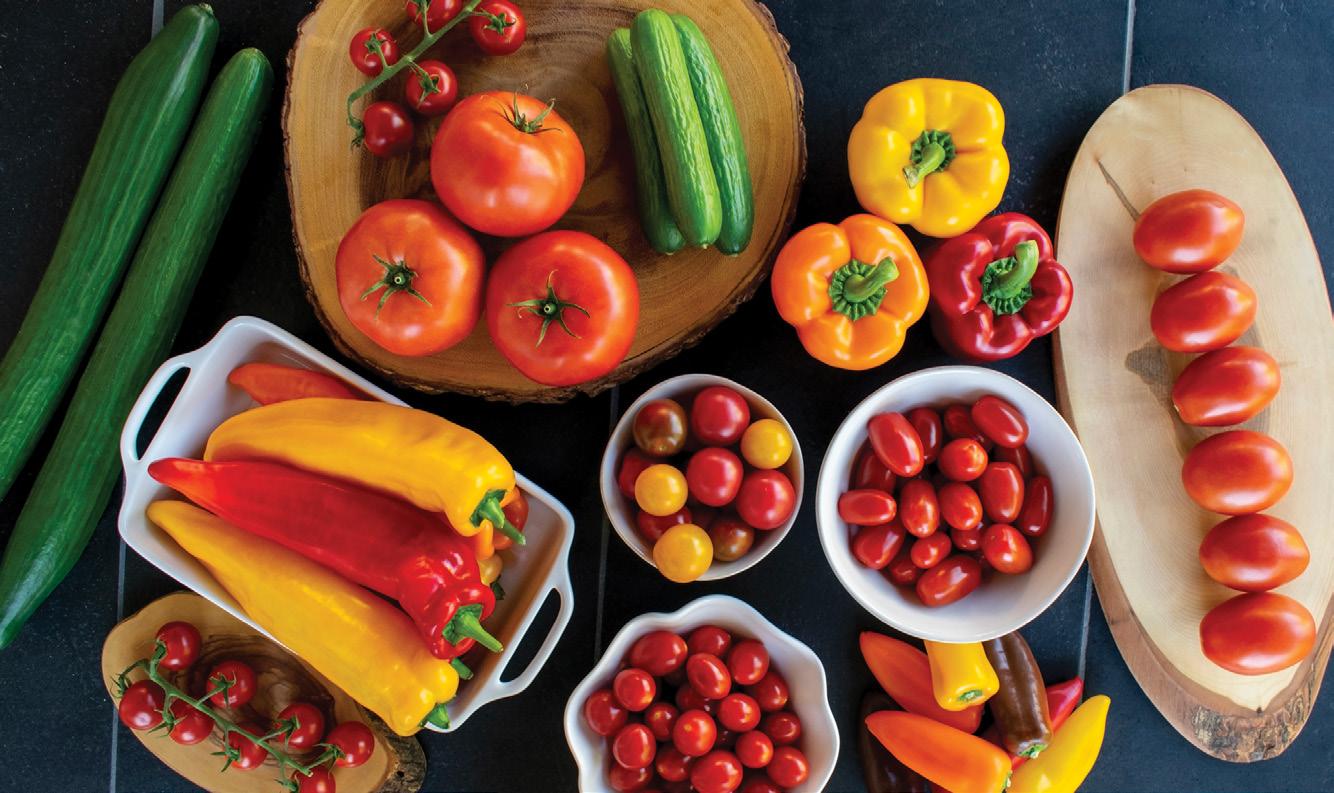
How are tomatoes performing in Canada?
Tomatoes remain a staple in Canadian households, and we expect another strong year of consistent demand in 2026. The snacking category continues to lead growth, driven by flavourful, bite-sized varieties such as Cherry and Grape Tomatoes — and of course, our own Sweetpops.
What do consumers look for when buying tomatoes?
Consumers continue to prioritize quality, value, and flavour when purchasing produce and tomatoes are no exception. The trend toward snackable, flavourful, and convenient options remains strong.
What makes tomatoes from Red Sun Farms unique?
At Red Sun Farms, we’re a collective of like-minded owners, growers, and service professionals who share a commitment to excellence — unmatched in the greenhouse industry today. Our vertically integrated model bridges the gap between grower, retailer, and consumer. As one of North America’s largest fully integrated, high-tech greenhouse companies, we own and operate farms in Canada, the United States, and Mexico. This structure enables us to supply Canadian retailers with consistent, high-quality product 12 months a year.
How do you approach innovation and sustainability?
At Red Sun Farms, innovation and sustainability go hand in hand. We’re continually exploring new packaging solutions that reduce waste and improve recyclability, including the use of paper-based and mono-material options designed for
a lower environmental impact. We also collaborate closely with our retail partners to stay ahead of changing consumer behaviours — from shifts driven by GLP-1 usage and evolving meal solution preferences, to increased in-store frequency and demand for value-driven promotions. By staying agile and aligned with these trends, we continue to deliver products and programs that bring real value to our partners and their customers.
How have changes in the greenhouse industry impacted Red Sun Farms?
Red Sun Farms continues to remain focused on a path of expansion, innovation, and growth. The greenhouse industry has faced unprecedented challenges in recent years and there’s been a substantial shift in the players as a result. Red Sun Farms has built incredibly strong, collaborative relationships and we pride ourselves in adhering to our core values while ensuring honesty, integrity, and transparency is paramount in all aspects of our relationships. Now, more than ever, we will double-down on what’s made us successful as it will ensure our position in the industry for many years to come.
How can grocers encourage more tomato sales, especially during the winter/spring season?
Mexican and Canadian lit acreage have come a long way in stabilizing and balancing the production demands. Seasonality has shifted in a way that October/November and April/May are now the strongest months of production and sales. Retailers have adapted accordingly, driving strong promotional activity during these key periods.