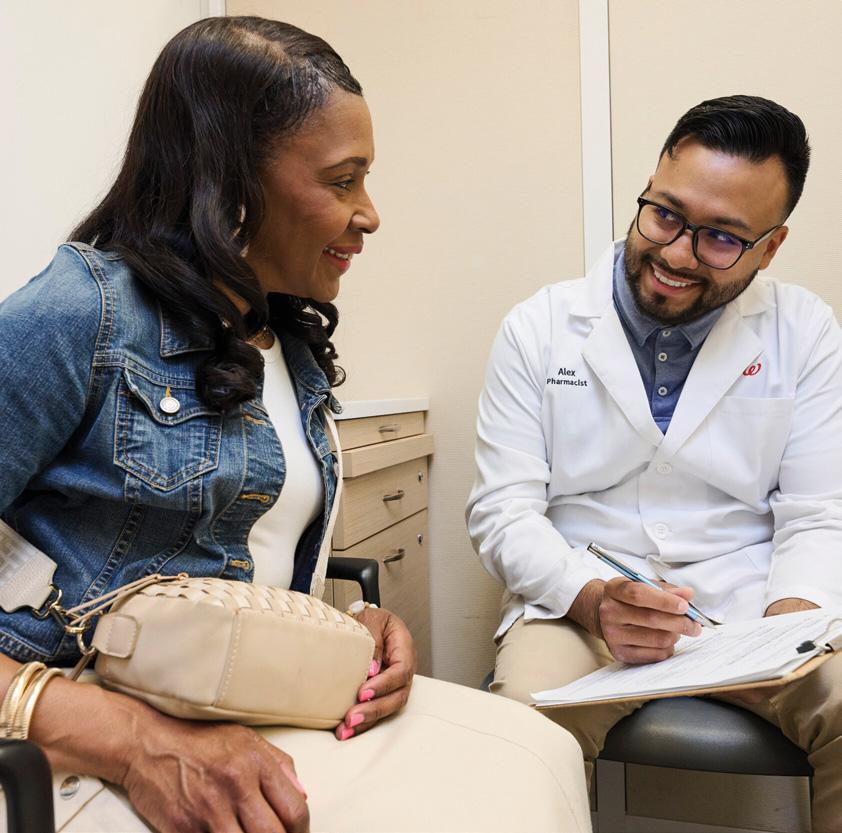
These trained professionals are lifesavers for the people in their communities
30 INSIDE BEAUTY & WELLNESS FORUM RECAP
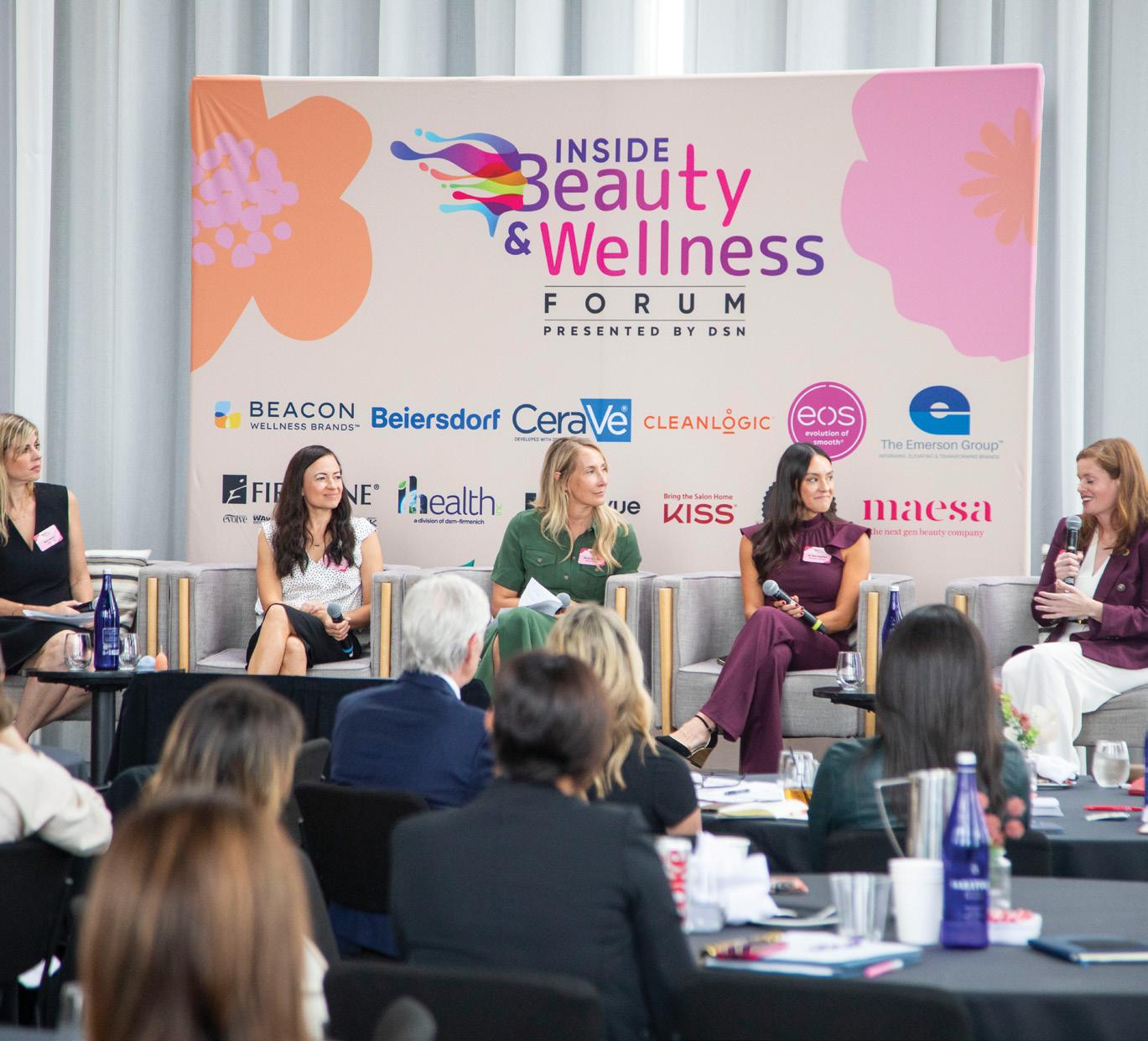
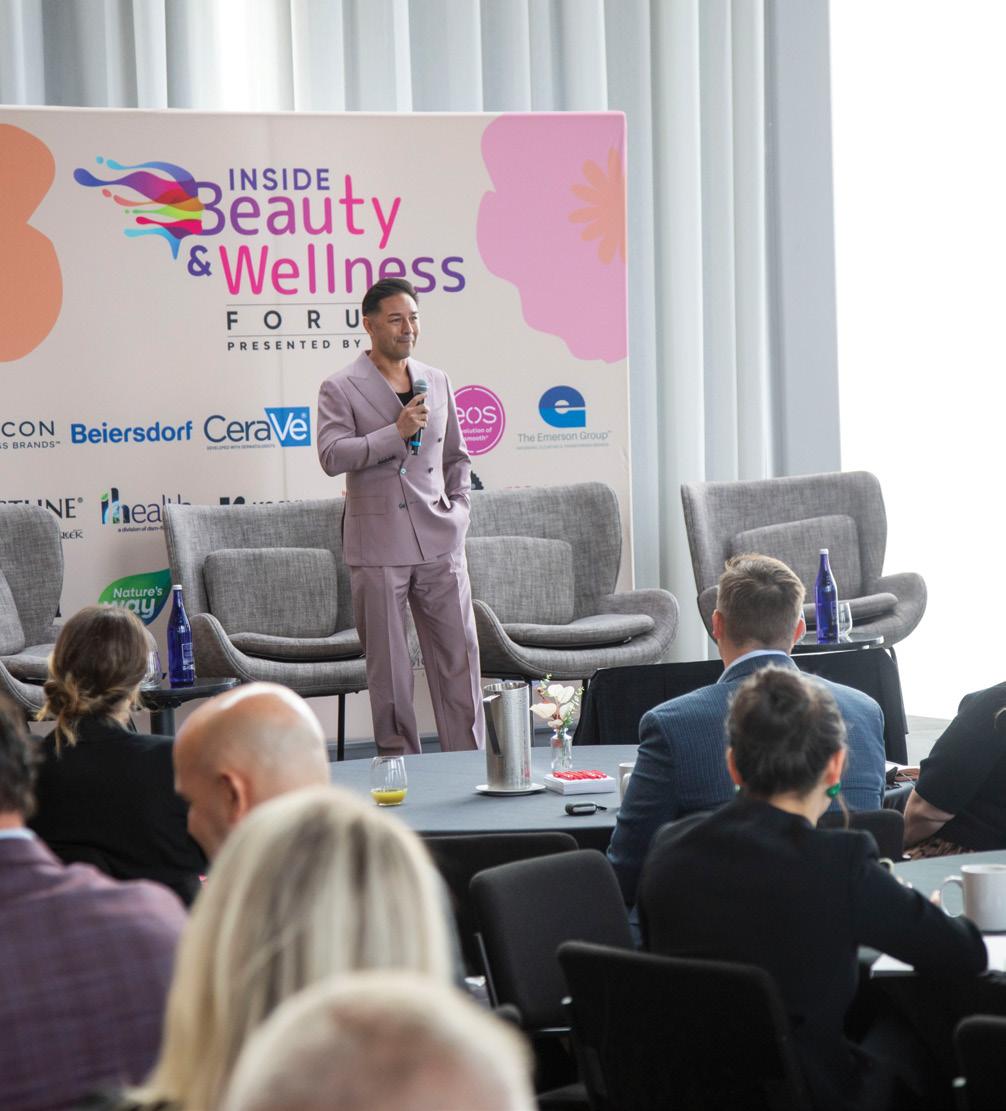
Longevity, wellness, women’s health, AI and inclusivity were among the buzziest discussions emerging from the action-packed event
50 FIRST AID REPORT
While online sales are healthy, shoppers’ immediate needs also make first aid a strong, in-store destination category
Good News
Some heroes wear lab coats
WE BRING YOU OUR NOW YEARLY FEATURE CALLED PHARMACY HEROES, WHICH EXPLORES SOME EXAMPLES OF PHARMACY WORKERS WHO STEPPED UP TO PROVIDE EMERGENCY SERVICES OR WENT THE EXTRA MILE WHEN IT COMES TO PROVIDING CUSTOMER CARE.
Amid the uncertainty and gloomy news about retail pharmacy–store closings, pharmacy desserts, PBM practices, etc.–there is still some good news out there.
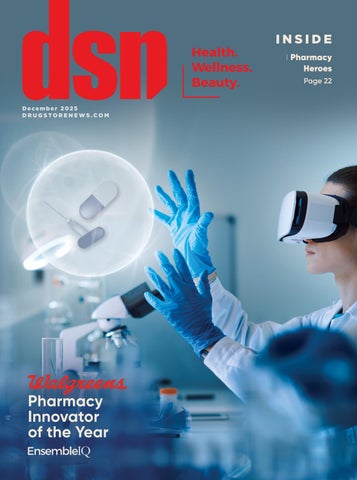
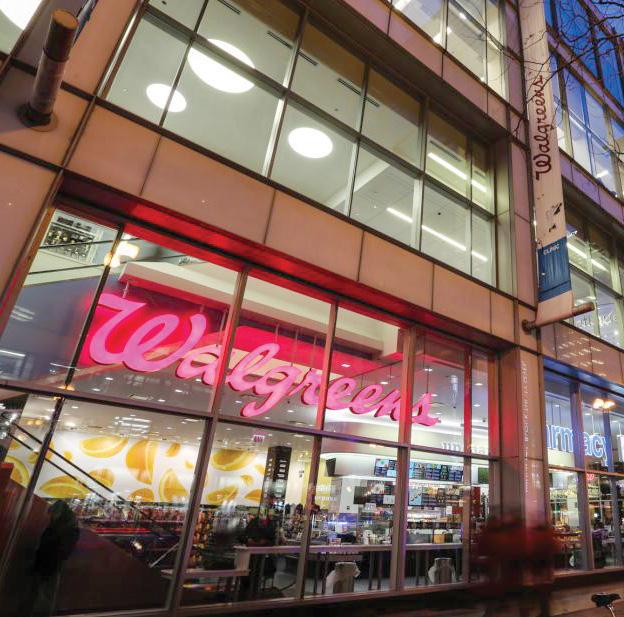
Pharmacies are still providing access to care for millions of consumers, there has been a (slow) expansion of pharmacists as patient-care providers, and the industry has seen the integration of cutting-edge technology that aims to improve efficiency for retailers and outcomes for patients. Walgreens has been one of the leading retailers in these and other programs, which is why the company is our Pharmacy Innovator of the year (story on page 14). The retailer’s commitment to providing accessible, affordable and convenient care that improves patients’ health are some of the many reasons for this year’s recognition.
Another piece of good news is that pharmacists are stepping up even in situations that are outside their scope of work in their daily jobs. This month, we bring you our yearly feature called Pharmacy Heroes, which explores examples of pharmacy workers who stepped up to provide emergency services or went the extra mile when it comes to providing customer care (page 22). These involve saving the life of someone in the community using medical training and navigating challenging circumstances to provide the resources that patients need.
Our heroes include Kroger pharmacist Katie Underhill in Chester, Va., who saved a customer’s life by performing CPR and Giant Eagle’s Carter Rust who used an automated external defibrillator to revive a vendor representative who had a heart attack in the back room of a Giant Eagle supermarket in Pittsburgh.
It’s easy enough to dismiss these incidents as unspectacular, but not many people have the steely nerves to remain calm and step up in an emergency situation that requires it. Each one of these heroes reflect well on their organizations, but they also reflect well on the pharmacy profession.
As our reporter writes, “The individuals profiled here have all expressed their deep commitment to help those around them when they need it most.”
8550 W. Bryn Mawr Ave., Ste. 200 Chicago, IL 60631 773.992.4450 Fax 773.992.4455 www.drugstorenews.com
BRAND MANAGEMENT
Senior Vice President & Publisher John Kenlon 516.650.2064 jkenlon@ensembleiq.com
EDITORIAL Editor-in-Chief, Editorial Director Nigel F. Maynard nmaynard@ensembleiq.com
CVS HEALTH’S AETNA UNVEILS CONVERSATIONAL AI NAVIGATION
Aetna, a CVS Health company, is launching a generative AI-powered conversational experience in its digital channels. It is intended to simplify health care, allowing members to quickly and easily navigate their benefits for a personalized experience.
This represents a paradigm shift, as Aetna continues to transition from the industry’s traditional transactional experience to a consumer health experience, the company noted. “Unlike other industry alternatives where conversational AI is relegated to a chat window, Aetna is embedding generative AI throughout its end-to-end digital experience.”
The embedded approach ensures the Aetna assistant synthesizes all relevant information for the member. It will deliver immediate, easy-to-digest answers for the user, eliminating the need to weed through links or complex content. More specifically, members won’t need to use technical healthcare terminology, such as “prior authorization” or “claims” to get answers, but instead can use plain language and receive a response that is personalized, understandable and visually dynamic.
Nathan Frank, senior vice president and Aetna’s chief digital and technology officer, said, “At Aetna, we are constantly innovating, leveraging tools like generative AI, to provide a personalized experience and help our members navigate health care in a new way. This capability will complement all the important human interactions our members already have with Aetna clinicians, care managers, advocates and support teams.”
DOLLAR GENERAL NAMES EMILY TAYLOR COO
Dollar General shared that Emily Taylor has been appointed the company’s chief operating officer effective Nov. 16.
Taylor, most recently the company’s executive vice president and chief merchandising officer, brings more than 25 years of Dollar General experience to the COO role. As COO, she will have responsibility for the company’s store operations, global supply chain, merchandising, marketing, digital, real estate and store development, decision science and process improvement organizations.
“Emily’s strategic vision and tenured understanding of the vital role DG plays in our customers’ lives will be invaluable as she expands her responsibilities as COO,” said Todd Vasos, Dollar General’s CEO. “During her tenure, Emily and her team have consistently enhanced the shopping experience both in-store and through various digital and delivery initiatives, elevated the Dollar General and pOpshelf brands, and improved operational efficiency, benefiting customers across the more than 20,000 communities we serve.”
Taylor has held roles of increasing responsibility in numerous areas across Dollar General, including merchandising, pricing, merchandise planning, financial planning and analysis and investor relations. In 2014, she was named senior vice president, general merchandise manager, with responsibility for non-consumable merchandising, and where she helped to create and launch the company’s non-consumable initiative.
In 2019, Taylor was named senior vice president of channel innovation and led the development and launch of the company’s pOpshelf stores. Since being named executive vice president and chief merchandising officer in September 2020, Taylor has overseen DG’s merchandising, marketing and digital efforts, global sourcing, merchandise operations, inventory management, in-store experience initiatives, delivery programs and pOpshelf.
Taylor earned a Bachelor of Arts degree from the University of North Carolina at Asheville and her MBA from Owen Graduate School of Management at Vanderbilt University.
Dollar General also announced additional organizational changes including the promotion of Bryan Wheeler to executive vice president and chief merchandising officer; the transition of Pooh Vichidvongsa to senior vice president, general merchandise manager; and the elevation of Shareeka Meadows to senior vice president, pOpshelf.
As executive vice president and chief merchandising officer, Wheeler will lead all consumable and non-consumable merchandising initiatives, global sourcing, merchandise operations, global inventory management and in-store experience efforts for Dollar General and pOpshelf.
FOOD LION INVESTS $484M TO UPGRADE N.C. STORES
With a $484 million capital investment, Food Lion is remodeling 153 stores throughout the greater Charlotte designated market area, which includes multiple towns and cities across North and South Carolina.
Food Lion, founded in Salisbury, N.C., in 1957, calls the Charlotte region home and continues to grow alongside the towns and cities it serves. With a deep commitment to providing fresh food at affordable prices, the omnichannel grocery retailer also prioritizes fighting food insecurity, donating nearly 13 million pounds of food across the Charlotte region to area food banks since 2024.
“Charlotte is a special market for us because it’s our hometown,” said Greg Finchum, president, Food Lion. “Every enhancement is designed to meet our customers’ evolving needs—whenever, wherever and however they shop with us. Our associates are excited to welcome our customers into our refreshed stores and highlight what’s new. We’re proud to continue nourishing our towns and cities while delivering an easy and affordable omnichannel shopping experience customers count on from Food Lion.”
DOLLAR GENERAL TAPS TRAVIS NIXON AS SVP AI
Dollar General is welcoming Travis Nixon to the newly established position of senior vice president of artificial intelligence optimization. Nixon will lead Dollar General’s business process management initiatives, applying AI to identify and drive chainwide optimization opportunities in areas such as merchandising, supply chain and store operations.
“At a time when our customers rely on us more than ever, we’re excited to welcome Travis and his transformative AI leadership to streamline operations and enhance the experience for Dollar General employees and customers,” said Steve Deckard, Dollar General’s executive vice president of strategy and development. “This new role represents our commitment to driving innovation to unlock value in our operations, making us stronger now and in the future. With greater strategic integration of AI, we look forward to accelerating and expanding existing efforts to drive operational excellence, cost efficiency, and customer-centric innovation.”
Nixon joins Dollar General with more than a decade of experience in AI and machine learning, most recently serving as head of AI for Dropbox’s security division where he led its transformation into an AI-driven organization. He previously held leadership roles as Meta’s head of measurement and understanding and Microsoft’s chief data scientist for financial services. Additionally, Nixon has served on the SynerAI’s board of directors since 2020, shaping its AI strategy for stock market insights.
Nixon earned his Bachelor of Science in Economics from Brigham Young University and his Master of Business Administration from the University of Virginia.
“
With greater strategic integration of AI, we look forward to accelerating and expanding existing efforts to drive operational excellence, cost efficiency and customercentric innovation”
WALGREENS LAUNCHES ENHANCED RESPIRATORY INDEX
Walgreens has launched an enhanced 2025-2026 Respiratory Index, an interactive online tool that tracks flu and COVID-19 activity nationwide using prescription, testing and over-the-counter product purchase data from Walgreens locations nationwide.
This tool builds on more than a decade of insights from the Walgreens Flu Index to now offer a more comprehensive view of respiratory illness trends across the United States, helping the public, healthcare providers and health officials make more informed decisions throughout the respiratory virus season.
The Walgreens Respiratory Index will be updated weekly and will allow users to search by state to see where their geographic area ranks for flu and COVID-19 activity.
“The updated Index provides a clearer view of current virus trends, helping individuals make informed decisions to protect their health,” said Rick Gates, Walgreens chief pharmacy officer. “Virus activity is expected to pick up as we head into the holidays, so now is the time to protect yourself and your loved ones by getting a flu shot and other recommended vaccines if you haven’t already. Vaccination remains the safest and most effective way to prevent highly contagious illnesses like flu, RSV and COVID-19.”
The Walgreens Respiratory Index is an online, interactive tool that ranks the top states for flu and COVID-19 activity in the United States, including Puerto Rico. The Index is updated weekly. Users can view national activity or search by state to see where their geographic area ranks in any given week and how current activity compares to last season.
Data for the Walgreens Respiratory Index is sourced from multiple places across the Walgreens store footprint and network, including diagnostic testing data for influenza and COVID-19, prescription data related to respiratory illness treatment and over the counter purchases of flu- and cold-related products and other sources.
It has indeed been a privilege representing HRG across this incredible industry. Constantly evolving and forever challenging”
—Dawn
Vogelsang, president and majority owner of HRG
HRG’S DAVE WENDLAND ANNOUNCES RETIREMENT
HRG is celebrating the influence and impact of Dave Wendland, vice president strategic relations and member of the owner group at HRG, as they reflect on his industry-wide contributions and announce his retirement.
Wendland has been with HRG for 34 years, dating back to when the company was D.P. Hamacher & Associates, through the purchase and subsequent buy-back and renaming to Hamacher Resource Group and the recent brand refresh to HRG in 2021.
The company said Wendland has been a visionary leader at HRG and a primary public representative of the company, with hundreds of industry-event speaking engagements, numerous editorial contributions across industry publications. He has served as a trusted advisor in one-to-one client relationships as well as NCPA’s CORE Leadership program for independent pharmacists.
Dawn Vogelsang, president and majority owner of HRG, said, “I am grateful for the 34 years that I have worked side by side with Dave. He is a key reason that HRG remains highly respected and relevant in the retail industry. Dave’s sincere commitment to building and maintaining connections in the industry has prompted continuous innovation while maintaining the values on which the company was founded.”
Wendland commented, ”It has indeed been a privilege representing HRG across this incredible industry. Constantly evolving and forever challenging, I have tremendous pride in the solutions and programs we introduced over the past 34 years, the impact we have had as we worked across the retail supply chain and the many friendships that I have personally developed throughout the years.”
New and Noteworthy
HRG’s five notable products from November
1
2
3
Product introductions rose in November after falling in October. For the month, suppliers introduced 140 new products, 32 more than the 108 items they introduced in October. Waukesha, Wis.based HRG reviewed 11 products in the health category, 71 items in the wellness sector and 52 products in the beauty aisle to see which ones stood out as Products to Watch:
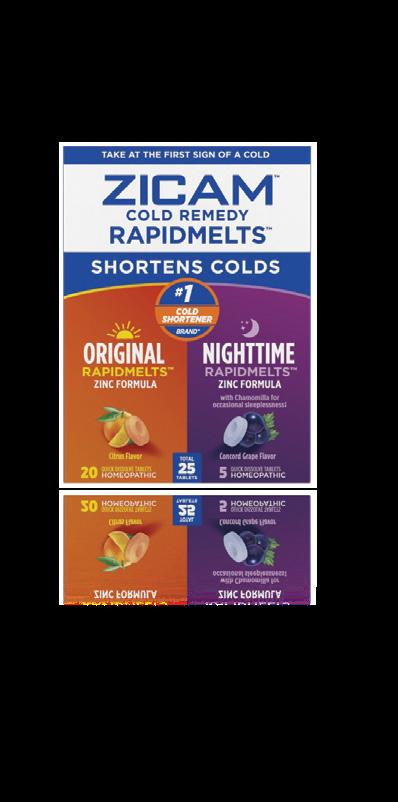
1. Zicam Cold Remedy RapidMelts Original and RapidMelts Nighttime Combo Pack
Church & Dwight’s Zicam Cold Remedy RapidMelts Original + Nighttime Combo Pack is designed to shorten a cold and help relieve nasal congestion when taken at the first sign of a cold. The homeopathic tablets contain zinc and chamomilla for occasional sleeplessness. They melt in your mouth without water so are easy to use on-the-go. The citrus comes in a 20-ct pack (original) and 5-ct pack in grape (nighttime).
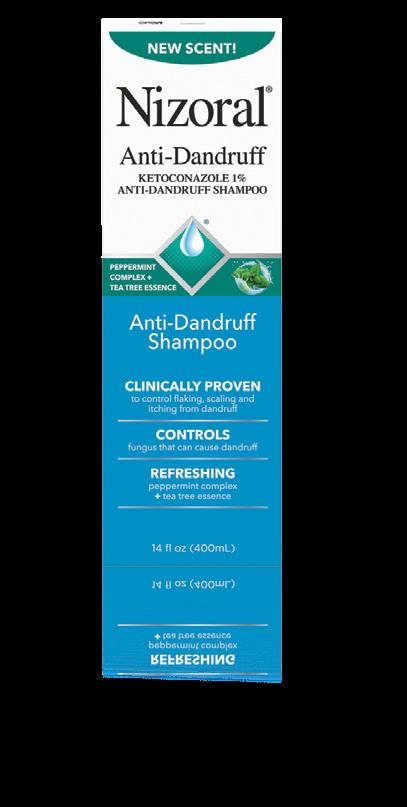
2. Nizoral Anti-Dandruff Shampoo Peppermint Complex + Tea Tree Essence
Nizoral Anti-Dandruff Shampoo from Arcadia Consumer Healthcare is clinically proven to control flaking, scaling and itching from dandruff according to the company website. The brand claims Nizoral is the only over-the-counter anti-dandruff shampoo that contains Ketoconazole, a dandruff fighting ingredient. It comes in a 14-oz bottle.
4
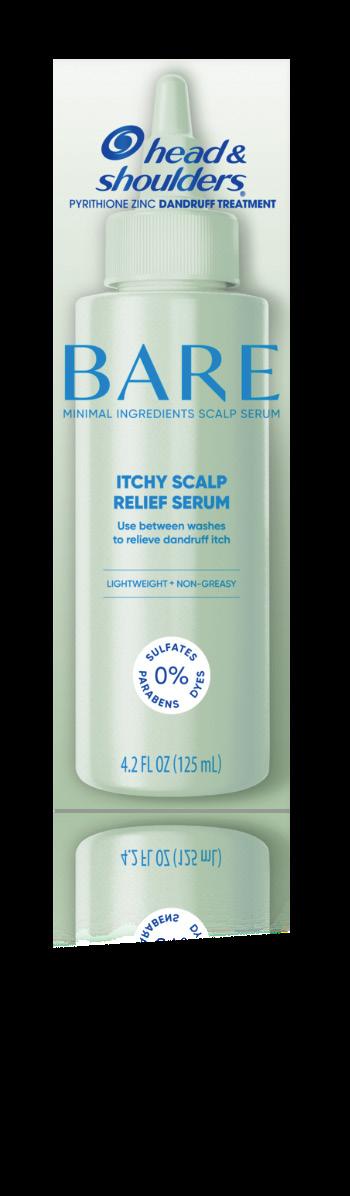
Head & Shoulders Bare Itchy Scalp Relief Serum
Procter & Gamble says Head & Shoulders Bare Itchy Scalp Relief Serum relieves itch and calms the scalp on contact. The serum has an instant cooling relief and soothes between washes to relieve dandruff itch. Manufacturer documents say the lightweight formula is designed to be hairstyle friendly, non-greasy and absorb quickly. It is also free of sulfates, parabens and dyes. The product comes in a 4.2-oz bottle.
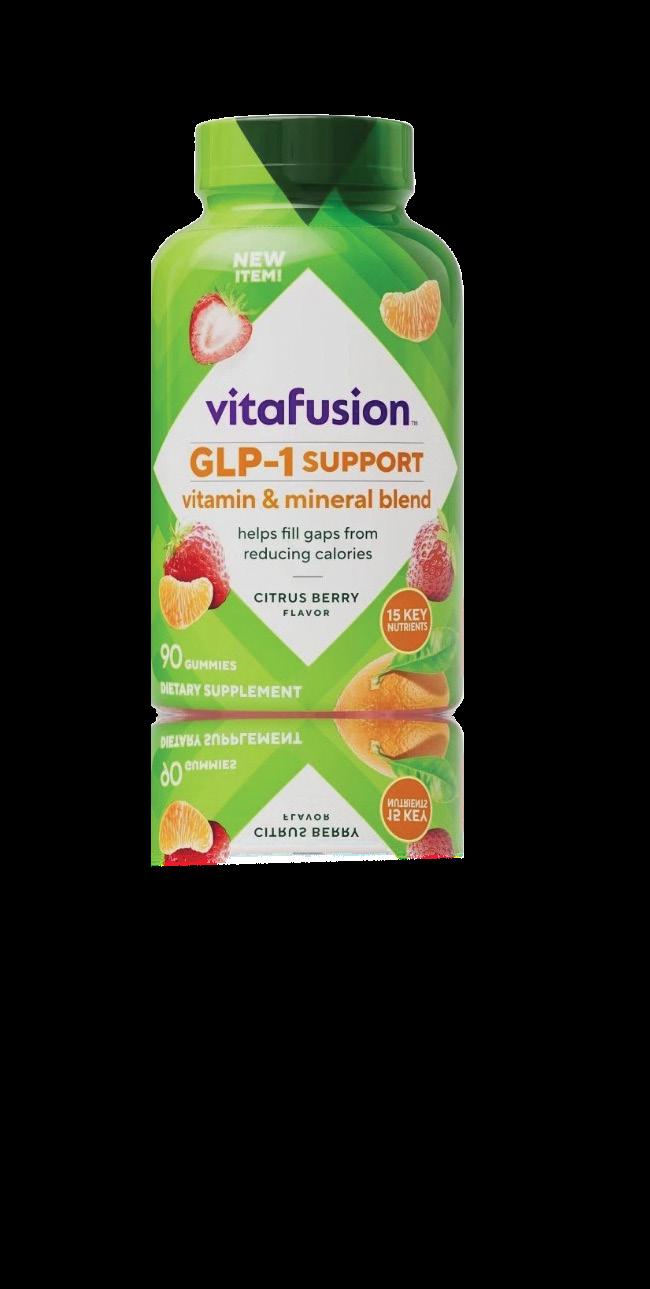
4. Vitafusion GLP-1 Support Vitamin & Mineral Blend Gummy
Church & Dwight says its vitafusion GLP-1 Support gummy vitamins help fill nutritional gaps that come from a reduced-calorie diet. The company indicates that the gummies contain 15 essential nutrients, including vitamin D3 and calcium for bone support; vitamins D, C and zinc for immune support; six B vitamins to support energy metabolism; and vitamin A to support hair, skin and nails. A bottle contains 90 gummies.
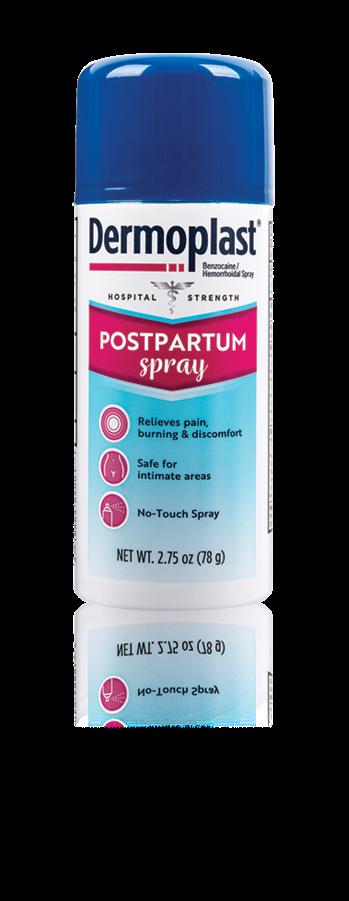
5. Dermoplast Postpartum Spray
Dermoplast Postpartum Spray from Advantice Health relieves pain, burning and discomfort due to childbirth. The company says the product is designed with maximum strength pain relief, and the “no-touch” spray application provides soothing relief that cools and comforts tender areas. Advantice added that the spray is safe for intimate areas and contains benzocaine, aloe and lanolin. It comes in a 2.75-oz. spray bottle.
If you accepted or processed Discover credit cards between 2007–2023, you could be eligible to get a payment from a class action settlement.
**YOU MAY BE ENTITLED TO A SETTLEMENT PAYMENT**
To receive a payment, file a claim by May 18, 2026
WHAT IS THIS ABOUT?
A proposed class action settlement has been reached in three related lawsuits. The lawsuits allege that, beginning in 2007, Discover misclassified certain Discover-issued consumer credit cards as commercial credit cards, which in turn caused merchants and others to incur excessive interchange fees. The misclassification did not impact cardholders. Discover denies the claims in the lawsuits, and the Court has not decided who is right or wrong. Instead, the proposed settlement, if approved, will resolve the lawsuits and provide benefits to Settlement Class Members.
WHO IS INCLUDED?
The Settlement Class includes all End Merchants, Merchant Acquirers, and Payment Intermediaries involved in processing or accepting a Misclassified Card Transaction during the period from January 1, 2007 through December 31, 2023. To view the full Settlement Class definition, including defined terms and excluded entities, go to www.DiscoverMerchantSettlement.com.
WHAT CAN I GET?
To receive a settlement payment, with very limited exceptions, you will need to file a claim by May 18, 2026 and/or provide additional information to the Settlement Administrator. Under
the proposed settlement, Discover will make payments to eligible Settlement Class Members who submit valid claims. Discover has agreed to pay between $540 million and $1.225 billion plus interest in connection with this settlement. Your settlement payment amount will be calculated based on a variety of factors.
YOUR OTHER OPTIONS.
You can file a claim for a payment by May 18, 2026 and/or provide additional information. Alternatively, you can exclude yourself from the settlement by opting out, in which case you will receive no payment under this settlement and retain any right you may have to sue Discover about the claims in these lawsuits or related to the Misclassified Card Transactions. If you do not exclude yourself, and the Court approves the settlement, you will be bound by the Court’s orders and judgments and will release any claims against Discover in these lawsuits or related to the Misclassified Card Transactions. If you do not exclude yourself, you can object to or comment on any part of the settlement. The deadline to either exclude yourself or object to the settlement is March 25, 2026. Visit the website for information on how to exercise these options.
Pharmacy Re-Imagined: The Grant Integrated Network
By: Dr. Carlos Heath, PharmD, MBA | The Pharmacy Experience Network
The Tipping Point in Pharmacy Community pharmacies are facing an identity crisis. Declining reimbursement, vertical integration, large retailers such as Amazon and the erosion of dispensing margins have made survival increasingly difficult. Yet, amid these headwinds, a new model is emerging — one that positions the pharmacy not as a retail endpoint but as the front door to community health that improves outcomes in underserved populations. That model consists of a Grant Integrated Network that is spearheaded by The Pharmacy Experience Network. It is a framework that transforms pharmacies into Social Impact Hubs built on measurable outcomes, diversified revenue, and sustainable community partnerships.
The Need for Systemic Integration
Across America, local pharmacies are already filling gaps left by an overburdened healthcare system: providing immunizations, managing diabetes, supporting behavioral health and connecting patients to care. But without consistent funding, these services are fragile. And with all the uncertainty around the future healthcare in this country the situation becomes more dire.
Our model changes that by aligning pharmacies with nonprofits, community health organizations, and public agencies to access federal and foundation grants. It converts isolated programs into coordinated, funded systems of care.
How the Grant Integrated Network Works
At the center of this innovation is the Social Impact Hub — a pharmacy-based engine of public-health delivery. Each hub becomes a grant-ready partner within the Grant Integrated Network, supported by Kingdom Agendas and Outcomes, Inc,. a centralized technical assistance in:
• Grant Writing & Compliance: Expert guidance on eligibility, fiscal sponsorship, capacity building and reporting.
• Program Development: Ready-tolaunch initiatives in immunizations, diabetes prevention, mental health, and maternal health.
• Outcome Tracking: Data tools that quantify ROI for funders and payers.
This network infrastructure allows pharmacies to share templates, funding pipelines and outcome dashboards — turning every award into a scalable best practice for the next. Our Grant Integrated Network empowers community pharmacies to go beyond dispensing medications and step into a larger role as leaders in community health. By leveraging grant writing expertise, government contracting opportunities and healthcare service development, pharmacies can unlock new funding streams, diversify revenue and demonstrate measurable outcomes that resonate with funders and contracting agencies.
The Moment of Transformation
When one participating pharmacy secures a grant, its success fuels the entire network.
Funds flow through fiscal sponsors, services expand, new contracts form, and collective data demonstrate value to policymakers and payers. Our Grant Integrated Network model is designed to become a self-sustaining ecosystem — accelerating the pharmacy’s shift from cost center to community-health profit center.
The Benefits Are Measurable
Pharmacies in the Grant Integrated Network report:
• New recurring revenue from grant-funded programs.
• Expanded patient engagement through outreach and education.
• Higher visibility with local health departments and managed-care organizations.
• Improved health outcomes that align with foundations and corporate donors’ mission.
These aren’t isolated wins — they are system-wide shifts in how pharmacy defines value.
The Future of Pharmacy Is Integrated
The Grant Integrated Network offers a roadmap to resilience. It enables pharmacies to collaborate, compete, and care — all while generating sustainable revenue. By merging clinical excellence, community partnerships, grant infrastructure, government contracting and healthcare service development , The Pharmacy Experience Network is proving that the next era of pharmacy is not just about dispensing medicine, but dispensing measurable impact.
Learn more or join the Network: www. http://thepharmacyexperience.com or www.KAOutcomes. com or call 1.833.568.8411 or calendly.com/kaoutcomes
Dr. Carlos Heath, The Pharmacy Experience Network
WALGREENS IS DSN’S 2025 PHARMACY INNOVATOR OF THE YEAR
The Deerfield, Ill.-based chain pulls out all the stops for innovative pharmacy services
By Sandra Levy
From opening its newest micro-fulfillment center in Brooklyn Park, Minn., and building out its clinical trials enterprise to focusing on digital innovations, Walgreens is catapulting ahead of the pack during a transformative time for the industry.
The company’s commitment to providing accessible, affordable and convenient care that improves patients’ health is just one of the many reasons Walgreens is the 2025 DSN Pharmacy Innovator of the Year.
One of Walgreens’ greatest strengths, according to Rick Gates, chief pharmacy officer, is the trusted relationship that exists between its patients and its community pharmacists and team members. “Being embedded in communities nationwide and our trusted relationships have been the cornerstone of our organization. It drives our efforts to modernize pharmacy for the future, and it is what sets us apart,” Gates said. “Feedback from our team
members, our patients and our pharmacy practice partners, like the faculty of the colleges of pharmacy, have always been core to defining our path.”
More than a decade ago, the Walgreens National Feedback Forum was implemented to provide the opportunity for pharmacists, store managers, technicians and other team members to share feedback directly with the company’s executive team.
“With feedback from patients, team members and future pharmacists, we have been able to advance pharmacy practice, improve the working environment for the pharmacy team and provide the attentive care that our team can deliver,” Gates said.
“This is augmented by our ability to blend human connection with digital innovation to deliver pharmacy services and frontend retail offerings.”
The retailer is particularly proud of its patient-facing services, which demonstrates how it can bring together its physical and digital services to streamline the pharmacy experience.
DRIVE-THRU CONVENIENCE
DIGITAL ACCESS
DELIVERY
MEDICATIONS AND GUIDANCE
A prime example is its Pharmacy Services Scheduler – Vaccinations and Testing Services, a single platform for scheduling and managing vaccine and testing appointments. It was introduced last year to help improve the patient experience and reduce wait times in the pharmacy. Patients can schedule multiple vaccines during the same appointment, book appointments for up to four people during the same visit and receive appointment reminders.
Last fall, Walgreens rolled out Digital Check-In, which offers the ability for patients to complete all paperwork in advance, and check-in for their vaccine or testing appointments when they arrive at the pharmacy. “It helps our pharmacy teams to be better equipped to manage the queue, and customers don’t have to wait around and can shop the store,” Gates said.
Digital Engagement is yet another tool. “We are now proactively engaging with our patients digitally via app, text and/or web upon receiving a new prescription to understand if they would like to fill it now or in the future. This helps ensure we meet our patients’ expectations while also allowing our store teams to focus on providing superior patient care,” Gates said.
In May, Walgreens, which operates approximately 8,500 locations across the United States and Puerto Rico, opened its newest micro-fulfillment center in Brooklyn Park, Minn. It marked a key milestone in the company’s pharmacy modernization strategy. MFCs use centralized, automated technology to fill and ship prescriptions to local stores. The 53,000-square-foot facility uses robotic technology to dispense and ship prescriptions to nearly 200
Walgreens stores across the Midwest and processes nearly 12.7 million prescriptions each year. The Brooklyn Park site joins 12 other MFCs supporting more than 5,000 stores fulfilling more than 3.5 million prescriptions weekly.
“These central fill pharmacies help stabilize staffing and community pharmacy hours, reduce workflow pain points and free up our community pharmacists’ capacity to do more meaningful work with patients,” Gates said. “Our team members working in stores supported by our MFCs are spending less time filling prescriptions and more time on patient care—that includes medication therapy management and adherence support and administering life-saving vaccines and health screenings, all of which help strengthen the health of our communities and provide a better overall patient experience.”
Same Day Prescription Delivery is another important service that Walgreens continues to enhance. “We were an early adopter when we launched it a few years ago, and are now reaching 95% of the U.S. population, with most orders delivered in under an hour,” Gates said.
The Walgreens Rx Savings Finder, powered by RxSense, is a digital tool that provides transparent, subscription-free savings, helping patients compare prices and find eligible third-party prescription discount cards for use at Walgreens’ pharmacies.
“Continuous improvement is a hallmark of Walgreens’ devotion to modernize its pharmacy systems to drive efficiency for its pharmacy team members and provide a smooth experience for our
If you are searching for a reliable supplier on top of all today’s important issues, look no further than Ascend Laboratories.
patients,” Gates said, adding, “Whether it’s new inventory systems to make sure the right medications are available when and where they are needed or adding new functionalities to make workflows easier and smoother for our pharmacy teams, we are focused on continuously improving the practice of pharmacy.”
“At Walgreens, we combine digital access, drive-thru convenience, delivery and community-based care with the trusted expertise of our pharmacy teams to help patients get the medications and guidance they need,” Gates said. “What sets Walgreens apart is the relationship between patients and their pharmacy teams. Every prescription connects patients to a pharmacist who provides personalized support, answers questions and helps navigate complex medication needs.”
Indeed, Walgreens’s digital enhancements have driven measurable success. Gates noted they have resulted in an increase in vaccine co-administration rates, specifically COVID-19 and flu, through enhanced eligibility logic and upstream digital notification journeys. Vaccine appointment walk-ins have increased by about 25% compared to last respiratory season due to improved in-store experience for both patients and team members, the retailer said.
Gates also cited a nearly 10% increase in appointment conversion rates, which he said is directionally tied to its new appointment time models, walk-in improvements and new digital check-in capabilities. He also said there has been about a 25% increase in digital VAR (vaccine administration record) in calendar year 2025 compared to the 2024 peak immunization season. Walgreens also is focusing on specialty pharmacy offerings that cover services and medications for patients with rare, complex and chronic diseases. Its specialty pharmacists have dedicated training to better understand these complex medications and provide patient monitoring and ongoing clinical support. When appropriate, they also help patients find affordable solutions to high-cost medications, address adherence barriers and support patients throughout their treatment.
In August, the company announced that Walgreens Specialty Pharmacy expanded its limited distribution drug network to now include 265 products.
“With access to more than 265 limited distribution drugs and our extensive network of community and central specialty pharmacy locations and traditional retail pharmacies in the United States, Walgreens has the nationwide reach to ensure patients can receive their medications when and where they need them,” Gates said. “We’re proud to be the largest independent specialty pharmacy not directly affiliated with a pharmacy benefit manager.”
Walgreens also recently earned its first gene and cell services accreditation. “This accreditation is a reflection of how Walgreens plays a vital role in the success of specialty pharmacies by validating compliance with nationally recognized standards and reinforcing trust among patients, providers and partners,” Gates said. Walgreens also has been building out its three-year-old clinical trials enterprise. It “now has the longest commitment to clinical research by a U.S. retail pharmacy and in that short time, we’ve become a powerful force in reshaping how trials are conducted,
who they reach and how patients engage with clinical research,” Gates said.
Walgreens is well on its way to that goal, having reached more than 23 million patients for potential recruitment into sponsor-led clinical trials, and it engaged with one million patients per month in 2024.
Walgreens said its success has been accomplished through a flexible model that includes in-store visits, virtual follow-ups and at-home care, making participation more convenient and less burdensome. The retailer also launched a Clinical Trials Patient Advisory Board, made up of patient experts helping inform trial design and improve recruitment and retention efforts.
Besides the success it is achieving with its clinical trials enterprise and specialty pharmacy offerings, the retailer’s ability to retain and attract pharmacists is crucial. This is why last year it established the Deans Advisory Council to focus on enhancing the pharmacy profession and identifying solutions to better support current and future pharmacists. “Over the last two years, the Council—consisting of 17 pharmacy school deans and Walgreens leadership—has collaborated to address key issues, including staffing challenges and decreasing pharmacy school enrollment,” Gates said.
Another initiative, PharmStart, which launched in April, offers technicians a clear pathway to advance their careers in pharmacy. Through the program and in partnership with Guild – a talent development company—eligible team members have access to personalized support along the journey, including with application assistance, enrollment, education and career coaching, Gates said. Additional initiatives to support the talent pipeline include the Pharmacy Education Assistance Program, a tuition reimbursement investment increase for current students enrolled in pharmacy school. Students can receive financial support during all years of their pharmacy school; Walgreens Student Loan 401(k) Match Program helps team members paying off student loans. Walgreens treats a portion of loan payments like 401(k) contributions, helping reduce debt while building retirement savings.
Walgreens also provides pharmacy team members with many training and opportunities beyond the pharmacy counter, allowing professional growth through field leadership positions and special assignments in collaboration with its support center.
This year, the retailer launched stigma reduction training for all pharmacists. It empowers them with tools to recognize and reduce stigma in patient interactions—enhancing care quality, trust and outcomes for individuals managing substance use disorders.
Each year, Walgreens pharmacists and technicians receive extensive training and assessments to ensure they can properly educate customers about vaccines, testing and treatment options and administer them in accordance with local guidelines.
In July of this year, Walgreens launched the first of its kind Executive Fellowship in Pharmacy Practice Leadership. This 24-month postgraduate structured program provides focused training on enhancing the fellow pharmacist’s knowledge, skills and abilities in patient care, practice management and executive leadership for the purpose of advancing community pharmacy practice.
If that weren’t enough, Walgreens’ 30 PGY1 CommunityBased Pharmacy Residency programs advance clinical practice by expanding pharmacists’ ability to deliver evidence-based, patient-centered care and by integrating clinical services into community settings.
When it comes to improving the patient experience Walgreens leaves no stone unturned.
“We are continuing to invest in technology and automation to help free up pharmacists’ time to focus on patient care,” Gates said. Technological innovations include tapping into new technologies to streamline patients’ needs, such as the Global Scheduler tool and digital check-in; using data to better engage with customers; in-store pickup, drive-thru, same-day prescription delivery and 2-hour delivery services for OTC essentials; and enhancing inapp services to help improve the healthcare journey for patients.
Walgreens’ impact extends far beyond its stores. “Through strategic relationships and community investment, we are helping
people live healthier, more connected lives,” said Gates, who added that Walgreens has maintained a steadfast commitment to promoting health equity. The retailer said that approximately half of its stores serve underserved communities.
The company also produces a Respiratory Index, which monitors and provides publicly available data on flu and COVID-19 activity nationwide to help communities, local media, providers and health officials stay informed about respiratory virus trends. This year, Walgreens unveiled an enhanced Respiratory Index to offer a more comprehensive view of respiratory virus trends across the country, leveraging flu-related prescription data, COVID-19 testing data and over the counter purchases of flu- and cold-related products from Walgreens locations nationwide.
Moreover, the company plays a vital role in disaster response by ensuring patients maintain access to essential medications and care during emergencies. Walgreens’ pharmacies activate specialized protocols aligned with Federal, state and local agencies to coordinate early refills, alternative pickup or delivery options and emergency support services. In areas where infrastructure is compromised, Walgreens deploys Emergency Mobile Pharmacies, which are fully equipped trailers that restore pharmacy services, provide immunizations and serve as community hubs.
“These rapid-response units have been instrumental in disaster zones like Asheville, N.C., where flooding disrupted access to health care, and our mobile pharmacy became a lifeline for patients in need,” Gates said.
Women’s health also is important to the retailer’s mission, Walgreens said. “We are taking action to fight against period poverty, a step in our commitment to supporting women’s health and wellness at every stage of life,” said Gates. “Our team has assembled and donated over 8,000 period care kits to local organizations like Girls Inc. of Chicago and Primo Center.”
The company also supports people living with HIV, investing in training for its pharmacy team members to help them address the specific challenges faced by people living with HIV, including confidential medication counseling, information on prevention options and how to apply for financial assistance programs.
Walgreens also became a founding member of the U.S. Business Action to End HIV, a coalition of businesses seeking to scale up key HIV prevention and treatment strategies to help end the epidemic by 2030. Each year for the past 14 years, the retailer has partnered with KFF’s Greater Than HIV to help lead the largest coordinated HIV testing event in the United States.
What does the future hold for Walgreens? Despite the myriad challenges that the pharmacy industry faces, Walgreens is well positioned to catapult ahead with its winning strategies.
Gates summed up the future with this sentiment: “For over a century, Walgreens has been a cornerstone in local communities, helping people live healthier lives through personalized care, trusted advice and accessible services. As we look ahead to the future, we are focused on strengthening and building upon this foundation to be the best community retail pharmacy in America.”
ANSWERING THE CALL
These trained professionals are lifesavers for the people in their communities
By Mark Hamstra
Pharmacists are often called upon to provide emergency services or to go the extra mile when it comes to providing customer care. This call of duty can involve actually saving the life of someone in the community using their medical training, or it can mean navigating challenging circumstances to provide the resources that meet their patients need. The individuals profiled here have all expressed their deep commitment to help those around them when they need it most.
Kroger’s Katie Underhill Saves a Customer’s Life with CPR
Katie Underhill, a pharmacist at a Kroger store in Chester, Va., put her lifesaving training to use when a customer passed out in her store last August.
After being notified that a customer had fallen unconscious in the store, Underhill raced to the scene and found her lying on the floor, unresponsive and not breathing. She began performing CPR on the woman and continued for several minutes until emergency workers arrived.
“I made an assessment and decided to start CPR,” said Underhill, who noted that the store manager had called 911, and the emergency operator was also providing instructions.
It was not until several weeks later that the patient, who was not a regular customer of the store, visited the store again and let the staff know that her doctor told her that Underhill’s actions had saved her life.
Like all pharmacists and pharmacy technicians who are authorized to administer vaccines, Underhill is trained to administer CPR.
“We have to have CPR training just in case, and this was the first time I had ever had to use my training,” she said.
Underhill said she’s responded to other health emergencies in the store that did not require CPR, including a patient who had a seizure and hit her head on a table and an employee who had a seizure in the store. She also once administered an EpiPen injection to a patient who had a reaction to a vaccine.
She said pharmacists are often called upon for other health issues that customers experience, such as low blood-sugar levels or racing heartbeats.
“We’re just the most logical person in the store that’s had some kind of medical training,” said Underhill.
Underhill, who grew up in Chester, said she chose pharmacy as a career while she was still in high school after her mother suggested it as a profession that would allow her to use her skills in both math and chemistry. She became a pharmacy technician at a local Target store at age 16 (before Virginia changed the minimum age to 18), and the pharmacist at that store
“We’re just the most logical person in the store that’s had some kind of medical training.”
— Katie Underhill
became a mentor who helped drive her passion for pharmacy.
She left Target to work for Kroger about 15 years ago when an opportunity arose.
“It was a very good move,” said Underhill. “I feel very supported by Kroger. I’ll probably be here until I retire.”
CVS’ Daria Park Maintains Patient Care After Palisades Wildfire
When the Pacific Palisades wildfire burned through Southern California in January, destroying thousands of homes and causing more than $50 billion in damage to residential properties, Daria Park helped make sure those who were displaced did not lose access to their medications and other health services.
As the CVS field leader for the region, Park oversees 14 CVS stores, including the Palisades location in the mandatory evacuation zone when the fire broke out. Even as the flames approached the store, the pharmacy staff wanted to stay and serve the community, she said.
“I told them they had to leave, but they could still serve their community,” said Park. “I said they could serve the community better if they were safe in one of our other locations.”
Although the fire itself did not reach the store, it took several months to repair the smoke damage. The store celebrated a grand reopening in September. In the meantime, many of the customers who were forced to leave the area had dispersed throughout the community, and Park’s staff worked to ensure that everyone could get access to their medication at other CVS locations.
The store was a large, high-volume location, Park said, and it took a lot of coordination with local medical providers and
mission: zero touch
Reinvent Pharmacy
Less Complexity. More Time. Transform pharmacy by automating virtually every aspect of prescription filling and pickup.
resourcefulness to ensure that customers continued to have access to the medications and services.
“As a pharmacist, you become so much more than just filling and dispensing the medications,” she said. “You’re a key player who connects patients with the medical providers and doctors and patients’ insurances, so we made sure that our team was well supported.”
Park, who graduated from pharmacy school in Russia in 2002, won a green card lottery to come to the United States in 2003 and began working as a pharmacy technician at. She rose through the ranks to become a pharmacist, then a pharmacy manager, and she has been a field leader for the past 12 years.
“I love what we do as pharmacists,” said Park. “We help people on the path to better health and serve our community. I never regret becoming a pharmacist. This profession combines everything— being there for the customer, showing empathy, being a lifeline for them, taking care of their needs, and sometimes just listening to them, being accessible to them, and just helping them to navigate through their day and through their life. I think it’s priceless.”
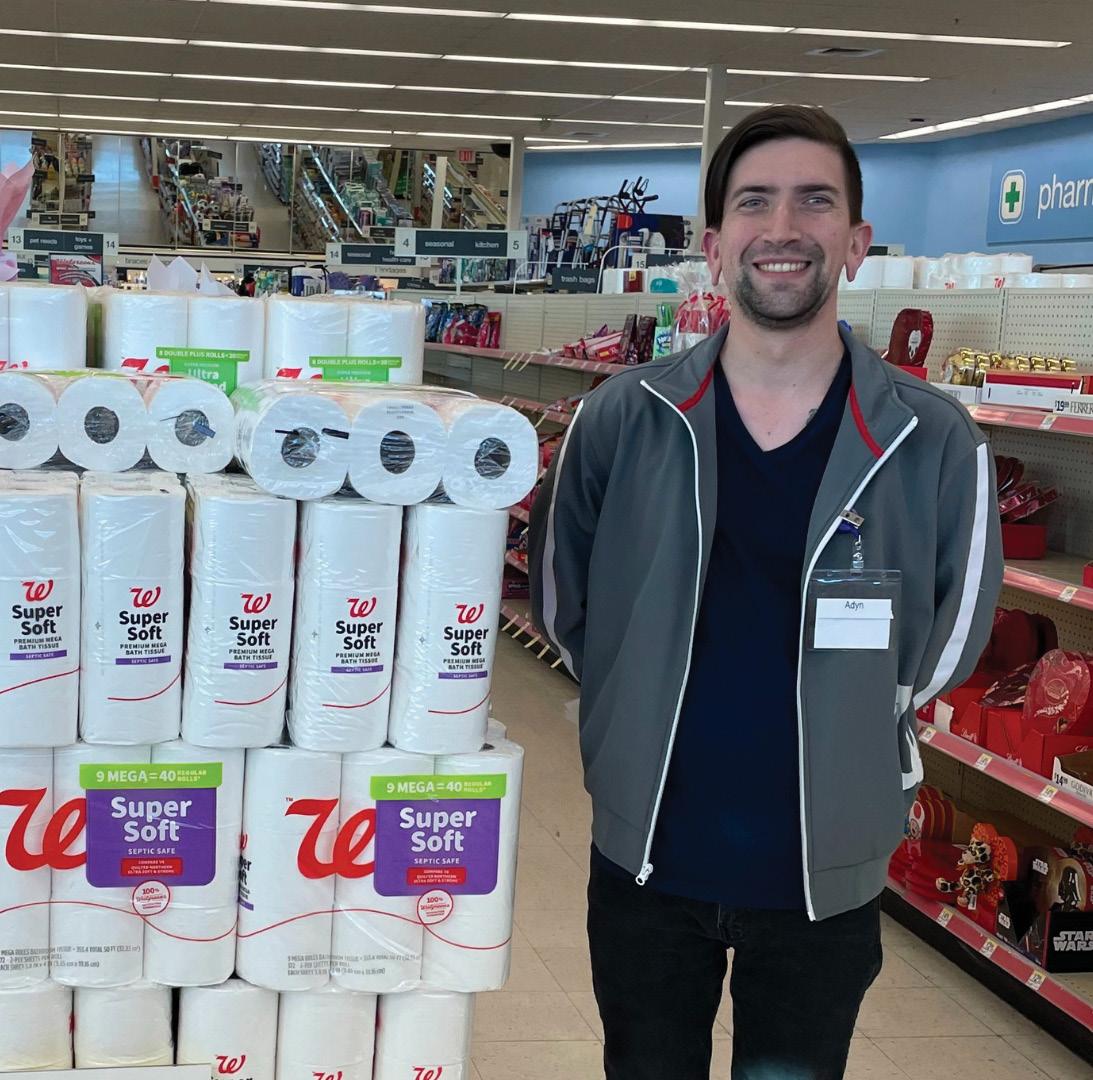
Walgreens’ Adyn Romahn Uses His CPR Training in a Family Emergency
Adyn Romahn is living proof of the value of CPR training, and, luckily, so is his 2-year-old daughter, Emmy.
Romahn, who received CPR training as pharmacy technician immunizer at Walgreens, was able to put that training to use when Emmy suddenly began coughing while playing with toys at home. She then started flailing her arms without making any other noise
“Pharmacist are a key players who connects patients with the medical providers and doctors and patients’ insurances, so we made sure that our team was well supported.”
— Daria
Park
“I immediately recognized that she was choking,” Romahn said. He began patting her back, as per his training, and then he was able to clear her throat of a small piece of plastic that she had swallowed. She remained unresponsive, however, and he began administering rescue breaths.
Emmy recovered suddenly and began crying, a sign that his CPR efforts had succeeded.
In the meantime, Romahn’s fiancée had called 911, and emergency responders arrived quickly and confirmed that Emmy was out of danger.
Romahn, who is now a store manager at the Walgreens in Great Bend, Kan., likes to share the story of his experience with CPR in hopes that other members of his team will get trained.
“A lot of my team members have young kids as well and have definitely taken an interest because of that,” he said. “As a parent, you can’t always rely on first responders to be there in time for lifesaving—sometimes you might need to provide it.”
Walgreens is a national sponsor of the American Heart Association’s Nation of Lifesavers initiative, which seeks to expand CPR awareness and education. The association lists learning CPR at the top of its summer safety checklist, which families can do through short videos or an online CPR course provided by the association, among other educational resources.
“I never thought I would have to use CPR,” Romahn said. “But an emergency can happen anytime and then you’ve got to just jump in. This is a great opportunity to learn an important skill and maybe one day, it will come in handy.”
ADVANTAGE YOU!
Leading The Way In The Evolving Generics Marketplace
You need a partner with vertical manufacturing strength, a deep pipeline of products, and the passion to deliver for your patients. Camber is a leader in product approvals and launches, many of which are large molecule, specialty, and complex generics.
We’re also leaders in responding to the needs of our customers. Our commitment to quality and consistent supply are your distinct advantage.
Camber is growing to meet the needs of an aging population. Let’s grow together!
Giant Eagle’s Carter Diges Saves a Heart Attack Victim
When a vendor representative had a heart attack in the back room of a Giant Eagle supermarket in Pittsburgh this past September, store pharmacist Carter Diges stepped into action.
She raced to the aid of the patient after her manager paged for help from any medical professionals in the building. She found the man unconscious on the floor, not breathing and with no pulse.
Diges and the store leader, Shawn Niedbala, administered chest compressions while the store’s security guard retrieved the store’s automated external defibrillator, a computerized device that detects a patient’s heartbeat and instructs users how to administer an electric shock.
They shocked him once and continued giving CPR chest compressions until emergency personnel arrived from a nearby hospital. Fortunately, Diges had become familiar with how to use an AED while training
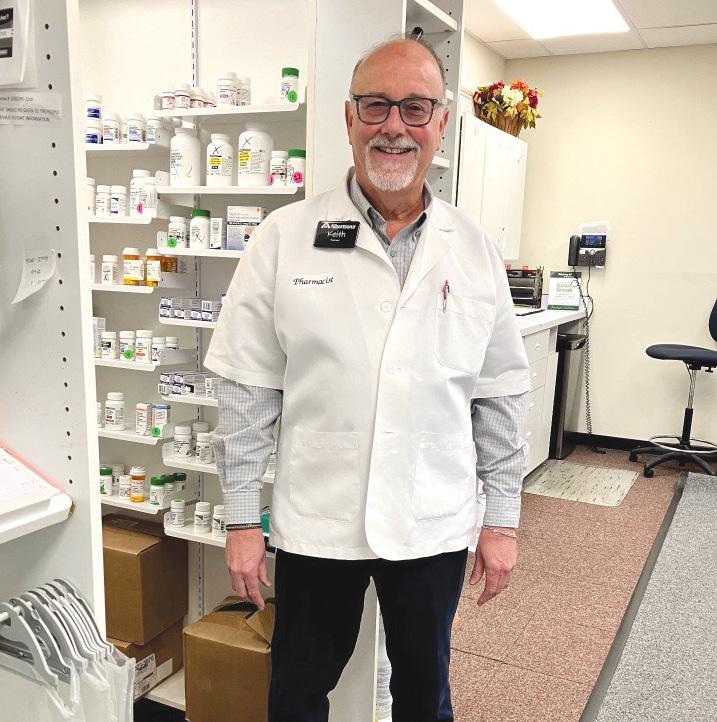
Albertsons’ Keith Prejean Gives His Time to a Lonely Patient in Need
The retail pharmacy is full of stories about pharmacists who go the extra mile for their patients. Keith Prejean, a pharmacist at an Albertsons in Lake Charles, La., went about 147 miles—each way—for one of his.
When Prejean learned that the patient had an appointment at the MD Anderson Cancer Center in Houston and no way to get there, Prejean rented a car and drove him there himself on his day off. (Prejean drives an older truck
at a hospital when she was in pharmacy school.
She had also checked to see if the victim was wearing any bracelets to indicate that he might have diabetes or epilepsy, and she concluded that he had probably suffered a heart attack. That turned out to be exactly what had happened.
When the man’s son came to the store the next day to thank Niedbala and Diges, he said the nurses at the hospital told him that “not too many people get to walk away from a heart attack of that severity,” she said.
The patient underwent emergency surgery and has since made a full recovery, she said.
Diges, who just graduated from pharmacy school in 2023, said she decided to become a pharmacist after her mother was diagnosed with multiple sclerosis when Diges was in sixth grade, and the experience got her thinking about a career in medicine.
and had planned on using his wife’s car, but she was going to be out of town that day, and he wanted the patient to be comfortable.)
“I could see he was in a tough spot,” said Prejean. “My sister always says, ‘Keith, you just can’t say no to someone who needs help,’ and that’s something I’ve taken to heart.”
Prejean, who credited his Catholic upbringing with teaching him to be of help to those in need, said he turned down the man’s offer to pay for the ride. The patient, who is elderly and uses a motorized cart to get around, did make him some cheese-wrapped peppers as a gesture of appreciation, however.
The patient has family members in other parts of the country, and his network of friends in the Lake Charles area have either died or moved way, Prejean said.
“Loneliness can affect many people, especially those who live alone,” said Prejean.
“I knew the medical profession in some way was meant for me.”
— Carter Diges
“I knew the medical profession in some way was meant for me,” she said, adding that she had made up her mind to become a pharmacist by the time she was a junior in high school.
“The average layperson doesn’t know a lot about medicine, and it’s rewarding to be able to explain to them how their medications can help them,” said Diges. “Unlike working in the emergency room, where hopefully you don’t keep seeing your patients, I like seeing my patients.”
Prejean has since taken the man to the hospital a second time, he said, and he has heard from the patient’s sister, who thanked him for helping out.
“This is just something that happened, and I’m thankful I could do it,” said Prejean. “For me, this wasn’t about doing something extraordinary. It was simply the right thing to do.”
Prejean, who has been a pharmacist since 1987 and has been with Albertsons for 23 years, said getting to know his patients is one of things he enjoys most about being a pharmacist.
“We often chat with customers about everything from their families and friends to their pets; it’s part of what makes the job so rewarding,” he said.
“I truly value the opportunity to be helpful, whether it’s discussing potential drug interactions, recommending overthe-counter products, or looking up information to support their health needs.”
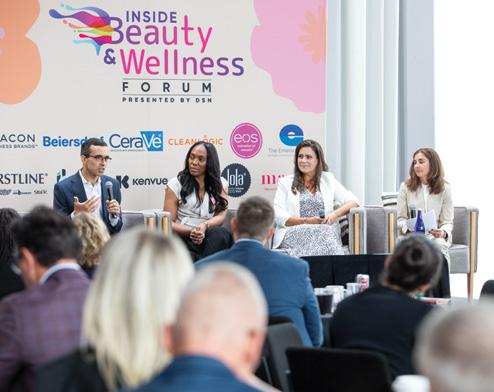
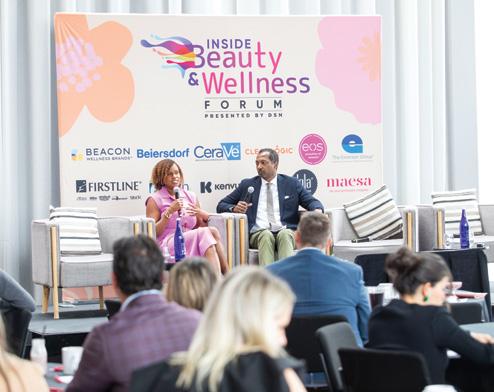
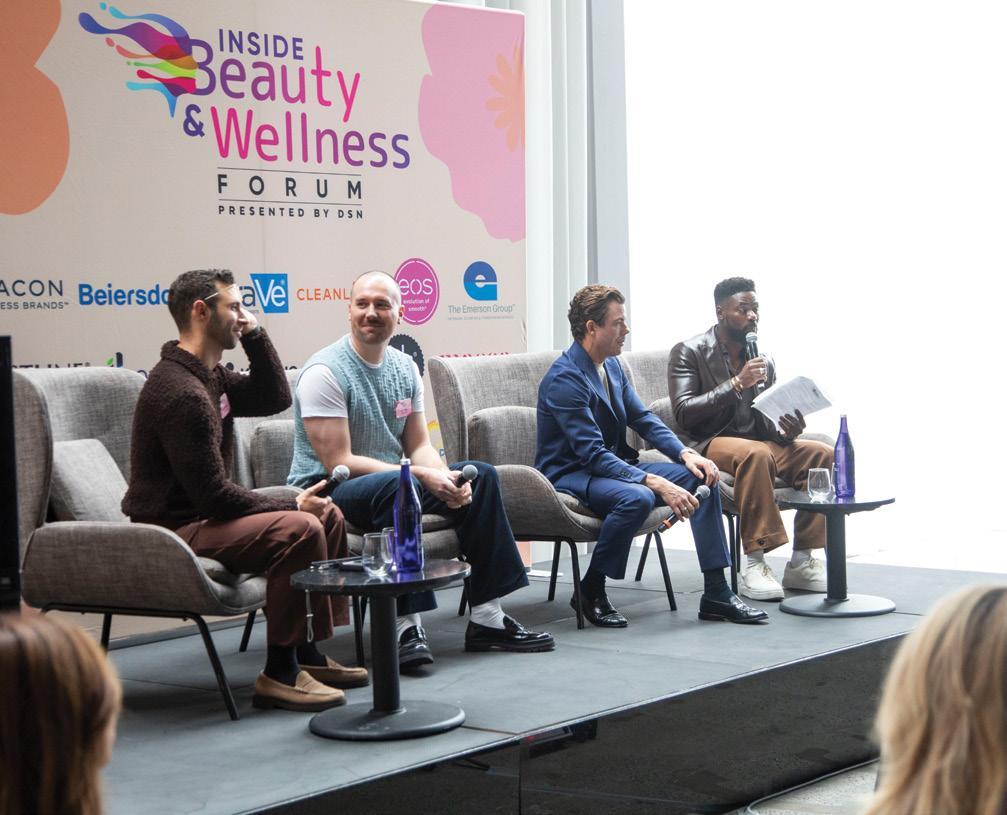
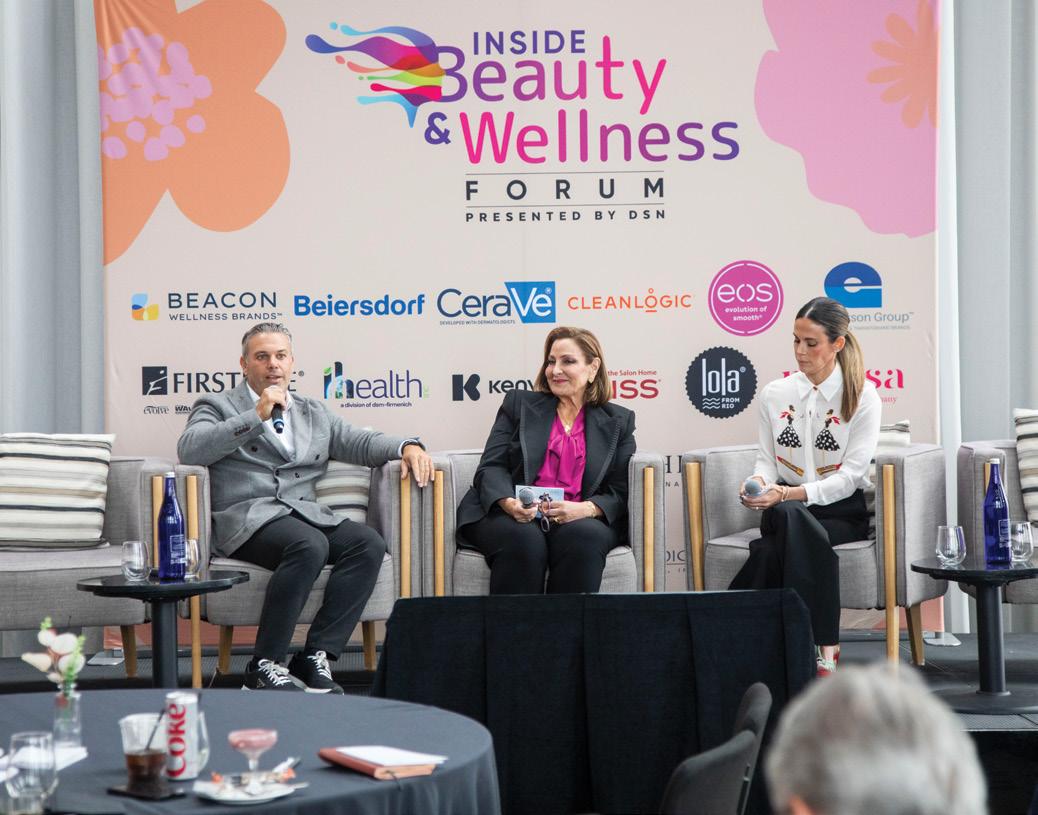
Highlights from DSN ’s Inside Beauty and Wellness Forum
Longevity, wellness, women’s health, AI and inclusivity were among the buzziest discussions emerging from the action-packed event
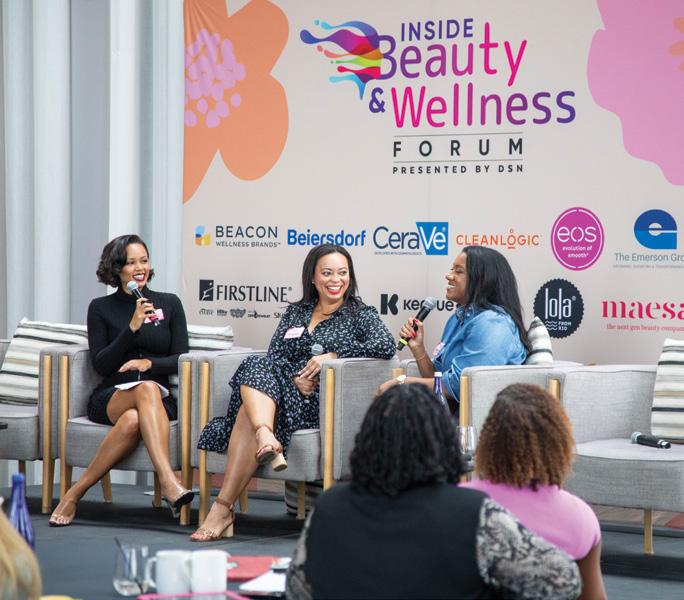
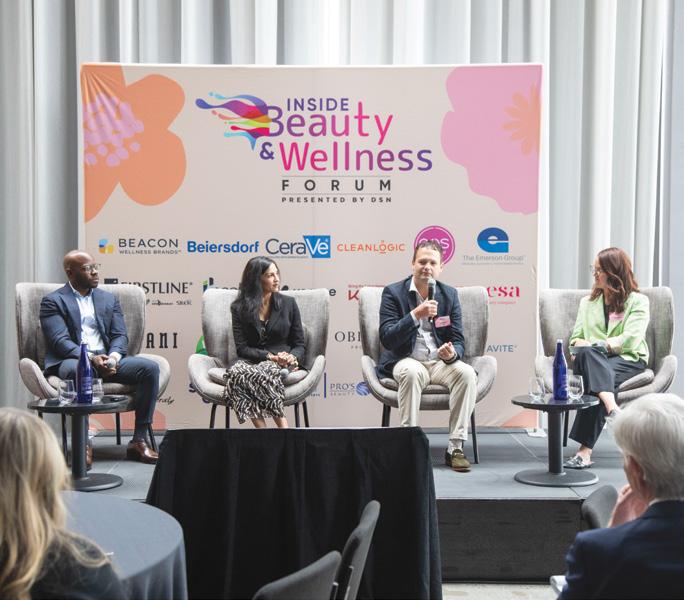
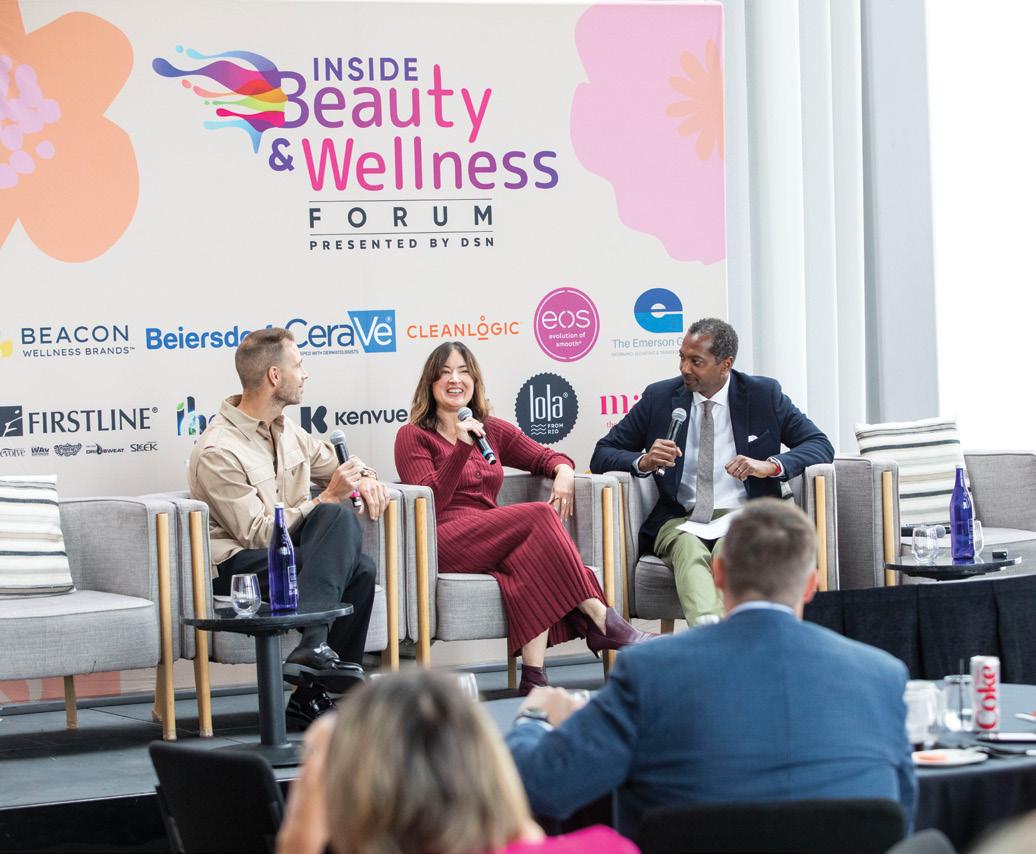
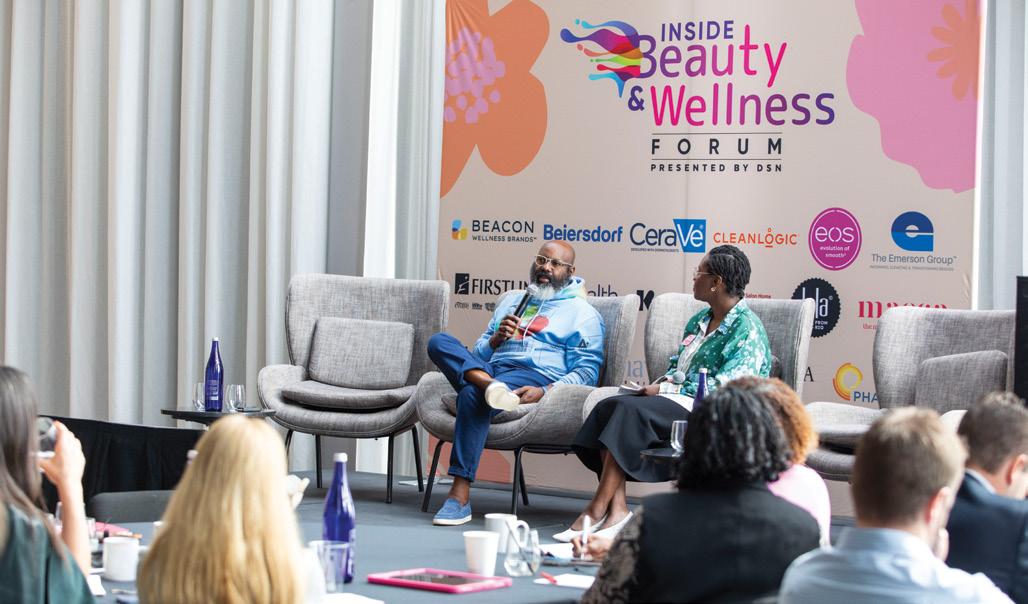
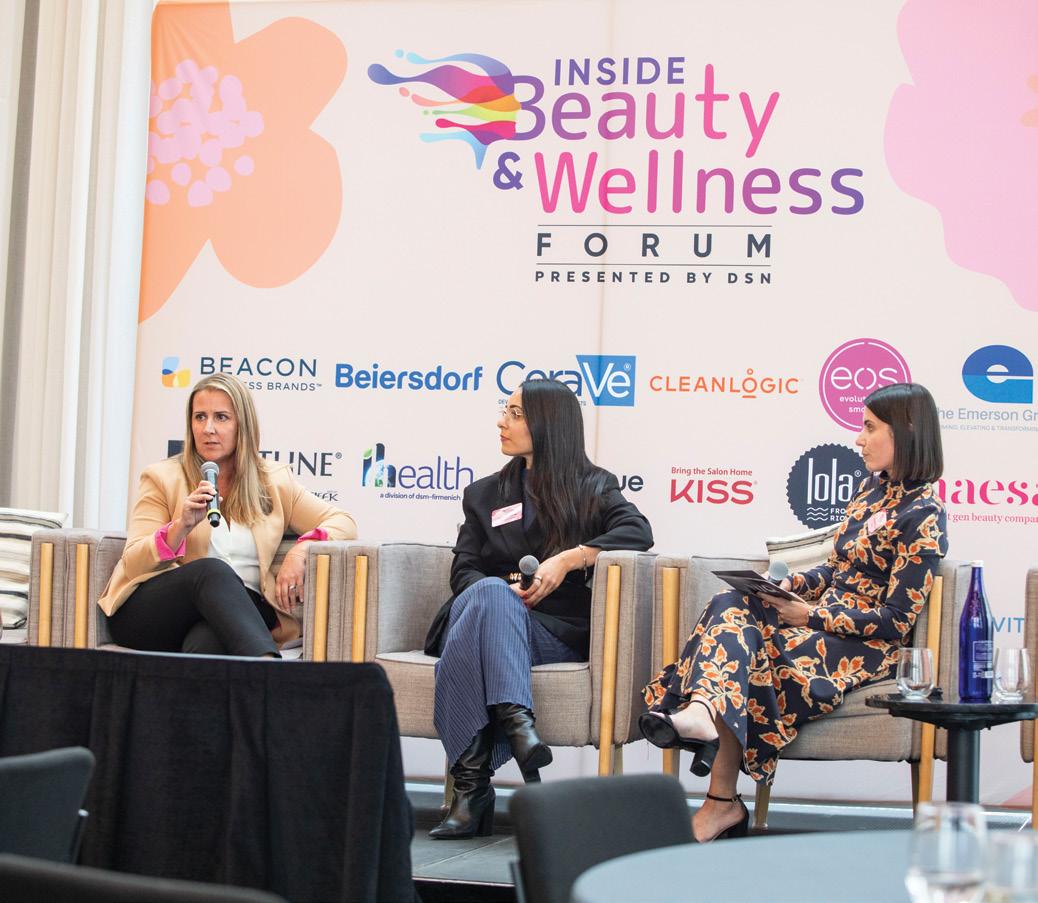
DSN’s Inside Beauty and Wellness Forum in New York City brought together well-known brands, marketers and retailers to dive into major trends in beauty and personal care, while networking and enjoying glow ups from Chillhouse, Obliphica Professional and Milani.
Women’s Health Uncovered with The Vagina Whisperer Redefining Access and Luxury
Fueling Beauty’s Next Wave
Walmart’s Wellness Vision
The Future of Beauty is Longevity: What We Need to Know
A longevity plan is just as essential as a business plan, according to Dr. David Luu, a pediatric cardiac surgeon turned longevity tech entrepreneur.
Seeing a gap in the market where no one was being trained in longevity medicine, Luu founded Longevity Docs, a global collective of more than 500 expert physicians dedicated to advancing health span and personalized medicine. “Today’s consumers increasingly expect brands and retailers to help them “look better, feel better and live better,” he said.
The longevity economy is projected to reach $8 trillion by 2038, with opportunities spanning healthcare, beauty, hospitality, finance and retail. Consumers, Luu noted, are shifting toward proactive health solutions such as tracking, personalized supplements and at-home testing.
Future-Proofed Beauty: Building Power, Platforms & Products for the Global Majority
Richelieu Dennis, a trailblazer in community commerce and co-founder of Sundial Brands, cautioned that there has been a degradation of authenticity in the market.
“Everything looks the same,” Dennis said. “What you need to do is find what will differentiate your product and that consumers will believe is something different and of value—and not in the mode of the cookie cutter.”
Community commerce offers the opportunity of hyper growth, he suggested. “The brands that are going to win are the ones that have a really strong position inside the community that is culturally oriented.”
Walmart’s Wellness Vision: Uniting Beauty, Health & Daily Routines
During a panel moderated by Gina Daley, AVP for L’Oréal Dermatological Beauty, three Walmart executives highlighted the company’s commitment to being a wellness-driven retailer. They emphasized how Walmart leverages its extensive physical store network, enhanced by rapidly expanding digital capabilities, to meet evolving customer needs. Technology— particularly AI—remains central to Walmart’s strategy, enabling the company to serve customers and communities with greater efficiency and impact.
“Our ecosystem allows individuals not only to get items within two days, but in some scenarios, based on where you are located, you get items in less than an hour, which is pretty game changing in the industry,” said Ralph Clare, SVP health and wellness merchandising for Walmart.
Jerrit Davis, VP personal care merchandising, echoed Walmart’s capabilities for brands. “We have so many options from our Marketplace to stores. And that doesn’t mean you have to be a
The Experts Weigh In
Brand executives share their outlook on the future of wellness and beauty
Going forward, how will longevity play a role in wellness and beauty?
Longevity in beauty will be defined by prevention, protection and cellular resilience. Much like skin care has evolved toward maintaining youthful function rather than reversing visible signs, hair care will follow. We’re formulating with powerful natural actives such as seaberry (sea buckthorn) to help restore balance and protect the scalp’s biome—preserving the integrity of the hair at every stage of life.
Isaac Shapiro, co-founder and CEO, Cleanlogic:
Longevity in wellness and beauty isn’t just about living longer or how long each will be playing a role. It’s about living better. The concept of longevity emphasizes health span, not just lifespan, meaning the goal is to maximize the number of years lived in good health and with vitality. This is where wellness and beauty intersect: taking care of your body and mind today has a direct impact on your quality of life tomorrow.
When we think of wellness, we think from nutrition and fitness to mindfulness and self-care: help prevent chronic diseases, maintain energy levels and support mental and emotional well-being. Beauty, though, goes beyond aesthetics; it’s about feeling confident, putting yourself first and nurturing a sense of self-worth. Together, wellness and beauty empower individuals to remain active, independent and fully engaged in life, ensuring they have the energy to meet the demands of work, family and personal fulfillment. It’s more than just adding years to your life—it’s about adding more life to your years.
Richard Gallucci, SVP of sales, Kiss Products:
Longevity will play a critical role in wellness as the country continues to age. Wellness needs to be defined in a way that includes prophylactic and
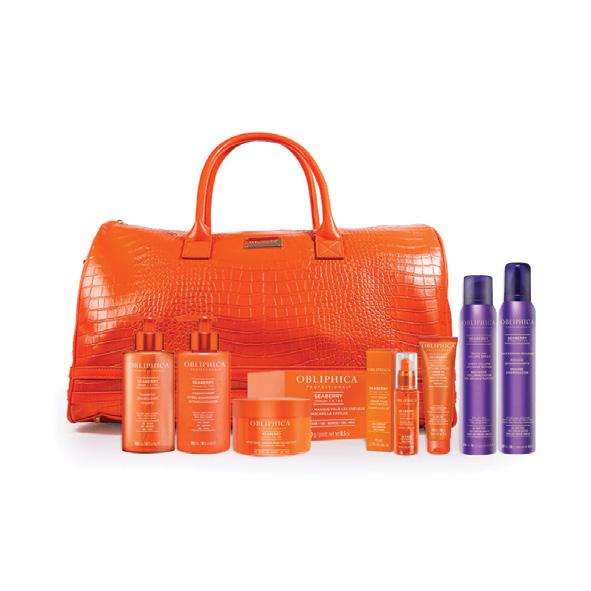
Luxury That Travels Beautifully.
Elevate your haircare routine with the luxurious touch of Seaberry Shampoo—where strength meets weightless volume.
This holiday season, elevate every gift with The Ultimate Seaberry Experience—Obliphica’s complete ritual for purified, nourished, and flawlessly styled hair. Each set is infused with our proprietary Seaberry Oil, nature’s most powerful restorative essence—renowned for its anti-aging, revitalizing, and transformative shine benefits. From the first touch, you’ll feel the difference: Immediate results. Delivered promises. Pure luxury.
SHOP THESE SETS AT OBLIPHICA.COM
fit in all 4,700 of our stores but the brand could start with 700,” he said. Collaborations are working well for Walmart including a tie up between Dove and the viral sensation Crumbl cookies. The range hit a six-month goal in one month and exposed the 75-year-old legacy brand to a new generation of shoppers.
Vinima Shekhar, VP, merchandising, discussed how Walmart democratizes beauty. “My mission and vision for Walmart beauty is to be the most trusted and accessible beauty destination for everyone. We’re really proud of the diversity of brands that we have brought in,” she added.
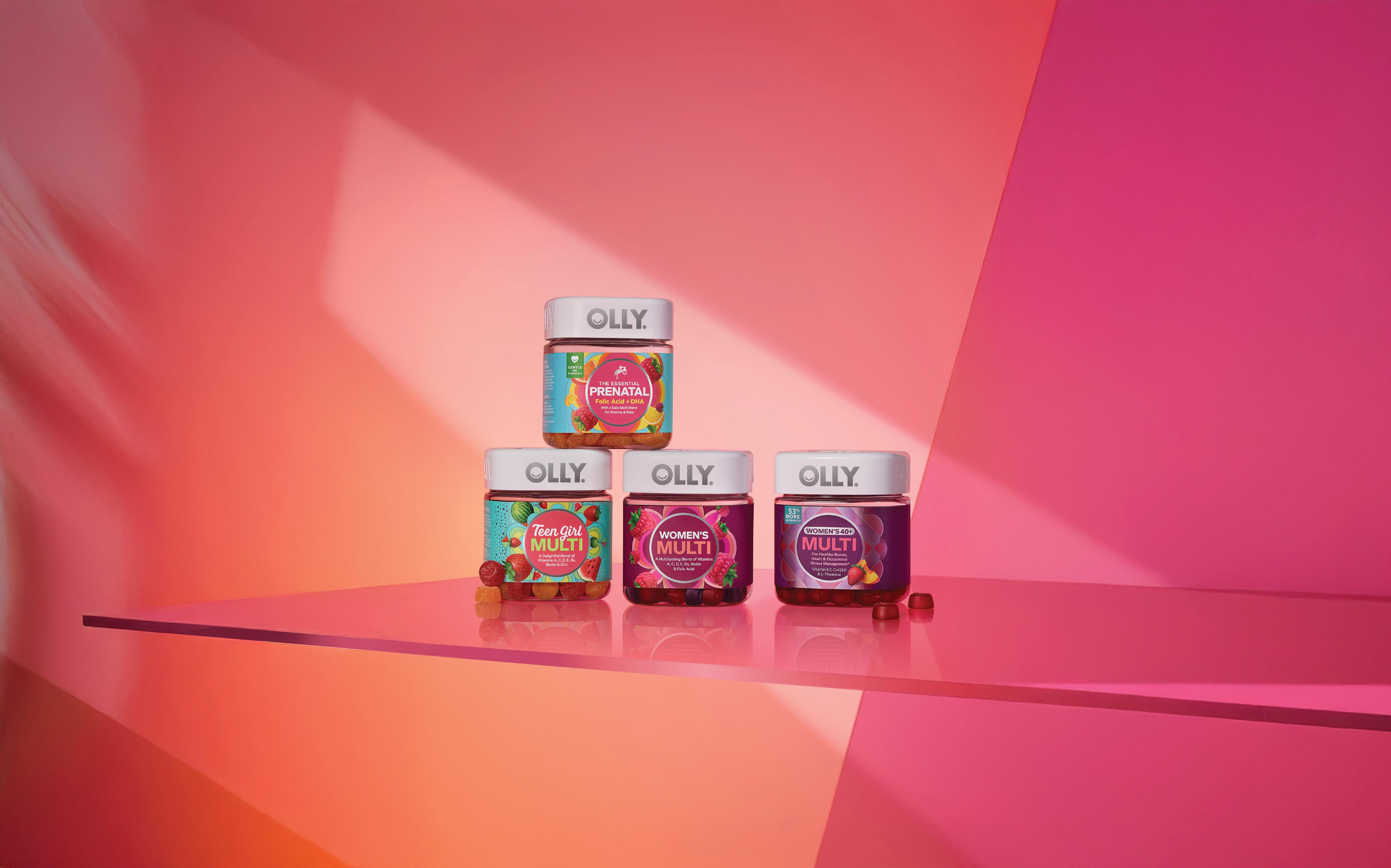
Growth categories pinpointed by Clare includes protein, women’s health and healthy aging, which includes the growth of vitamins.
All three gave a nod to the importance of AI to speed processes. Shekhar cited the example of getting a competitive analysis of a shelf set with all the items, sizes and prices in minutes—a process that could take hours before AI.
But AI doesn’t lessen the impact of the human touch, Clare added. “We’re a people-led, tech powered organization, and the investments we’ve made have made it incredibly fast for us to get a deep analysis to make quicker decisions.”
There’s Beauty in Wellness
The connection between beauty and wellness will continue to strengthen, according to Larissa Jensen, SVP and global beauty industry advisor for Circana.
“The combined wellness and beauty market is a $200 billion engine, growing 4%,” she said, noting that merging in personal care elevates growth to 6%.
The growth of health and beauty is especially evident in GLP-1 medications, which one in eight Americans have tried, Jensen said. Beauty categories are impacted by the use including sales of hair care, makeup, skin care and even fragrances.
Jensen added the men’s market is growing fast, especially across fragrance and supplements.
The Rise of Genderless Grooming
Following Jensen’s prediction of continued growth in men’s grooming, Lamarr Shand, Google’s head of YouTube & Digital Video Strategy, moderated a panel on the rise of genderless grooming.
“Two-thirds of men in the United States now use personal care products for more than their they’re basic needs,” Shand said. “They’re not using the same soap for their face and for their body.” Google searches for men’s skin care are up almost 5,000% year over year and searches for skin care routines for men are up 100%, Shand added. Searches for men’s concealers soared 500%.
The stigma around men and grooming is fading, explained John Reed, general manager at Kiehl’s. Younger millennials
The Future of Beauty is Longevity
The Rise of Genderless Grooming
Left to right: Whole-Body Wellness and The Power of Staying Power
and Gen Z, unlike older men, shop by function not by manly looking packaging. “There is an opportunity with a large untapped group of men who are curious, but uninformed about skin care,” he said. Education will help expose men to treatments like retinol serums, to reduce hesitation. Storytelling is as powerful as efficacy claims.
The creators of AKT London—West End performers Andy Coxon and Ed Currie—explained how their theater experience exposed them to the need for effective odor care. The brand is positioned as unisex products for all. Storytelling, especially the brand’s genesis in the theater, is a big part of the brand’s marketing efforts in addition to user-generated content and ambassadors.
Built to Last: Reinventing Relevance in Beauty
Laura Geller found her sweet spot with mature women—a demographic often overlooked in beauty. She was also one of the first to bring primer into everyday routines and to create the cult-favorite Baked Foundation.
E.l.f. Cosmetics founder Joey Shamah, who sold the brand to TPG in 2014, brought Geller into his new company’s portfolio with a vision to bring the same spark to the brand that helped build e.l.f.
“When we acquired Laura Geller Beauty, we had to unlearn a few things,” Shamah said. “We looked to see who our real customers are and that’s when we realized the brand’s true power was in speaking to mature women.”
Together, the team launched National Mature Women’s Day, a holiday they officially registered. On that day, customers receive a discount equal to their age—42 years old, 42% off.
“It’s our way of celebrating them,” Geller said proudly. “We might not make a ton of money that day, but we gain loyalty for life.”
Built to Last
preventive medicine, not just reactive medicine. How the industry handles keeping people healthy rather than curing illness and ailments will be critical to the aging America and the future of retail. This segment will have a significant impact on the digital ecosystem as the generation becomes more tech-savvy and as the next generation of caregivers relies on AI for support.
Julie Shellworth, director of marketing, Pharmavite:
Longevity is reshaping the future of wellness and beauty by encouraging a more holistic, inside-out approach. Today’s consumers increasingly recognize that beauty starts from within, with a majority believing that diet, lifestyle and supplement intake directly impact their appearance. This shift is driving demand for products and routines that support long-term health, not just short-term aesthetics.
Sue Smith, partner, The Emerson Group:
Longevity will redefine wellness from self-care to strategic life design. For example, skin longevity replacing anti-aging—focus on barrier repair, collagen preservation, cellular renewal. Consumers aren’t just buying products—they’re building systems to live longer, healthier and more purposeful lives.
Katherine Morón, CEO, Tu Azul:
Longevity today is about vitality, not just time. It’s about taking care of yourself in ways that are consistent, mindful and protective, rather than extreme. People are realizing that the best results come from long-term nourishment instead of quick fixes.
How can brands educate customers that health, beauty and wellness are connected?
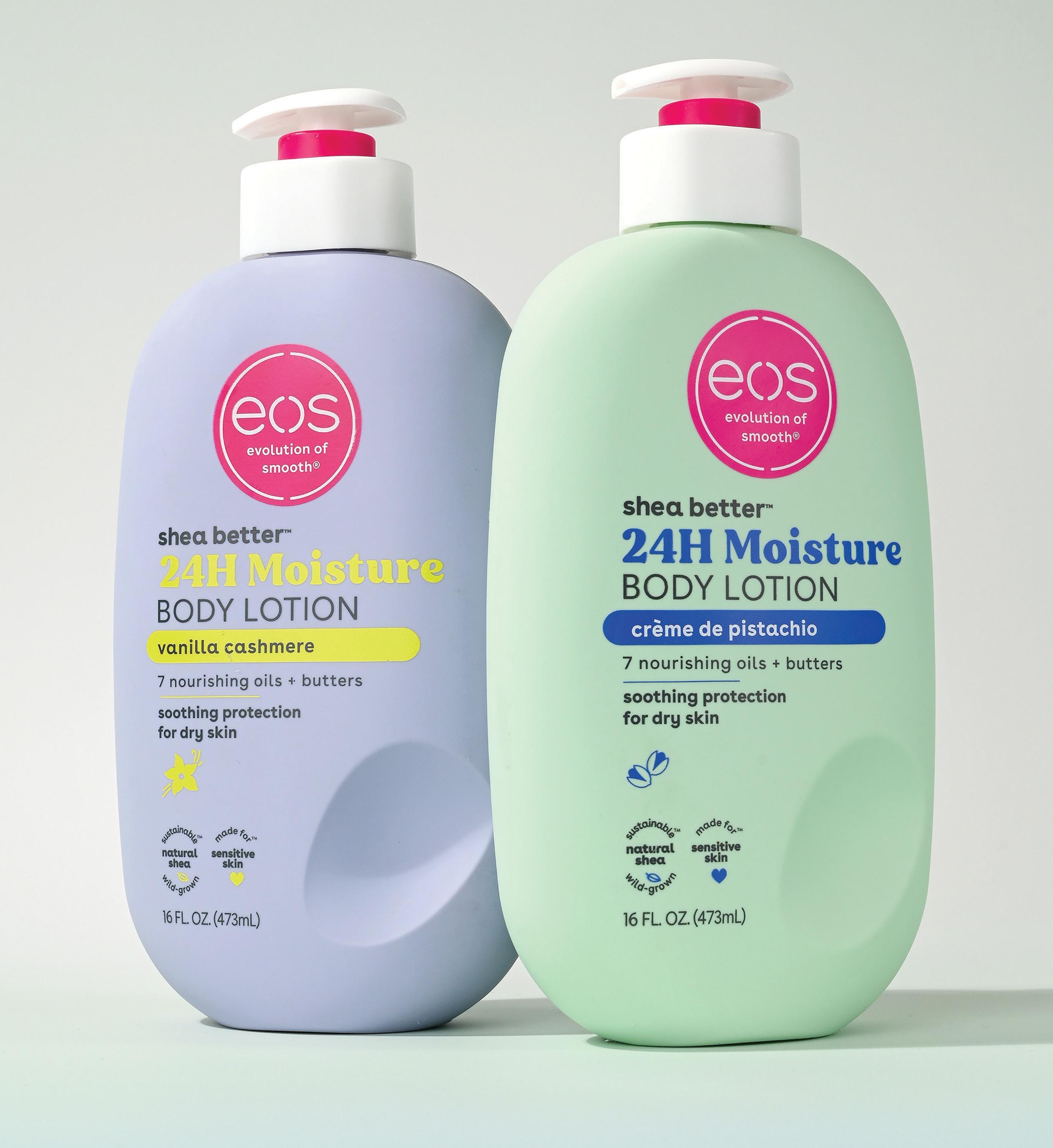
Jonathan Teller, founder and CEO, eos Products:
At eos, we’ve always believed that wellness lives in the everyday—in small, joyful rituals that help you feel good in your own skin. Our founding idea was to take something ordinary and make it feel special, because self-care sits at the heart of both beauty and wellness. For brands, the opportunity is to educate through storytelling and show how daily routines connect to health, confidence, and wellbeing. Every touchpoint—from packaging and retail to social content and creator partnerships—can make that message engaging and
there is nothing private around these parts
Whole-Body Wellness: What’s Now and What’s Next at CVS Pharmacy
Lindsay Dutch, senior equity analyst at Bloomberg Intelligence, set the tone for the discussion of whole-body wellness.
“The wellness market is massive,” she said. “It’s estimated at $400 to $500 billion in the U.S. alone—four to five times the size of the beauty market. And not only is it huge, but it’s also growing faster than most other categories.”
According to Bloomberg Intelligence’s semi-annual survey, more than 70% of consumers prefer to shop beauty and wellness together. The overlap is undeniable—from skin care routines to supplements, from lipstick to lifestyle. “This is a tremendous opportunity,” Dutch said, “for both big players like Amazon, CVS, Dollar General and Walmart, and for smaller brands who can connect beauty and wellness in a meaningful way.”
Wellness is the No. 3 item in their self-care routines, just behind facial skin care and body care. Nearly a third of respondents plan to spend more on wellness this year, showing stronger momentum than even facial skin care—long considered beauty’s crown jewel.
Michelle LeBlanc, VP of merchandising for beauty, personal care and Hispanic strategy team at CVS, painted the picture of today’s shopper. “We used to think of purchases as functional, emotional or social,” she said. “But consumers today are doing all of that at once. They’re shopping for things that make them feel good, express who they are and serve a practical purpose. That’s where beauty meets wellness.” CVS Pharmacy recently tapped Dr. Camille Howard-Verovic as the retailer’s first beauty derm advisor.
Zach Dennett, VP of merchandising for consumer health care at CVS, said people are moving from waiting for something to be wrong to preventive wellness. “CVS Pharmacy is at the center
empowering. We do this by blending humor with real education and creating conversations that make people comfortable talking about their bodies and their skin. When learning feels joyful and relatable, people see that health, beauty and wellness all belong together.
Nicole Julian, marketing director, Beacon Wellness Brands: At Beacon Wellness Brands, we’ve seen firsthand that women no longer view beauty, health and wellness as separate categories—they’re part of the same story. The opportunity for brands is to show up where those worlds intersect: to connect the dots between how we look, how we feel and how we function. Education has to feel empowering and accessible. That’s how you turn a brand into a trusted partner in women’s well-being.
Isaac Shapiro:
It’s all about showing and not just telling how the three are connected together. Beauty isn’t just surface level anymore; it’s connected to how we feel and take care of ourselves overall. Brands can make the connection through storytelling and real-life education that highlights lifestyle connections like showing how good ingredients or mindful routines don’t just make your hair or skin look better, they make you feel better, too. Whether it’s through social content, packaging callouts or in-store displays and experiences, it’s less about selling a product and more about creating “aha” moments that help people see beauty as part of a bigger picture (and then of course buy the product to support that picture). I always like to think look good, feel good, do good—take care of yourself inside and out.
Jeremy Lowenstein, CMO, Milani: When makeup is infused with skin care actives, the connection between beauty and wellness becomes effortless and authentic. We focus on creating hybrid products that improve skin over time while delivering the results consumers expect from high-performance makeup. We use our product pages and social storytelling to make those benefits clear and relatable. By showing how these hybrid formulas fit naturally into daily routines, and by partnering with creators who demonstrate that connection authentically, we help consumers understand that skin care and makeup work best when they work together.
Julie Shellworth:
We see this heightened consumer interest in the overlap between wellness and beauty as a
Commitment to Curation
of that shift. Customers are responding to our focus on health and wellness, convenience and engagement. We have to make sure our brands, and our experts show up credibly—whether that’s through pharmacists or digital platforms. Trends that used to take years now rise and fall in months. We need to go from 18 months to market to 18 weeks. That means rethinking how we innovate, partner and test.”
The Power of Staying Power: How Iconic Brands Keep Shoppers Coming Back
In the fast-evolving beauty industry, not many companies can boast a four-decade legacy of innovation and influence. Firstline Brands stands among them—a pioneering, Black-owned beauty tools and accessories company founded nearly 40 years ago by the late father of its current CEO and president, Jody Odom.
“My father developed essential items and secured distribution in retailers like Sally Beauty and Walgreens. That made us the first Black-owned hair accessory company in the U.S. with national distribution.”
Under Odom’s leadership, Firstline has become known for products that serve a purpose as well as anticipate customer needs. “It wasn’t just about giving customers what they needed— it was about offering them things they didn’t even know they needed yet.”
Odom helped shape a new era of beauty tools for textured hair. Today, Firstline’s portfolio includes brands like Evolve, Camryn’s BFF, DriSweat and Sleek, with more than 200 items sold in retailers like Target, Walmart, Walgreens, CVS and Whole Foods.
Redefining Access & Luxury: What it Means to Be a Brand for Everyone
What does it mean to be a brand for everybody? At the center of the discussion were two brands that had managed to do just that: Fenty Beauty and Amika.
“I remember when Fenty came out—seeing 40 shades of foundation lined up like a declaration. Rihanna completely broke the rules of what a foundation campaign could look like,” said Sukiana Chancy, VP of brand management and global development at Fenty Beauty. “She wanted her friends, her mother, everyone in her life to be able to wear the product.”
Gianne Doherty, the director of diversity, equity and inclusion, plus social impact at Amika joked her brand “doesn’t have a Rihanna,” but is committed to being a brand with products for all needs.
The philosophy wasn’t about creating one ideal of beauty. It was about understanding that no two people use a product the same way. “You and I might use the same styling cream,” Gianni said, “but in completely different ways. So, our job is to design and communicate in a way that reflects that.”
great opportunity to lean into transparency and inform consumers about the benefits and science behind their favorite products, especially by meeting them where they are through channels like social media and through collaborations with credible voices such as nutritionists, dermatologists and healthcare professionals.
Shalimar Dalal Maakar:
At Obliphica, we begin where true beauty begins—the scalp. Our entire philosophy is built on the understanding that the scalp is an extension of the skin and must be treated with the same level of care. When consumers recognize that scalp wellness directly impacts the strength, shine and longevity of their hair, they begin to see beauty and wellness as one continuous ecosystem.
Katherine Morón:
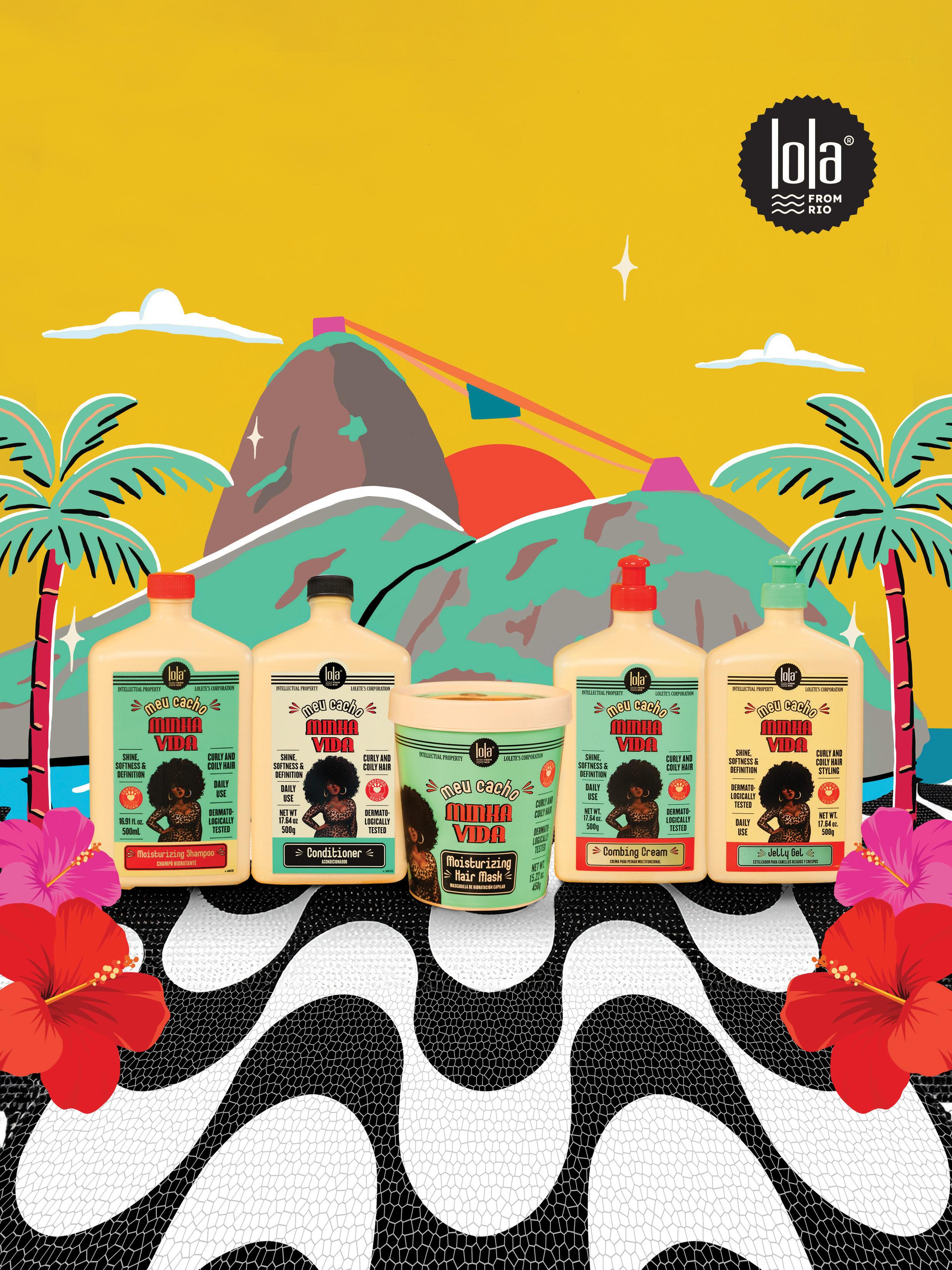
We believe education should feel human, not complicated. Beauty and wellness go hand in hand because how we rest, eat and care for ourselves directly affects how we look and feel. Through Lola From Rio, we love showing that beauty can be nourishing, uplifting and playful at the same time. Our goal is to make people feel cared for while helping them understand how self-care rituals impact both inner and outer well-being. Whether it’s sharing scalp health tips or encouraging mindful routines, we want our Loletes to know that beauty is about balance, not perfection.
What is one trend that you really like right now?
Nicole Julian:
I love seeing the conversation shift toward longevity and performance—not just extending lifespan, but health span. Consumers are looking for products that support sustained energy, better sleep, stronger skin barriers and hormonal balance. It’s inspiring to see “anti-aging” shift toward “aging well,” and for brands to celebrate that evolution.
Sue Smith:
We’re in a moment where community is power. Where language is evolving to hold deeper stories—where we honor the life stage we’re in, care for ourselves and look out for each other—so we can all live more true, more meaningful lives.
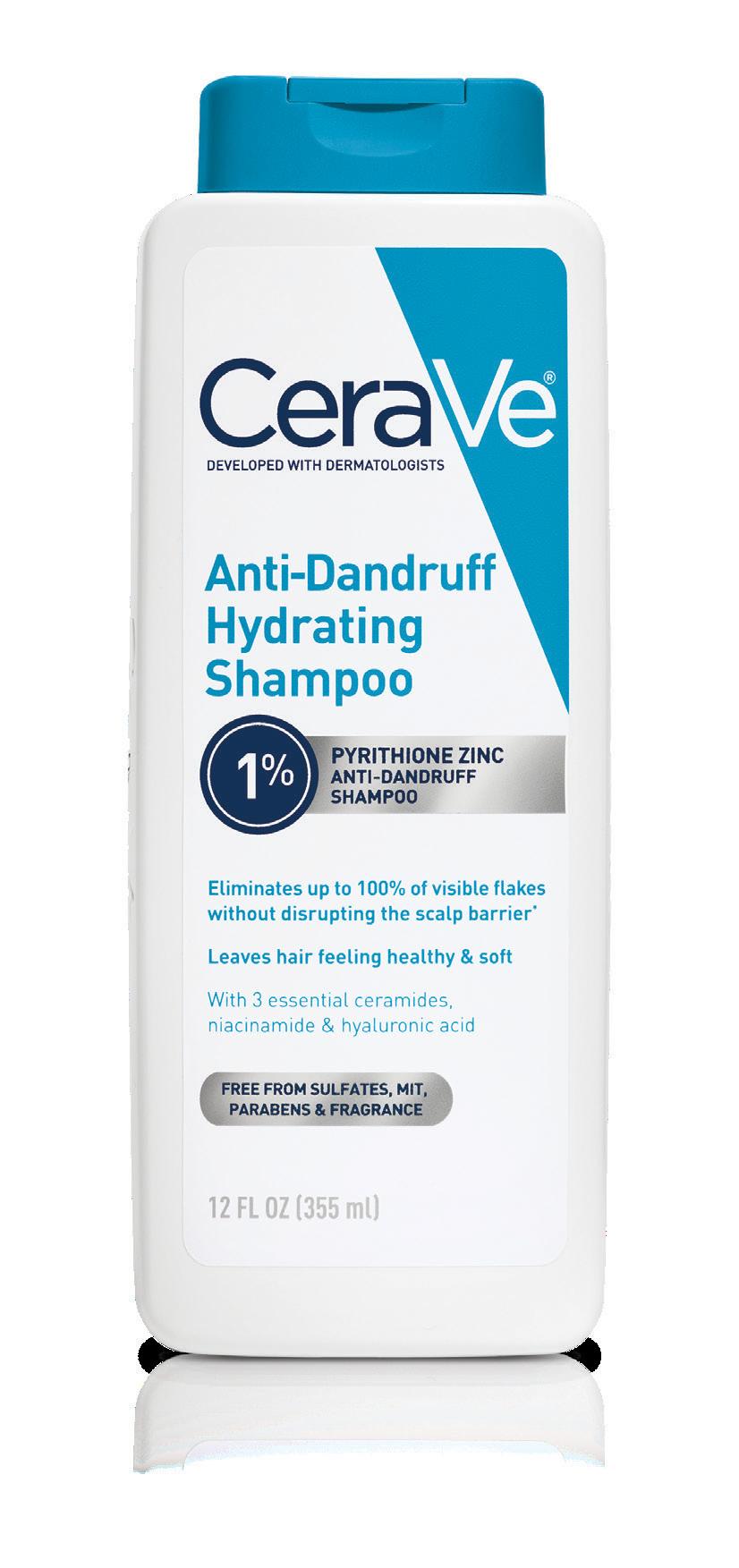
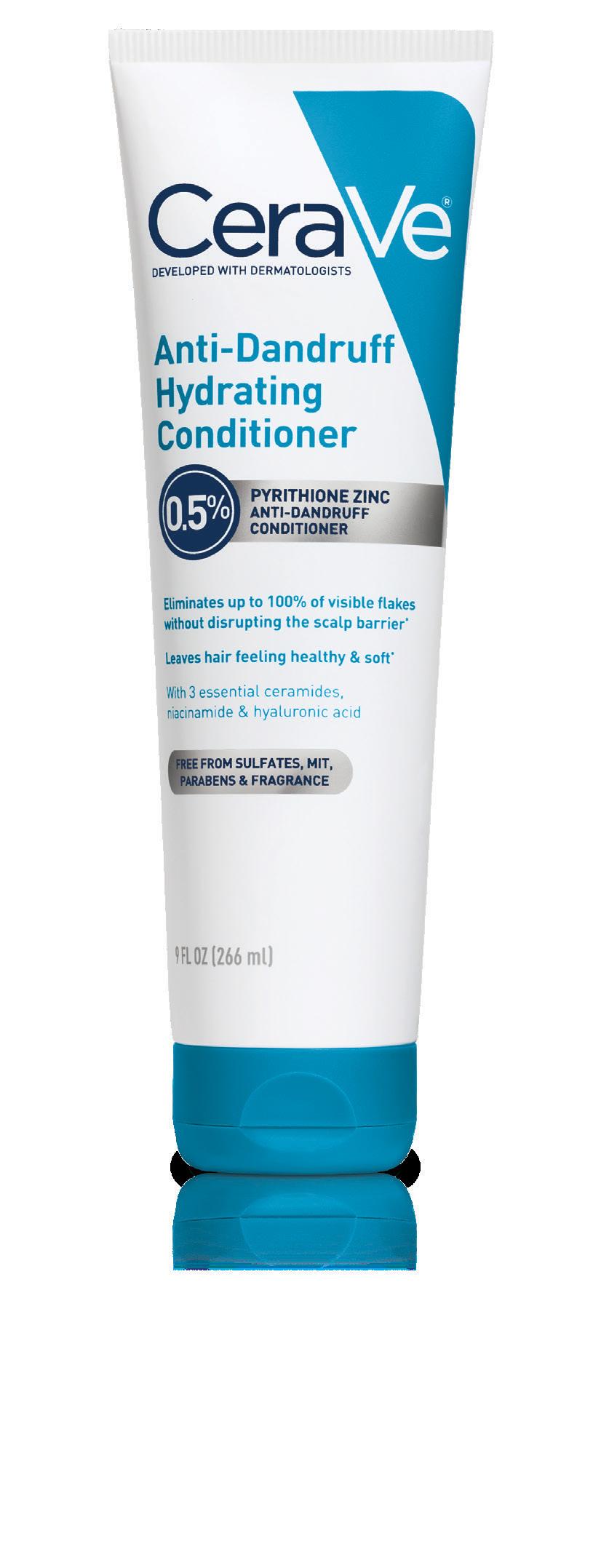
FROM THE #1 DERMATOLOGIST- & PHARMACISTRECOMMENDED SKINCARE BRAND†‡
FIGHT DANDRUFF
AND LEAVE HAIR
FEELING SOFT AND SMOOTH
CeraVe Anti-Dandruff Hydrating Shampoo and Conditioner can help eliminate dandruff flakes without disrupting the scalp barrier to leave hair feeling healthy and soft.
• Pyrithione zinc helps eliminate flakes, itch, and irritation
• Ceramides 1, 3, & 6-II help restore and maintain the skin barrier
• Niacinamide helps calm the scalp
• Hyaluronic acid helps maintain hydration
• Free of methylisothiazolinone (MIT) to help avoid skin irritation
• Suitable for sensitive scalps
• Suitable for all hair types and curl patterns
• Suitable for chemically-treated and color-treated hair
Reference: 1. Data on file. L’Oreal. Protocol: A 4-week clinical study was conducted on 31 subjects ages 18 to 59 with mild to severe dandruff. CeraVe Anti-Dandruff Hydrating Shampoo and Conditioner were used 3x per week, followed by a 2-week regression.
Explore the benefits of CeraVe Anti-Dandruff Hydrating Shampoo and Conditioner
Commitment to Curation - Across Every Category
Amanda Nusz, senior vice president of essentials and beauty, merchandising at Target, and Simon Huck, co-founder and partner of Lemme, delved into the topics of longevity, consumer trust and innovation.
Nusz reflected on Target’s long-standing design legacy. “Target has a heritage of democratizing access to design,” she said. “Decades ago, we made a choice not to be an A-to-Z retailer or simply the lowest-price option. We chose to curate. That means building trust through storytelling and offering thoughtfully chosen products that strengthen our relationship with guests.”
Nusz emphasized the role of Target’s merchants in balancing newness and innovation across three key segments: emerging brands, legacy favorites and owned brands. She cited an example of fusing both as evidenced by the Goody and Love Shack Fancy collaboration at Target.
Simon Huck shared the origin story of Lemme, the women’s health brand he co-founded with Kourtney Kardashian Barker. The goal was to create something better than what was on the market.
After launching direct to consumer Lemme expanded into Target. Today, the brand has 10 SKUs in stores nationwide. For Lemme, social media is central to discovery. “We’re the number one most engaged brand on TikTok in our category,” Huck shared. “Over 20,000 consumer videos are posted every month. When content goes viral, we see immediate sales spikes—not just online, but in Target stores nationwide.”
Nusz identified two key areas for growth in wellness, women’s health and men’s care. “From period to prenatal to postpartum to perimenopause, there’s still a gap in proactive innovation. Our job is to meet guests where they are, in their everyday lives, with inclusivity, value and trust at the core.”
Looking ahead, Nusz shared that Target will continue to elevate wellness as a core pillar of its brand identity. “You’ll see us integrate wellness more holistically across every part of Target—beauty, fashion, food, home. Consumers aren’t living in silos and neither should we.”
Shalimar Dalal Maakar:
I’m drawn to the shift toward ritual over routine—consumers seeking products and experiences that transform self-care into a sensory, restorative moment. This mirrors our mission: to elevate daily hair care into a luxurious wellness ritual that delivers transformative results for hair and scalp.
Lauren Wittenberg, head of mass channel and Canada i-Health (dsmfirmenich):
A trend we heard repeatedly throughout the forum was around the urgency to advance women’s health solutions across retail. Hearing so much momentum around helping close the gender health equity gap was energizing because it is the right thing to do for women and for business.
Jonathan Teller:
Fragrance is having an exciting cultural moment. #PerfumeTok and fragrance layering have made scent feel more personal, creative and customizable than ever. Gourmand fragrances, in particular, are resonating—their warm, comforting, edible notes tap into emotion, nostalgia and joy in a way that feels especially relevant now.
Jeremy Lowenstein:
The beauty industry is moving beyond traditional tiers and there is a continued blurring of lines between mass and prestige. Consumers today expect high-performance, prestige-level formulas at every price point, and that’s where brands like Milani thrive, by delivering luxury formulations, elevated storytelling, innovation and quality without the markup. Retail is reflecting this shift too. Ulta, with its unique model that houses prestige and mass brands together under one roof, exemplifies how traditional boundaries in beauty are dissolving. The focus is shifting from where something is sold to how it connects with consumers, and the modern consumer is looking for luxury without exclusivity. The brands that will win are those that pair ingredient credibility with emotional connection and real value, without asking people to compromise on price.
Julie Shellworth:
One trend I’m really excited about is the growing focus on cellular aging and metabolic health as foundational elements of longevity, and by extension, beauty. Consumers are beginning to understand that beauty isn’t just about what you apply topically, but how your body functions at a
ACTIONABLE INSIGHTS & CONNECTIONS POWERING BUSINESS GROWTH
EnsembleIQ is the premier resource of actionable insights and connections powering business growth throughout the path to purchase. We help retail, technology, consumer goods, healthcare and hospitality professionals make informed decisions and gain a competitive advantage.
EnsembleIQ delivers the most trusted business intelligence from leading industry experts, creative marketing solutions and impactful event experiences that connect best-in-class suppliers and service providers with our vibrant business-building communities.
Women’s Health Uncovered with The Vagina Whisperer & Leading Experts
Women’s health emerged as one of the biggest topics during the day. The panel discussed how education, science and retail innovation can intersect to create meaningful change for women’s health.
When asked where the biggest gaps in care lie, the panel was unanimous: everywhere.
“All women are underrepresented in some way,” said Sonja Bjornsen of Beacon Wellness Brands. “The medical industry often tells women, ‘That’s just how it is.’” Added Lauren Wittenberg, head of mass channel and Canada at i-Health, “Women weren’t even included in clinical trials until 1993. That’s shocking. No wonder our care has lagged behind.”
The conversation also turned to retail. “When I walk into a women’s health aisle, I see period products, incontinence liners, maybe a lube or two—and that’s it. We need to think bigger,” Wittenberg said.
Fireside Chat with Ulta Beauty Wellness Experts
“Our guests already trust us with their beauty routines. Now, we’re earning that same trust in wellness—with education, empathy and innovation,” Laura Beres, VP, head of Wellness at Ulta Beauty, said during a chat with her colleague senior merchant Monique Hutcherson Benoit.
The two sat down in a fireside chat to discuss Ulta Beauty’s growing role in the expanding wellness market and how the retailer is redefining what beauty means for its 45 million loyalty members.
They agreed that merging wellness and beauty is smart for business. Circana data shows that 73% of women agree that beauty, grooming and wellness are part of self-care. The beauty and wellness market now represents more than $200 billion in sales, growing 4% annually.
In January 2024, Ulta completed a full rollout of its Wellness Shop, which now exists in all stores nationwide. The latest expansion was significant: in a third of stores, the shop grew from 4 feet to 8 feet of shelf space to a full 40 feet—and the retailer isn’t stopping there.
“We’re creating a true wellness destination where guests know exactly where to find what they need,” Beres said. Some of the biggest growth opportunities include nutrition and supplements, emphasizing “beauty from within and women’s health.”
Fueling Beauty’s Next Wave: Culture, Innovation & Category Growth
The session explored how consumers are discovering and engaging with beauty brands in a rapidly evolving digital landscape. Insights from Spate highlighted emerging trends
cellular level, and there’s a lot of exciting growth and conversation around science-driven ingredients and products to help promote healthy aging at the cellular level. This trend is not only relevant to older consumers, but there has also been a cultural shift among younger consumers to take a more proactive approach to healthy aging.
Jennifer Foley, president & GM, WaterWipes Americas:
More than ever, consumers want to know what ingredients are in their products, and the science behind them. This has led to an increased demand for ingredient transparency and simplicity. We really like this trend because a simple but effective formula is exactly what WaterWipes was built on. Our products are driven by a minimal-ingredient foundation.
Beauty and wellness misinformation is rampant; how can brands counter this trend?
Nicole Julian:
Misinformation fills the space where honest conversation is missing. For too long, topics like hormones, menopause and sexual health haven’t been talked about enough or talked about accurately. The best way for brands to push back is through transparency and education. At Beacon Wellness Brands, we work with medical experts and then deliver that information in a way that’s approachable and stigmafree.
Richard Gallucci:
Be truthful and don’t embellish the facts. About 10 years ago, the industry was looking for a definition of natural products and there was none. Whole Foods stepped up by developing Whole Foods standards and required compliance. The natural products industry adopted “are you Whole Foods compliant,” a single source of truth. I think we need to undergo a similar transformation that requires brands to be truthful and validate the claims and not just market them better.
Jennifer Foley:
As a trusted brand for newborns and children, we have a responsibility to lead with transparency and evidence-based claims. Third-party recommendations and claims provide credible, unbiased information that can help consumers make more informed choices. For WaterWipes, this
shaping beauty’s next wave, while panelists shared brand strategies driving awareness and loyalty across platforms.
Addison Cain, senior insights and marketing lead at Spate, shared compelling search data highlighting what’s on consumers’ minds. She shared that Lola from Rio, a brand represented on the panel, receives 4.9 million average weekly views on TikTok globally, up 39.2% since last year. Chillhouse, also on the panel, has 169 million followers on Instagram and interest in the brand is up 18.6% on the platform.
Cyndi Ramirez, founder and CEO of Chillhouse, discussed how she tapes user-generated content, influencers, creators and paid ads to build discovery of her pioneering nail care brand. She just relaunched her SoHo flagship store that’s generating digital engagement and a social buzz. She also talked about the importance of retail distribution, which includes Target.
Katherine Moron, CEO of Tu Azul, delved into how storytelling rooted in the company’s Brazilian identity helped expose U.S. consumers to the hair care products. TikTok and Instagram drive awareness along with influencer partnerships. Tu Azul products are sold in Walmart, Sally Beauty and CVS. “Our strategy aligns with Spate’s data reinforcing the relevance of the multicultural hair care space,” she said of the line that has focus in three areas—curl definition, scalp health and ingredient education.
K-Beauty Through the Eyes of the Skincare Diarist
When Caroline Yu launched her platform dedicated to skin care discoveries, her goal was simple: connect with fellow skin care addicts, share products, break down the science and make beauty feel understandable.
Today, more than 80,000 followers across TikTok and Instagram trust her honest takes and science-backed recommendations. She’s expanded beyond skin care to other beauty territories. Haircare especially resonates with her audience. “Anytime I talk about hair growth — whether it’s a serum, supplement or even devices — the response is insane.”
Her audience loves the science of skin care: sunscreen, retinoids and, more recently, the role of topical estrogen in skin health. She also follows K-beauty closely.
Today, Korea’s newest trend, she said, is PDRN, a fish DNA extract with remarkable regenerative properties. “When I mentioned I was going to Korea, my DMs exploded. Everyone wanted me to bring it back,” Yu said. “It’s fascinating how fast things move there.”
Other innovations include microneedle-in-a-bottle serums— products that create a tingling, tightening sensation similar to professional microneedling.
comes to life with our Microbiome-friendly certification from MyMicrobiome – the only baby wipe brand that has this accreditation. These kinds of credible partnerships can empower consumers to make informed choices and set a higher standard for honesty in our industry.
How can brands cater their offerings to a broader spectrum of customers?
Jonathan Teller:
To reach a broader spectrum of customers, brands must meet people where they are—culturally, emotionally and experientially. At eos, inclusivity isn’t a box to check; it’s a guiding principle. We think about accessibility in every sense—affordability, cultural resonance and authentic representation. When brands listen deeply, test broadly and co-create with diverse communities, they build not just products, but trust and belonging.
Sue Smith:
To succeed, brands will need to democratize longevity—not just market it to wellness enthusiasts. To reach a broader spectrum, brands must: make longevity practical and affordable, tailor offerings to life stages and cultural needs, focus on small habit changes, use tech to empower—not overwhelm—people and foster community.
Katherine Morón:
At Tu Azul, we focus on community, something that has been at the heart of Lola From Rio since the very beginning. The brand created a beautiful, loyal community of Loletes who inspire everything we do. They represent all textures, tones and stories, and they remind us that inclusion is not a trend but a responsibility. We continue to build on that foundation by creating experiences that feel real and relatable, from bilingual packaging to authentic partnerships that reflect our audience. When people see themselves reflected in your brand, it creates connection, trust and pride. That is what makes the Loletes community so special; it is built on love, authenticity and joy.
Isaac Shapiro:
Brands can reach a broader spectrum of customers by making their products and messaging more accessible. Designing with accessibility in mind from the start ensures that people with disabilities can use and enjoy products, but it also
Understanding the Hispanic Consumer
Jacqueline Flam Stokes, managing director, beauty and health at NielsenIQ, set the tone for a discussion of the Hispanic consumer, sharing that their spending power totals about $2.7 trillion. The cohort places a high value on work, ambition and family. They are heavy users for skin care—49% maintain regular routines— and value self-pampering.
Hispanics over index in categories such as haircare, cosmetics and fragrance, and lead in emerging wellness-related sectors like feminine care and candles, according to Flam Stokes. “Brands should craft authentic, culturally resonant messaging that reflects Hispanic values and family orientation, while ensuring strong instore visibility and social media engagement, particularly on platforms like TikTok,” she said.
The panel tackled the issue of how Hispanic consumers are redefining beauty and wellness
“When we talk about Hispanic health, we have to start with the heartbeat of the home—the woman who leads it. She’s caring for her parents, raising her kids and trying to care for herself, too,” said Krystyna Testa, associate director of health beauty care and nonfoods at Wakefern Food Corp. “It’s not just about trends that come and go. It’s about values. Three generations might share one roof—and with that, they share traditions, ritual and a deep understanding that beauty isn’t vanity. It’s identity. It’s pride. It’s culture.”
Wakefern partners with NielsenIQ to gain deeper insights into shopper data and to customize assortments for stores and recently teamed up with TelevisaUnivision to create a campaign to help educate about Botox.
benefits everyone. Many innovations created for accessibility end up improving the experience for all customers. Examples of this are the easyto-grip can opener and voice-activated assistants, such as Alexa or Siri. Beyond the ethical imperative, it’s smart business: According to an Accenture report, the global purchasing power of people with disabilities, along with their friends and family, totals $1.9 trillion.
Lauren Wittenberg:
There are a number of underserved needs that exist in the market and these areas create meaningful opportunities for growth. As an industry, we have a responsibility to innovate with inclusivity top of mind to reach even more customers.
Richard Gallucci:
Targeting a broader spectrum may be counterintuitive to targeting the right customers. Understanding all of the attributes of a brand’s consumer and targeting based on those attributes may be more effective. With the amount of data available and the rise of AI in digital media we may find it more prudent and cost effective to laser focus targeting rather than a traditional wide net approach. Drive conversation, not just awareness.
“Today’s consumers increasingly expect brands and
retailers to
help them “look better, feel better and live better,”
— Dr. David Luu, pediatric cardiac surgeon turned longevity tech entrepreneur.
Understanding the Hispanic Consumer
A case of immediate need
While online sales are healthy, shoppers’ immediate needs also make first aid a strong, in-store destination category
By Debby Garbato
An out-of-town woman hiking the Arizona desert trips and falls, gashing her shin on a sharp rock. Her first stop following the hike is at a Walgreens, where she purchases gauze pads, first aid tape and antibiotic ointment. She grabs what look like the most effective products, ignoring prices. All she wants is to treat and cover the nasty cut and avoid infection.
It is scenarios like this that often make first aid an immediate need, store-based category. According to Mintel, 70% of the segment is still purchased in physical locations. While consumers may buy online to stock up on commonly used items, this is not often the case when treating large cuts, burns, plant allergies or insect bites. This “immediate need” component augments the importance of physical presentation, selection and product education. Because the category often occupies an entire aisle and involves myriad SKUs, shoppers should be able to find— and understand—products quickly.
“Shoppers overall are satisfied with products,” said Michael Mitchell, director of consumer marketing at Medline, supplier of Curad bandages. “But finding the right one is often the biggest problem because there’s a wide variety of needs, which is why shelves are so big. Shoppers are short on time, there may be an immediate need and they often get lost and frustrated.”
Lauri Goslin, director, customer development and insights at Quest Products, added that “immediate need” shoppers are “often in a hurry. The category can be overwhelming due to the number of conditions and items carried. An easy to shop, one-stop solution is critical.” She added that most sales of Quest’s Alocane (treats poison ivy/poison oak) and LiceFree (lice remedy) occur in-store. Quest also has an online business for other items.
“Immediate need” end users often include children, travelers and outdoor enthusiasts, said Ann Halstead, director of marketing and retail sales at Kleen Test Products. Kleen Test offers 70% isopropyl alcohol pads and wipes, 3% hydrogen peroxide wipes
and witch hazel wipes under the Pharma-C label. Products are also purchased online for “stock up” home use.
“Compared to other products, they’re not such an urgent need,” Halstead added. “But when it comes to parents with little kids, you need them when you need them. Kids skin their knees and do other things requiring immediate attention. Having them available where people can get them immediately is really important. They’re a much bigger [traffic] driver than some other non-food categories.”
Portability makes the products popular for travel. “You can put them in a beach bag, car or camper,” said Halstead. “They’re easier to carry than alcohol and cotton balls.”
Merchandising Strategies
First aid sections should be well organized and offer multiple brands, prices and formulations. “By focusing on clear organization, alternatives and informative signage, retailers can create an engaging environment that empowers consumers and effectively meets their evolving needs,” said Ayin Viray, marketing director at first aid kit supplier Total Resources International. “Integrated, segregated merchandising—where alternatives are displayed next to conventional counterparts in clearly defined sections—lets consumers easily compare and select the best fit while ensuring alternatives are visible to a broader audience.”
In first aid kits, for example, it is important to feature multiple varieties. “One size doesn’t fit all,” added Viray. “A kit designed
for outdoor and sports activities must include items for injuries like sprains, cuts and insect bites. An office first aid kit may address cuts, burns or bleeding. A diabetic wound care kit would include items addressing individuals with diabetes’ unique needs. Creating an effective assortment demands a thorough understanding of your audience.” Total Resources markets kits and other products under the Be Smart Get Prepared brand. Consumers’ formulation preferences vary, making it crucial to carry multiple forms of certain topical liquids. “It’s more important to have form selection than size variety,” said Goslin. “Last summer, a major retailer discontinued a gel format in a segment that was recognized by a gel and a spray. Not only did they lose 100% of gel sales, they saw declines in the spray left on shelf, indicating little to no transferability and a distinct shopper for each form.”
Multi-purpose products can boost sales. Total Resources’ Silvex First Aid Gel utilizes Nano Silver technology to create an infection barrier for cuts, bites and minor burns that lasts up to three days. Silvex inhibits growth of MRSA and VRE, staph, Pseudomonas aeruginosa, Escherichia coli and fungi like Candida albicans and Aspergillus niger. And it accelerates the natural healing process. “While some see a higher upfront cost, think about the long-term savings from fewer repeated treatments and enhanced well-being,” said Viray.
For the price sensitive, private label alternatives are imperative. “There’s a distinct customer for each,” said Goslin. She noted that Walmart and Meijer “do a really good job” merchandising,
Curad Naturals
Hydrocolloid bandages
Curad Naturals
Bandages infused with baking soda
Bandages infused with aloe vera
with clear shelf callouts, good placement of smaller first aid segments and fair pricing.
Clean and Natural
Choices can include natural products that are well priced and simple to understand. Halstead sees increasing interest in witch hazel wipes. Wipes’ astringent properties make them popular for after shaving, make-up removal and for alleviating effects of poison ivy, insect bites and other skin irritations. “Young parents want natural versus chemical,” she said.
Medline’s Curad Naturals bandages are infused with aloe vera, vitamin E and Arm & Hammer baking soda. Made with breathable, lightweight fabric, each bandage has a four-sided seal that keeps out dirt and helps the bandage stay put. Bandages are two times more absorbent compared to their dry weight, which helps keep fluids away from skin.
“Demand for alternative products is growing, especially in the natural space,” said Mitchell. “First aid is behind other categories when it comes to natural. Natural at the right price/ value can be successful. But it needs to be visible and requires specialized communication because it’s still relatively new.”
Natural products can be tricky if unfamiliar brands and ingredients are involved. “Consumers say in surveys that natural products are important,” said Goslin. “But their behavior tells us they’re more likely to purchase traditional products. People want recognizable brand names and ingredients, especially when in pain.”
The first aid segment does have some seasonality, particularly for summer and back-to-school. In fall, the category spikes “when kids get reengaged in sports and other activities,” said Halstead. During summer, sun burn, barbecue burns and firework injuries are prevalent, as are cuts and poison ivy due to more people being outdoors.
Goslin suggests a multi-vendor burn care display leading up to July 4, which is the “No. 1 time for first aid purchases.” Items can include gauze, tape, bandages, burn and scar treatments “to encourage basket building.” Quest also offers SunBurnt sun burn relief.
A Target endcap reflected some of these strategies this past July. Offerings (mostly from Kenvue) included Neosporin, first aid spray, Band-Aids, gauze, wound pads, Benadryl and Visine. Consumers received a free bag with the purchase of three items. While the summer months are far away, retailers can start planning ahead for the warmer seasons.
Curad Naturals
31,200+ Social Followers
33,000+ Circulation
145,000+
Basics for a Travel First Aid Kit
• Adhesive bandages, assorted sizes
• Adhesive first aid tape
• Aloe vera gel for minor burns
• Antibacterial ointment
• Antiseptic wipes or spray
• Cotton pads and swabs
• Disposable latex-free exam gloves
• Disposable masks
• Elastic bandage wraps
• First aid guide
• Gauze
• Hydro-colloid blister plasters
• Instant cold pack
• Medical tape
• Medication (pain relief, antacids, anti-diarrhea, cold and cough, motion sickness and antihistamines)
• Saline packets to wash out wounds
• Scissors Topical corticosteroids for symptomatic relief of bites, stings
Source: American Red Cross
“Shoppers want to know very quickly that the product is easy to use, is a good value and what function it serves”
— Michael Mitchell, director of consumer marketing, Medline
Marketing and Education
Some first aid products require education regarding proper use and benefits. This should be done as simply and quickly as possible. “Shoppers want to know very quickly that the product is easy to use, is a good value and what function it serves,” said Mitchell. “Shoppers also like to know what’s new to shelf and what’s exclusive or unique at that retailer.”
While some immediate-need shoppers conduct online research before visiting stores, others rely on packaging and POP materials, said Goslin. “Many look for how-to-treat education at shelf, especially in categories that treat specific conditions like poison ivy. Packaging and education at shelf help guide people to the product needed. Packaging should clearly communicate benefits while retailers should create clear communication at shelf.”
With digital marketing, Goslin cited the importance of “having the brand come to the top of the page during searches.” Anne Brolly, Quest’s SVP of marketing, added that the company uses seasonal marketing for categories like burn treatments.
Kleen Test is also bullish on digital, using a combination of social media, digital Amazon ads and Walmart ads. It also participates in some retail shopper marketing programs, said Halstead.
Kenvue, which supplies the Band-Aid brand, uses digital advertising, partnerships with content creators, owned social media content and paid media “to ensure consumers see us wherever they are,” said Steve Maseda, head of U.S. wound care. “Our social media content, including educational posts and user-generated content, builds trust and engagement. Additionally, we leverage sweepstakes and email marketing to further enhance interest and loyalty.”
Band-Aid’s newest innovation, Waterproof Clear Adhesive Bandages, was supported by an integrated marketing effort anchored by Summerfest 2025, where Band-Aid was the official bandage sponsor. The campaign blended product trial, culture, music, retail and digital.
With packaging, symbols or icons help shoppers understand product benefits “at a glance,” said Viray. QR or AR codes can drive customers to landing pages for more information. Packaging should also communicate drug facts and ingredients, “which can significantly enhance the shopping experience.”
Merging Convenience with Compassionate Care
By Crystal Lennartz
Convenience is reshaping the healthcare landscape, but when it comes to pharmacy, convenient access and efficiency alone isn’t enough. Even as digital platforms and mail-order offerings expand, these services can’t fully meet the needs of every patient.
The J.D. Power 2025 U.S. Pharmacy Study measures customer satisfaction among some of the largest pharmacies in the United States, including brick-andmortar and mail-order retailers. In its 2025 study, J.D. Power ranked Health Mart—a network of more than 4,400 independently owned pharmacies—No. 1 in customer satisfaction among chain drug store pharmacies.
More than 15 million people rely exclusively on independent pharmacies. They are a vital part of healthcare infrastructure—trusted by patients, embedded in communities and increasingly equipped with digital tools to keep pace with shifting expectations. The question now is: What is required for independent pharmacies not only to survive, but to thrive through change?
To succeed in this environment, independent pharmacies should embrace convenience and care:
• Invest in digital services: Mobile refills, delivery services and two-way messaging are now base line expectations for consumers. Smarter inventory systems can also help avoid tying up thousands of dollars in excess stock, especially with costly specialty medications.
management are helping to transform the traditional pharmacy into a true care hub while opening new revenue streams.
• Lean into community roots: Pharmacists remain among the most accessible healthcare professionals—often the main point of care in rural or underserved areas.. Pharmacies tailor their services and product offerings to meet the unique health needs and preferences of the communities they serve, ensuring care is both personal and locally relevant.
Thriving in today’s environment requires a system-level approach, where industry stakeholders work together to ensure independent pharmacies have the necessary resources, tools and recognition to serve their communities.
Pharmacy leaders can integrate digital convenience with in-store care. Some are using AI-powered pharmacy assistants, available 24/7, to handle routine inquiries and free pharmacists to focus on patients. Leaders can also foster a culture of innovation, encouraging staff to expand clinical services to meet the unique needs of their community.
Suppliers and wholesalers can provide technology, training and operational tools independents need to stay competitive. They are well-positioned to ease the financial and logistical burden of adopting new systems. Policymakers can modernize reimbursement models and regulations to protect patient access, recognize pharmacists as providers and safeguard the role of local pharmacies. This is especially critical in rural areas, where independents often serve as the last line of care.
Together, these actions can help create a stronger foundation that enables pharmacies to keep pace with change while staying rooted in what patients value most. Independent pharmacies have long been innovators, adapting to patient needs and community demands. Continued investment will help them expand services and reach patients faster. As healthcare evolves, some of the most successful pharmacies will be those that merge digital convenience with compassionate, community-based care, proving that patients don’t have to choose between convenience and trust
Crystal Lennartz is the president of Health Mart & Health Mart Atlas with McKesson.