

England Golf Driving for Sustainability
2025-2030
Future-proofing our sport
Foreword

This plan sets out England Golf’s sustainability commitments for the next five years as well as a guide for golf clubs, facilities and golfers to enhance or make commitments of their own.
“As custodians of large areas of English countryside, the golfing community has a unique opportunity to enhance the natural environment and lead the way in biodiversity recovery and efficient use of resources as well as community wellbeing.
With all stakeholders engaged, working together and sharing best practice, we can make a difference. We must begin with gathering the data so that we can measure, track and evidence progress which will have the additional benefit of improving the perception of golf and its environmental impact”
Kirstin
McEvoy, Head of Sustainability, England Golf

VISION
Our vision is to lead golf to become more sustainable, to create positive change, and to secure longevity for golf in England.


Sustainability in Golf Timeline
The Sustainability Drive is launched alongside golfspecific sustainability toolkits
England Golf demonstrates its commitment to sustainability by employing a sustainability team
England Golf’s English Amateur Championship is run with a focus on carbon reduction
England Golf collaborates with major industry stakeholders to develop first regional water strategy
England Golf signs the UN Sports for Nature framework, demonstrating commitment to biodiversity
England Golf conducts ‘Sustainability Surgeries‘ with over 100 affiliated clubs

England Golf shortlisted for sustainability awards and wins ‘Sustainability in Sport Award’ at the Sports Business Awards
England Golf becomes a member of BASIS (British Association for Sustainable Sport)
National Golf Centre employs their first greenkeeper with a background in wildlife and conservation and achieves GEO Certification
England Golf partners with the R&A to produce a sustainable agronomy mini-series

England Golf hosts its first Golf Sustainability Conference
The graph below shows the Global Climate Stripes, which shows darker red colours representing hotter years
The above timeline gives some insight into the progress that England Golf and the Sport have made.


England Golf collaborates with GCMA, BIGGA and other NGBs to conduct a UK-wide golf course water survey
The graph below shows the Global Climate Stripes, with darker red colours representing hotter years.
England Golf Sustainability Drive 2025-2030
Let’s Inspire More Golfers!
Sustainability is one of the key drivers for England Golf within its Strategy 2025-2030.

Purpose
England Golf aims to collaborate across the industry to future-proof the game for generations to come
Climate change is impacting sport globally, and golf is no exception. Increasingly frequent extreme weather events, prolonged periods of drought, and shifting seasonal patterns are disrupting play, damaging facilities, and challenging course management.

England Golf recognises both the risks and the opportunity for the game to lead through adaptation and mitigation. By engaging, educating, and empowering our stakeholders, we aim to safeguard the game’s future and demonstrate leadership in sustainable sport.
Engage with
stakeholders to position golf as a solutions provider
Educate

Empower
golf clubs and facilities to future proof themselves

on the opportunities and challenges that golf has regarding sustainability

Golf and Sustainability:
Why It Matters & How the Sport Can Lead
Climate change is increasingly impacting golf through rising temperatures, floods, droughts, and extreme weather, increasing maintenance costs and disrupting play. Global goals such as aiming to limit warming to 1.5°C and the Government’s Net Zero 2050 target, call for rapid emission reductions and stronger protection of nature across every sector, including sport.

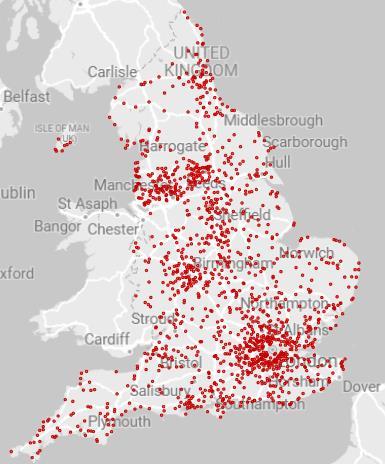
There are 11.1 million people engaging with golf per year in England There are over 1800 affiliated golf clubs and facilities in England
With millions of people engaging with golf in England each year and extensive areas of managed green spaces, golf has both the reach and responsibility to lead. By improving resource efficiency, reducing carbon footprint and protecting biodiversity, the sport can enhance course resilience, reduce costs, and set a positive example for sustainability in sport.
Challenges
Land Use Pressure
Perception & Participation
Growing demand for land and limited membership diversity make some golf clubs vulnerable to redevelopment. Strengthening local engagement and showcasing golf’s social and environmental benefits are key to securing long-term course protection.
Legislative Changes & Restrictions
Tighter regulations on fertilisers and pesticides, coupled with supply constraints, are increasing costs and complicating turf management. Courses must adapt to maintain playing quality while meeting environmental standards.
Rising Costs, Resources
Staff Retention
Rising costs for turf care materials, fuel, and equipment are stretching course budgets. Ongoing staff shortages in greenkeeping and hospitality add pressure, challenging clubs to maintain course quality and service standards.
Rising Temperatures Water Scarcity
Hotter, drier conditions are increasing competition for limited water supplies from sectors such as agriculture and energy. Golf courses must adopt sustainable water strategies, improve irrigation efficiency and select droughttolerant plant species to maintain playability and resilience.
Rising Energy Prices
Higher fuel and electricity costs are driving up the expense of irrigation, mowing, and clubhouse operations. Investing in energy-efficient systems and renewable sources can help clubs reduce long-term costs and emissions.
Coastal Erosion, Sea Levels
Extreme Weather
Rising sea levels, flooding, and severe stormsthreaten course stability and playability. Proactive adaptation and resilient design are vital to protect playing areas, assets and minimise operational disruption.
Opportunities
Reduced Operating Costs Waste Management
Sustainable decisions across maintenance, resource use and purchasing can significantly reduce running costs and cut the amount and types of waste a course produces. Clubs can also access funding for improvements, strengthening both financial and environmental resilience.
Increase Biodiversity
Enhancing biodiversity in both in-play and out-of-play areas supports healthy ecosystems, reduces risk of pest and disease, and enriches the landscape. This improves course resilience and the overall playing experience for golfers.
Reducing energy use, transport, and material waste lowers costs and emissions. Depending on the site, clubs can explore solar, wind, or other renewable technologies to improve self-sufficiency and environmental performance.
Course Playability Water Resilience
Efficient water use and on-site capture reduce requirements while maintaining course quality. Integrating natural flood management supports local communities and ensures reliable irrigation, building resilience to drought and extreme weather.
Reduce
Chemical Input
Gradually reducing fertiliser, pesticide, and fungicide use improves turf and soil health while maintaining playability. Exploring alternative management approaches prepares clubs for future regulations and supply challenges and protects local biodiversity.
Community Ties
Sustainability strengthens a club’s reputation and demonstrates leadership to members and the wider community. Partnerships with local suppliers and initiatives that highlight environmental and social value help protect the long-term future of the course.
Carbon Reduction Efficient Energy Use

Deliver tangible and measurable impact; reducing use of resources and improving natural habitats

Golf to become a leader in the sports industry for driving environmental and social impact in our communities

To showcase our tournaments as an example for sustainability 4 3 2 1

Support golfing facilities and golfers to embed sustainability into decision-making

GOALS
Deliver tangible and measurable impact; reducing use of resources and improving natural habitats 1
Identify data requirements and put mechanisms in place to measure and track necessary information
Golf to become a leader in the sports industry for driving environmental and social impact in our communities
Support golfing facilities and golfers to embed sustainability into decision-making
Work with the sports industry to share best practice in driving environmental and social impact
Work with suppliers to measure the impact of goods and services procured
Plan for how difficult-to-measure data will be captured in the future and set budgets and timescales
Implement mechanisms to support affiliated golf clubs, facilities and golfers to make impactful progress in sustainability
Set up a steering group with leading organisations and experts to guide methodology, ensure credibility and champion findings
Seek opportunities to work with partners, sponsors and suppliers to drive impact beyond golf
Dedicated to providing golf clubs, facilities and golfers through fostering learning and providing tailored support
Identify and implement transformative initiatives to reduce the impact of tournaments 2 3 4
To showcase our tournaments as an example for sustainability
Collaborate with venues and tournament stakeholders to improve the sustainability of events
Maintain current, informative and userfriendly resources to support golf to make progress across all 12 sustainability principles
Measure and communicate and replicate successful initiatives at all events


Principles of Sustainability
(Aligned to British Association for Sustainable Sport)
Environmental Responsibility


Social Progress

Economic Activity

Effective initiatives and projects address multiple principles at once to maximise benefits.


FOCUS


Water Resources
Water management is arguably one of golf’s biggest challenges. As our climate changes and rainfall becomes more intense, we are seeing more periods of flooding. Then, with hotter, drier summers, the challenge turns to finding sustainable, affordable sources of water to use in irrigation.


Energy & Emissions
Biodiversity & Habitats
The space we utilise for golf in England is sizeable, and the moral responsibility that comes with that means managing courses with nature in mind is imperative. Out-of-play areas offer significant opportunities for wildlife to thrive, so club management policies must embrace this.

Global emissions are accelerating climate change, so reducing them is fundamental to our future. With energy costs rising, exploring initiatives that decrease usage helps reduce emissions and saves golf clubs money.

England Golf Commitments

England Golf’s Commitments 2025-2030

Work with the water industry to find practical solutions to the challenges faced by golf
Work with golf clubs to support with planning for increased water resilience and selfreliance
Investigate funding solutions to support golf clubs with investment in water resilience

Commission an internal energy audit, implement a carbon reduction plan, which includes the switching of energy supplies to certified green sources
Encourage employees and volunteers to move towards greener transport including increased use of EVs and efficient route planning
Engage our partners, sponsors and suppliers to reduce their emissions

Showcase benefits of golf courses to local communities, by providing evidence of the environmental value of golf
Understand existing habitat composition across golf courses by completing national baseline mapping and identifying the greatest opportunities for enhancement
Provide guidance on strengthening ecological networks, regional biodiversity priorities and animal species richness




Create an action plan, ensuring first that legal requirements (such as waste segregation) are met, tackle areas where biggest impact can be made and budgeting for longer-term projects

Carry out a water audit to identify current consumption and sources
Seek opportunities to increase community engagement, focusing on social, health, wellness and educational initiatives and linking to nature
Sustainability on the Board agenda, support with sustainability data collection and survey completion
Carry out an energy audit, look at what uses the most consumption, is there an opportunity to install timers or reduce usage?
Use local resource option studies to identify opportunities for resilient water supplies
Consider what adaptations are/ will be required, obtain quotes, compile business cases and include in budget planning
Switch energy supplies to certified green sources
Investigate opportunities for on-site generation
Work with local organisations and specialists to align with local nature recovery strategies
Take part in targeted, annual monitoring of key species on your golf course
Leverage England Golf’s habitat mapping results for your club and use it to identify opportunities for enhancement


Golfer’s Commitments 2025-2030

Challenge your golf club to be more sustainable, include sustainability as a criteria when choosing which club to join
Be understanding during dry spells if your playing areas aren’t as green as usual
Use your membership votes to support investment in sustainability initiatives Don’t forget your reusable water bottle or coffee cup
Support your golf club with their transition to self- sufficient water supplies
Ensure your personal water usage on site is responsible and let your club know if you spot leaks or dripping taps
Consider switching to greener transport, make the move to an electric car and/or car share when you play. If you’d like to cycle, encourage your course to provide storage.
Make sure you don’t leave anything on the course, switch to natural tees and pick up broken ones
If you’re playing in competitions, or for fun further afield, consider using public transport
Consider what you can do outside of golf to reduce your emissions, switch to a green energy supplier
Let your golf club know if you’ve seen unusual species out on the course
Suggest and support your club’s initiatives to improve the nature at your club
Sustainability Plan 2025-2030
VISION
PURPOSE
GOALS
To lead golf to become more sustainable, to create positive change, and to secure a long-term future for golf in England
Deliver tangible and measurable impact; reducing use of resources and improving natural habitats
Golf to become a leader in the sports industry for driving environmental and social impact in our communities
Support golfing facilities and golfers to embed sustainability into decision-making
To showcase our tournaments as an example for sustainability
Reach out to us today at sustainability@englandgolf.org, for support. We have a wide range of tools, resources and experts on hand to help any kind of golfing venue or facility

Time for Action
“Golf not only has a huge opportunity to future-proof itself against the challenges of climate and social change, but if we act collectively, we can also create a platform to showcase the incredible sustainability actions our sport continues to drive.
Having a positive impact on the environment is paramount to the ongoing success of golf, and all of us at England Golf are proud to play as energised a part as needed in accelerating progressive change.”
Jeremy Tomlinson, CEO, England Golf