


Decarbonization Fundamentals in Manufacturing | © ENGIE Impact 2022 All Rights Reserved

As part of ENGIE Impact’s 2023 Net Zero Report survey of more than 500 senior decision-makers with decarbonization responsibilities within their organization, 43% of respondents from the manufacturing industry stated, for instance, that navigating regulatory requirements across different jurisdictions was a major barrier. Among all other industries surveyed, only 28% considered it a major barrier.
More than two-thirds (68%) of manufacturing industry respondents said their organization has made public commitments around Scope 1, Scope 2 or Scope 3. Among other industries surveyed, only about half (52%) had made similar public commitments.
In a market that inherently requires an immense amount of thermal energy, power, and water, and that has historically been a major contributor to waste and carbon emissions, manufacturers are looking both at their own production processes and to supply chains — how materials are sourced, produced, and distributed to find ways to meet their decarbonization targets.

And while, based on the same survey, decision-makers in manufacturing agree they’re on track to meet their short-, medium (by 2025) and long-term (beyond 2030) milestones — more so than any other industry surveyed the manufacturing industry still faces many potential barriers to achieving those goals:
• Current geopolitical issues may delay decarbonization efforts as uncertainty and cost of energy rise, along with local access to alternative fuels such has biomass, biomethane, and hydrogen potentially still being limited
• Emerging technologies are still unproven or not yet mature enough to justify investment, and there are limited fuel and technology alternatives for high process temperature applications
• Corporate-level stakeholders and site-level stakeholders may not be aligned on the best path forward with upper management setting specific targets without the consideration of site operators who are managing long-life assets.
• Large capital investment is needed in a sector with low margins, lack of agreement on proper measures of project quality, and with a commonly used ROI-mindset instead of total cost of ownership (TCO) considerations.
Not only does the manufacturing industry face unique decarbonization challenges, but they are positioned - and often expected - to be leaders in addressing Scope 1, Scope 2 and Scope 3 emissions.
Manufacturing companies know they have to set ambitious goals and need to act. Understanding the fundamentals of manufacturing decarbonization is the first step.
• Manufacturing Decarbonization from Strategy to Implementation
• Four Major Manufacturing Decarbonization Lessons
01 One: Creating Comprehensive, Integrated Decarbonization Solutions
02 Two: Reducing energy to reduce overall emissions
03 Three: Decarbonizing Heat to Reduce Scope 1 Manufacturing Emissions
04 Four: Building a Strategic Approach to Renewable Electricity
• Overcoming Shortcomings to Decarbonizing the Manufacturing Industry
Successful decarbonization is fundamentally anchored around three dimensions: Levers, Scales and Enablers. Levers directly address emissions sources across the manufacturing value chain — green energy supply, energy efficiency efforts, carbon offsets and more.
Scales define the areas of focus for your decarbonization efforts, eventually reaching across an organization to achieve Net Zero.
Enablers unlock opportunities and accelerate decarbonization of an organization, and include governance models, financing mechanisms, digital tools and more.
This methodology offers organizations the flexibility and rigor to chart the right path toward successful Net Zero transformation — adapting and evolving based on industry, footprint, capabilities and culture
Using these three dimensions, each company can set the right Net Zero transformation agenda based on its industry, footprint, capabilities and culture.
What solutions can unlock progress
Scales
What aspects of your value chain must transform
How can organisations enable success

Integrated solutions across complex systems ensure success, but that synergy may be difficult when trying to align decisions and investments across operations, finance, procurement, and other internal stakeholders. Common decision-making pitfalls include:
• Dependencies between sustainability levers are overlooked, missing opportunities to combine levers.
• Isolated action, typically on what appear to be quick wins, creates an illusion of progress without considering the long-term trajectory.
• Emerging technologies are not considered, locking a manufacturer into long-term emissions that could have been avoided.
To combat those respective pitfalls, organizations should:
• Secure a broad base of stakeholder collaboration and alignment as early as possible.
• Establish a clear roadmap that aligns with near and long-term capital asset replacement and upgrades
• For those future decisions, consider optionality for sites so they can take advantage of emerging innovations and technologies.
• Understand the relative benefits and drawbacks of each energy vector and ensure compatibility with existing manufacturing processes and assets.
These may require a fundamental shift in how manufacturers plan and operate — especially how they finance these decisions. Traditional capital allocation guidelines prioritizing return on investment (ROI) or a payback cut-off on a relatively short timeframe cannot deliver on decarbonization targets as quick payoffs may prematurely eliminate emerging technologies.
Shifting from ROI to total cost of ownership (TCO) by comparing multiple technology scenarios, incorporating optionality (considering future technologies and sourcing) and performing risk-assessment through sensitivity analyses of key parameters creates improved visibility on the full budgetary impact of decarbonization. Each investment should be considered as a piece within a dynamic energy system, driving investments for the entire organization — including its role in future decarbonization efforts — while keeping the door open to future innovations
Even with alignment among operations, finance, procurement, and all the various other stakeholders, there will still be site-specific implementation to consider — potentially decelerating momentum around your decarbonization. Balance local initiatives with centralized priorities by:
• Sharing experiences and best practices. Individual sites will use different standards in engineering, maintenance, and operations, but that doesn’t mean they need a different understanding of the dynamic sustainability options available to them. Sharing insights with partner sites, what future technologies they’re considering, or region-specific implications can drive synergies, standardization among innovative solutions, and accelerate change.
• Keeping transaction costs in check. Locally managed contracting and procurement drives up soft costs of your decarbonization efforts. Identify where the economies of scale are across multiple sites or regions.
• Transforming at pace. Sites may not be eager to be the test case, venturing alone into unproven technologies. Where possible, implement transitions in a multi-stakeholder, collaborative setting to increase harmonization across the business.
Transitioning from the beginnings of decarbonization implementation to a standardized, repeatable, multi-site implementation can typically be summarized in five steps:

1 Find a pilot location where both local and central stakeholders can easily meet to examine the most favorable financial and technical options.
Package the insights of the pilot site into a decarbonization playbook — including technological, technical, and financial data, as well as regional, regulatory and market context.
Rene the playbook into solution templates or archetypes for energy systems and share them with the other sites.
Standardize footprint assessment and prioritization efforts in order to make quicker, educated decisions that avoid considering too many solutions.
Deploy at scale by sharing templates to facilitate programmatic solution across multiple sites, active co-creation among stakeholders, and drive decarbonization at scale.
Reducing overall energy use is often the most effective and efficient way companies can reduce greenhouse gas emissions and other pollutants.



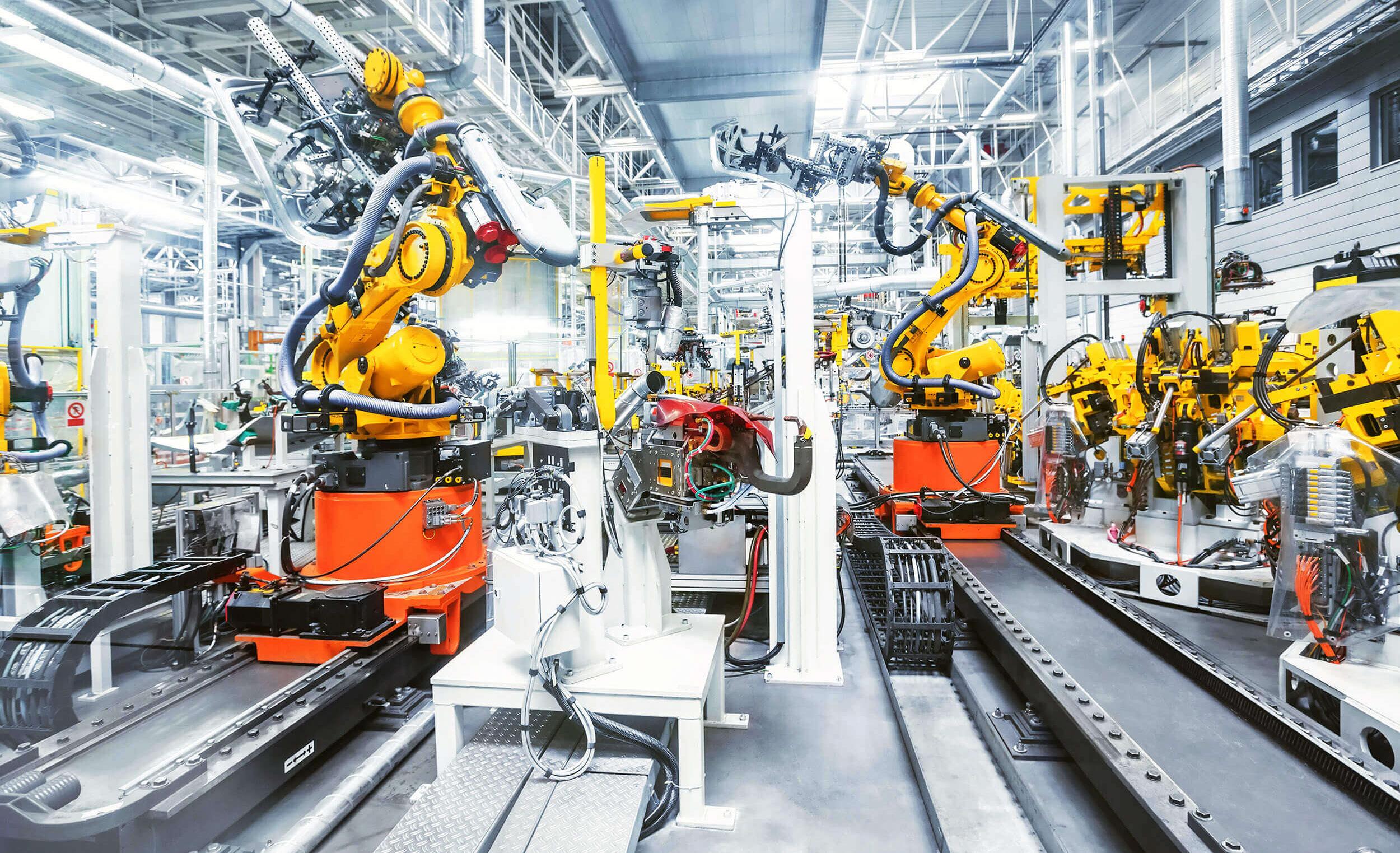
While often seen as primarily a cost-reduction measure, reducing energy use is also one of the best decarbonization levers — enabling emission and cost reductions simultaneously, usually with a good return on investment — although the scale of potential gains can vary based on facility age, asset condition, industry type, and current energy management practices.
Energy efficiency can be split into two complementary streams:
Reducing final energy demand (using less energy) can itself typically be addressed it two ways. Technical solutions can drive energy-saving projects for compressed air (pressure optimization, leak control), steam and hot water use (thermal insulation, control of networks) and lighting (LEDs, motion and light sensors), while employee awareness can drive behavioral change toward industrial decarbonization efforts.
Optimizing utilities production (using energy more efficiently) can raise challenging questions — is steam the right heat carrier to use, or might hot water be sufficient? At what temperature should the heating networks be? Is the combustion on boilers being properly controlled through O2/ CO2 probes? Are chillers being optimized to external temperatures? which will identify some easy fixes requiring minor system adjustments, as well as opportunities to harness broader untapped potential.
Having the right governance and enablers in place can help enable the requisite transformation. Understanding the common pitfalls, and how to overcome them, is essential.
• Energy efficiency is not a one-off exercise. Decarbonization is a continuous process requiring company-wide buy-in. Identify energy efficiency champions at each site who will continually dedicate part of their time to monitoring efficiency, drive energy saving measures (like a regularly scheduled compressed air leak repair program), and keep the team energized about meeting decarbonization targets
• Access to CAPEX and/or financing solutions may be limited. Energy efficiency investments compete for corporate funds and may include difficult recommendations like replacing functional assets with highly efficient alternatives. To combat this, it is imperative to change investment mindsets from return on investment (ROI) to total cost of ownership (TCO), which will typically show cost savings or no added cost, while also locking in future efficiency benefits.

Various innovative business models can support the implementation of energy efficiency programs, speed up the process and ease pressure on CAPEX.
• Energy savings as a service (ESaaS) targets a reduction of final energy consumption. As an example, when a company is thinking about upgrading the lighting system with an LED retrofit, the costs involved may cause them to delay. When done as ESaaS, another company covers all the costs of the energy-efficient LED upgrade as a complete turnkey project, for which your company pays a monthly fee. This provides you with energy savings without an upfront cost, depending on the type of action and location as it may not show up on your balance sheet and can provide immediate cash flow — as the budget for electricity with inefficient lighting will exceed the cost once the LED lights are up and running.
• Utilities as a service (UaaS) target the optimization of utilities production and distribution. In this scenario, a company will be replacing boilers, compressors and chillers. Rather than investing in them directly, the company will be purchasing steam, hot water or compressed air per MWh. The energy savings are realized without up-front CAPEX and it may not show up on the balance sheet, while significant efficiency improvements are realized that help reduce emissions and save costs on operations and maintenance as well.
With both ESaaS and UaaS, the improved efficiency and cost savings can be significant if one considers rolling out these programs across multiple sites and multiple levers, such as HVAC, compressed air, water and waste, as well as the energy demand management services that optimize them.


• Energy efficiency projects must be implemented. A company can develop an energy efficiency action plan and fund it, but if those funds are put toward production instead of a well-considered efficiency model those benefits won’t be seen. Proper governance from management and the proper incentives must be in place to see that corporate targets are cascaded down to individual sites.
• Site success should be scaled. While energy efficiency projects may be implemented on a site-by-site basis, tools and efficiency mentality should be in place to share best practices with partners. If a lever is identified at one site, it should be shared with a partner site, creating synergies and transversality, and accelerating decarbonization at pace and scale.
Continuous improvement requires dedicating resources to identify, analyze, understand and correct deviations from the plan. Having granular monitoring tools — referred to as energy management and information systems (EMIS) — can track energy usage and are significantly aided by artificial intelligence (AI)-enhanced software with automatic alerting, intelligent reporting, defining of baselines and be used to continuously monitor production efficiency kWh/lb or kWh/part. It is harder to track something not consumed than something that is consumed, so it is useful to have a standard such as the International Protocol for Measurement and Verification of Performance (IPMVP). And, of course, an established team to monitor activity and manage corrective or preventive action is vital for ongoing program improvement.

Industrial heat can result from both primary feedstock use (processing of gas, coal, oil, etc.) or from secondary feedstock use (using electricity to create compressed air). Heat is diffcult to decarbonize for several reasons, including:
• Unlike electricity, industrial heating has a variety of temperature and quality requirements, serving multiple needs that may require low-, medium- or high-temperature heat, thus needing multiple thermal solutions.
• Thermal heat solutions proposed must be compatible with the specific process it serves, as well as with the reactor — the place where the process reaction occurs — which might have some limitations or required adaptations
• There is potential for elevated operational and commercial risk. For instance, installing a biomass boiler to replace a gas-based asset requires a new operational method, a new fuel supply (such as wood chips), new sourcing avenues and new handling and storage capabilities on-site.
• Some heat decarbonization solutions are still in the early stages of commercialization and development, particularly for high-temperature requirements. That is a major concern for manufacturing sites, which require reliable assets. Any new solution also needs to be compatible with the strict safety standards for each site.

• Carbon leakage (transferring production to countries with laxer climate restraints) can occur should the decarbonization of heat at one site change that site’s production costs — spurring the transfer of production elsewhere.
• Energy assets generally have a long life and may not have reached their end of life before new assets are acquired and deployed on-site, leading to stranded assets.
Compounding these challenges is the scale of the issue. The industrial sector consumes about 32% of all energy globally, with heat representing about three-fourths of that consumption, the rest being electricity. It is a massive vector. Half of all industrial heat required high temperatures and 90% of all industrial heat is currently generated with fossil fuels.
Proven solutions for decarbonizing heat — for a range of temperature requirements — are available today including geothermal solutions, biomass, electric boilers, solar thermal and heat pumps, as well as biogas and biomethane for higher temperature needs. Identify which solutions are relevant for a site and its activities by assessing:
• Sourcing availability of technology for that location
• Regulatory constraints or incentives that would either disqualify or favor the technology
• Commodity price evolution and potential commodity scarcity issues
• Physical constraints (asset size vs. available space)
• Technical and operational requirements
A sample assessment of two popular options for decarbonizing heat solar thermal and industrial heat pumps — may address the following:
• Solar Thermal is a mature, commercially available solution with negligible operating costs, limited maintenance, and a long life expectancy (20-25 years). Its efficiency, however, is latitude dependent, so the amount of heat one may expect from employing that technology, and thus the economics of the solution, depends on the location. It is also an intermittent energy source, which means it can never fully cover our heating needs, requiring other solutions such as thermal storage to compensate. Fortunately, significant innovation has occurred in the solar-thermal space, particularly for addressing higher temperature needs.
• Industrial Heat Pumps make use of active heat recovery and perform three basic functions: receive heat from waste-heat sources, increase waste-heat temperature and deliver useful heat at elevated temperatures. This is a maturing technology for hot water and low-temperature steam but is still immature for medium to high temperature applications. These pumps are highly efficient (although efficiency reduces as the temperature requirement increases), mediating the high investment cost with low energy consumption costs, but you must make sure the electricity you are sourcing is green — otherwise, your heat pump will not contribute to the decarbonization of your operations.
Assessments like these can help determine which solutions will have the greatest impact at the lowest cost.
There are also some emerging innovations around heat decarbonization, primarily focused on addressing medium- and high-temperature heat, including:
• Hydrogen can be used with existing assets. Up to 20% can typically be mixed with natural gas without any additional adjustments, resulting in partial decarbonization. With burner retrofits on an existing assets, 100% hydrogen use may be possible.
• Biomass Gasification is in its early stages of commercialization and allows the conversion of biomass feedstock into a gaseous fuel called syngas (synthetic gas), which can be used in conventional equipment or even fuel cells.
• Electroprocessing is the electrification of equipment in the process itself — for example, replacing gas burners with electric furnaces.

High-temperature heat pumps, concentrating solar power plants and carbon capture, use and storage are all innovations driving new opportunities. Any technology may require additional capital expenditure and equipment, but should also consider emissions abated and overall Net Zero ambitions.

A few key factors for implementing a strategy successfully:
• Proof of concept: Before scaling across multiple sites, pilot sites can be used to test new technologies and develop learnings specific to your organization.
• Lead by example: More than just a testing ground for ideas, pilot programs and pilot sites create ambassadors and leaders, tangible examples and passionate people.
• Prioritization: Different sites may provide different benefits as part of the pilot program, so it is beneficial to understand its emission reduction potential, the cost solution, readiness, regional implications, local subsidies that may be available, and potential replicability.
• Investment: Capital expenditure is not the only financial implication to consider. Analyze your decarbonization investments not only from a return-on-investment perspective but from a total-cost-ofownership perspective.
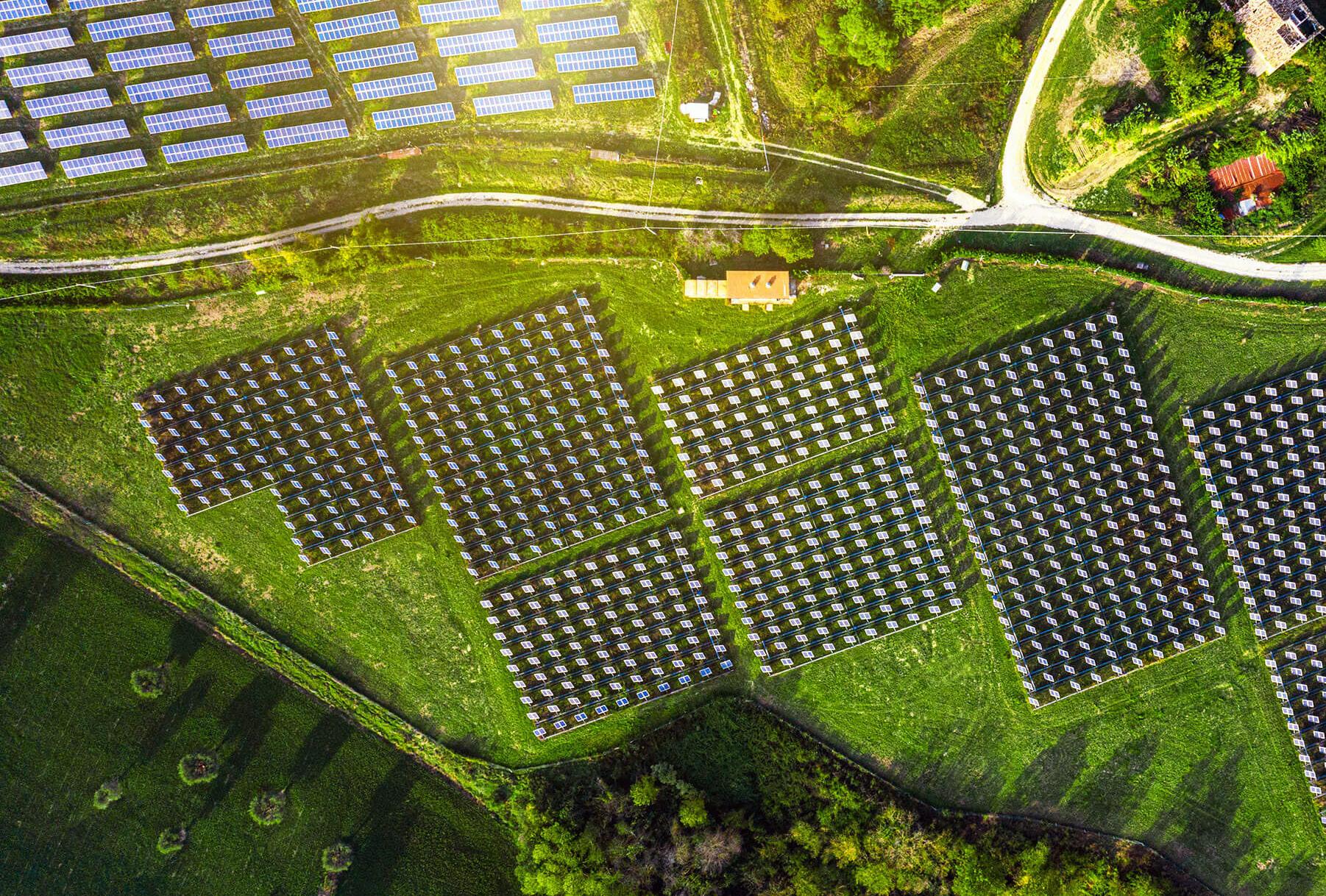
Renewable electricity options have matured in recent years, becoming readily accessible to companies aiming to procure renewable power at scale. Companies should consider five categories of renewable electricity sourcing options:

• Energy Attribute Certificates (EACs) — a generic term for RECs (Renewable Energy Certificates, in the USA and Canada) or GOs (Guarantees of Origin, in most of Europe) — are instruments for tracking renewable electricity generation. They serve as proof that one unit of renewable electricity (1 MWh) has been generated and delivered to the electric grid. Acquiring them enables consumers to offset 1 MWh of onsite electric consumption and associated Scope 2 emissions. EACs are a quick and short-term solution that can be purchased unbundled and independent of existing electricity supply contracts or bundled with existing and future supply contracts.
• Green Retail products are bundled contracts for electricity from a local, named renewable energy asset and EACs with a supplier. They allow customers to easily procure physical renewable electricity along with certificates by paying a premium through their power supply contract. The duration of the agreement is associated with the duration of your power supply contract, typically one to five years. Similarly, regulated utilities may offer Green Tariffs, which function virtually the same as Green Retail but is executed through a tariff change instead of a supply contract.
• Physical/Direct Power Purchase Agreements (PPAs) are long-term contracts (10-20 years) for offtake of electricity from a developer’s on-site or off-site renewable energy asset. Contracts are typically structured as fixed-price agreements, allowing customers to hedge against future retail rate increases. PPAs are third-party owned and operated, require no capex investment, and allow facilities to reduce purchased electricity from the utility or supplier. PPAs can significantly accelerate deployment of renewable power but may entail additional complexities.
• Virtual Power Purchase Agreements (VPPAs) are long term agreements (10-20 years) to purchase generated RECs from a developer’s wind or solar asset. Unlike Physical PPAs, VPPAs do not involve the physical offtake of energy. Rather, customers guarantee the seller a fixed price for energy and are compensated with RECs and the difference between the strike/fixed price and the market price (contract for differences). VPPAs allow customers to procure large volumes of RECs to offset Scope 2 electricity usage and emissions but come with complex contracts, financial considerations and significant lead time.
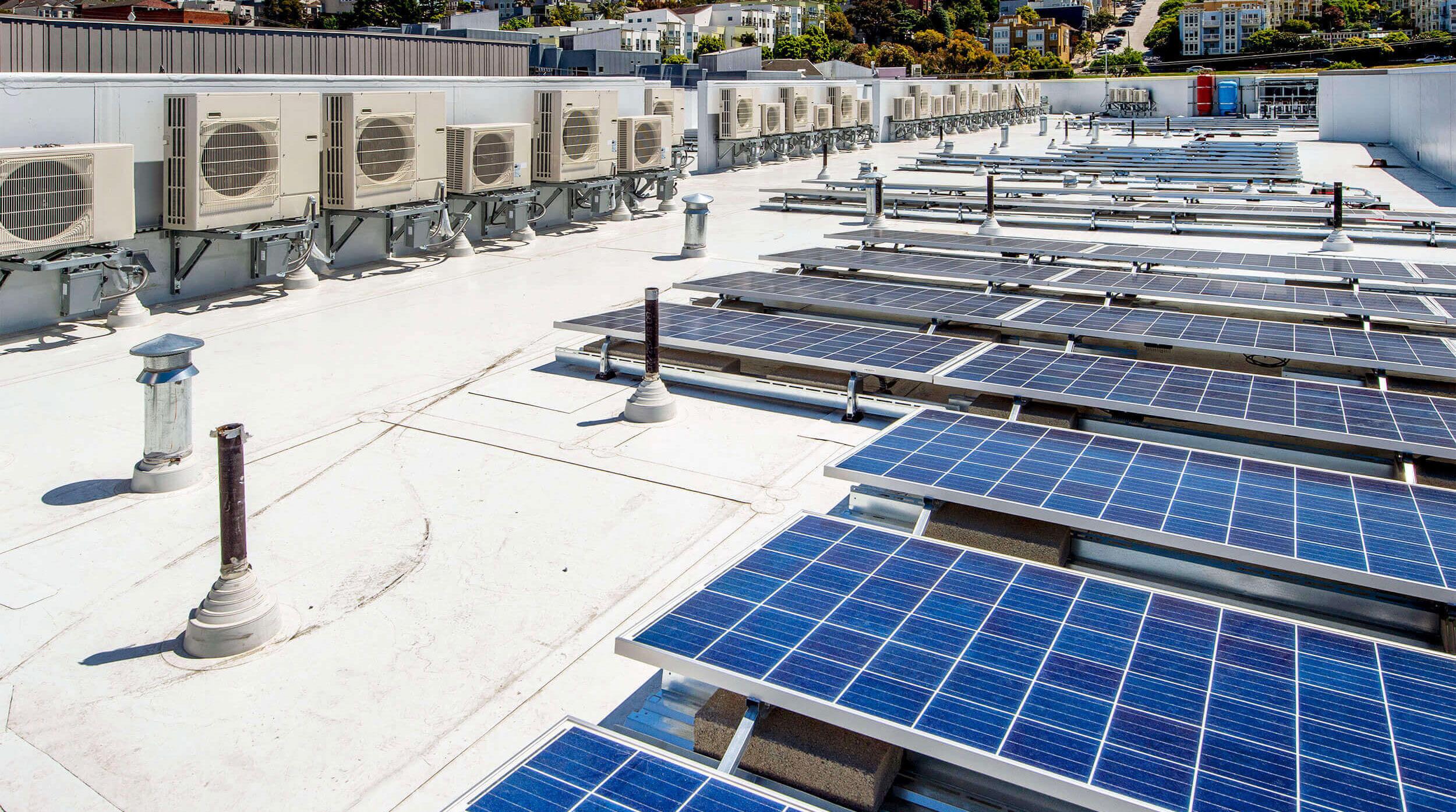
• On-Site Solar PV (Or Wind) are relatively small installations that might be placed on a rooftop, owned land or carport. There is a direct connection between the renewable electricity asset and the site, enabling direct use of the energy produced, providing strong additionality and proximity. On-site installations involve direct investment (CAPEX) and the customer is the owner and operator. As on-site installations are limited to available land, typically only a portion of total electricity usage and emissions can be offset. Financial feasibility of on-site projects should take into consideration existing net-metering programs and O&M.
Each solution has advantages and disadvantages, so corporate decision-makers should use these criteria when seeking the most advantageous mix of renewable electricity sourcing options:
• Feasibility refers primarily to the availability of renewable electricity sourcing options in a geographic location and should be taken in consideration with the compliance of this solution with the company’s decarbonization commitment, such as RE100 or a Science-Based Target. Also associated with feasibility are complexity and the time needed for implementation. Product options that are complex or require significant lead time (VPPAs, PPAs, onsite installations) may not be feasible to achieve near-term targets. Likewise, simple product options (EACs, Green Retail) with short lead times may become cost prohibitive and provide limited movement towards goals in the long-term
• Quality ensures additionality and aims for future-proof solutions, referring finally to the degree to which a solution helps combat climate change. More specifically, it concerns whether the RE solution acquired directly contributes to the development of a new RE generation asset, in which case its additionality is high. If one sources from an existing asset, the additionality is classified as low. Beyond additionality, the criteria determining quality include: temporality, or whether the time of production matches that of consumption, and locality, or the distance between where the load is consumed and where it is produced.
• Economics refers to the comparative cost of the solution, its savings potential, payback period, whether an investment of a company’s own capital or a long-term financial engagement is required, and the exposure or hedging it can provide against future market developments. Experience shows the opportunity for savings typically comes at the cost of long-term engagement and a long-term position in the market.
Corporate PPAs are attractive because they contribute to the fulfillment of sustainability goals while delivering economic and branding benefits. A renewable corporate PPA is a contract between an offtaker and a developer to purchase electricity from an offsite renewable project. The offtaker commits to purchase either part of or the entire output from a specific asset at an agreed price for an agreed amount of time, typically more than ten years. This structure limits exposure to power price variability, while direct sourcing from renewable producers ensures long-term energy cost affordability.
This familiar option concerns a renewable electricity source installed at the consumer’s facilities to cover part of the power consumption, usually in the form of either a rooftop or carport solar PV installation, or wind generation. There is a direct connection between the renewable electricity generator and the site, enabling direct use of the energy produced, providing strong additionality and proximity by delivering instant and unique GHG (greenhouse gas) reduction that can be included in one’s sustainability reporting. The downside is that the limited volumes produced by self-generation are usually only between two and five percent of the electricity consumption of the entire site, depending on available surface area and intensity of consumption. There are, however, integrated solutions that can expand onsite production and consumption coverage.
The manufacturing industry’s greenhouse gas emissions are already substantial, and growing demand will only intensify the pressure businesses are under to sustainably manage resources and optimize the efficiency of their projects. Leading companies are more committed than ever to reducing those emissions and taking bold action on climate change and sustainability, and many are even optimistic about their ability to deliver.
But when we look closely at the effectiveness of corporate decarbonization programs, we see that only about 25% of businesses are on track to meet their targets — likely due to a lack of attention paid to organizational enablers.
Unfortunately, companies often lack the governance, financing and operational tools to enable the Net-Zero transformation.They can mitigate these shortcomings by:

• Understanding the importance of stakeholder engagement
• Tapping into governance, incentives and finance
• Leveraging data and digitalization
• Building a programmatic approach and overall strategy
To truly transform, companies need to cultivate high levels of ownership across the organization and design an operational infrastructure that fosters innovation and collaboration among all its stakeholders.
There are some common groups of stakeholders, which can be instrumental as either drivers of your decarbonization strategy that enables its implementation, or as obstacles to implementation.
• Investors are increasingly interested in companies with an environmental, social and governance (ESG) ambition, yet some investors are solely interested in dividends rather than creating social value, making them less willing to support ESG measures.
• C-Suite alignment is critical, and some may have ambitious targets they would like to achieve. Securing their alignment, however, can also be challenging.
• Employees are another driver pushing companies to become more socially and environmentally aware, and younger people tend to be interested in joining organizations with a decarbonization or environmental mission. Lack of employee buy-in, however, can disrupt even the best of plans.
• Customers have an obvious impact on a business, and the increasing expectation of sustainability as part of their purchasing decisions can lead them to be either drivers or obstacles to your decarbonization strategy.
• Finally, regulators are another strong driver, especially in Europe. The EU plans to reduce net emissions by at least 55% by 2030 compared to 1990 levels (the "Fit for 55" package) in line with the European Climate Law. If we don’t follow that guidance, we will struggle to operate. In other regions of the world however, regulators that incentivize the continued exploitation of legacy fossil fuels form an obstacle to decarbonization.
ENGIE Impact’s Net Zero Factory approach helps clients across the industry bring stakeholders together, ensuring they are decarbonization drivers, and overcome common shortcomings including:
• Lack of expertise: Manufacturing decarbonization is complex, and without a thorough understanding of the various decarbonization levers and pathways specific to the industry — or lacking the resources to evaluate alternative technologies, weigh tradeoffs, de-risk projects, reduce capital expenses, and effectively implement the transformation — it becomes impossible to take a holistic approach to the overall carbon impact.
• Short-term, sliced approach: Decarbonization projects that are implemented independent of a long-term strategy or without considering the overall business impact — and are instead seen only as a cost-saving measure by individual department — don’t bring the efficiencies and knowledge-sharing that allow a holistic decarbonization journey to succeed.
• Constrained financing: Just as alternative energy technologies continue to emerge, alternative green financing solutions and leasing arrangements are available that can help reduce the costs of transformation. Organizations that don’t use sustainable frameworks to guide capital allocation for decarbonization projects miss opportunities to lower their expenditures see improvements to their longterm targets and total cost of ownership.
Setting and achieving decarbonization goals in the manufacturing sector requires both a customized, organization-wide approach, as well as a site-by-site understanding in order to establish the optimal pathway to transformation and long-lasting benefits. By taking into account distinct decarbonization opportunities, evolutions in technology, market dynamics and business expansion manufacturing organizations will be able to implement a cost-optimal emissions approach, gather alignment from stakeholders on a decarbonization roadmap, and customize decarbonization solutions at a facility level in order to also scale decarbonization efforts up from the factory floor to the strategic level of the organization.
Manufacturing faces unique and potentially difficult challenges when working to decarbonize, but with the right balance of strategic advice and applied technical expertise, every organization can establish the necessary renewable infrastructure for the future.