ENDRIT AJETI PORTFOLIO
Part 1 Architecture graduate Academic 2021Selected Works

Part 1 Architecture graduate Academic 2021Selected Works
01. Sustainable Leisure Centre 2
Parametric Design | Algae Integration | Reduce energy use
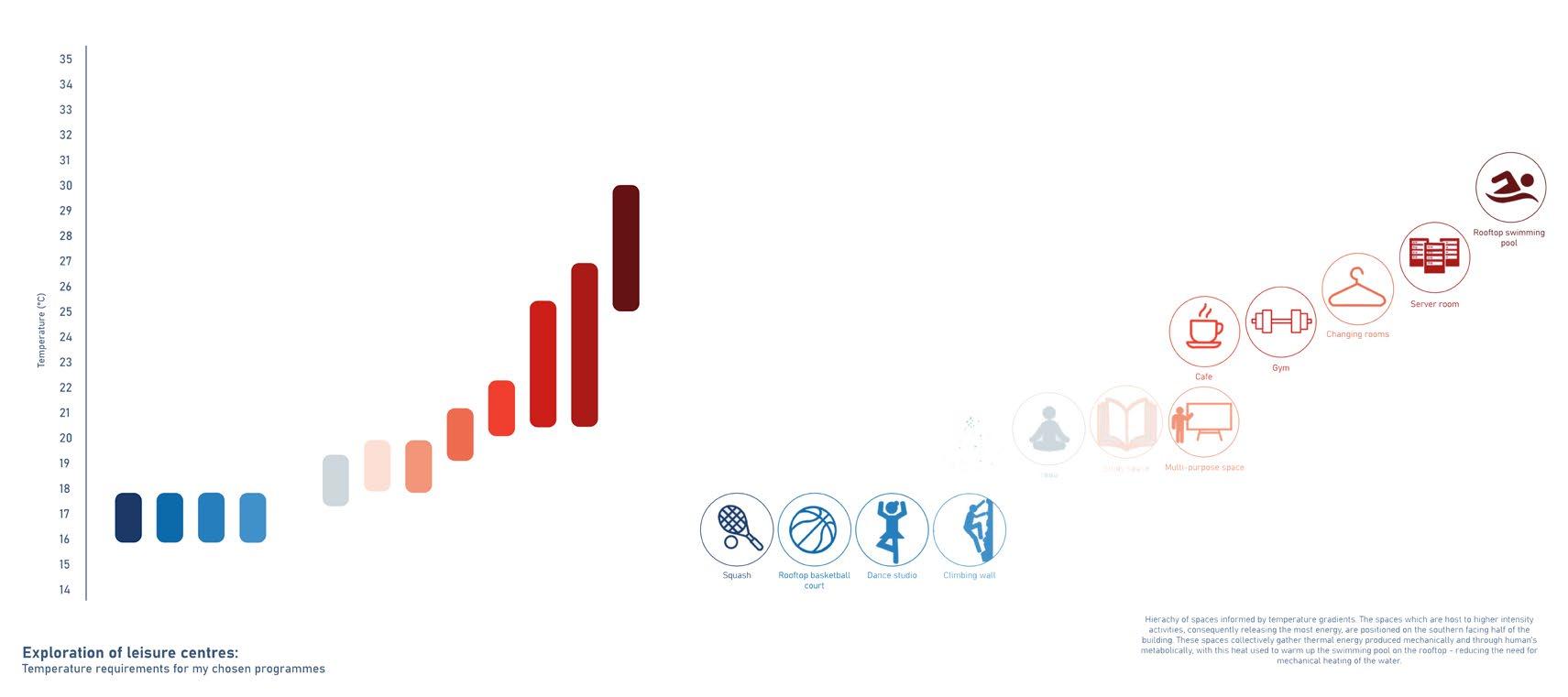
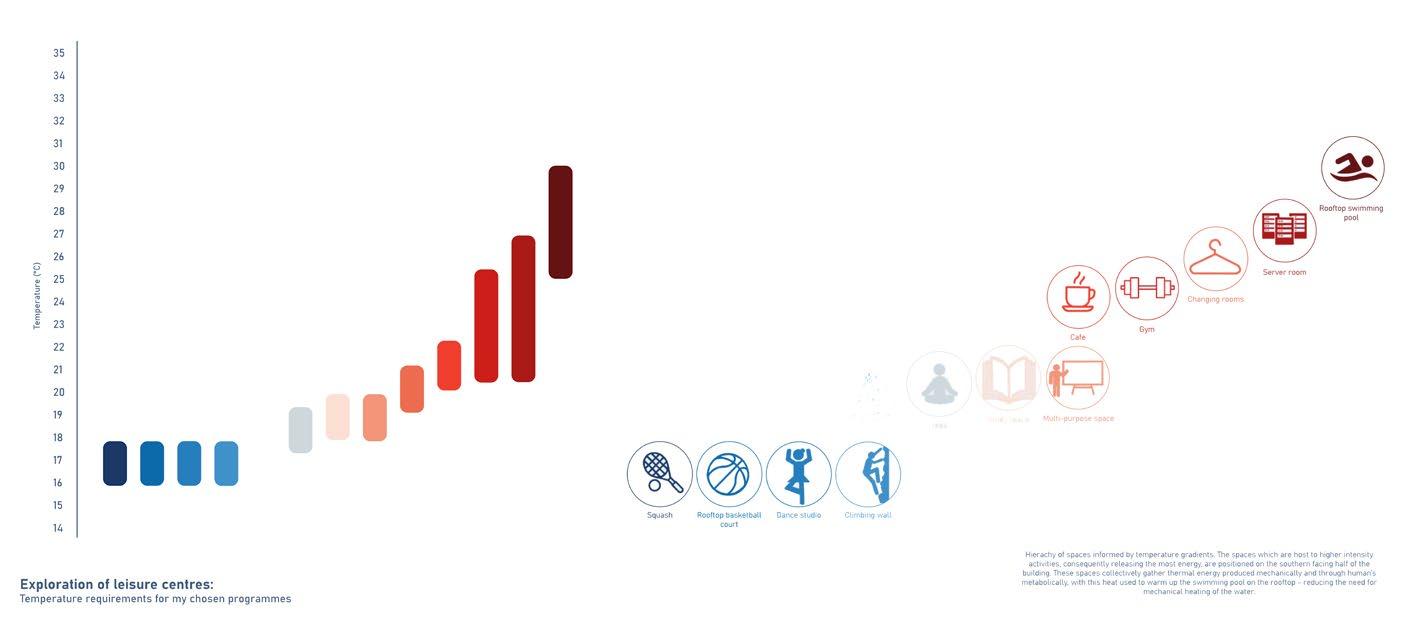
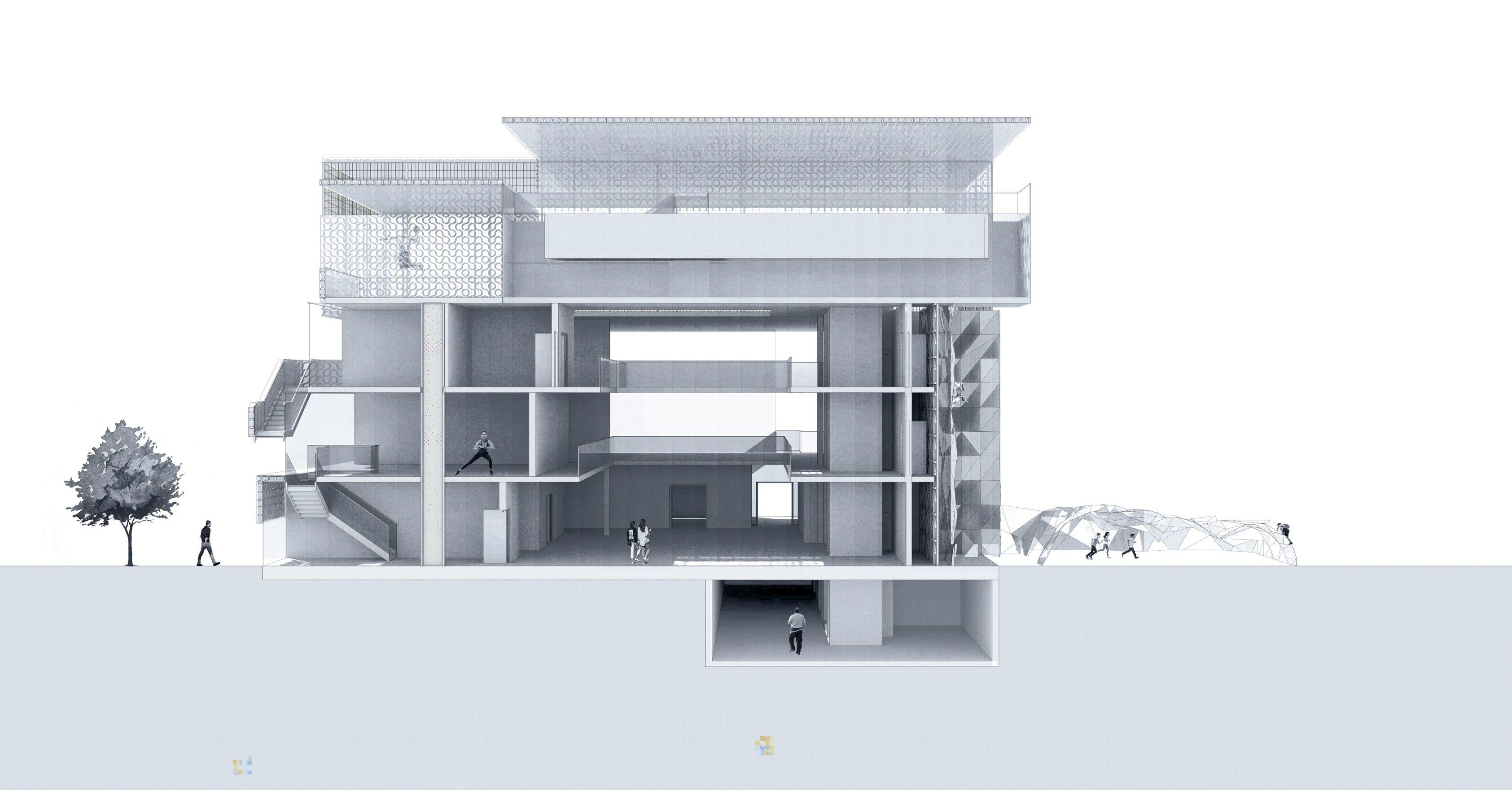
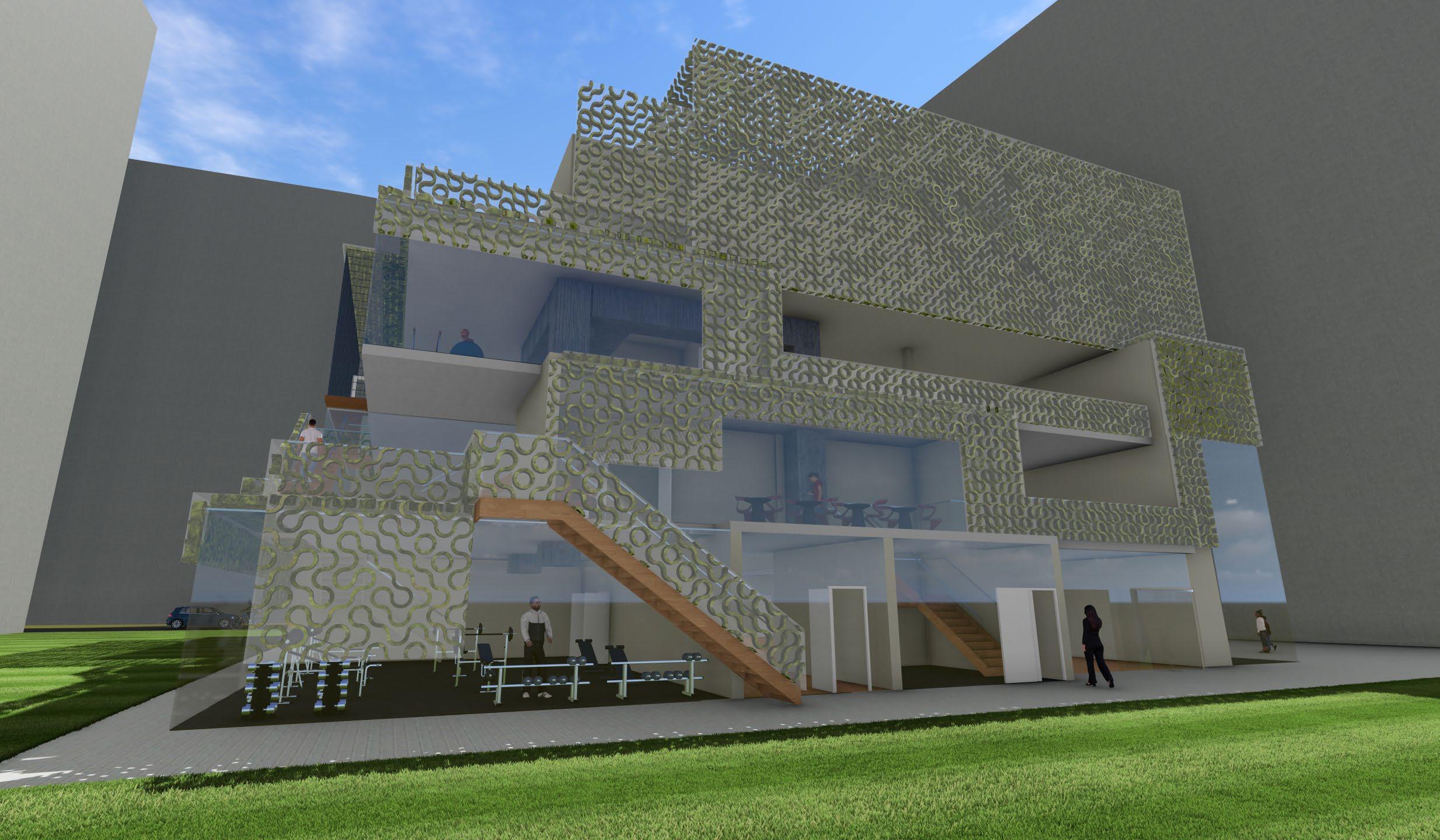
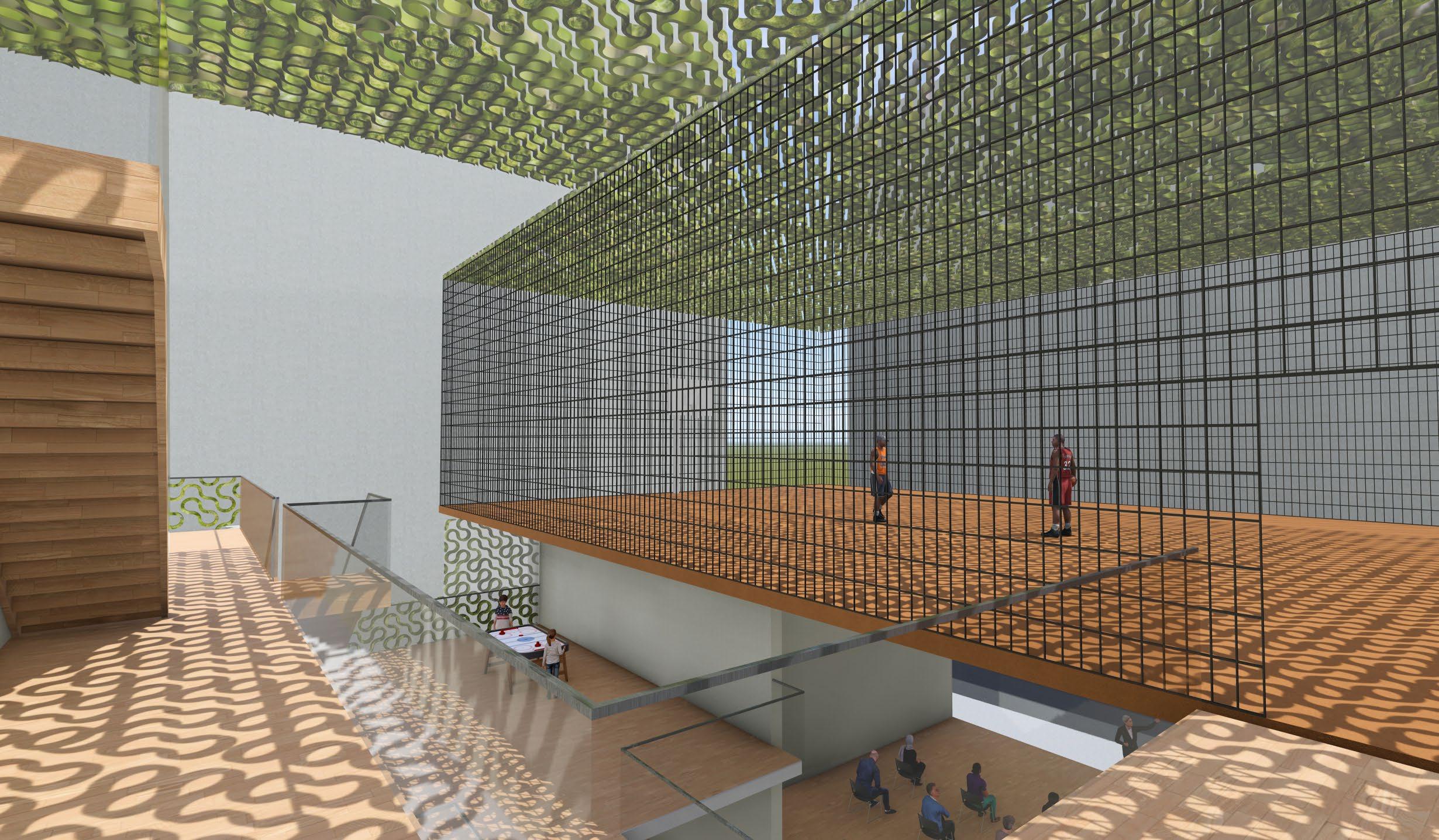
The Sustainable Leisure Centre strives to reinvent the present day leisure centres, which have become power hungry machines requiring immense amounts of fuel and electricity. My proposal seeks to reduce the amount of energy consumed by a leisure complex by utilising thermal energy emitted by individuals performing energy-intensive activities such as exercise to heat adjacent places that require this heat. The aim of the proposal is to reduce the impact of leisure centres on the environment by reducing the need for mechanical heating, cooling and lighting of the spaces (majority is done by controlling the algae skin which encompasses the building). The building also explores the concept of voids and volumes which will enable natural ventilation in which wind passes through the space. The main drivers of the project were the demographic and site context studies, along with analysis of the site’s environmental parameters (Sun radiation and Wind velocity).
Parametric Design | Algae Integration | Promote unuse green spaces
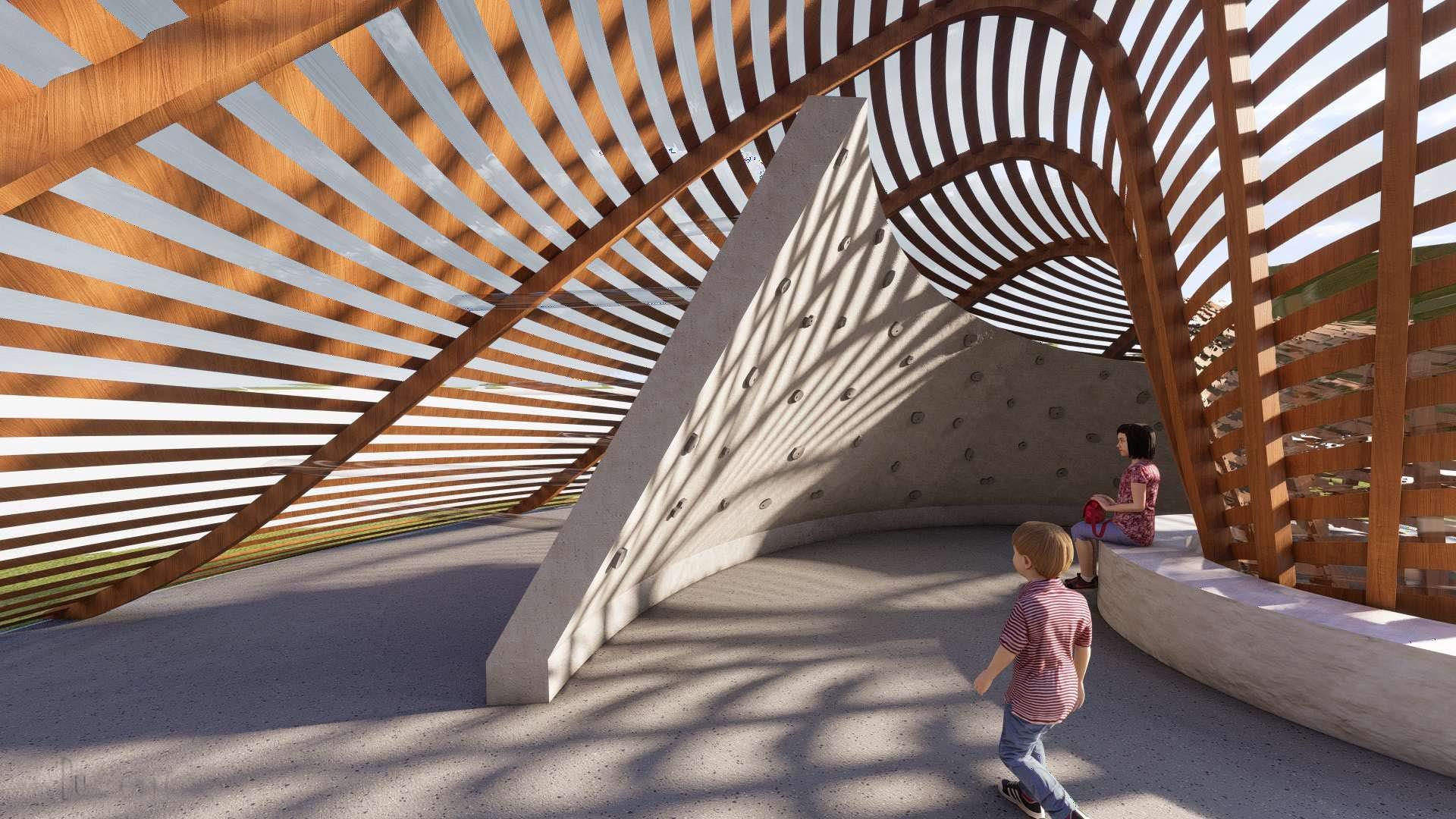
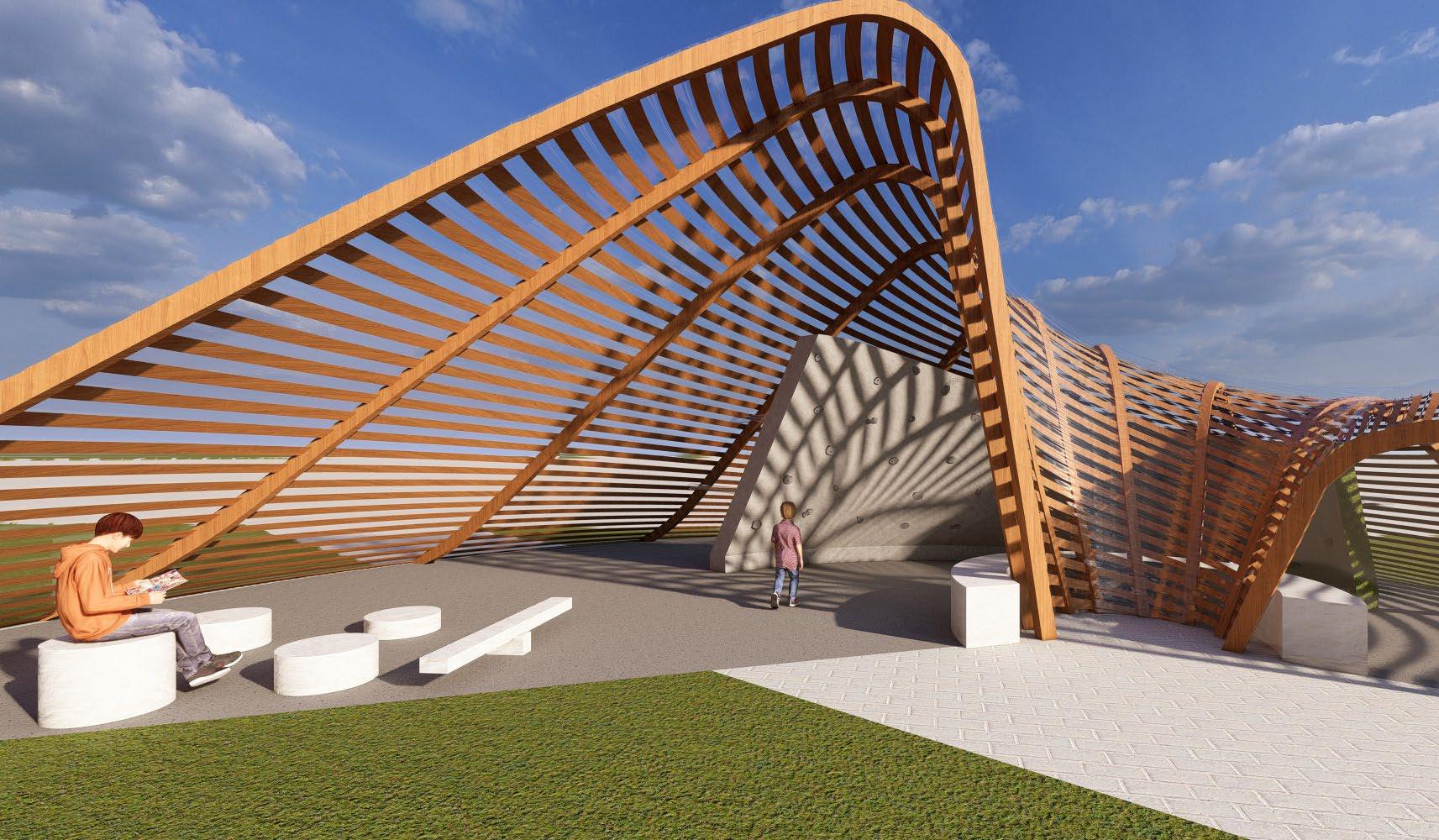
The Playtime Pavilion not only provides an oasis of safety for children to play, but it also serves as an air purifying machine, with wind flowing through tubes into the algae climbing wall, which filters the air around it through photosynthesis. The pavillion also shields the surrounding green space from high velocitys of wind which could be the cause of low footfall on that side of the docklands. The intentions of the proposal are to encourage physical activity amongst children in the area, with activity levels being under the national average, and also to purify the air in areas around the site which levels of pollution are high. With data collected from simulations, and site visits used to inform the final proposal.
8
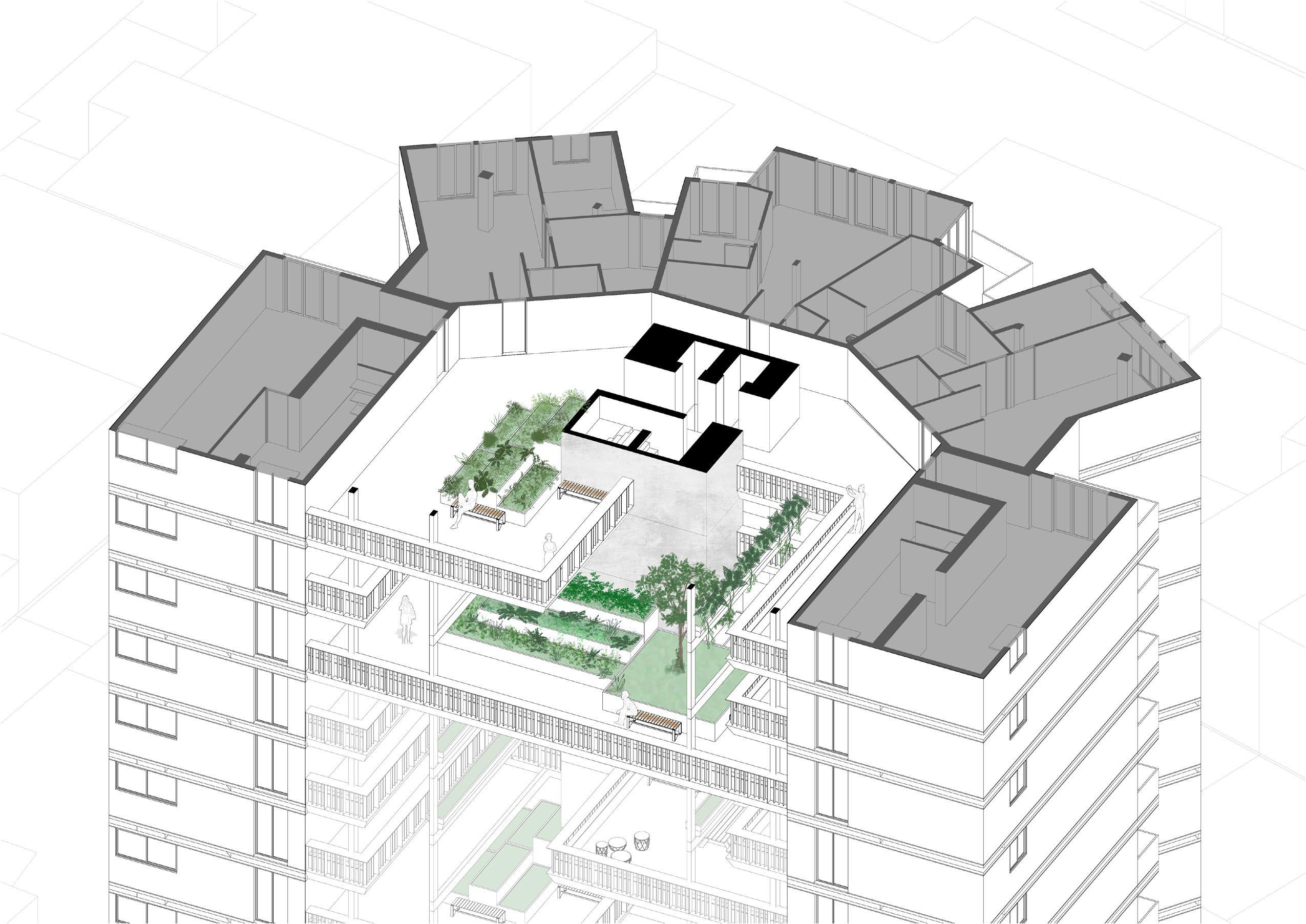
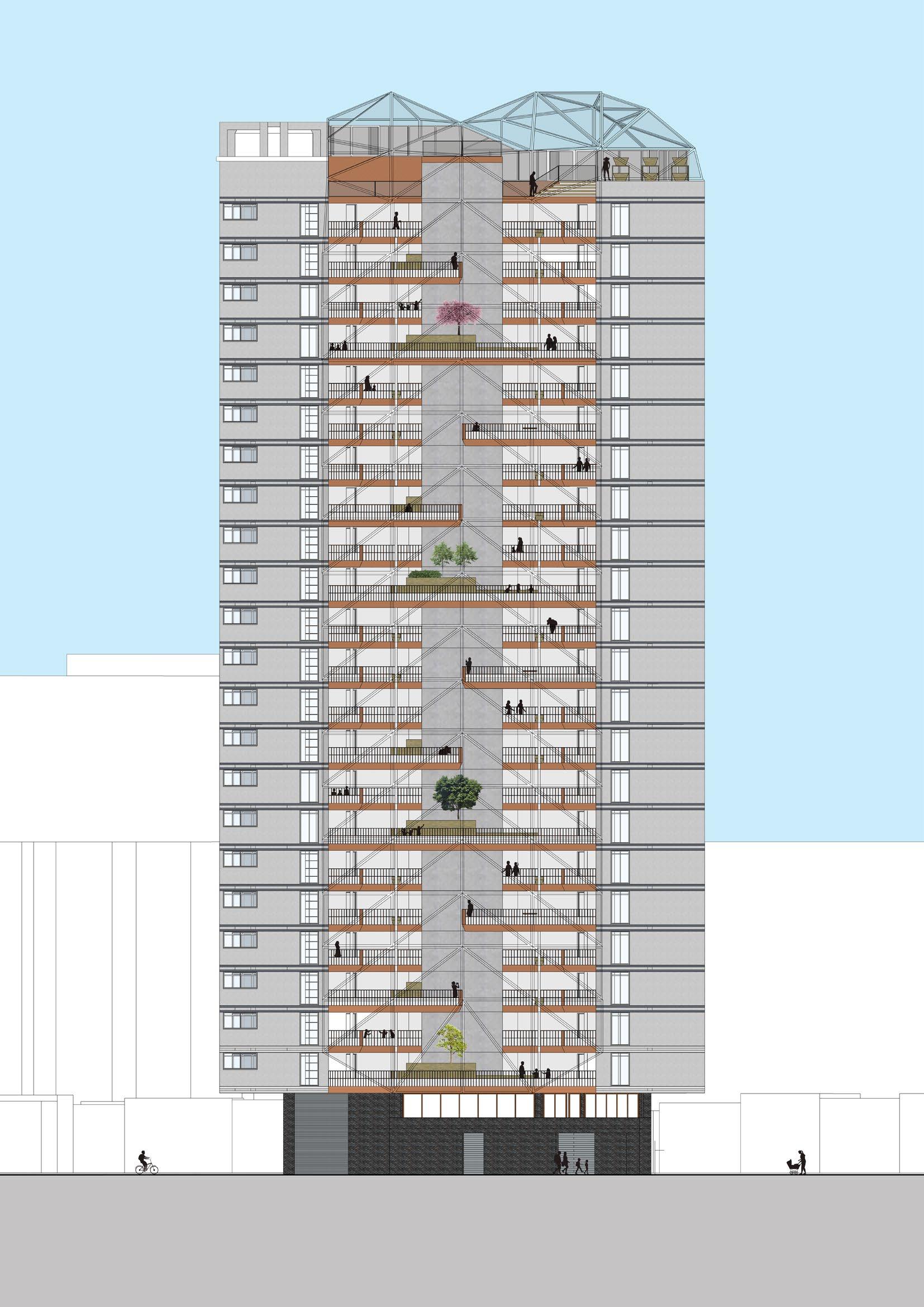
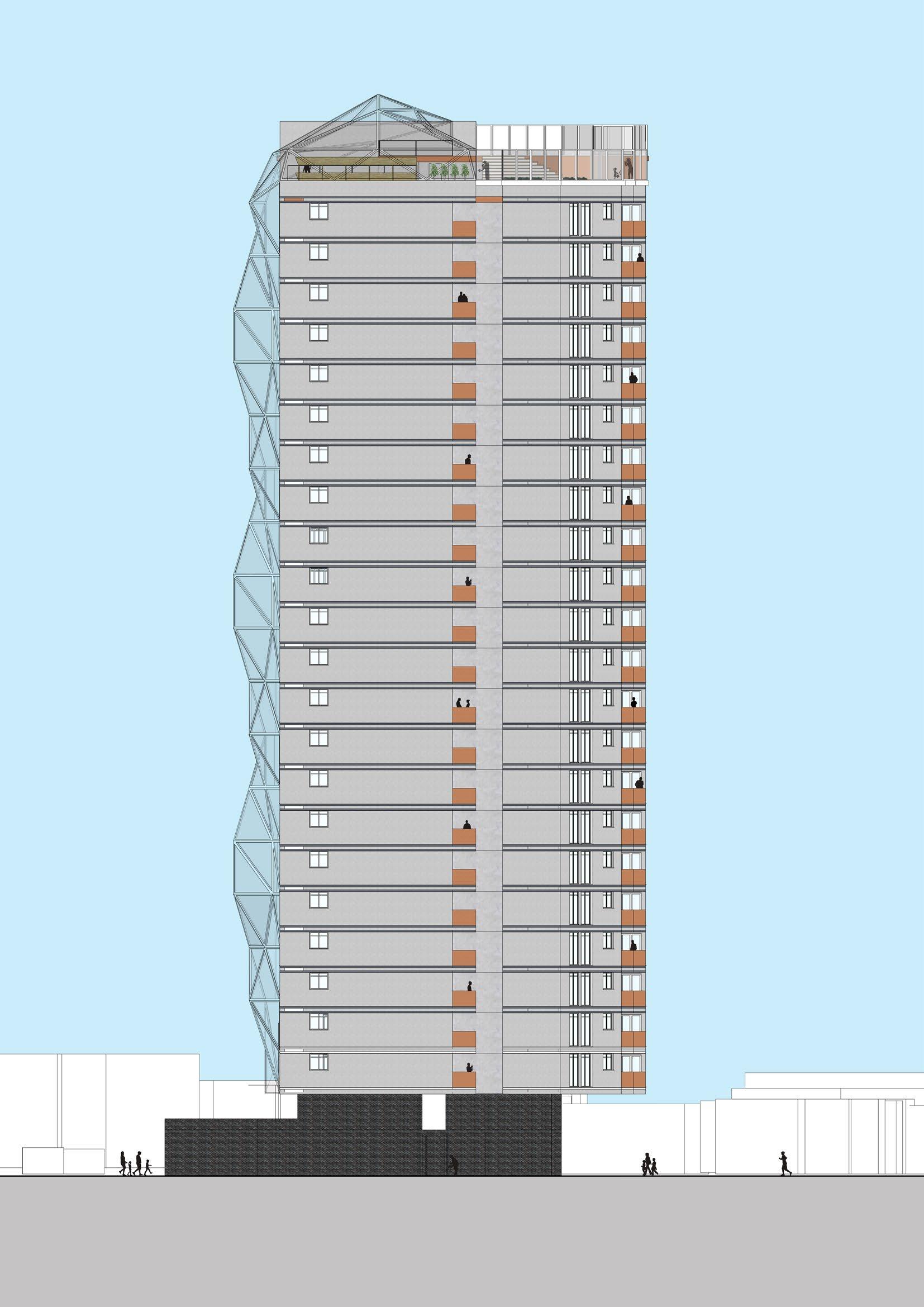
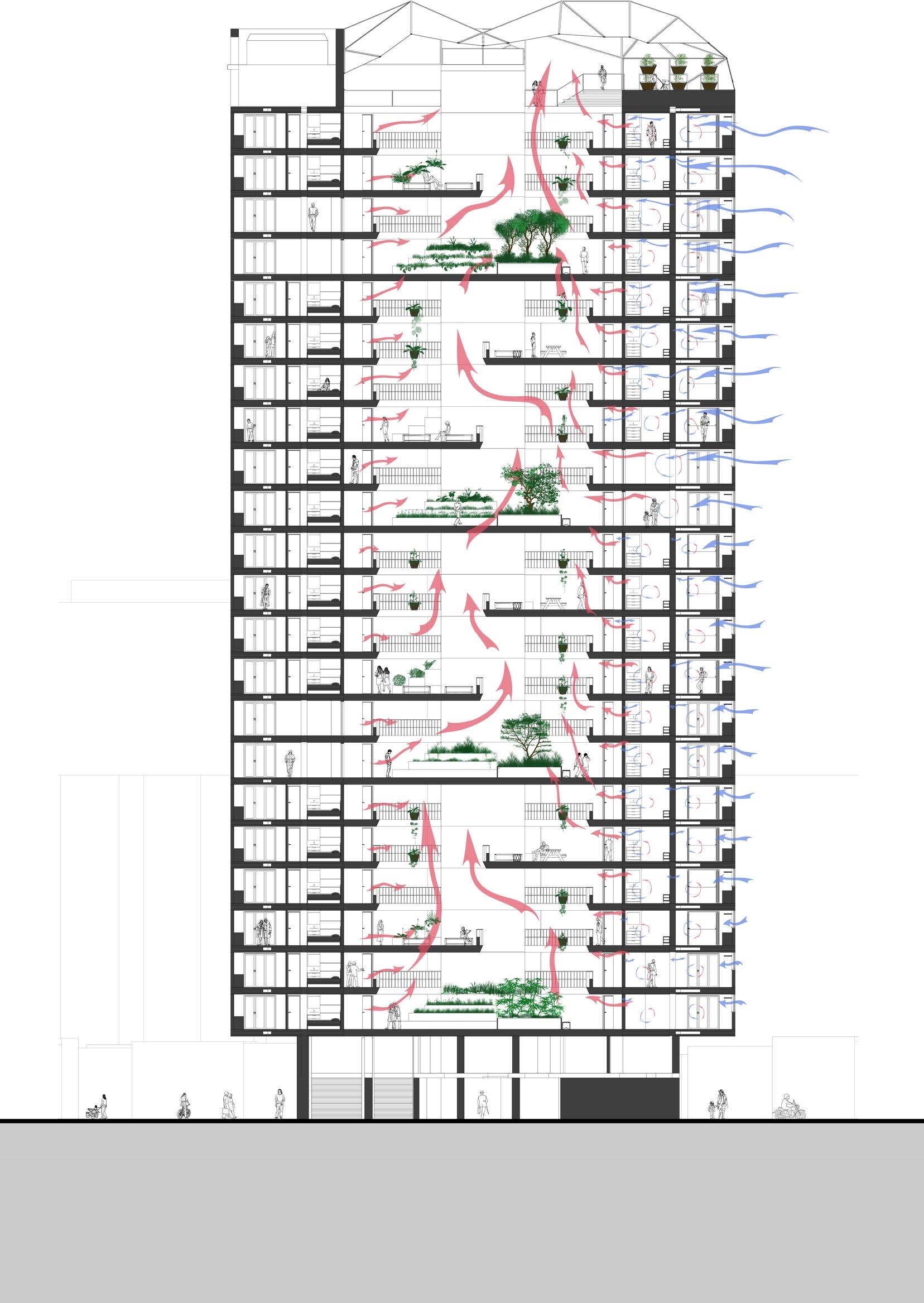
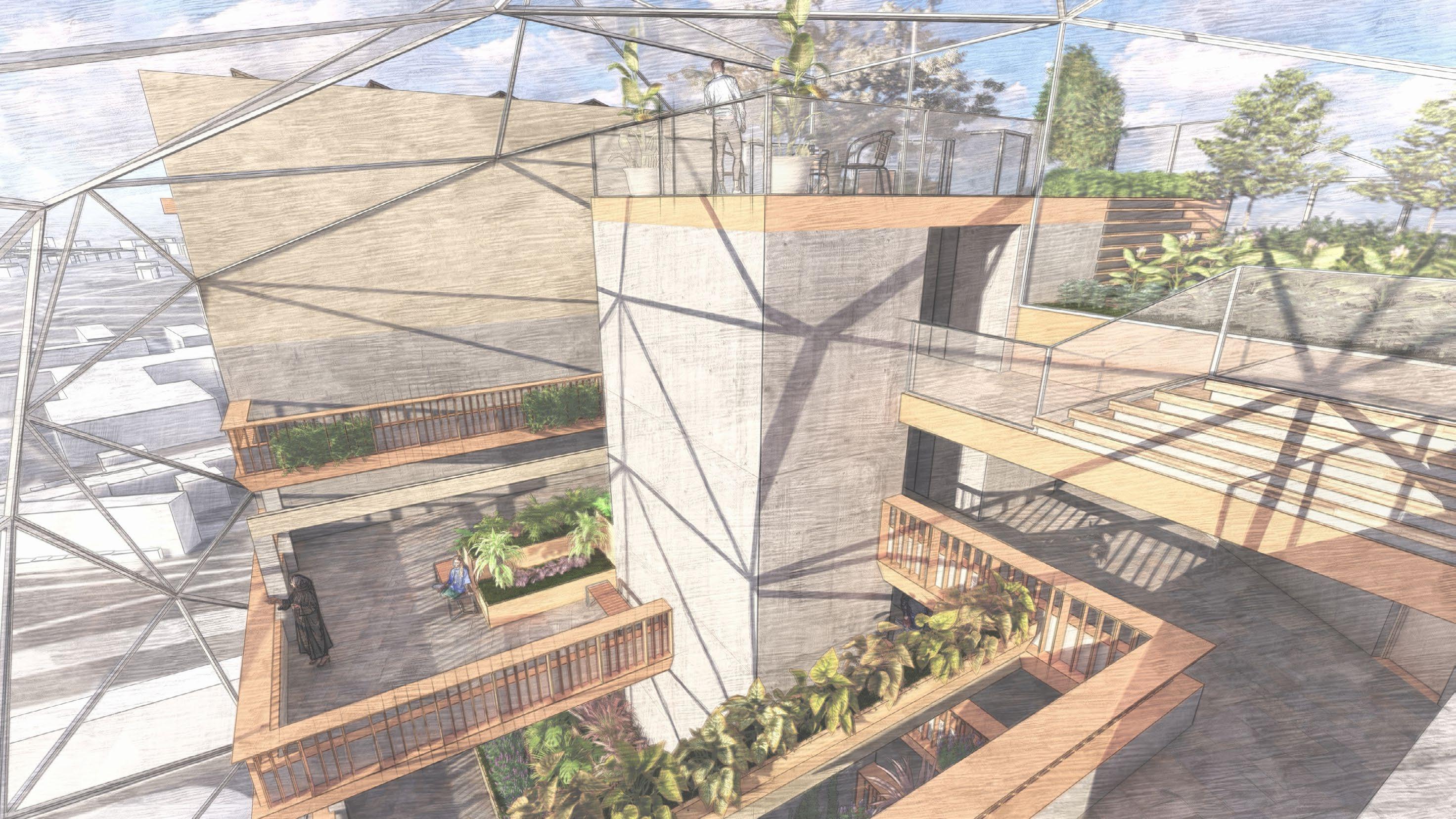
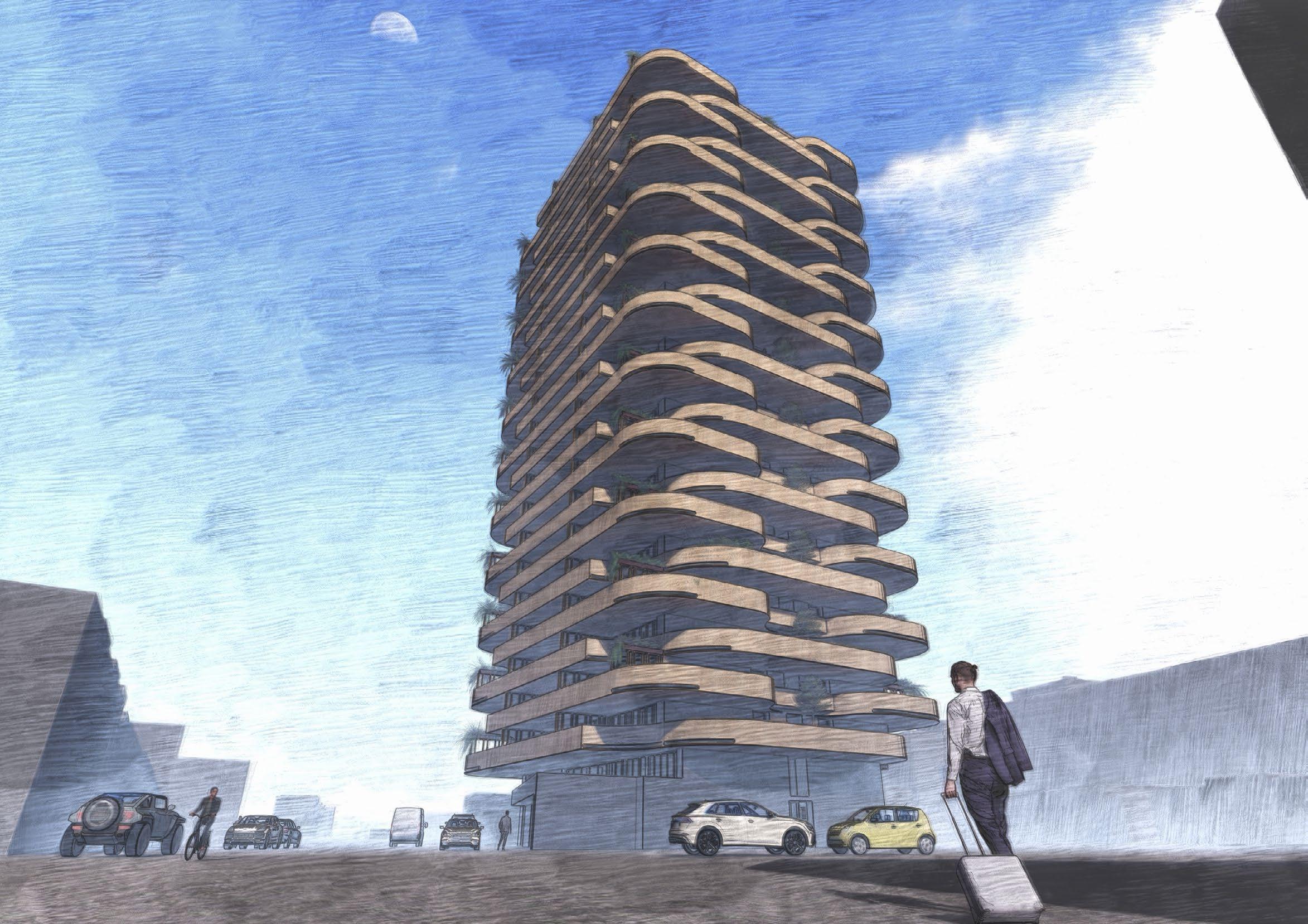
The Vertical Garden is a new build replacing the current residential tower in Newham (Ferrier Point). The aims of the proposal are to design a tower which is working towards a net-zero carbon strategy, primarily by reducing the need for mechanical cooling and heating of the spaces and using Venturi tunnels. The proposal also aimed to celebrate the diverse community of the Borough of Newham through the introduction of different bioclimates, host to a wide variety of plants across the world (the countries the residents are from). The tower is not only for residential use, it also includes spaces for extra curricular education, a topic highlighted in the demographic study of the area. The project’s drivers were the diverse population along with the future climatic conditions in 2080 (designing for the future), with radiation and wind simulations of the area highlighting issues in solar exposure and the human comfort of the existing build.
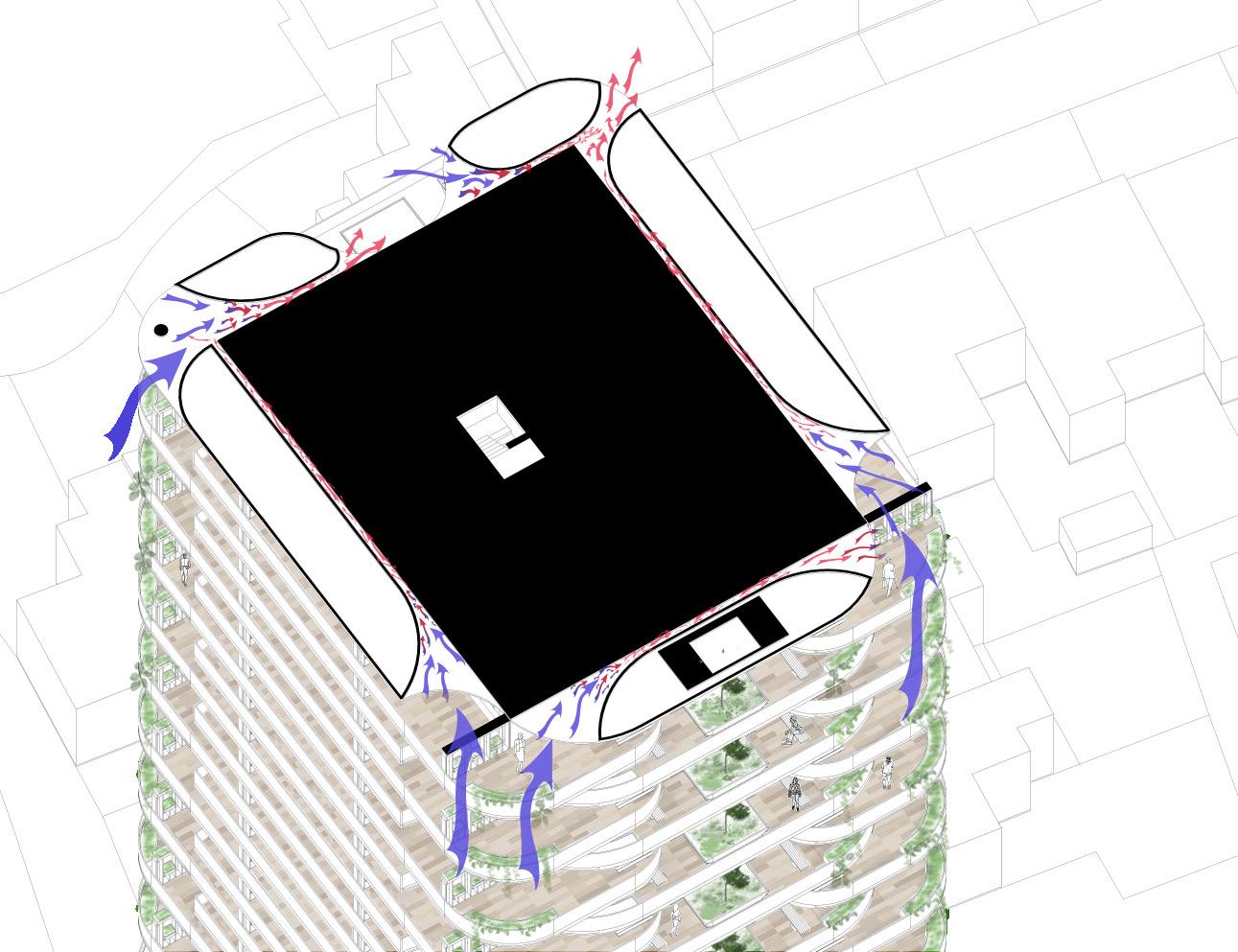
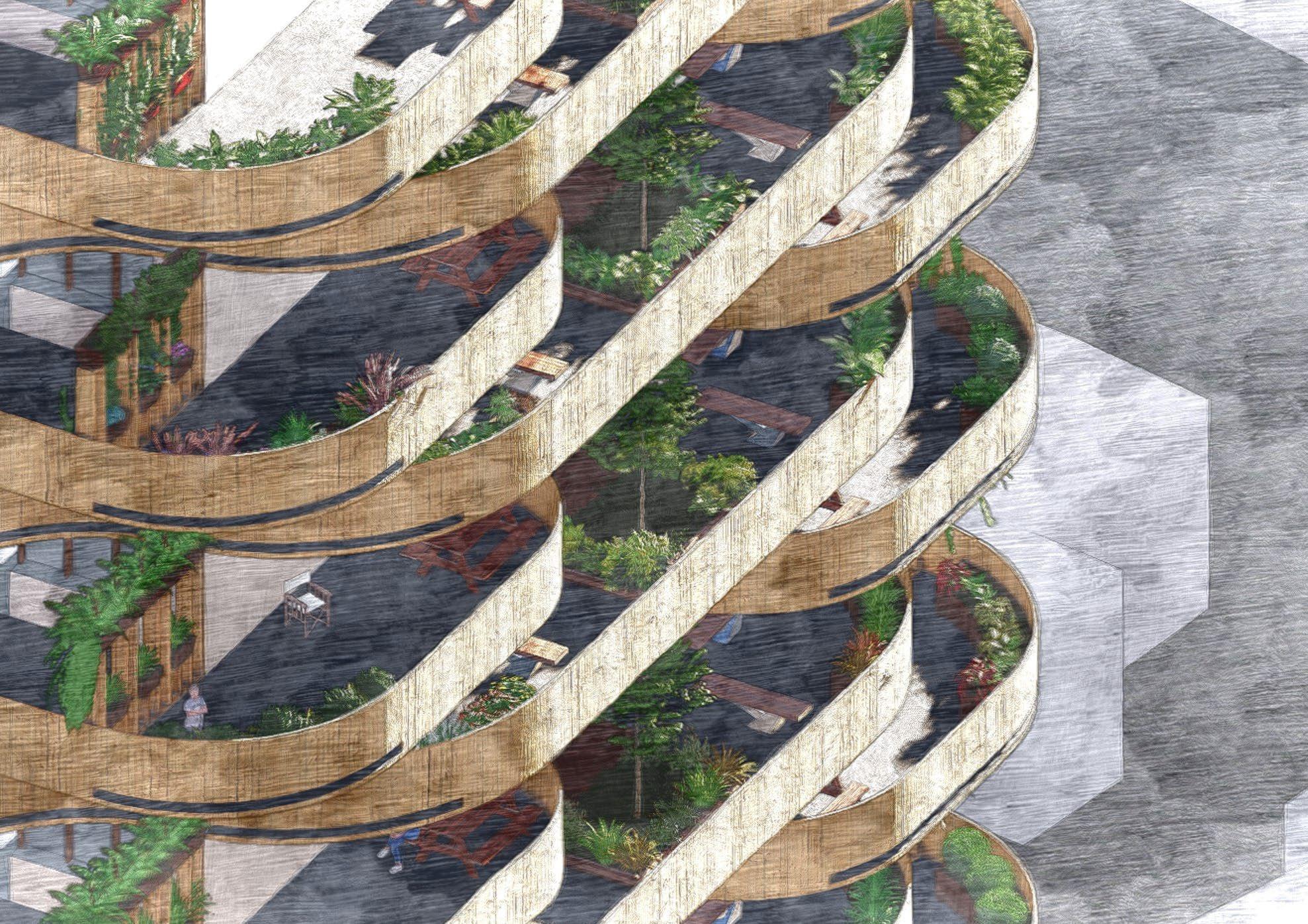
This project’s brief was to retrofit a tower in Newham which had recently been on fire in 2020. The retrofit’s intentions were to transform the tower block into one that is suitable in the future London climate of 2080. The proposal aims to tackle the current problems of the build by introducing a new outdoor corridor/balcony space for the residents to grow their own plants and socialise simultaneously. The drivers of the project was not only the feedback by the resident’s of the tower, but also the enviornmental parameters of the area (Sun and Wind). Looking to introduce venturi tunnels within the foundations of each floor externally and overhangs to block direct sunlight on the current apartments - designing for the future with a focus on limiting the overheating of the apartments.
Environmental Simulations
Coming from a course whose focus was on Sustainable and Environmental Design, Environmental simulations played a key role in the analysis of the existing site, design development but also when evaluating the success’ of the proposals. The site analysis’ consisted of data and readings taken from on-site observations and data recordings consisting of a range of parameters ranging from air pollution to water pH levels. The following examples will be a blend of analysis’ across different stages of the projects, with the majority of them done using IESVE and Rhino’s Grasshopper plug-in.
Main drivers for the project & chosen programmes
Environmental simulations
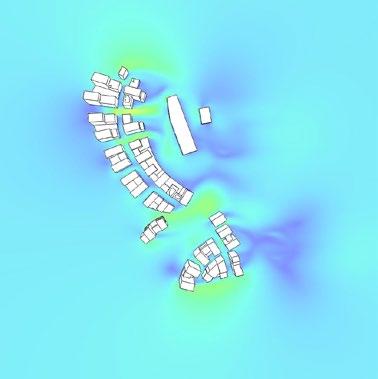
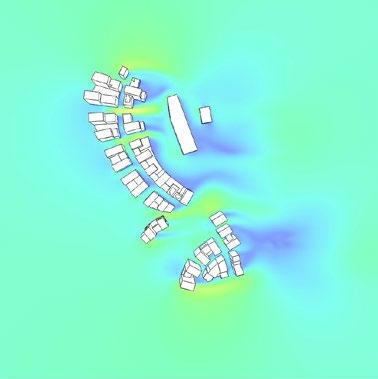
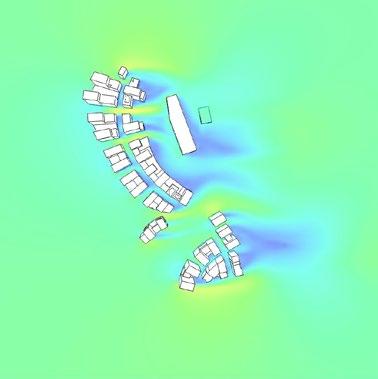
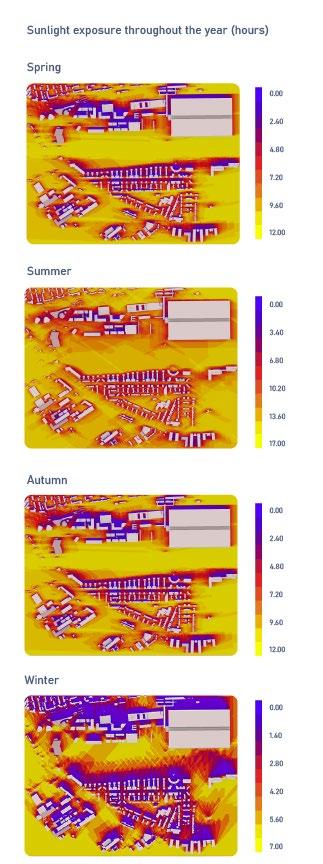
Wind velocity analysis of existing site at different altitudes (m/s) Sunlight exposure throughout the year (hours)
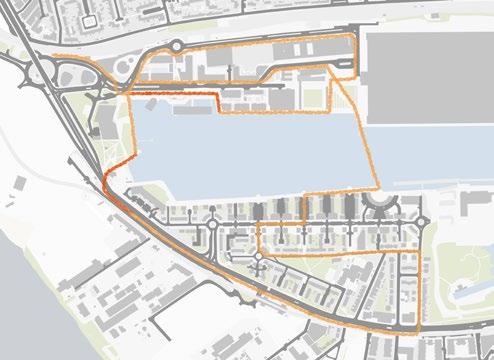
of location in Masterplan:
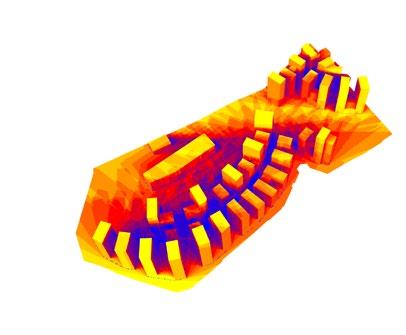
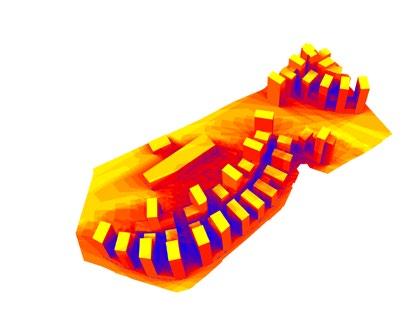
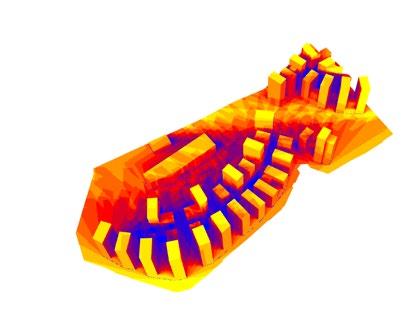
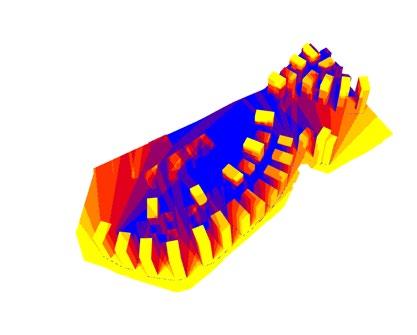
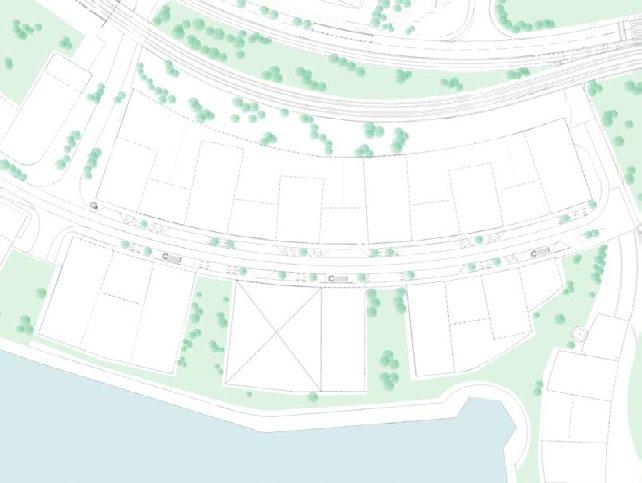
Environmental simulations for the masterplan were carried out using Grasshopper for solar exposure analysis and IESVE for wind velocity mapping. The data extracted from both simulations directly informed the positioning of my building within the masterplan, strategically placed to maximise sunlight for algae productivity while harnessing high wind velocities to support both algae growth and passive ventilation strategies. This data-driven approach ensured the architectural response was not only site specific, but also environmentally responsive. During the design process, several iterations of differing geometries and rotations were tested *2 , to maximise solar gain on the facade, with the final design being ran through a number of simulations testing its performance *3
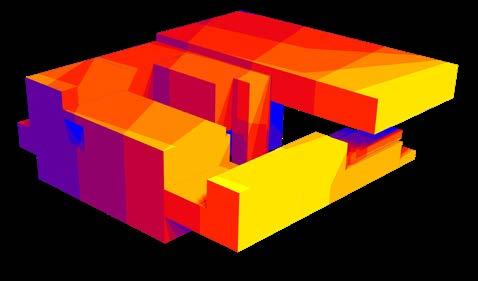
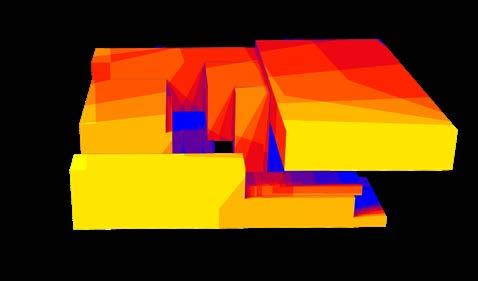
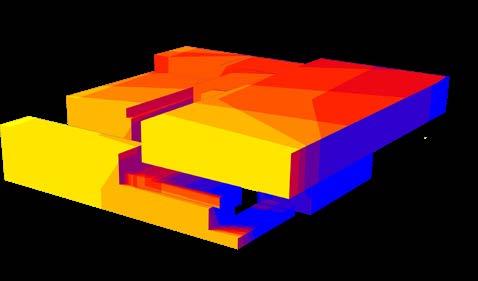
*2 See Appendix, Page 28, for simulations of iterations - Summer Solistice
*3 See Appendix, Page 29, for testing of proposal
Environmental simulations and on-site data readings
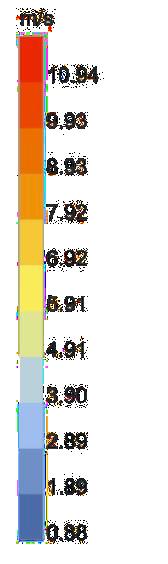
Wind velocity analysis of existing site at different altitudes (m/s) Air pollution on site (AQI)
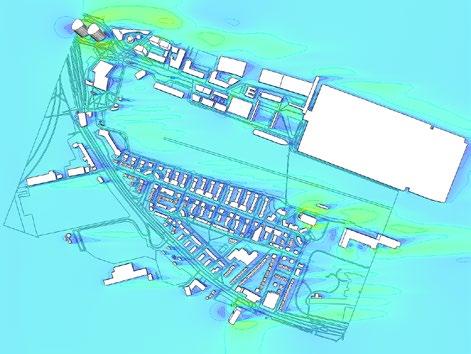
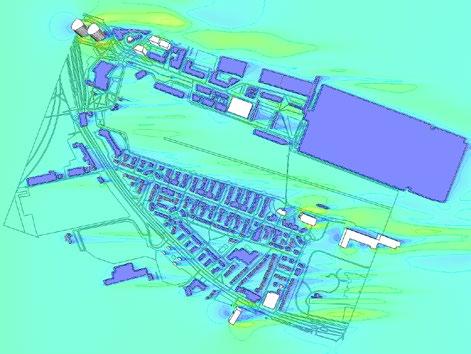
Environmental simulations for the site were conducted using Grasshopper for solar exposure analysis and IESVE for wind velocity mapping, with on-site air pollution readings taken using an air quality meter. The findings revealed that air pollution was a significant issue in the area, and the high winds and radiation could be leveraged to address this by using algae.
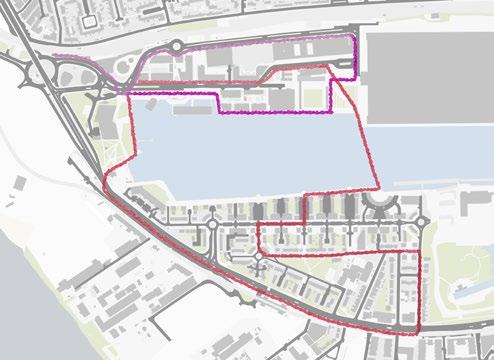
The data from these simulations directly influenced the pavilion’s placement, ensuring it was strategically positioned to optimise sunlight for algae growth while utilising high wind speeds to channel air through the design’s integrated tubes, which feed the algae. This data-driven approach ensured that the architectural response was both contextspecific and environmentally responsive. Throughout the design process, multiple iterations with different geometries and orientations were tested *4 to maximise the amount of wind entering the tubes as well as the amount of shielding done by the pavilion, also providing a green space protected by high winds speeds. With this playscape, part of an underused green space, which is likely neglected due to the discomfort caused by strong winds.
Iterations informed by simulations
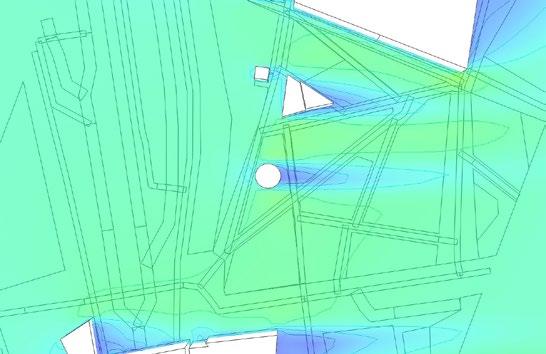
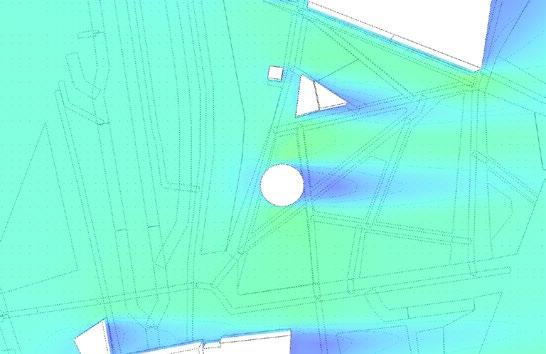
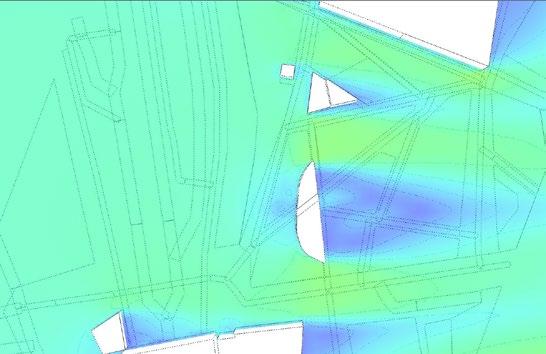
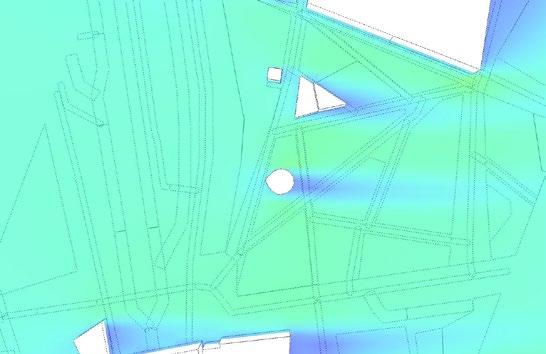
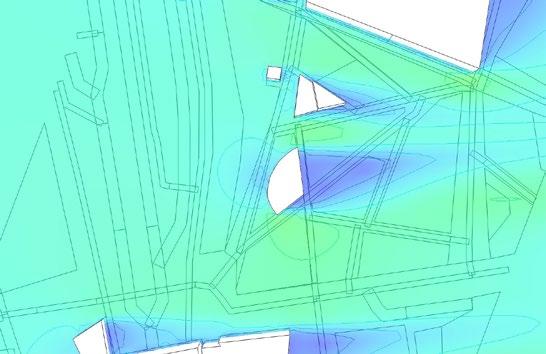
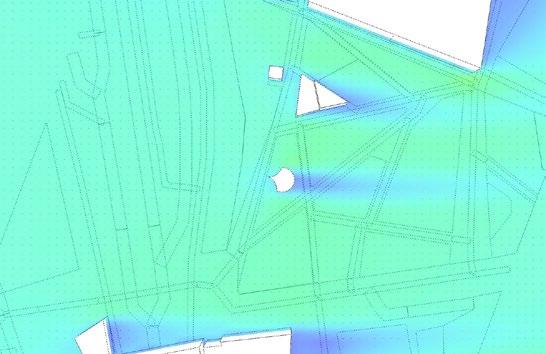
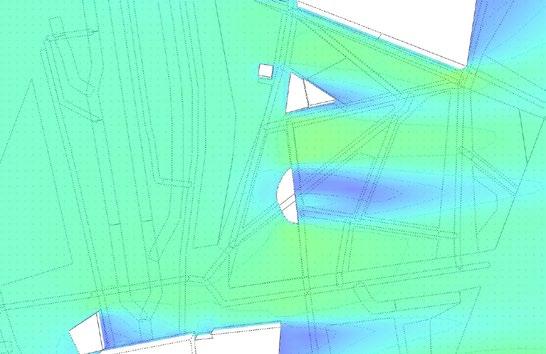
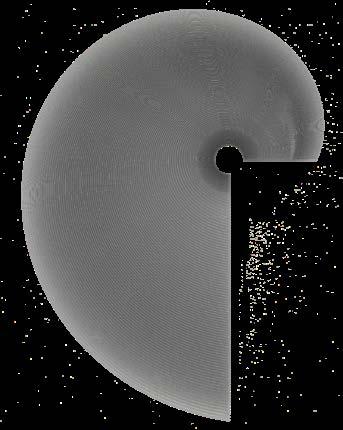
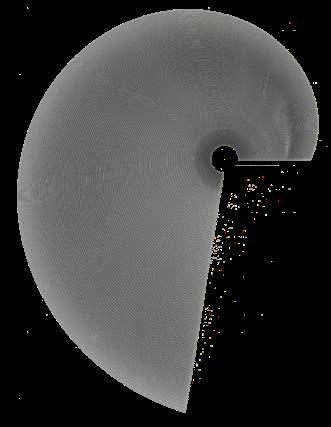
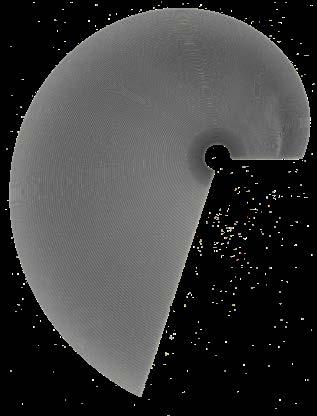
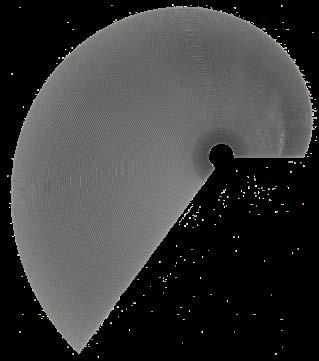
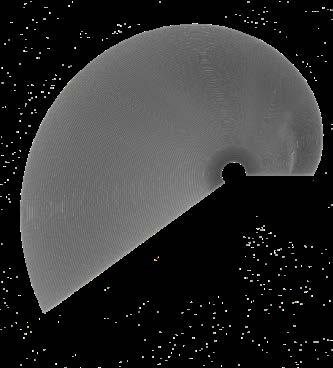
In the initial design iterations, I experimented with basic circular geometries to study their interaction with wind, focusing on how they both responded to and influenced it. I tested concave and convex shapes to evaluate their ability to capture and redirect wind, with the goal of creating a sheltered play area behind the structure. This would offer a wind-free, comfortable space for children while maximising the surface area of the pavilion’s facade to increase wind exposure for algae cultivation within the building. Additionally, I explored the possibility of incorporating openings in the forms to allow low-velocity winds to pass through, naturally ventilating the interior space. Once a final geometry and proposal was determined, it was ran through tests to test it’s performance *5.
*5 See Appendix, Page 31, for testing of proposal
Bioclimatic section
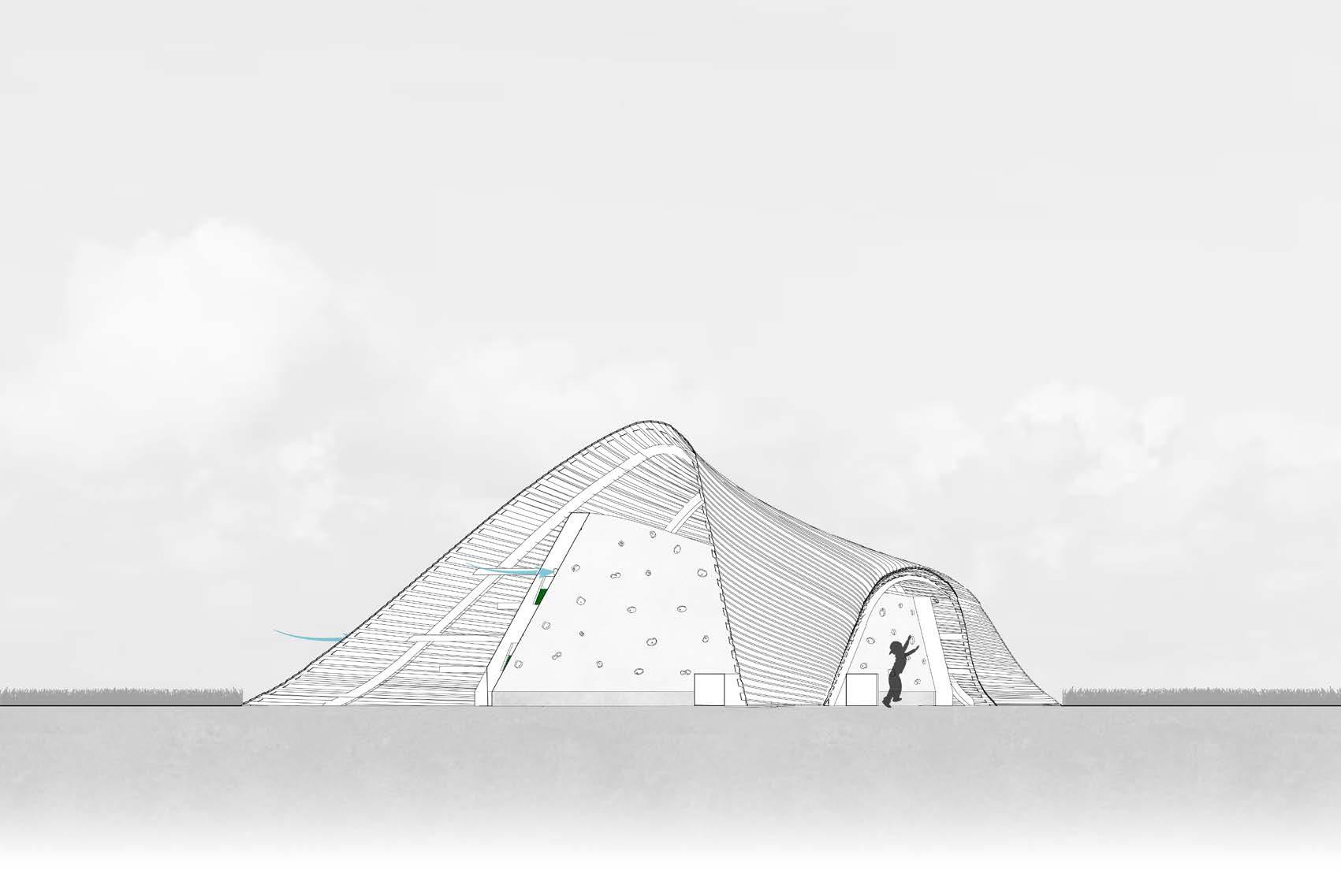
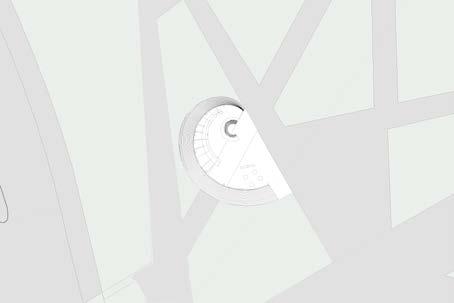
Bioclimatic Section highlighting issues on site
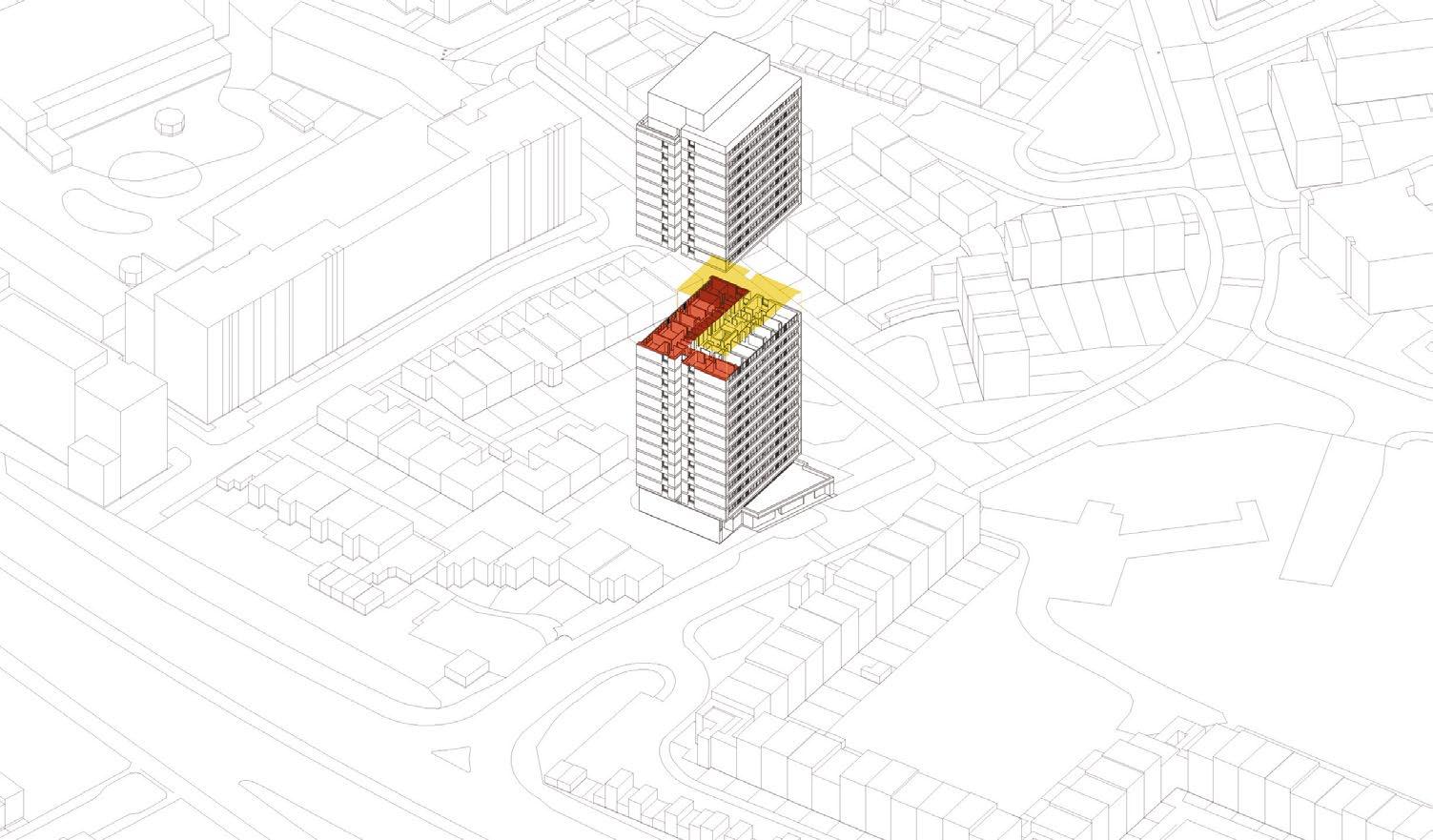
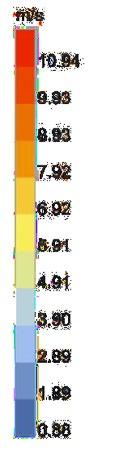


The predicted climatic conditions for 2080 show global vertical radiation increasing especially in the East of London.
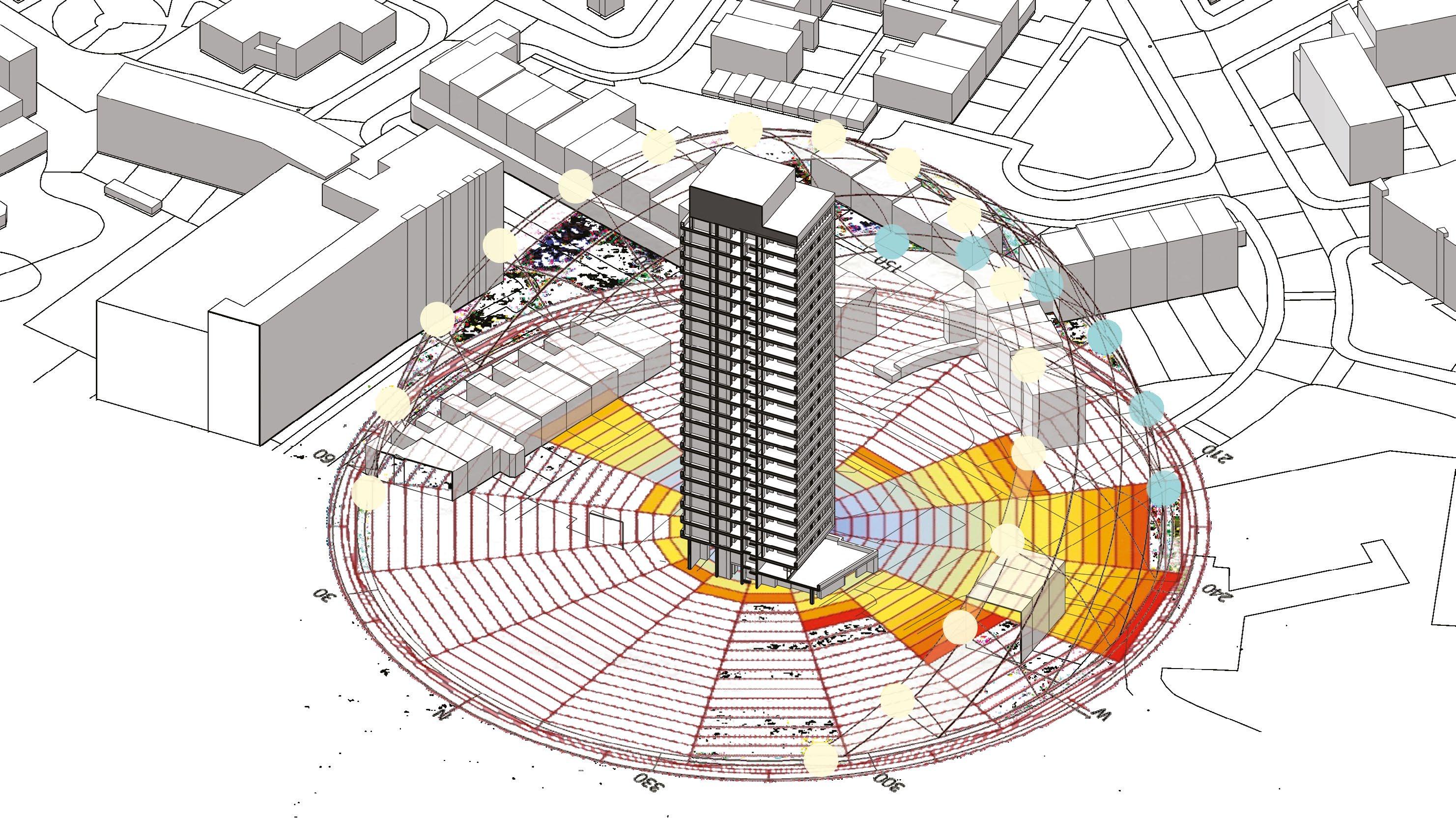
The issues include:
• Undesirable glare for some of the residents on the upper floors
• Lack of passive ventilation for some of the flats which do not have access to direct wind - this is not very effective during the summer consequently increasing the occupants reliability of electrical and mechanical cooling systems
• Poor ventilation means high humidity especially during summer months
- The predicted climatic conditions also show that the
Issues on site:
- Lack of passive ventilation for some of the flats which dont have
- Some flats don’t have any balconies.
- No communal spaces for the residents to interact amongst eachother. - Orientation of the block is poor, with 4/5 flats on each floor being exposed to excessive radiation.
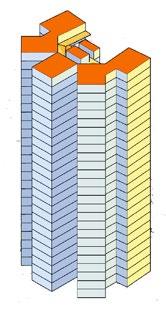
North East Axonometric
South East Axonometric
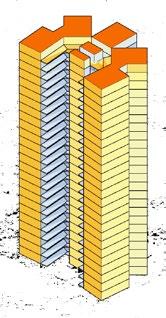
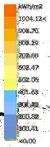
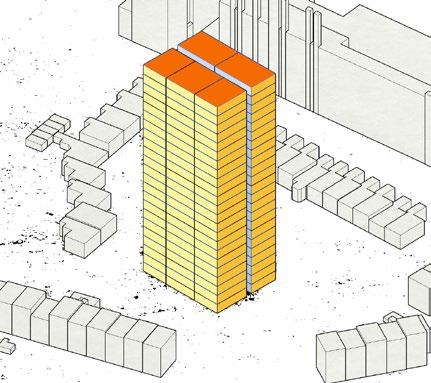
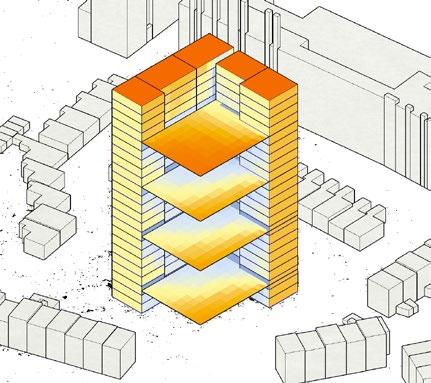
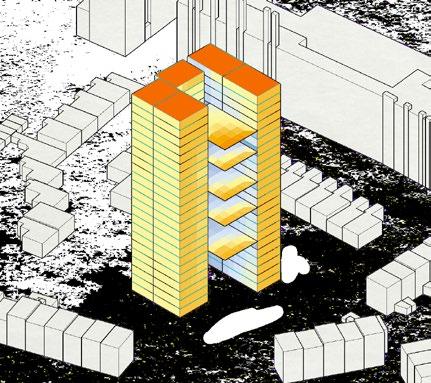
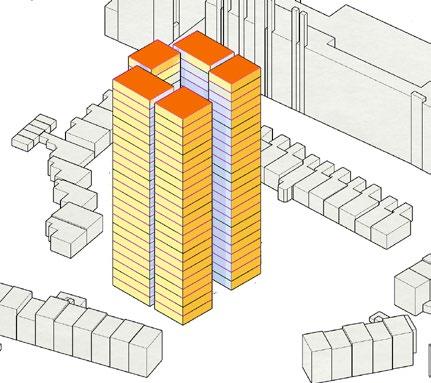
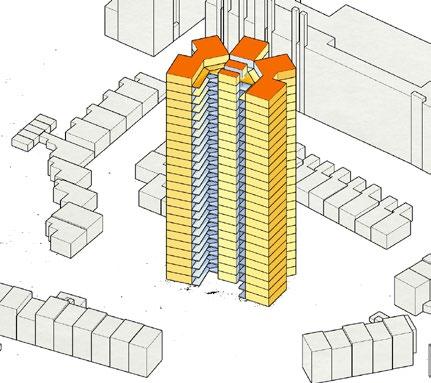
Majority of the flats experience cool blue morning solar radiation shown in the simulation above. The sun rise creates a nice bright interior for the occupants to wake up to. The value of solar radiation faced by these surfaces falls between 100kWh/m2 to 400kWh/m2. In comparison the roof receives an average 1000kWh/m2 <, creating possibilities for green gardens/ farm. During the afternoon, six surfaces of the flats recieve afternoon solar glare which can be discomforting for the occupants. The solar radiation received on these surfaces falls between 700kWh/m2 to 900kWh/m2. Evidently, the atrium creates a cool oasis for the occupants, therefore during the summer conditions will be desirable as stack ventilation will occur more often creating better airflow for interior spaces.
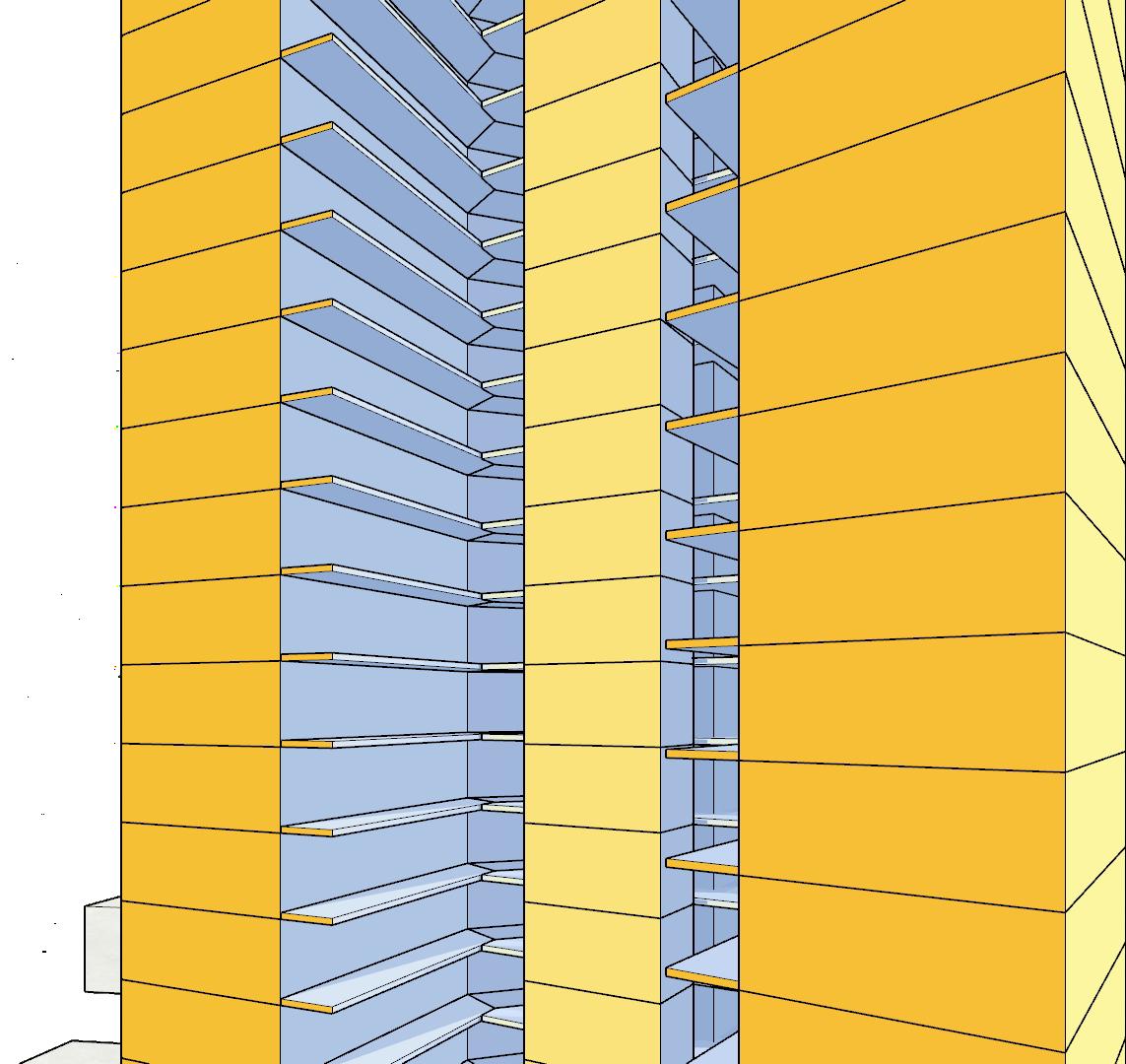
This simulation looks closely at the atrium space created in the centre.
This area is well shaded and kept fairly cool throughout the year. In addition, a solar radiation value of 300kWh/m2 will provide valuble daylighting to the interior space. Creating a cool oasis by using lightcoloured materials and a transparent facade made of ETFEA.
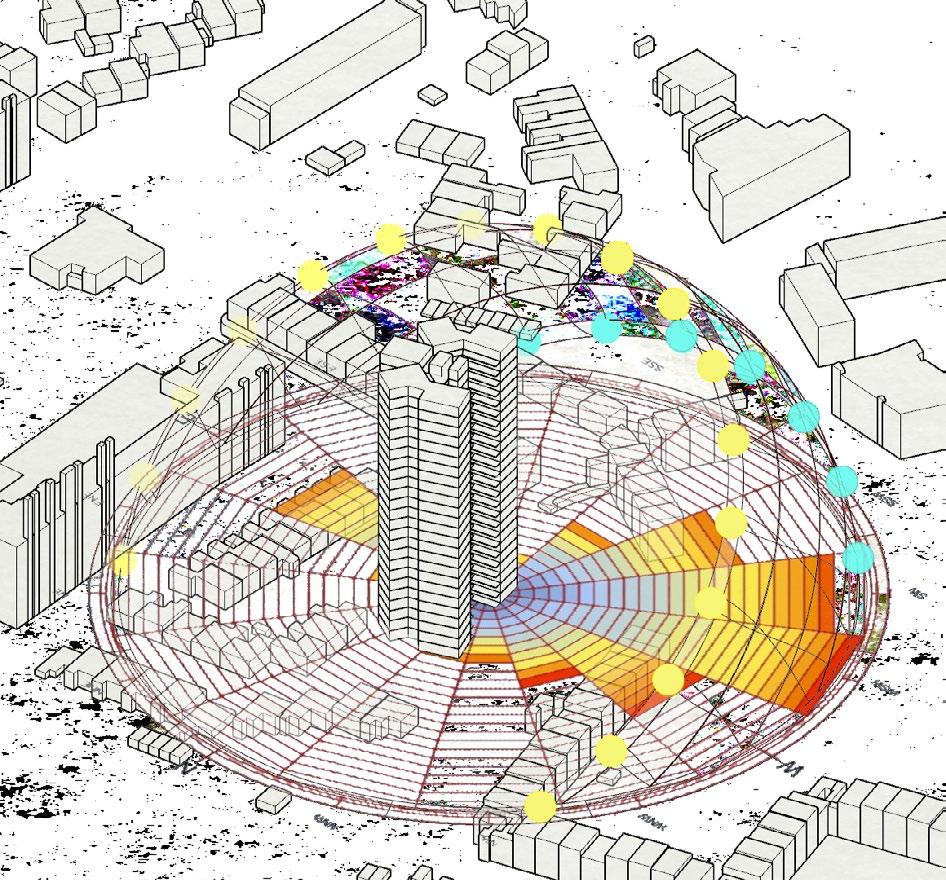
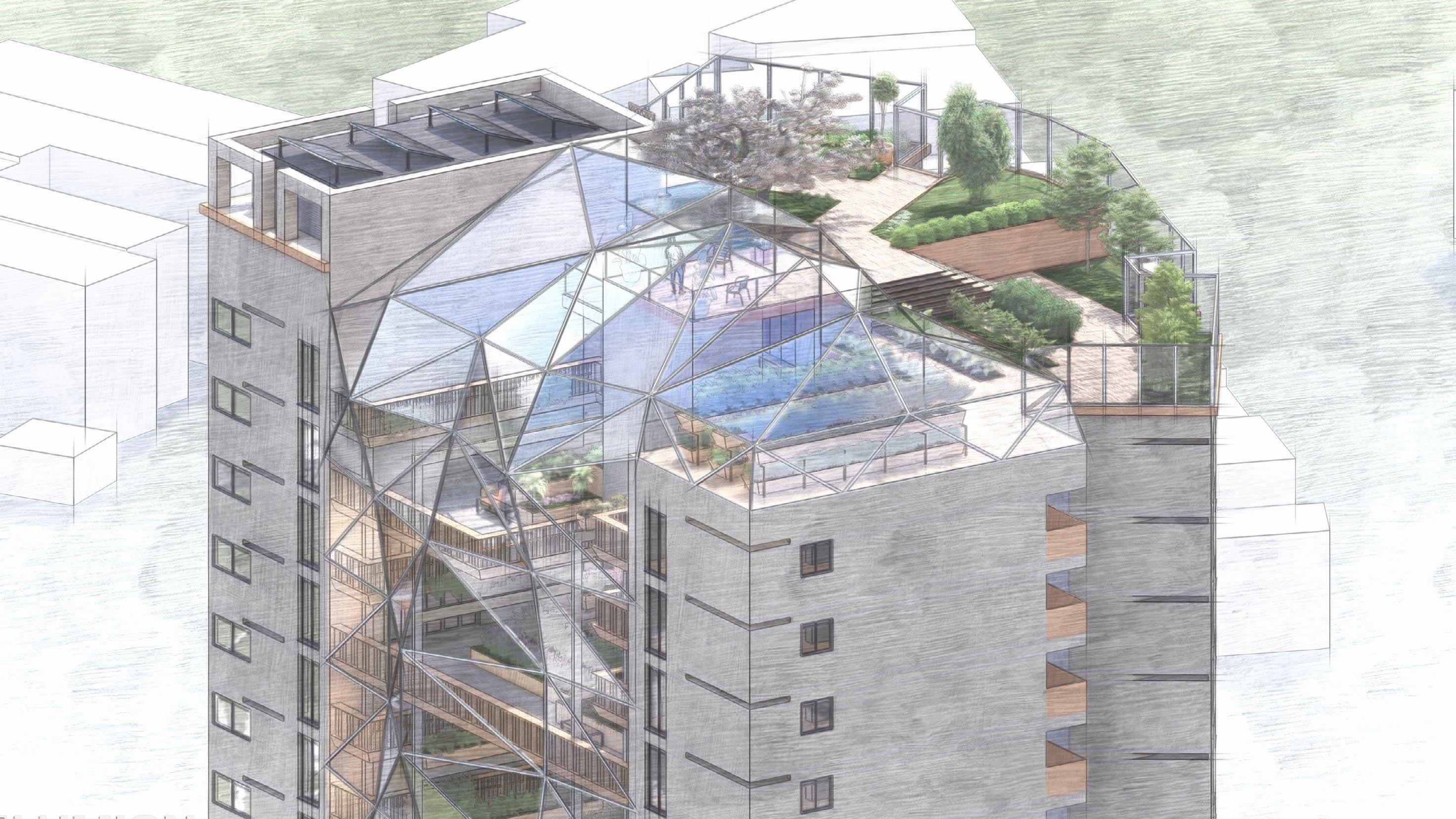
The orientation of the building is important to consider. The aim of the new design is to prevent undesirable conditions caused by the increase in solar radiation predicted in the year 2080. Furthermore, the wind direction is another factor in why considering the orientation of the flats is important. The orientation shown in the axonometric view shows a SW/ SWS wind direction which directly hits the atrium and the opening for the venturi ventilation system. In addition, the design orientation is set to increase the amount of morning solar radiation the occupants receive and decrease the amount of afternoon solar radiation. It is common during the afternoon for solar glare to create undesirable conditions for the occupants. The plan view above represent the sun path for June and December, focusing especially on surfaces which receive afternoon solar radiation. The atrium is transparent allowing sunlight to enter the space and illuminate the interior, it is also useful for the plants and vegetation on the rooftop *8 for growth and photosynthesis.
Precedent studies - Traditional and current
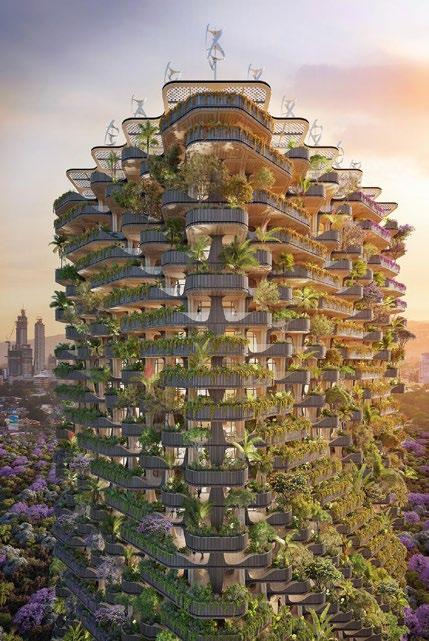
The Rainbow Tree:
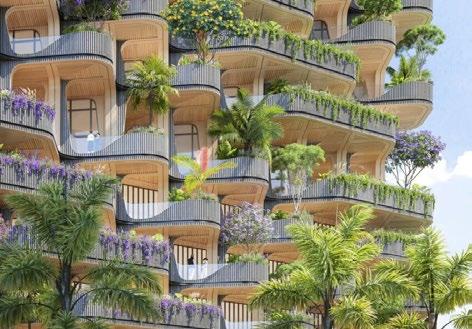
Observations to consider for use in our proposal:
The use of timber, not only fire resistant which is an issue that has to be addressed in tower blocks today but it is also aesthetically appealing and environmentally friendly due to its ability to absorb carbon.
• An urban sky farm which is present on the 31st floor, encourages the gathering of residents and reaps in the number of environmental benefits that come with it.
• Aquaponic growing of plants and vegetables, encourages communal gatherings and also encourages residents to be more eco-friendly by growing their own food.
Network of green balconies (urban forests) which connect, combating the urban heat island effect by cooling the air through evapotranspiration. This also helps to purify the air as a result of evaporation, ultimately improving human
The Gherkin:
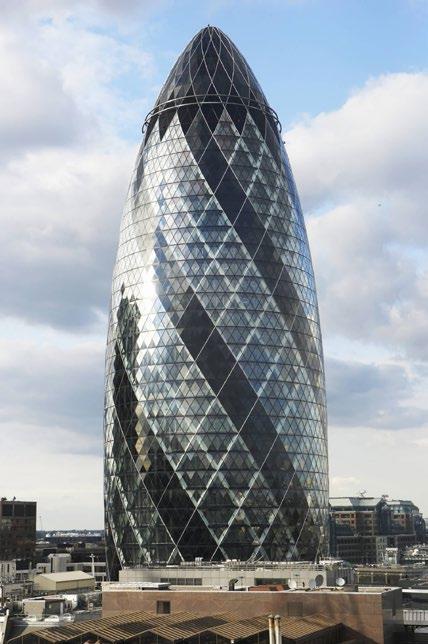
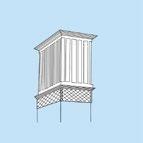
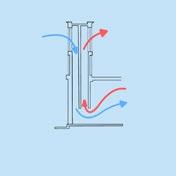
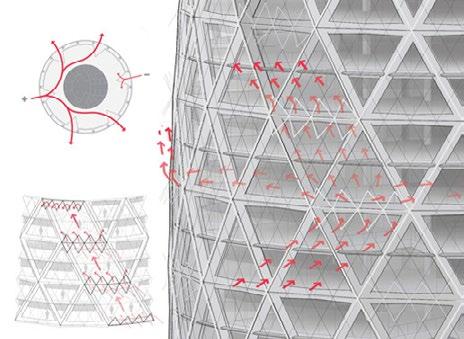
Observations to consider for use in our proposal:
• The building has a rounded shape which prevents heavy winds from hitting the facade abruptly but it also hepls to redirect wind up through the spiralling wells.
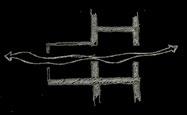
The open shafts on each floor, consisting of the double glass facade, is effective in taking in wind in a control manner whilst naturally ventilating the space (with Fosters + Partners claiming it would reduce the buildings
The use of vents to help exhaust any unnecessary warm air out of the building, which would undo the actions of
The use of glass would also help maximise daylight access for residents and may be used as a form of

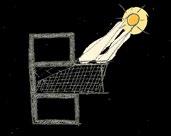
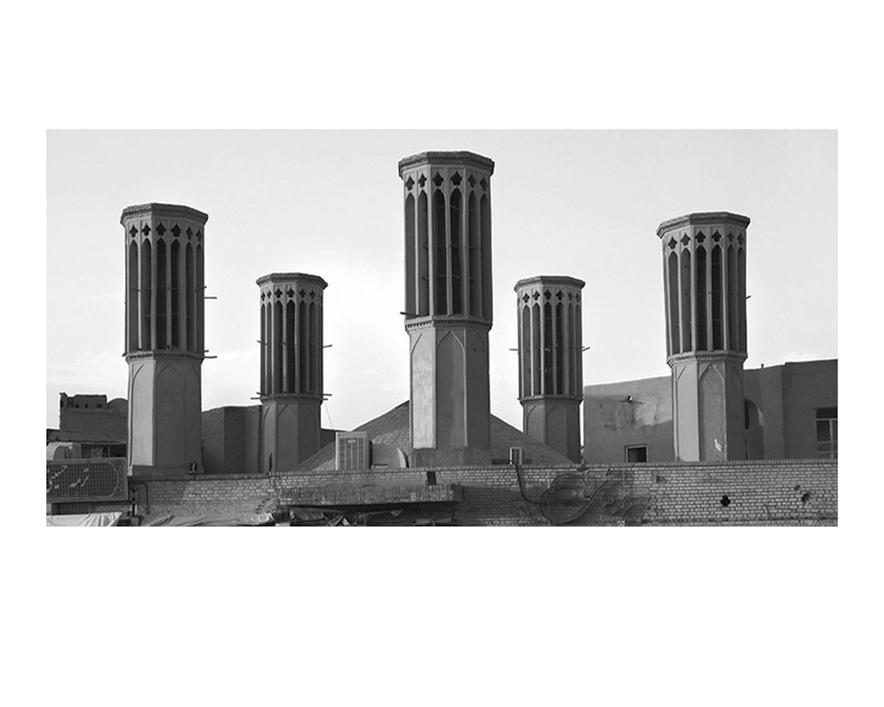
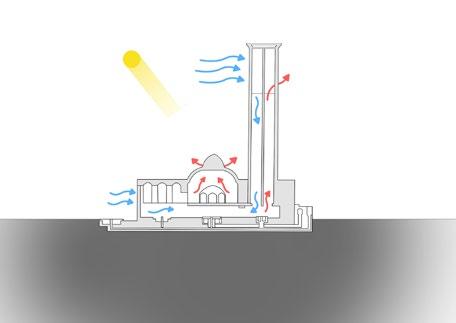
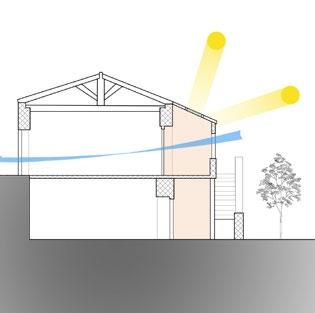
In designing for future climate conditions, we explored traditional construction techniques from regions that currently experience climates similar to those projected for 2080.
Windcatcher:
• Originating in Iran, where the summers are extremely warm.
• Has openings facing prevailing winds which capture wind and channels it throughout the building, a form of passive ventilation.
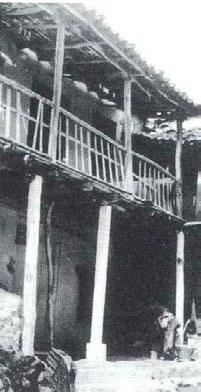
Hayat: Originating in Turkey, where the summers are extremely warm aswell.
Provides natural ventilation and cooling by encouraging airflow and shading.
• Sometimes contains fountains and gardens, further cooling through evapotranspiration.
Design idea development
Design idea development
Design idea development
Design idea development
Design
Iteration
Design idea development
Iteration




Design idea development
Design idea development
Design idea development
Design idea development
Design idea development Iteration
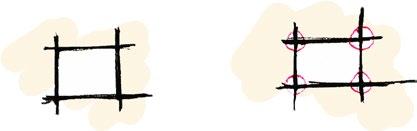
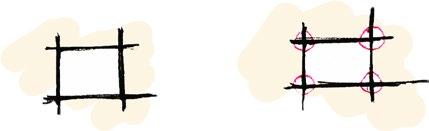
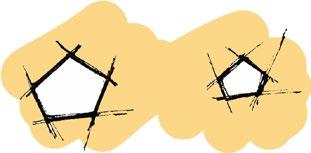

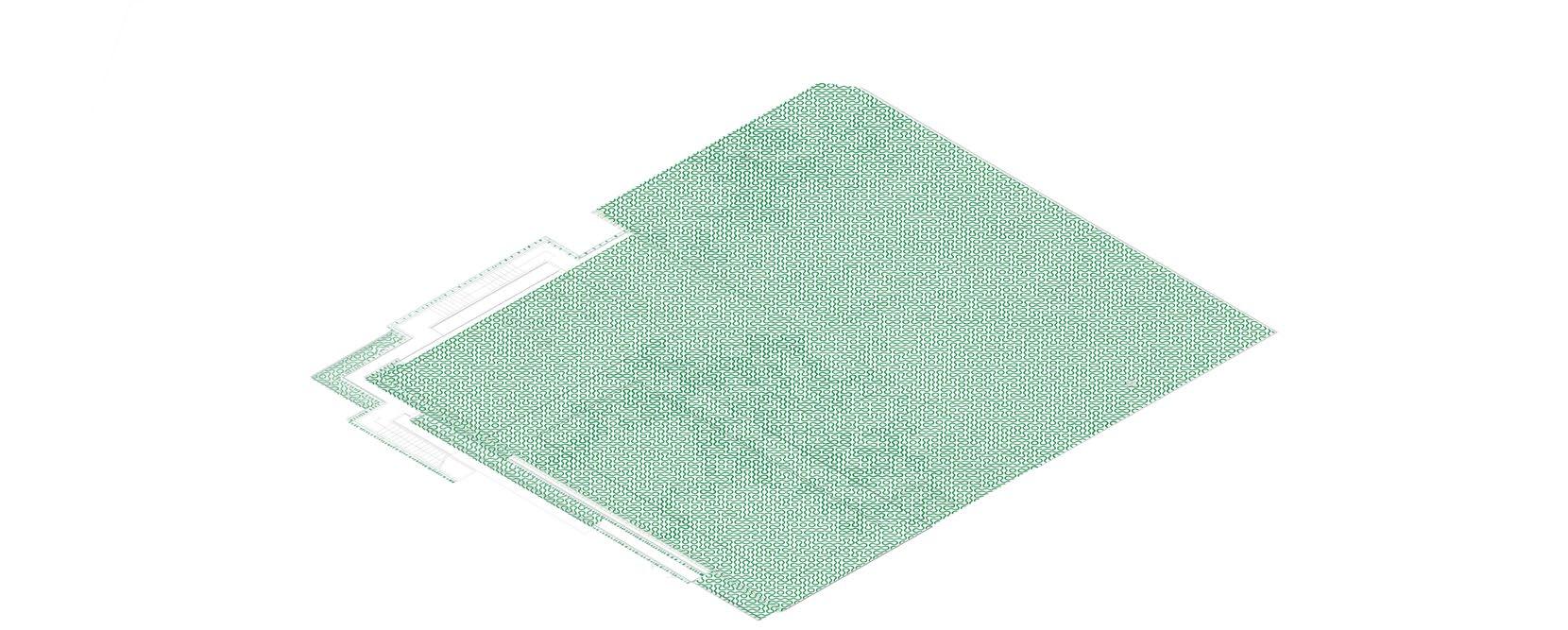
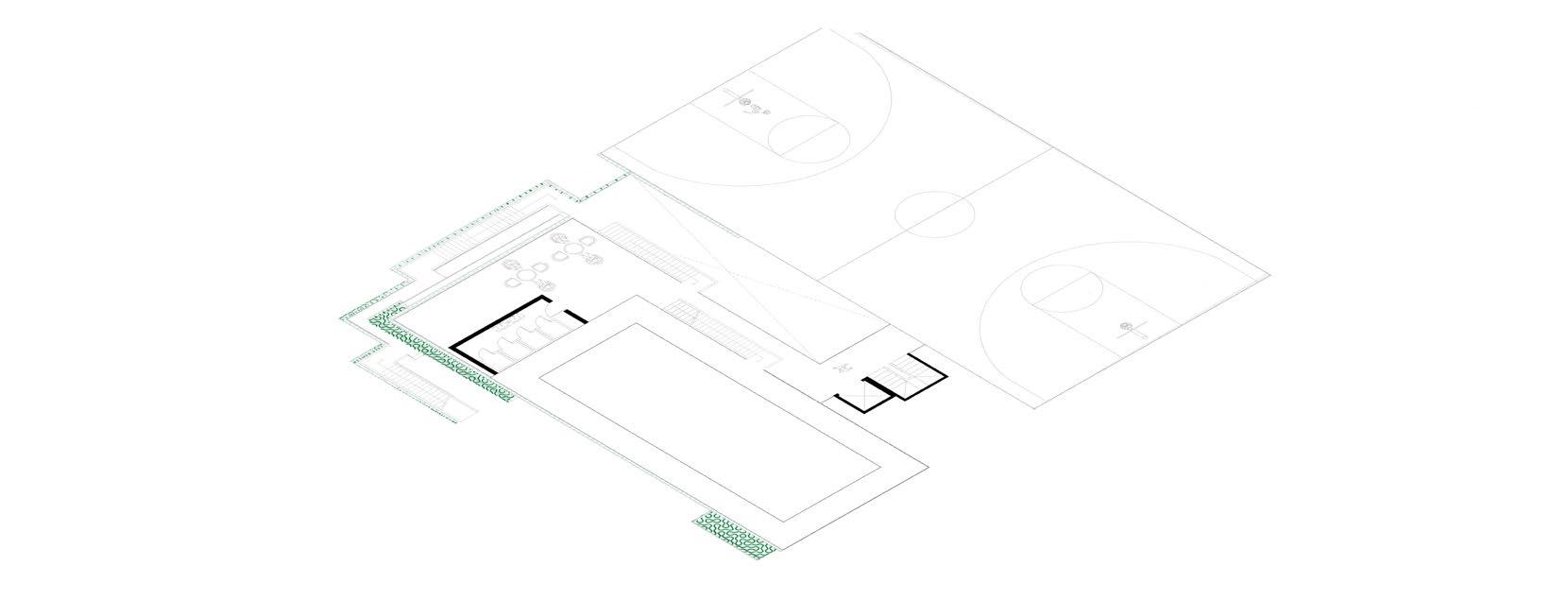
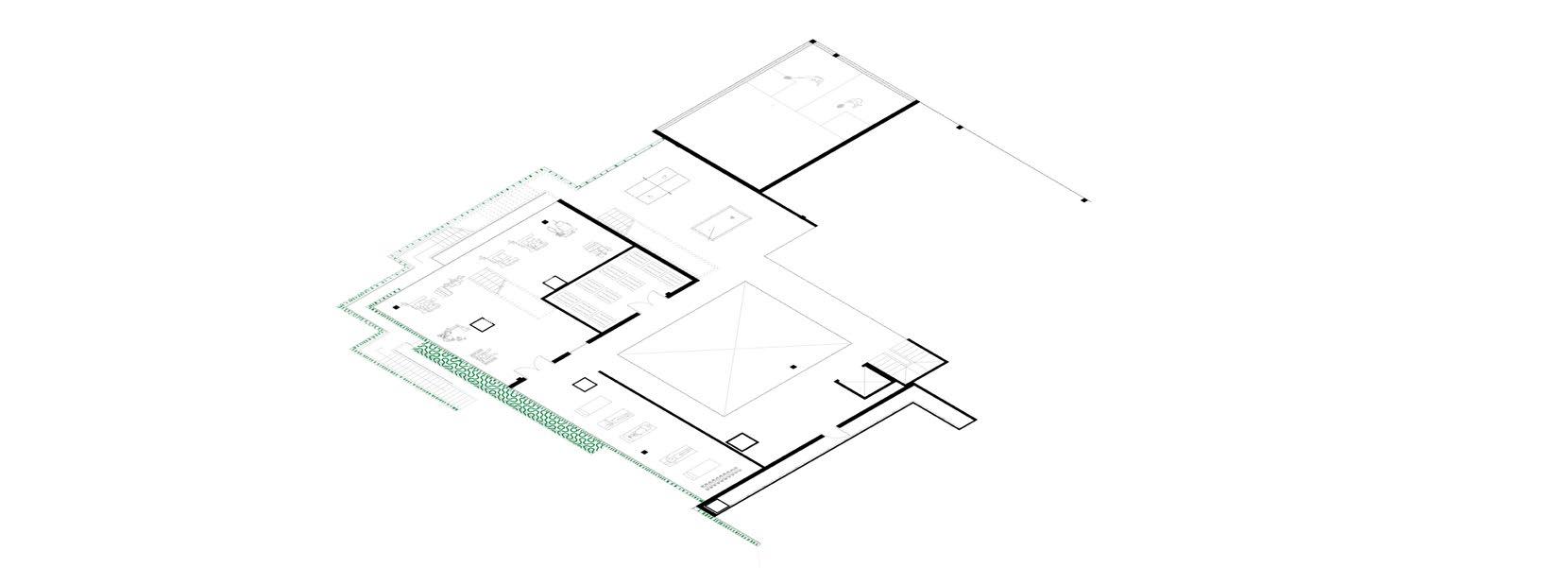
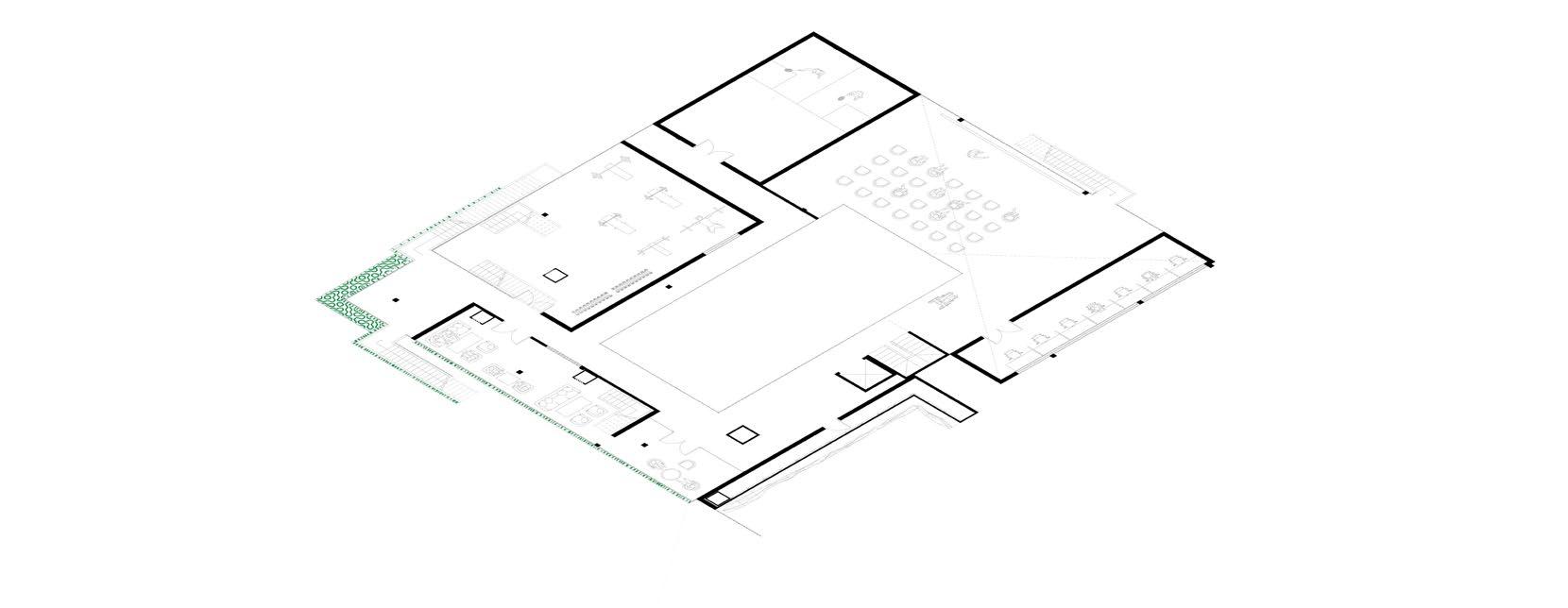
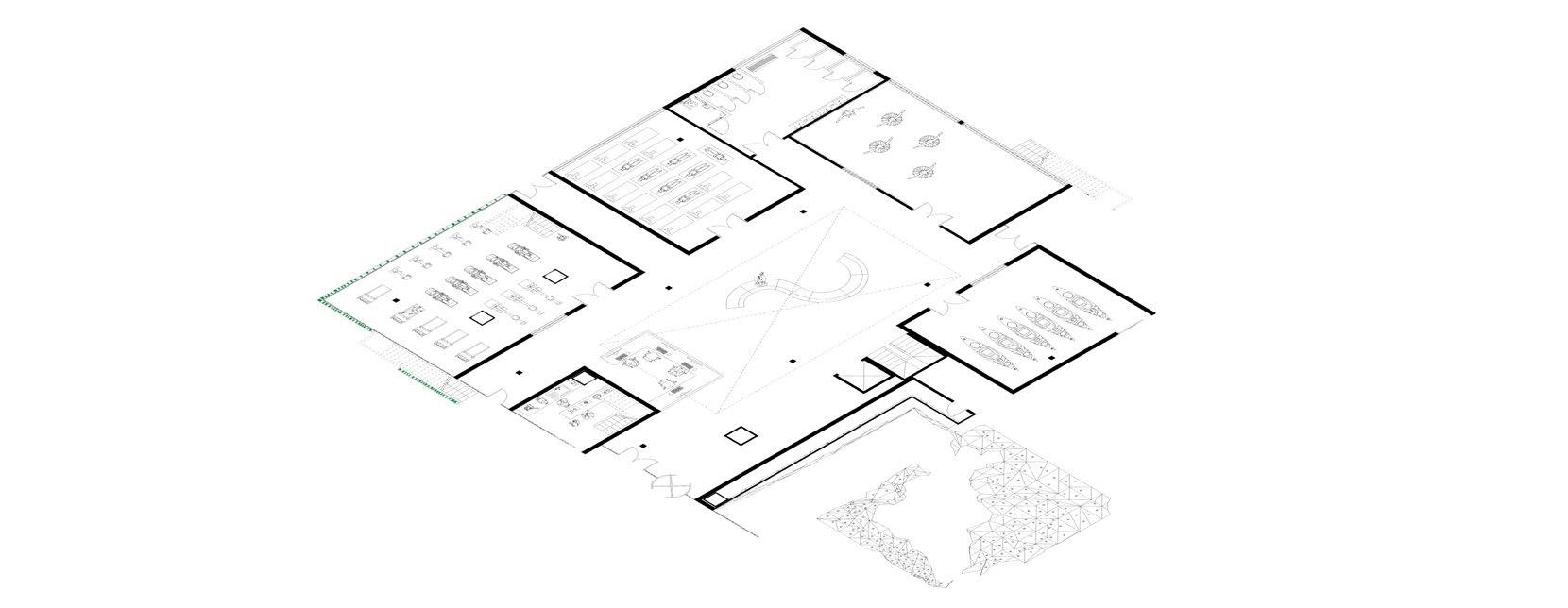
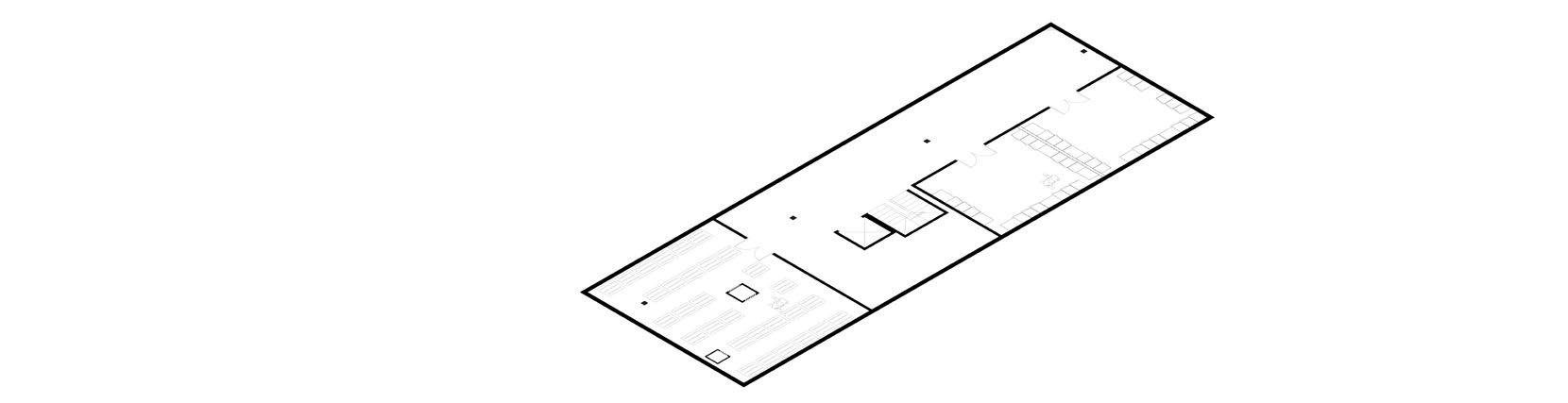
Floor plans (alternating floors)
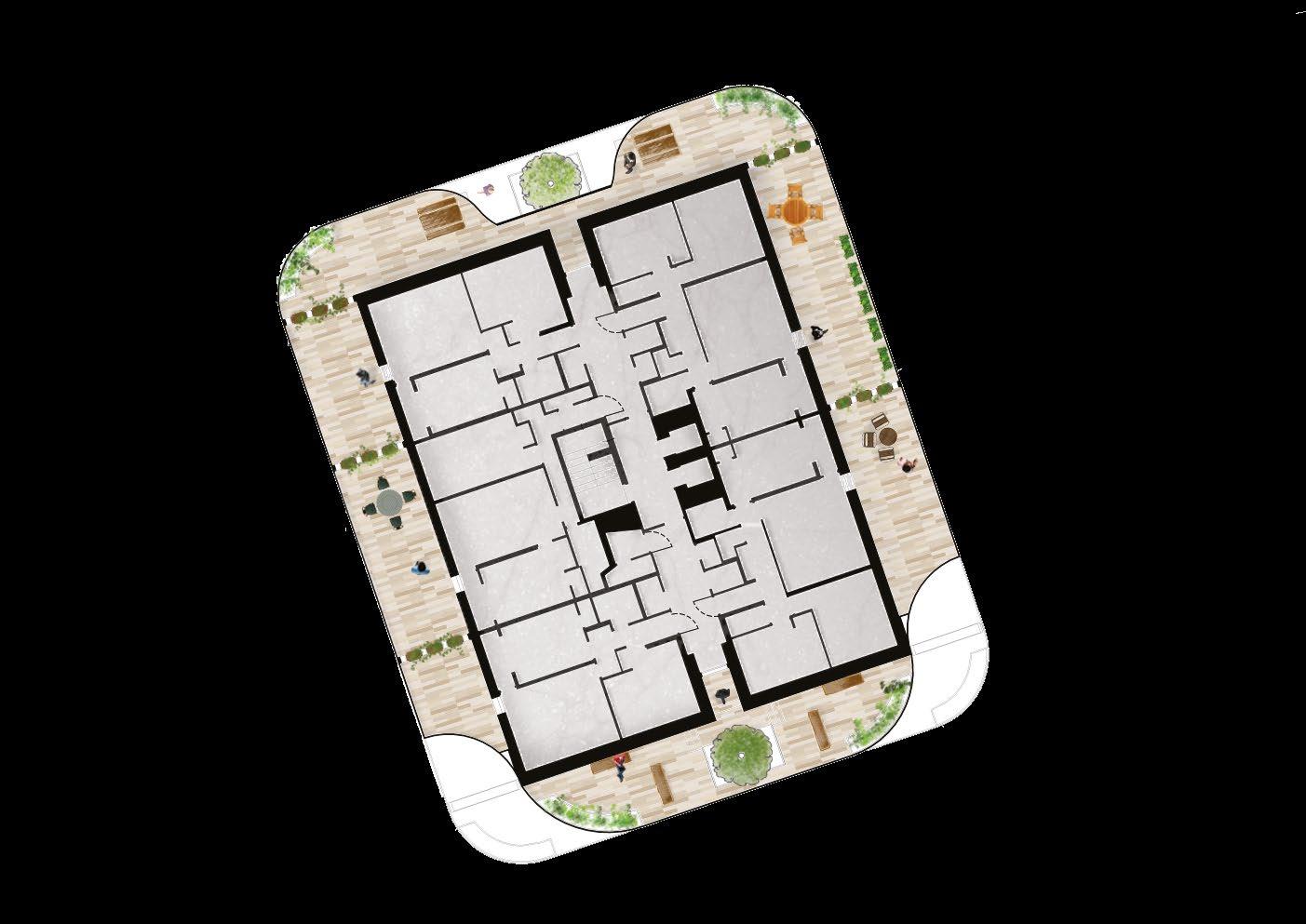
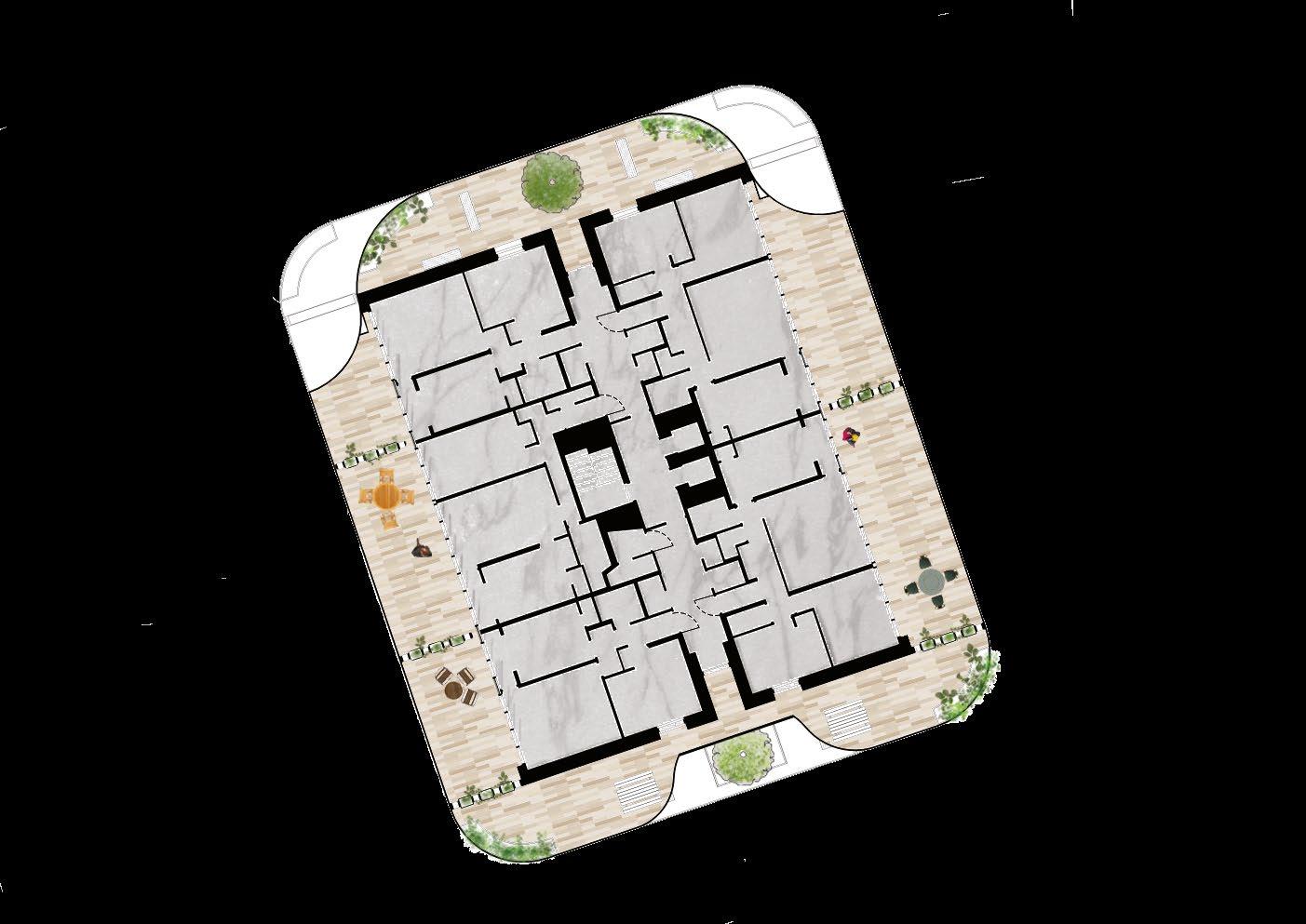
Appendix - Sustainable Leisure Centre
Local climate:
Comparison of current and future conditions (referenced on page 2)
When comparing the 2 scenarios, a similarity is seen in the pattern of the irregularities of the date, with July/ August the time of the year with the highest recording of Dry Bulb Temperature. However, we do see an overall increase in temperature throughout the year.
In contrast to the trend of increasing value of dry bulb temperature, we see a decrease in the global horizontal solar radiation, with the highest recording being 880Wh/m2 in 2018, and 760Wh/m2 in 2030. The lowest reading being 50Wh/m2 in 2030 and 60Wh/m2 in 2018,
When comparing the relative humidity of the years 2018 and 2030, we see an overall increase in humidity in 2030, with the recording reaching the value of 98 more frequently in 2030 than in 2018, with this occuring throughout the course of the year.
Continuing growth of the greenhouse emission at today’s rate could lead to additional global warming of about 1.5 degrees Celsius by 2050.
A study showed that with no change in emissions by 2050, 1,126,000 premature mortalities are expected each year due to ozone.
Although the U.K’s transition to net-zero is expected to be completed by 2050, and is predicted to improve air quality, there will be some pollutants which may not drop straight away, examples of these being particulate matter.
Changing climate:
Newham has the highest pollution related death rate in England, with 96 people dying each year as a result. to the area.
Leisure centres effect on environment:
40% of council owned property gas emissions are released by Leisure Centres
Majority of emissions from leisure centres come from mechanical methods of heating/cooling a space and also mechanical ventilation.
The most energy consuming activity in a leisure centre is a swimming pool, requiring constant ventilation to avoid humidification of air and to keep the space at a temperature between 30 and 35 °C
In the future, climate change may mean that some activities may not be present in leisure centres and other facilities as they are difficult to do in indoor conditions.
Masterplan exacerbating the climate crisis:
Tall buildings contribute to the urban heat island effect, in which the asphalt absorbs thermal energy throughout the day and release it at night.
Introduction of a new DLR station, along with new industrial buildings will contribute more gas emissions to the area.
Appendix - Sustainable Leisure Centre
Evidence based digital design: Simulations of iterations - Summer solistice (referenced on page 3)
1st iteration:
2nd iteration:
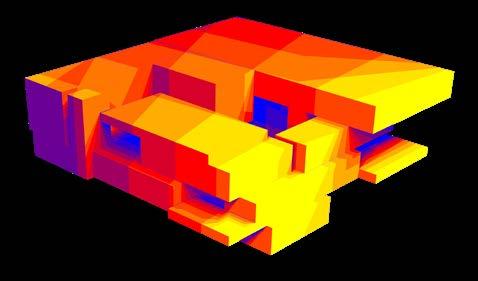
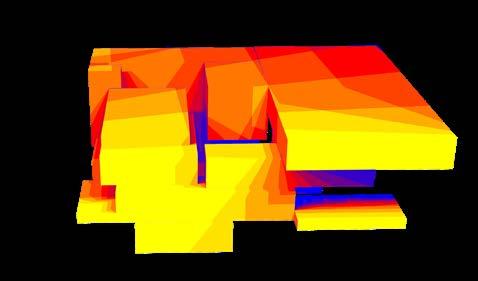
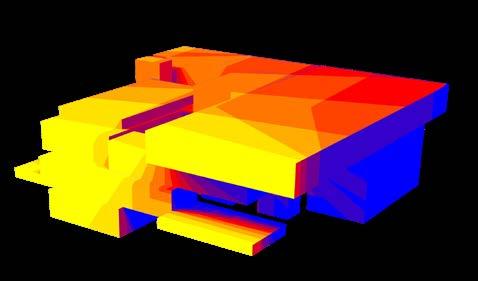
In the second iteration I started to integrate balconies/terraces into the building to make it one where the community could also relax and socialise in rather than just one to exercise.
3rd iteration:
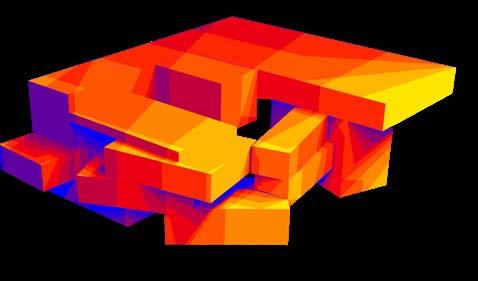
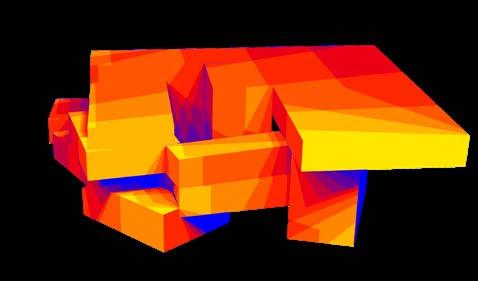
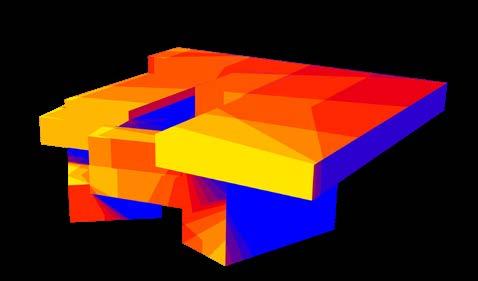
In the third iteration I explored the idea of rotating spaces with the intention of maximising daylight exposure to indoor spaces, however this proved to be counterinutitive woth the simulation proving that this has reduced sunhour exposure on the building.
Appendix - Sustainable Leisure Centre
Testing of proposal:
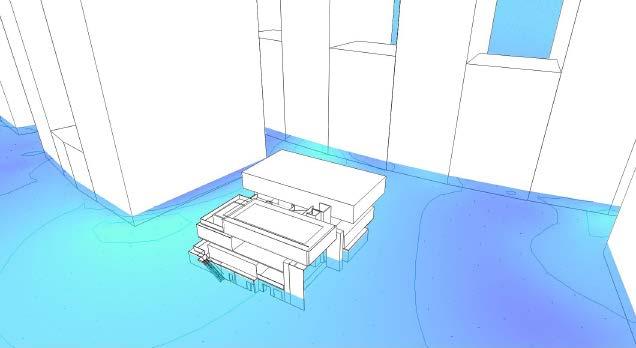
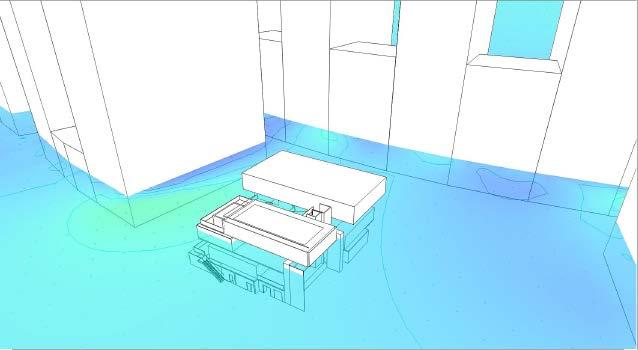
Simulations on Wind, Radiation and performance analysis (referenced on page 3)
Wind patterns
Radiation analysis on facade
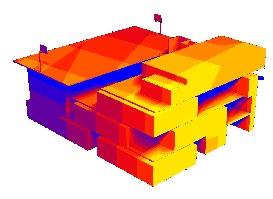
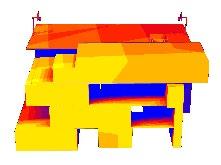
These simulations were run on the external facade of the building, before any intervention was made (incorporation of algae into the facae).
The simulations were useful in helping me identify which areas of the building are most exposed to the sun and which aren’t, with those most exposed to the sun containing a facade component with the highest desnity if algae within it.
The algae in my design is not only used to purify the air through photosynethesis but also to provide passive forms of shading and cooling of the internal space.
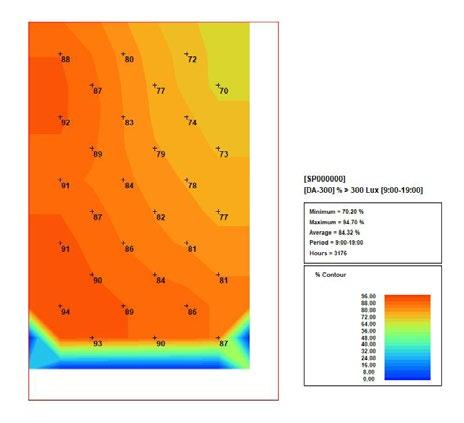
Peformance analysis of Gym - Daylight exposure (Lux)
Ventilation
This analysis explores the daylight accessibility of the person using the gym, On the left hand side, using IESVE we have looked into the Daylight exposure of the space (measured in Lux).
The Lux reading varies from space to space, but in this case, with my chosen room being a gym, the Lux requirement for it is 300. The simulation run below on IESVE Validifies the design of the space, ensuring that the occupants receive high levels of natural daylight. The data extracted from this simulation is that on average, a Lux reading which is higher than 300 (the requirement) is achieved 84% of the time.
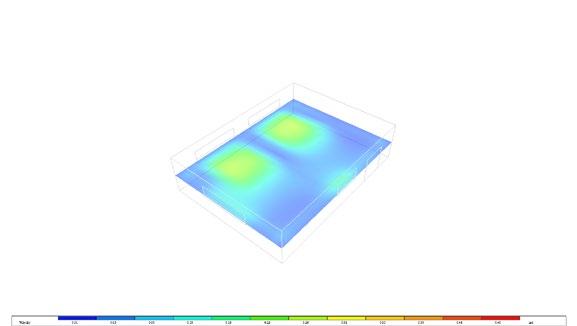
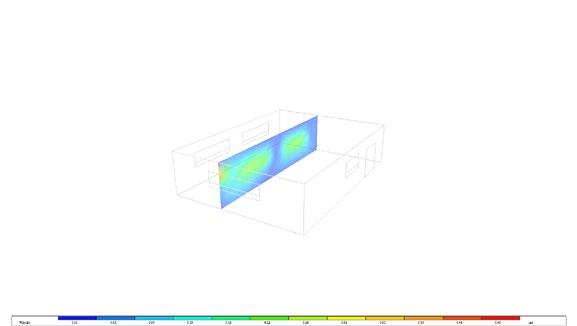
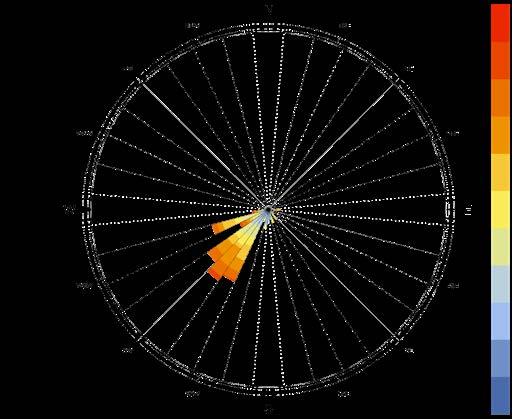
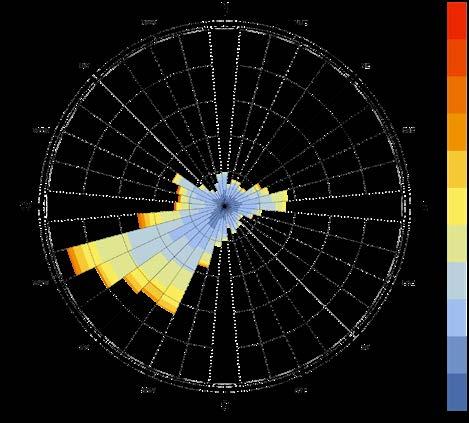
With alot of the data from these simulations exceeding 0.22 and even sometimes getting into the 0.31m/s, there is enough ventilation occuring of the space.
Appendix - Playtime Pavilion
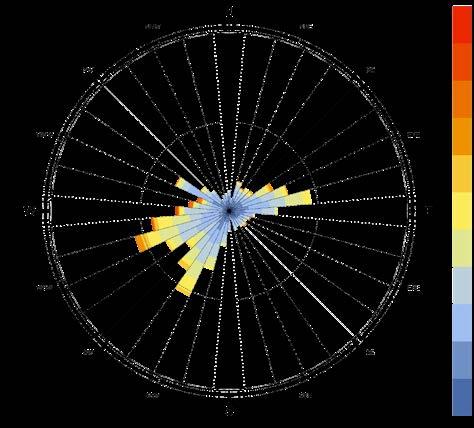
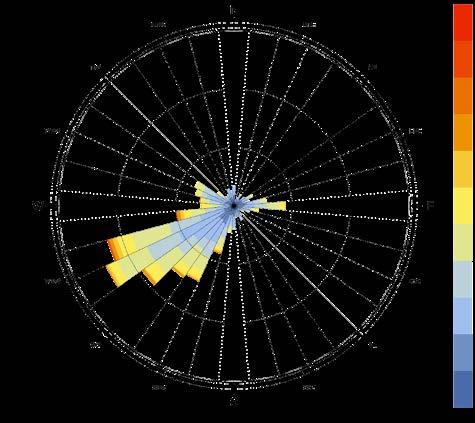
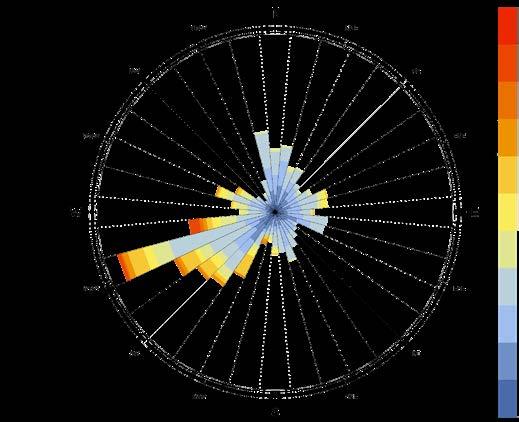
Digital iterations: Responding to windpath results (referenced on page 8)


Appendix - Playtime Pavilion
Testing of proposal:
Simulations on Wind and radiation (Referenced on page 9)
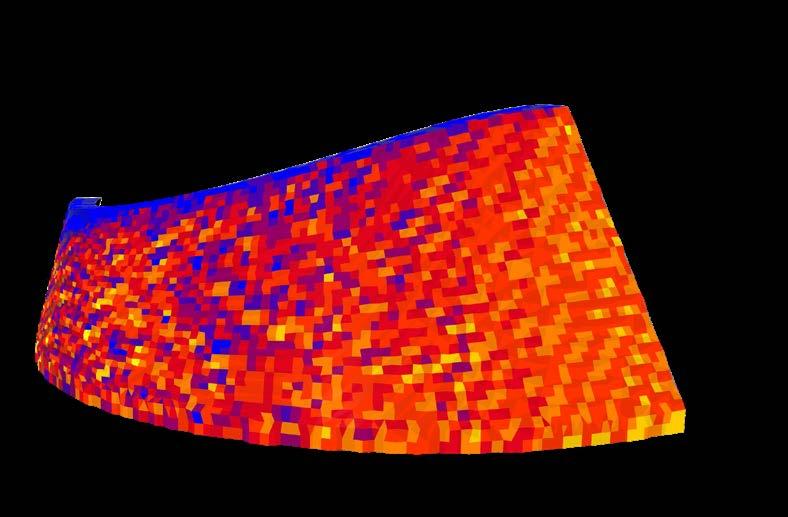
Sunhour analysis of the proposal and it’s impact on surroundings:
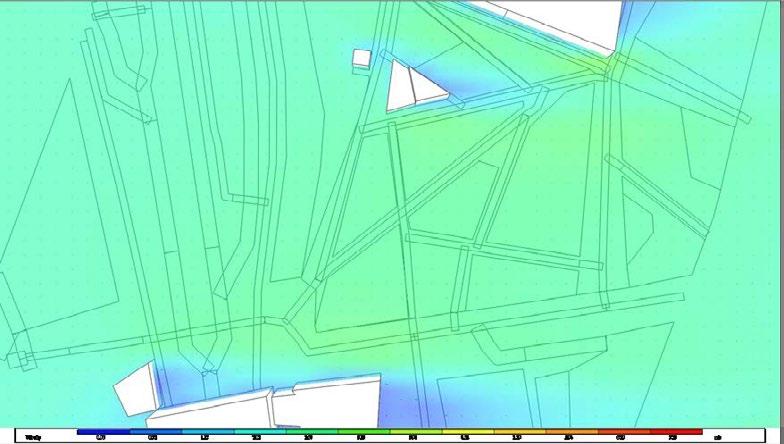
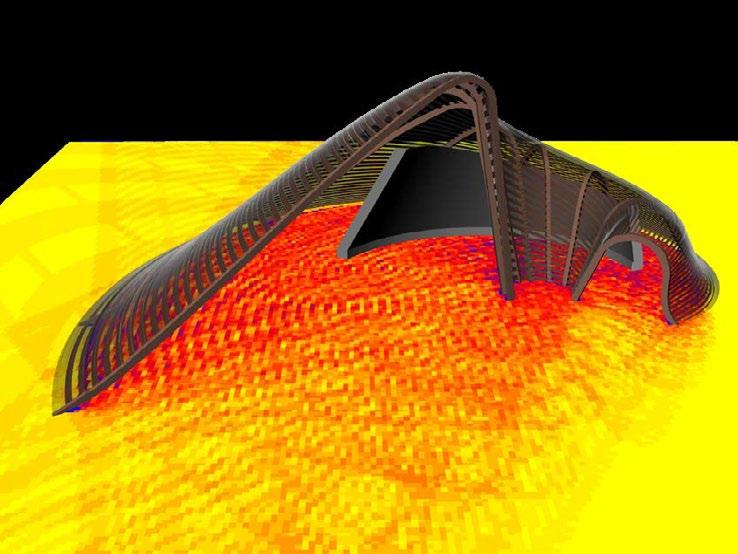
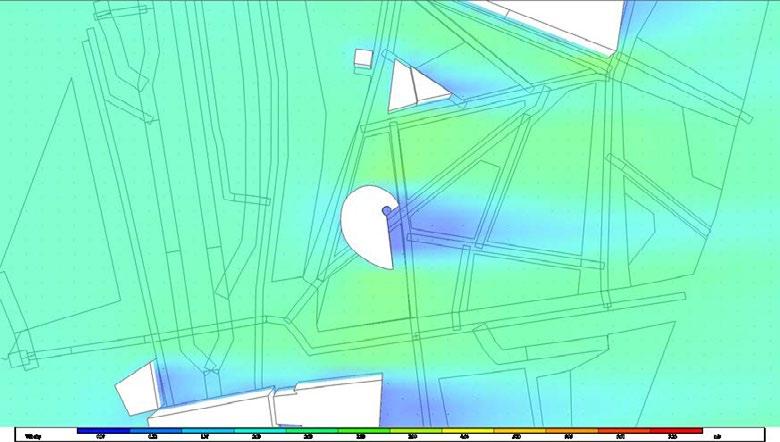

Wind velocity before and after the proposal (m/s) This set of simulations demonstrates that the pavilion effectively meets its design intentions. Its
Appendix - The Vertical Garden, Retrofitting Ferrier Point
Site Analysis:
2020 vs 2080 Environmental data analysis for UK (referenced on page 13)
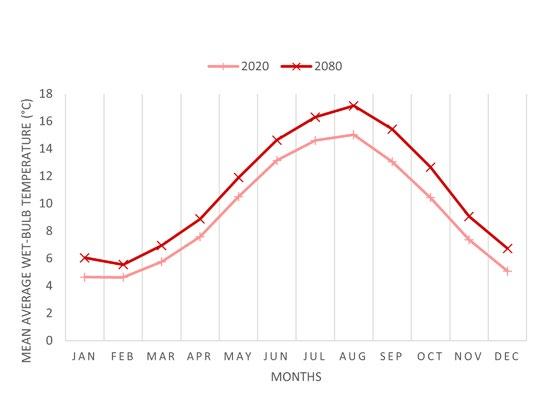
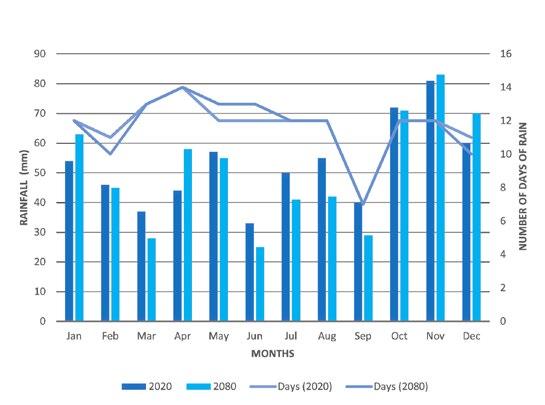
There is an overall increase of average wet-bulb temperature in every month from the year 2020 to 2080. This can cause:
- Problems with thermo-regulation
- Discomfort for occupants
- Urban heat island effect
There is a decrease level of rainfall in months which experience less rain and an increase in months which experience more rain. The pattern suggests more extreme wet seasons and dry seasons:
- Lack of rain can cause death of crops or low yield
- Water reservoirs will decrease
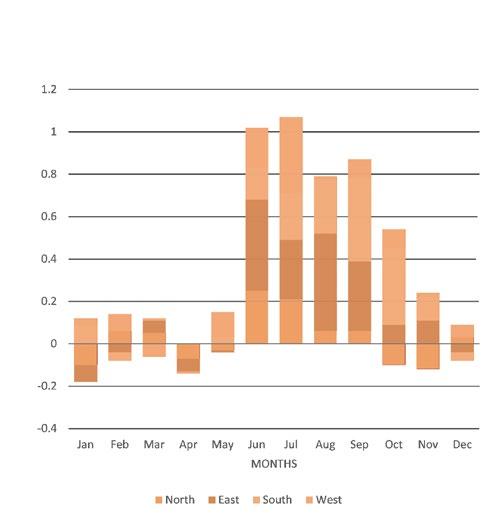
The East of London experiences a greater level of average global vertical radiation in 2080 compared to 2020. This can cause:
- Warmer Summers
- Problem with thermo- regulation
- Discomfort for occupants
- Urban heat island effect





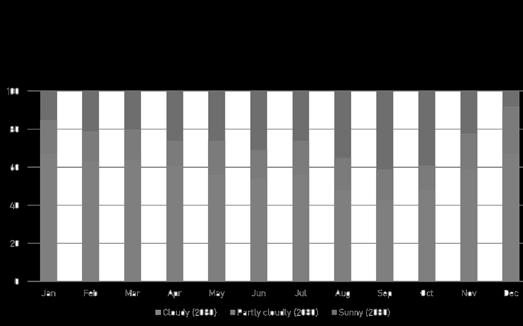
There is an overall decrease in the percentage of the months which are cloudy from the year 2020 to 2080. This can lead to:
- Warmer summers
- Less shading
- Urban heat island effect



Design Requirements:
1. Design should consider passive cooling options through the emblem
2. Design should create a comfortable environment for occupants for the foreseeable future
3. Design should take into consideration the changes in the environment.
Appendix - The Vertical Garden, Retrofitting Ferrier Point
Site Analysis:
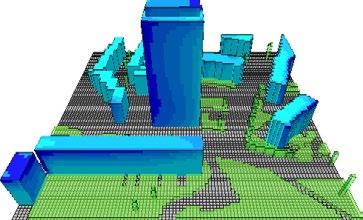
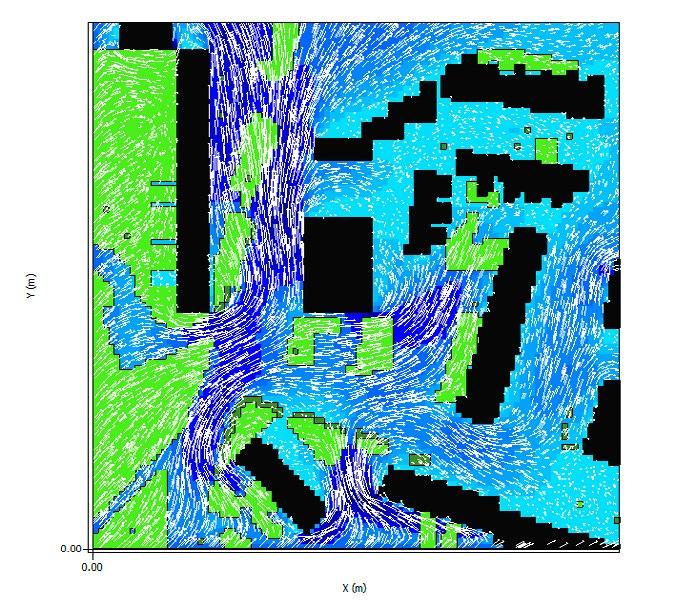
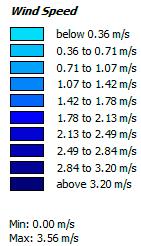
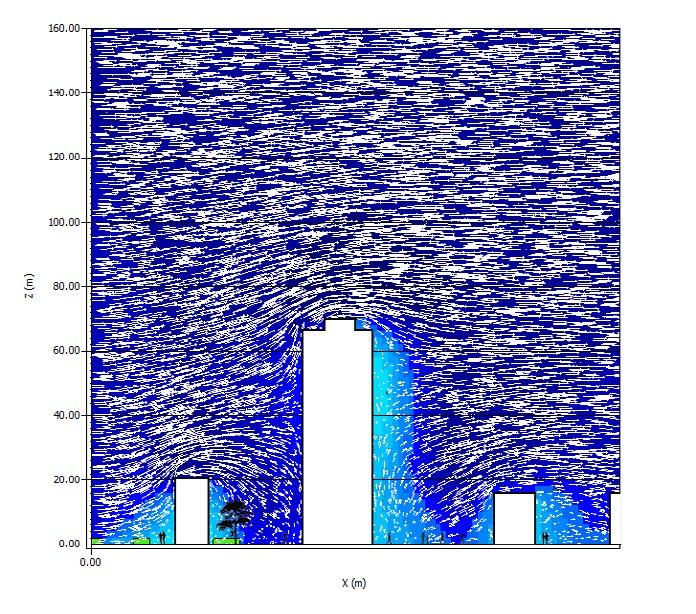
Simulations of wind speed and pattern using ENVI-MET (referenced on page 13)
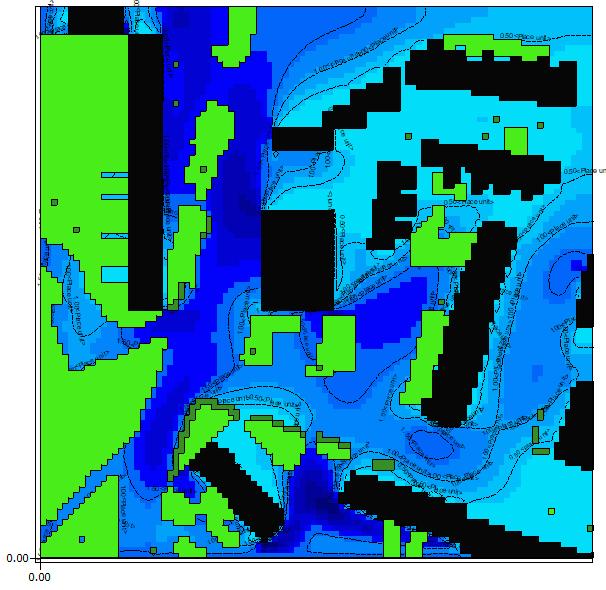
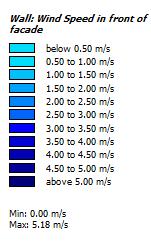
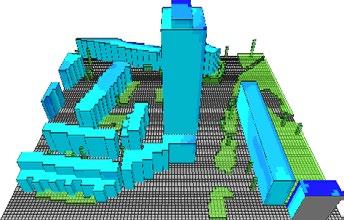
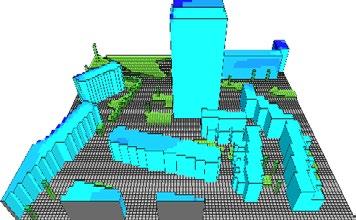
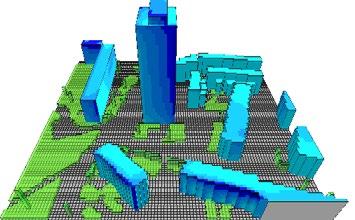
After performing the simulations on ENVImet it became evident that some of the façades on Ferrier Point had access to less passive ventilation due to the orientation and shape of the existing building. The North facade experiences significantly less wind speed and this is due to the high wind speeds bouncing off the West wall corner creating a barrier thus reducing the amount of wind reaching the surface of the North wall. A similar affect is occurring on the East facade. This affect is better explained through the wind pattern study which will follow.
Appendix - The Vertical Garden
Axonometric Plan (Referenced on page 15):