Advert Space Director Emlyn Freeman emlynfreeman@littlegatepublishing.com
Project Director Andrew Richards andrew@littlegatepublishing.com
Commercial Manager James Hamilton james@littlegatepublishing.com
Lead Designer Adam Knights
Research Kristina Palmer-Holt
Editorial Research David Reilly
Corporate Director Anthony Letchumaman anthonyl@littlegatepublishing.com
Founder and CEO Stephen Warman stevewarman@littlegatepublishing.com
For enquiries or subscriptions contact info@littlegatepublishing.com +44 1603 296 100
ENDEAVOUR MAGAZINE is published by Littlegate Publishing LTD which is a Registered Company in the United Kingdom.
Company Registration: 404 2112 62
VAT registration number: 13572767
343 City Road 147 Queens Road London 79 Norwich
EC1 V1LR NR1 3PN
Littlegate Publishing Ltd does not accept responsibility for omissions or errors. The points of view expressed in articles by attributing writers and/or in advertisements included in this magazine do not necessarily represent those of the publisher. Any resemblance to real persons, living or dead is purely coincidental. Whilst every effort is made to ensure the accuracy of the information contained within this magazine, no legal responsibility will be accepted by the publishers for loss arising from use of information published. All rights reserved. No part of this publication may be reproduced or stored in a retrievable system or transmitted in any form or by any means without the prior written consent of the publisher.
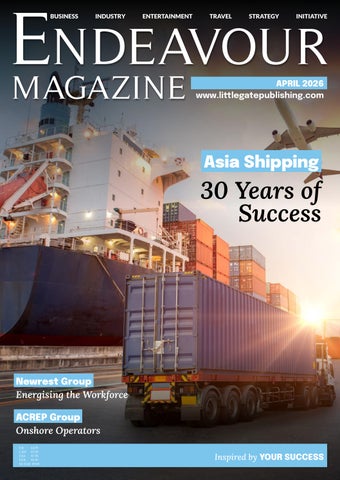
We kick off this bumper edition of Endeavour Magazine with an expansive feature on Asia Shipping, celebrating 30 years of freight forwarding excellence. We got to speak with Alexandre Pimenta, Chief Executive Officer of Asia Shipping, who told us all about the company’s success over the last 3 decades, its vision for the future, and some of the exciting projects it is currently working on. We are thrilled to get to highlight 30 years of Asia Shipping and thank them for choosing us to tell their story of success.
We then turn to Newrest Group, a global leader in the out-of-home catering and support services sector, operating across some of the most remote projects worldwide. We spoke with Yannick Villar, Chief Commercial Officer of Newrest Group, who shared valuable insights into Newrest’s operations, its push towards digitisation, and how it continues to support people globally. We enjoyed speaking with Villar and look forward to catching up with them again soon to see how Newrest continues to grow its partnerships across remote projects worldwide.
This month, we also spoke with Roshen Ramlal, Chief Executive Officer of Varaya Group, a leading EPC design-build and project management firm. Ramlal outlined how Varaya’s operations have expanded significantly in the last 10 years, now focusing on projects across Trinidad and Tobago, Guyana, Suriname, and the United States. We appreciated gaining valuable insights into some of Varaya’s current and future projects, which highlight the company’s expertise in the design and management sector as it continues to expand its operations across the Caribbean.
by Carley Fallows
Asia/Oceania
Indonesia to Ban Social Media for Under 16s
Indonesia has made a significant step towards online safety and will ban social media and other online platforms for children under 16. The country will move to deactivate any accounts for under-16s on highrisk platforms, in an effort to protect children online. It is hoped that with government regulations, it will make it easier for kids to navigate the online world away from harmful material. Indonesia is one of many countries that have made the move towards banning social media for under-16s. The first country to ban social media for under-16s was Australia, which blocked kids’ accounts as of December 2025. From this, many countries around the world have followed suit, tightening up online regulations to keep kids safe.
In 2023, UNICEF conducted a survey and reported that around half of the 510 children they surveyed in Indonesia had been exposed to inappropriate images on social media. Therefore, by blocking kids from social media, it is hoped to prevent them from seeing inappropriate material and safeguard them from things like cyberbullying and online scams.
India Win T20 World Cup
India’s men’s cricket team has won the T20 World Cup, after defeating New Zealand by 96 runs. The win marks the first time a team has won consecutive ICC Men’s T20 World Cup titles, having won the title both in 2024 and 2026. However, India also claimed the trophy in 2007, and so the 2026 win is the third time India has been victorious. The games leading up to the final saw India beat England, whilst New Zealand took on South Africa and was victorious.
Cricket is a super-popular sport in India, with the final seeing thousands of fans coming together to watch the match. Celebrations began across crowds both inside and outside of the Narendra Modi Stadium in Ahmedabad, even before the final overs had been bowled by the Indian team. This is the second victory for India’s cricket teams in recent months after India’s Women’s team won the first Women’s Cricket World Cup late last year.
Thought Extinct Tiny Possum found in West Papua
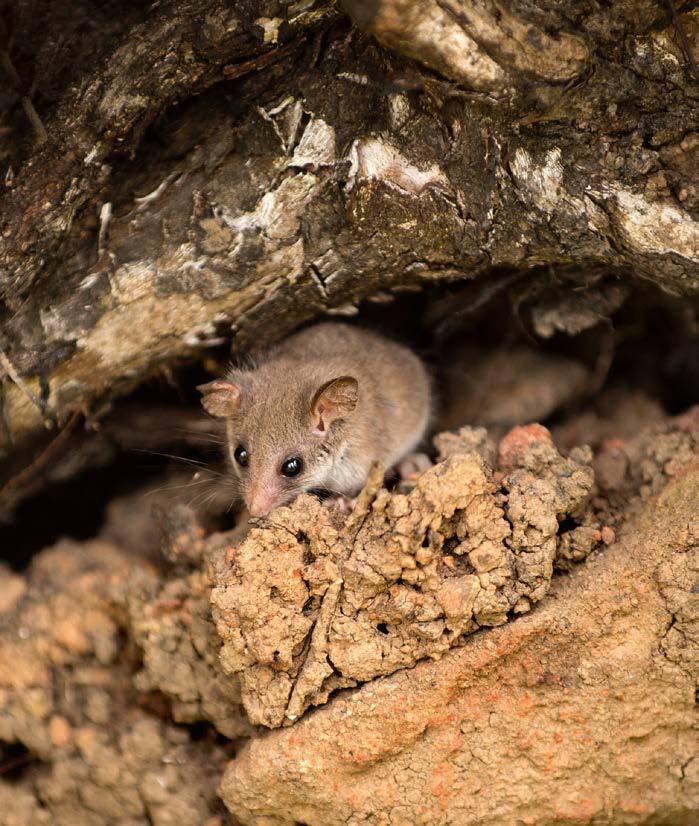
A tiny possum, which was thought to be extinct, has been discovered in West Papua by a research group. The pygmy long-fingered possum was thought to have disappeared during the Ice Age. However, Australian biologist Professor Tim Flannery from the Australian Museum found the possum in New Guinea. The researchers were able to locate it by piecing together decades of fossils, rare photos and old specimens, which gathered clues before they made visits to remote locations in New Guinea. The identification of the possum was largely helped by local elders who spoke with Flannery and his fellow researchers from the University of Papua. Alongside the possum, the researchers also found a ring-tailed glider, which was also thought to have been extinct for some 6,000 years. The discovery of two species which had been thought to be extinct is a remarkable finding.
Africa
Deadly Flooding in Kenya
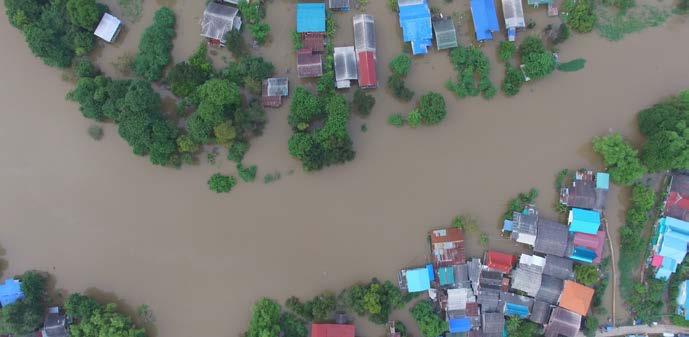
Heavy rain across Kenya has led to widespread flooding and devastation. The rain caused flash flooding, which resulted in rivers bursting their banks, homes being flooded, and roads being widely damaged. Alongside this, power and water lines were damaged, leading to power outages. The water caused damage to bridges in Nairobi, and left schools flooded.
More than 2000 people in low-lying areas left their homes to seek shelter. Following the widespread flooding, search and rescue operations began. Some of the worst flooding was seen in areas with poor drainage and obstruction of rivers and waterways, which added to the devastation. This was the case in Nairobi, where 33 people have died due to the flooding. The flooding also caused major disruption in neighbouring Ethiopia, where floods and landslides killed 100 people in the south of the country.
Smart Police Stations Introduced in Ethiopia
Ethiopia have introduced a new pilot program of smart police stations in the Bole district of Addis Ababa. The police stations now feature computer tablet screens inside partitioned booths, rather than the typical manned police stations many are familiar with. The screens allow people to make reports for things such as crimes, traffic reports or even general concerns which they want to raise for police attention. These reports are then read by police officers in remote locations, who use a chat pop-up screen to ask questions and take information.
In the first week of its operations, the system received three reports. However, it is hoped that the ‘unmanned’ stations will help encourage reporting and provide greater police access in places where there are not currently enough personnel. This shift towards digitalisation is just part of Ethiopia’s national strategy, Digital Ethiopia 2030, which is aiming to digitise public services across the country.
Senegal AFCON Win Overturned
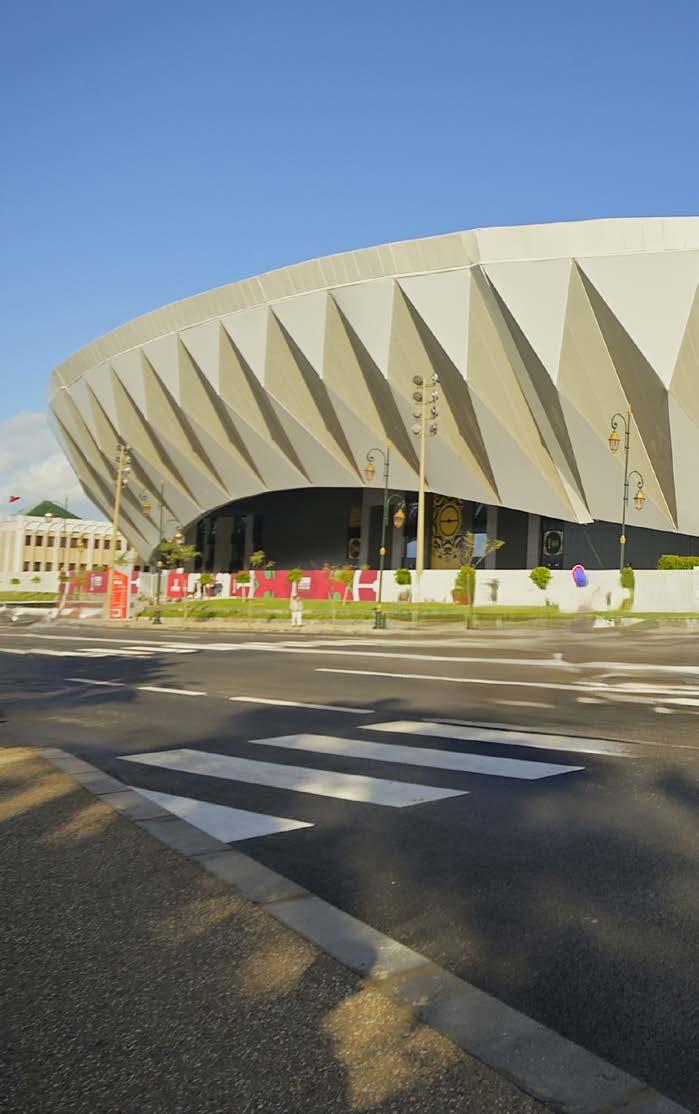
In January, the 2025 Africa Cup of Nations final was played at the Prince Mouley Abdellah Stadium in Morocco, which saw Senegal crowned the victors with a 1-0 defeat of Morocco. The game was shrouded in controversy as the Senegal team left the pitch after Morocco was awarded a stoppagetime penalty. This led to a 17-minute delay before Senegal returned to the pitch. Morocco missed the penalty, and then Senegal went on to score the winning goal in extra time.
However, the win for Senegal has now been overturned, with the Confederation of African Football (Caf) saying that Senegal had forfeited the final match, and the match has been recorded as a 3-0 win in favour of Morocco. According to African Cup of Nations regulations, if a team refuses to play or leaves the ground before the end of regulation time without a referee’s authorisation, it is considered the loser and removed from the competition. The Senegalese Football Federation said it would appeal against Caf’s decision.
Americas
Cuba Without Power
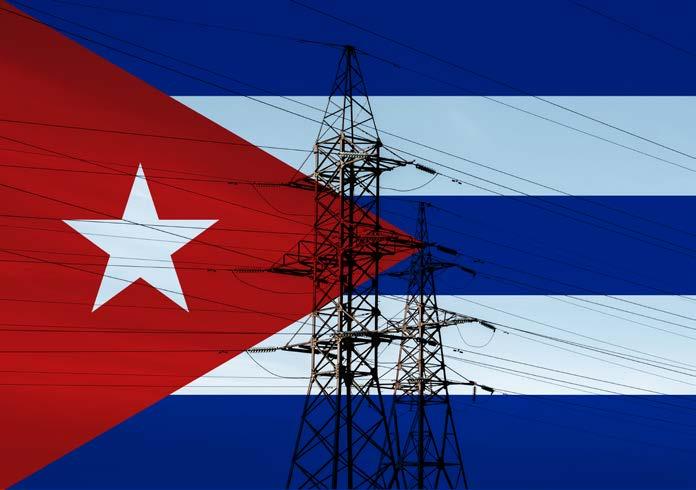
Power outages in Cuba have left millions in complete darkness as the national electricity grid collapsed. This is not the first time Cuba has experienced widespread blackouts in recent months, with the country experiencing frequent power cuts due to an ageing electric system. Following the widespread blackout, UNE, the country’s grid operator, was working to restore electricity to provinces and cities across the country.
The country has also experienced chronic fuel shortages over the last few months. Oil shortages have been exacerbated in recent weeks following oil shipments being blocked from the nation. Now, the country is also experiencing food and medicine shortages, as prices continue to rise for private businesses across the country in response to the fuel shortages.
Peru Geothermal Discovery
Researchers from Peru’s Geophysical Institute (IGP) have outlined that a large-scale active geothermal system has been confirmed in the country’s Southern Andes. The system is located near the Paucarani-Casiri volcano, around 75 kilometres northeast of Tacna, and close to the Chilean border. The high-resolution geophysical study conducted by IGP outlines a geothermal source with high potential. Magnetotelluric methods were used during the study, which produce a subsurface image by measuring natural electromagnetic fields.
IGP director Hernando Tavera outlines that the geological faults and hydrothermal system of the local volcanoes act as a natural mechanism which heats fluids at depth, and then creates heat reservoirs with a high energy potential. The geothermal potential is crucial, as unlike solar or wind energy, the Earth’s internal heat can generate geothermal power continuously for many years to come, offering long-term energy production for Peru.
.
Brazil Moto GP
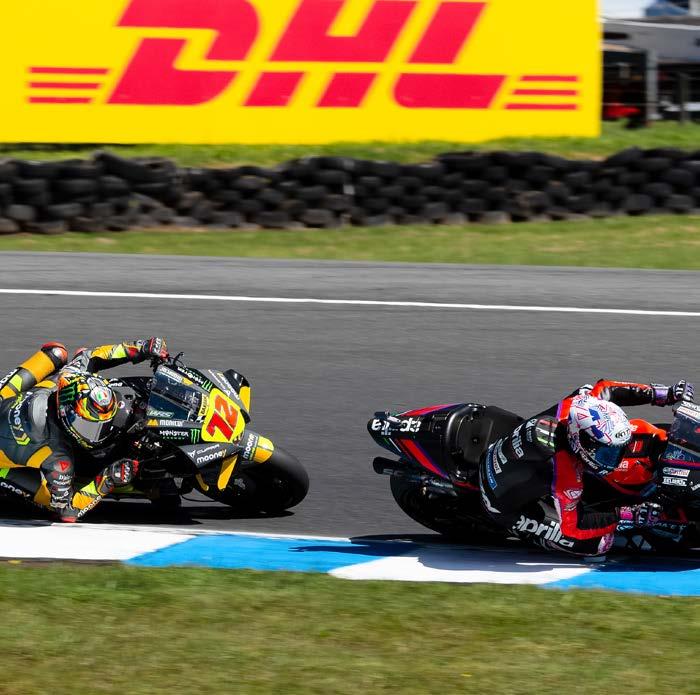
Marco Bezzecchi from Aprilia won the Brazilian MotoGP race, marking it as his fourth consecutive win of the race. The 27-year-old now leads the championship standings, with the win being his second of the year so far. His previous win was at the Thailand Grand Prix in early March. In the race, Bezzecchi took an early lead and remained at the front. Bezzecchi was closely followed by Jorge Martin across the line, also from Aprilia, with Fabio Di Giannantonio from VR46 taking third position.
Before the race, the track distance was cut from 31 to 23 laps due to track degradation concerns and high temperatures in Goiania. Whilst the announcement was made just before the start of the race, Bezzecchi still claimed first place, putting him 11 points ahead of KTM’s Pedro Acosta in the championship standings.
FASTER LIFTS FEWER HANDS GREATER EFFICIENCY
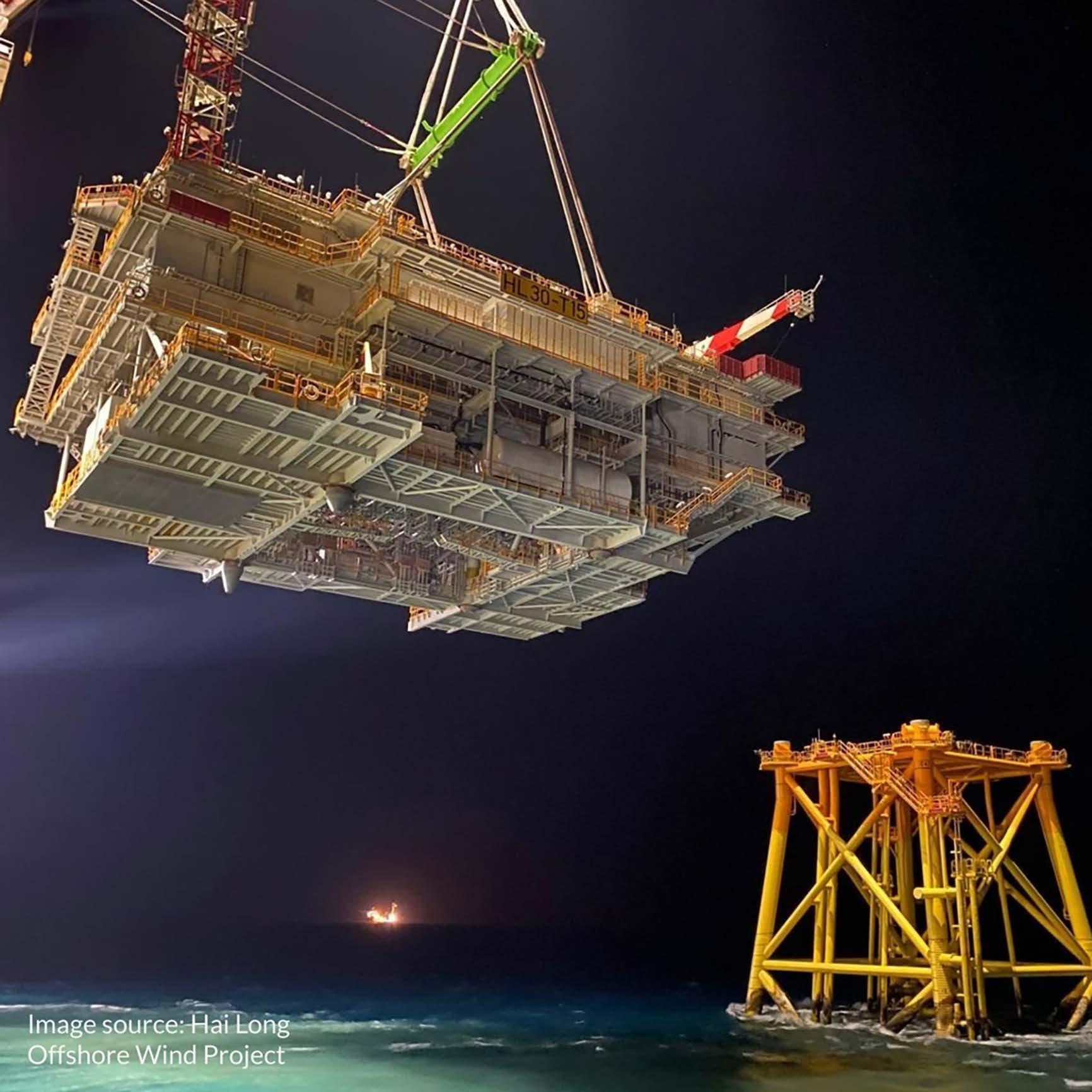
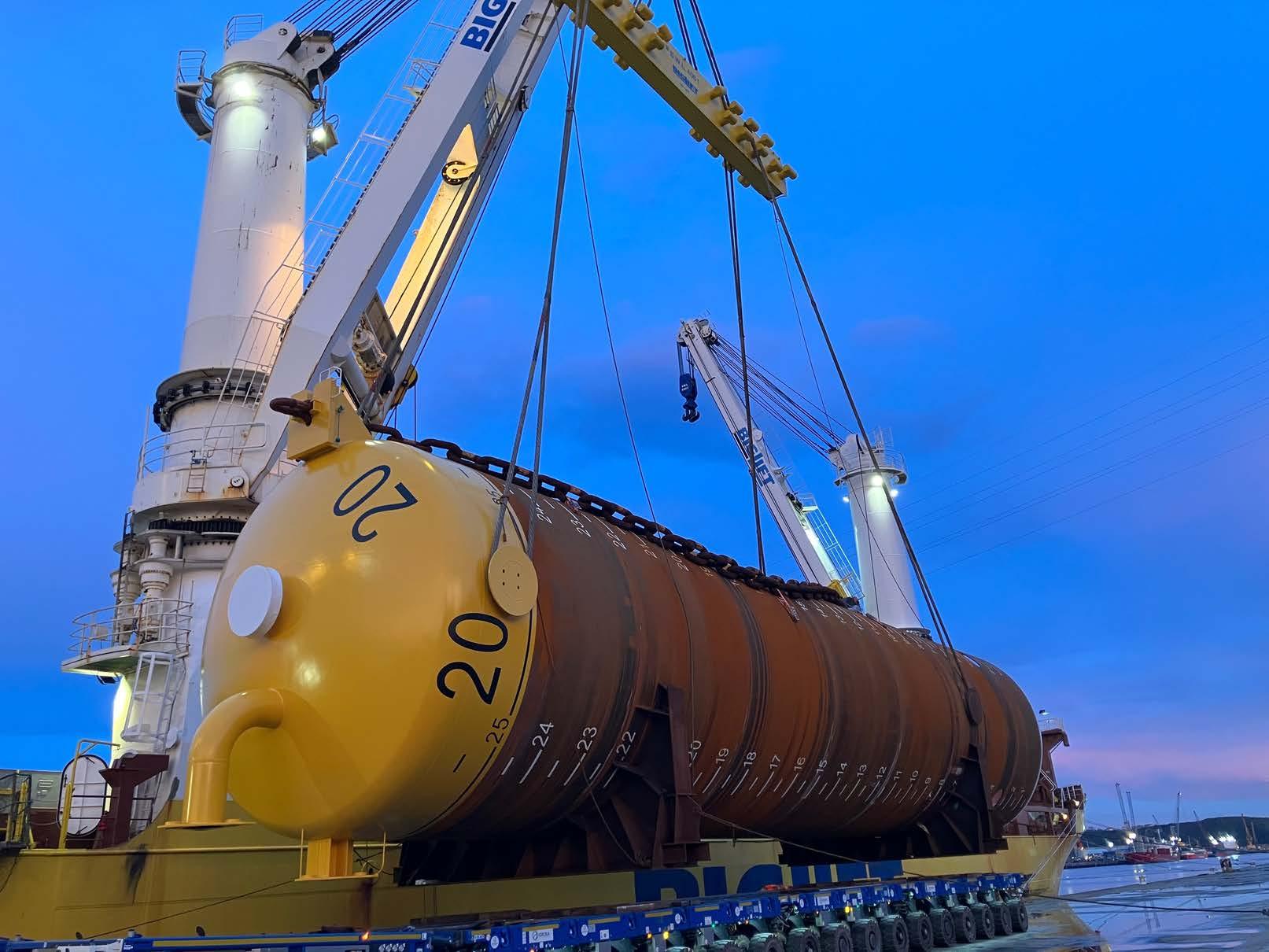
CSBC-DEME Wind Engineering (CDWE) installed its second offshore substation using ROPES BY BAKAERT, powered by BEXCO’s Ultraline® Slings made with Dyneema® SK78®, a lighter, high-strength alternative to traditional steel
FASTER LIFTS
FEWER HANDS GREATER EFFICIENCY
CSBC-DEME Wind Engineering (CDWE) installed its second offshore substation using ROPES BY BAKAERT, powe by BEXCO’s Ultraline® Slings made with Dyneema® SK78®, a lighter, high-strength alternative to traditional steel
This resulted in faster lifts, fewer hands and better efficiency offshore.
This resulted in faster lifts, fewer hands and better efficiency offshore.
For CTRL System Technologies Nigeria Ltd and Nigerian operators, this isn’t just innovation, it’s a shift in how we operate our lifts. Lightweight slings mean easier mobilization, reduced risk, and no compromise on performance. From FPSOs to fabrication yards, CTRL in collaboration with BEXCO is driving smarter, safer, and more costeffective lifting solutions across Nigeria’s energy landscape. Sometimes, the lighter way really is the stronger one.
CSBC-DEME Wind Engineering (CDWE) installed its second of by BEXCO’s Ultraline® Slings made with Dyneema® SK78® steel
For CTRL System Technologies Nigeria Ltd and Nigerian operators, this isn’t just innovation, it’s a shift in how operate our lifts Lightweight slings mean easier mobilization, reduced risk, and no compromise on performan From FPSOs to fabrication yards, CTRL in collaboration with BEXCO is driving smarter, safer, and more costeffective lifting solutions across Nigeria’s energy landscape. Sometimes, the lighter way really is the stronger one
This resulted in faster lifts, fewer hands and better efficien For CTRL System Technologies Nigeria Ltd and Nigerian oper operate our lifts Lightweight slings mean easier mobilizatio
From FPSOs to fabrication yards, CTRL in collaboration with effective lifting solutions across Nigeria’s energy landscape Sometimes, the lighter way really is the stronger one
Middle East
Saudi Arabia Aramco’s
Massive Tech Deal
Reports outline that Aramco in Saudi Arabia has signed a $370.6 million deal with Arabian Internet and Communications Services Co., for an advanced computing system to support its exploration and production operations. Arabian Internet and Communications Services Co. is known for its supercomputing projects, which are dedicated to exploration and production projects. Thus, the project with Aramco is reported to be for two highperformance computing systems, which will work together to process large volumes of data efficiently.
The delivery of digitisation across Aramco’s project is designed to boost efficiency, reliability and sustainability. This agreement would strengthen the long-standing partnership between Arabian Internet and Communications Services Co. and Aramco in delivering an advanced digital infrastructure for the energy sector.
UAE Animal Welfare Success
A volunteer network across the United Arab Emirates has developed No Pet Left Behind UAE, which is a rapidly expanding volunteer network designed to connect rescuers, fosters and adopters across the country. The network means that a simple WhatsApp message can be sent to ensure that abandoned animals are not left behind in times of need. The group doesn’t operate as a traditional registered charity, but instead as a network of hundreds of residents who are willing to foster, adopt or help transport abandoned animals.
The network already has more than 5,000 members across specialised WhatsApp groups, which are also supported by social media platforms. There are also 500 vetted volunteers in the network who have been categorised by home type, allergy status and breed preference to help connect animals with caretakers quickly and efficiently in times of need.
Qatar Doha named GCC Tourism Capital
Doha, the capital of Qatar, has been named the GGC Tourism Capital for 2026. Doha was chosen by the ministers responsible for tourism across the Gulf Cooperation Council (GCC) member states. These ministers approve recommendations of the designated city as part of a framework of joint tourism cooperation and the Gulf Tourism Strategy.
Qatar was submitted by Qatar Tourism who made a comprehensive and strategic bid for Doha to be the GCC Tourism Capital for 2026. The title champion’s Qatar’s long-term vision for tourism, highlighting Doha as a hub for cultural authenticity, urban innovation, sustainability, and quality of life. Thus, the bid aligns with Qatar’s national priorities, focused on economic diversification and will position tourism as a key driver for sustainable growth. Doha takes over the title from Al Ain in the UAE, who were the designated GCC Tourism Capital for 2025.
Europe
Denmark Green Energy Milestone
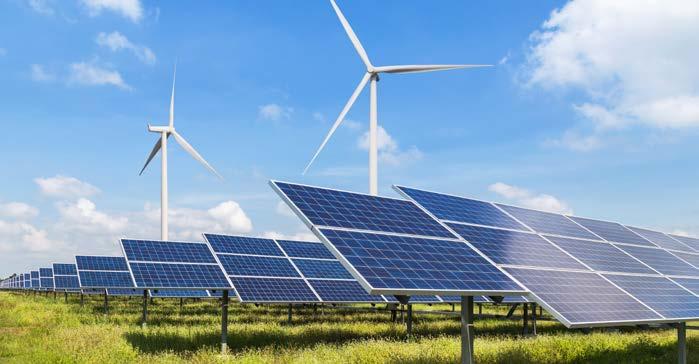
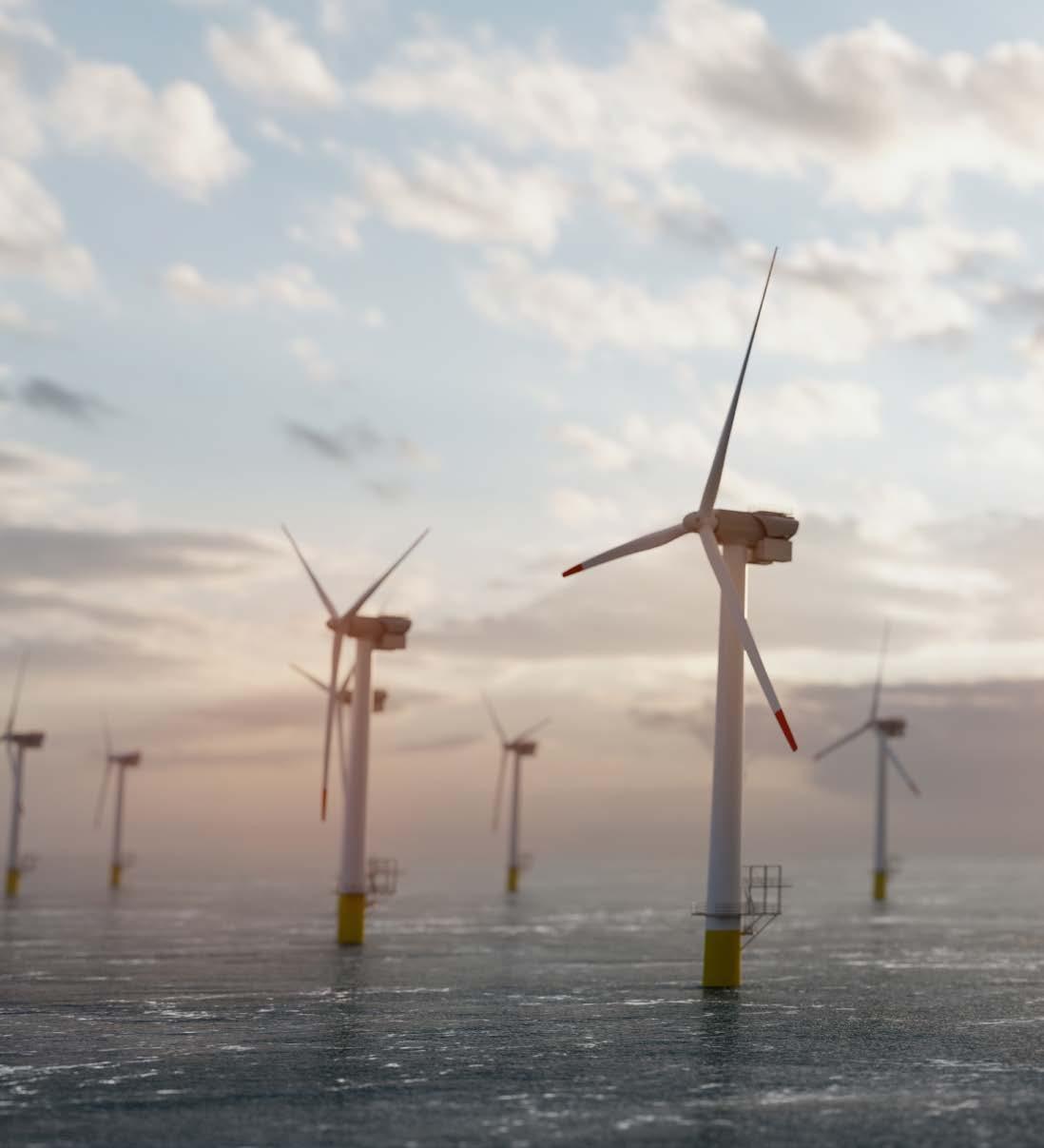
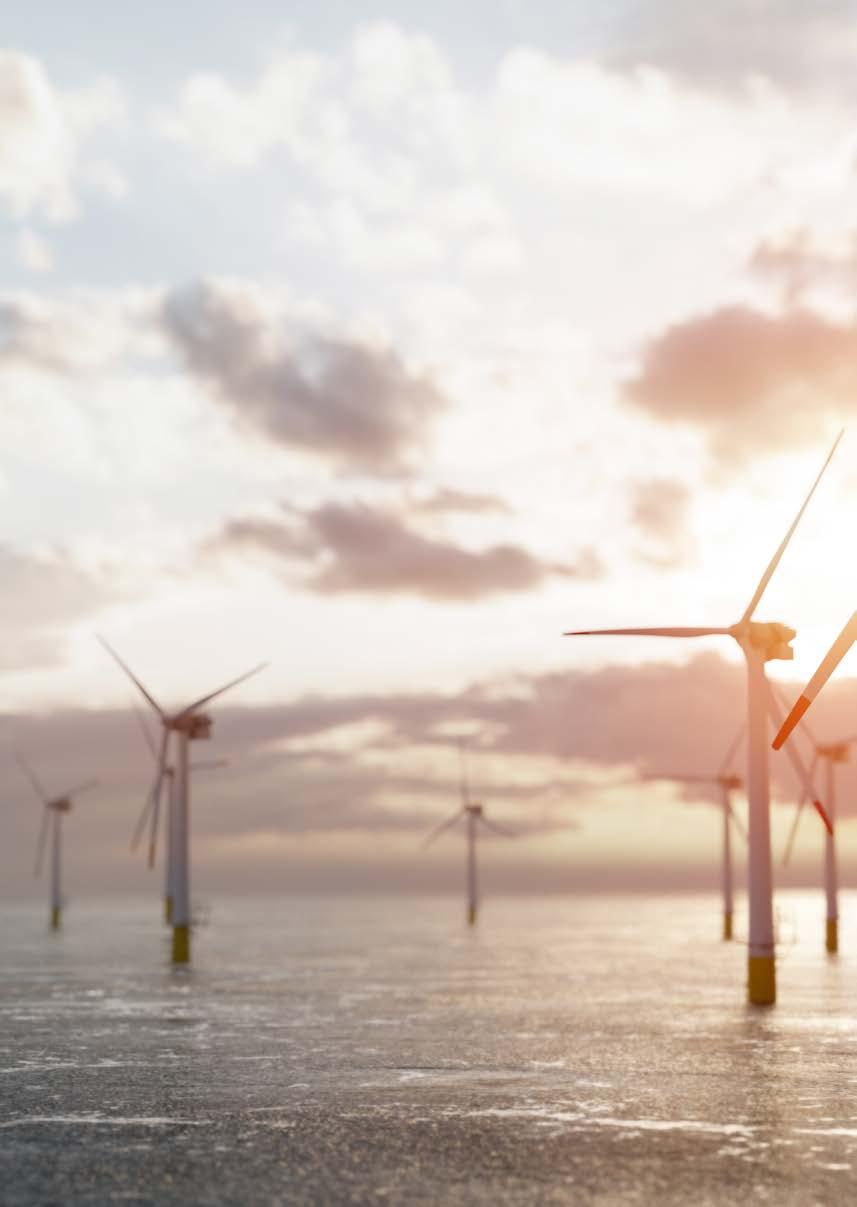
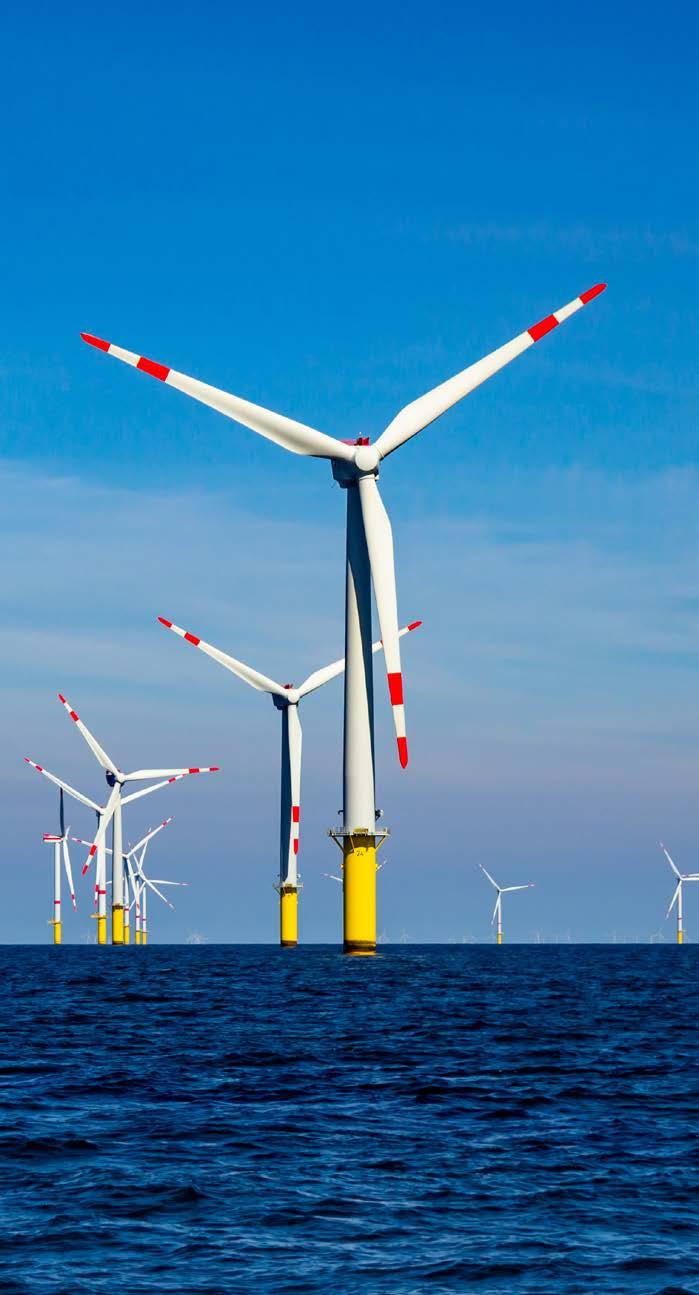
Denmark is in the process of delivering the country’s largest offshore wind farm, which, once fully operational, will be able to power the equivalent of more than one million Danish homes.
The offshore wind farm, Thor, is located off Denmark’s west coast and is a joint project between RWE (51%) and Norges Bank Investment Management (49%). RWE will focus on the construction and operations throughout the farm lifecycle. In March, the first Thor turbine fed electricity into the Danish power grid for the first time. Once fully operational, the wind farm will provide 1.1 gigawatts of electricity, utilising 72 turbines, and will significantly expand Denmark’s renewable energy portfolio.
Germany Infineon Opens New “Smart Power” Factory
In response to the global push towards digitisation and digitalisation, Infineon is constructing the Smart Power Fab, which will be a dedicated factory that will increase the demand for chips worldwide with innovative semiconductor solutions. The development of the Smart Power Fab will help Infineon support the shift towards a climate-neutral and digital world.
The facility will focus on power semiconductors and wide-bandgap materials, which boost efficiency in electric vehicles, data centres and renewable energy generation. Construction of the factory began in 2023, with production scheduled to start in 2026.
France Night Train Renaissance
A new sleeper train connection has been announced between Brussels and Hamburg, which would begin operations in 2026. The rail service was announced by European Sleeper, a communityowned rail operator, and will serve passengers between Brussels and Hamburg as of July 2016. However, it will be part of an expansion of the company’s Paris and Berlin route, which stops in Brussels on the way, launching in March 2026. The train is planned to operate three times a week on Sundays, Tuesdays and Thursdays, with returns on Mondays, Wednesday and Fridays.
The train will provide a practical solution for travellers heading to Scandinavia, with existing lines already connecting Hamburg to Copenhagen, Stockholm, and Oslo. The development of the train service to Hamburg is vital as the city is already a key rail hub for Germany, and so the service will connect travellers from Denmark, Sweden and Norway to key cities such as Brussels and Paris.
Asia Shipping
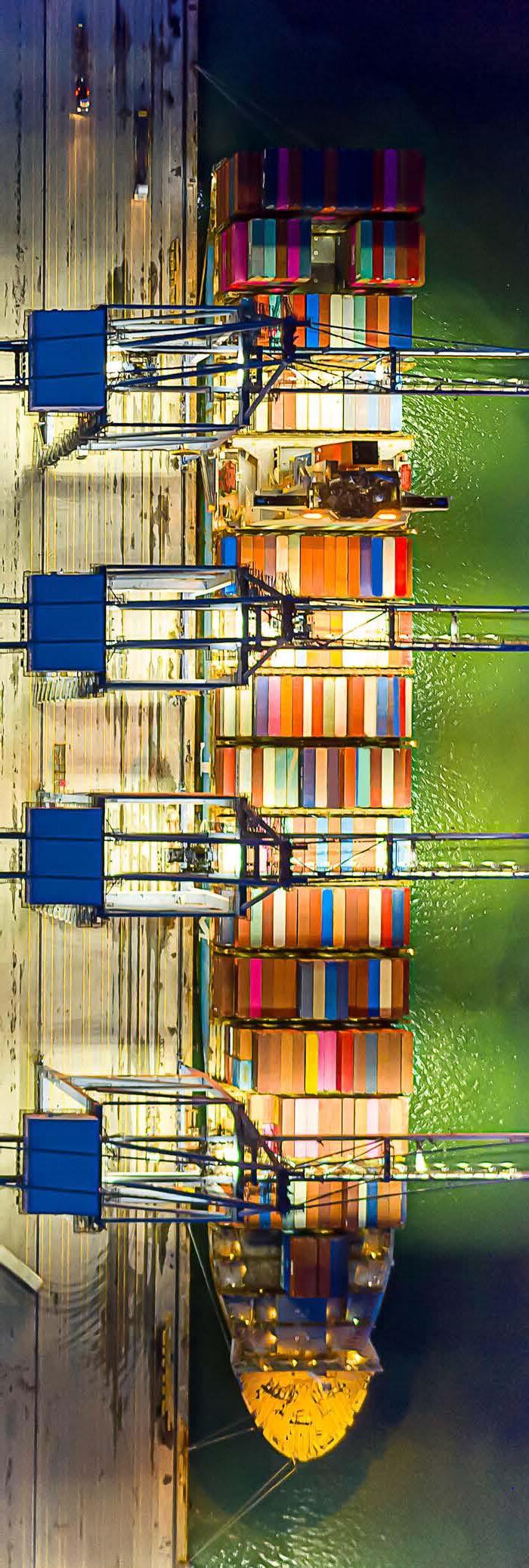
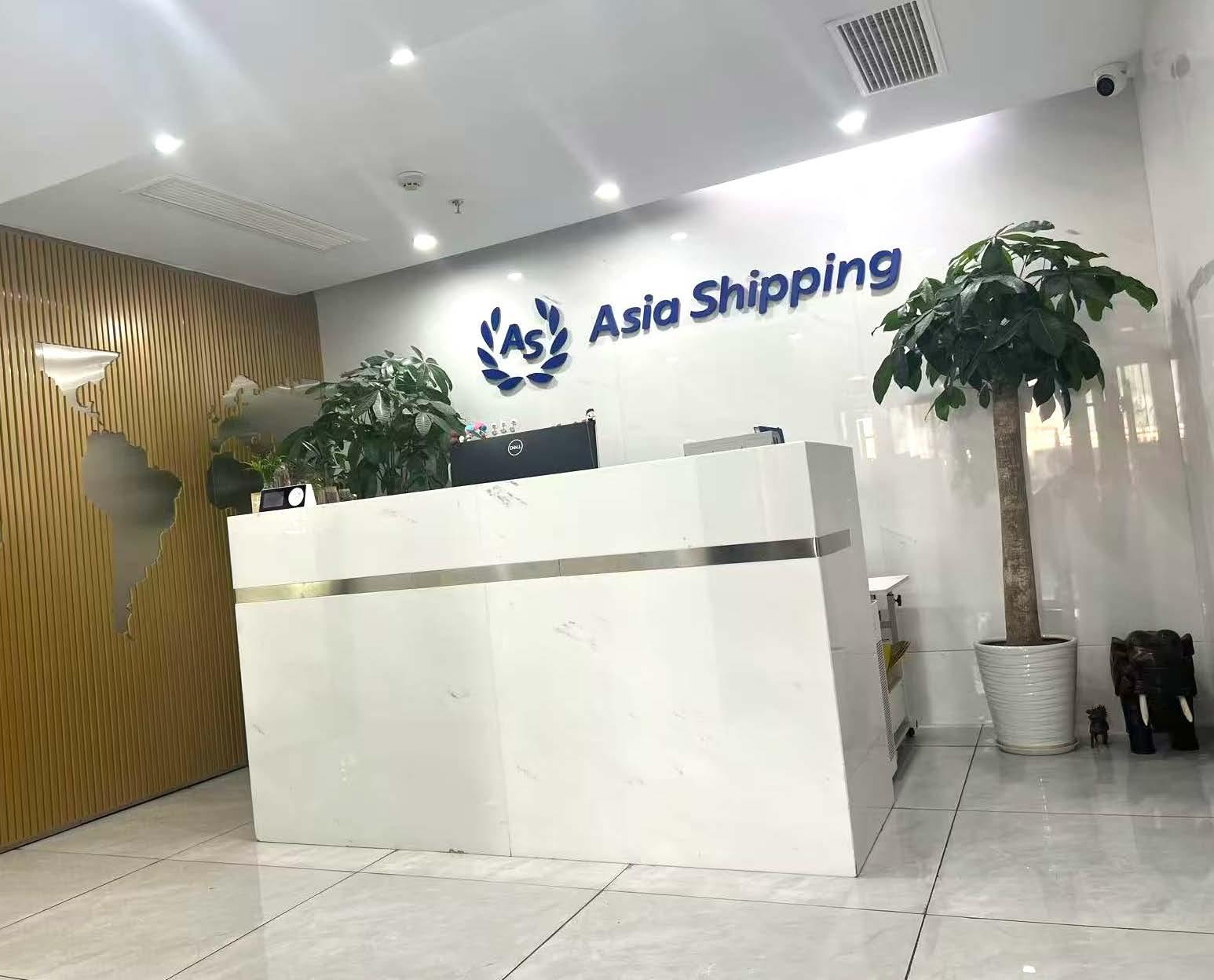
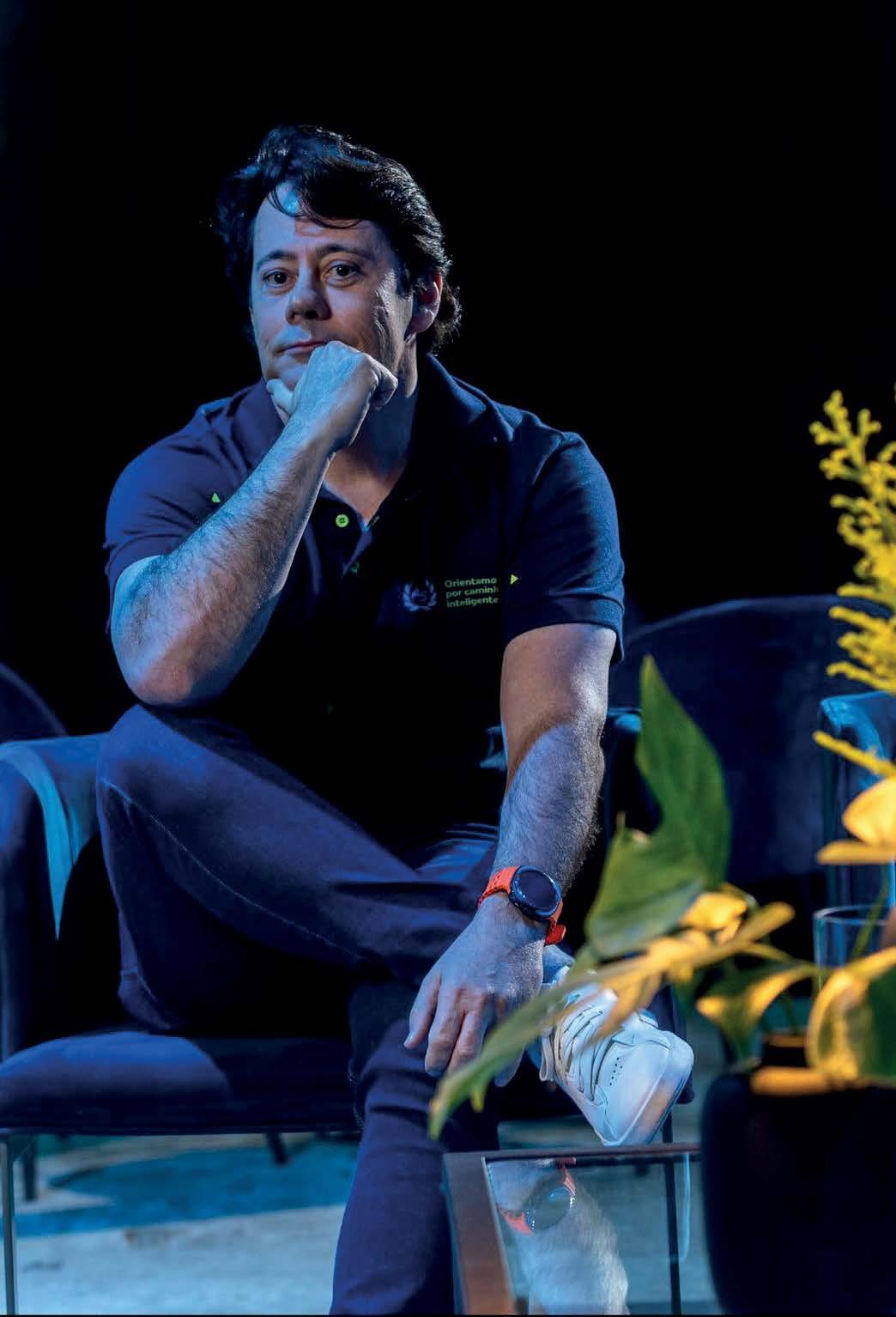
For the last 30 years, Asia Shipping has led the way as a leading international freight forwarding company serving the globe with a primary focus on Latin America. Today, the company operates across the entire logistics pipeline, offering resilient operations as a global logistics integrator operating in ocean, air and multimodal transport, supply chain management, and data-driven strategic solutions. We got the chance to talk with Alexandre Pimenta, Chief Executive Officer (CEO) of Asia Shipping, who has been with the company since 1996.
Pimenta was one of the main founders of Asia Shipping; however, Pimenta’s role has evolved in line with the business over the last 30 years, moving from being involved in day-to-day operations, to today focusing on company strategy, international expansion and governance. However, Pimenta still remains close to key decisions and relationship-building opportunities of the business. Therefore, as the company celebrates its 30th Anniversary, there is no one better than Alexandre Pimenta to speak to, to gain valuable insight into how the company has developed over the last three decades, what has been fundamental to the company’s success, and where Pimenta would like to see Asia Shipping in the years to come.
Asia Shipping began operating in 1996 from the continuation of a forwarding operation in Brazil, which, despite its lean structure, had an international vision from day one. Now, three decades later, Asia Shipping is a global logistics integrator, operating in ocean, air, and multimodal transport, supply chain management, and data-
driven strategic solutions. According to Pimenta, “Today, beyond moving cargo, we engineer resilient operations within a landscape shaped by geopolitical instability, digital transformation, and new regulatory requirements. Our essence remains the same—customer centricity and value generation—but the complexity of our deliverables has grown in tandem with an increasingly challenging world.” We can see from Pimenta’s comments that throughout the transformation of Asia Shipping over the last 30 years, its fundamental value of centring its customers to bring them value and success has always remained at the heart of its operations.
Over the last 30 years, Asia Shipping’s operations have vastly expanded; however, a key turning point came in 1999 when Asia Shipping opened its Hong Kong office. Pimenta outlined that, “Opening our Hong Kong office in 1999 marked our transition from a Brazilian company to a Brazilian multinational, establishing a direct presence in one of the world’s primary global trade hubs. Following that move, we expanded into Asia, the United States, and Europe, building a proprietary network based on governance, integrated technology, and leadership development. Our growth has been consistent and strategic, consolidating a global footprint without losing the agility and proximity that defined our origins.”
As we can see from Pimenta’s comments, Asia Shipping’s growth over the last 30 years has been underpinned by its commitment to consistency and strategic expansion. Therefore, now looking back on the last three decades, we asked Pimenta ‘What sets Asia Shipping apart from its rivals?’ Answering this, Pimenta says, “Our differentiator has always been interpreting logistics as risk management and strategic intelligence, rather than mere transportation. We have incorporated resilience, situational analysis, and market anticipation into a sector traditionally driven by pure efficiency. We invest heavily in technology and global integration, focusing on transforming data into coordinated decision-making. We have achieved international scale while maintaining a high-touch, consultative relationship with our clients—a combination that has sustained our relevance for thirty years.” By remaining focused on data, market anticipation and its closer relationships with its clients, Asia Shipping
Alexandre Pimenta, CEO of Asia Shipping
has been able to rise above its competitors as a company that goes beyond just transportation. Expanding on this, Pimenta outlined that the key to the company’s success over the last 30 years has been a combination of long-term vision and the ability to adapt: “We always maintained clarity on our destination but knew how to adjust our course in the face of market transformations. We invested in people, technology, and international presence without sacrificing proximity to our clients.” For Pimenta, “logistics is not just operation execution – it is strategy”.
The shipping and logistics sector has vastly changed since Asia Shipping began in 1996, and so the company has faced key challenges along the way. According to Pimenta, at the start of its operations “the industry operated under a relatively predictable logic. Supply chains were designed to maximize efficiency, slash costs, and leverage economies of scale. The focus was on operational optimization, and the stability of international trade allowed for long-term planning with minimal exposure to disruptions.” However, the last 30 years have seen a variety of key challenges, with Pimenta citing geopolitical tensions, financial crises, the COVID-19 pandemic, extreme weather events, and
Asia Shipping
new regulatory demands, which have made global supply chains more complex and sensitive to external shocks.
All of these challenges have put additional pressure on Asia Shipping and the entire freight industry. When we asked Pimenta what one of the most significant challenges the company faced in the last 30 years was, they highlighted the global instability in 2020 caused by the pandemic. Pimenta outlined, “The global instability beginning in 2020 exposed vulnerabilities in supply chains, characterized by equipment shortages, freight rate volatility, and port congestion. The logistics environment became highly unpredictable. We responded through closer client collaboration, diversification of routes and modes, and the intensive use of technology to enhance visibility and decision-making agility. This challenge accelerated
our evolution and solidified risk management and resilience as strategic pillars.”
Asia Shipping’s response to the instability caused by the COVID-19 pandemic exemplified the company’s commitment to delivering operations that are resilient and adaptable. This is something Pimenta highlights, with “Efficiency is no longer enough. Resilience, supplier diversification, risk management, and adaptability have moved to the center of strategic decision-making.” However, a big part of Asia Shipping’s adaptation is also towards digitalisation. For Pimenta, “Data, system integration, and predictive intelligence have shifted the role of logistics within companies from a support function to a strategic driver influencing production, distribution, and global positioning. Today, logistics is less about moving goods and more about structuring in a volatile environment”.
30 Years of Success
We asked Alexandre Pimenta if there was a defining moment for Asia Shipping that changed its trajectory over the last 30 years towards the company we see today. Pimenta responded: “Yes. Opening the Hong Kong office in 1999 was a watershed moment. We moved from being a Brazilian company with international operations to positioning ourselves as a Brazilian multinational with a direct presence in the world’s major trade centers. This decision represented a shift in mindset and laid the foundation for our consistent expansion. Internationalization was not just geographical; it was strategic—redefining our positioning and our long-term ambition.
Expanding from its opening of the Hong Kong office, Asia Shipping has continued to grow and, with it see a multitude of significant milestones reached over its 30 years of history. Now, Asia Shipping is present in 12 countries, with 45 owned offices and fully integrated global operations. However, one of the most significant milestones for Asia Shipping highlighted by Pimenta was when the company became the only Latin American company ranked among the world’s largest freight forwarders in international industry rankings. Speaking on this
achievement, Pimenta outlines that “More than just an accolade, this symbolizes the ability of a Brazilian company, built on long-term vision and a strong organizational culture, to achieve global prominence.”
Other key achievements outlined by Pimenta included the consolidation of the company’s endto-end service model. This included the acquisition of DATI, a company offering AI-based tech solutions for foreign trade. Through the introduction of DATI, Asia Shipping was able to bolster its technology and data intelligence front to deliver informed and databacked solutions. Another key acquisition was of Hórus Logística, a leading company in the logistics and cargo warehousing sector. The acquisition marked Asia Shipping’s structured entry into warehousing and distribution in Brazil, expanding its operational capacity by over 60% and incorporating distribution centres. These distribution centres are equipped with high-level technology, traceability, and infrastructure, well-suited for regulated sectors like pharmaceuticals.
In fact, DATI and Hórus Logística remain some of the key developments that Asia Shipping is currently working on expanding. For Asia Shipping,
Asia Shipping
its advancement towards the future is focused on two fronts: operational integration and digital intelligence. Thus, through DATI and Hórus Logística, Asia Shipping can expand its warehousing and distribution footprint, whilst integrating vital digital developments to support data-backed development for the future. Alongside DATI, Asia Shipping also implements Smart Read solutions, which help automate foreign trade document processing. For Asia Shipping, Smart Read will help automate up to 93% of its foreign trade document processing, offering a vital tangible gain in efficiency and scalability for the company as it looks towards the future.
Alongside its expansion, Asia Shipping is also focused on expanding its operations alongside social development. Pimenta explains that the company aligns its business growth with social initiatives, highlighting its involvement in projects such as Conectados do Bem and Movimento IA Brasil. Through these initiatives, tech education is promoted in Brazilian public schools, and access to AI is being democratised by training one million Brazilians. Then, speaking on how Asia Shipping has made its operations more sustainable, Pimenta
says, “We have fully neutralized our 2025 emissions in Brazil through the purchase of certified carbon credits linked to the Jirau Hydropower Plant, contributing to the renewable energy matrix and generating positive impacts for local communities.”
Through vital social and environmental projects, Asia Shipping can ensure that its operations not only enhance the global freight and logistics industry, but also do so whilst minimising environmental impacts and giving back to those in the local community.
So, where would Asia Shipping like to see itself in the next 10 years? Pimenta answers, “In the next ten years, we aim to consolidate Asia Shipping as one of the most relevant logistics players in our operating markets, combining global scale with local intelligence. This means operating as a structured international network that remains sensitive to the regulatory, economic, and geopolitical contexts of each region. We want to be digital by design, using data to guide decisions and anticipate risks, without losing the human element—the ability to interpret complex scenarios, build solid relationships, and act responsibly in unstable environments.
Focusing back on Alexandre Pimenta, we asked about his particular philosophy to achieve success.
30 Years of Success
Pimenta highlighted that, “I have always believed that strategy must be accompanied by coherence and disciplined execution. Planning is essential, but monitoring the landscape and adjusting decisions rapidly is equally important. I also believe deeply in people. Companies are made of people; developing leadership and creating an environment of trust is what sustains long-term growth.” It is this focus on people that really feels like the heart of Asia Shipping, because it is through relationships that it can achieve its success.
Speaking on this and the key partners, suppliers and teams that have helped shape the company over the last 30 years, Pimenta highlights that “Over these three decades, we have built lasting relationships with carriers (shipowners), international partners, suppliers, and clients who trusted us through different economic cycles. These are relationships based on trust and longterm vision. I also want to give a special thanks to our team. Asia Shipping is the result of the work of
over a thousand professionals worldwide who have contributed with dedication and a collaborative spirit. A 30-year journey is never built individually; it is always a collective achievement.”
From our conversation with Alexandre Pimenta, there is a real passion behind Asia Shipping to enhance the shipping and logistics sector towards a future where digital integration, adaptability, reliability and trust underpin every operation they deliver. This is something that has supported the company for the last three decades of its operation, and now, as Asia Shipping celebrates its 30th anniversary, it has firmly cemented its place as a leading and highly ranked global freight forwarding company, supporting businesses across the world as a vital global logistics integrator. We look forward to catching up again with Alexandre Pimenta, and Asia Shipping to see how the company develops over the coming years and reaches new milestones on the road ahead.
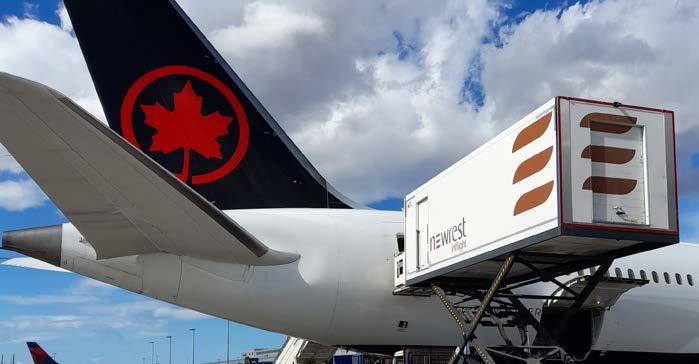
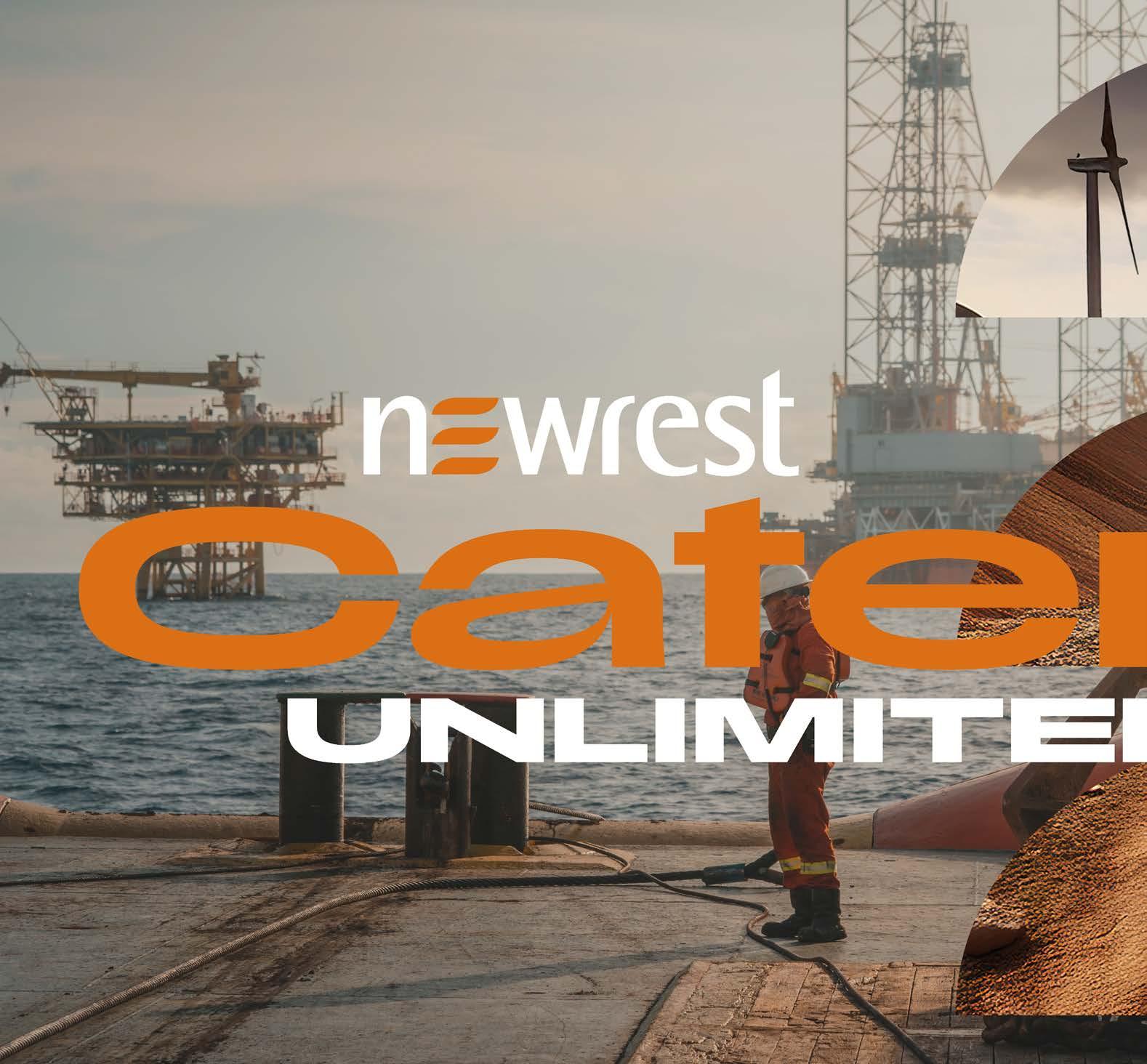
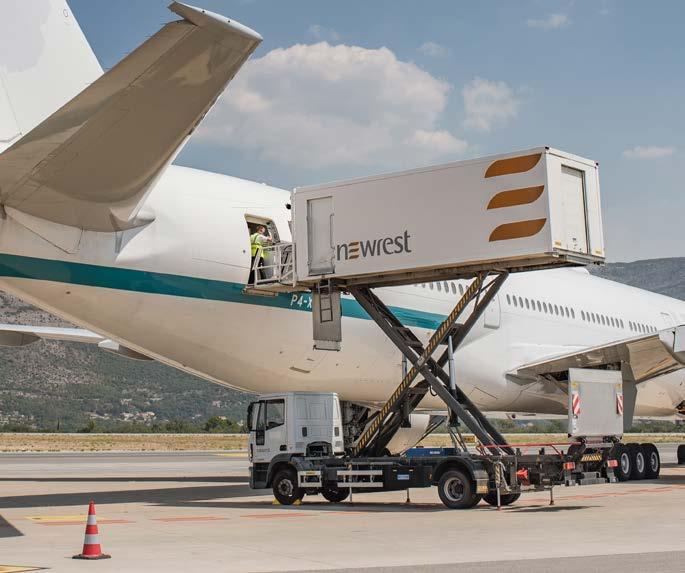
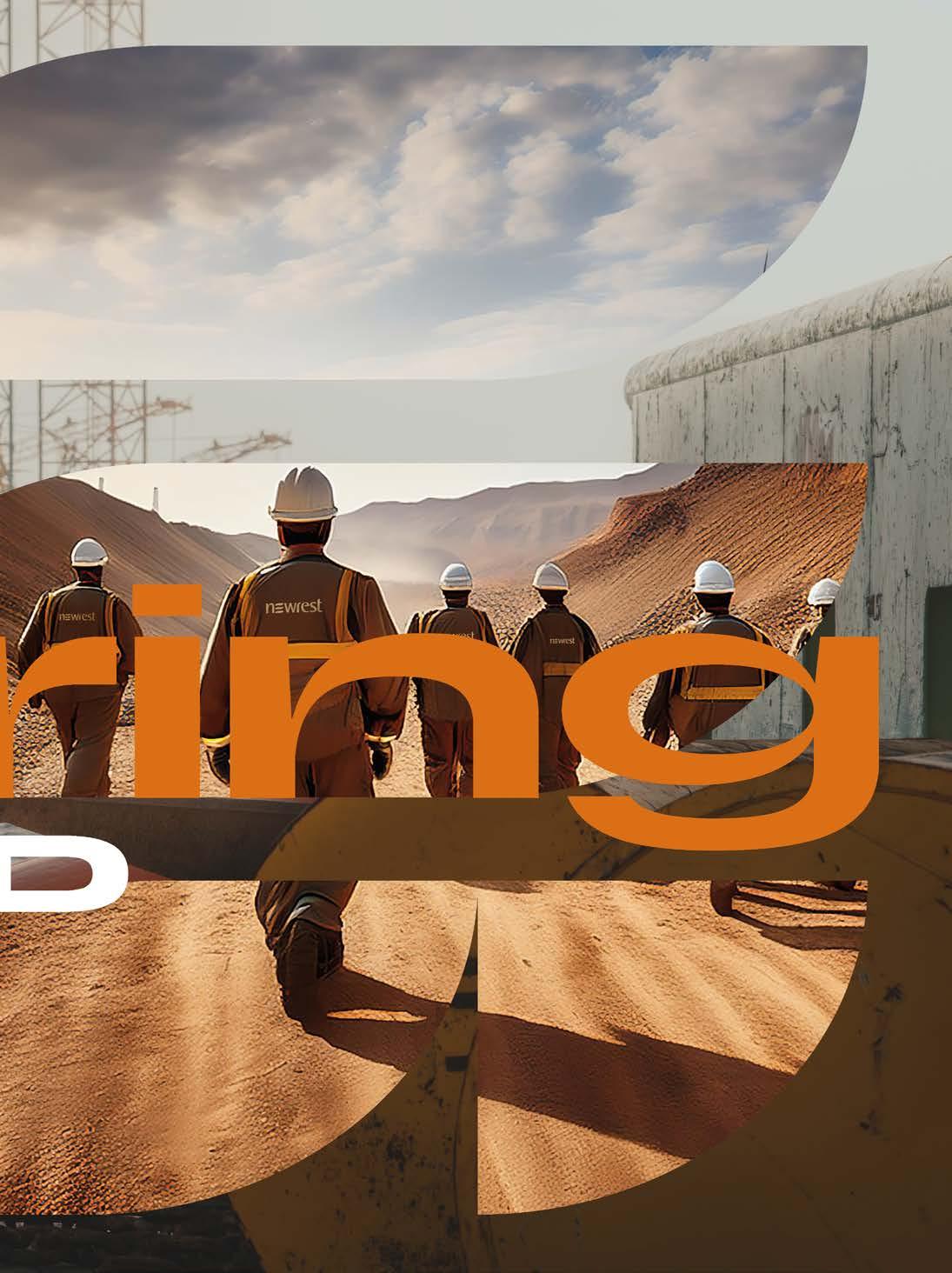
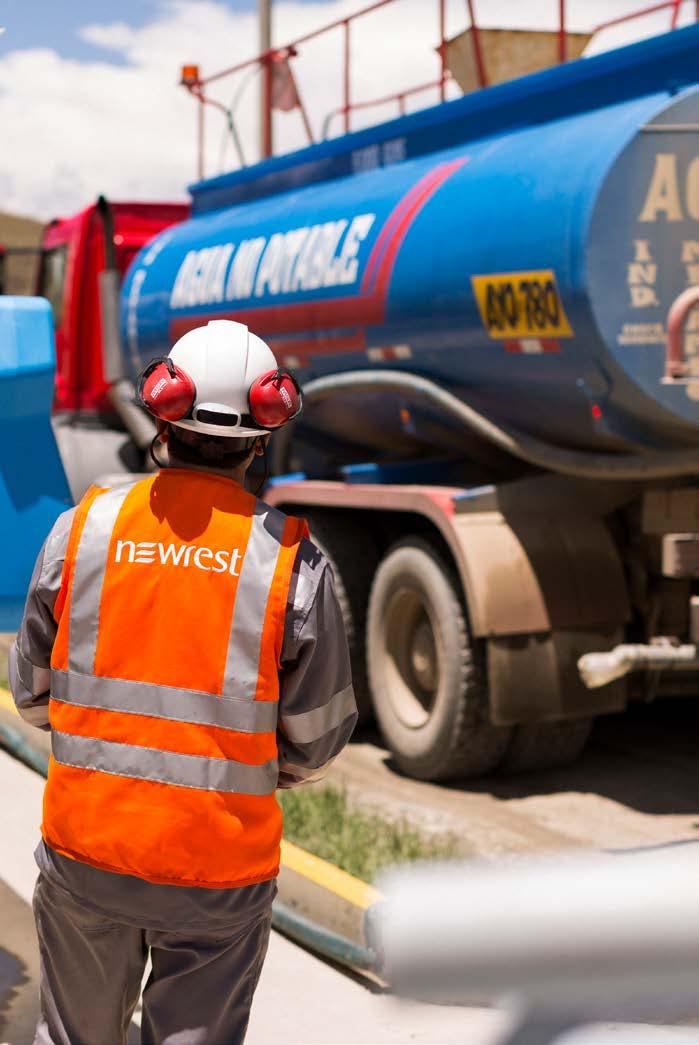
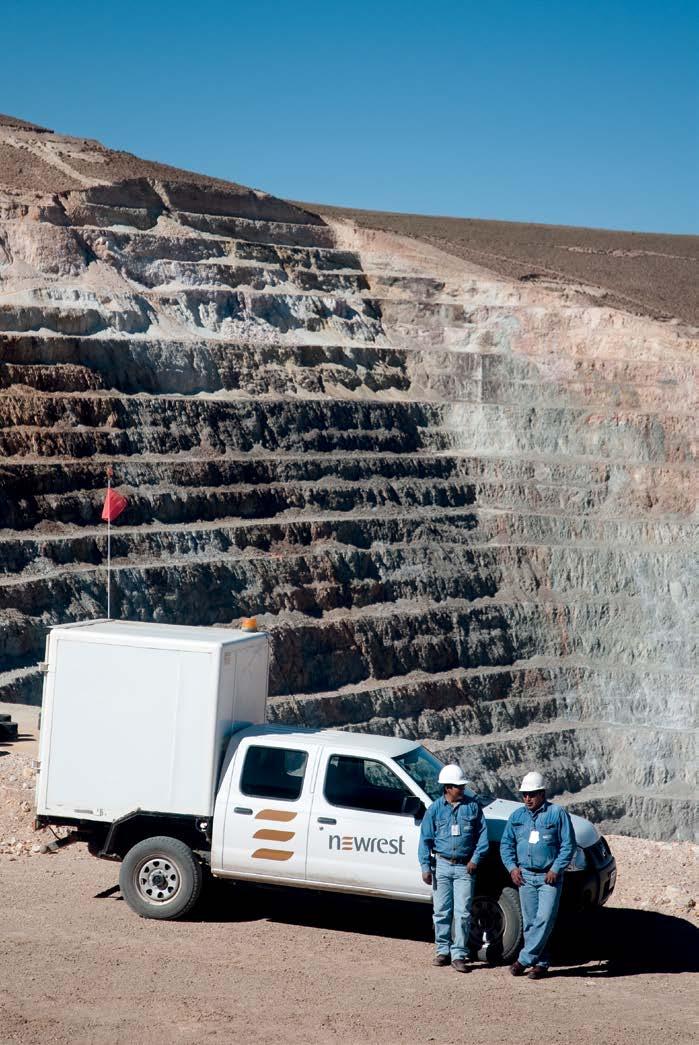
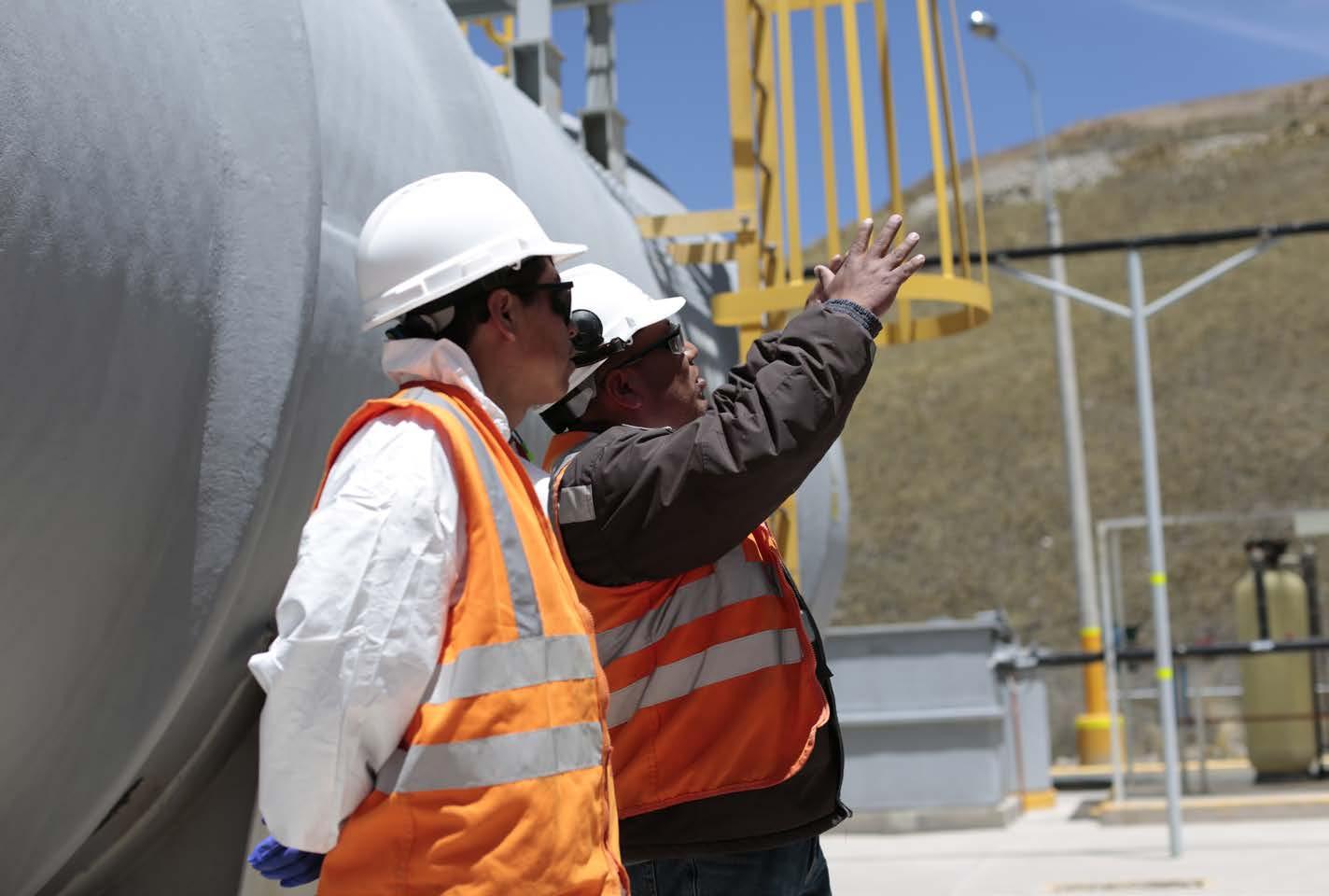
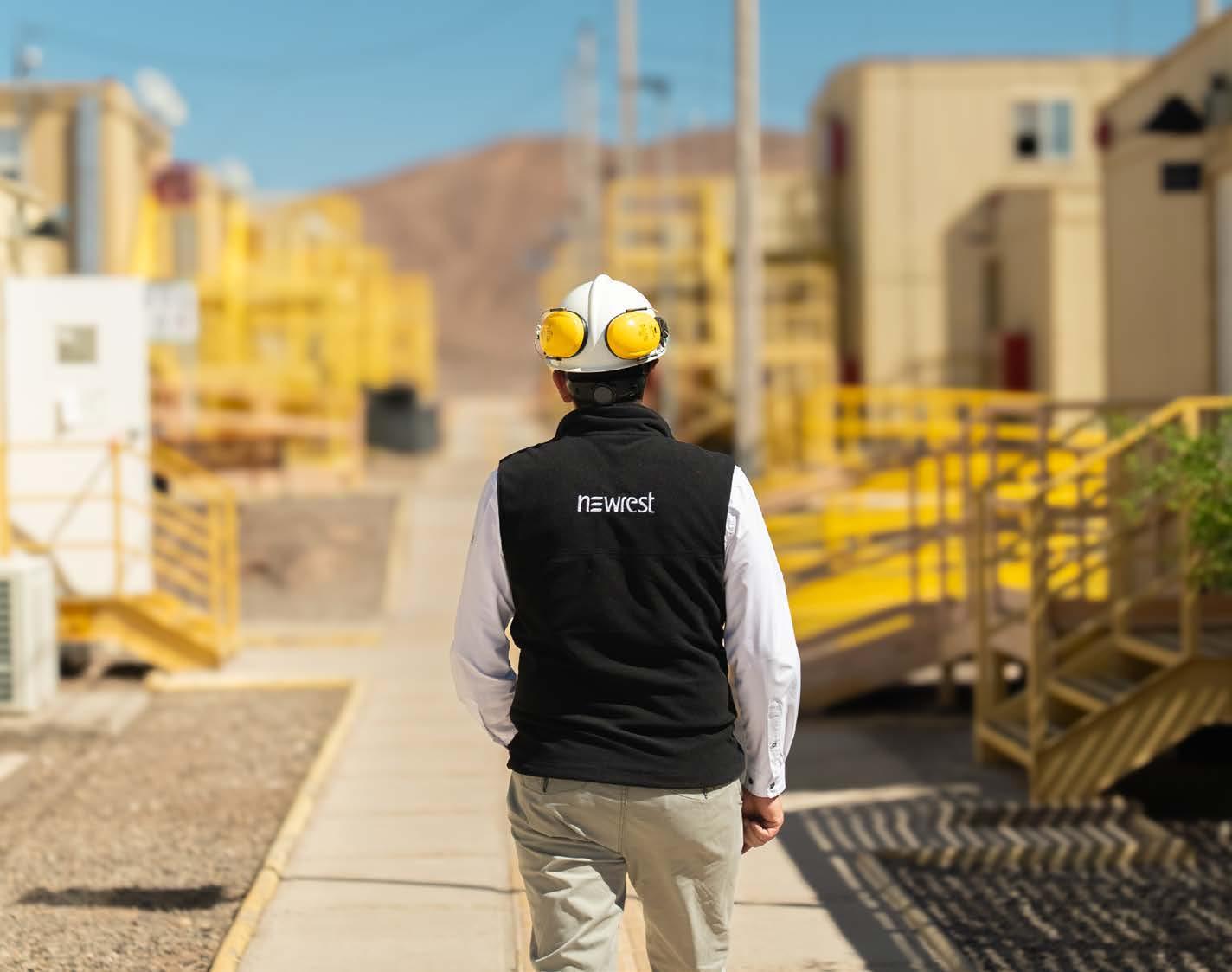
As a global leader in the out-of-home catering and support services sector, Newrest Group (Newrest) operates across remote sites, including mining operations, oil and gas developments, construction camps, and energy infrastructure projects, as well as within both the aviation and railway industries. Throughout these operations, Newrest aims to design and deliver high-quality, safe, and sustainable hospitality solutions, driven by its strong culture of operational excellence and innovation. For this reason, Newrest is today a leading catering and support services provider, supporting clients’ operations in some of the world’s most challenging locations. We had the opportunity to speak with Yannick Villar, Chief Commercial Officer at Newrest Group, who shared insight into Newrest’s operations, some of its key current and future projects, and how its activities benefit the local communities they serve.
Newrest today operates in more than 50 countries, spanning Africa, the Americas, Europe, the Middle East, Asia and the Pacific. Across these countries of operation, Newrest delivers high-quality, safe and sustainable hospitality solutions. These include catering, accommodation management, and facility services, which are tailored to the specific and complex needs of each site. Across these sites, Newrest delivers end-to-end support services, supported by its deep understanding of local culture, supply chains, international standards, and regulatory frameworks. Through these measures, Newrest is able to ensure consistent and excellent services across every project.
According to Yannick Villar, Chief Commercial Officer of Newrest, the remote site hospitality sector is undergoing a major transformation. However, Villar notes that along with this expansion, clients across the mining, oil and gas, and construction markets are increasingly expecting a higher service quality despite complex and isolated environments, as well as seeking enhanced food safety and traceability, better accommodation and wellbeing standards for workers, and a stronger sustainability and measurable local impact. Meanwhile, volatile supply chains, workforce mobility, rising operating costs, and increasing environmental and social expectations are presenting key challenges to
the industry. However, for Newrest, Villar outlines that “Our strength lies in anticipating these shifts and embracing innovation to maintain reliability anywhere in the world”.
We can see from Villar’s comments that for Newrest, staying adaptable and flexible in the face of challenges has allowed it to earn such success over the years. Thus, when we asked Yannick Villar what sets Newrest apart from its rivals, he outlined that “Newrest stands out through its entrepreneurial culture and strong operational control, which make it particularly effective in remote-site environments.” Villar continues highlighting the fast decision-making and lean management of Newrest that allows it to mobilise teams quickly and adapt them to operations more easily, enabling it to maintain its control over the full-service chain from sourcing and logistics to catering and camp services. This control helps ensure reliable delivery even in isolated locations, which benefits its clients in even the most remote environments. Plus, advanced production and logistics, now coming from Newrest’s inflight catering heritage, supported by automated processes and strong technology, help support its efficiency and consistency.
Across all of these aspects, Newrest continues to prove its ability to operate in challenging and emerging markets, highlighting its willingness to expand into complex environments to support global clients wherever they operate. However, throughout all of these operations, Newrest maintains a partnership-focused approach, working closely with clients to improve efficiency, resident well-being, and sustainability, which continues to help solidify the company’s place as a leading outof-home catering and support services company serving people and projects across the world.
When we asked Yannick Villar what he personally think is the best part of what Newrest has to offer, Villar said: “What truly defines Newrest is our entrepreneurial mindset. We are not afraid to take calculated risks, to enter complex environments, or to commit where others hesitate. That ability to move fast, make decisions, and adapt in real time is essential in remote sites, where conditions rarely follow a textbook plan.” Villar continues, “At the same time, this agility is never reckless. People always come first, and that starts with safety. Whether it is food safety, workplace safety or operational reliability, our teams know that performance only makes sense if everyone goes home safely. This culture is deeply rooted in how we operate on a
Newrest Group
daily basis, especially in isolated and demanding locations.”
It’s clear that for Villar, it is Newrest’s commitment to delivering operations with adaptability, whilst always being prepared to take on a challenge backed by its expertise in the sector, to ensure that every project is achieved safely and efficiently. Thus, for Villar, it is the reactiveness of Newrest’s teams on the ground that is key to its success. Speaking on the reactiveness of its teams, Villar says, “They are empowered to take responsibility, solve problems quickly and adapt solutions to local realities. That trust in people creates strong engagement and resilience. In my view, this combination of boldness, speed and genuine care for people is what makes Newrest a unique partner in the remote sites sector.”
When we spoke with Villar, he noted that one of the key aspects of Newrest’s operations today is the integration of digitalisation throughout its projects. Through digitalisation, Newrest is able to deliver a better quality of life through centralised access to menus, services and information. In achieving this, digitalisation also helps deliver higher safety, greater efficiency and stronger resilience. These
clear benefits help to make operations in remote sites more reliable and well-connected. In fact, Villar noted the digital ecosystem implemented by Newrest, which includes tools such as Winrest, FRACTTAL, and Newrest’s POS and monitoring systems. These systems help to secure and optimise daily operations, ensuring full traceability and improving the planning of operations. In addition, residents across Newrest’s projects can utilise its CONNECT’EAT application to order, make payments, view digital displays and complete satisfaction surveys. All of these aspects help Newrest to continually improve the overall daily experience of residents across its camp projects.
Building upon this digitalisation, Villar notes that robotics is being implemented across its operations to strengthen its reliability and standardisation. Speaking on this, Villar says, “robotics, strengthens reliability and standardization. Initially developed in our Digital Factories, these solutions now present strong potential for deployment on remote sites where continuity and predictability are essential.” As we can see from the digitalisation of Newrest’s operation, and the introduction of robotics and automation, Newrest can deliver well-connected
services that make clients and residents feel supported, whilst enhancing its traceability, planning and development towards the future.
As Newrest looks towards the future, we got to ask Yannick Villar about what exciting projects and developments the company is currently working on. Villar outlined that the company is currently primarily focused on expanding its remote site activities, particularly in Africa, South America and Australia. Villar highlights a key project in South America: “In South America, we are building on our strong footprint and long-standing partnerships with both global and local clients. At the same time, we are developing quickly in Guyana and Suriname and continuing to open new countries across Africa. We are also preparing to launch operations in Australia, which will further strengthen our presence in key mining and energy regions.”
By expanding its network across South America, Newrest is raising its profile as a key out-of-home catering and support services provider, which
continues to allow it to work with more key clients such as major energy developments on a global scale. This is something that Villar notes, that “these developments reinforce Newrest’s position as a global partner capable of supporting large-scale and complex remote-site operations wherever our clients operate.”
Then over the coming years, Newrest aims to continue growing across remote sites by building the right partnerships. Villar notes that, “rather
Newrest Group
than simply adding contracts, we focus on working with clients over the long term and supporting them wherever their projects take them”. Villar continues, “We also want to be recognised as a global catering and facilities management partner, able to operate in complex environments while strengthening our local footprint in the countries where we work.” Thus, as Newrest looks to expand towards the future its is set on working with the right partners, in order to expand its footprint across the globe. However, for Villar, growth must go hand in hand with responsible development,
and so Newrest continues to invest in its teams, the local community and the environmental impact of its operations to deliver services that are both effective and responsible.
This focus on giving back to the local community is a key part of Newrest’s operations, and so the company’s approach focuses on integrating local communities both within and beyond its operations, through concrete and measurable actions. Newrest breaks its community development approach into three key sections: promoting local sourcing, supporting local employment and skills development, and engaging with communities beyond its walls.
Within these three aspects of its approach, Newrest actively supports local suppliers by favouring short supply chains and locally sourced products, which helps to reduce environmental impacts and contributes to the economic development of local value chains. Then, through local recruitment, Newrest can invest in the professional development of its employees through training, upskilling, and internal mobility. In fact, Villar outlined that Newrest has even partnered with local schools, universities, and training institutions to create professional opportunities for young people and contribute towards building local skills and employability. The final aspect, see Newrest go
beyond its core operation, to collaborate with local associations, non-governmental organisations (NGOs), and community organisations in order to address social needs such as food security, health, nutrition, education and inclusion. Commenting on this, Villar outlines, “Our teams regularly support community initiatives including food donations, awareness campaigns on nutrition and food waste, and educational programs aimed at sharing its expertise with students and local communities”.
Villar then outlines a range of concrete initiatives of Newrest, one of which includes the Convenio INDAP, which is a public-private partnership between Newrest and the Instituto de Desarrollo Agropecuario (INDAP), which is Chile’s public institution dedicated to supporting small-scale agriculture and rural development. The project aims to integrate small local farmers into Newrest’s supply chain, particularly to serve mining operations in the Atacama region, while strengthening local economic development and sustainability. Another key project is From Oil to Soap, based in Angola, which is a circular economy and community health
project developed by Newrest Angola in partnership with Quimica Verda. According to Villar, “The initiative transforms used cooking oil from Newrest kitchen into soap by training residents of remote Angolan villages to produce it themselves. By giving a second life to waste oil, the project improves access to basic hygiene, whilst supporting health and local empowerment”. Therefore, as Newrest looks to enhance its operations, the local communities in which it operates, and local empowerment, remain at the heart of its development.
Across Newrest’s operations, there is a keen focus on delivering leading out-of-home catering and support services driven by digitalisation and community support. With its expansion across Africa, South America and Australia, we look forward to seeing how Newrest will continue to provide leading operations in some of the most remote locations to support its clients’ projects for the future. We hope to catch up with Yannick Villar again soon to see how Newrest continues to support key projects and the local community over the year ahead.
TotalEnergies E&P Angola
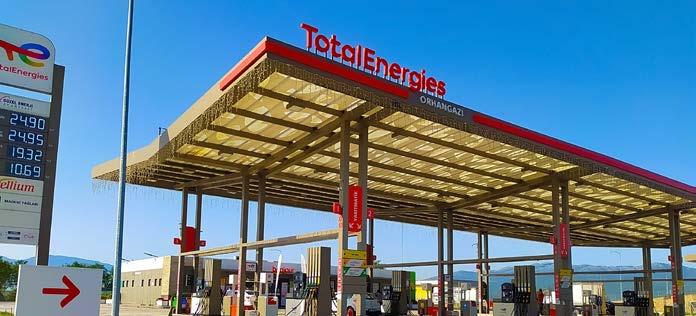
TotalEnergies is a global energy company known for its vast role across the energy industry. Today, TotalEnergies holds an expansive portfolio of 120 energy projects spanning from oil to biofuels, natural gas, green gases, renewables and even electricity. The company is focused on vital energy developments across the world that will continue to enhance the global energy sector and build its reputation as a leading international energy brand. In Angola, TotalEnergies has been a leading energy player for more than 70 years. Within the country, TotalEnergies holds a portfolio responsible for producing close to half of the country’s oil production across 4 major oil fields. For this reason, TotalEnergies has continued to develop energy projects across Angola through its experience within the deepwater sector to deliver vital oil resources for the country, whilst working towards implementing measures to meet the country’s sustainable energy future.
TotalEnergies began operations in Angola in 1953 and is now the leading oil operator in the country, with operations spanning the whole oil delivery pipeline from upstream exploration and production to downstream service stations. However, the company’s focus in recent years has been on its deep offshore operated assets, which are responsible for 45% of the country’s total oil production. With such a vast amount of the country’s oil coming from TotalEnergies projects, it’s no surprise that the company is now a vital player within the country’s energy sector, supporting its delivery of energy to the country and beyond.
One of the most notable deposits being used for the production of petroleum in Angola is the Kwanza Basin. The basin is the third largest crude producer in Africa and is located both on and offshore of Angola in the north of Cape Santa Maria. The basin is the first location that saw vital exploration for Angola’s energy sector and so remains a vital pillar of the country’s oil development and expansion. Across this basin, TotalEnergies operates several deep and ultra-deep offshore oil licenses, including 4 production vessels in Block 17. Block 17 is operated by TotalEnergies and has worked with partners Equinor, ExxonMobil, BP, ANPG and Sonangol to expand the block’s production licenses in recent years. The block, located 150 kilometres (km) off the Angolan coastline, ranges from depths of 600 to 1,400 metres (m) and has produced close to 3 million barrels of oil since it began development in 2001. The block is serviced by four floating production, storage and offloading (FPSO) units: Girassol, Dalia, Pazflor and CLOV. These FPSOs currently produce approximately 440,000 barrels of oil equivalent per day, with more than 1 billion barrels yet to be produced as of 2019.
TotalEnergies’ developments in Block 17 add to its existing developments in the Kaombo project, which first launched in 2014 as an ultra-deep offshore exploration and production project in Block 32. The project, in which TotalEnergies has a 30% stake, is unique and complex, with many of its operations taking place at depths of 1950 metres. At this depth, specialised technology is implemented by TotalEnergies to combat the extreme temperatures and pressure conditions presented whilst delivering oil production at this depth. However, this is where TotalEnergies specialises, and so it has delivered the project with advanced and innovative expertise to meet the unique conditions of operating at this depth. Furthermore, the project’s reserves are estimated to produce 658 million barrels of oil, with a 230-barrel-per-day capacity. To achieve this potential, TotalEnergies operates 59 wells across the 6 oil fields (Gengibre, Gindungo, Caril, Canela, Mostarda and Louro), which together form one of the largest subsea well systems for Angola. In turn, the development of this system reinforced TotalEnergies’ commitment to delivering ultra-deep offshore production through leading technical expertise.
To manage the capacity and control the cost of the operations, TotalEnergies built two new floating production storage and offloading (FPSO) vessels: Kaombo Norte and Kaombo Sul. Production began from Kaombo Norte in 2018 across the Gengibre, Gindungo and Caril fields, with Kaombo Sul producing oil just eight months later from the remaining Canela, Mostarda and Louro fields. Each vessel can produce 115,000 barrels per day and continues to develop the oil industry for Angola every day.
Just last year, TotalEnergies set out on a new development for Angola with the introduction of the Kaminho Project. The project is in partnership with Petronas and Sonangol, who signed a Final Investment Decision in May 2024. The project outlined would see a crude tanker converted into a FPSO unit, which would be connected to the Block 11 and Block 20 subsea production networks along the Angolan coastline. The project is set for completion in 2028 and will deliver an all-electric vessel with a capacity of 70,000 barrels per day. The project will not only expand Angola’s oil production potential for the country but will also work towards building
Delivering Deepwater Projects
a more sustainable future through its all-electric design, which will eliminate routine flaring.
Beyond this, TotalEnergies continues to carry out several enclosed flare projects, which are currently being rolled out and examined across its FPSO operations for Angola. However, what remains vital throughout all of TotalEnergies’ operations in Angola is that each one is designed to help reduce their carbon intensity and so help deliver more sustainable energy projects. This focus on sustainability remains a key focus for TotalEnergies both in Angola and across its global operations. TotalEnergies has firmly placed sustainable development at the heart of its strategies, project delivery and operations to help contribute towards the energy sector whilst also supporting the well-being of the planet.
2024 marked a key year for TotalEnergies as it launched projects in Angola, along with those
POWERING YOUR BUSINESS WITH RELIABLE MAINTENANCE SOLUTIONS
Since 2014, GEPLI Angola has been helping small and medium- sized businesses stay up and running with expert electromechanical maintenance and power system support. From electrical installations to generator and UPS servicing, we keep your operations efficient, safe, and stress-free.
Our Key Services:
• Preventive & Predictive Equipment Maintenance
• UPS & Voltage Stabilizer Installation and Support
Whether you're managing an office, workshop, or small factory – GEPLI ANGOLA delivers dependable service and fast response across Angola.
CONTACT US TODAY
Bairro Nelito Soares, Rua C - 6, Casa nº10w comercial@gepliangola.co.ao | (+244) 222 730 566 | gepliangola.co.ao
Your trusted leader in Angola’s Oil and Gas industry, offering innovative and reliable solutions tailored to the sector's dynamic needs.
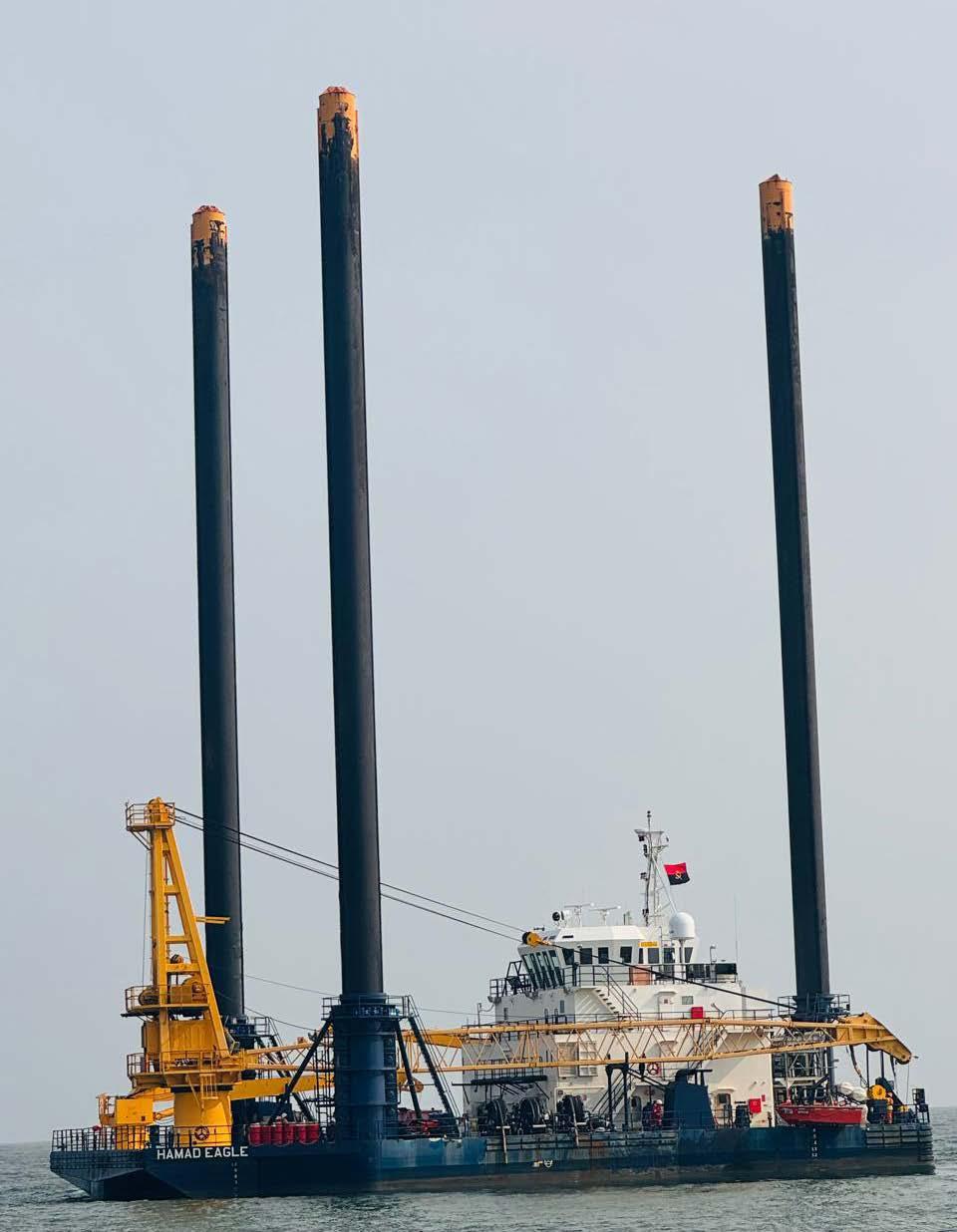
We specialize in end-to-end project execution across EPCI, offshore operations, and marine solutions. From cutting-edge technology interventions to safe, sustainable practices, Hamad Energy enhances performance, safety, and efficiency for offshore oil and gas operations.
OUR EXPERTISE INCLUDES:
• P&A Operations
• Decommissioning Services
• Supply of Chemicals and Associated Services
• Engineering, Procurement, Construction And
• Installation Services
• Subsea Operations (including ROVs and Diving)
• Marine fleet supply services
• Installation, Maintenance and Repair Services
WHY PARTNER WITH HAMAD ENERGY?
We collaborate with leading multinationals and uphold the highest national and international safety and quality standards. With over a decade of experience driving key structural projects, Hamad Energy remains committed to delivering excellence, innovation, and sustainability in every solution we provide.
TotalEnergies E&P Angola
CAN West Africa
CAN West Africa, an integral part of CAN Group, delivers a comprehensive range of engineering and inspection solutions across the energy industry.
Solutions-driven and always aiming to exceed client expectations, CAN West Africa is committed to servicing the integrity, maintenance and operational needs of the region’s energy industry, adding value through smart solutions and a fully optimised service delivery.
CAN has had continuous presence in the region since 2004, servicing a number of oil and gas operators safely and efficiently. Our team are integral to this; an empowered, integrated and experienced workforce who continually provide high-quality services focused on driving exceptional outcomes.
A local company with a global reach, CAN West Africa is your trusted partner for asset integrity.
in Suriname and Brazil, all of which have a lower emissions intensity than the average seen across the global TotalEnergies portfolio. The company also shut down two gas turbines in Angola last year across Block 17 (Dalia and Pazflor), which has reduced carbon dioxide output by 29 kilo tonnes of carbon dioxide equivalent (kt CO2e/year), saving 13 cubic millimetres per year (Mm3/year) of fuel. By saving energy across its operation, TotalEnergies can contribute to the collective effort for energy efficiency, which in the process helps to reduce greenhouse gas emissions and lower costs for its projects in the process too.
For TotalEnergies, Angola provides an expansive and exciting development location where it has continued to bring vital resources to market through its innovative offshore exploration and development projects. However, across these projects, we have seen a keen focus towards sustainability, as TotalEnergies works to move the company’s operations towards a more greenhouse gas-reduced future. Therefore, through TotalEnergies’ work with vital local and global stakeholders within the energy sector, the company is leading the way towards delivering the vital energy resources needed for Angola, whilst working to protect the planet at the same time.
LOCAL COMPANY GLOBAL REACH
Delivering market-leading engineering and inspection solutions to enhance asset integrity, ensure safety and drive operational success
Vital
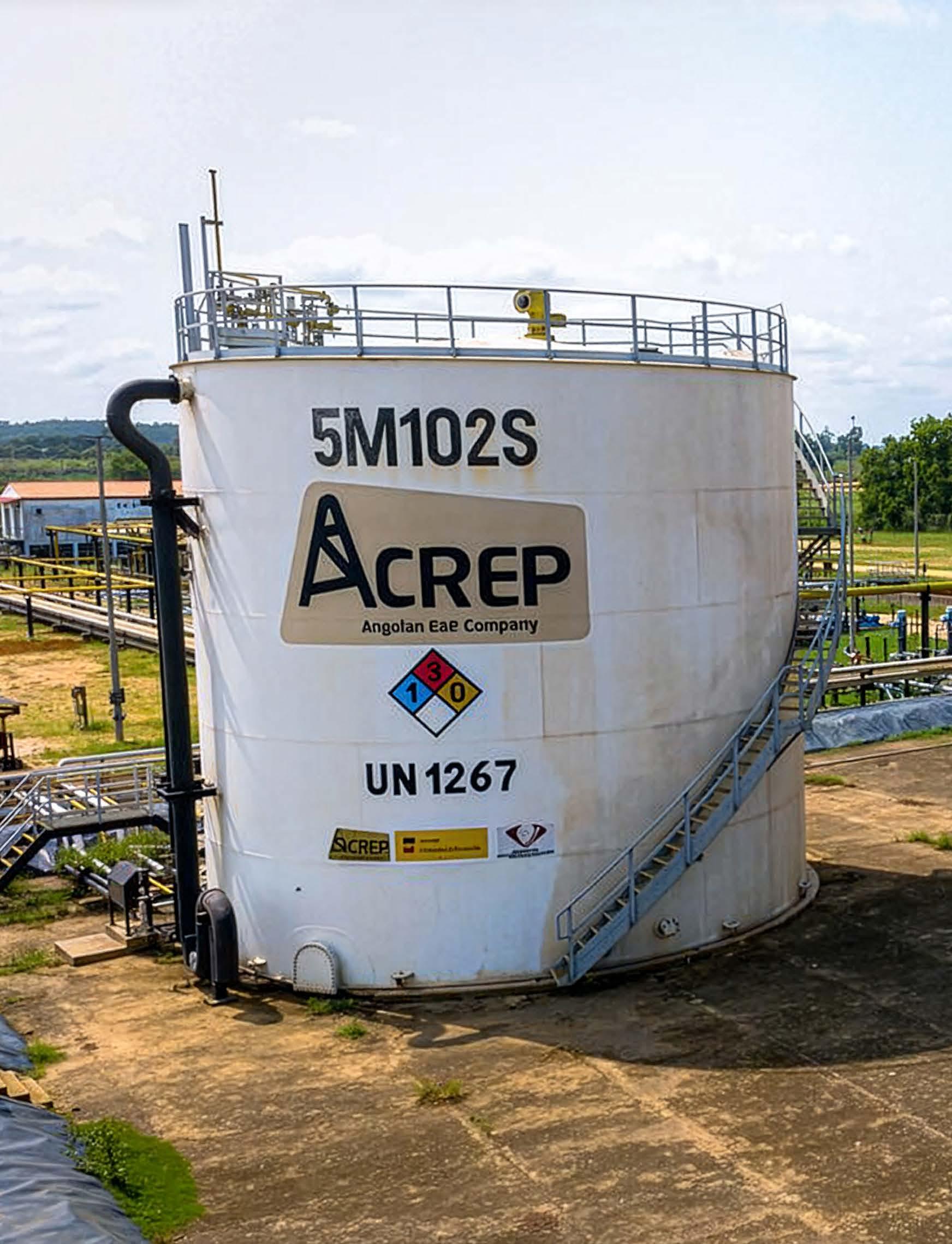
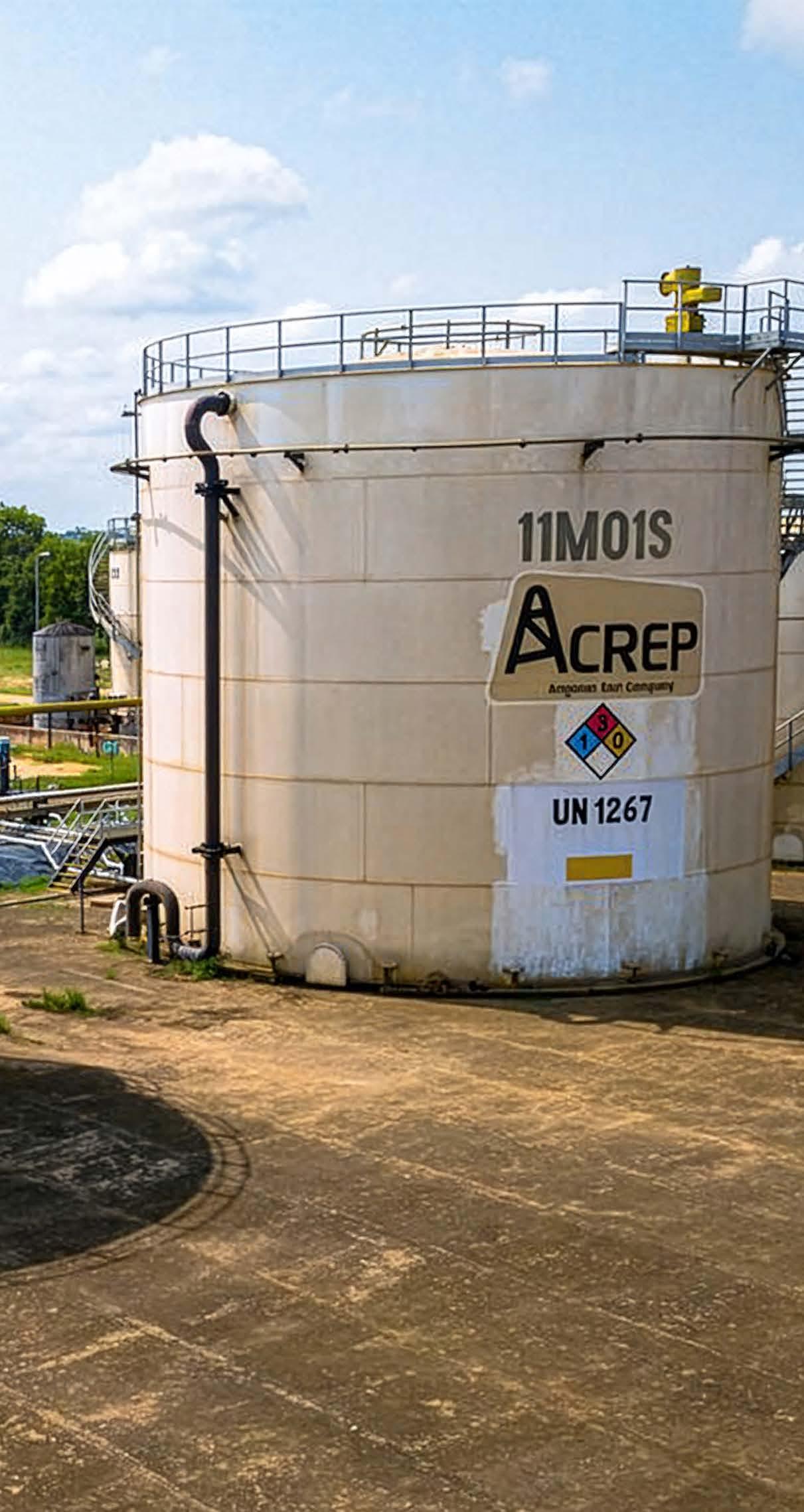
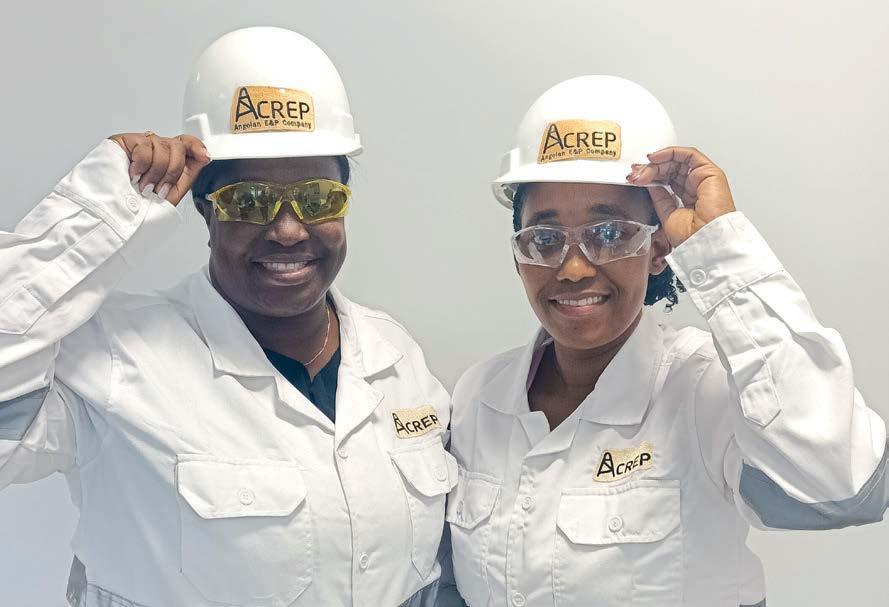
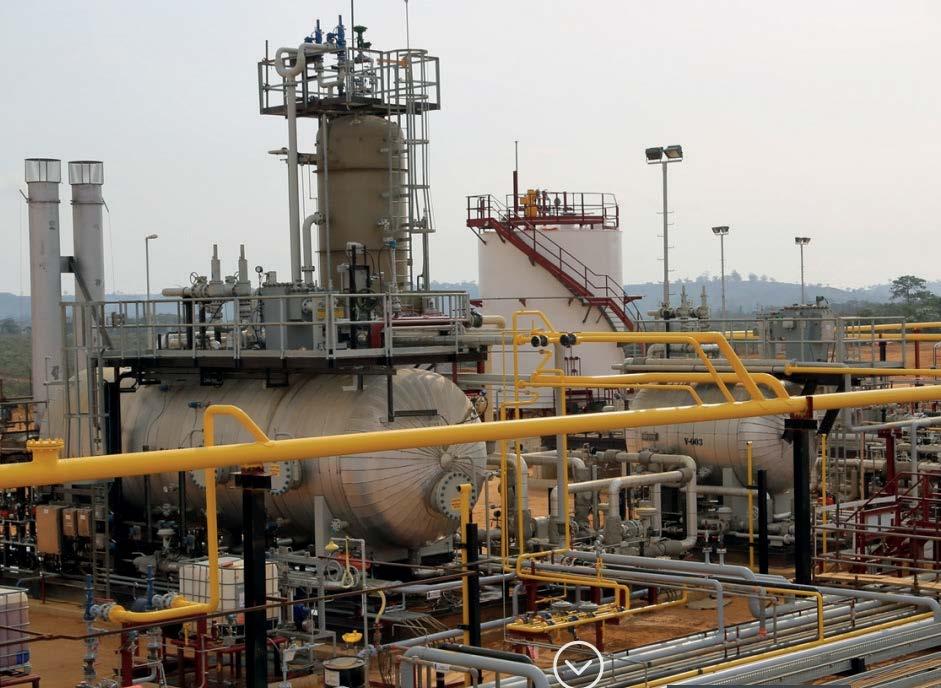
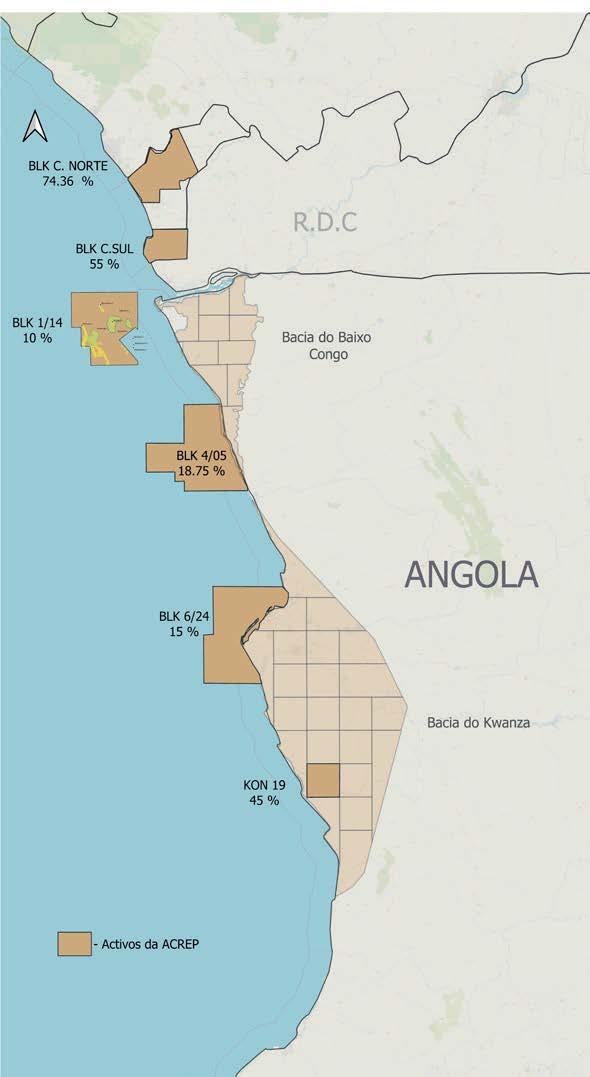
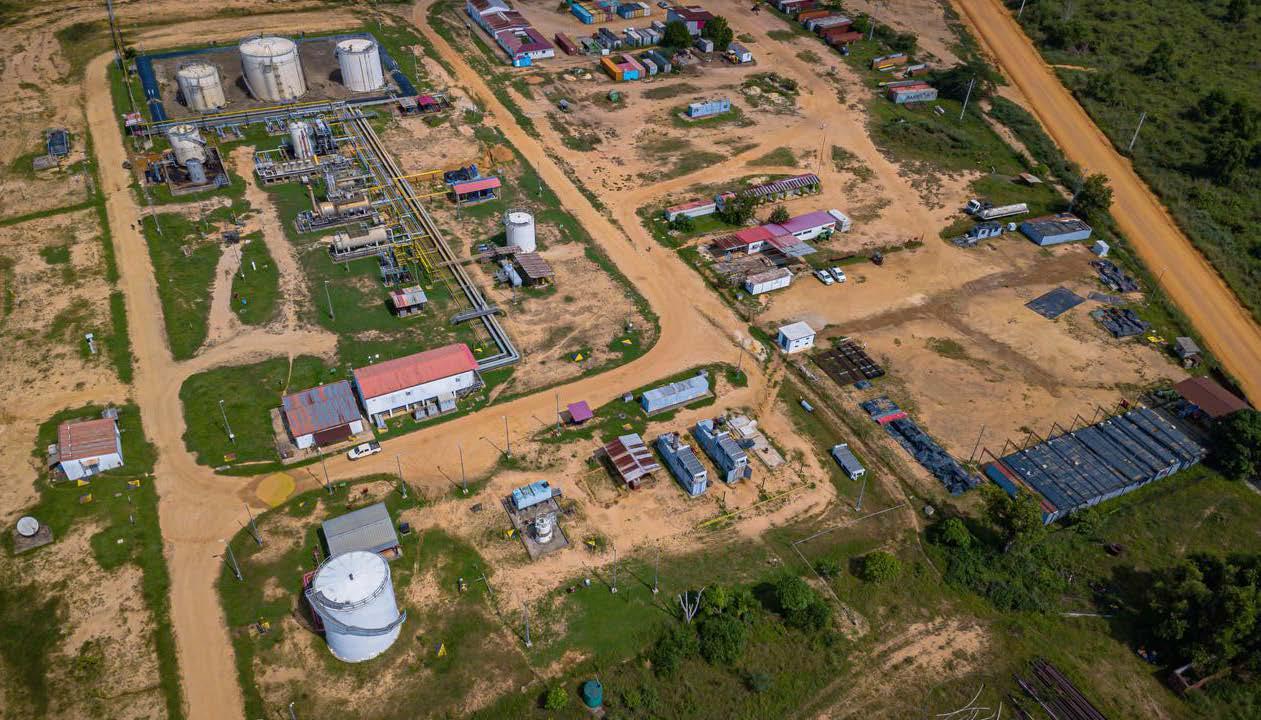
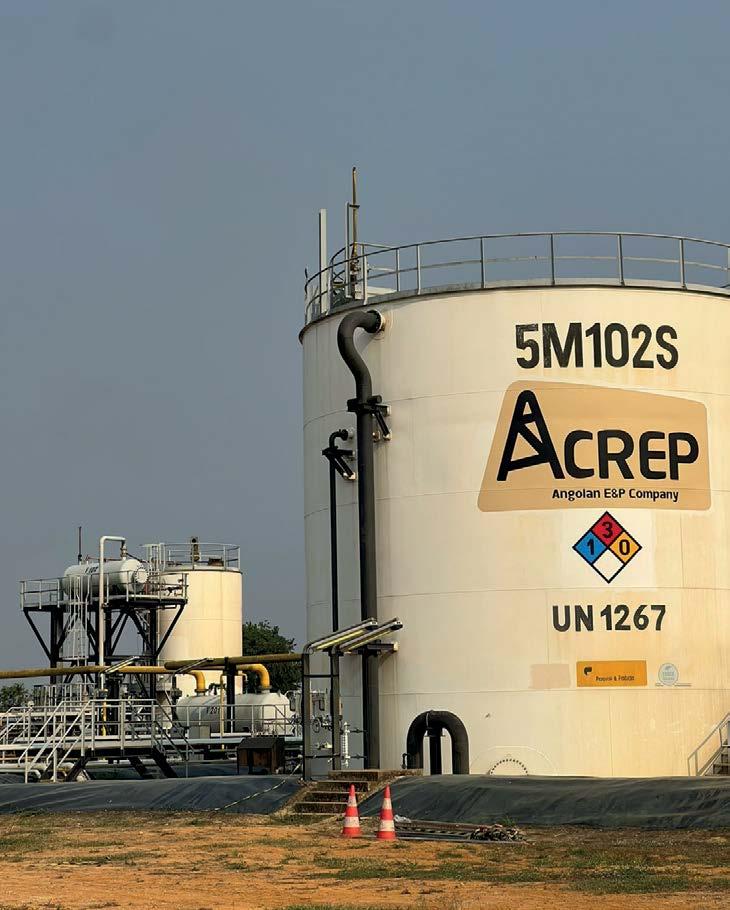
As a prominent Angolan private upstream oil and gas company, ACREP Exploração Petrolifera SA (ACREP SA) spans vital exploration and production operations across Angola, supported by three primary businesses: ACREP S.A., a twenty-year-old Junior E&P company, which launched in 2023, two fully controlled dedicated onshore services companies, Dinge Sondagens Lda and Bucomazi Lda. Through this arrangement, ACREP SA is able to facilitate the drilling and production services by tackling the oil and gas industry critical operational areas, focused on onshore drilling and completion, onshore producing field operations, as well as gas to power generation and distribution. Thus, with these three vital business lines under the Group, ACREP SA is well placed to support exploration and production operations across Angola, aiming to secure a preferred position on the country’s energy development for the future.
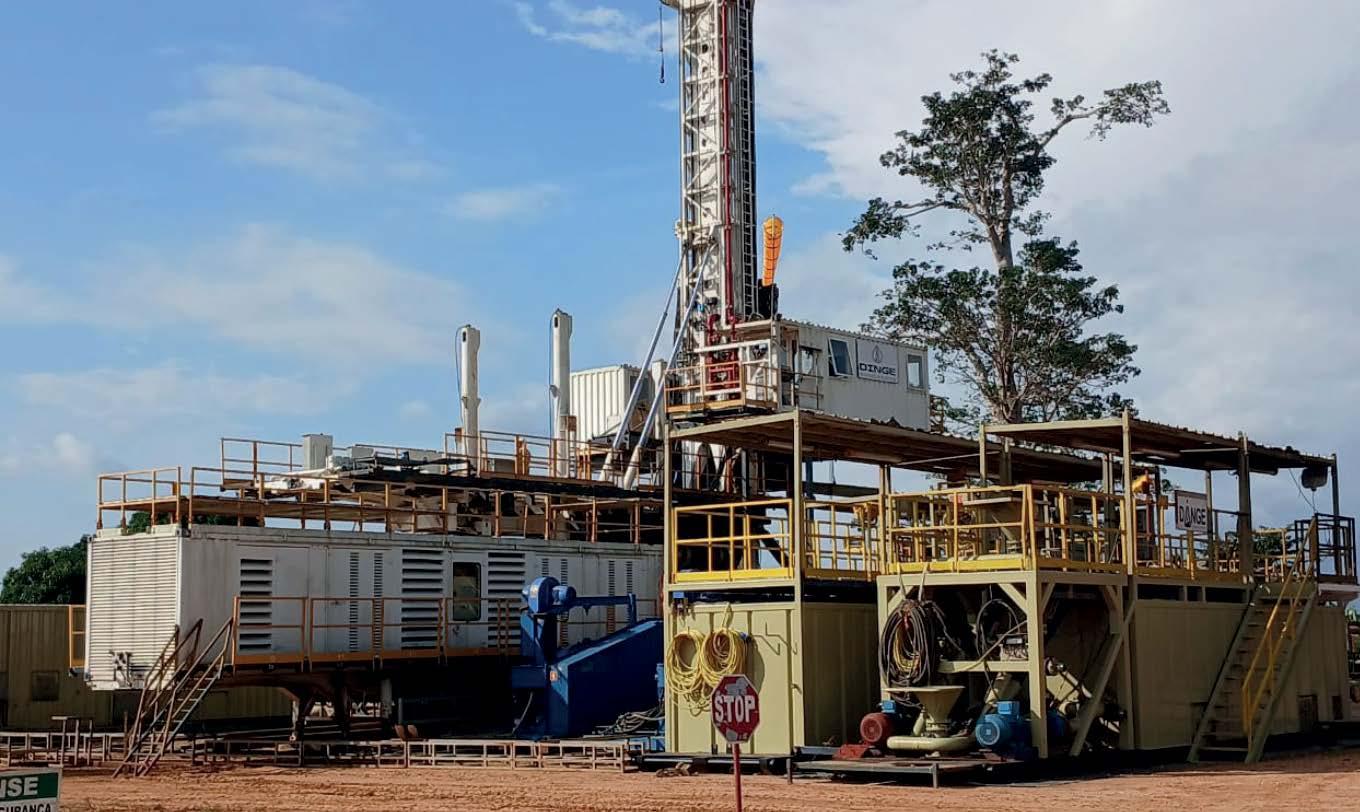
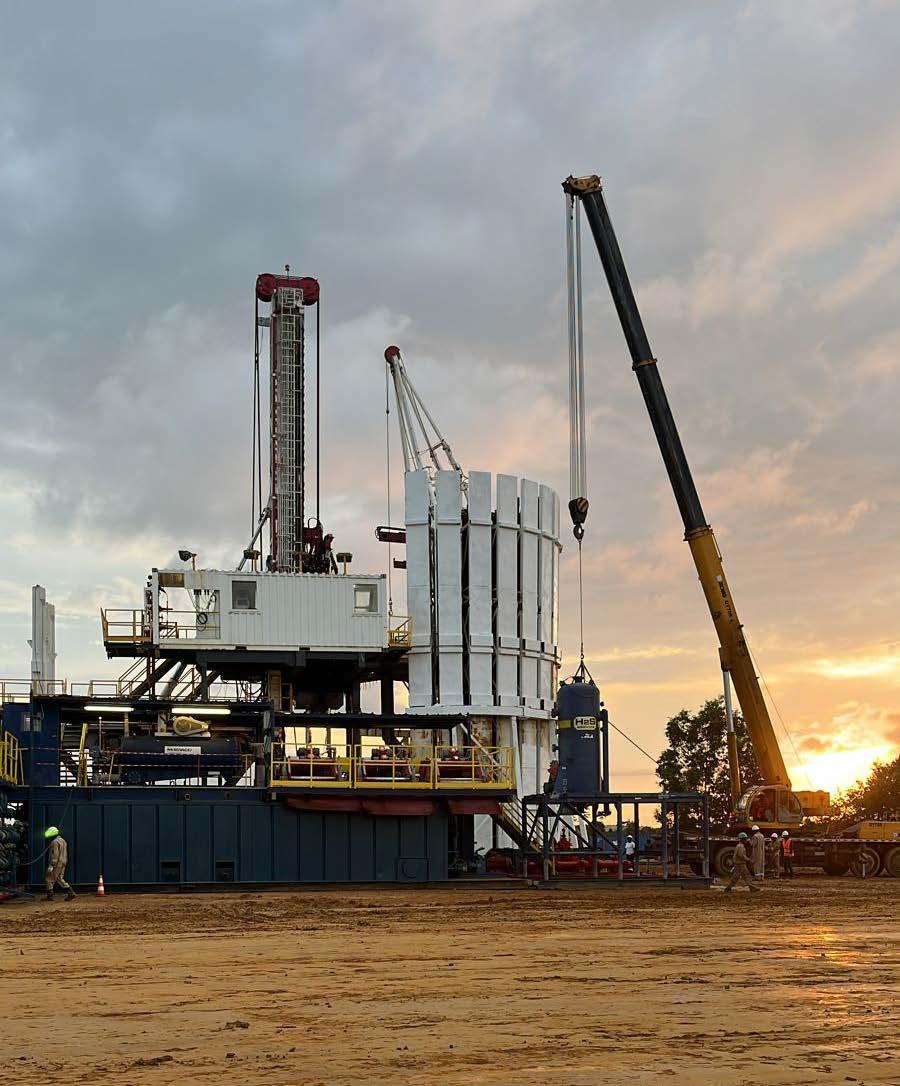
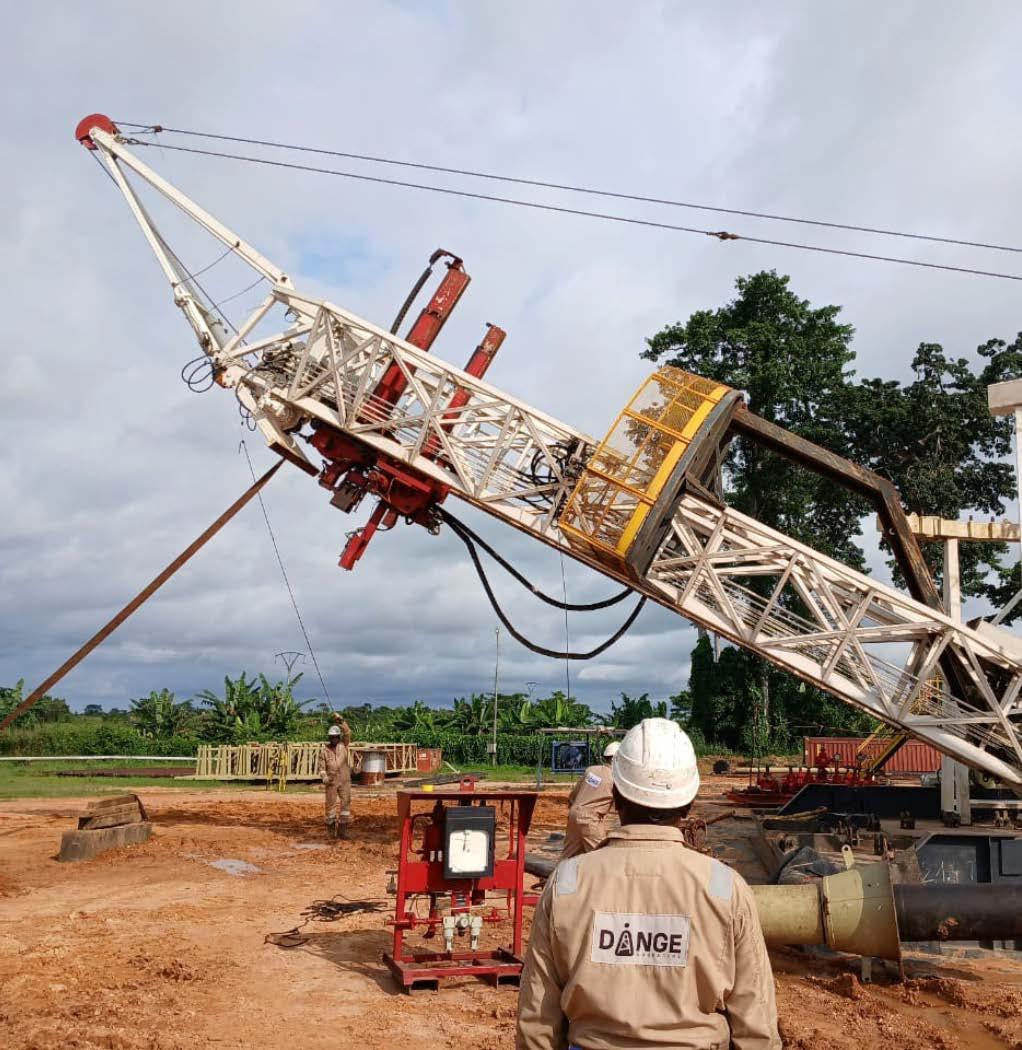
ACREP SA, as the mother company, is focused on the exploration and production of oil and gas assets, being a non-operator partner on two offshore Blocks, and operator and partner in three onshore Blocks. Aiming to optimise the exploitation of its oil and gas onshore activities, primarily focus on marginal reserve fields, which call for a high level of synergy to enhance the operations, ACREP SA launched in 2023, a fully controlled subsidiary services company - Dinge Sondagens Lda, covering the drilling, completion and maintenance of onshore oil and gas wells, at depths of up to 3,500 metres, supported by its cement trailer, slickline, including key machinery to construct and maintain access roads to well locations and related facilities.
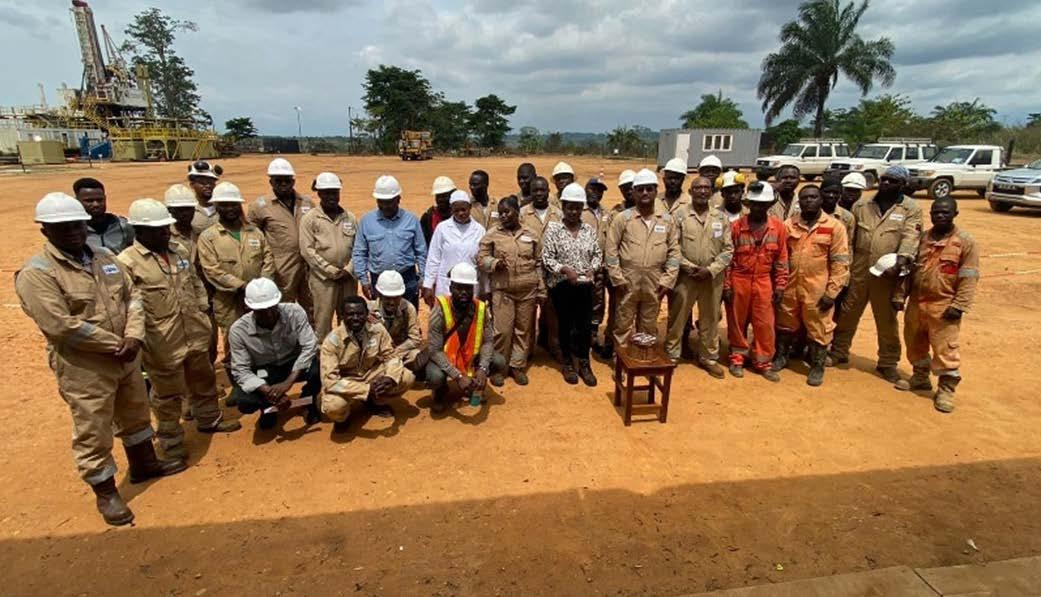
The second services company launched under the ACREP Group umbrella is Bucomazi Lda, an 100% owned entity, dedicated to fully managing and operating onshore oil fields production, aiming to optimise resources and day-to-day efficiency, whilst replacing third-party contracts.
ACREP S.A. began as an onshore operator, with the signature of the Production Sharing Agreements (PSA) for the Cabinda South and North Onshore blocks in 2023 and 2025, respectively. These assets have a few discovered and tested proven oil and gas reserves, with two of them developed and in production.
Driving Angola’s Energy Future From Strategic Partner to Emerging Operator
ACREP Exploração Petrolifera S.A. is an independent Angolan upstream company committed to contributing to the development of the country’s hydrocarbon resources.
With over 20 years of presence in Angola’s oil and gas sector, ACREP has built a diversified portfolio across both onshore and offshore assets, combining strategic partnerships with a growing operational footprint.
Today, ACREP is actively advancing its role as an operator, particularly through its participation in onshore blocks, while continuing to collaborate with leading industry players in offshore developments.
ACREP’s portfolio includes:
Operator of onshore blocks in Angola (Cabinda North Block, Cabinda South Block and KON-19)
Partner in offshore assets, including Blocks 1/14 and 6/24
Integration of operational capabilities through group companies, including drilling and production support services
Through its subsidiaries, including Dinge Sondagens(drilling services) and Bucomazi–Prestaçãode Serviços (production support), ACREP is strengthening national technical capacity and contributing to the development of Angola’s upstream industry.
By combining operational development, strategic partnerships and local capability building, ACREP continues to reinforce its role as a committed national player in Angola’s energy sector.
Partnering to develop Angola’s next generation of upstream capability. Call: +244 222 727 109 • Email: geral@acrepsa.ao
Your Onshore Oil & Gas Service Partners!
Dinge Sondagens Lda portfolio:
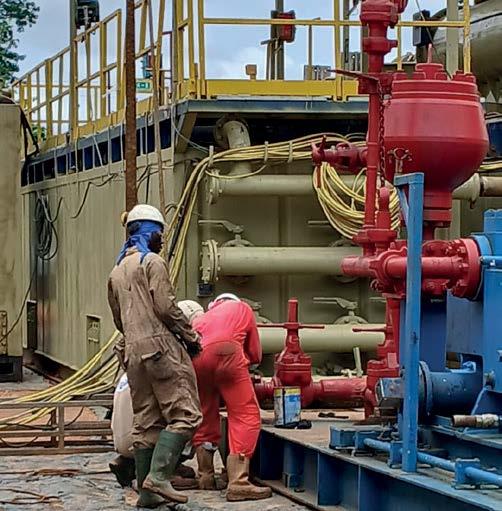
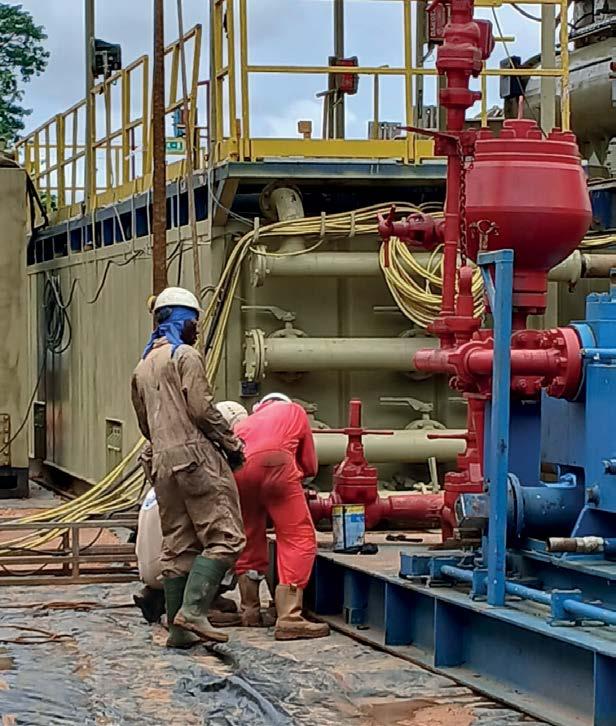
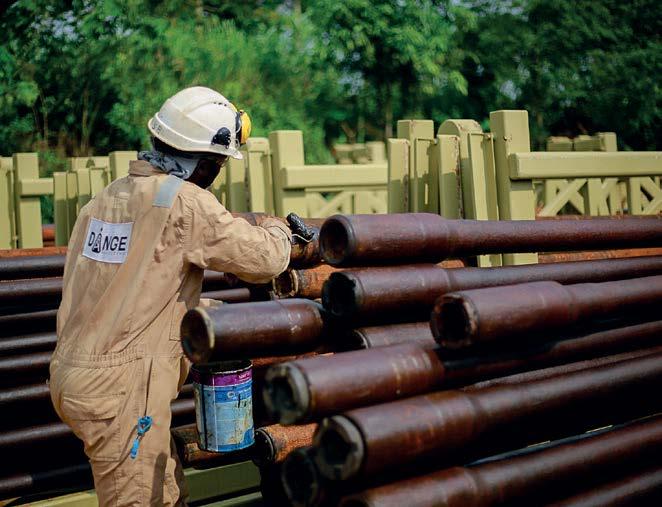
Dinge Sondagens Lda , a drilling services company owned by ACREP SA, launched to support Oil and Gas onshore services, equipeed with a fully automated 1250 HP – Drillmec HH220 Hydraulic Rig, Cement Unit and all the acessories, is able to drill up to 4000 mtrs depth as well as workovers and oil and gas wells servicings. By combining operational development, strategic partnerships and local capability building, ACREP continues to reinforce its role as a committed national player in Angola’s energy sector. Partnering to develop Angola’s next generation of upstream capability
Partnering to develop Angola’s next generation of upstream capability.
Vital to Angola’s Hydrocarbon Development
Bucomazi Lda has been, as of December 2025, successfully operating the two Cabinda Province onshore blocks of 1,000km2 each, where actual and future low productivity wells are expected to average as low as 15 barrels of oil per day of production. Whilst Bucomazi began operating the Castanha Oil Field on the Cabinda South Block, it will now also conduct long-term testing of the Dinge Field discovery well, located on the Cabinda North Onshore Block, through a programme approved to begin in April 2026.
The work currently being conducted across the Cabinda South block focuses on key drilling operations, with two horizontal infill wells on the Castanha Field (Cabinda South Block), which is expected to multiply production by 4 times, while confirming independent recent studies that have doubled the existing proven reserves of the asset.
Moreover, the development projects in Cabinda, also include two key gas discoveries, of which one has already been appraised and produced for some time. Thus, under ACREP’s strategy, the company plans to develop a gas-to-power project with a 25MW plant. The power plant energy will be marketed locally and regionally, given the proximity of the Democratic Republic of Congo border, and the actual low level of energy consumption per capita.
On the North Onshore Block, ACREP will begin long-term testing for the Dinge Field discovery well in 2026, seeking to evaluate its commercial feasibility and overall field development. This development joins the exploration being carried out by ACREP S.A., as it reviews and prepares to interpret the 2D and 3D seismic data of the Cabinda South block, to deliver a better understanding of the discoveries across it. With a better understanding of the discoveries, ACREP could see the opportunity to drill and deliver exploration wells in 2028-2029.
Currently, more than 100 onshore exploration and appraisal wells have been drilled in the three existing blocks in the last 60 years. Some of the exploration wells have seen success, with 20% highlighting oil and gas, which allows for the mapping of oil and gas fields. These wells have called attention to the potential of the Congo Basin source rock, known as the Bucomazi Shales, which has hydrocarbon resources of some 10 billion barrels in situ (on the Cabinda South Onshore Block area). Thus, the development represents a good base for consolidation for ACREP, as a key oil and gas company delivering hydrocarbons to Angola.
With the expertise, the Group will be well positioned to partner with multinational exploration and production companies, already well established in Angola, aiming synergies to approach the energy transition of the oil industry, whilst evaluating downstream opportunities, to join projects to supply products and commodities typical to the industry, such as power and fertilisers, namely in the Cabinda Province recognised by its fertilizers minerals potential, as the phosphates and potassium.
Furthermore, ACREP has even entered into the onshore Kwana Basin of Angola, with a license for Block 19. The block is recognised and confirmed, following exploration and exploitation projects by TotalEnergies in 1945. Therefore, with ACREP now
as the operator of the asset, in partnership with Afentra and Enagol, the partnership aims to launch a 200km 2D seismic campaign in 2027, which will drill the committed exploration wells in 2028, which are expected to discover up to 100 million barrels of hydrocarbon resources.
As ACREP looks towards the future, it intends to be a 25,000+ barrels of oil equivalent a day producer, consolidating the company on the gas to power utilities, whilst producing and marketing electricity for the region. The future production aims to include and presumes continued acquisition of minority
interest participating in mature and relevant production assets in Angola’s shallow waters, as well as the ongoing plans to evaluate a downstream project for the development of a sizeable gas and condensate discovery on the Gajajeira-1 well in Block 1/14. These main projects are set to enhance ACREP’s development over the coming years and position it as a key company backed by its expertise across the three companies of the ACREP Group to support multinational oil and gas developments in Angola.
To enhance the adequate conditions for its next year’s ambitious plans, ACREP is also in the process of securing a long-term partnership arrangement with an international oil company, with recognised experience of conducting operations in Africa, on both oil and gas, and gas to power production and distribution. Furthermore, across ACREP and its subsidiaries, the company is set on enhancing the hydrocarbon industry of Angola, supported by its diverse business lines that span all the critical areas of the oil and gas industry.
With this expertise, ACREP is primed to support multinational exploration and production projects across Angola, solidifying its place as a key private upstream oil and gas company. We look forward to seeing how ACREP continues to expand its portfolio across Angola’s hydrocarbon market, working alongside key exploration and production companies to enhance the energy sector of Angola towards the future.
Your Onshore Energy Service Partners!
Bucomazi Lda portfolio includes:
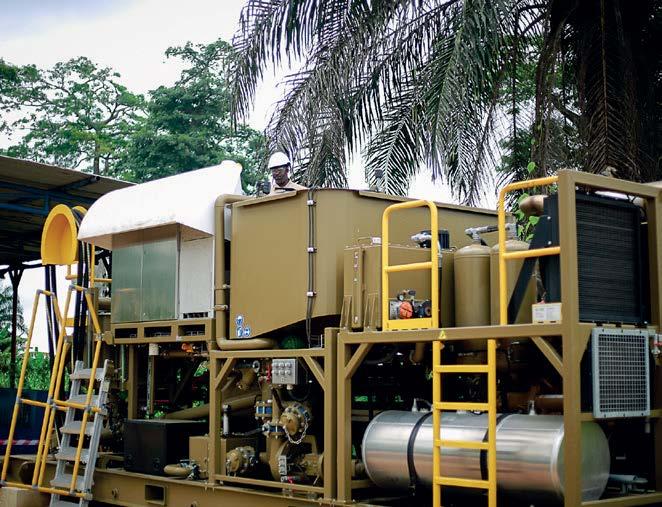
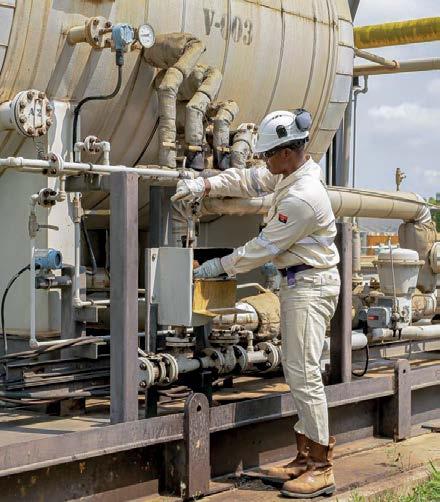
Bucomazi Lda - an onshore production services company, fully owned by ACREP SA, whose labor force of 35 experienced team, from operators to foremans and oil gas production supervisors, managing wells equipped with SPE´s pumps and Gas Lift completions, as well as gas powered gensets, is strengthening national onshore technical capacity and contributing to optimize onshore oil fields proved reserves recovery factors. By combining operational efficiency and development optimization with strategic partnerships and local capability building, ACREP has been reinforcing its role as a committed national player in Angola’s onshore opportunities
TotalEnergies E&P Namibia
TotalEnergies is an integrated energy company producing and marketing energy, with a portfolio of projects and assets that span the world. With this expertise in the global energy market, TotalEnergies is passionate about making energy more reliable, affordable and sustainable. A key place for TotalEnergies’ development in recent years has been in Namibia, where TotalEnergies has been operating since 1964. With its operations changing from primarily downstream retail, sale and storage of petroleum products, the company has spent the last few years developing a vital offshore exploration and production business, where it is now delivering significant energy projects that are supporting Namibia’s offshore energy development for the future.
TotalEnergies has been operating in Namibia for over 60 years, with its initial operations under its affiliate TotalEnergies Marketing Namibia (pty) Ltd. Through this marketing brand, TotalEnergies significantly developed across Namibia, and it is now the 4th largest fuel distributor in the country. Today, under TotalEnergies Marketing Namibia, the company’s primary responsibilities include supplying service stations, small and large businesses, and the agriculture sector with petroleum products, whilst also supporting the mining industry with the supply of hydrocarbons to the country’s mines. However, in 2022, TotalEnergies branched into the exploration and production market with the introduction of TotalEnergies E&P Namibia, where it now has multiple key assets under its portfolio that are delivering vital hydrocarbons for the future. Speaking on TotalEnergies’ operations in Namibia, Laurent Roché, Country Chair TotalEnergies Namibia and General Manager for TotalEnergies EP Namibia, says, “At TotalEnergies, we are excited to be a part of Namibia’s journey to create value through the sustainable development of multiple energy sources. Together with society, we are committed to achieving net-zero emissions by 2050, while aligning with Namibia’s socioeconomic development agenda”.
One of the most significant sites for Namibia’s exploration and production operations is in the Orange Basin, where significant deepwater discoveries and developments are in progress. The Orange Basin is a major global oil and gas hub, with recent high-impact discoveries made by many key players in the global energy sector. Many of the discoveries have revealed significant light oil and gas condensate resources, with key discovery sites such as Venus, Graff and Mopane leading to significant deepwater development across the basin.
In Namibia, TotalEnergies operates two primary offshore exploration licenses within the Orange Basin, which are Block 2912 and 2913B. Block 2913B spans approximately 8,215 square kilometres (km2), located in deep offshore Namibia in water depths of up to 3,000 meters. TotalEnergies is the operator with a 40% working interest, alongside QatarEnergy (30%), Impact Oil and Gas (20%) and NAMCOR (10%). However, in 2024, TotalEnergies acquired an additional 10.5% participating interest in Block 2913B,
as well as an additional 9.39% participating interest in Block 2912. Furthermore, TotalEnergies holds a 42.5% participating interest in Block 2912, alongside QatarEnergy (33%), NAMCOR (15%) and Impact Oil and Gas (9.5%).
The Venus Discovery spans these two blocks and exemplifies a giant, high-quality light oil discovery that is one of the largest discoveries within SubSaharan Africa. The development is estimated to hold at least 3 billion barrels of oil, and once developed, will utilise a floating production storage and offloading unit (FPSO) to target a production of 150,000 to 180,000 barrels of oil per day. Currently, two appraisal wells have been completed, Venus-1A and Venus-2A, which have evaluated the field. The discovery is expected to reach a final investment decision by 2026, and once in production, it is expected to contribute significantly to Namibia’s economy, delivering vital hydrocarbon resources for the country.
In February 2025, TotalEnergies began drilling for the first of two planned oil prospects offshore Namibia within Block 2913B, north of the existing
Developing the Orange Basin
the “Authority” in
Lifting
Handling equipment (forklifts 2,5ton - 16ton)
Waste management equipment (waste skips)
Construction
Offshore
Truck
Stuffing
Stevedoring
TotalEnergies E&P Namibia
Venus development. The first well was the Tamboti1x exploration well, which is described as having a 1-billion-barrel target. The drilling was carried out by semi-submersible rigs owned by Northern Ocean (NOL) and managed by Odfjell Drilling. The drilling rig has been working alongside TotalEnergies’s operation in Namibia since 2022. Alongside this, the Marula-1X exploration well was spudded and began drilling, but by April 2025, no hydrocarbons had been discovered.
The other significant discovery for TotalEnergies is the Mopane Discovery (PEL83), which covers almost 10,000 km2 of the Orange Basin. The discovery was first made in 2024 by Galp Energia (Galp), with the Mopane-1X well, which encountered significant light oil columns in good-quality reservoir sands at two different levels: Avo-1 and Avo-2. Two months later, Mopane-2X was drilled, which highlighted further light oil columns across the exploration and appraisal targets of Avo-3, Avo-1 and a deeper lying target. Galp estimated that the discovery could contain over 10 billion barrels of oil in place, with its further appraisals confirming the significant stacked reserves of the discovery.
However, in December 2025, TotalEnergies acquired a 40% operating stake in Mopane from Galp, and so the block is now operated by TotalEnergies
ENGINEERING NAMIBIA’S FUTURE, ONE SOLUTION AT A TIME
Engineering Excellence. Built on Values. Delivered with Purpose.
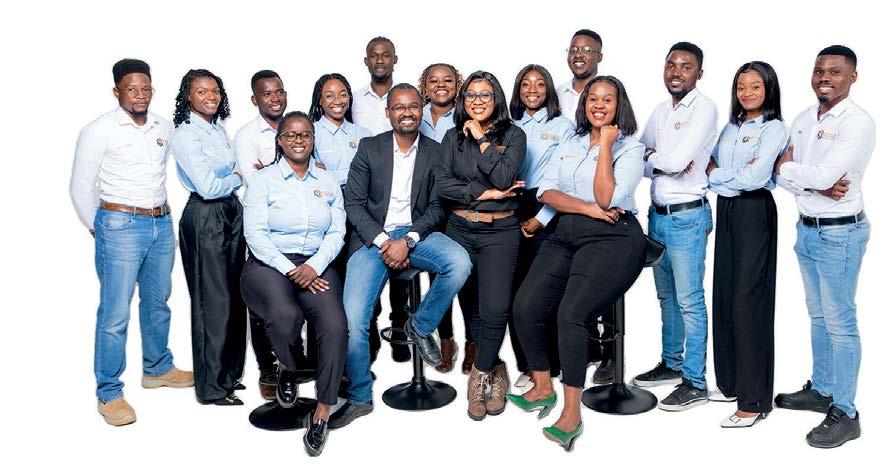
At Trinitas Consulting Engineers, we don’t just build infrastructure — we build confidence. Our multi-disciplinary team of registered Engineers and Project Managers bring the expertise, integrity, and passion needed to transform complex challenges into resilient, sustainable solutions. From consultancy to full project delivery, we’re driven by Fortitude, Sustainability, and Humility — because great engineering isn’t just about what we build, it’s about how we build it.
Developing the Orange Basin
Engineering Namibia’s Future, One Solution at a Time
As Namibia’s energy and infrastructure sectors continue to evolve, a new generation of engineering is emerging. It is practical, reliable, and built for the future, and Trinitas Consulting Engineers is proud to be part of that journey.
Trinitas is a multidisciplinary engineering firm contributing to Namibia’s development through solutions that respond to real needs. While still growing, the company’s momentum is driven by a clear focus: delivering quality work, building trusted partnerships, and adding value where it matters most.
In the renewable energy space, Trinitas is involved in the 50 MW Astra Solar PV Project, supporting Namibia’s transition toward cleaner and more sustainable power generation. This reflects a forward-looking approach, one that recognizes the importance of energy security and environmental responsibility.
Alongside this, the company brings solid experience in downstream petroleum infrastructure. From fuel storage and distribution systems to depot development, Trinitas has contributed to projects such as the Puma Energy depot in Windhoek,
(40%), Galp (40%), Namcor (10%), and Custos (10%). The agreement signed between Galp marked a big step for TotalEnergies’ operations, allowing it to enter into the prolific Mopane Discovery. As part of the agreement, TotalEnergies and Galp have agreed to launch an exploration and appraisal campaign, which spans three wells to be delivered over the next two years. The first well is planned to be delivered in 2026 and will further derisk resources and progress diligently towards the development of the Mopane Discovery.
Speaking on the acquisition from Galp, Patrick Pouyanné, Chairman and Chief Executive Officer (CEO) of TotalEnergies, outlines that “We are very happy
supporting the reliability of fuel supply systems that remain essential to Namibia’s economy.
Beyond energy, Trinitas continues to contribute to infrastructure development across the country. Its work spans road construction, wastewater master planning, sewer reticulation systems, and the development of educational facilities, particularly in communities where such investment has the greatest impact.
What sets Trinitas apart is not only its technical capability, but also its approach. The company values practical solutions over complexity, consistency over shortcuts, and partnerships over transactions. Each project is delivered with a focus on quality, efficiency, and long-term value.
As a young company, Trinitas understands the importance of earning trust, project by project, client by client. Its growth is shaped not by size, but by the confidence it builds and the results it delivers.
Trinitas Consulting Engineers remains focused on contributing meaningfully to Namibia’s progress, supporting infrastructure that works, energy that sustains, and development that lasts.
to have been selected by Galp as their partner and operator for the prolific PEL83 license, including the Mopane discovery in Namibia. This is a strong recognition of the exploration and deepwater competencies of TotalEnergies teams. This transaction demonstrates also the strong confidence of TotalEnergies towards Namibia as a future oilproducing country. TotalEnergies will leverage its recognised operatorship track record to progress towards profitable and sustainable developments of both Venus and Mopane discoveries. By enabling the creation of a producing hub in Namibia, we aim to achieve synergies that will create long-term value for both Namibia and the stakeholders”
TotalEnergies E&P Namibia
YOUR TRUSTED LOGISTICS PARTNER IN NAMIBIA
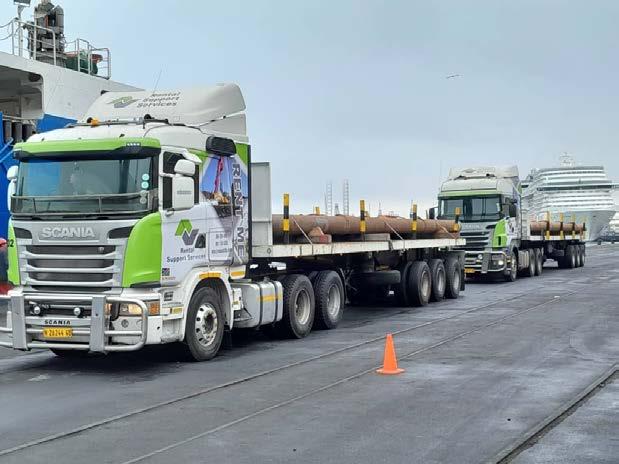
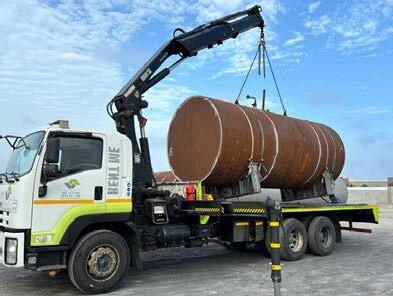
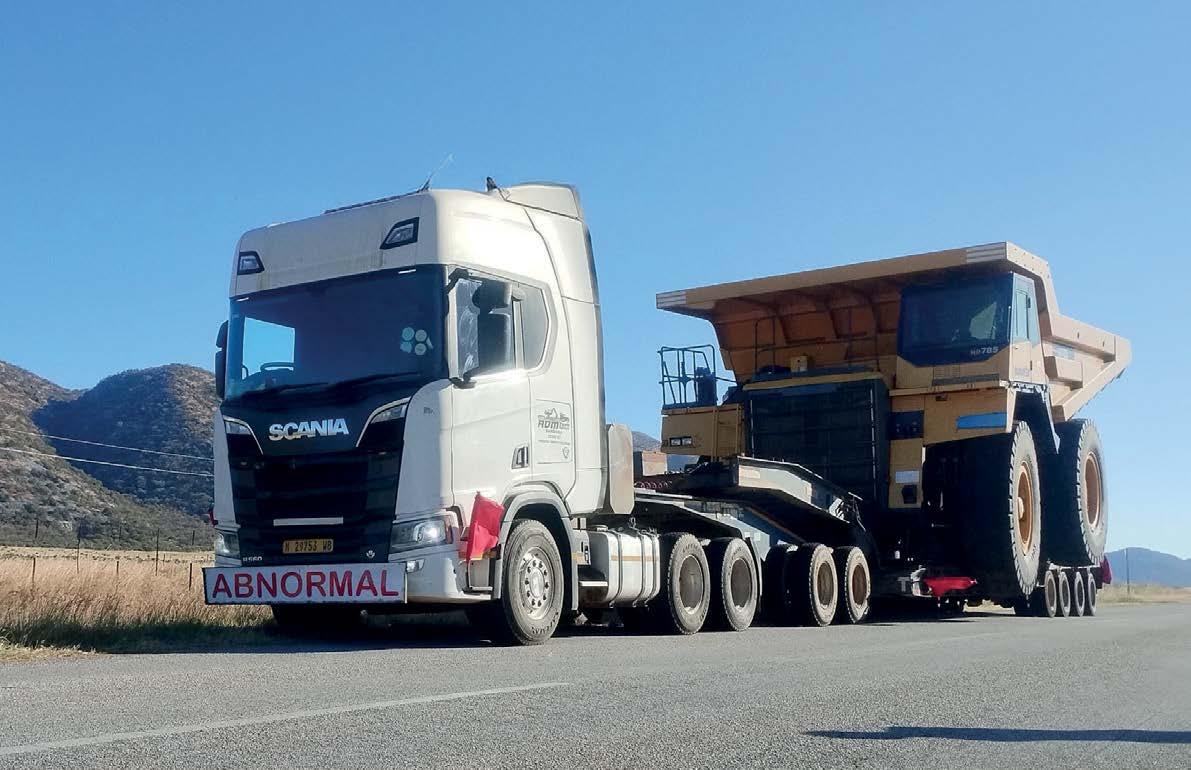
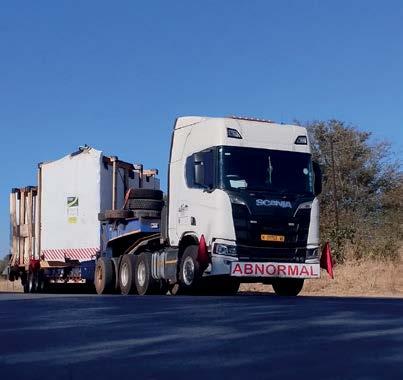
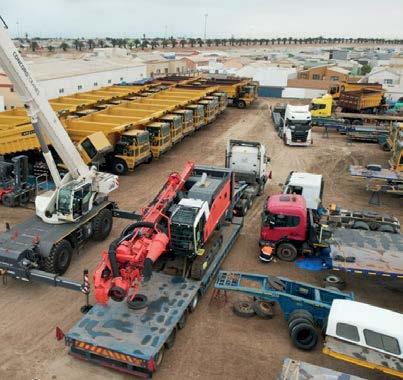
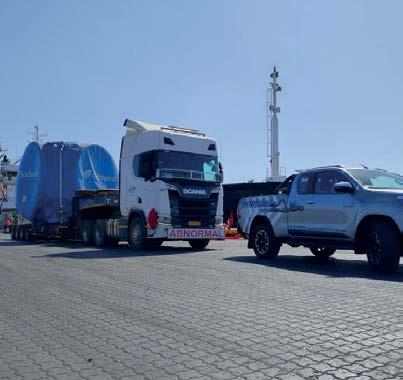
Based in Walvis Bay, ADM Heavy Haulage CC provides comprehensive logistics solutions, including clearing & forwarding, abnormal transport, bonded warehousing, project management, and construction equipment rental.
With a customer-first approach, competitive pricing, and a commitment to excellence, we ensure safe, efficient, and seamless transportation across Africa.
Pouyanné’s comments highlight just how valuable the discovery and continued development of the Mopane discovery is, not just for the company, but for Namibia as a whole. The development is set to be one of the largest and most prolific oil developments in the region. This focus on expansion and development for TotalEnergies in Namibia helps it to keep building on its collaboration with the Namibian authorities and joint venture partners to enhance and develop the country’s energy developments towards the future.
This focus on development has continued into 2026, and in February, TotalEnergies signed an agreement to acquire a 42.5% operated interest in the PEL104 exploration license, located offshore Namibia. The acquisition was from Eight Offshore Investment Holdings (Eight) and Maravilla Oil and Gas. The licence spans 11,000km2 and is located within the Lüderitz basin, which is an underexplored offshore hydrocarbon basin located between the Walvis and Orange basins. The acquisition highlights TotalEnergies’ continued expansion into Namibia’s offshore hydrocarbon development.
Developing the Orange Basin
Speaking on the agreement announcement, Nicolas Terraz, President of Exploration & Production at TotalEnergies, outlines, “After the acquisition in December of a 40% operated interest in PEL83 license, TotalEnergies further strengthens its position in Namibia by entering this new exploration license as operator. While progressing towards the development of Venus and Mopane discoveries, we are very pleased to expand our portfolio and continue exploring the prolific resources of Namibia, in order to unlock further value that will benefit the country and all stakeholders.” As Terraz highlights, the development is close to the existing Venus and Mopane developments, and so TotalEnergies can utilise its expertise in the areas of deepwater development to enhance the PEL104 licence and deliver even more vital resources for the Country.
Across Namibia, TotalEnergies is rapidly expanding the country’s hydrocarbon market along with key partners. As we have seen with its vital work across the Orange Basin, Total Energies is continuing to unlock the potential of the region, bringing its expertise across the global deepwater energy development sector and utilising this to enhance Namibia’s oil and gas sector through the vital Venus and Mopane developments. In turn, TotalEnergies’ projects will bring long-term economic benefits for the country for many years to come. As TotalEnergies continues to expand its operations, with new and exciting developments including those within the neighbouring Lüderitz basin, we look forward to seeing how TotalEnergies will continue to solidify Namibia’s place as a major global energy producer.
Established in 2015, Varaya Group is a leading EPC Design-Build and Project Management firm delivering end-to-end services across the construction, infrastructure, and real estate sectors. Varaya operates across vital markets, including those in the Caribbean, which have been experiencing unprecedented growth driven by the energy sector boom, as well as increased foreign direct investment and rapid urbanisation. To understand more about Varaya’s role across the construction and real estate sectors, we got to speak with Roshen Ramlal, Chief Executive Officer of Varaya, who gave us a great insight into the operations of the company, its current development projects and what sets it apart from the competition, as well as where the company sees itself in the coming years.
Whilst Varaya began as a project and construction management firm, it has vastly expanded its operations over the last 10 years and is now a recognised EPC DesignBuild and Project Management firm delivering comprehensive services across the construction, infrastructure, and real estate sectors. Across these sectors, Varaya’s core business activities include expert project management, FIDIC Engineering, full EPC (Engineering, Procurement and Construction) contracting, real estate development and financial feasibility modelling, value engineering and design peer reviews. It also recently launched its equipment rental division, specialising in short-term rental and leasing of a wide range of specialised construction equipment.
Varaya delivers these services across four primary markets: Trinidad and Tobago, Guyana, Suriname, and the United States. When we spoke to Roshen Ramlal, CEO of Varaya, he outlined that Varaya entered Guyana over a decade ago and has since become one of the leading Project Management and EPC firms in the country, with particular focus on the hospitality and commercial development sectors. Then, in Suriname, Varaya
A Trusted Partner for EPC Design-Build and Project Management Excellence
has been spearheading an array of mixed-use developments, including a Hyatt Regency Hotel and a Commercial/Retail concept.
The other key area of development is in the US, where Varaya’s operations are based in Florida, and focus on Pre-Engineered Steel Building (PESB) solutions for the industrial, commercial and other specialised applications. According to Roshen, “Internationally, we leverage strategic partnerships in the United States, Canada, China, Uruguay, and the Dominican Republic to deliver innovative construction solutions and procurement advantages. This global network enables us to source high-quality materials, access cuttingedge building technologies, and deliver cost savings through direct procurement channels.”
Focusing back on the Caribbean, Roshen outlined that the region’s project management and construction sectors are experiencing unprecedented growth, largely driven by Guyana and Suriname as significant energy producers.
Varaya’s operations are well-positioned to support the infrastructure build out required for such growth due to its significant experience in delivering industrial facilities, logistics hubs, and specialised structures, as well as pre-engineered buildings supported by its US operation. Past projects such as the Blue Waters Products Limited - AMCOR Warehouse Expansion in Trinidad demonstrate Varaya’s ability to deliver industrial-scale PESB facilities to exacting standards. Thanks to this expertise, Varaya is now a natural partner for energy sector ancillary development. Notably, Varaya served as the EPC contractor for Repsol’s Galeota Shore Base in Trinidad and Tobago, reinforcing its credentials in energy-sector infrastructure. In 2026, Varaya also launched a dedicated equipment rental service line, including cranes, telehandlers, forklifts, and manlifts, to further support project delivery and Logistics support across Guyana.
However, Roshen noted that these markets are not without their challenges, because there is difficulty obtaining financing for developments due to high borrowing interest rates, which is impacting the feasibility, bankability and returns of projects. In addition, skilled labour shortages, inconsistent
ROSHEN RAMLAL CEO of Varaya Group
Varaya Group
material procurement, supply chain integrity, quality controls, regulations and contract administration have also presented key challenges for the Caribbean’s construction and project management sector.
Notwithstanding, Varaya is committed to facing these challenges head-on with a 6-pillar strategy. The first pillar sees the company uphold its reputation for delivering projects on time within quality specifications and, critically, within the agreed budget. With this reputation, Varaya is now the partner of choice across the EPC and real estate development industry, backed by its rigorous planning, proactive risk management, and transparent communication with all stakeholders involved in a project. The second pillar is financial feasibility, which enables Varaya to begin every project with in-depth financial modelling, including Project IRR, NPV, Cash-on-Cash returns, equity multiples, and asset valuations. By determining the economic sense of a project before any money is committed, Varaya delivers an investor-first
approach to protect capital and ensure the overall bankability of the project.
The third and fourth pillars focus on quality standards and Varaya’s FIDIC Engineering expertise. Varaya is committed to maintaining international quality control protocols on every project, supported by independent testing, material verification, and adherence to recognised building codes. Varaya is currently pursuing ISO 9001 certification, further formalising its commitment to internationally recognised quality management systems. Roshen noted that Varaya has walked away from projects that would compromise safety or quality, and it is this commitment to quality that has earned Varaya an enviable client retention rate and an exceptionally high client referral-based project pipeline.
Then, as FIDIC Engineers on major institutional projects, Varaya is uniquely positioned to provide independent oversight, contractual administration, and design liability management. According to Roshen, “This positions us uniquely – not as an
A Trusted Partner for EPC Design-Build and Project Management Excellence
advocate for either owner or contractors, but as an impartial professional ensuring that contractual obligations are met and international standards are maintained. This role is critical for bankability and investor confidence.” Therefore, Varaya is a trusted advisor to banks, institutional investors, and international brands.
The 5th pillar outlines how Varaya utilises local capacity-building to scale its capability whilst maintaining the highest standards of technical expertise across disciplines. In Guyana, Varaya employs a 90% Guyanese workforce. By hiring local talent, Varaya can provide those across its operations with training in international standards, thereby creating sustainable career pathways that support local social development and ensuring the company’s operational continuity for many years to come. Today, Varaya has approximately 50 employees across Trinidad, Guyana, Suriname, and its US operations, supported by over 70 specialised professionals under its direction through specialist sub-contractors.
The 6th and final pillar of Varaya’s success comes from its commitment to brutal honesty. Roshen outlined, “We tell clients the truth about feasibility, costs and risks – even when it means declining a project. This candor builds long-term trust and distinguishes us in a market often driven by optimistic projections rather than rigorous analysis.” This focus on honesty is what has earned Varaya its reputation for high-quality and efficient project delivery, founded on complete transparency to support both its customers and the company’s commitment to successful development.
In fact, when we asked Roshen what he feels is the best part of what Varaya has to offer, he outlined that peace of mind was the company’s greatest value proposition. “In a region experiencing rapid growth with what is at times a very competitive environment, we offer clients certainty: certainty that their investment is protected, that their project will be delivered to international standards, and that risks are being professionally managed.” Roshen continues, “We do not simply build; we
ensure that what we build is financially viable, structurally sound, and operationally sustainable. Our feasibility-first approach prevents costly mistakes before they happen. Our quality control protocols catch problems that others miss – or worse, ignore. Our contract administration protects clients from disputes and liability.” Thanks to this commitment to honesty, safety and certainty, Varaya’s portfolio today spans vital residential, commercial, warehousing, and hospitality sectors, with projects currently exceeding US$500 million in total value.
When we asked Roshen about what exciting projects and developments Varaya is currently working on, he outlined several key transformational projects across its operating markets, including the Hyatt Place Providence project in Guyana. Varaya was the project Originator for this US$40 million hospitality project strategically located in Providence, Guyana. It also operates as the main contractor, taking the Hyatt Place Providence development from initial market study and brand negotiation, through to the construction delivery. This development has become a benchmark for quality construction in Guyana’s rapidly expanding
hospitality sector, highlighting Varaya’s vital role in this sector’s growth. Other projects in the pipeline include new commercial office buildings, onshore port logistics and operations facilities and a portfolio of low and mid-density residential developments in Guyana and the US.
Over the coming years, Roshen outlined four primary objectives for Varaya. First, Varaya wants to become the Caribbean’s Premier Project and Construction Management Firm. This title would help position Varaya as the first-choice pick by institutional investors, international brands, and governments who are seeking rigorous project delivery, financial discipline and international standards. Then, the company wants to expand its regional footprint, extending its operations into additional Caribbean markets whilst deepening its operations in existing territories.
To advance industry standards and professionalisation across the Caribbean, Varaya is committed to continuing to advocate for strong building codes, standardised contract frameworks, and enhancing professional development in the construction sector., Varaya will continue to enter into strategic partnerships with international technology
A Trusted Partner for EPC Design-Build and Project Management Excellence
providers, material suppliers, and specialised contractors who share in its commitment to quality.
A key part of Varaya’s future development will be towards technology integration, as it works to actively incorporate Building Information Modelling (BIM), a digital project management platform, and advanced scheduling tools into its workflows. This technological sophistication differentiates Varaya from traditional contractors and enables more successful project delivery. Alongside this technology, Varaya will continue to optimise its deep understanding of the Caribbean Regulatory environment, local supply chains and cultural contexts, combined with its unwavering commitment to international construction and contractual standards, to deliver competitive solutions that bridge the gap between local
knowledge and technologically advanced best practices in the construction sector.
Across Varaya’s operations, there is a prominent focus on successfully delivering key construction and development projects with transparency underpinned by the highest quality and safety standards. With its reputation for honesty, it’s no surprise that Varaya is a leading company supporting investors, governments and international brands who are looking for the best in project delivery, financial discipline and international standards.
We loved speaking with Roshen Ramlal about the success of Varaya and look forward to catching up again soon to see how the company will continue to cement its place both in the Caribbean and beyond. You can learn more about the company by visiting their website at: www.varayaglobal.com .
Shell Nigeria Exploration and Production Company
Home to major offshore oil and gas fields, Nigeria has long played a vital role in the global energy sector. With key oil-producing fields across Nigeria, including the Bonga, Agbami, Egina, Akpo and Erha fields, the country’s economy relies heavily on the energy sector. A key company that has been developing Nigeria’s energy sector is Shell plc, which has been present across the country’s entire energy chain for more than 50 years. Under its subsidiary, Shell Nigeria Exploration and Production Company (SNEPCo), Shell has been pioneering the country’s deep-water development at the Bonga field, which today, along with the Erha field, is responsible for nearly one-third of Nigeria’s deep-water production. Therefore, as a key player enhancing Nigeria’s deepwater development, SNEPCo is focused on unlocking the country’s energy potential for the future. .
NEPCo was formed in 1993 to transform Nigeria’s deepwater oil and gas resources, and so the company has spent the last 33 years focused on delivering vital exploration and production projects across Nigeria’s offshore energy sector. Today, SNEPCo has made significant discoveries towards the development of Nigeria’s offshore energy sector, producing oil and gas resources in depths of up to 2,500 metres. The bulk of SNEPCo’s operations centres on the Bonga and Erha fields. The Bonga field is operated by SNEPCo in partnership with Esso Exploration and Production Nigeria Ltd. (20%), Nigerian Agip Exploration Ltd. (12.5%) and TotalEnergies EP Nigeria Ltd. (12.5%), who work on behalf of the Nigerian National Petroleum Company Limited (NNPC). The deep-water development is located in OML 188, at water depths of more than 1000 metres. The development is supported by the Bonga Floating Production, Storage and Offloading (FPSO) facility, which began production in 2005, which Shell operates with a 55% interest, and has a capacity to deliver 225,000 barrels of oil per day. Last year, we saw SNEPCo announce it was to increase its interest in the Bonga field following the signing of an agreement with TotalEnergies EP Nigeria Limited in May. The agreement outlines SNEPCo acquiring TotalEnergies’ 12.5% stake in the OML 118 Product Sharing Contract (OML 118 PSC)
mining lease offshore Nigeria that includes the Bonga field. Upon completion of the transaction, Shell’s interest in the OML 118 PSC block will rise from 55% to 67.5%. In the announcement outlining the agreement between TotalEnergies EP Nigeria and SNEPCo, Peter Costello, the President of Shell’s Upstream division, outlined that “Following our final investment decision on Bonga North last year, this acquisition brings another significant investment in Nigeria deep-water that contributes to sustained liquids production and growth in our Upstream portfolio.”
Costello’s comments highlight how vital the acquisition of more of the Bonga development is to help Shell enhance its role in Nigeria’s deepwater development sector. SNEPCo announced in November 2025 that the acquisition had been completed. For Shell, this investment contributes towards the company’s growing integrated gas and upstream production capabilities, which it is aiming to increase by 1% per year to 2030. In addition, it will also help sustain SNEPCo’s production of 1.4 million barrels per day of liquids production, and in
Smart Solutions
Meeting Energy Demands in Nigeria
Trusted by international and national oil companies since 2006.
When reliability isn’t optional, choose the partner that IOCs and NOCs trust.
Homeland Integrated Offshore Services (HIOSL) delivers worldclass marine logistics, EPCIC, subsea construction, and technical manpower — on time, on spec, offshore and onshore.
HIOSL is a multi-disciplinary engineering and maritime services company providing end-to-end support for upstream oil and gas operations. Our capabilities span:
• Engineering, Procurement, Construction & Installation (EPCIC)
• Subsea construction & offshore maintenance
• Technical manpower supply
• AGO supply to onshore & offshore installations
• Casing, tubing & drill pipe supply
Nigeria’s Most Trusted Offshore Services Partner
Meeting Energy Demands in Nigeria
Homeland Integrated Offshore Services Limited
Delivering Offshore Excellence. Driving Indigenous Leadership. Enabling Global Partnerships.
Homeland Integrated Offshore Services Limited (HIOSL) is a leading indigenous marine and offshore services company, established in 2006, with nearly two decades of proven operational excellence within Nigeria’s oil and gas sector. The company owns and operates a growing fleet of offshore support vessels and has successfully deployed several vessels across multiple offshore campaigns and longterm contracts. Our operations currently support major International Oil Companies (IOCs), including ExxonMobil (ESSO), TotalEnergies, Shell Nigeria, Chevron Nigeria Limited, and SEPLAT Energy. HIOSL offers an integrated suite of offshore services, including:
• Engineering, Procurement, Construction and Installation (EPCI)
• Supply of Automotive Gas Oil (AGO) • Technical Manpower Support Services
• Oil Country Tubular Goods (OCTG) Services • Port Facility Security and Marine Risk Assessment Services
Across these services, HIOSL has established a strong reputation for responsiveness and execution discipline, supported by over 15 years of continuous offshore operational support. This expertise has allowed HIOSL to develop its Guardian Fleet, which meets stringent ICO technical requirements and helps support the company’s efficient procurement and project delivery systems.
Today, HIOSL has established a strong, long-standing relationships with leading international oil operators, including Shell Nigeria and TotalEnergies Nigeria. With Shell Nigeria, HIOSL deploys fast security vessels for Bonga field operations, provides PSV support for drilling campaigns, and offers technical manpower services for both brownfield and greenfield projects. Then, for TotalEnergies Nigeria, HIOSL deploys multiple PSCs across offshore campaigns, as well as security vessel operations and AGO offshore supply and procurement of critical operational spares. Alongside its vital work with TotalEnergies and Shell, HIOSL also deploys jack-up barges, accommodation and construction vessels to other international oil companies.
For HIOSL, its performance across international oil operations reflects the company’s operational reliability, safety, compliance and consistency in the delivery of services to international standards. Thus, HIOSL is not just a service provider, but a strategic execution partner within the offshore energy value chain that is committed to advancing indigenous capacity in line with the Nigerian Content Act, aligning with global operational and safety standards, whilst building long-term value-driven partnerships with international operators.
Furthermore, HIOSL remains committed to making a significant contribution to local content through Nigerian workforce development. This includes training and development programs for Nigerian seafarers and technical personnel, alongside structured cadet and trainee programs. Furthermore, HISOL continues to support local vendors and supply chain partners, whilst remaining actively engaged in host communities, offering employment opportunities across its operations.
As HIOSL looks towards the future, its long-term vision is to become a fully integrated offshore solutions company with a strong regional and international footprint. Therefore, HIOSL is open to collaborating with international companies to create a value chain ecosystem. Furthermore, to actively position itself for the future, HIOSL is focused on fleet expansion with environmentally compliant vessels, participating in high-value offshore tenders, strategic partnerships and consortium-led project execution, and digital transformation across its operations and procurement.
“At Homeland, we are building more than a service company, we are building a platform for African excellence in offshore energy. Our commitment is to deliver world class solutions, develop indigenous capacity, and partner with global stakeholders to shape a more resilient and sustainable energy future.” www.hiosl.com • info@hiosl.com • +234 803 444 7309
Shell Nigeria Exploration and Production Company
N.U.E Offshore Resources Limited
N.U.E Offshore Resources Limited is a service-oriented company supporting the offshore energy and marine logistics sector through the provision of technical supplies, operational support, and industrial solutions. Its core activities include providing offshore vessels, sourcing and delivering marine spares, safety work wear (PPE), safety equipment, and related resources required for offshore and vessel operations.
N.U.E Offshore Resources Limited acts as a reliable link between operators, contractors and supply chains by ensuring timely procurement, quality assurance, and logistical coordination. However, its role extends beyond supply, and it also provides responsive support that is designed to enhance operational continuity, compliance with safety standards, and cost efficiency for its clients in demanding offshore environments.
We got the chance to speak with Caroline Onuoha, Supply Chain Manager for N.U.E Offshore Resources Limited, who oversees sourcing strategy, vendor coordination, procurement processes, and logistics alignment to ensure the timely and efficient delivery of materials and equipment required for offshore support operations. Onuoha’s role focuses on maintaining supply reliability, cost efficiency, and quality assurance across the company’s operations to ensure they meet operational objectives and support client projects in the process.
Today, N.U.E Offshore Resources Limited has strong relationships across the energy sector, offering its vital services with consistency, transparency, and performance reliability, whilst maintaining open communication and demonstrating its flexibility in resolving its clients’ challenges. Across these challenges,
N.U.E Offshore Resources Limited gets to know its clients’ operational priorities –whether regulatory compliance, downtime reduction, or cost management – and aligns its services to support these goals.
A key partnership for N.U.E Offshore Resources Limited is with Shell, where the company has been contributing technical, supplier and operational support aligned with offshore project requirements. Some key projects with Shell include the Bonga North Project, the Bonga Top Chain Replacement Project and the provision of marine patrol vessels. These highlight N.U.E Offshore Resources Limited’s operational capacity in offshore vessel deployment, marine security services, and compliancedriven service delivery within Shell’s offshore environment.
As N.U.E Offshore Resources Limited looks towards the future, the company is focused on positioning itself as a recognised and trusted support partner within the offshore and marine supply ecosystem. As part of this, N.U.E Offshore Resources Limited is aiming to expand its service reach, deepen its relationships with major operators, improve the digital integration across procurement processes, and strengthen its operational resilience. In fact, N.U.E Offshore Resources Limited is currently expanding its operations and is focused on supplying marine spares for vessel support activities, to strengthen its ability to respond quickly to offshore technical requirements. In parallel, it is also actively pushing its range of incountry manufactured safety workwear (NUE SAFETY WORK WEAR) into the wider market, ensuring accessibility to high-quality protective solutions that meet industry safety expectations and standards.
Delivering Offshore Excellence Without Compromise
Trusted marine operations and safety solutions built on global standards.
ABOUT US
N.U.E Offshore Resources Limited delivers trusted offshore vessel operations and marine support services, combining deep local expertise with international best practices to ensure safe, compliant, and efficient offshore performance.
We operate and maintain a fleet of vessels available on request and provide a comprehensive range of locally manufactured Personal Protective Equipment (PPE) designed to support safe offshore operations.
OUR CORE SERVICES
Offshore Marine Operations
Personal Protective Equipment (PPE) Supply
Journey Management Equipment Supply
Pipeline Installation & Maintenance Haulage & Logistics Support
OUR SAFETY WORKWEAR
Engineered for durability, comfort, and compliance with industry safety standards.
Providing world class engineering services
Engineering Automation Technology Ltd. – A proudly Nigerian Oil & Gas company, delivering world-class solutions since 2007. Backed by the Nigerian Content Development & Monitoring Board (Project 100), we specialize in Asset Integrity Management, Engineering & Construction, and Instrumentation & Controls. With certified experts and a commitment to excellence, we analyze, monitor, and enhance your operations to meet today’s demands and tomorrow’s challenges. Partner with us for quality-driven results in the energy sector.
Our Business portfolios are categorized under the following Strategic Business Units: • Asset Integrity Management • Engineering and Construction • Instrumentation & Controls
Engineering Automation Technology Ltd. – Delivering top-tier Oil & Gas solutions in Nigeria since 2007. As an official Local Business Partner of Emerson Automation Solutions, we bring cutting-edge industrial technologies to your operations. Our certified experts implement innovativesolutions for Metering Skids, Flow Measurement, Instrumentation, Valves, DCS/SIS Systems, SCADA, and more.
From pressure, temperature, and level measurement to asset management, wireless monitoring, and energy solutions, we help optimize efficiency, reliability, and safety across your facilities. Trust us to power your performance with global expertise and local excellence.
the process, position the country as a key hub for energy development.
In February 2026, SNEPCo began turnaround maintenance activities at the Bonga FPSO vessel. These maintenance activities included statutory inspections, certification and regulatory compliance checks, as well as major asset integrity upgrades and engineering modifications. The upgrades and modifications are designed to improve the long-term operations and subsea assurance activities of the FPSO. The last time such turnaround maintenance activity was conducted on the FPSO was in October 2022, just a few months before it delivered its 1 billionth barrel of oil since it commenced production in 2005. However, following SNEPCo and its co-venture partners reaching a Final Investment Decision for a subsea tie-back development in Bonga North in 2024, the project depends on the reliability and enhanced capacity of the Bonga FPSO. Therefore, the development, maintenance and upgrades of the FPSO are designed to support the vital progress being made in the Bonga North Development.
Speaking on the scheduled maintenance, SNEPCo Managing Director, Ronald Adams, outlined that “The schedule maintenance activity is designed to ensure the FPSO continues to operate safely and efficiently for the next 15 years, while
reducing unplanned deferments and strengthening the asset’s overall resilience”. Adams’ comments highlight just how vital such maintenance and upgrades are for the Bonga FPSO, as it is pivotal in supporting SNEPCo’s long-term success over the coming years. The turnaround maintenance was completed in March, 11 days ahead of schedule, reinforcing SNEPCo’s long-standing commitment to operational excellence and asset integrity for the continued development and support of Nigeria’s offshore oil and gas production operations.
Alongside the Bonga development, SNEPCo also has key operations in the Erha field and the Erha North satellite fields. These fields, located roughly 97km offshore Nigeria at depths ranging between 1000m and 1200m, were the first deepwater offshore field development for Nigeria. The OML 133 Contract Areas containing the Erha Development is operated by Esso Exploration and Production Nigeria (EEPNL), who hold a 56.25% participating interest, with SNEPCo holding the remaining 43.7% share.
The Erha field is estimated to hold 500 million barrels of combined recoverable oil reserves. Therefore, the exploration project spans three drill sites, comprising 30 subsea wells which are tied back to the Erha FPSO vessel. The FPSO has a designed storage capacity of 2.2 million barrels of crude oil, and its designed oil processing capacity
Shell Nigeria Exploration and Production Company
Powering progress, Empowering Nigeria
The sole authorized Cat dealer representative in Nigeria | Powered by Cat
MANTRAC-ENGINEERED POWER FOR SHELL’S CRITICAL OFFSHORE OPERATIONS
In offshore and production-critical environments, power reliability is fundamental. For decades, Mantrac Nigeria, sole authorized Cat dealer representative in Nigeria, has partnered with Shell Nigeria Exploration and Production Company (SNEPCo) to deliver dependable, OEMbacked power solutions that sustain continuous operations in some of the most demanding offshore conditions.
From the early stages of Shell’s deep-water developments to today’s complex offshore assets, Caterpillar power systems supplied and supported by Mantrac have remained central to operations at the Bonga Field one of Nigeria’s most technically advanced offshore projects. This long-standing collaboration reflects a shared commitment to safety, performance, and operational excellence.
DELIVERING RELIABILITY, PROJECT AFTER PROJECT
Beyond equipment supply, Mantrac’s value lies in execution. Recent projects delivered for Shell demonstrate Mantrac’s ability to support critical operations across the full asset lifecycle from engineering and offshore installation to long-term support and optimization.
Mantrac provides diesel, gas, and dual-fuel power solutions ranging from 20 kVA to 3,000 kVA in stock, scalable up to 6,000 kVA. This includes emergency engines, crane engines, and fire pump engines rated from 150 bkW to 1,100 bkW, all configured for offshore, emergency, and hazardous-location-certified applications.
These solutions are delivered by experienced engineering teams with deep offshore expertise, ensuring seamless integration into Shell’s operating environments.
END-TO-END SUPPORT, LOCALLY DELIVERED
Shell’s operations are further supported by Mantrac’s comprehensive Product Support capability, including genuine CAT parts, service and overhaul expertise, and fieldbased technical support. Mantrac’s continued investment in local capability is reinforced
through its CKD/CSD manufacturing facility and complemented by a responsive rental fleet that provides flexible power solutions for project and temporary requirements.
DIGITAL ENABLEMENT FOR CONTINUOUS PERFORMANCE
Enhancing this support ecosystem is Mantrac’s Digital Service Centre (DSC), providing remote condition monitoring, advanced diagnostics, and digital troubleshooting. Through real-time insights and proactive analysis, the DSC helps optimize asset performance, reduce unplanned downtime, and extend equipment life even in remote offshore locations.
Through decades of collaboration, proven delivery, and continuous investment in people, technology, and local capability, Mantrac Nigeria remains a trusted partner to Shell powering offshore productivity with Caterpillar confidence and engineered reliability. Through decades of collaboration, proven project delivery, and continuous investment in people, technology, and local capability, Mantrac Nigeria remains a trusted partner to Shell powering offshore productivity with Caterpillar confidence and engineered reliability.
SNEPCo ONGOING PROJECTS WITH MANTRAC NIGERIA
Mantrac is currently supporting SNEPCo through life-extension programs that modernize aging engines with advanced control systems, improving reliability, efficiency, and operational continuity across offshore assets. This is delivered through Mantrac’s integrated support model, combining experienced engineering teams, offshore installation expertise, genuine CAT product support parts, and comprehensive service and overhaul capabilities. These solutions are further strengthened by local manufacturing capacity and a responsive rental fleet, ensuring flexible, end-to-end support throughout the lifecycle of Shell’s operations..
From offshore platforms to heavy-duty Petroleum & Marine operations, Mantrac Nigeria deliversreliable, high-performance power solutions engineered to keep production running without compromise. Backed by Caterpillar expertise, our systems are designed for safety, efficiency, and uninterrupted operations in the most demanding environments. THE SOLE AUTHORISED CAT DEALER REPRESENTATIVE IN NIGERIA | POWERED BY CAT®
is 210,000 barrels per day. In 2015, the Erha North Phase Two development project was completed, seeing the existing Erha North Subsea system and infrastructure expand, including the installation of associated subsea facilities, a new drilling centre and modifications to the existing FPSO unit. On completion, the Erha field’s capacity was expanded to produce a total of 90,000 barrels of oil a day. Therefore, SNEPCo’s developments across Erha and its continued expansion now deliver vital combined oil reserves for Nigeria, supported by the company’s commitment to deepwater exploration projects.
As SNEPCo looks towards the future, the company confirmed that the Government of the Federal Republic of Nigeria has agreed to the conversion of Oil Prospecting License 245 (OPL 245), which resulted in the granting of two development leases (Petroleum Mining Leases (PML) 102 and 103), as well as two exploration licences (Petroleum Licences (PPL) 2011 and 2012). The license has been granted to Nigerian Agip Exploration Limited (NAE), as well
as SNEPCo and the Nigeria National Petroleum Company Limited (NNPC). SNEPCo will work alongside Eni, which is the operator, to help progress the assessment of technical and economic feasibility within the license and explore further development, whilst helping to develop the resources already discovered to date. The leases highlight Shell’s growing portfolio of offshore projects spanning Nigeria.
In 2025, SNEPCo and Sunlink Energies and Resources Limited announced a Final Investment Decision (FID) on the Hi Gas project offshore Nigeria. The HI Project is part of a joint venture held between Sunlink Energies and Resources Limited (60%) and SNEPCo (40%) and comprises a wellhead with four wells to be installed at the HI field location, along with a pipeline to transport the multiphase gas to the onshore Bonny Gas Processing Plant. Gas from the Bonny Gas Processing Plant will then be transported to Nigeria LNG, a joint venture between Shell (25.6%), NNPC (49%), TotalEnergies (15%) and ENI
Meeting Energy Demands in Nigeria
(10.4%), and the condensate to the Bonny Oil and Gas Export Terminal. Upon completion, the project would supply 350 million standard cubic feet of gas per day at peak production to Nigeria LNG. Nigeria LNG would then produce and export the liquefied natural gas (LNG) to global markets. Production is expected to begin before the end of the decade and will expand the Bonny Island terminal’s production capacity. This development is in line with Shell’s overall plans to grow its global LNG volumes by an average of 4-5% per year until 2030.
Speaking on the FID reached between SNEPCo and Sunlink Energies and Resources Limited, Peter Costello, Shell’s Upstream President, outlines, “Following recent investment decision related to the Bonga deep-water development, today’s announcement demonstrates our continued commitment to Nigeria’s energy sector, with a focus on Deepwater and Integrated Gas.” Costello continues, “This Upstream project will help Shell grow our leading Integrated Gas portfolio, while supporting Nigeria’s plans to become a more significant player in the global LNG market.” As we can see from Costello’s comments, the project is a vital development for the future of Nigeria’s energy development, and adds yet another vital development to SNEPCo’s diverse asset portfolio spanning the country’s energy sector.
With oil and gas being so vital to Nigeria’s economy, SNEPCo is delivering key deep-water projects along
Nigeria’s coastline. From the company’s continued development of the Bonga and Erha fields, SNEPCo have been delivering valuable resources for the development of the country, supported by Shell’s existing energy infrastructure in the country to make energy more accessible and reliable. With the recent expansion of its projects towards LNG development, SNEPCo can utilise its expertise in deepwater development to bring vital oil and gas resources to Nigeria’s energy market.
Artemis II: The Future of Space Travel
Written by Carley Fallows
NASA are launching its first crewed mission to return to the Moon since the Apollo 17 mission in 1972. The mission is part of the Artemis Space Program, which plans to deliver increasingly difficult space missions over the coming years to land humans on the moon once again and deliver the exploration foundations for the first crewed flight mission to Mars. Therefore, the Artemis Space Program is set to take humans further from Earth than we have ever travelled before.
The first step in the Artemis Space Program was the delivery of the Artemis I mission, which saw NASA complete an uncrewed test flight of the Space Launch System (SLS) rocket and Orion spacecraft in November 2022. This mission tested the rocket launch for the first time, and utilised new ground exploration systems, whilst evaluating Orion’s systems. This was just the first in a series of increasingly complex missions that aim to enable human exploration at the moon and help make future missions to Mars a reality.
From this initial first unmanned mission, Artemis II was developed, which will be the first flight with a crew onboard the SLS rocket and Orion spacecraft. The mission saw a wet dress rehearsal in February 2026, where helium flow issues in the interim cryogenic propulsion stage were identified. Following this, engineers at the Kennedy Space Centre have been working on the stacked SLS rocket and Orion spacecraft to fix the issues. The next launch window opens in April, when the Artemis II mission is set to send 4 astronauts on a 10-day mission around the moon and back.
The astronauts on the mission are Reid Wiseman, Victor Glover, Christina Koch and Jeremy Hansen. The central goal of the mission will test the Orion spacecraft’s life support systems for the first time
with people and lay the groundwork for future crewed Artemis missions. Many of the astronauts have already spent time in space, with Wiseman and Glover spending 6 months in space, whilst Koch has spent a year in space. However, for Hansen, it will be his first time going to space. On board the Orion spacecraft, the astronauts will spend the mission inside a small crew capsule around 5 meters wide and 3 meters in height.
Beyond Artemis II, Artemis III is scheduled for 2027, which plans to be a demonstration mission in low Earth orbit to test one or both commercial landers from SpaceX and Blue Origin, respectively. Then, Artemis IV is set to take place in early 2028, with the first Artemis lunar landing, which plans to see crew transfer from Orion to a commercial lunar lander for descent to the moon’s surface. Finally, Artemis V will utilise the standardised SLS rocket configuration to launch a lunar surface mission by late 2028, with subsequent missions planned once a year.
The Artemis II is set to launch in early April 2026 and highlights a significant step towards establishing a long-term presence on the moon, where greater exploration of the lunar surface can be conducted than ever before. This understanding will provide a valuable platform from which NASA can conduct its next steps in space exploration: to land humans on Mars.
Nigeria has long been a key hub for oil and gas development in Africa, with significant oil reserves spanning the country. With such a wealth of reserves, energy giants from across the world are seeking vital exploration and production operations within the country to bring these resources to market and support Nigeria’s development as a global oil and gas producer. One of the companies committed to advancing Nigeria’s oil and gas development is Chevron Nigeria, which is one of the country’s largest oil producers and a company that continues to invest in its development.
Chevron is one of the world’s leading integrated energy companies, which is focused on delivering cleaner, more affordable and reliable energy across the world to fuel human progress. In Nigeria, Chevron brings its expertise in the global energy sector to key projects through its subsidiary Chevron Nigeria Limited (Chevron Nigeria). Chevron Nigeria operates and holds a 40% interest in eight concessions spanning Nigeria’s onshore and near-shore regions of the Niger Delta, which are held under a joint-venture arrangement with the Nigerian National Petroleum Corporation (NNPC). Together, Chevron Nigeria and NNPC develop shallow and onshore oil and gas assets across the Niger Delta, intending to boost their output and develop Nigeria’s hydrocarbon market towards the future.
One of the most significant fields operated by Chevron Nigeria under the joint venture partnership is the Agbami Field. The field is located 70 miles off the central Niger Delta region and covers approximately 45,000 acres. The initial discovery at Agbami was made in 1998, at water depths of around 4,800 feet (ft), and represents one of the largest deepwater discoveries to date in Nigeria, with an estimated recovered reserve of 900 million barrels. Production began at the Agbami Field in 2008, with the help of the Agbami Floating Production Storage and Offloading (FPSO) vessel. The FPSO has a 250,000 barrels per day production capacity, and an additional 450 Million Standard Cubic Feet per day (MMscf/d) of injected water. Plus, the FPSO can store up to 2.2 million barrels of oil and is designed to be on location for 20 years. For Chevron Nigeria and NNPC, the field represents not only a new source of energy supply, but it also provides employment and economic opportunities for the local communities in Nigeria throughout its development.
Another key development is the Usan Field, where Chevron Nigeria has a 30% non-operated working interest. The field is a major deepwater oil field, located offshore Nigeria, and has been producing oil since 2012. The field is operated by TotalEnergies, but Chevron Nigeria’s working interest represents its commitment to investing in key energy developments across Nigeria to enhance its continued economic growth and deliver it as a
Strengthening Nigeria’s Hydrocarbon Market
thriving and well-supported oil and gas development hub. However, in recent months, one of the most exciting developments for Chevron in Nigeria is the Aparao Field, where proposed development plans outline a key subsea well development that will be tied back to an FPSO vessel to deliver vital resources for the country. The discovery was made in 2001, and it is estimated to hold over 750 million barrels of oil equivalent. The development is a major deepwater asset, which shares common geological structures with the Shell-operated Bonga Southwest field in Oil Mining Lease (OML) 118. Thus, the field is currently in joint development along with other major oil firms such as Shell and Eni, and will represent a significant oil deposit for both Nigeria and Chevron. With major deepwater production developments already underway, Chevron Nigeria is also focused on vital exploration operations. These exploration projects include a 55% interest in OML 140, which is located in 8,000ft of water and 90 miles off the coast of the Western Niger Delta region and includes the Nsiko discoveries. In addition, Chevron Nigeria also has a 30% non-operated working interest in OML 138,
Chevron Nigeria
which already has the Usan Discovery and several satellite discoveries. Alongside this, Chevron Nigeria has a 27% interest in adjacent licenses OML 139 and OML 154. Then, Chevron Nigeria is working to develop multiple further discoveries in the Usan area, including the Owowo Field, which is located across the border of both the OML 139 and OML 154 licenses. This continued expansion of vital exploration licenses across Nigeria’s hydrocarbon sector highlights Chevron Nigeria’s continued investment and commitment to delivering vital energy developments for the country.
Aside from oil development, Chevron Nigeria also has vital natural gas projects spanning the Niger Delta and Escravos areas. These include the Escravos Gas Plant (EGP), which is operated by Chevron Nigeria and has a total capacity of 680 million cubic feet per day of natural gas and liquified petroleum gas (LPG), as well as condensate exports of 58,000 barrels per day. Alongside EGP is the Escravos Gas-to-Liquids (EGTL) facility, which is operated by Chevron Nigeria and NNPC, and produces 33,000 barrels per day. These
are linked with the Sonam Field Development Project under Chevron Nigeria, which is designed to process the natural gas from EGP and deliver it to domestic gas markets.
One of the most significant natural gas developments for Nigeria is the West African Gas Pipeline, which supplies customers across Benin, Ghana, and Togo with natural gas from Nigeria for power generation and industrial applications. The pipeline is owned by the West African Gas Pipeline Company Limited, of which Chevron is the largest shareholder with a 36.7% interest. Therefore, the pipeline is vital to Nigeria’s total natural gas development, and especially for Chevron Nigeria’s operations, as the pipeline has the capacity to transport around 170 million cubic feet of natural gas per day via the pipeline. Thus, the pipeline is vital to Nigeria’s continued development as it is used to support power and industries across Africa, cementing Nigeria’s place as a key energy producer.
In January, Chevron Nigeria completed the successful appraisal of an exploration well,
Strengthening Nigeria’s Hydrocarbon Market
Awodi-07, in the shallow offshore western Niger Delta. The well was drilled as part of Chevron Nigeria and NNPC’s ongoing joint venture efforts across the region to highlight and deliver more hydrocarbon for Nigeria, adding to its asset portfolio. Drilling of Awodi-07 began in November 2025 and concluded in December 2025. The drilling highlighted the presence of significant hydrocarbons across multiple reservoir zones. The development of significant hydrocarbons in this new well is a key milestone for the joint venture, bringing yet another vital prospect to the region and strengthening Chevron Nigeria’s exploration and production development. Together, NNPC and Chevron Nigeria aim to increase oil production to around 146,000 barrels per day, which in turn will support the Nigerian economy, bringing government revenue, jobs, and also contributing significantly to the country’s total energy supply.
Aside from its oil and gas production and exploration projects, Chevron Nigeria is also passionate about being a vital corporate citizen in Nigeria, and so it delivers key health, education and economic development projects alongside its exploration and production in the hydrocarbon sector. A key driver behind this is the adoption of the Global Memorandum of Understanding by Chevron Nigeria for community engagement in the Niger
Delta. The approach aims to give communities a greater role in managing their development through regional development communities. As part of this, the Chevron Nigeria and NNPC joint venture has spent more than $110 million on roughly 600 programs that have provided scholarships, supported agriculture and infrastructure development, and built new schools, medical facilities and houses. These projects work with the local communities in which their operations are located to ensure that, throughout their delivery of vital energy resources, the partners are also protecting, supporting and giving back to the local community.
In Nigeria, Chevron Nigeria is leading the way, providing vital exploration and production operations that are developing new and existing fields across the Niger Delta. With its vital work alongside NNPC, the two are bringing significant investment and growth to Nigeria’s energy sector. However, behind every development, community development remains a central focus to ensure that its energy projects continue to support local communities in Nigeria and the country as a whole. With new vital discoveries, such as Awodi-07, we look forward to seeing how Chevron Nigeria will continue to enhance Nigeria’s hydrocarbon market and solidify the country’s place as a global energy producer.
AngloGold Ashanti
The mining industry is a key economic driver in Tanzania, with more than 10% of the country’s total Gross Domestic Product (GDP) being contributed by the mining sector. The most prominent mined materials in Tanzania include gold, which at present accounts for a significant portion of the country’s total export revenue. However, it also holds vital deposits of tanzanite, as well as graphite, nickel, and cobalt. Thus, global mining giants such as AngloGold Ashanti operate across the country’s mines to deliver these vital minerals to market. In the process, AngloGold can drive economic development and solidify the country’s place as a key global mining hub.
AngloGold Ashanti was formed in 2004 to deliver a global mining giant that combined AngloGold and Ashanti Goldfields Company Limited. Over the last 20 years, the company has been developing a diverse and high-quality asset portfolio of projects and exploration activities in some of the world’s most prolific gold mining regions. Many of its operations span Africa, with significant mines in Ghana, Guinea, the Democratic Republic of Congo and Egypt. However, one of its most vital mines is in Tanzania, where it operates the Geita Mine, which is a flagship mining operation for the company. The Geita Mine is located in North-Western Tanzania and sits within the Mwanza goldfield region, which is one of Africa’s most prolific gold-producing areas.
In 1966, the first deposits were discovered, of what would later be known as the Geita Mine. Over the next 30 years, vast mining operations began across the region, and by 1996, 3 mines had been established with close to 1 million ounces (Moz) of gold produced. The project was acquired by Ashanti in the same year, following the acquisition of Cluff Resources. By December 2000, Ashanti had reached
AngloGold Ashanti
Geofields Tanzania Limited
With decades of expertise and a fully integrated service offering, Geofields Tanzania Limited (GTL) is a leading provider of exploration and mining services in Tanzania.
Backed by more than 50 years of combined local and international experience, our team of geologists and drilling specialists delivers reliable, efficient solutions across the mining lifecycle. Our services include drilling operations, ground exploration surveys, mining and exploration equipment supply, and mining venture support.
From small-scale prospectors to large mining companies, engineering firms, and government organisations, GTL supports clients with the technical expertise and operational capability required to move projects forward with confidence.
Whether you manage a single property or a multi-site portfolio, GTL provides dependable services across the mining, oil and gas industries—helping you explore smarter, develop faster, and operate more effectively.
an agreement with AngloGold to sell it a 50% share interest in Geita for $324 million. As part of the deal, AngloGold added its neighbouring Nyamulilima Hill Deposits, which formed a joint venture company between the two, spanning the Geita and the Nyamulilima Hill deposits. Just four years later, following the merger of AngloGold and Ashanti, the entire project became wholly owned by the new AngloGold Ashanti company.
Today, the Geita Mine is home to an underground mining operation at Nyankanga and an open-pit mining operation at Nyamulilima. Across these operations, the mining complex has 3.25 million ounces of gold mineral reserve, and 483,000 ounces of gold production. Collectively, the project has a capital expenditure of $196 million. However, alongside the mine, AngloGold Ashanti has a carbonin-leach plant that processes the hard ore mined across the site. This has an annual capacity of 5.3 megatons (Mt) and is supported by an established tailing storage facility. Furthermore, the mine has access to a full workshop facility, which supports the maintenance of both heavy mining equipment and light support equipment.
In November 2025, Alberto Calderon, speaking during the third-quarter results presentation,
EXPERTS
... IN DRILLING, EXPLORATION & MINING SERVICES
LEADERS IN DELIVERING A FULL STREAM OF VALUE-ADDED SERVICES TO THE MINING INDUSTRY ACROSS
AFRICA
Geofields Tanzania Limited (GTL) is one of Tanzania’s leading exploration and mining service companies, providing integrated solutions across the mining, oil and gas industries.
With over 50 years of combined local and international experience, our team delivers reliable drilling services, ground exploration surveys, equipment supply, and mining venture support.
From independent prospectors to major mining companies, government institutions, and engineering firms, GTL provides the expertise and field capability needed to move projects forward.
DRILLING SERVICES INCLUDE:
Diamond Core Drilling Reserve Circulation Drilling Air Core Drilling Grade Control Drilling
AngloGold Ashanti
outlined a significant investment in the mine. AngloGold Ashanti is implementing a growth strategy, which aims to increase the mineral reserves from the Geita Mine by roughly 50%, and in the process extend the mine’s life to 10 years or more by the end of 2028. The development is part of an estimated $100 million expansion plan, and will include the upgrading of the mine’s mill, whilst accelerating its underground exploration operations.
Speaking on the expansion in the third-quarter results presentation, Alberto Calderon, CEO of AngloGold Ashanti, says, “After two decades of mining, large parts of the concession remain underexplored with compelling structural and geotechnical targets pointing to significant potential.” Calderon continues, “We’re now showcasing the next chapter for Gaita, a mine positioned to remain a Tier-1 asset for at least the next 20 years, but in reality, it’s going to be much longer than that”. Calderon’s comments highlight just how vital the Geita Mine is for Tanzania, especially as it works to enhance its life of mine to deliver continued resources for the country, and in the process, economic development for Tanzania.
Throughout AngloGold Ashanti’s operations in Tanzania, sustainability remains a vital strategy alongside its mining operations. AngloGold Ashanti aims to be a responsible steward of the environments in which it operates, and so it focuses on creating value through revenue, salaries, wages, and benefits for employees. Then, for the local community, AngloGold Ashanti has social and economic development programs which centre on community resilience and empowerment. Alongside community focused projects, AngloGold Ashanti is also focused on delivering net-zero emissions by 2050 through the implementation of clean and renewable energy throughout its operations.
However, one of the central missions of AngloGold Ashanti is to advance Tanzania’s mining sector through sustainable activities. A key way the company has implemented this across the Geita mine is through the commissioning of a 40MW power plant that would power the mine’s operations.
Trusted Legal Expertise in Tanzania
Advancing the Geita Mine
The plant comprises four diesel generators and provides a reliable stream of power supply to all mining activities. The plant was first commissioned in 2018, but by 2020, the Tanzania Electricity Supply Company (TANESCO) initiated plans to supply electricity from the national grid network to the mine, which connected it with the local Mpomvu village. A 33/11kV 60MVA mine substation is currently in the implementation stage.
With its operations and power supply so closely linked with the local community, AngloGold Ashanti is also committed to the sustainable development of the communities surrounding the mine development. Over the years, the company has demonstrated its vital role within the local community by partnering with the Government to improve social services, including education, health, water, and road infrastructure, as well as other economic activities to support the communities
REX Attorneys
“Twenty-eight years ago, M.S. Maajar Law Office helped Cluff and Samax consolidate licenses forming the Special Mining License for Geita Gold Mining Limited (GGML). As AngloGold Ashanti developed the mine, the firm evolved into REX Attorneys, a multi-partner practice supporting GGML and AGA. Today, this enduring partnership reflects deep trust and shared prosperity, while REX Attorneys remains a trusted advisor on complex mining transactions across East Africa.”
surrounding the mine. Since 2017, the Geita mine has contributed more than TZS 30 billion towards community projects in partnership with local authorities. This investment in the local community highlights AngloGold Ashanti’s commitment to delivering value not just for the mining industry but for those living and working across the Geita mine area.
Across the Geita Mine, AngloGold Ashanti is bringing vital development and mining resources to Tanzania, supported by its commitment to sustainability and the local community. With the Geita Mine continuing to be developed to extend its life of mine to 10 years, AngloGold Ashanti is focused on delivering long-term mined resources for Tanzania. These resources continue to cement Tanzania as a leading gold producer in Africa, underpinned by AngloGold Ashanti’s expertise in the mining sector.
New York Power Authority
Power is something that is fundamental for our everyday lives, from powering your home to keeping your business running. However, with an increase in power demands across the globe, especially as we shift towards a more sustainable and electrified world, the companies responsible for keeping electricity flowing into our homes and businesses are fundamental for everyday development. In New York, there is a large population and with it a multitude of businesses and operations that require significant power generation, and so the delivery of electricity across the state is vital for everyday operations. Thus, the company responsible for keeping electricity flowing through New York City is the New York Power Authority (NYPA), who are committed to delivering innovative energy solutions and partnerships, whilst leading the transition of the city towards a carbonfree and economically vibrant future.
NYPA is the largest power organisation in the United States, which operates and owns a third of New York’s transmission lines and is responsible for bringing clean, reliable energy solutions to where they are needed most across the state. For NYPA, economic development remains a top priority, because it believes that electricity can make the difference between jobs growing, staying or leaving the city, and so reliable electricity is vital to the state’s continued development and investment for the future. Thus, NYPA today operates 17 generating facilities, and more than 1,550 circuit-miles of transmission lines across New York serving businesses, non-profits, community-owned electric systems, rural electric cooperatives, and government entities. To ensure the delivery of reliable electricity across New York, NYPA works with state and local entities, including Regional Economic Development Councils, the Empire State Development Corporation, the New York State Economic Development Allocation Board, and other local and regional economic development organisations. Collectively, NYPA and these entities are focused on encouraging businesses to expand in New York, which in turn will bring employment opportunities and continued economic growth for the city.
Along with its focus on expanding the electricity transmission across New York, NYPA is committed to doing so in the most sustainable way possible. For NYPA, the environment is one of its longstanding commitments throughout its operations to ensure that its energy delivery, energy projects and infrastructure development is driven by its commitment to sustainable development. At present, more than 80% of the electricity produced by NYPA is generated from clean, renewable hydropower. Thus, NYPA is the national leader in promoting energy efficiency, the development of clean energy technologies, and electric vehicles across the state.
As a key power organisation, power generation is one of the key missions and core business activities of NYPA. NYPA is currently the largest state public power utility in the country, operating three largescale hydroelectric plants. NYPA’s hydroelectric plans produce a significant percentage of New York’s statewide power needs, with more than 80% of its power generated from hydroelectric sources in place of fossil fuels. Thus, because electricity in New York is generated largely from clean sources, and it is cheaper per capita than any other state
in the US, NYPA has helped develop the state as a national energy leader.
One of NYPA’s most significant energy generation projects is the Niagara Power Project, which is the largest electricity producer in New York and provides up to 2.6 million kilowatts of clean energy. The energy developed at the Niagara Power Project is generated from two facilities: the Robert Moses Niagara Power Plant and the Lewiston Pump Generating Plant. Collectively, the two facilities see 748,000 gallons of water pass through 25 turbines per second to generate electricity. Once generated, NYPA then sells the power produced at the facilities to state entities, municipal and rural electric cooperatives, and large utilities.
Another key power project is the St. LawrenceFranklin D.Roosevelt Power Project, which spans the dam across the St. Lawrence River on Barnhart Island in Massena. Here, NYPA has 16 generating units, which produce 820,800 kilowatts of electricity, which is enough to light a city the size of Washington DC. Then, the Blenheim-Gilboa Pumped Storage Power Project provides a large-scale electricity storage facility, which is an essential part of NYPA’s clean energy structure. In fact, NYPA has long been a leader in the energy storage market, offering vital energy storage solutions,
Future Focused Energy Solutions
Our ONE ASPLUNDH approach delivers our full suite of vegetation management, utility infrastructure, digital innovation and storm/emergency services through a single point of contact.
even long before engineers sought to store power from intermittent energy sources such as wind and solar. The project uses hydroelectricity technology and has two large reservoirs at different altitudes, which are responsible for producing up to 1,160,000 kilowatts of electricity. This power is supplied to the state’s grid at moments of peak demand, and then recharges and restores itself to readiness for when demand and power prices are low.
In order to facilitate the delivery of electricity from its projects to the homes and businesses of New Yorkers, NYPA owns, operates and maintains one-third of the state’s bulk transmission system. For New York, the expansion of a reliable and resilient energy grid is vital for future development, and so NYPA is uniquely positioned to expedite the building and maintenance of critical transmission infrastructure projects that help to deliver its reliable, affordable and clean energy across the state.
Furthermore, to facilitate its transmission operations, NYPA often partners with other major transmission companies and private entities to achieve the most efficient and cost-effective power transmission for New York. A notable example is the work of SmartKable Powerline Solutions, which serves 14 New York municipalities that receive NYPA
New York Power Authority
SEE EVERY WATT. WASTE NOTHING.
on the lines, in real-time. The network leverages AI software and proprietary powerline sensors to measure, communicate and analyze. It is deployed in grids across the northeast US and in Dubai.
Address These Grid Challenges and More:
• Unseen issues within the grid which degrading efficiency, capacity and equipment. The network quantifies the issues, determines causes and identifies mitigation.
• Lack of a baseline view from which to plan for expected EVCs, heat pumps and other electrification. The network sees loads and losses while predicting the next issues.
• Lack of budget for monitoring systems such as SCADA. Realtime monitoring to observe growth, degradation effects. Replicates SCADA at a fraction of the price.
• Lack of outage and status data after severe weather. The network provides Insight into outage causes, locations, timing could expedite repair work and verify completion.
power allocations. SmartKable Powerline Solutions provide optimised, AI-driven software solutions that offer precise, real-time data insights into the power grid, ensuring a reliable and sustainable power network. Therefore, NYPA, together with key players across the state’s power distribution network, can deliver dependable power and improved solutions to serve both high-demand areas and rural communities, creating a resilient energy system.
As we have seen across NYPA’s power generation, clean energy remains a key facet of its energy development. For NYPA, renewables allow NYPA to power the future of the state, whilst mitigating the long-term damaging effects of fossil fuel alternatives. Thus, through a 2023-2024 enacted state budget, NYPA’s role in the renewable energy sector was significantly expanded, which allows the Authority to plan, design, develop, finance, construct, own, operate, maintain, and improve renewable energy generation power. In the process, NYPA can support New York State’s renewable energy goals as established in the Climate Leadership and Community Protection Act (CLCPA). Furthermore, NYPA has developed the Renewables Updated Strategic Plan, which outlines how the authority will operationalise its renewables work, whilst maintaining its critical obligations to its existing
electricity generation, transmission, customer and community commitment.
Furthermore, to enhance NYPA’s role in the sustainable energy development market, the Association is working with Canal, as part of a multipronged commitment to driving New York State’s clean energy future. The updated strategic plan is VISION2030 Renewed, which is set on delivering a thriving, resilient New York State powered by clean energy. In addition, NYPA will lead the transmission to a carbon-free, economically vibrant New York through customer partnerships, innovative energy solutions, and the responsible supply of affordable, clean and reliable energy. Speaking on VISION2030 Renewed, Justin E. Driscoll, President and CEO of NYPA, outlines, “VISION2030 Renewed is an evolution of NYPA’s commitment to NY – a bolder, more focused promise to the future we are building together.”
As Driscoll’s comments highlight, NYPA is playing a vital role in enhancing the value of hydropower, delivering a cleaner and more resilient power grid that is decarbonised and developed for the future of New York’s energy development.
Looking toward the future, NYPA has been set on advancing its operations with digitisation. In February, NYPA announced it had overhauled and digitised its first turbine generator at its Niagara
Power Project. The $1.1billion project, which was initially launched in 2019, will see the Lewiston section of the Niagara Power Project extend its operating life, ensuring that the facility, which is one of the largest hydropower facilities in the country, is upgraded and operating with the future in mind. Along with its digitisation, the Niagara Power Project also celebrated the 65th anniversary of its first power, highlighting the decades of reliable, clean electricity that the plant has delivered for New York.
The next generation of the Niagara Power project will see ageing equipment replaced with advanced machinery and digital technologies to optimise the hydroelectric project’s performance. Speaking on the advancement of the Niagara Power Project and its 65th anniversary, Justin E. Driscoll, President and CEO of NYPA, outlines, “The mechanical upgrade and digitization of each of the plant’s thirteen
Future Focused Energy Solutions
units—each one a self-contained miniature power plant generating enough energy to power a city the size of Rochester—will ensure that New York’s flagship clean energy power plant remains at the forefront of firm hydropower generation for many years to come.” Driscoll continues, “As we continue to prioritize affordability and the reliability of our energy system, I am proud of NYPA’s proactive efforts to secure the long-term value of our lowcost, renewable, clean energy workhorse.”
Across NYPA’s operations, there remains a key focus on delivering the vital electricity needed for economic and social development through things like jobs, whilst doing so in the cleanest and most sustainable way possible. With every development of its projects and infrastructure, NYPA is focused on supporting the state’s place as an energy leader, driven by sustainable electrical development.
South America is home to a thriving and rapidly expanding economy, largely supported by the country’s export and import markets. These markets see export commodities such as oil, natural gas, agricultural products, manufactured goods, and metals exported to local and international markets. For this reason, countries such as Brazil, Argentina and Colombia are now major economic producers for South America. However, alongside these already thriving markets, there are emerging growth leaders such as Guyana and Peru, where significant growth has already been seen in recent years. Thus, with thriving economies across South America, largely supported by global trade, key shipping lines such as A.P. Møller – Mærsk (Maersk) are pivotal to serving the countries across the region with integrated ocean, land, and air solutions that support their customers’ shipping and supply chain needs, to support each country’s respective growth and economic development towards the future.
Maersk is a leading globally integrated transport and logistics service provider, operating across more than 130 countries worldwide, supported by 100,000 employees. Maersk was founded in 1904, and in 1917 began operating in the Americas with inter-American trade operations. Over the years, Maersk grew its presence in the Americas, and by 2017, it had made significant developments to strengthen its position in South America. This positioning was largely brought about by its acquisition of Hamburg Süd, which was a dominant carrier in the region. Today, Maersk provides comprehensive, integrated logistics and shipping services across South America, with a key focus on end-to-end container logistics. Across the region, Maersk provides ocean freight traversing both east and west coasts, as well as providing inland transportation via trucks and barge. Beyond this, customers across South America can also benefit from Maersk’s warehousing and distribution centres
Cargo moved by Maersk across South America benefits from its customised solutions, which include specialised cold chain logistics to support perishables. This focus on delivering freight solutions customised to each cargo’s needs is vital for South America, where a significant portion of its total trade is in perishable goods from the agricultural sector. Therefore, the agricultural market is a thriving and growing economy for South America, with countries such as Brazil and Argentina
Lall-Belcon (Guyana) Inc. (LGI) delivers logistics and marine support solutions built on experience, reach, and trust With regional operations spanning Guyana, Suriname, and Trinidad & Tobago, and affiliates extending into Houston, LGI is positioned to support projects across key energy and industrial corridors.
Our strength lies in people and partnerships Backed by more than 35 years of combined industry experience, our team brings deep operational insight and practical problem solving to every assignment This expertise is reinforced by international and Local Content certifications, reflecting our commitment to compliance, transparency, and national development.
Through our integrated services, LGI provides reliable end to end support Together, regional reach, certified systems, and experienced leadership enable us to move projects forward with confidence and consistency
592-231-5100
dominating the market with their delivery of products such as soybeans, corn and sugar. Thus, Maersk’s specialised solutions help enhance South America’s agricultural trade, ensuring that every product remains at the best and highest quality, often in temperature-controlled containers, to support its customers’ trade every day.
A key port for South America is the Port of Santos in Brazil. The port is the largest port in Latin America, and connects with over 600 ports across 200 countries worldwide. Maersk runs direct services to and from Brazil, many of which arrive at the Port of Santos and connect Brazilian businesses with the world via its vast ocean fleet. In 2023, the port handled 173 million tons of cargo, and 5 million twenty equivalent units (TEUs). Today, 29% of the country’s trade flows through the port, and so Maersk’s operations to and from the port help support the country’s economic development through vital export and import trade across the world.
South American Shipping and Logistics
In March 2025, Maersk signed a long-term strategic agreement with DP World, a leader in the world’s maritime shipping and logistics industry, to expand the maritime services operating from DP World’s terminal at the Port of Santos in Brazil. The agreement saw Maersk introduce an additional long-term service and minimum service level, which will see 6 new services with 8 weekly calls arrive at the port, increasing to 7 services and 10 weekly calls in 2026. Speaking on the agreement, Paulo Ruy, Regional Head of Terminal and Port Procurement for Latin America at Maersk said, “This agreement with DP World secures service capacity for Maersk at the Port of Santos. It aligns with our strategy to ensure reliable and efficient operations for our customers in the region.” Ruy continues, “By having this commercial agreement with DP World, we are able to meet the growing demand for container handling and enhance our service offerings, ensuring that we continue to provide end to end logistics solutions, in addition to our stand-alone products”.
Another key commodity for South American trade is energy resources, including crude oil. A key
Maersk South America
hub for this is in Guyana, where oil accounts for a significant portion of the country’s total exports, alongside gold and agricultural products. With the United States, Panama, Singapore and Trinidad and Tobago being key trading partners for Guyana, it requires an extensive and global shipping network to support its local and international trade operations. Today, Maersk serves the Port of Georgetown, which is Guyana’s primary maritime hub located on the eastern bank of the Demerara River’s mouth. The Port handles containerised, bulk and general cargo,
SULNORTE
which acts as the primary gateway for international trade. Maersk provides shipping services to and from the Port of Georgetown, supported by a weekly connection to its transshipment hub in Manzanillo, Panama. These services offer standard, refrigerated, and oversized cargo utilising feeder services that help connect Georgetown in Guyana to global markets.
Another key port for Maersk’s South American operations is the Port of Callao in Peru. The port handles over 90% of the country’s containerised cargo, moving 60% of this through the South Terminal, which is operated by DP World. As the third largest port in South America, and the largest on the west coast, it provides vital trade operations for Peru. As a global mining exporter, mineral resources such as copper and gold dominate the country’s global trade operations, alongside key agricultural products like fruits. The minerals are primarily traded with China, which is one of the largest trade partners for Peru, alongside the United States, Canada, India, and Korea. Therefore, with markets across the world purchasing the mined ores from Peru, the country relies heavily on global shipping fleets such as Maersk to facilitate these trade
South American Shipping and Logistics
operations. At present, Maersk operates regular services from Callao and also Paita, which connect Peruvian businesses to the world via its global fleet. With expertise in transporting mining, agriculture an even fishing produce, Maersk is ready to help businesses across Peru with all of their export and import needs
In March, Maersk highlighted that supply chains in Latin America are fast evolving, largely driven by new consumer landscapes. Within these landscapes, spending behaviours are changing and demographics are shifting, whilst digital shopping continues to focus on convenience and visibility. Thus, the logistics model required to meet these growing demands is changing to serve them. For many companies operating across Latin America, a single uniform services strategy is no longer viable, and instead purpose-build logistics has become vital. Thus, Maersk is working to develop
its operations in line with this growth to allow it to continue to serve the diverse and expanding markets of South America with efficiency, speed, reliability, visibility and convenience.
What we can see across Maersk’s operation in South America is integrated shipping services, which are designed to meet the cargo and trade needs of each respective country’s commodities. From agriculture to energy and mining, Maersk’s shipping solutions are backed by its global expertise to provide the essential and necessary solutions that meet the needs of customers across South America today. As customer demands continue to develop, Maersk will continue to expand its offerings to ensure it can support South American businesses and help them continue to expand economically across global trade markets for many years to come.
Thor: Powering Denmark with Clean Energy
Written by Carley Fallows
With countries around the world pushing towards a more sustainable future where greenhouse gas emissions are at net zero, vital renewable energy developments are in progress to help businesses and customers rely less on fossil fuels and instead power our everyday lives with green energy options. One of the most significant developments currently in process in Europe is the Thor Offshore Wind Farm offshore Denmark. The wind farm is set to deliver significant power generation that can supply millions of homes across Denmark with sustainable green energy.
The Thor Offshore Wind Farm is located in the Danish North Sea, 22 kilometres from Thorsminde in the municipality of Holstebro. The wind farm is a joint offshore wind project of RWE (51%) and Norges Bank Investment Management (49%); however, RWE are responsible for the construction and operations of the wind farm throughout its lifecycle. The facility exemplifies Denmark’s largest offshore wind farm, which, once completed, will deliver more than 1 gigawatt of power to the Danish grid. The field spans 72 units of Siemens Gamesa’s flagships SG 14-236 DD offshore wind turbines, which are currently being installed across the field.
The wind farm is connected to the Danish grid through two substations, one of which is located offshore and one that is located onshore. The offshore substation is the beating heart of the wind farm, and this is where all the electricity produced by the individual turbines is collected and transformed into a transmission-level voltage. This electricity is then delivered from the offshore substation through export cables to the newly built onshore substation, Volder Mark. At Volder Mark, the electricity transferred from the offshore facility
is then connected to the Danish electricity grid, which is operated by Energinet.
One of the most significant aspects of the Thor Offshore Wind Farm is that, once in full operation, it will produce a max capacity of 1.1 GW, which can power more than one million Danish households from the wind farm alone. This makes the field not only one of the largest wind farms in Denmark, but it is a wind farm that will significantly add to Denmark’s power availability and help move the country towards a more sustainable future. Thus, the wind farm will increase Denmark’s total share of electricity produced from renewable energy resources, which will help Denmark reduce its carbon emissions and remain in line with the European Green Deal. The European Green Deal outlines a comprehensive set of policy initiatives as laid out by the European Commission to make the EU climate-neutral by 2050. Thus, for Denmark, the Thor Offshore Wind Farm marks a vital step in the country’s development towards these goals.
Alongside the vital drive for renewable energy, the Thor Offshore Wind Farm will also generate significant economic opportunities for the local community, including through the development
of direct and indirect jobs. Thus, as the wind farm aims to reduce carbon emissions and shape the future of Denmark’s power supply, it will continue to support local growth and position Denmark as a hub for sustainable development.
Ultimately, the Thor Offshore Wind Farm is a vital development that will contribute significantly to Denmark’s path towards a more sustainable future backed by renewable energy development. With the wind farm delivering its first energy to Denmark’s power grid in March 2026, it looks set to shape the future of Denmark’s energy sector once fully operational in 2027, delivering green electricity for millions across the country.
Source https://thor.rwe.com/
Home to diverse industries and a thriving economy, the United States of America plays a key role in global trade. Every day, ports across the US handle a wide range of cargo entering and exiting the country, serving customers on both a local and international scale. Key imports include manufactured goods such as machinery, electronics, vehicles and pharmaceuticals, whilst exports span oil and gas, aircraft and parts, agricultural products, chemicals and machinery. Thus, the US has many significant trade links across the world, including links with Mexico, China and Canada. To facilitate such vital trade connections, key shipping companies, such as A.P. Møller – Mærsk (Maersk), provide a well-connected, agile and reliable logistics network to enhance the US’s global trade.
Maersk is a heavyweight in the global shipping industry, with operations spanning 130 countries worldwide. With such a wealth of experience, Maersk is primed to facilitate key trade both within the US and across the world. It achieves this through full inland services, which ensure that cargo can move smoothly across the region and onto key trading markets through Maersk’s integrated transportation routes. Today, Maersk offers regular shipping services across the entire US coastline, including major gateway ports such as the Port of Los Angeles, Port Long Beach, Port Houston and Port New York. To facilitate its shipping network, Maersk has key offices spread across the country, which are committed to ensuring that both ocean transport and inland services deliver seamless connections to get cargo from origin to end market.
One of the most notable things about the US is its vital road, rail, and waterway networks that help make logistics across the country so effective. These networks ensure that once cargo arrives at the various ports along the country’s coastline, it can then be moved across the country’s interstate and rail networks, or along the country’s waterways systems to reach end markets within the nation. This inland service is one of the ways that Maersk is able to support the movement of cargo from origin to destination. From the moment cargo arrives in the country, Maersk is committed to providing complete, seamless, and fully integrated shipping solutions across all transportation networks on both a national and international scale, to support efficient supply chains for its American customers and those seeking to enter the US market.
One of the key ports in the US is the Port of Houston, which is regarded as one of the world’s largest ports serving Texas. The port is home to 8 public facilities, which include the area’s largest breakbulk facility and two of the most efficient container terminals in the nation. Thus, the port has long served as a strategic hub for free-flowing commerce throughout the region, supporting both local and international trade. Alongside the Port of Houston, Maersk also serves key Texas ports such as the Port of Corpus Christi, which is a major energy hub for the United States. Here, Maersk provides key logistics and warehousing operations to help
support the delivery of both liquid bulk and general cargo from the port and across the country.
The largest port in the US is the Port of Los Angeles, which provides essential cargo operations for the nation and handles the majority of the country’s trans-Pacific trade. Therefore, as the busiest seaport in the Western Hemisphere, it is vital to the overall trade and shipping development of the US, making it a crucial port for Maersk’s global network. Maersk operates across the port through its subsidiary company, APM Terminals, which handles the large volumes of cargo that move through the port every day. APM Terminals is responsible for the operations of the Pier 400 Terminal, which is the largest container terminal in the Western Hemisphere. The Terminal is a key facility within Maersk’s North American network, and so it supports a more well-connected trade network across the country.
Another premier US gateway port for transPacific trade is the Port of Long Beach. The port can welcome today’s largest vessels, serving 175 shipping lines that connect with 217 seaports
With 30 years of expert maritime claims management across Latin America — one unified network, one trusted partner 24/7.
Since 1996, Maritime Claims Administrators has provided around-the-clock support, P&I services, PEME, surveys, crew medical services, investigations, and QuickPorts. MCA has a strong network of correspondents across Latin and South America whose connections, experience, and knowledge are guaranteed to find a solution to a variety of maritime issues. MCA is here to provide timely services and cost-effective strategies.
CREW MEDICAL & PEME Pre-employment medical exams and full crew medical management across the network, including repatriations.
SURVEYS & INVESTIGATIONS
Independent marine surveys and in-depth claim investigations handled locally, and legal support when required.
QUICKPORTS
Rapid port assistance and coordinated vessel support — 24/7, any port in the network support with port authorities.
Port of Corpus Christi
As a leading U.S. energy export port and a major economic engine for Texas and the nation, the Port of Corpus Christi stands as the top crude oil export gateway in the country, second in LNG exports and third globally for crude exports. Strategically located on the western Gulf Coast, it serves as a vital hub for international and domestic maritime commerce. In 2025, the Port neared completion of the historic Corpus Christi Ship Channel Improvement Project (CIP), a fourphase effort decades in the making to deepen the channel from 47 to 54 feet Mean Lower Low Water (MLLW) and widen it from 400 to 530 feet with added barge shelves to accommodate larger vessels and growing energy demand. On land, the Port boasts exceptional connectivity via three North American Class-1 railroads and two major interstate highways. Guided by a seven-member commission and dedicated staff, the Port of Corpus Christi continues “Moving America’s Energy.”
across the world. In 2024 alone, the port handled more than 9.6 million container units, achieving the busiest year in its history. The Port’s infrastructure includes Total Terminals International (TTI) on Pier T, which is one of the largest terminals in North America. The terminal can handle 3 ultra-large container vessels, which are met with 14 ship-toshore cranes simultaneously. With one of the best on-dock rail facilities on the West Coast of America, the Port and its TTI’s infrastructure is well-suited for inland interconnectivity to keep cargo moving from the port across the state and into the country. Today, Maersk’s operations arrive at the Port of Long Beach along vital vessel call routes, helping to bring greater fluidity for customers’ supply chains utilising the port’s reliable infrastructure.
To help enhance Maersk’s ocean and inland transportation services across the US, the company also delivers vital warehousing and distribution services across the country. Maersk has an extensive network of warehouses and distribution centres in the US, which are designed to reduce complexity and speed up cargo shipments.
B E ST IN
BR E AKB U L K
Heavy lift docks. Laydown storage. Oversized offloading. With connections throughout North America, the Port does it all to efficiently move breakbulk cargo.
• Cargo docks with direct to rail discharge
• BNSF, CPKC and UP service
• Open and covered storage
• Ro/Ro Ramp
See all our capabilities at portofcc.com
Seamless Shipping Solutions
To achieve this in North America, Maersk acquired Performance Team, a US-based warehousing and distribution company. Performance Team support Maersk in providing integrated container logistics services, supported by end-to-end supply chain solutions.
Across its warehousing services, Maersk delivers storage, fulfilment, distribution, and inland transportation needs, which enhance regional operations efficiency and deliver customer satisfaction. Customers continue to choose Maersk’s warehousing and distribution services as they are facilitated with integrated IT systems for enhanced efficiency and visibility of cargo movement. They also ensure that warehouses are strategically located to serve customers’ needs, to help expedite deliveries and reduce customers’ capital expenditure. Plus, with Maersk’s warehousing services integrated into its global shipping network, customers can benefit from Maersk all in one service that combines ocean, air and road transportation services with its warehousing and distribution network, for seamless end-to-end solutions that are tailored to its customers’ business needs.
For customers across the United States of America, Maersk is a key shipping partner that utilises the country’s vast and vital gateway ports
to deliver integrated global shipping operations that support cargo delivery across every step of its journey. From vital port operations at key shipping hubs along the US coastline to inland shipping and warehousing solutions, Maersk is committed to being a key shipping partner for its customers to keep supply chains moving, supported by the company’s personalised shipping solutions tailored to each customer’s specific needs.
Gibraltar Port Authority
The shipping industry plays a key role in Gibraltar’s economic development, with cargo and cruise services delivering it as a hub for maritime activities. Gibraltar’s shipping industry supports the region’s import and export markets, which are focused on things such as refined petroleum, crude oil, cars and boats, often travelling to and from markets around the world. However, the tourism industry also acts as a key pillar of Gibraltar’s economy, and so the maritime operations of Gibraltar also focus heavily on the region’s cruise sector, which sees thousands of passengers arrive in Gibraltar every year. Thus, with a thriving maritime industry supported by cargo and cruise operations, the Port of Gibraltar is an international hub for maritime operations.
The Port of Gibraltar is operated and overseen by Gibraltar Port Authority (GPA), which has supported the port for more than 20 years with its expertise in the territory’s maritime sector. Having built on the success of the port since 2005, when GPA was formed, the Authority today oversees all maritime operations serving the port, including delivering maritime operations to shipping lines travelling across the Mediterranean and the Atlantic. Thus, GPA’s mission is to oversee and maintain control of all vessels travelling throughout the British Gibraltar Territorial Water (BGTW), building on the strategic location of Gibraltar at the heart of key international shipping lines.
Every year, the Port of Gibraltar receives around 240 million gross tonnes of vessel calls, which make up part of the 600 vessels that operate across the Strait of Gibraltar every year. For these vessels, GPA coordinates their movement across the BGTW, whilst providing navigation, berthing, towage, bunkering and licensing for all vessel and port operations. A key facet of these operations is the Authority’s Vessel Traffic Service (VTS), which is utilised by GPA to coordinate the vessels moving across the waters. The VTS provides roundthe-clock monitoring from its operations centre in the port’s main office. The system utilises a range of sensors, including radar and automatic identification systems (AIS), CCTV and night-time thermal imaging to provide a complete picture of movements along the BGTW. Furthermore, GPA works with global partners to update the UK’s Maritime Coastguard Agency (MCA) on all vessel traffic to assist authorities worldwide in monitoring vessel operations across international shores. Through GPA’s vital maritime services, the Authority can help develop the port into a thriving hub primed for maritime activity.
The Port of Gibraltar is the largest bunkering port in the Mediterranean, and so one of the main activities carried out at the port is bunkering. The majority of bunkering activities at the Port of Gibraltar are for marine fuel from 30 cSt to 380 cSt and are delivered by barge whilst the vessel is at anchor. However, GPA can also deliver bunkers alongside vessels if needed. GPA is committed to providing low-cost bunkering services, which make the most of the port’s strategic location and allow it
Gibraltar Port Authority
to remain competitive within international bunkering markets. In fact, as the island has a tax-free status within the European Union, many shippers utilise the port for the movement and bunkering of goods without additional tax fees, providing the port with yet another competitive edge over others within the same shipping routes.
One of the most significant industries for Gibraltar is tourism, with millions of people arriving every year to experience the natural and historical landscapes that the territory has to offer. Working alongside the Gibraltar Tourism Board, GPA provides the necessary vessel and maritime operations that can support cruise vessels arriving at the port every year. The port is primed, thanks to its strategic location at the entrance to the Mediterranean Sea, to serve large cruise vessels arriving across both local and international cruise itineraries.
With a 1-meter tidal variation, the Port of Gibraltar can accept large cruise vessels at any time of day, making it an easy and vital stop for many cruise liners along their routes. The Cruise Terminal at the Port of Gibraltar, which spans 950 meters, allows for four medium-sized cruise vessels or two largesized cruise vessels to berth alongside each other simultaneously. This provides the perfect stopping point, where passengers can then have access to a range of facilities, including cafes and bars, art and craft shops, the Gibraltar Tourism Board Information Office, and telephones. The facilities at the port, as developed by GPA, ensure that every passenger has everything they need when they arrive in Gibraltar to ensure the best experiences and support
Aside from GPA’s vital services to support the shipping and tourism industry, it also offers vital sustainability and environmental protection operations to ensure that all services across the port are meeting environmental goals. A key aspect of its work is to ensure that in the event of an emergency, such as an oil spill, the Authority can respond quickly and efficiently to avoid environmental disaster. In September 2025, GPA conducted a successful oil spill response exercise, which tested the ability of its response teams and how they would act in the event of a real oil spill. The two-day drill was organised by Oil Spill Response Limited and Bright Services Limited, who are both contracted spill response providers for GPA. The drill involved the deployment of booms, oil skimmers, shoreline protection equipment, and coordinated operations between on-water and onshore response units.
The drill highlights GPA’s long-term commitment to delivering a port that is driven by coordination, equipment readiness and strong cooperation between contractors, partner agencies and stakeholders to support the long-term success of the port. Speaking on the Oil Spill Response Exercise, John Ghio, Captain of the Port of Gibraltar, said, “Exercises like this are important to ensure that Gibraltar remains ready to respond swiftly and effectively to any potential environmental incident. They allow us to test our system, strengthen inter-agency coordination, and confirm that our equipment and personnel are fully prepared”. As Ghio outlines, the need for a vital response unit and drills such as this allows GPA to know it is supported by a response, high-quality team that has the expertise and plan in place to respond to emergencies such as an oil spill.
Serving Gibraltar’s Shipping Sector
This focus on environmental protection is then expanded throughout GPA’s operations, through its comprehensive environmental services, including MARAPOL waste management and sustainable development. GPA often partners with Green Ports Gibraltar, which ensures that it can deliver services such as hazardous residue transfer, sludge treatment, and vessel tank cleaning, whilst also supporting cleaner fuels like LNG and biofuels across the port to reduce the overall emissions of the port. Thus, the port adheres to stringent environmental standards to ensure that the port is supporting the sustainability of the port and the waters, which allows Gibraltar to continue to expand its operations from Europe and across the world.
As we can see from the Port of Gibraltar’s vital shipping and tourism industry, Gibraltar is a thriving hub for maritime operations serving international shipping lines. GPA plays a key role in overseeing the port, and ensuring that every regulation, safety, environmental protection and development is supporting the continued development of the port. With the management and oversight from GPA, the Port of Gibraltar is now a key stopping point along international shipping and cruise lines, bringing vital economic development to the territory in the process.
The Port of Halifax is a leading international gateway connecting Canada to the world through vital port and shipping operations. With the capabilities to handle significant container traffic, break bulk and cruise business, the port is a vital asset to the Canadian economy, connecting businesses across the country with markets around the world. Canada has a thriving trade sector, with key exports from the country including crude petroleum, gold, cars and refined petroleum, and imports including cars, vehicle parts and machinery. Thus, ports such as the Port of Halifax help deliver these vital commodities, alongside a thriving cruise sector, to position the country as a thriving hub for tourism and trade opportunities.
Connecting to more than 150 countries around the world, the Port of Halifax is a diverse cruise and cargo port located in Nova Scotia, Canada. The port benefits from being ice-free year-round with minimal tides, making it the ideal location for accommodating the world’s largest shipping and cruise vessels. For this reason, the Port of Halifax today serves major shipping lines from across the world, including key transatlantic, Suez and pendulum routings to Europe, the Middle East, Southeast Asia/Indian Subcontinent and the Far East. Additionally, as the first inbound and last outbound port to North America from Europe and the Mediterranean, the port also plays a vital role in supporting shipping to these markets.
With a vital shipping network behind it, the Port of Halifax plays a key role in supporting Canada’s economy. We can see the vital role of the Port in figures from 2022, when the total impact of the Port of Halifax, including Nova Scotia exporters, was $4.87 billion in economic output for the province of Nova Scotia. This generated direct and spin-off impacts of $2.5 billion in GDP, with $1.6 billion in labour income from over 25,300 jobs generated. Thus, the port plays a vital role in supporting the economy of Canada, offering competitive solutions across cargo, cruise and business opportunities.
The Port today is overseen by the Halifax Port Authority (HPA), who are the strategic port manager focused on connecting the port with global markets in order to create value for its customers, partners, visitors and wider community. Thus, by working with key partners, HPA has been making vital infrastructural developments to the ports in recent years. Through vital investments, the port is now equipped with a modernised infrastructure, using the latest technology and security, positioning the Port of Halifax as a hub of future development.
The Port of Halifax’s infrastructure includes the PSA Halifax Atlantic Hub Terminal, PSA Halifax Fairview Cove Terminal, Ocean Terminals, Richmond Terminals, Halifax Grain Elevator, Halifax Seaport, Cruise facilities, and the Ocean Terminals Sequestration Facility. HPA oversees these as the landlord and operates them, with the exception of the PSA Halifax Atlantic Hub Terminal and PSA Halifax Fairview Cove Terminals, which are operated by PSA Halifax, a subsidiary of the global PSA International.
PSA Halifax Atlantic Hub spans 76.5 hectares of land, with 8,00 feet (ft) of on-dock, double-stack rail availability. Serving this, the port has 5 super post-Panamax gantry cranes, including a state-ofthe-art truck marshalling yard. PSA Halifax Fairview Cove then sans 70 acres of land with 2,87 linear feet of dock. The Terminal has 11,000ft of on-dock, double-stack rail, with four gantry cranes (three of which are super post-Panamax cranes). These two terminals are vital in supporting the Port of Halifax’s overall cargo operations.
The Ocean Terminals then span Piers 23, 24, A, and A1. Pier 24 is utilised for working cargoes, project cargos and heavy lift, whilst Pier 23 offers 53,000 square feet of multi-purpose space. However, the primary use of Pier 23 is for cruise operations. Piers A and A1 offer deep-water berths, with excellent truck and rail access. They offer both covered and open stages for cargo, specially equipped with the tools to handle a diverse array of cargo types. Richmond Terminals is centrally located with highway access, offering multi-purpose facilities for cargo with an enlarged open pier and laydown
Port of Halifax
Lighthouse Transportation Inc
Lighthouse Transportation Inc. is an ISO Certified transportation company based in the Halifax area, serving Atlantic Canada and beyond. With more than 40 years of experience, the company provide reliable, customer-focused freight solutions, with a long-standing track record of handling projects of any size or complexity.
Located only a few miles from the Halifax Port, Lighthouse Transportation is ideally positioned to support regional, national, and international freight movements. As a full-service bonded facility, the company offers a complete range of services including container haulage, transloading, specialized and oversized cargo handling, warehousing, and certified custom crating.
Supported by experienced personnel and purpose-built equipment, Lighthouse Transportation delivers dependable, end-to-end solutions that give customers the confidence their freight is managed efficiently from start to finish.
area to handle roll-on/roll-off and break-bulk cargo with enhanced heavy-lift capabilities.
The final facilities at the Port of Halifax include the Halifax Grain Elevator, offering a system of galleries and conveyors, helping move grain to and from vessels. This facility is operated by Halifax Grain Elevator Limited, under lease from HPA. Then, the final two key facilities are the Halifax Seaport, which encompasses the visual arts and cultural district of the Port, offering retailers, cruise terminals, event facilities, cafes, offices, a university and a museum. The Halifax Seaport fits well with the final key facility, which is the port’s cruise facilities, which encompasses the other central business operation carried out at the Port of Halifax, aside from cargo.
The Port of Halifax has a thriving tourism sector, with the port playing a key role in supporting cruise operations to and from the port. Halifax has long been a popular cruise destination due to the port city’s rich history, vibrant downtown and array of local seafood that brings tourists from across the world. Thus, the Port of Halifax has seen significant growth each year within the tourism sector, and
so the port has remained a popular destination along many cruise line itineraries, including for Atlantic Canada. To facilitate this rapidly expanding industry, the port has expanded its facilities to accommodate the world’s largest cruise ships, with more than 2,000 ft of continuous berth space. The principal piers responsible for the Port of Halifax’s cruise operations are Piers 22 and 20, where there is direct ship-to-shore access for passengers and a dedicated cruise passenger terminal. As mentioned, Pier 23 is also utilised for some cruise activities. Once passengers reach the port, HPA staff work to deliver reliable and efficient cruise operations.
We saw in December that 2025 was the Port of Halifax’s longest cruise season yet, running from April until November. The 2025 cruise season saw the port welcome 17 cruise lines, which made 105 calls to the port. Included in this were 7 inaugural port visits, 2 quadruple ship days and multiple double and triple ship days. Across these calls, the port saw 197,368 passengers through the port, as well as crew. One of the inaugural vessel visits was from Virgin Voyages with the Brilliant Lady.
The 2025 season exemplifies the growing and vital role the port plays in supporting Canada’s tourism sector. Speaking on the 2025 cruise season, Robyn Stewart, Manager of Cruise De velopment at the Halifax Port Authority, outlined that “Building on our success, we want to strengthen Halifax’s position as a premier cruise destination and continue creating memorable guest experiences for all our visitors”. Stewart’s comment here highlights that the cruise sector is a thriving and growing industry of the port, and through its continued investment in the sector, it is positioning the port as a highly sought-after cruise itinerary destination.
canadasales@am.kwe.com www.kwe.ca
arriving at PSA Halifax Atlantic Hub, Paul MacIsaac, Senior Vice President of Halifax Port Authority, outlined, “This direct container service connecting Canada and India reinforces Halifax’s position as a strategic global gateway in eastern North America. The INDAMEX service will create new opportunities for Canadian businesses to diversify markets in South Asia and strengthen supply chain connectivity.” MacIsaac’s comments highlight how the INDAMEX provides yet another vital network that will strengthen the Port of Halifax’s position as a key hub serving shipping and cargo operations across the world.
As the Port of Halifax looks towards the future, it will continue to expand its offerings in both its cargo and cruise tourism sectors. In February this year, PSA Halifax announced that the PSA Halifax Atlantic Hub had made a vital expansion with the INDAMEX Service, following the arrival of CMA CGM’s Cypress vessel to the hub. The INDAMEX is a service connecting the Indian sub-continent with the Canadian East Coast, in order to provide a comprehensive coverage of key ports across South Asia and the Middle East. The service will offer competitive transit times and
The Port of Halifax is a vital and developing port that is expanding its services to meet the current and future demands of both the cargo and cruise industry. With a plethora of facilities across the port, and under the guidance of HPA, the port today is a thriving hub serving the world from North America. With the introduction of the INDAMEX service and the port’s growing cruise operations, we look forward to seeing the continued role the port will play in supporting Canada’s economic development for many years to come.
As one of the oldest companies in the Faroe Islands, Faroe Ship has been supporting business across the island with a reliable and holistic logistics and shipping infrastructure. With each service it provides, Faroe Ship is passionate about ensuring every shipping and logistics operation is helping develop the Faroe Islands towards the future, driven by its leading investments in warehousing, storage and terminal operations.
Faroe Ship was established in 1919, as a vital company set on providing leading shipping and logistics services to the Faroe Islands. The company has spent more than a century providing key logistics services which has delivered vital transportation hubs for the Faroe Islands, supported by its fleets, terminals and warehouses. A key focus of Faroe Ship’s operations are in Tórshavn, Klaksvík, and Tvøroyri, where the bulk of its services are centred. Here, Faroe Ship provides a modern and extensive truck feet which is committed to ensuring reliable and efficient transport throughout the country.
Faroe Ship is a subsidiary of the global Eimskip Group, a leader transportation company in the North Atlantic, which connects businesses and customers across the region with customer and markets around the globe. Through Eimskip’s specialised international freight forwarding services, Faroe Ship is able to access global markets and ensure the best transport solutions for the Faroese community which it serves. Thus, with the support of Eimskip, Faroe Ship is able to offer its customers full container and reefer liner services across the world, to support the largely frozen and chilled commodities which are common cargo shipments which are exported from the Islands.
One of the central aspects of Faroe Ship’s operations is it liner services. These services cover most of the seaborne exports and imports moving from the Faroe Islands across to local and international markets. The majority of seaborn exports transported by Faroe Ship are fresh, frozen and dry fish and seafood thanks to the islands fishing industry which is a cornerstone of the nation, which account of 90-95% of the Island’s total exports. Thus, with the fishing industry making up around 20% of the Island’s GDP, the need for Faroe Ship’s vital exporting operations to move the fresh produce from the nation is essential. To support the import and exports of the Faroe Islands, Faroe Ship provides quality services at ports, supported by its shipping fleet, warehousing, distribution and connections services across the domestic space. Then, to support the export of the fresh and frozen produce abroad, Faroe Ship utilises the Eimskip fleet which calls at the Islands’ harbours several times a week to help Faroe Ship move these products to markets in Iceland, Scandinavia, the United Kingdom, and continental European ports. However, to access even more ports across the world, Faroe Ship also has a long term collaboration with global shipping giant Maersk, which facilitates extensive links across the world to meet markets in
Asia, Africa and the Americas. Through the support of Eimskip, and through its collaboration with Maersk, Faroe Ship can help support businesses across the Faroe Islands with well-supported and global shipping solutions that help the nation’s products meet markets on both a local and international level.
A key aspect of Faroe Ship’s operations includes its terminal operations, where cargo containers and bulk cargo are transshippped between the different modes of transport under the company. The primary terminals serving the Faroe Islands are in Tórshavn, Klaksvík and Tvøroyri. The primary one is in Tórshavn, where Faroe Ship operates two 125ton Gottwald cranes and a spacious terminal. This crane and terminal help support all operations across the Faroe Islands. Faroe Ship’s operations in terminal operations stem from 105 years of experience in running cargo terminals, and so today, the company prides itself on offering its customers various services at and around its terminals. In fact, once cargo arrives at its terminals, Faroe Ship then offers warehousing, cold storage, and transshipment services to help support cargo moving in and out of the Islands with its expertise in the logistics of shipping.
For warehousing, Faroe Ship then operates three key warehouses in Tórshavn, Klaksvík and Tvøroyri. Through its warehousing operations, Faroe Ship helps customers store goods and cargo, many of which require specialised storage, to ensure that products remain in perfect condition from start to end market. Across Faroe Ship’s warehouses, it offers competitive and reliable services that cater to the needs of customers both large and small. By offering vital storage solutions, Faroe Ship can offer first and last links for its customers’ supply chains,
CONNECT TO A SMOOTHER, SMARTER OCEAN
With a physical presence in over 80% of the world’s ports and waterways, our port agency and marine services smooth the way at every call.
www.iss-shipping.com enquiries@iss-shipping.com
that have positioned the company as a dependable shipping and logistics solution facilitator.
Expanding beyond warehousing, Faroe Ship offers specific cold storage solutions supporting exporting and importing operations for the Islands. The company’s main storage facility is located in Ánir, Klaksvík, which can hold up to 8,000 tons, making the facility one of the largest cold stores in the Faroe Islands. The facility primarily serves landings, but it is also vital to serving fishing vessels from other countries too. In fact, Faroe Ship has been expanding its cold store solutions with the Skansabryggian expansion, which is a state-ofthe-art cold storage facility in Tórshavn which offers enhanced opportunities for both its import and export customers. The facility is specifically designed for temperature-sensitive goods, and is strategically positioned to meet the Island’s fishing industry’s needs and other sectors which require specialised refrigeration logistics.
One key addition of Faroe Ship’s warehousing operations is its warehouse hotel, which is designed specifically for customers who do not want to have their own storage or want to deal with packaging and delivering goods to customers. Instead, through Faroe Ship’s warehouse hotel, companies can message Faroe Ship and have
Faroe Ship
El-Service
El-Service is a long-standing specialist in electrical installation, control systems, automation and safety equipment for both marine and industrial sectors. Since its foundation with just six employees, El-Service has grown to a multidisciplinary team of electricians, engineers and technical specialists servicing clients domestically and internationally.
El-Service has extensive experience delivering total electro-technical solutions — from system design and installation to maintenance and support — including projects for vessels, tunnels, buildings and industrial facilities. El-Service’s leadership includes experienced management and technical teams dedicated to electrical engineering and project delivery. Primary contacts include directors and department heads responsible for installations, control systems, documentation and client support.
El-Service continues to evolve as a complete electrotechnical service provider by integrating cutting-edge automation, safety systems and tailored solutions across marine and industrial sectors. The company is committed to delivering reliable, high-quality solutions that meet international standards and support client growth both locally in the Faroe Islands and abroad.
EL-SERVICE
We develop solutions for most professions
them deliver goods to customers without dealing with any delivery and packing themselves. Through this service, all paperwork and documentation is completed by Faroe Ship, including things such as customs clearance, invoicing and labelling of packages, offering a hassle-free and cost-effective storage solution for customers. Through Faroe Ships, customers can access safer and cheaper shipping, storage and delivery operations that can help support Faroese business development on a significant scale.
The final key facet of Faroe Ship’s operations is in transportation, specifically through its fleet and trucking services, which ensure cargo is supported from start to end market. For freight forwarding specifically, Faroe Ship has Faroe Express, which is its own division of the company responsible for handling express shipments to and from the North Atlantic region, with a special focus on the Faroe Islands. Faroe Express offers air, road, sea and courier transport, as well as customs clearance, documentation, consultancy, storage and warehousing, insurance, and packaging, labelling and stowage. These services link with global
partners to help maintain competitive services and prices for its customers, and to maintain its reputation for quality freight forwarding services.
Then, Faroe Ship also offers key domestic trucking services across the Faroe Islands, which help develop supply chains. Through its fleet of 25 vehicles, Faroe Ship offers comprehensive coverage across the islands every day. Furthermore, as society continues to demand more diverse transportation options, Faroe Ship offers an extensive array of specialised transport solutions, which have continued to help the Faroe Islands expand towards new sectors such as wind energy and construction projects, supported by its integrated and specialised transportation network and solutions.
As Faroe Ship looks towards the future, it has continued to expand its services. A key development came in August 2025, when the company established a new connection from Vestmannaeyjar, Iceland and the Faroe Islands to Rotterdam. The service is supported by Eimskip’s sailing system, but through the weekly calls, the direct connection offers enhanced export connections between the Faroe Islands and Europe. The new connection, as part of Eimskip’s Yellow Line, will strengthen exports of Icelandic seafood, whilst supporting the rapidly growing aquaculture sector, and enhance services for both frozen and salted products.
Speaking on the announcement, Bragi Thor Marinosson, Executive Vice President of International Operations, says, “I am pleased with this new direct service from the Faroe Islands to Rotterdam on Fridays that will increase the services to our customers. This new connection to mainland Europe will be a great addition, especially for the salmon and fresh fish industry. It will as well improve the services for frozen and salted products. This is a positive step in the development of Eimskip‘s services and in strengthening connections to European markets through our reliable sailing system.” As we can see from Marinosson’s comments, the establishment of the new connection between the Faroe Islands and Rotterdam will enhance the network for businesses across the Faroe Islands, and cement its position as a key connector to European markets for continued growth across the Islands.
Across Faroe Ship’s operations, there is a key focus on enhancing the network between the Faroe Islands and the rest of the world. Through vital connections, terminals, warehousing and domestic transport services, Faroe Ship is able to develop businesses across the islands towards economic development, which is supported by diverse and high-quality shipping and logistics solutions at every step.
Trinidad and Tobago Association of Insurance and Financial Advisors
Home to a mature, well-regulated market, Trinidad and Tobago operates as a vital financial hub for the Caribbean, serving clients and customers across the insurance and financial sectors. With such a thriving financial sector across the region, vital associations such as the Trinidad and Tobago Association of Insurance and Financial Advisors (TTAIFA) have been developed, set on bringing significant benefits to the insurance and financial industry, supporting financial advisors across Trinidad and Tobago, and encouraging educational development to deliver a thriving and rapidly expanding industry for the future.
TTAIFA has been operating in Trinidad and Tobago for over 50 years, and represents an association backed by hard work and dedication to support and develop the insurance and financial advisors sector of the nation. However, TTAIFA began as the Life Underwriters Association of Trinidad and Tobago (LUATT), which was designed to support salespersons who were qualified for the prestigious Million Dollar Round Table and needed an organisation to be affiliated with. Therefore, LUATT was designed to support the continual education and professional development of insurance and financial advisors across Trinidad and Tobago. However, the initial formal launch of LUATT was unsuccessful, and it was not until 1975 that LUATT was successfully formed, and the first Sales Congress was organised in the following year. This event remains a core pillar of TTAIFA’s operations today, set on supporting the growth and development of the sector driven by LUATT’s foundations. Whilst the organisation has experienced challenges over the years, the fundamental core of the Association has always remained the same: to deliver professional educational development of insurance and financial advisors for the benefit of the insurance industry and the citizenry of Trinidad and Tobago. LUATT was officially amended to TTAIFA in 2003, and
today it is a recognised body which is has more than 1300 members across the major insurance and financial service companies spanning Trinidad and Tobago. Through these members, TTAIFA is set on ensuring the long-term growth of the industry, driven by its commitment to education and holistic development for the future.
TTAIFA’s operations are divided into 8 key committees which oversee the growth, development and enhancement of the Association and its members. The first committee is the Executive Committee, which is the primary committee that acts on behalf of the Board of Directors, where key decisions for the overall Association are made. The Executive Committee also operates as the Finance Committee, operating as an advisor to the secretary/ treasurer. The Membership Committee oversees the membership side of the Association, ensuring that TTAIFA is always operating in the members’ best interests. Then, the Publicity Information Committee is responsible for maintaining the sharing of information of the Association with its members and the general public. The remaining committees
A Hub for Financial Development
Trinidad and Tobago Association of Insurance and Financial Advisors
include the Taxation & Legislation Committee, the Ethics & Practice Committee, the Marketing Committee and the Education Committee.
For TTAIFA, a key aspect of its operations centres around education, as through education and learning, the Association can enhance the insurance and financial advisor network across Trinidad and Tobago, to deliver long-term growth for the industry. TTAIFA facilitates a wide variety of education opportunities and programs which are designed for industry professionals. Many of these are in partnership with reputable organisations to enhance the development and training of insurance and financial advisors across the region. A key program is the Associate Insurance Agency Manager (AIAM), which was created by the Life Insurance Marketing and Research Association (LIMRA) and is designed to help individuals make the successful transition from sales to management. The program helps to prepare and train agency managers to deliver the skills demanded by their mission-critical role of finding and developing new sales talent. Other key programs include the Chartered Insurance Agency
A Hub for Financial Development
Manager (CIAM), also created by LIMRA, designed to provide a track for professional development and a benchmark by which the manager can be measured and recognised.
Then, for skills building, the Agency Management Training Course (AMTC) is designed to improve skills in areas critical to agency management. The program is moderated by local, experienced, successful managers, and the program involves class discussion, skill demonstrations, role-play, planning projects, and action projects. The course spans key areas such as planning, recruiting, selection, training, and performance appraisal. Another key program is the Financial Services Certified Profession (FSCP) program, which is designed to take the current training curriculum to the next level, offering content and the latest delivery technology. This combination helps to give financial services professionals an even greater result.
The Master Financial Advisor Designation by LIMRA is encouraged through TTAIFA, which is designed to equip financial advisors with the skills, knowledge, and confidence to excel in the financial services industry. The program is divided into three levels, with each one focused on a critical phase of an advisor’s professional development. All of these education course which are encouraged
and supported through TTAIFA, are designed to help deliver the current and next generation of insurance and financial advisors backed by the best in the industry skills, training and certification programs.
Aside from key educational and training programs, networking and the sharing of key information about the industry remain central aspects of TTAIFA’s role as an association. A key focus for networking and information sharing is at the annual CARAIFA Congress. The event is the flagship education and networking event for insurance and financial advisors across the Caribbean. The purpose of the event is to bring together these professions, with a focus on industry growth, financial literacy and professional networking. The 37th Congress is set to take place in May 2026 in Panama City, hosted by TTAIFA.
As we can see from TTAIFA’s operations, the Association is focused on delivering vital education and development for the region’s financial and insurance advisors, to build an industry that will benefit the people of Trinidad and Tobago for many years to come. Through vital networking and education events, TTAIFA is passionate about delivering a united and well-developed financial and insurance advisory sector that can help deliver a thriving industry now and for the future.
A Major Global Energy Development
The Stabroek Block
Over the last few years, Guyana’s energy sector has seen a massive expansion as multiple offshore oil discoveries have been made across the country’s most prolific oilfield, the Stabroek Block. With such a rich resource deposit offshore the country’s coastline, many key players in the global energy sector have been set on enhancing the development of energy resources offshore Guyana, and in the process, cementing the country’s place as a top global energy producer. With now 900,000 barrels of oil per day being produced from the Stabroek Block, the site is home to a major global energy development delivering vital economic growth for Guyana in the process.
The Stabroek Block spans 6.6 million acres and is located roughly 120 miles offshore Guyana. Due to the size and rich deposits already discovered across the block, the oil field provides a wealth of exploration opportunities for oil and gas exploration. Today, Stabroek Block has become one of the world’s premier deepwater oil developments, contributing vastly to global energy development and securing Guyana’s place as a key hub for oil production. The Stabroek Block is operated by a joint venture consortium led by operator ExxonMobil (Esso Exploration and Production Guyana Limited) with a 45% interest in the block, alongside Chevron (Hess Guyana Exploration Ltd. with a 30% interest, and CNOOC (CNOOC Petroleum Guyana Limited) with the final 25% interest. Collectively, the consortium has committed around $60 billion towards developing key sanctioned offshore projects spanning the Stabroek Block, set on delivering vital oil and gas resources for Guyana.
The first major discovery within the Stabroek block was made in 2015, with the Liza-1 well, which became the first of many significant oil discoveries offshore Guyana. The Liza1 discovery encountered more than 295 feet (ft) of high-quality oil-bearing sandstone reservoirs, which were drilled to 17,825ft in 5,719ft of water. Following the development, the Liza Phase 1 Project began, including the development of an FPSO producing more than 120,000 barrels of oil per day with a storage capacity of up to 1.6 million barrels. Today, the project encompasses 4 drill centres, with 17 wells in total. These wells include 8 oilproducing wells, 6 water injection wells and three gas injection wells.
However, just 2 years later in 2017, the Liza Deep discovery was announced, with an appraisal well Liza-3, which identified an additional high-quality, deeper reservoir located directly below the Liza field. This deposit was estimated to contain between 100 and 150 million oil equivalent barrels. By 2022, ExxonMobil and partners in the Stabroek Block commenced the Liza Phase-2 Project, which, much like the initial project, encompassed the development of a second FPSO, Liza Unity, which began production in 2022. This development encompassed a total of 6 drill centres and 30 wells, 15 of which are oil-producing, 9 are for water injection, and the final 6 are for gas injection.
One of the key contractors awarded a contract for the drilling of Liza-1 was Noble Drilling. Noble Drilling, a world-class offshore drilling company, was the primary drilling contractor for ExxonMobil in the Stabroek Block. Across the block, Noble Drilling has 4 ultra-deepwater drillships, including the Noble Bob Douglas, Noble Tom Madden, Noble Sam Croft and Noble Don Taylor, which are Gusto P-1000 design ultra-deepwater drillships that can operate at depths of up to 12,000ft. The rigs are equipped with the necessary advanced drilling system and subsea control technology to facilitate the drilling of ExxonMobil’s oil project across Liza-1 in Guyana.
Alongside Noble Drilling, Saipem, a global leader in the energy engineering and construction sector, was also awarded key contracts for the Liza Phase 1 and Phase 2 developments. Saipem, which specialises in the delivery of engineering and construction operations for infrastructure developments spanning large energy projects both onshore and offshore, was awarded the contract for the total engineering, procurement, construction and installation (EPCI) of subsea
Your Cargo, Delivered with Confidence - Since 1981
Europe Caribbean Line (ECL) is your trusted partner for dependable, monthly breakbulk and project cargo services between North & West Europe, the Caribbean, and the North Coast of South America. Our versatile fleet of multi-purpose vessels, equipped with heavy-lift capabilities (up to 75 metric tons), ensures your cargo moves safely and efficiently—no matter the size, shape, or complexity.
Our Vertraco Reefer Service offers fortnightly sailings from Northern Europe to Suriname & Guyana—delivering palletized, refrigerated, and break-bulk cargo in just 12 days.
Europe Caribbean Line – Dependable. Flexible. Proven.
flowlines, umbilicals, and risers (SURF) for Liza Phase 1 and Phase 2. Following the completion of this vital development as part of the Liza project, Saipem established a long-term agreement with ExxonMobil under which Saipem went on to complete more complex EPCI and SURF projects across future developments, including the Payara, Yellowtail, Uaru, and Whiptail discoveries.
Saipem’s vital EPCI and SURF infrastructure connects vitally to the Liza Destiny and Liza Unity Floating Production Storage and Offloading (FPSO) facilities. These FPSO vessels were developed by SBM Offshore, deepwater ocean infrastructure experts, providing design, construction, installation and operations of offshore floating facilities. Thus, from the initial development of the Liza Destiny and Liza Unity for the Liza developments, SMB Offshore has continued to be a key partner to ExxonMobil and so has now been responsible for many of the vital FPSO projects across the entire Stabroek Block, including the Prosperity, One Guyana and Jaguar FPSOs.
In fact, the One Guyana FPSO represents one of the most vital developments for the entire Stabroek Block’s development. The One Guyana FPSO is the fourth
and largest FPSO unit that SBM Offshore operates in Guyana and utilises the company’s industry-leading Fast4Ward® program, which incorporates a new build, multi-purpose built hull with standardised topside modules. Located at the Yellowtail development, the FPSO is vital to enhancing the total oil production of the Stabroek Block thanks to its initial annual average production of 250,000 barrels of oil per day, with an associated gas treatment capacity of 450 million cubic feet per day and water injection capacity of 300,000 barrels per day.
As we’ve mentioned, there are multiple other vital discoveries and projects ongoing across the Stabroek Block, as today the block is home to 7 key projects, as well as close to 30 different oil discoveries. Some of the most notable projects include Yellowtail, encompassing the One Guyana FPSO, and Whiptail. Yellowtail is the largest project to date within the Stabroek Block and will target 250,000 barrels of oil per day. The development encompasses 6 drill centres, which target Yellowtail and Redtail fields with 51 wells, 26 of which are for production, with 25 for water and gas injection. These developments are tied back to the FPSO One
Automated MPD Riser System
The heart of the Victus™ Intelligent MPD System is the automated MPD riser system for offshore and deepwater applications. Its integrated, compact, and smart design reduces installation time from 2 days to 20 minutes, resulting in more than 80% faster rig up and rig down time.
Guyana, set to greatly expand the oil production from Guyana for many years to come.
In November, ExxonMobil announced that production across the Stabroek Block had reached a new milestone, with 900,000 barrels of oil produced daily. This milestone was achieved just three months after the Yellowtail offshore project began, which has also reached its nameplate capacity of 250,000 barrels of oil per day. Speaking on this announcement, Alistair Routledge, President of ExxonMobil Guyana, outlined, “We continue to safely deliver industry-leading performance, providing the oil and gas the world still demands. Guyana’s story is one of continuous achievement because of the close collaboration with the Government of Guyana, our co-venturers, suppliers, contractors, and employees. Together, we are building a world-class energy sector that is delivering significant value for the people of Guyana.” Routledge’s comments here highlight just how valuable all of these key discoveries and the subsequent partnerships with key construction, engineering and development companies are to help deliver such vital resources for Guyana. As we have seen with key partnerships
A Major Global Energy Development
with the likes of Noble Drilling, Saipem and SBM Offshore, the Stabroek Block is a vital hub for energy development that, in the process, is bringing significant investment to Guyana’s energy sector. With more than $60 billion already invested by the joint venture to develop the 7 government-sanctioned projects in Guyana’s offshore Stabroek Block, the region’s energy sector only continues to expand.
This expansion is notably seen with the Whiptail and Uaru developments. The Whiptail project is located within the marine zone of Guyana, and comprises the Whiptail, Pinktail, and Tilapia oil fields. Here, through a multi-phase development, the project aims to deliver 33 to 72 drilling wells, which will feed back into an FPSO through a subsea infrastructure. Once completed, the project aims to see a peak production capacity of 250,000 barrels of oil equivalent per day (boepd) from the FPSO, a gas treatment capacity of 540 million metric cubic feet per day (mmscfd), and 300,000 boepd of water injection capacity. For this development, SBM Offshore has already been awarded the Front-End Engineering and Design (FEED) contract for the FPSO Vessel alongside the operation and maintenance
The Stabroek Block
of the facility. Meanwhile, Stena DrillMAX will drill the Whiptail-1 well, and Noble Drilling’s Noble Don Taylor vessel will drill Whiptail-2.
In addition, the Uaru project is expected to commence production in 2026, following government and regulatory approvals in April 2023. The field is being developed with an estimated investment of £12.7 billion. Once in production, the development is expected to produce 250,000 barrels per day at peak production. Uaru and Whiptail represent the 5th and 6th projects in the Stabroek Block’s development and are each expected to greatly add to the Stabroek Block’s total production capacity once they become operational in 2026 and 2027, respectively.
The final and 7th project in the Stabroek Block will be Hammerhead, which will see an additional 150,000 barrels of oil per day for the block once it starts production in 2029. Currently, MODEC is in charge of the full EPCI scope for the FPSO, which will be deployed at the Hammerhead development. Saipem announced in September 2025 that it had received authorisation from ExxonMobil Guyana to proceed with the execution of EPCI activities
for the development of SURF structures for the production facility and the gas export system. With the development of Hammerhead by Saipem, the company confirms its commitment to Guyana and strengthens its presence and relationships with the Stabroek Block’s joint-venture consortium owners. Thus, the Hammerhead development represents a vital future project for the Stabroek Block, which will continue to see the region’s energy potential expand over the coming years.
• 100% Guyanese female-owned Maritime and Oil & Gas Training Institution.
• ISO 9001:2015 Certified
• HSSE Certified
• Training Maritime Professionals since 1999
With such vital energy partnerships and discovery projects spanning the Stabroek Block, it’s clear to see that this is a key energy development not just for Guyana but for the global energy sector. With the entire block now producing 900,000 barrels of oil a day, and with more developments set to come online over the coming years, the Stabroek Block is one of the world’s most exciting developments for oil and gas resources. We look forward to seeing how the Stabroek Block will continue to expand and deliver vital energy resources for Guayana and, in the process, cement the country’s place as a hub for global energy development. Our mission is to deliver quality maritime training all Sea farers, aimed at increasing their skills to satisfy the needs of the maritime and oil and gas industry. The Institute successfully continues to train and certify numerous persons associated with the maritime industry of Guyana and around the Caribbean and has earned a reputation for “promoting excellence through maritime training” throughout the delivery of this vital service. On average, in excess of one hundred and fifty (150) participants spanning both the deck and engine room departments are certified each year.
• Quality Training & International Certification Guaranteed
DELIVERING BROAD SPECTRUM OF LNG SOLUTIONS
SSB Cryogenic Services delivers specialized marine and LNG solutions with precision and reliability. From N2 purging operations and Non-Destructive Testing to turnkey LNG project management, our expertise ensures vital operations run safely. Trusted since 2002 for LNG membrane carrier NDT services, we continue to support the region’s expanding LNG fleet with proven skill and commitment.
Backed by SSB Cryogenic Equipment, established in 1996, we operate the largest fleet of T-75 ISO tanks in Southeast Asia, providing complete cryogenic logistics solutions - from ISO tank leasing and maintenance to bulk liquid supply for the gas, marine, and offshore sectors.
SSB Cryogenic Services – Excellence in Service. Leadership in Innovation. Your Partner in Cryogenic, Marine & LNG Solutions